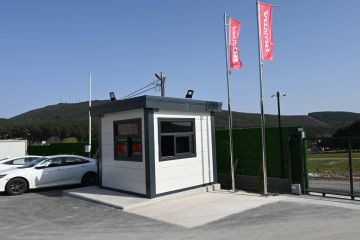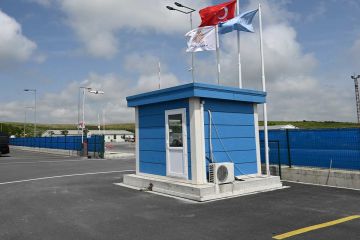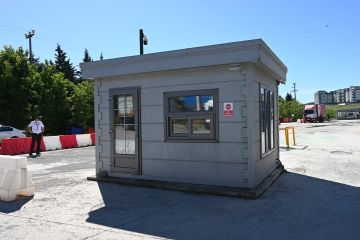

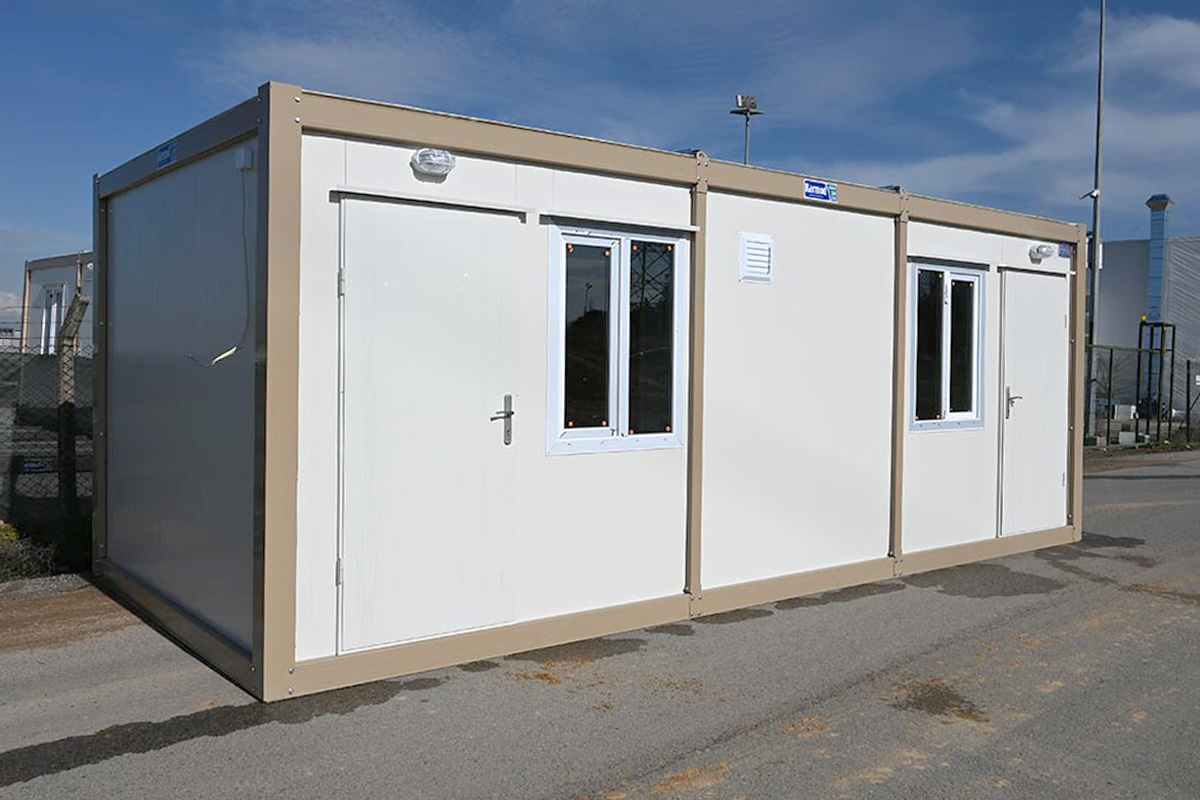
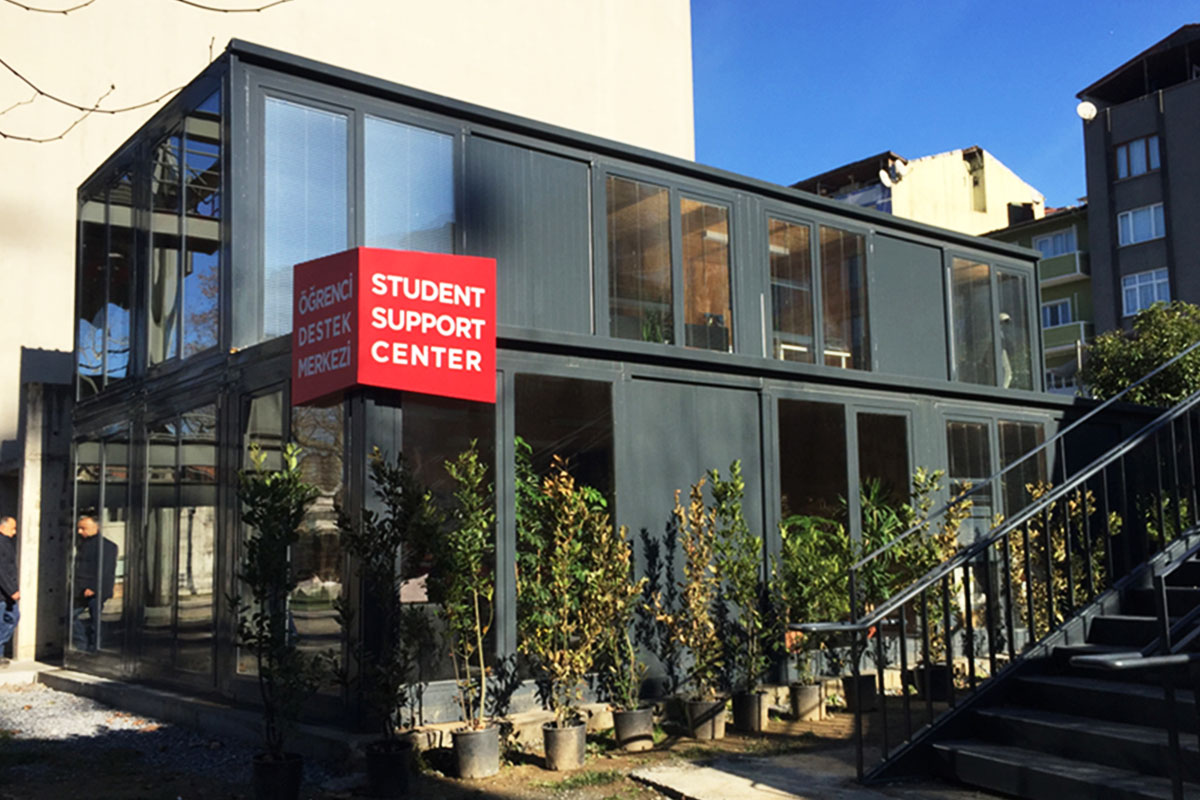
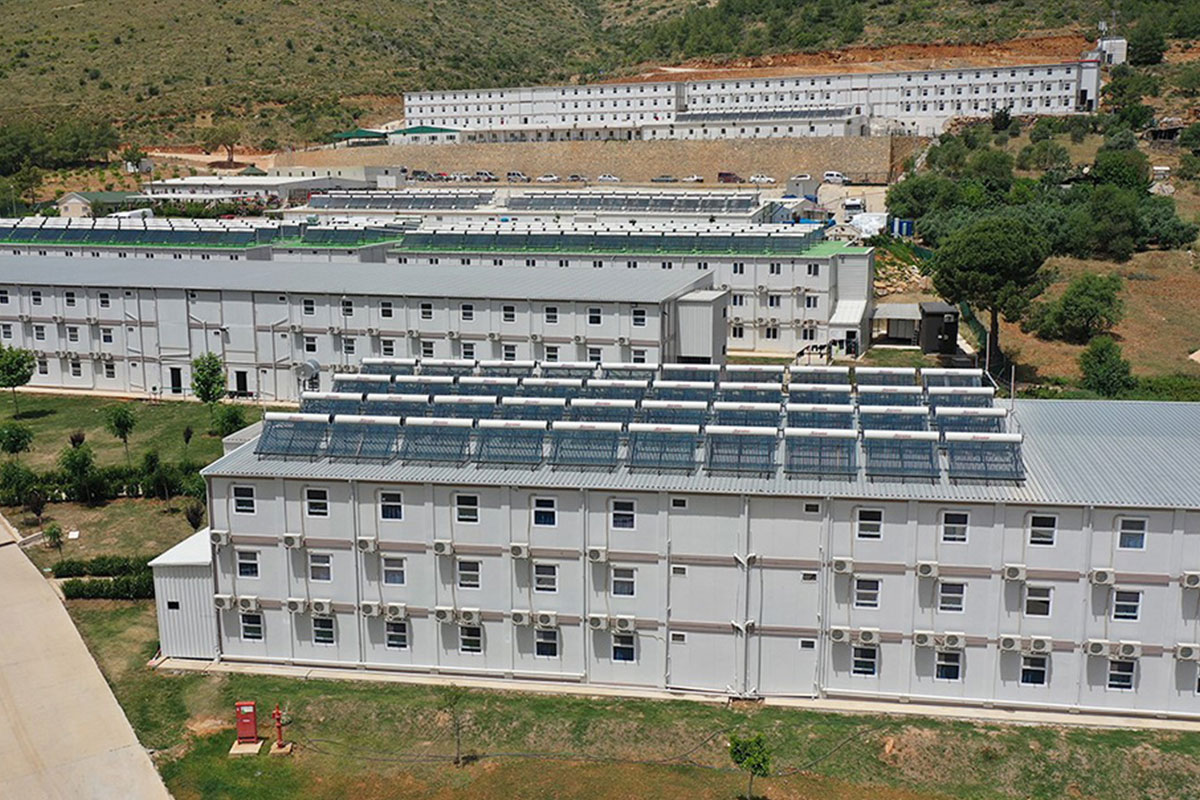
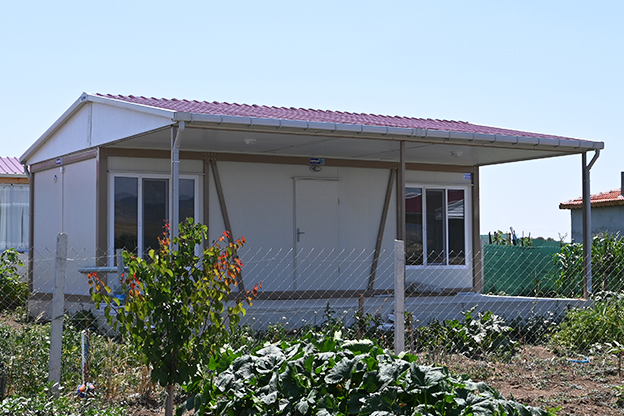
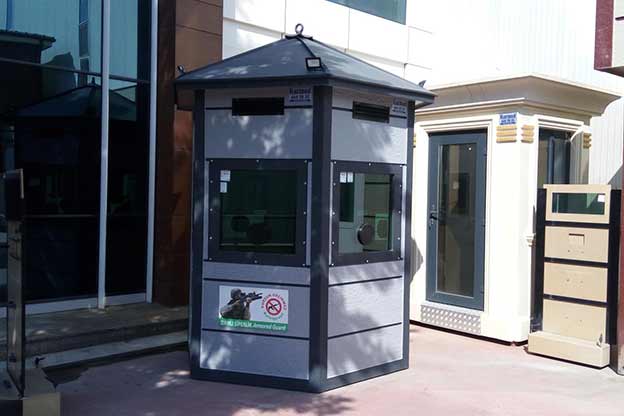
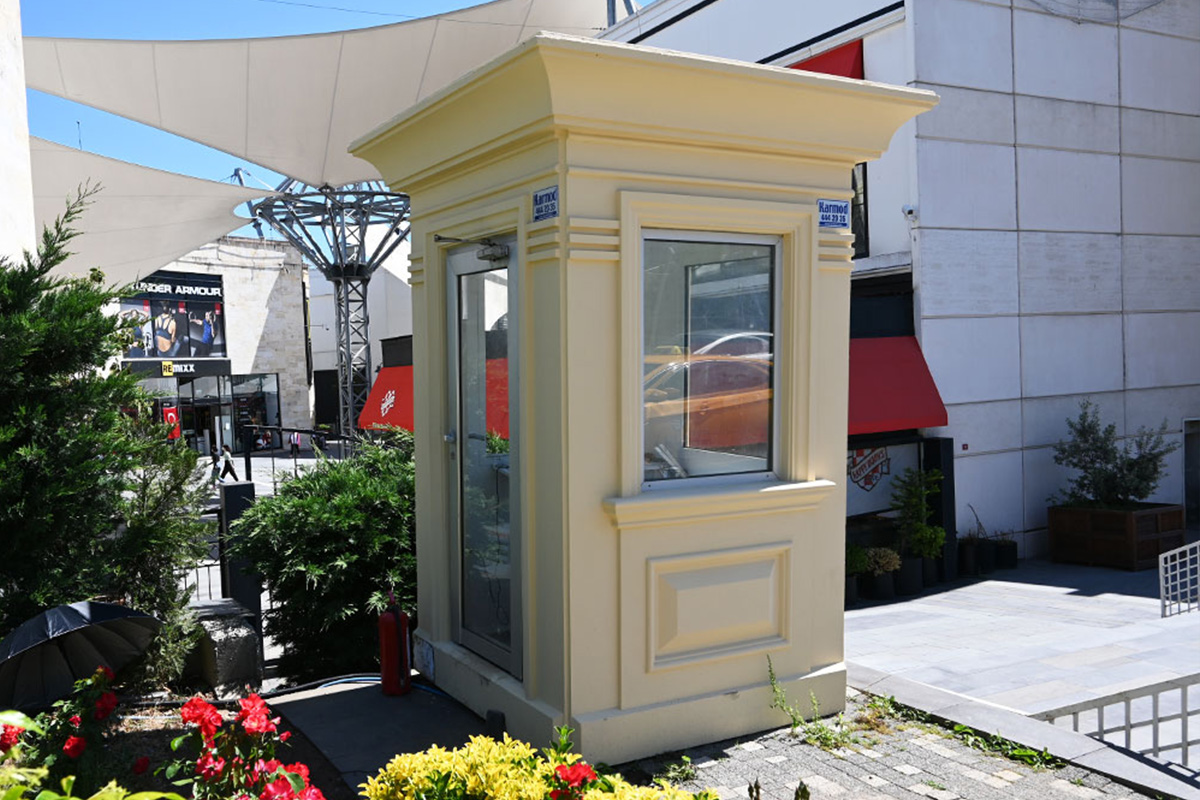
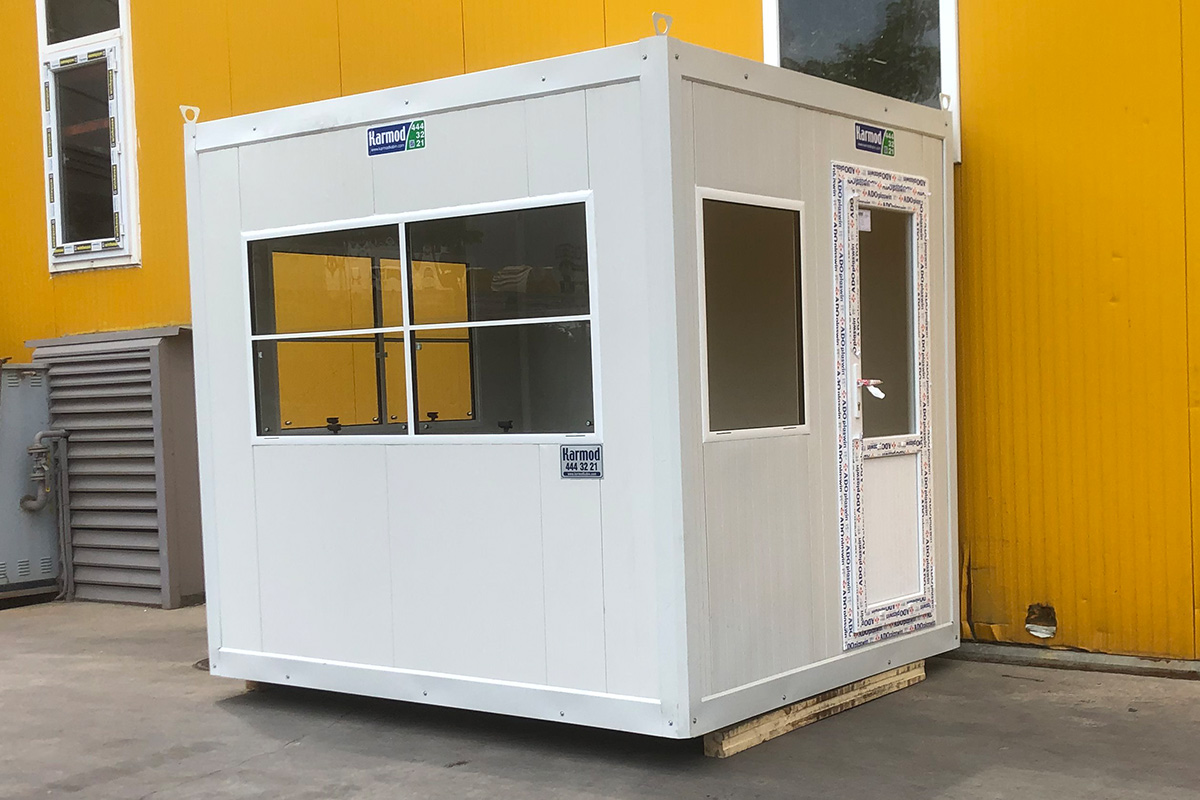
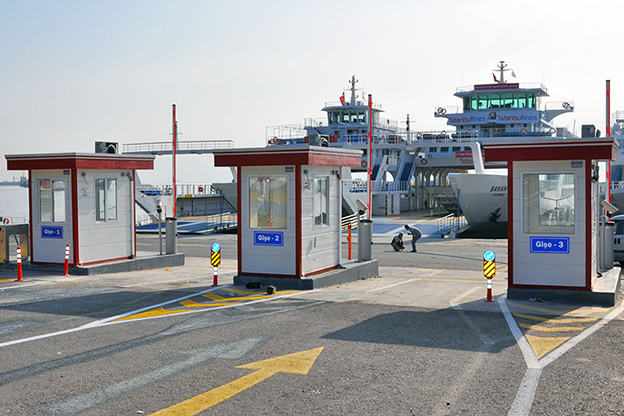

Choosing a security cabin may seem like a small operational detail at first, but in reality, it directly affects how secure, organized, and professional your site feels every single day. A security cabin is often the first physical point of contact between your facility and the outside world, which means its design, placement, and quality all shape first impressions as well as daily security performance.
Whether the cabin is used at a factory entrance, a residential complex, a logistics hub, or a temporary construction site, the wrong choice can lead to operational friction, guard discomfort, and long-term costs. The right choice, however, supports security teams, streamlines access control, and quietly strengthens the overall safety strategy of the site.
Below are five essential tips that help decision-makers choose a security cabin that performs reliably, looks professional, and remains functional for years.
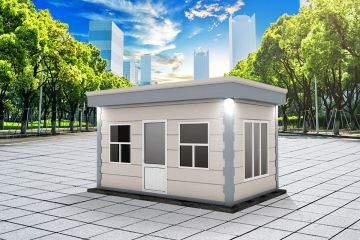
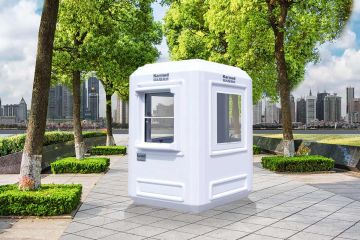
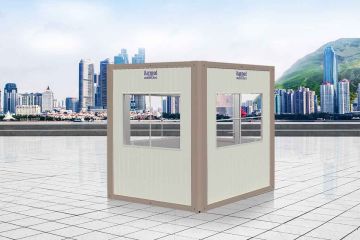
1. Start by Clearly Defining the Security Function
Before comparing models or materials, it is crucial to clearly define what the security cabin is expected to do on a daily basis. Not every cabin serves the same purpose, and assumptions at this stage often lead to mismatched solutions.
Some cabins are primarily observation points, while others are active control centers where guards check IDs, register visitors, communicate with site management, and manage vehicle access. Understanding these daily tasks helps determine the required size, window layout, and interior setup.
Common functional roles of security cabins include:
- Managing vehicle entry and exit at controlled gates
- Registering visitors and verifying identification
- Monitoring restricted or high-risk zones
- Coordinating deliveries and supplier access
- Providing temporary security presence at short-term sites
When the purpose is clearly defined from the beginning, the security cabin becomes a tool that supports operations instead of slowing them down.
2. Evaluate Visibility as a Core Performance Feature
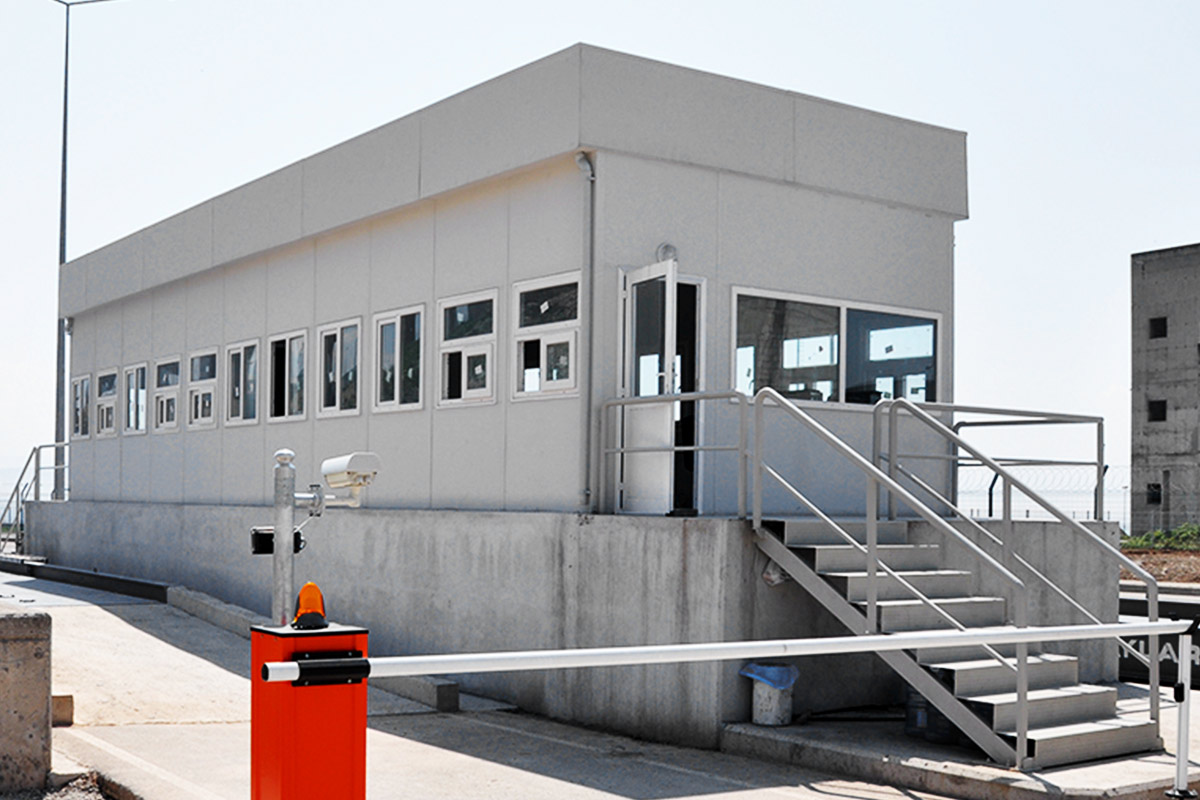
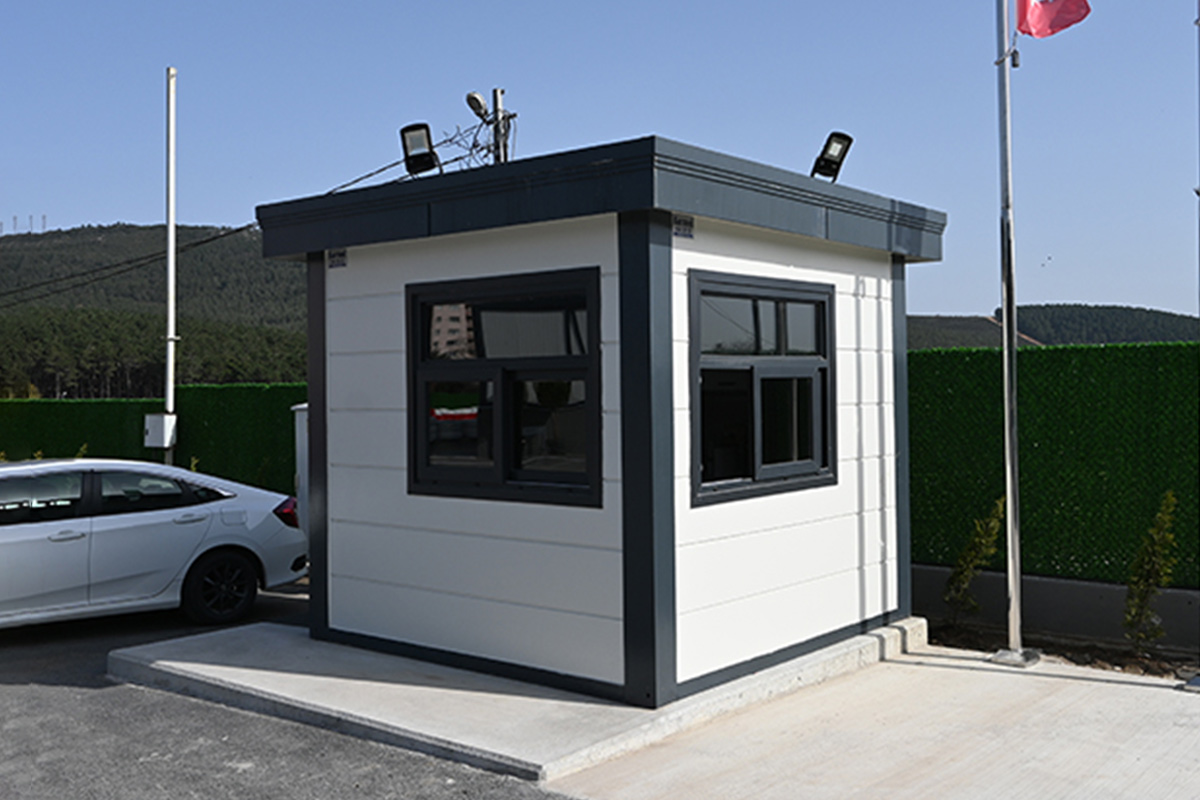
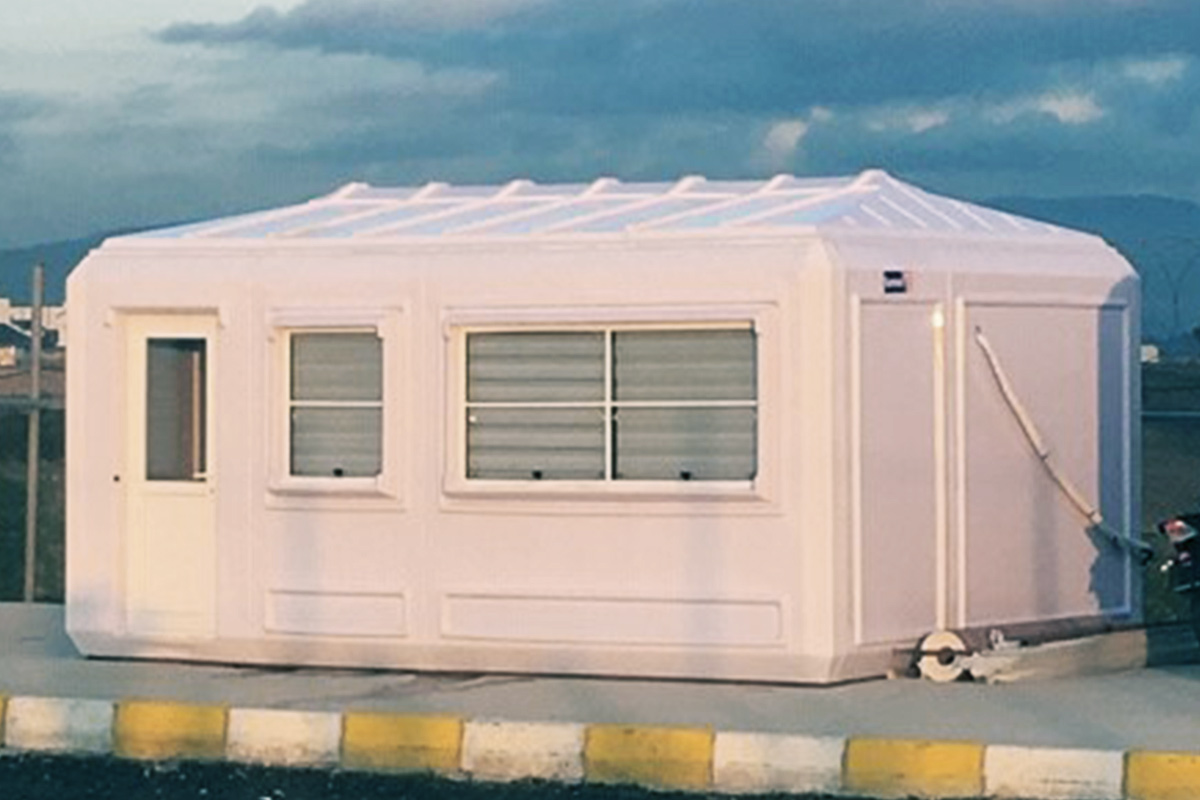
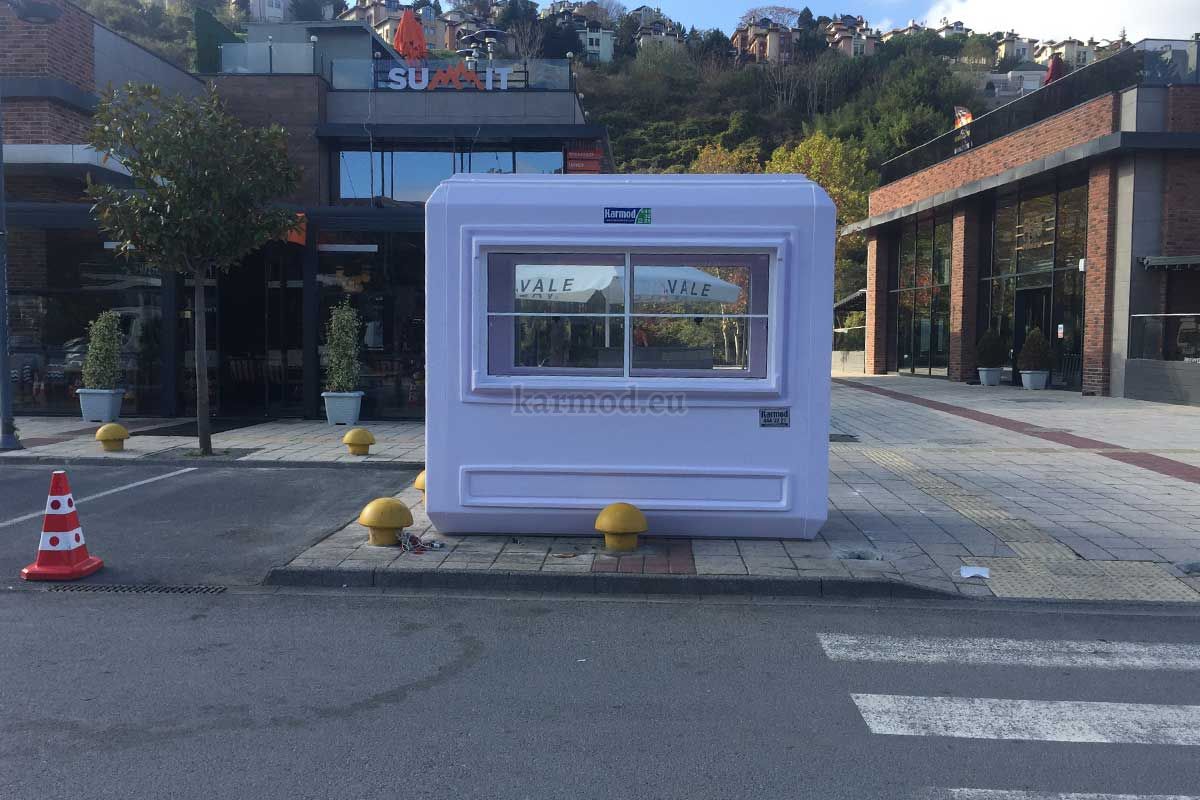
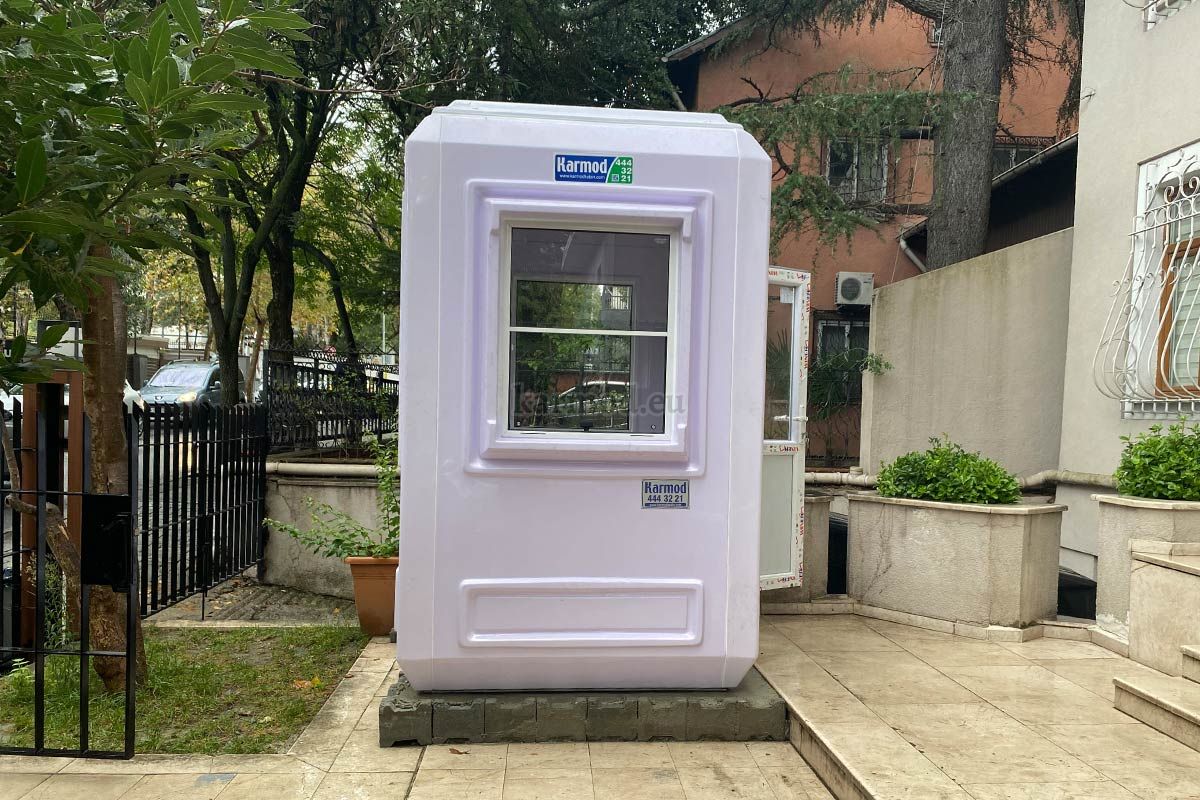
Visibility is not just a design preference; it is one of the most critical performance factors of a security cabin. Guards must be able to monitor approaching vehicles, pedestrian movement, and surrounding areas without constantly repositioning themselves or stepping outside.
Well-designed cabins feature wide windows placed at strategic angles, allowing for continuous visual control while remaining protected inside. Poor visibility creates blind spots, increases reaction time, and places unnecessary strain on security personnel.
Visibility planning should take into account:
- Vehicle approach angles and turning points
- Pedestrian flow around the entrance
- Lighting conditions during day and night
- Potential blind spots created by barriers or landscaping
A cabin with strong visibility naturally improves authority and reduces confusion, making it clear where visitors should stop and wait.
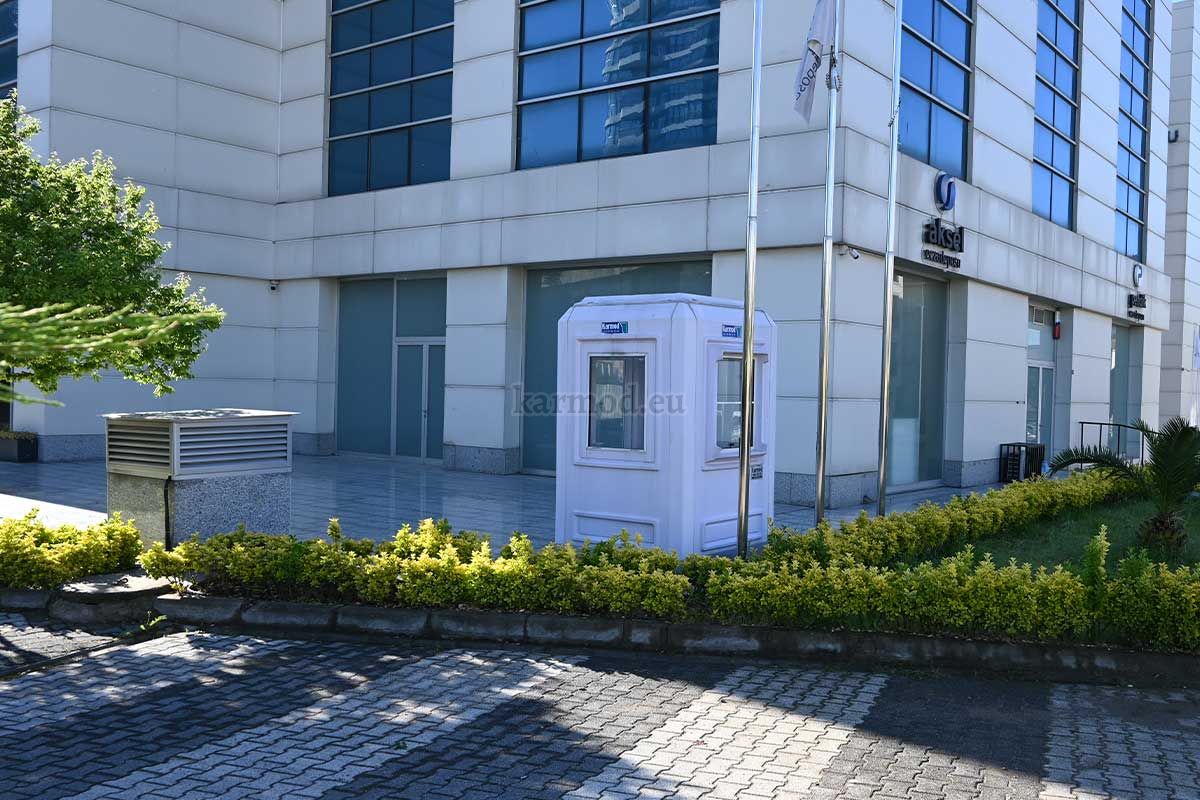
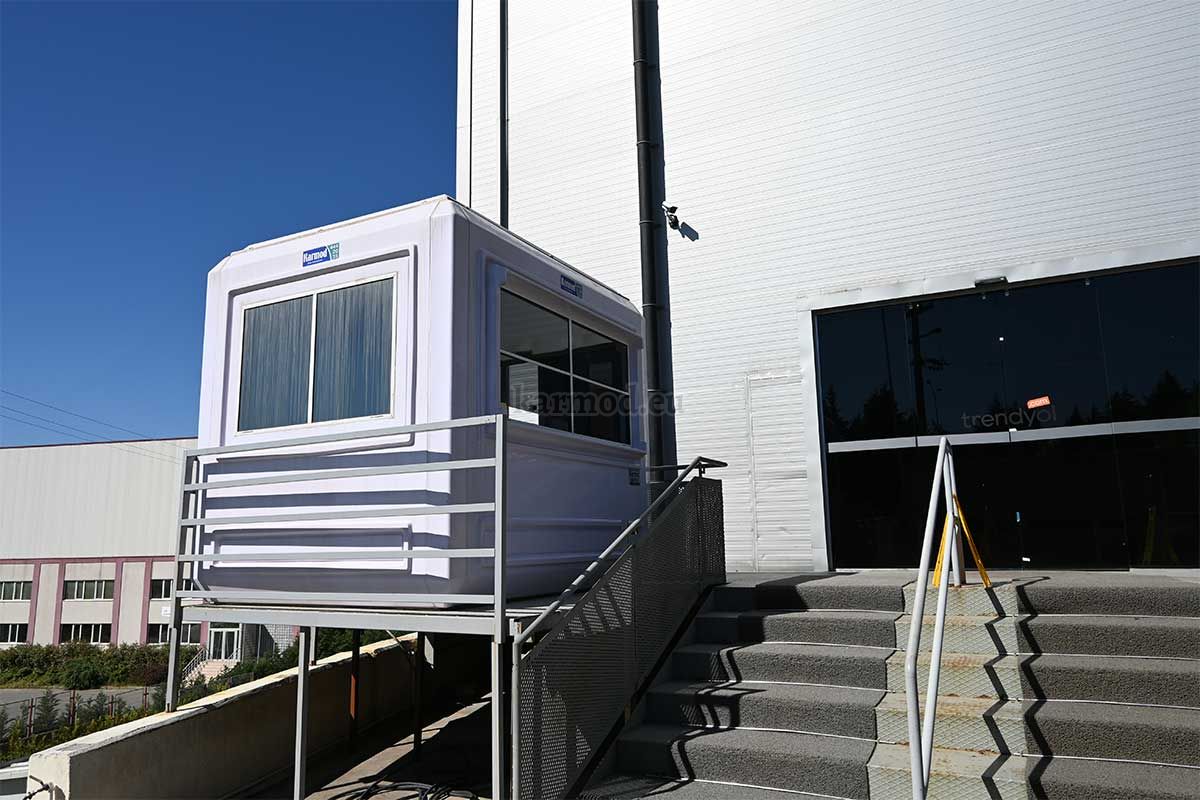
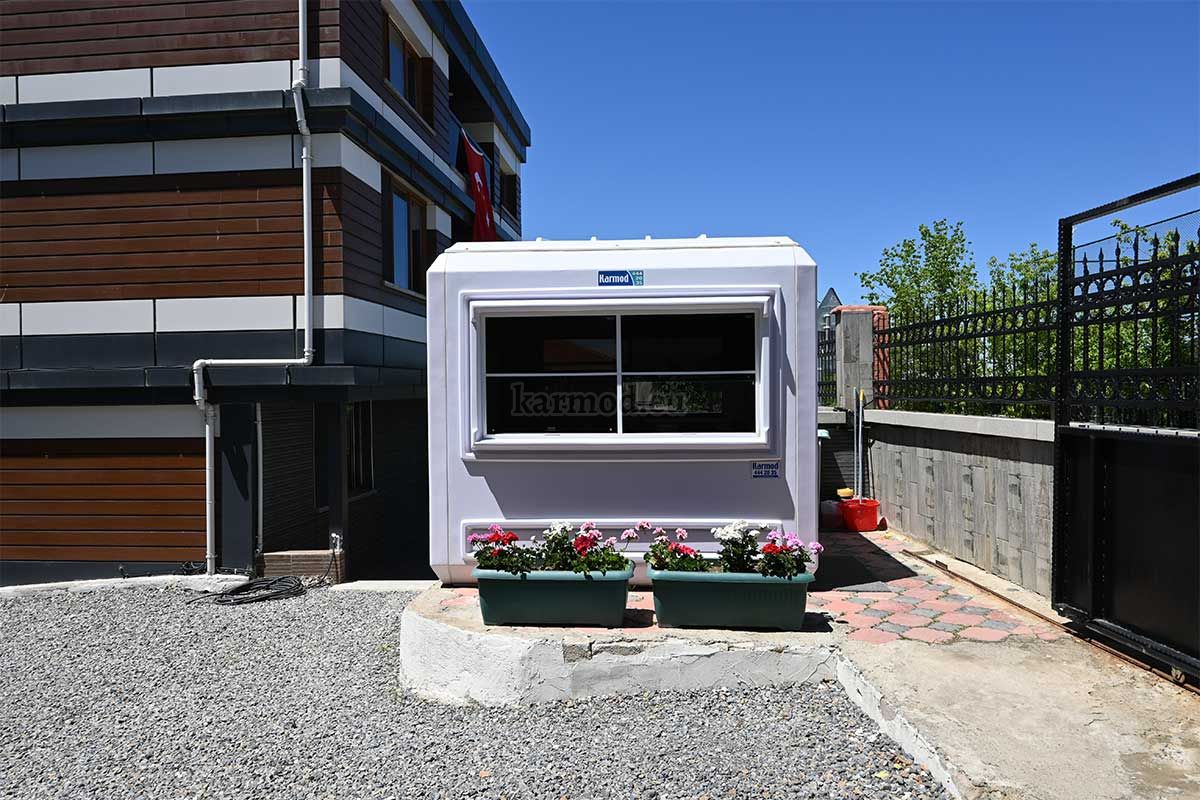
3. Choose Materials That Support Long-Term Reliability
Security cabins are exposed to constant environmental and physical stress. Sun, rain, wind, temperature changes, and continuous use all impact how the structure performs over time. Choosing materials based solely on price often results in higher maintenance costs and reduced lifespan.
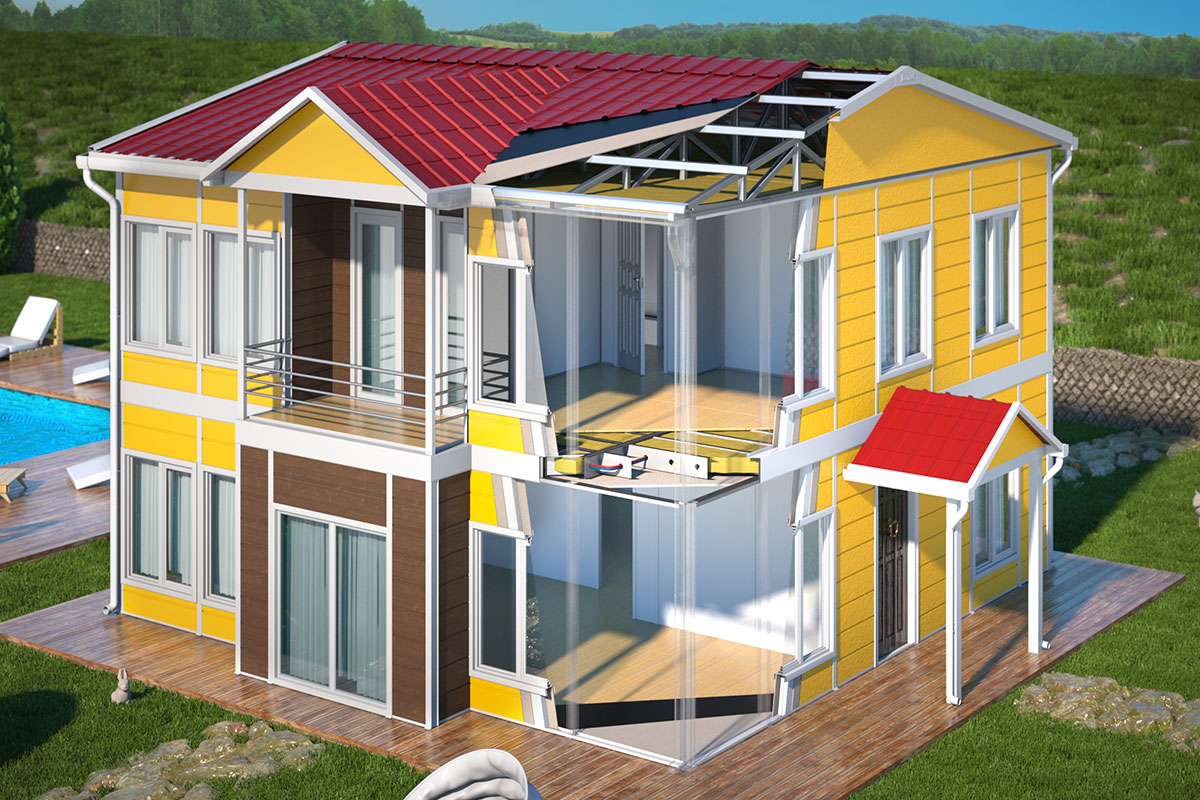
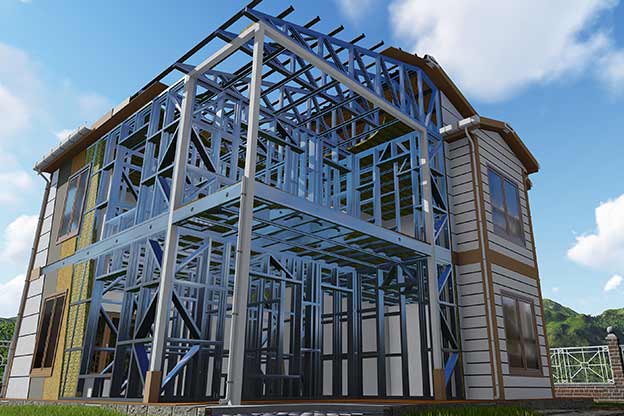
High-quality security cabins are built with insulated wall panels, strong structural frames, and weather-resistant exterior finishes. These elements help maintain interior comfort while protecting the cabin from external damage.
When evaluating materials, decision-makers should consider:
- Climate conditions specific to the site location
- Daily usage intensity and traffic volume
- Resistance to corrosion, impact, and fading
- Ease of cleaning and long-term maintenance
Durable materials not only extend the cabin’s life but also maintain a professional appearance that reflects positively on the entire facility.
4. Design the Interior Around Guard Comfort and Efficiency
Security personnel often work long shifts that require constant attention, awareness, and professionalism. A poorly designed interior can quickly lead to discomfort, fatigue, and reduced alertness, directly affecting site security.
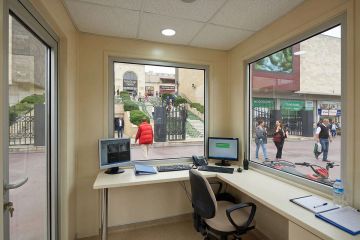
Interior design should focus on creating a practical and comfortable working environment. Adequate space, proper ventilation, efficient lighting, and ergonomic layout all contribute to better performance.
An effective interior design supports:
- Sustained focus during long working hours
- Comfortable posture and reduced physical strain
- Clear sightlines through windows without obstruction
- Efficient placement of desks, monitors, and controls
Comfort is not a luxury in security operations. It is a performance factor that directly impacts how well guards can do their job.
5. Work with a Manufacturer That Understands Real Security Needs
The difference between a basic cabin and a reliable security solution often lies in the experience of the manufacturer. Providers with real industry knowledge design cabins based on actual site conditions rather than generic templates.
An experienced manufacturer helps clients evaluate site-specific requirements, select appropriate materials, and plan layouts that support both current and future needs. This guidance prevents costly mistakes and ensures that the cabin integrates smoothly into daily operations.
Working with the right partner offers advantages such as:
- Customized size and layout recommendations
- Material options tailored to local conditions
- Faster installation and smoother project timelines
- Long-term support and scalability
Choosing a Security Cabin That Truly Adds Value
A security cabin should do more than simply exist at an entrance. It should actively support safety, improve access control, and provide a professional working environment for security personnel.
When function, visibility, durability, comfort, and expertise are carefully considered, the result is a solution that quietly strengthens operations every day. If you are planning to install or upgrade a security cabin and want a solution that fits your site rather than forcing compromises, our team is ready to help.
Contact us to discuss your security requirements, review suitable cabin options, and receive a tailored quotation. The right security cabin starts with the right planning—and the right partner.