

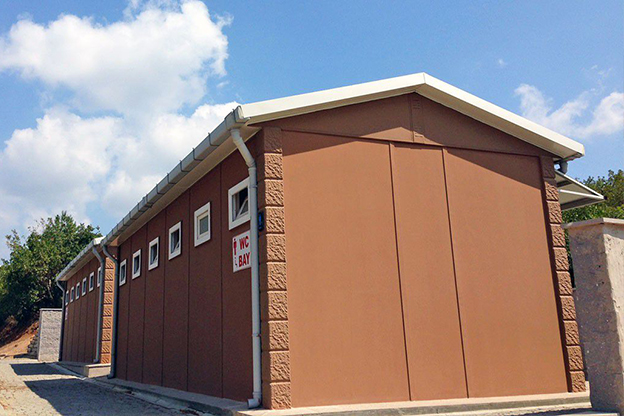
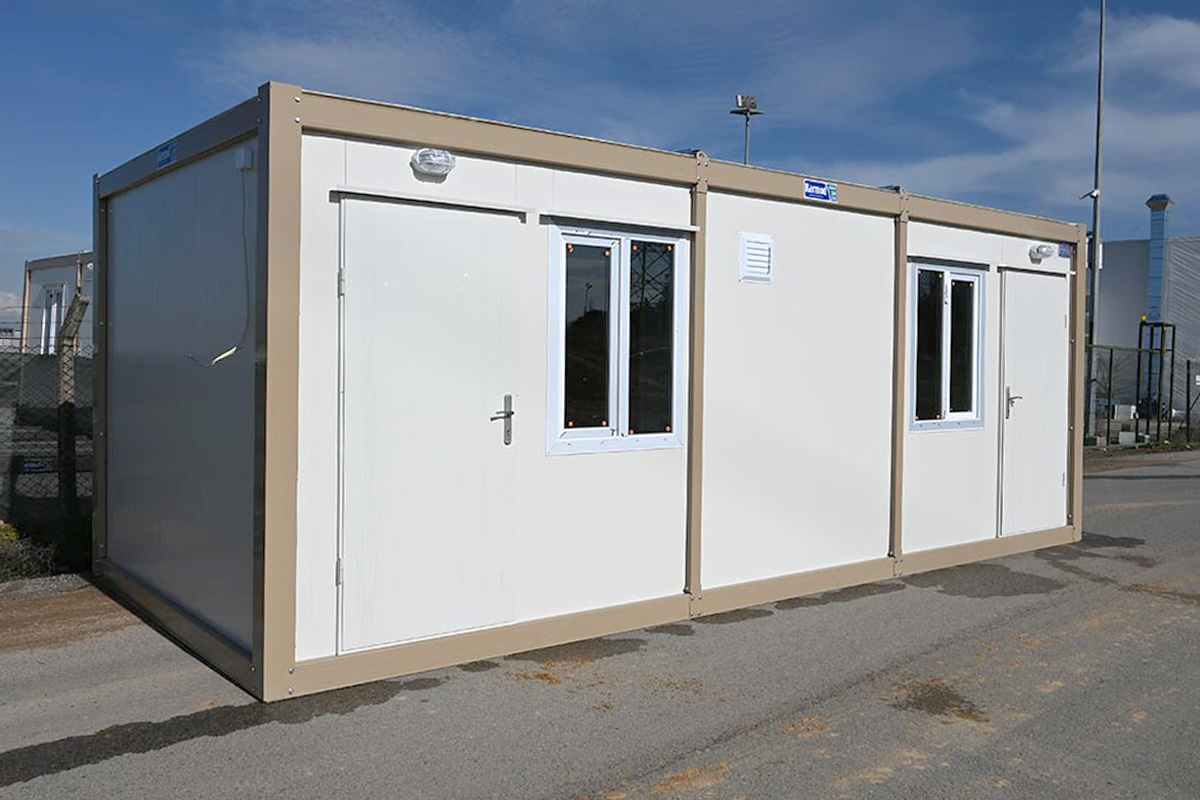
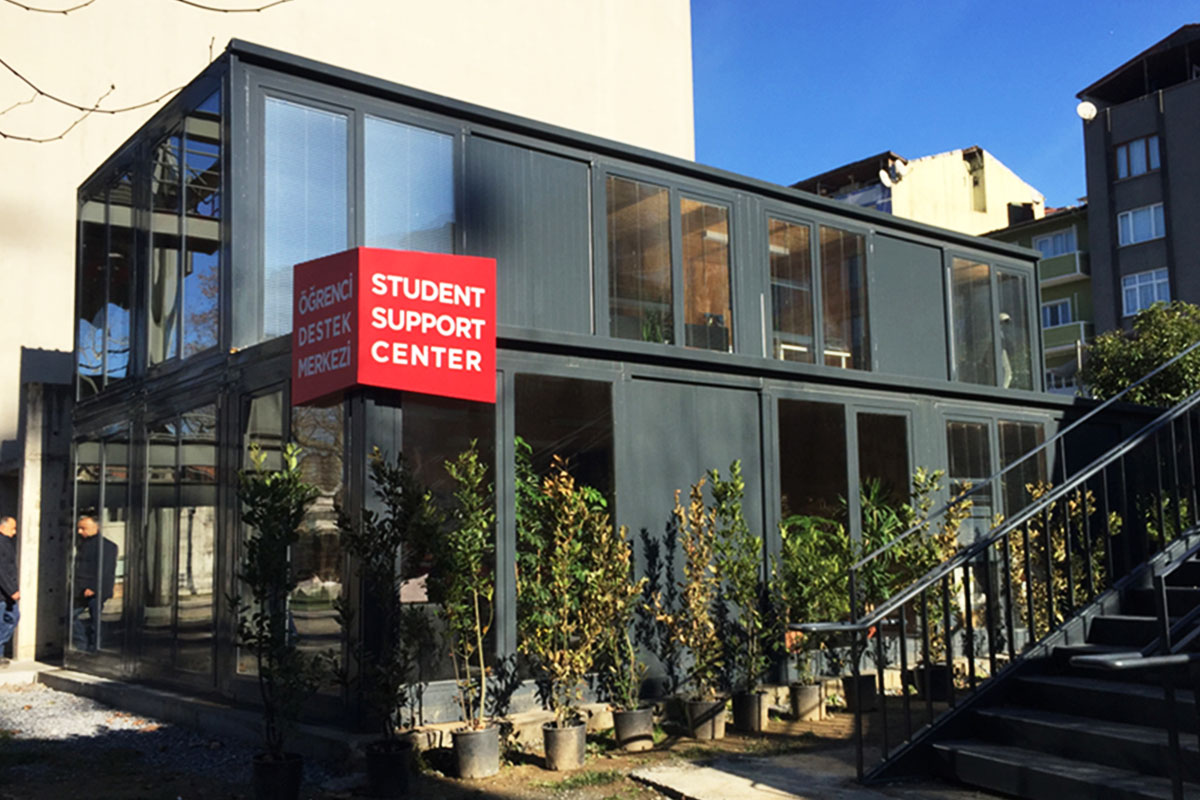
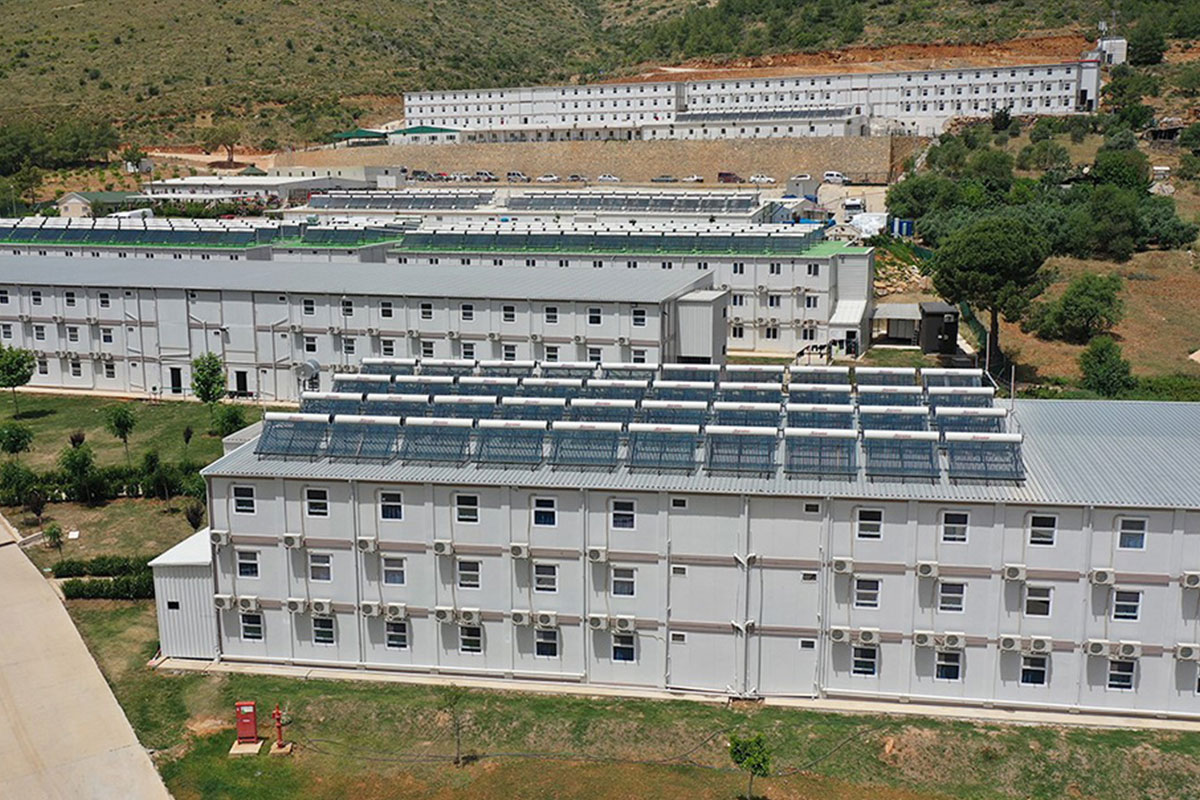
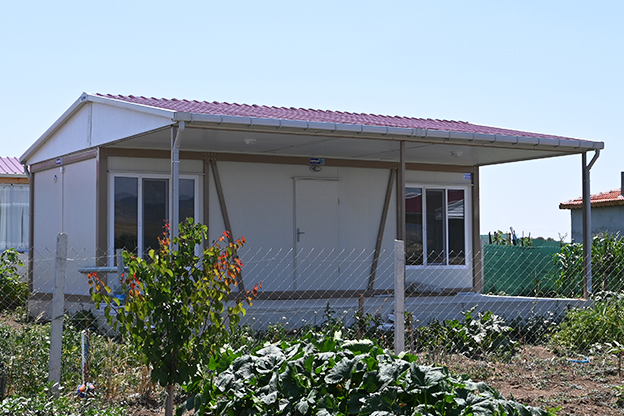
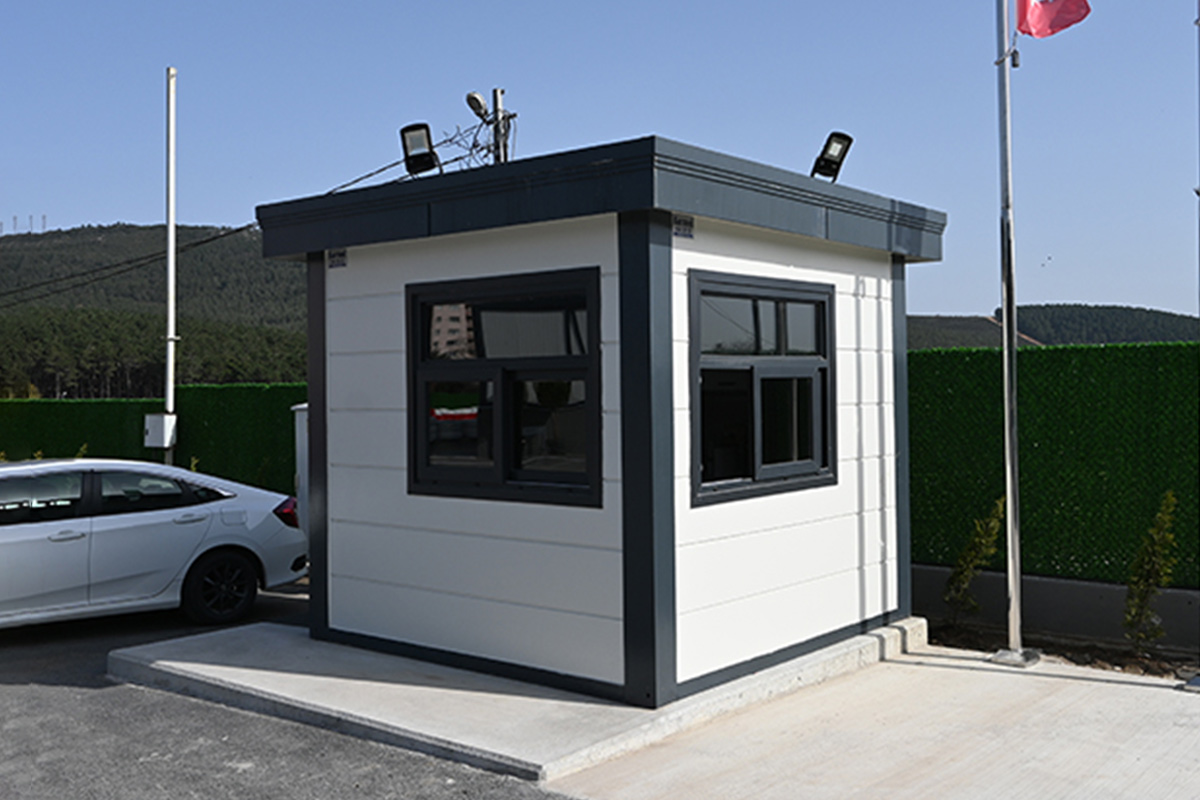
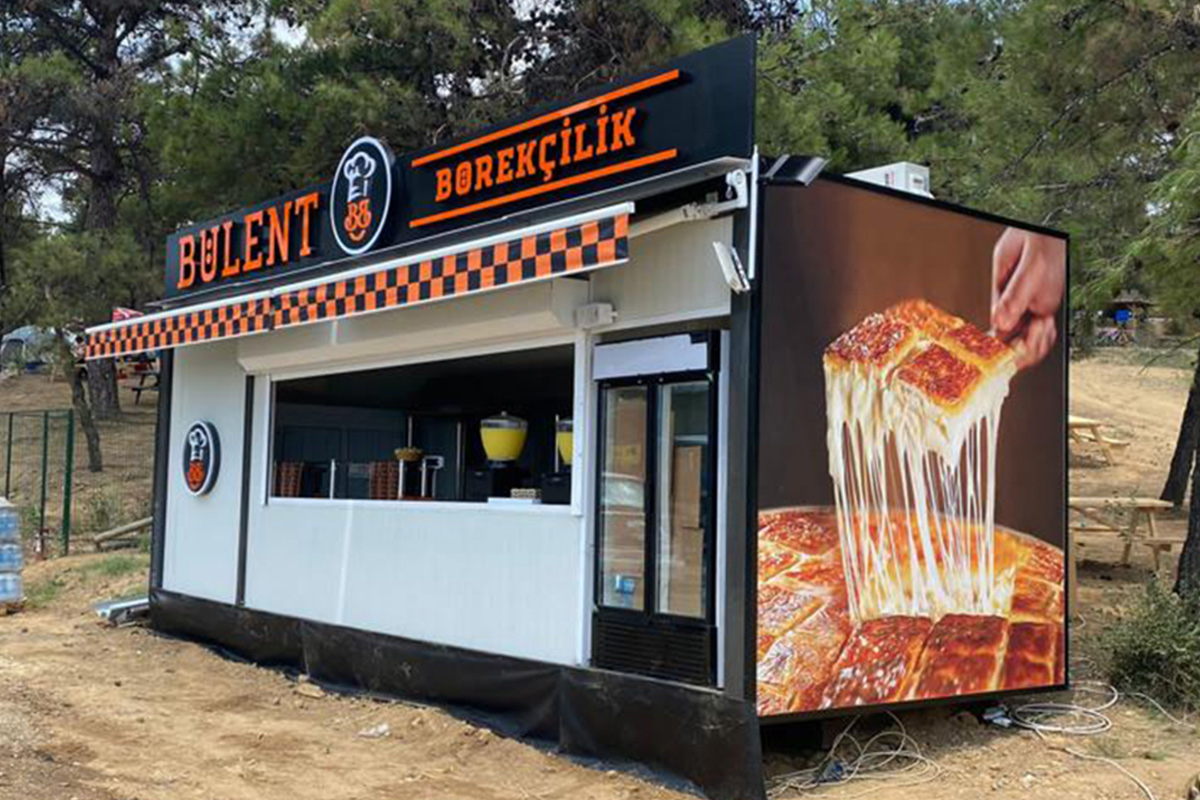
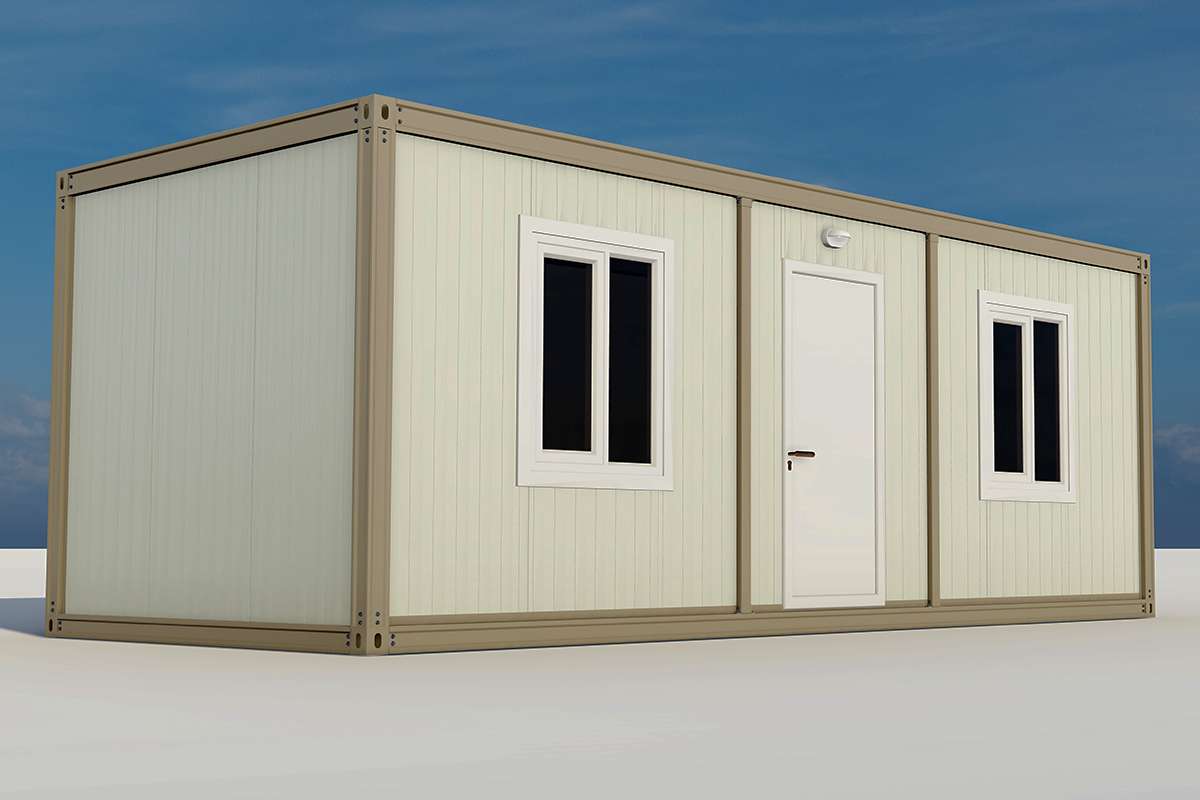
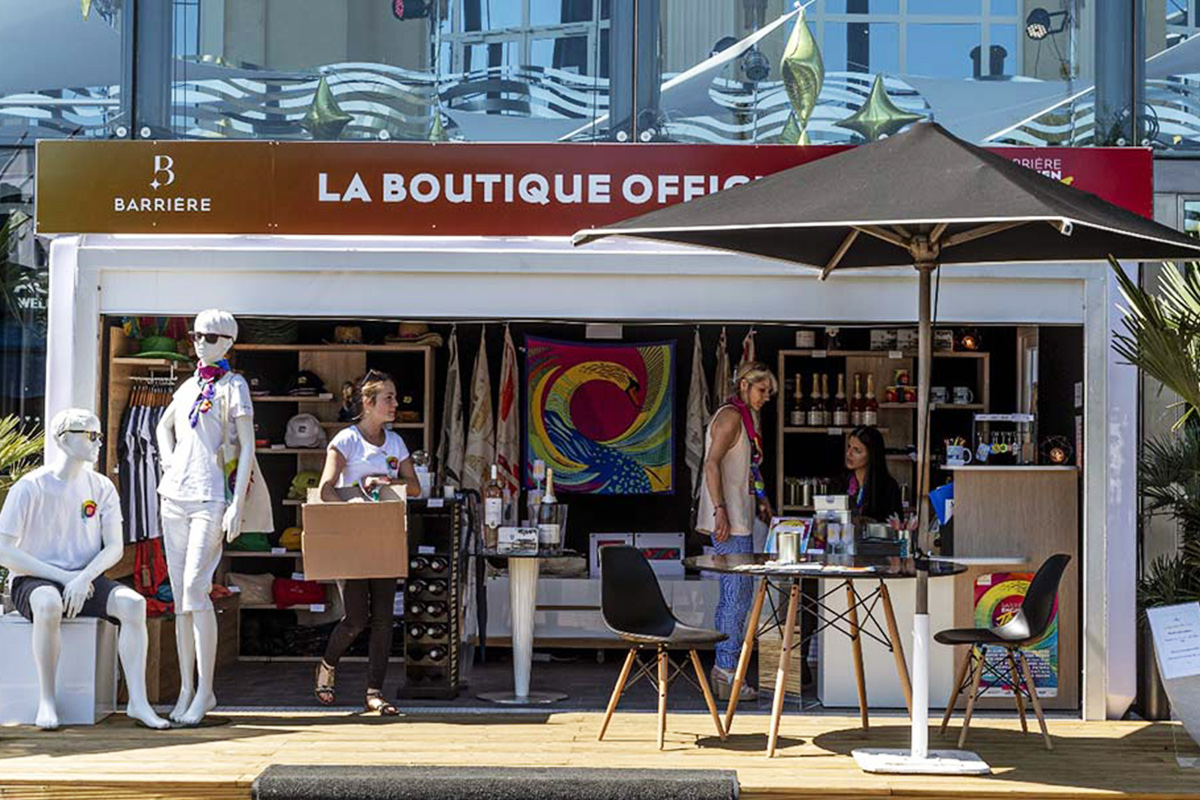
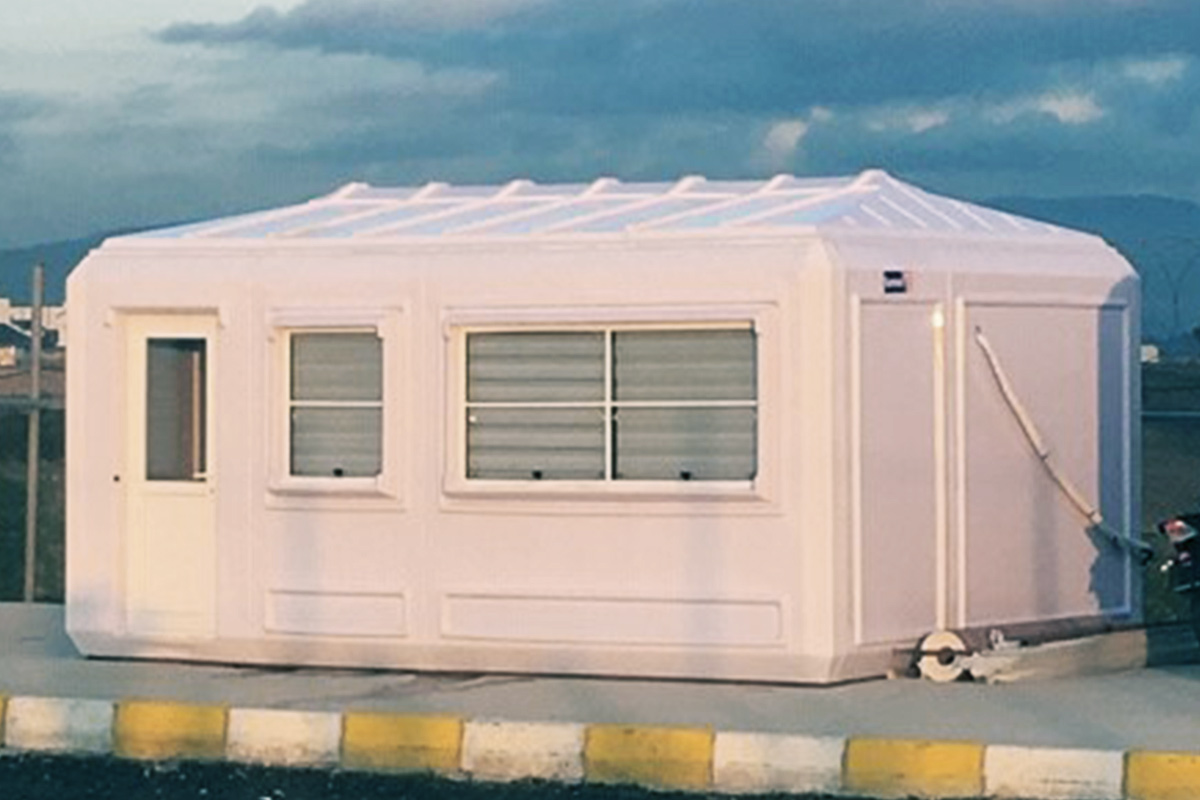
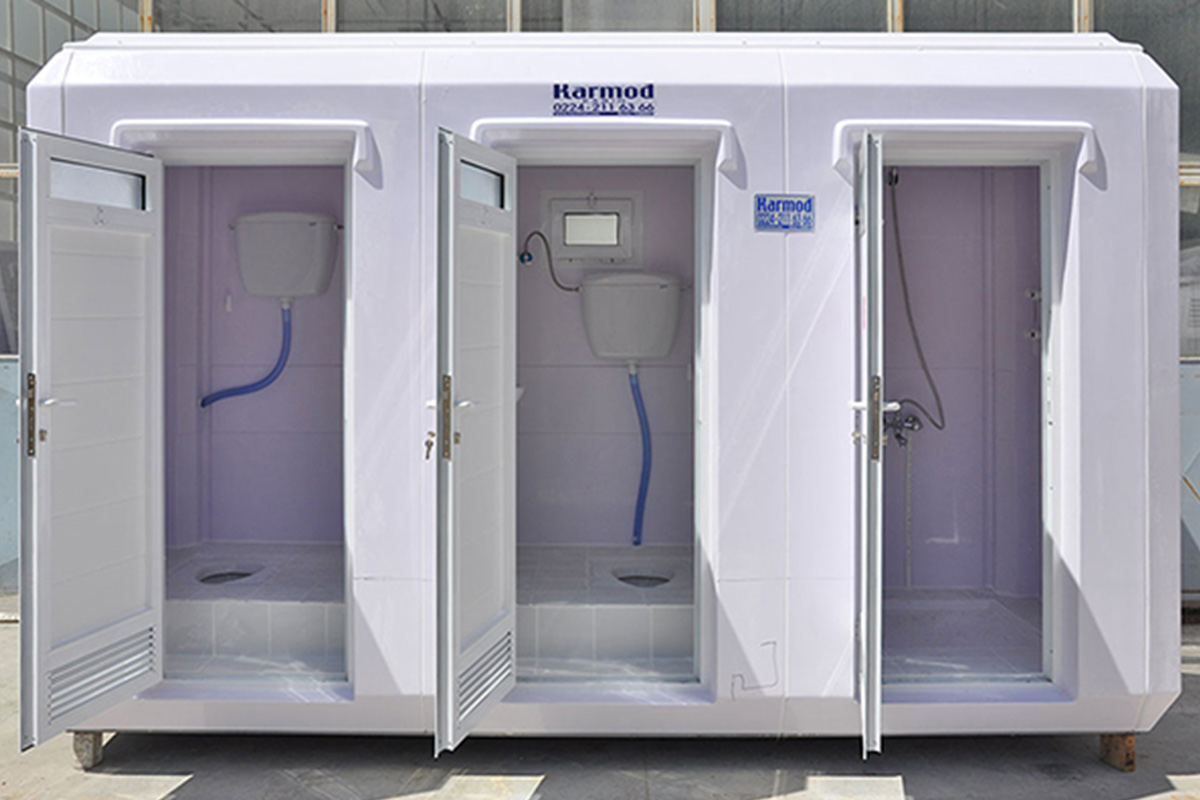
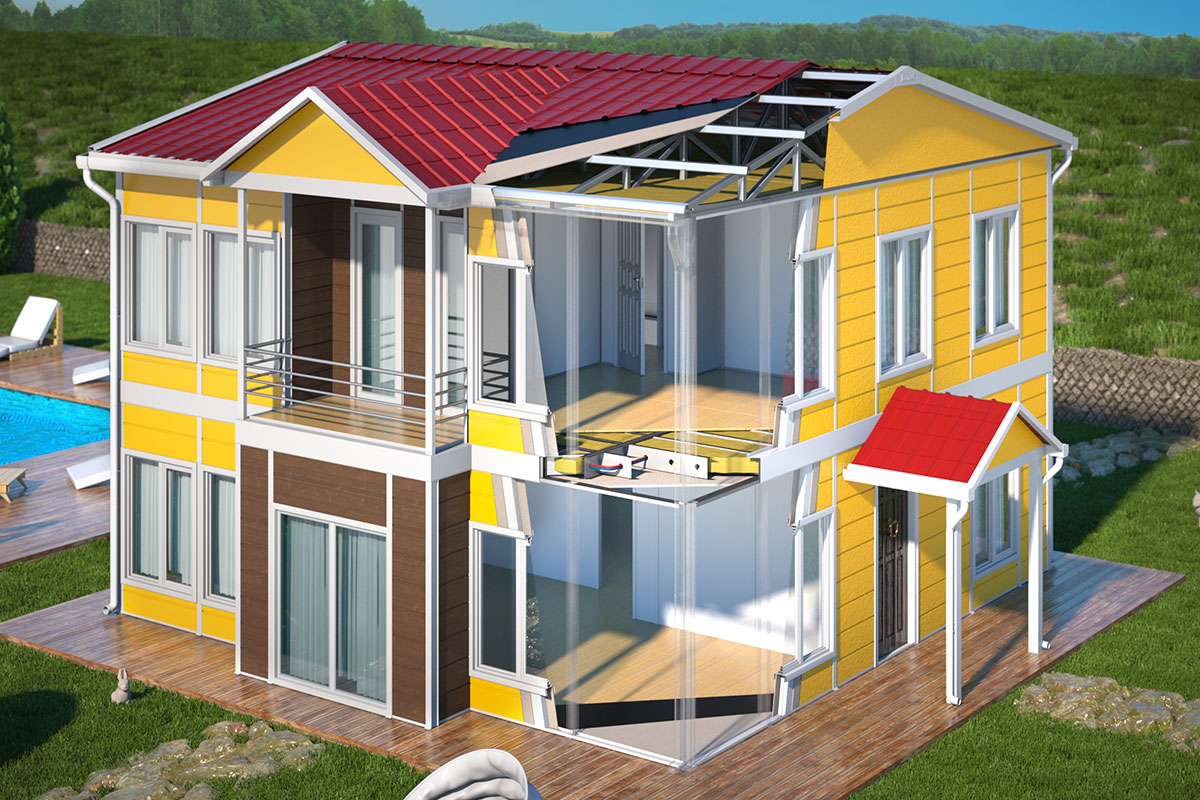
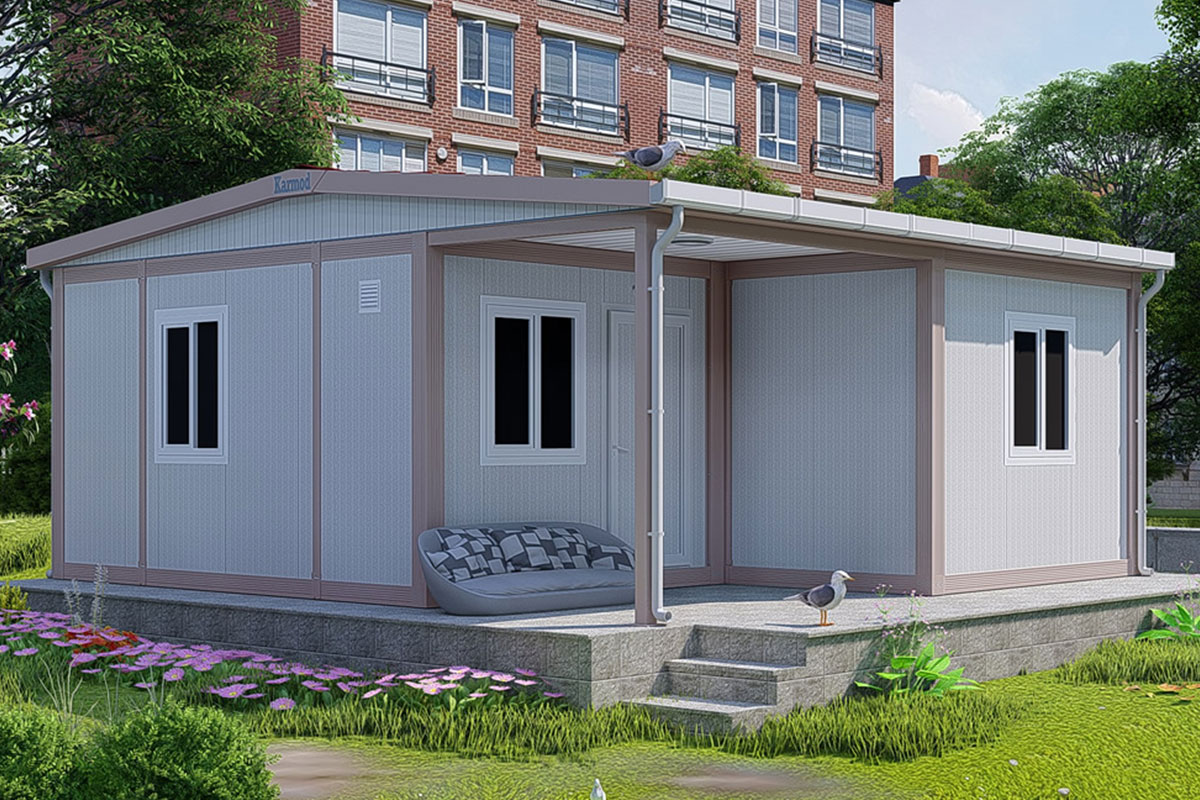
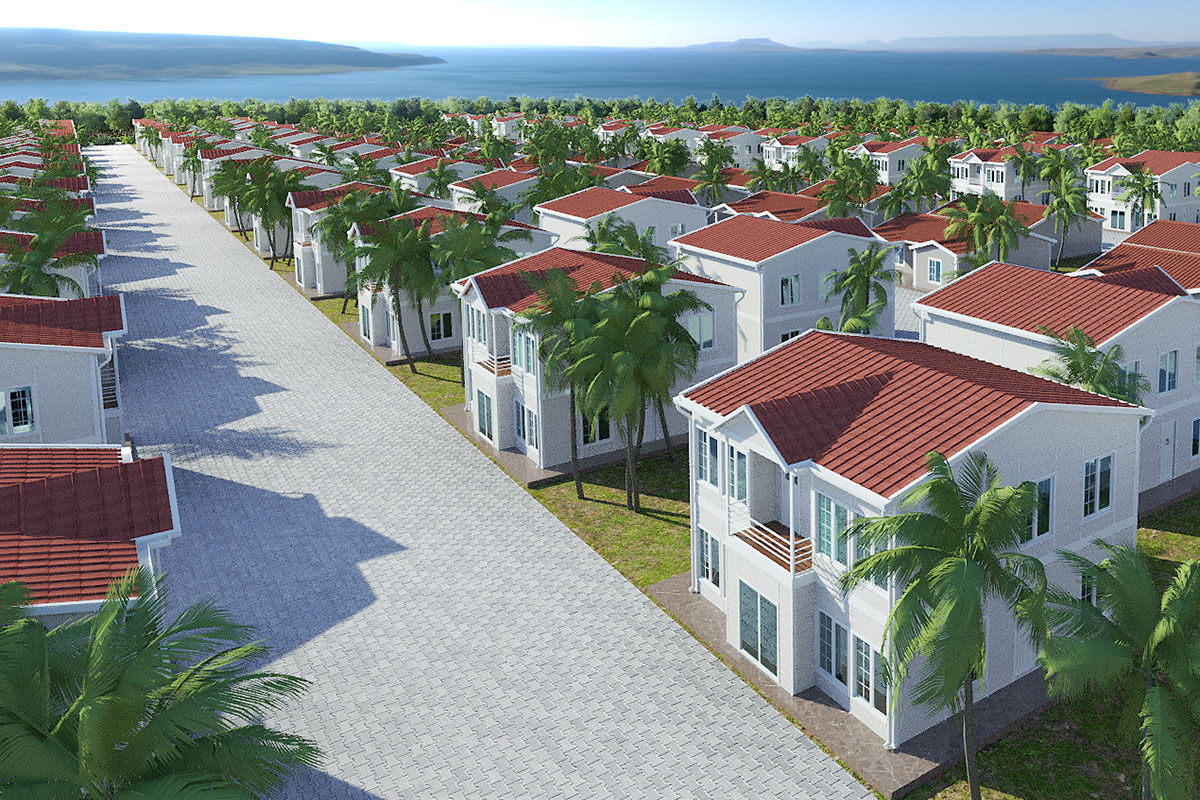
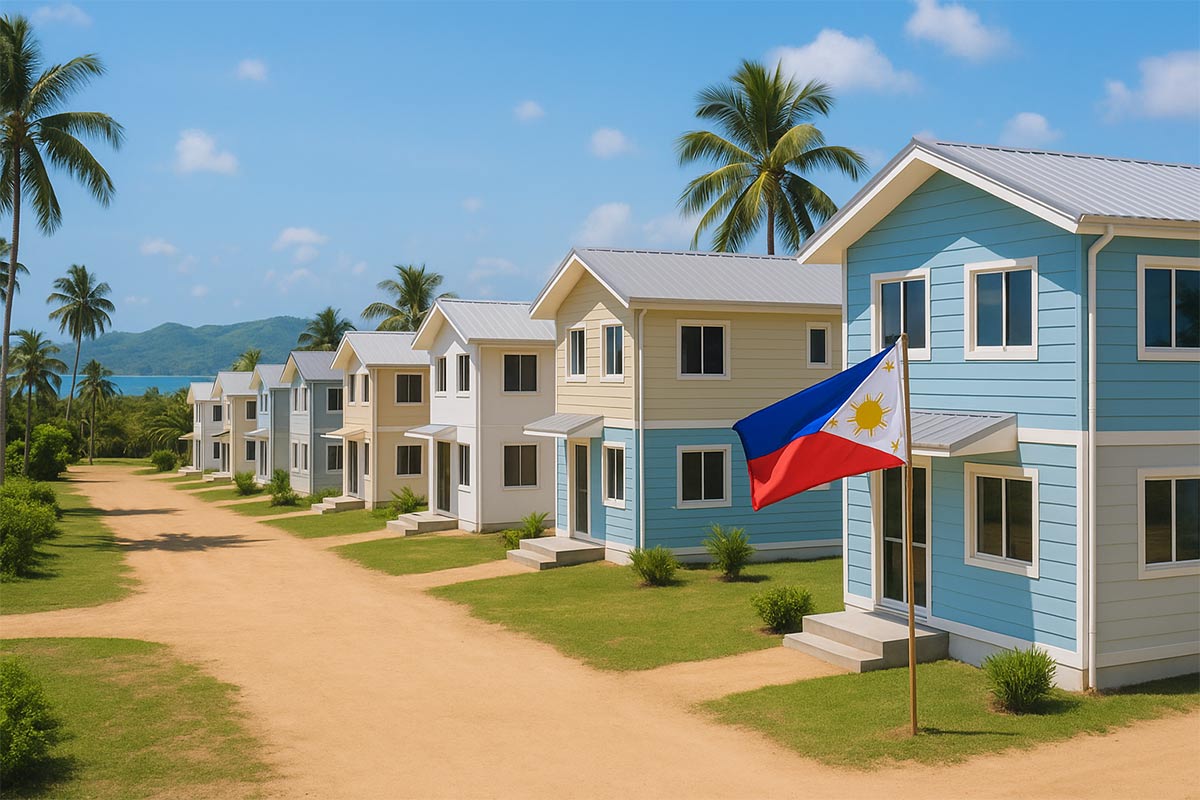
Across the Philippines, a nation of islands known for its vibrant cities and growing communities, the demand for affordable housing is steadily rising. With the challenges of limited urban space, high construction costs, and frequent tropical weather conditions, Filipinos are now turning to prefabricated affordable housing as a smart, modern, and durable alternative. These innovative homes combine efficiency and elegance — designed to withstand the local climate while staying within budget.
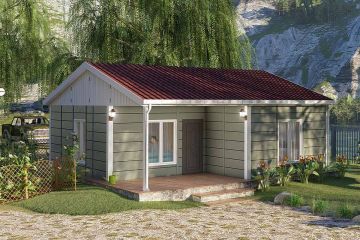
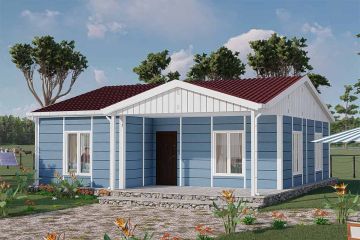
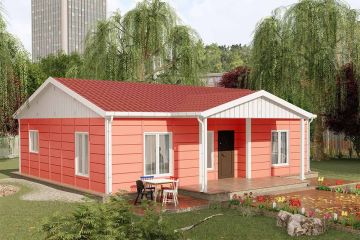
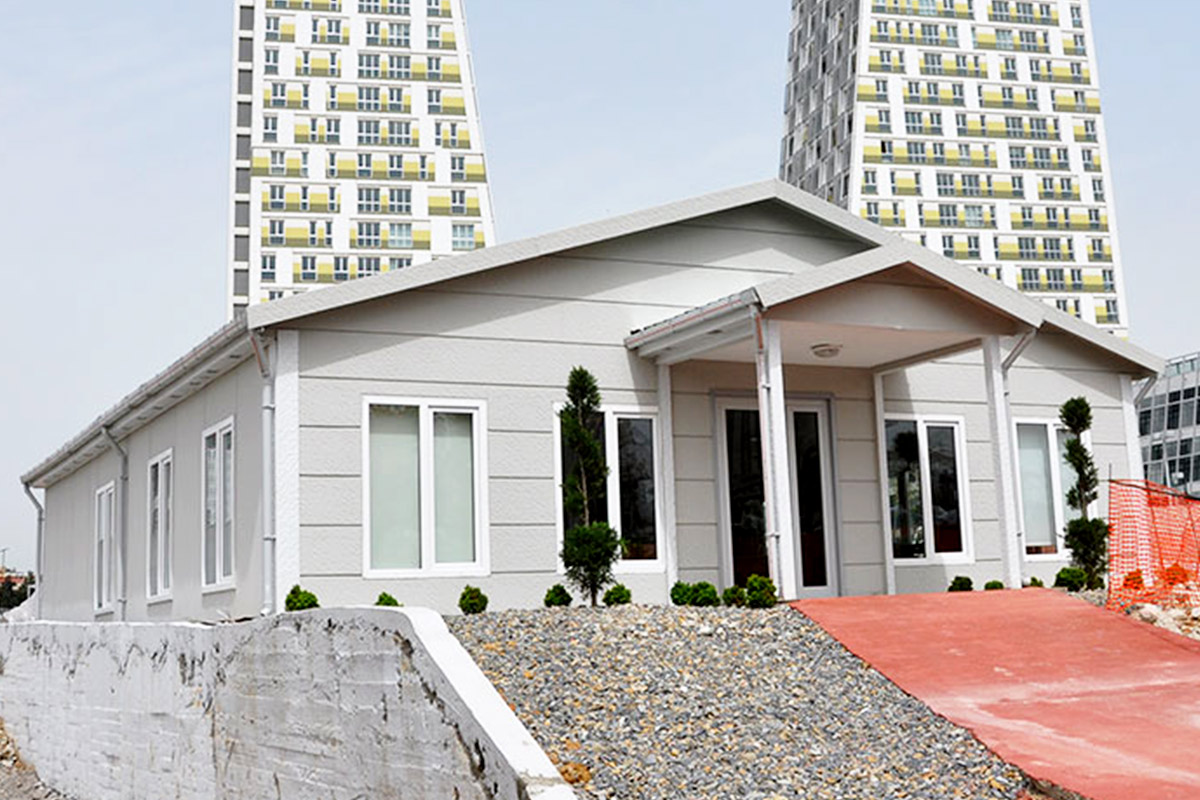
What makes prefabricated affordable housing in the Philippines so appealing is its ability to provide long-term value through faster construction and lower maintenance. Each modular home is pre-engineered using high-quality materials and built with precision in a controlled environment before being transported to the site. This not only saves time but ensures consistent quality — offering every Filipino family a comfortable, sustainable, and cost-effective home solution tailored to their lifestyle and environment.
Why Affordable, Modular, and Prefabricated Housing Is the Future of Sustainable Living in the Philippines
Across the Philippines, the idea of affordable housing is rapidly transforming into a movement toward smarter, greener, and more efficient living. With land scarcity in urban areas and the high cost of traditional construction, many Filipinos are now exploring low cost housing ideas that emphasize sustainability and long-term comfort. Prefabricated and modular homes perfectly fit this vision — combining cost efficiency, speed, and environmental responsibility in one complete solution.
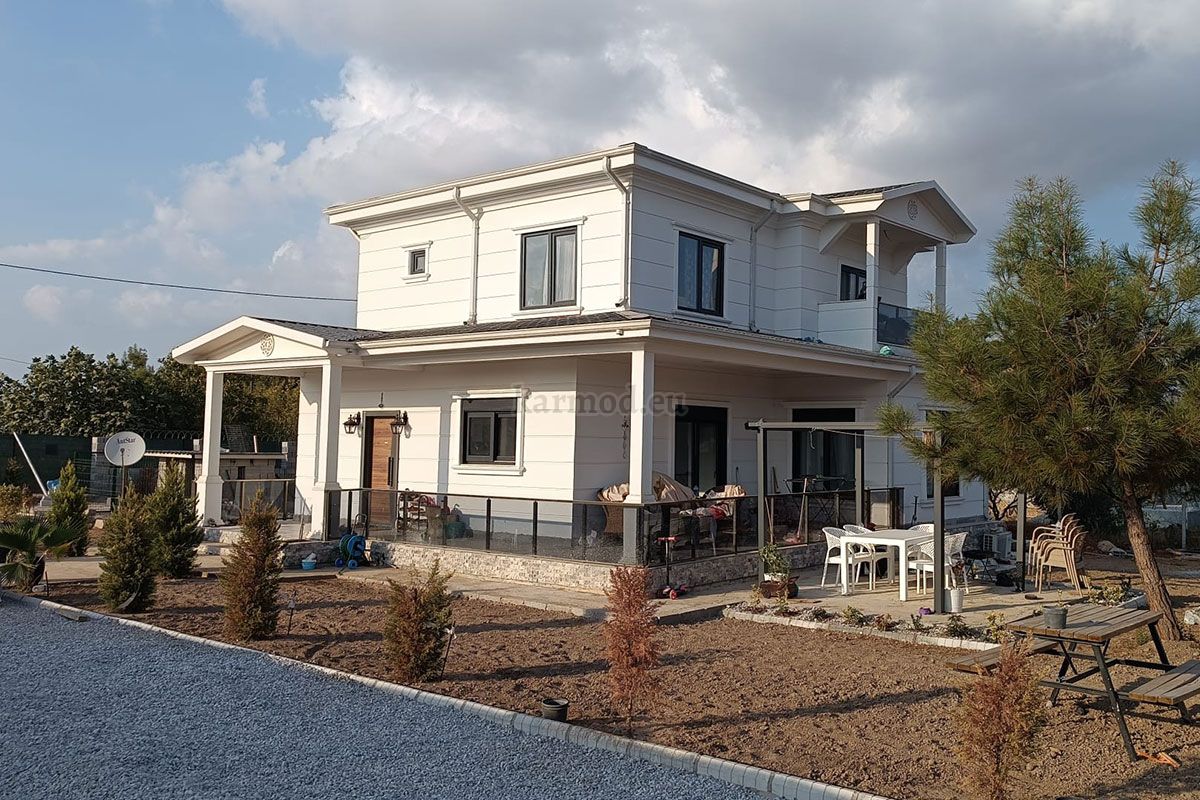
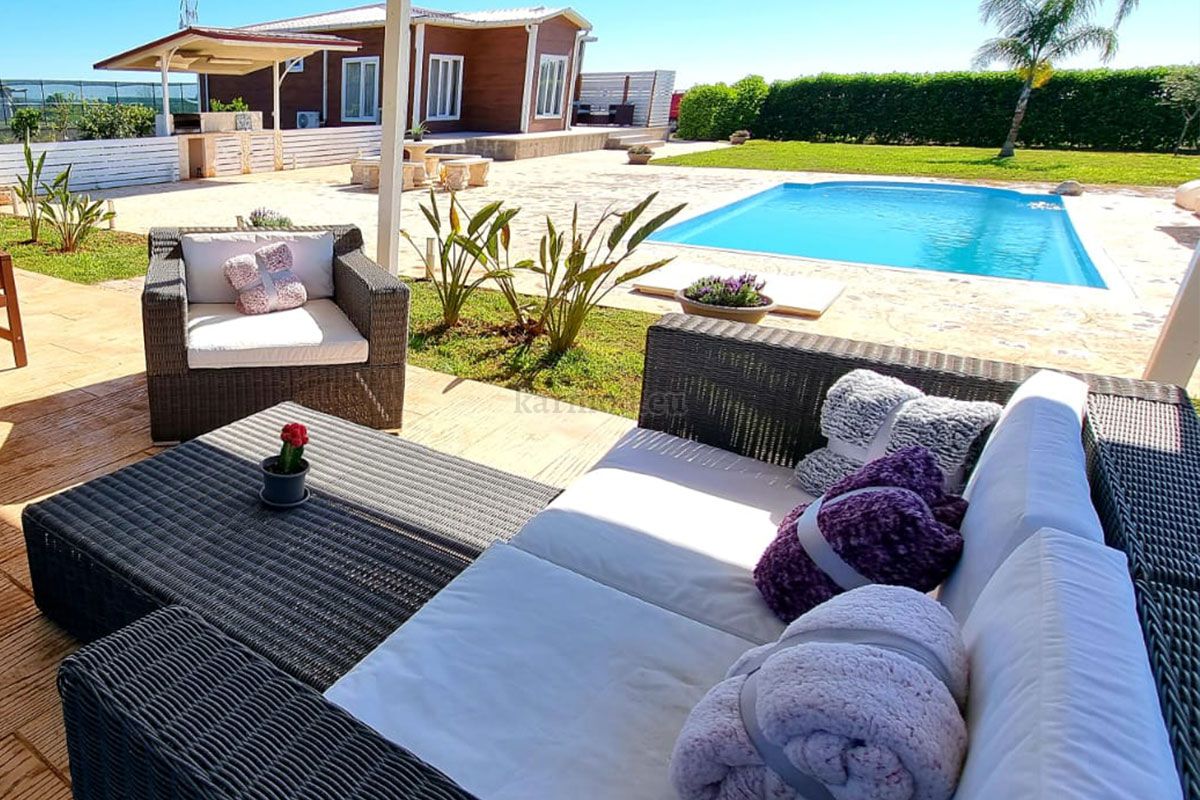
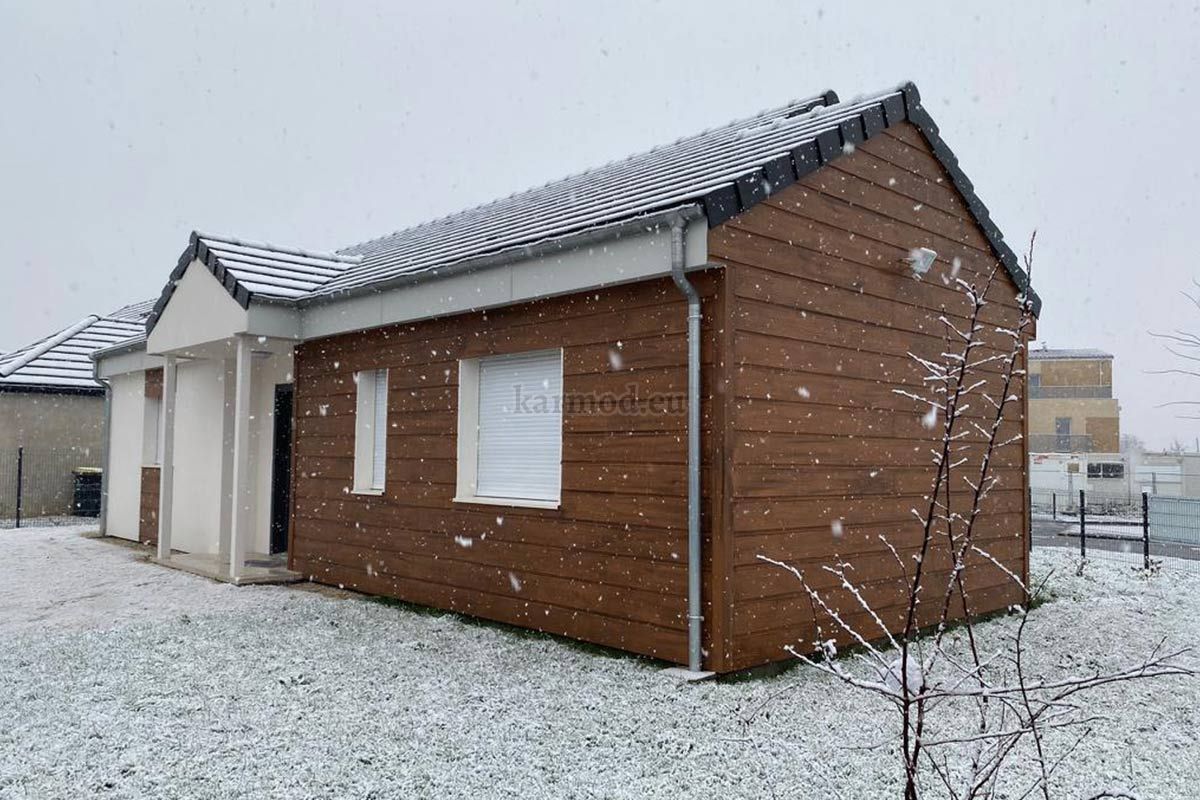
In the Philippines’ tropical climate, where durability and ventilation are essential, modular prefabricated housing offers a new level of practicality. These homes are built with insulated panels, recycled steel, and moisture-resistant materials that ensure longevity in coastal and high-humidity environments. By integrating renewable energy options and water-saving systems, low cost housing ideas are redefining what sustainable living means for Filipino families — providing homes that are not just affordable, but also resilient, efficient, and future-ready.
Types of Low Cost & Prefabricated Housing in the Philippines
The Philippines is entering a new era of housing innovation, where low cost housing ideas and modular housing units are helping families, developers, and local governments meet the demand for affordable, long-lasting homes. These housing models go far beyond simple, temporary structures — they combine smart design, sustainability, and affordability, making modern living accessible to everyone across the islands.
Modern prefab housing in the Philippines offers three main types of solutions:
- Low-Cost Modular Homes: Compact, energy-efficient dwellings ideal for small families and individuals.
- Prefabricated Housing Modules: Factory-built units for fast assembly, perfect for residential or mixed-use projects.
- Turnkey Housing Solutions: Complete ready-to-live homes, including design, utilities, and finishing, delivered by one professional team.
Each option is designed to minimize cost and maximize comfort. Built in controlled prefab housing factory environments, these homes ensure consistent quality, faster delivery, and reduced waste — making them ideal for both private homeowners and government housing programs.
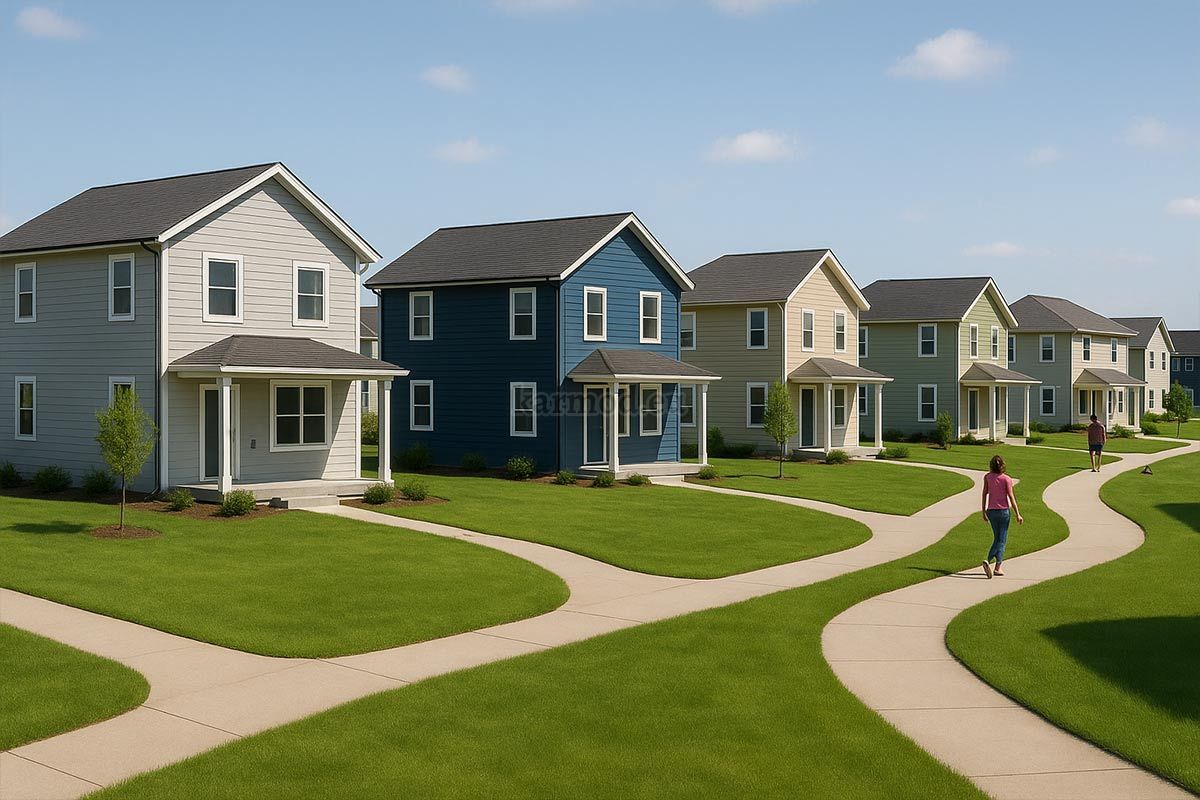
Low Cost Housing Ideas
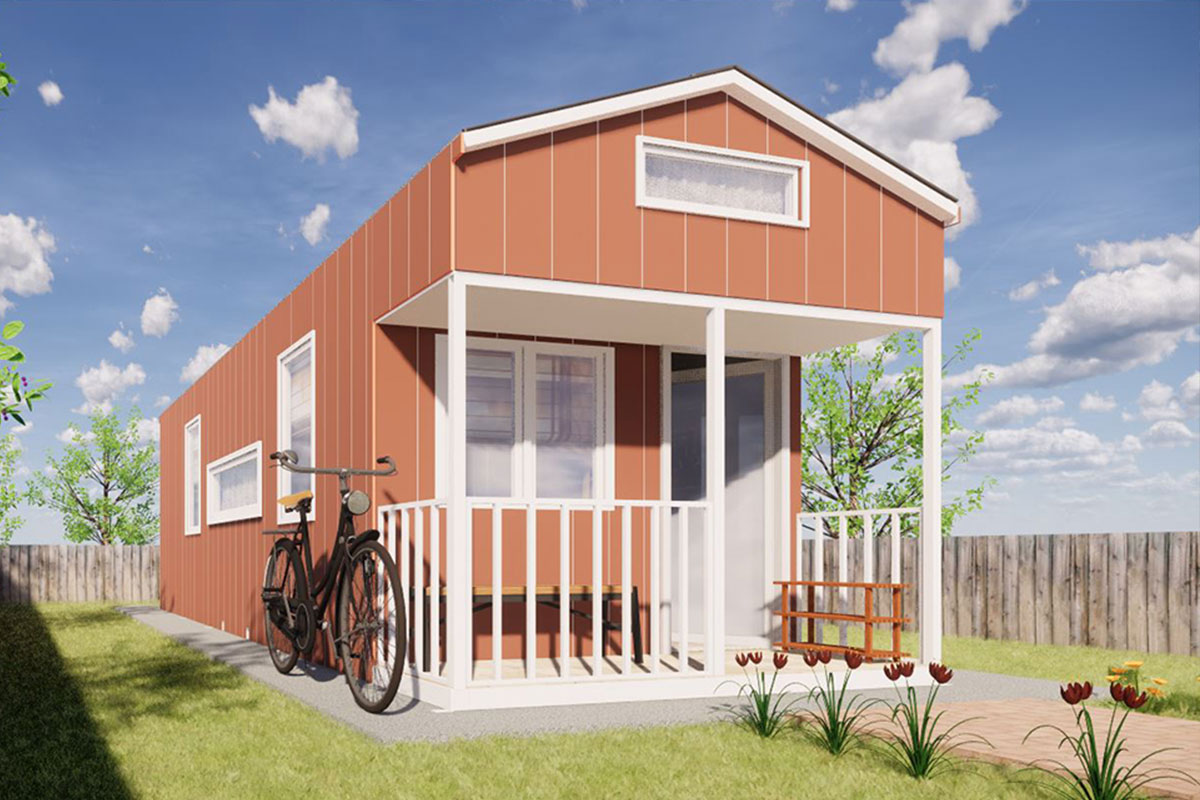
In the Philippines, low cost housing ideas focus on maximizing limited space and improving energy efficiency. Designs often include natural ventilation systems, lightweight steel structures, and weather-resistant panels that can withstand typhoons and heavy rainfall.
For families seeking affordability without compromise, modular layouts and multipurpose interiors allow flexibility for future expansion. These homes embody the Filipino value of practicality — simple, functional, and sustainable living made achievable for all income levels.
Prefabricated Housing Modules
Prefabricated housing modules are reshaping the housing industry across the Philippines. Produced in factories, these modules are transported and assembled quickly on-site, significantly reducing construction time and costs.
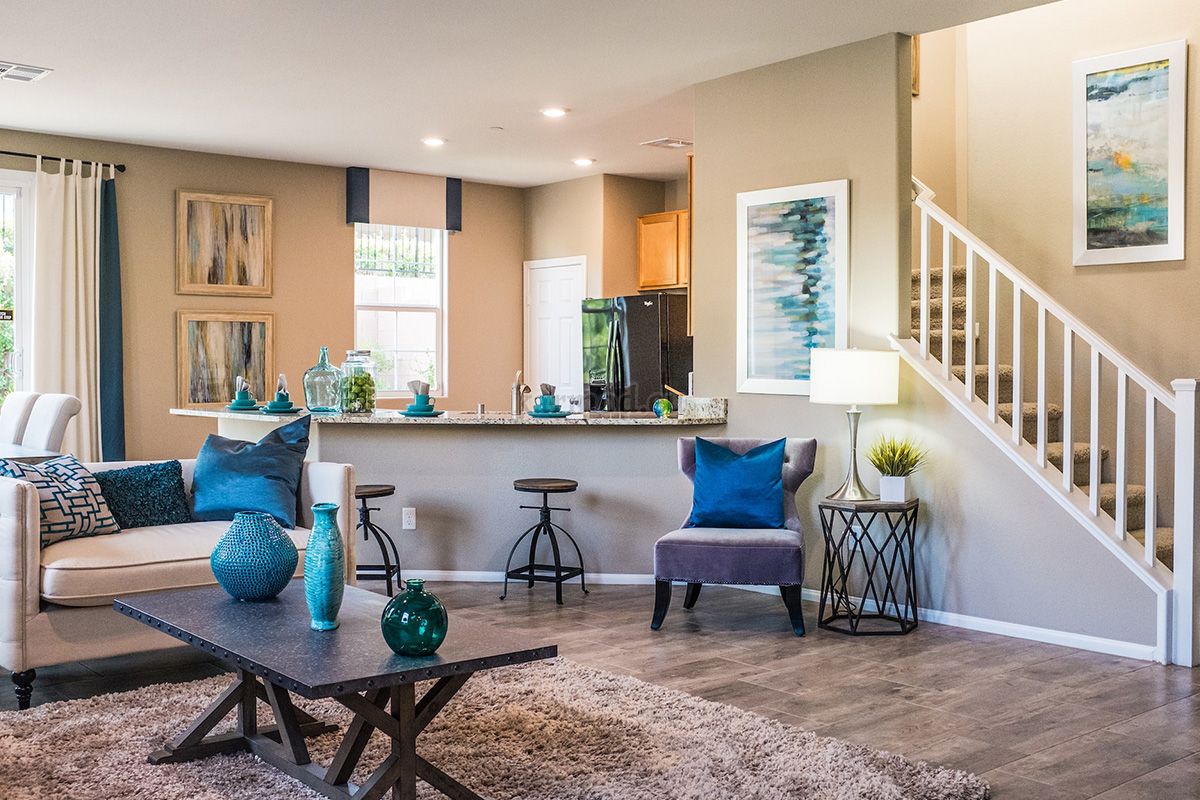
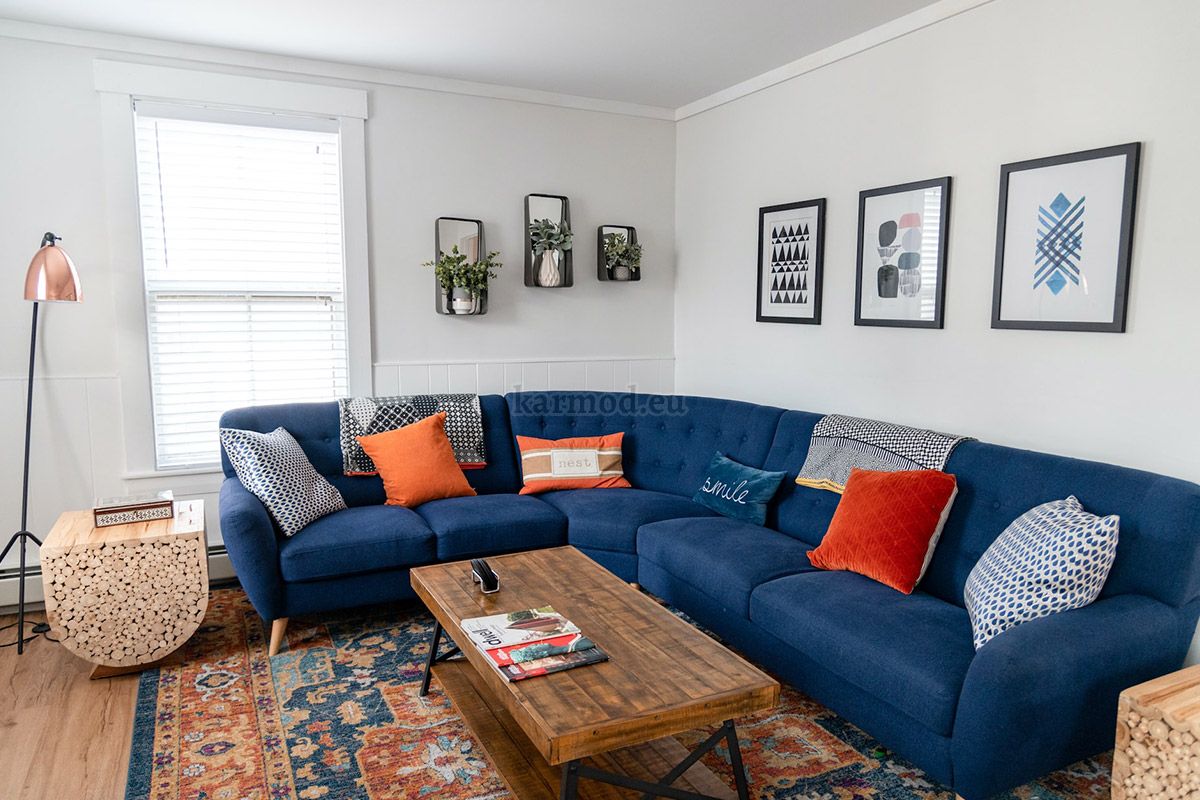
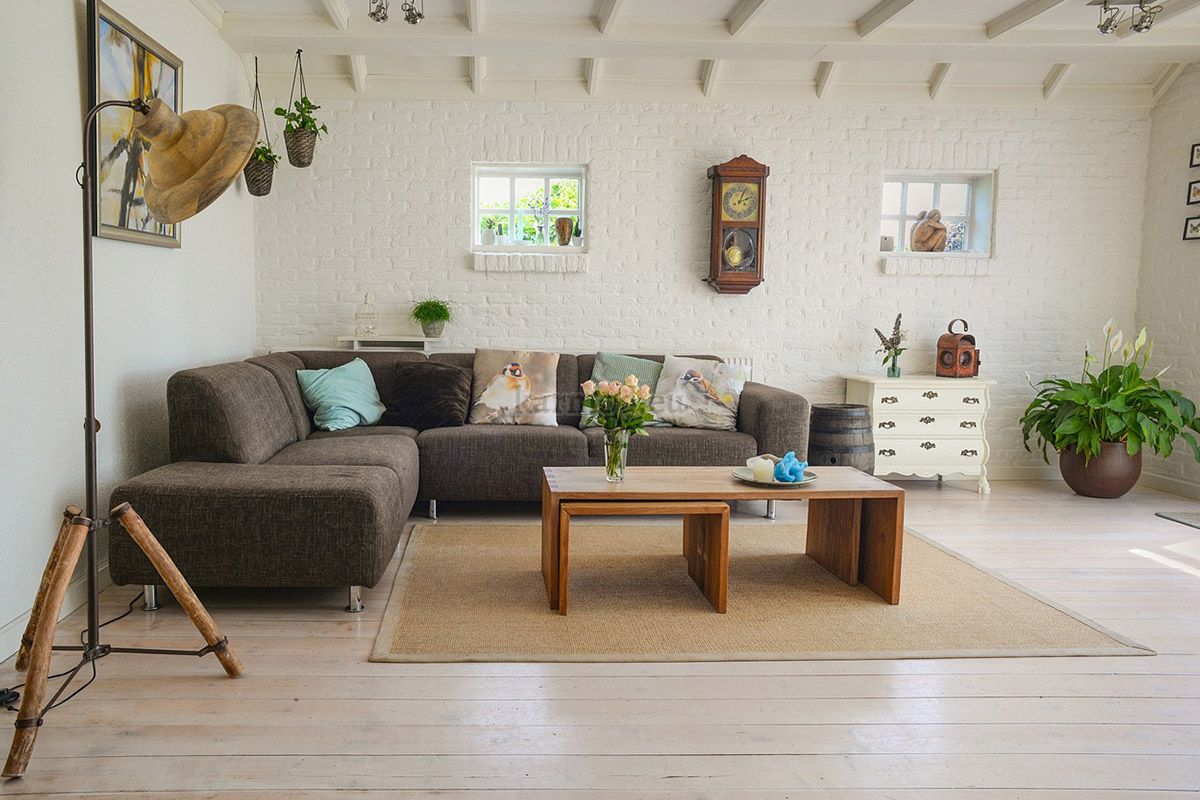
They are especially valuable in remote areas and coastal zones, where logistics and weather challenges often delay traditional building. By relying on modular housing units, developers can build safe, comfortable, and durable homes within weeks — an ideal solution for a fast-growing nation.
Turnkey Housing Solutions
Turnkey housing solutions simplify the entire homebuilding process in the Philippines. Clients receive a fully completed unit — from architectural design to interior finishing — all managed by one expert provider.
This model ensures:
- Shorter project timelines
- Lower labor costs
- Consistent quality across every stage
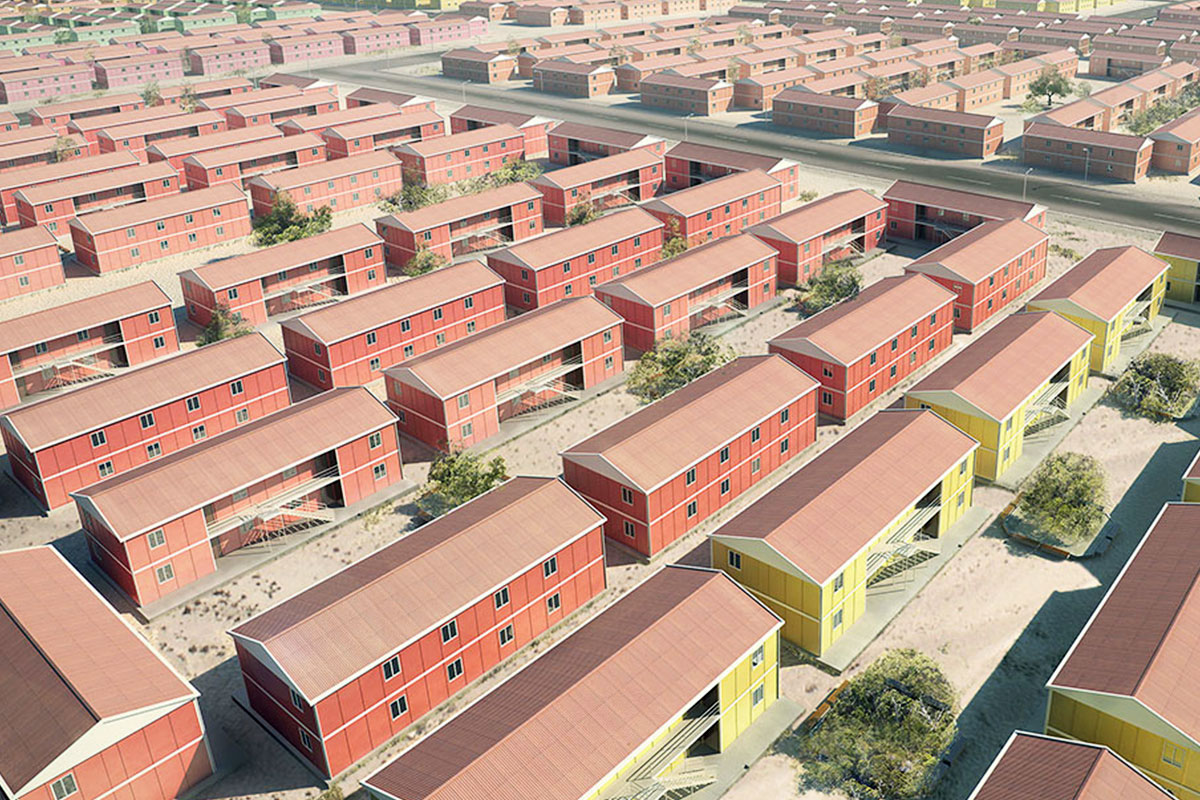
For large-scale developments or community housing projects, turnkey modular housing provides reliability and scalability, making it one of the most practical approaches to modern construction in the Philippines.
How Modular Housing Construction Works in the Philippines
The rise of modular housing construction in the Philippines is reshaping how people think about homebuilding — turning complex, time-consuming projects into fast, efficient, and eco-conscious solutions. Unlike traditional methods that rely heavily on on-site labor, prefabrication housing takes place in a specialized facility where every wall, panel, and frame is precisely engineered under strict quality control. Once completed, these components are delivered to the construction site and assembled like building blocks, drastically reducing both time and waste.
This method of construction prefabrication allows developers to maintain consistency and durability, even in the Philippines’ challenging tropical conditions. Every prefabricated housing module is designed to withstand humidity, salt air, and strong winds, ensuring longevity in both urban and coastal environments. The result? A cost-effective and environmentally friendly housing system that supports the country’s growing demand for sustainable development.
Design → Fabrication → Delivery → Installation
The modular construction process in the Philippines follows a smooth and systematic flow:
- Design: Architects and engineers collaborate with homeowners to create functional, climate-responsive designs that fit both lifestyle and local conditions. Natural ventilation, sun shading, and energy efficiency are key priorities.
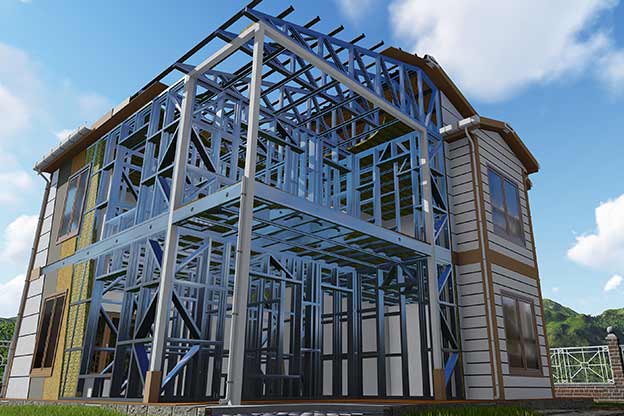
- Fabrication: Once approved, the prefabrication housing process begins in a prefab housing factory. Materials such as galvanized steel, insulated panels, and reinforced flooring are used to ensure strength and durability.
- Delivery: Finished prefabricated housing modules are transported from the factory to the site. The logistics are carefully planned to handle the Philippines’ island geography and narrow access routes.
- Installation: The modules are assembled on-site within days. Electrical and plumbing systems are pre-integrated, reducing installation time and ensuring a seamless fit.
This model of construction prefabrication in the Philippines not only saves time and labor costs but also minimizes waste — offering a modern, eco-friendly alternative to traditional construction for families and developers alike.
Why Choose Affordable Prefab Housing in the Philippines
For many families, developers, and investors across the Philippines, choosing affordable prefab housing is more than a financial decision — it’s a lifestyle choice that prioritizes speed, sustainability, and long-term value. With rising material costs and frequent weather challenges, modular housing construction has become the go-to solution for those seeking quality homes that can be built faster and at lower costs.
Every low cost housing construction project in the Philippines benefits from a streamlined process that eliminates many of the risks associated with traditional building. Since components are pre-manufactured in controlled environments, delays caused by rain, labor shortages, or material fluctuations are minimized. As a result, homeowners receive durable, modern homes within a shorter time frame — and at a predictable prefab housing cost that fits every budget.
Cost Savings, Speed, and Eco-Friendly Materials
The top reasons why affordable prefab housing in the Philippines is gaining traction include:
- Cost Savings: Prefabrication reduces material waste, labor time, and transportation costs. Every phase — from design to delivery — is optimized for affordability.
- Speed of Construction: Prefab homes are ready up to 60% faster than traditional structures, allowing Filipinos to move in within weeks instead of months.
- Eco-Friendly Materials: Many builders now use recycled steel, insulated wall panels, and energy-efficient designs to minimize carbon emissions and enhance durability in the country’s tropical climate.
These benefits make low cost housing construction ideal not only for families but also for large-scale housing projects and government initiatives aiming to provide safe, sustainable homes across the Philippines.
Flexible Design and Customizable Modular Plans
What truly sets affordable prefab housing in the Philippines apart is the flexibility it offers. Every modular housing construction project can be customized to fit personal preferences, site conditions, and lifestyle needs. From compact city units to spacious family villas, design possibilities are nearly endless.
Homeowners can modify layouts, finishes, and add-on features such as:
- Solar panel roofing systems
- Rainwater harvesting technology
- Expandable modular rooms for future growth
This level of personalization ensures that affordable prefab housing is not just low-cost — it’s modern, adaptable, and designed for the evolving way Filipinos live today.
Off-Grid and Temporary Portable Housing Options in the Philippines
In a country made up of more than 7,000 islands, off-grid housing plans and temporary portable housing have become essential solutions for flexible and sustainable living. From coastal regions prone to typhoons to remote island communities with limited infrastructure, Filipinos are embracing modular temporary housing that allows freedom, mobility, and energy independence.
These housing solutions are ideal for various scenarios — such as remote construction projects, tourism lodges, or temporary disaster relief camps. Designed with portability and durability in mind, temporary portable housing in the Philippines ensures safety and comfort even in unpredictable tropical conditions. They can be transported easily by land or sea and reinstalled multiple times, making them perfect for areas where traditional construction is impractical.
Popular Off-Grid and Modular Housing Options
- Off-Grid Modular Homes: Built with solar panels, water collection systems, and natural ventilation for self-sustained living — ideal for eco-conscious families or island retreats.
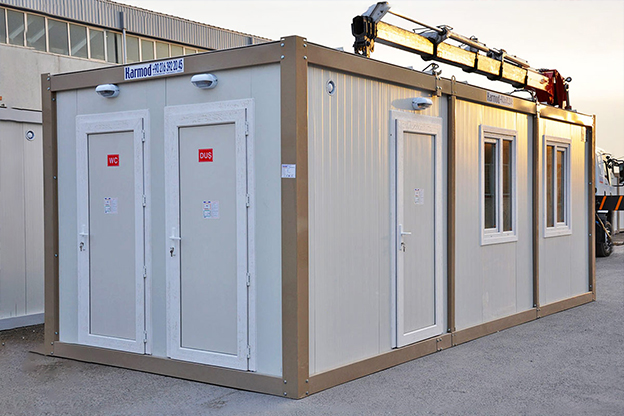
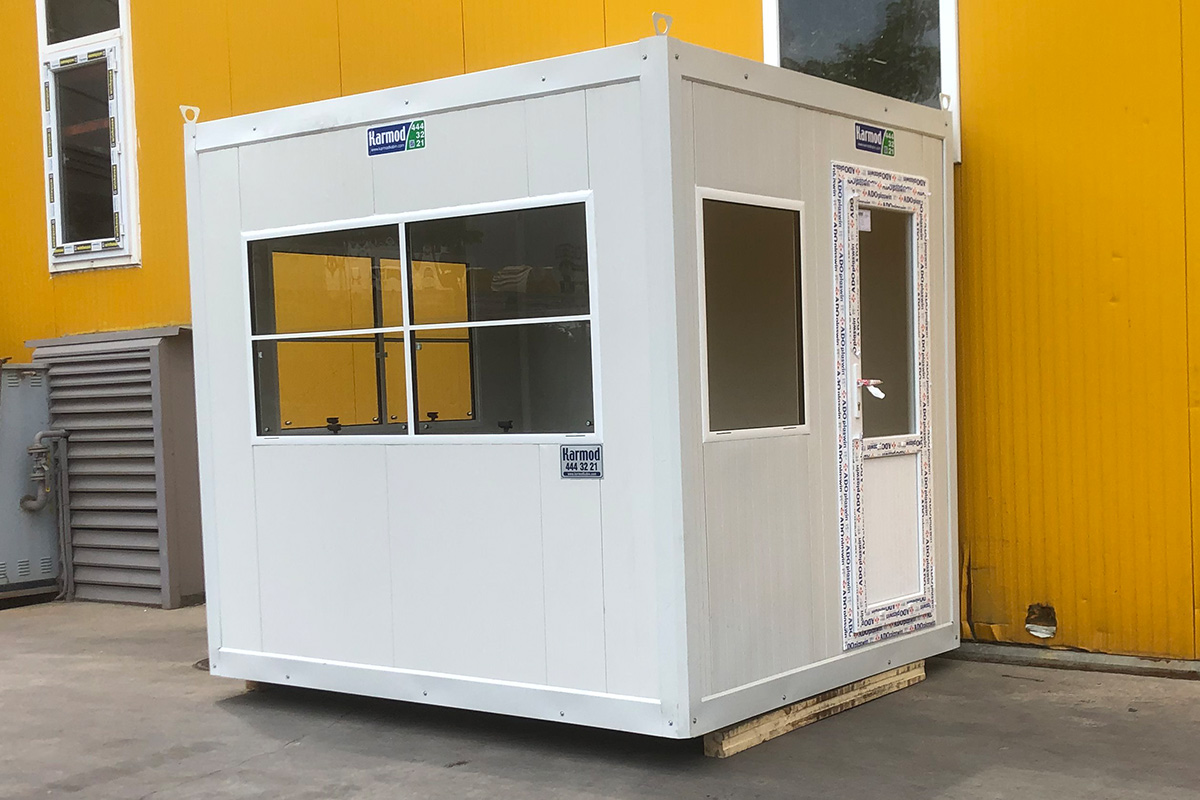
- Portable Workforce Cabins: Perfect for short-term projects, these modular temporary housing units can be quickly assembled and relocated to new job sites.
- Disaster-Relief Shelters: Lightweight yet sturdy, designed to provide quick, safe housing during natural calamities like typhoons and earthquakes.
Each of these models uses prefabricated modular technology, ensuring faster deployment and longer lifespan compared to tents or wooden structures. With renewable energy integration and efficient space use, off grid housing plans in the Philippines are helping communities live sustainably while staying resilient against natural challenges.
Modular Workforce & Oil Field Housing Solutions in the Philippines
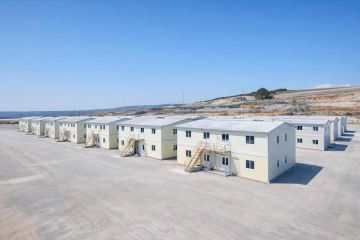
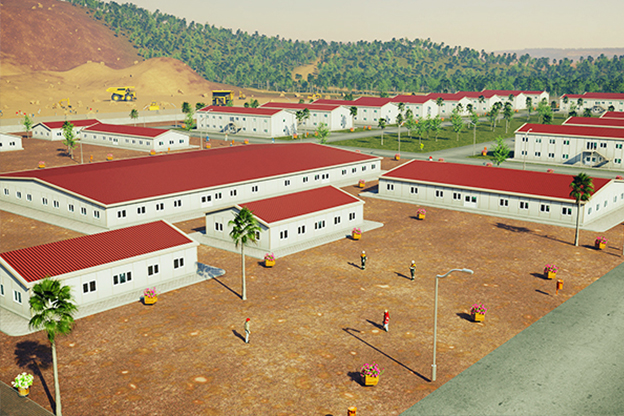
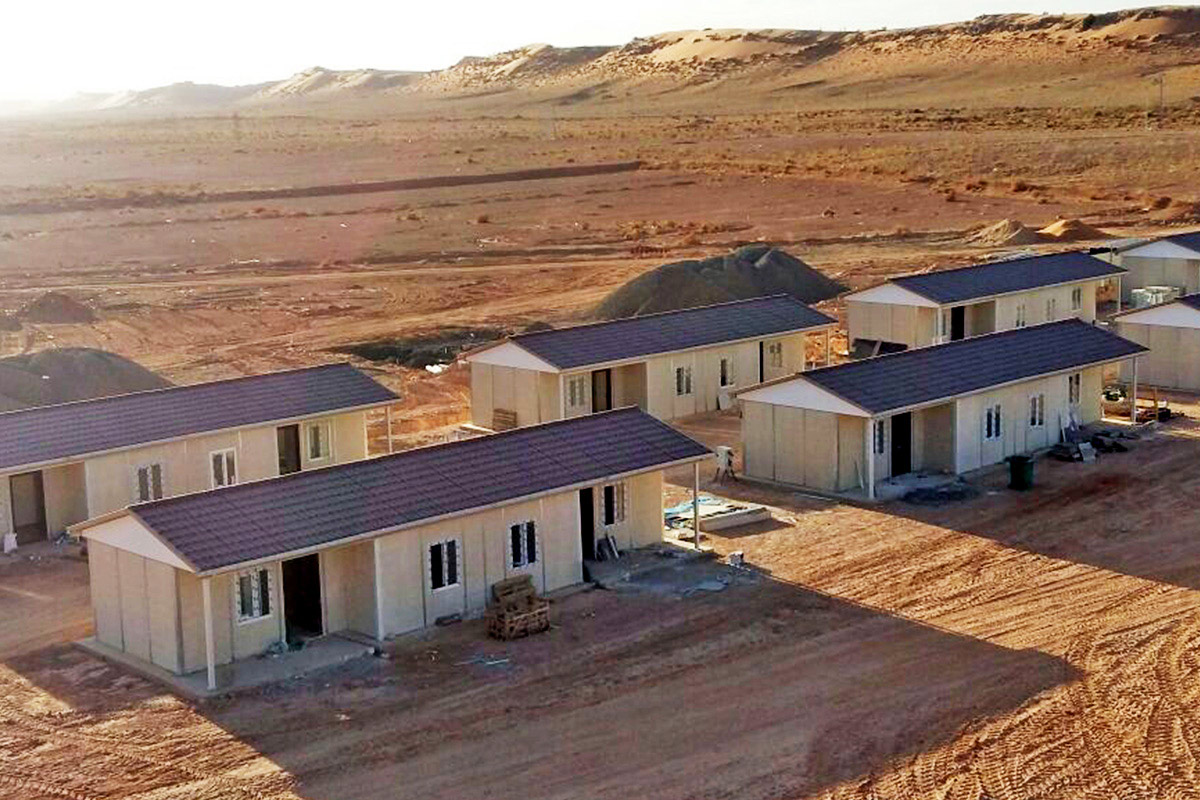
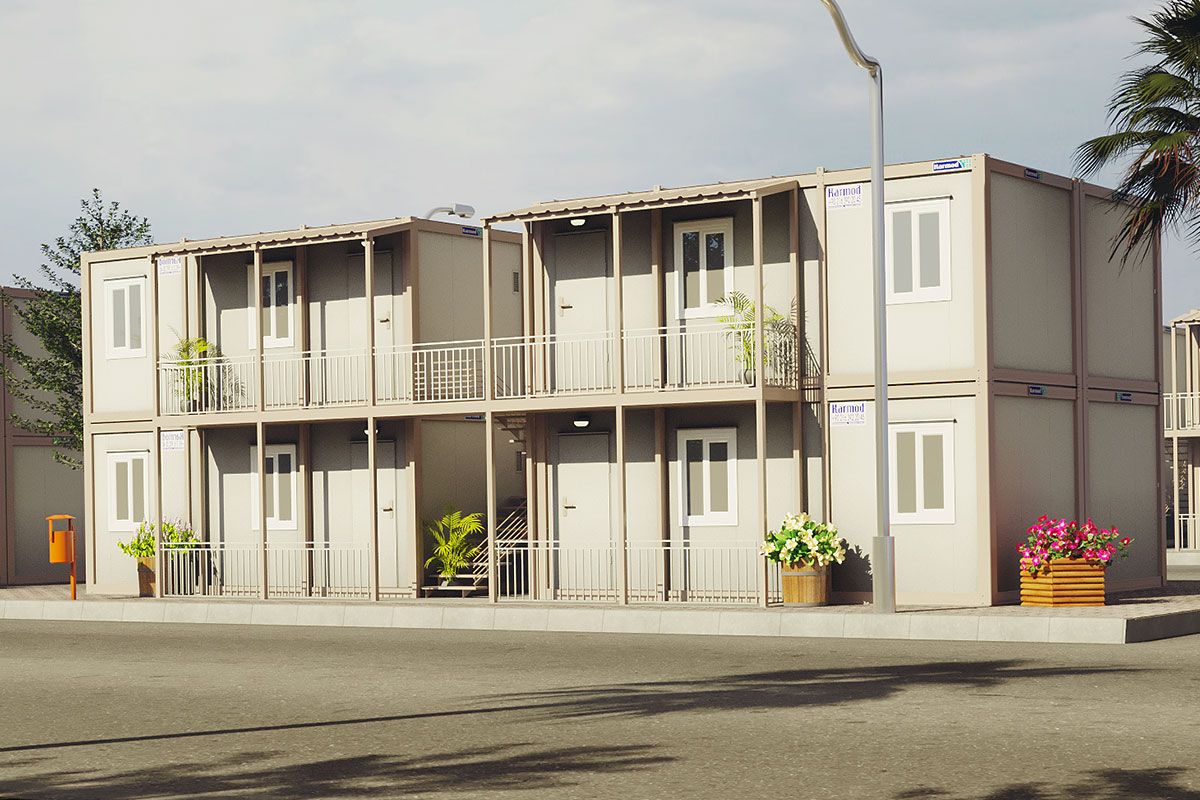
In the Philippines, industries such as energy, construction, and mining often operate in isolated or coastal regions where permanent housing is impractical. To meet these challenges, modular workforce housing and oil field housing have become essential solutions — offering safe, comfortable, and easily deployable living spaces for workers. These prefabricated systems are built for quick assembly, long-term durability, and adaptability to the Philippines’ tropical climate.
By integrating turnkey housing solutions with prefab housing factory production methods, companies can establish fully functional accommodations in a fraction of the usual time. Every project — from bunkhouses to large staff complexes — is engineered to meet high safety and comfort standards. As a result, remote workforce housing in the Philippines has evolved into a reliable, cost-effective option that supports industrial growth while maintaining employee welfare.
Durable and Comfortable Modular Workforce Housing Units
Modern temporary workforce housing in the Philippines is designed for strength, safety, and convenience. Constructed with corrosion-resistant steel, insulated wall systems, and proper ventilation, these units can withstand humidity, heat, and strong winds — ensuring year-round comfort for workers in remote or coastal areas.
Each unit includes essential amenities such as:
- Climate control systems suitable for tropical weather
- Hygienic bathrooms and modern kitchen spaces
- Fire-resistant materials and secure electrical systems
Produced in advanced prefab housing factories, these modular workforce housing units combine industrial-grade durability with residential comfort. They can be expanded, relocated, or upgraded as needed — a practical and economical solution for companies operating across the Philippines.
Turnkey Oil Field Housing for Remote Operations
For offshore drilling platforms and remote energy projects across the Philippines, turnkey oil field housing delivers everything required for efficient and sustainable workforce accommodation. Instead of coordinating multiple contractors, companies receive ready-to-use housing complexes — including living areas, kitchens, offices, and recreation zones — all built using modular construction.
The key benefits of turnkey housing in the Philippines include:
- Rapid deployment: Complete modular setups can be installed within days.
- Cost efficiency: Lower labor expenses and reduced construction waste.
- High adaptability: Units can be customized for different terrains and workforce sizes.
From oil fields in Palawan to mining sites in Mindanao, temporary workforce housing ensures that every team operates in a safe, organized, and comfortable environment — supporting both productivity and morale.
Get Your Affordable Modular Home Plan Today!
Ready to experience modern living that fits your budget and lifestyle? Explore our exclusive range of affordable prefab housing in the Philippines, designed to deliver comfort, quality, and long-term value. Whether you’re planning a coastal retreat, a family home, or a community project, our team will help you design and build your dream modular home using durable, eco-friendly materials — all at an affordable cost and with quick installation.
Our prefab housing for sale options are crafted to suit different site conditions across the Philippines, from urban areas to remote islands. Each unit is factory-built with precision and designed for energy efficiency, ensuring lower maintenance and long-lasting performance in tropical conditions.
Request a Free Quote for Your Prefabricated Housing Project
Take the first step toward your new home today. Contact us to get a free, no-obligation quote for your affordable prefab housing project in the Philippines. Our specialists provide full-service guidance — from concept design and fabrication to delivery and installation.
With our experience in prefab housing for sale, we guarantee fast delivery, cost control, and superior quality in every build. Don’t wait months for traditional construction — enjoy the benefits of modular living that’s faster, greener, and perfectly suited to your needs in the Philippines.
Explore Modern Low-Cost Modular Housing Designs
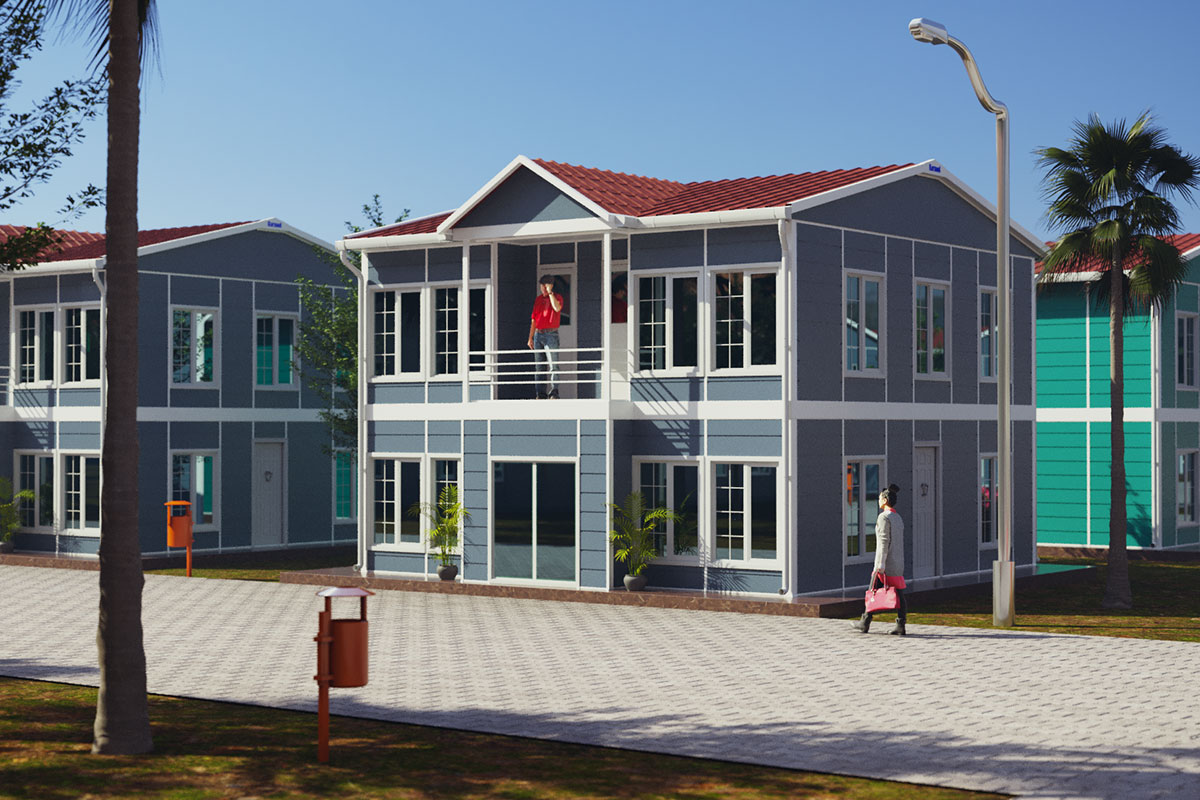
Discover a variety of affordable prefab housing models that redefine modern living. Choose from compact studio layouts, expandable family units, or luxury modular villas — all customizable to match your preferences and location.
Our prefab housing for sale in the Philippines combines advanced engineering with contemporary aesthetics, offering homes that are not only affordable but also built to last.
- Let’s turn your vision into reality — contact us today to explore designs, materials, and pricing options for your future modular home.