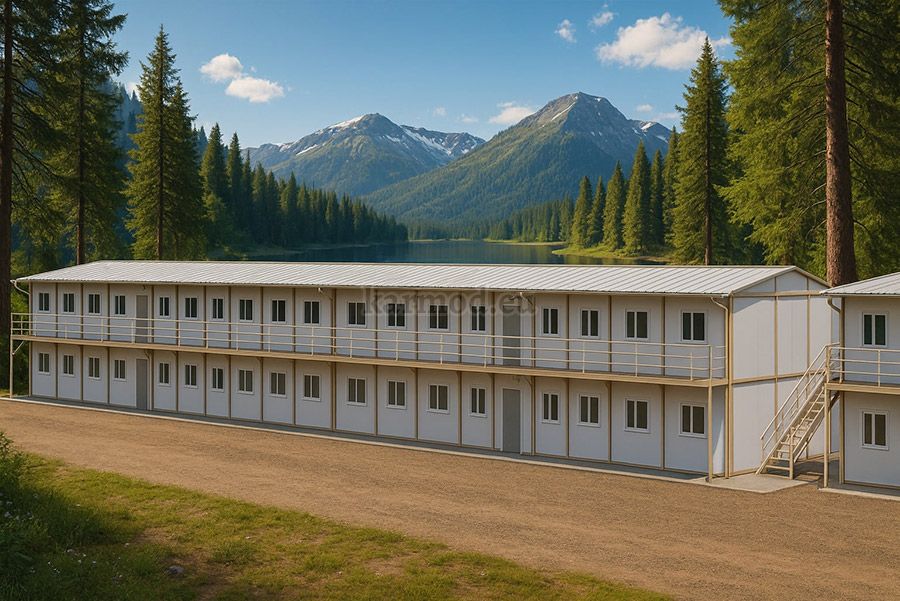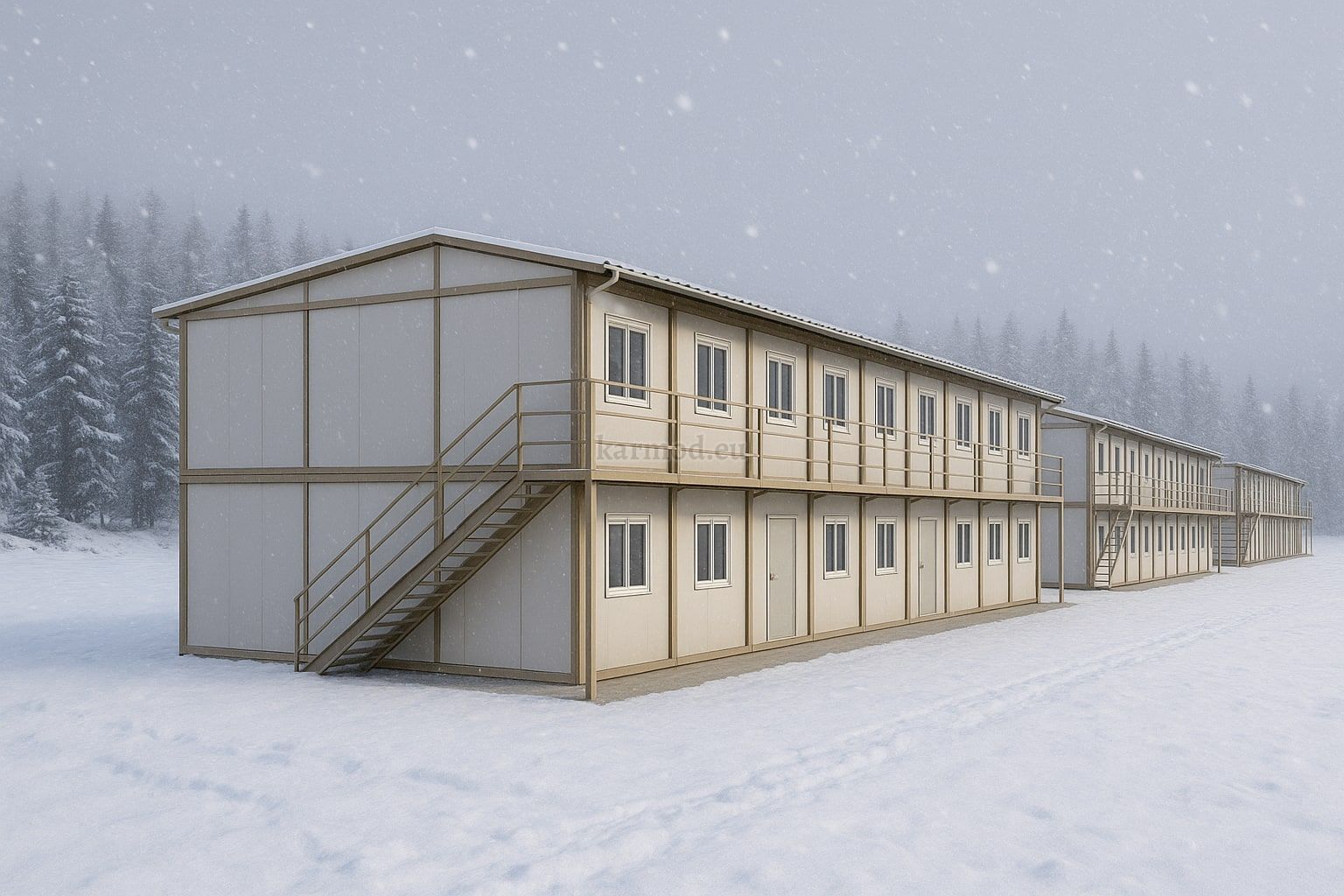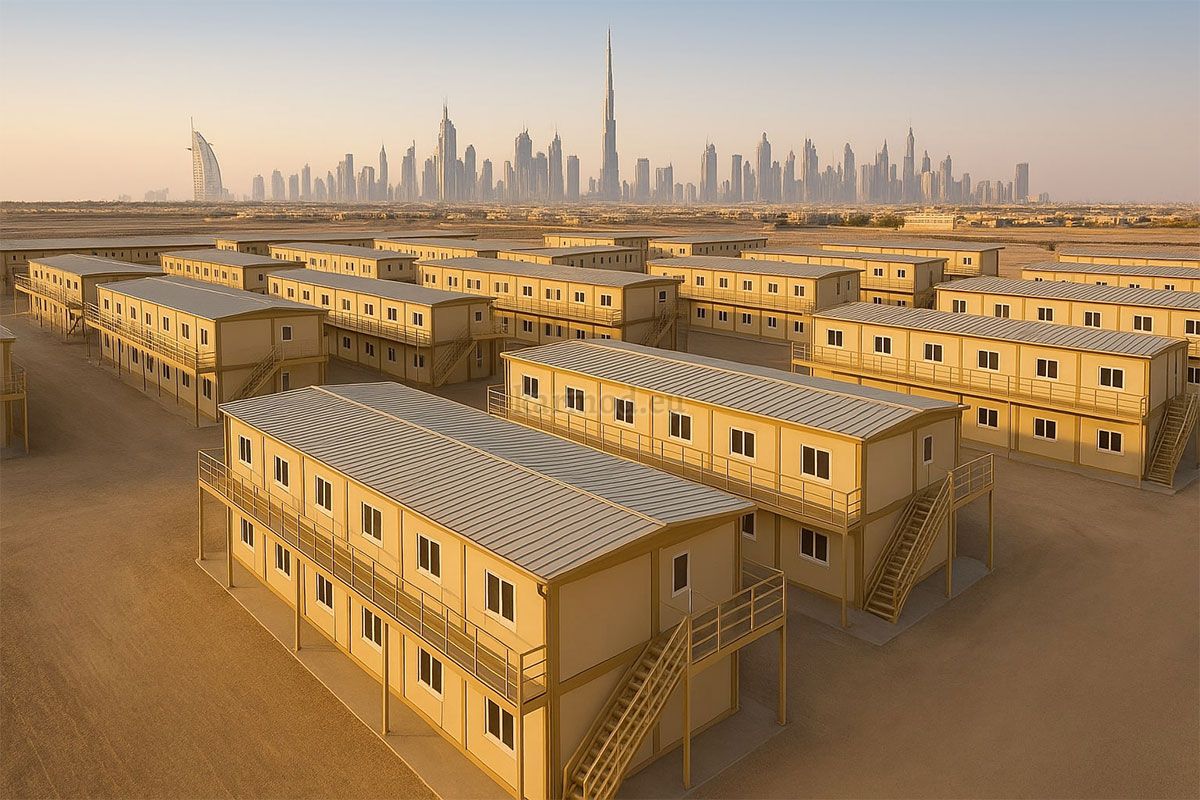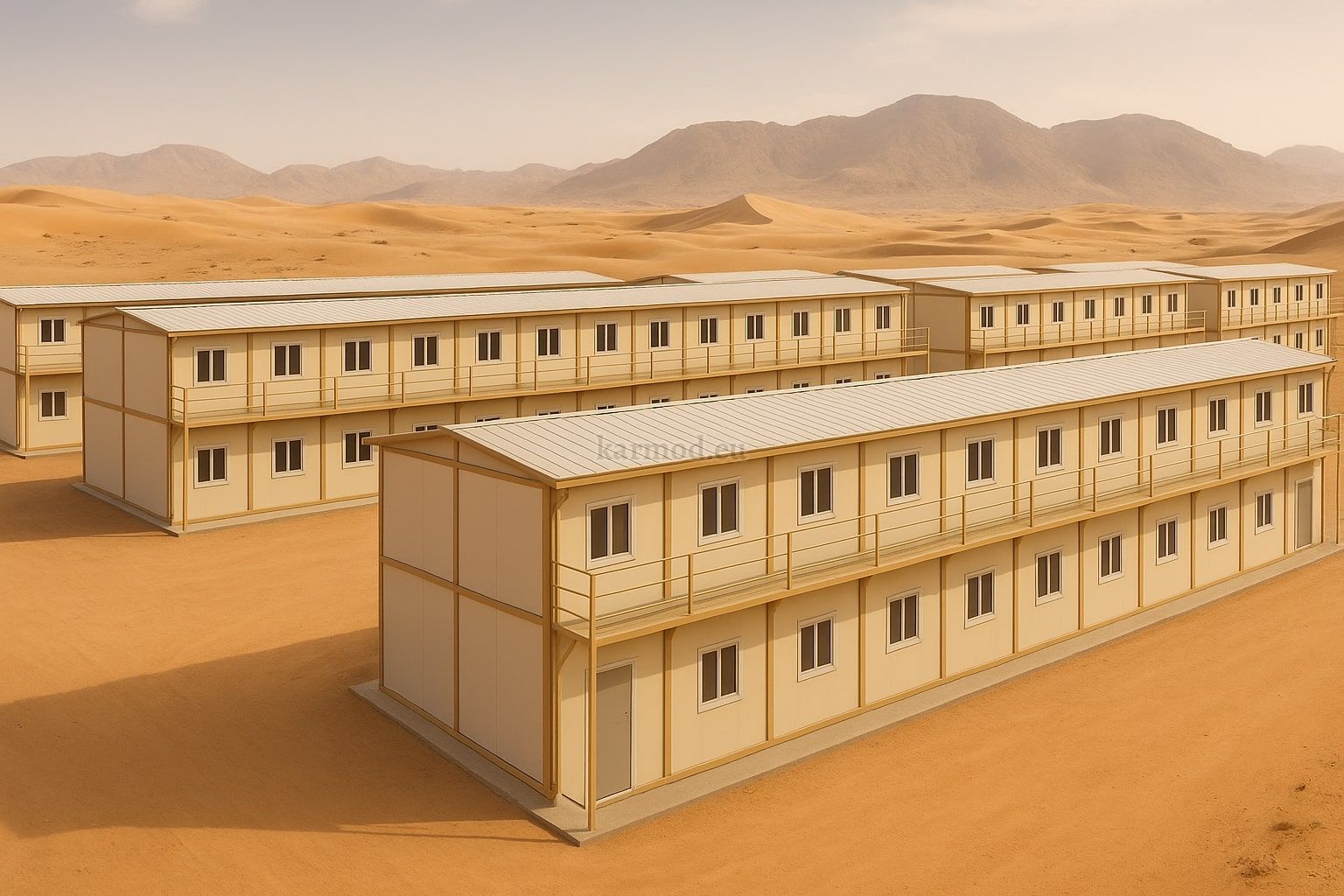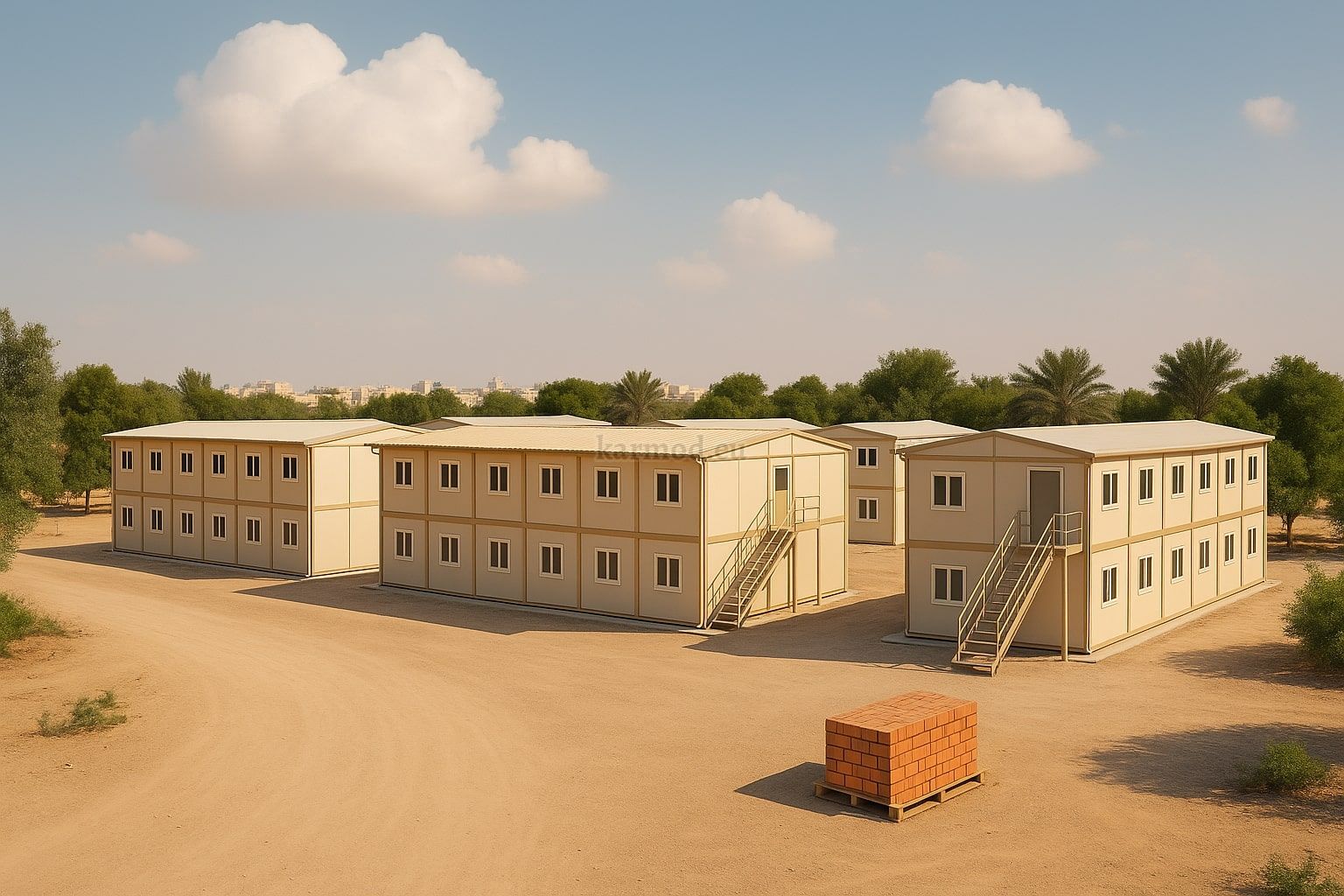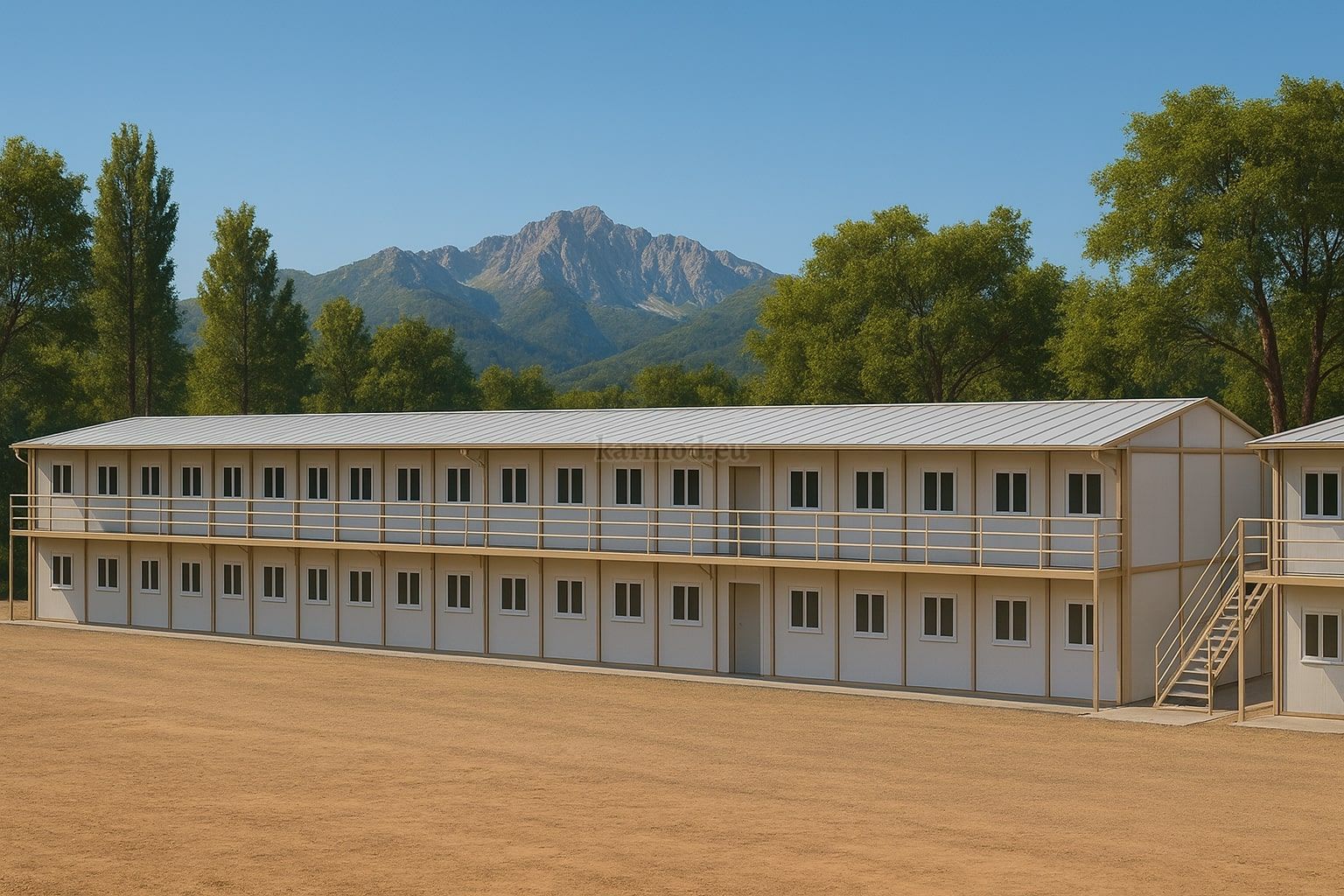


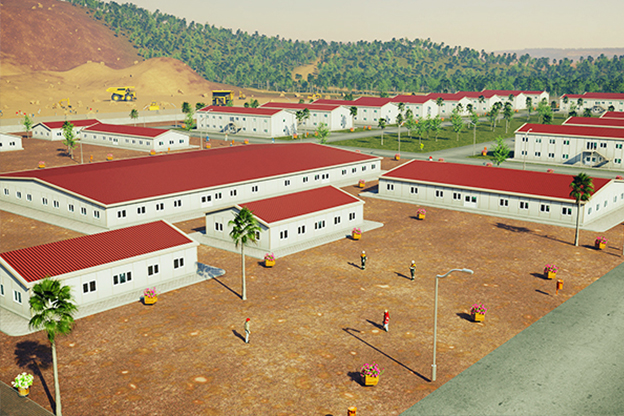

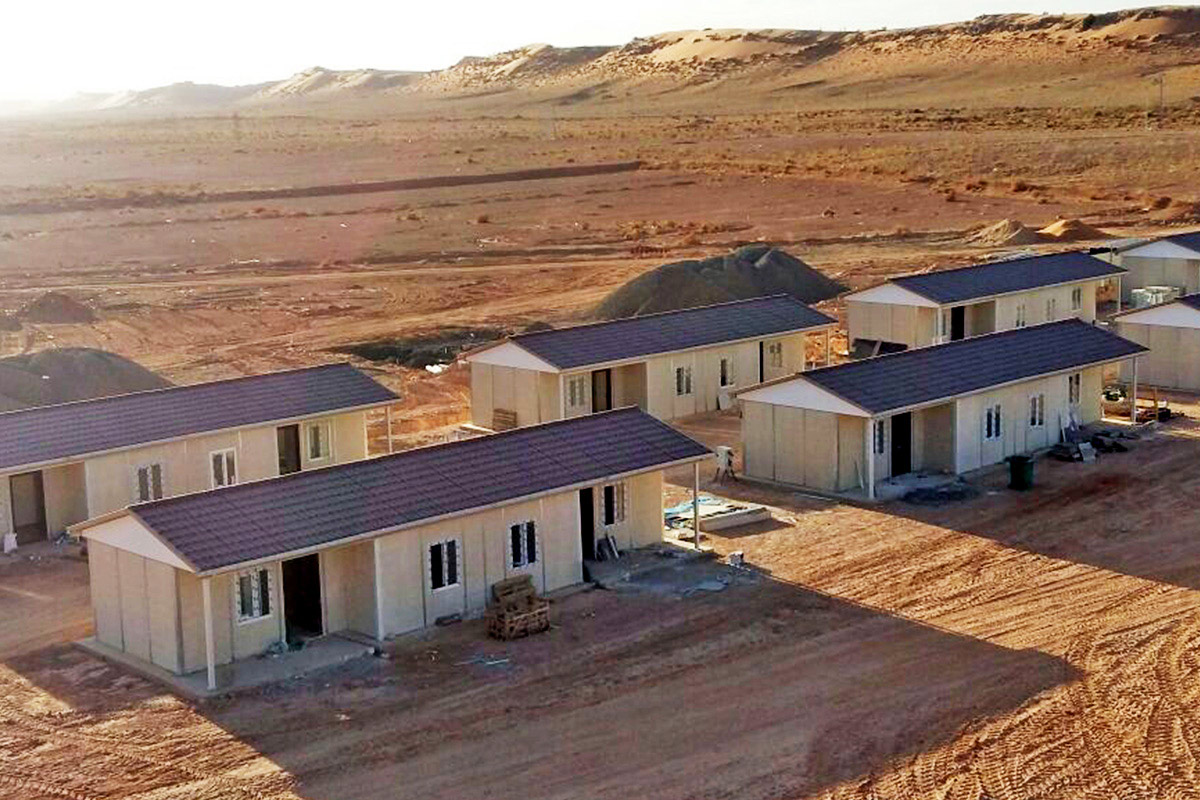
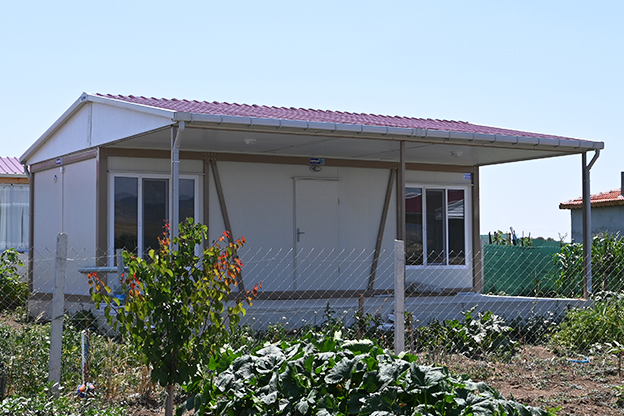
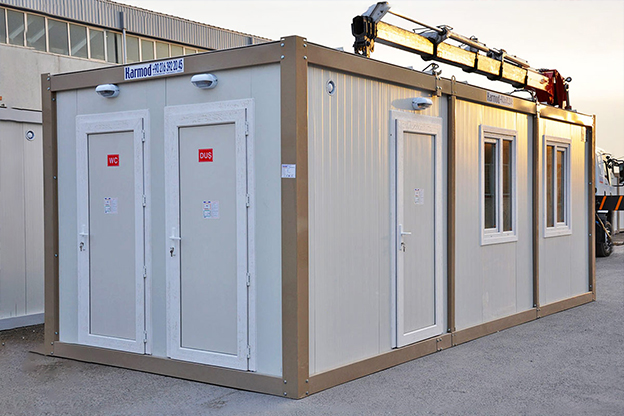
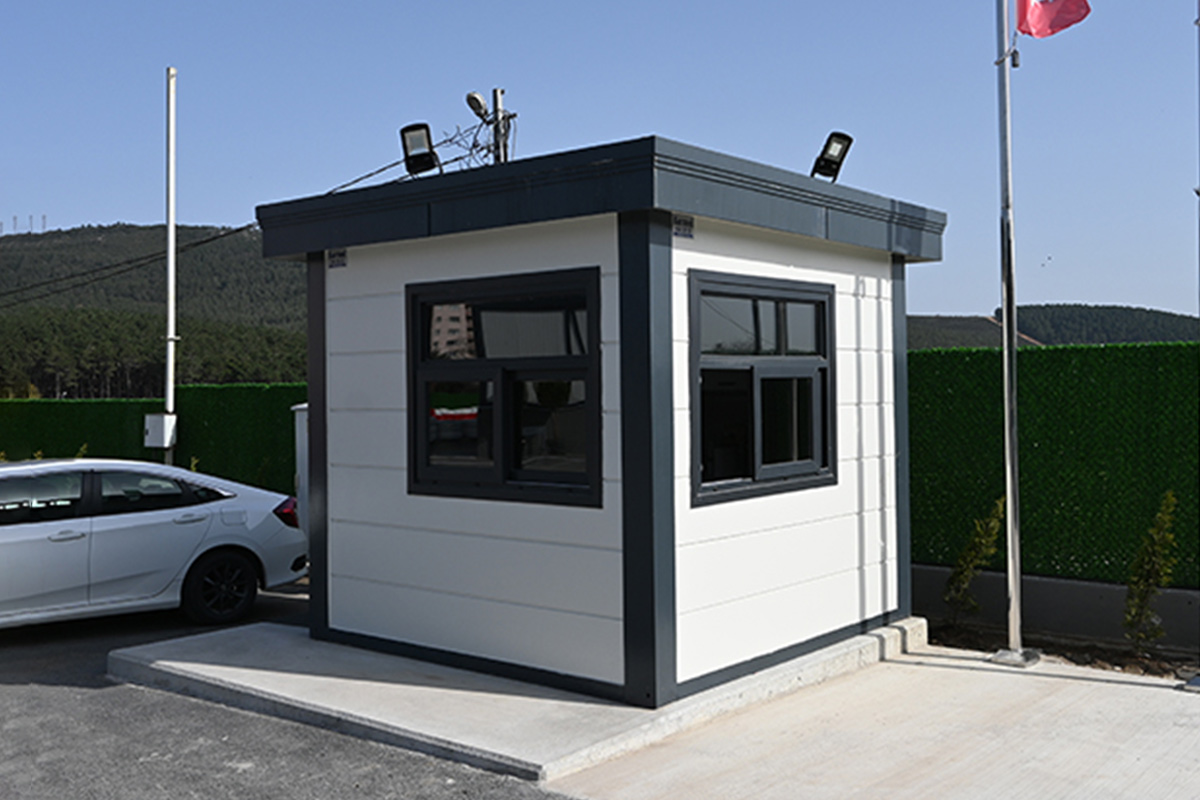
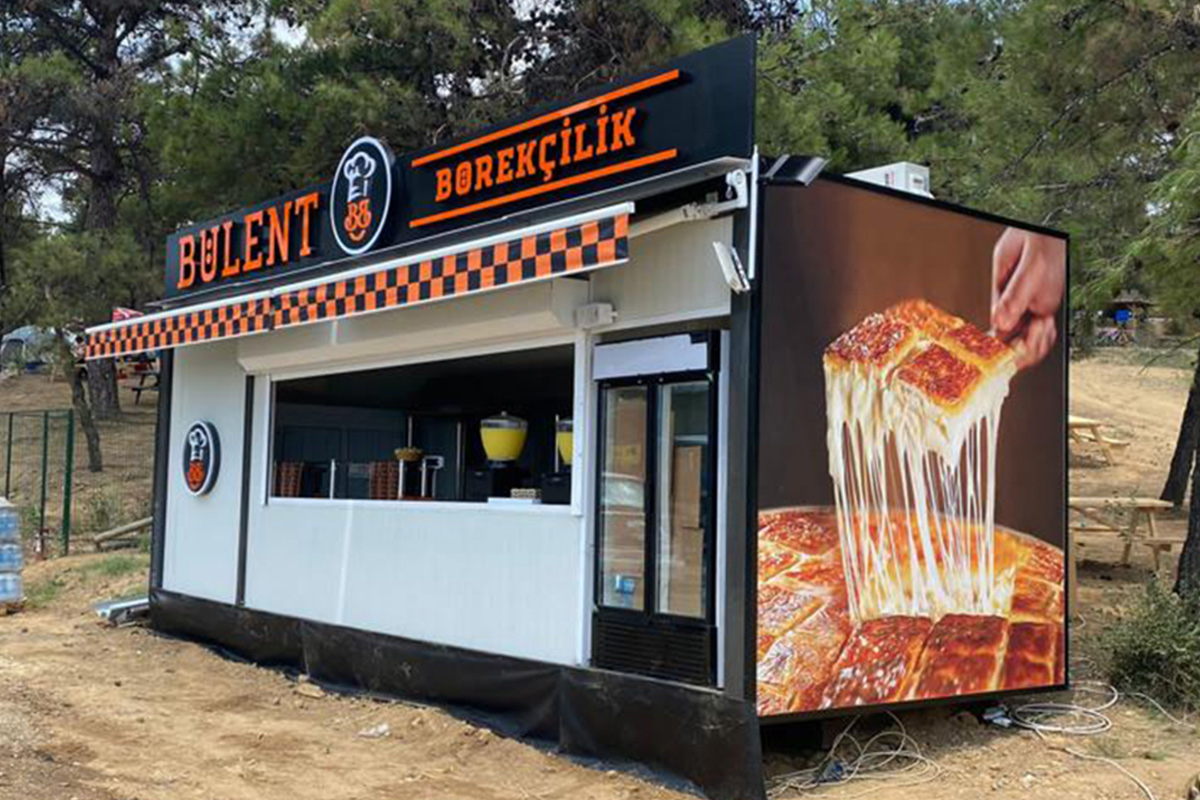
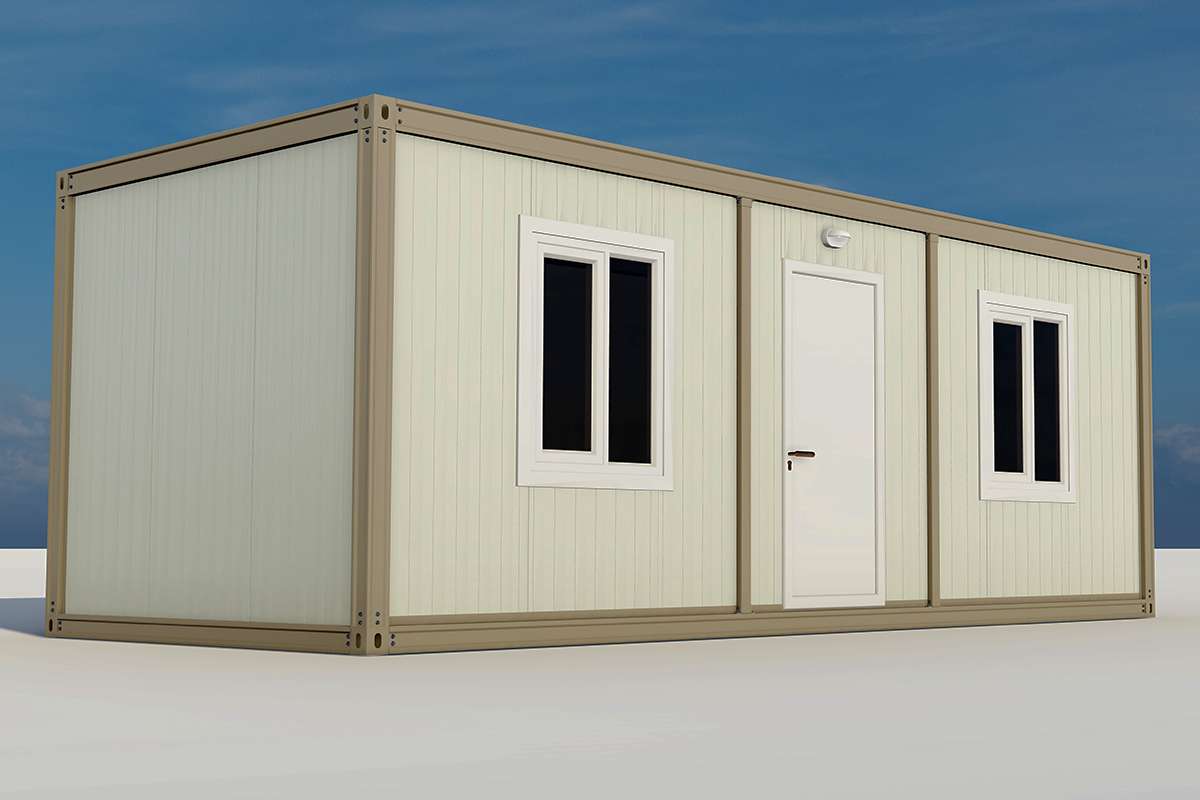

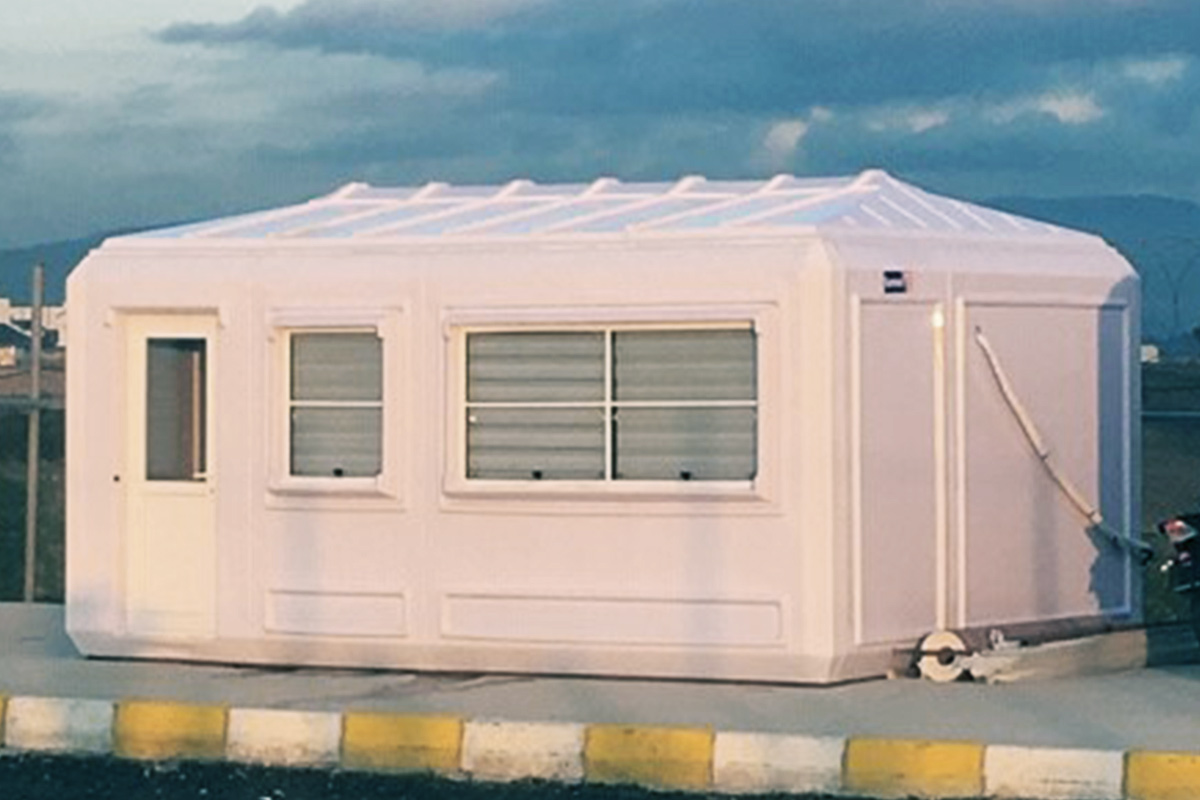
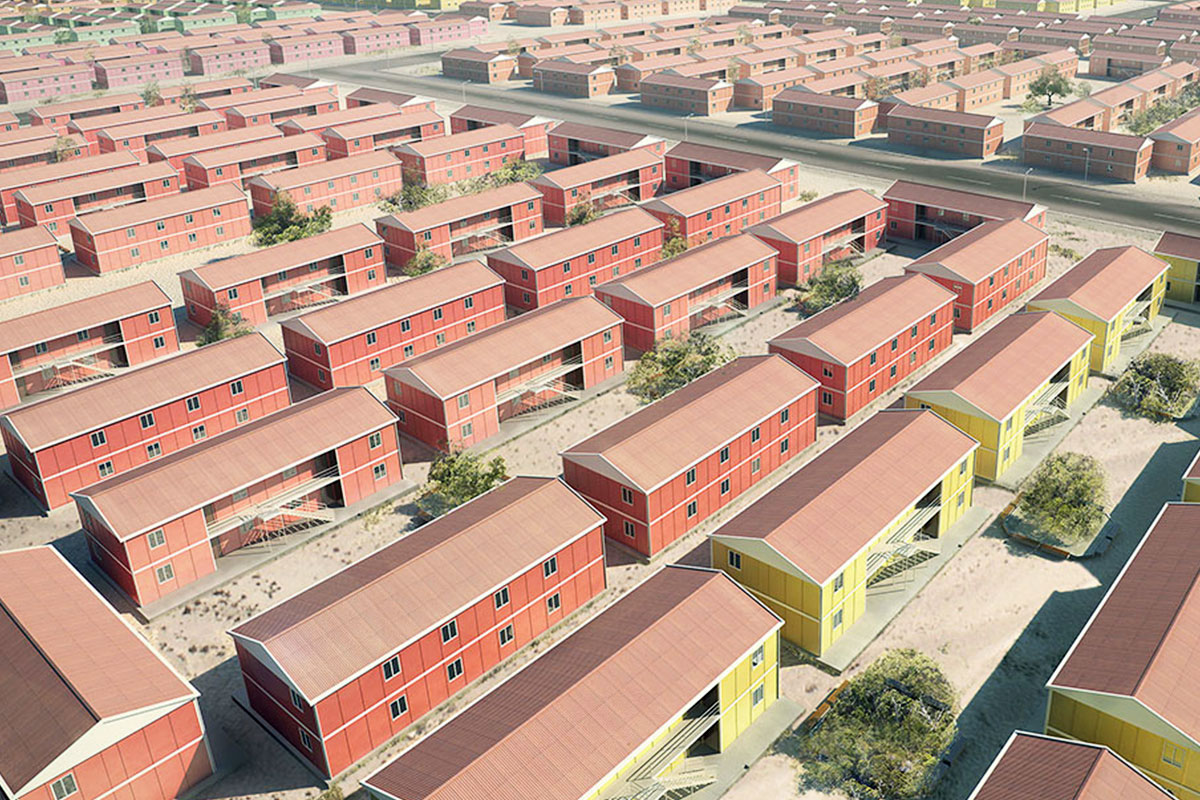
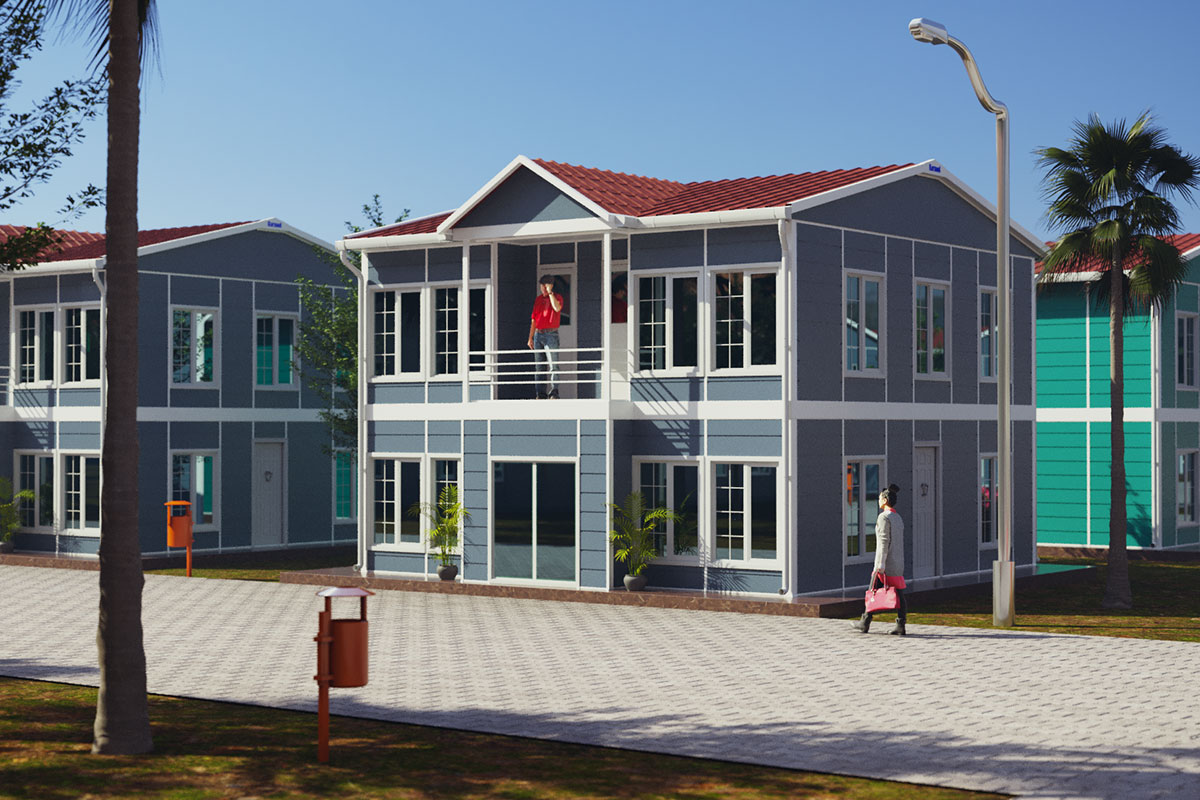
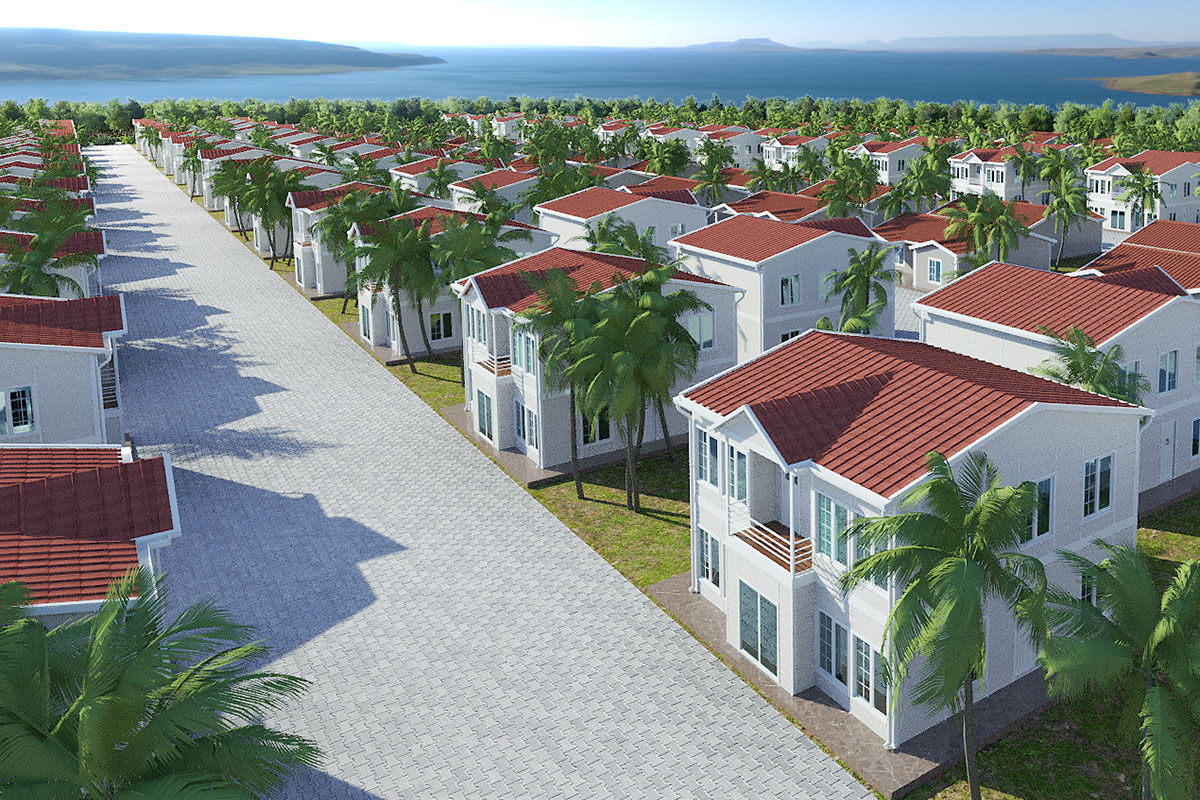
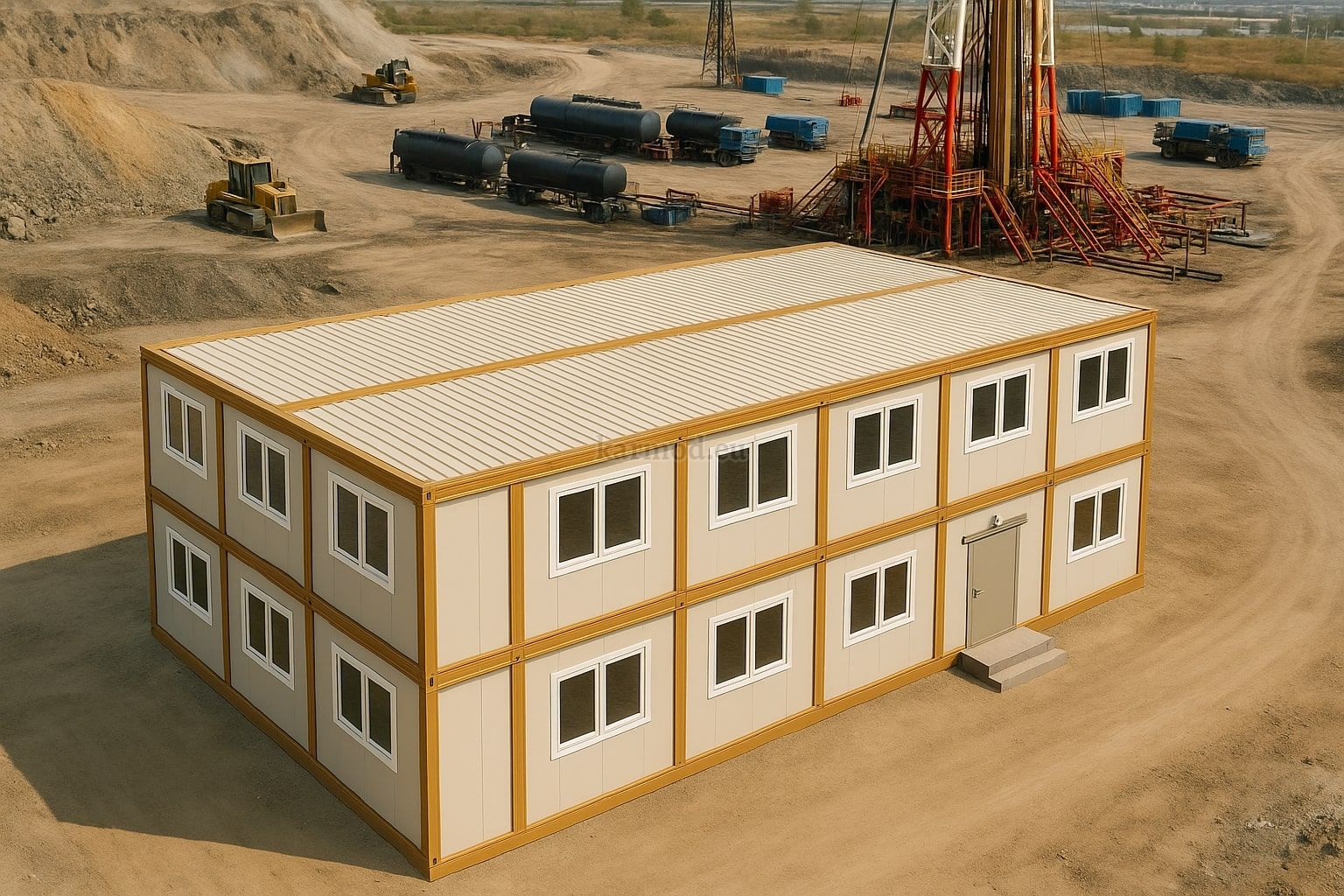
Across Afghanistan’s rugged terrain, oil and gas operators face a familiar challenge: keeping teams housed, rested, and ready to work in locations where access, weather swings, and site security can change quickly. A well-planned camp is not just shelter. It is an operational asset that supports safe routines, stable shift rotations, and consistent productivity. Afghanistan Oil and Gas Field Man Camp projects increasingly reflect this practical approach, with layouts and building systems designed for deployment to remote areas while maintaining controlled living standards.
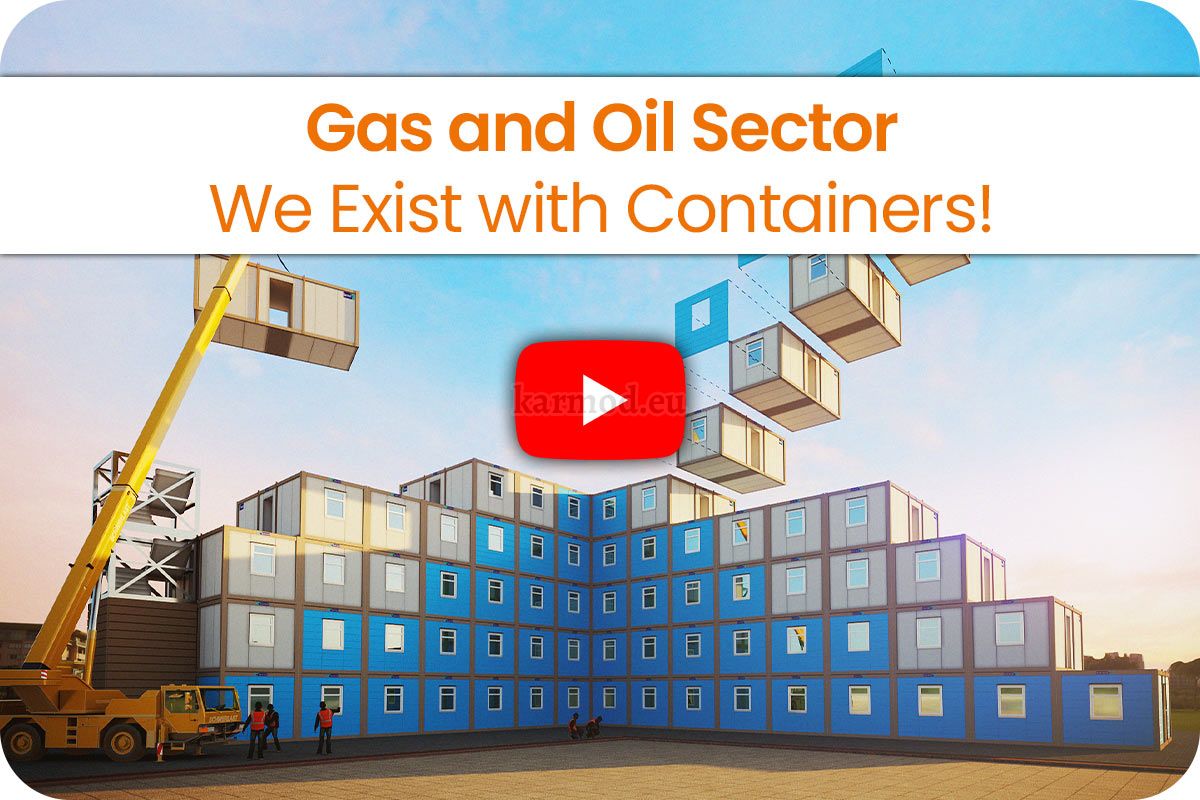
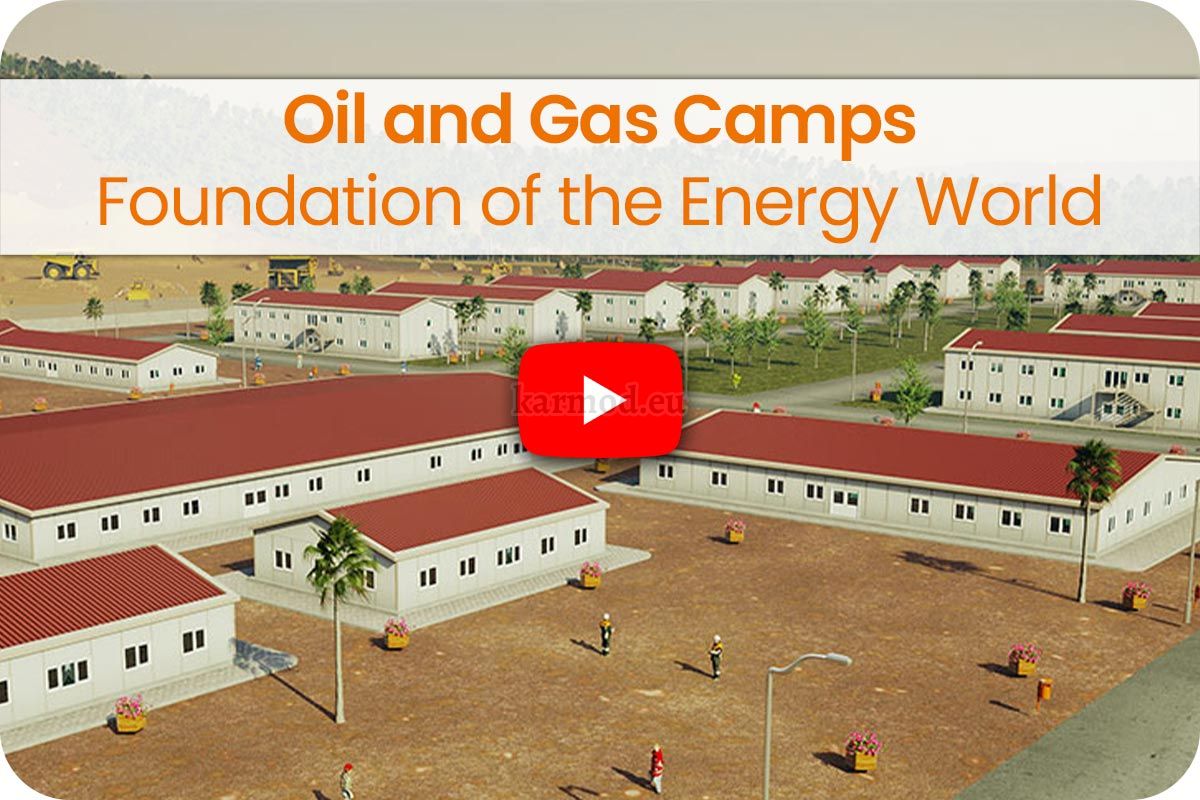
- Strategic Location: Afghanistan’s position between major regional markets can bring projects into logistically complex corridors. Afghanistan Oil and Gas Field Man Camp planning typically accounts for long lead times, constrained road access, and the need to stage materials and equipment efficiently to avoid downtime once operations begin.
- A Home Away from Home: Afghanistan Oil and Gas Field Housing performs best when it supports basic routines without friction. Practical room standards, reliable utilities, and shared spaces for meals and rest help crews recover between shifts, reduce turnover pressure, and maintain consistent site discipline.
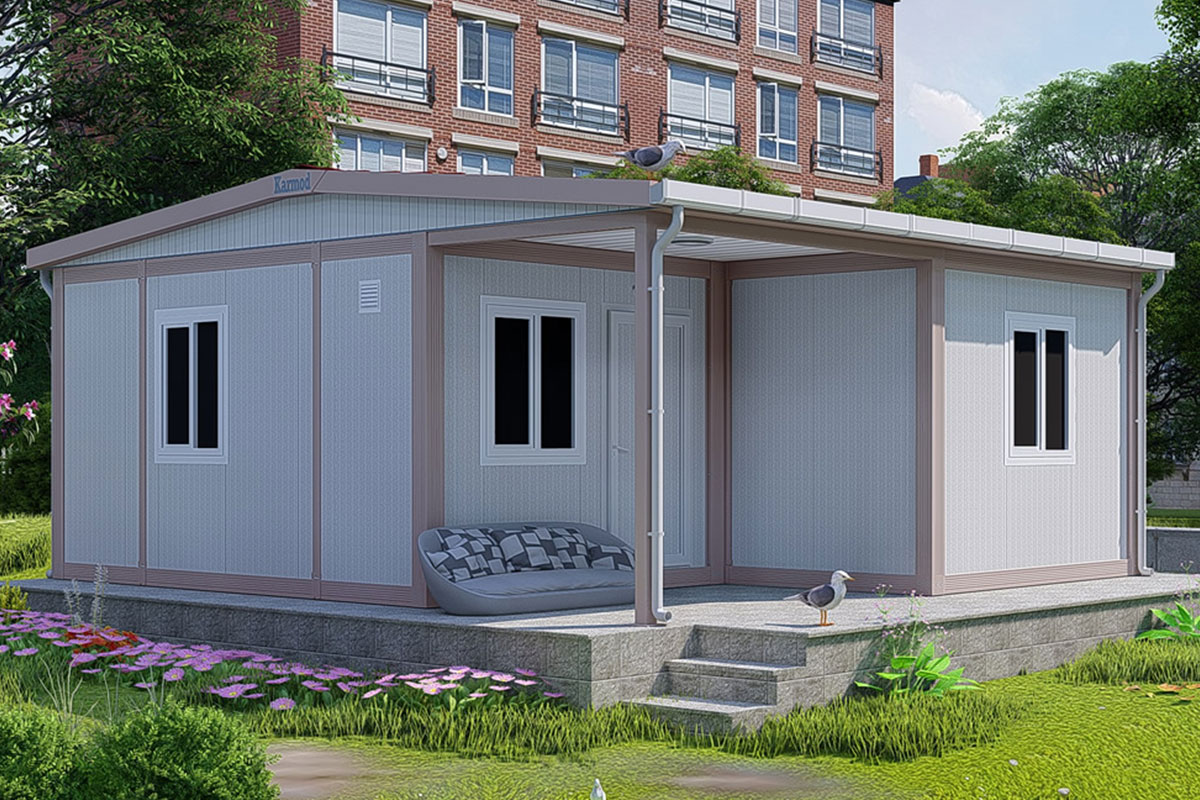
- Karmod's Pioneering Role: For projects requiring fast deployment without sacrificing build consistency, Karmod has contributed to Afghanistan Oil and Gas Field Housing Units through engineered modular systems. Their modular camp solutions support repeatable quality across multiple buildings and allow camp zones to be expanded or reconfigured as site needs evolve.
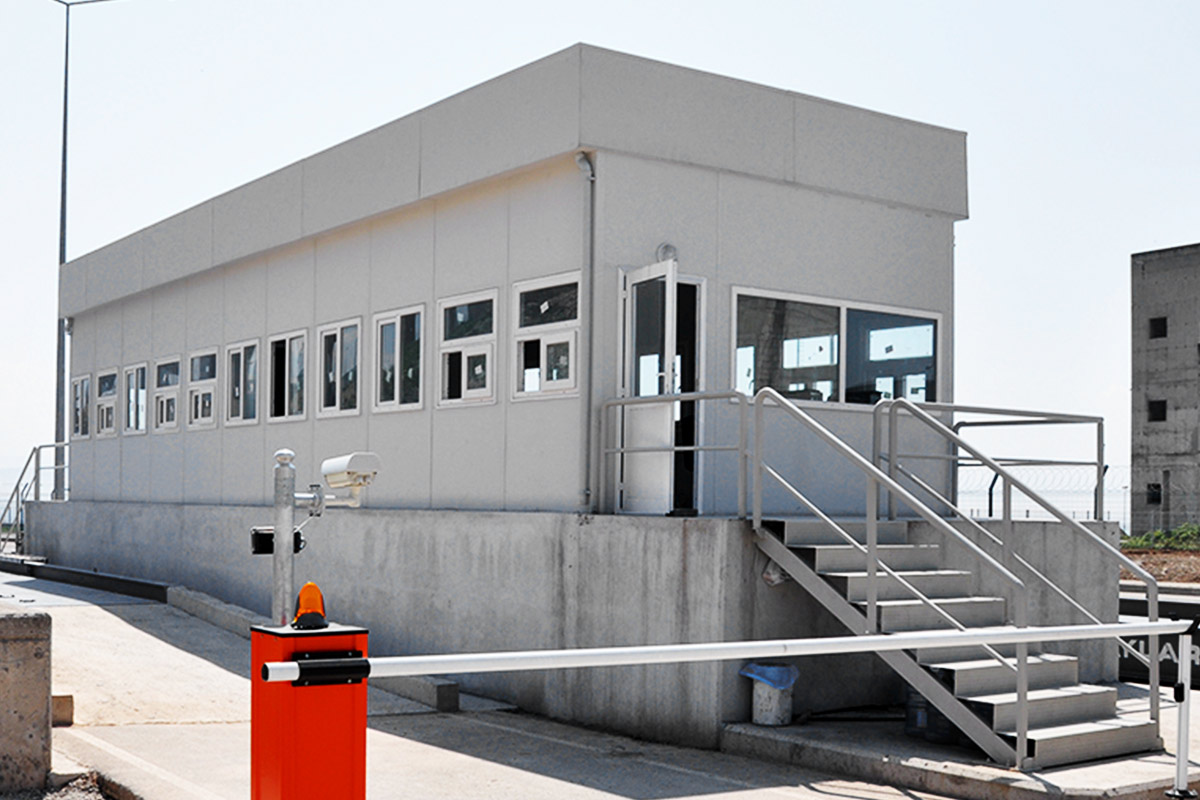
- Safety First: In Afghanistan, camp safety must address more than one risk category. Camp layouts commonly emphasize controlled access, clear muster routes, and separation of accommodation from higher-risk operational areas. Materials and systems are selected with fire safety, durable closures, and secure circulation in mind so crews can rest with fewer disruptions.
- Sustainability and the Environment: Remote site housing benefits from efficient energy and resource management, especially where fuel and water supply chains are strained. Solutions such as optimized insulation, scalable power options, and structured waste handling can reduce consumption and keep the camp cleaner and easier to manage over time.
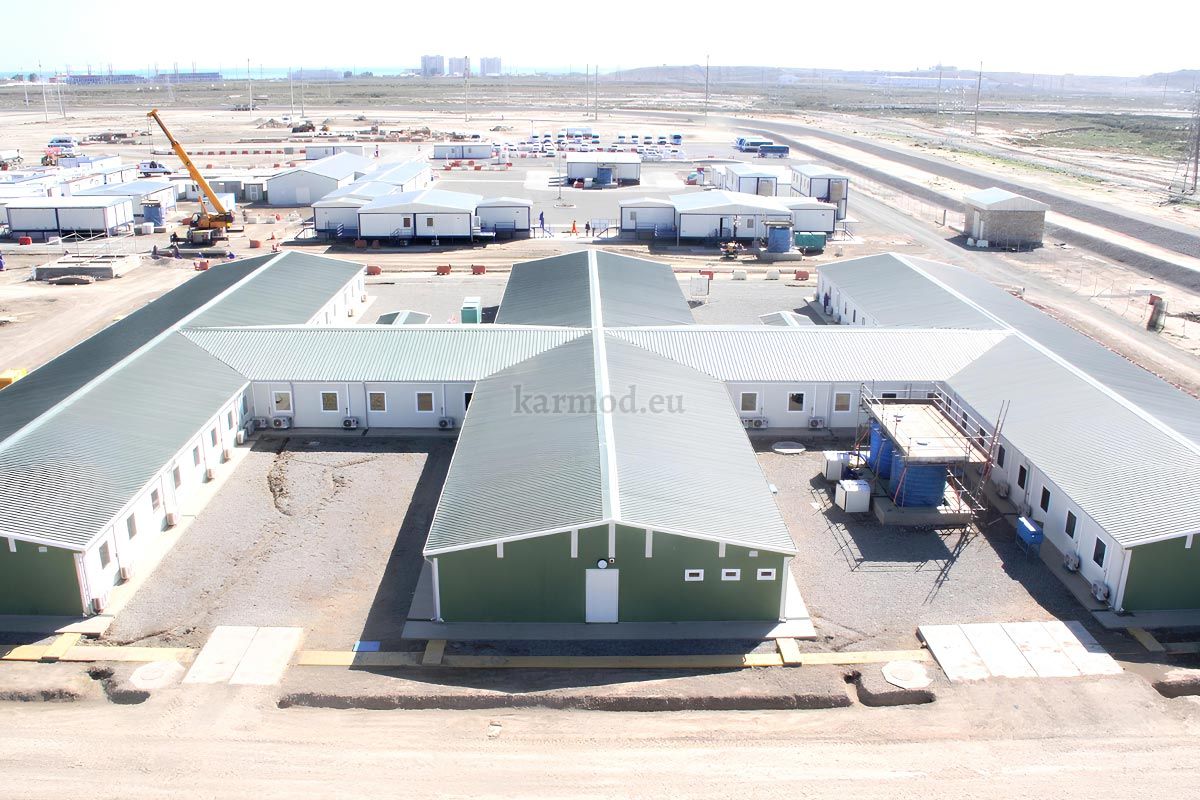
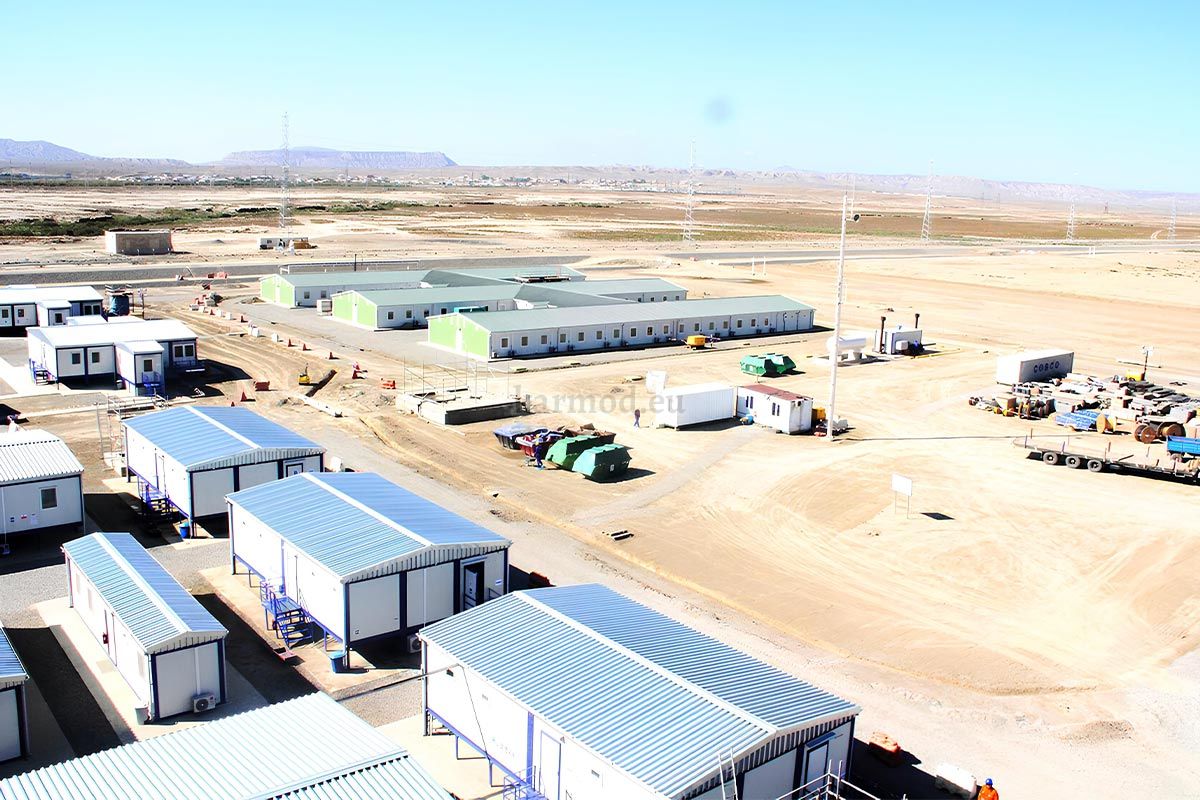
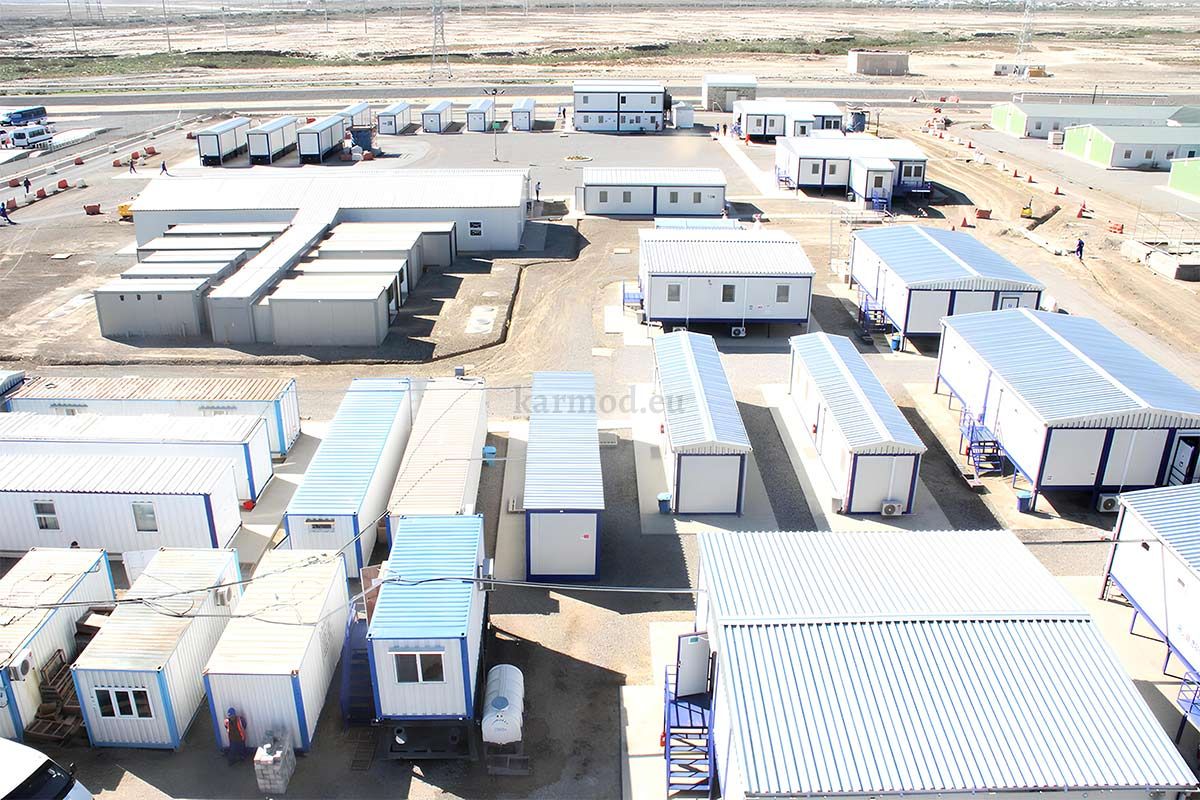
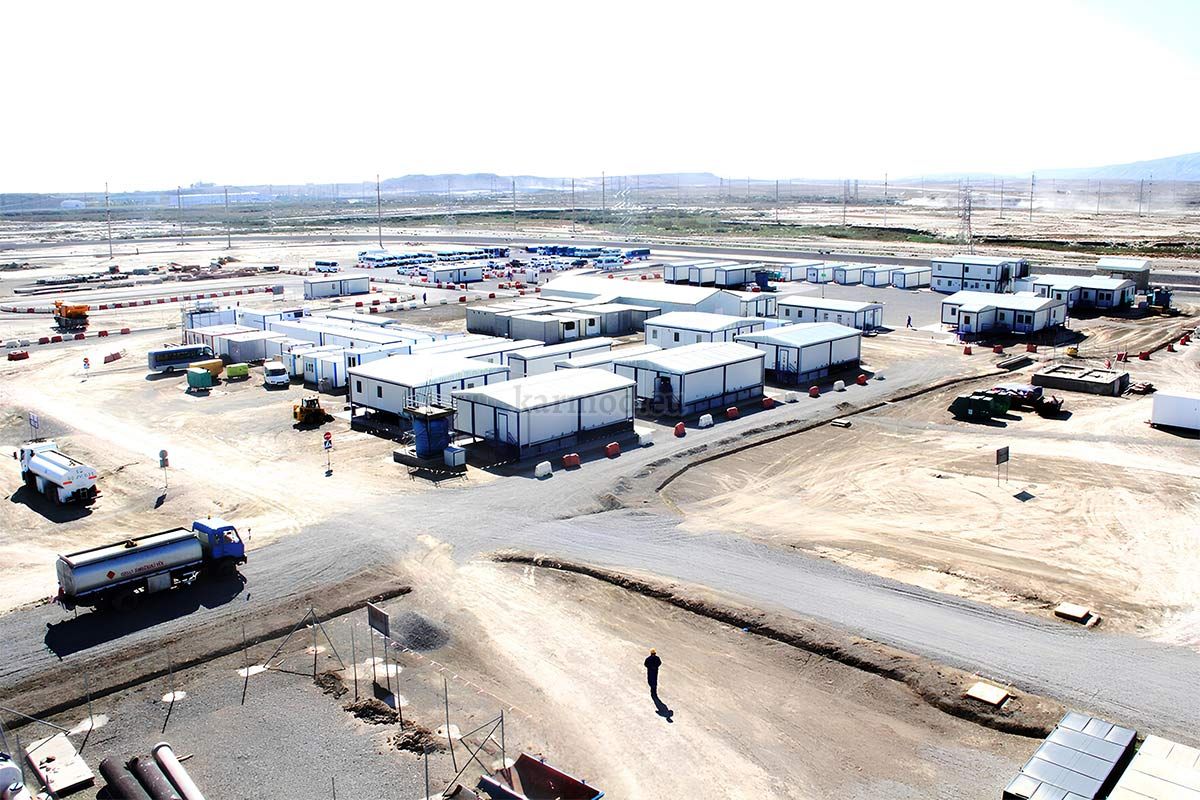
As Afghanistan develops its energy projects, workforce accommodation is becoming a more deliberate part of project execution. Durable camp buildings, sensible zoning, and dependable utilities directly affect schedule stability and HSE performance. With experienced suppliers involved in infrastructure delivery, operators can align camp capacity with production phases and maintain a workable standard of living even when the site environment is demanding.
Comfort That Supports Operations in Afghanistan Oil and Gas Man Camps
A functional oil and gas camp is built around operational reality: long shifts, limited personal time, and the need for quiet, predictable rest. Afghanistan Oil and Gas Field Man Camps are increasingly structured to reduce daily friction through practical circulation routes, well-defined living and service areas, and indoor conditions that remain stable despite hot days, cold nights, or dusty winds common in many regions.
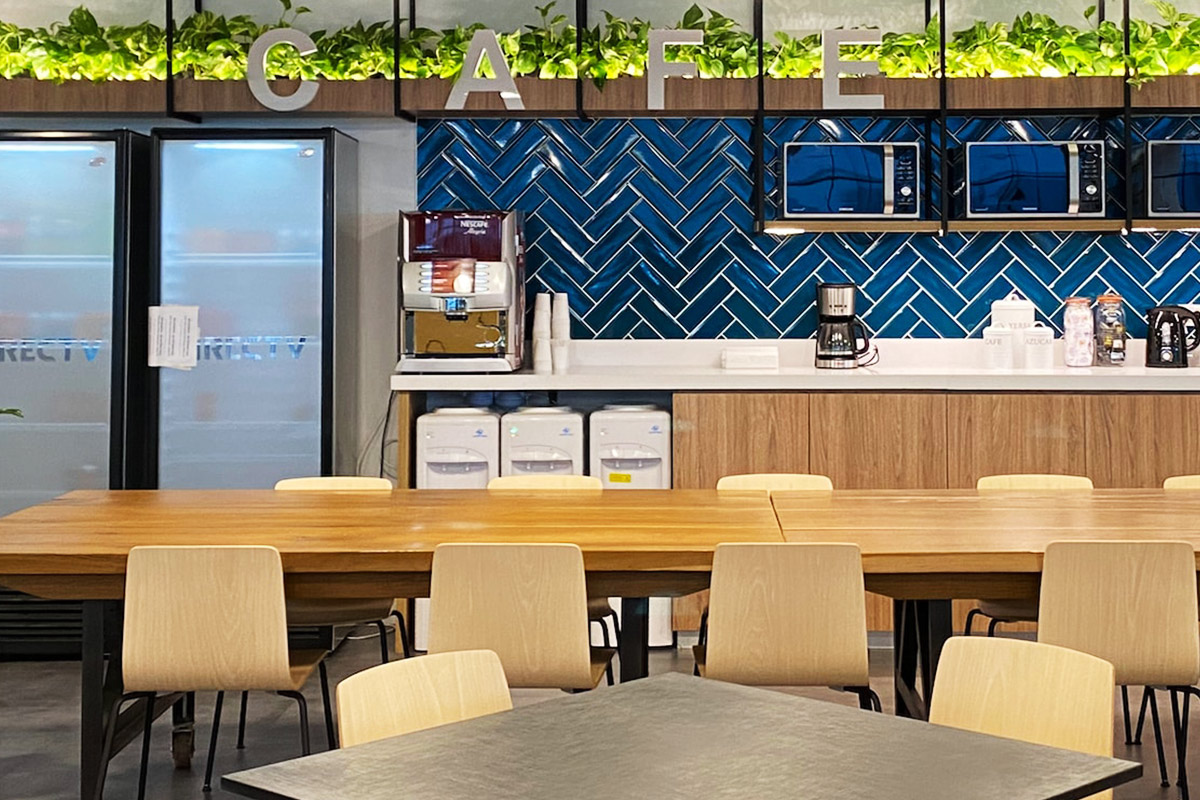
Comfort in this context is not luxury. It is reliable sleep, clean sanitation, safe food service, and spaces that reduce fatigue and conflict. When these basics are consistently delivered, morale improves, absenteeism drops, and supervisors spend less time resolving accommodation issues and more time running the site.
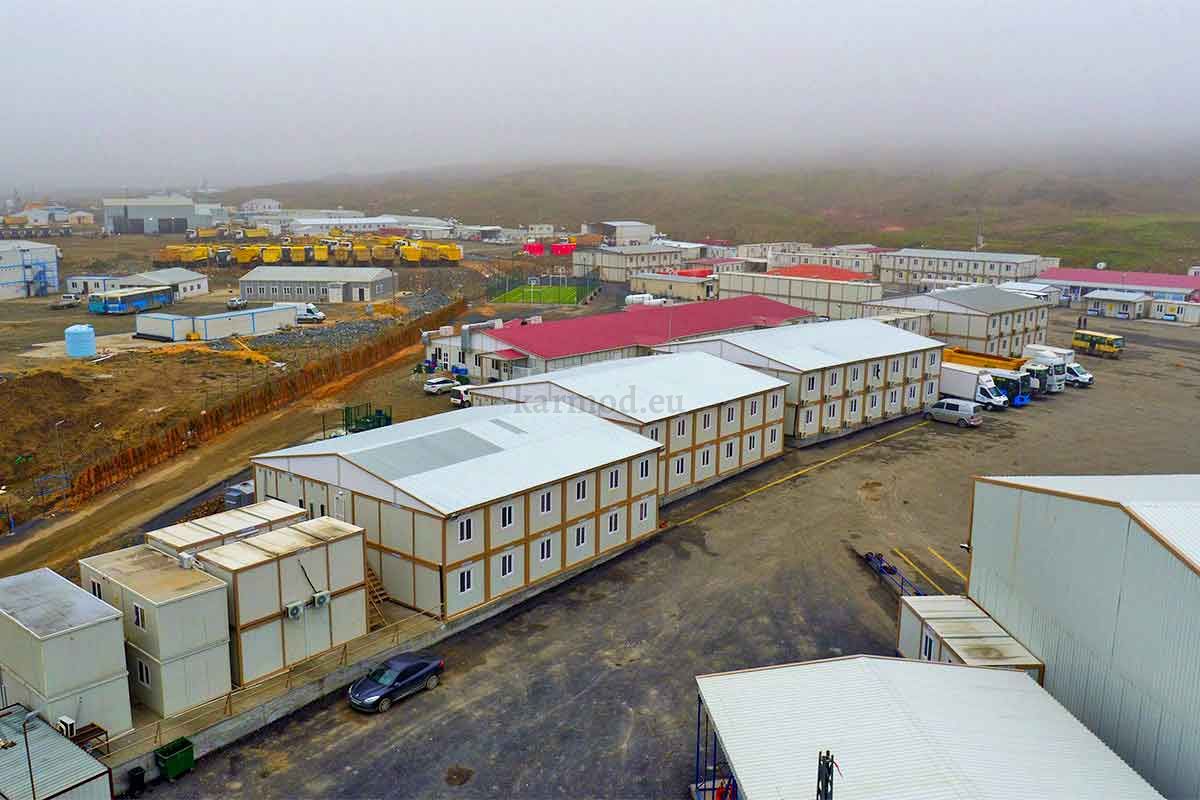
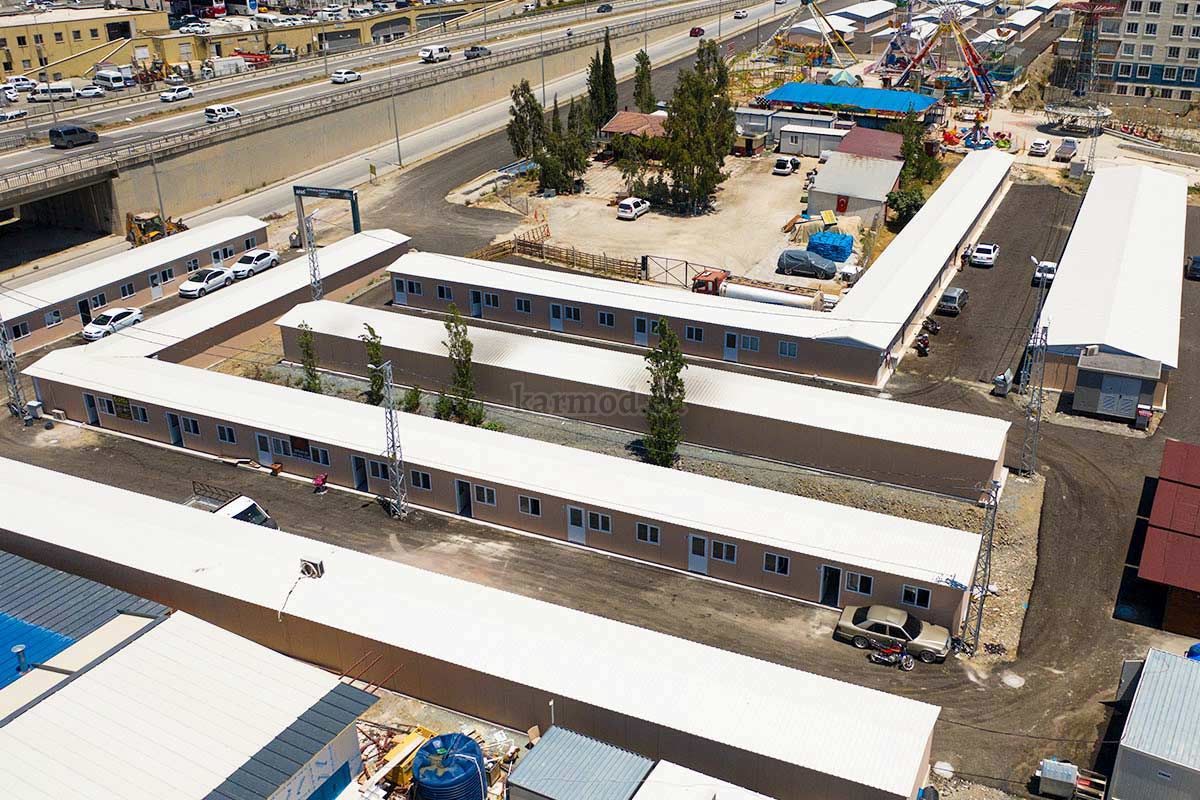
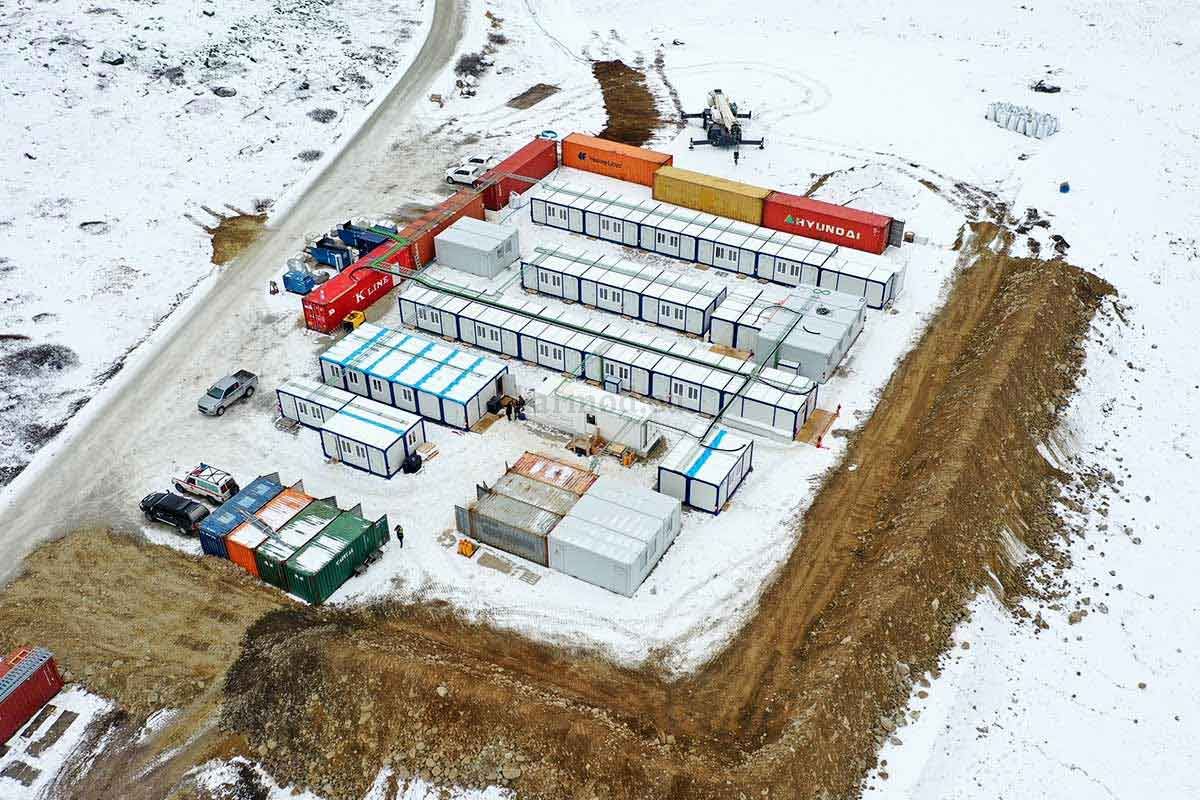
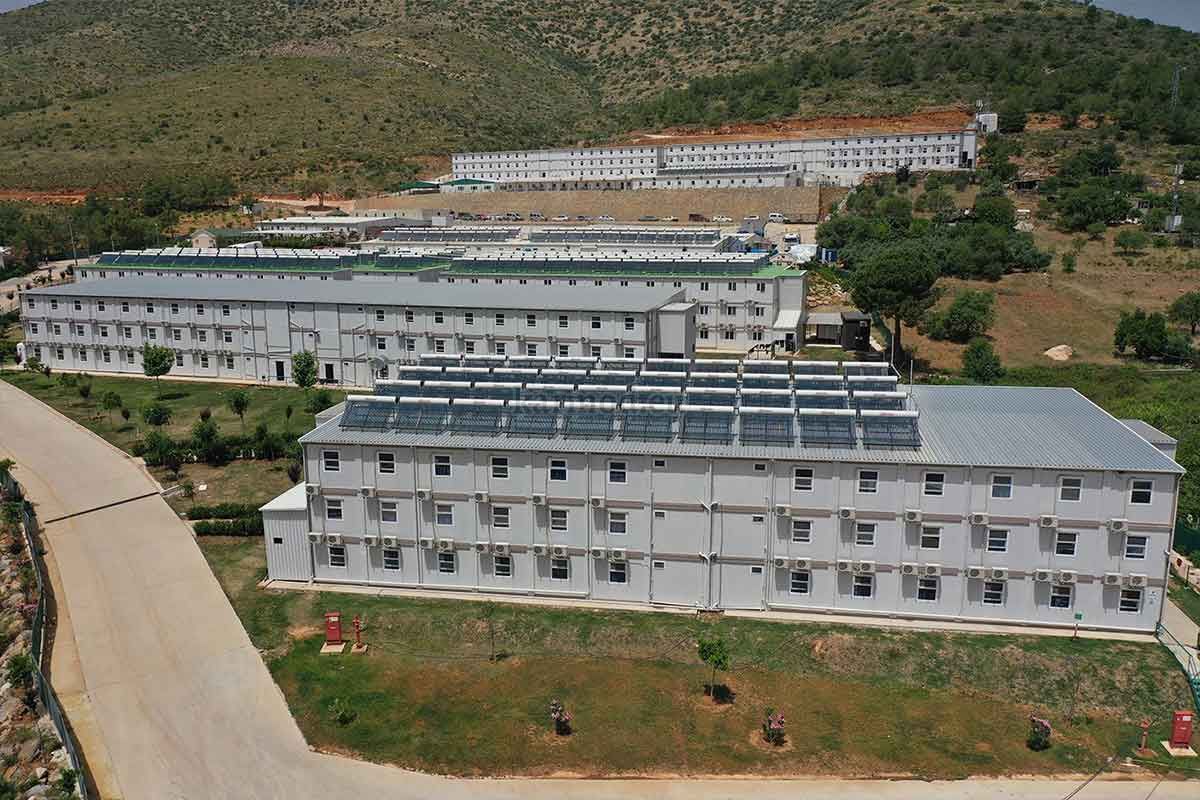
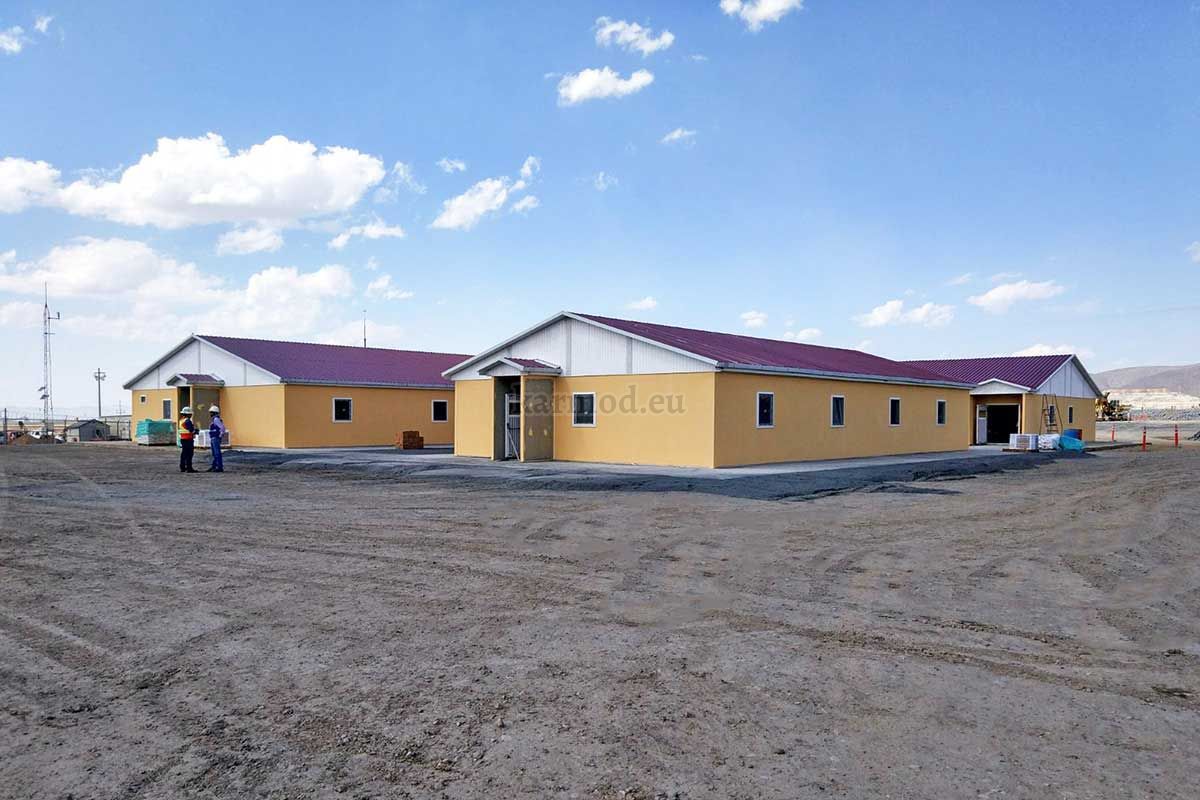
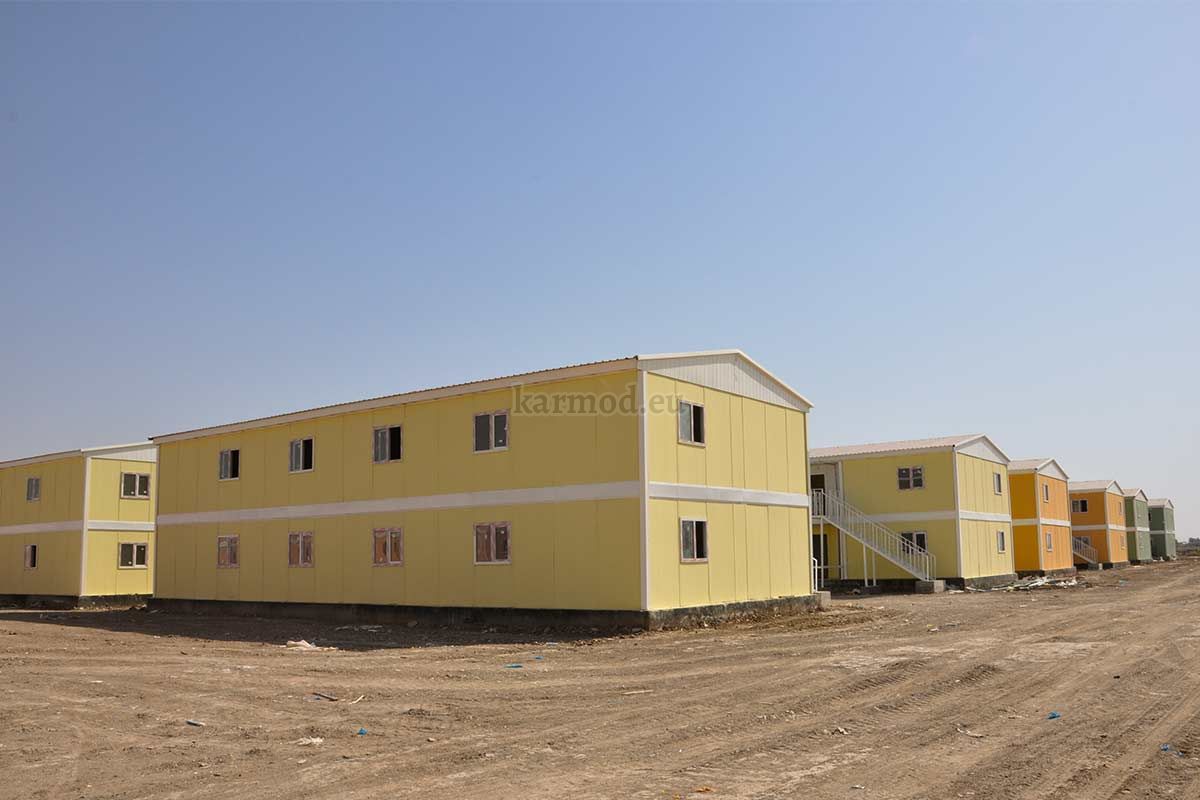
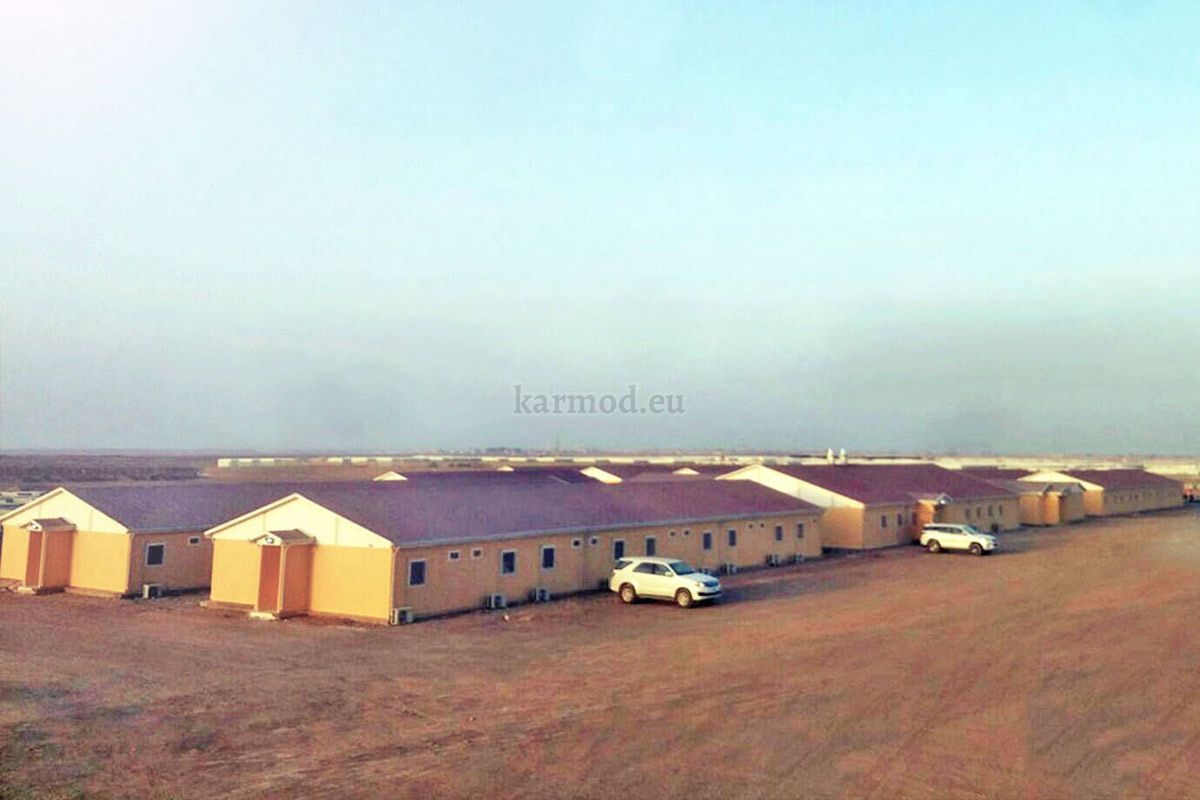
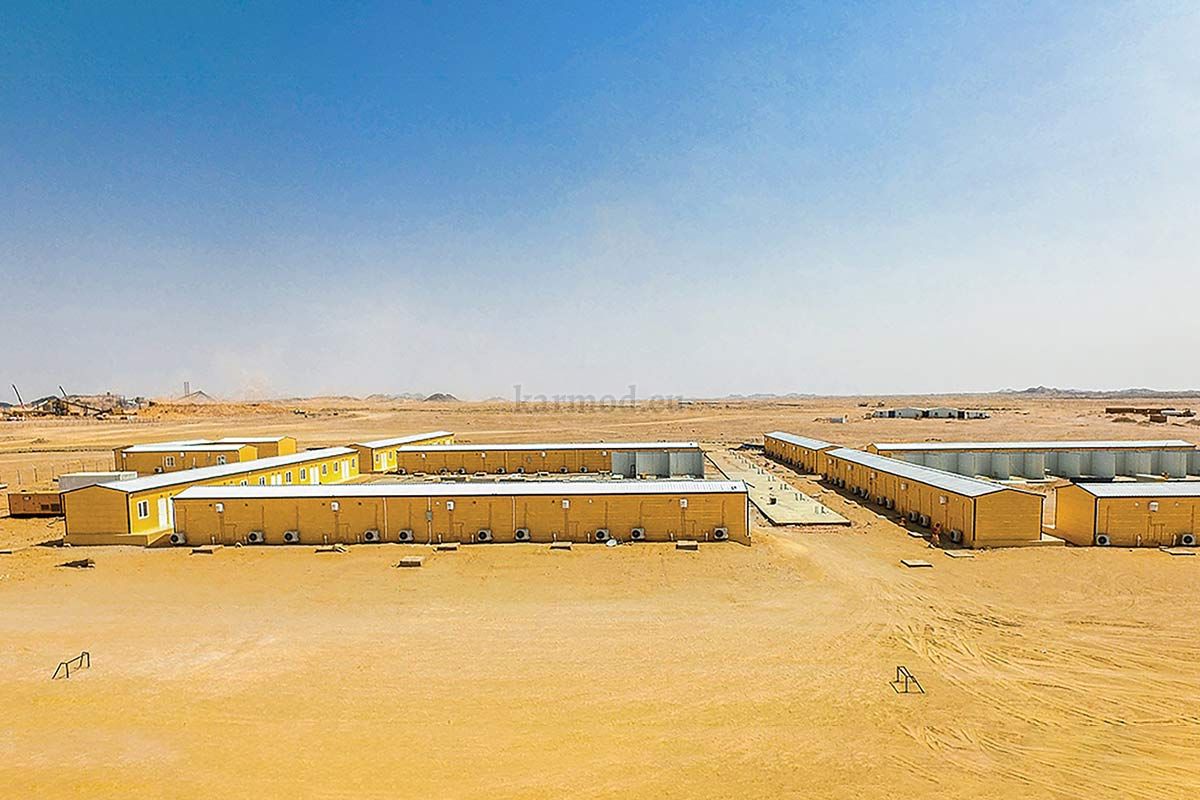
Afghanistan Oil and Gas Field Housing Built for Continuity and Scale
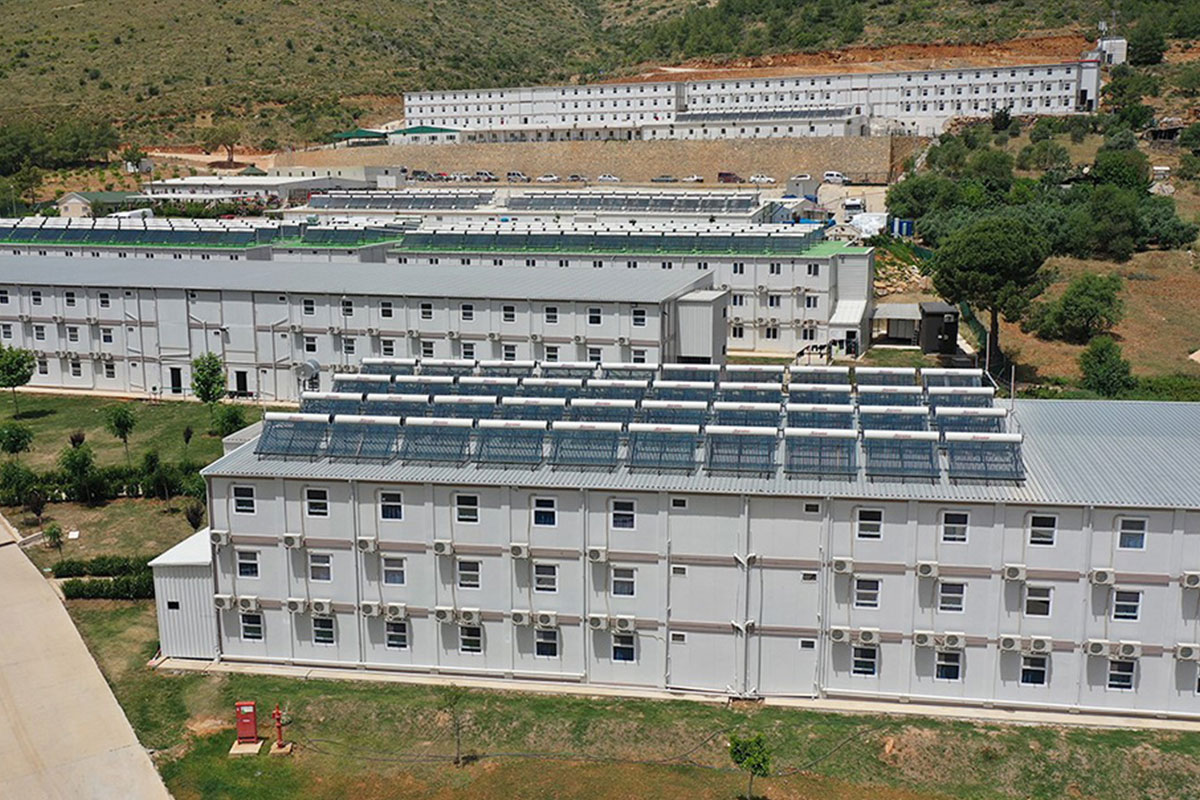
Afghanistan Oil and Gas Field Housing must work under constraints that many urban projects never face: limited local supply chains, variable site access, and a need to set up quickly without losing control of quality. Effective housing programs are designed to scale, allowing operators to start with essential accommodation and then add capacity and services as the project moves from early works into steady-state operations.
Partnerships with experienced manufacturers such as Karmod can support this approach by providing standardized building systems with predictable performance. This consistency helps operators manage maintenance, spare parts, and expansion planning without reinventing specifications for each phase or location.
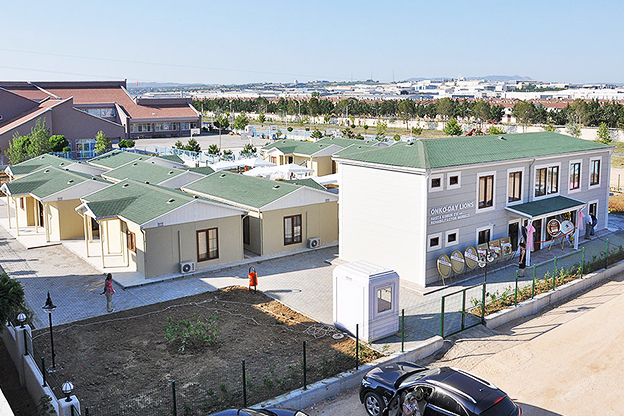
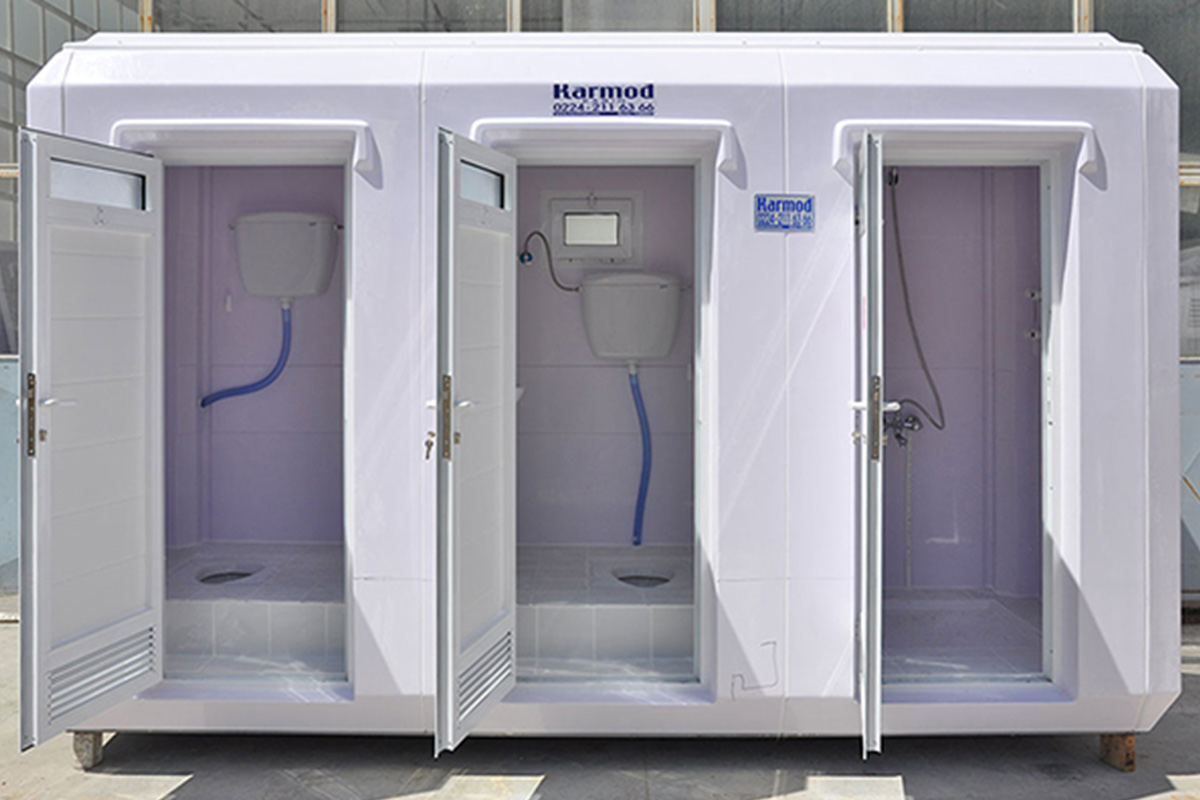
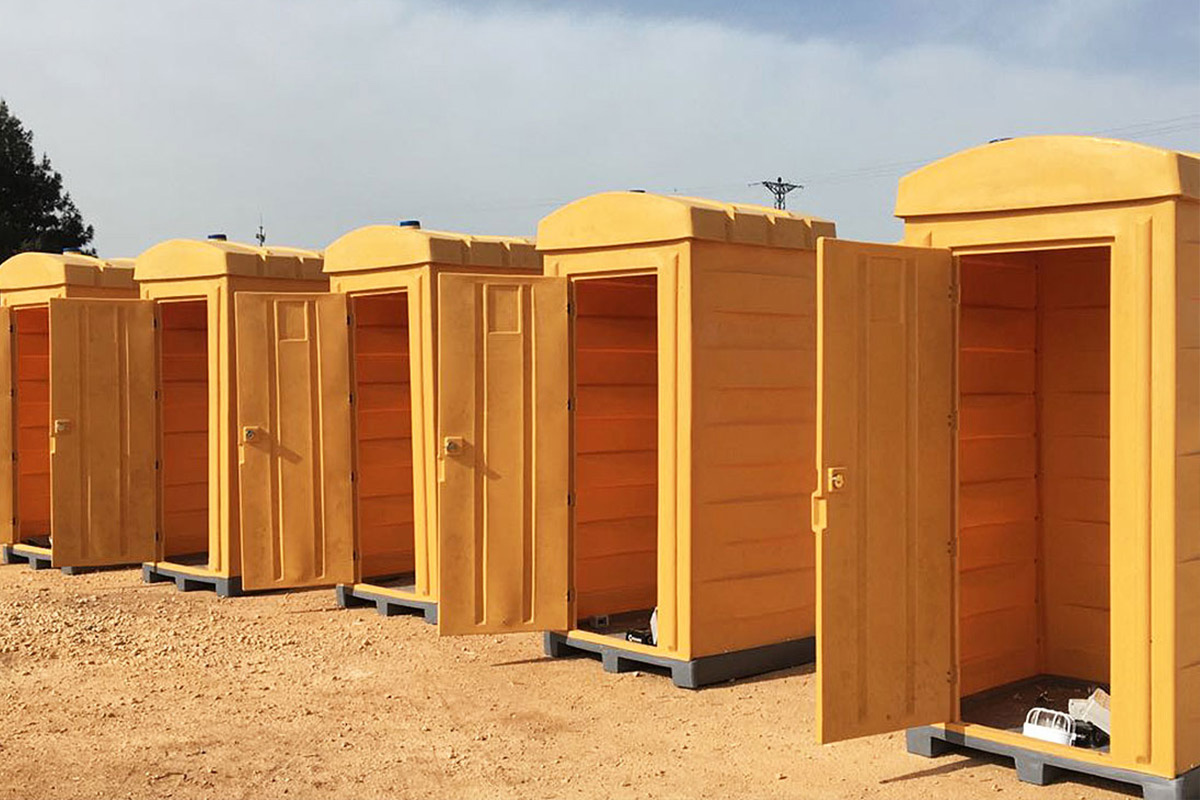
Beyond the accommodation blocks themselves, successful housing typically includes planned support functions—laundry, hygiene facilities, dining, and managed recreation—because these services directly affect how crews recover between rotations. In Afghanistan’s challenging project environments, a well-run housing setup is often the difference between a camp that merely exists and one that sustains the workforce.
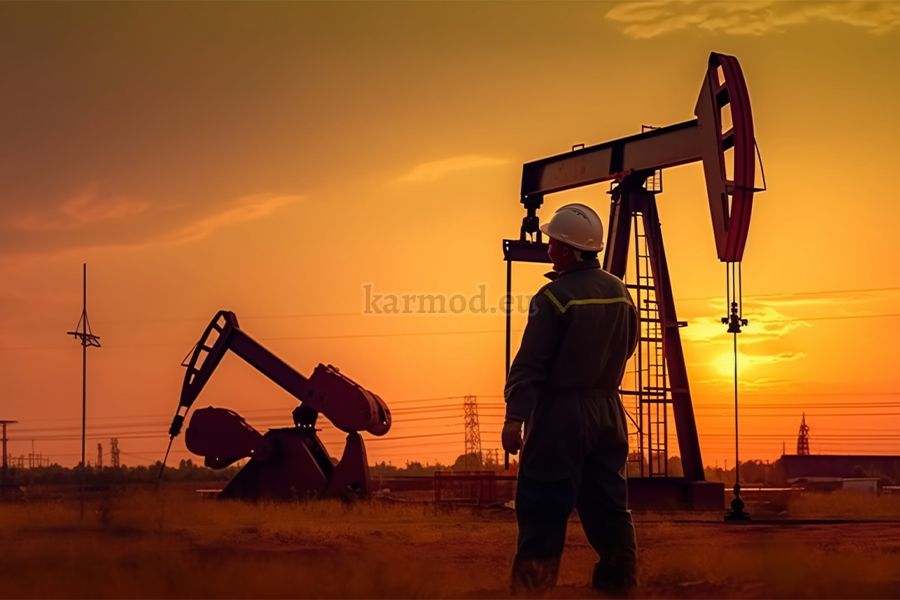
Structures of Quality: Afghanistan's Oil and Gas Camp Construction Buildings
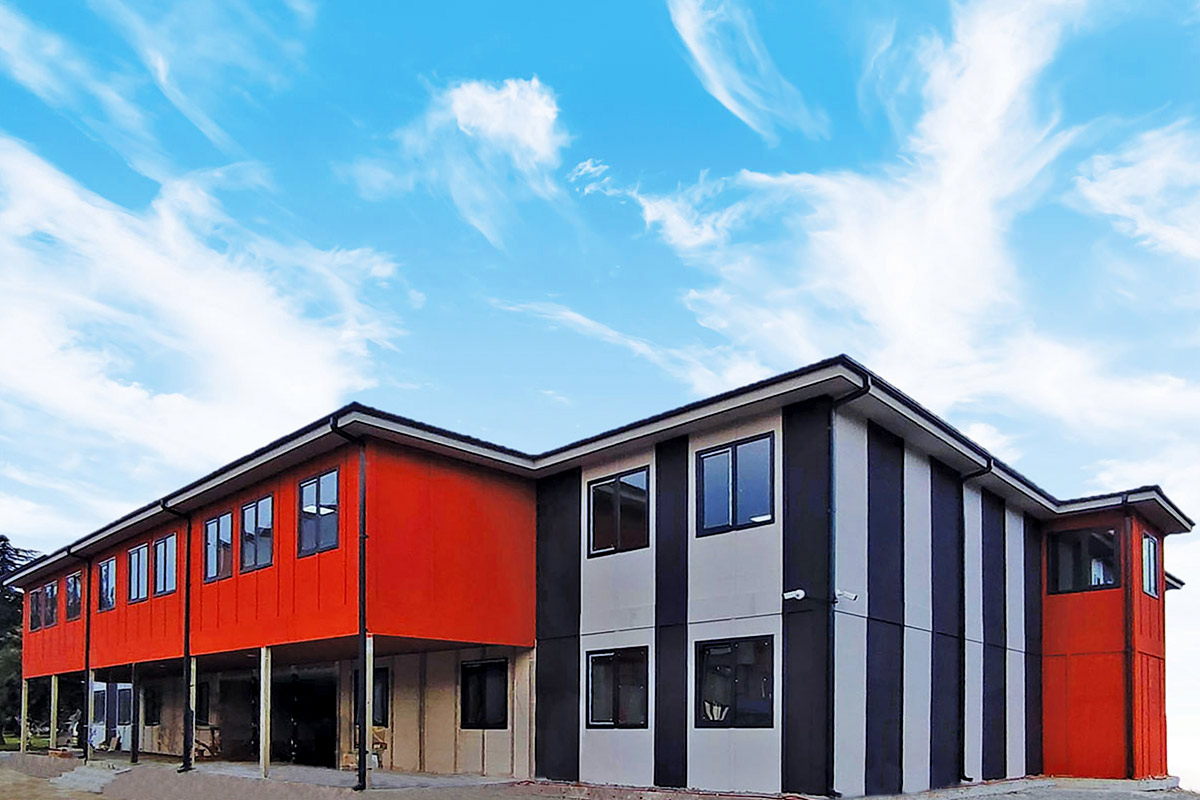
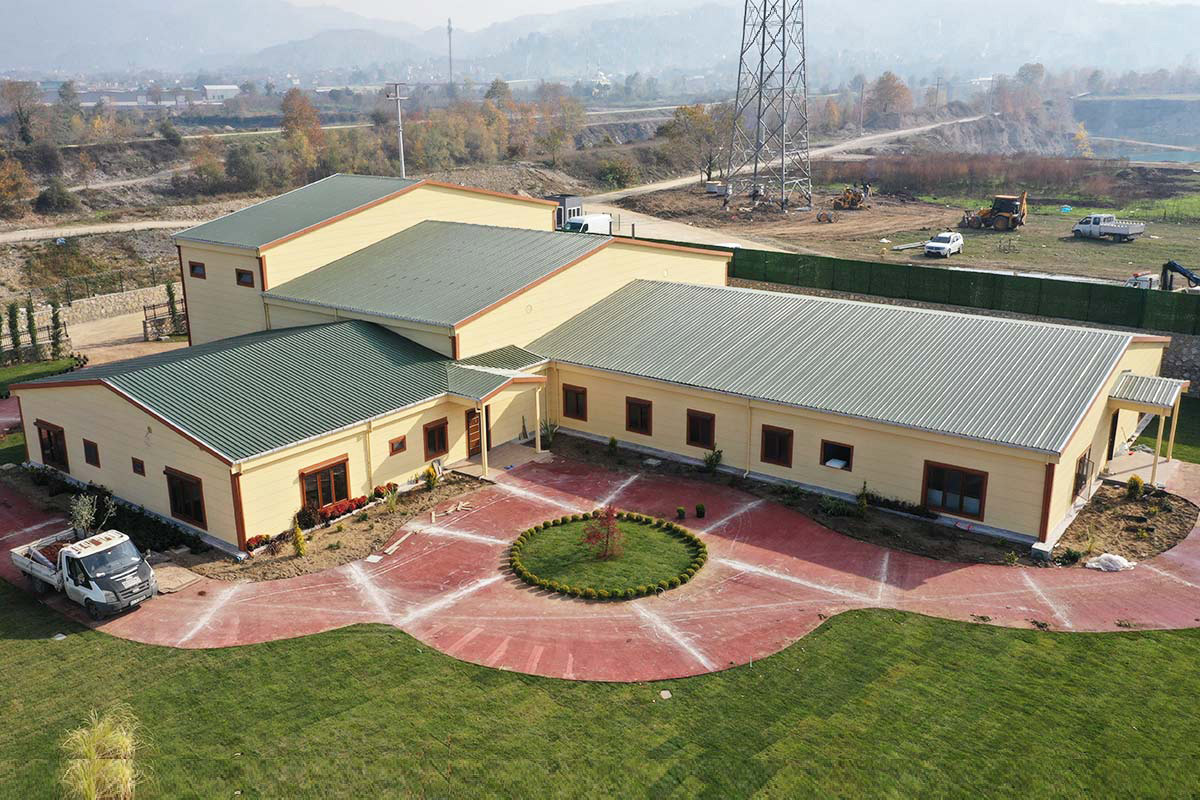
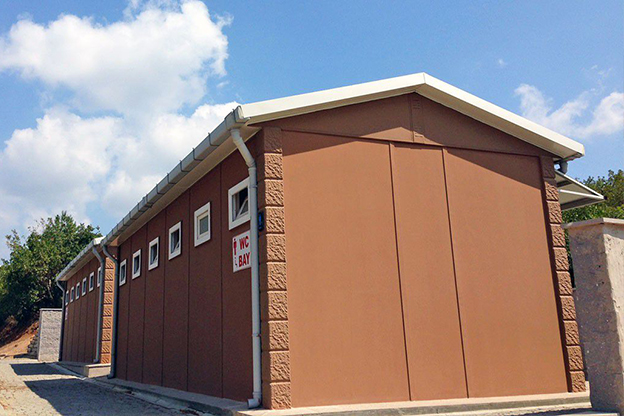
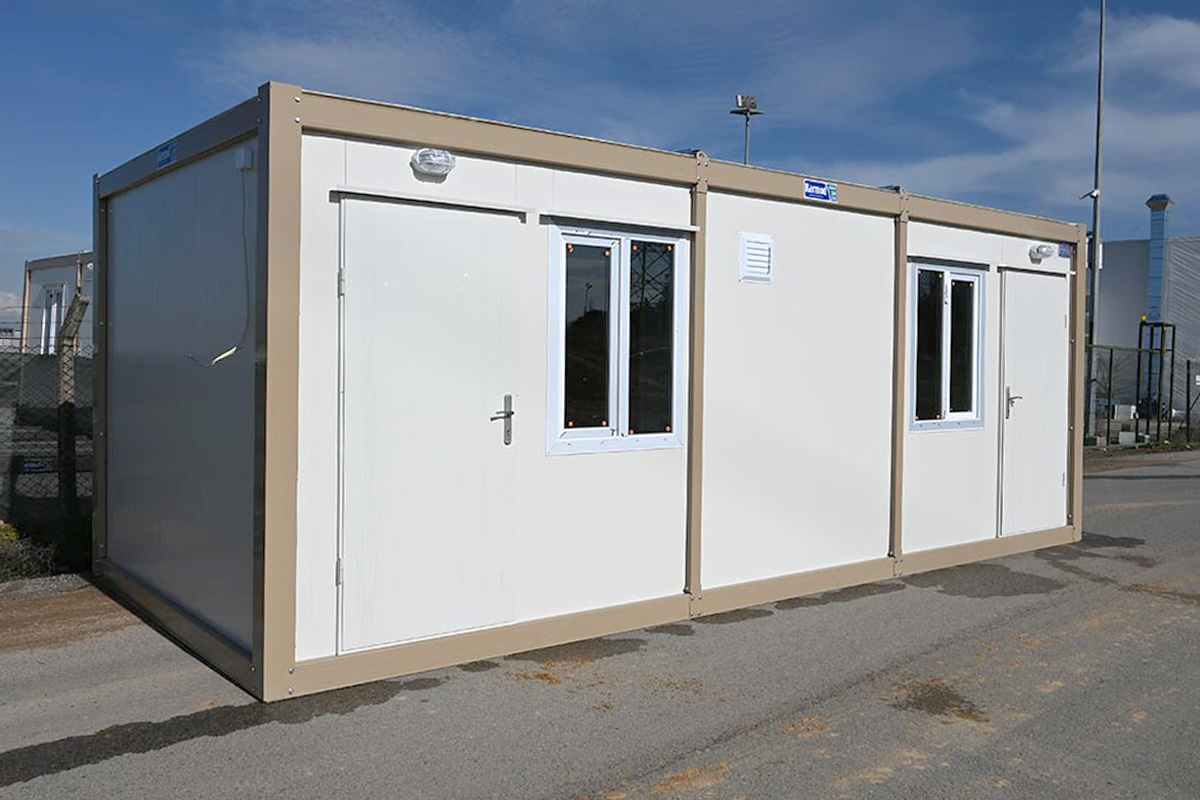
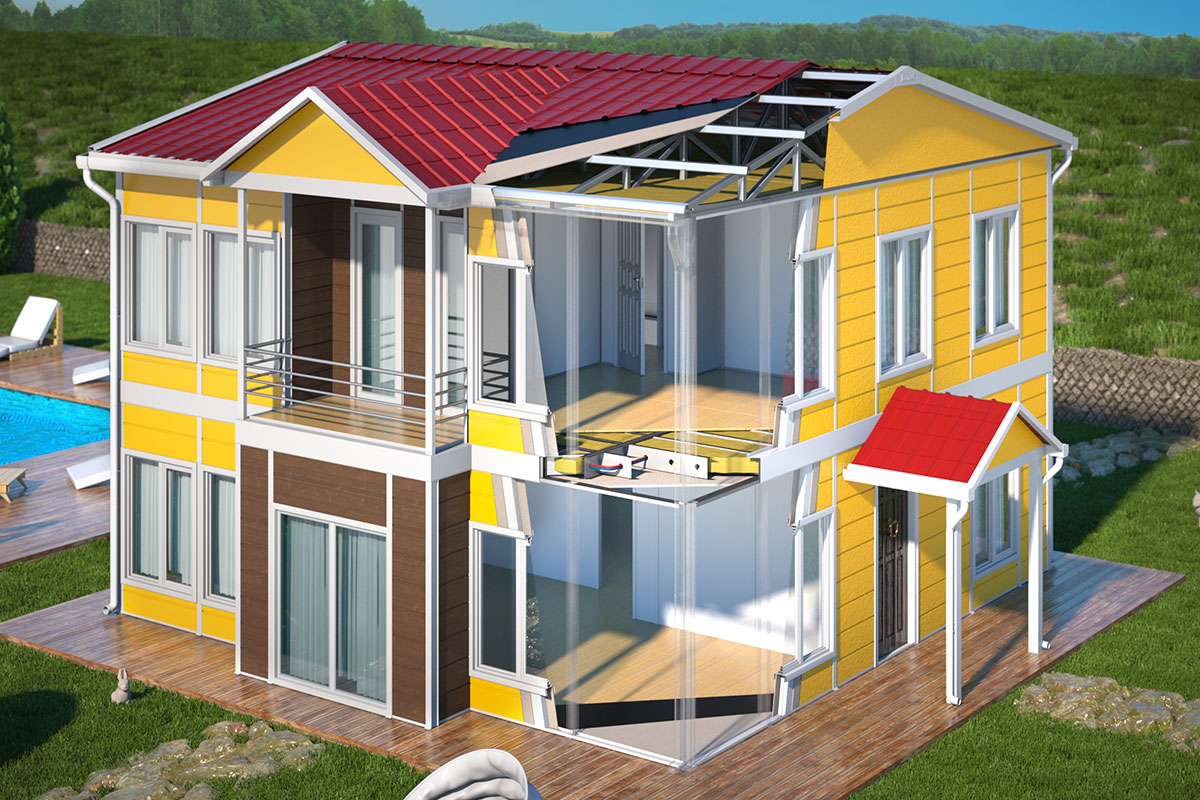
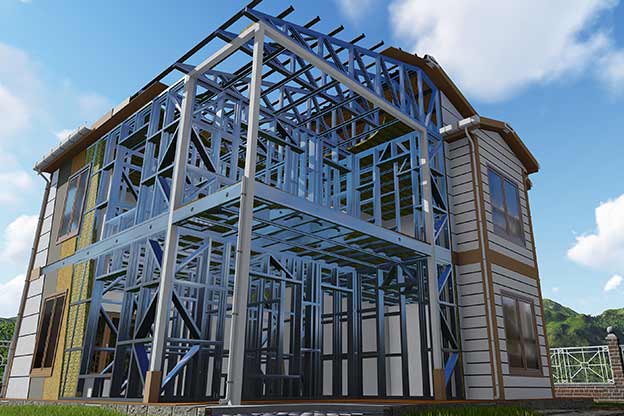
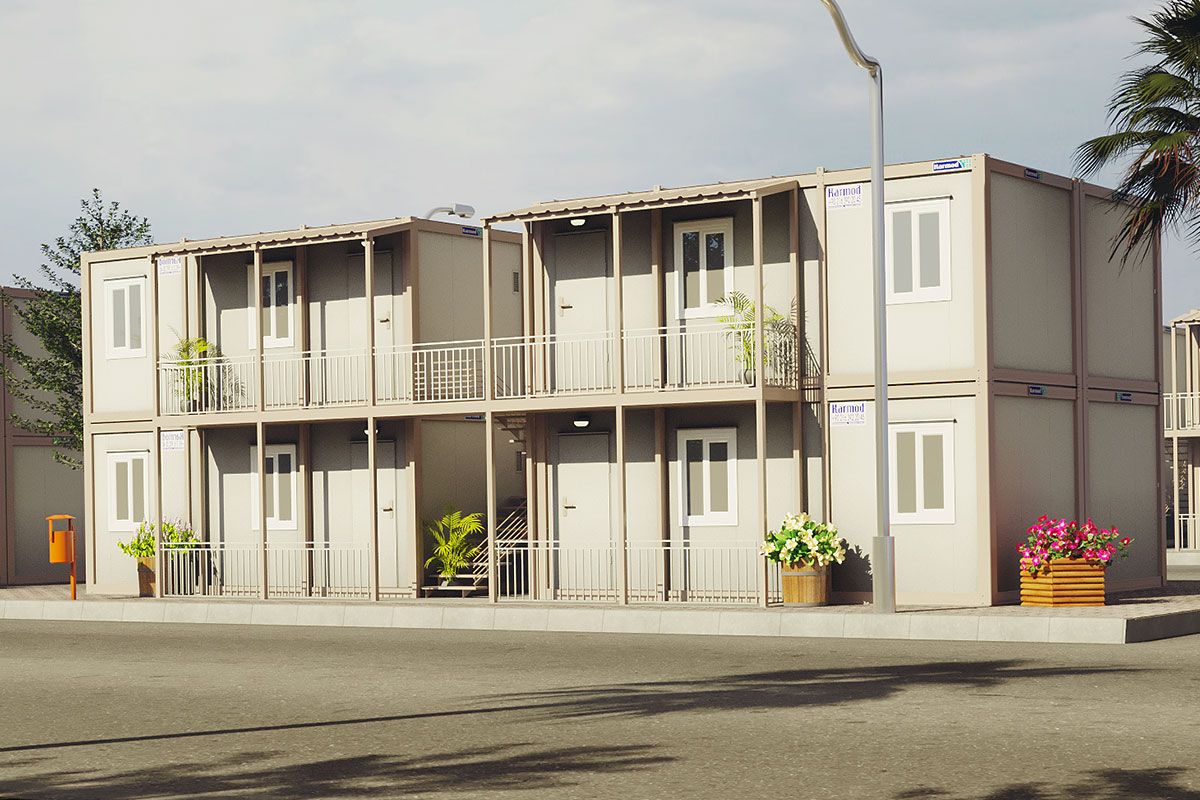
Oil and gas camp construction buildings in Afghanistan need to balance speed of installation with long-term durability. Modular construction is often preferred because it supports controlled production, predictable assembly, and phased delivery—useful advantages where site conditions and access windows can be tight.
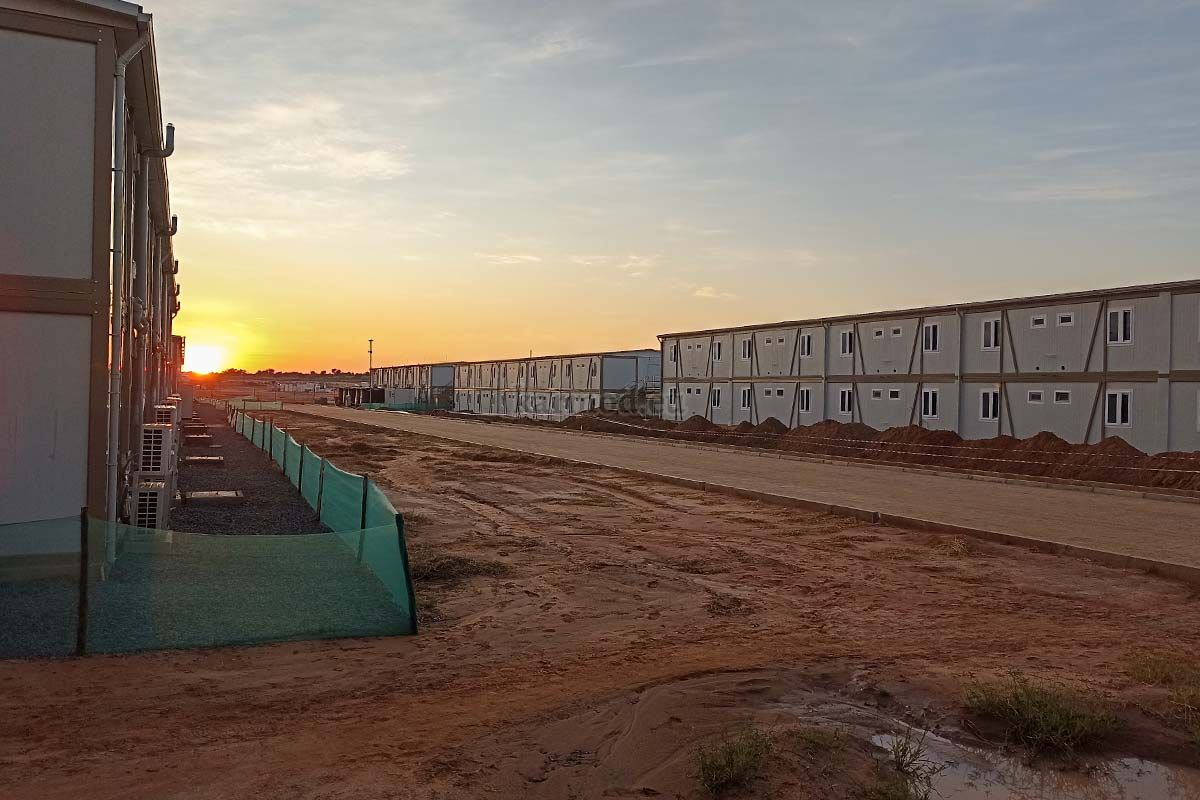
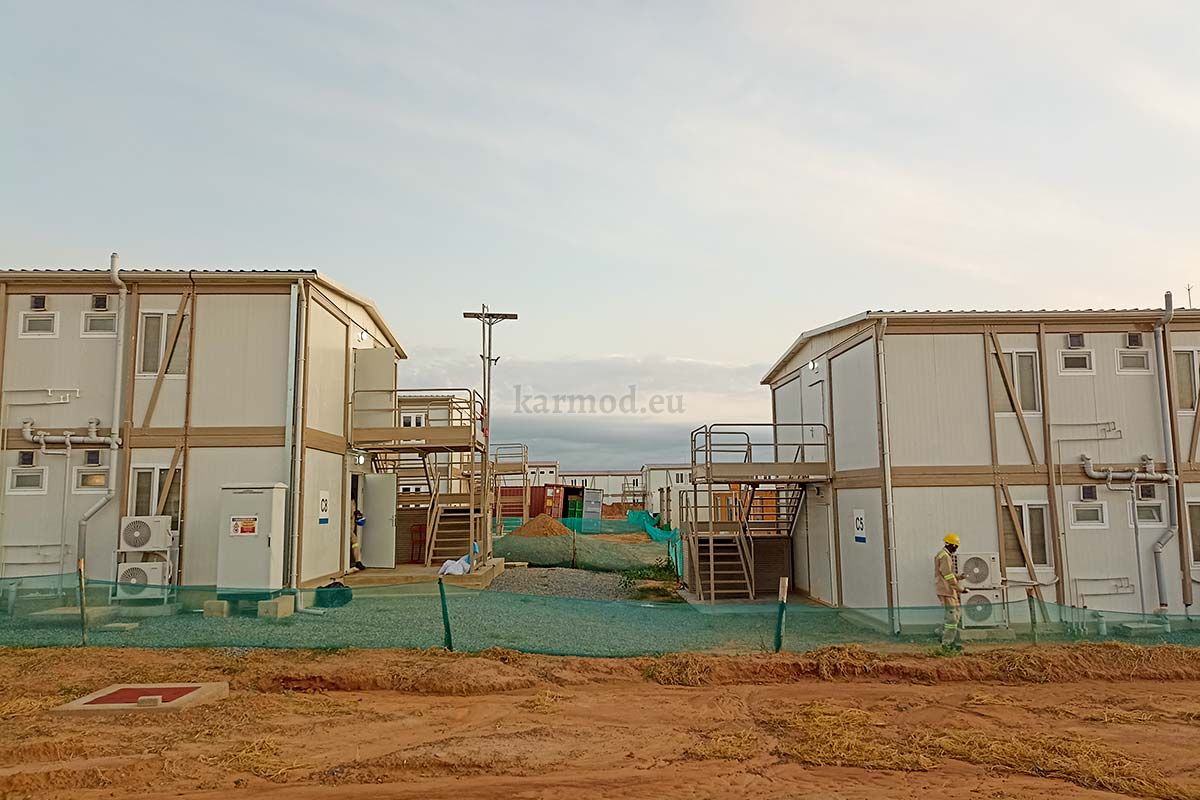


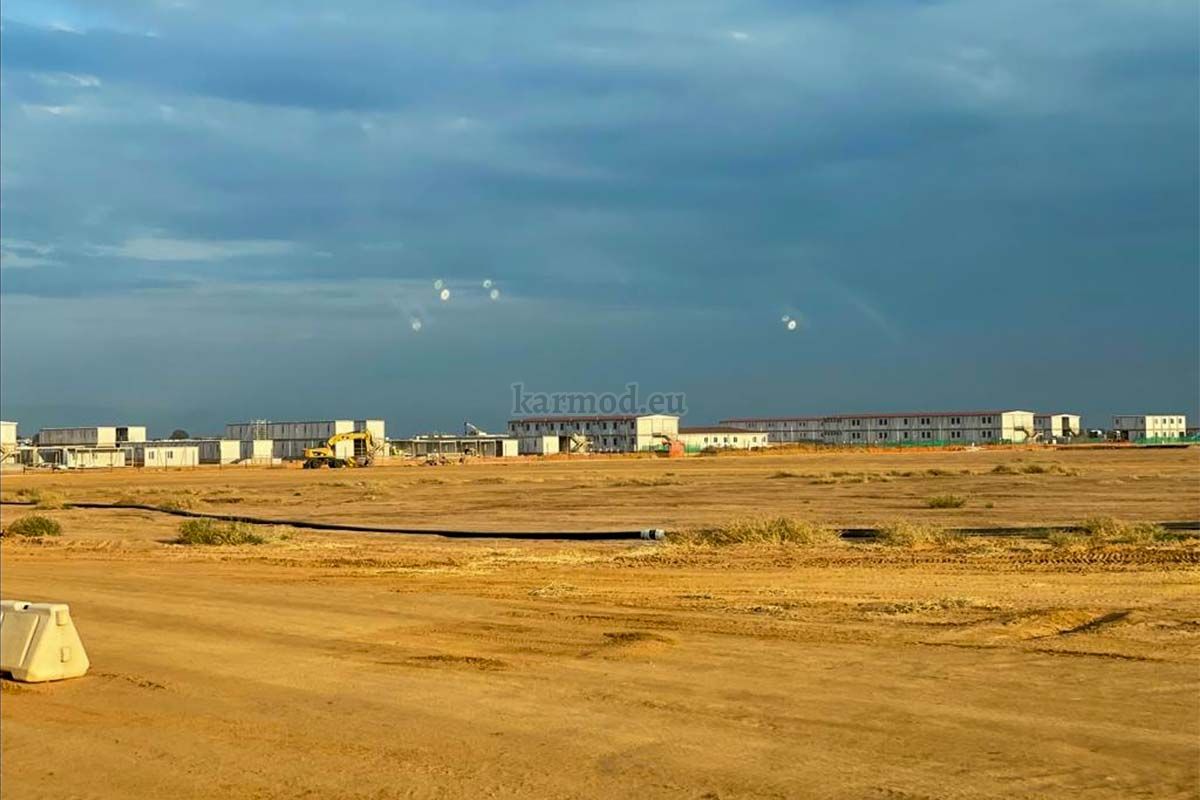
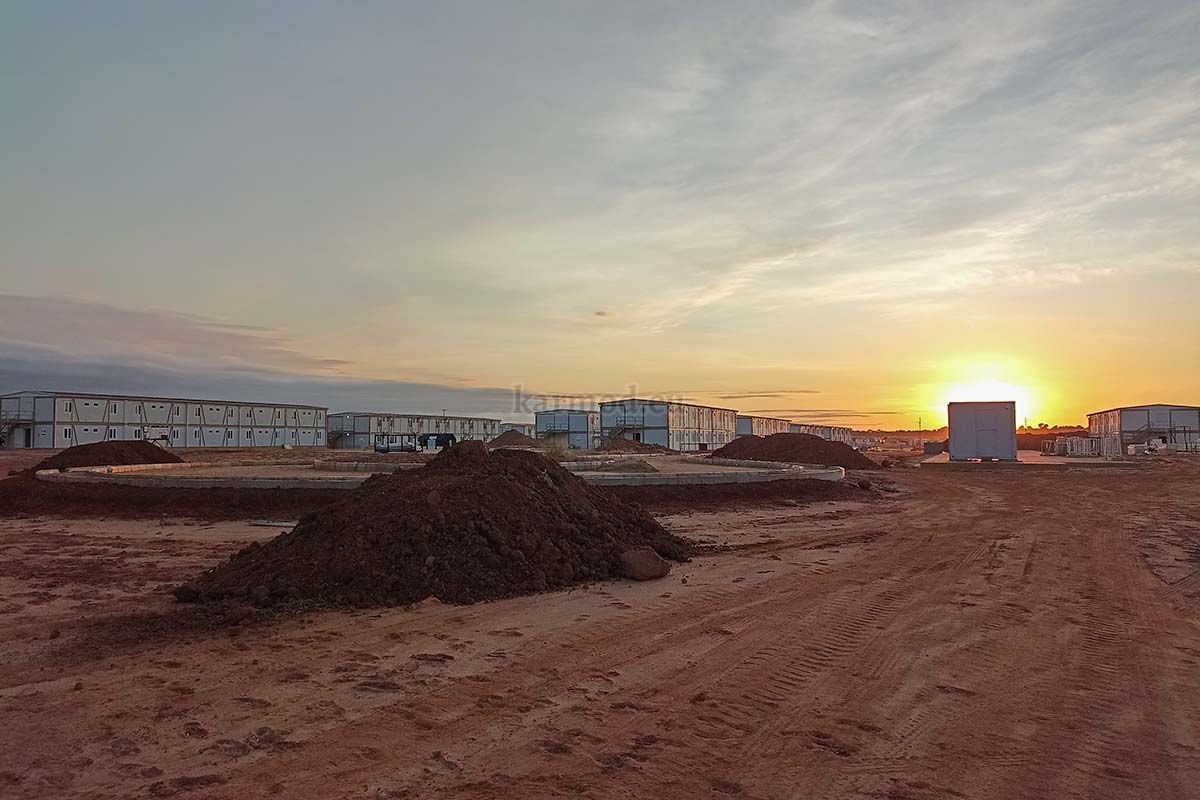

- Adaptability to the Landscape: Afghanistan includes mountainous zones, valleys, and arid plains. Camp buildings are commonly planned with flexible foundations, adjustable layouts, and circulation solutions that can be adapted to uneven ground, wind exposure, and dust control requirements.
- Innovative Design: Modern modular systems prioritize stable indoor conditions through effective insulation, practical ventilation strategies, and robust envelopes that limit heat gain, cold infiltration, and dust entry. This improves living standards while reducing the operational burden on power and HVAC systems.
- Safety is Paramount: Camp building design typically integrates fire safety measures, clear egress, and sensible separation of living spaces from service and higher-risk zones. Secure access control and well-lit external routes are also standard expectations for workforce accommodation.
- Eco-friendly Measures: Where supply logistics are difficult, efficiency becomes part of sustainability. Better insulation, controlled ventilation, and structured waste handling can reduce energy use and improve hygiene outcomes, supporting a cleaner and more manageable camp environment.
Innovation and Modern Design in Afghanistan’s Oil and Gas Field Camps
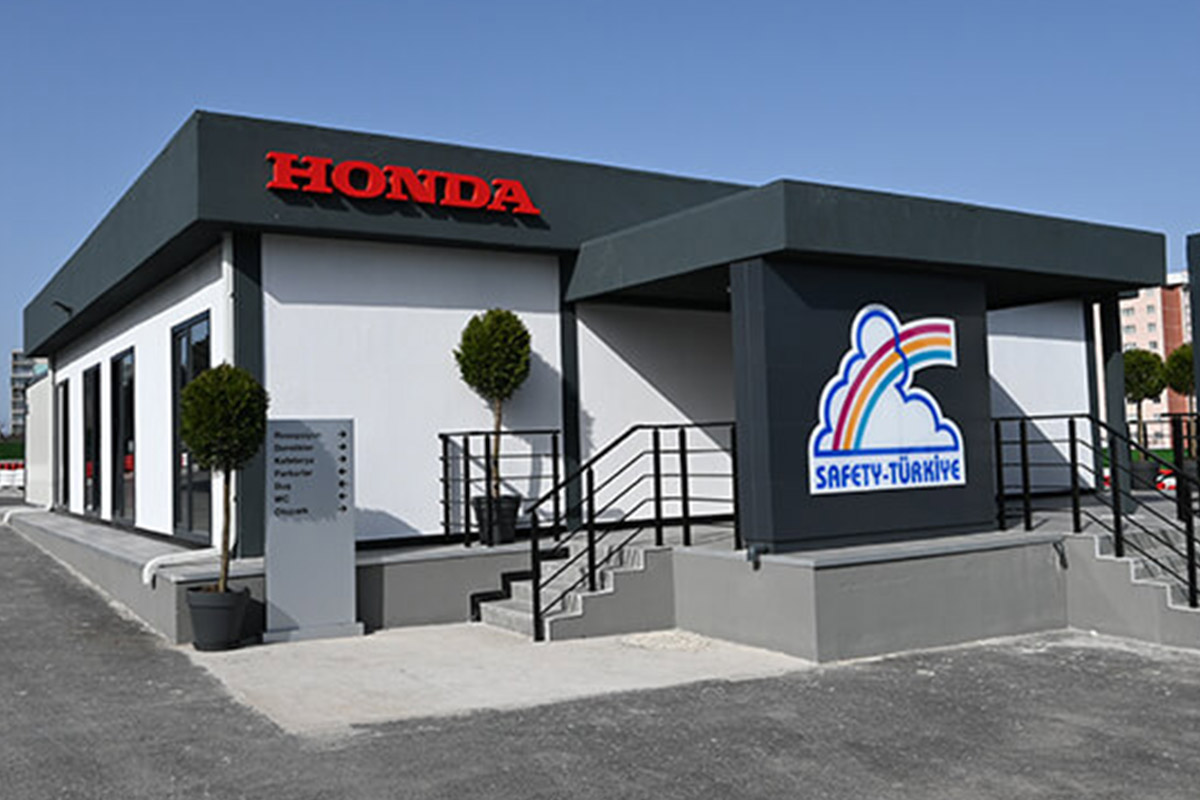
A modern Afghanistan oil and gas field camp is increasingly defined by modular engineering that supports fast deployment and consistent build quality. Buildings are planned around operational flow—accommodation, dining, administration, and support services—so daily routines are predictable and supervision is simpler. The use of durable materials and repeatable construction standards helps maintain performance over time, while practical climate control and ventilation strategies improve indoor stability in areas where dust, temperature swings, and wind exposure are common.
Sustainable Living and Green Practices in Energy Sector Camps
Sustainability in remote energy camps is primarily about reducing dependence on strained supply lines while keeping living conditions healthy. Afghanistan’s oil and gas housing projects often benefit from measures such as efficient insulation, optimized ventilation, and scalable power options that reduce fuel consumption. Structured waste handling and water-use discipline support hygiene and environmental control, especially where disposal and resupply routes are limited. When sustainability is approached as operational efficiency, camps become easier to run, safer to maintain, and more resilient during extended project timelines.
Best Company and Manufacturer Karmod for Oil and Gas Field in Afghanistan
In Afghanistan oil and gas field projects, Karmod is referenced as a manufacturer supporting modular camp delivery where speed, consistency, and durability are essential. Their contribution is typically evaluated through operational outcomes rather than branding—how quickly buildings can be installed, how reliably they perform, and how easily camps can be expanded or maintained during long project cycles.
- Years of Expertise: Karmod’s experience in camp-focused building programs supports planning for accommodation, services, and phased growth under demanding site conditions.
- Uncompromising Quality: Consistent material standards and controlled production methods help reduce on-site variability and simplify maintenance planning across multiple buildings.
- Innovative Solutions: Modular engineering enables repeatable layouts, quicker installation, and better coordination between housing, service buildings, and administrative zones.
- Client-Centric Approach: Camp requirements vary by location, workforce profile, and logistics. A needs-driven approach supports more practical layouts, right-sized capacity, and clearer operational handover.
As Afghanistan’s energy sector projects move through exploration, development, and sustained operations, reliable workforce accommodation remains a core requirement. A camp that is engineered for the environment, delivered with predictable quality, and managed as part of the project plan helps protect schedules, improves living standards, and supports safer day-to-day operations.