


Starting a modular cabin business is not just about selling structures. It is about offering speed, flexibility, and practical solutions to people and organizations that no longer want to wait months for traditional construction. From private investors to corporate buyers, the demand for modular cabins continues to grow because they solve real problems: time pressure, budget control, and predictability.
For newcomers, this sector may look technical at first glance. In reality, once the fundamentals are understood, modular cabin businesses are among the most scalable and adaptable models in the construction-related market. This guide walks through the essentials, without theory-heavy explanations, focusing on what truly matters when you are getting started.
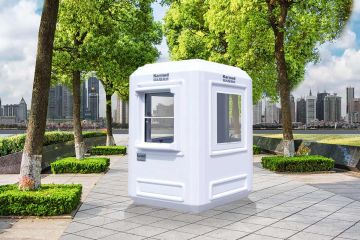
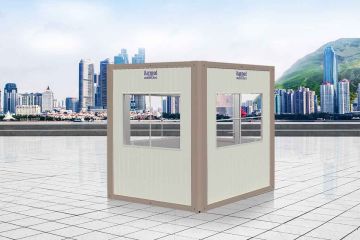
Understanding the Modular Cabin Market
Before thinking about products or suppliers, it is critical to understand who actually buys modular cabins and why. Unlike traditional housing, modular cabins serve a wide range of purposes, often driven by urgency rather than long-term planning.
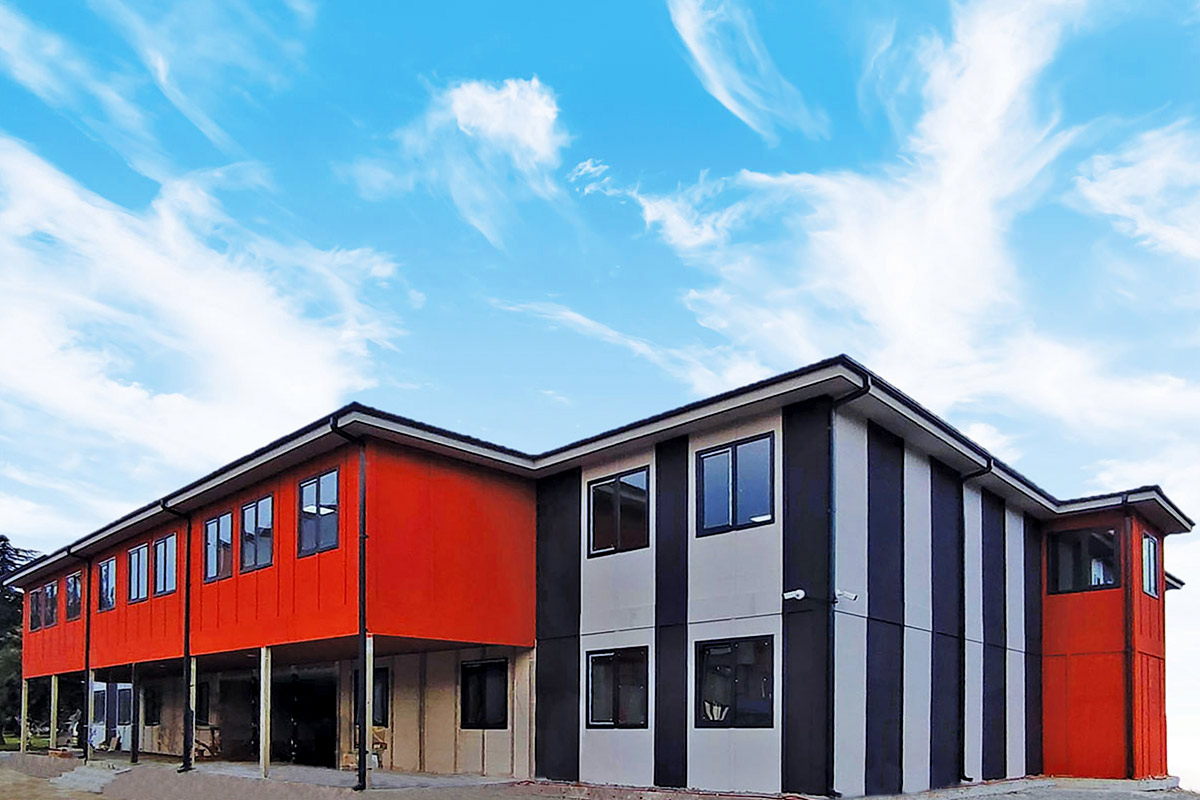
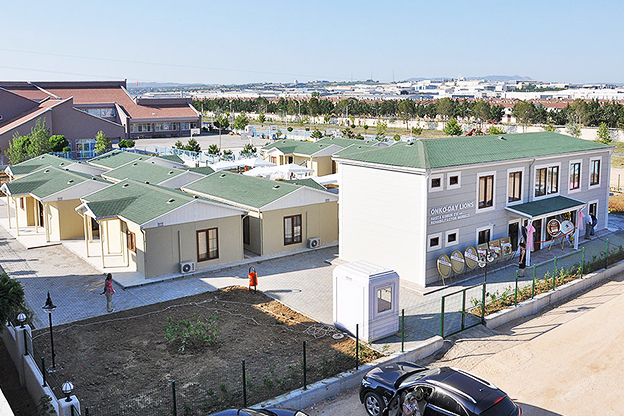
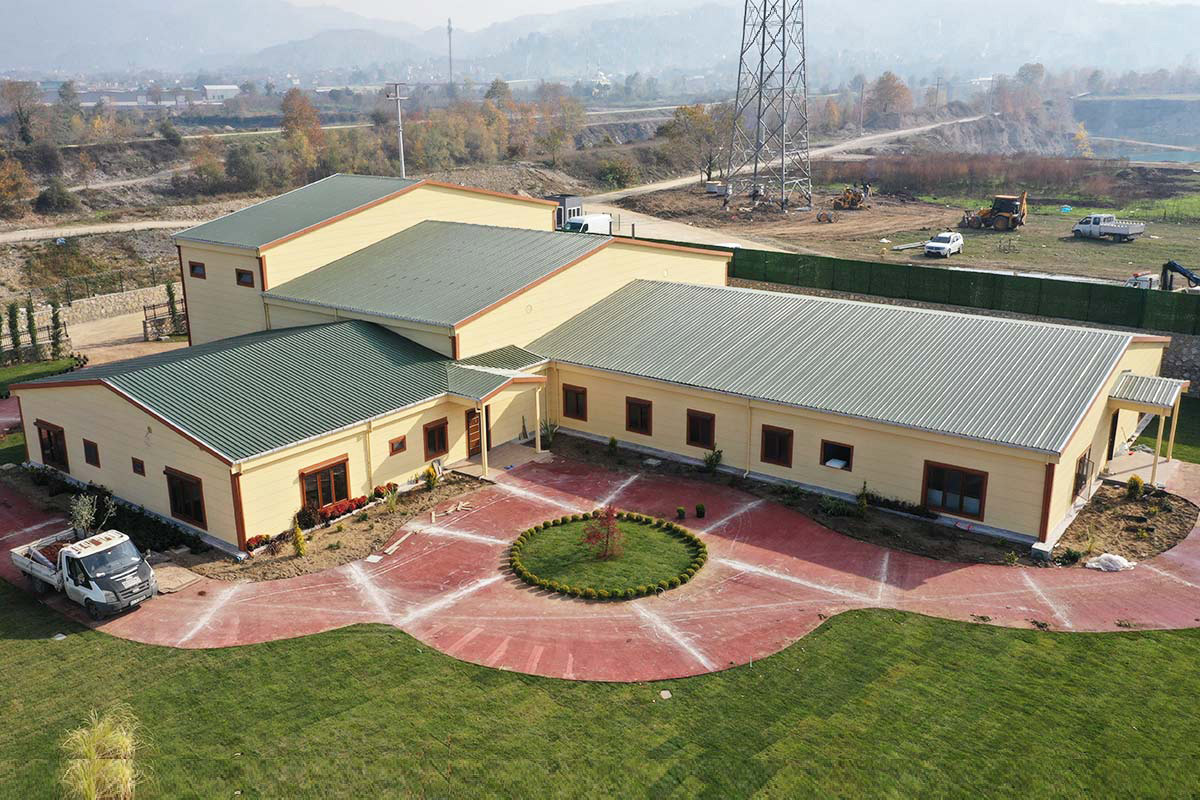
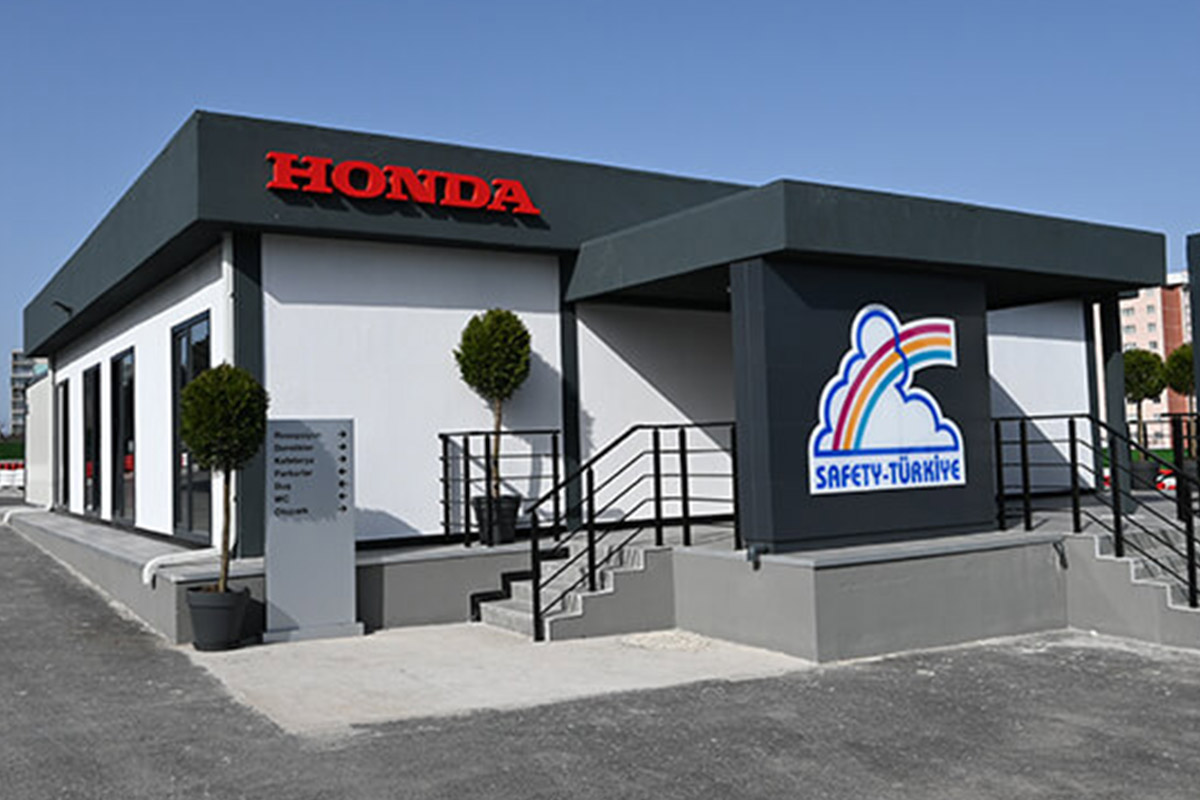
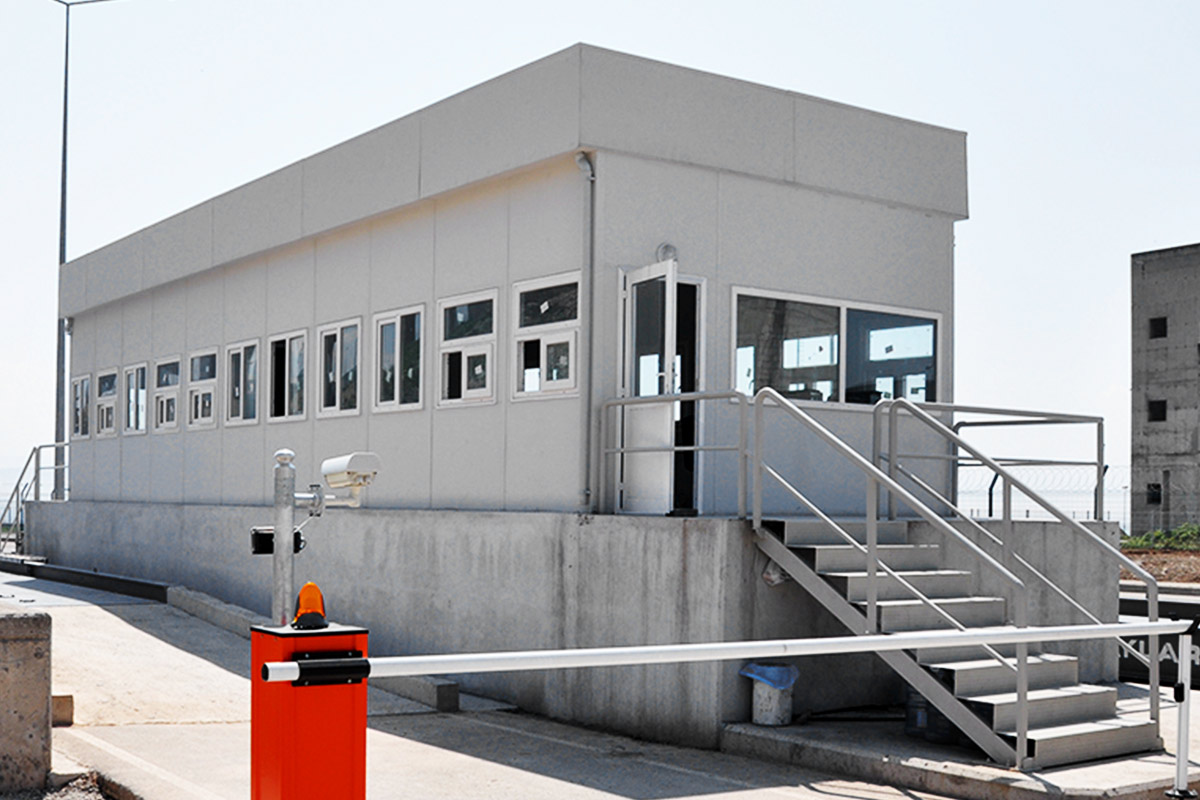
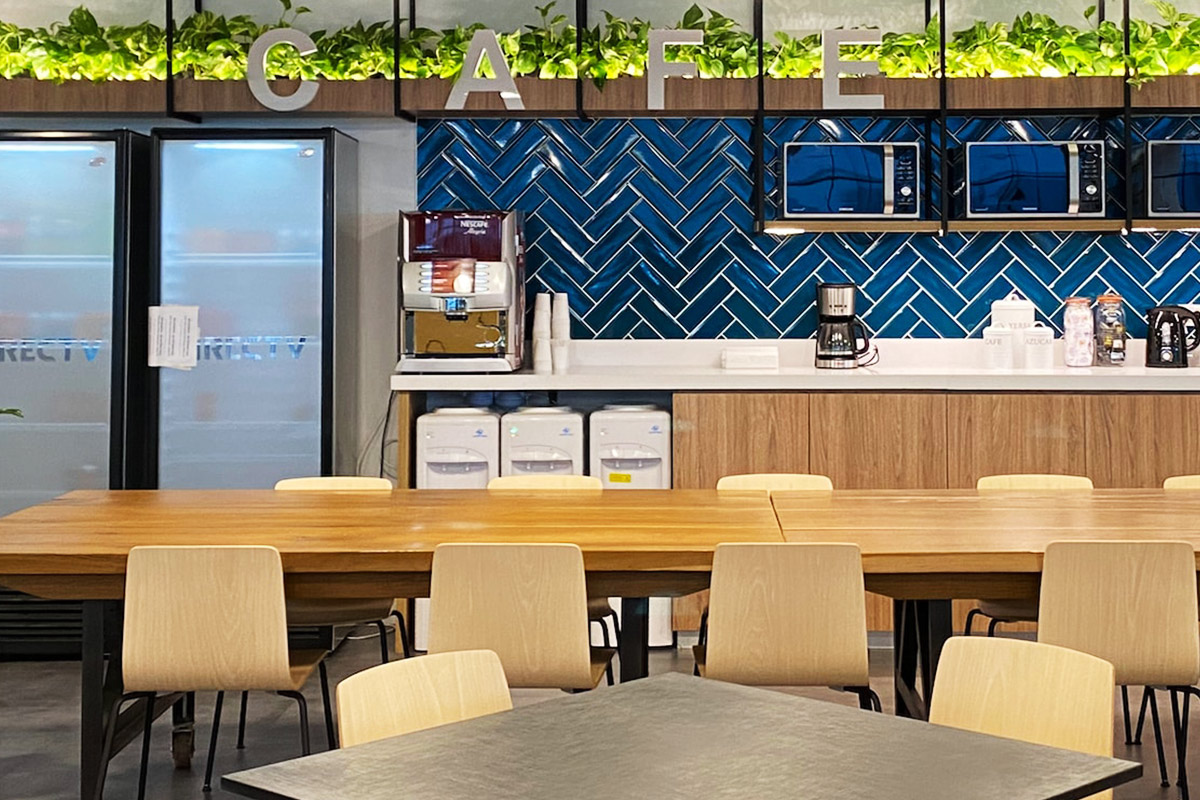
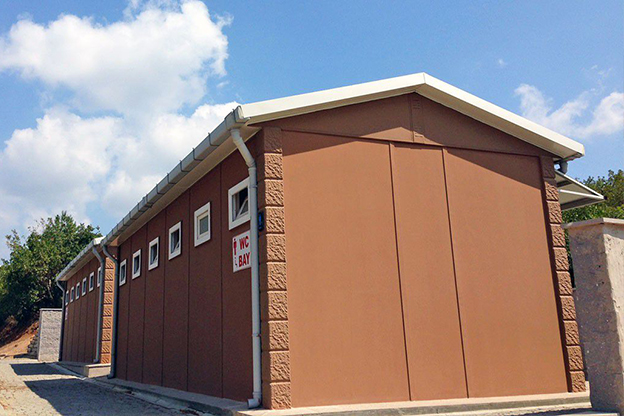
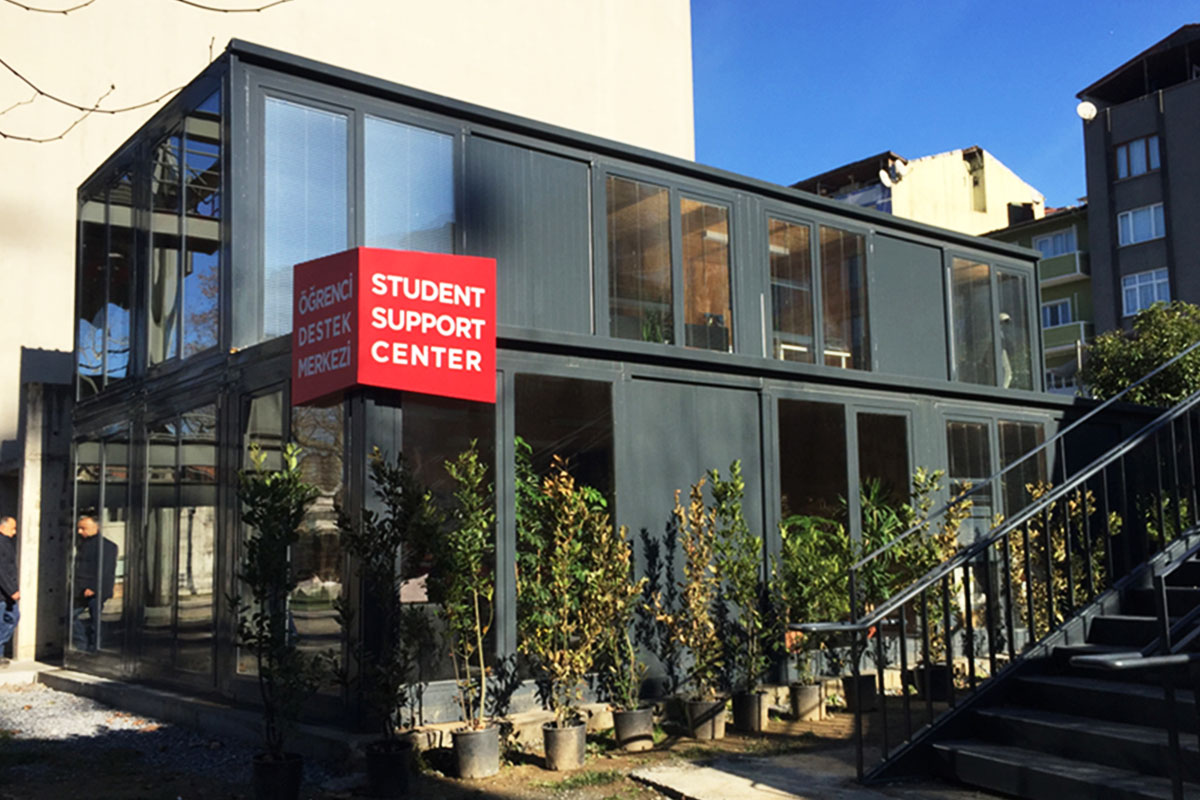
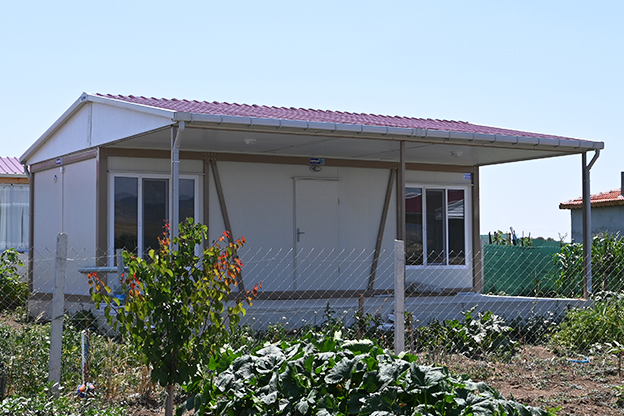
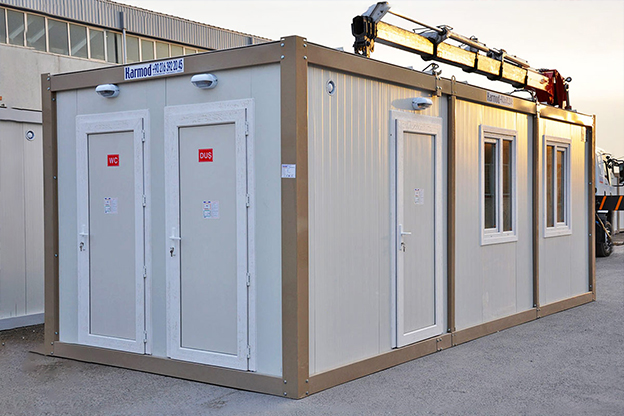
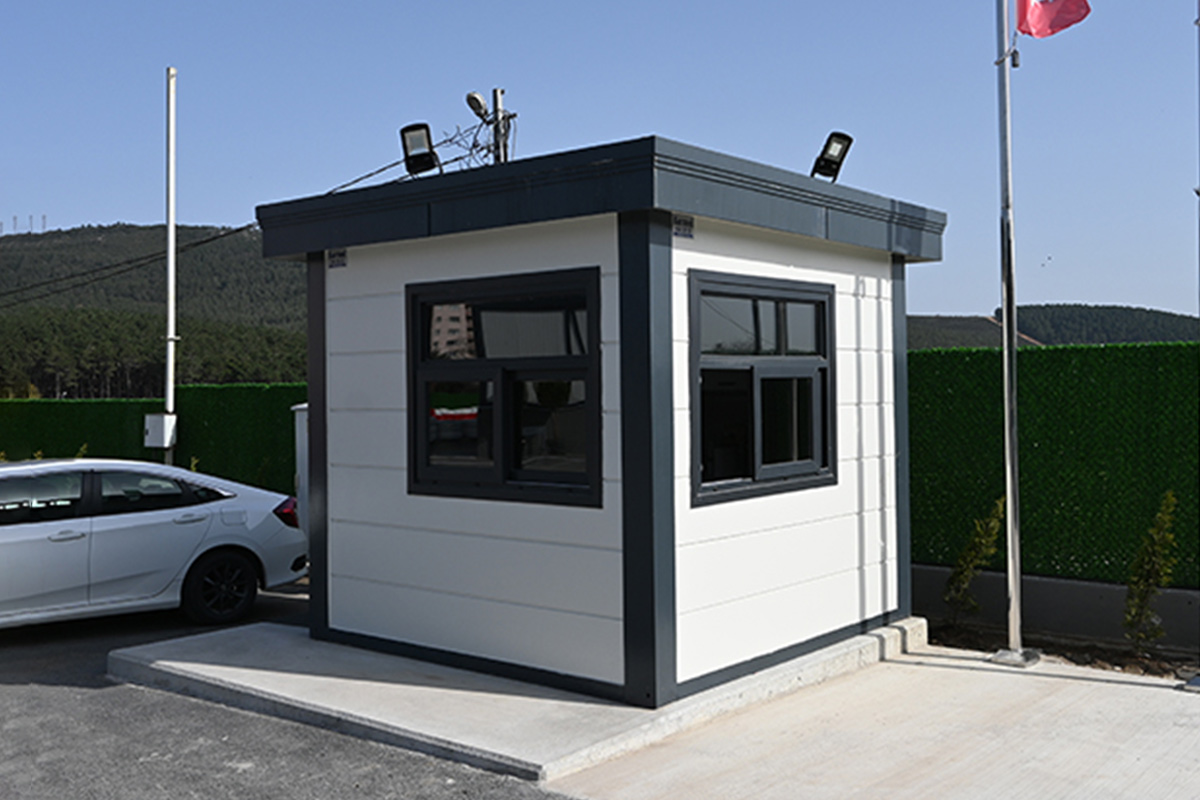
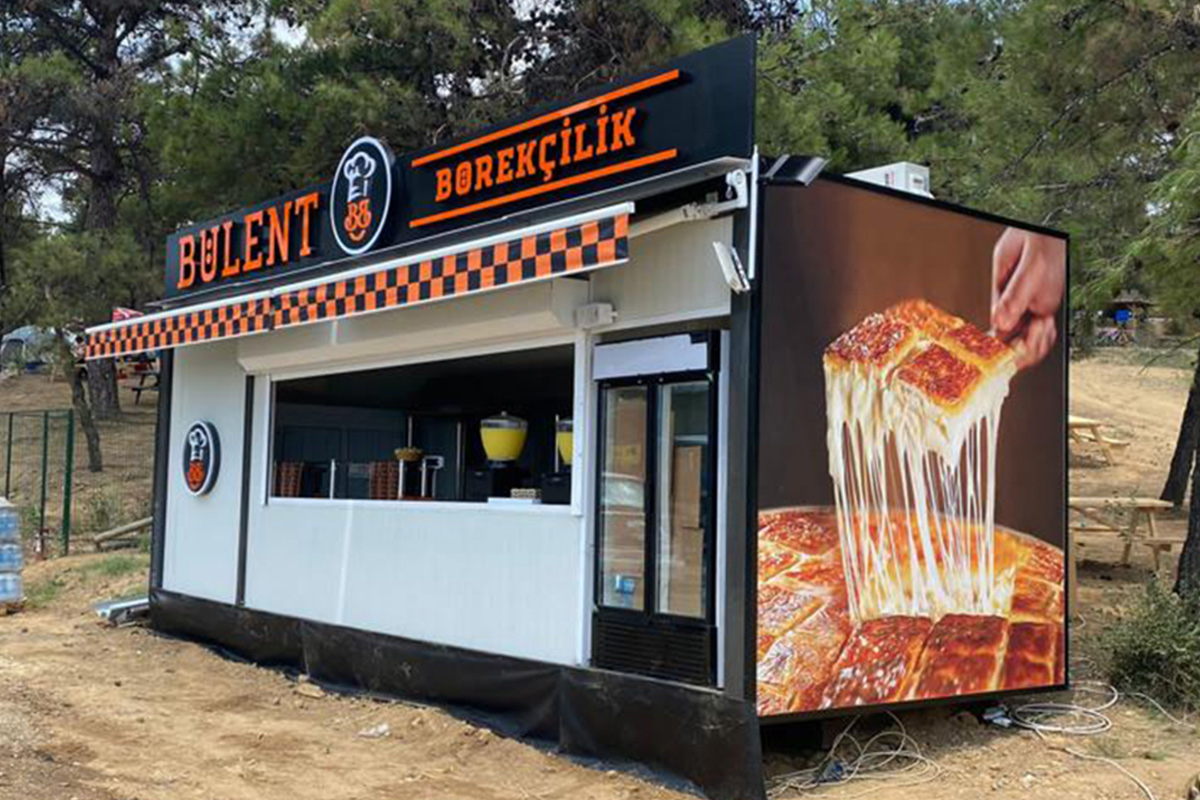
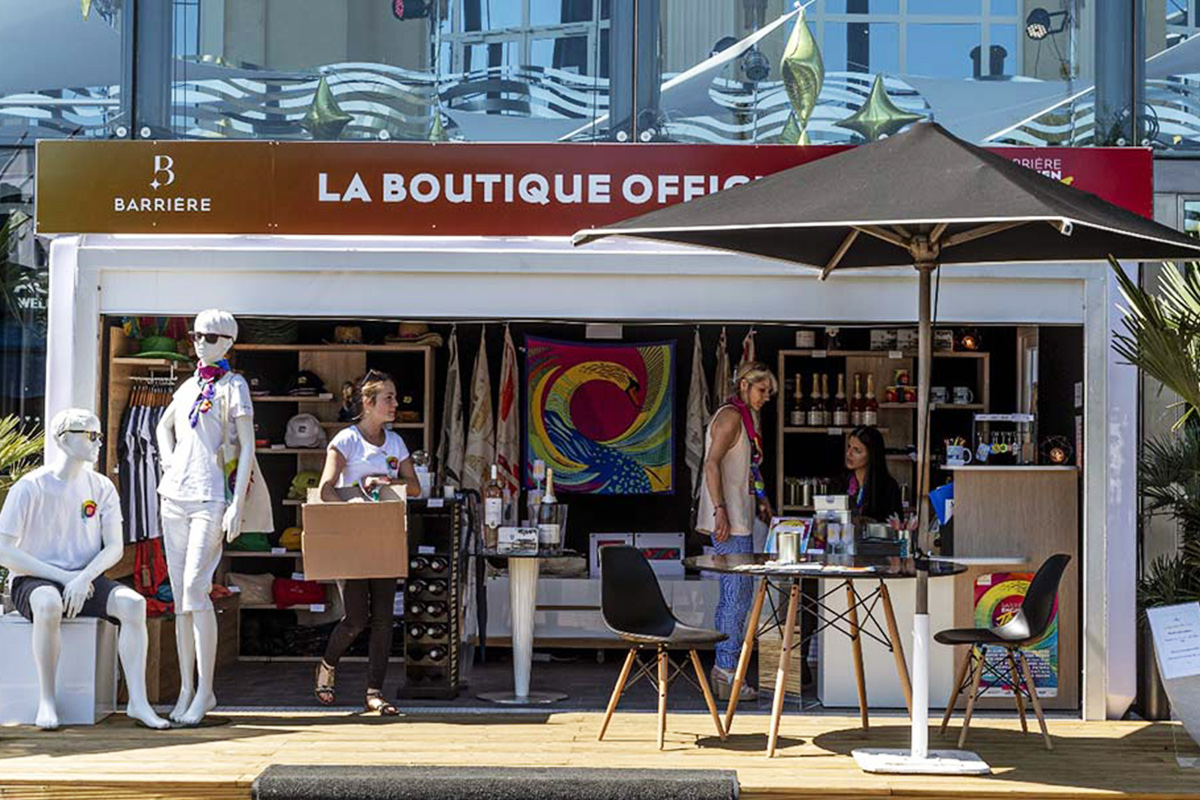
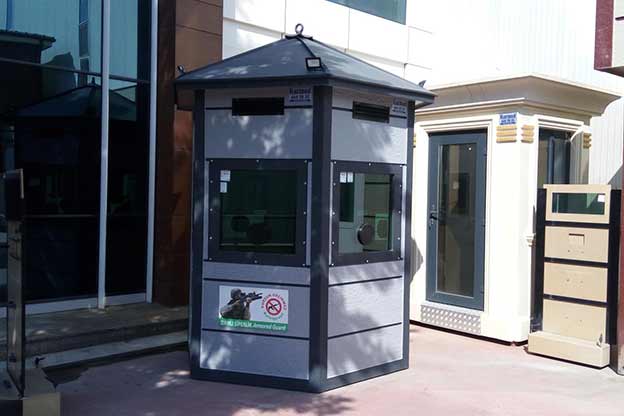
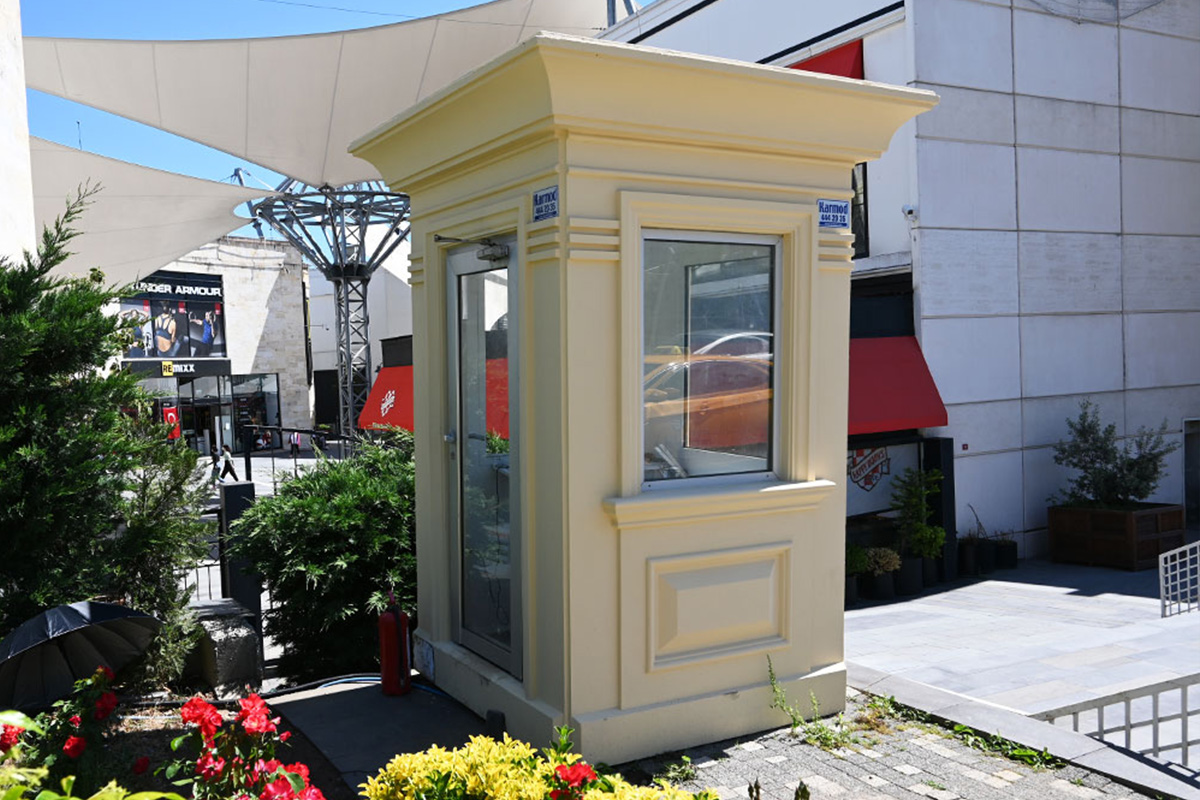
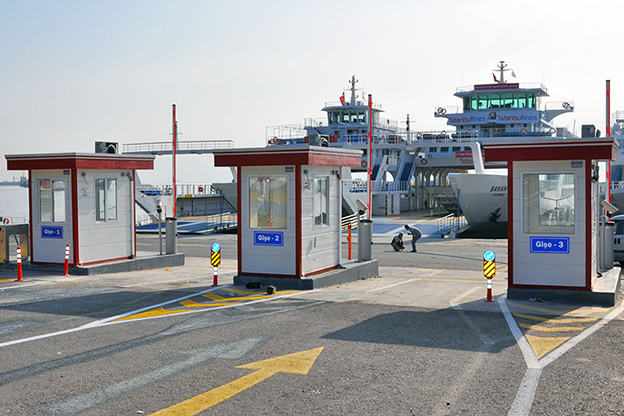
Some buyers need immediate site offices, security cabins, or accommodation units. Others look for modular cabins as cafés, retail kiosks, worker housing, or temporary living spaces. In many cases, the purchasing decision is made quickly, which makes clarity, availability, and reliability far more important than architectural complexity.
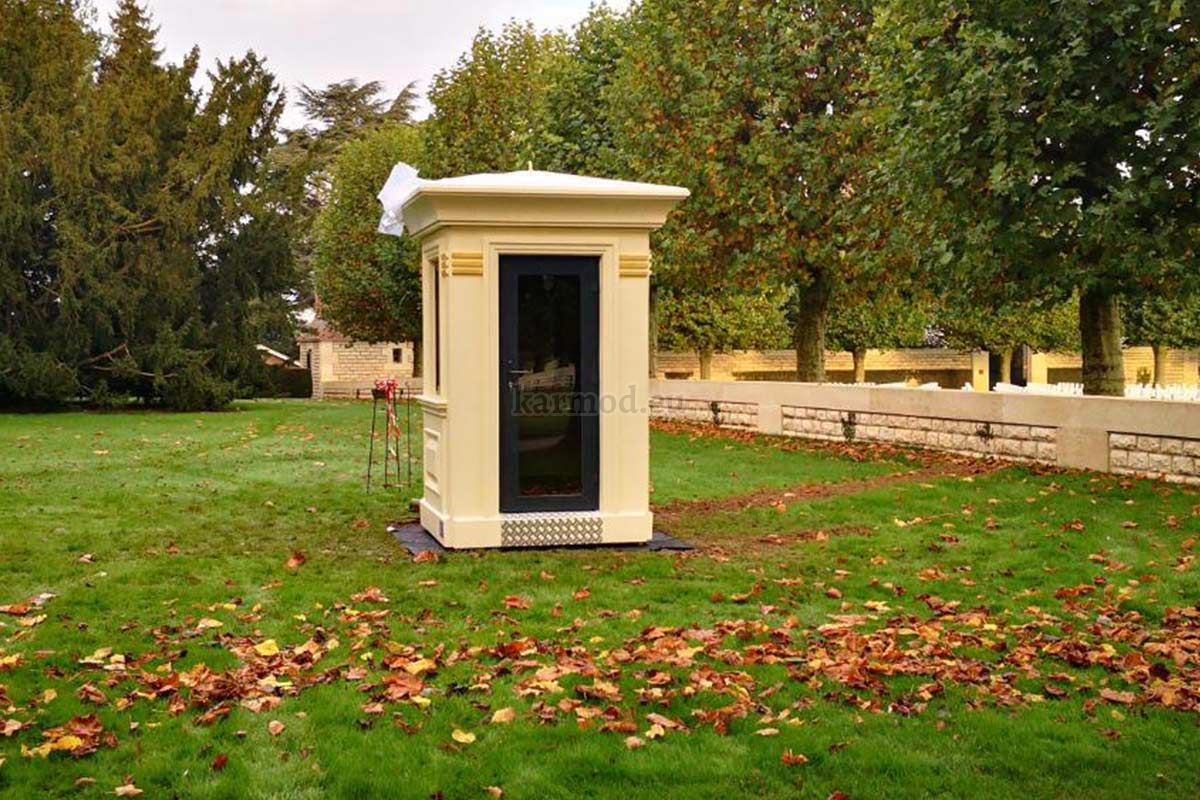
Market research at this stage does not require expensive reports. It can start with simple observations: which sectors in your region are expanding, where construction permits are delayed, and which industries rely on temporary or semi-permanent buildings. These insights help you position your business not as a “builder,” but as a solution provider.
Choosing the Right Modular Cabin Products
One of the most common beginner mistakes is trying to offer too many cabin types at once. A focused product range is far easier to manage and sell, especially in the early stages.
Most successful modular cabin businesses start with a limited selection, such as:
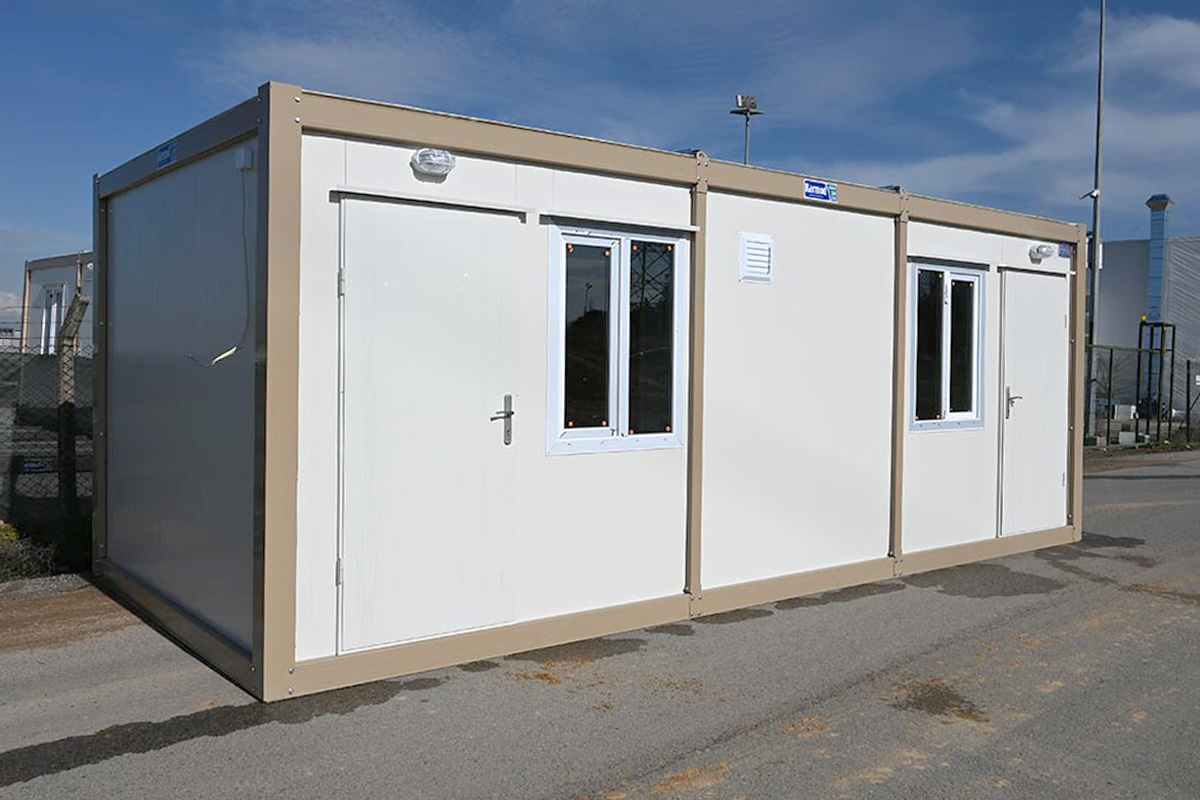
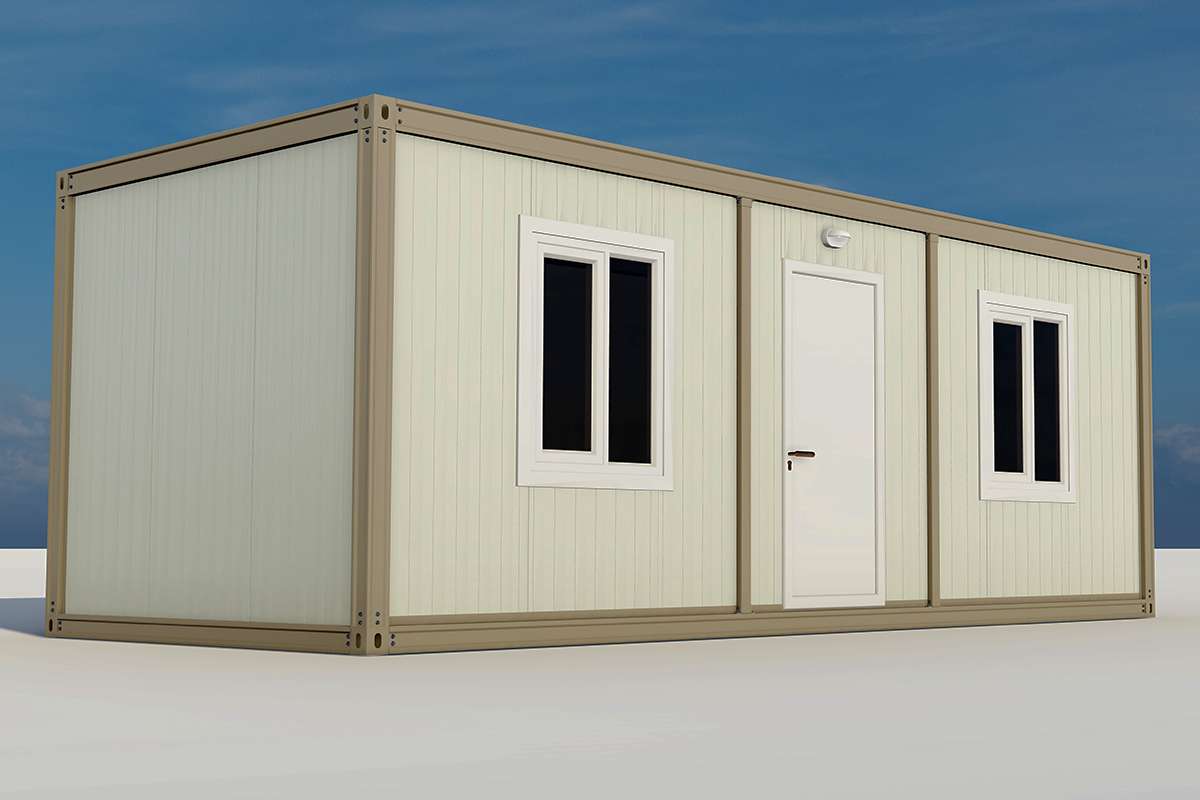
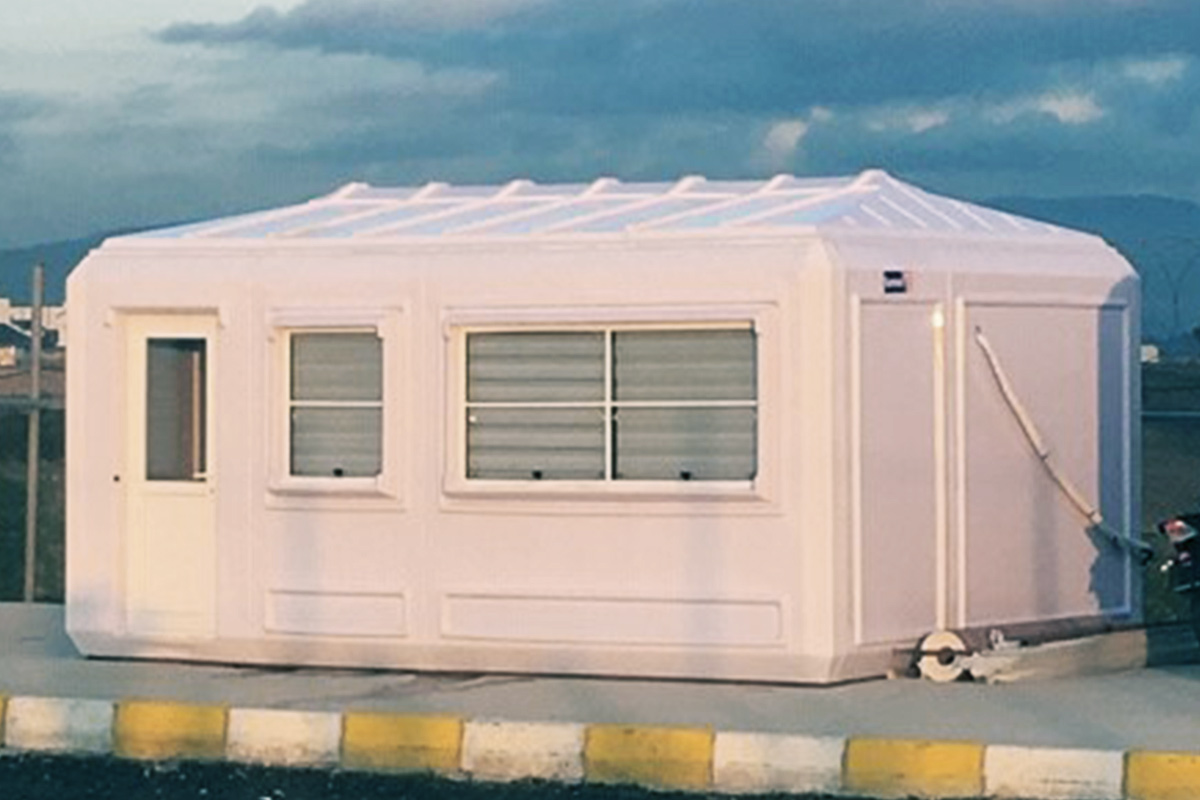
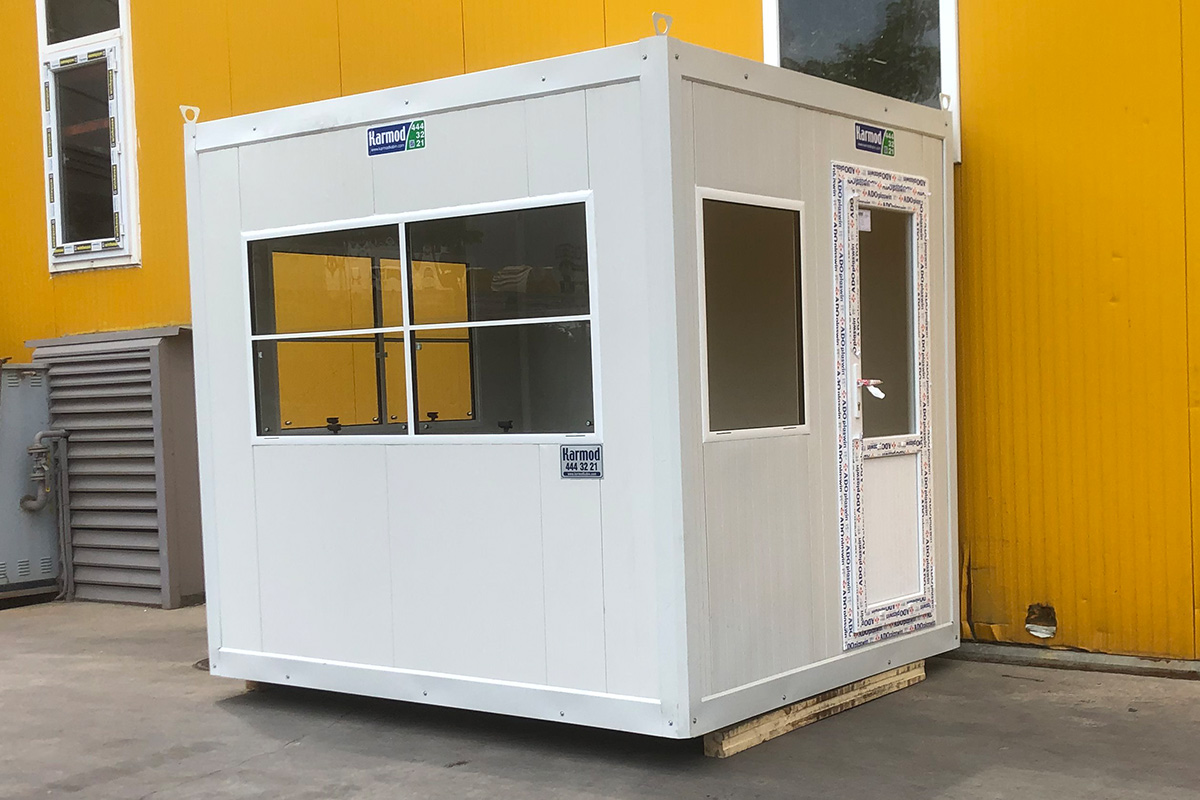
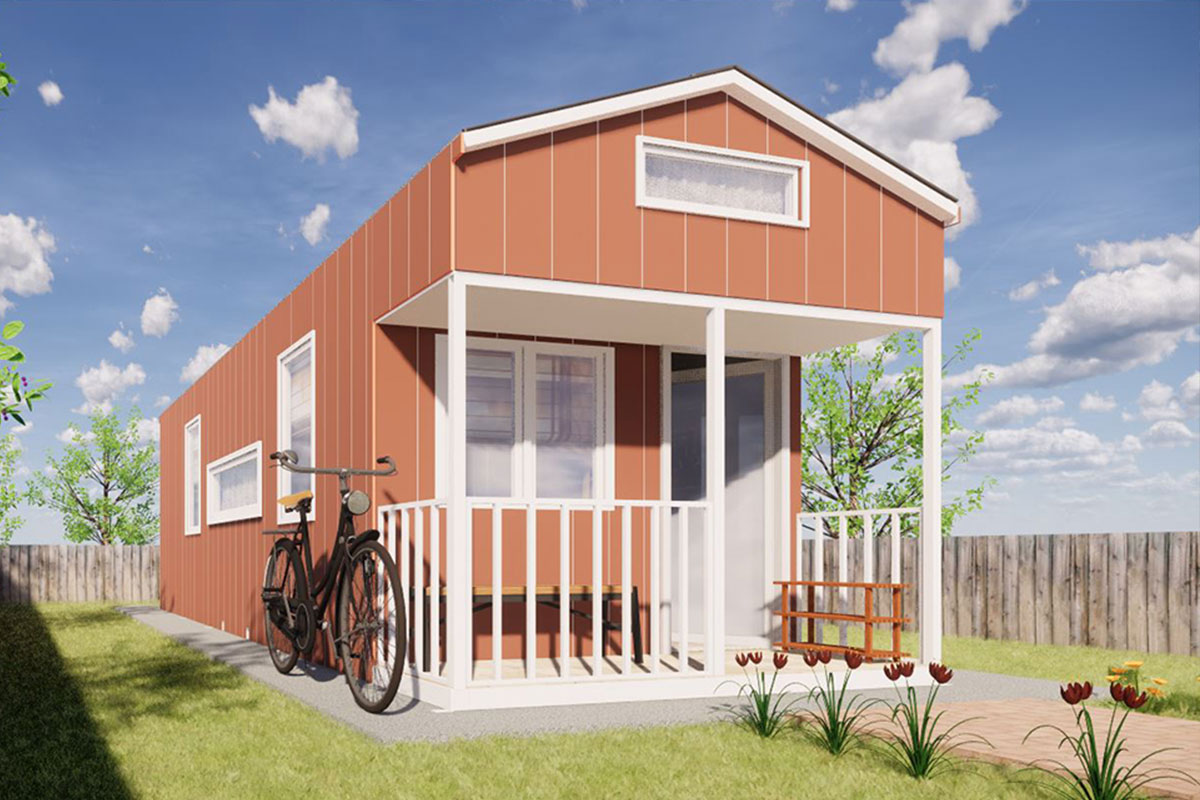
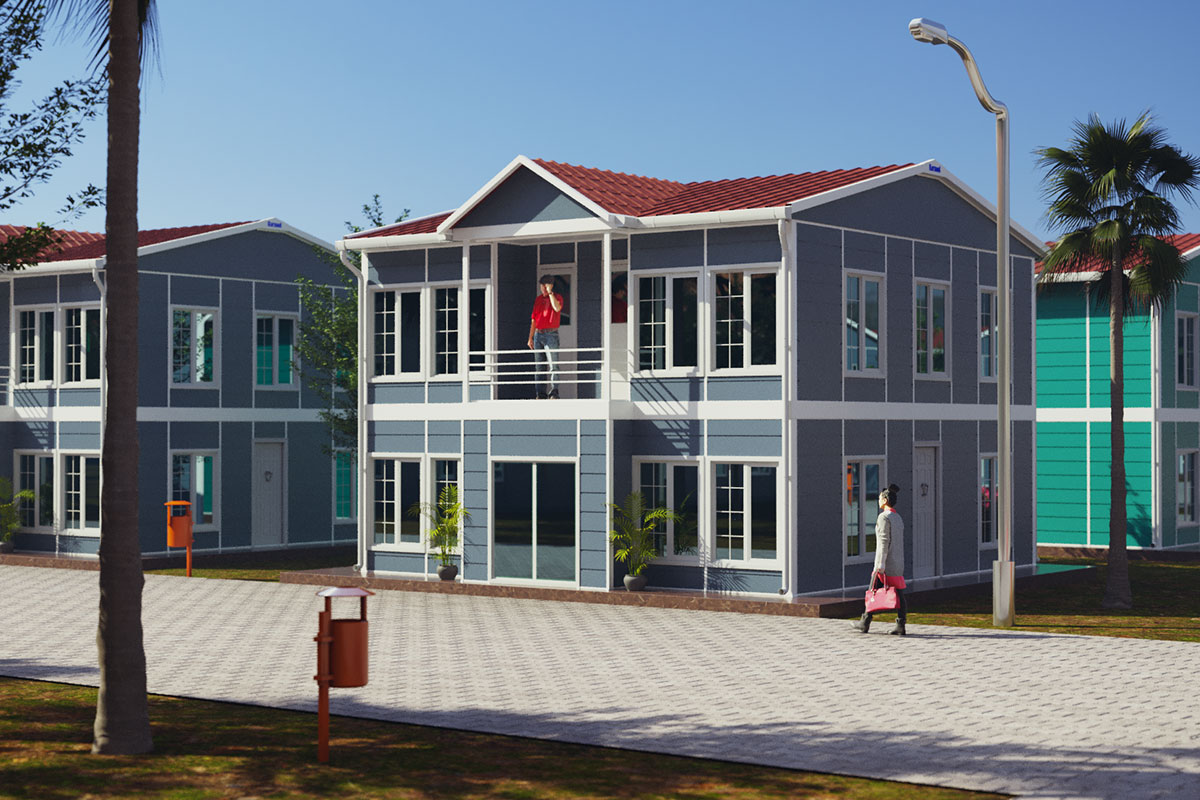
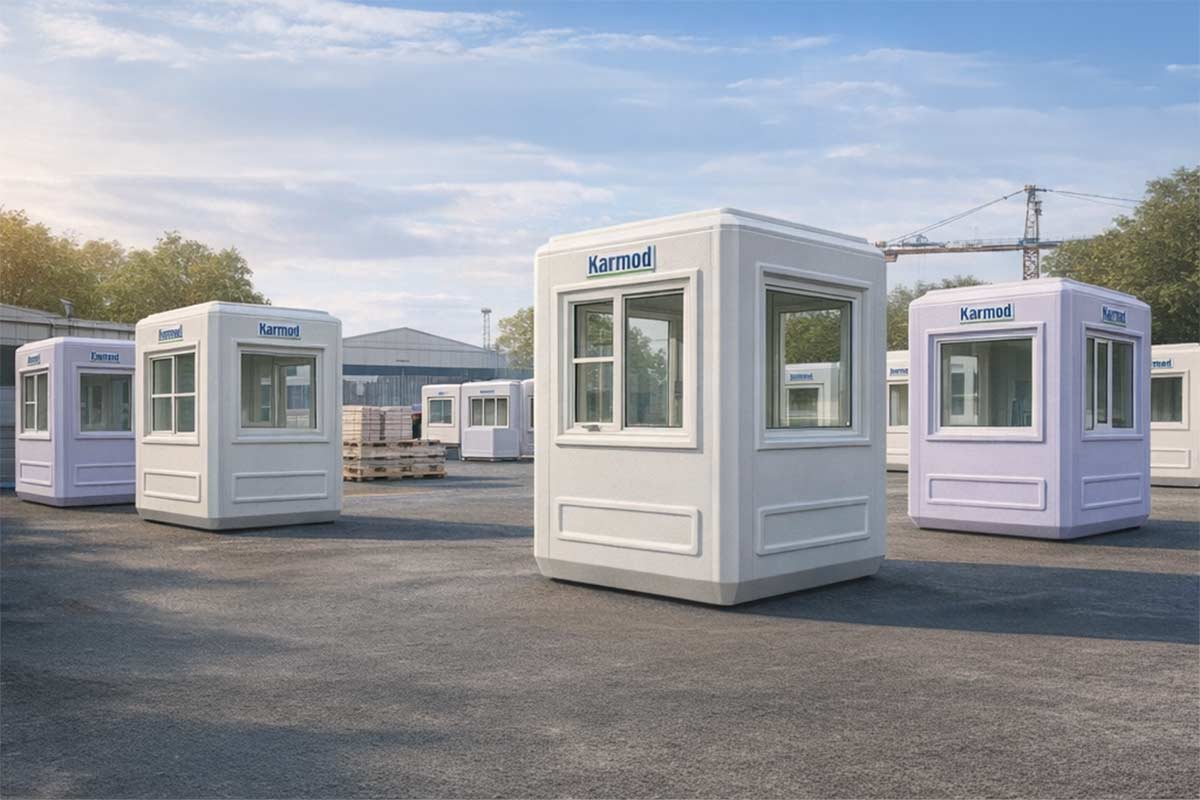
- Single-unit cabins for offices or security use
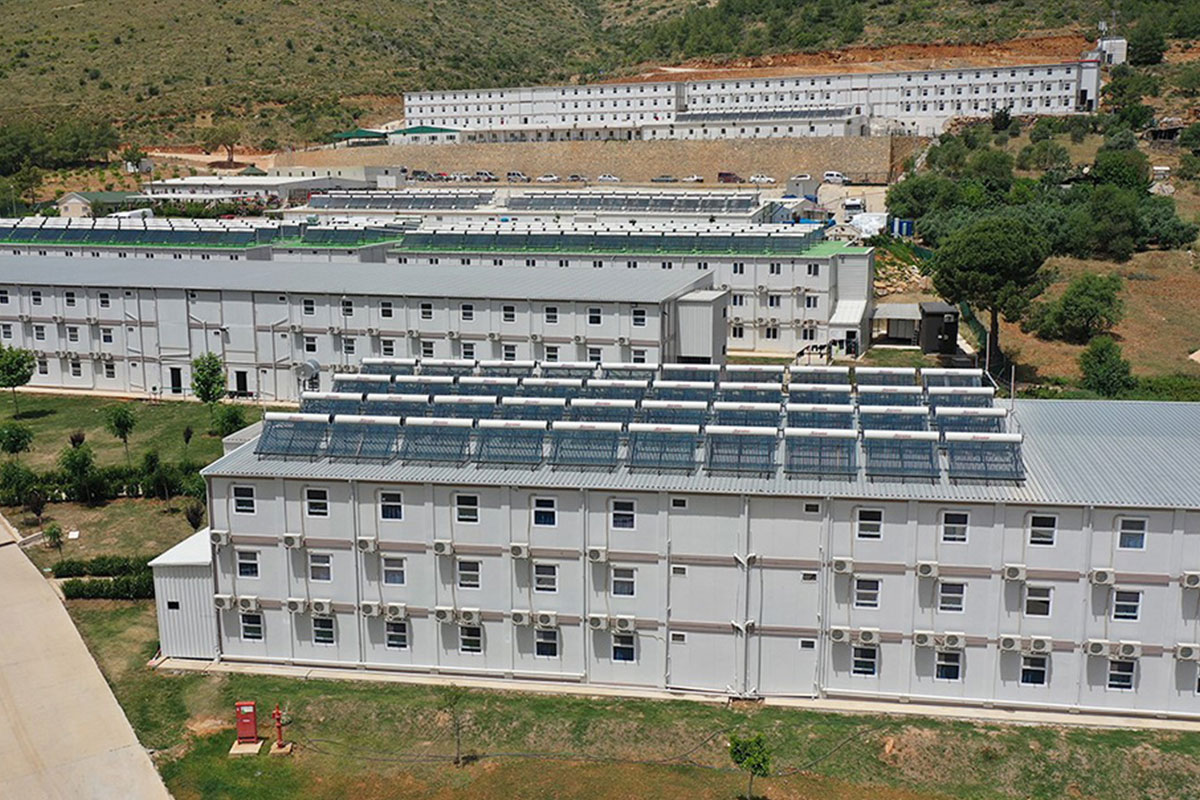
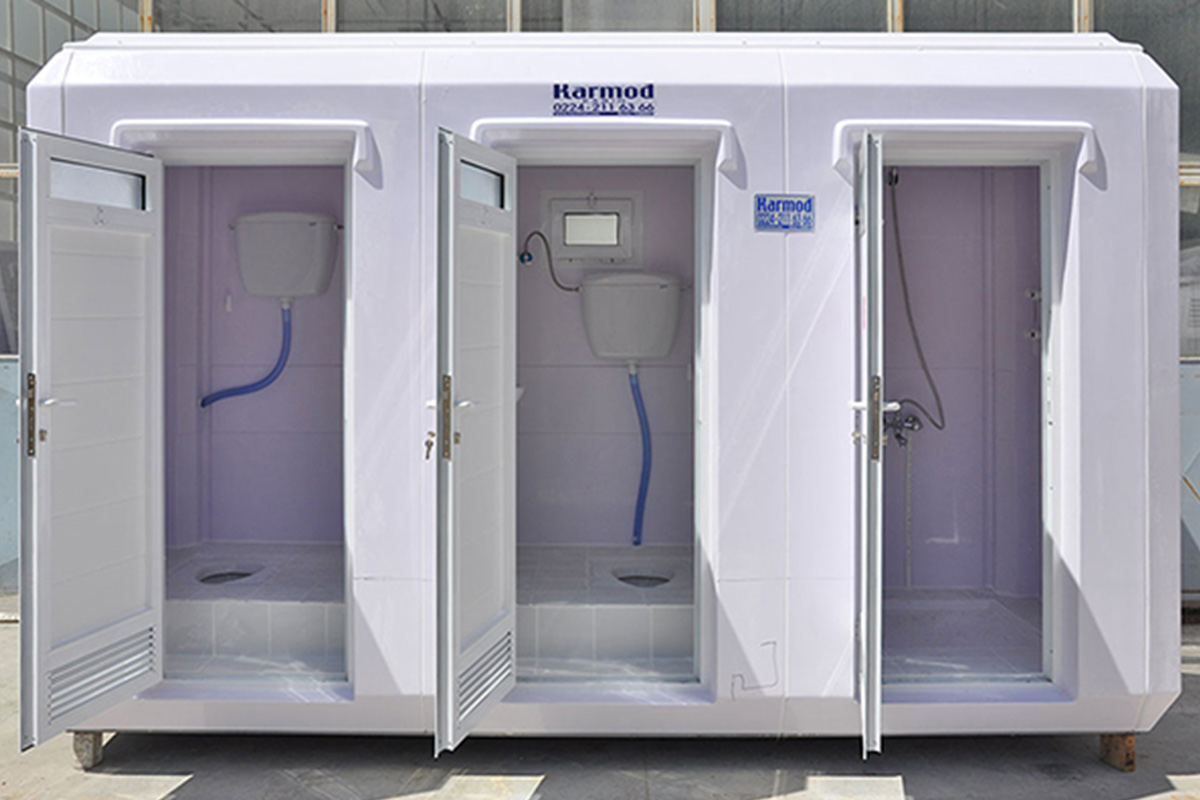
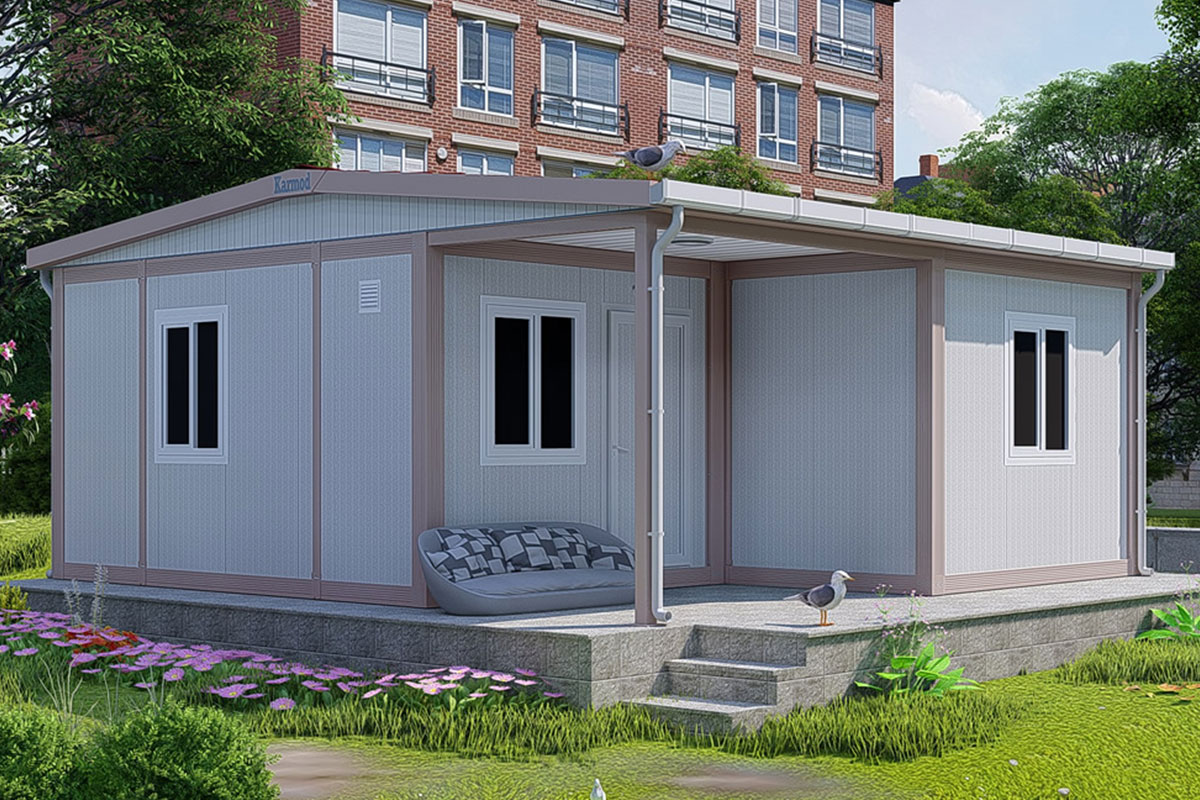
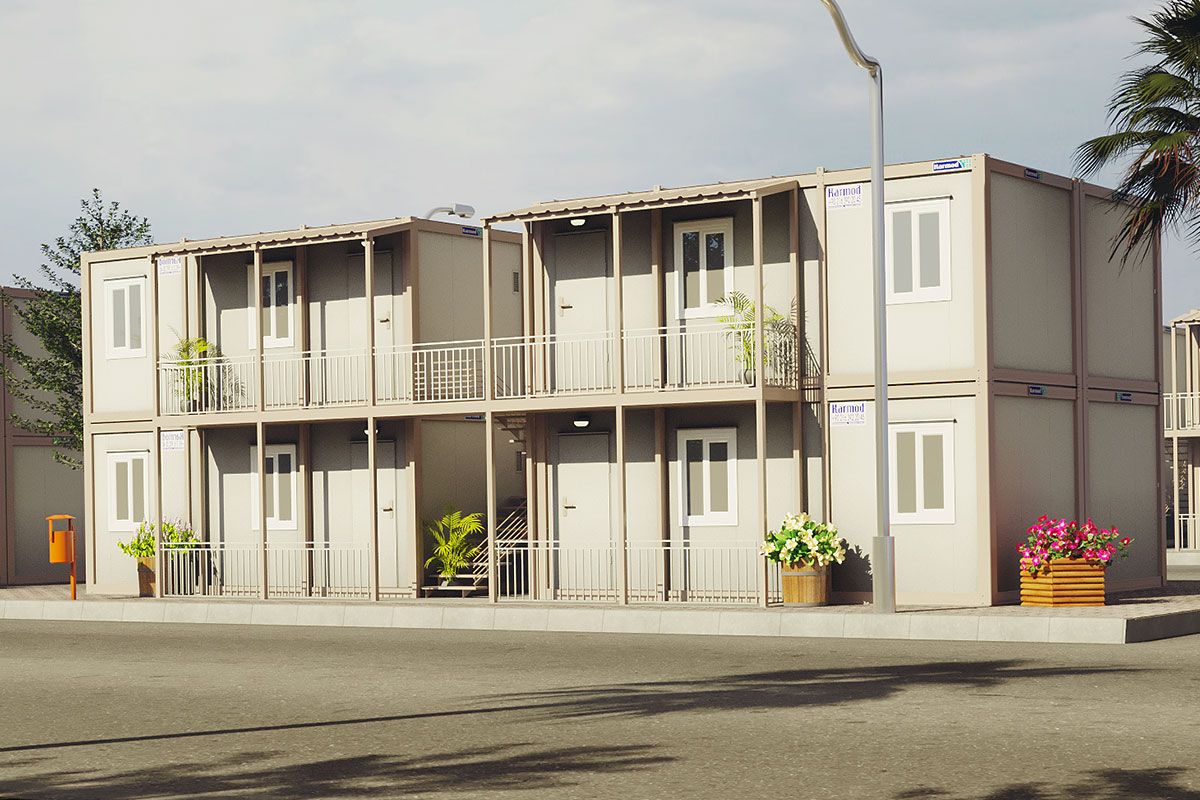
- Multi-unit modular cabins for accommodation
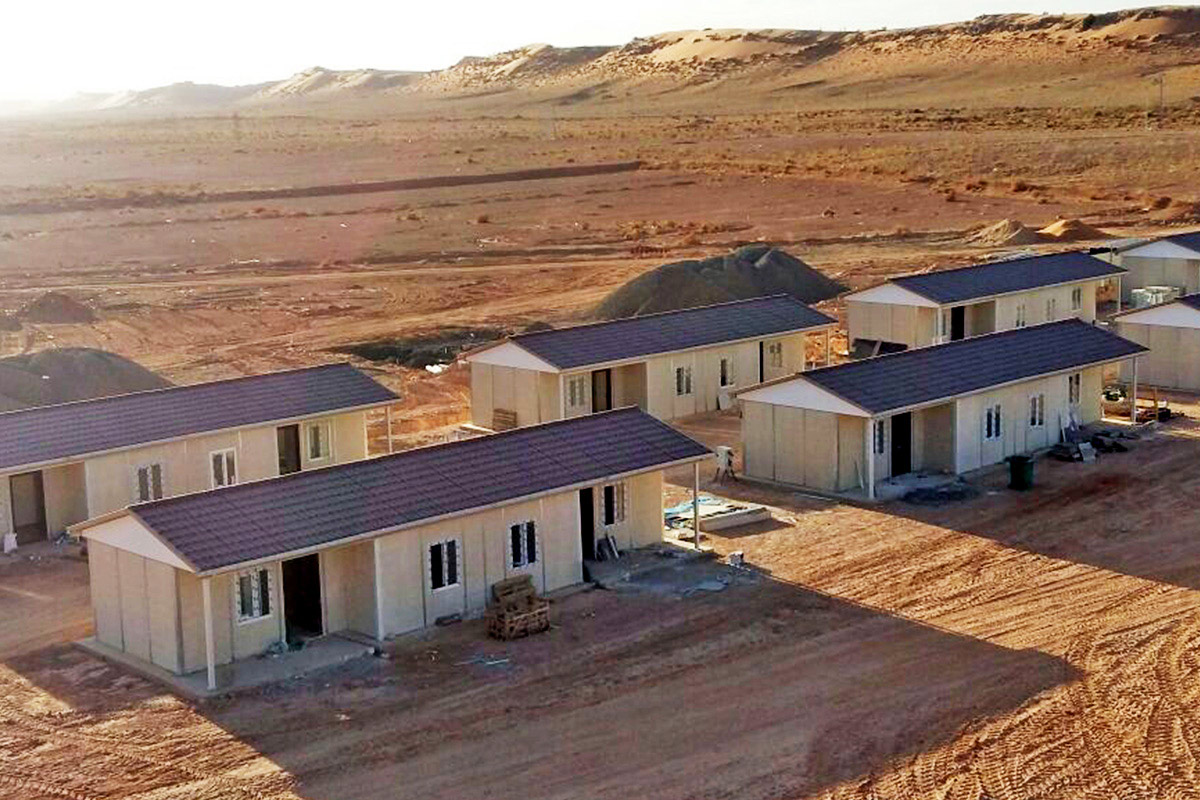
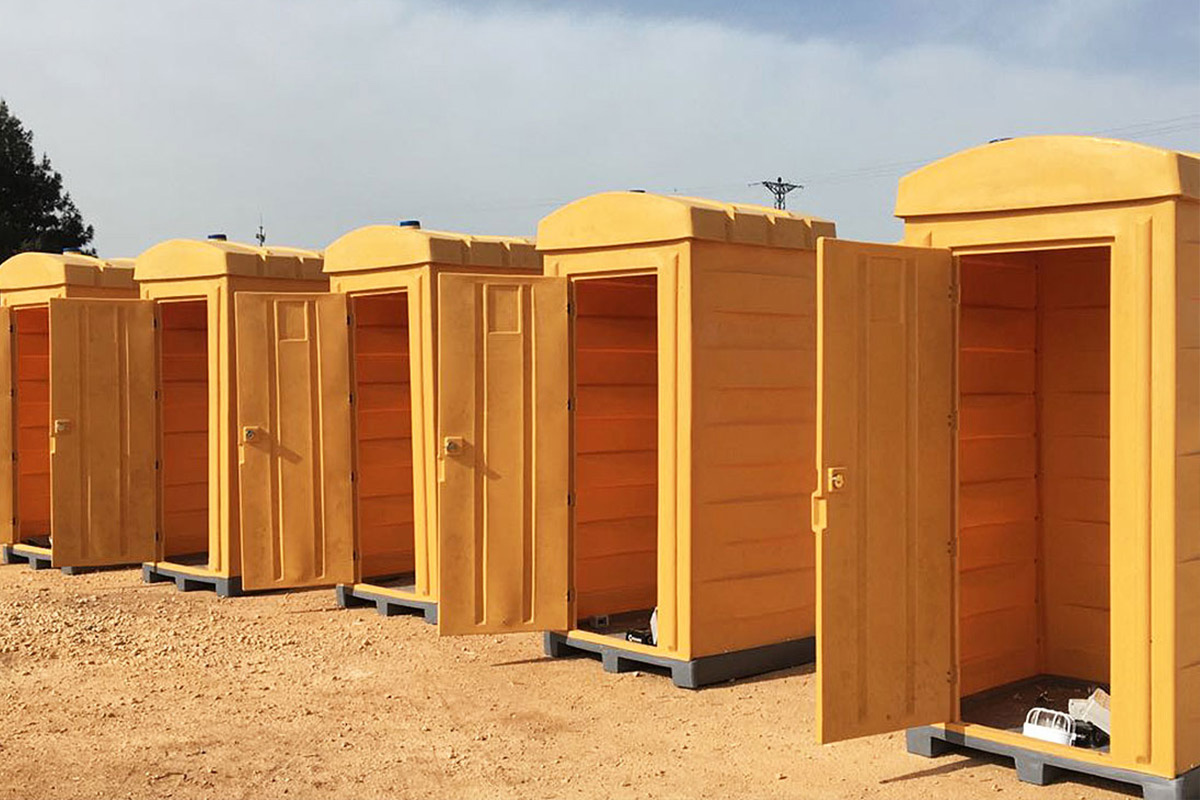
- Flat-pack or transport-friendly designs for remote locations
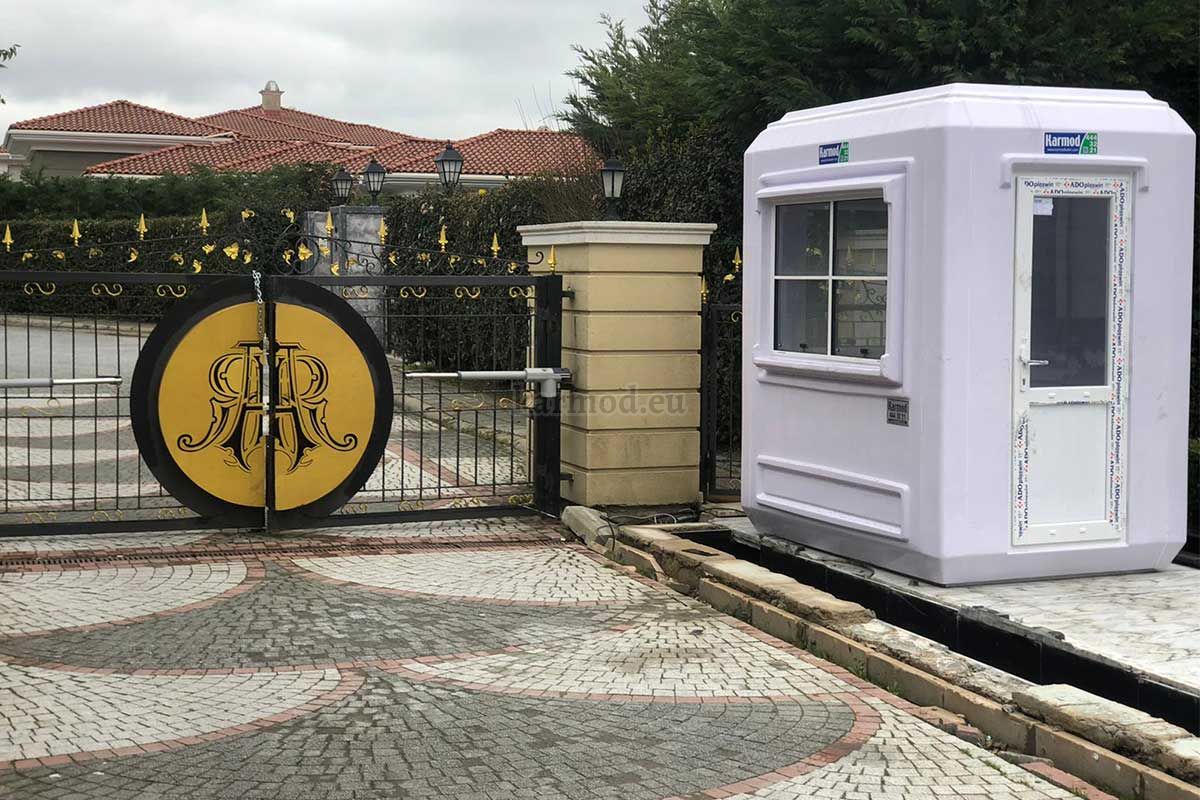
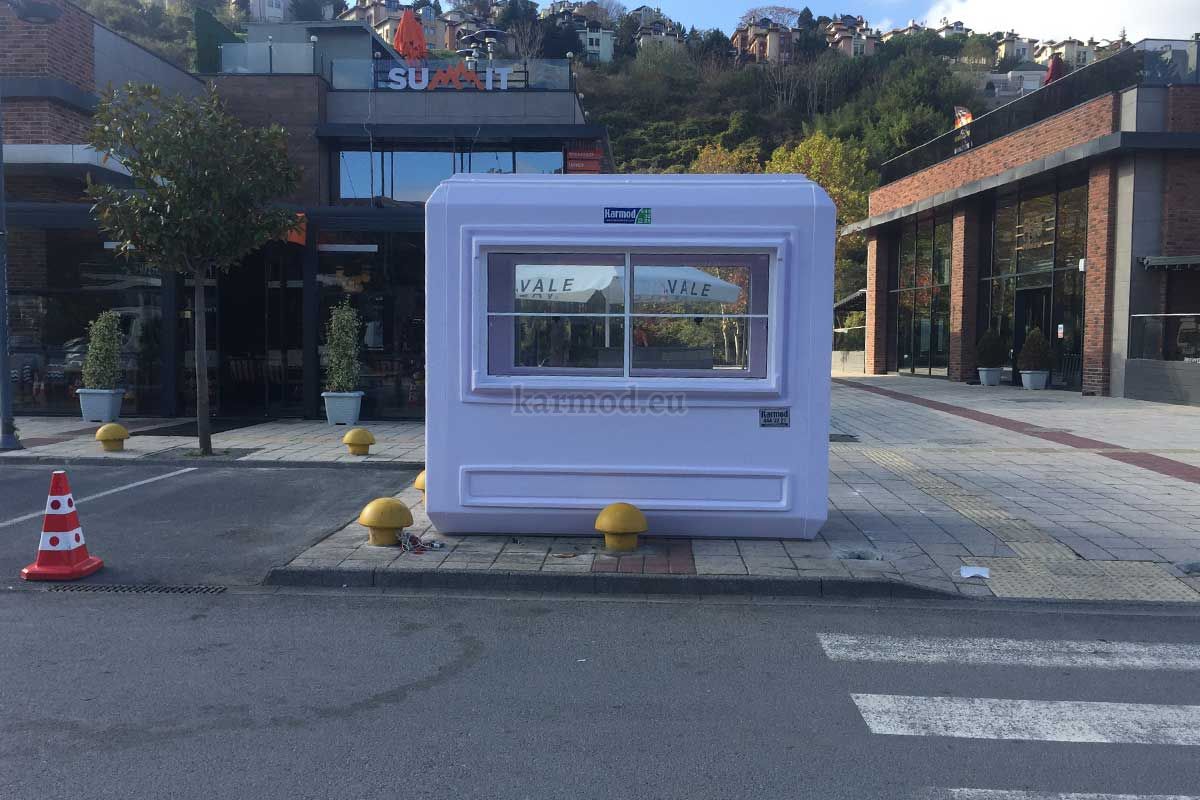
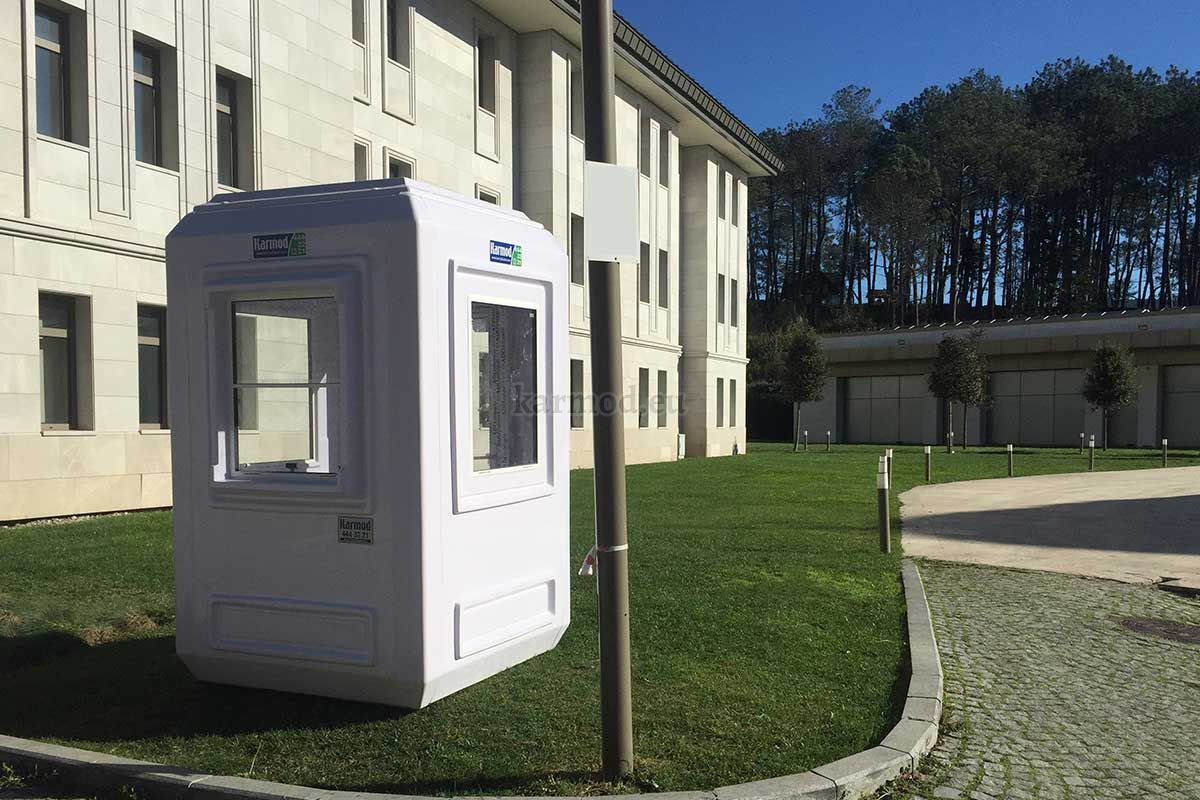
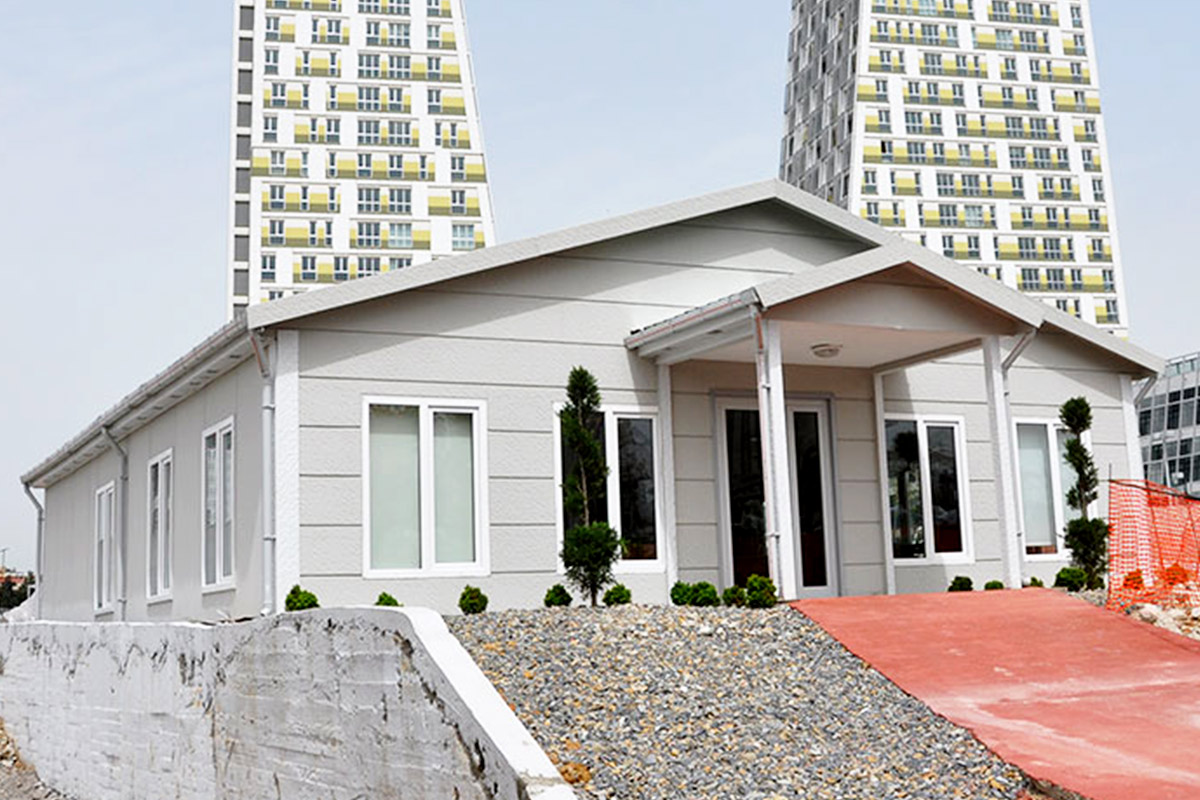
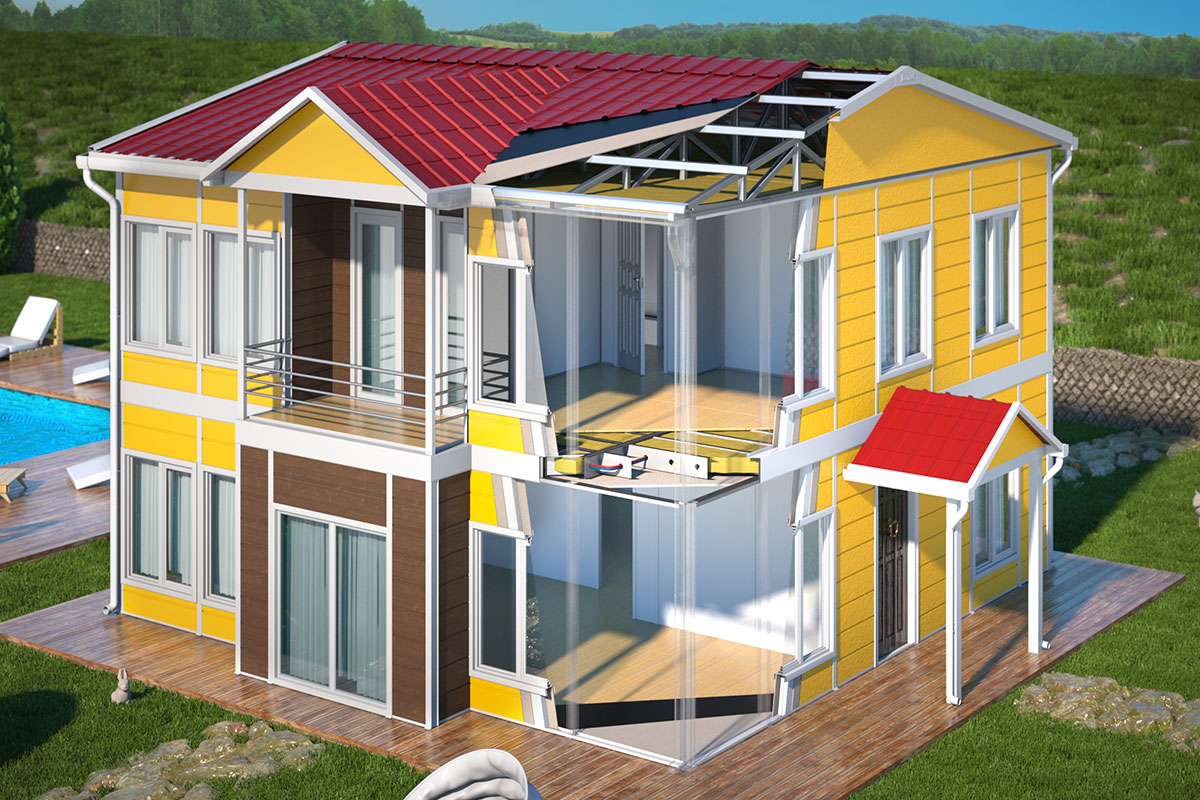
Each product should be easy to explain, easy to transport, and adaptable to different use cases. Clients often care less about design variety and more about whether the cabin meets regulations, insulation requirements, and delivery timelines.
As your business grows, customization becomes a competitive advantage. At the beginning, standardization keeps costs predictable and operations under control.
Supplier and Manufacturing Strategy
Your supplier is effectively your silent business partner. The quality of your cabins, delivery performance, and after-sales credibility depend heavily on who manufactures them.
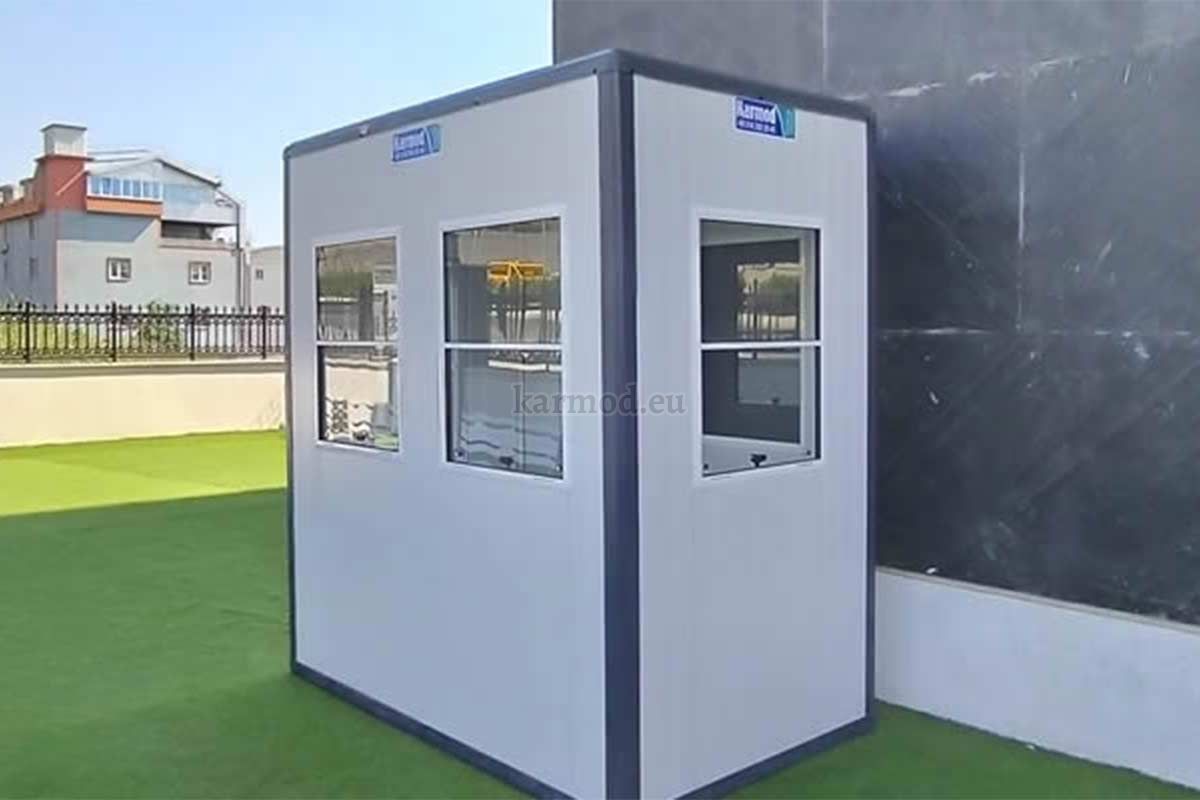
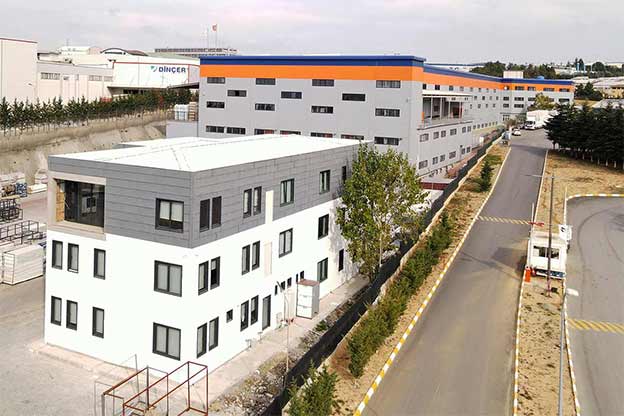
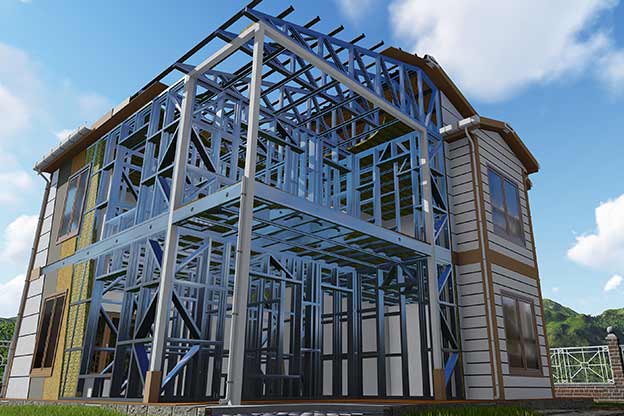
Beginners often face a key decision: local production or factory-based manufacturing with export capabilities. Factory-produced modular cabins usually offer better quality control, consistent materials, and scalable production. This matters when clients expect the same standard across multiple projects.
When evaluating suppliers, focus on practical questions rather than marketing promises. How fast can they produce? How do they handle design changes? What certifications do their products carry? Clear answers here prevent operational headaches later.
Pricing, Costs, and Profit Margins
Modular cabin pricing is not just about unit cost. Transport, installation, foundation requirements, and optional features all influence the final offer presented to the customer.
For beginners, transparent pricing builds trust faster than aggressive discounts. Clients appreciate knowing what is included and what is optional. This clarity also protects your margins, especially when projects evolve after the initial quote.
A healthy modular cabin business balances competitive pricing with realistic profit expectations. Selling cheap units may generate volume, but sustainable growth comes from repeat clients who value reliability over minimal cost.
Legal, Permits, and Compliance Basics
While modular cabins are faster to deploy, they are not free from regulations. Local zoning rules, temporary building permits, fire safety standards, and insulation requirements vary by region.
Instead of seeing compliance as a barrier, smart businesses use it as a trust signal. Being able to guide clients through permits or provide compliant documentation positions you as a knowledgeable partner, not just a seller.
Early cooperation with local authorities, engineers, or consultants can save months of delays and prevent costly mistakes.
Sales Channels and Customer Acquisition
Modular cabin buyers are often searching with intent. They are not browsing for inspiration; they are looking for solutions. This makes digital presence particularly powerful.
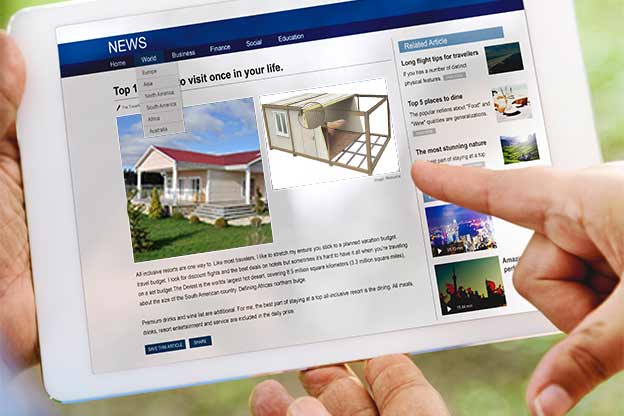
A clear website, professional visuals, and informative content help clients understand what they are buying before the first conversation. Offline channels also matter. Construction firms, project managers, and local developers can become long-term referral sources when relationships are built correctly.
Sales in this sector are consultative by nature. Listening carefully, asking the right questions, and proposing the most suitable cabin configuration often closes deals faster than pushing standard packages.
Scaling the Business with Confidence
Once the first projects are delivered successfully, scaling becomes a matter of systemization. Standard processes for quoting, production coordination, delivery, and after-sales support reduce dependency on individuals and allow growth without chaos.
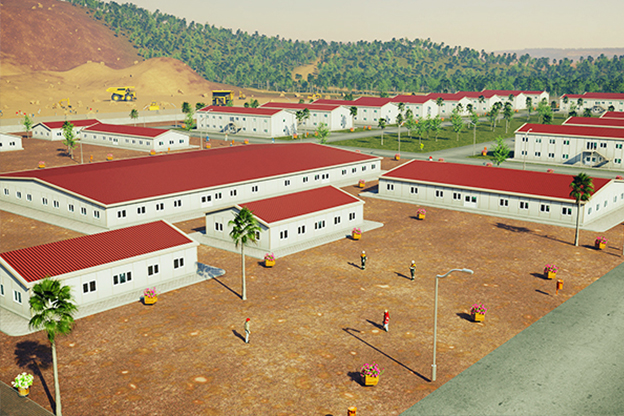
Many modular cabin businesses expand by entering niche segments such as mining sites, energy projects, or hospitality units. Others scale geographically by partnering with logistics providers or regional distributors.
Growth should feel controlled, not rushed. Each completed project is not just revenue, but also a reference that strengthens your credibility in future negotiations.
Building Trust and Long-Term Value
In the modular cabin business, reputation travels fast. Buyers often rely on recommendations, previous installations, and real-world performance more than advertising.
Delivering what was promised, responding quickly to issues, and maintaining clear communication builds trust that converts into repeat business. Over time, this trust becomes your strongest sales tool.
If you approach the modular cabin market with realistic expectations, a strong supplier network, and a solution-oriented mindset, the business can evolve from a single project operation into a stable, scalable enterprise. And for those who get it right early, the demand rarely slows down.
Ready to Start Your Modular Cabin Business with a Reliable Partner?
Entering the modular cabin market becomes significantly easier when you work with a supplier who understands production, logistics, and real project requirements. Instead of navigating technical details alone, choosing an experienced manufacturer allows you to focus on sales, growth, and customer relationships.
Our modular cabin solutions are designed for businesses that value speed, durability, and predictable costs. From standardized starter units to scalable modular systems, we support your business with factory-built quality, flexible configurations, and export-ready production. Whether you are launching your first project or planning to scale, we provide clear specifications, transparent pricing, and dependable delivery timelines.
If you are looking to purchase modular cabins that help you build credibility from day one, now is the right time to take the next step.
Contact us to discuss your business goals, review available modular cabin models, and receive a tailored quotation that fits your market and budget.