


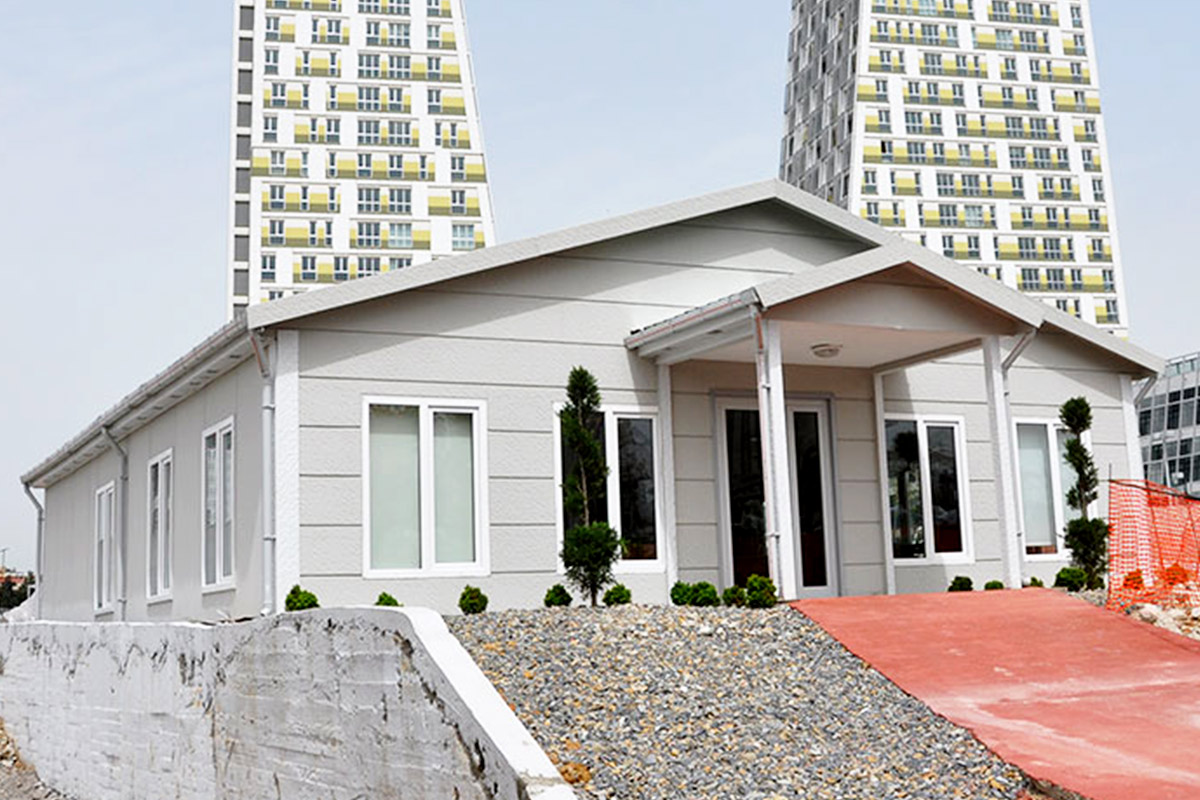

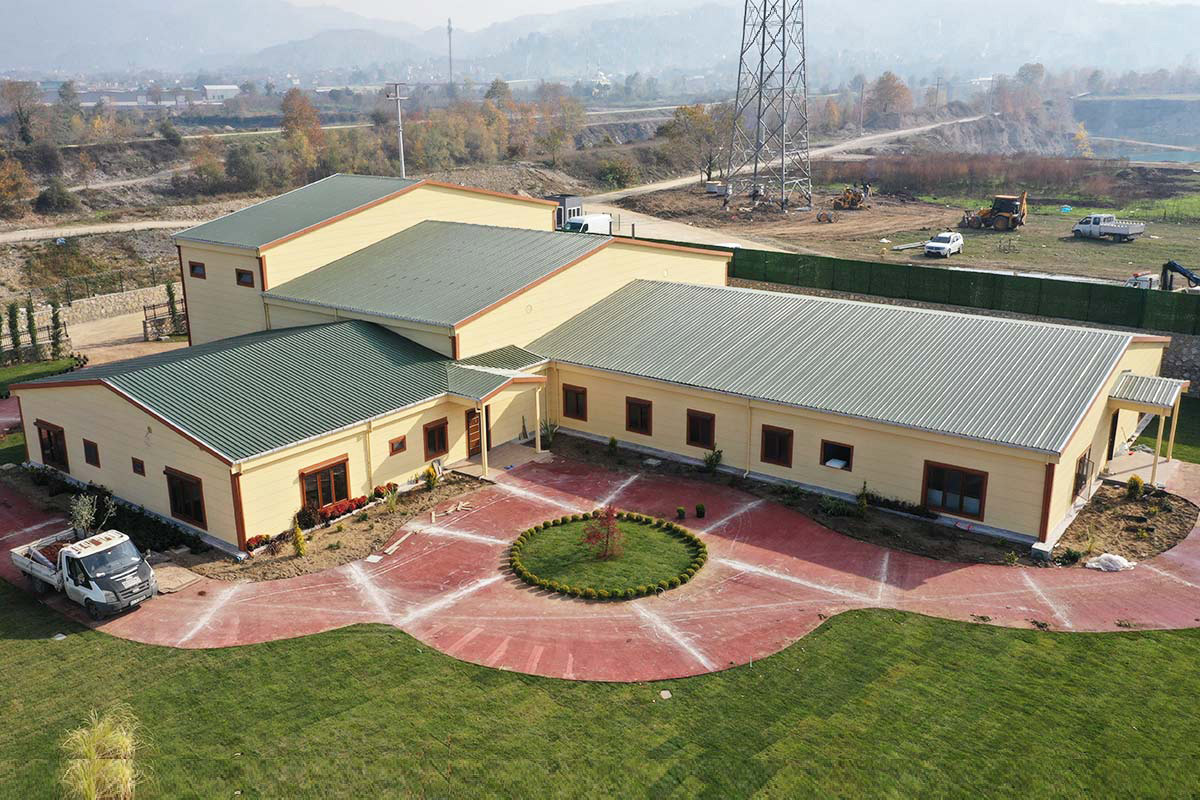
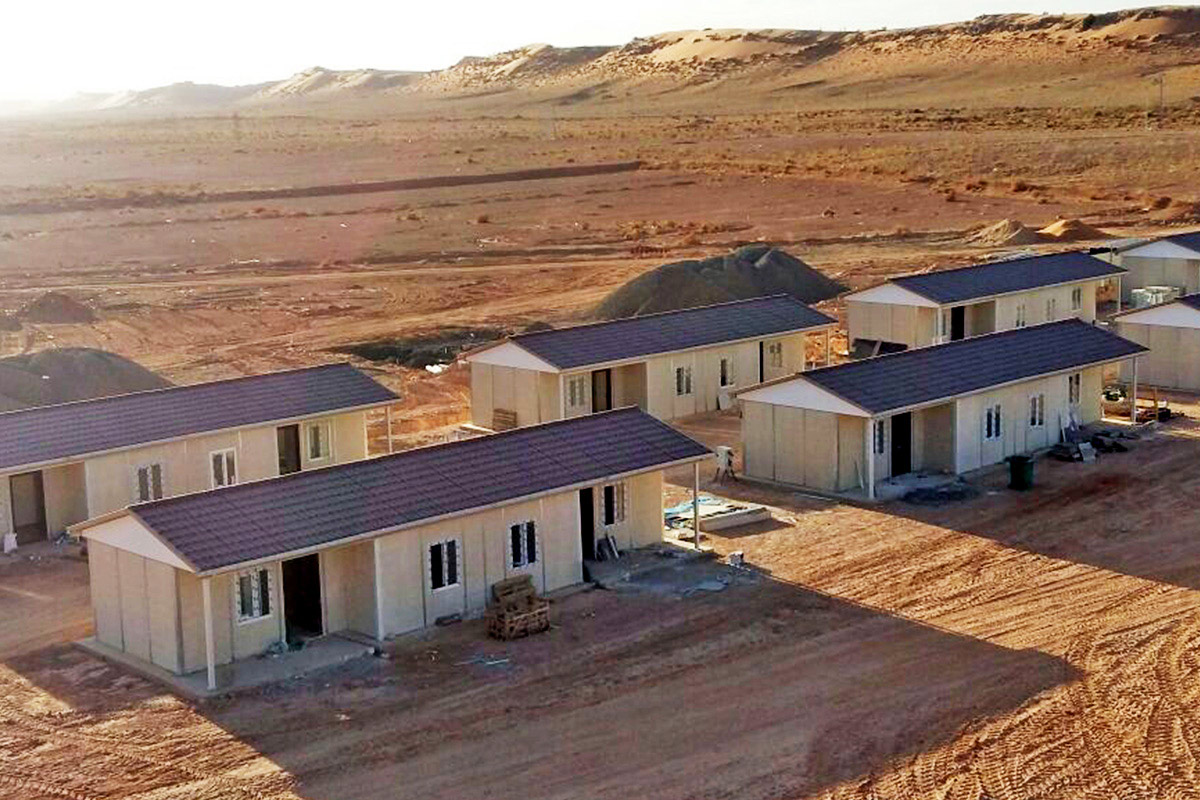
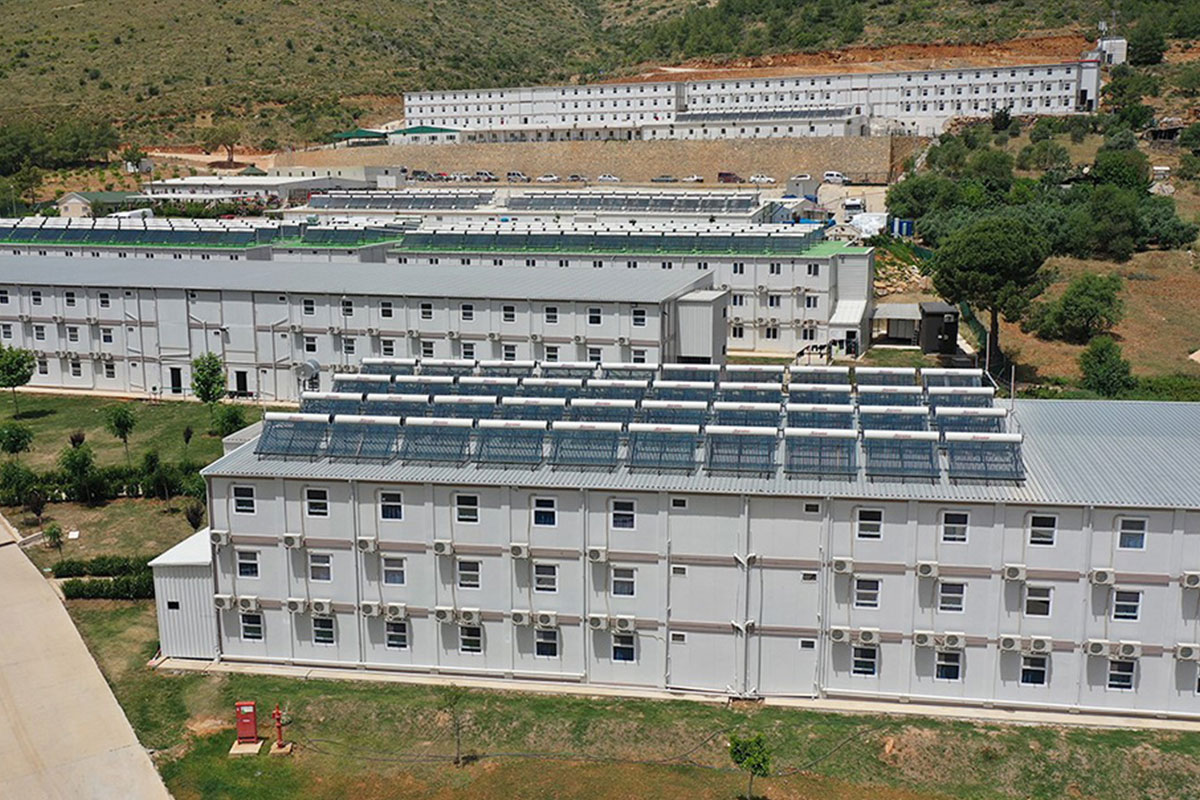
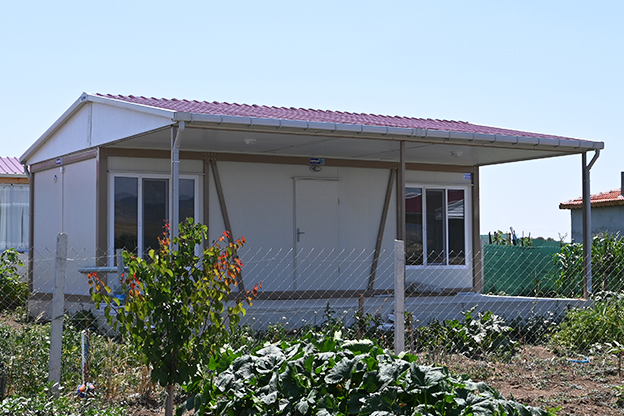
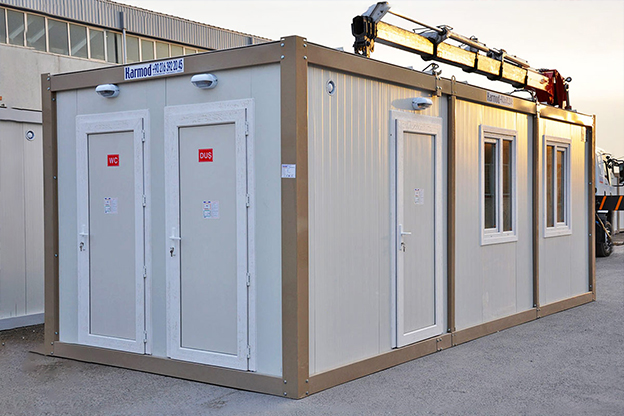
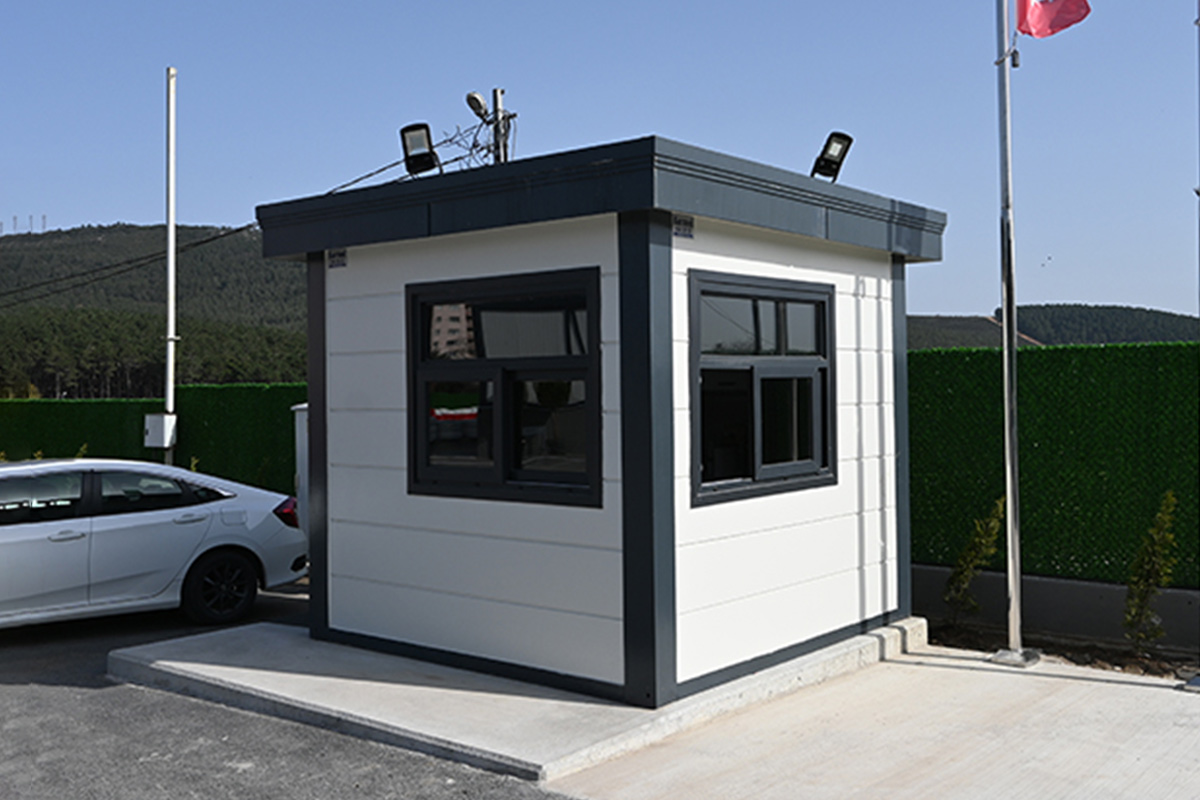

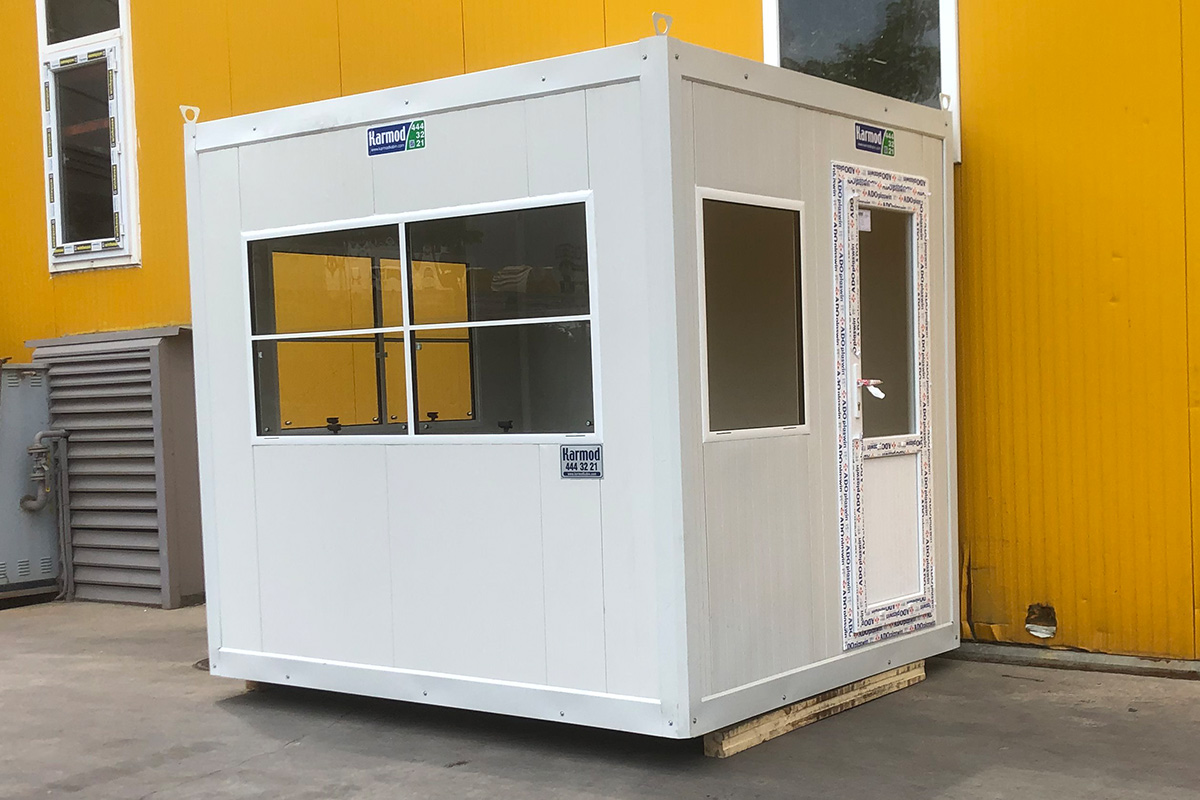
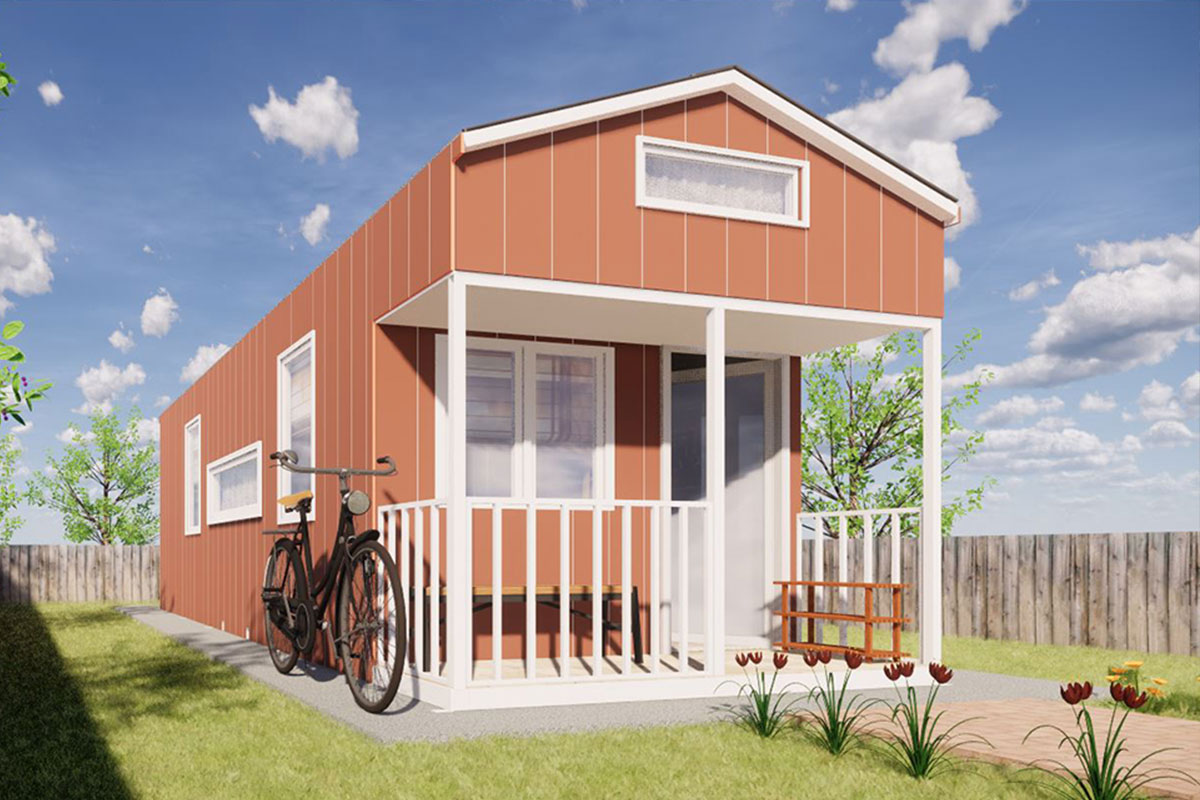
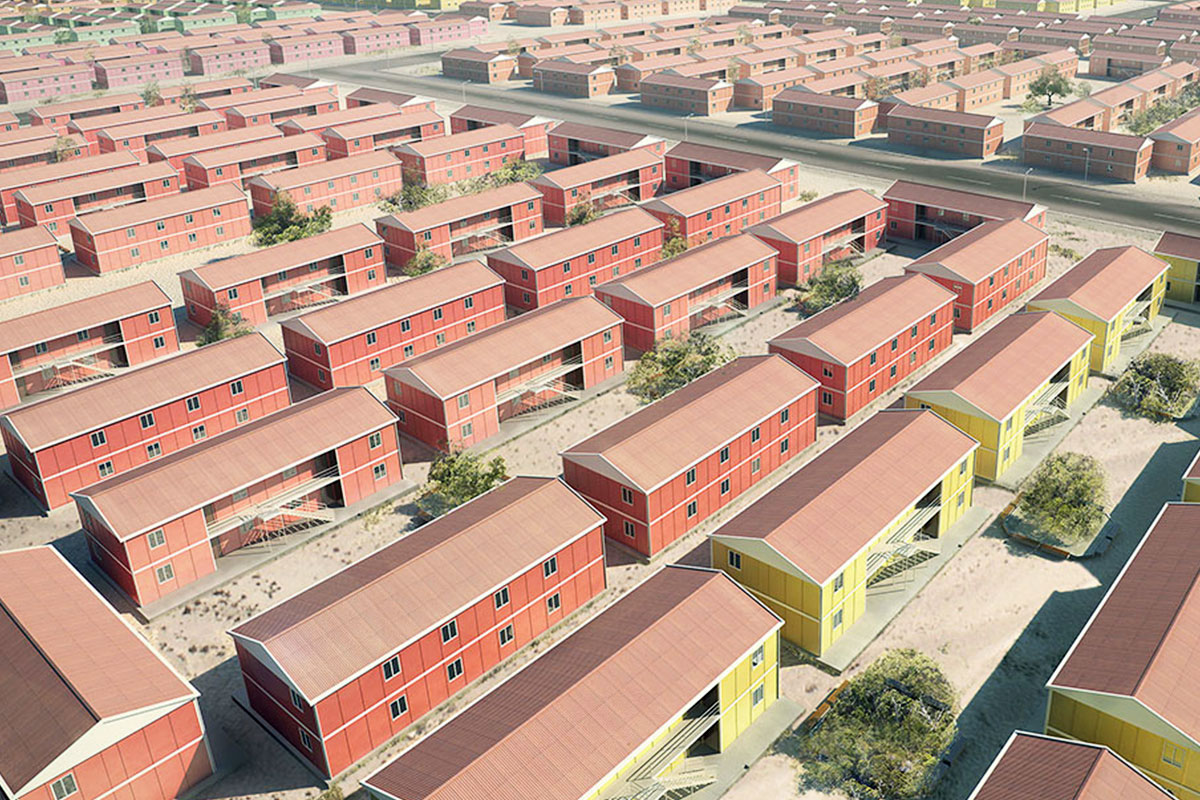
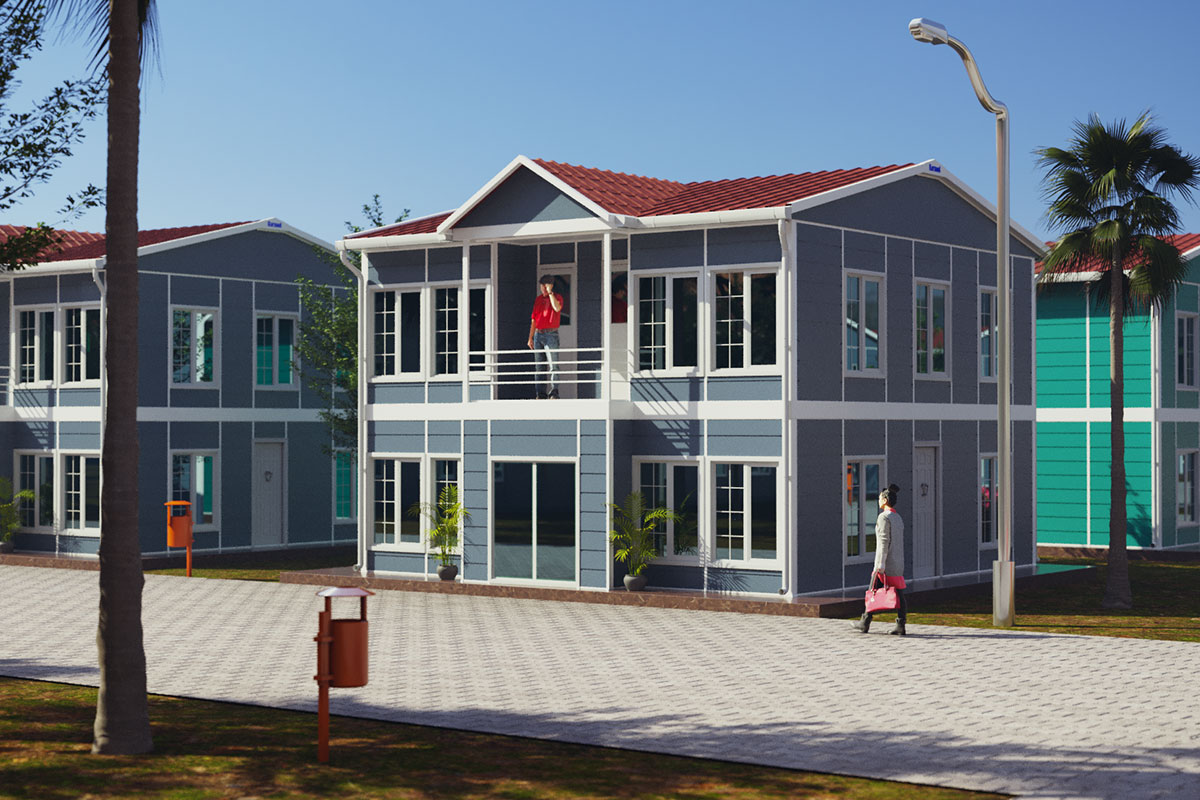
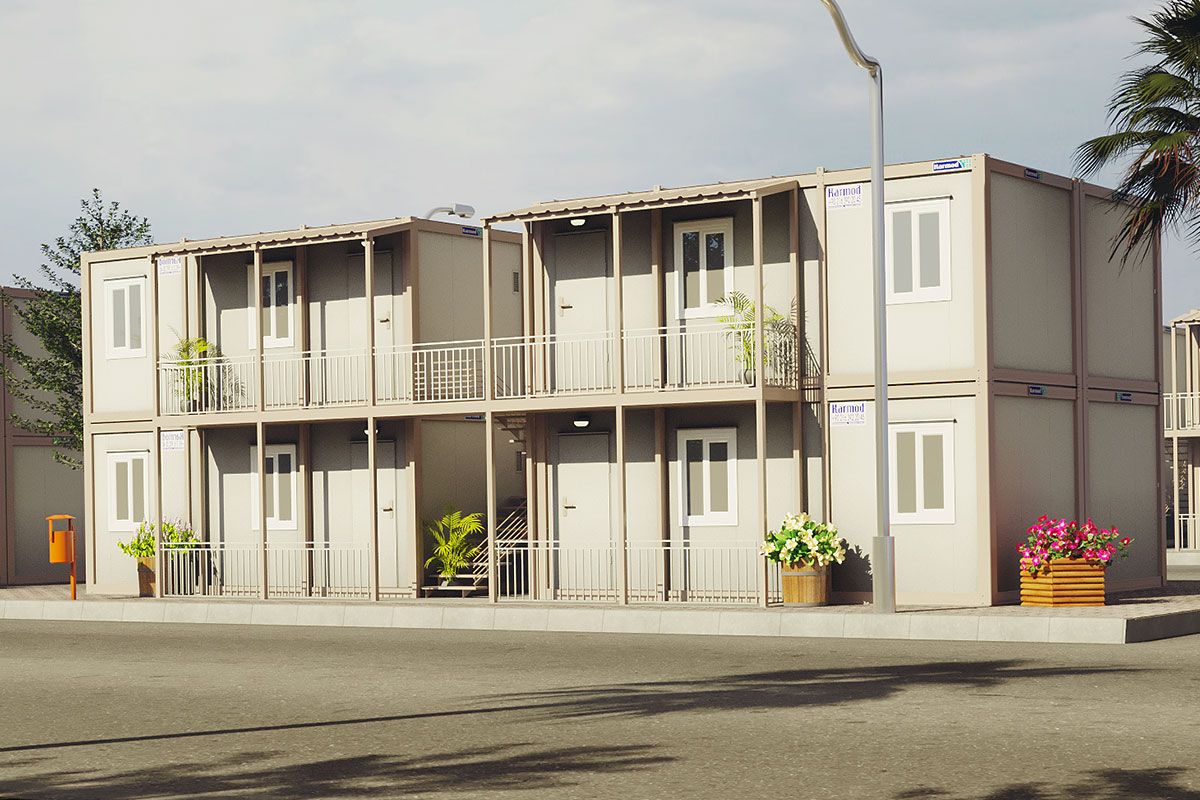
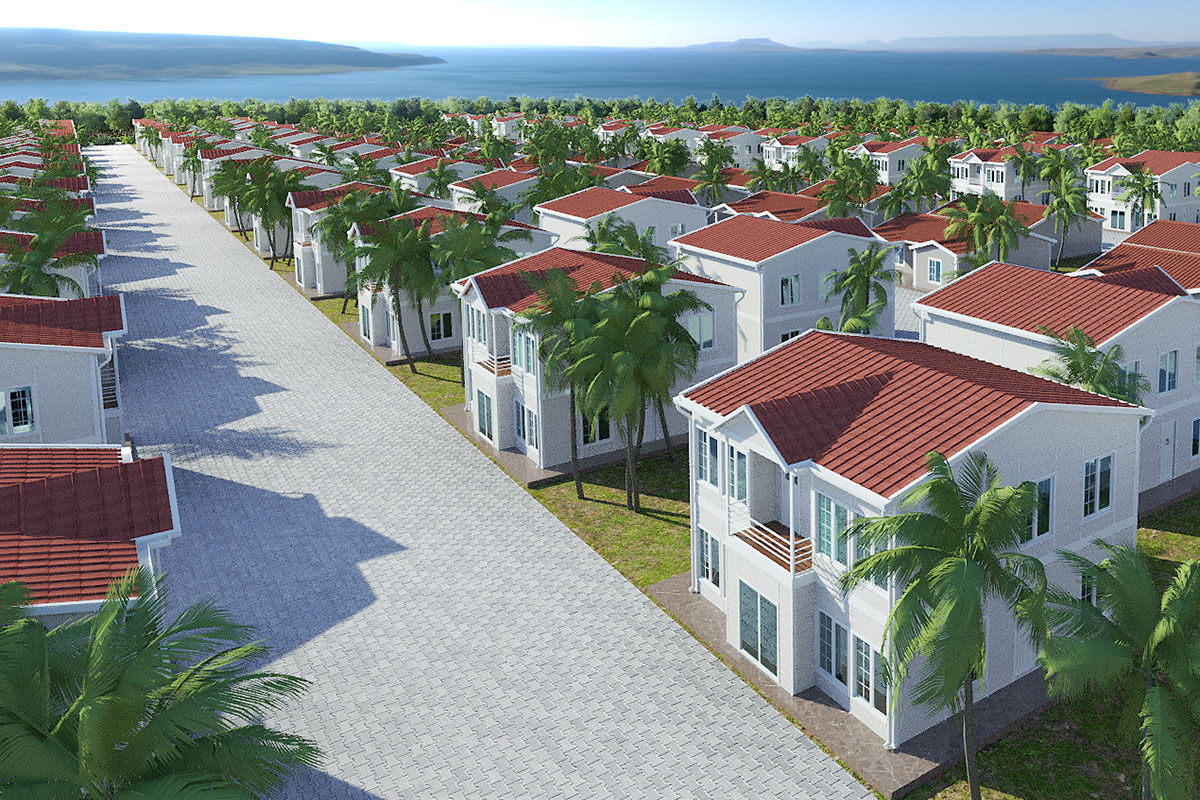
As energy demand continues to grow, Belgium is increasingly focused on the operational realities of fieldwork and the living standards that support a reliable workforce. Belgium’s Oil and Gas Field Man Camps are developed to meet strict expectations for safety, hygiene, and day-to-day functionality, while keeping crews rested and ready for long shifts. In practice, well-planned camp accommodation reduces downtime, improves retention, and supports consistent site performance.
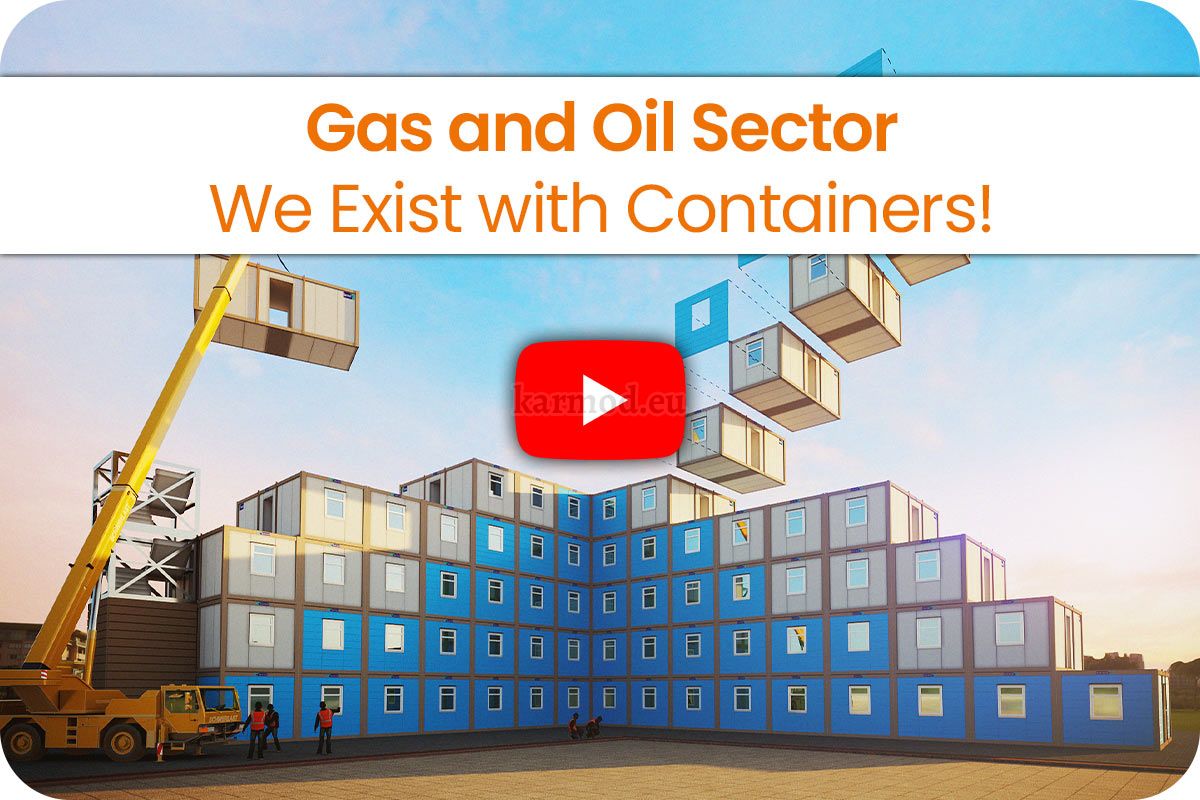
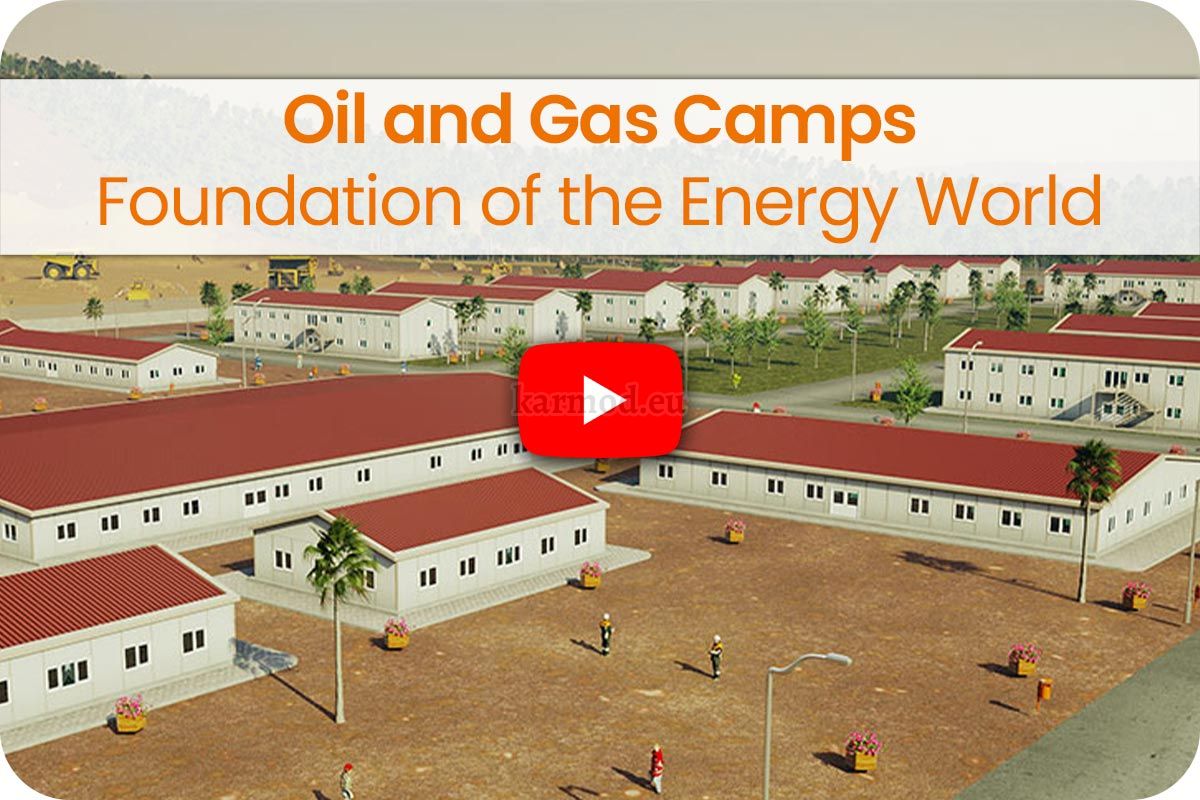
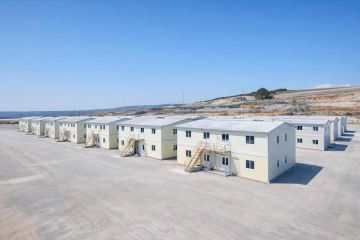
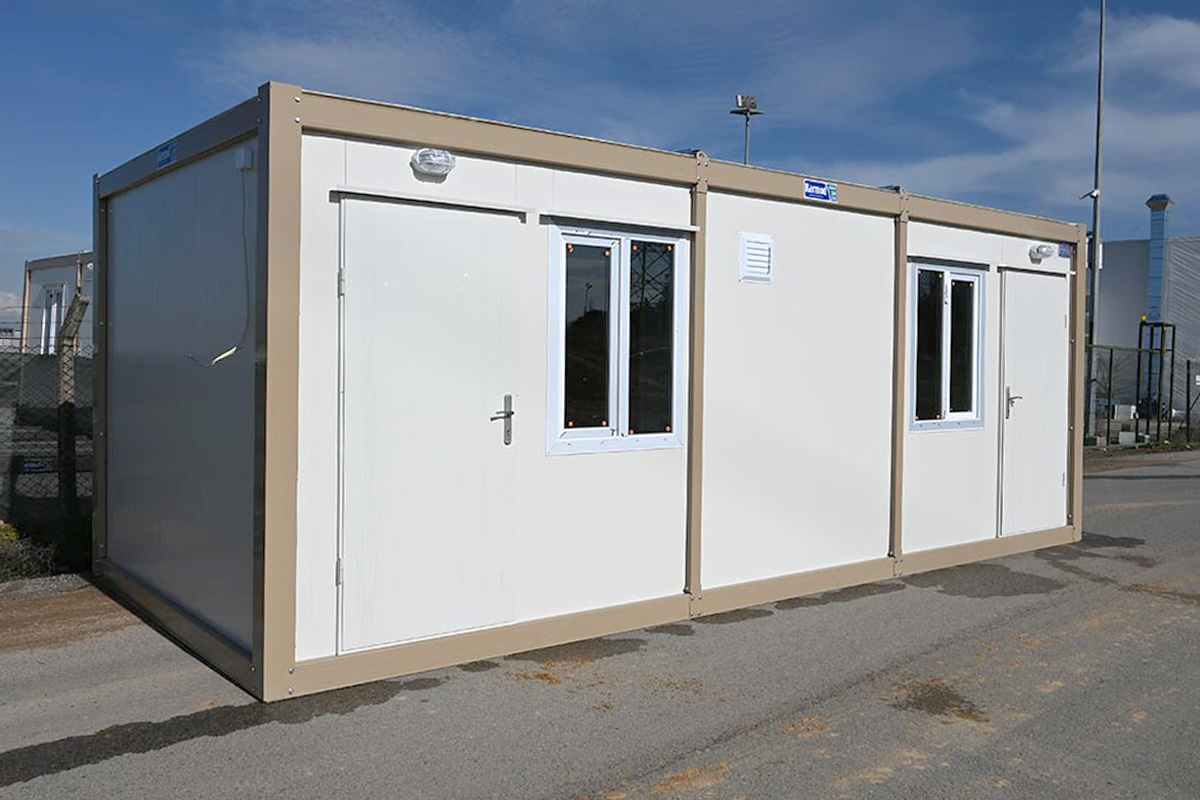
- Modern, jobsite-ready infrastructure: Belgium Oil and Gas Field Housing is designed as a working system, not a temporary stopgap. Robust structural performance is paired with practical layouts that support shift rotations, housekeeping, and efficient daily routines.
- Proven delivery capability: Many projects rely on Karmod’s experience in modular workforce accommodation. Their involvement helps ensure the Belgium Oil and Gas Field Housing Units are planned for operational continuity, with consistent build quality and predictable installation on site.
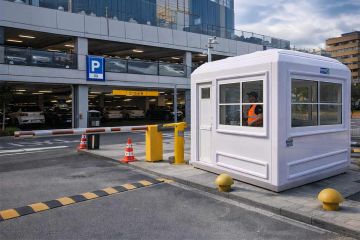
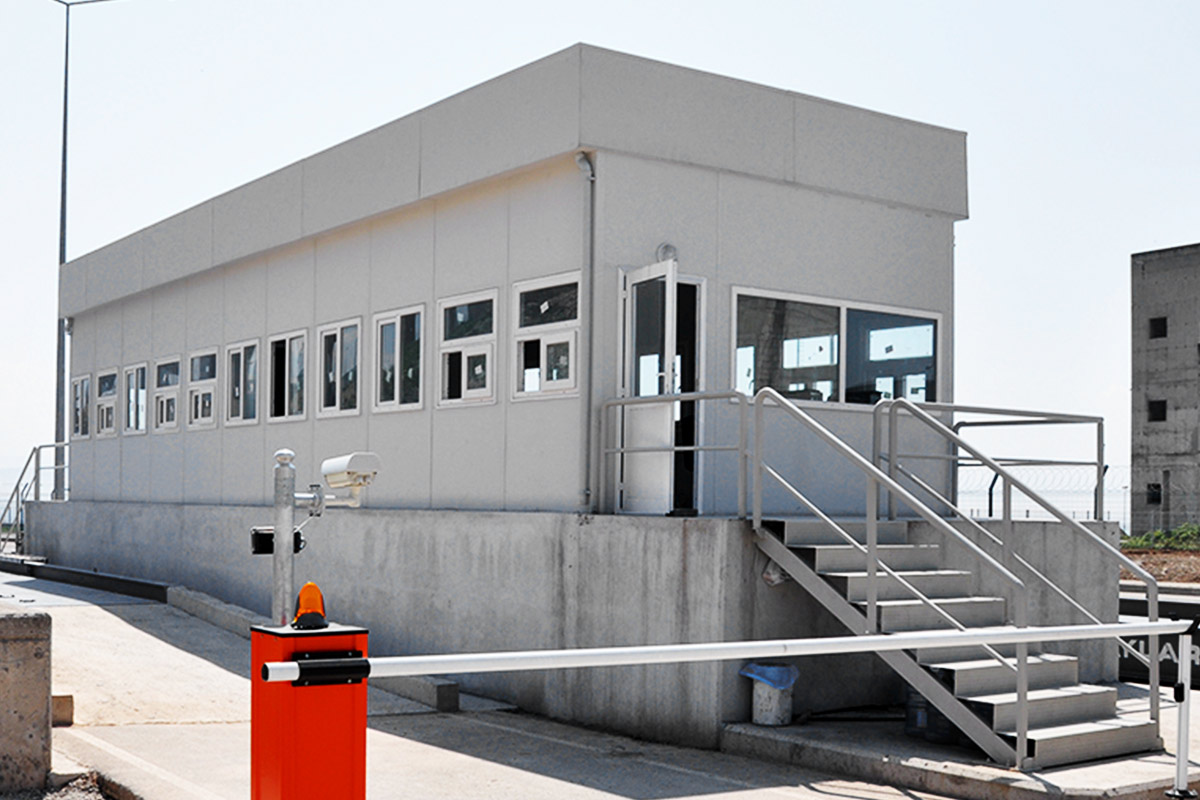
- Safety-first design standards: In oil and gas environments, accommodation must be as disciplined as the operation itself. Fire-rated solutions, controlled access points, clear circulation routes, and secure entries help reduce risk and support site protocols.
- Efficiency and responsible use of resources: Camp planning increasingly includes energy-efficient lighting, sensible utilities design, and structured waste handling. These measures support both cost control and compliance expectations without compromising comfort.
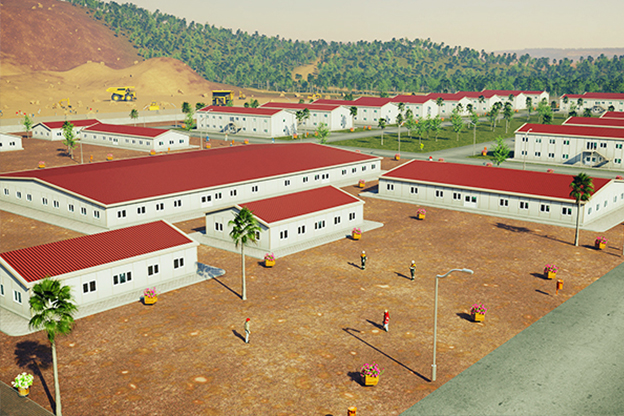
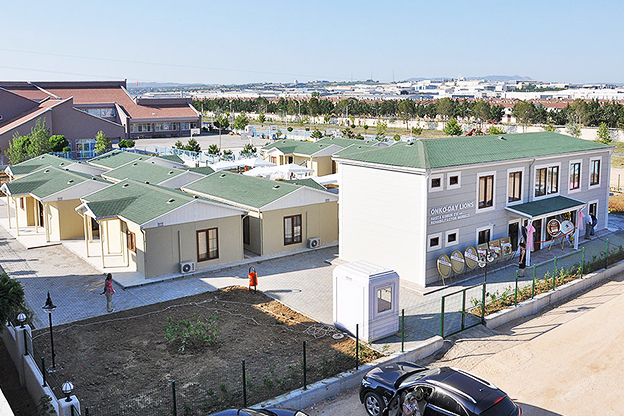
- Flexible capacity through modular planning: A modular camp approach allows phased deployment, fast expansion, and practical reconfiguration when headcount, scope, or site conditions change. This keeps accommodation aligned with the project’s real timeline rather than forcing a fixed footprint.
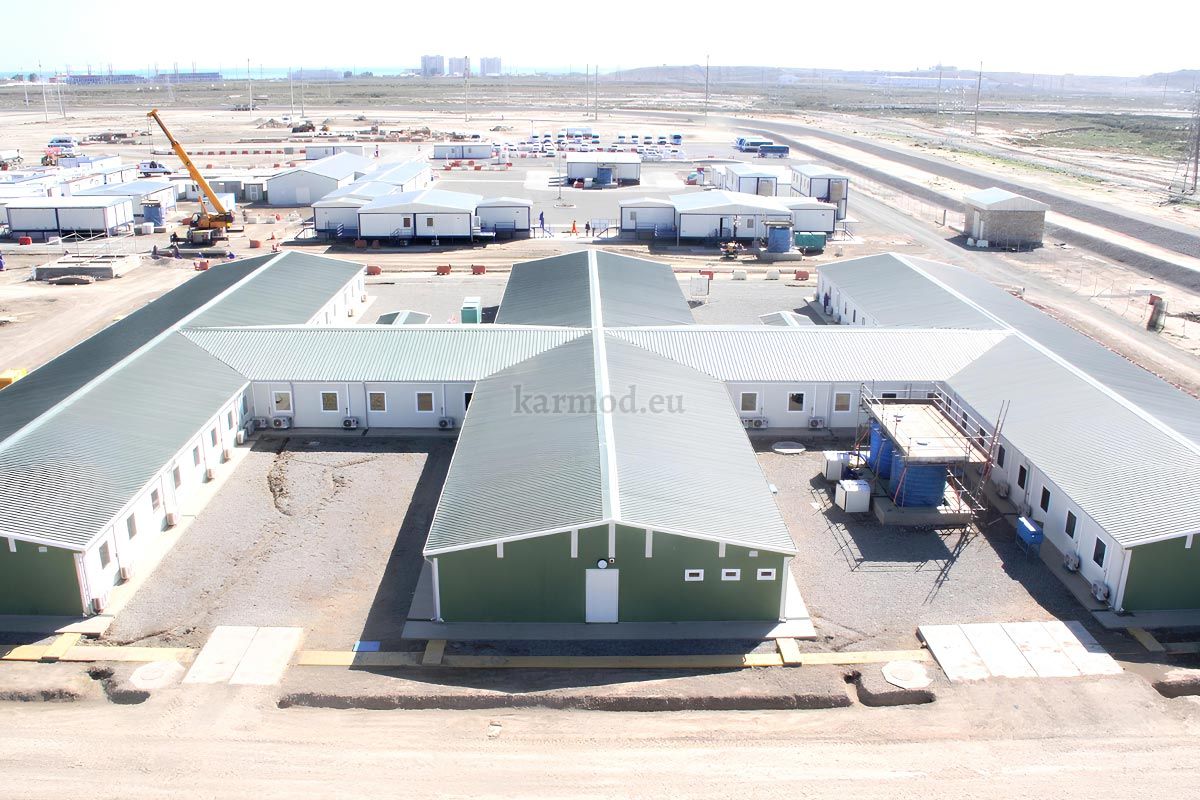
Whether supporting short-duration works or longer campaigns, man camps in Belgium are increasingly specified as part of the overall operating plan. The goal is straightforward: accommodation that works reliably in demanding conditions, supports welfare expectations, and helps teams perform at their best throughout the project lifecycle.
Comfort and Recovery in Belgium’s Oil and Gas Man Camps
Oil and gas schedules are rarely forgiving. After extended shifts and strict site rules, crews need accommodation that supports recovery, hygiene, and predictable rest. In Belgium, man camps are typically planned with this in mind, balancing practical comfort with disciplined operations and maintenance.
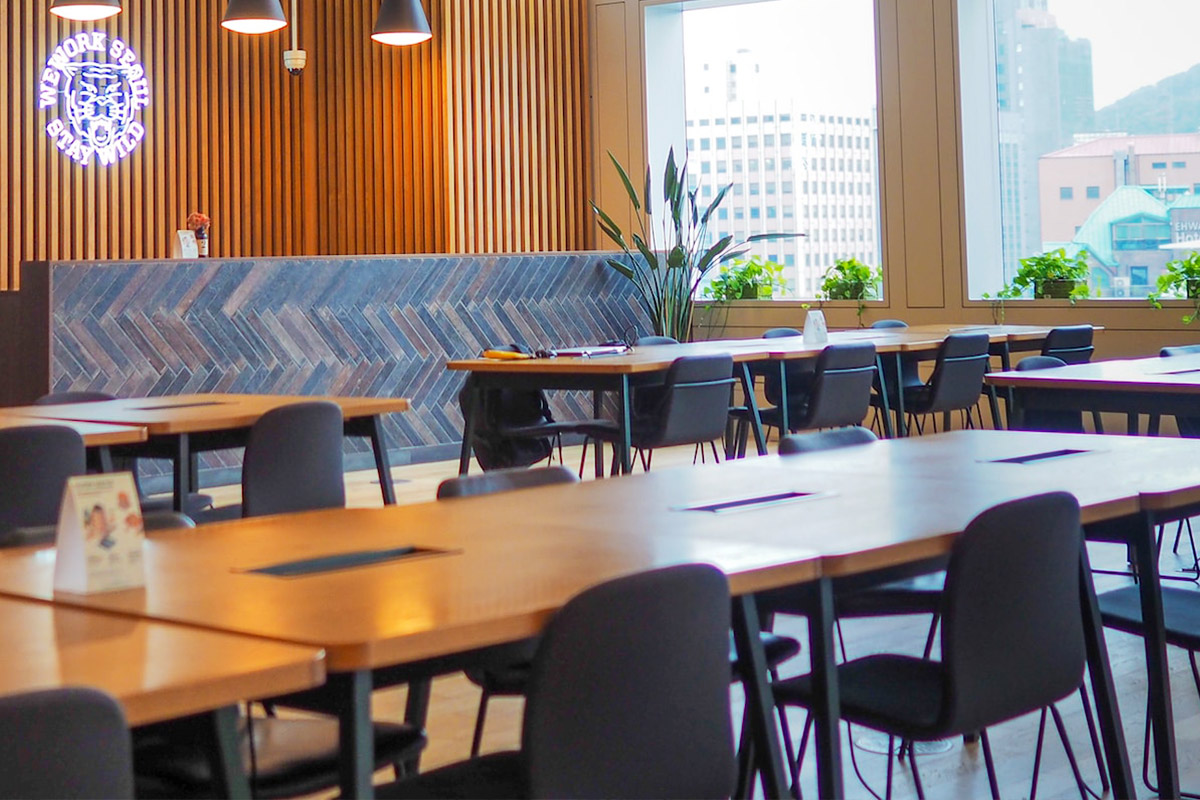
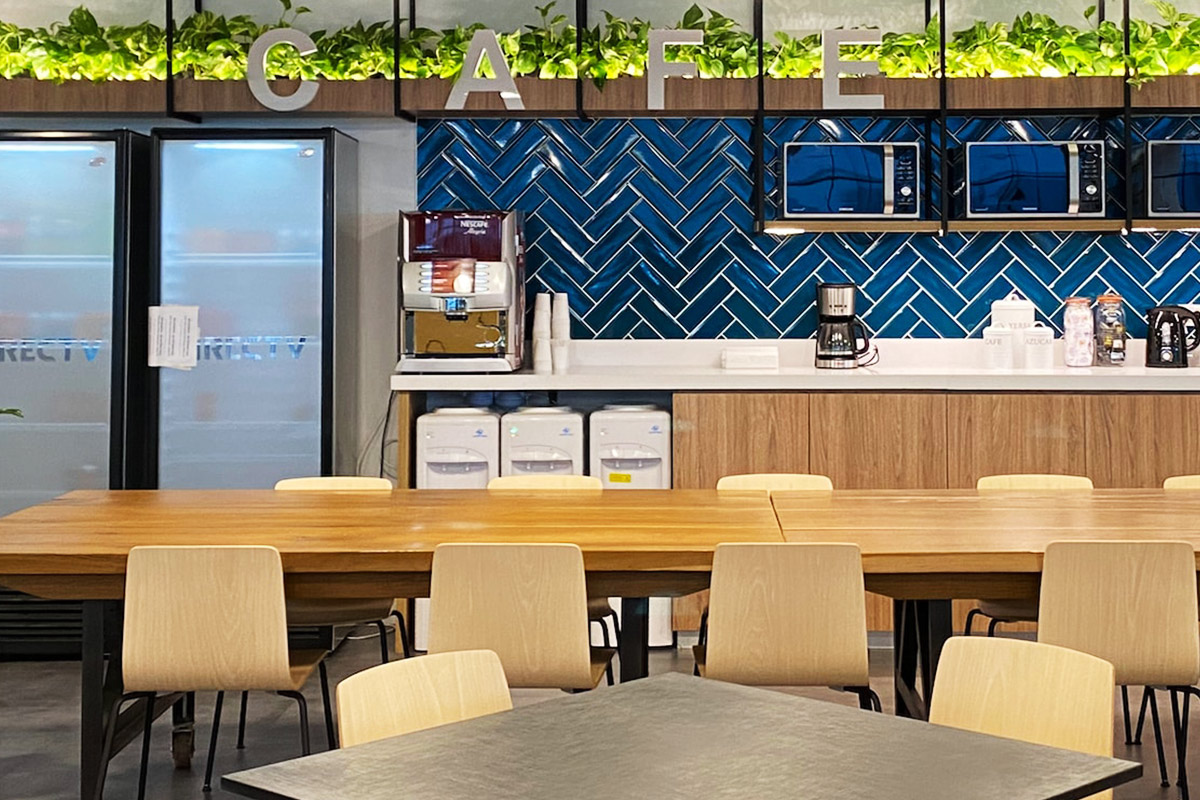
Instead of treating accommodation as an afterthought, modern camp setups prioritize usable space and durable finishes. Bedrooms are planned for restful sleep, shared areas are sized for peak changeover periods, and kitchens, dining, and laundry functions are organized to reduce congestion. Recreation and common rooms are often included where appropriate, not as a luxury feature, but to support morale and routine during rotation-based work.
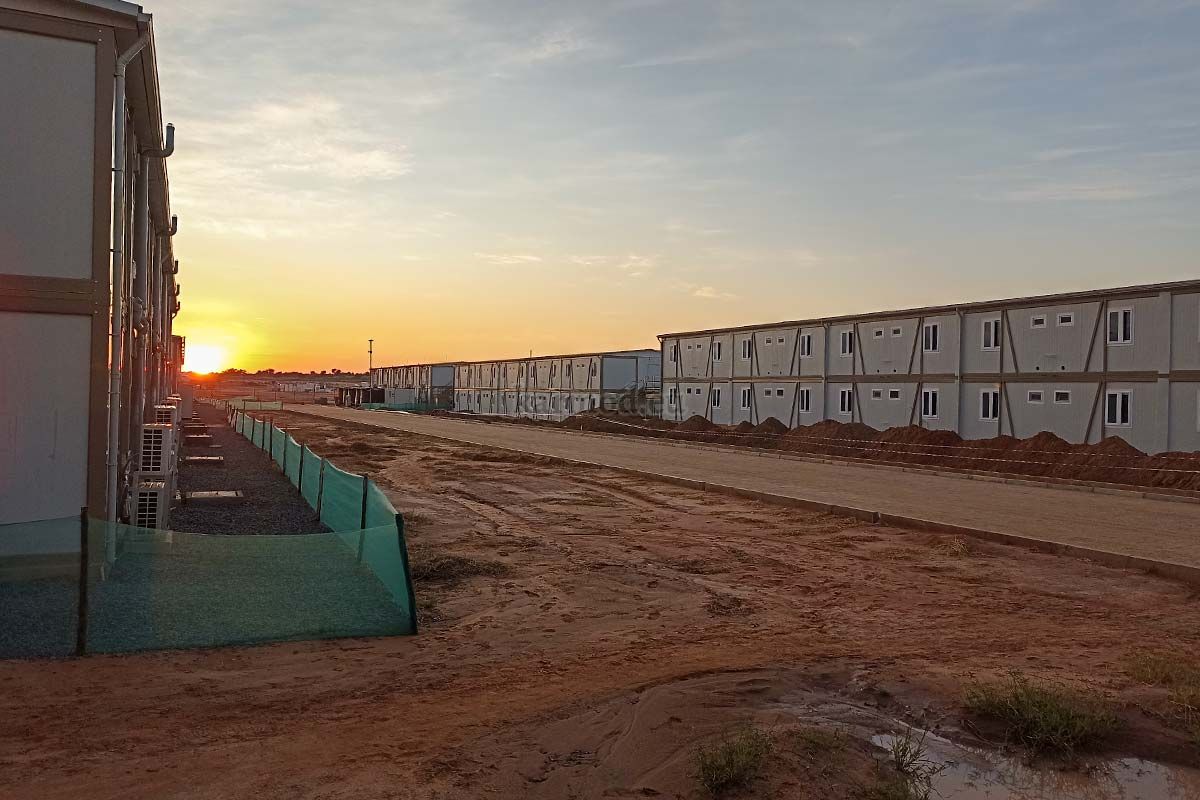
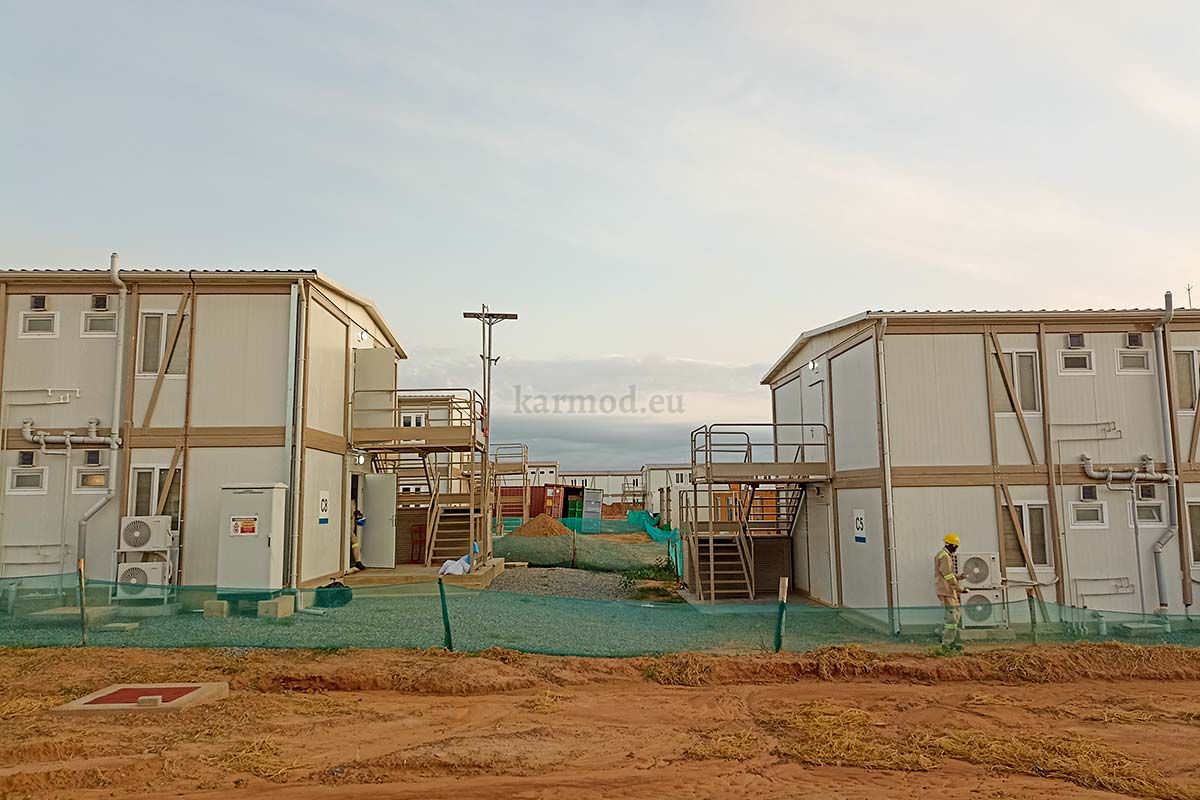
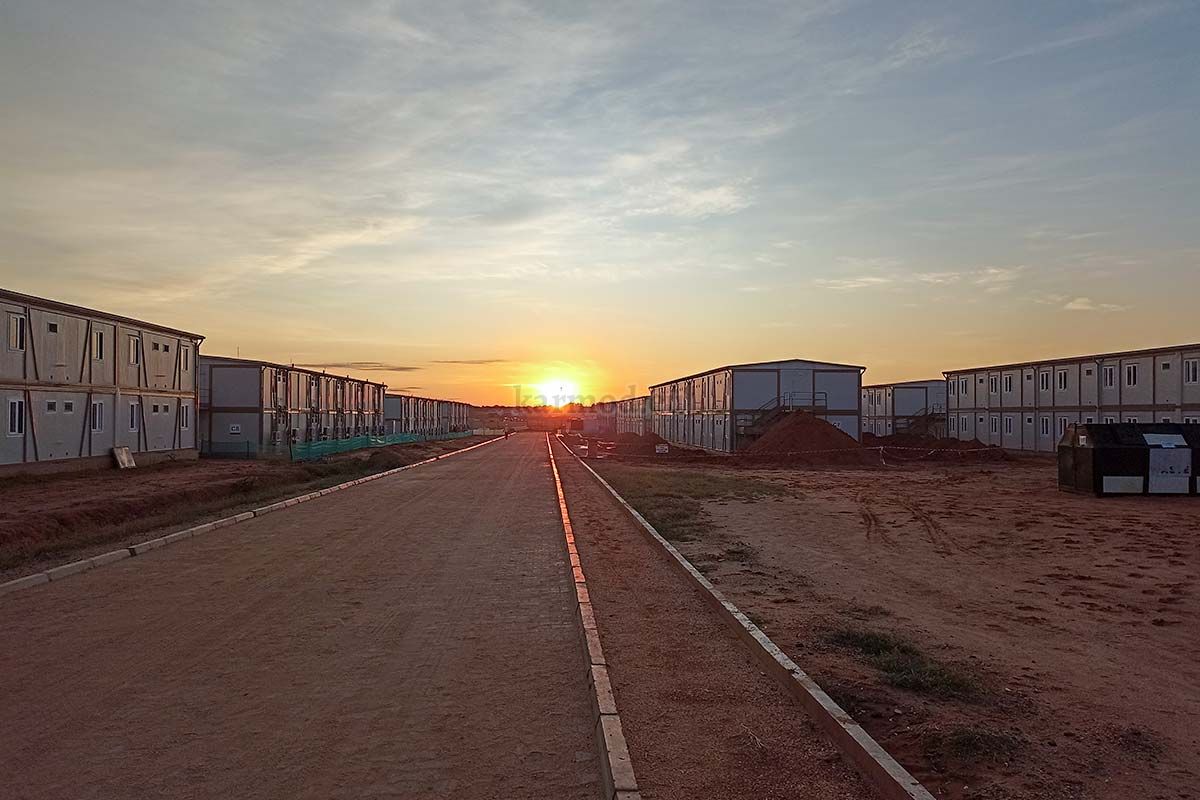
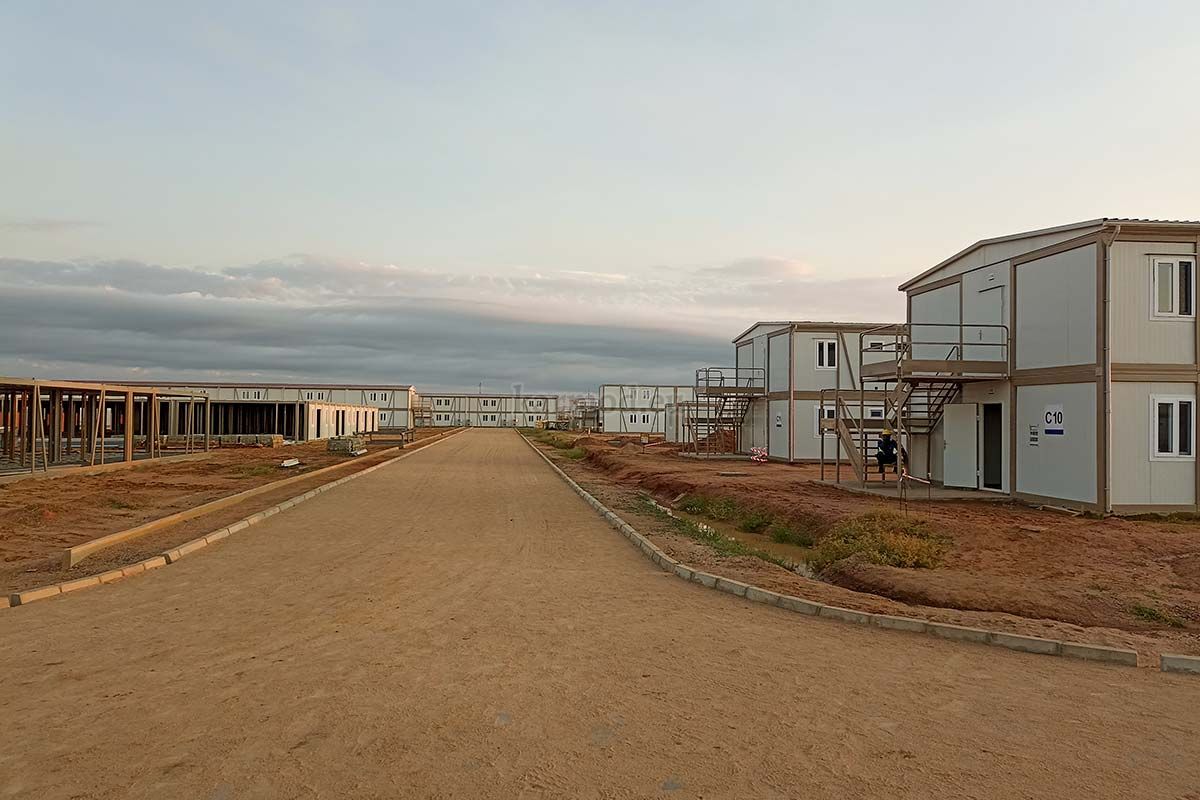
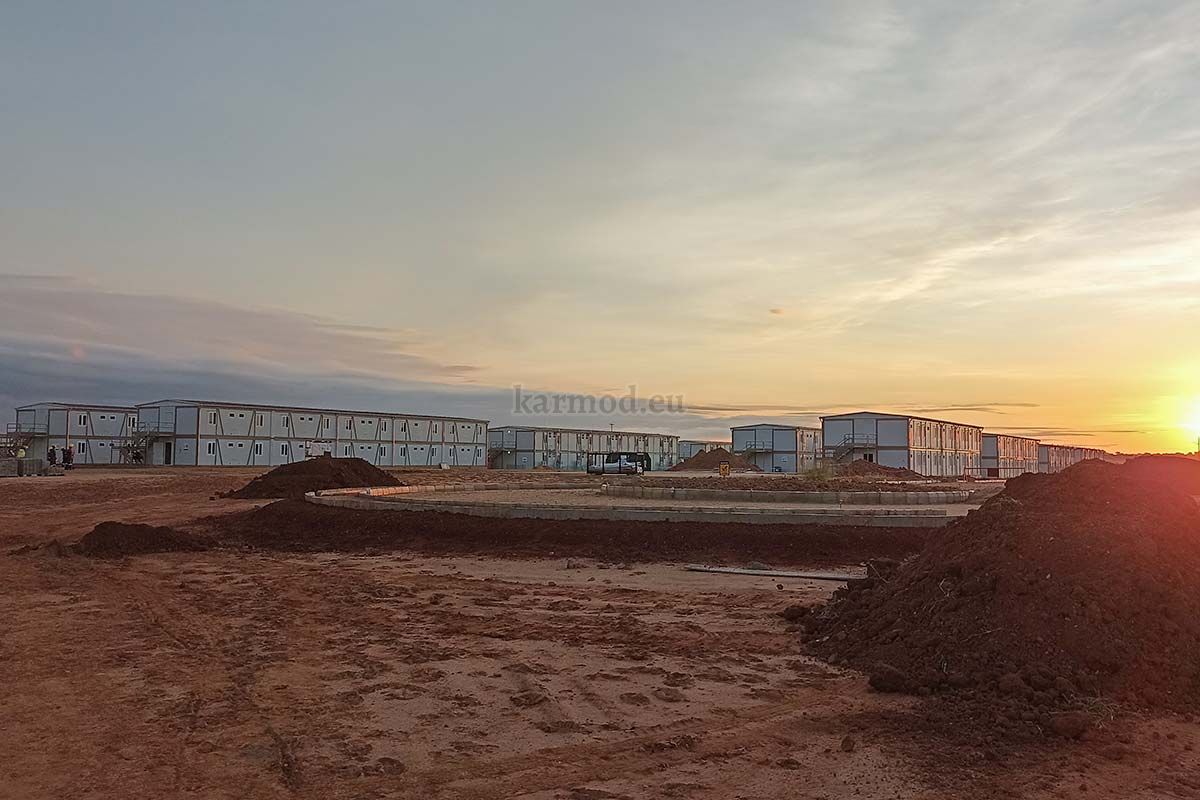
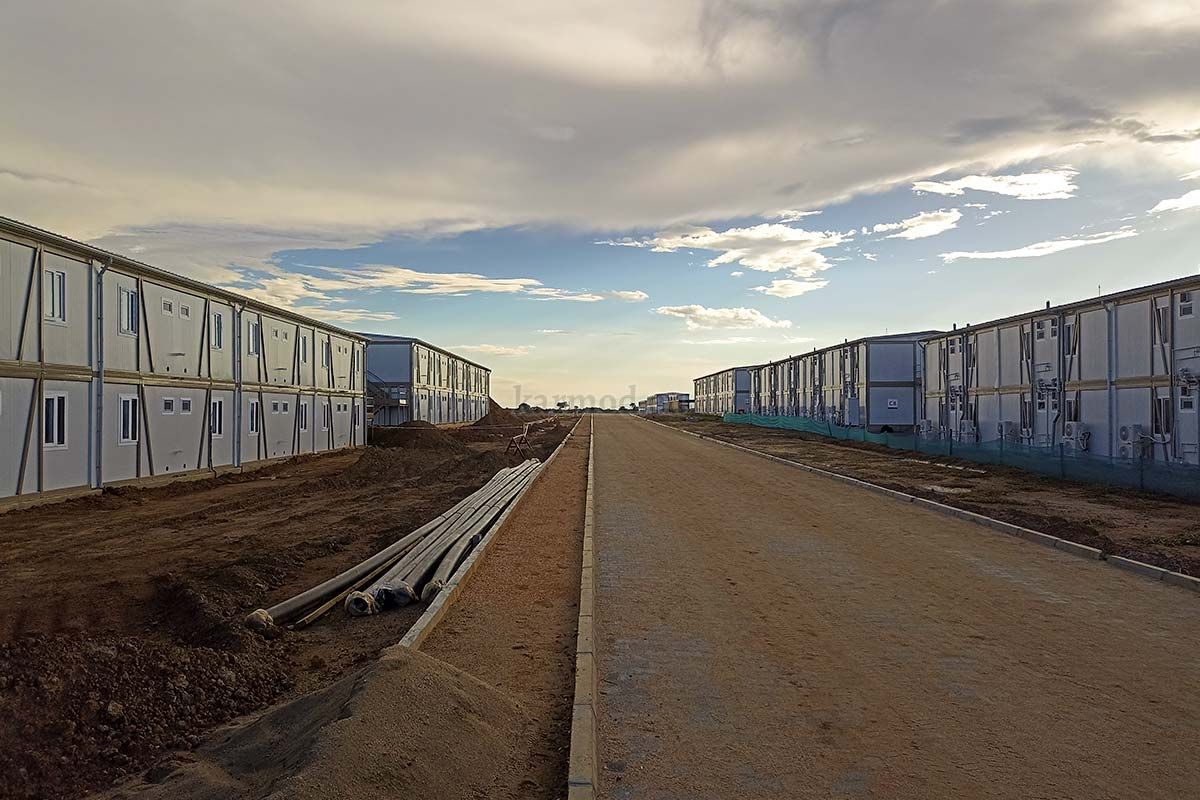
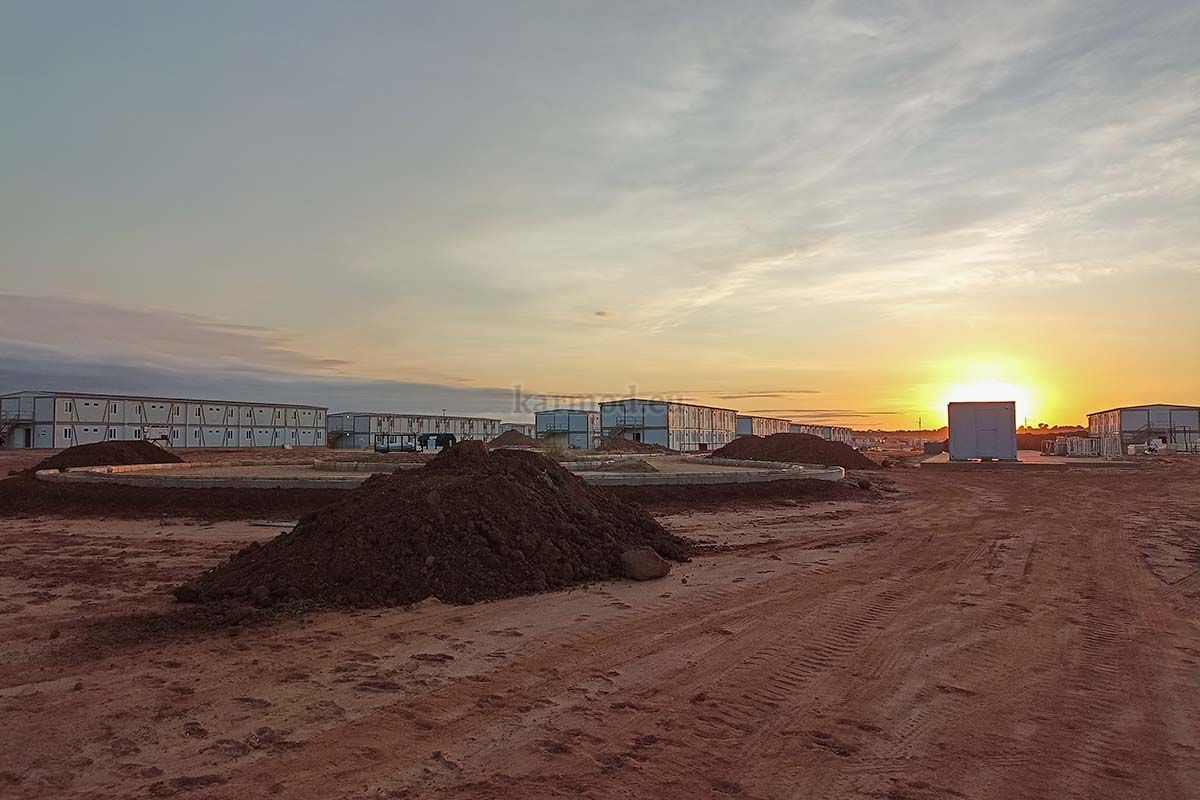
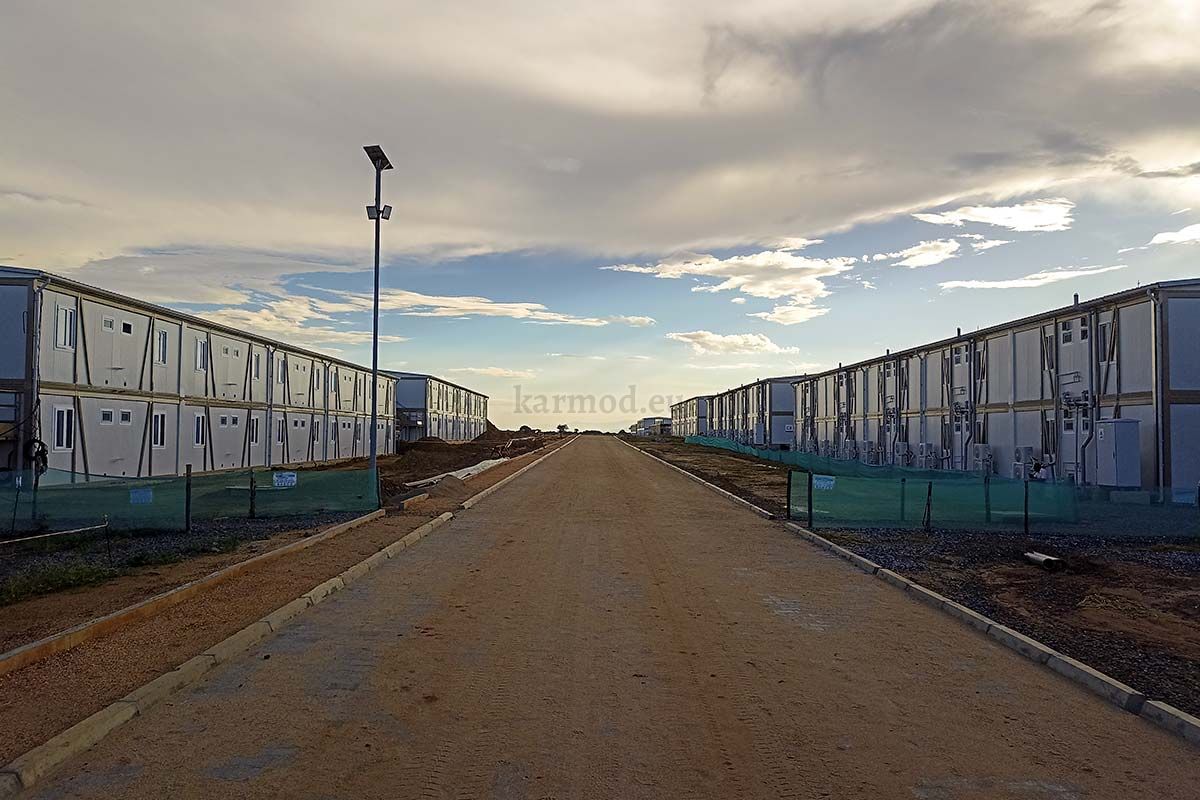
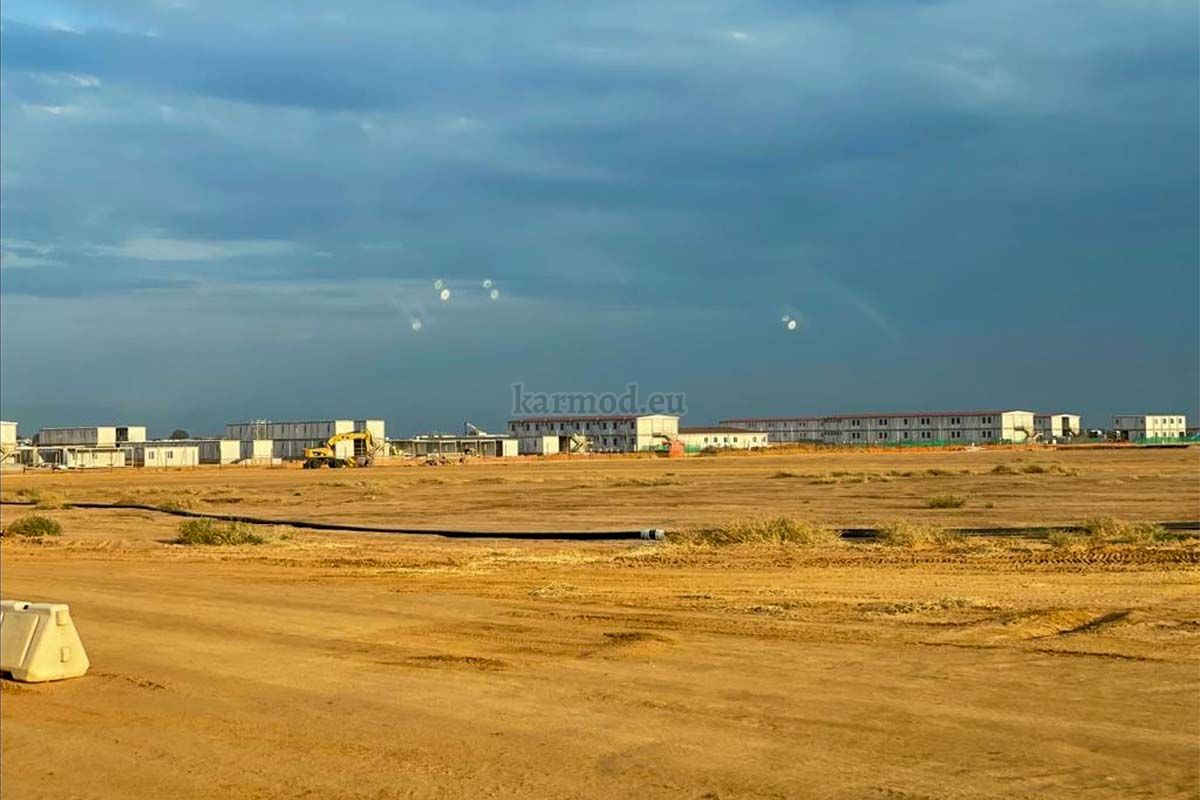
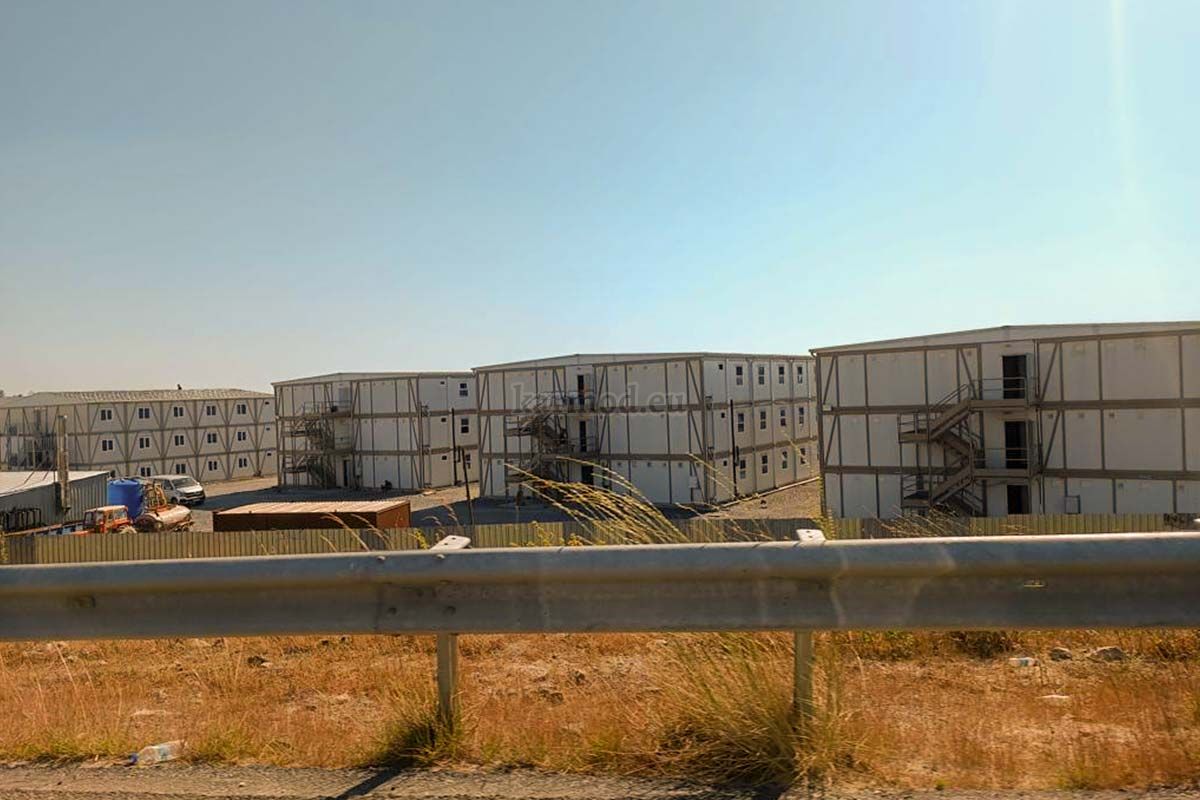
Belgium Oil and Gas Field Housing Built for Operational Continuity
What differentiates strong field housing is not the appearance of the units, but how reliably they perform under real site pressure. In Belgium, oil and gas field housing is increasingly evaluated by practical criteria: durability, ease of cleaning, stable indoor conditions, and layouts that support site rules and workforce movement without bottlenecks.
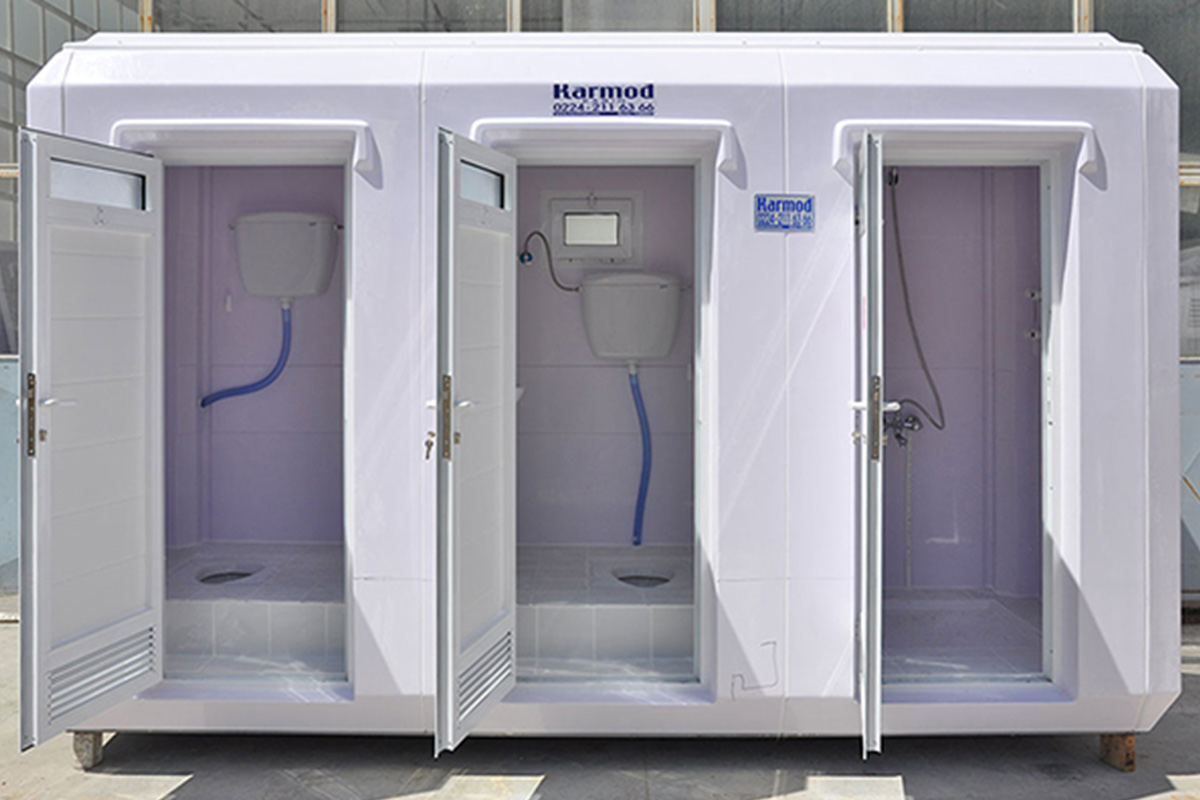
Projects that work with Karmod often do so to reduce uncertainty in schedule and quality. Their approach supports repeatable standards across sleeping areas, welfare blocks, and shared facilities, helping operators keep accommodation consistent as scope changes. The objective is a livable, resilient environment that keeps productivity stable rather than creating secondary operational issues.
From security controls to welfare planning, these camps are designed to support the workforce and the operation together. When accommodation is planned correctly, it becomes a dependable part of the site—quietly doing its job every day.
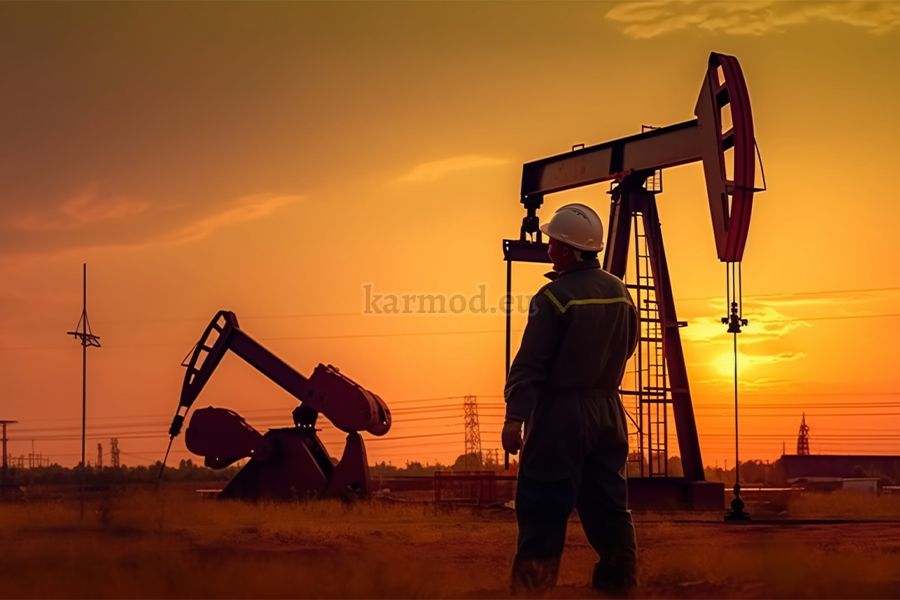
Structures of Quality: Belgium’s Oil and Gas Camp Construction Buildings
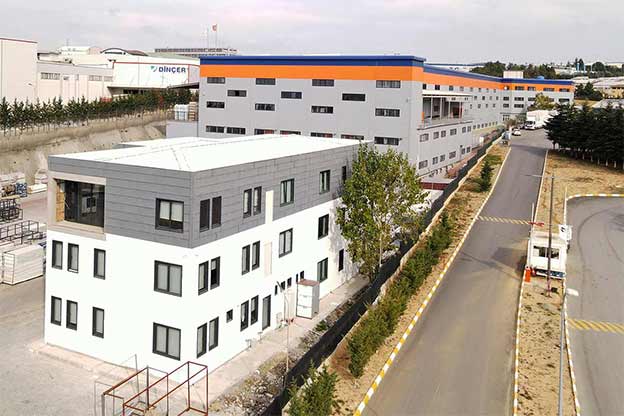
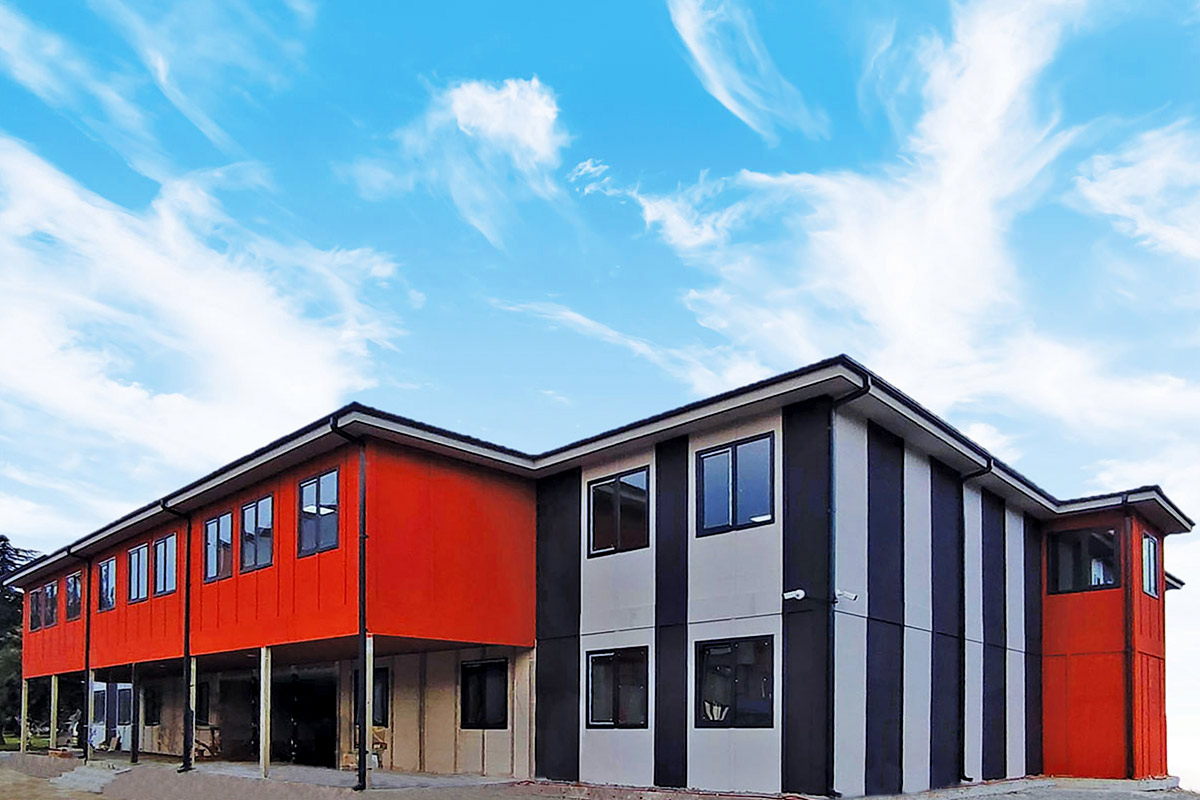
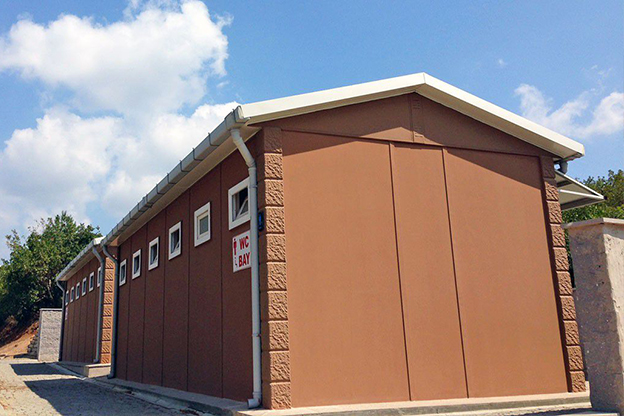
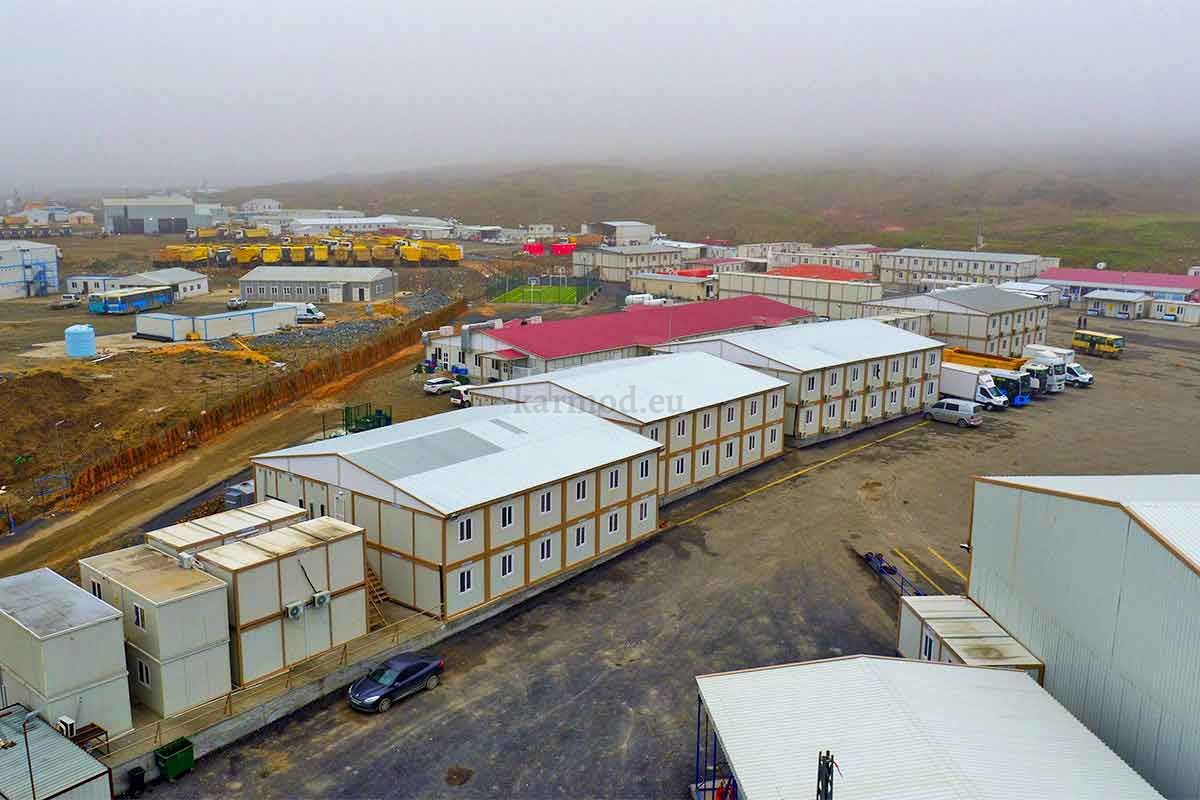
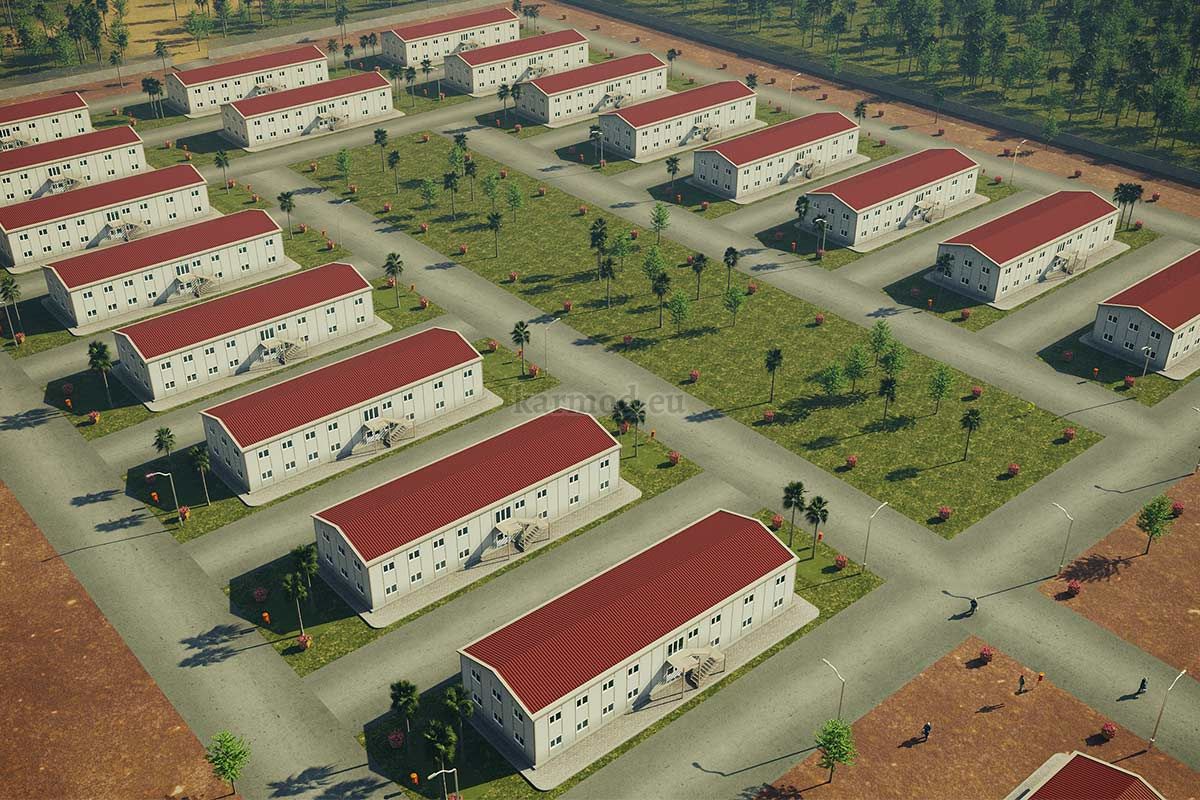
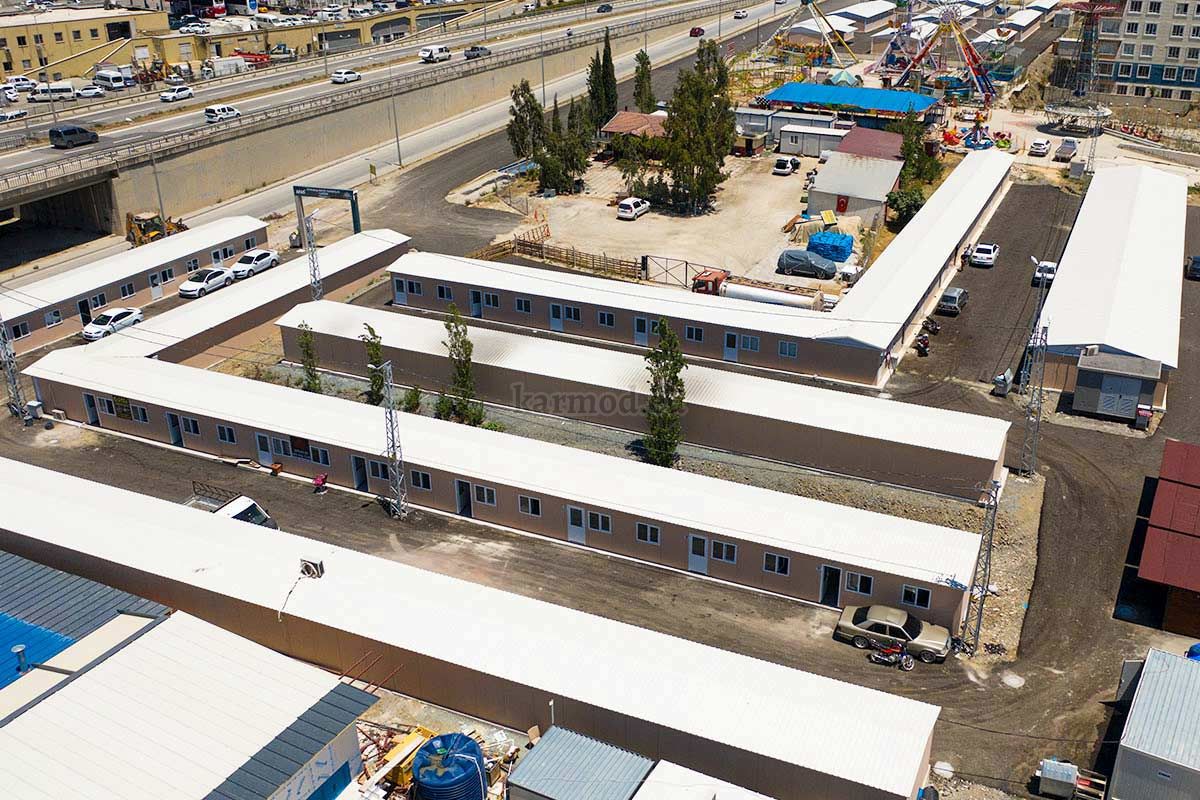
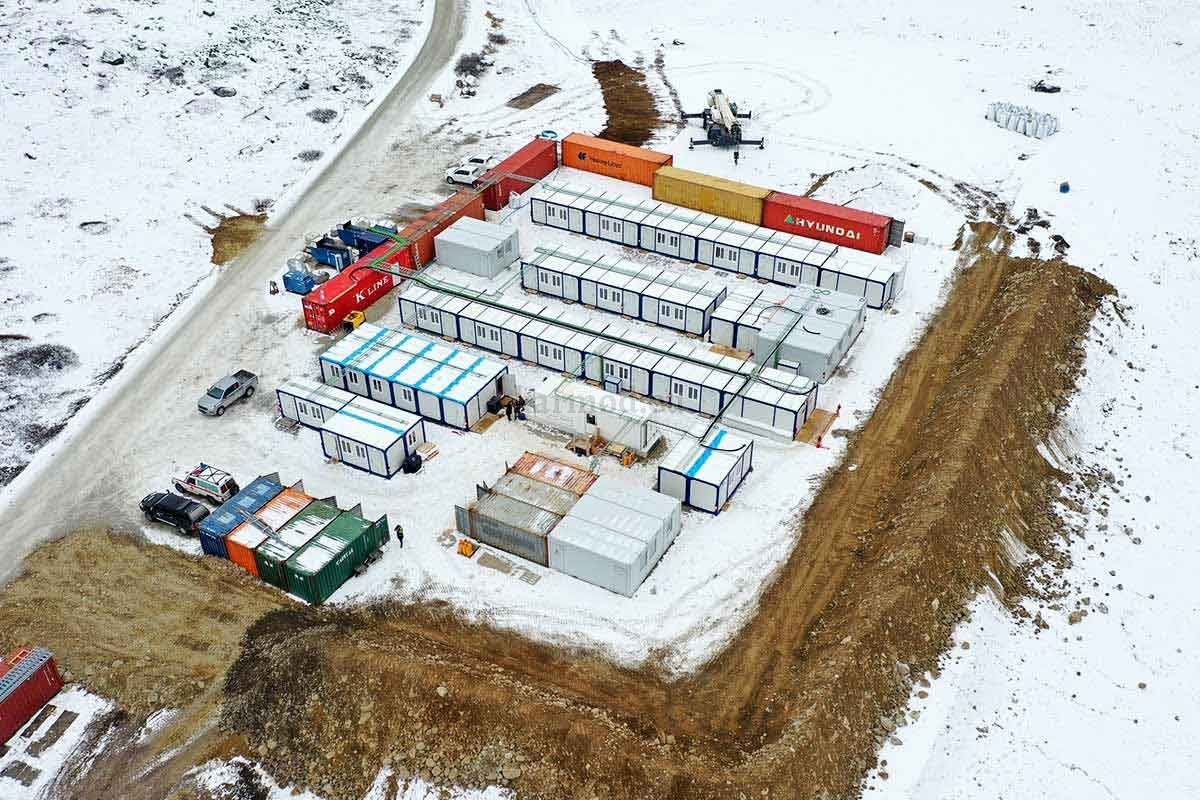
Belgium’s oil and gas projects require more than rapid deployment; they require structures that remain dependable throughout active operations. Camp construction buildings are expected to handle heavy daily use while staying compliant with site expectations for safety, hygiene, and controlled access. The result is accommodation and support buildings that are planned as part of the project’s infrastructure.
- Practical, maintenance-friendly design: These buildings are configured for day-to-day usability, with logical circulation, appropriately sized shared spaces, and details that support routine cleaning and facility management. Natural light, sensible placement of openings, and privacy measures such as sound reduction contribute to better rest and fewer disruptions.
- Durable construction for intensive use: Camp buildings must perform through continuous occupancy, frequent turnover, and site logistics constraints. Solid materials and proven build methods help maintain stability and comfort while reducing repair cycles and operational interruptions.
- Efficiency built into the system: Camp infrastructure increasingly emphasizes efficient utilities planning and responsible resource use. Energy-saving systems, well-organized waste handling, and thoughtful site services support both operating discipline and long-term cost control.
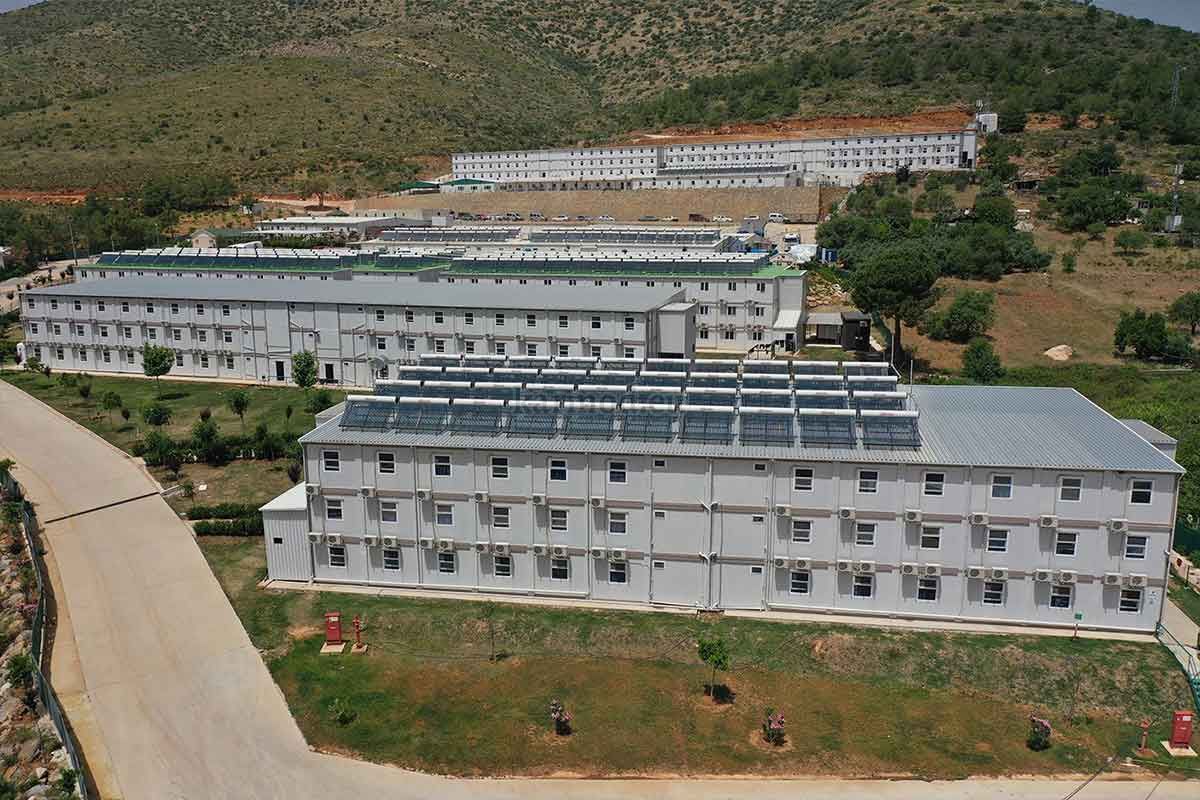
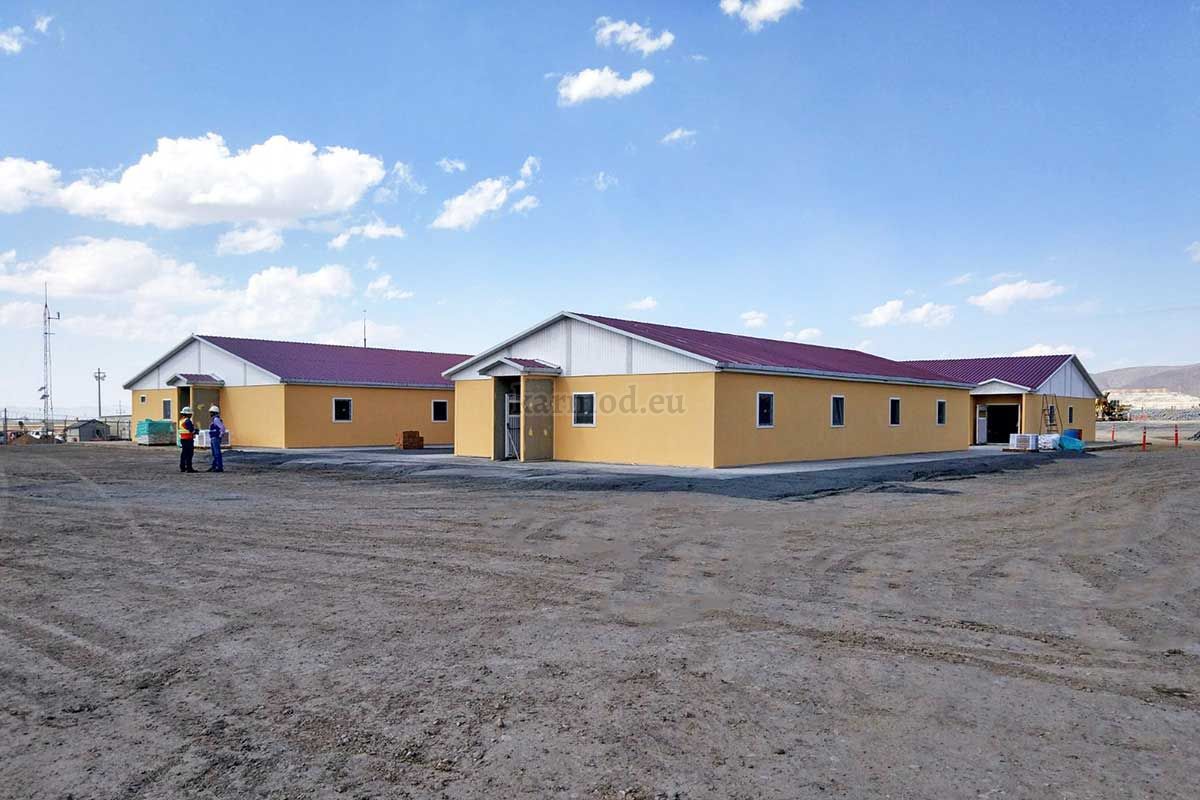
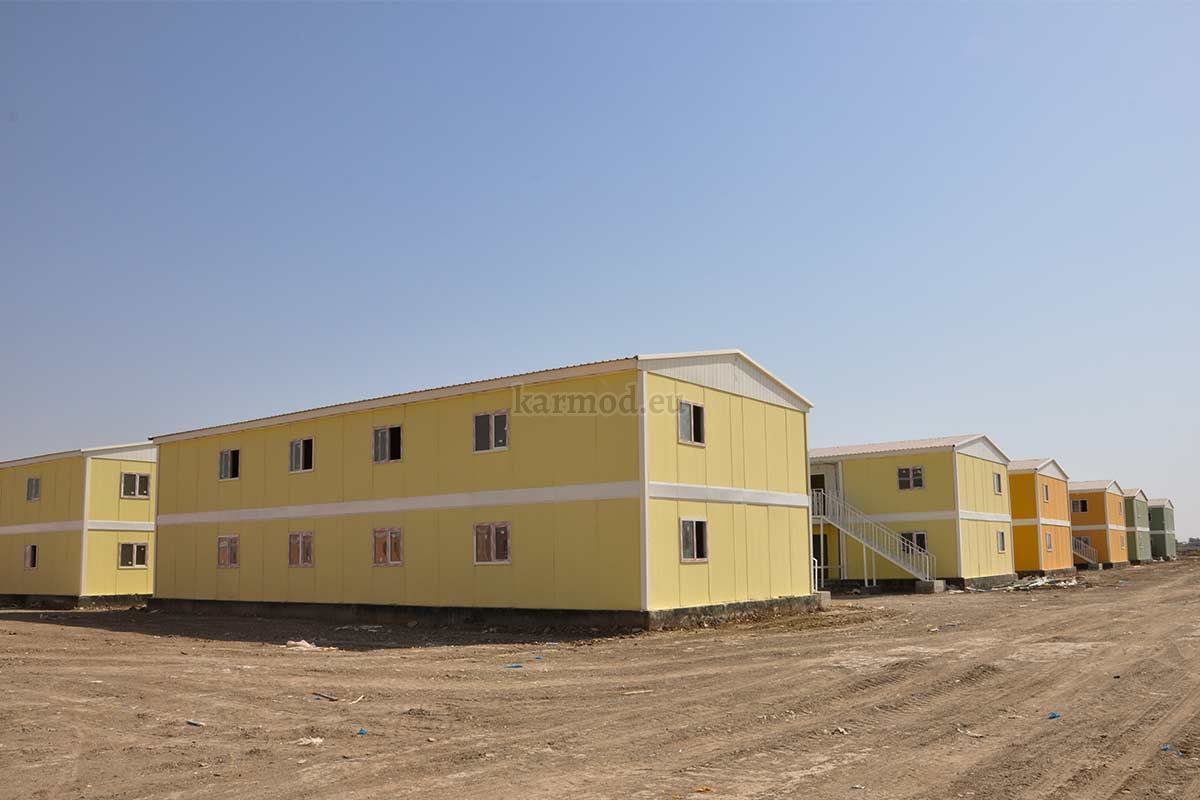
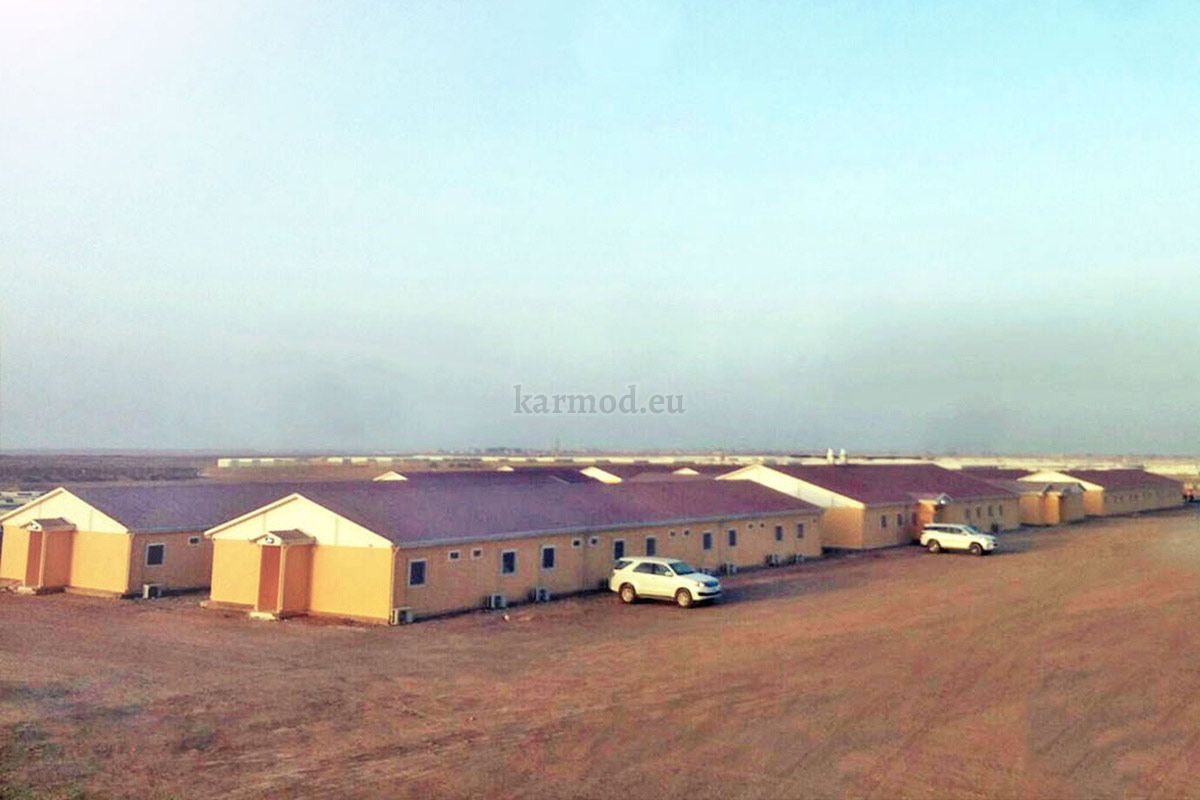
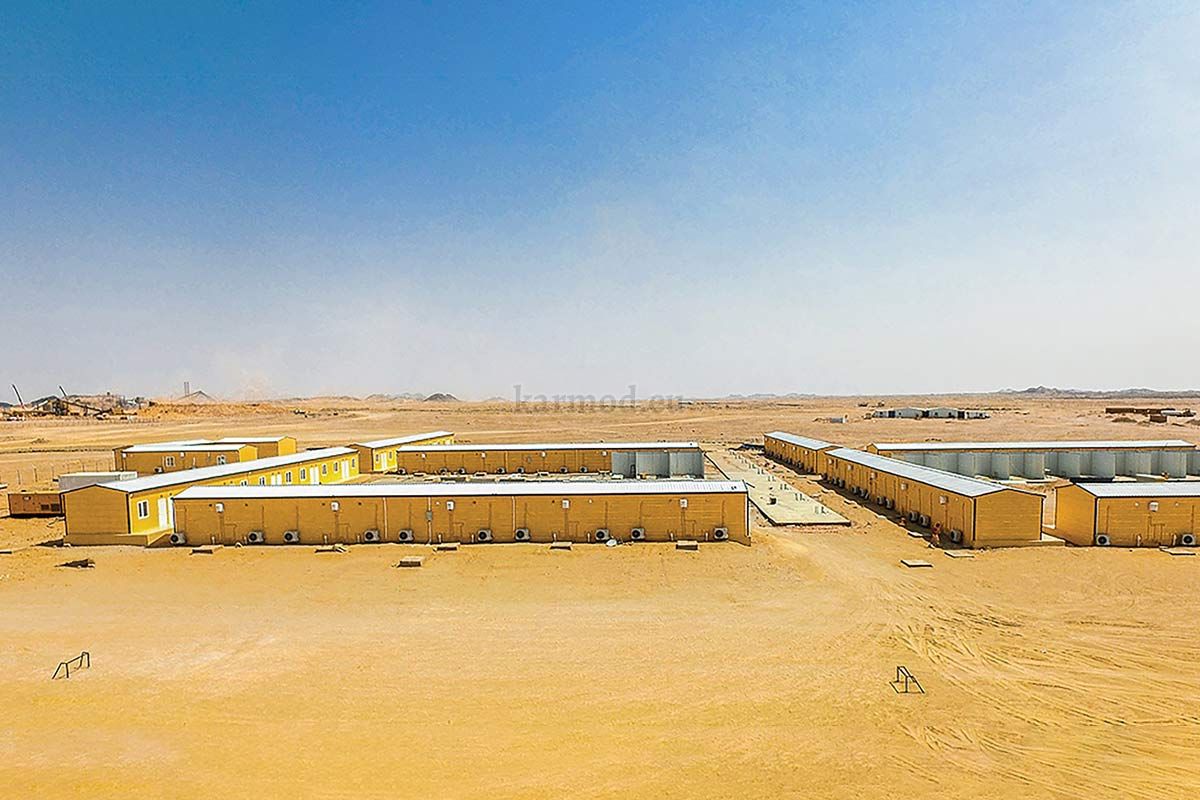
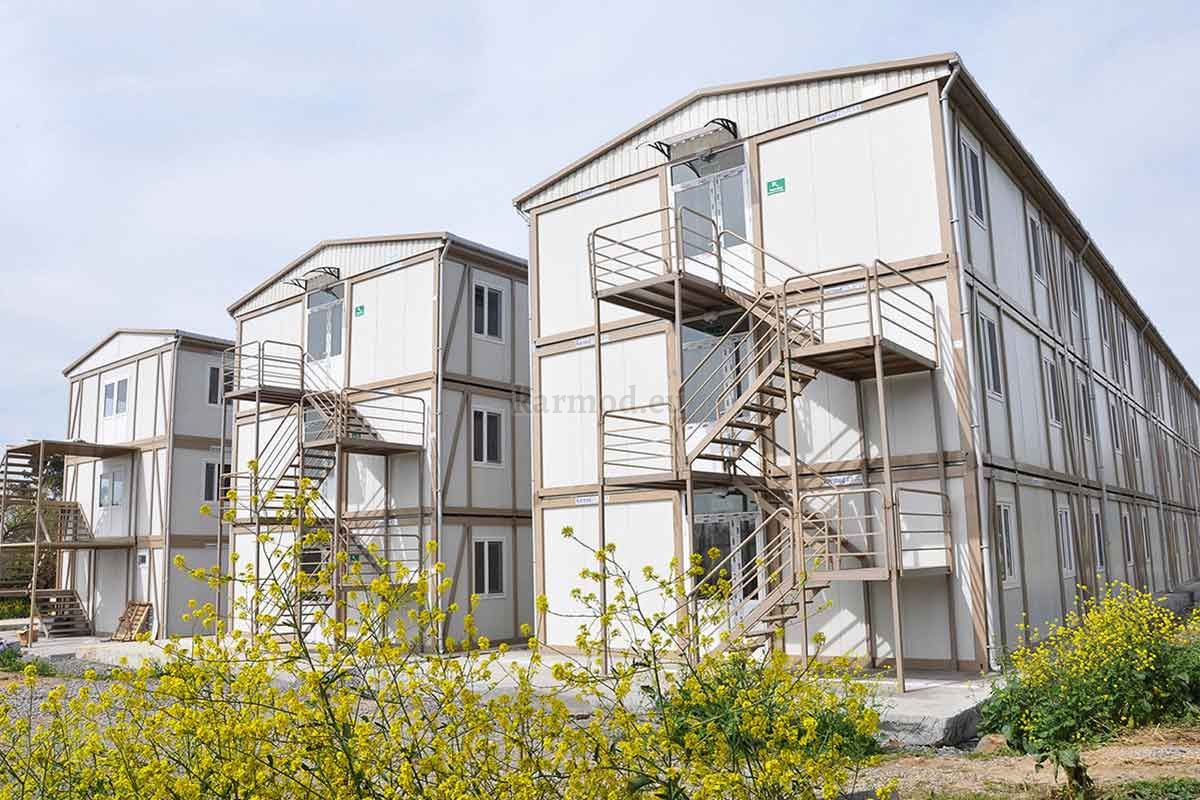
Karmod for Oil and Gas Field Accommodation in Belgium
In Belgium, oil and gas accommodation is typically selected based on reliability, predictable delivery, and the ability to meet the practical requirements of remote and industrial sites. Karmod is often referenced in this space for modular camp solutions that balance speed of deployment with consistent build standards and site-ready planning.
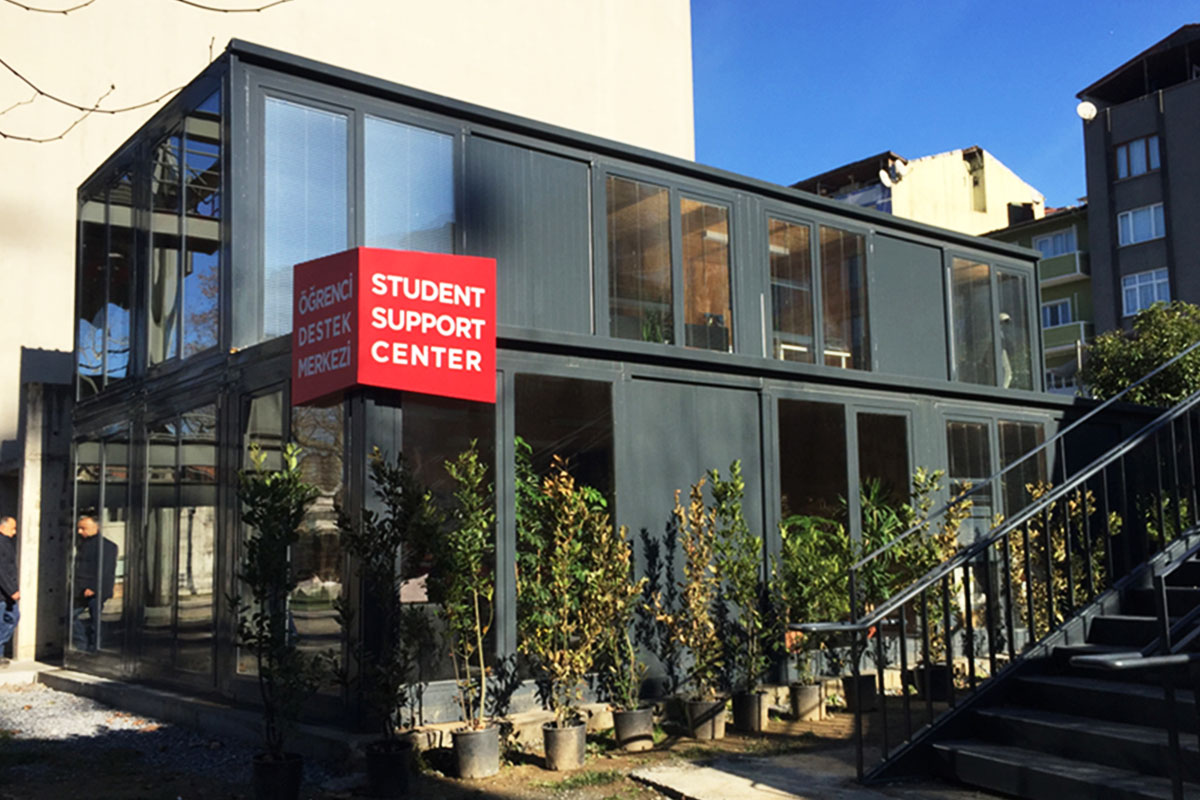
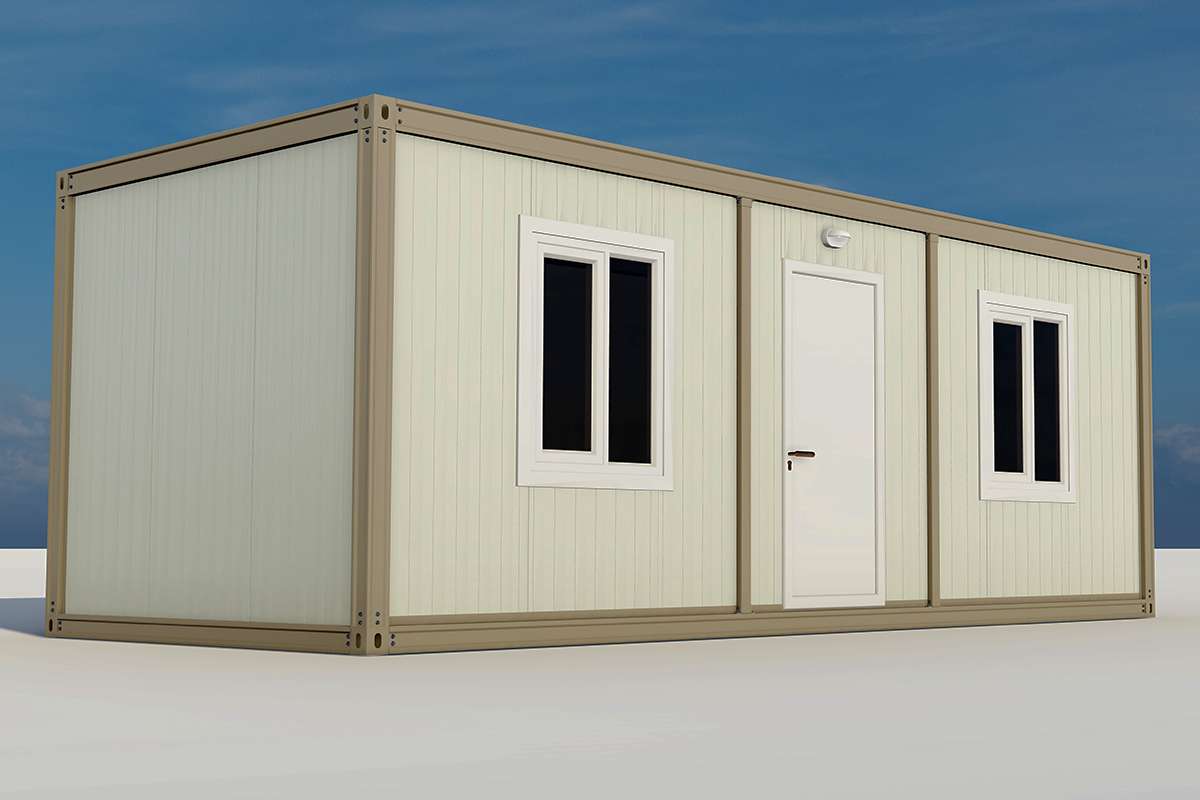
- Project-specific planning: Field accommodation needs vary by headcount, rotation model, and the types of support facilities required. Karmod solutions can be configured to match these operational needs, from sleeping and welfare units to dining, offices, and support blocks.
- Consistent standards across deployment: Oil and gas operations benefit from repeatability. Karmod’s approach supports uniform specifications and performance expectations across multiple buildings and phases, helping reduce variance as projects scale.
- Support through installation and lifecycle use: Delivery is only part of the requirement. Ongoing service, maintenance coordination, and practical client support help keep camps functioning as intended, especially in high-occupancy settings where uptime matters.
Overall, Belgium’s approach to oil and gas camp accommodation is shaped by operational discipline and workforce welfare. When camps are planned as working infrastructure—safe, maintainable, and adaptable—they contribute directly to stable site performance and better outcomes for both operators and crews.