




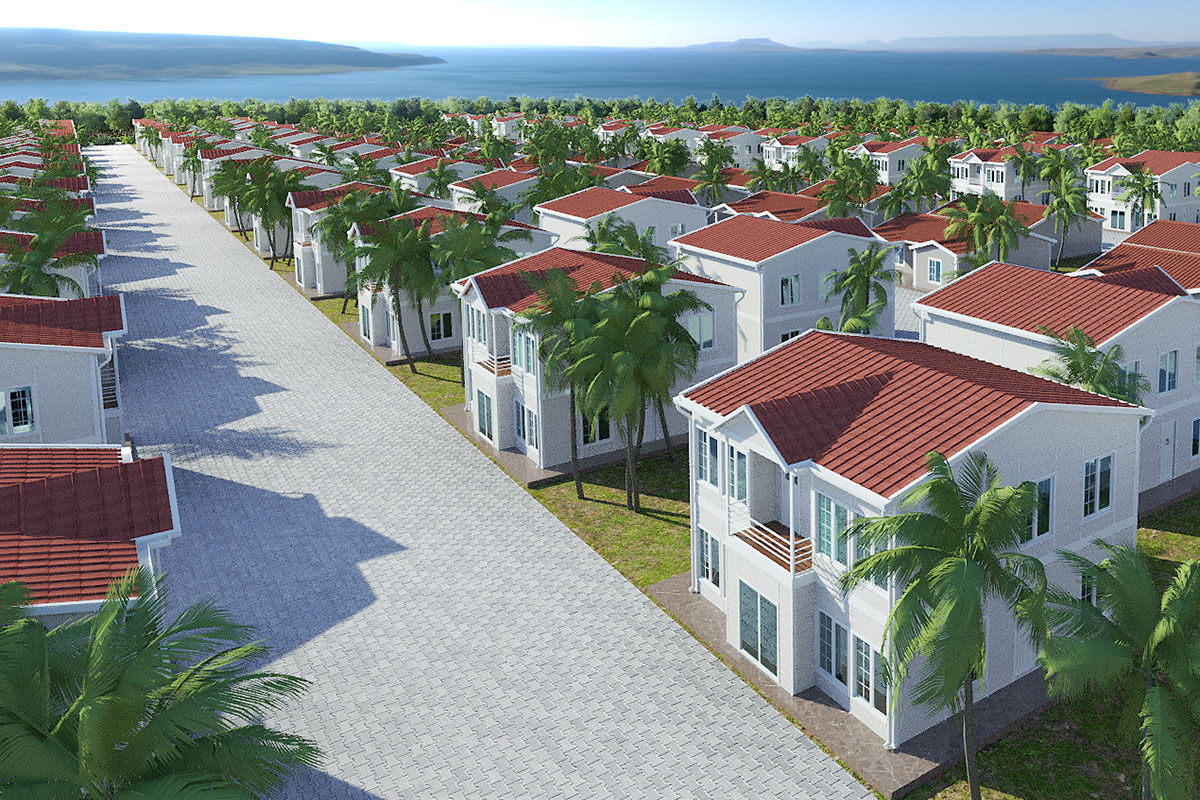
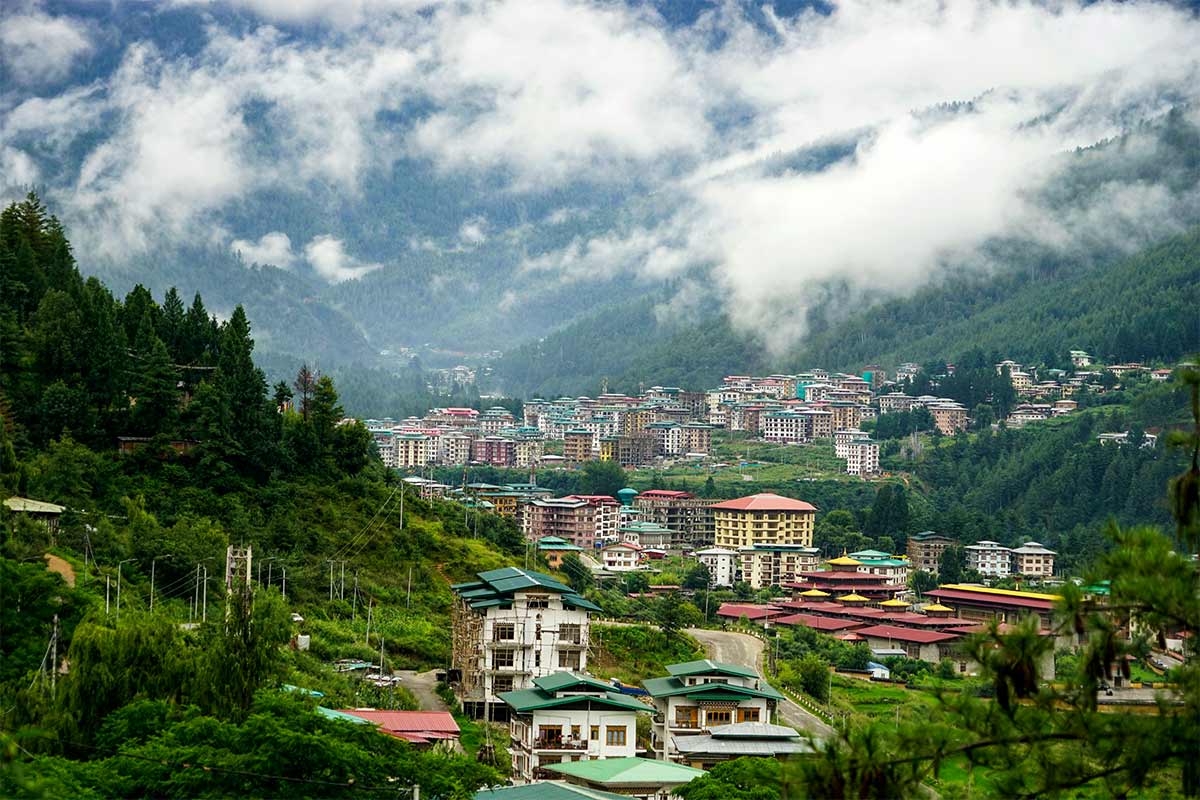
In oil and gas exploration, camp infrastructure is part of operational performance. Accommodation affects fatigue management, HSE routines, and how reliably teams can work through shift rotations. Bhutan is not typically associated with large-scale hydrocarbon activity, but any fieldwork that brings specialist crews into remote terrain still faces the same questions: where people sleep, how they recover, and how services are kept running day after day.
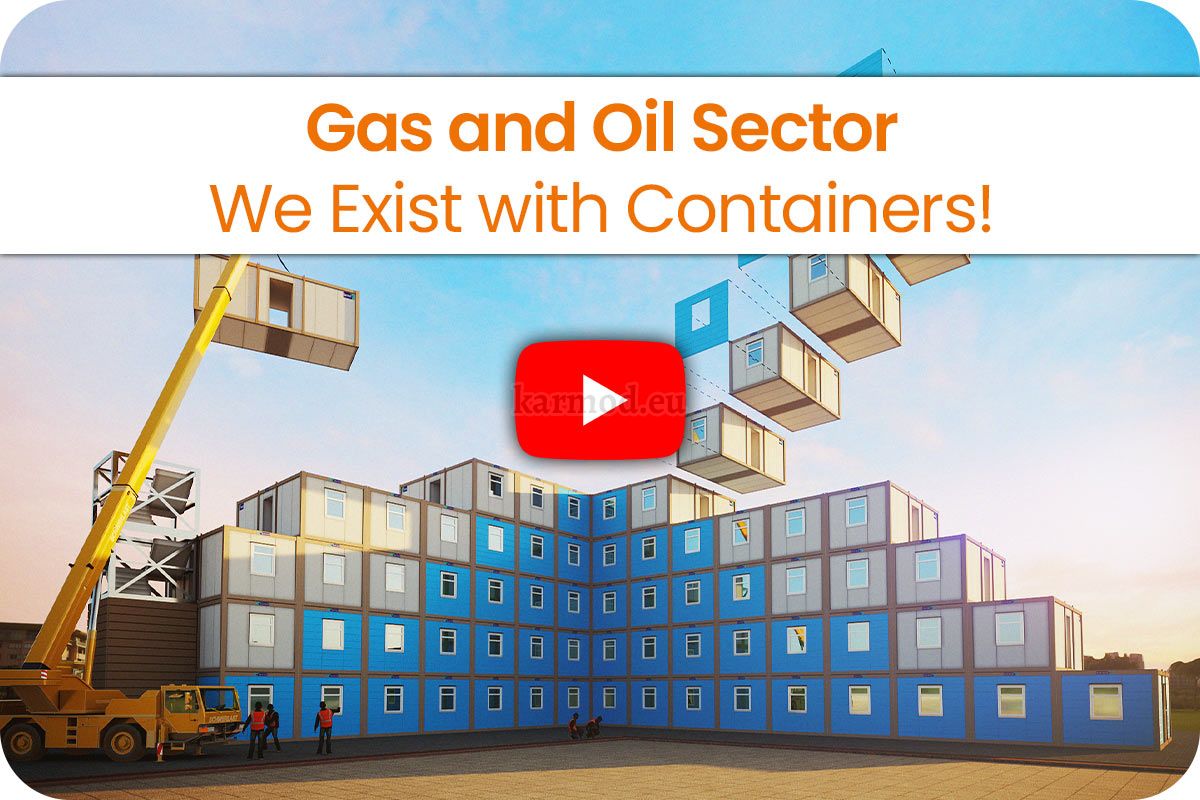
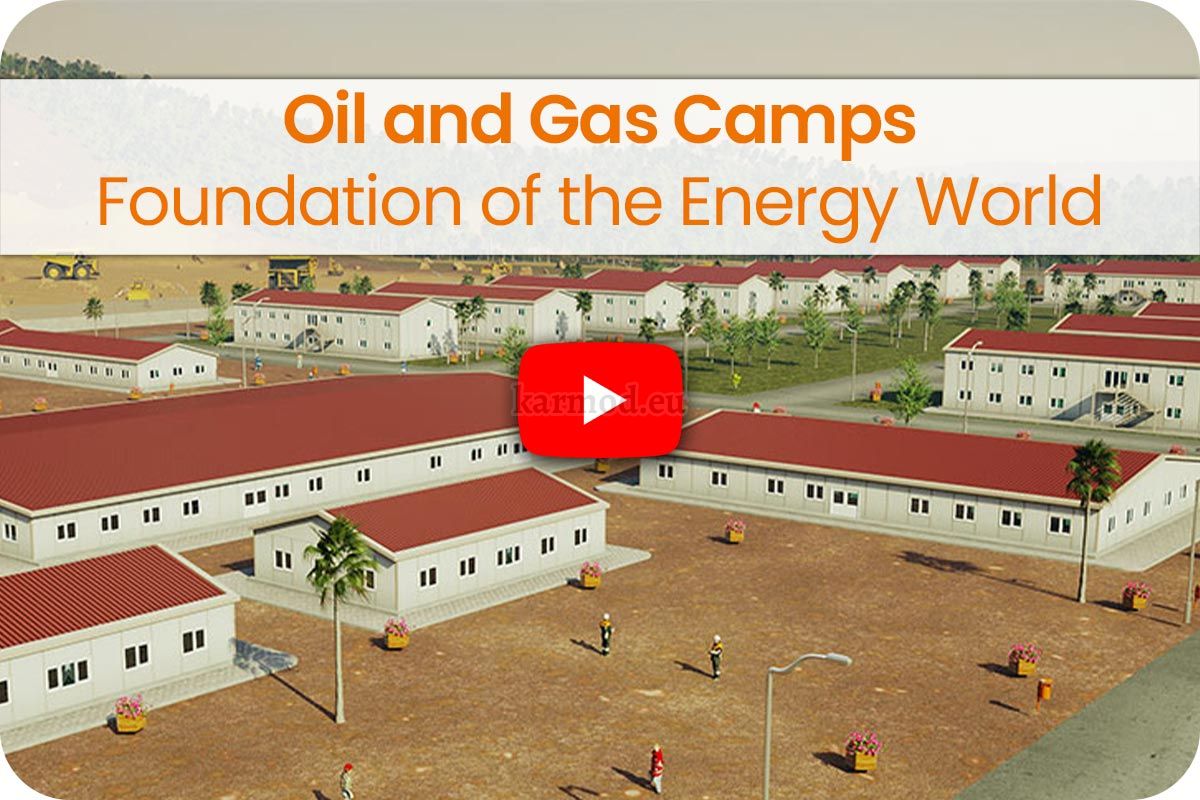
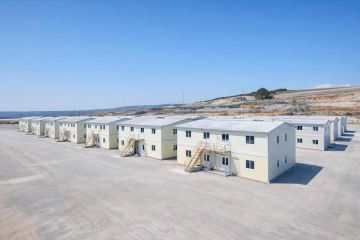
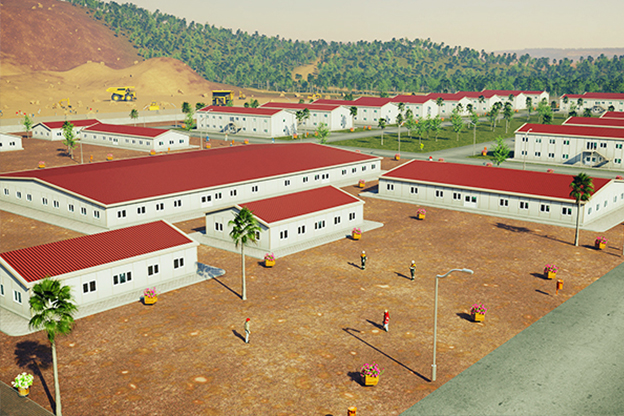
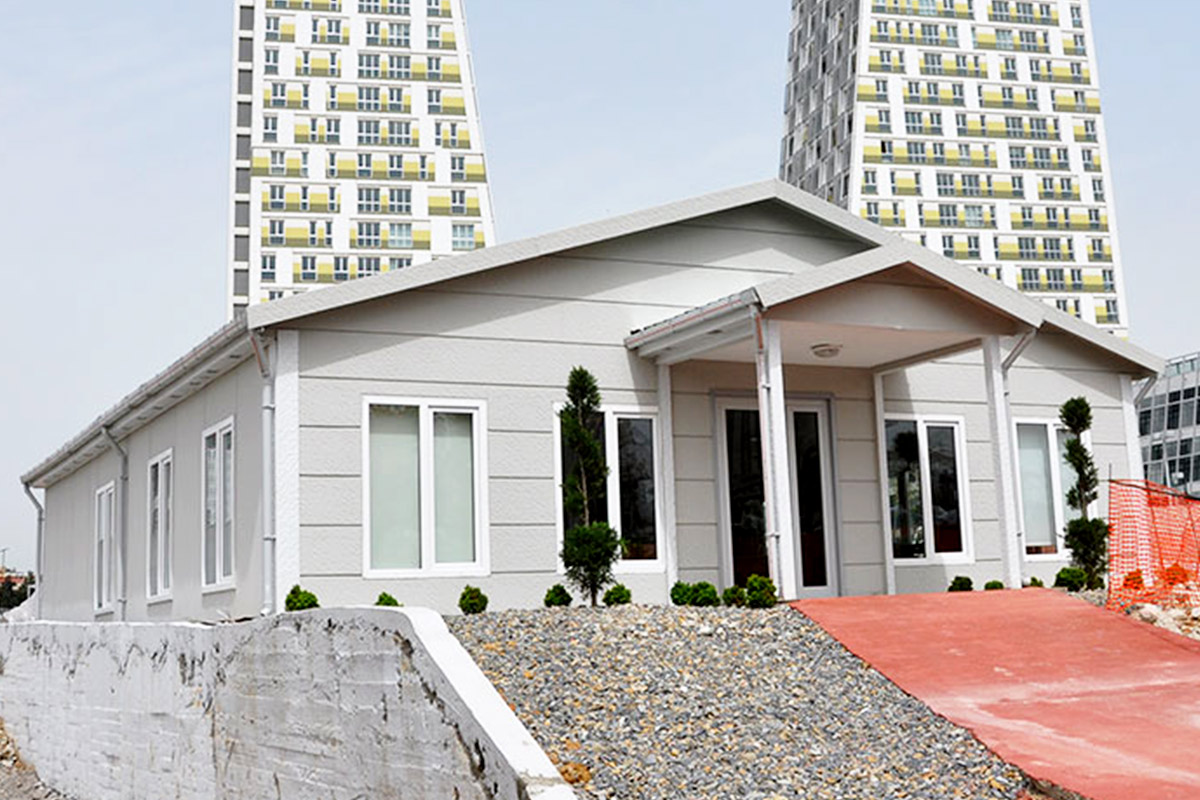
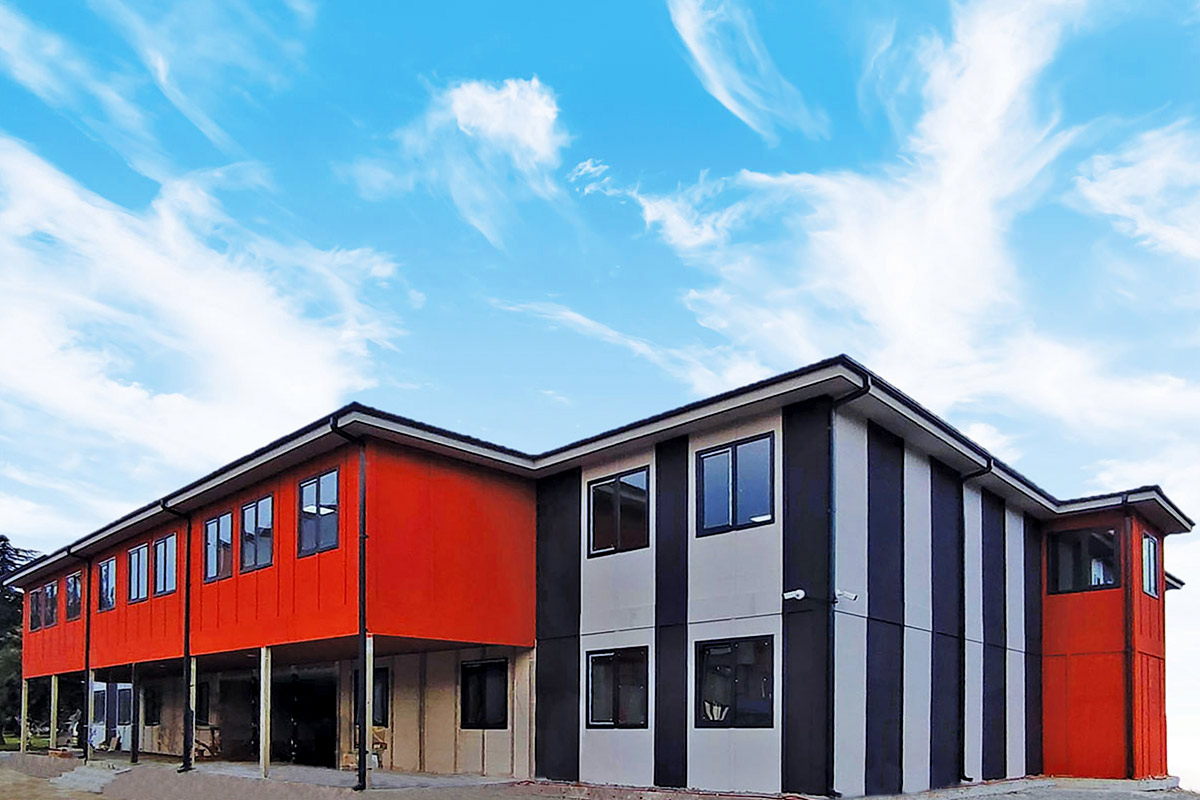
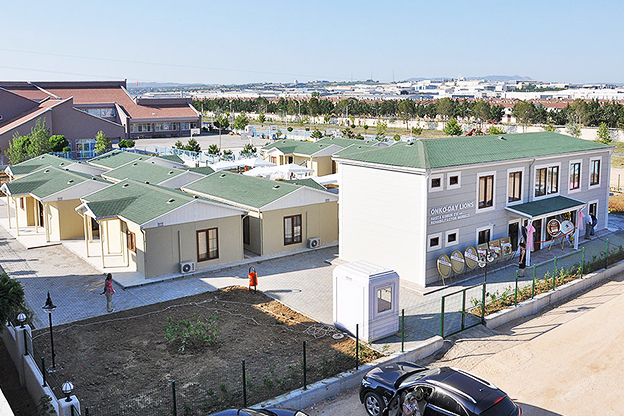
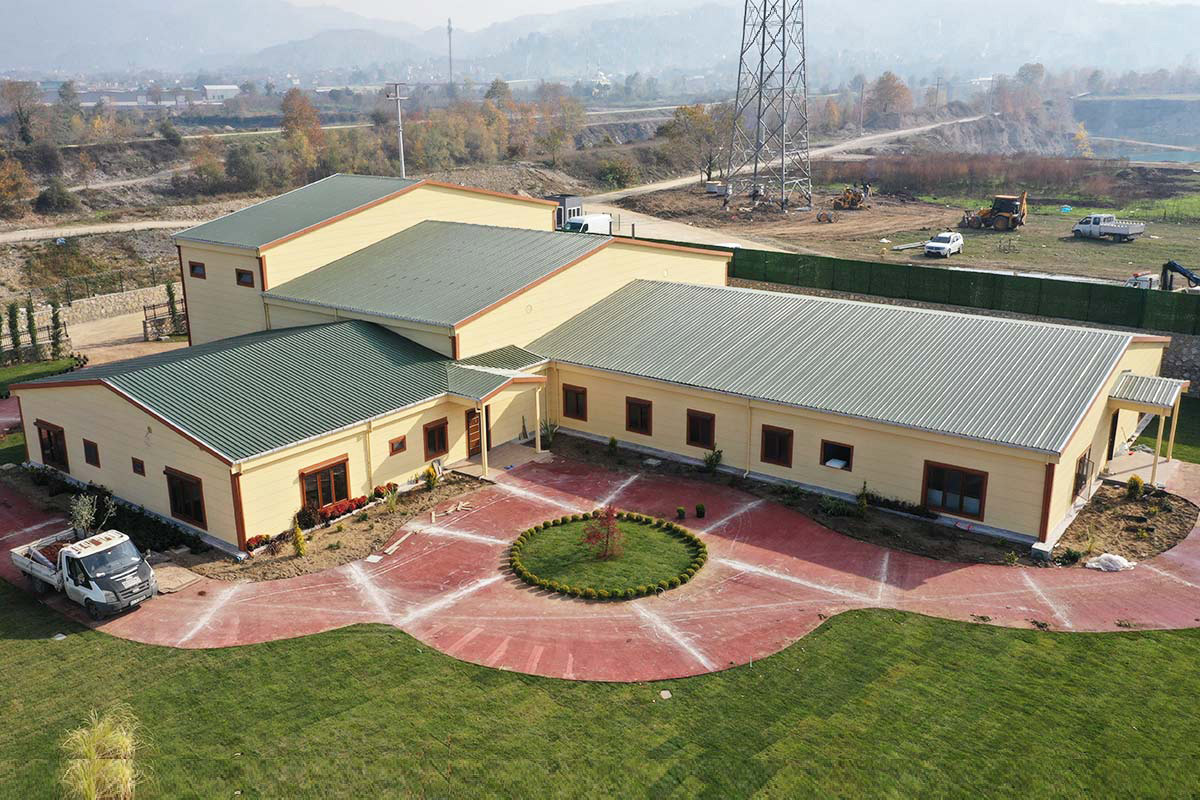
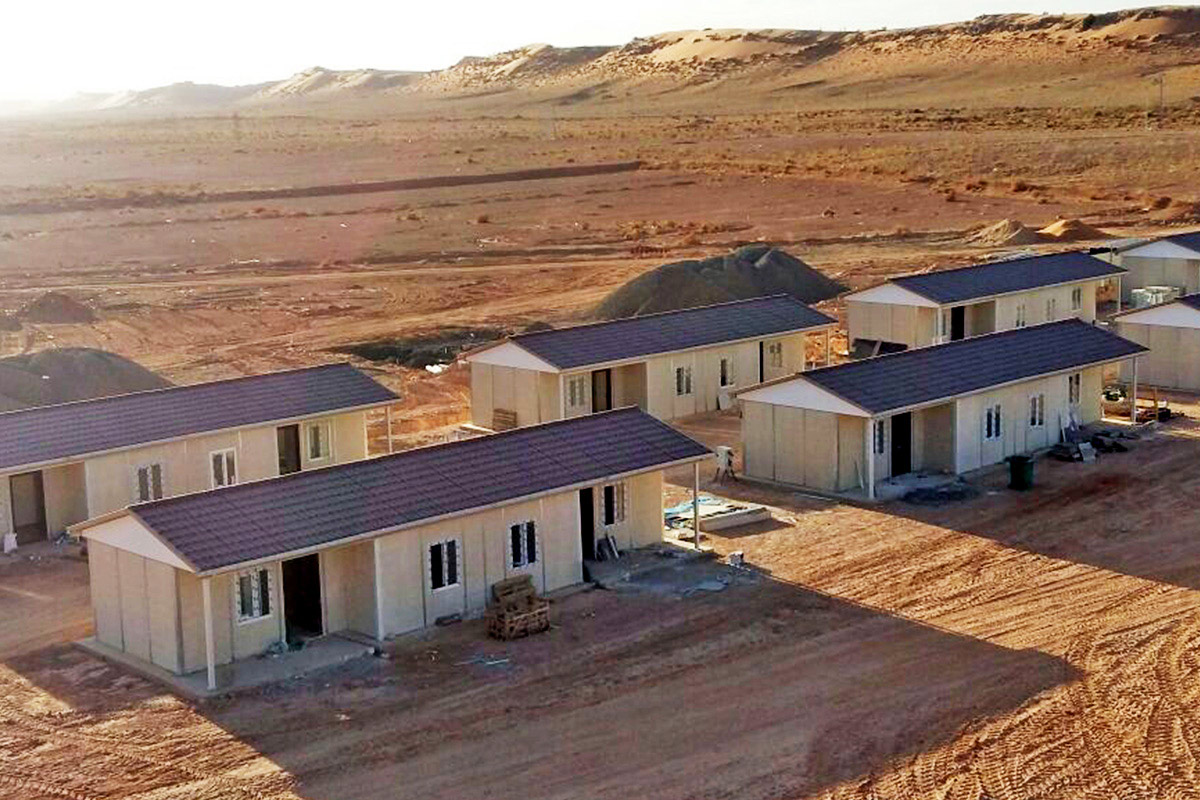
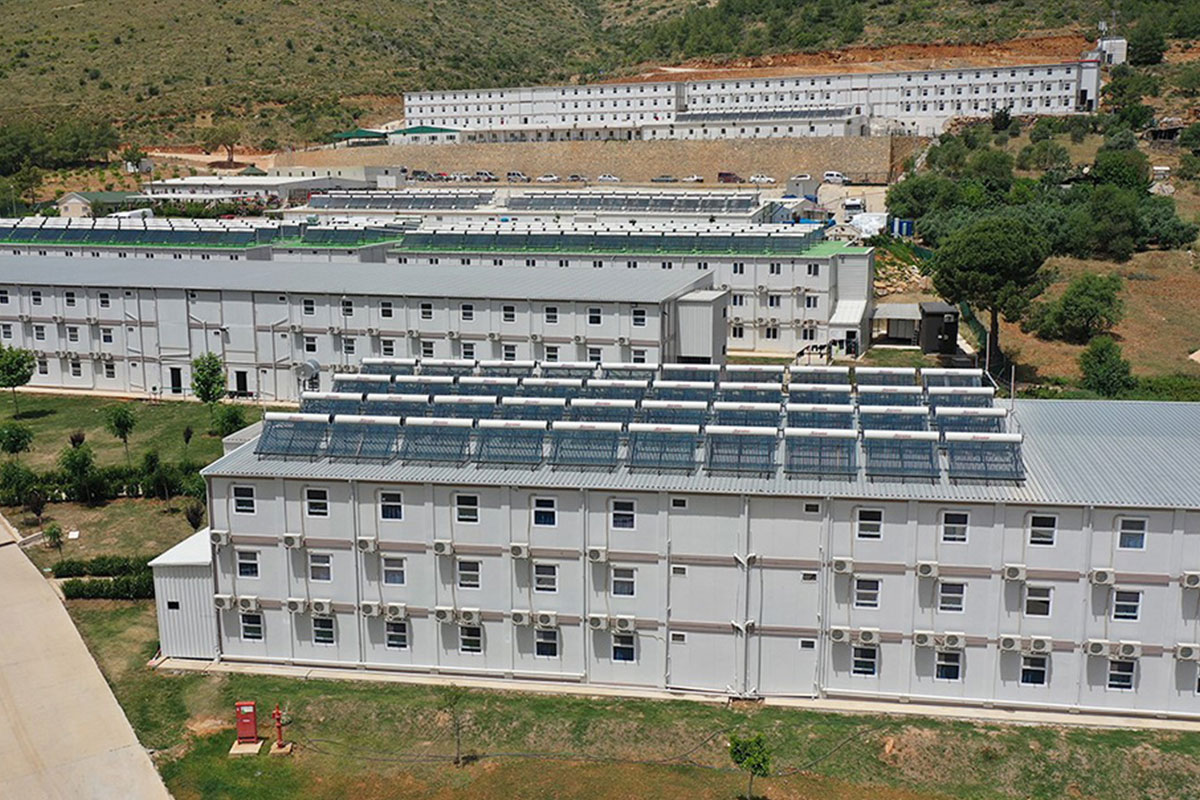
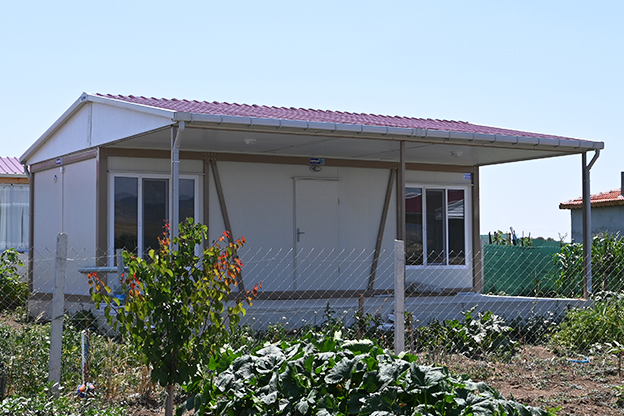
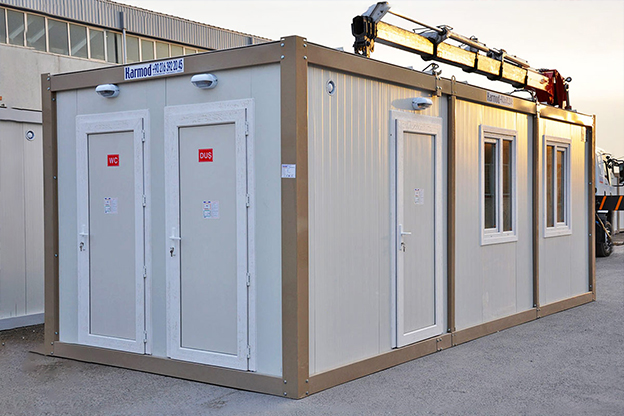
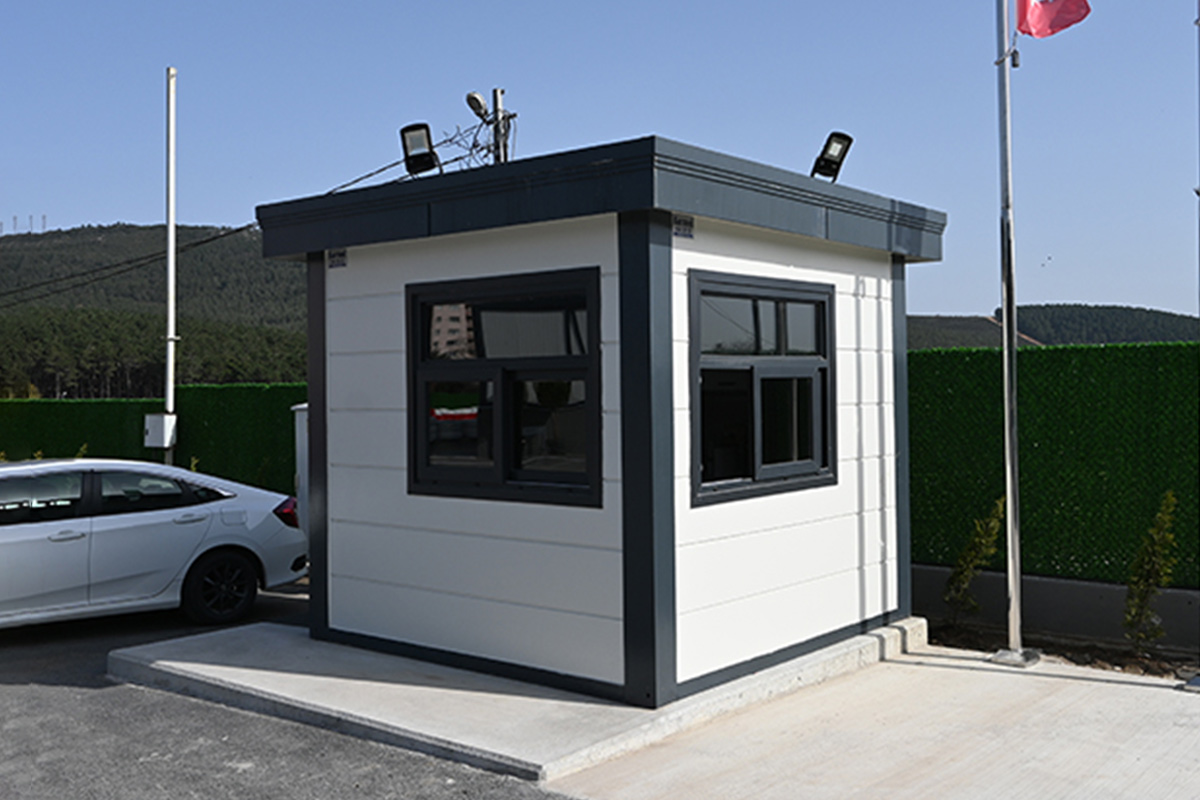
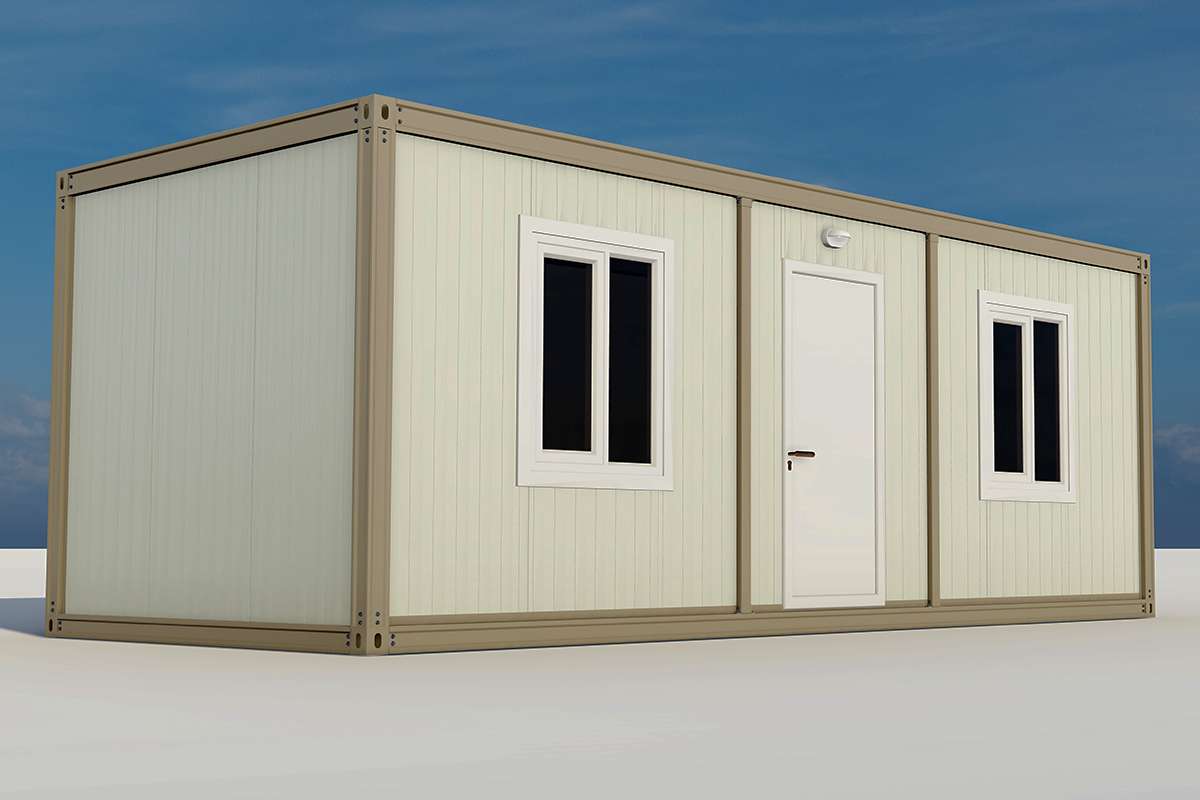
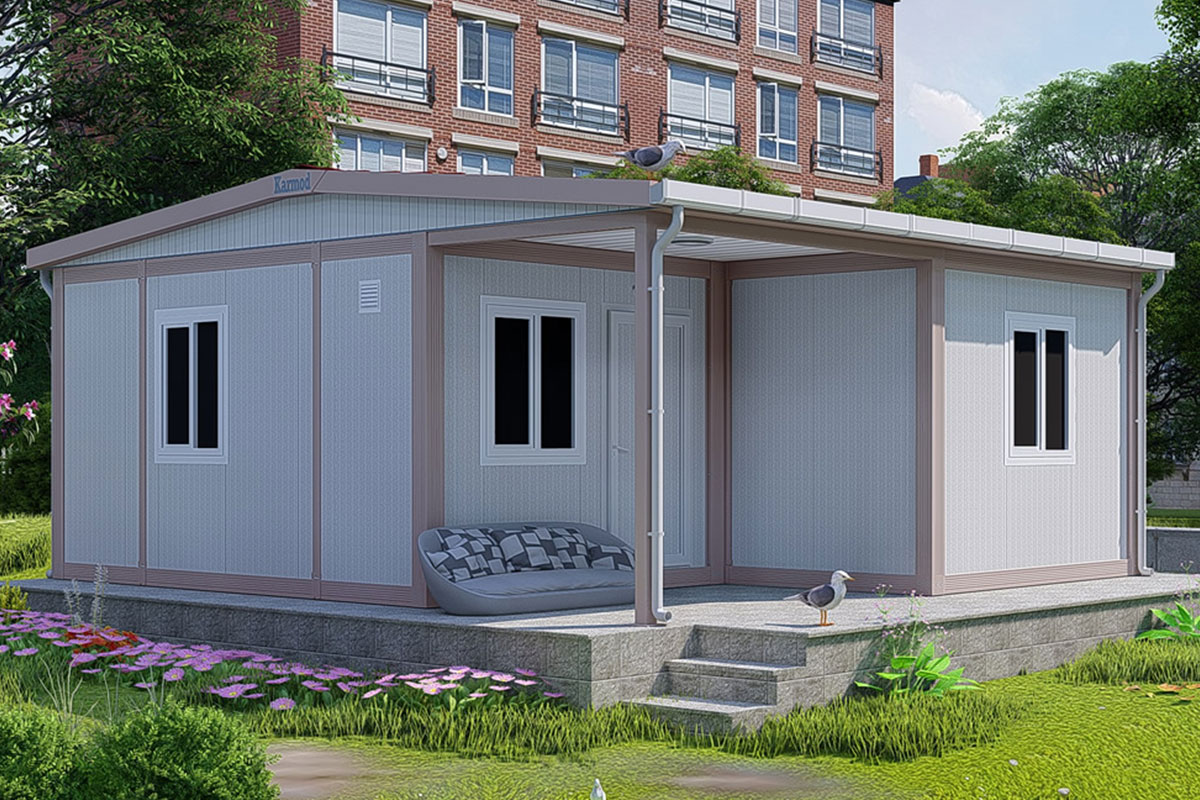
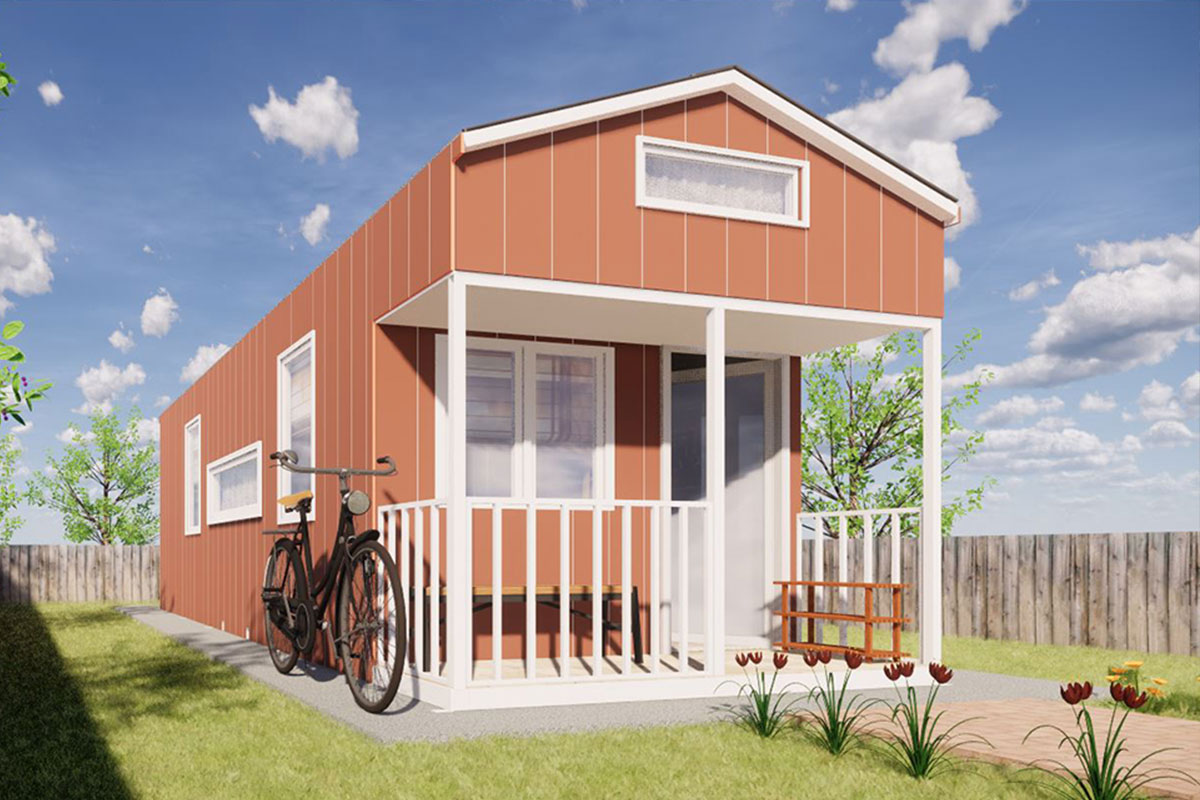
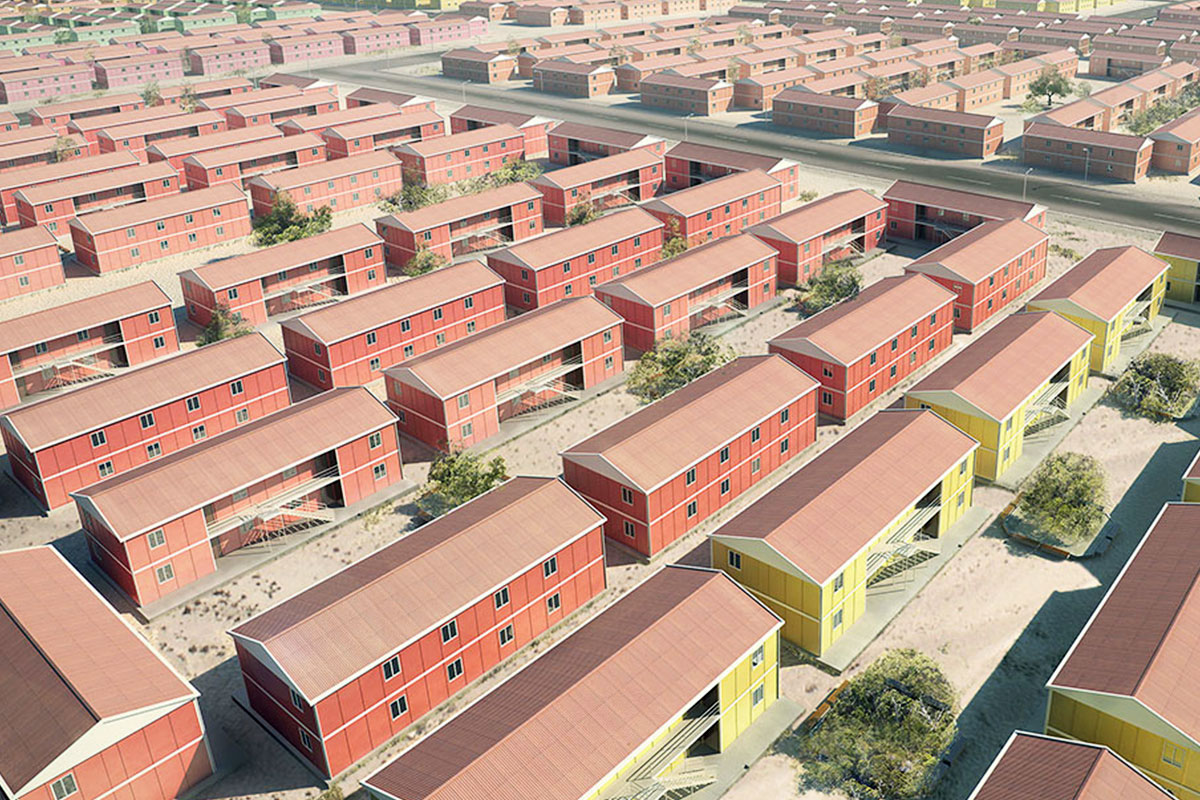
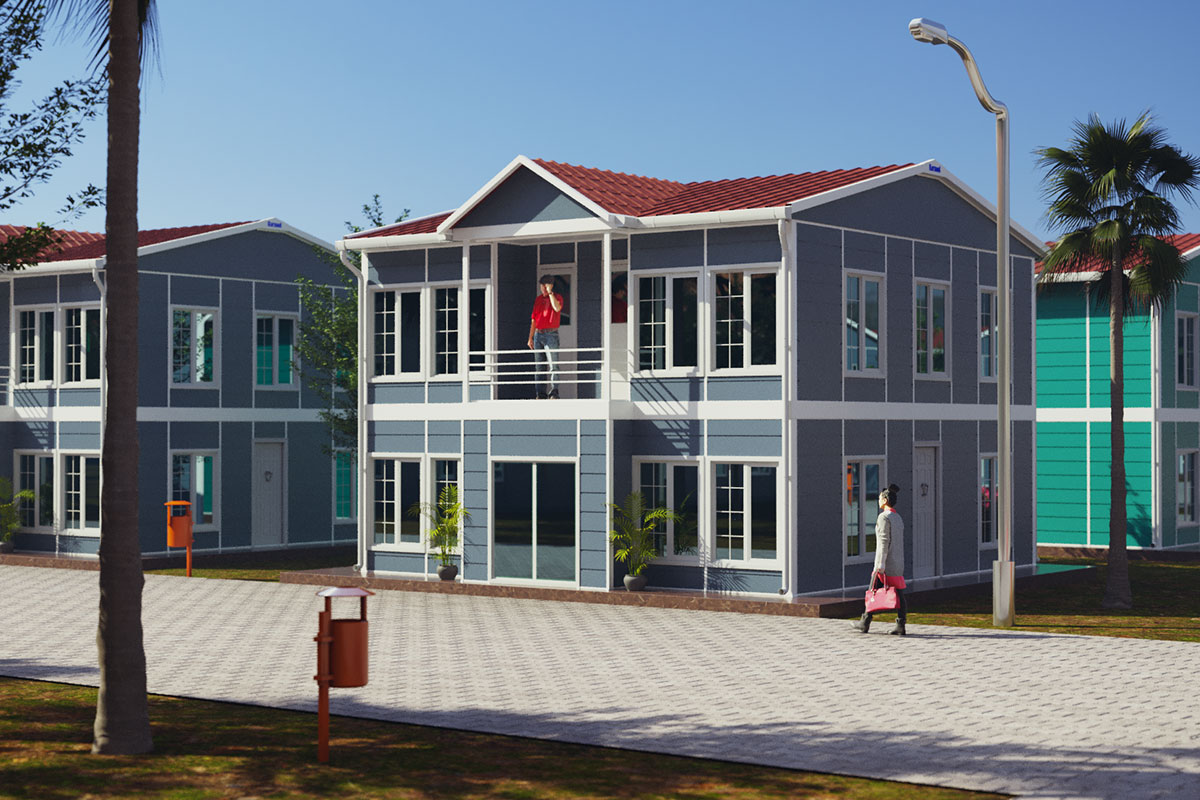
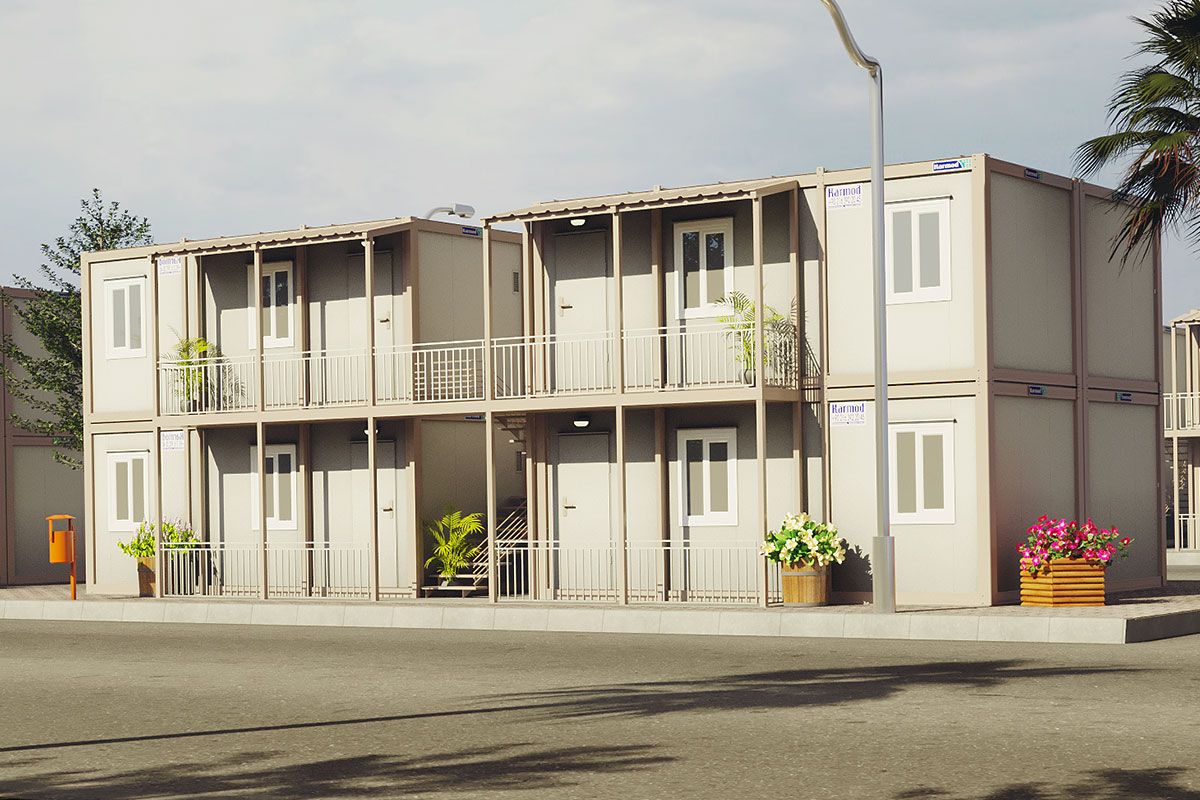
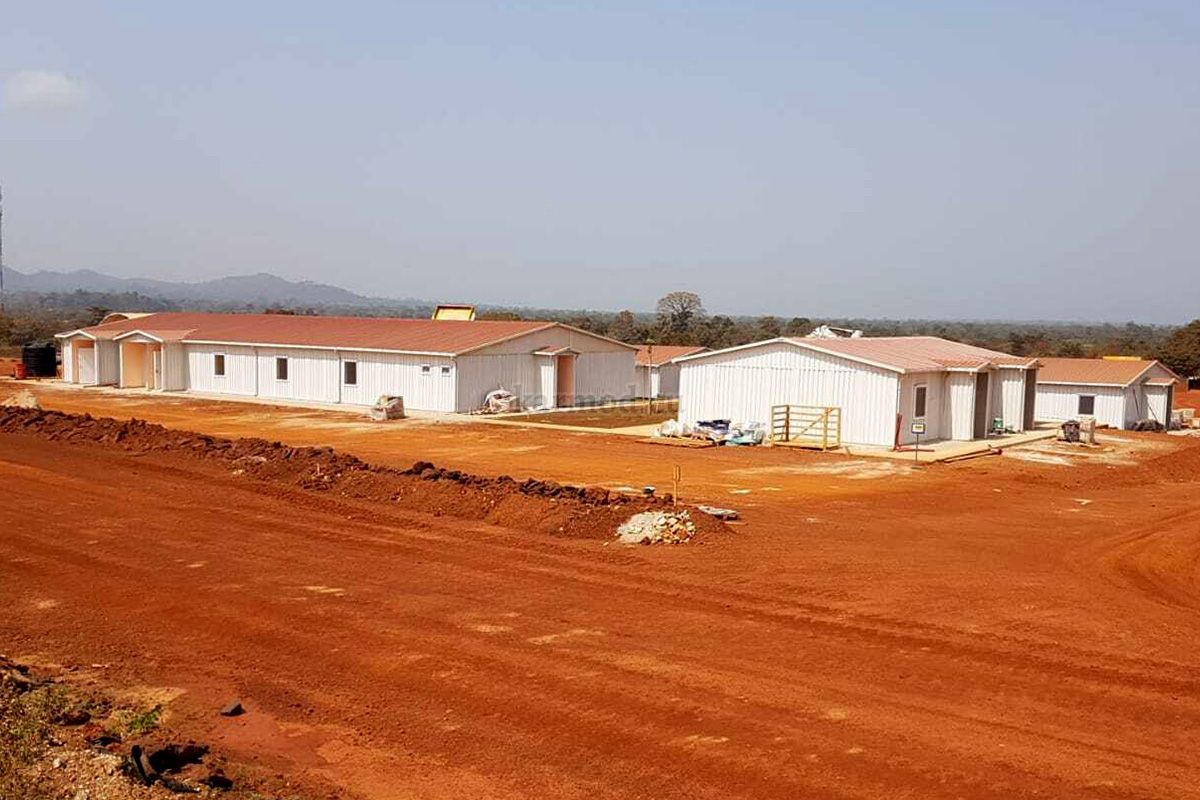
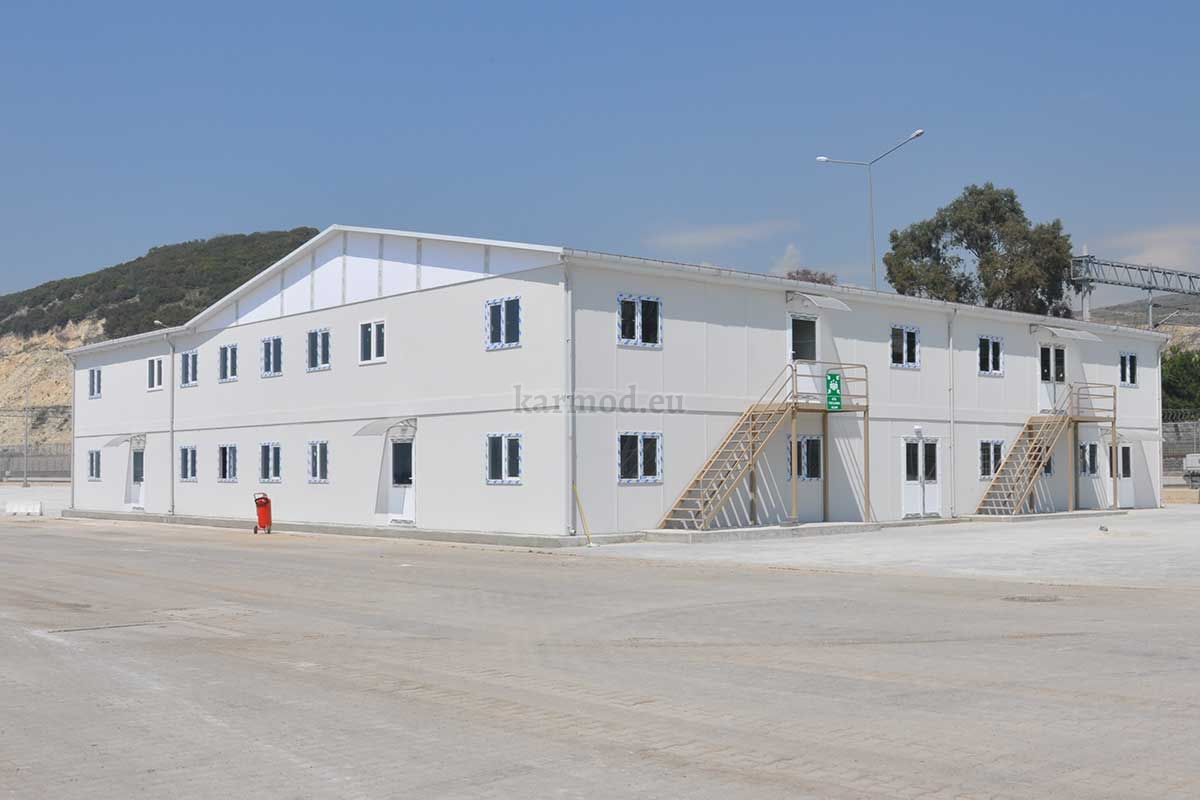
Beyond basic shelter: Step into an Oil and Gas Camp environment and the expectation is clear—safe, serviceable living space that supports long rotations. With Modular Camp structures, accommodation can be delivered in a controlled, repeatable way, which is especially useful where access roads, weather windows, and site constraints influence construction schedules.
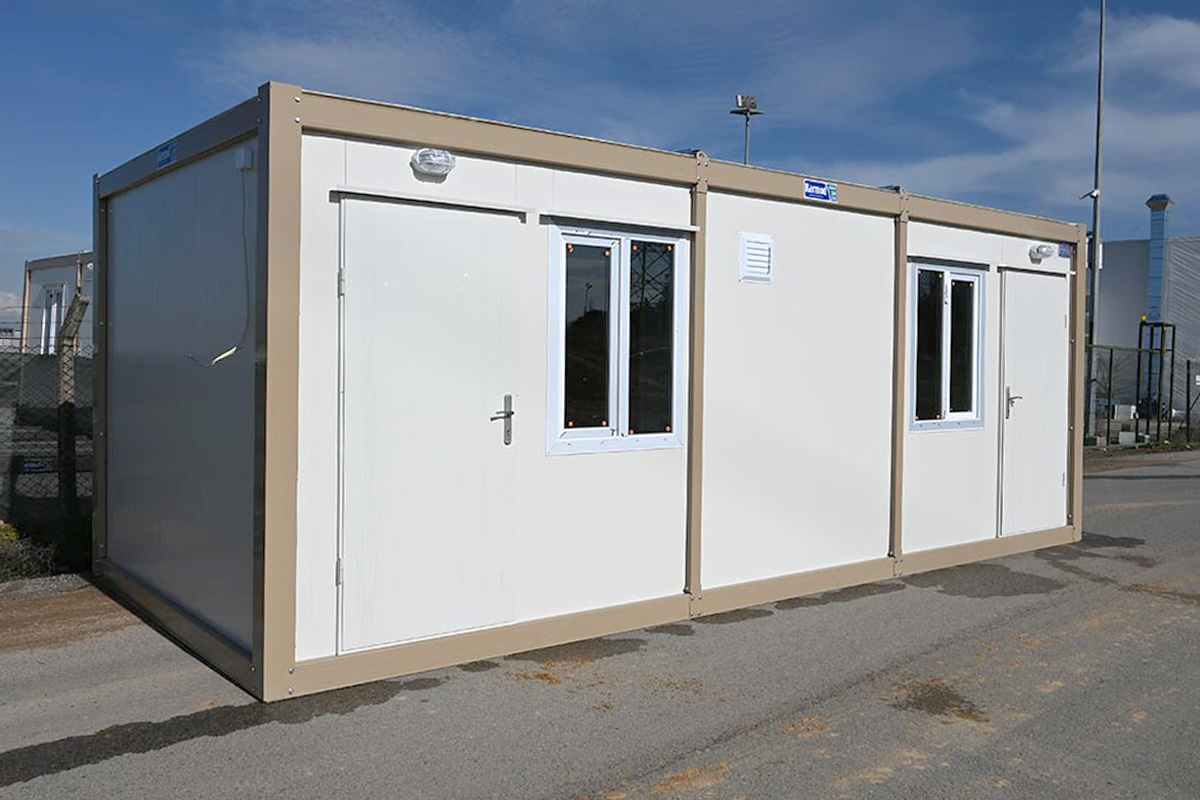
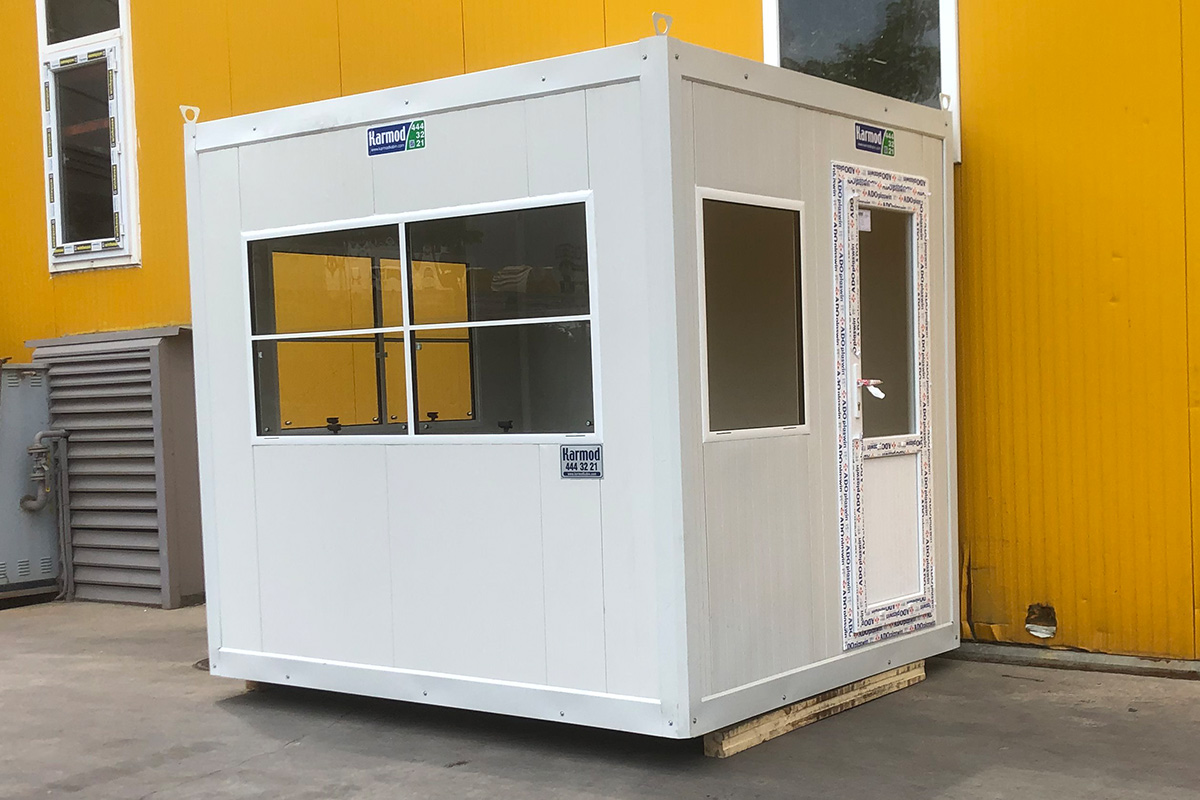
- Karmod's role in modular delivery: Karmod is referenced in this camp approach through standardized production and site-ready installation methods. The practical advantage is predictable build quality and the ability to phase a camp as workforce numbers change, which helps project teams manage time, logistics, and maintenance more effectively.
- Respecting local context without complicating operations: In Bhutan, integrating a sense of place can matter for workforce comfort and community acceptance, but the camp must remain operationally simple. The strongest solutions keep layouts functional—clear circulation, workable shared areas, and durable finishes—while allowing for culturally appropriate touches where needed.
- Safety and responsible site planning: Camps are judged by how well they support HSE routines: controlled access, clear muster points, reliable fire protection measures, and services that can be monitored and maintained on site. In a country known for environmental stewardship, responsible choices in materials and utilities management also help reduce site impact without creating operational risk.
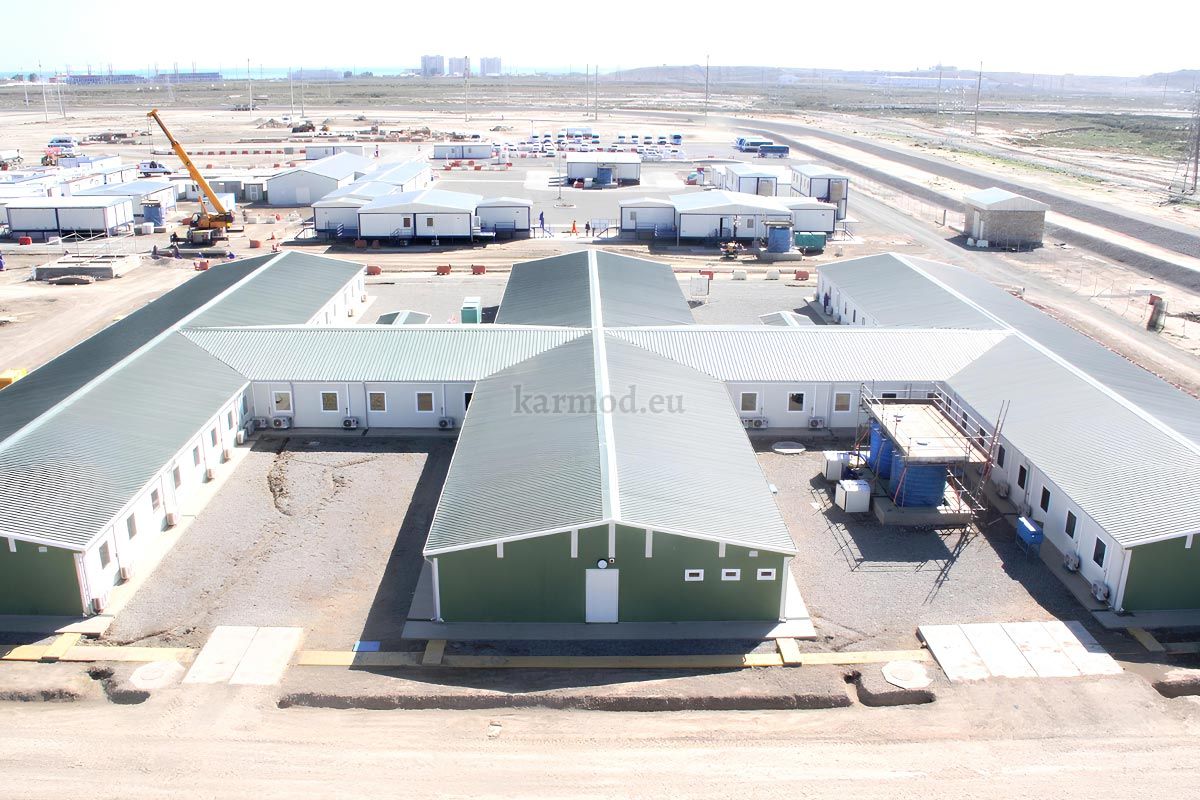
For projects operating in mountainous geography, accommodation needs to do two things consistently: protect the workforce from exposure and keep daily routines stable. When a camp is planned around real site conditions—transport limitations, colder nights at elevation, and the need for dependable utilities—teams can recover properly and work more safely. That is the core purpose of an oil and gas camp, regardless of project scale.
Comfort and Recovery in Bhutan's Oil and Gas Man Camps
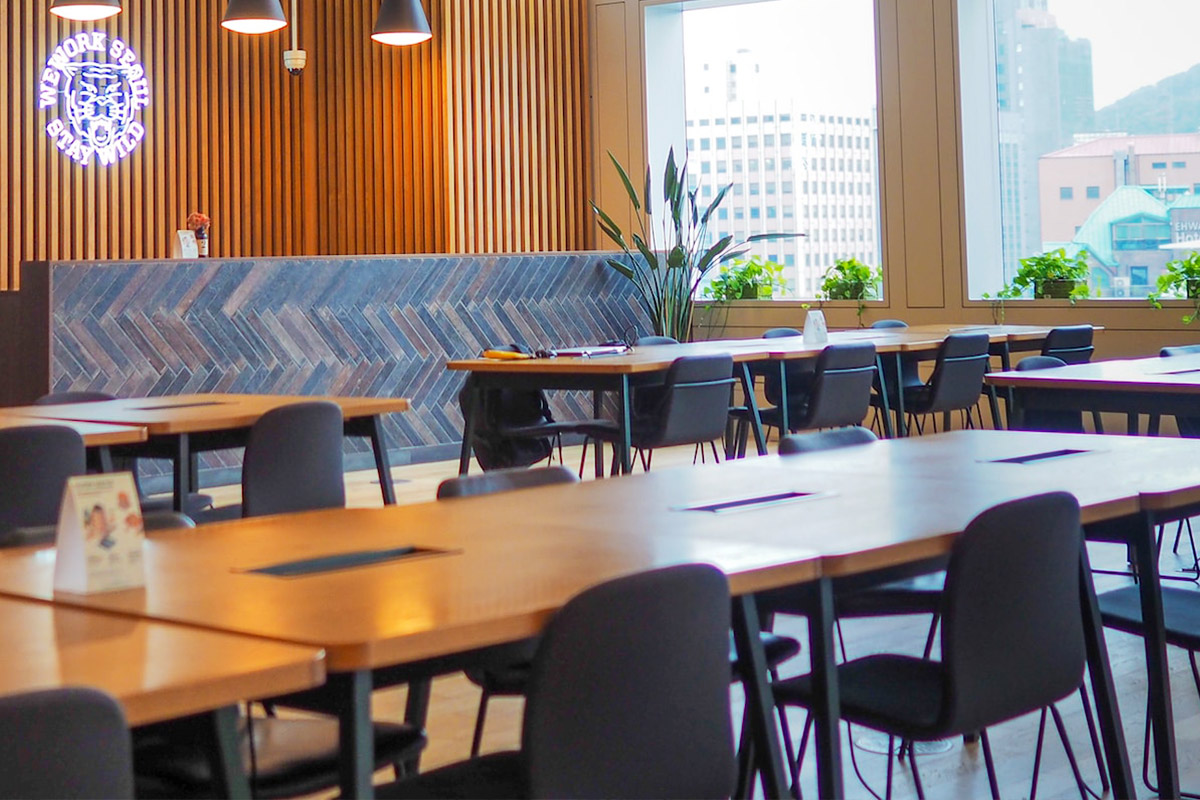
Work in exploration and site development is demanding, and off-duty recovery is not optional. Bhutan Oil and Gas Field Man Camp planning should prioritize quiet sleeping areas, reliable heating and ventilation where needed, and practical shared facilities that hold up under continuous use. These are the basics that help reduce fatigue and support consistent performance across rotations.
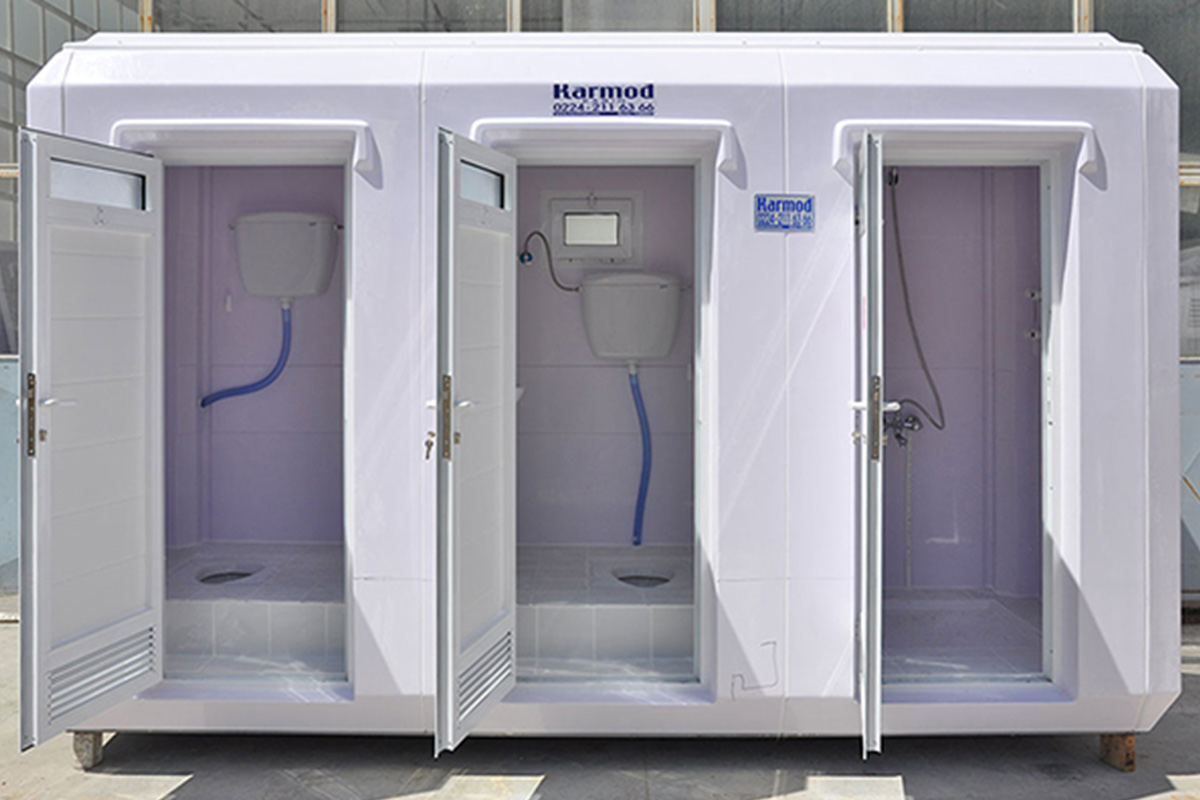
Accommodation quality is also defined by the details teams rely on daily: dependable sanitation, durable room finishes that can be cleaned and maintained, storage for personal gear, and connectivity for coordination and personal calls. When these are handled properly, the camp stops being a variable and becomes part of stable operations.
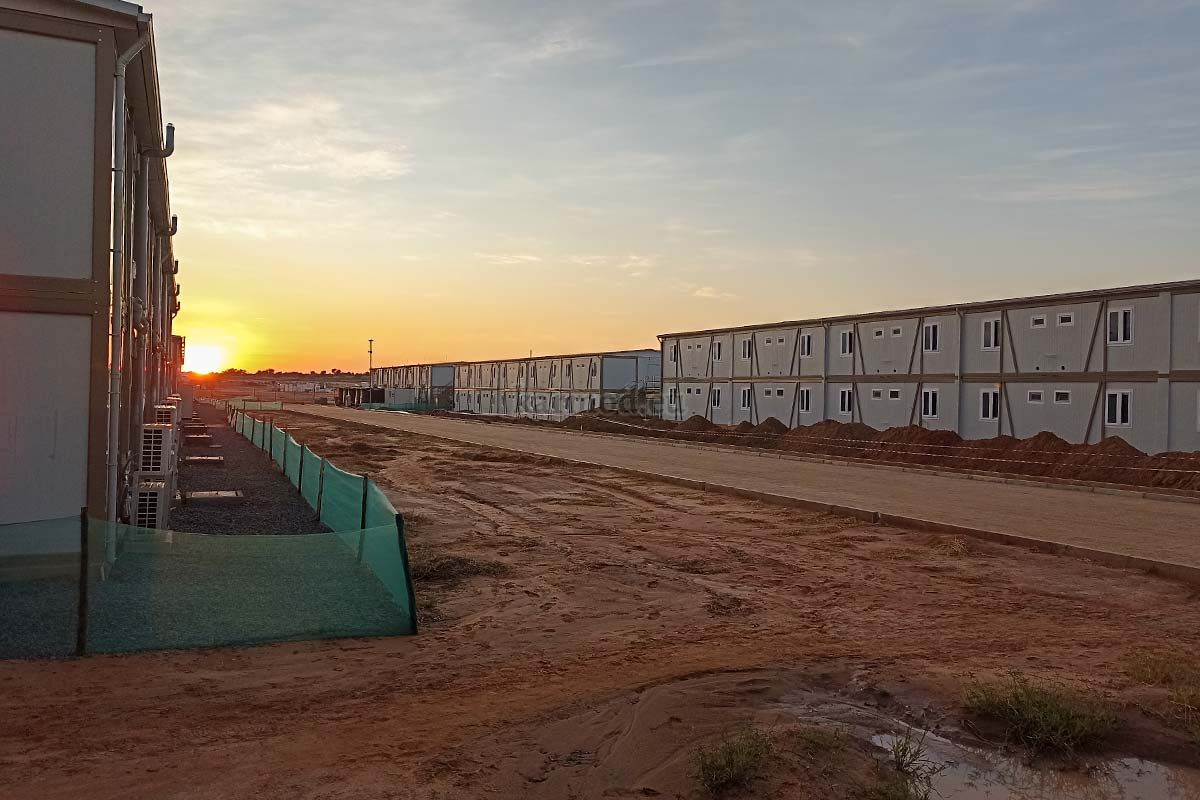
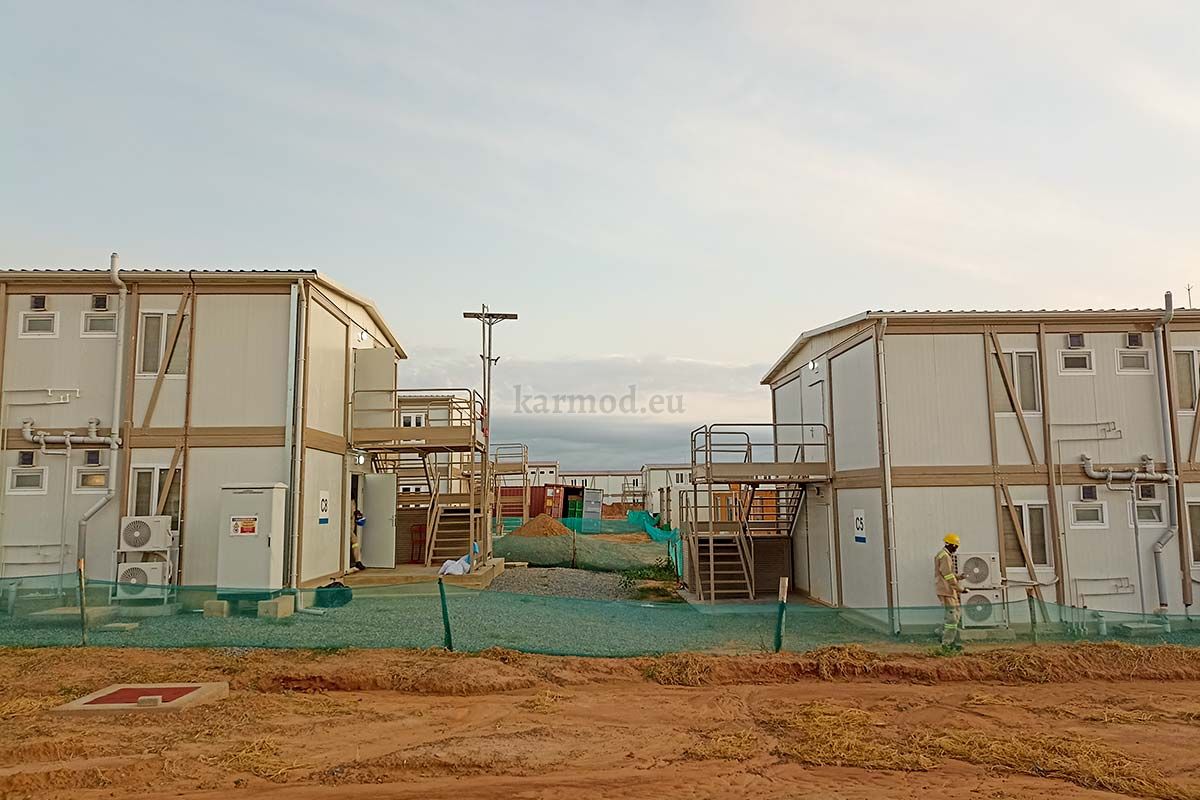
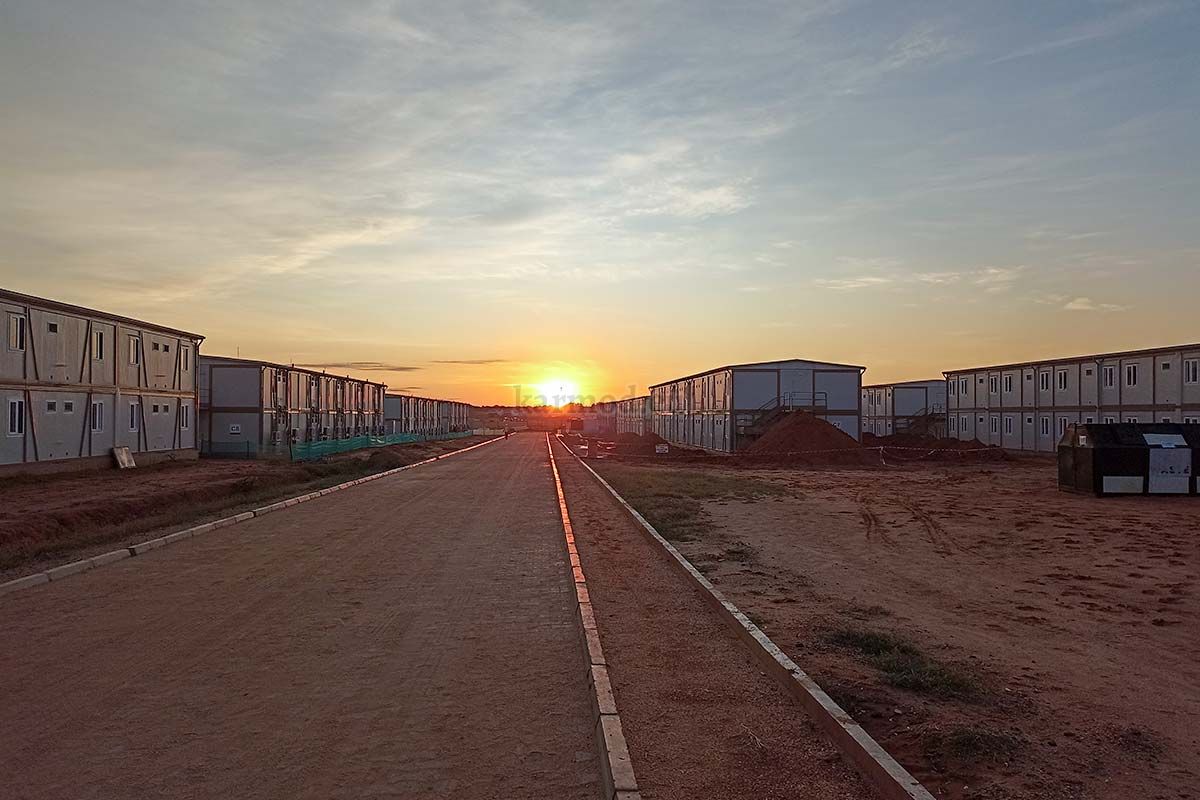
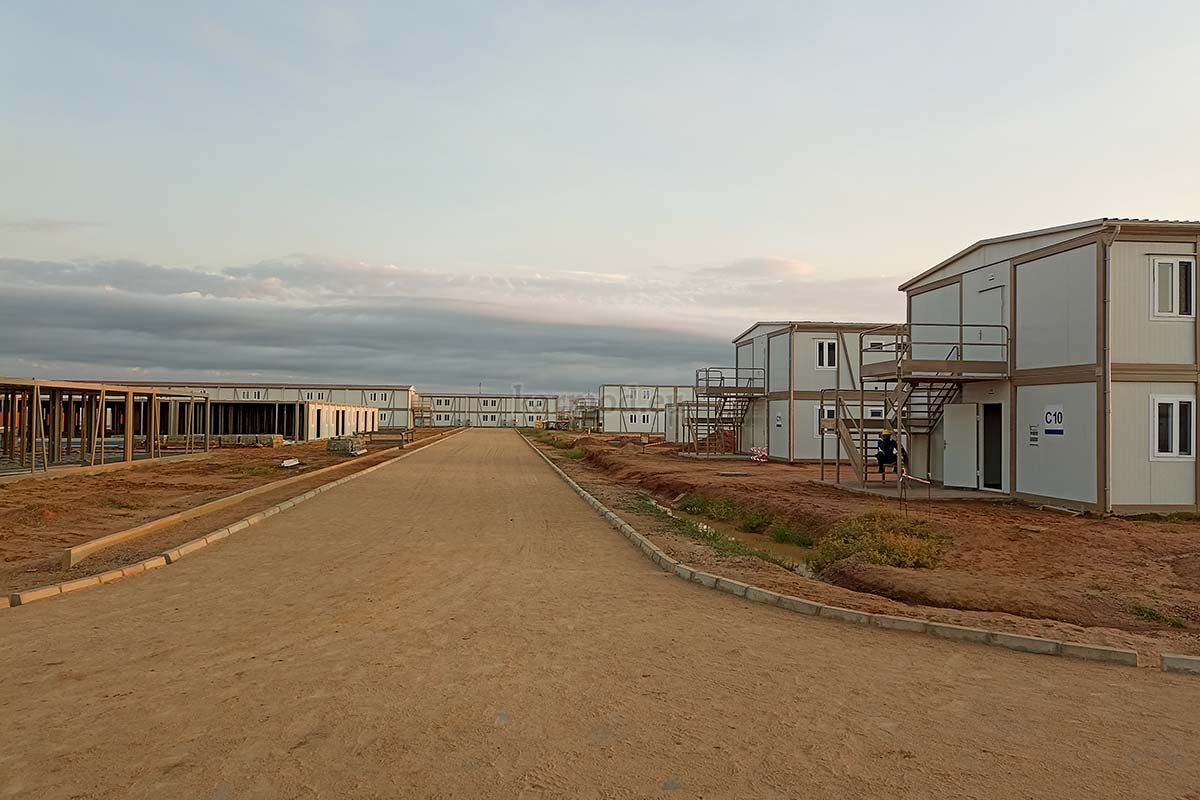
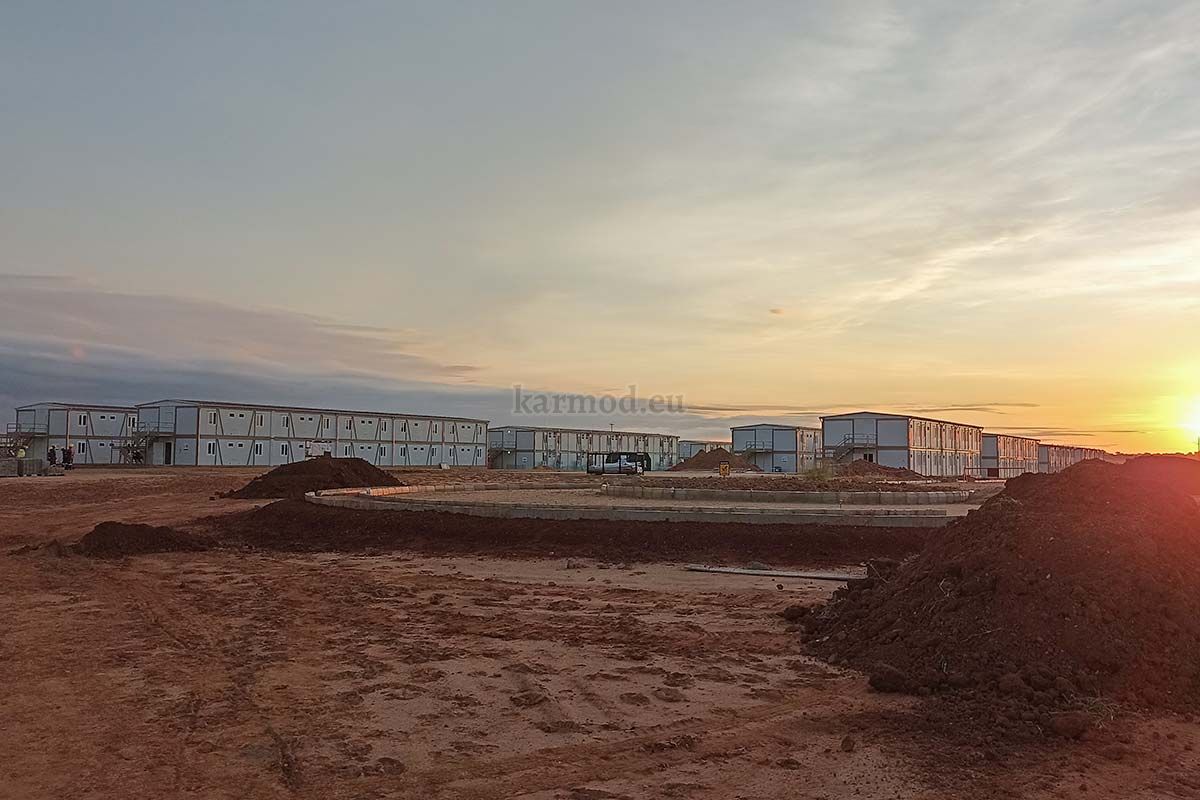
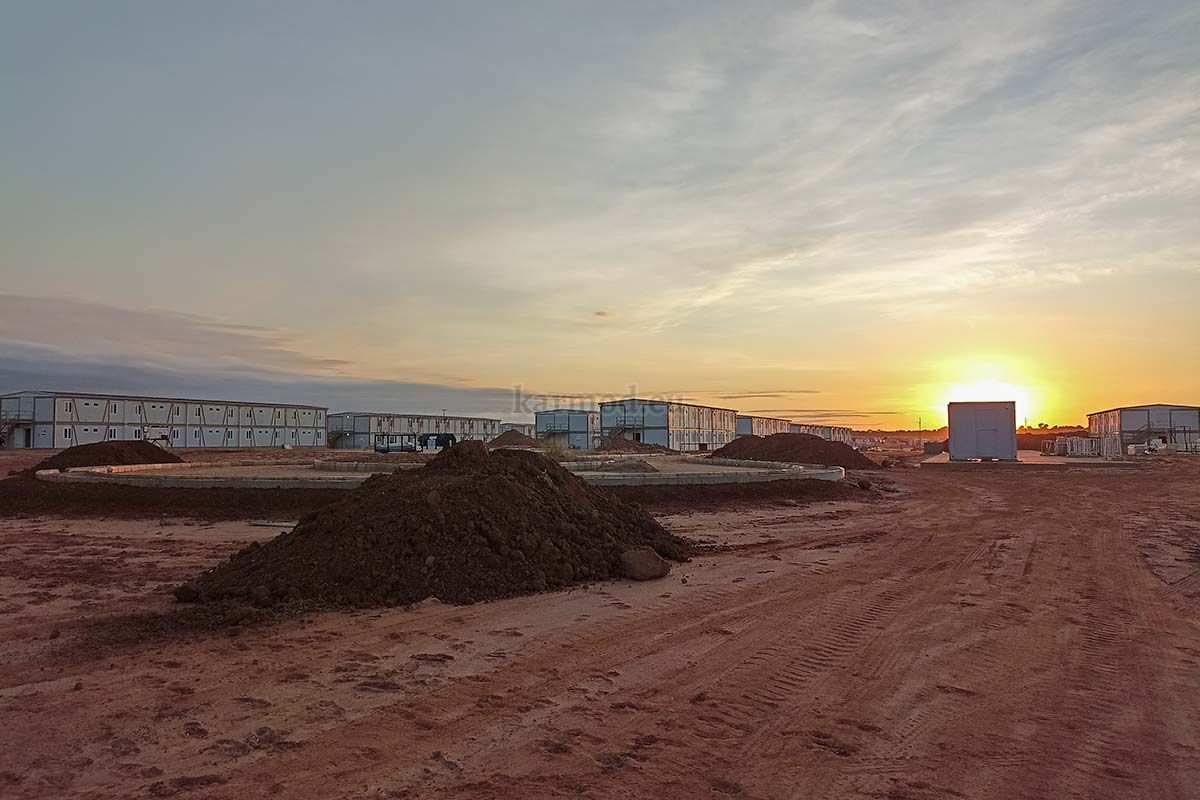
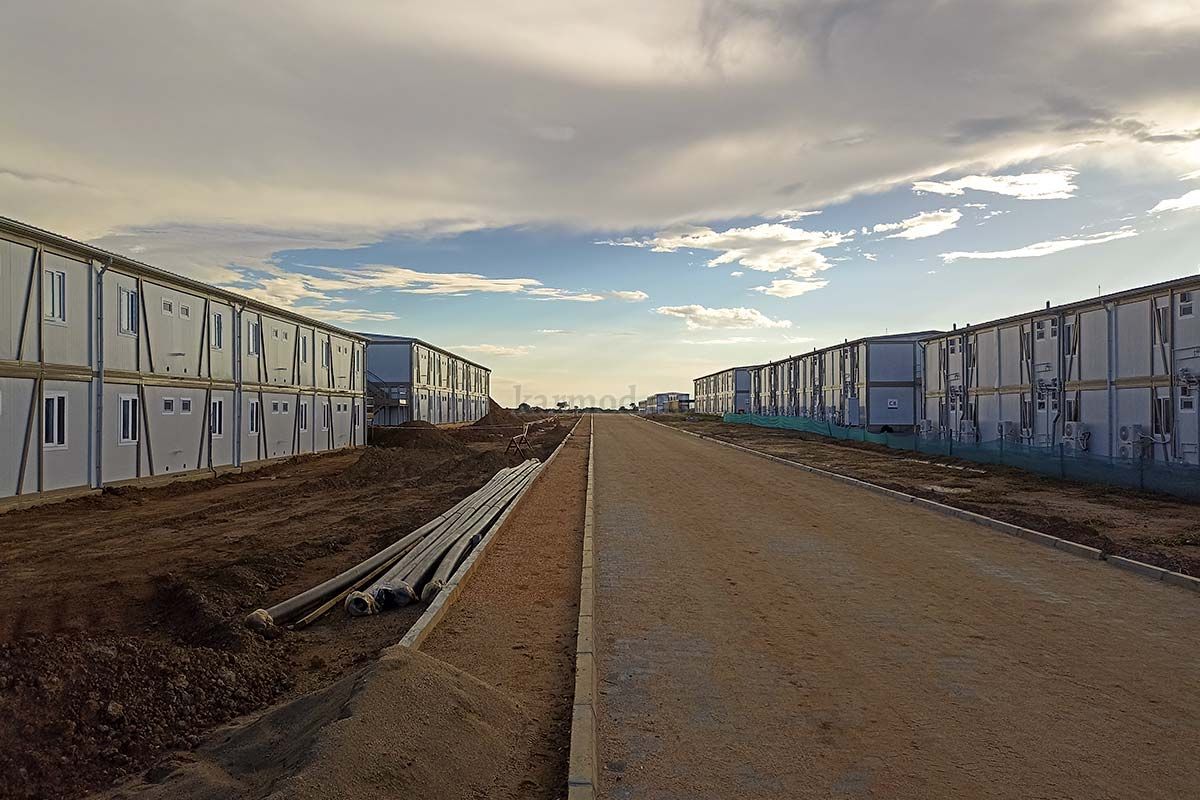
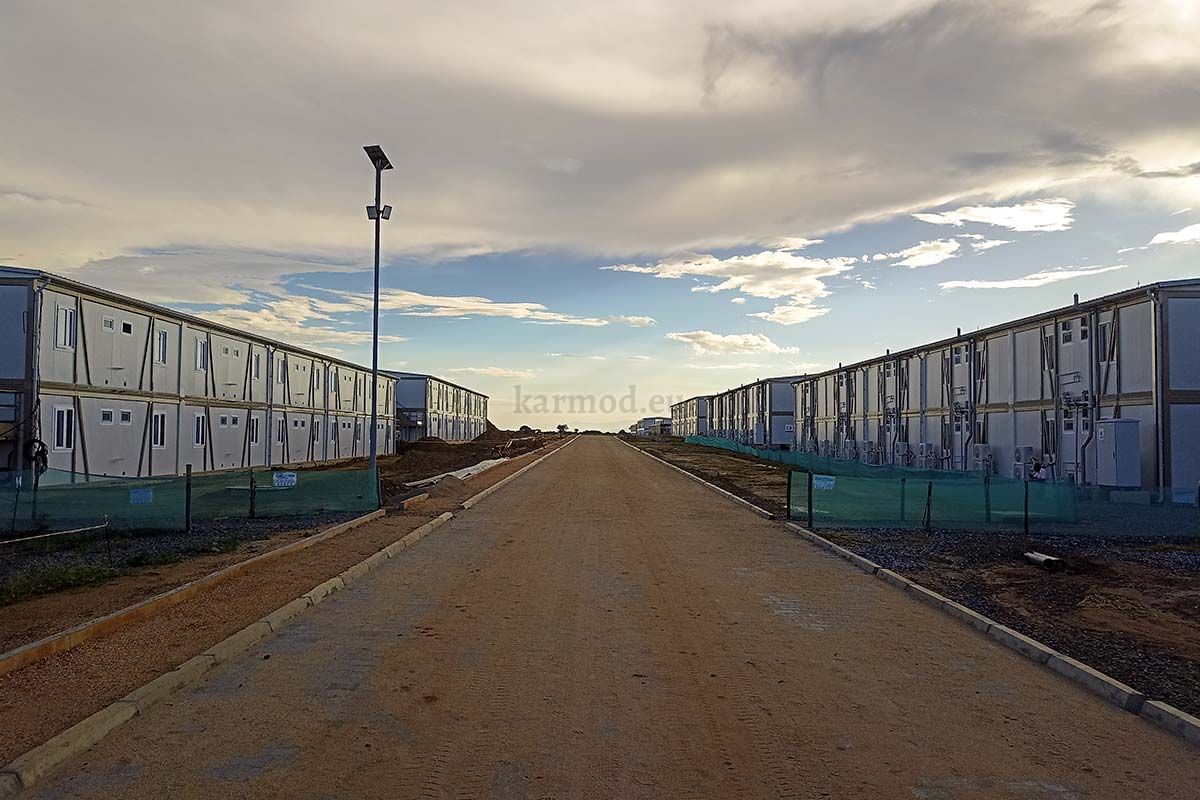
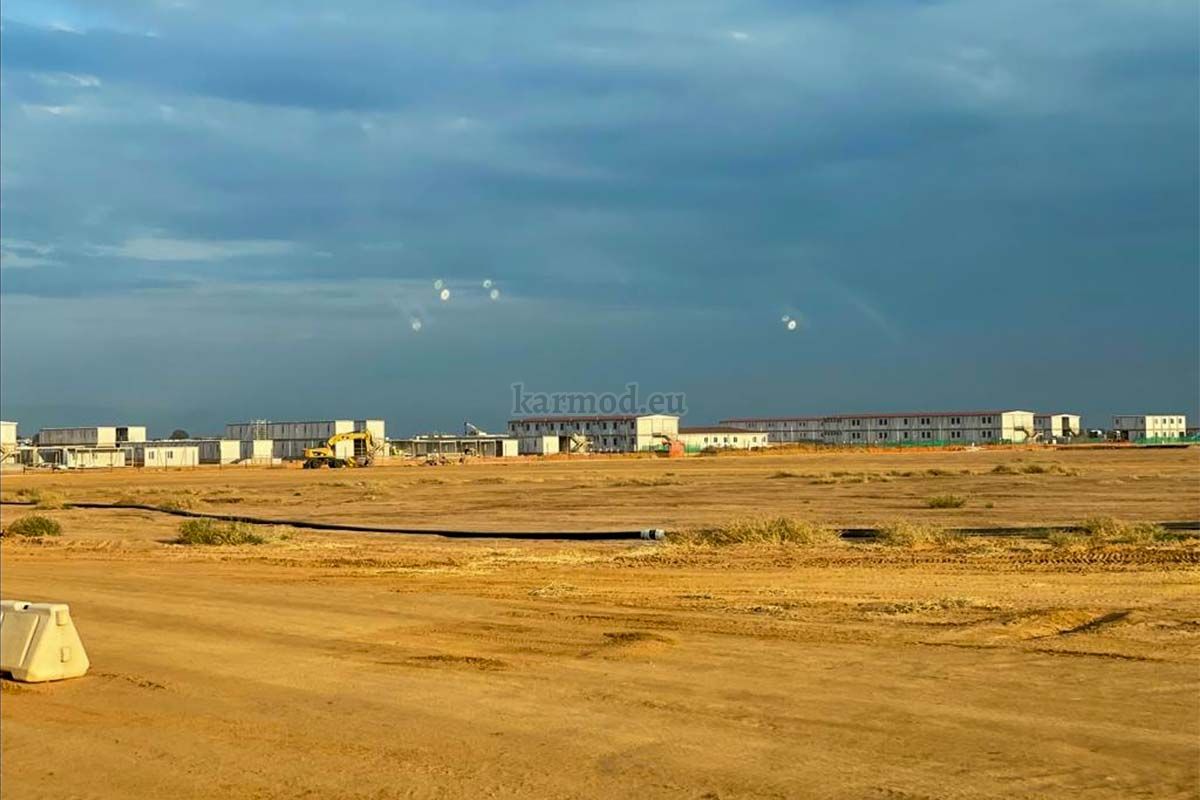
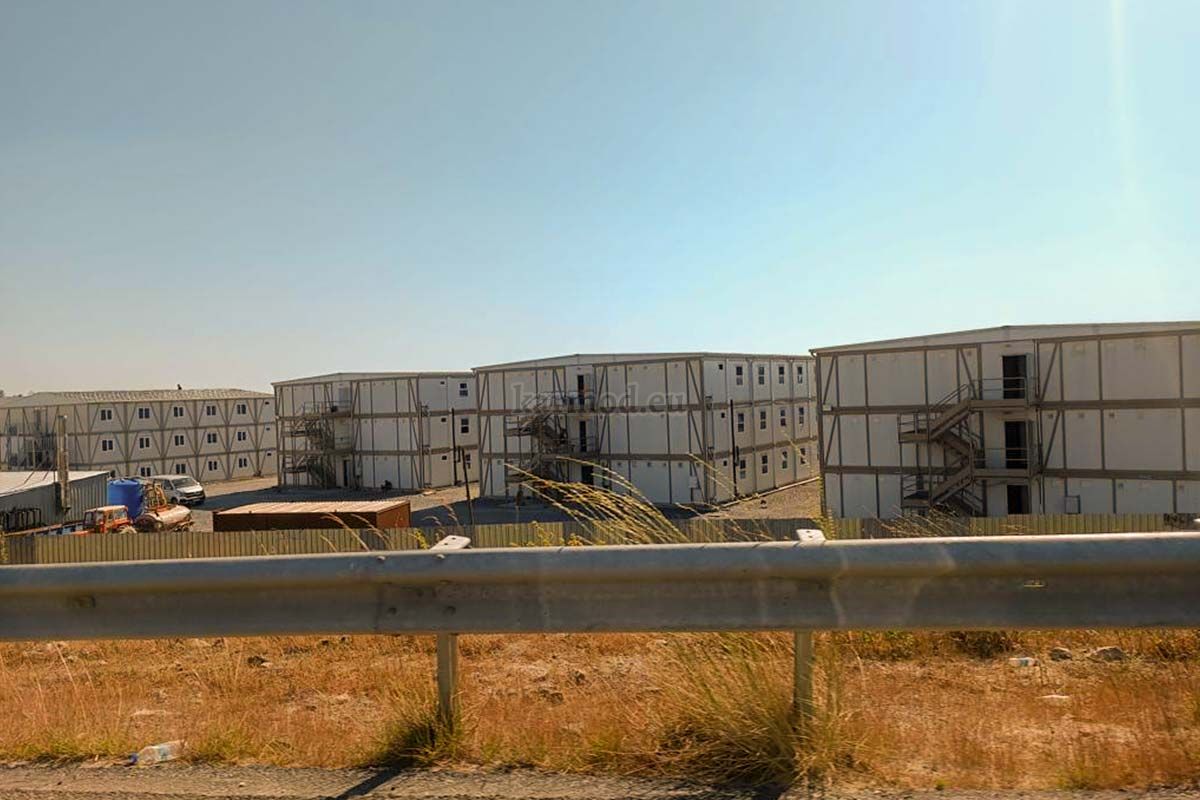
Field Housing Units Built for Bhutan’s Site Conditions
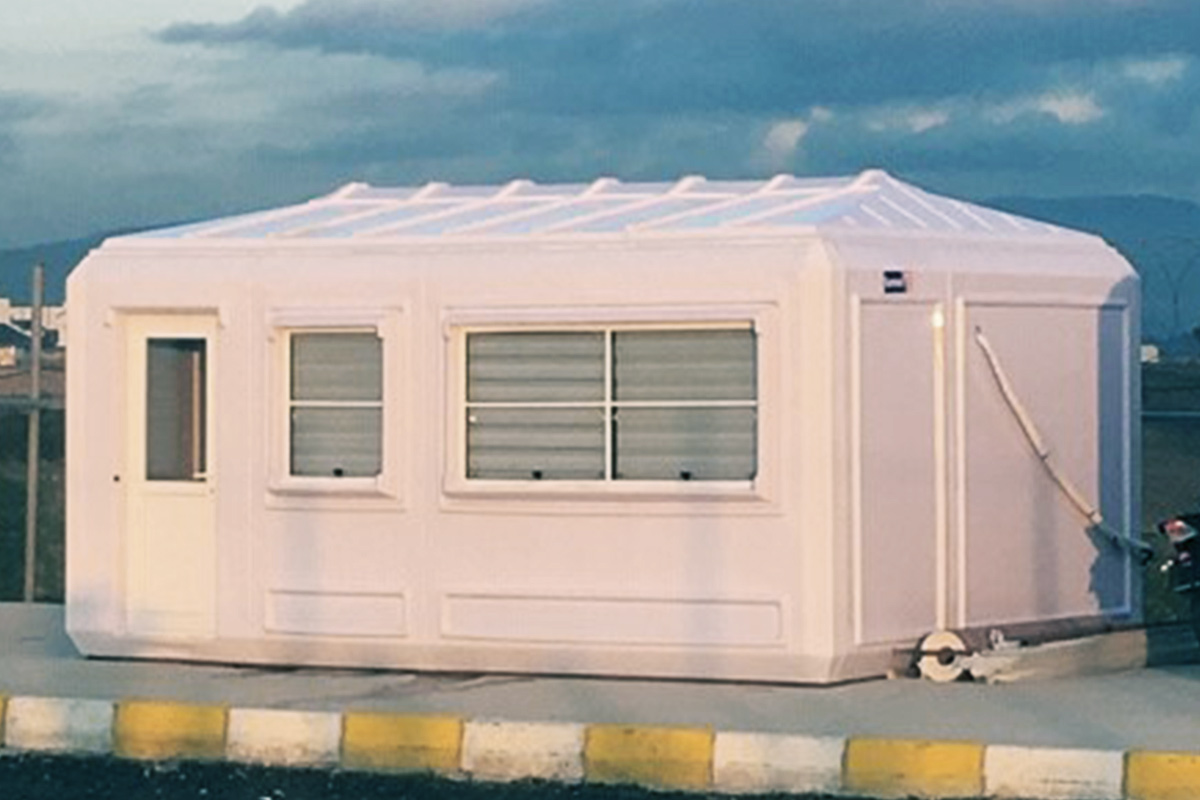
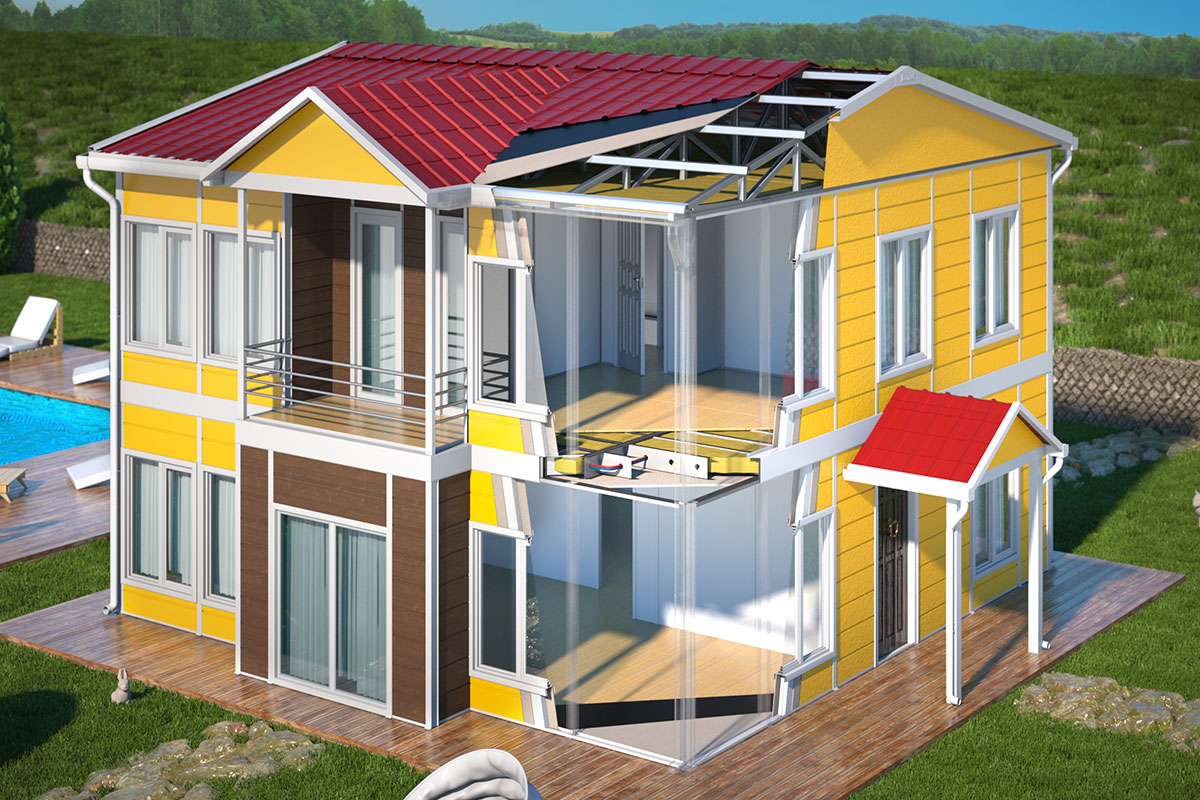
In this industry, housing is not only a place to sleep. Bhutan Oil and Gas Field Housing must support routine, hygiene, and rest in a way that is repeatable across different sites and phases of work. For project managers and HSE teams, that means clear layouts, robust building envelopes, and utility systems that can be serviced with predictable procedures.
Bhutan Oil and Gas Field Housing Units also need resilience. Weather shifts, cooler temperatures at elevation, and transport constraints can shape both design and delivery. A modular approach helps by keeping production controlled while allowing installation to match site readiness and access schedules.
At the same time, crews tend to settle better in accommodation that feels organized and respectful of local context. That does not require ornate design—simple choices in shared areas, finishes, and small cultural references can improve comfort without adding complexity.
Ultimately, good field housing reduces friction: fewer maintenance issues, fewer disruptions to rest, and better adherence to daily safety routines. That is what makes workforce accommodation valuable to operations.
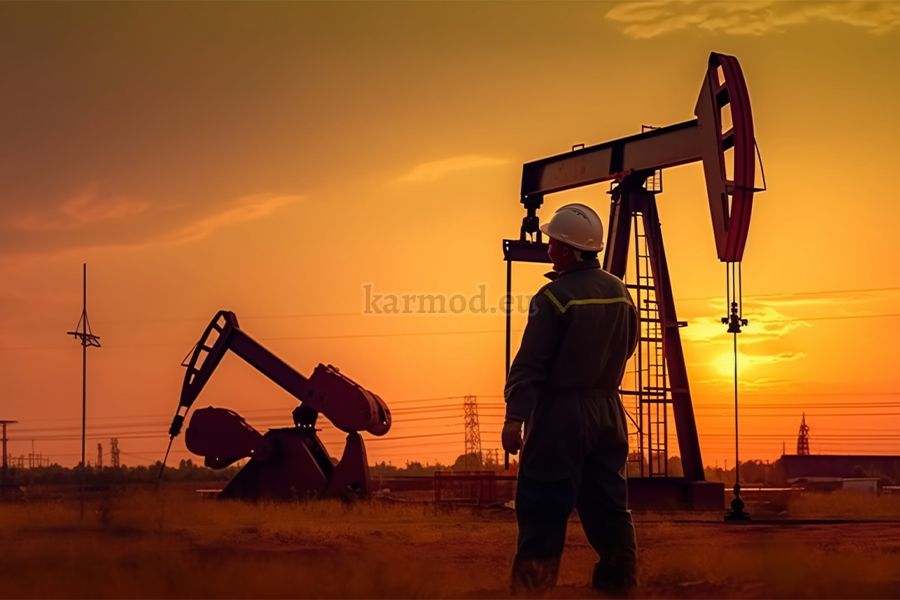
Bhutan Oil and Gas Camp Construction Buildings for Remote Deployment
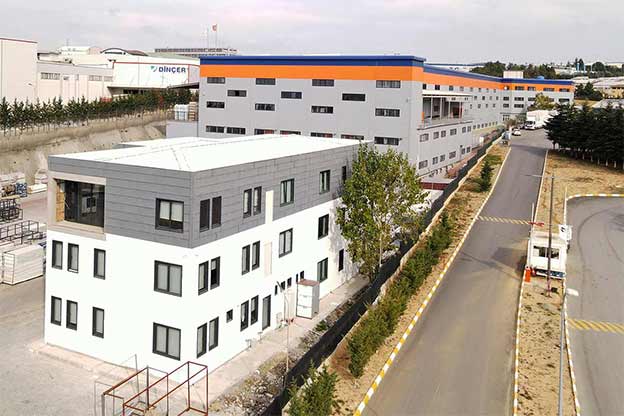
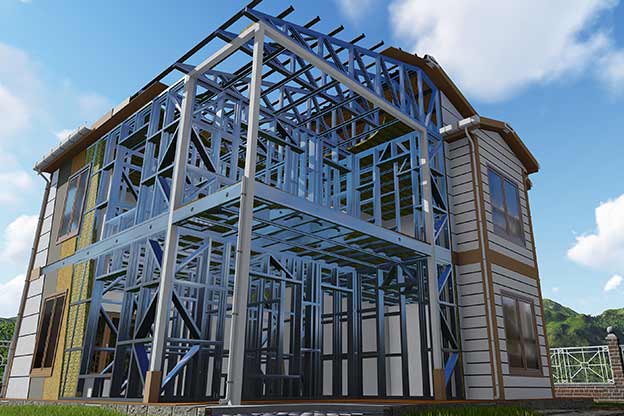
Camp construction is rarely a straightforward build, particularly in remote terrain. In Bhutan, access, staging areas, and changing weather can influence how quickly facilities can be delivered and commissioned. Oil and Gas Camp Construction Buildings are most effective when they are planned for staged installation, clear site logistics, and long-term serviceability.
- Alignment with terrain and access: Building systems and modules should be selected to suit transport realities, lifting capacity on site, and installation sequences that minimize rework.
- Comfort supported by engineering: Ventilation, insulation, and heating strategies should match the likely conditions crews face, helping maintain stable indoor environments and consistent rest quality.
- Operational efficiency: A modular configuration allows camps to expand, relocate, or reconfigure with less disruption—useful when headcount changes across exploration, construction, and operations phases.




Best Company and Manufacturer Karmod for Oil and Gas Field in Bhutan
Where Karmod is involved in oil and gas field accommodation, the focus is typically on disciplined delivery: design coordination, controlled manufacturing, and practical installation methods. In Bhutan, this can be relevant for projects that need predictable timelines and repeatable quality while working within logistical constraints.
- Tailored solutions: Karmod structures can be configured to match site requirements such as headcount, service zones, and camp layout planning, helping teams avoid overbuilding while still meeting operational needs.
- Commitment to quality: Consistent production standards support durability and ongoing maintenance, which is essential when camps are occupied continuously and spare parts or specialist services may be limited.
- Sustainability and responsibility: Karmod’s approach can incorporate efficiency-led choices in materials and systems, aligning with responsible site practices without compromising reliability.
In remote projects, the camp is a working system: it supports rest, routines, and daily compliance. When accommodation is built and delivered with that reality in mind, it strengthens site performance and helps crews operate safely over the full project cycle.