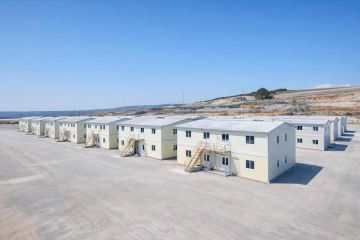



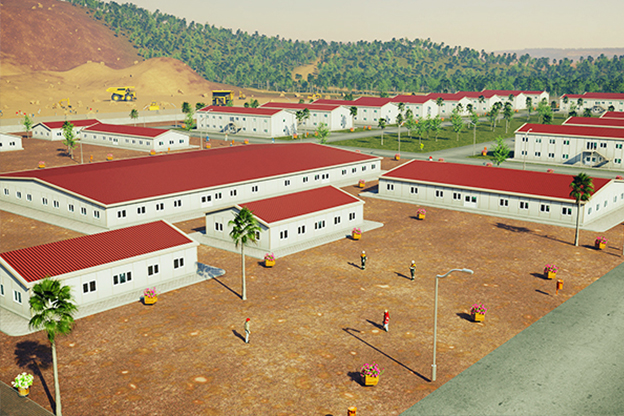

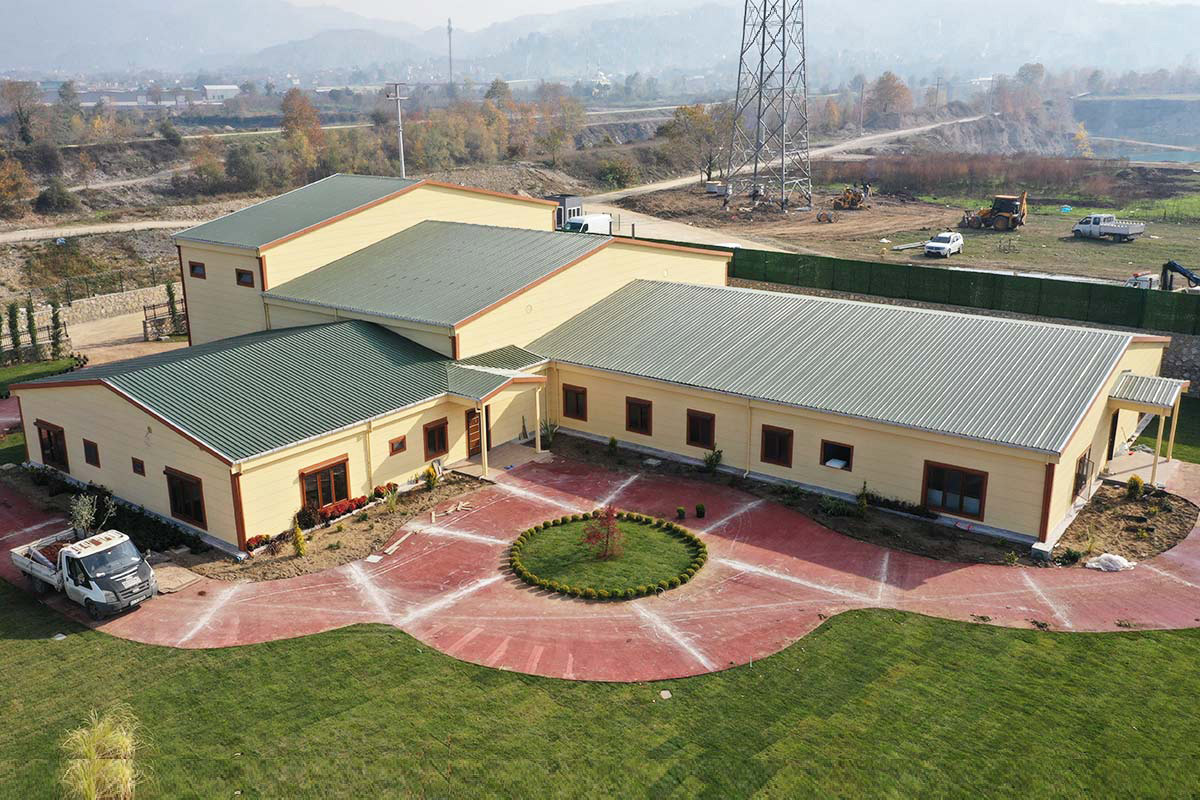
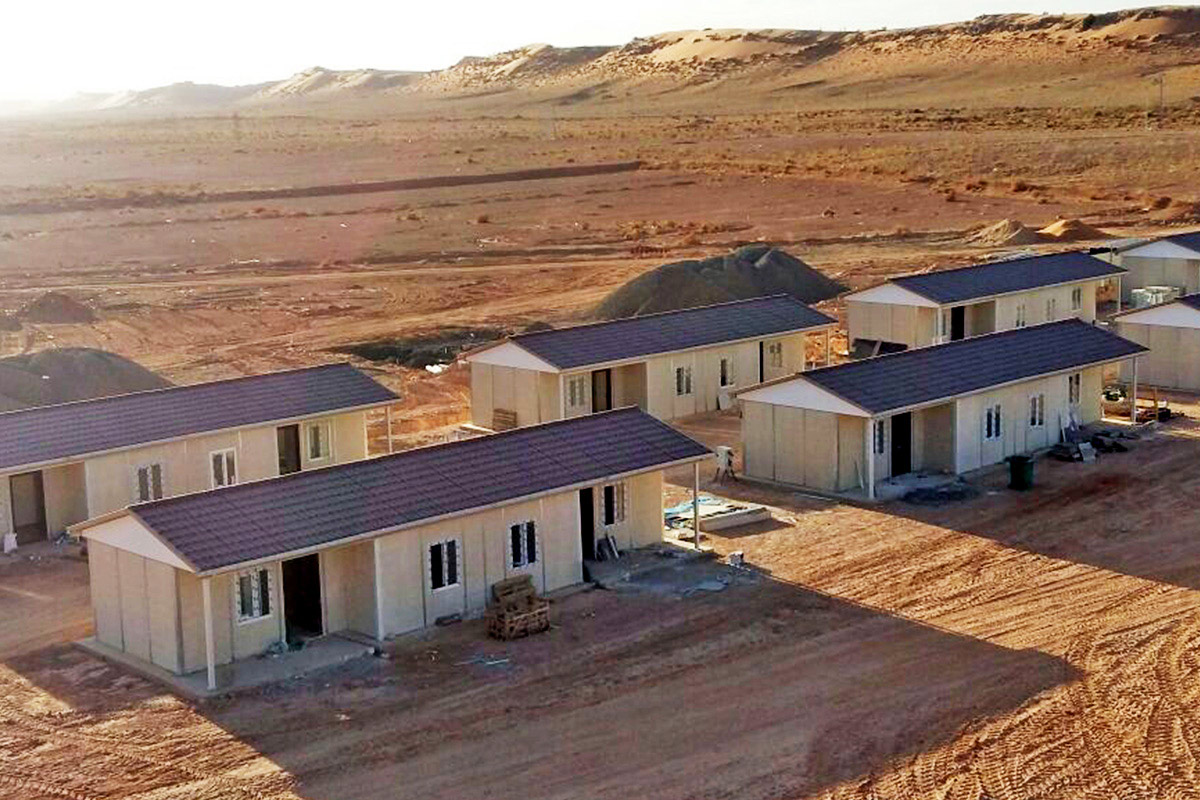
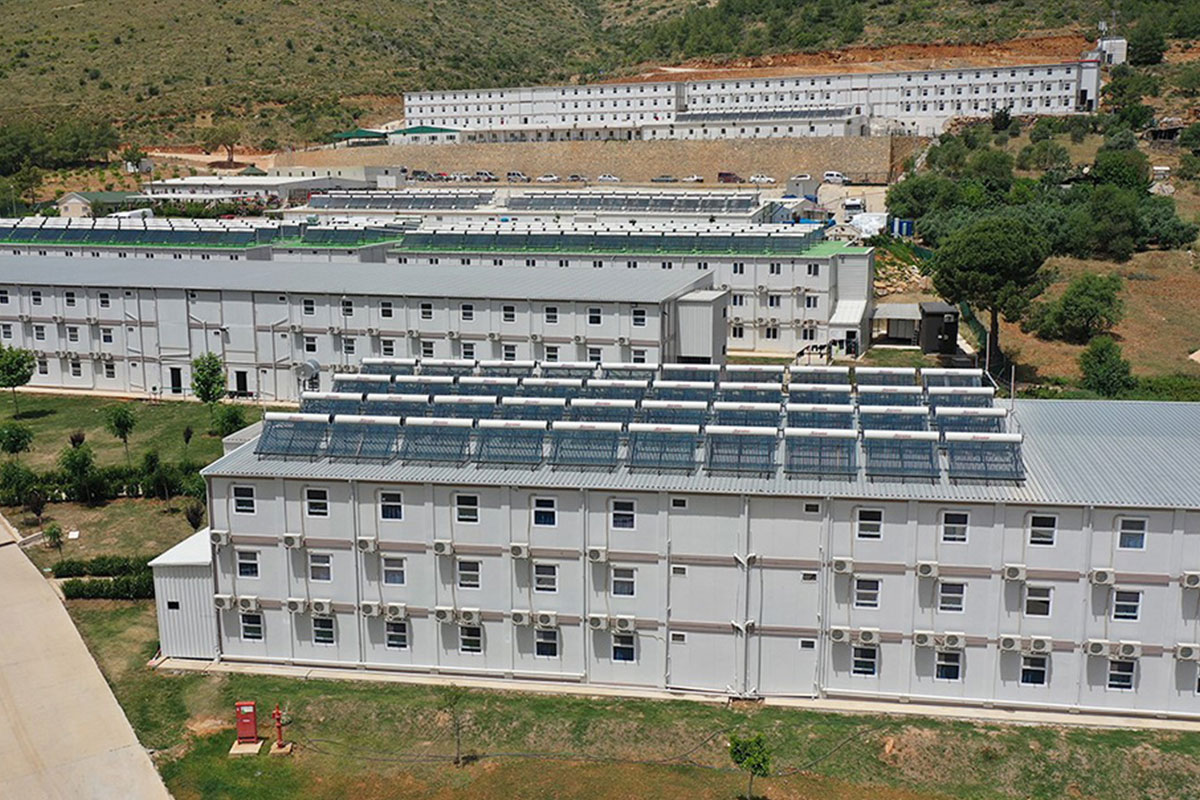
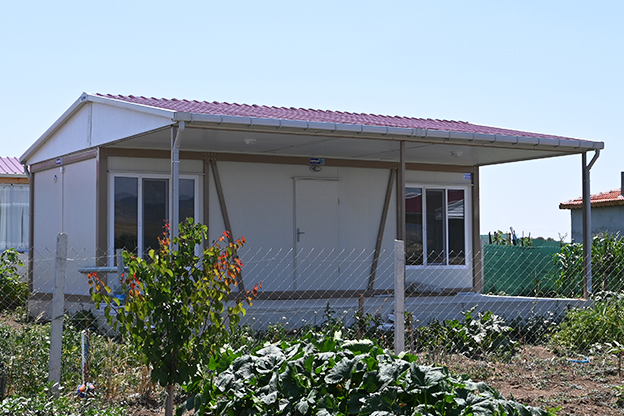
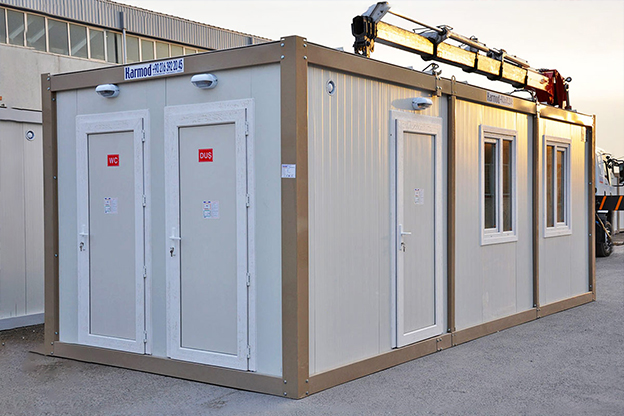
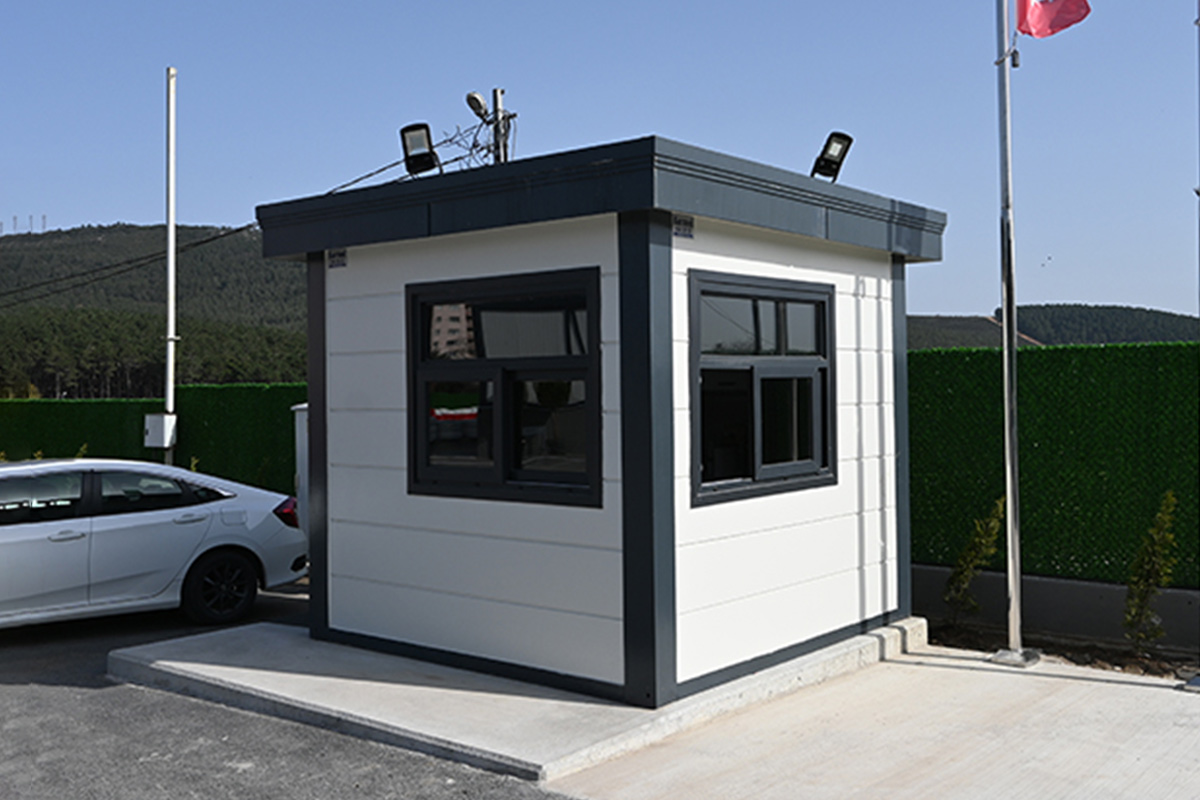

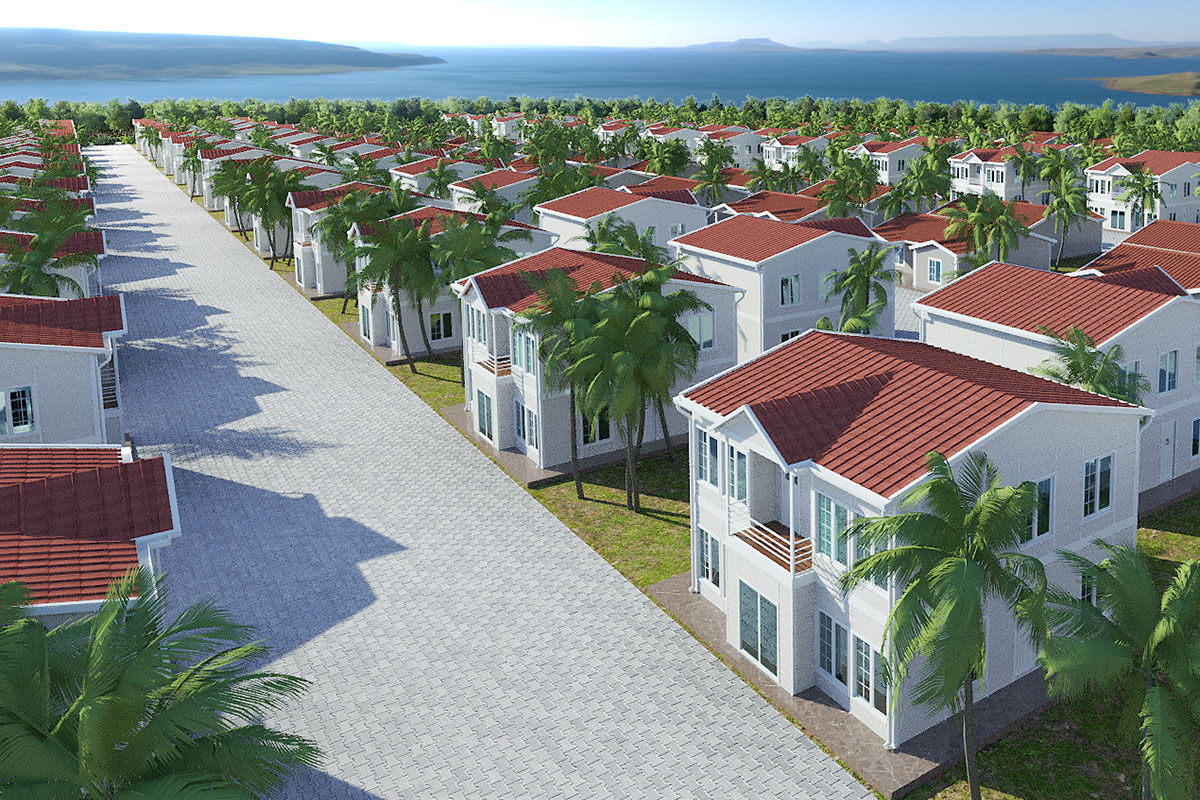
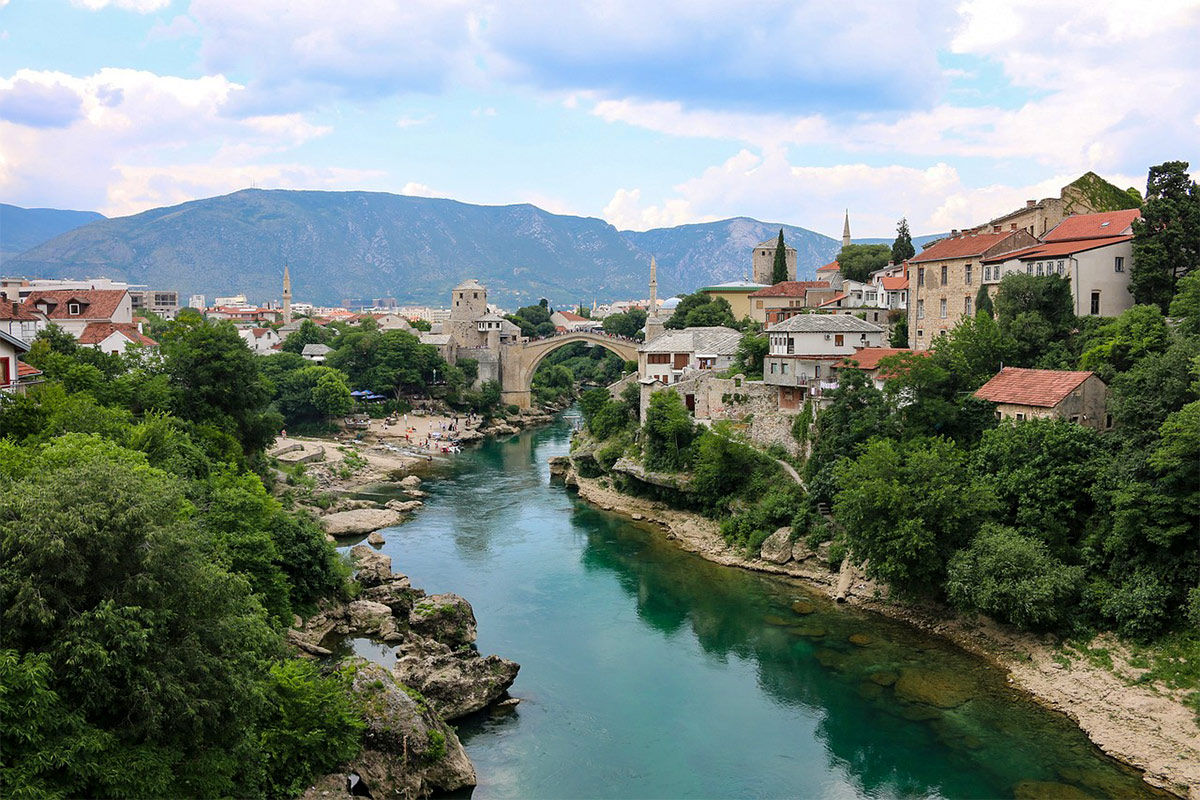
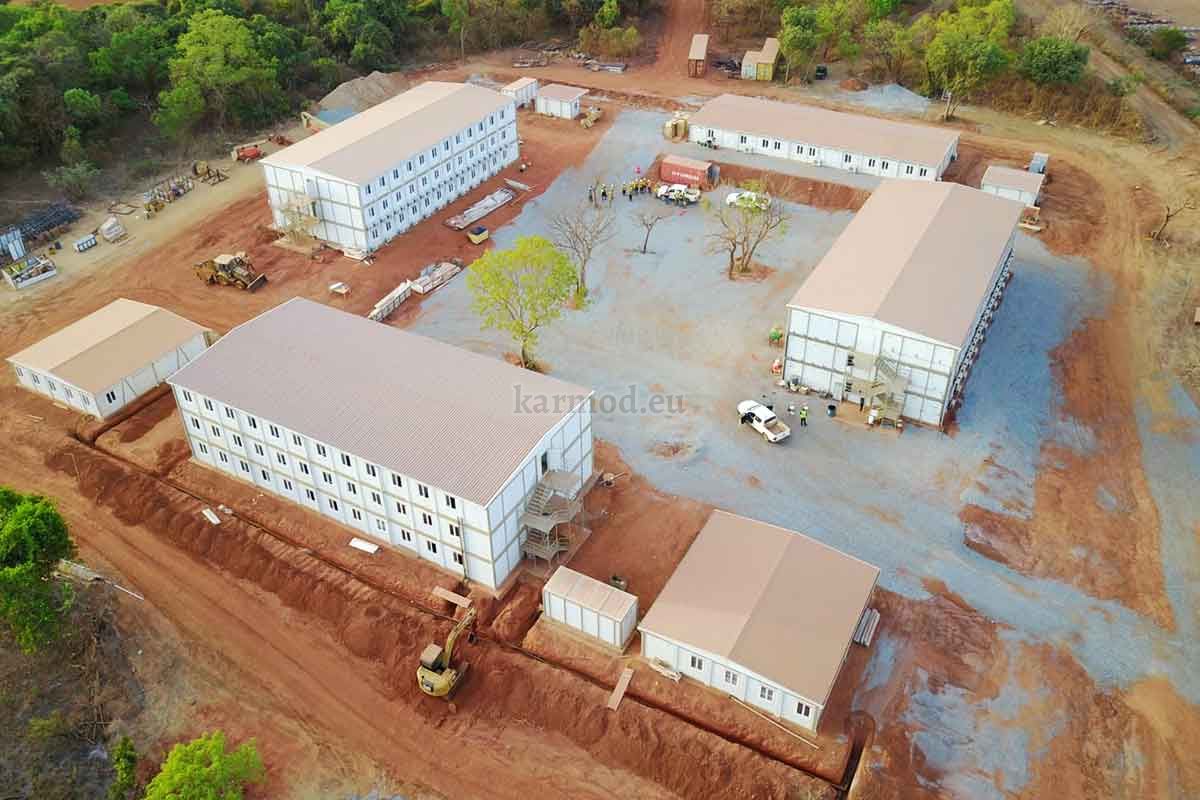
In Bosnia and Herzegovina, oil and gas operations take place across varied terrain and seasonal conditions, making workforce accommodation a practical component of site performance. Oil and gas camps in the country are planned to support daily routines, safety requirements, and recovery needs, ensuring teams can operate consistently while remaining close to active work zones.
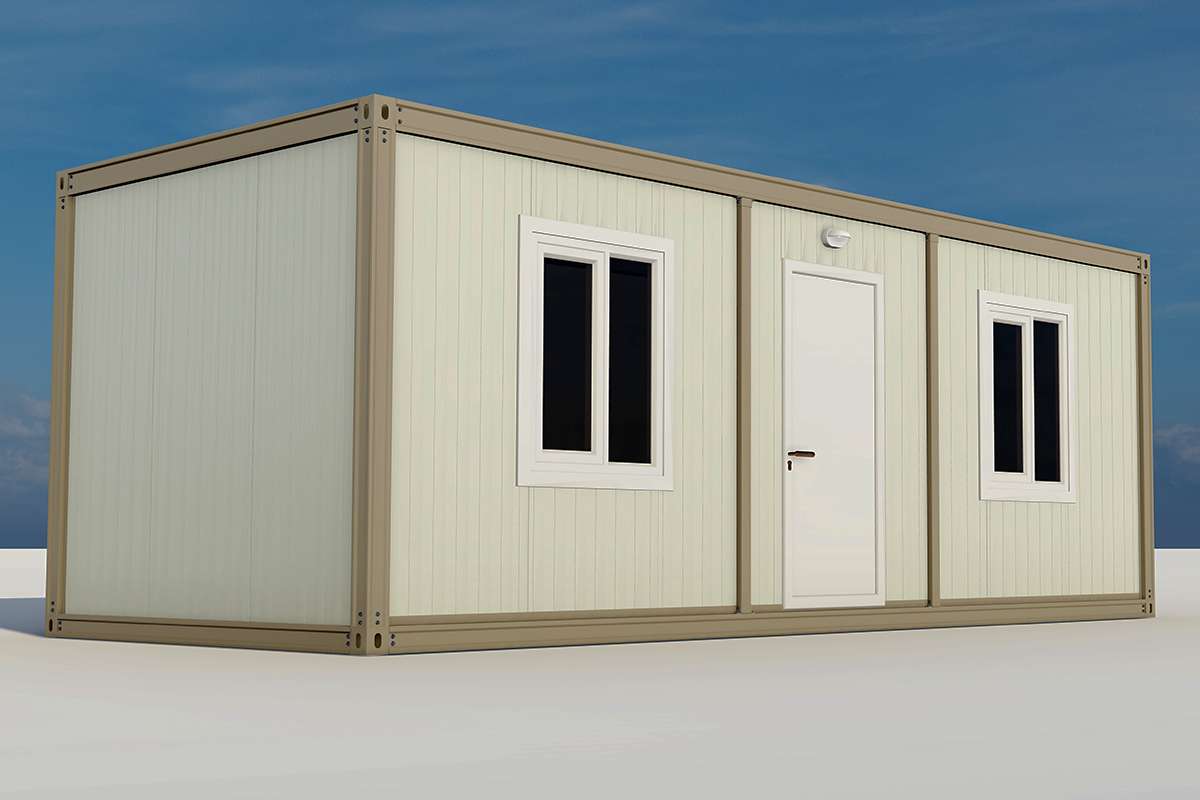
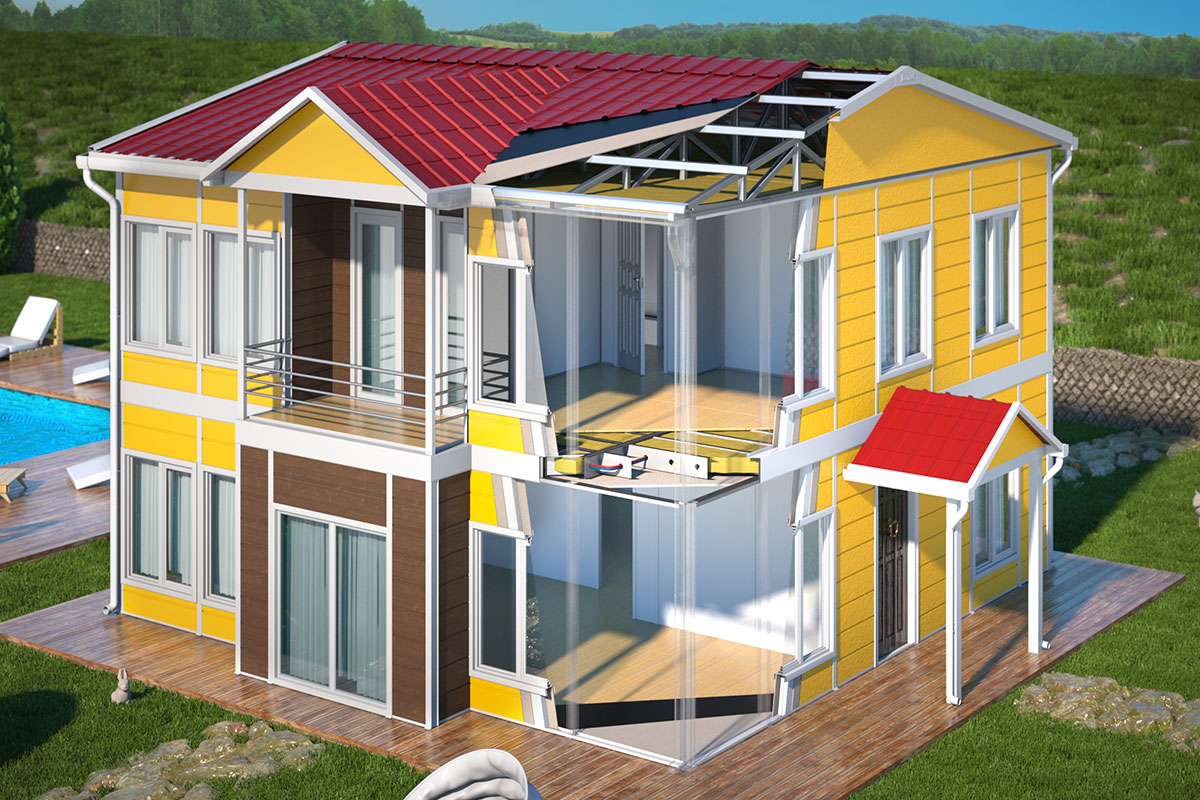
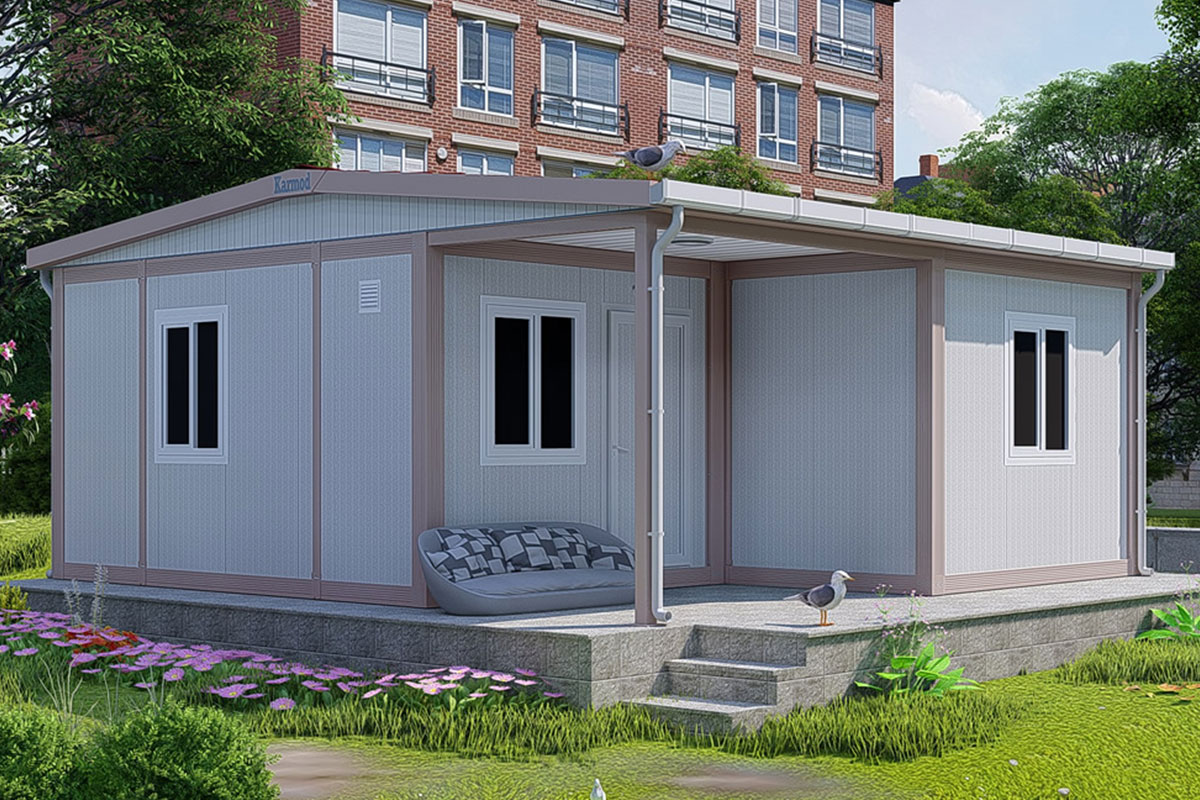
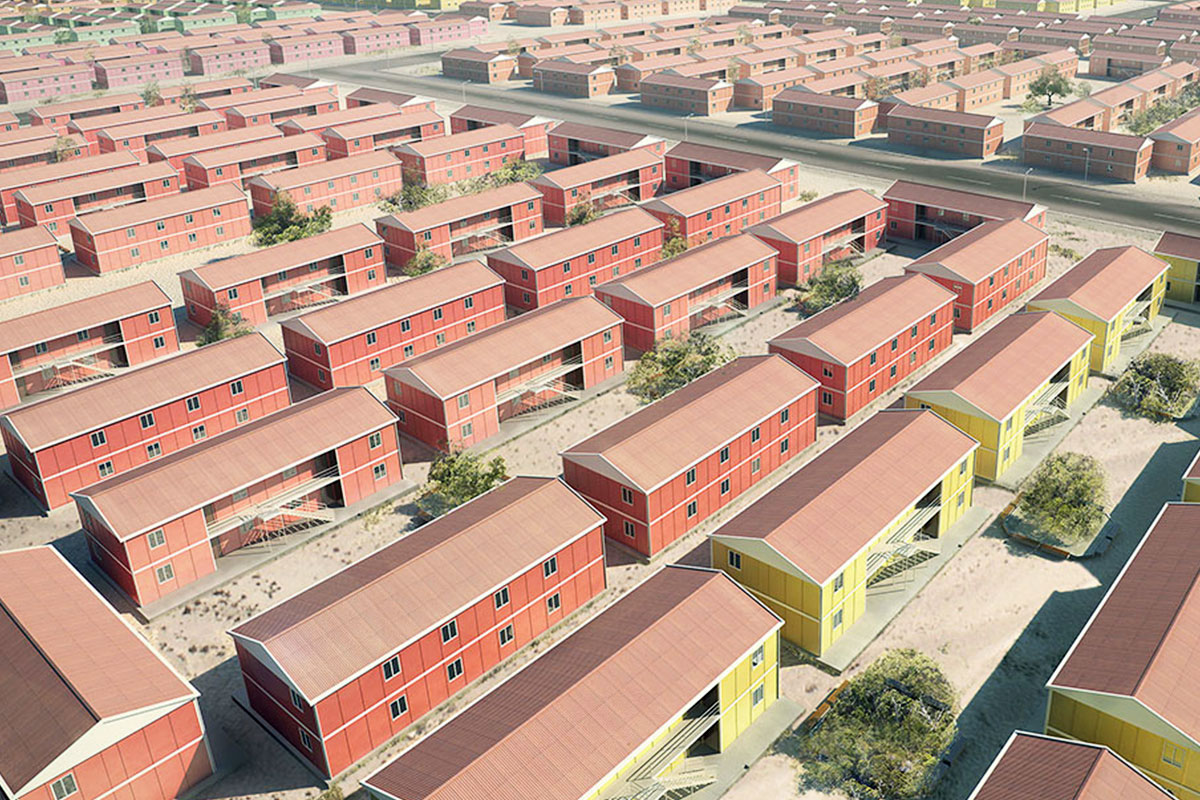
The use of modular camp systems has become central to this approach. Modular construction allows camps to be deployed in a controlled manner, adjusted to site access constraints, and scaled in line with workforce numbers. Karmod contributes to this model by delivering modular structures designed for predictable installation, repeatable quality, and long-term use under continuous occupancy.
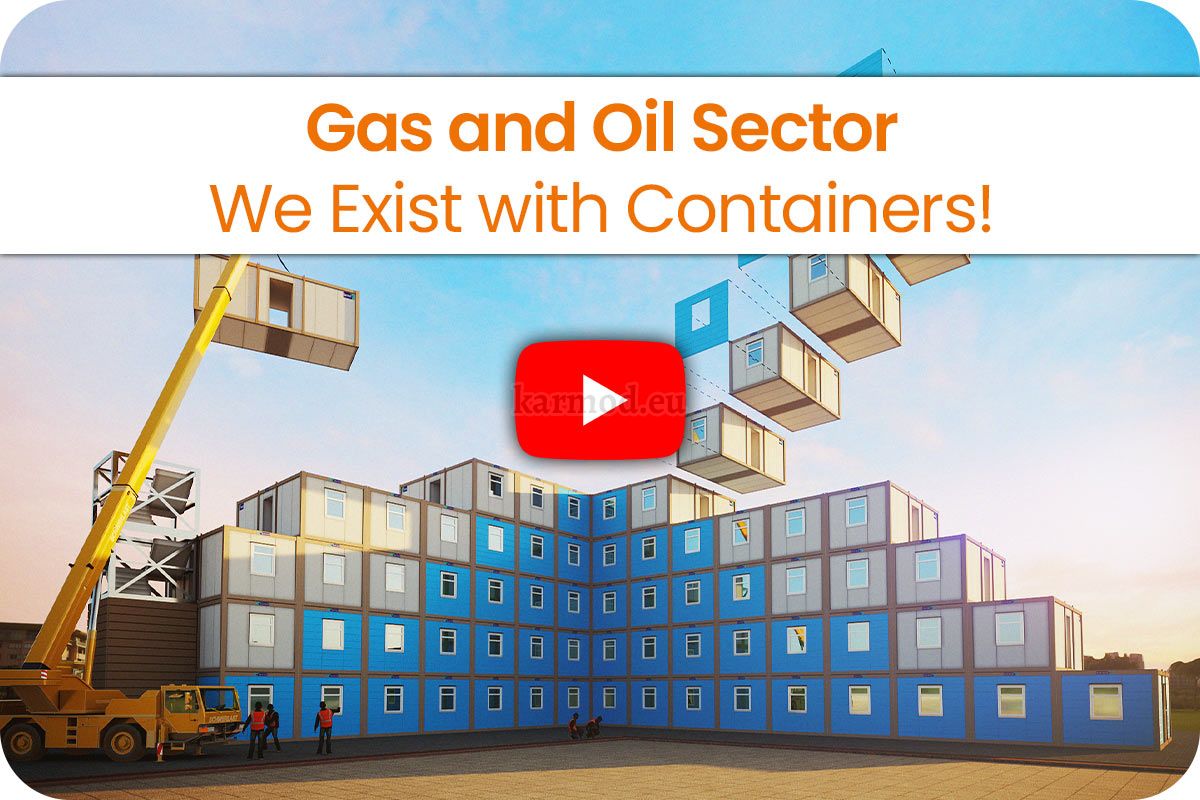
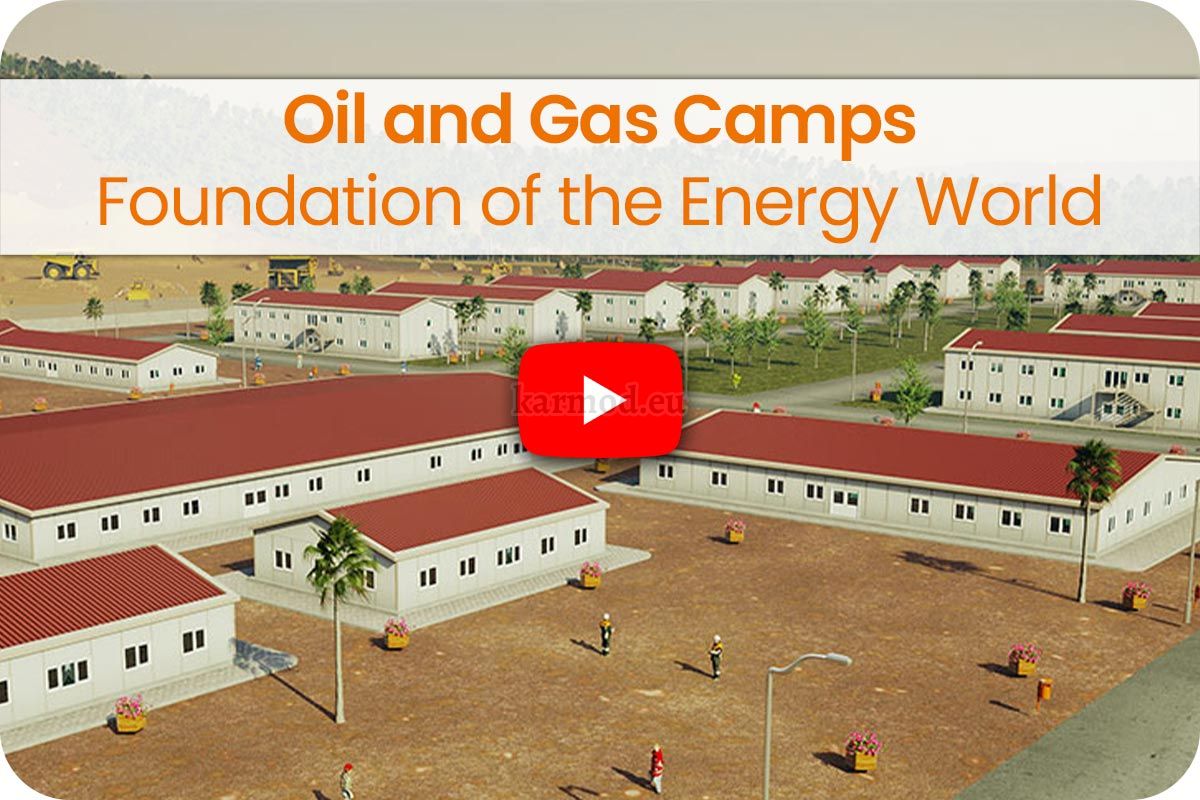
Within Bosnia and Herzegovina’s operating environments, camps are designed around two core priorities: safety and livability. While extraction and processing activities continue on site, accommodation provides a controlled, orderly setting where workers can rest, maintain routines, and prepare for the next shift without unnecessary disruption.
- Quality and safety standards: Camp buildings are developed in line with recognized quality and safety requirements, focusing on durable structures, clear circulation, and layouts that support daily HSE procedures.
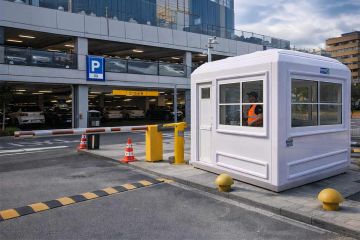
- Functional technology use: Technology is integrated where it supports operations, such as access control, utility monitoring, and communication infrastructure, helping site management maintain efficiency without overcomplicating daily use.
- Environmental responsibility: Construction and material choices reflect an effort to minimize site impact, supporting energy efficiency and responsible resource use in line with local expectations.
- Project-specific planning: Modular configurations allow camps to be adapted to project scope, headcount changes, and site layout, ensuring accommodation remains aligned with operational needs throughout the project lifecycle.
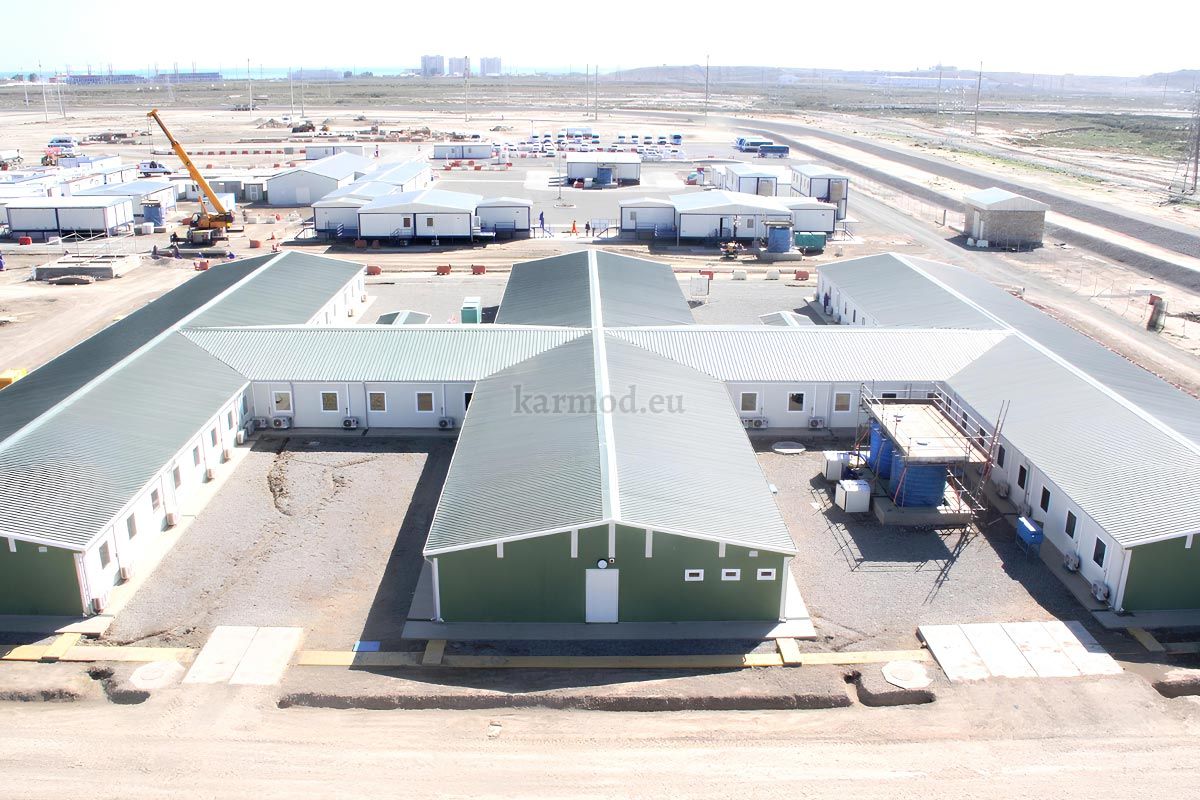
Across Bosnia and Herzegovina, well-planned oil and gas camps serve as stable support systems rather than temporary shelters. By addressing workforce comfort, safety routines, and logistical realities together, these facilities contribute directly to operational continuity and reduced fatigue-related risk.
Comfort and Recovery in Bosnia and Herzegovina's Oil and Gas Man Camps
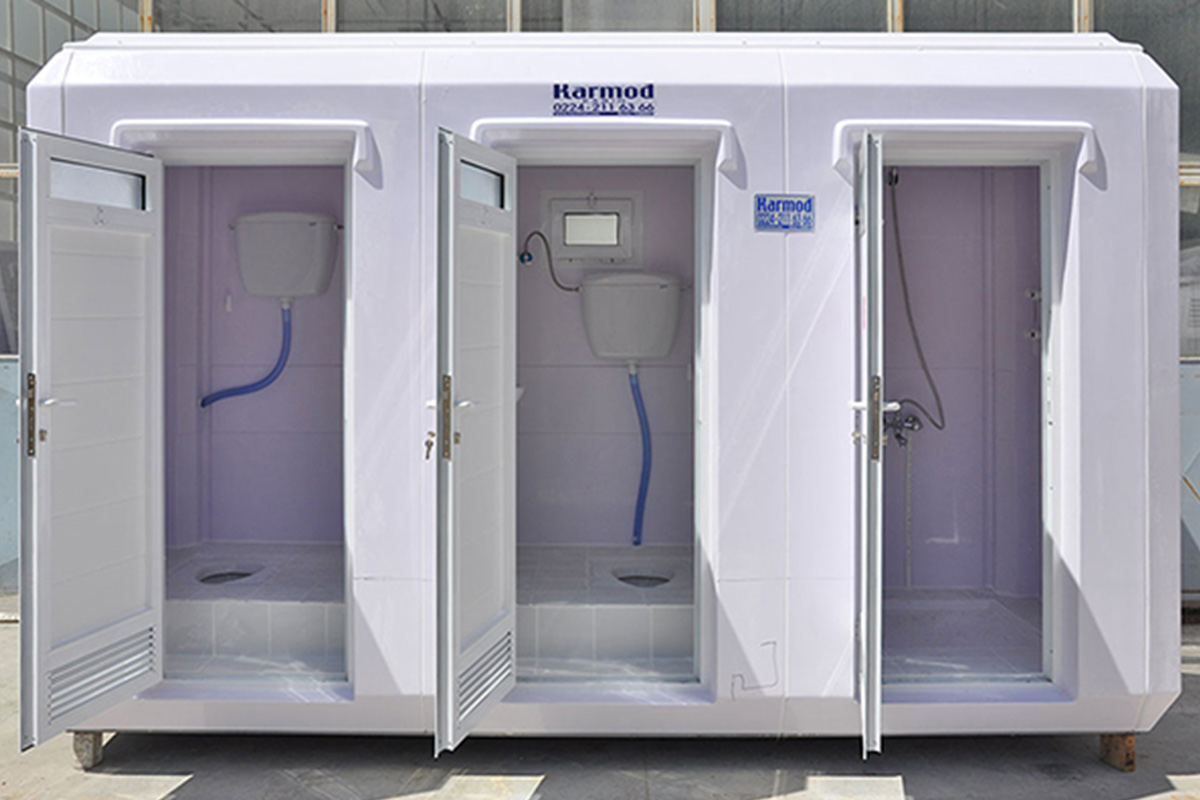
Oil and gas fieldwork places sustained physical and mental demands on personnel. Bosnia and Herzegovina Oil and Gas Field Man Camps are organized to support proper recovery through quiet sleeping areas, reliable sanitation, and shared facilities designed for regular use over long rotations.
Beyond basic accommodation, attention is given to practical details that influence daily life on site. Adequate storage, effective ventilation, and dependable connectivity help workers manage both operational coordination and personal communication, making extended stays more manageable.
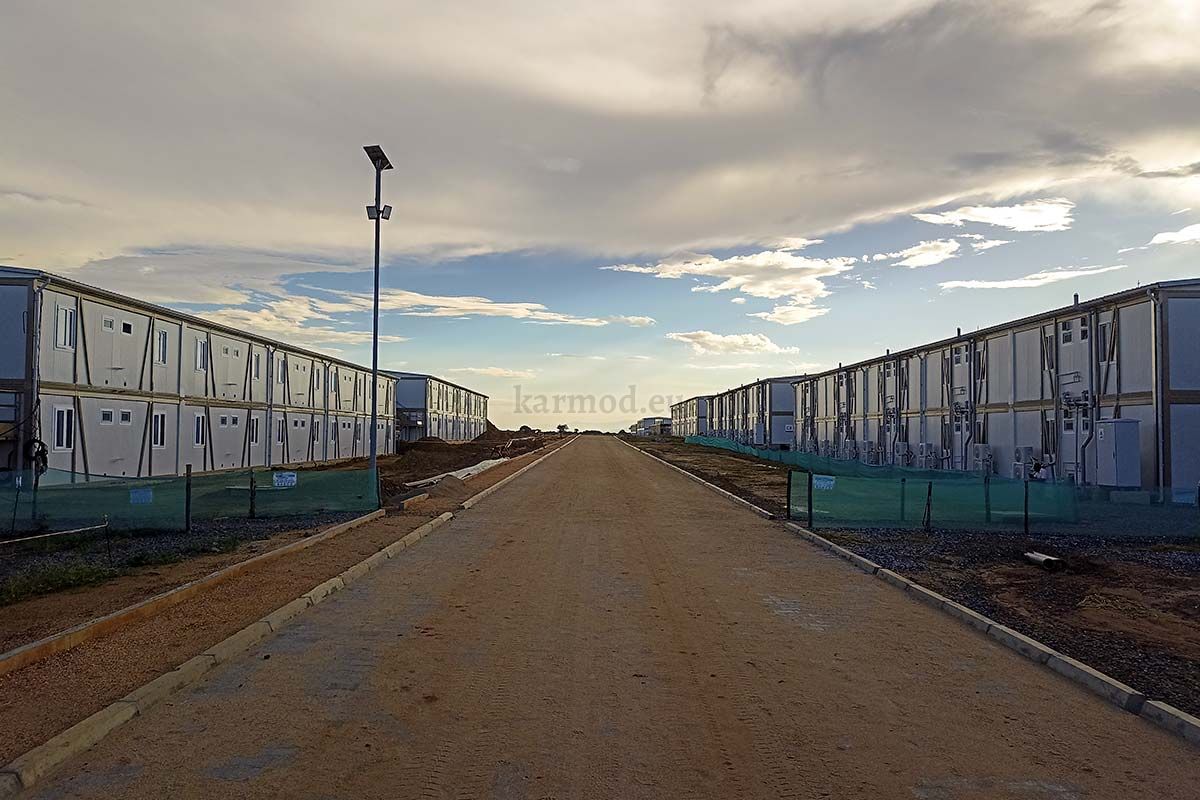
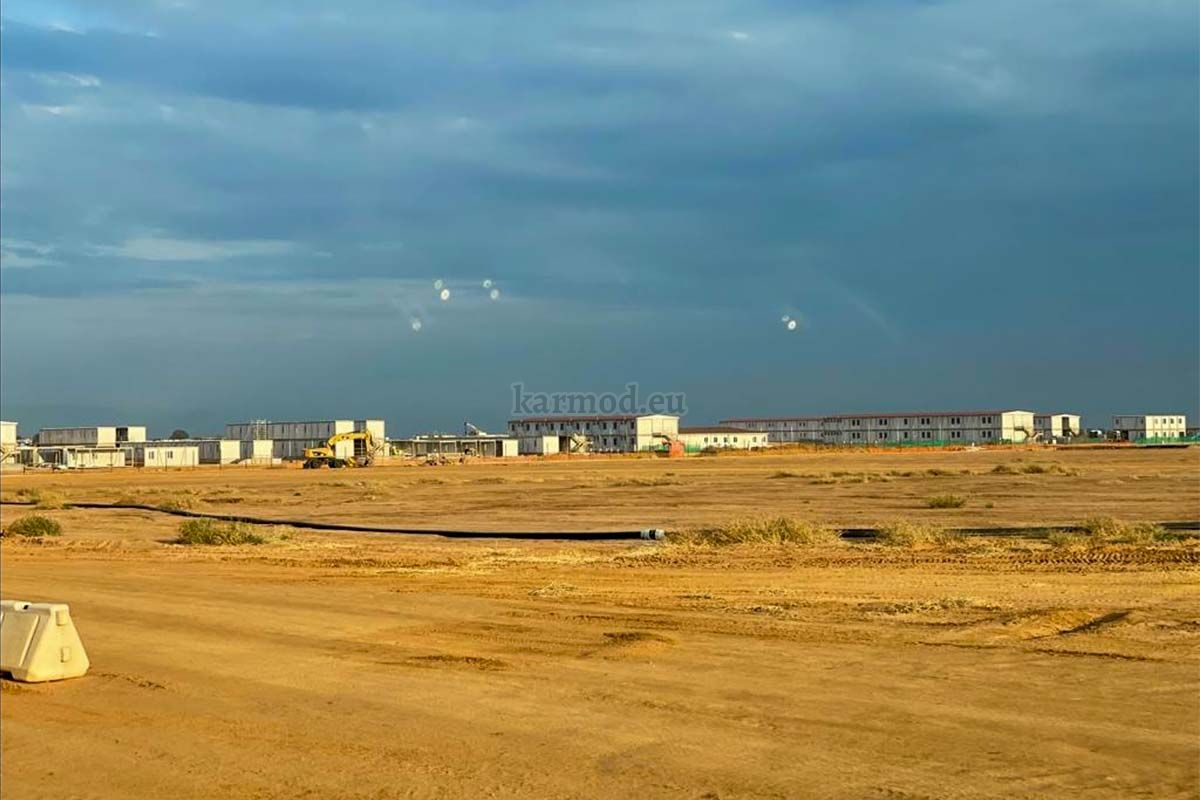
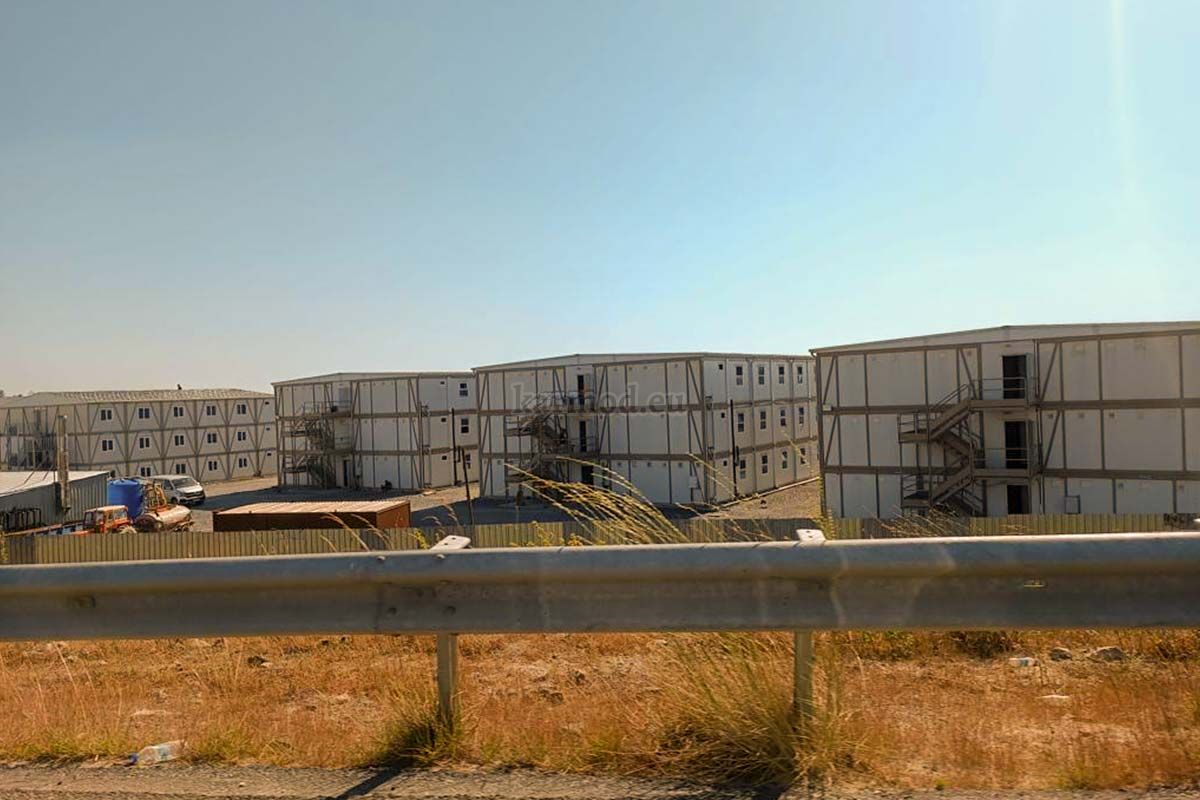
A Working Standard for Bosnia and Herzegovina's Oil and Gas Field Housing
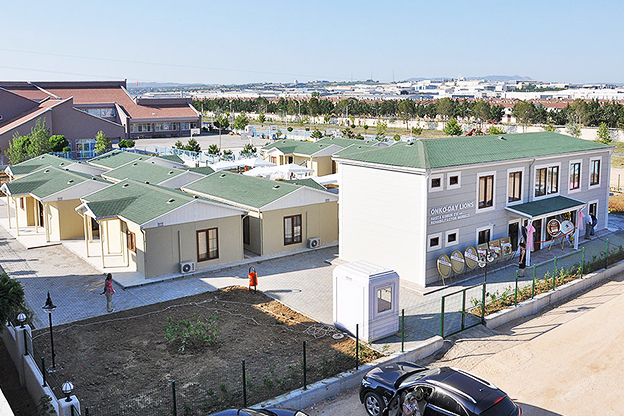
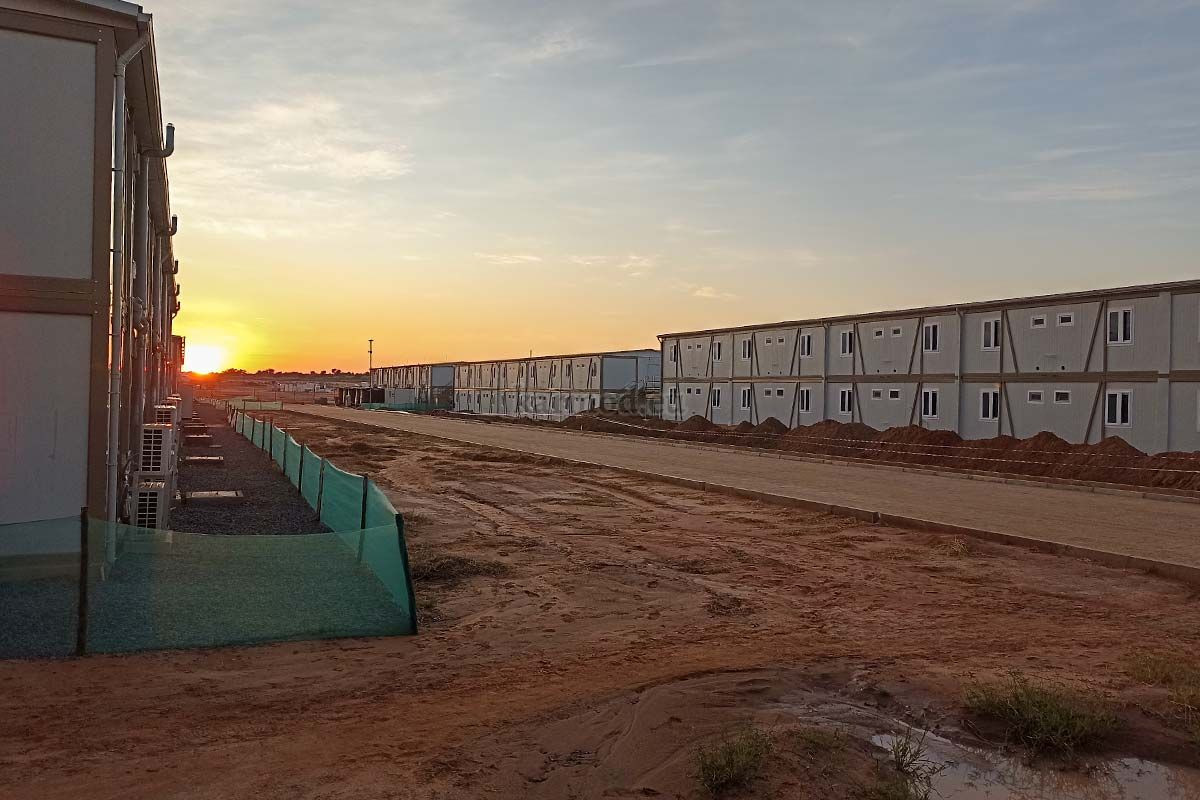
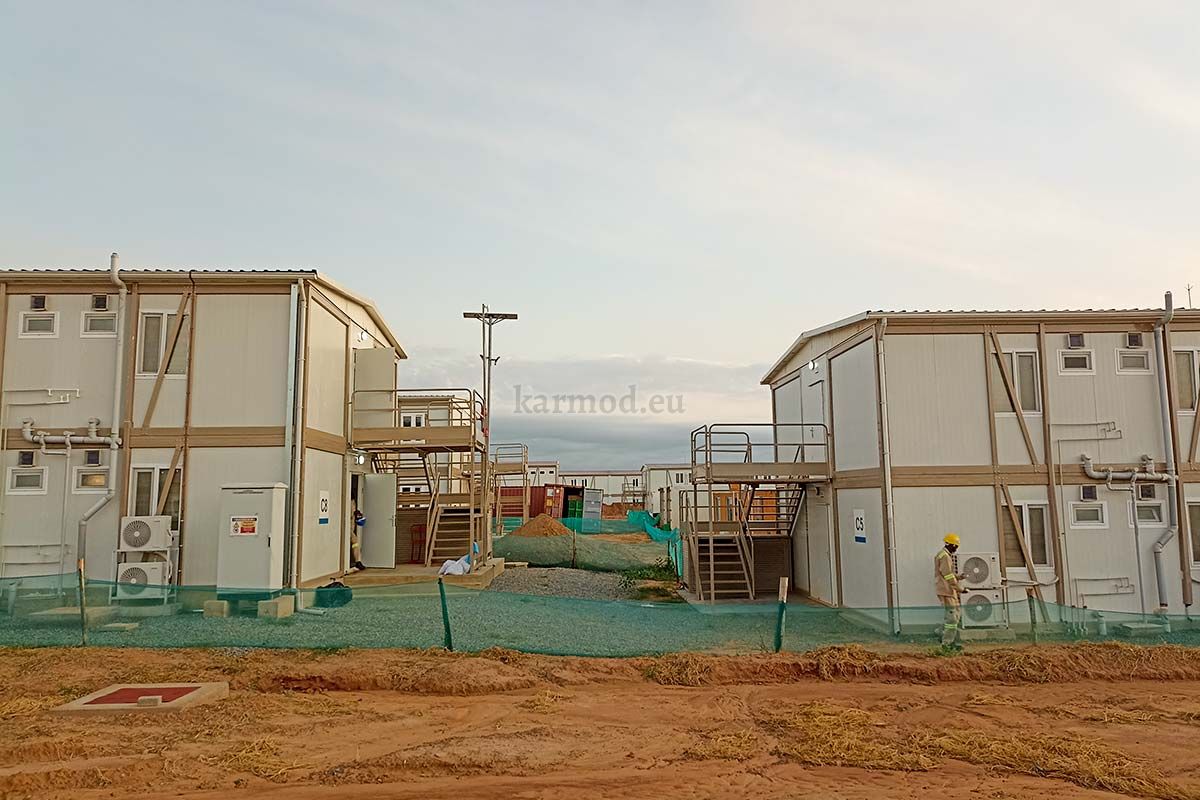
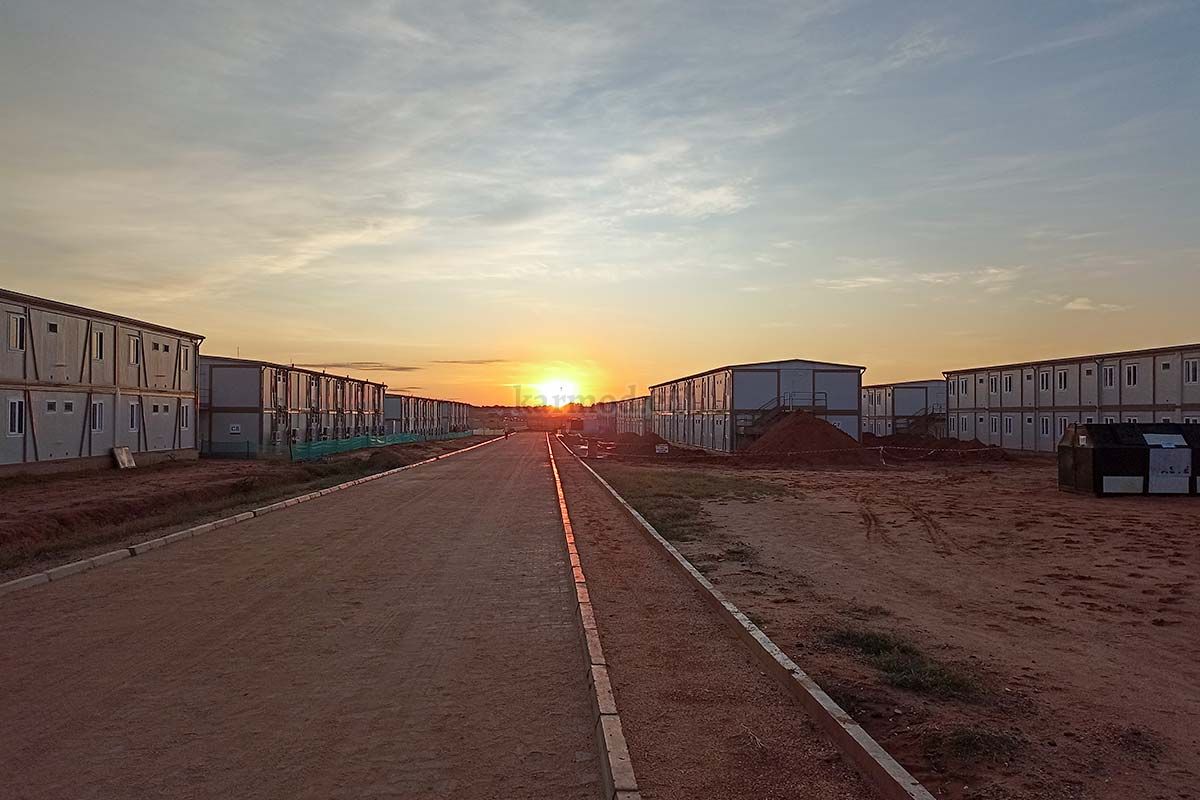
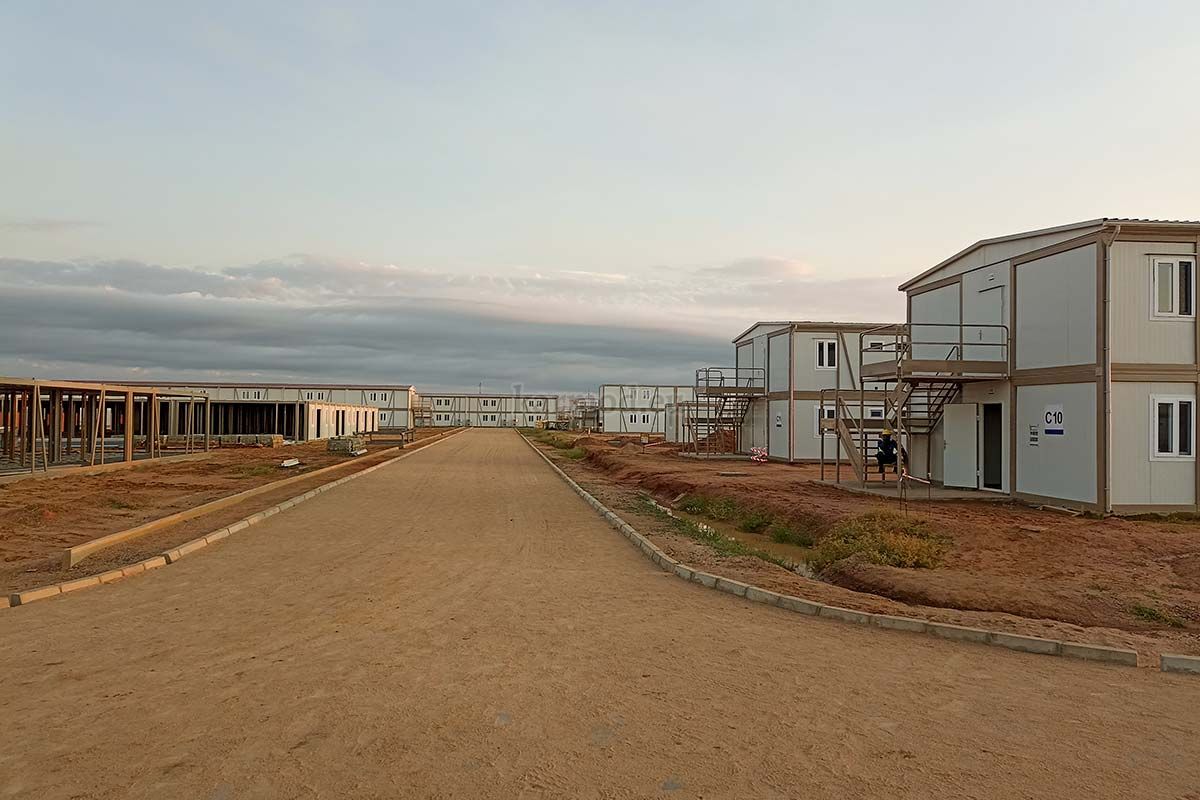
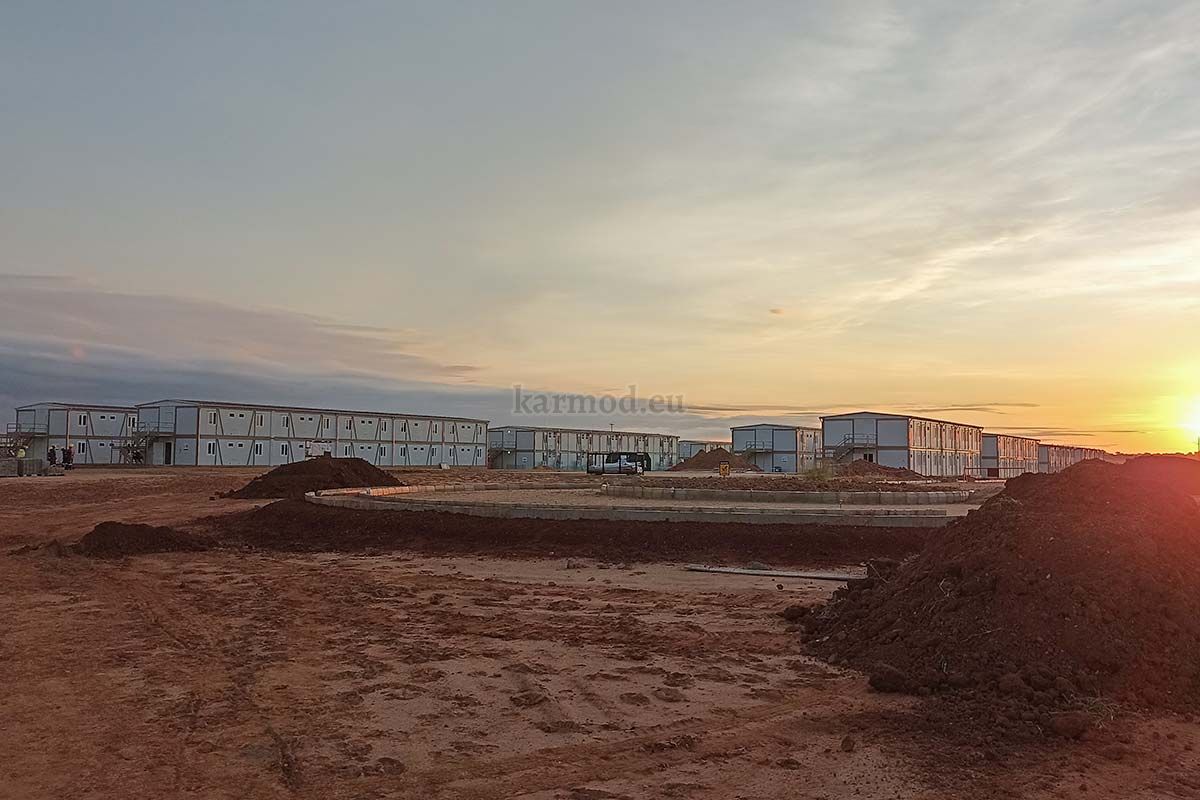
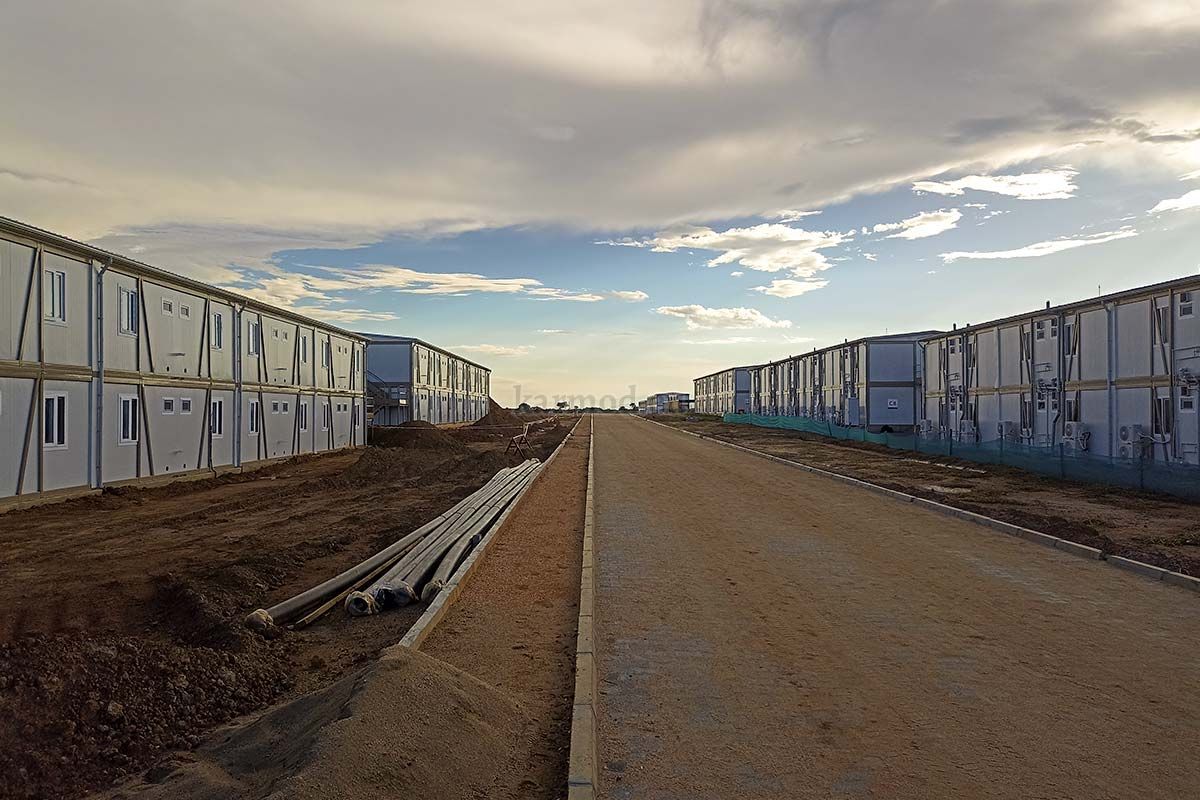
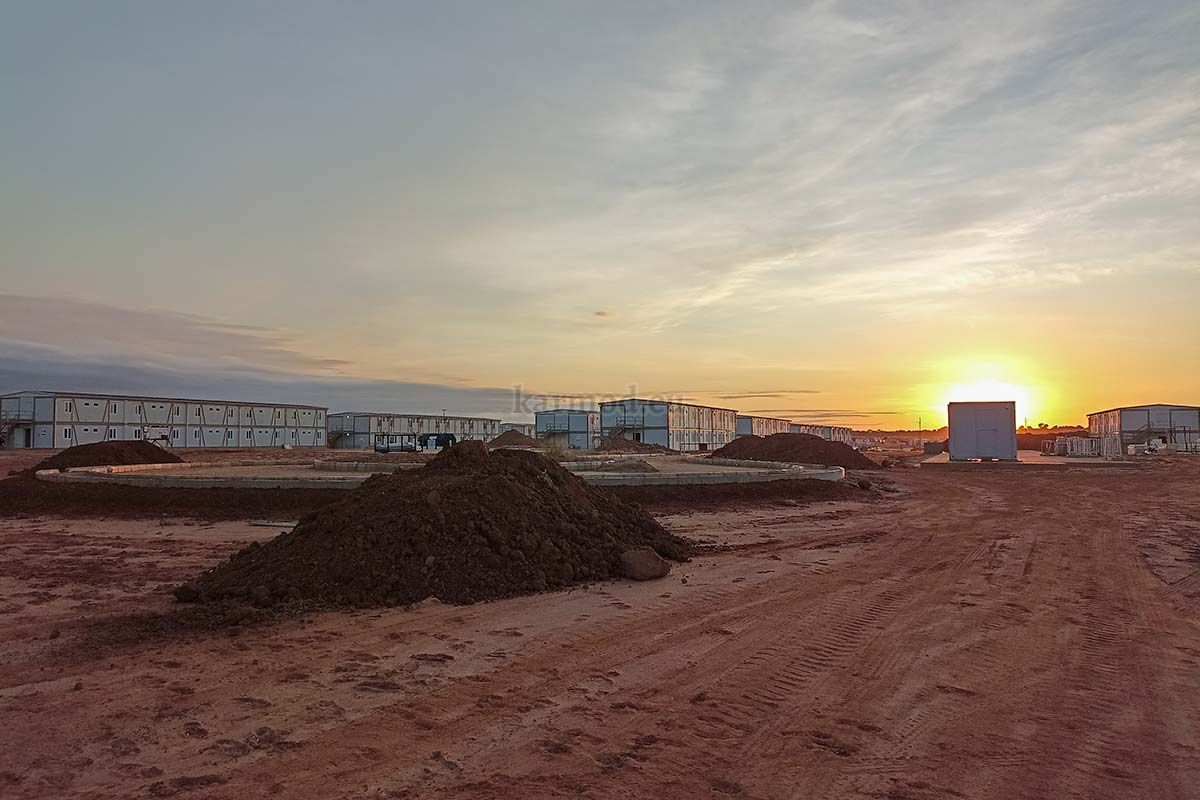
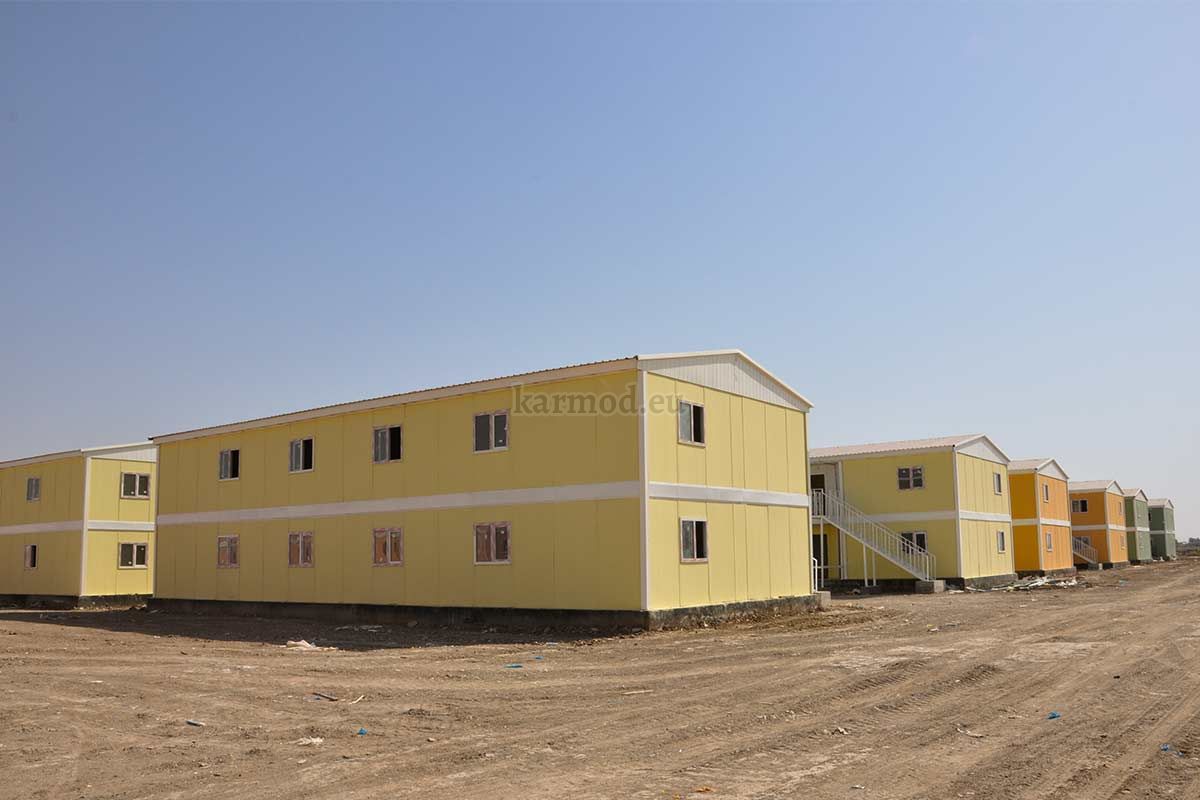
Bosnia and Herzegovina Oil and Gas Field Housing is planned as part of the operational system. Housing units are arranged to support hygiene, rest, and predictable movement, helping site teams maintain discipline and comply with safety procedures.
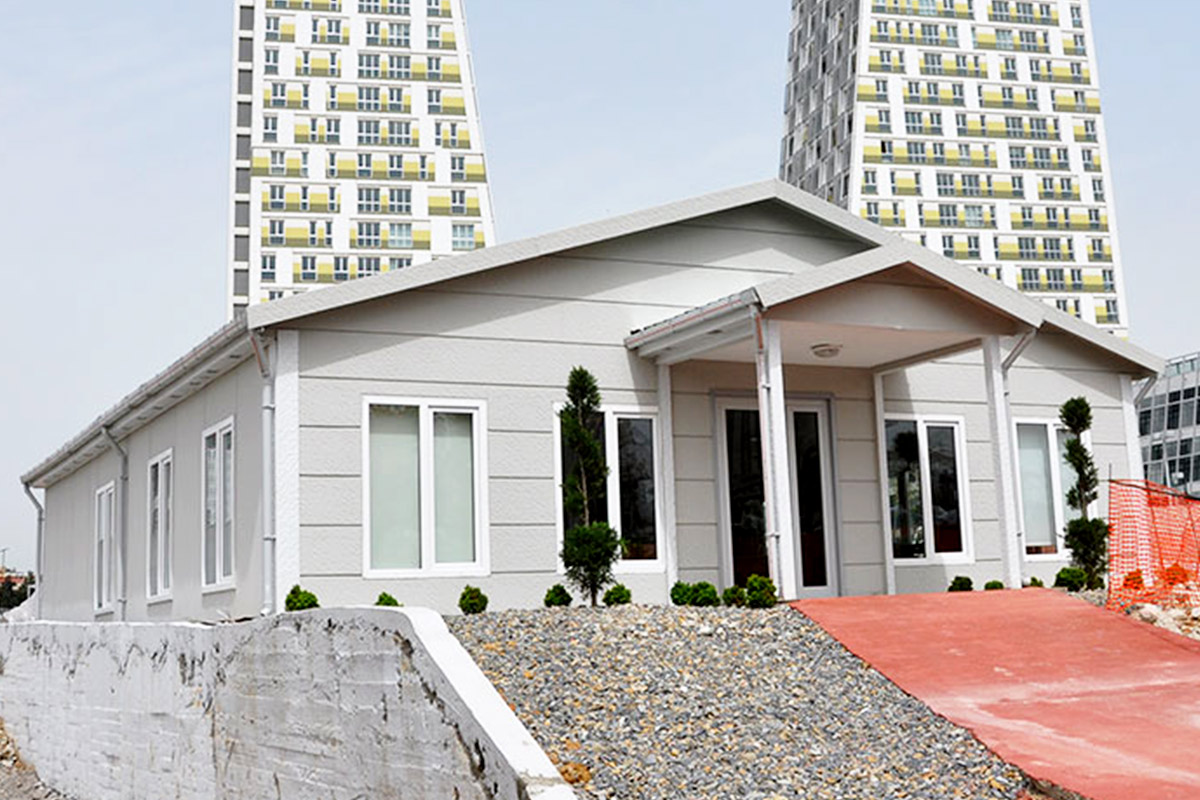
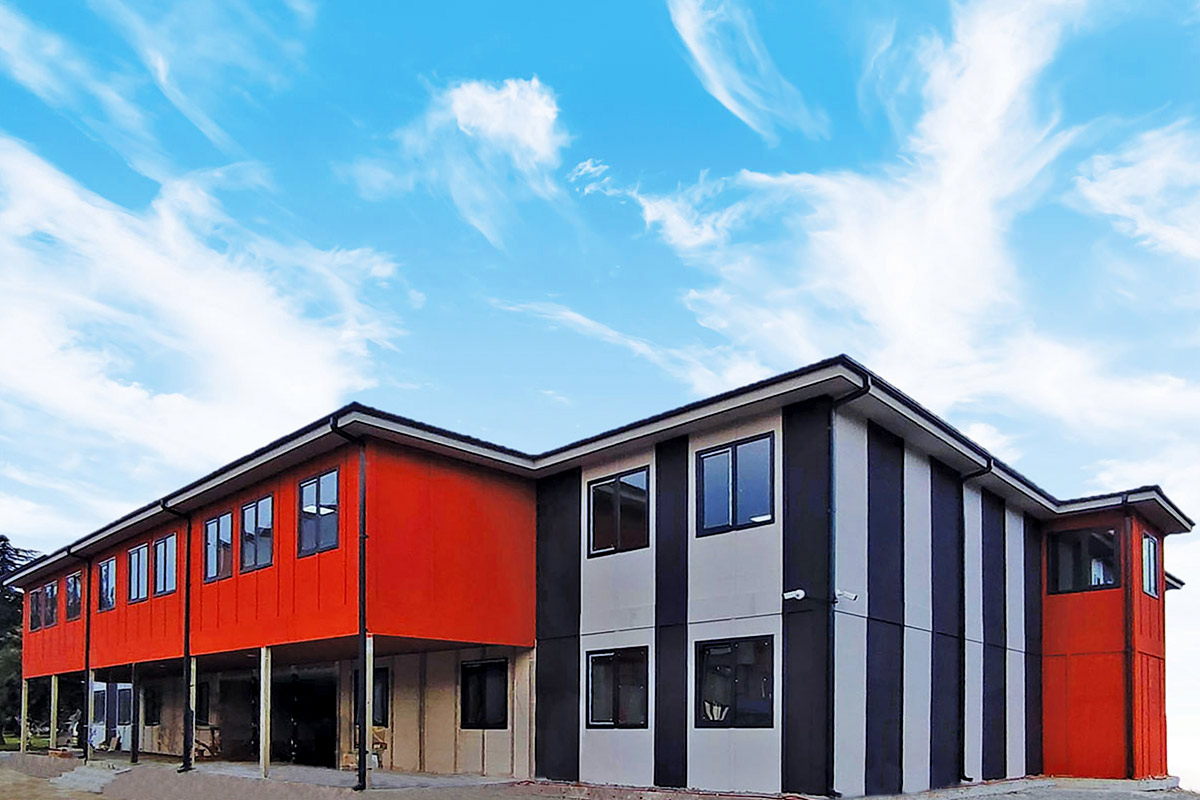
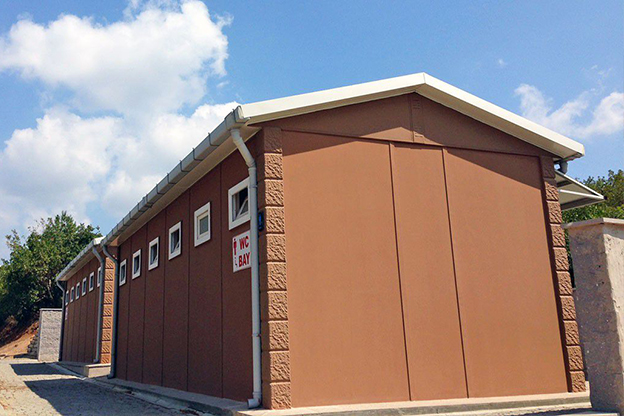
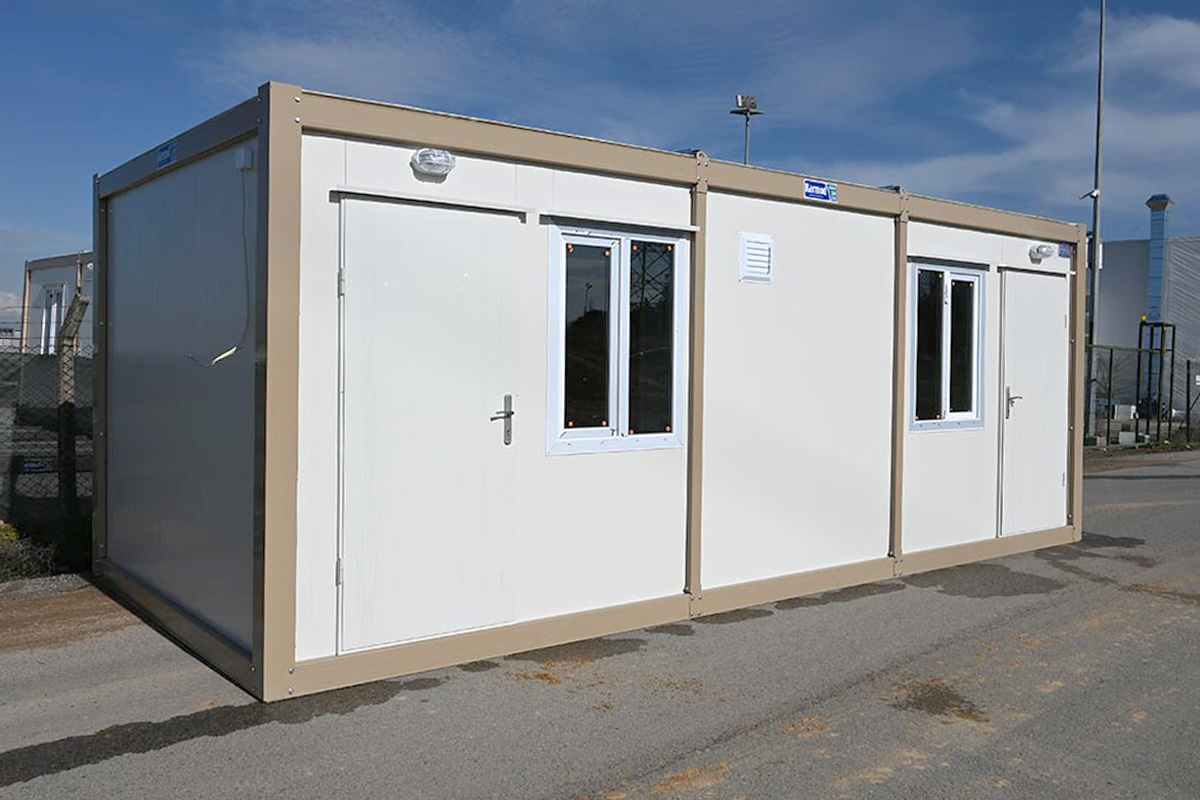
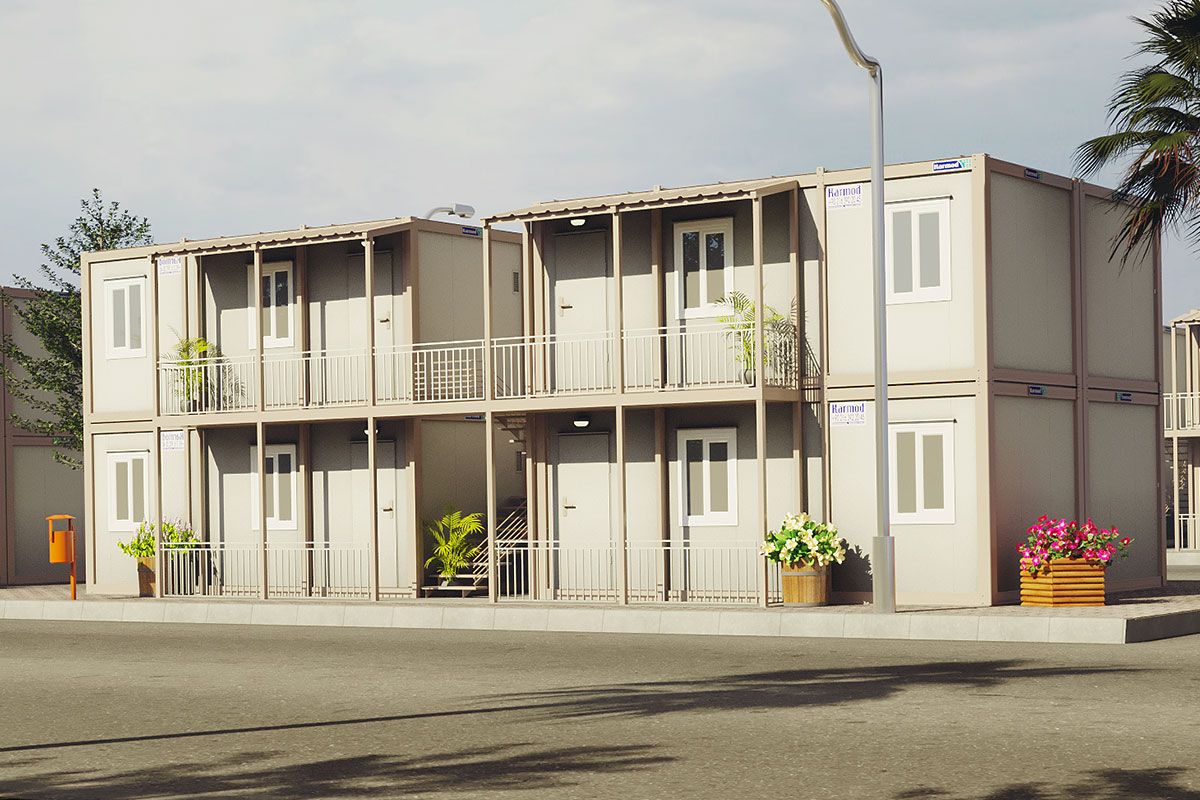
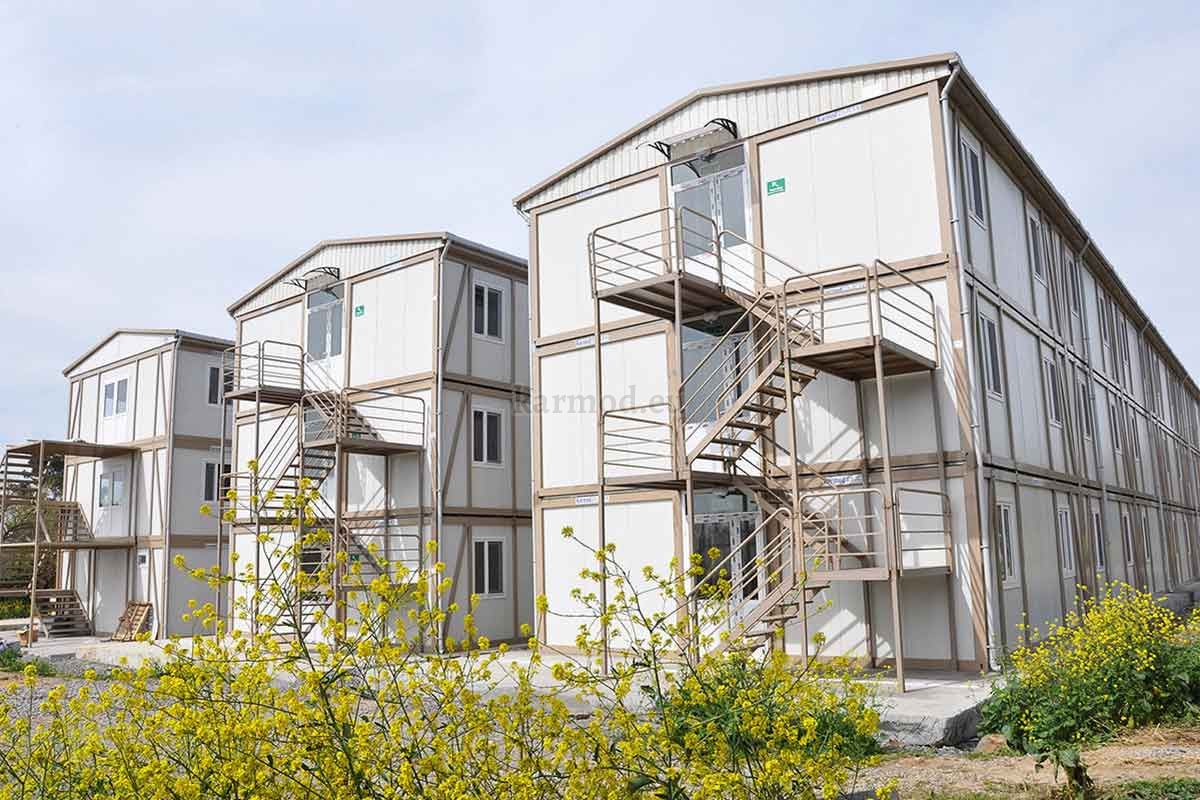
These housing units are built for durability and serviceability, remaining functional across seasonal weather changes and continuous occupancy. Modular production supports controlled quality, while installation can be aligned with site access and phased project development.
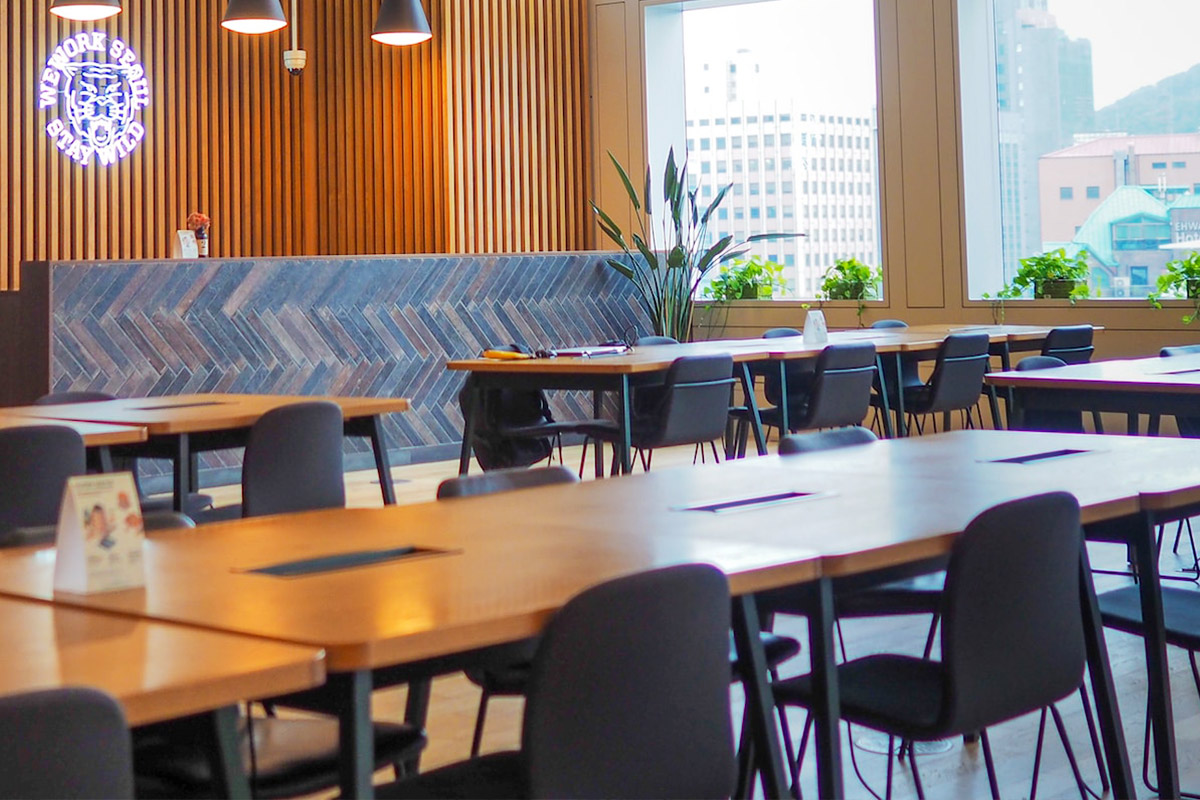
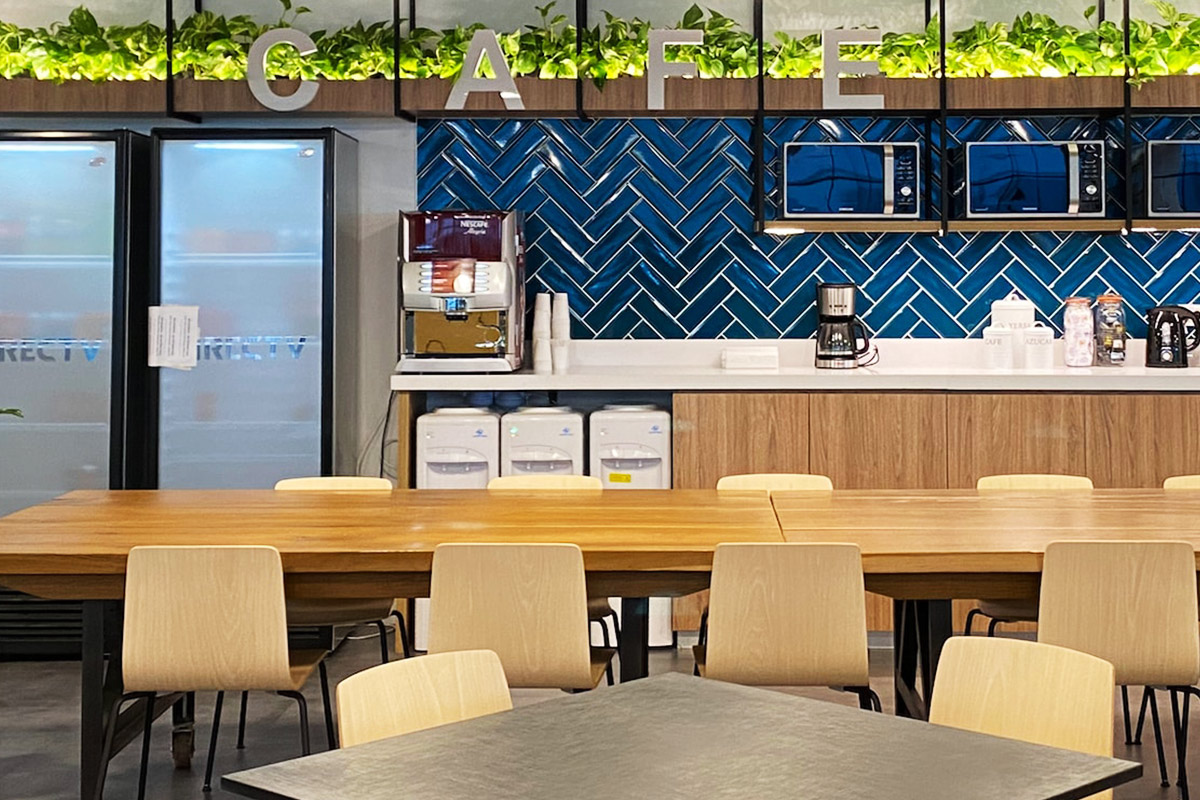
Shared spaces such as dining areas and lounges are included to support routine and social interaction, which can improve morale during extended deployments. The result is accommodation that functions reliably without introducing unnecessary complexity.
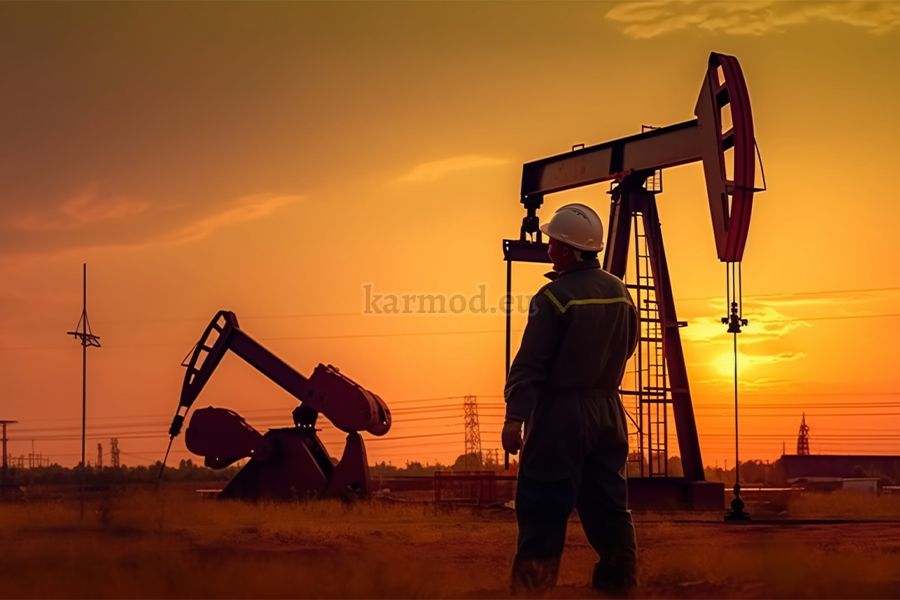
Oil and Gas Camp Construction Buildings in Bosnia and Herzegovina
Camp construction in Bosnia and Herzegovina must account for site access, terrain variation, and changing operational timelines. Oil and Gas Camp Construction Buildings are most effective when they are planned for staged delivery, straightforward installation, and long-term maintenance.
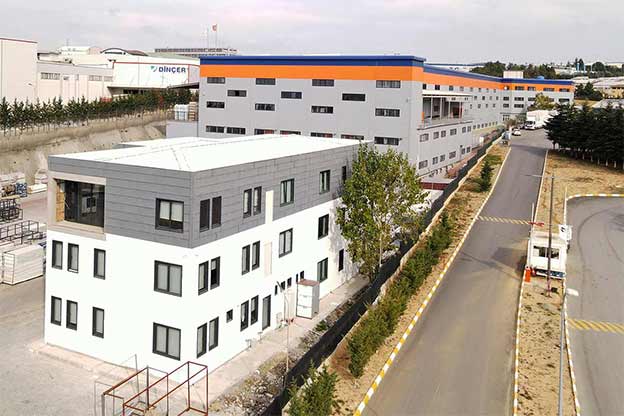
These structures combine engineering discipline with practical layout planning, ensuring that living and working zones remain clearly defined while supporting safe movement and efficient site management.
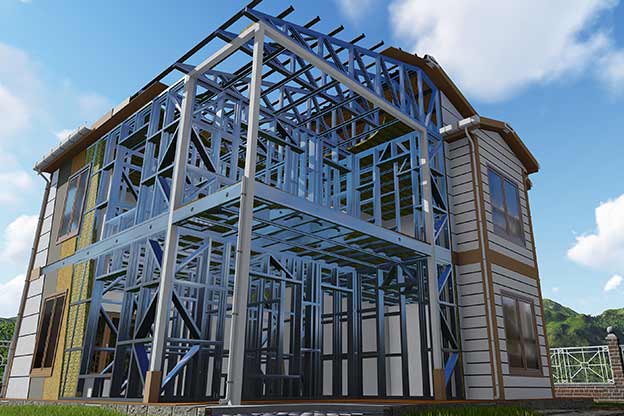
- Engineering-led design: Buildings are engineered to withstand local environmental conditions while maintaining stable indoor environments for occupants.
- Sustainability considerations: Energy efficiency and responsible material use are integrated to reduce operational strain and ongoing utility demand.
- Adaptable configuration: Modular layouts allow camps to expand or reconfigure as project requirements change, minimizing disruption to active operations.


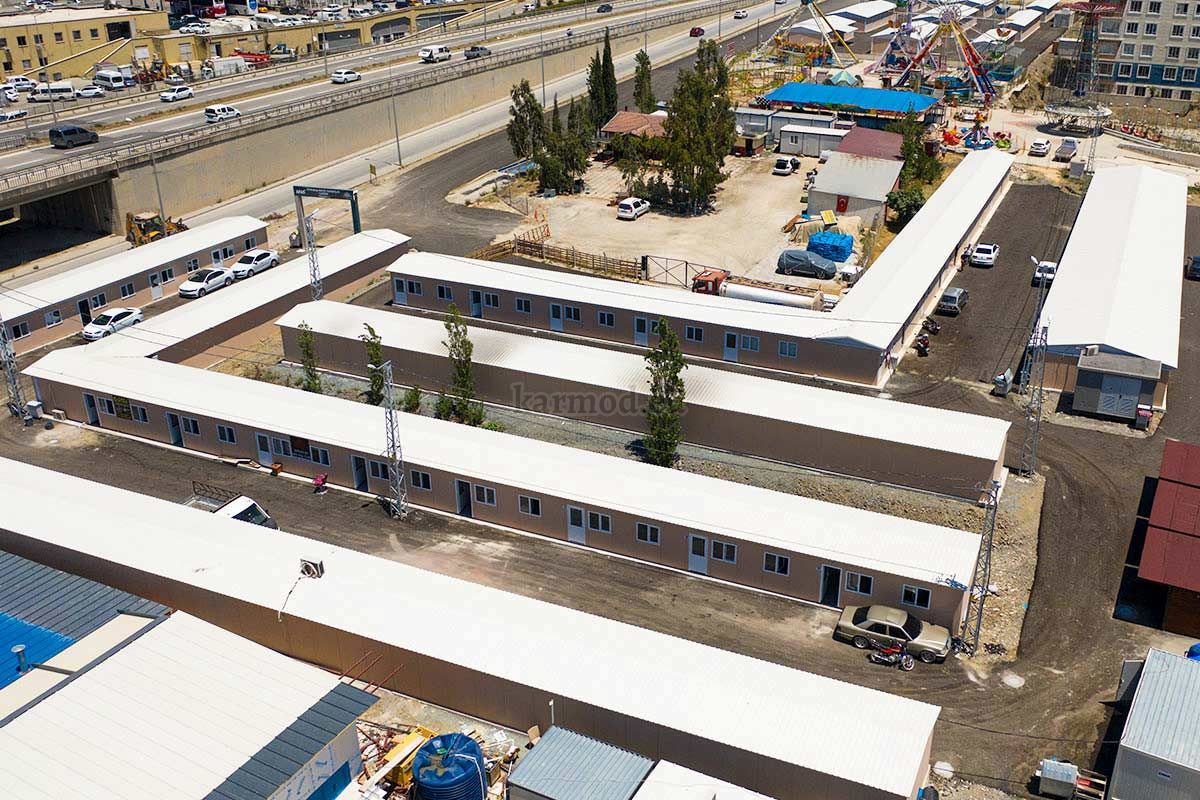
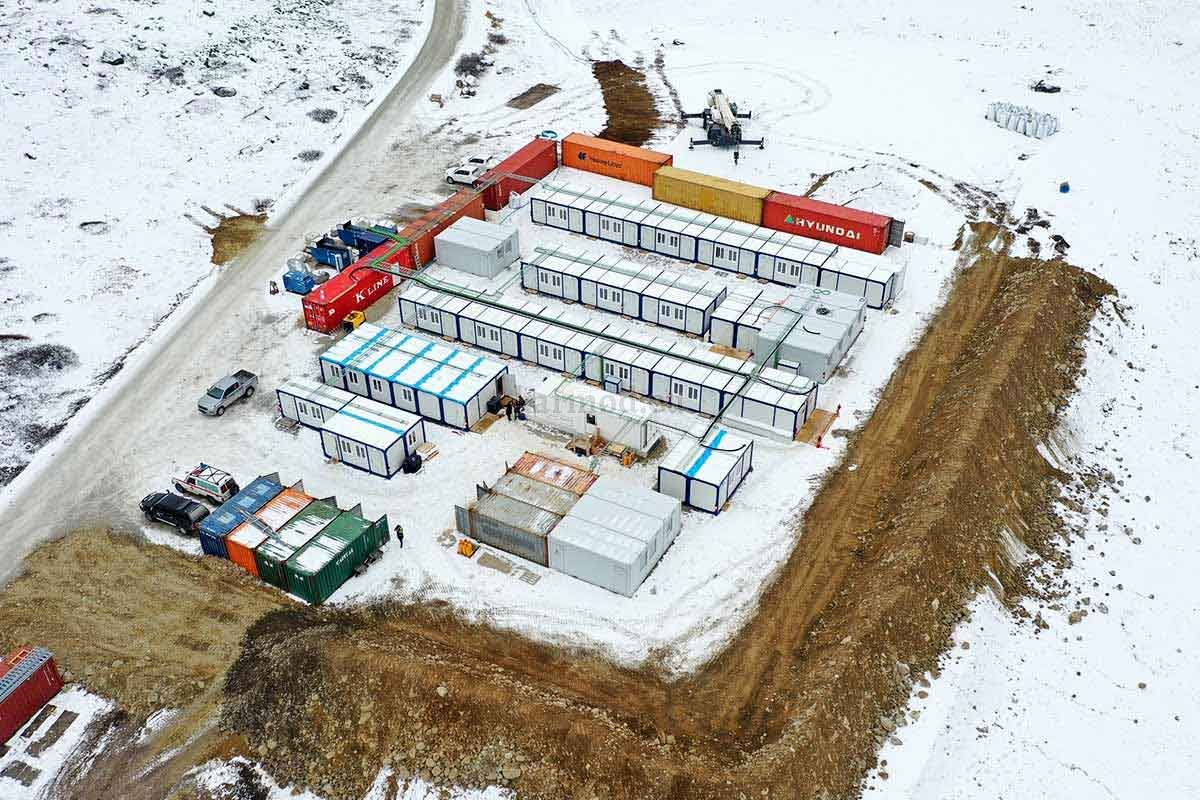
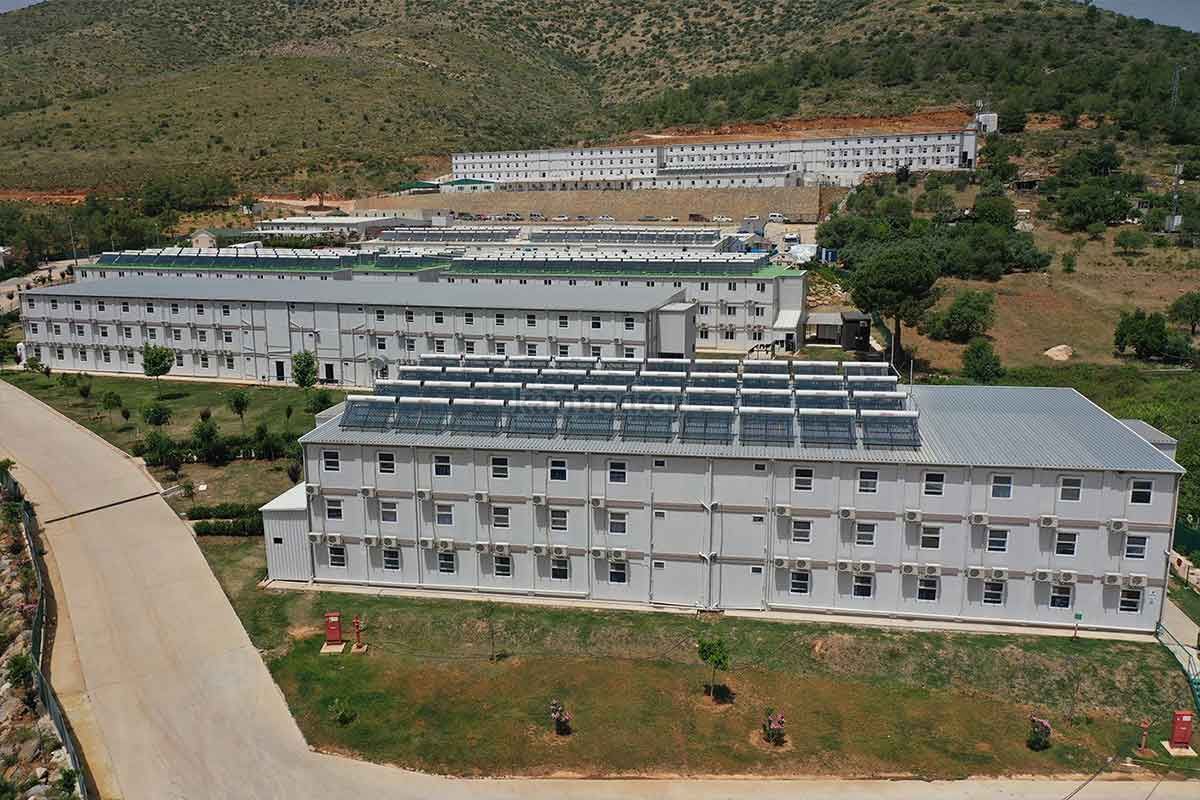
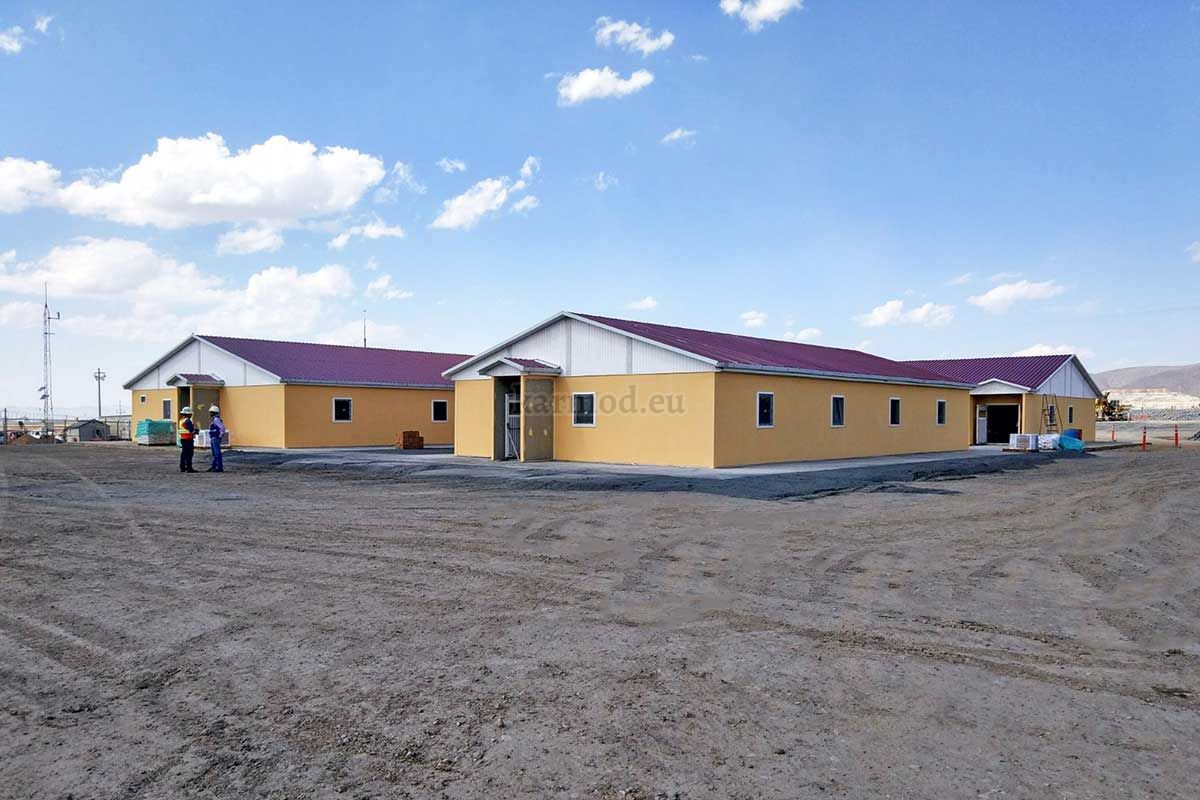

Best Company and Manufacturer Karmod for Oil and Gas Field in Bosnia and Herzegovina
Karmod’s involvement in Bosnia and Herzegovina Oil and Gas Field Housing centers on structured delivery and practical design. By coordinating production and installation, Karmod supports projects that require predictable timelines and consistent build quality.
Housing units developed under this approach focus on usability and durability, ensuring that accommodation remains reliable throughout extended project phases.
- Customized solutions: Camp layouts and unit configurations are adapted to match specific site requirements, workforce size, and operational workflows.
- Technology integration: Essential systems are incorporated to support safety, efficiency, and maintainability without adding unnecessary complexity.
- Human-centric planning: Design decisions prioritize rest, safety, and routine, recognizing accommodation as a factor in workforce performance.
In oil and gas operations, accommodation quality influences safety outcomes and operational stability. In Bosnia and Herzegovina, well-executed camp and housing solutions reflect an approach where workforce needs are treated as an integral part of project success.