



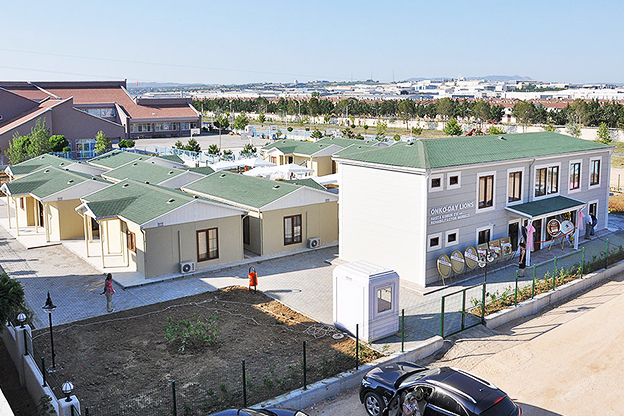
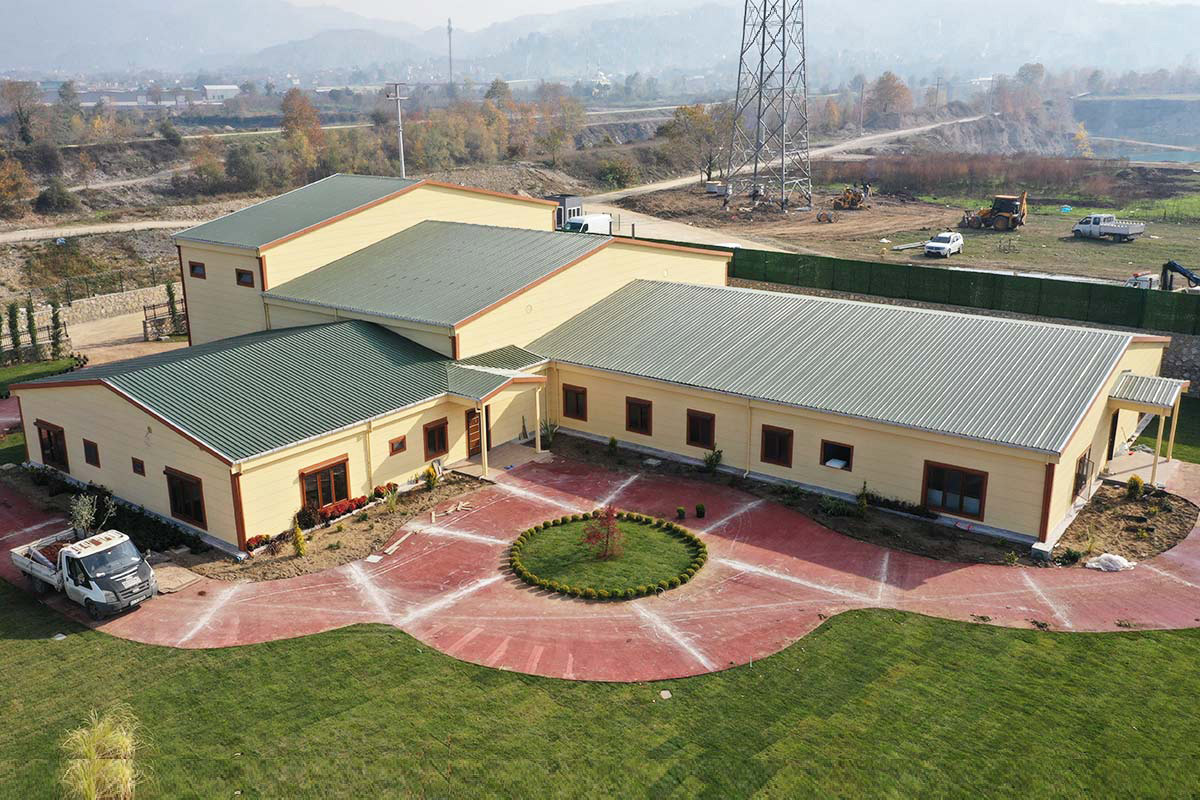
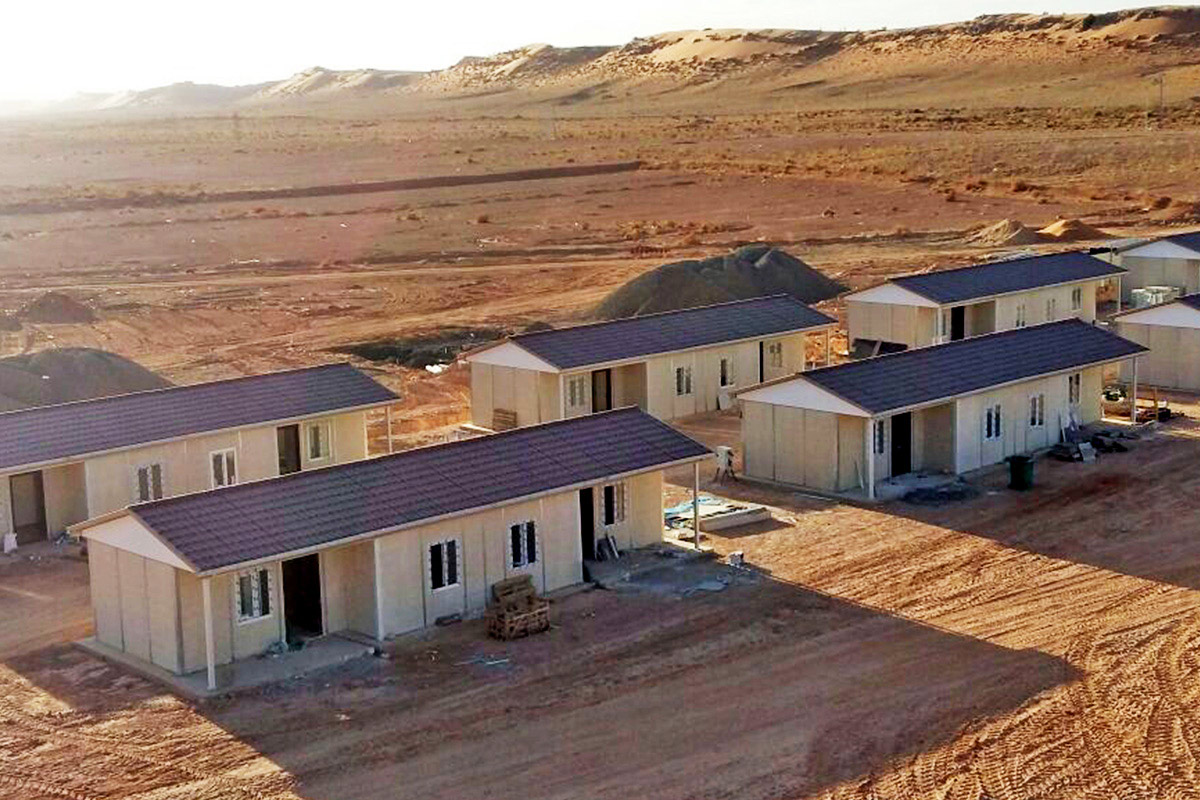
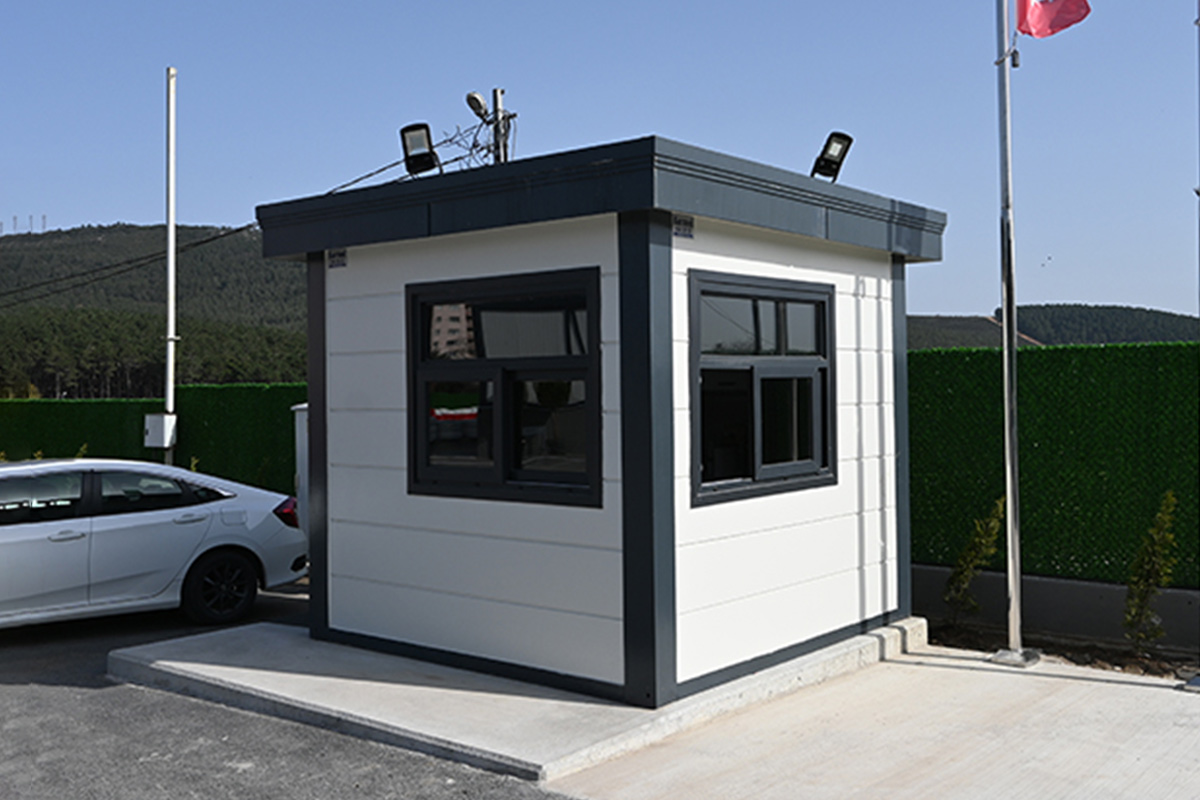
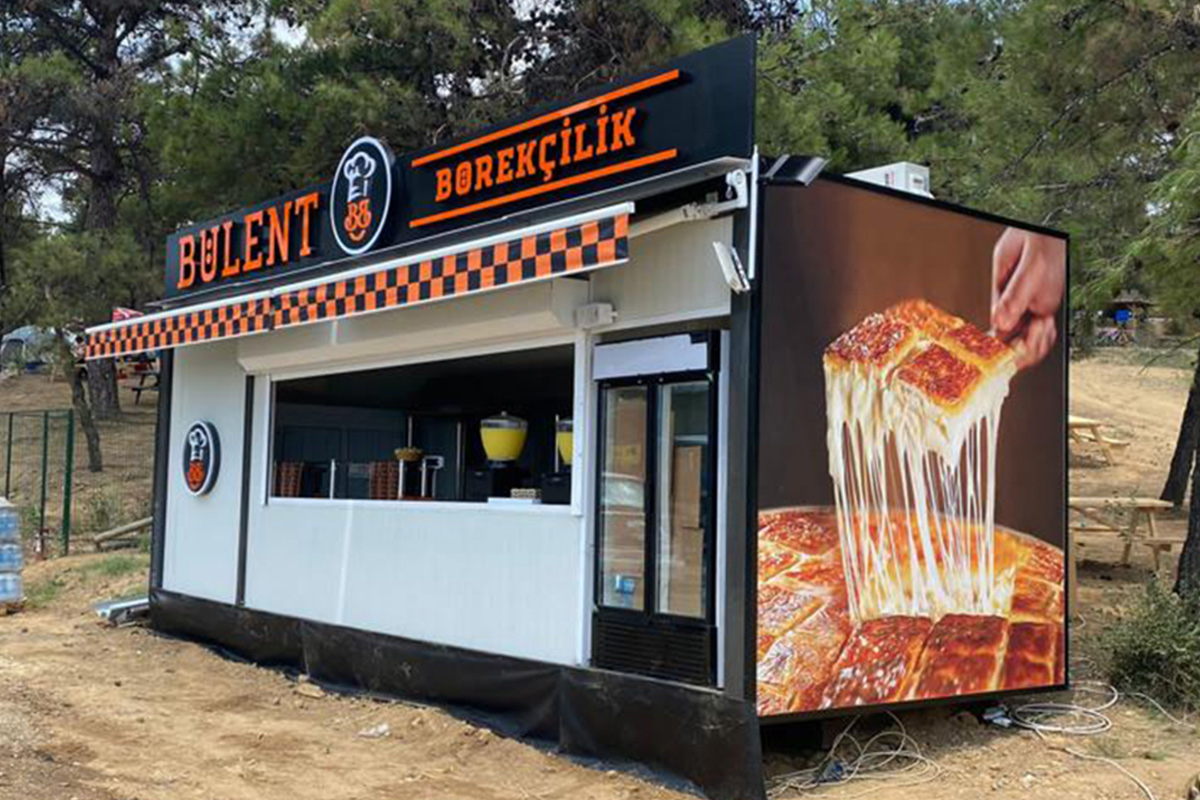
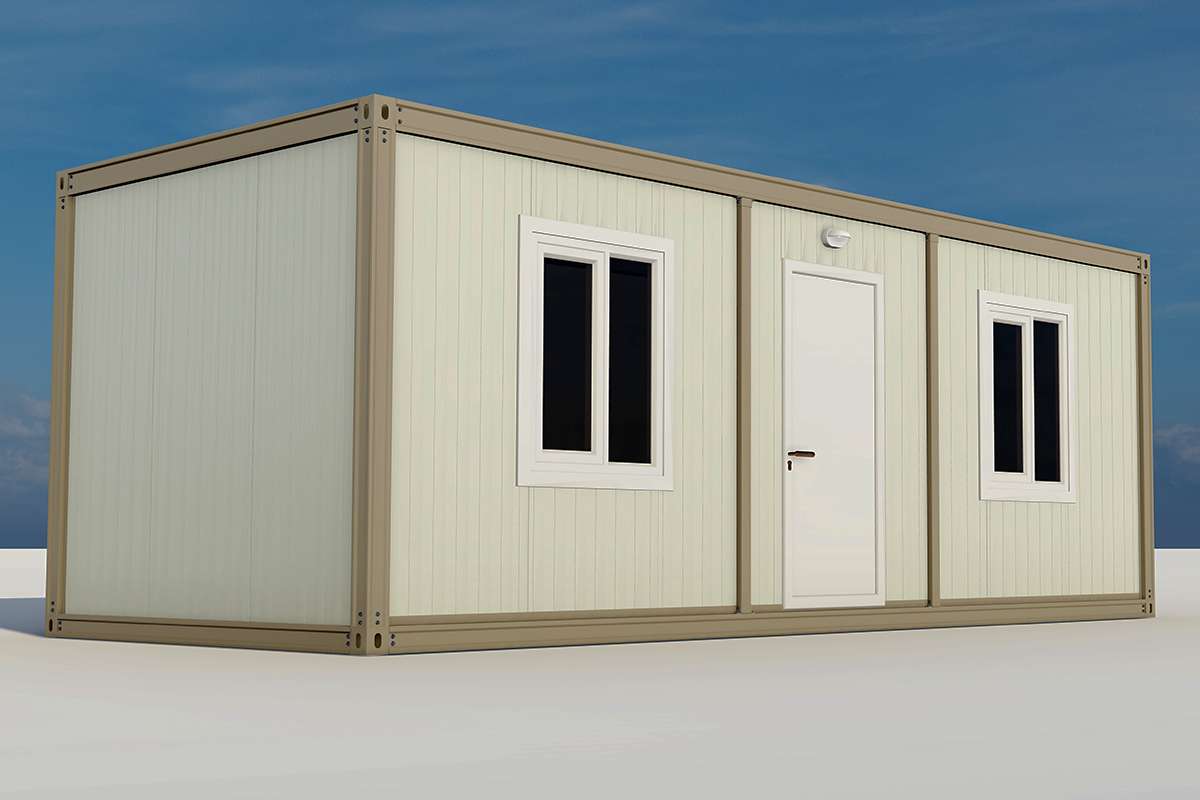
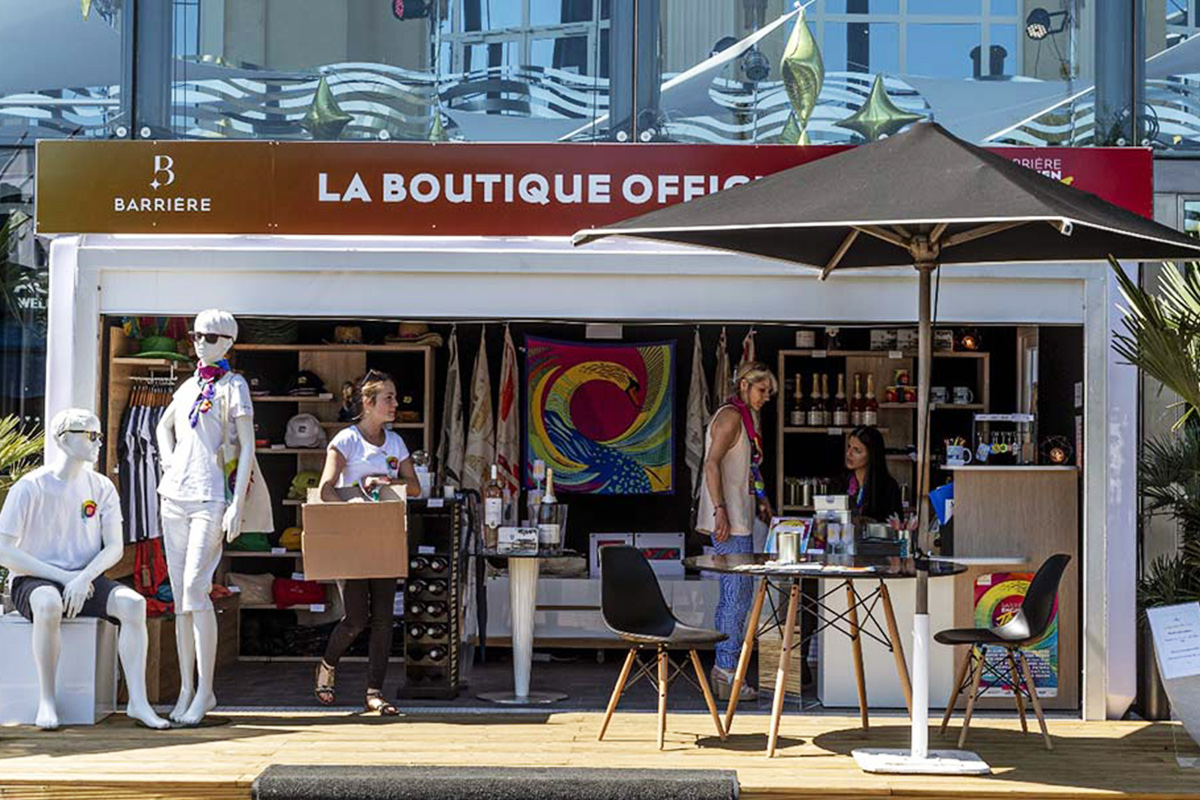
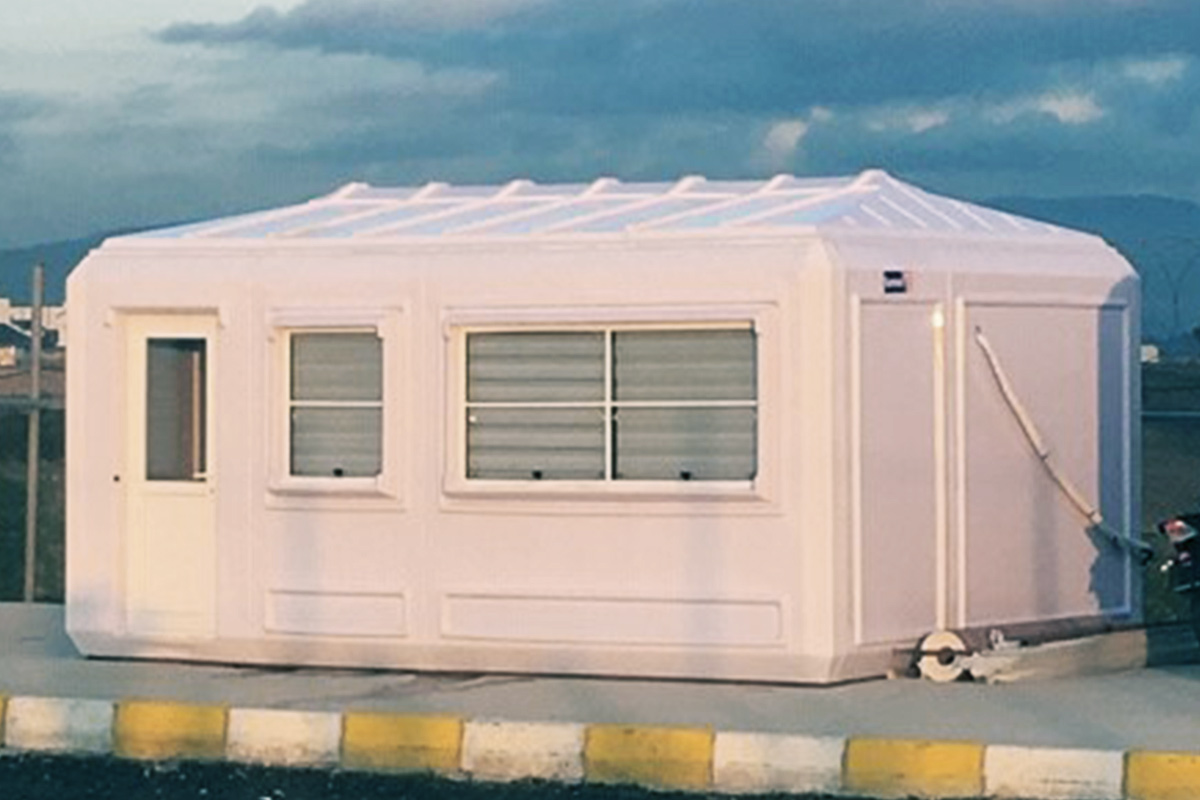
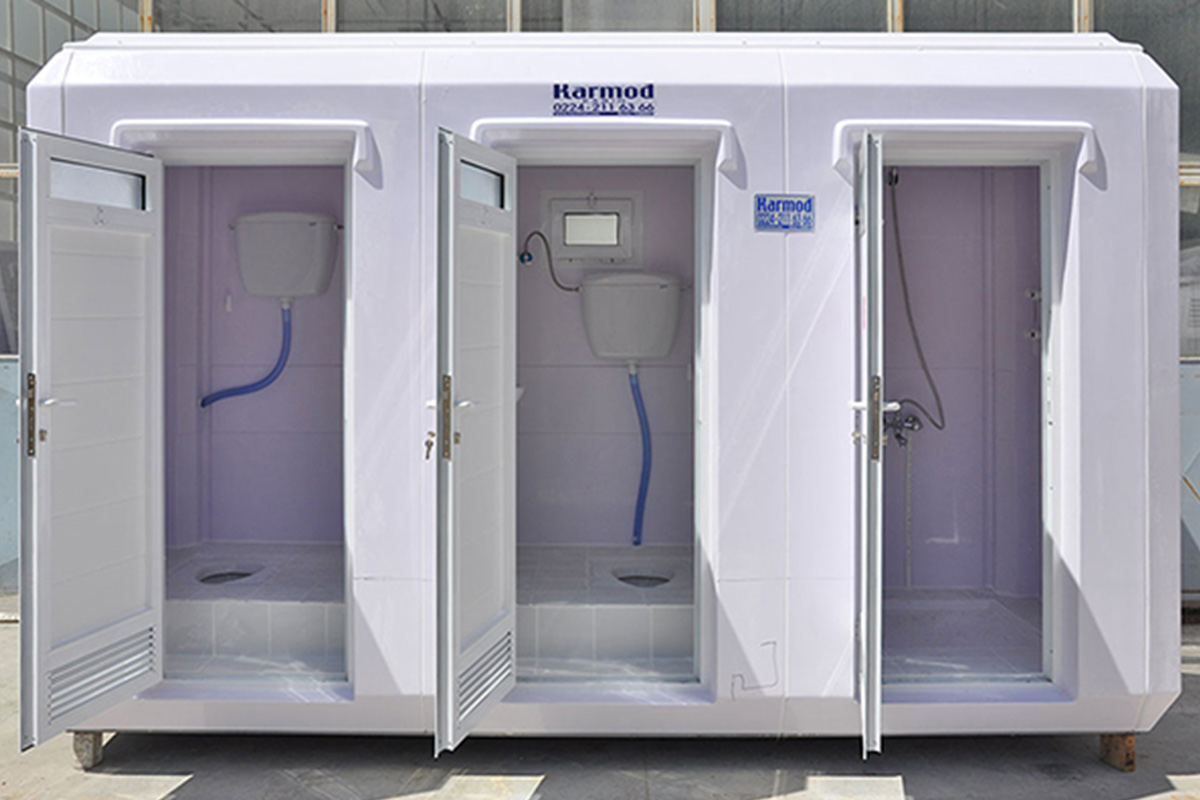
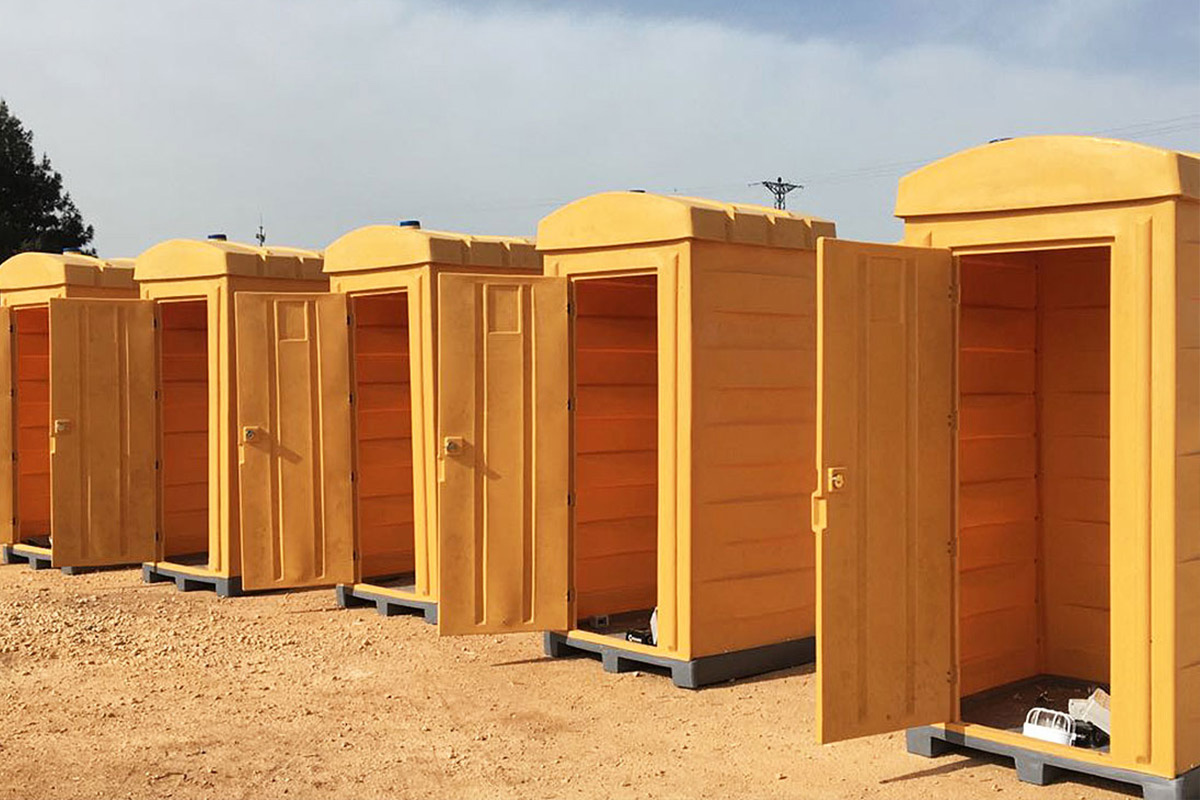
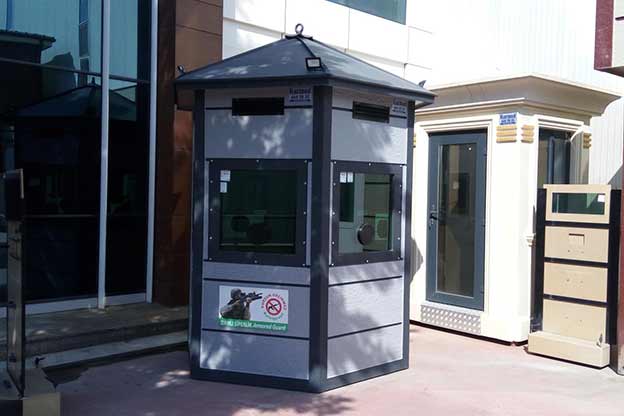
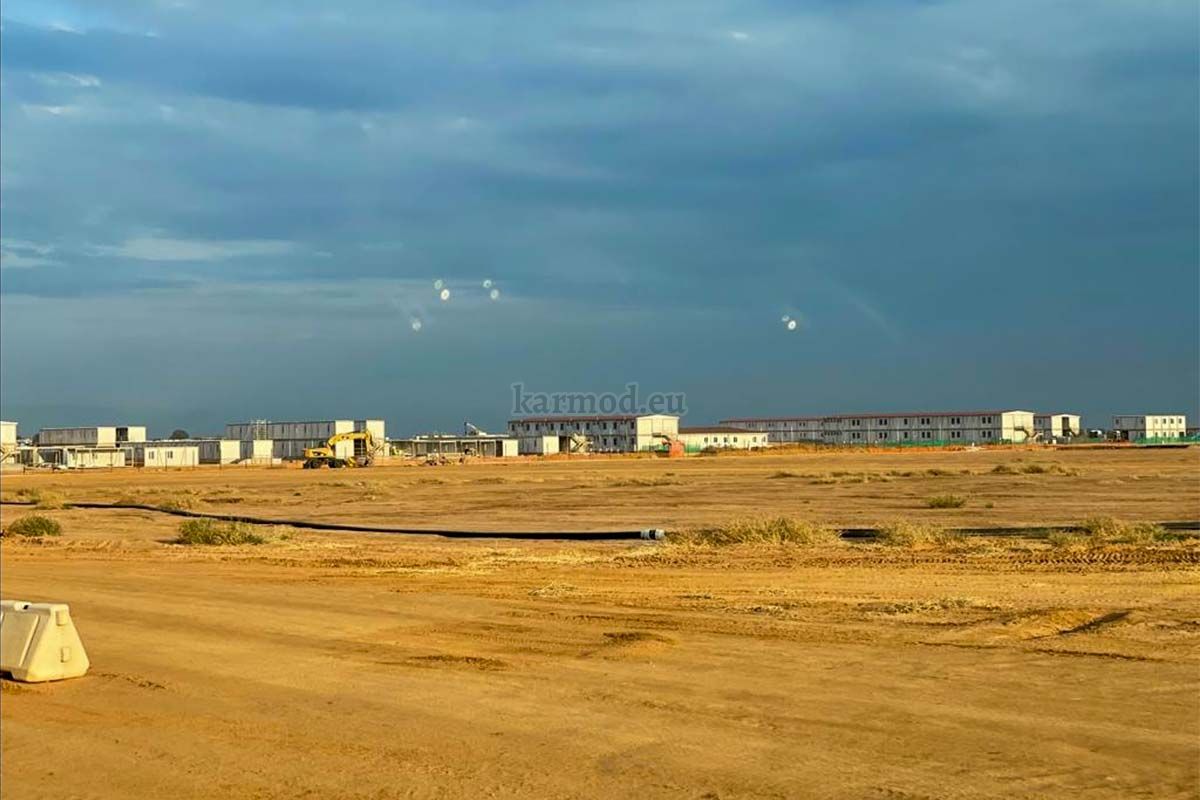
Botswana’s energy and industrial projects operate across wide, semi-arid regions where distance, heat, and limited services make workforce accommodation a critical part of site performance. In these conditions, a well-planned camp is more than shelter; it supports shift reliability, health, and safety by giving crews a stable place to rest, recover, and prepare for the next rotation. This is the practical role of the modular living solutions provided by Karmod.
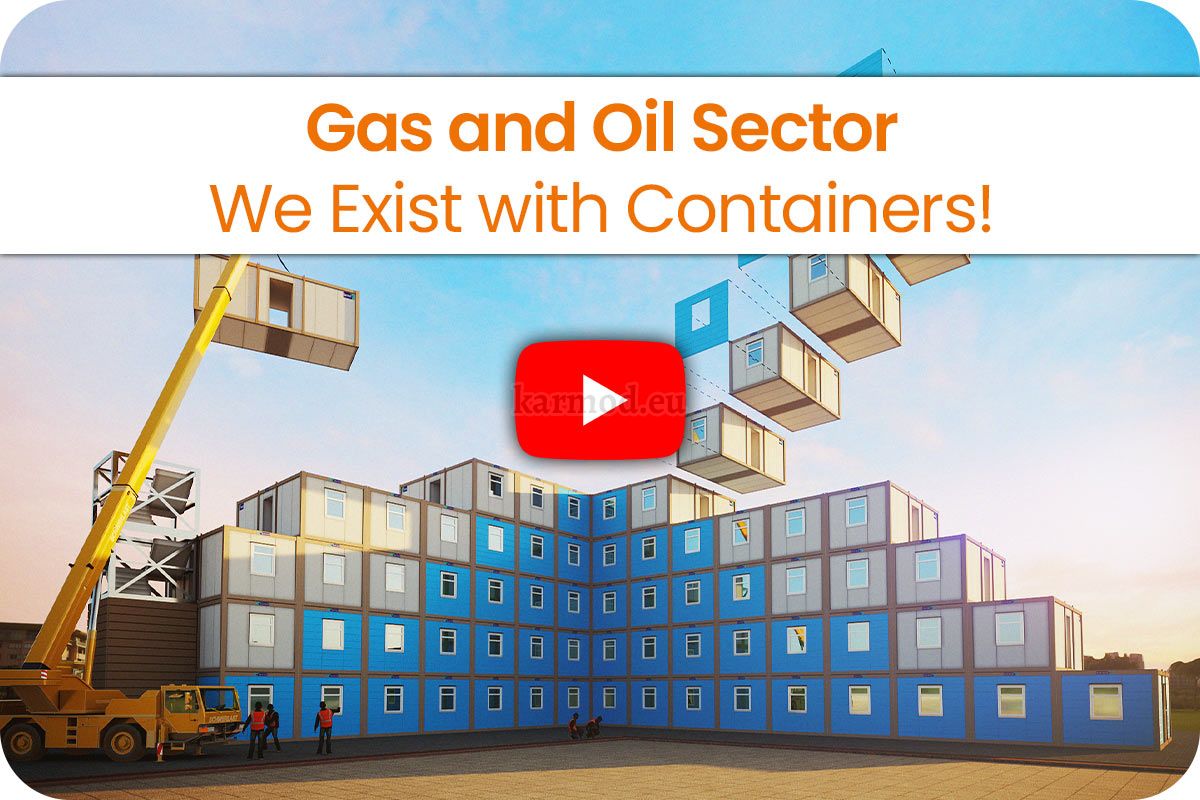
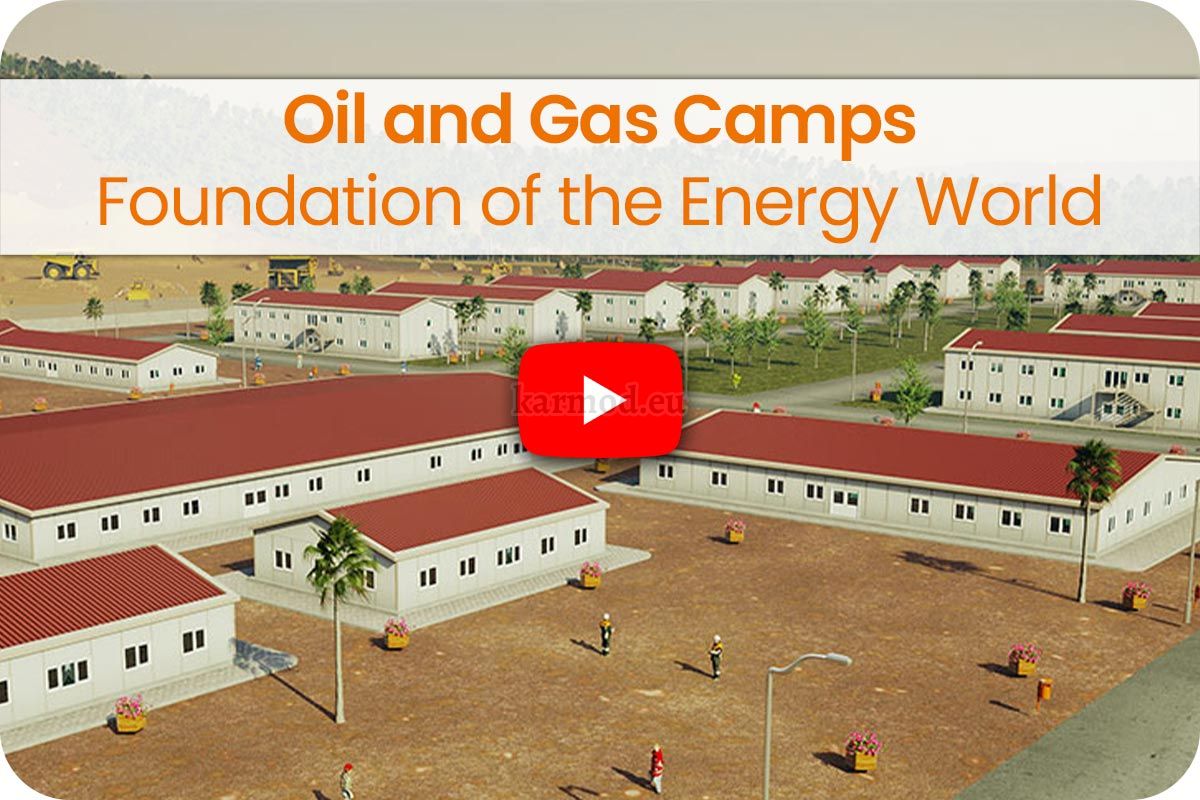
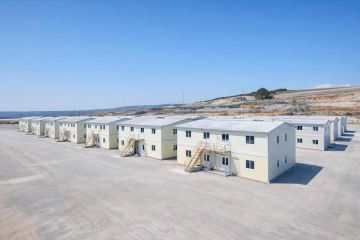
Designed for remote deployment and daily use, Karmod’s camp buildings focus on functional layouts, durable finishes, and the basics that matter most on a working site: predictable comfort, hygiene, and privacy. The modular approach also supports phased installation, allowing teams to scale capacity as projects ramp up. These modular camps are arranged to keep movement simple, reduce congestion during shift changes, and create a calmer living environment after demanding field work.
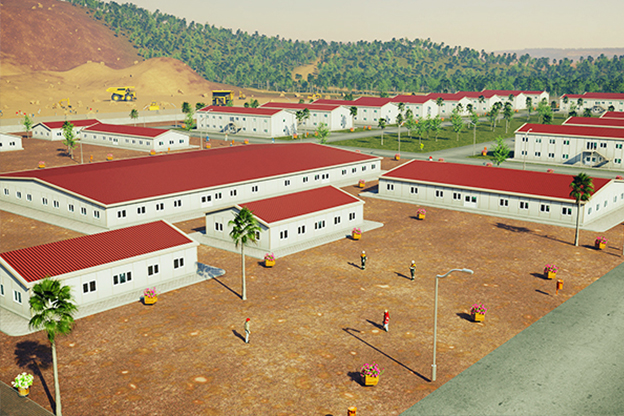
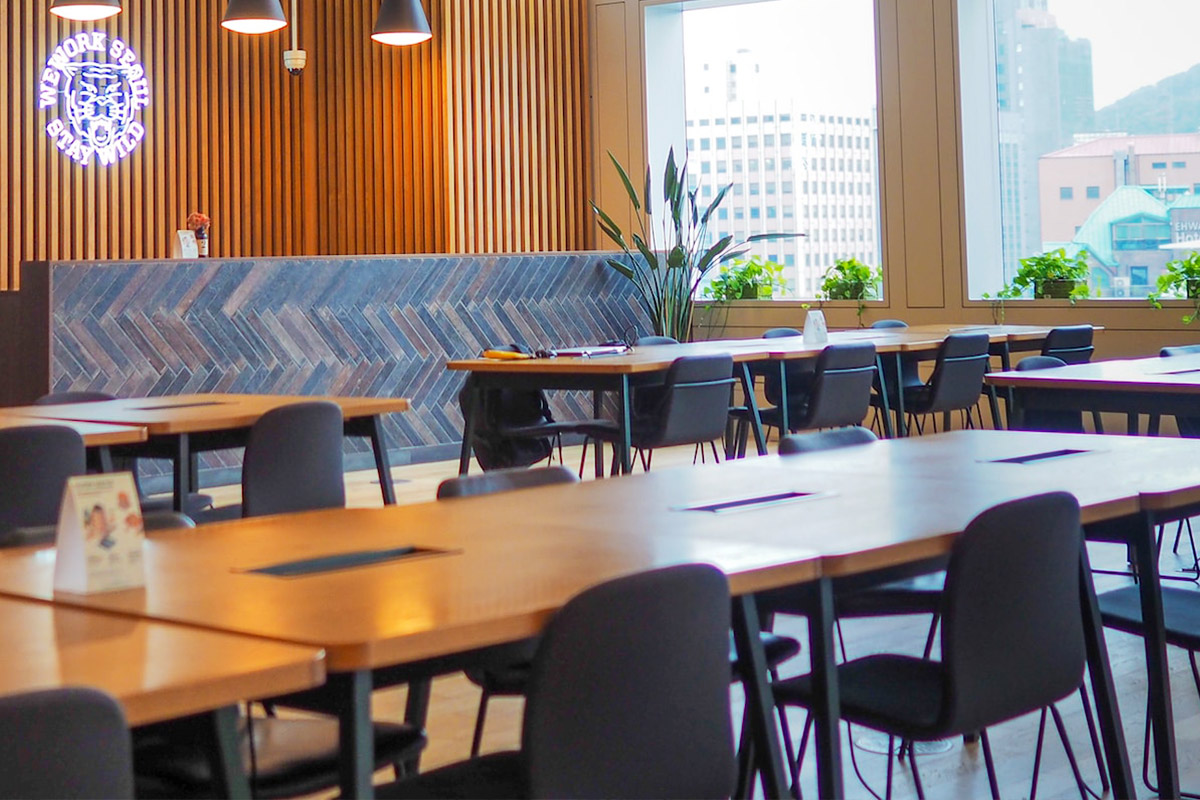
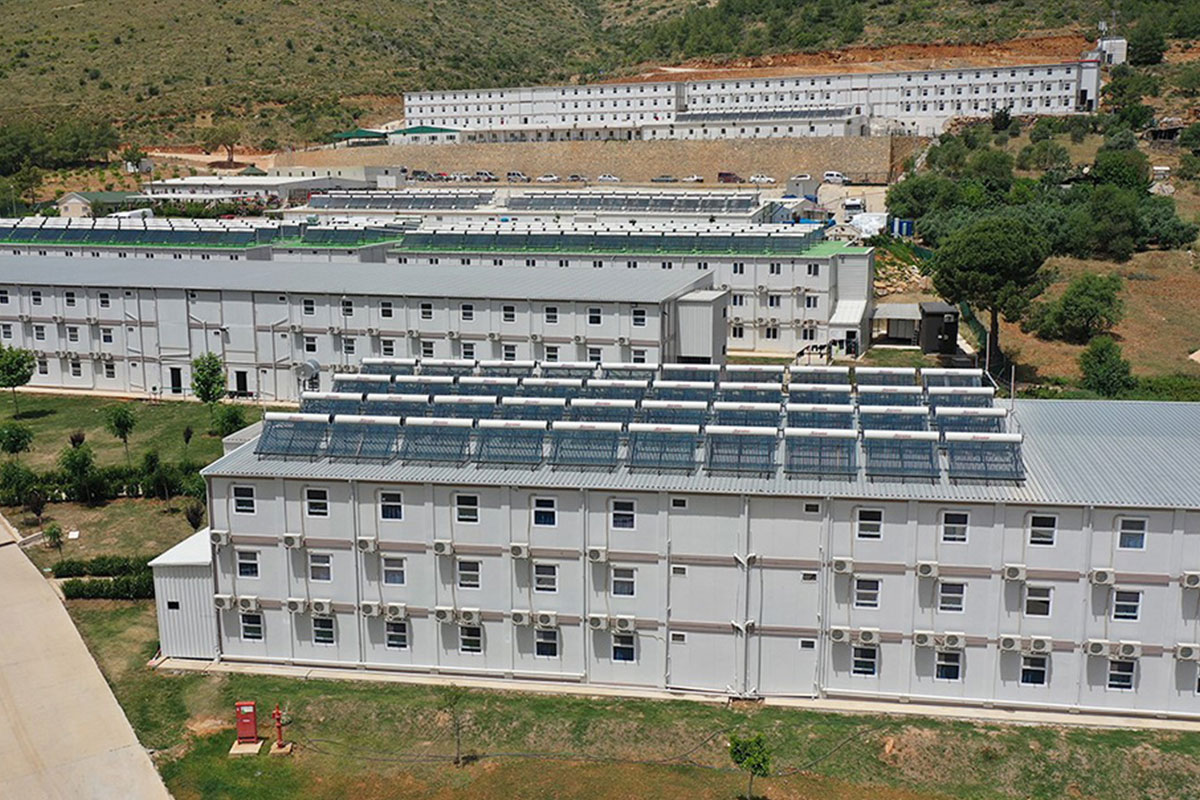
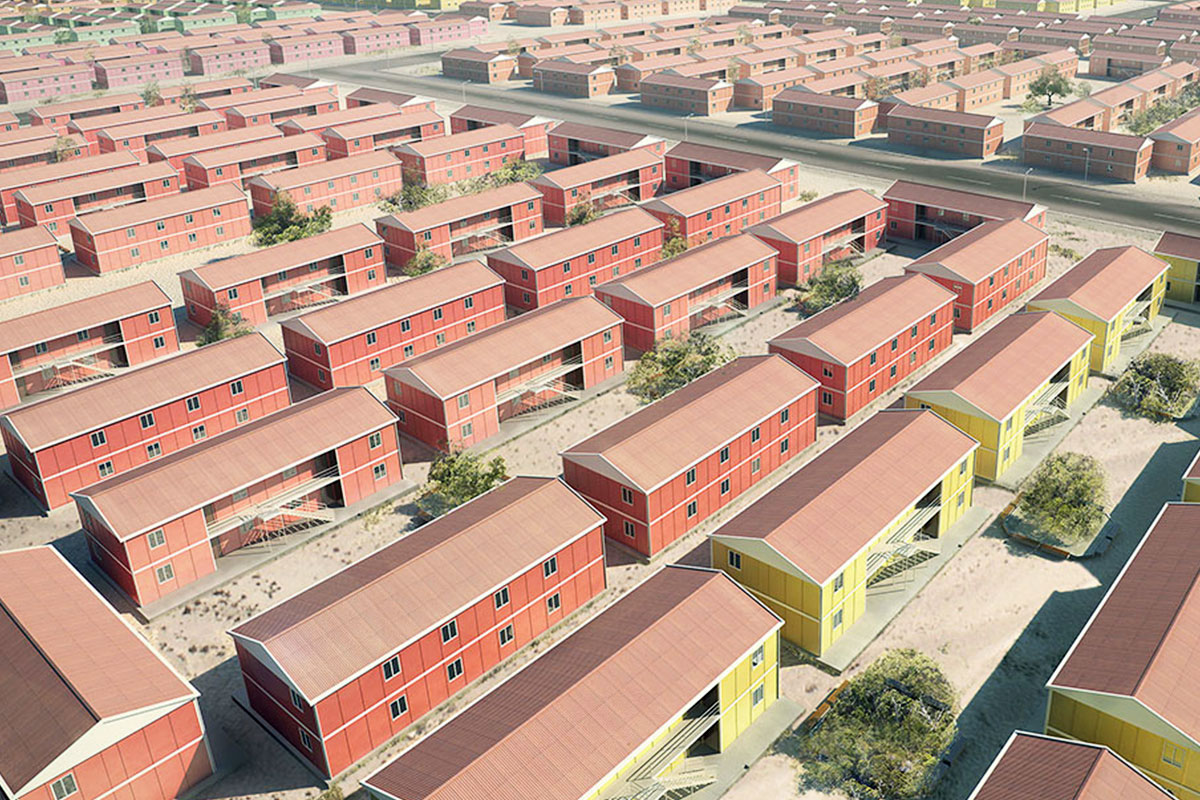
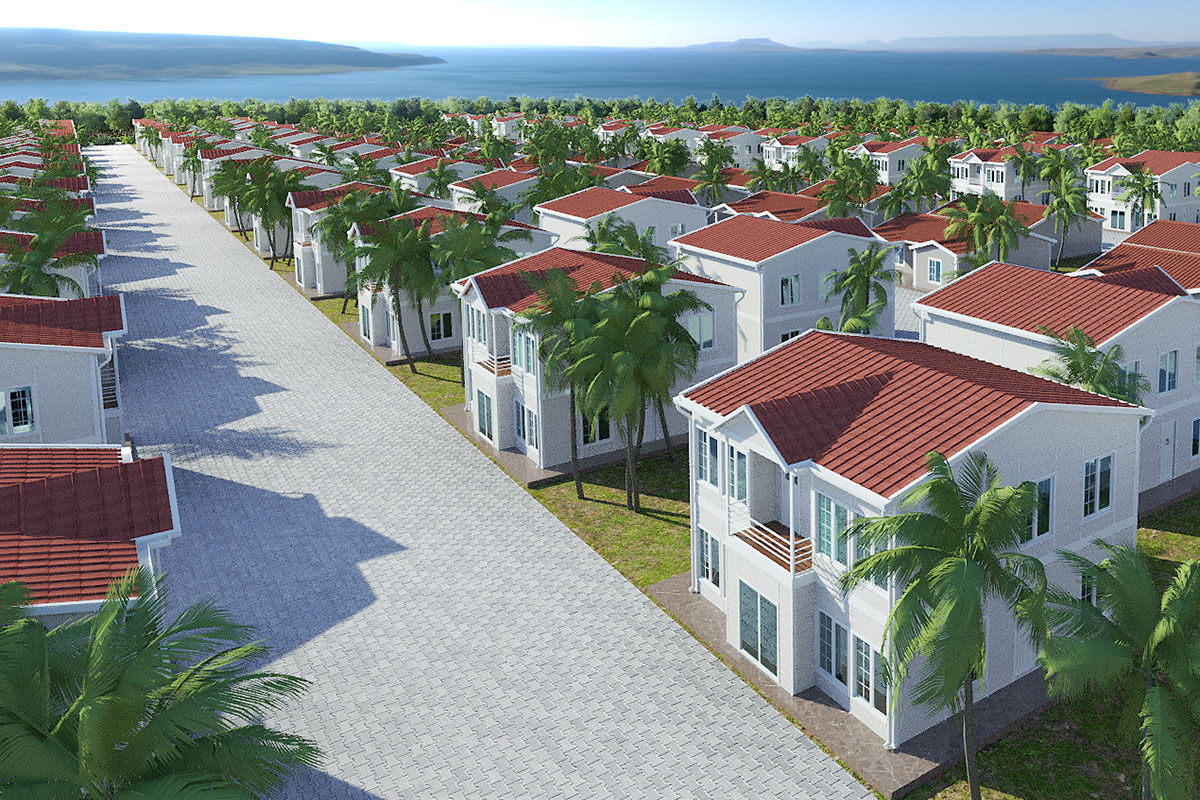
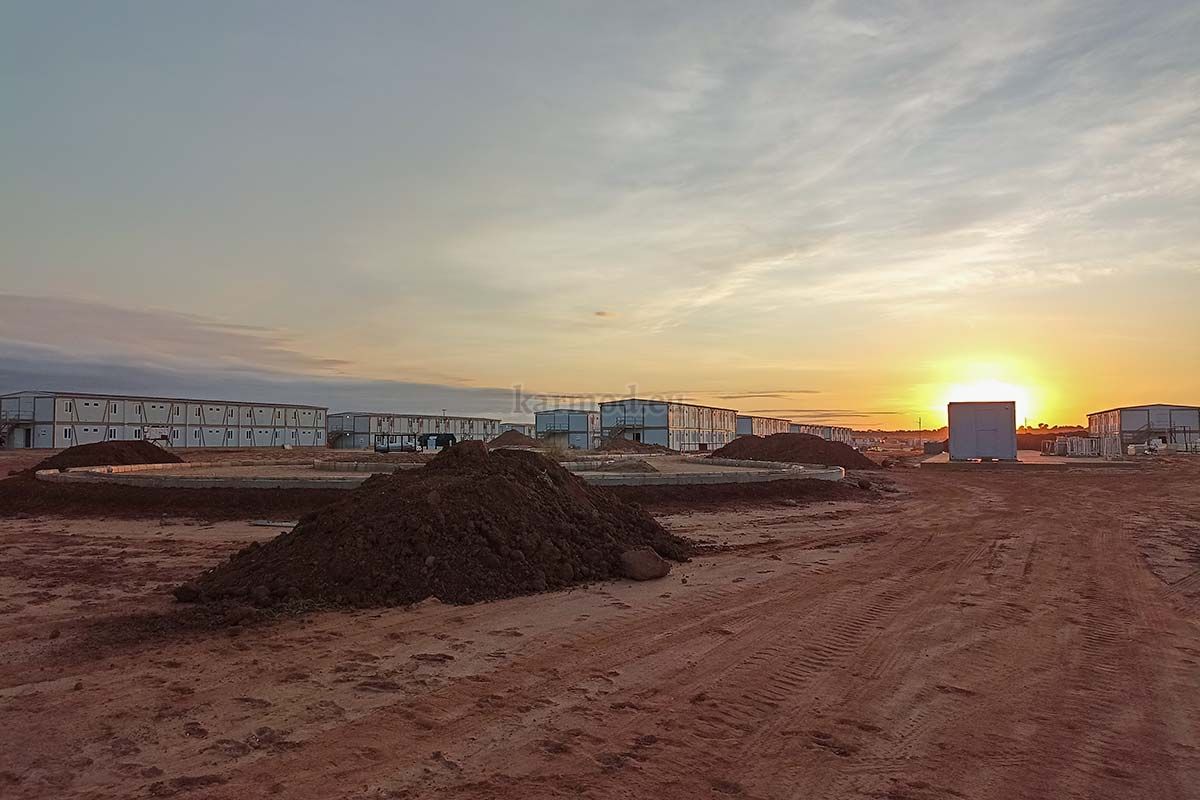
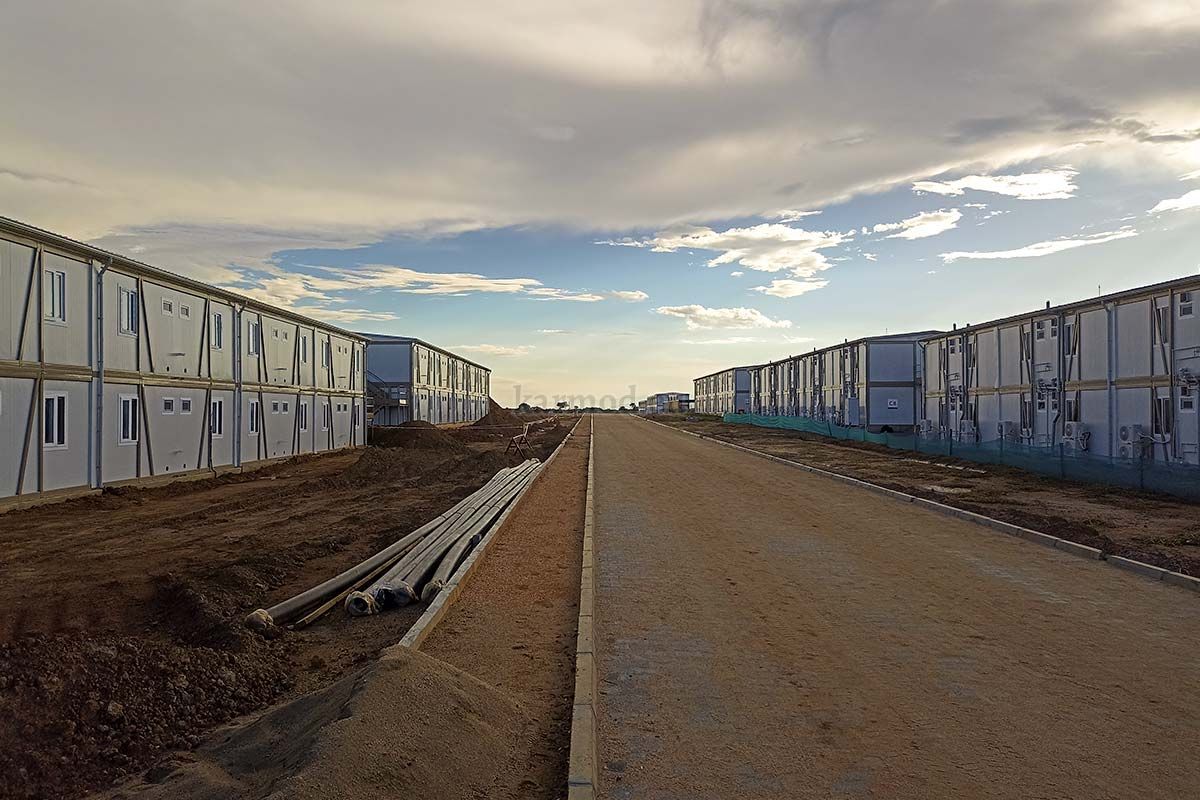
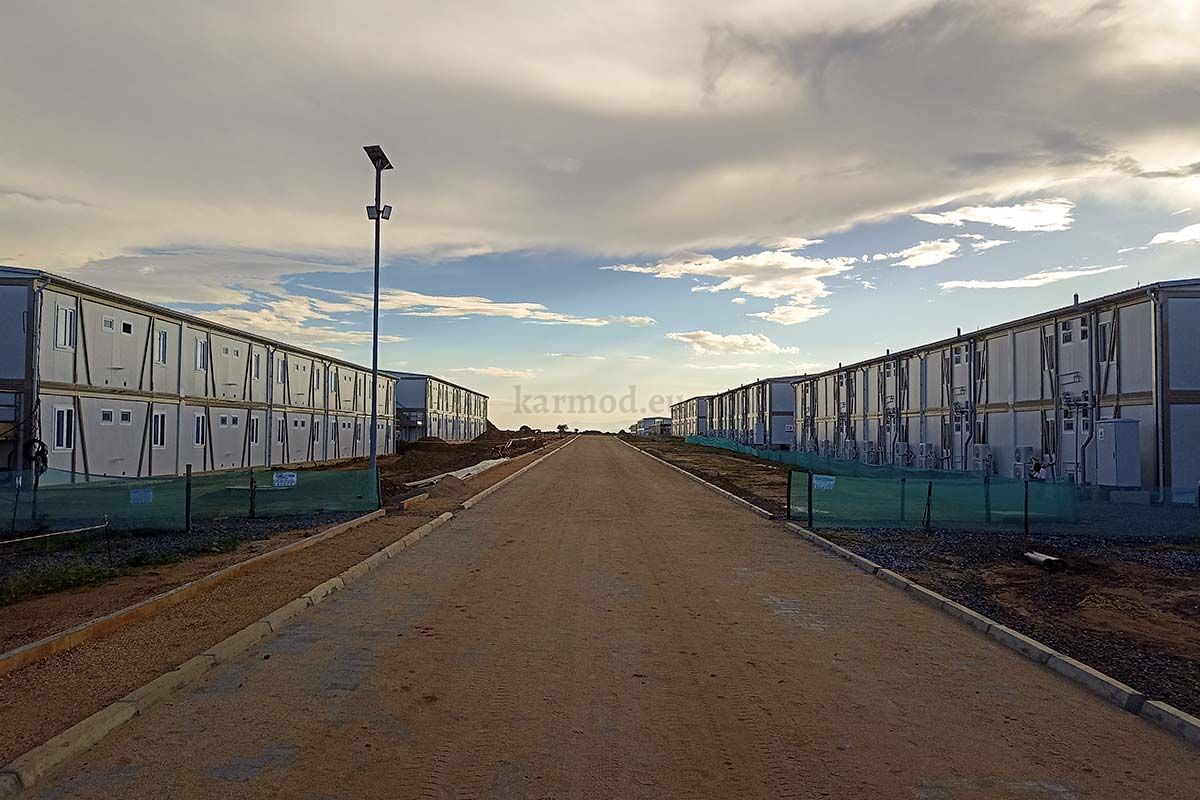
For Botswana projects that need a complete, ready-to-run setup, the oil and gas camp concept is planned as an integrated facility rather than a collection of separate units. Accommodation, dining, welfare areas, and support spaces are coordinated to work as one site system. Attention is paid to practical details such as circulation, housekeeping access, safe separation of quiet zones from activity areas, and utility planning that supports consistent operations even when locations are far from established infrastructure.
Every structure encapsulates:
- Adaptive Spaces: Room plans and shared facilities configured to suit crew sizes, rotation patterns, and the operational rhythm of the site.
- Environmental Harmony: Building envelopes and layouts planned with local conditions in mind, supporting comfort and efficient use of energy in Botswana’s hot, dry climate.
- Safety Assurance: Clear zoning, controlled access points, and practical safety considerations integrated into the overall camp plan to support day-to-day wellbeing.
In Botswana, where logistics can be as challenging as the work itself, camp planning must account for transport, site access, and reliable installation. Karmod’s approach emphasizes repeatable quality and consistent standards, helping projects maintain accommodation performance across different locations and phases. The result is a workforce environment built to support longer deployments without turning the camp into a distraction from the core operation.
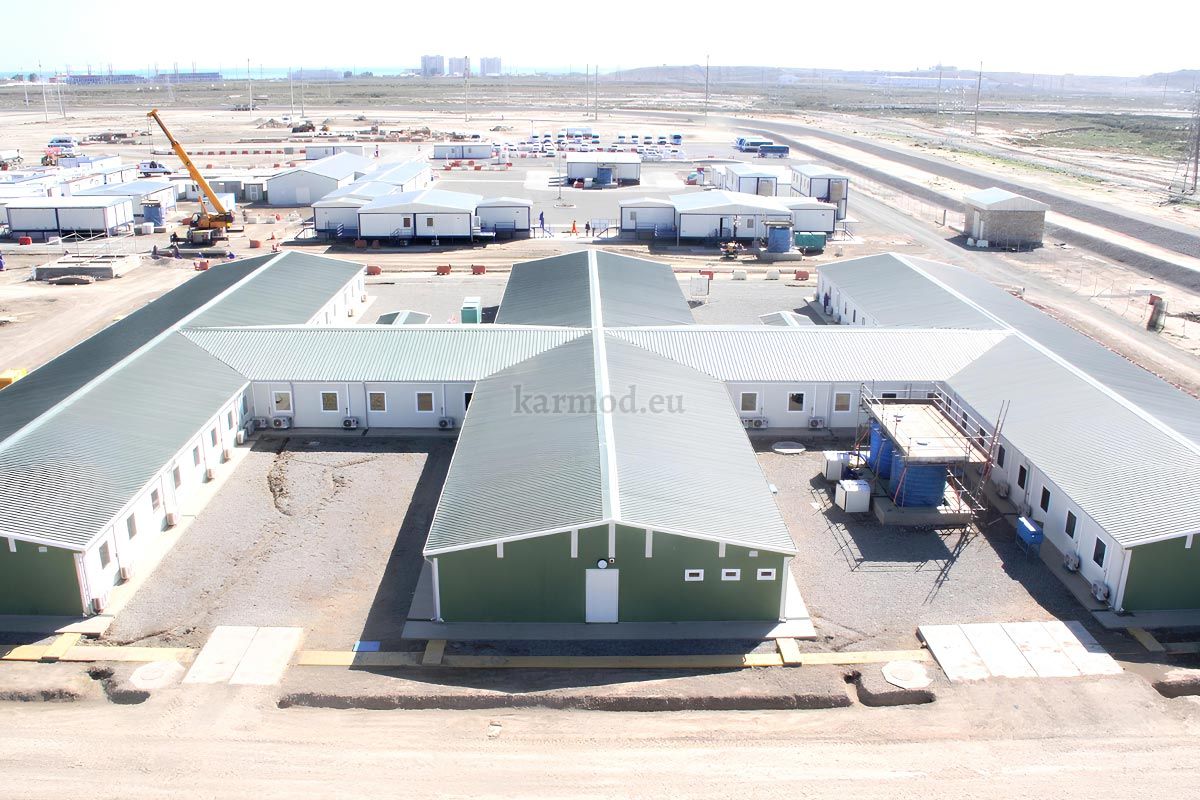
Operationally, Botswana’s oil and gas camps succeed when they create routine and rest in a setting defined by demanding schedules. A camp that runs well reduces fatigue risks, supports discipline around HSE requirements, and keeps teams ready for continuous work. This is where thoughtful accommodation becomes a real contributor to productivity, not an afterthought.
Practical Comfort for Botswana Oil and Gas Man Camps
For field teams working long rotations, comfort is measured in reliability: stable temperatures, quiet sleeping areas, dependable hot water, and spaces that make daily routines straightforward. In Botswana, where daytime heat and dust can be persistent, camp buildings are expected to maintain indoor comfort while reducing the load on site services and minimizing maintenance burdens.
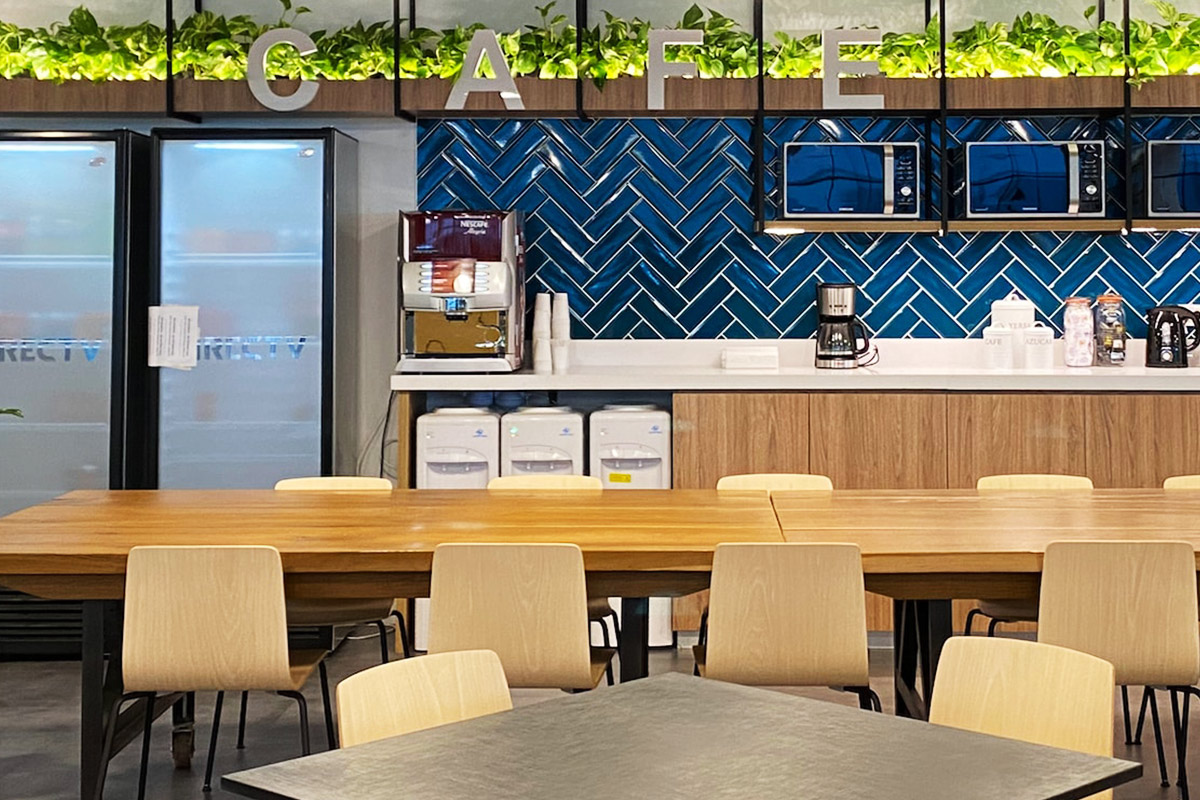
Inside the camp, the focus is on recovery and readiness. Effective insulation and climate control help crews rest between shifts, while layouts reduce noise transfer and unnecessary movement in sleeping areas. Common facilities support basic welfare needs without forcing long travel across the site, which is particularly important during night operations and extreme weather conditions.
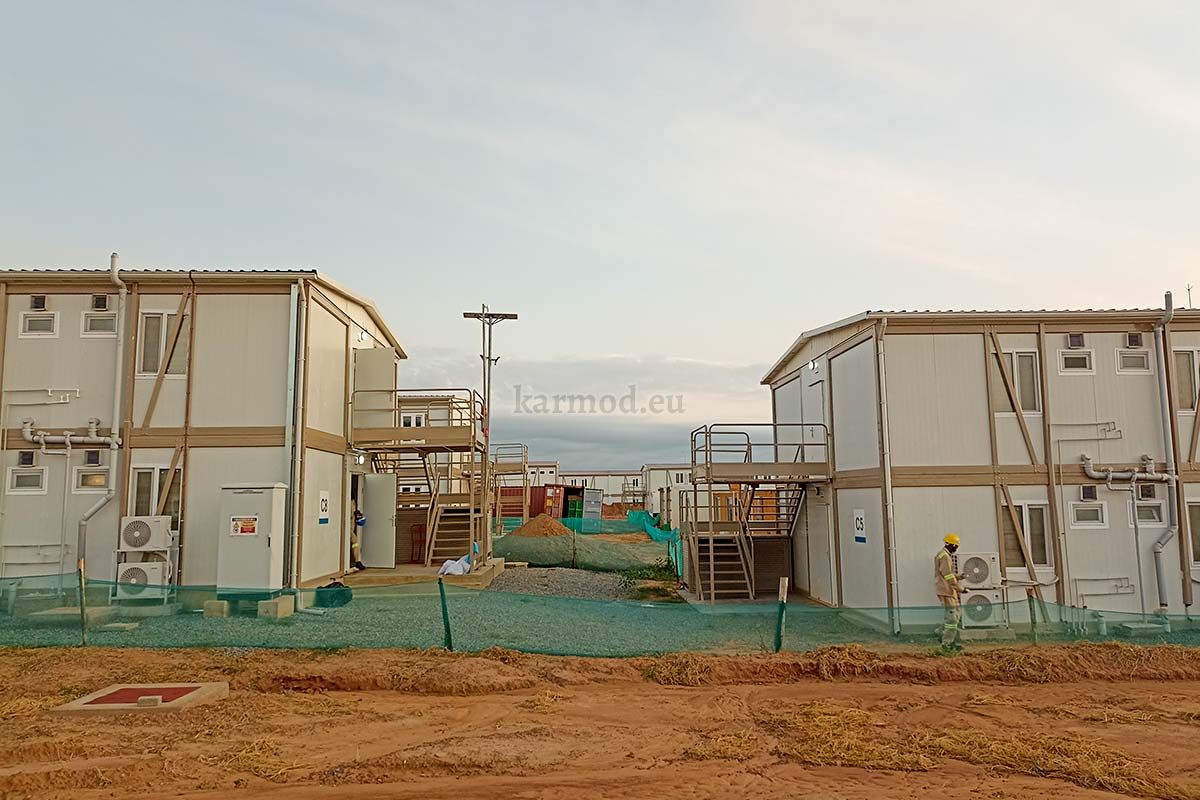
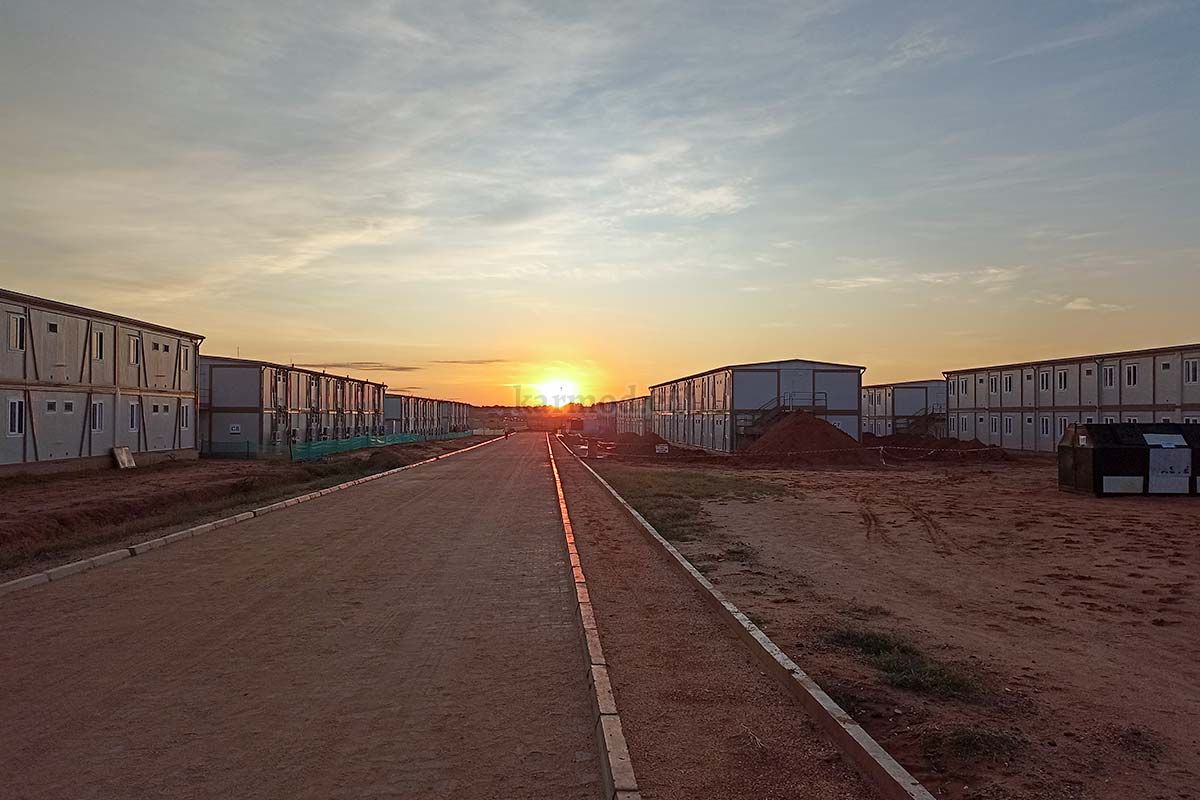
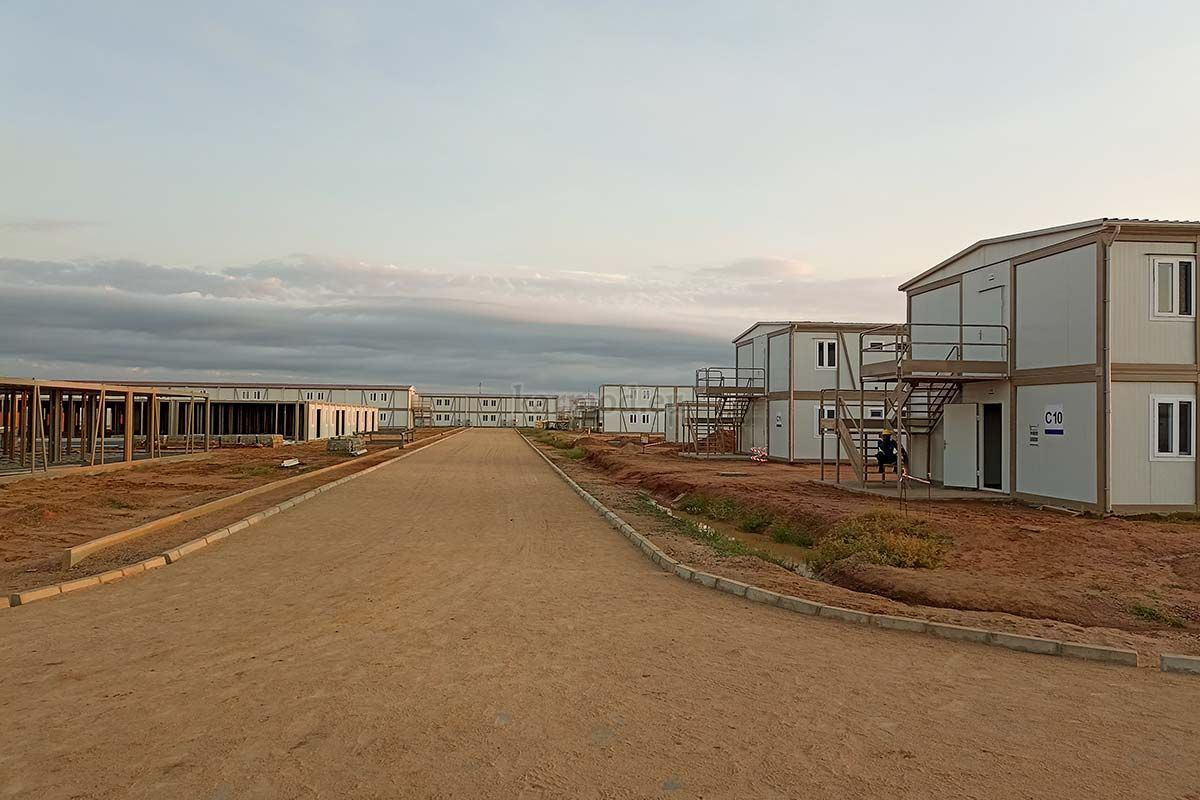
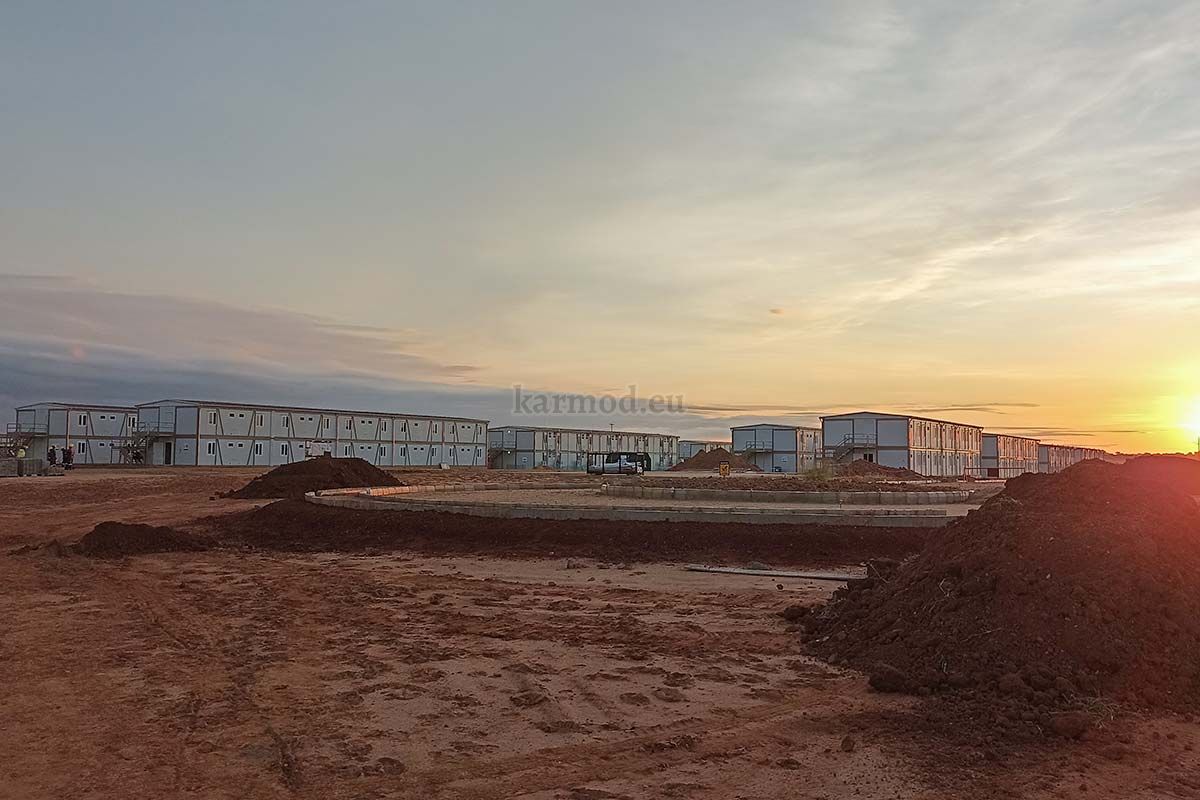
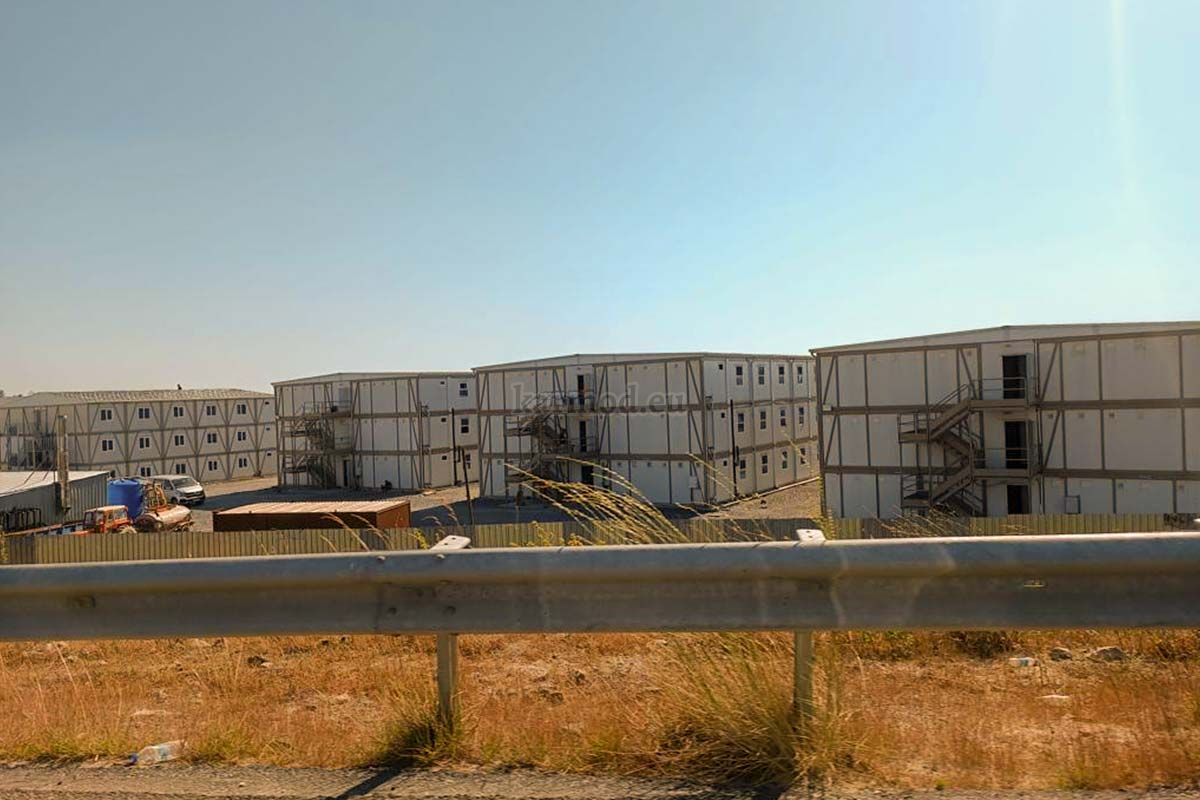
Reliable Workforce Housing for Botswana Field Operations
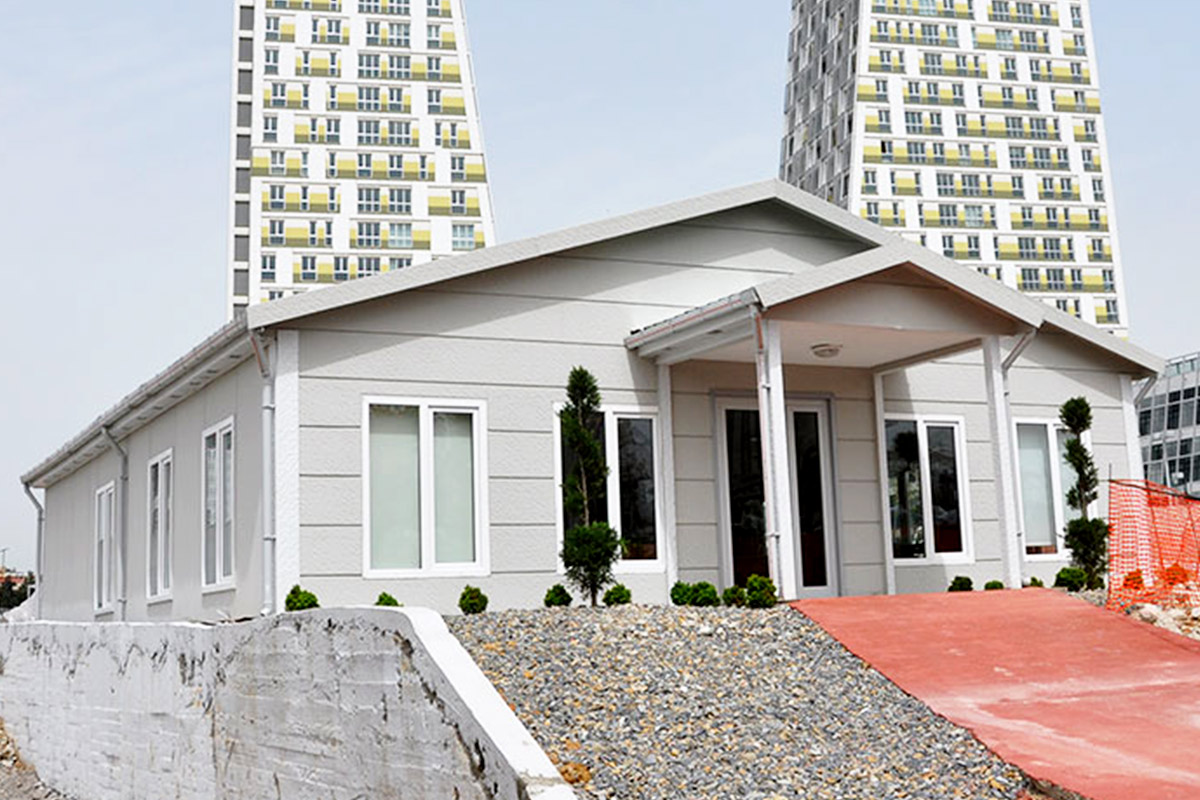
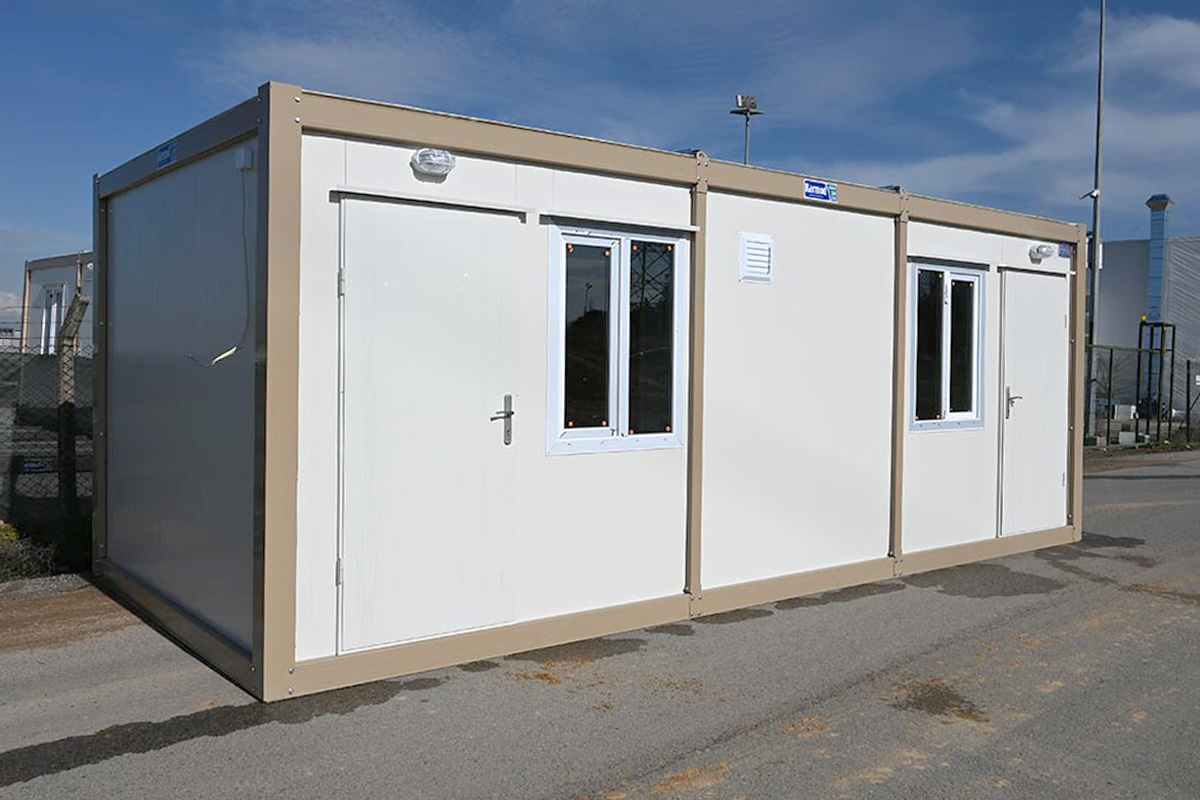
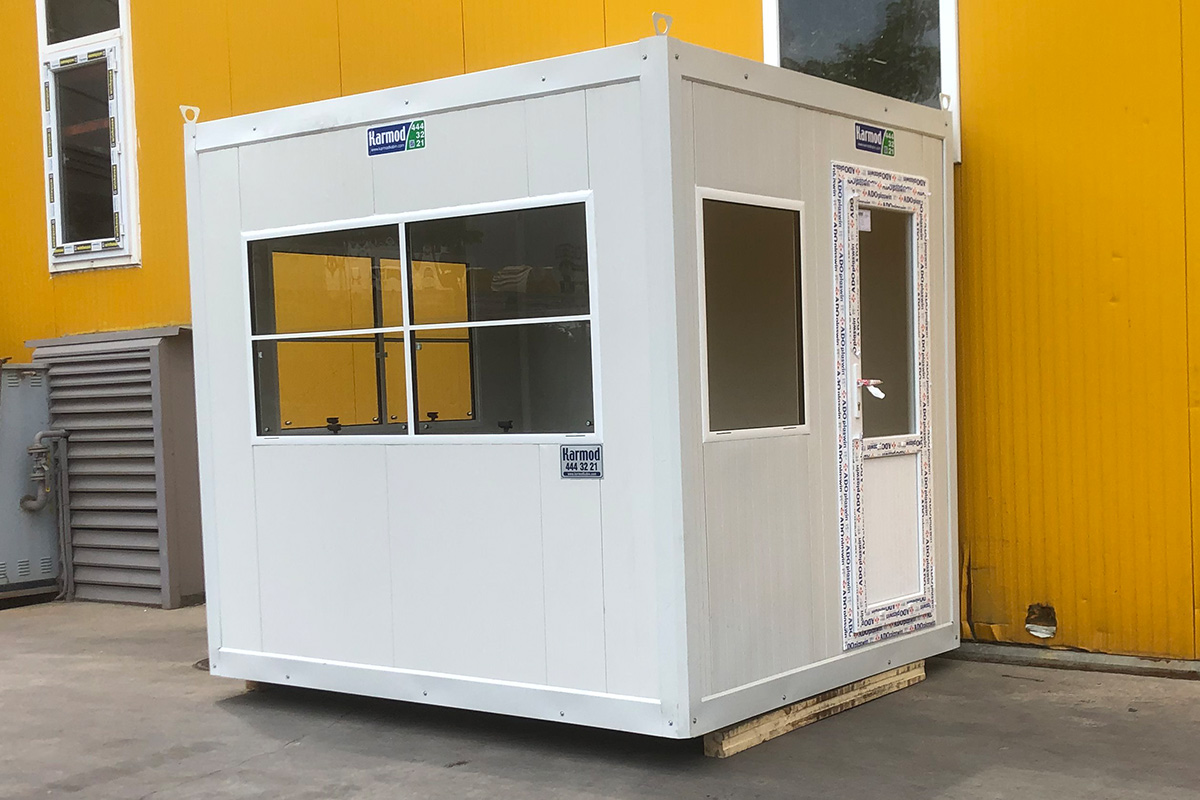
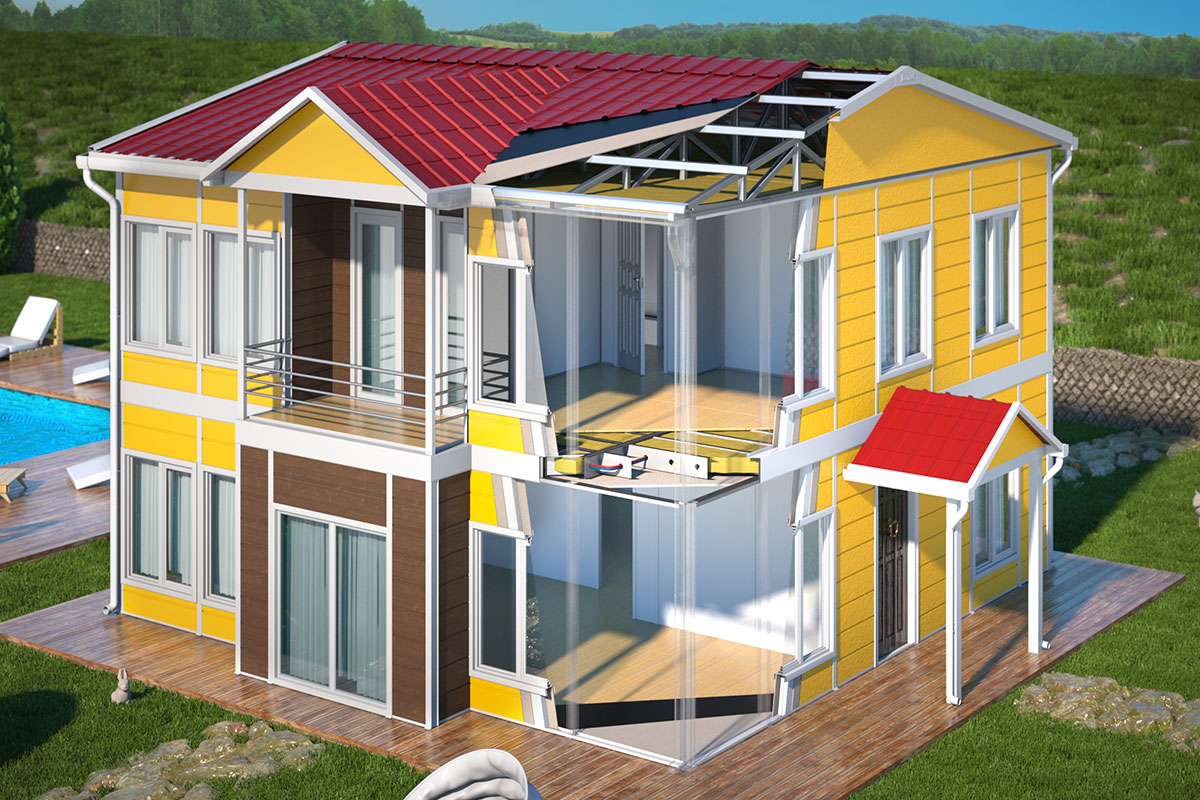
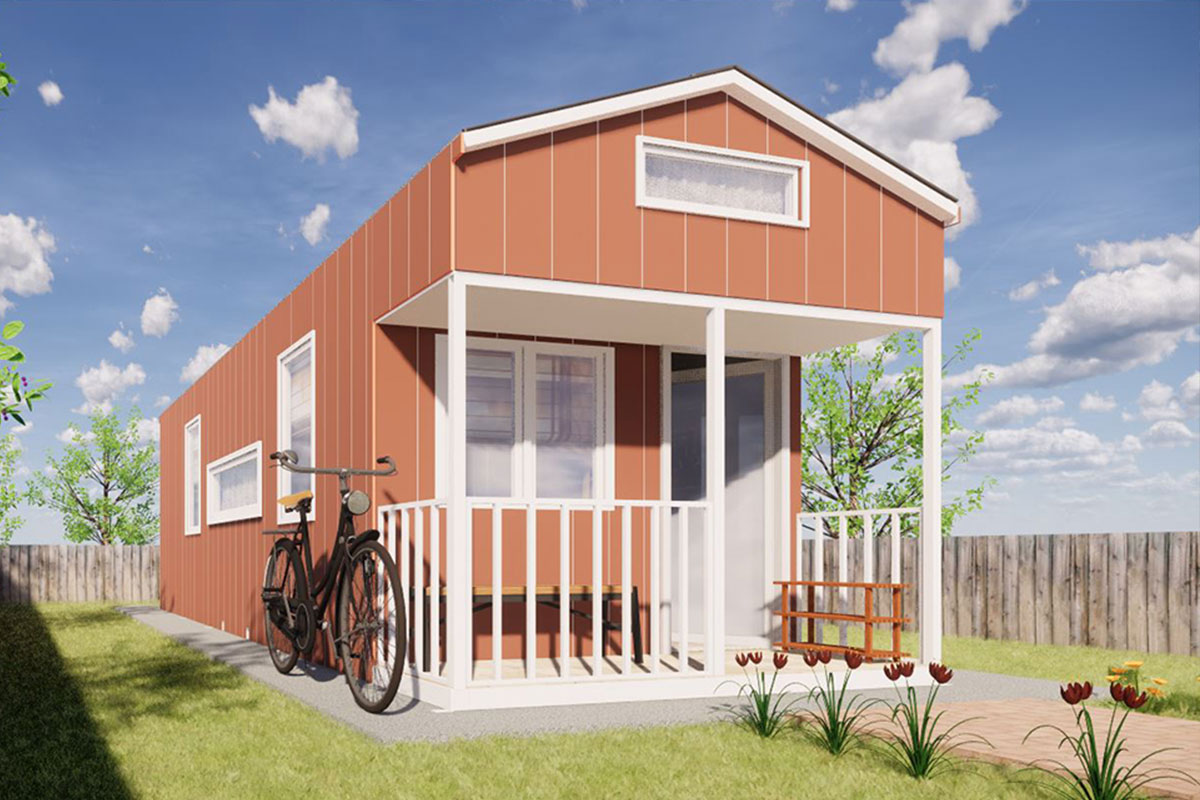
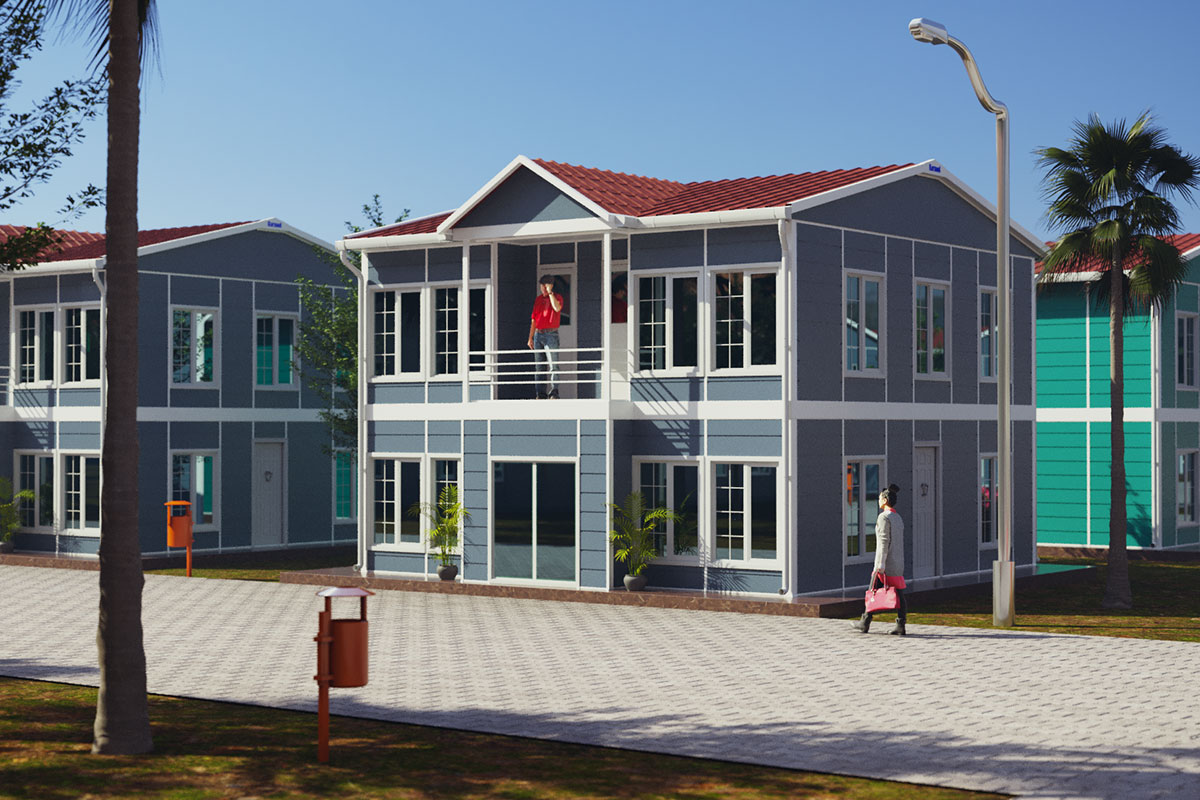
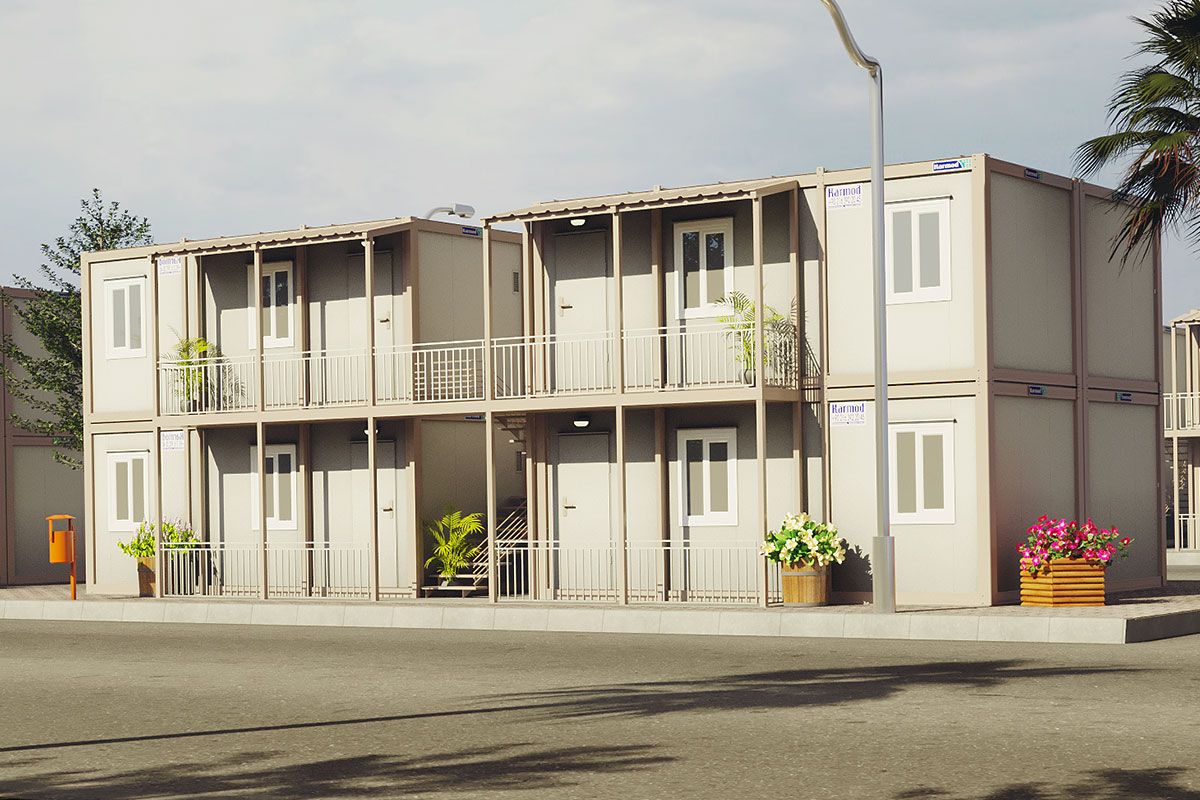
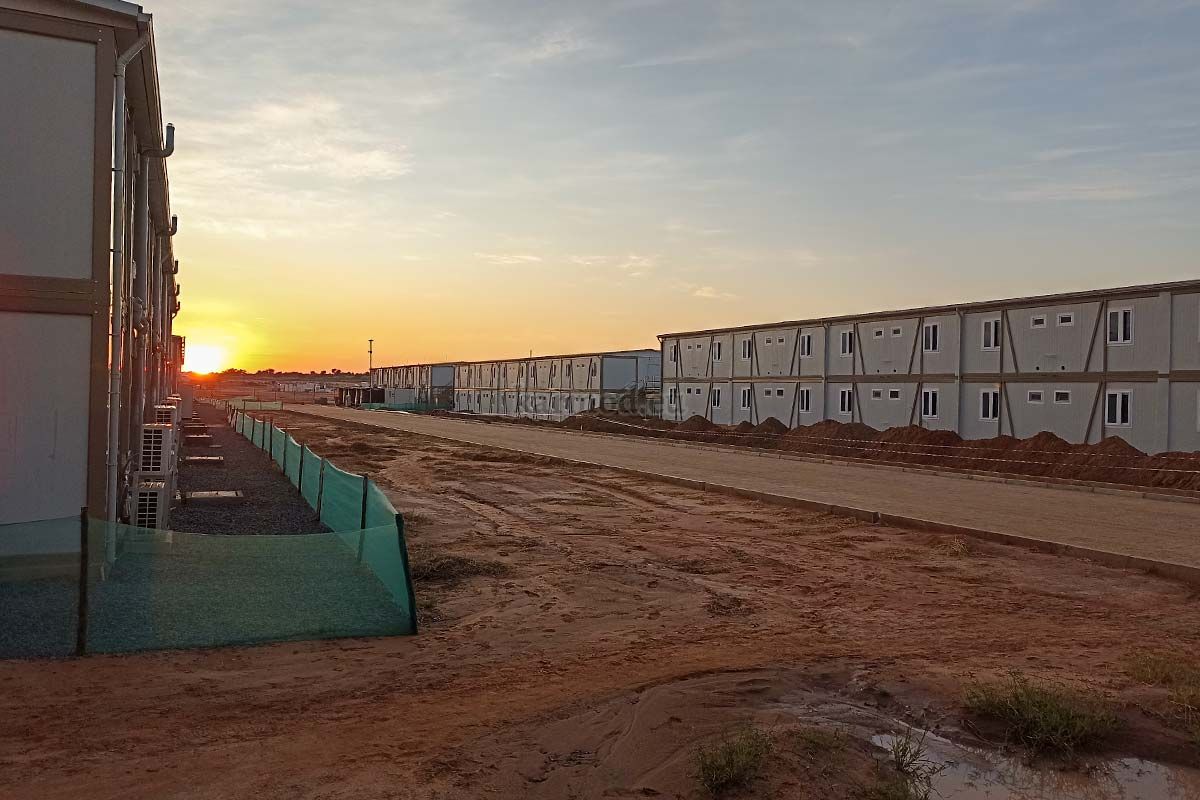
Workforce housing must handle day-to-day wear while meeting the standards expected in professional energy projects. Living units are planned to provide privacy, practical storage, and a clear separation between sleeping, hygiene, and shared areas. Where projects require larger capacity, modular systems allow additional accommodation blocks and welfare areas to be introduced without disrupting existing operations.
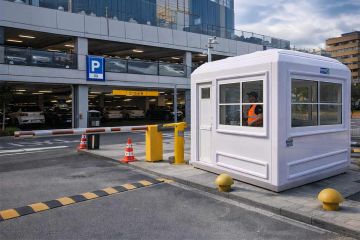
Security and controlled access are also part of a functional camp environment. Clear entry points, defined boundaries, and appropriate lighting contribute to safer movement around the facility, particularly during shift changes. Combined with well-managed common areas, these measures help maintain order and reduce avoidable incidents in a high-activity work setting.
This balanced approach creates a living environment that supports performance over time: crews can rest properly, routines stay consistent, and the camp remains manageable for site teams responsible for maintenance and welfare services.
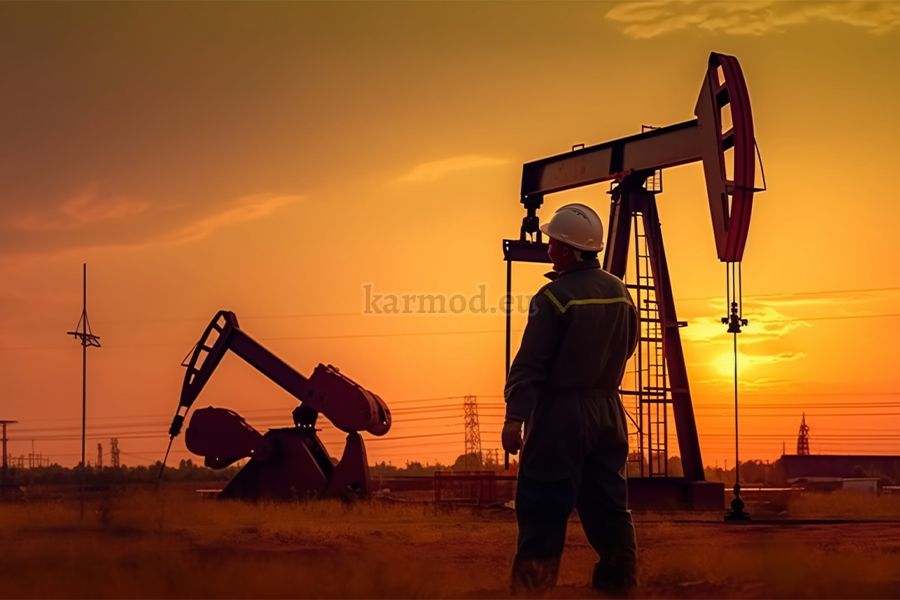
Structures of Quality: Botswana's Oil and Gas Camp Construction Buildings
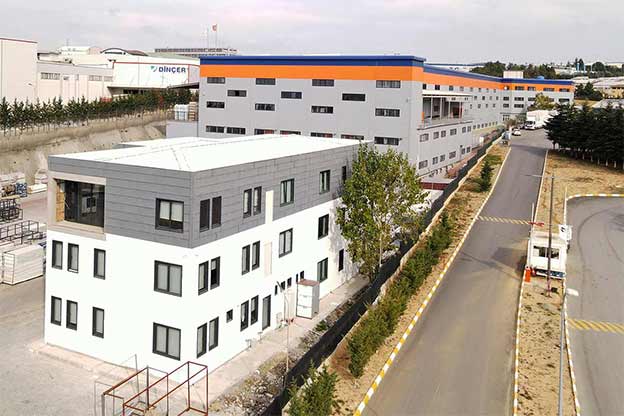
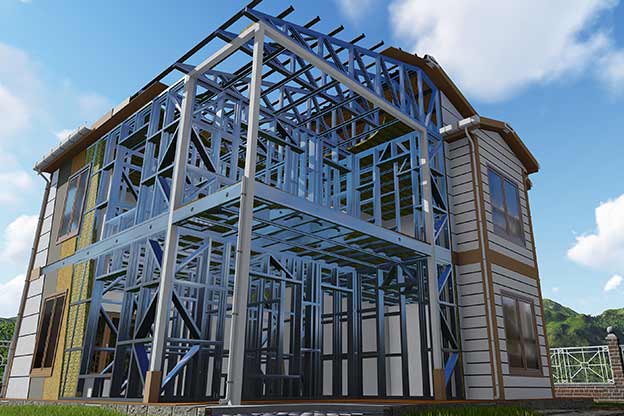
Camp construction in Botswana often demands fast setup, predictable quality, and a layout that works from day one. In remote locations, building consistency matters as much as speed because corrections and rework are expensive when resources are limited. A modular approach supports repeatable installation, clearer sequencing, and a site plan that can expand as the project evolves.
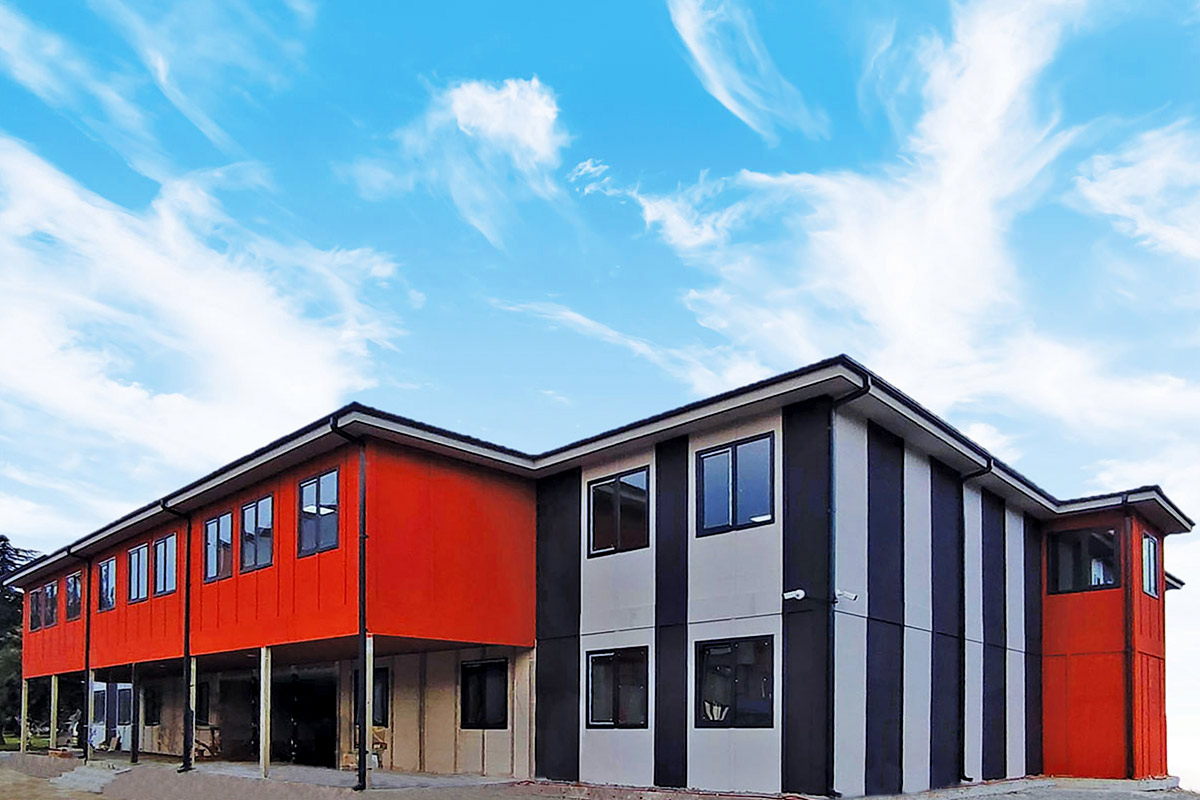
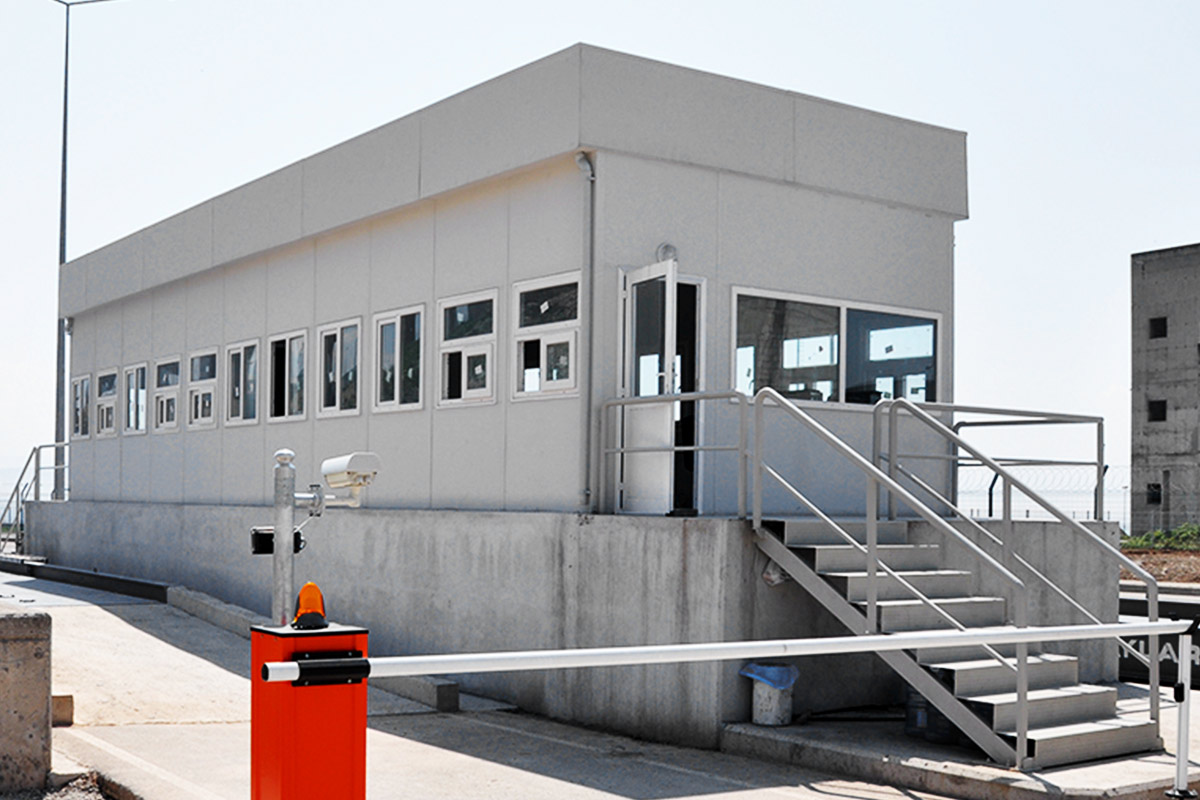
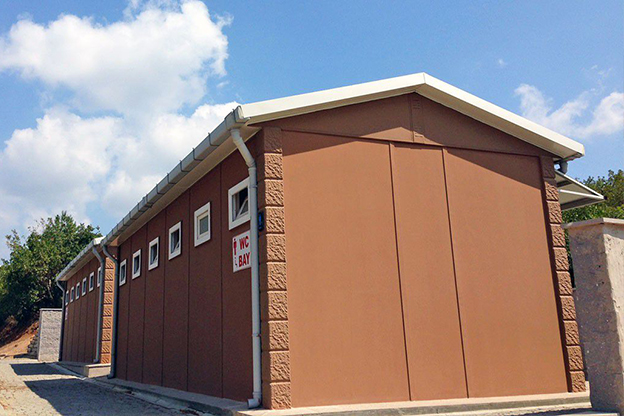
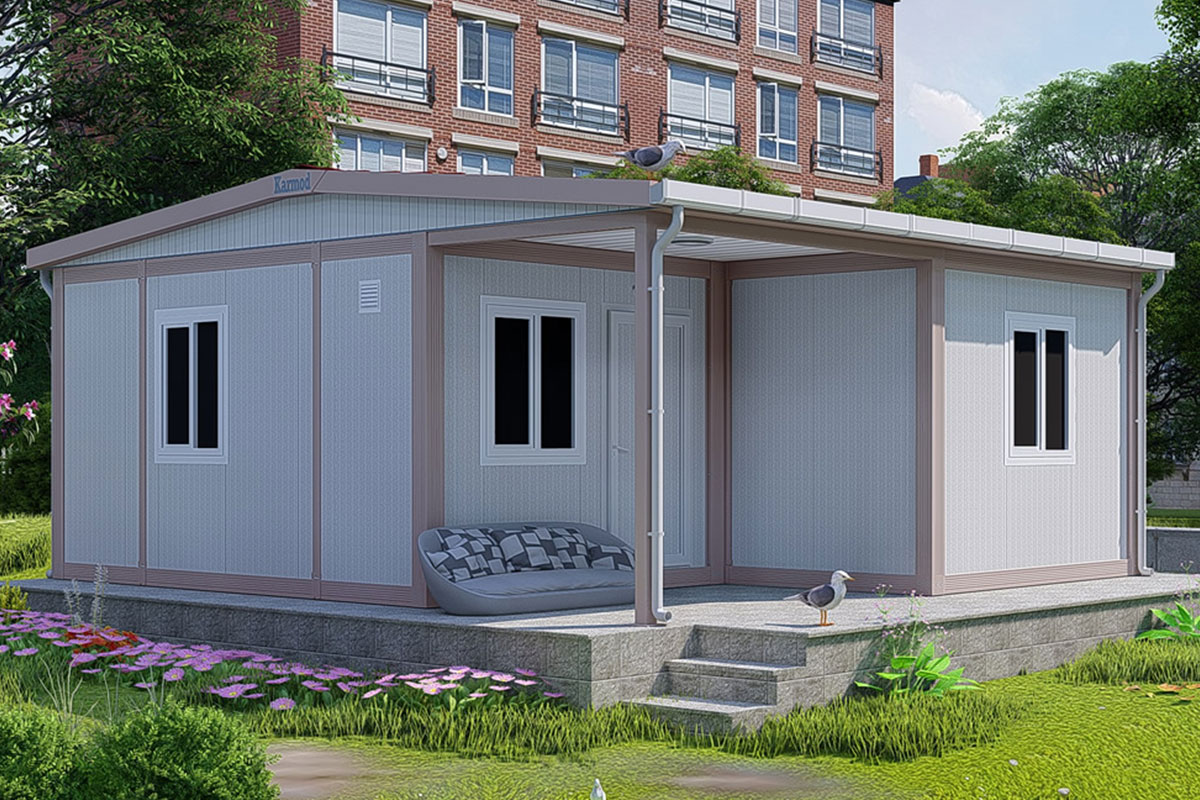
Within the Botswana Oil and Gas Field Man Camp, buildings are configured to serve practical needs: accommodation blocks positioned for quieter rest, support buildings placed for efficient servicing, and communal functions located to control foot traffic and improve daily flow. This is not about decorative features; it is about durable, site-appropriate structures that keep living standards stable in demanding operational environments.

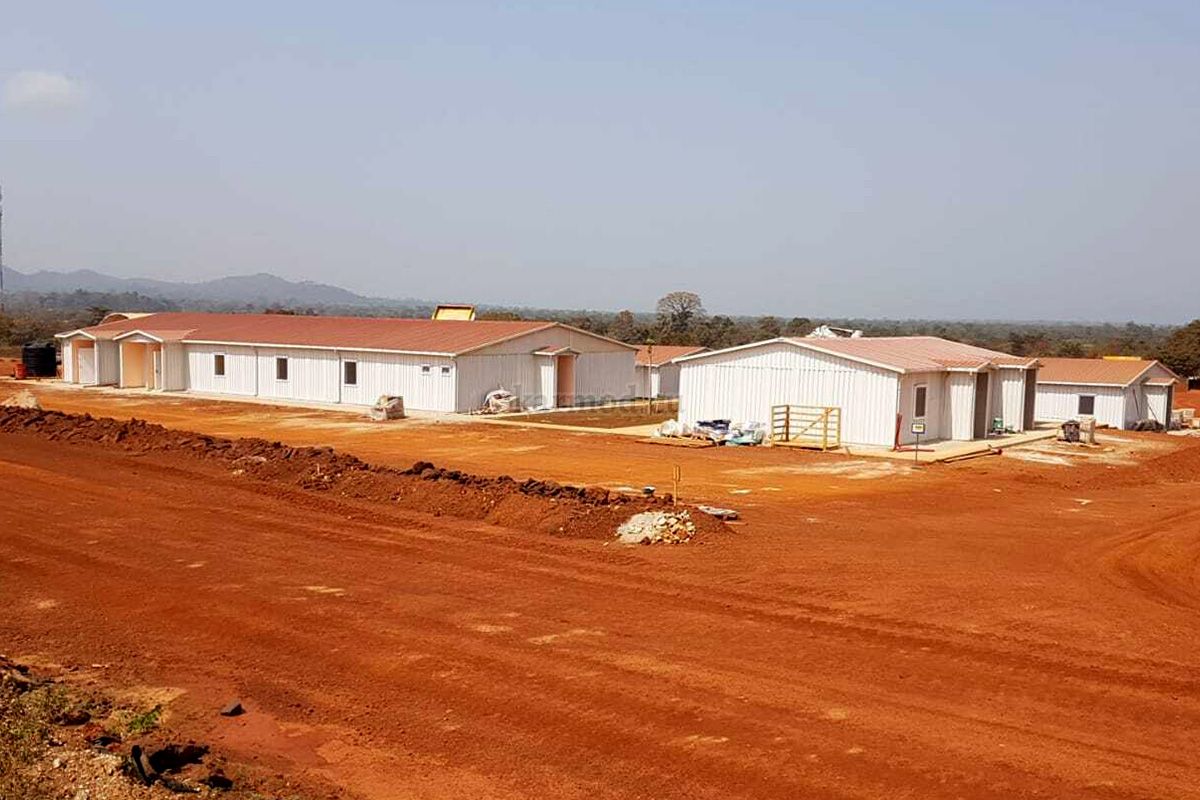


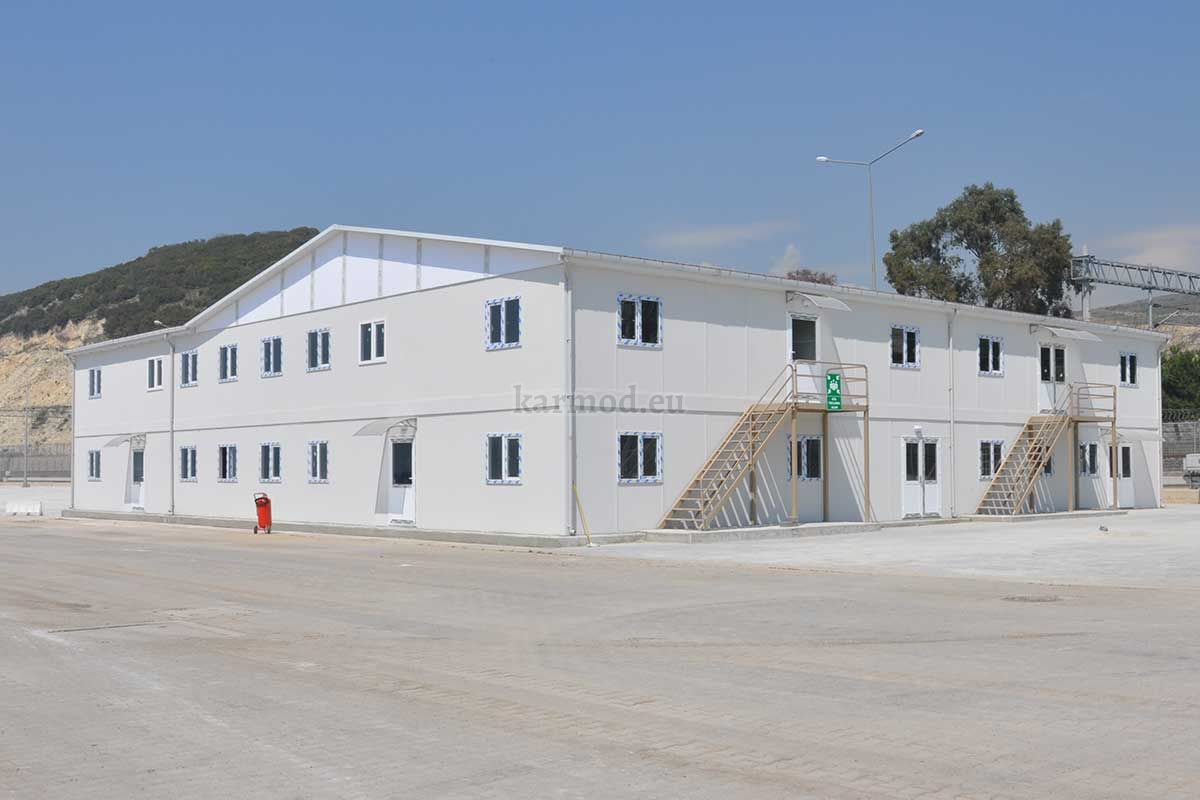
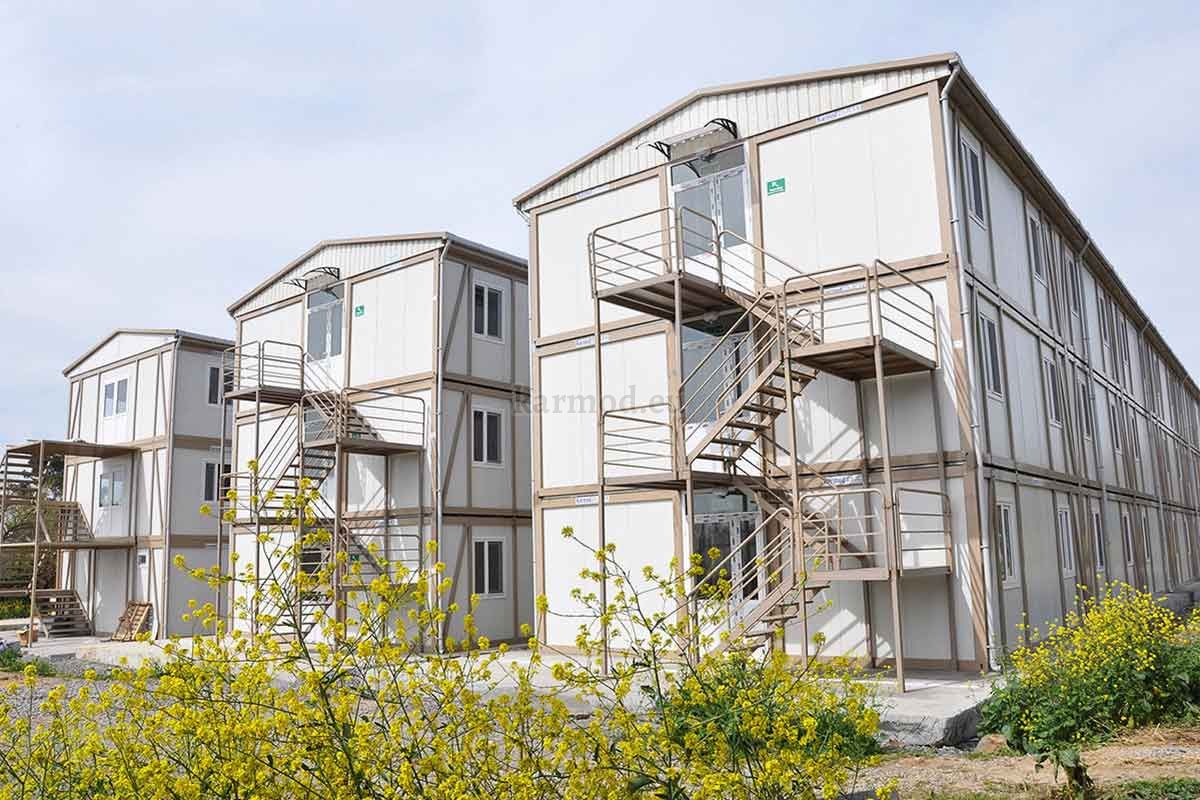
Best Company and Manufacturer Karmod for Oil and Gas Field in Botswana
Karmod’s work in Botswana focuses on delivering accommodation that performs under real site conditions. The goal is to provide living units that are straightforward to operate, comfortable across rotations, and structured around safety and hygiene expectations. Each unit is planned to support the people who live in it, with practical interiors designed to withstand constant use and simplify housekeeping and maintenance.
Across Botswana Oil and Gas Field Housing Units, Karmod’s approach combines standardized build quality with the flexibility needed for different project phases. Buildings are treated as part of the overall camp system, supporting not only housing capacity but also the routines that keep a remote site stable, orderly, and ready for continuous work.
- Innovative Design: Layouts planned around daily camp operations, supporting efficient circulation, practical servicing, and clear zoning.
- Durability: Robust construction intended for frequent use, transport, and long rotations in challenging field environments.
- Comfort: Interiors organized to support rest and recovery, with attention to temperature control, privacy, and usability.
In the context of Botswana’s remote project demands, the value of a camp is proven in everyday performance: how consistently it supports rest, how easily it is managed, and how well it holds up across changing site conditions. With Karmod’s focus on practical engineering and operational usability, each structure is positioned as a working asset—built to connect the realities of field production with a dependable living environment for the workforce.