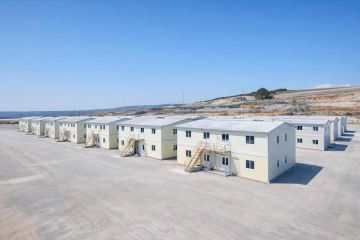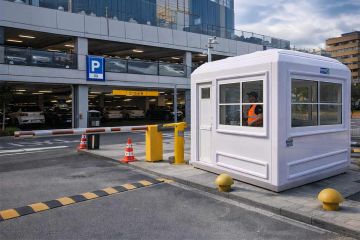



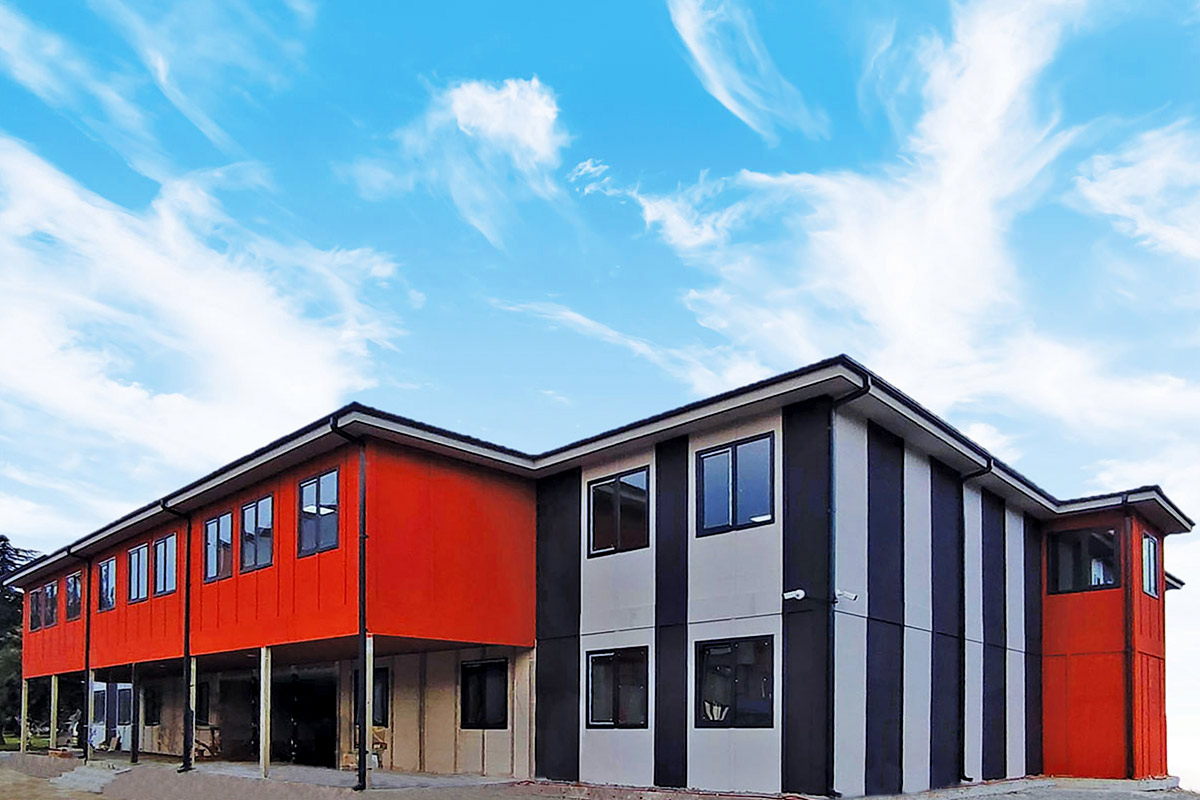
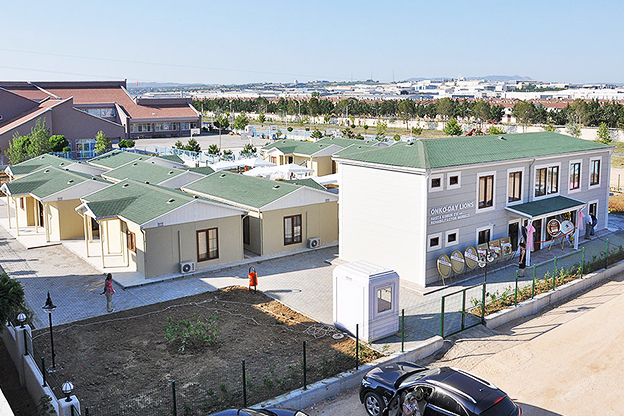
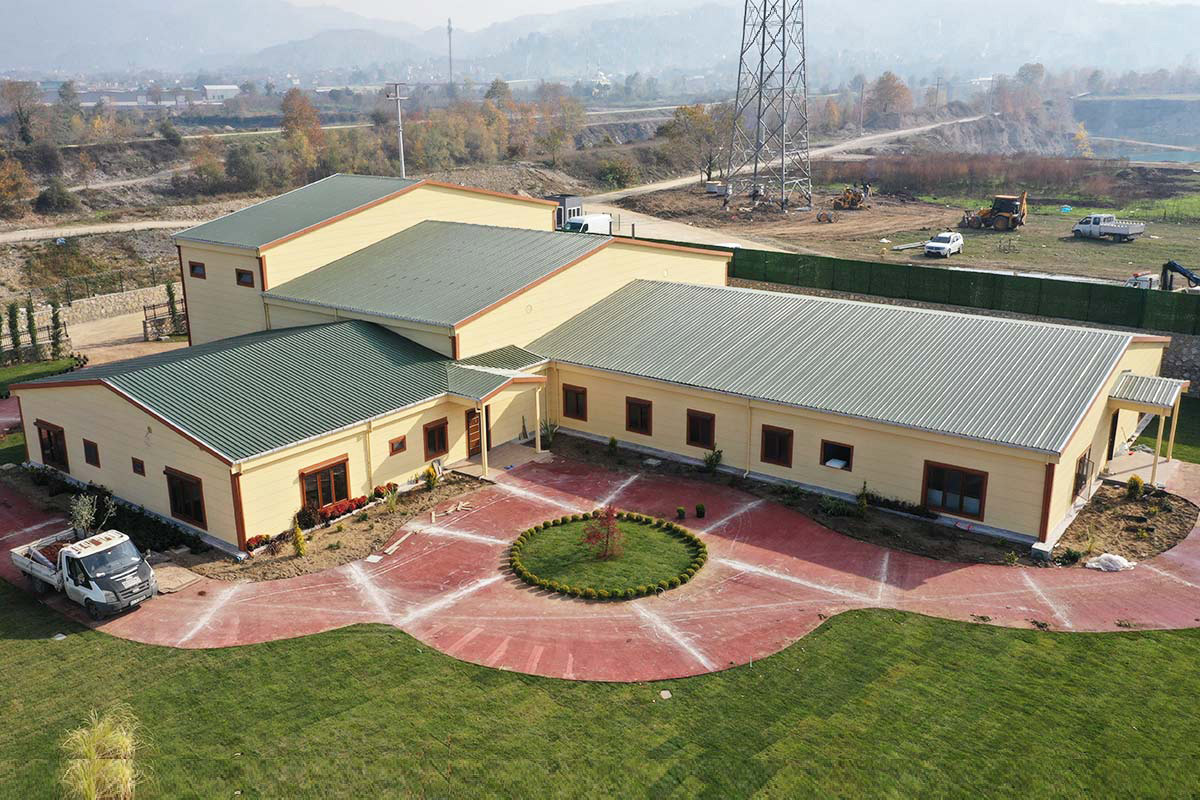
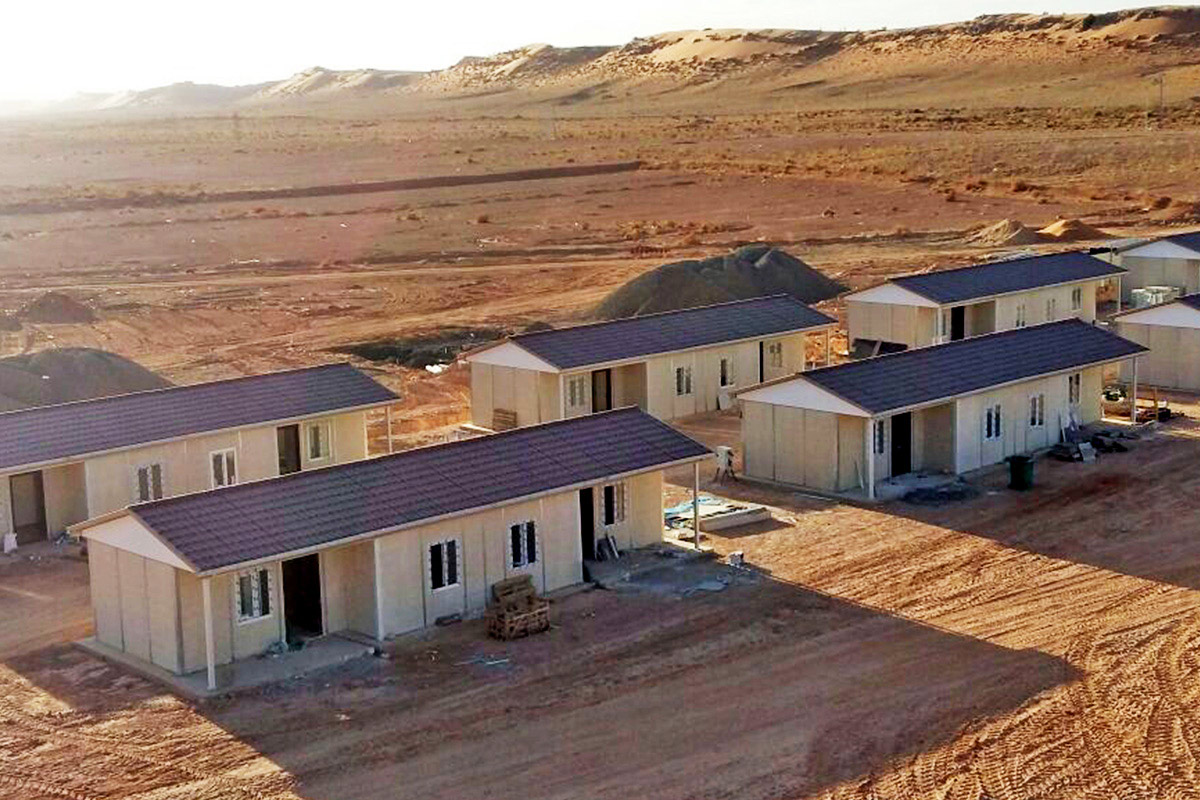
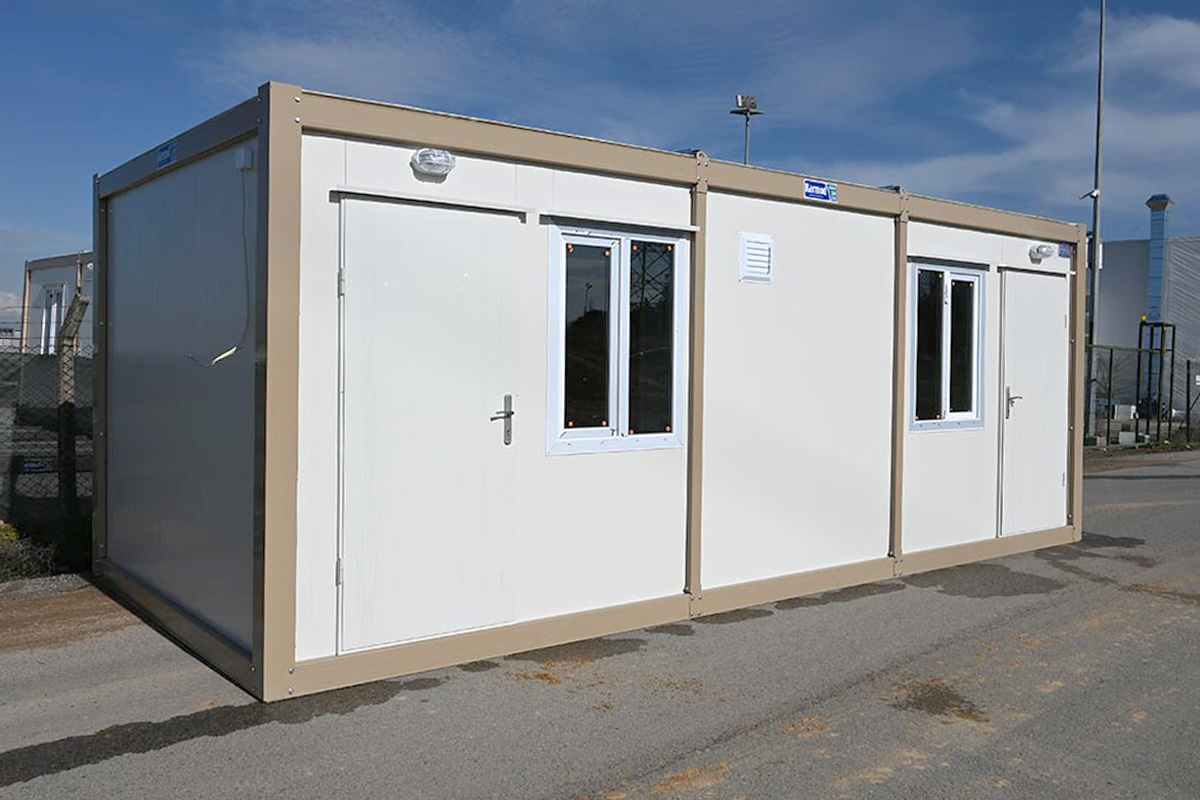
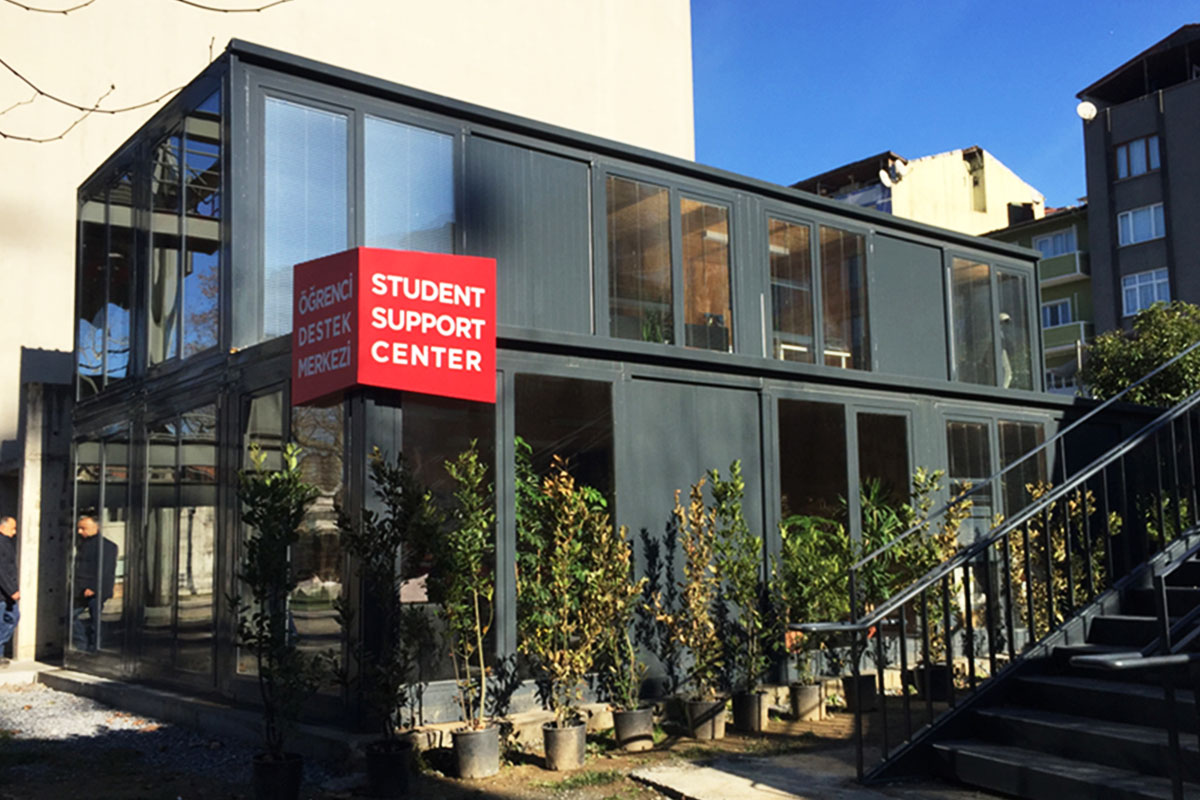
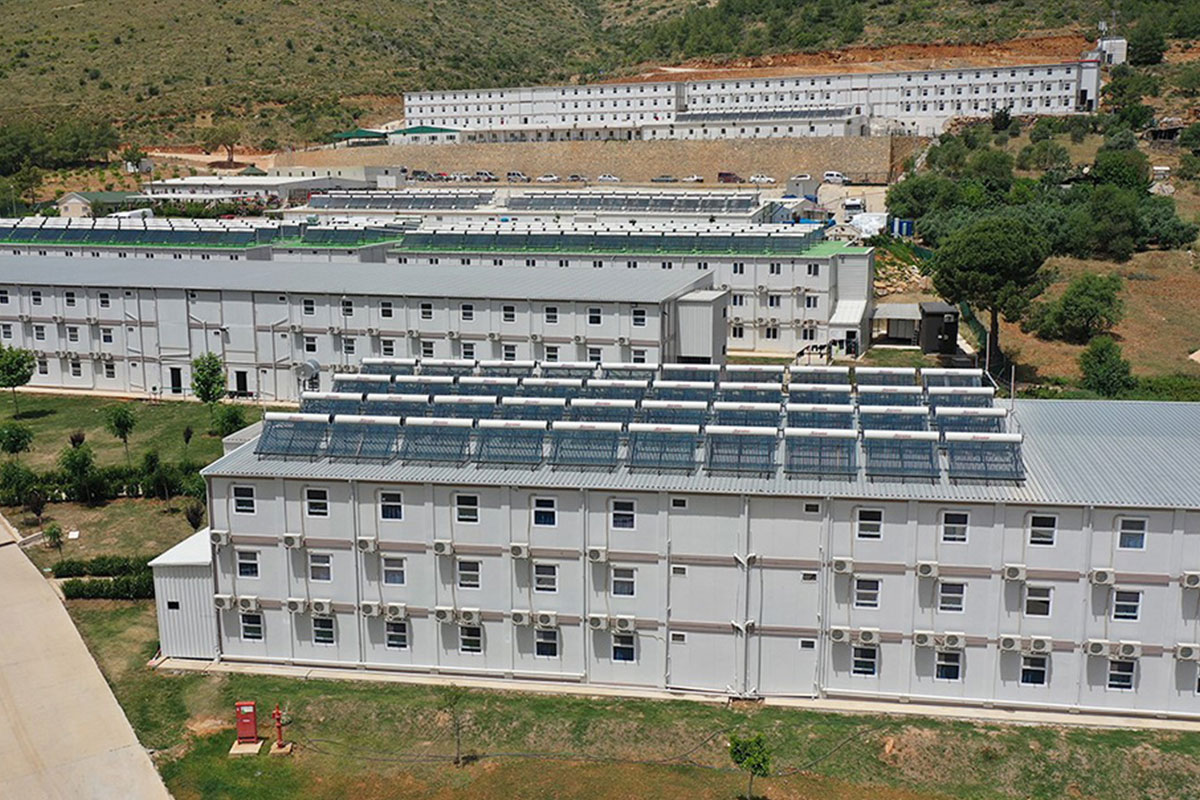
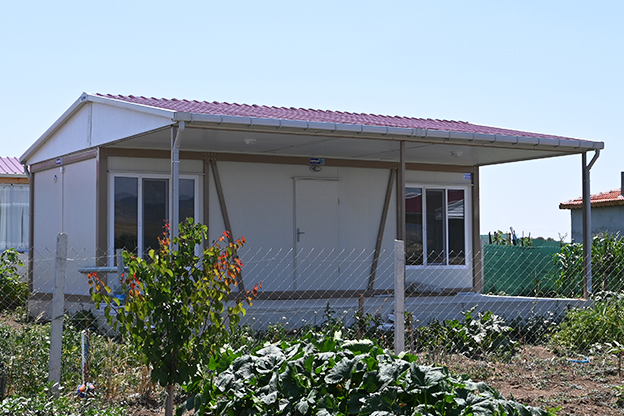
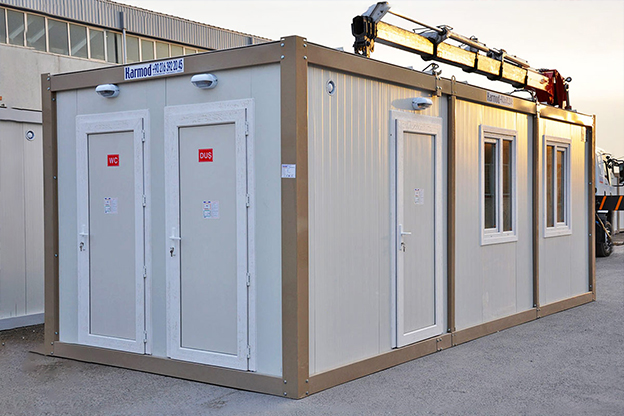
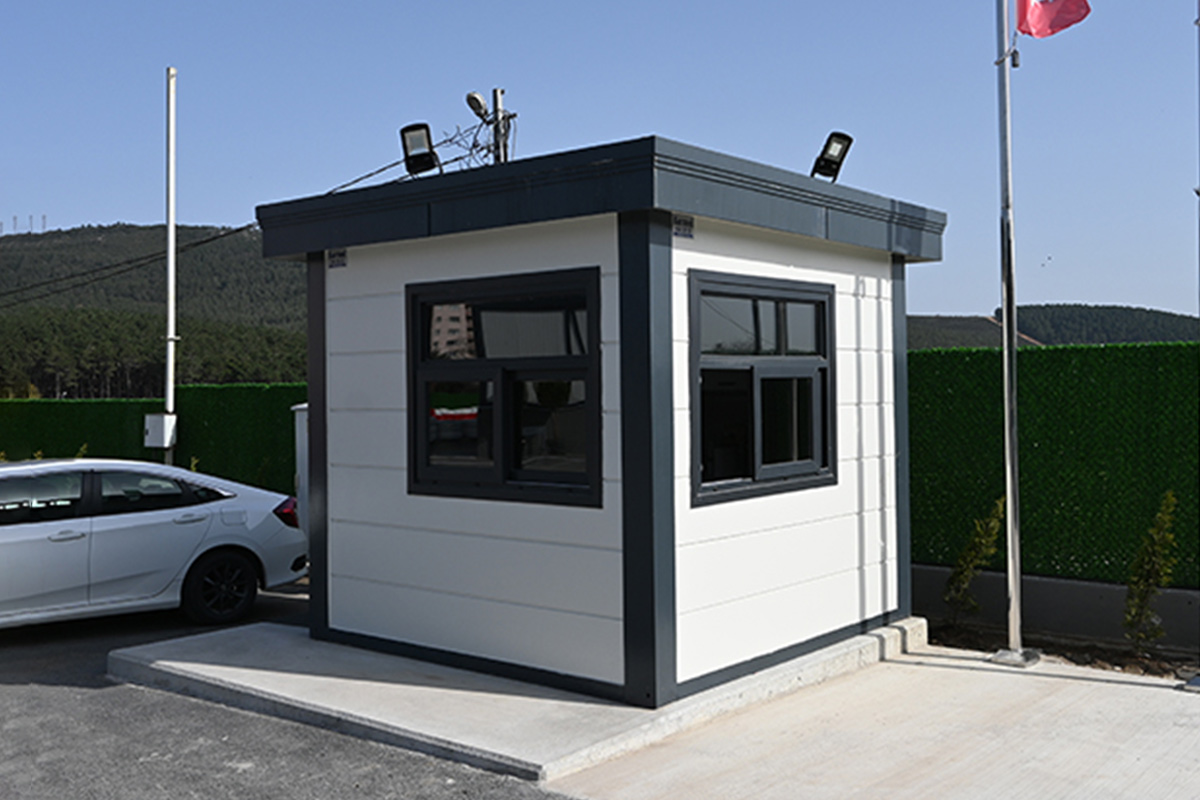
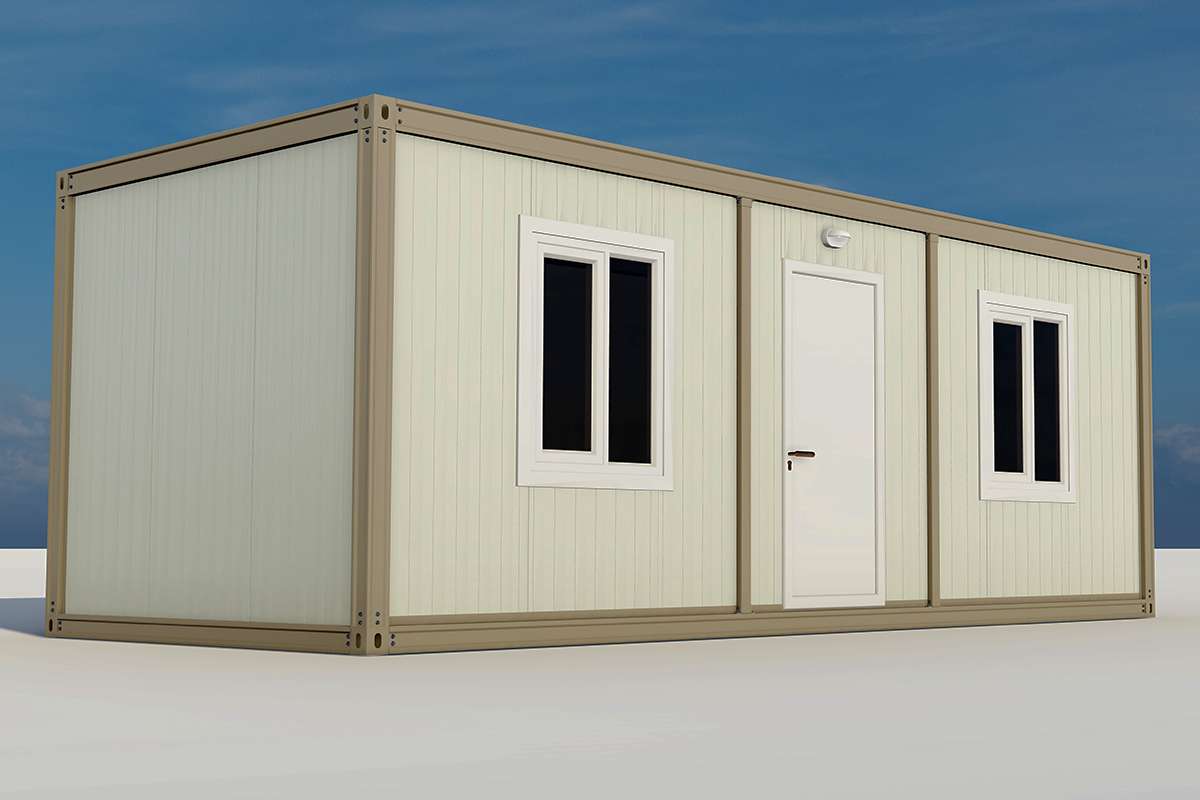

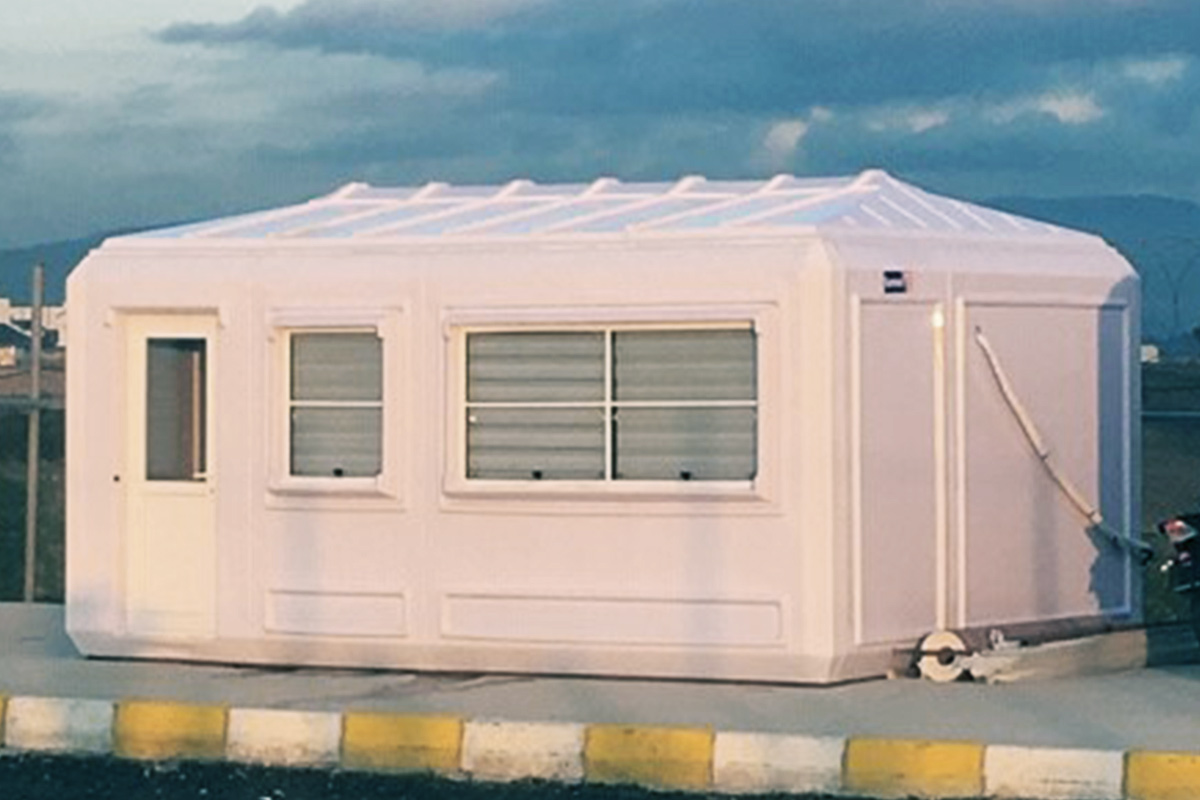
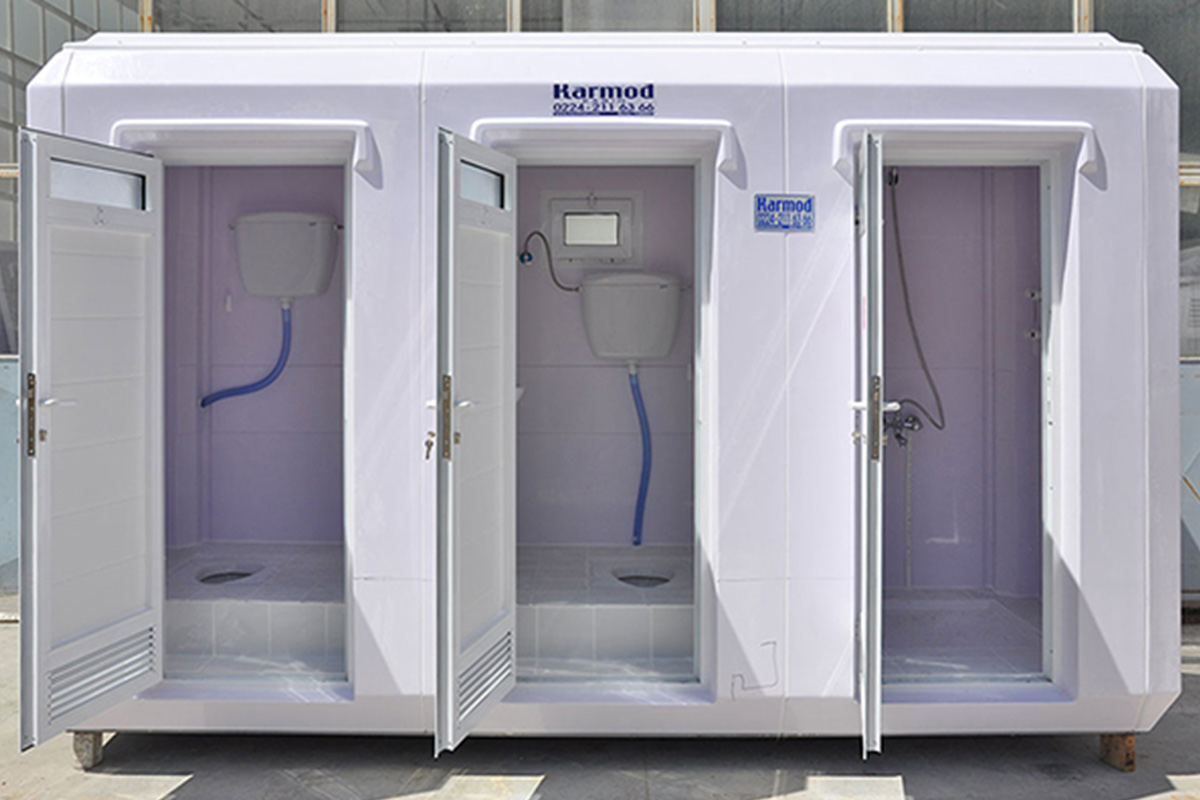
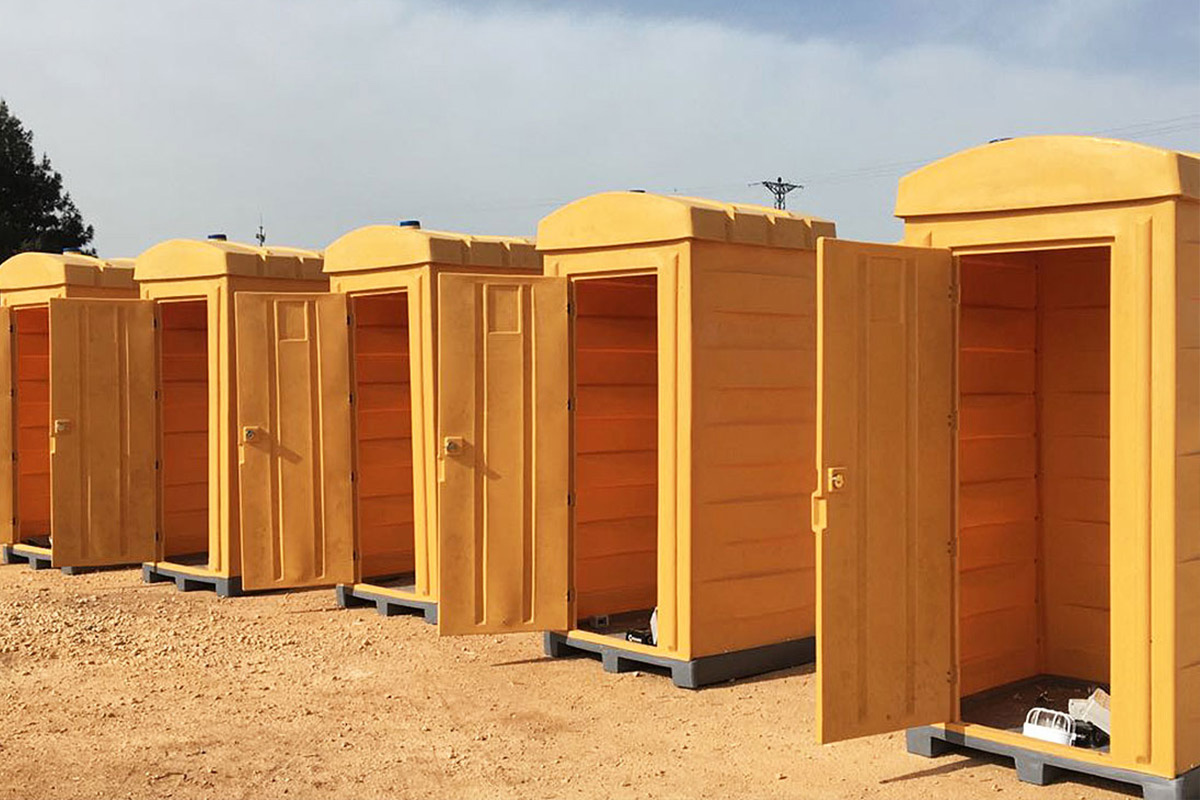
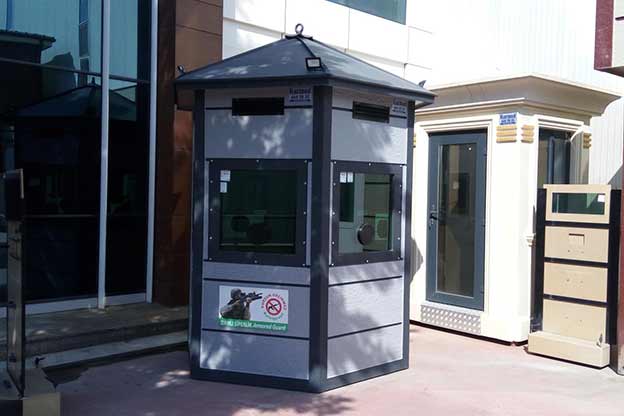
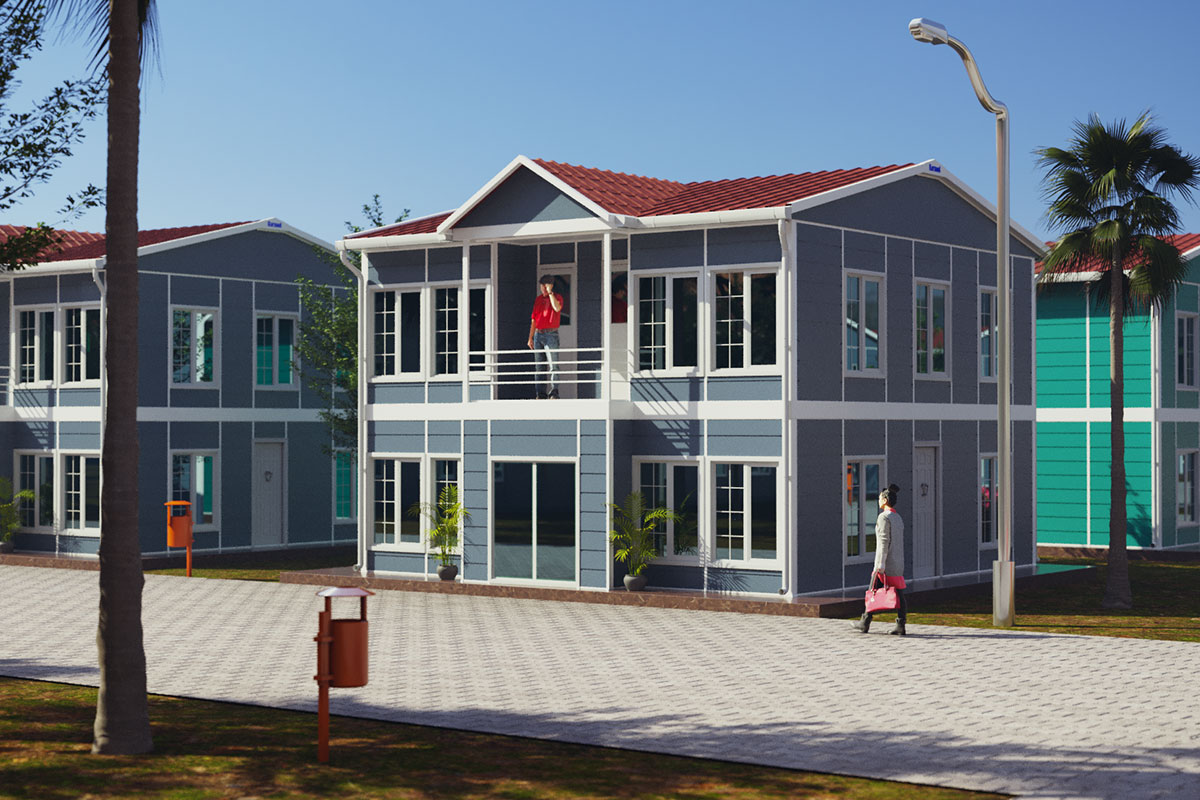
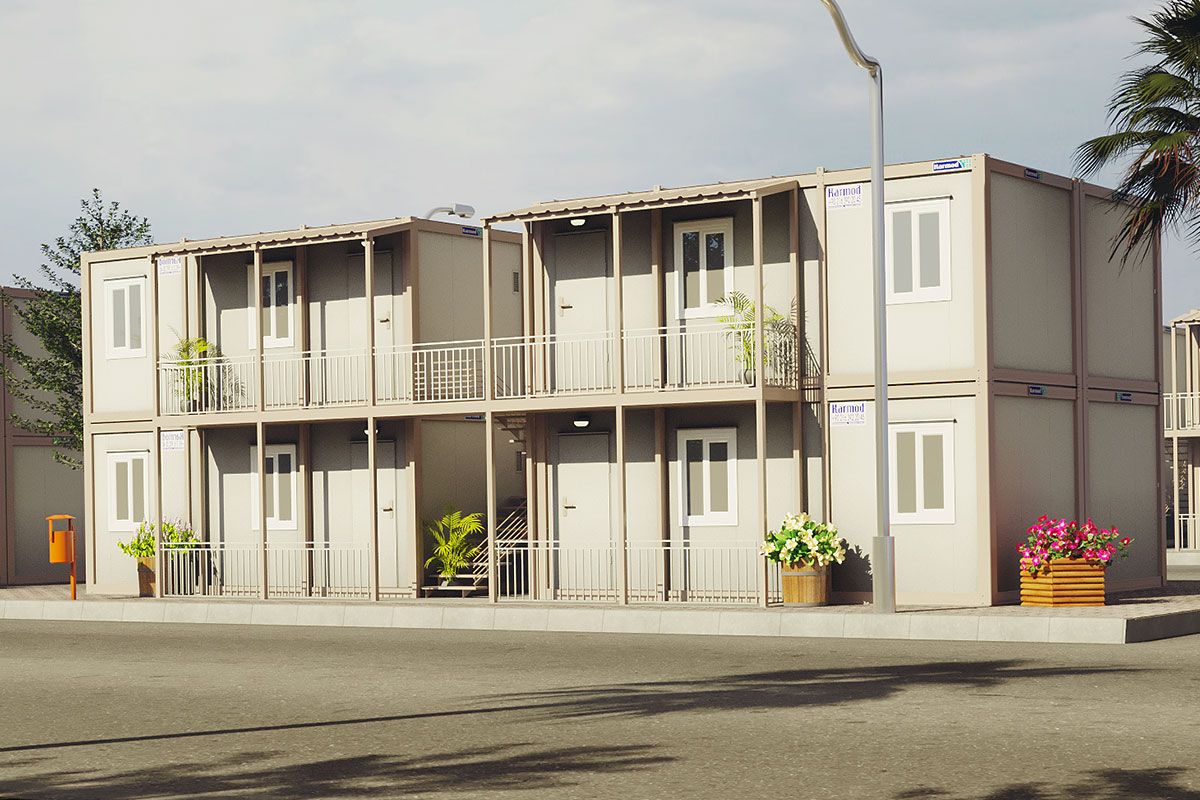
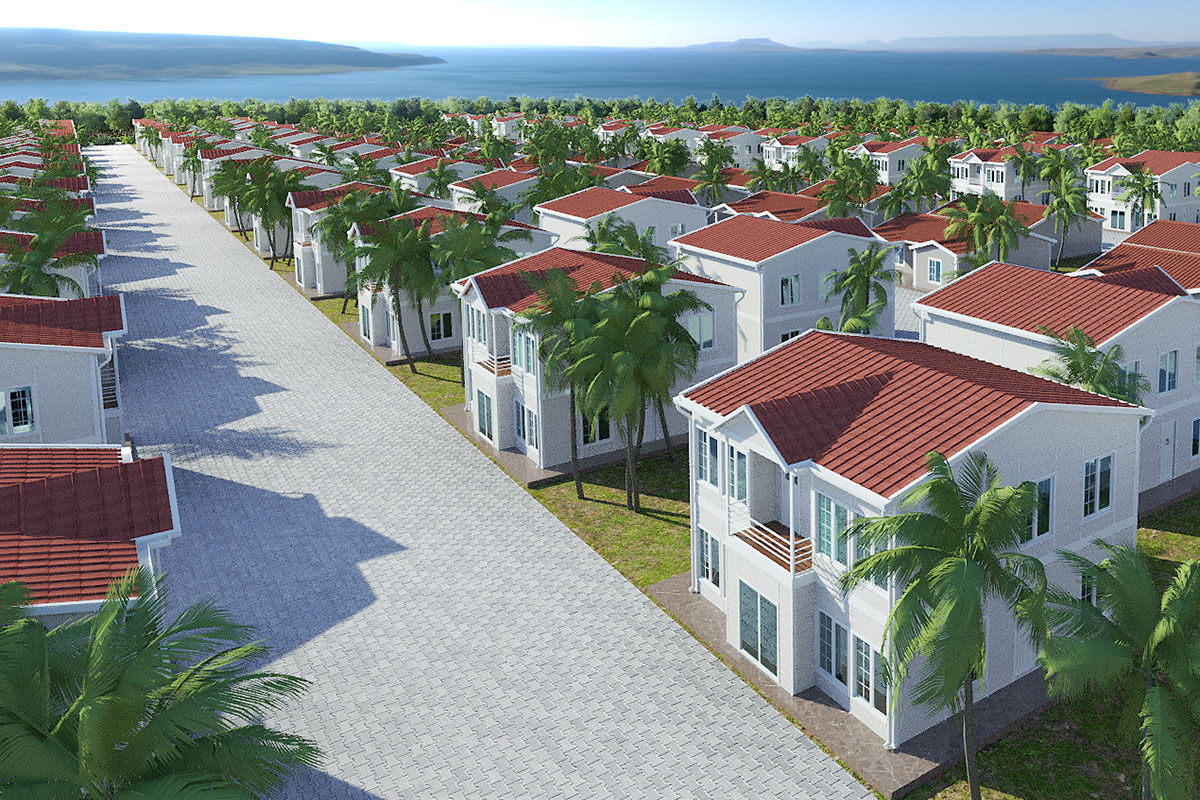

Canada is known for long winters, remote regions, and demanding work sites—conditions that shape how oil and gas teams live between shifts. In many producing areas, crews operate far from towns and services, where reliable accommodation is as critical as equipment uptime. A well-planned camp supports safe routines, steady productivity, and the day-to-day needs of rotating workforces. The Canada Oil and Gas Field Man Camp, Canada Oil and Gas Field Housing, and Canada Oil and Gas Field Housing Units are typically defined by practical design features that match these realities:
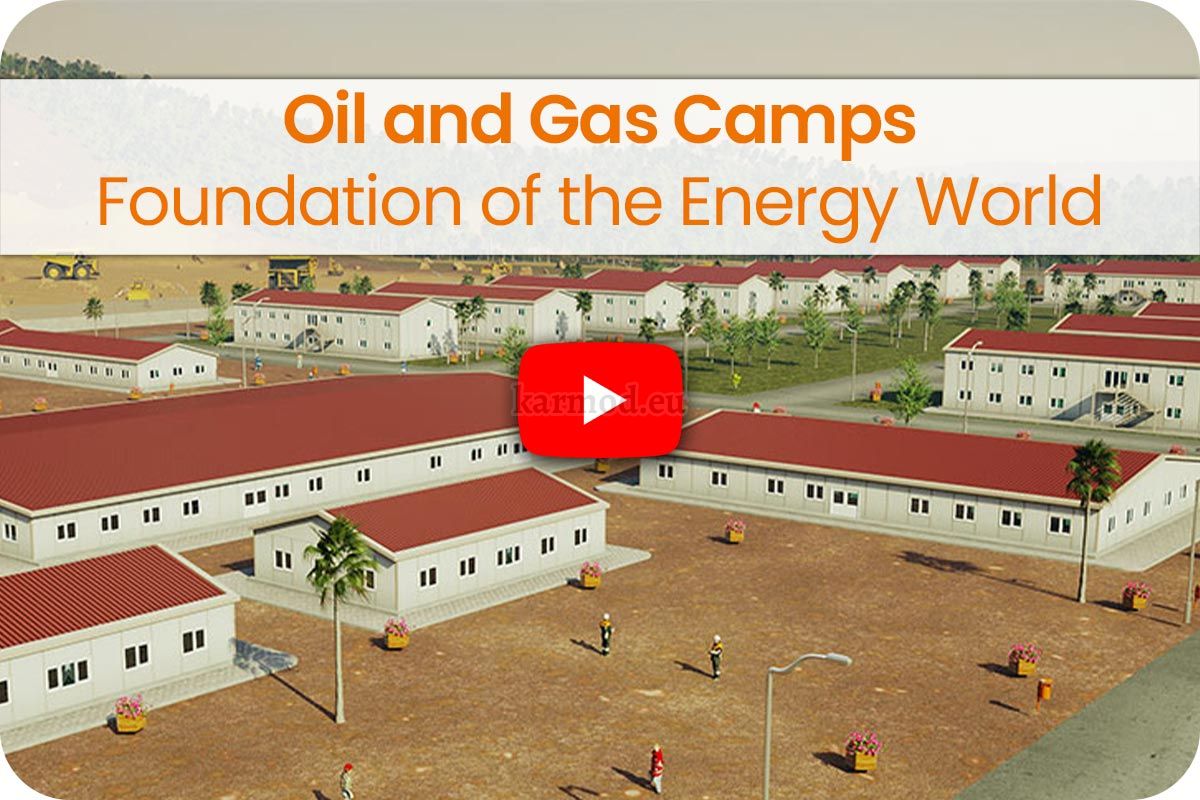
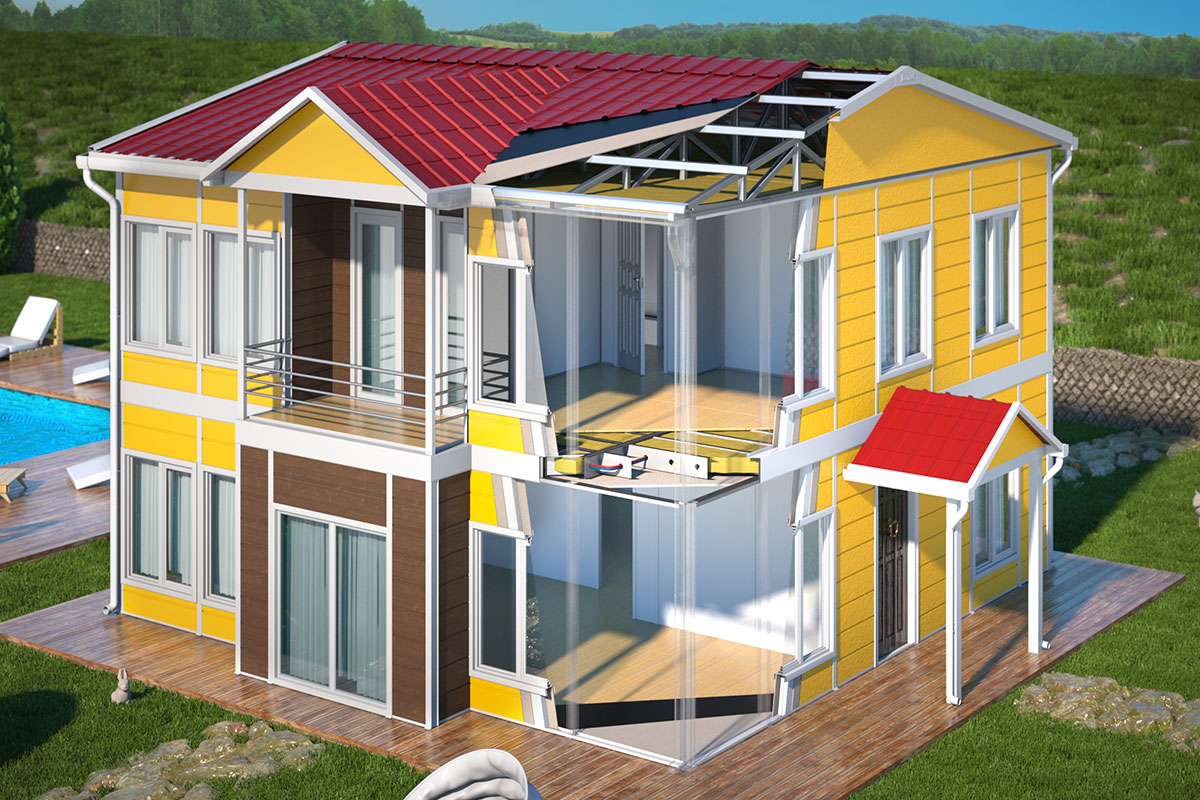
- Built for cold-weather operation: Camp buildings are planned as permanent-feel facilities, not temporary stopgaps. Insulated envelopes, controlled entry points, and layouts that reduce heat loss help maintain stable indoor conditions during extended cold periods.
- Efficient utilities and responsible resource use: Modern camps focus on practical efficiency—energy-conscious systems, waste segregation and recycling options where feasible, and utility layouts designed to reduce operating strain in off-grid or limited-infrastructure environments.
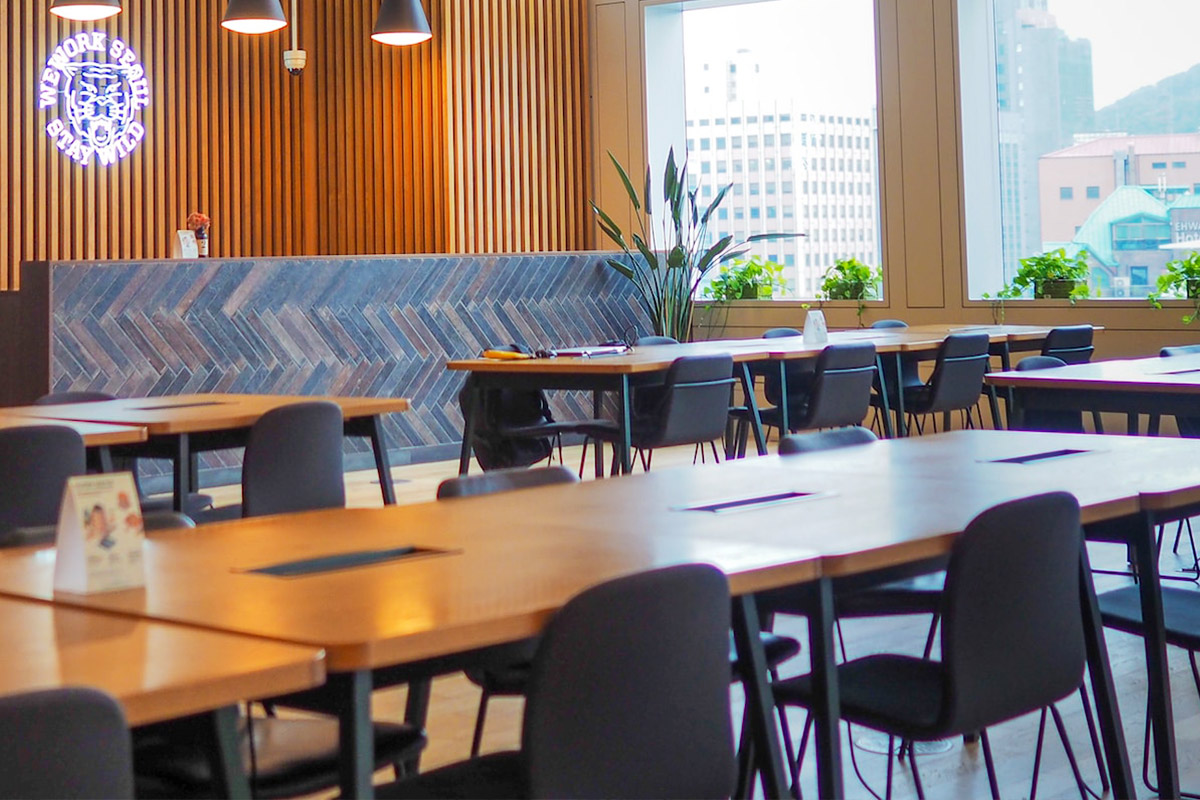
- Worker well-being without distractions: Long shifts and rotation work require rest that is predictable and uninterrupted. Common features include dedicated dining areas, fitness or recreation spaces, and quiet zones that support recovery and routine.
- Safety-led planning: Oil and gas sites require accommodation that aligns with strict safety expectations. Fire detection and suppression, controlled access, robust materials, and clear internal circulation routes are integrated from the start to support safe operations.
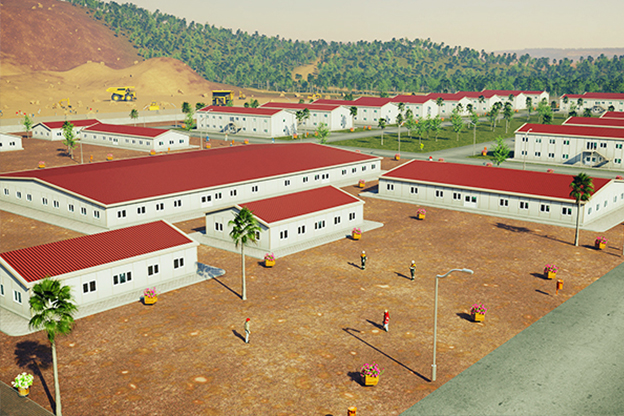
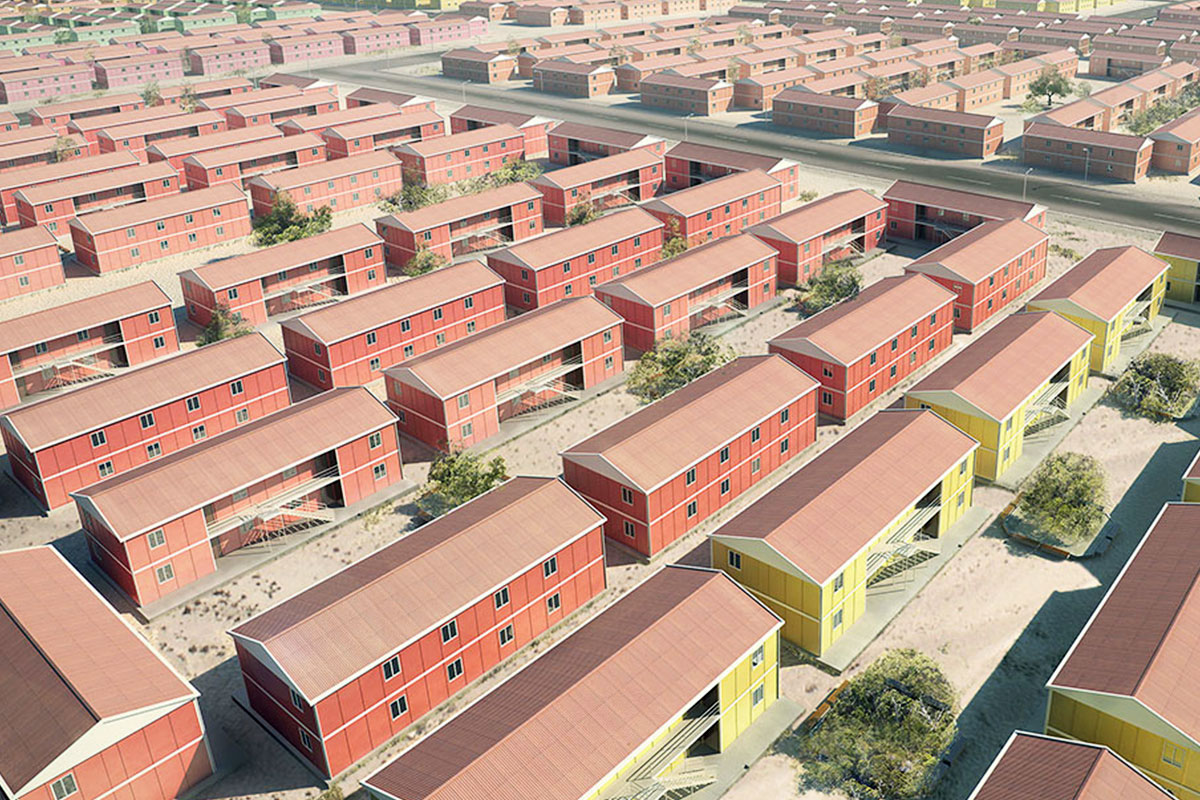
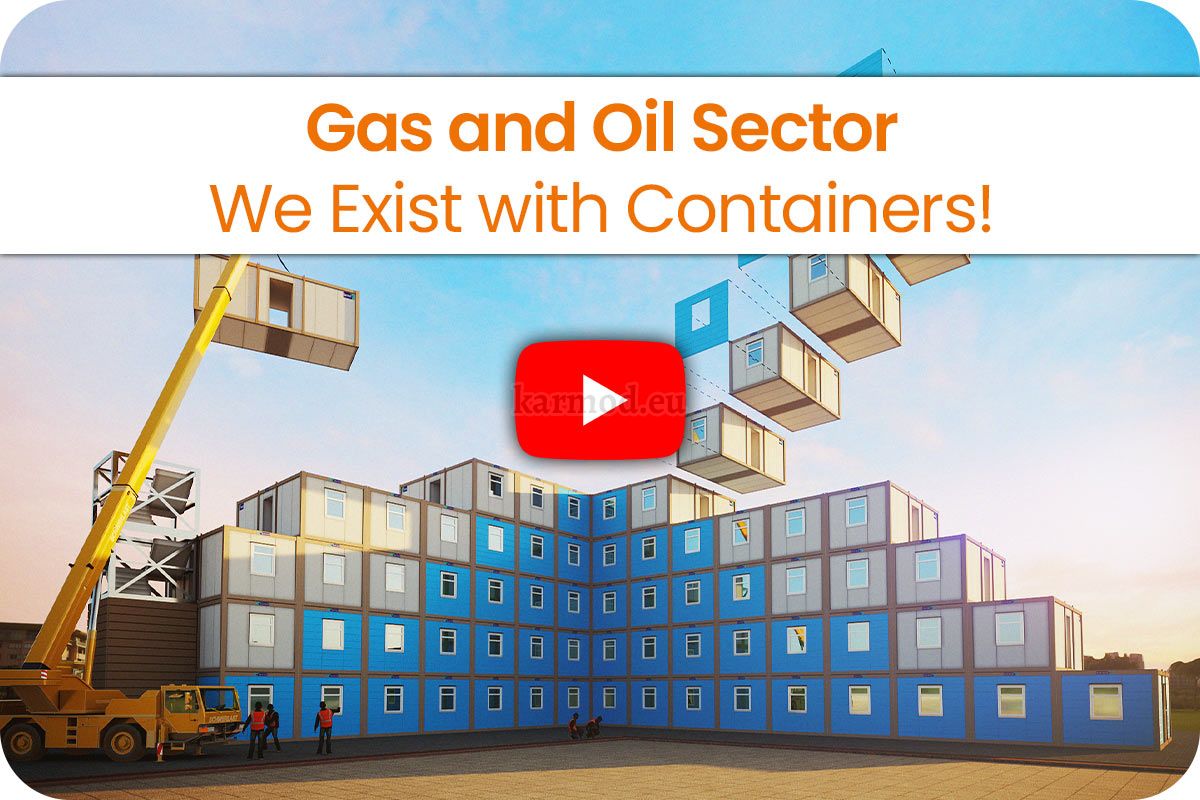
- Modular speed and flexibility: A modular camp approach helps teams deploy housing quickly, scale capacity as headcount changes, and standardize quality across multiple locations. Karmod applies modular methods to support fast installation while keeping build consistency and site practicality in focus.
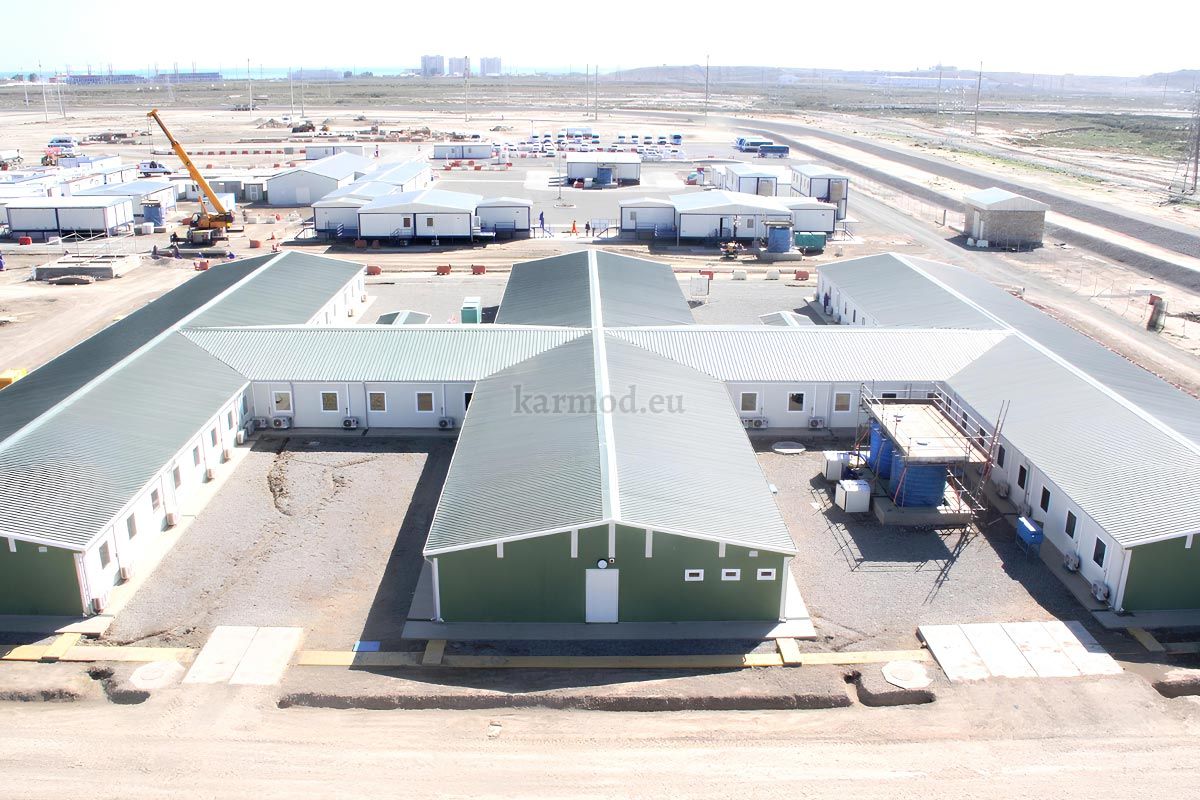
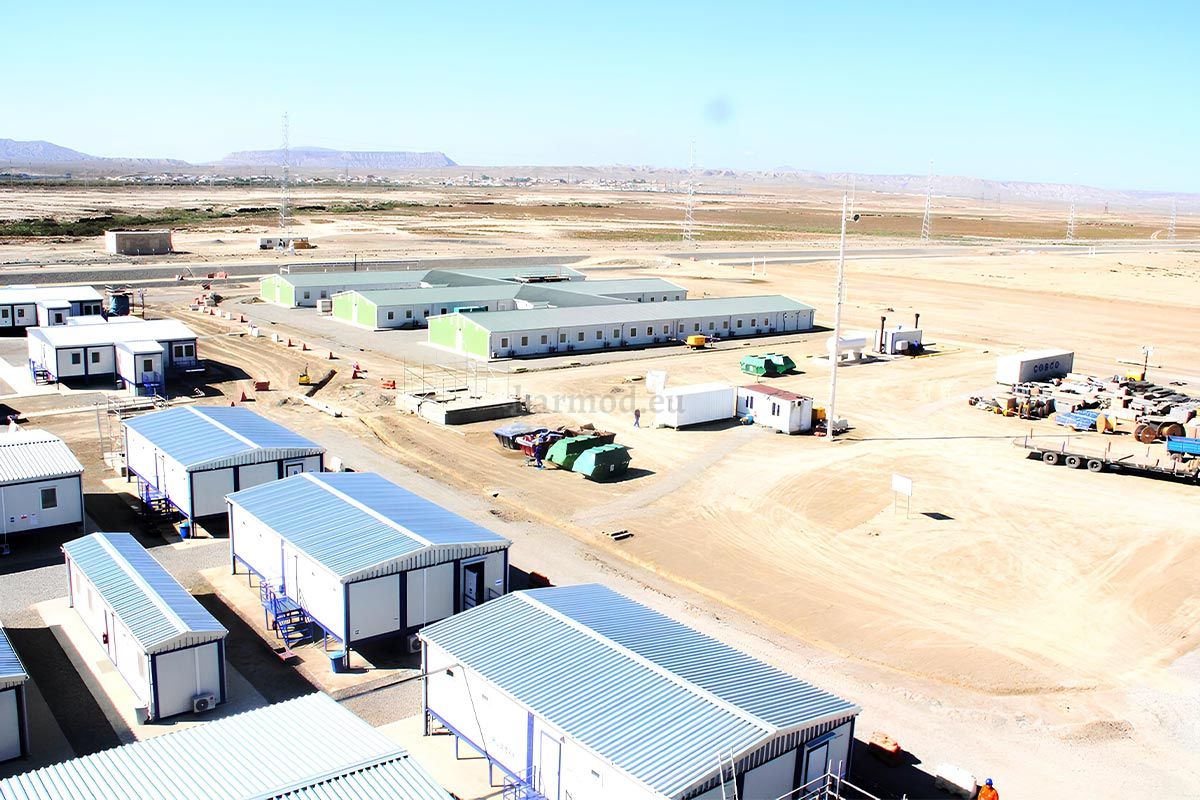
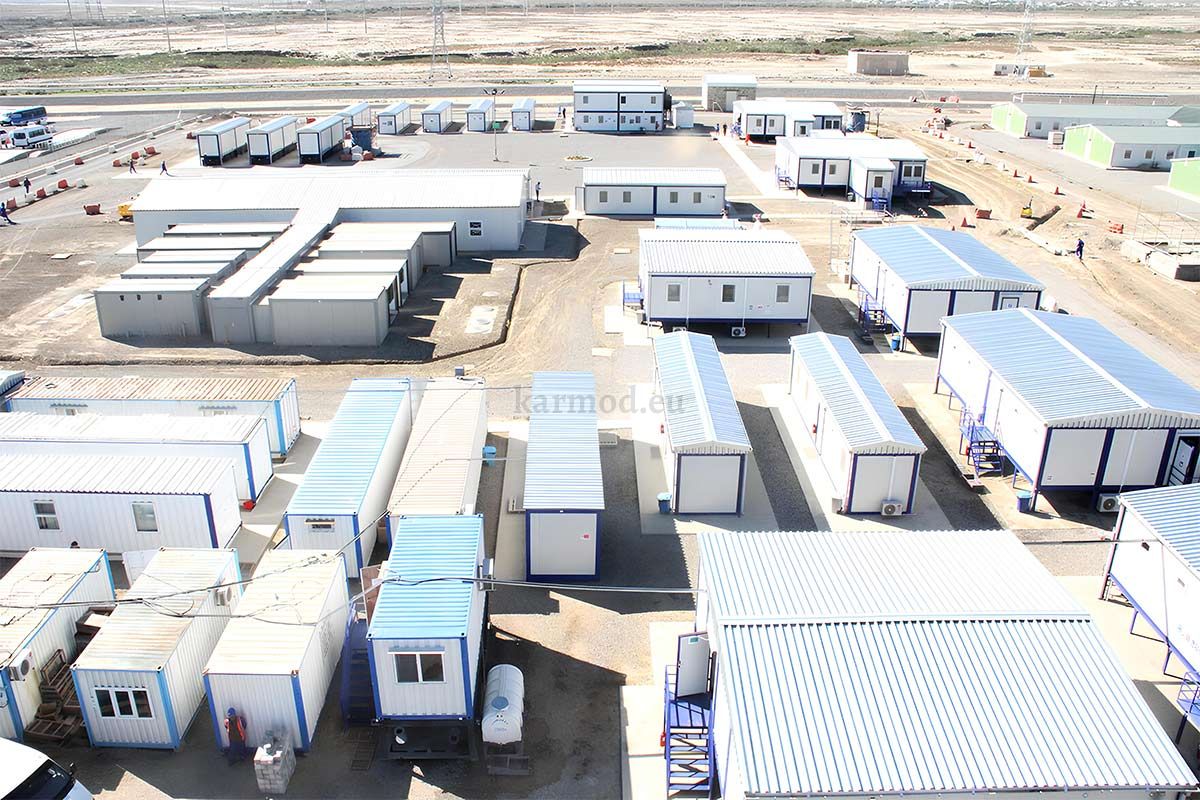
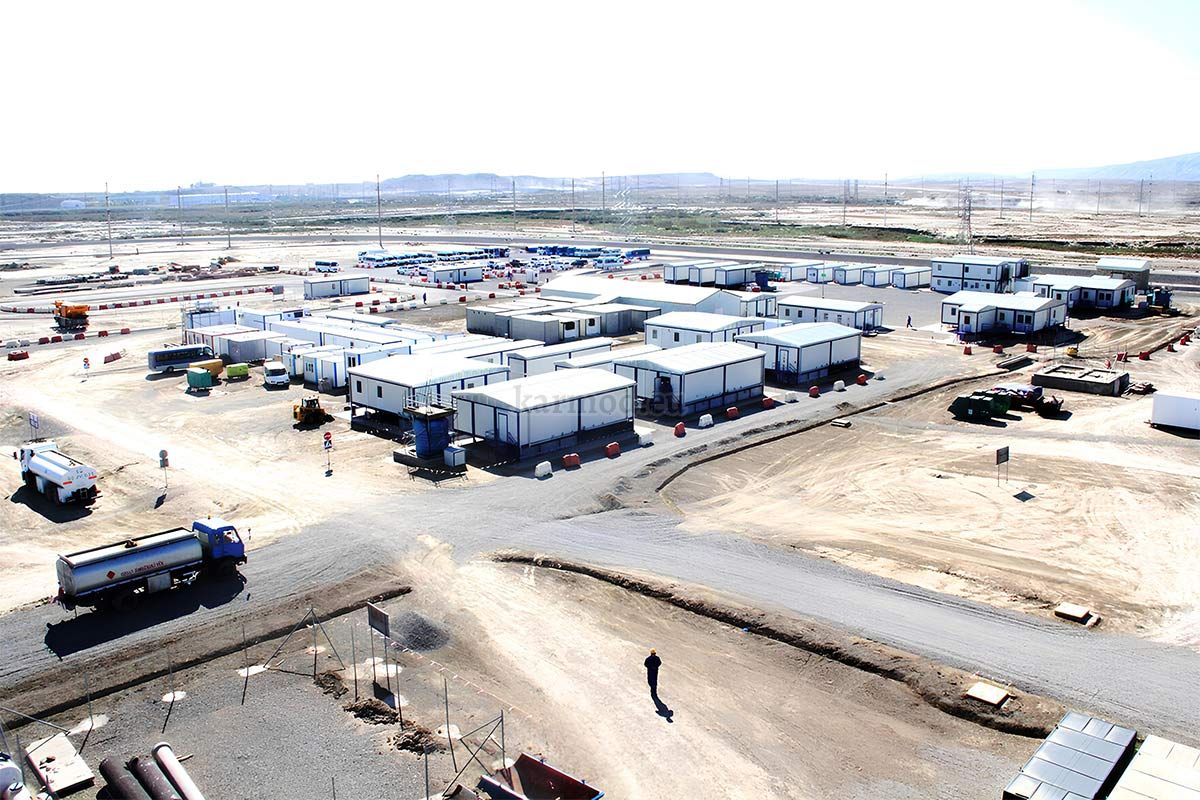
Karmod is widely associated with structured camp delivery for Canada’s oil and gas environments, where site access, weather exposure, and workforce rotation create clear expectations for durability and daily functionality. Their solutions are typically developed with operational constraints in mind, from transport planning to on-site assembly and long-term use.
Today, oil and gas accommodations in Canada are expected to do more than provide shelter. They support shift stability, reduce avoidable downtime, and create a consistent living standard for crews working far from home. A well-run camp becomes part of the project’s overall performance—quiet when it needs to be, efficient to operate, and dependable through seasonal change.
Comfortable, Work-Ready Oil and Gas Man Camps in Canada
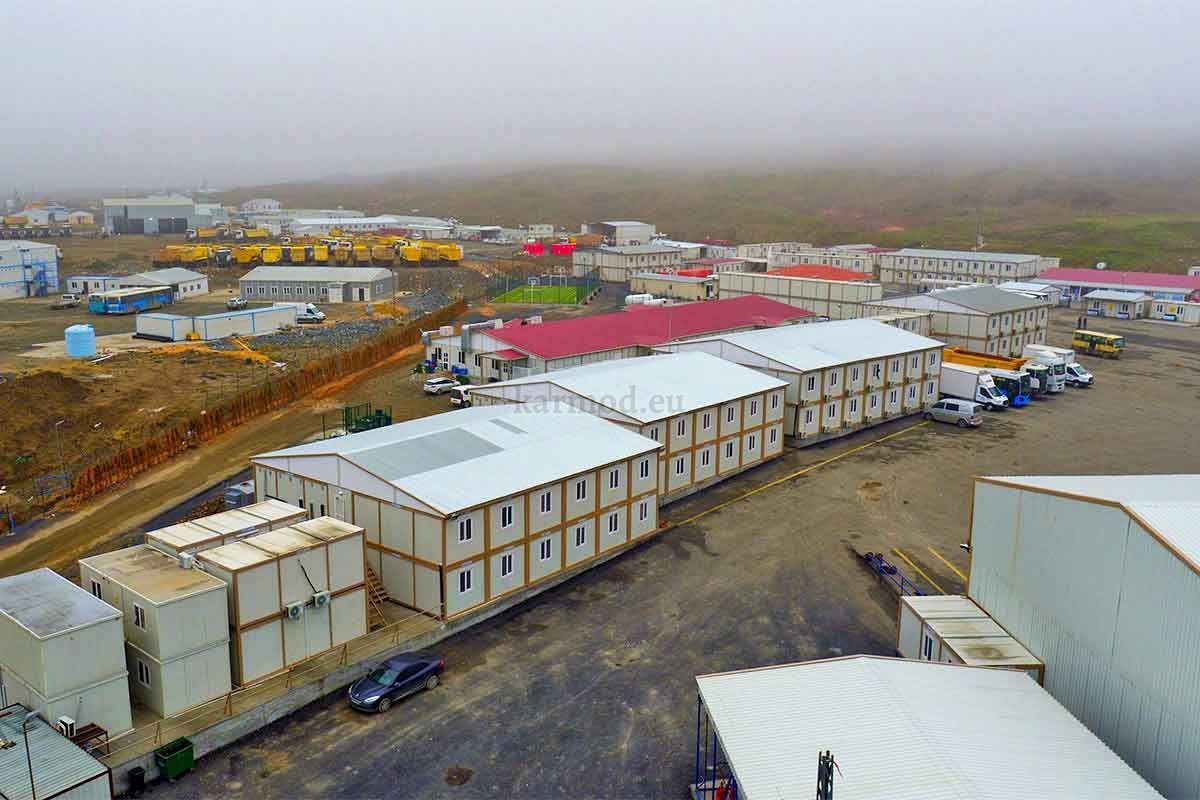
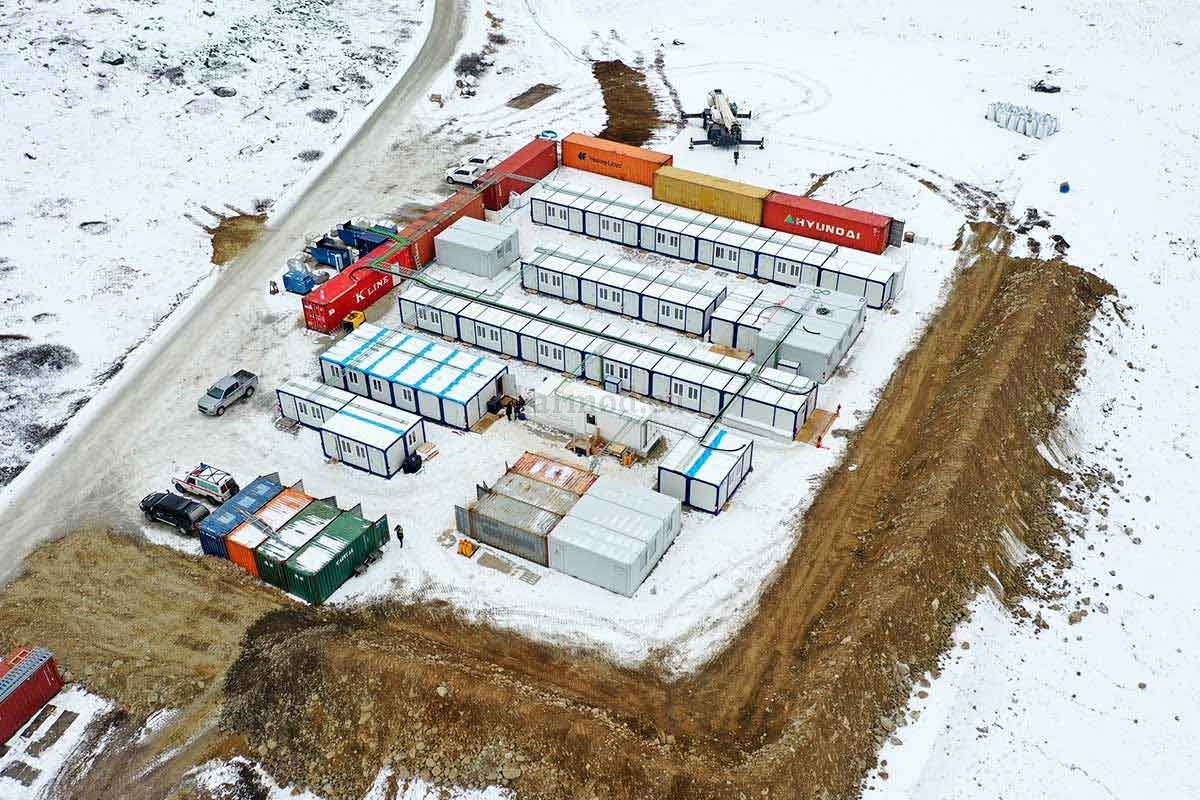
Remote Canadian projects demand accommodation that performs every day, not just on day one. A Canada Oil and Gas Man Camp is designed around predictable rest, efficient movement, and services that keep crews focused on safe work. Bedrooms prioritize sleep quality, climate control keeps interior conditions stable, and reliable connectivity supports communication with home and coordination on site. The result is straightforward: better recovery between shifts and a more consistent routine for rotating teams.



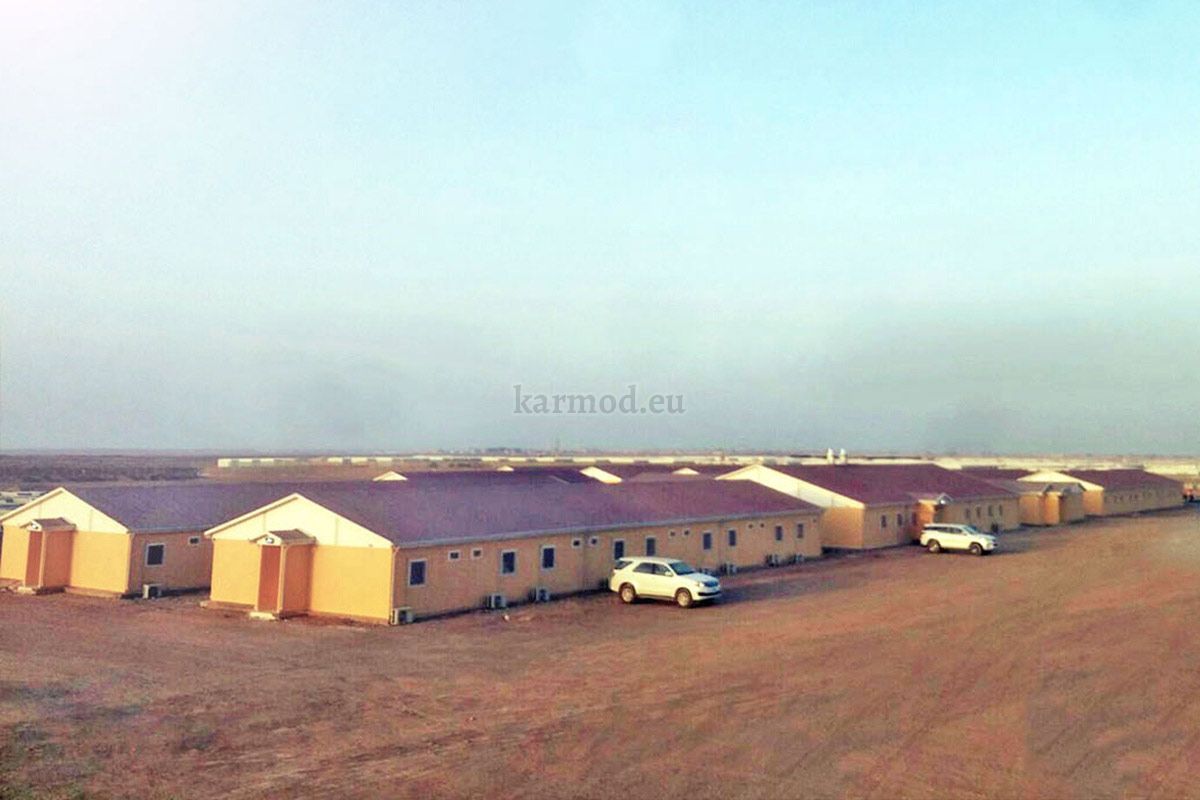
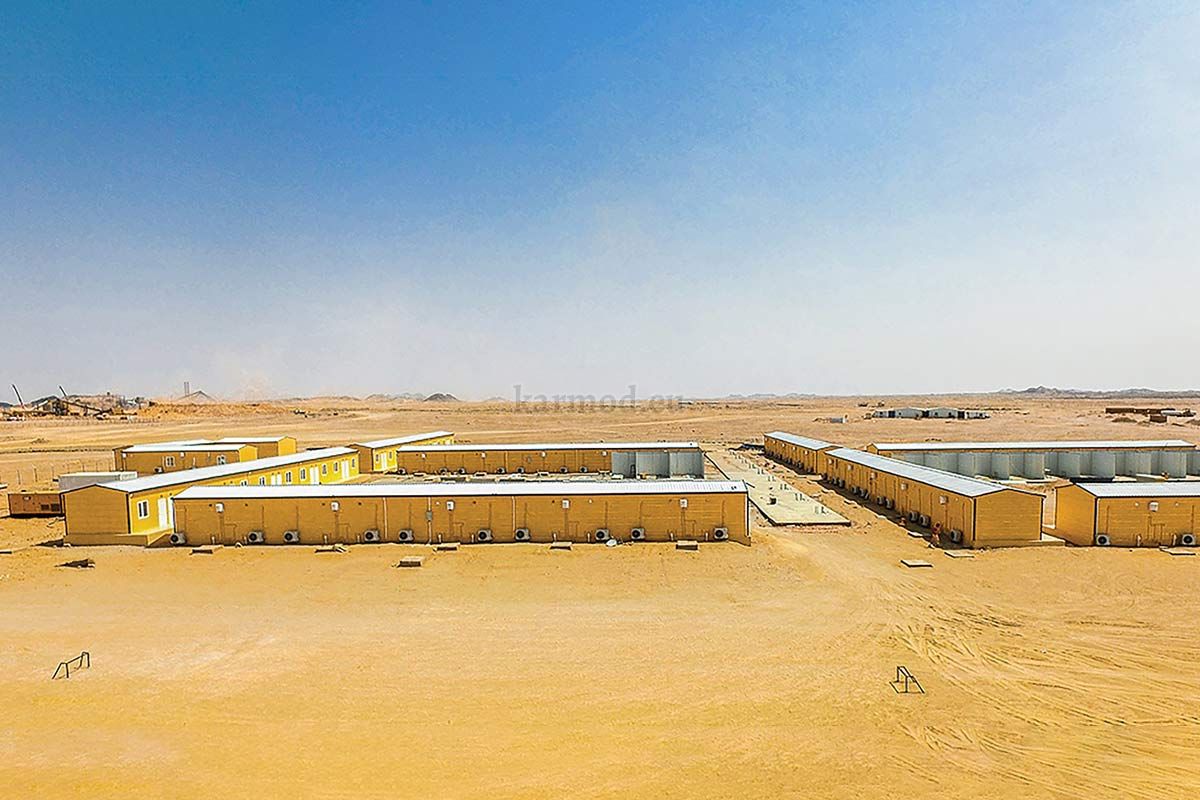
Oil and Gas Field Housing Built for Rotational Crews
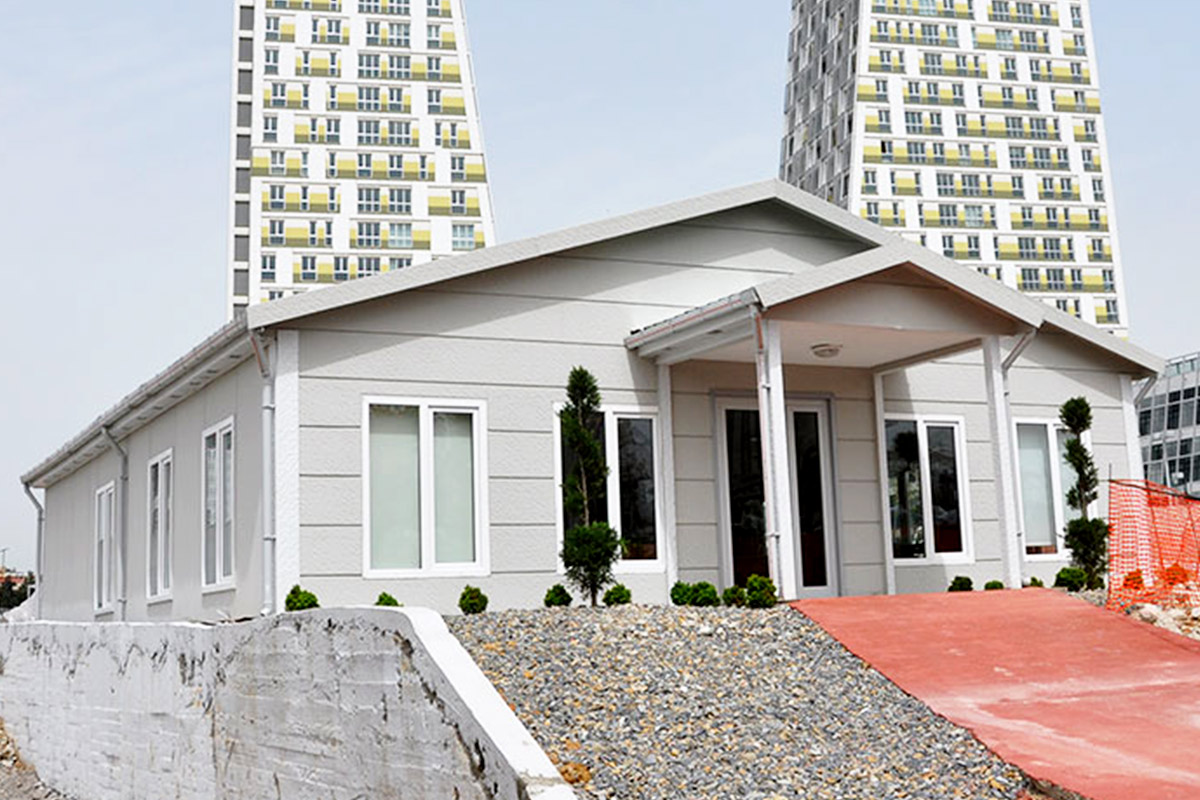
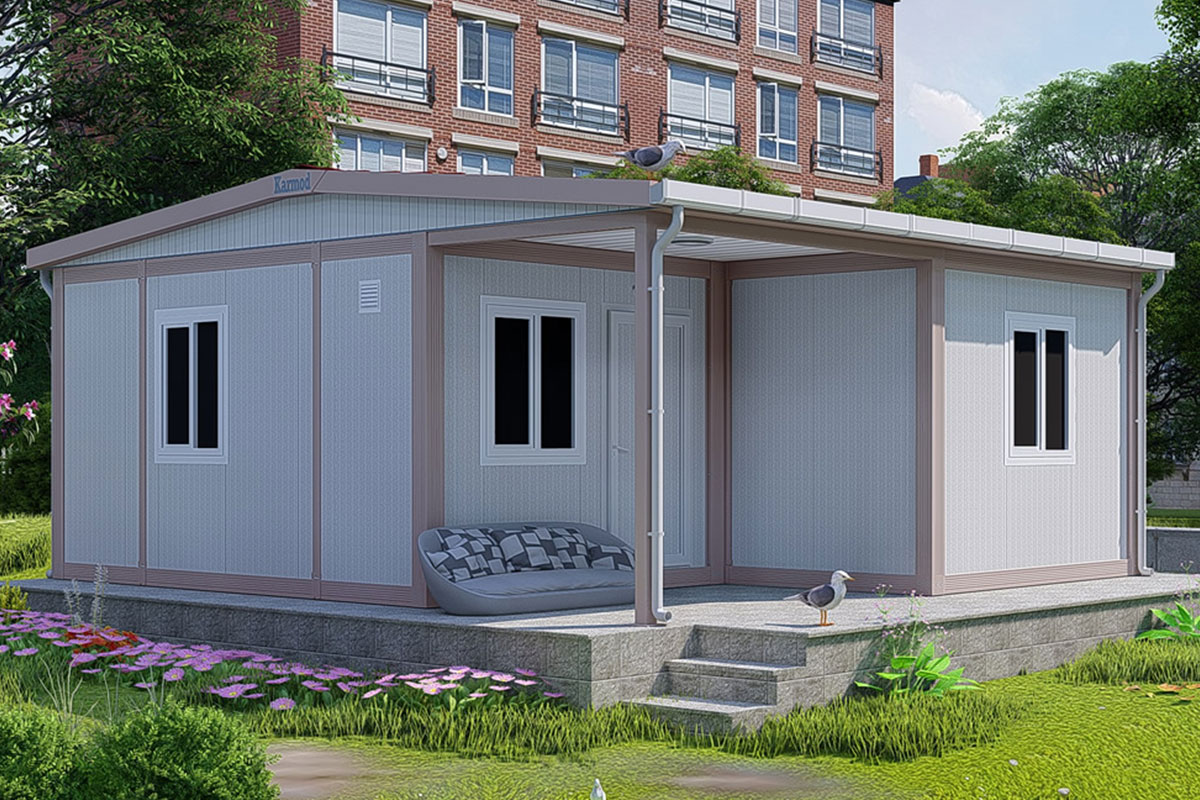
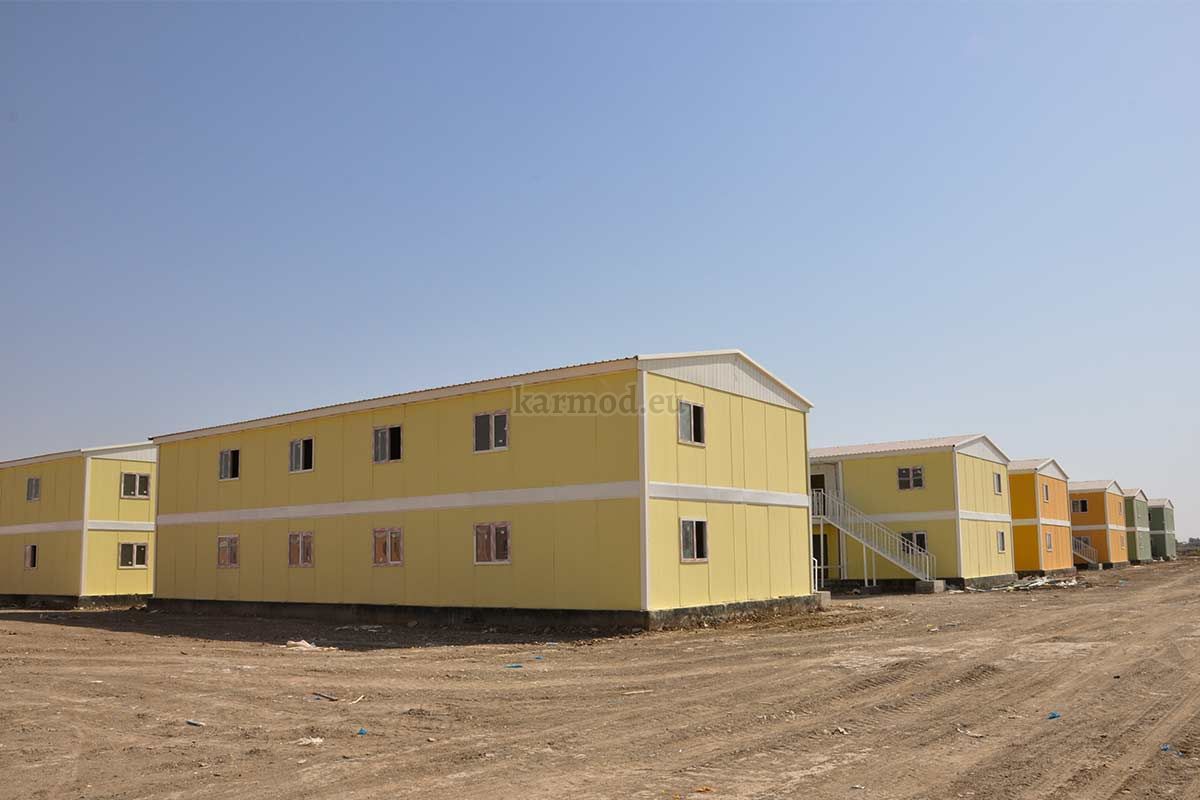
Canada’s Oil and Gas Field Housing is typically planned to balance privacy, shared services, and site practicality. Units are organized to support daily operations—clean circulation routes, durable finishes that tolerate heavy use, and layouts that reduce noise transfer. Sound-managed rooms help protect rest periods, while shared dining and social areas provide necessary space without crowding. When delivered as modular units, housing can be standardized across multiple sites, making maintenance, utilities, and future expansion more manageable. Karmod is one of the manufacturers referenced in this segment, providing housing solutions that emphasize build consistency, safety alignment, and functional planning for remote workforces.
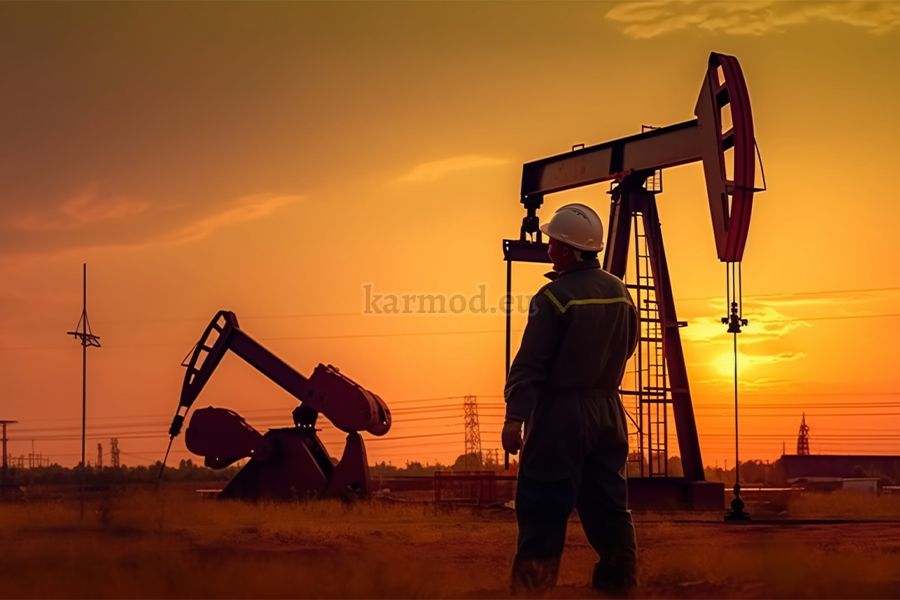
Canada Oil and Gas Camp Construction Buildings for Harsh Site Conditions
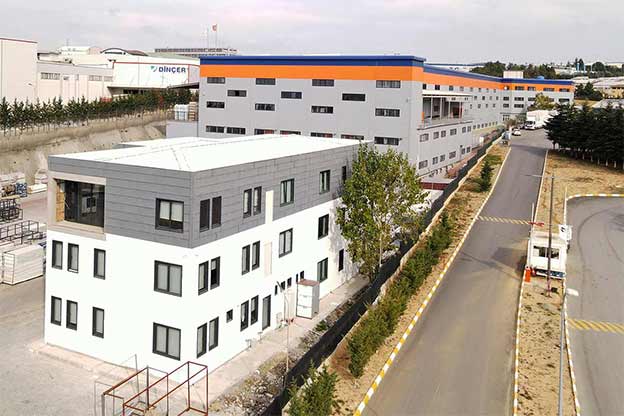
Camp construction in Canada must account for weather exposure, transport limitations, and the realities of remote maintenance. These are working buildings first—expected to withstand seasonal conditions while supporting daily camp services without disruption.
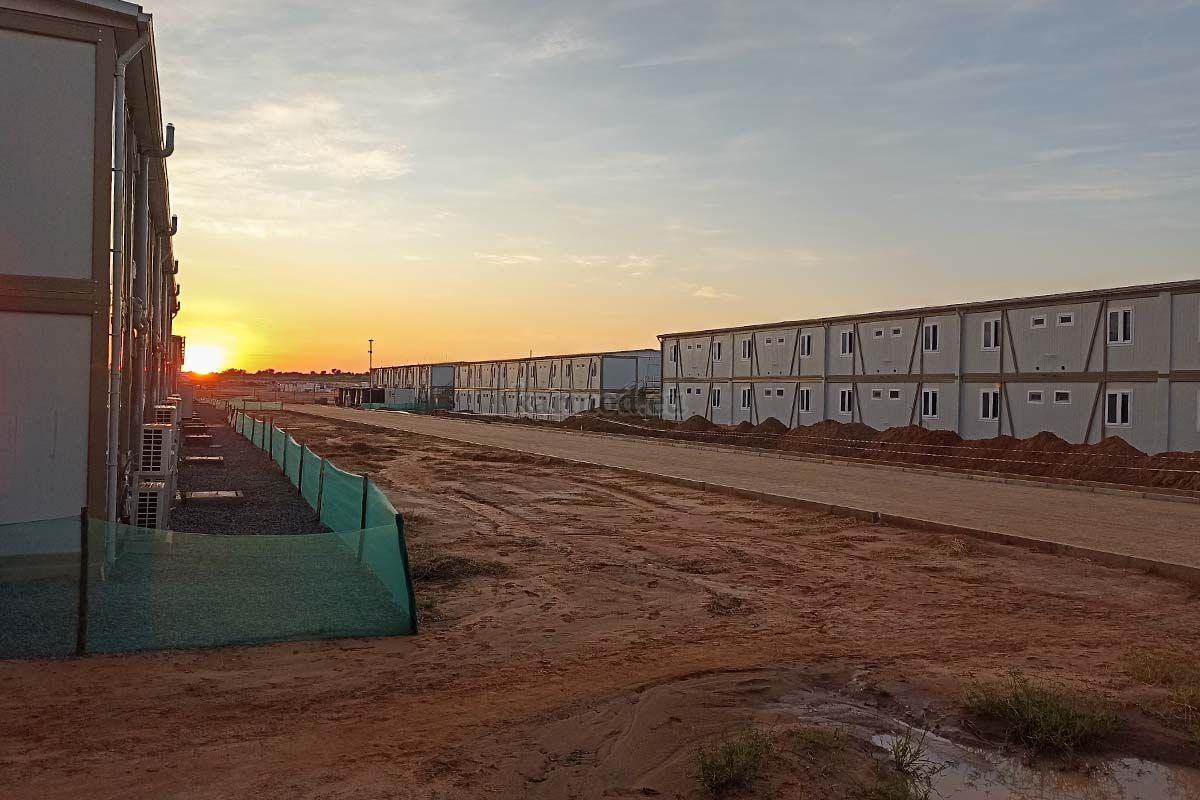
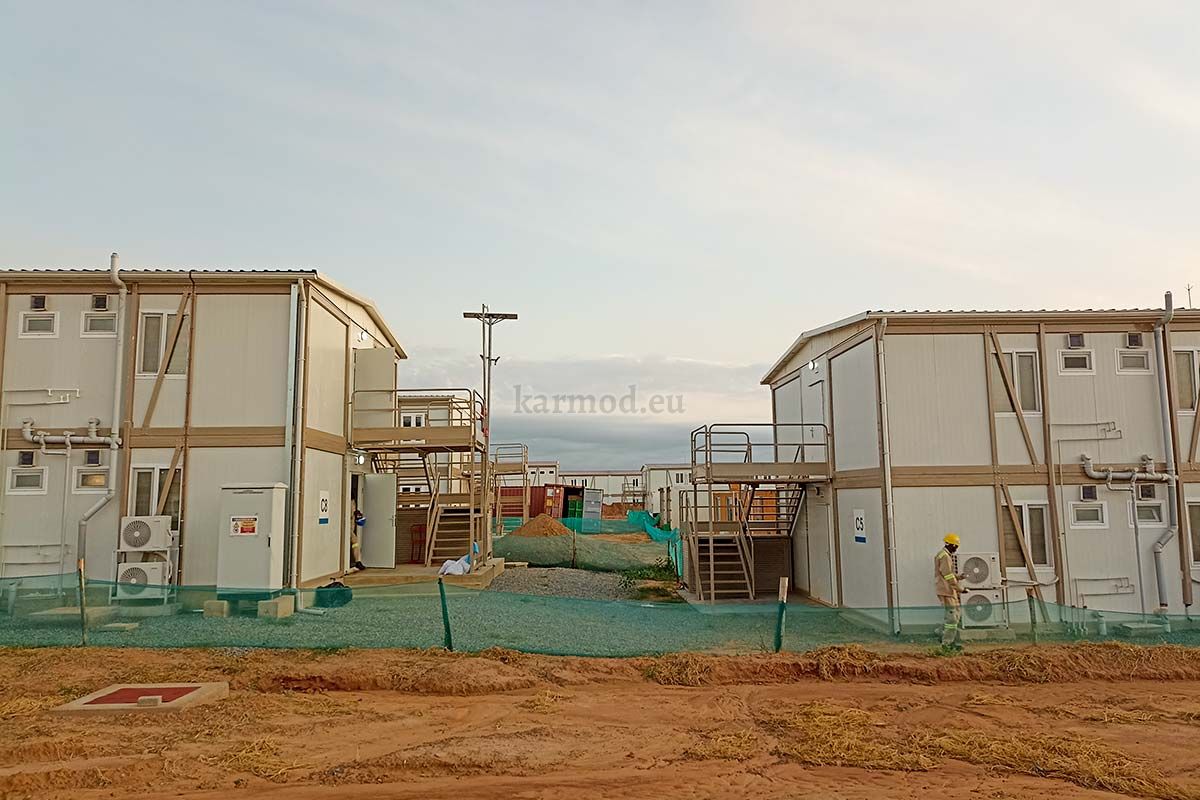
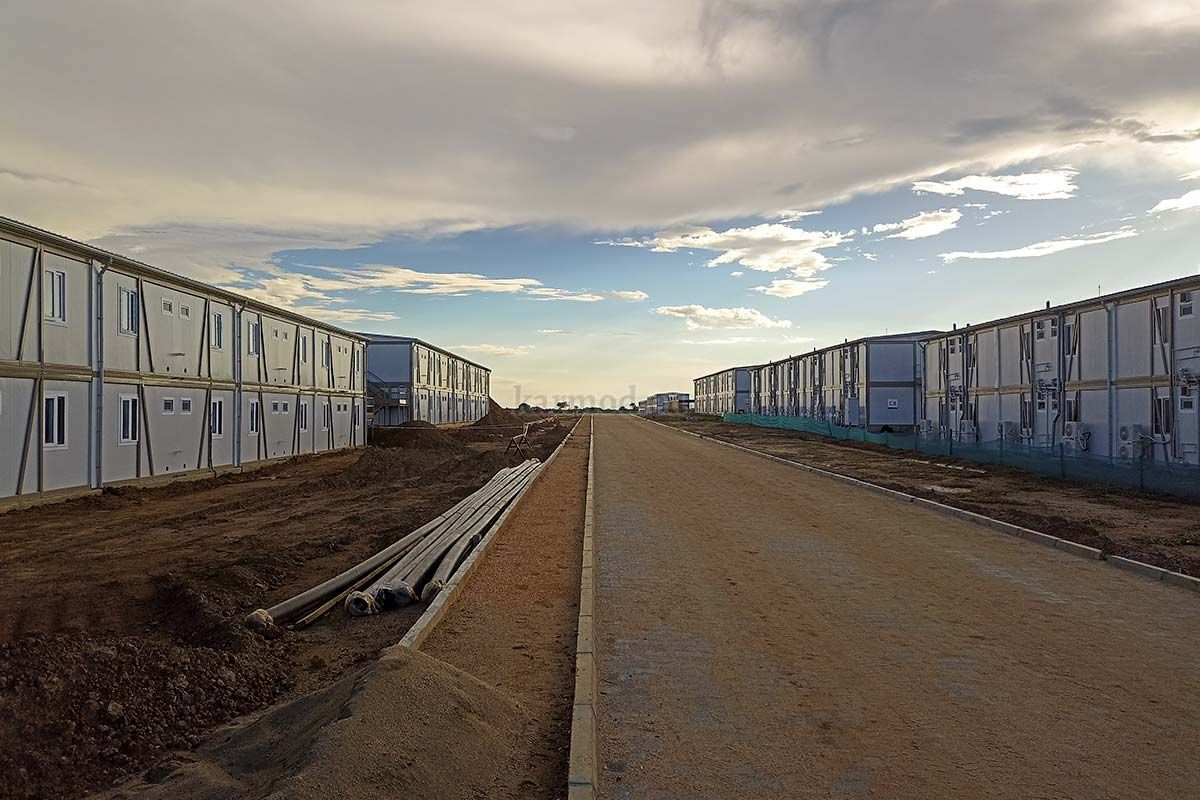
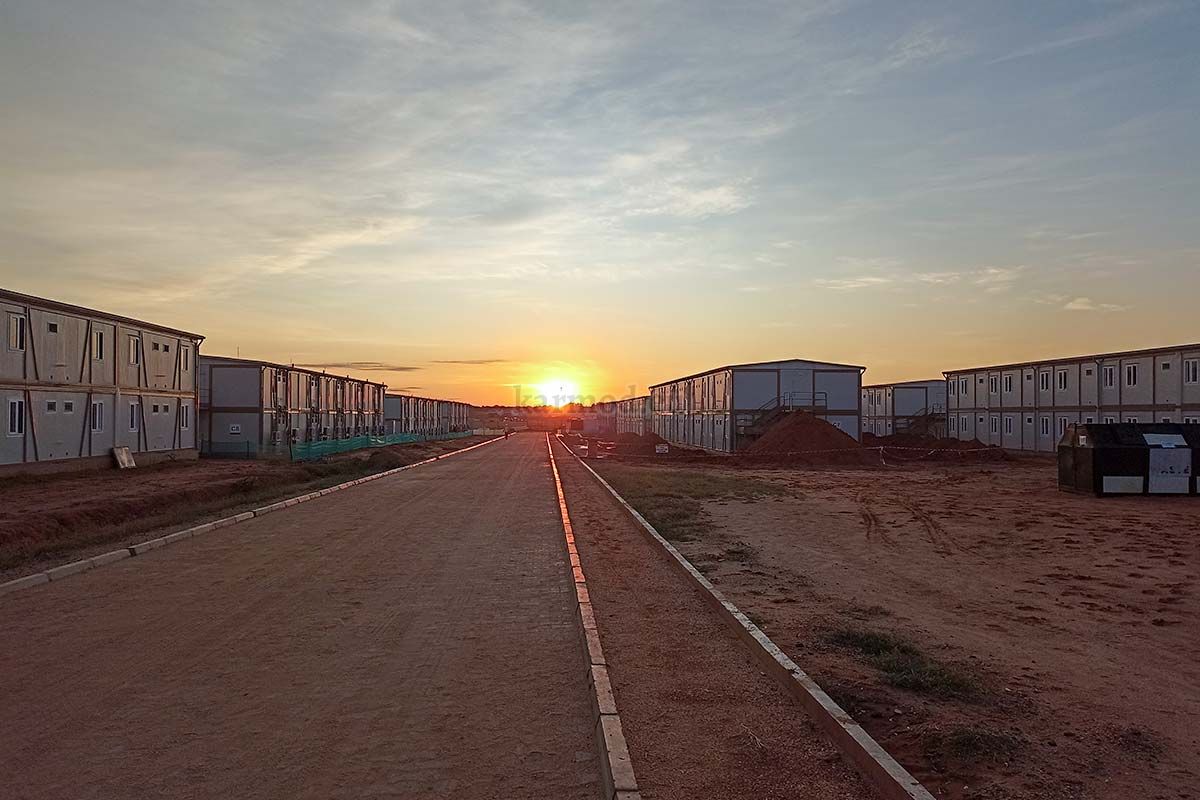
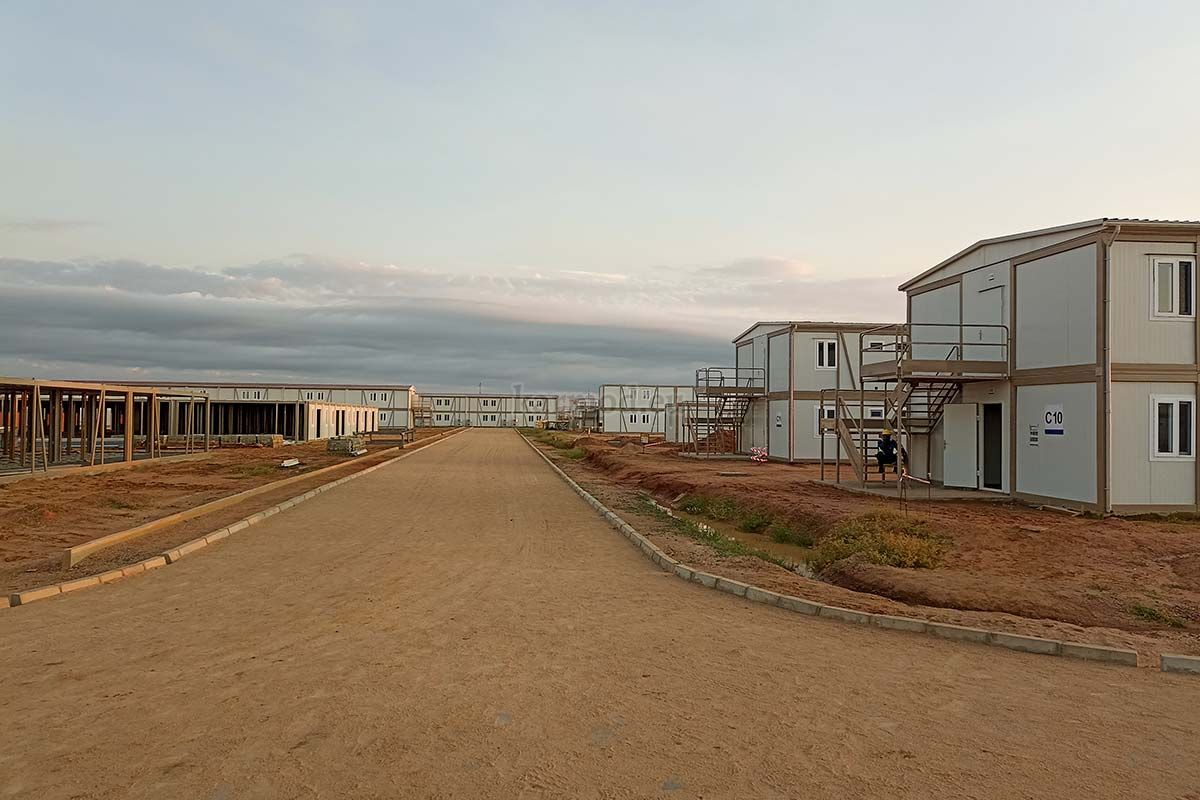
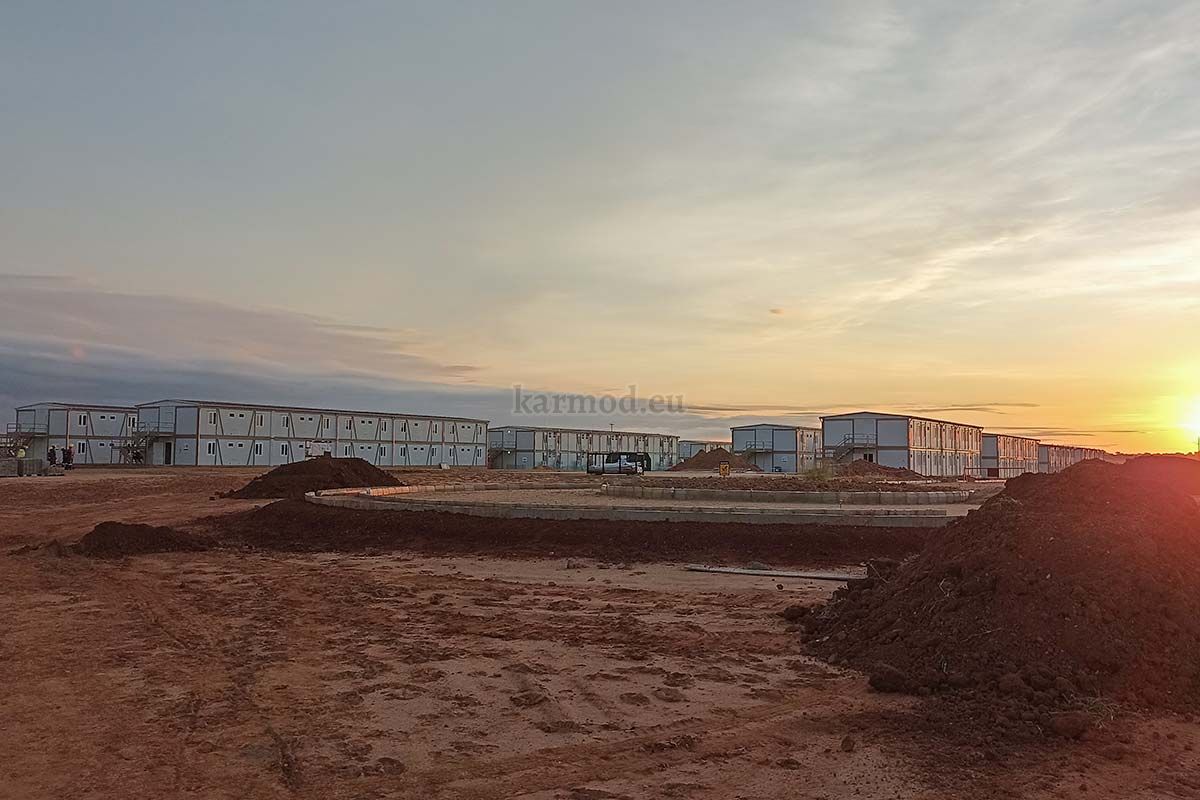
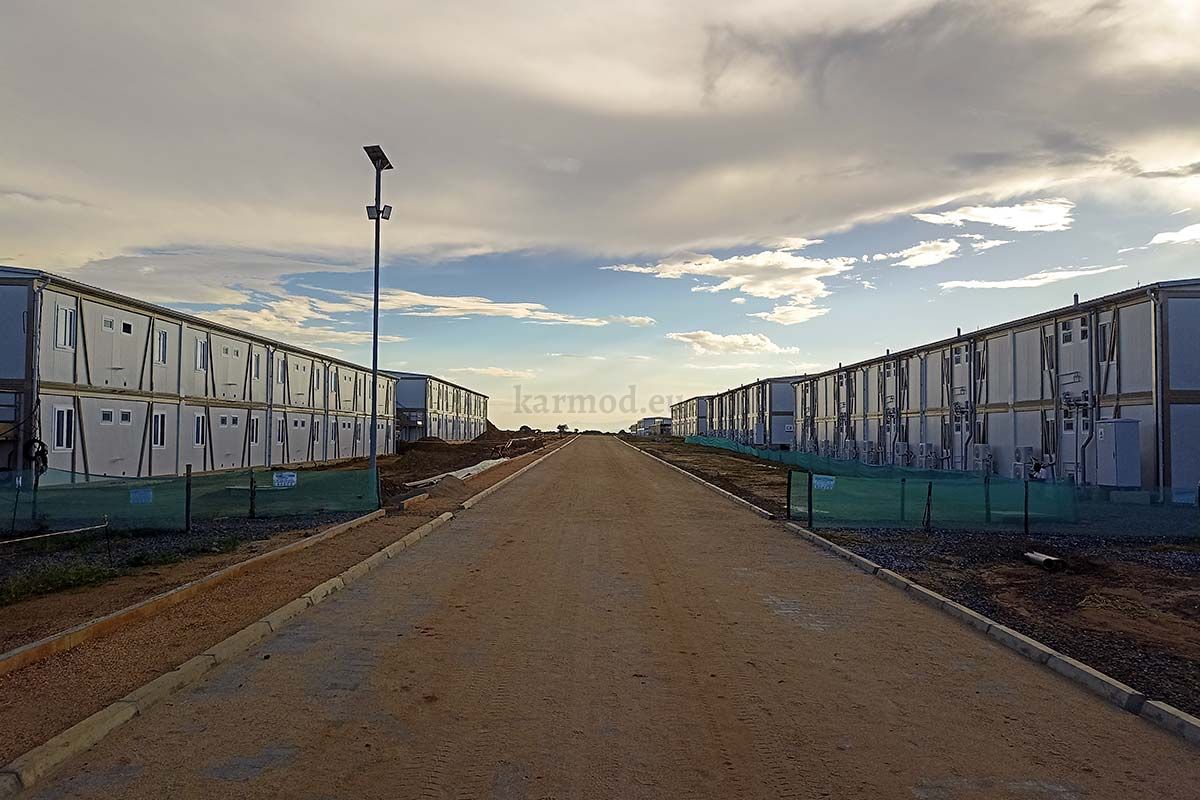
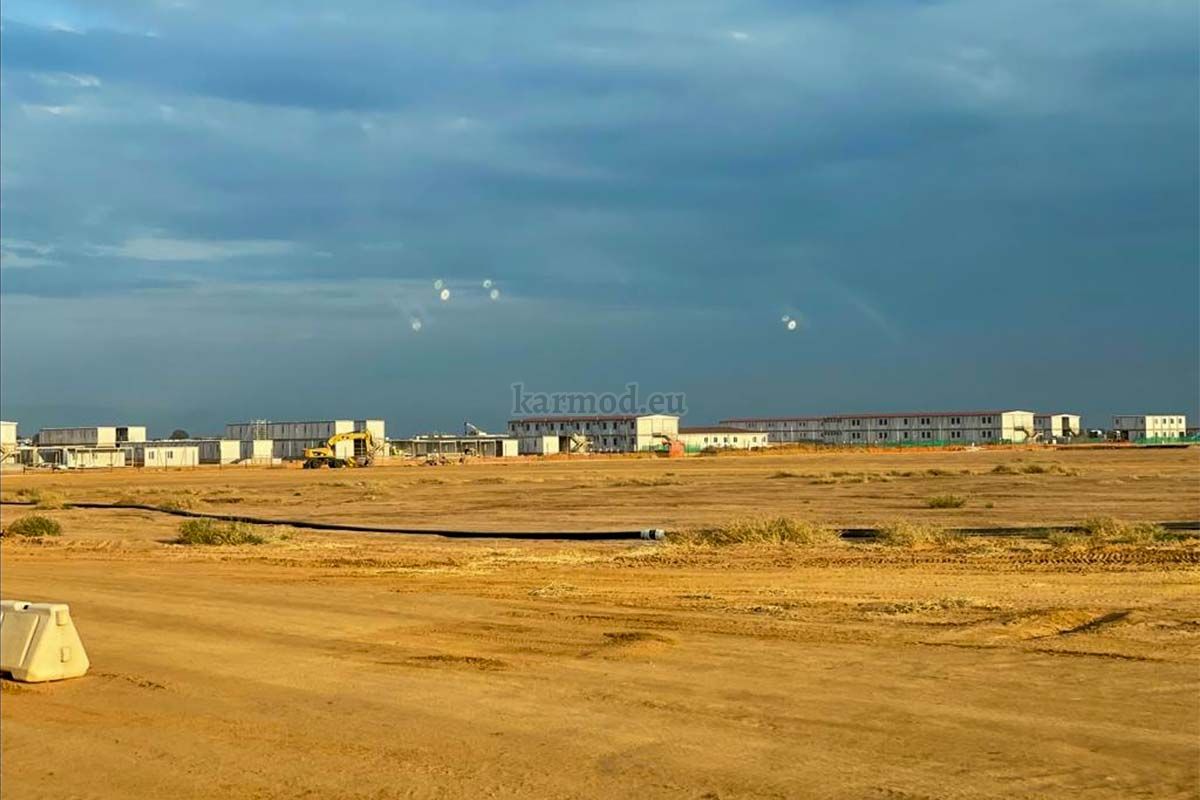
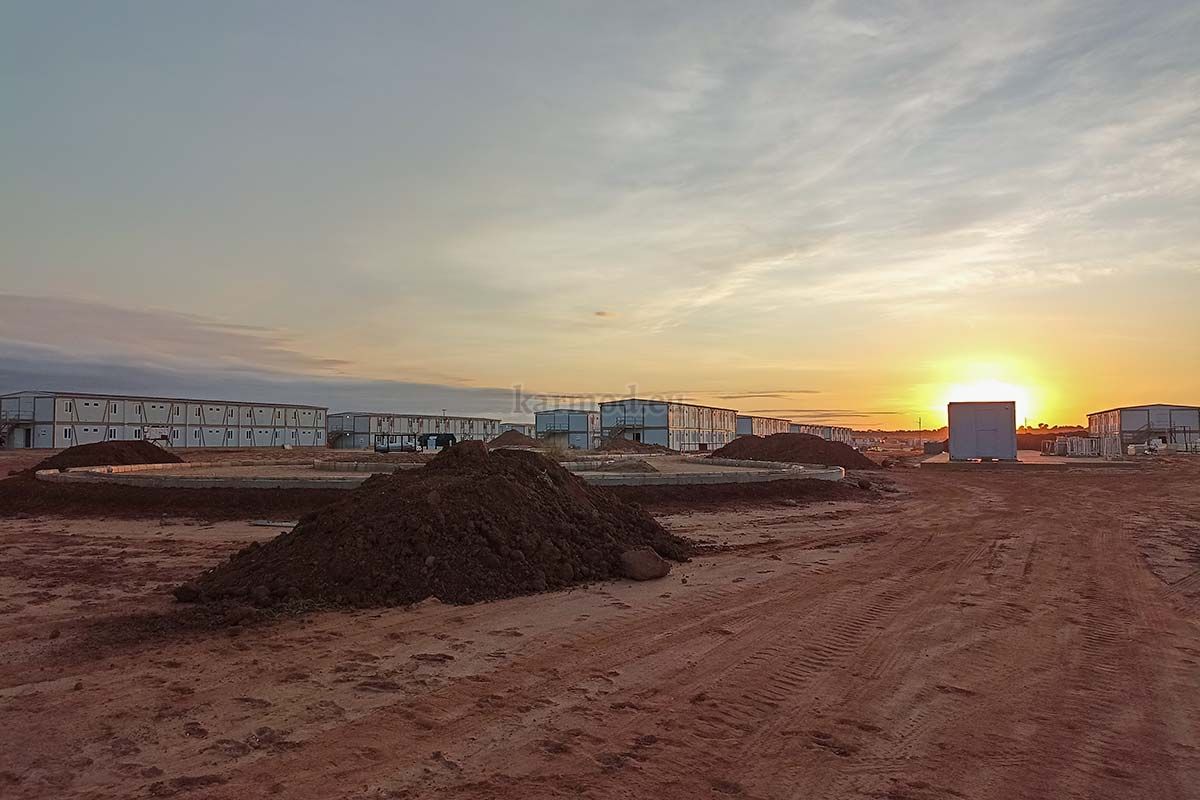
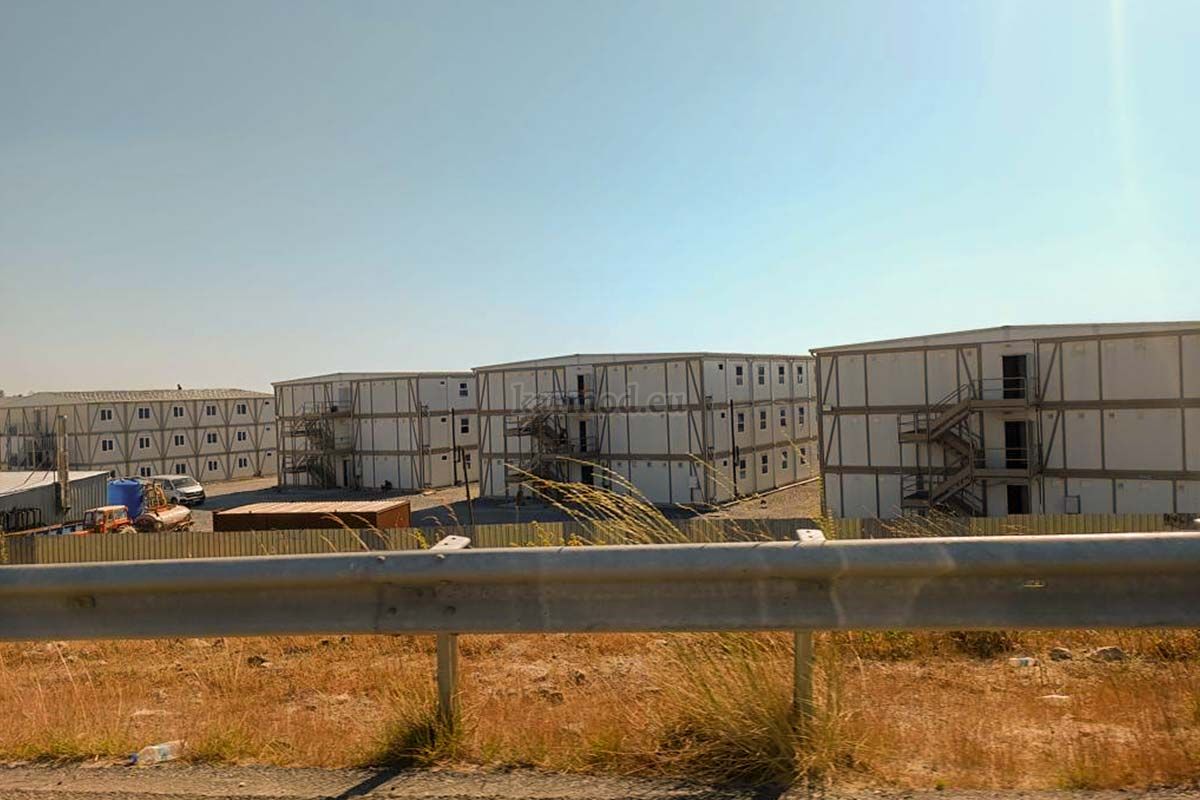
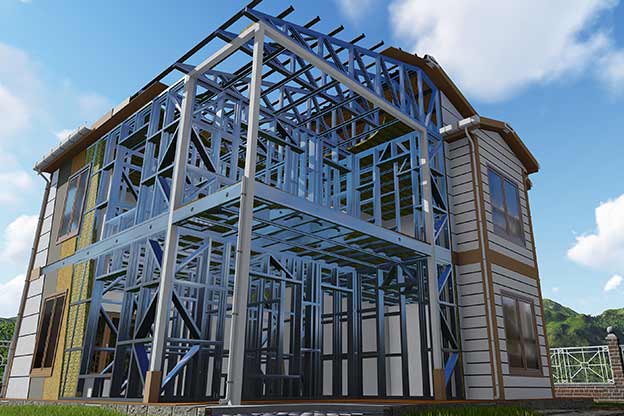
- Structural resilience for Canadian climates: Canada's Oil and Gas Camp Construction Buildings are typically engineered for snow load considerations, wind exposure, and temperature swings, with details that protect envelope performance and occupant safety.
- Materials chosen for durability and compliance: Modern builds focus on long service life and controlled maintenance. Where sustainability measures are feasible, they are implemented through efficient systems and responsible material selection rather than cosmetic features.
- Layouts that support daily operations: Interior planning aims to keep essential services running smoothly—accommodation, dining, laundry, and administration—while managing privacy, noise, and traffic flow for shift patterns.
- Integrated systems for reliable living: Camps commonly include HVAC designed for cold-weather stability, dependable power and water distribution strategies, and connectivity solutions appropriate for remote locations.
Karmod as a Manufacturer for Oil and Gas Field Camps in Canada
For operators and contractors planning workforce accommodation in Canada, Karmod is often considered for projects where schedule certainty, repeatable build quality, and safety requirements are central. Their approach supports modular delivery in environments where access windows can be narrow and site logistics can shift as projects develop.
- Delivery focus: Karmod is known for structured project execution, with an emphasis on keeping delivery and installation aligned to site schedules and operational priorities.
- Practical modular solutions: Modular systems are applied to support fast deployment, consistent unit standards, and straightforward expansion when workforce numbers change.
- Project-specific planning: Solutions are typically adapted to client requirements—capacity, layout, and site constraints—so camps remain functional and efficient once occupied.
- Safety-driven build standards: Camp buildings are developed with safety considerations embedded in design and material choices, supporting the expectations common to oil and gas work sites.
In an operating environment where weather, distance, and workforce rotation influence outcomes, accommodation needs to be dependable and easy to run. With a modular delivery model and a focus on functional planning, Karmod has established a strong position in Canada’s oil and gas field housing and camp construction space.