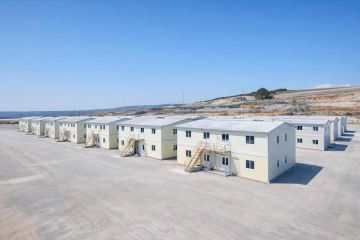


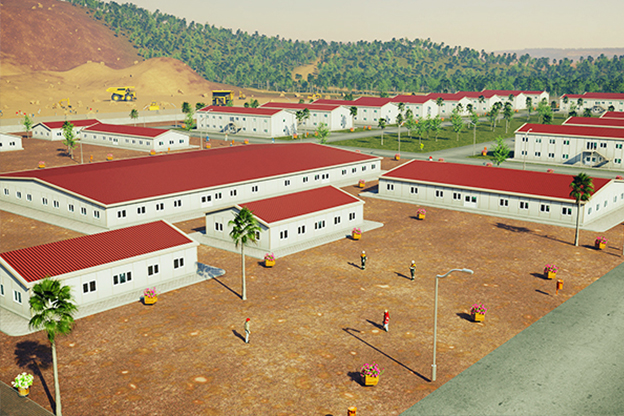

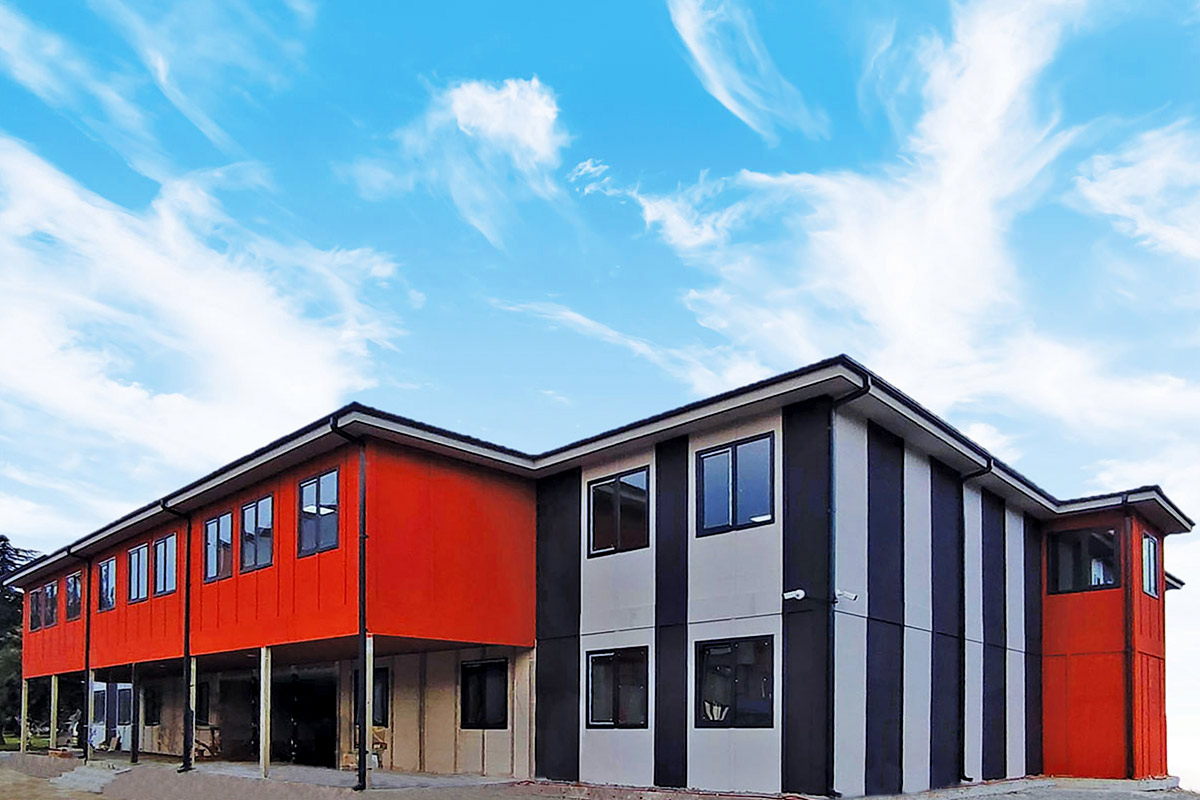
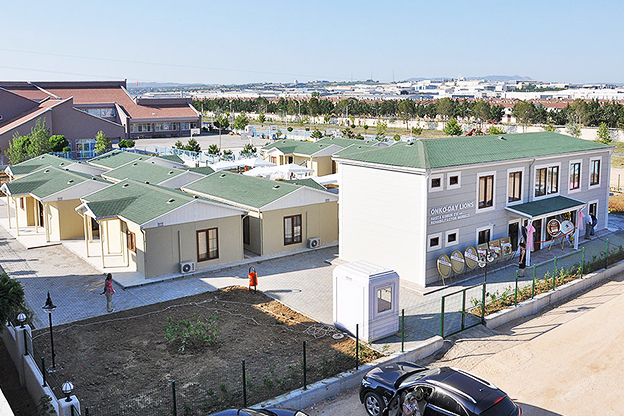
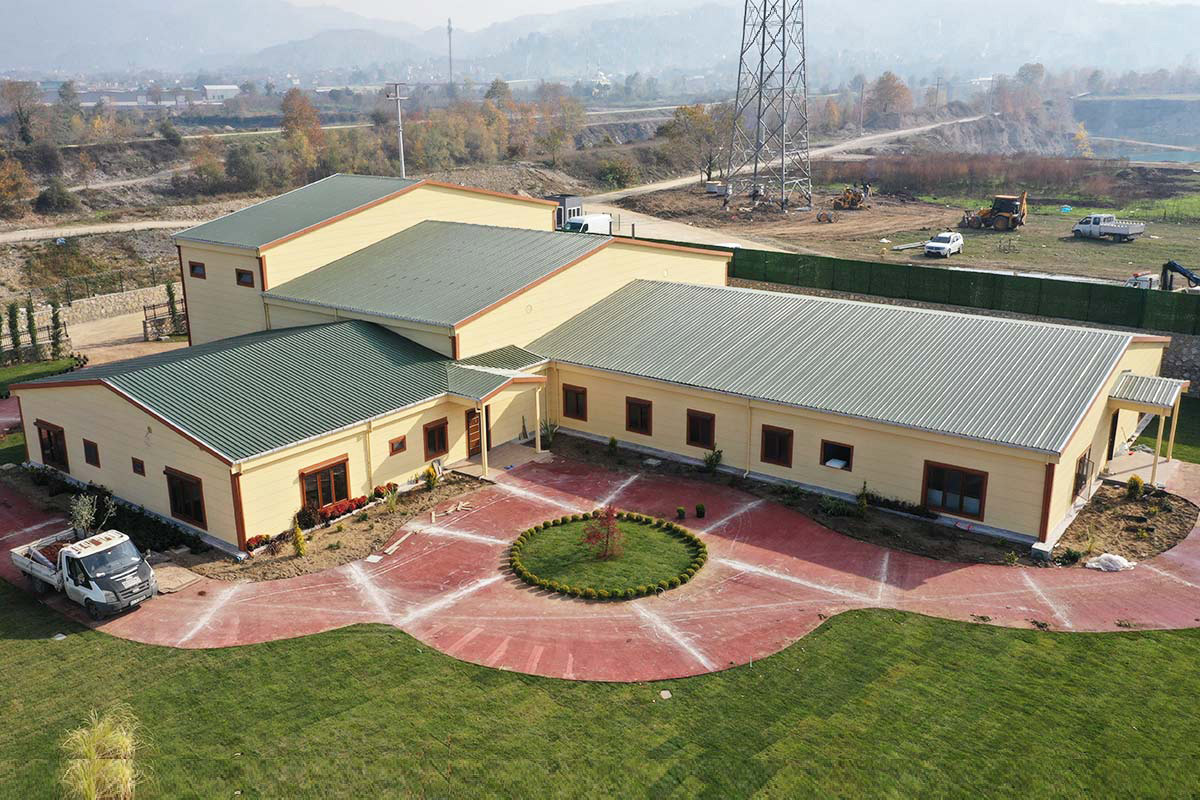
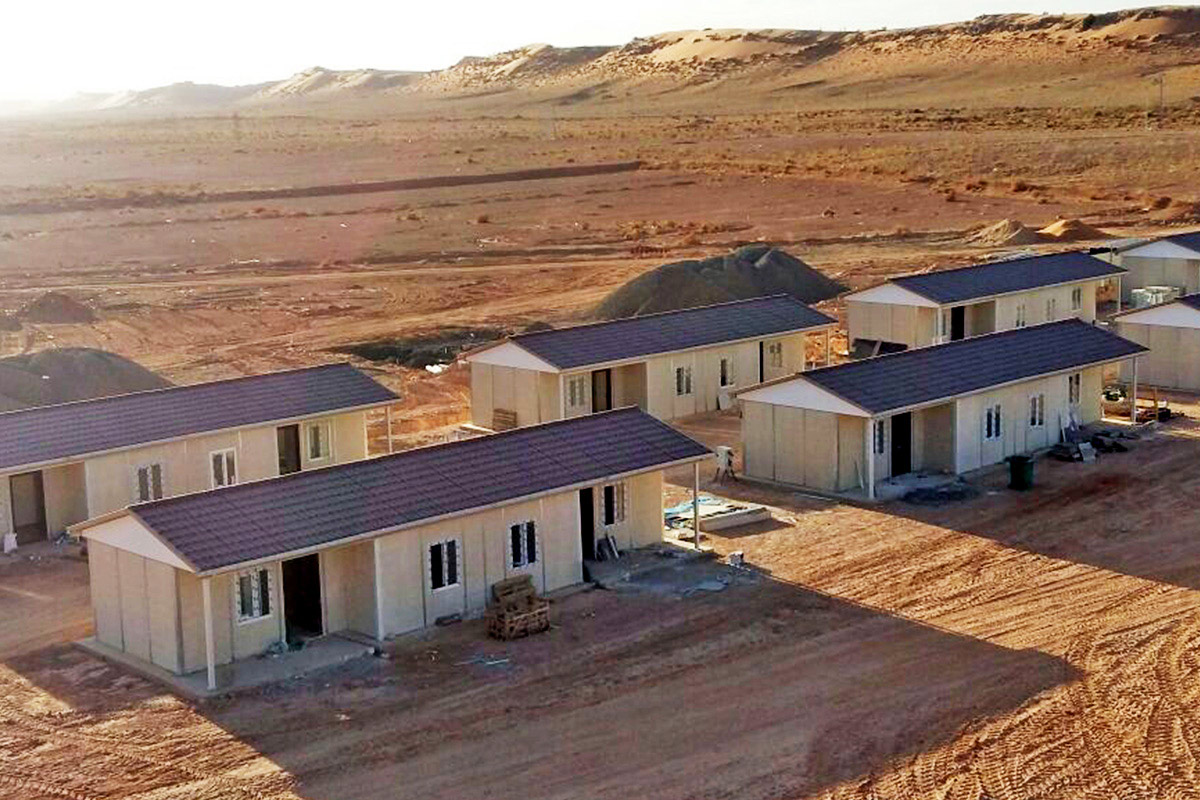
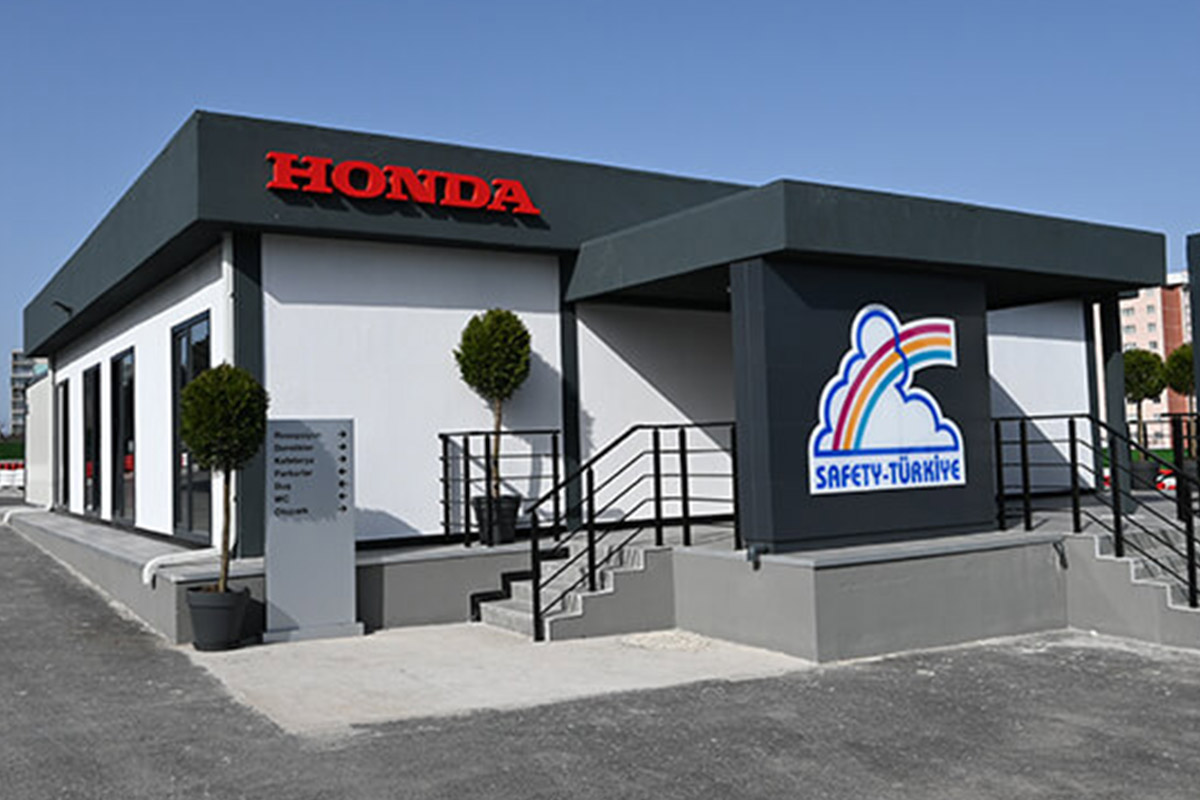
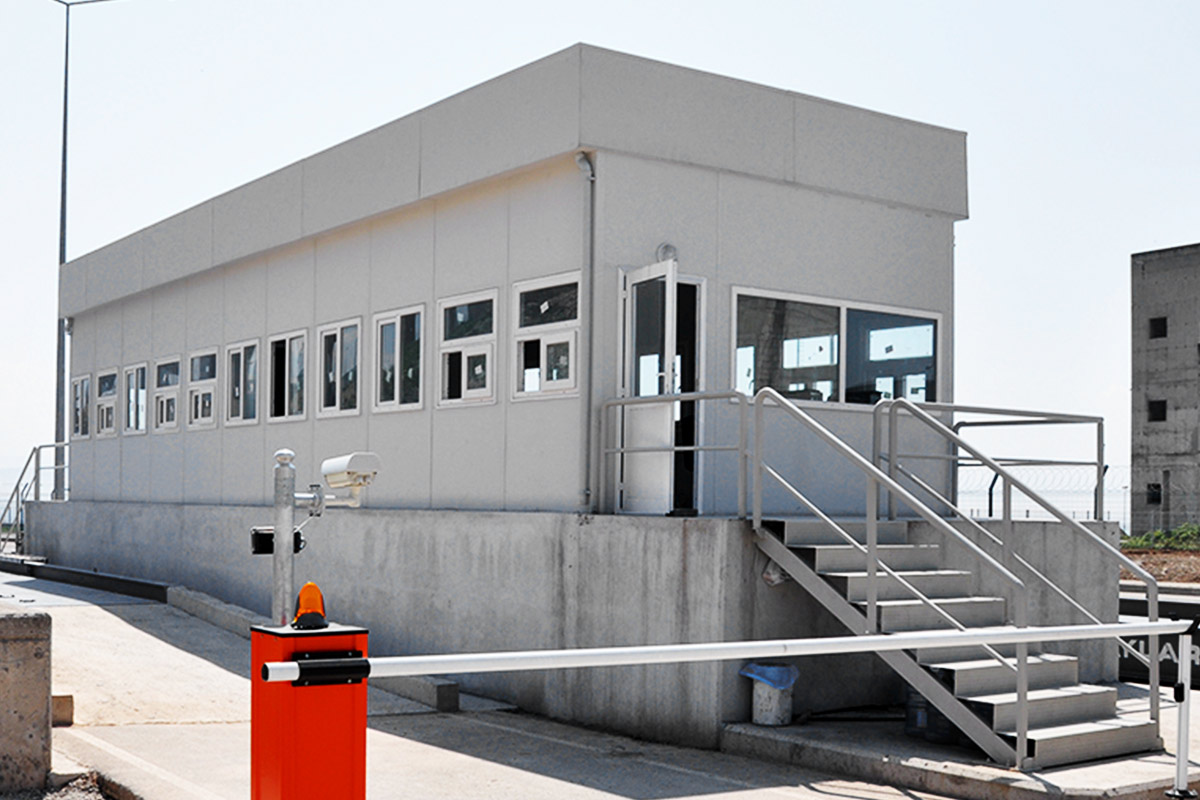
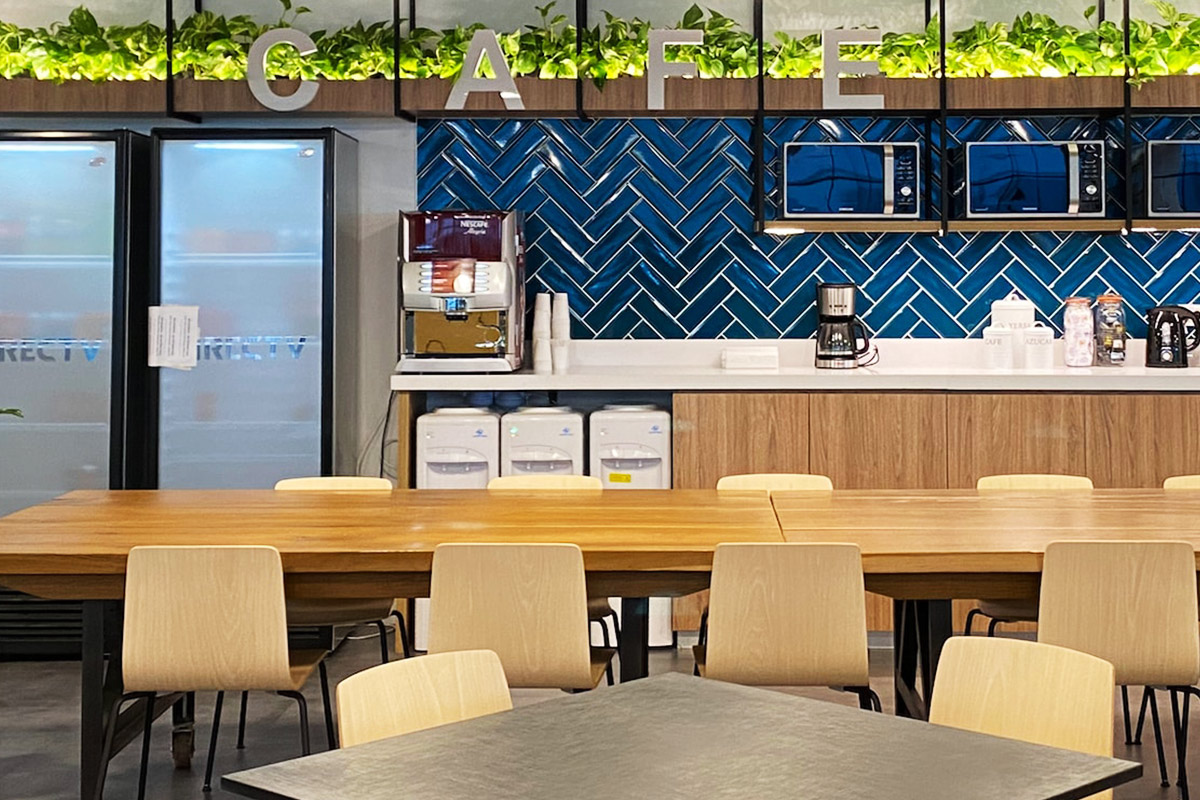
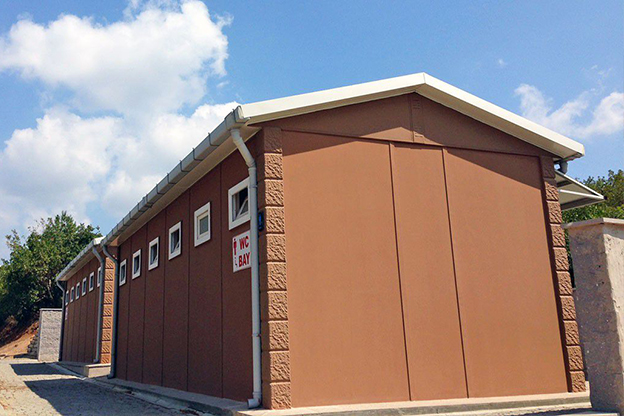
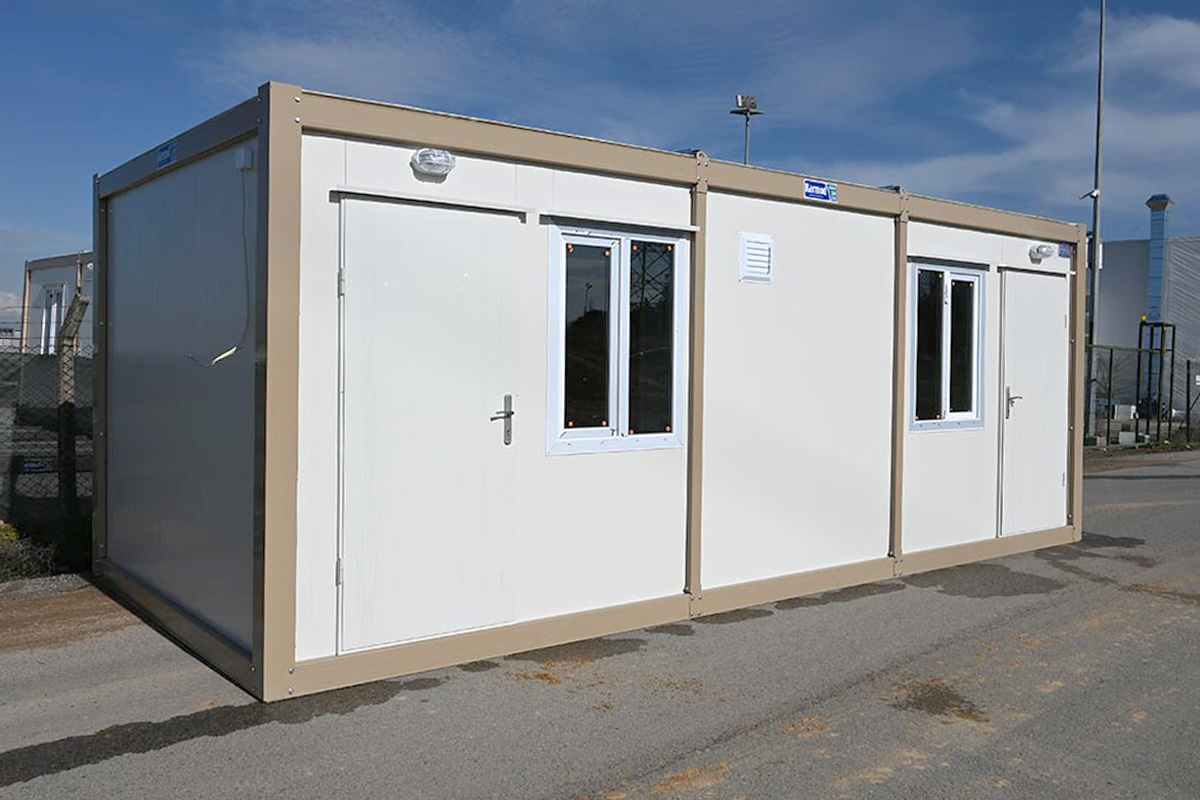
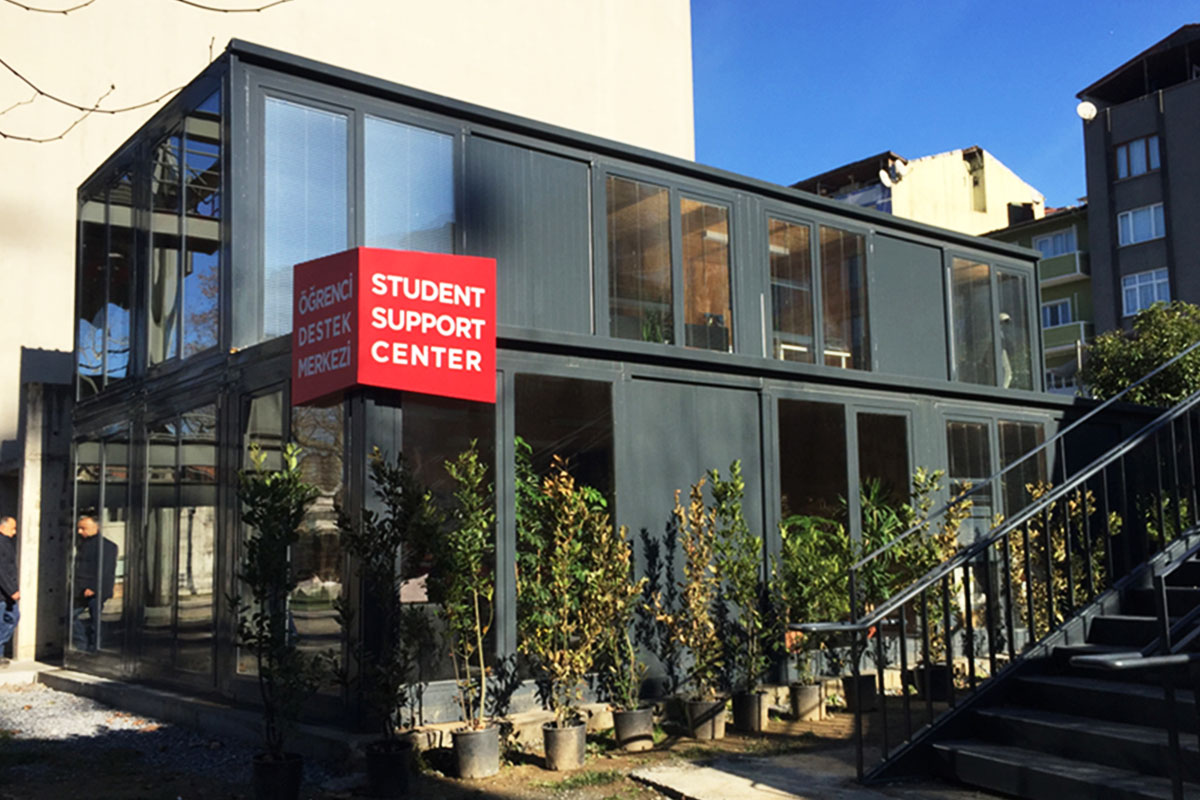
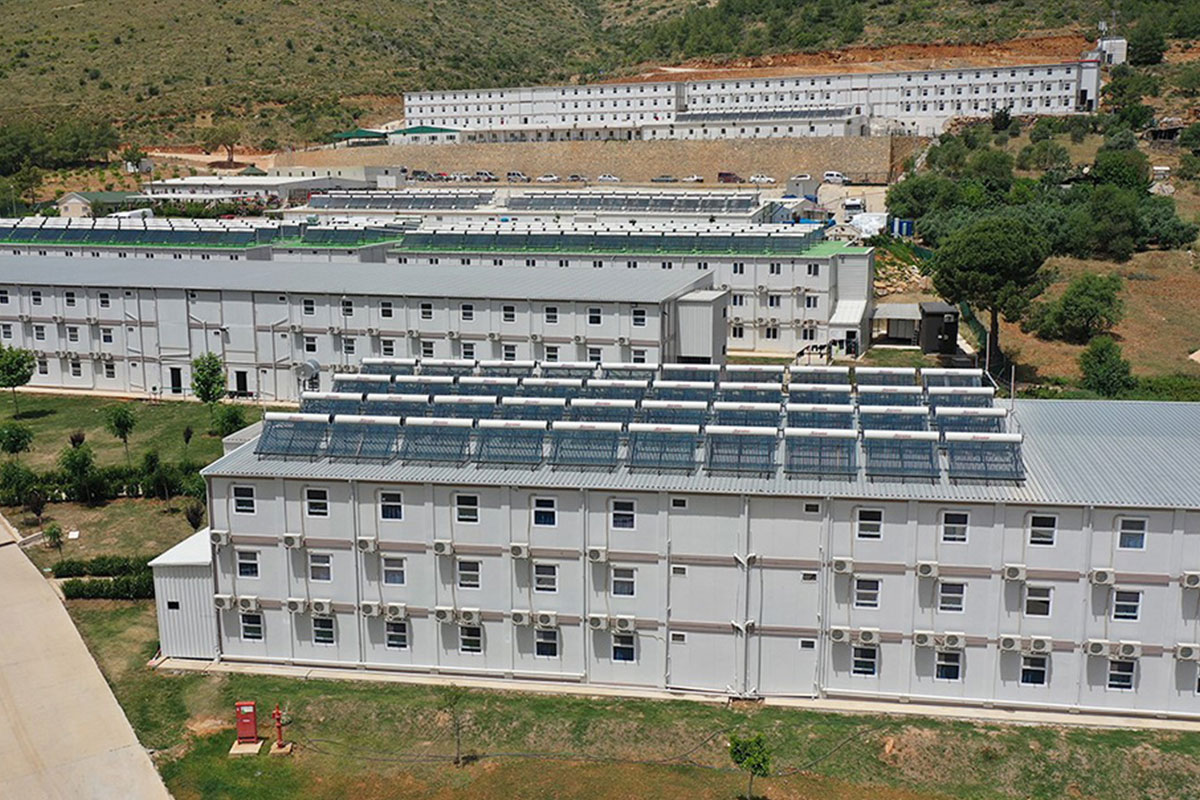
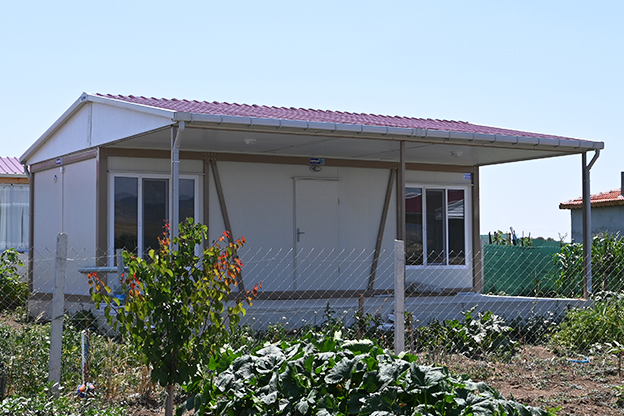
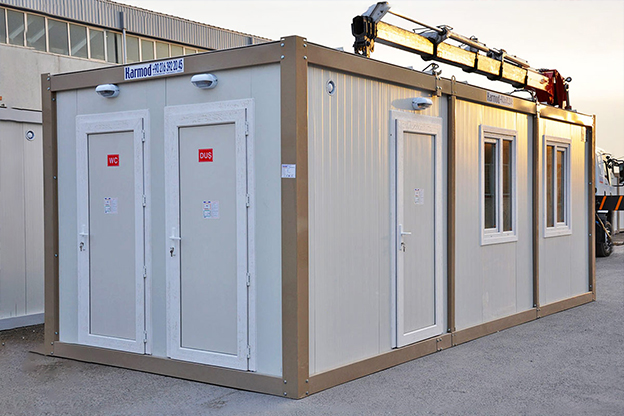
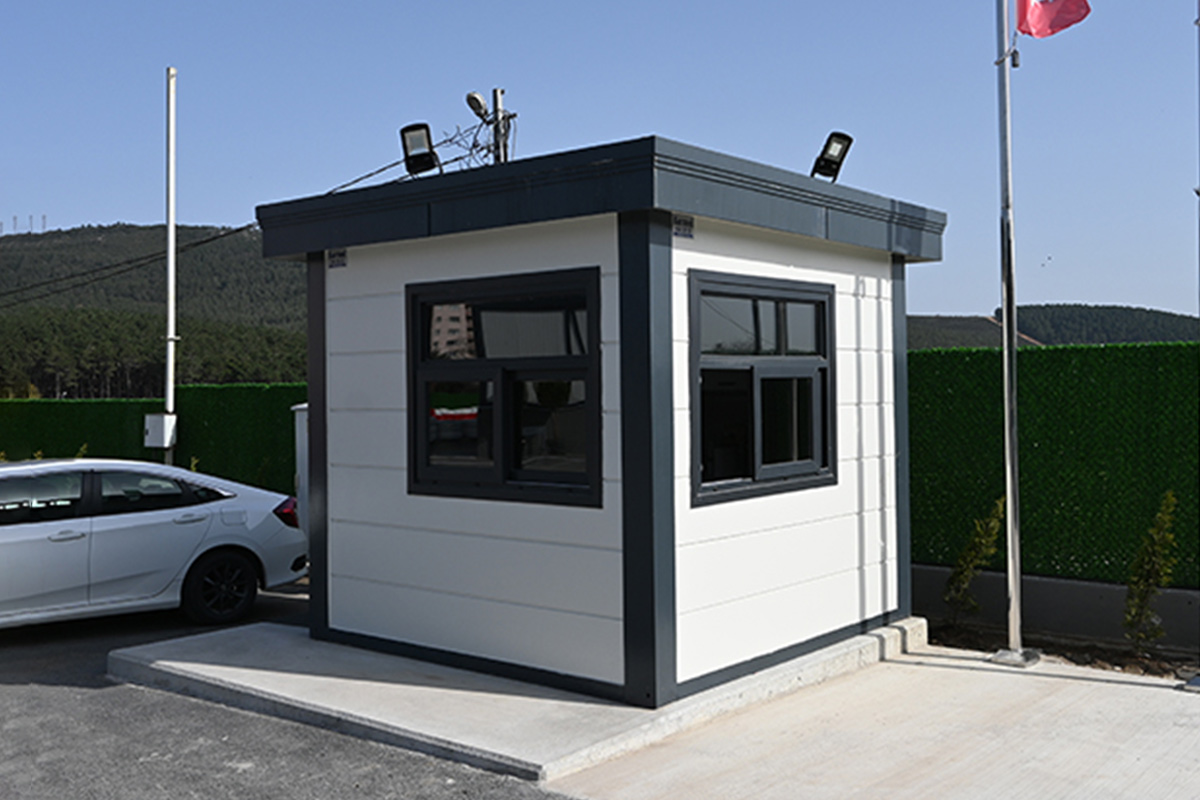
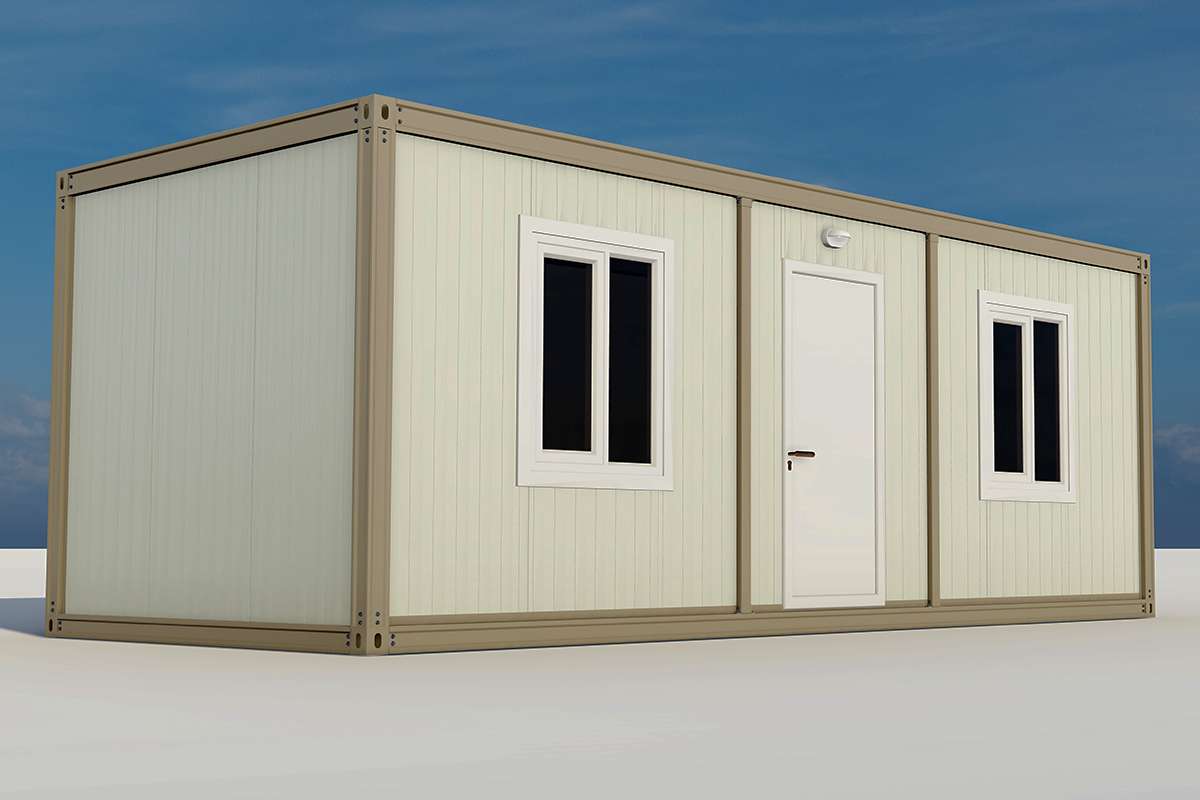
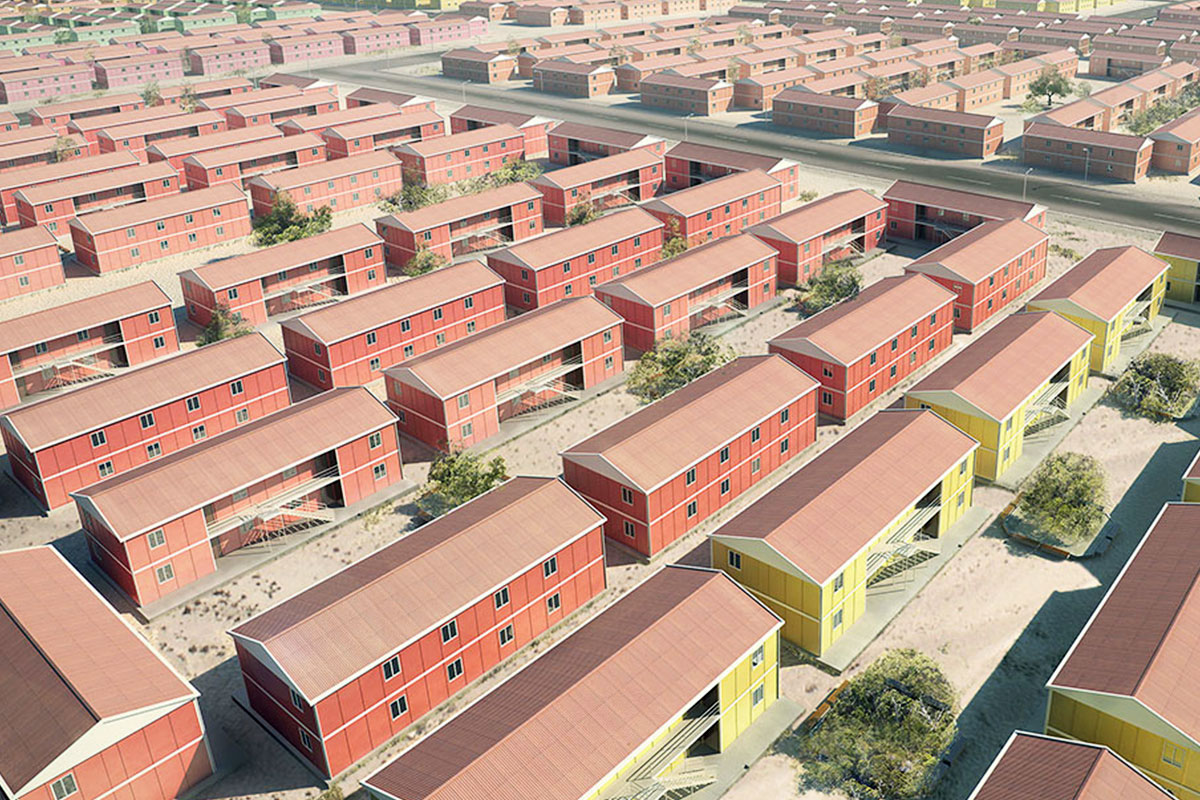
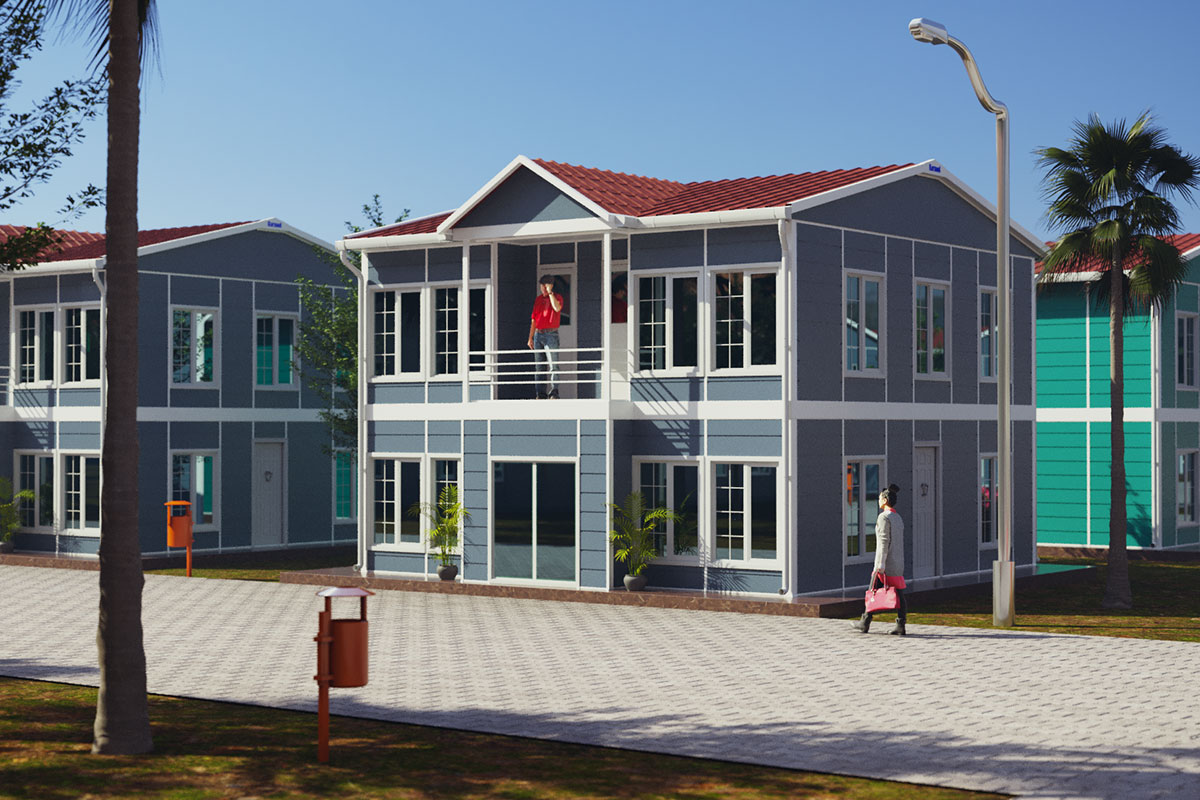
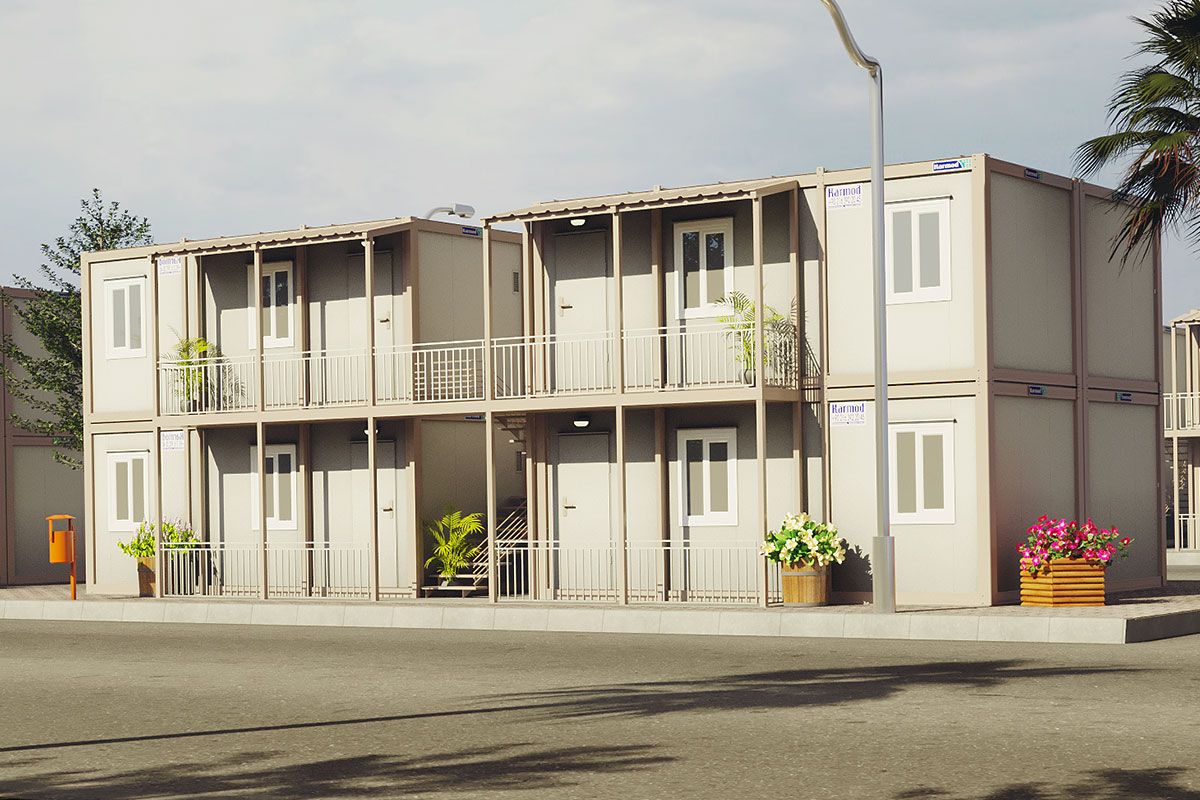
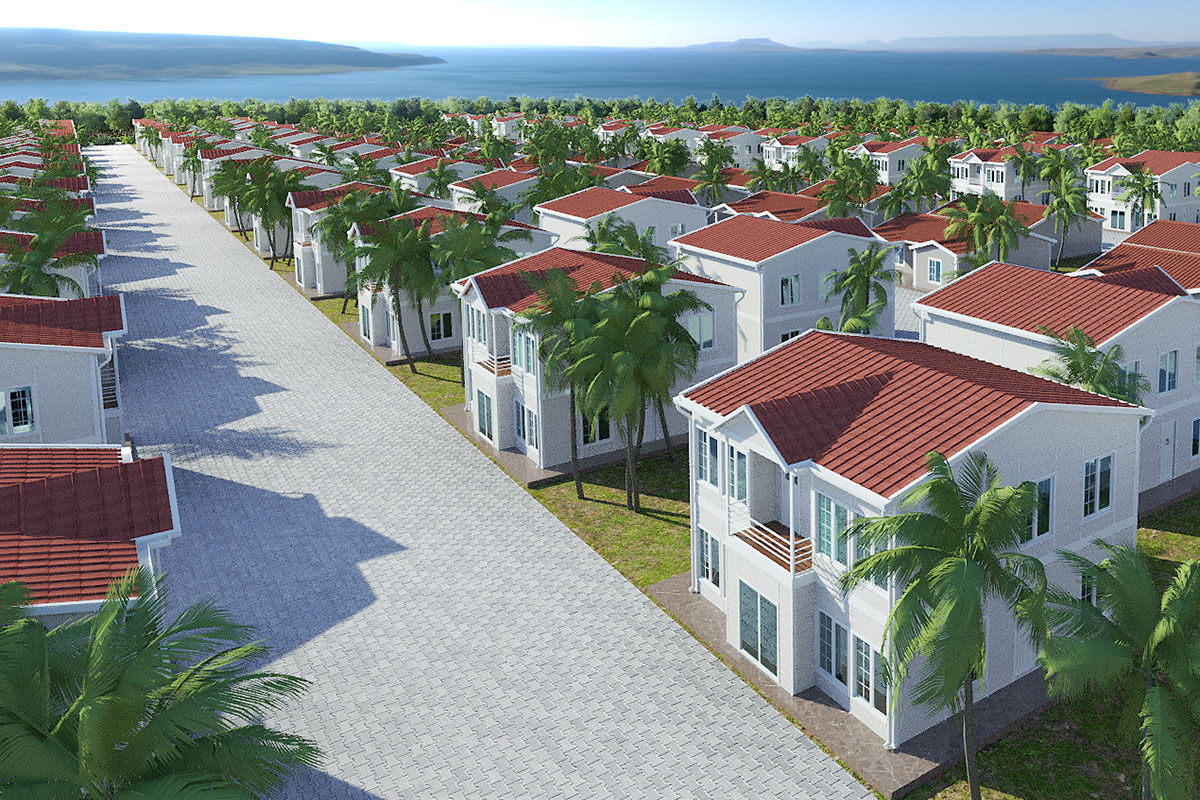

In oil and gas projects, performance in the field depends on more than equipment and output. Workforce accommodation is part of the operating system of a site—especially in the Central African Republic, where projects often run in remote areas and supply lines can be complex. A well-planned camp does more than provide beds. It supports rest, hygiene, catering, and day-to-day routines so crews can recover between shifts and stay focused on safe operations.
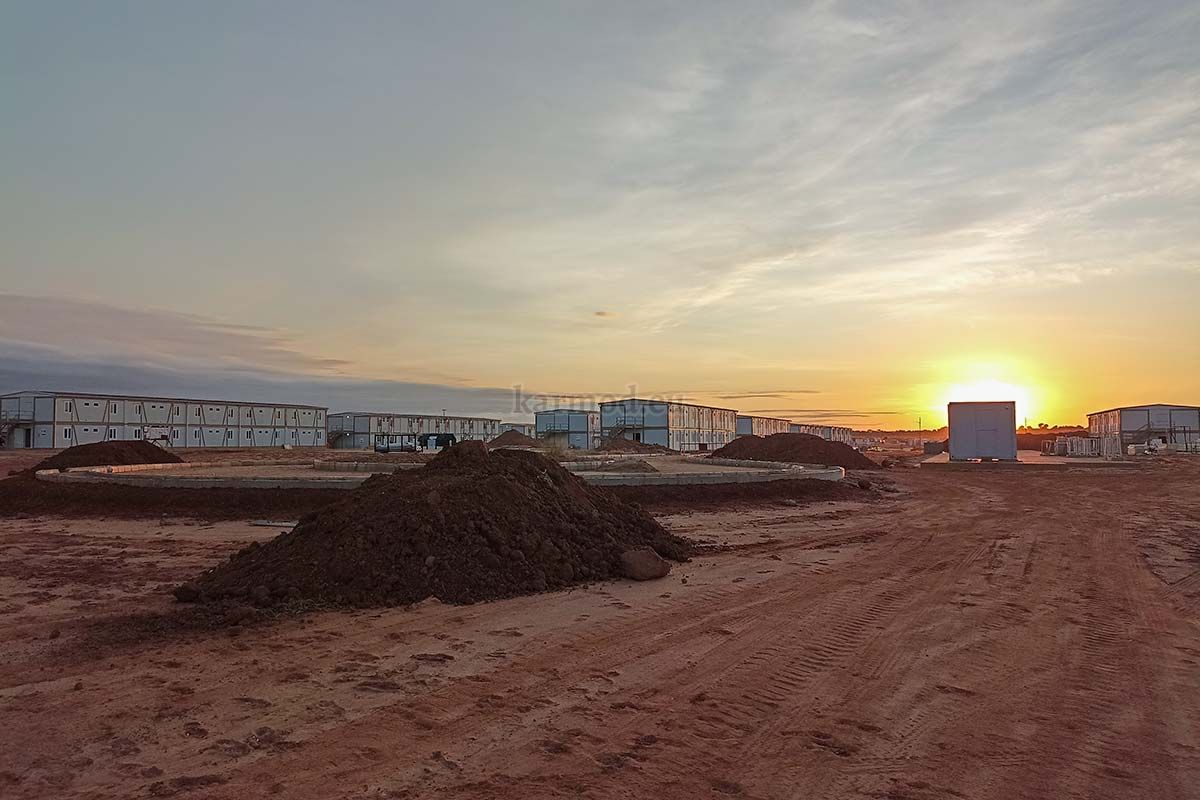
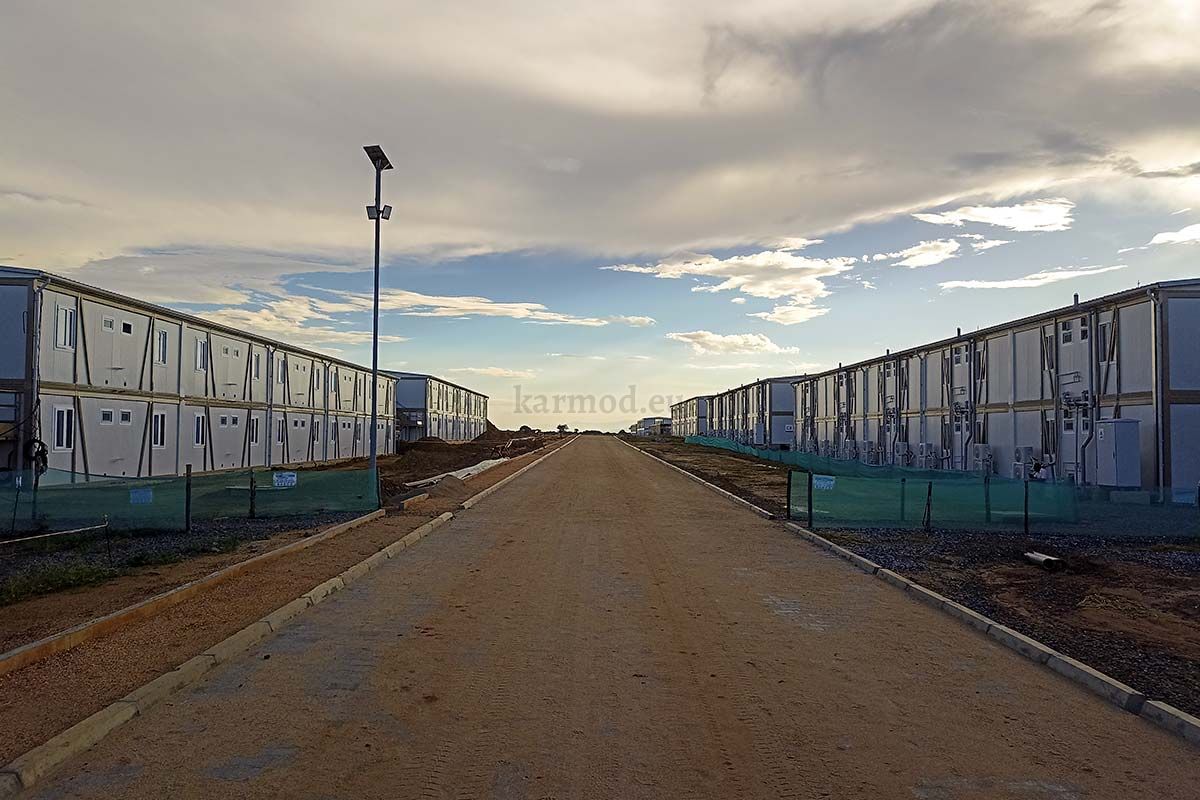
- Designed for Site Life: Central African Republic oil and gas man camps are planned around how teams actually live on rotation—sleeping quarters, washrooms, dining, laundry, and practical storage. Layouts aim to reduce congestion and improve daily flow, with utilities positioned for straightforward use and maintenance.
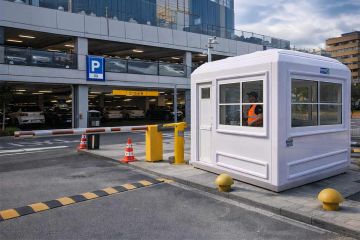
- Security and Duty-of-Care: Camp housing units are typically specified with controlled access, perimeter visibility, and lighting suited for night operations. Building details also consider local climate conditions, including heat, humidity, heavy rain seasons, and dust, to protect interiors and reduce downtime.
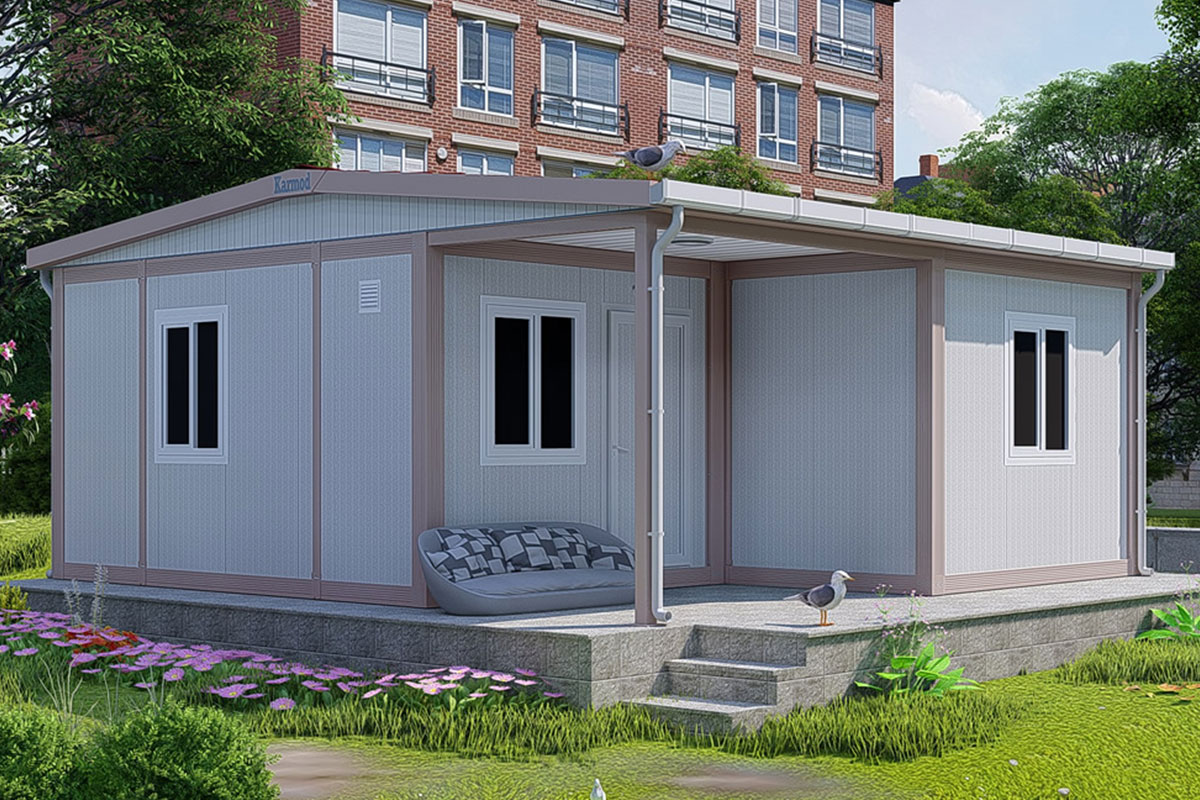
- Quality Delivery with Karmod: Karmod supports camp projects with a focus on build quality, repeatable standards, and functional detailing. The goal is accommodation that performs under continuous occupancy—comfortable for personnel and practical for operators to run.
- Modular Camp Flexibility: Field requirements change as drilling schedules, pipeline spreads, or work fronts shift. The modular camp approach makes it easier to scale capacity, relocate blocks, or reconfigure spaces without restarting the entire build process.
- Resource-Efficient Operation: In remote settings, water and power planning matter as much as room count. Camp designs can include energy-efficient systems and water-saving fixtures to reduce consumption and support more stable operations where utilities are constrained.
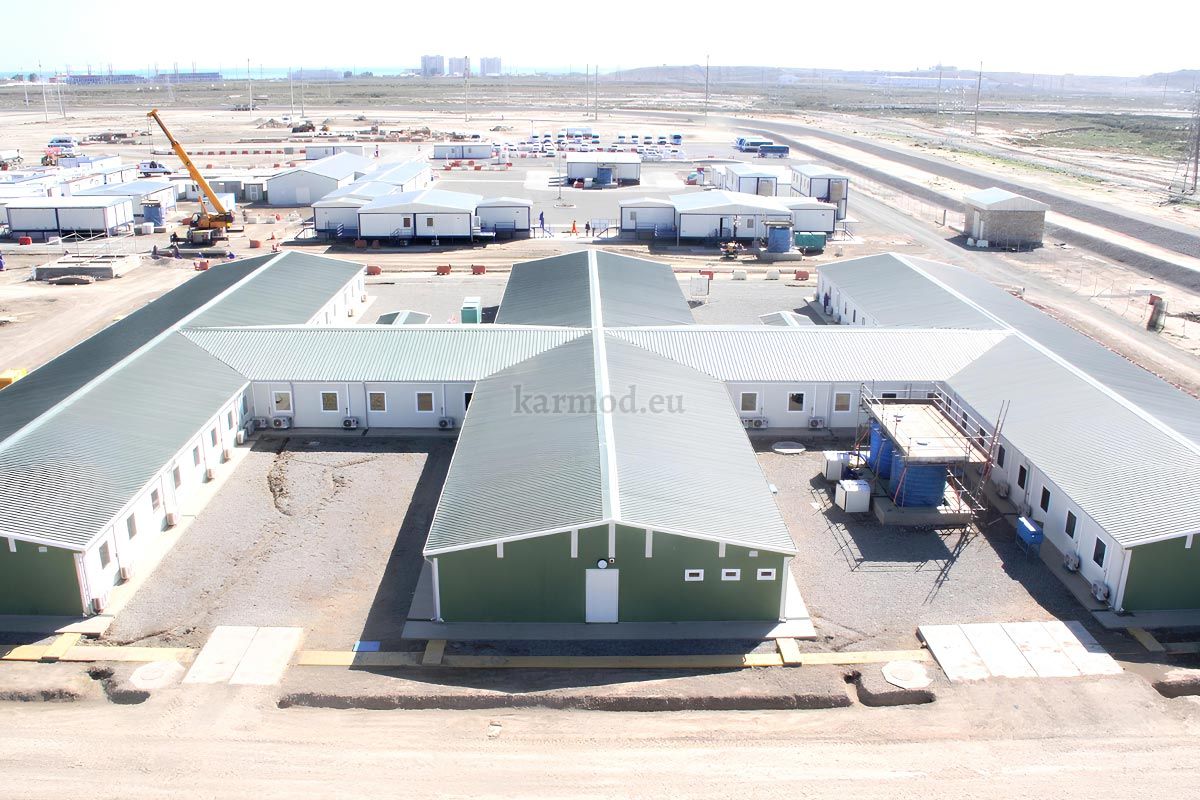
For operators and EPC teams working in the Central African Republic, camp infrastructure is a practical lever: it influences fatigue management, hygiene standards, and morale across long rotations. When accommodation is planned as part of the overall site strategy, it helps maintain predictable routines and supports safer, more consistent performance.
Workforce Comfort and Continuity in Central African Republic Oil and Gas Man Camps
Man camps in the Central African Republic are built to keep crews stable through demanding schedules. The objective is straightforward: provide a clean, quiet, and reliable environment after shift, so teams can rest properly and return ready for work. That means realistic room planning, dependable hot water, ventilation or cooling suited to local temperatures, and spaces that support both privacy and shared routines.
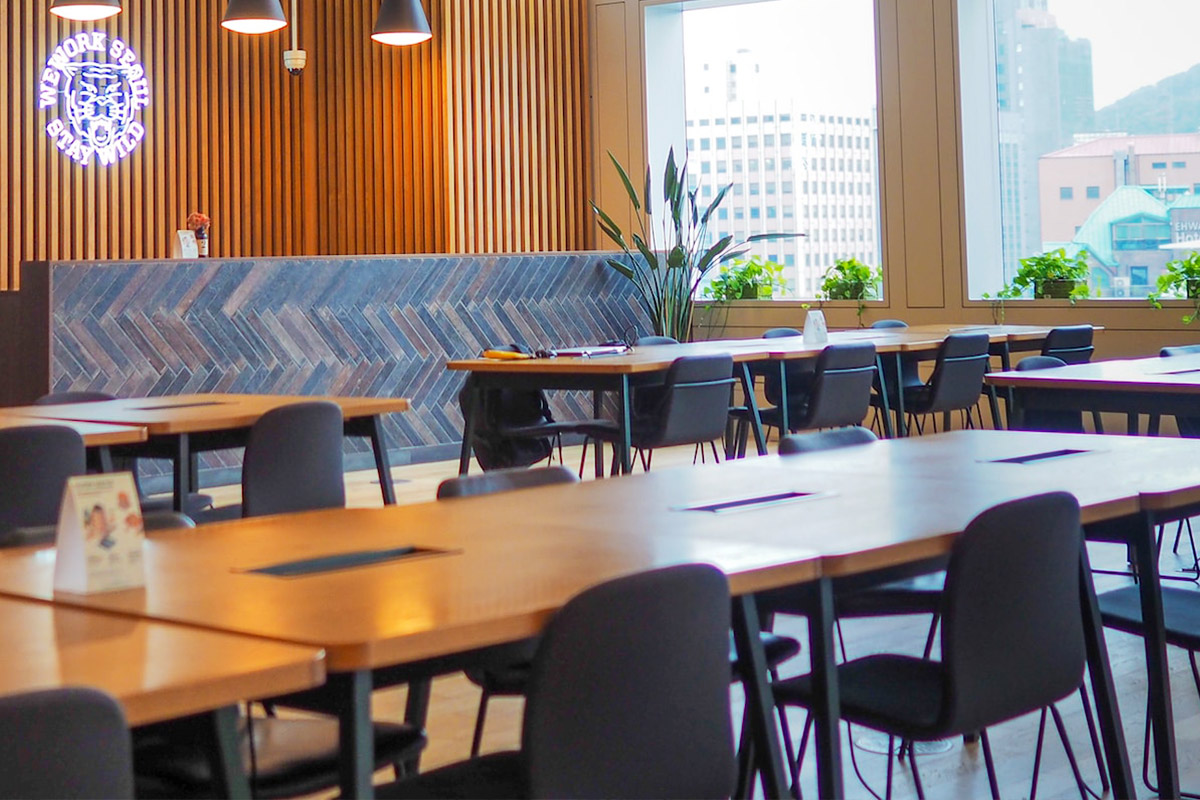
Comfort is also operational. When sleeping areas are protected from noise, heat, and overcrowding, fatigue risks are easier to manage. When catering and hygiene areas are laid out sensibly, queues and congestion drop. These details improve daily life in camp and reduce the friction that often comes with remote assignments.

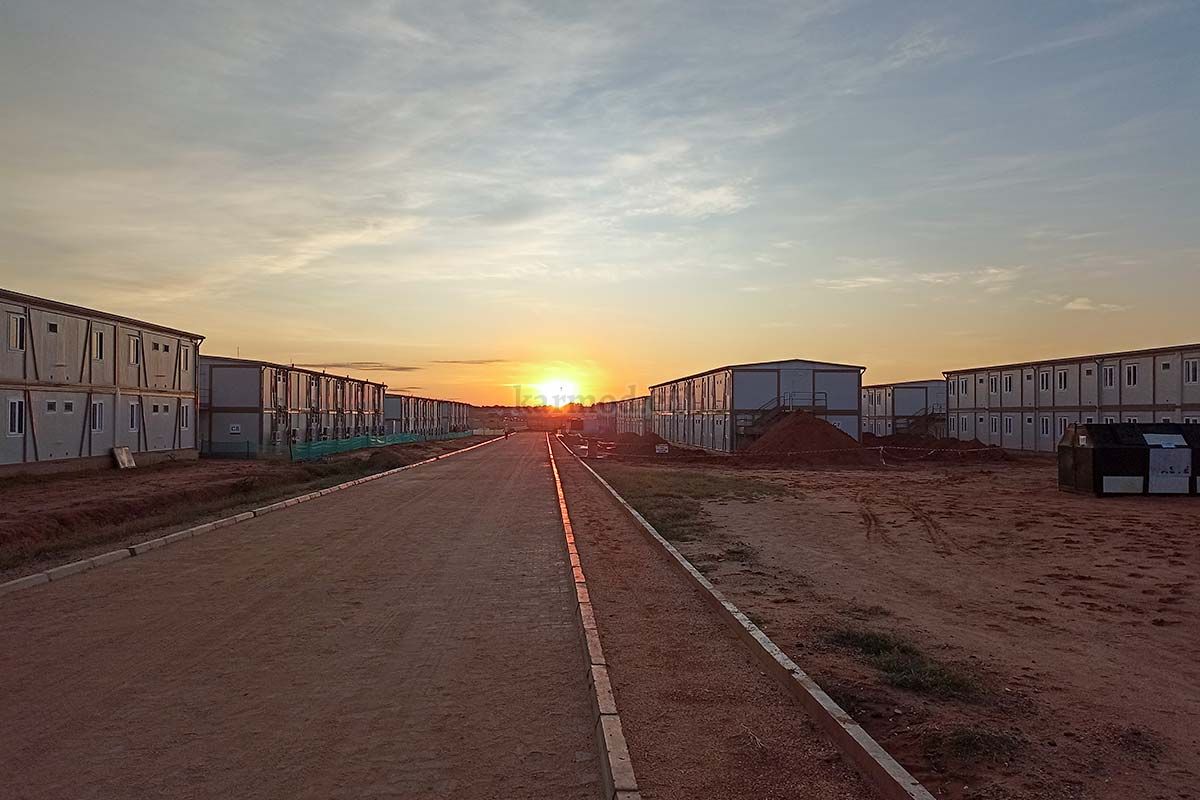
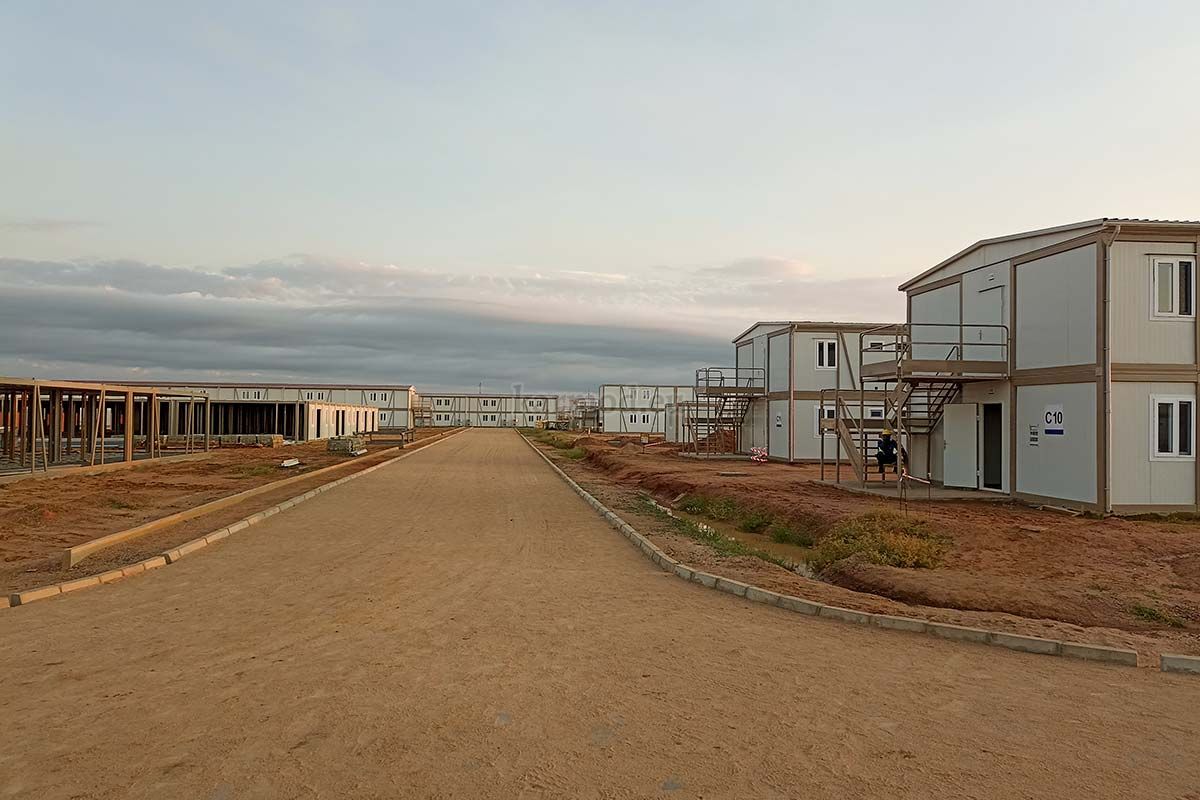
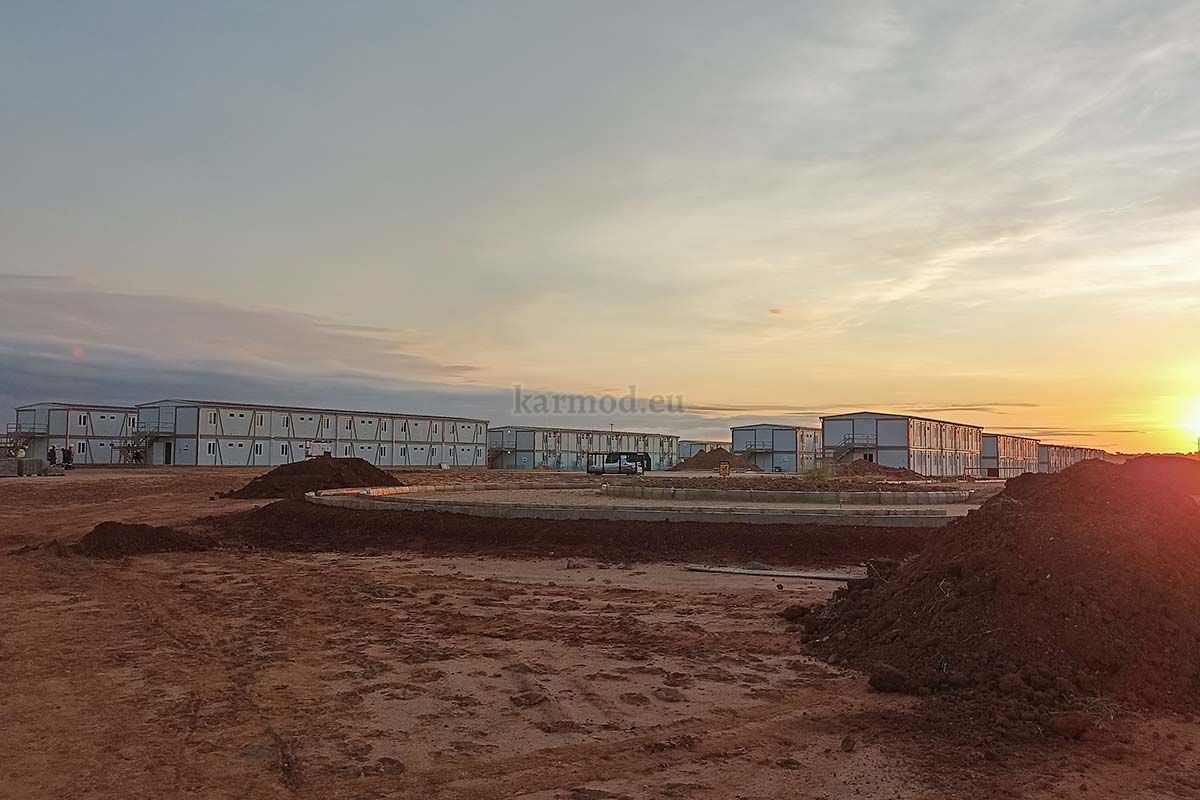
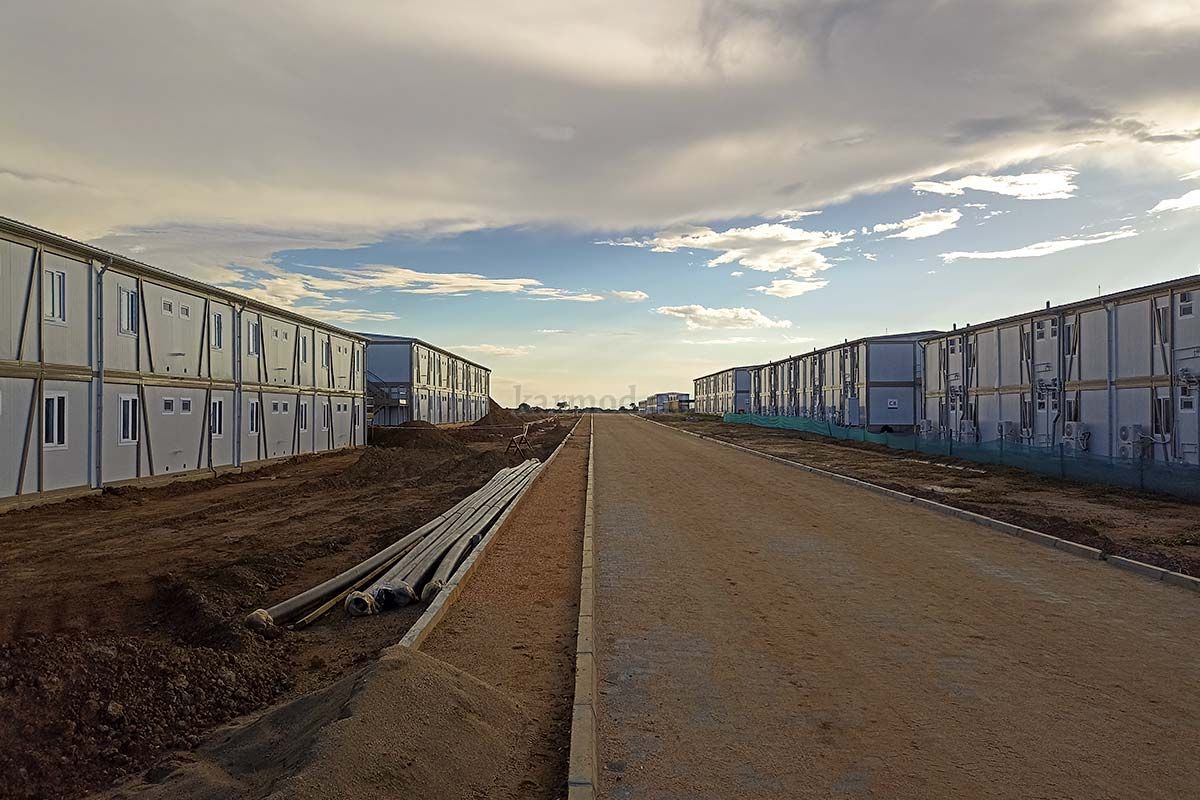

Practical Standards for Central African Republic Oil and Gas Field Housing
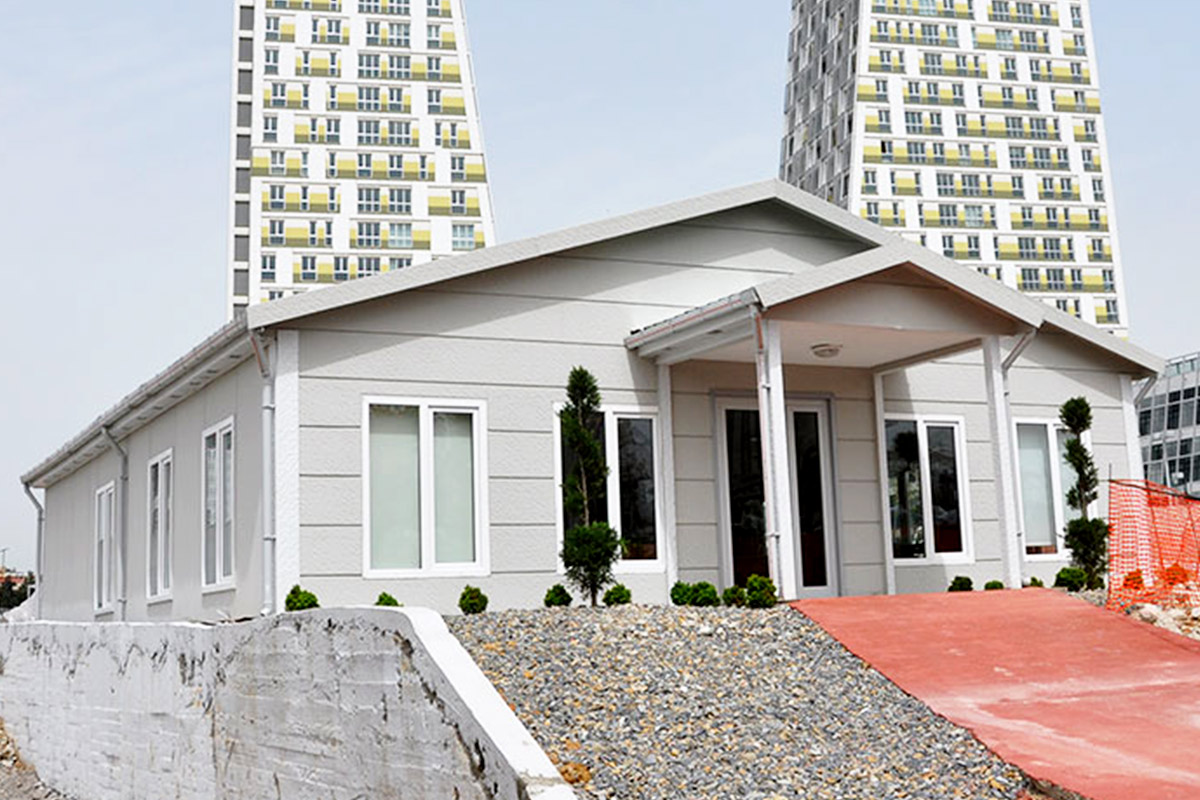
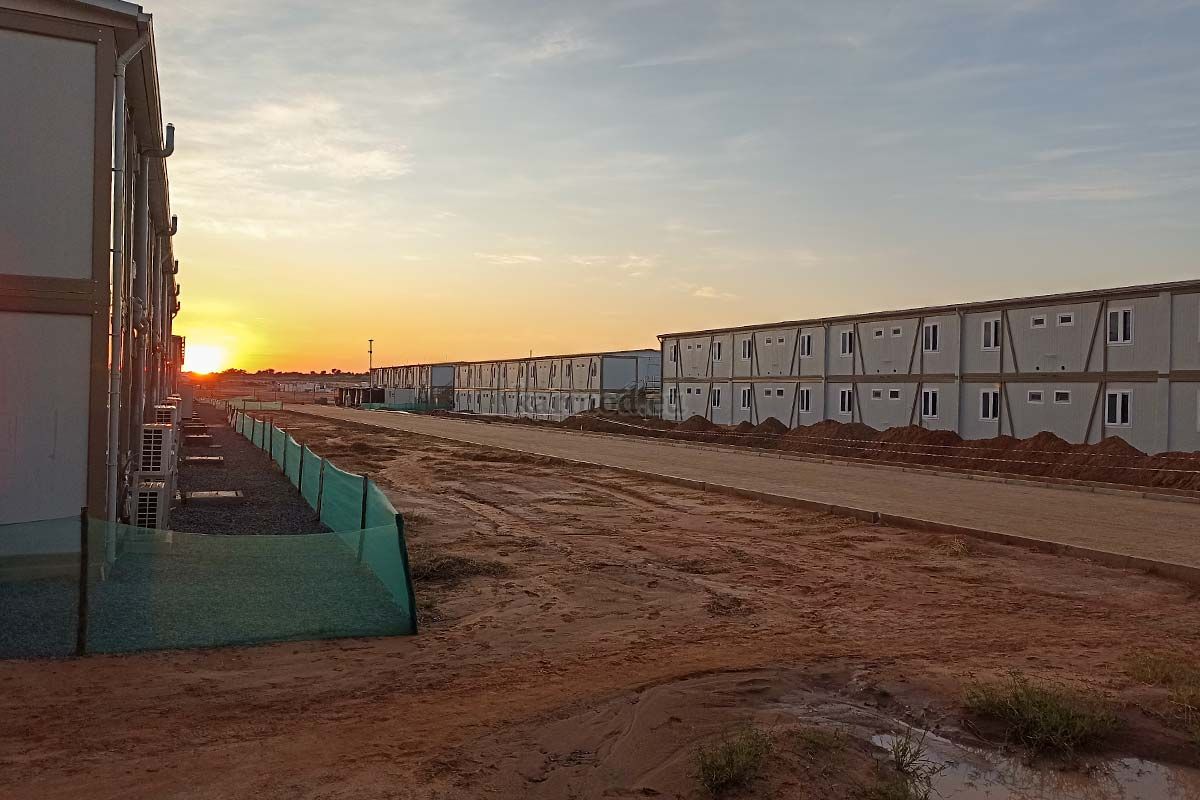
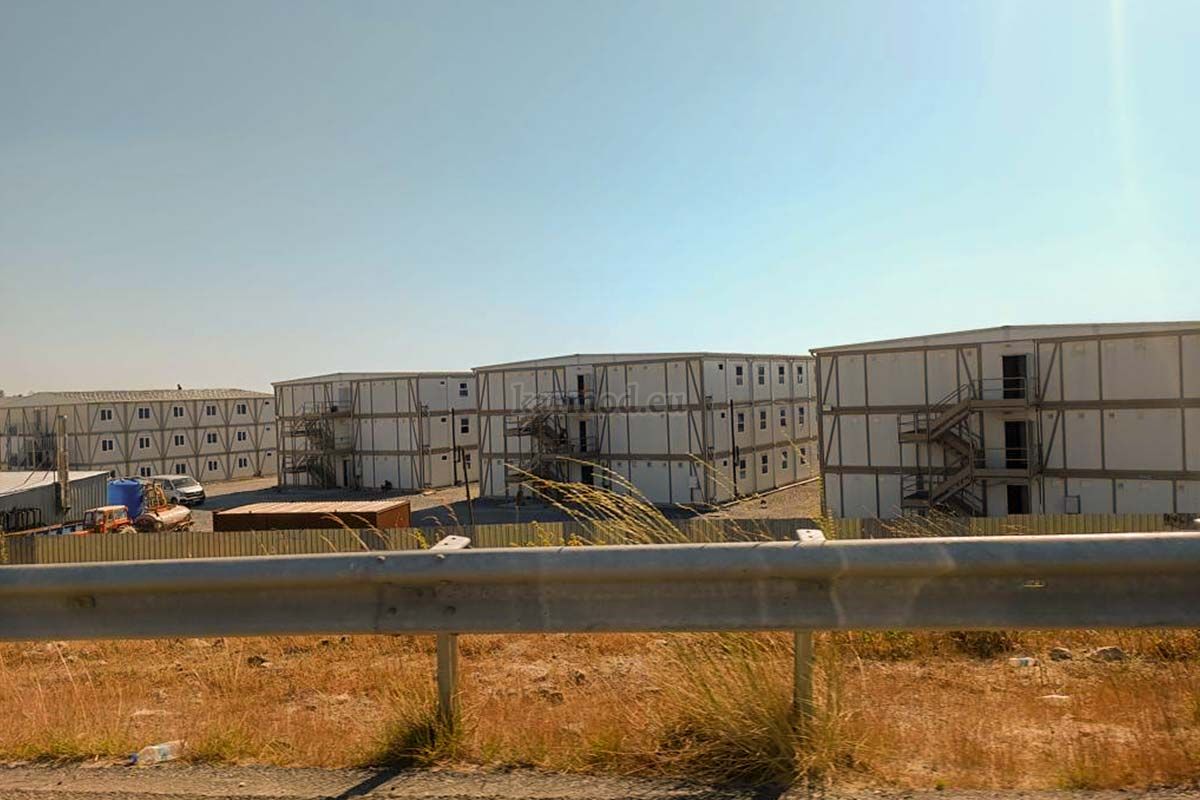
Oil and gas field housing in the Central African Republic is expected to handle continuous occupancy, shifting crew numbers, and the realities of site logistics. Housing units are typically specified for durability, easy cleaning, and straightforward maintenance, with materials and finishes selected for frequent use.
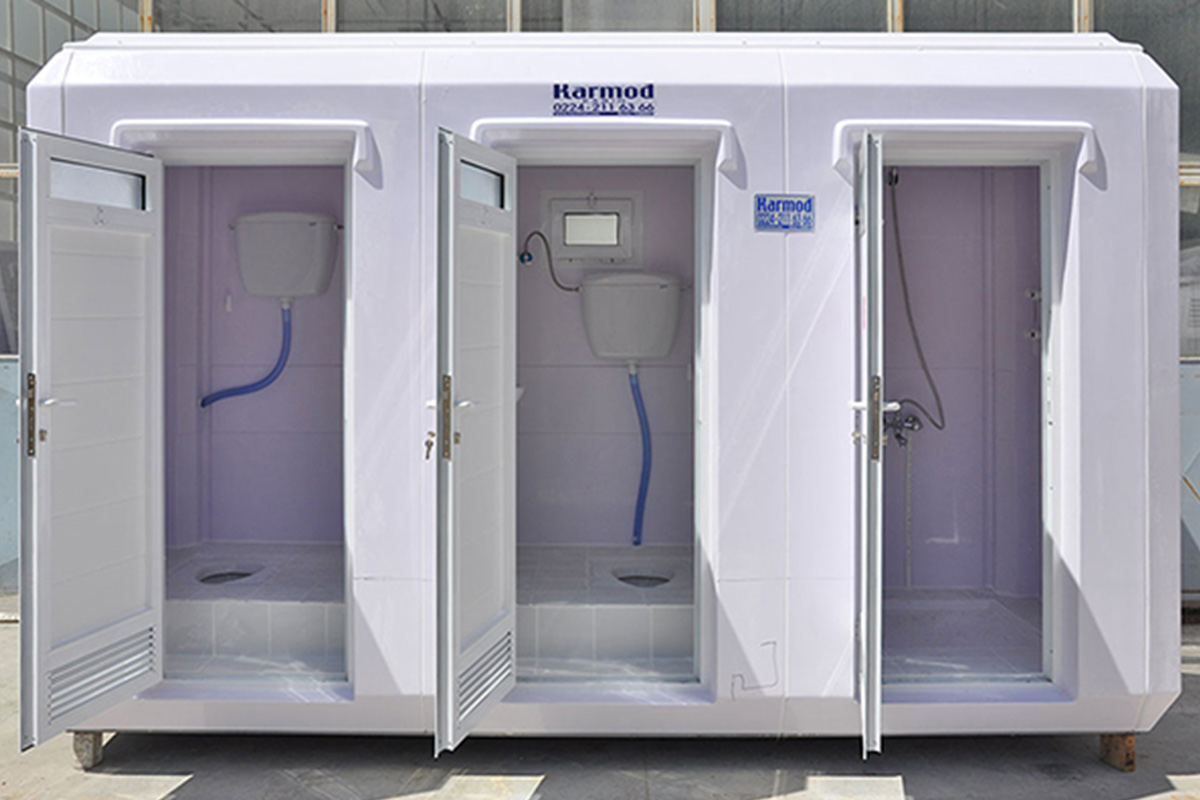
Interior comfort and resilience work together. Insulation and sealing help manage dust and noise. Mechanical systems are selected to cope with hot periods and humidity. Sanitary areas are designed for heavy daily use, while common areas support rest, meals, and essential services without compromising personal space.
Well-executed field housing is not about extras; it is about consistency. When accommodation performs reliably, operators spend less time handling avoidable issues and more time focusing on production, safety, and schedule.
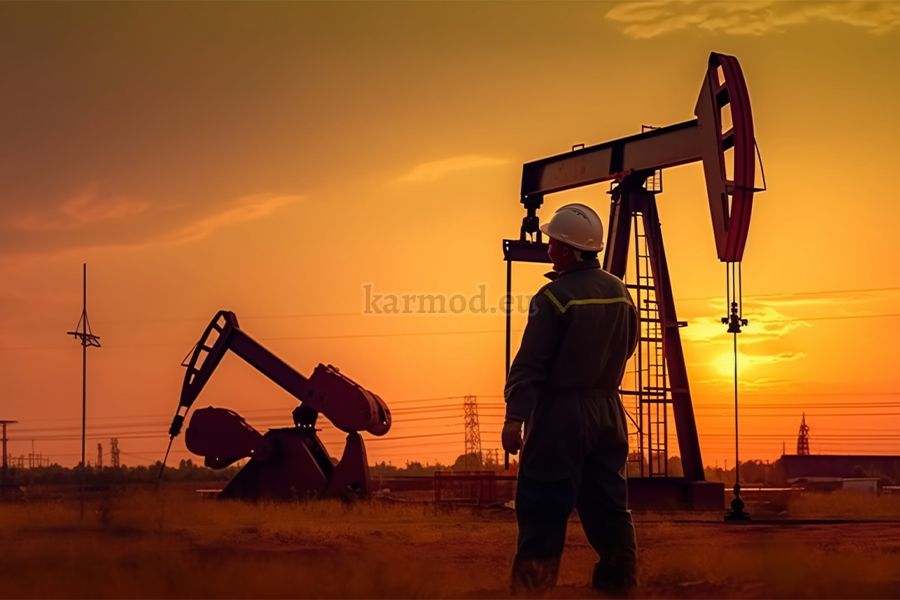
Central African Republic Oil and Gas Camp Construction Buildings Built for Remote Delivery
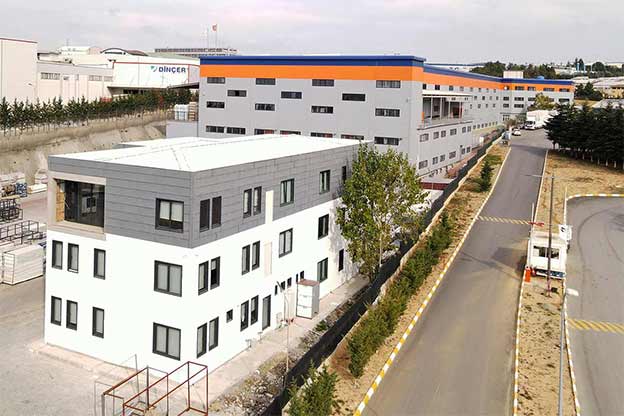
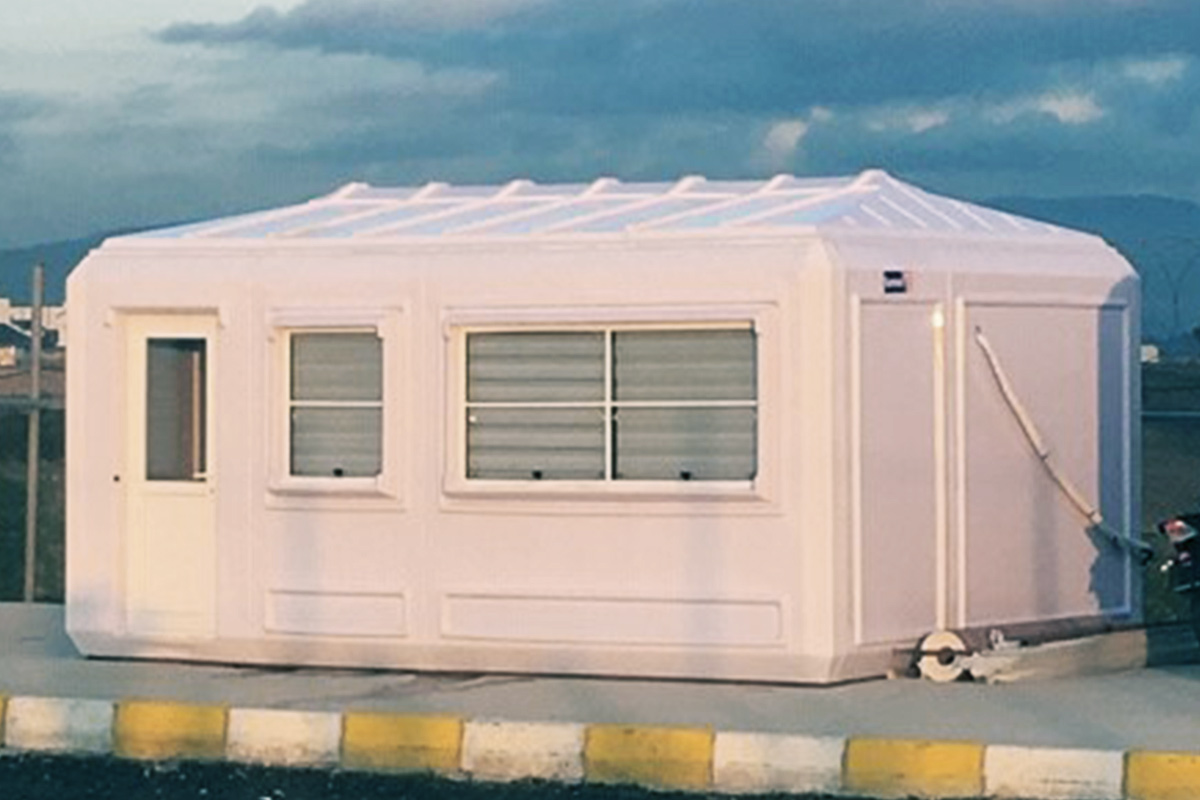
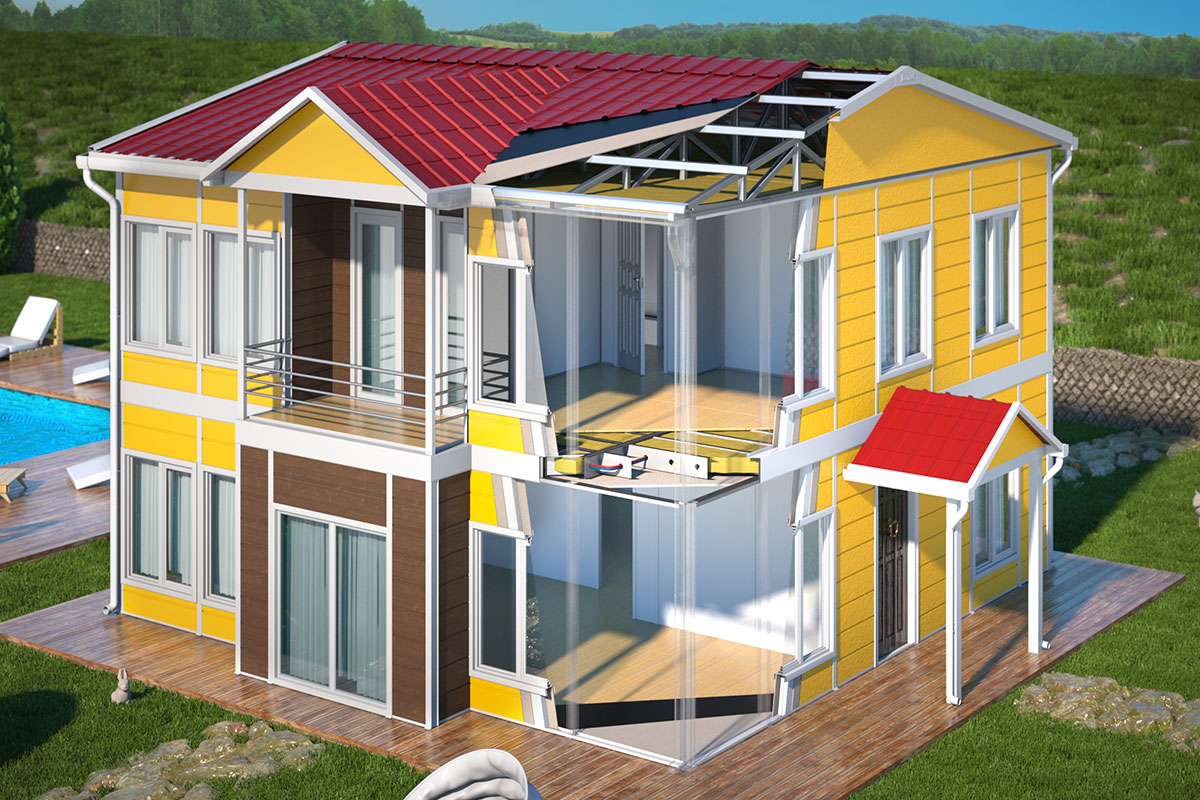
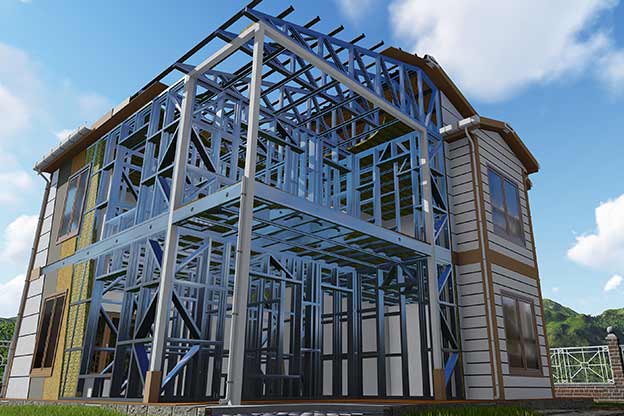
Camp construction buildings for oil and gas camps in the Central African Republic are commonly planned with transport, site access, and speed of deployment in mind. Modules and structural systems are selected to support predictable installation, orderly commissioning, and later expansion as project phases change.
- Adaptability: Designs can be configured for different site footprints, phased construction, and varying headcounts. This makes it easier to match accommodation capacity to actual workforce planning instead of overbuilding early.
- Sustainability: Efficient building envelopes and sensible MEP choices help reduce energy demand and support more stable operation where power generation and fuel supply must be managed carefully.
- Safety: Buildings are planned to support safe movement, clear emergency routes, and secure separation between living areas and operational zones, while considering local weather patterns that can affect access and wear.


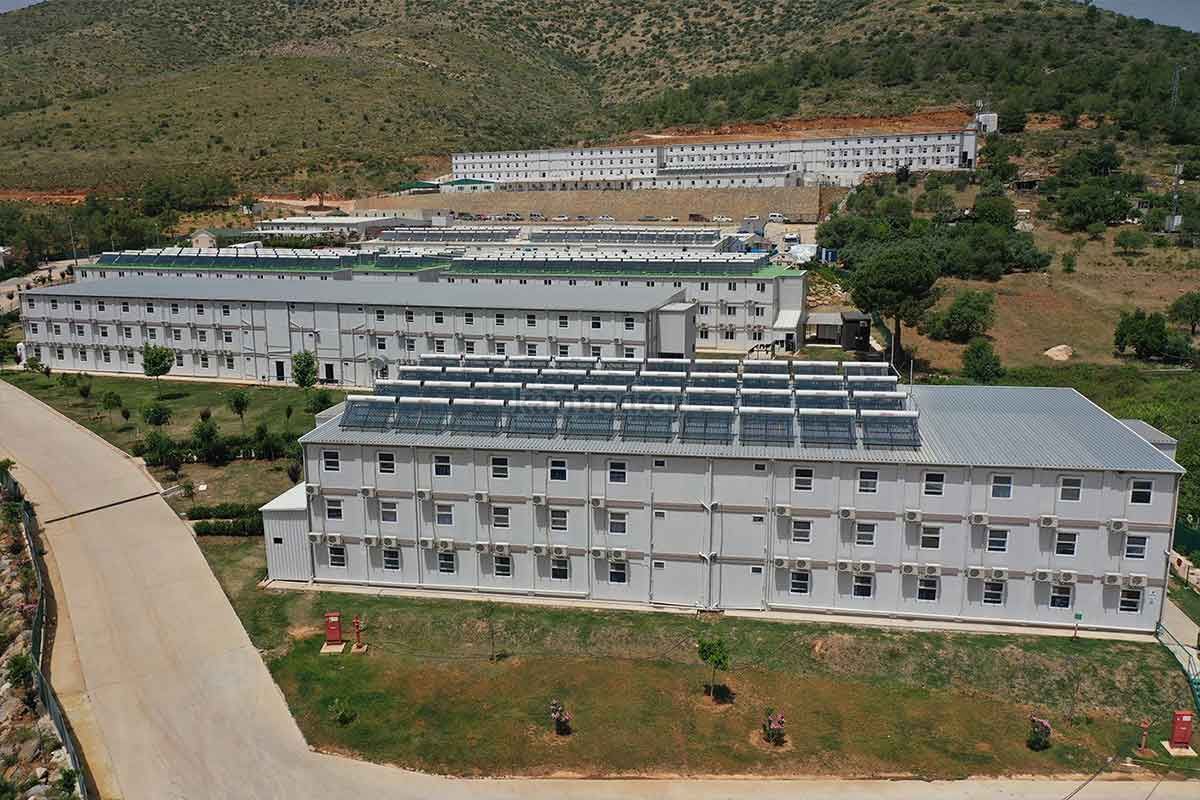


Karmod as a Manufacturer for Central African Republic Oil and Gas Field Camps
Karmod provides manufacturing and delivery support for oil and gas camp projects in the Central African Republic, focusing on controlled production quality and practical site performance. Camp units are developed to meet the realities of remote workforces: repeatable standards, durable materials, and layouts that are easy to operate day after day.
- Construction Technology: Manufacturing processes are designed for consistency across units, helping projects keep predictable quality while meeting tight mobilization schedules.
- Project-Specific Configuration: Camps can be planned around headcount, site footprint, and operational priorities such as clinics, offices, dining, recreation, and laundry capacity.
- Support After Delivery: Continued assistance with parts, service needs, and operational questions helps keep camp facilities running reliably during long project cycles.
In active oil and gas fields, accommodation is an operational requirement—measured by uptime, hygiene, safety, and the ability to scale with the project. With a well-structured camp plan and a manufacturer experienced in modular delivery, operators can maintain living standards without slowing field progress.