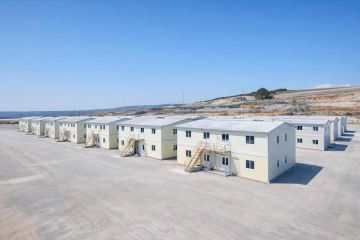



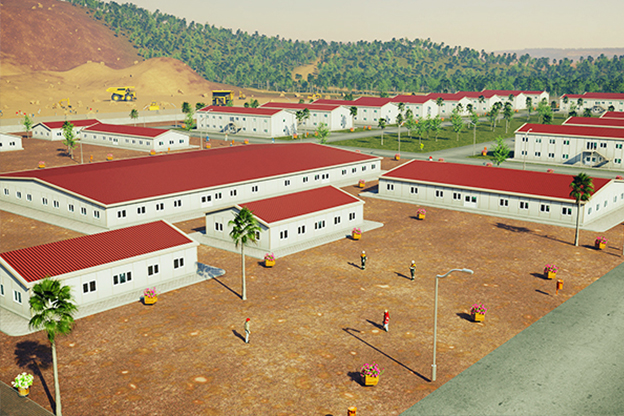
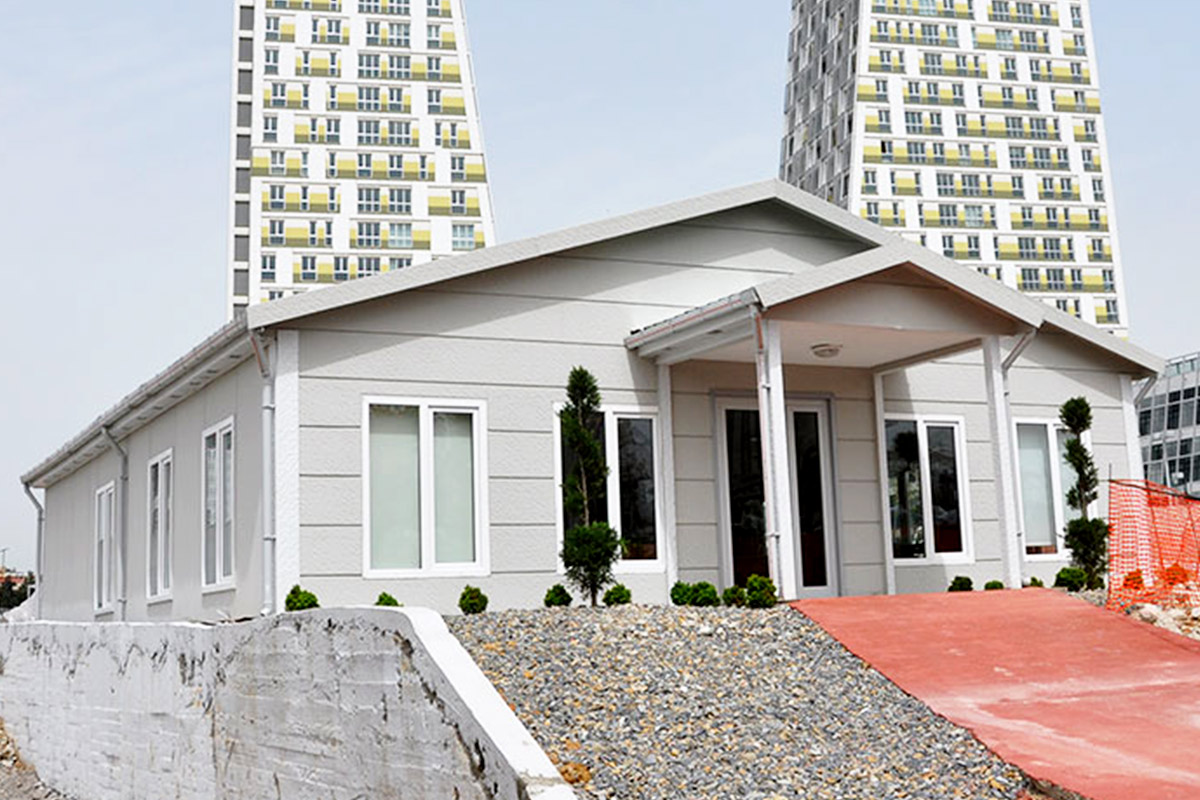

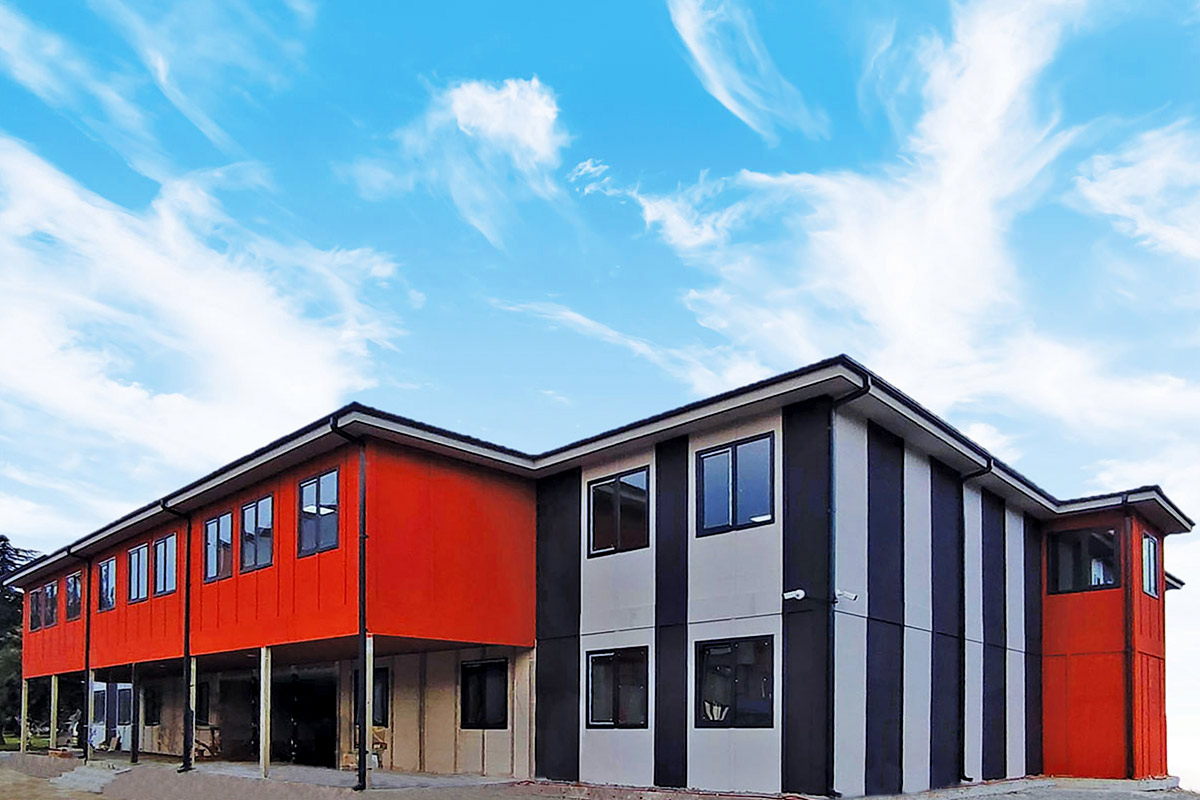
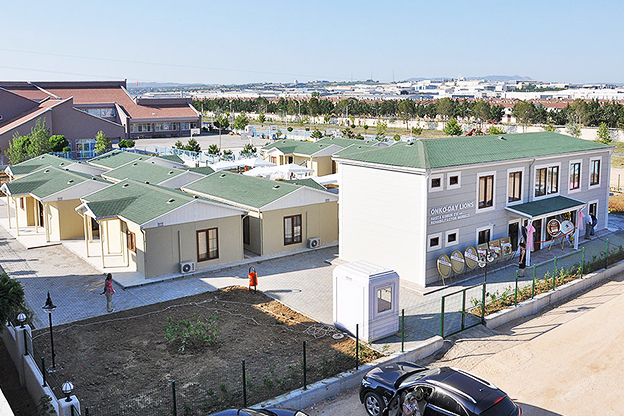
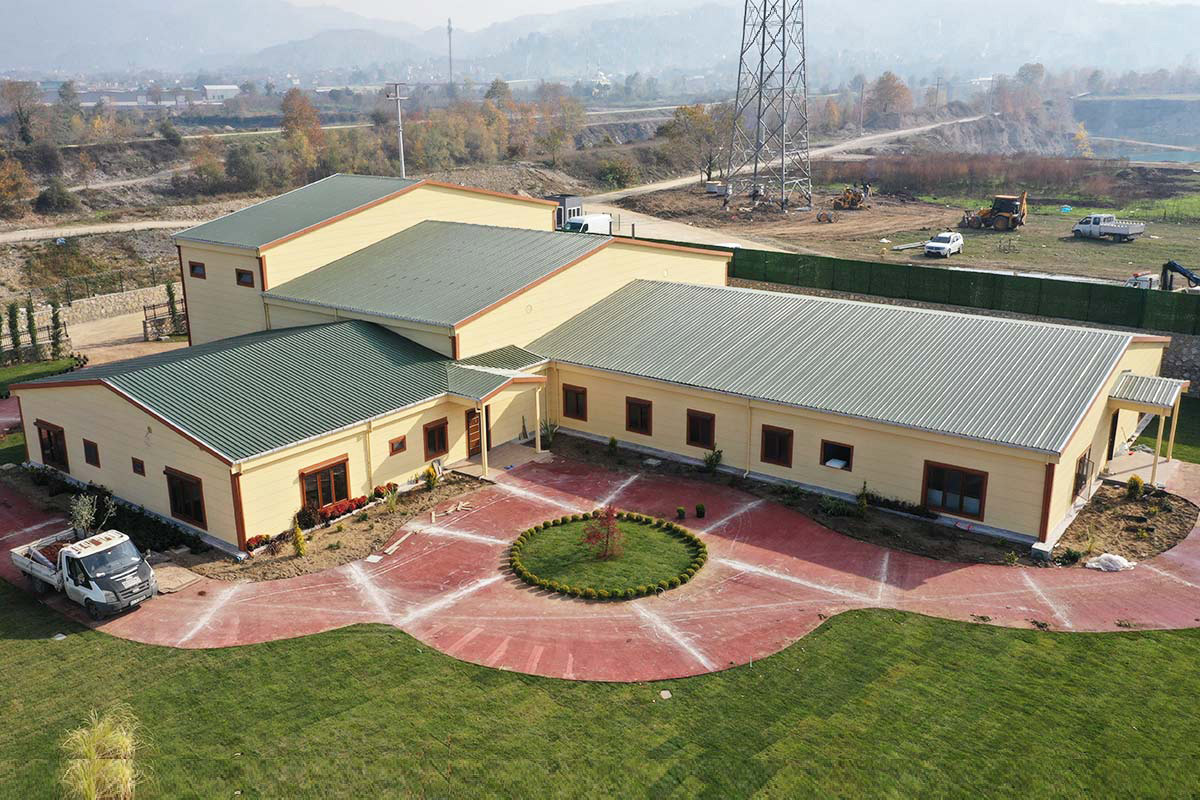
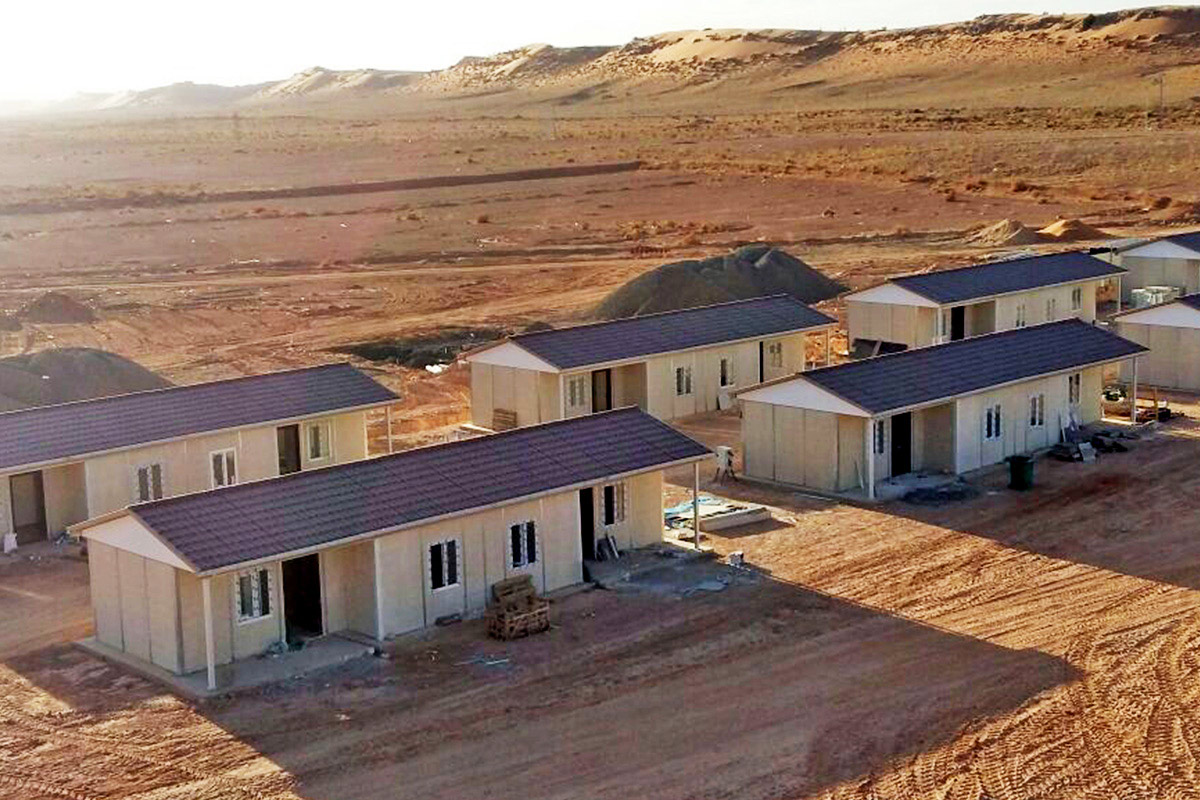
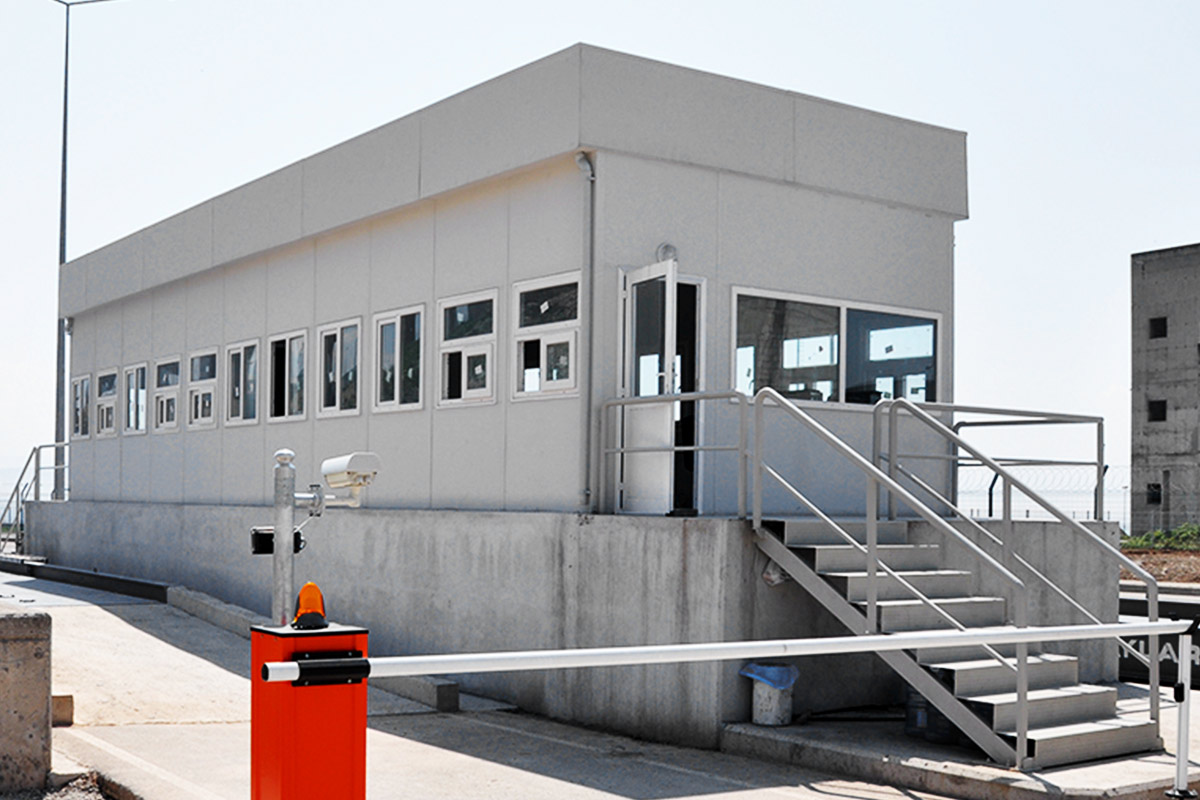
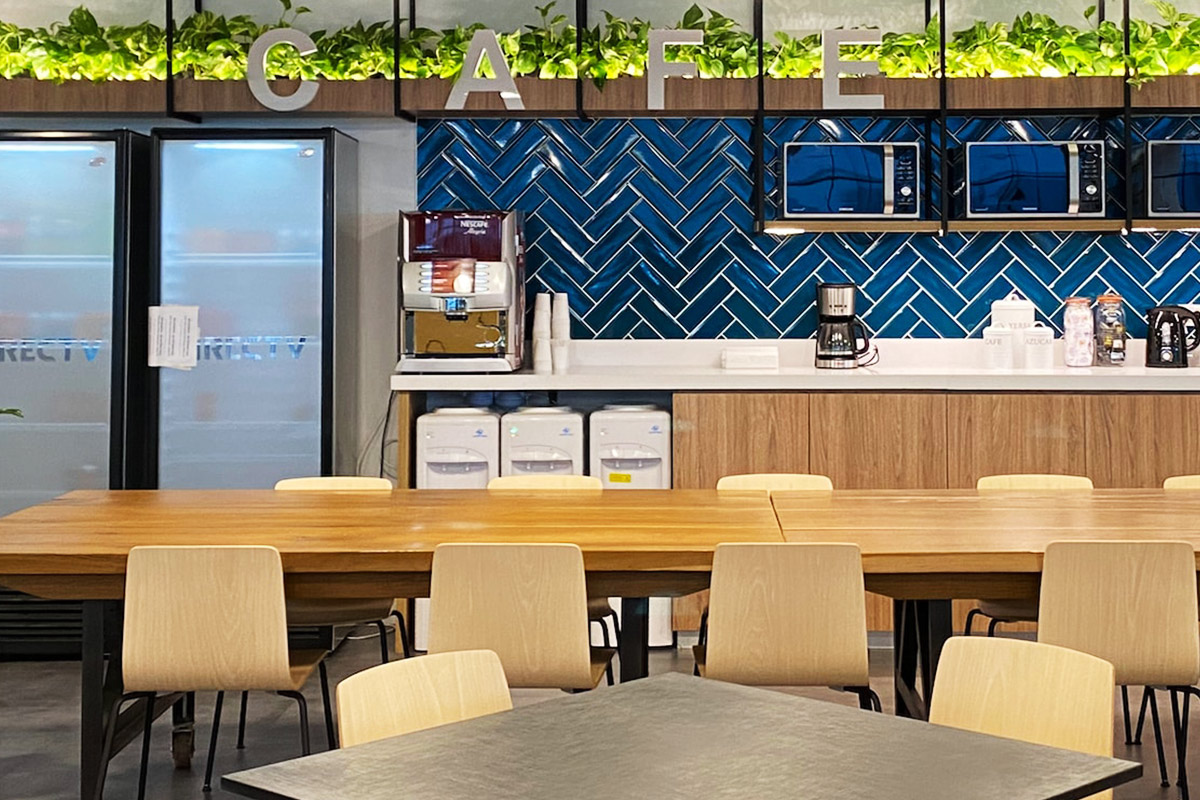
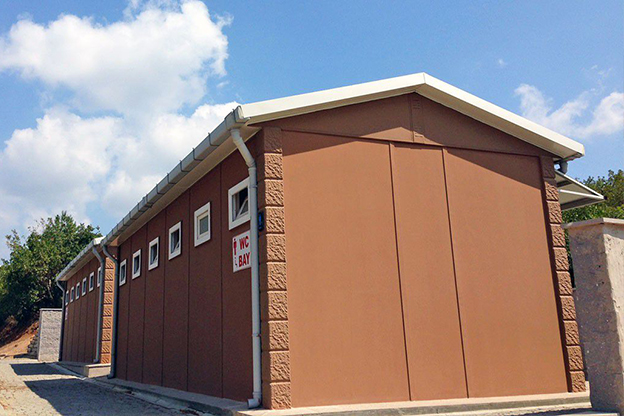
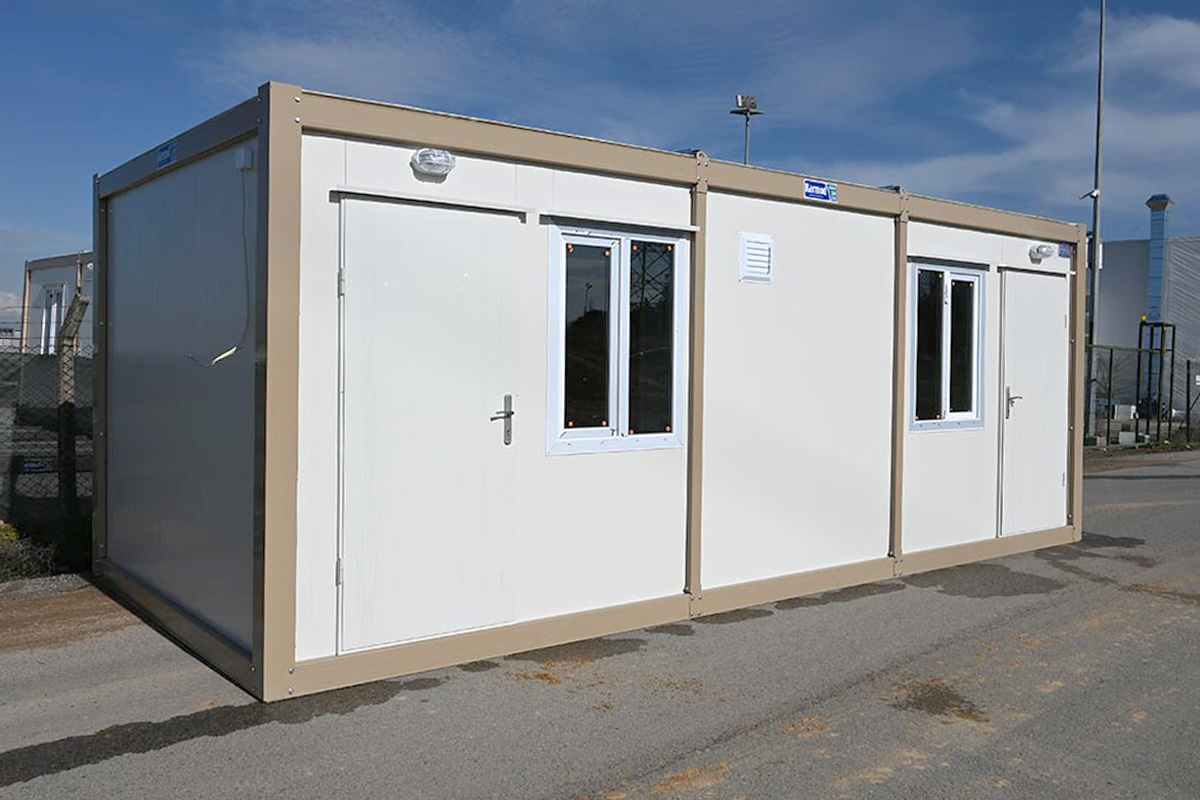
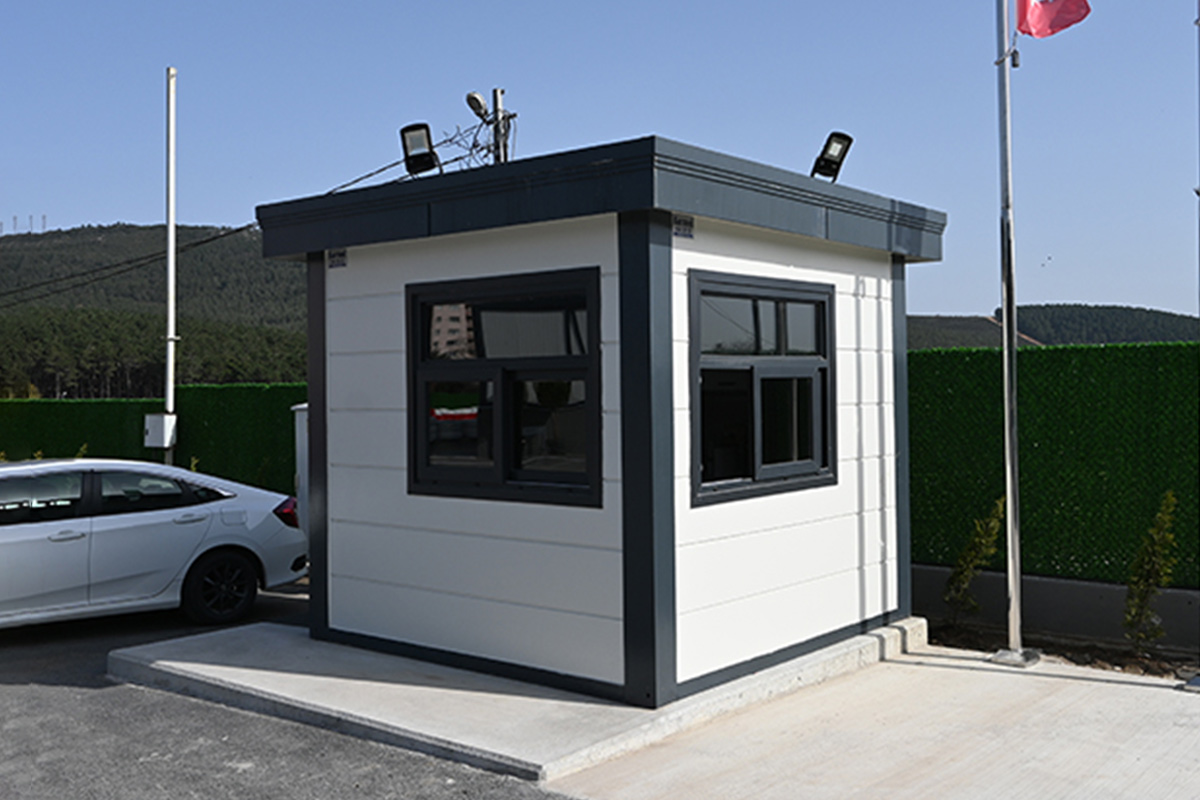
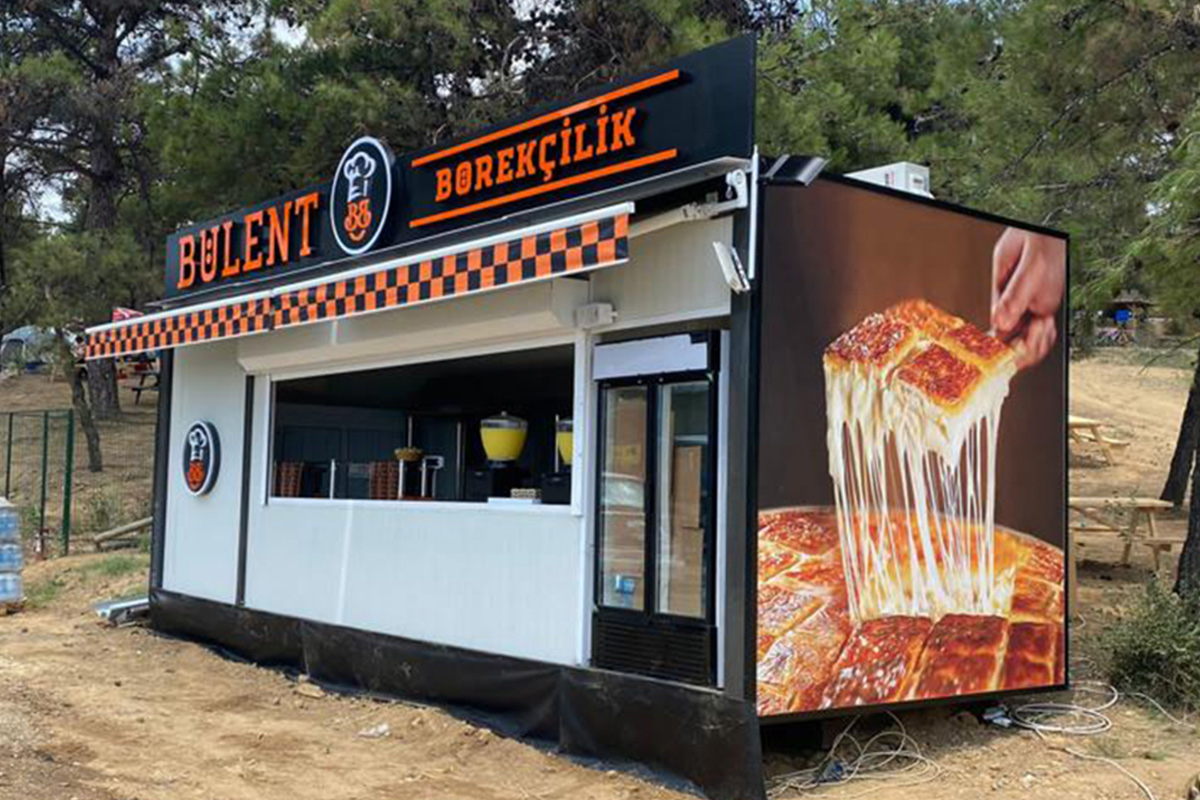
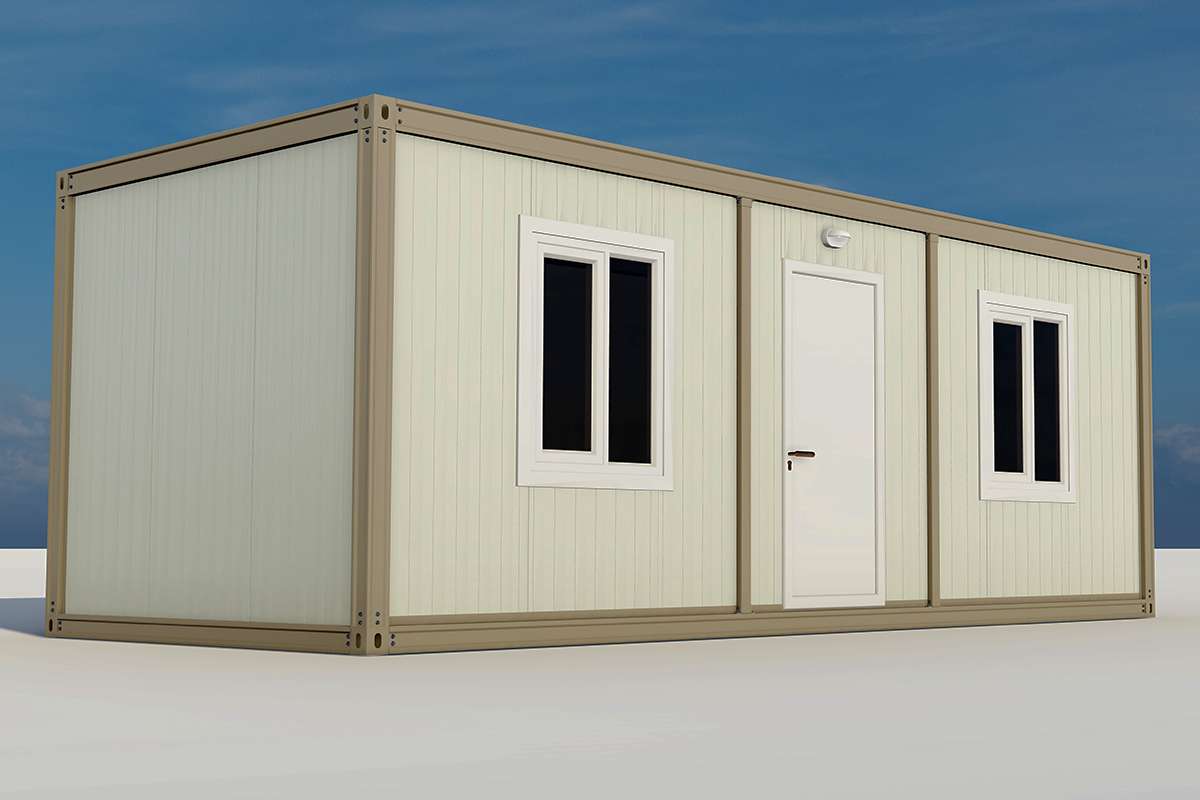

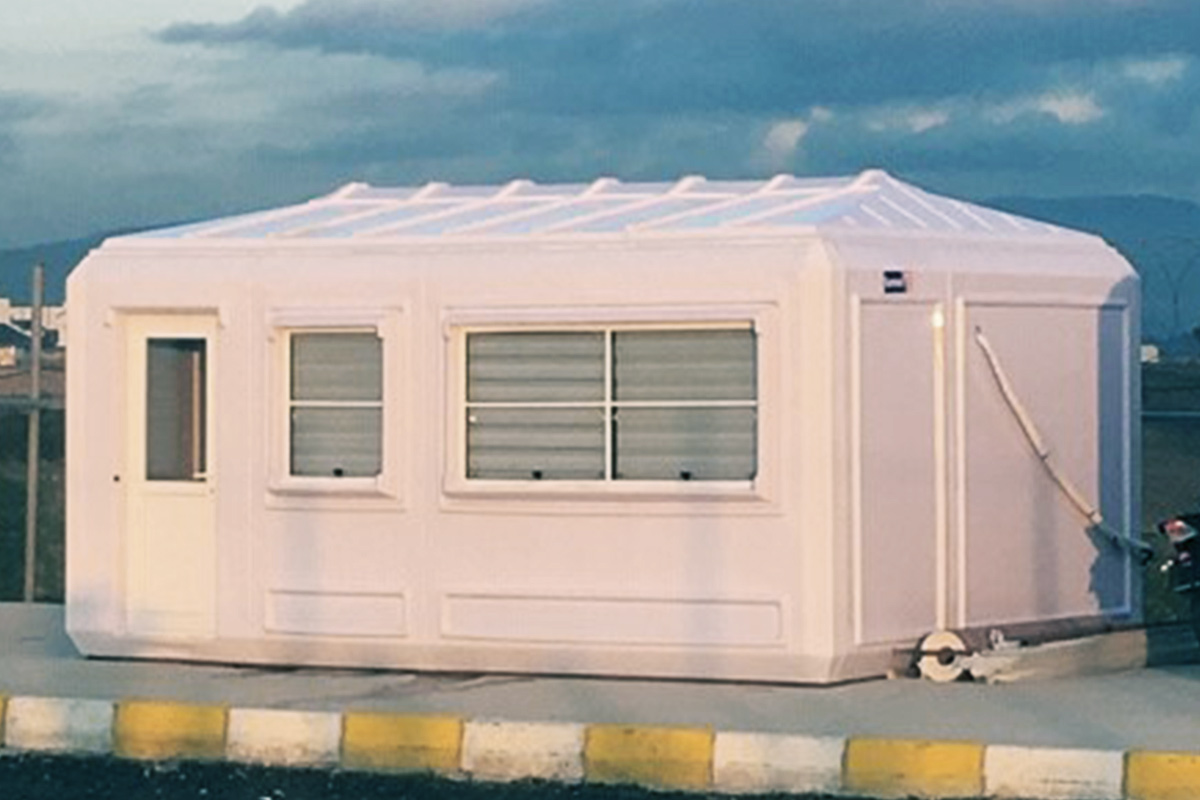
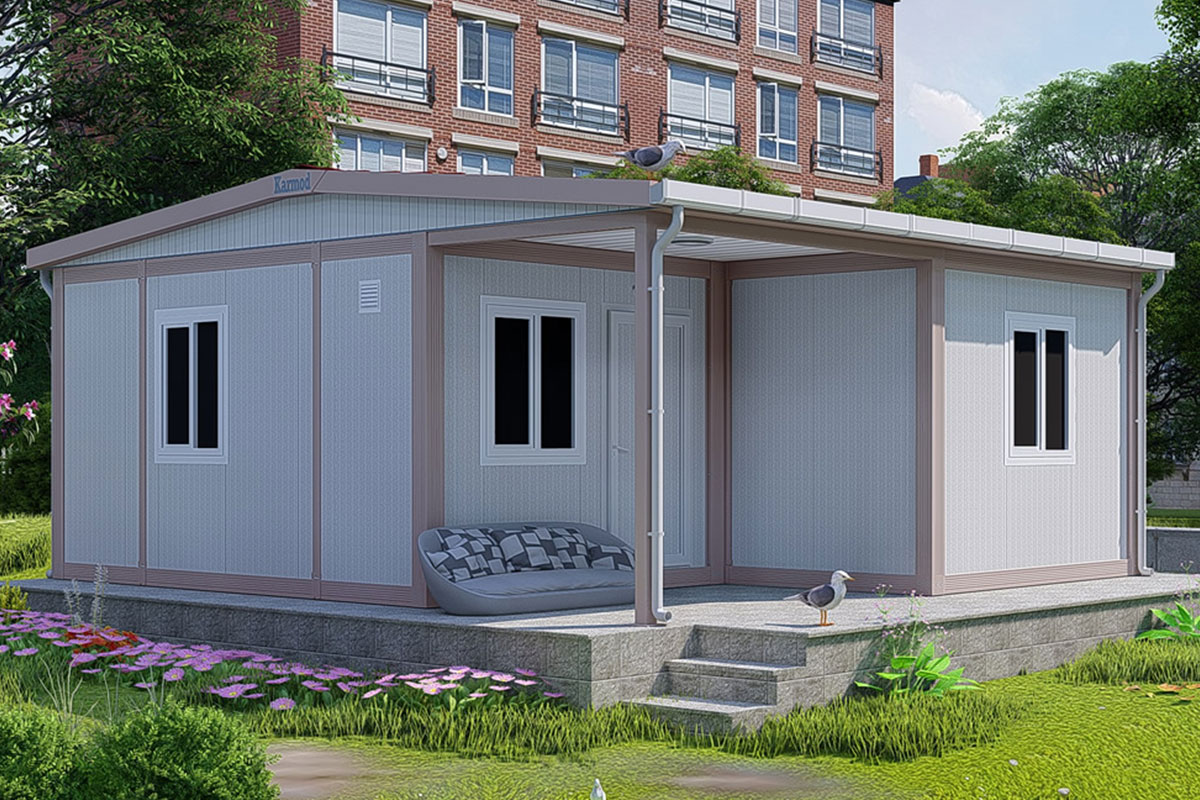
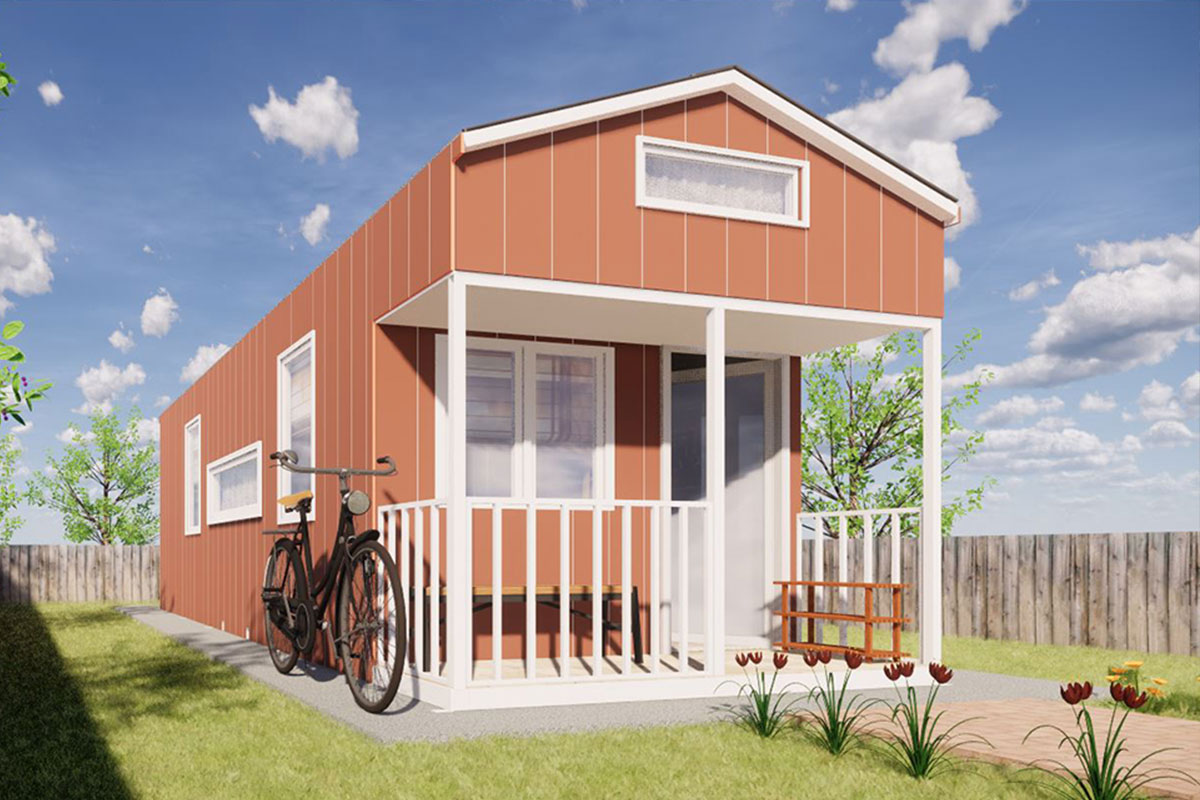
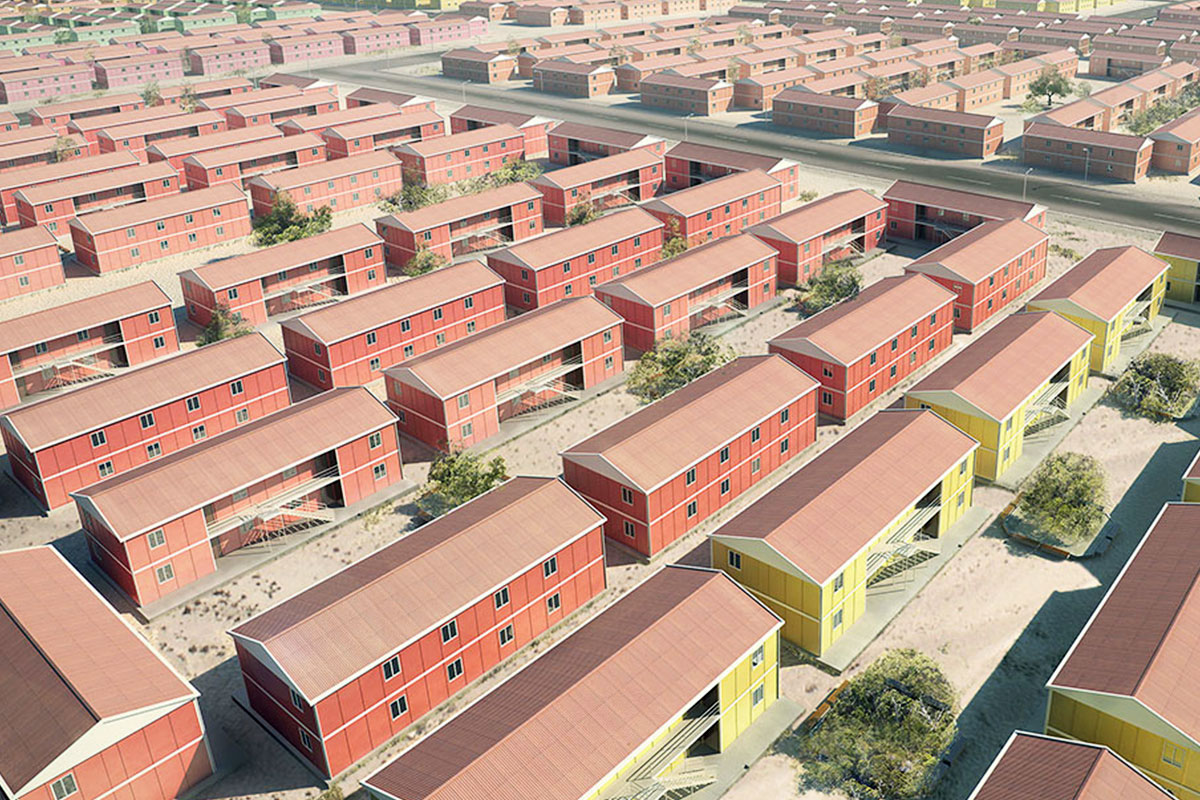
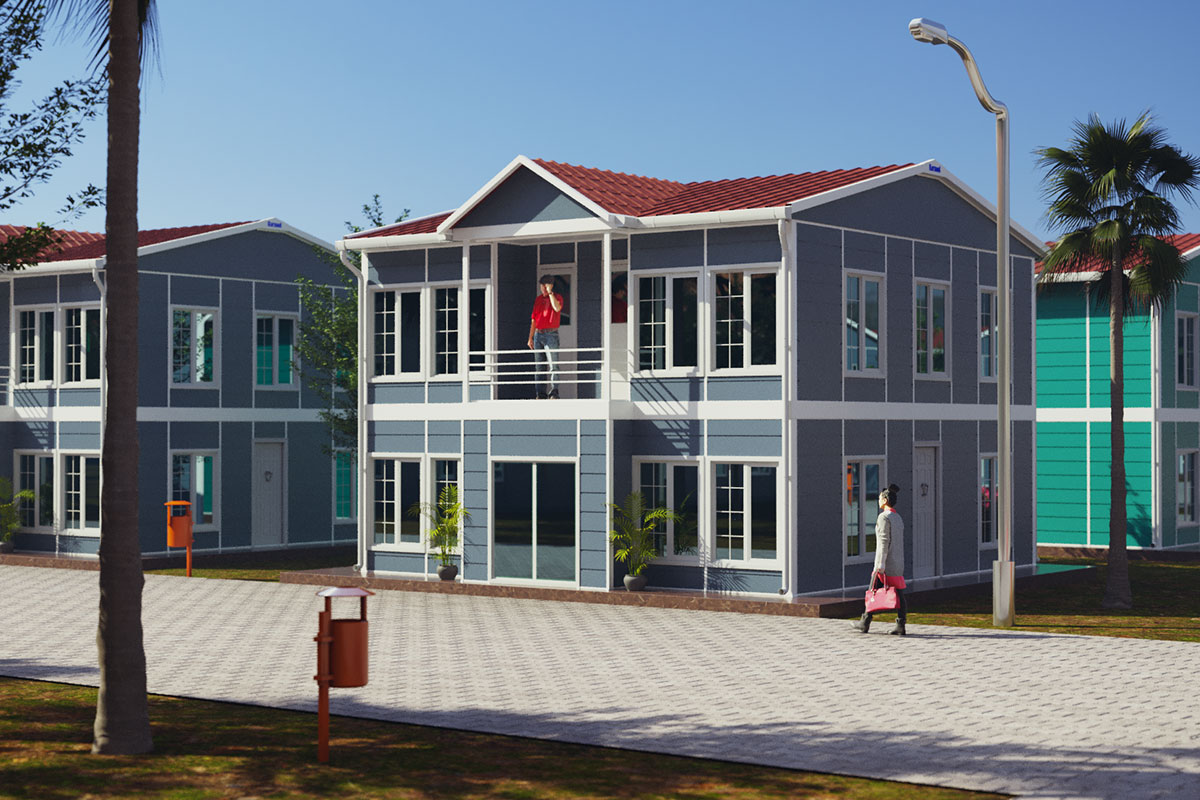
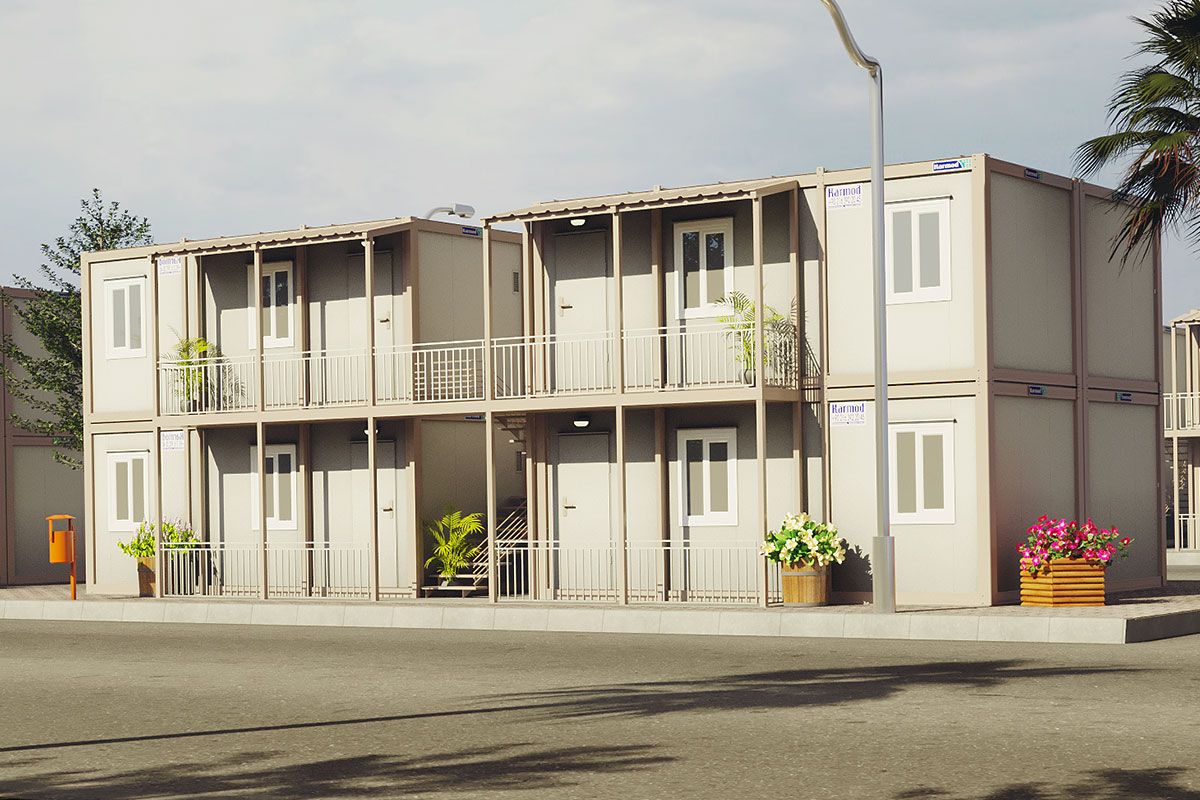
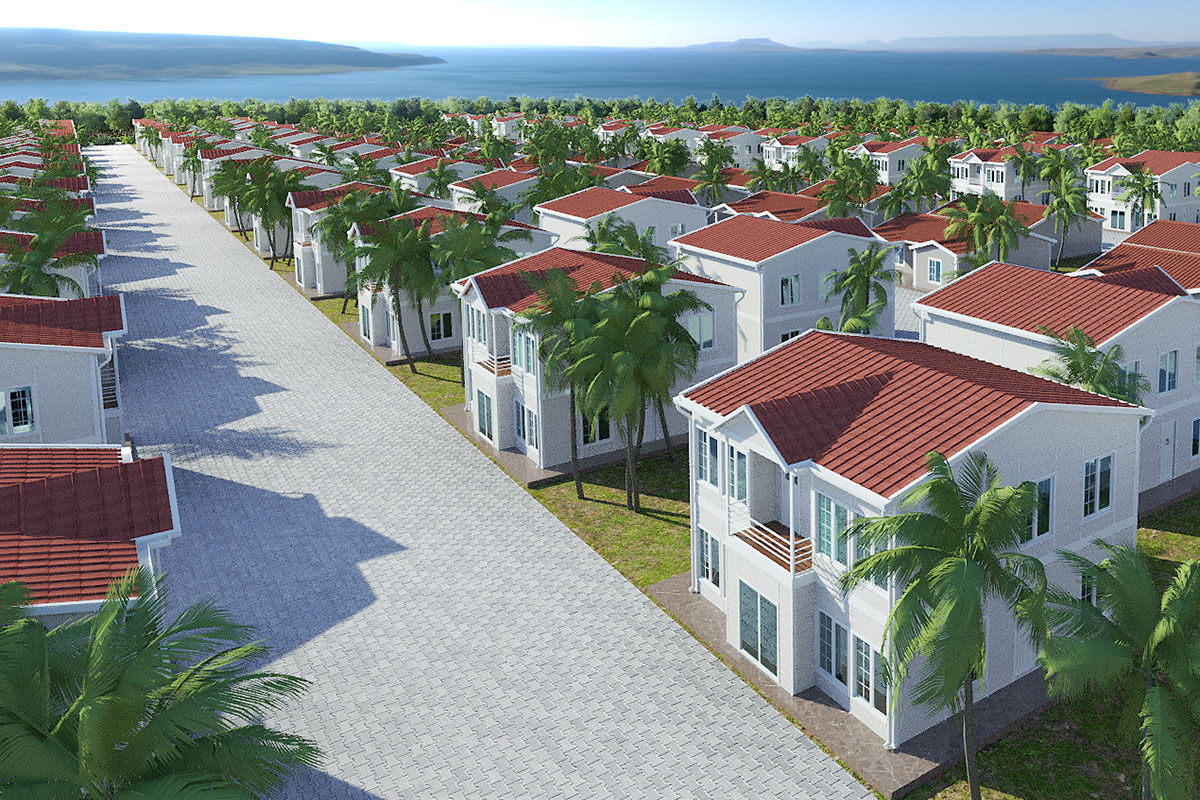
China’s oil and gas projects span deserts, mountains, offshore zones, and cold regions, where distance, weather, and shift patterns shape how sites are run. In these settings, workforce accommodation is not a secondary detail. It supports recovery, hygiene, catering, and safe routines for crews working long rotations. China oil and gas field housing units are increasingly planned as operational infrastructure, designed to deploy efficiently and remain reliable under continuous use.
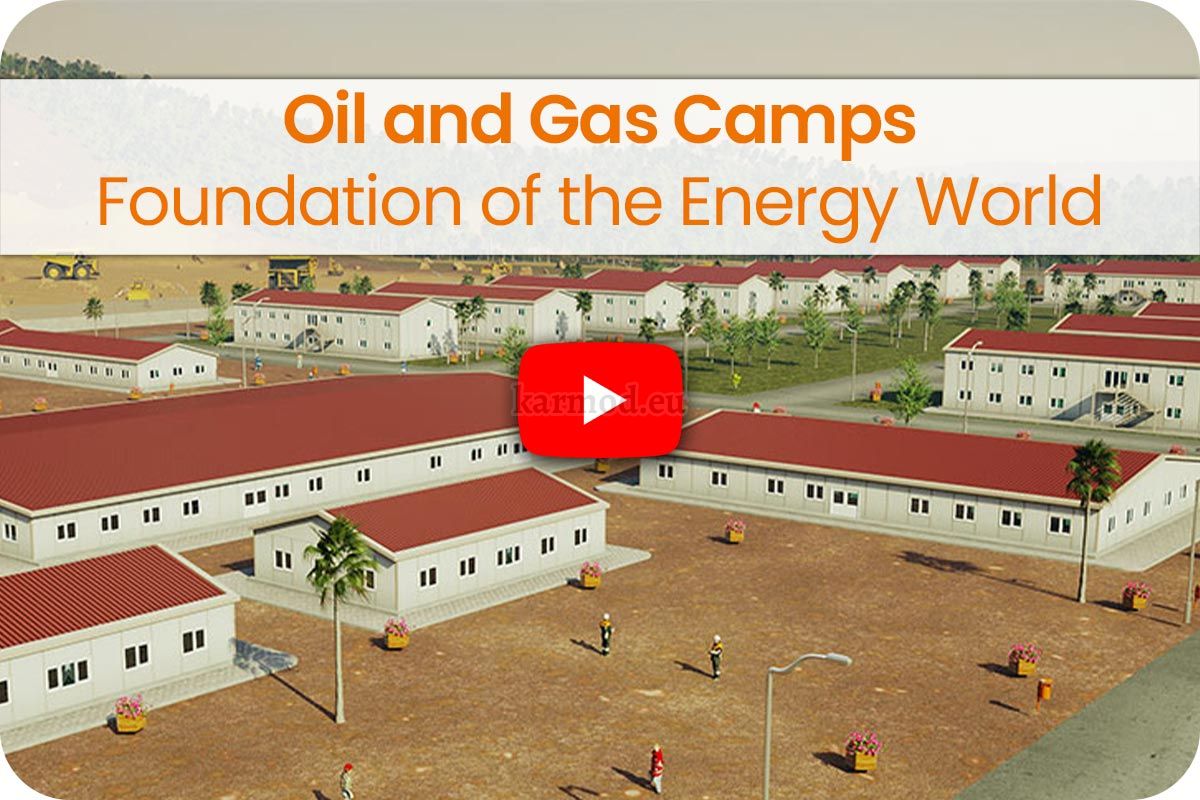
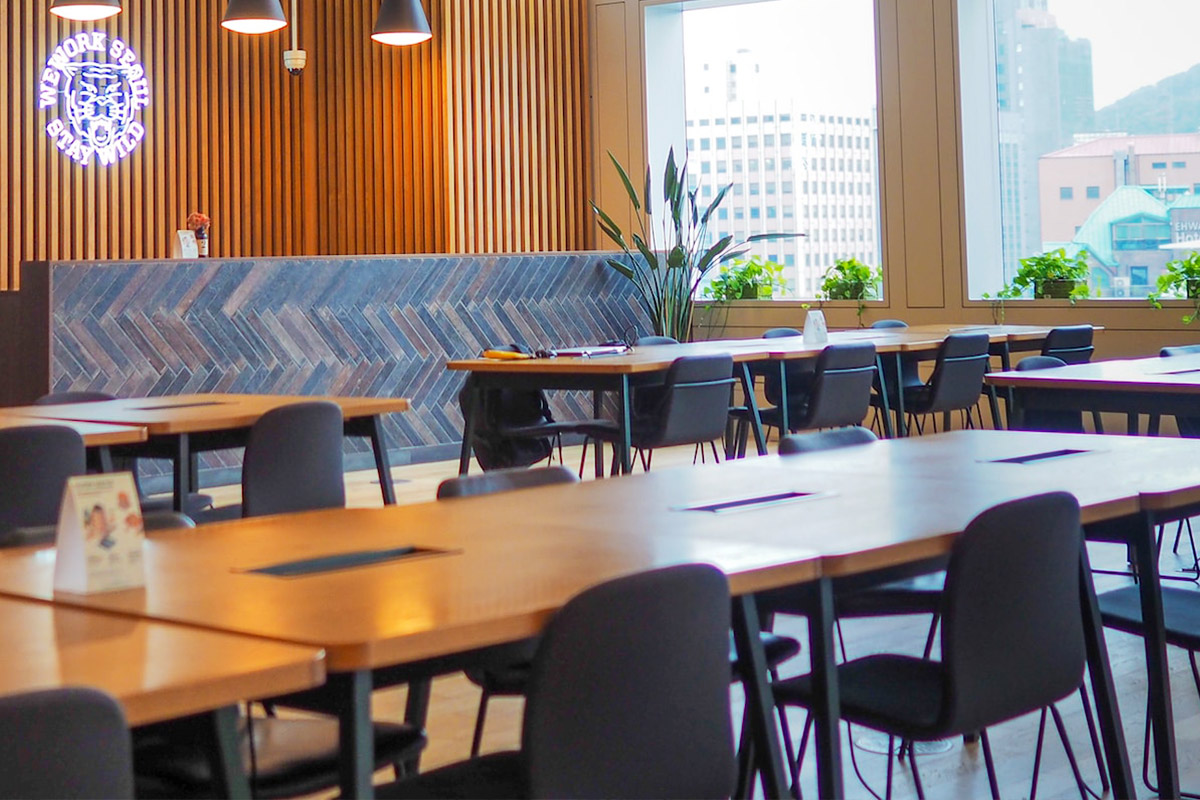
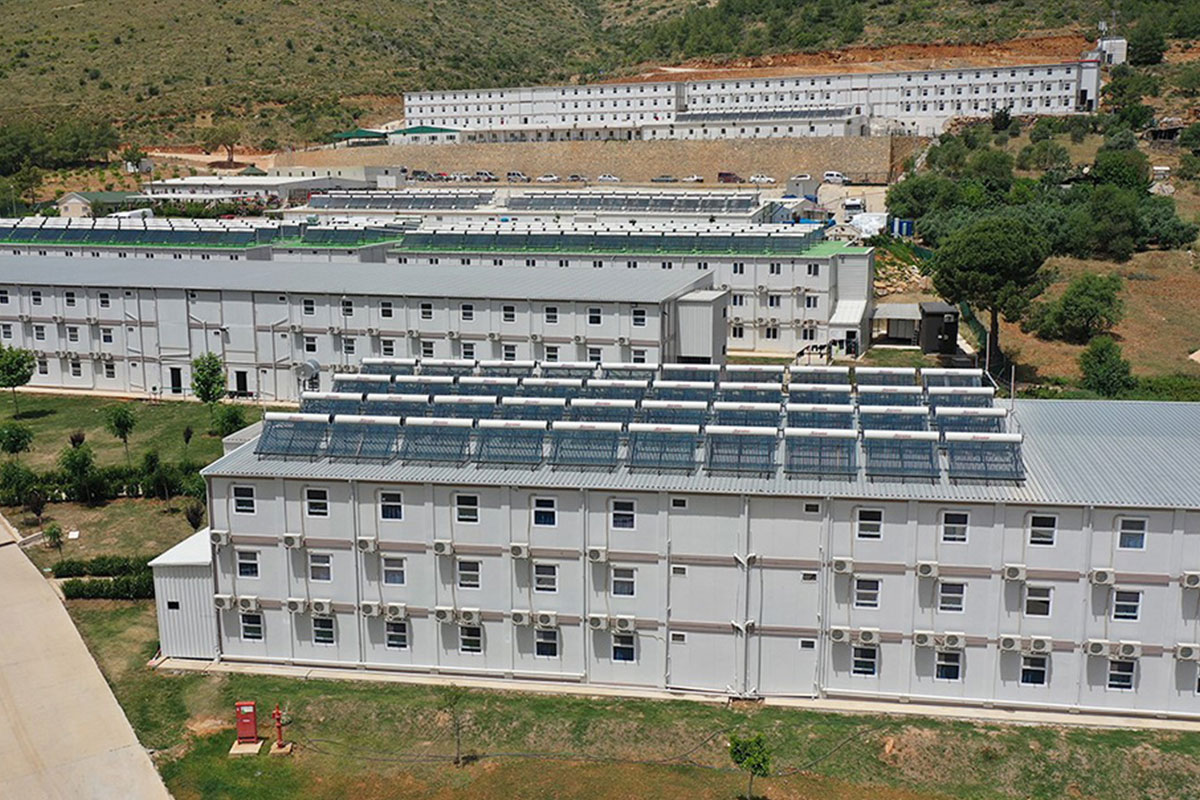
- Living Standards Built for Rotations: A China oil and gas field man camp is typically organized around how crews actually live on site—quiet sleeping areas, sanitary facilities sized for headcount, dining and laundry capacity, and shared spaces that support rest without disrupting recovery.
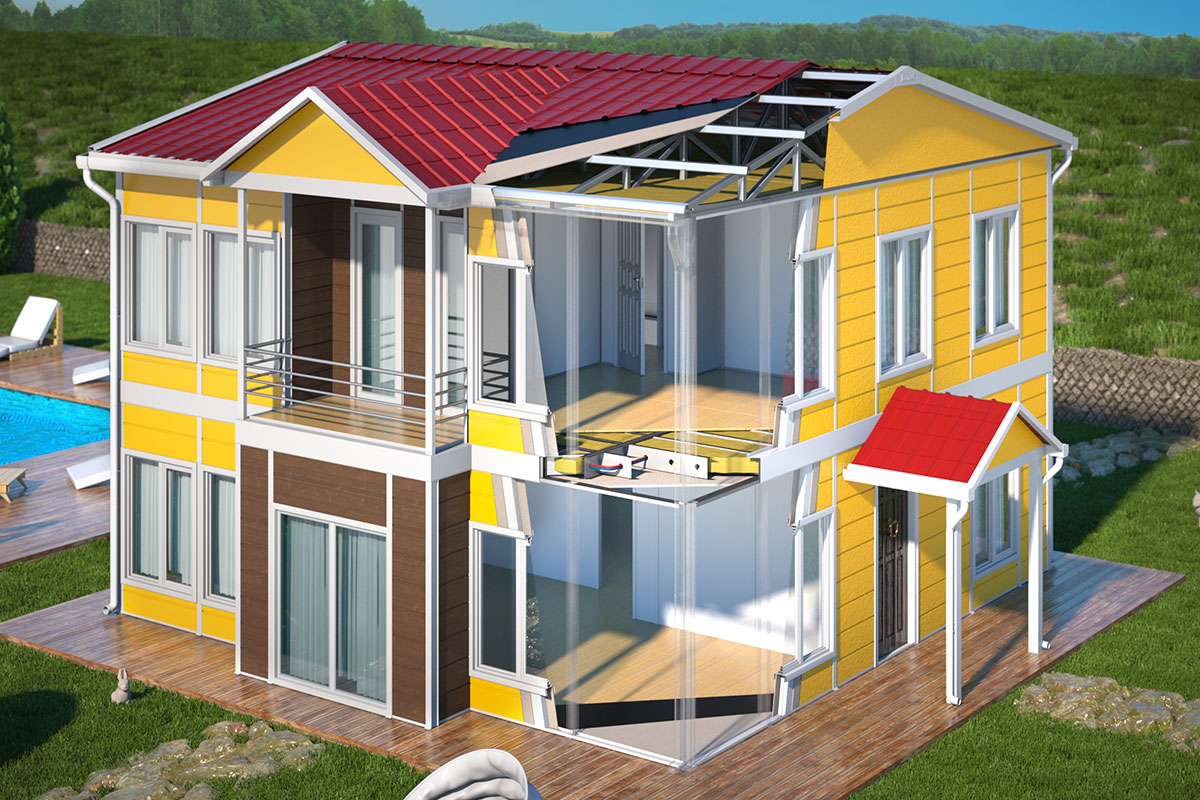
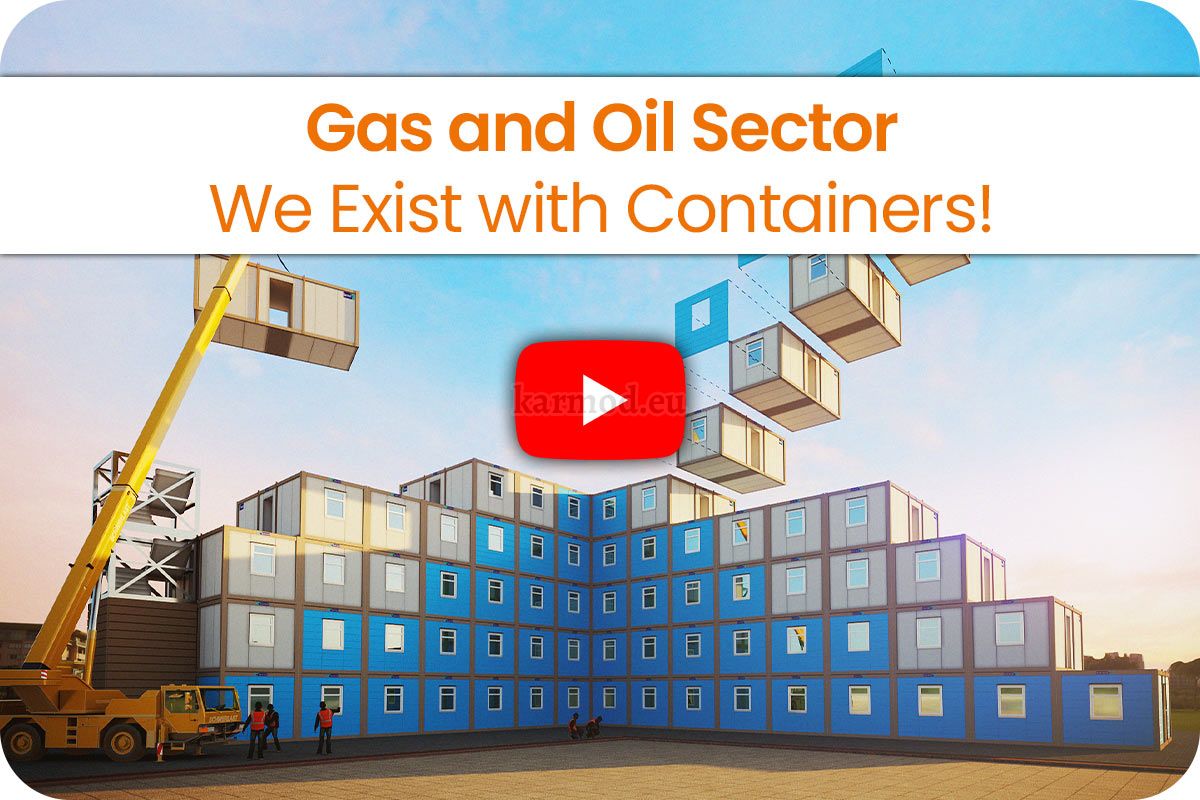
- Modular Innovation for Deployment and Change: Modern China oil and gas field housing often uses modular camp systems to shorten installation time and simplify expansion. This allows projects to scale accommodation as teams ramp up or relocate, without rebuilding the full site.
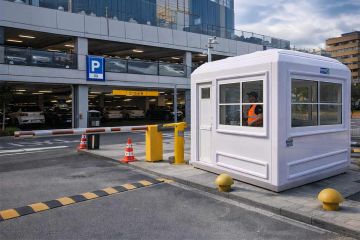
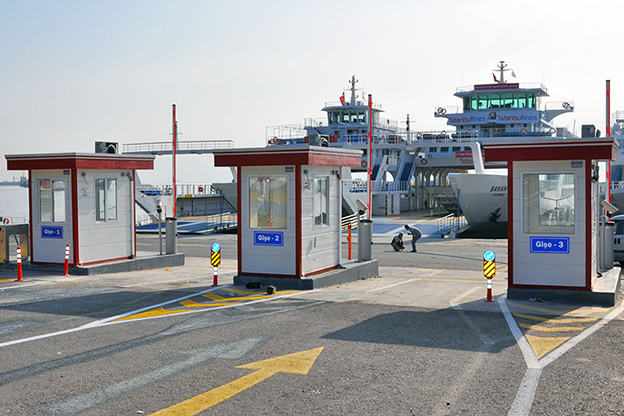
- Safety Embedded in the Specification: Housing units are planned with duty-of-care requirements in mind, including fire safety provisions, controlled access, and practical circulation for emergencies. Materials and detailing are selected for resilience in remote environments where maintenance support can be limited.
- Lower-Impact Camp Operation: On sites where utilities must be managed carefully, efficient lighting, insulation, and water-use controls help reduce demand. Waste handling and service layouts are designed to keep camp operations consistent over long project cycles.
- Karmod Experience in Workforce Accommodation: Karmod is associated with modular accommodation projects where production consistency and repeatable build quality are required. Their approach focuses on practical layouts, durable interiors, and systems that remain serviceable under heavy occupancy.
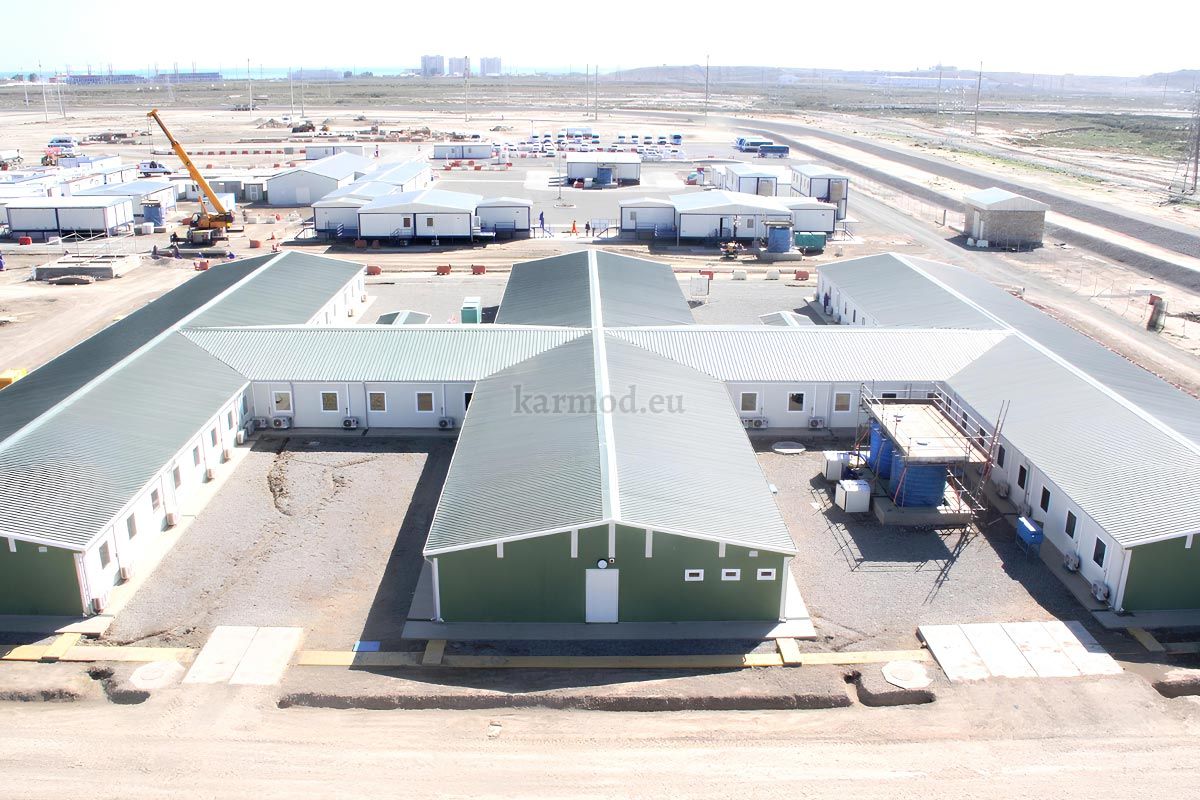
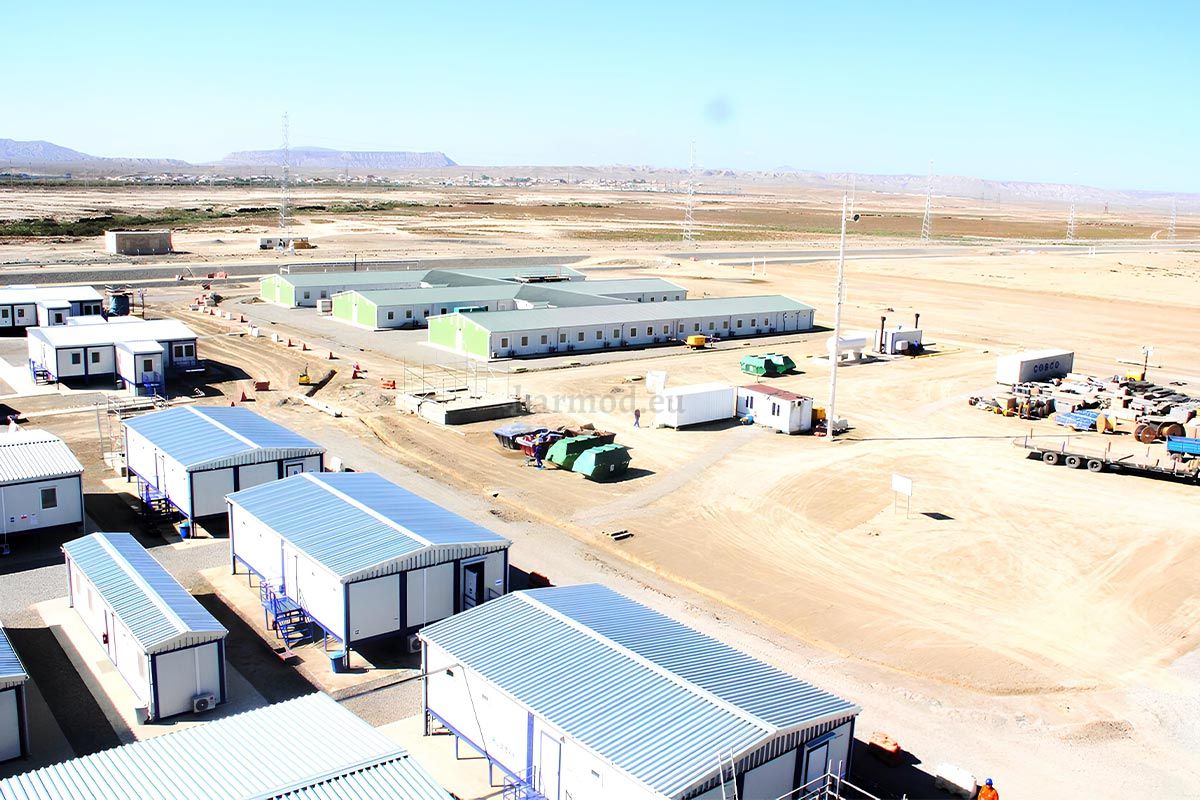
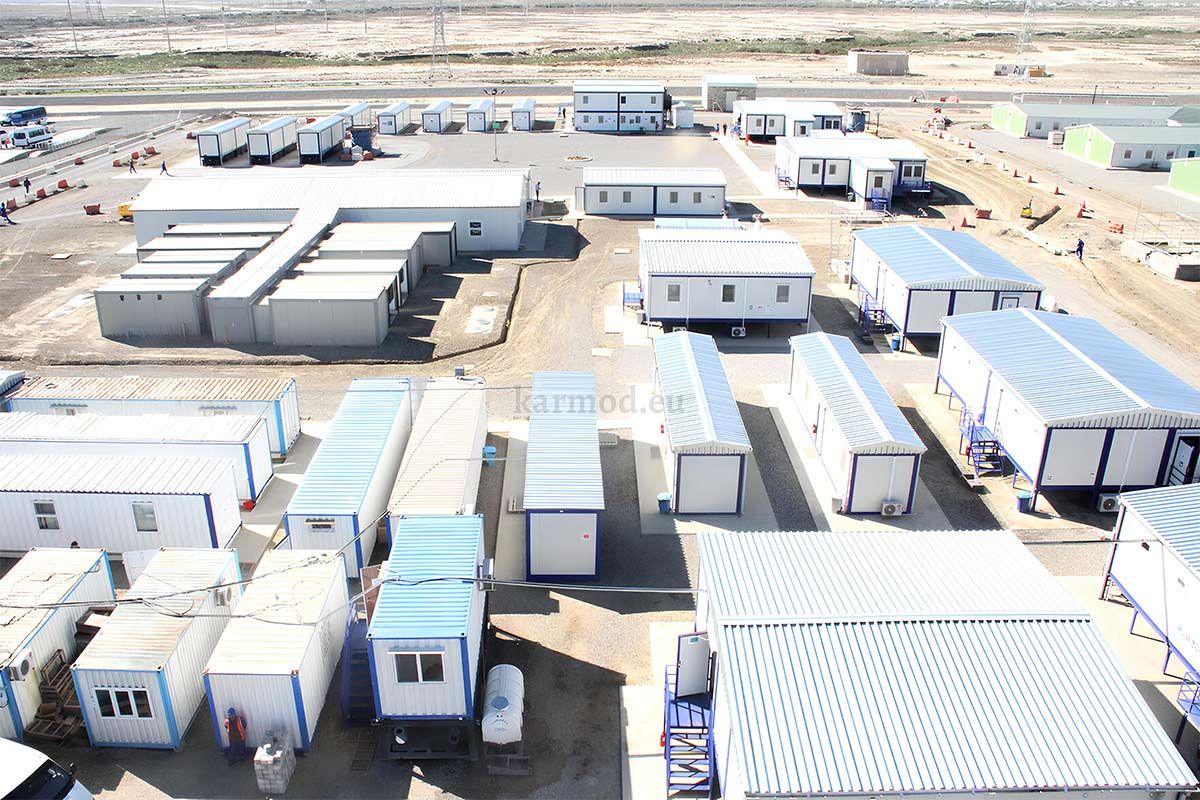
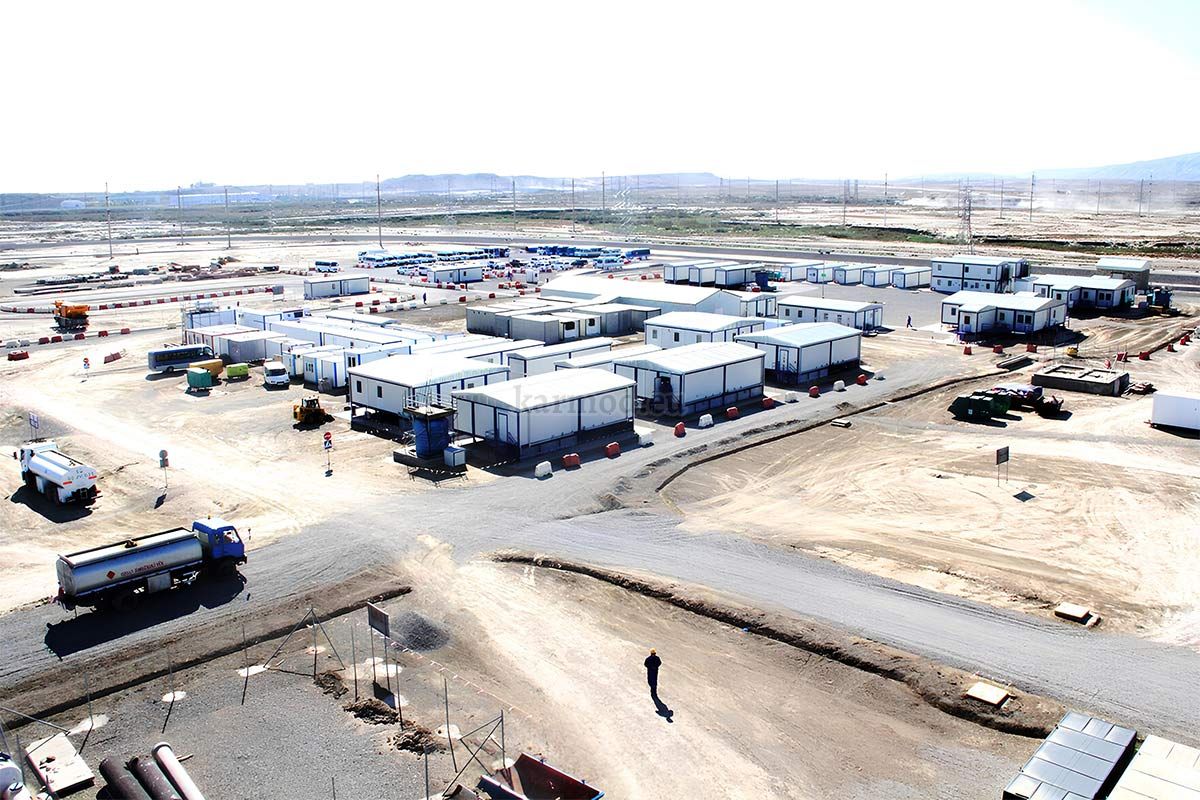
As China continues to develop complex upstream and midstream operations, expectations for site accommodation have moved beyond basic shelter. Operators need housing that can be installed predictably, managed efficiently, and kept stable across varied climates and project phases. When accommodation performs as intended, it reduces avoidable fatigue and friction on site and supports safer, more reliable field work.
Reliable Living Conditions in China Oil and Gas Man Camps
Man camps in China are increasingly specified for routine and recovery. That means temperature control appropriate to the region, sensible acoustic separation between rest and active areas, and interiors that handle constant use without becoming difficult to maintain. Good planning also shows in small operational details: storage where crews need it, service routes that allow cleaning teams to work efficiently, and shared areas that prevent congestion at shift change.
Comfort is measured in consistency. When crews can sleep properly, wash reliably, and access meals without delays, the camp supports workforce continuity and reduces distractions that can carry into operations.
Performance Benchmarks for China Oil and Gas Field Housing

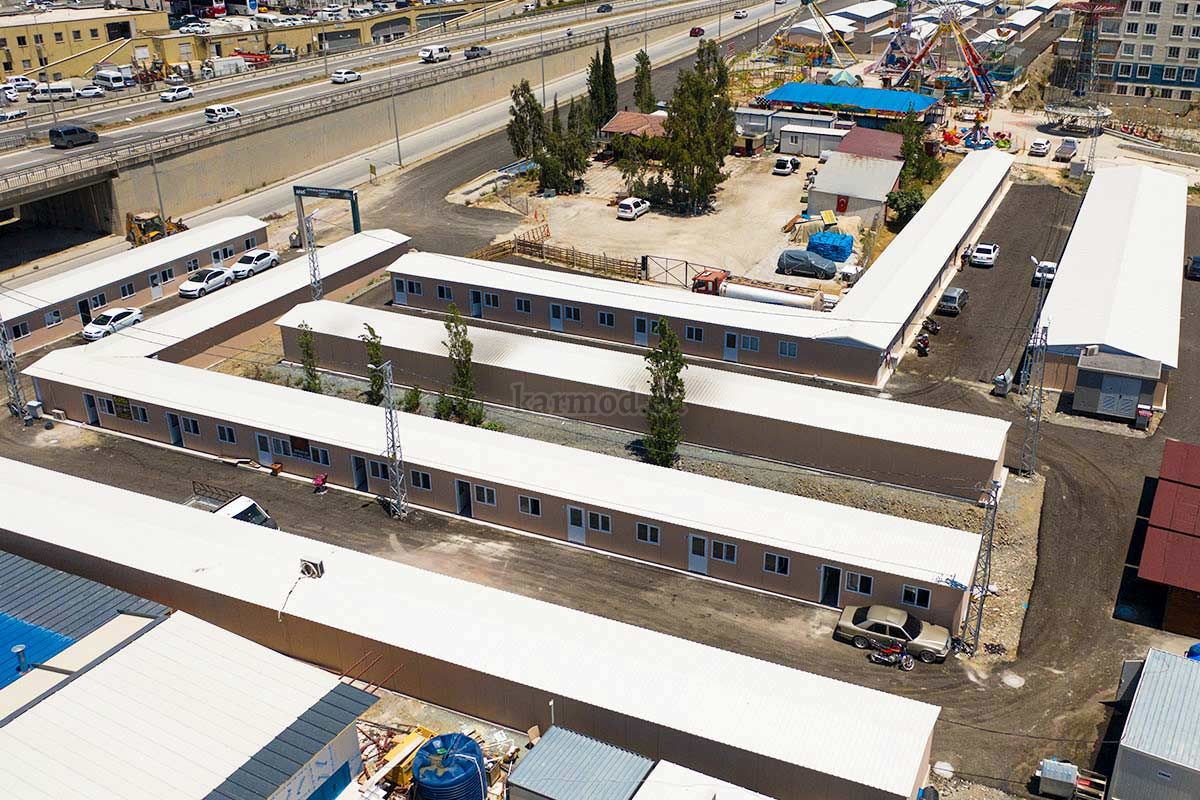
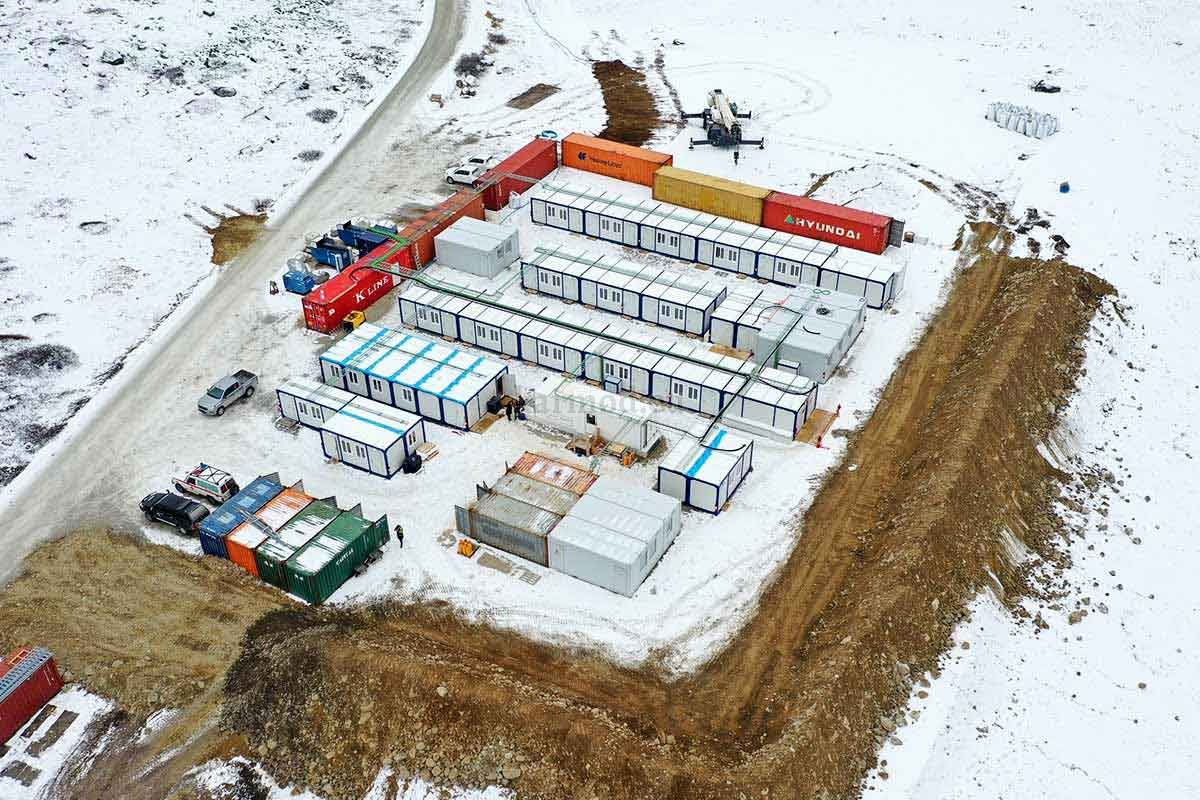


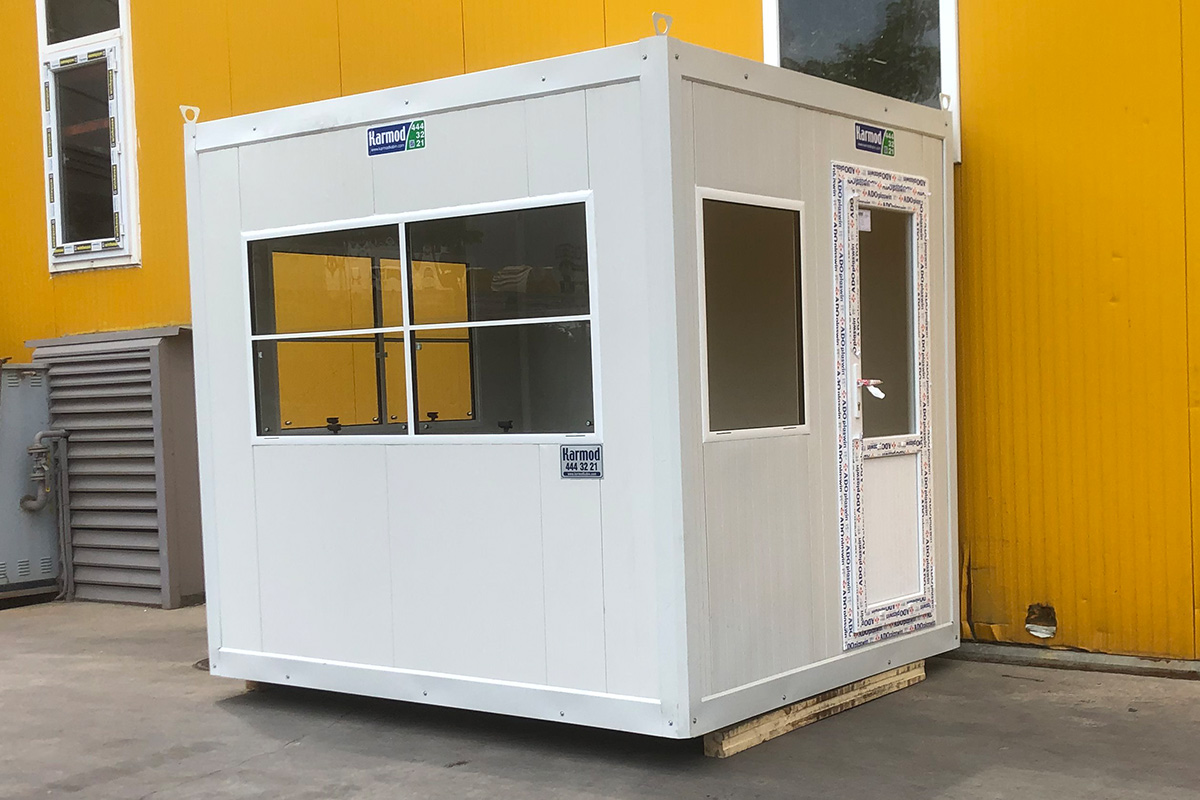
China oil and gas field housing is increasingly built around predictable performance: durable envelopes, stable indoor conditions, and systems that can be serviced without complex interventions. Modular construction supports standardization across large camp footprints, while still allowing project-specific configuration based on location, headcount, and required support buildings.
Karmod is commonly referenced where a project needs consistent unit quality and a structured delivery approach. In practice, the benchmark is not appearance; it is whether accommodation stays functional through weather extremes, maintains hygiene standards, and adapts as the project changes.
Structures of Quality: China Oil and Gas Camp Construction Buildings
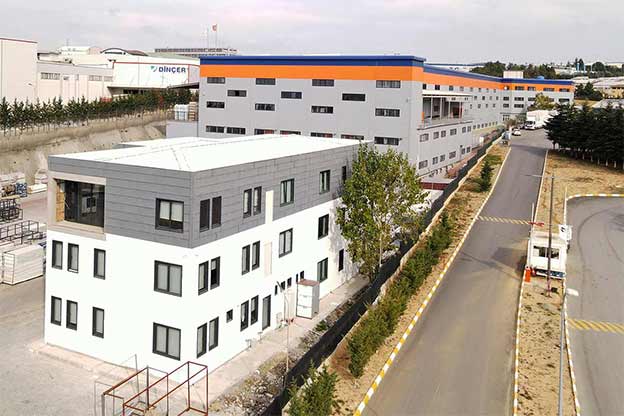
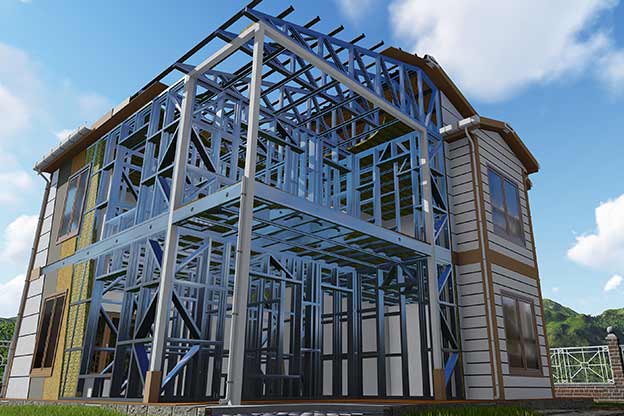
Across China’s oil and gas regions, camp construction buildings must balance speed of deployment with long-term occupancy. Designs often prioritize efficient installation, clear utility routing, and maintainable interiors, while accounting for local conditions such as temperature swings, wind, dust, and seasonal precipitation.

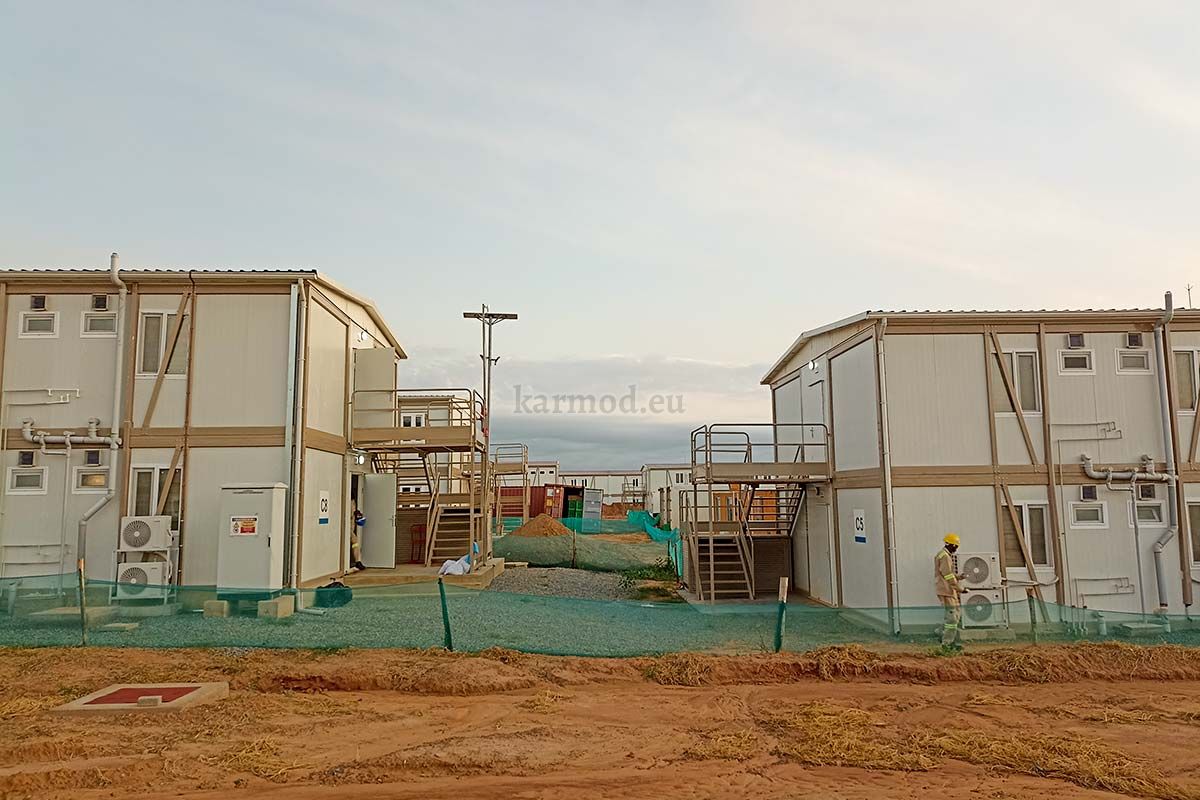


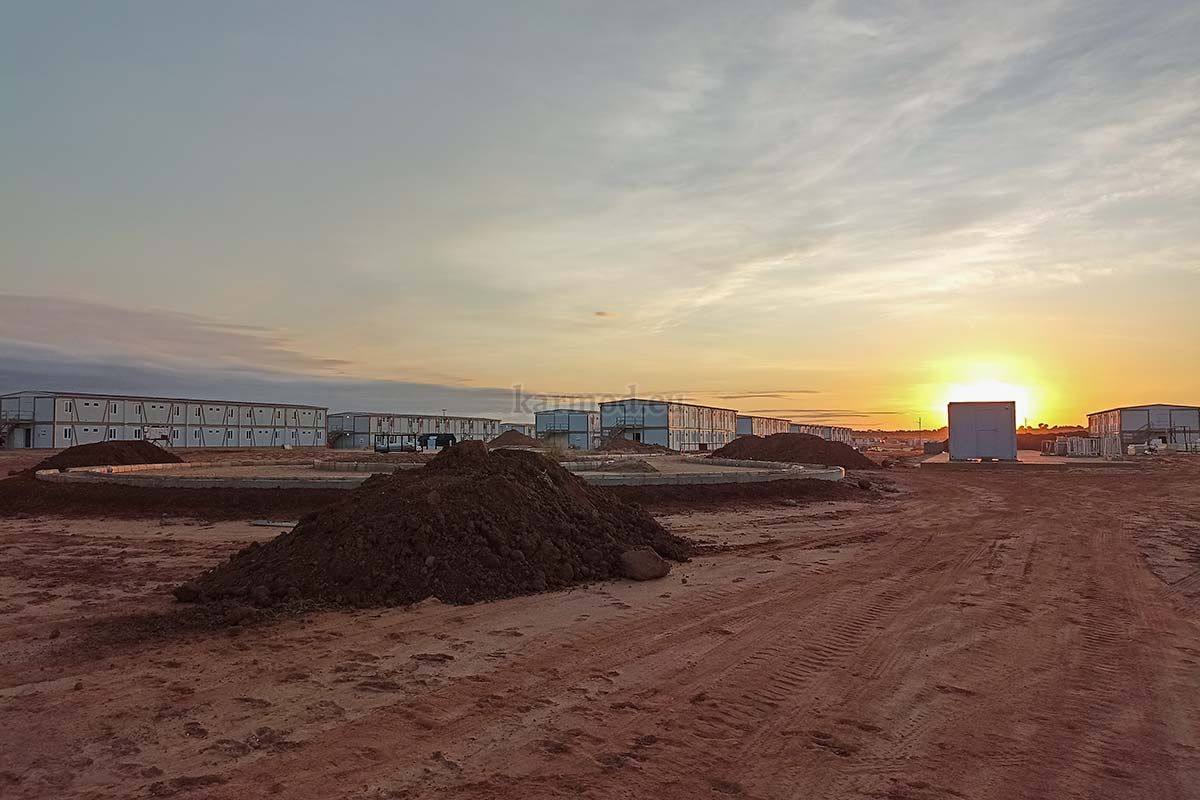

- Robust Design: Structural and envelope choices aim to protect interiors and maintain safe living conditions where access, weather, and site wear can challenge standard buildings.
- Modern Technologies in Camp Planning: Many oil and gas camp buildings integrate practical systems for ventilation, heating or cooling, and utility management to keep day-to-day operations stable.
- Eco-friendly Solutions: Efficient building envelopes, lower-consumption equipment, and organized service areas support reduced resource demand without compromising performance.
- User-Centric Layouts: Spaces are planned around real use—rest, hygiene, meals, and basic services—so the camp works under continuous occupancy, not just at handover.
Best Company and Manufacturer Karmod for Oil and Gas Field in China
For oil and gas field camps in China, manufacturers are evaluated on delivery reliability, build repeatability, and how well accommodation performs over time. Karmod is positioned in this space with modular solutions that can be configured to different site footprints and operational requirements.
- Rich Legacy: Long-term focus on prefabricated and modular building systems supports consistent production standards and practical detailing.
- Tailored Solutions: Camps can be configured for different climates and project needs, including sleeping units and supporting buildings such as offices, dining, clinics, and recreation areas.
- Focus on Quality: Material selection, factory-controlled manufacturing, and durable interior specifications help units remain functional under heavy, continuous use.
- Client Partnership: Project coordination typically covers planning, production, and delivery alignment so the installed camp matches operational priorities and site constraints.
As China’s oil and gas activity continues across varied regions, dependable camp infrastructure remains a practical requirement. With modular construction and experienced manufacturing support, operators can maintain living standards while keeping projects on schedule and housing capacity aligned with workforce planning.