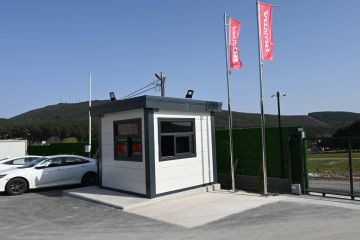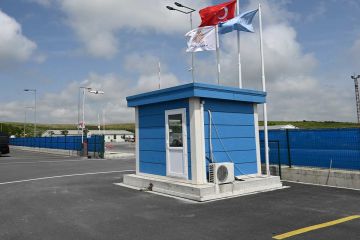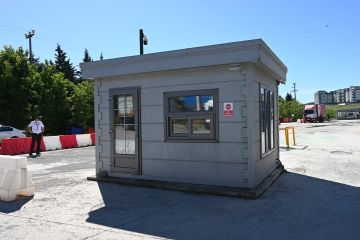


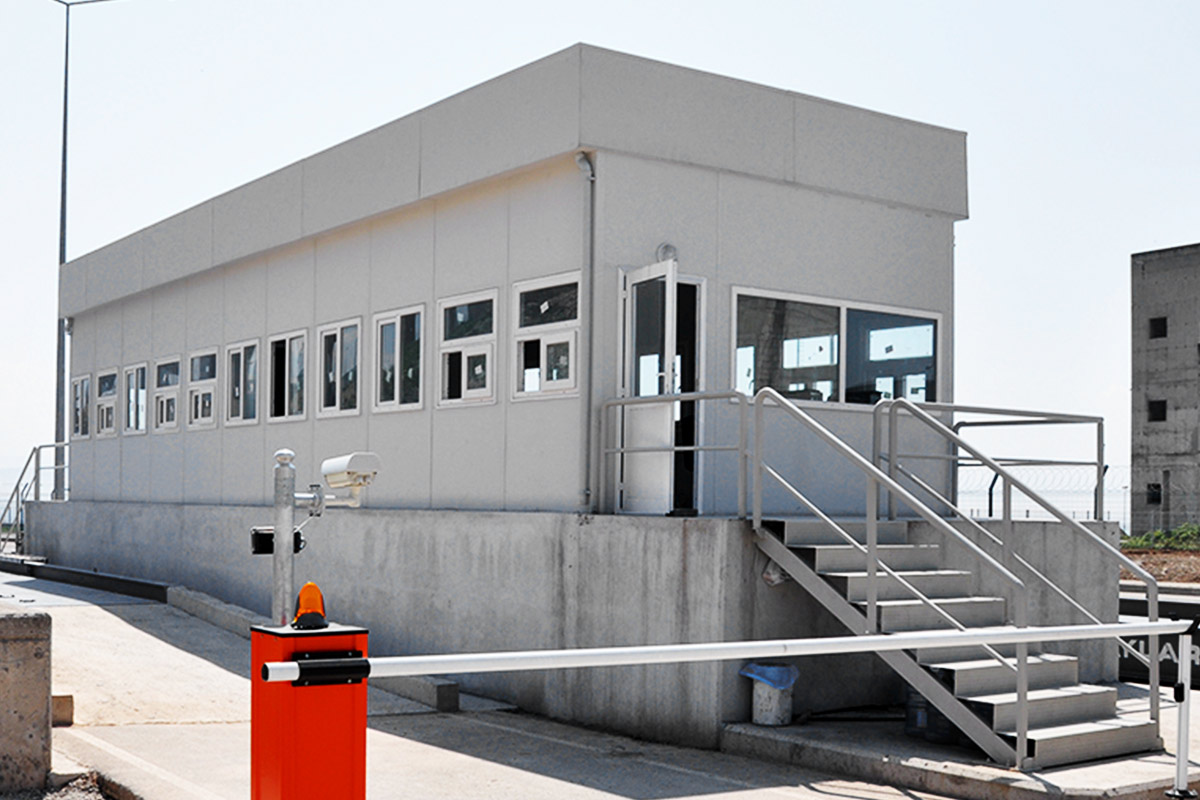
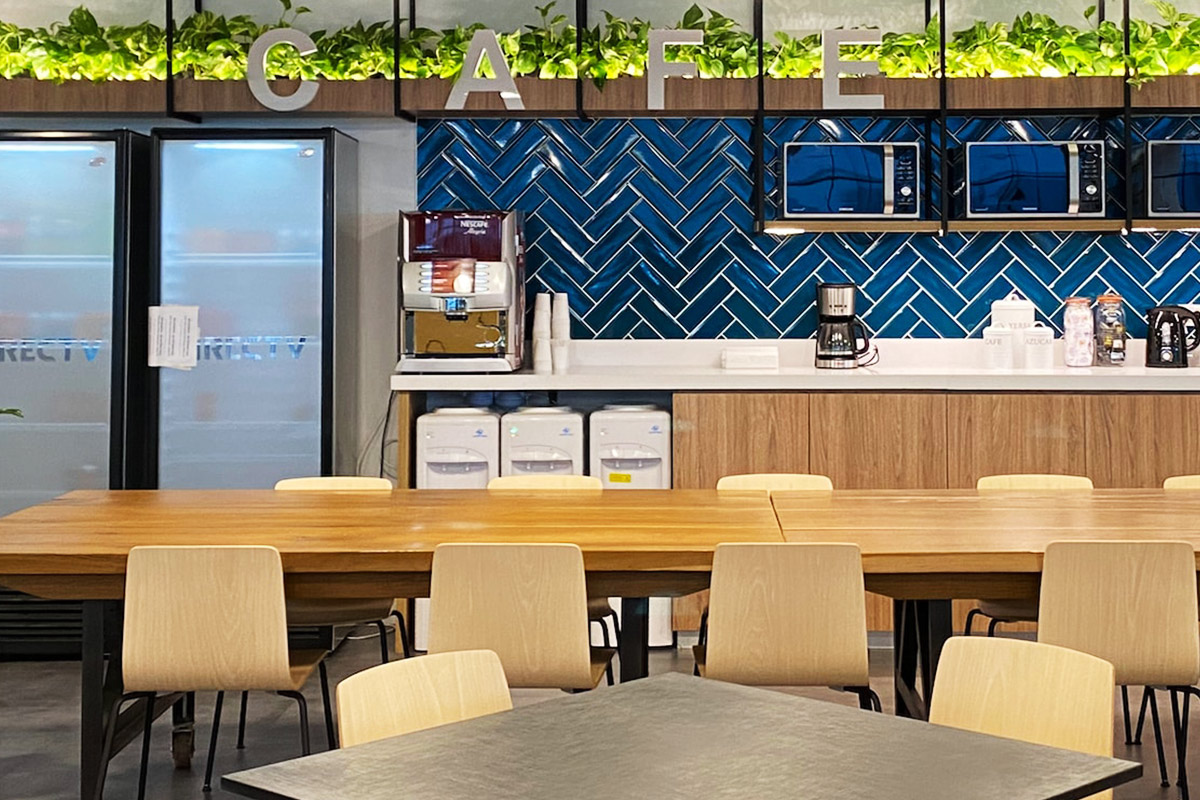
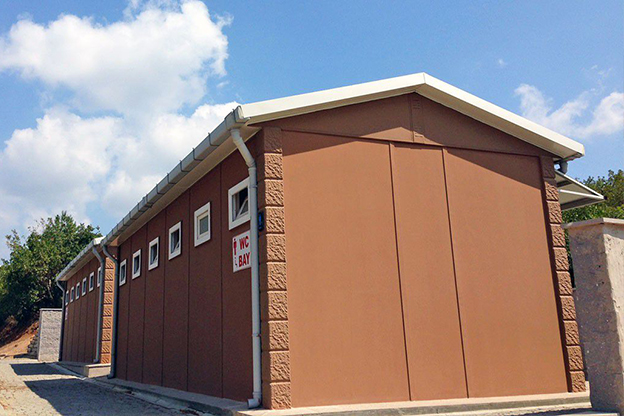
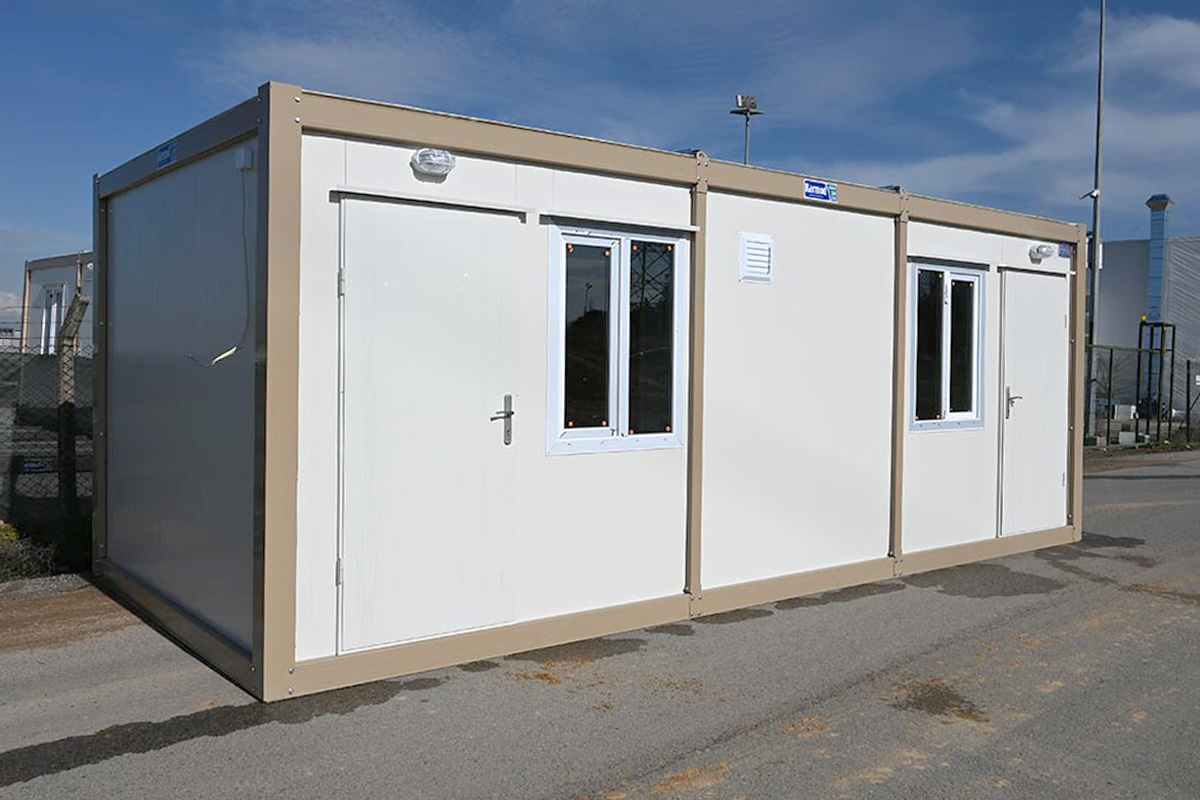
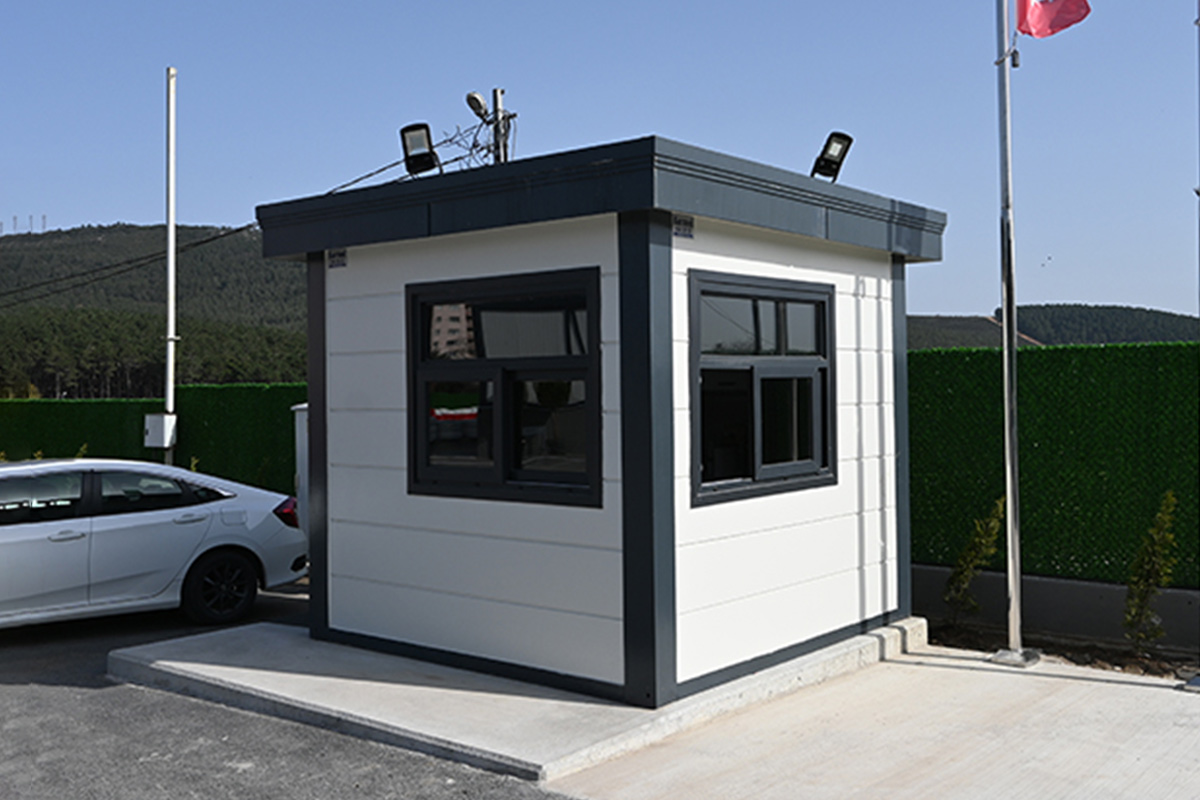
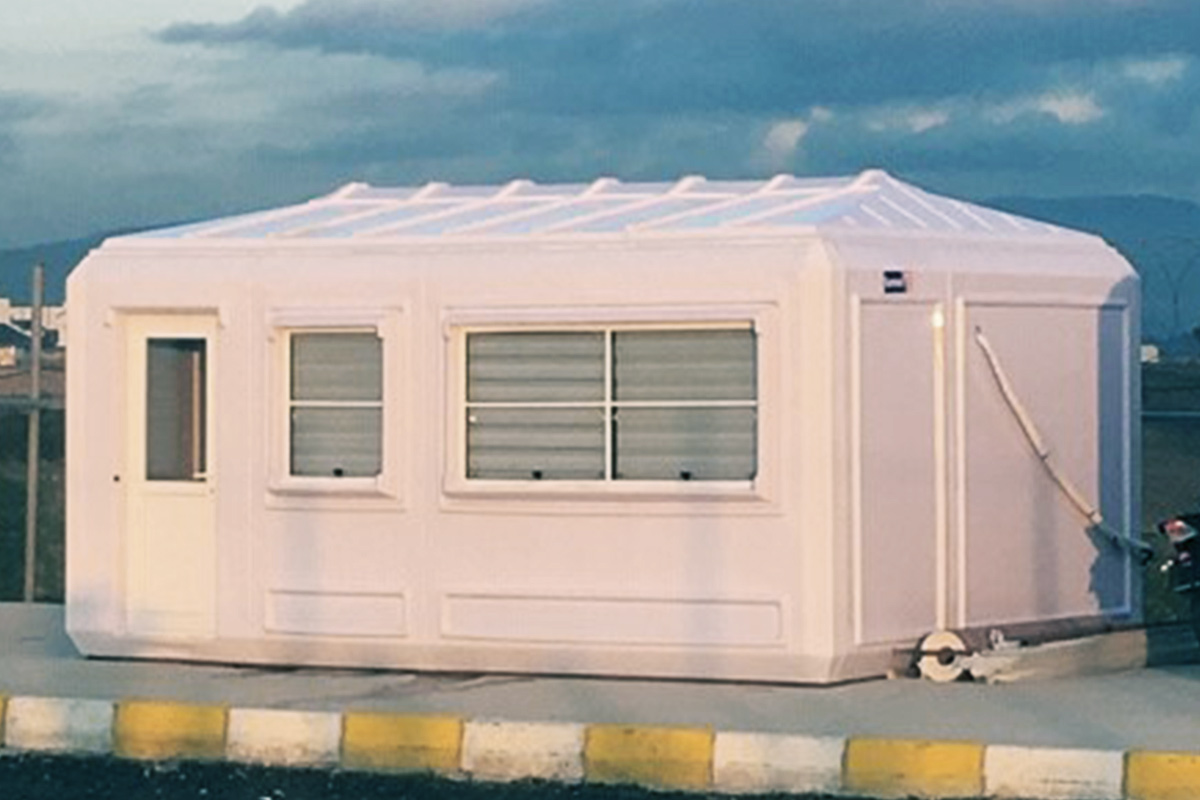
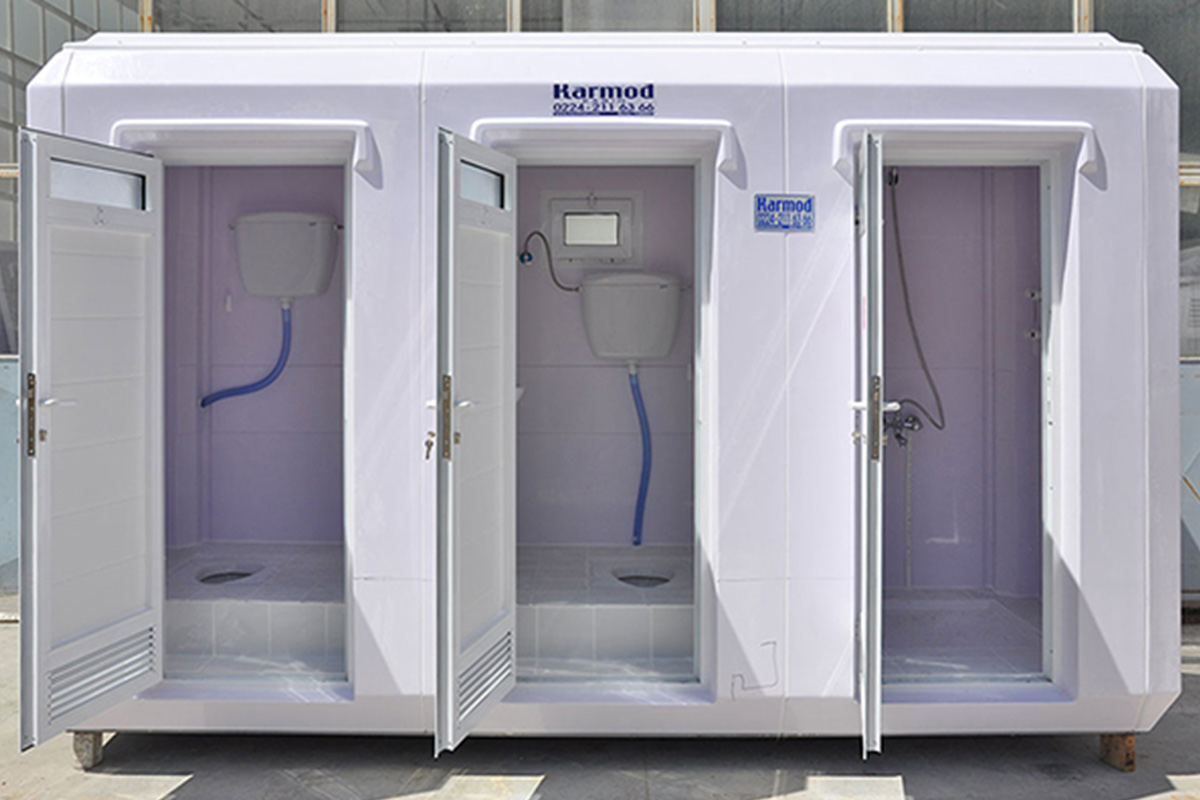
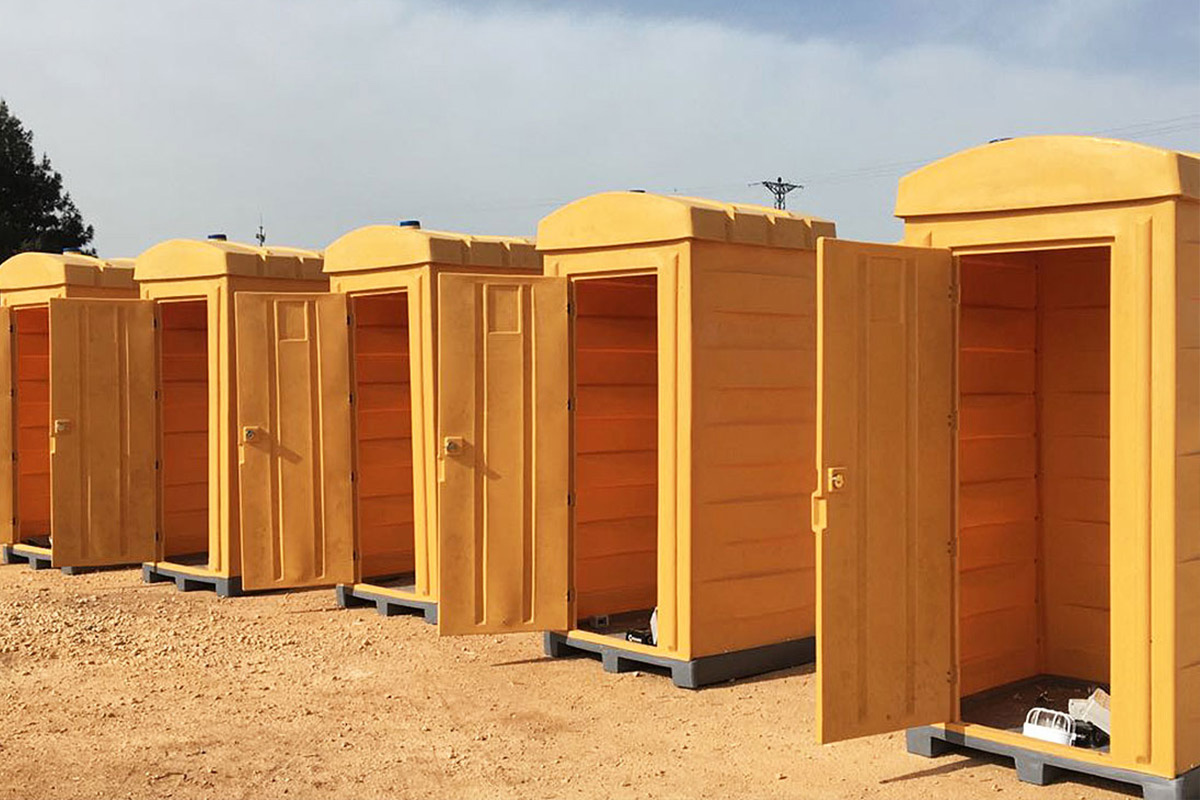
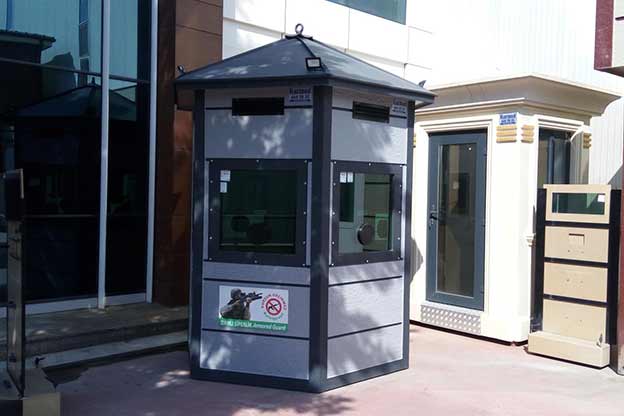
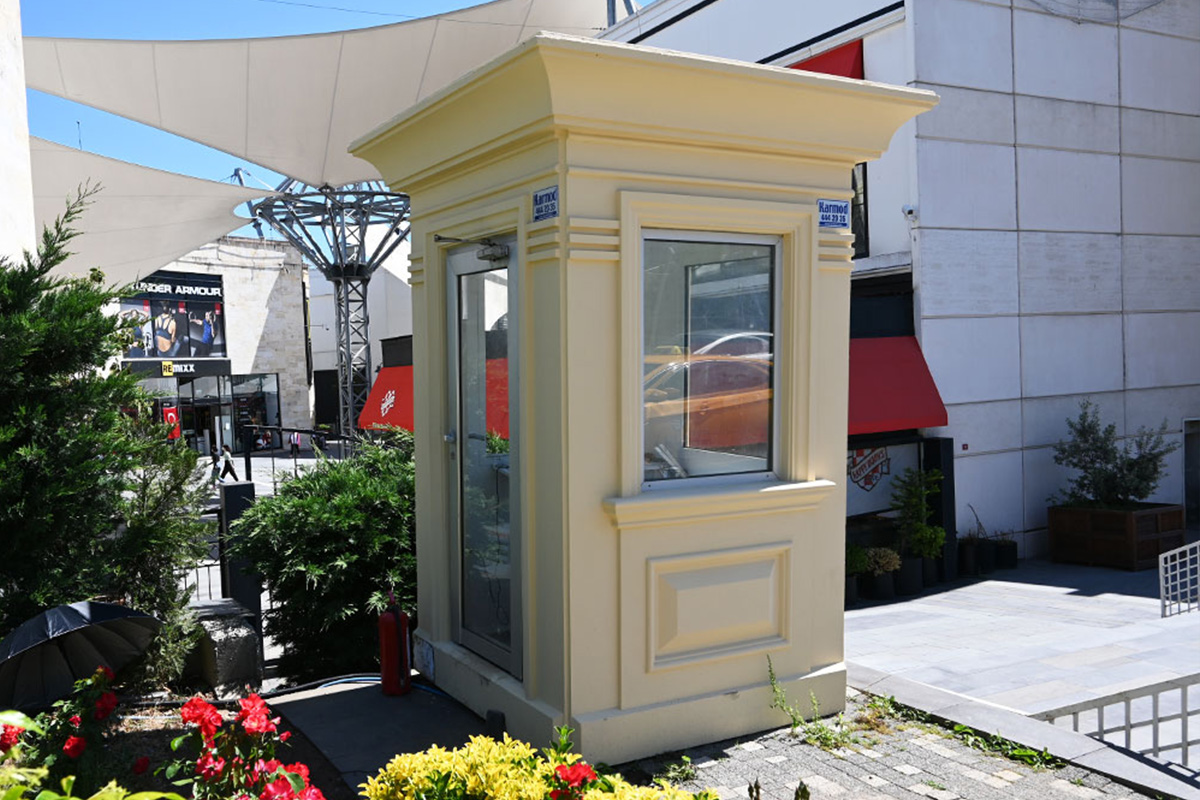
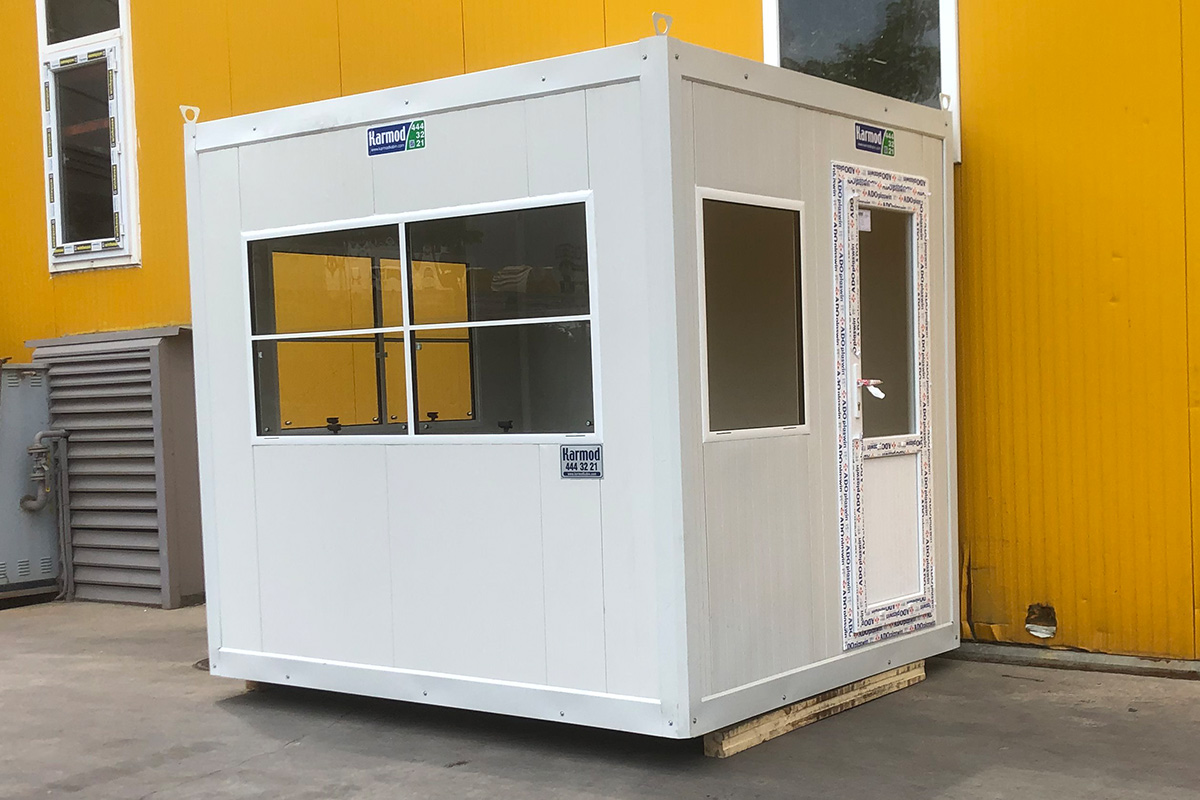
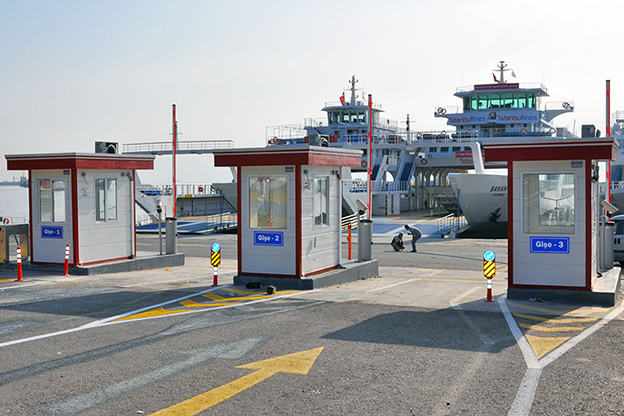
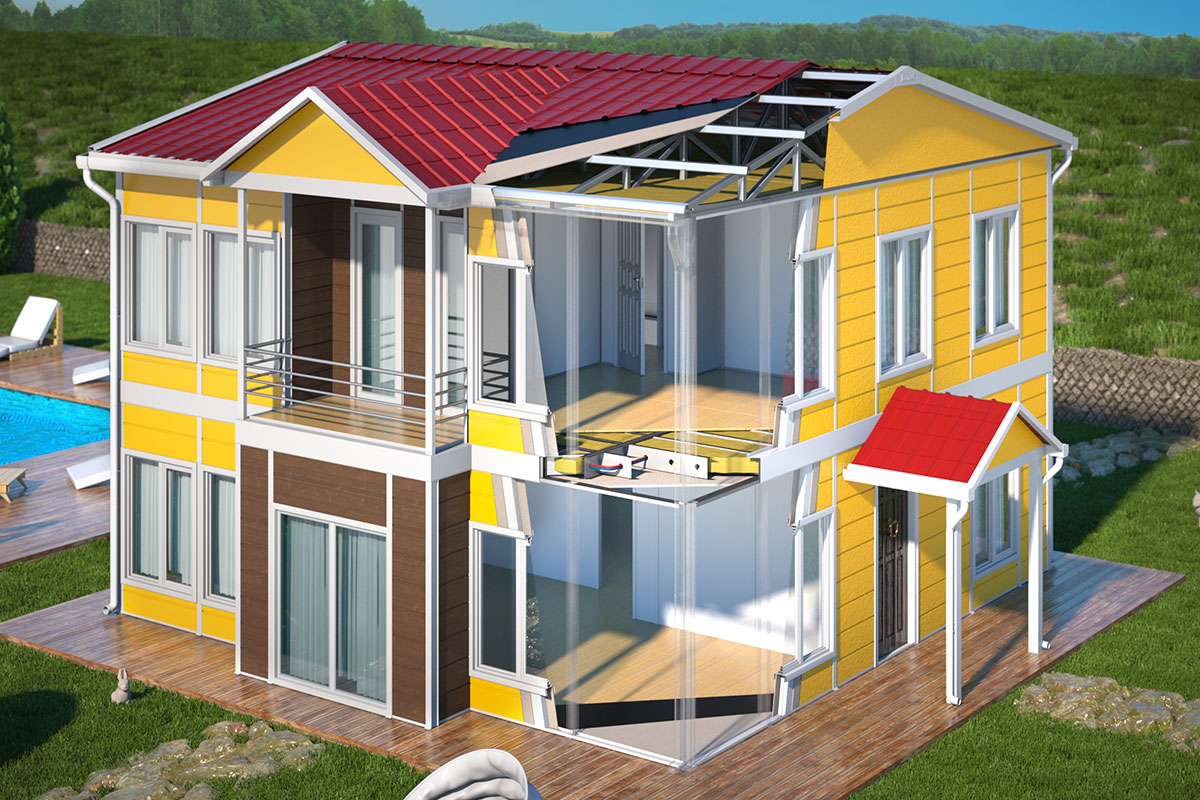
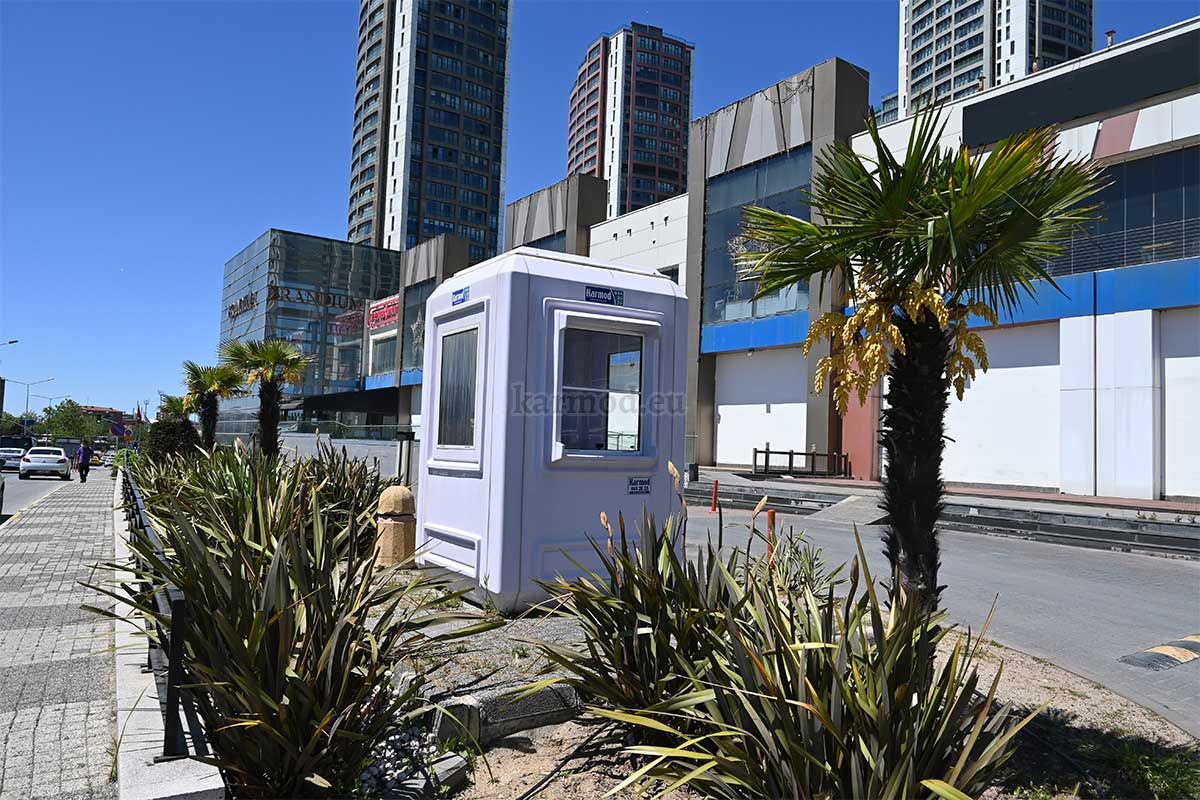
Comfort inside a security cabin is one of those details that is rarely discussed openly, yet everyone on site feels the difference when it is missing. A guard may spend hours inside a cabin, monitoring entrances, checking vehicles, communicating with staff, and staying alert in situations that demand constant attention. In such conditions, even small discomforts can gradually turn into serious operational weaknesses.
Modern security cabins are no longer seen as basic shelters placed at gates. They are active workspaces where people think, decide, and react. When climate control and ergonomics are designed properly, the cabin supports the guard. When they are ignored, the cabin becomes an obstacle rather than a solution.
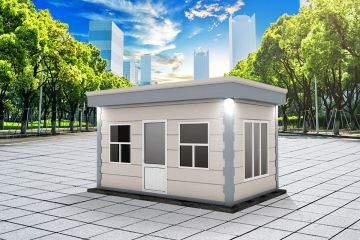
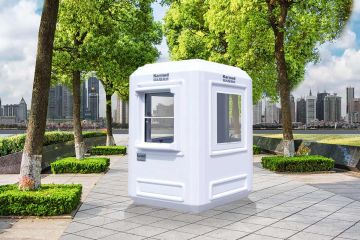
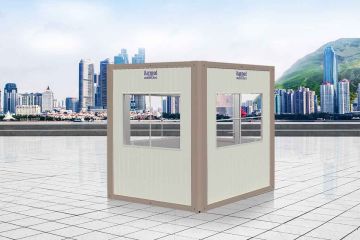
Why Comfort Is Closely Linked to Security Effectiveness
Security is a human-centered operation. Cameras, barriers, and access systems support the process, but the guard inside the cabin remains the final decision-maker. If that person is distracted by heat, cold, poor air quality, or physical discomfort, attention naturally shifts away from what truly matters.
Over long shifts, discomfort accumulates. Concentration weakens, reaction times slow down, and small details are more easily missed. A comfortable environment, on the other hand, allows guards to remain mentally present and physically ready, even during quiet hours when alertness is hardest to maintain.
Comfort does not make security casual. It makes it consistent.
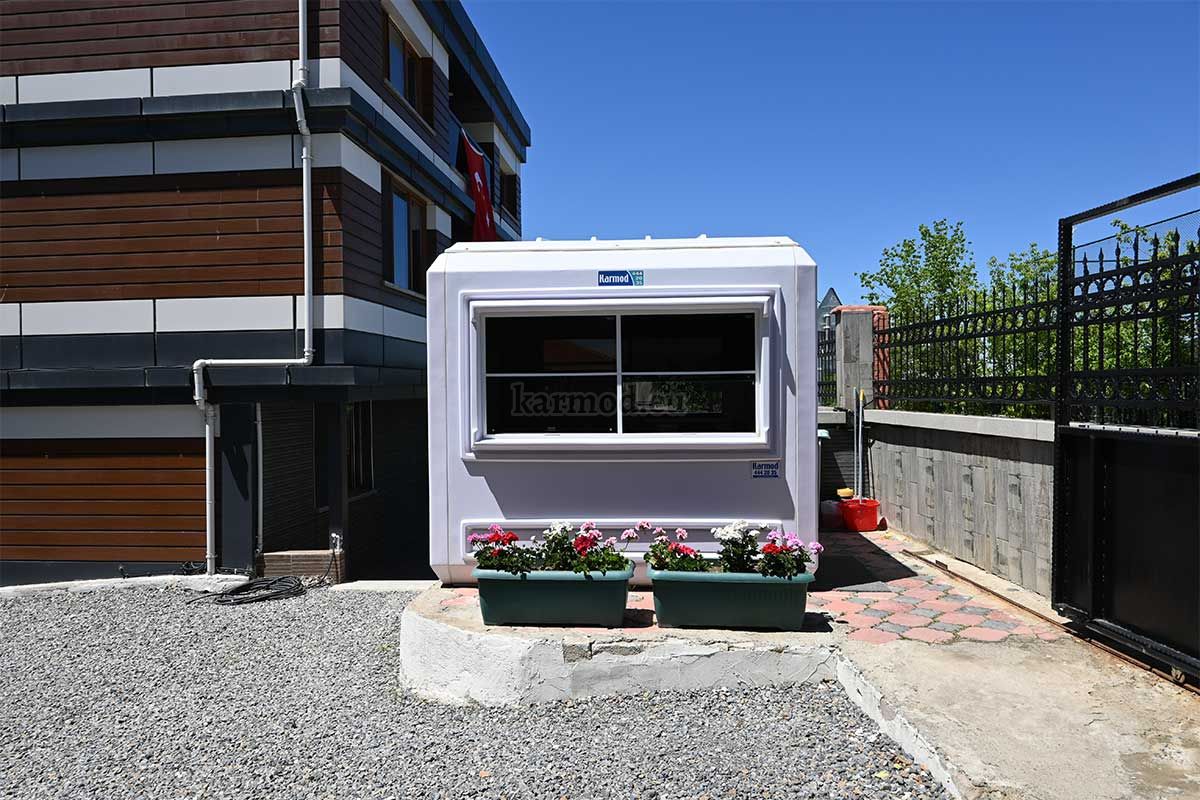
Climate Control Shapes the Daily Experience Inside the Cabin
Climate control is often treated as an optional upgrade, yet for security cabins, it should be considered a fundamental requirement. These structures are directly exposed to outdoor conditions, meaning temperature changes are felt more intensely than in larger buildings.
Without proper insulation, cabins can become unbearably hot under direct sunlight or uncomfortably cold during early mornings and night shifts. Over time, these conditions affect both people and equipment.
Effective climate control solutions usually include:
- Insulated wall, roof, and floor panels to stabilize interior temperature
- Ventilation systems that ensure fresh air circulation throughout the shift
- Heating options for cold seasons and night use
- Cooling systems for hot climates or enclosed sites
- Tight door and window sealing to prevent air leakage
When these elements work together, the cabin maintains a balanced environment that supports long-term use rather than short-term survival.
Temperature Stability Supports Focus and Equipment Reliability
One overlooked benefit of proper climate control is temperature stability. Sudden changes between hot afternoons and cold nights place unnecessary stress on guards and electronic equipment alike.
Stable interior conditions help guards stay comfortable from the beginning of a shift to the end. At the same time, monitors, access control systems, and communication devices operate more reliably when they are not exposed to extreme heat or cold.
In this sense, climate control protects both human performance and operational continuity.
Ergonomics Turns a Cabin into a Functional Workspace
Ergonomics is not about luxury; it is about designing spaces that respect how the human body works. In a security cabin, guards may spend hours standing, sitting, or shifting between both positions while maintaining visual control of their surroundings.
Poor ergonomics force guards into awkward postures, limit movement, and increase physical strain. Over time, this leads to fatigue and discomfort that directly affect attention levels.
An ergonomically designed security cabin focuses on:
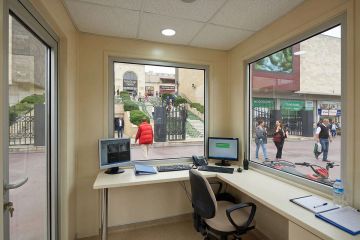
- Sufficient interior space for movement and posture changes
- Desk and counter heights that match daily working tasks
- Window placement that allows visibility without bending or stretching
- Seating options that support the body during long shifts
- Logical placement of screens, radios, and controls
When ergonomics are done right, the cabin feels intuitive rather than restrictive.
Lighting Plays a Silent but Powerful Role
Lighting inside a security cabin shapes how comfortable and alert the space feels, especially during night shifts. Poor lighting causes eye strain, headaches, and faster mental fatigue, even if guards are not consciously aware of it.
Balanced interior lighting, combined with natural daylight through well-placed windows, creates a calmer and more functional environment. Guards can read documents, monitor screens, and observe surroundings without unnecessary strain, which improves both comfort and accuracy.
Noise Control Helps Maintain Mental Clarity
Many security cabins are located near busy roads, industrial zones, or active construction areas. Continuous noise may seem manageable at first, but over long shifts, it increases stress and reduces focus.
Quality insulation and solid construction materials help limit external noise, creating a calmer interior space. A quieter environment allows guards to communicate clearly over radios, hear alarms without interference, and stay mentally composed throughout the day.
Comfort Creates Long-Term Operational Value
Comfort-focused security cabins deliver benefits that extend far beyond immediate physical ease. Guards working in supportive environments tend to perform more consistently, show higher job satisfaction, and remain more engaged with their responsibilities.
From an operational perspective, comfortable cabins reduce mistakes caused by fatigue, support staff retention, and present a professional image at site entrances. Visitors and employees immediately sense when security is organized, attentive, and well-supported.
Designing Security Cabins That Respect the People Inside
Security cabins should be designed around people, not just functions. Climate control and ergonomics are not secondary features; they are core elements that determine how well security operations perform day after day.
If you are planning to install or upgrade security cabins and want solutions that genuinely support the people working inside them, our team is ready to help.
Contact us to discuss your site conditions, comfort requirements, and operational needs, and receive a tailored proposal designed for real-world security environments.