





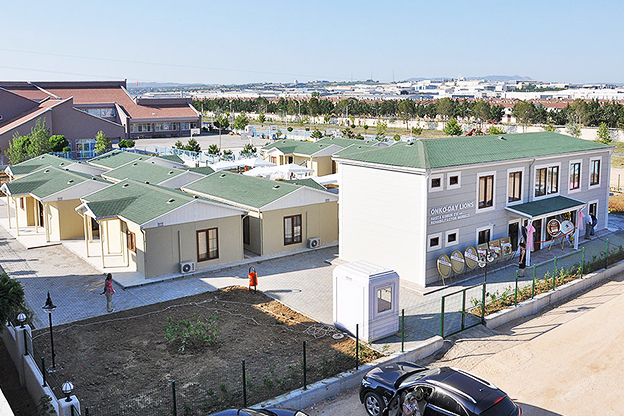
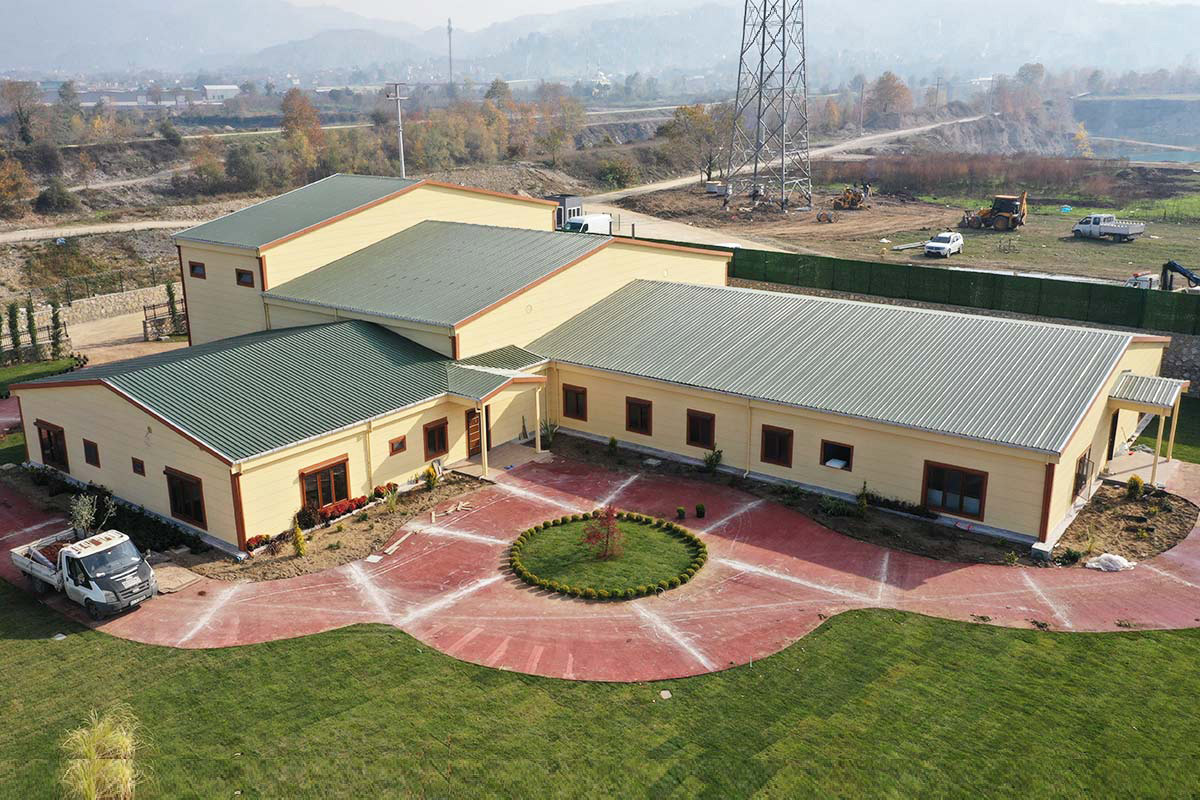
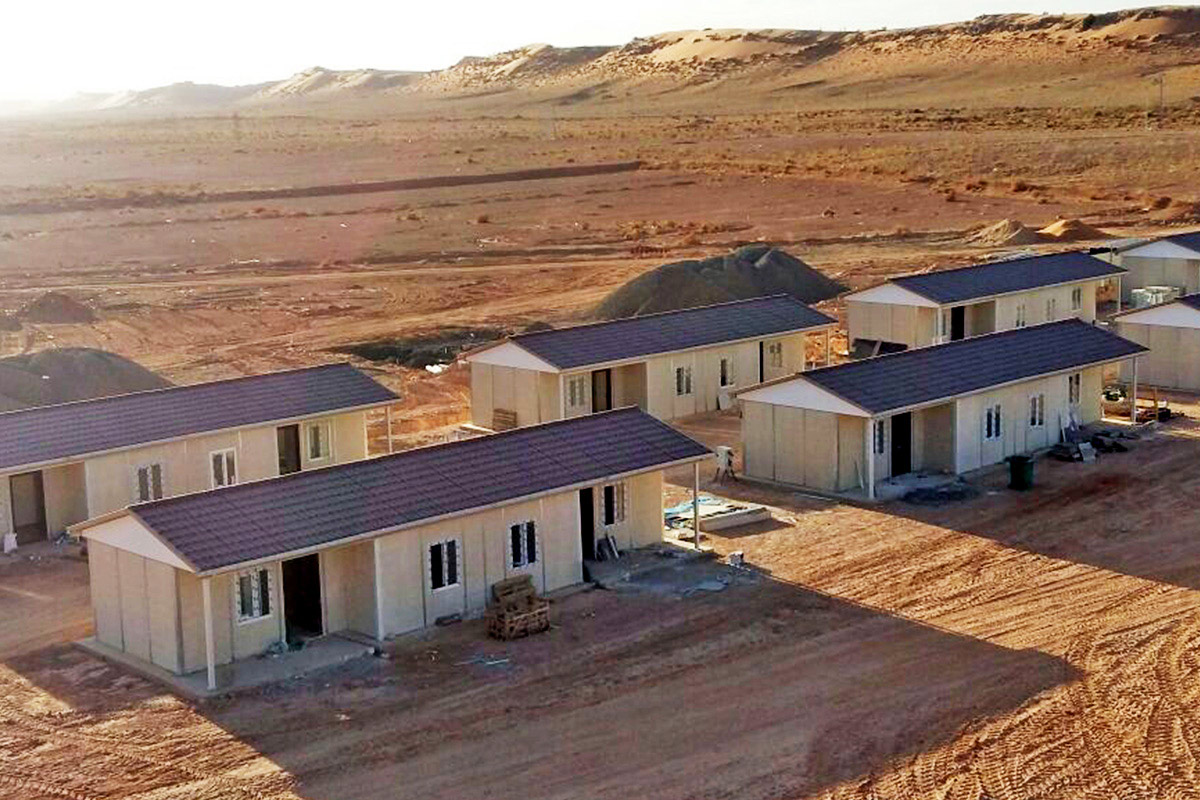
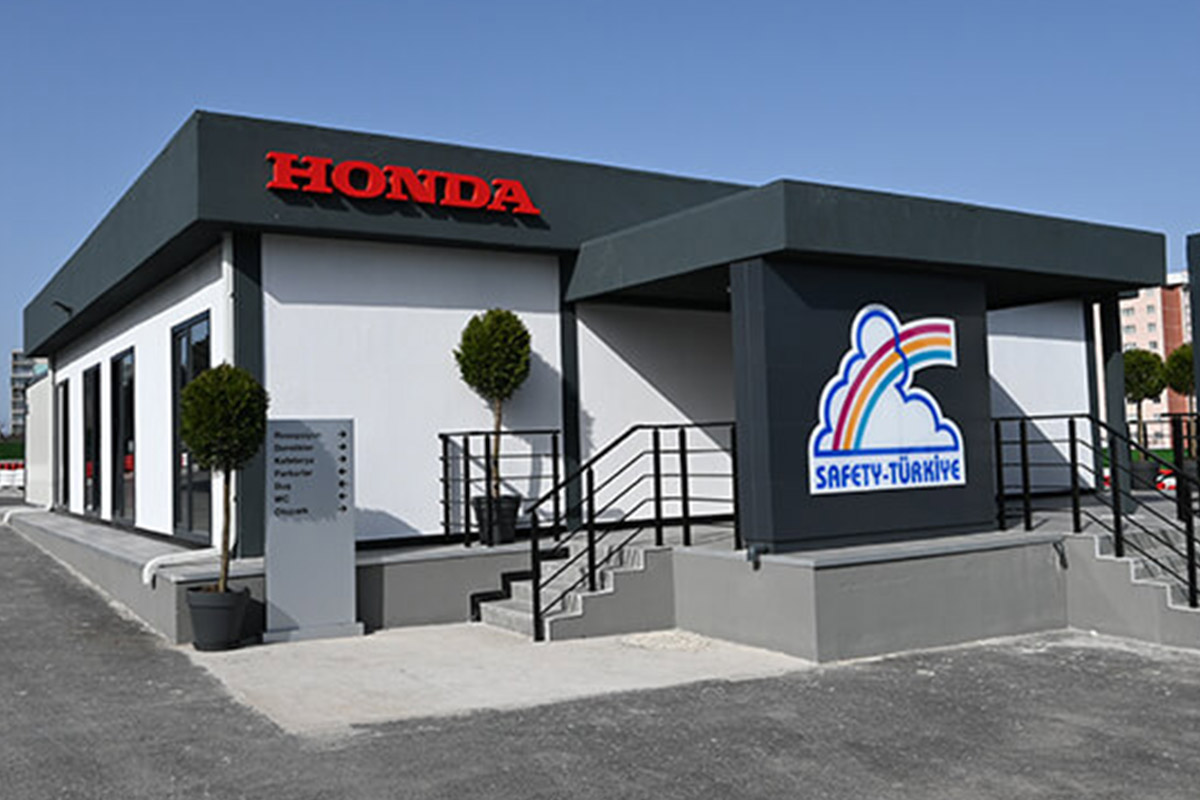

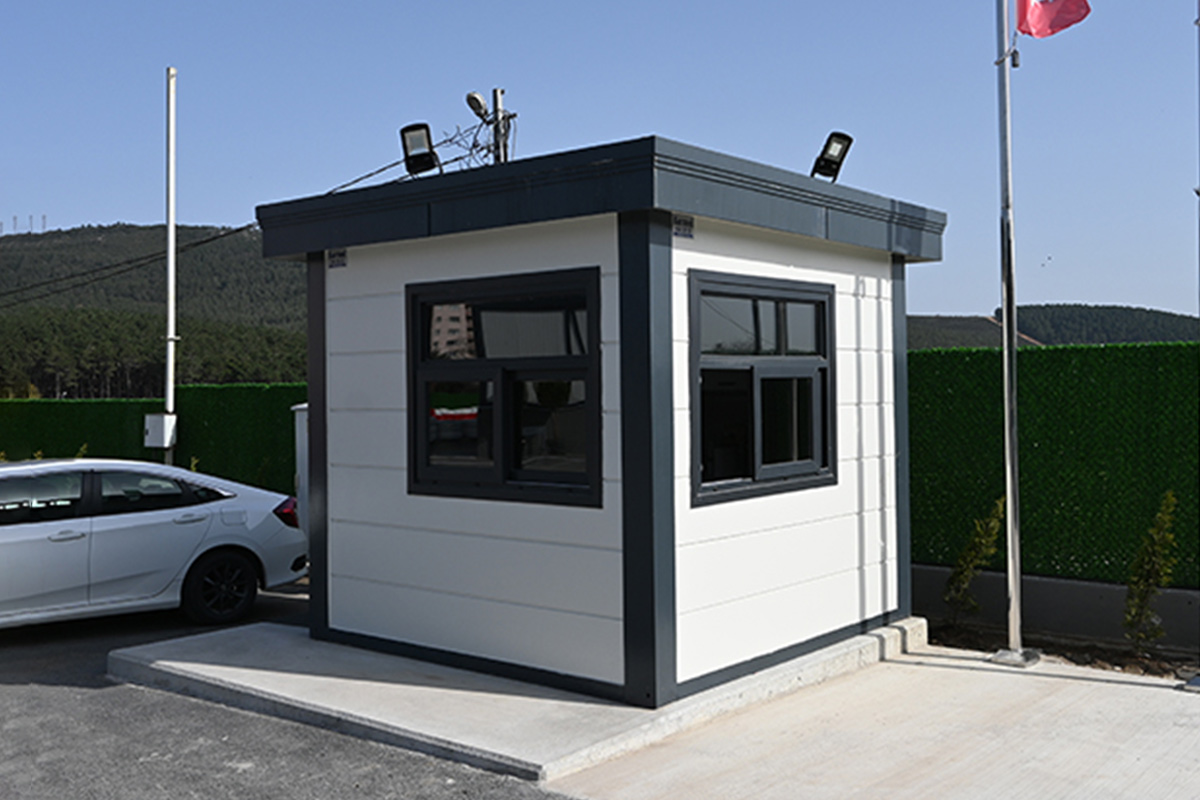


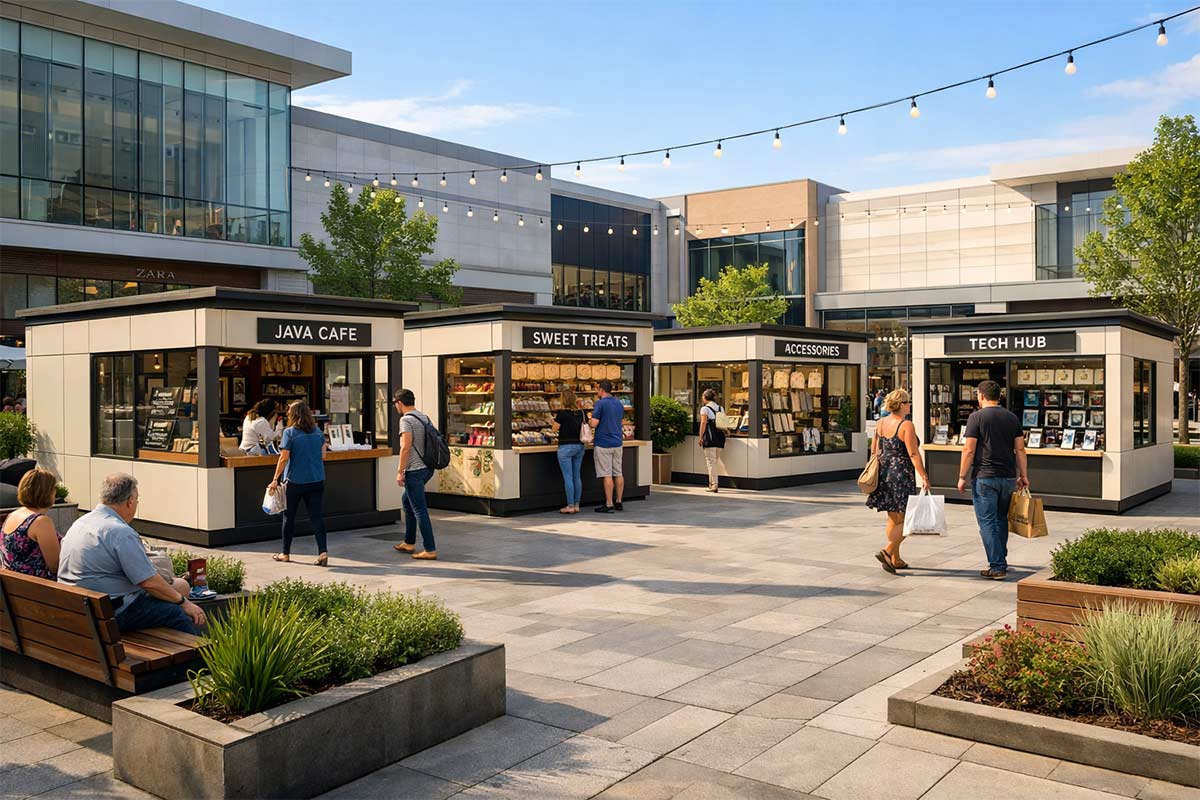
Global retail is no longer shaped by a single model or geography. Consumer behavior, urban planning policies, cost structures, and seasonal dynamics vary significantly from one region to another. As a result, retail infrastructure must be flexible enough to adapt without compromising brand consistency or operational efficiency. Modular retail kiosks have emerged as a practical response to this complexity.

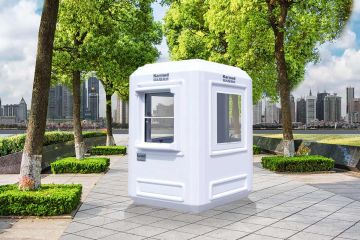
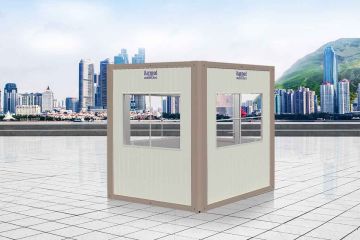
Rather than being limited to temporary use, modular kiosks are now part of long-term retail strategies across multiple markets. This article compares how different global regions adopt modular retail kiosks, what drives demand in each market, and how design, functionality, and deployment strategies evolve depending on local conditions.
Mature Markets: Europe and North America
In Europe and North America, modular retail kiosks are primarily viewed as strategic extensions of established retail brands. These markets are characterized by strict regulations, high customer expectations, and strong competition for premium locations. As a result, kiosks are expected to meet both aesthetic and technical standards comparable to permanent retail spaces.
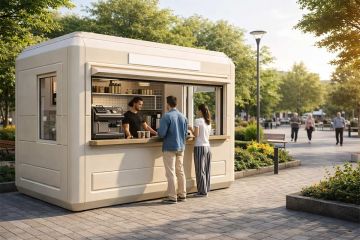
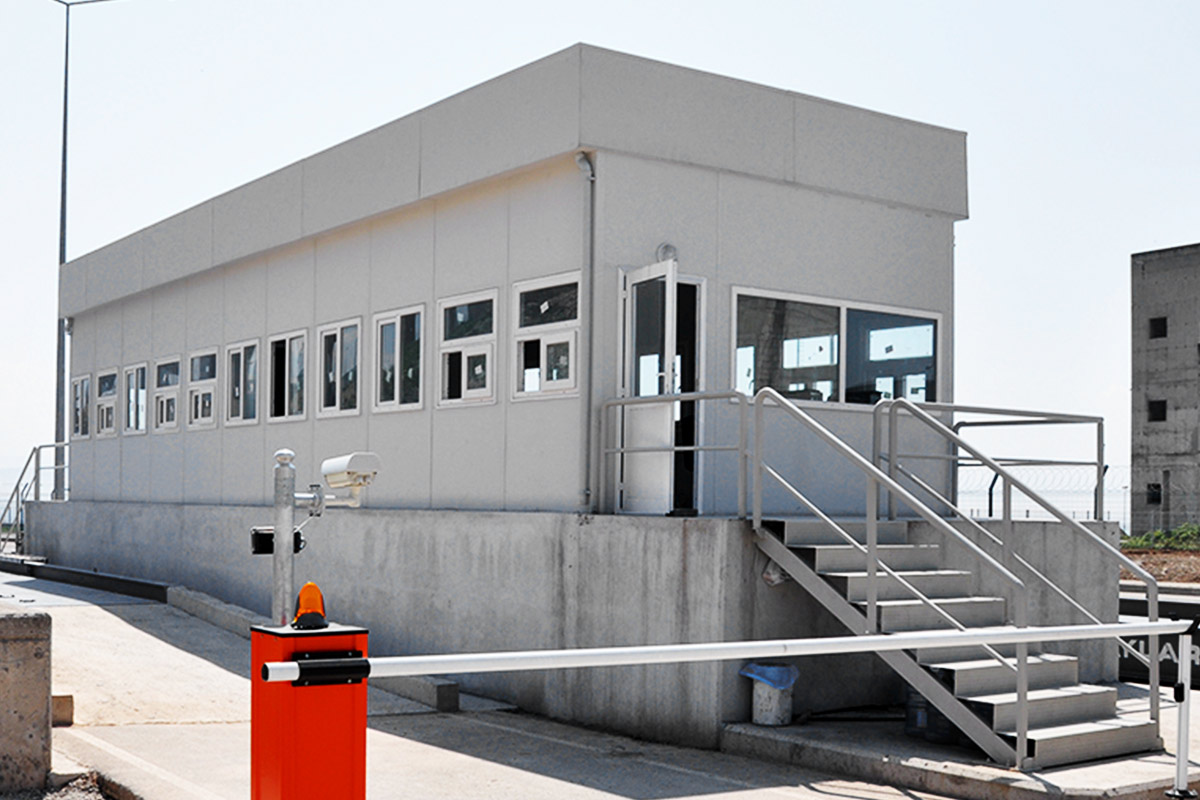
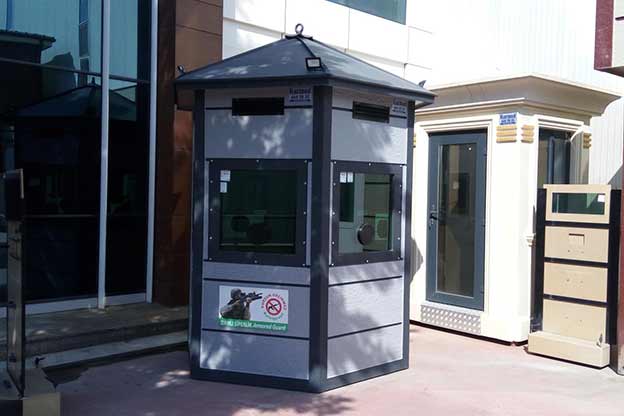
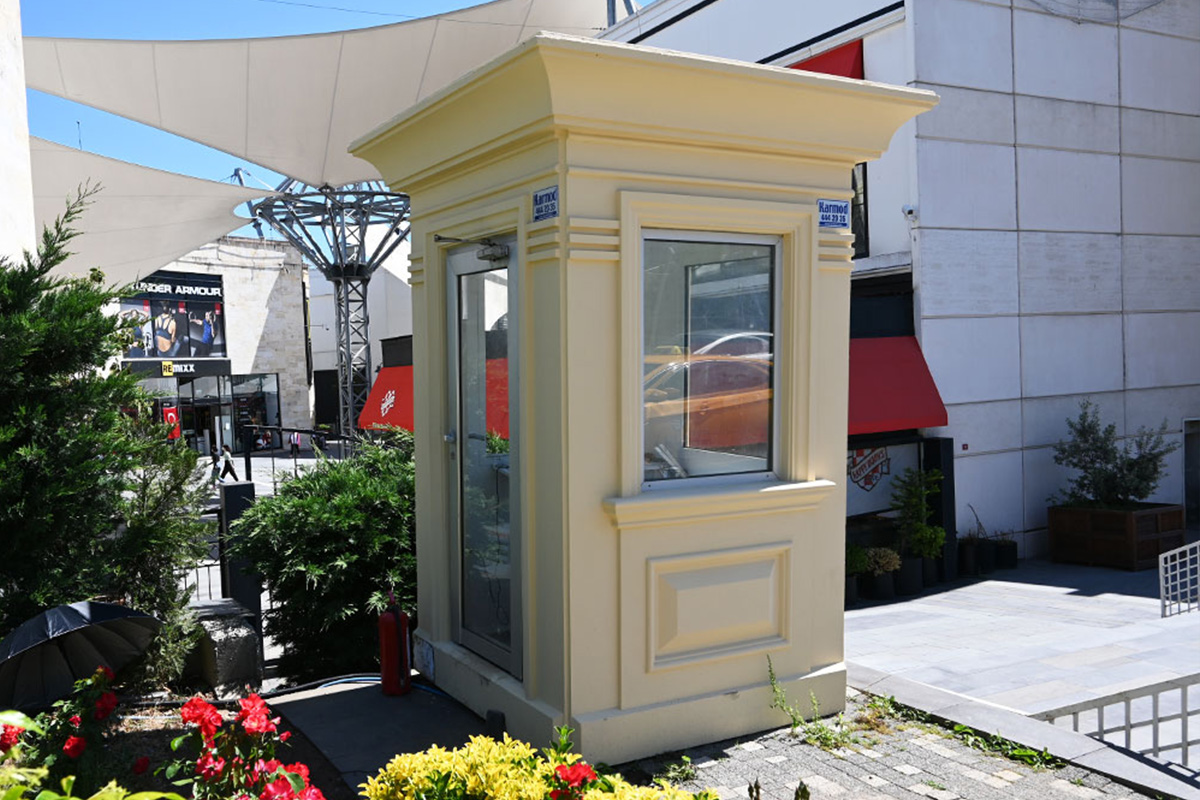
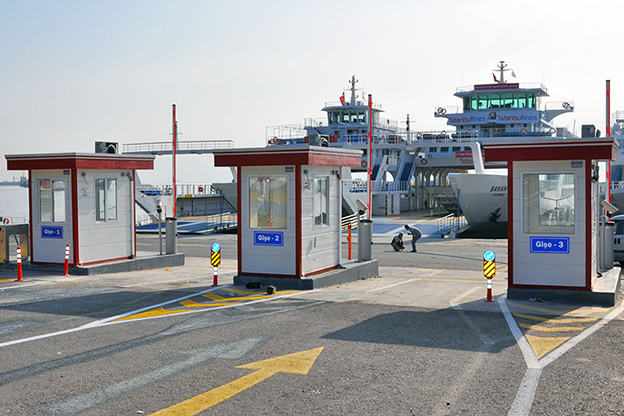
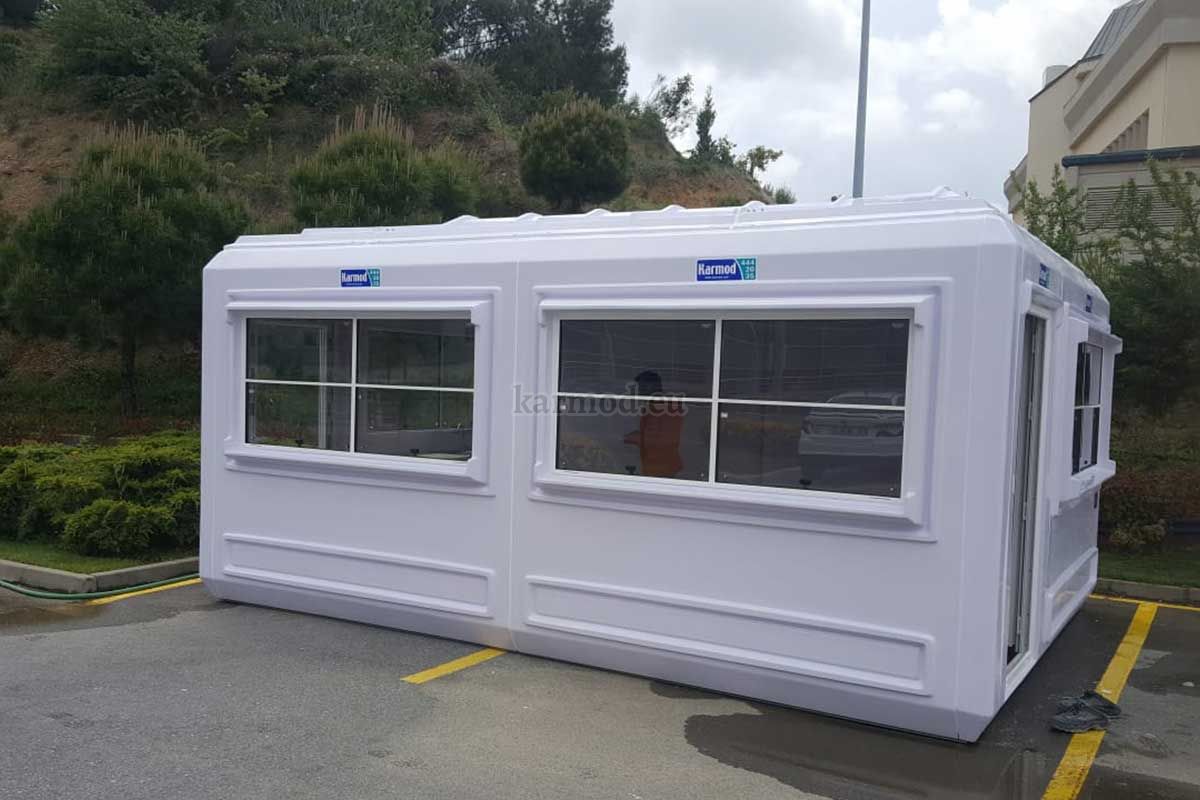
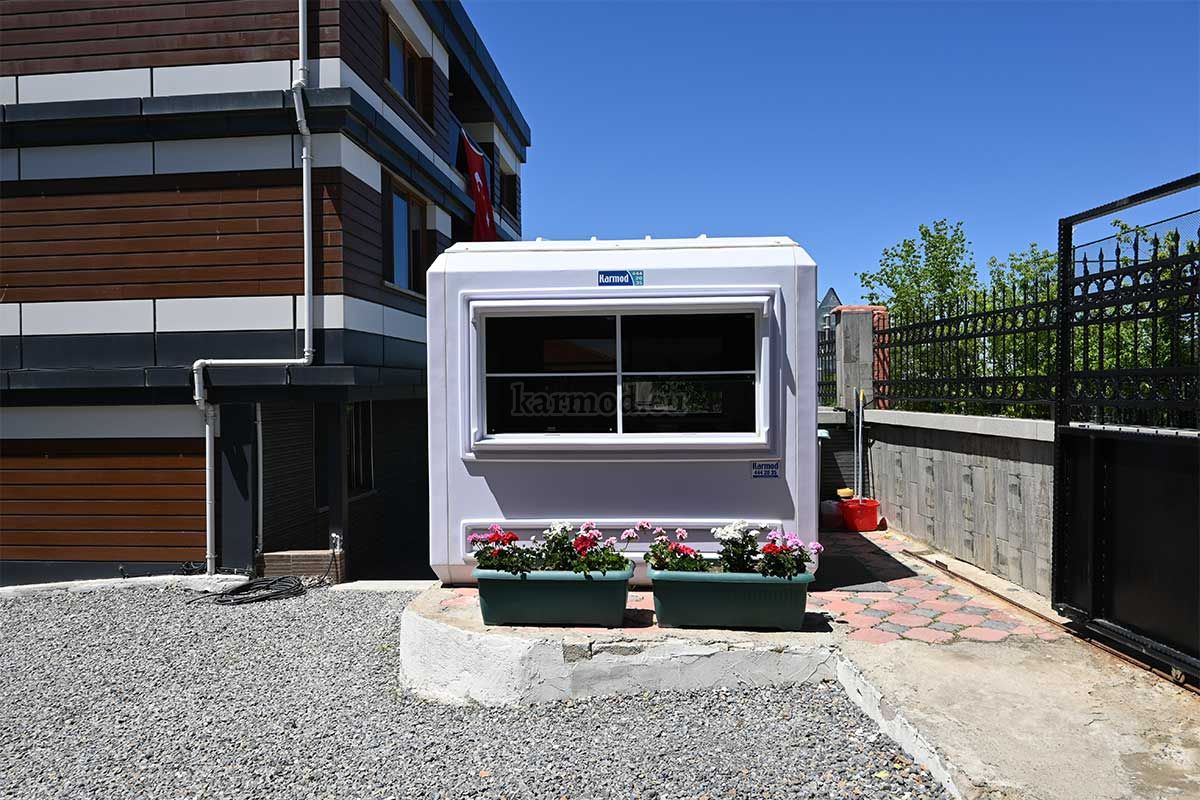
Design plays a critical role in these regions. Kiosks must integrate seamlessly into urban landscapes, shopping streets, malls, airports, and transport hubs. Clean lines, high-quality exterior finishes, integrated lighting, and brand-aligned colors are not optional but expected. A poorly designed kiosk can negatively impact brand perception, even if the product offering is strong.
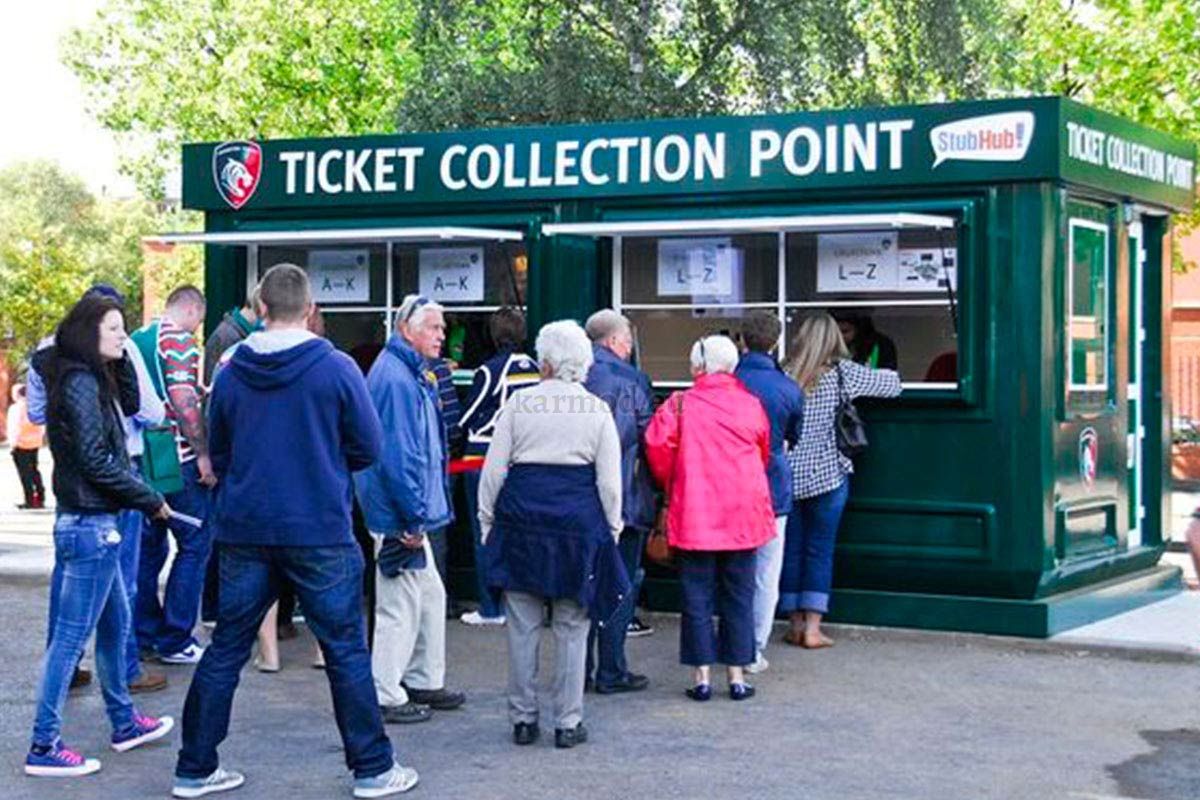
From an operational perspective, mature markets use modular kiosks to reduce risk. Brands often deploy kiosks to test new locations, launch limited-time concepts, or support omnichannel strategies such as click-and-collect. Energy efficiency, insulation performance, and long-term durability are key decision factors, especially in regions with strict environmental standards.
Regulatory and Urban Planning Considerations in Developed Markets
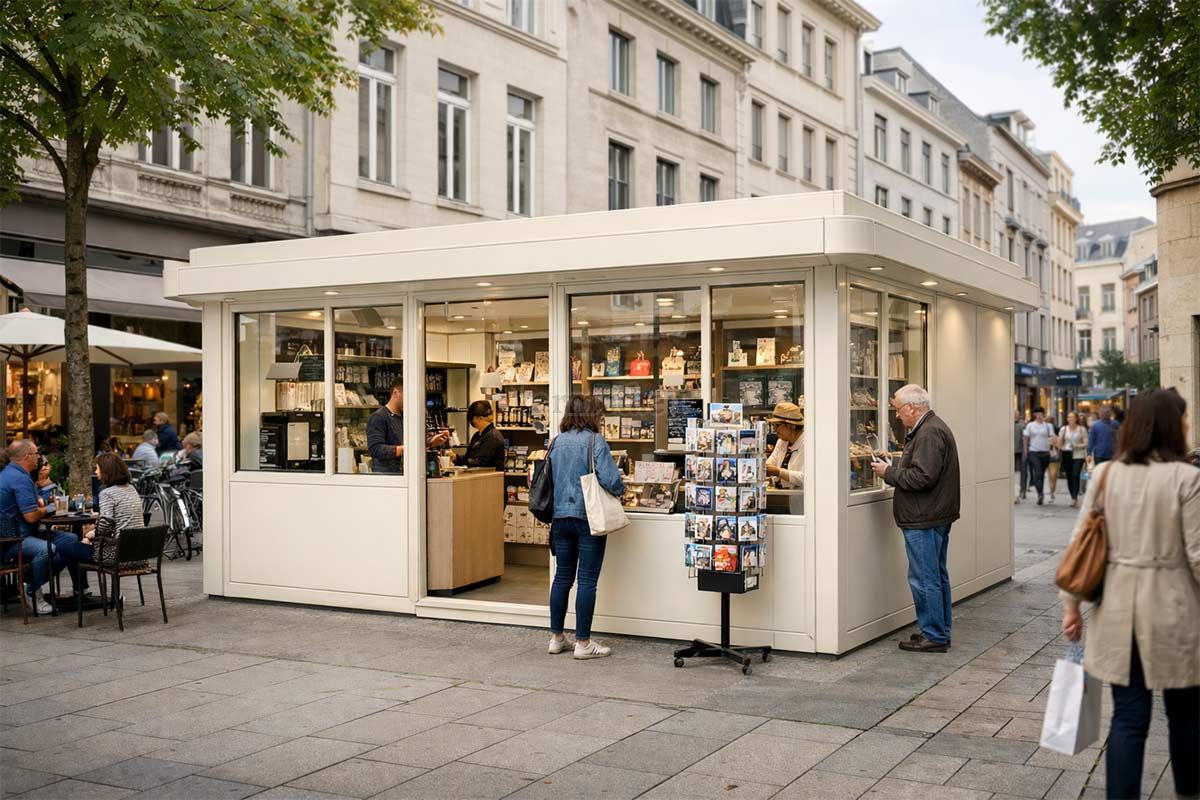
Another defining factor in mature markets is regulation. Permits, zoning rules, and accessibility requirements significantly influence kiosk design and placement. Modular retail kiosks must comply with fire safety, disability access, and local building codes, even when classified as temporary structures.
Urban planning constraints also affect size and layout. In dense city centers, space is limited, and kiosks must maximize functionality within compact footprints. This drives demand for well-planned interiors that support efficient workflows for staff while maintaining a comfortable customer interaction zone.
For retailers, working with modular systems that can be pre-certified or adapted quickly to local regulations provides a major advantage. It reduces approval timelines and avoids costly redesigns for each new location.
Emerging Markets: Africa, South America, and Parts of Asia
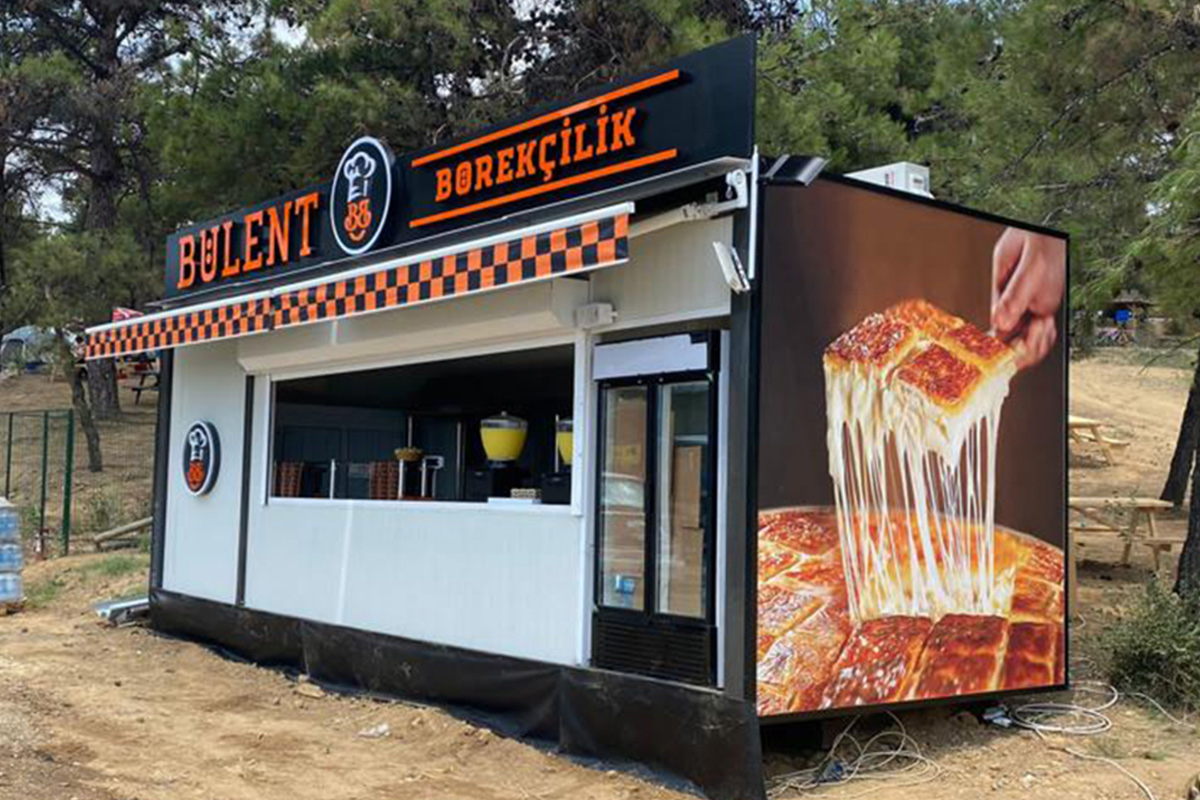
In emerging markets, the role of modular retail kiosks is more foundational. These regions often experience rapid urban growth, limited access to permanent retail spaces, and fluctuating infrastructure conditions. Modular kiosks provide an accessible entry point for both local entrepreneurs and international brands.
Speed to market is a dominant factor. Businesses prioritize solutions that can be deployed quickly, relocated easily, and expanded gradually. Modular kiosks allow retailers to start with minimal investment and scale operations based on real demand rather than long-term projections.
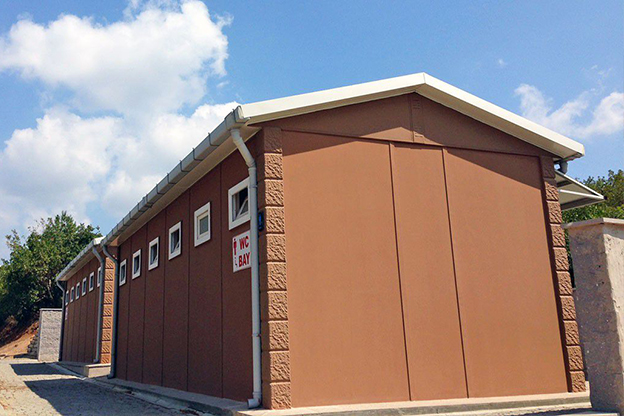
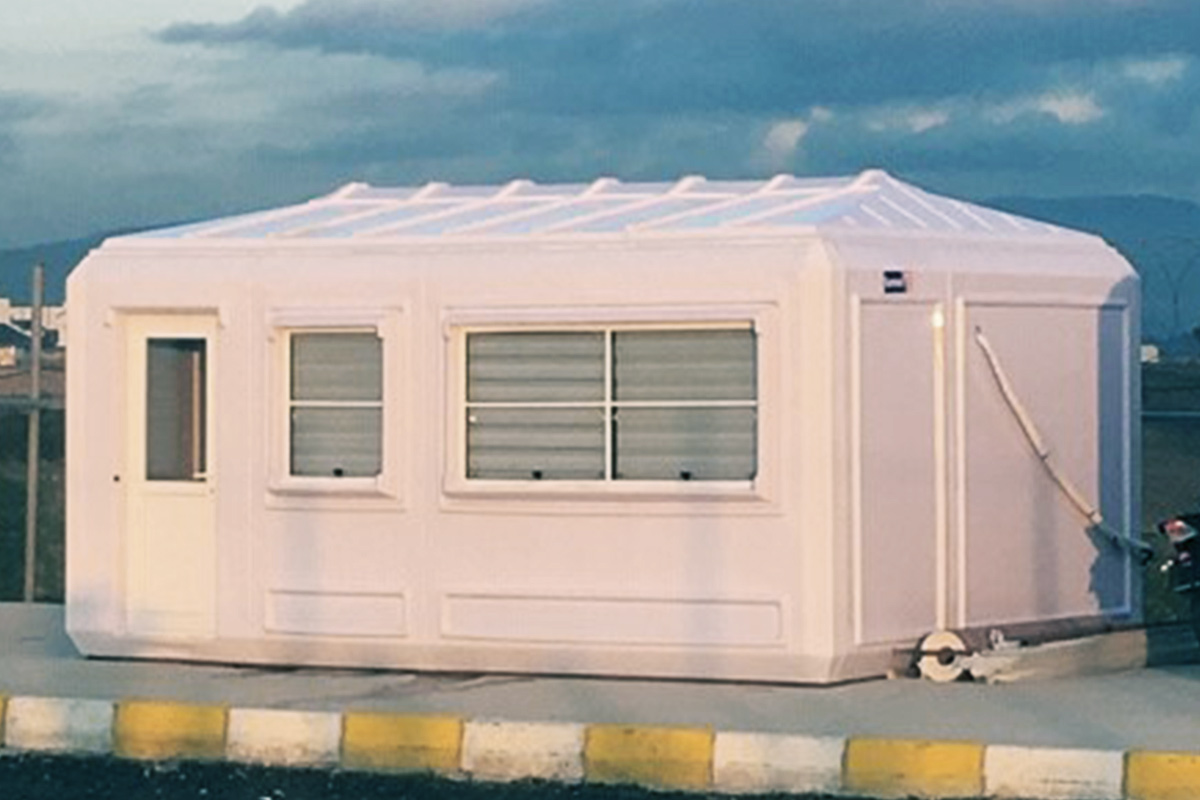
Durability is equally important. Kiosks in these regions are frequently exposed to extreme heat, humidity, dust, or inconsistent power supply. As a result, practical design choices such as ventilation, shading, and easy-to-maintain materials often take precedence over decorative elements.
Informal Retail Versus Modular Kiosk Transition
Many emerging markets have strong informal retail cultures, including street vendors and mobile sellers. Modular retail kiosks act as a bridge between informal trade and structured retail environments. They offer better security, improved hygiene, and stronger brand visibility while remaining affordable and flexible.
This transition is particularly relevant for municipalities and developers seeking to organize commercial zones without displacing small businesses. Modular kiosks enable authorities to formalize retail activity while allowing vendors to operate legally and safely.
For brands entering these markets, modular kiosks provide controlled environments that protect products, staff, and customer experience, even in challenging conditions.
Tourist and Seasonal Markets
Tourist-driven regions operate under entirely different dynamics. Coastal destinations, resort towns, ski areas, and cultural hotspots experience sharp fluctuations in foot traffic depending on the season. Permanent retail spaces often remain underutilized outside peak periods, creating inefficiencies for businesses.
Modular retail kiosks address this challenge by offering seasonal deployment without long-term commitment. Retailers can operate during high-demand months and relocate or repurpose kiosks during off-season periods. This flexibility significantly improves return on investment in markets where revenue windows are limited.
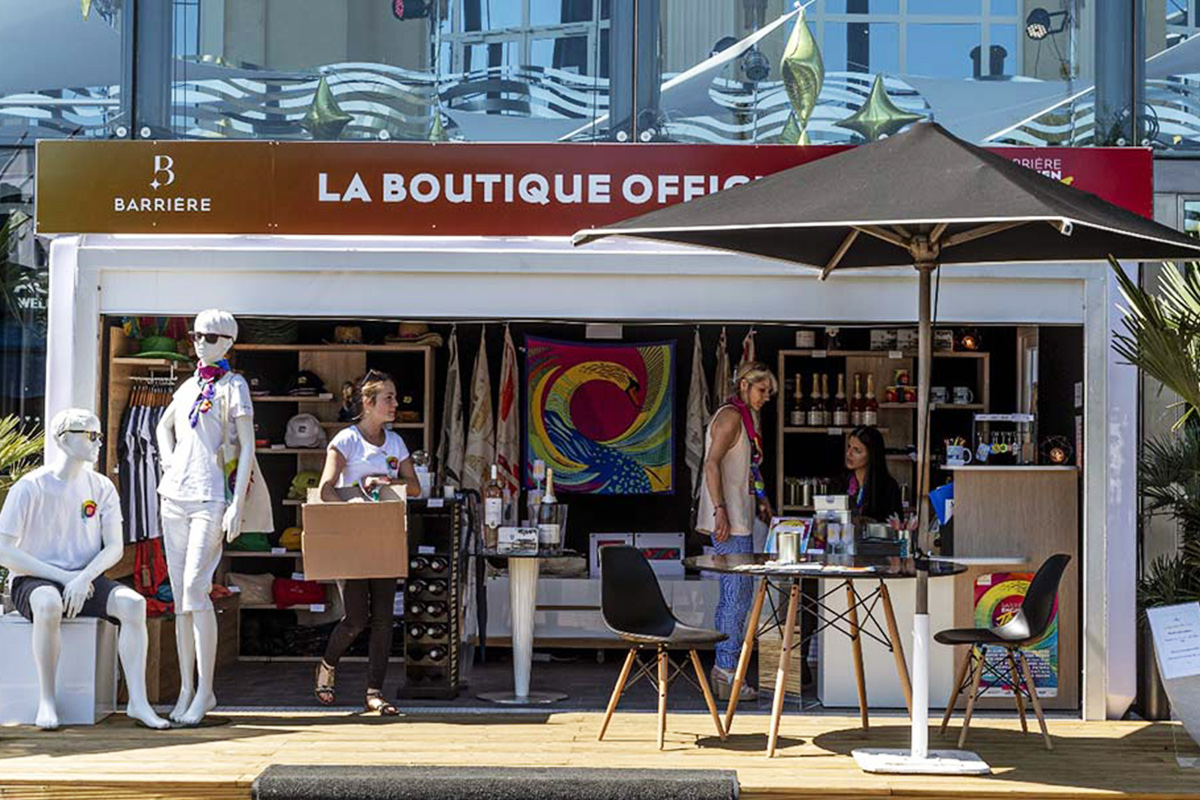
Visibility is crucial in these environments. Kiosks are typically positioned in high-footfall areas such as promenades, beach entrances, festival grounds, or tourist attractions. Open façades, service windows, and clear signage support fast transactions and impulse purchases.
Revenue Pressure and Short Sales Cycles
Seasonal markets place intense pressure on revenue generation. Retailers must maximize sales within short timeframes. Modular kiosks support this by enabling rapid setup, efficient staffing, and streamlined customer flow.
Compact layouts reduce walking distance for staff, while optimized counters support high transaction volumes. In this context, modular kiosks are not just infrastructure but revenue acceleration tools.
Design and Customization Across Global Markets
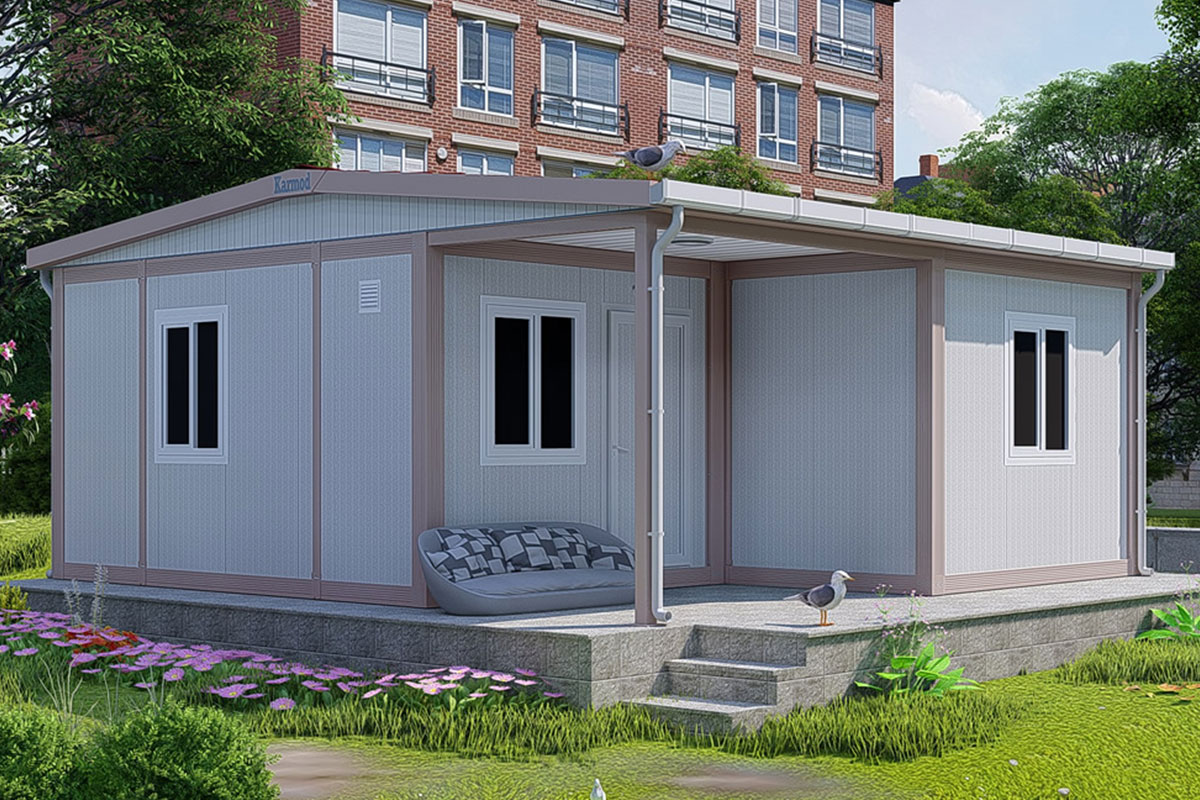
Despite regional differences, one common advantage of modular retail kiosks is their adaptability. The same structural system can be customized to meet diverse market expectations without rebuilding from scratch. This allows brands to maintain consistency while respecting local preferences.
In design-driven markets, customization focuses on finishes, lighting, and brand storytelling. In high-growth regions, it prioritizes function, durability, and maintenance. In tourist zones, visibility and speed dominate design decisions.
This modular flexibility supports international expansion strategies. Brands can standardize production while adapting final specifications for each region, reducing costs and simplifying logistics.
Logistics, Transport, and Deployment Strategies
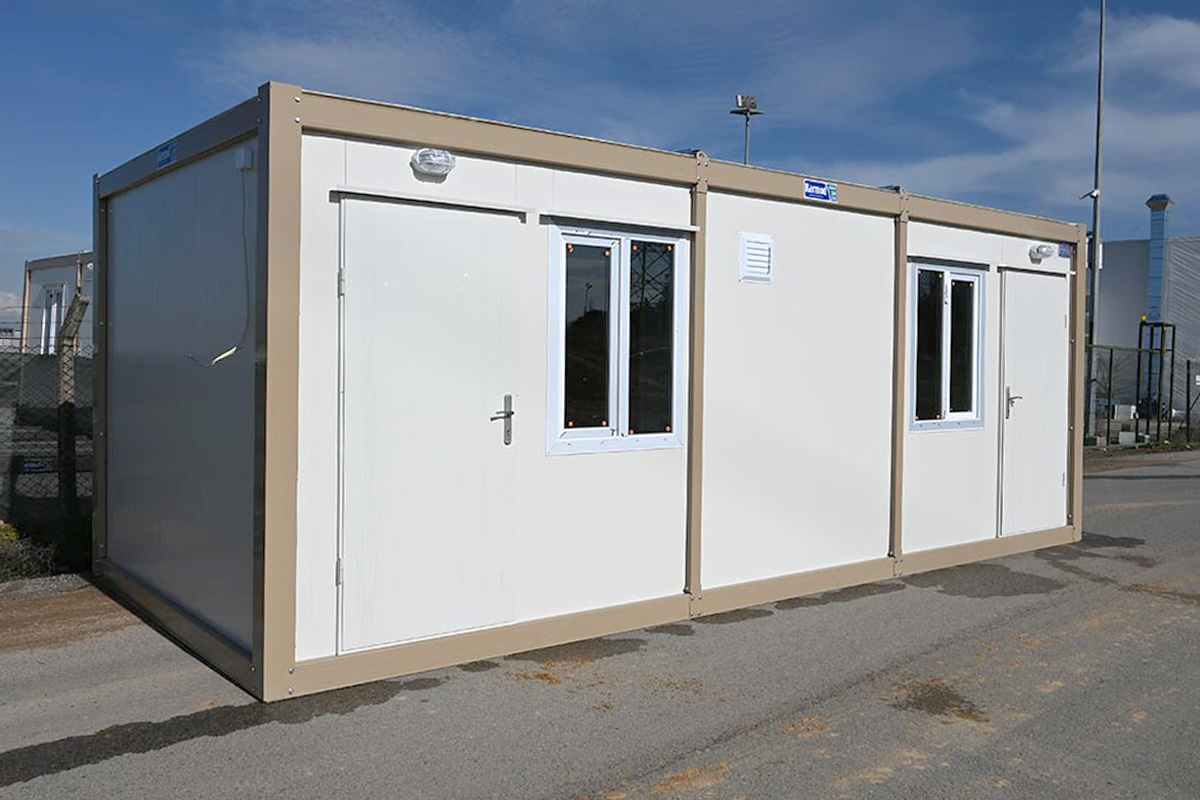
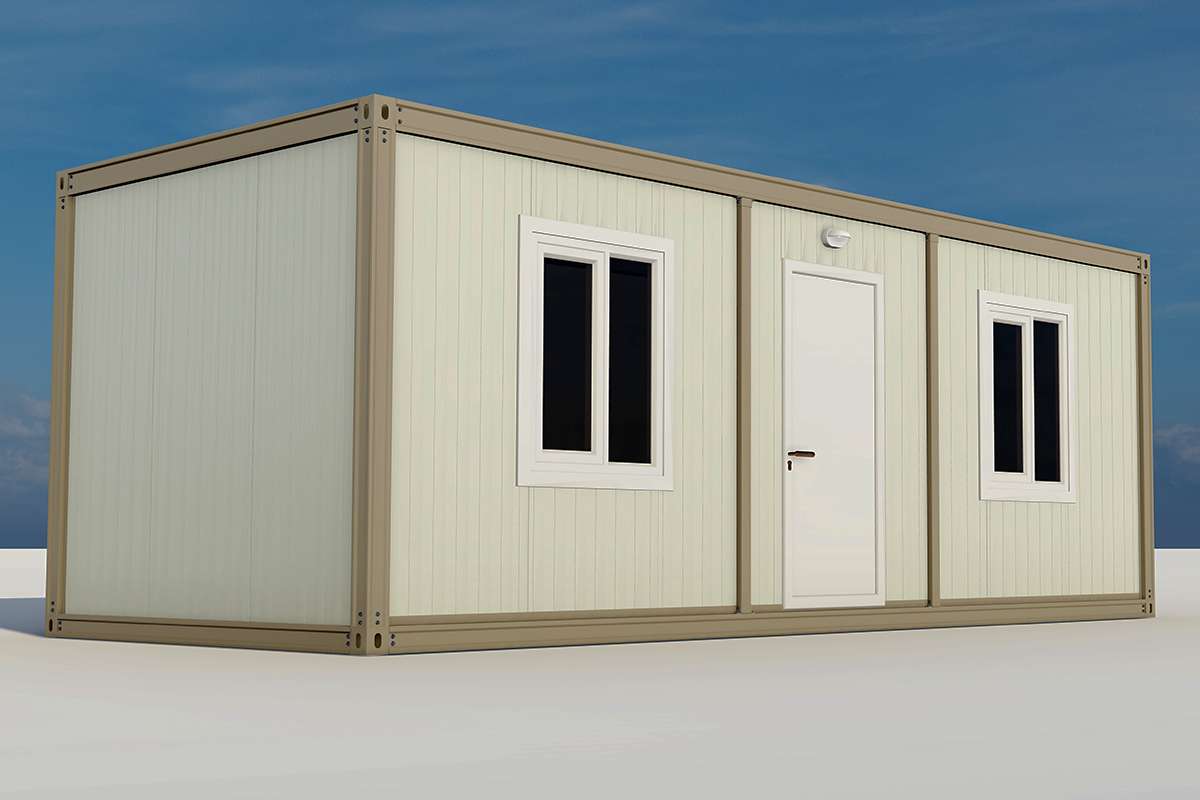
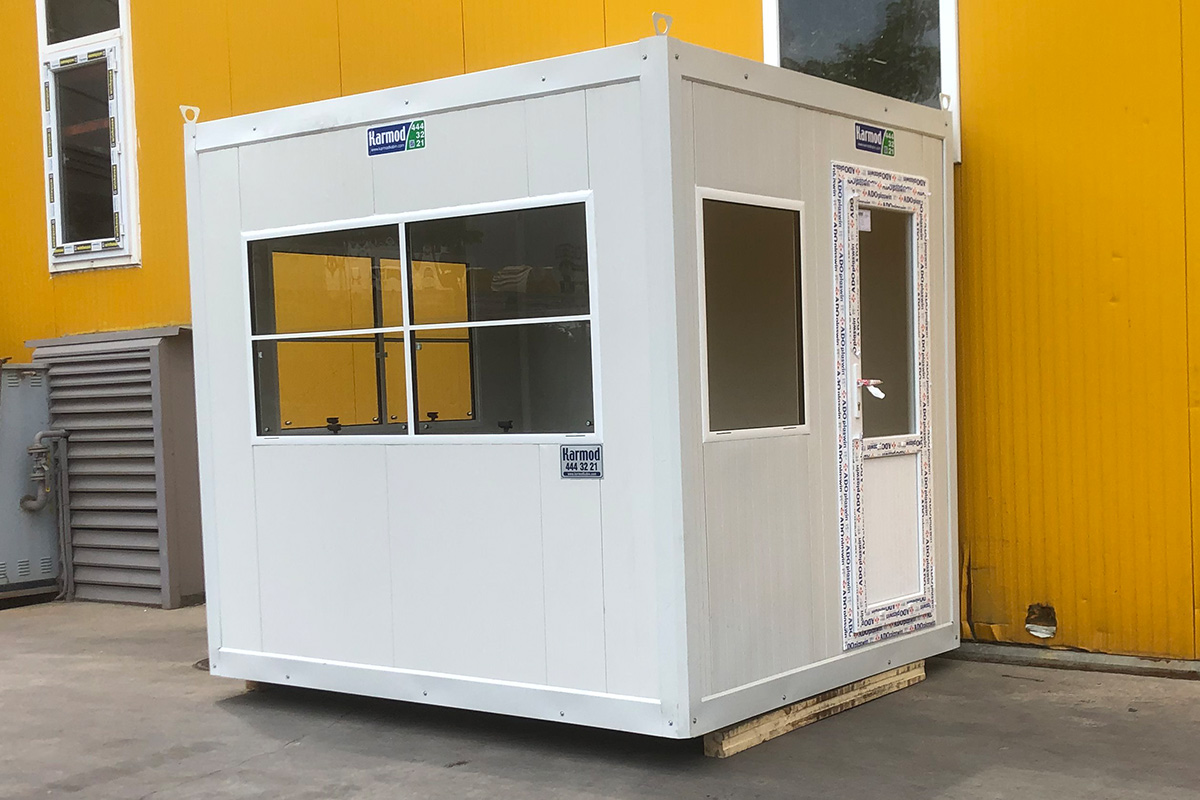
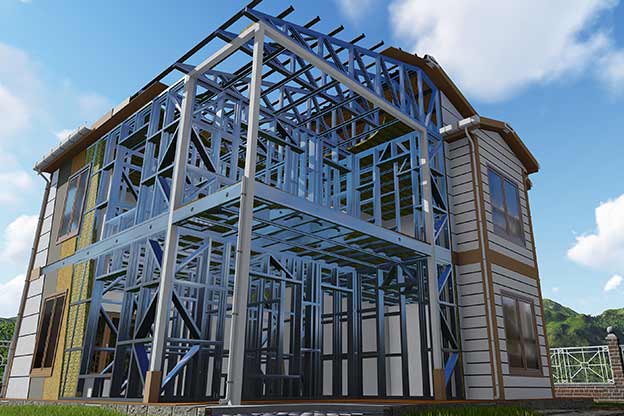
Global kiosk deployment also depends on logistics realities. In regions with advanced transport infrastructure, kiosks can be delivered fully assembled. In remote or infrastructure-limited areas, flat-pack or modular assembly options become essential.
The ability to transport, assemble, and relocate kiosks efficiently directly impacts project timelines and costs. For multi-country operations, choosing modular systems that support different logistics models is a strategic advantage.
Strategic Insights for International Retail Planning
Comparing global markets shows that modular retail kiosks are not a one-size-fits-all solution. Their value lies in adaptability. Successful retailers align kiosk specifications with local consumer behavior, climate conditions, regulatory frameworks, and commercial objectives.
From a strategic perspective, modular kiosks reduce risk. They allow brands to test markets, collect performance data, and adjust strategies before committing to permanent locations. This data-driven approach is especially valuable in uncertain or rapidly changing markets.
As global retail continues to evolve, modular kiosks are increasingly seen as long-term assets rather than temporary alternatives.
Exploring Modular Retail Kiosk Solutions for Global Markets
Expanding retail operations across different regions requires careful planning beyond product selection. Infrastructure decisions influence speed to market, operational stability, and brand perception.
Modular retail kiosks offer a scalable framework that adapts to global diversity while maintaining control over quality and cost. If you are evaluating modular kiosk solutions for multi-market or international use, contact us to discuss how design, layout, and technical specifications can be aligned with your target markets and long-term retail strategy.