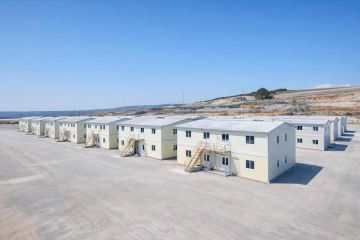


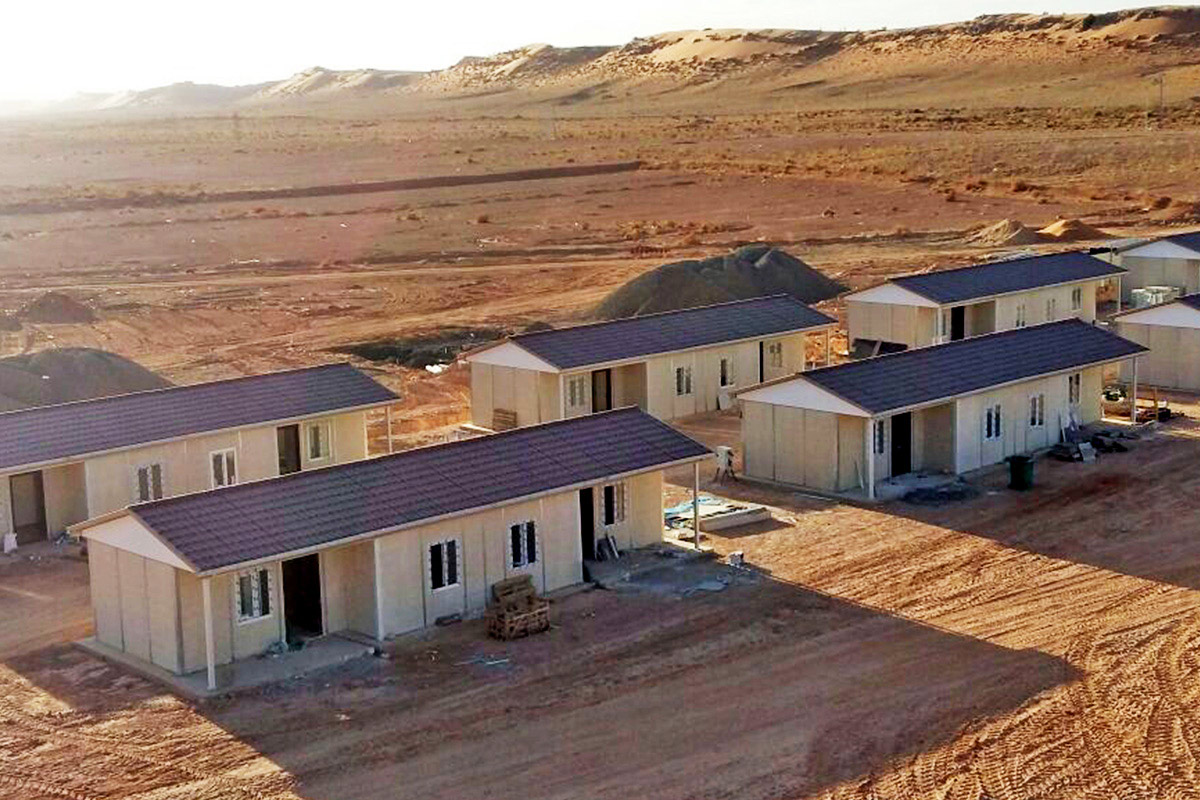
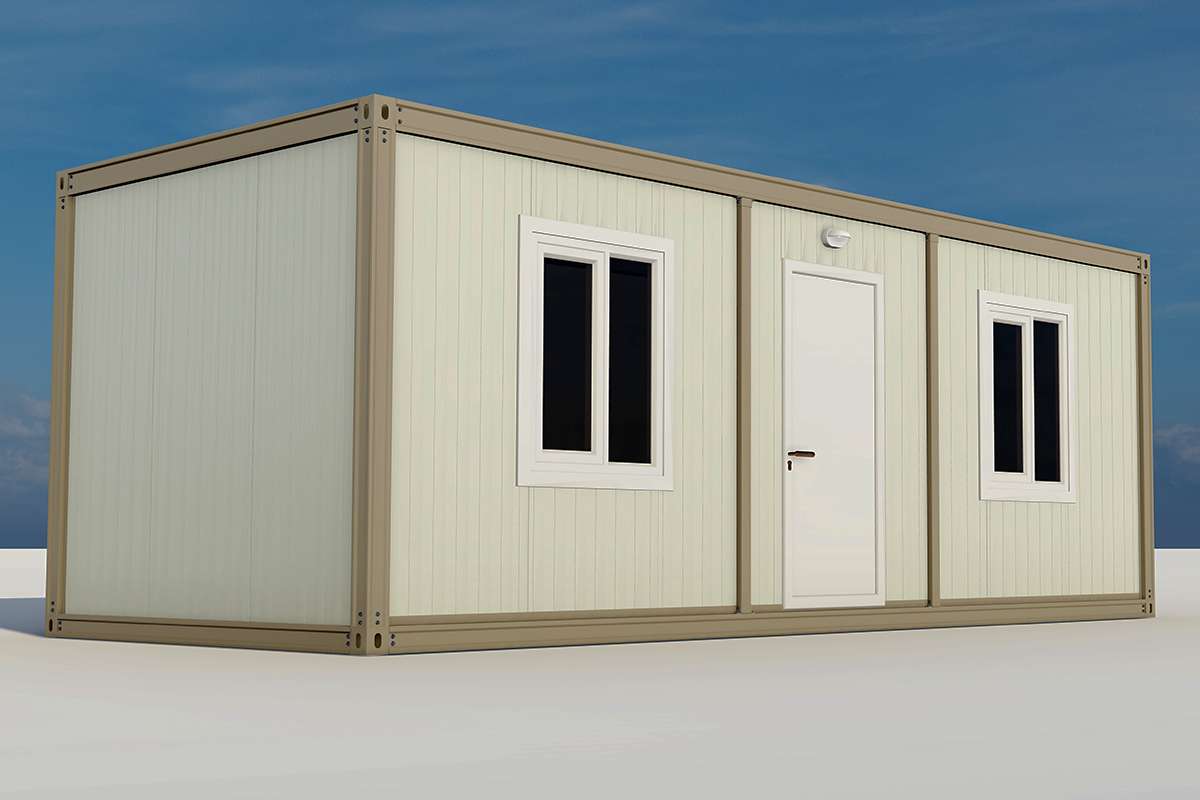
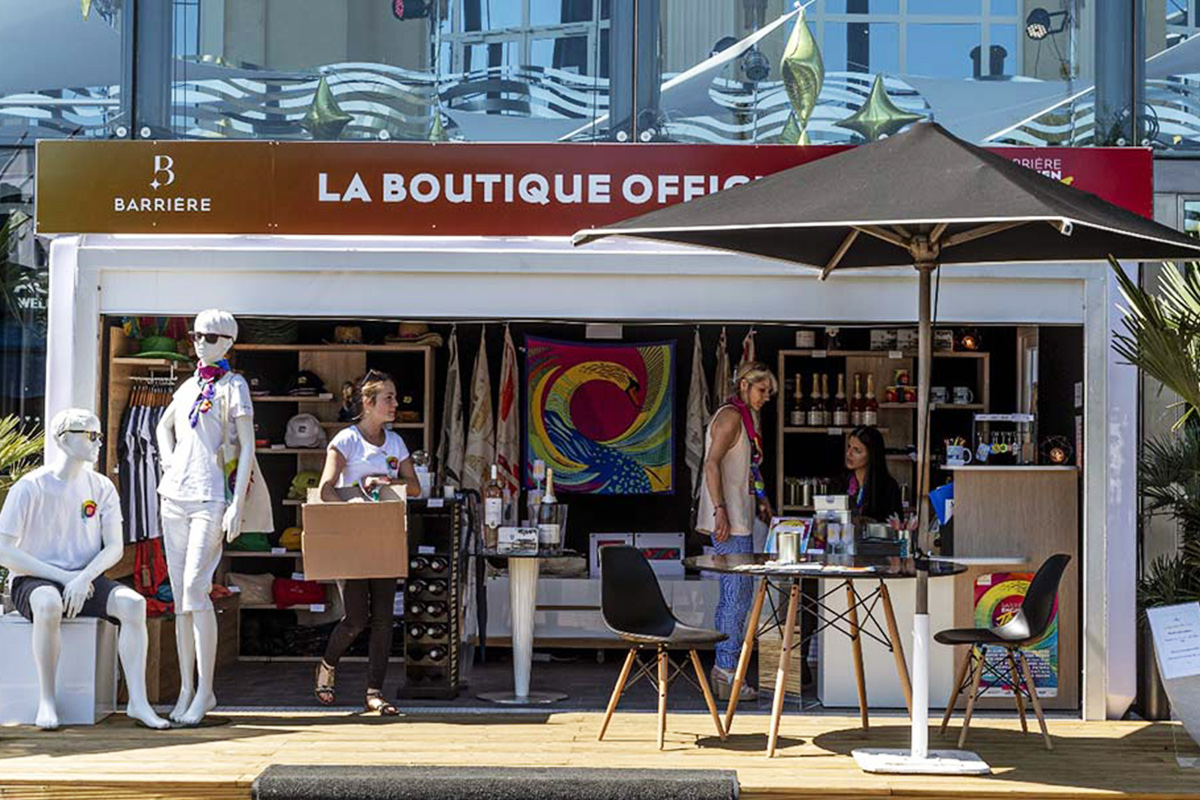
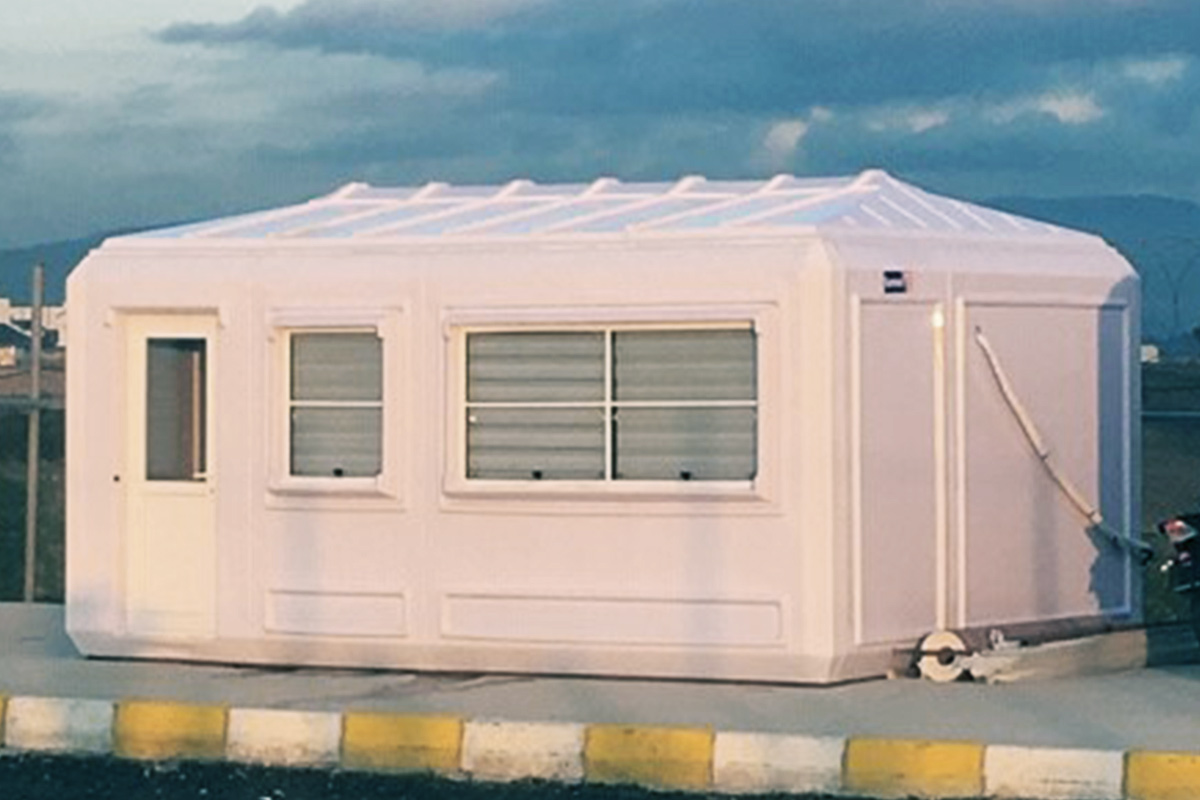
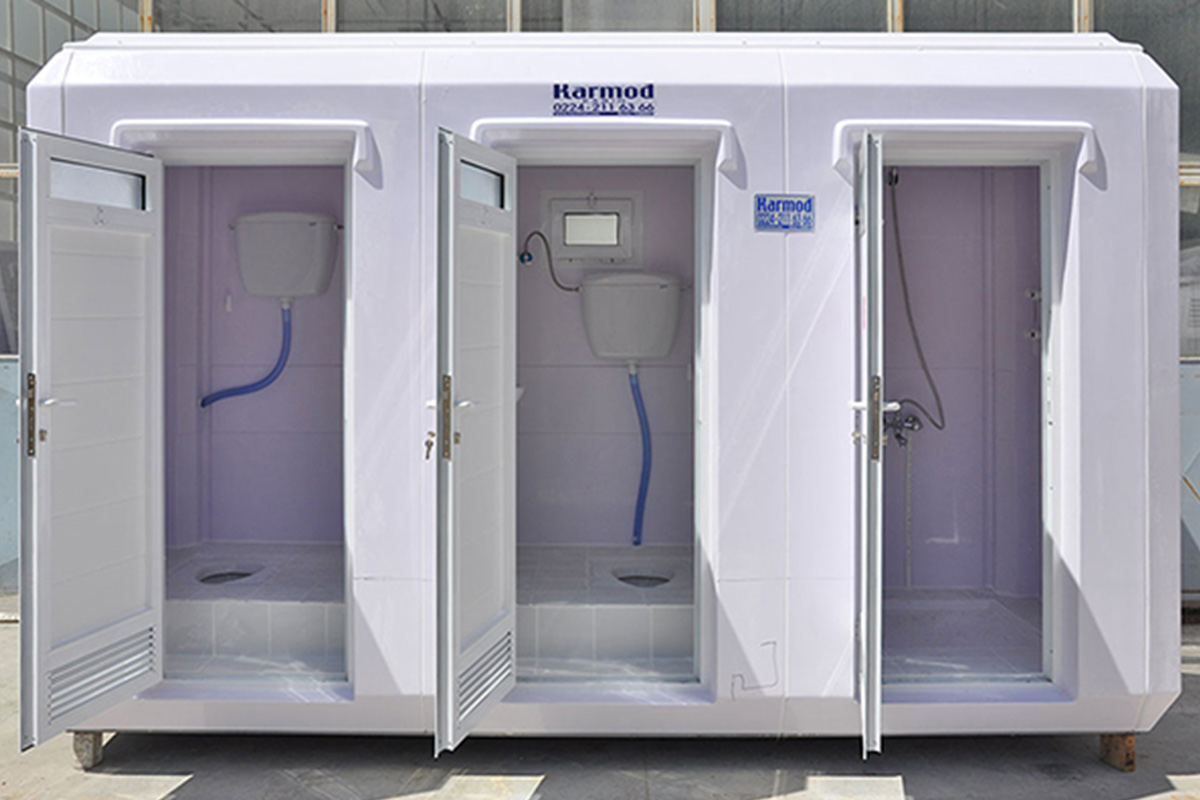
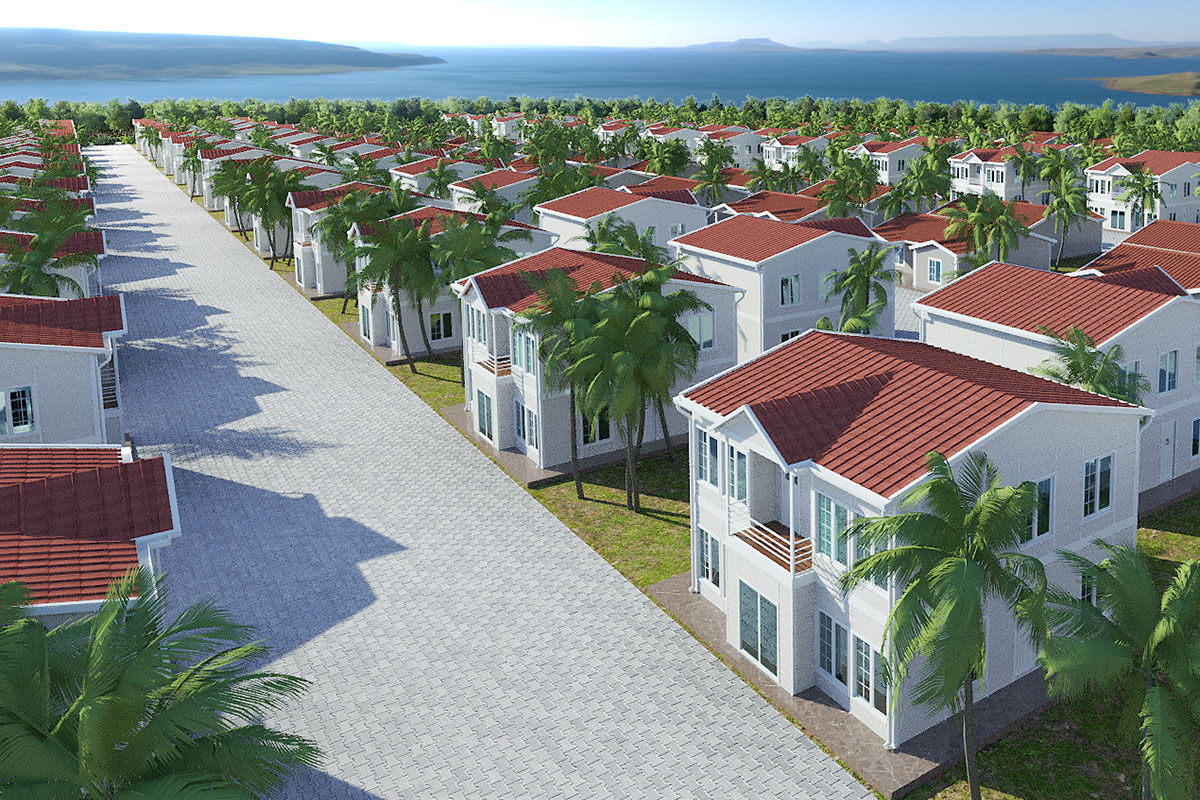
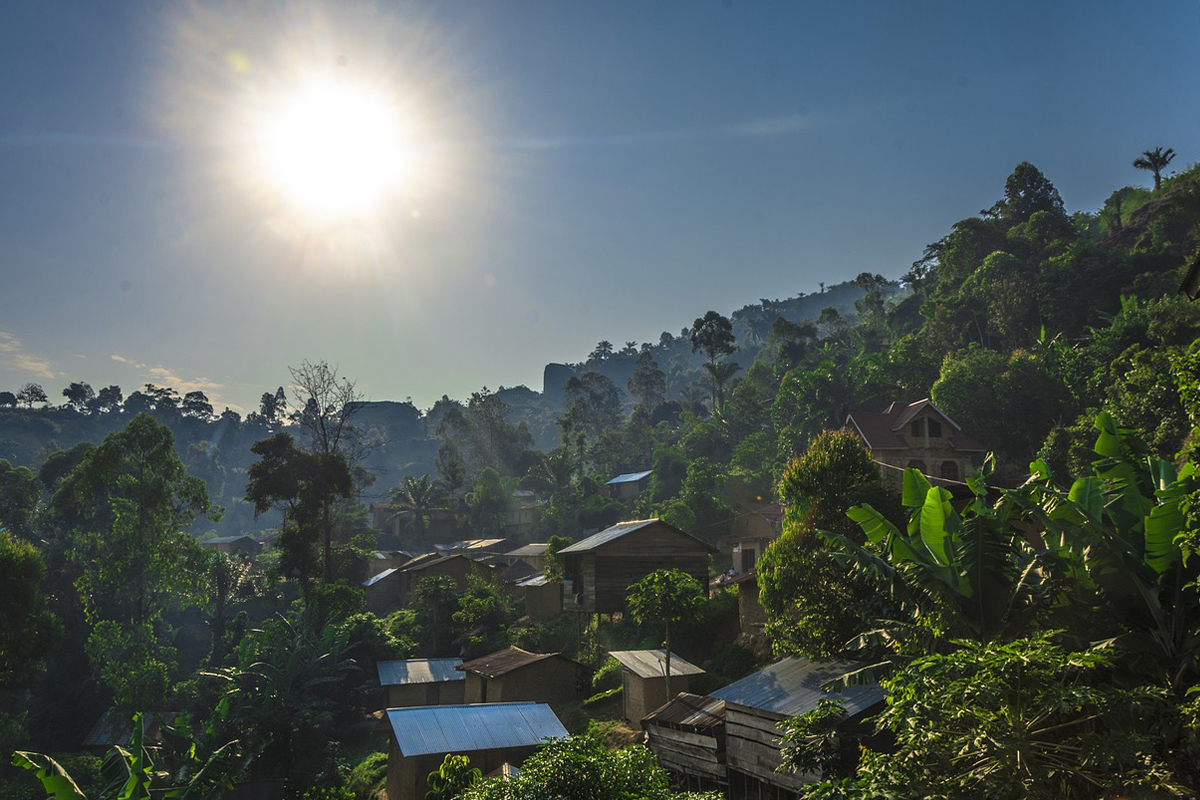
Congo’s oil and gas projects often operate far from established towns, where access roads, seasonal rain, and heat can turn basic logistics into a daily constraint. For site teams, the difference between a productive rotation and a difficult one frequently comes down to one thing: reliable, well-managed workforce accommodation. Congo Oil and Gas Field Man Camps are built to provide that stability—practical housing that supports safe operations, rest, and routine in remote conditions.
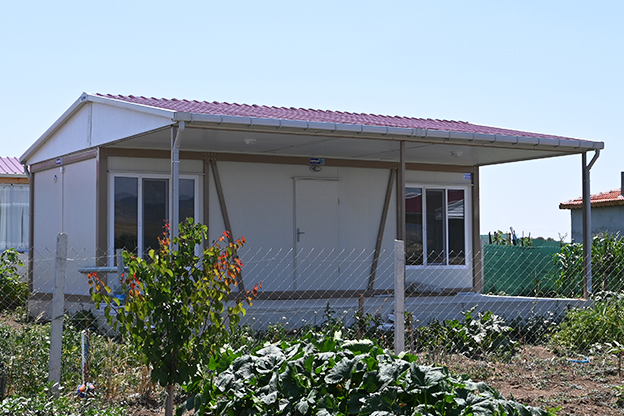
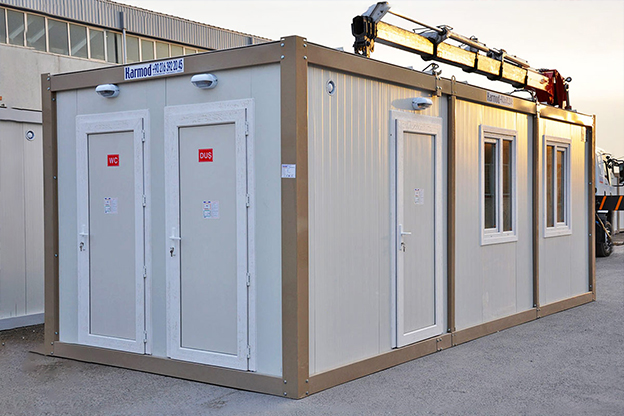
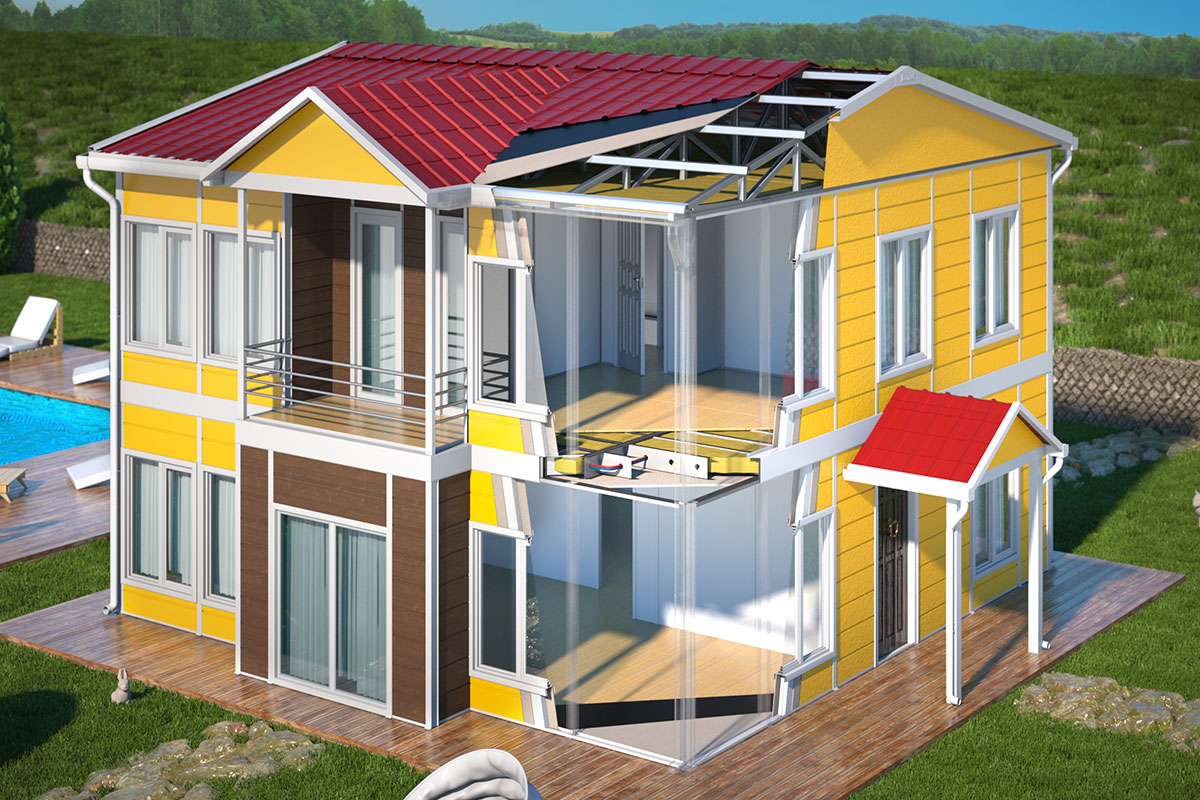
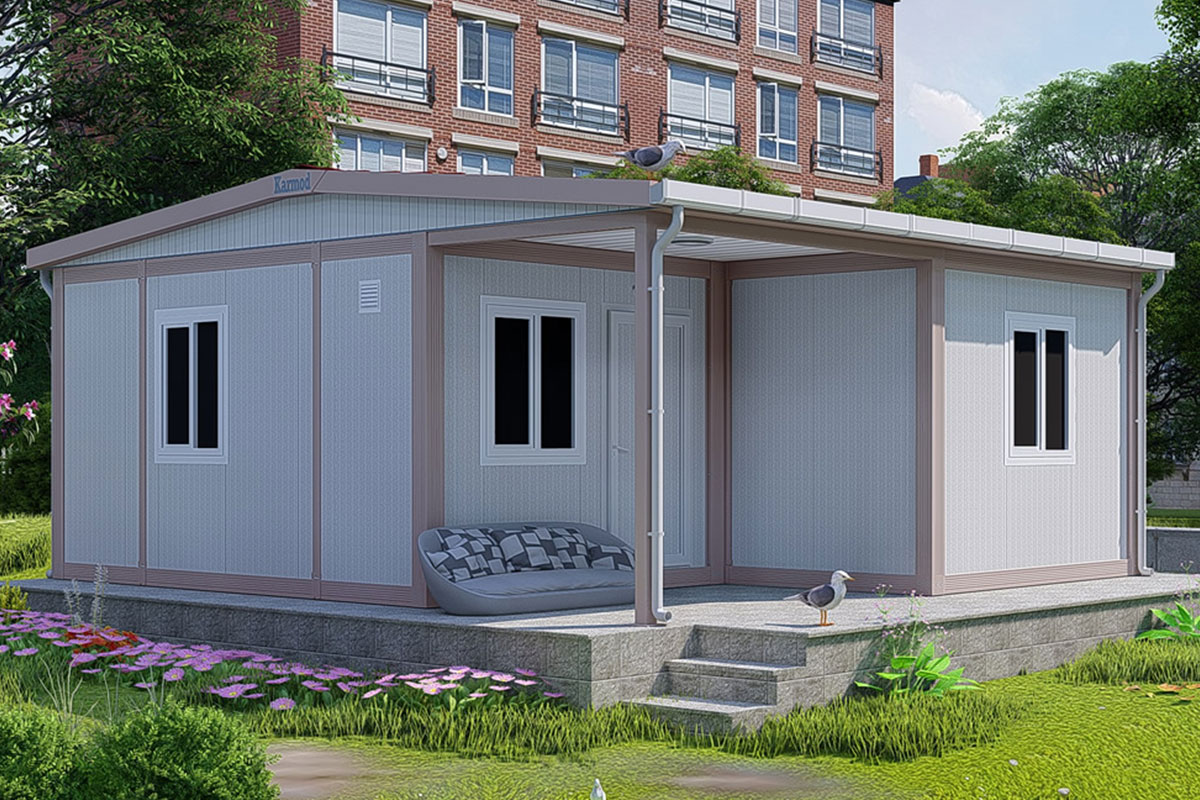
Field accommodation has moved well beyond improvised shelters. Today’s Congo Oil and Gas Field Housing is planned as part of the overall site setup, with construction methods and layouts that suit changing headcounts and project phases. With companies like Karmod involved, camps are increasingly delivered as organized, serviceable living environments designed for long shifts and real-world site demands.
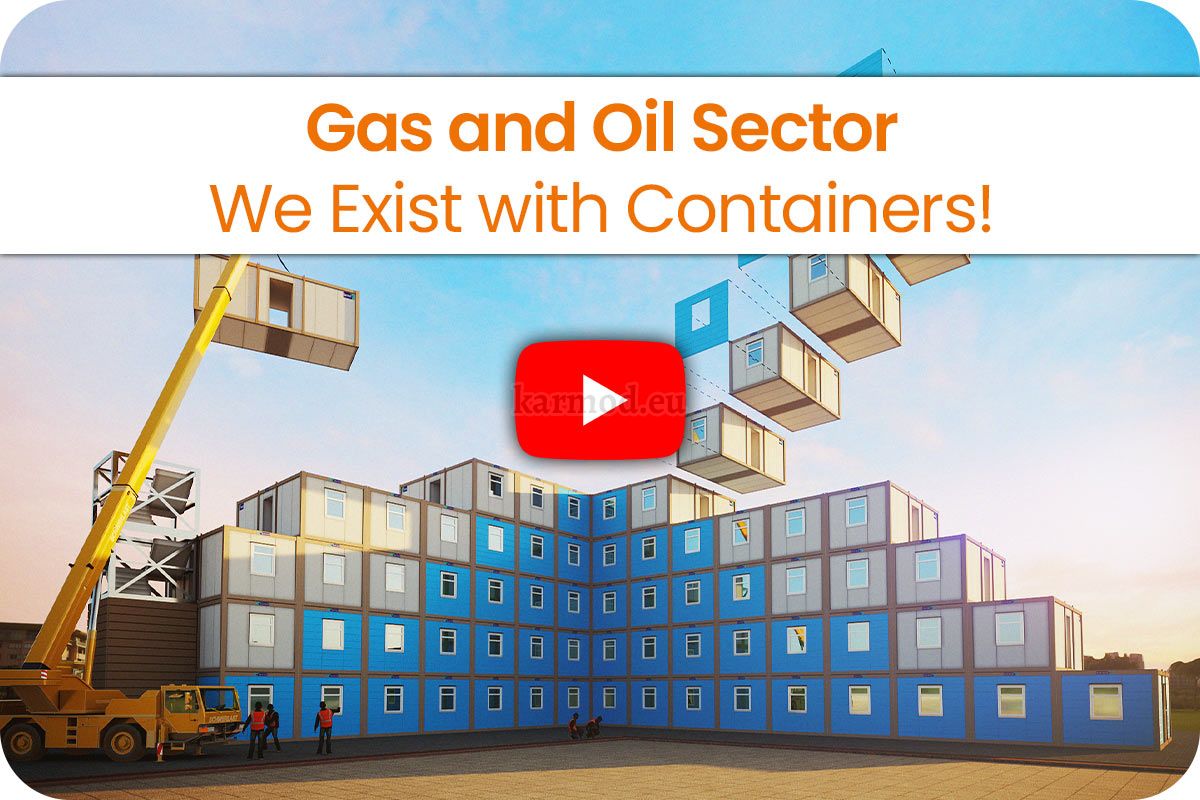
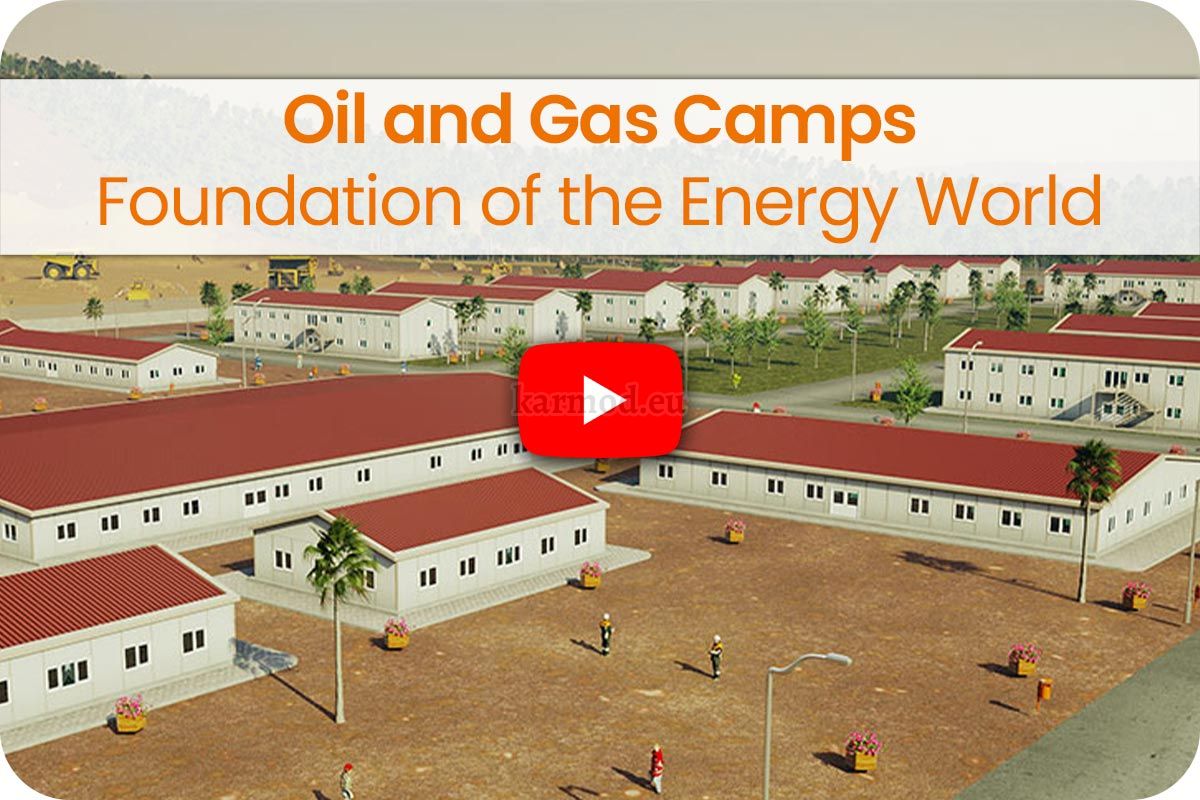
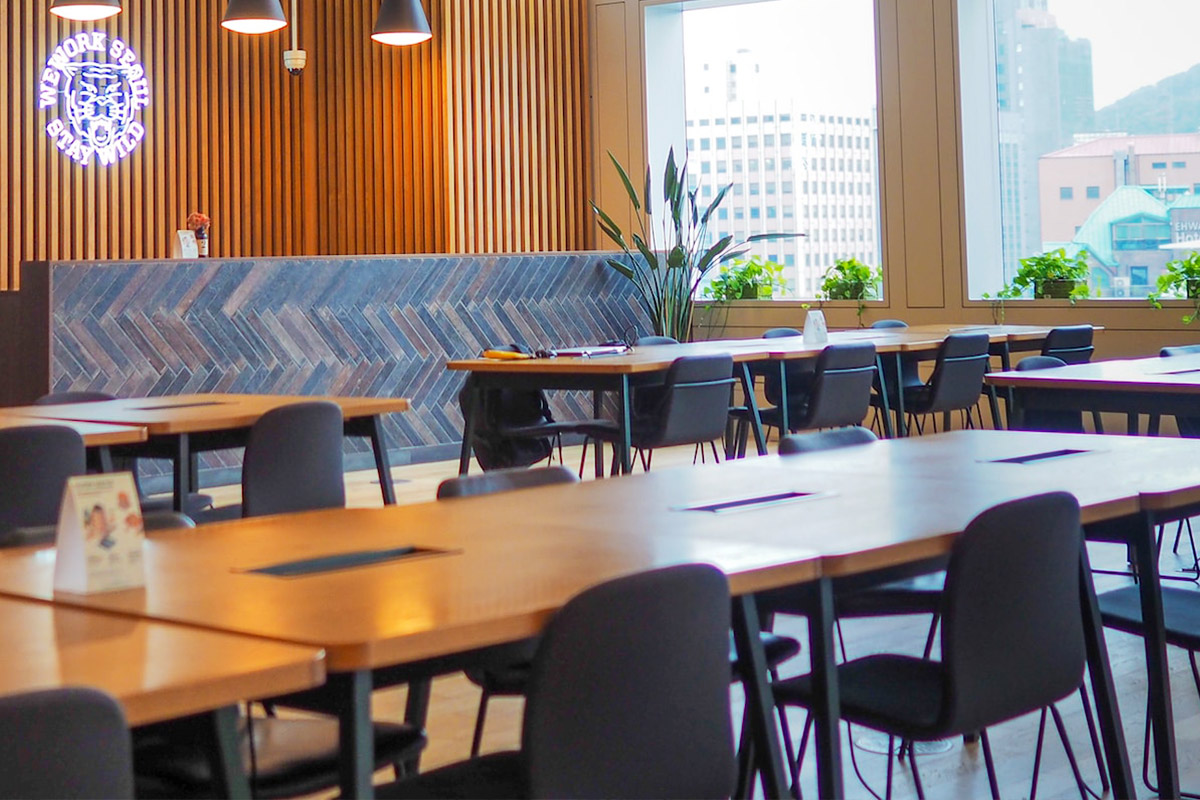
- Comfort Designed for Rotation Life: Modern Congo Oil and Gas Field Housing Units are planned around day-to-day usability. Crews need solid sleep, quiet rest areas, practical dining spaces, and shared zones that don’t feel overcrowded. The goal is simple: support recovery between shifts while keeping facilities easy to manage and maintain.
- Safety Built Into the Layout: Oil and gas sites require accommodation that aligns with safety expectations, not just basic shelter. Fire-resistant materials, clearly planned emergency exits, and site-ready configurations help reduce risk and support established HSE procedures.
- Resource-Responsible Camp Systems: In remote areas, power and water management matter as much as floor plans. Camps may incorporate solutions such as energy-efficient fixtures and practical water-use systems to reduce operational load without compromising day-to-day functionality.
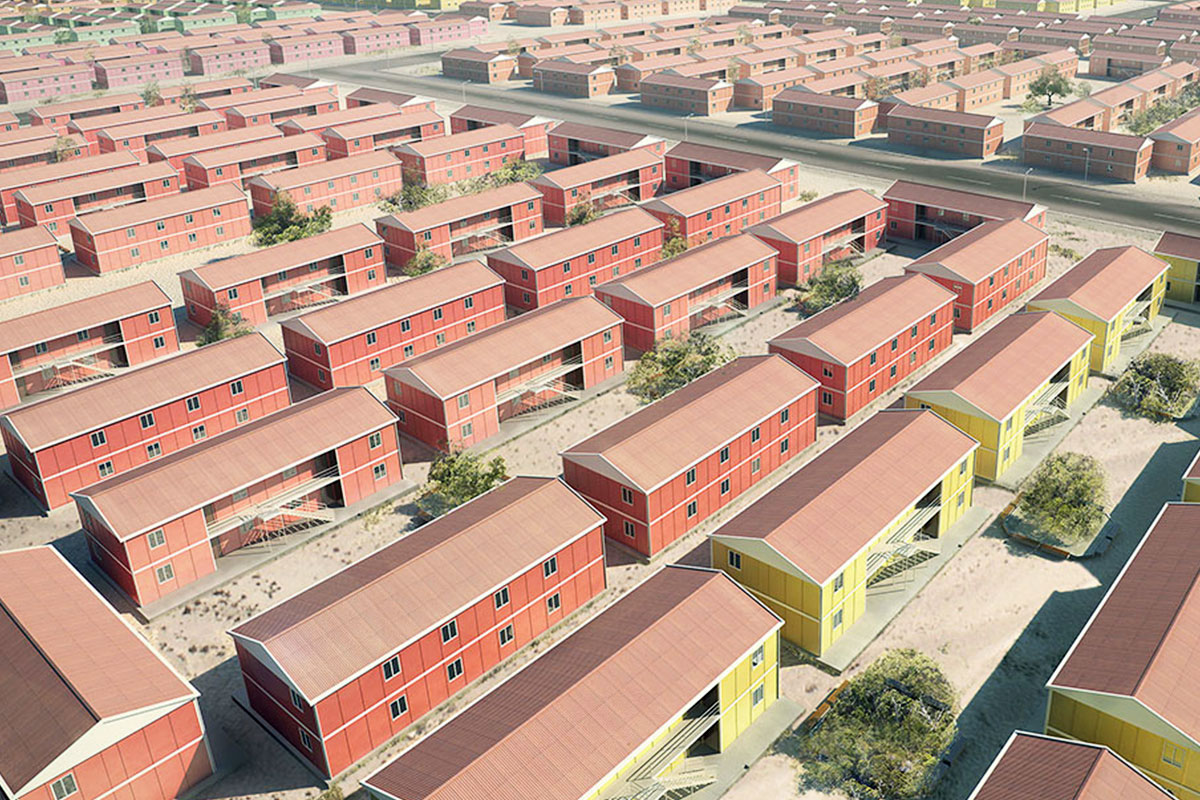
- Scalable modular camp. Planning: Workforce numbers can rise quickly during mobilization and shrink after peak activity. Modular camp design allows accommodation capacity to expand or reduce in step with the project, avoiding unnecessary fixed infrastructure and improving deployment efficiency.
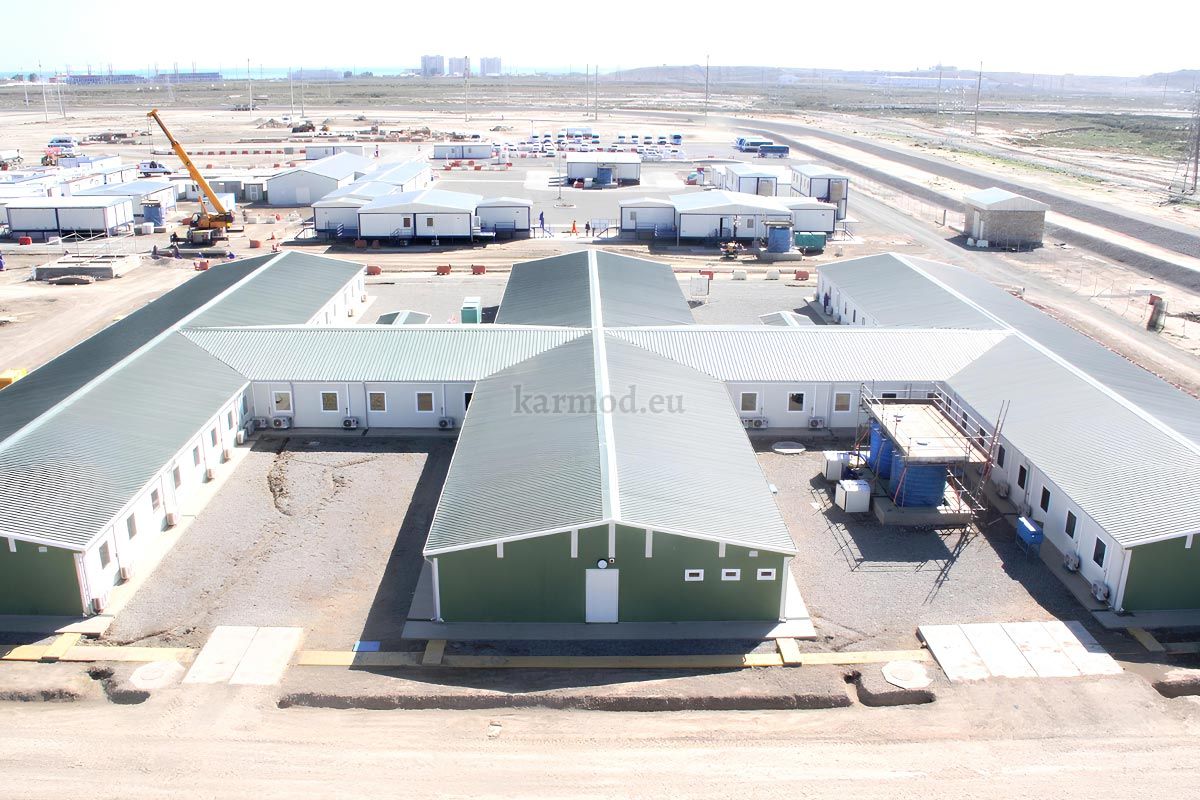
Karmod’s approach in the sector goes beyond supplying buildings. The focus is on setting up camps that function as complete living and service zones—spaces that support discipline, routine, and morale without losing sight of operational realities.
In Congo’s oil and gas regions, where equipment noise runs around the clock and weather can change quickly, well-planned man camps provide continuity. They are built to keep teams rested, safe, and ready for the next shift—without adding avoidable complexity to site management.
Comfort and Practicality in Congo Oil and Gas Man Camps
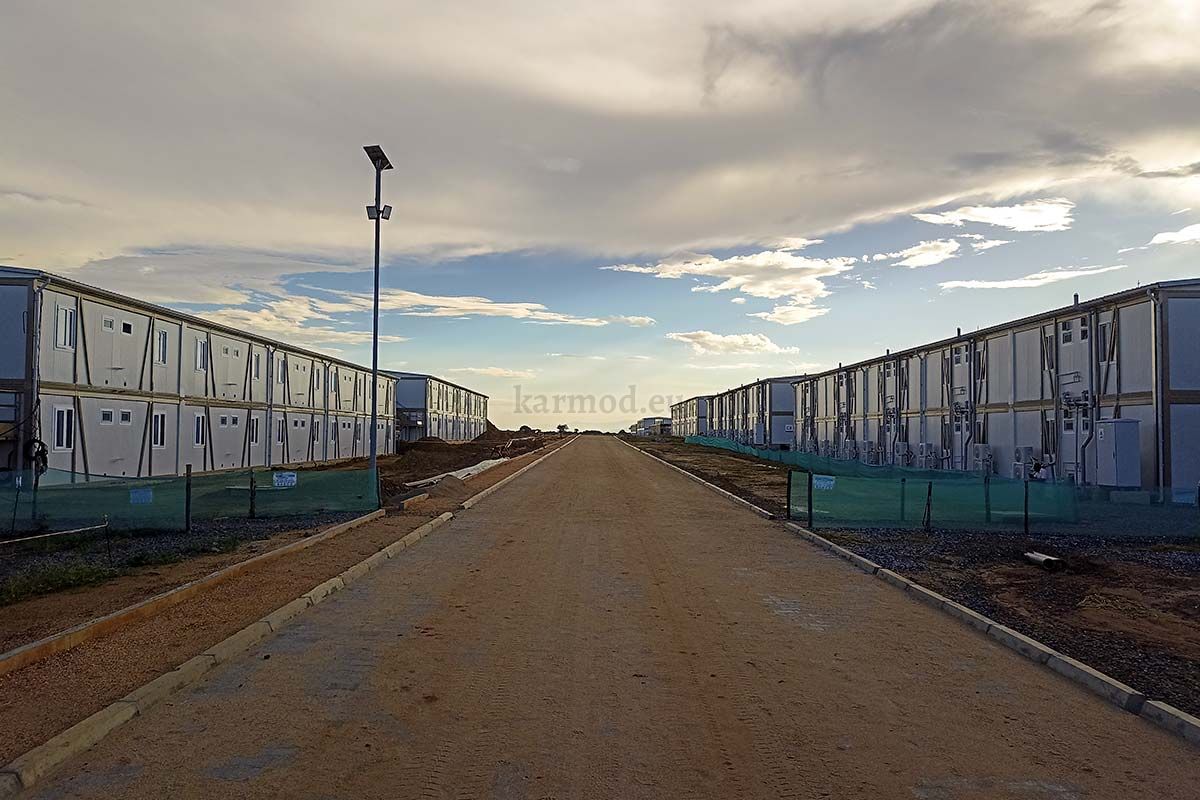
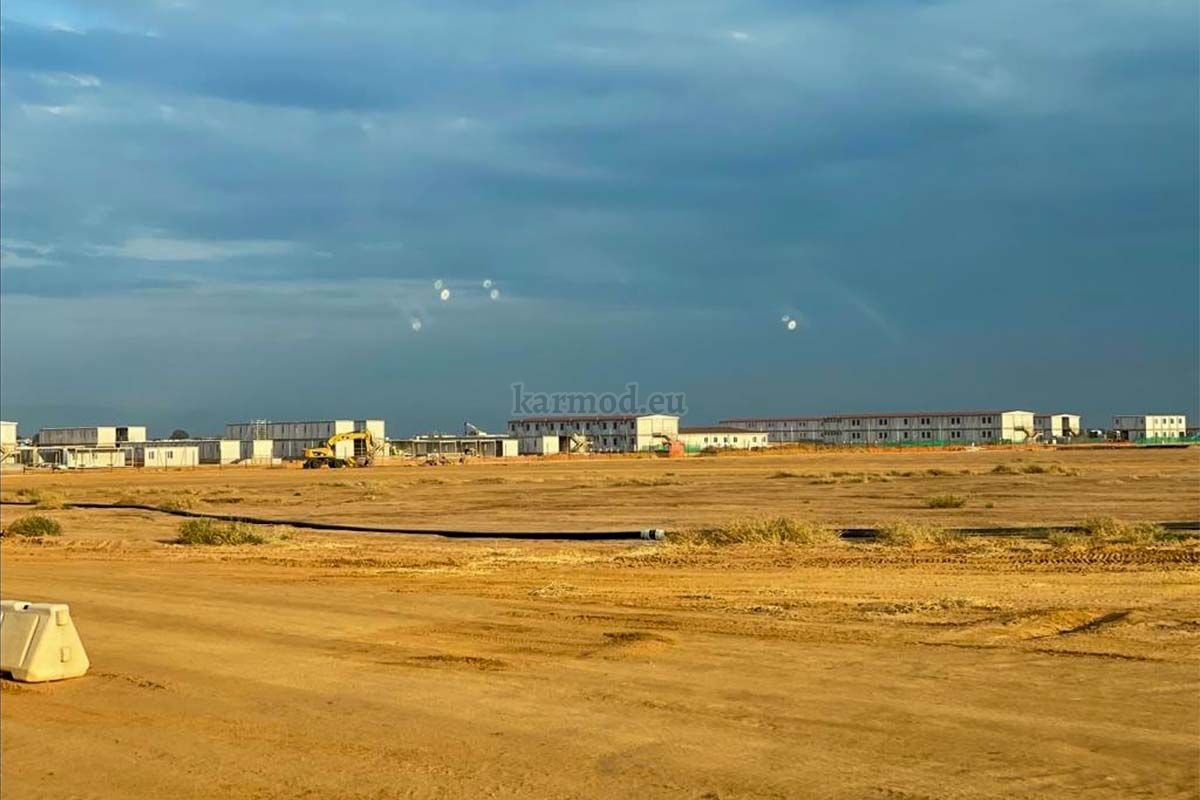
Congo’s energy projects attract skilled crews who often work in isolated environments, close to dense vegetation and under high humidity or intense heat. After long shifts, the need is straightforward: accommodation that is clean, organized, and consistent. Congo’s Oil and Gas Man Camps are designed to deliver a dependable routine—sleep, meals, hygiene, and downtime—so crews can perform safely and sustainably through their rotation.
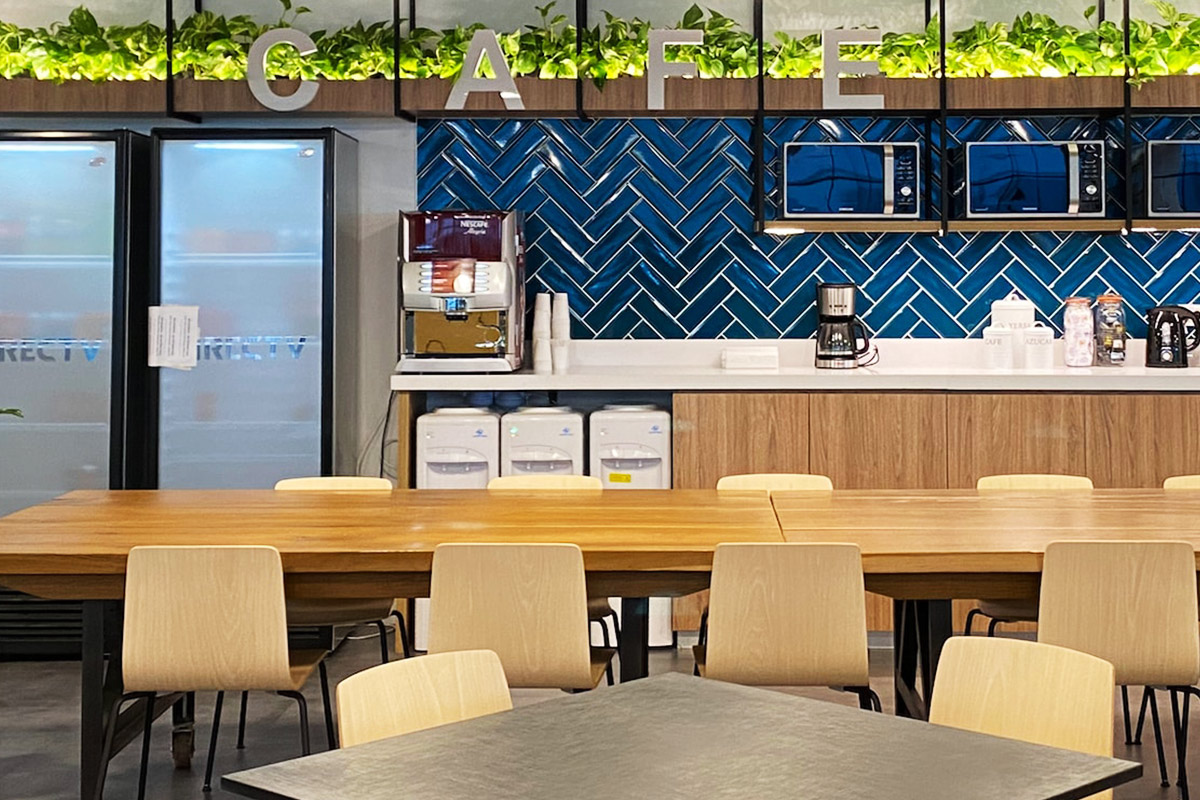
What defines a well-run camp is not decoration; it’s usability. Good layouts support efficient movement, reduce bottlenecks at peak times, and provide a balance between communal life and personal recovery. Interiors are planned to make daily living easier, with durable finishes and practical facilities that can stand up to constant use.
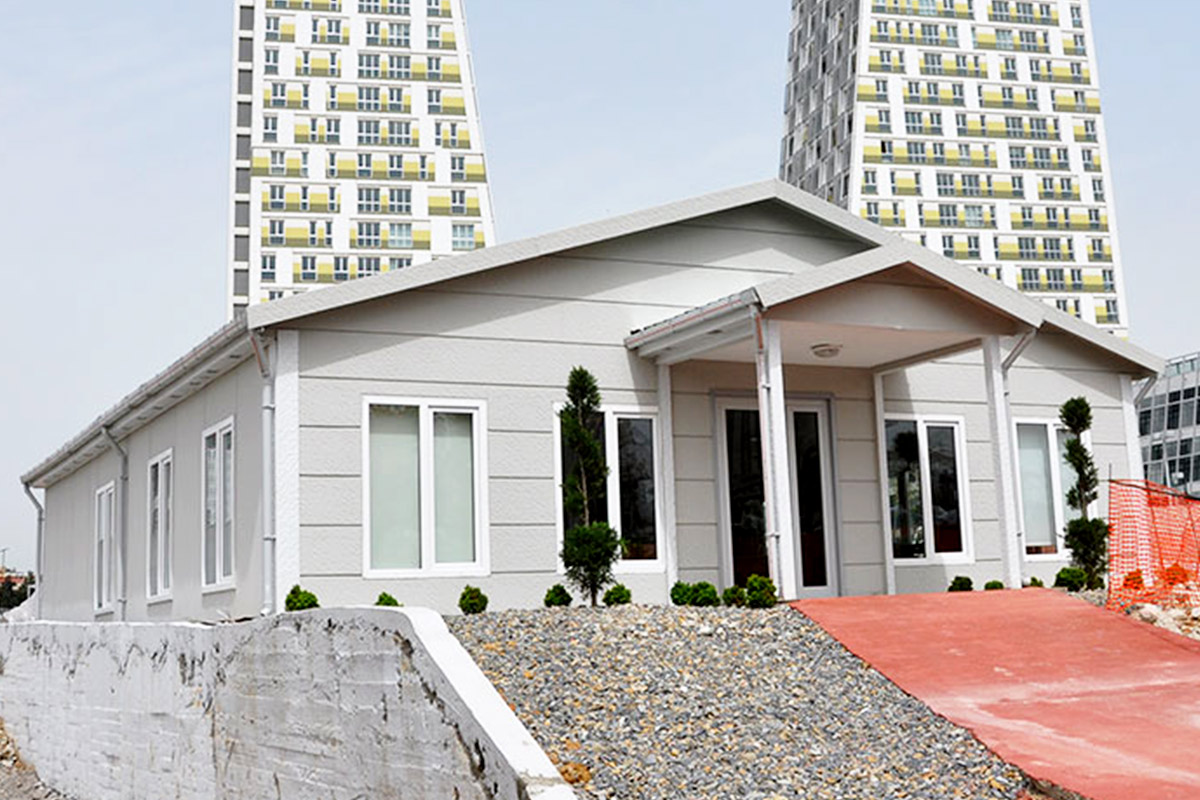
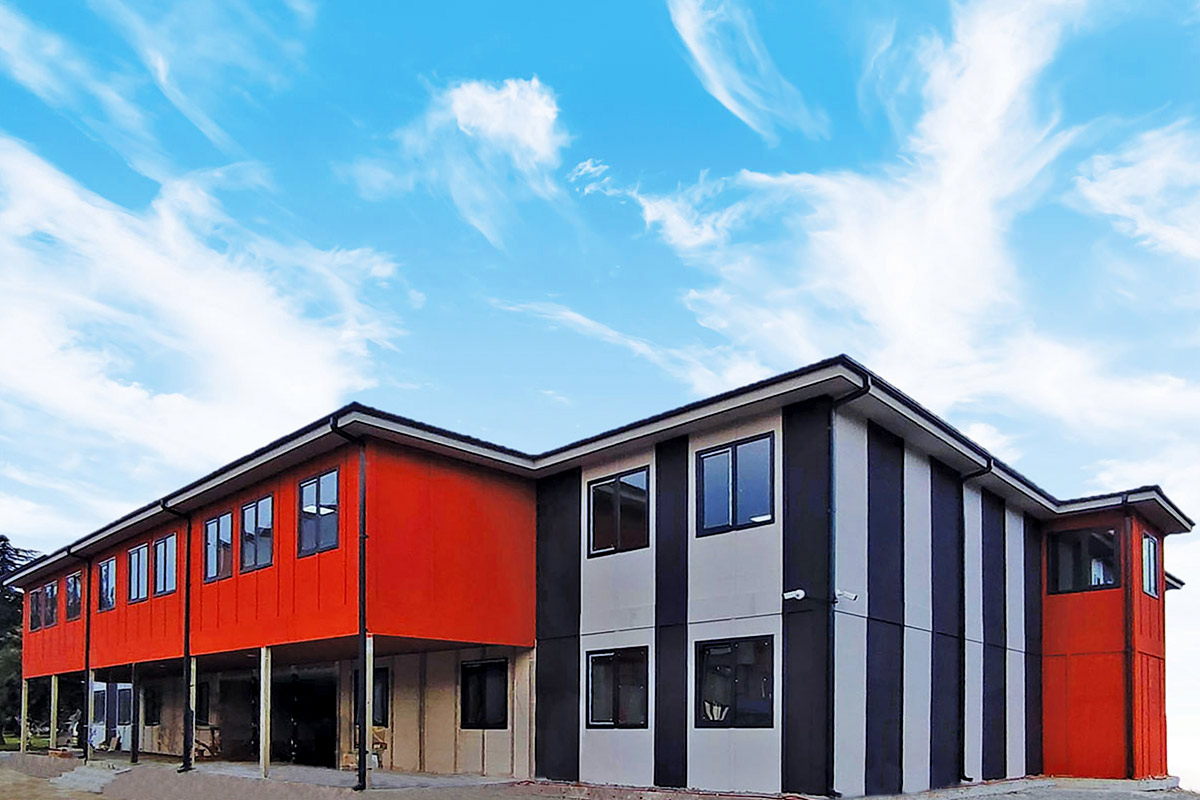
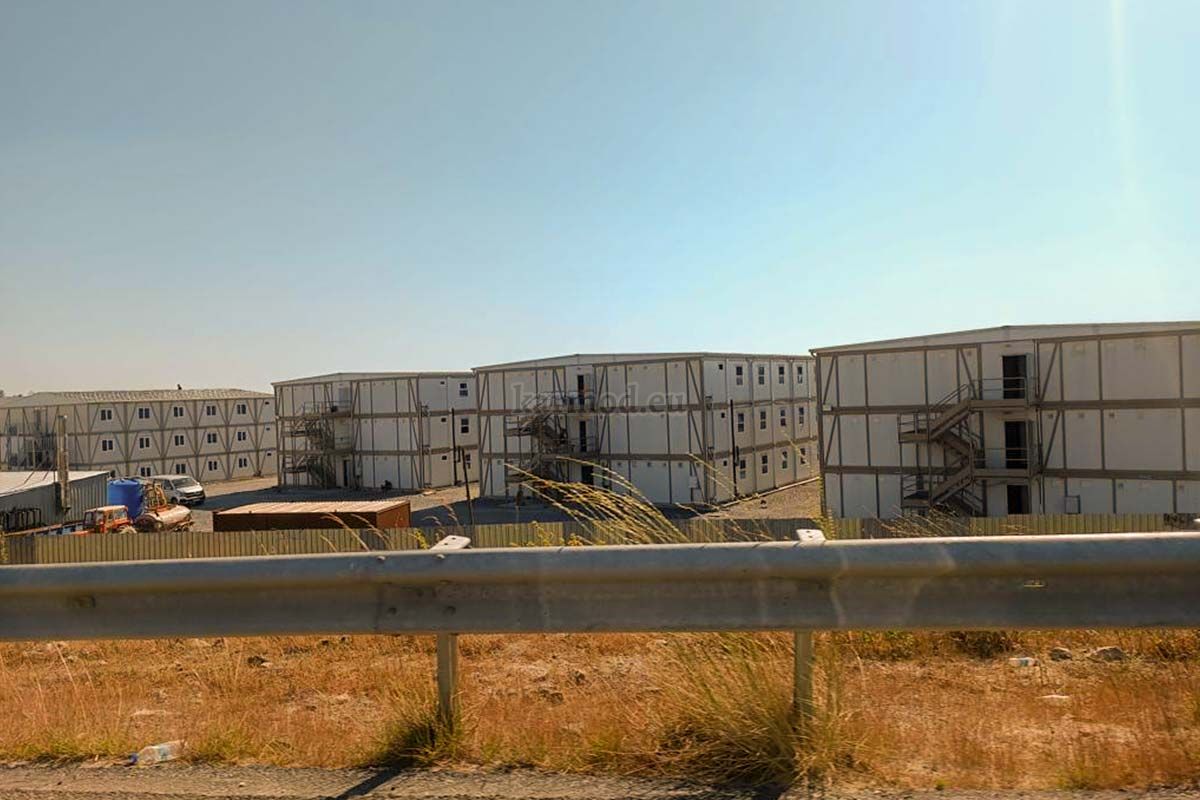
Karmod has supported this shift in Congo’s Oil and Gas Field Housing by combining engineered building systems with layouts suited to field operations. The result is accommodation designed to last, with structures that can be deployed and maintained under challenging site conditions.
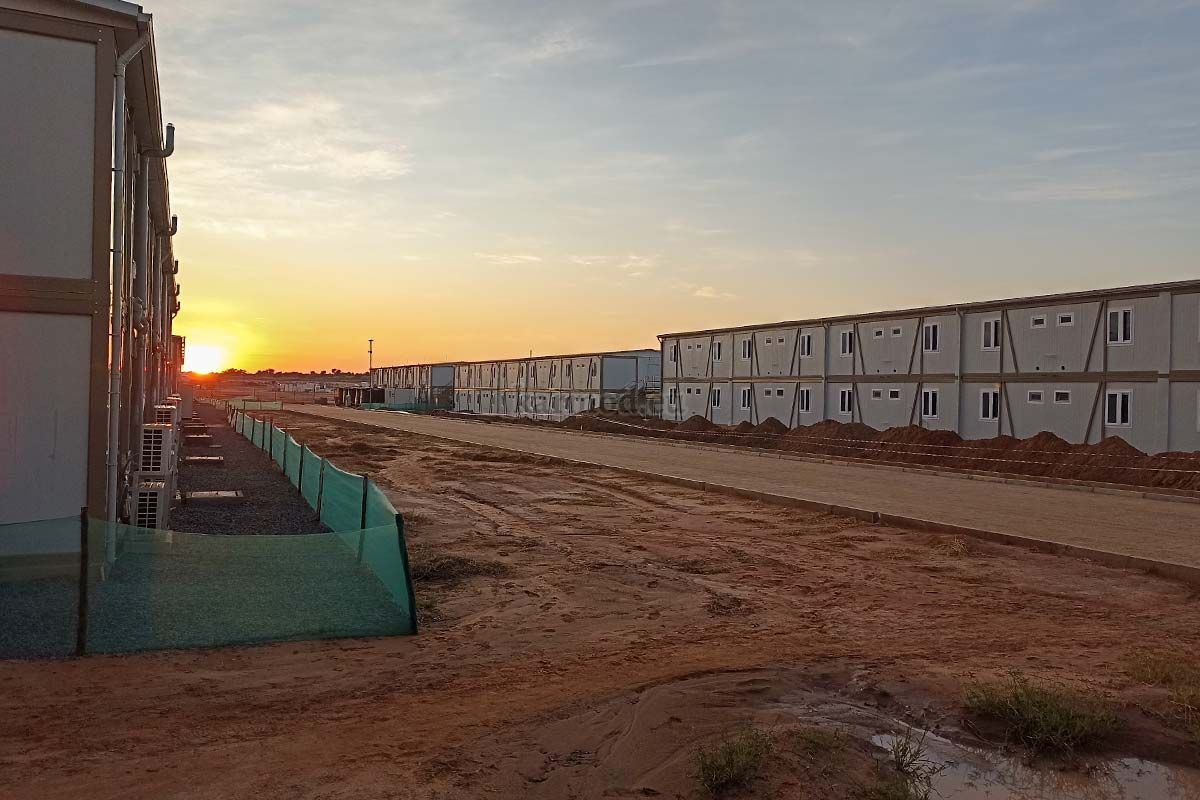
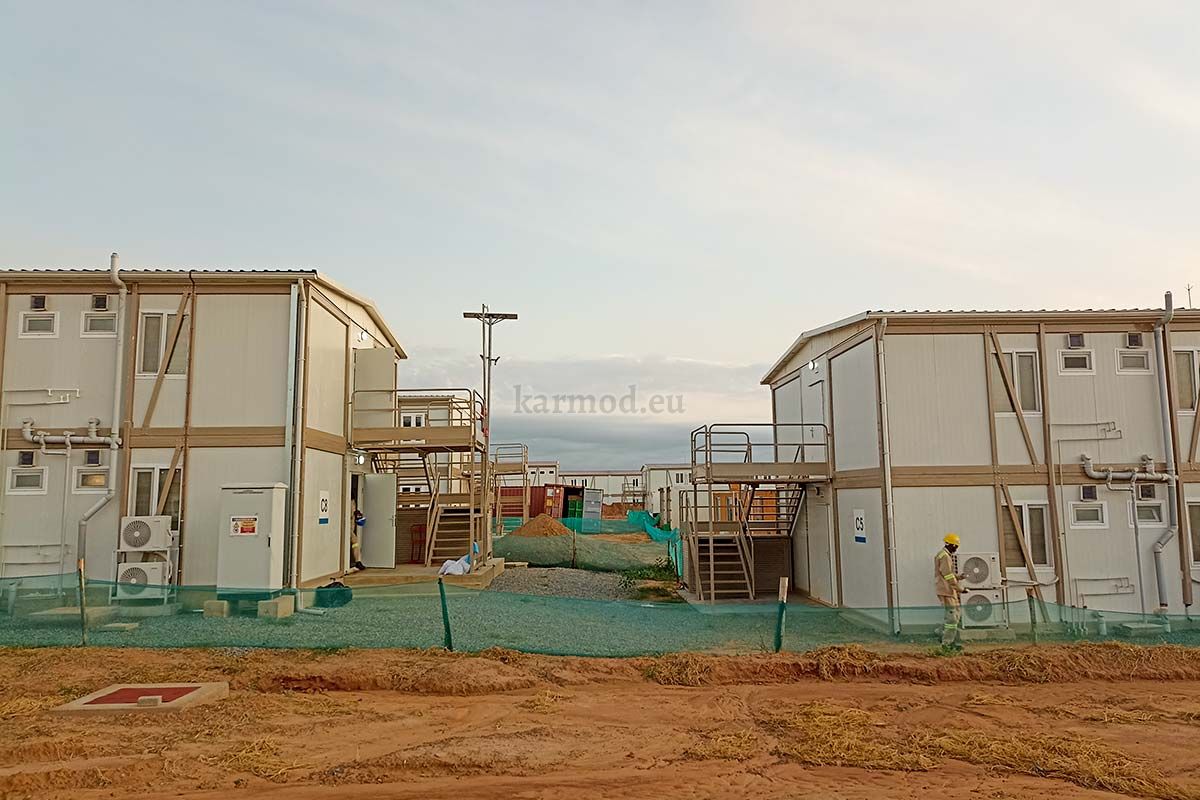
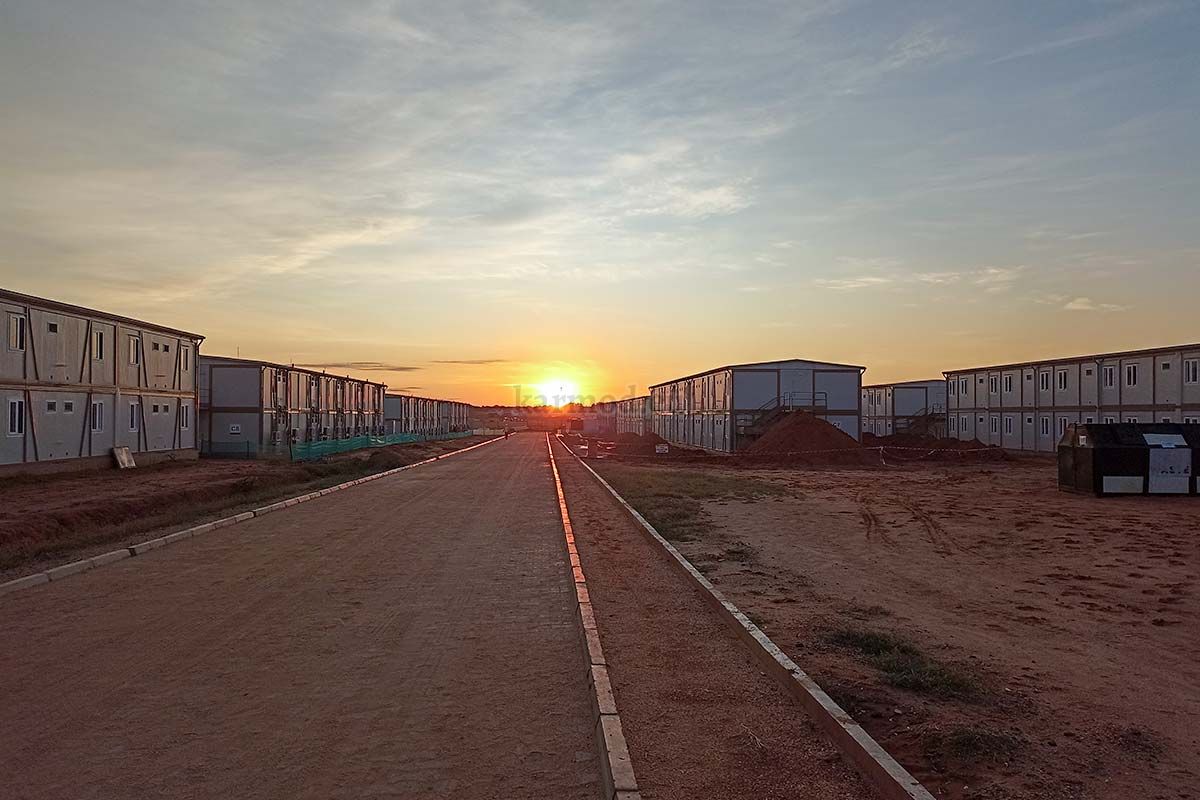
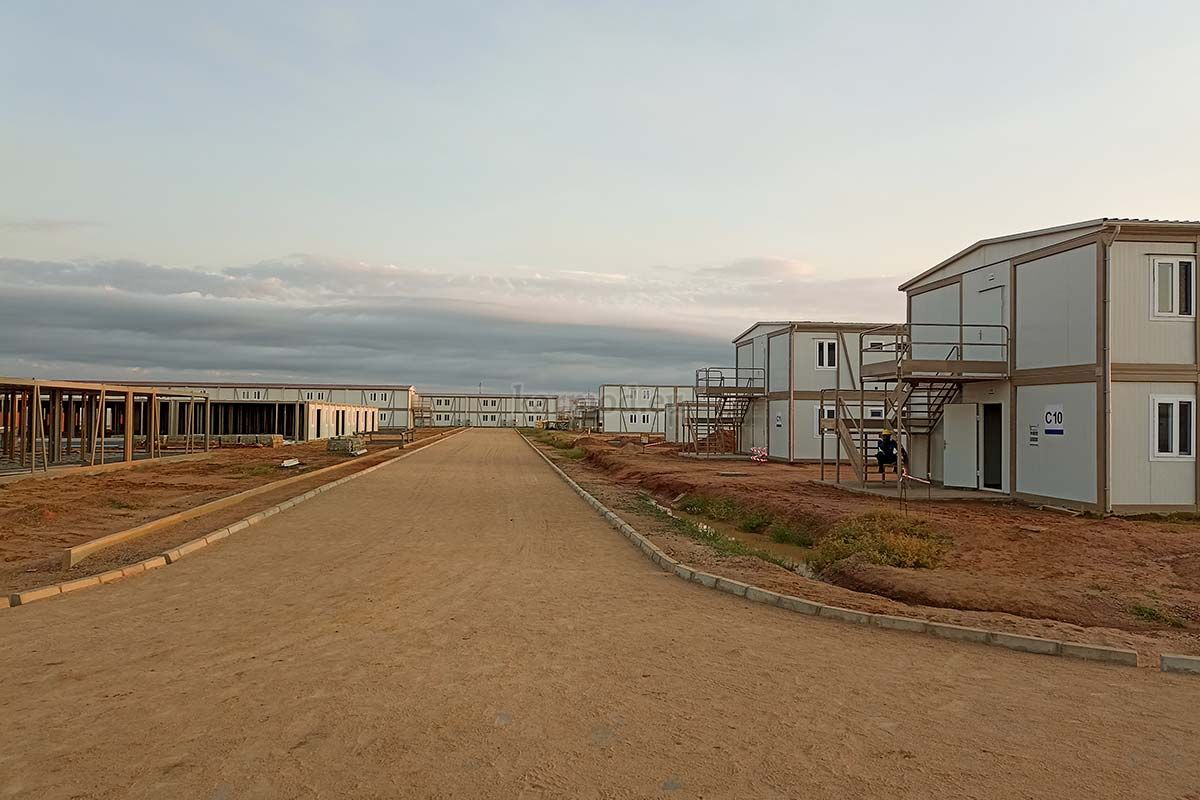
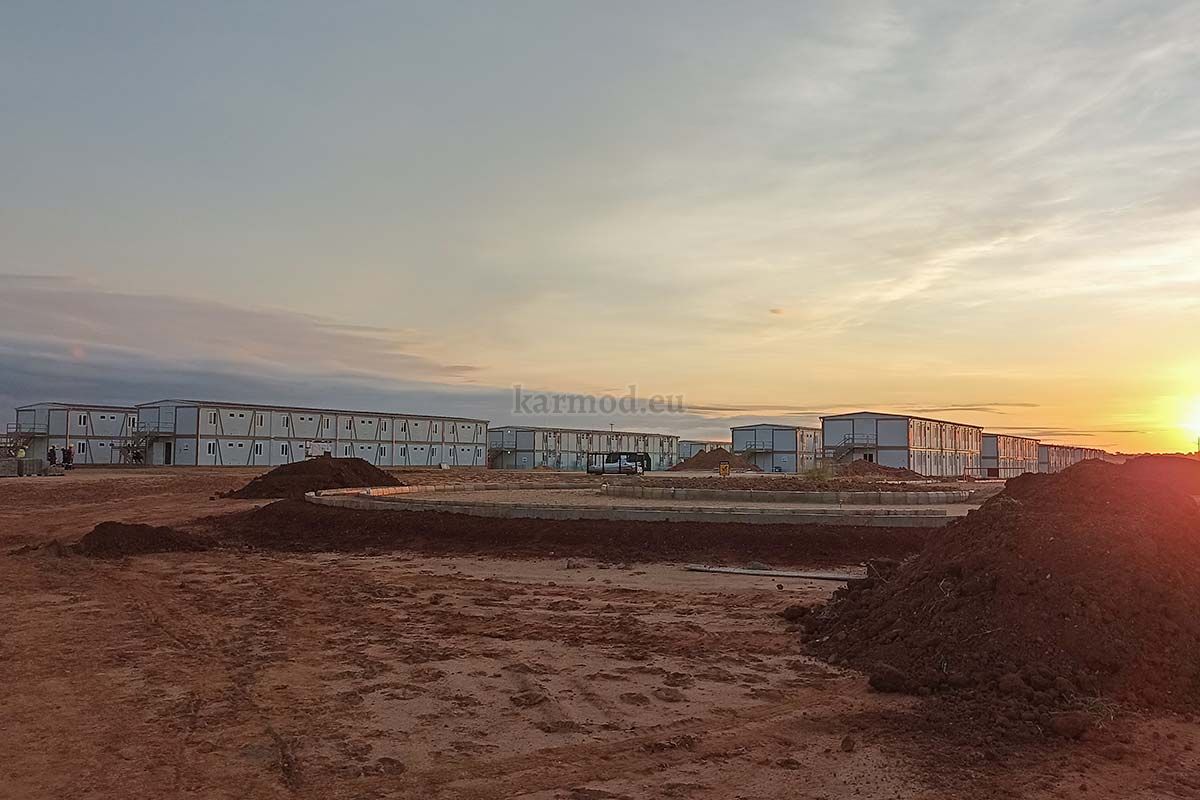
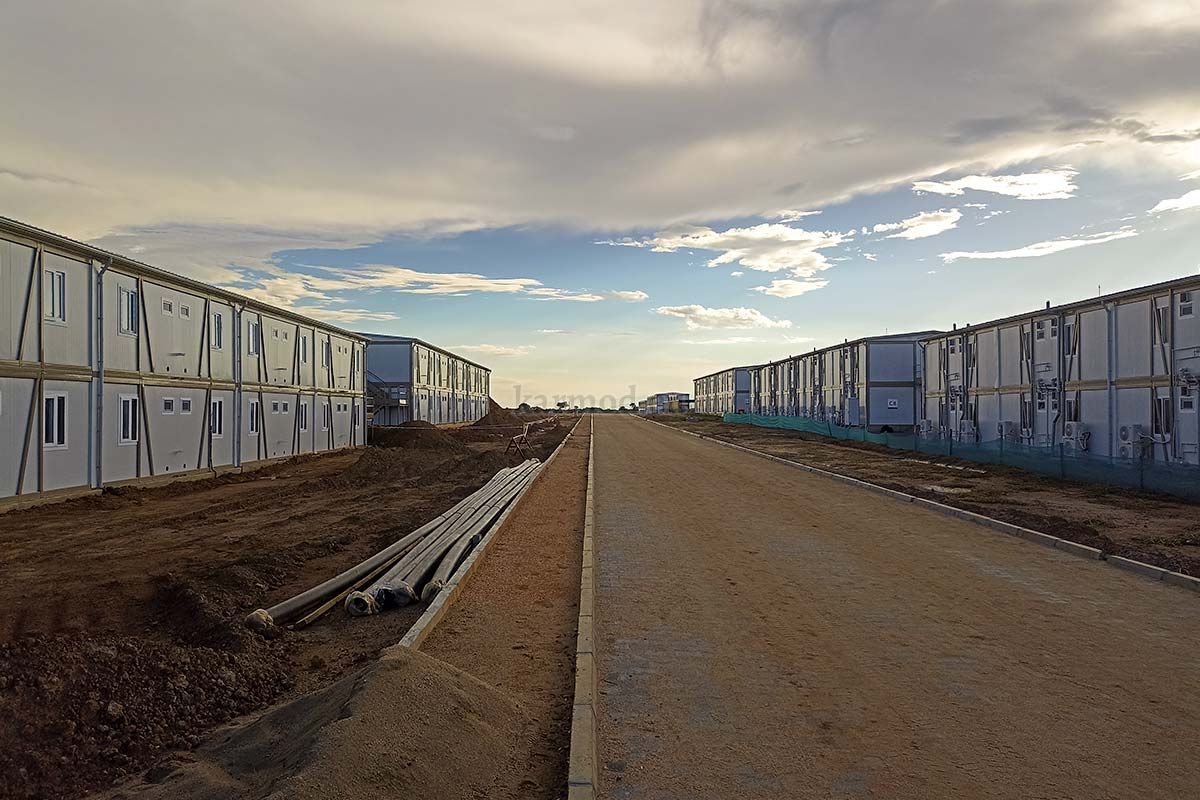
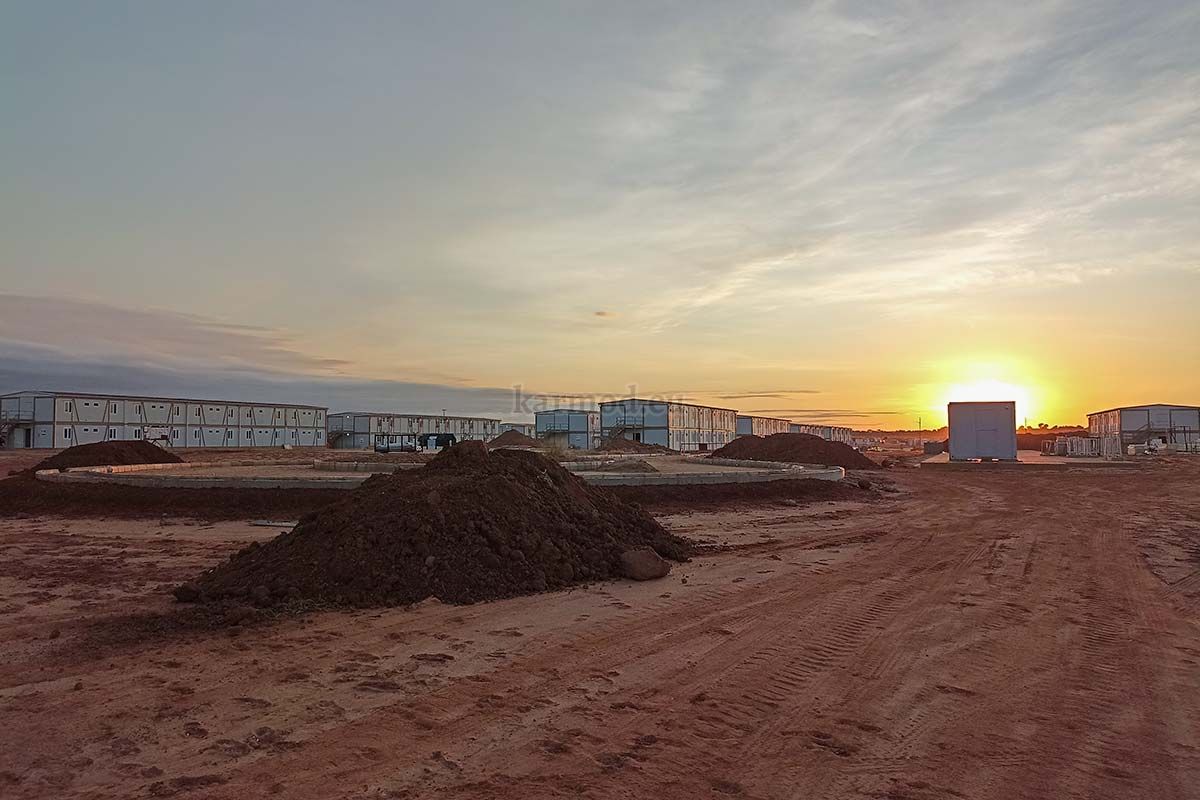
A Reliable Standard for Congo’s Oil and Gas Field Housing
Workforce housing in the oil and gas sector is judged by performance: how well it holds up, how efficiently it supports daily life, and how smoothly it integrates with site planning. Karmod’s field housing solutions stand out for their structured approach to these requirements.
Planning details make the difference on remote sites. Well-defined room layouts, sensible circulation, and correctly placed shared facilities improve comfort while helping camp teams manage cleaning, maintenance, and daily services more effectively.
Sustainability is also an operational concern, especially where supply lines are long and utilities are limited. Housing solutions that use durable materials and incorporate sensible energy and water practices can reduce overall strain on site resources.
Just as important is the camp environment itself. Crews working away from home rely on routines and social stability. Camps that include shared spaces for meals, rest, and basic recreation help teams reset between shifts and maintain cohesion during long rotations.
Karmod’s contribution to Congo’s Oil and Gas Field Housing is focused on delivery that works in the field: structured accommodation, practical systems, and layouts that support both the workforce and camp operations.
Quality-Driven Congo Oil and Gas Camp Construction Buildings
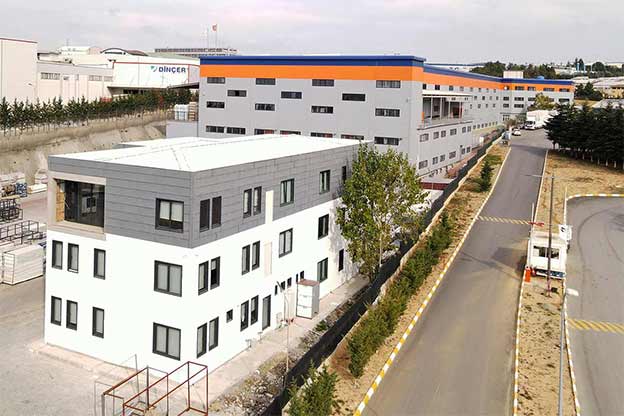
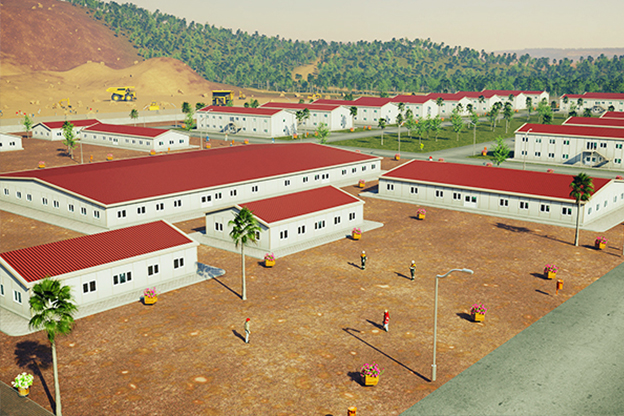
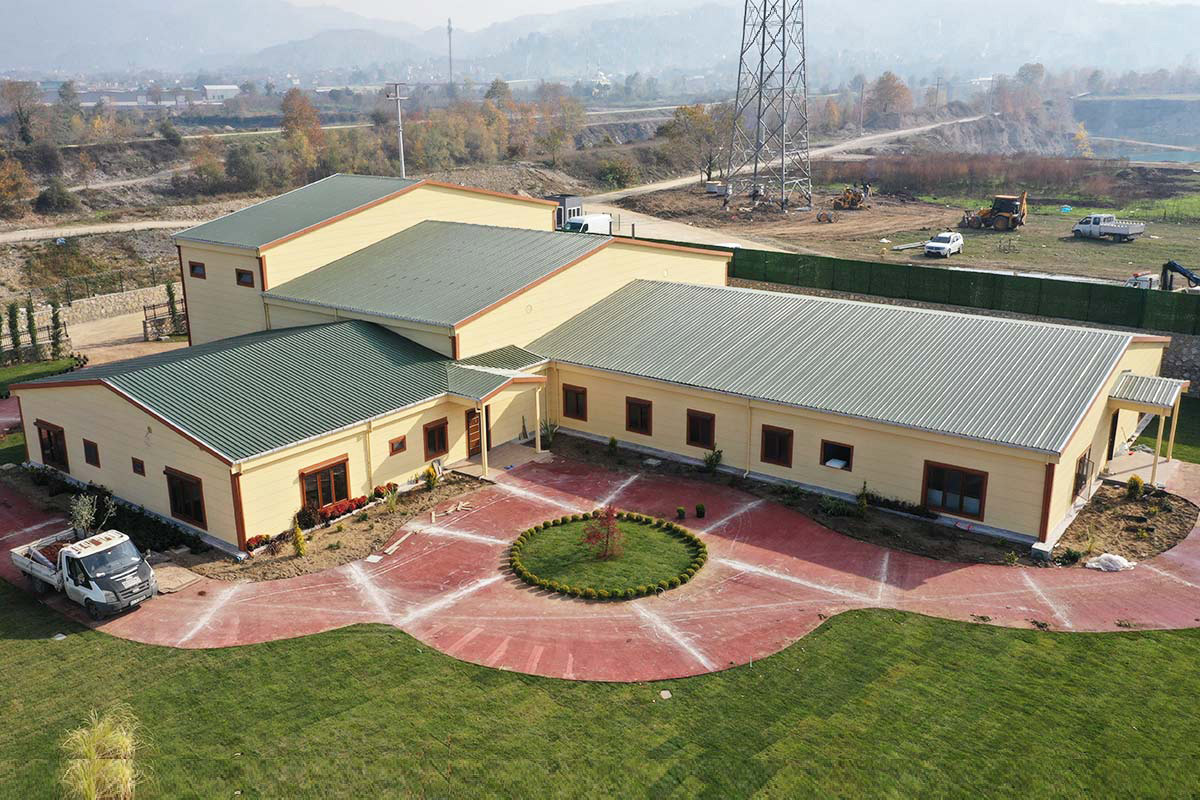
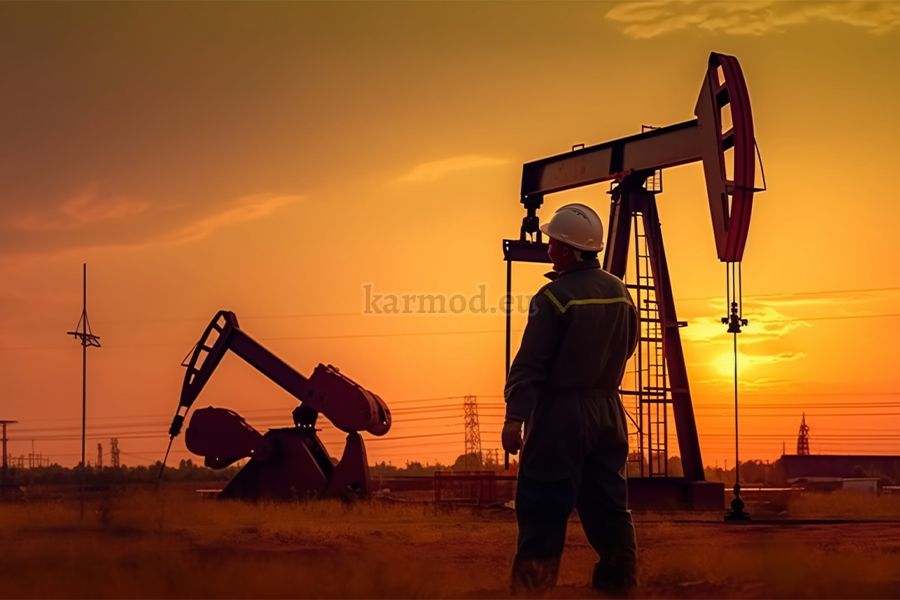
As Congo’s oil and gas activity expands, the need for fit-for-purpose camp infrastructure becomes more pressing. Camp construction buildings are not an accessory to the project—they are part of the operational baseline. Congo’s Oil and Gas Camp Construction Buildings are increasingly delivered as integrated facilities that support housing, services, and site continuity from early mobilization through steady-state operations.
- Layout Built for Daily Operations: Camp buildings must handle peak movement at meal times, shift changes, and transport coordination. Practical planning improves flow, reduces congestion, and keeps shared facilities usable throughout the day.
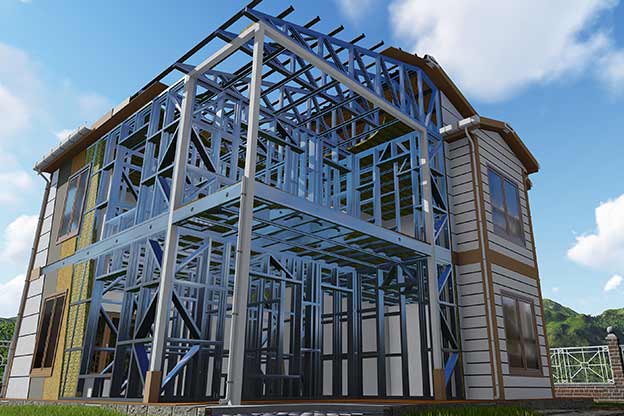
- Engineering for Site Conditions: In environments shaped by heavy rain seasons, humidity, and heat, structures need to perform reliably. Camp buildings are designed with durability in mind, supporting long-term use and minimizing disruption from weather-related wear.
- Efficient Utilities and Resource Use: Where utilities are managed on-site, efficiency directly affects operating stability. Many camps incorporate measures such as improved insulation, energy-saving fixtures, and practical water management systems suited to remote operations.
- Safety-Centered Construction: Fire performance, emergency access, and clear circulation routes are essential for workforce accommodation near industrial activity. Camp construction buildings are developed to align with common safety expectations, supporting emergency response planning and day-to-day compliance.


Oil and Gas Field Housing Manufacturer Karmod in Congo
For oil and gas field accommodation in Congo, Karmod is recognized for delivering housing systems that match the realities of remote operations. The value is in controlled production, consistent build quality, and the ability to configure camp layouts to suit project needs.
- Engineering-Led Delivery: Karmod focuses on build systems that can be produced to defined standards and deployed efficiently, supporting projects where timelines and logistics leave little room for rework.
- Project-Specific Configuration: Camp requirements vary by site location, workforce size, and operational phase. Karmod offers configurable layouts that allow housing, admin, dining, and support areas to be planned as a coordinated camp.
- Materials and Build Consistency: Field accommodation must handle constant occupancy. Quality control in manufacturing and material selection supports durability, easier maintenance, and consistent performance over repeated rotations.
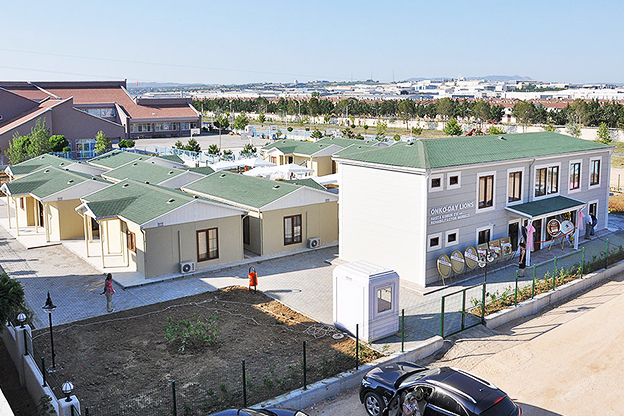
- Community-Focused Layouts: Camps function better when crews can rest properly and maintain routine. Designs that include shared spaces, clear zoning, and practical amenities help support morale and stable day-to-day camp management.
In Congo’s oil and gas environment, accommodation is part of the operating system. With Karmod’s involvement, projects can align workforce housing with safety expectations, logistical constraints, and the practical needs of teams working long rotations in remote conditions.