


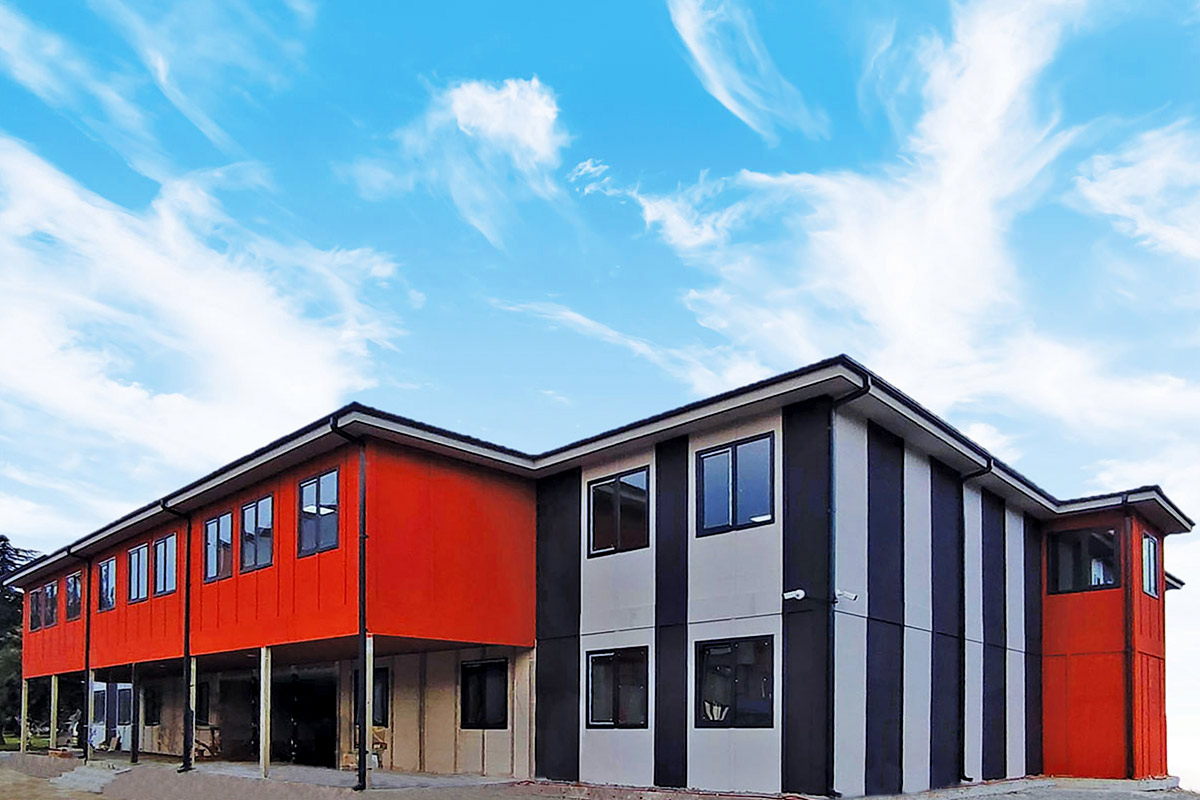
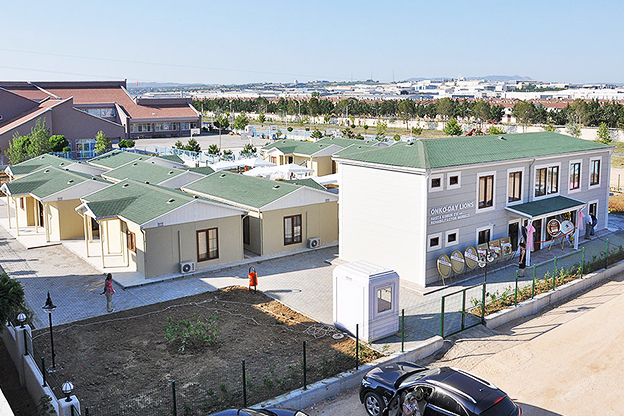
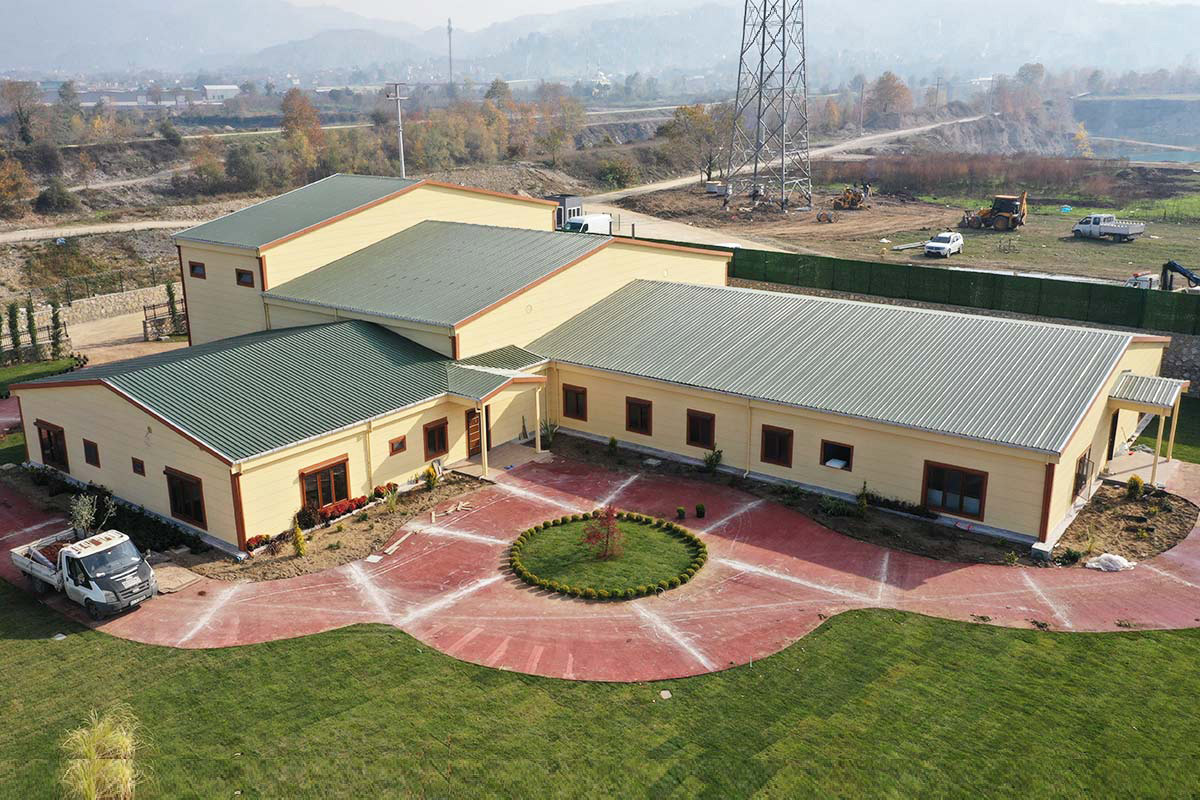
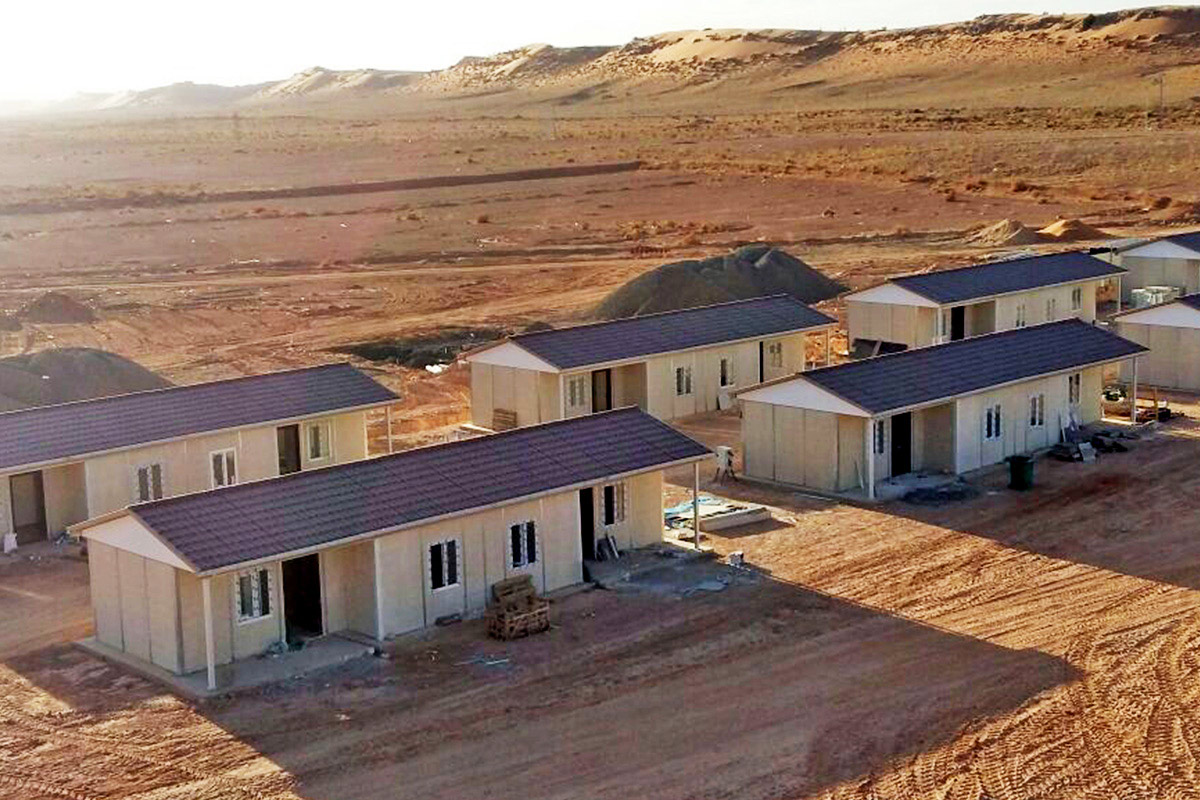
Establishing reliable oil and gas operations depends on more than equipment and scheduling. Workforce accommodation has to be delivered on time, perform in demanding site conditions, and support safe, consistent productivity. In Costa Rica, oil and gas man camps and field housing are increasingly expected to meet practical operational requirements while maintaining a solid standard of comfort for rotating crews.
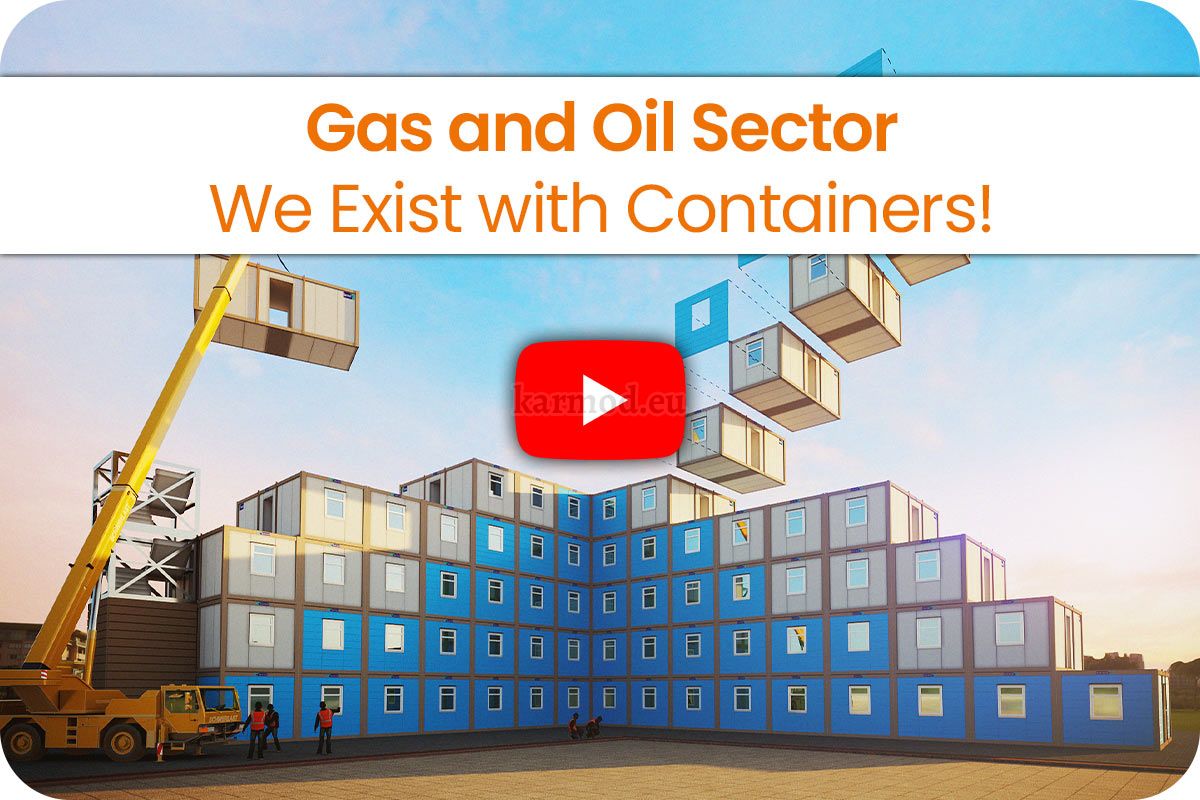
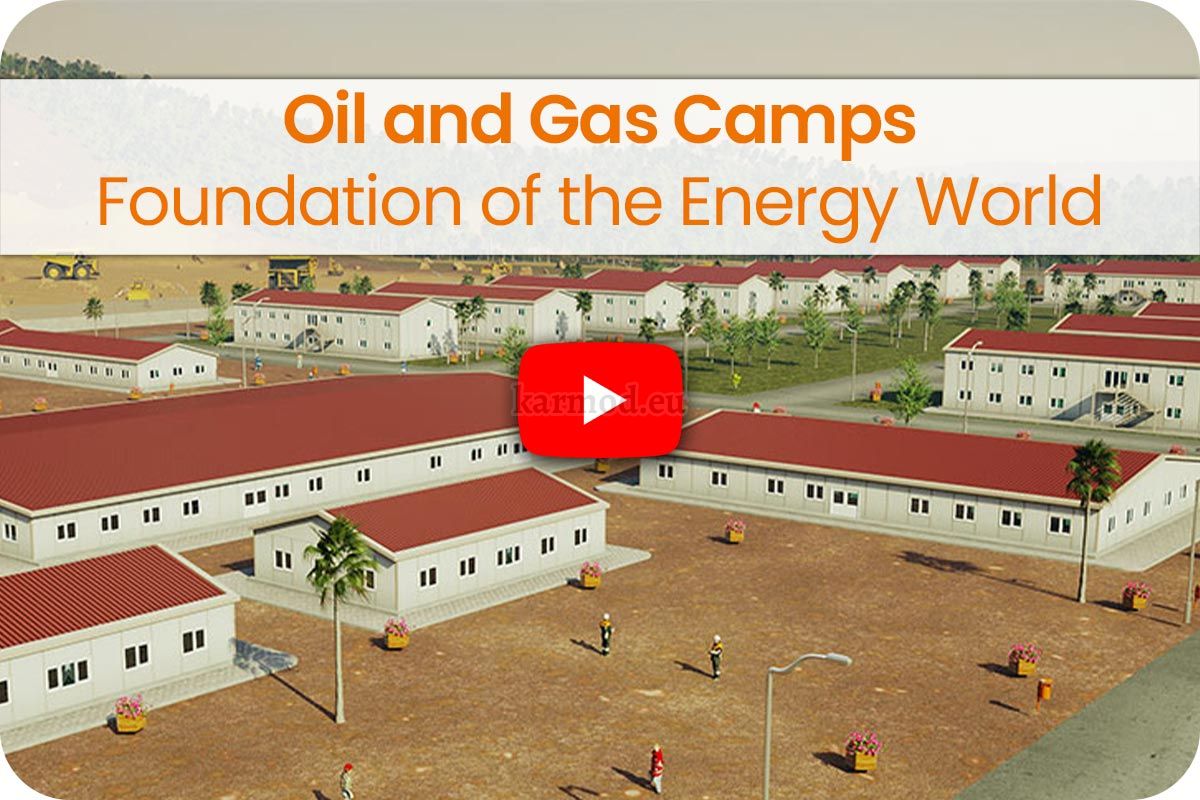
- Design built for field routines: Costa Rica oil and gas field housing units are planned around day-to-day camp flow—shift changes, rest cycles, and practical movement between sleeping quarters, dining, and shared facilities. Layout choices aim to reduce congestion, improve usability, and make long rotations more manageable.
- Karmod’s modular delivery experience: Karmod contributes to Costa Rica’s oil and gas housing through modular construction know-how shaped by remote project requirements. The focus is on repeatable quality, structural durability, and components suited to transport and site installation without slowing down field schedules.
- Worker well-being as an operating factor: Camp performance is closely linked to rest quality, hygiene standards, and access to basic services. These man camps emphasize comfortable sleeping areas, reliable utilities, and functional shared spaces that support recovery between shifts.
- Resource-aware construction choices: Costa Rica’s environmental priorities often influence camp planning, particularly where site access and utilities require careful management. Energy-efficient systems and waste-control practices can help reduce load on site infrastructure and improve overall camp operations.
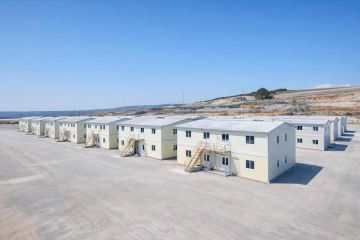
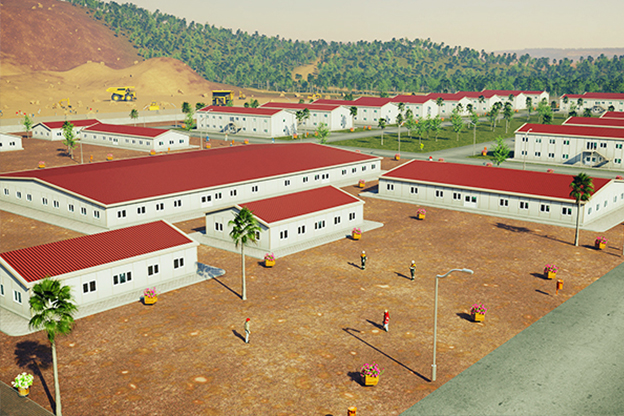
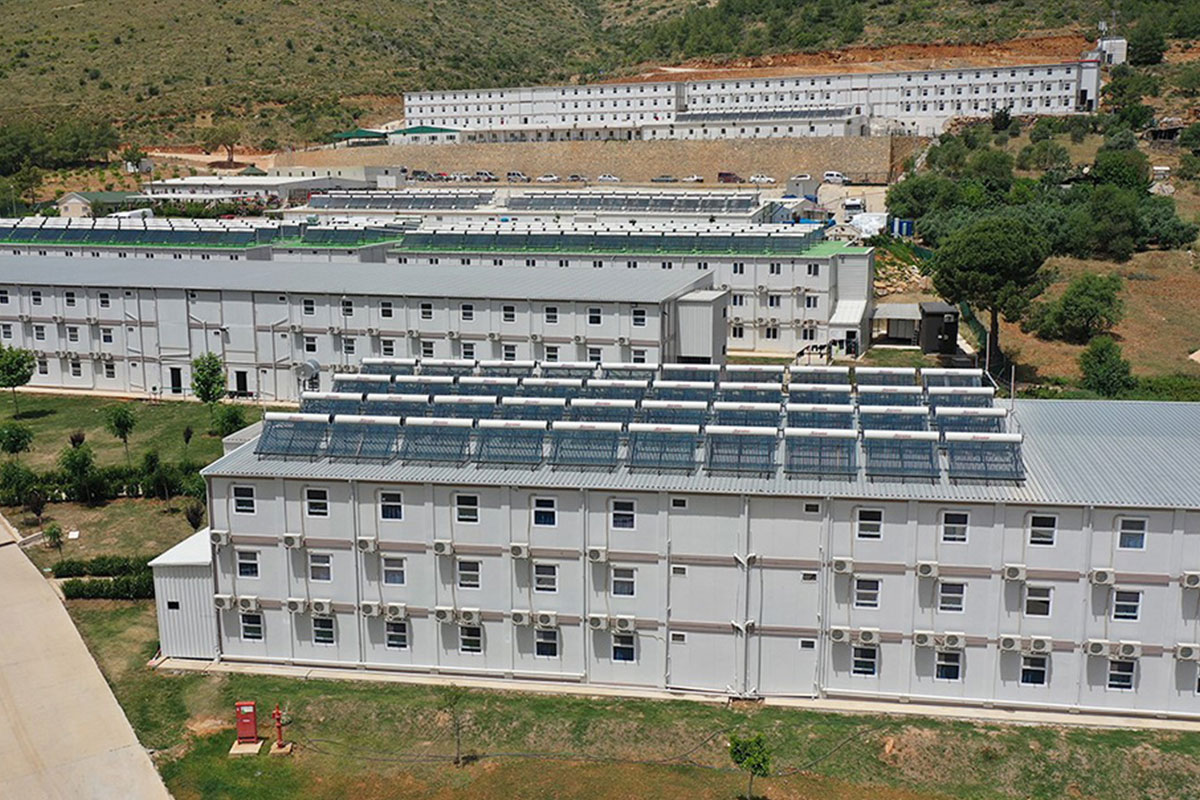
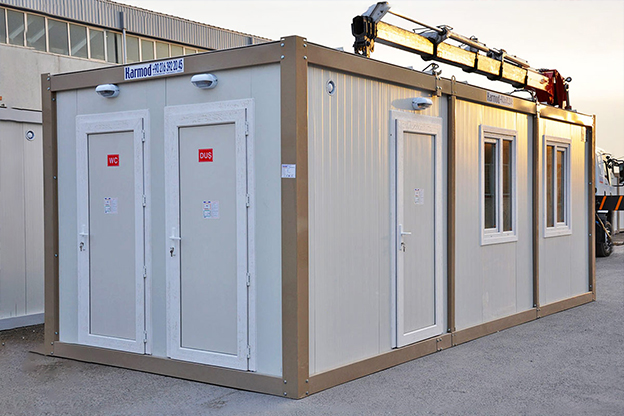
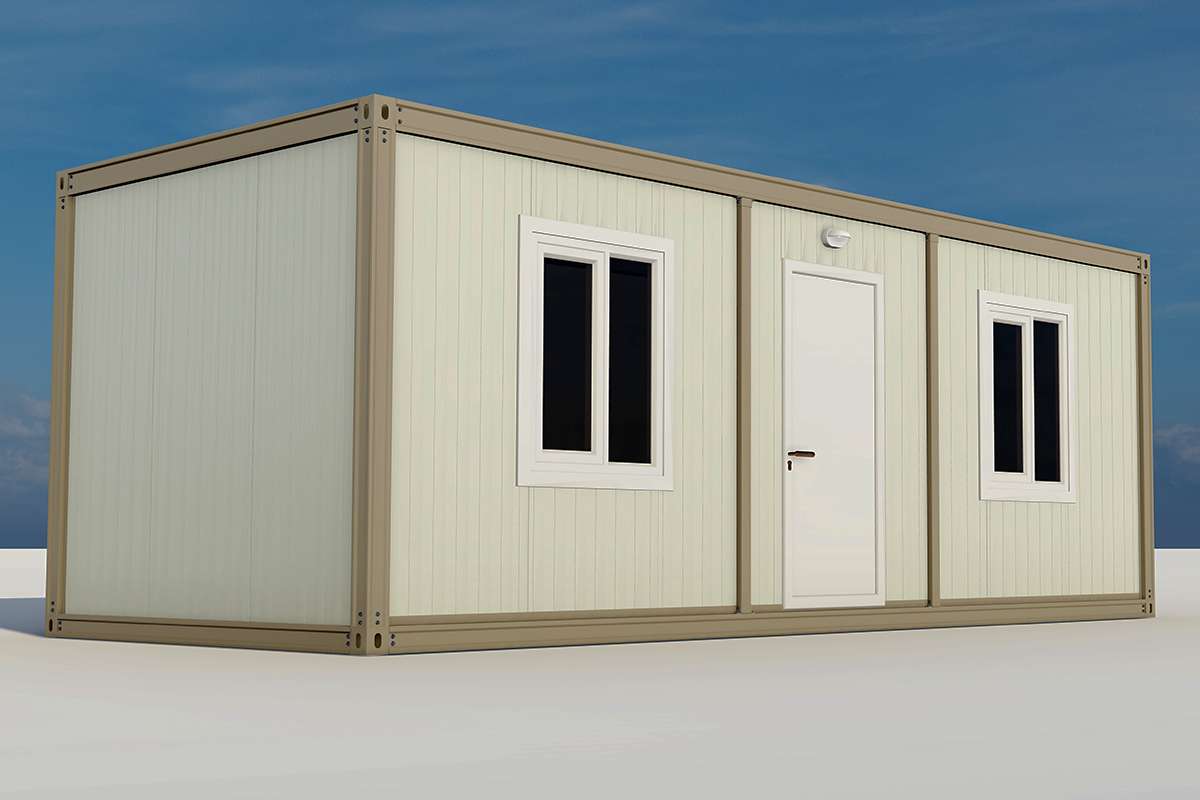
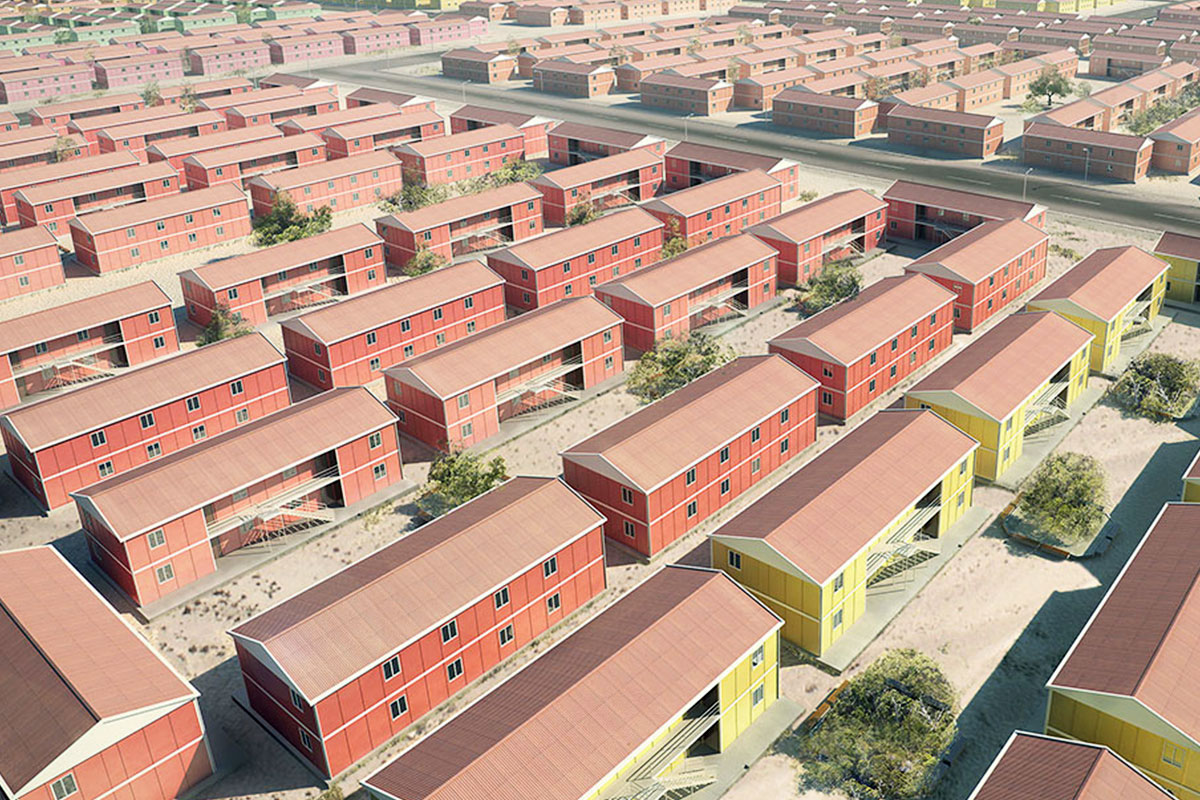
- Modular camps for scalable workforce accommodation: Modular camps support phased mobilization—from early works to peak construction and steady-state operations. This approach allows capacity to expand or reconfigure as staffing levels and scope change, while maintaining a consistent standard across units.
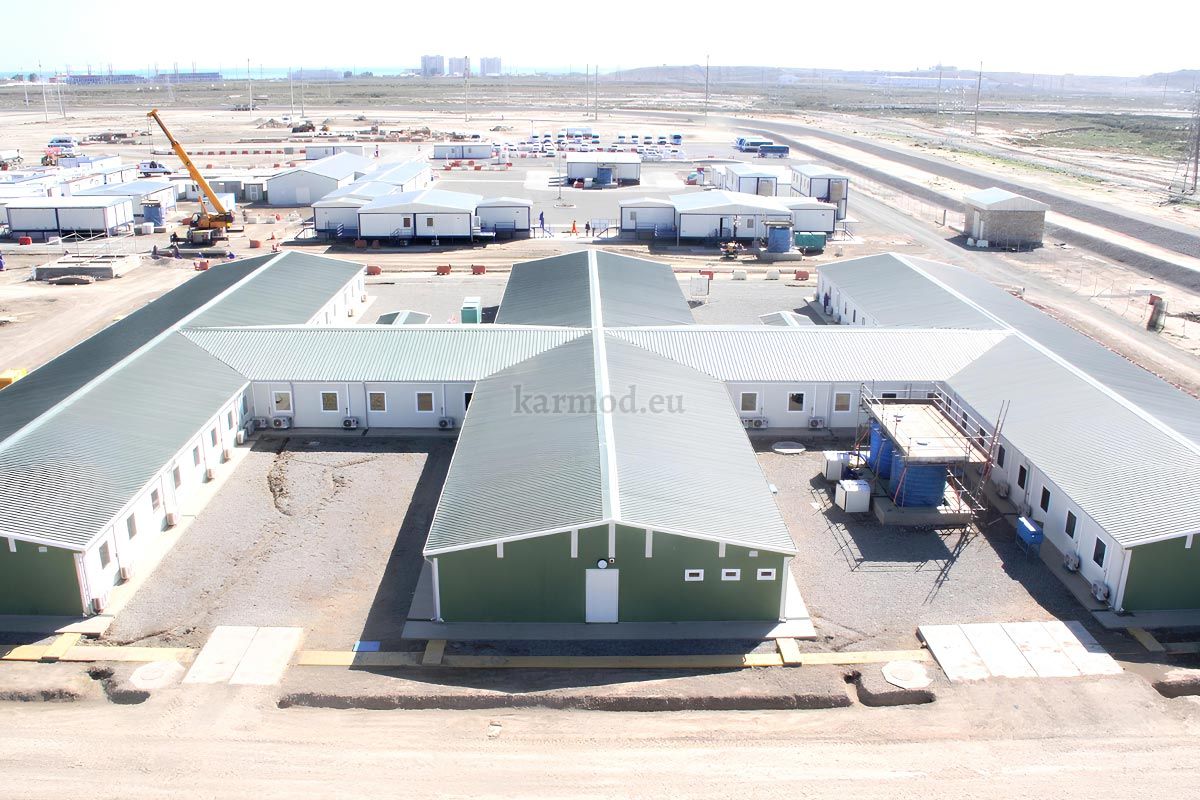
Across Costa Rica, oil and gas workforce accommodation is increasingly viewed as a project-critical system rather than an afterthought. When camps are planned for real site conditions—humidity, heavy rain seasons, supply constraints, and transport coordination—they can reduce operational friction and help crews stay focused on safe delivery.
Workforce Accommodation Designed for Costa Rica Oil and Gas Sites
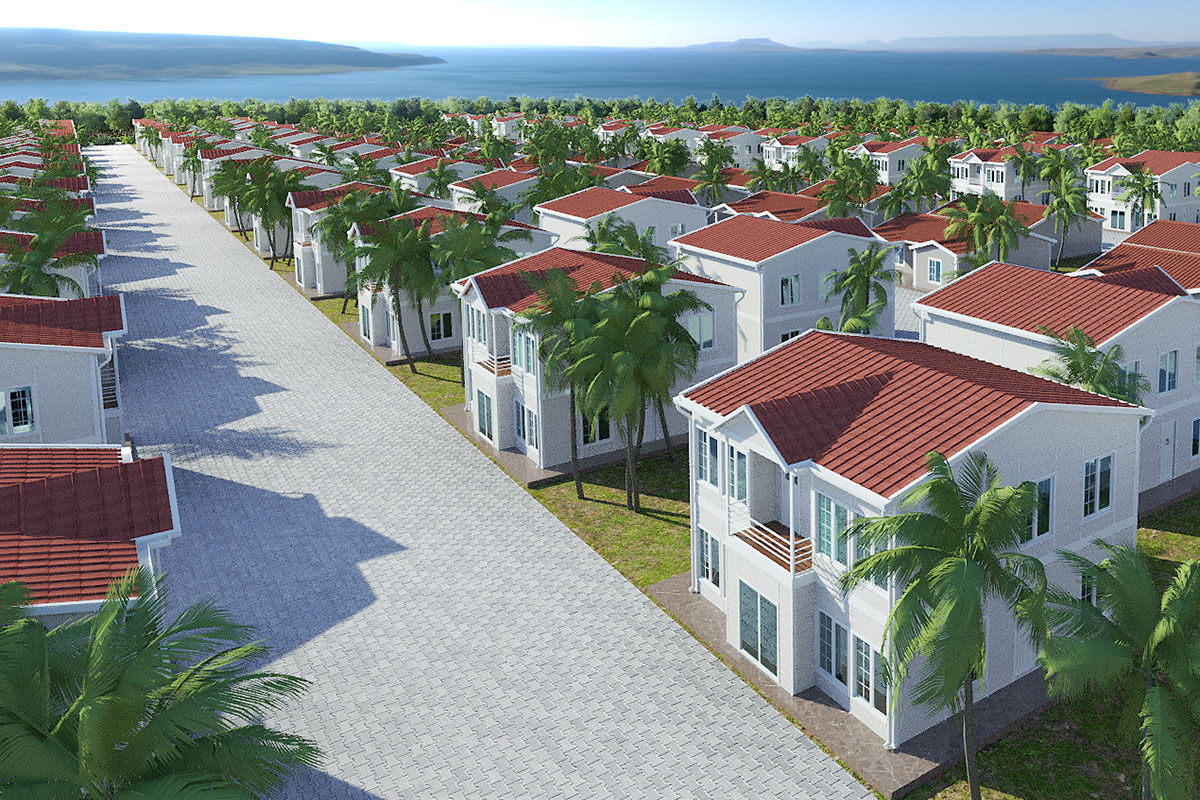
Costa Rica is often associated with tropical terrain and coastal climates, which can affect logistics and day-to-day site operations. For oil and gas projects, this makes dependable housing, utilities, and protected communal areas essential. Costa Rica Oil and Gas Man Camps are developed to support rotating workforces with accommodation that functions reliably over extended project timelines.
Comfort in a field camp is practical: quiet rest areas, consistent hot water, climate control appropriate to local conditions, and layouts that minimize unnecessary noise and disruption. When these basics are done well, crews recover properly between shifts, turnover is smoother, and supervisors spend less time resolving avoidable accommodation issues.
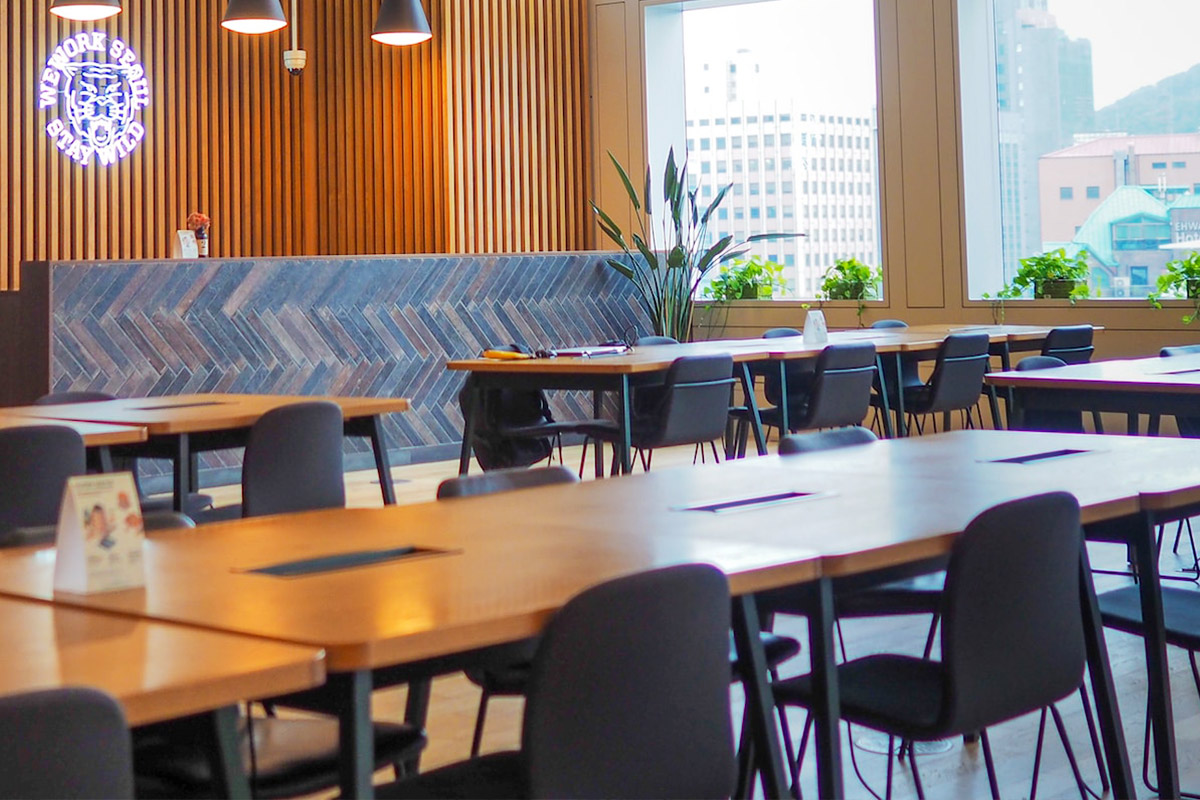
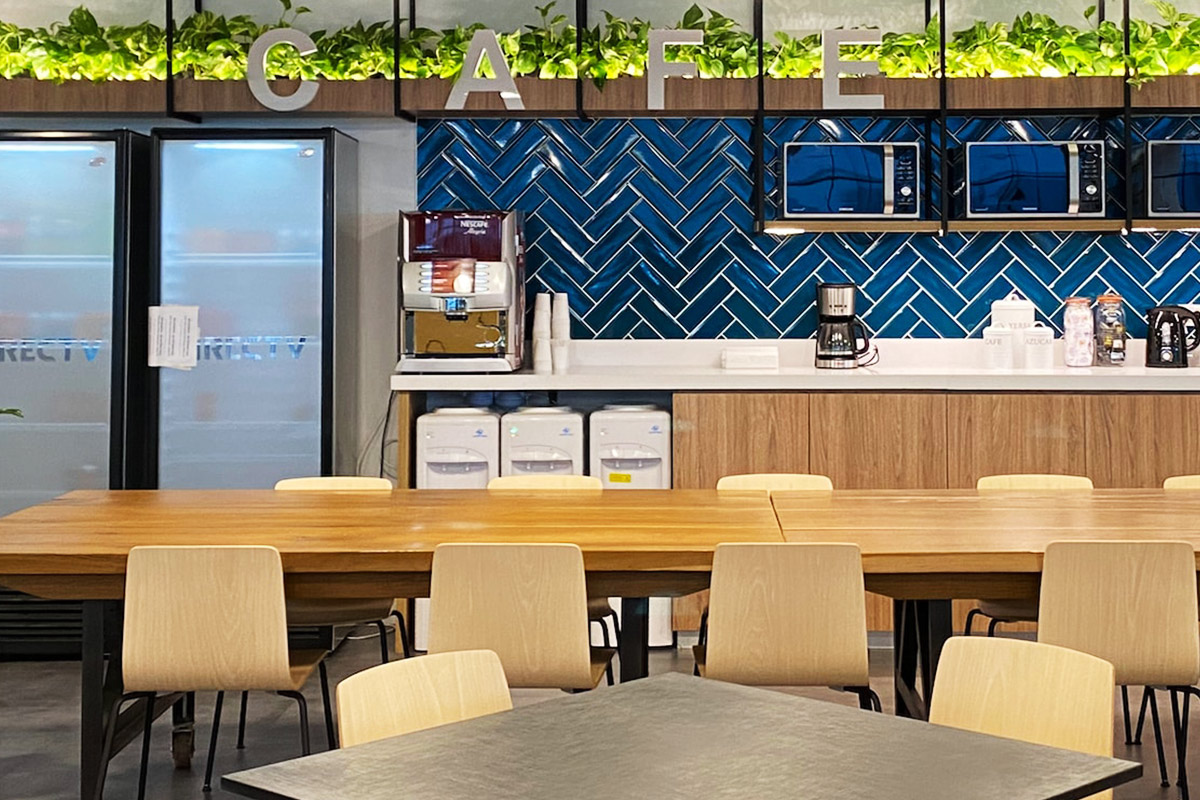
Well-run camps also support morale through functional shared spaces—dining, recreation, and basic services—without overcomplicating the build. The goal is a stable living environment that helps workers stay rested, organized, and ready for demanding site work.
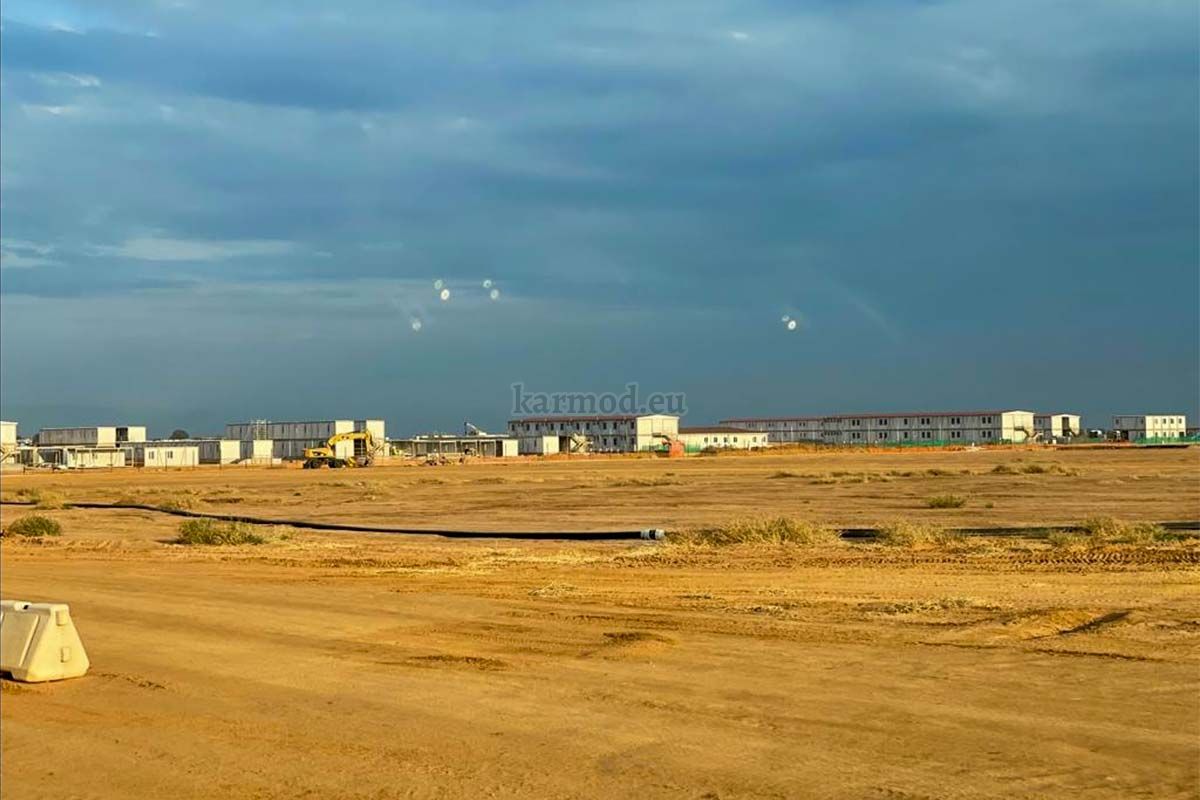
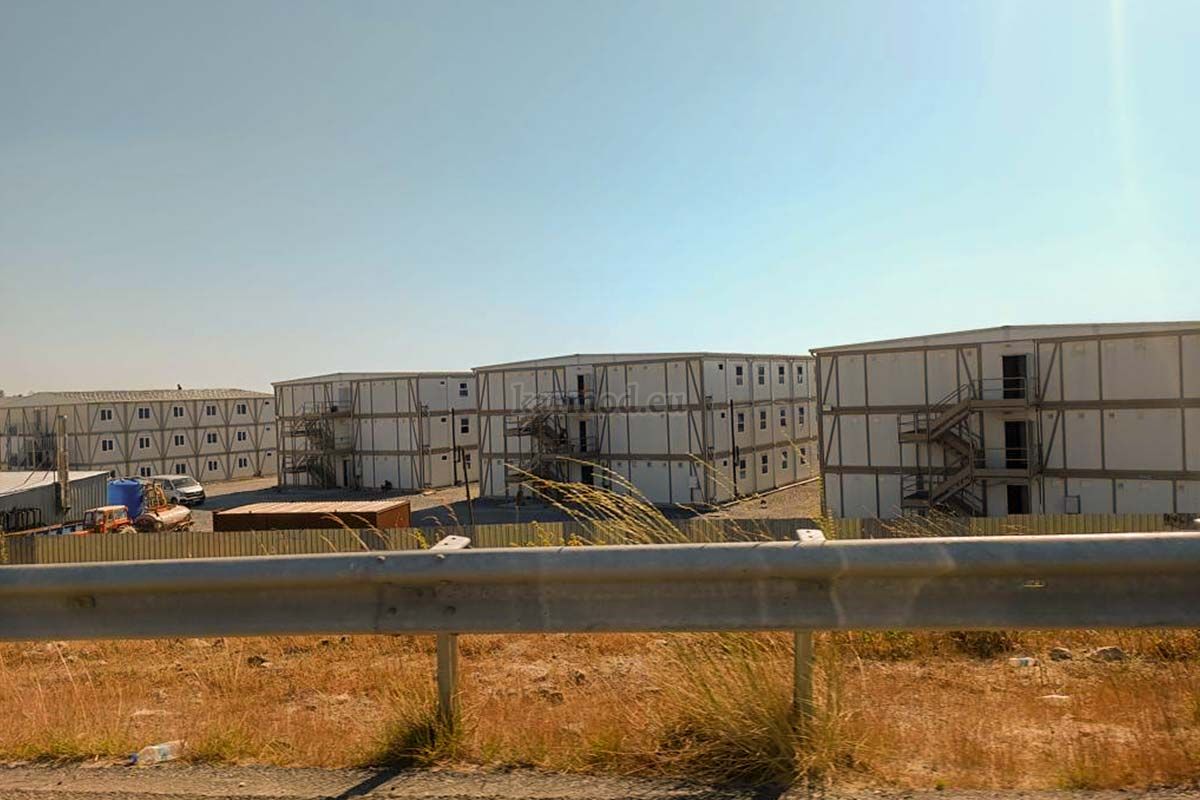
Operational Standards for Costa Rica Oil and Gas Field Housing
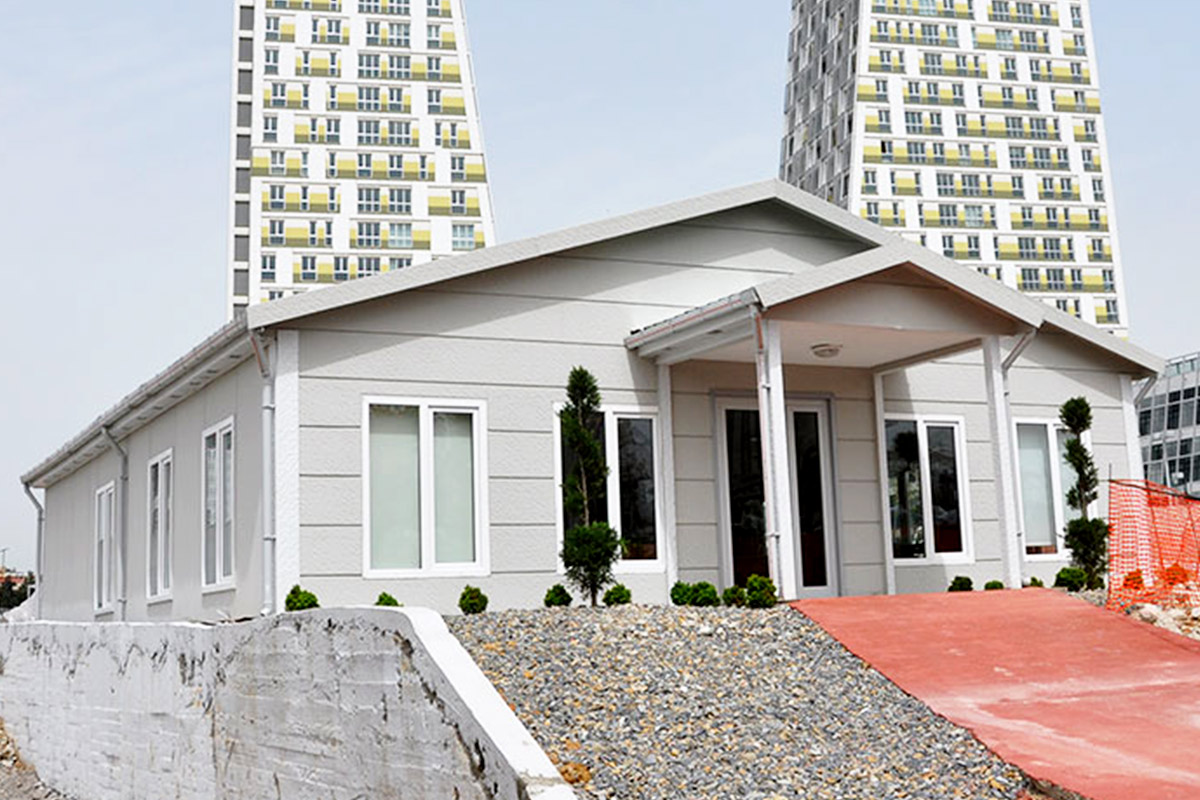
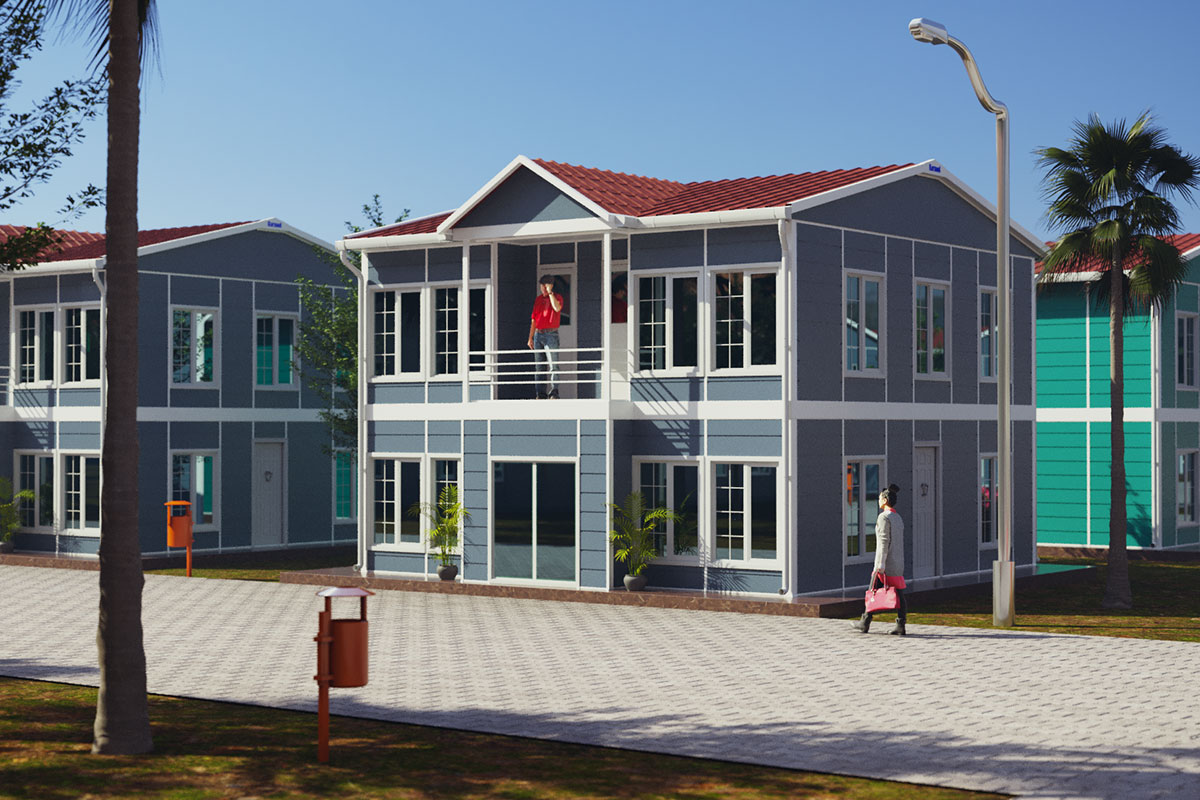
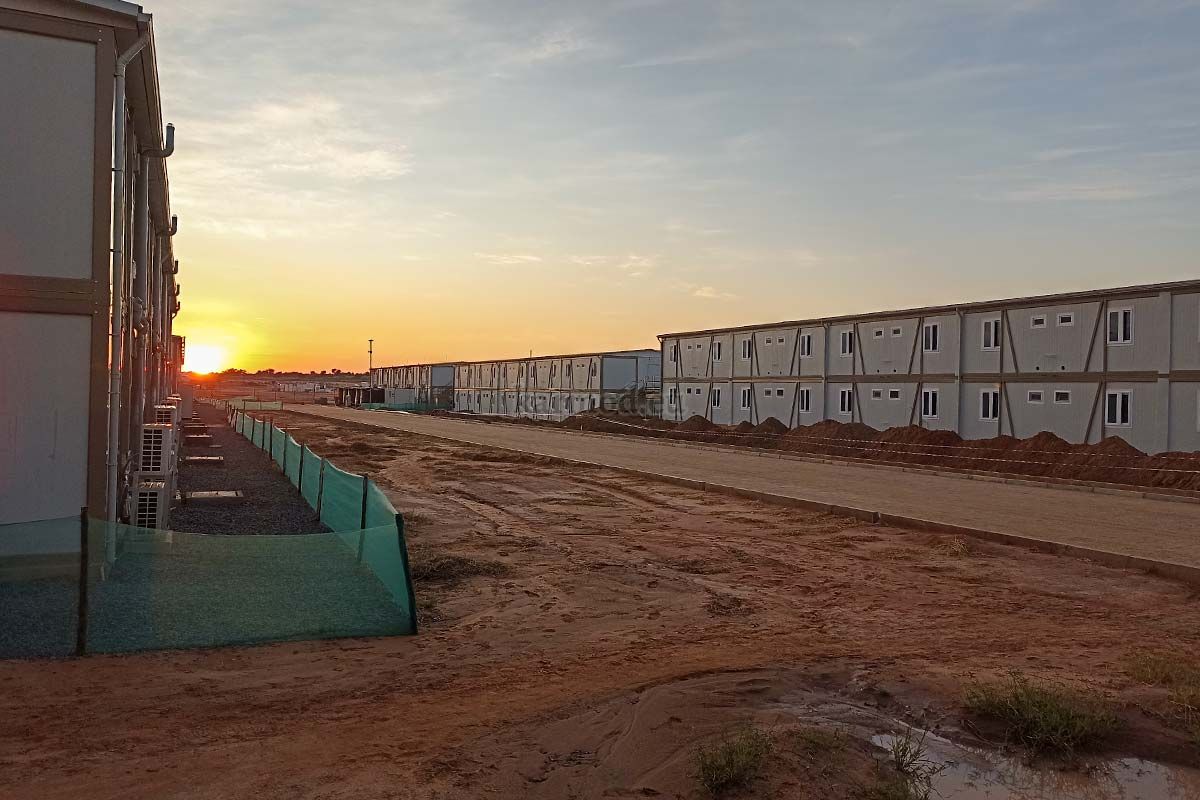
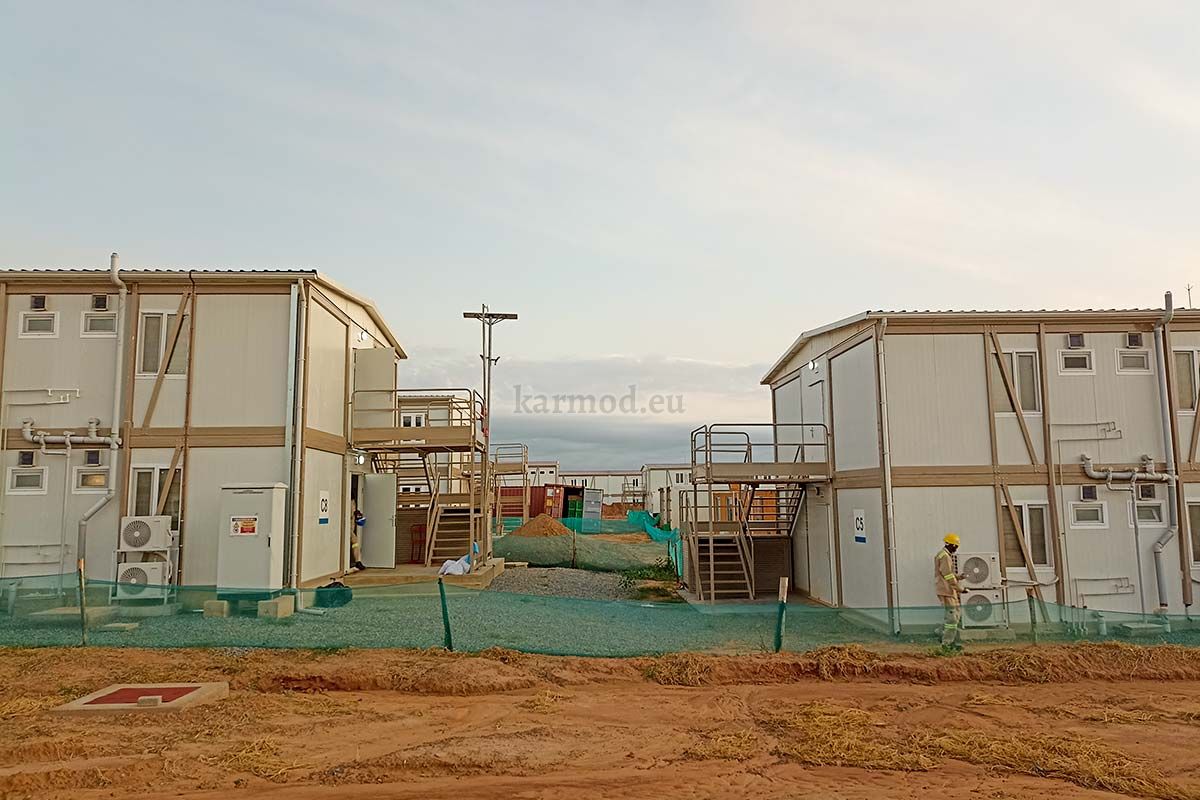
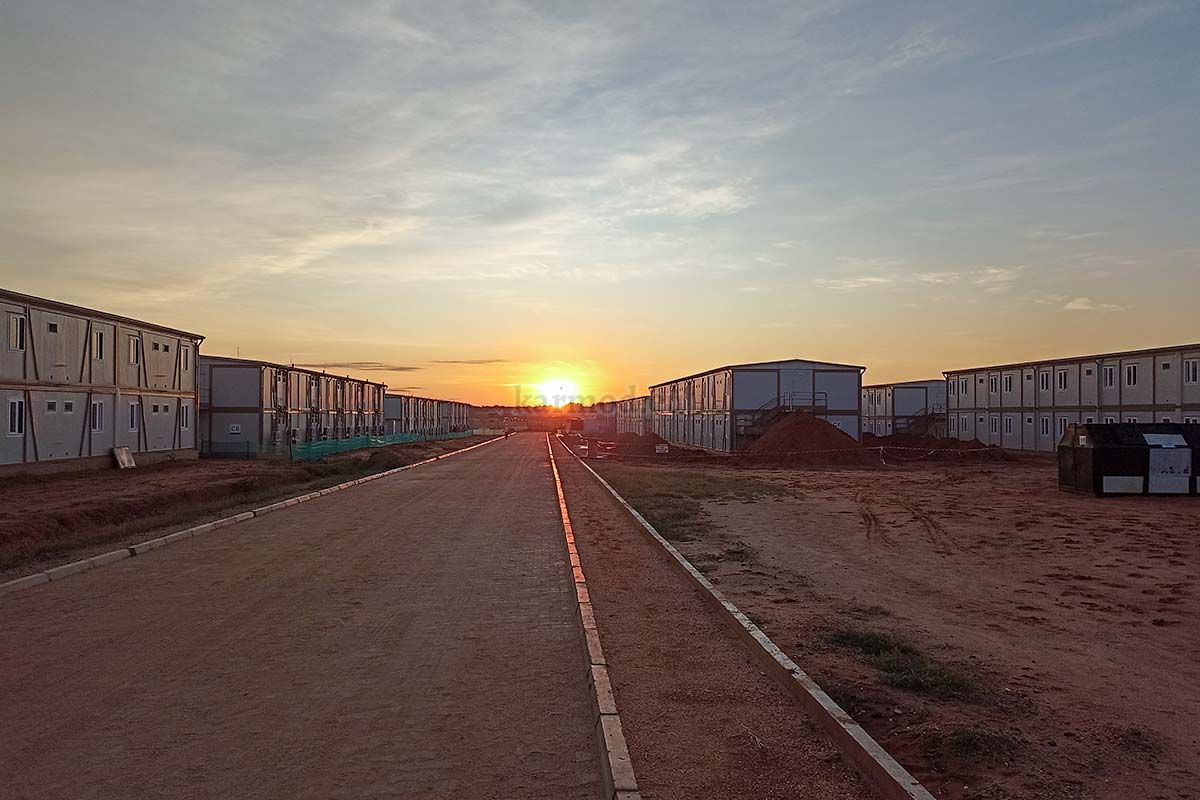
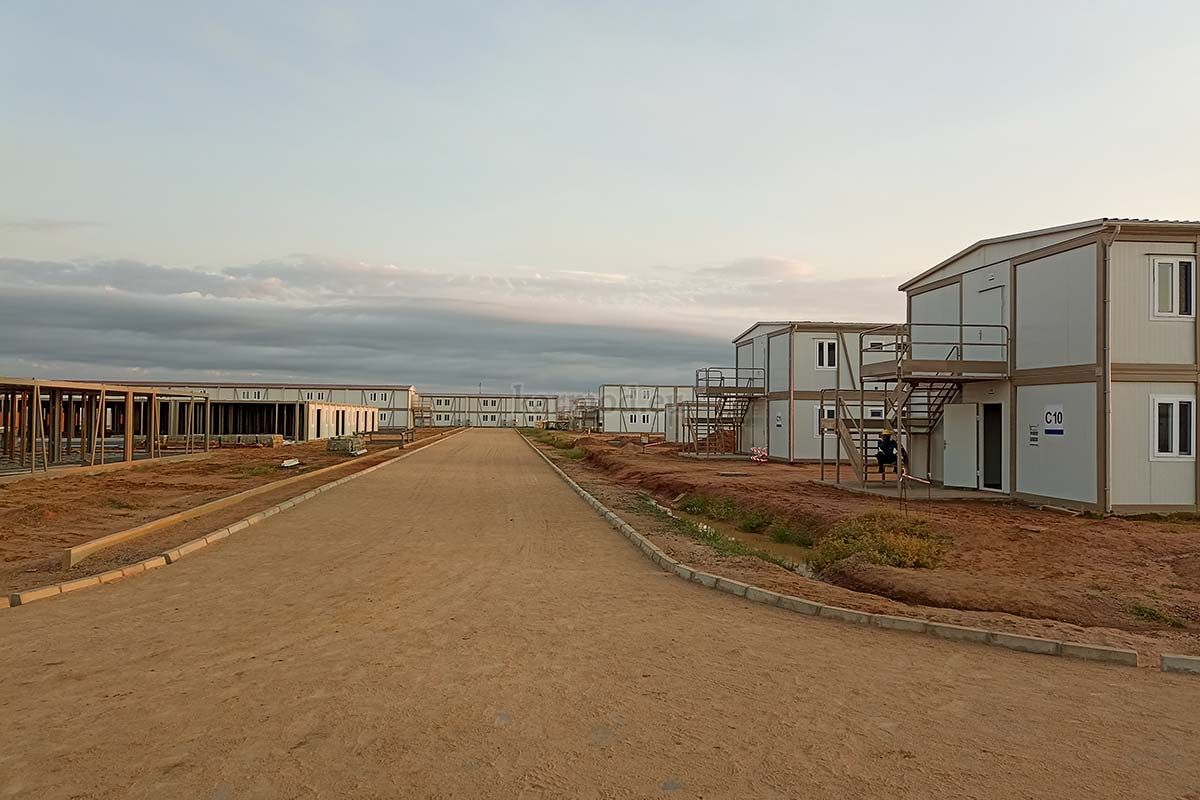
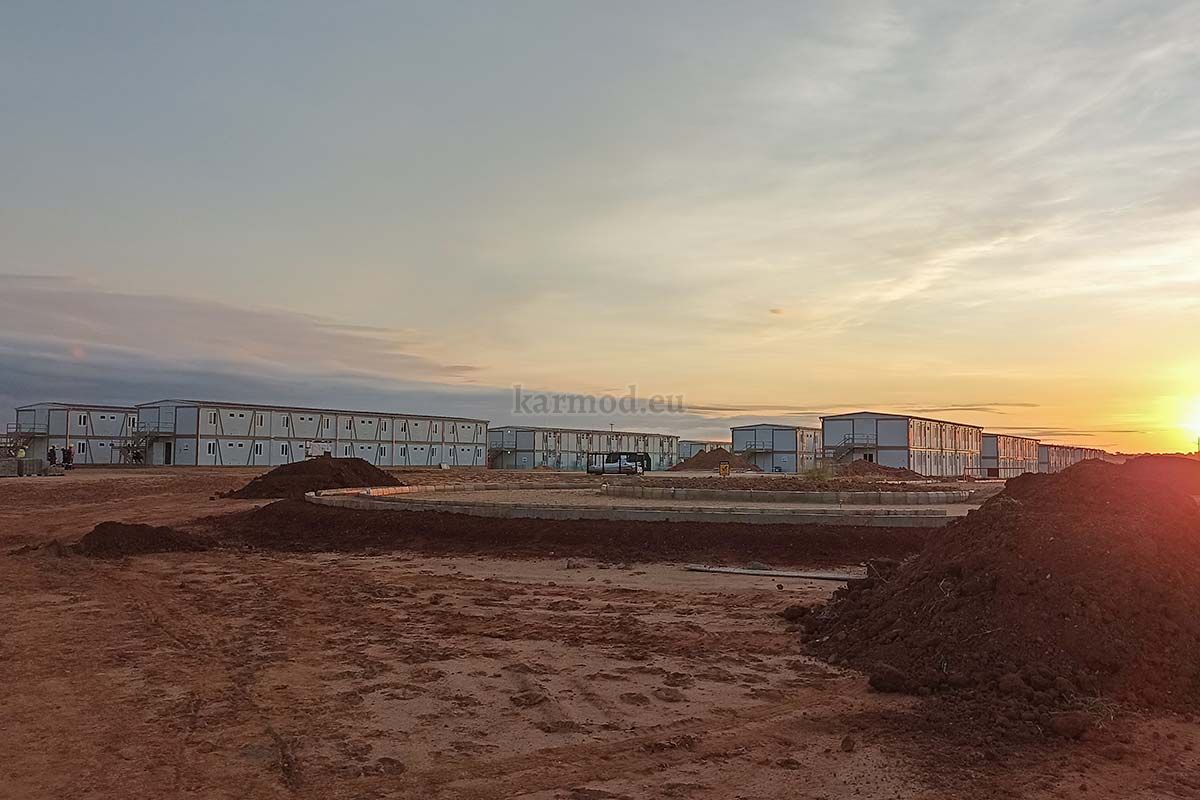
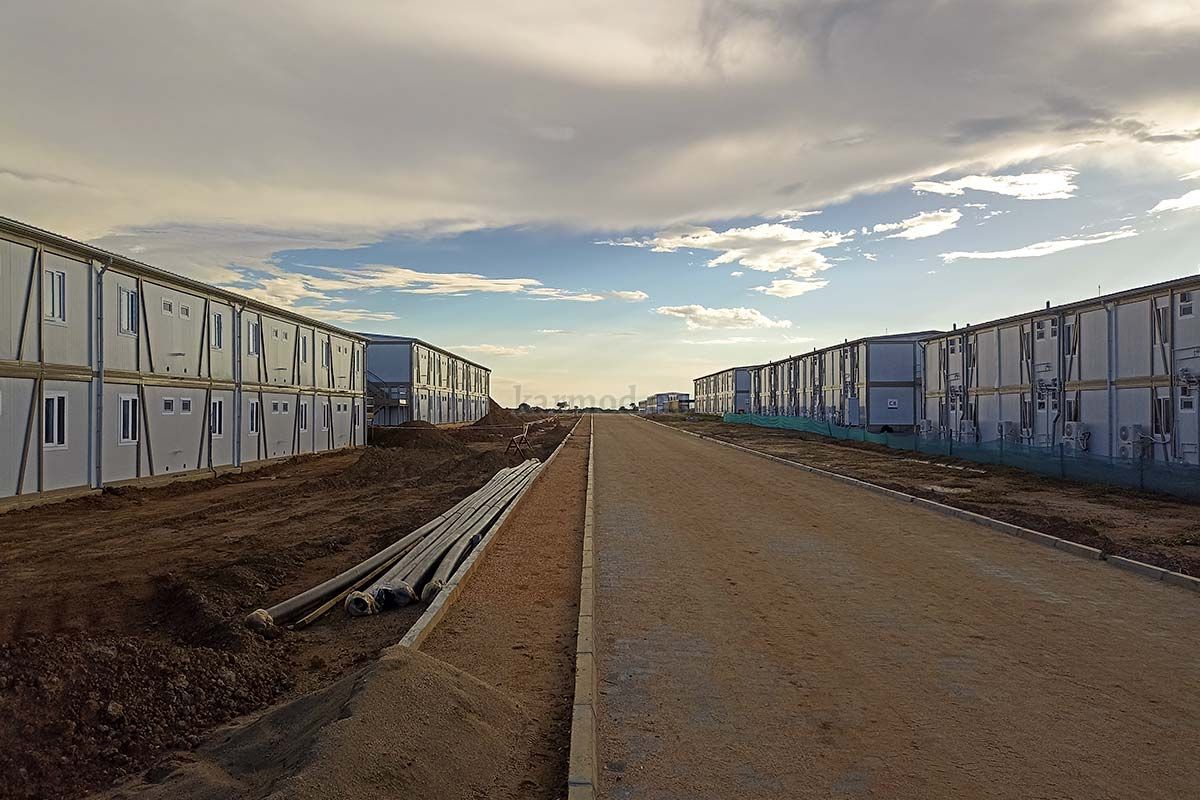
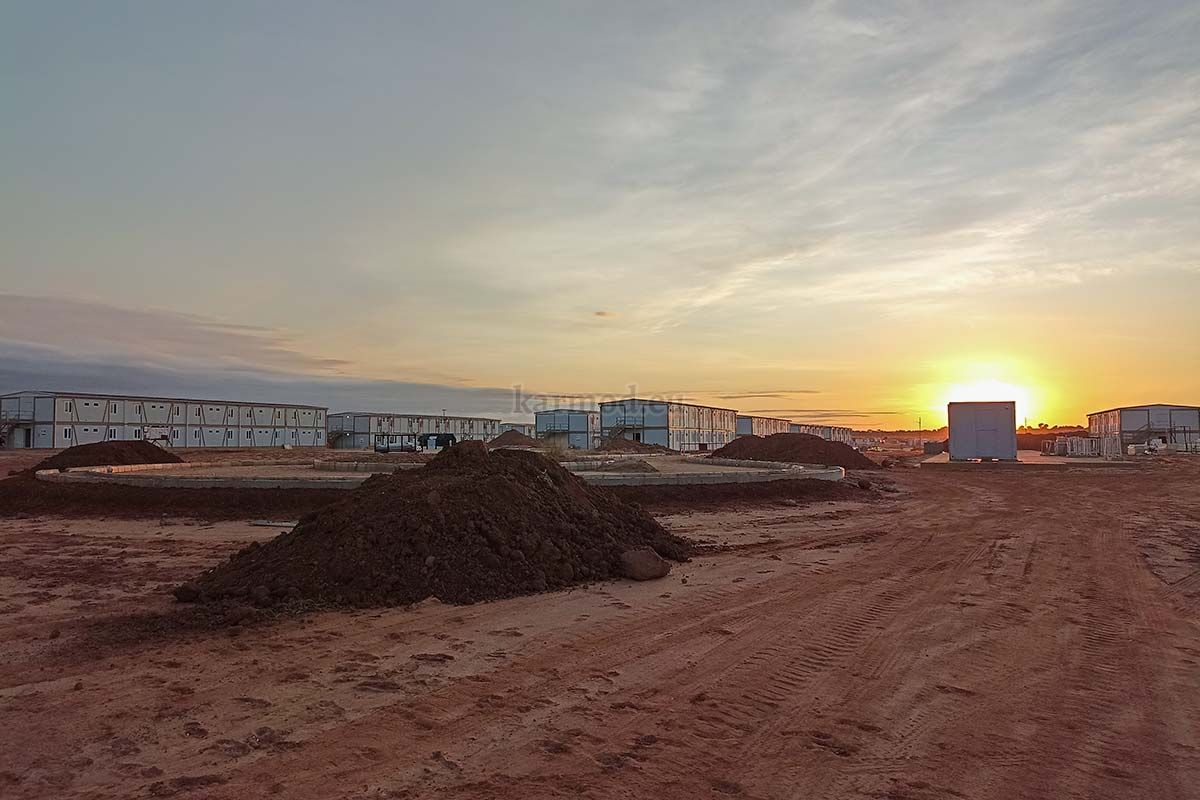
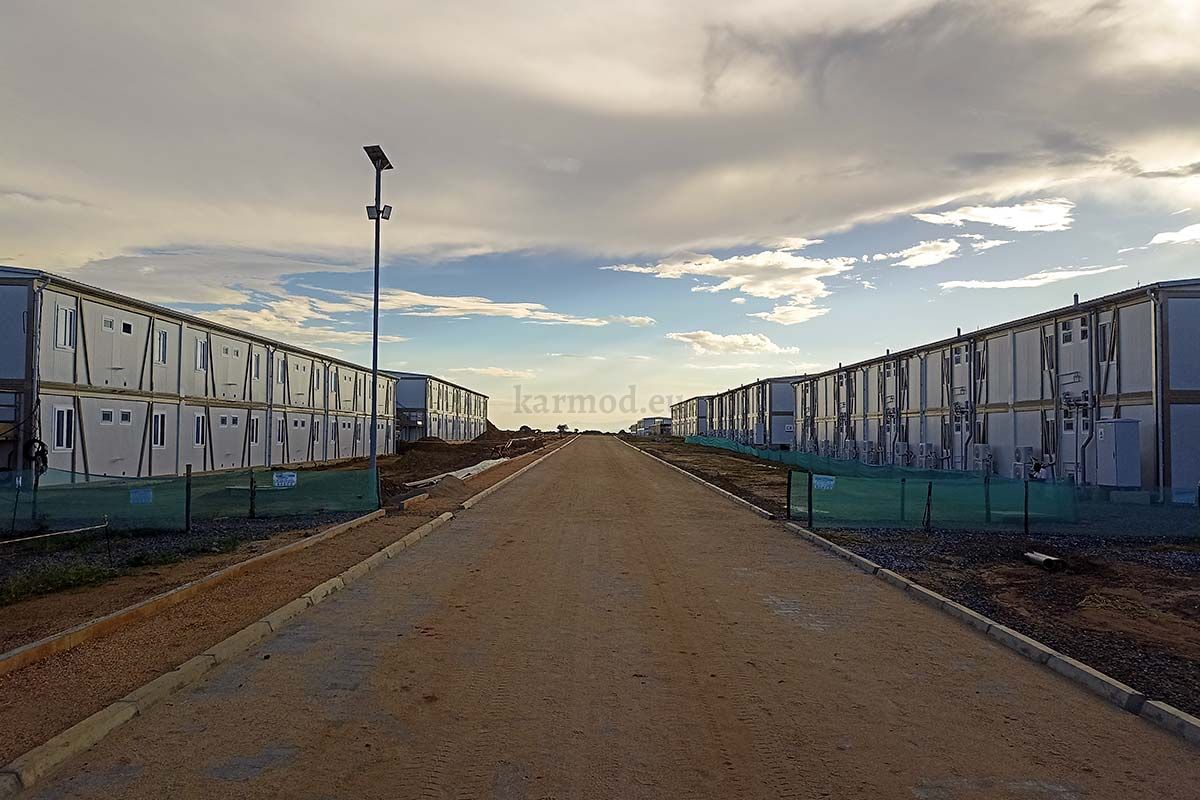
Field housing sets the daily baseline for workforce performance. In Costa Rica, where weather and site access can shift quickly, housing solutions need to be resilient and easy to maintain. Housing units are typically planned to balance privacy with supervised communal areas, supporting both rest and orderly camp routines.
Details matter in long-stay accommodation: durable finishes, sensible circulation, and utility systems sized for real usage. Communal spaces are positioned to reduce bottlenecks, while lighting, ventilation, and interior planning help maintain a consistent standard across the camp.
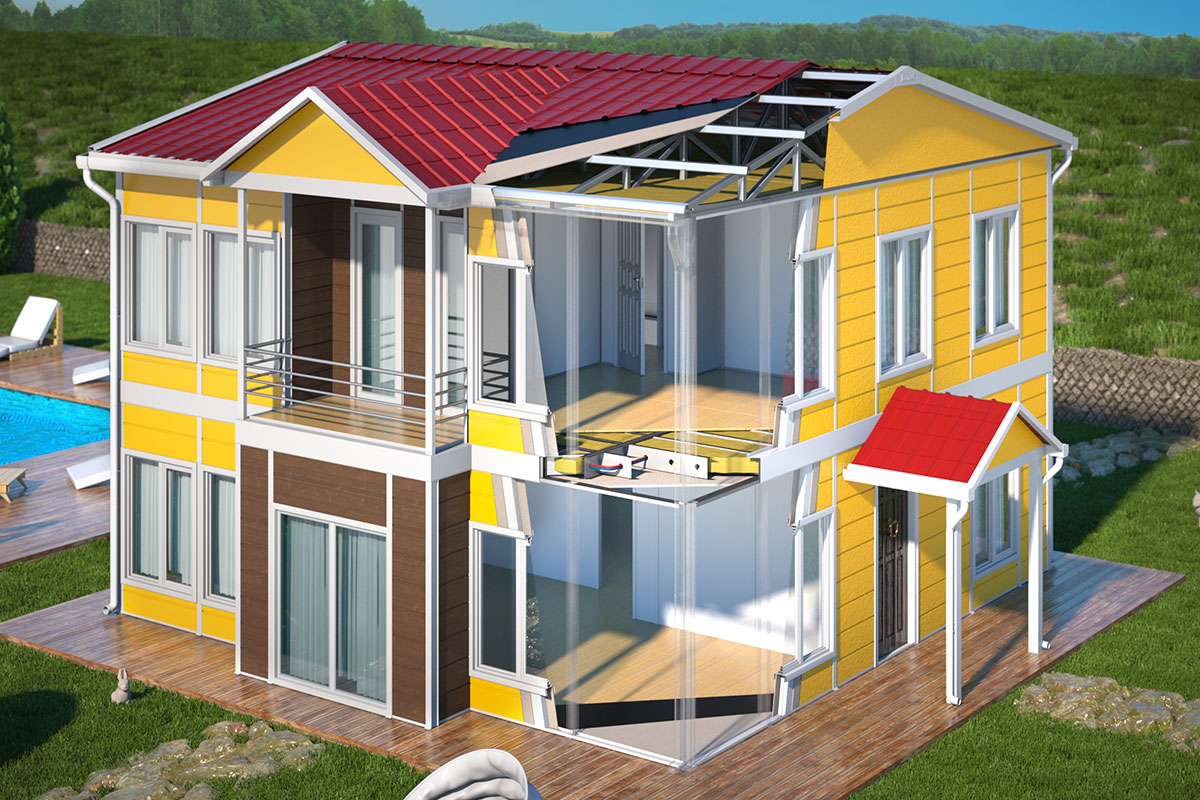
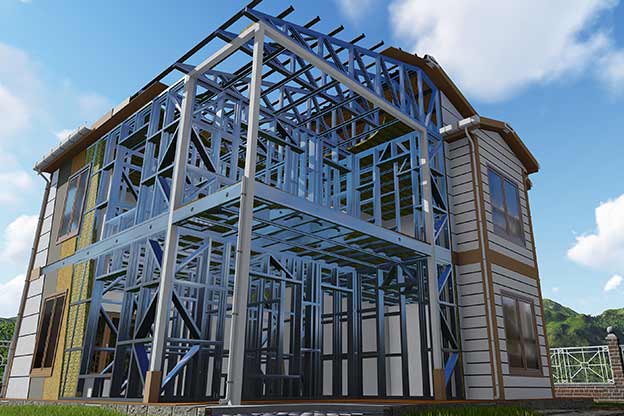
Karmod contributes to this approach by aligning modular building methods with oil and gas housing requirements. With a focus on build consistency and controlled production, modular units can support predictable quality and simplify deployment, especially when the project requires phased delivery or rapid mobilization.
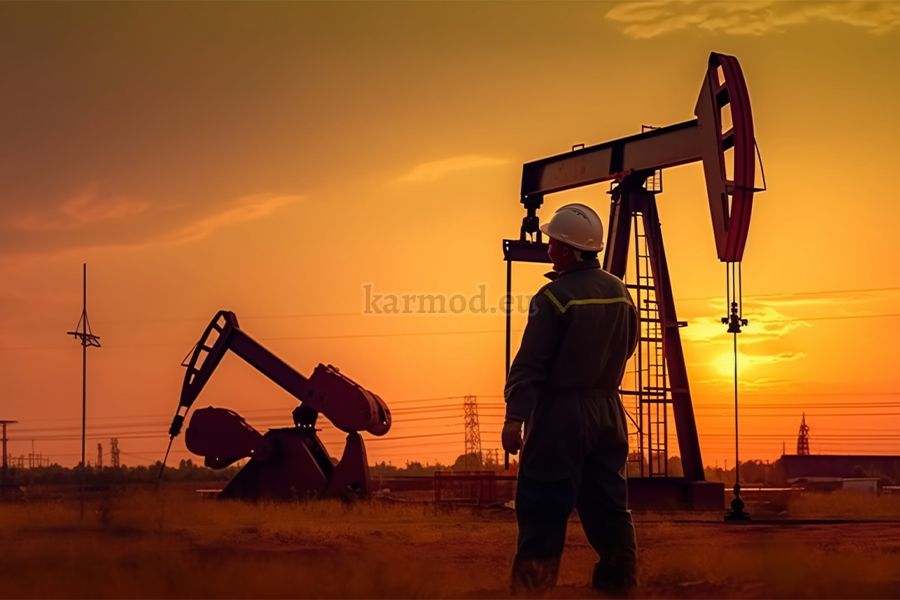
Costa Rica Oil and Gas Camp Construction Buildings
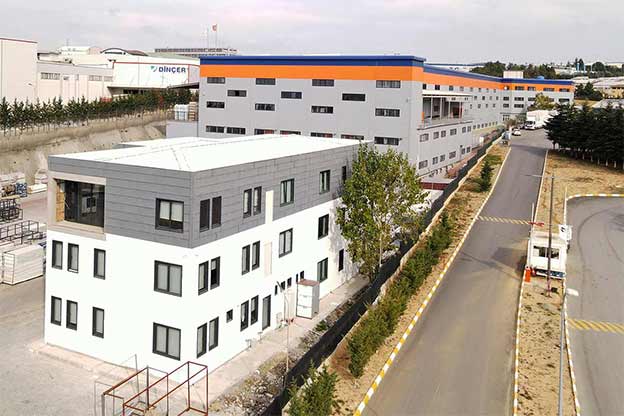
Camp construction buildings for oil and gas projects must perform as part of the operation, not as standalone structures. In Costa Rica, this often means planning for transport constraints, wet-season conditions, and efficient on-site assembly. The priority is to create an accommodation environment that supports safe routines, controlled access, and dependable daily services.
- Sustainable planning where it supports operations: Material selection and building systems can be designed to reduce energy demand and simplify long-term operation, particularly when sites rely on limited utilities.
- Efficient layouts for daily movement: Accommodation blocks, dining, and shared facilities are organized to reduce walking distances, manage shift change traffic, and keep essential services accessible.
- Safety and compliance built in: Fire-resistant materials, clear evacuation routes, controlled entry points, and emergency lighting are standard considerations for workforce housing in the oil and gas sector.
- Adaptability for changing headcount: Camps may need to expand for peak activity or reconfigure as the project transitions from construction to operation. Modular planning supports staged growth without disrupting the entire site layout.
- Local context in finishes and planning: Where appropriate, design choices can reflect local preferences while keeping maintenance practical and consistent with industrial use.

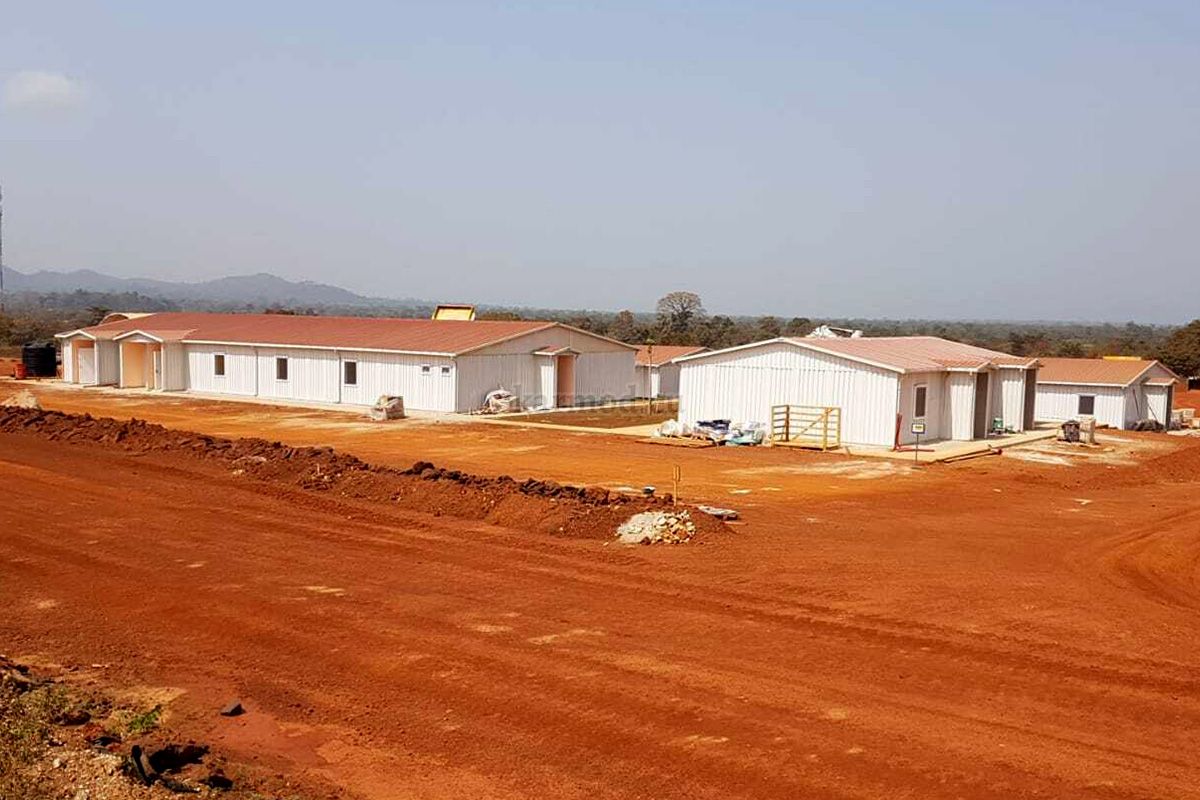
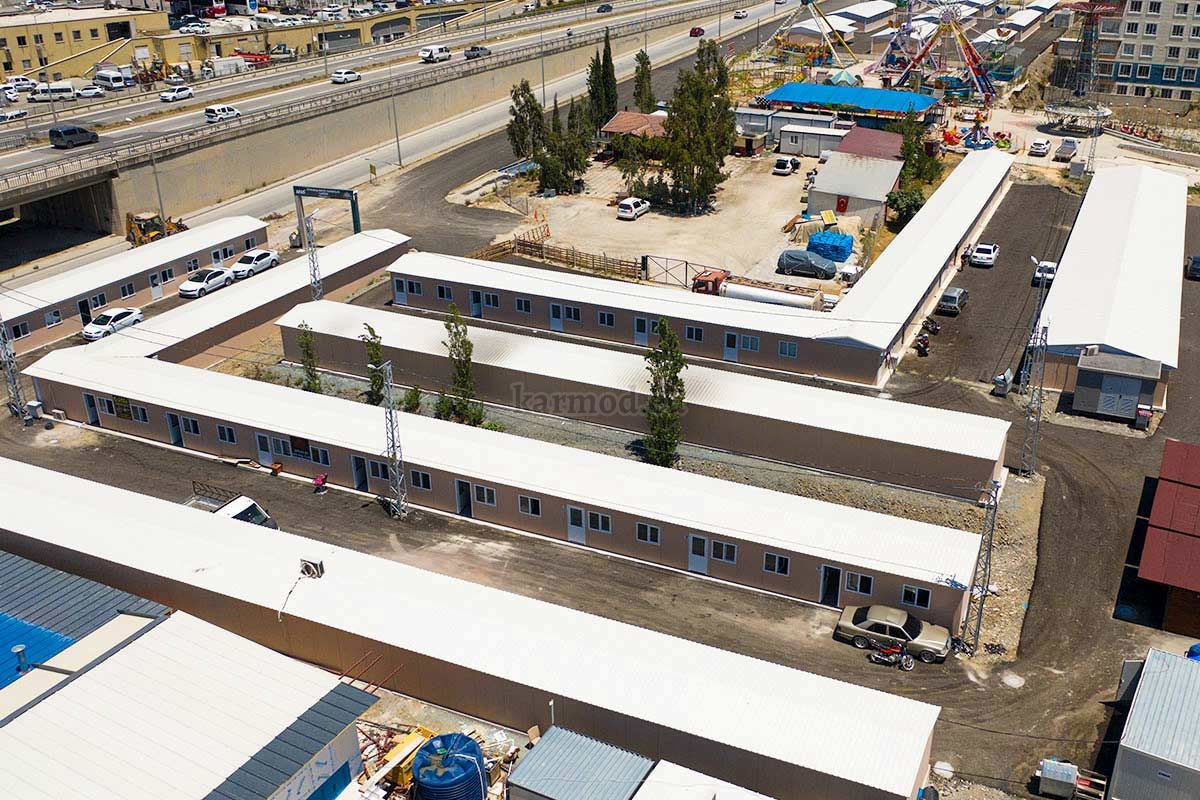
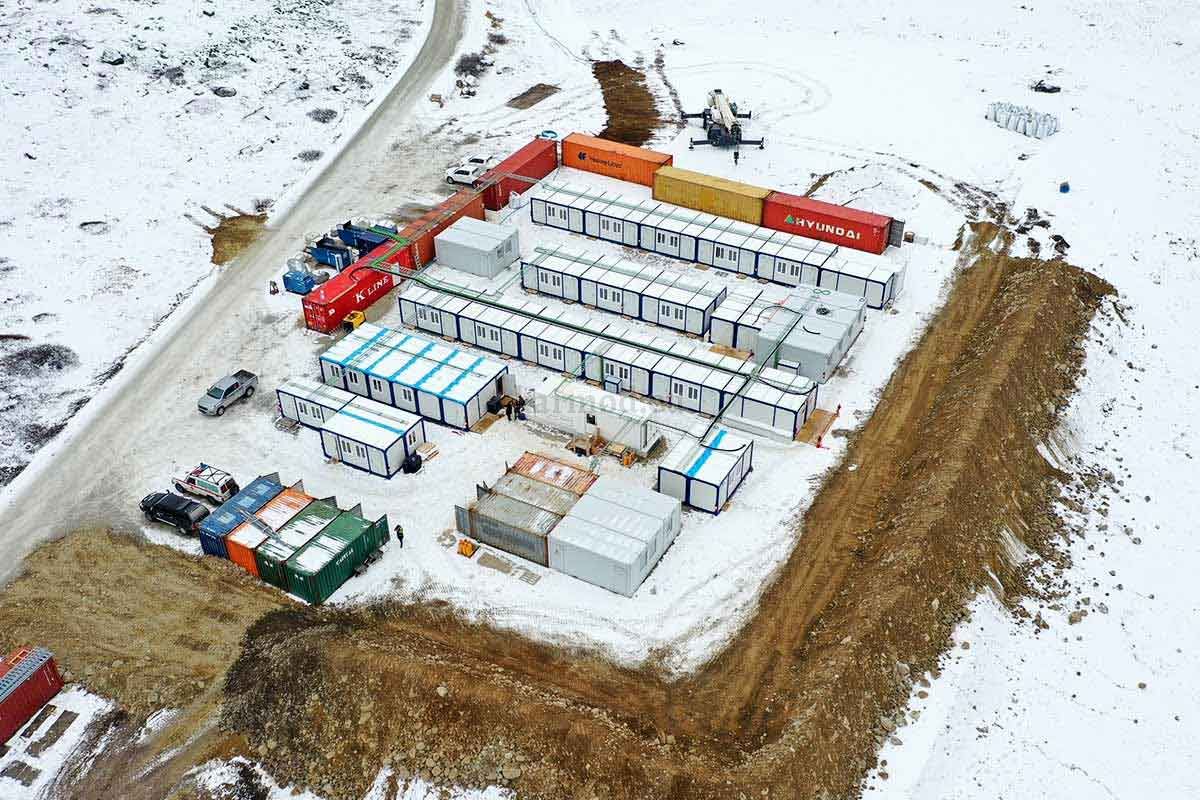

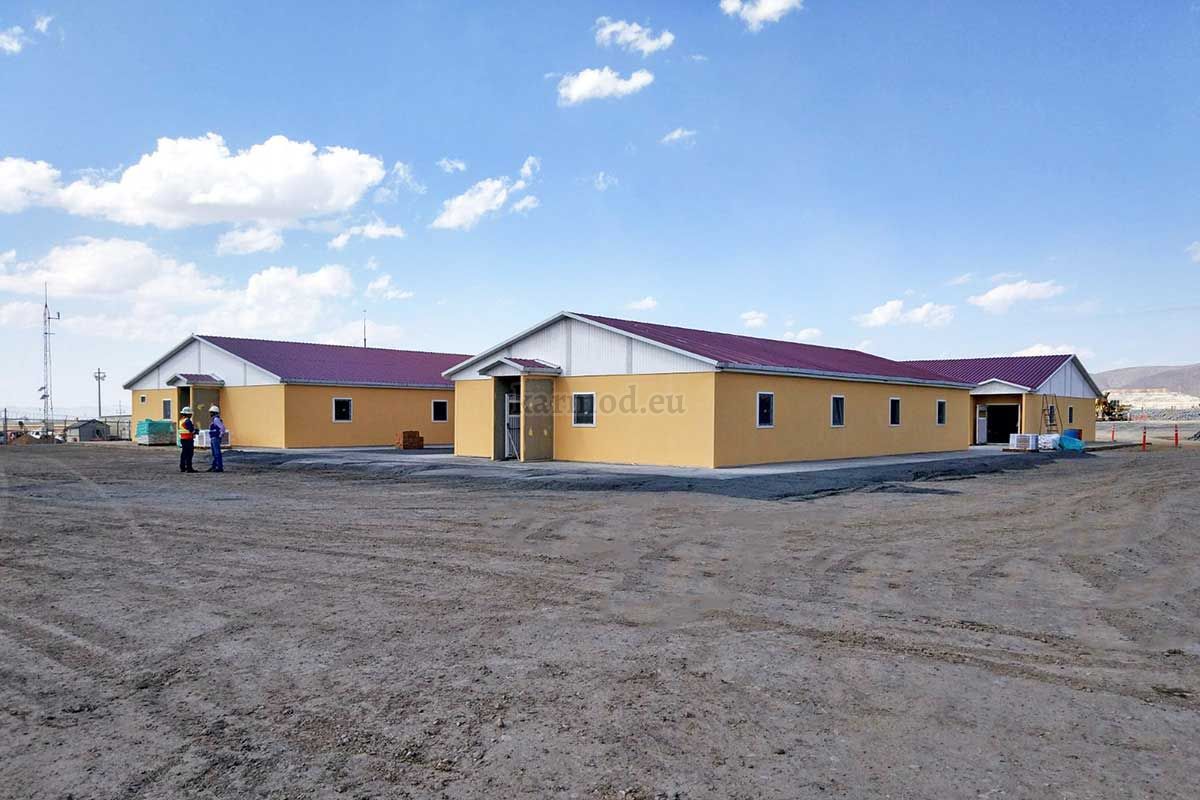
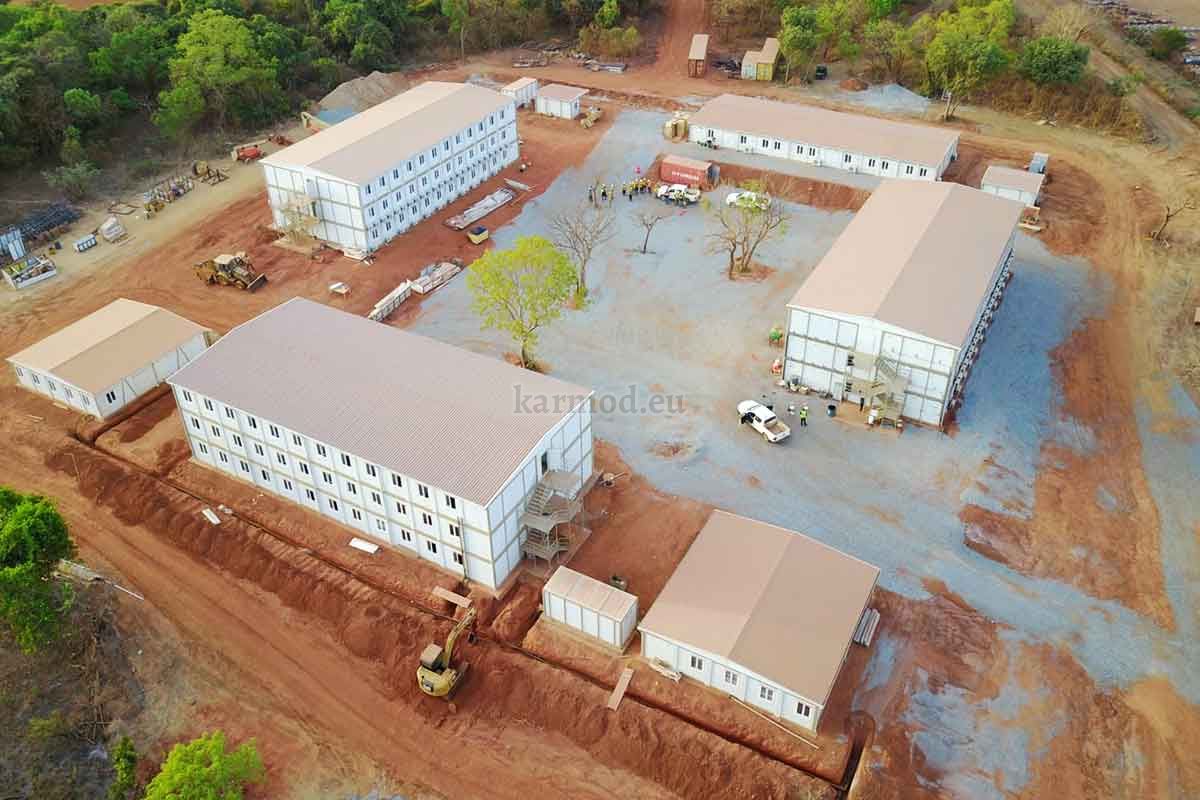
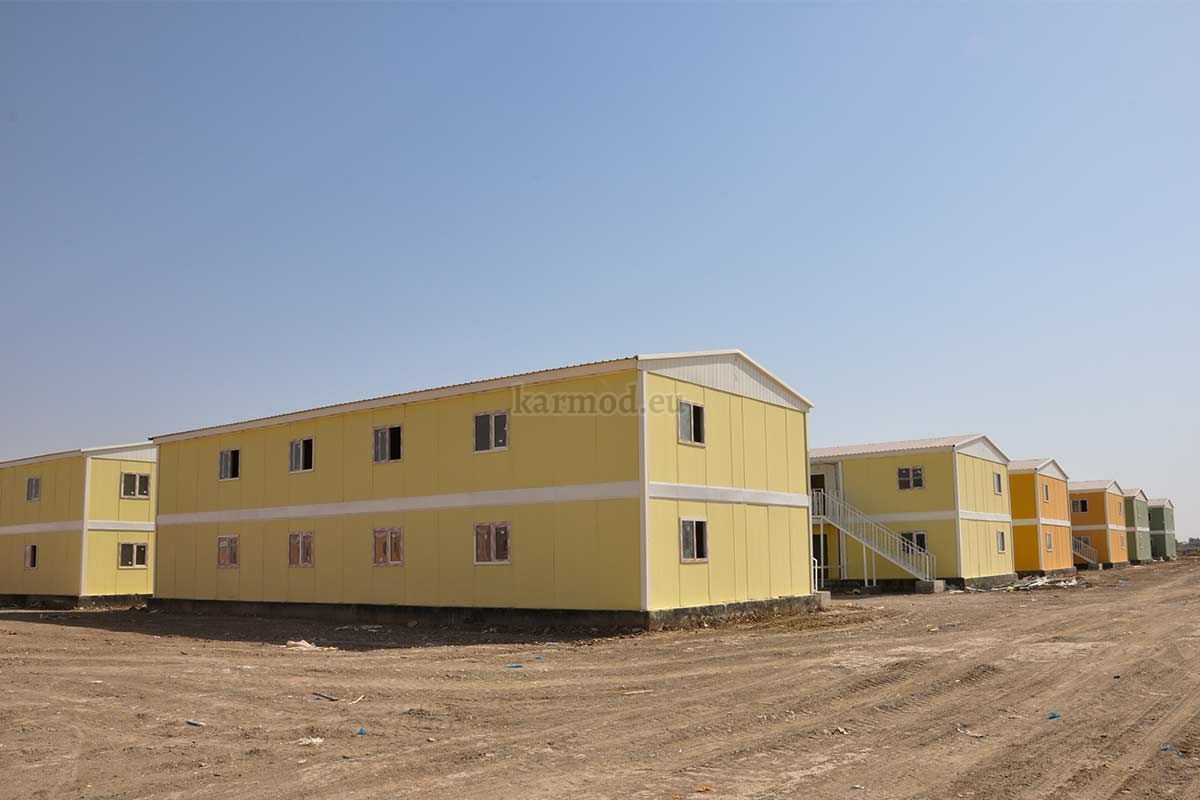

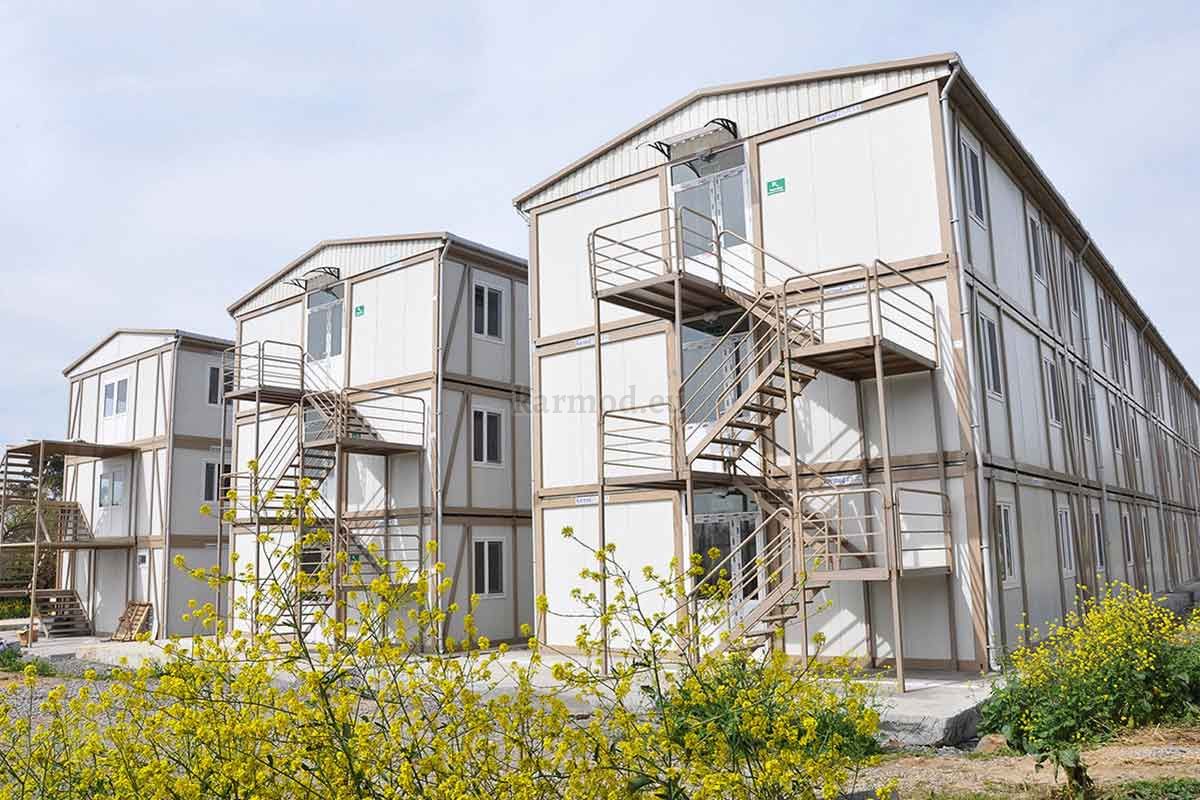
Karmod as a Manufacturer for Oil and Gas Field Camps in Costa Rica
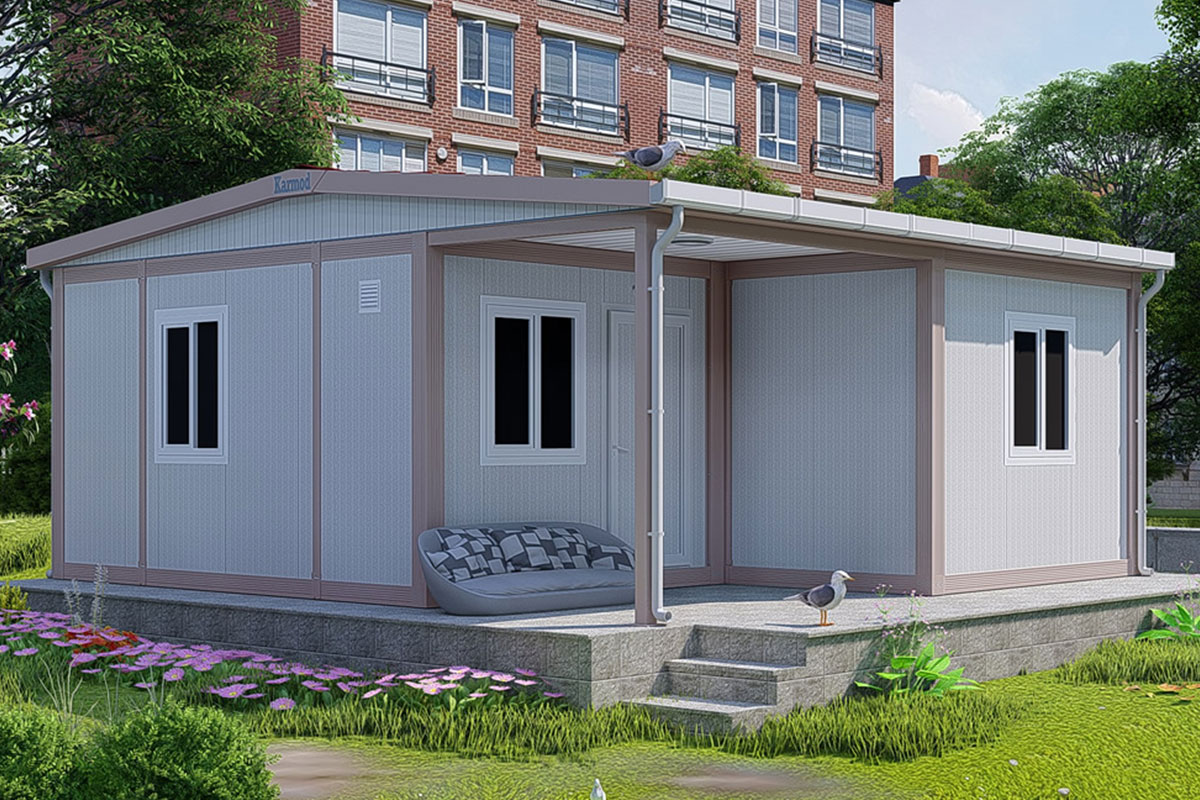
For oil and gas projects, a manufacturer is judged by delivery reliability, build consistency, and how well the accommodation performs once crews move in. In Costa Rica, Karmod is positioned as a supplier of modular camp solutions that can be configured for workforce housing, shared facilities, and support buildings based on project scope and site realities.
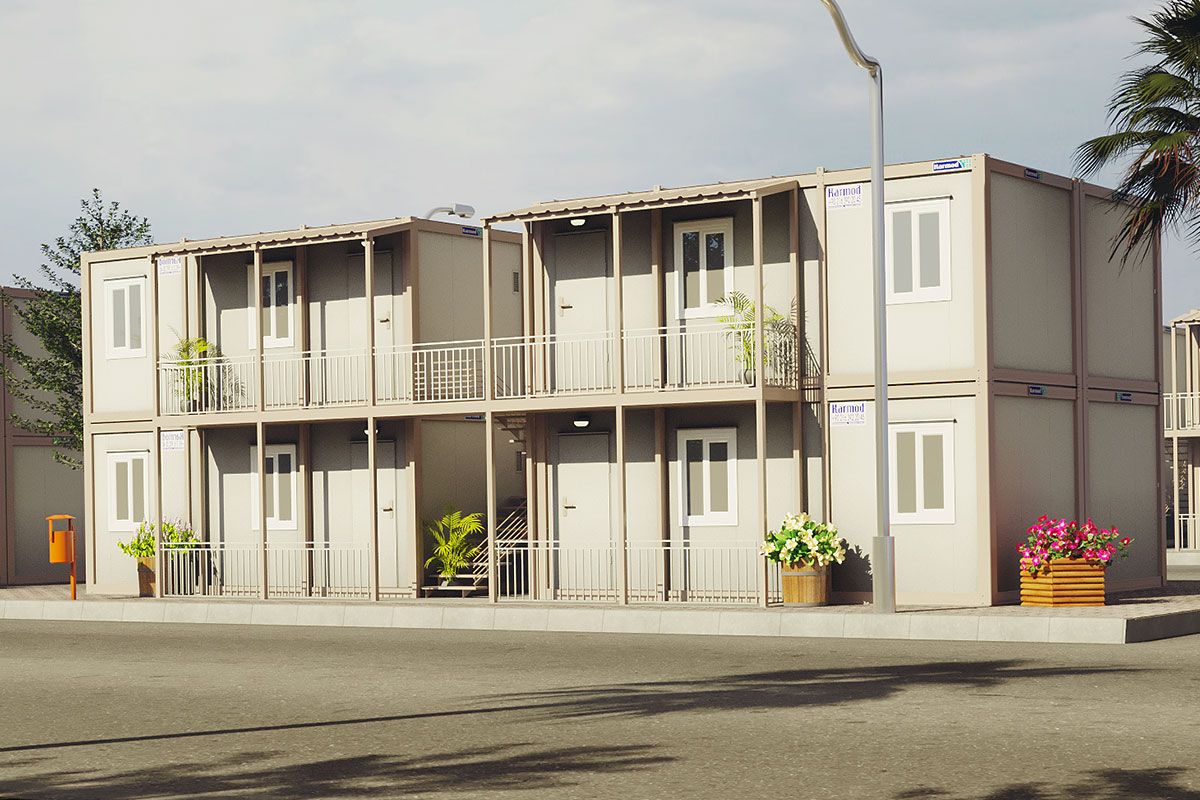
- Project-focused modular engineering: Solutions are developed around transportable components and controlled production methods that help maintain consistent build quality across multiple units.
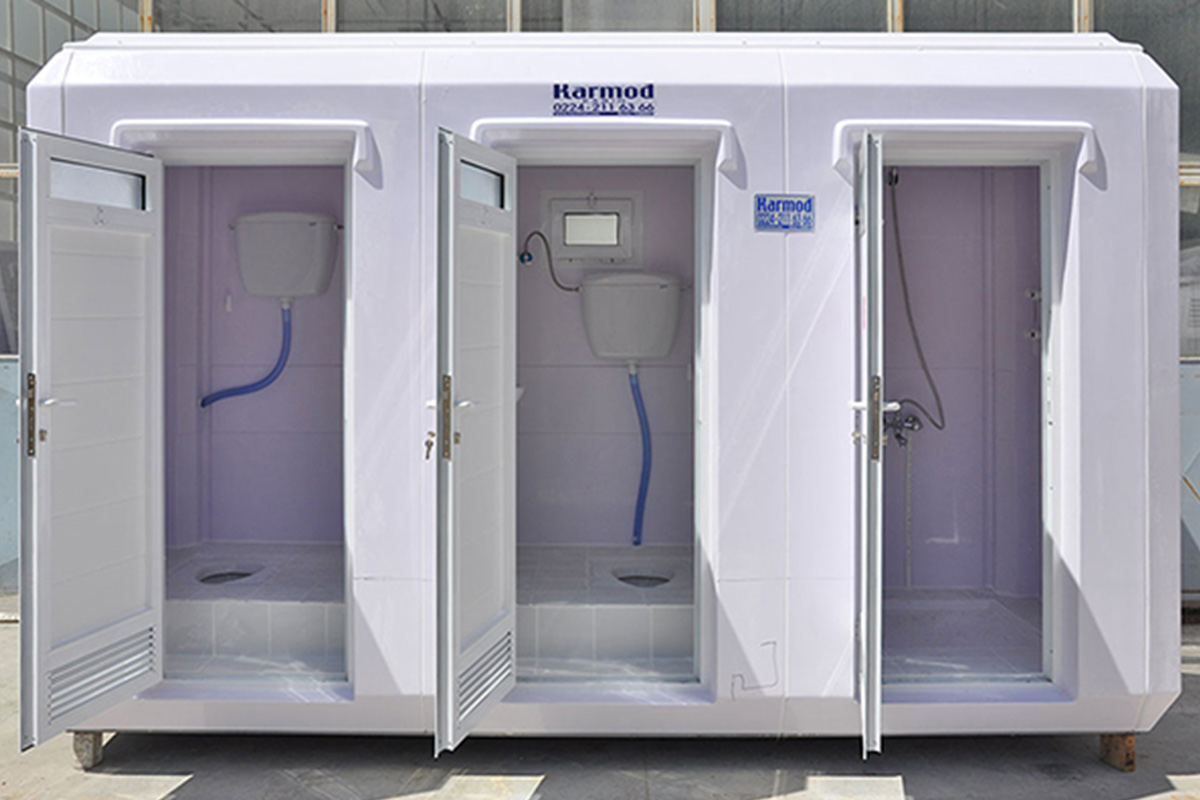
- Configuration to match camp requirements: Camps may need different room types, sanitation capacity, dining areas, offices, or medical rooms depending on workforce size and rotation patterns. Customization supports a practical fit without unnecessary complexity.
- Efficiency aligned with Costa Rica site conditions: Building systems can be specified to reduce operational load and improve reliability in humid climates and variable weather conditions.
- Quality control through repeatable processes: A consistent manufacturing approach supports predictable performance, which helps operators plan maintenance and keep accommodation standards stable through long project cycles.
As oil and gas activity develops, the demand is not simply for more beds, but for workforce accommodation that supports productivity and safe operations. With modular construction and turnkey planning, camps can be delivered in phases, maintained efficiently, and adapted as staffing and project requirements change.