

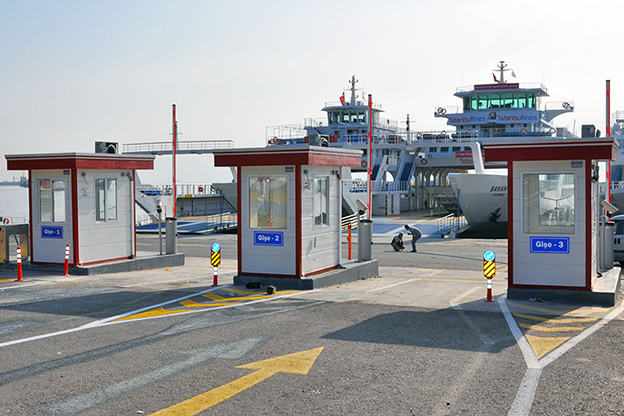
Security cabins are no longer viewed as simple guard shelters. For many organizations, they represent the first point of contact, the control center of site access, and a daily workspace for personnel who must stay alert for long hours. As expectations rise, customer preferences in security cabin design have shifted toward solutions that balance functionality, comfort, durability, and professional appearance.
Today’s buyers are not just asking whether a cabin can be delivered quickly. They want to know how it performs in real conditions, how it supports their security teams, and how it reflects the standards of their site. These preferences are shaping the way modern security cabins are designed and specified.
Functionality Comes Before Size
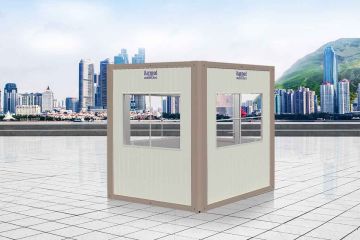
One of the strongest customer preferences is functionality over square meters. Clients consistently prioritize cabins that support daily security tasks efficiently, even within compact dimensions. A well-planned interior layout often matters more than a larger footprint.
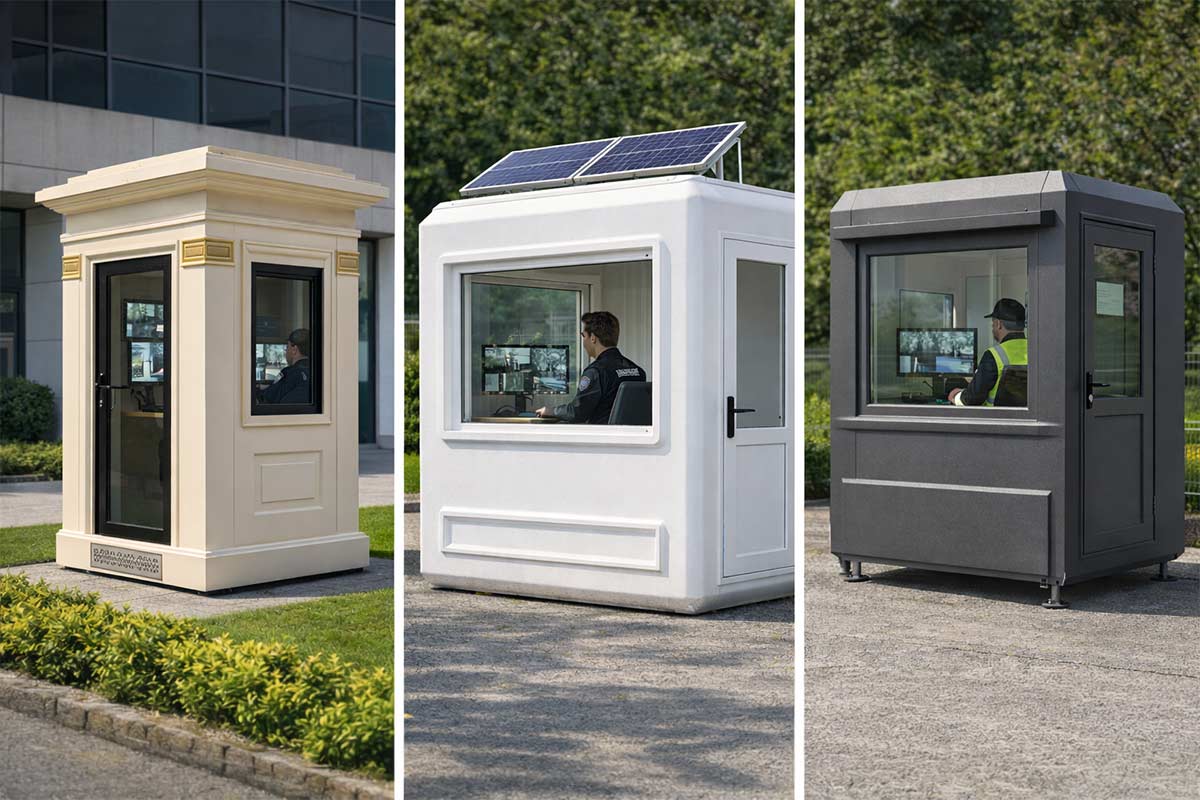
Customers look for clear sightlines toward entry points, practical desk placement, and sufficient space for monitoring screens and documentation. Poorly planned cabins create unnecessary movement and distractions, which can affect response times. In contrast, functional layouts help guards stay focused and organized throughout long shifts.
This preference reflects a broader understanding: a security cabin is a working environment, not just a physical barrier at the gate.
Comfort as a Performance Requirement
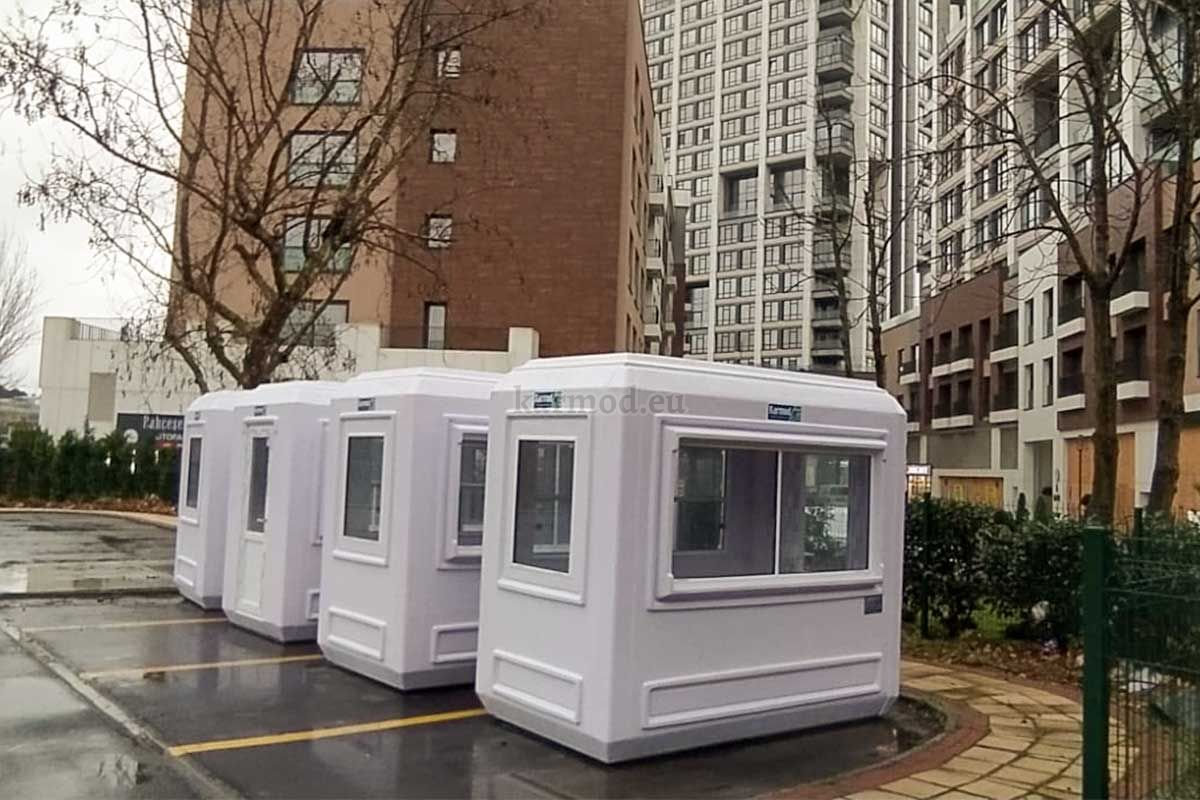
Comfort is no longer seen as optional. Buyers increasingly recognize that uncomfortable working conditions directly affect alertness and job performance. As a result, thermal insulation, ventilation, and climate control are among the most requested features.
Customers operating in hot, cold, or highly variable climates want cabins that remain stable throughout the day and night. Proper insulation reduces fatigue, while controlled ventilation improves air quality during extended shifts. Acoustic insulation is also valued, especially at sites exposed to traffic or industrial noise.
The underlying preference is clear. A comfortable guard is a more attentive and reliable guard.
Visibility and Transparency at Entry Points
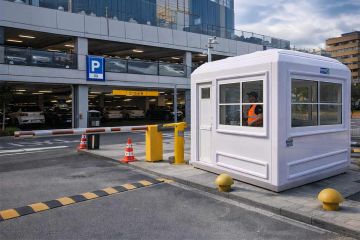
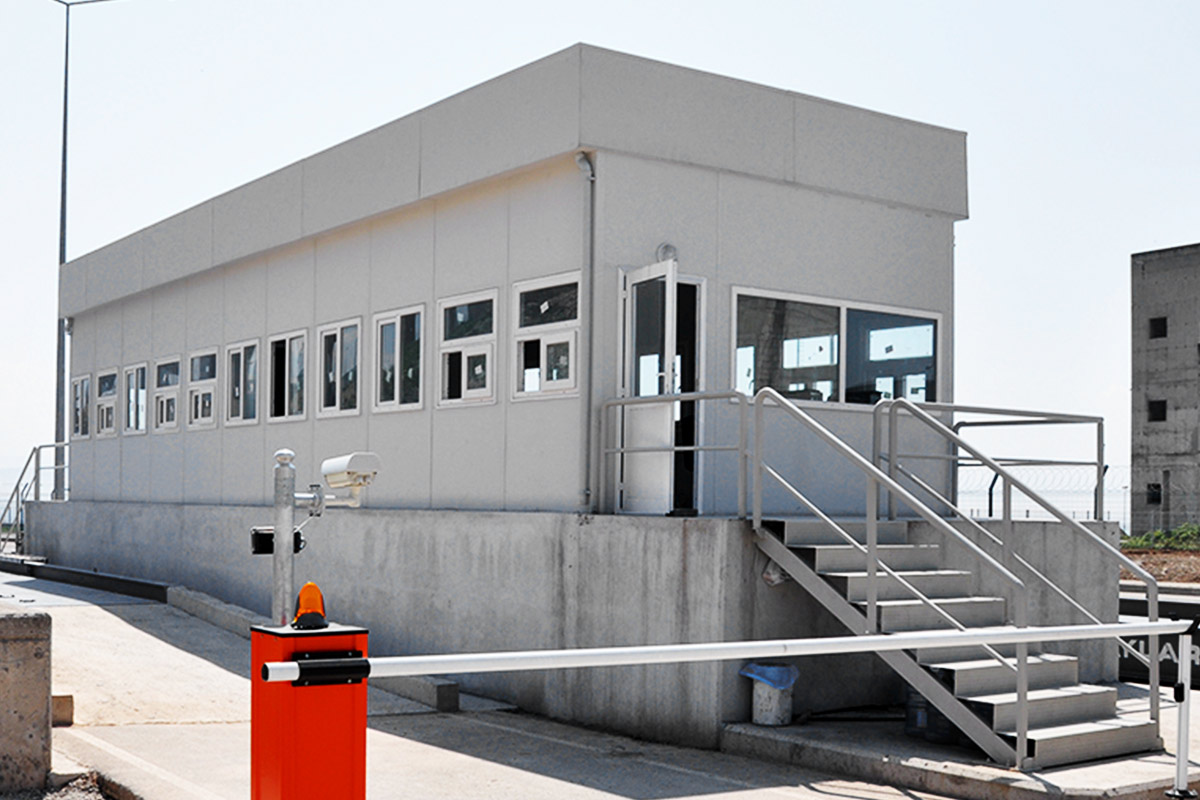
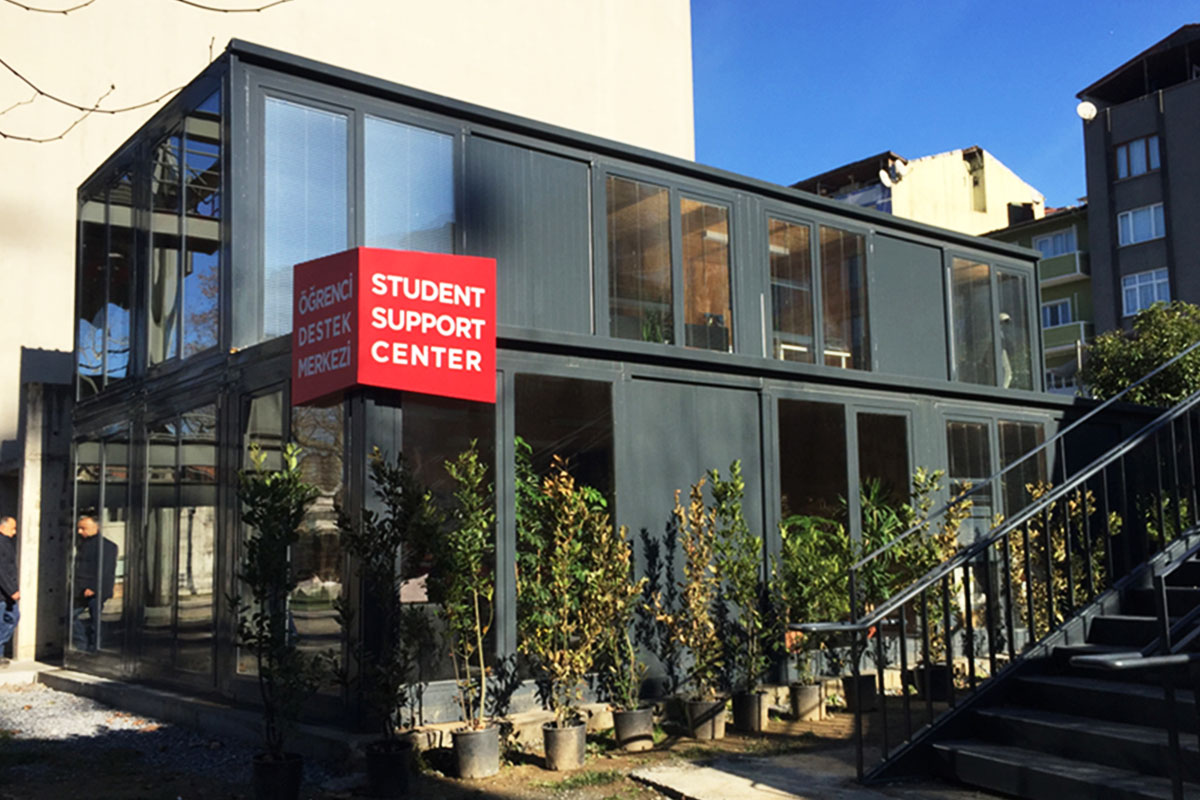
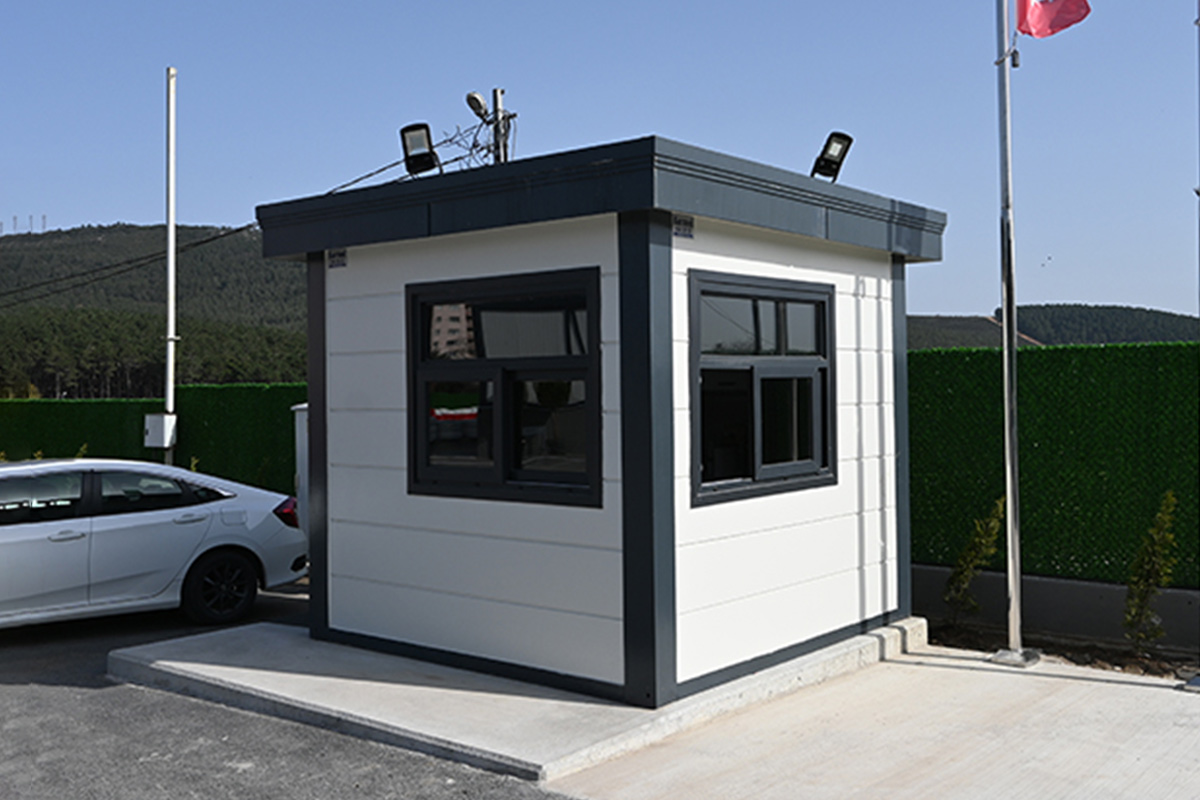
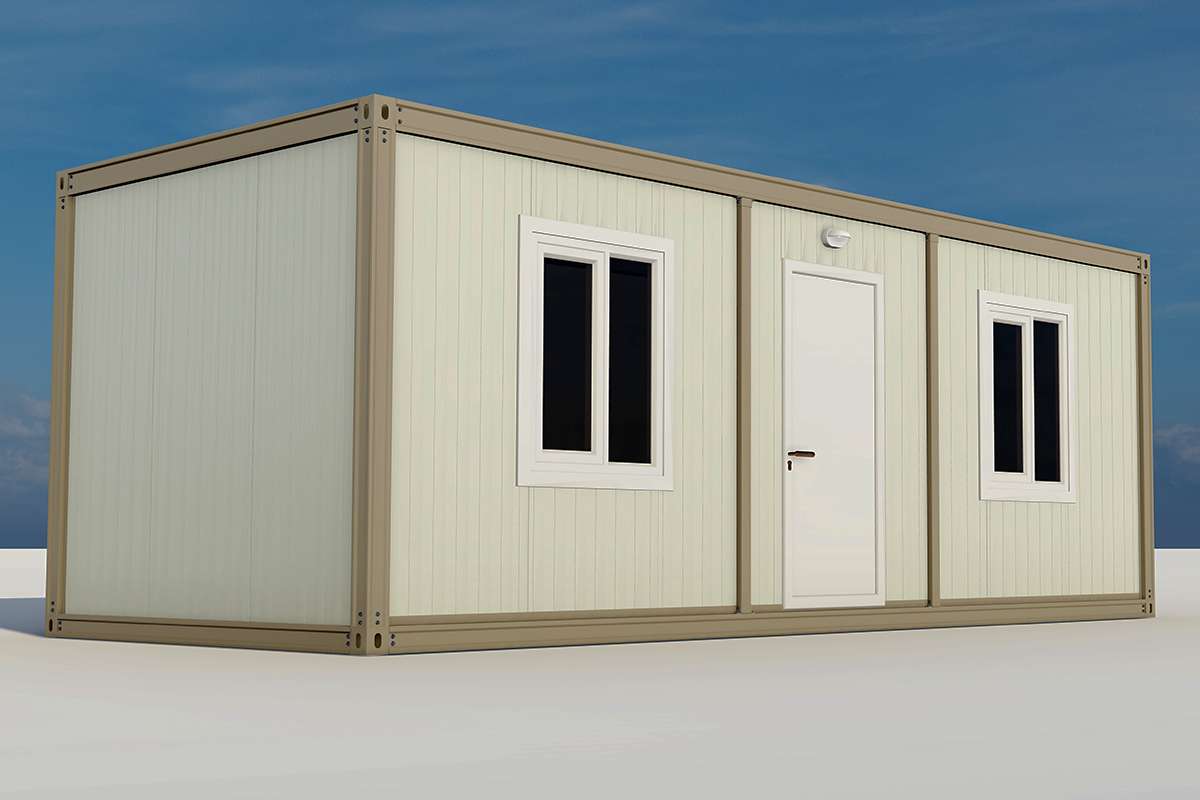
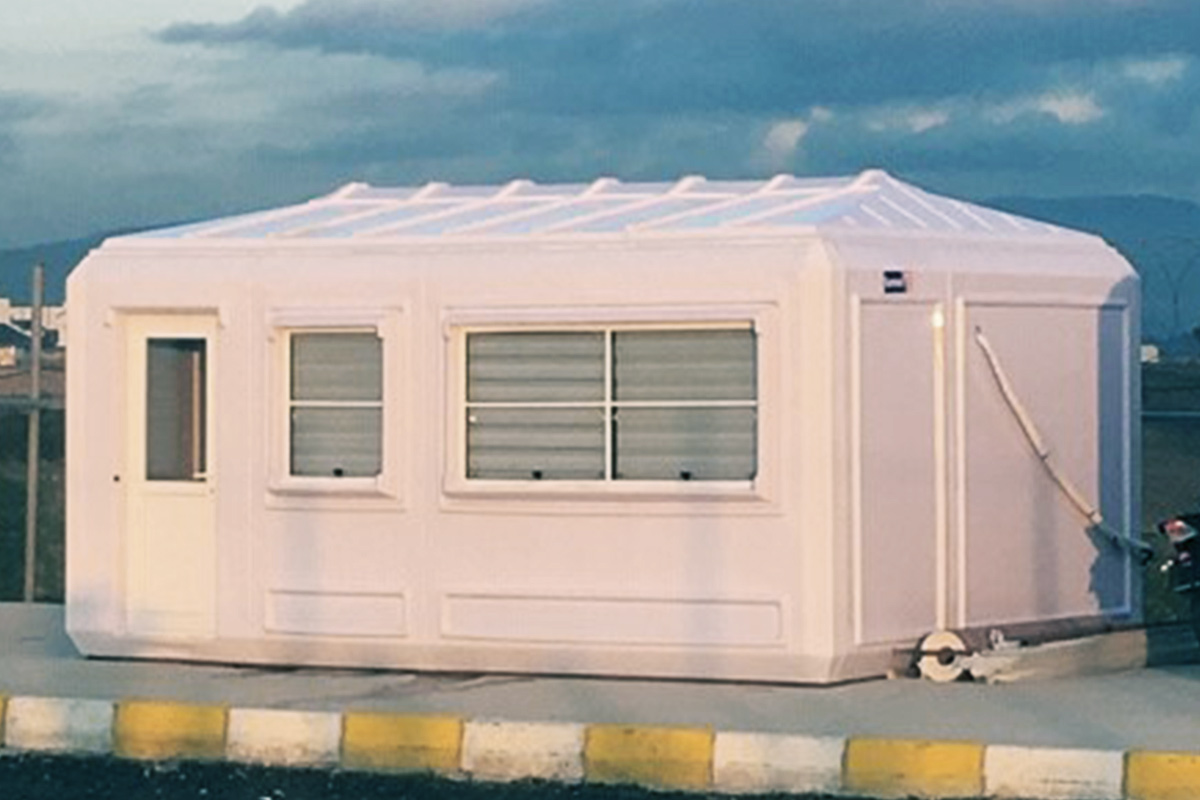
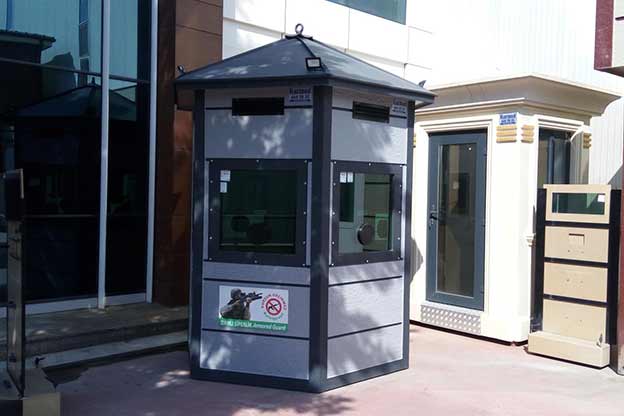
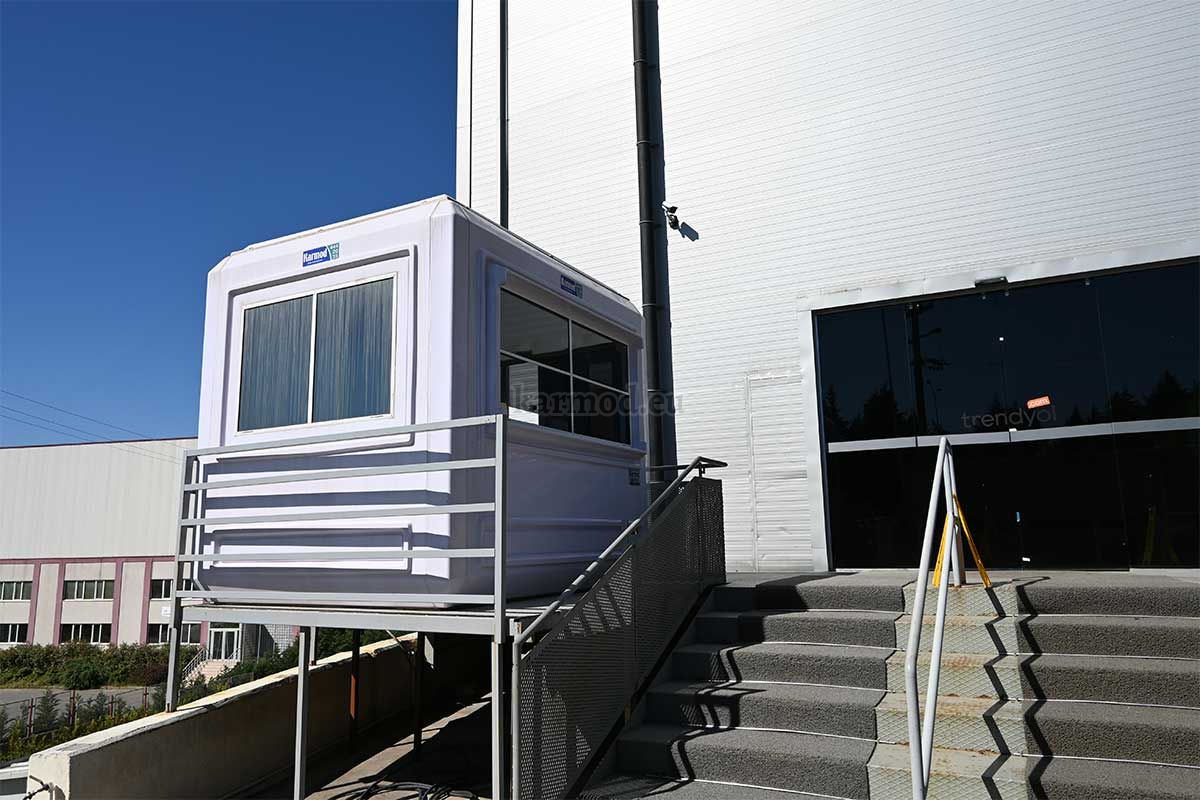
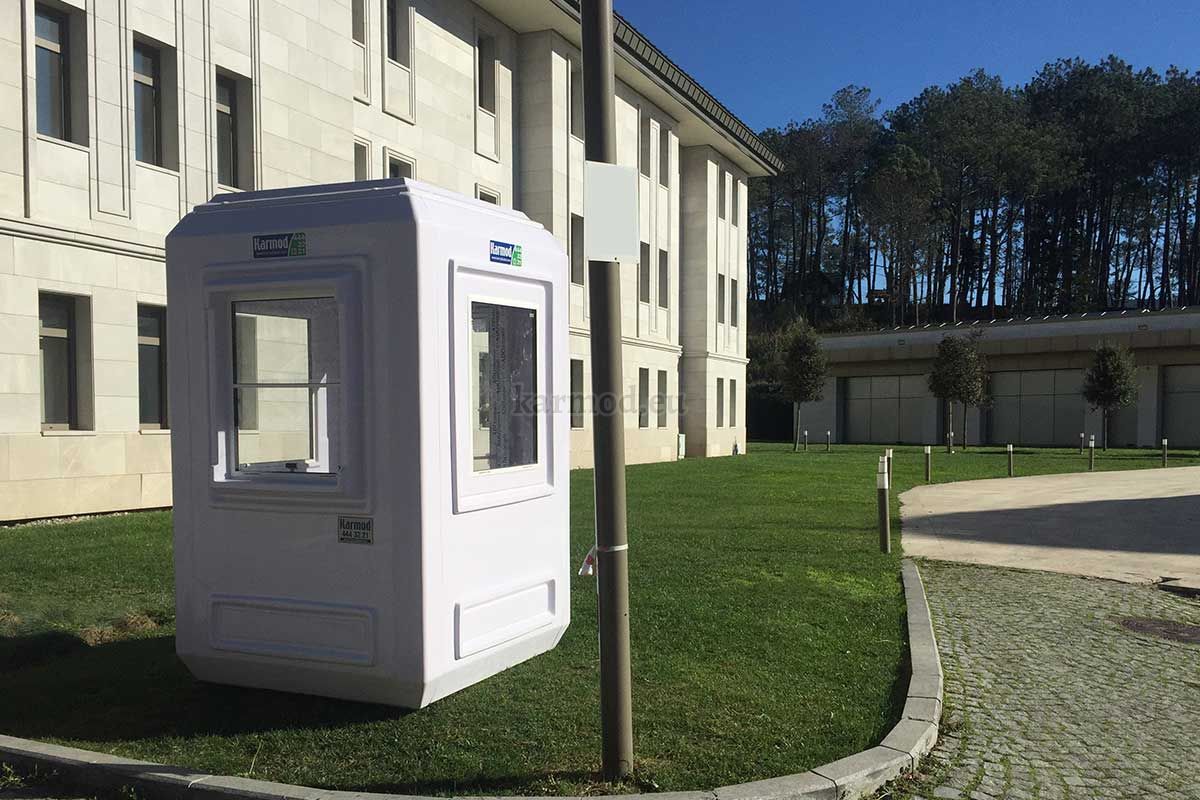
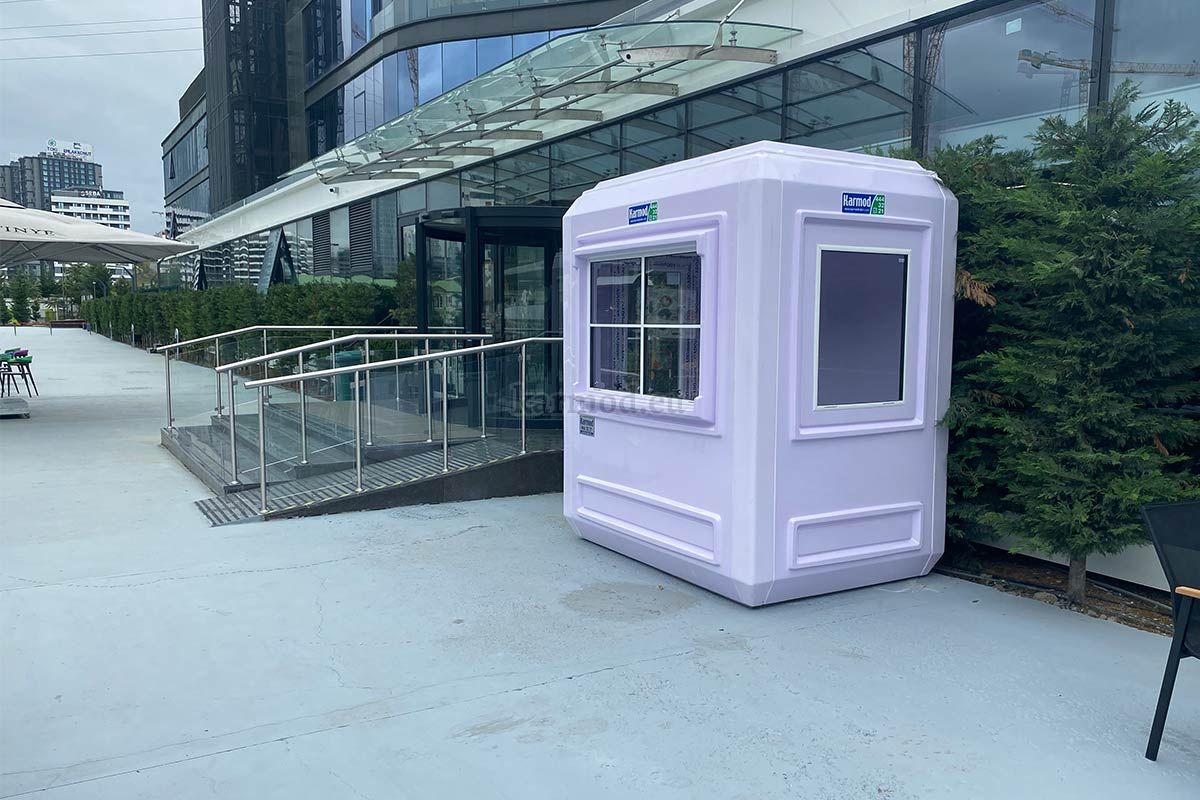
Visibility plays a critical role in security effectiveness, and customers are highly specific about window placement and size. Large, well-positioned windows are preferred because they allow guards to monitor vehicles and pedestrians without constantly repositioning themselves.
At the same time, customers want controlled transparency. Glazing must balance visibility with privacy and security, often requiring reinforced or treated glass. Clear sightlines without glare are especially important during night shifts and in brightly lit urban environments.
This focus on visibility shows how design details directly influence operational confidence and situational awareness.
Durability and Long-Term Use Expectations
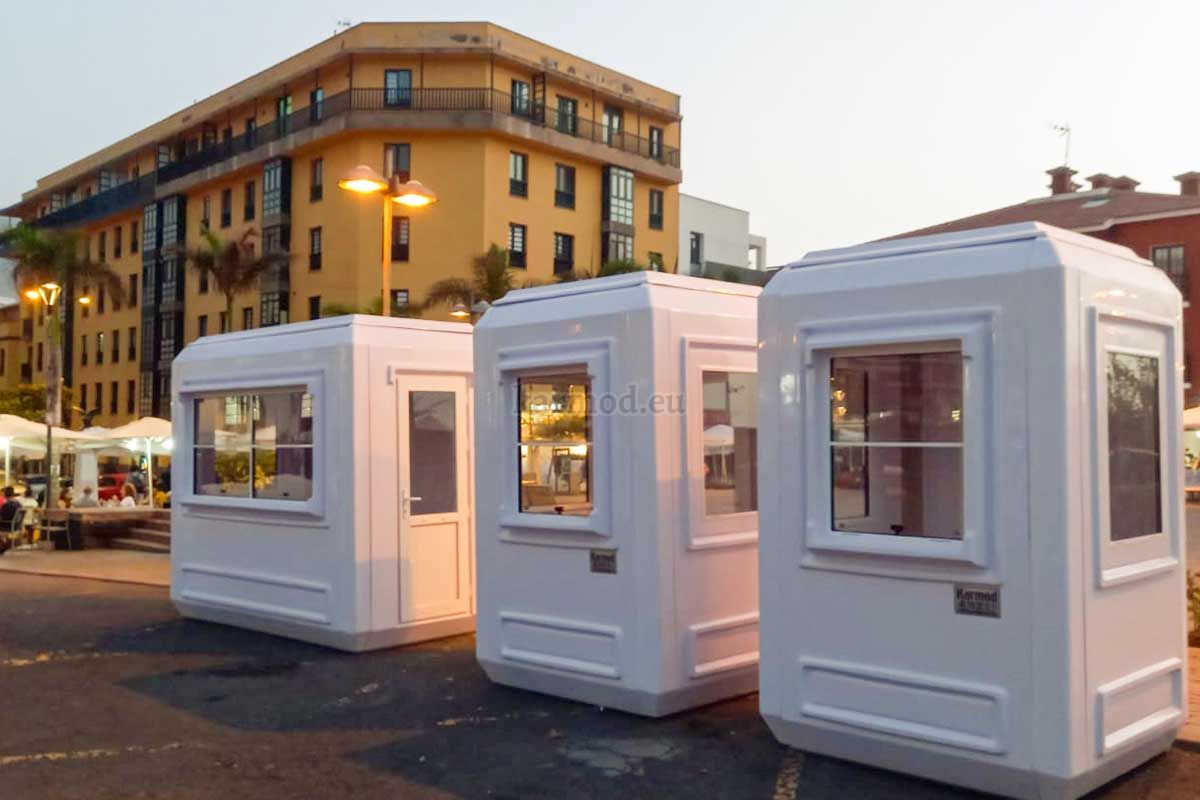
Security cabins are exposed to continuous use, weather conditions, and occasional impact risks. Customers increasingly prefer cabins built with durable materials that can withstand daily wear without constant maintenance.
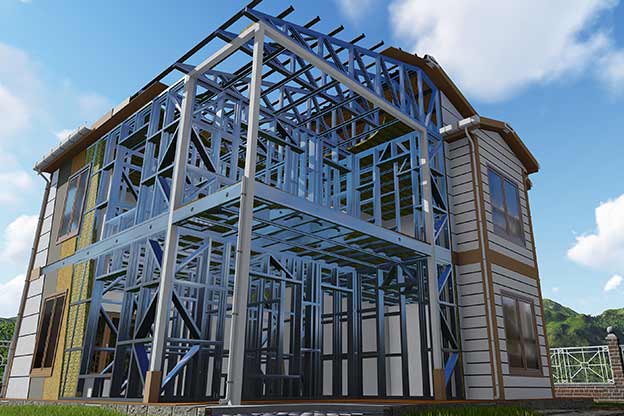
Steel frames, robust wall panels, and high-quality finishes are often requested, not for appearance alone but for longevity. Buyers want cabins that maintain their performance and look professional years after installation.
This preference is especially strong among industrial and infrastructure clients, where security cabins are considered long-term assets rather than temporary installations.
Aesthetic Integration with the Site
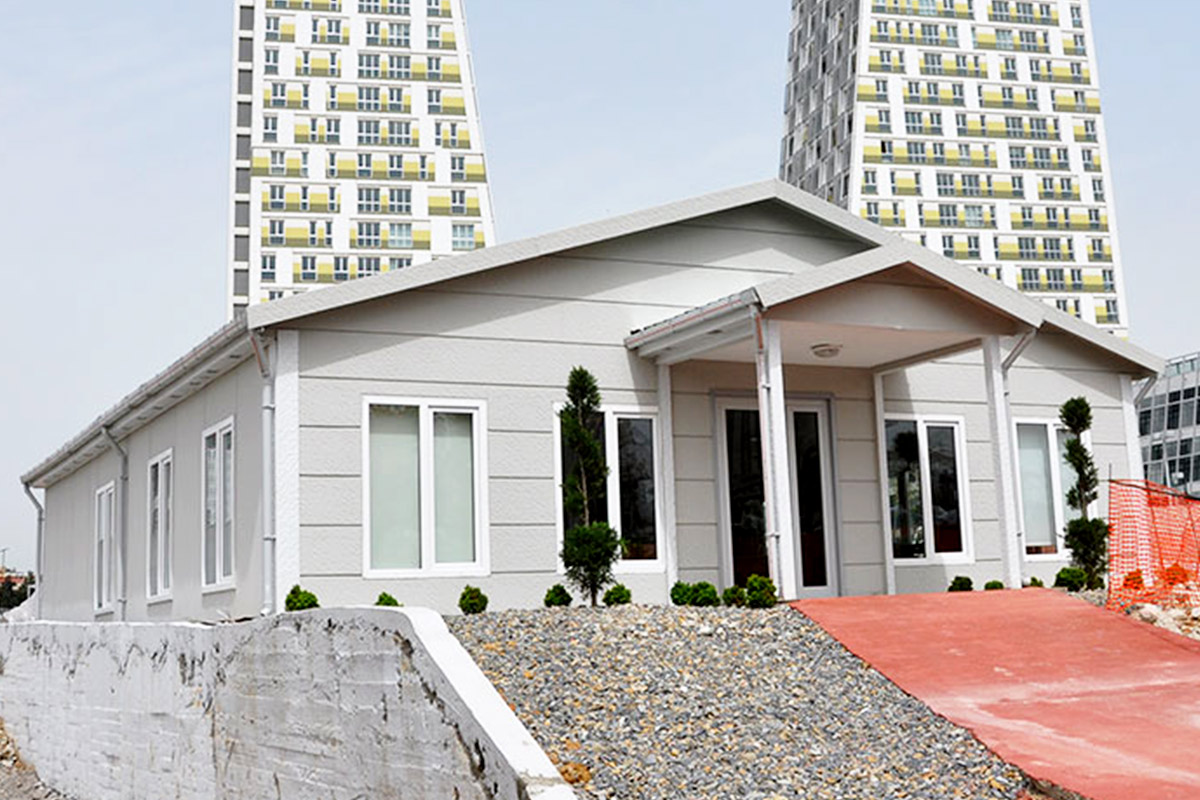
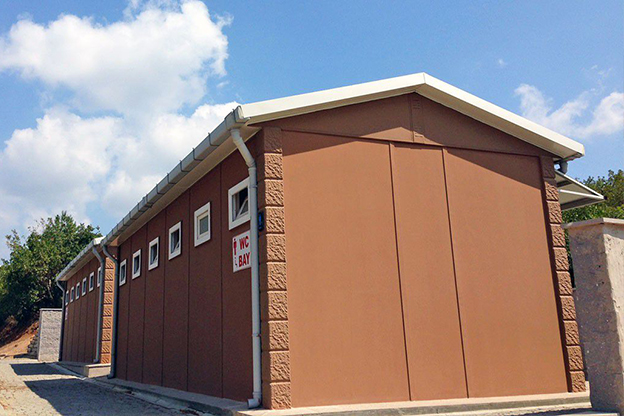
While function leads decision-making, appearance still matters. Many customers want security cabins that visually integrate with their site rather than looking improvised or outdated.
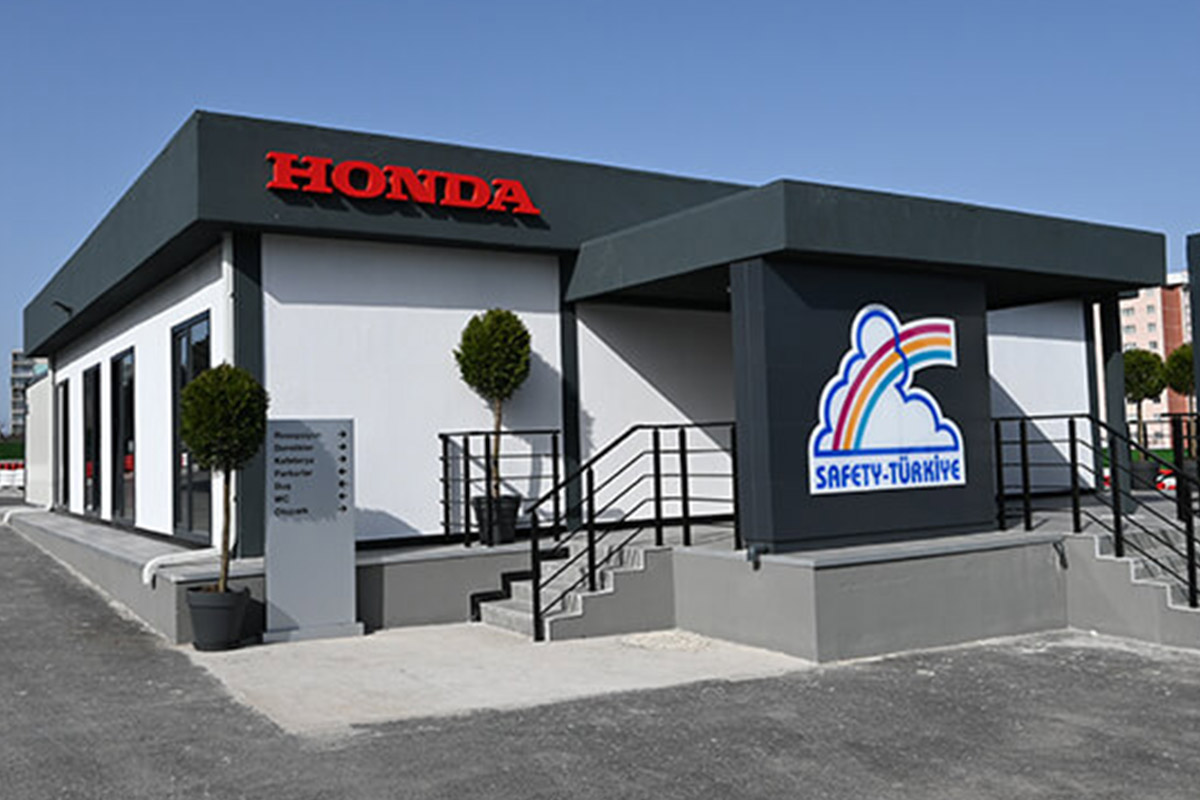
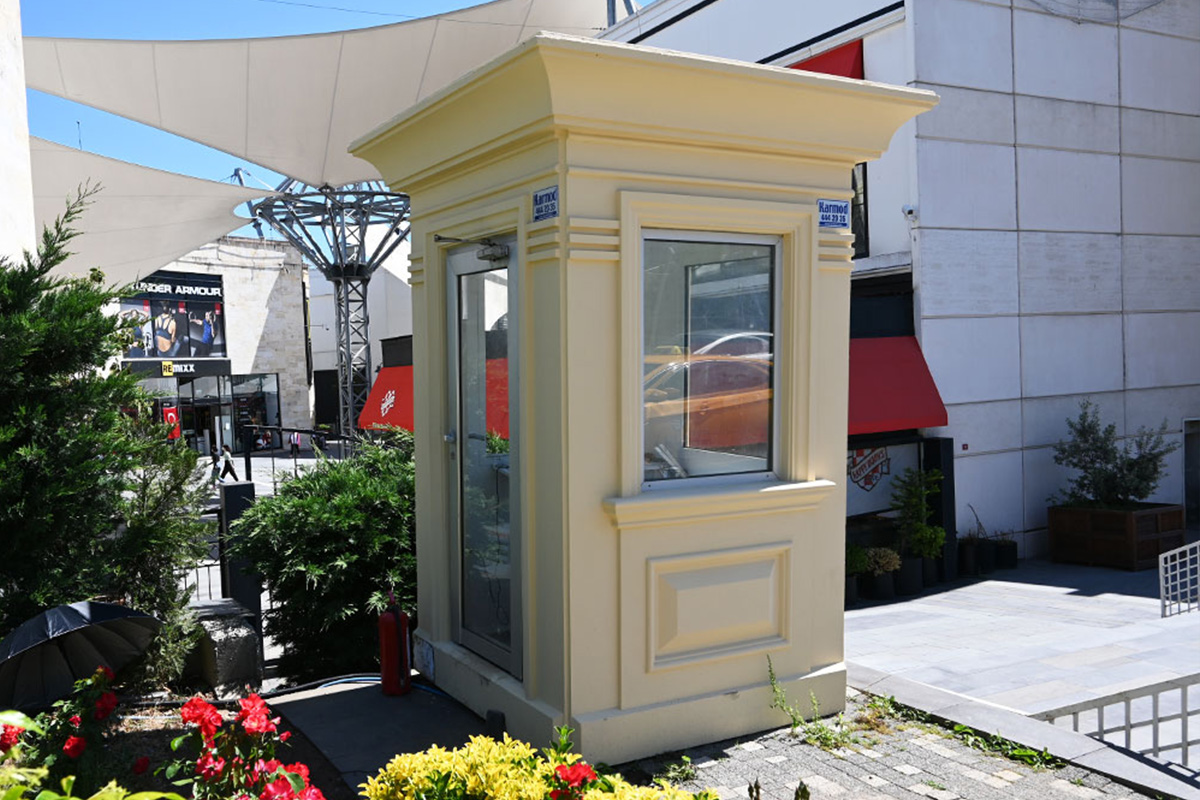
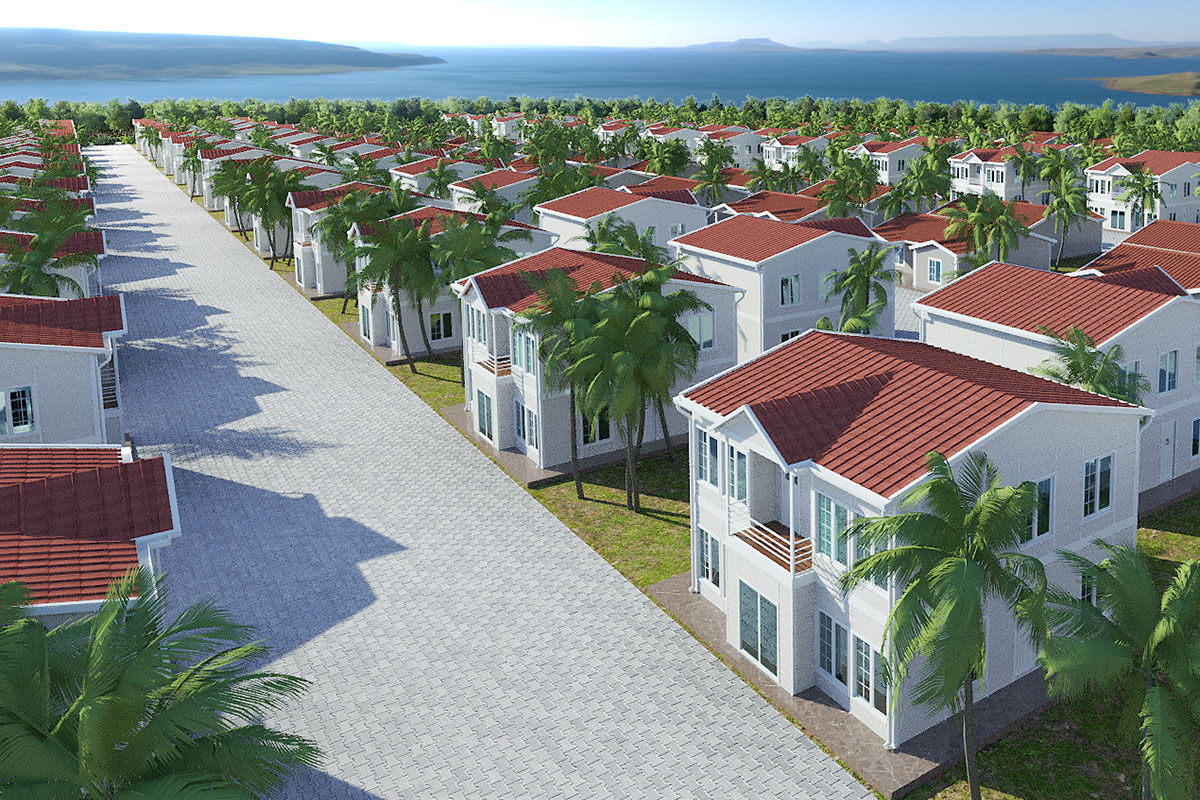
In residential complexes and commercial developments, cabin design influences first impressions. Clean lines, neutral colors, and modern finishes are preferred, particularly when cabins are positioned at main entrances.
This shift shows that customers now see security cabins as part of the overall site identity, not just a technical necessity.
Flexibility and Future Adaptation
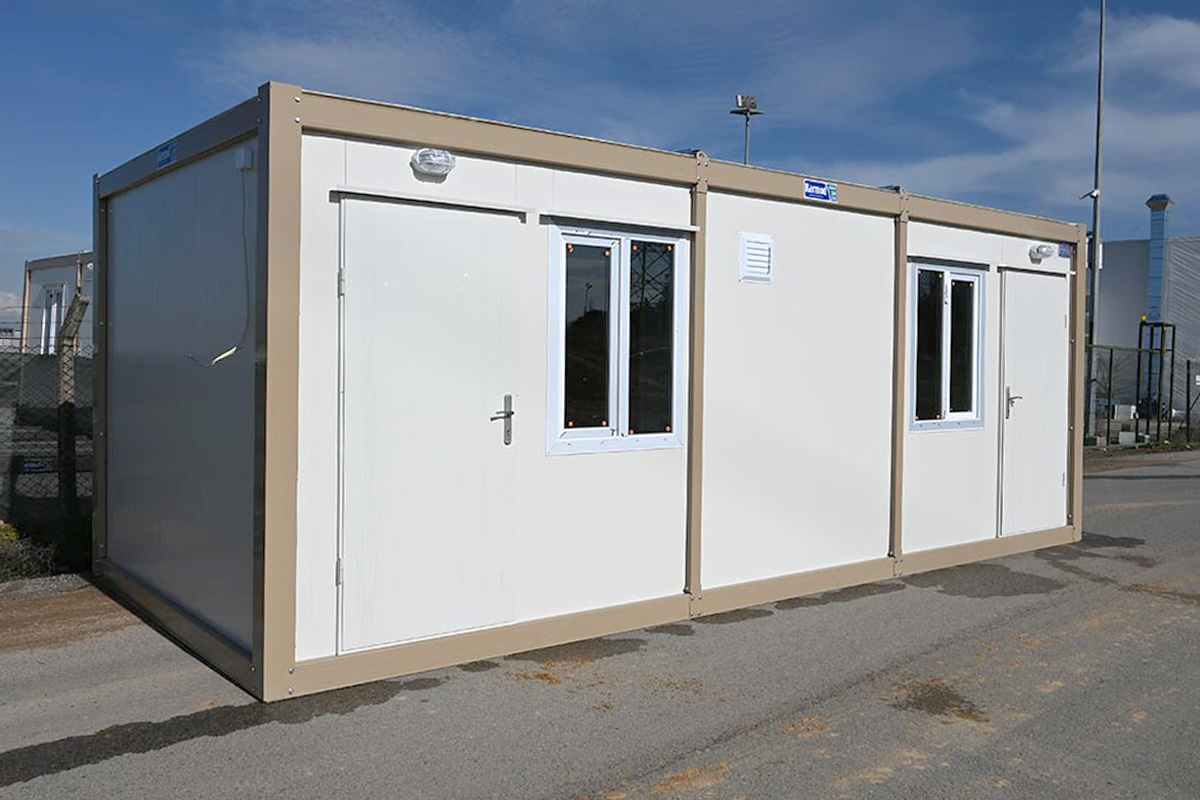
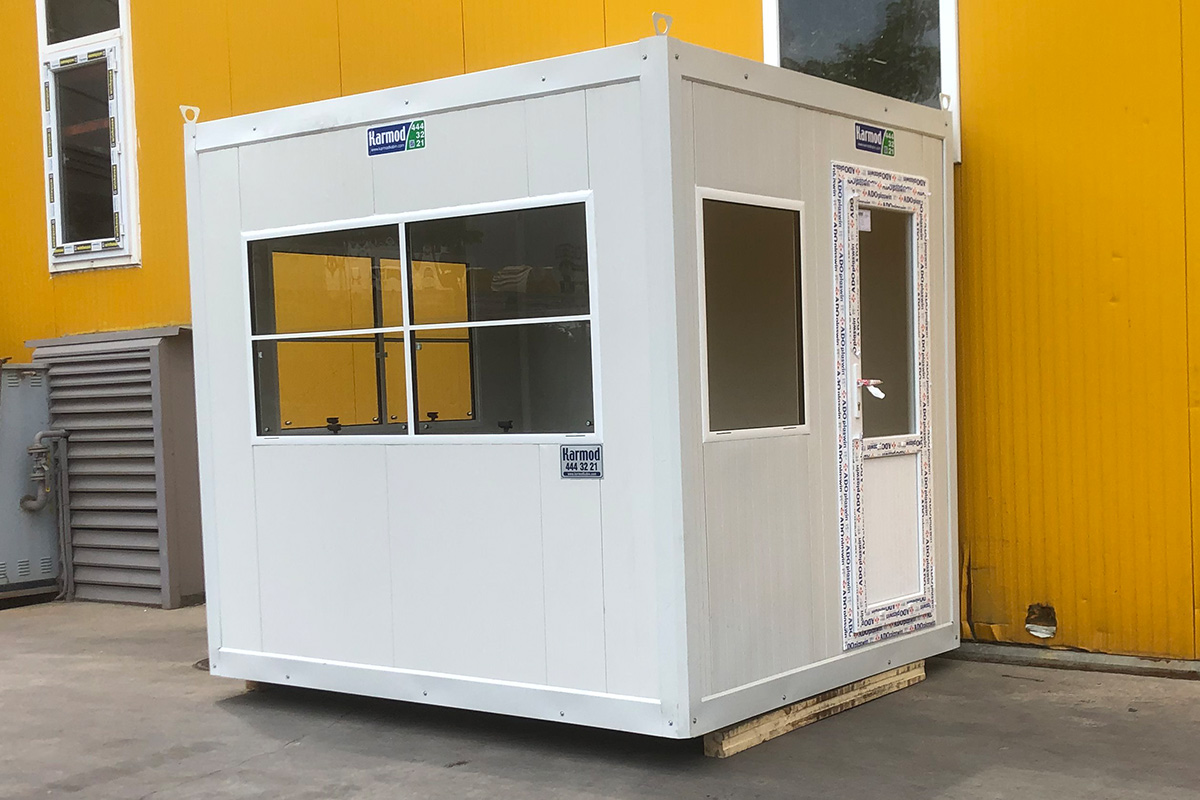
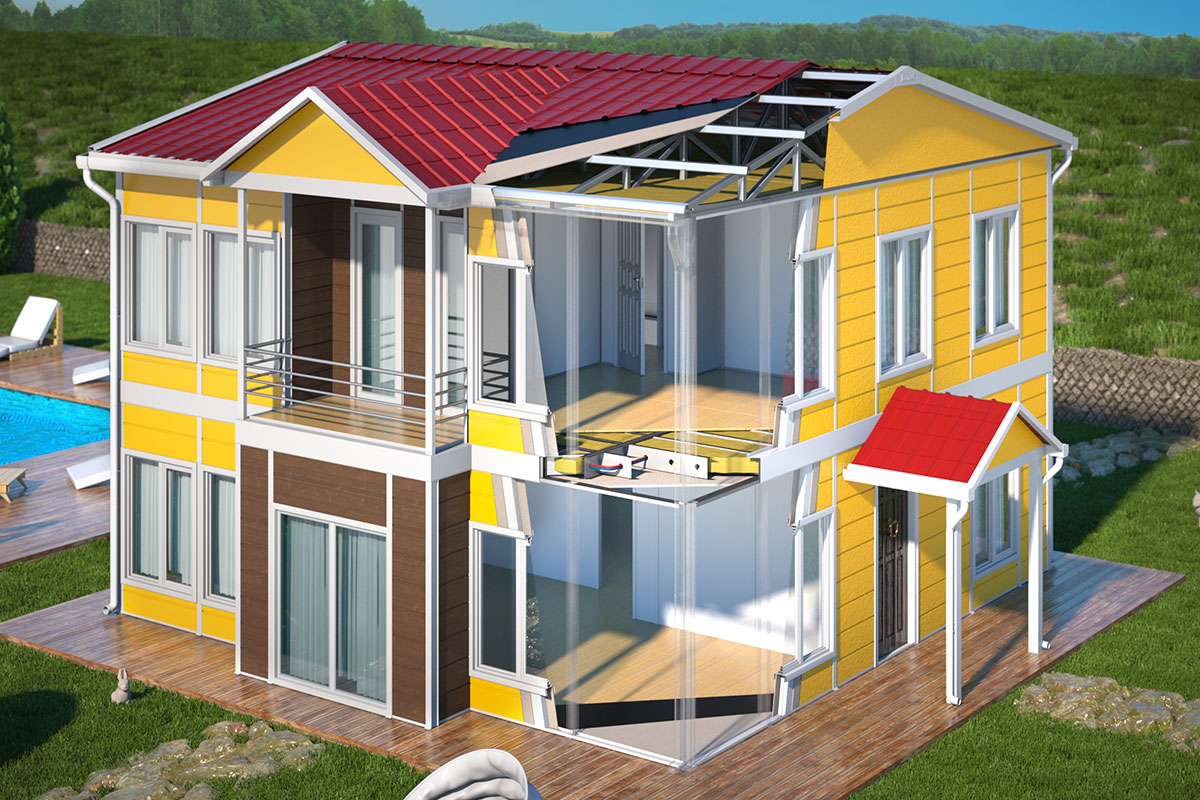
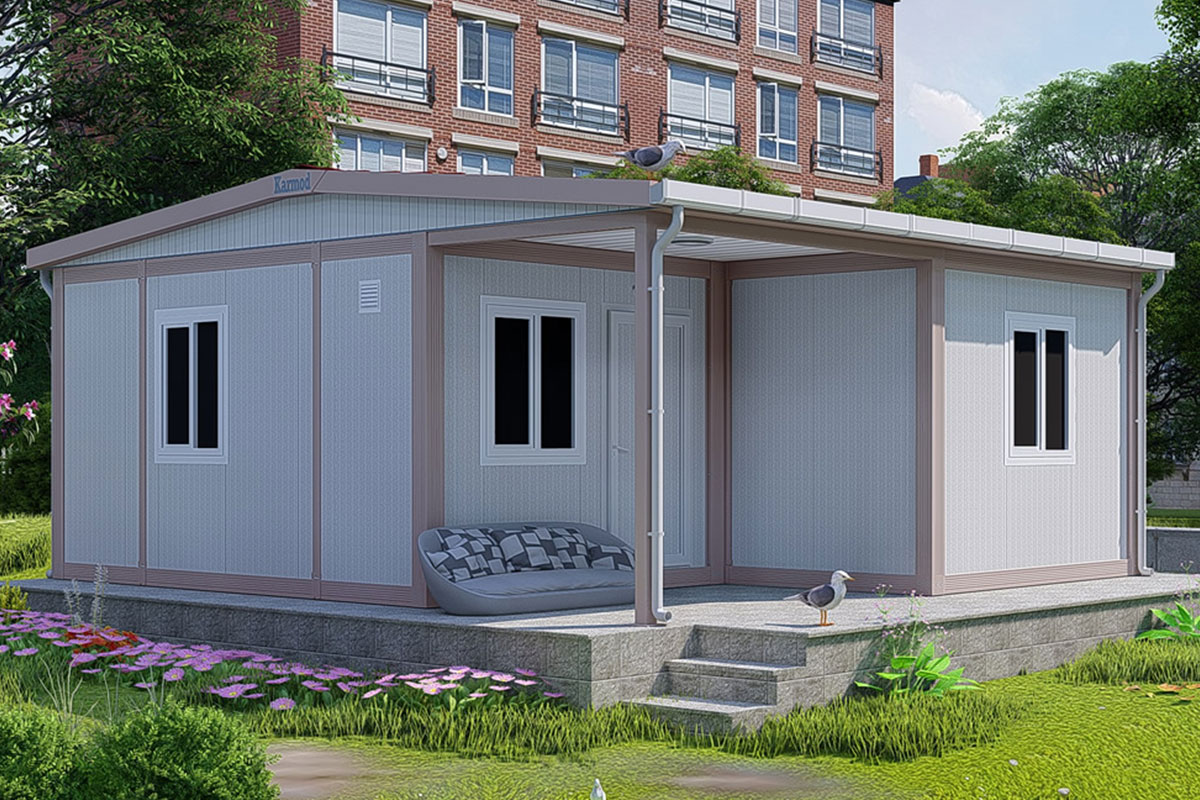
Another growing preference is flexibility. Customers want cabins that can be relocated, upgraded, or repurposed if site conditions change. Modular construction naturally supports this need, but buyers are becoming more aware of its long-term benefits.
Cabins that can be moved to a new gate, adapted for different equipment, or expanded with minimal effort are viewed as smarter investments. This reduces risk and increases the usable life of the structure.
Flexibility also supports operational continuity, especially in projects where layouts evolve over time.
Technology-Ready Interior Design
Modern security operations rely on technology, and customers expect cabins to support this seamlessly. Integrated electrical systems, data connections, and space for digital equipment are now standard expectations rather than special requests.
Clients prefer cabins where cables, screens, and control devices are planned into the design. This avoids clutter, improves safety, and creates a more professional working environment.
As security systems become more advanced, technology-ready cabin design has become a key decision factor.
Designing Security Cabins Around Real User Needs
Modern security operations require more than standard solutions. A well-designed security cabin supports alertness, efficiency, and professionalism while meeting the long-term demands of the site it serves. When layout, comfort, durability, and technology are considered together, the result is a workspace that enhances both performance and reliability.
Get in touch with us to explore security cabin designs tailored to your operational requirements, site conditions, and future plans. Our team will work with you to review technical specifications, customization options, and deployment strategies—helping you invest in a security solution that delivers lasting value and supports your teams day after day.