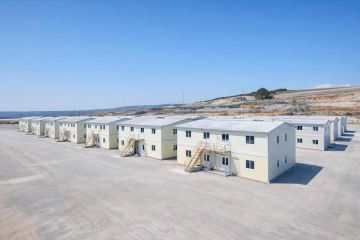
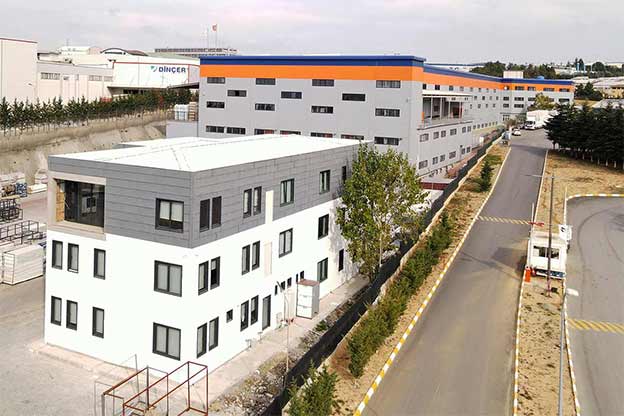



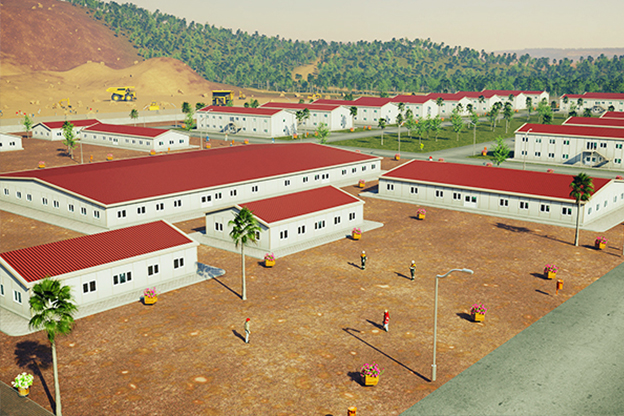



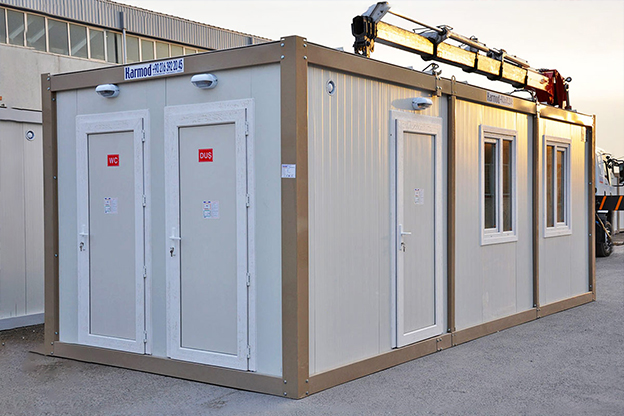
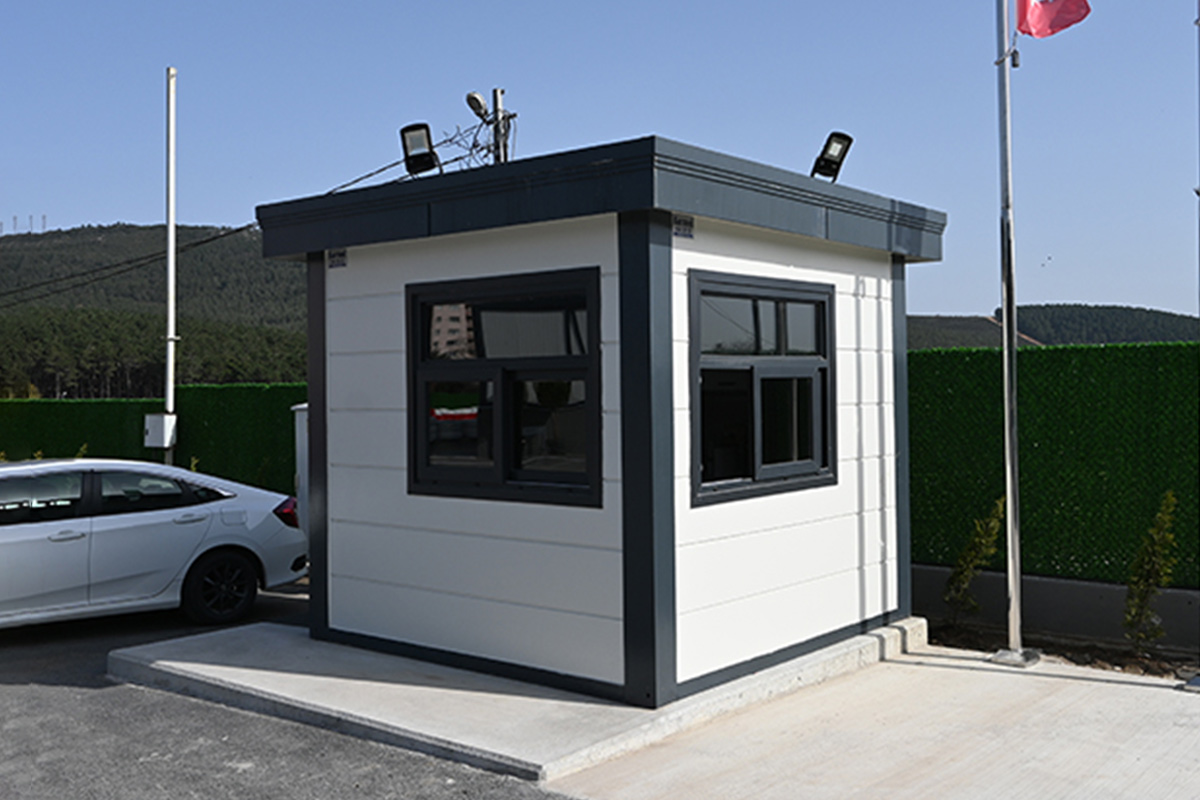
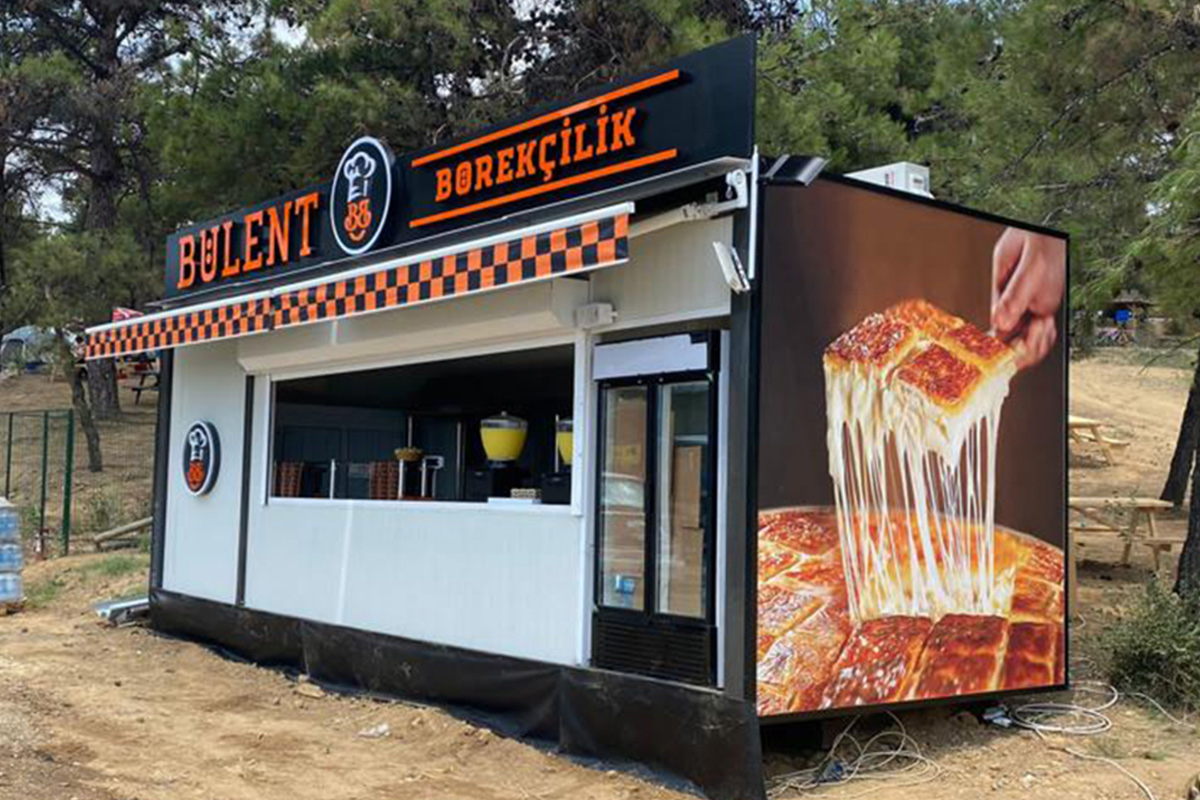
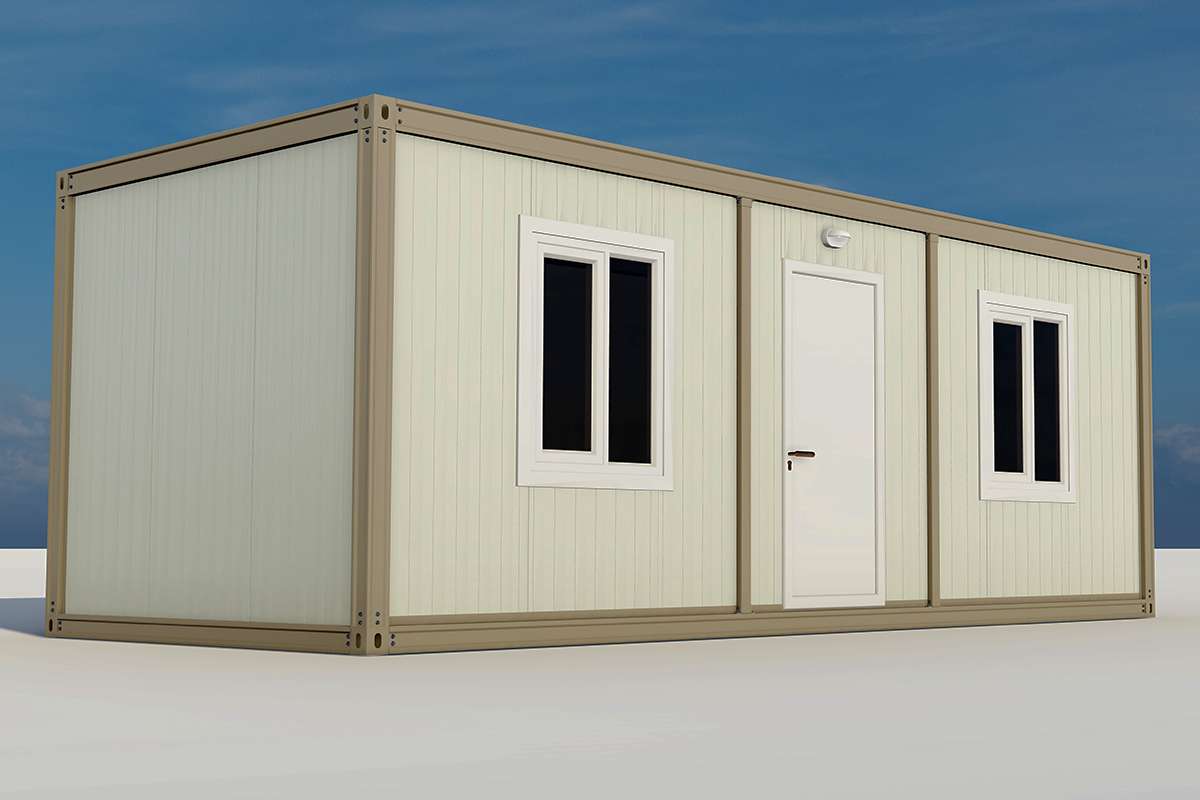

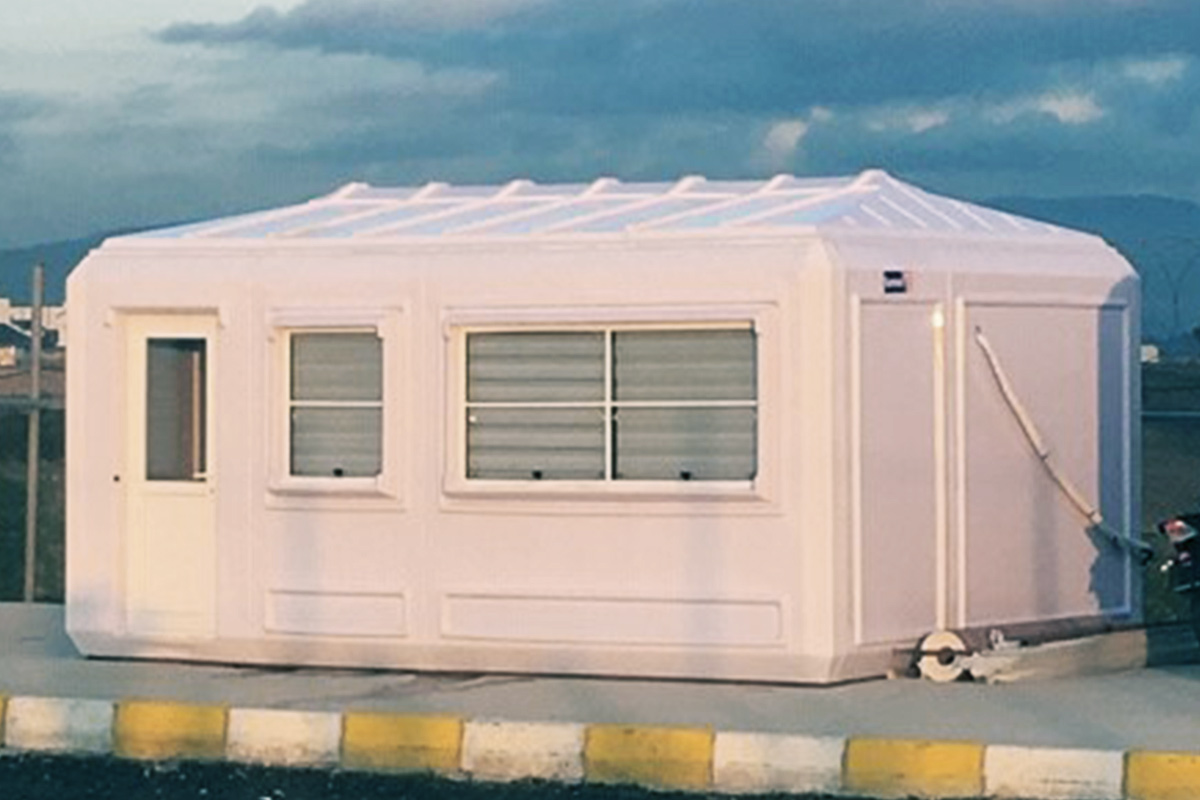
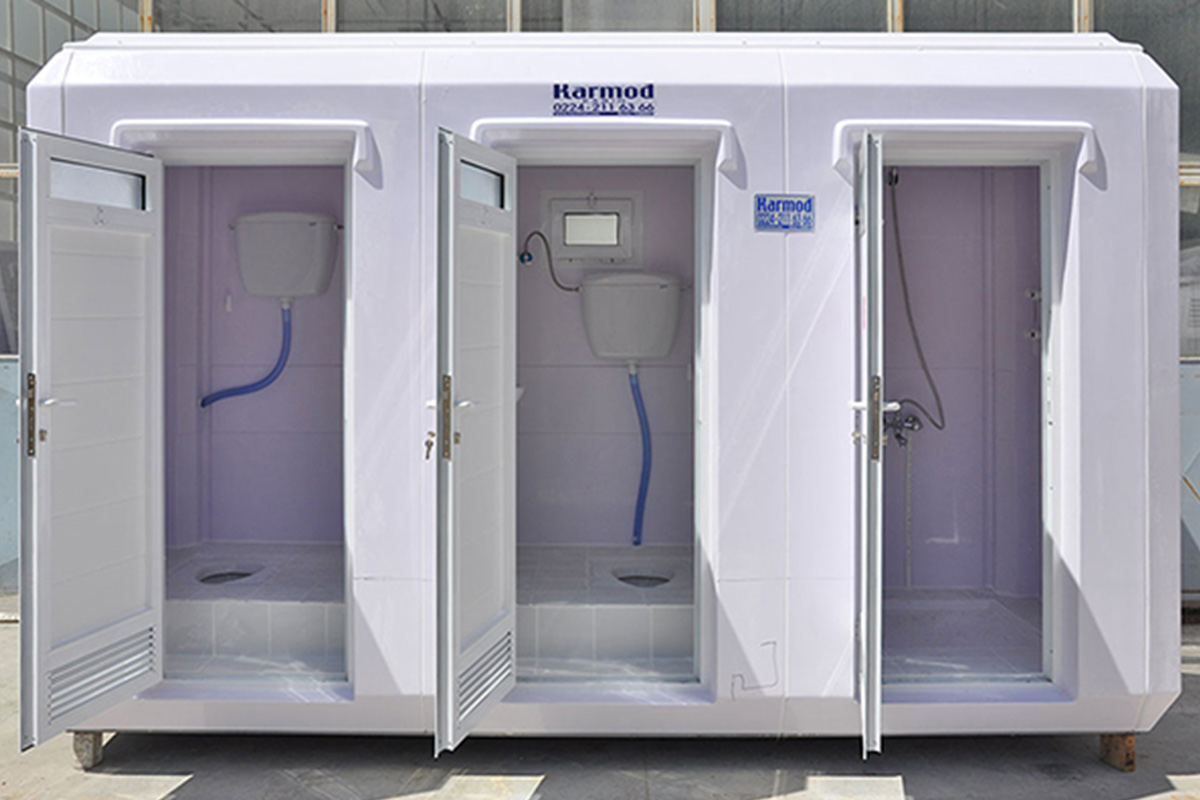
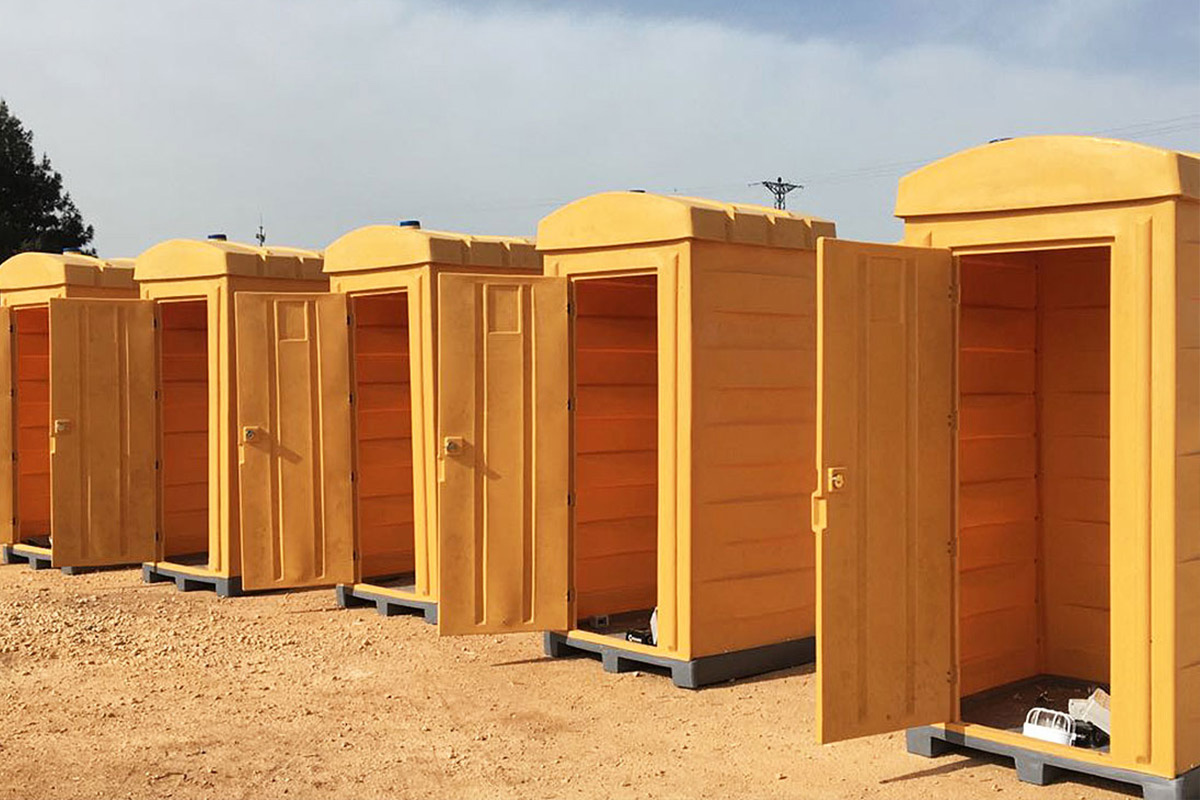
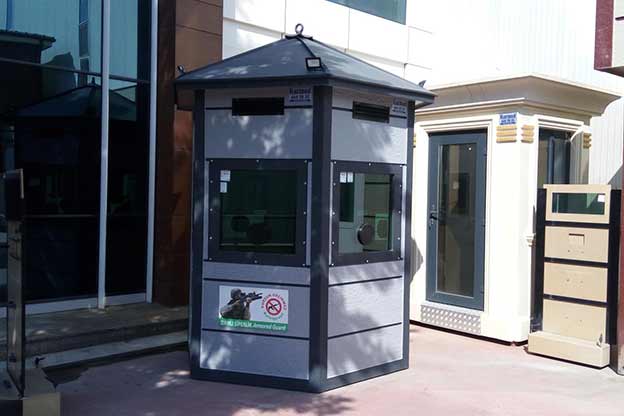

Modular cabins are designed for flexibility, speed, and long-term use. Yet every structure, no matter how well built, eventually reaches a point where its original purpose changes. Decommissioning old modular cabins is not simply about removal. It is about making responsible decisions that balance environmental impact, cost control, and future planning.
As sustainability standards rise and regulations become stricter, responsible decommissioning has become an essential part of the modular building lifecycle. When handled correctly, it turns a potential liability into an opportunity for reuse, recycling, or strategic replacement.

Understanding When a Modular Cabin Should Be Decommissioned
Not every aging cabin needs to be replaced. The decision to decommission often comes from changes in function rather than structural failure. A site may close, operations may relocate, or regulatory requirements may evolve beyond what the existing unit can support.
In many cases, cabins remain structurally sound but no longer meet current standards for insulation, energy efficiency, or layout. Continuing to use them can increase operating costs or limit site compliance. Responsible decommissioning begins with an honest technical assessment, not assumptions based on age alone.
By evaluating condition, adaptability, and future needs together, organizations can avoid premature disposal while still planning ahead responsibly.

Responsible Decommissioning vs Simple Demolition
There is a critical difference between decommissioning and demolition. Demolition focuses on removal as quickly as possible. Decommissioning focuses on managing the entire end-of-use process with minimal waste and maximum value recovery.
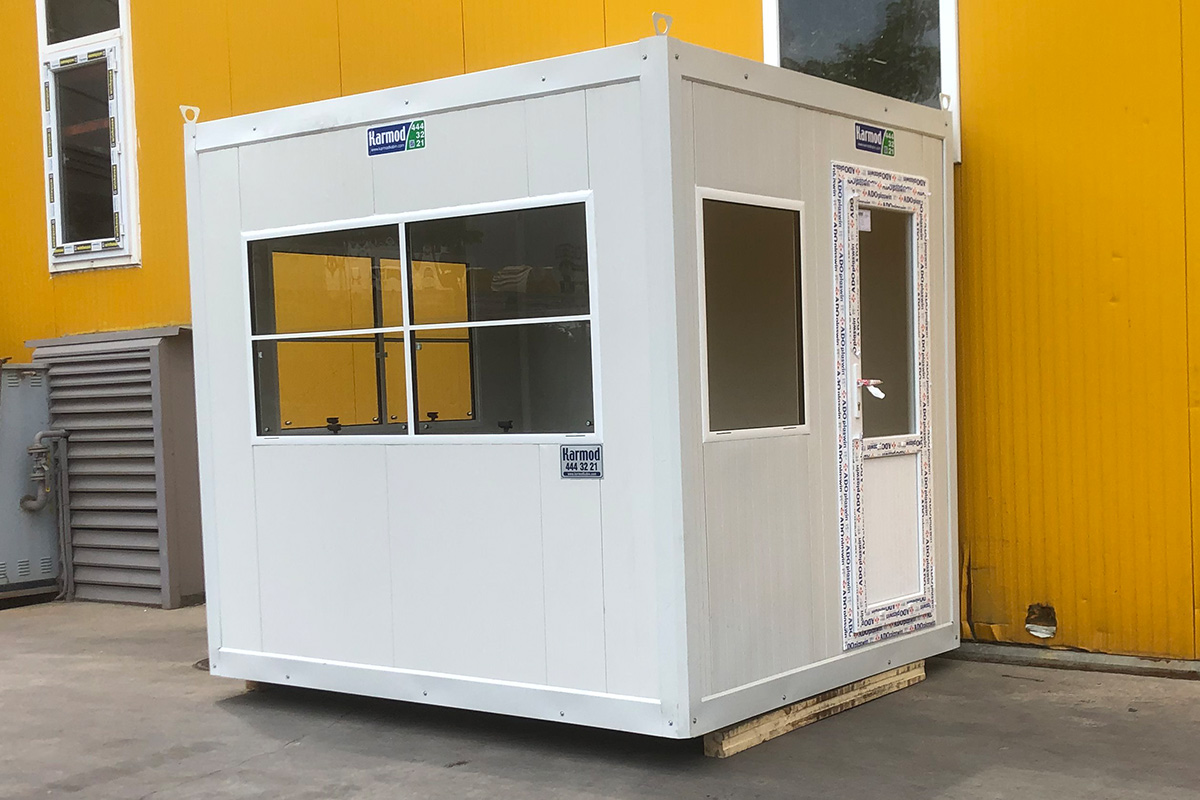
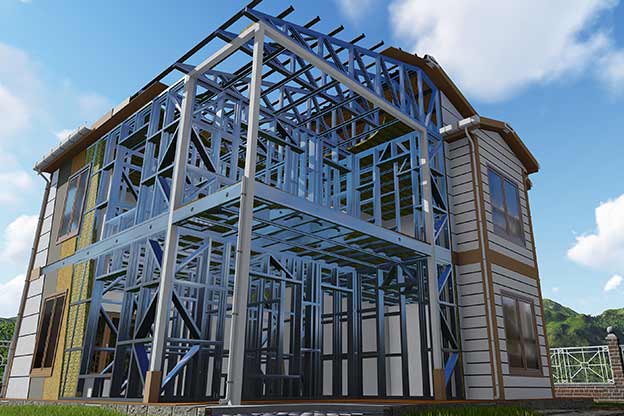
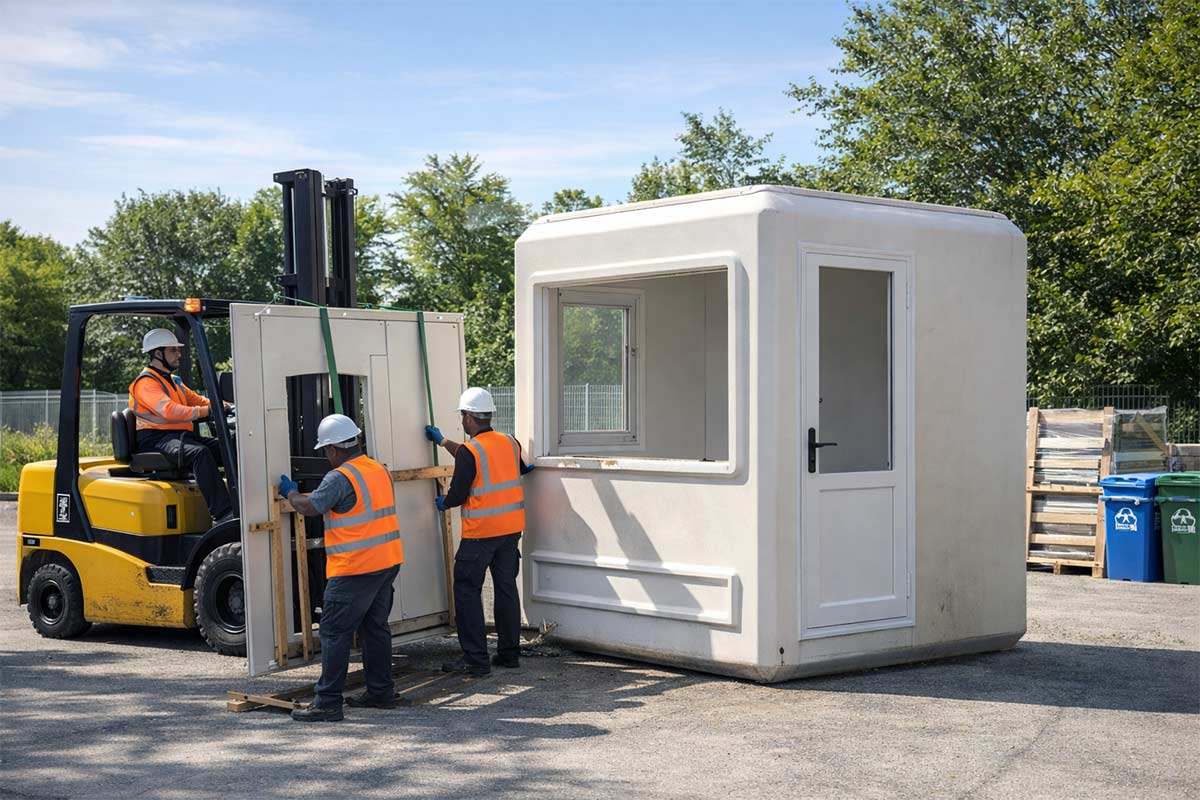
Modular cabins are particularly suited to this approach. Their bolted systems, panelized walls, and transportable frames allow for controlled dismantling. Components can be separated, inspected, and redirected rather than destroyed.
This method reduces landfill impact and aligns with modern environmental responsibility expectations. It also reflects positively on organizations operating in sectors where sustainability reporting and ESG commitments matter.
Reuse, Relocation, and Second-Life Applications
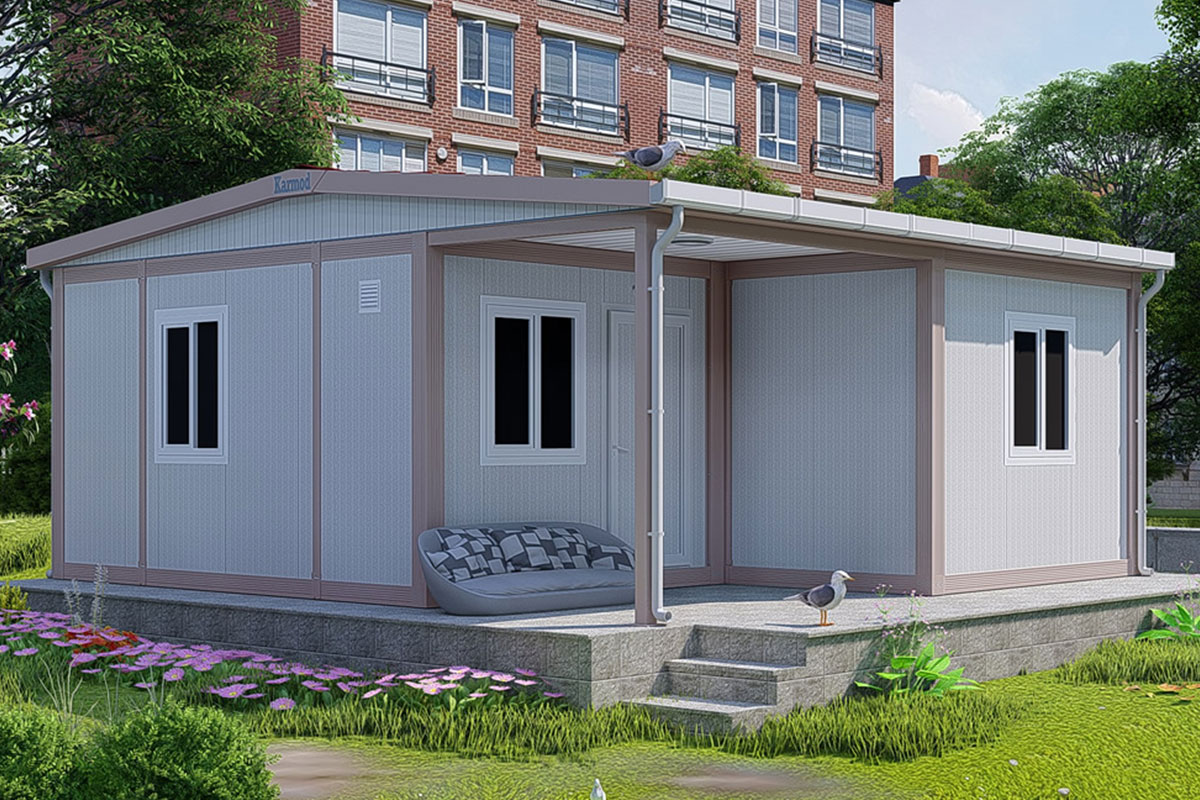
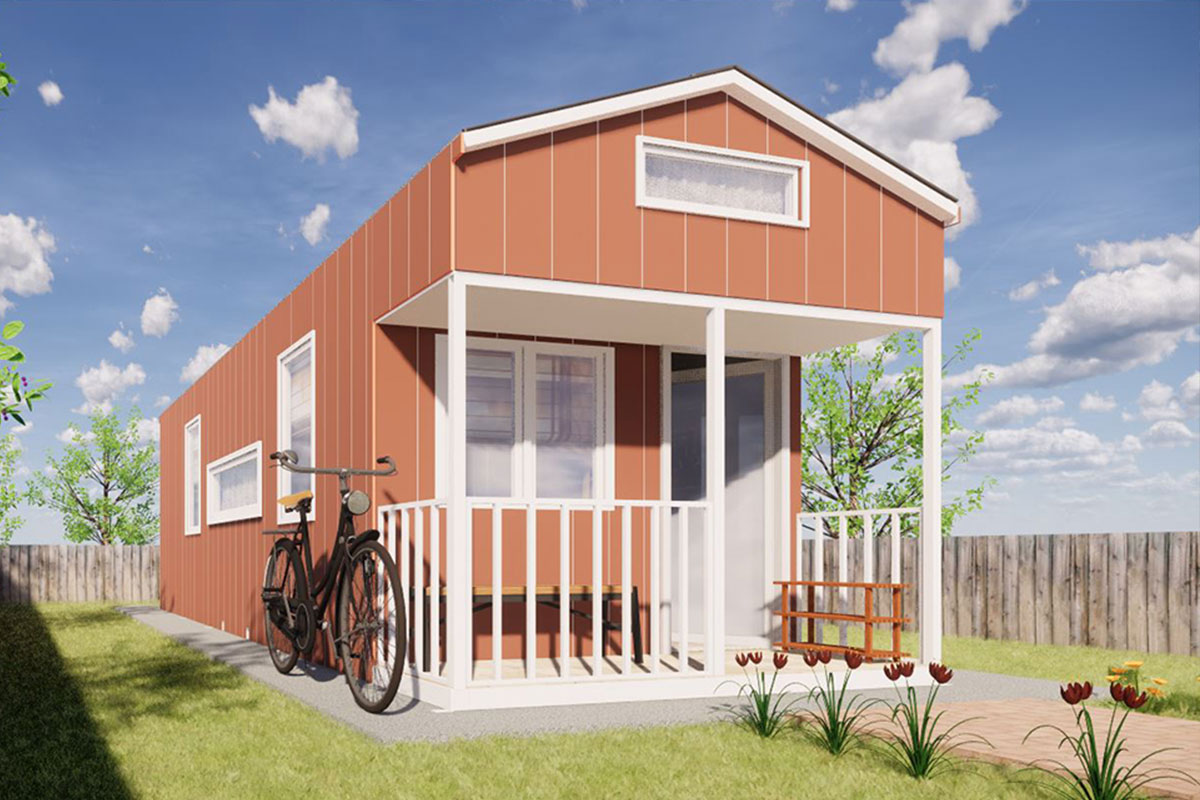
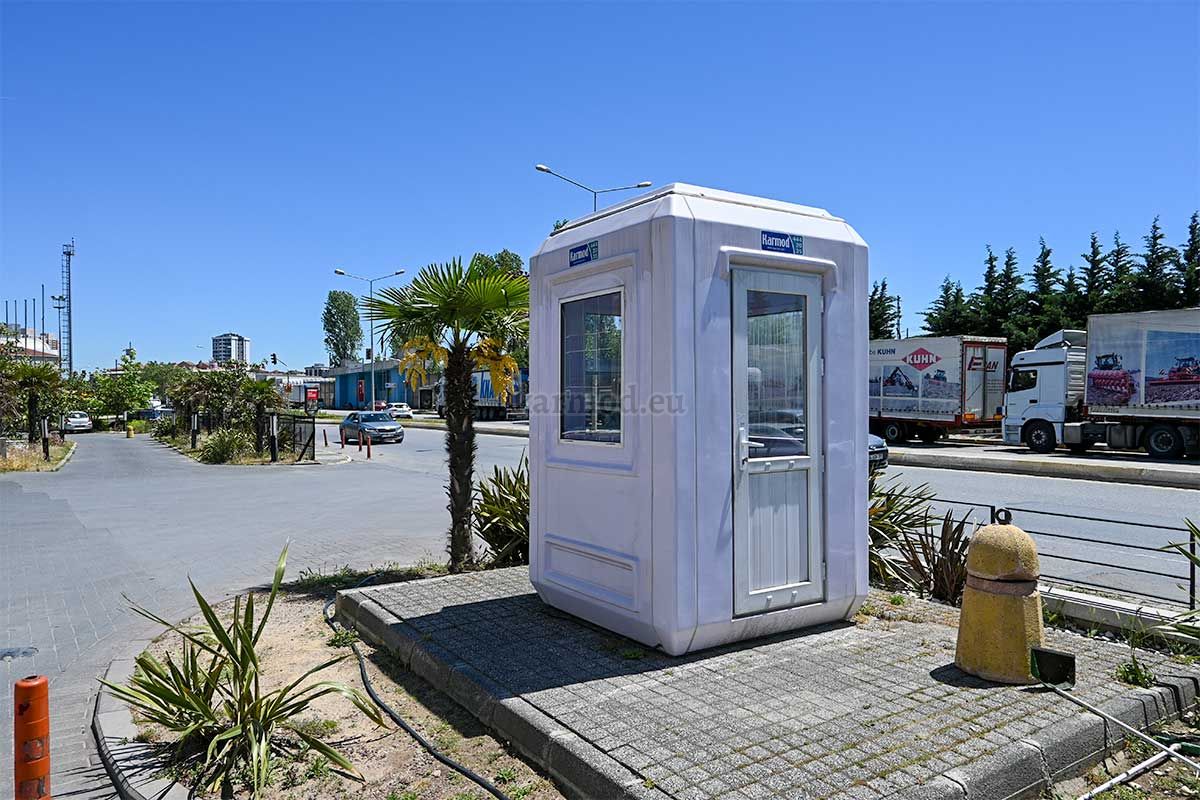
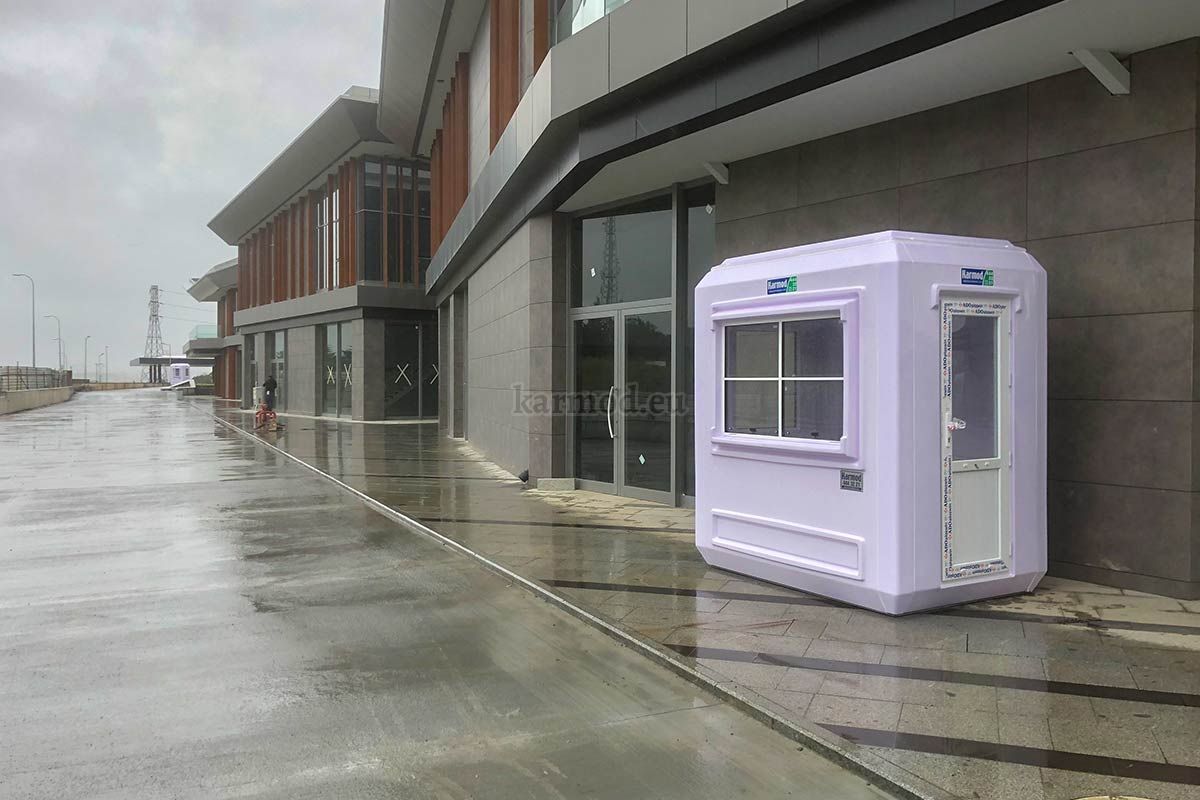
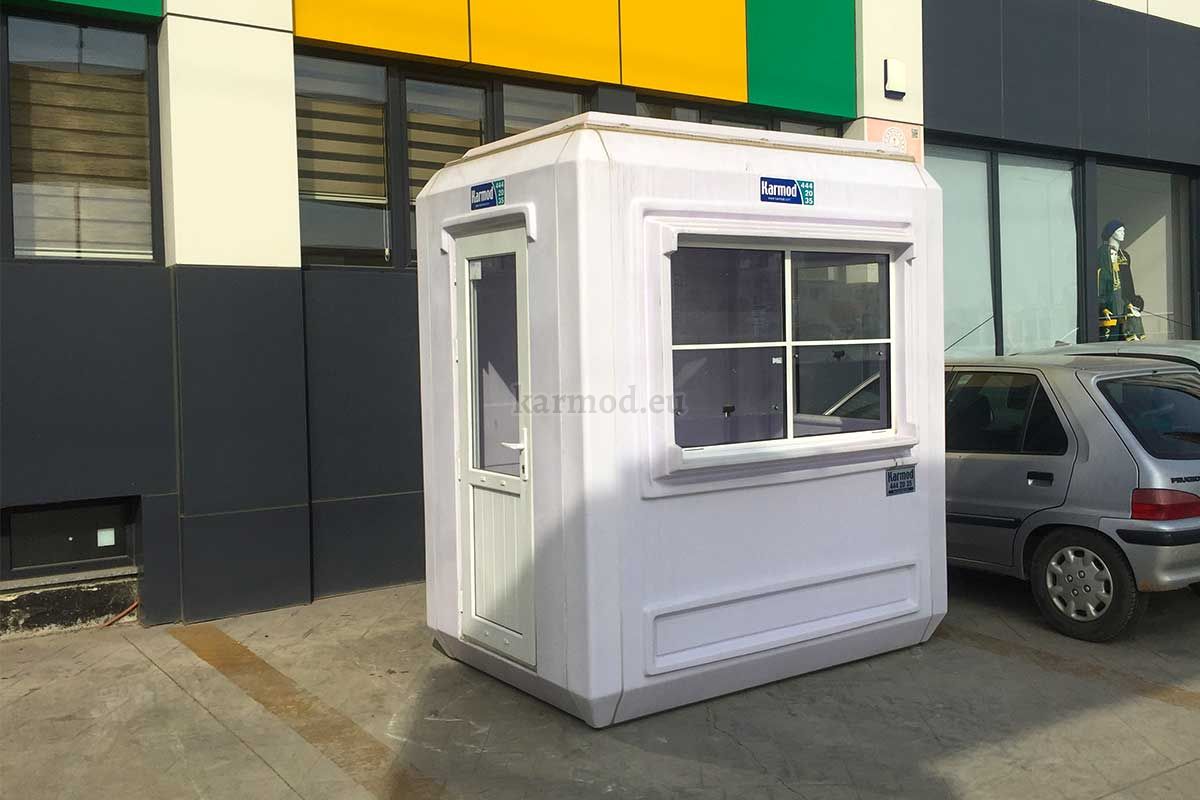
One of the biggest advantages of modular cabins is that decommissioning does not automatically mean disposal. Many units can be relocated to new sites with minimal refurbishment. Others can be repurposed for different functions, such as storage, temporary offices, or auxiliary facilities.
In some cases, cabins are refurbished and resold or donated for community use. This second-life approach extends the value of the original investment and reduces the environmental footprint of replacement construction.
Responsible decommissioning includes evaluating these options before deciding on recycling or disposal. The goal is always to keep usable structures in circulation for as long as possible.
Material Recycling and Environmental Impact
When reuse is no longer practical, material recovery becomes the priority. Modular cabins are typically built with steel frames, insulated panels, aluminum components, and recyclable interior materials. Each of these can be separated and processed through appropriate recycling channels.
Proper dismantling ensures that materials are not contaminated or damaged during removal. This increases recycling efficiency and reduces waste sent to landfills. Compared to traditional buildings, modular cabins offer a much cleaner end-of-life process when managed correctly.
From an environmental perspective, this approach supports circular construction principles—where materials are reused, recycled, and reintegrated into new projects.
Safety, Compliance, and Site Responsibility
Decommissioning is not only an environmental issue; it is also a safety and compliance matter. Electrical systems, utilities, and structural elements must be disconnected and removed according to local regulations. Improper handling can create hazards for workers and surrounding sites.
A structured decommissioning plan ensures that every step—from disconnection to transport—is documented and controlled. This is especially important for industrial, mining, or infrastructure sites where safety standards are high.
Responsible handling also protects organizations from legal and reputational risks. A poorly managed removal can cause more damage than the original structure ever did.
Planning Decommissioning as Part of the Modular Lifecycle
The most effective decommissioning strategies begin long before removal is required. When modular cabins are selected and installed, future relocation, upgrade, or decommissioning should already be considered.
This lifecycle mindset allows organizations to make smarter initial choices—such as standardized modules, durable materials, and adaptable layouts—that simplify future decisions. Decommissioning then becomes a planned transition, not a last-minute problem.
In this sense, responsible decommissioning is not the end of the modular journey. It is a continuation of the same strategic thinking that made modular construction valuable in the first place.
Responsible End-of-Life Solutions for Modular Cabins
Decommissioning old modular cabins responsibly requires experience, planning, and the right technical approach. It is about protecting the environment, maintaining compliance, and extracting value wherever possible.
Get in touch with us to discuss responsible decommissioning options for your modular cabins. From technical assessments and relocation planning to recycling and site clearance, our team can help you manage the entire process efficiently—ensuring that the end of one structure becomes a responsible step toward what comes next.