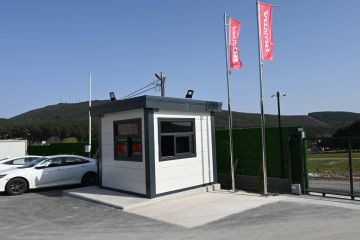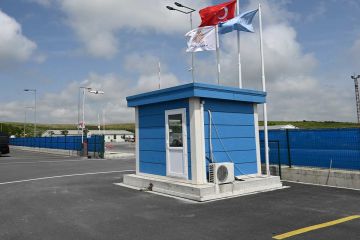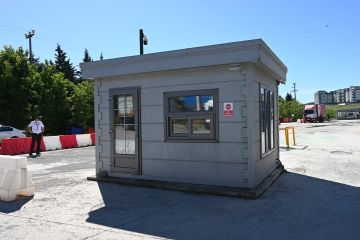


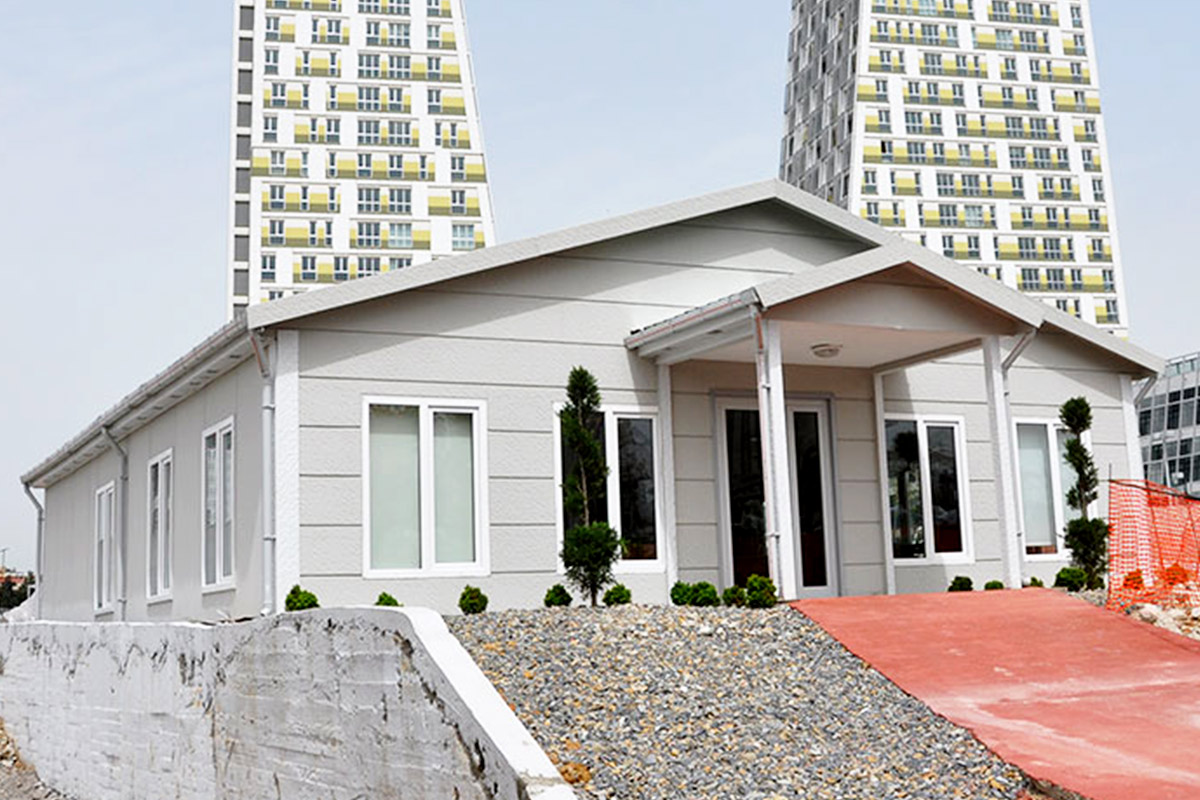

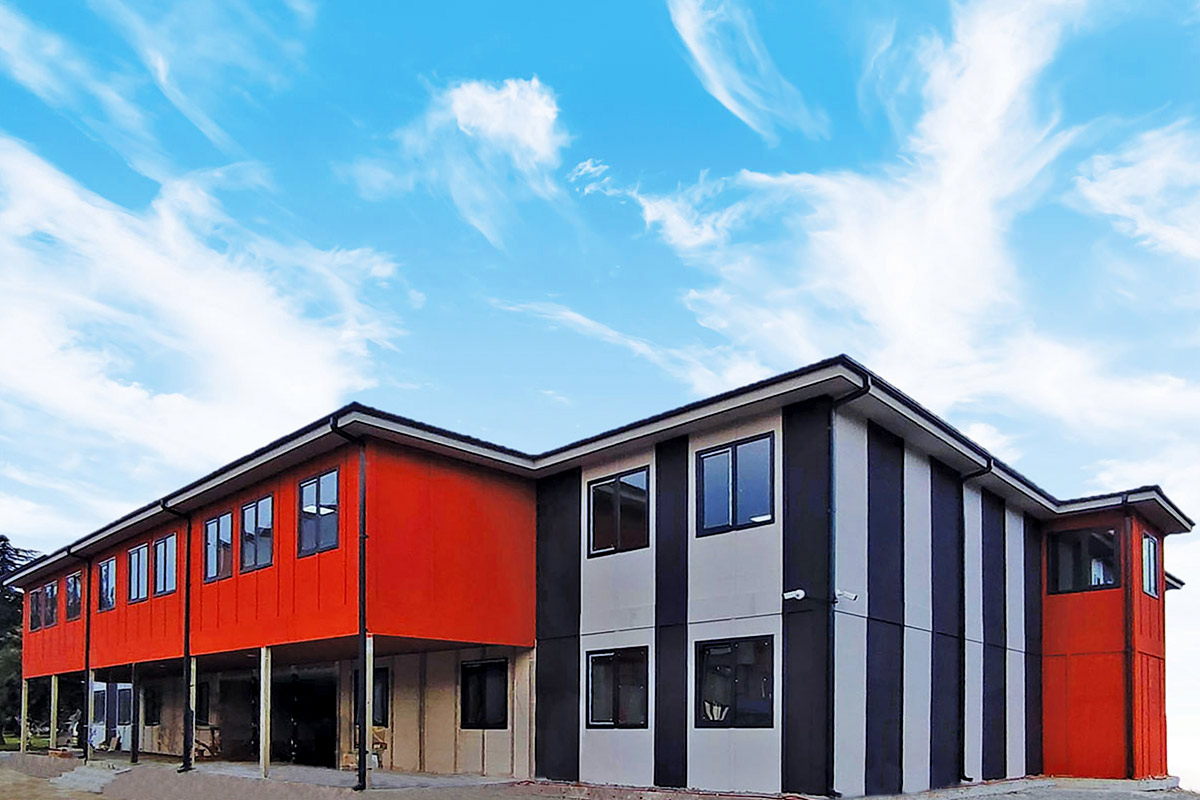
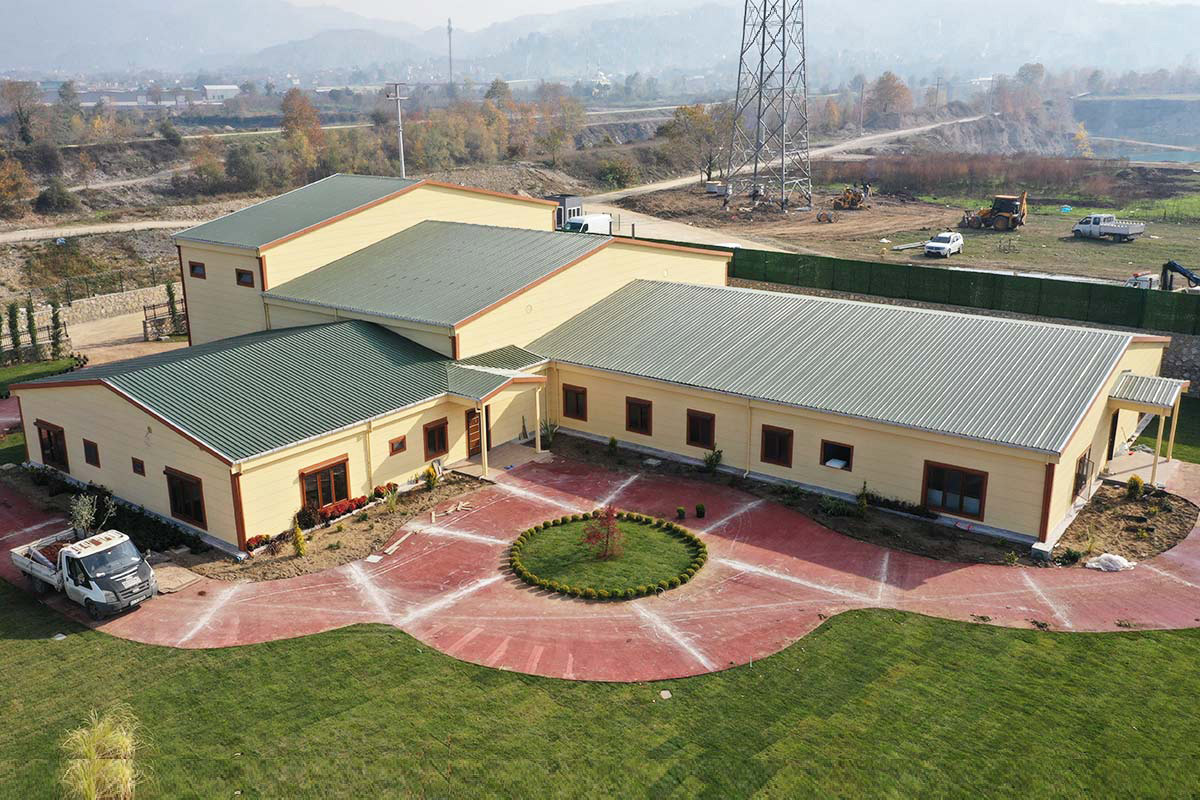

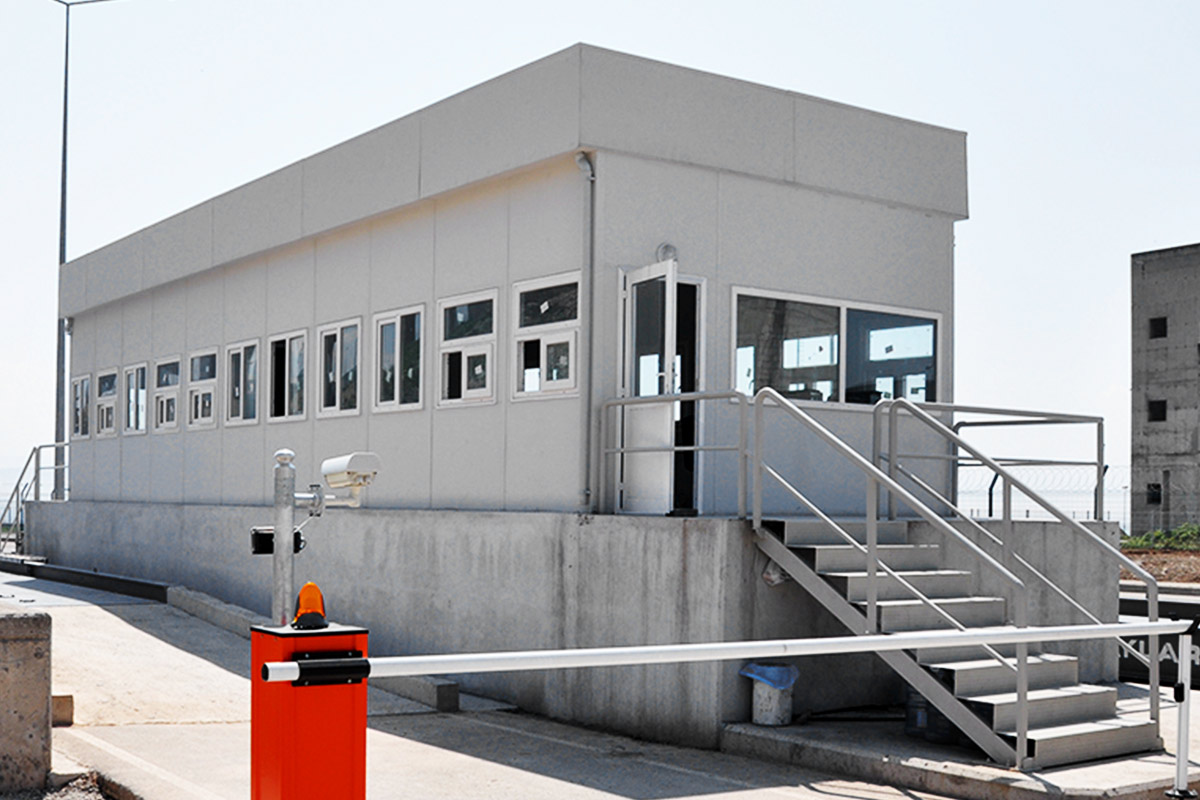
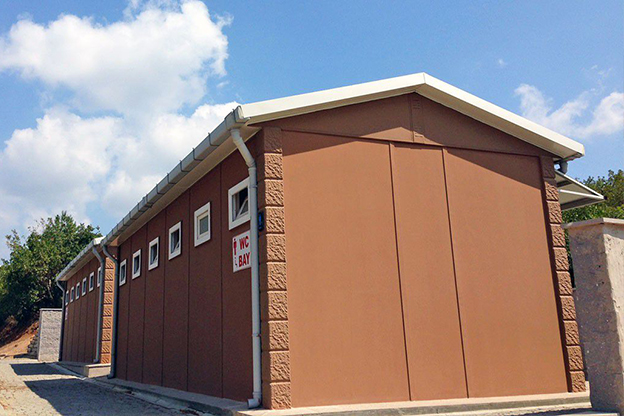
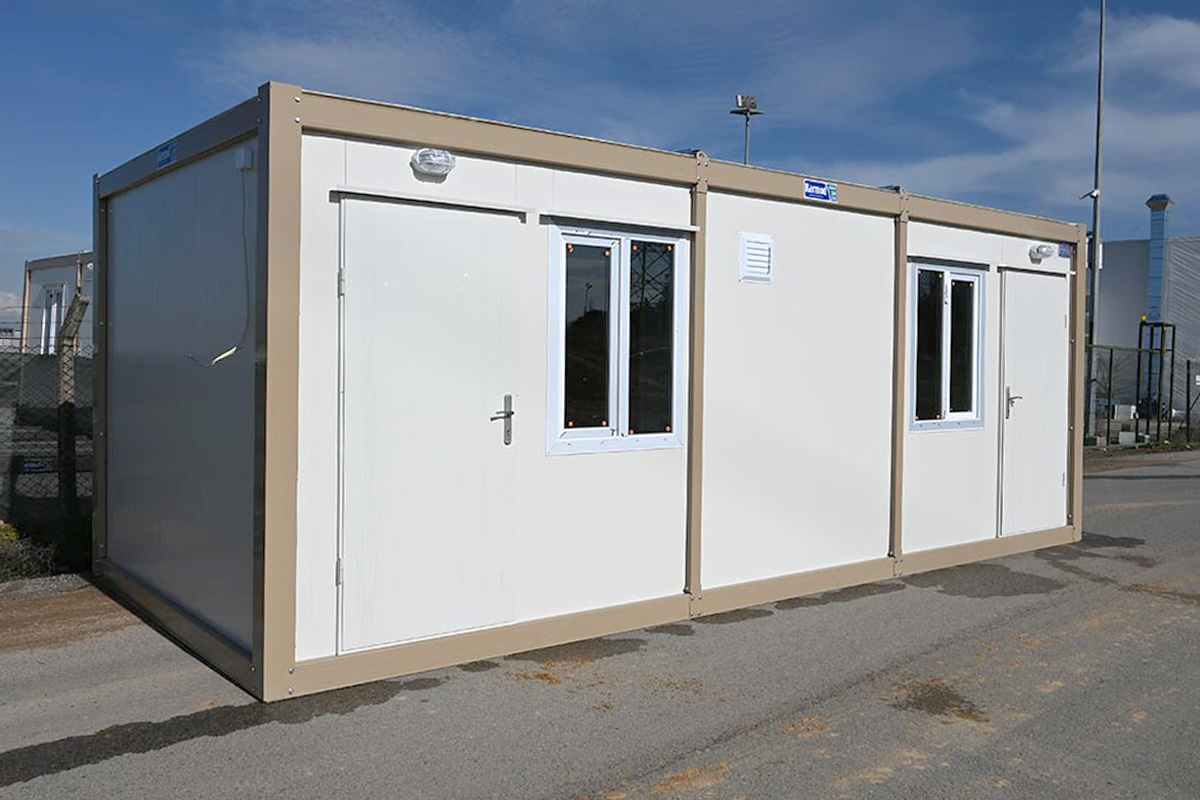
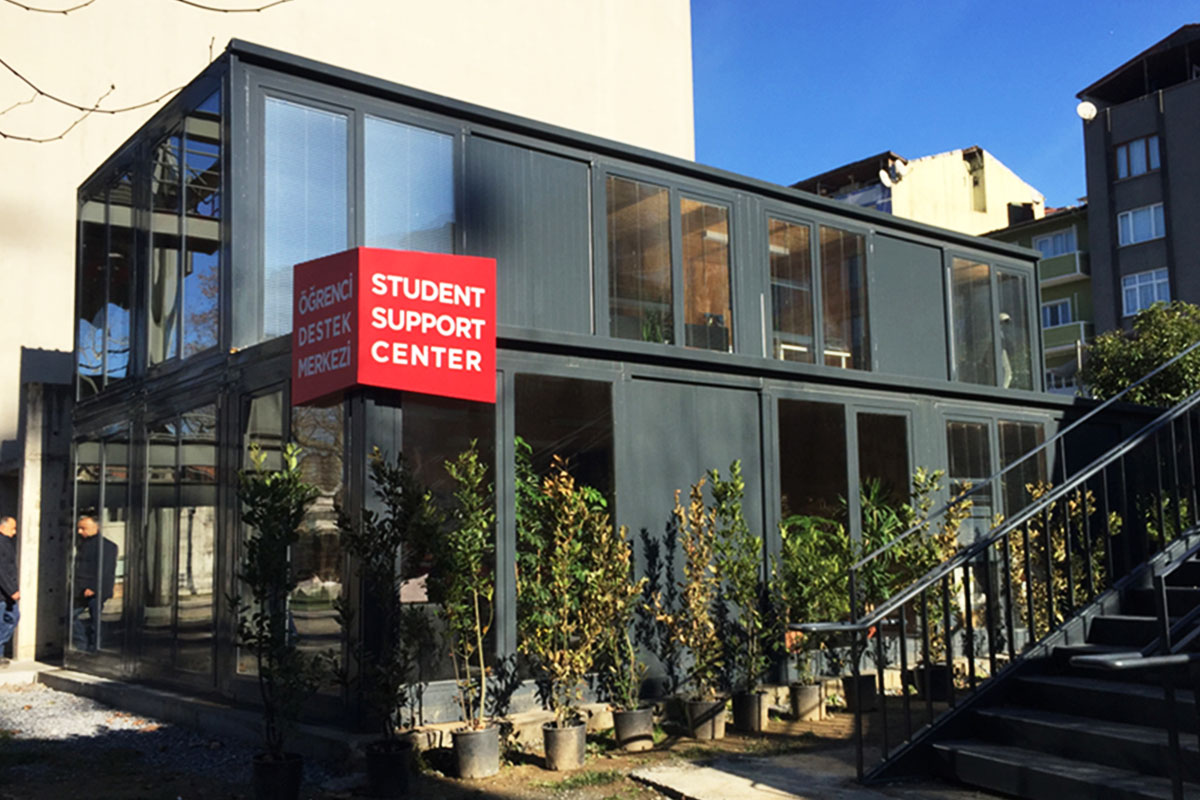
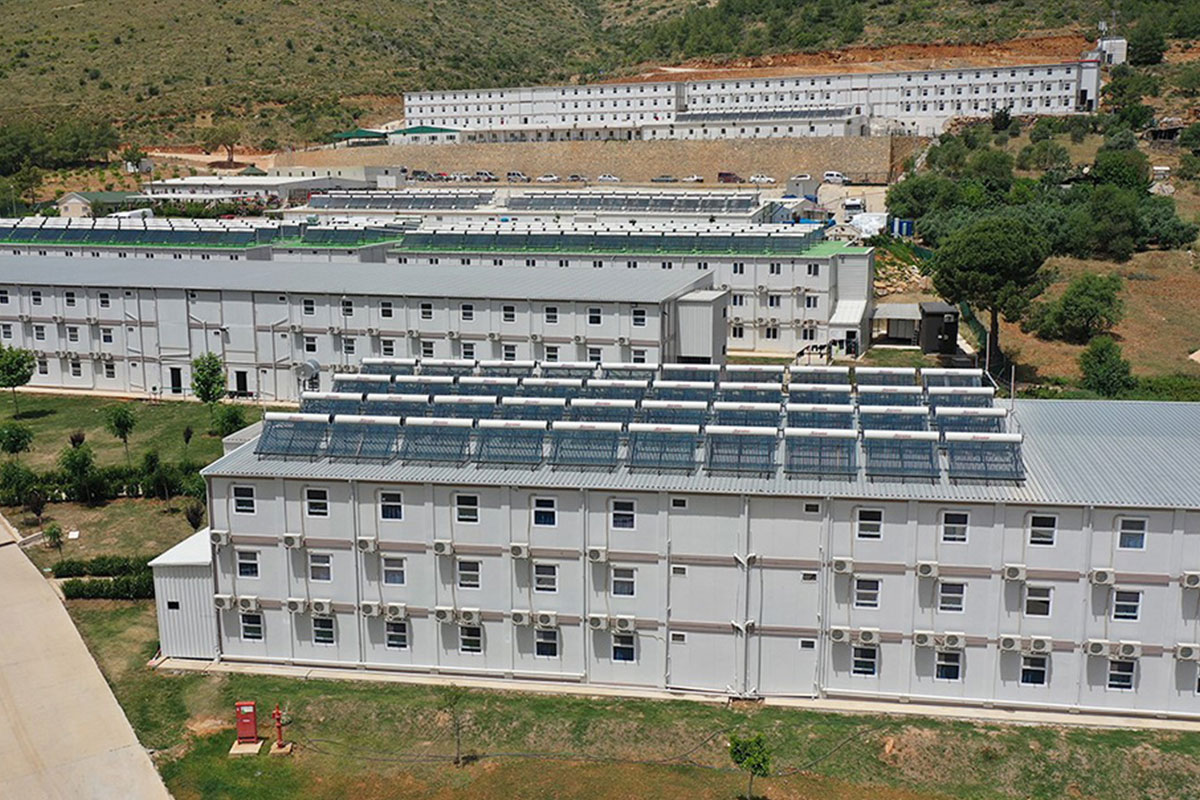
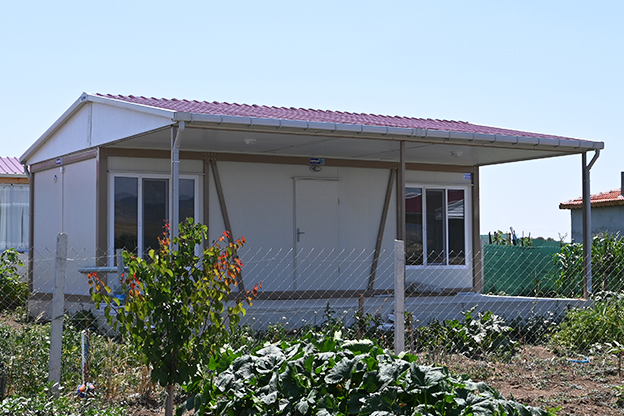
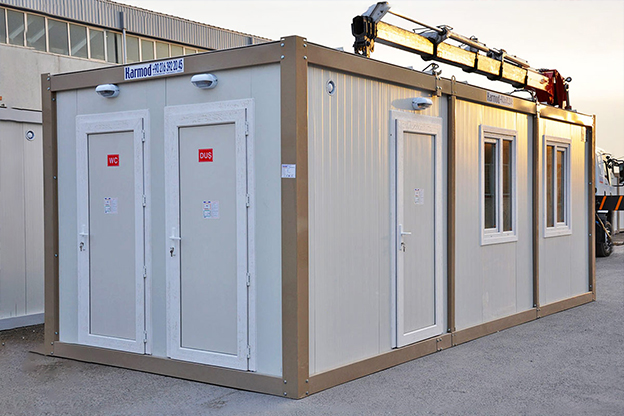
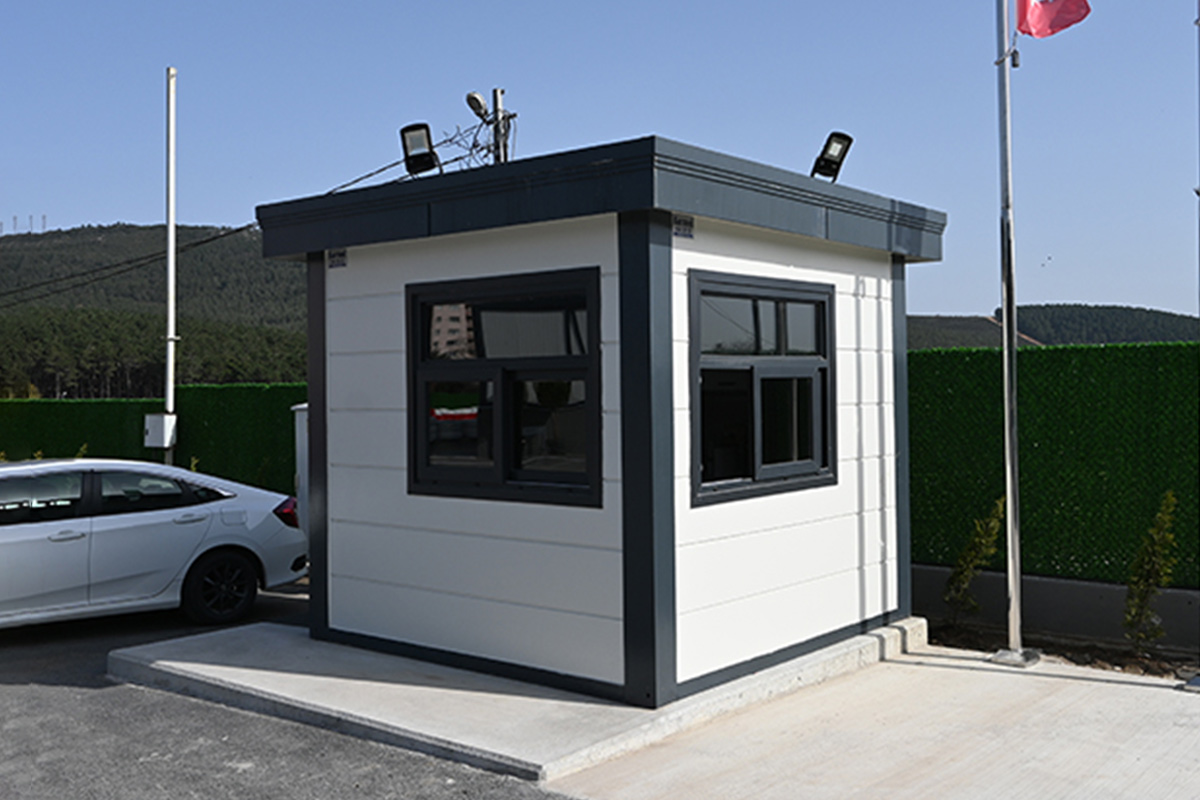
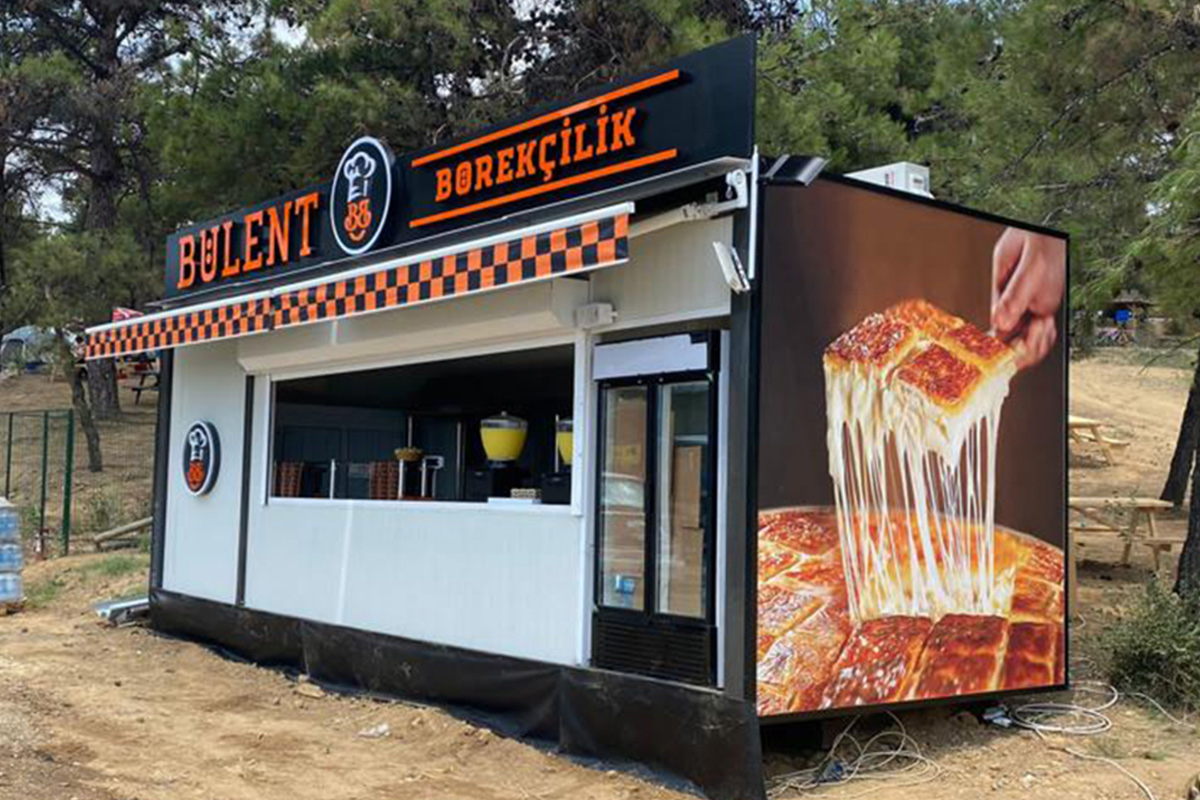
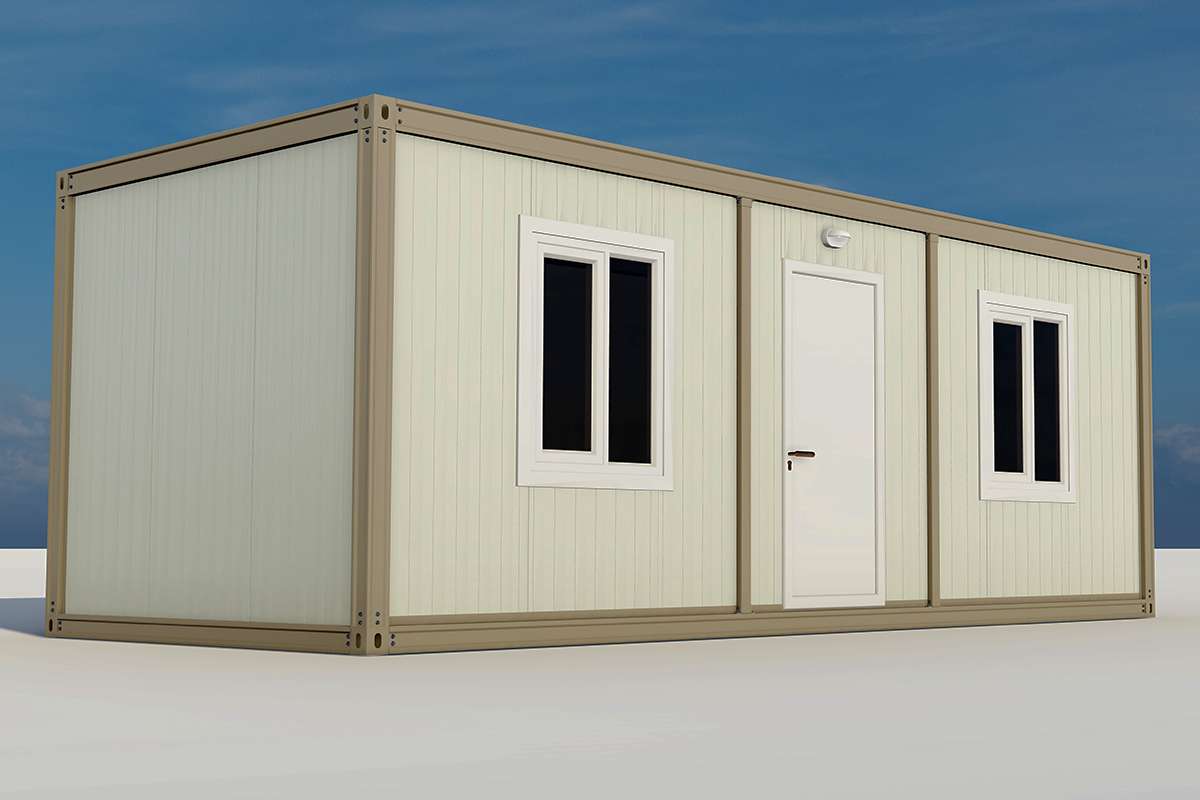

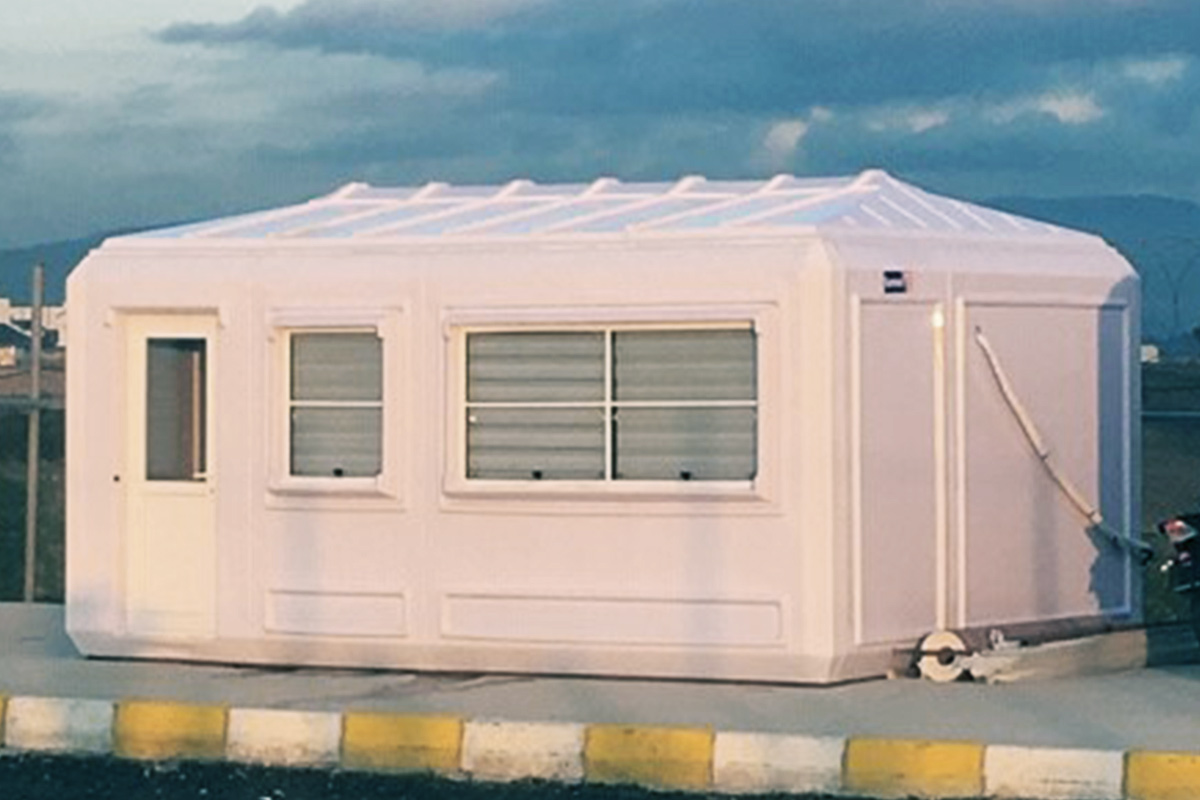
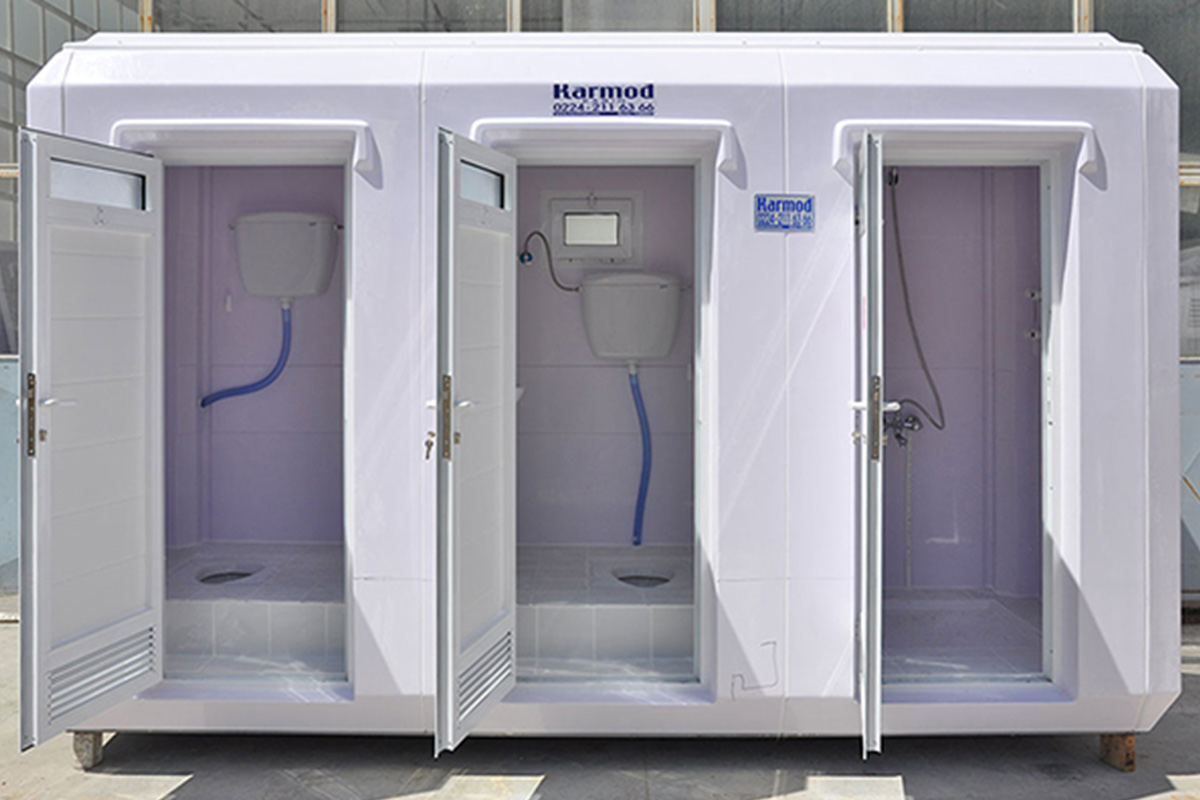
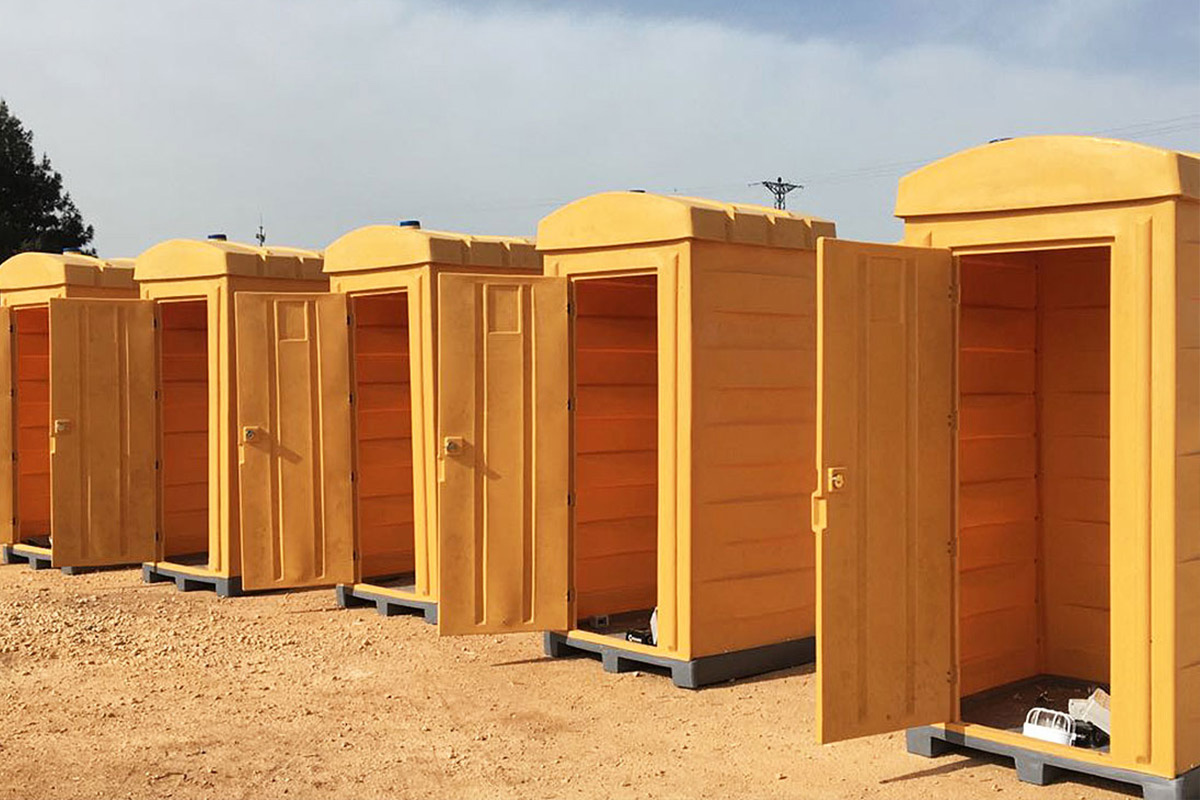
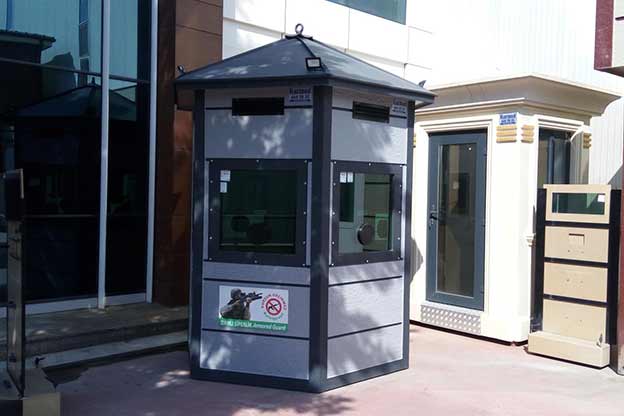
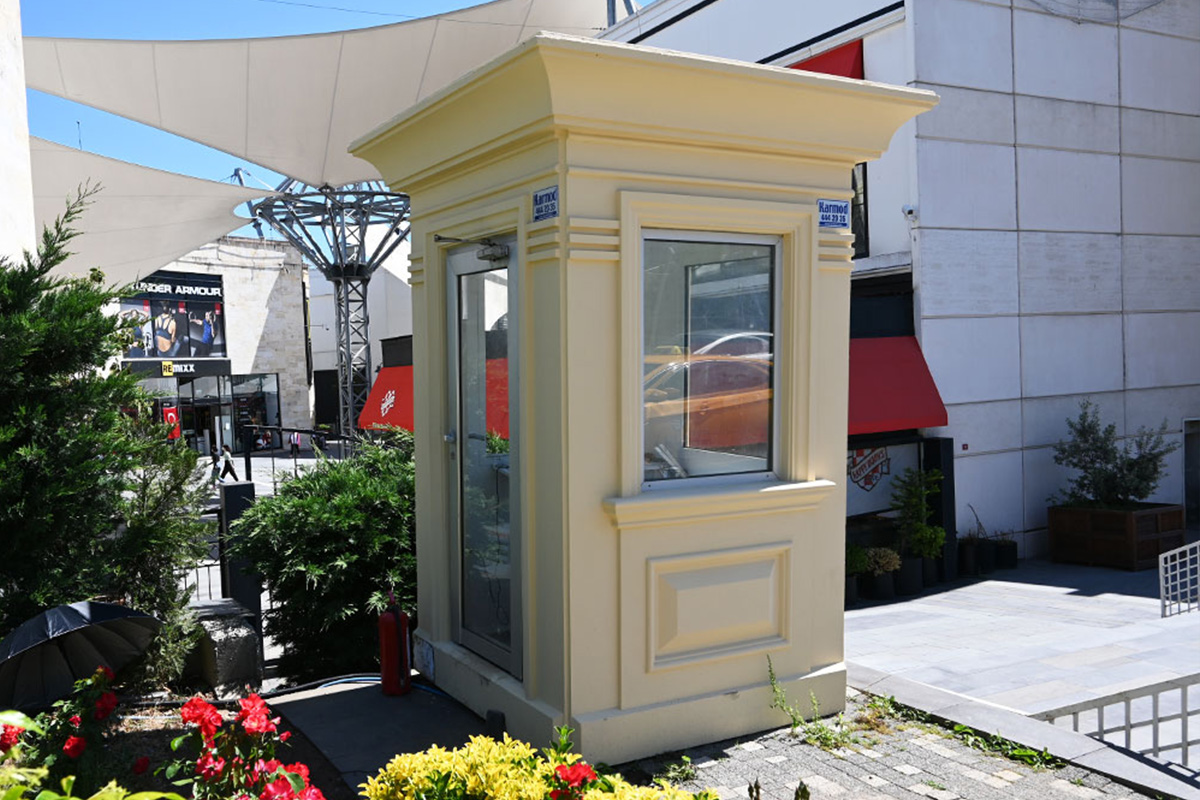
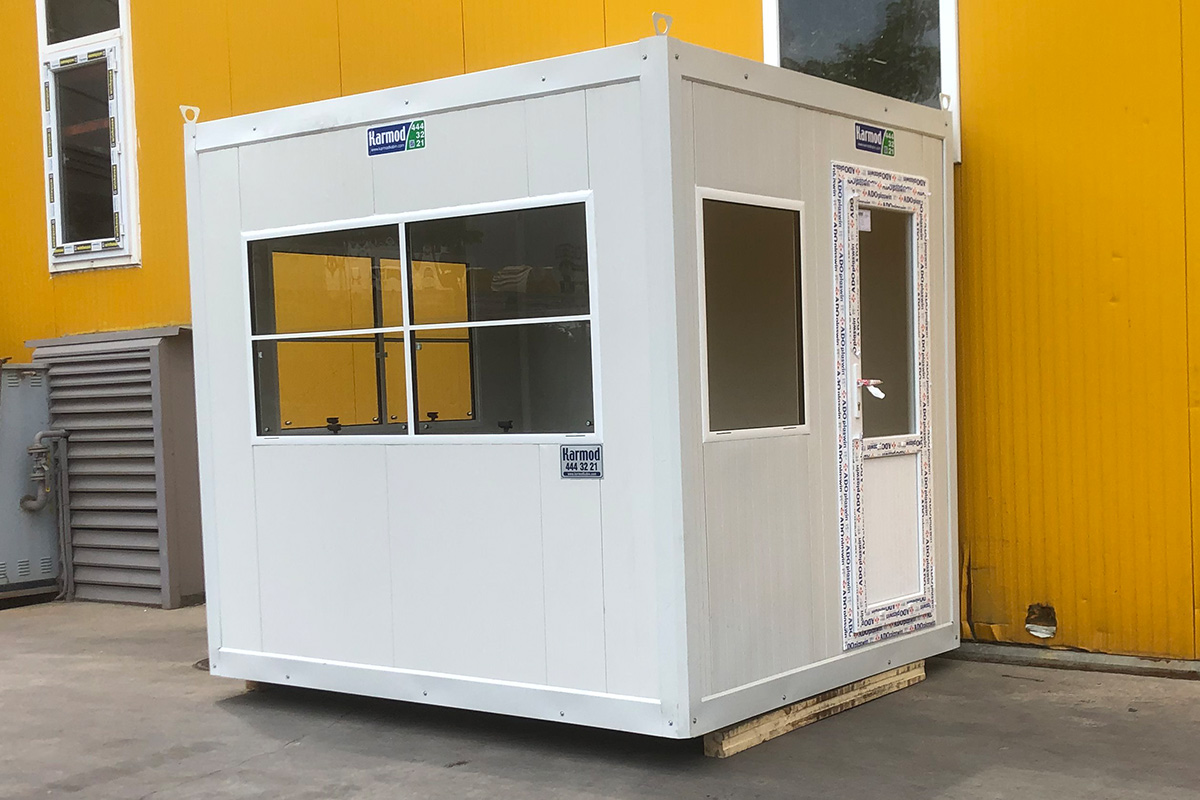
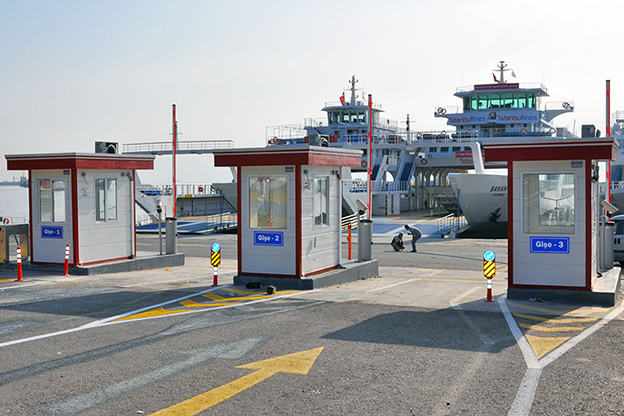
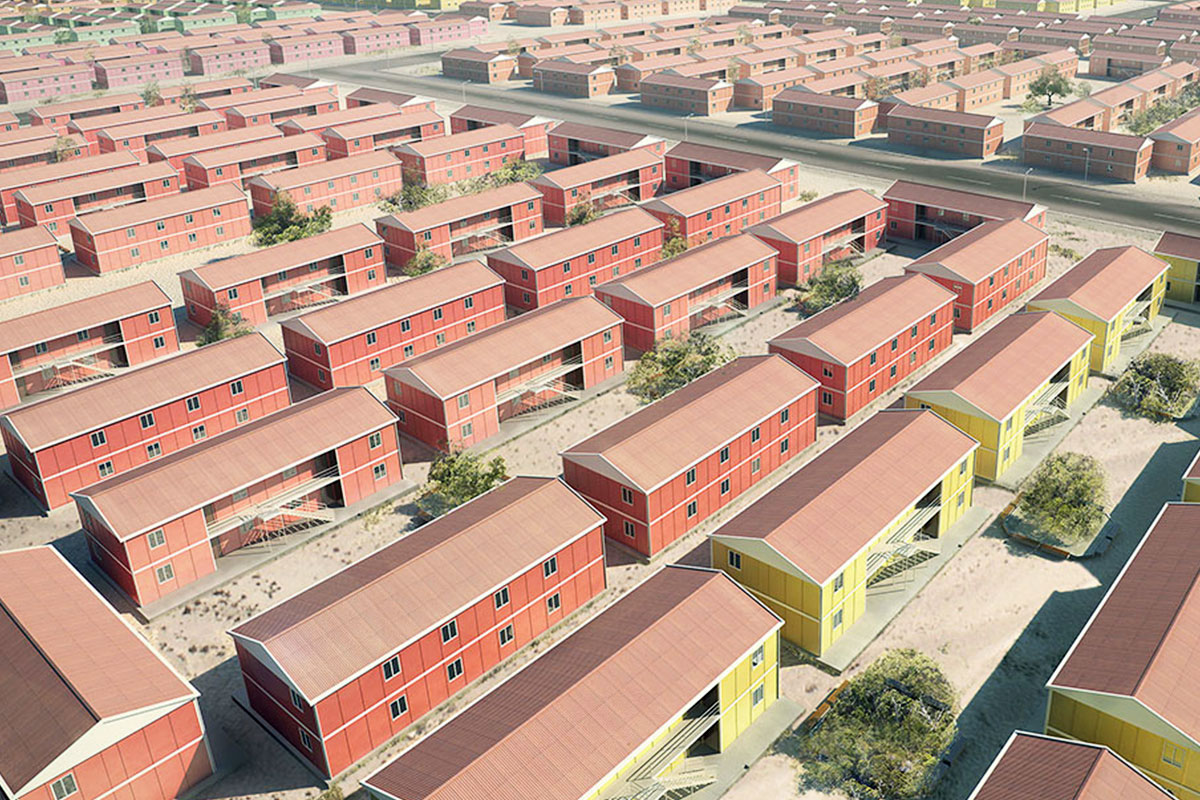
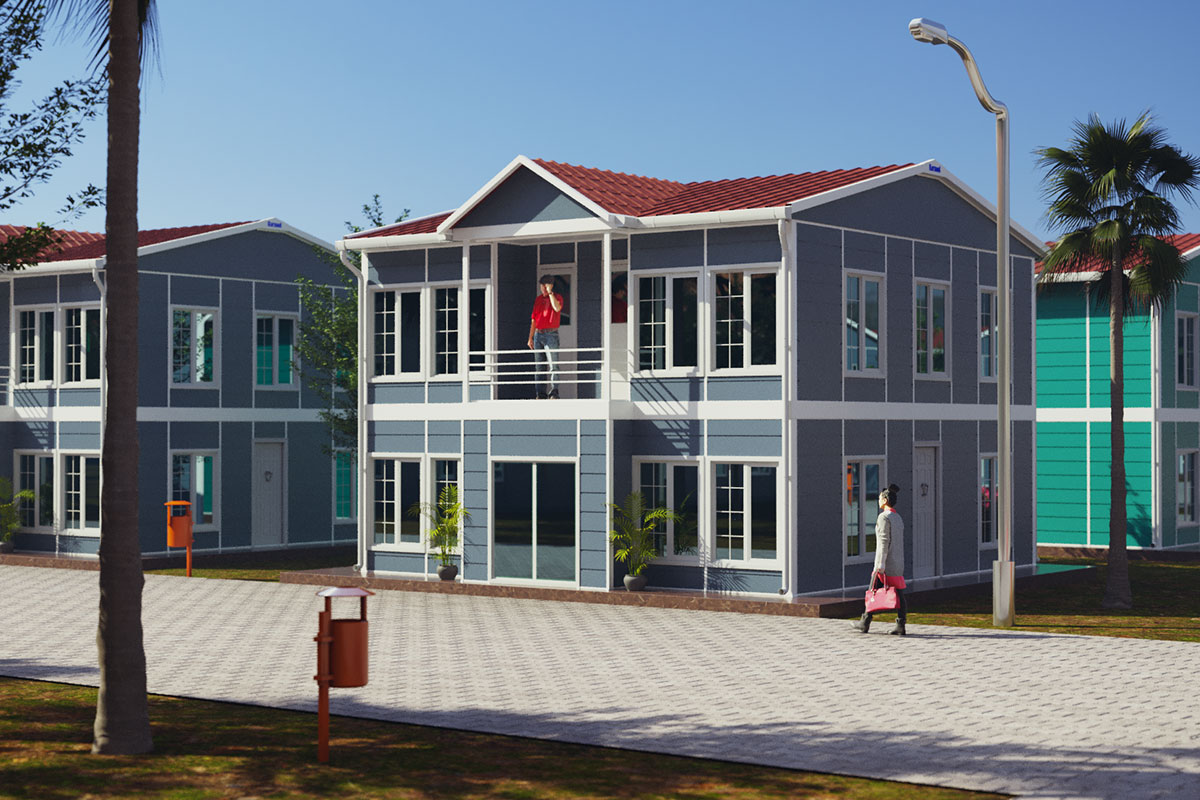
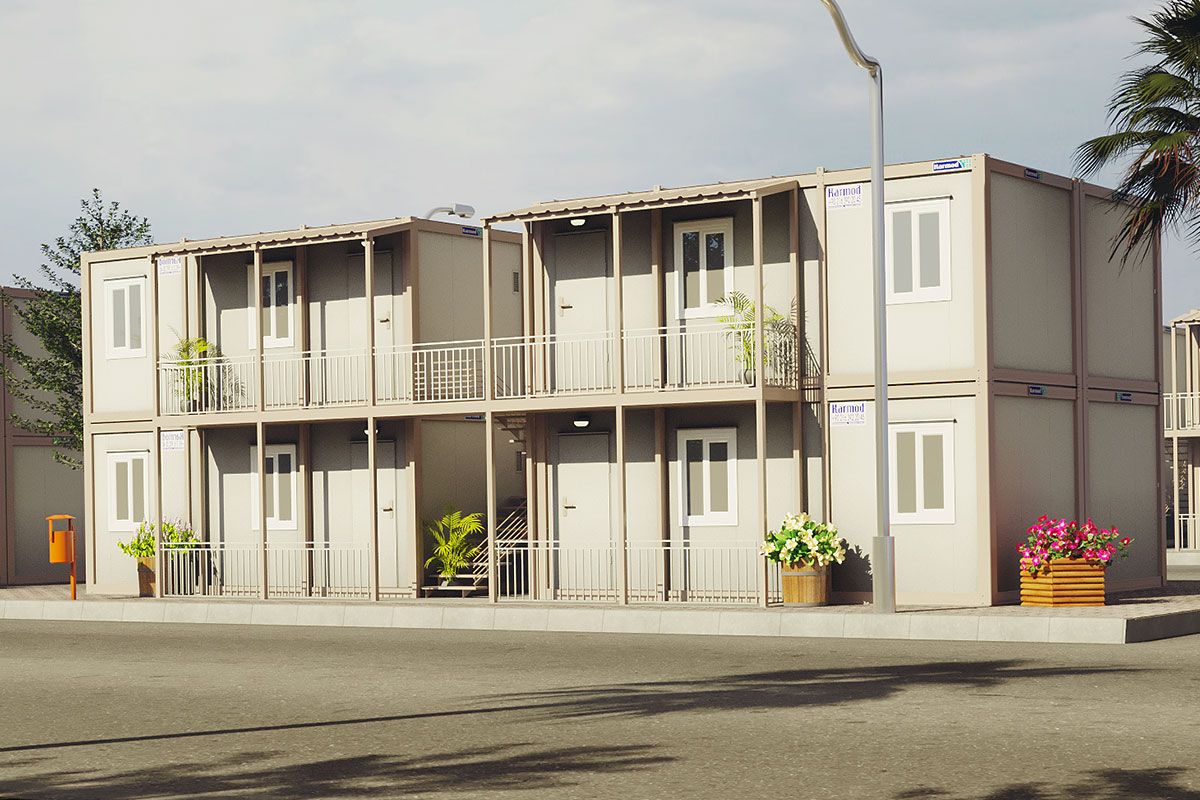


Emergency shelters must do far more than provide a temporary roof. In outdoor or dense urban settings, they become a refuge, a stabilizing anchor that helps people regain a sense of safety during unpredictable events. Whether deployed after a natural disaster, used to house displaced individuals, or positioned as temporary support hubs during large public operations, the quality of the shelter determines how effectively people can recover and reorganize. A well-designed shelter offers privacy, protection, and a feeling of dignity—three essentials that profoundly shape the human experience during crisis situations.
Urban environments add a unique layer of complexity. Limited space, fluctuating weather conditions, heavy foot traffic, and the need for rapid installation demand shelters that are easy to transport yet strong enough to withstand continuous use. Outdoor regions—whether mountainous, coastal, or rural—introduce their own challenges, such as inconsistent terrain and extreme temperature swings. Understanding how to select the right shelter for each scenario is crucial for emergency teams, municipalities, NGOs, and organizations that manage crisis response infrastructures.
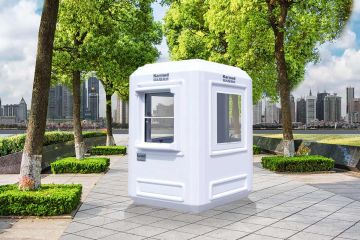
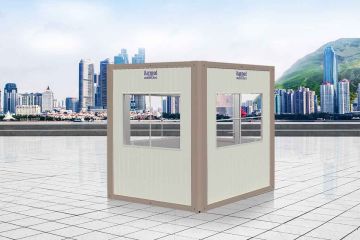
The Importance of Rapid Deployment in Crisis Environments
Every minute counts when an emergency unfolds. A shelter that takes days to construct may leave vulnerable people exposed to harsh conditions, increasing both discomfort and risk. That’s why rapid-deployment shelters have become a cornerstone of modern response strategies. They arrive ready to install, often requiring minimal labor, and can be positioned in various terrains without specialized equipment.
Rapid installation does more than offer convenience—it restores a sense of stability at a moment when communities need it most. The sooner people are sheltered, the sooner aid teams can focus on additional necessities like food distribution, medical support, or family reunification efforts. Speed, in this context, becomes a form of care.
Durability and Safety as Non-Negotiable Priorities
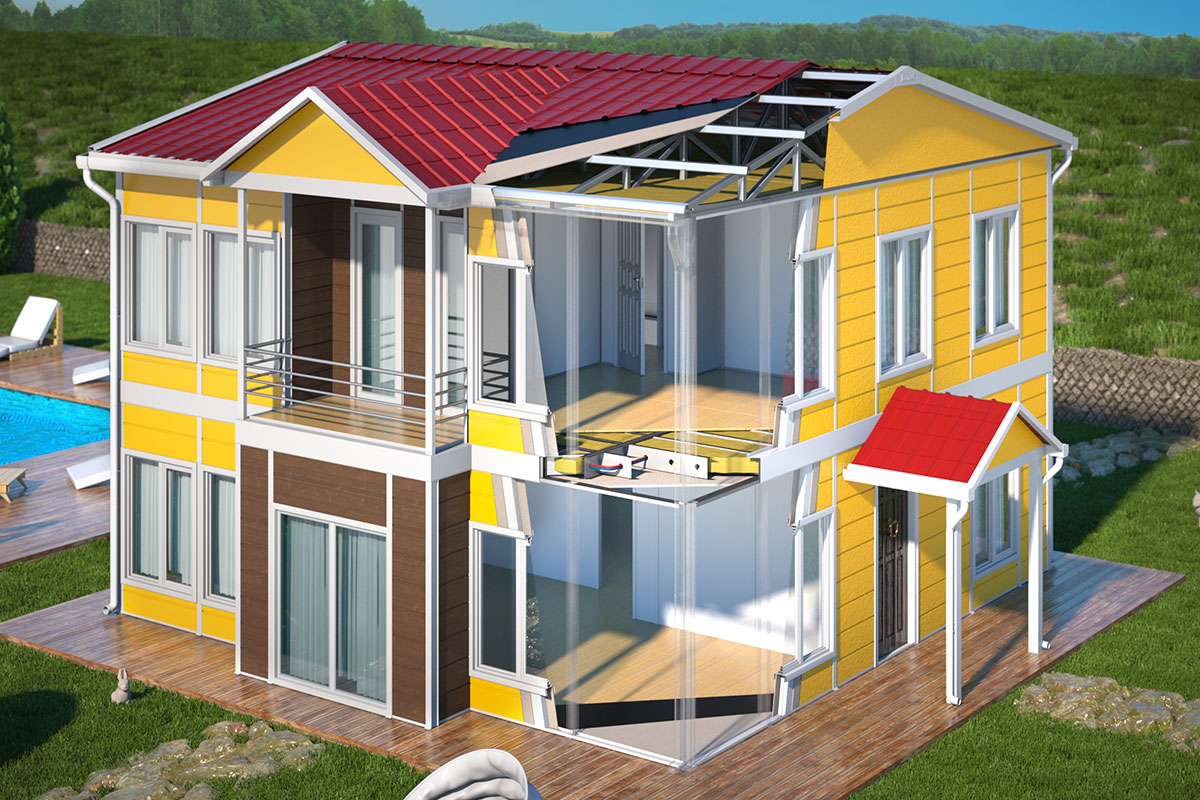
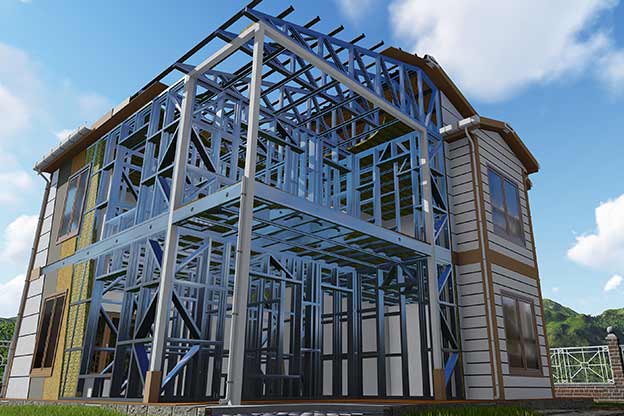
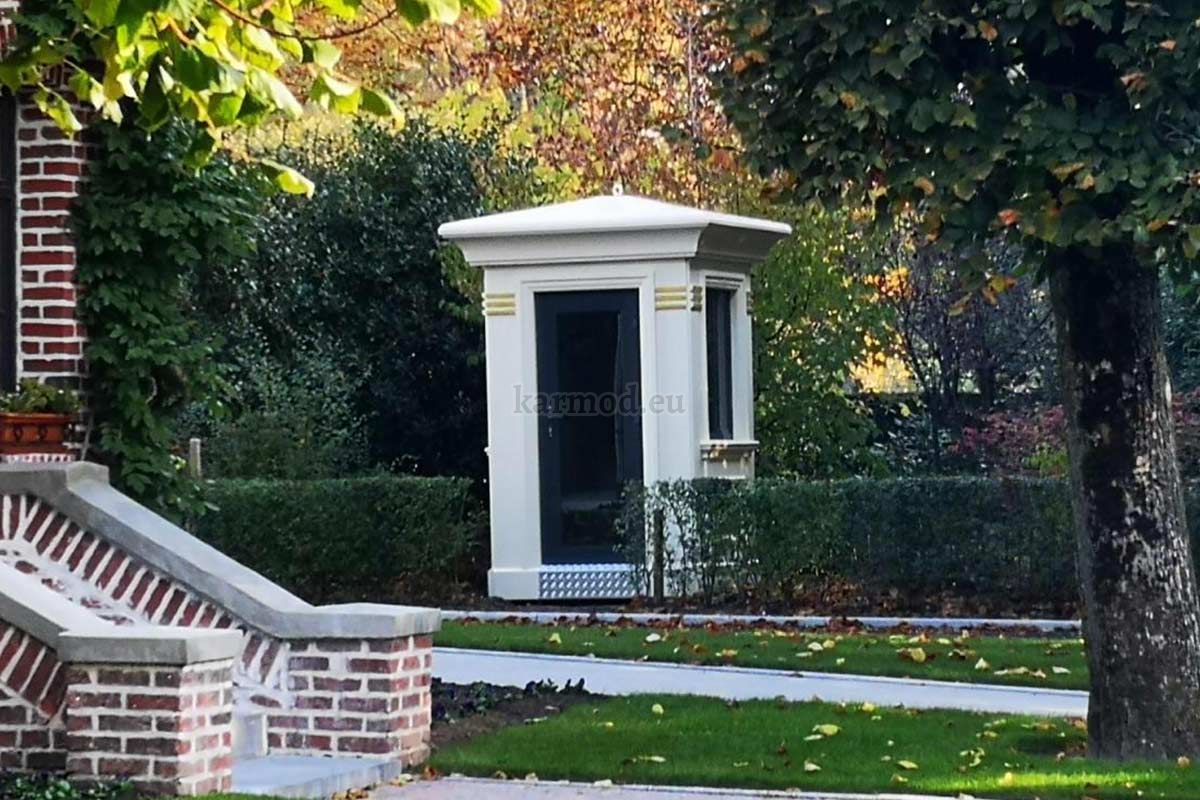
In emergency scenarios, shelters face a demanding environment. They must handle strong winds, rain, temperature fluctuations, and high-frequency use without compromising safety. Durable materials—reinforced steel frames, insulated panels, weather-resistant coatings, and tempered windows—are essential for creating a stable structure capable of serving for weeks or even months.
Safety features extend beyond structural resilience. Secure locking systems protect inhabitants, while fire-resistant materials help prevent secondary disasters. Proper ventilation reduces the risk of moisture buildup and heat stress, making the shelter more livable. When people feel safe inside, they can rest, gather their thoughts, and begin planning their next steps with greater clarity.
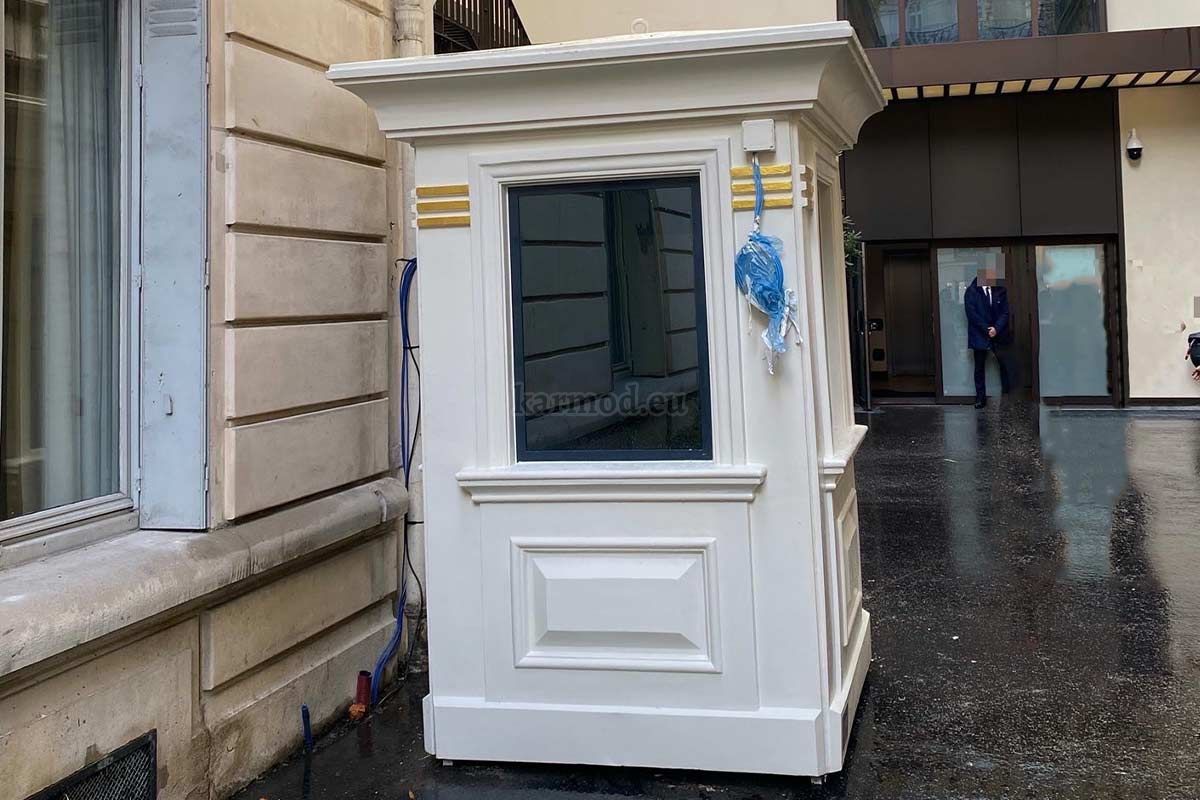
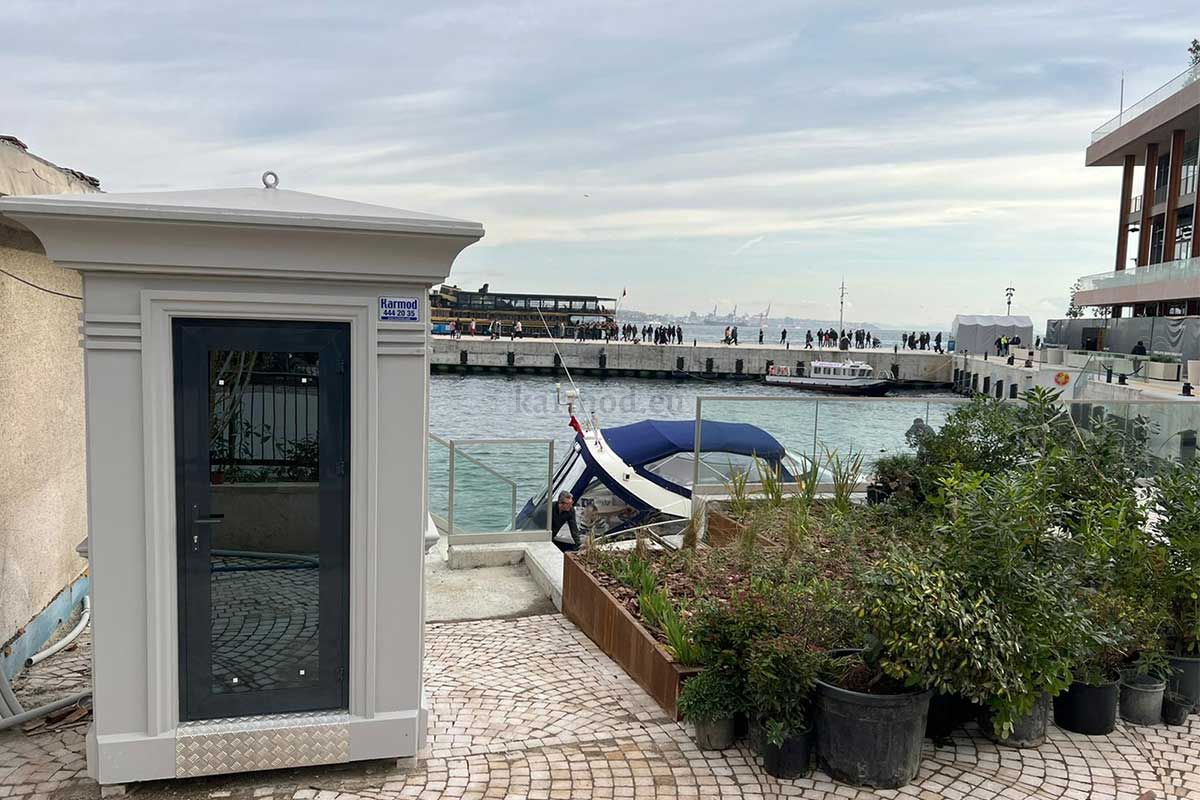
Comfortable Interiors That Support Human Well-Being
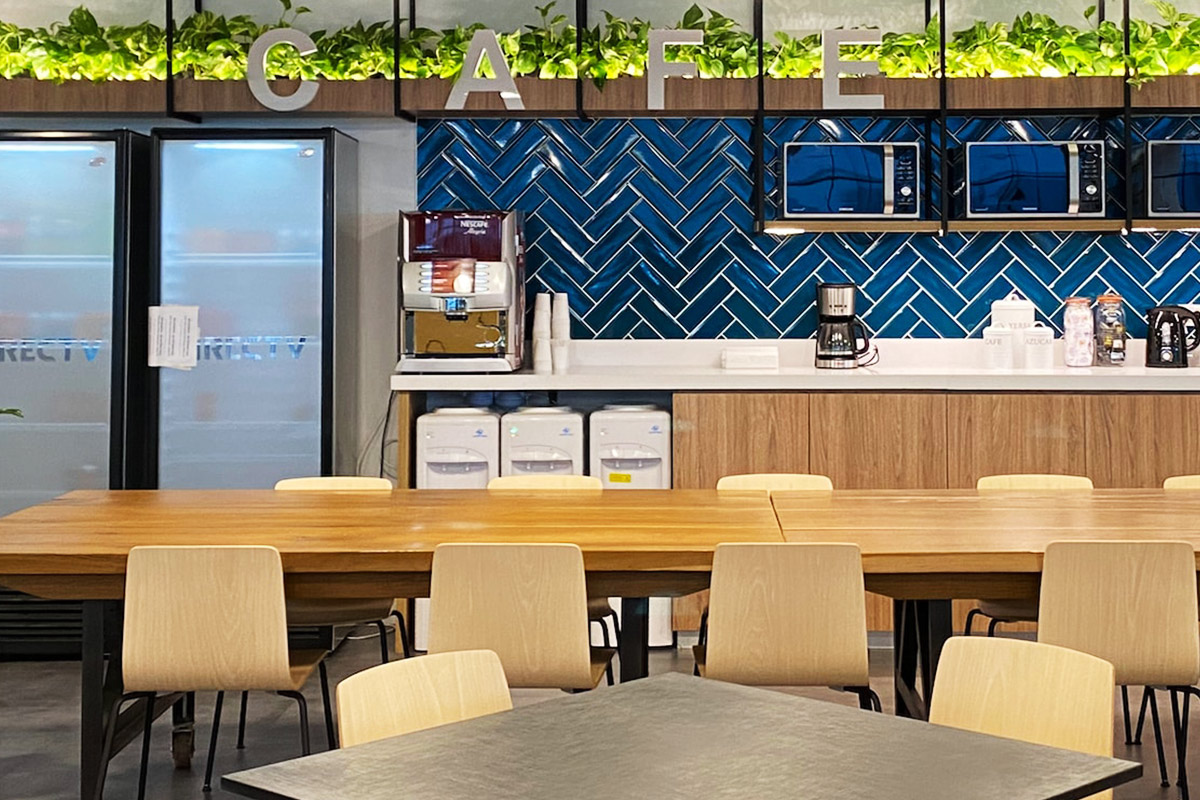
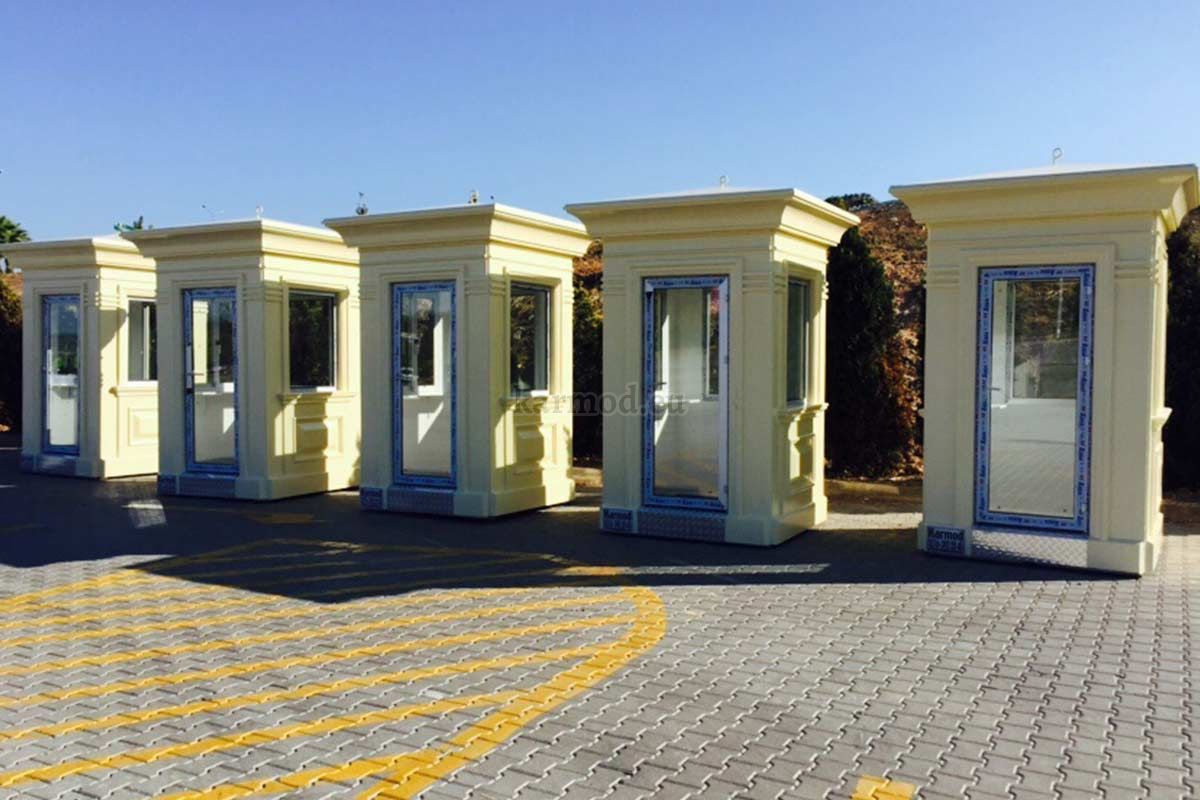
Comfort may seem secondary during emergencies, but it has a direct impact on mental health, physical recovery, and emotional resilience. A shelter that maintains stable temperatures, reduces noise intrusion, and provides enough room for essentials gives people a sense of normalcy—even when life outside feels unstable.
Interior Layout That Respects Privacy
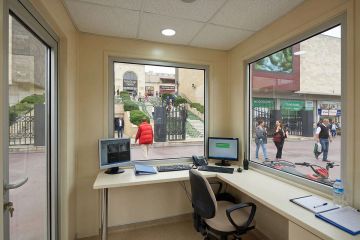
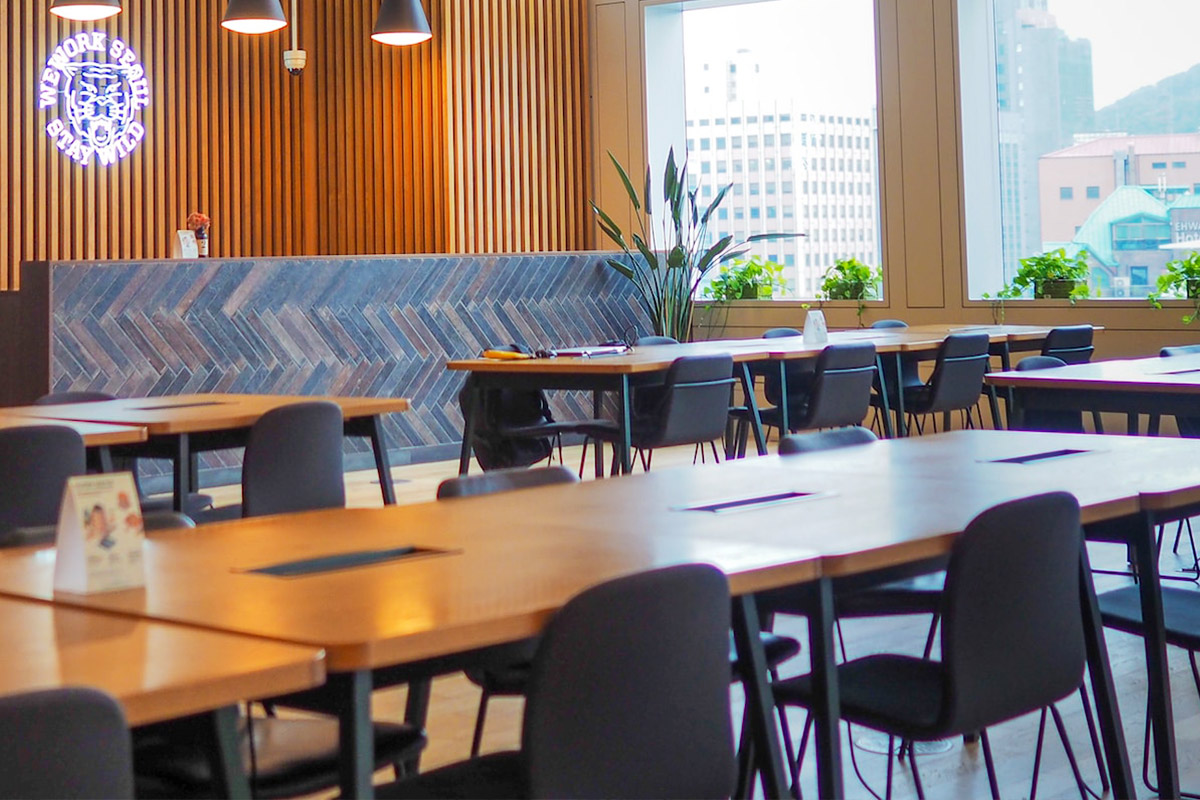
Small design decisions—such as window placement, interior partitions, or separate sleeping corners—make a meaningful difference. Privacy helps reduce stress, especially in settings where families or individuals are coping with shock or uncertainty.
Climate Control and Insulation
Good insulation protects against extreme heat and cold, while proper ventilation keeps the air fresh. These elements not only increase comfort but also support better sleep, stronger immunity, and improved overall well-being.
Adaptability for Different Emergency Scenarios
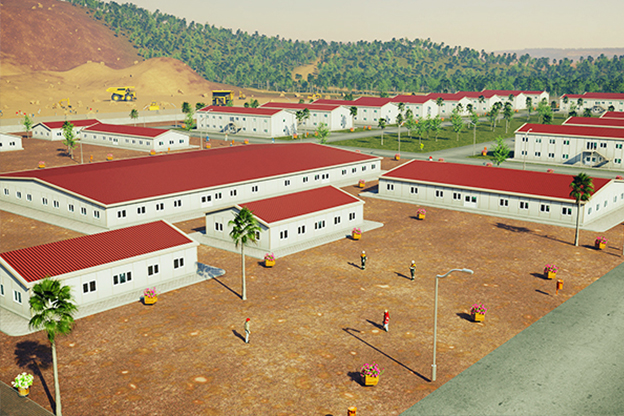
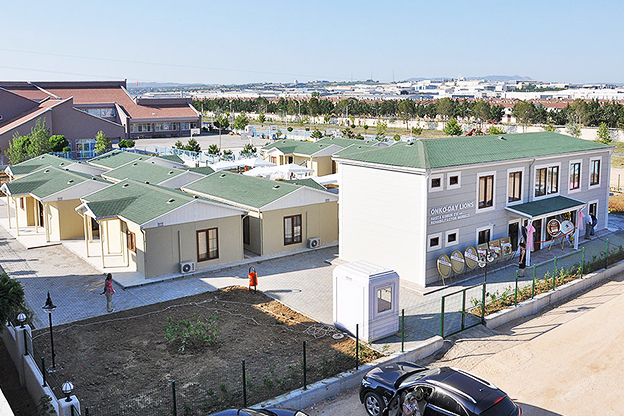
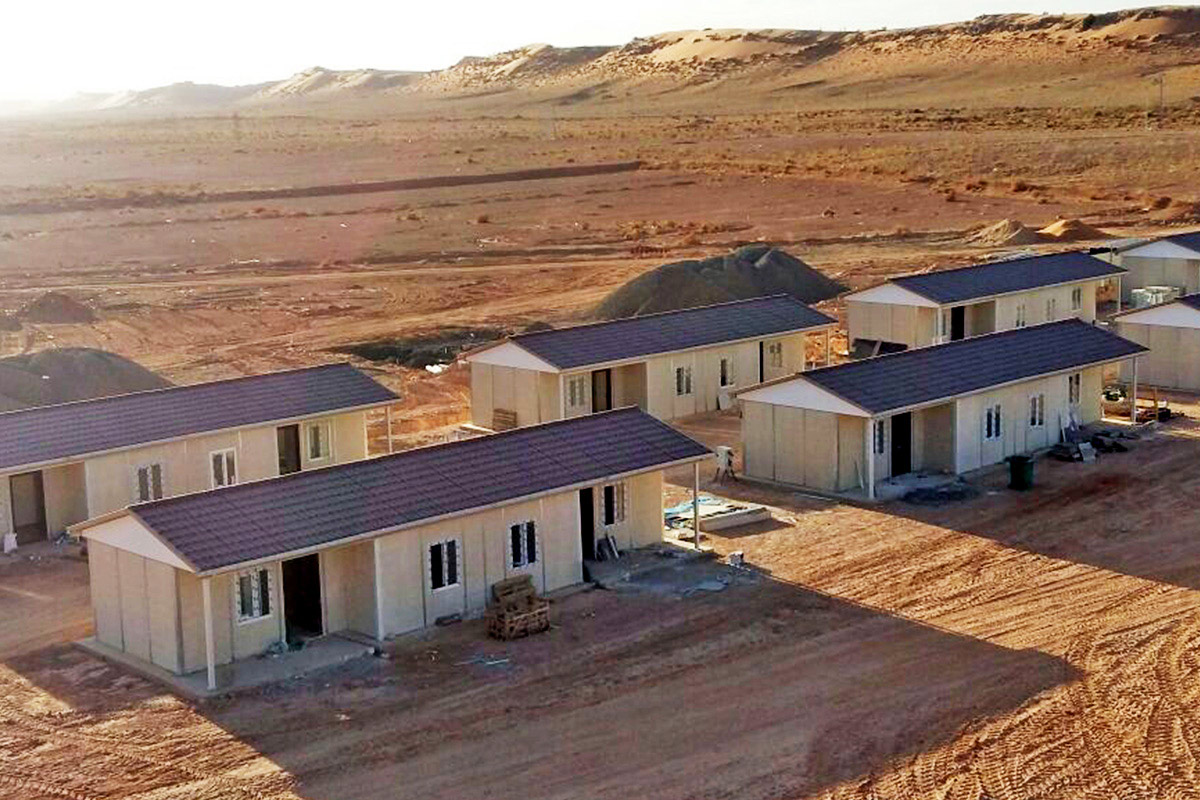
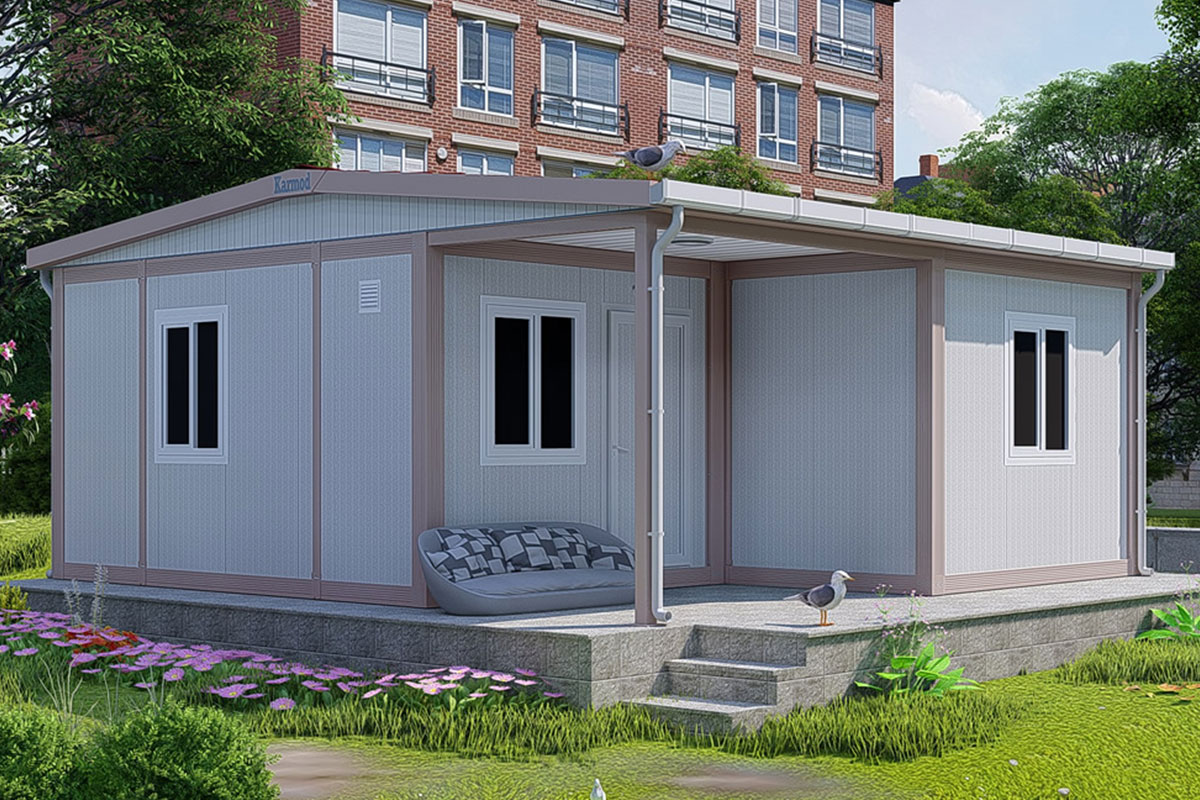
Not all emergencies are the same, which is why shelters must be adaptable to diverse use cases. Outdoor events such as wildfires or floods may require large clusters of shelters positioned across uneven land. Urban crises, on the other hand, often demand more compact units that fit into restricted spaces without hindering pedestrian or vehicle movement.
Emergency shelters may serve multiple roles:
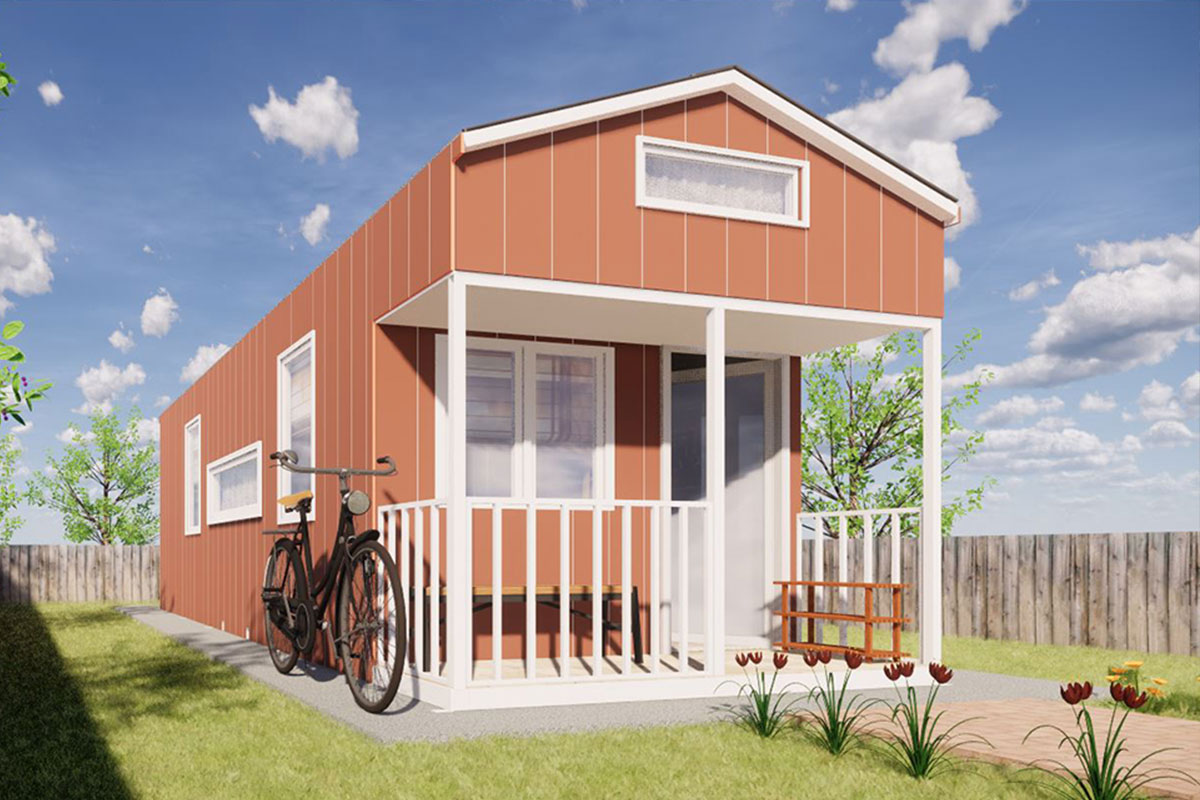
- Temporary living quarters for displaced families
- Medical triage stations for first responders
- Information and coordination centers for aid organizations
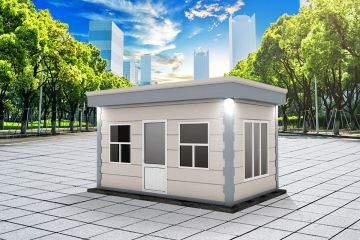
- Distribution kiosks for water, food, or supplies
- Mobile offices for municipal or relief teams
This versatility ensures that shelters remain valuable even as needs shift throughout the crisis timeline.
Lightweight Structures That Support Frequent Relocation
In rapidly evolving situations, shelters may need to be moved multiple times. Lightweight modular shelters allow teams to reposition units quickly based on changing needs, shifting danger zones, or population movements. Reinforced corners, forklift pockets, and balanced weight distribution make relocation safer and more efficient.
For outdoor deployments in unpredictable terrains, mobility becomes even more critical. Relief teams can reposition shelters to safer ground, consolidate areas for improved communication, or open new spaces for additional support services.
Technology Integration for Modern Emergency Response
Today’s emergency shelters often support digital systems that streamline coordination and care. Electricity-ready units make it possible to run communication equipment, medical devices, and lighting without extensive modification. This capability transforms a basic shelter into a functional hub for operations.
In urban response strategies, connectivity is especially vital. Relief teams can operate check-in systems, maintain communication with central command, display digital information for displaced residents, or support mobile charging stations—all from within a shelter designed with integrated wiring and secure cable management.
Sustainable Solutions for Long-Term Resilience
Sustainable shelter design has become increasingly important, especially as many emergencies now result in long-term displacement. Energy-efficient insulation, LED lighting, recyclable materials, and eco-friendly coatings support both environmental responsibility and cost-effective operations.
In cities, sustainability also helps shelters blend harmoniously with their surroundings. Urban planners increasingly seek solutions that align with community values and avoid generating unnecessary waste once the crisis has passed.
Build Emergency Shelters That Protect, Stabilize, and Empower Communities
When you choose the right emergency shelter solution, you’re not simply selecting a structure—you’re investing in people’s safety, comfort, and resilience during their most vulnerable moments. A well-designed shelter becomes a quiet but powerful support system, offering stability when everything else feels uncertain. We specialize in creating durable, rapidly deployable, and thoughtfully engineered shelters that perform reliably in both outdoor and urban conditions.
If you’re planning ahead for emergencies, coordinating relief operations, or strengthening your organization's preparedness strategy, we’re here to guide you every step of the way. Our team provides customized configurations, flexible design options, and real-world insight into what makes a shelter truly dependable in crisis environments.
Here’s what we can help you achieve:
- Faster deployment with ready-to-use modular units
- Higher safety standards supported by reinforced materials and secure locking systems
- Comfort-focused interiors that protect well-being during long-term use
- Adaptable layouts suitable for medical, residential, or operational purposes
- Efficient mobility for shelters that need to be relocated quickly
- Integrated technical features for communication, lighting, and essential equipment
- Sustainable construction that reduces environmental impact while lowering long-term costs
Every project begins with a conversation—one that helps us understand your challenges, environment, and operational goals. Our experts can present design options, share examples from previous deployments, and prepare a tailored quote that aligns with the scale and urgency of your needs.
Reach out today, and let’s build shelters that do more than provide space—they restore dignity, support recovery, and help communities move forward with strength.