



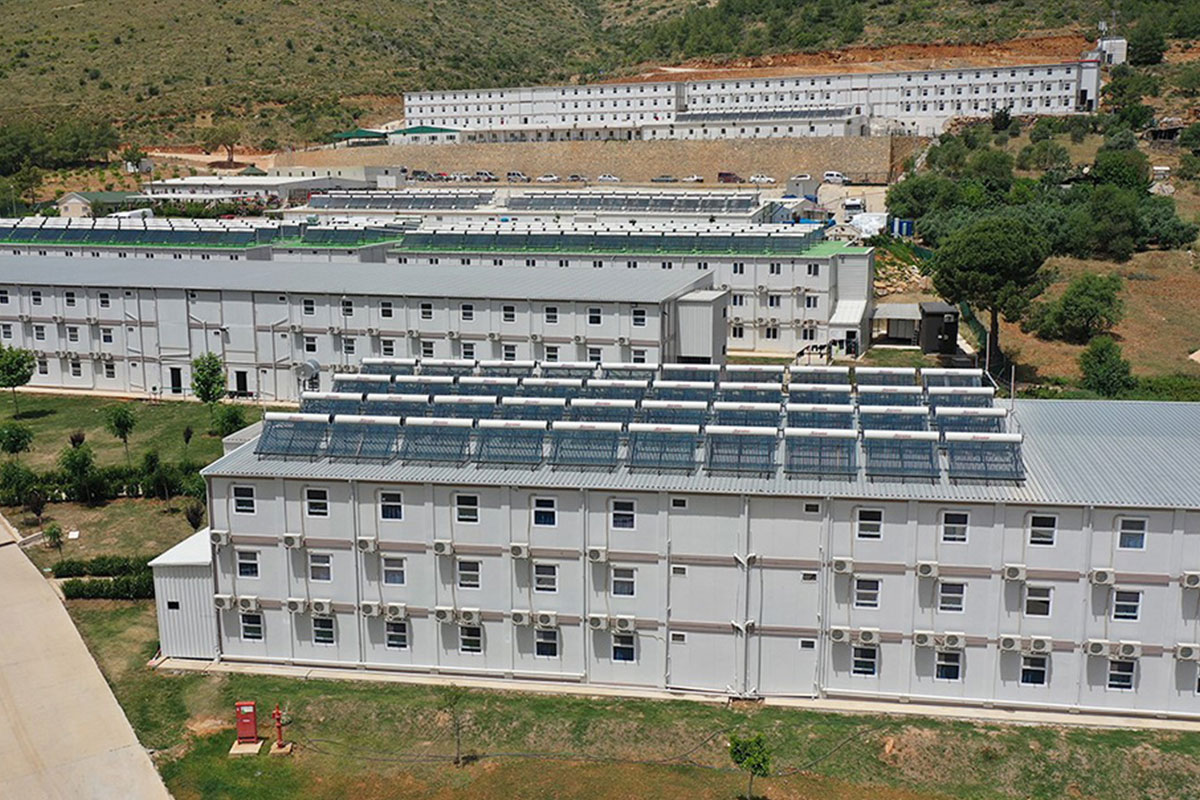

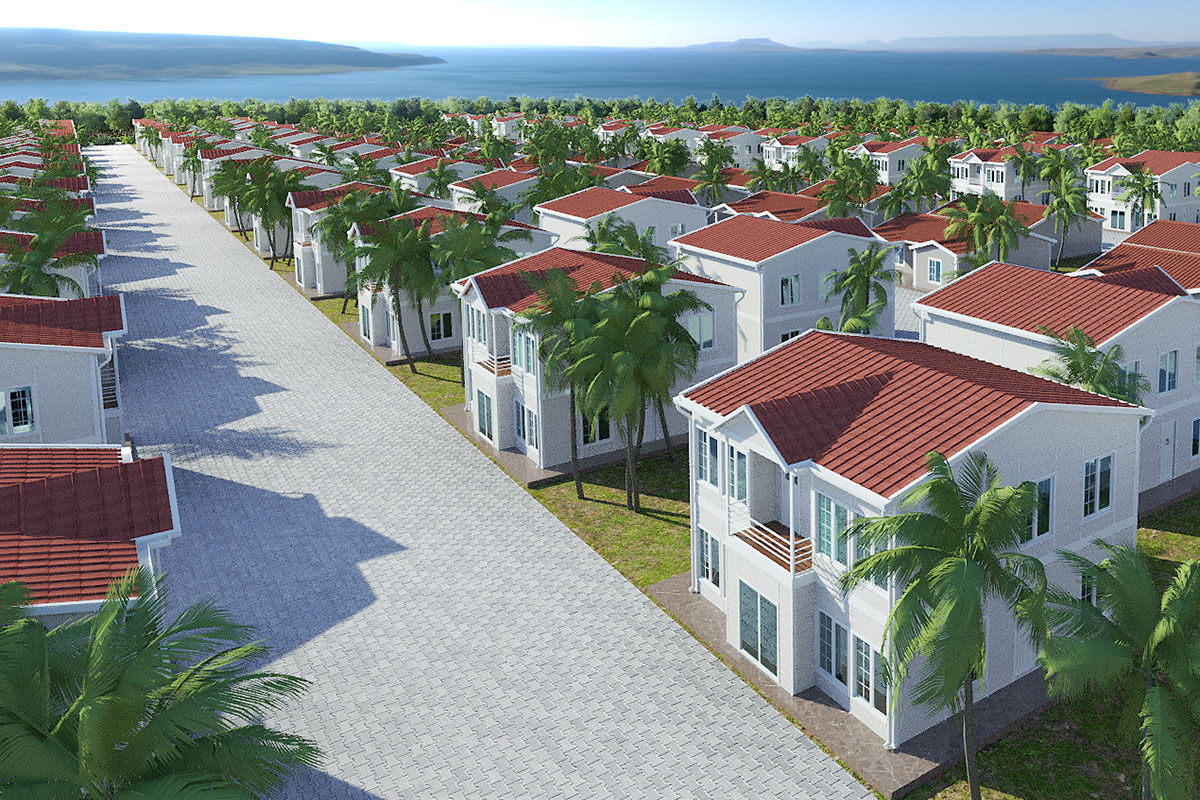
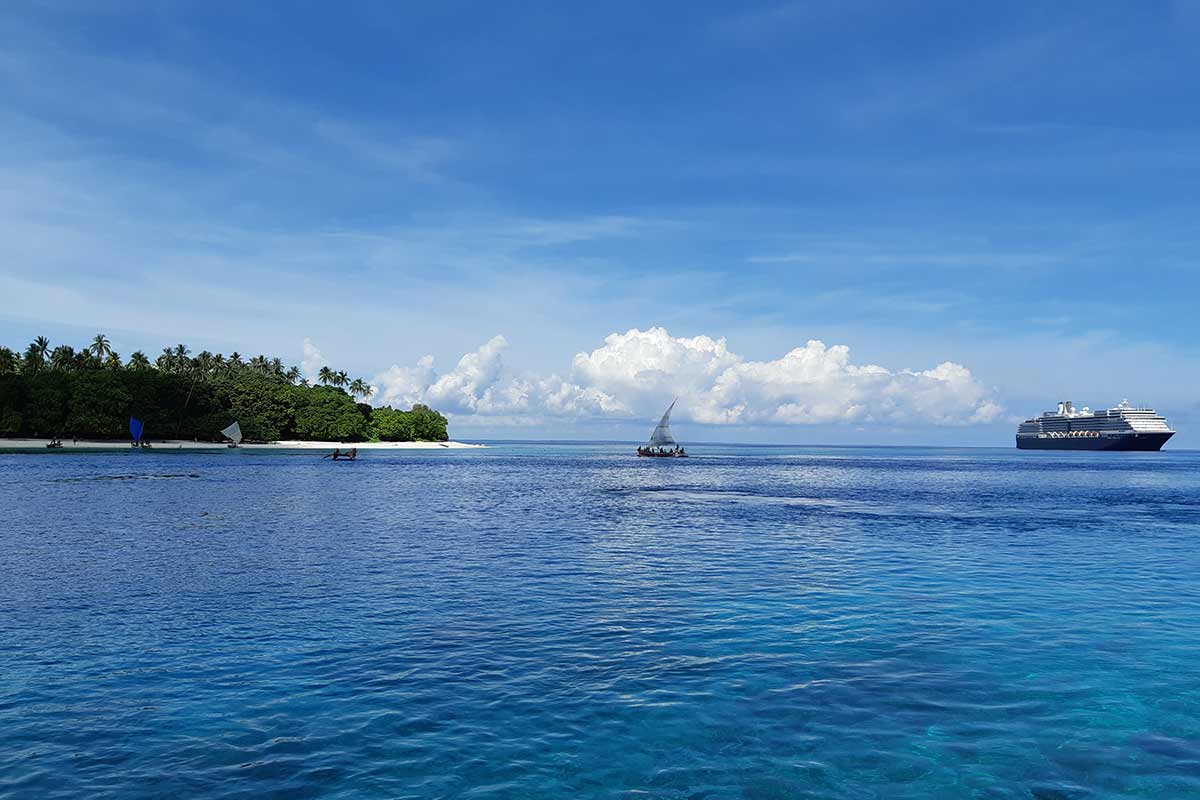
Equatorial Guinea plays a central role in offshore oil and gas operations in the Gulf of Guinea, where continuous activity depends on reliable logistics and a stable living environment for rotating crews. In this context, oil and gas camps are not an added benefit; they are a working requirement. Well-planned workforce accommodation supports rest quality, consistent attendance, and safe daily routines—especially when sites operate under tight schedules and limited access.
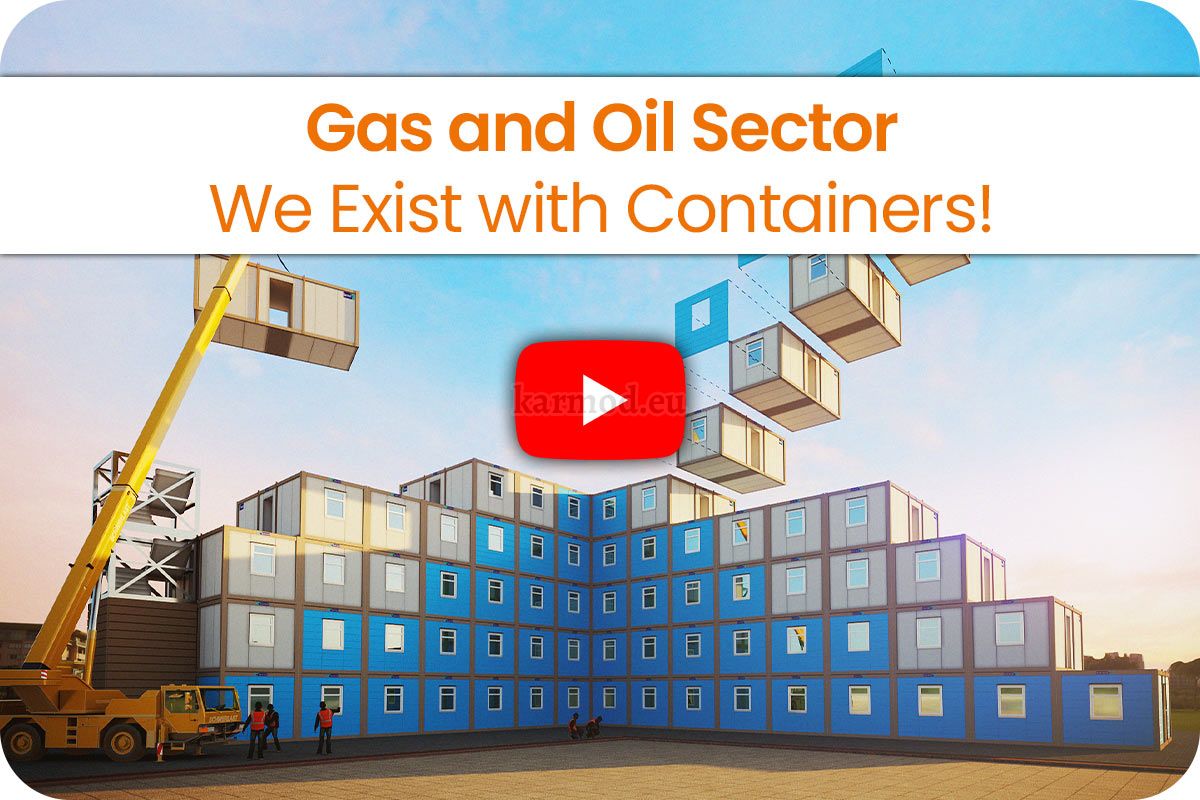
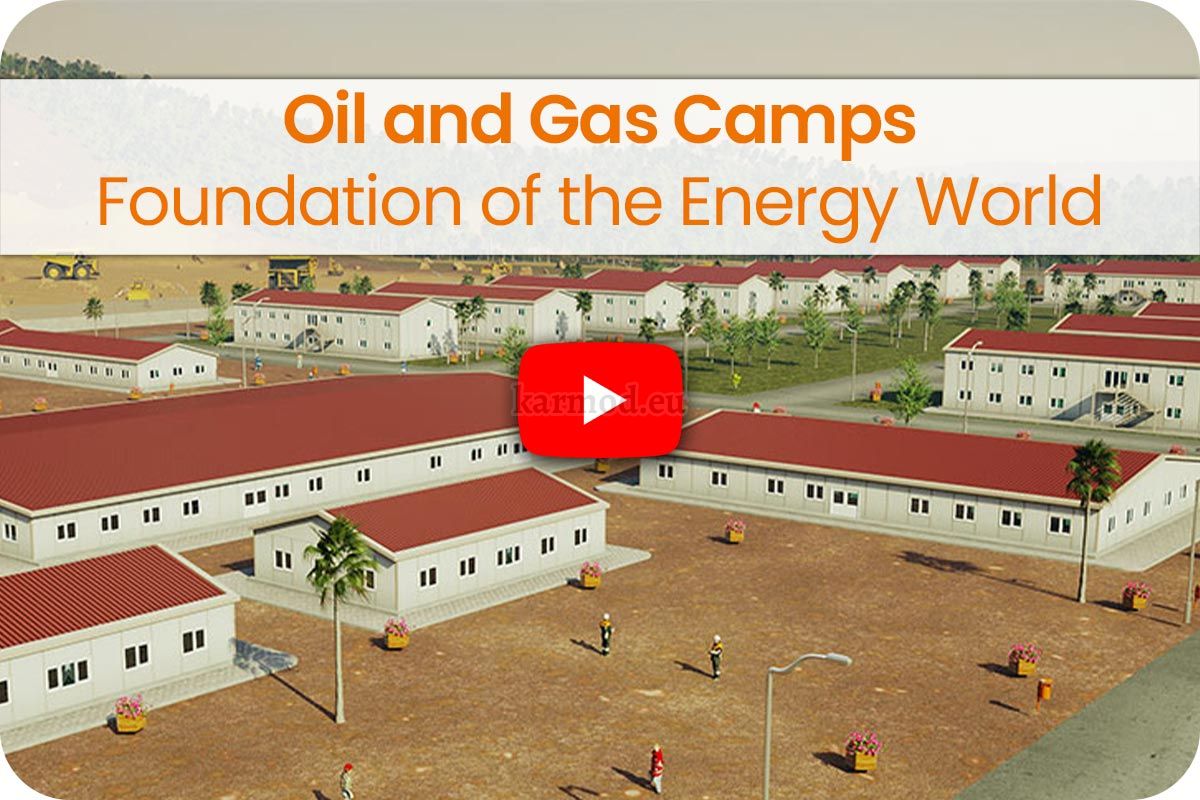
- A practical standard for worker accommodation: In remote work zones and coastal project corridors, camp performance comes down to durability, maintainability, and a layout that supports shift life. Equatorial Guinea’s modular camps are designed to provide consistent living conditions with the services crews depend on every day—sleeping areas, sanitation, dining, and controlled shared spaces.
- Innovation aligned with long-term operations: Camp planning is increasingly tied to how sites run over time, not just during mobilization. The Oil and Gas Camp approach focuses on efficient building systems, sensible utility loads, and materials suited for continuous use. Where projects target reduced environmental impact, the same planning supports more efficient energy and water management without disrupting daily routines.
- The Karmod contribution: Karmod supports oil and gas accommodation projects through modular construction experience and project-oriented delivery. Their role is visible in the functional planning of living quarters and shared facilities, plus the build discipline needed for high-occupancy use. The objective is straightforward: provide a dependable base where crews can recover between shifts and return to work ready.
- Beyond shelter—operational welfare: Effective camps help maintain routine and reduce fatigue. Recreation areas, fitness spaces, and managed social facilities are not about extras; they support workforce stability during long rotations. When welfare is planned correctly, it strengthens morale, reinforces camp rules, and improves day-to-day camp order.
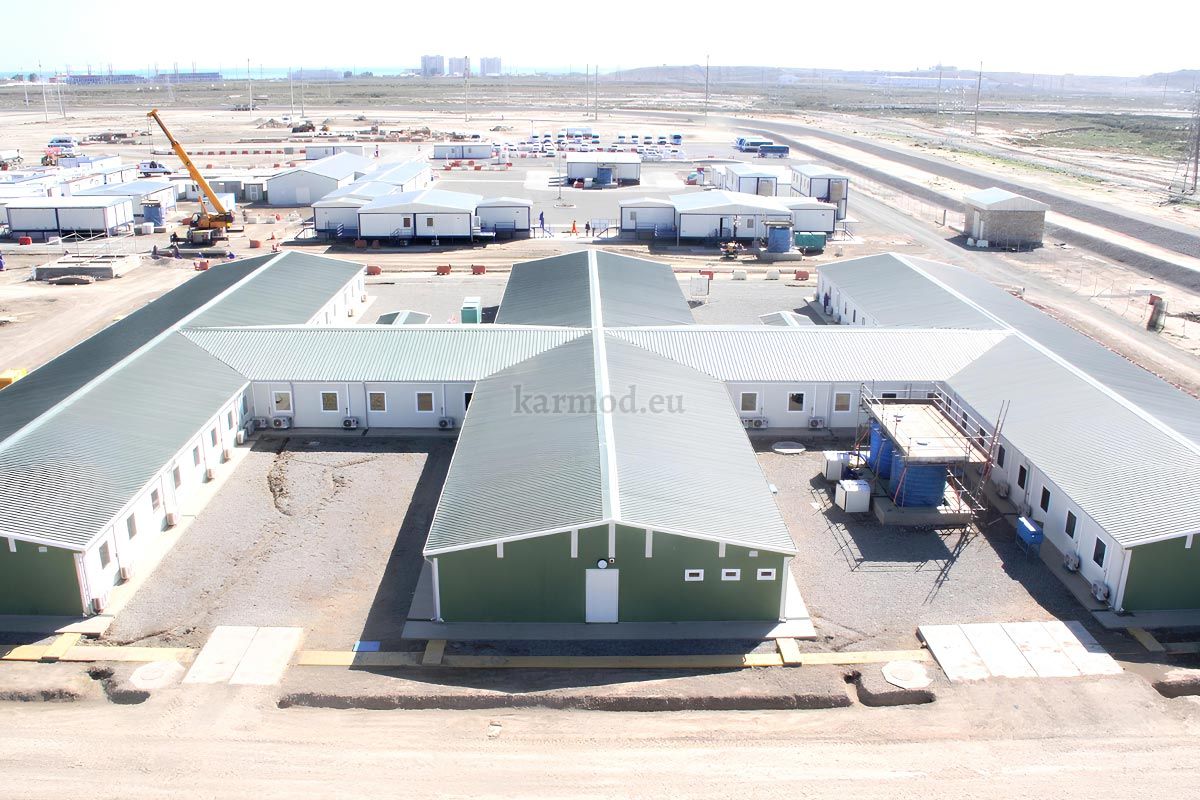
Equatorial Guinea’s oil and gas projects depend on round-the-clock activity, and accommodation standards directly affect how smoothly operations run. With partners such as Karmod involved in camp and housing delivery, projects can align accommodation capacity with manpower plans, site constraints, and the realities of mobilization in remote or coastal environments.
Oil and Gas Man Camps in Equatorial Guinea for Workforce Accommodation
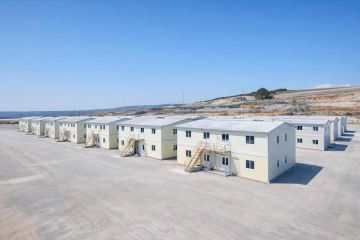
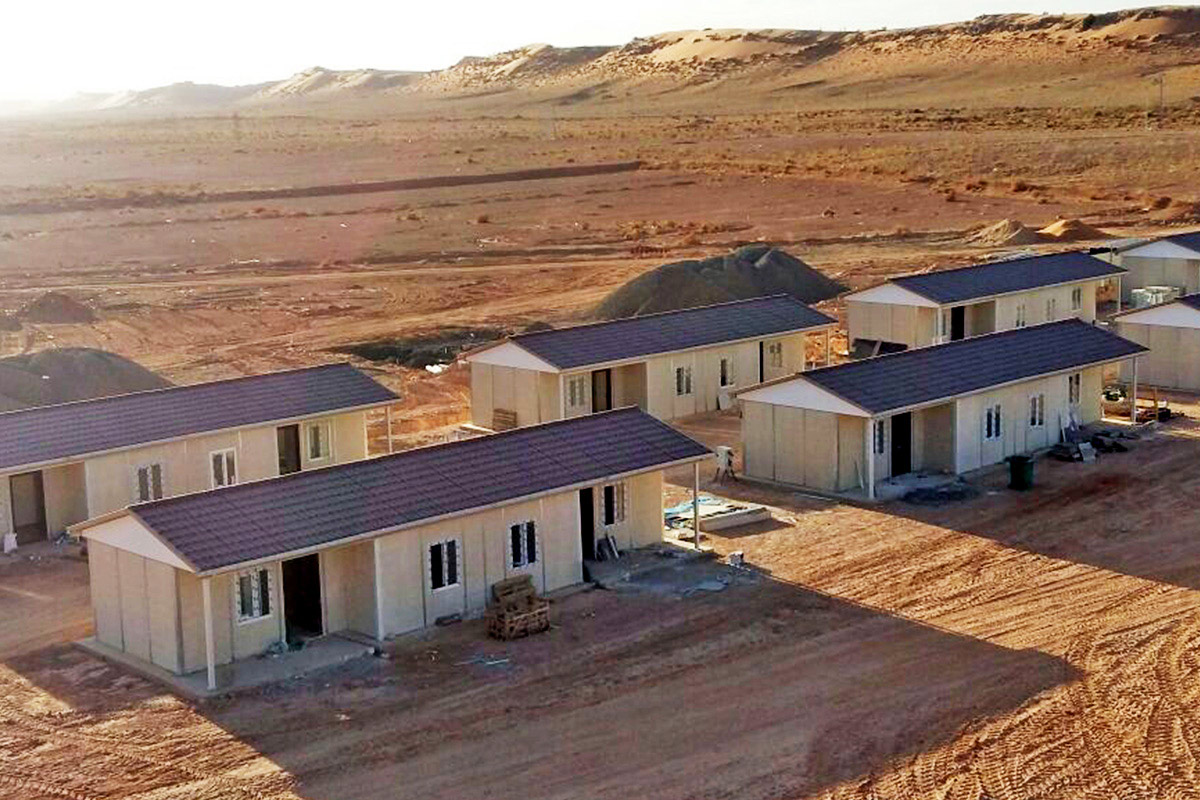
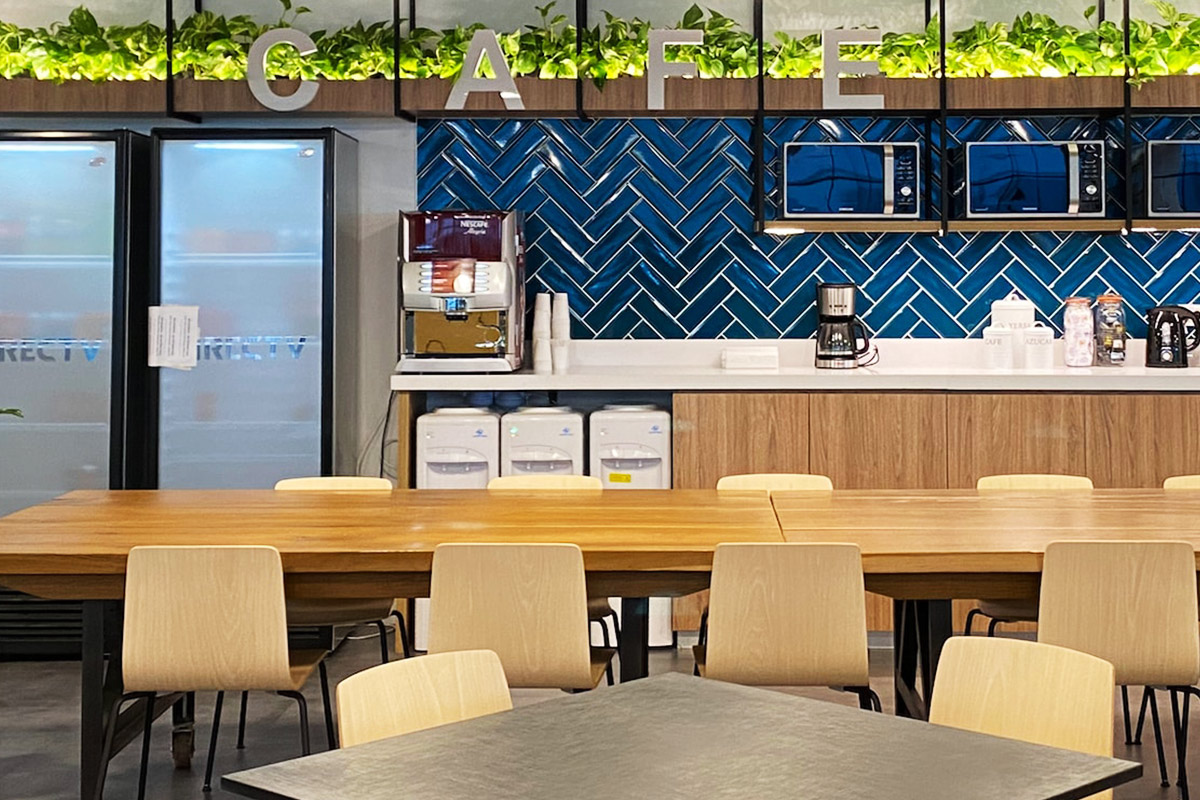
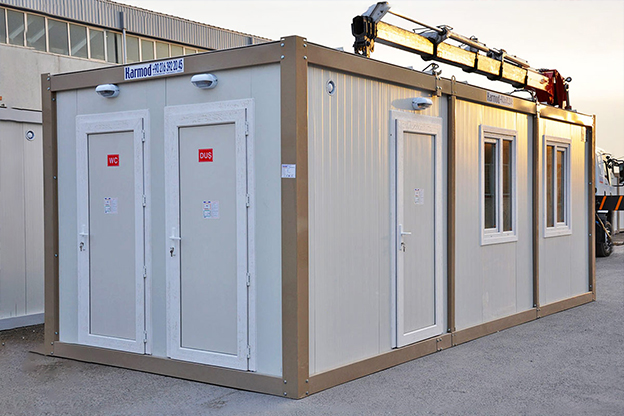
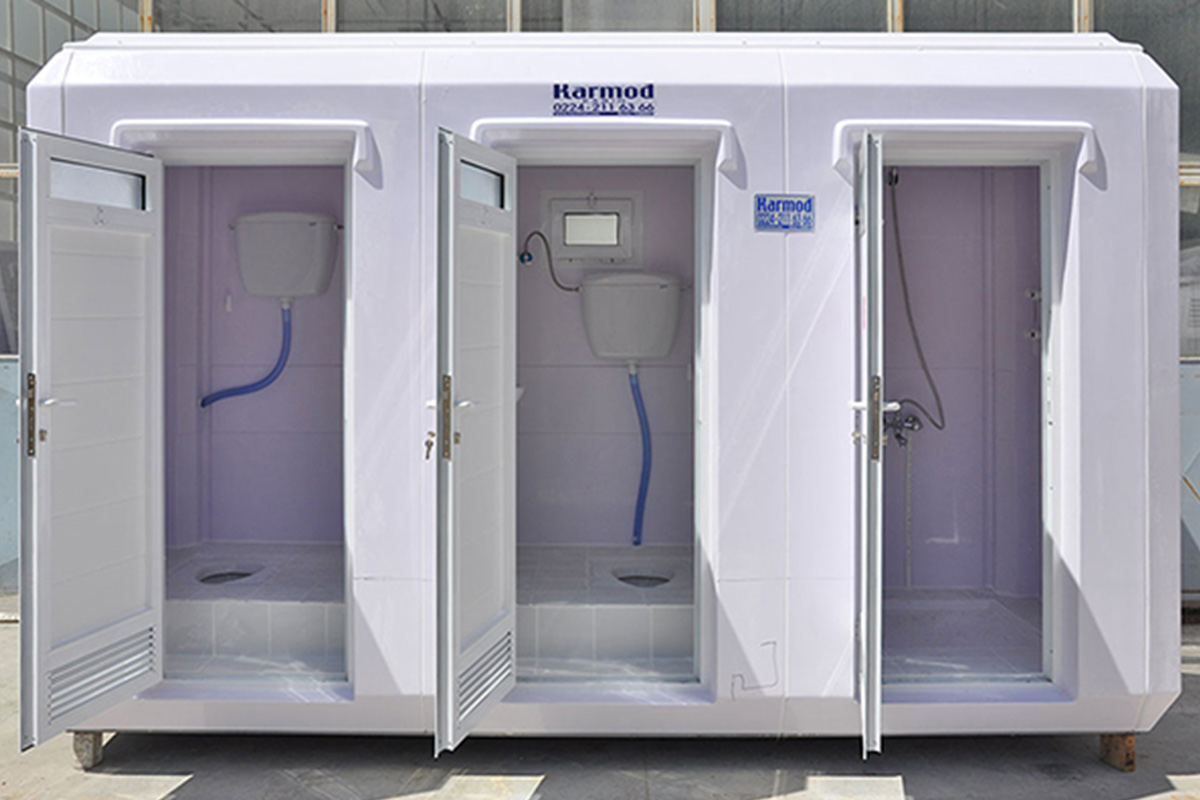
Man camps in Equatorial Guinea are built to serve rotating teams working long shifts in demanding conditions. The priority is not appearance; it is functionality that holds up over time. Sleeping areas need to remain quiet and climate-managed, hygiene facilities must handle peak demand reliably, and dining services should be sized for real occupancy rather than ideal scenarios.
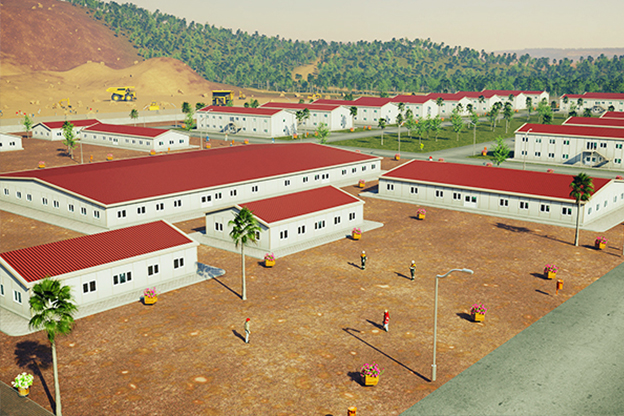
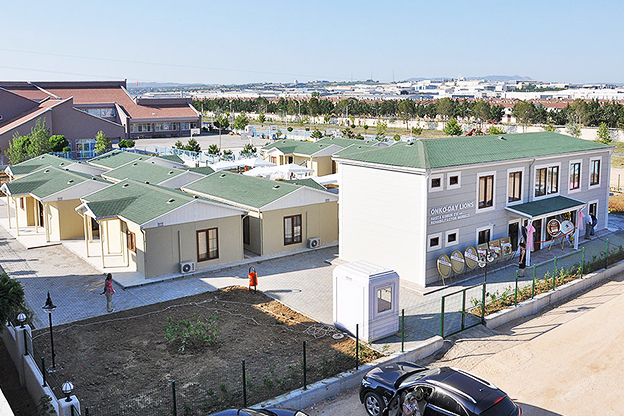
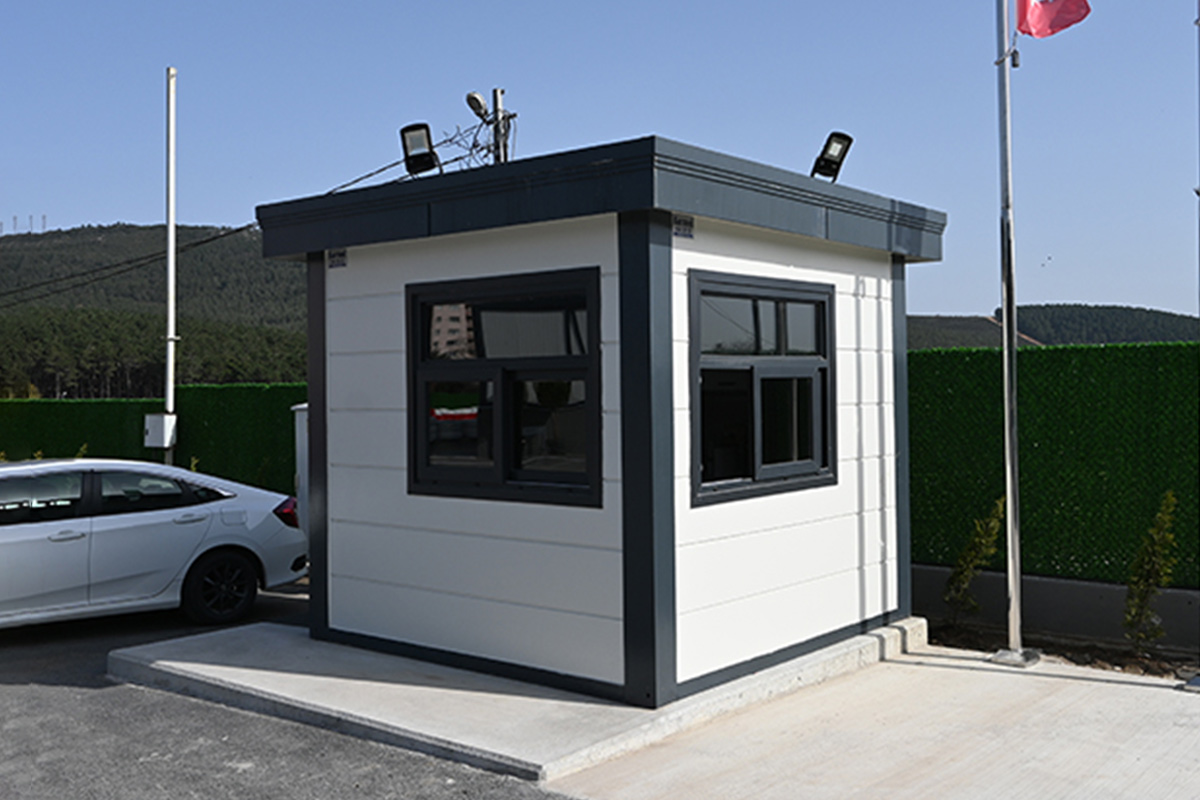
Good camp planning also considers how people move through the site. Clear zoning between accommodation, welfare, and active areas supports safety and reduces disruption during shift change. When these details are addressed early, camp operations stay predictable and easier to manage through commissioning and steady-state work.
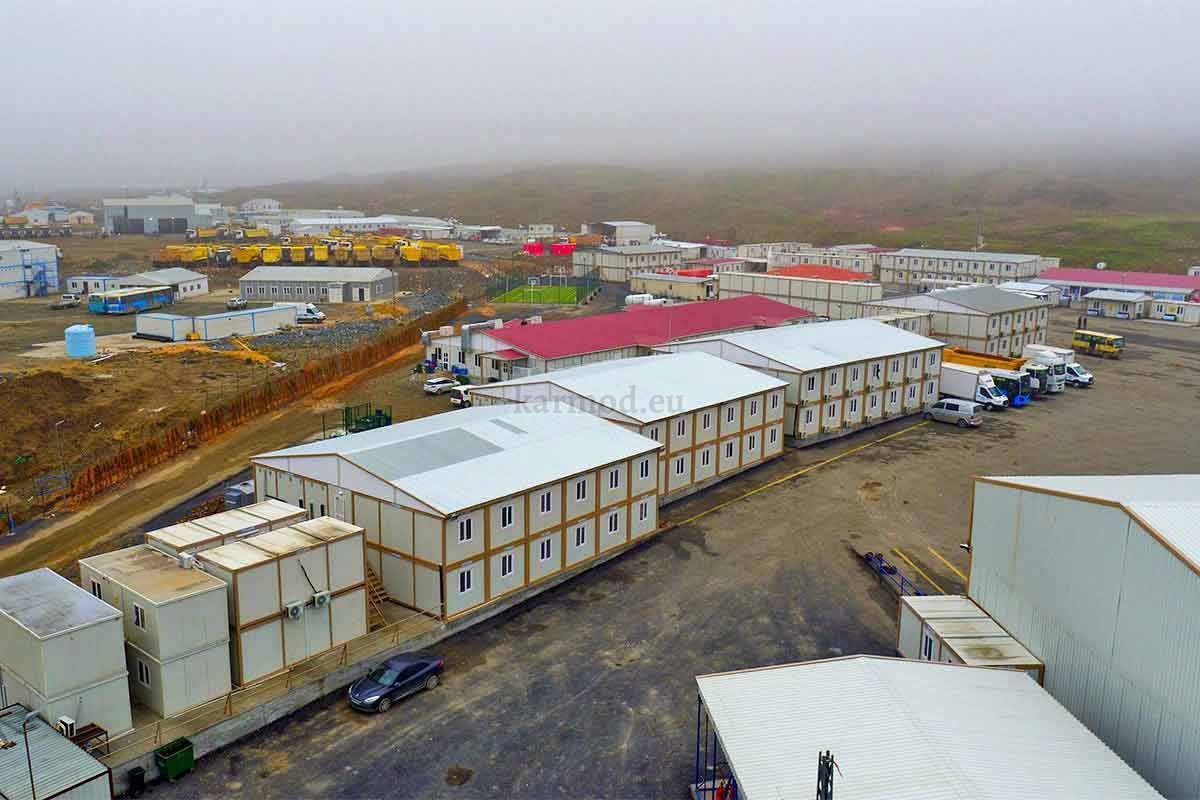
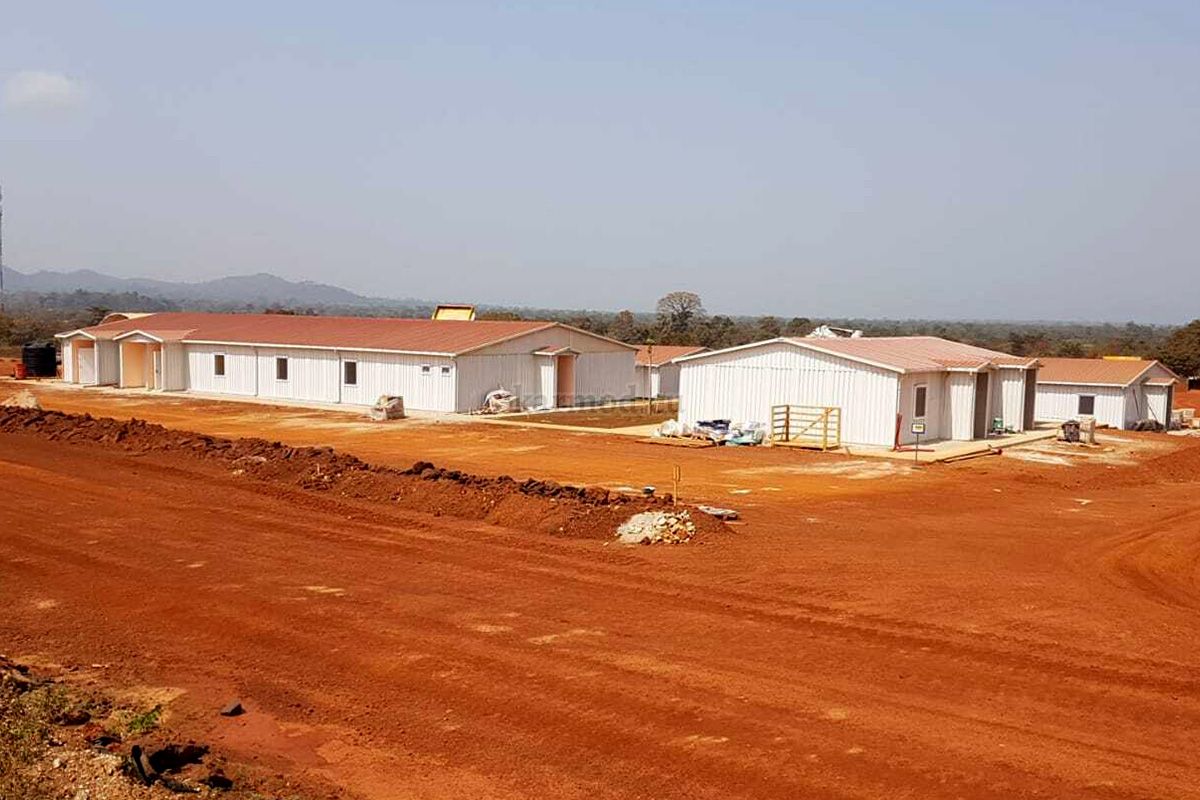
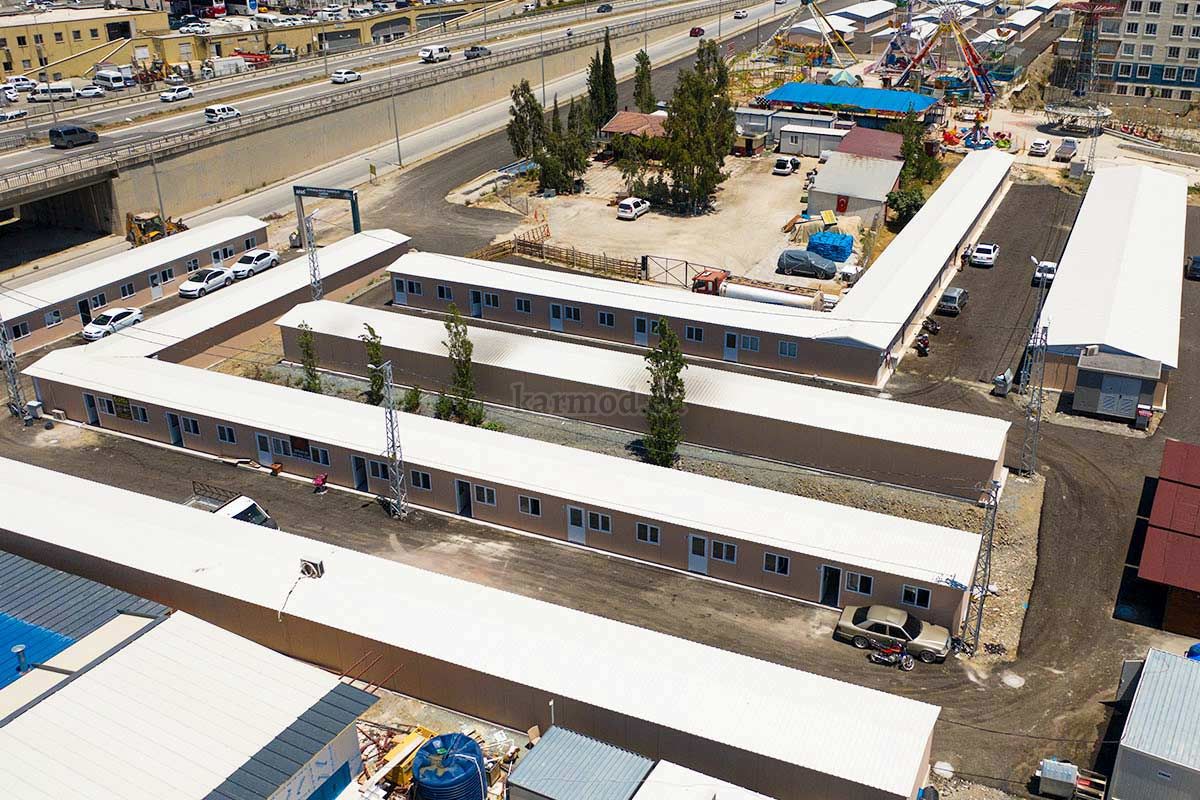
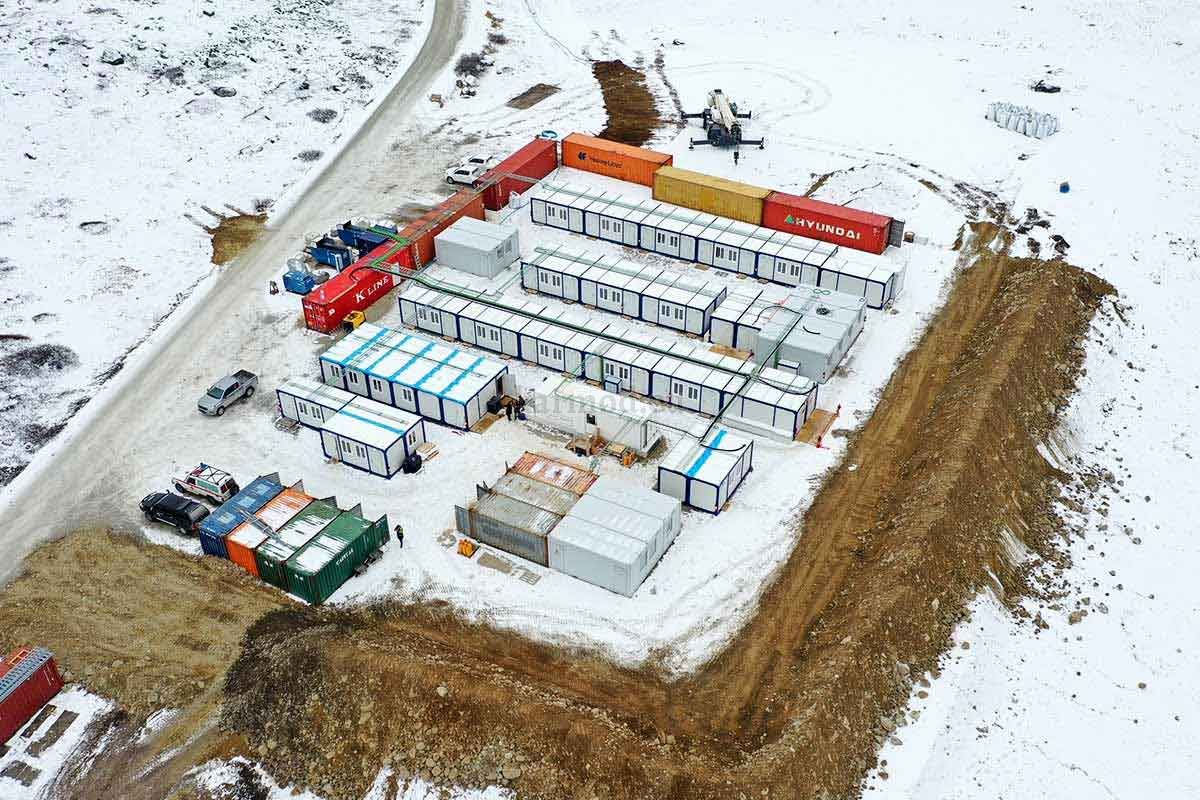
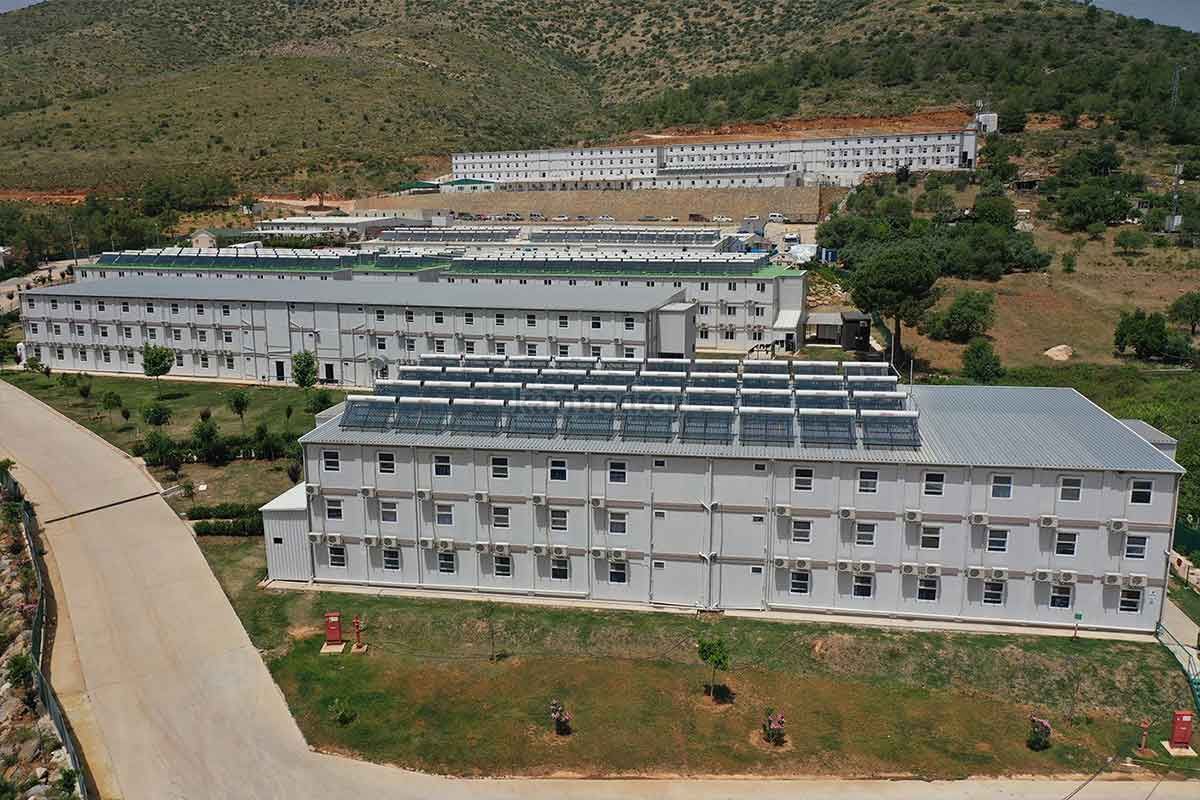
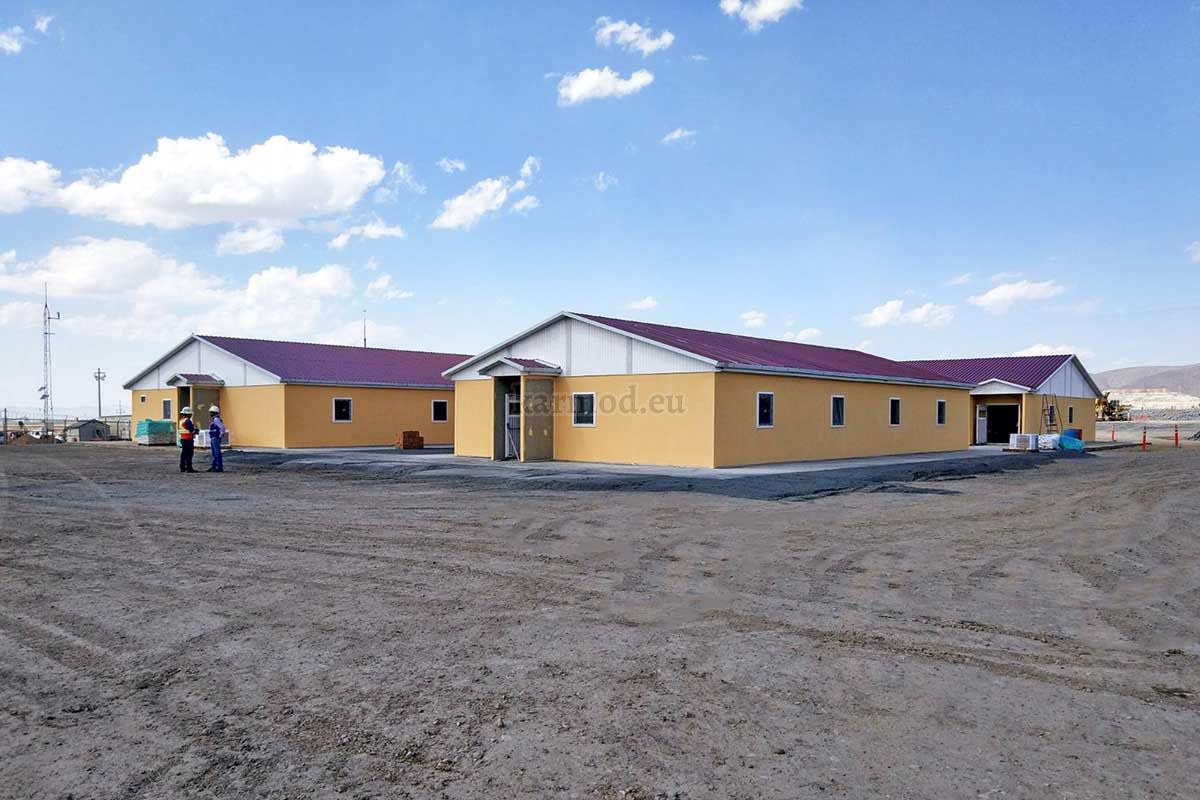
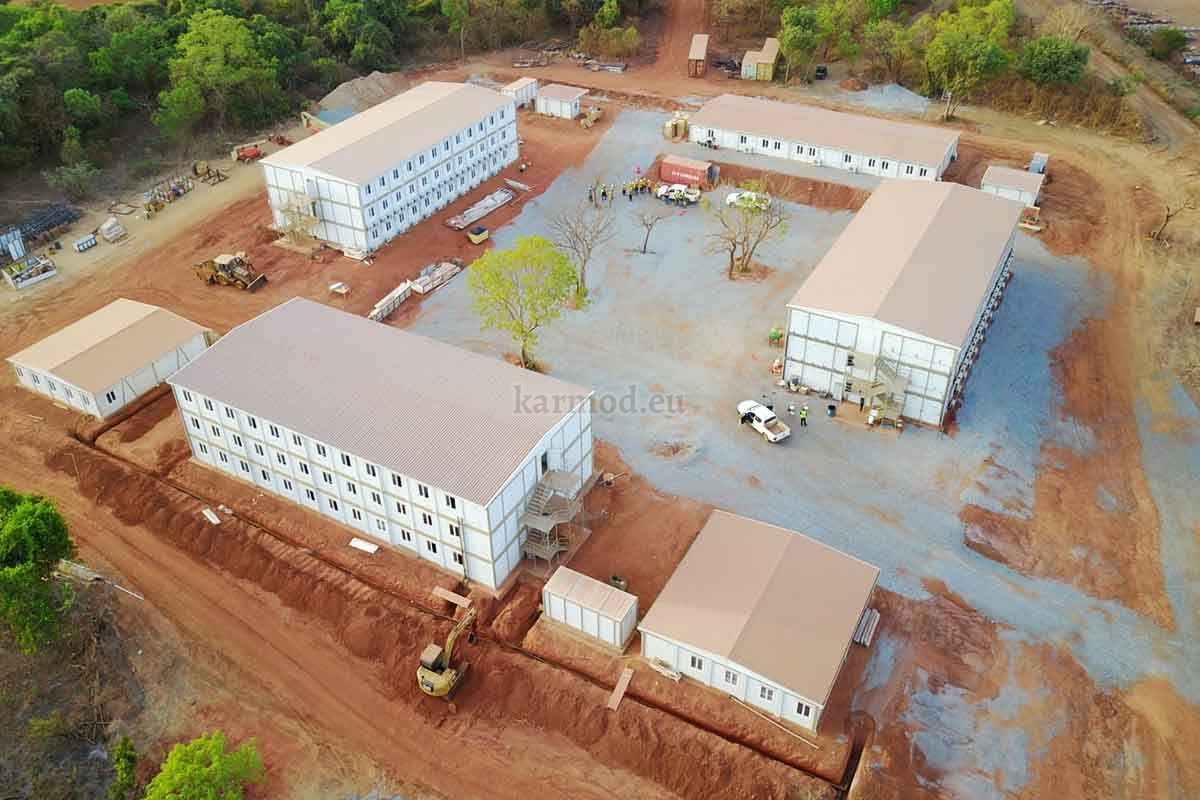
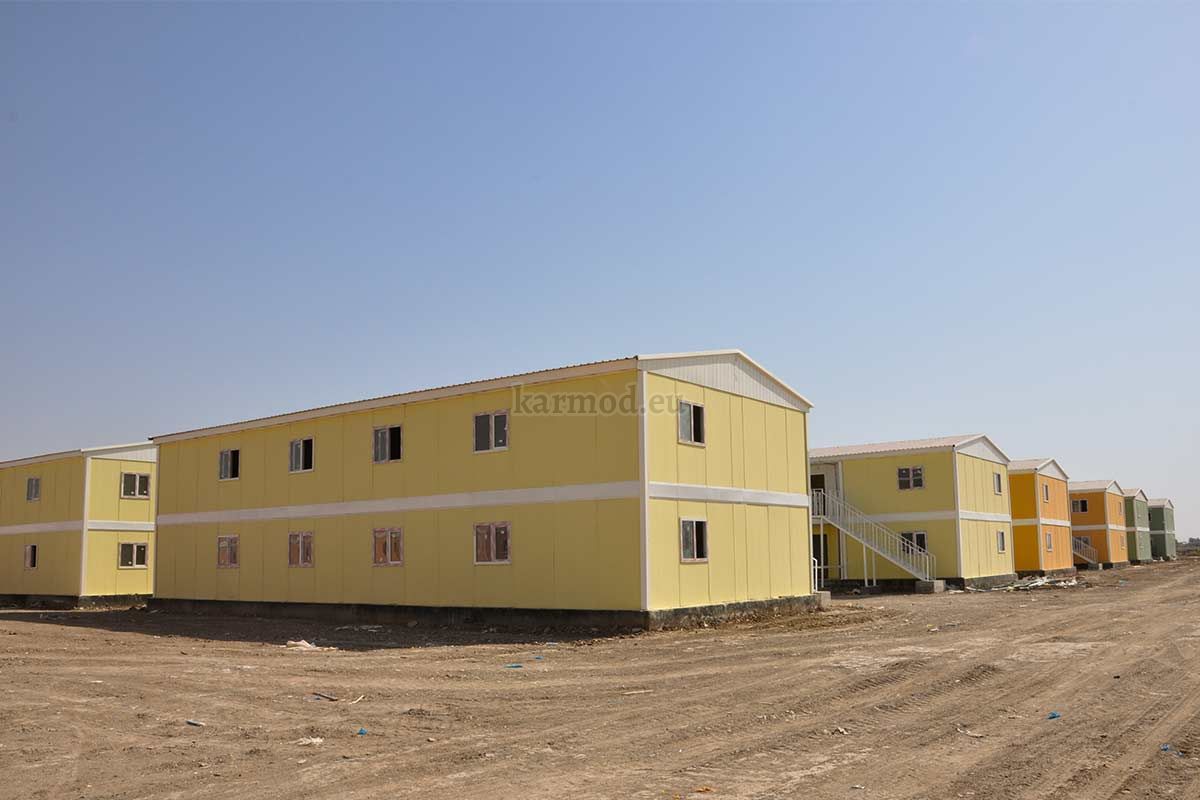
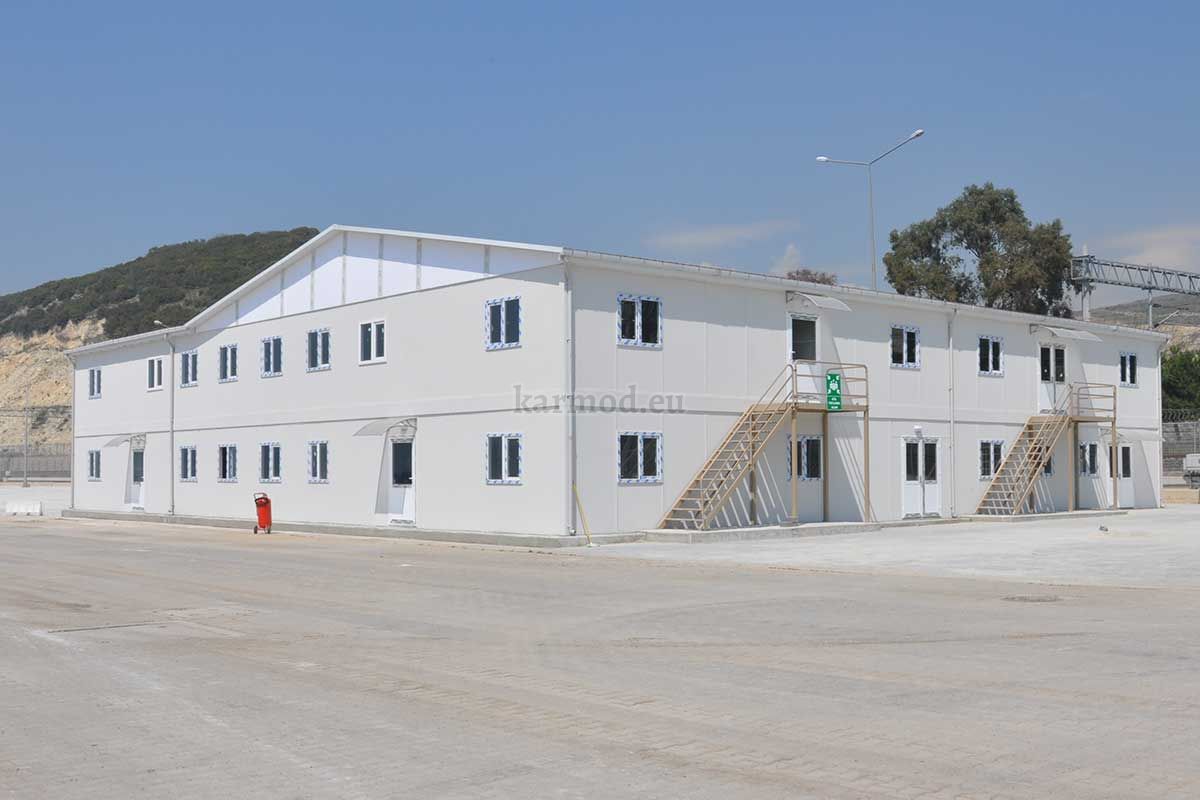
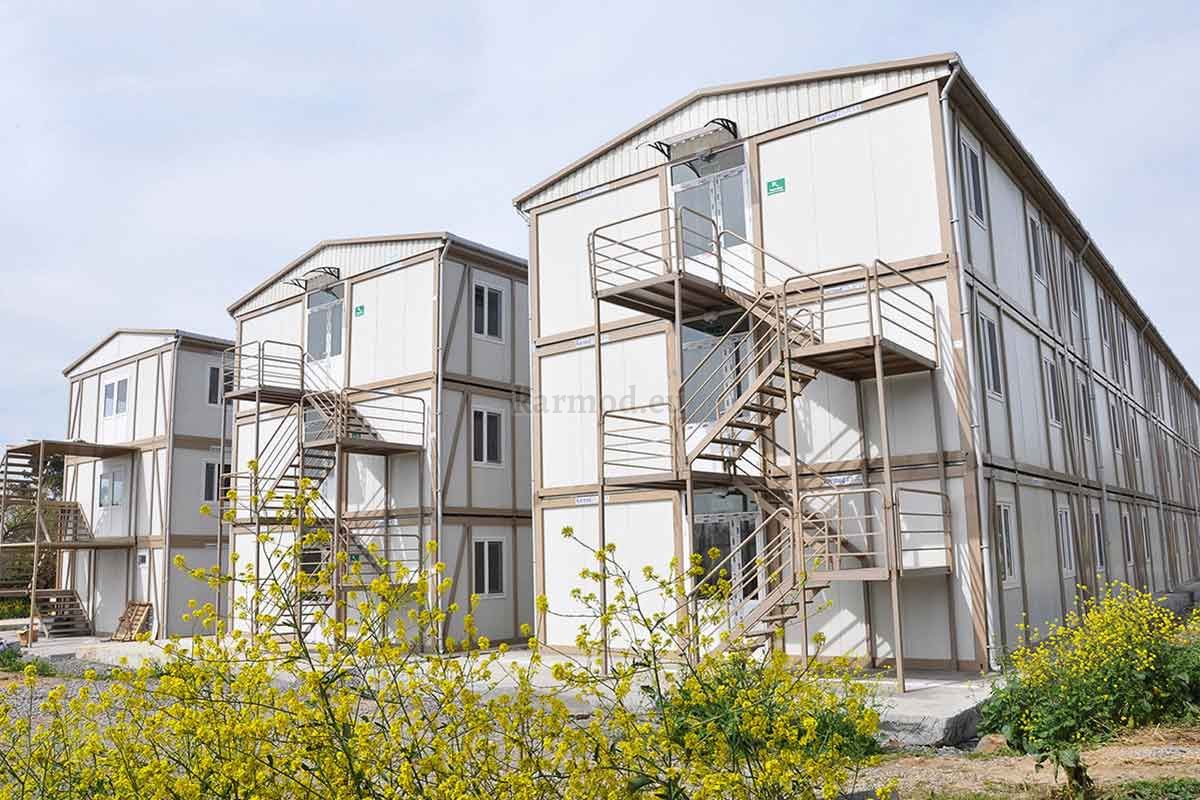
Equatorial Guinea Oil and Gas Field Housing Units Built for Continuous Use
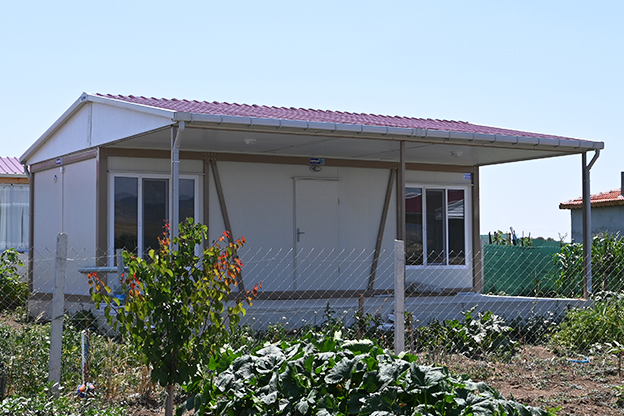
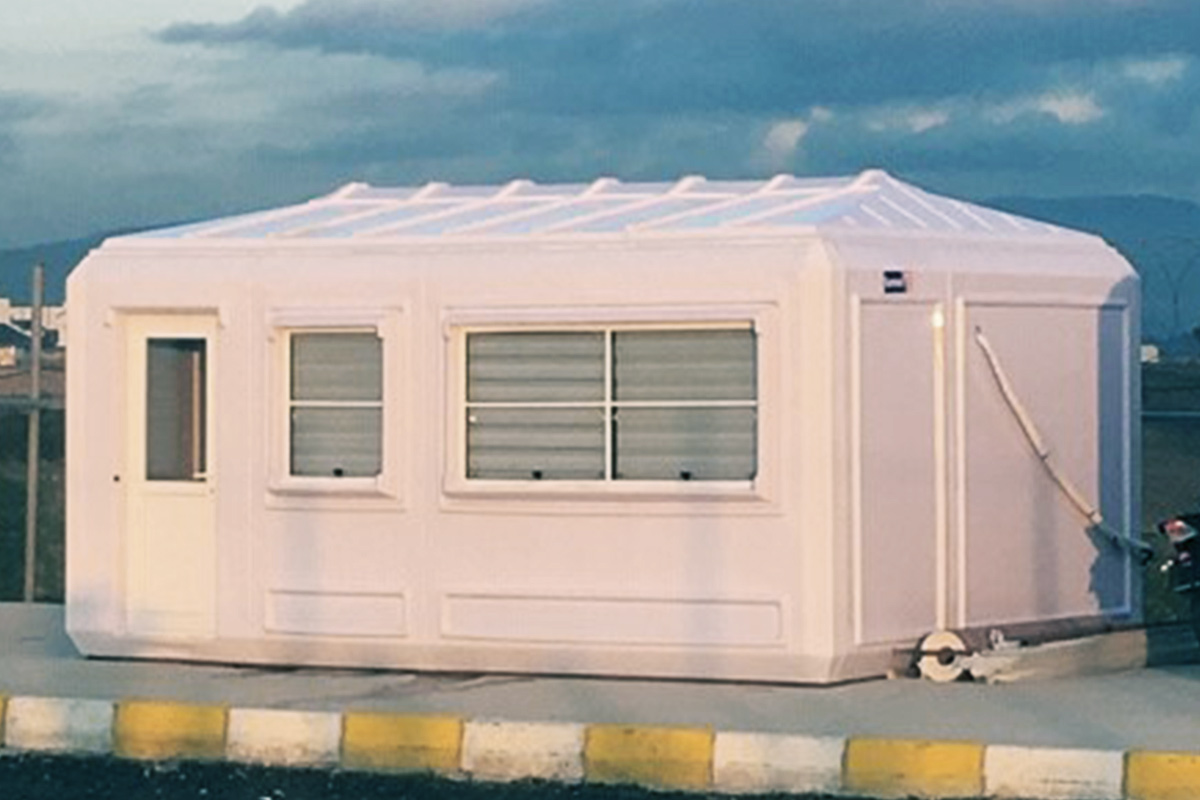
Field housing units are expected to perform under constant occupancy, with limited tolerance for downtime. In Equatorial Guinea, housing programs often need to support fast mobilization, straightforward maintenance, and consistent utility performance. That usually means repeatable unit designs, durable finishes, and service systems that can be inspected and repaired without disrupting the entire camp.
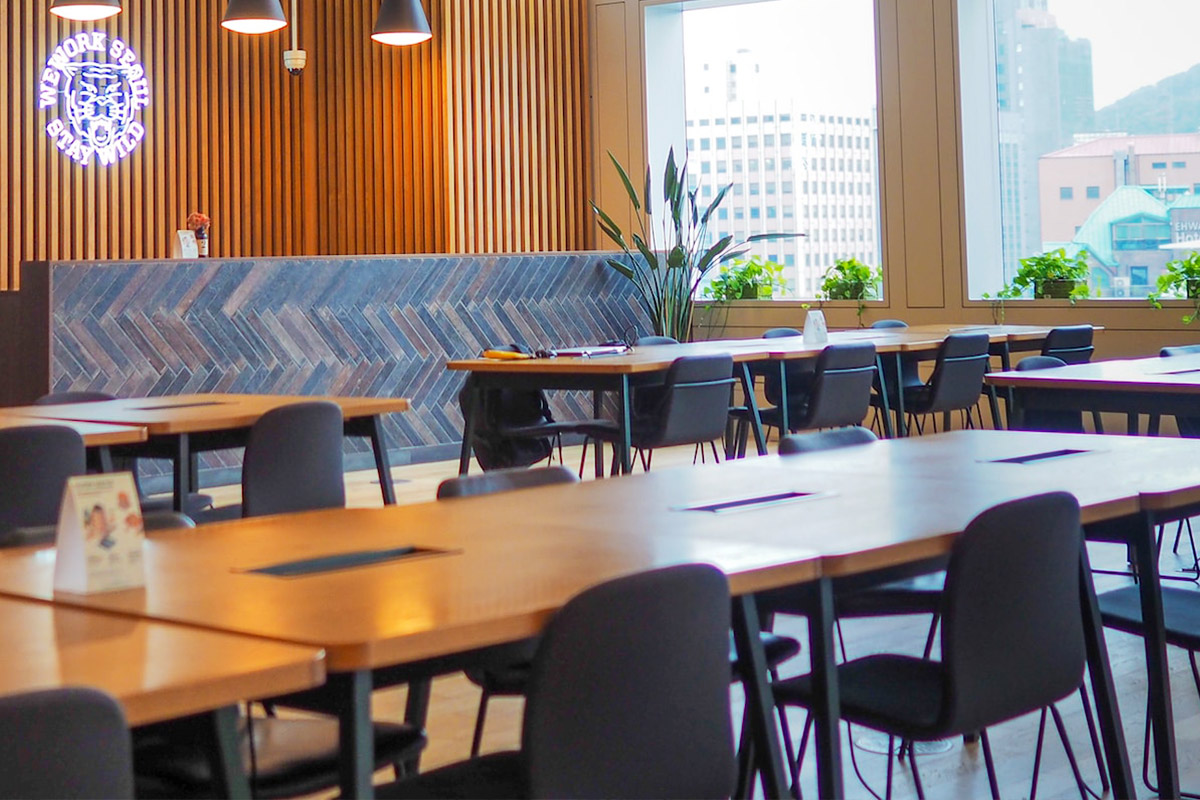
Well-executed housing units balance privacy and shared living. Individual rooms support rest quality, while common spaces provide controlled areas for meals, communications, and downtime. When these elements are sized correctly, they reduce stress on camp management and improve overall workforce stability.
Across the lifecycle of an oil and gas project, accommodation becomes part of the operational system. Strong housing standards help crews recover properly, maintain routine, and return to work with fewer fatigue-related issues—an outcome that supports both safety and productivity.
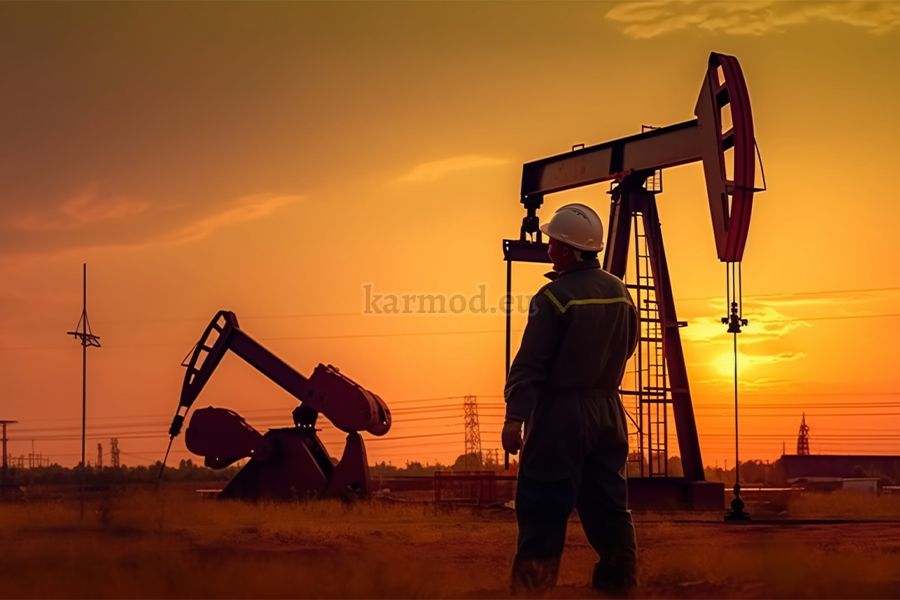
Structures of Quality: Equatorial Guinea's Oil and Gas Camp Construction Buildings
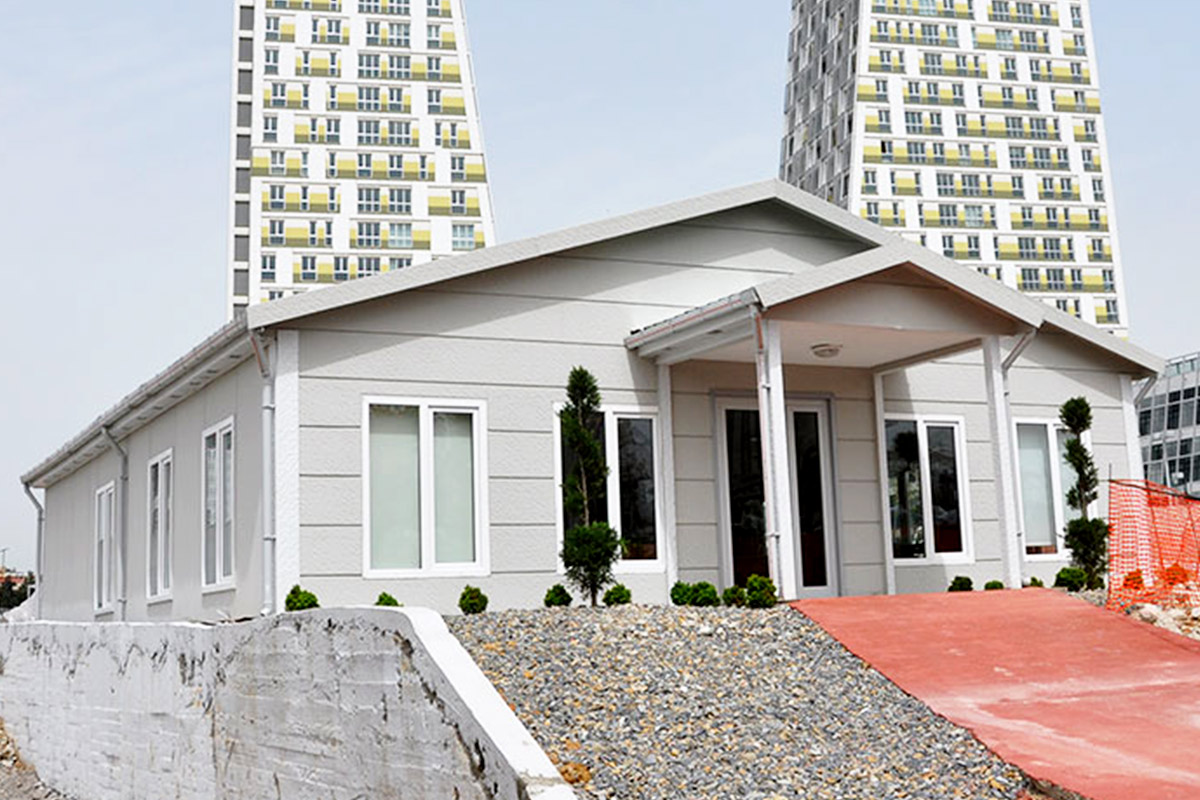
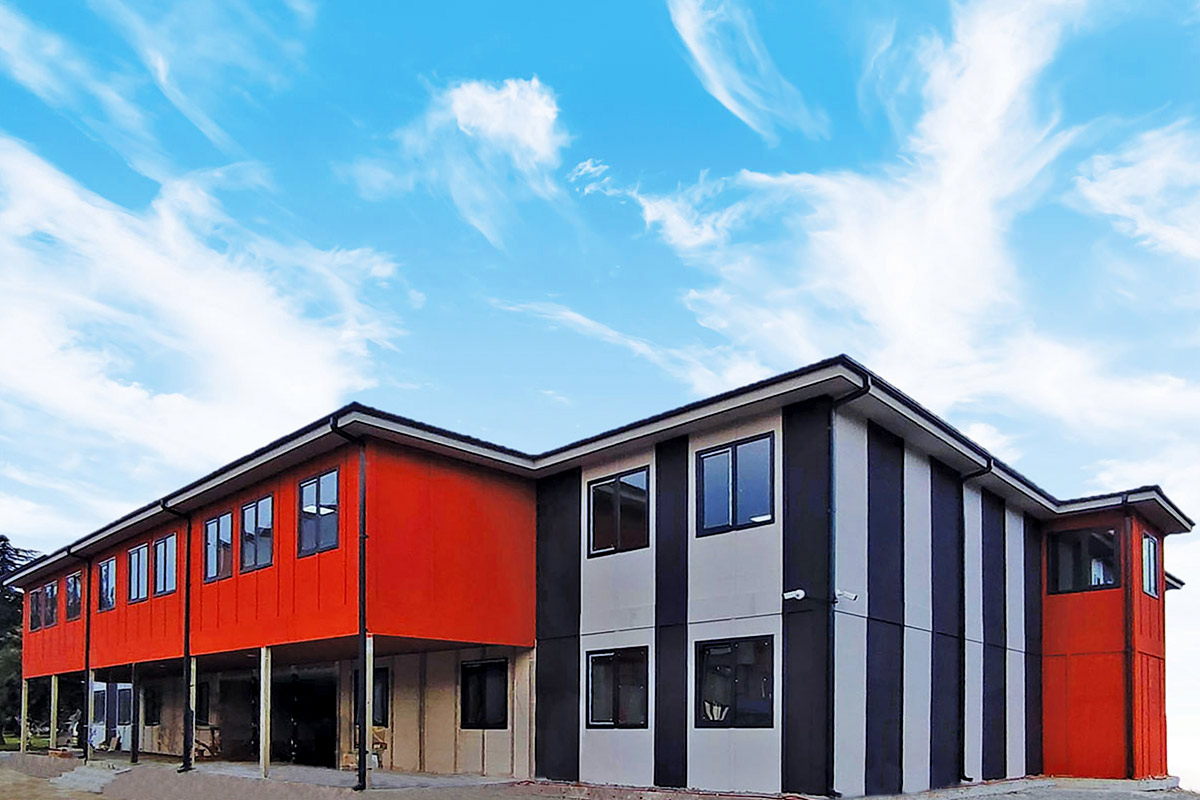
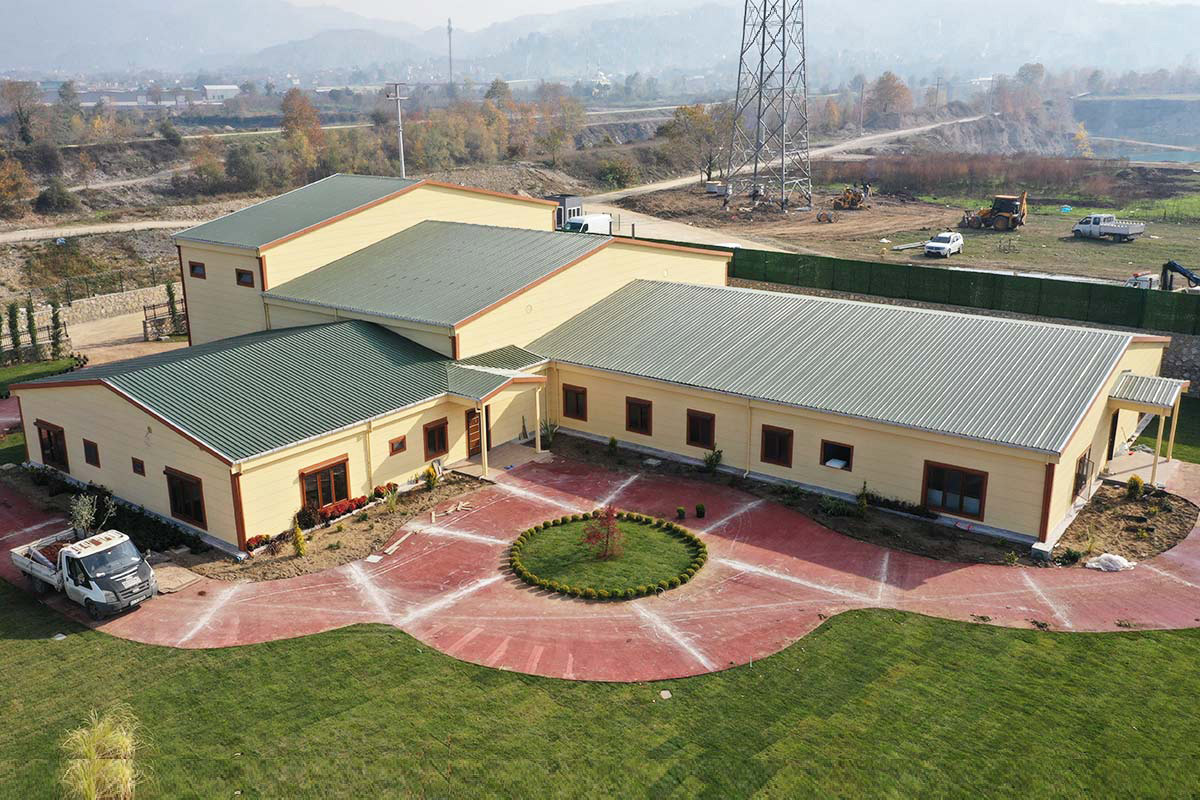
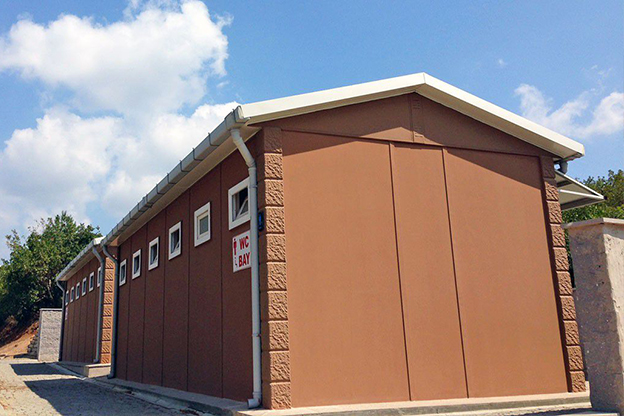
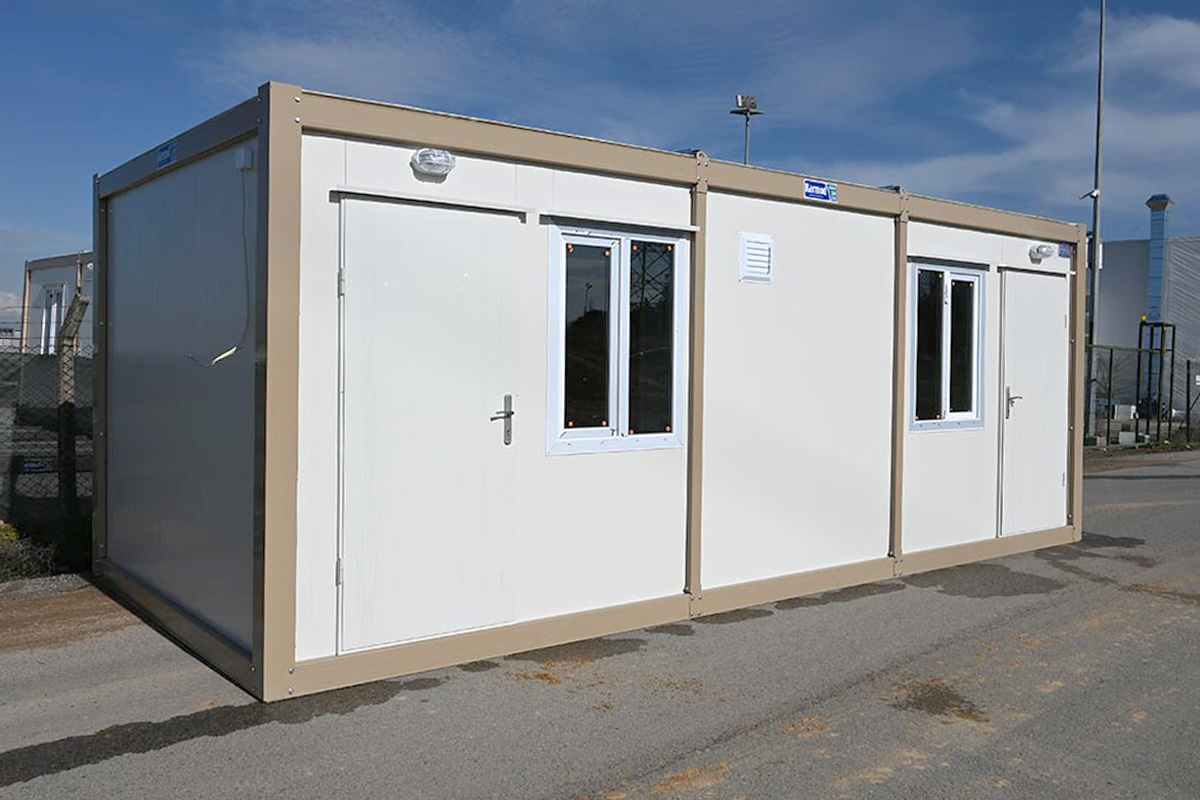
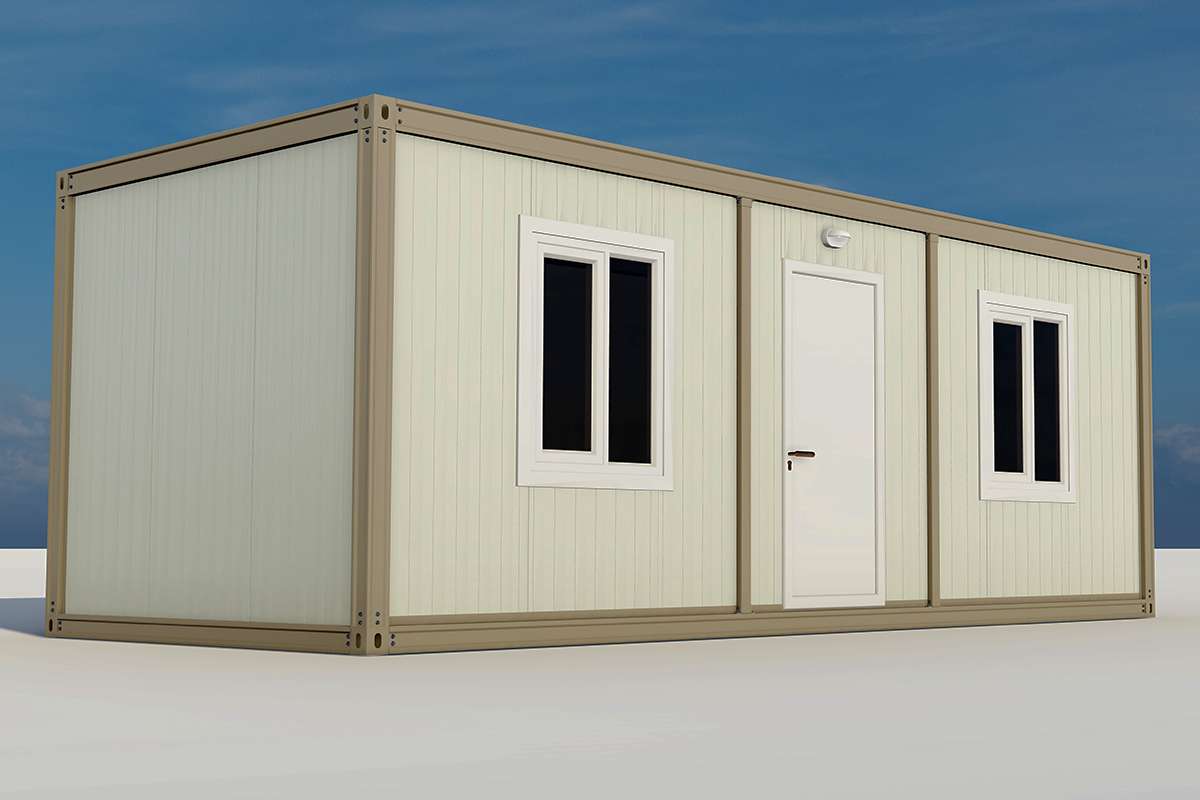
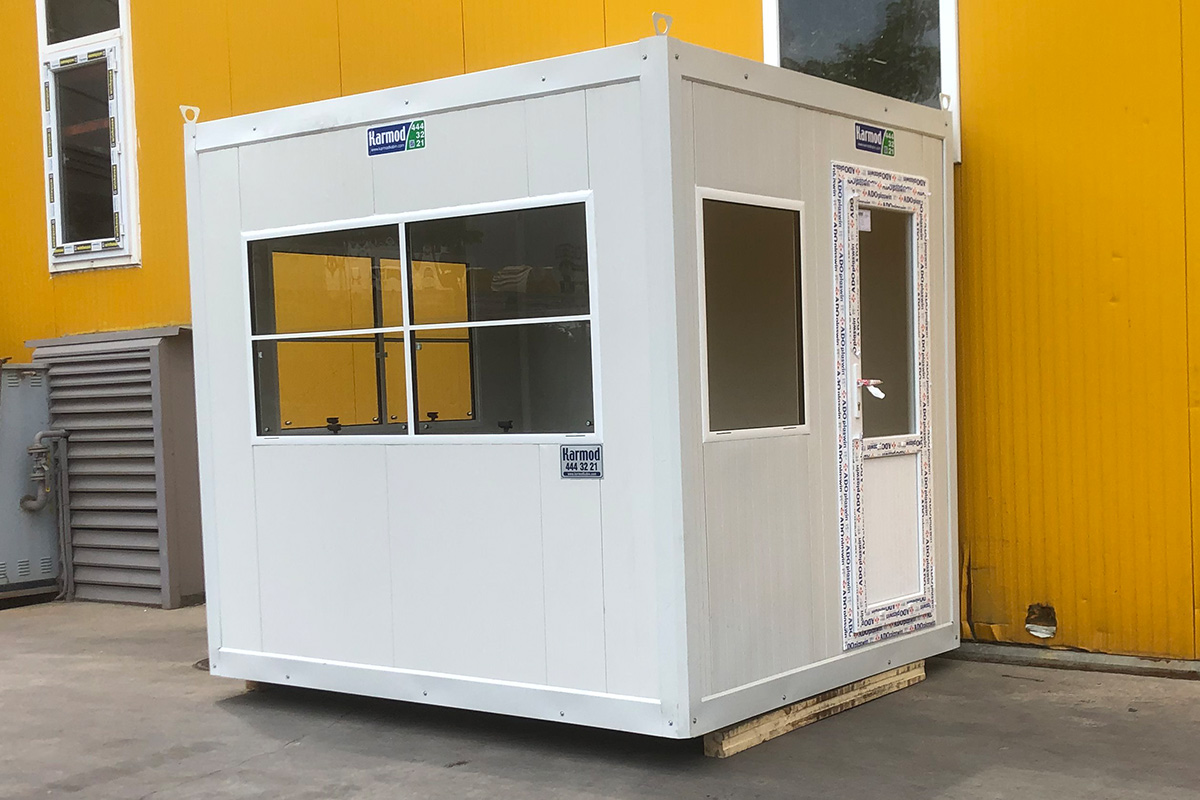
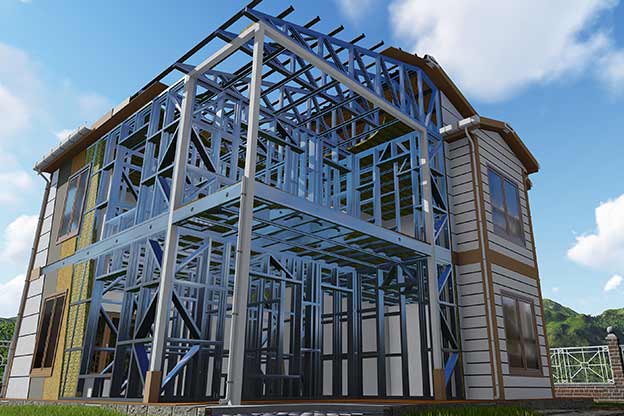
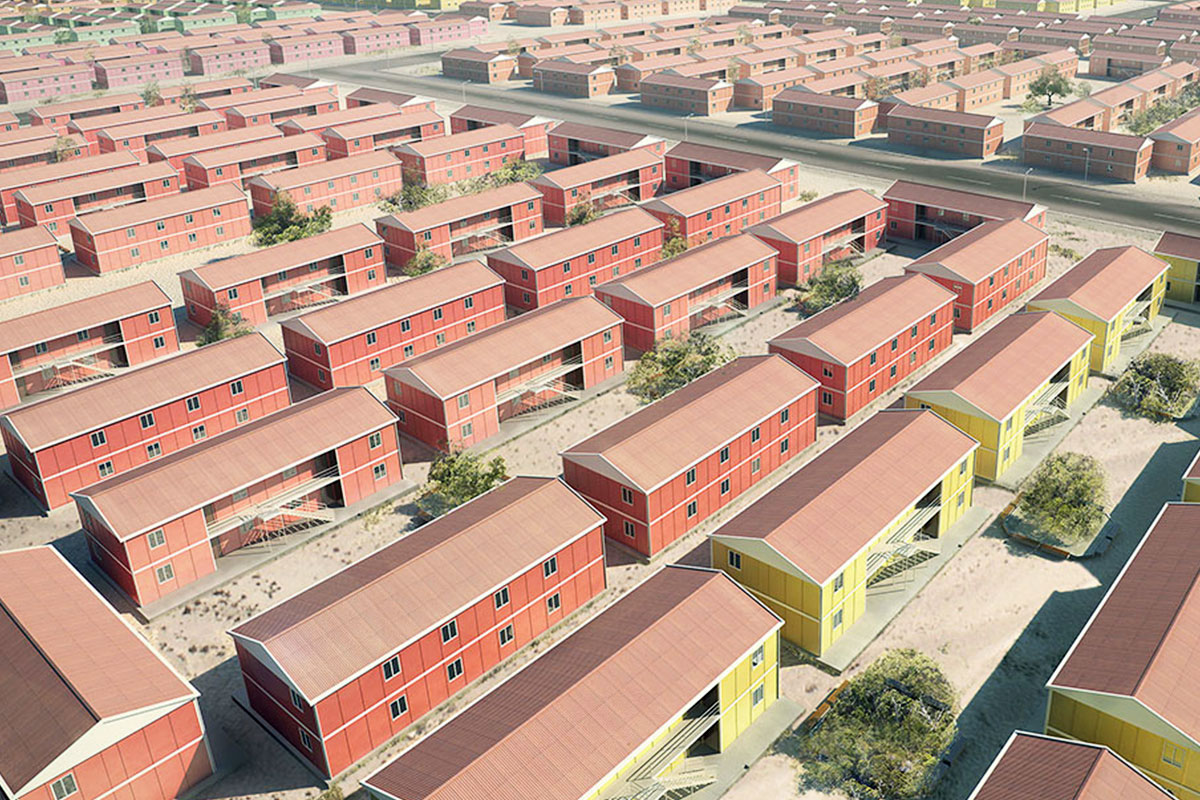
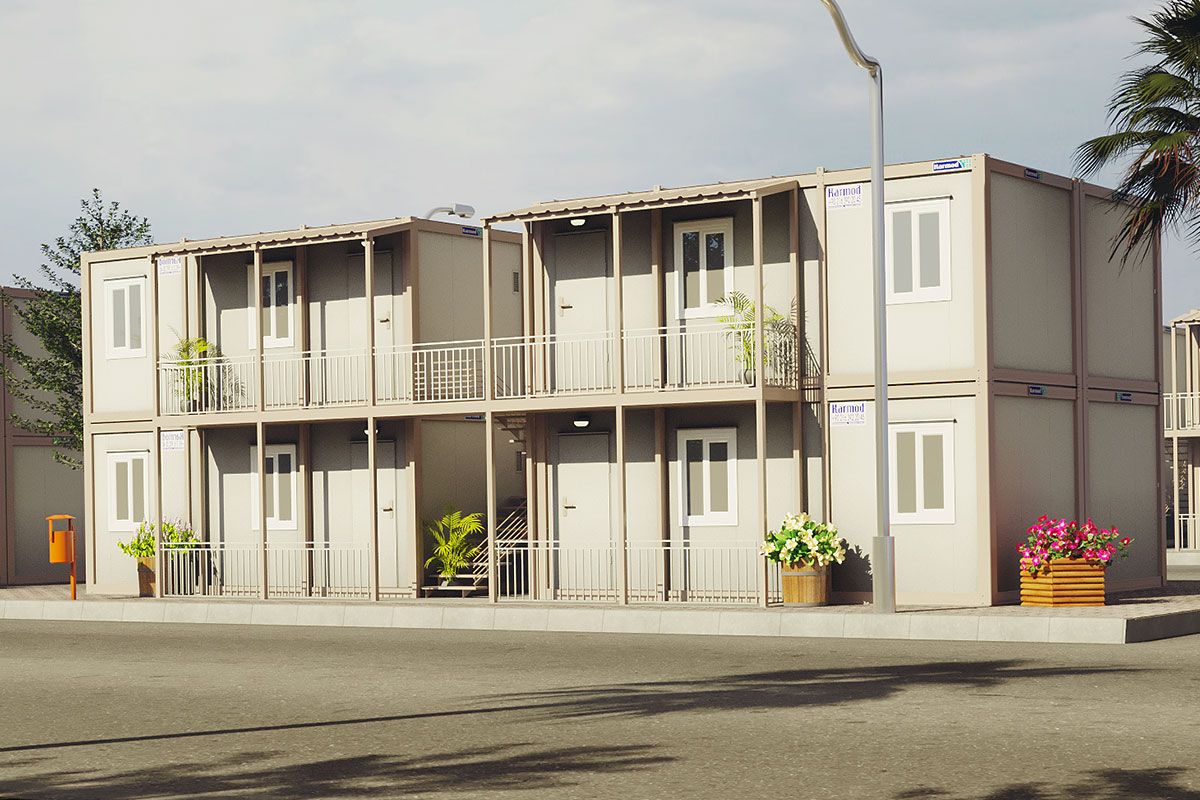
Camp construction buildings in Equatorial Guinea are typically planned for speed of deployment and long-term reliability. Modular systems are often used to simplify transport and installation while allowing phased growth as workforce numbers change. The goal is a site base that remains consistent during construction, drilling support, maintenance programs, and other project stages.
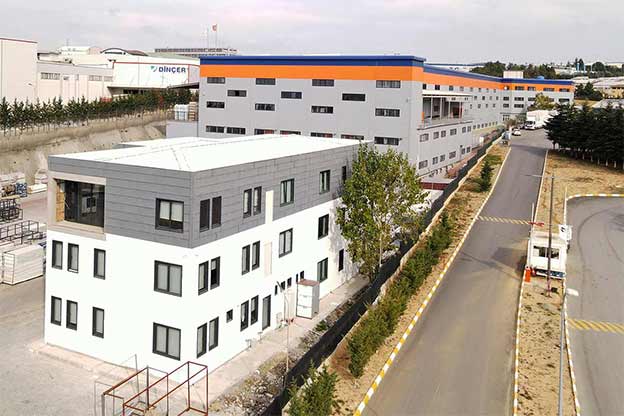
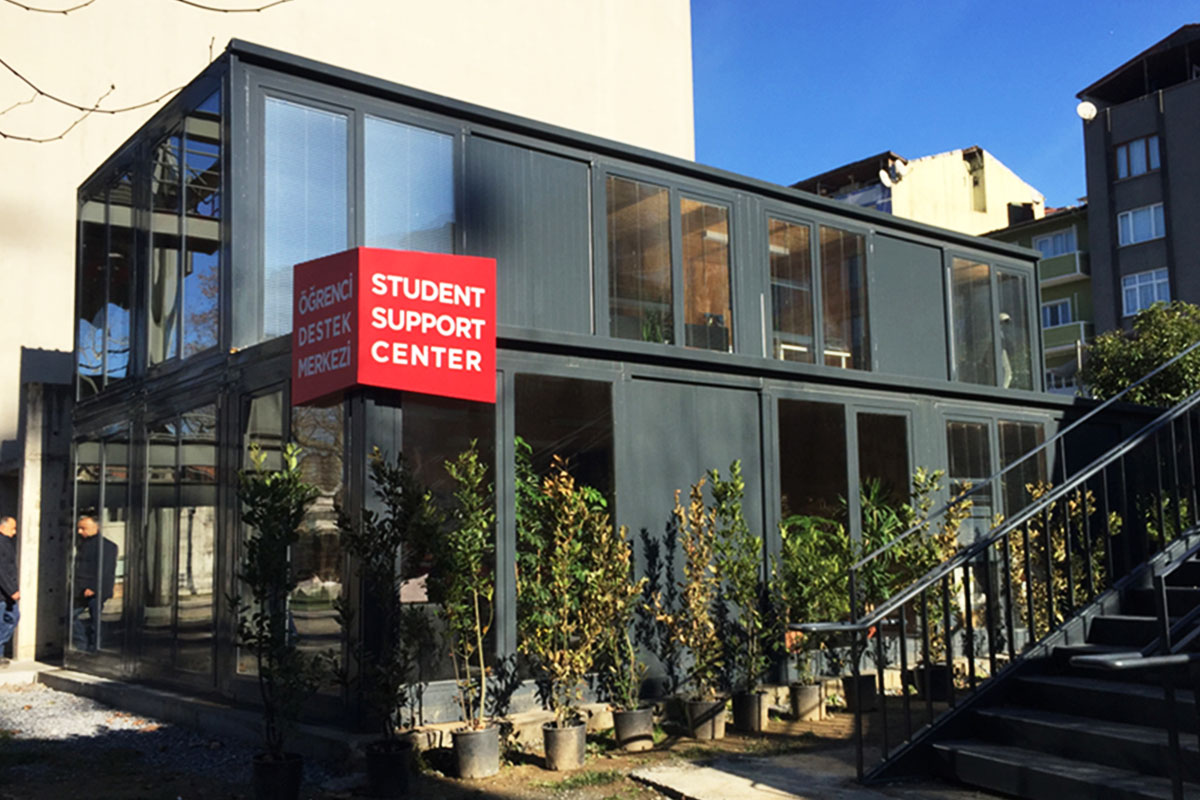
- An emphasis on build quality: Oil and gas camps operate under continuous wear. Housing and welfare buildings need materials and assemblies that handle daily cleaning, heavy foot traffic, and round-the-clock use without rapid degradation. Well-built units reduce maintenance burden and improve uptime of camp services.
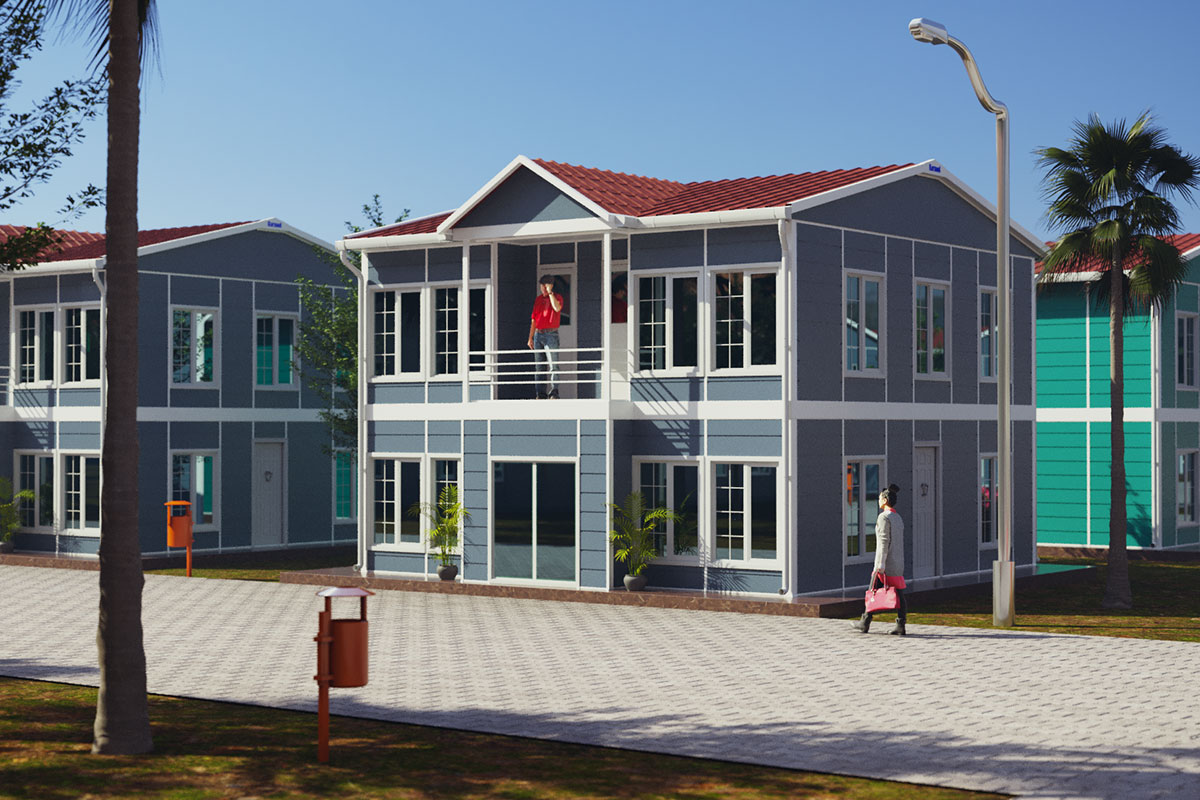
- Configured living solutions: Accommodation requirements differ by workforce profile and rotation patterns. Camp layouts can include shared arrangements for efficiency, or more private room setups where rest quality and fatigue management are priorities. The right configuration supports smoother occupancy management and more predictable daily operations.
Best Company and Manufacturer Karmod for Oil and Gas Field in Equatorial Guinea
Delivering reliable field accommodation requires more than producing buildings. It demands manufacturing consistency, practical layout planning, and delivery discipline that matches project schedules. Karmod is positioned as a manufacturer supporting these requirements through modular solutions designed for workforce accommodation in oil and gas environments.
- Karmod's operational focus: Karmod combines modular construction with layouts built around real camp routines—sleep, hygiene, meals, and controlled shared space. This approach helps operators run camps more consistently, with fewer disruptions caused by poor circulation, undersized facilities, or hard-to-maintain services.
- Durable by design, with responsible planning: High-occupancy accommodation needs long service life. Karmod designs prioritize durability and maintainability, and where projects require it, planning can support more efficient use of energy and utilities without complicating daily camp operations.
With defined workforce accommodation planning and experienced delivery partners, Equatorial Guinea can maintain strong camp standards that support safe, consistent oil and gas operations across remote and coastal project locations.