




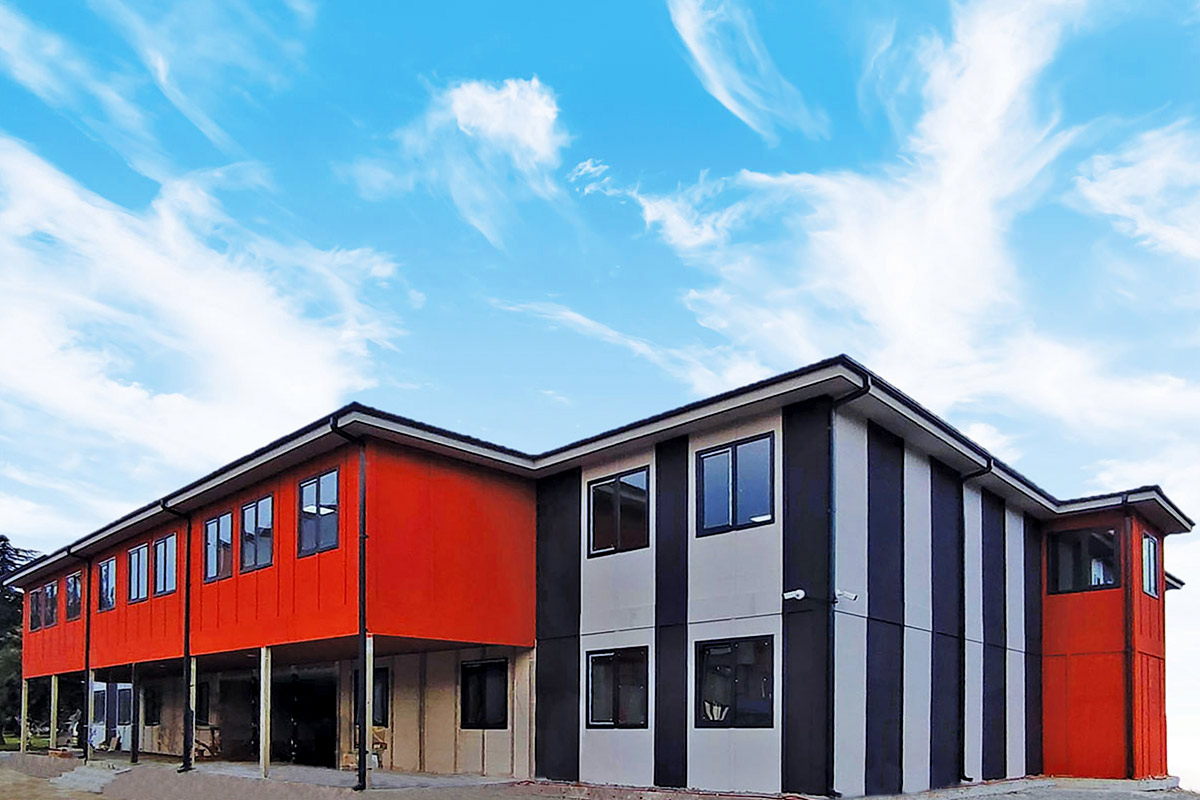
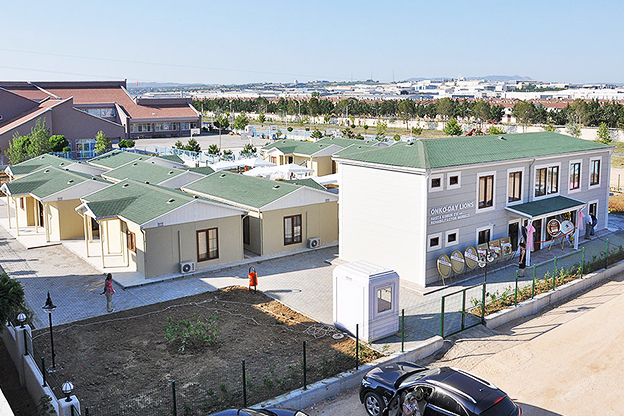
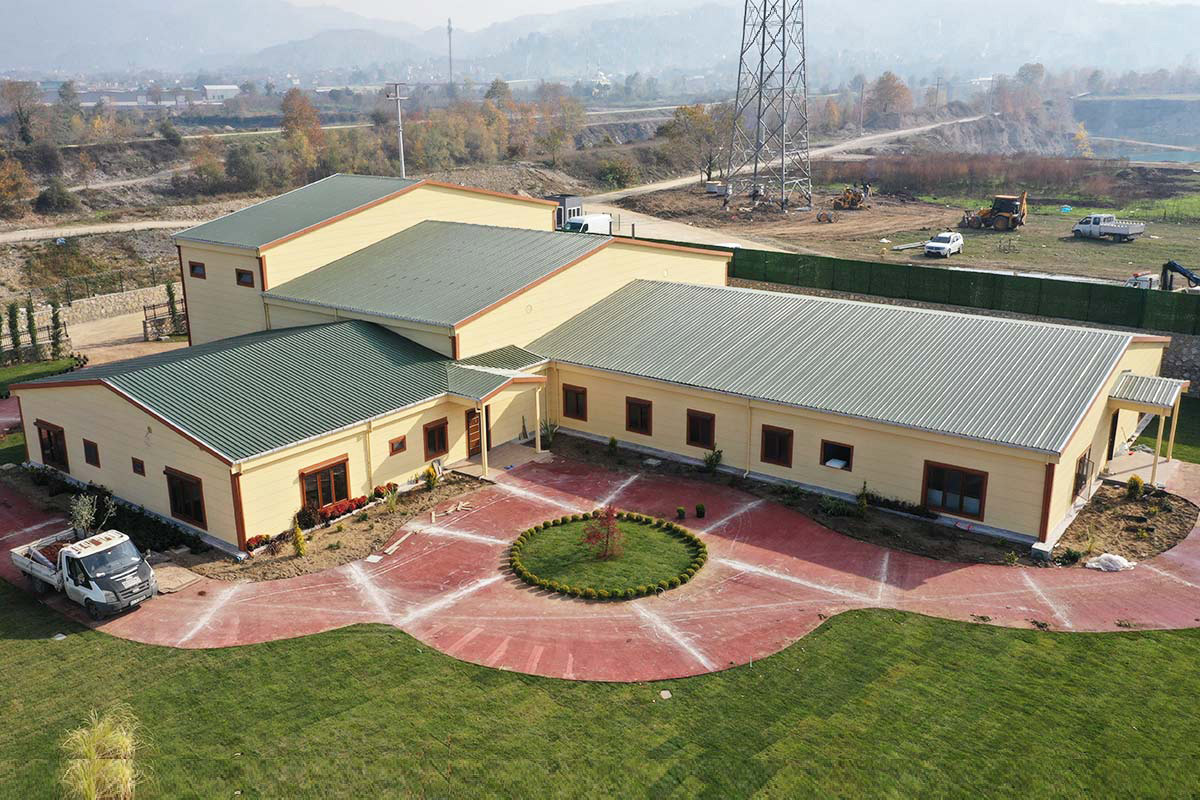
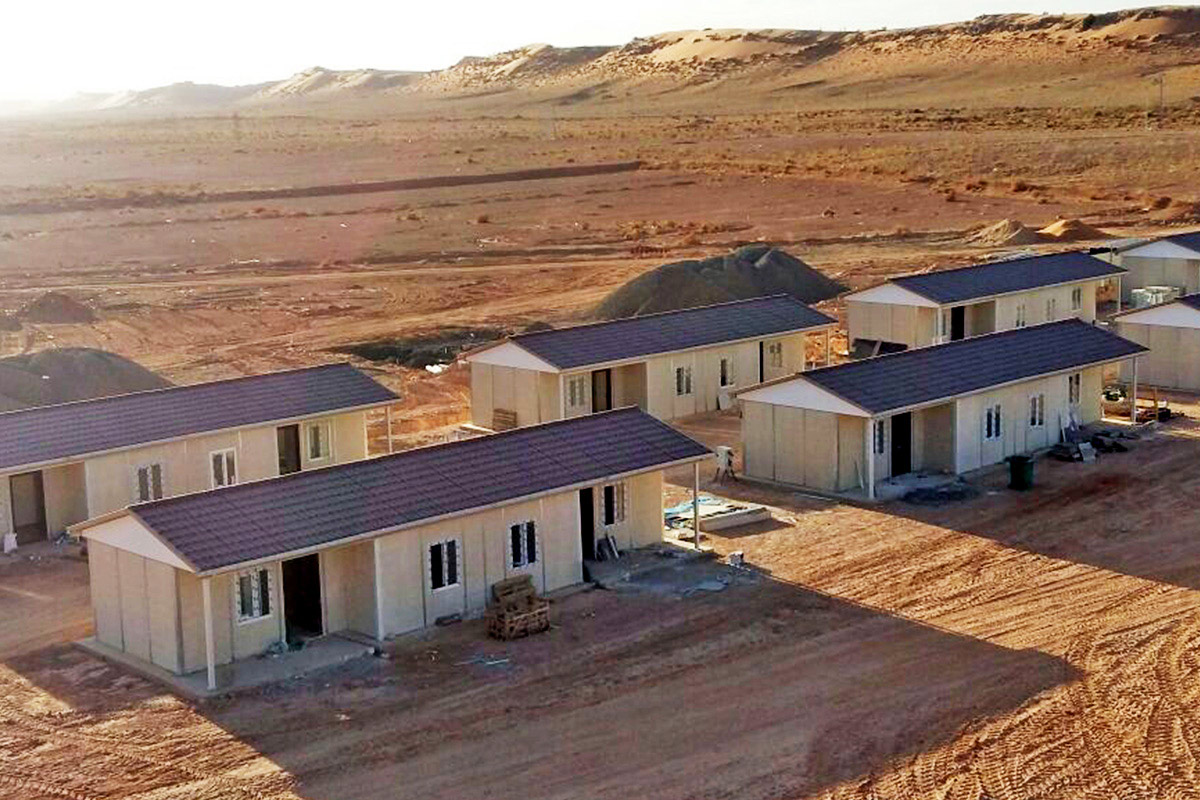
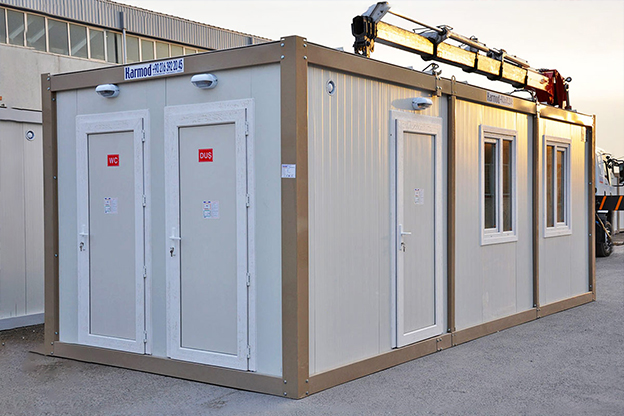
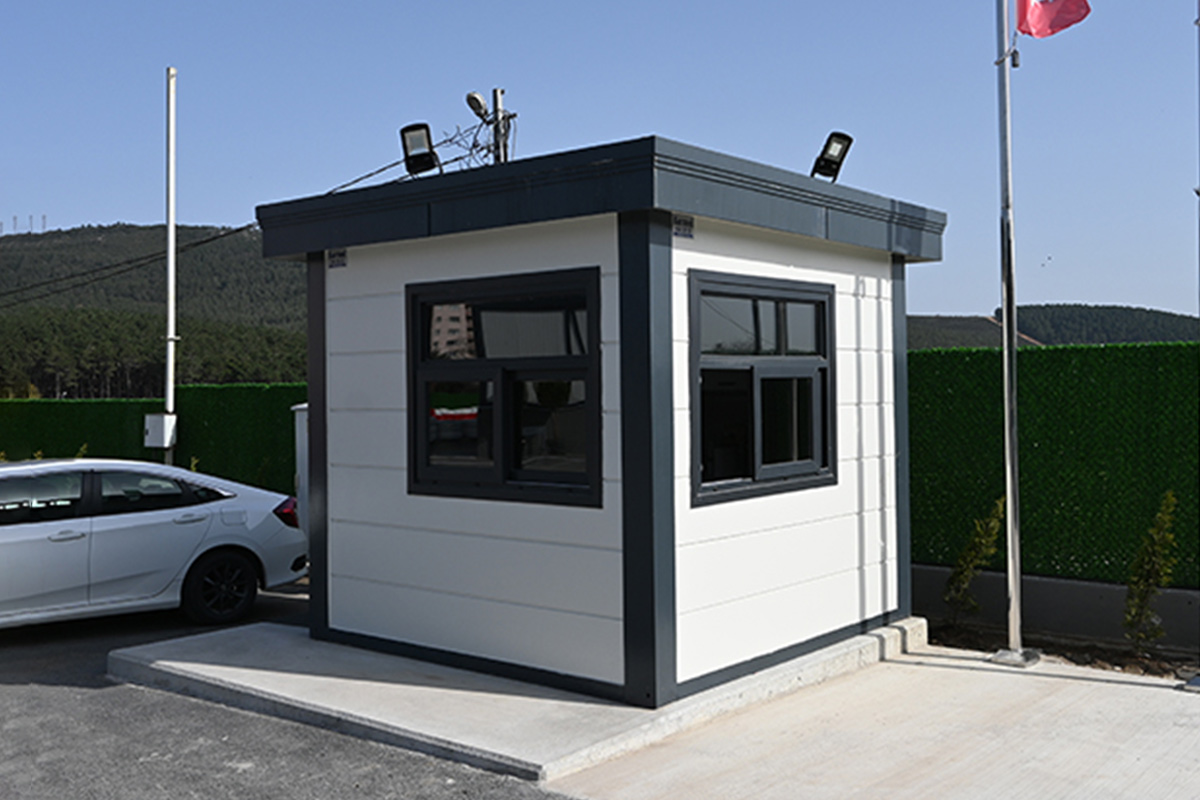
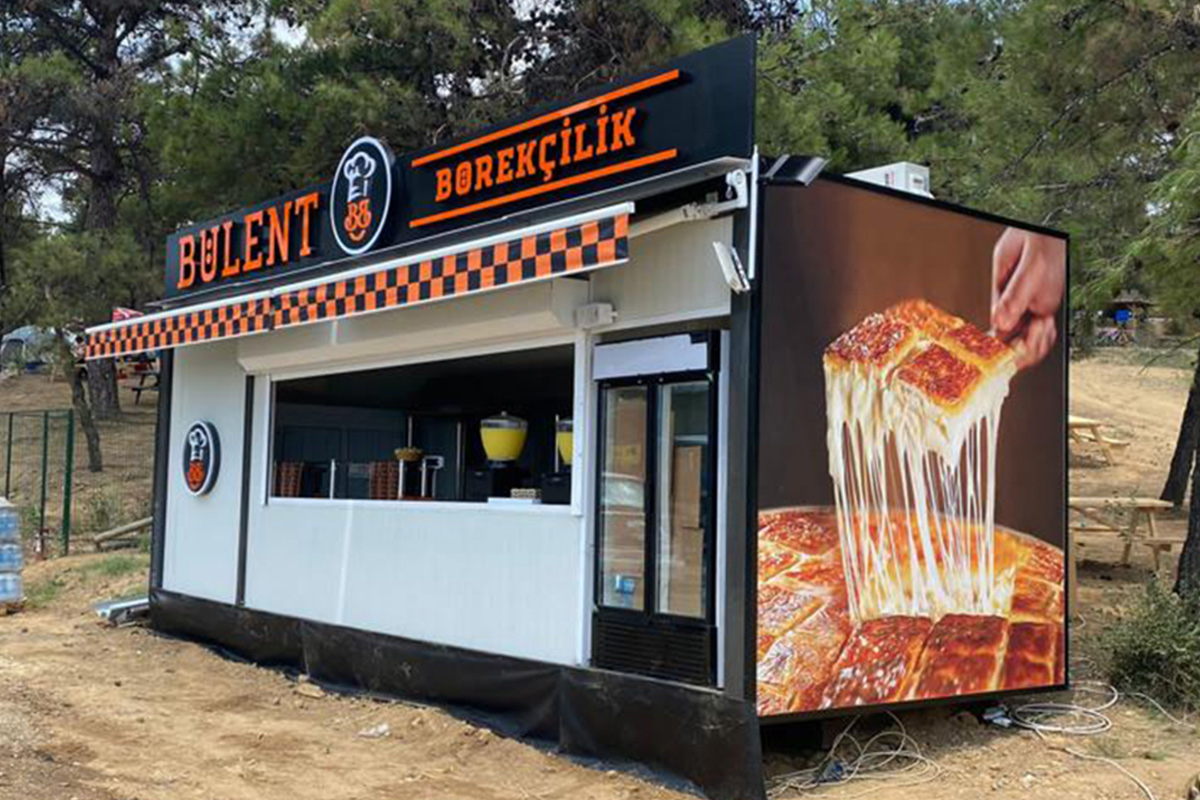
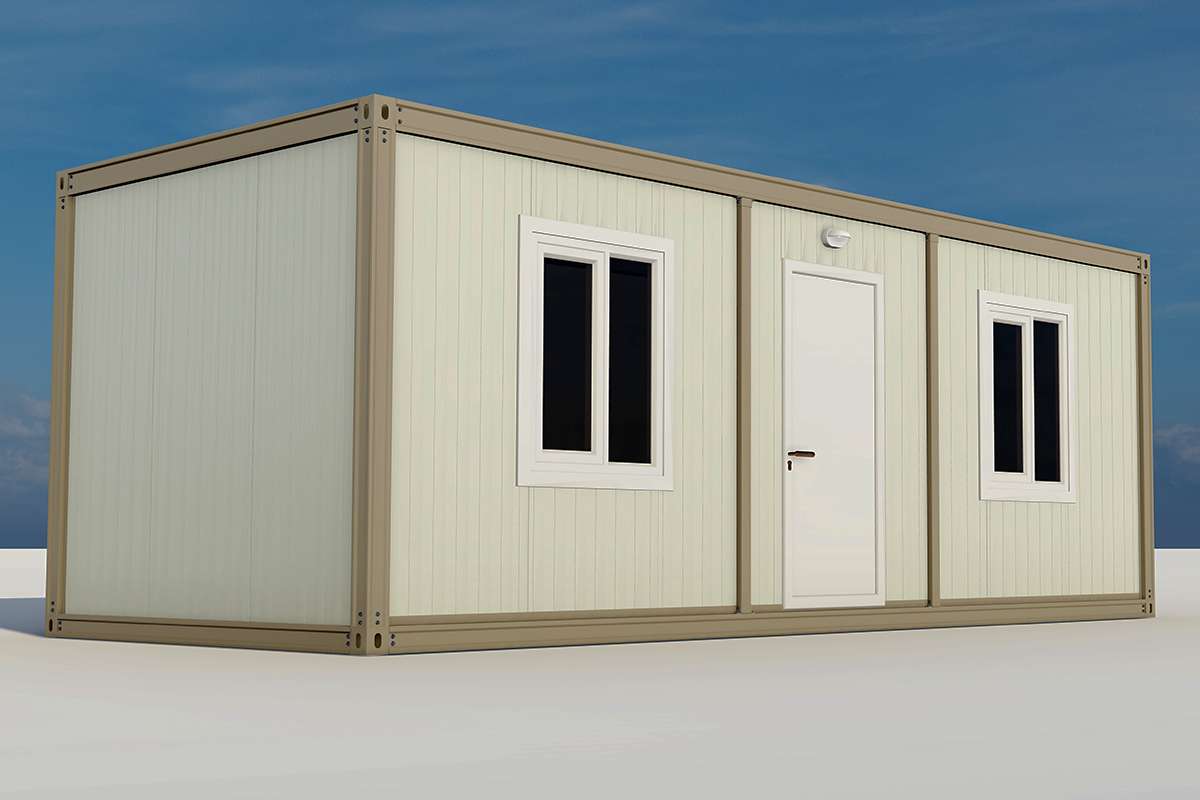

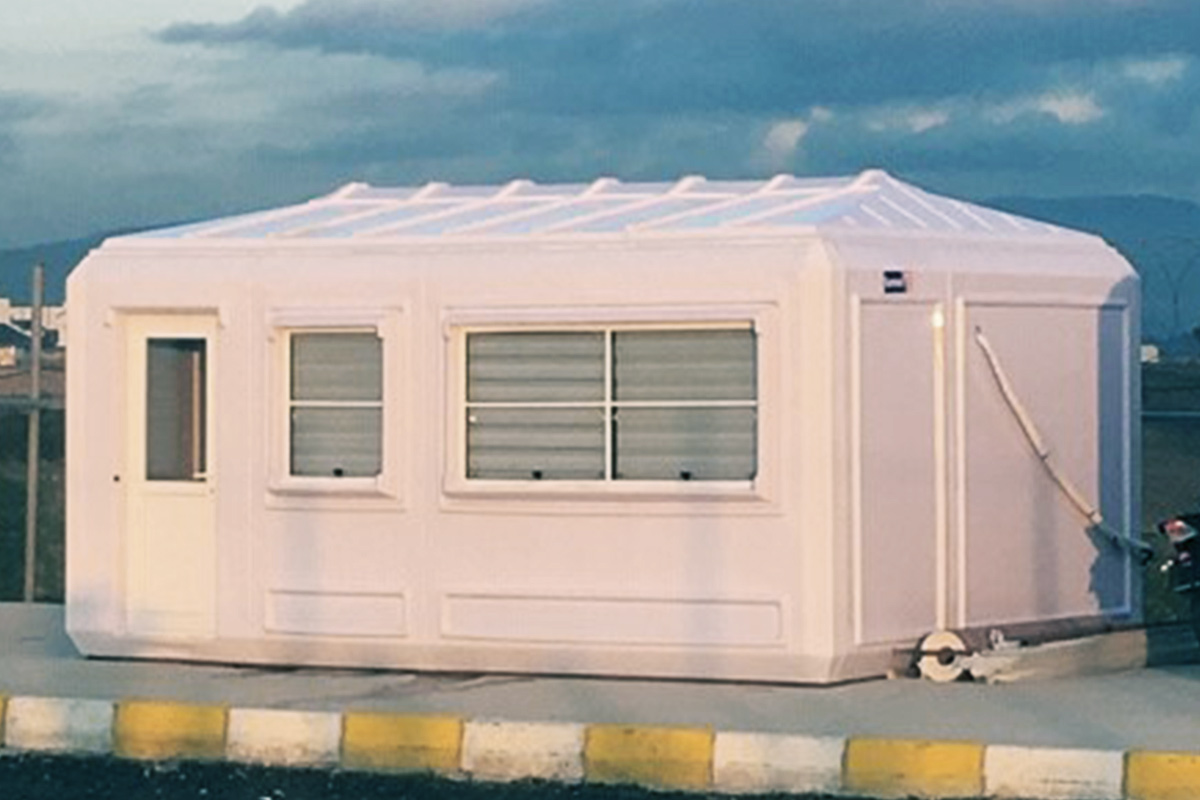
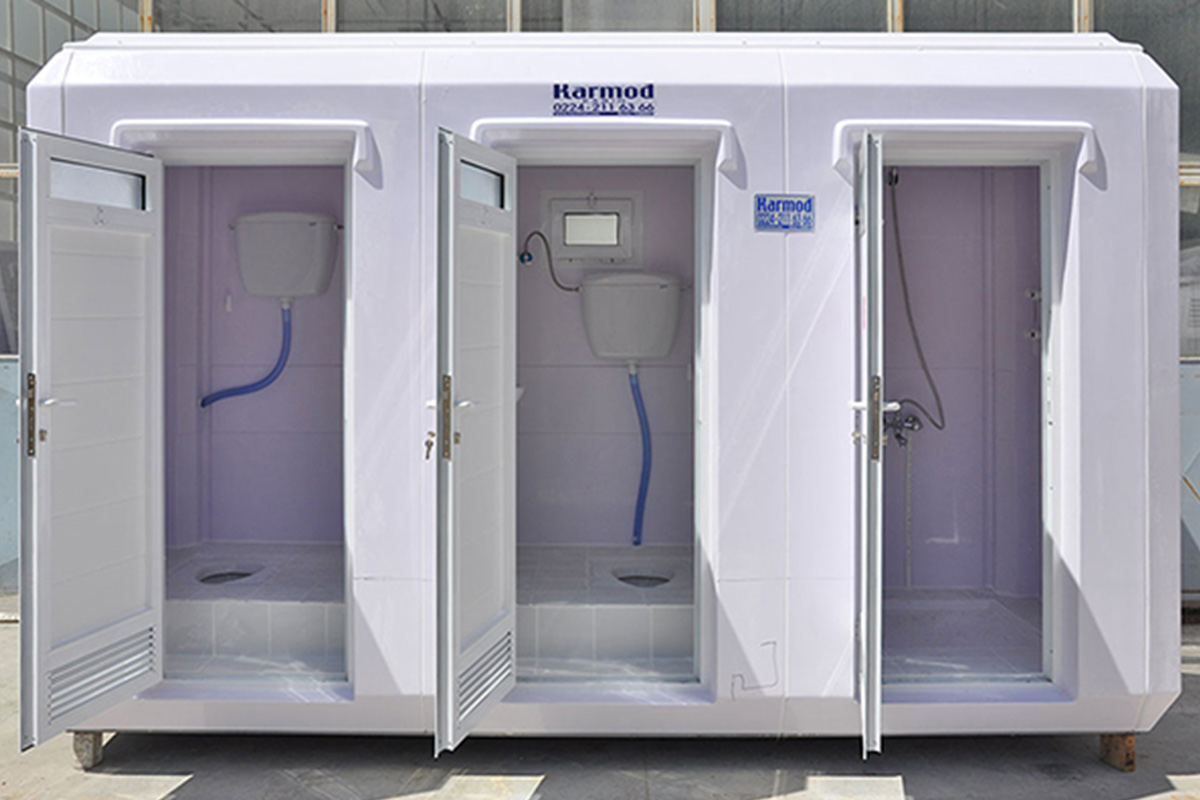
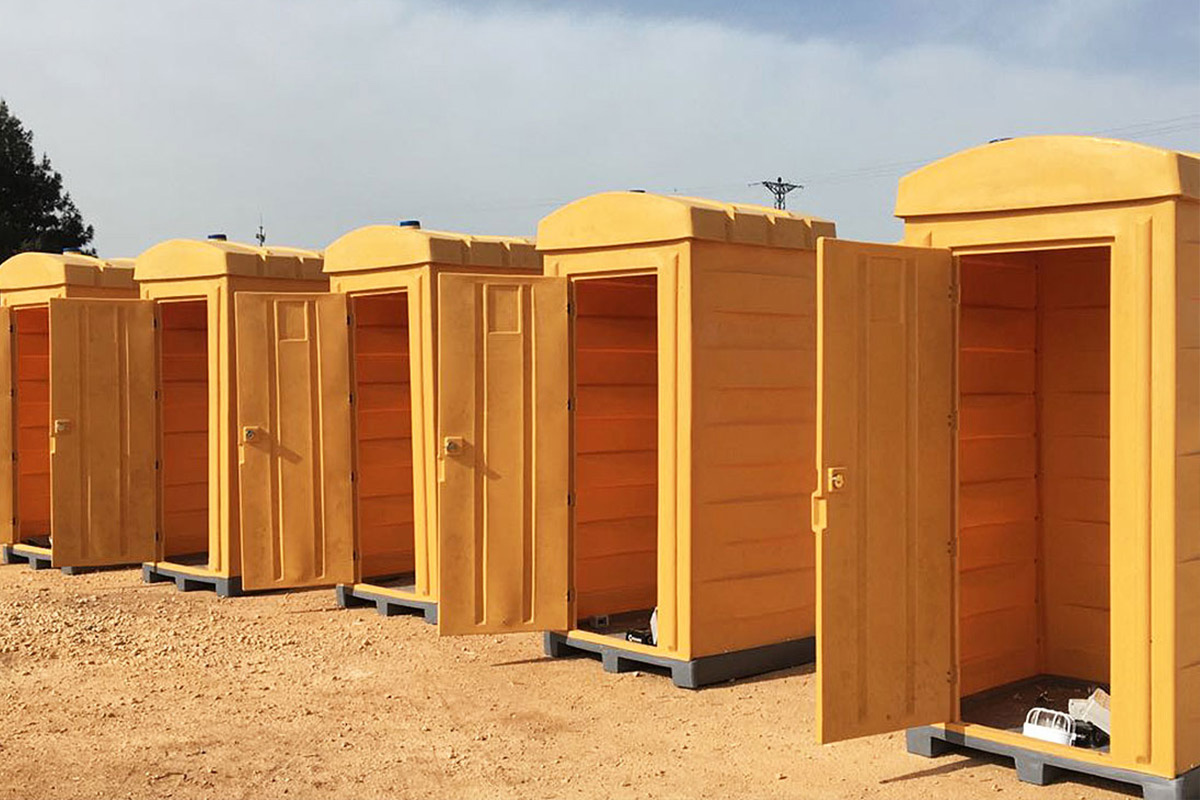
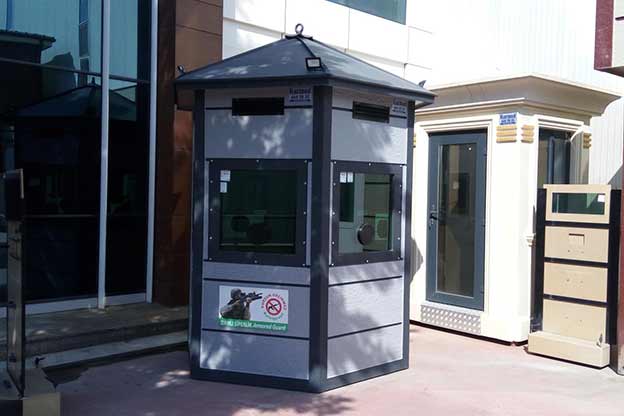
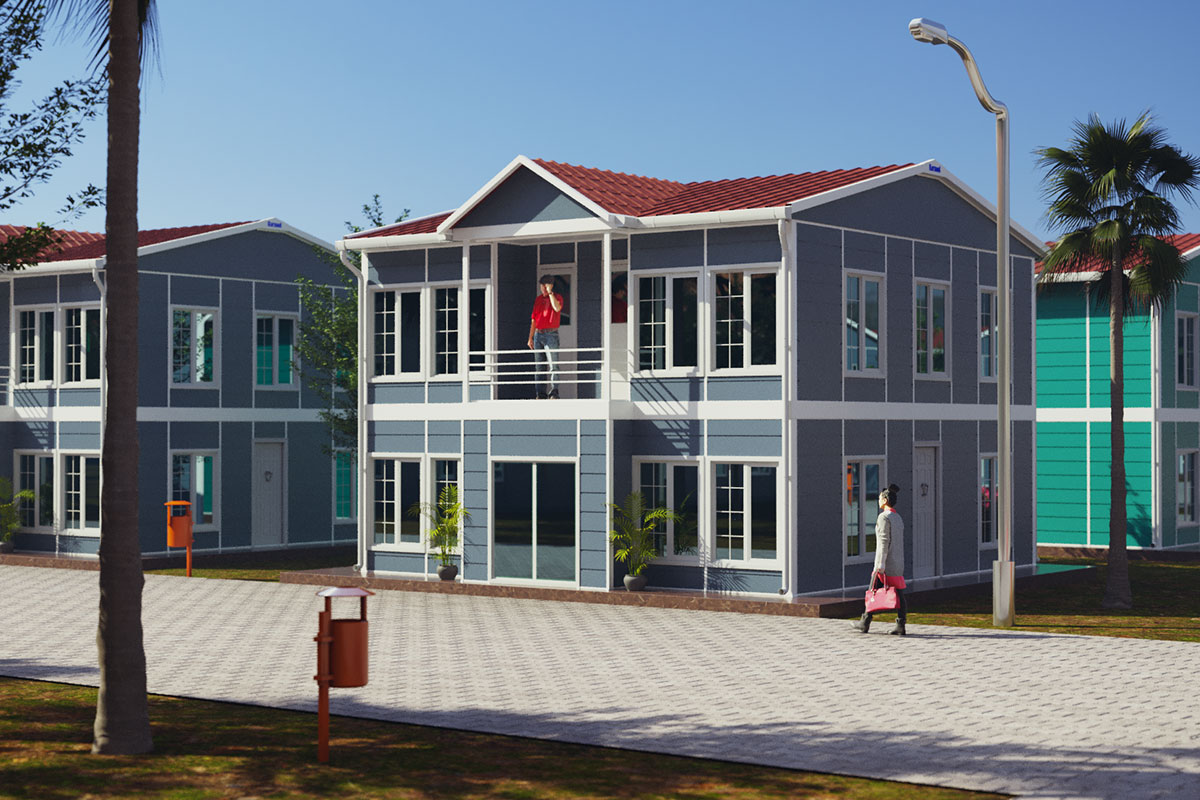
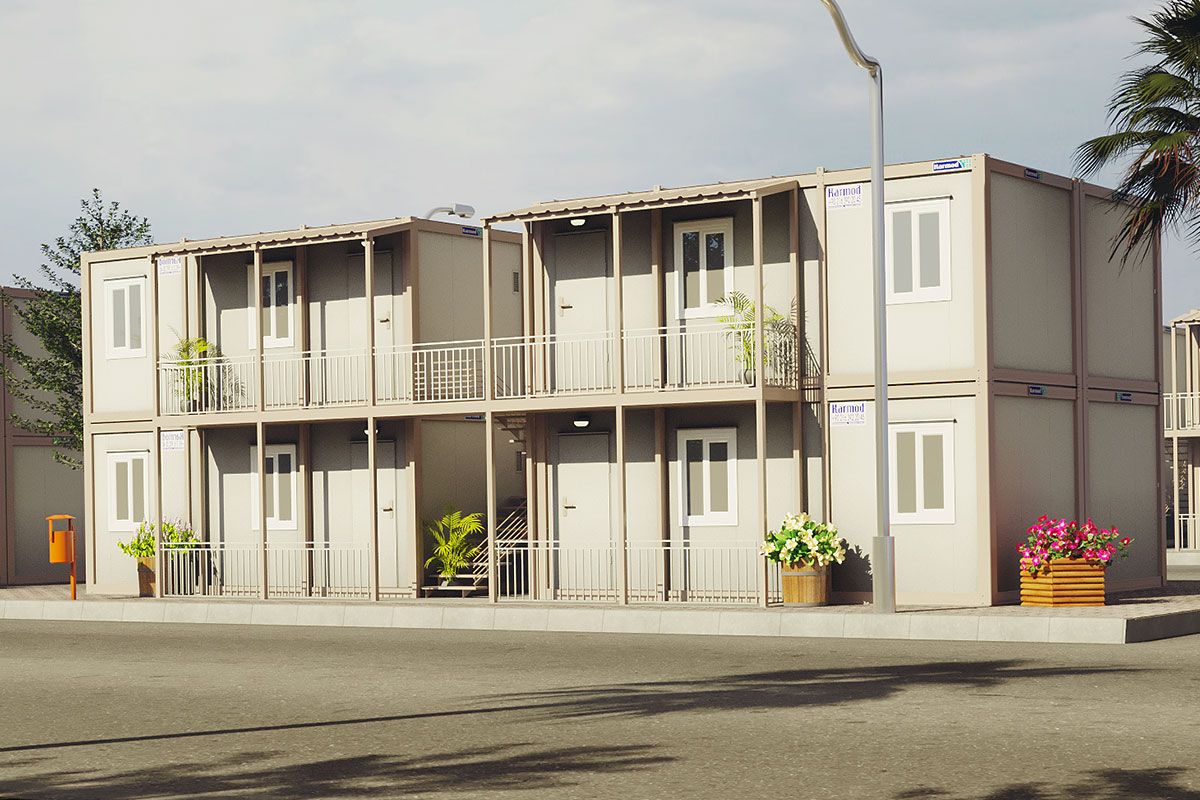
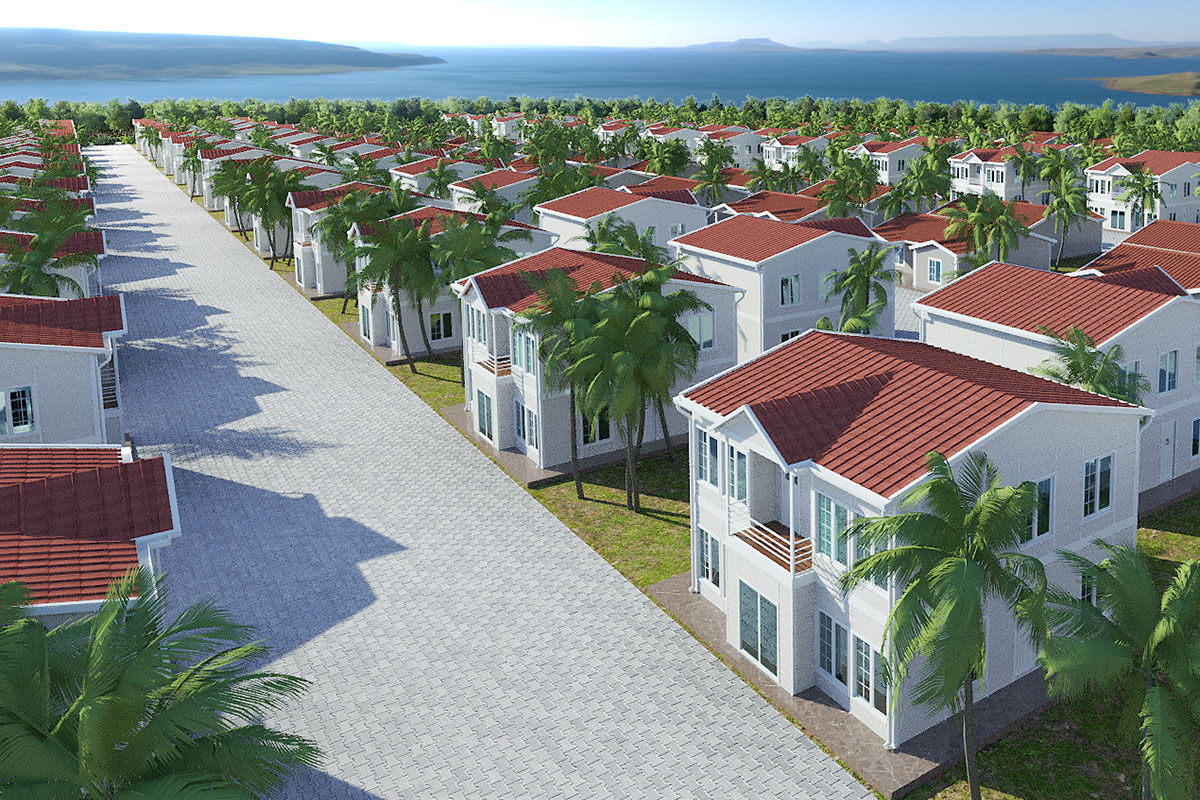

In the heart of the Pacific, Fiji is known for its dramatic landscapes and island geography. For energy projects operating across dispersed locations, one of the first practical requirements is reliable workforce accommodation that can be delivered efficiently, perform in humid coastal conditions, and support day-to-day operations. Fiji oil and gas camps are designed to meet those realities—providing safe, organized living and service facilities where teams can rest, reset, and stay productive between shifts.
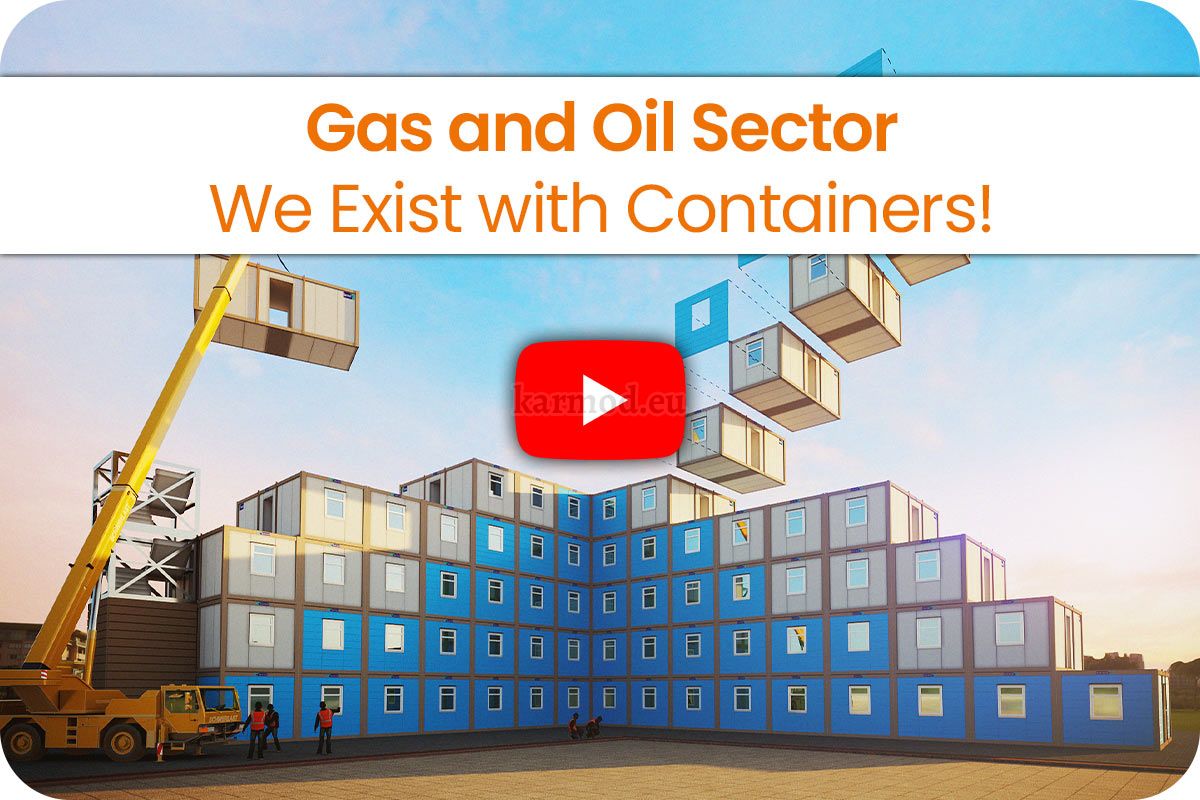
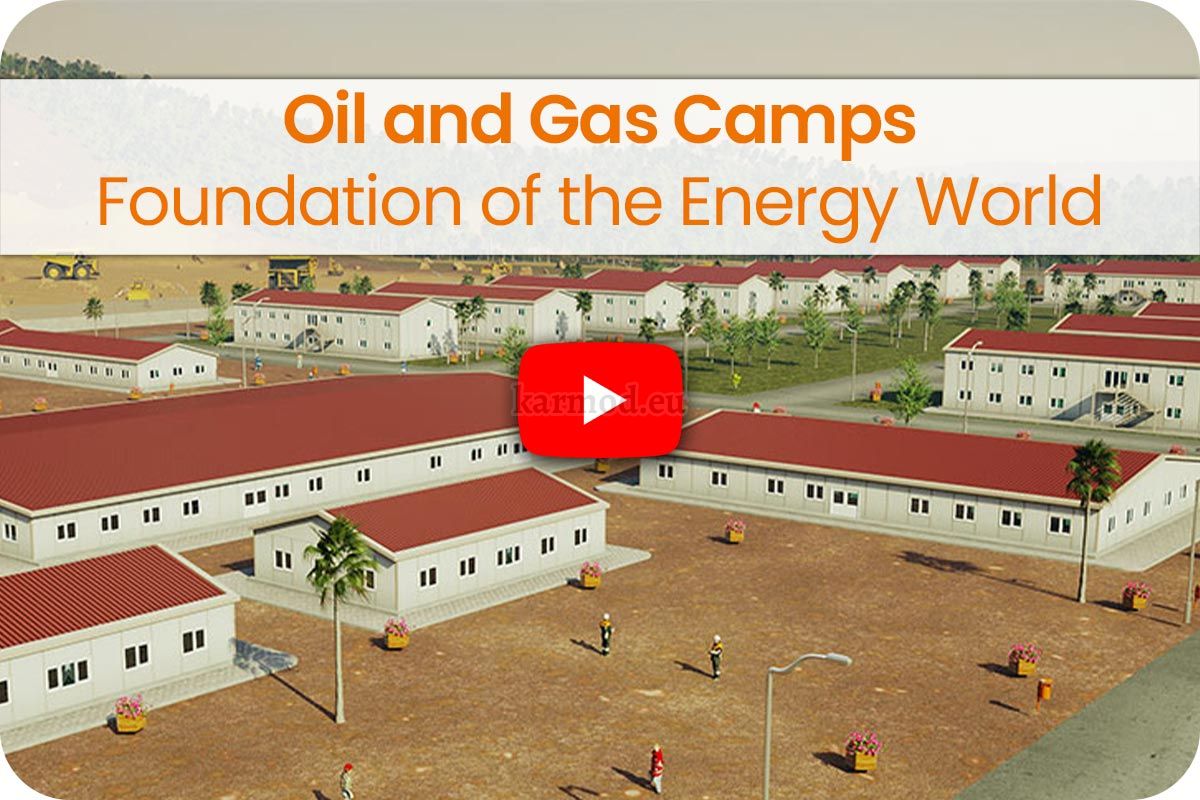
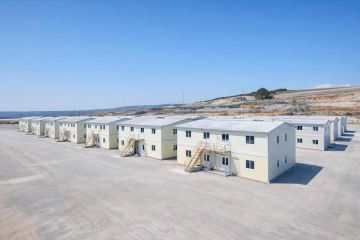
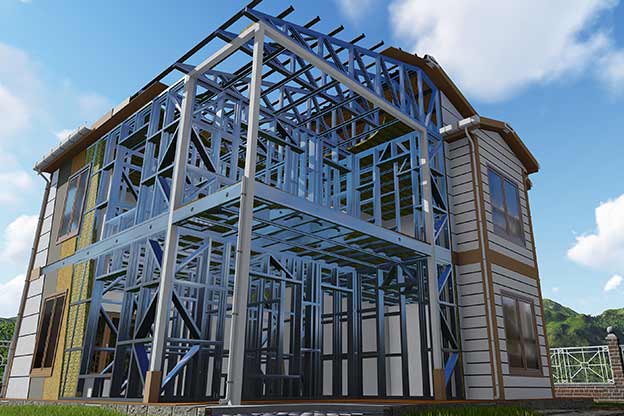
- Modular camp solutions for remote project delivery: Modular camps suit Fiji’s logistics constraints by allowing accommodation blocks and support buildings to be shipped in manageable sections, assembled quickly on site, and expanded or reconfigured as project needs change. Proper detailing for ventilation, corrosion resistance, and weather exposure helps the camp remain dependable through tropical heat, heavy rain, and salty air.
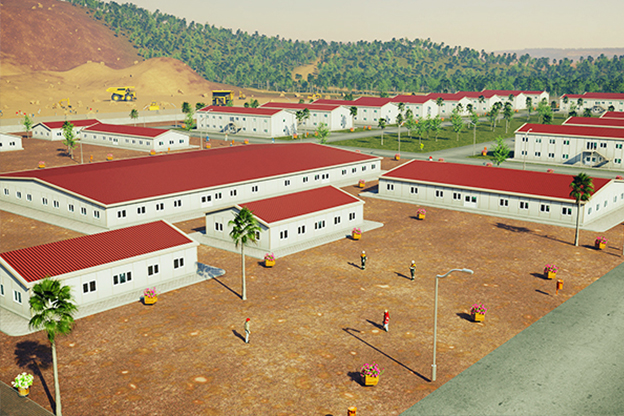
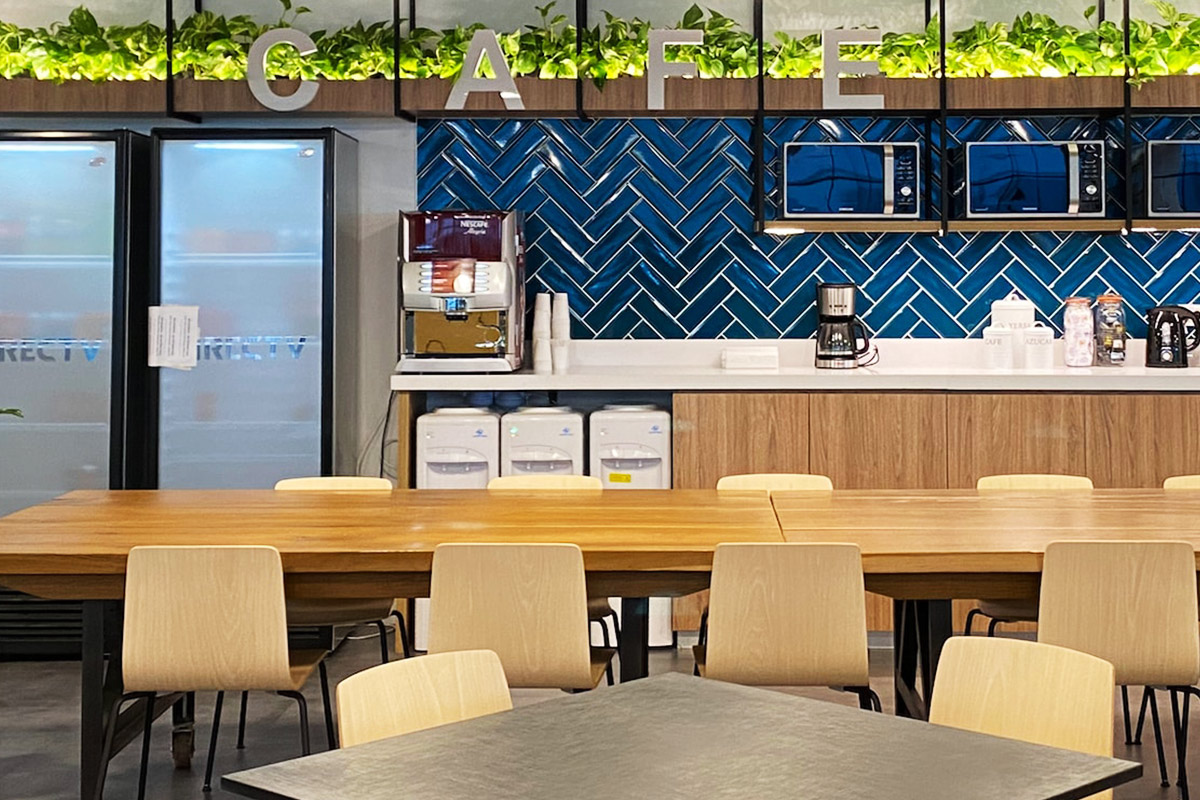
- Designed for workforce welfare and operational continuity: Effective oil and gas camps go beyond bed space. Well-planned layouts include dining and hygiene facilities, recreation areas, offices, and designated medical rooms where required. This approach supports fatigue management and morale, while keeping daily routines predictable—an important factor on rotation-based projects.
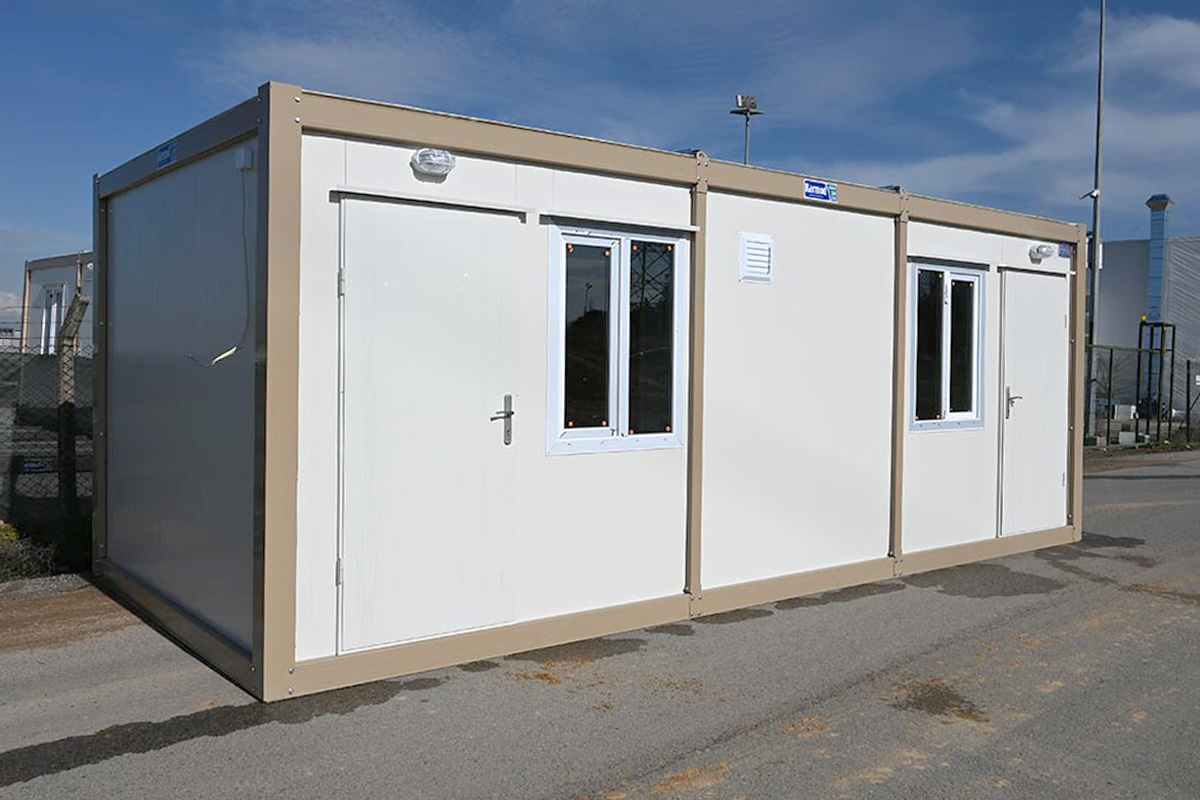
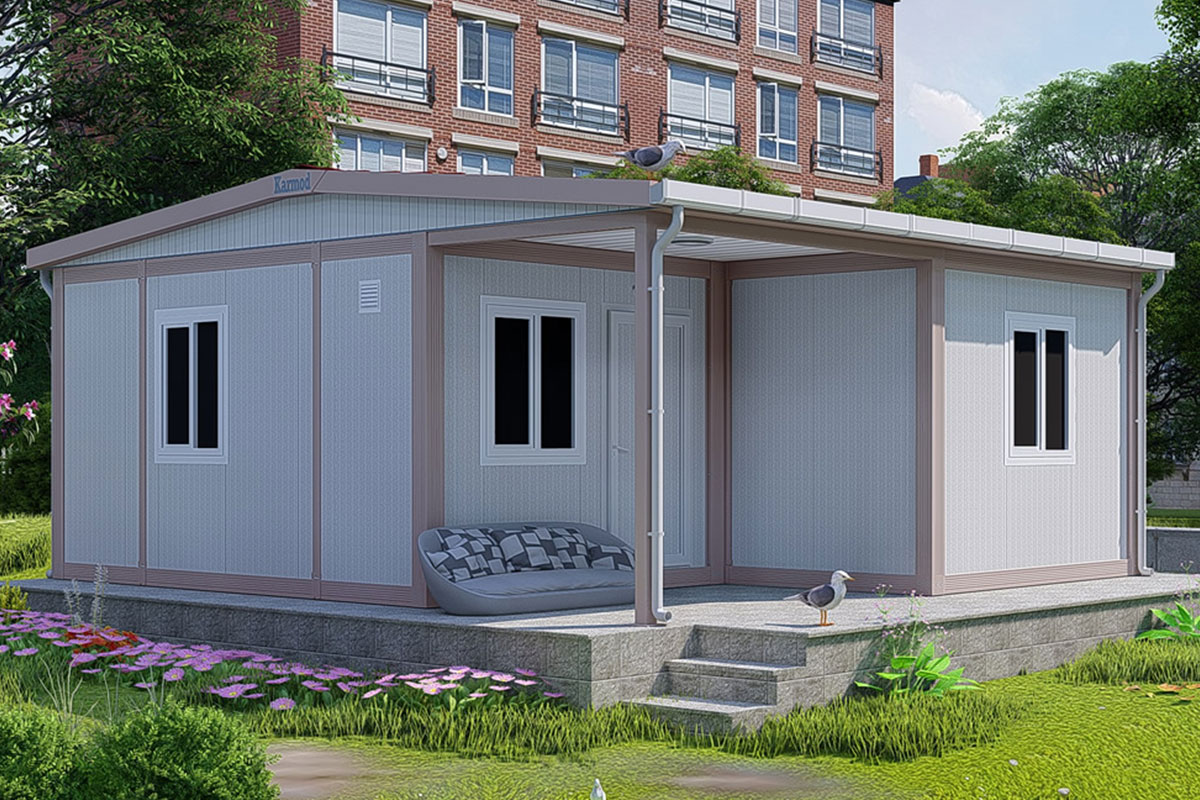
- Karmod solutions for camp accommodation and facilities: Karmod is referenced in this segment for delivering oil and gas camp structures that prioritize practical durability and usable interiors. The focus is on accommodation that works in the field—buildings that are straightforward to install, maintain, and operate without compromising living standards.
- Environmental responsibility built into camp planning: Fiji’s natural environment makes careful camp management essential. Camps can be developed with energy-saving systems, controlled wastewater handling, and structured waste management to reduce impact on surrounding areas. Where site conditions allow, integrating efficient power and water practices supports both compliance and long-term operating stability.
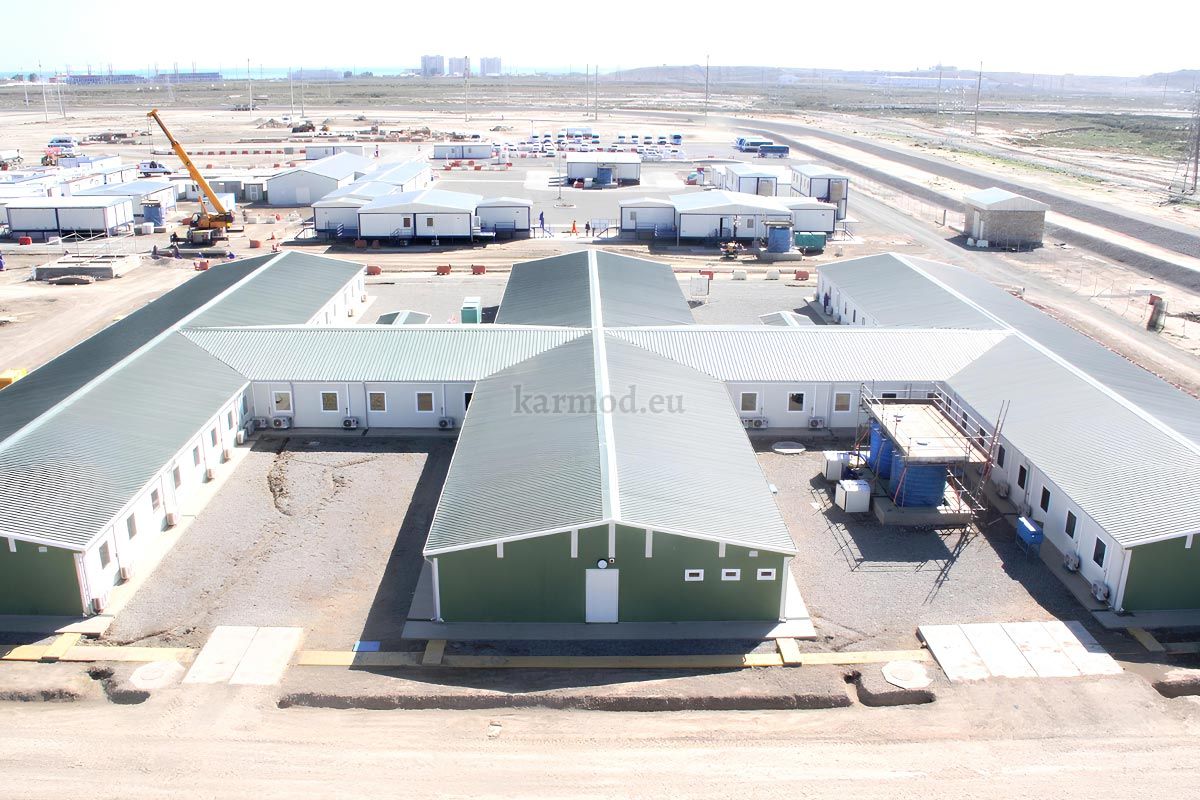
As Fiji’s energy-related activity develops, supporting infrastructure becomes a deciding factor for safe, consistent field operations. Oil and gas camps help bridge the gap between remote sites and the daily needs of teams working long shifts. From accommodation blocks to service buildings and utilities coordination, the goal is simple: provide dependable housing that supports workforce welfare and keeps projects moving.
Fiji Oil and Gas Man Camps for Workforce Accommodation
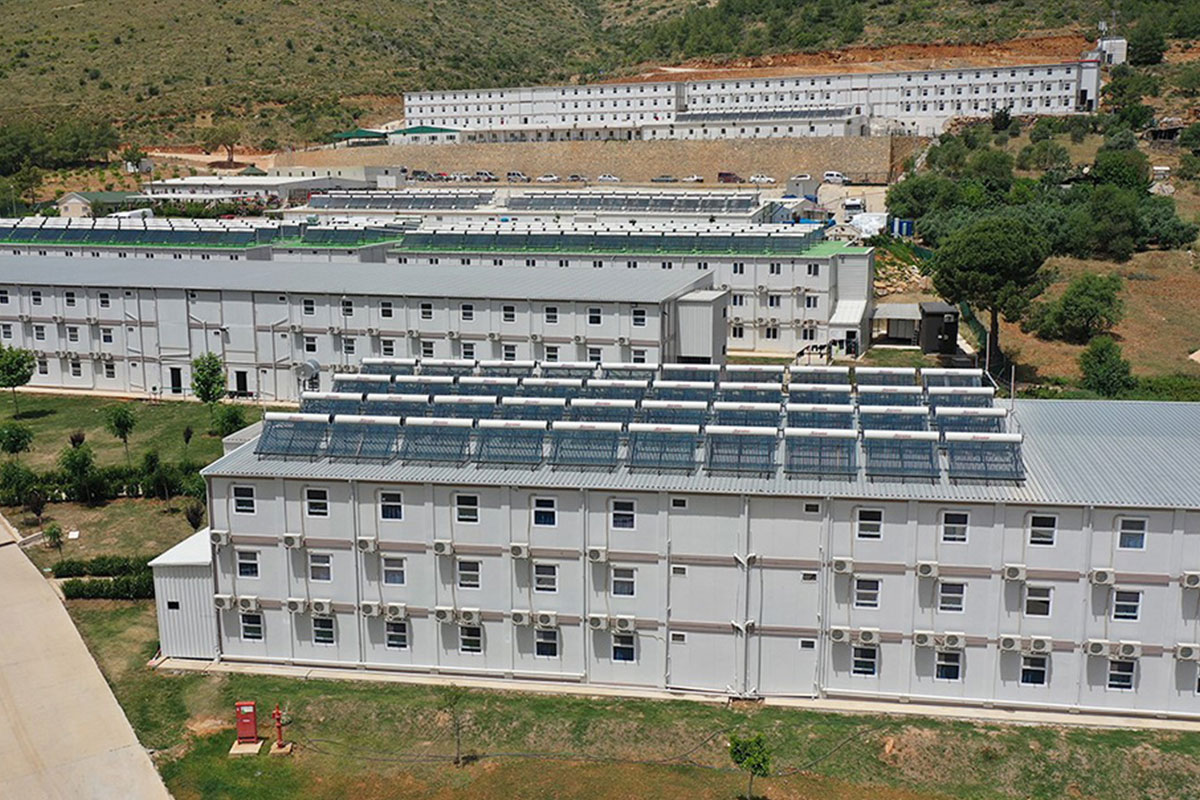
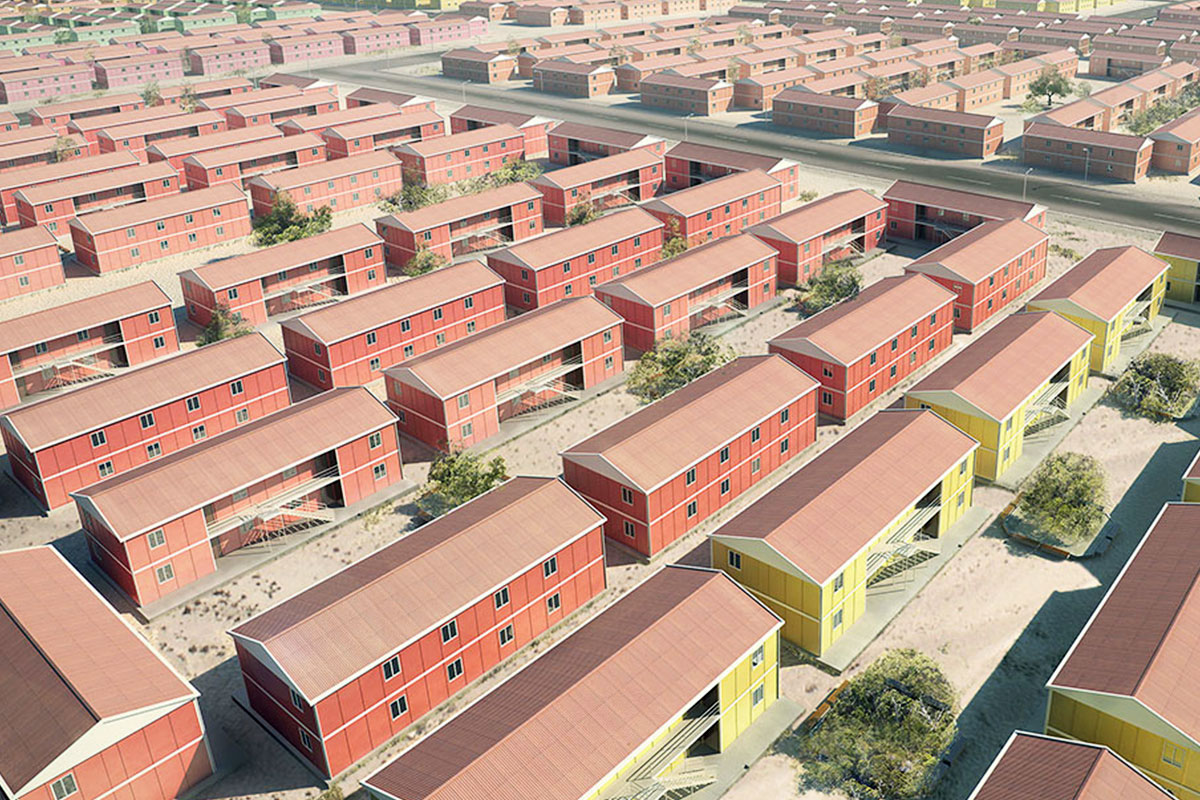
Fiji’s island terrain can introduce real constraints around access, shipping schedules, and site preparation. Oil and gas man camps address these challenges by delivering organized accommodation and essential services in a controlled footprint. Instead of relying on temporary arrangements that disrupt routines, a properly planned camp gives teams a stable base with predictable standards.
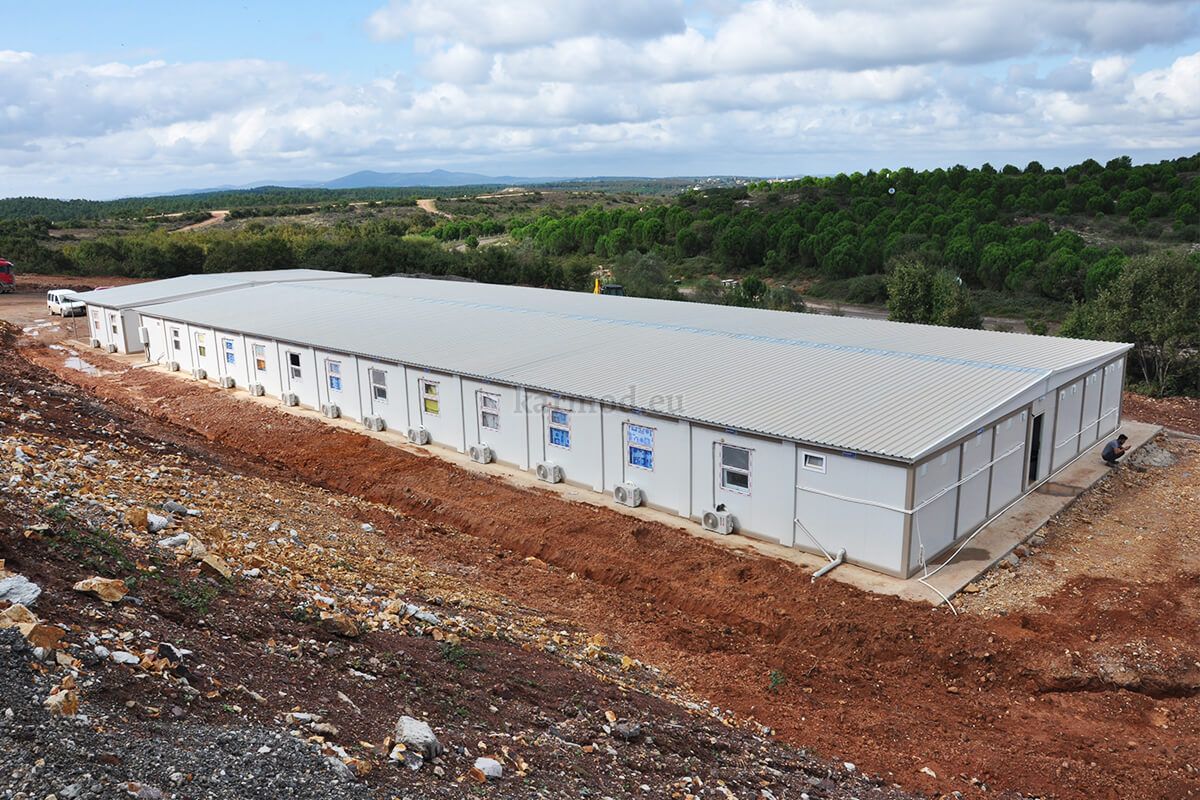
These camps are built around the operational rhythm of oil and gas work. After long shifts, personnel need quiet rest areas, reliable meals, hygiene facilities, and spaces to decompress. Fiji oil and gas field housing is structured to meet those needs while maintaining clear separation between living, service, and work-support areas—helping the site stay orderly and easier to manage.
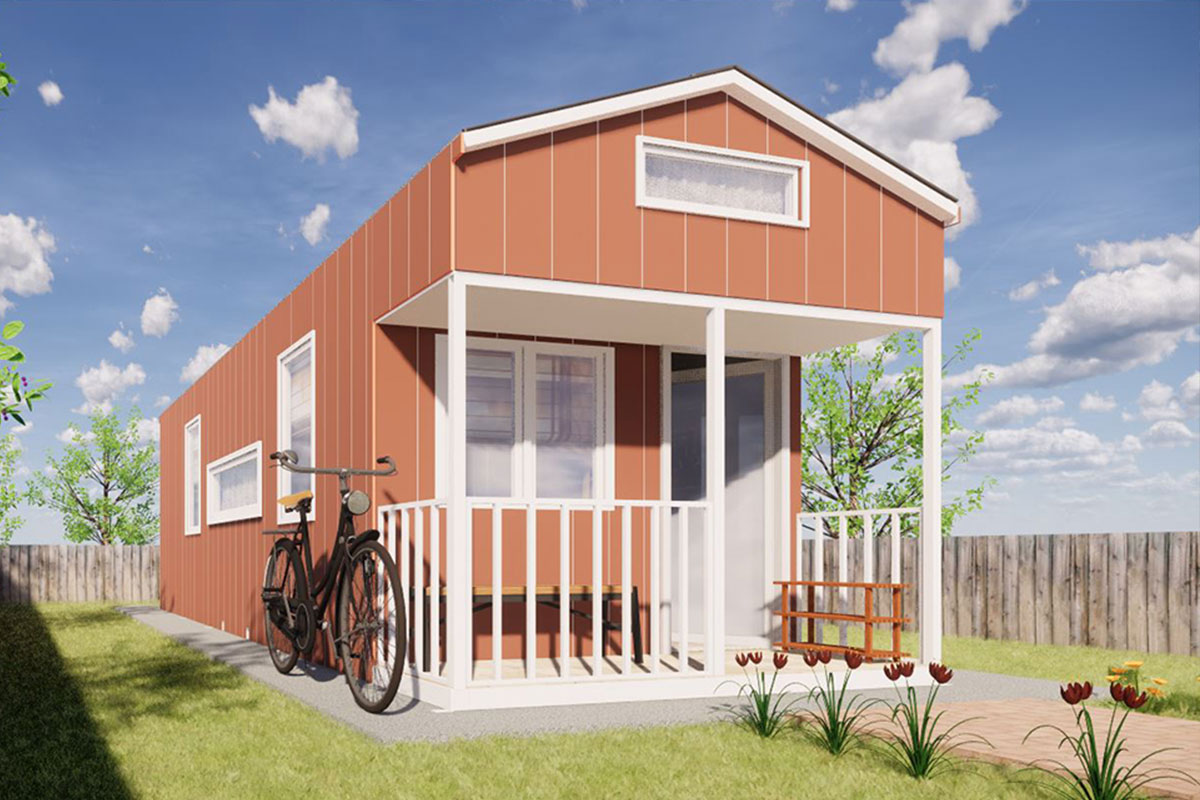
Well-specified housing units also reduce avoidable downtime. Durable finishes, climate-appropriate ventilation, and sensible internal layouts support both comfort and practicality. The result is accommodation that performs under demanding conditions and remains maintainable over the project lifecycle.
What matters most is consistency: a camp should feel predictable and functional day after day, even when the project location is isolated. That stability supports workforce retention, safety culture, and overall site performance.
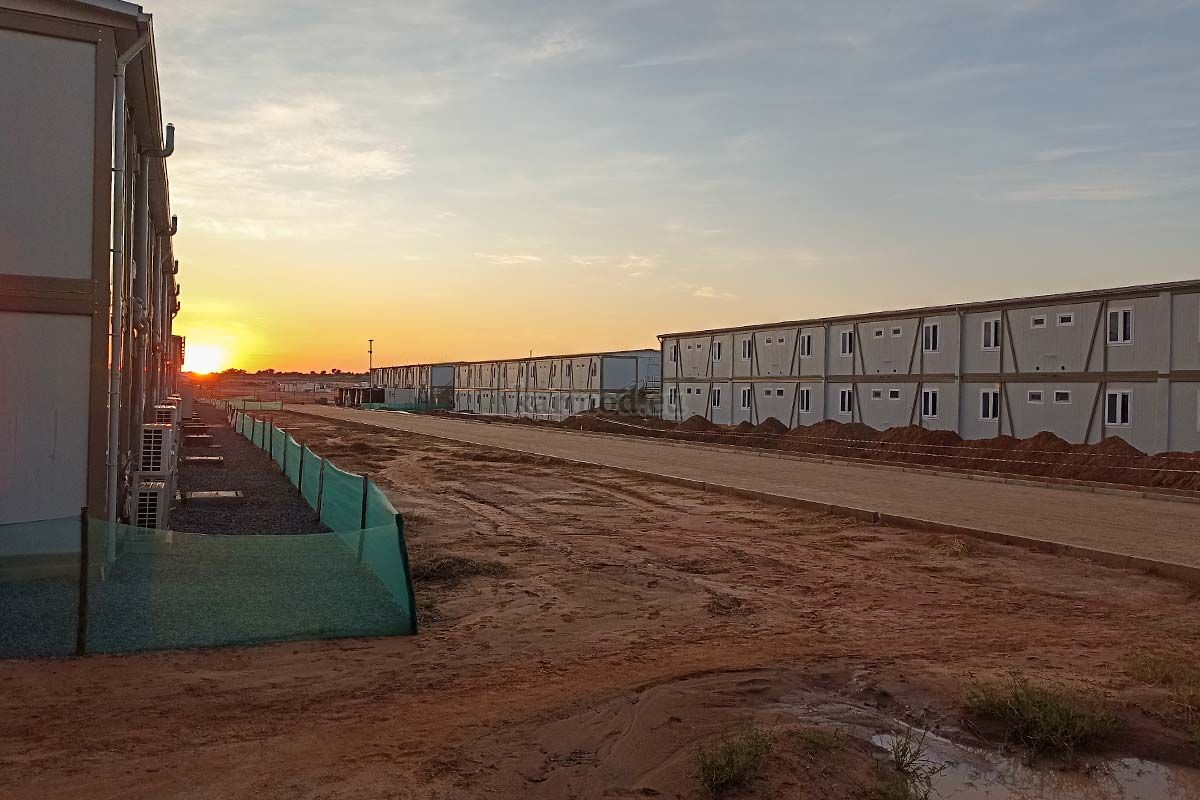
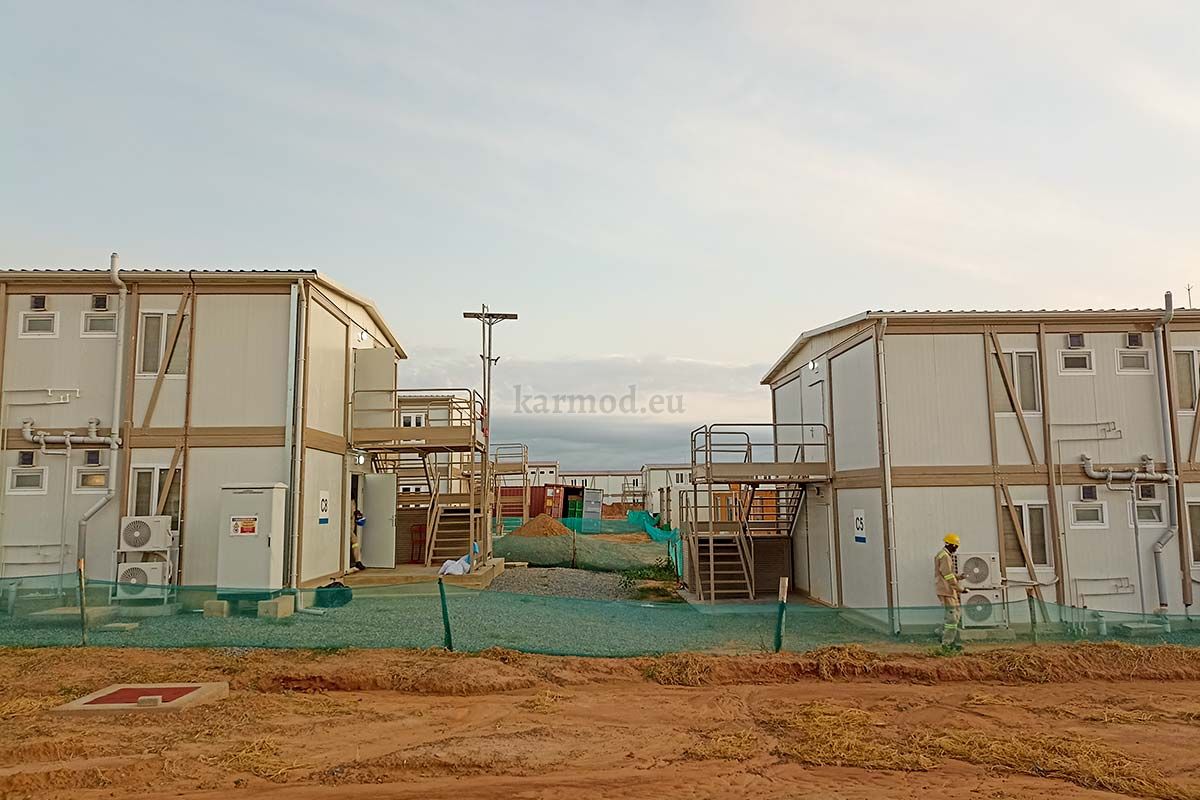
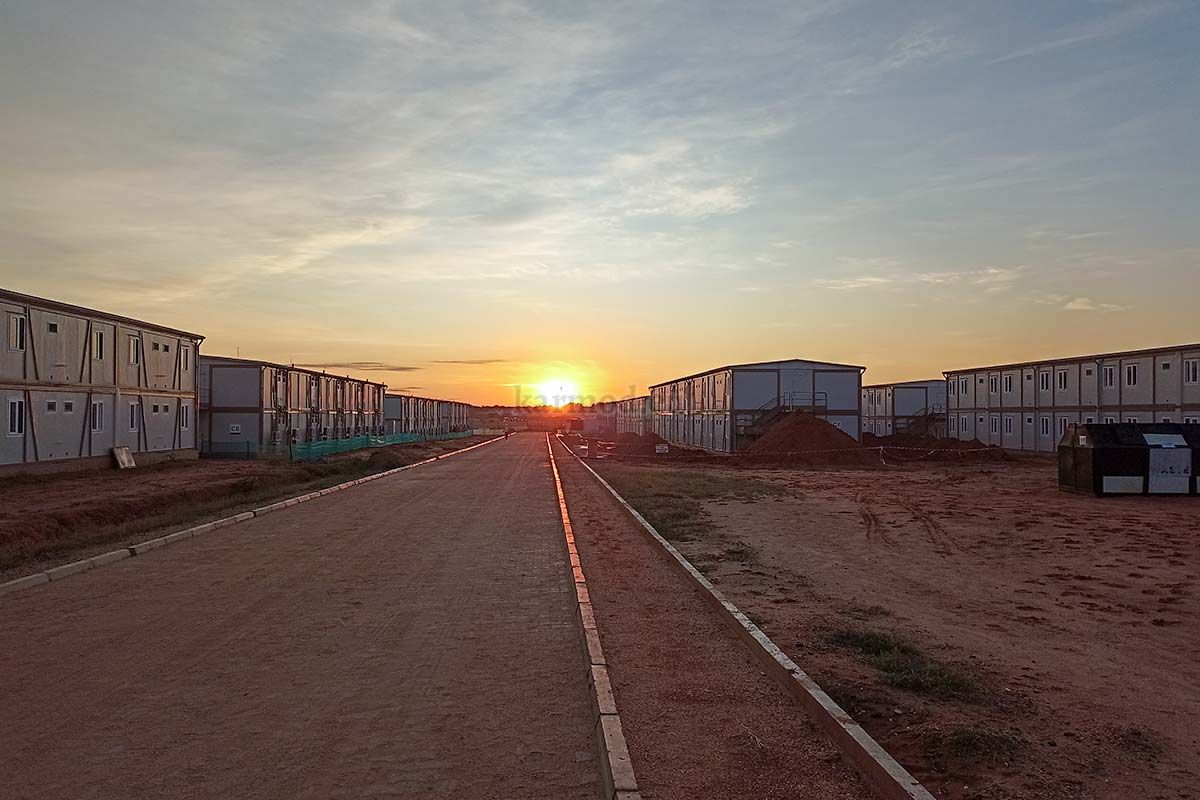
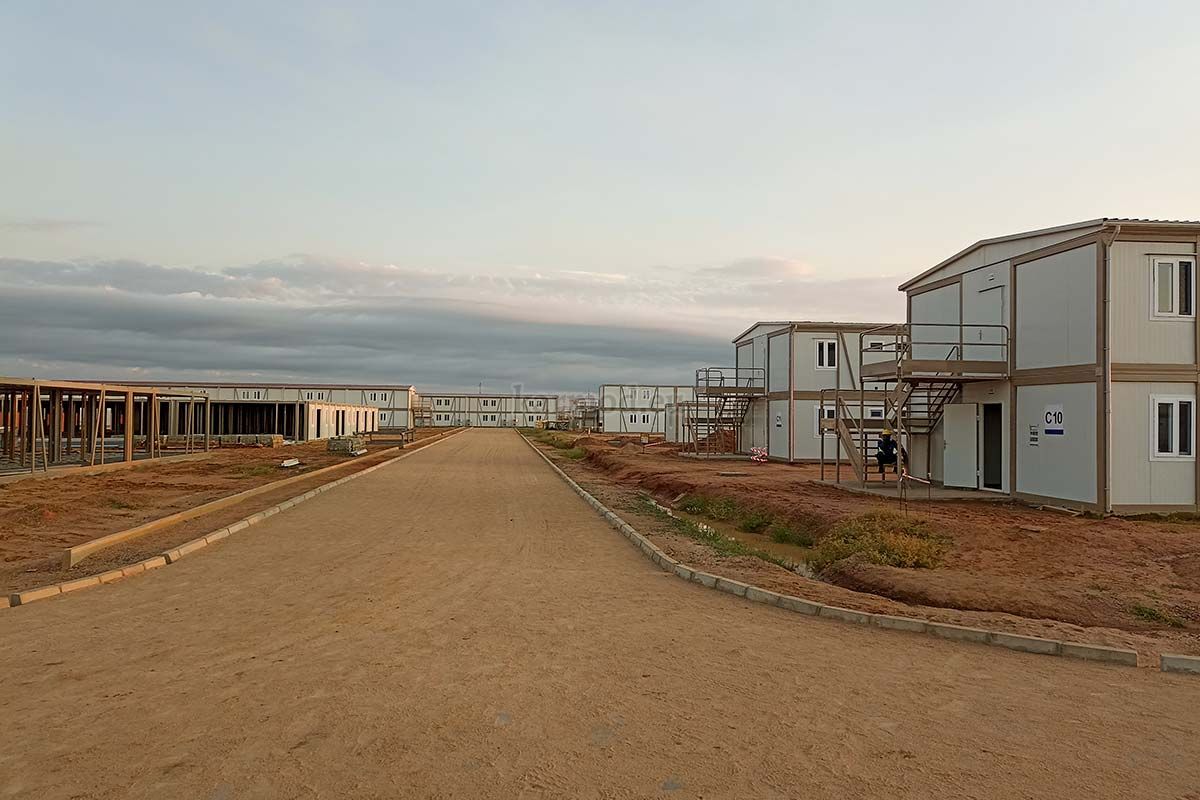
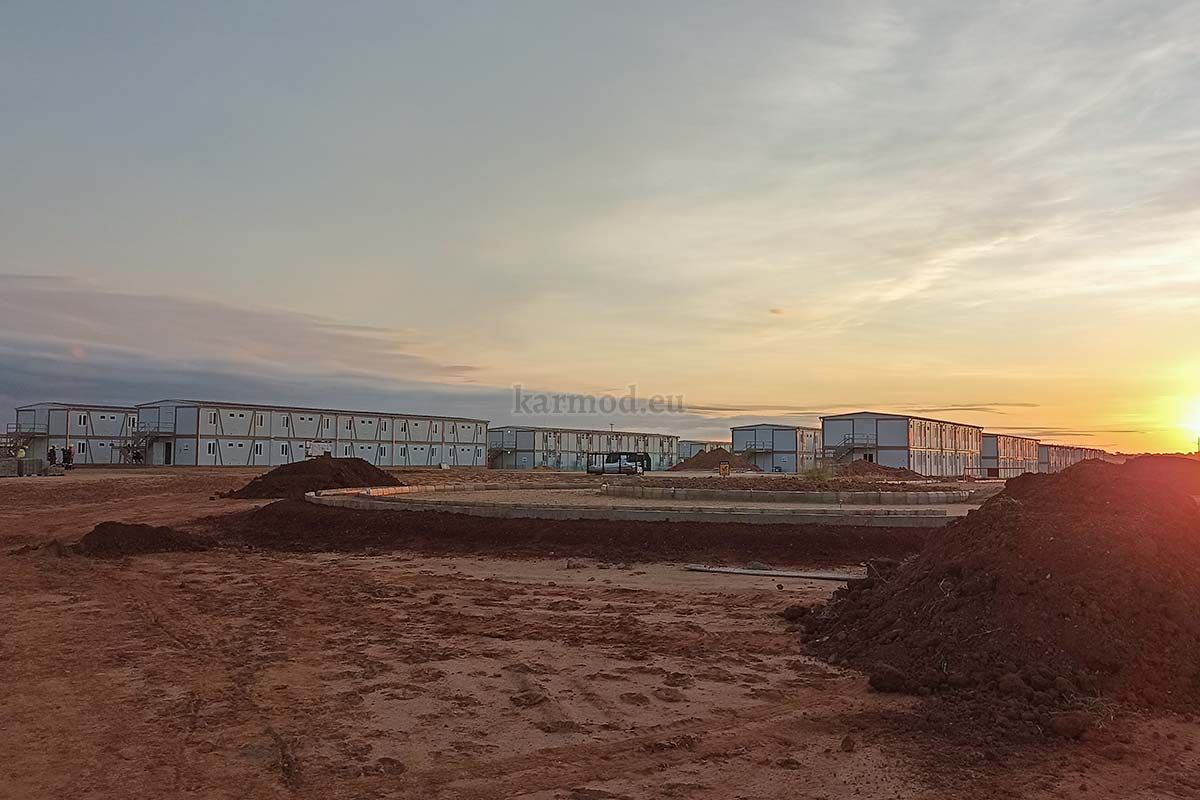
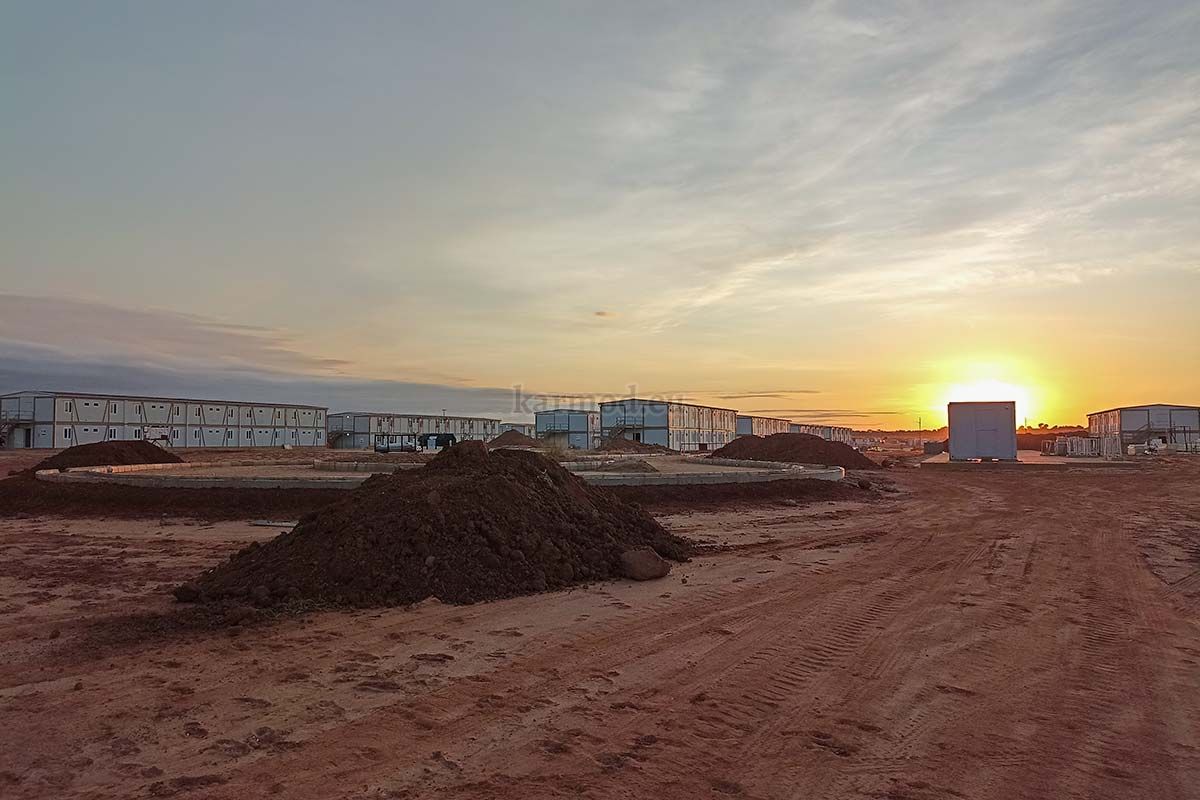
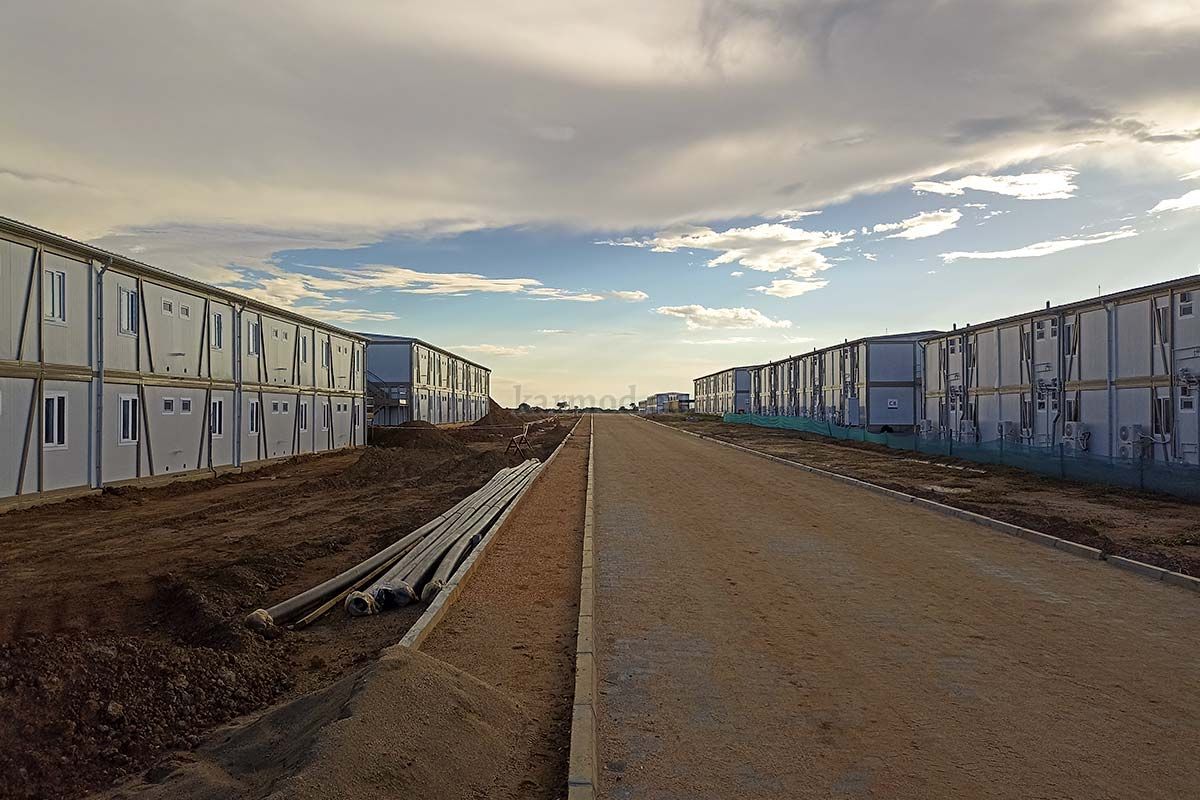
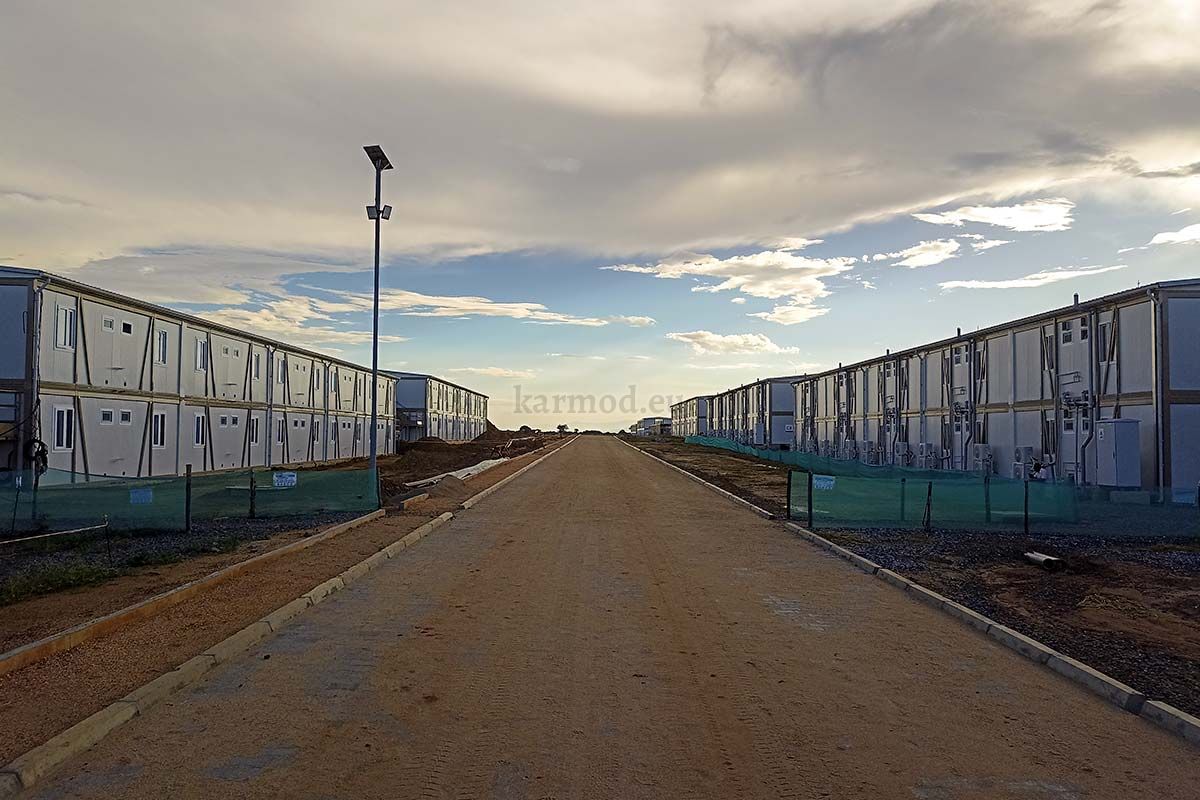
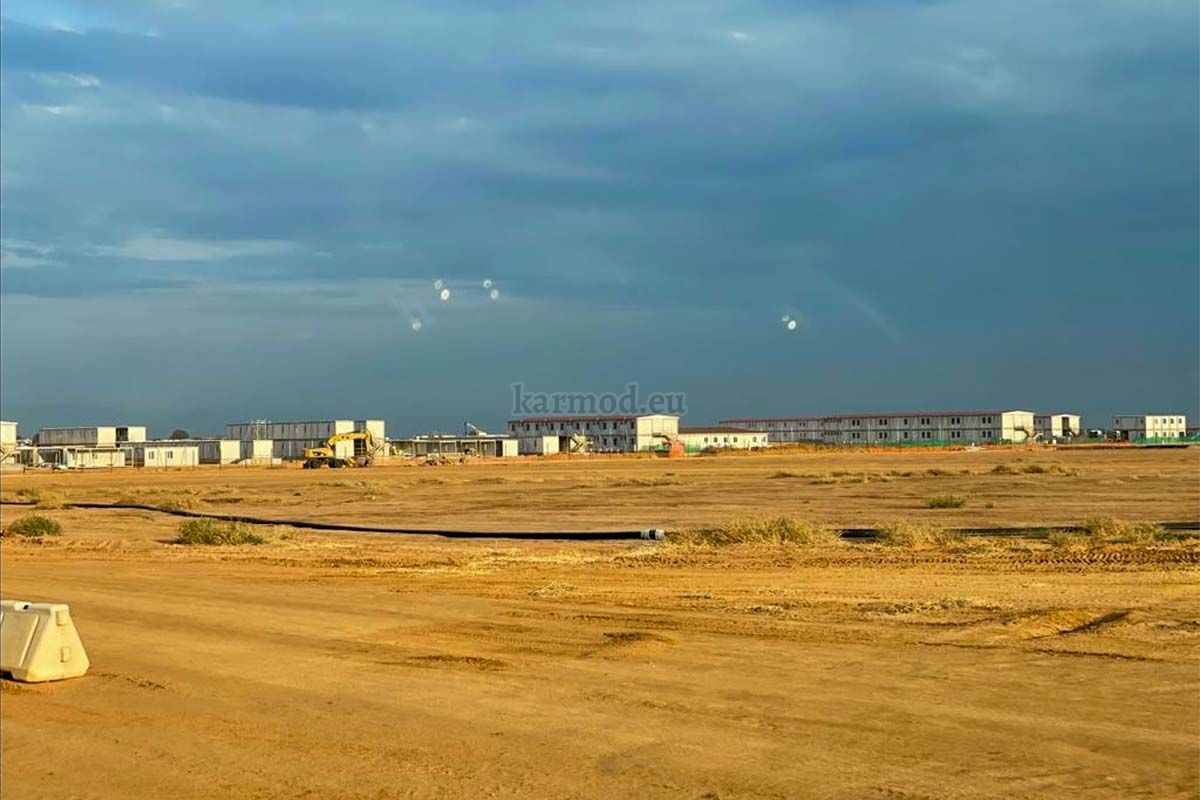
Setting Reliable Standards for Fiji Oil and Gas Field Housing
Field housing standards are no longer judged only by capacity. For remote and rotational workforces, housing quality directly affects fatigue, hygiene compliance, and day-to-day site discipline. Fiji’s oil and gas field housing is increasingly expected to provide structured facilities that support the basics well—sleep, meals, hygiene, and safe movement around camp—without unnecessary complexity.
The benchmark is practical comfort: clean rooms, well-managed shared areas, and utilities that work consistently. When the living environment is stable, teams recover better between shifts and supervisors spend less time resolving accommodation issues. That operational impact is why housing specifications are treated as part of project planning, not an afterthought.
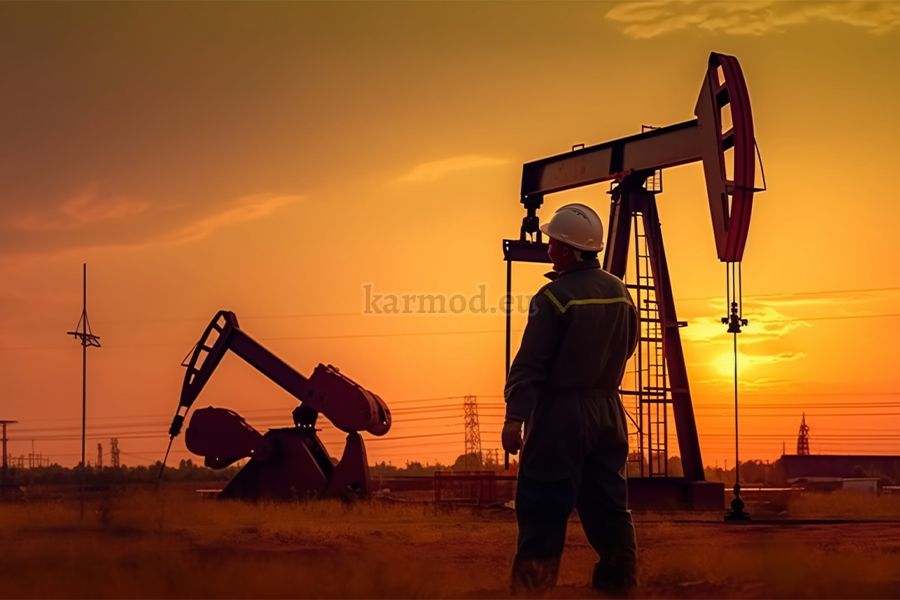
Fiji Oil and Gas Camp Construction Buildings for Remote Sites
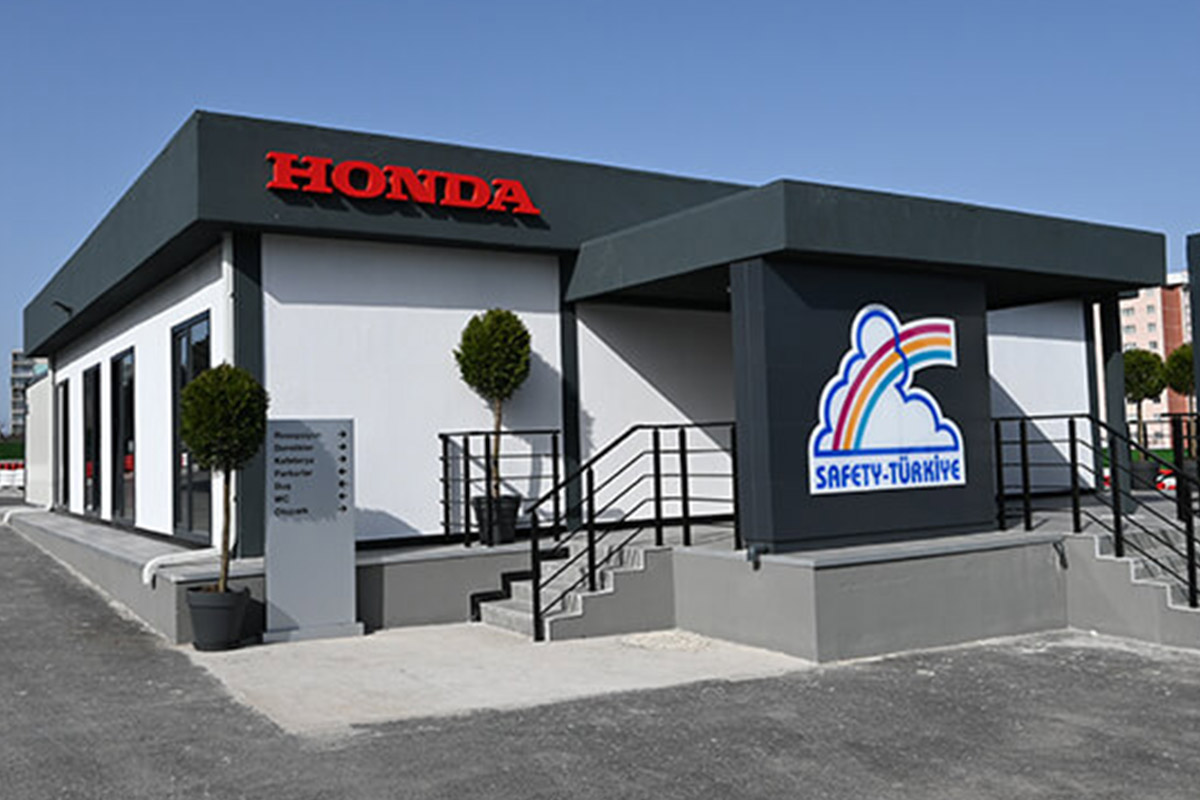
With projects often located away from established urban infrastructure, camp construction buildings become critical to maintaining safe operations. In Fiji, this frequently means designing for humidity, rainfall, and coastal exposure, while keeping installation and maintenance practical under tight site constraints.
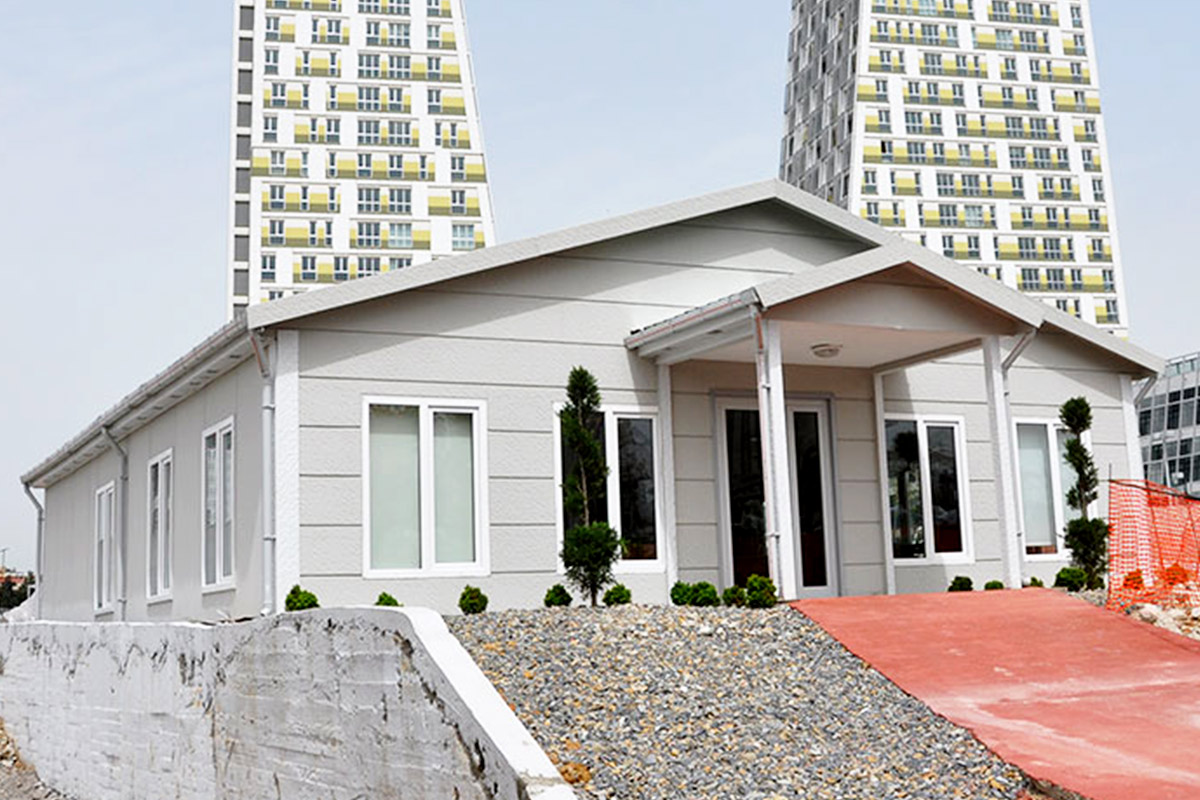
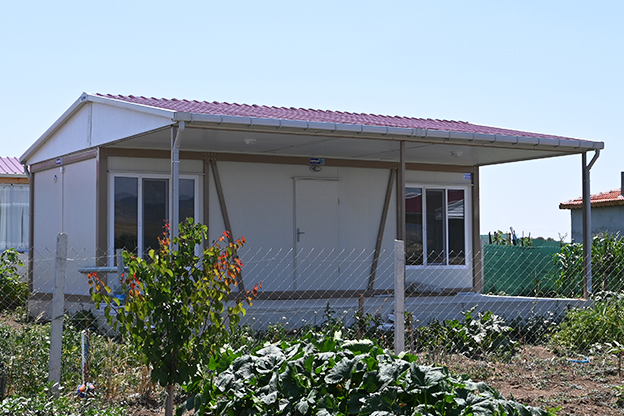
- Built for local conditions and project realities: Fiji oil and gas field housing units are typically specified for weather resistance, ventilation performance, and materials suited to marine environments. The objective is dependable buildings that remain functional in changing conditions while keeping living standards consistent.
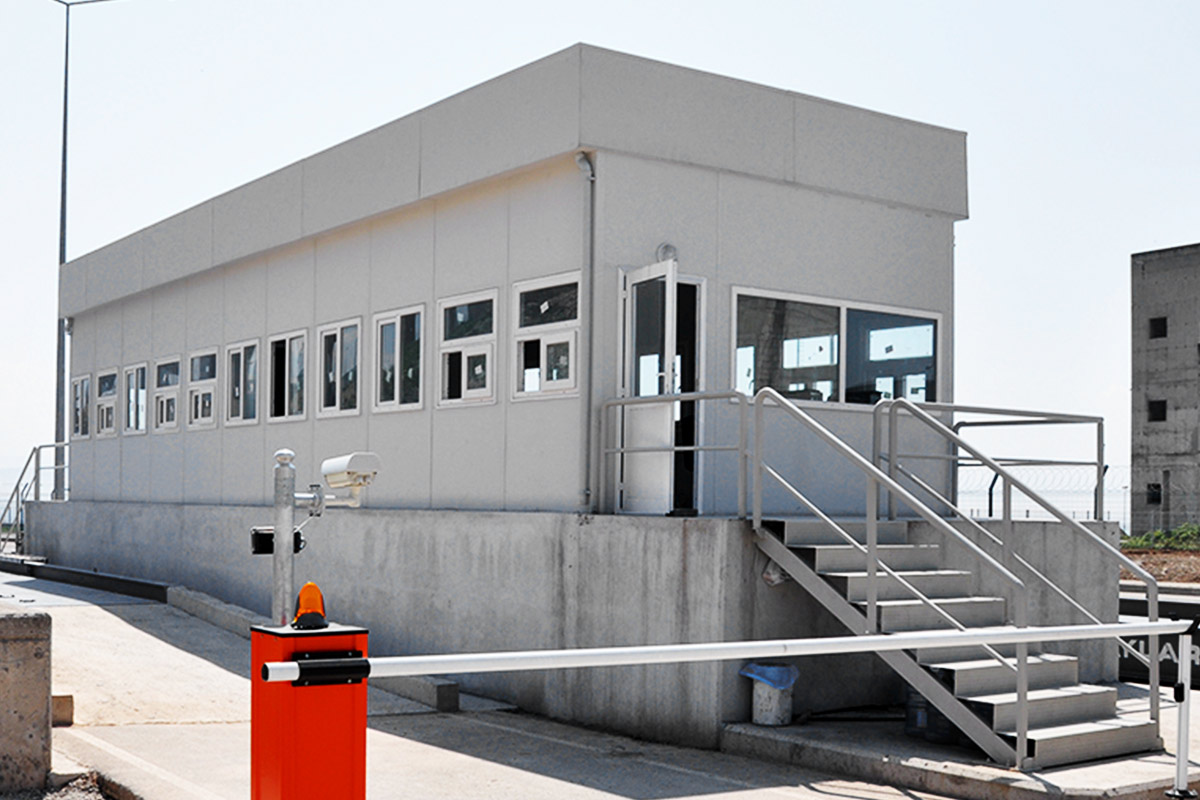
- Man camps as the operational support core: The Fiji oil and gas field man camp functions as more than accommodation. It supports daily logistics—meal schedules, hygiene routines, shift turnover, basic administration, and controlled access—helping the site run smoothly even in remote settings.
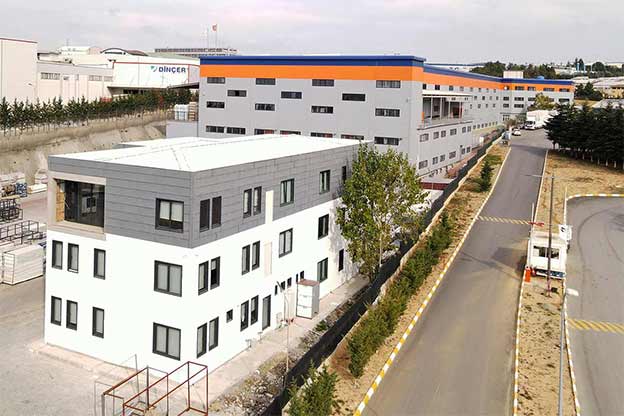
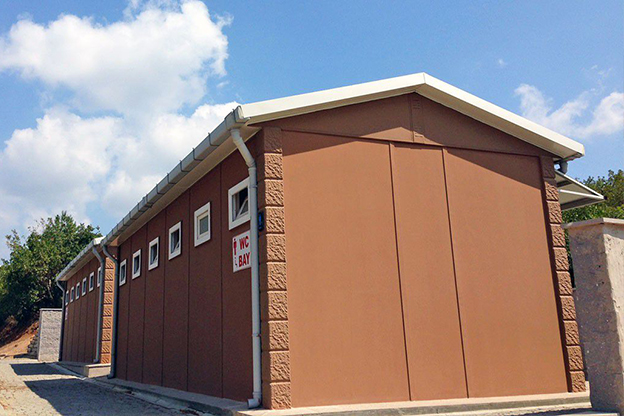
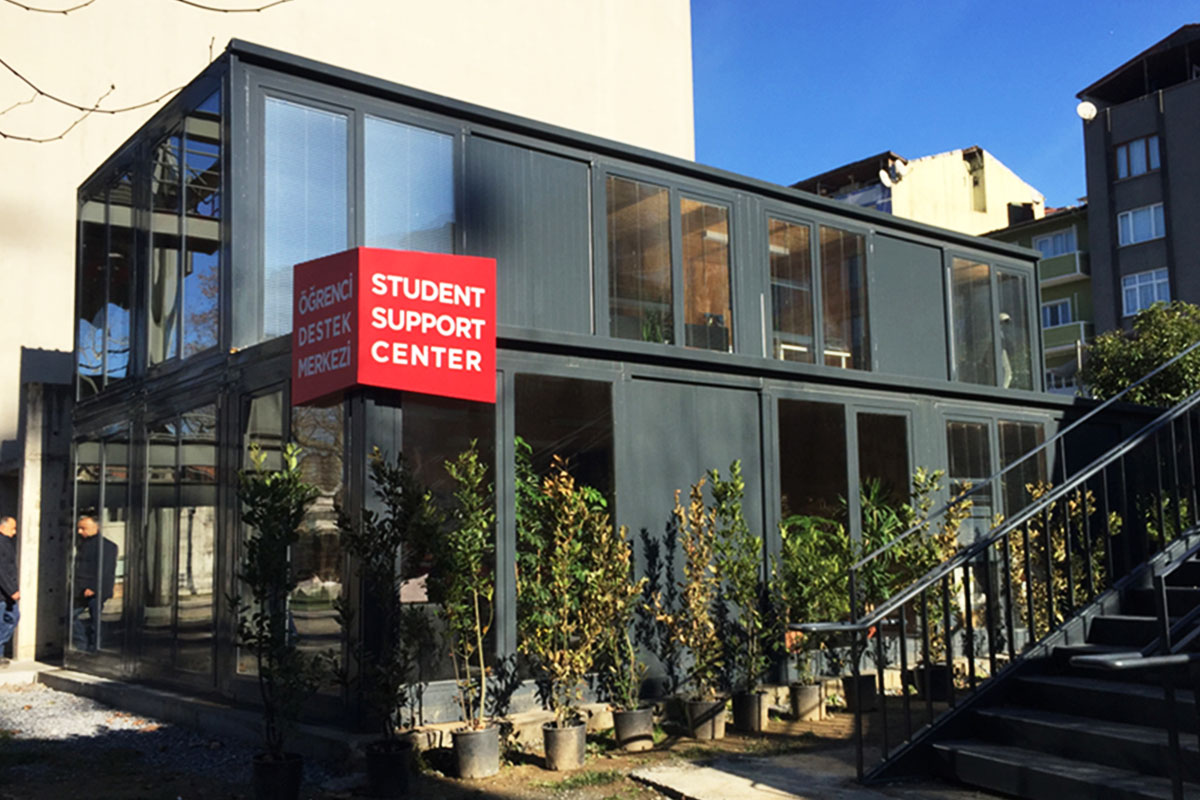
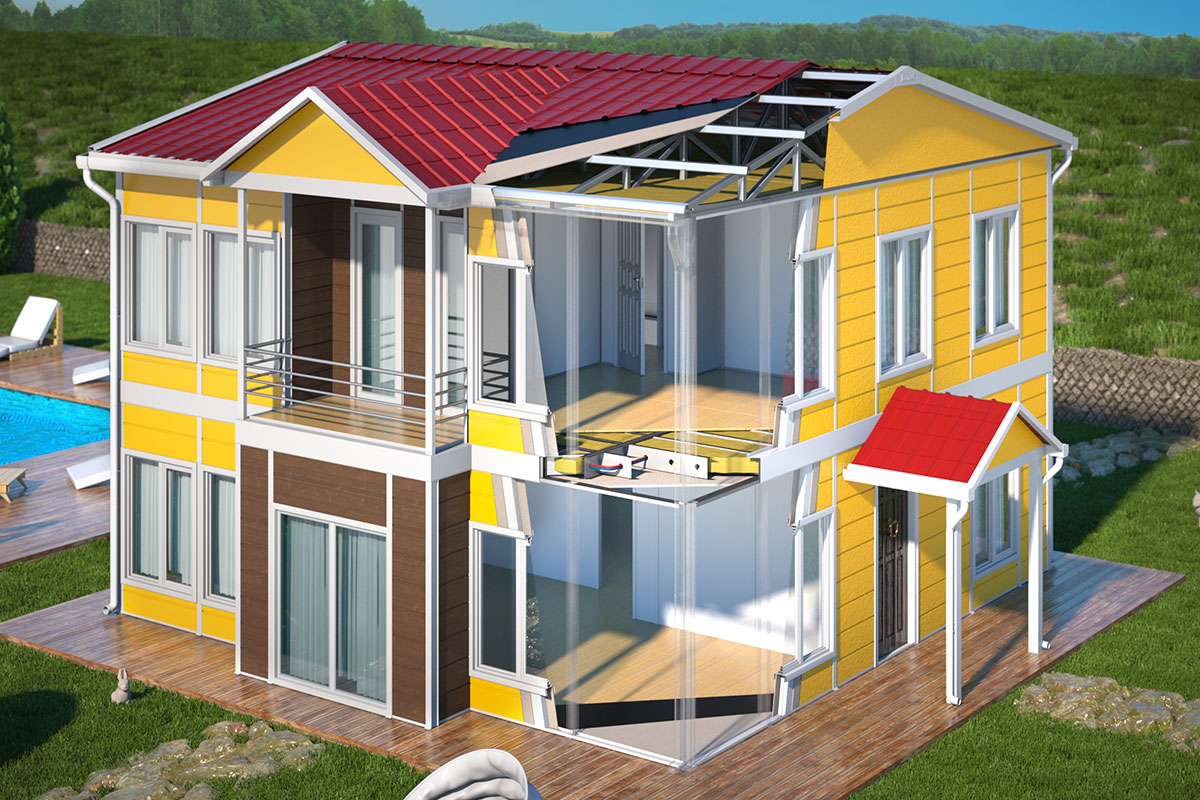
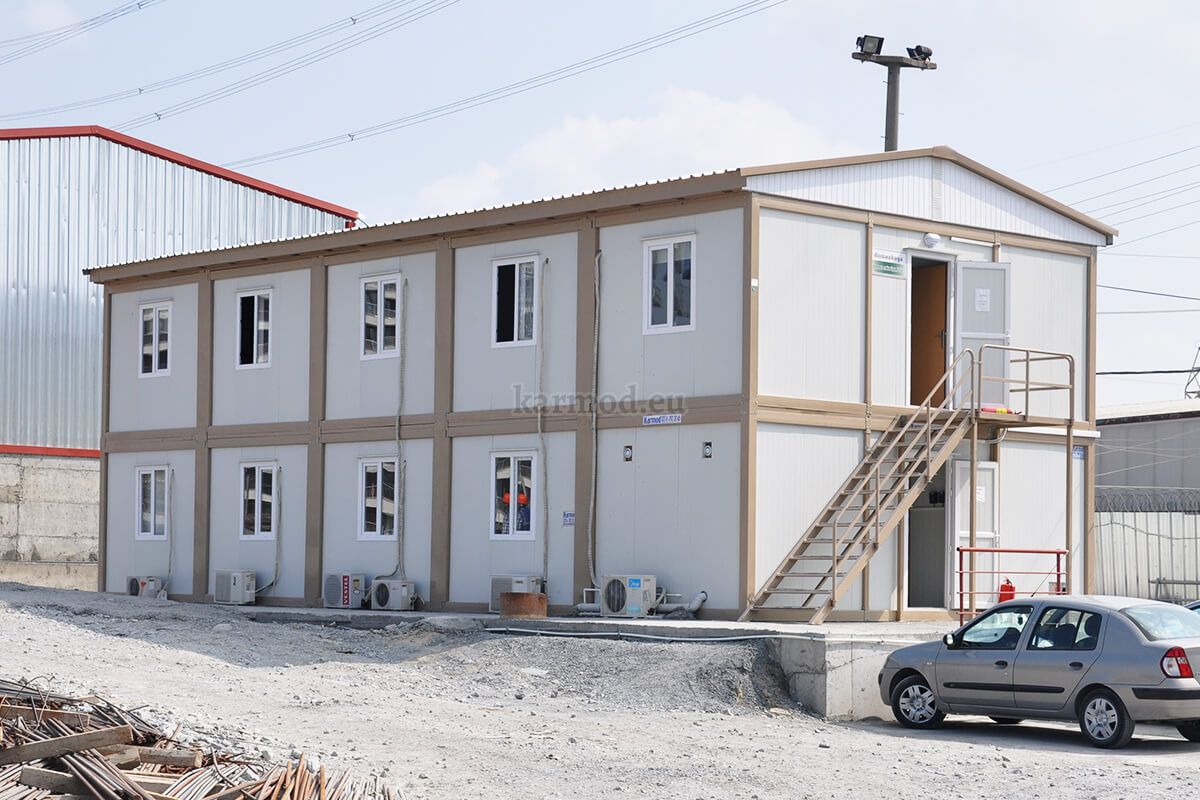
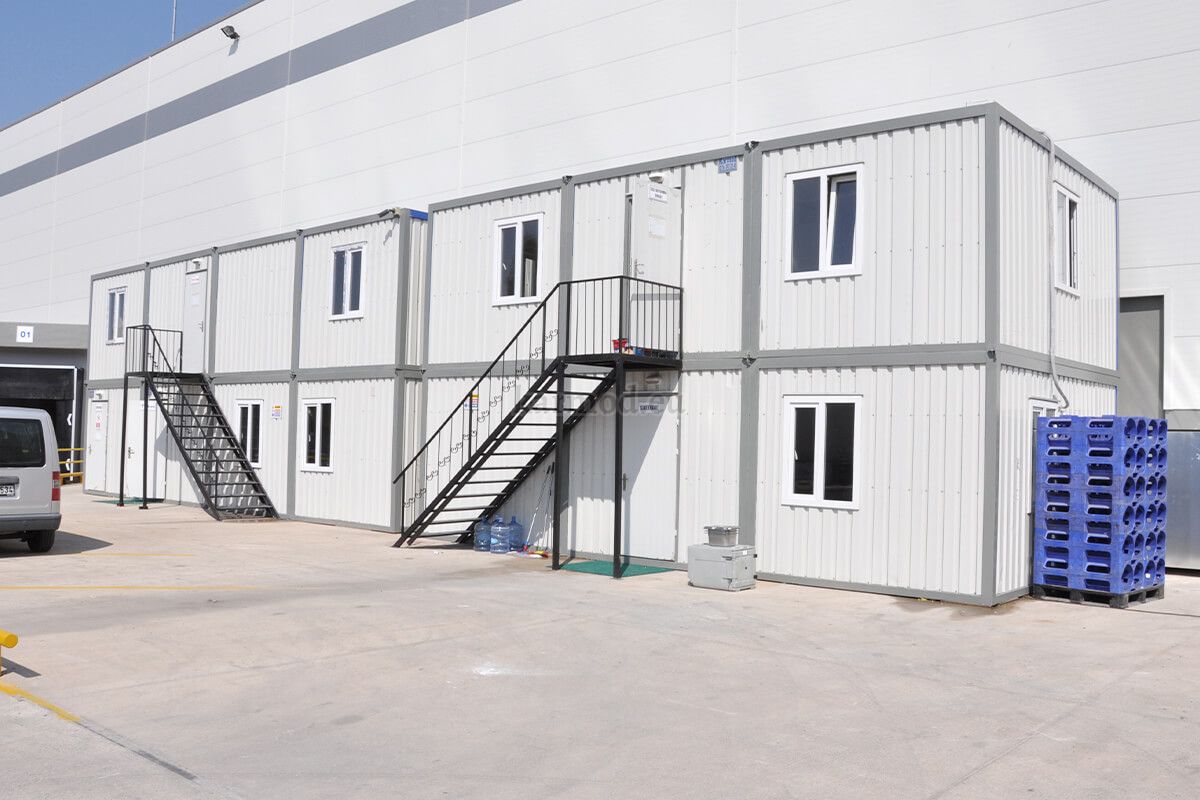
- Integrated facilities, not makeshift shelter: Fiji oil and gas field housing increasingly includes structured support buildings such as dining halls, laundry, offices, storage, and medical areas as required. When utilities and circulation are planned properly, the camp becomes easier to manage and safer to operate.
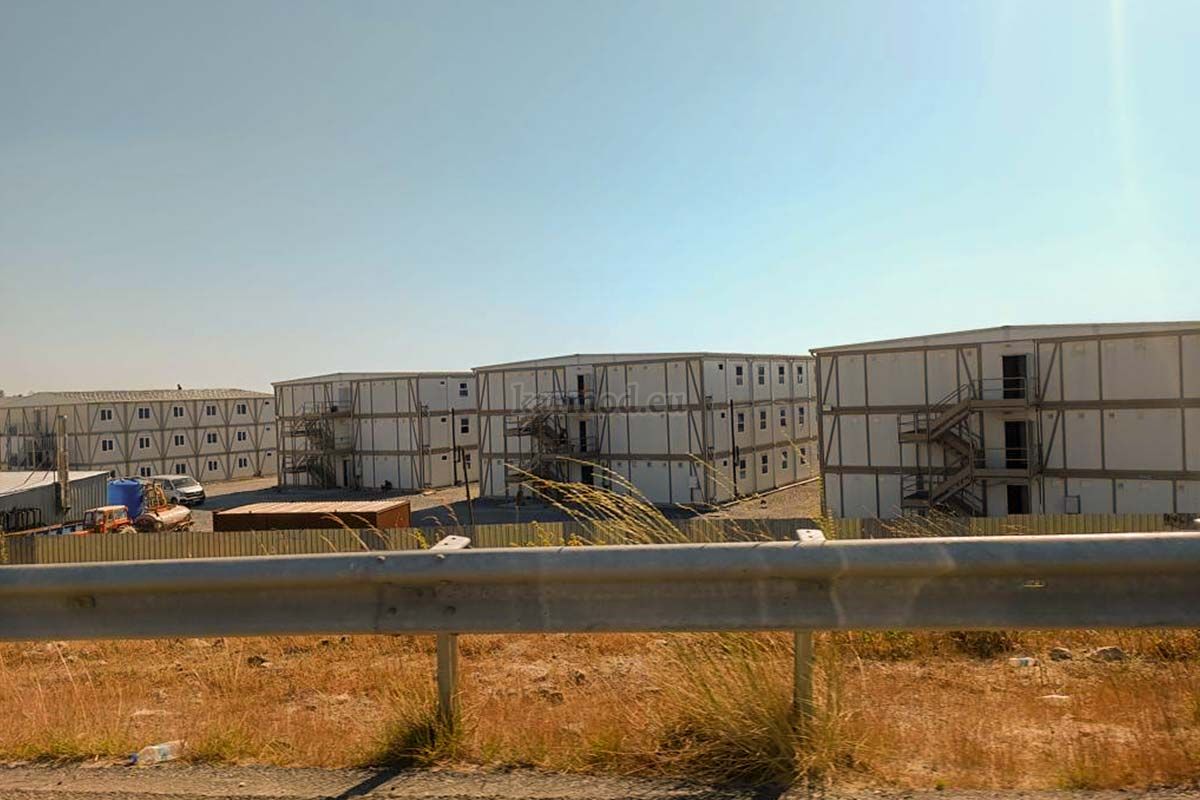
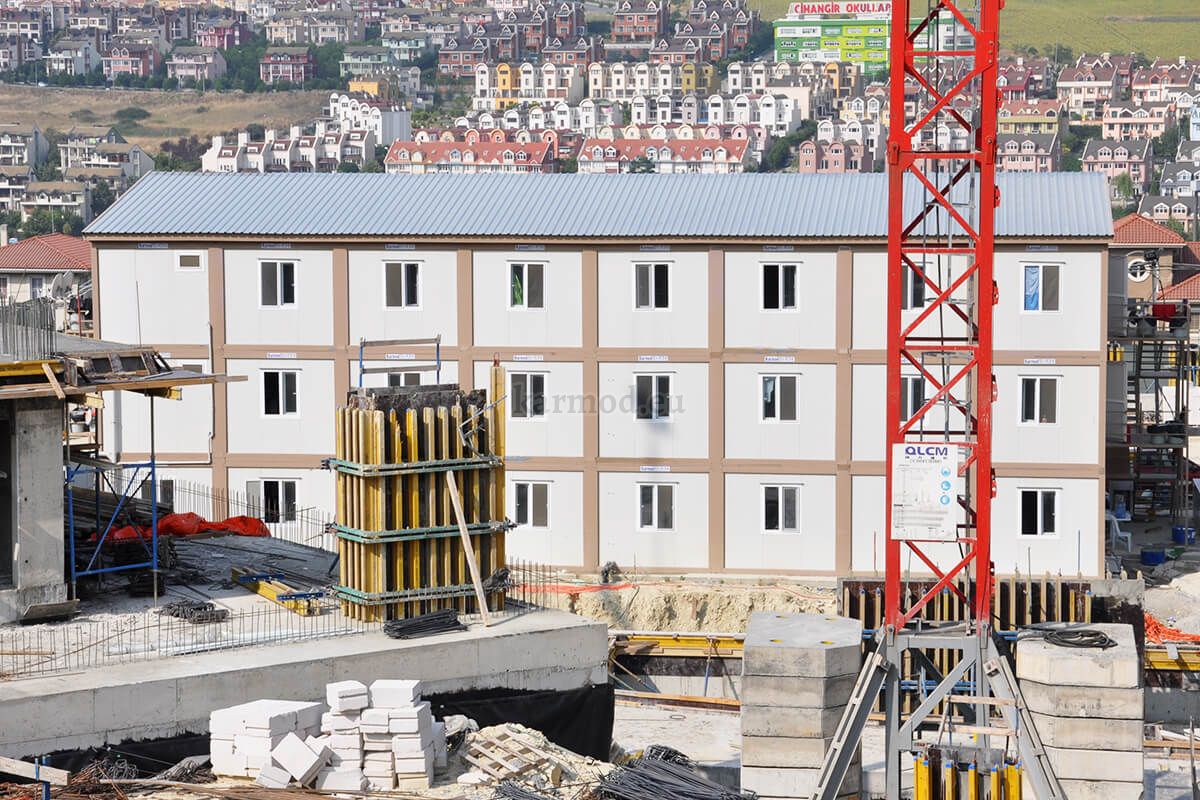
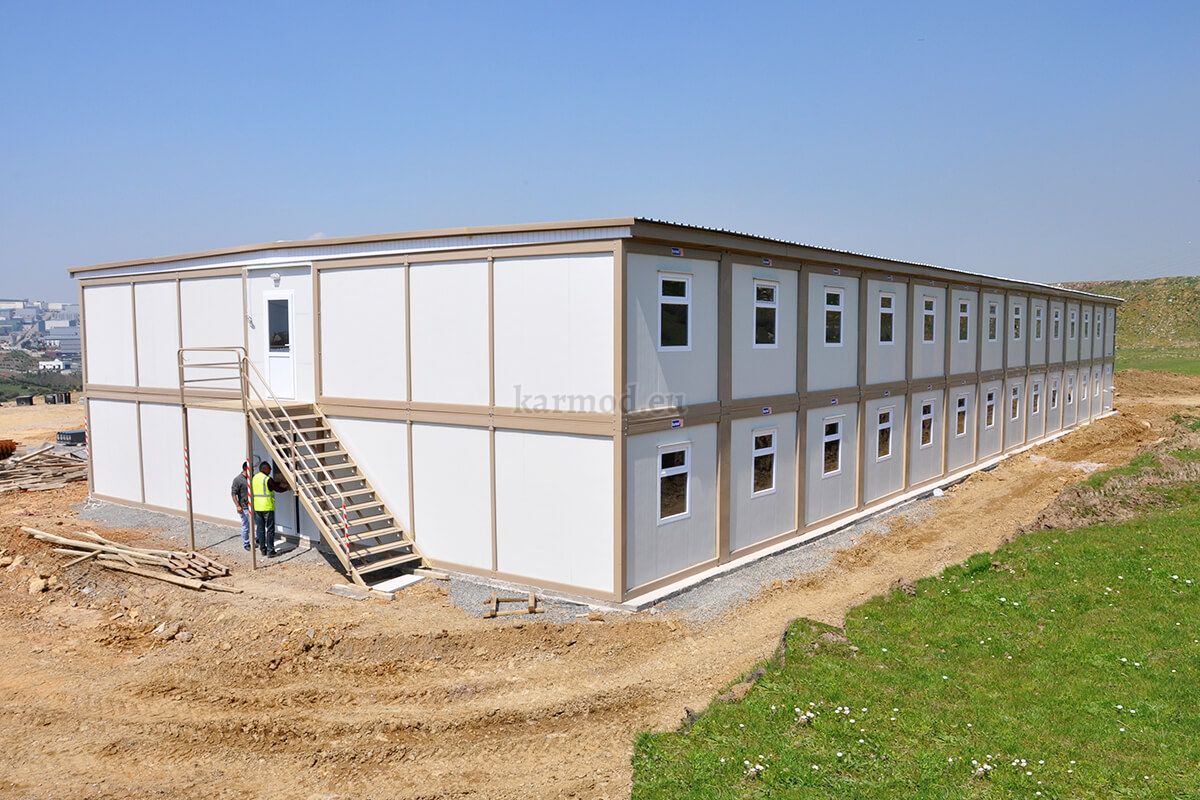
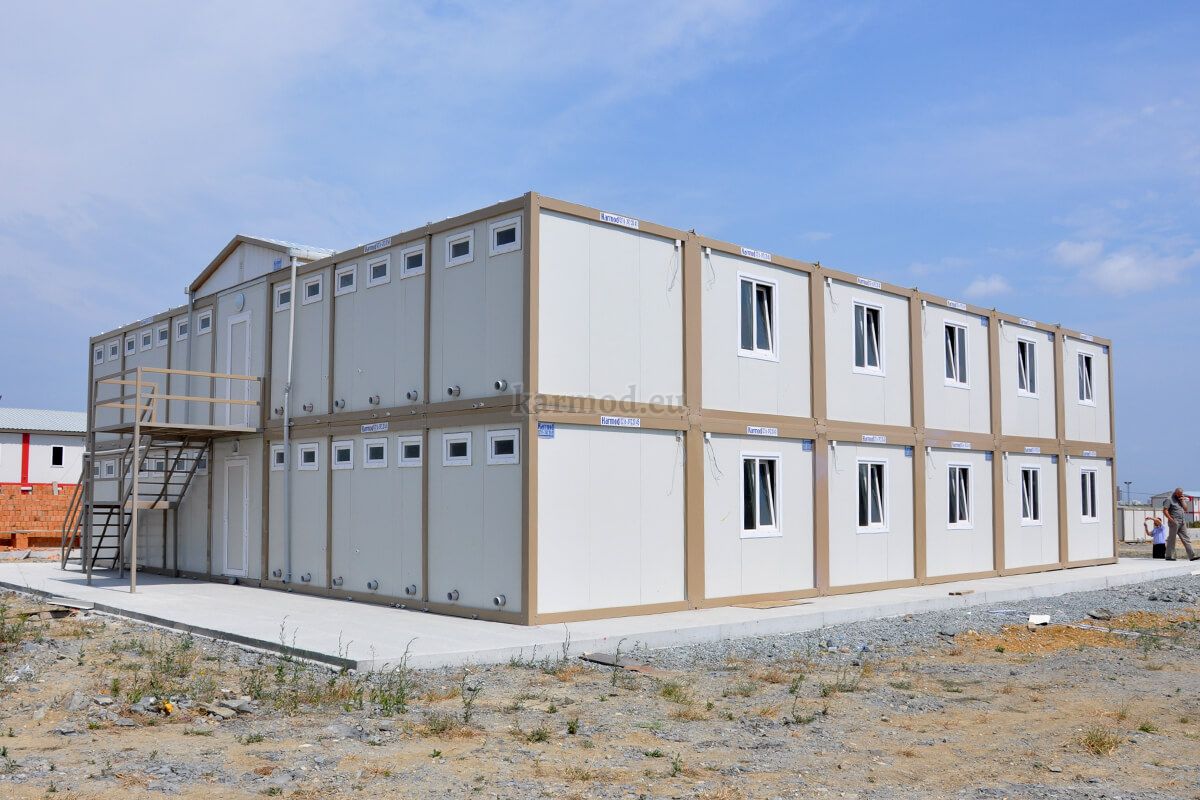
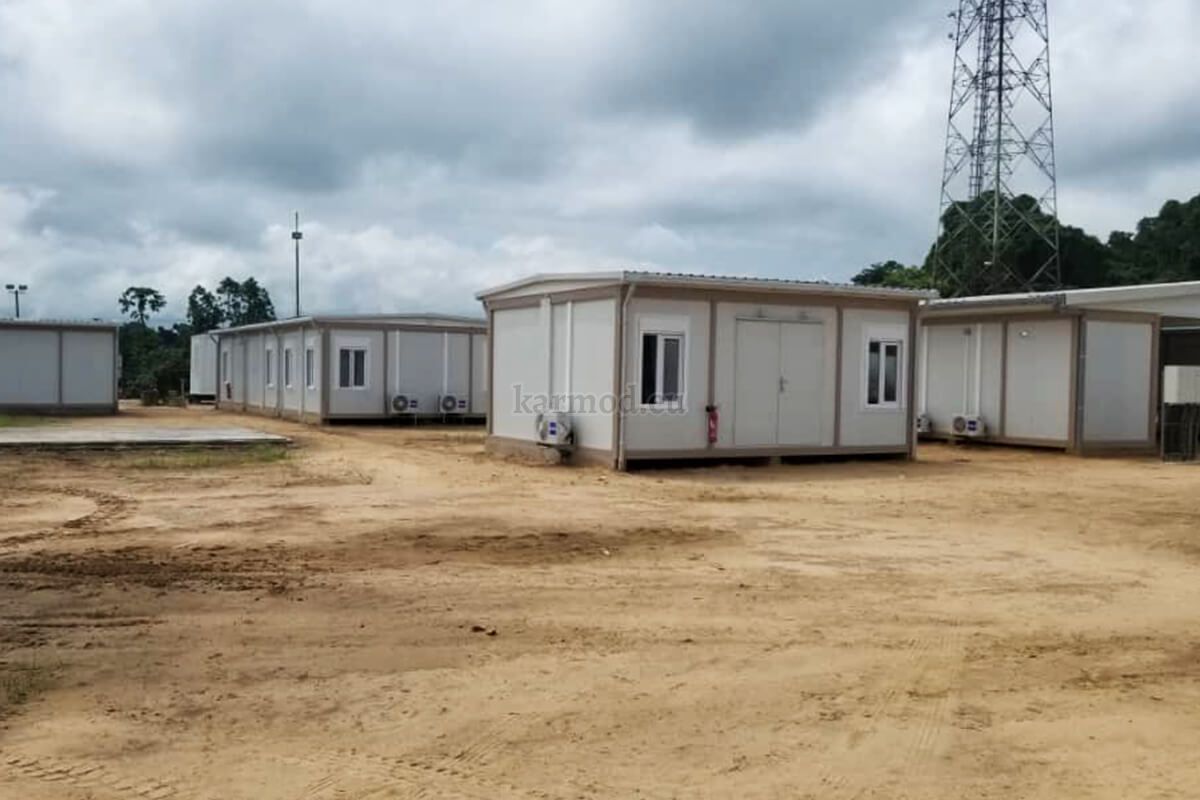
Best Company and Manufacturer Karmod for Oil and Gas Field in Fiji
Delivering workforce accommodation in remote environments requires a supplier that understands installation constraints, operational use, and long-term durability. Karmod is highlighted here as a manufacturer involved in oil and gas camp solutions for Fiji, with an emphasis on practical delivery and fit-for-purpose buildings.
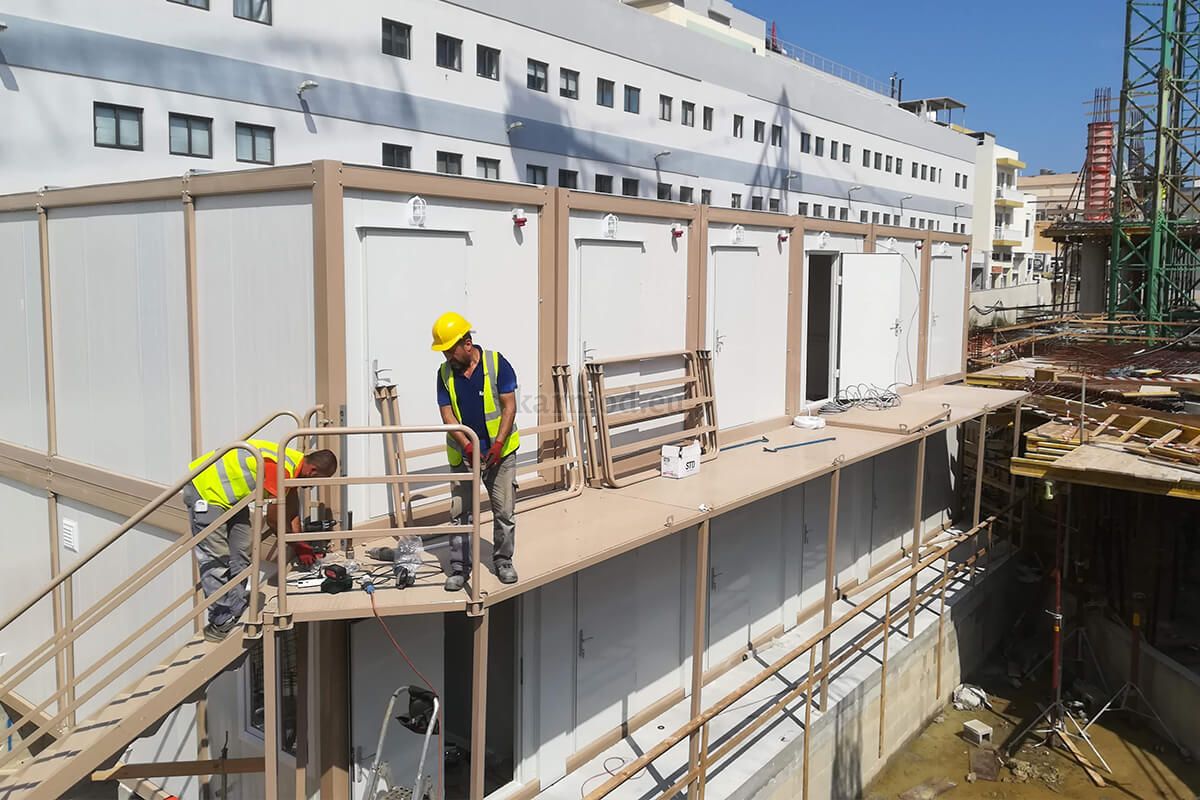
- Bespoke solutions aligned with project needs: Karmod’s approach supports different site plans and workforce sizes, with modular buildings that can be arranged for accommodation, welfare, and support functions. This flexibility helps align the camp layout with project workflows and available space.
- Sustainability built into the delivery approach: Energy efficiency and responsible material choices can be incorporated into camp design to reduce resource strain and improve operating stability. This is particularly relevant where utilities must be managed carefully on remote sites.
- Quality focused on performance and maintainability: Durability matters most when sites are far from major supply chains. Karmod’s camp buildings are presented here with an emphasis on construction quality, practical interiors, and systems that can be maintained without excessive disruption.
Fiji’s energy projects depend on more than equipment and schedules; they depend on how well people can live and work on site. With well-planned modular camps and field housing, operators can support workforce welfare, keep operations organized, and maintain reliable standards even in remote, island-based project conditions.