




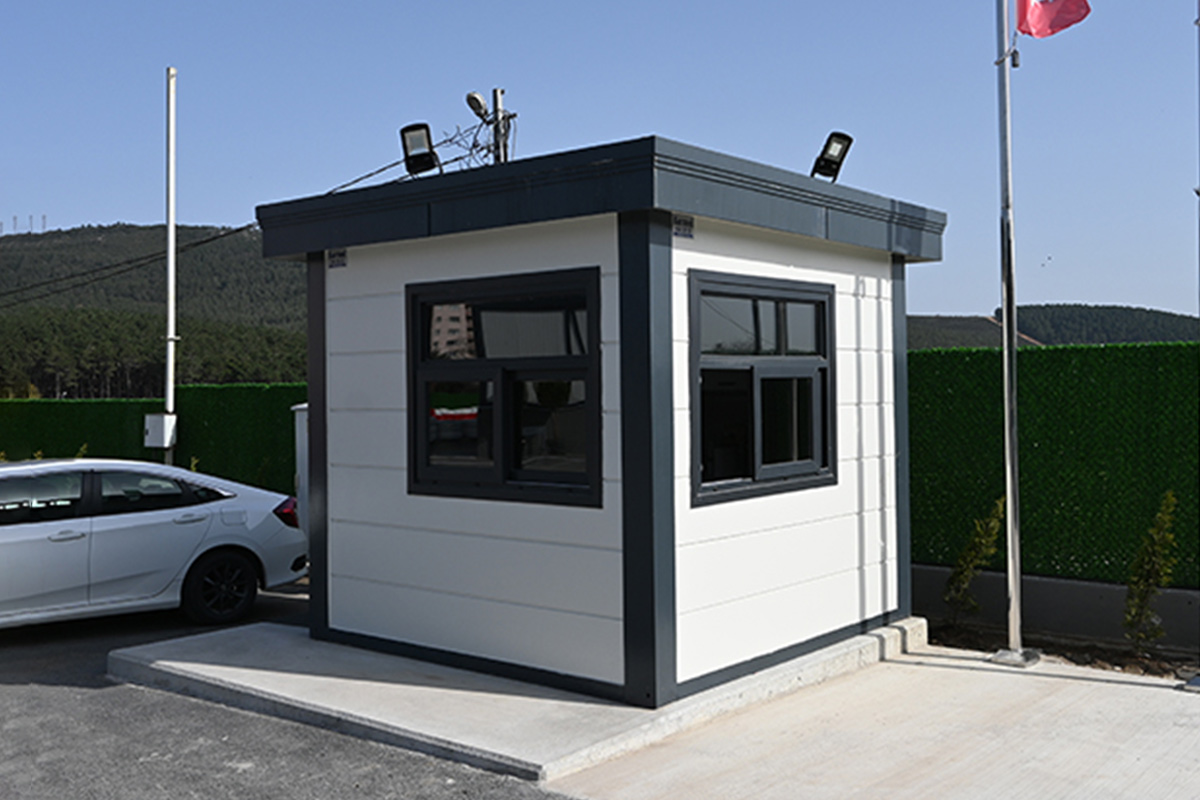
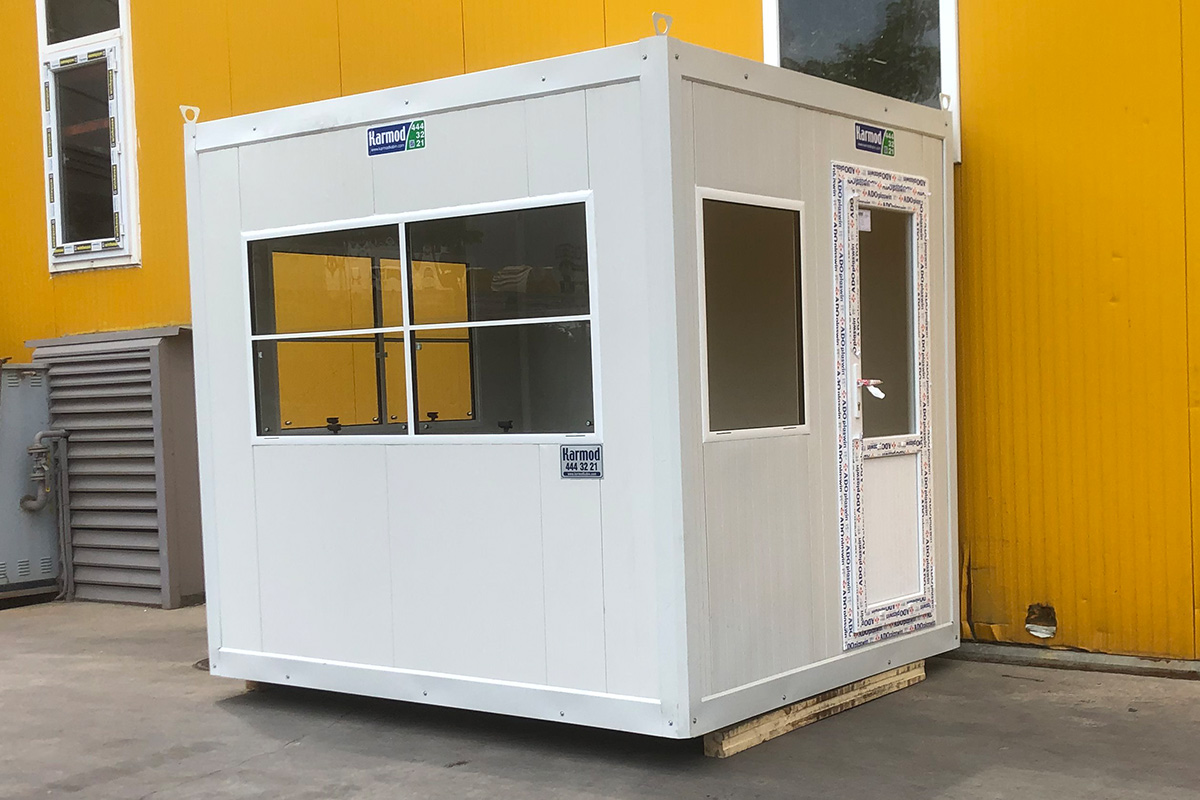
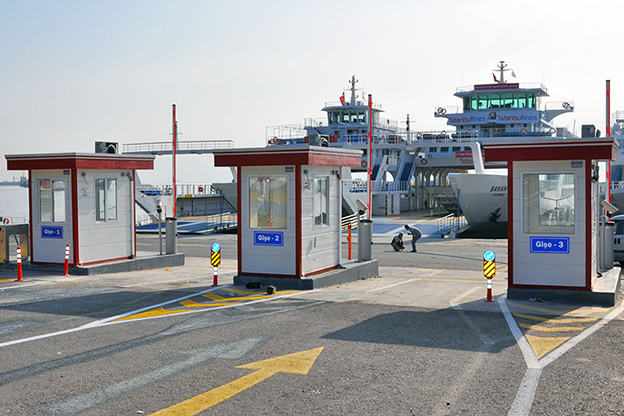





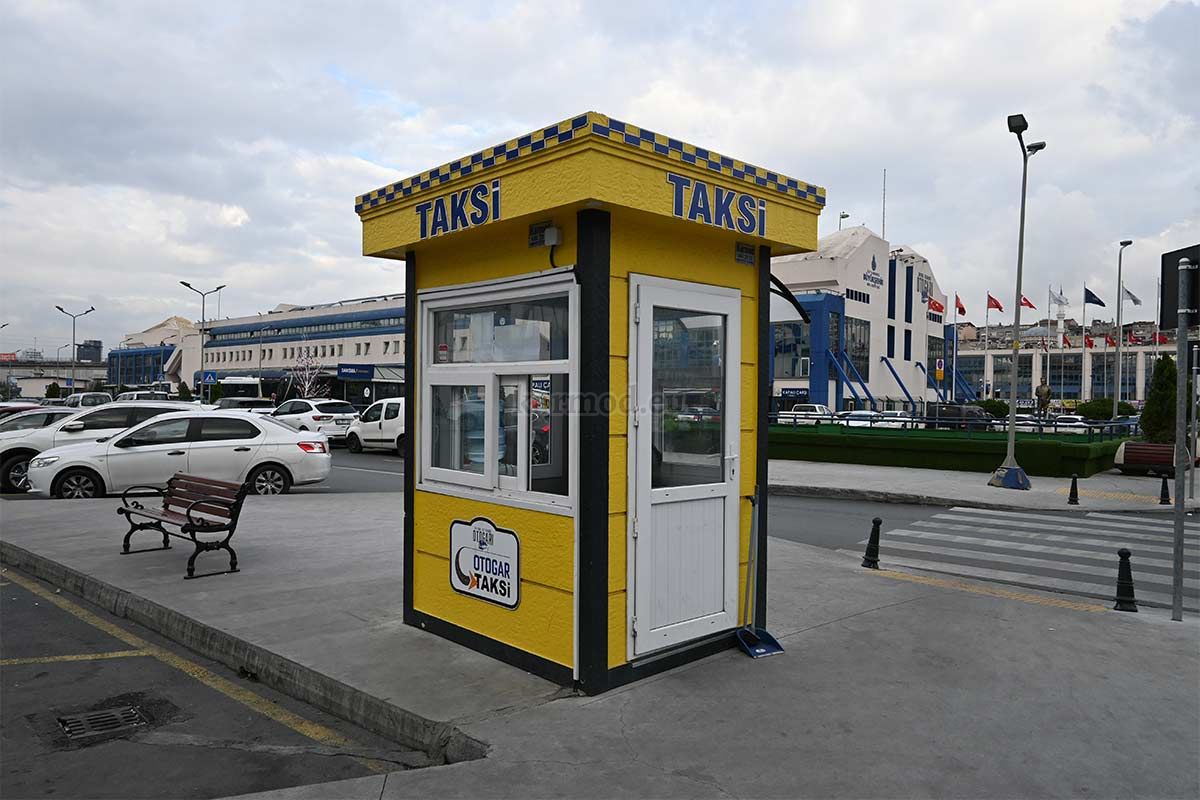
A well-designed kiosk has the power to quietly transform how a business operates. It can shorten customer queues, expand service hours, and open new revenue channels without requiring a full-size storefront. Many companies first consider kiosks for practical reasons—space limitations, temporary setups, or seasonal needs—but quickly realize how much broader the impact can be. A kiosk becomes a flexible extension of your brand, one that allows you to reach people exactly where demand is strongest.
Whether you’re launching a small retail concept, streamlining ticketing services, or building a mobile information point, understanding how to strategically use a kiosk can unlock opportunities that previously felt out of reach. Below, you’ll find a detailed look at how businesses can extract far more value from kiosks than they initially expect.
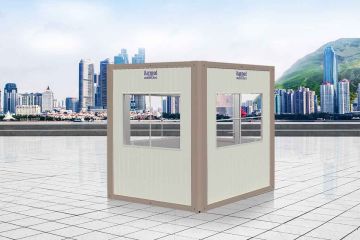
Using Kiosks to Strengthen Customer Interaction
Kiosks excel at simplifying interactions that traditionally require a full team. They serve as approachable, low-pressure points where customers can get information, make a purchase, or quickly complete a task. Many visitors prefer self-directed experiences—especially when they’re in a hurry—and a kiosk provides exactly that.
But beyond speed, kiosks help businesses create a more organized environment. When customers know exactly where to go for a specific service, confusion decreases and staff can redirect their time to more complex tasks. This balance creates a smoother atmosphere that customers remember positively, which directly supports loyalty and repeat visits.
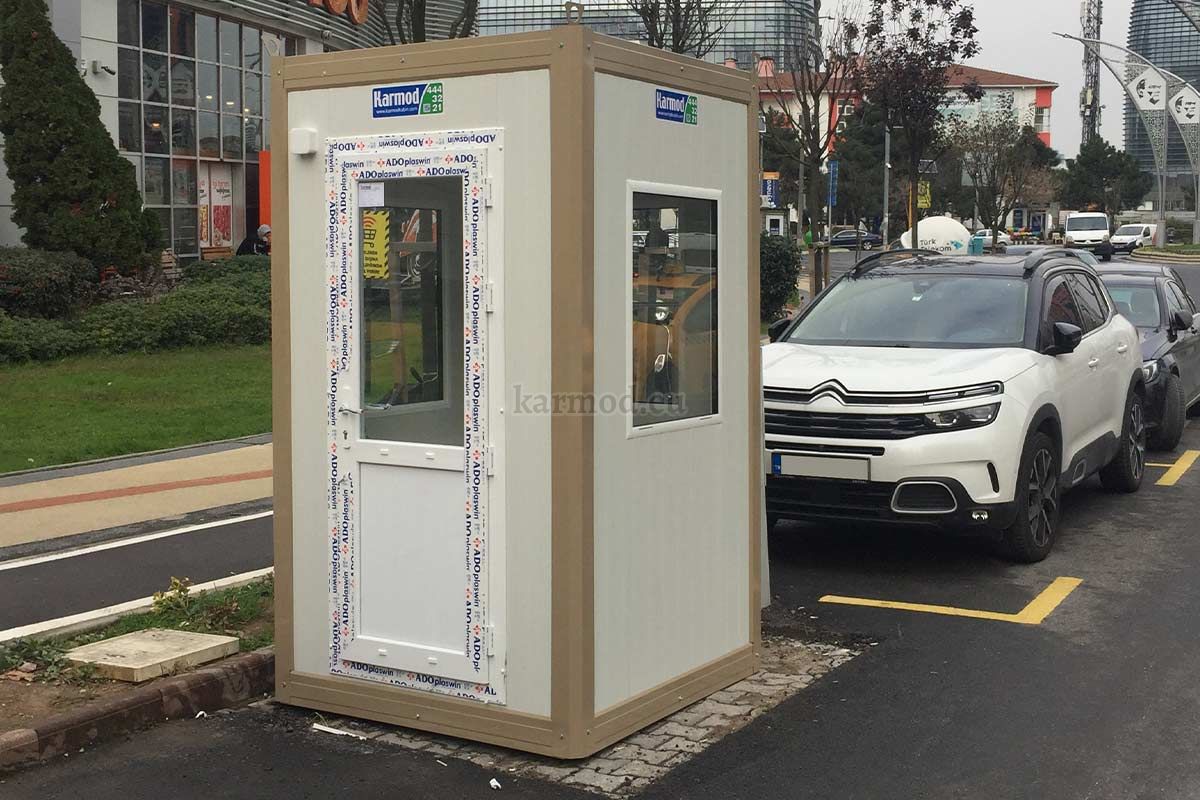
Expanding Your Reach Without Expanding Your Footprint
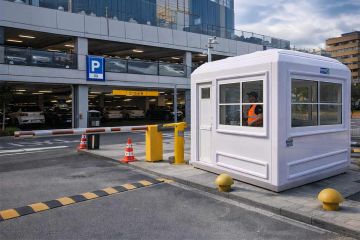
Not every business can justify the cost of opening a new branch or renting additional space. A kiosk, however, allows brands to test new markets or strengthen their presence in high-traffic locations without a long-term commitment. From airports to shopping malls, amusement parks to transportation hubs, kiosks fit naturally into places where traditional storefronts might not be practical.
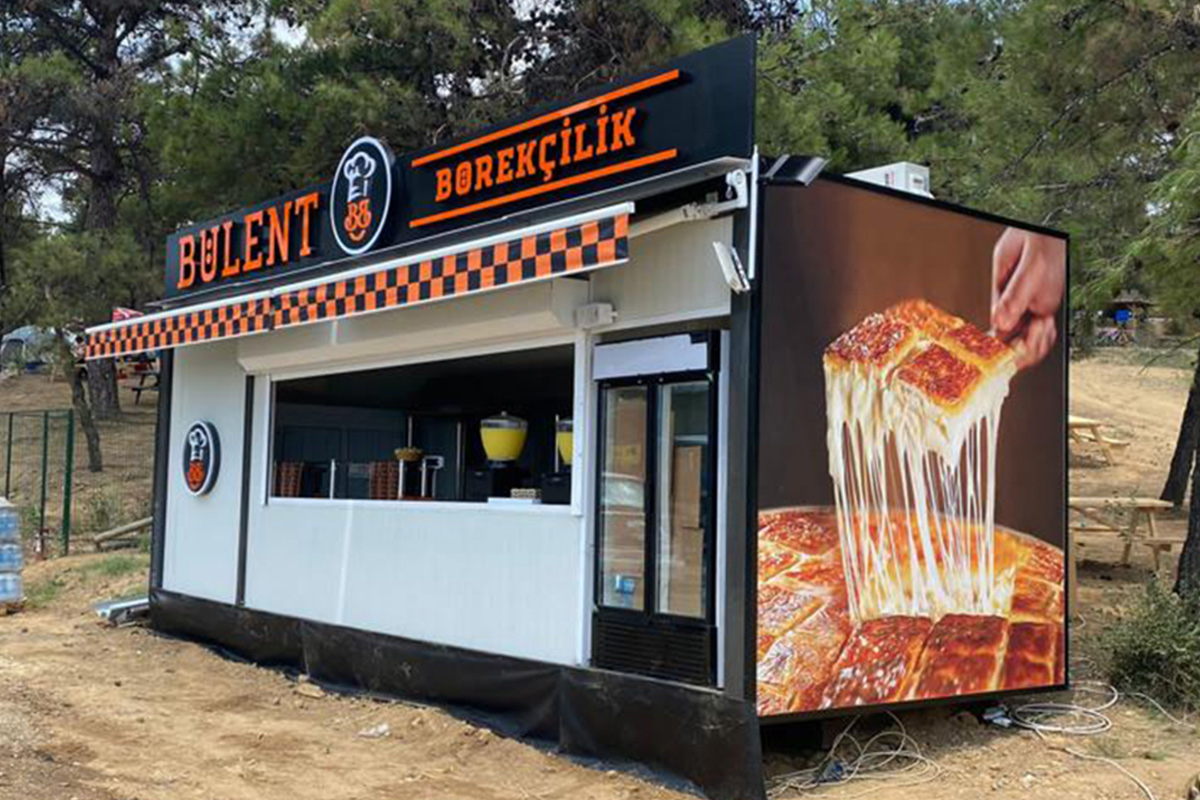
They also allow businesses to react quickly to seasonal trends. For instance, a food brand can deploy a kiosk during summer festivals, or a retailer can introduce a special holiday kiosk during peak shopping months. These temporary yet professional structures help companies stay agile and visible exactly when demand is highest.
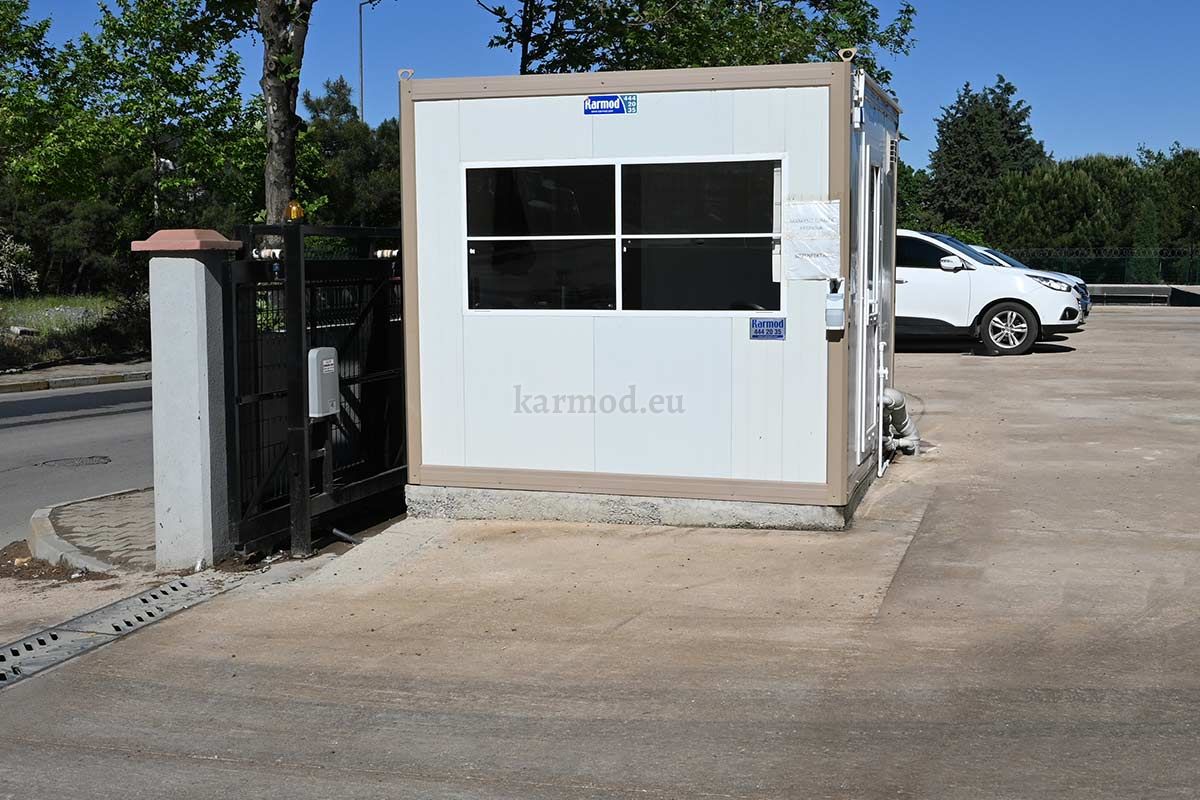
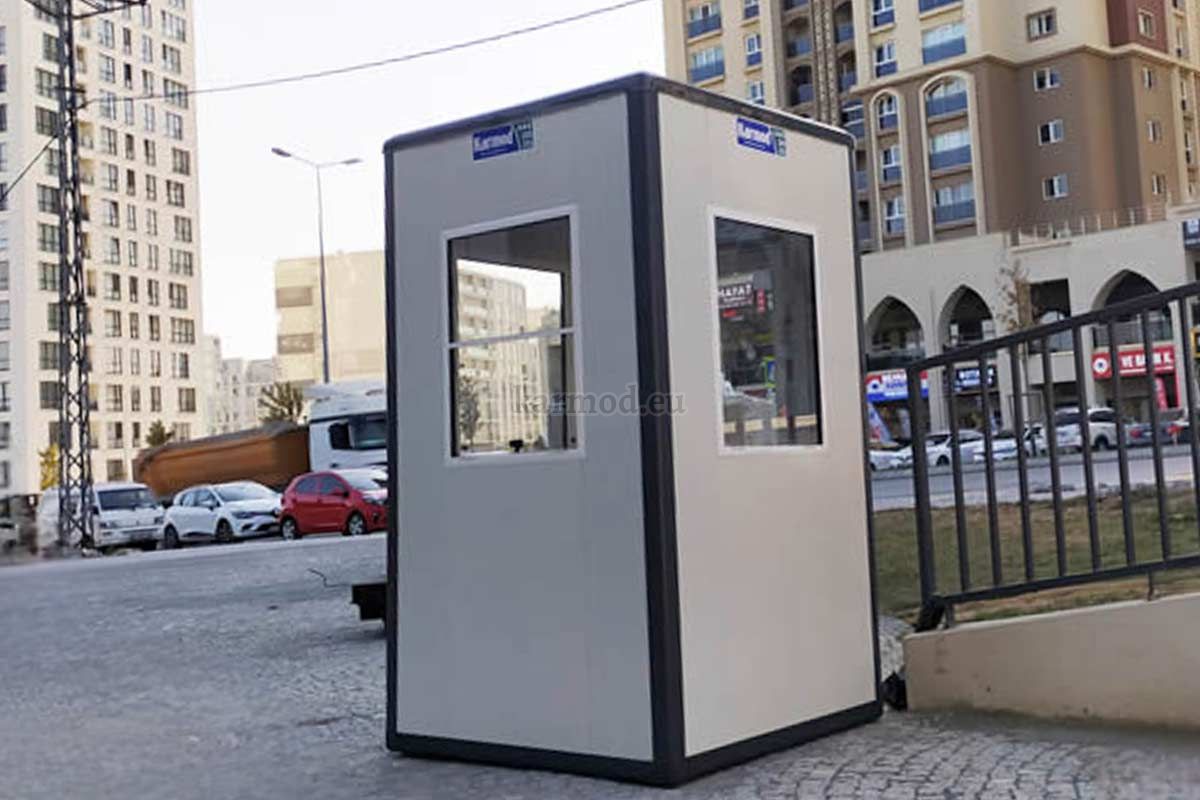
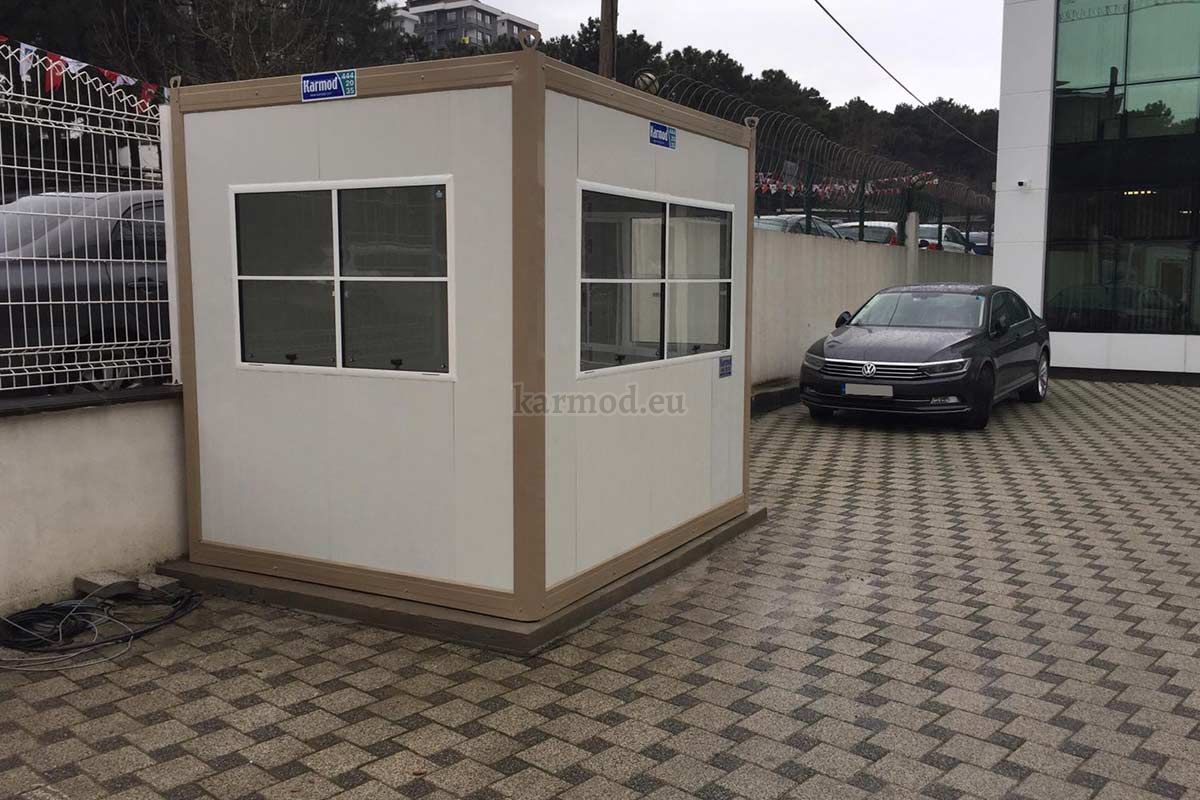
Design Features That Directly Influence Sales
A kiosk’s performance isn’t determined only by its location; design plays an equally critical role. Buyers often underestimate how much layout, window height, lighting, and internal organization affect daily operations.
Layout That Supports Staff Flow
Even the smallest kiosk needs intuitive movement. Shelving, counters, and storage areas should allow staff to work without constantly shifting items or stepping around obstacles. When the interior feels effortless, service speed naturally improves.
Visibility and Presentation
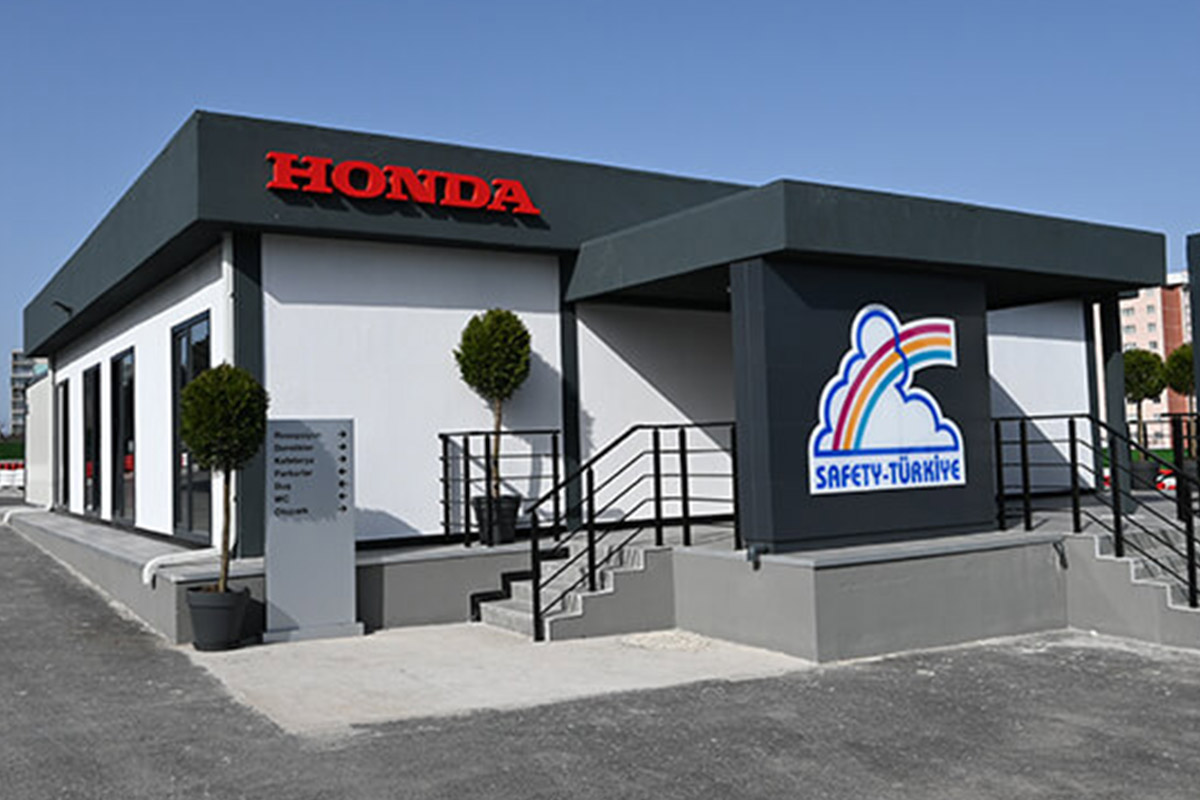
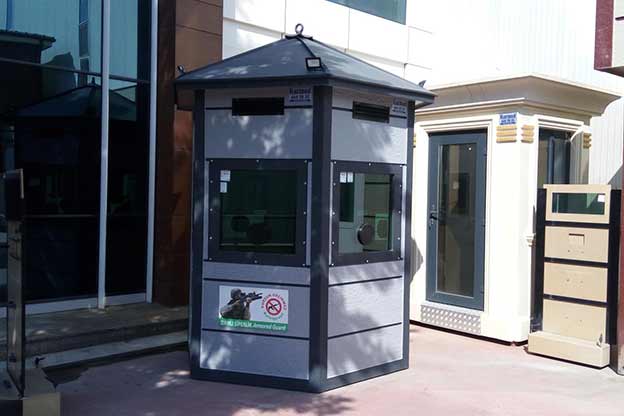
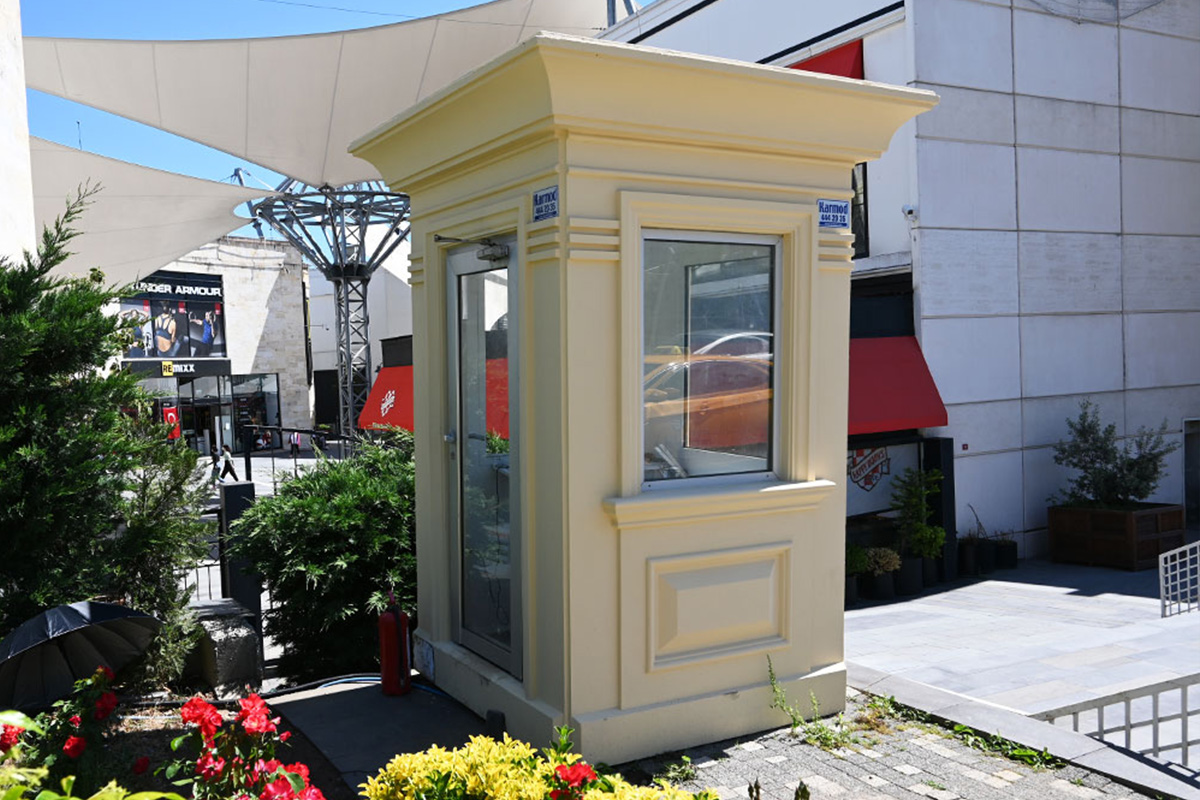
Exterior design also has a major influence on customer behavior. Eye-catching colors, clean lines, and well-placed branding elements help the kiosk stand out in busy environments. Customers are far more likely to approach a unit that looks professional, well-lit, and welcoming.
Kiosks as Revenue Multipliers Through Smart Use Cases
What truly elevates a kiosk is how creatively it is used. Many businesses start with one function—ticketing, customer service, or small-scale sales—but discover additional possibilities over time.
Here are some practical use cases that expand revenue potential:
- Product sampling points that convert foot traffic into impulse buys
- Mobile offices for quick permit processing, registration, or appointment check-ins
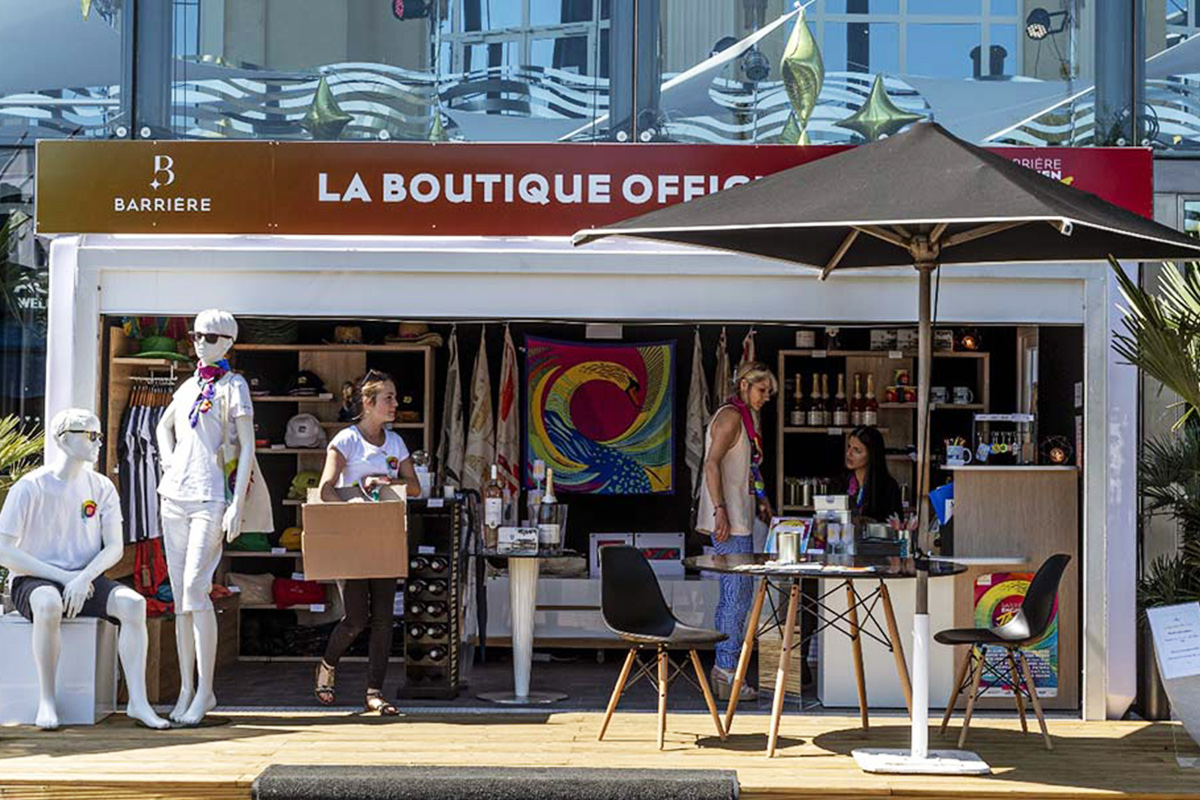
- Seasonal pop-up retail units for sunglasses, beverages, accessories, or souvenirs
- Event check-in stations that speed up admission and reduce staffing pressure
- Outdoor information booths where tourists or attendees can get maps, schedules, or assistance
Technology Integration That Enhances Operational Efficiency
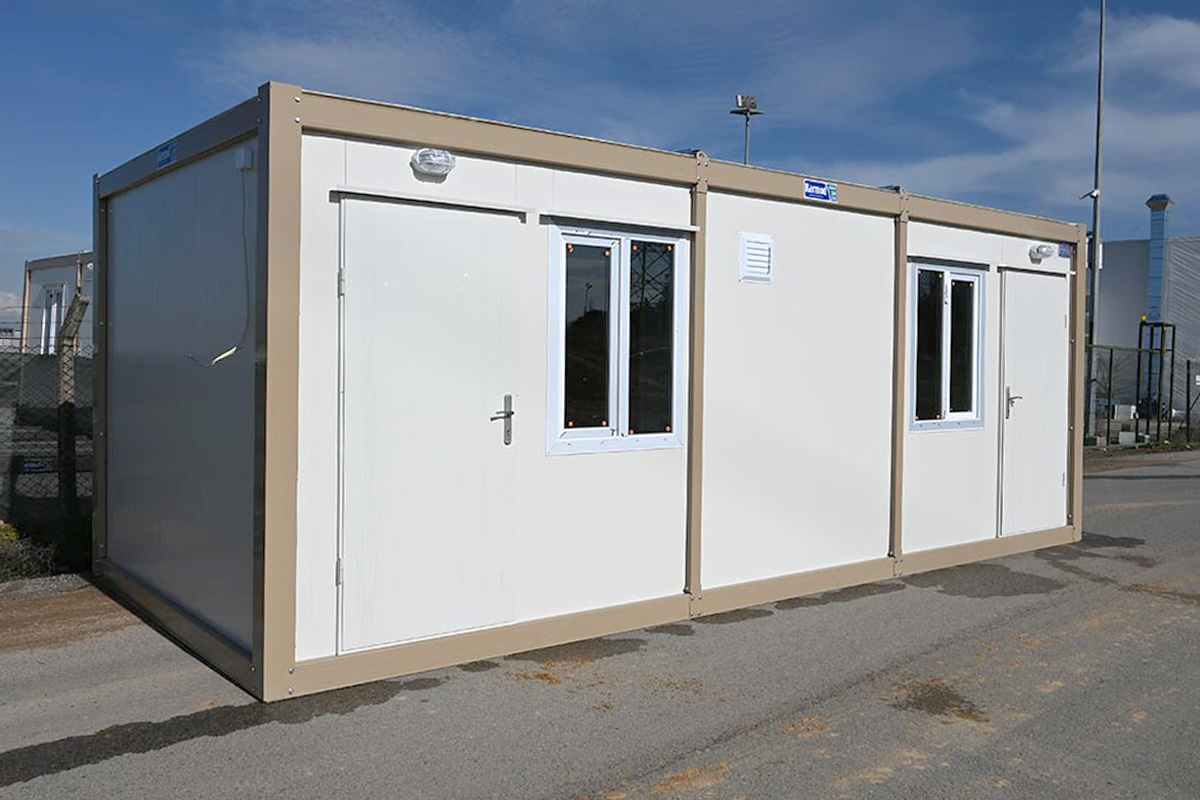
Today’s kiosks aren't just physical structures—they support digital workflows. Payment terminals, ticket printers, screens for self-service operations, and network connections all help unify how your business interacts with customers. A kiosk equipped with proper wiring, lighting, and ventilation keeps equipment safe and ensures staff can work comfortably even during busy periods.
Adding technology doesn’t just modernize the unit; it raises customer expectations and satisfaction. Faster checkouts, real-time updates, and flexible payment options create a smoother experience that reflects positively on your entire brand.
Turn a Simple Kiosk Into a Strategic Asset for Your Business
If you’re considering a kiosk, think beyond the structure itself—consider the possibilities it can unlock. The right kiosk strengthens your presence in high-traffic areas, supports your team, and helps you explore new business models without long-term commitments. Our team designs kiosks that align with your operational goals, brand identity, and customer flow, ensuring you get a solution that delivers measurable results rather than just filling space.
Reach out to us whenever you're ready. We can walk you through layout options, share examples from industries similar to yours, and help tailor a kiosk that elevates how you communicate, sell, and interact with your customers. With the right choices, your kiosk becomes more than a unit—it becomes a powerful tool for growth.