


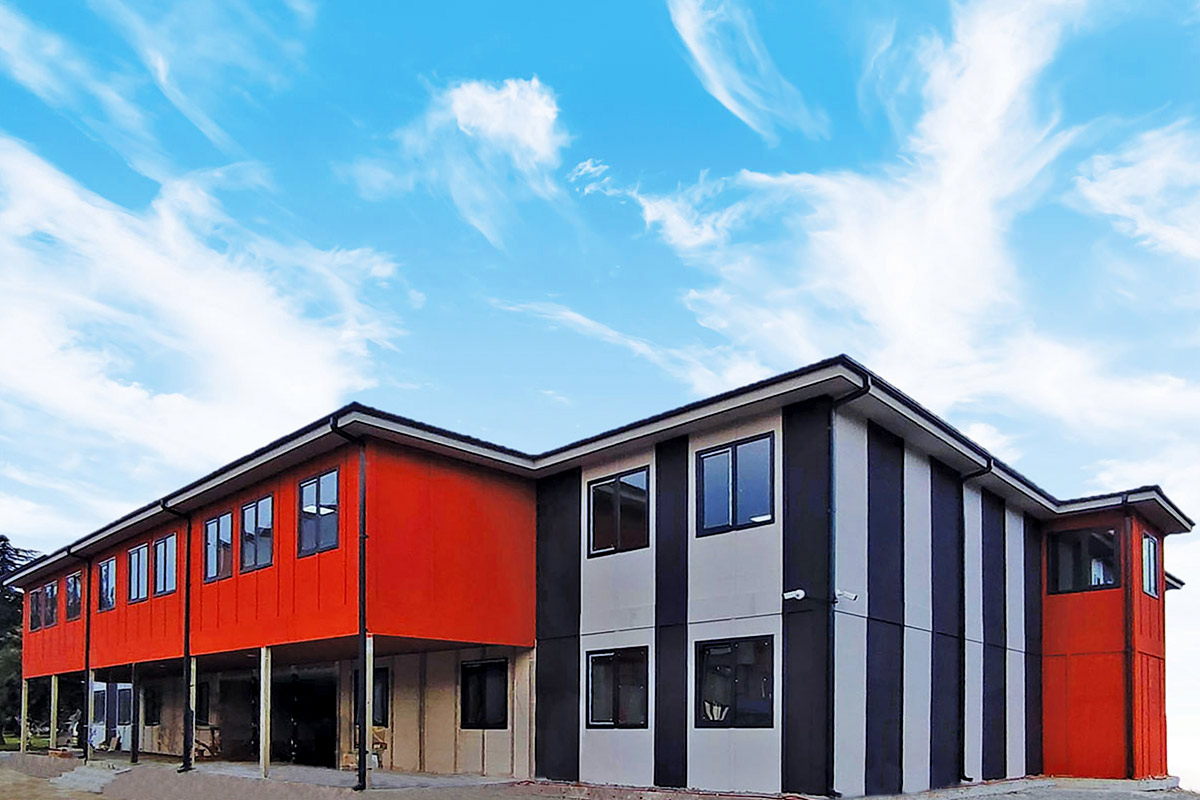
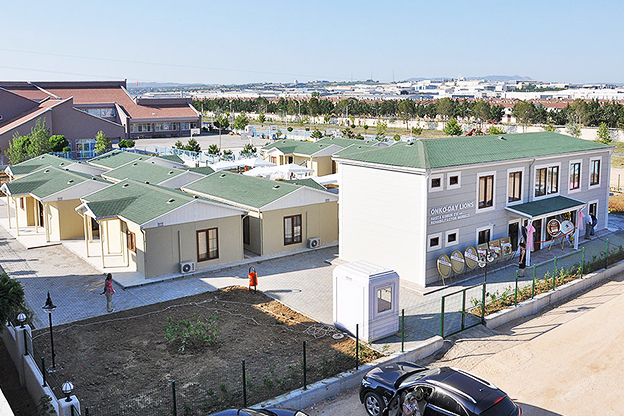
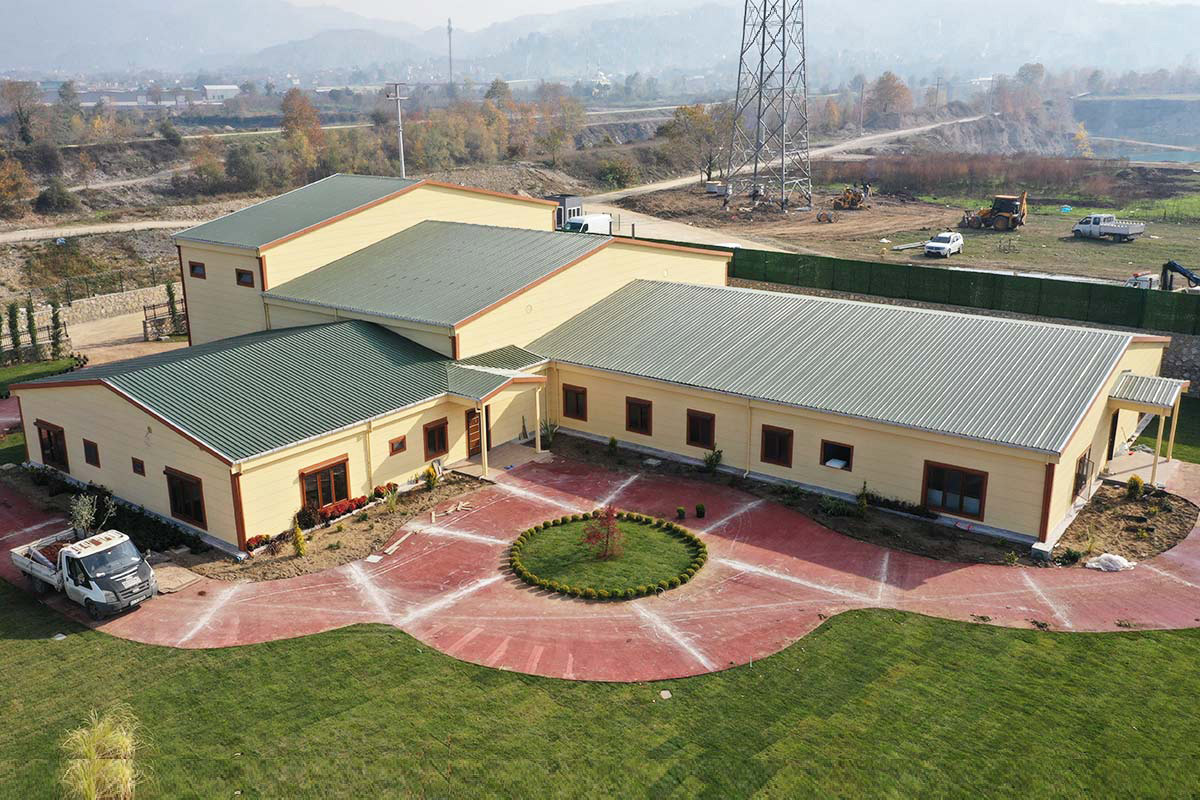
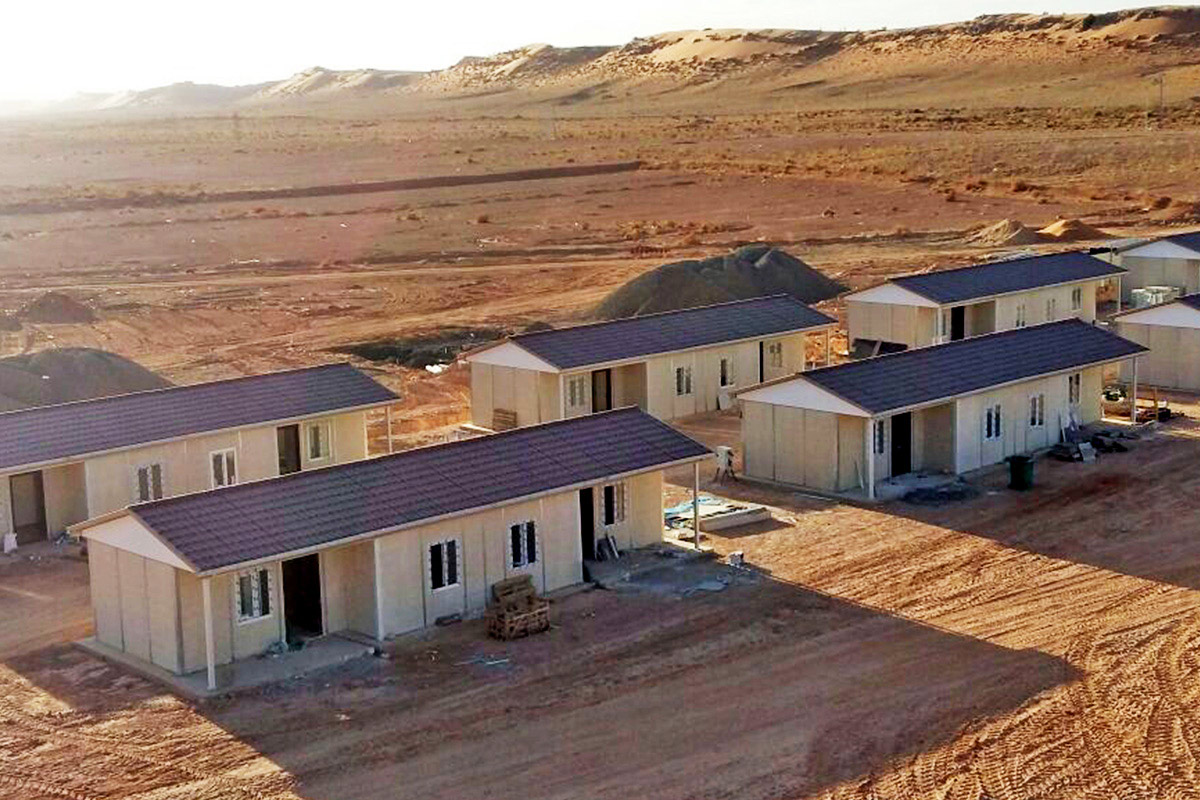
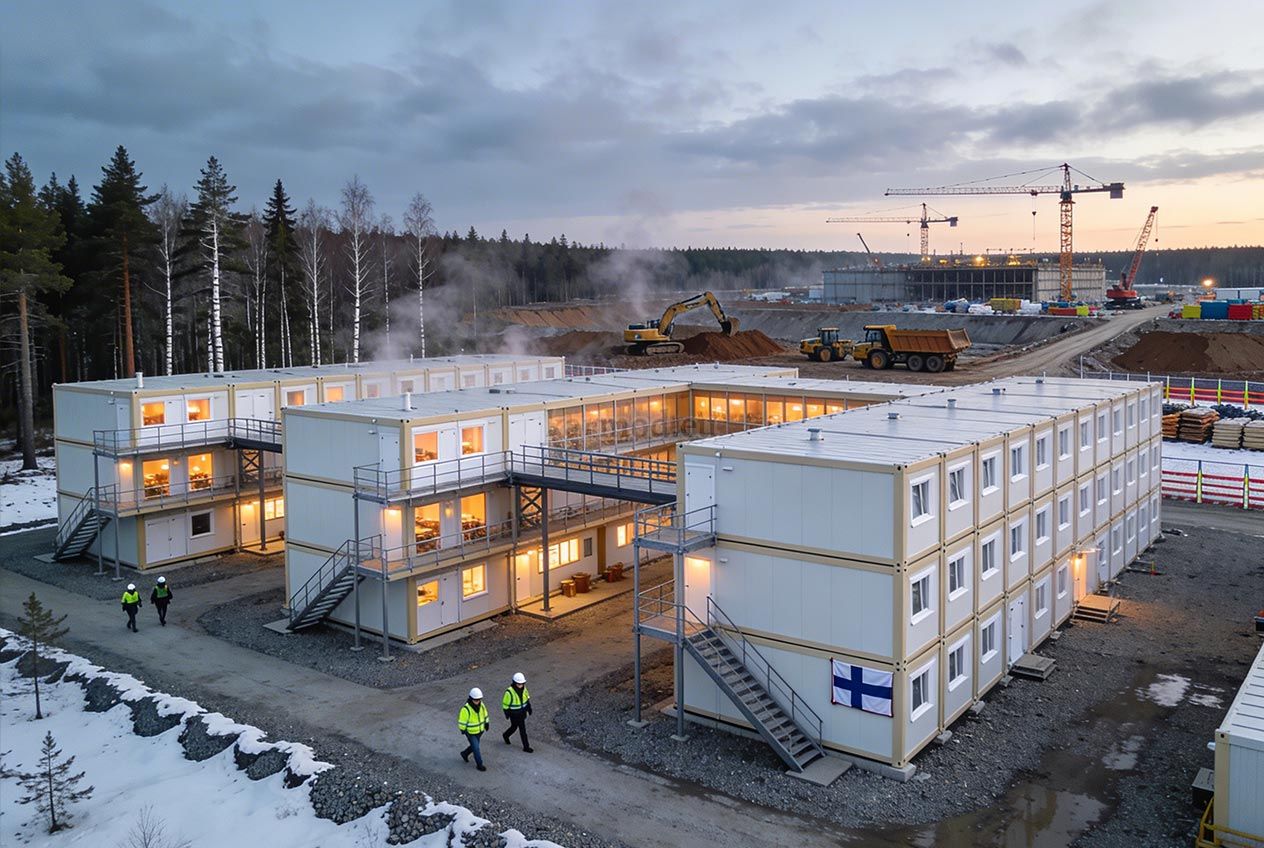
Finland’s construction market has been shaped by a unique combination of high labor costs, strict building regulations, and demanding climatic conditions. These factors have steadily increased interest in alternative construction methods that offer predictability, quality control, and faster delivery. Within this context, modular buildings and prefabricated building systems have become practical tools for organizations seeking reliable building solutions without compromising performance or compliance.
Public authorities, industrial investors, logistics operators, and energy companies in Finland increasingly prioritize building methods that reduce on-site risks while ensuring long-term durability. Modular and prefabricated solutions respond to these priorities by shifting most of the production process into controlled factory environments, where quality standards and timelines are easier to manage.
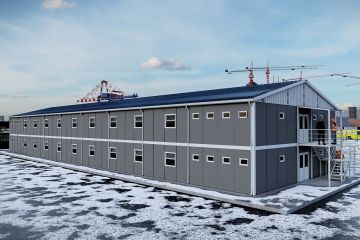
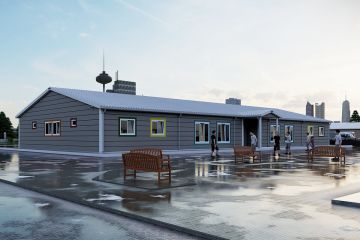
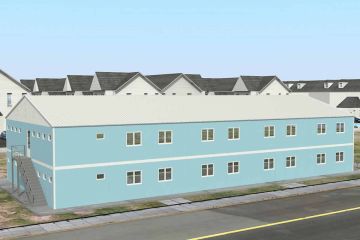
Why Modular Buildings Are in High Demand in Finland
One of the main drivers behind the growing adoption of modular buildings in Finland is labor cost efficiency. Construction labor is both expensive and limited, particularly in remote regions and northern areas. Factory-based production significantly reduces on-site workforce requirements, helping projects stay within budget.
Construction timelines are another decisive factor. Finland’s long winters shorten the effective on-site construction season. Modular buildings, produced simultaneously with site preparation, allow projects to move forward regardless of weather conditions. This time advantage is especially valuable for public infrastructure and industrial developments that operate under fixed schedules.
Finland also has a balanced demand for both temporary and permanent structures. Temporary solutions are commonly required for construction sites, infrastructure upgrades, and seasonal industrial activities. At the same time, permanent buildings are needed for long-term operations in logistics hubs, manufacturing facilities, and public services.
Sector-specific demand further supports this trend. Logistics and warehousing operations near ports and transport corridors require quickly deployable buildings. The energy sector, particularly renewable energy projects in remote locations, depends on modular units for operational buildings and technical facilities. Public institutions increasingly rely on modular solutions to address urgent capacity needs without long approval cycles.
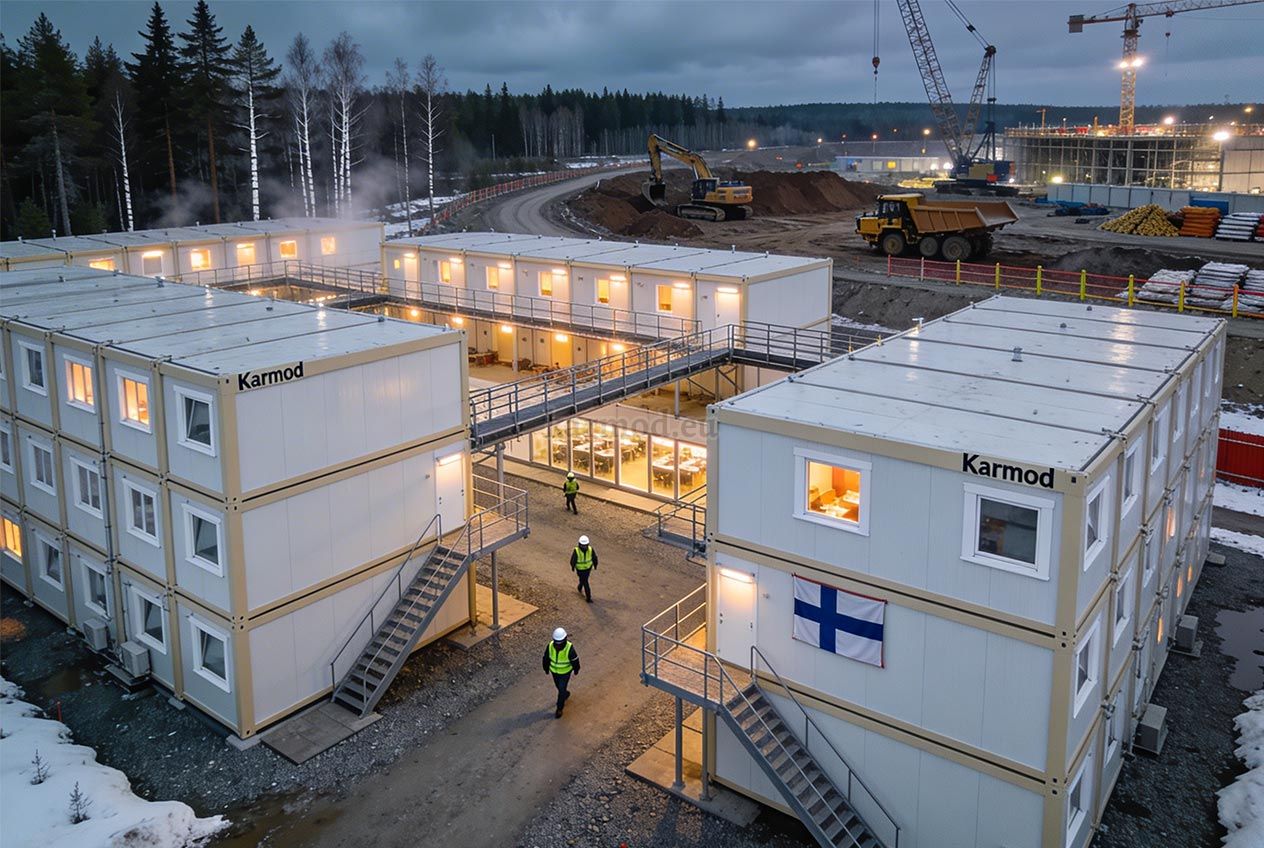
Modular Buildings vs. Prefabricated Building Systems
Although often mentioned together, modular buildings and prefabricated building systems serve different structural and operational needs.
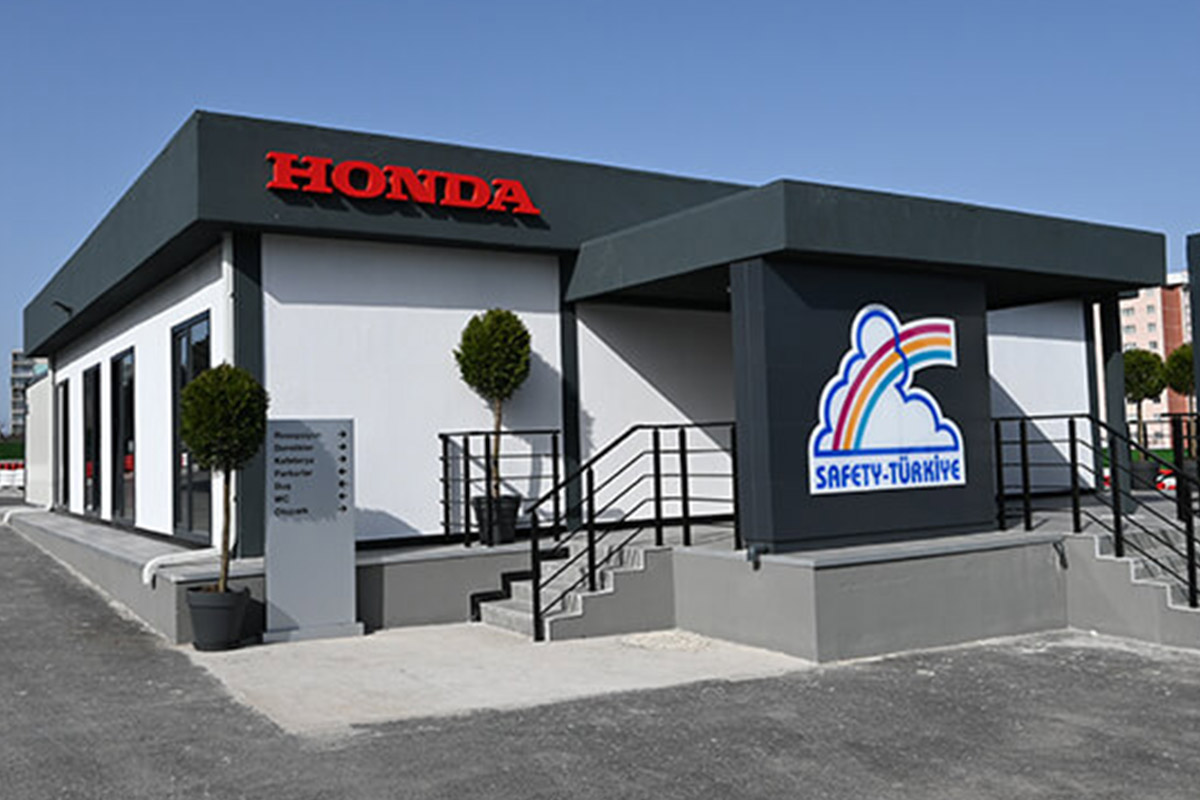
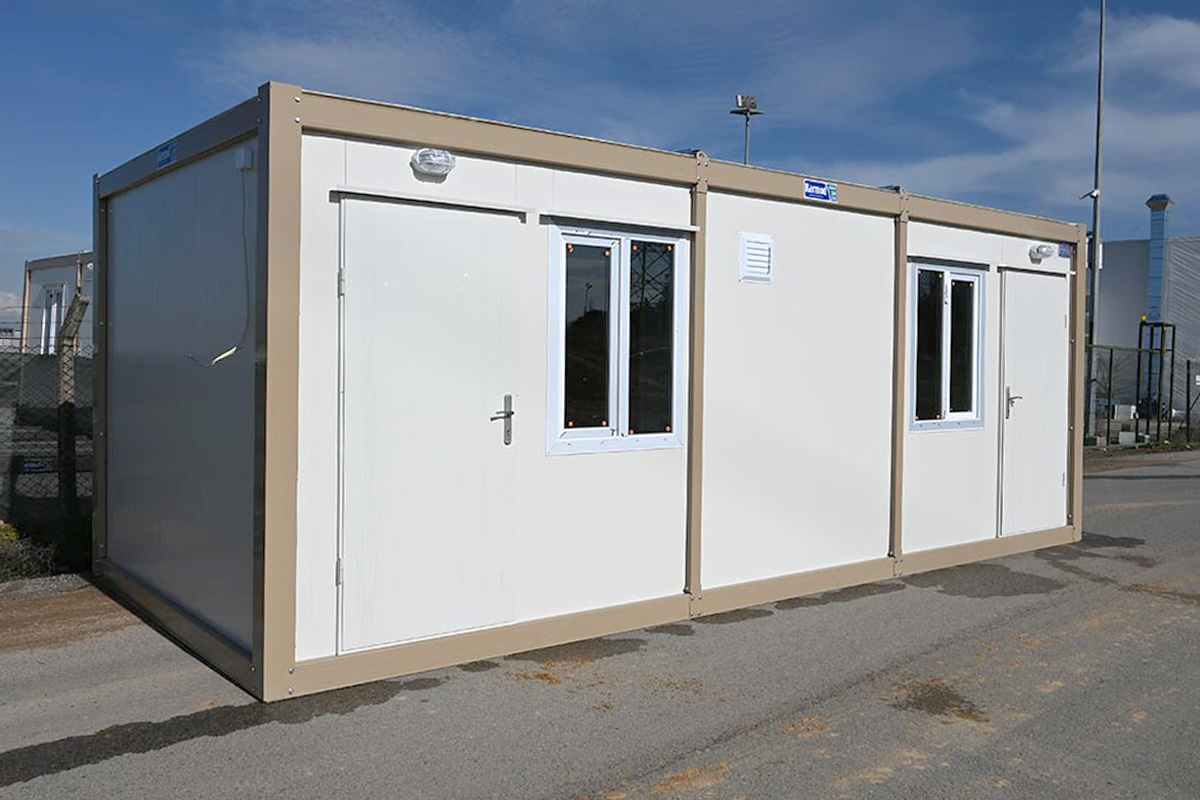
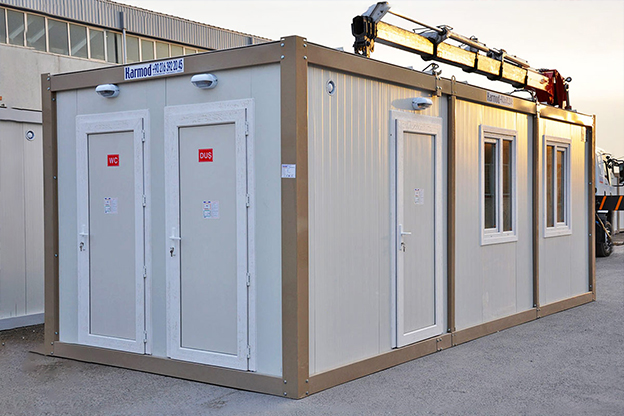
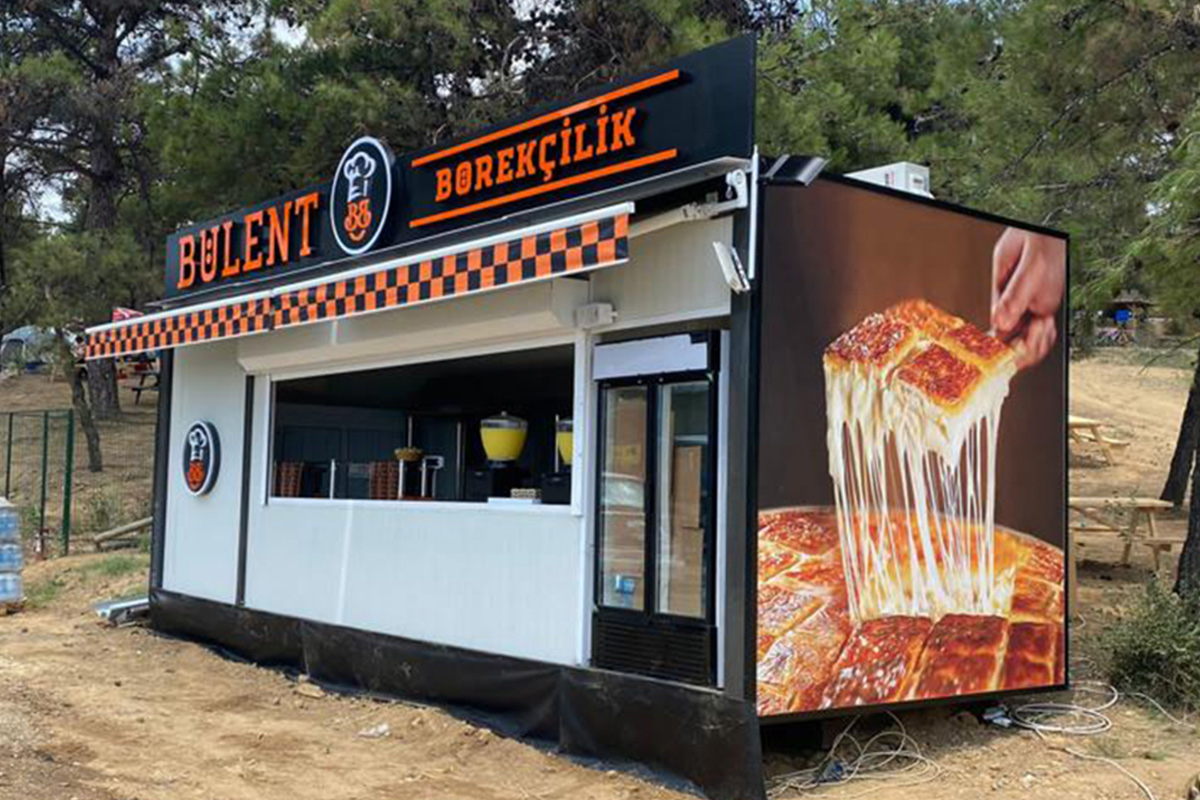
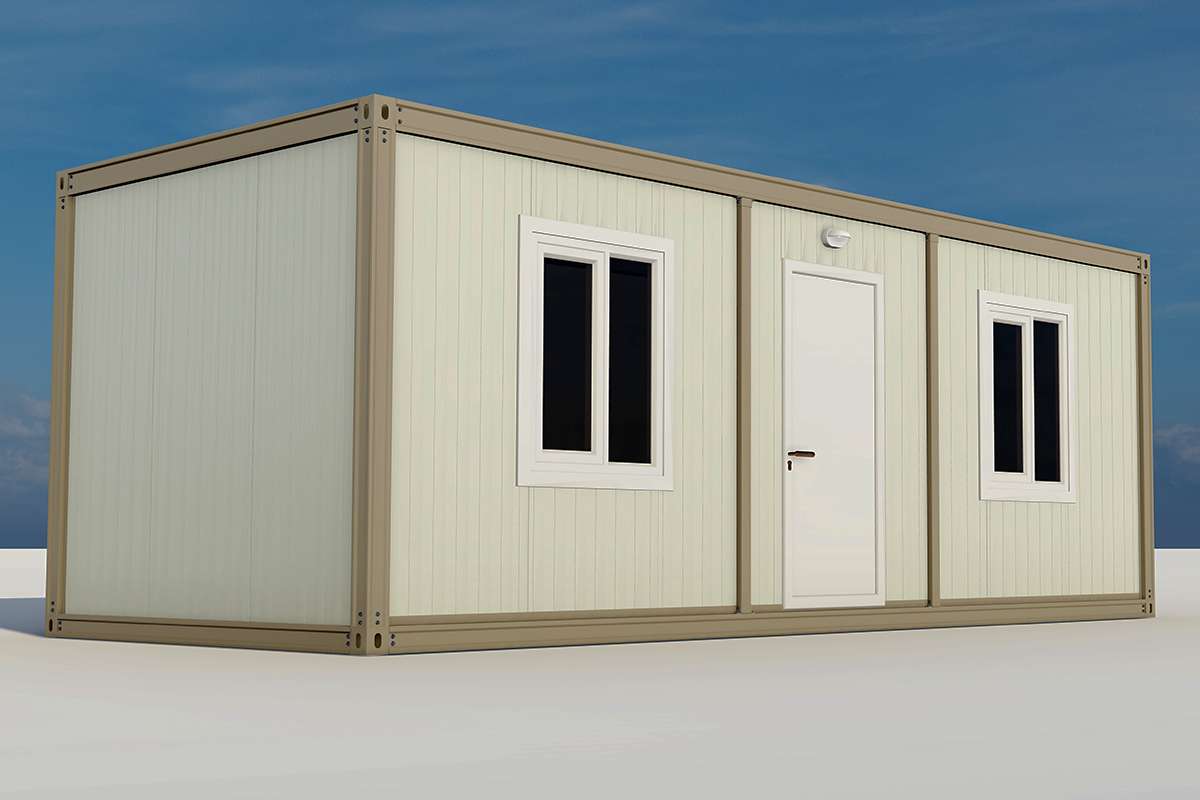
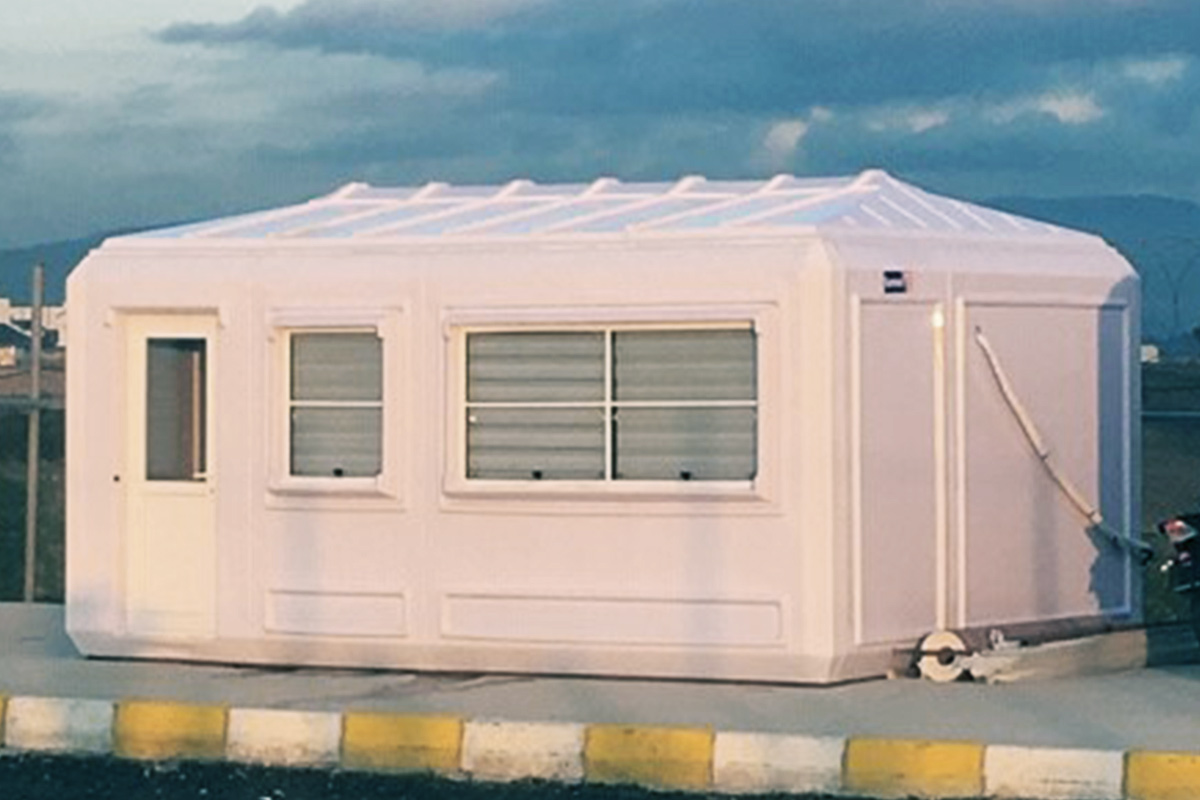
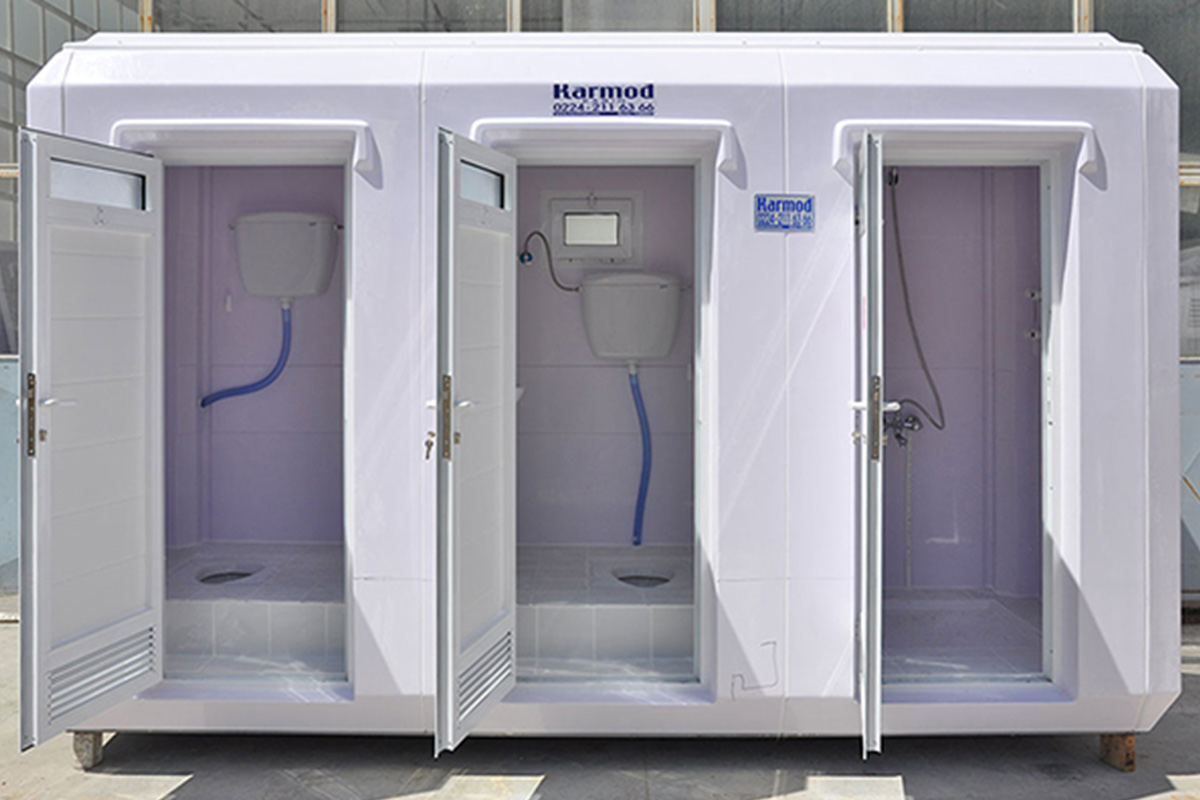
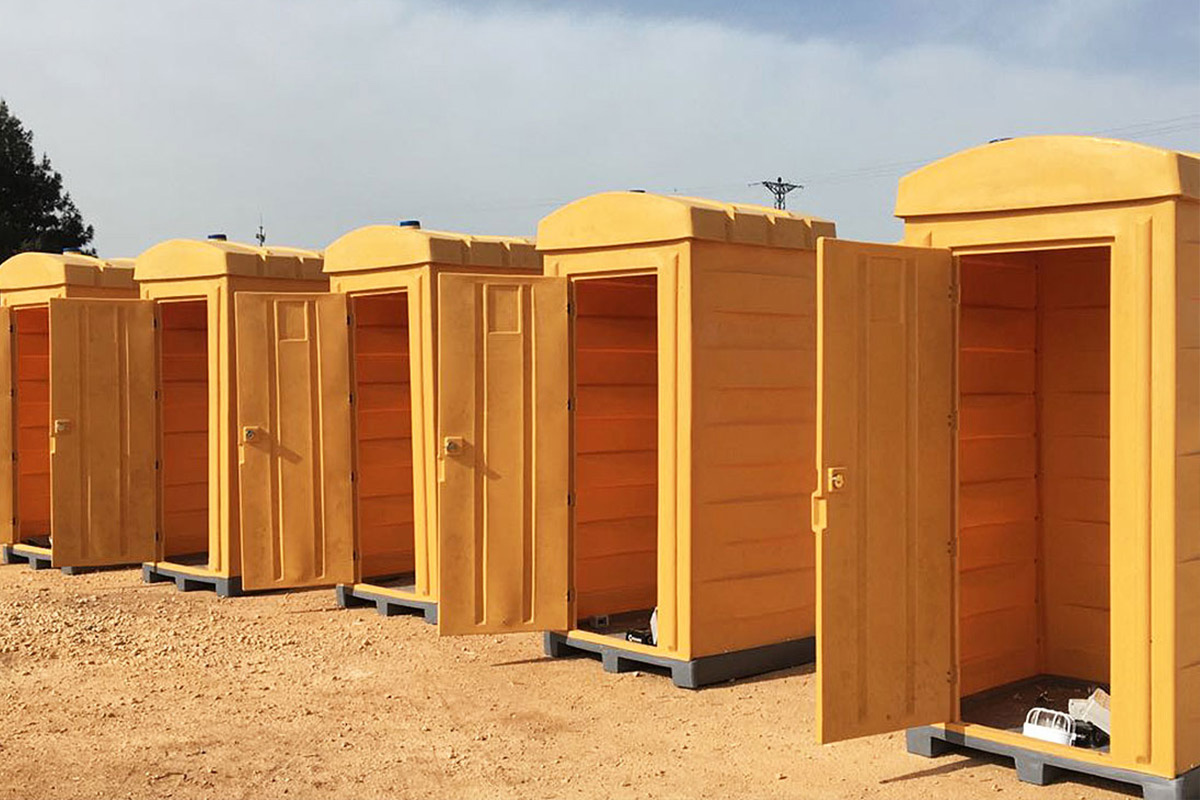
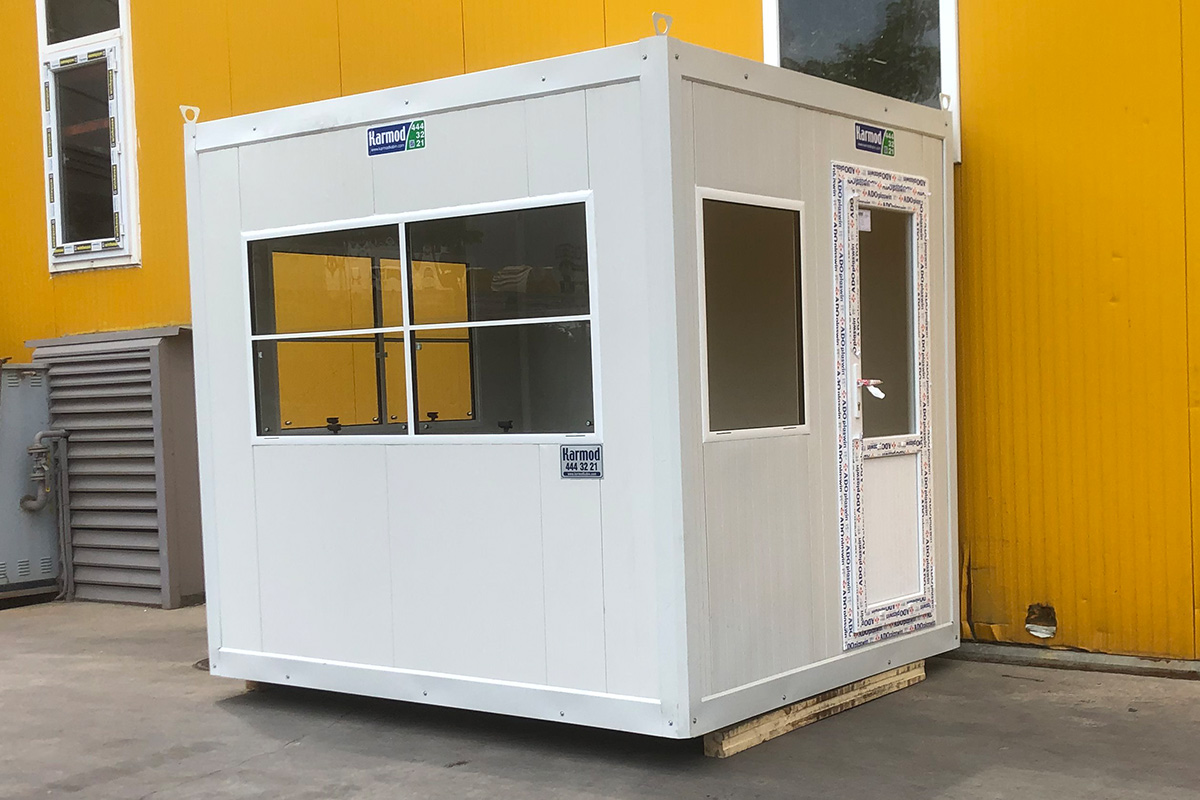
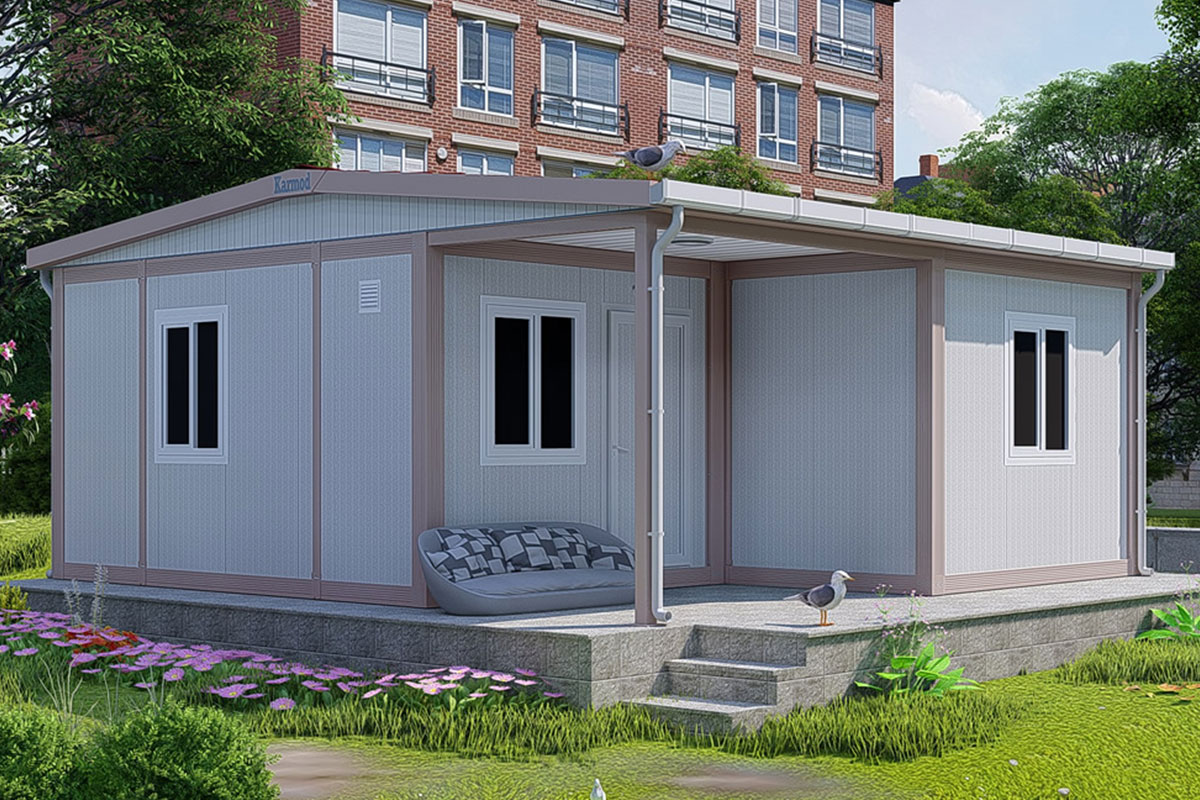
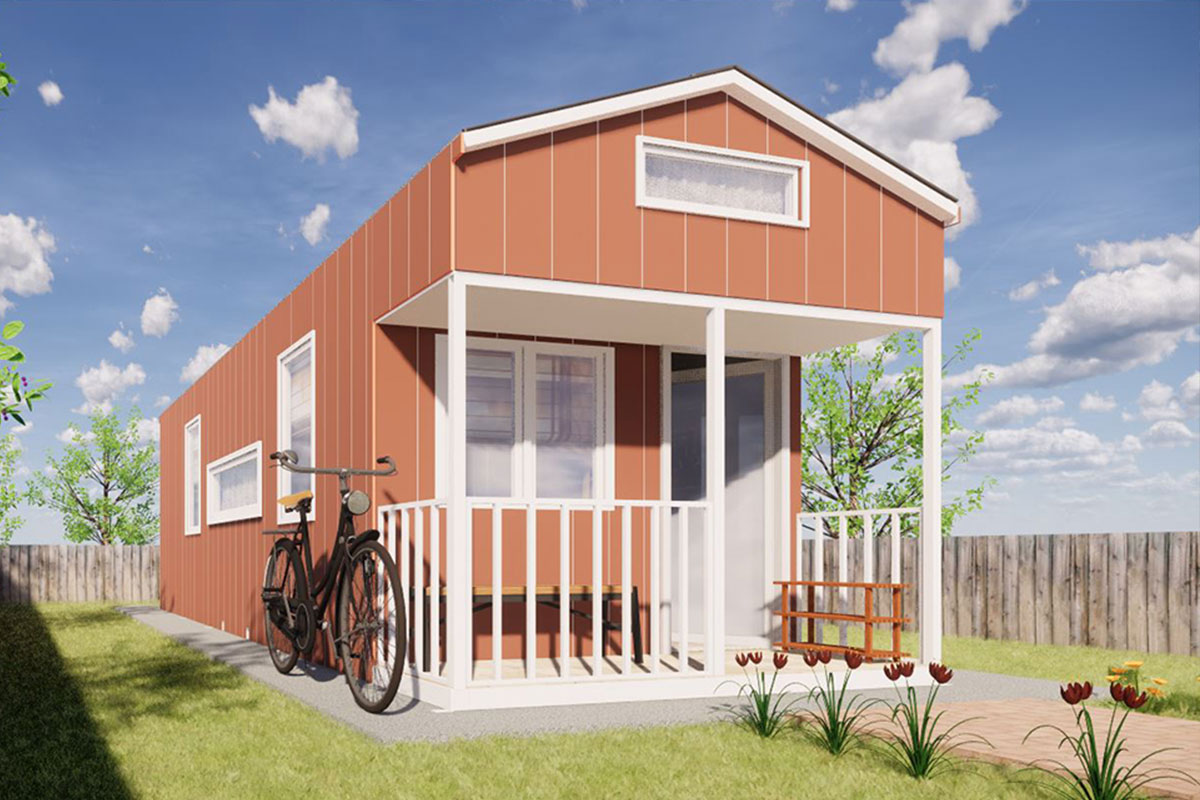
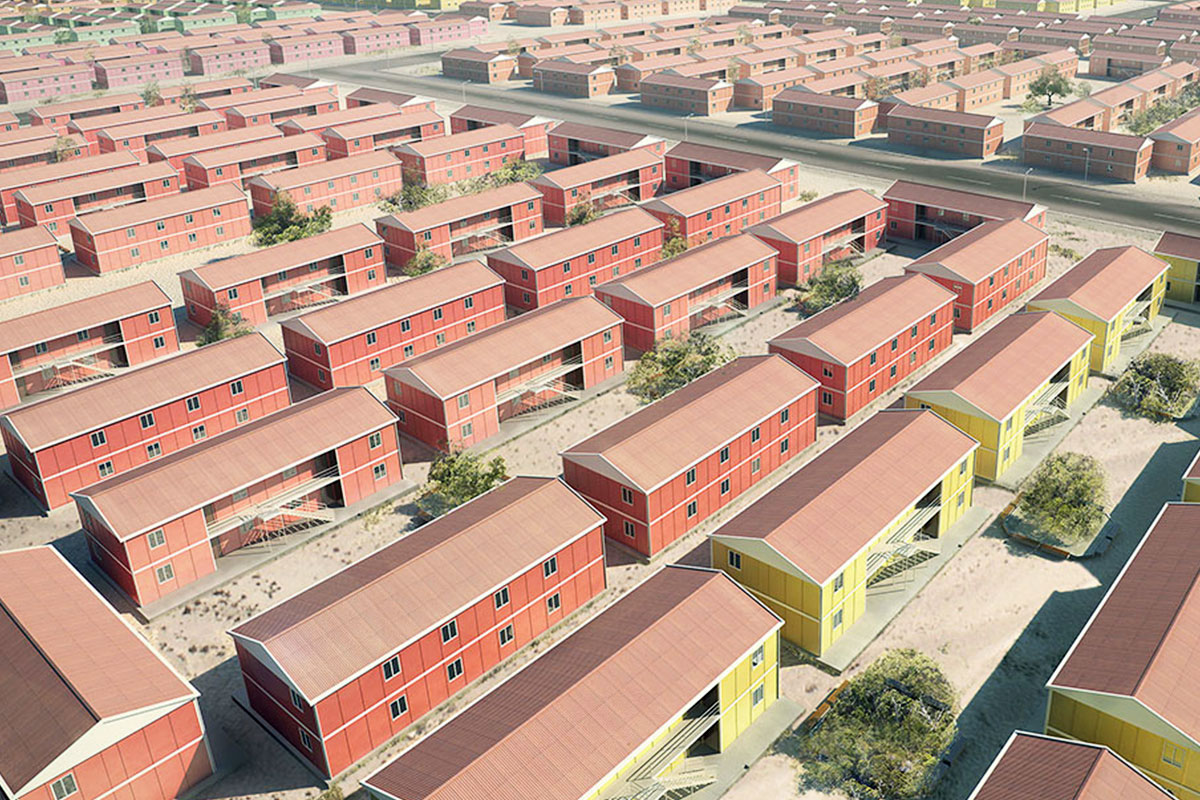
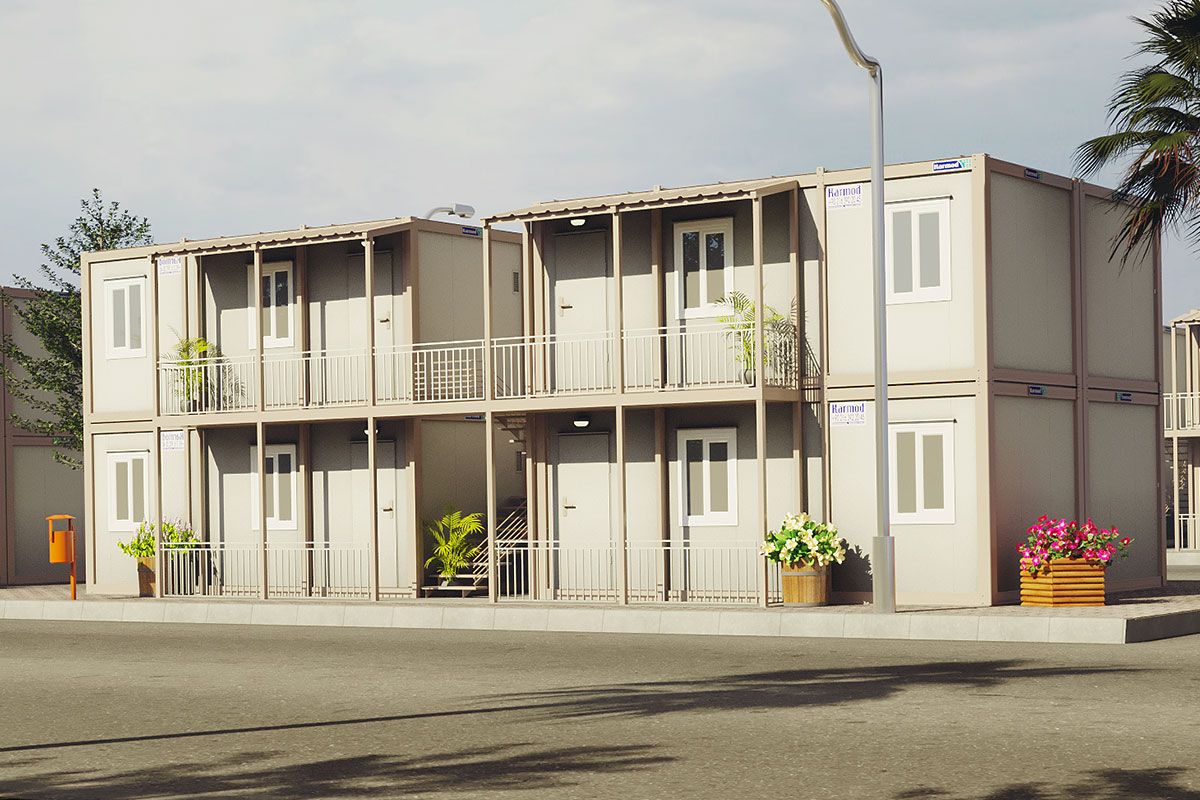
Modular buildings are based on volumetric modules that are manufactured as complete units. These modules can be transported, installed, relocated, or expanded over time. This flexibility makes modular buildings suitable for projects where future growth or relocation is likely, such as industrial plants, logistics centers, and temporary public facilities.
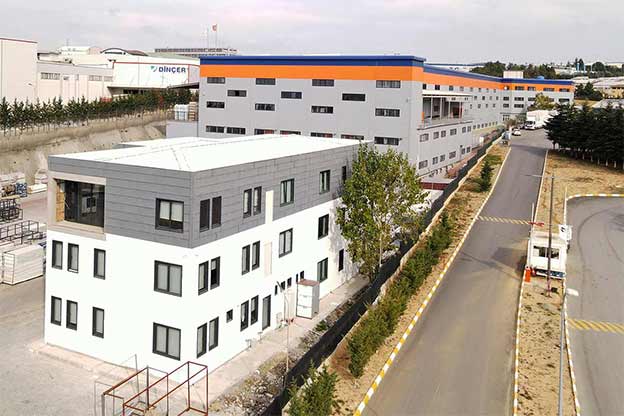
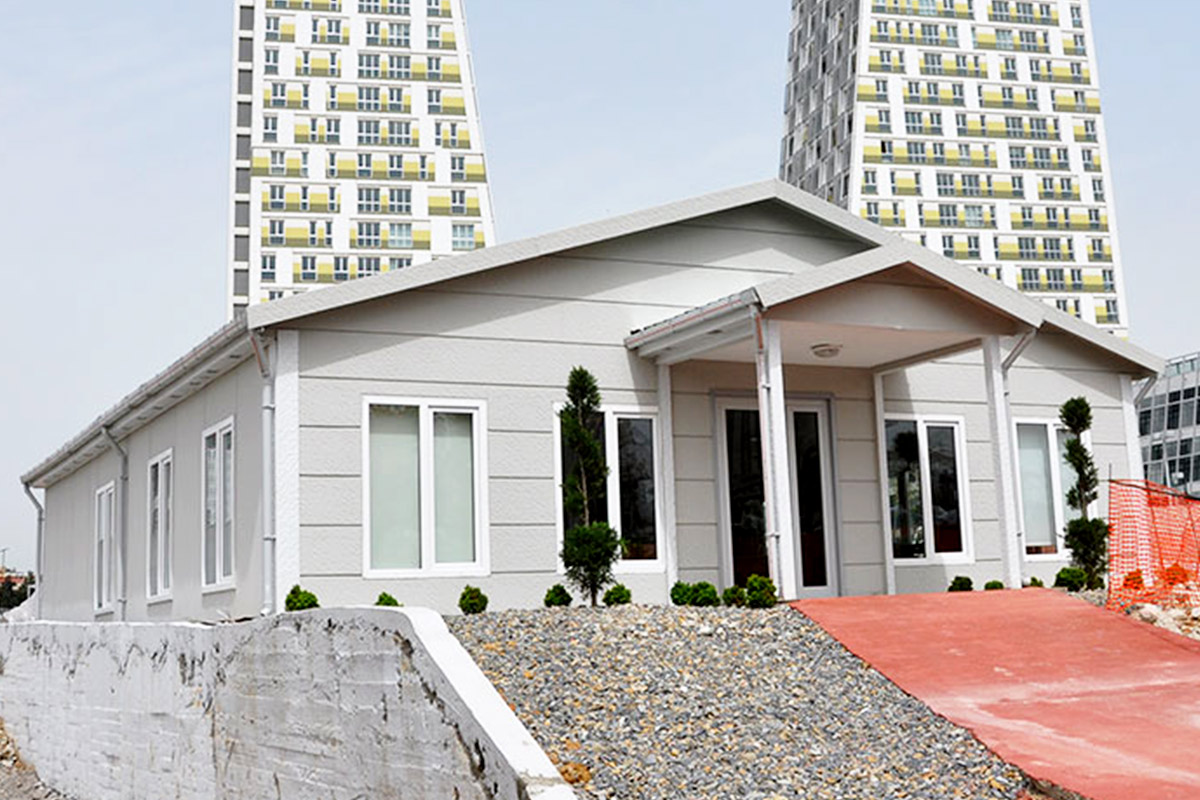
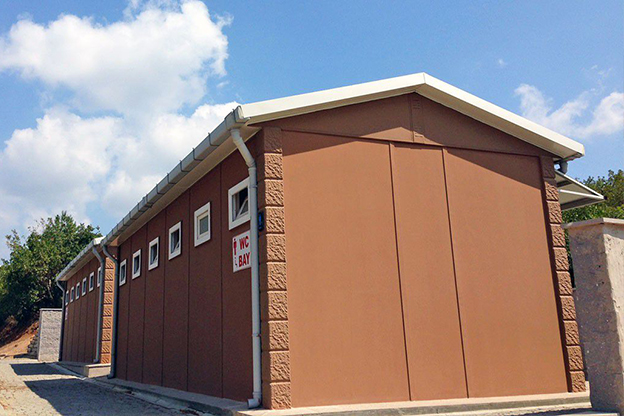
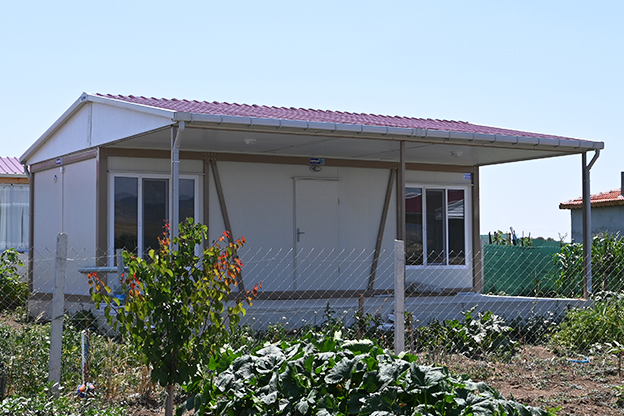
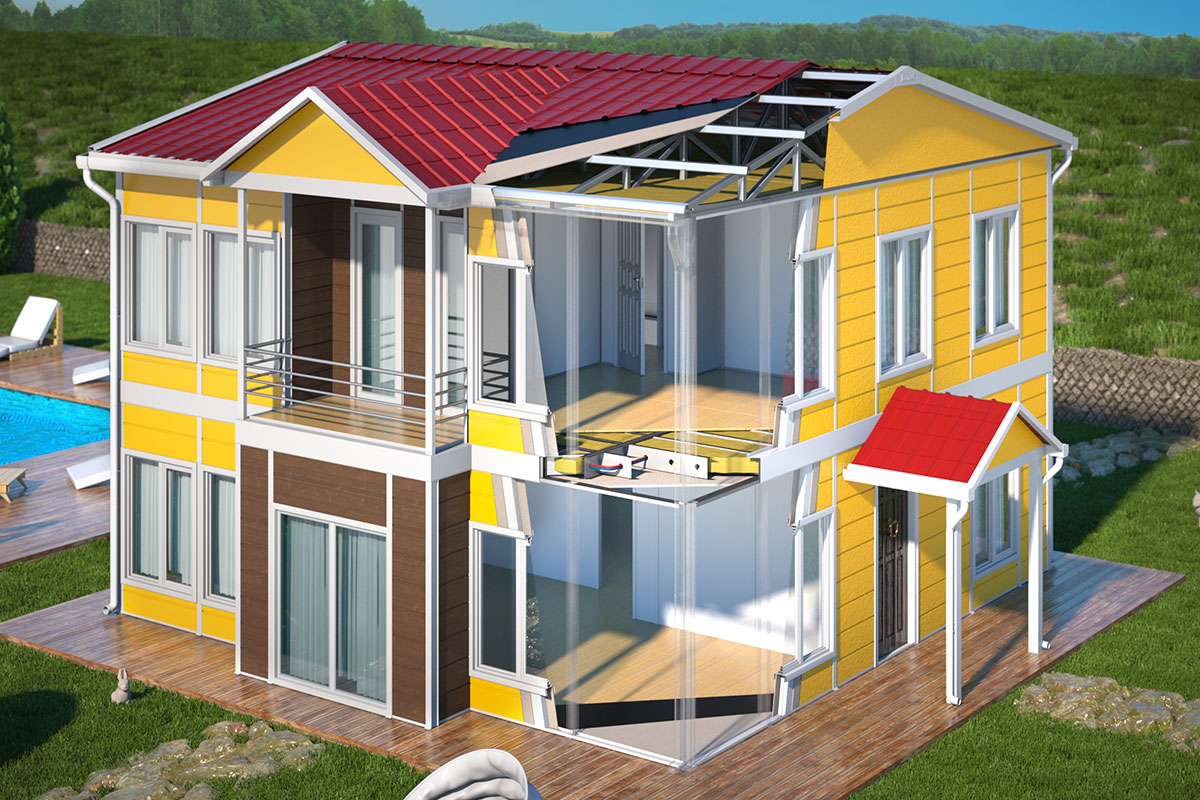
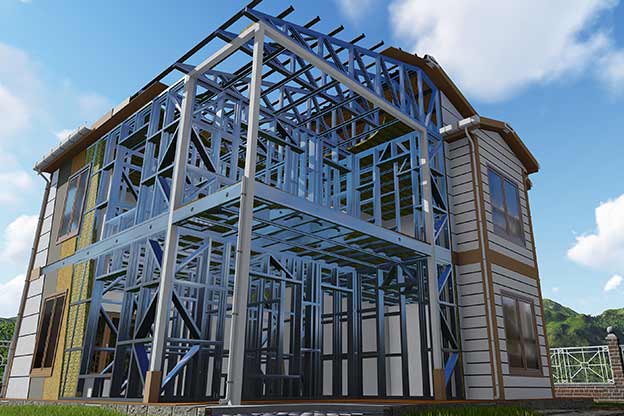
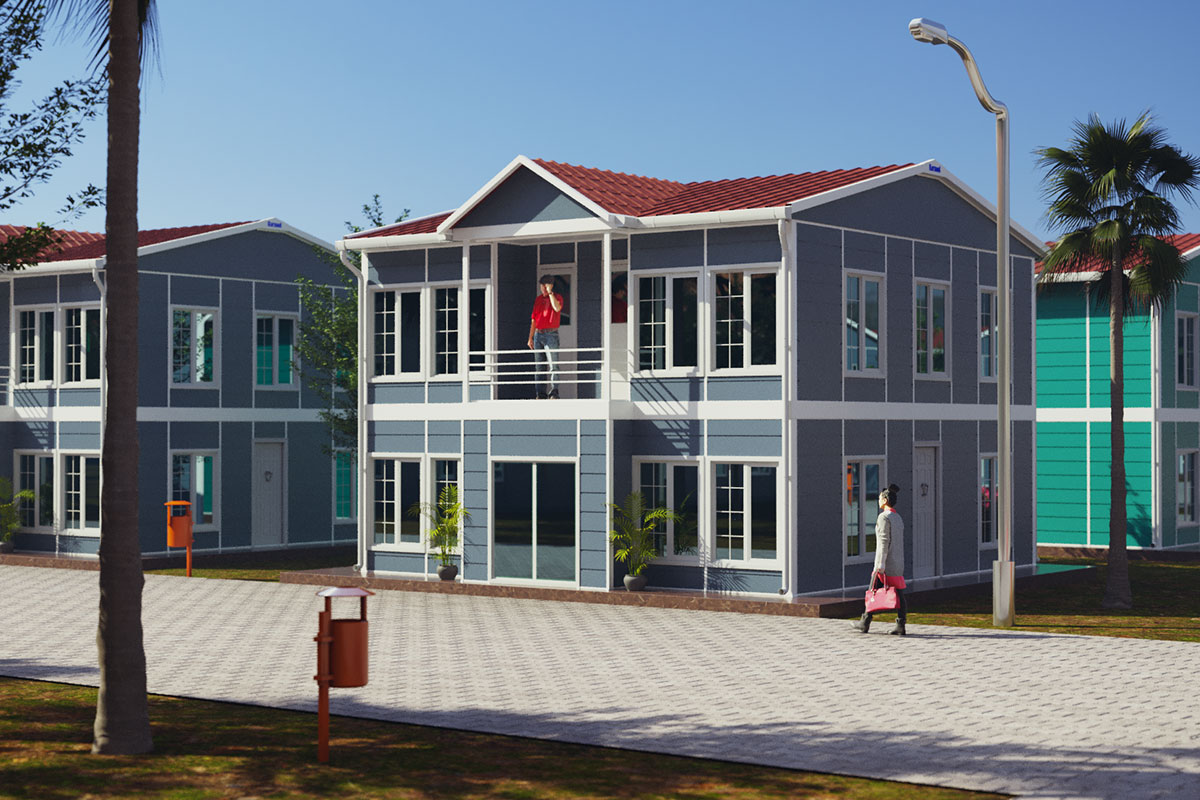
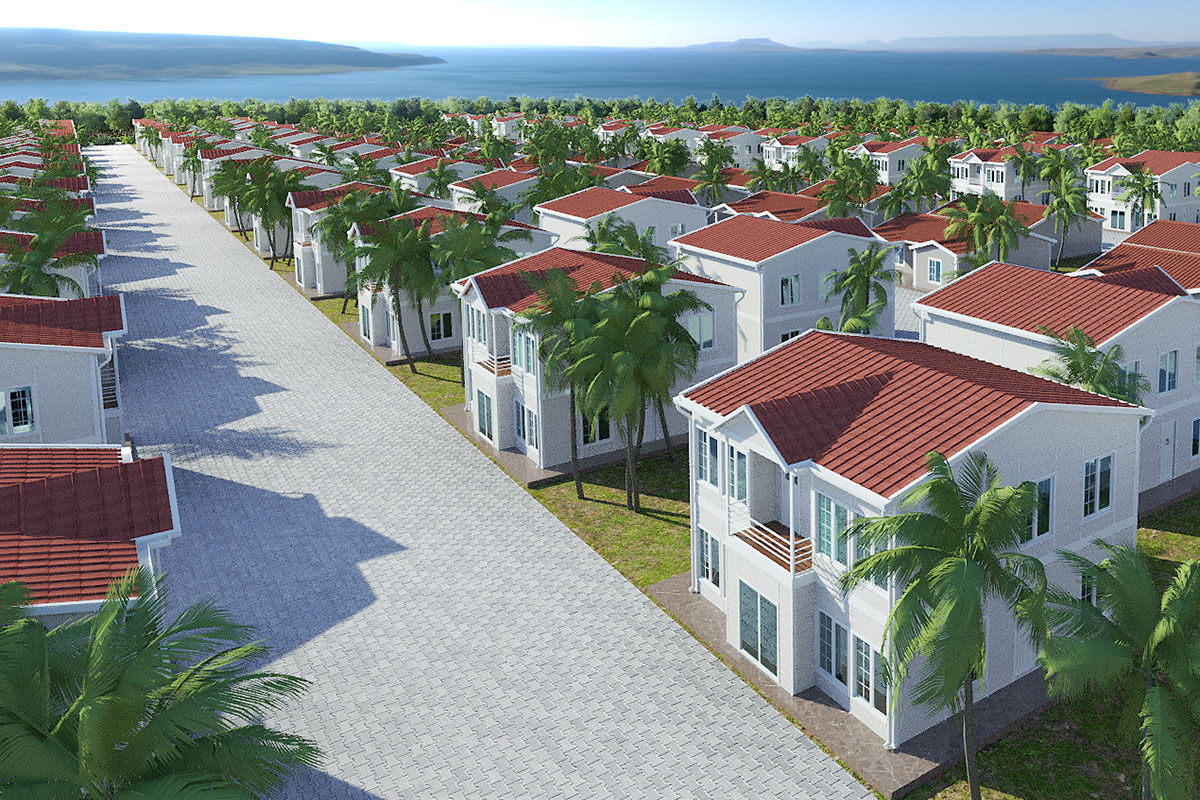
A prefabricated building, on the other hand, relies on panels or pre-produced structural components assembled on-site. These systems are typically chosen for permanent constructions where architectural integration and long-term use are priorities. Prefabricated building solutions align well with housing projects, permanent offices, and public buildings that require compliance with national building codes from the outset.
In Finland, modular buildings are often preferred for industrial, energy, and infrastructure-related projects, especially in regions with limited accessibility. Prefabricated building systems are more common in permanent developments within urban or suburban areas where architectural continuity is important.
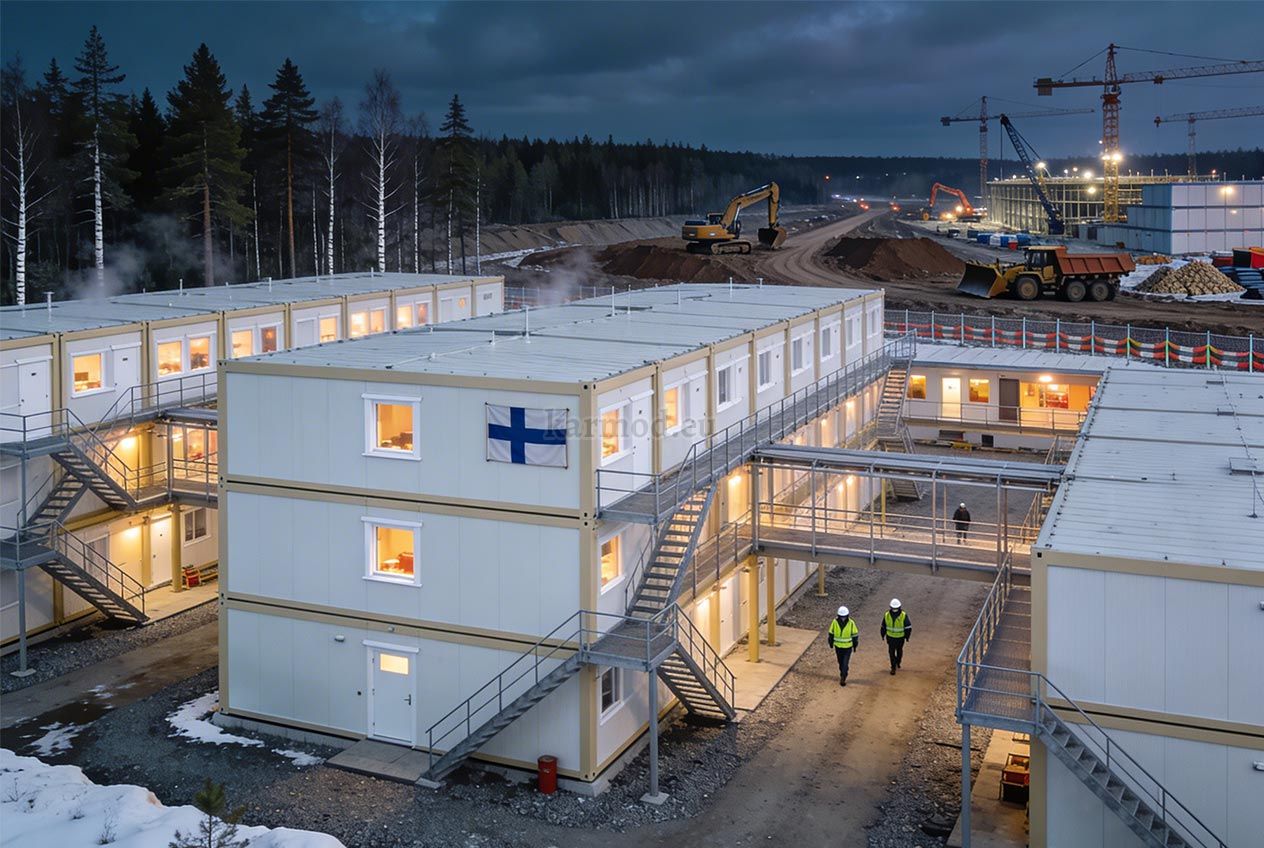
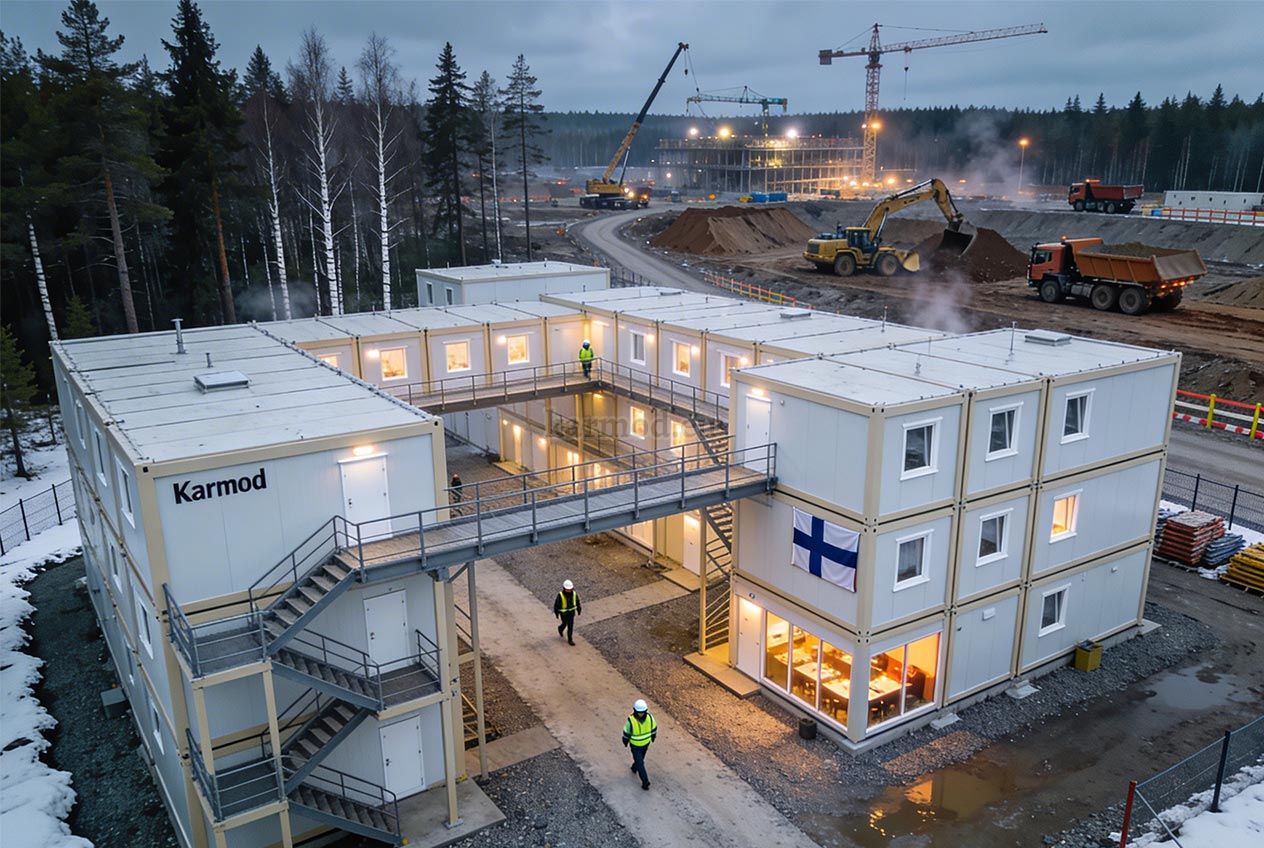
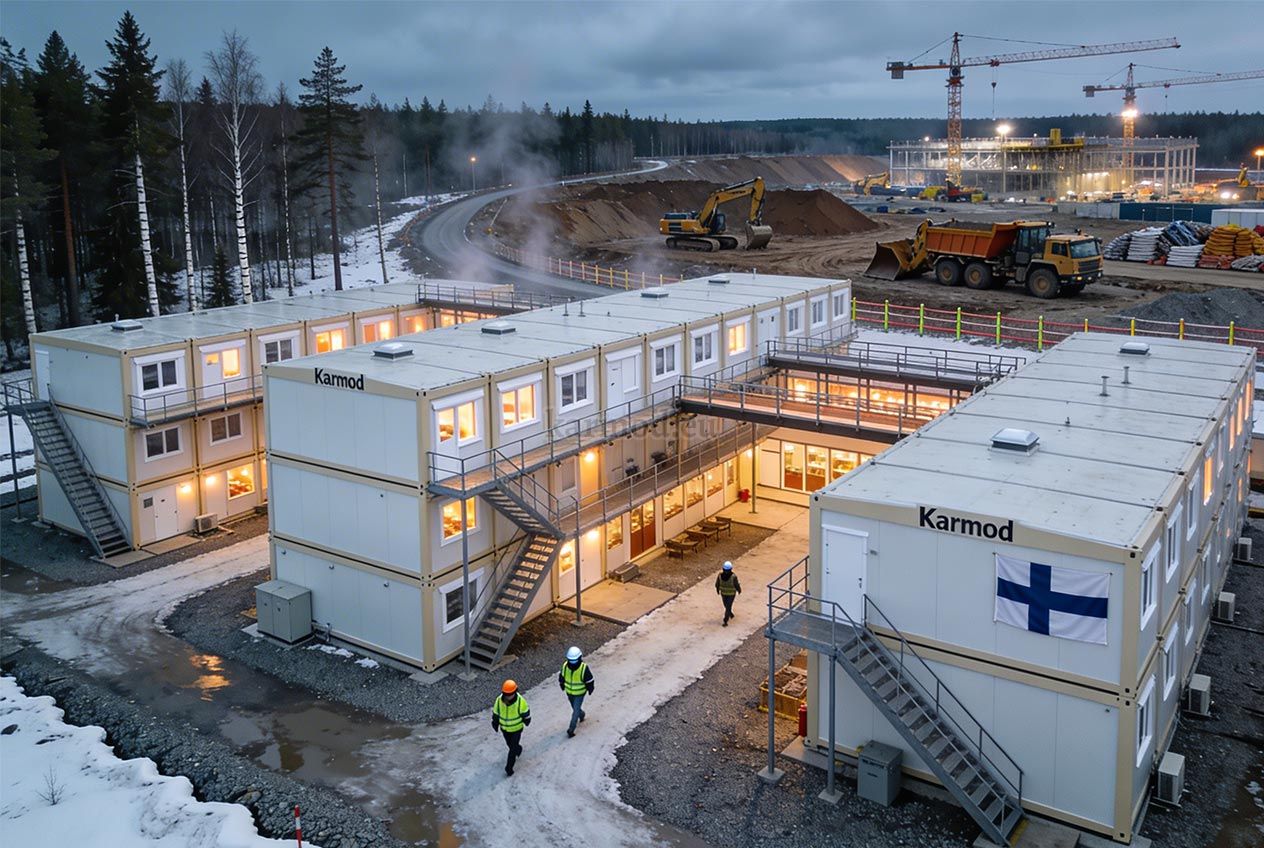
Applications of Modular and Prefabricated Buildings in Finland
- Site offices & construction camps
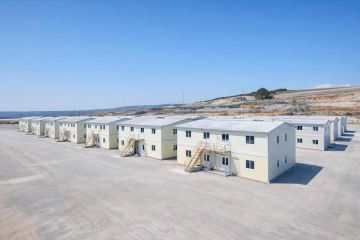
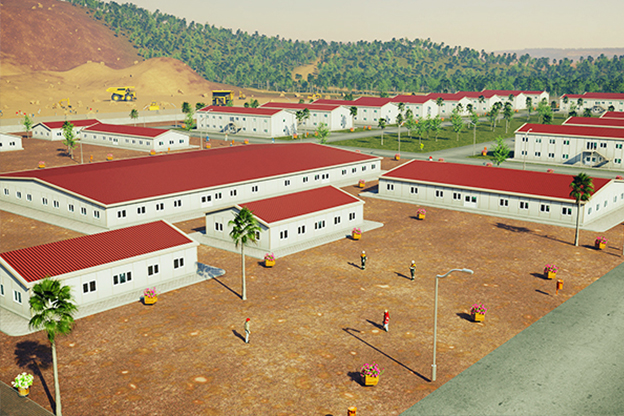
Modular units provide efficient administrative and operational spaces for infrastructure and industrial projects, particularly in remote regions. - Worker accommodation buildings
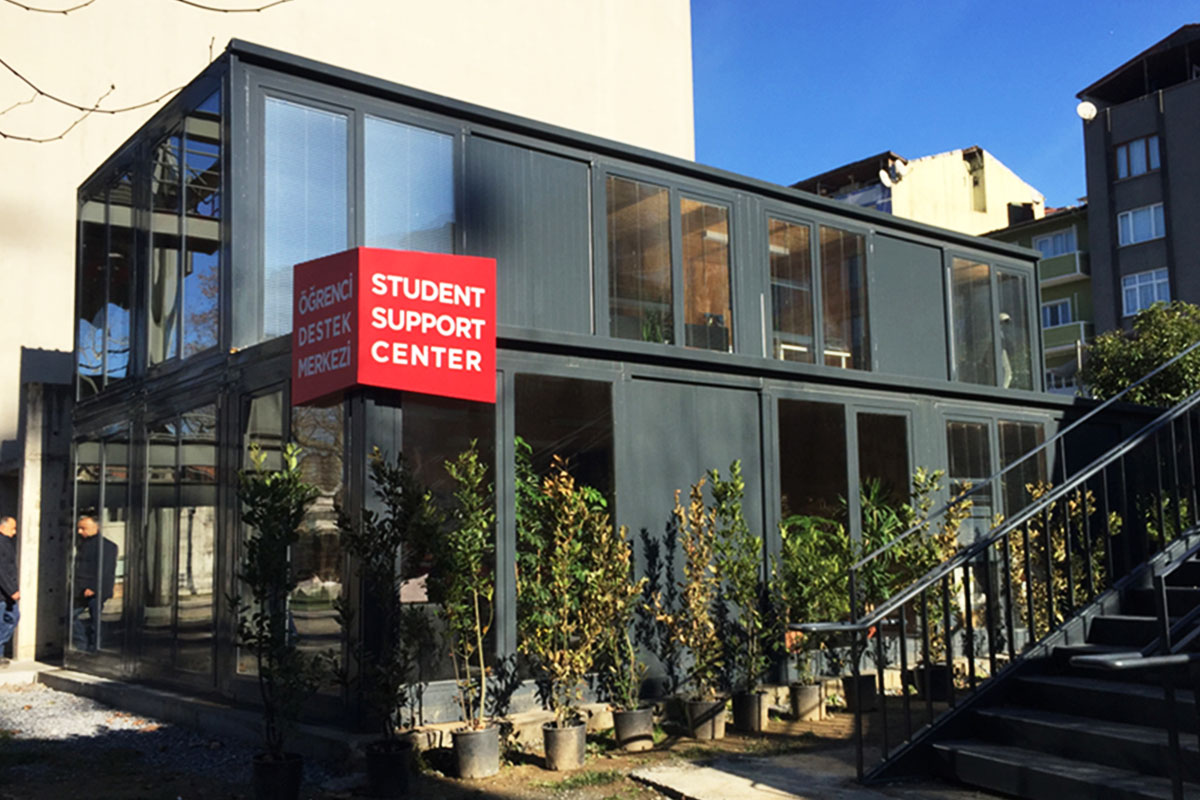
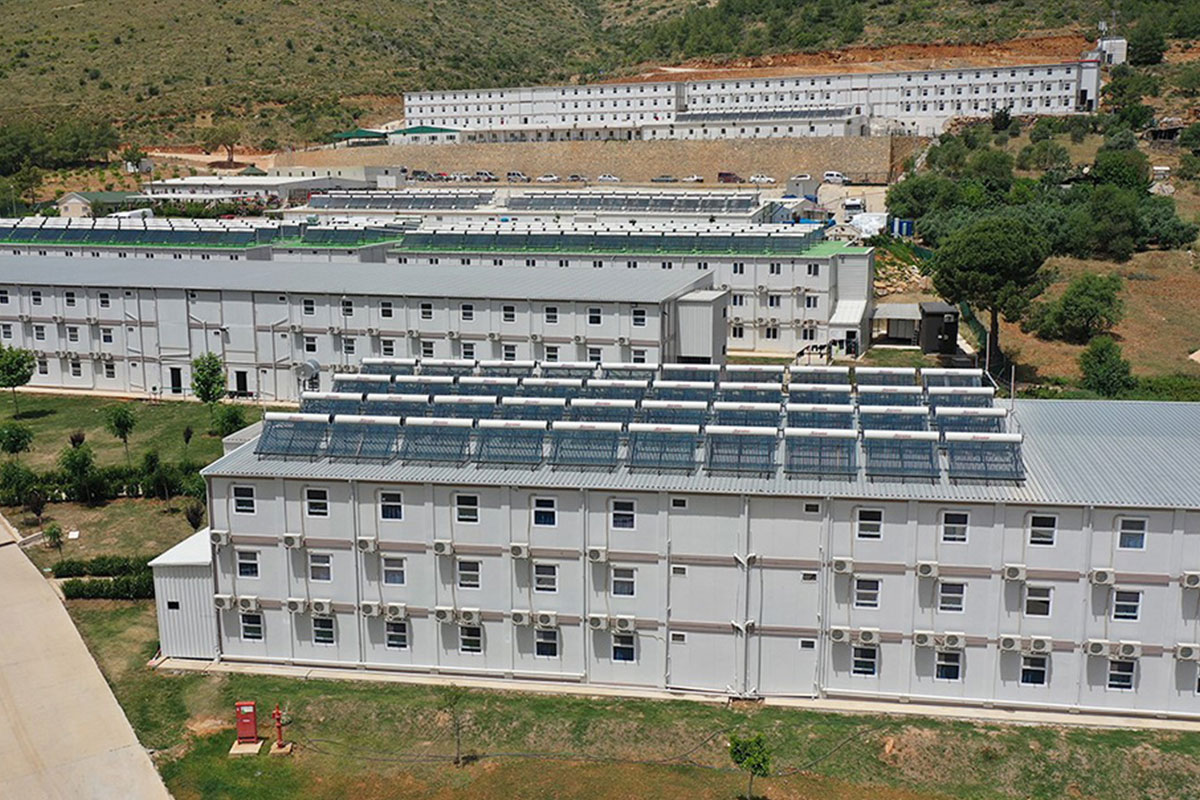
Both modular and prefabricated solutions are widely used to house skilled labor near project sites, ensuring comfort in harsh climatic conditions. - Temporary schools & healthcare units
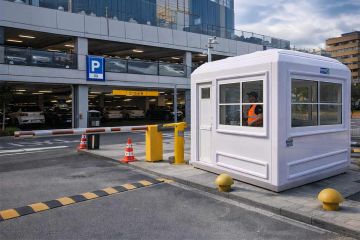
Municipalities rely on fast-deployable structures to respond to population shifts, renovations, or emergency capacity needs. - Security buildings & technical units
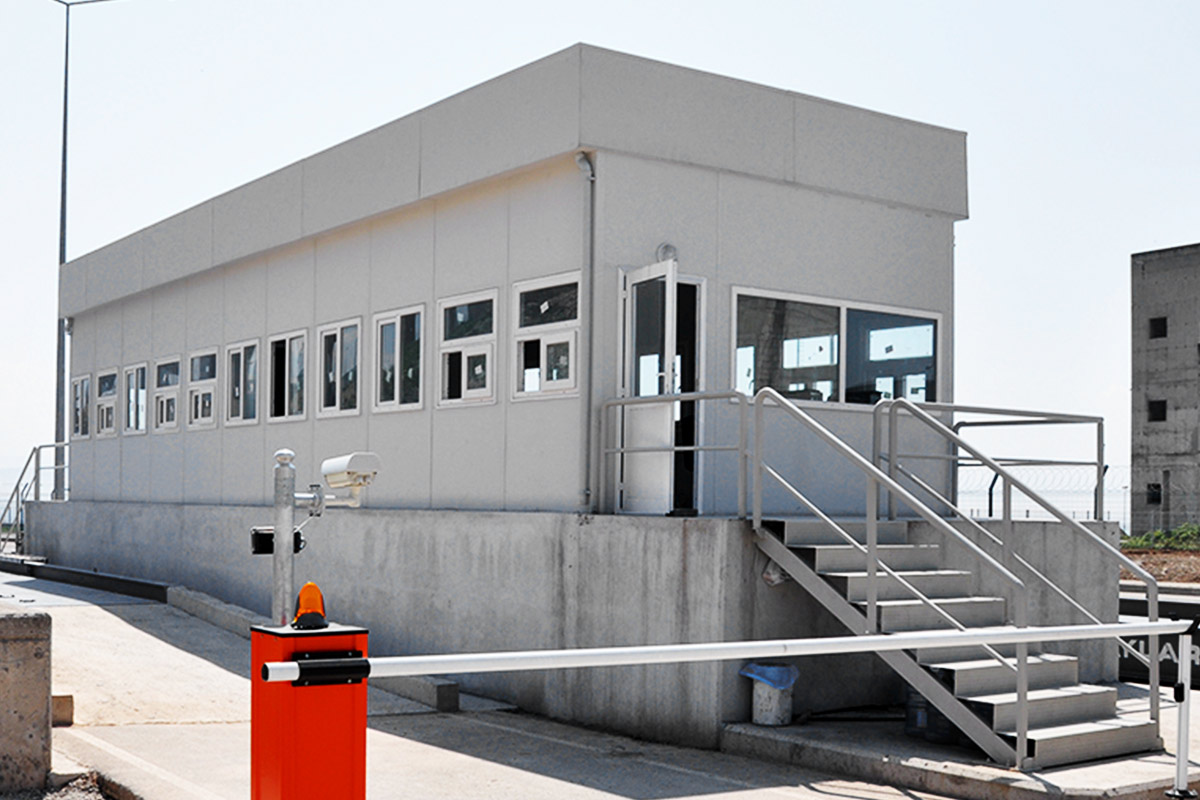
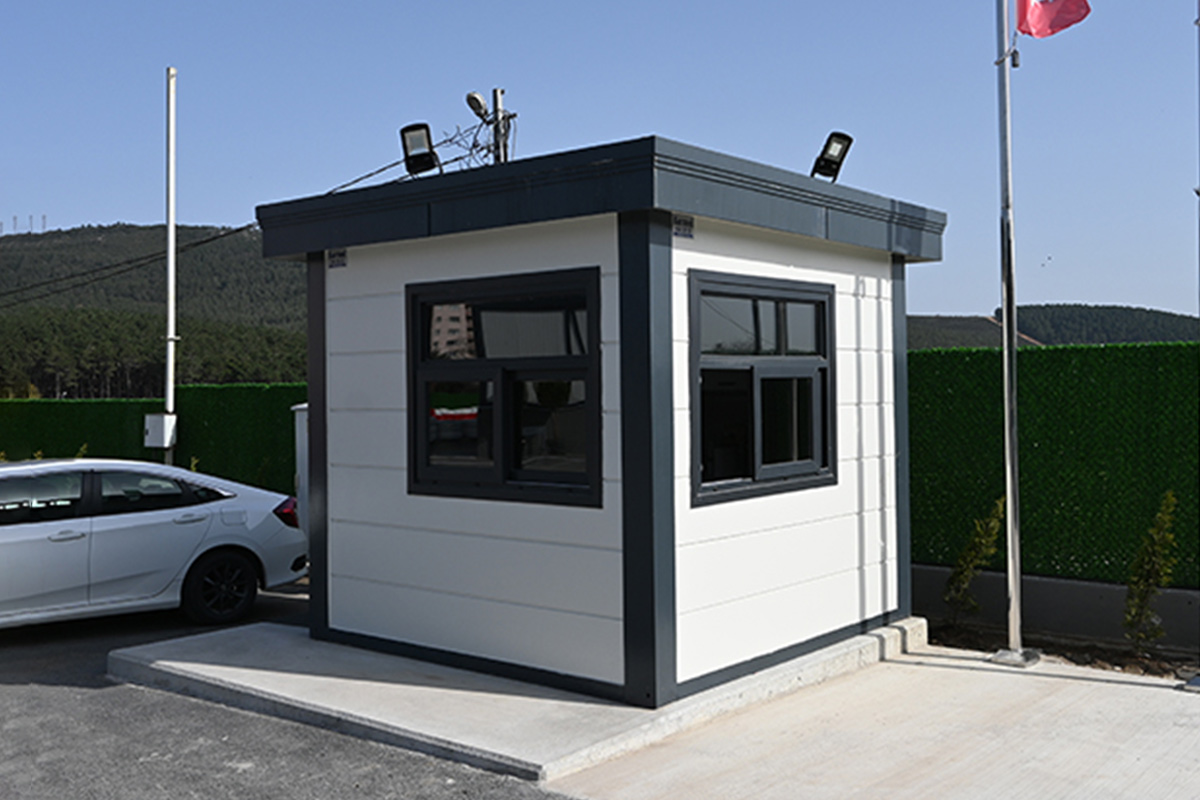
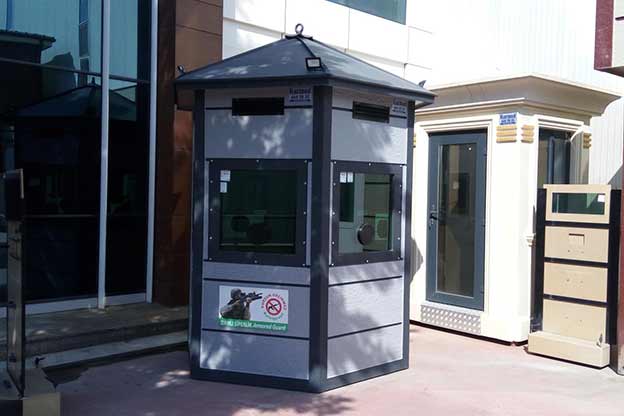
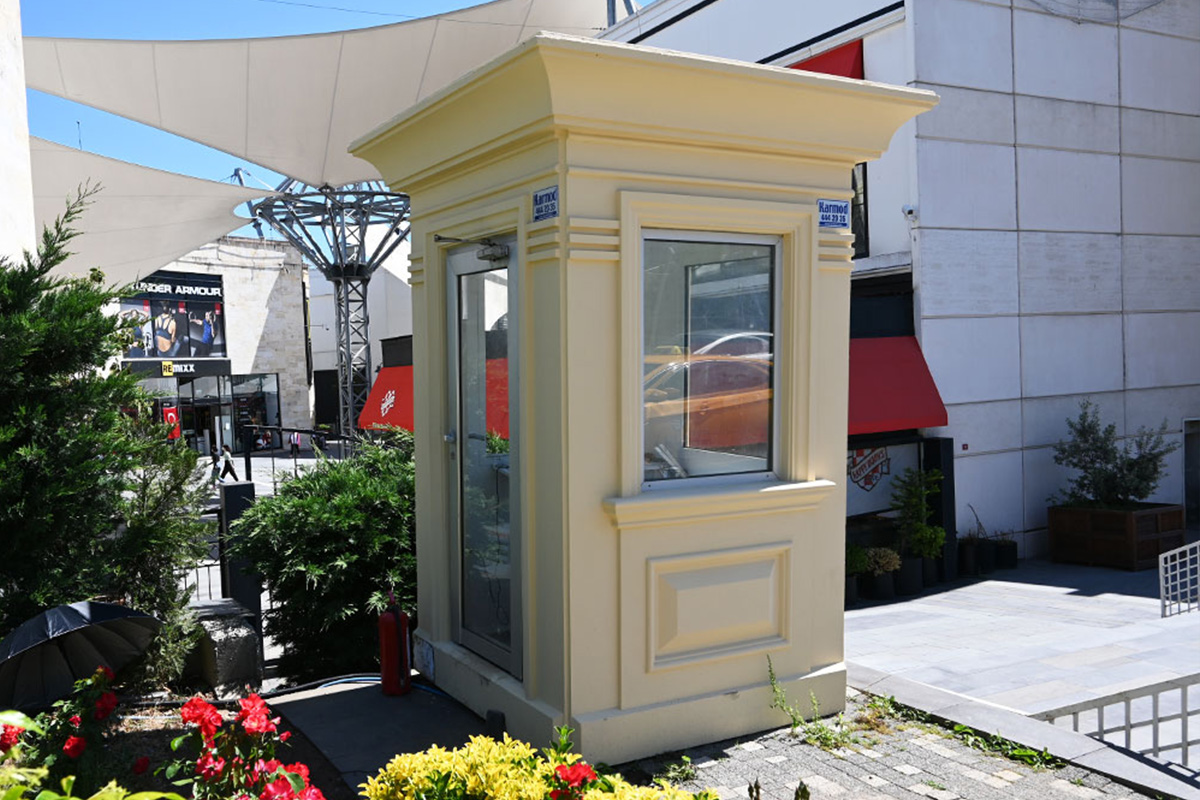
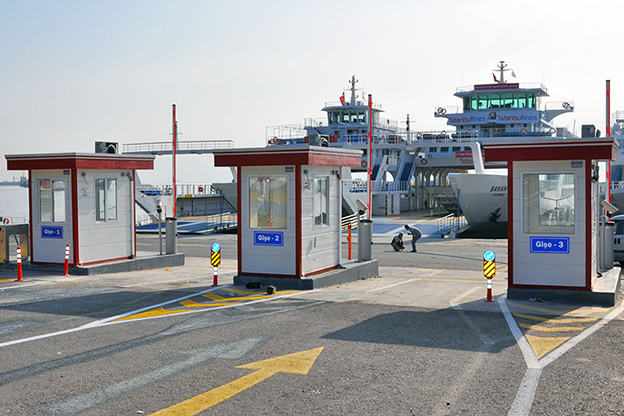
Access control points, monitoring units, and technical rooms benefit from modular production and rapid installation. - Storage and logistics facilities
Modular and prefabricated structures support scalable storage solutions for logistics operators and industrial suppliers.
From Design to Installation: How the Process Works
The process begins with a detailed project needs analysis. Functional requirements, site conditions, regulatory constraints, and timeline expectations are assessed to define the most suitable building system.
Custom design and specifications follow this stage. Layouts, insulation levels, fire safety requirements, and technical infrastructure are adapted to Finnish regulations and climate conditions.
Factory production is then carried out under controlled conditions, ensuring consistent quality and minimizing material waste. Parallel to production, logistics planning is completed to ensure smooth delivery to Finland, including compliance with transport and customs procedures when applicable.
On-site installation is typically completed within a short timeframe. Modules or prefabricated components are assembled with minimal disruption to surrounding operations, a key advantage for active industrial or public sites.
Key Considerations for Modular Buildings in Finland
Thermal insulation
Finland’s climate requires high-performance insulation solutions. Wall systems, roof structures, and flooring must meet strict energy efficiency standards to ensure year-round usability.
Fire safety standards
Compliance with Finnish and European fire regulations is essential. Modular buildings are designed with certified materials and systems to meet these requirements.
Climate suitability
Snow loads, wind resistance, and moisture protection are integral design factors. Structures must maintain performance in extreme seasonal conditions.
Custom layouts
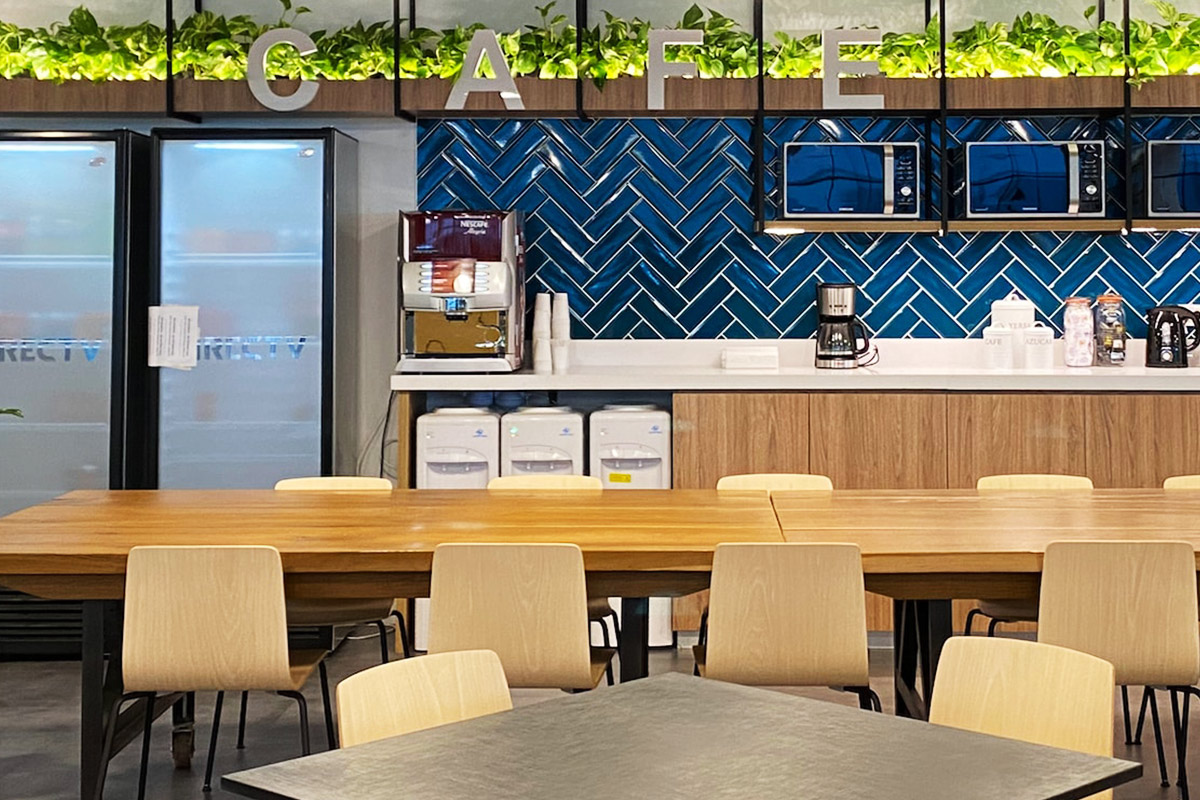
Flexibility in interior planning allows buildings to be adapted for specific operational needs, from technical facilities to administrative spaces.
Companies such as Karmod approach these considerations with a strong focus on long-term performance rather than short-term deployment. Drawing on experience gained across Europe, Karmod modular building solutions are designed to align with demanding climates and regulatory frameworks. This background allows projects in Finland to benefit from proven engineering practices and consistent quality standards without relying on experimental methods.
By integrating modular buildings and prefabricated building systems into their project strategies, organizations in Finland gain greater control over cost, time, and operational continuity. These advantages make modular construction not just an alternative, but a strategic building approach for sectors that value reliability and foresight.