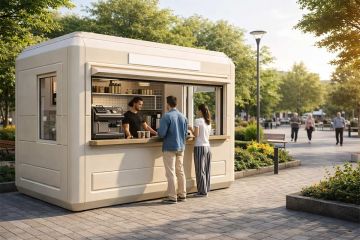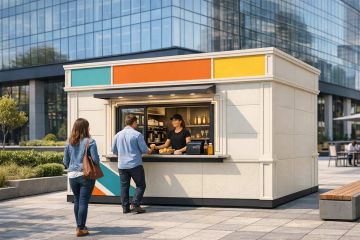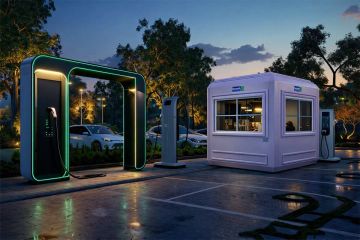



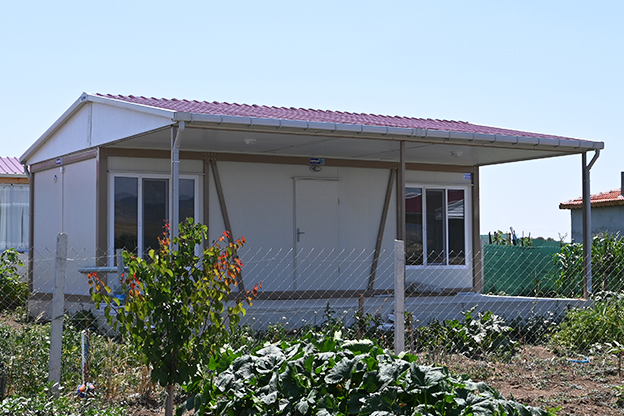
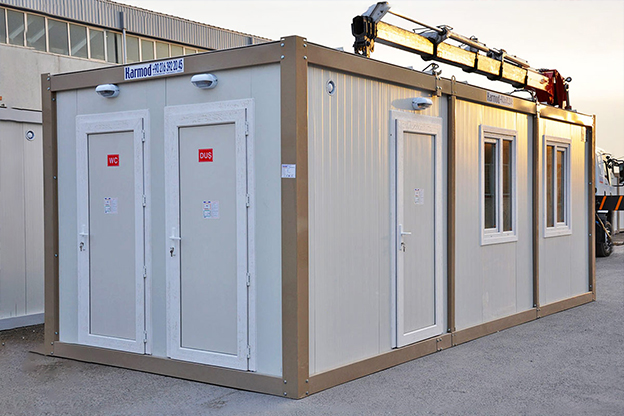
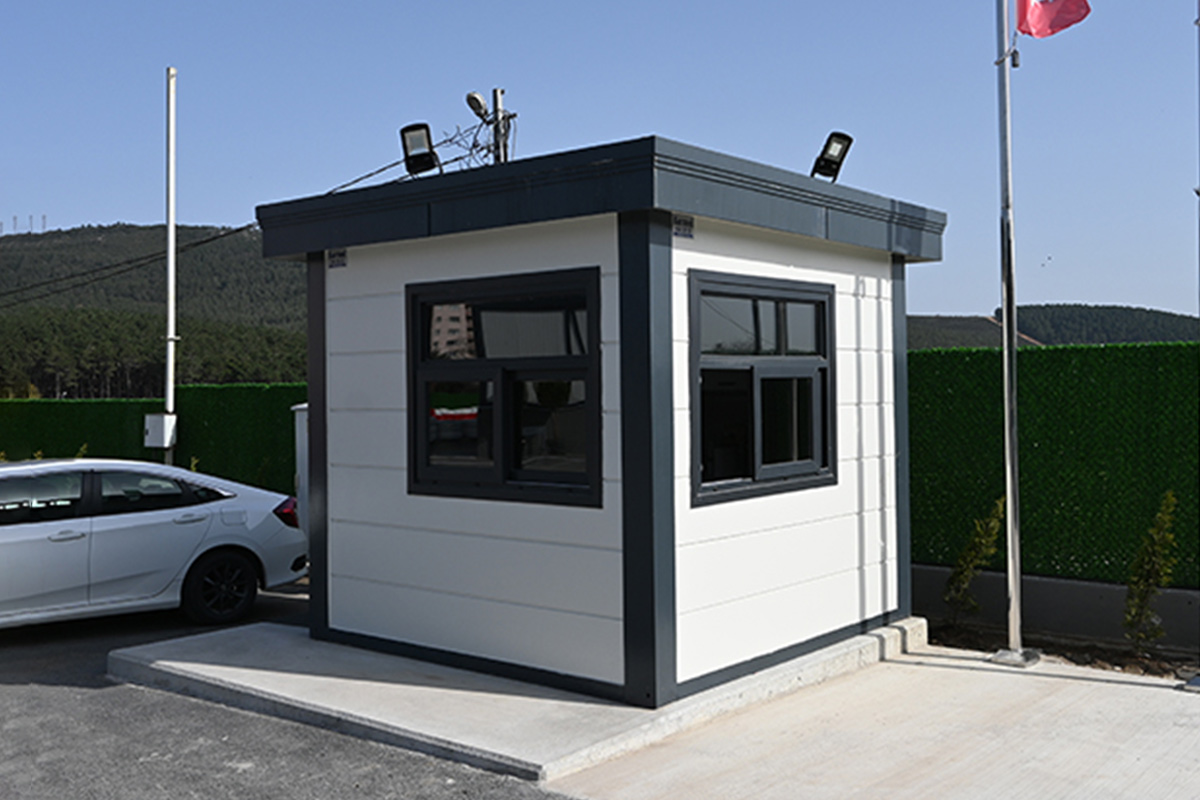
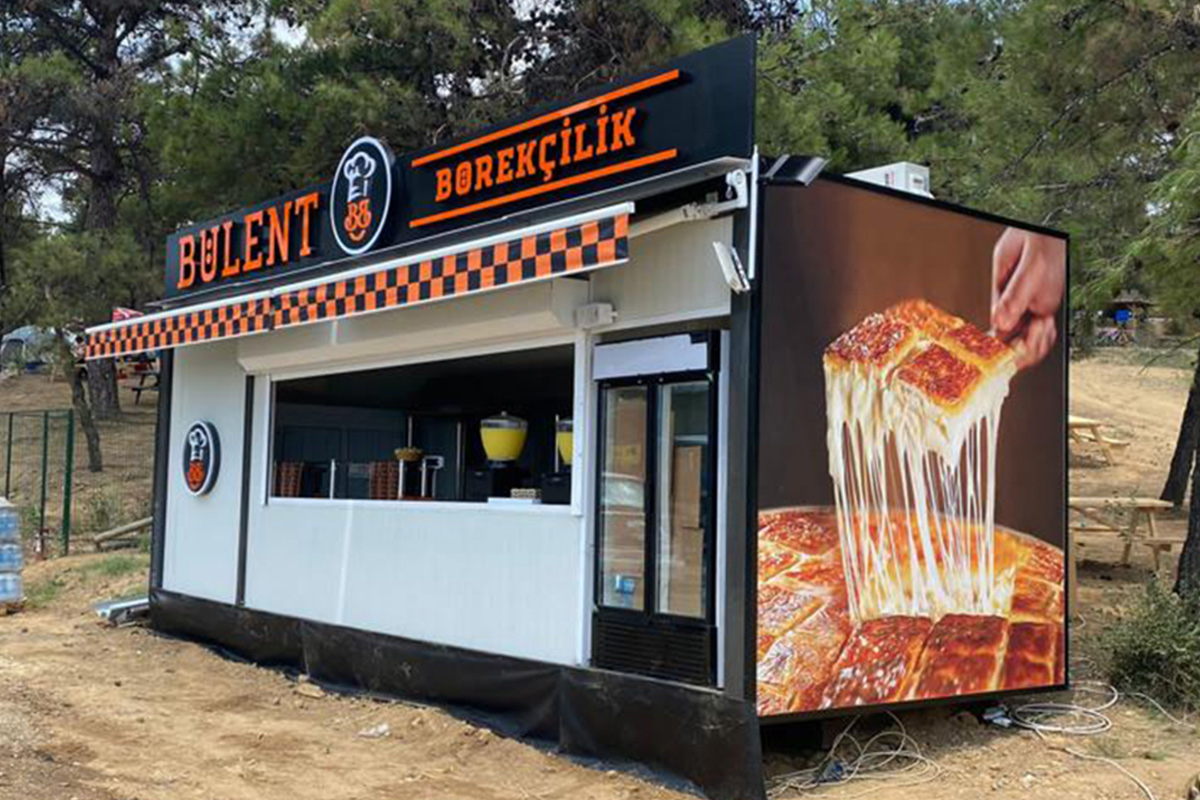
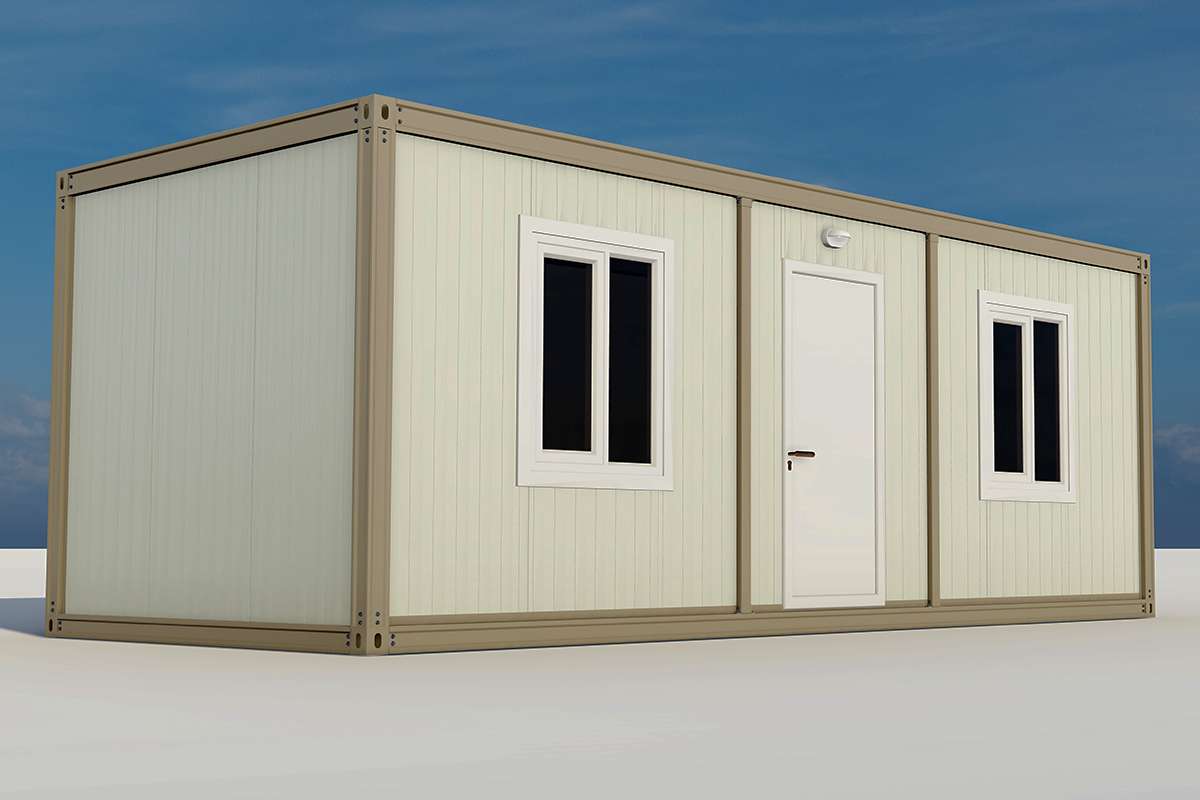
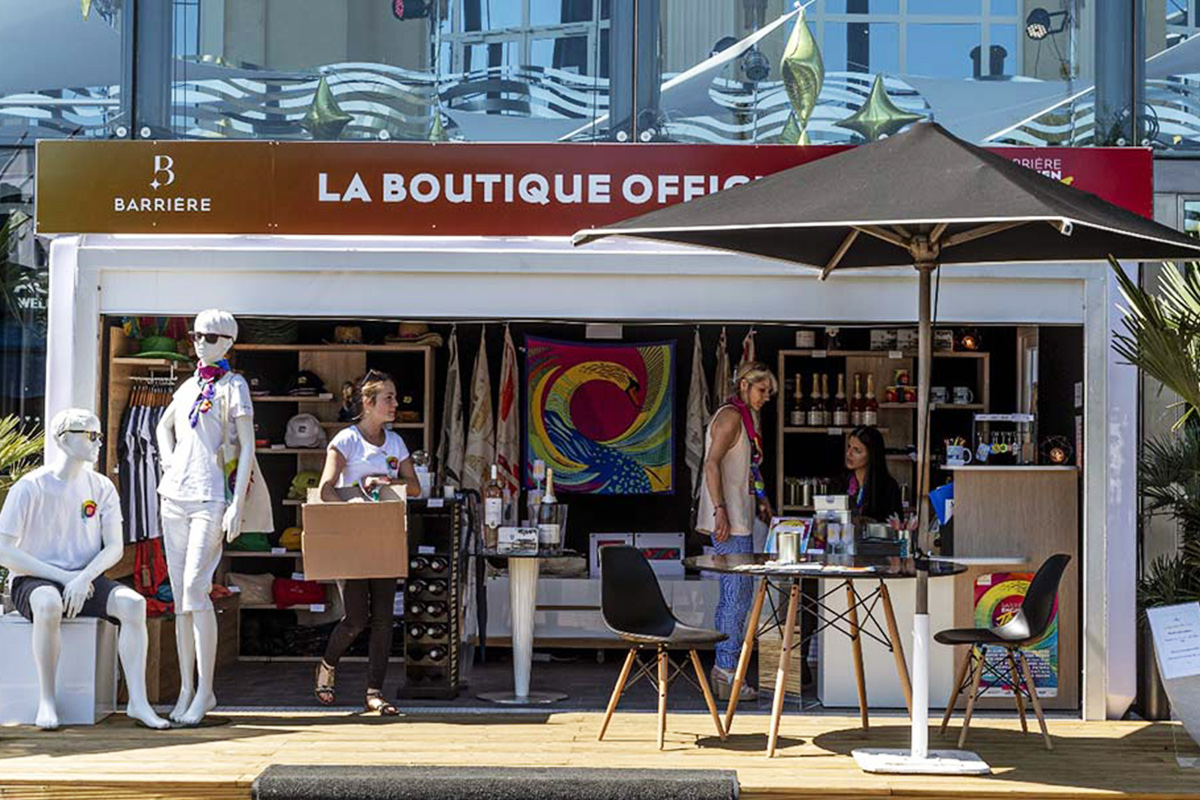
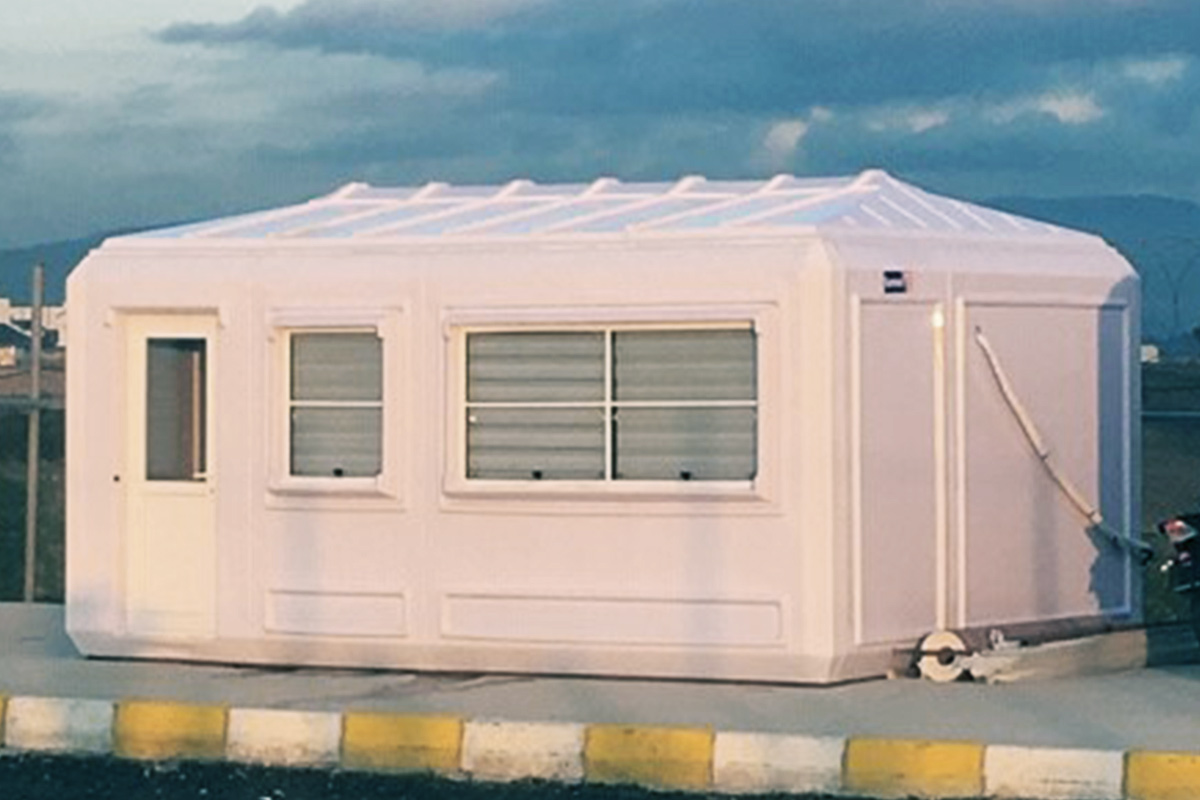
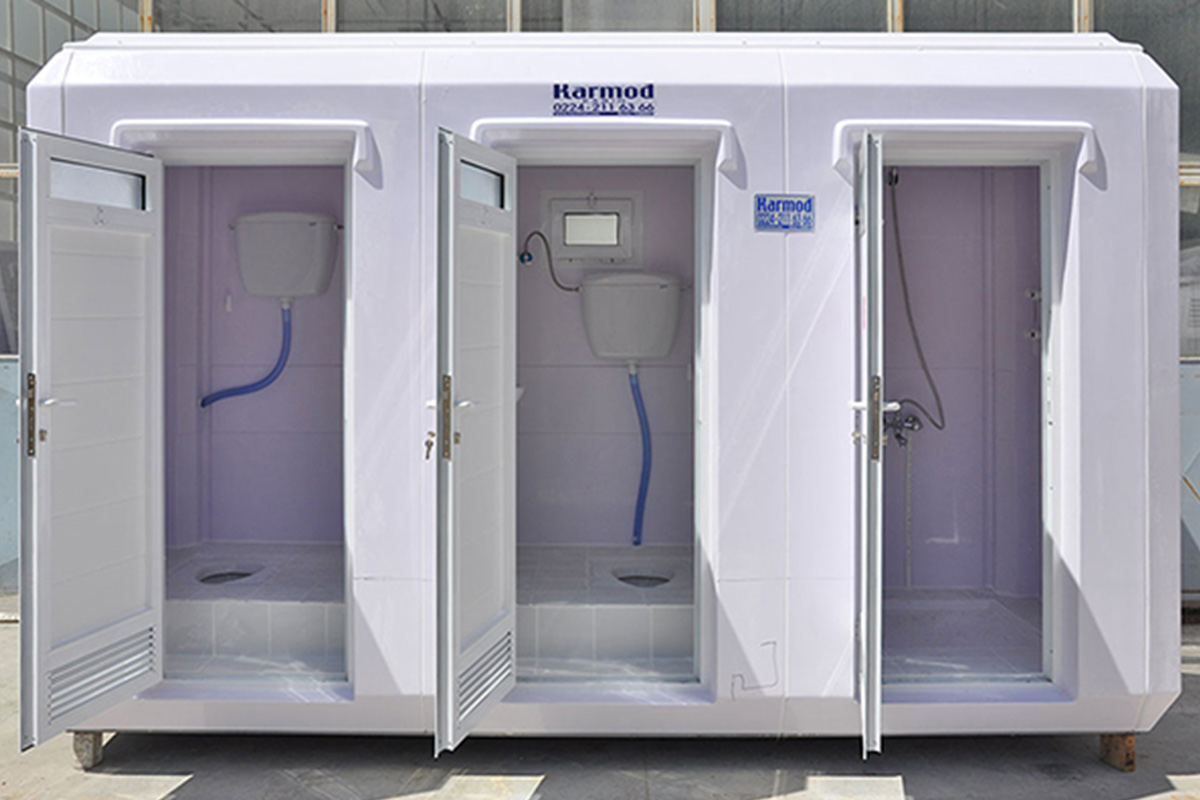
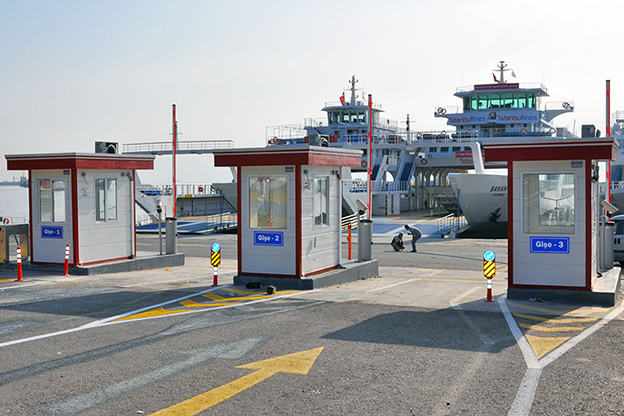
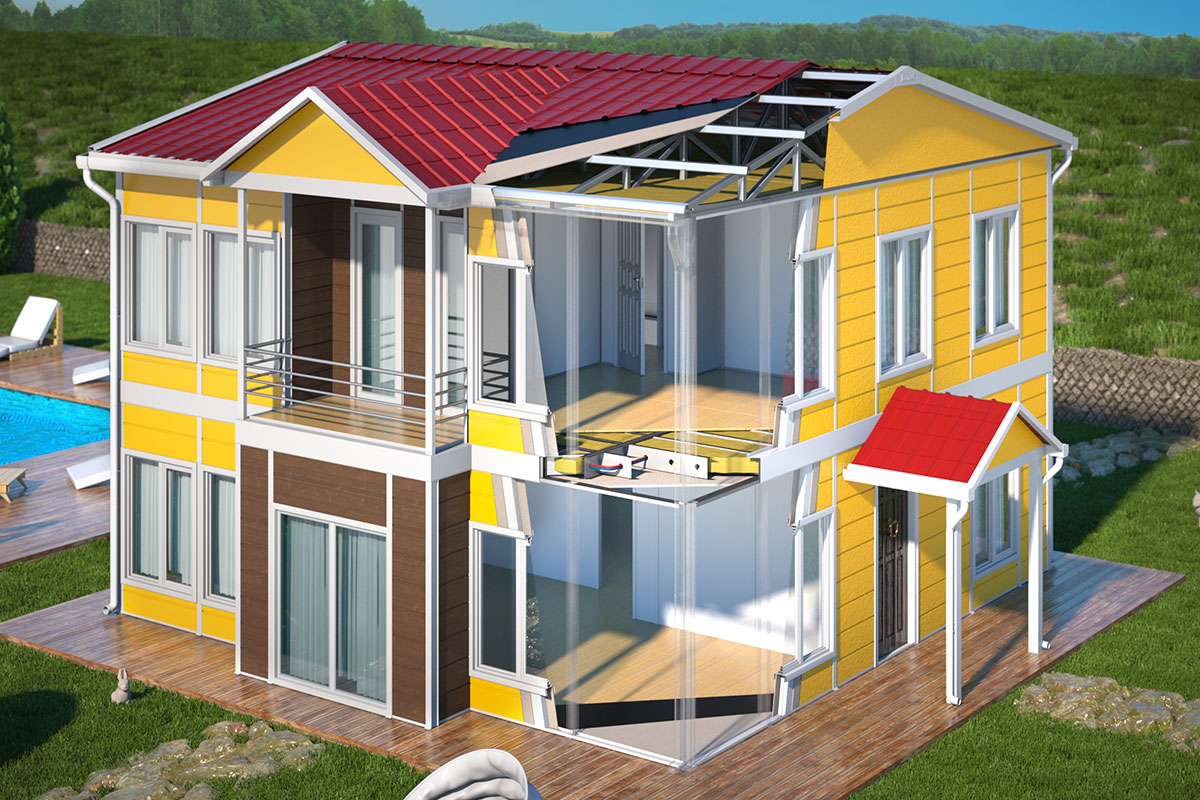
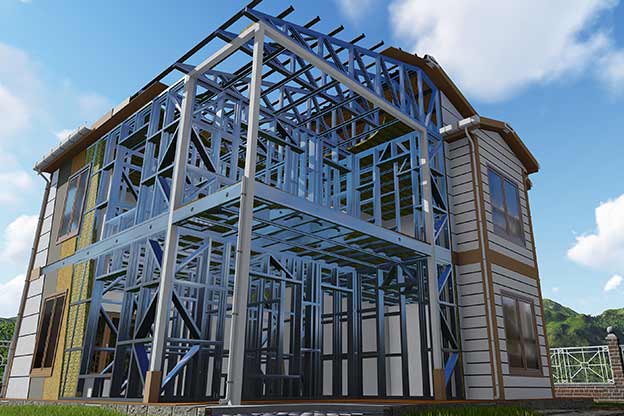
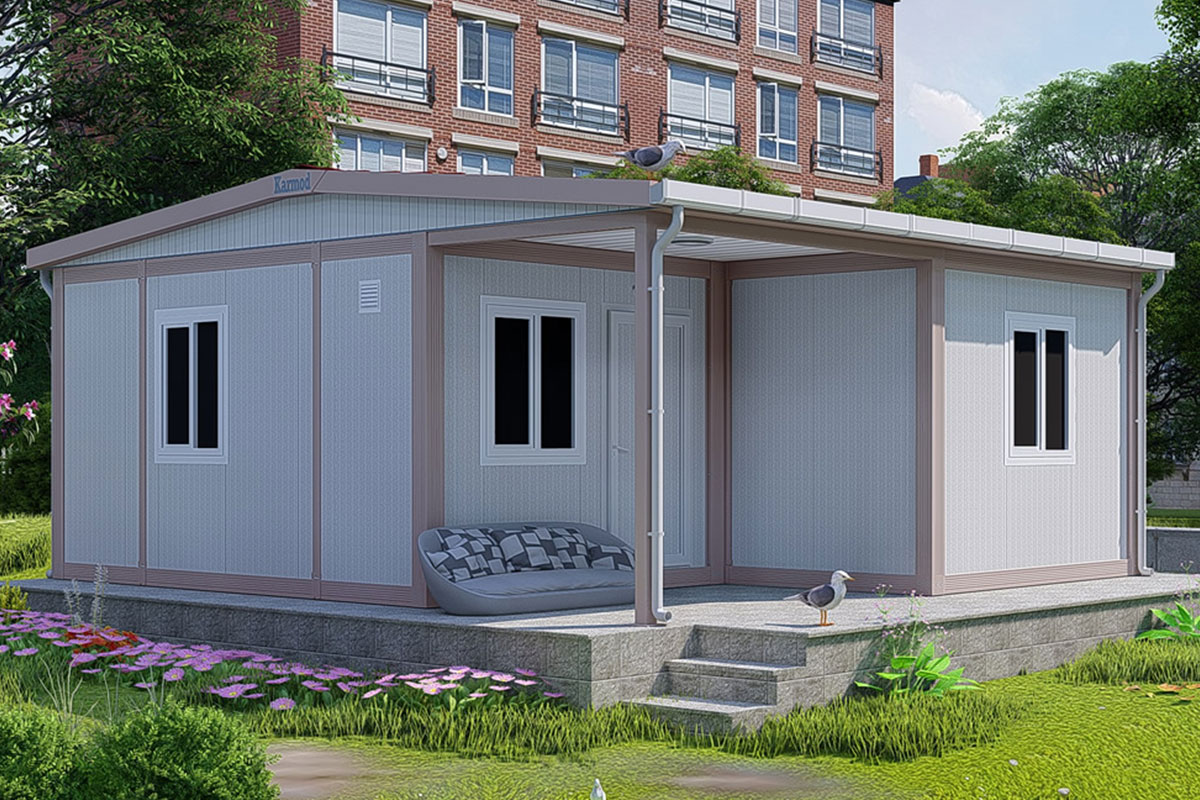

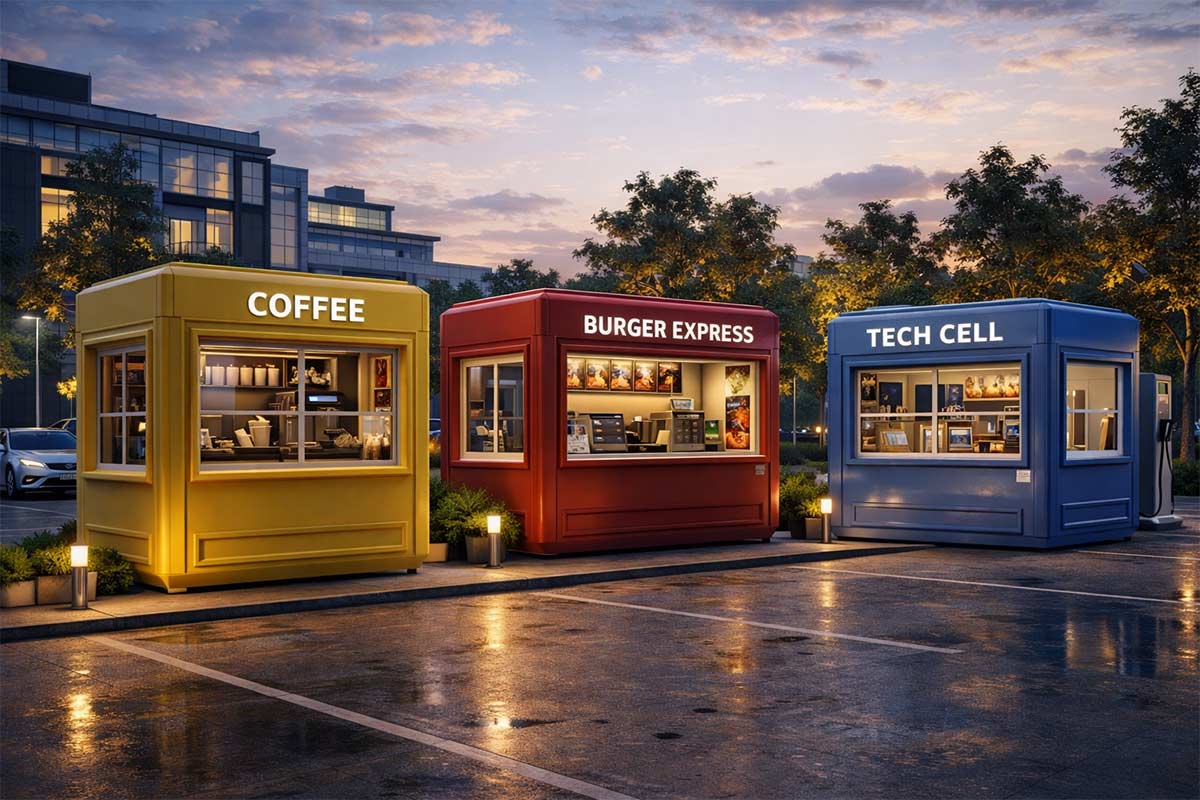
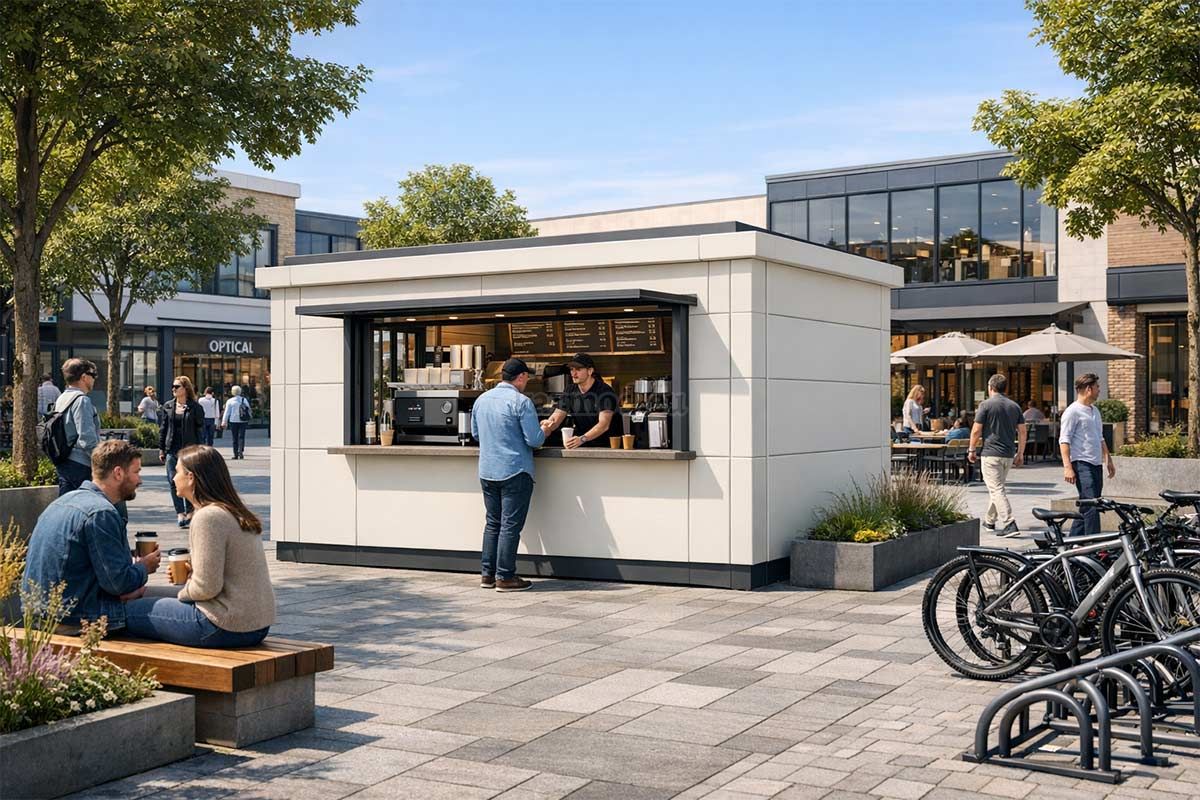
Franchise models thrive on speed, consistency, and repeatability. In recent years, modular kiosks have emerged as one of the most effective physical formats for franchise expansion, especially for brands looking to grow without the delays and costs of traditional construction. From food and beverage concepts to retail and service-based franchises, modular kiosks provide a controlled, scalable foundation for rapid market entry.
For franchise investors and brand owners alike, modular kiosks are not just compact buildings. They are standardized business tools that support predictable rollout strategies while allowing enough flexibility to adapt to local market conditions.
Why Modular Kiosks Fit Franchise Models Perfectly
At the core of every successful franchise is uniformity. Customers expect the same experience, layout, and service quality regardless of location. Modular kiosks are factory-produced under controlled conditions, ensuring consistent dimensions, finishes, and technical standards across all units.
This standardization simplifies training, operations, and brand management. Franchisees know exactly what they are getting, and franchisors can maintain control over how their brand is presented in every location. Compared to custom-built retail spaces, modular kiosks dramatically reduce variability, which is often one of the biggest challenges in franchise expansion.
Speed is another decisive factor. Modular kiosks can be produced and installed far faster than conventional buildings, allowing franchise networks to open new locations in weeks rather than months.
Cost Efficiency and Predictable Investment
Franchise investors typically evaluate opportunities based on return on investment and risk exposure. Modular kiosks offer a clear advantage by keeping initial setup costs transparent and manageable.
Because these kiosks are produced in factories, costs related to materials, labor, and timelines are more predictable. Unexpected construction overruns are minimized, making financial planning easier for both franchisors and franchisees.
Additionally, modular kiosks often require lighter foundations and fewer on-site works, further reducing capital expenditure. For first-time franchise investors, this lower entry barrier can be the difference between hesitation and commitment.
Rapid Replication Across Multiple Locations
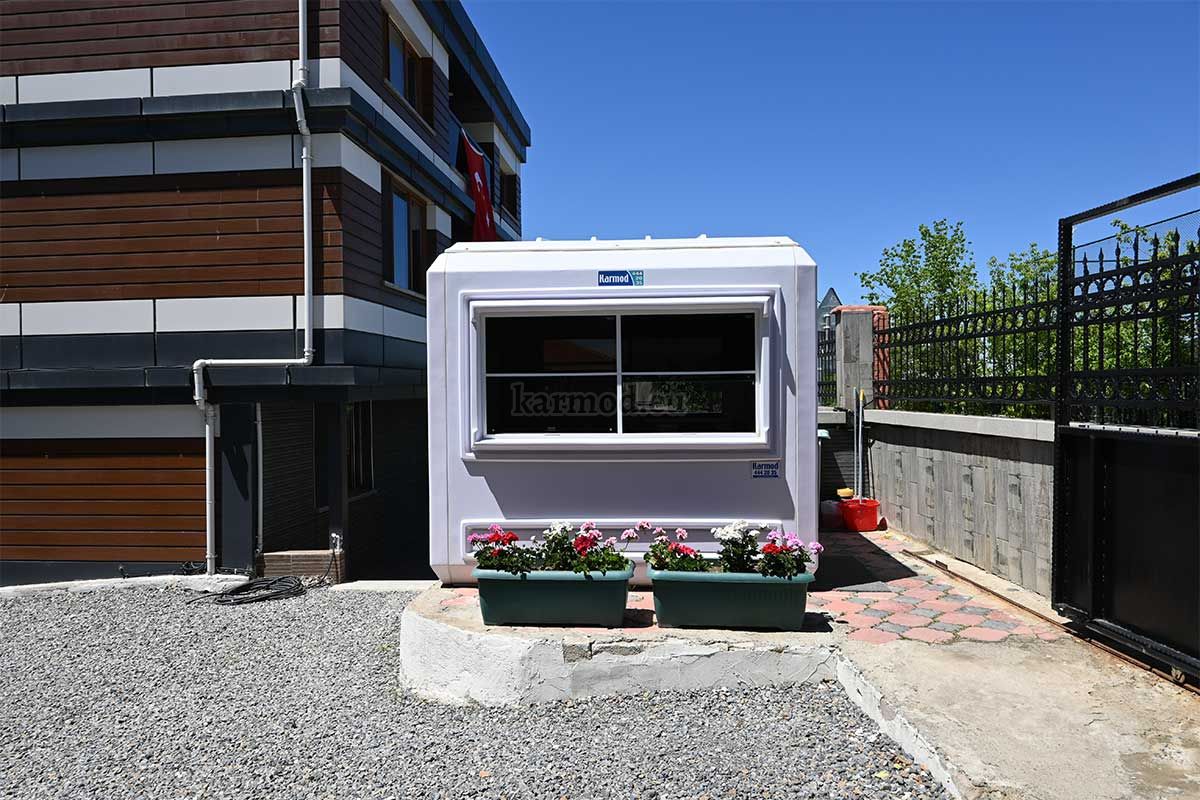
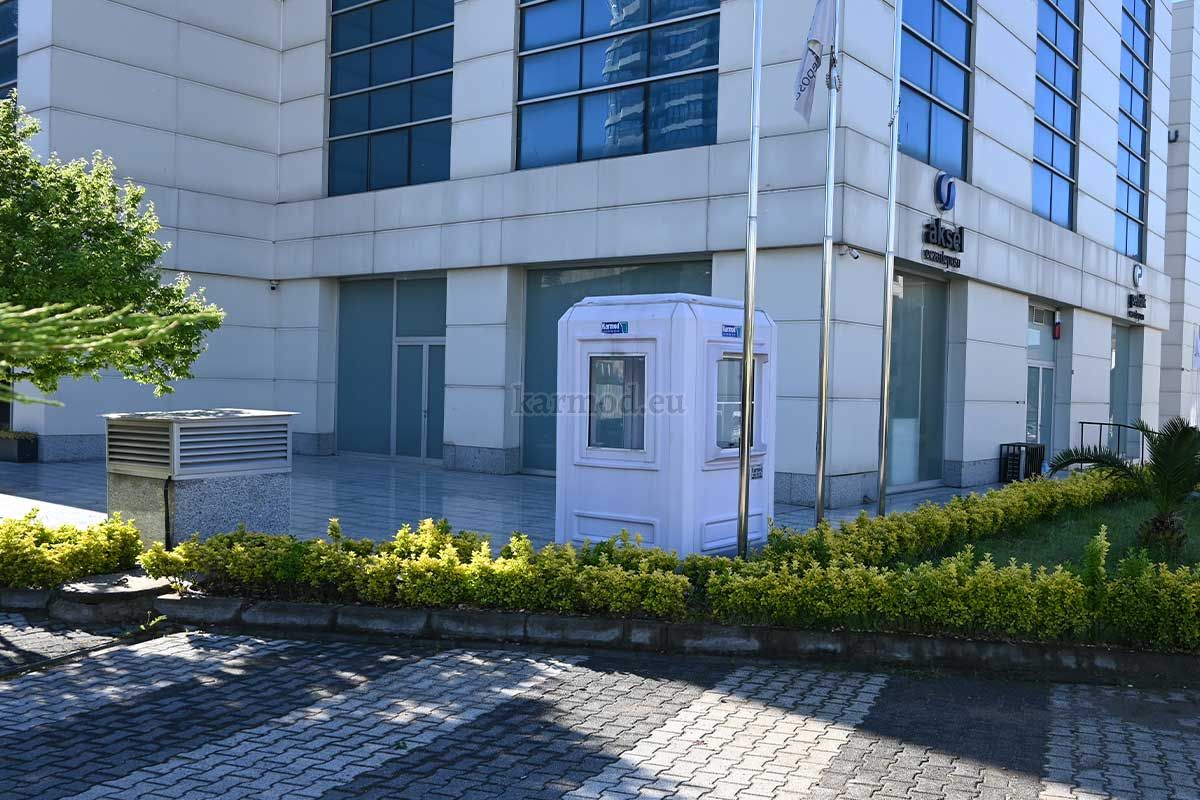
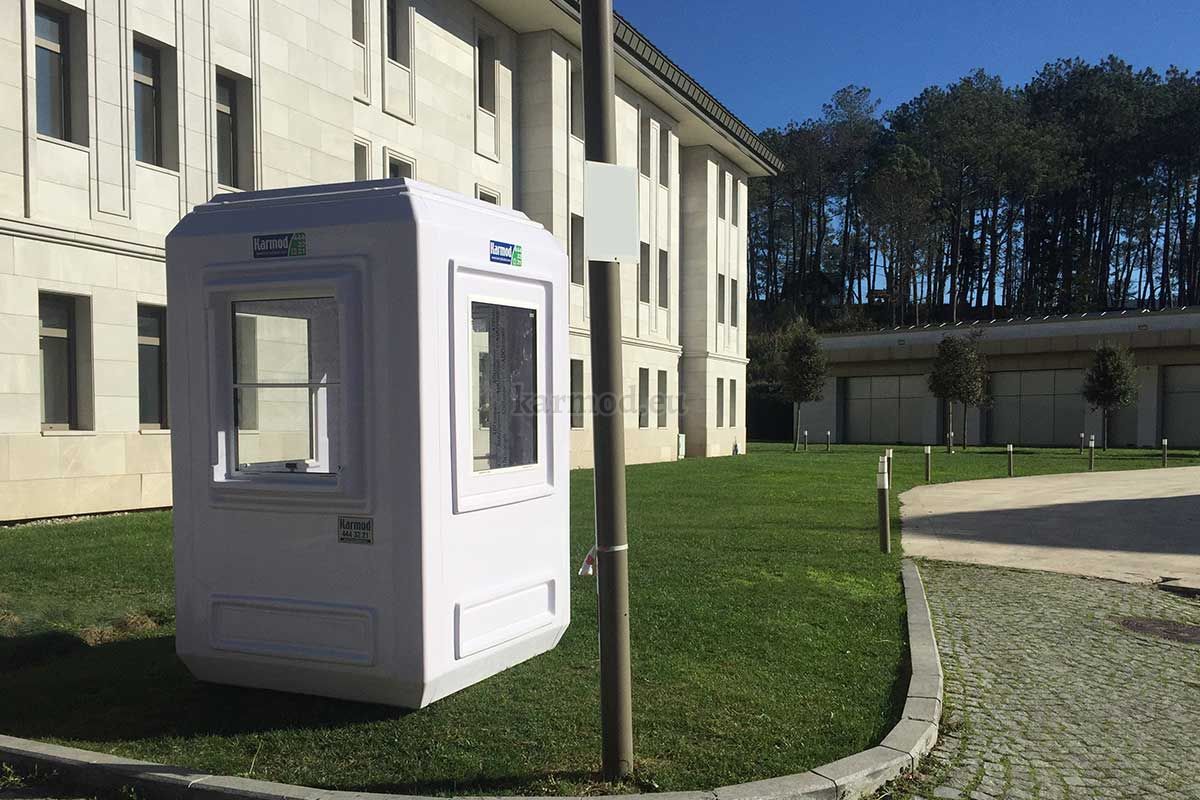
One of the strongest benefits of modular kiosks is their ability to be replicated quickly. Once a successful kiosk design is finalized, it can be reproduced for multiple locations with identical specifications.
This replication supports aggressive expansion strategies. Whether a franchise plans to open ten kiosks in one city or scale nationally, modular systems ensure that each new unit meets the same quality and branding standards.
Consistency also simplifies supply chain management. Equipment, furniture, and signage can be standardized, reducing procurement complexity and operational errors during rollout.
Flexibility for Different Markets and Locations
While consistency is essential, no two locations are exactly the same. Modular kiosks strike a balance between standardization and adaptability.
Layouts can be adjusted to fit different site sizes, customer flow patterns, or regulatory requirements without redesigning the entire structure. Exterior finishes and branding elements can be localized to suit cultural or environmental contexts while maintaining the core brand identity.
This flexibility allows franchise brands to enter diverse markets without sacrificing operational efficiency or visual coherence.
Mobility and Risk Management for Franchisees
Unlike permanent retail buildings, modular kiosks offer a level of mobility that significantly reduces risk. If a location underperforms, the kiosk can often be relocated rather than abandoned.
For franchisees, this means their investment is not tied to a single site indefinitely. The ability to move or repurpose a kiosk adds a layer of financial security that traditional brick-and-mortar stores rarely provide.
From the franchisor’s perspective, this mobility supports experimentation. New locations can be tested with lower risk before committing to long-term leases or permanent developments.
Regulatory Advantages in Franchise Deployment
Franchise expansion often faces delays due to local permitting and construction approvals. Modular kiosks can simplify this process, especially when designed as semi-permanent or temporary structures.
Many municipalities are more open to approving modular kiosks for public spaces, transport hubs, and commercial areas because they have a smaller footprint and reduced environmental impact. This can significantly shorten approval timelines and help franchises move faster than competitors relying on traditional builds.
Building a Scalable Franchise with the Right Kiosk Partner
The success of a kiosk-based franchise model depends heavily on the quality of the modular structures behind it. Poorly built kiosks lead to operational issues, maintenance costs, and brand damage.
Working with an experienced modular kiosk manufacturer ensures that every unit meets technical standards, supports operational needs, and reflects brand values consistently. From electrical and plumbing integration to insulation and durability, the right partner makes franchise growth smoother and more sustainable.
If you are exploring franchise opportunities with modular kiosks and want a solution that supports fast expansion, cost control, and long-term brand consistency, choosing a proven modular kiosk supplier is a strategic move.
Contact us to discuss franchise-ready modular kiosk designs, scalable production options, and tailored proposals that support your franchise growth strategy.