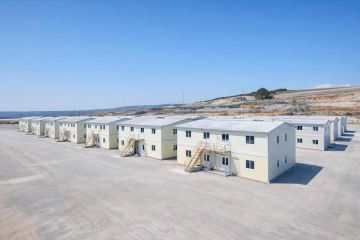
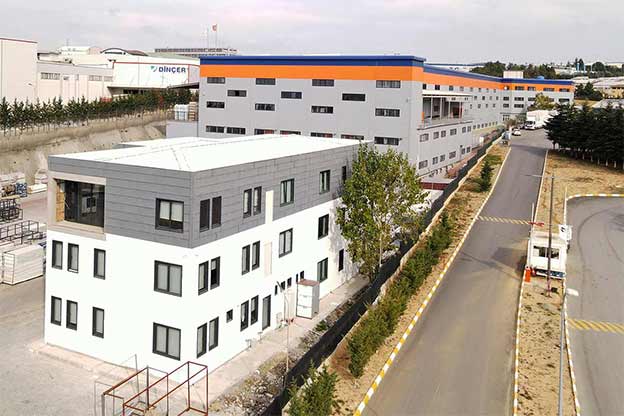



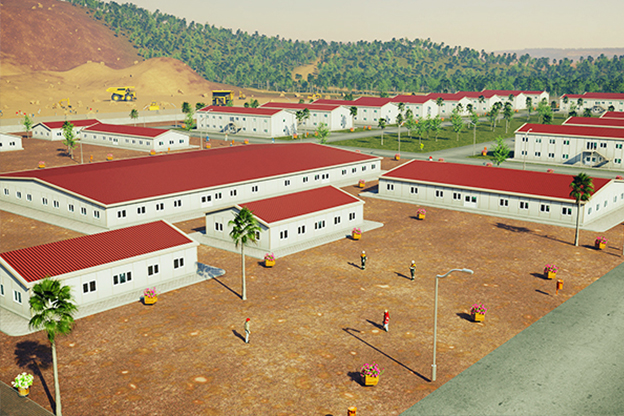
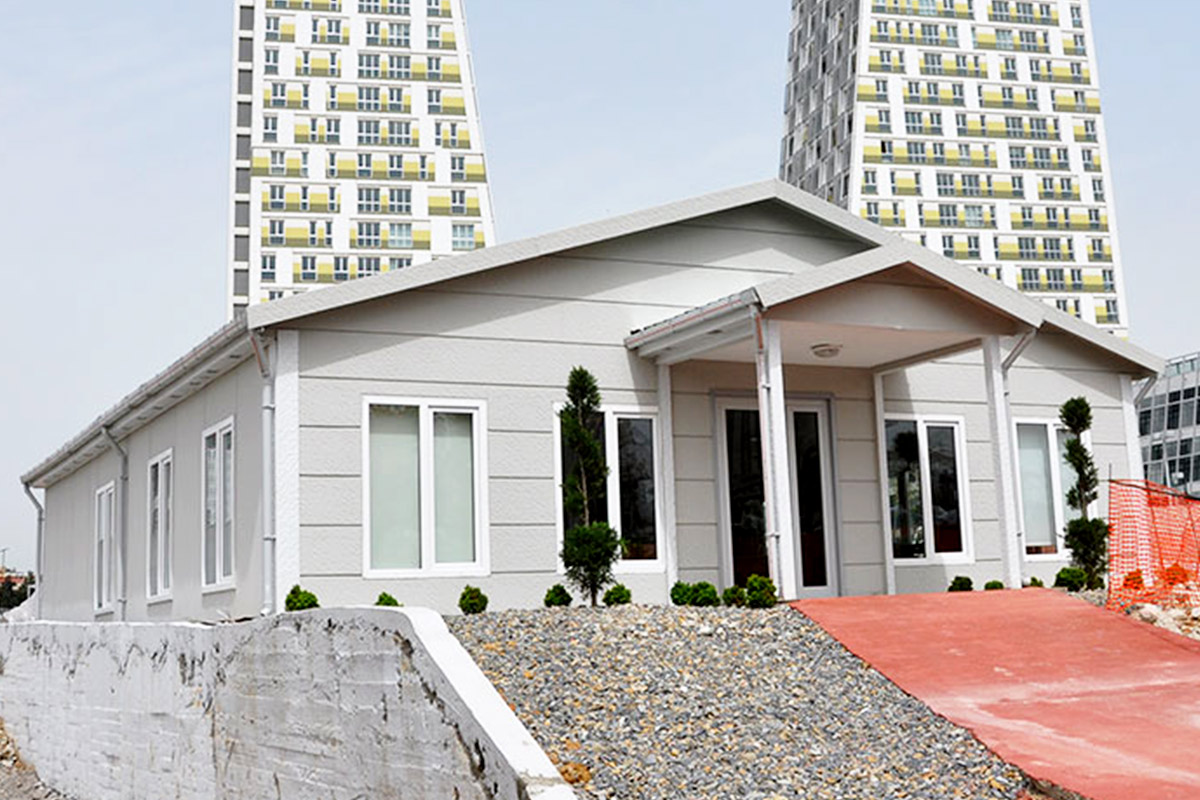

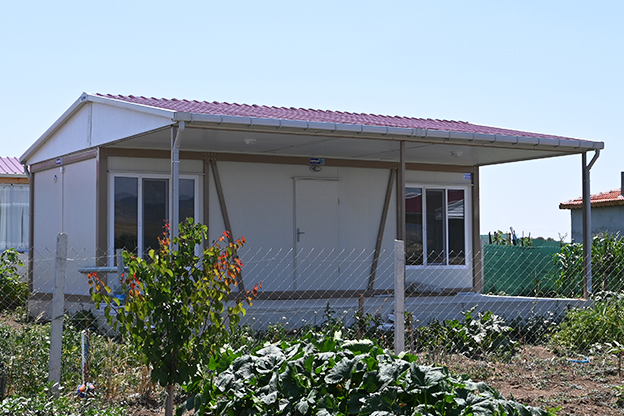
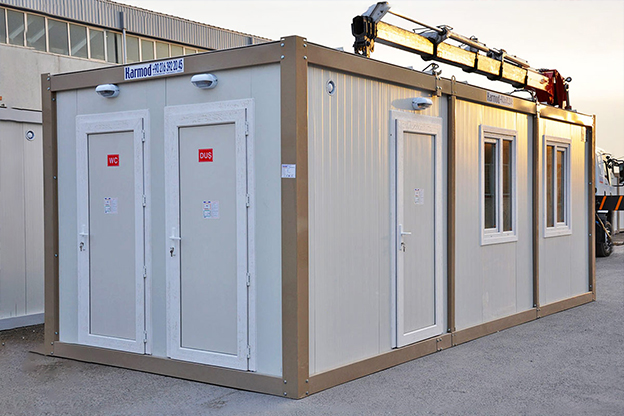
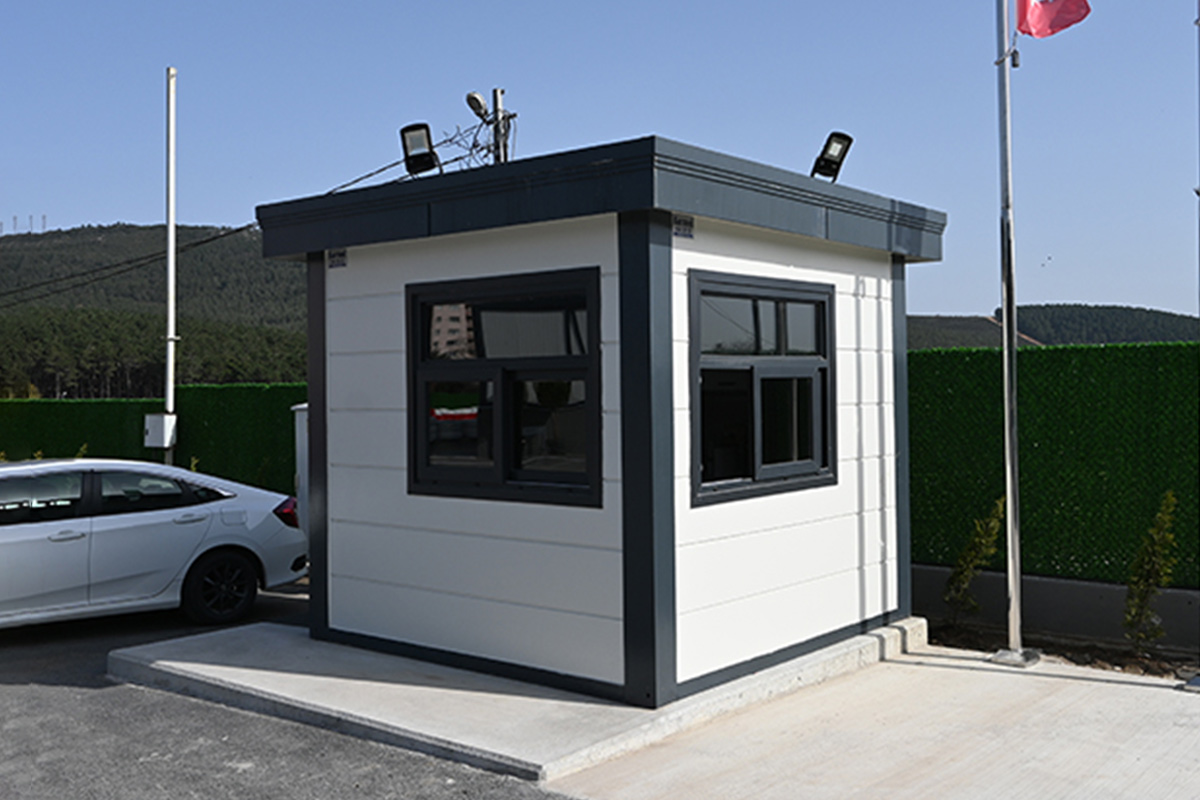
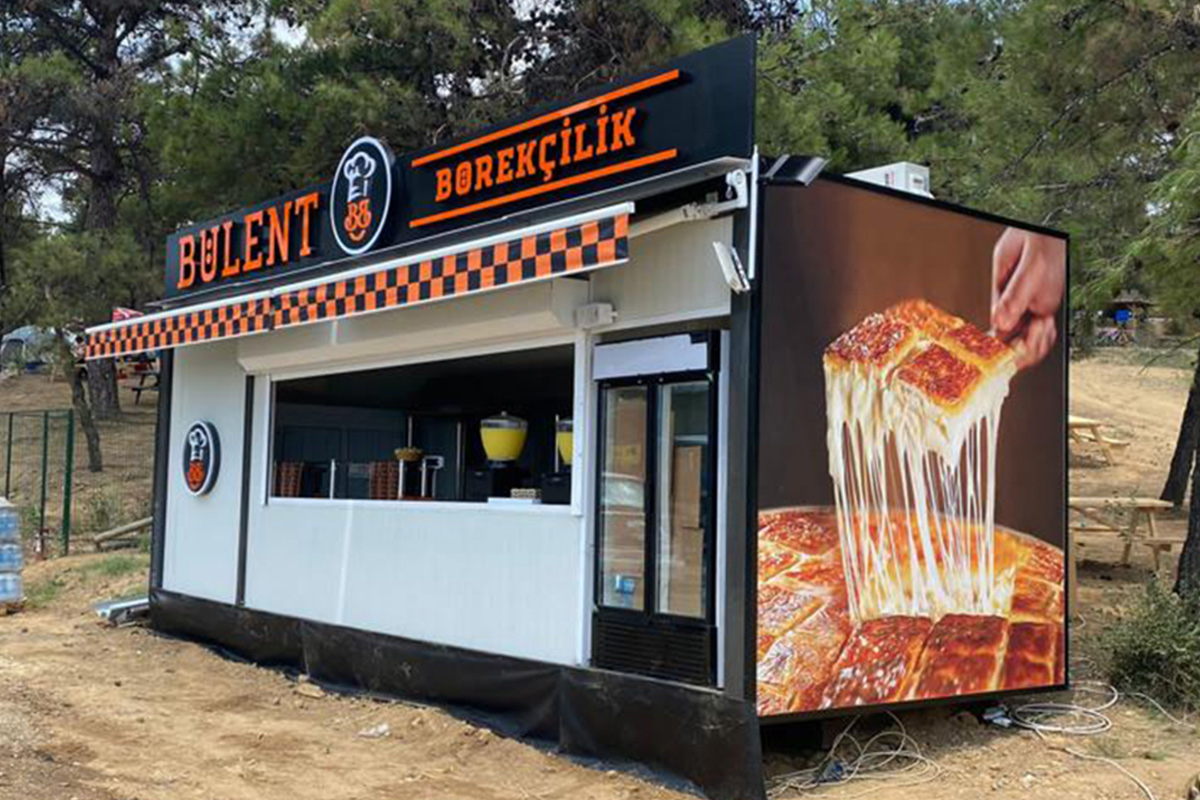

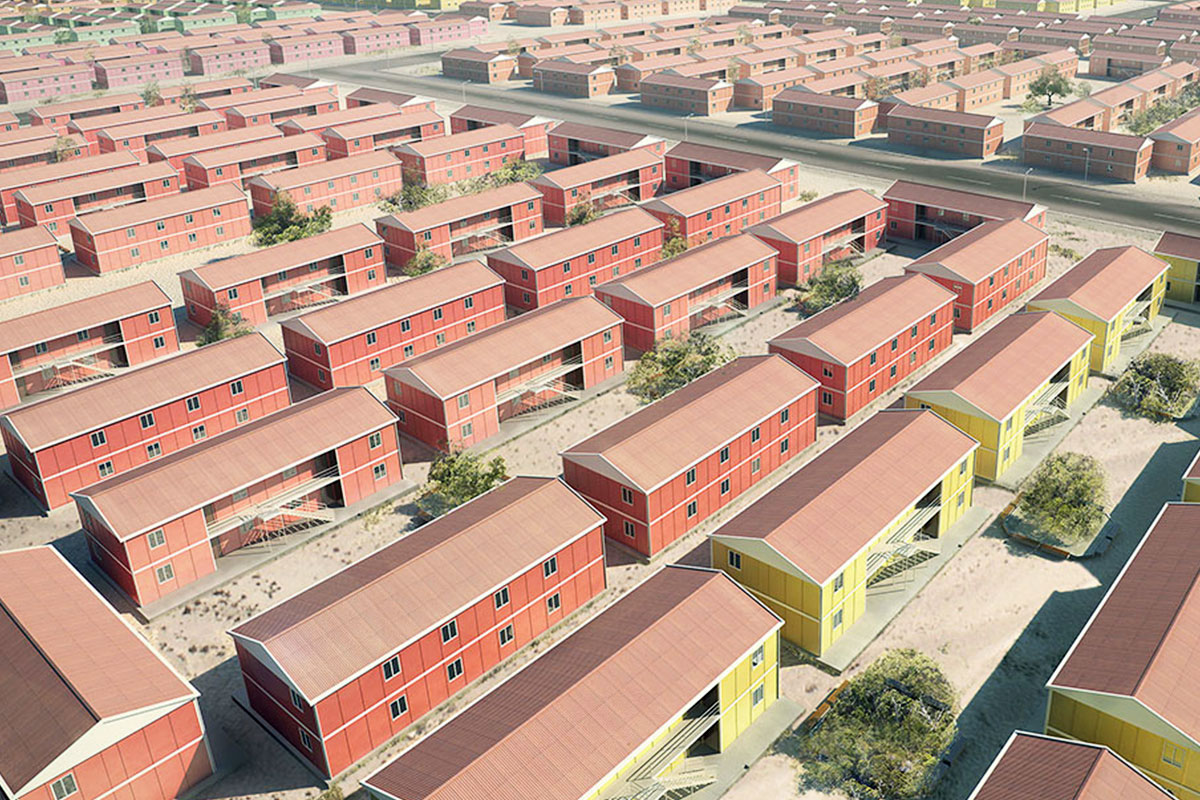
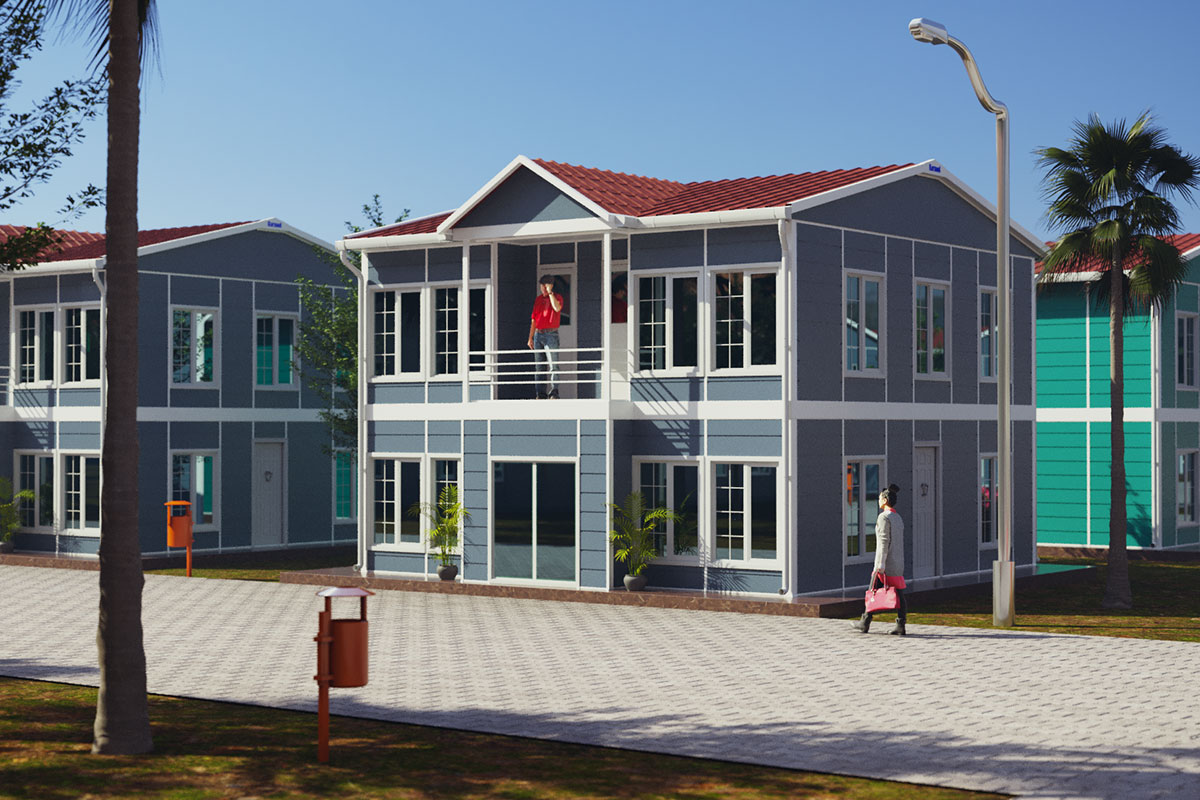
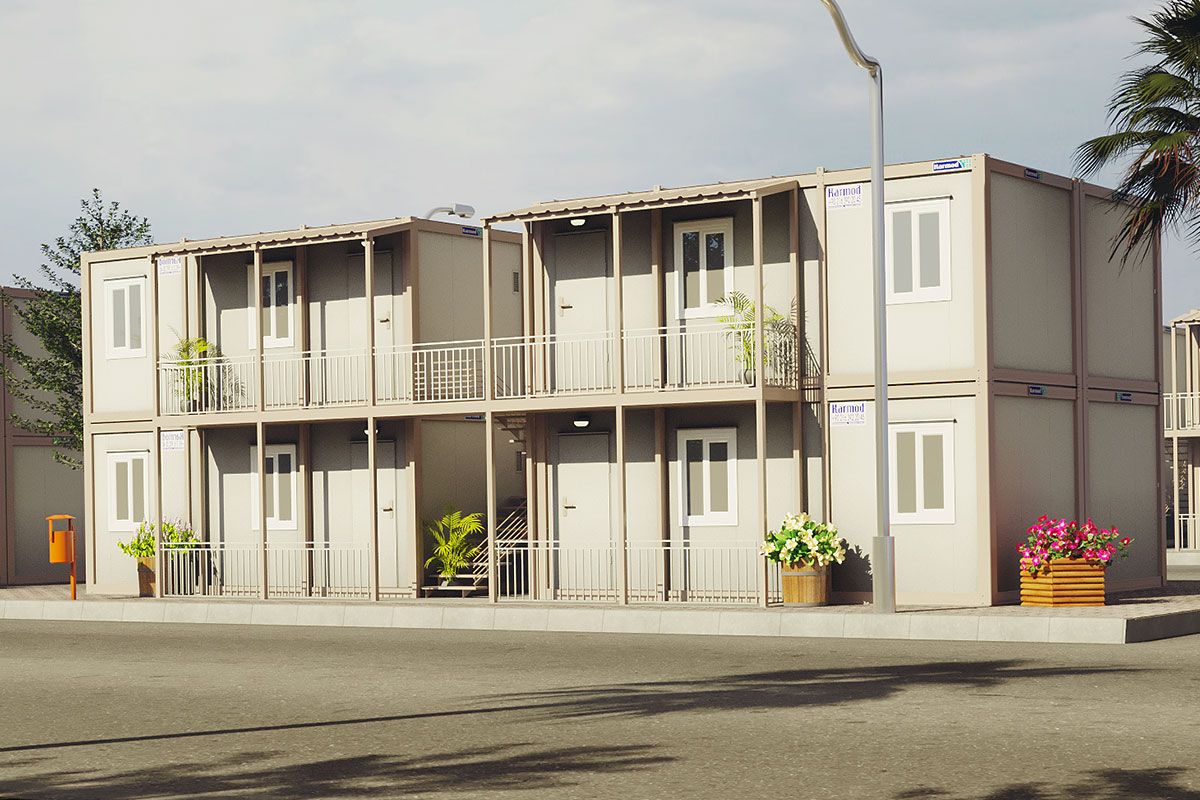
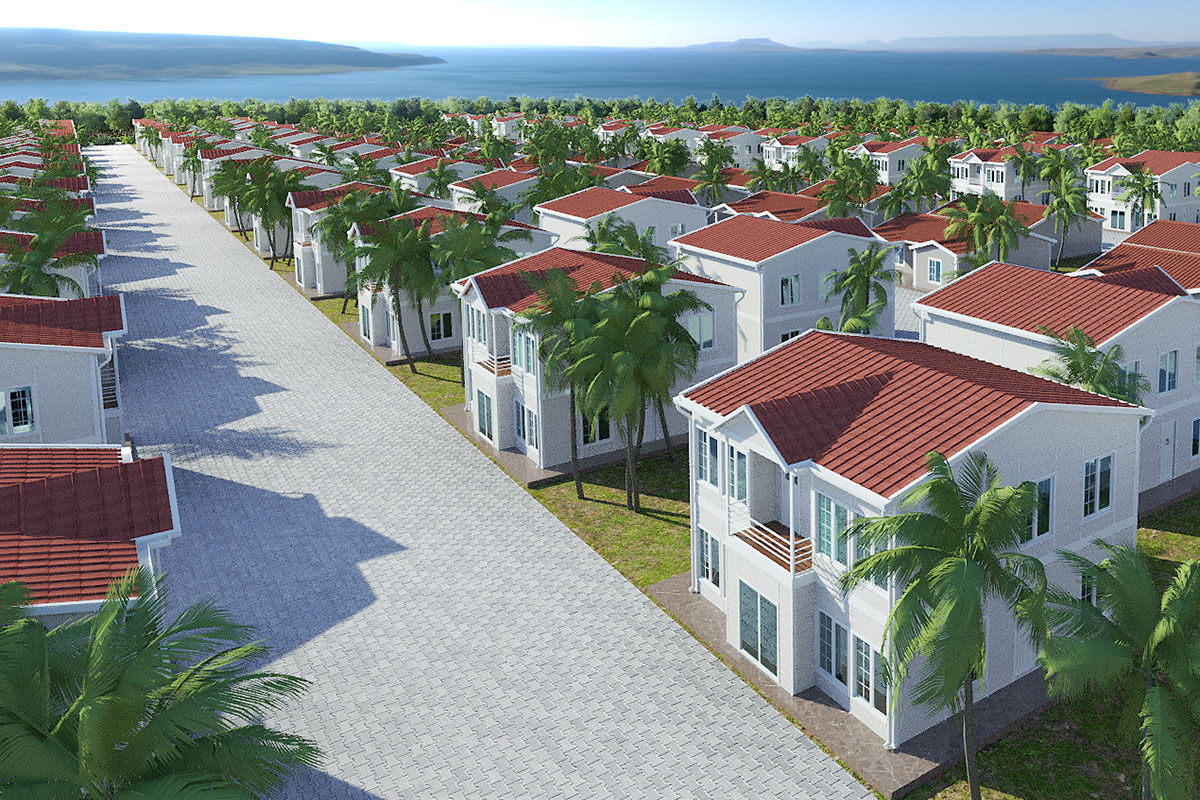

Oil and gas projects depend on reliable infrastructure, and workforce accommodation is a core part of keeping operations running safely and consistently. In Ghana, where energy development is expanding and worksites can be distant from major service hubs, oil and gas camps need to be practical to deploy, resilient in daily use, and comfortable enough to support long rotations. Below is a closer look at what typically defines oil and gas field housing units and man camps in Ghana.
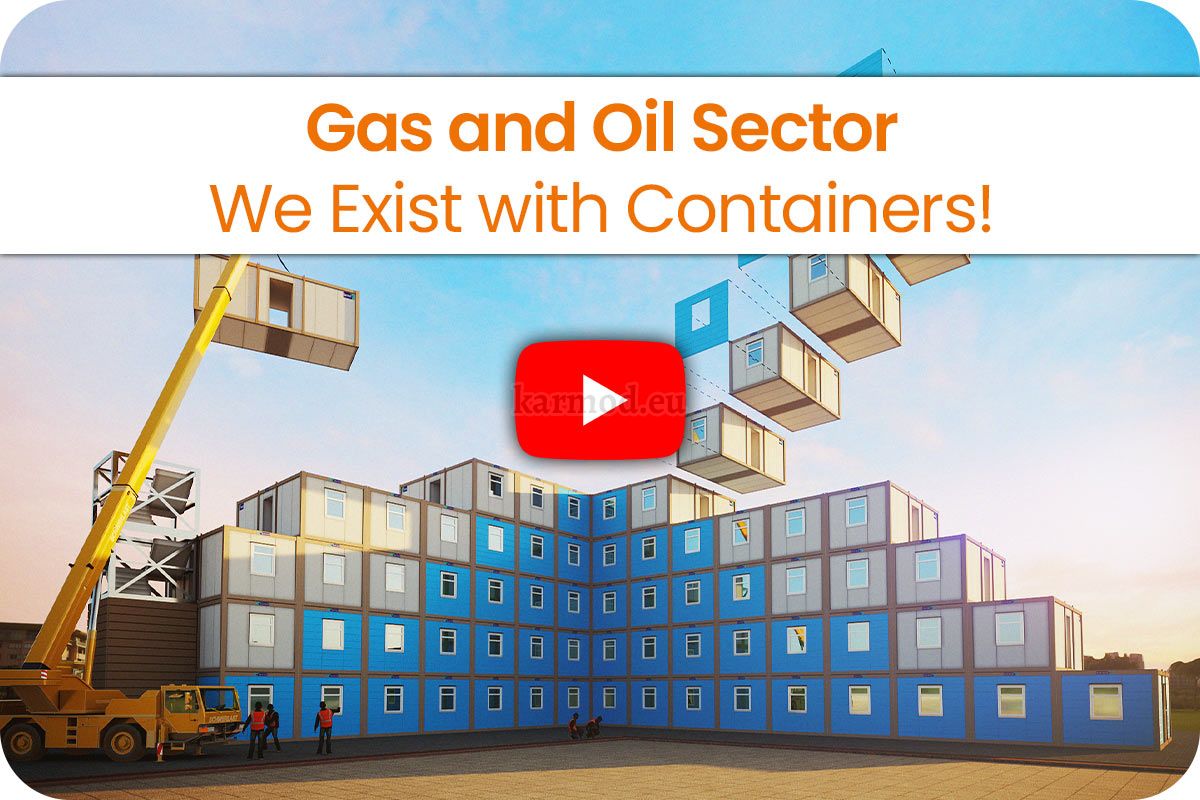
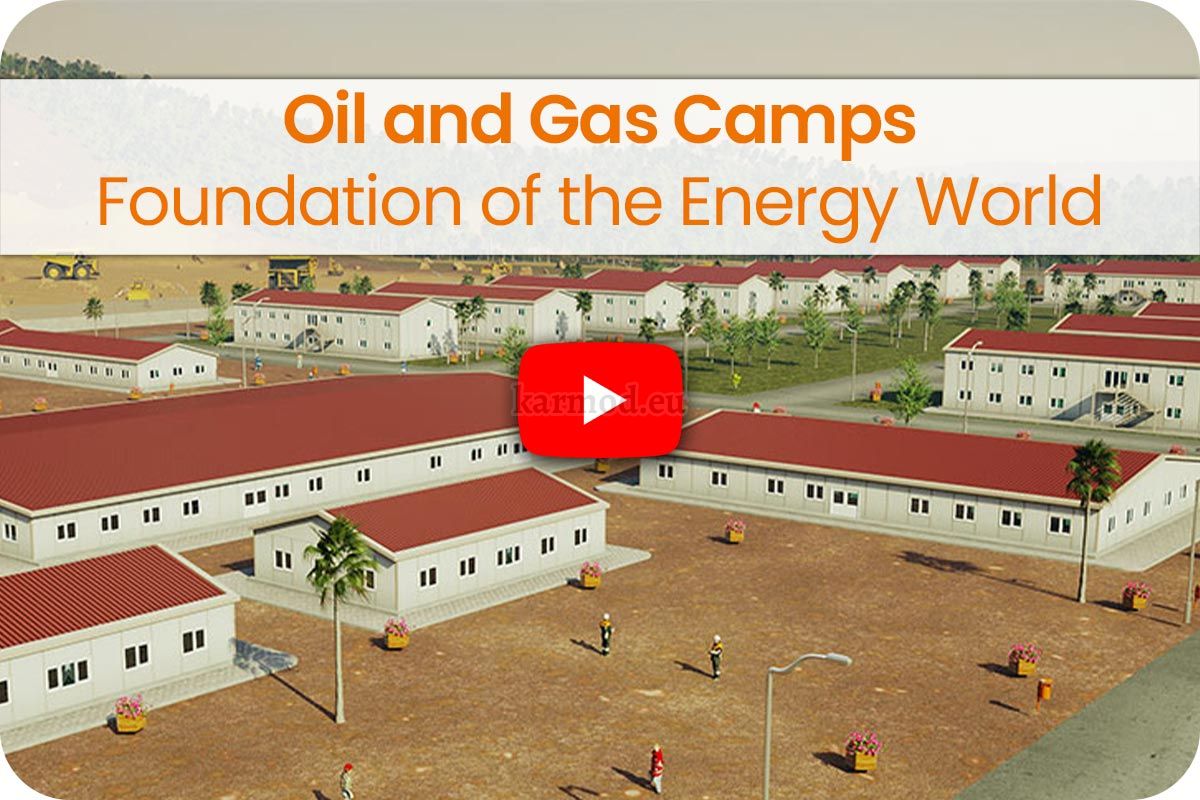
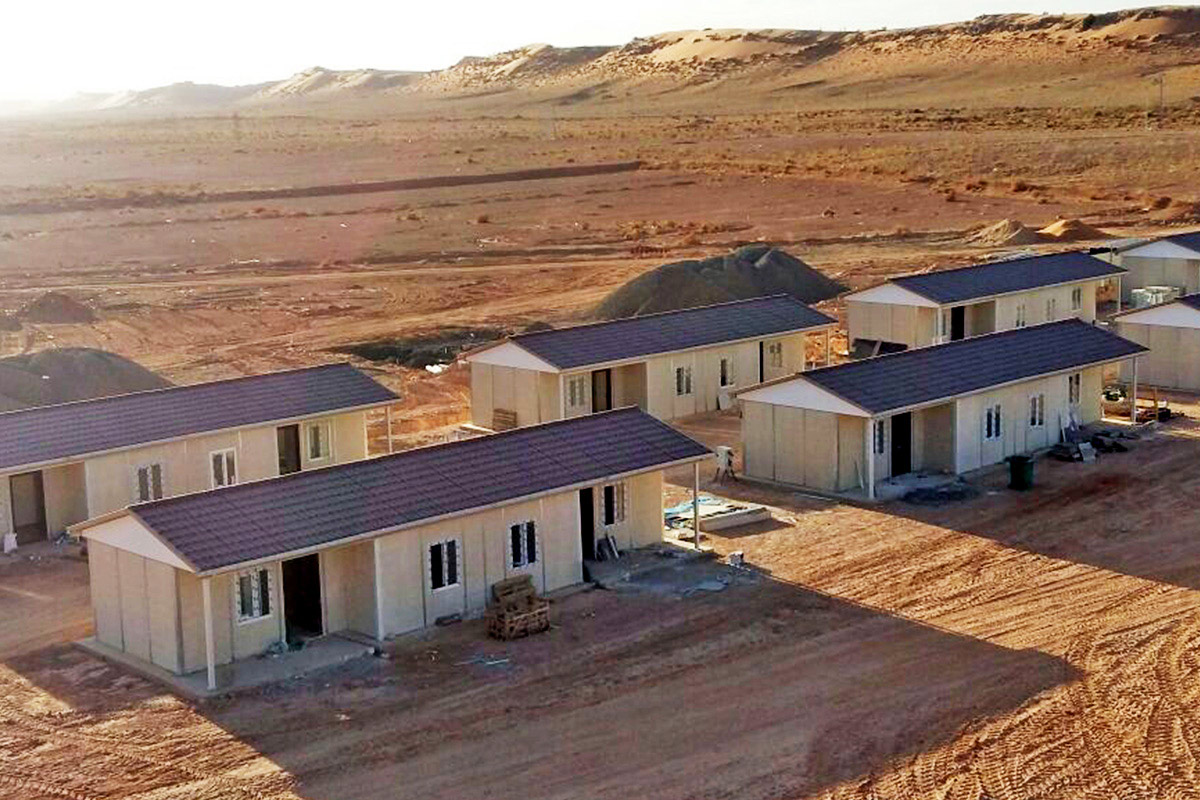
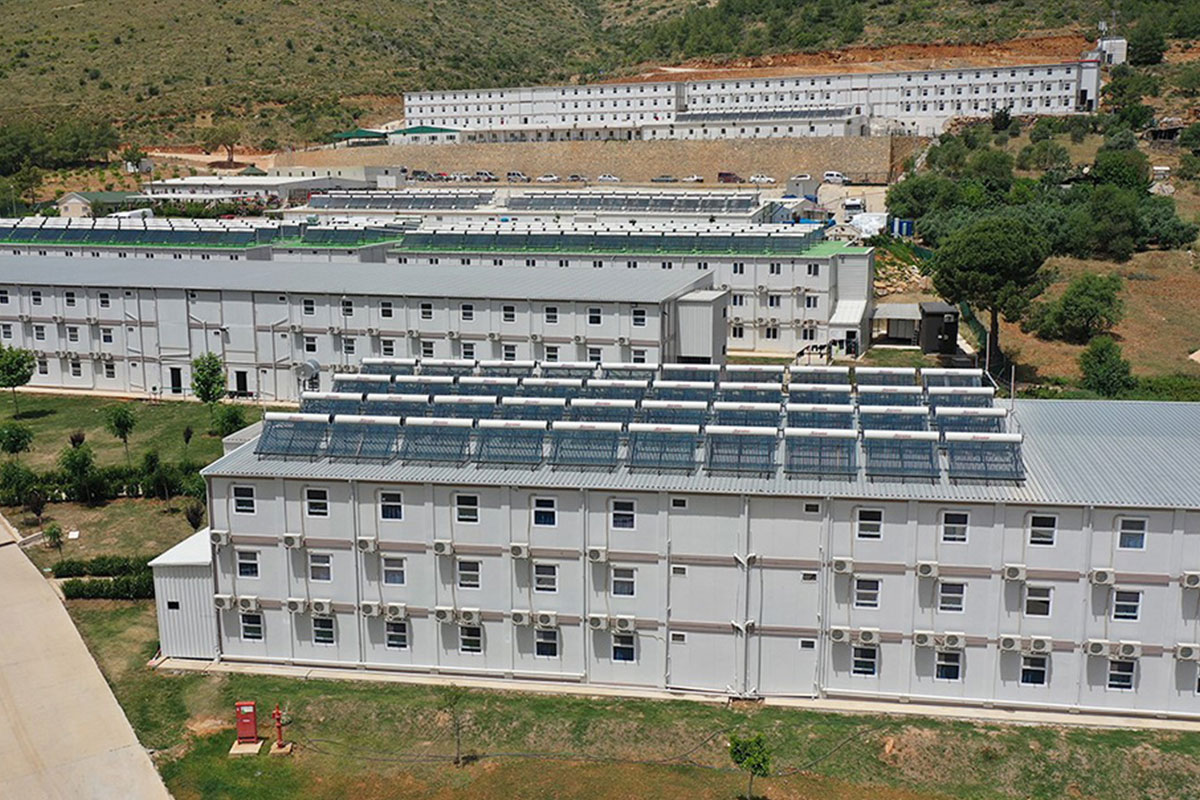
- Designed for active sites: Ghana’s oil and gas man camps are typically planned around the realities of field operations—shift patterns, service access, and reliable utilities—so accommodation supports productivity rather than competing with it.
- Living standards that help crews recover: When teams work long hours, the quality of rest matters. Field housing is commonly configured to provide stable indoor comfort, practical room layouts, and welfare facilities that reduce fatigue across extended stays.
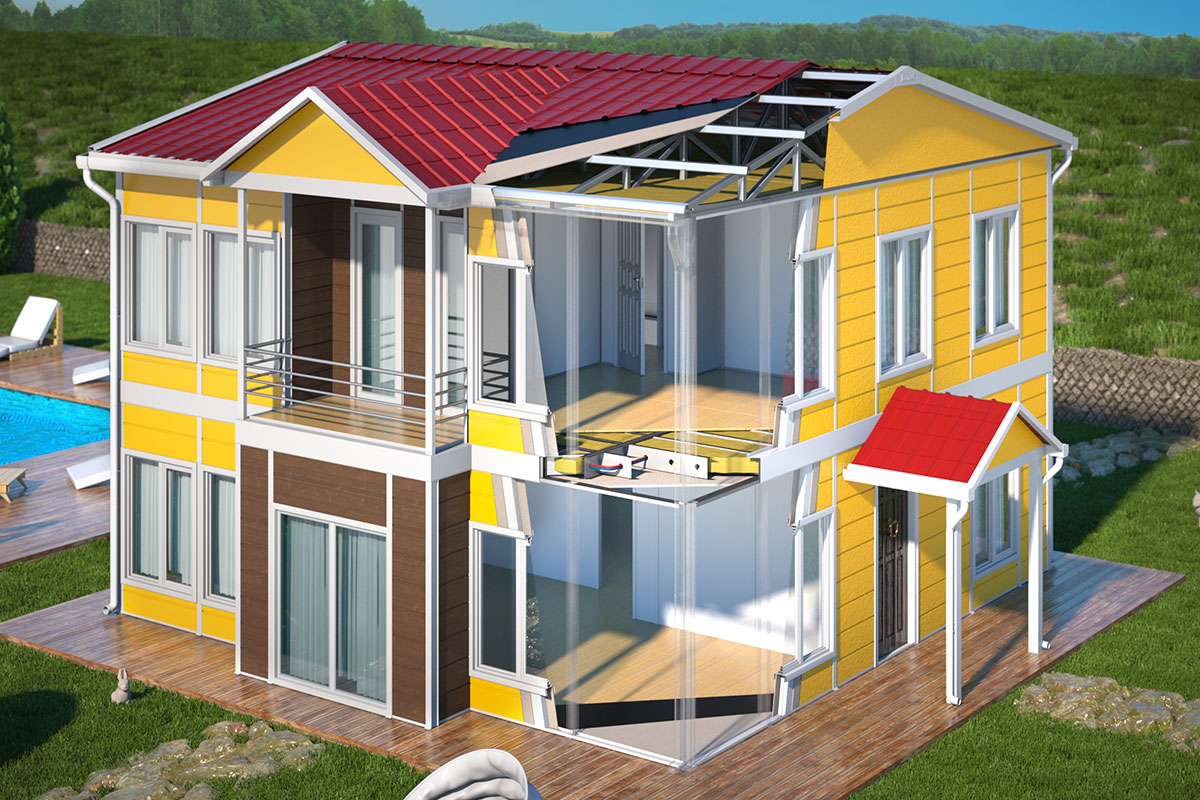
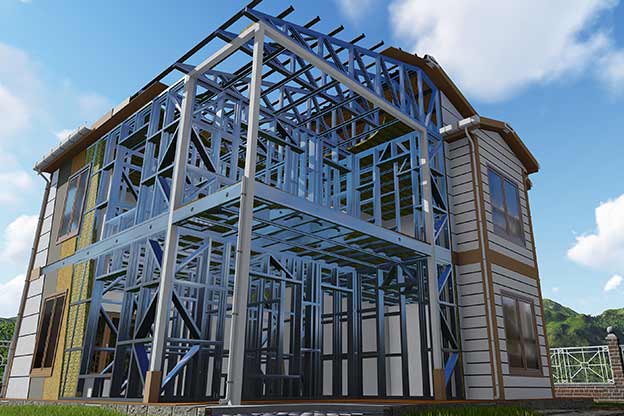
- Robust construction for year-round use: Camps are expected to handle intensive daily occupancy and frequent movement of people and supplies. Durable materials and maintainable building systems help keep facilities dependable over time.
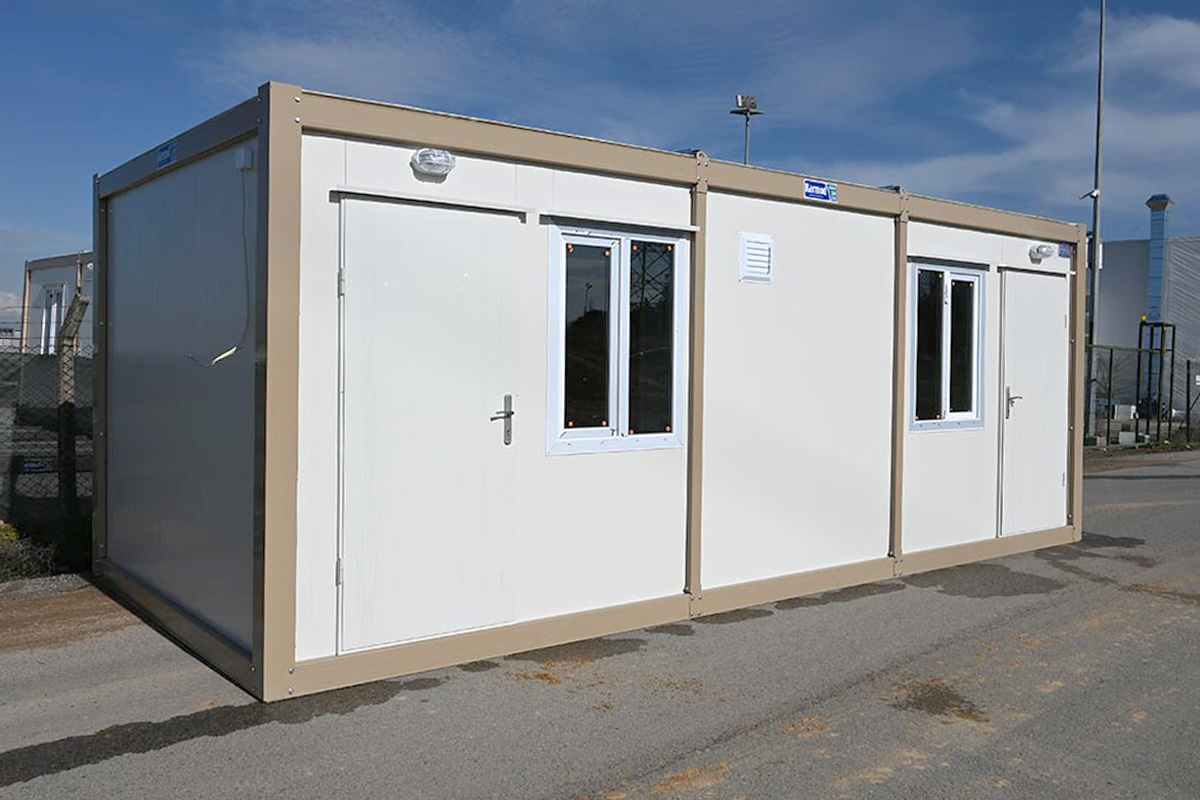
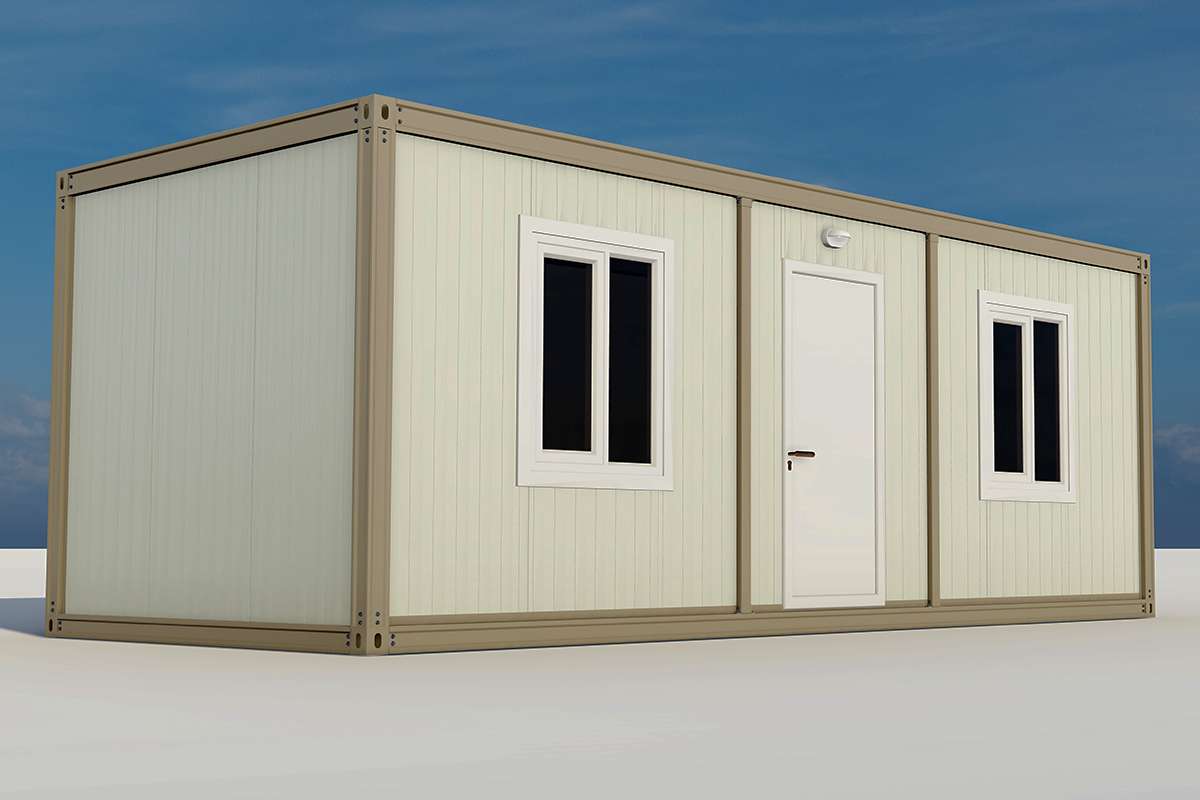
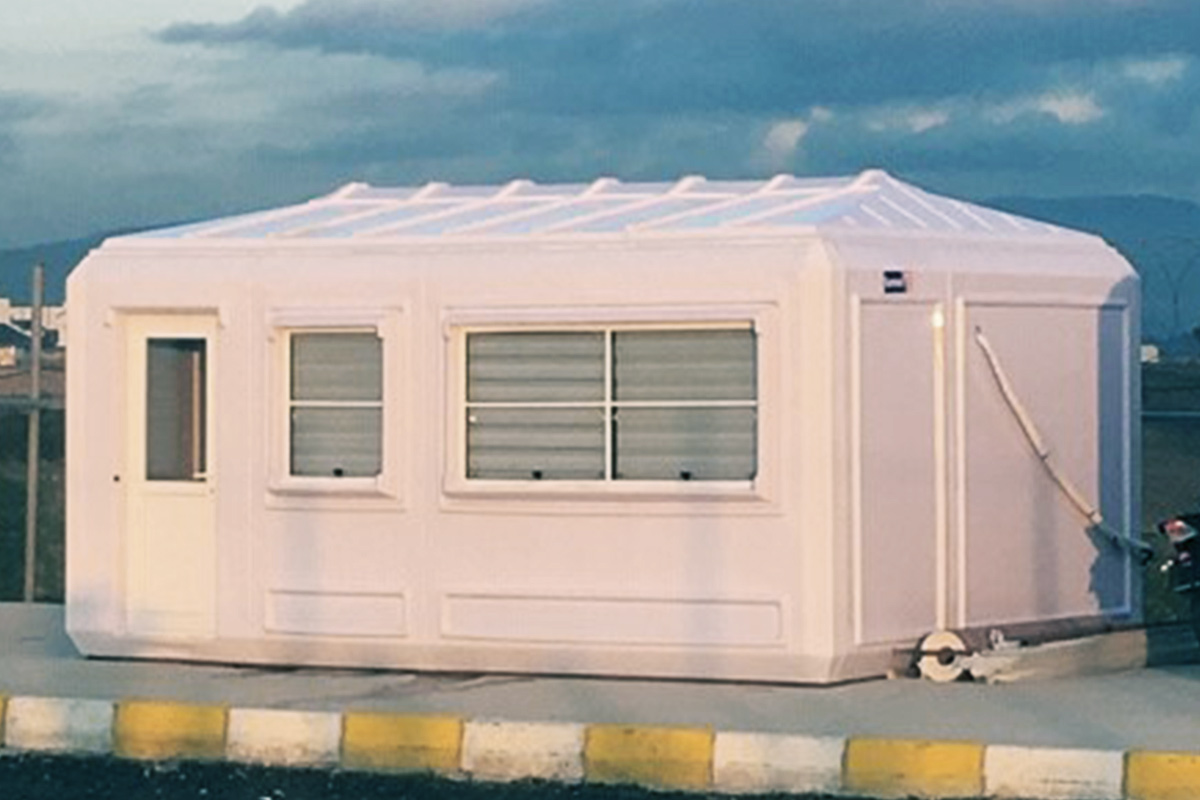
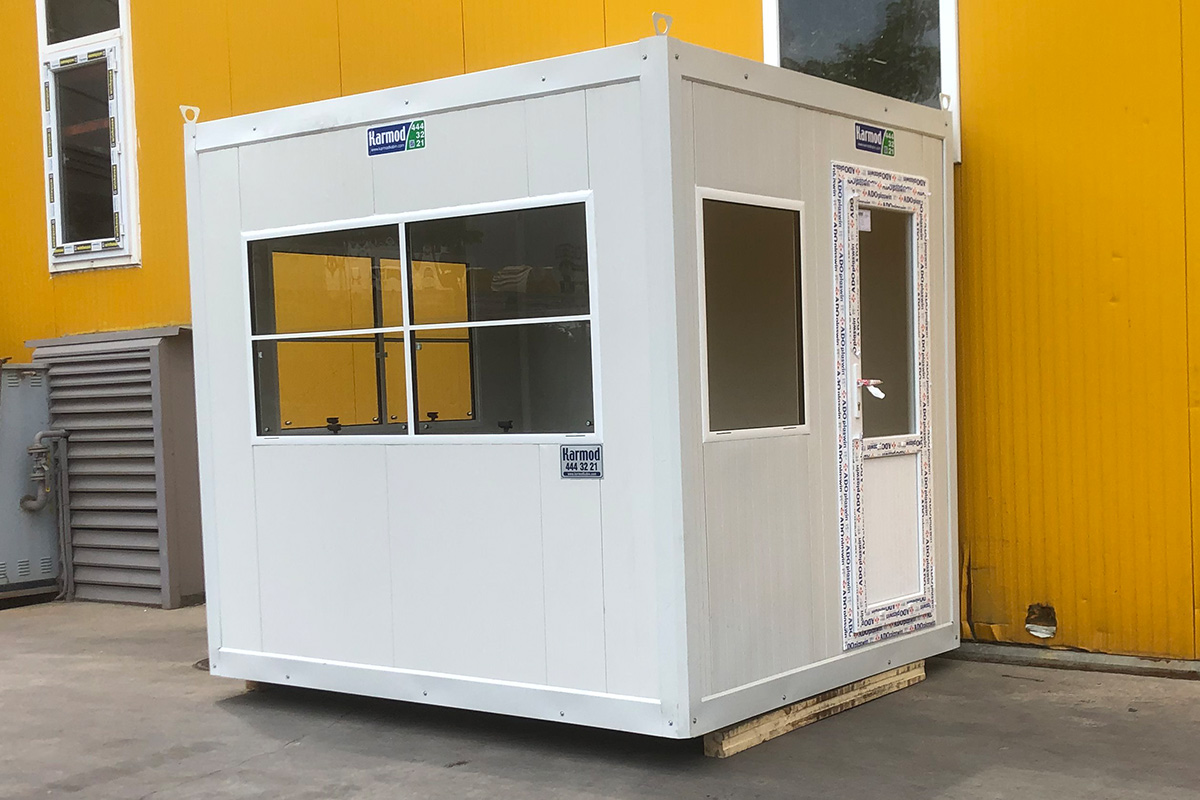
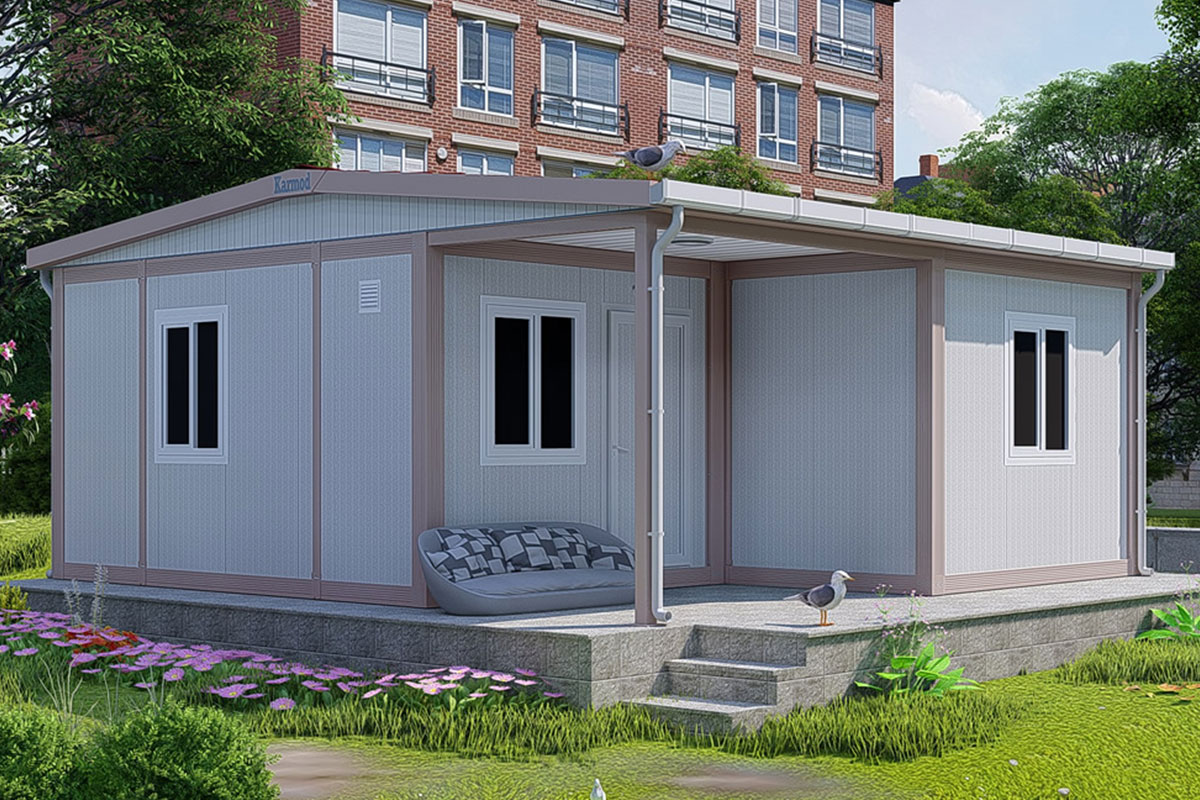
- Modular flexibility: A modular camp approach supports phased expansion and faster site readiness, especially where logistics and on-site build windows are limited. Karmod contributes to this model by delivering modular solutions aligned with project scale and site conditions.
- Resource-conscious operation: Efficient ventilation, water management, and sensible waste handling are common priorities for remote accommodation. Designs that reduce strain on utilities help improve continuity and day-to-day running costs.
- Karmod’s role: Karmod supports oil and gas camp delivery with a focus on build quality, functional planning, and consistent standards across accommodation and welfare areas, helping projects move from mobilization to stable operation with fewer avoidable disruptions.
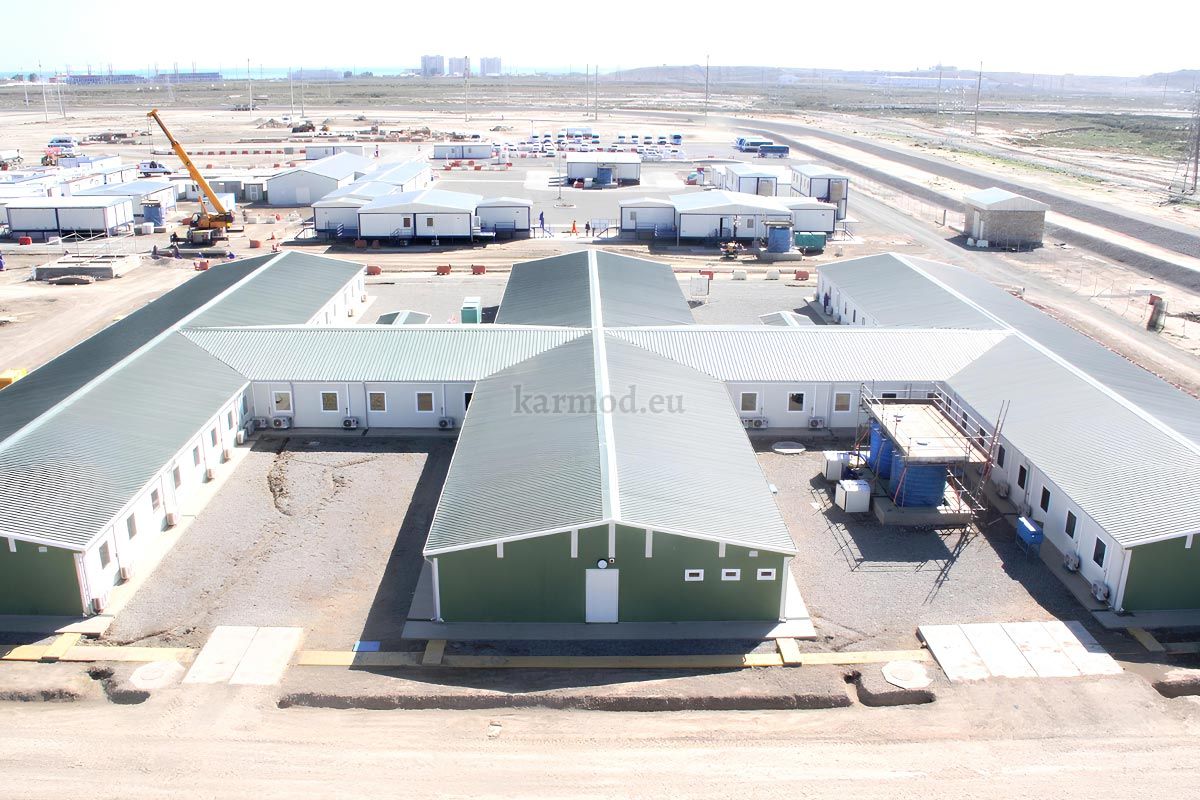
Ghana’s progress in the energy sector is supported not only by technical capability on site, but also by how well teams are housed between shifts. Well-planned workforce accommodation reduces downtime, supports safety culture, and helps maintain steady output in demanding project environments.
Comfort and Recovery in Ghana’s Oil and Gas Man Camps
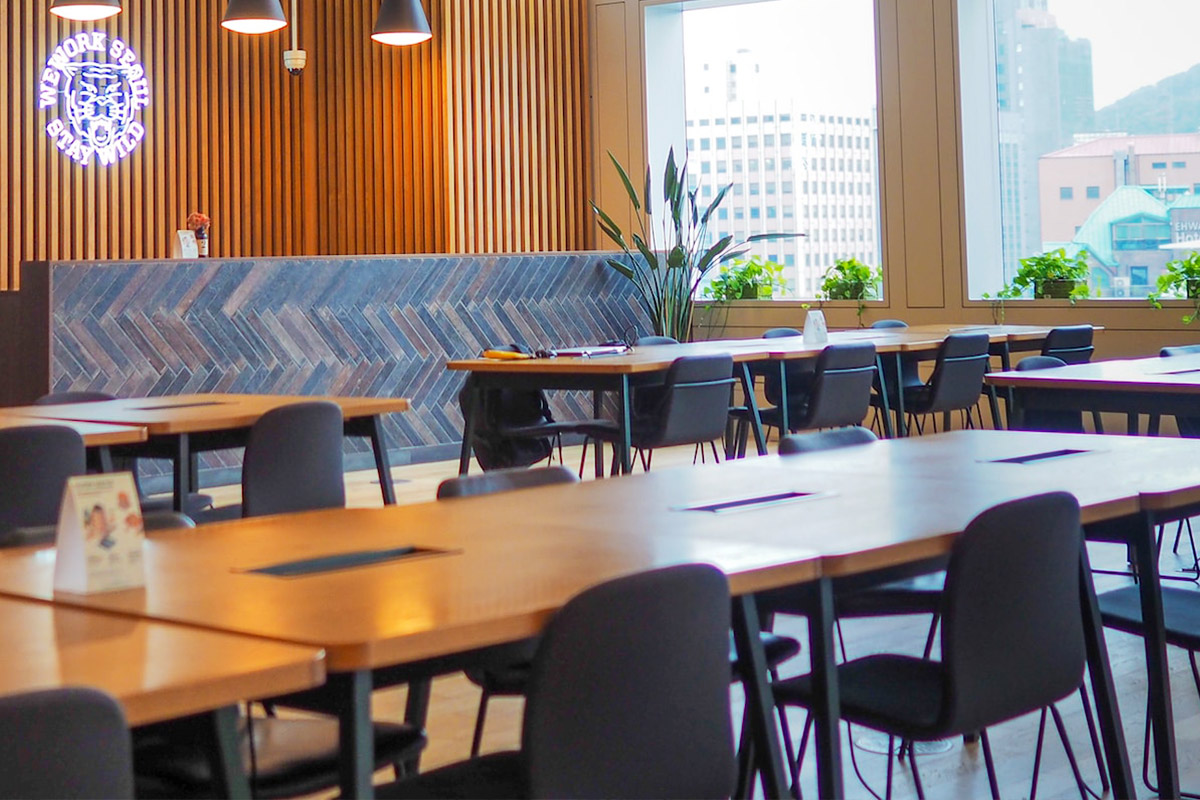
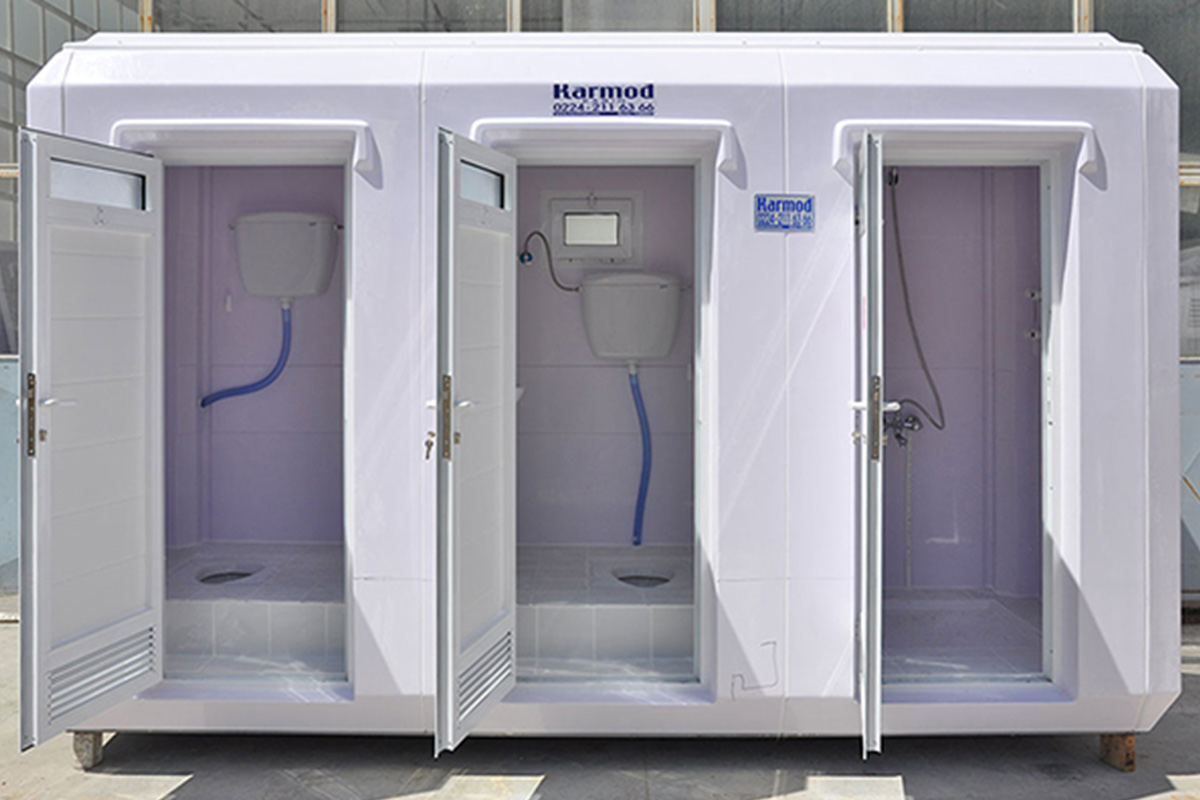
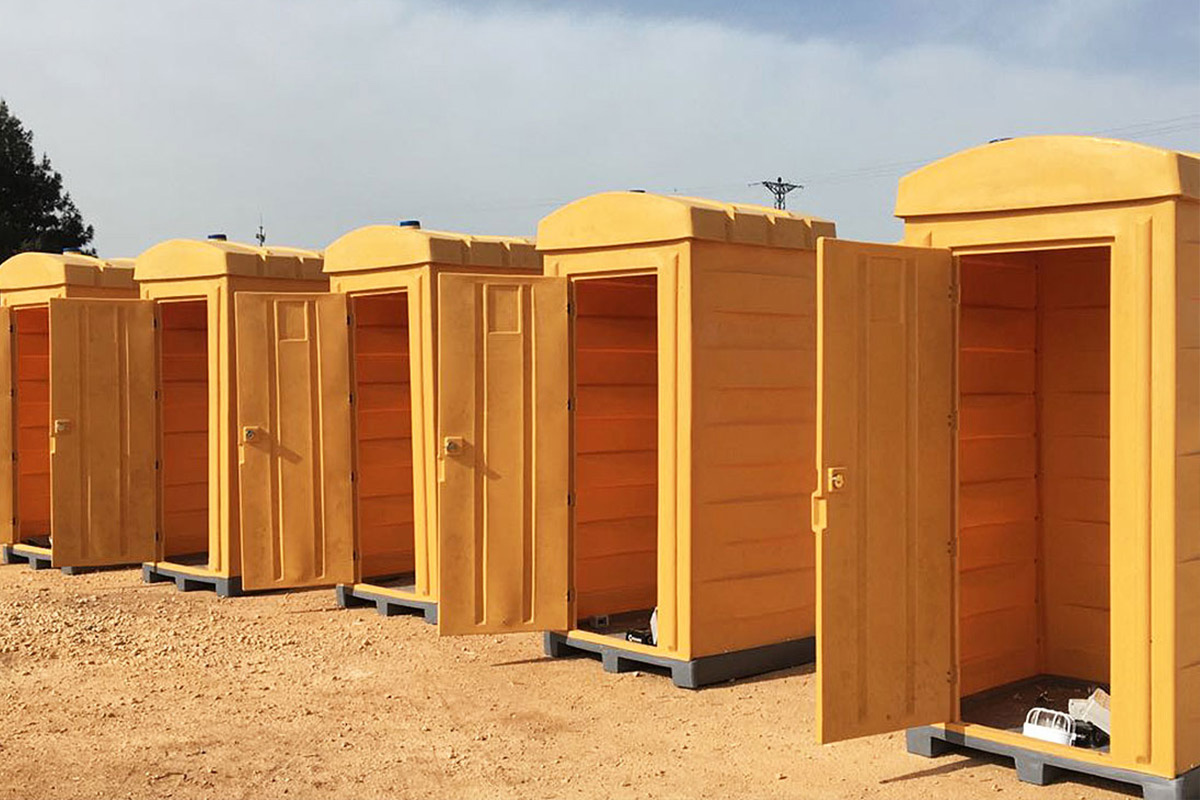
Field teams often operate on long rotations, with limited access to the conveniences of major towns. In that context, man camps need to deliver more than basic shelter. Good camp planning typically includes reliable climate control suited to warm, humid periods, adequate ventilation, and hygiene facilities designed for peak usage at shift change. Comfortable sleeping areas, dependable hot water, and orderly shared spaces are practical requirements that directly affect readiness for the next day’s work.
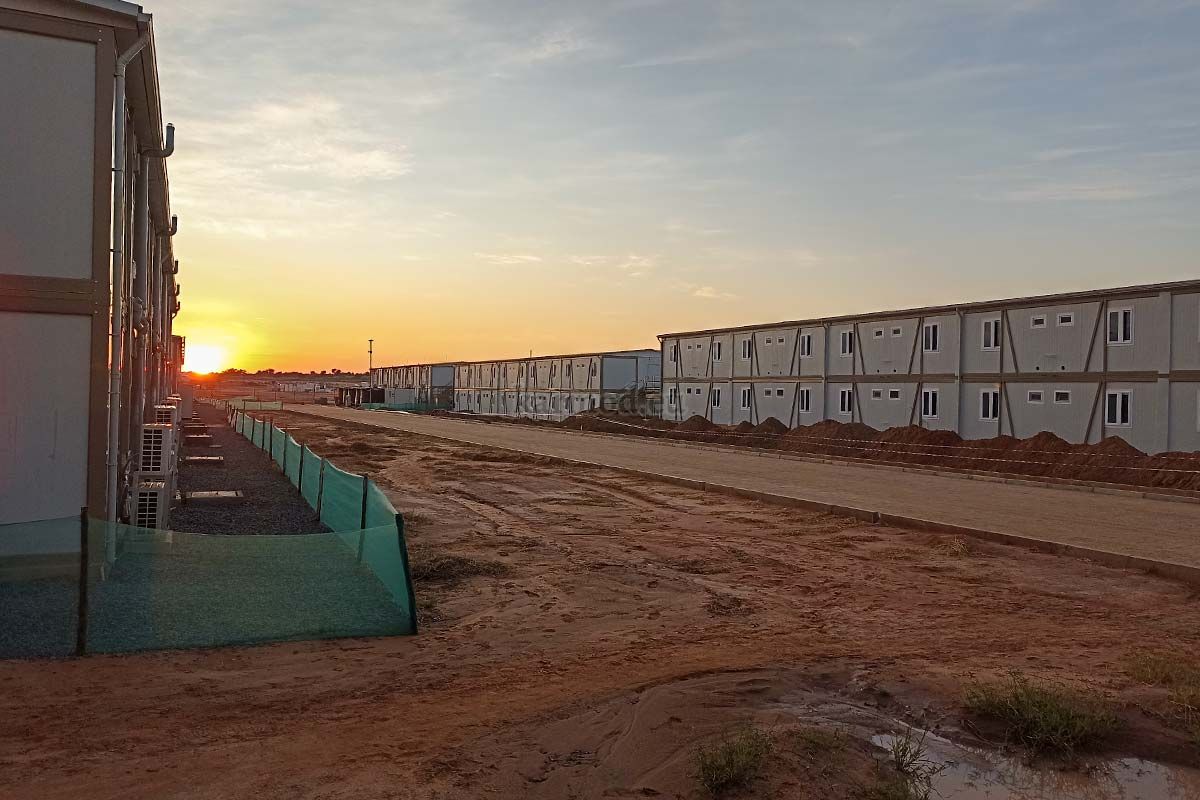
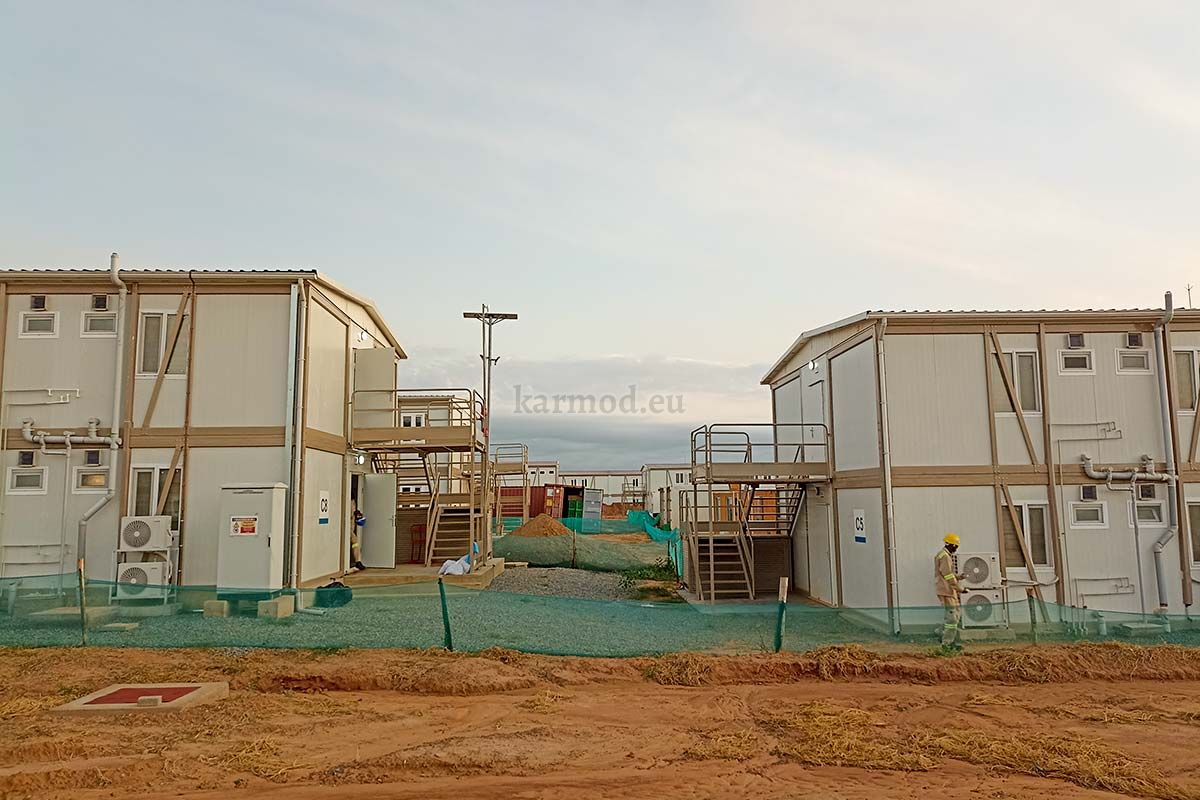
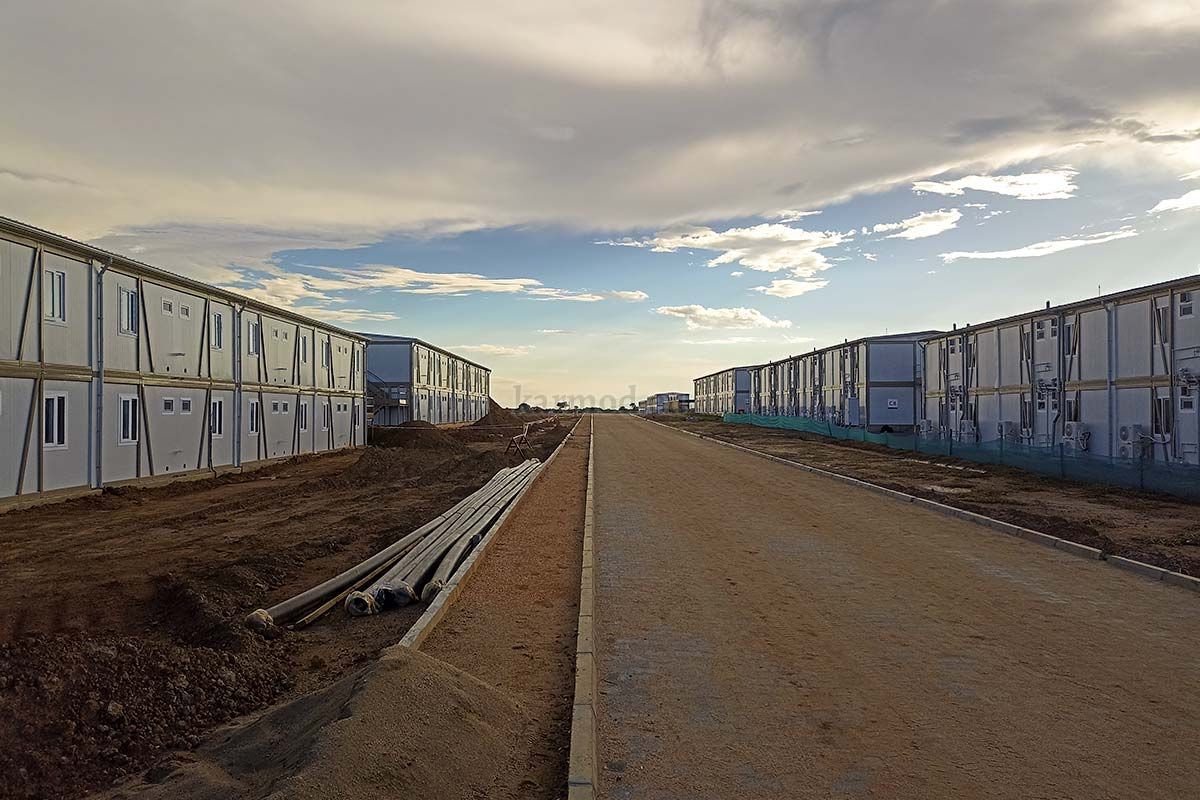
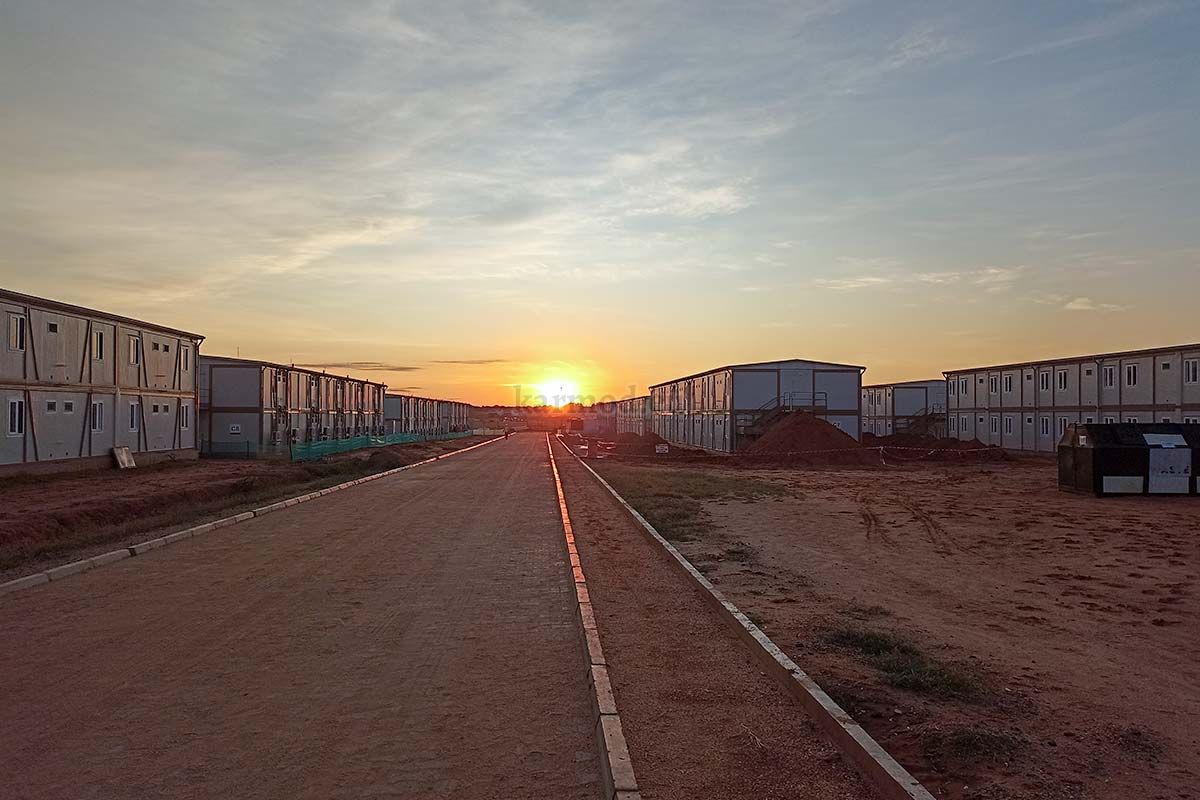
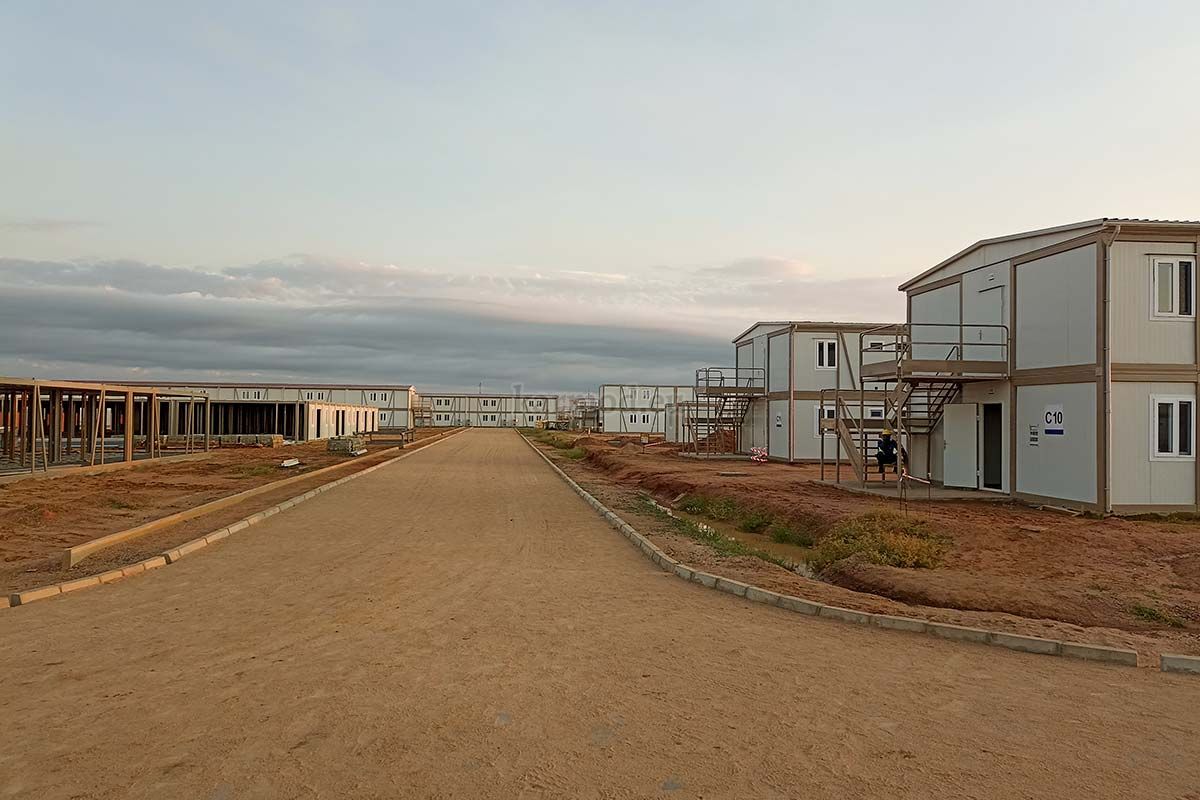
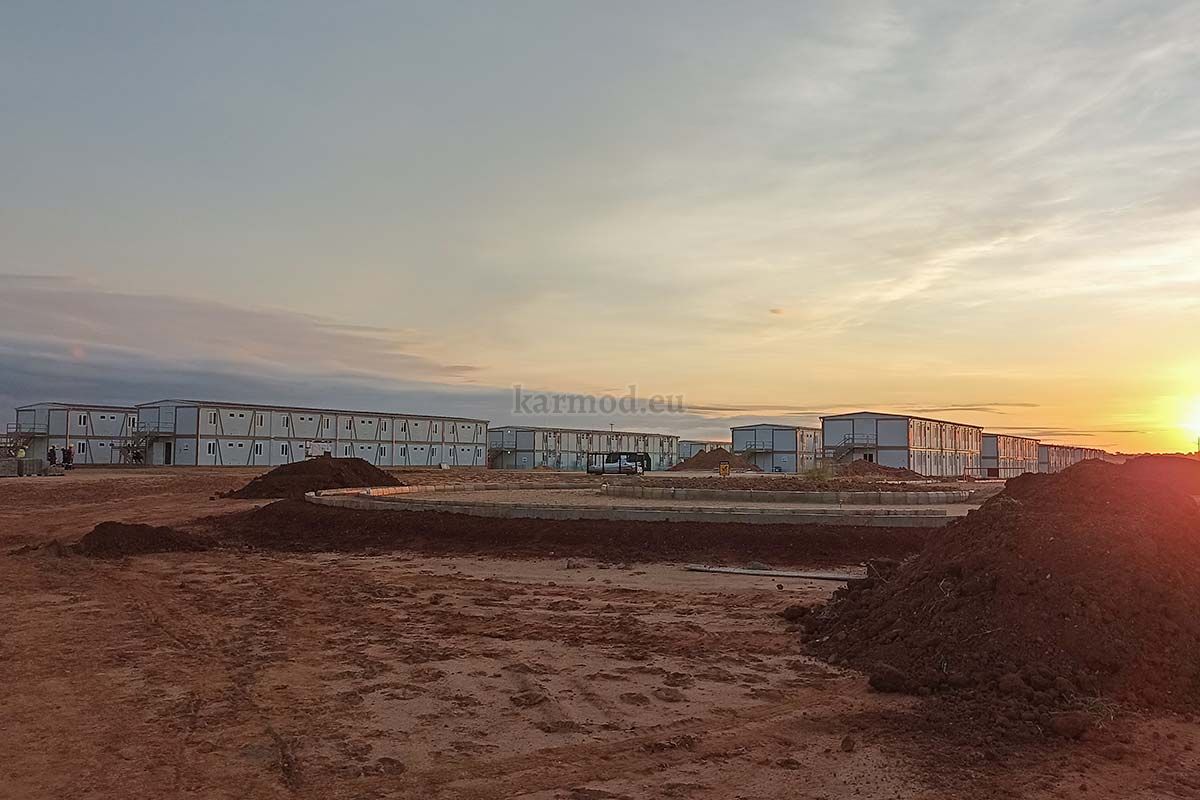
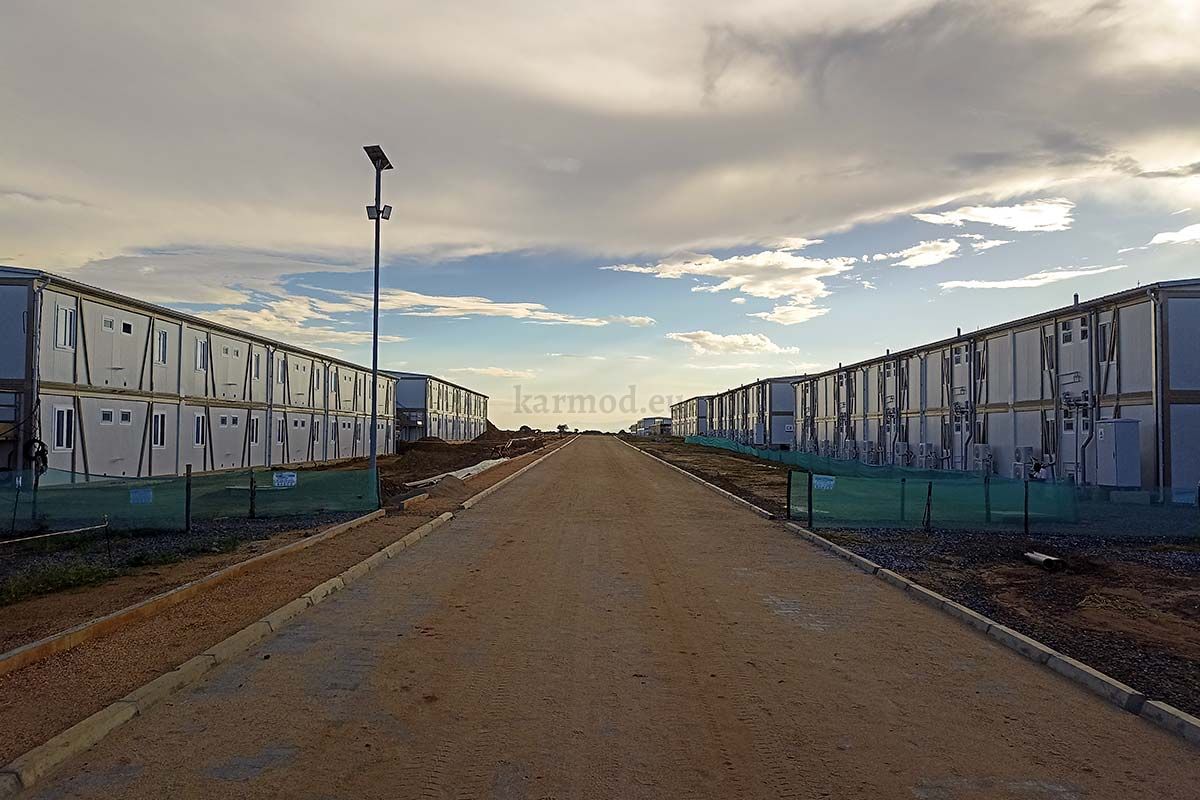
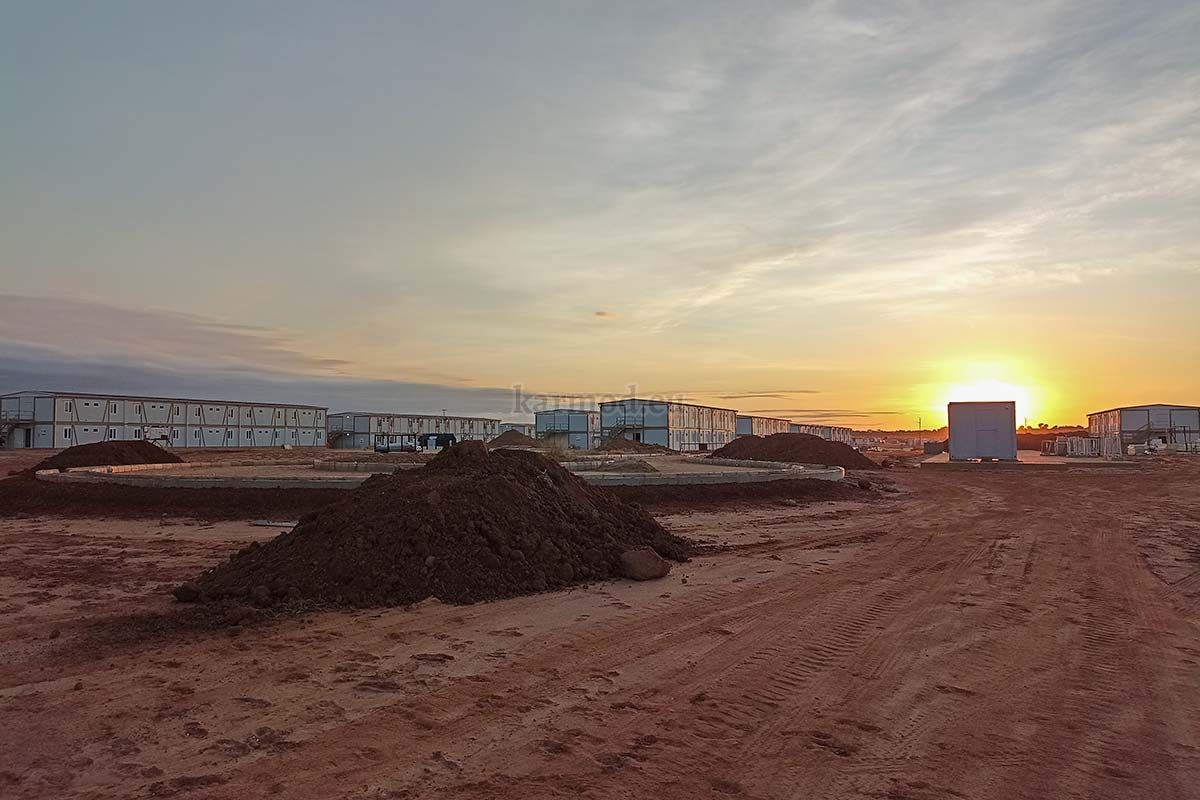
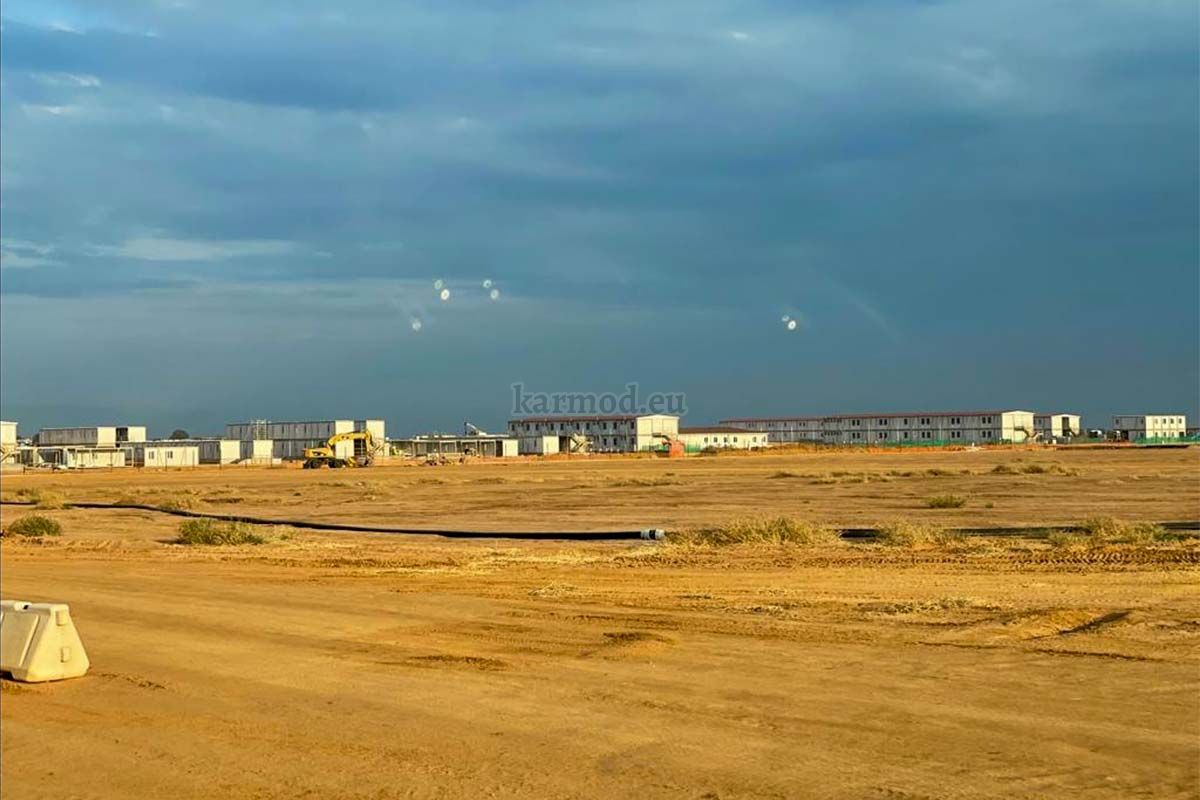
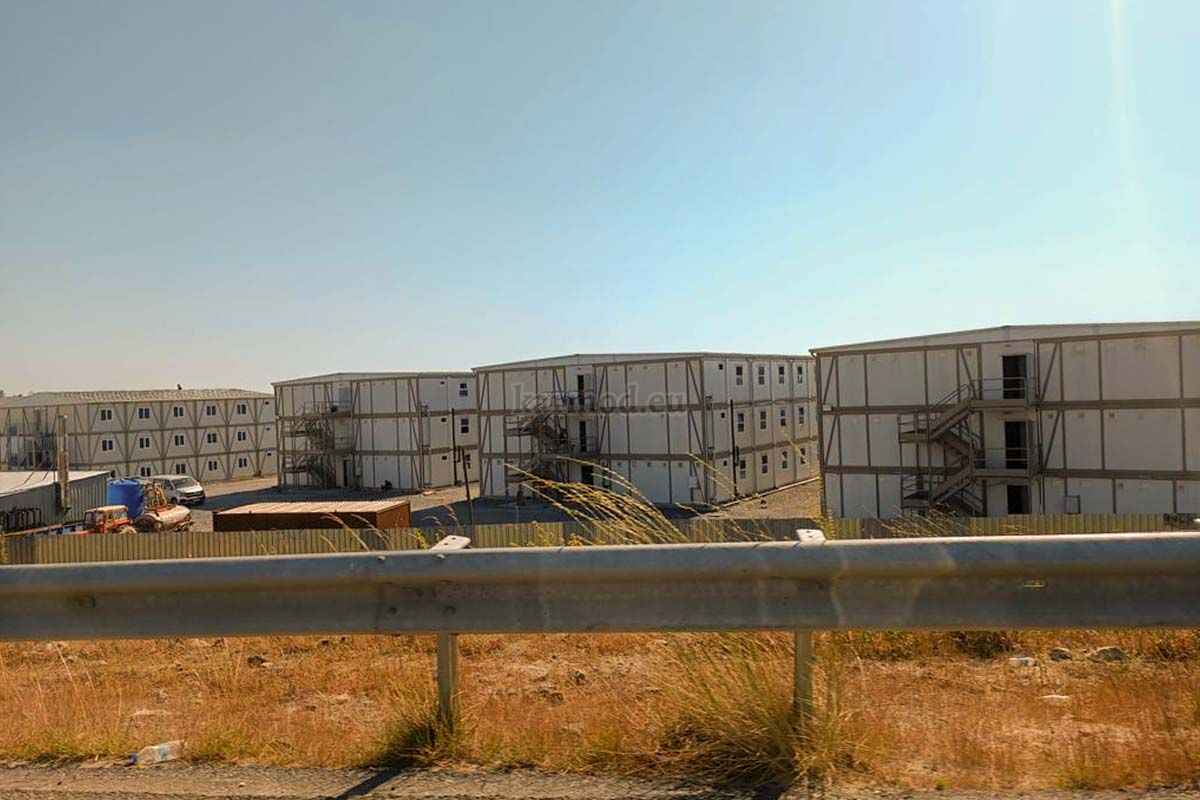
Quality Benchmarks for Ghana’s Oil and Gas Field Housing
Field housing performs best when it is standardized, easy to maintain, and built with predictable performance in mind. In Ghana, accommodation projects are often assessed on how well they integrate with site utilities, maintain consistent room and welfare standards across multiple blocks, and stay operational under continuous occupancy. Collaboration with experienced modular builders such as Karmod can help align layout, material choices, and delivery planning with the realities of mobilization, transport, and ongoing facility management.
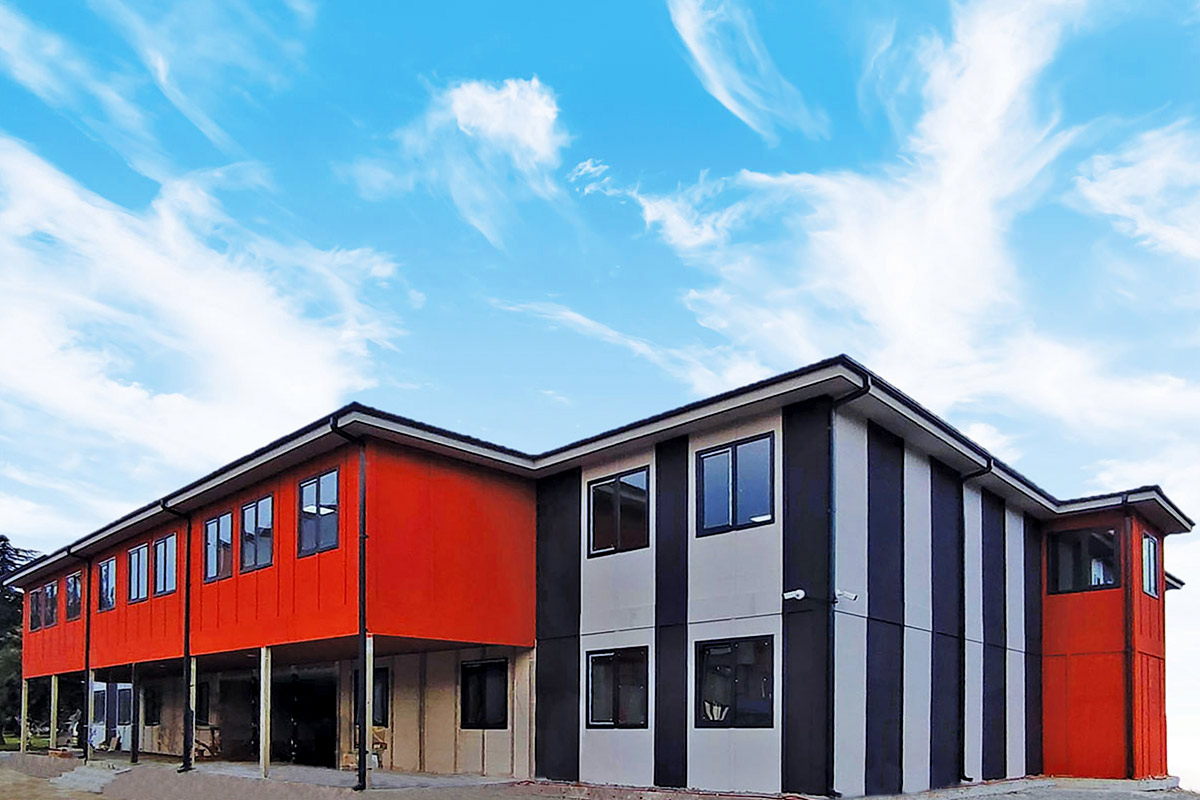
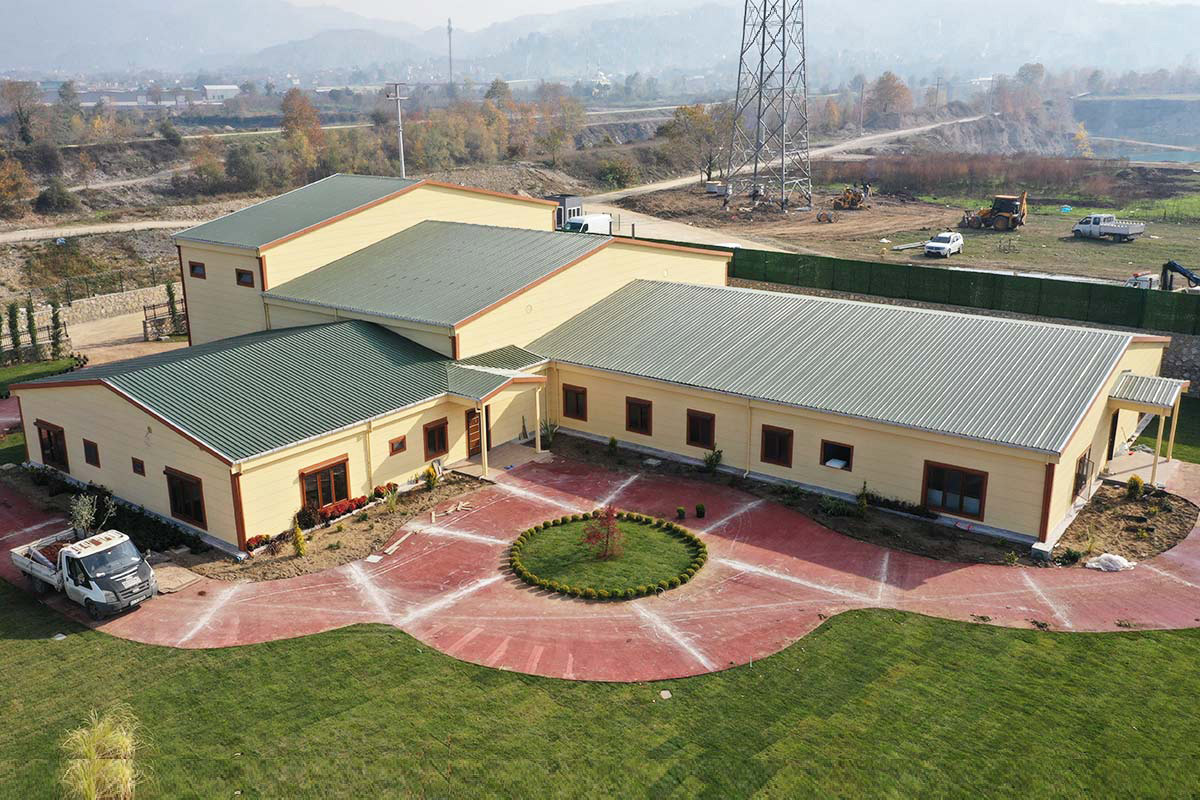
Structures of Quality: Ghana’s Oil and Gas Camp Construction Buildings
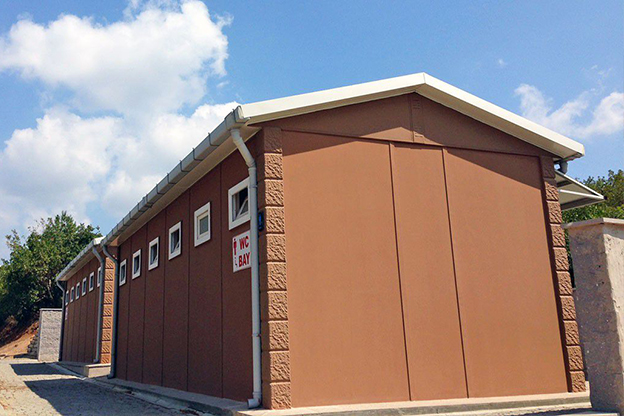
Oil and gas camp construction in Ghana typically has to balance speed of delivery with long-term reliability. Whether serving exploration activity or ongoing operations, buildings must support daily routines without creating bottlenecks. Camp construction buildings commonly reflect:
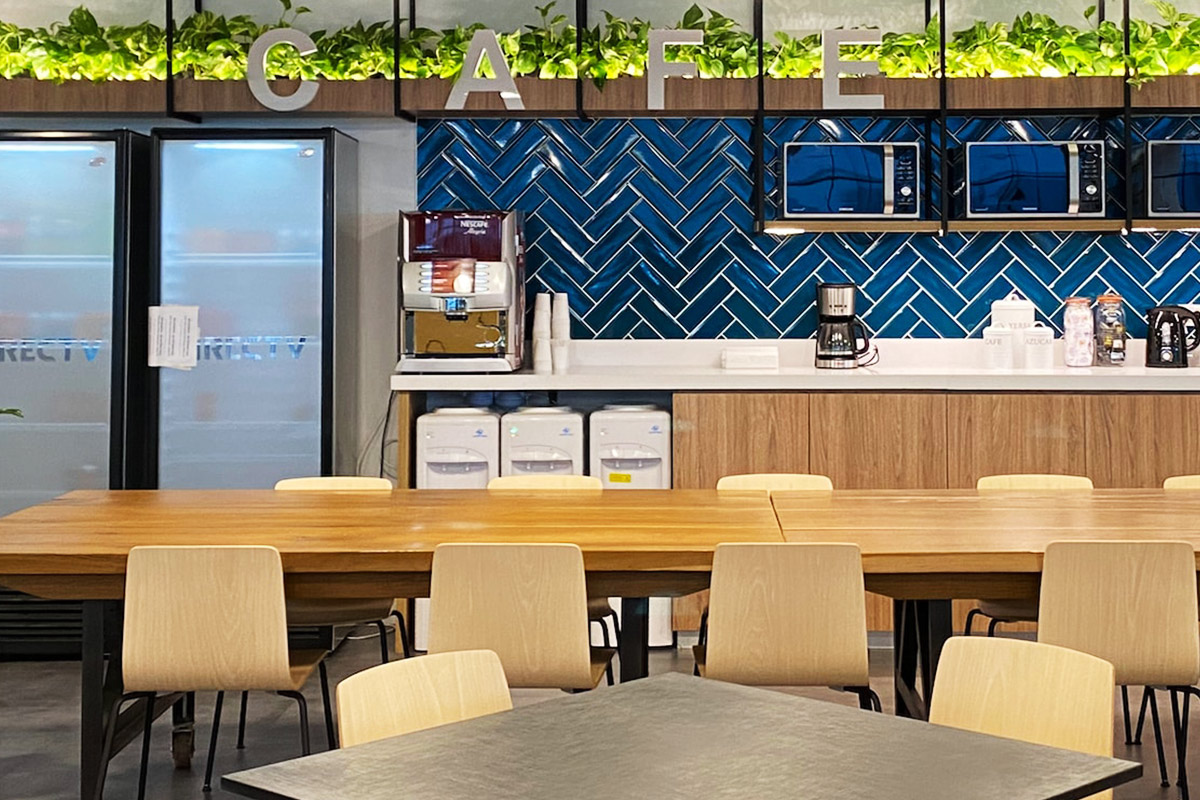
- Operational layout planning: Clear zoning for accommodation, dining, welfare, and support services, with circulation designed to handle peak movement during shift changes.
- Durability in demanding conditions: Materials and assemblies selected for heavy use and practical maintenance, helping facilities stay serviceable under continuous occupancy.
- Efficient use of utilities: Building systems designed to manage energy and water consumption responsibly, especially in remote areas where supply can be constrained.
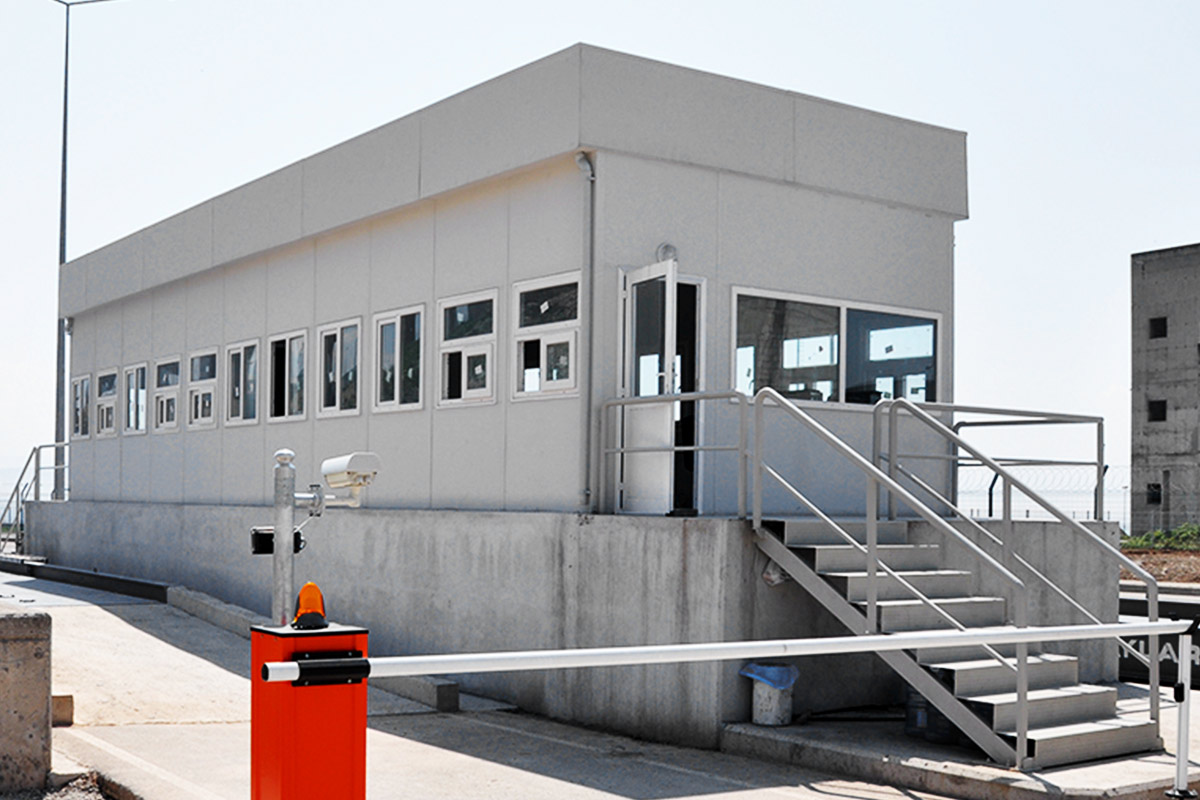
- Safety and compliance focus: Fire safety, access control, and managed site flow, supporting safe occupancy and disciplined camp operations.
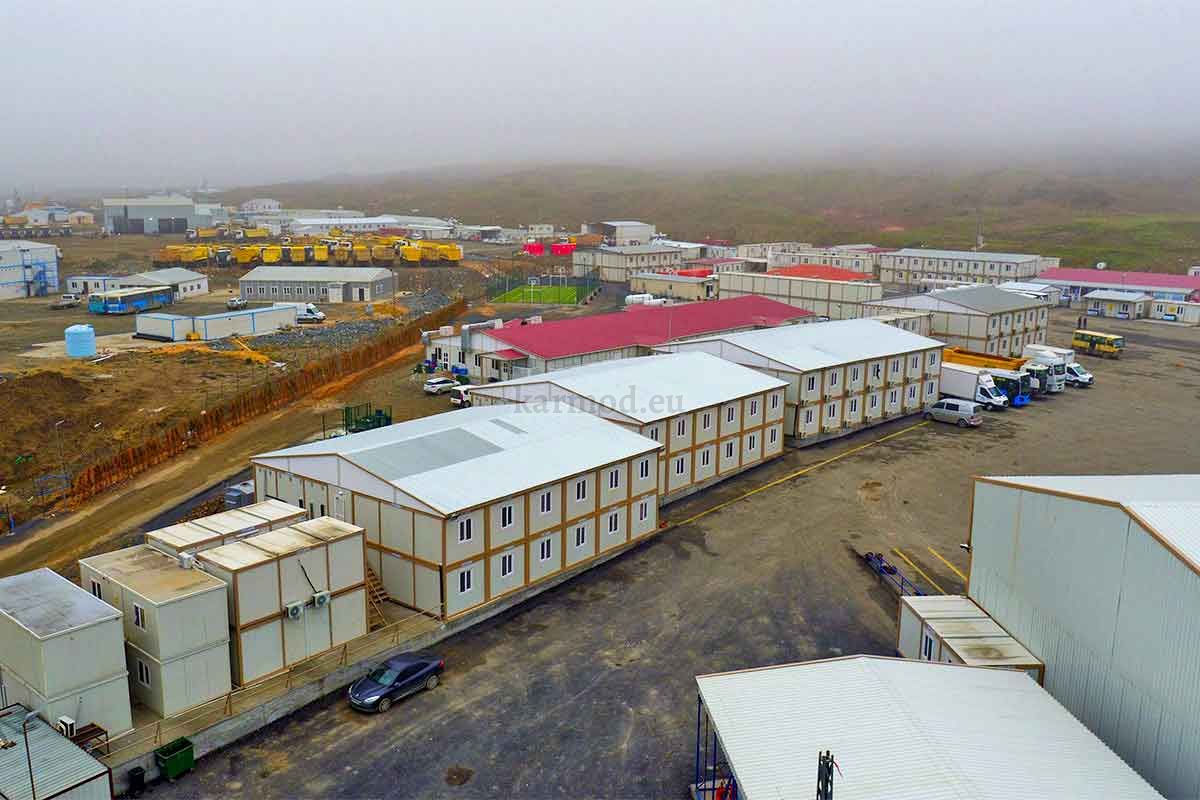


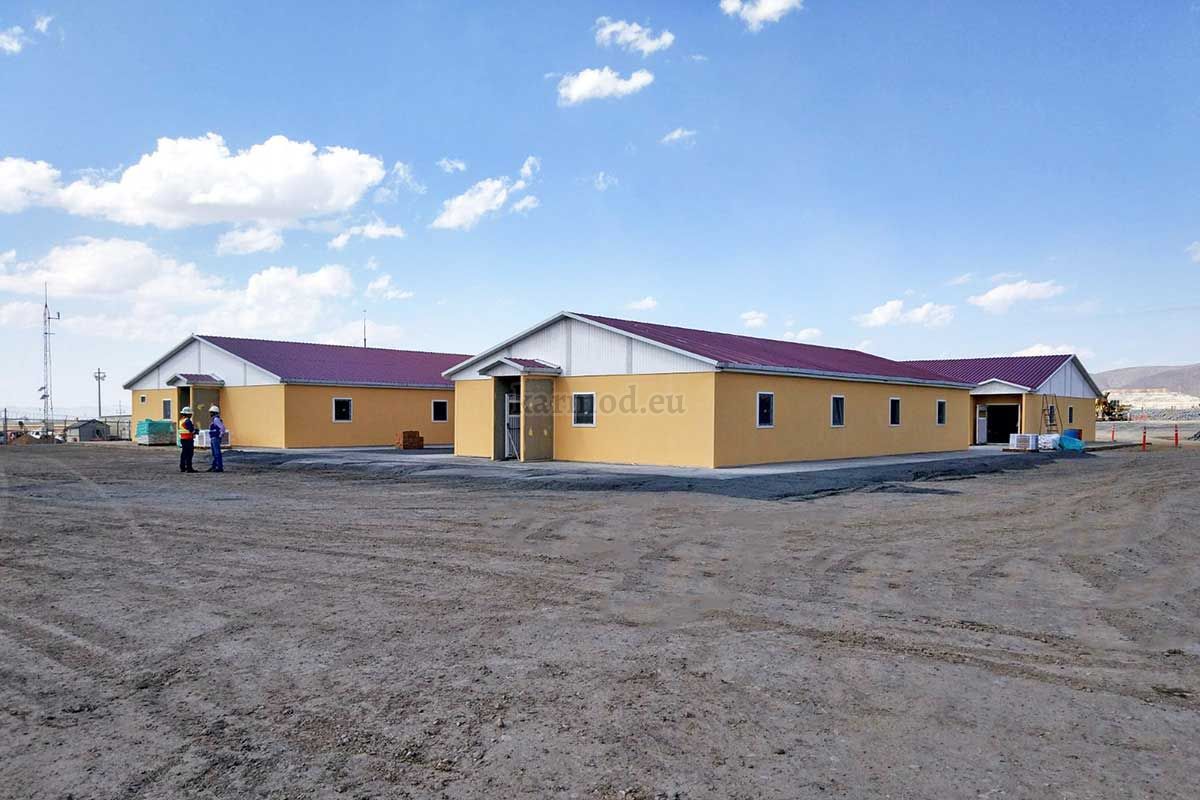
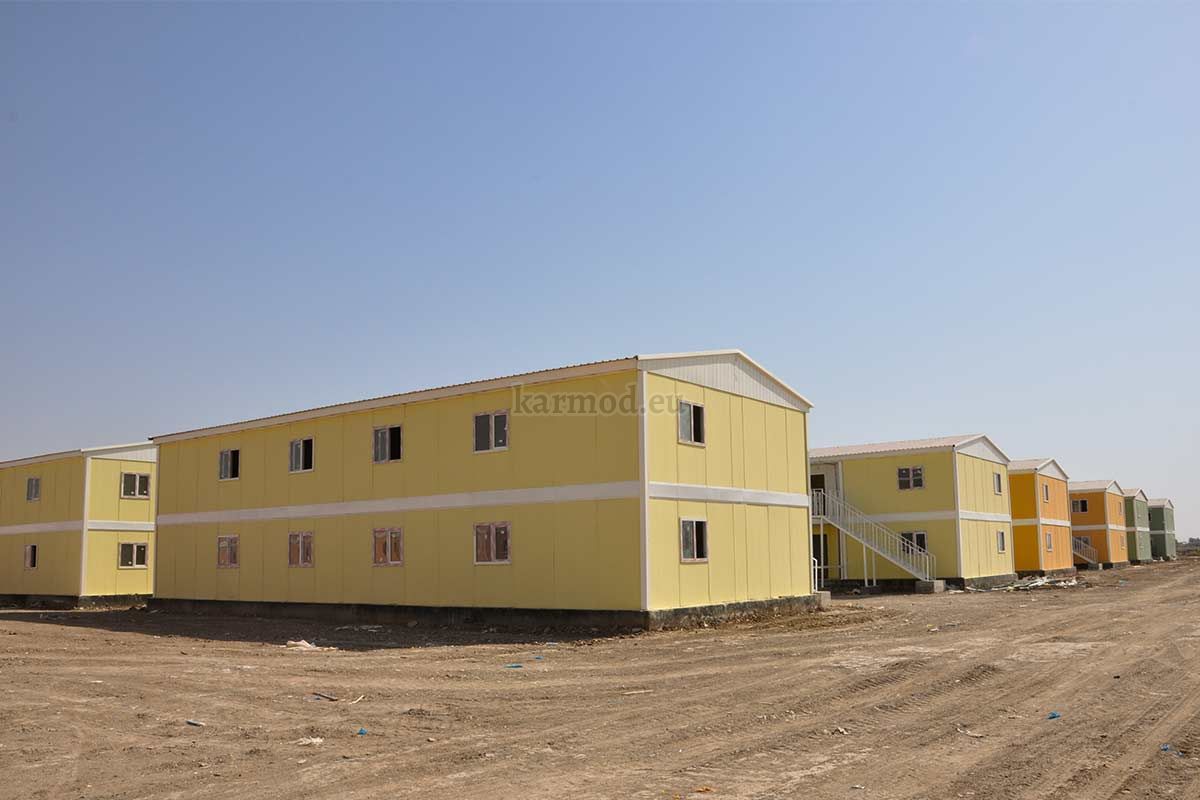
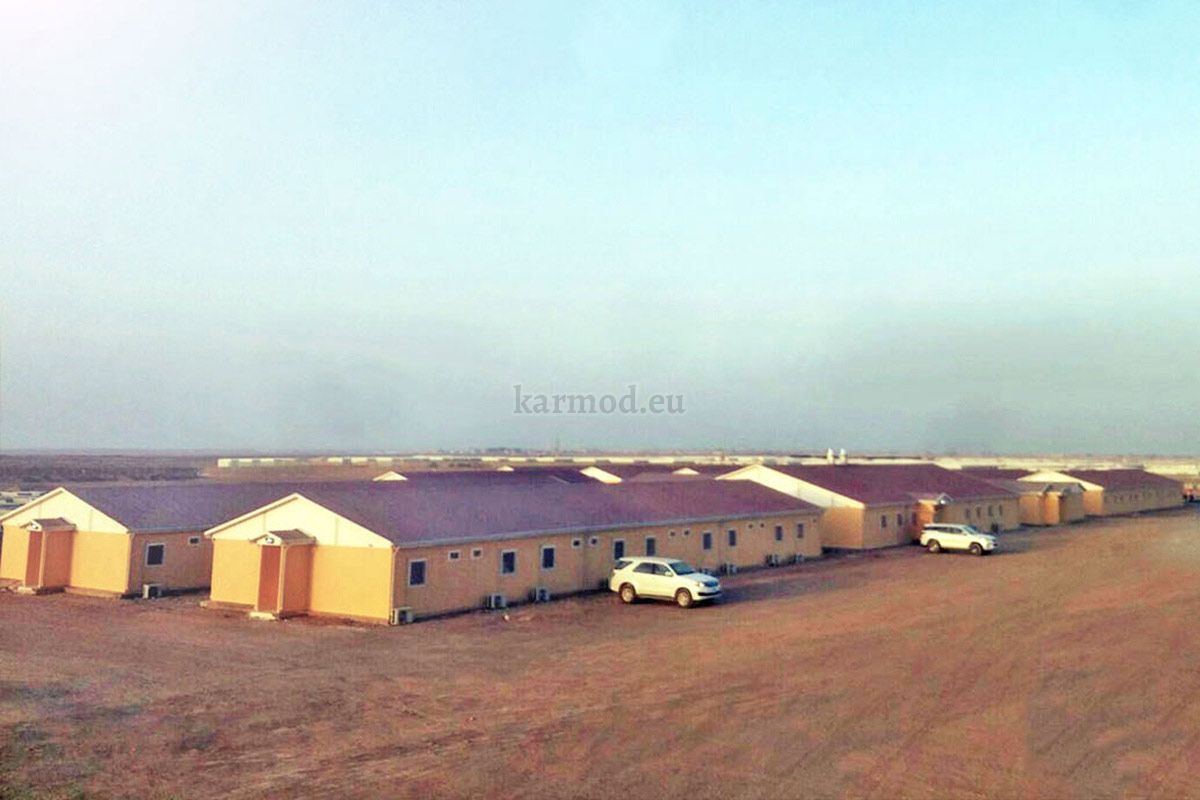
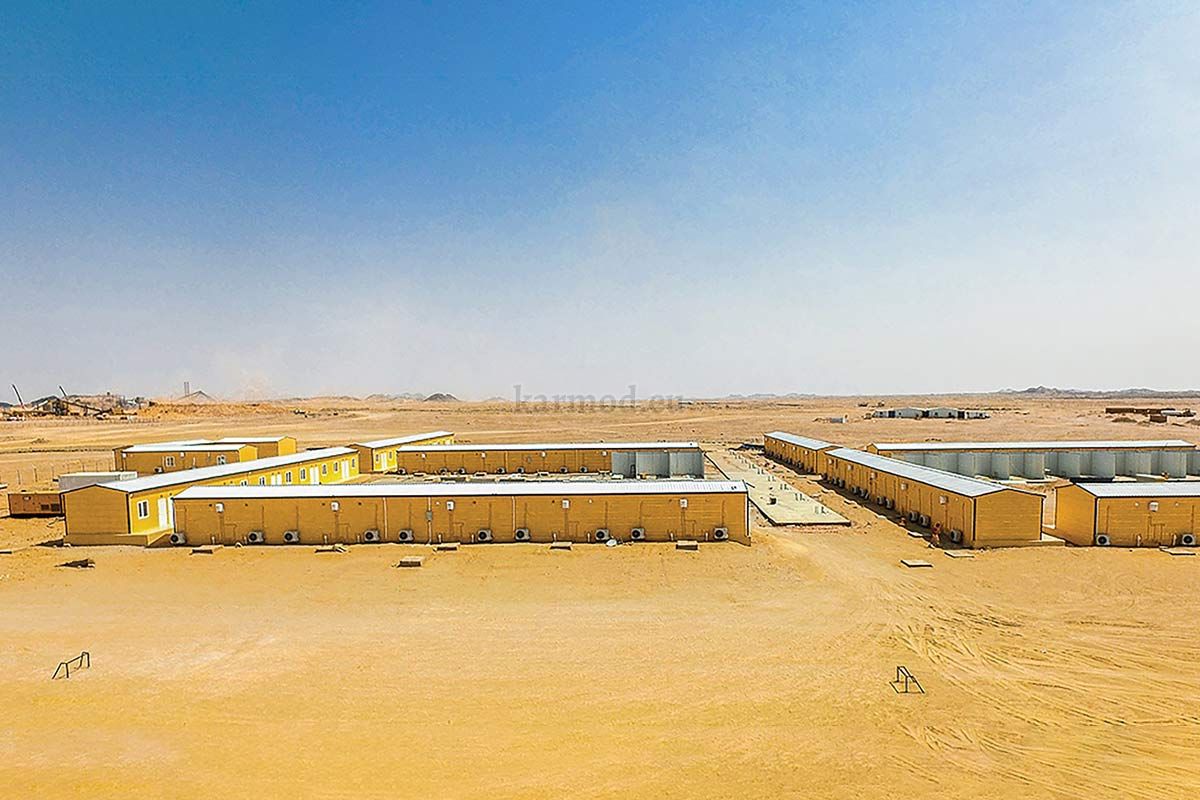
Best Company and Manufacturer Karmod for Oil and Gas Field in Ghana
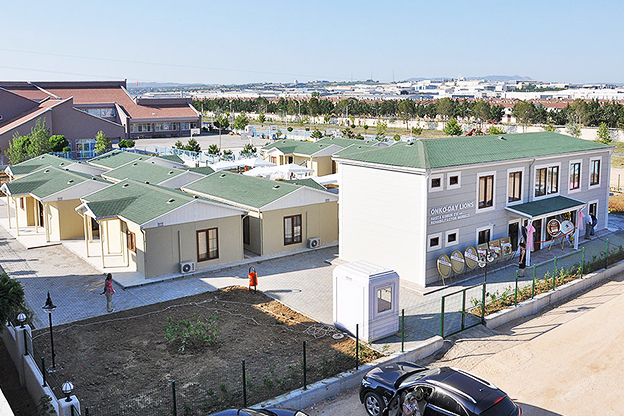
Karmod is involved in modular workforce accommodation for oil and gas projects in Ghana, supporting operators and contractors that need controlled production, predictable delivery, and practical camp performance. In project execution, the value is often in reliable deployment and consistent living standards across the camp. Karmod’s work in this space typically includes:
- Experience across modular camp applications: Planning and delivery of accommodation and welfare buildings that can be adapted to different site requirements.
- Project-specific solutions: Configurations tailored to workforce size, functional needs, and site layout, including accommodation blocks alongside dining, hygiene, and support facilities.
- Faster deployment through prefabrication: Modular construction that reduces on-site work scope and supports quicker site readiness where schedules are tight.
- Ongoing support approach: Practical assistance after installation, helping maintain operational continuity and address facility needs during occupancy.
For Ghana’s oil and gas developments, modular camps and field housing are most effective when they support safe routines, stable living conditions, and efficient site management. When accommodation is delivered with those priorities, it becomes a dependable part of operations rather than a recurring challenge.