




Site security is one of those details that often gets underestimated—until something goes wrong. Whether it’s a construction site, an industrial facility, a residential complex, or a commercial property, the guard hut is the first physical point of control. It’s where security meets visibility, comfort, and authority. And design plays a much bigger role than most people realize.
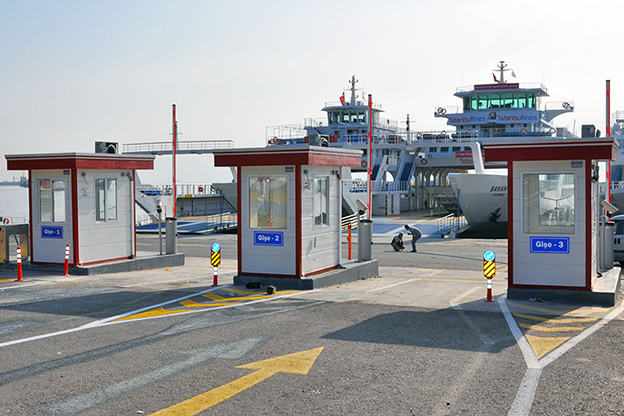
Modern guard hut designs are no longer just small boxes placed at an entrance. Today, they are purpose-built structures that balance functionality, durability, and aesthetics, while also supporting the people who work inside them for long hours. Let’s take a closer look at what makes a guard hut truly effective—and why design matters more than ever.
Why Guard Hut Design Directly Impacts Security Performance
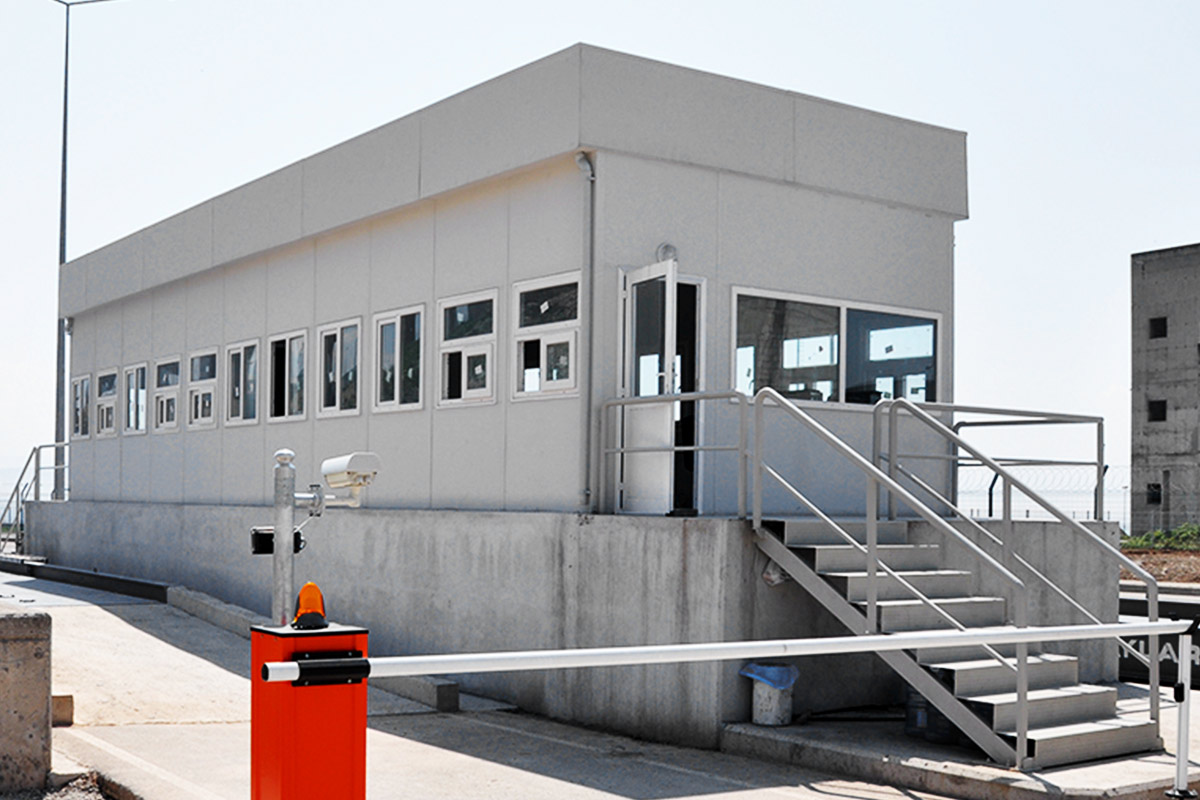
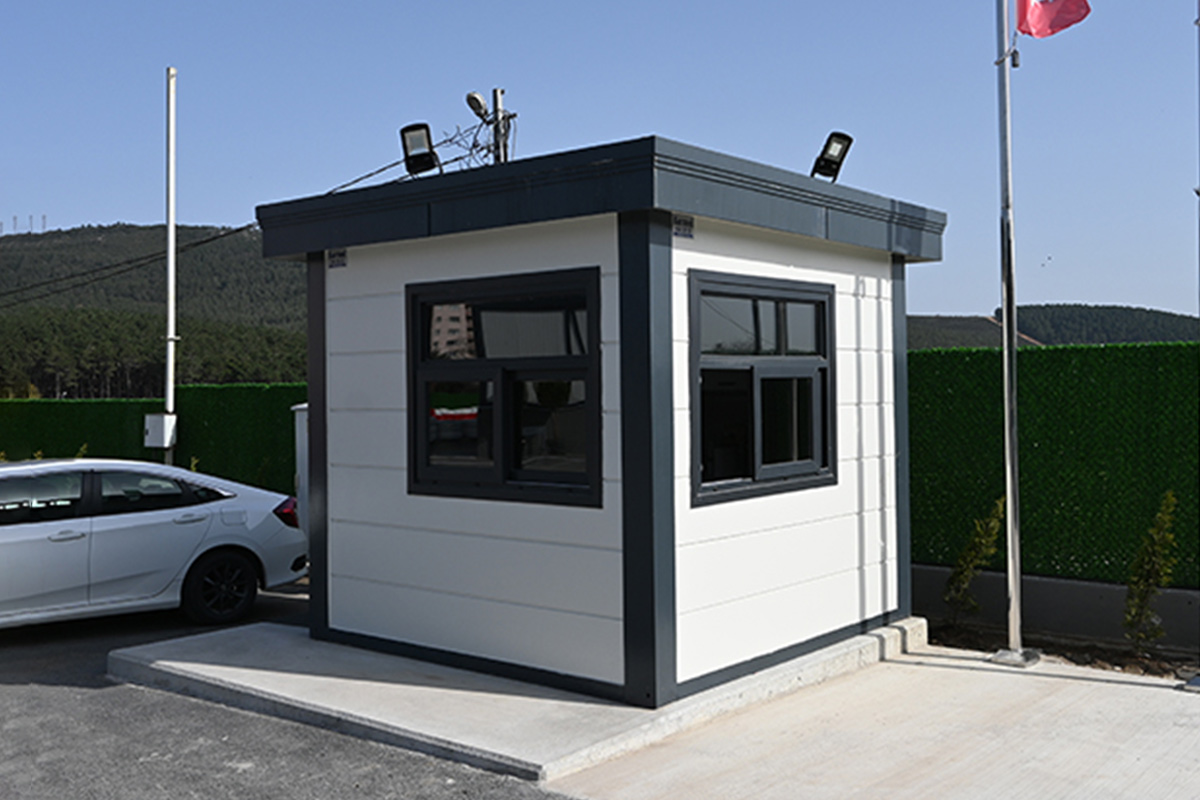
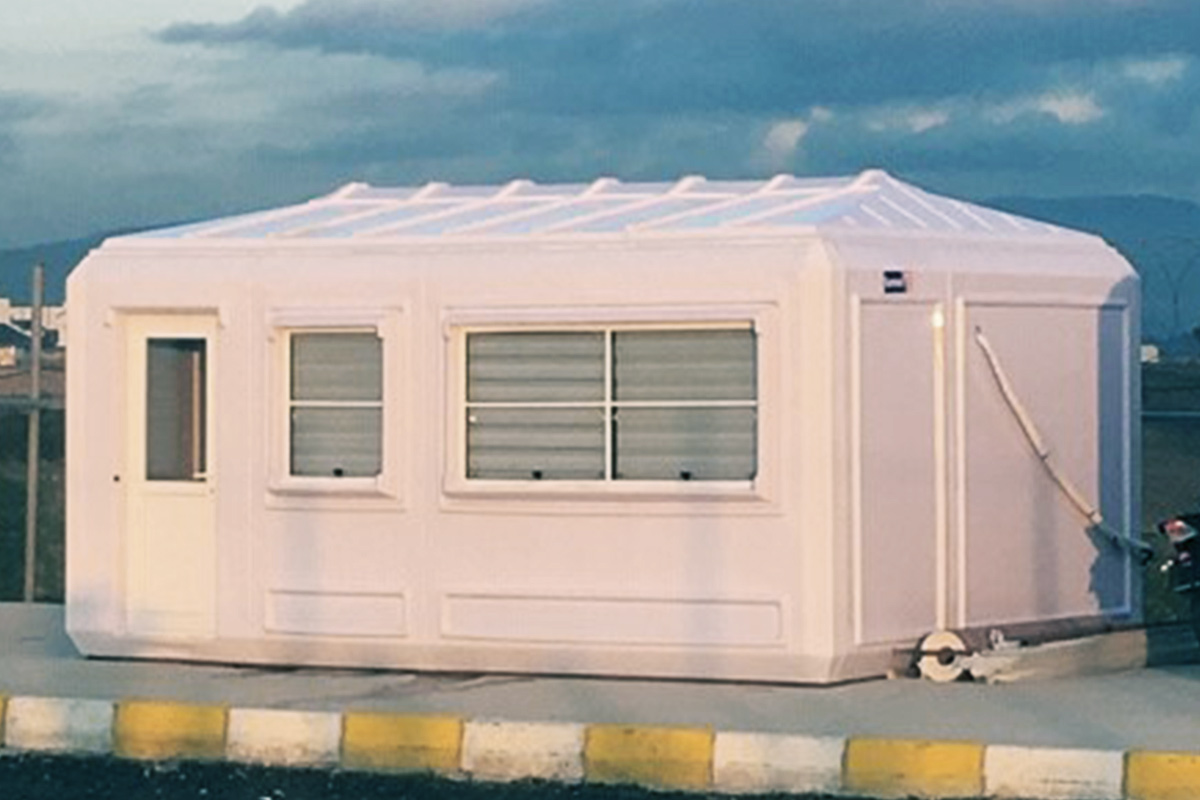
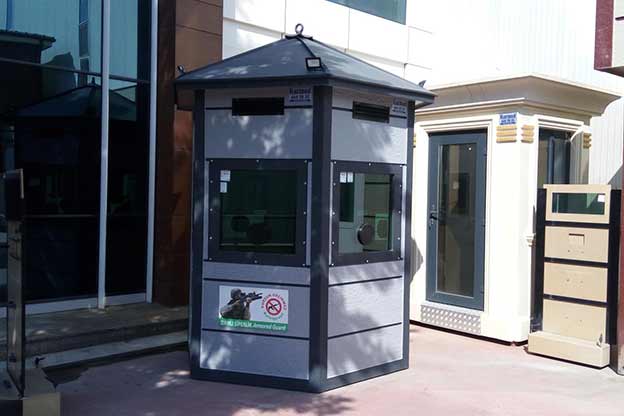
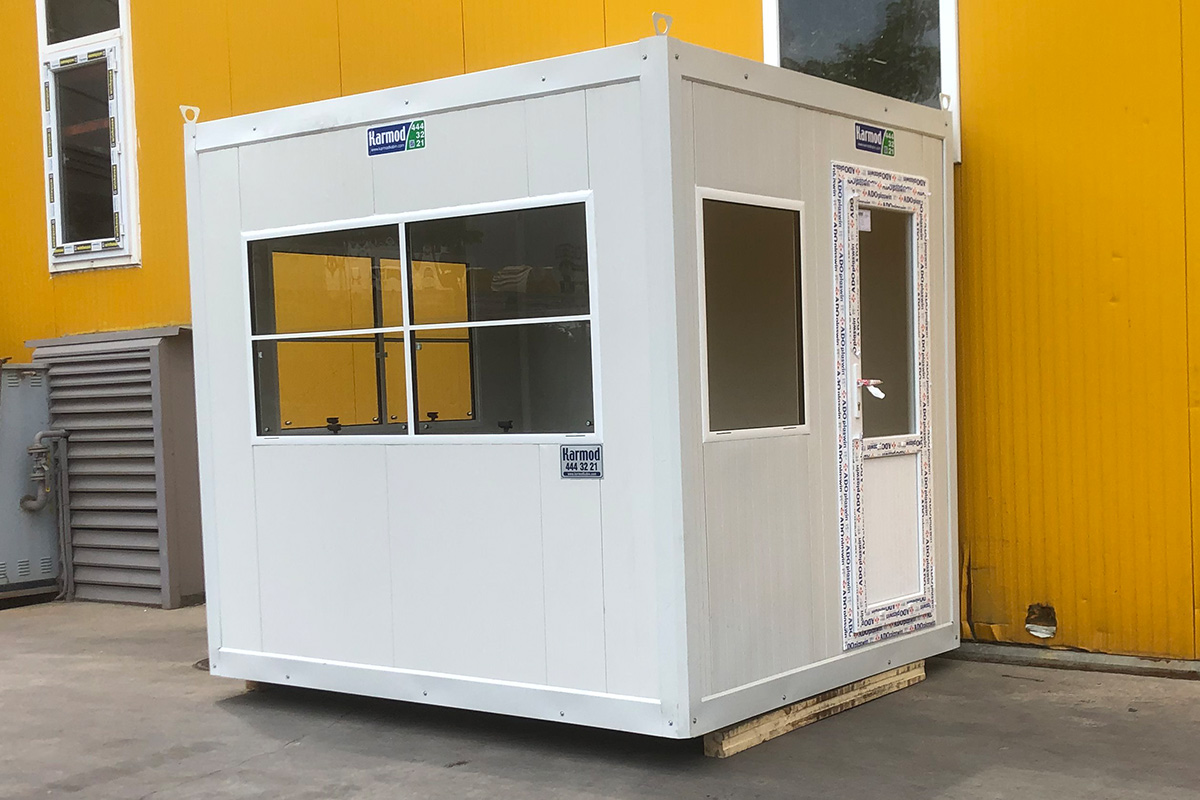
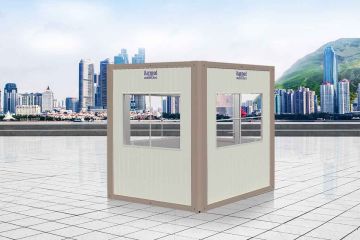
A well-designed guard hut doesn’t just sit at the gate; it actively supports security operations. Visibility is the first critical factor. Guards need clear sightlines in multiple directions to monitor incoming and outgoing traffic without constantly stepping outside. Large, strategically positioned windows make this possible while keeping the guard protected from weather and external risks.
Comfort is another overlooked but essential element. Guards often work long shifts, sometimes overnight, sometimes in harsh weather conditions. A cramped, poorly ventilated hut affects focus and reaction time. In contrast, an ergonomic layout with proper insulation, ventilation, and climate control helps guards stay alert and professional throughout their shift. When people are comfortable, they perform better—especially in security roles.
Modular Guard Huts vs. Traditional On-Site Structures
Traditional guard huts built on-site may seem like a straightforward choice, but they often come with hidden drawbacks. Construction takes time, requires permits, creates disruption, and is rarely flexible once completed. Any future change—size, location, or function—means additional cost and effort.
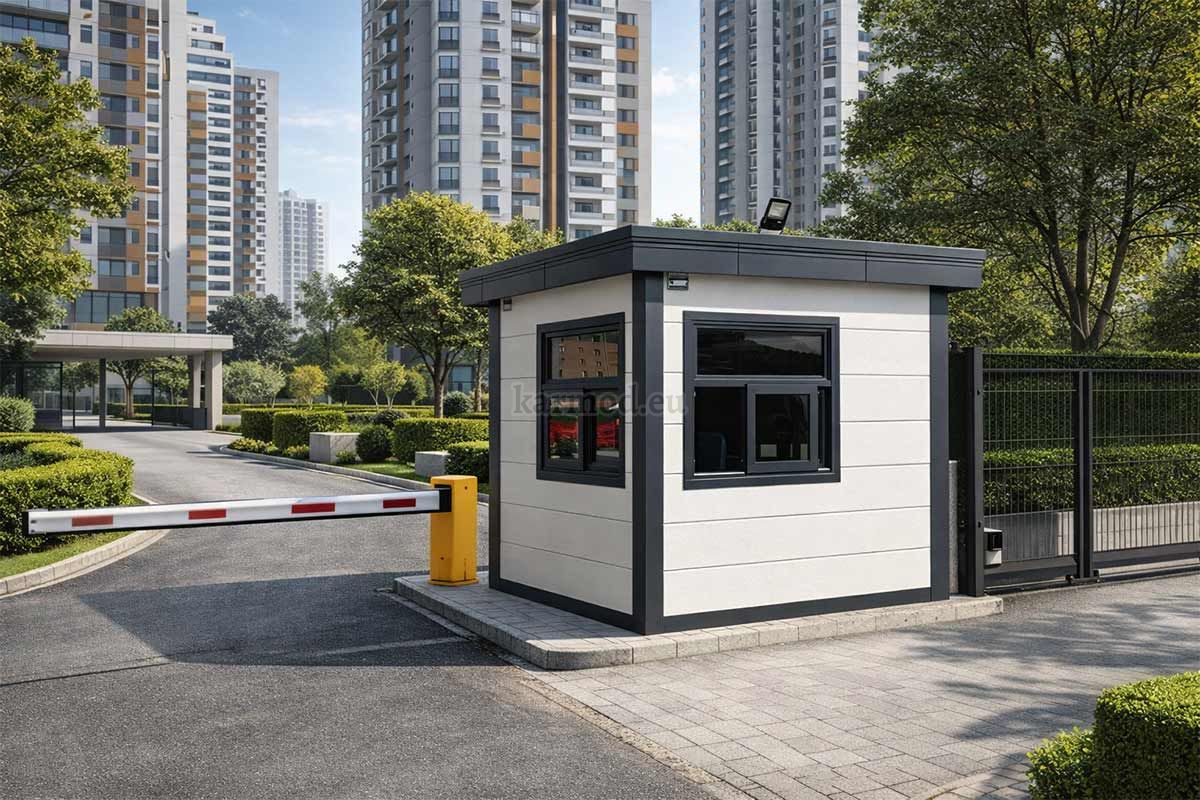
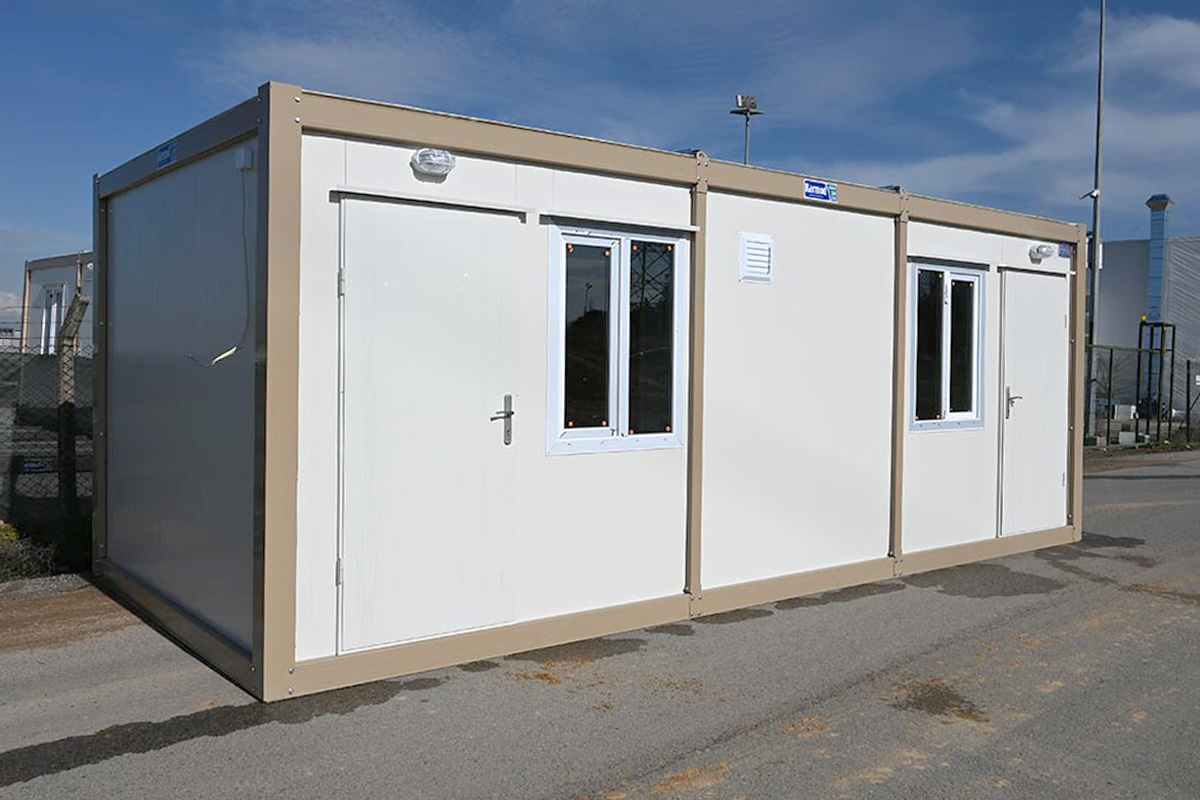
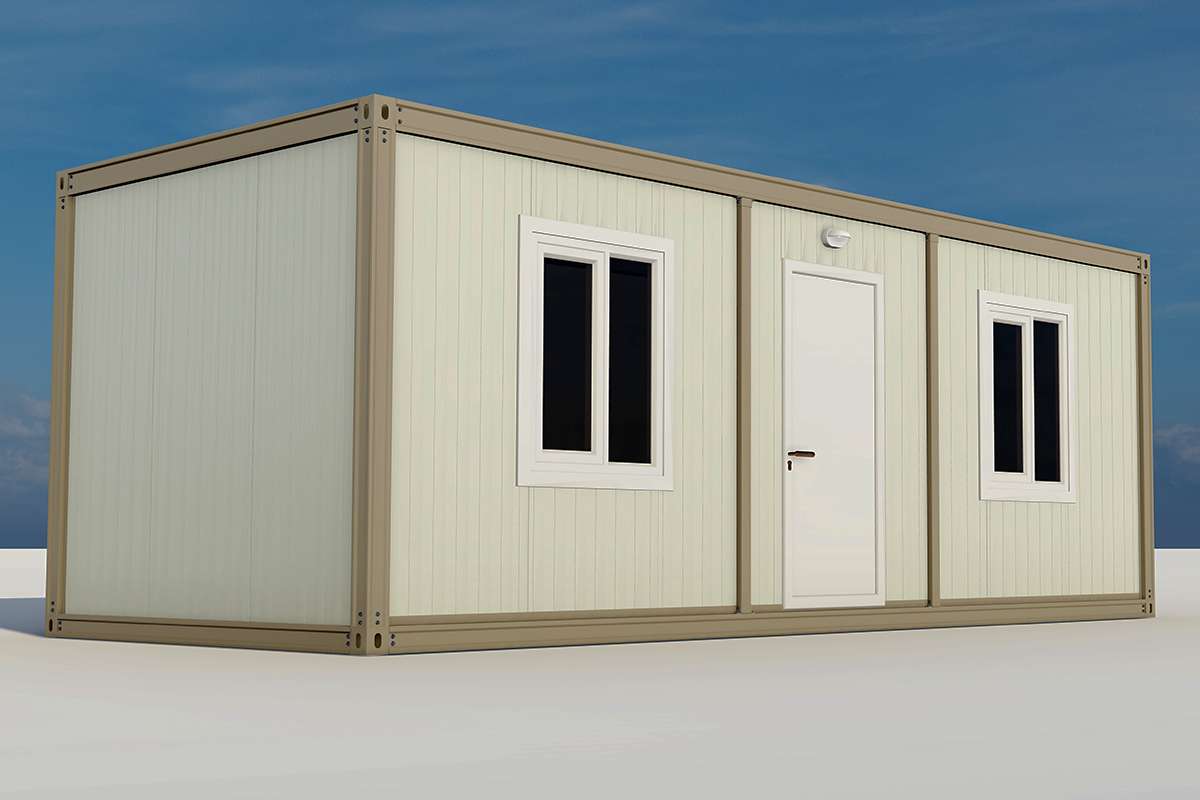
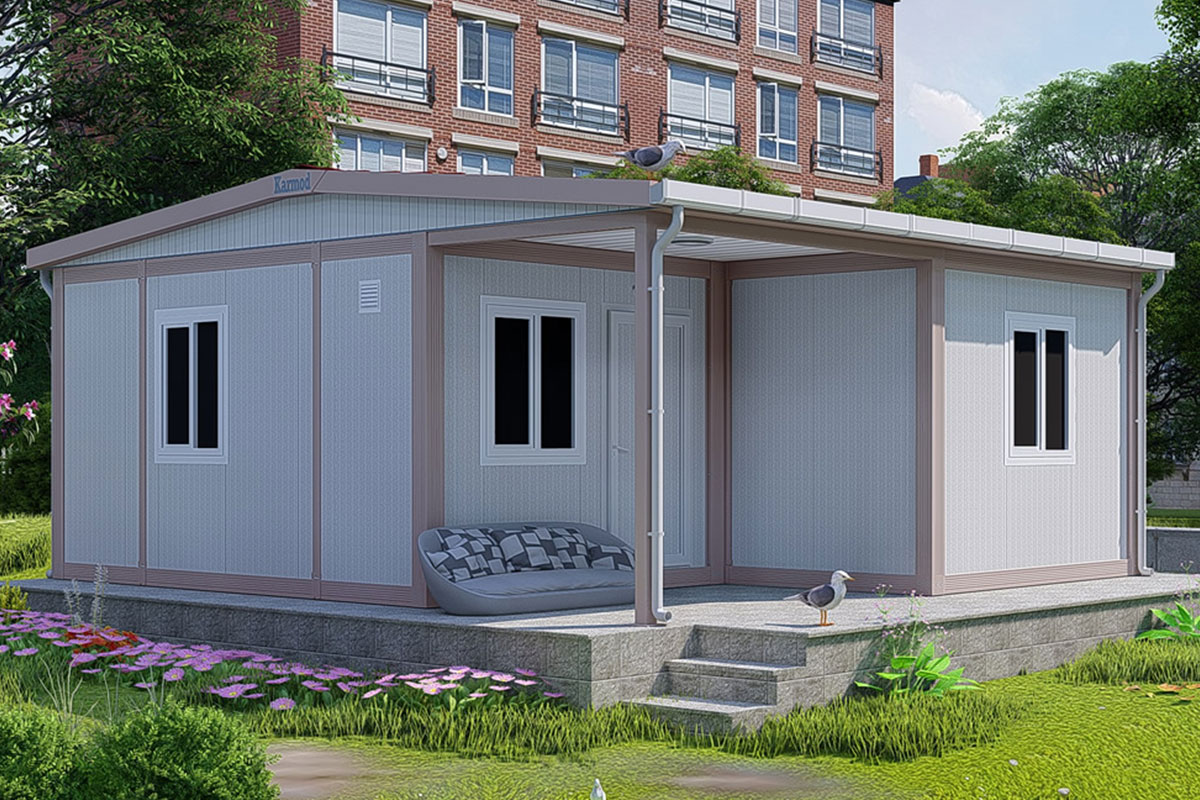
Modular and prefabricated guard huts, on the other hand, are designed for speed and adaptability. They are manufactured in controlled environments, ensuring consistent quality, and delivered ready for immediate use. If the site layout changes, the unit can be relocated. If security needs grow, the design can be upgraded. This flexibility makes modular guard huts a smarter long-term investment, especially for growing or temporary sites.
Key Design Features That Make a Guard Hut Truly Functional
Not all guard huts are created equal. The difference lies in the details that directly affect daily use. A practical design always starts with the right size—enough space for seating, monitoring equipment, documentation, and movement without feeling restrictive.
Other essential features include:
- Thermal and acoustic insulation for year-round comfort
- Electrical infrastructure for lighting, computers, and security systems
- Sliding or lockable windows for controlled interaction
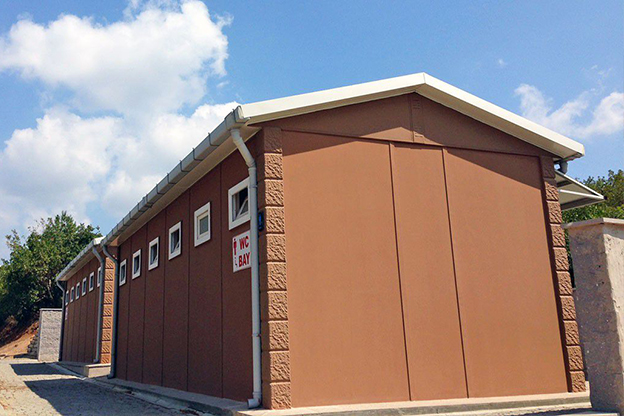
- Durable exterior materials resistant to impact and weather
These elements may sound simple, but together they define whether a guard hut feels like a professional workspace or a temporary compromise.
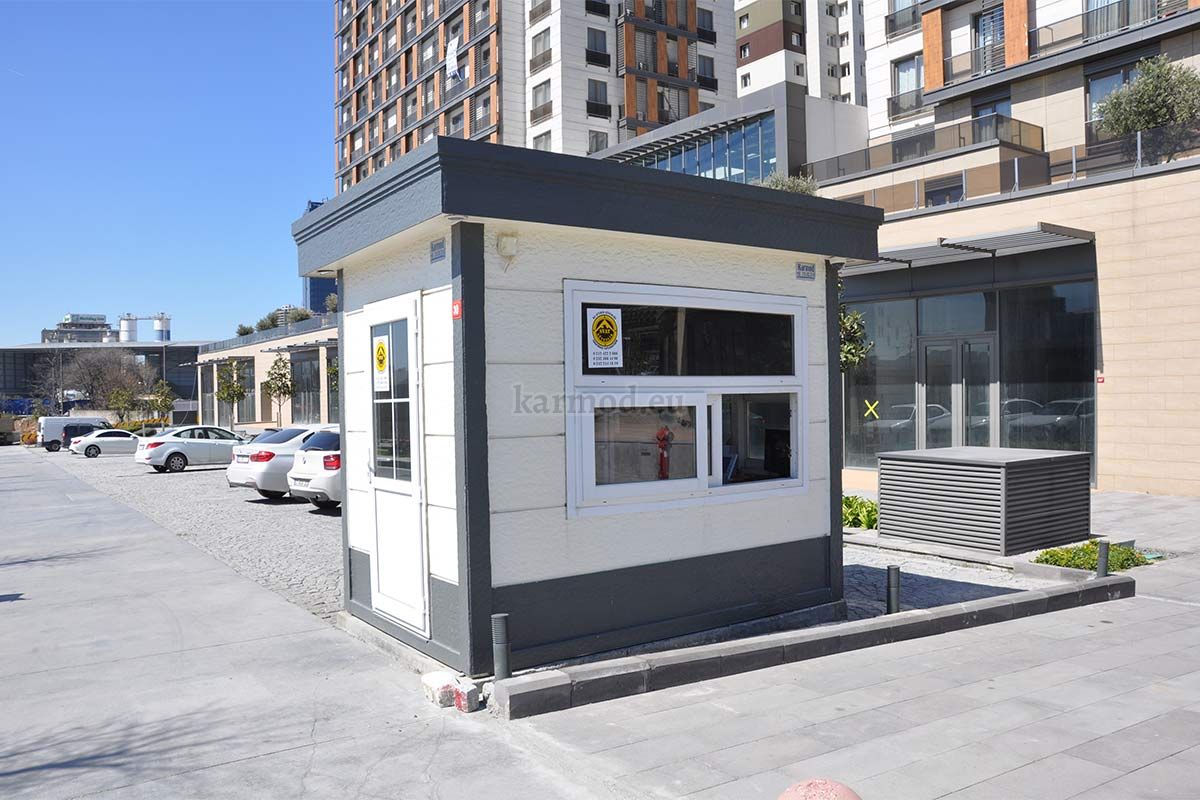
Modern Aesthetics: Security Structures That Look Professional
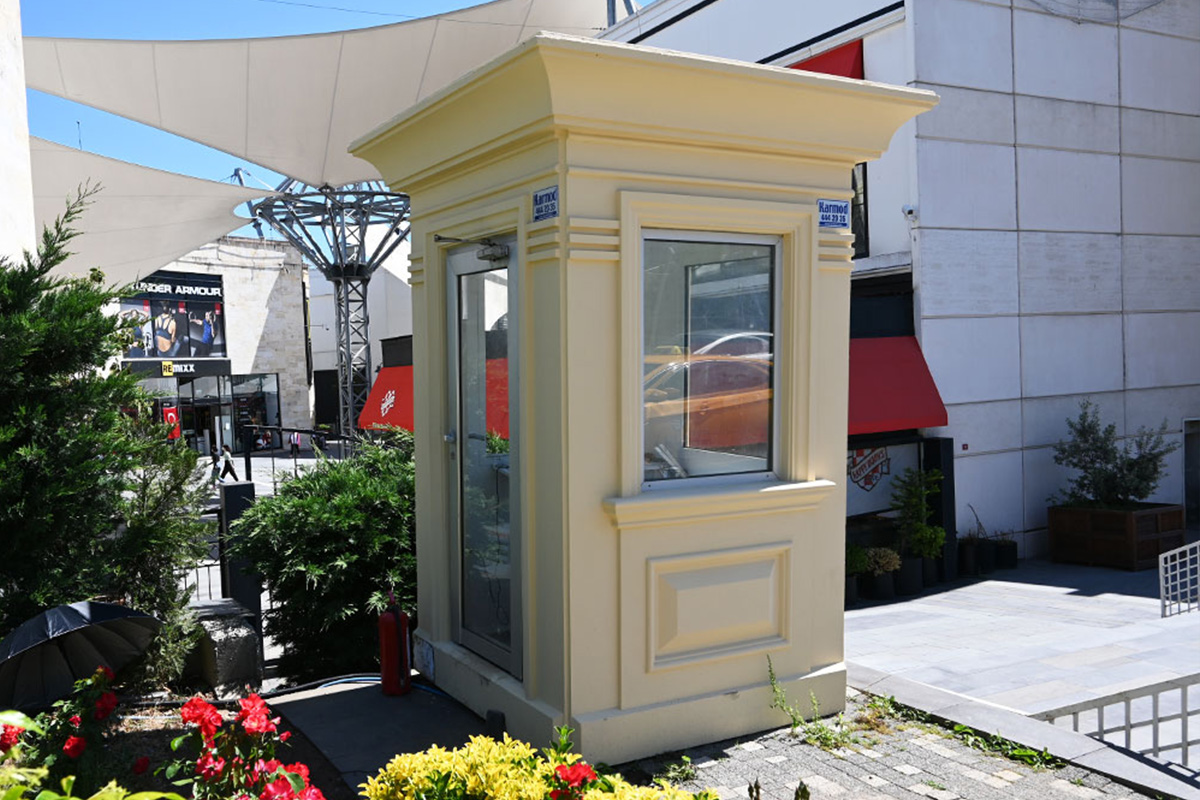
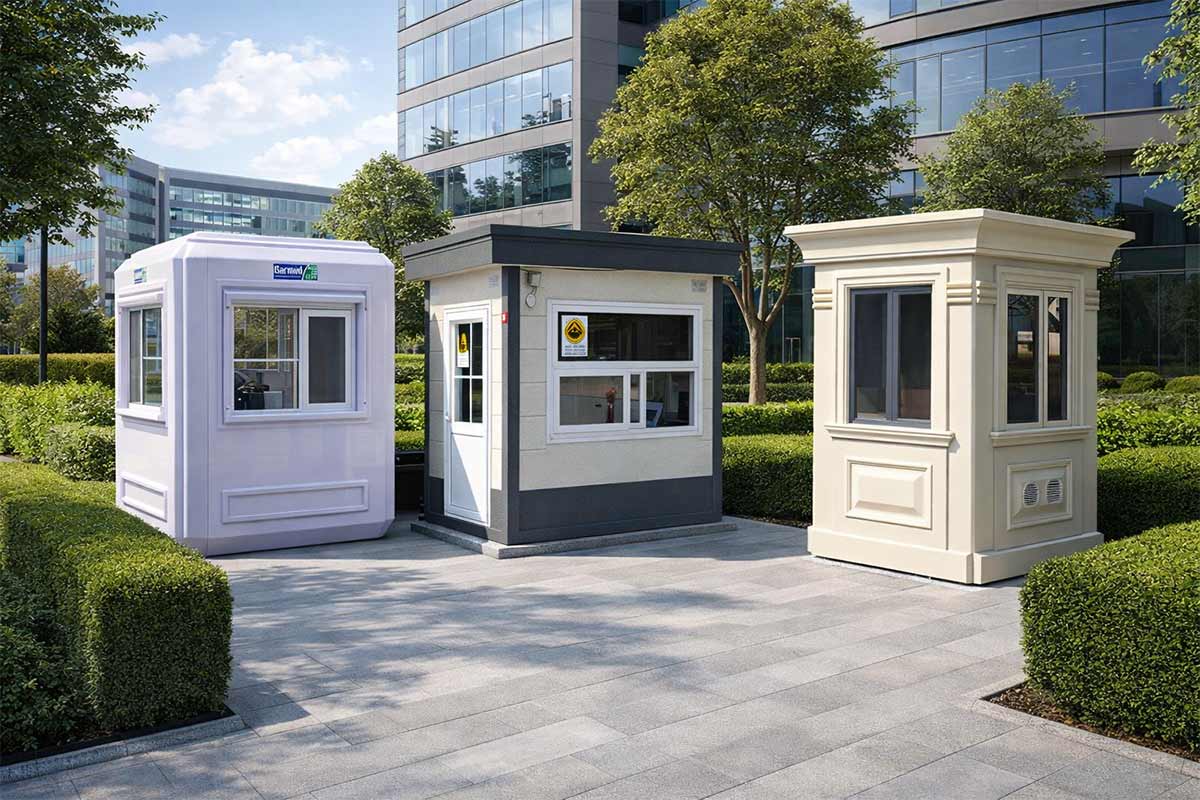
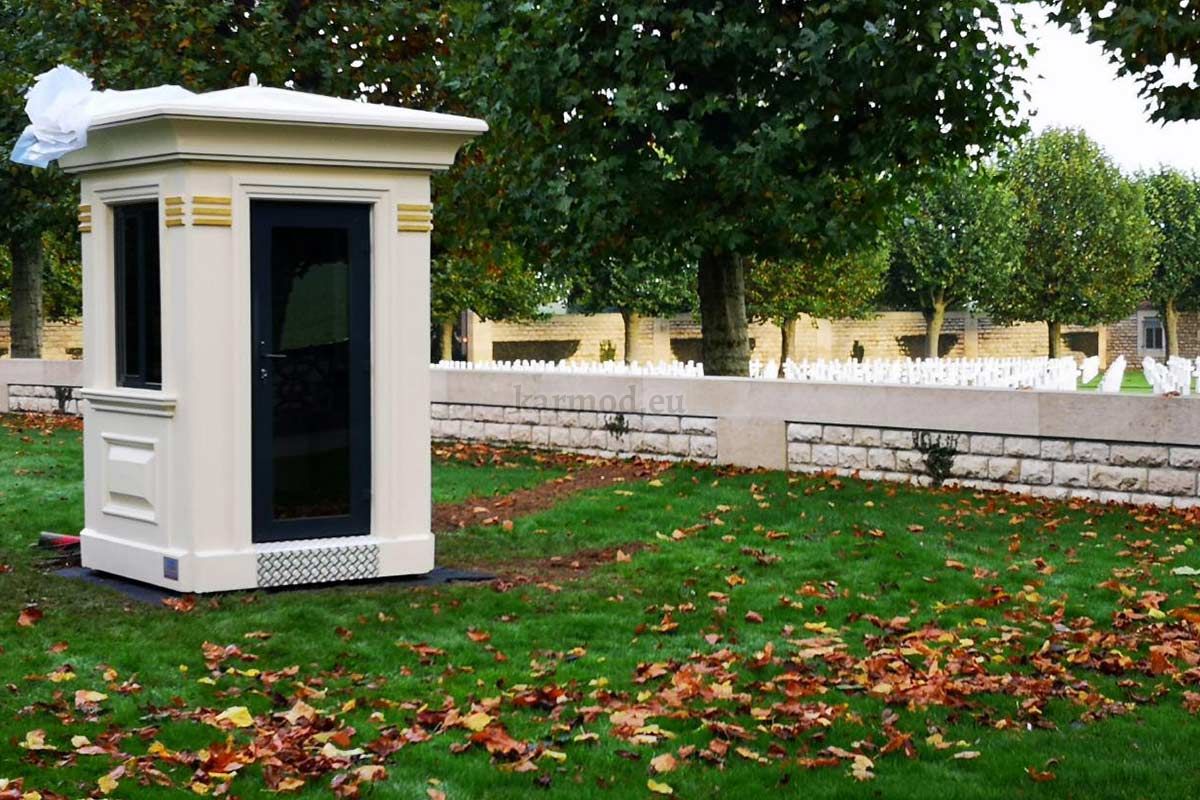
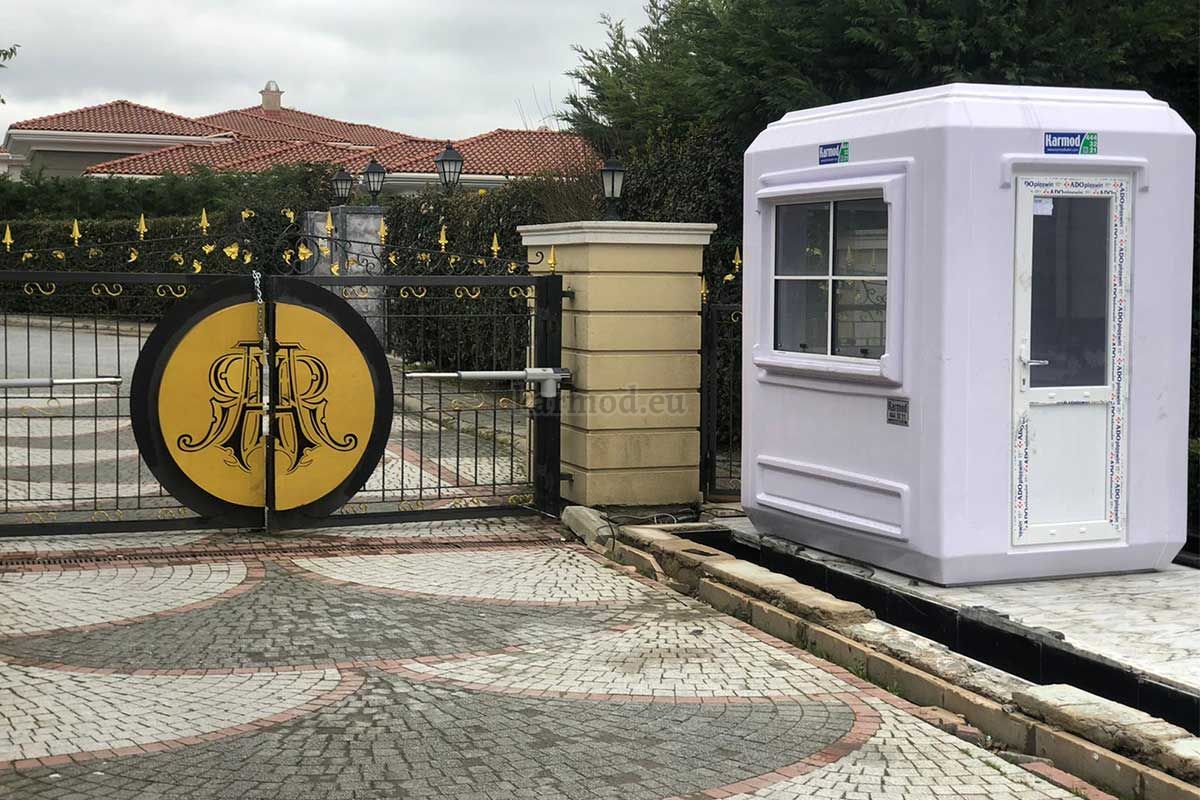
First impressions matter, especially at entrances. A guard hut is often the first structure visitors see when entering a site. A modern, clean-lined design immediately communicates order, professionalism, and control. It subtly reinforces trust—both for visitors and for the people working inside the facility.
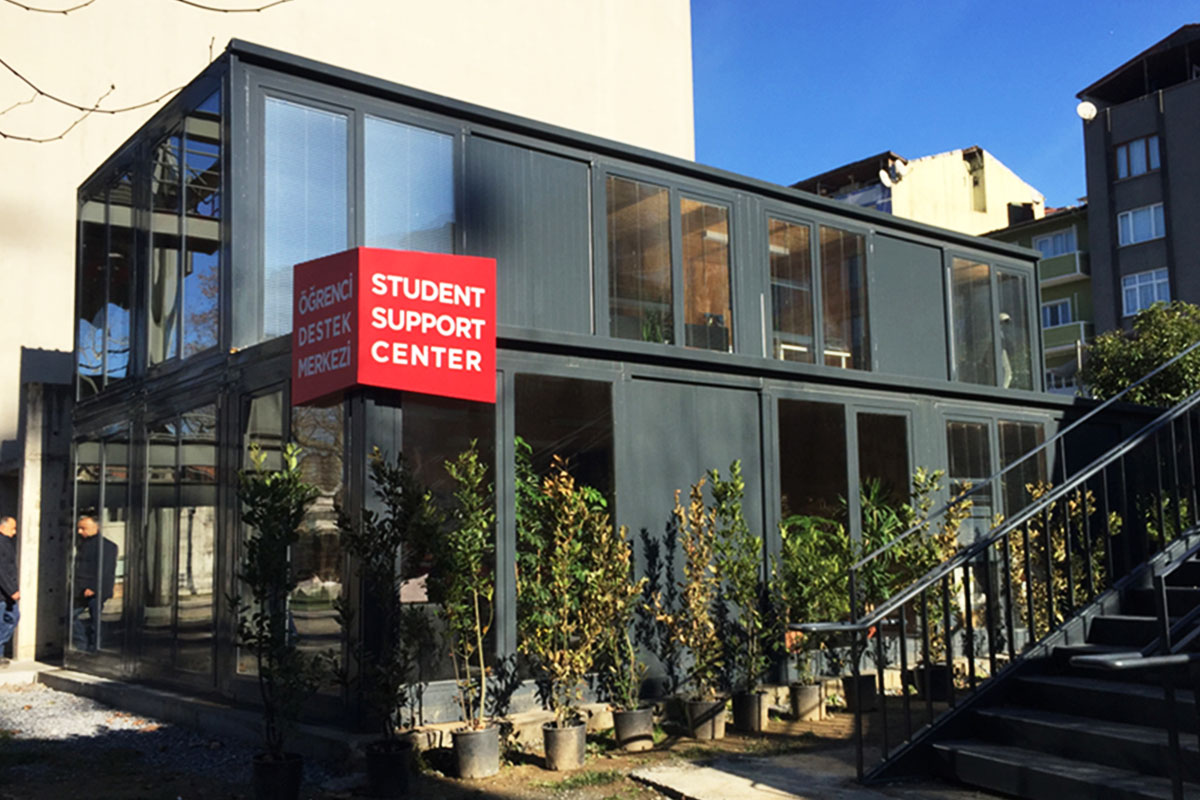
Contemporary guard hut designs favor neutral colors, sleek finishes, and minimalistic forms that integrate seamlessly with surrounding architecture. This is particularly important for corporate campuses, residential sites, and commercial areas where visual harmony is a priority. Security doesn’t have to look industrial to be effective.
Customization Options Based on Site-Specific Needs
Every site has different security requirements, and a one-size-fits-all approach rarely works. Some locations need bullet-resistant glass, others prioritize mobility, while certain sites require integrated access control systems or turnstile compatibility.
Custom-designed guard huts allow you to choose layout, materials, window placement, and interior fittings based on real operational needs. This level of customization ensures that the structure supports your security strategy rather than limiting it. It also means you’re not paying for unnecessary features—or missing critical ones.
Long-Term Value: Durability, Maintenance, and Cost Efficiency
A guard hut is a long-term asset, not a disposable structure. High-quality modular units are built to withstand years of continuous use with minimal maintenance. Corrosion-resistant frames, weatherproof panels, and robust flooring reduce repair costs and downtime.
From a financial perspective, prefabricated guard huts offer predictable budgeting. There are no surprise construction delays, no escalating labor costs, and no ongoing structural issues. When you factor in reduced installation time and operational efficiency, the total cost of ownership becomes significantly lower over time.
Choosing the Right Guard Hut Partner Matters
Design is only part of the equation. The manufacturer’s experience, material quality, and understanding of real-world security operations make a noticeable difference. A reliable provider doesn’t just sell a structure—they guide you toward the right solution based on how your site actually functions.
If you’re planning a new security setup or upgrading an existing one, investing in a thoughtfully designed guard hut is a decision that pays off daily. From improved guard performance to a stronger first impression, the right design supports both safety and professionalism.
If you’re ready to explore guard hut designs tailored to your site, getting a customized quote is the smartest next step. A well-designed guard hut isn’t an expense—it’s a visible commitment to security done right.