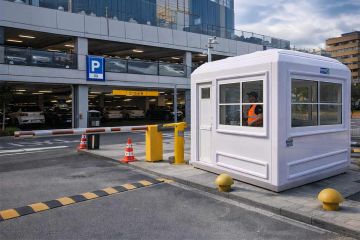






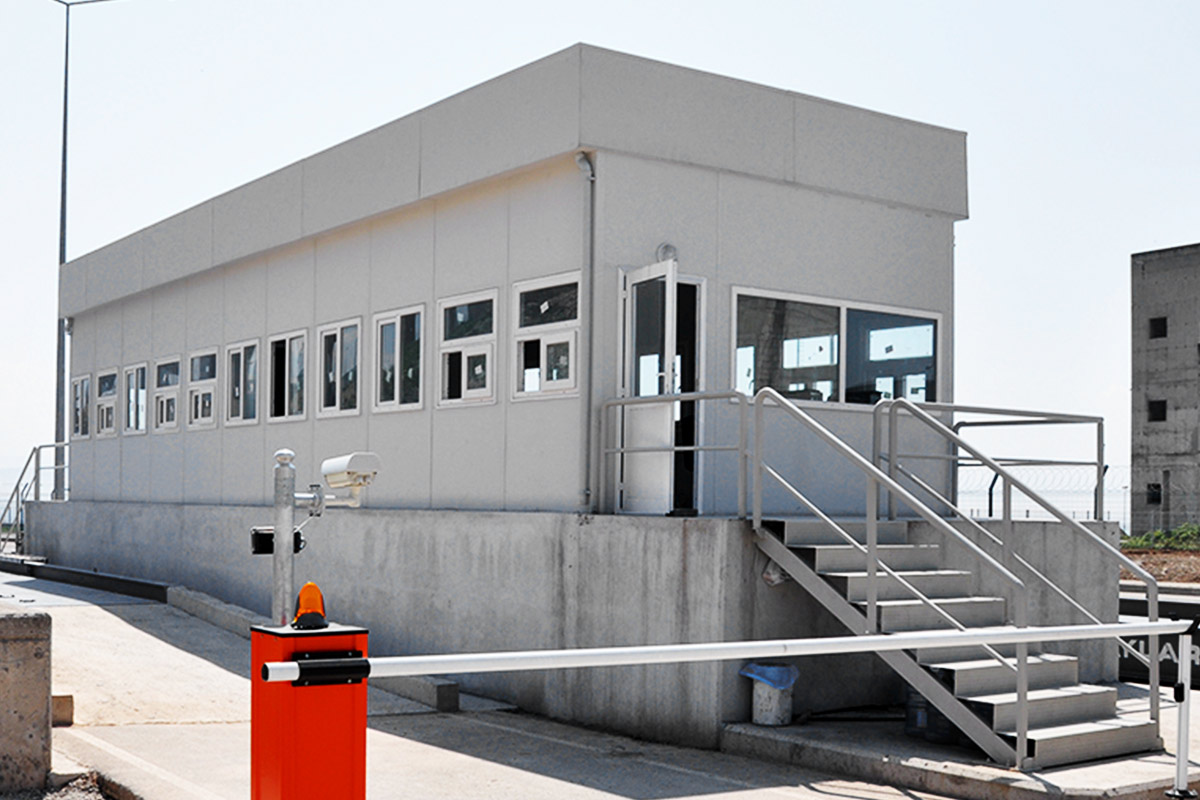
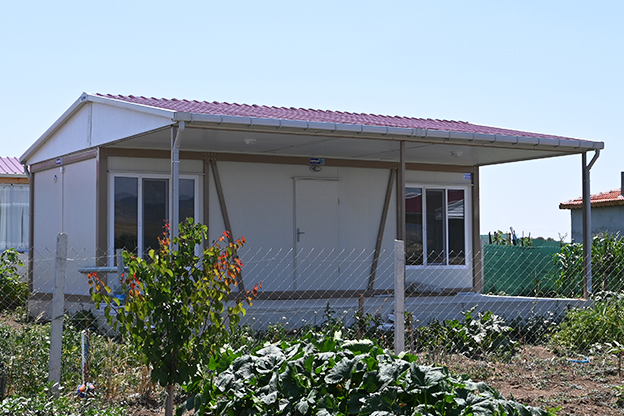
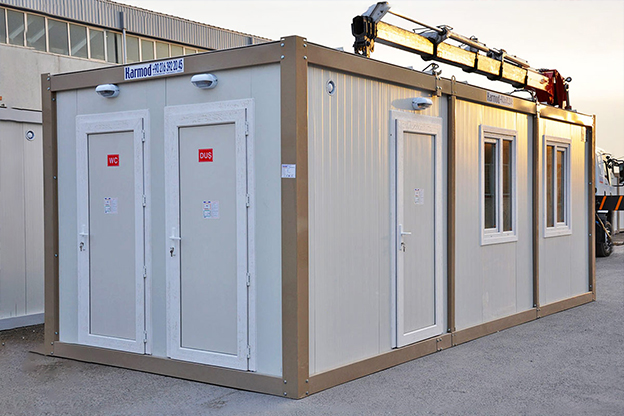
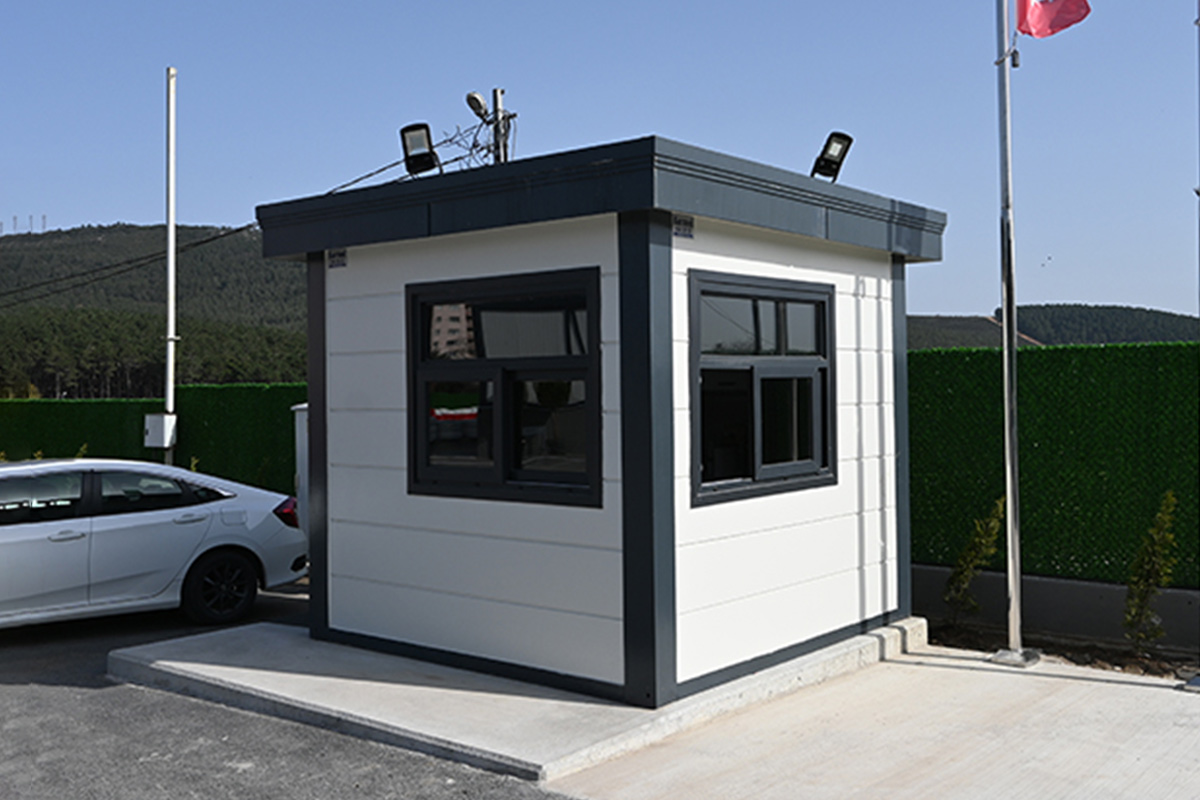
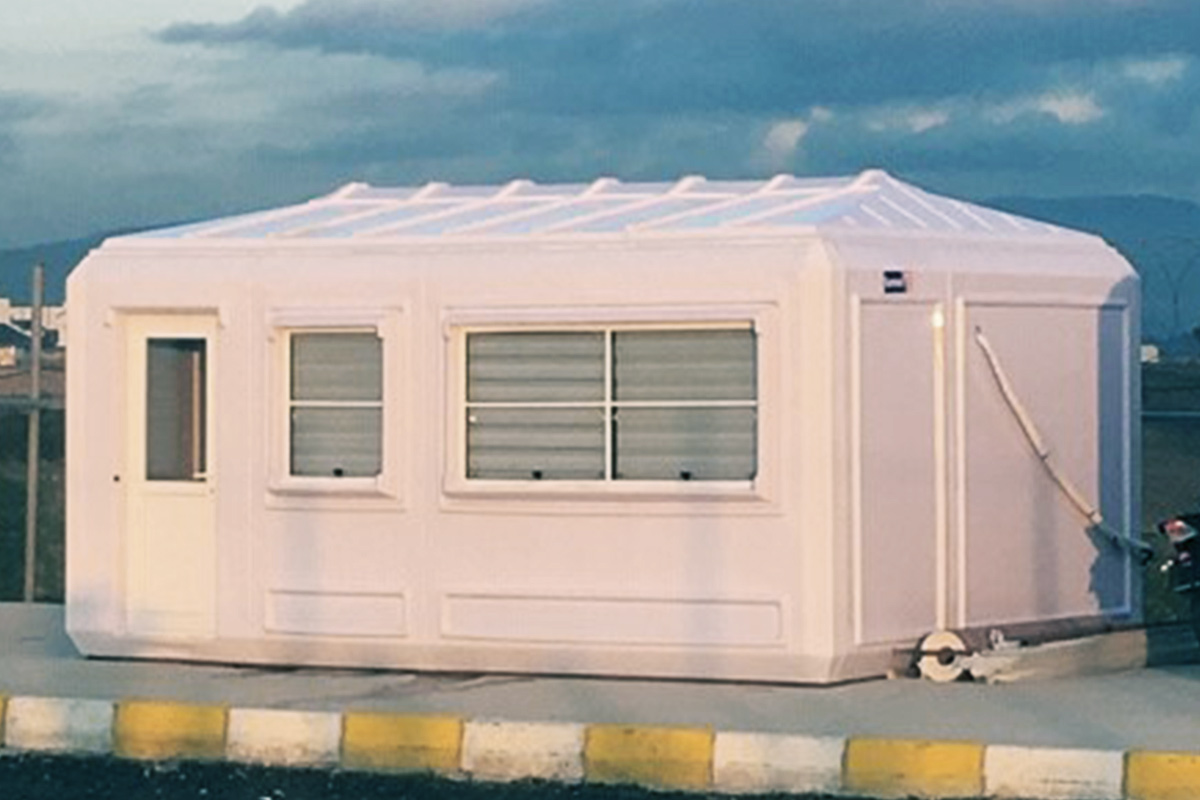
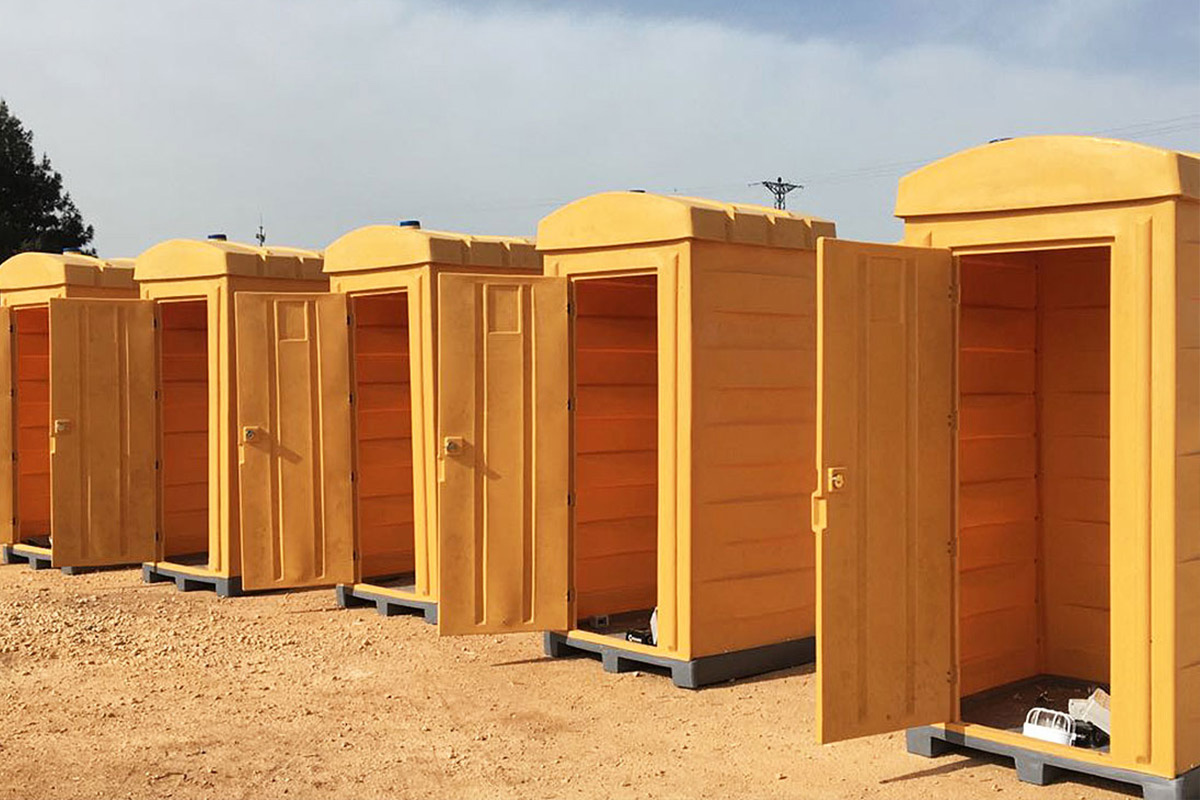
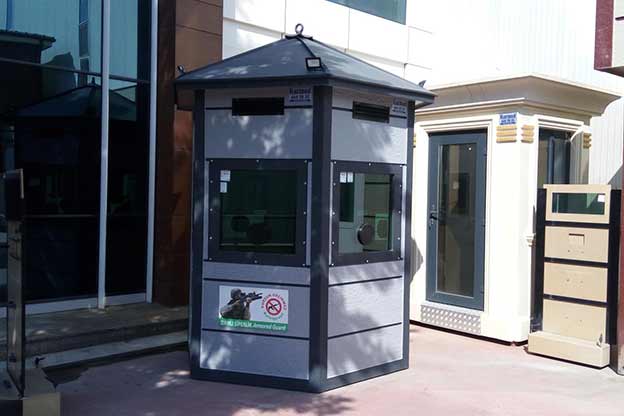
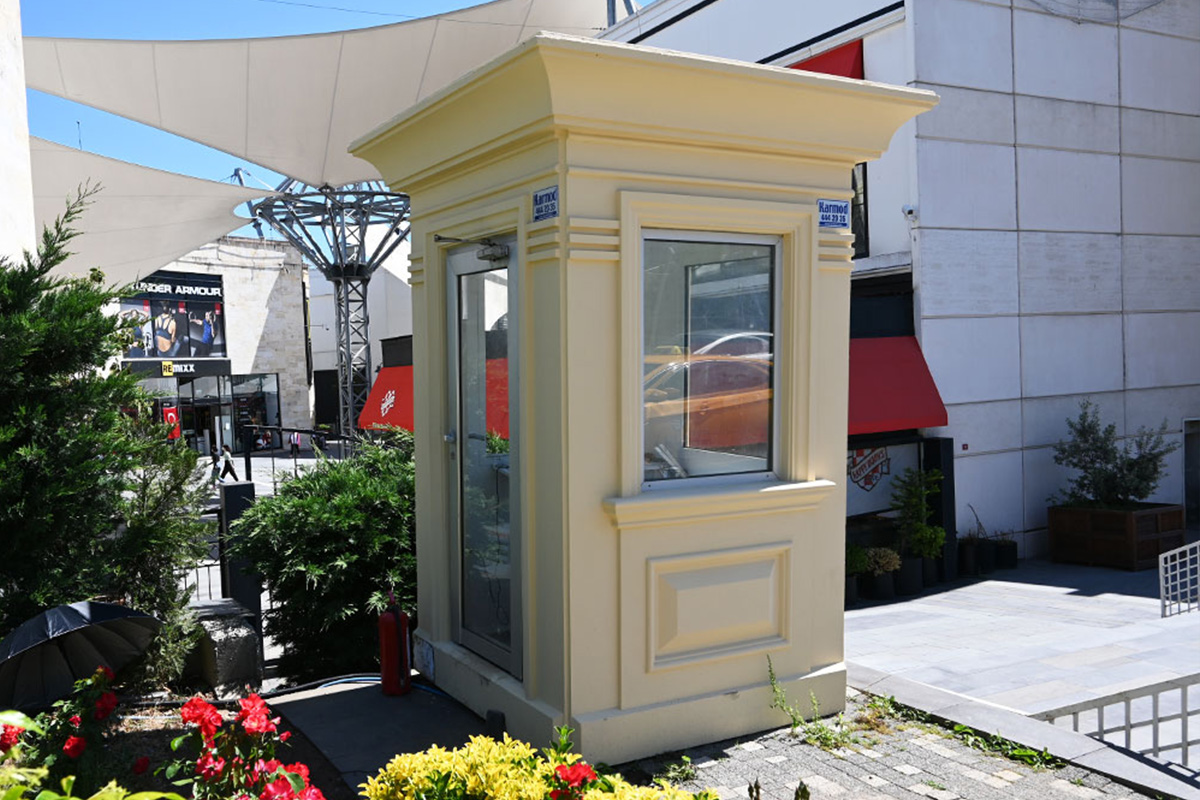
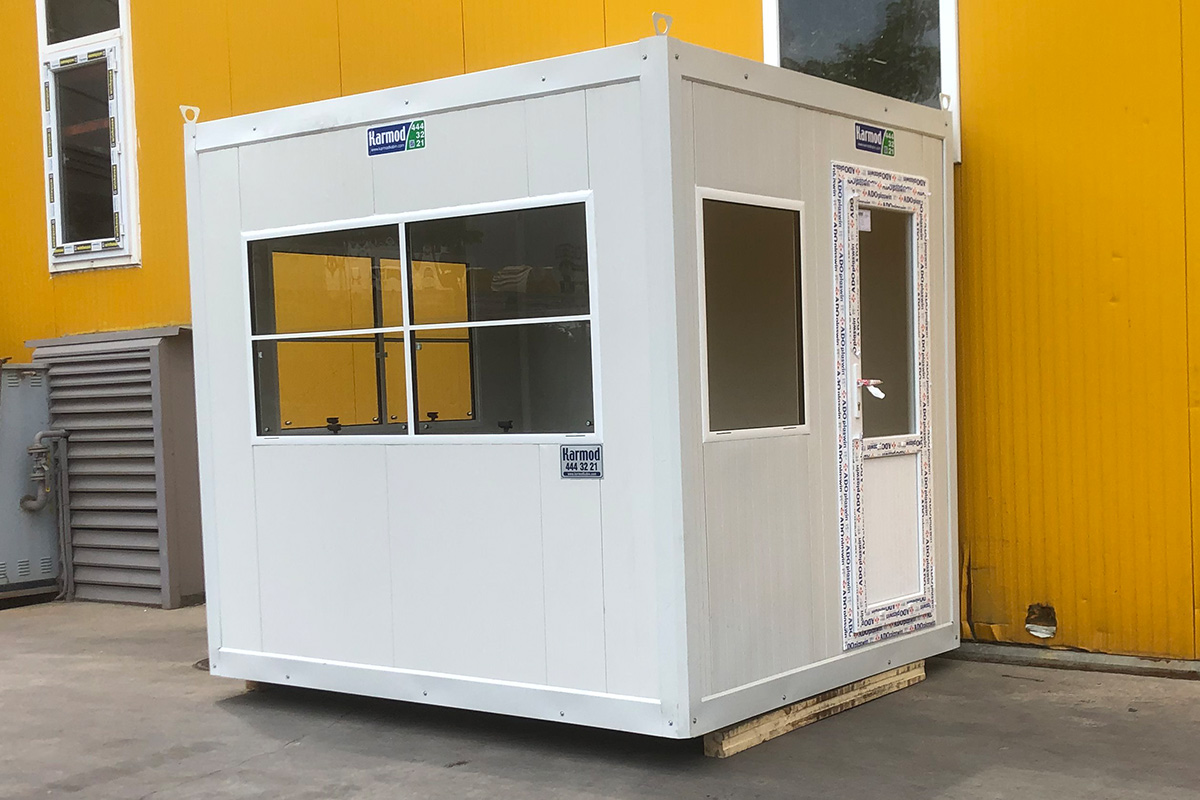
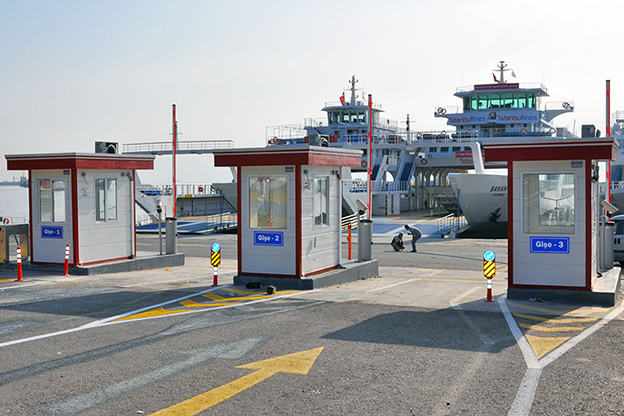
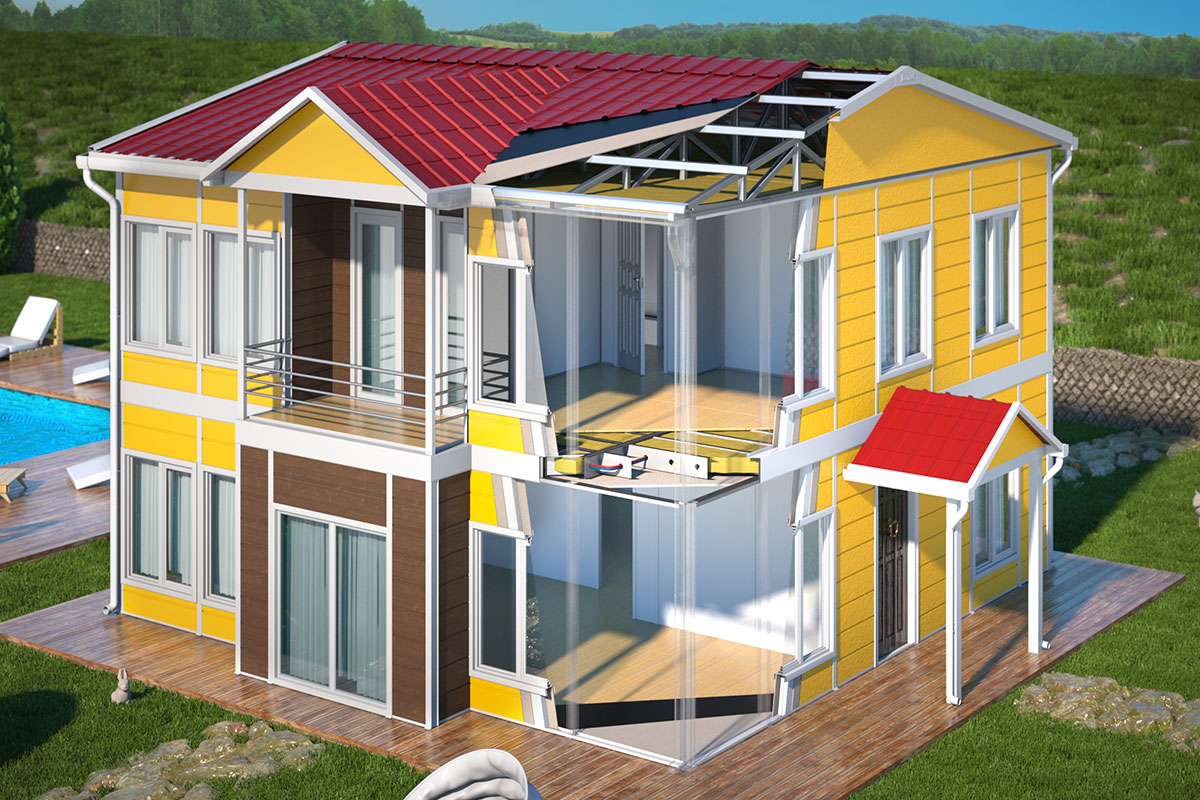
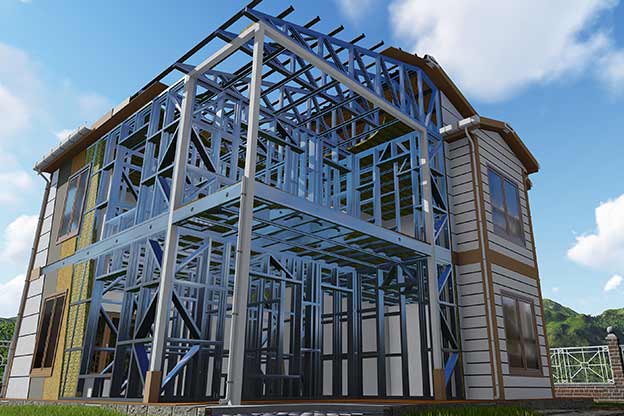
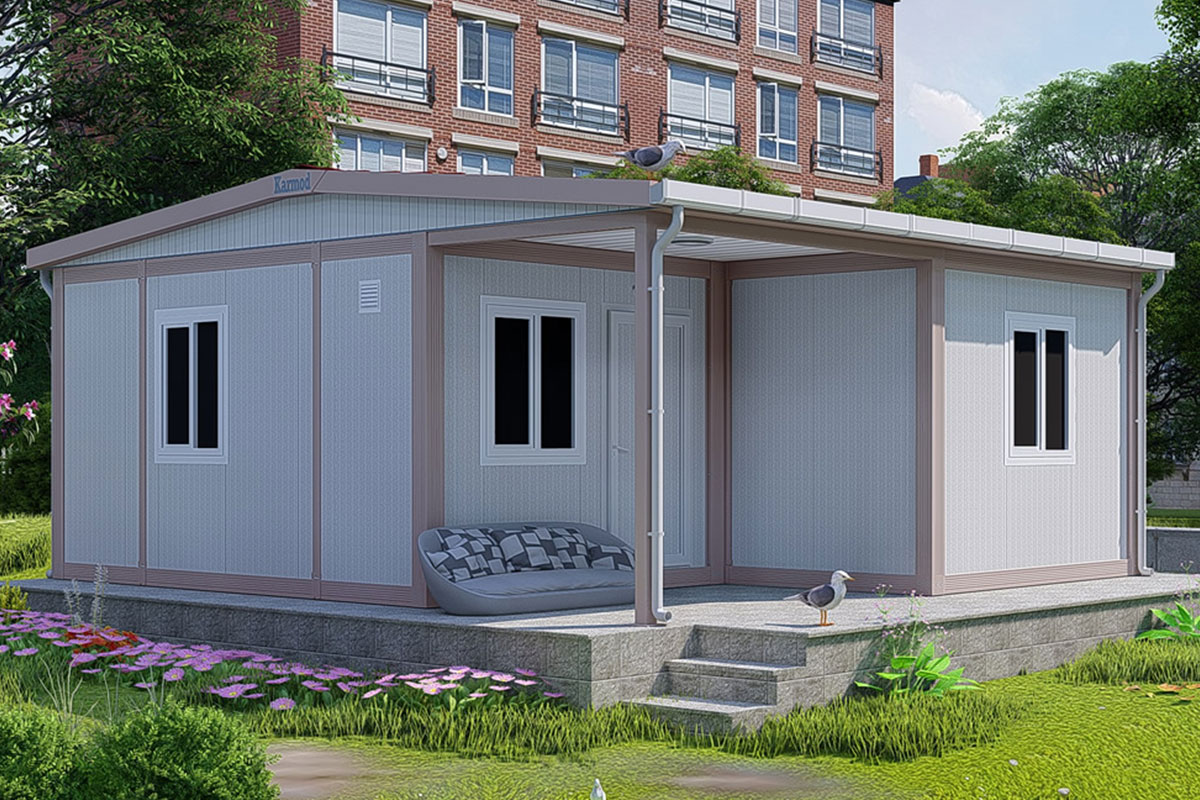


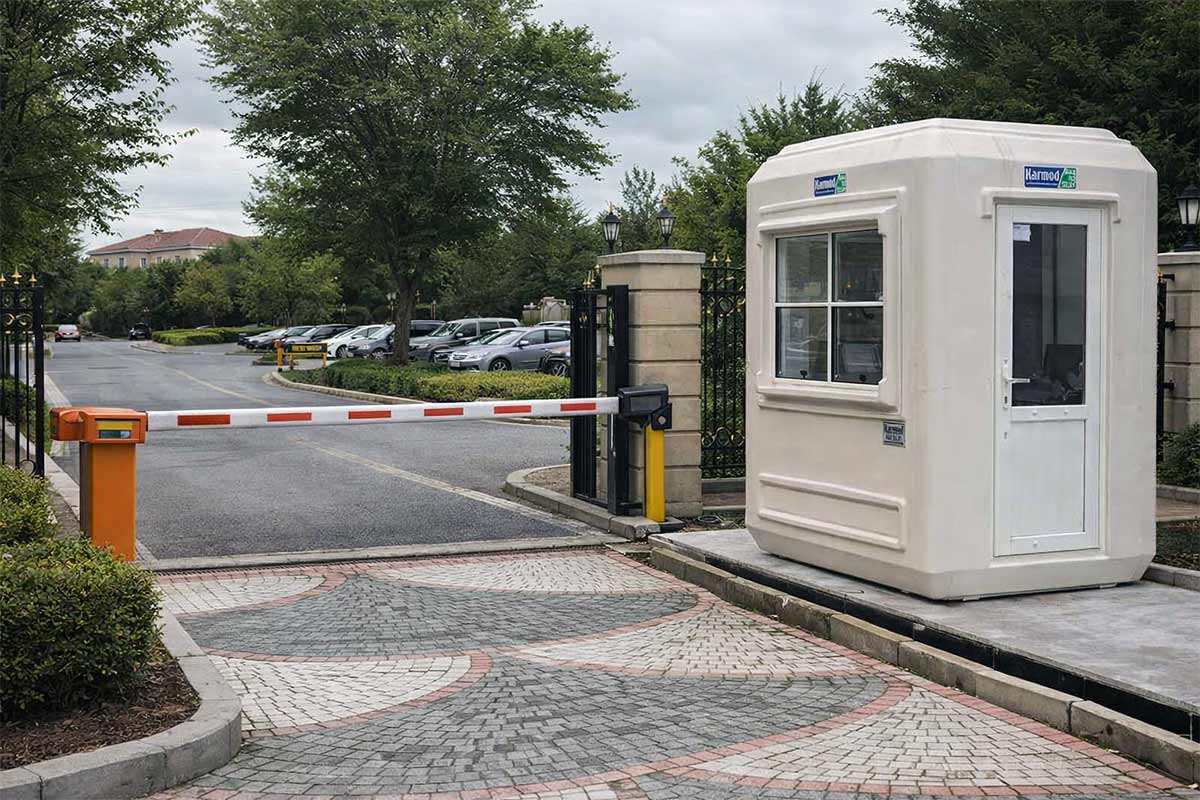
The effectiveness of a guard hut doesn’t start with the structure itself—it starts with where you place it. Even the most well-built unit can underperform if it’s positioned without a clear understanding of traffic flow, sightlines, and human behavior. Placement is strategy. It shapes how smoothly vehicles move, how safely pedestrians pass, and how confidently security teams do their jobs.
Think of entry and exit points as pressure valves. When they’re designed well, everything flows. When they’re not, small delays turn into congestion, confusion, and risk. The goal of smart guard hut placement is simple: make security visible, operations smooth, and daily routines predictable—for guards and visitors alike.
Start with Traffic Reality, Not the Blueprint
Site plans look clean on paper. Real traffic never does. Before deciding on placement, it’s essential to observe how vehicles and people actually move through your property. Where do cars slow down naturally? Where do drivers hesitate or change lanes? These moments are opportunities to position a guard hut where it feels logical rather than forced.
Placing a guard hut too early along an entry lane often creates unnecessary backups. Too late, and you lose the chance to control access effectively. The sweet spot is where vehicles are already prepared to stop. When the placement aligns with natural behavior, compliance increases and stress drops—on both sides of the window.
This approach also shortens interaction time. Drivers feel the process is intuitive, guards stay focused, and queues dissolve faster during peak hours.
Maximize Visibility Without Creating Obstruction
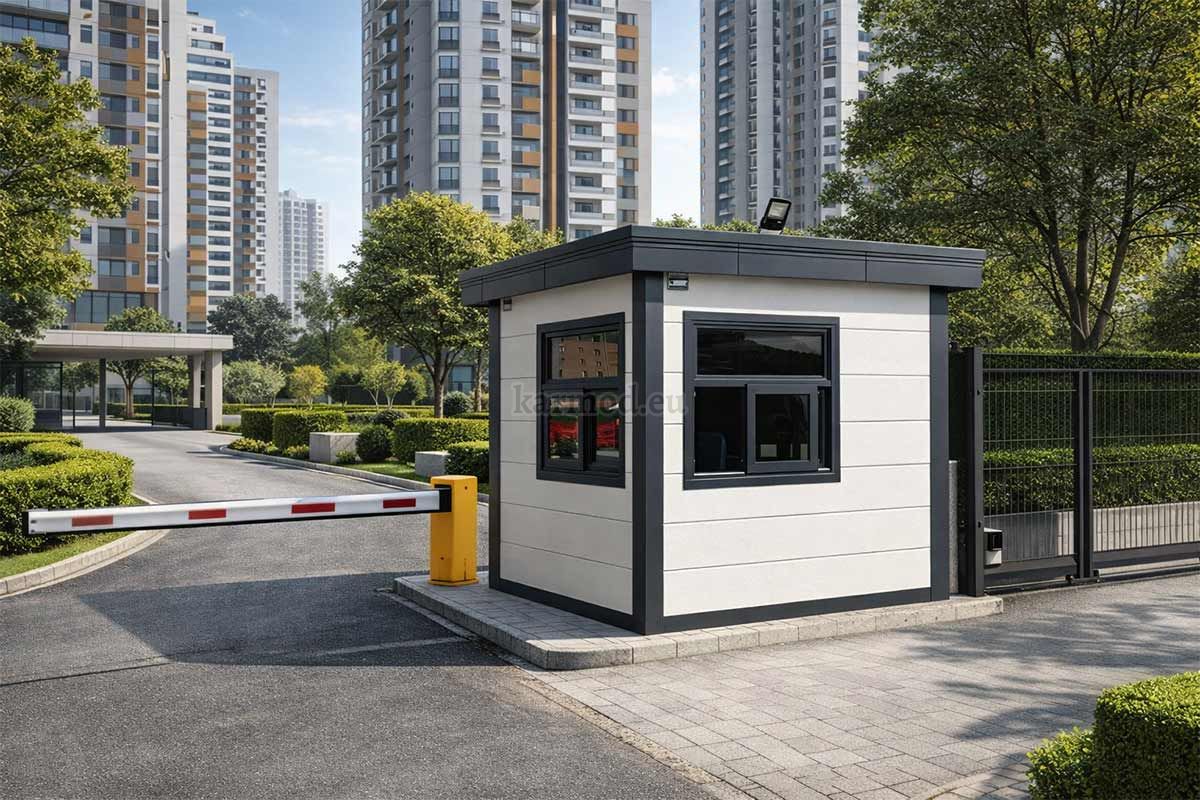
A guard hut should command attention, not block movement. One of the most common placement mistakes is positioning the unit where it limits sightlines for either the guard or approaching drivers. Visibility is security’s silent partner—it prevents incidents before they happen.
From the guard’s perspective, the hut should allow clear views of:
- Incoming and outgoing lanes
- Pedestrian crossings
- Barriers, gates, or bollards
From the driver’s perspective, the hut should be visible early enough to signal control, but not so close that it feels intrusive. When both sides can see each other comfortably, interactions become calmer and more efficient.
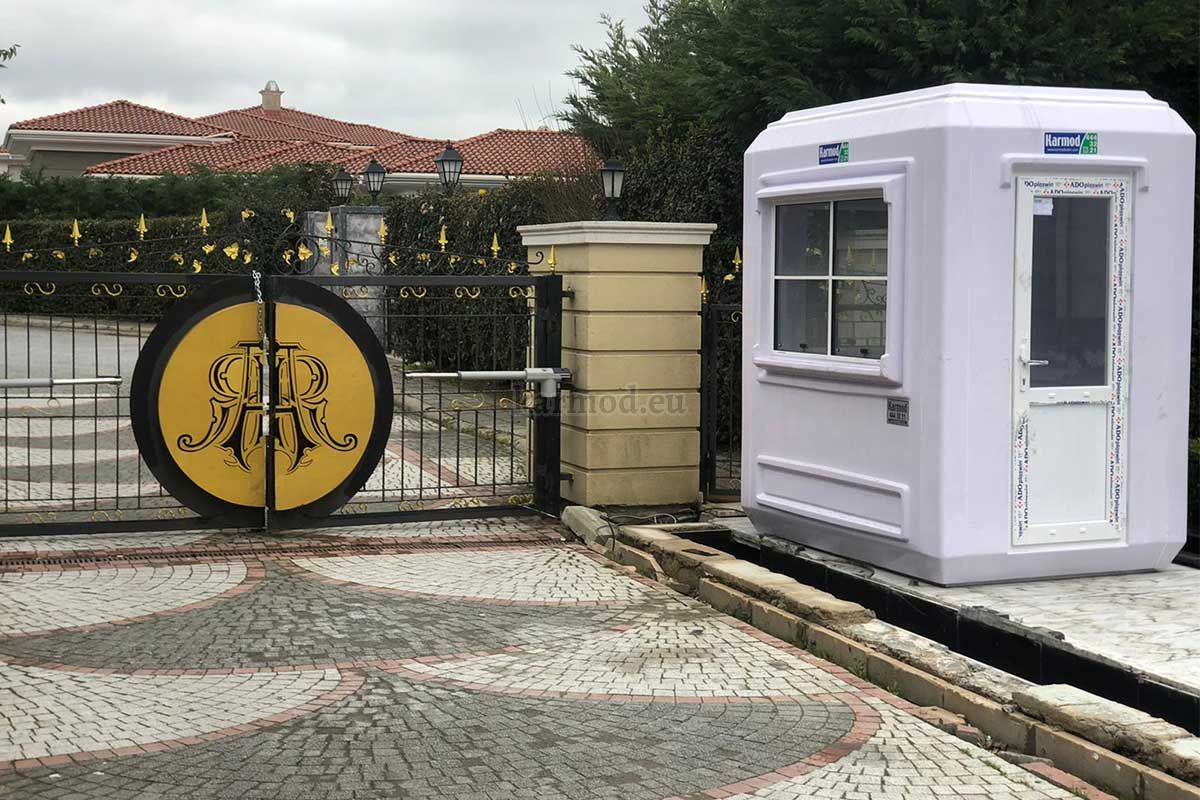
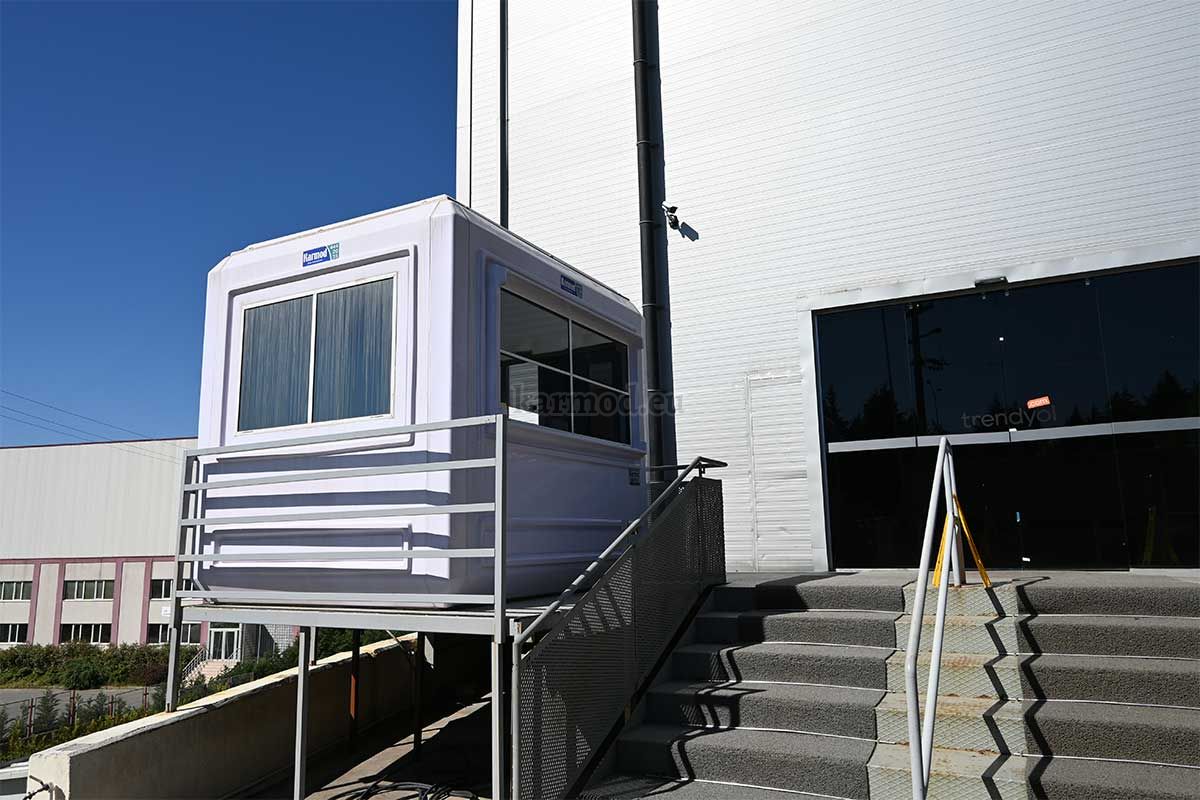
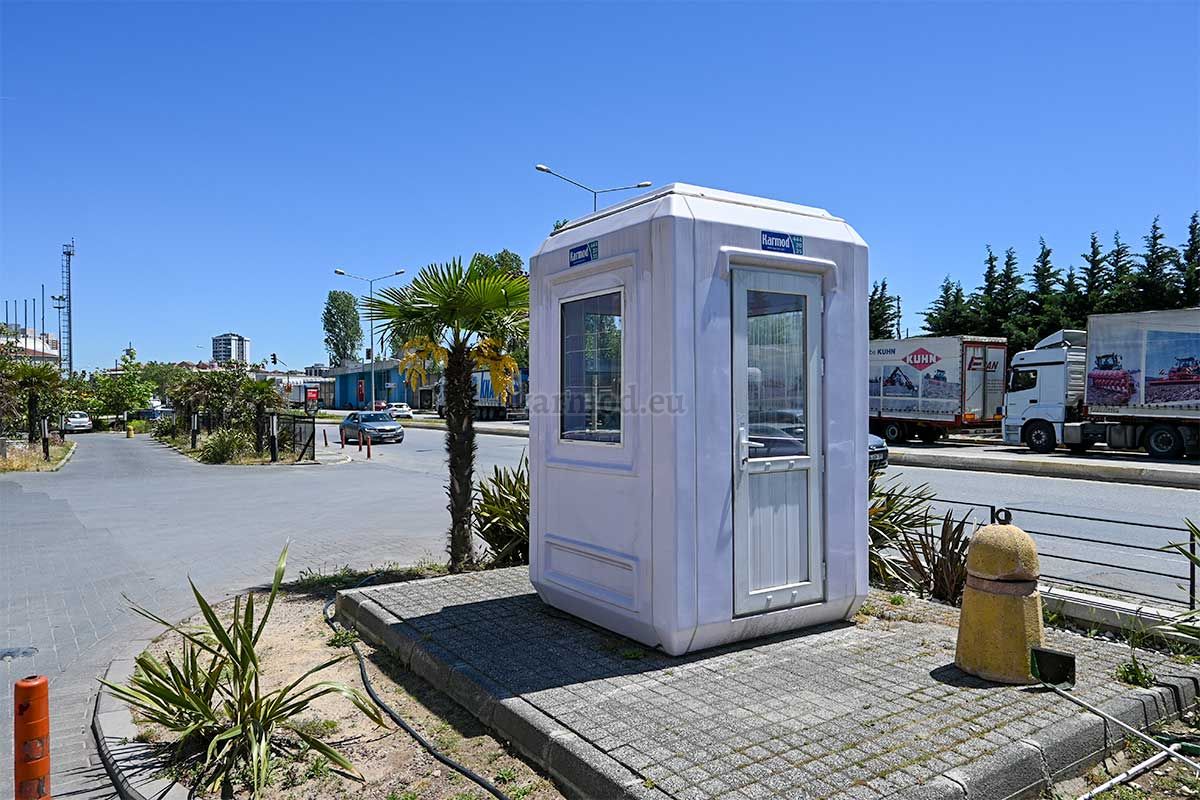
A slightly angled placement often works better than a straight-on position. It improves field of vision while keeping lanes open and predictable.
Separate Entry and Exit Whenever Possible
Shared entry-exit points are tempting, especially on smaller sites—but they’re rarely ideal. When incoming and outgoing traffic overlap near a guard hut, confusion increases and response time suffers. If space allows, separating these flows is one of the most effective upgrades you can make.
With dedicated entry and exit points:
- Guards can focus on one direction at a time
- Traffic moves faster with fewer stops
- The risk of minor accidents drops noticeably
When separation isn’t possible, strategic placement becomes even more critical. In these cases, positioning the guard hut slightly offset from the centerline helps maintain control without forcing vehicles into awkward maneuvers.
Balance Security Control with User Comfort
Security shouldn’t feel like a bottleneck. A well-placed guard hut supports control without making visitors feel scrutinized or delayed. This balance is especially important in residential communities, business parks, and campuses where people pass through daily.
Placing the hut too close to gates or barriers can compress interactions and raise tension. Leaving a bit of buffer space allows drivers to stop comfortably, roll down windows, and communicate without pressure. It also gives guards room to observe behavior rather than rush conversations.
Comfort isn’t a luxury here—it’s a performance factor. When interactions are relaxed, accuracy improves and mistakes decrease.
Plan for the Environment, Not Just the Entrance
Sun direction, wind patterns, rain flow, and even noise levels should influence placement decisions. A guard hut facing harsh afternoon sun without shade quickly becomes uncomfortable, reducing alertness over long shifts. Similarly, placing the hut in a low point where water collects creates maintenance issues and disrupts daily use.
Smart placement considers:
- Natural shade or the need for added canopies
- Drainage patterns around entry lanes
- Distance from noisy machinery or roads
These details may seem secondary during planning, but they directly affect guard performance and long-term satisfaction with the setup.
Design Placement with Future Growth in Mind
Many sites evolve. What starts as a modest entry point may later handle increased traffic, additional lanes, or upgraded security systems. Placing a guard hut with zero room for adjustment often leads to costly relocations down the line.
Leaving space for:
- Additional lanes
- Barrier extensions
- Technology upgrades
gives you flexibility without redesigning the entire entrance. A forward-thinking placement strategy protects today’s budget while respecting tomorrow’s needs.
Turning Placement into a Strategic Advantage
When guard hut placement is done right, it quietly elevates the entire operation. Traffic flows naturally. Guards stay comfortable and focused. Visitors understand where to go and what to do without being told twice.
This isn’t about guessing—it’s about planning with experience and intention.
If you’re designing a new entry point or rethinking an existing one, reach out for a tailored placement assessment and custom quote. The right position makes all the difference.