





In access-controlled sites, construction zones, industrial facilities, and residential compounds, small security structures often play a much bigger role than their size suggests. While terms like guard hut and security cabin are frequently used interchangeably, they actually reflect different expectations, usage scenarios, and levels of functionality. Understanding the distinction between these two concepts helps buyers choose the right solution not only in terms of terminology, but also in performance, comfort, and long-term usability.
At first glance, both guard huts and security cabins serve the same core function: controlling access and providing shelter for security personnel. However, the differences emerge once operational requirements, shift durations, climate conditions, and site complexity are taken into account. Choosing the correct structure directly affects daily operations, staff efficiency, and even the perceived professionalism of a site.
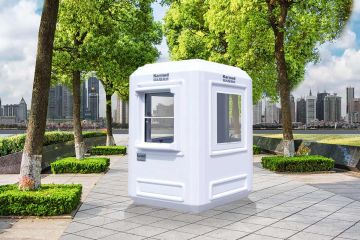
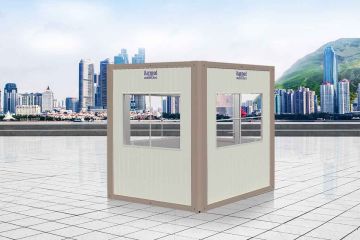
What Is a Guard Hut?
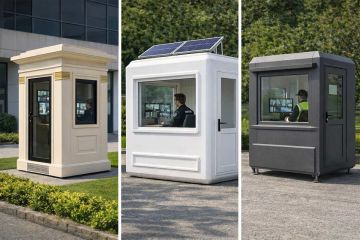
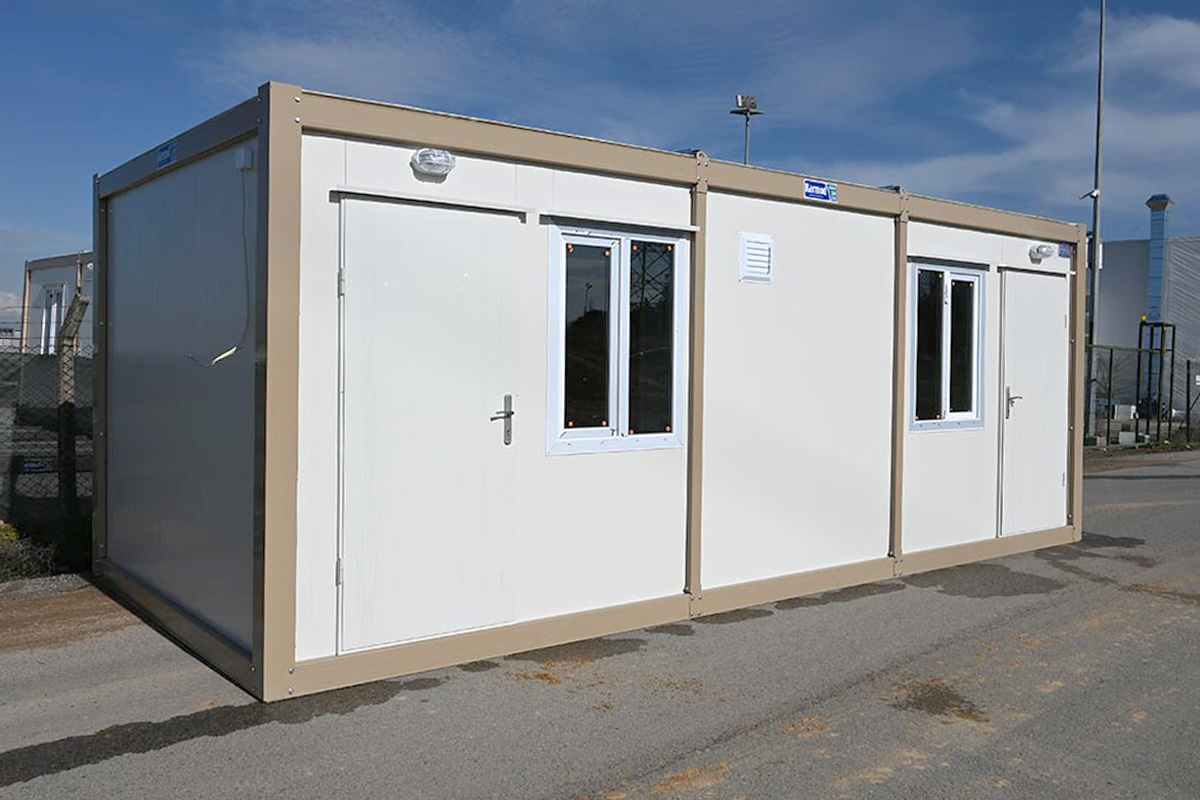
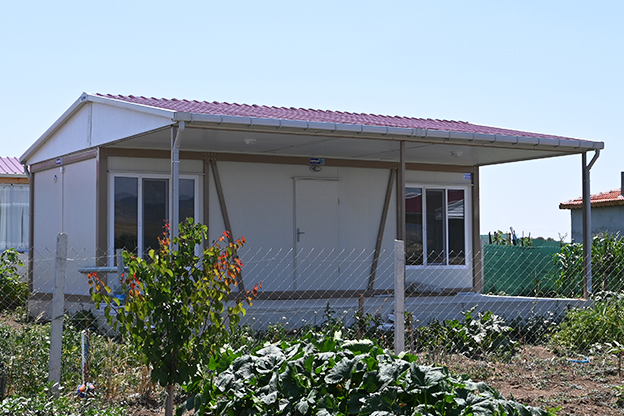
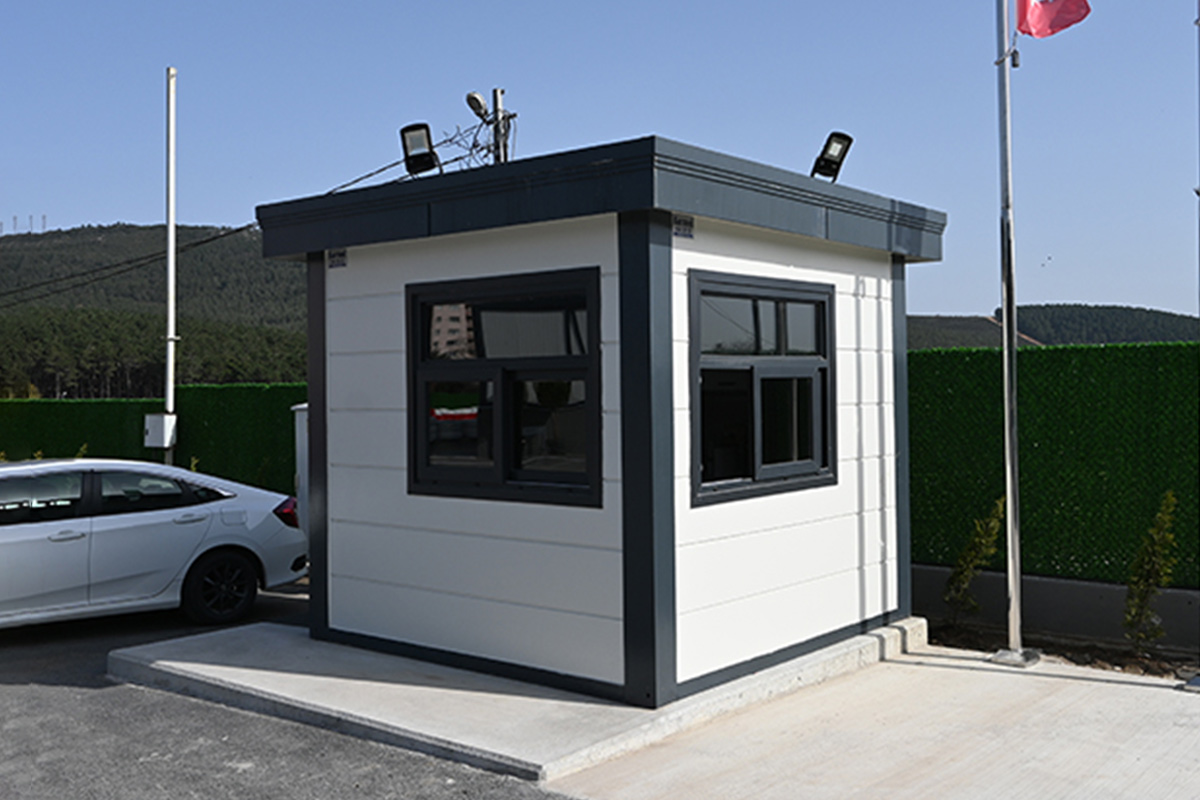
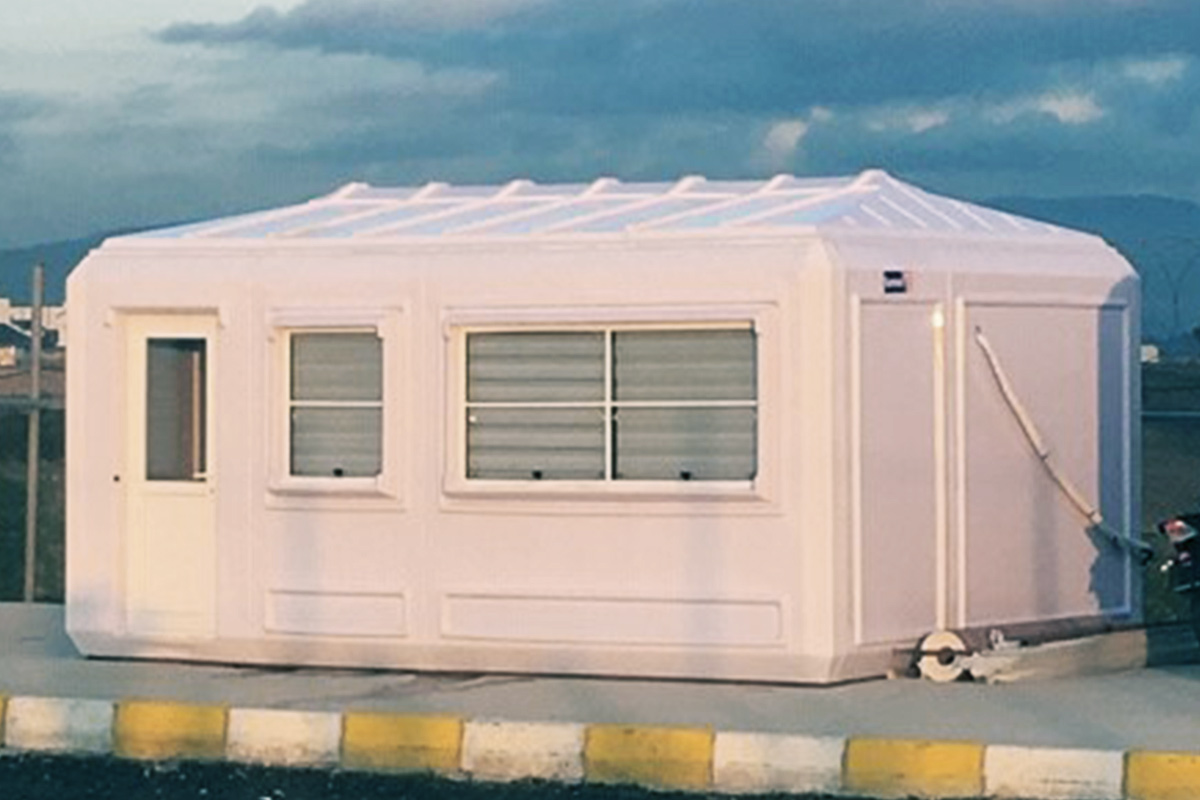
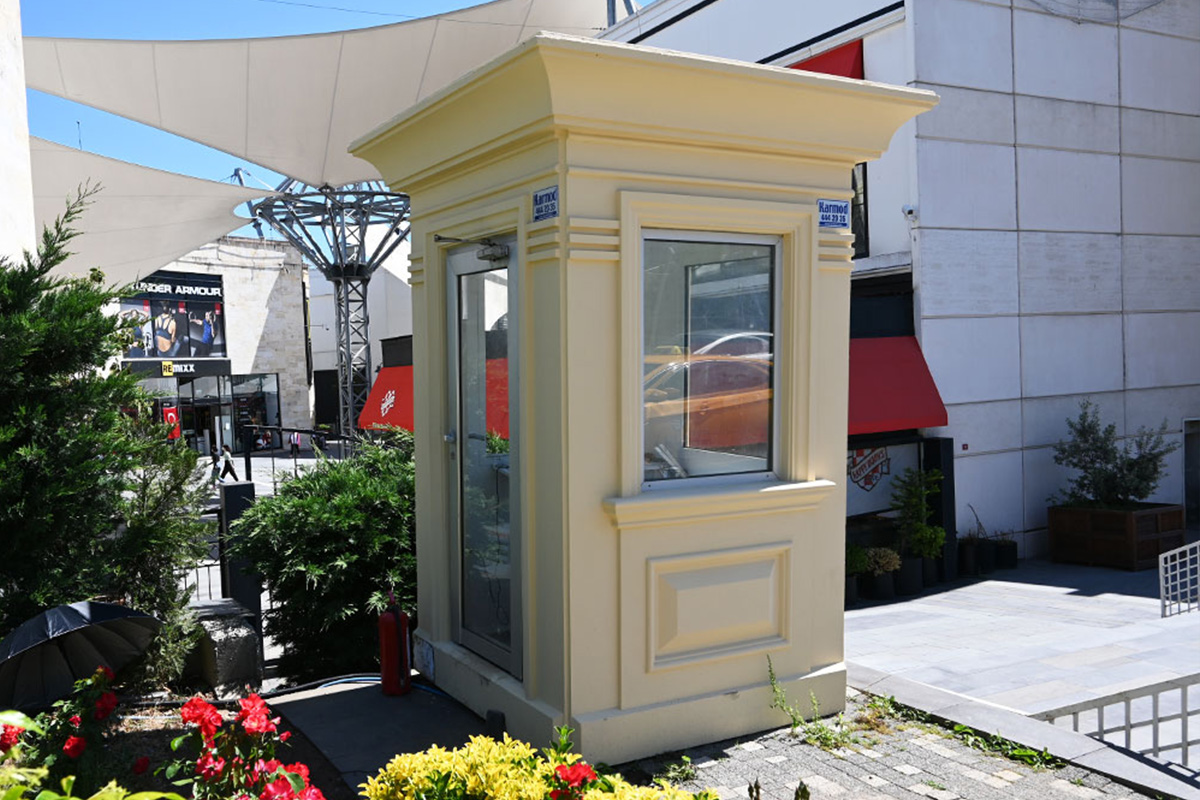
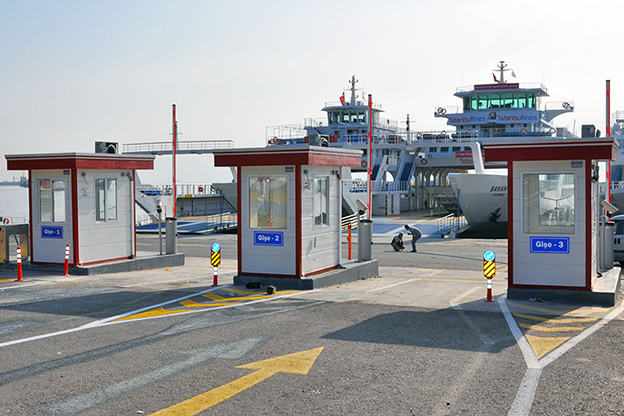
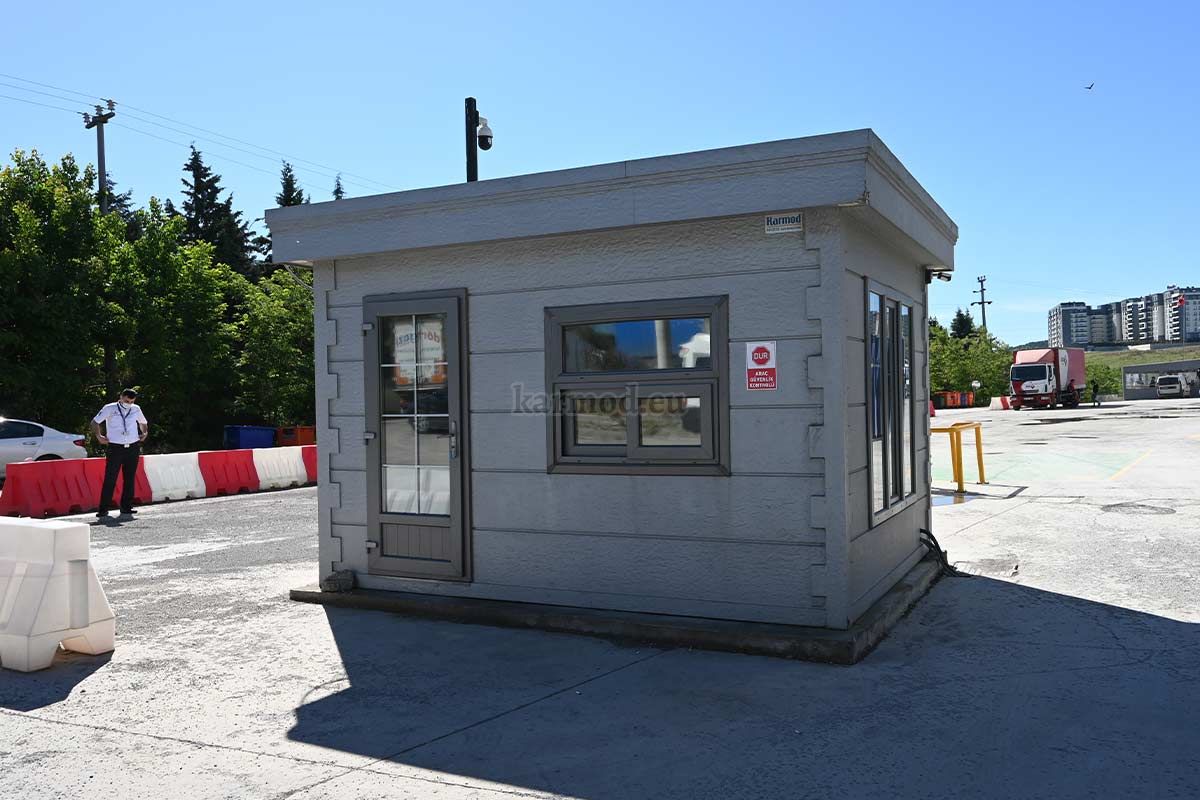
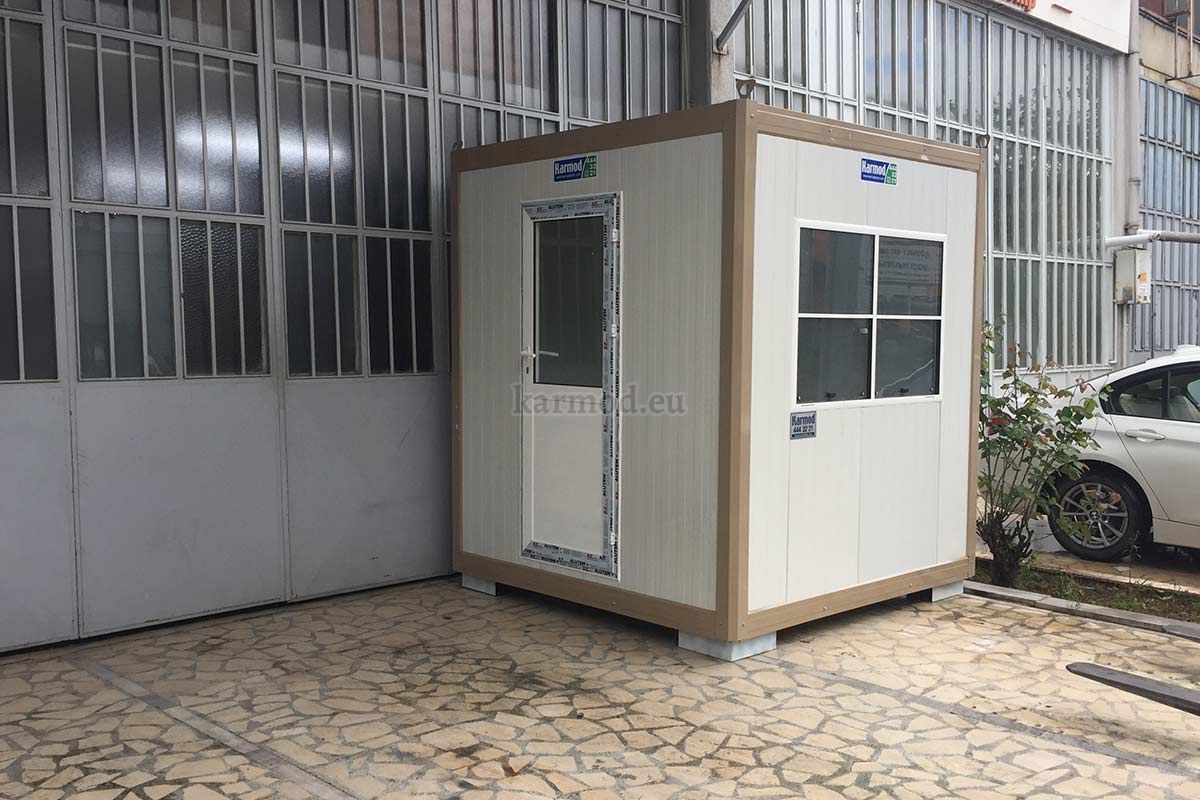
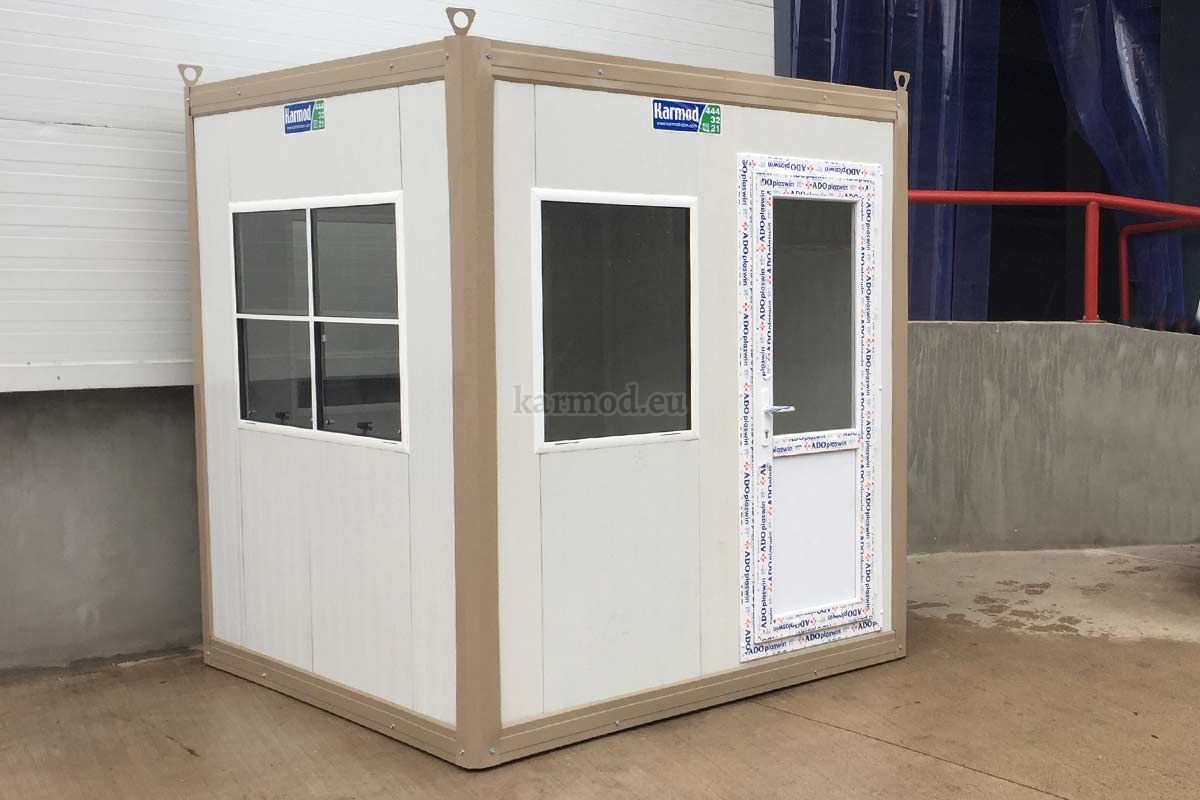
A guard hut is typically a compact, single-purpose structure designed to provide basic shelter for short-term or low-intensity security duties. These units are most commonly positioned at site entrances, parking lots, or temporary checkpoints where security personnel primarily perform visual monitoring and access control.
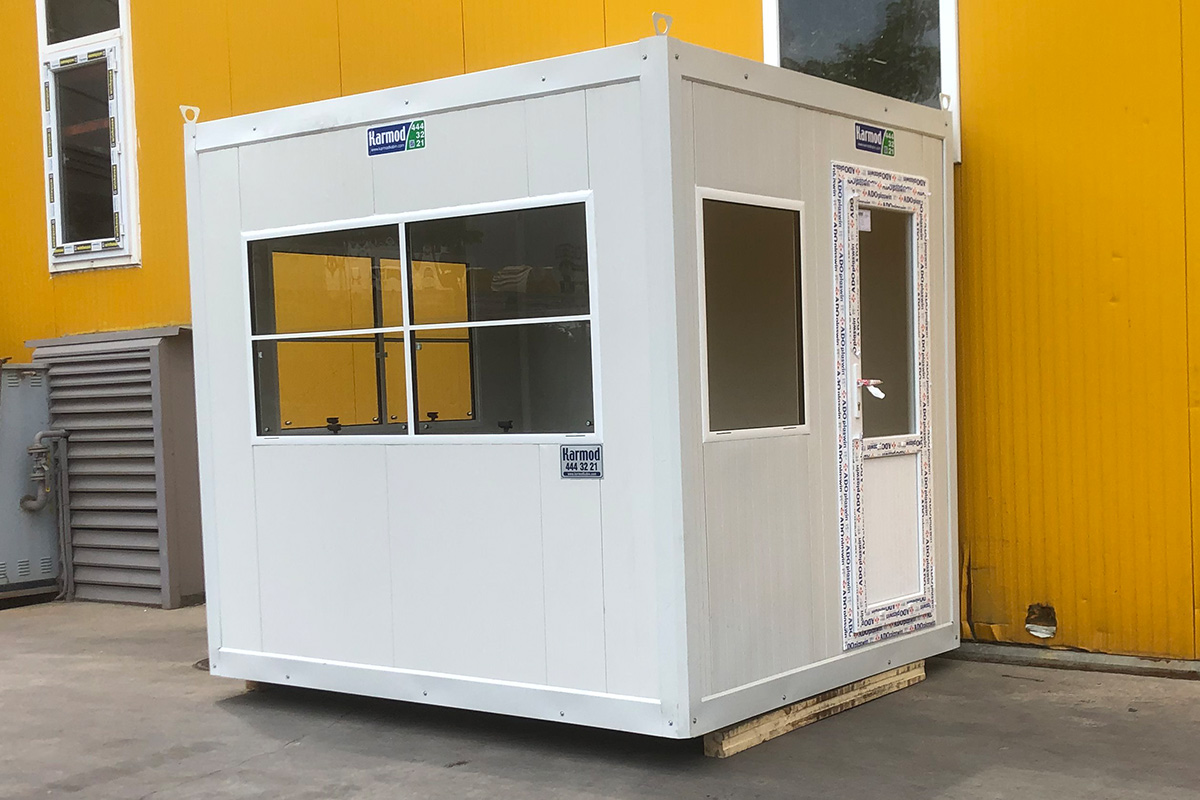
In practical terms, guard huts are often preferred when the duty cycle is limited, the site is temporary, or the security role does not require extended occupancy. They usually feature minimal interior space, basic insulation, and essential elements such as a window for visibility and a small work surface. For many projects, especially those with budget sensitivity or short operational timelines, guard huts offer a simple and efficient solution without unnecessary complexity.
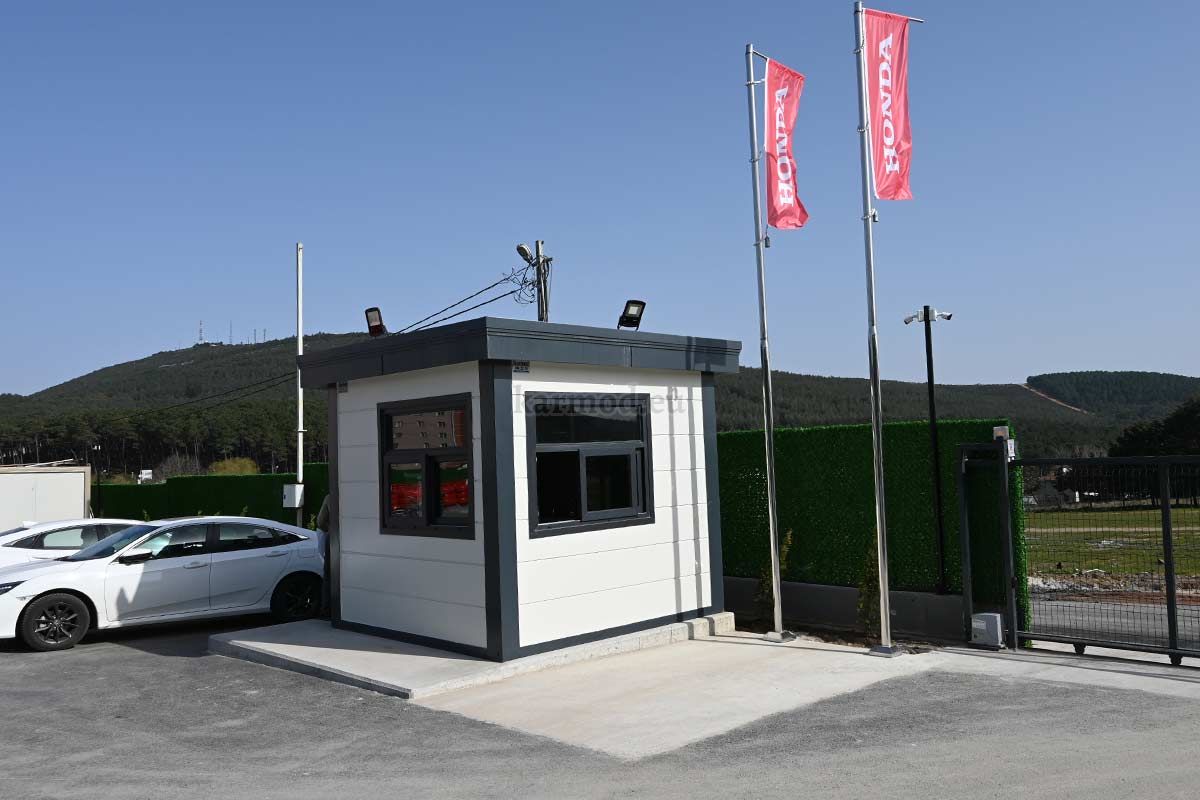
What Defines a Security Cabin?
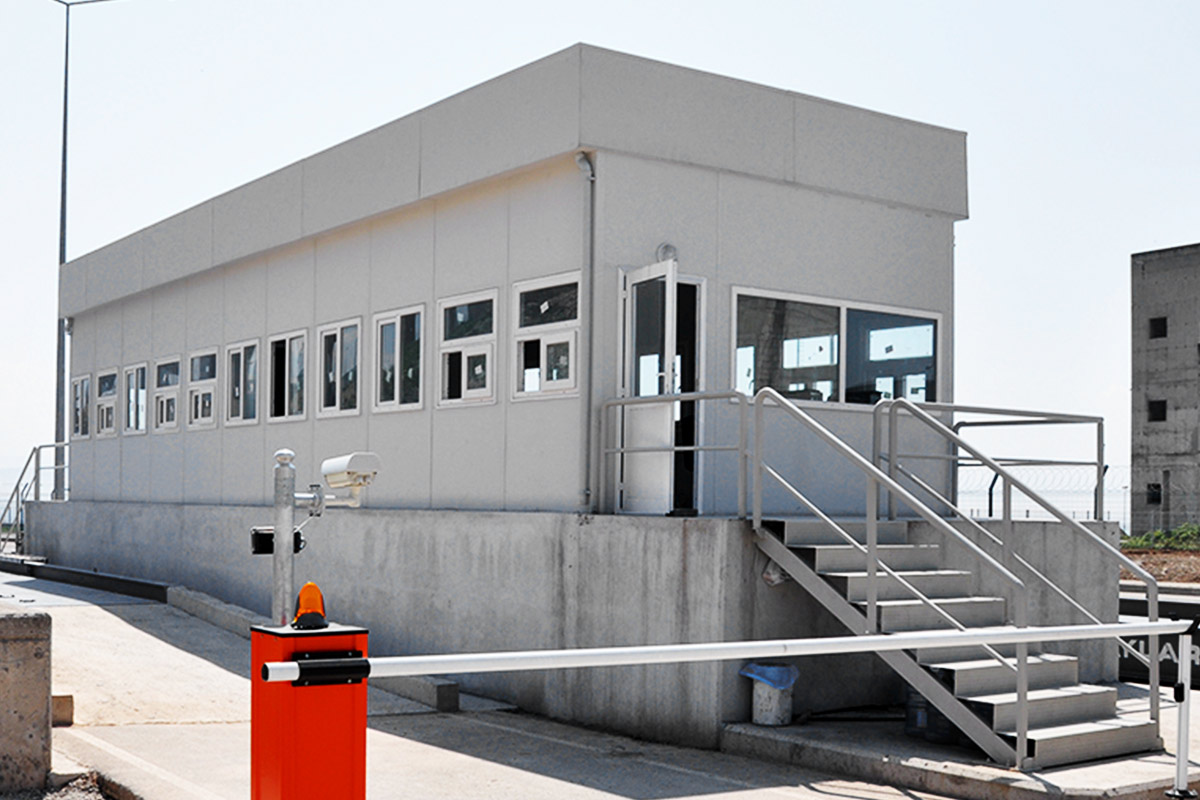
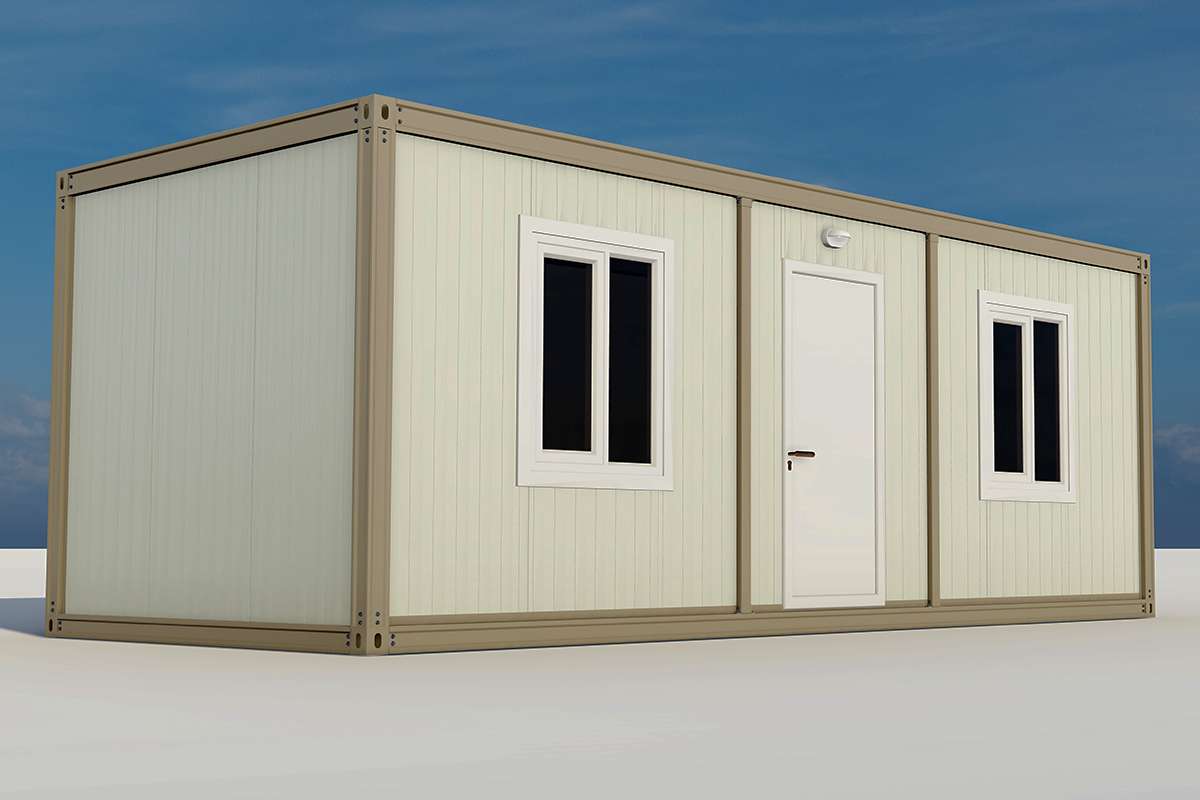
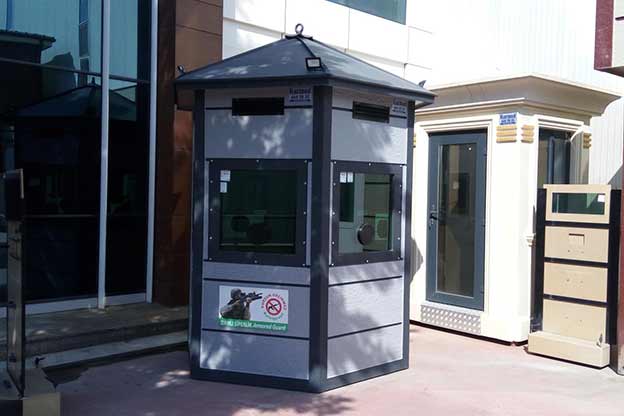
A security cabin, by contrast, is designed with longer occupancy and higher operational demands in mind. These structures are typically larger, better insulated, and equipped to support security personnel who may spend entire shifts inside the unit, often in challenging weather conditions or high-security environments.
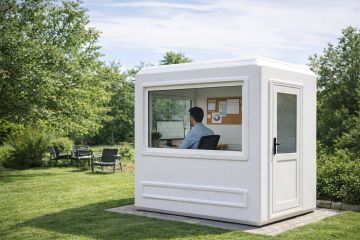
Security cabins frequently include enhanced thermal insulation, electrical systems, climate control options, and interior layouts that allow for monitoring equipment, documentation, and personal comfort. They are commonly used in industrial facilities, logistics centers, residential compounds, and sites where security operations are continuous rather than intermittent. In this context, the cabin is not just a shelter, but a functional workspace that supports focus, alertness, and consistency throughout long shifts.
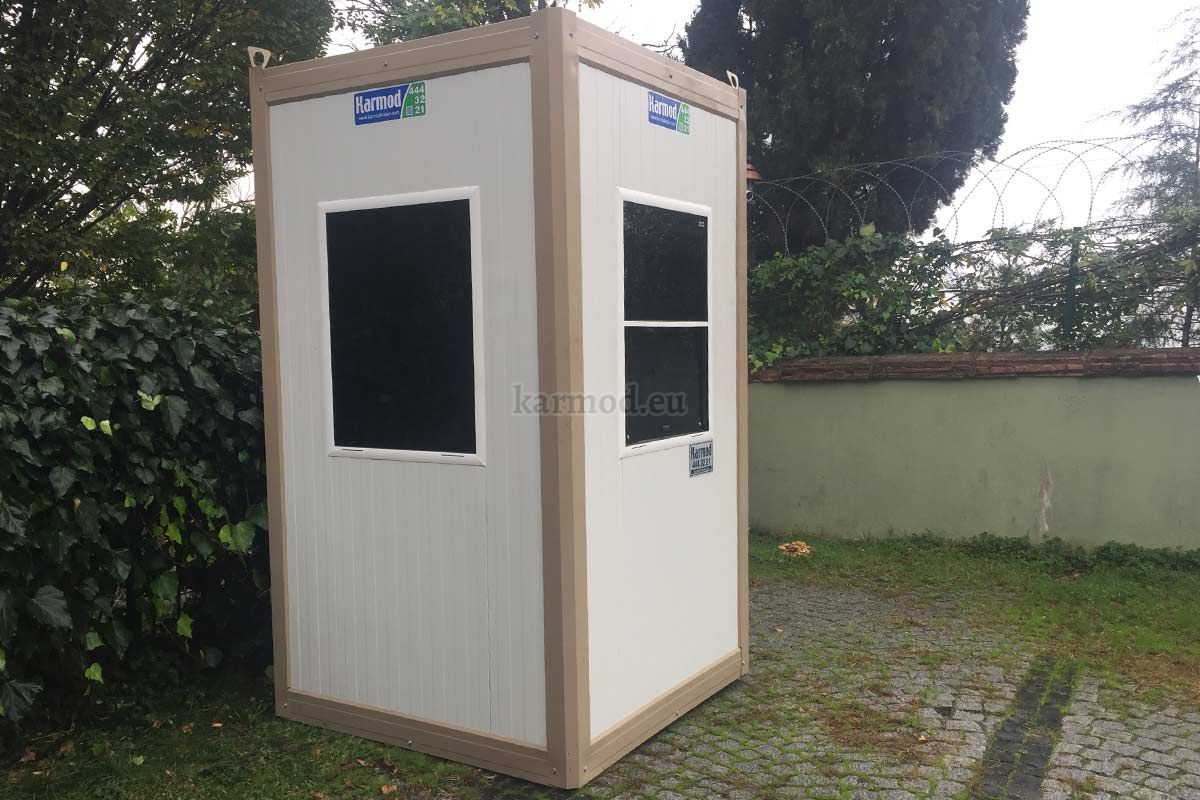
Key Differences in Purpose and Daily Use
The most important difference between a guard hut and a security cabin lies in how they are used on a daily basis. A guard hut is typically designed for observation and brief interaction, while a security cabin is built to support extended presence, equipment use, and more complex security responsibilities.
This distinction becomes especially relevant when considering factors such as:
- Length of security shifts
- Local climate and weather exposure
- Need for electronic monitoring or access systems
- Staff comfort and occupational efficiency
When these elements are overlooked, the result is often discomfort for personnel and reduced effectiveness. Choosing the right structure ensures that the security solution aligns with real operational conditions rather than just surface-level requirements.
Structural Quality and Comfort Considerations
Comfort is not a luxury in security operations; it is a functional necessity. Personnel who work long hours in poorly insulated or cramped environments are more likely to experience fatigue and reduced attention. This is where the difference between a simple guard hut and a well-designed security cabin becomes clearly visible.
Security cabins are generally constructed with higher-grade materials, better wall and roof insulation, and more thoughtful interior layouts. These features help maintain stable indoor temperatures, reduce noise, and create a workspace that supports concentration. Guard huts, while functional, usually prioritize mobility and simplicity over long-term comfort, making them better suited for lighter-duty roles.
Which Option Is Right for Your Site?
Selecting between a guard hut and a security cabin should never be based on name alone. The decision should be guided by how the structure will be used, how long personnel will remain inside, and what level of functionality is required on a daily basis.
For temporary sites, low-traffic entrances, or projects with limited security needs, a guard hut often provides a practical and cost-effective solution. For permanent facilities, high-security environments, or locations with continuous monitoring requirements, a security cabin offers the durability, comfort, and operational support needed for reliable performance over time.
Making a Smarter Investment in Site Security
Both guard huts and security cabins play valuable roles in modern site management, but their effectiveness depends entirely on proper alignment with operational needs. Investing in the right structure from the beginning helps avoid retrofits, replacements, and unnecessary costs later on.
When security personnel are provided with a space that matches their responsibilities, the entire operation benefits—from smoother access control to a stronger professional image. Understanding the difference between these two structures is not just about terminology; it is about making a smarter, more sustainable decision for your site.
Need Help Choosing the Right Security Structure?
Every site has its own requirements, and security structures should be selected accordingly. Whether you are planning a temporary checkpoint or a long-term access control solution, professional guidance can make a significant difference in both performance and cost efficiency.
If you are evaluating guard huts or security cabins for your project, get in touch to discuss your needs and receive a solution tailored to your operational and environmental conditions. The right choice today ensures safer, more efficient operations tomorrow.