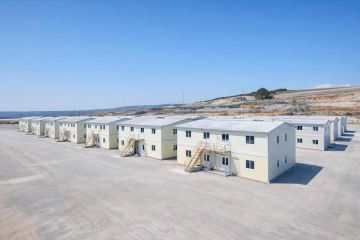



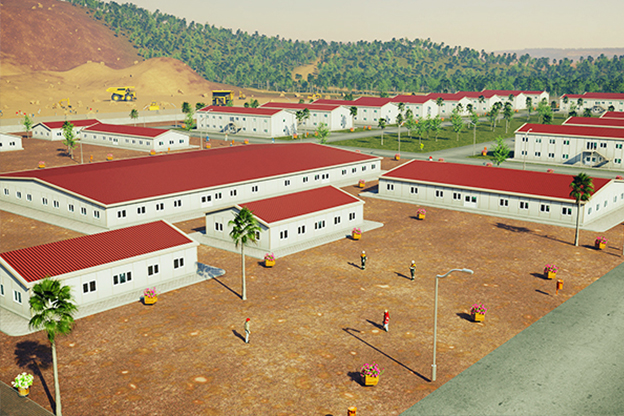

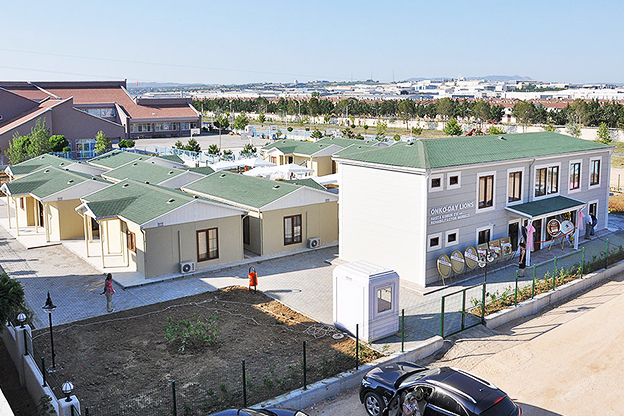
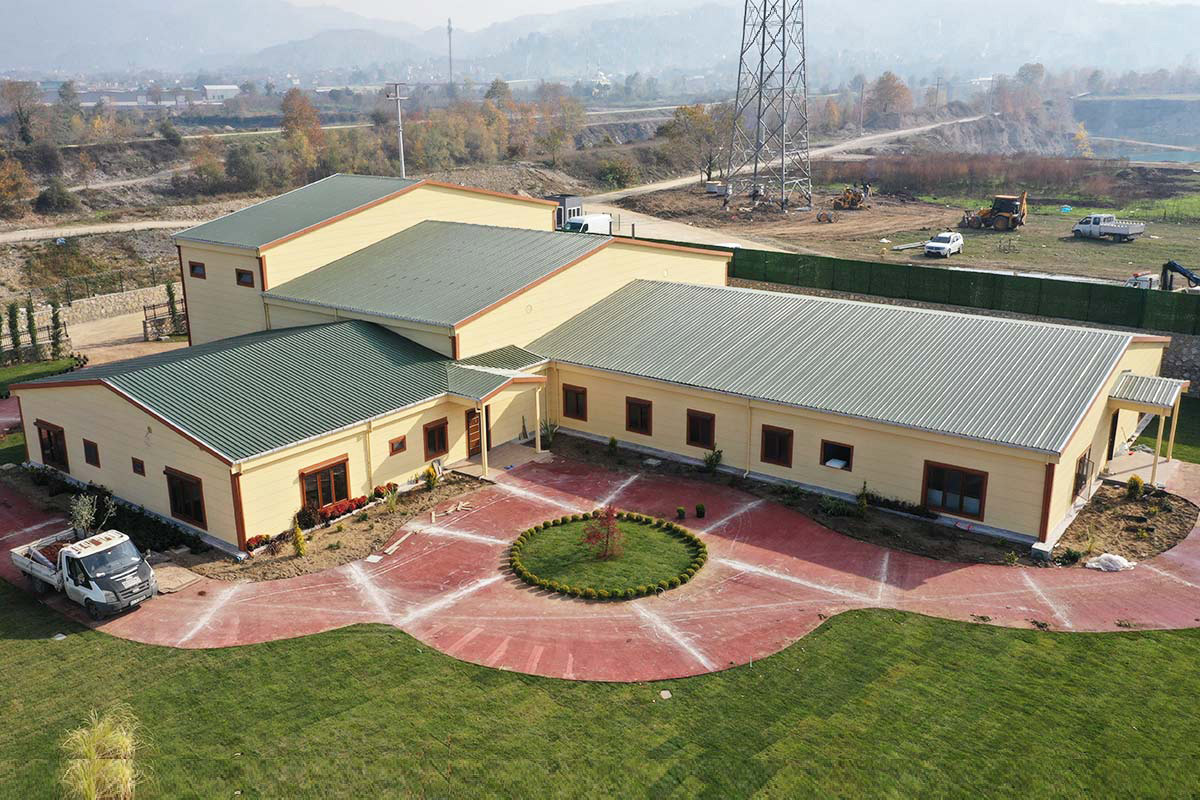
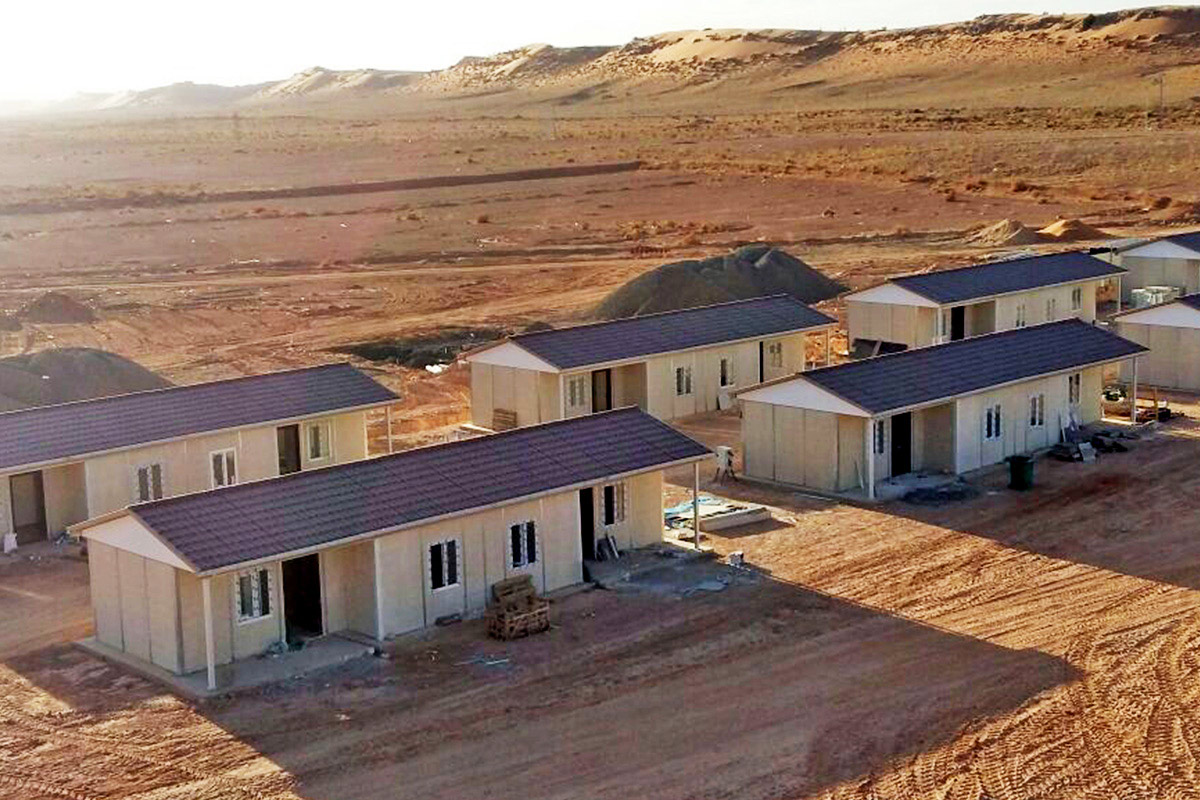
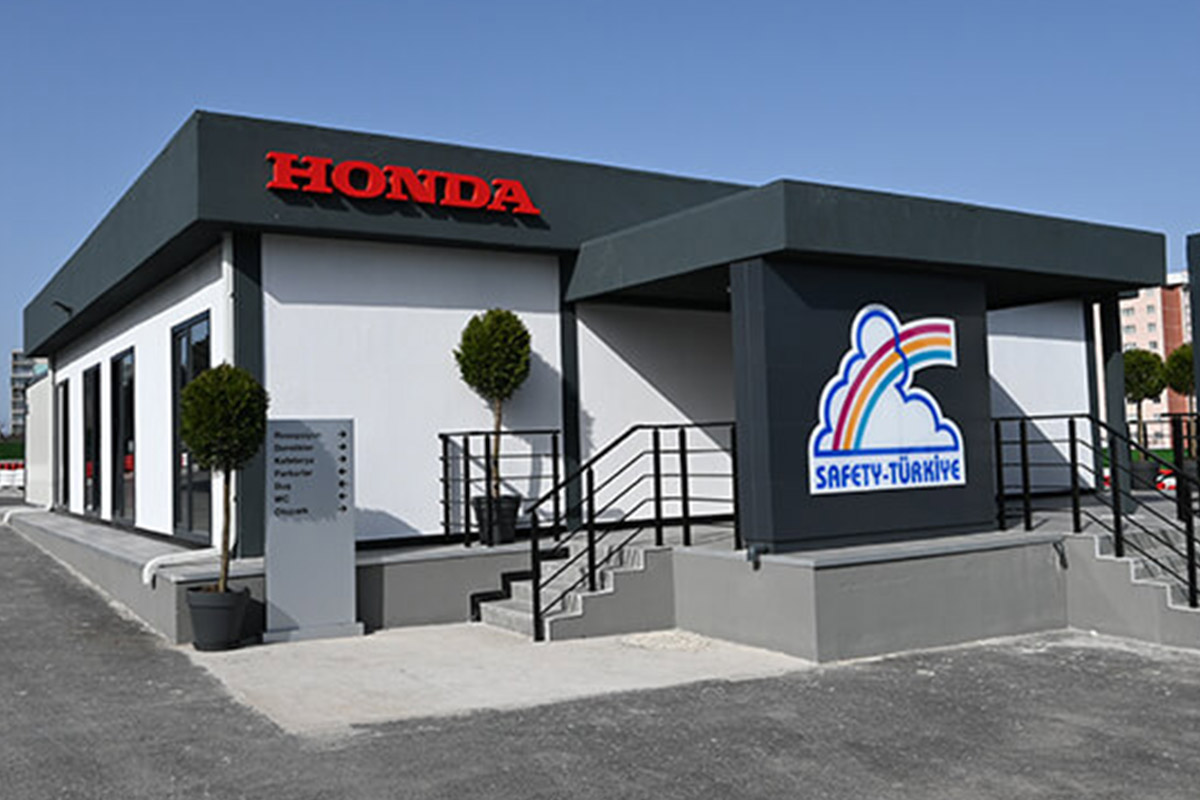
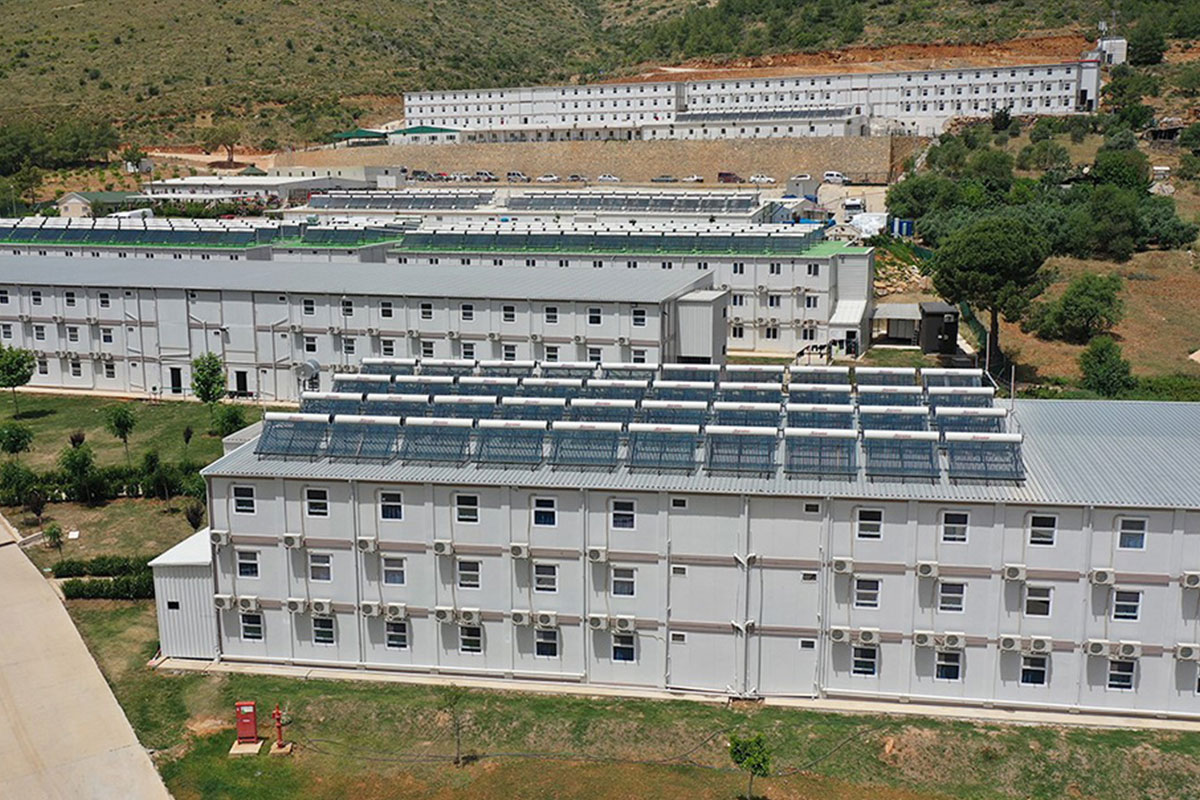
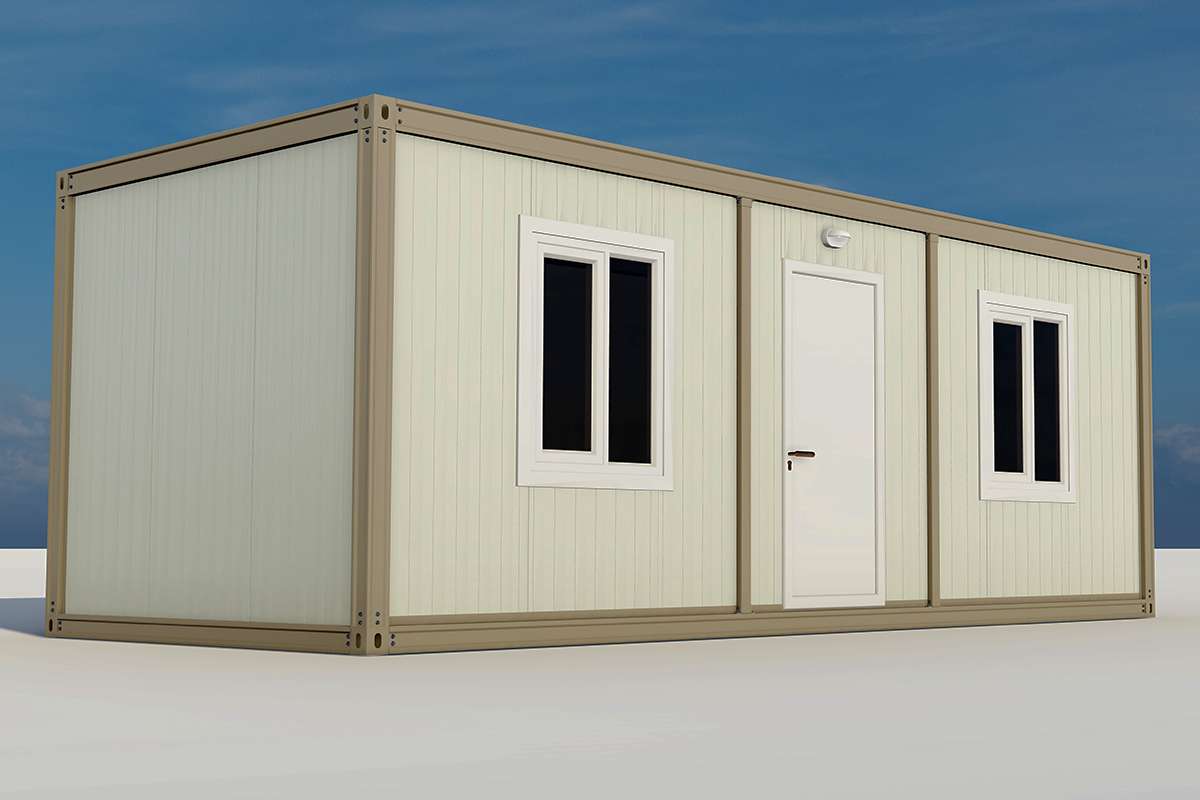
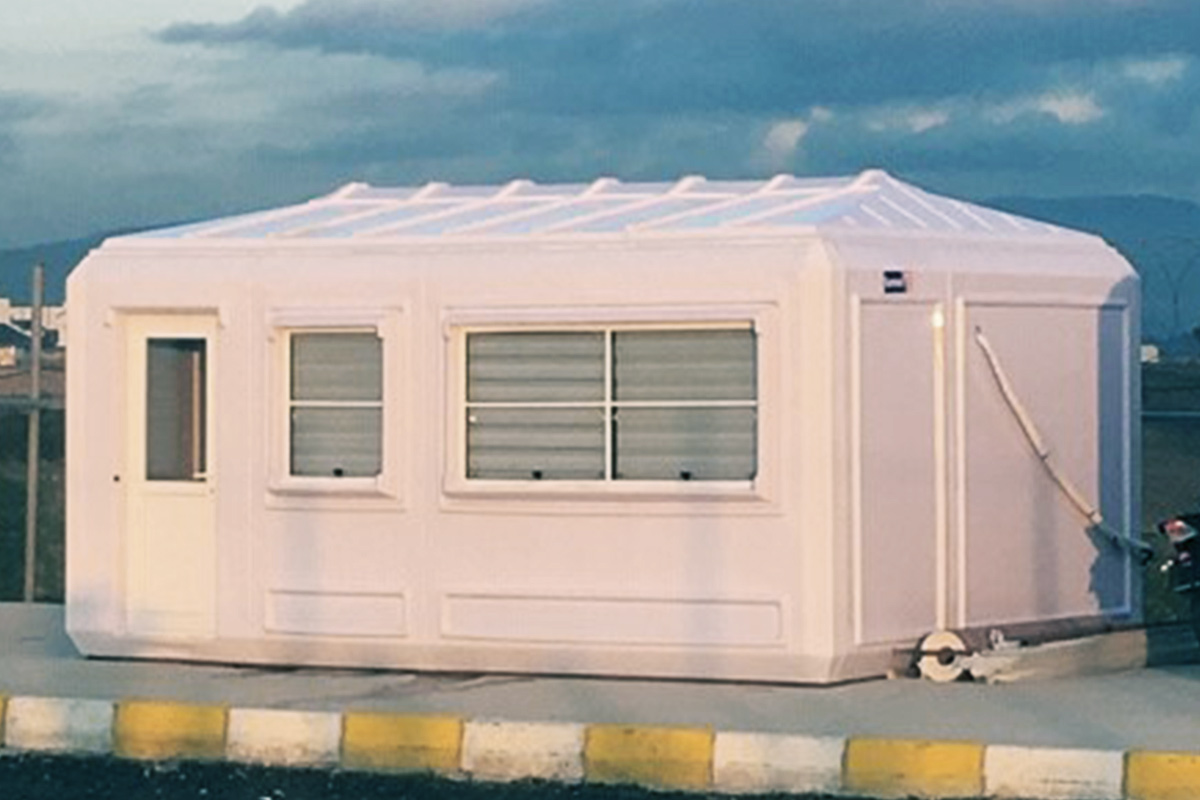
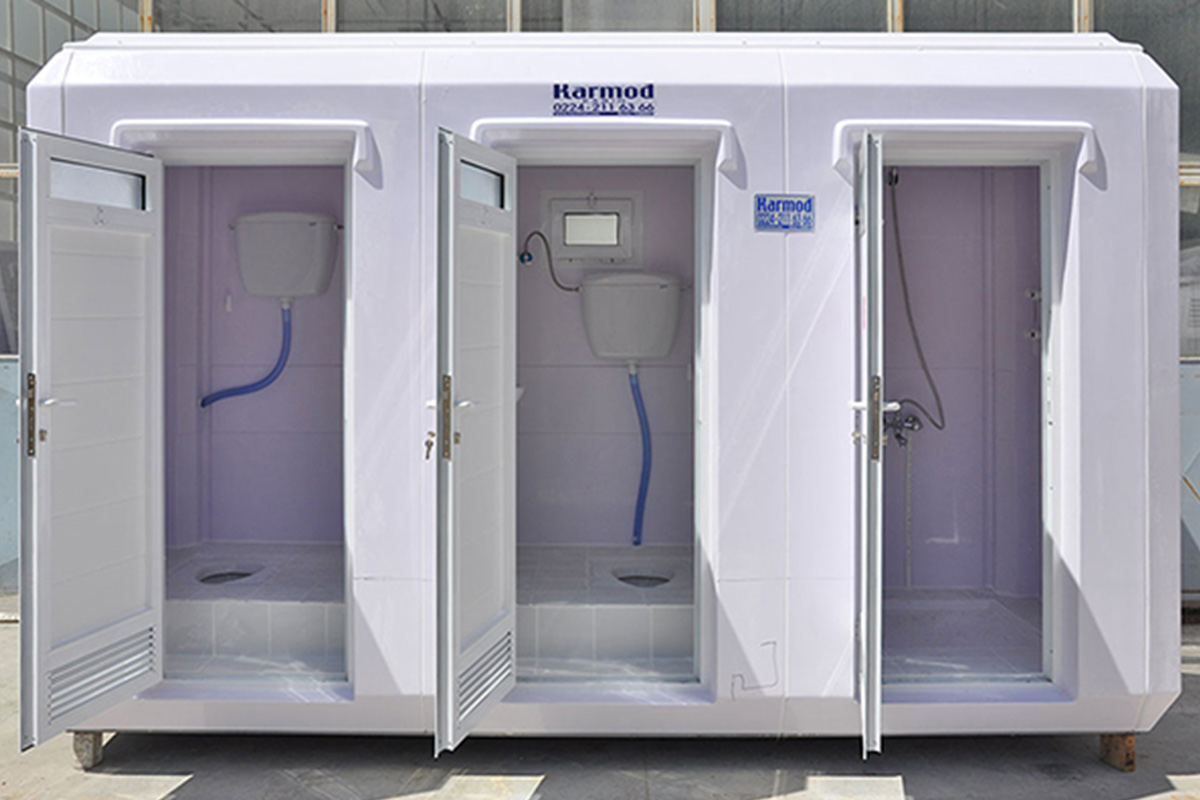
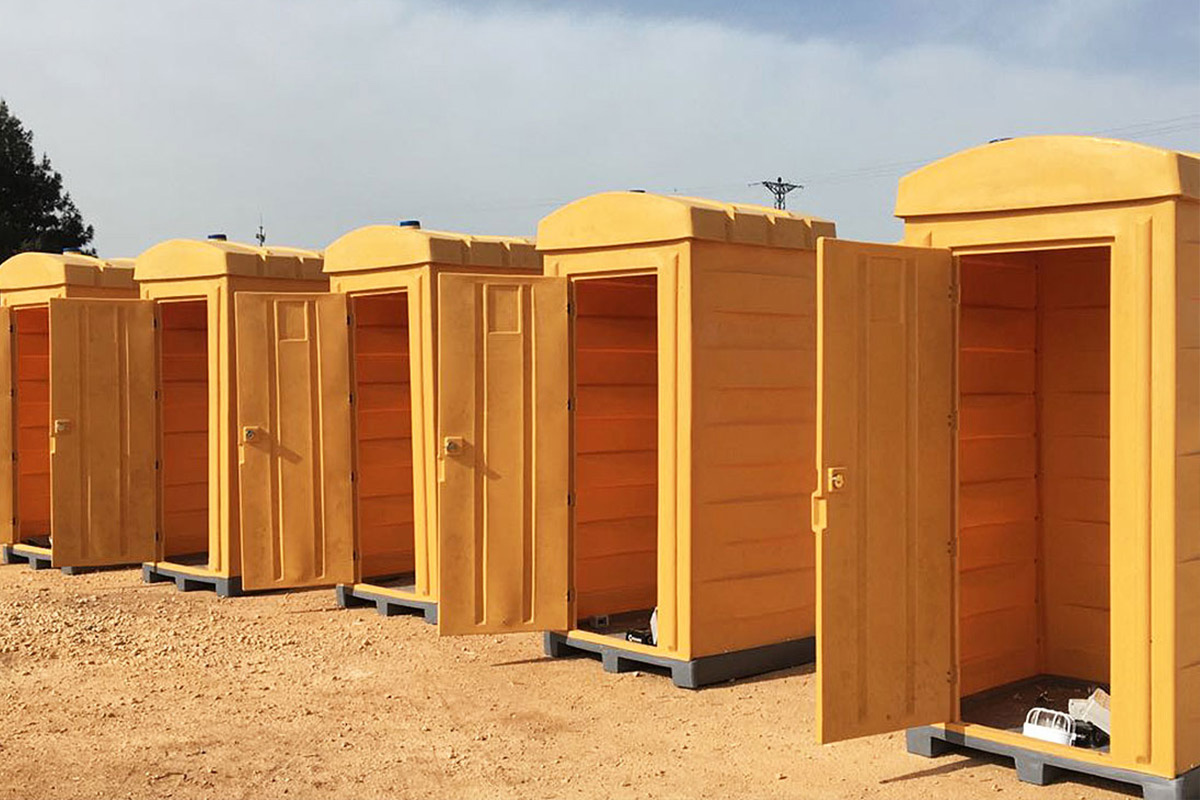
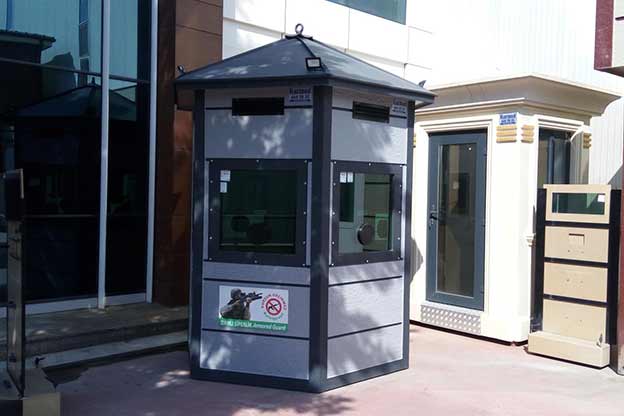
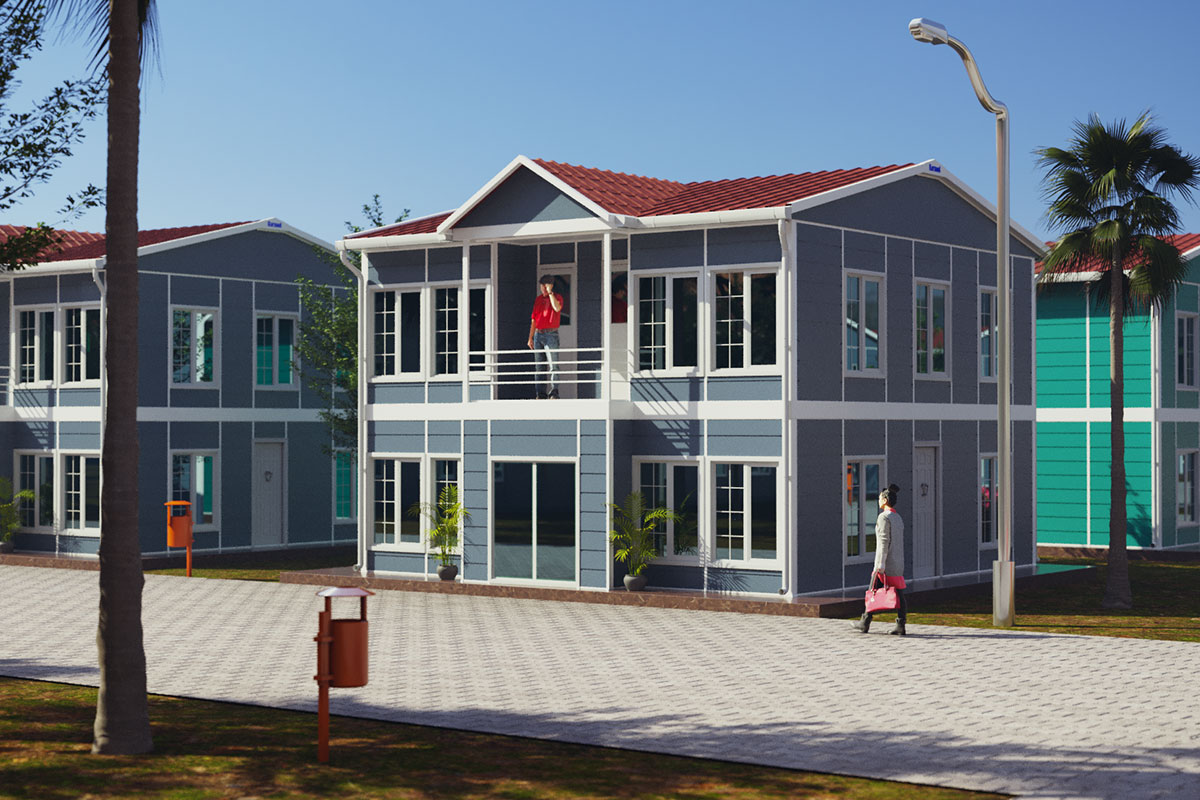
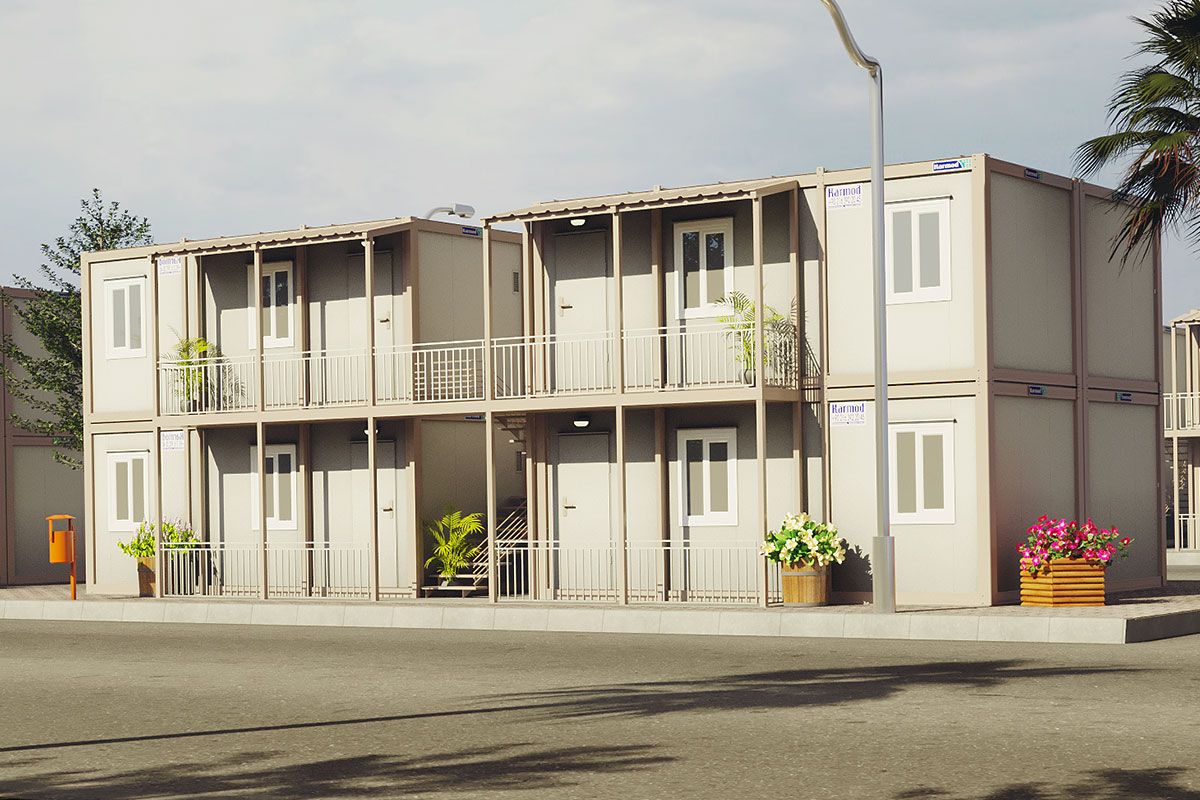
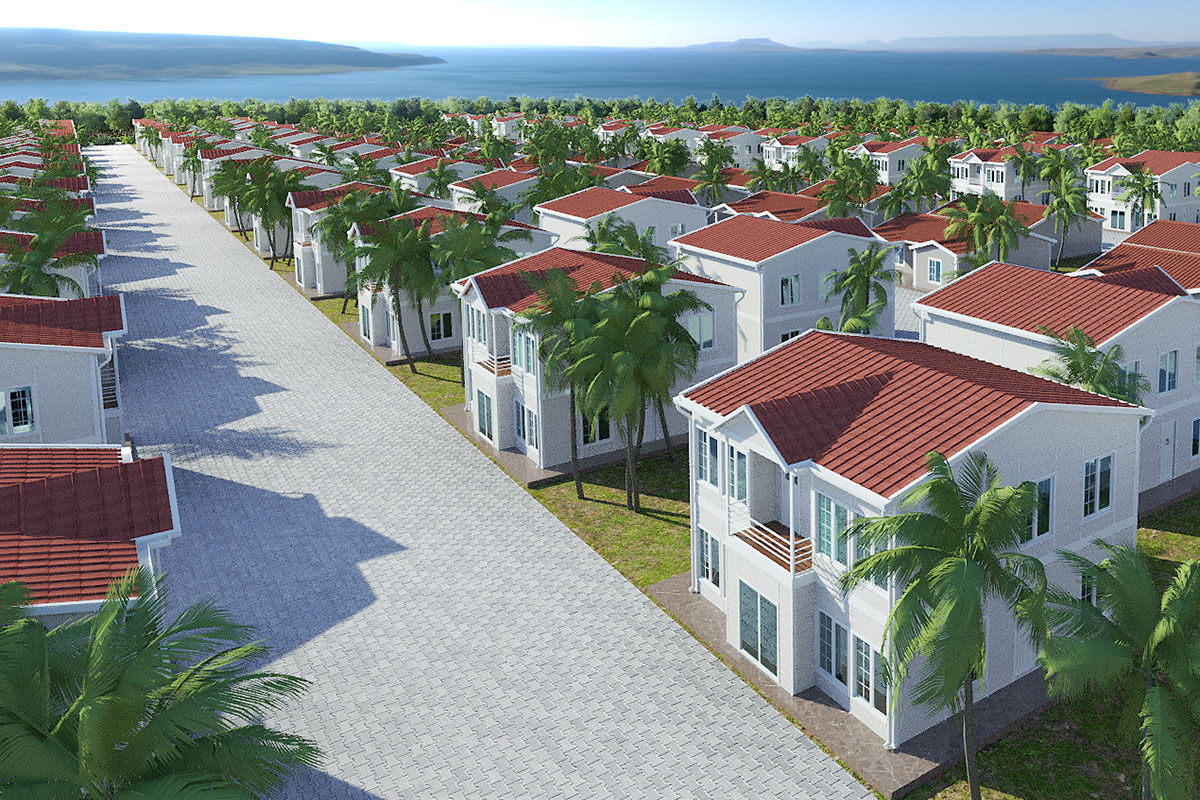
Guatemala’s oil and gas activity brings crews into areas where local housing can be limited and site access can change with terrain and seasonal weather. In these conditions, workforce accommodation needs to be planned as part of the operation—supporting safe routines, reliable rest, and predictable logistics. Modular camps are often preferred because they can be delivered in stages, installed quickly, and configured around the practical needs of field teams.
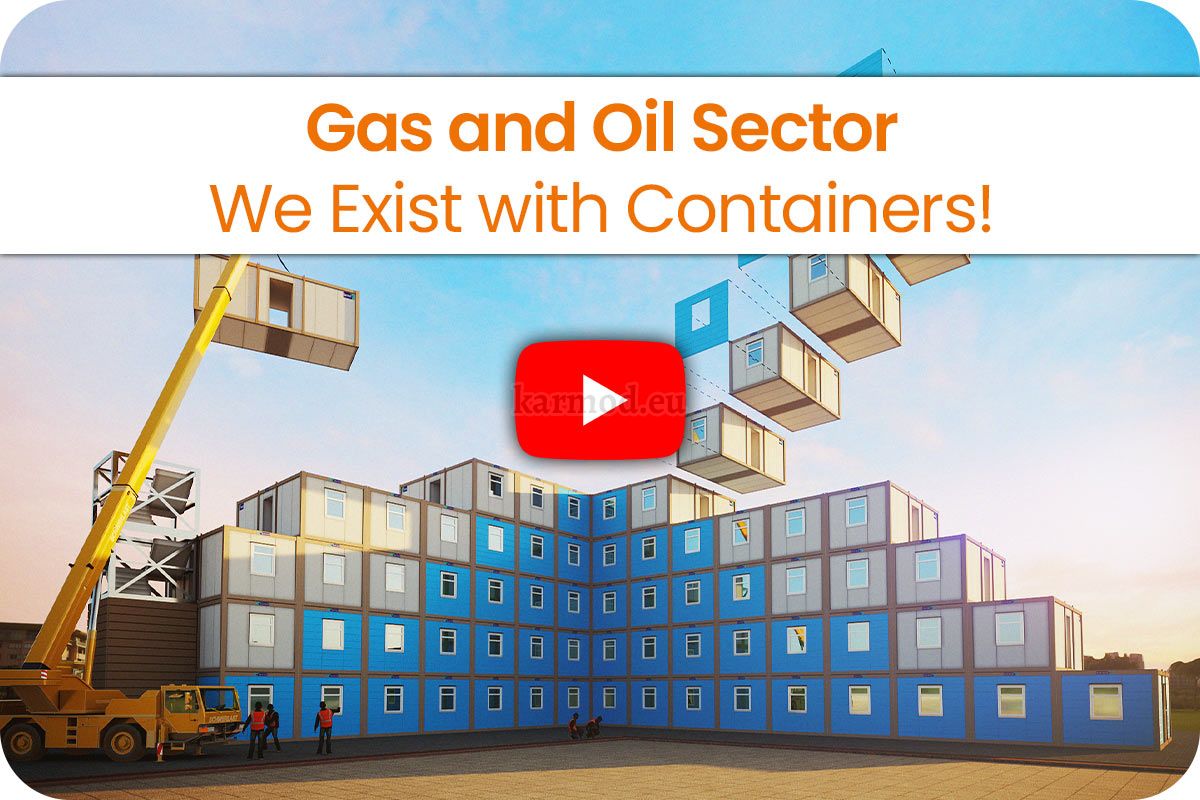
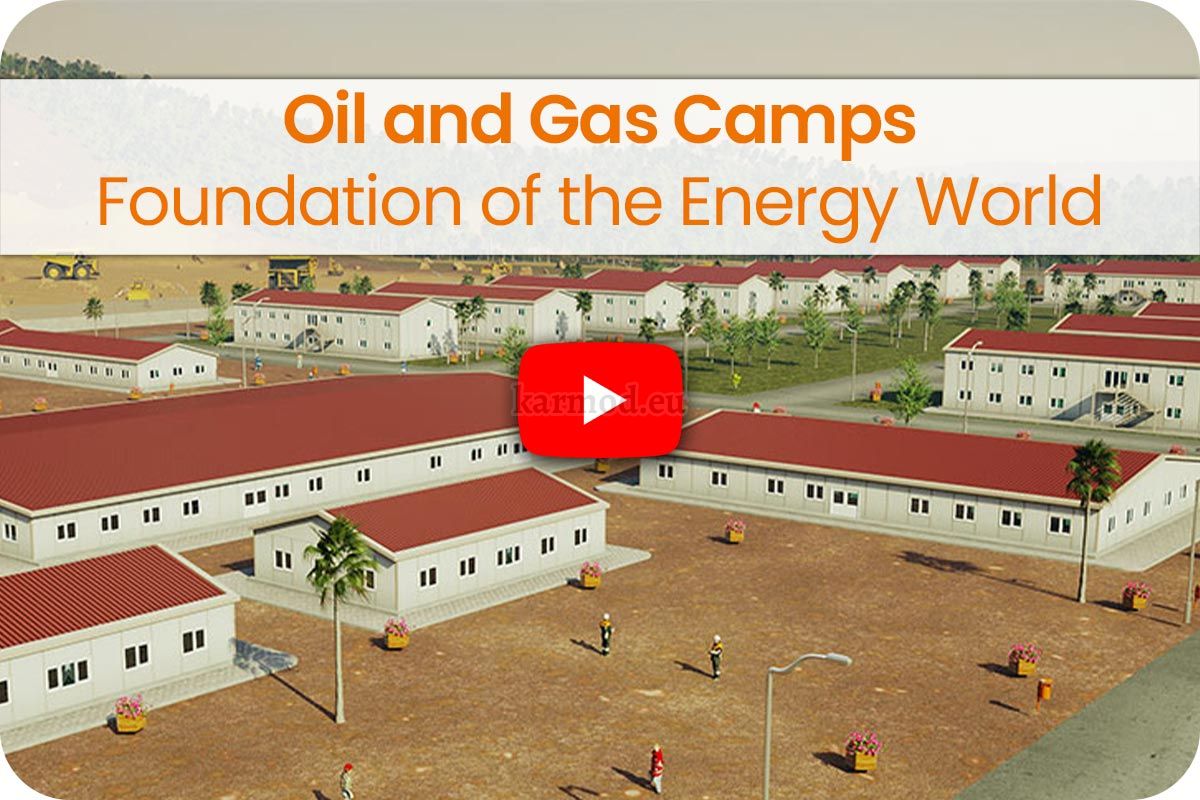
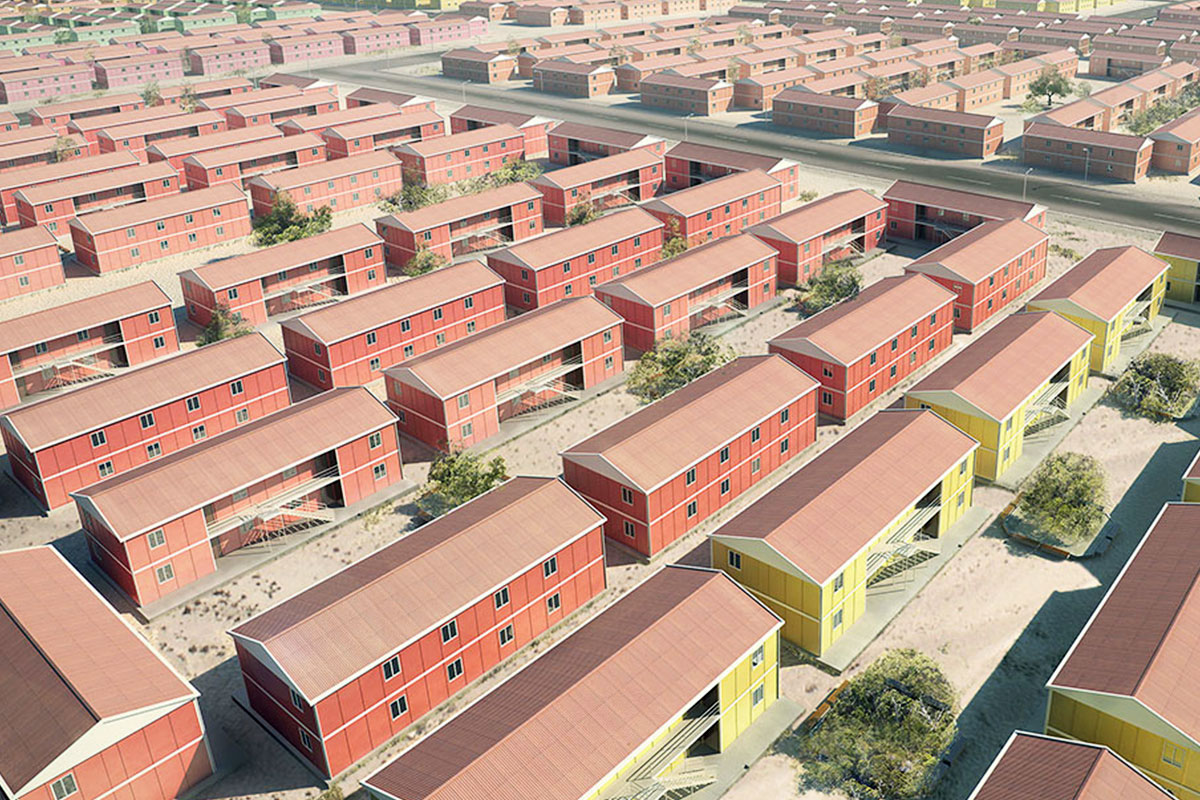
- Planned around the jobsite: Each Guatemala Oil and Gas Field Man Camp is typically designed to match headcount, shift patterns, and required facilities—accommodation, dining, welfare areas, offices, and storage—so the camp functions as an extension of site operations rather than a separate constraint.
- Comfort that supports performance: After long shifts, crews need consistent indoor conditions and practical living space. Housing units are commonly specified with dependable ventilation and climate control, durable finishes, and layouts that make daily routines straightforward.
- Safety as a baseline: Oil and gas accommodation must align with site safety requirements. Camp buildings are generally planned with clear circulation, compliant egress, and materials selected to support fire safety and secure occupancy.
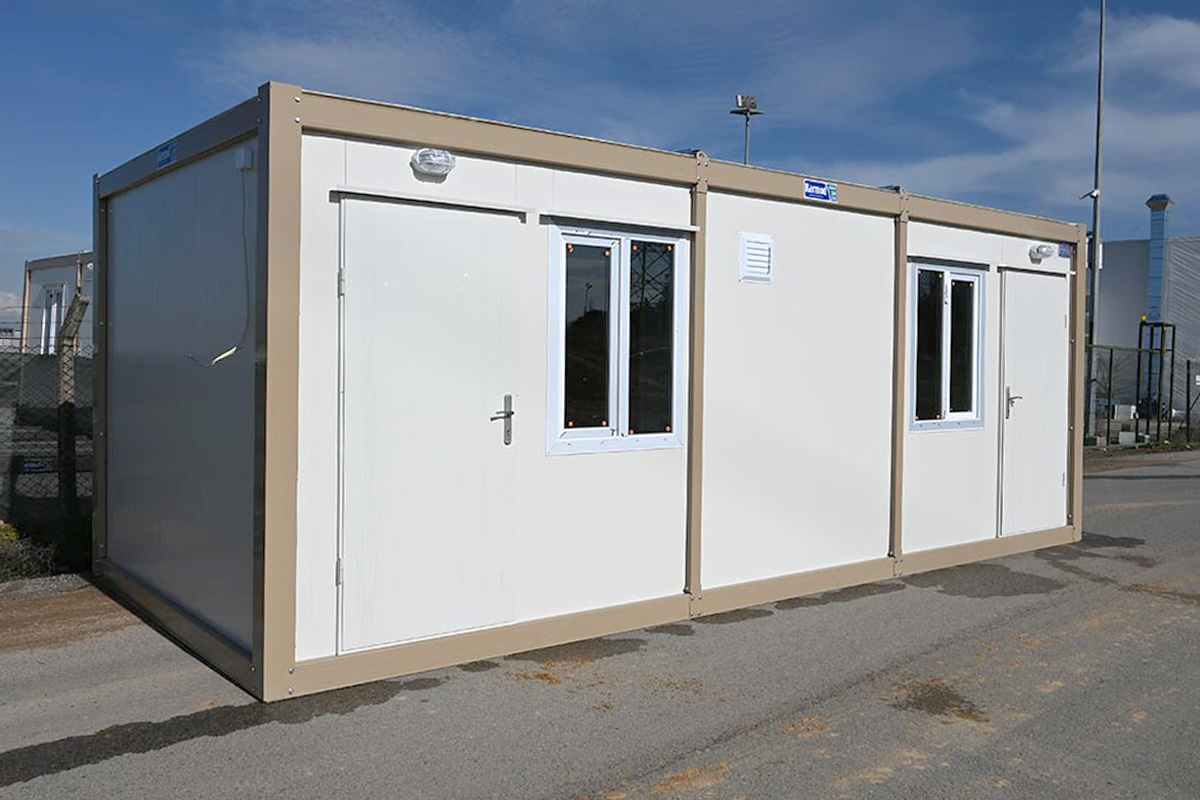
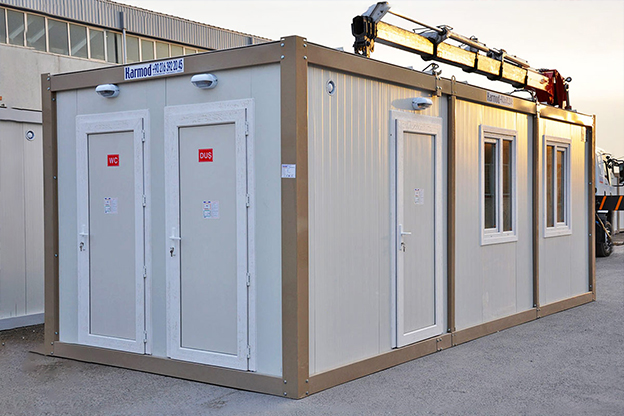
- Modular flexibility: Workforce numbers can rise or fall as projects move from early works to peak construction and commissioning. Karmod’s modular camp approach helps enable phased expansion, reconfiguration, or relocation without rebuilding from scratch.
- Lower impact by design: Where site conditions and permitting call for careful footprint management, modular construction can reduce on-site work and support more controlled material use. Practical energy-efficiency measures also help keep running costs predictable.
- Karmod as a delivery partner: Karmod supports camp delivery with coordinated planning, standardized production, and installation methods suited to demanding schedules. The focus is on providing accommodation that can be mobilized efficiently and operated reliably through the project lifecycle.
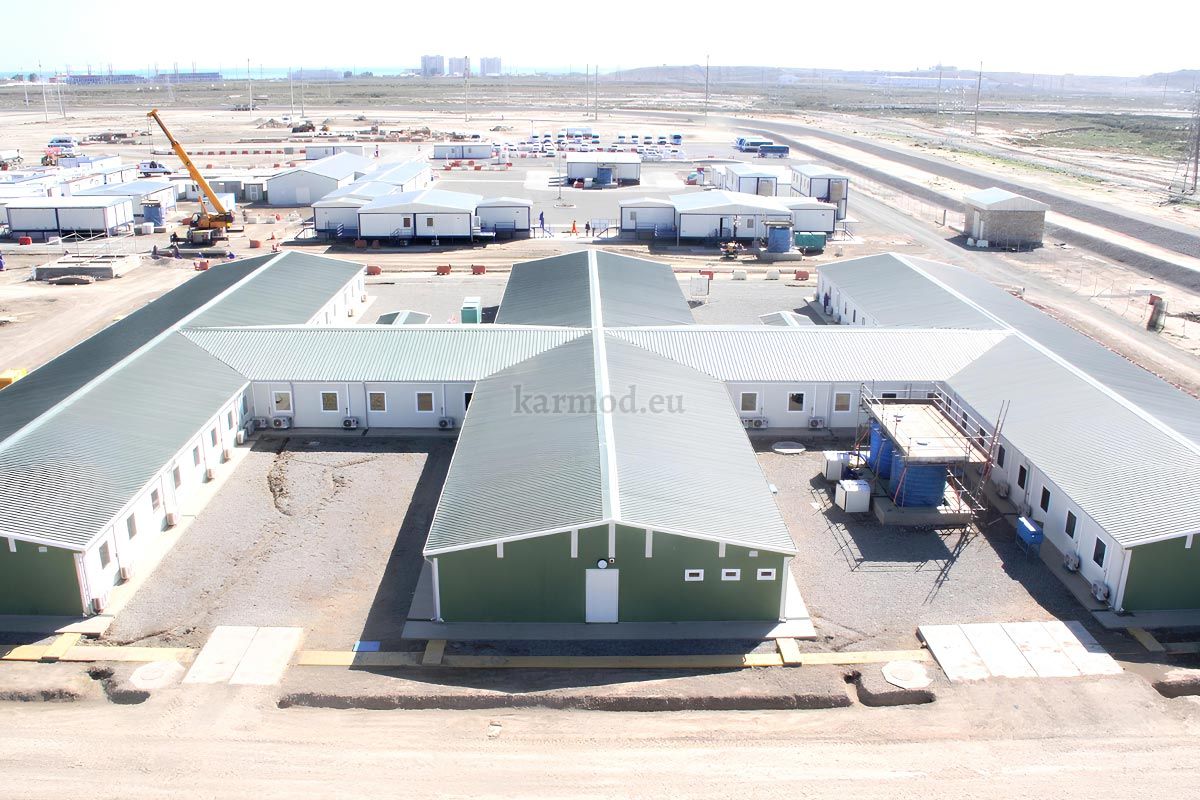
In Guatemala, the right camp setup reduces downtime, helps maintain workforce stability, and keeps daily site management under control. When accommodation is delivered with the same discipline as the rest of the project scope, teams get a safe, functional place to live that holds up under continuous use.
Operational Comfort in Guatemala Oil and Gas Man Camps
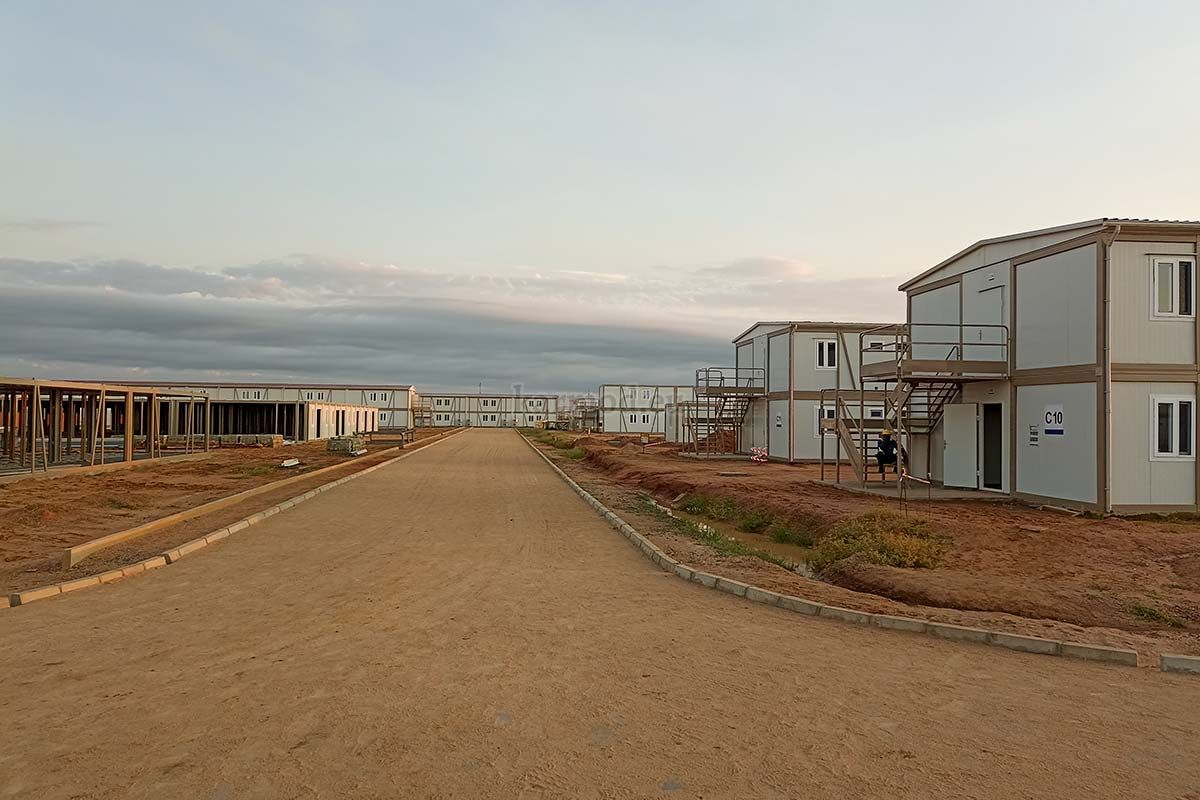
Man camps in Guatemala are built to support rotation-based work where rest quality affects safety and productivity. Rather than focusing on appearance, well-performing camps prioritize usable room layouts, predictable services, and living standards that remain consistent from the first month on site to the last. Typical features include:
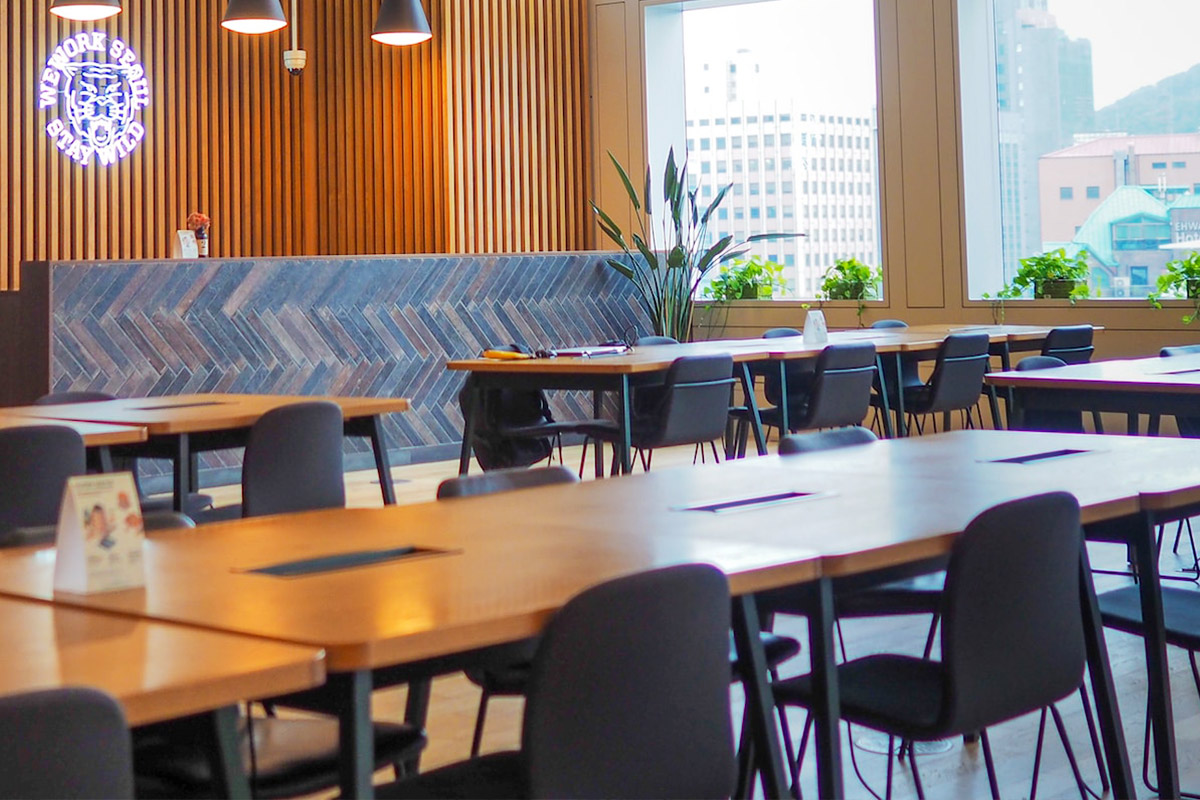
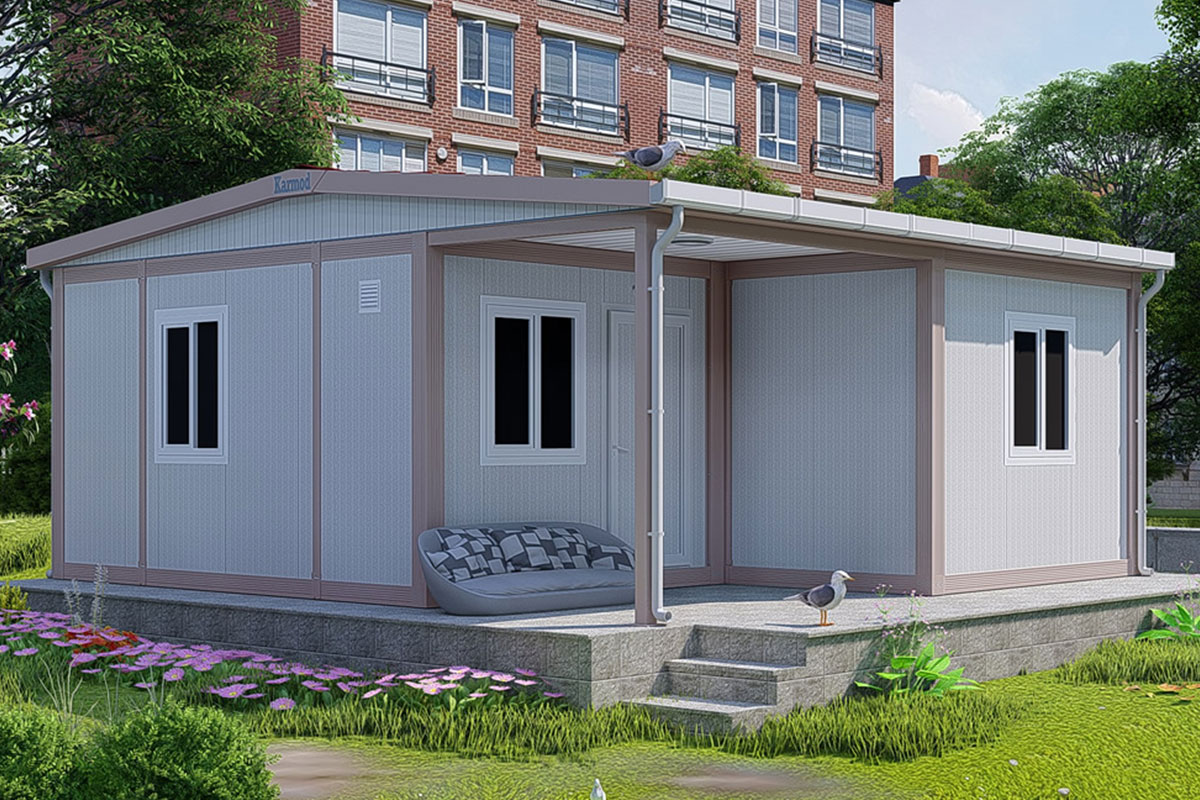
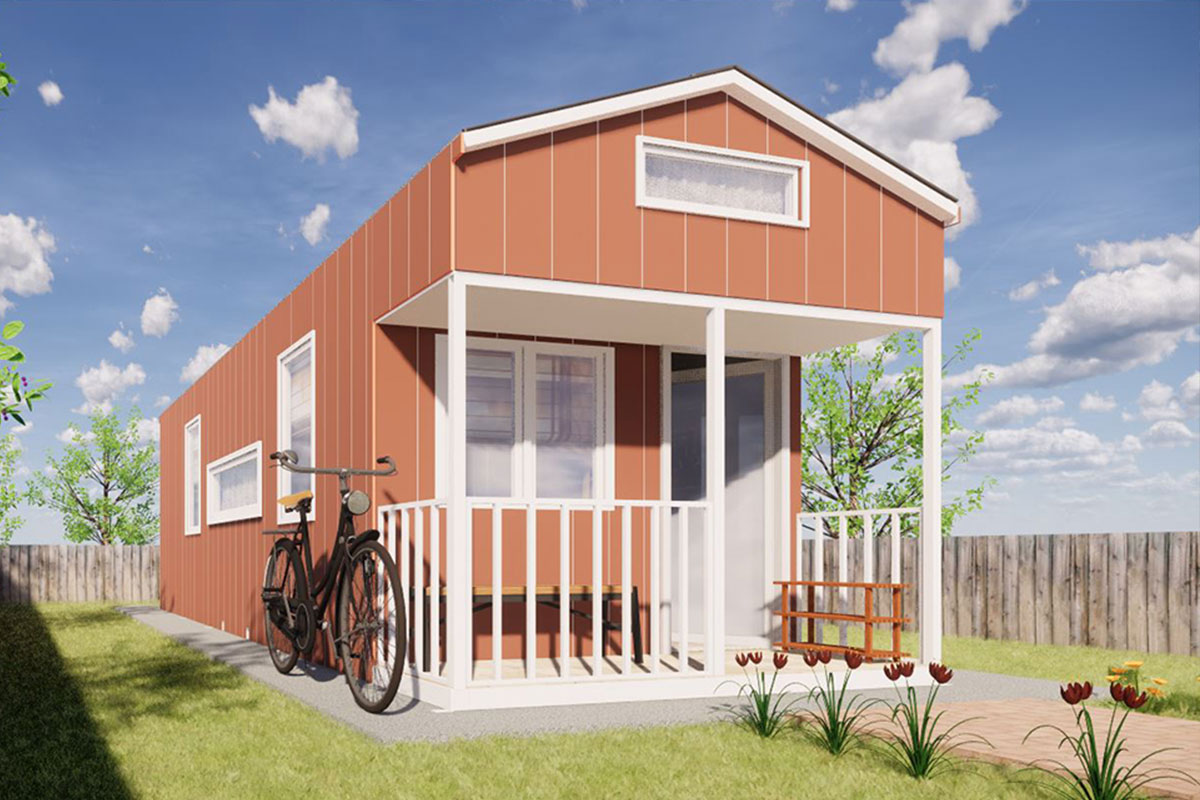
- Modern living spaces: Practical rooms with durable interiors, adequate storage, and furniture suited to frequent occupancy and cleaning cycles.
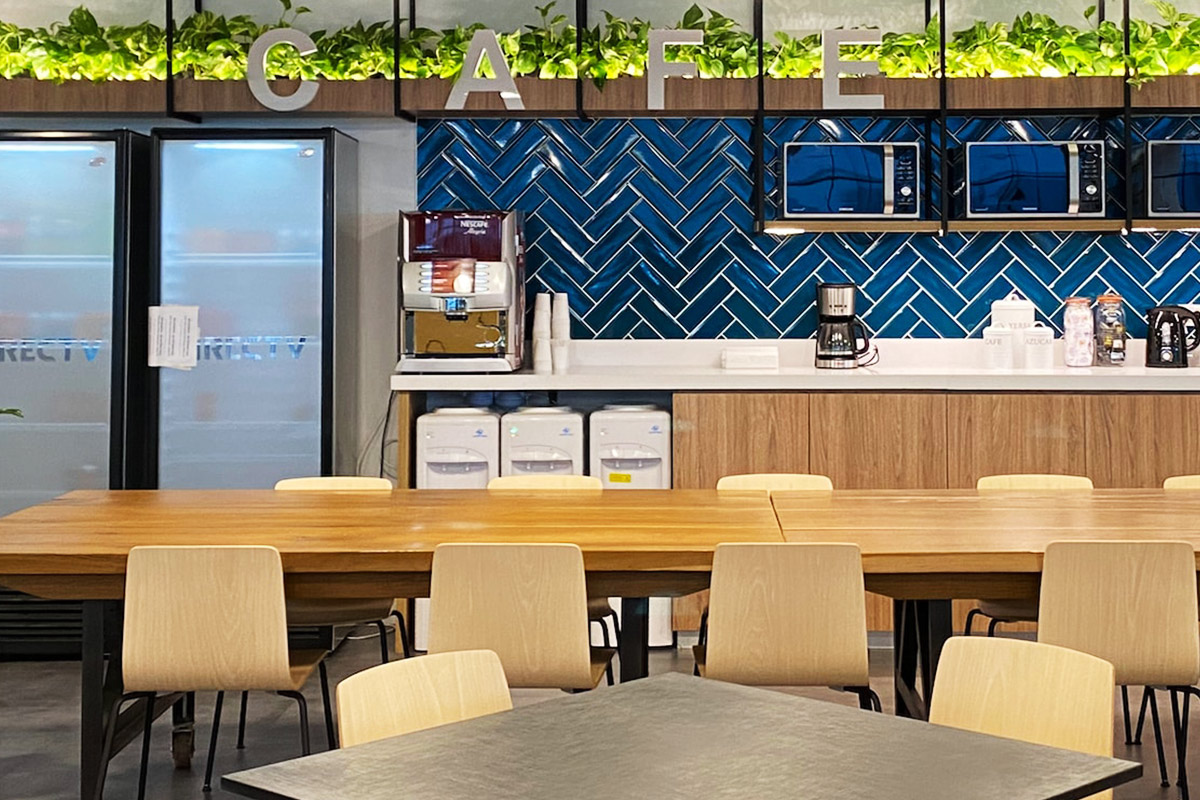
- Shared services: Dining, laundry, and recreation areas designed to keep daily needs on site and maintain routine through changing weather and work intensity.
- Efficient access: Camp planning that limits commuting, supports safe shift changeovers, and makes logistics simpler for supervisors and HSE teams.
Guatemala’s oil and gas man camps are ultimately judged by how well they support stable routines and reliable recovery time for crews working long rotations.
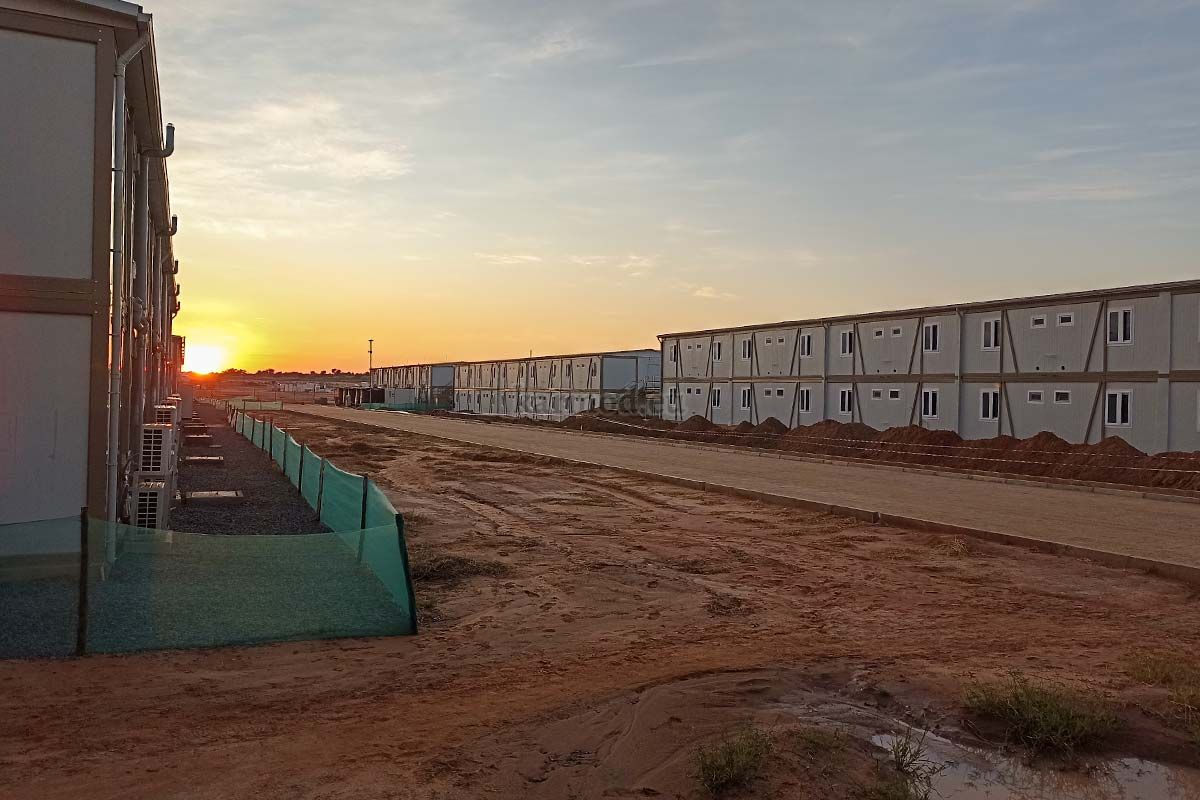




Field Housing Standards for Guatemala Oil and Gas Projects
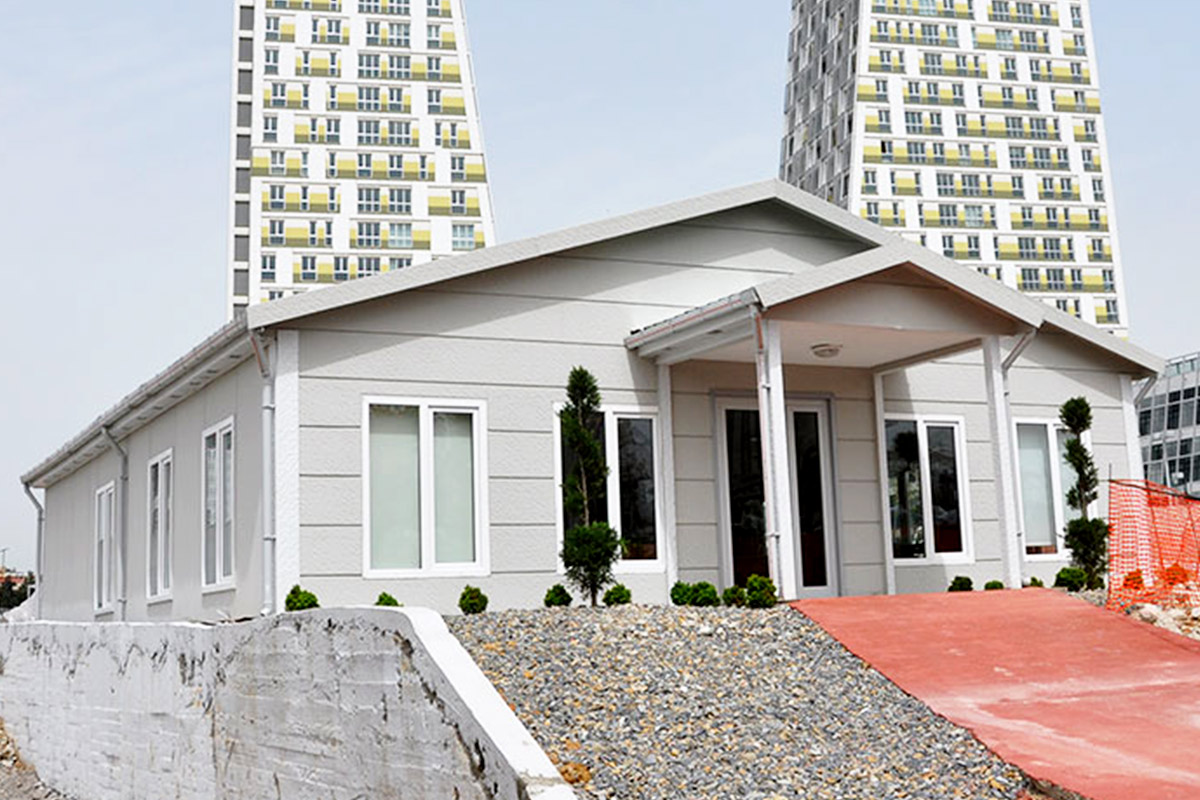
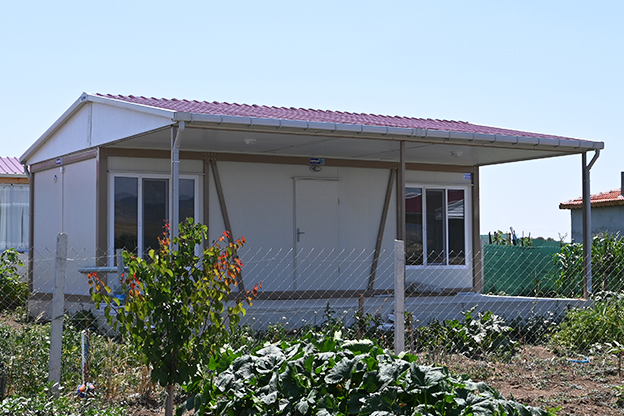
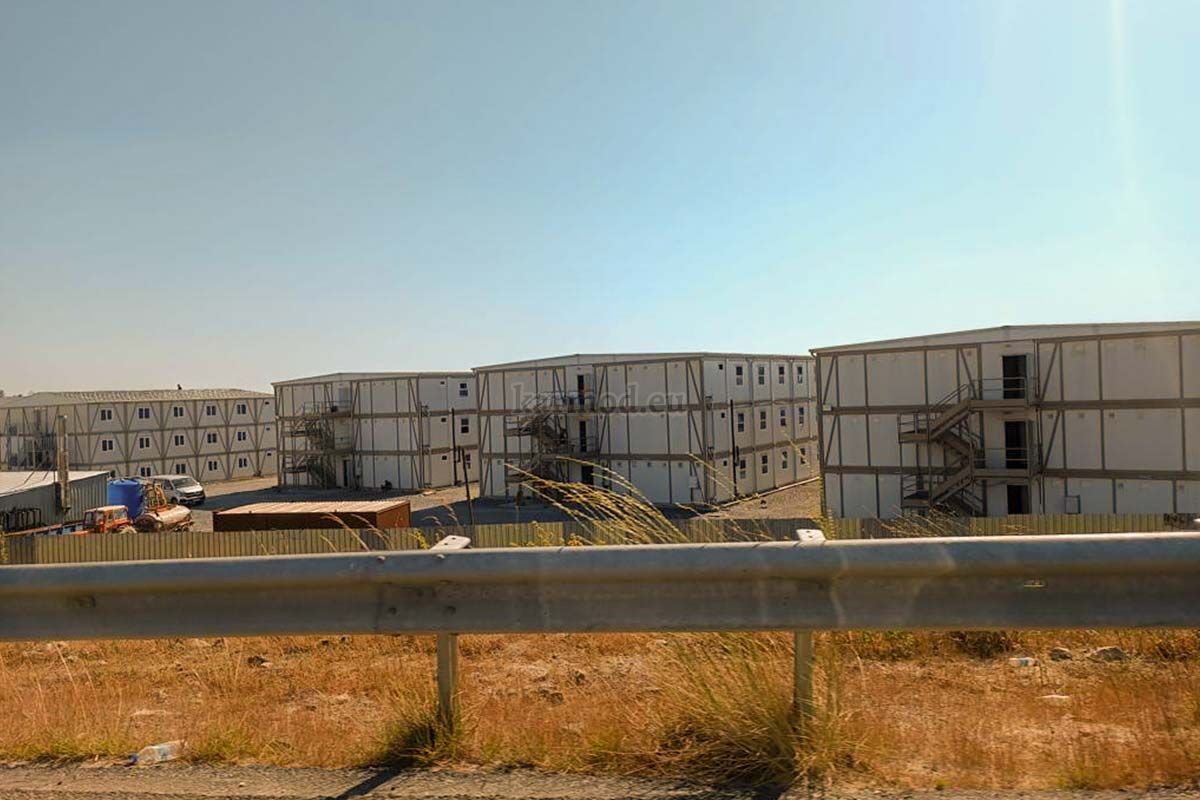
Karmod’s approach to Guatemala Oil and Gas Field Housing centers on consistency—delivering units that perform in real site conditions and remain manageable to operate. Good field housing balances durability with practical comfort, providing a dependable place for workers to rest, clean up, and reset between shifts. Key priorities often include:
- Robust build quality: Materials and detailing selected to handle heavy daily use, with finishes that hold up under frequent maintenance and cleaning.
- Functional interiors: Room layouts that support rest and privacy where needed, with service areas designed to avoid congestion during peak shift changes.
- Safe occupancy: Planning aligned with oil and gas safety expectations, including clear egress routes and appropriate fire safety measures.
As Guatemala’s projects develop, field housing that stays reliable over time helps protect workforce wellbeing and reduces the operational friction that comes from constant repairs and service disruptions.
Structures of Quality: Guatemala's Oil and Gas Camp Construction Buildings
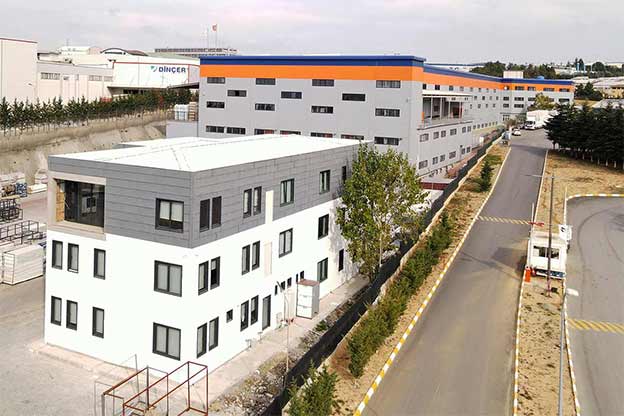
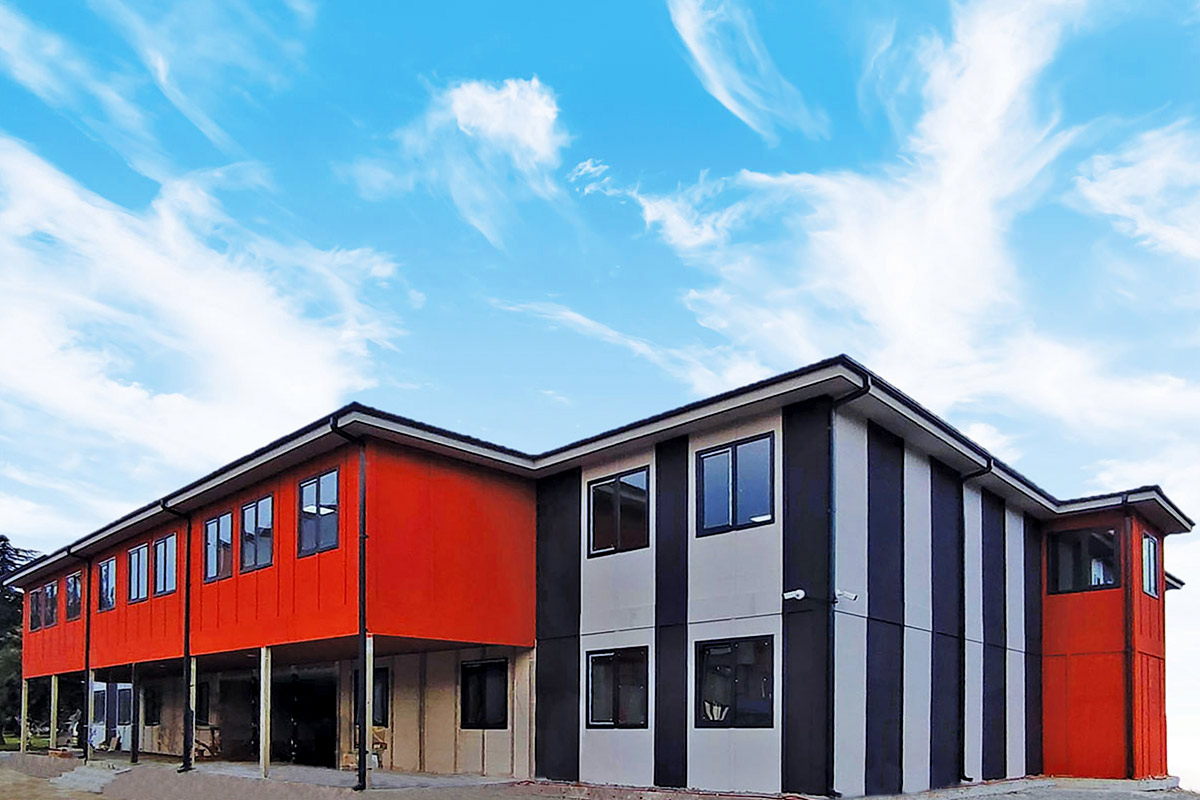
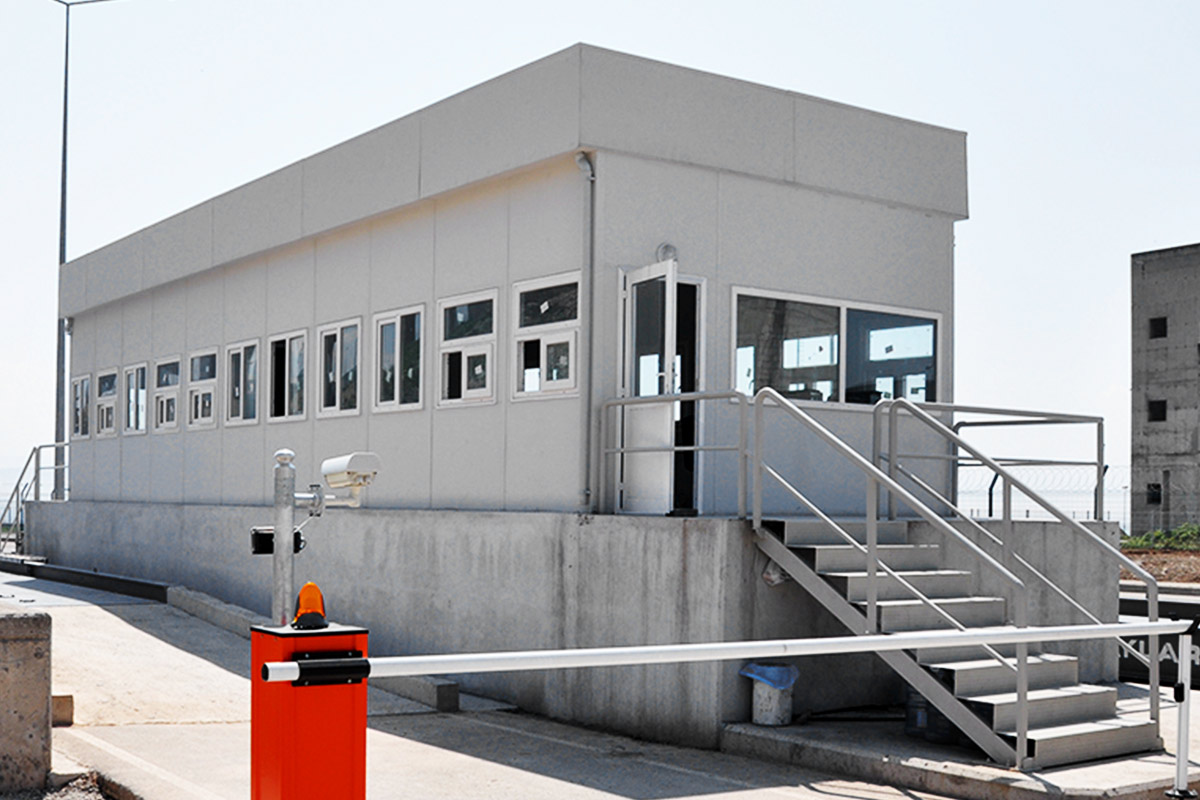
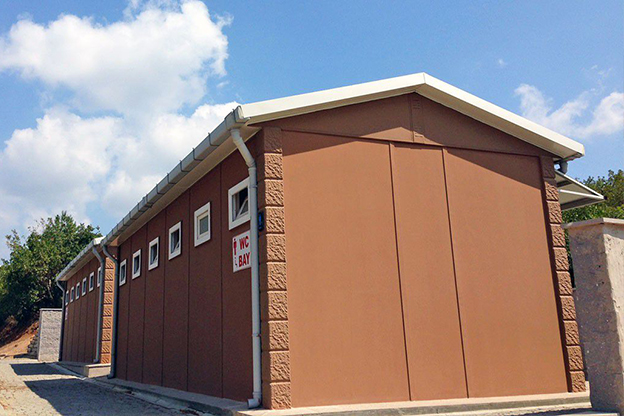
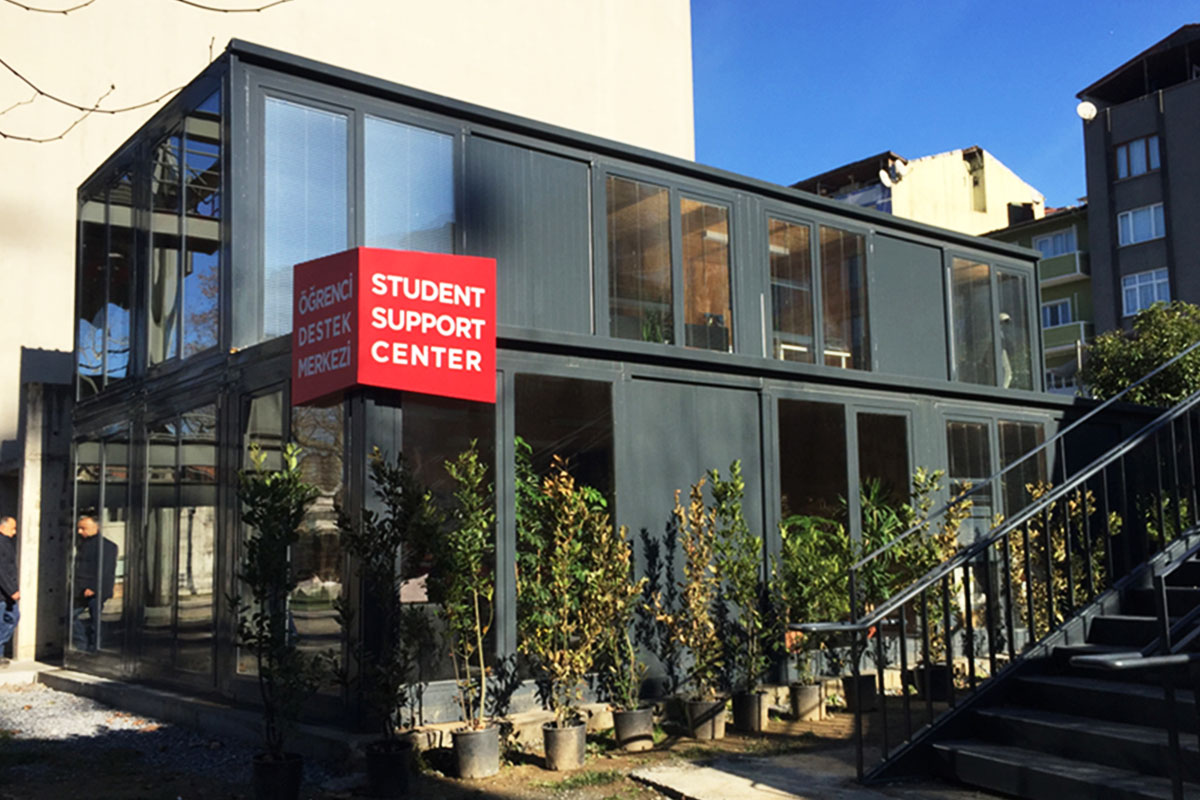
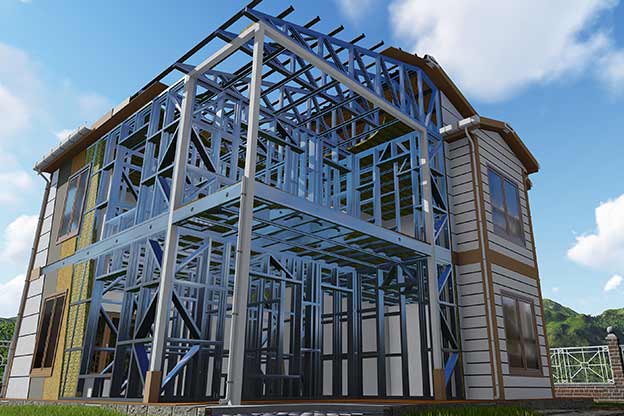
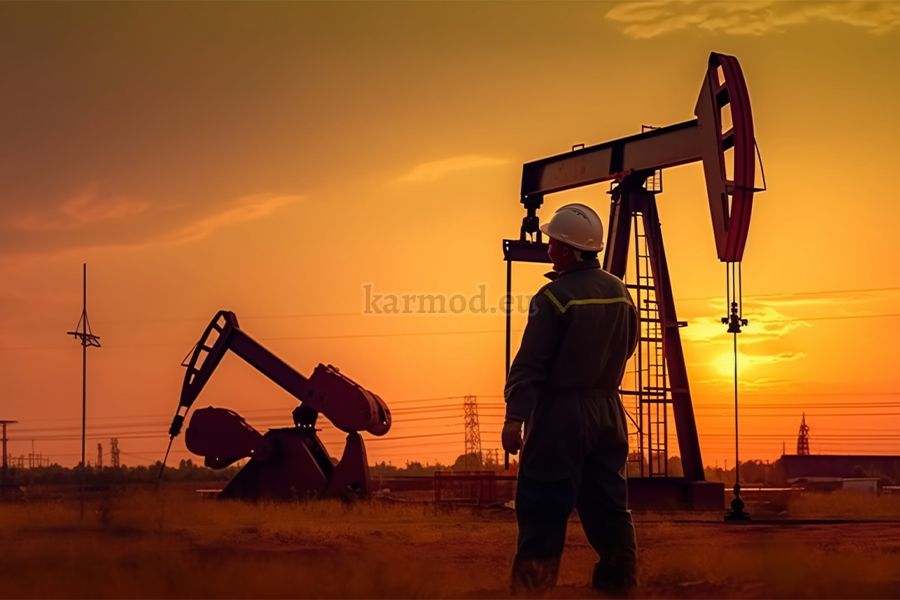
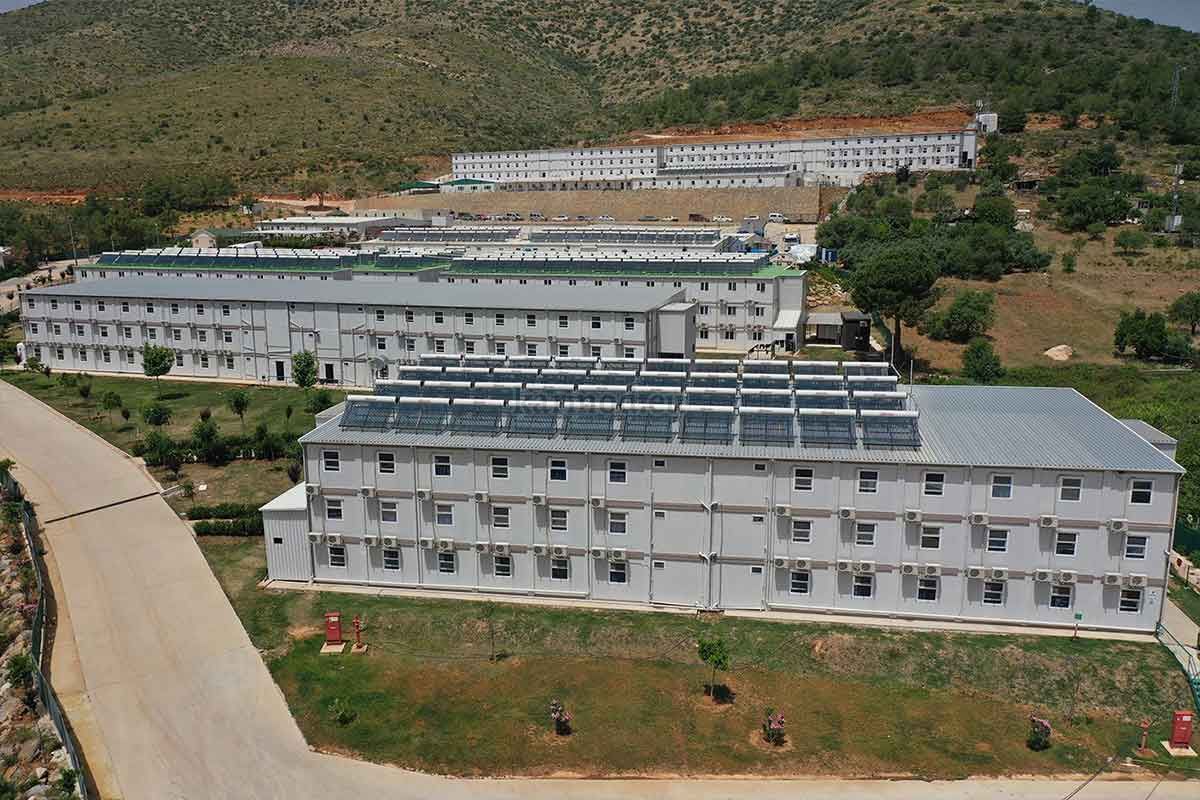
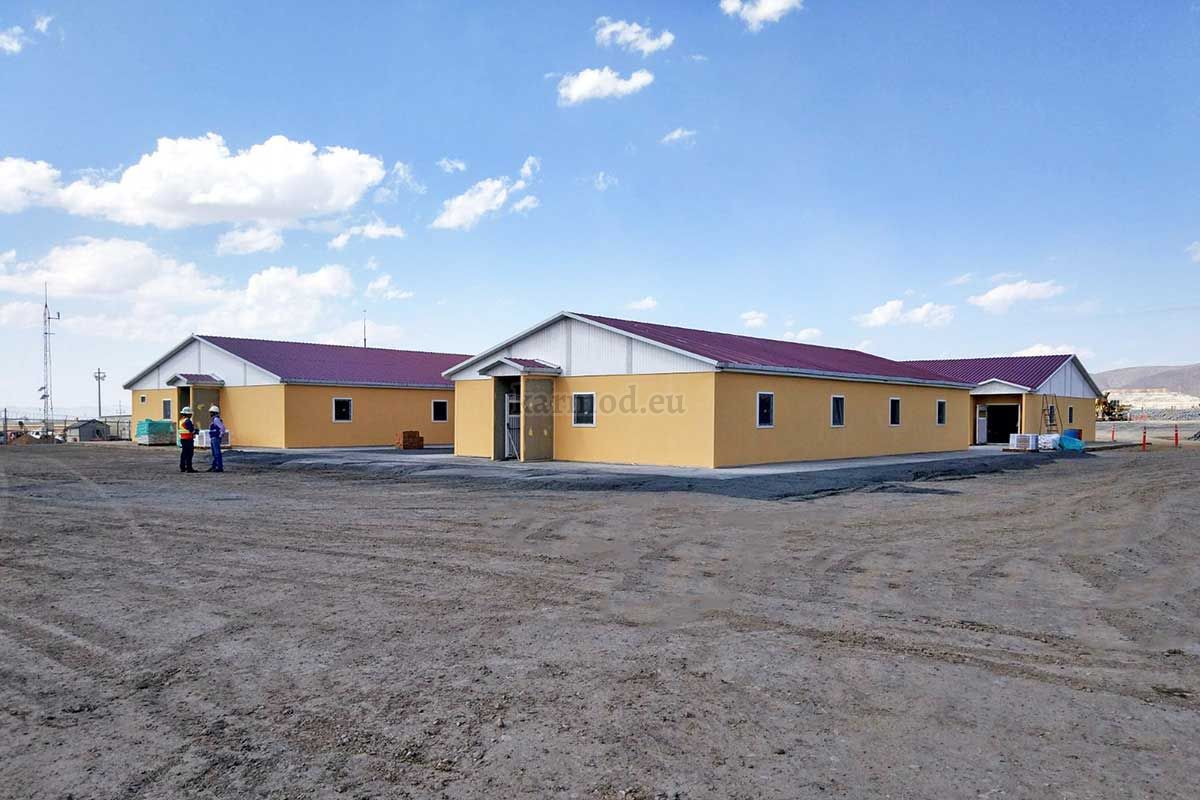
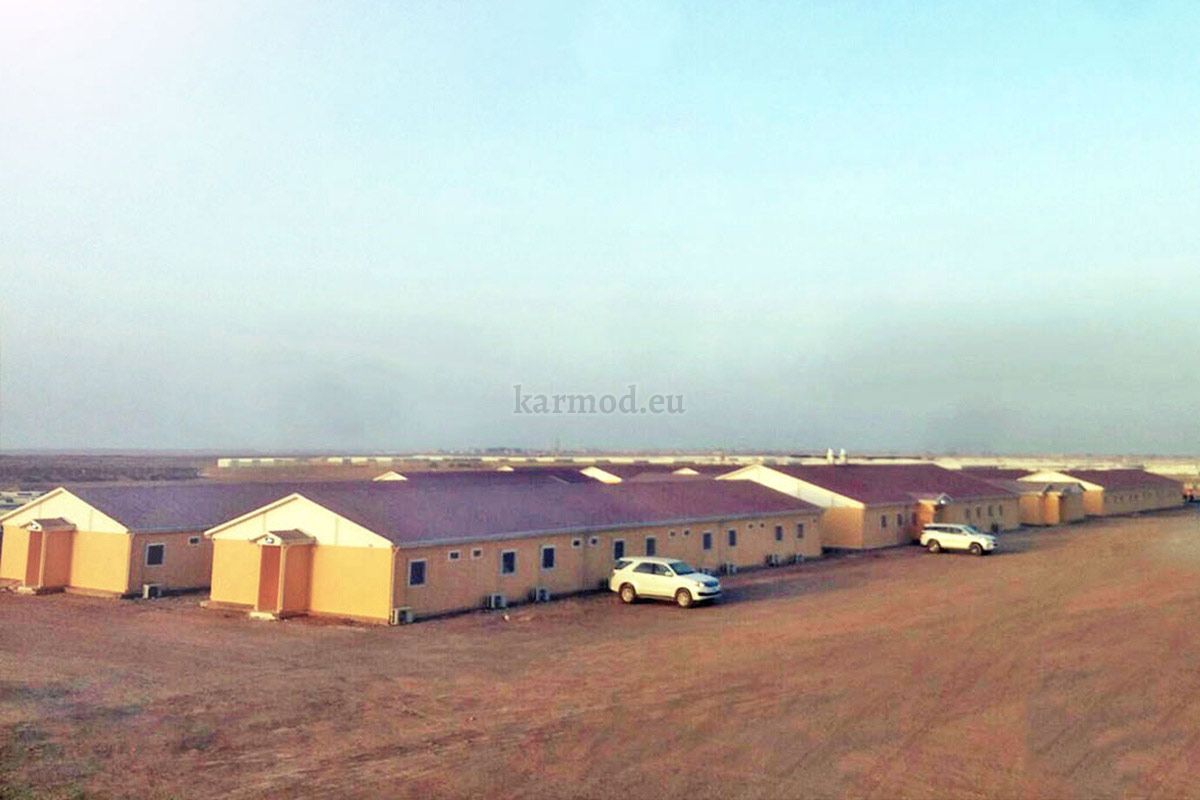
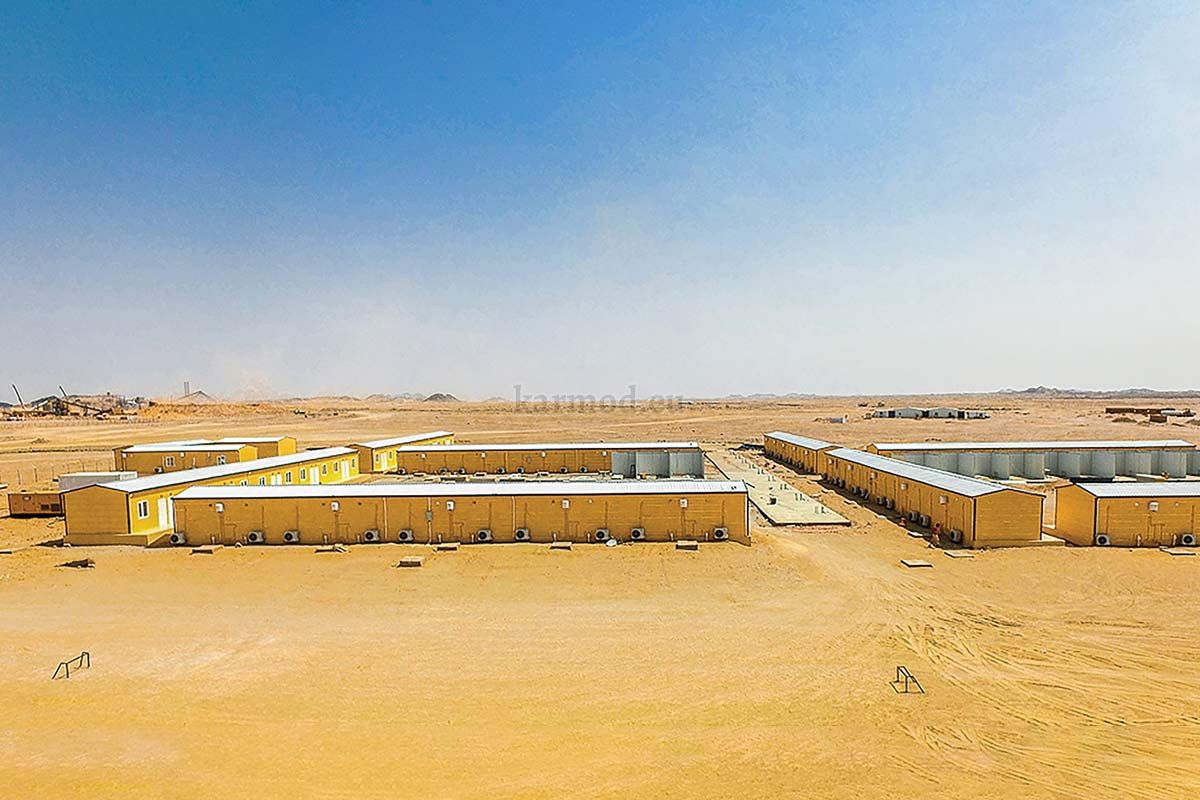
Camp construction buildings must support the full rhythm of field operations—housing, catering, administration, and welfare—without adding complexity to the site. In Guatemala, where terrain and access can influence transport and installation, modular systems are often selected for efficient delivery and controlled build quality. Common differentiators include:
- Innovative design: Layouts organized around daily workflow, separating quiet accommodation areas from high-traffic service zones to improve livability and reduce disruption.
- Durability: Structural systems and building envelopes designed for continuous occupancy and variable weather, helping the camp remain service-ready across seasons.
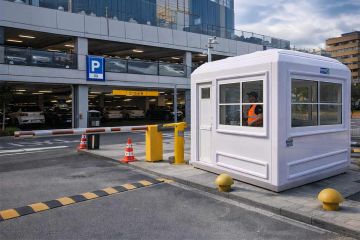
- Safety measures: Materials and planning that support site safety requirements, including fire-resistant components, clear exits, and appropriate access control.
- Sustainability: Practical efficiency measures—such as insulation, ventilation performance, and energy-aware systems—that reduce operating loads without complicating maintenance.
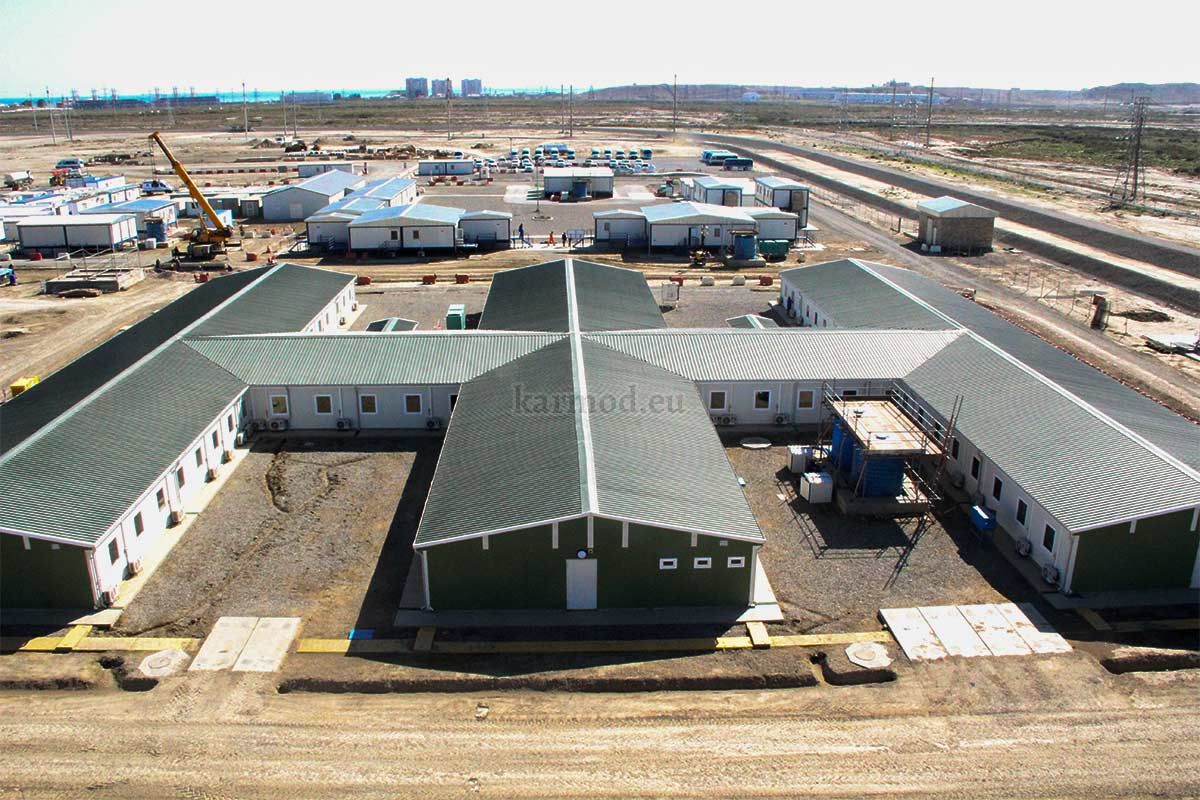
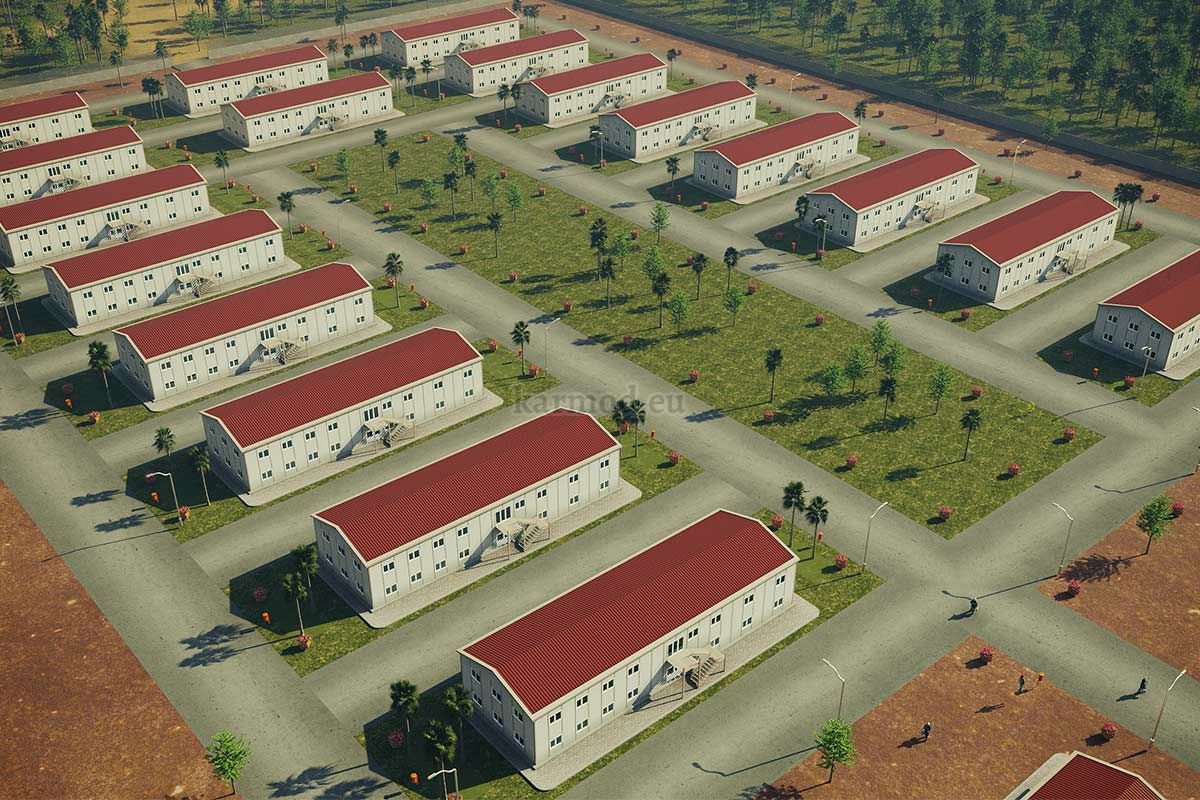
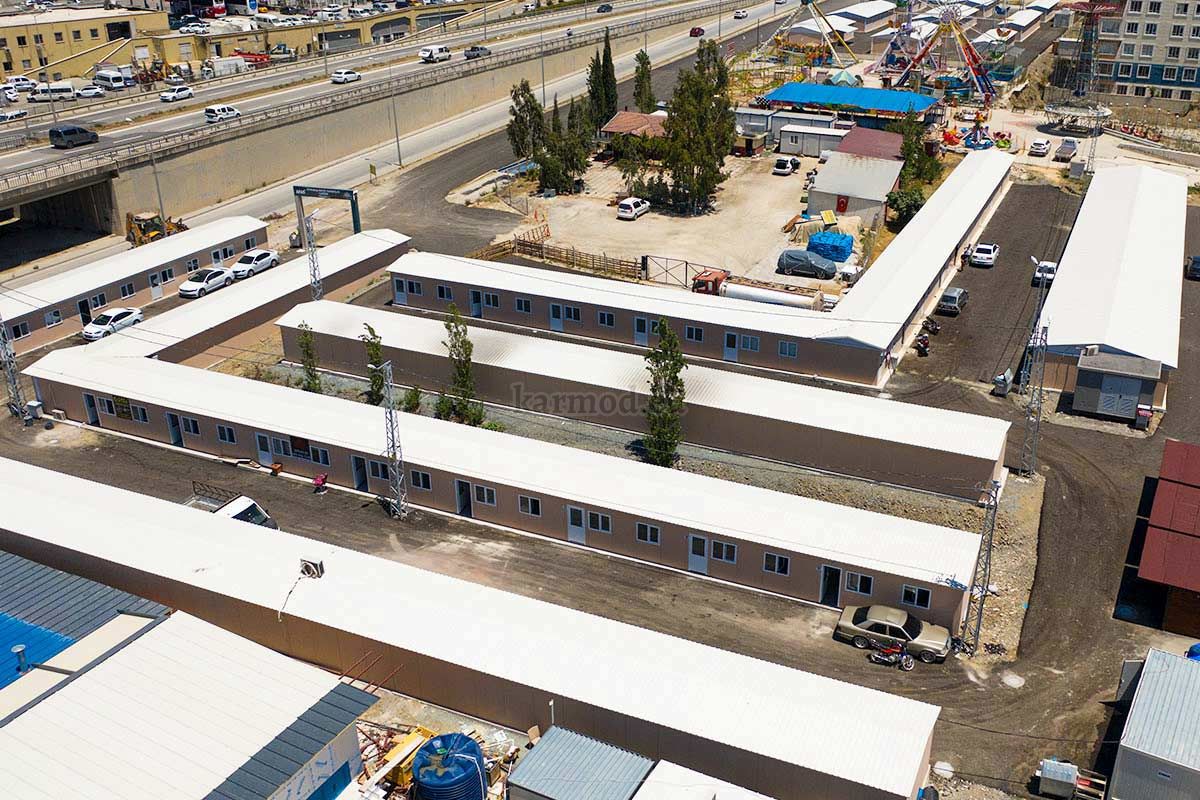
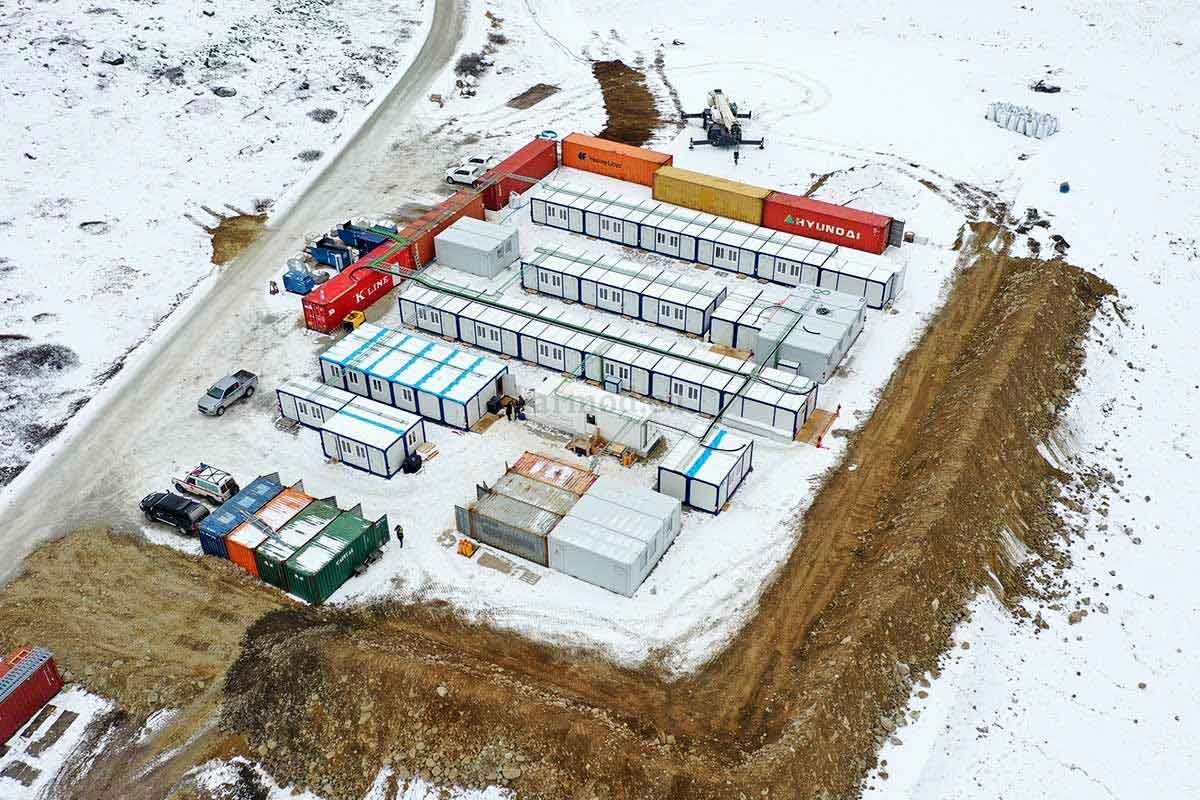

Best Company and Manufacturer Karmod for Oil and Gas Field in Guatemala
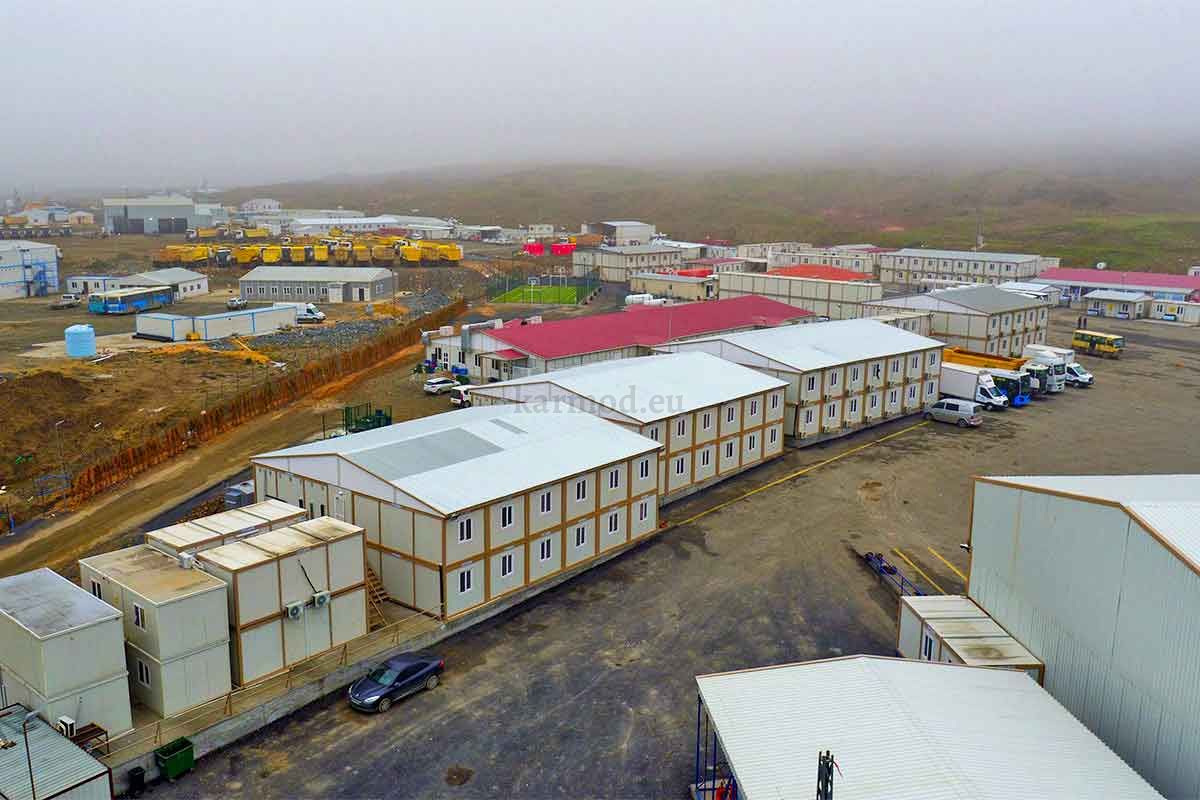
For oil and gas field accommodation in Guatemala, Karmod is used for modular camp delivery that combines standardized production with project-specific planning. The emphasis is on predictable installation, consistent living standards, and the flexibility to adjust as site requirements change.
- Track record: Delivery of modular camp systems suited to oil and gas operations, where schedule control and repeatable quality are critical.
- Cutting-edge technology: Manufacturing and assembly methods that support consistent tolerances, durable finishes, and coordinated on-site installation.
- Customer-centric approach: Camp layouts and unit types adjusted to workforce size, rotation style, and required support buildings, ensuring the camp functions smoothly day to day.
- Global standards, local suitability: Designs aligned with international expectations while considering Guatemala’s operational realities, including access constraints, weather exposure, and maintenance practicality.
With the right camp strategy, teams in Guatemala can operate with fewer logistical disruptions and better workforce stability—supported by accommodation that is built to perform, not just to be installed quickly.