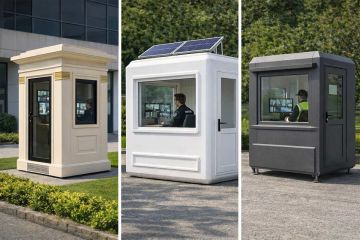

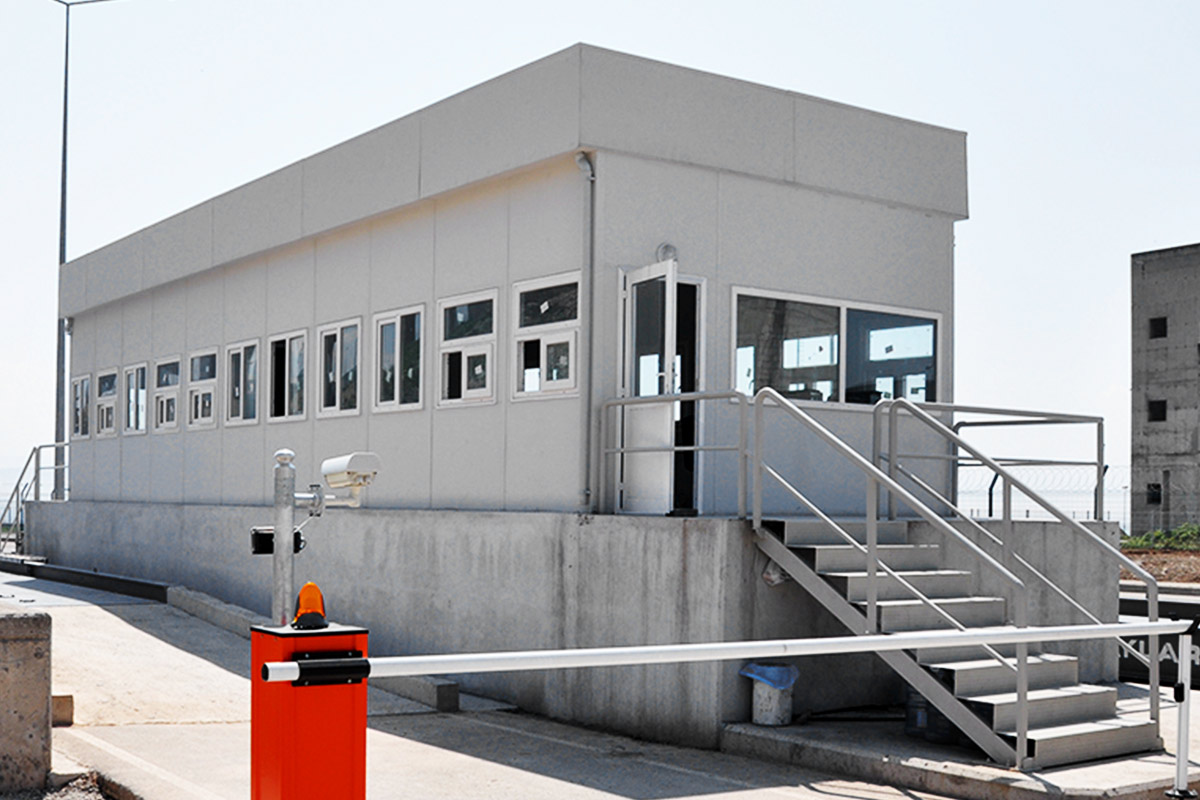
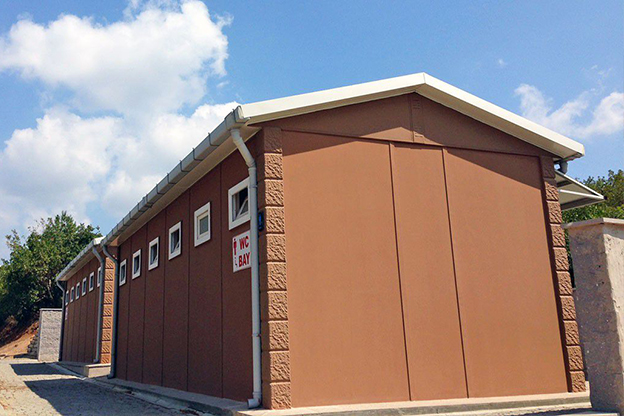
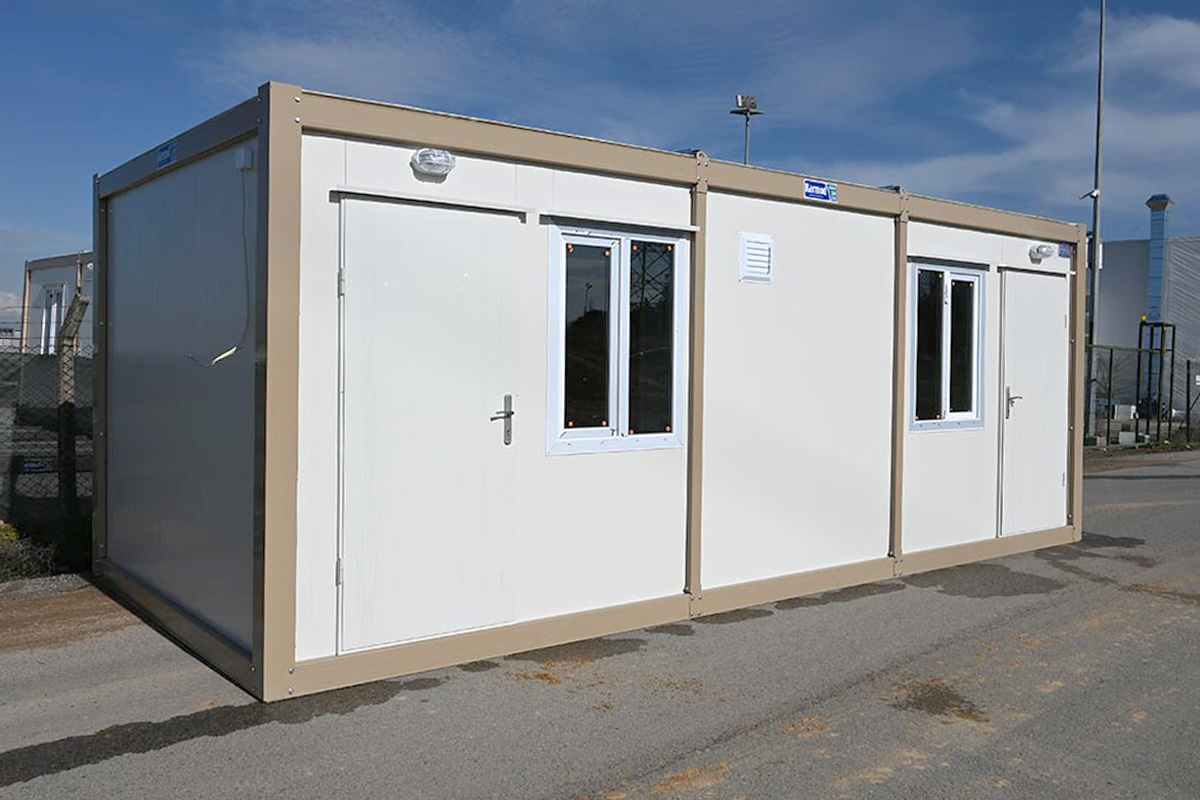
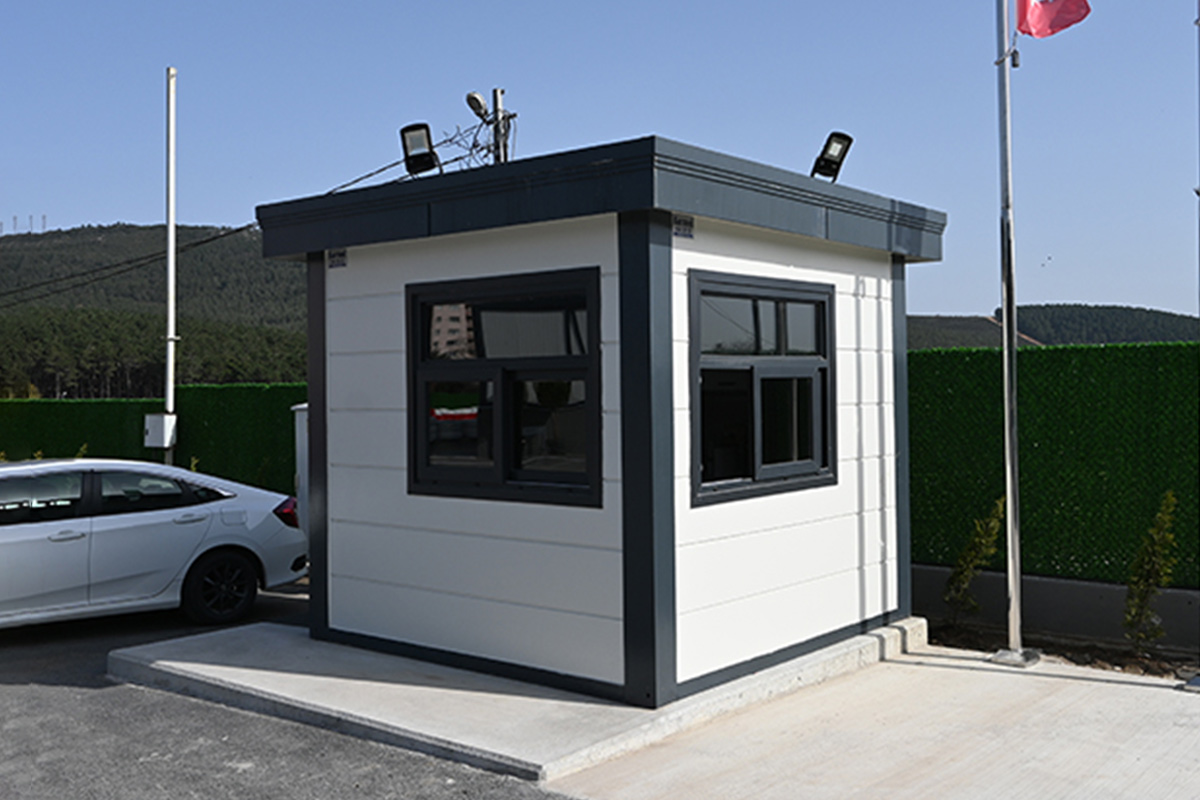
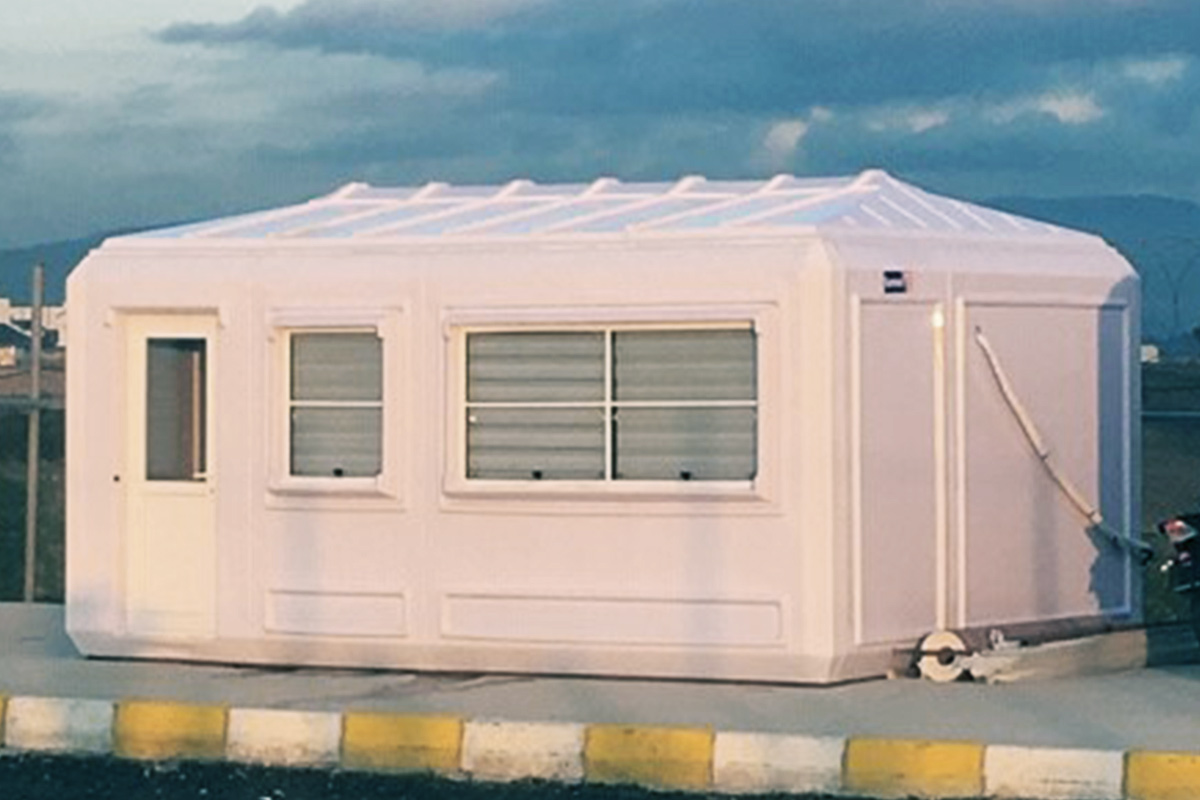
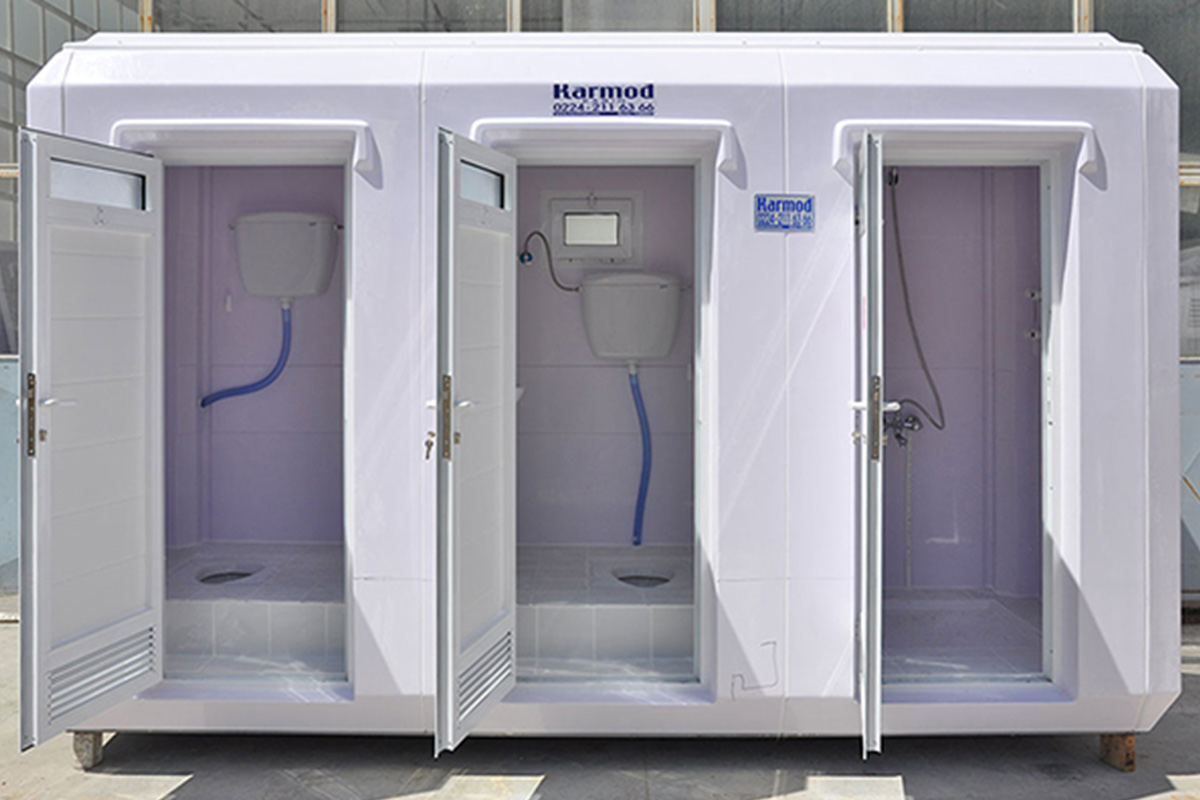
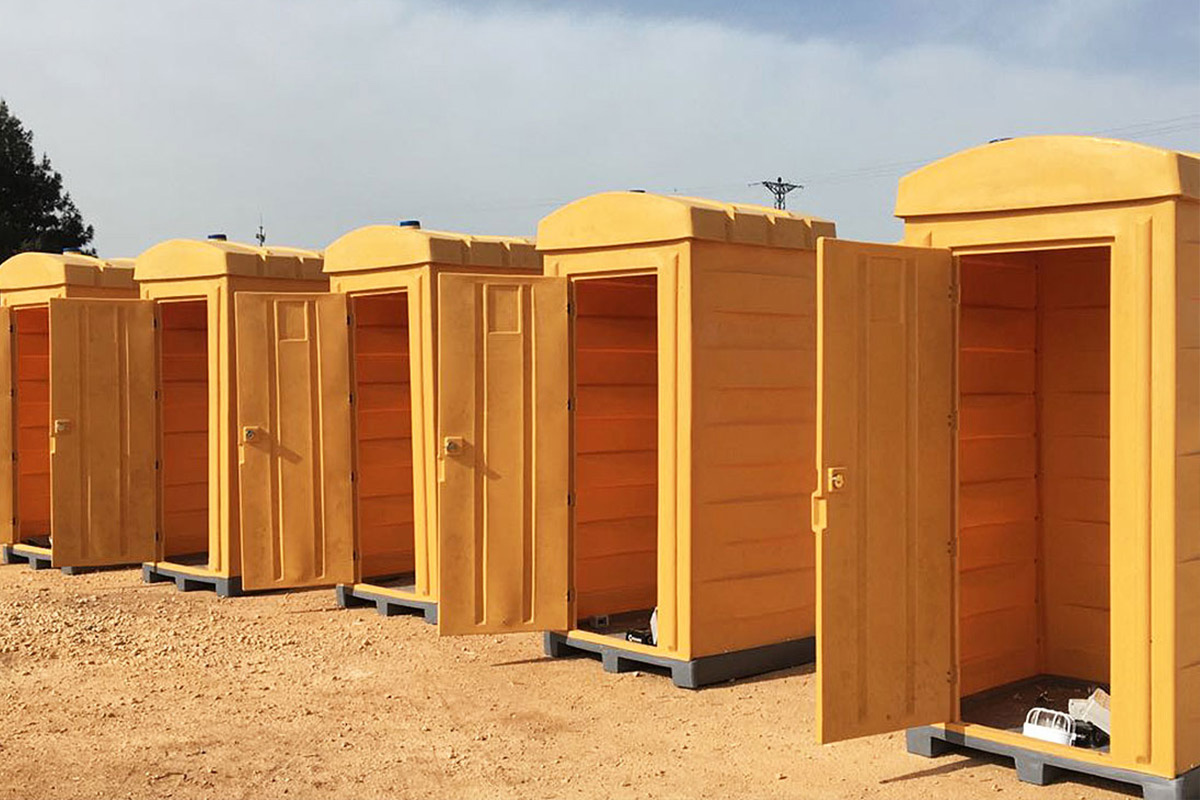
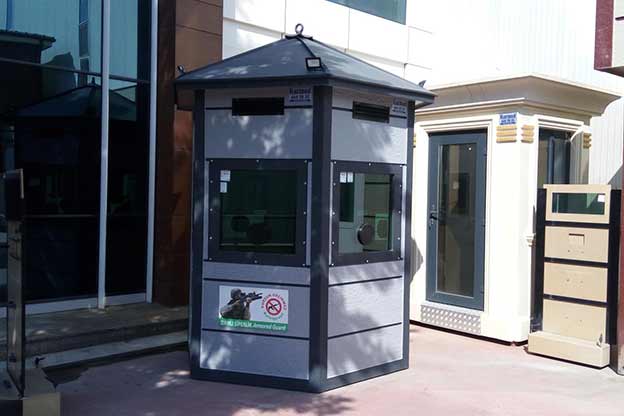
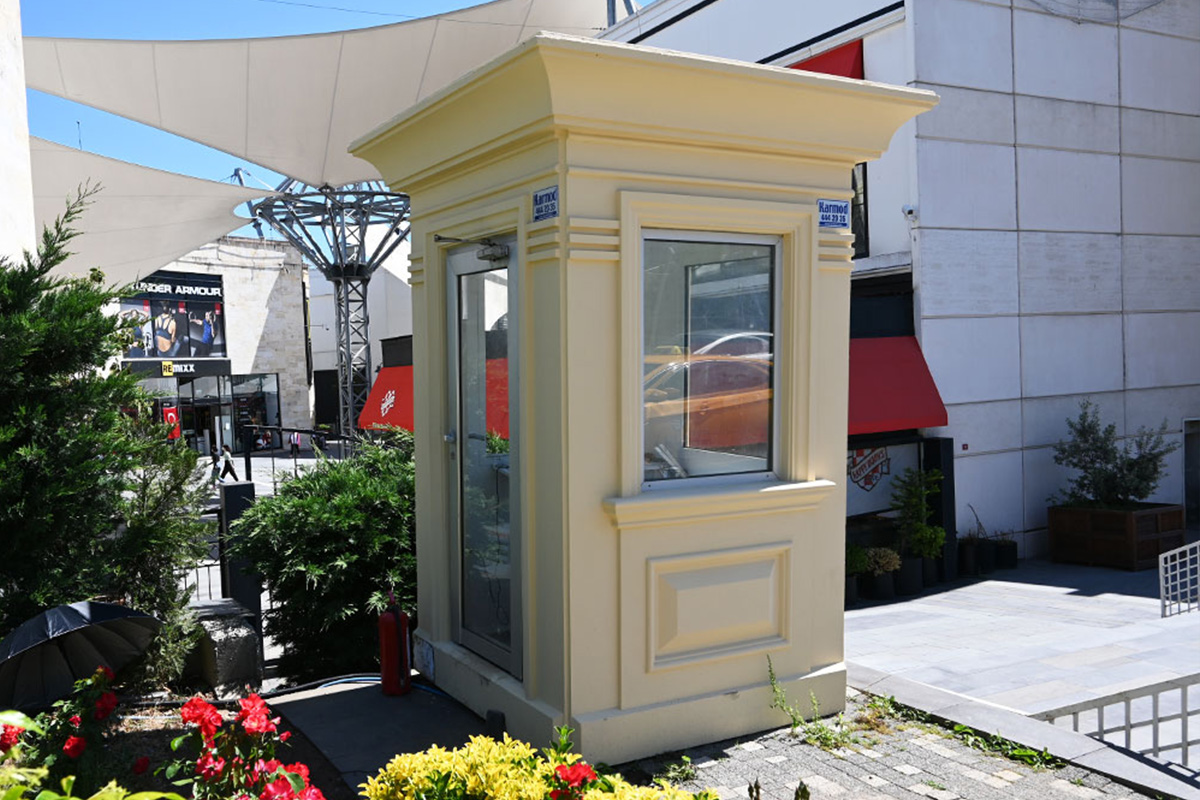
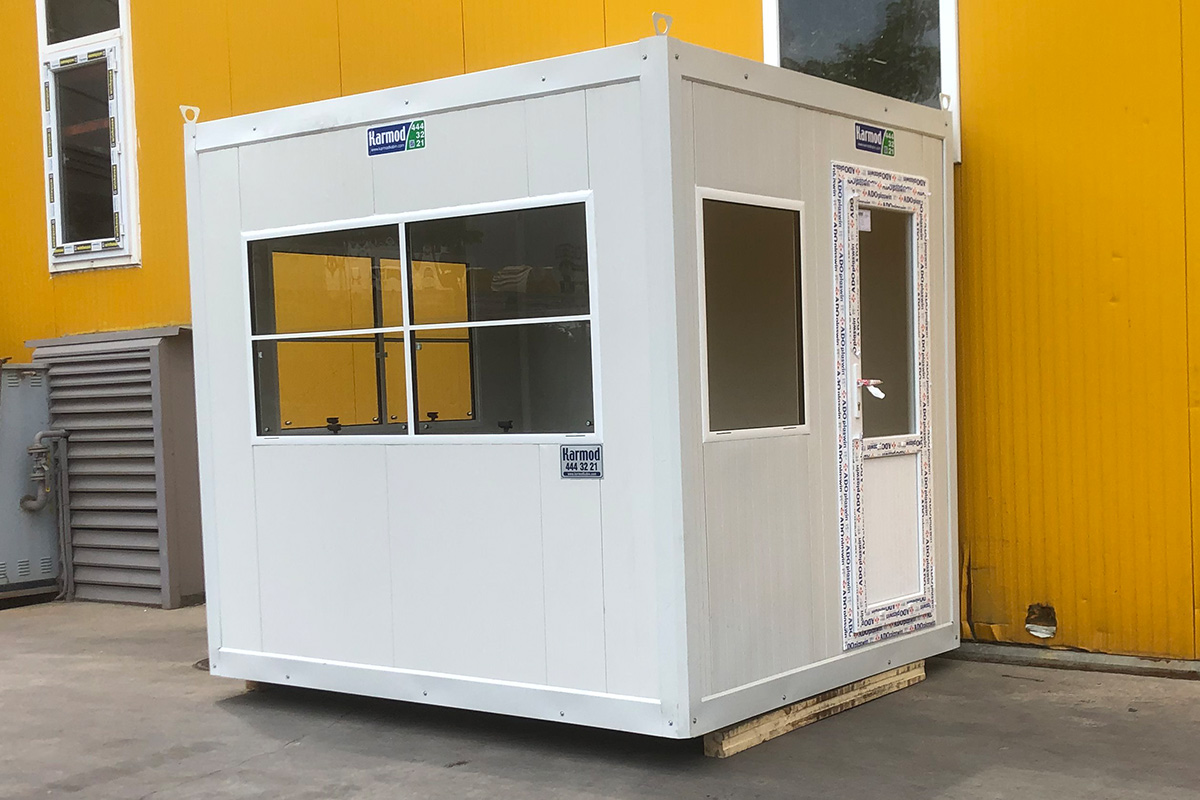
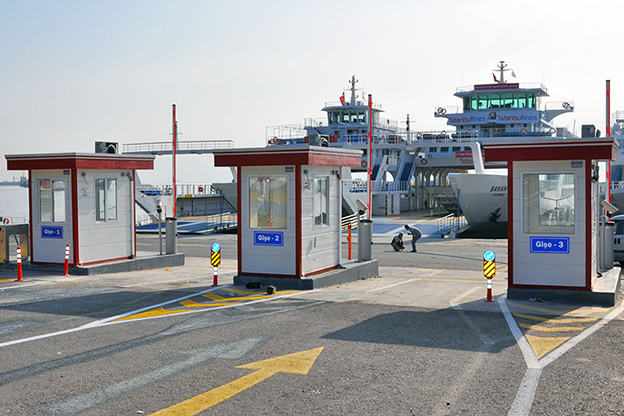
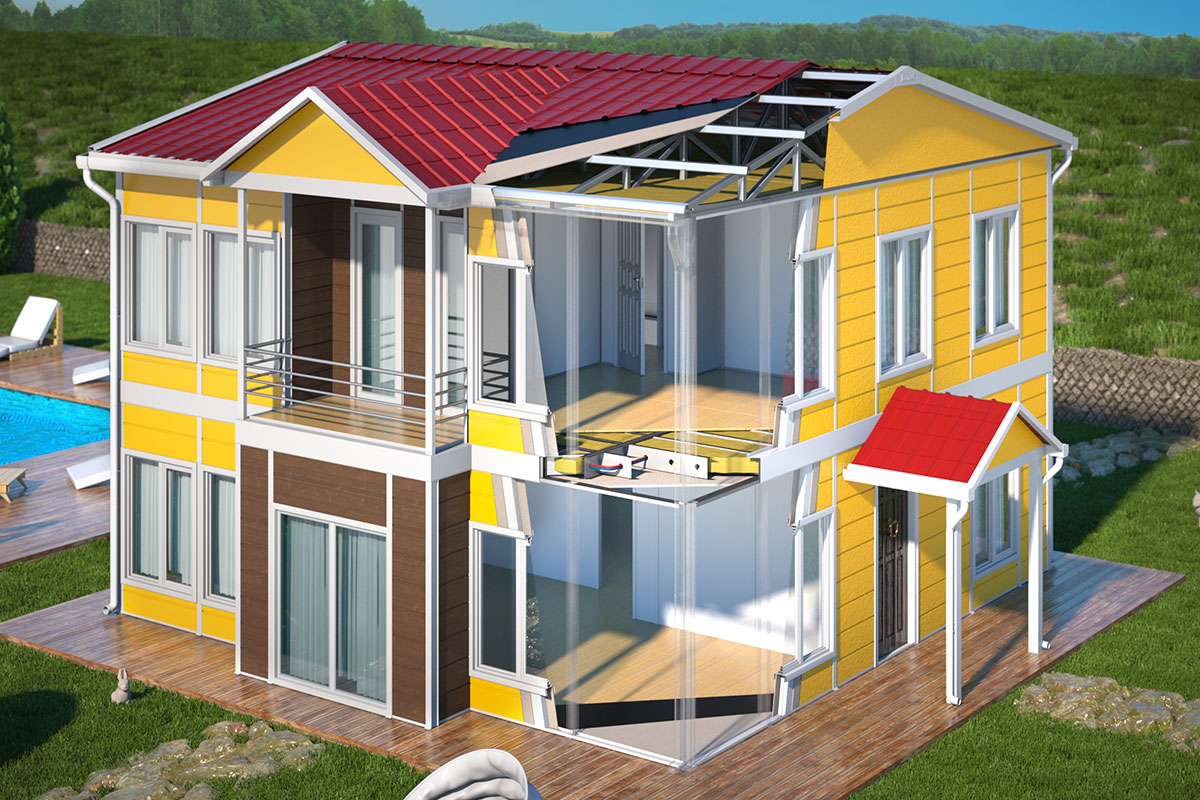
Security cabins may appear simple from the outside, but their production process is the result of careful planning, controlled manufacturing, and precise logistics. From the first design decision to final installation on site, every stage plays a role in determining durability, comfort, and long-term performance. Buyers who understand how security cabins are made gain a clearer perspective on quality differences and pricing variations.
Modern security cabin production focuses on efficiency without sacrificing reliability. Factory-based manufacturing allows each unit to be built under consistent conditions, ensuring predictable quality and faster delivery. This process-driven approach is what separates professionally manufactured security cabins from improvised or on-site built alternatives.
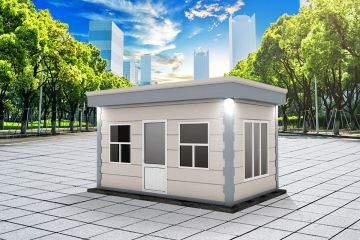
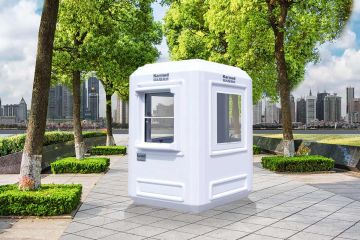
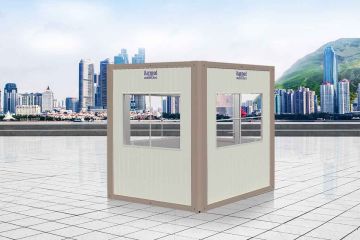
Design and Engineering: Where Every Security Cabin Begins
The production of a security cabin always starts at the design and engineering stage. Dimensions, layout, window placement, and door orientation are planned based on functional use rather than aesthetics alone. Engineers consider visibility angles, interior circulation, and equipment placement to ensure that the cabin supports daily security operations effectively.
This phase also defines structural strength and material specifications. Load-bearing elements, panel thickness, and frame design are calculated to ensure stability during transport and long-term use. A well-engineered design reduces future issues and ensures that the security cabin performs as intended once deployed on site.
Material Selection and Structural Framework Preparation
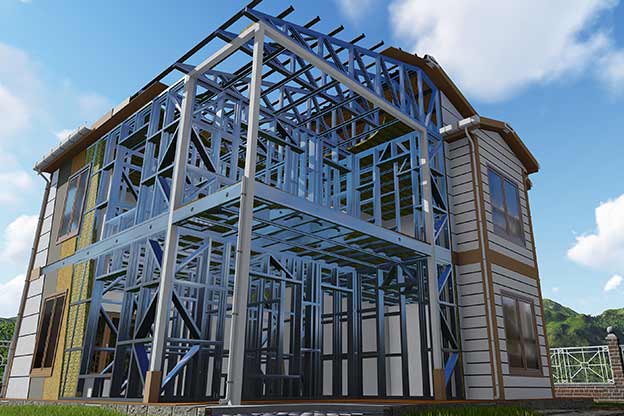
Material choice is one of the most critical steps in how security cabins are made. Steel frameworks are prepared first, forming the structural backbone of the cabin. The quality of this framework directly affects resistance to weather, transport stress, and long-term wear.
Wall panels, insulation layers, flooring materials, and exterior finishes are selected based on climate conditions and usage expectations. High-quality materials increase production costs slightly but significantly improve lifespan and comfort. Buyers who prioritize material standards often experience fewer maintenance issues over time.

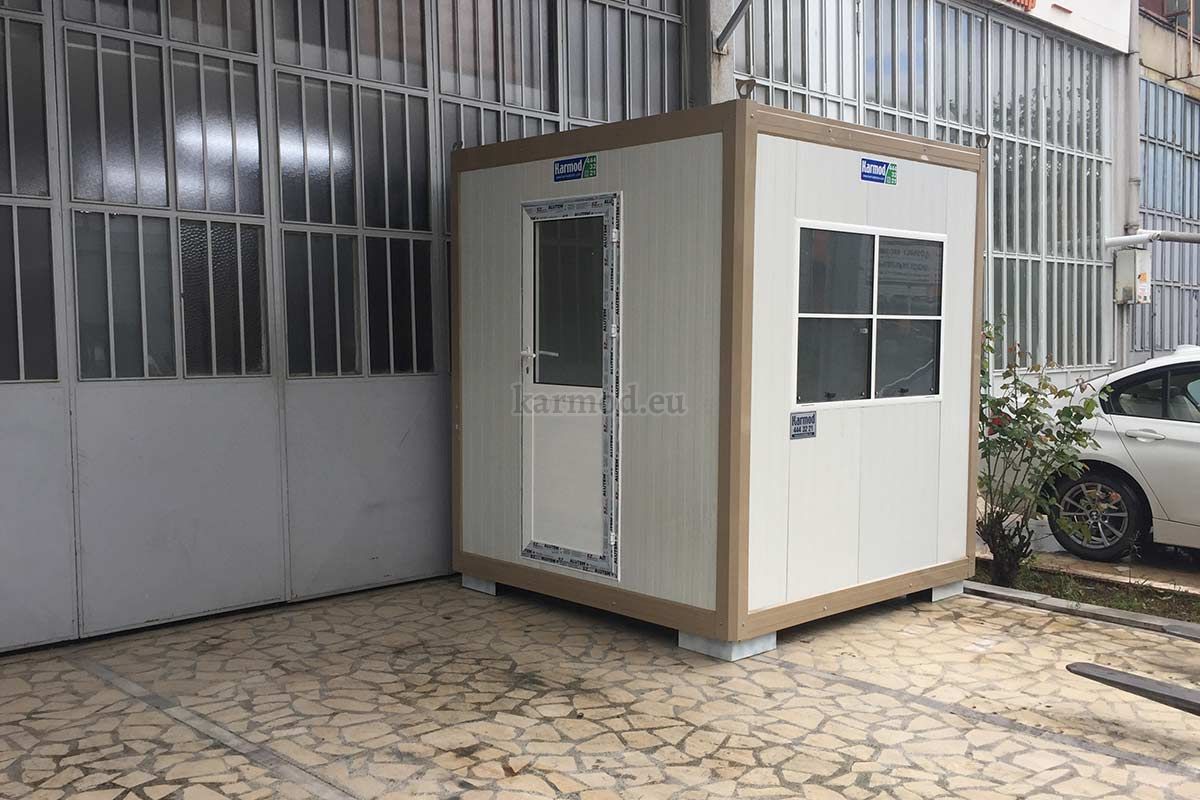

Factory-Based Assembly Under Controlled Conditions
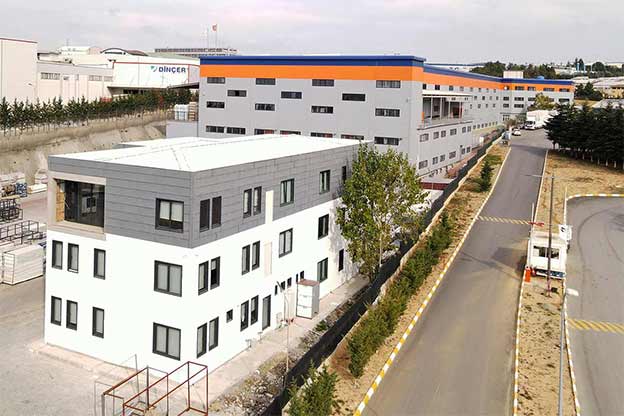
Once materials are prepared, the security cabin enters the assembly phase inside the factory. Producing cabins in a controlled environment ensures consistent workmanship and reduces errors caused by weather or site limitations. Each component is installed in a defined sequence, from structural framing to wall panels and roofing.
Factory assembly also allows for precise fitting of doors, windows, and interior elements. Electrical wiring and basic interior finishes are integrated during this stage, minimizing on-site work later. This approach shortens installation time and improves overall build quality.
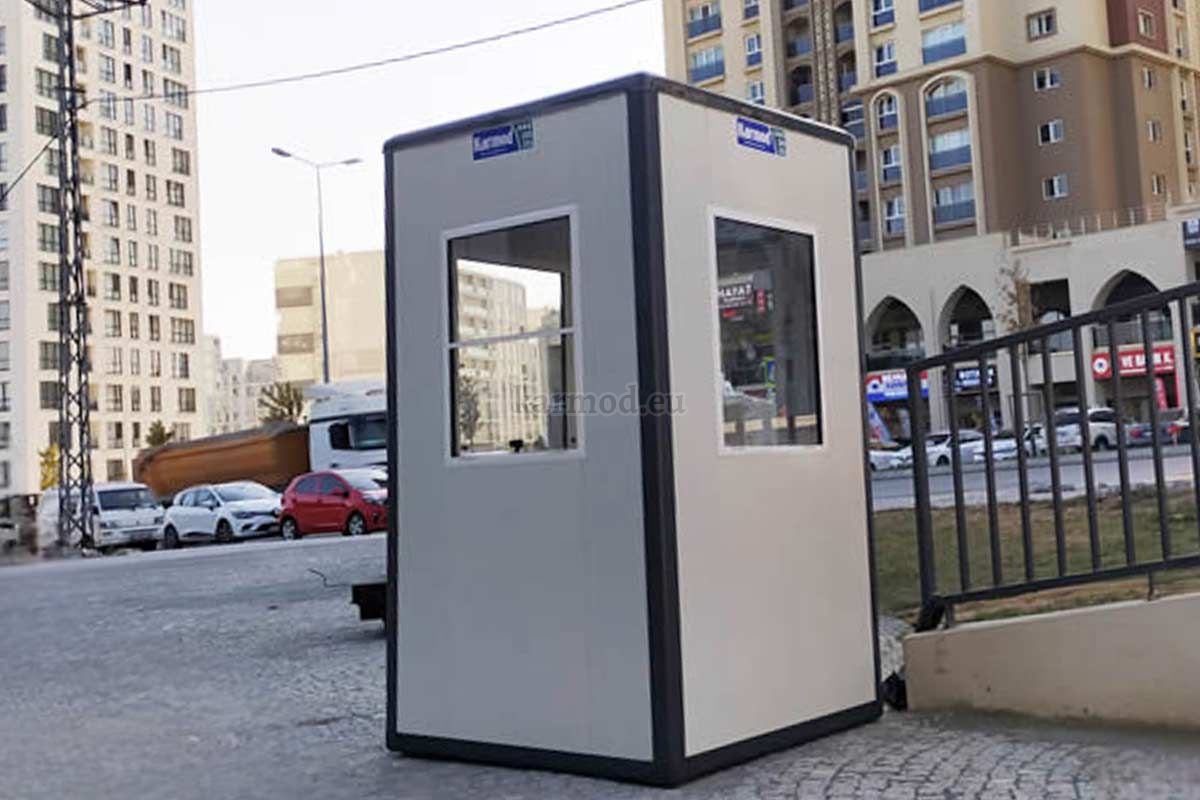
Quality Control and Pre-Delivery Inspection Processes
Before a security cabin leaves the factory, it goes through detailed quality control checks. Structural integrity, panel alignment, door and window operation, and interior fittings are all inspected to ensure they meet production standards. This step is essential in preventing costly corrections after delivery.
Quality control also focuses on consistency. When multiple security cabins are produced for the same project, inspections ensure uniform dimensions and finishes. For buyers, this translates into a more professional site appearance and predictable performance across all units.
Transportation Planning and Site Readiness
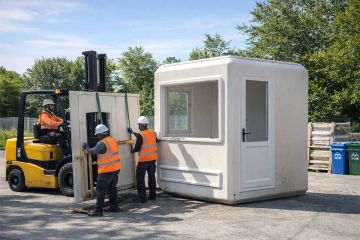
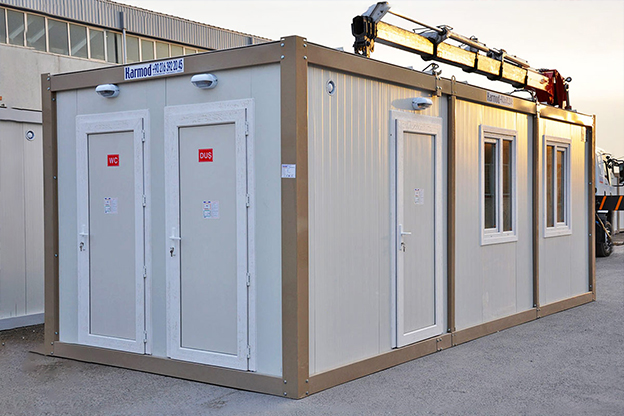
After factory approval, security cabins are prepared for transportation. Proper packaging and securing methods protect the structure during transit, especially for long-distance or international deliveries. Transport planning considers cabin size, weight, and route conditions to avoid damage and delays.
At the same time, site readiness becomes important. A prepared foundation, clear access routes, and defined placement points allow for smooth installation. When factory production and site preparation are aligned, the transition from factory to site happens efficiently.
Installation and Final Setup on Site
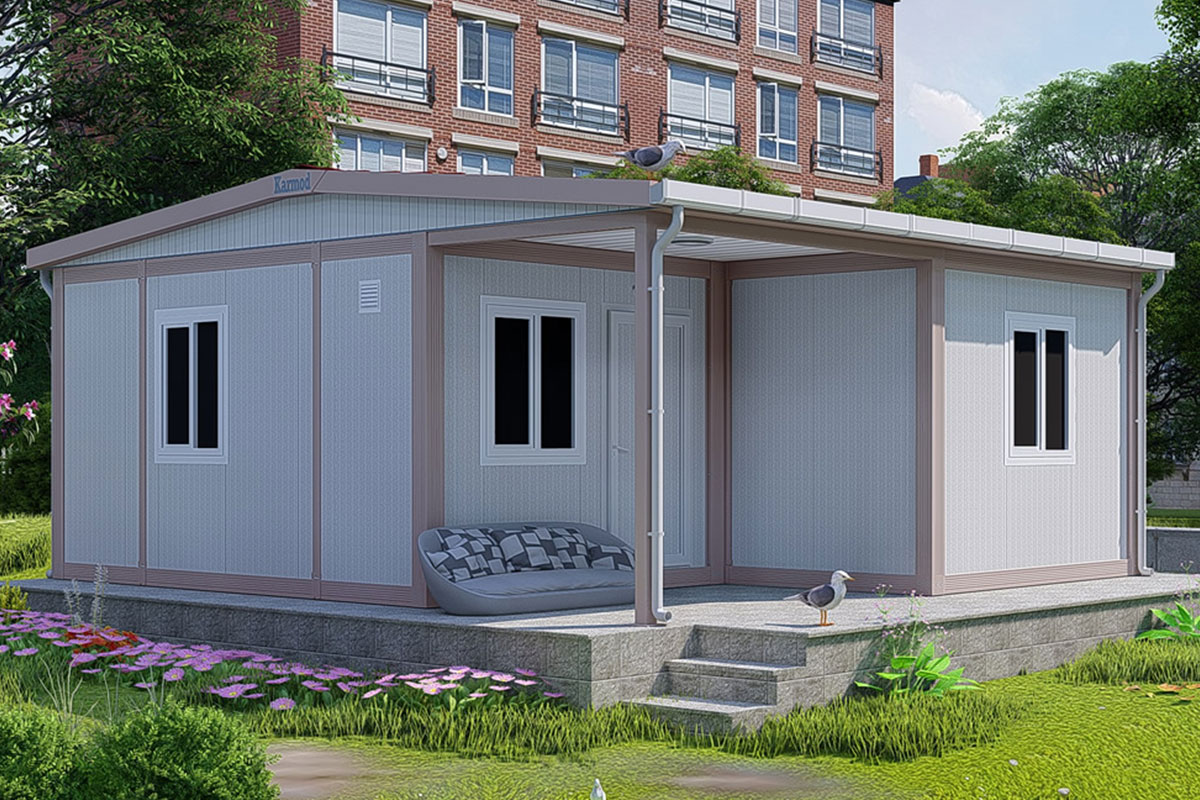
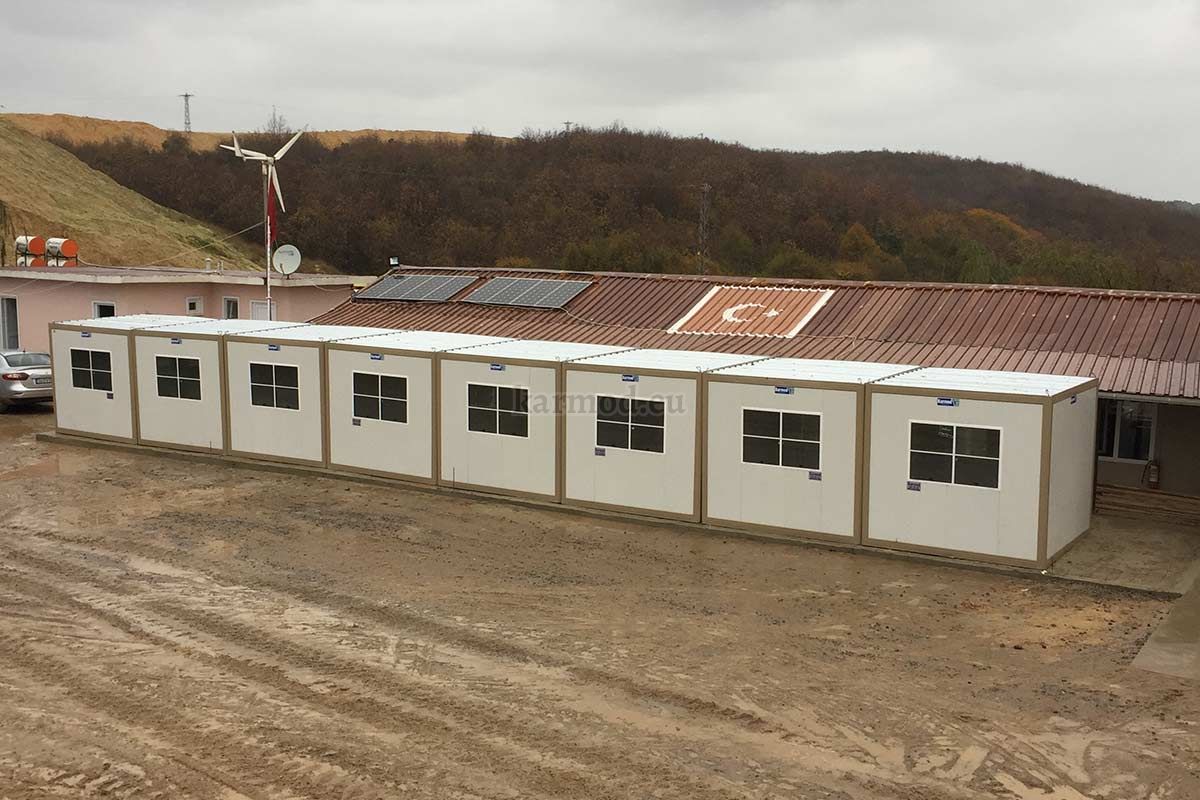
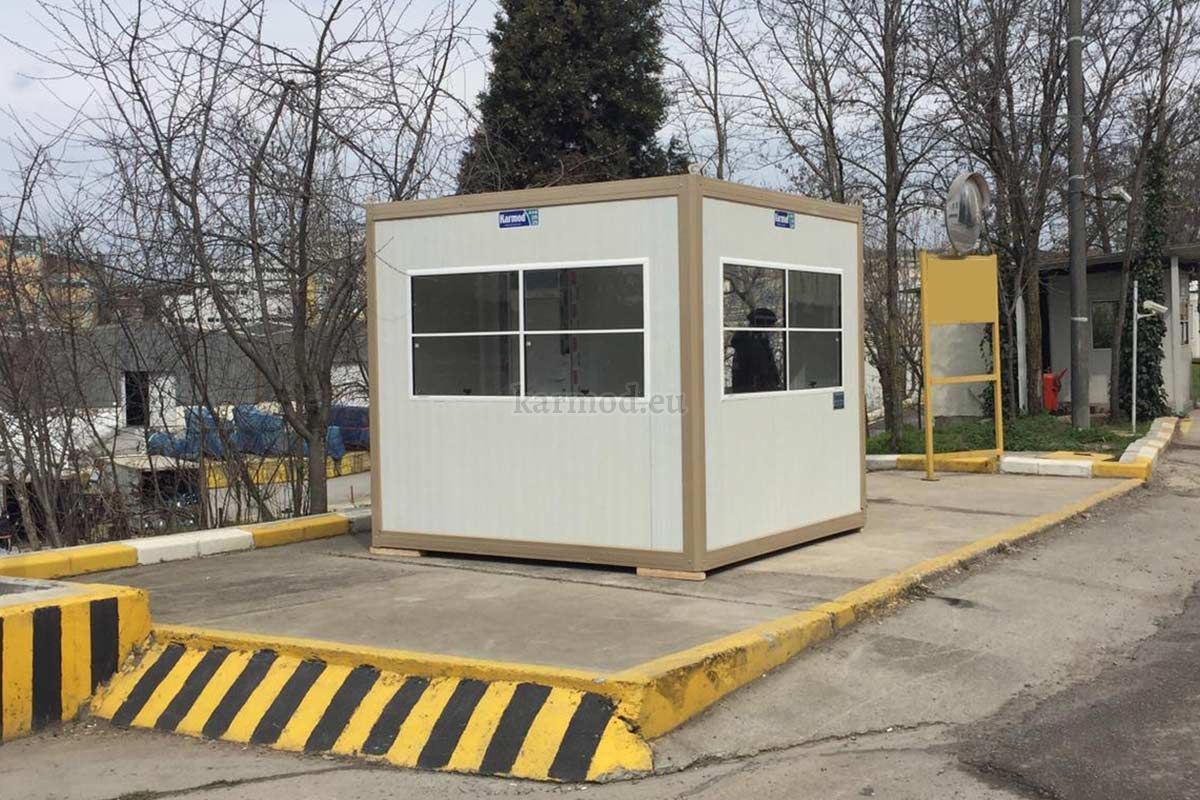
Once delivered, security cabins are positioned on site using lifting equipment or placement systems suitable for their size. Installation is typically fast, as most structural and interior work has already been completed at the factory. This minimizes disruption to ongoing site operations.
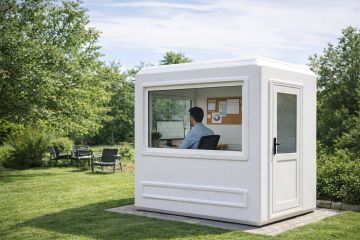
Final setup may include external connections, interior checks, and operational adjustments. Because the cabin arrives largely complete, security teams can begin using it almost immediately. This speed is one of the key advantages of factory-built security cabins.
Why Factory-to-Site Production Matters for Buyers
Understanding how security cabins are made helps buyers evaluate real value beyond surface appearance. Factory-based production offers better quality control, faster deployment, and predictable performance. These advantages become especially important for long-term or high-traffic security applications.
Buyers who choose professionally manufactured security cabins benefit from reduced risk, clearer timelines, and higher operational reliability. The production journey from factory to site directly influences how well a security cabin performs throughout its service life.
Ready to Source a Professionally Manufactured Security Cabin?
Choosing a security cabin is not only about size or price—it is about how the unit is built. We manufacture security cabins in controlled factory environments, ensuring consistent quality from design to delivery.
Contact our team to learn more about our production process, discuss your site requirements, and receive a tailored quotation directly from the manufacturer. A reliable security cabin starts with a reliable production process.
Get in touch today and move from factory-grade quality to on-site performance with confidence.