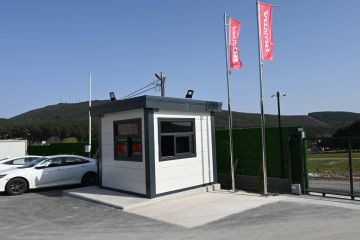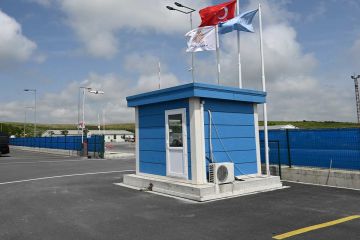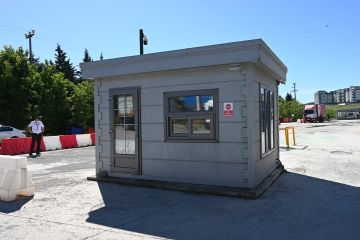




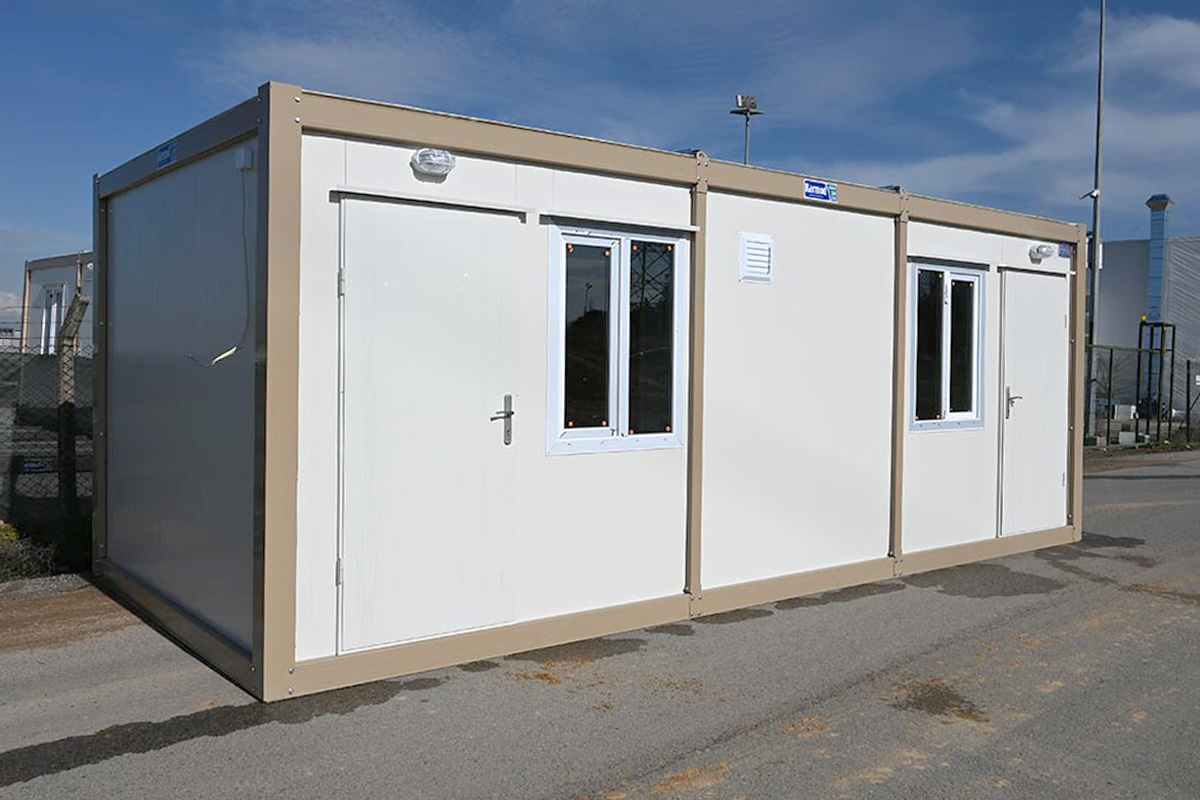
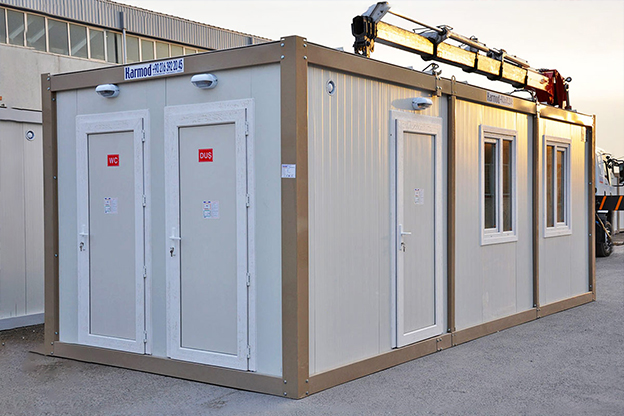
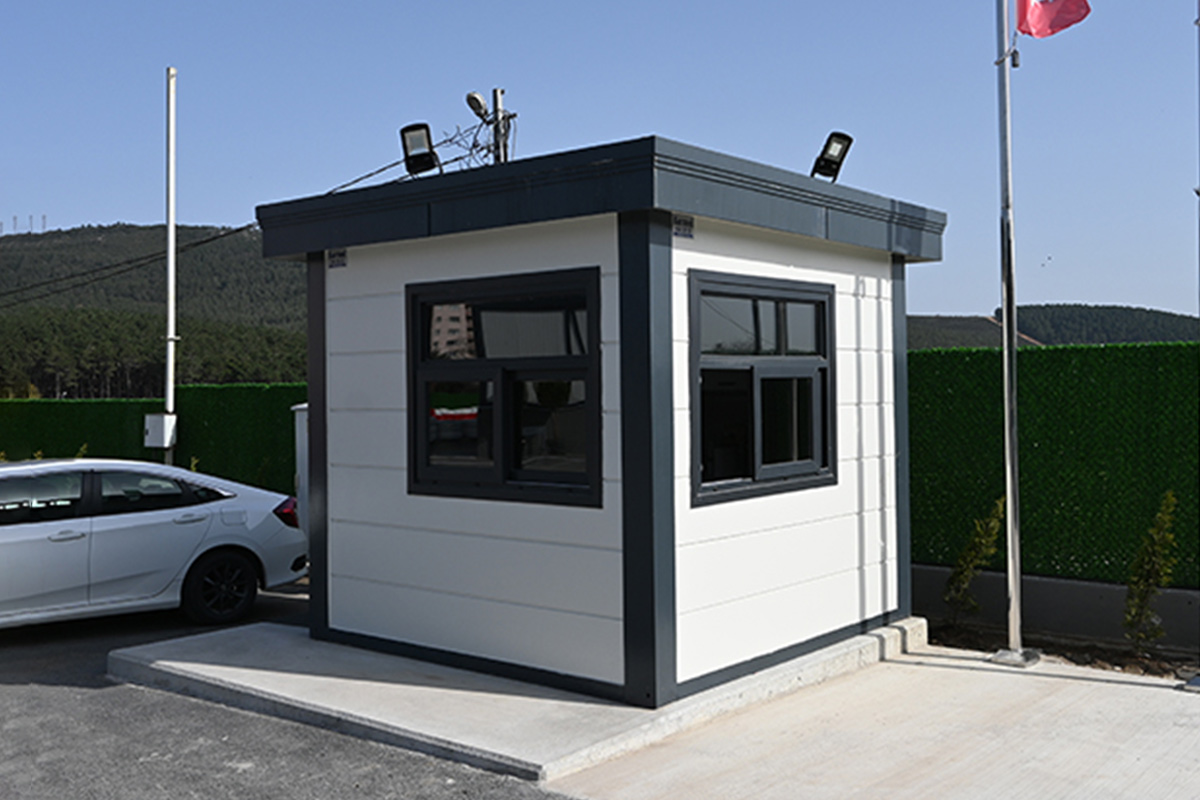
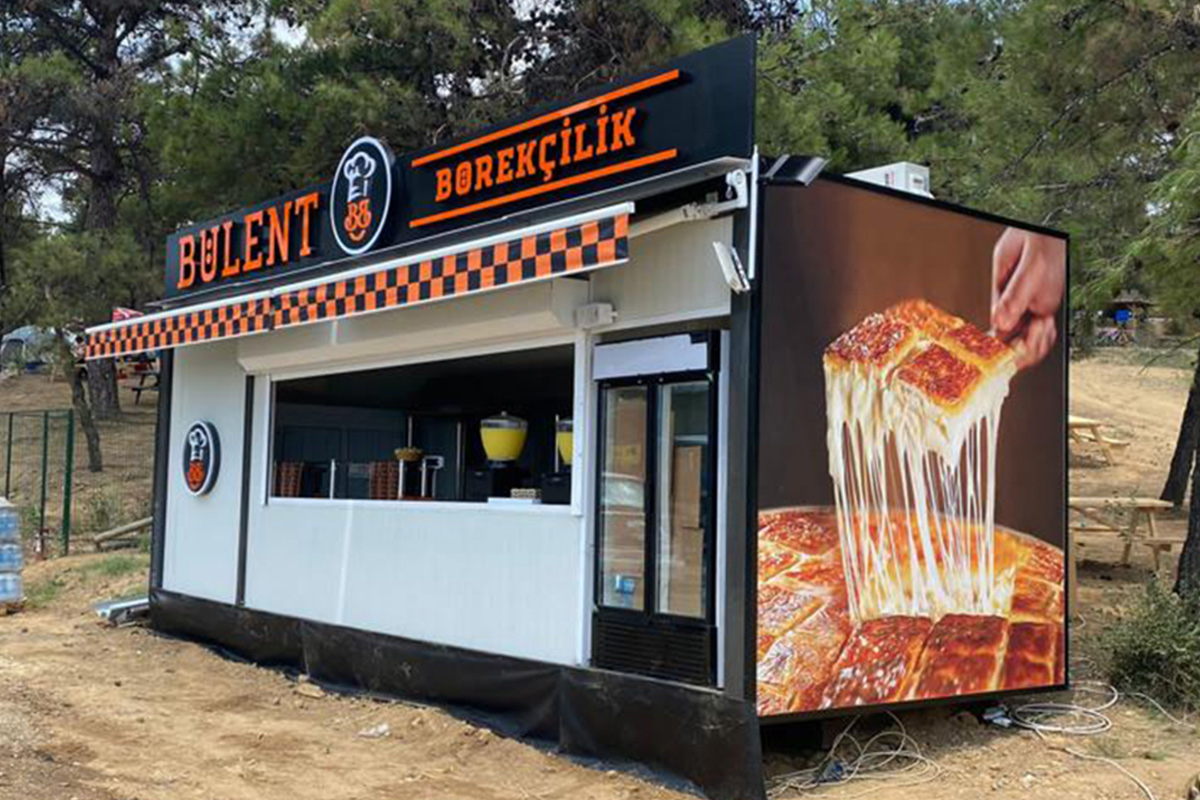
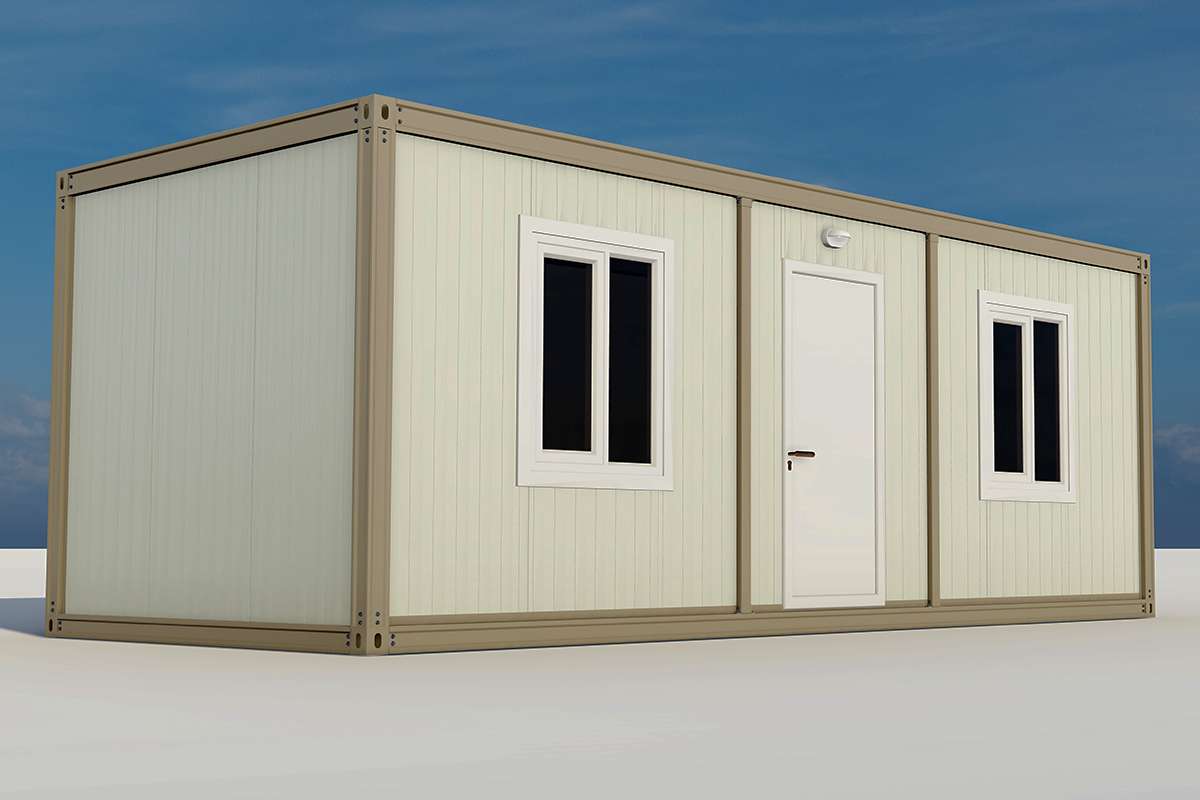

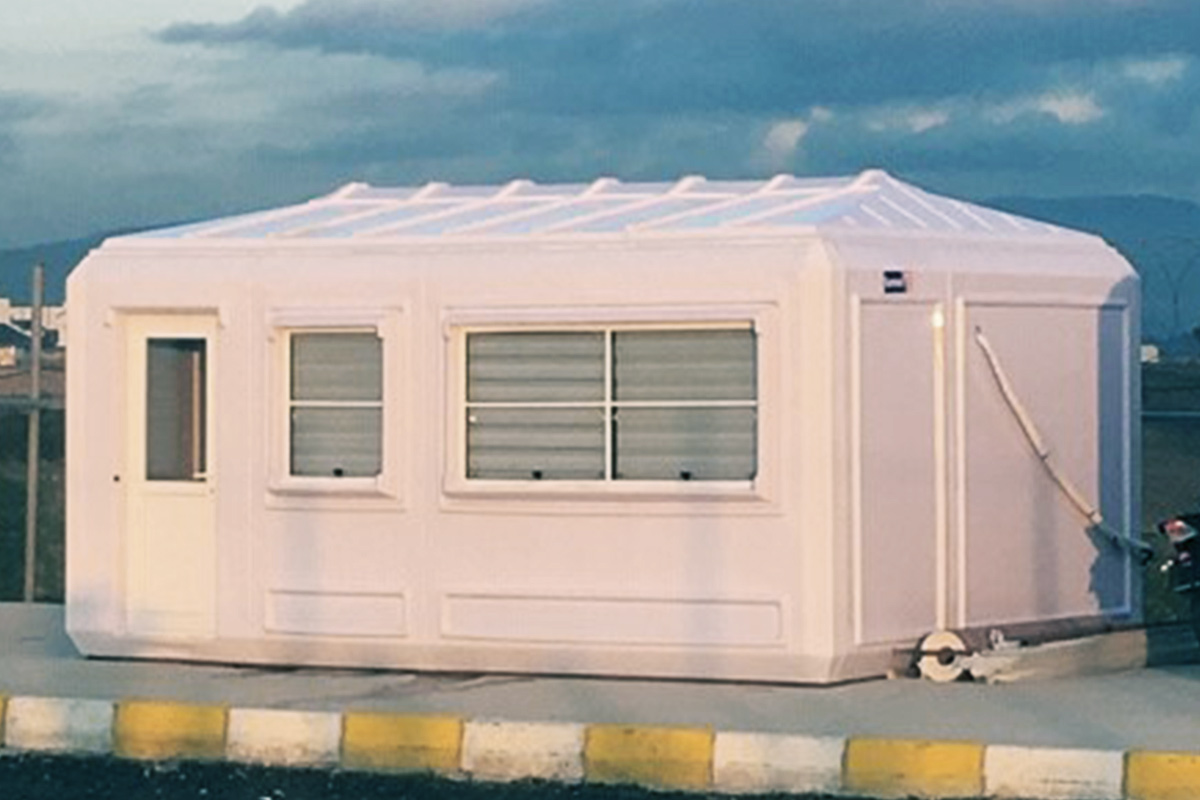
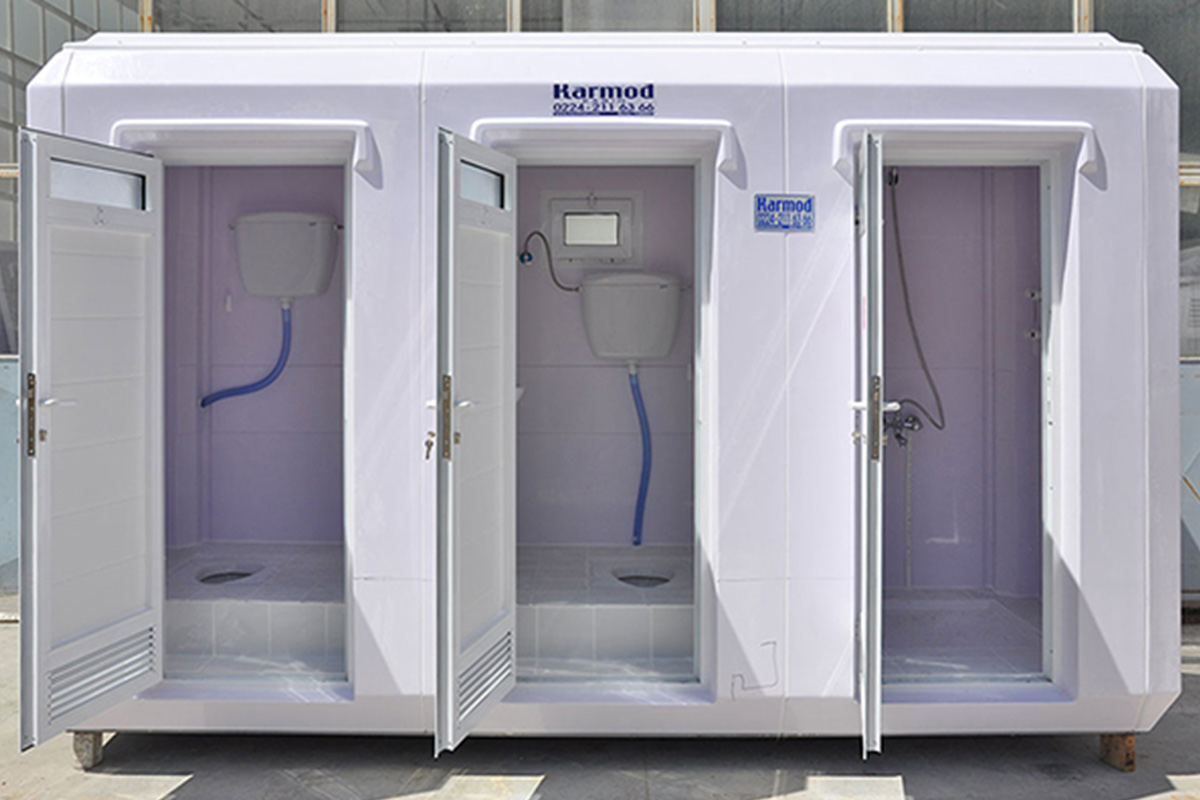
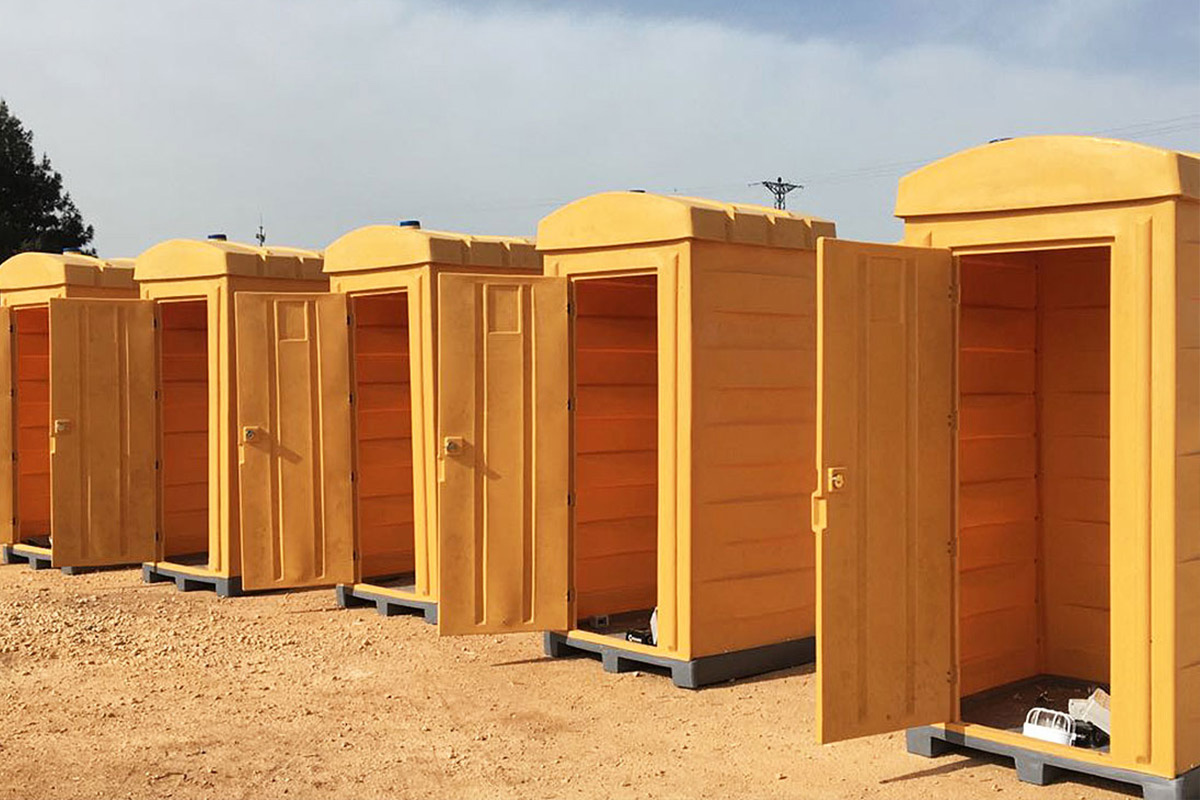
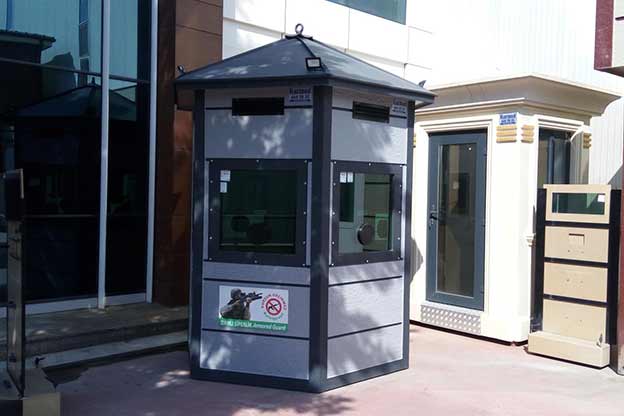
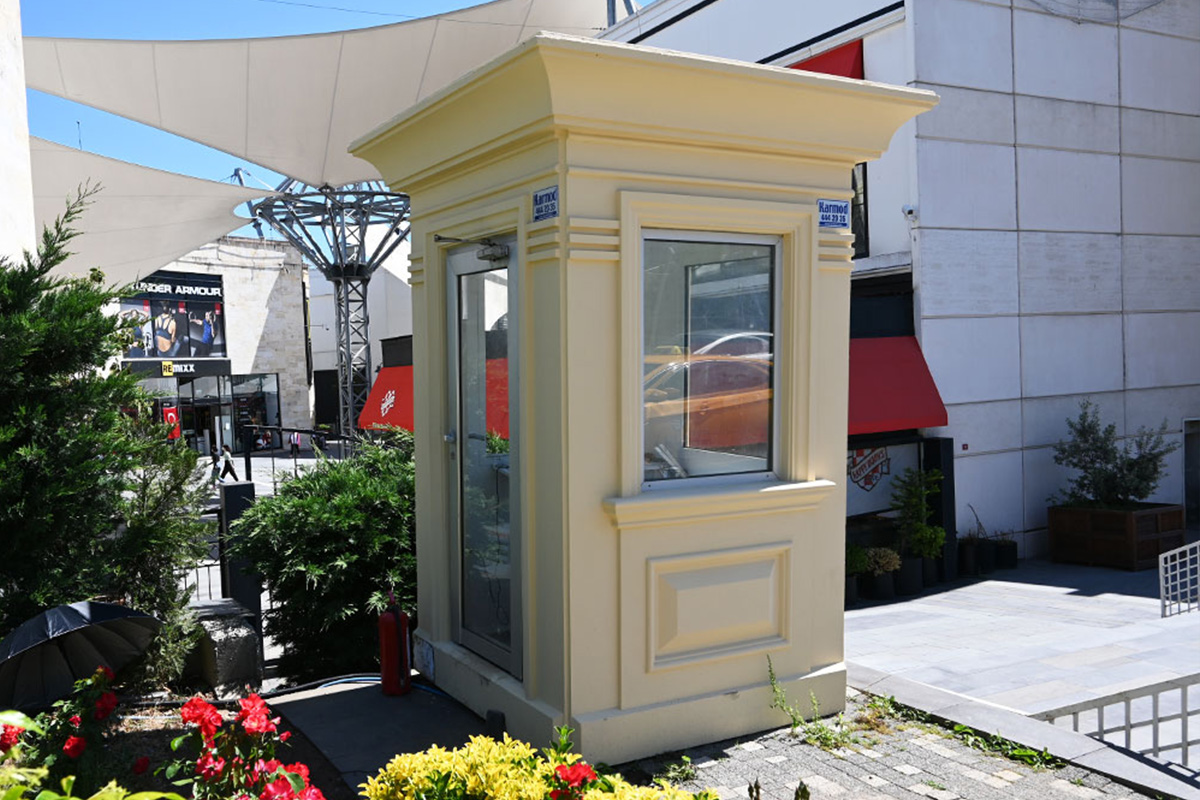
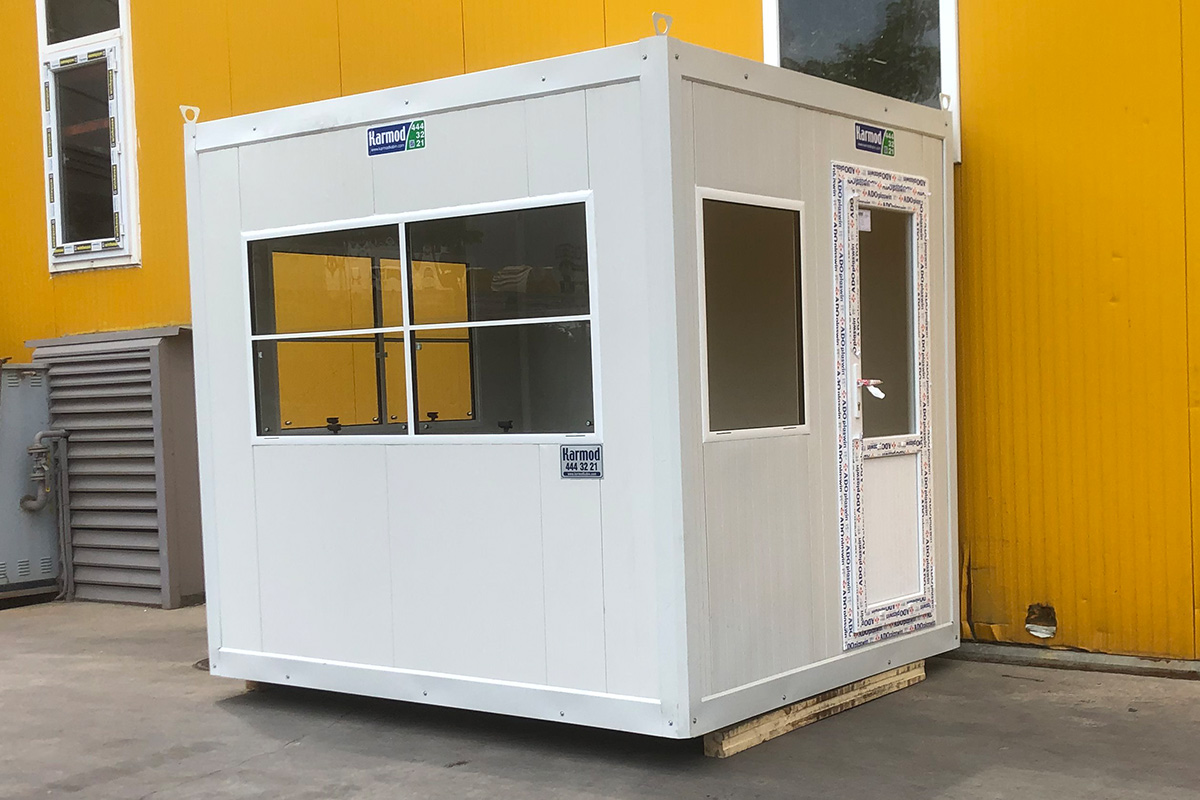
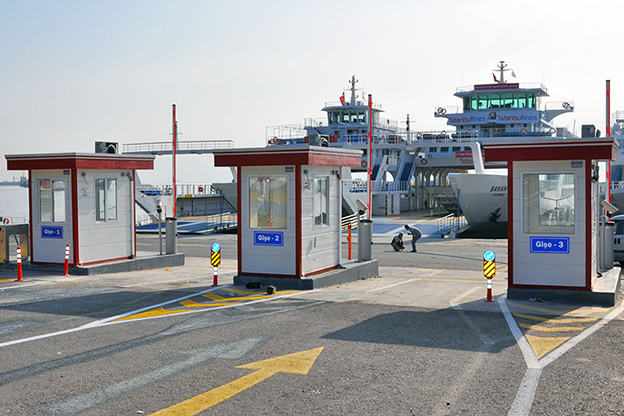

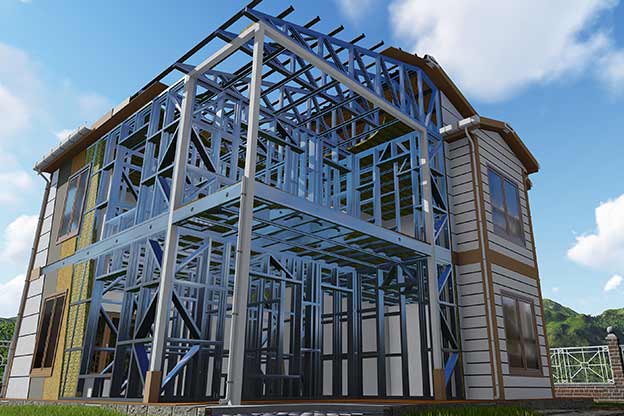





Moving a security cabin is not as simple as relocating ordinary site equipment. These structures may look compact, but they are engineered units with electrical systems, glazing, insulation, and structural balance that must be protected during transport. A poorly planned move can cause hidden damage that only appears later, creating safety risks and unnecessary costs.
When done correctly, however, relocating a security cabin is a smooth, controlled process. Whether you are repositioning a cabin within the same site or transferring it to a new location, understanding the right lifting method, preparation steps, and safety measures makes all the difference.

Understanding the Structure Before Moving
Before any forklift or crane is brought to the site, the cabin itself must be evaluated. Security cabins vary in size, weight, base frame design, and material composition. A steel-based cabin with insulated panels behaves very differently from a lightweight panel unit during lifting.
It is also important to identify lifting points, base reinforcements, and center of gravity. Manufacturers usually design cabins with specific load-bearing zones. Ignoring these details may lead to panel deformation, frame twisting, or glass damage during movement.
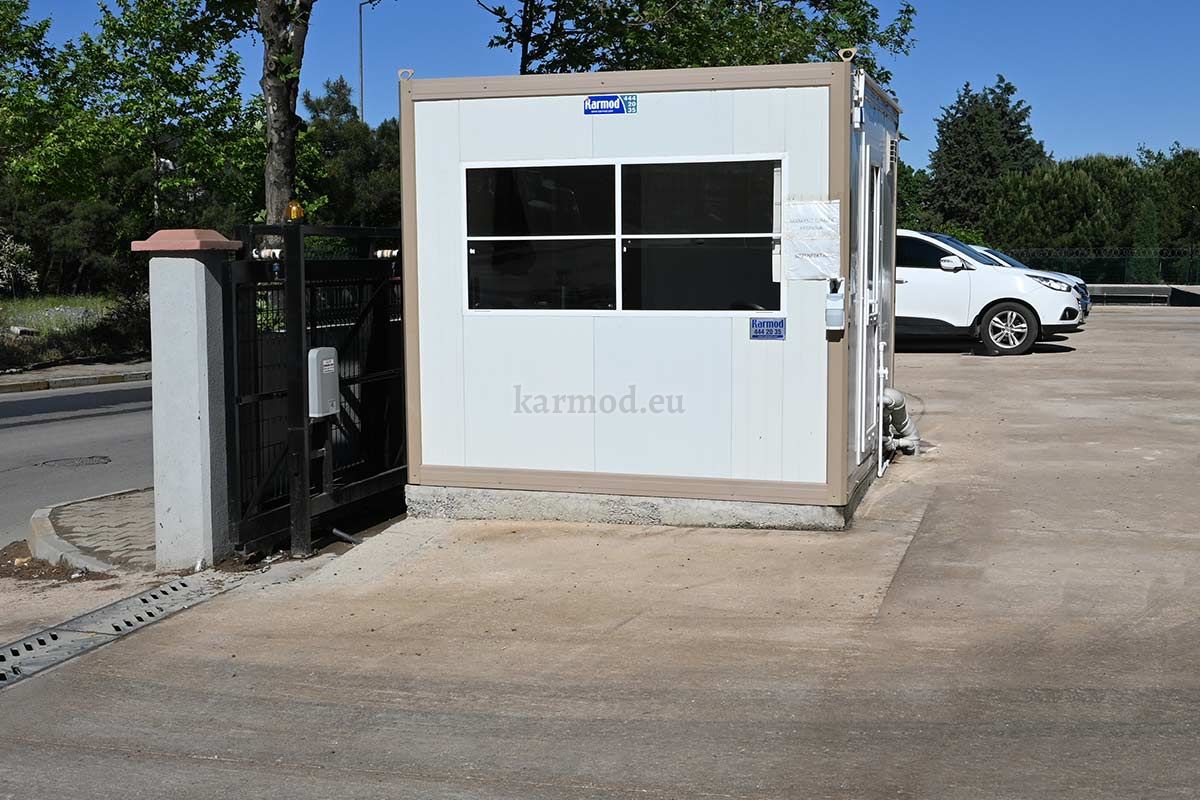
When to Use a Forklift for Moving a Security Cabin
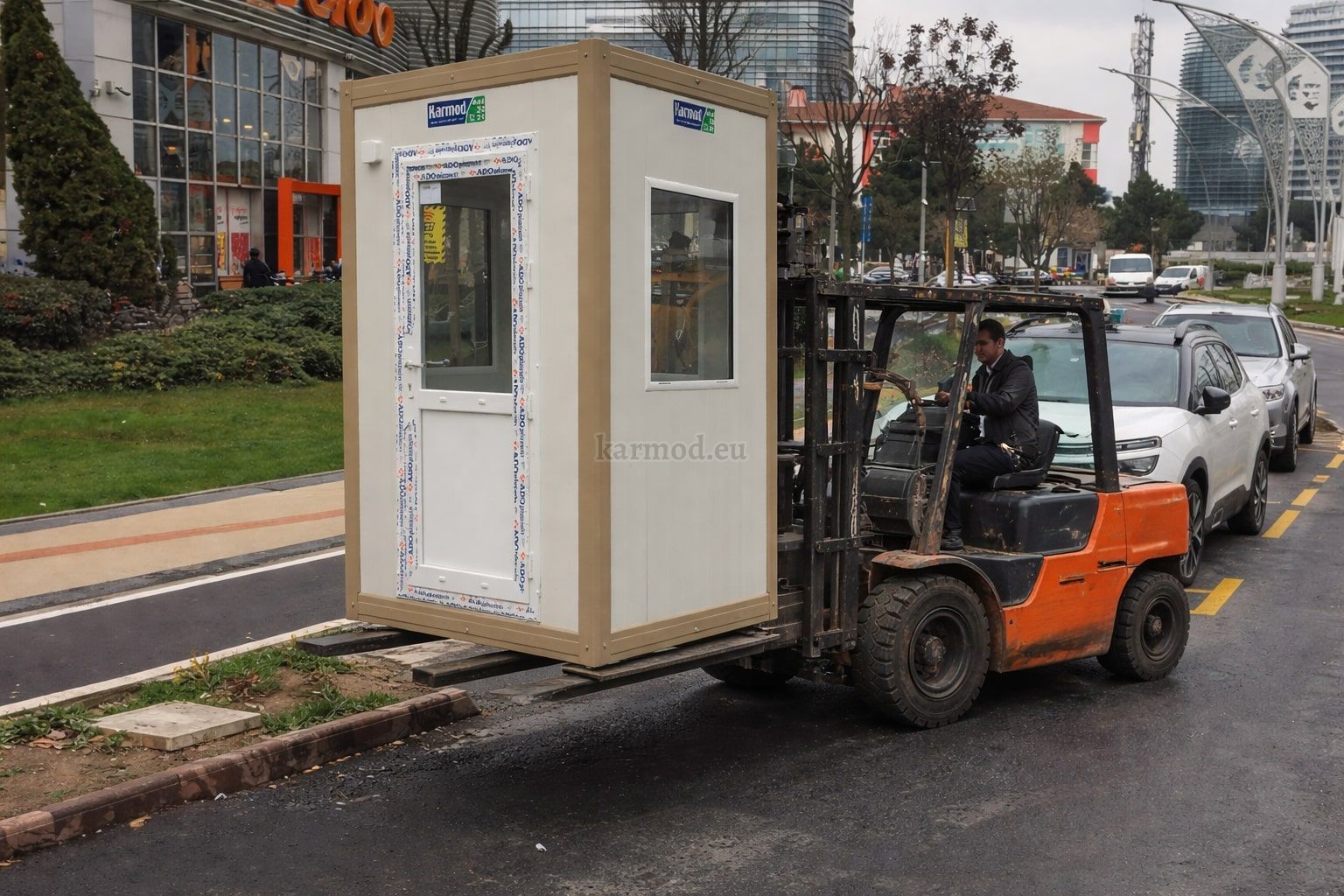
Forklifts are commonly used for short-distance relocations, especially within construction sites, industrial facilities, or logistics yards. They are ideal when the ground is relatively flat and the cabin weight falls within the forklift’s rated capacity.
Forklift movement is generally faster and more economical than crane lifting. However, it requires careful alignment and skilled operation. The forks must fully support the cabin base, and sudden movements should be avoided to prevent imbalance.
Forklifts are best suited when:
- The cabin needs to be moved a short distance
- Ground conditions are stable and level
- Cabin weight and size match forklift capacity
- No obstacles exist above or around the cabin
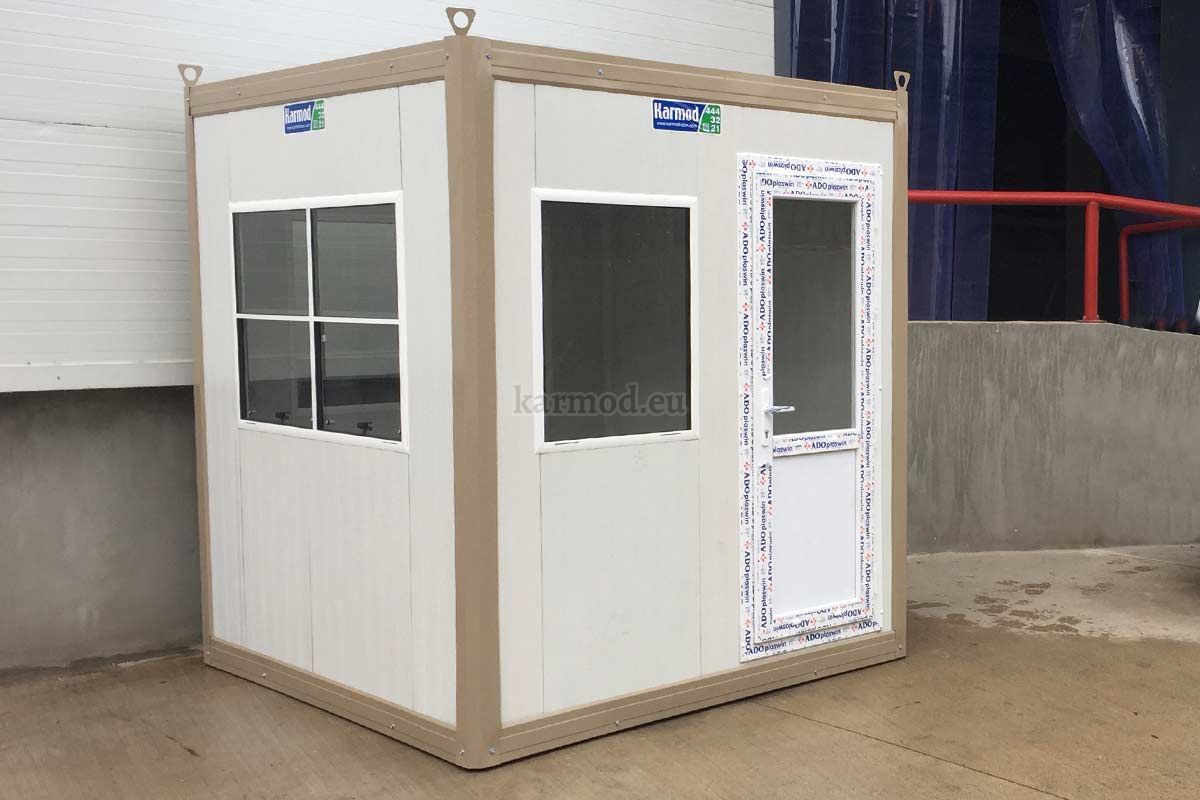
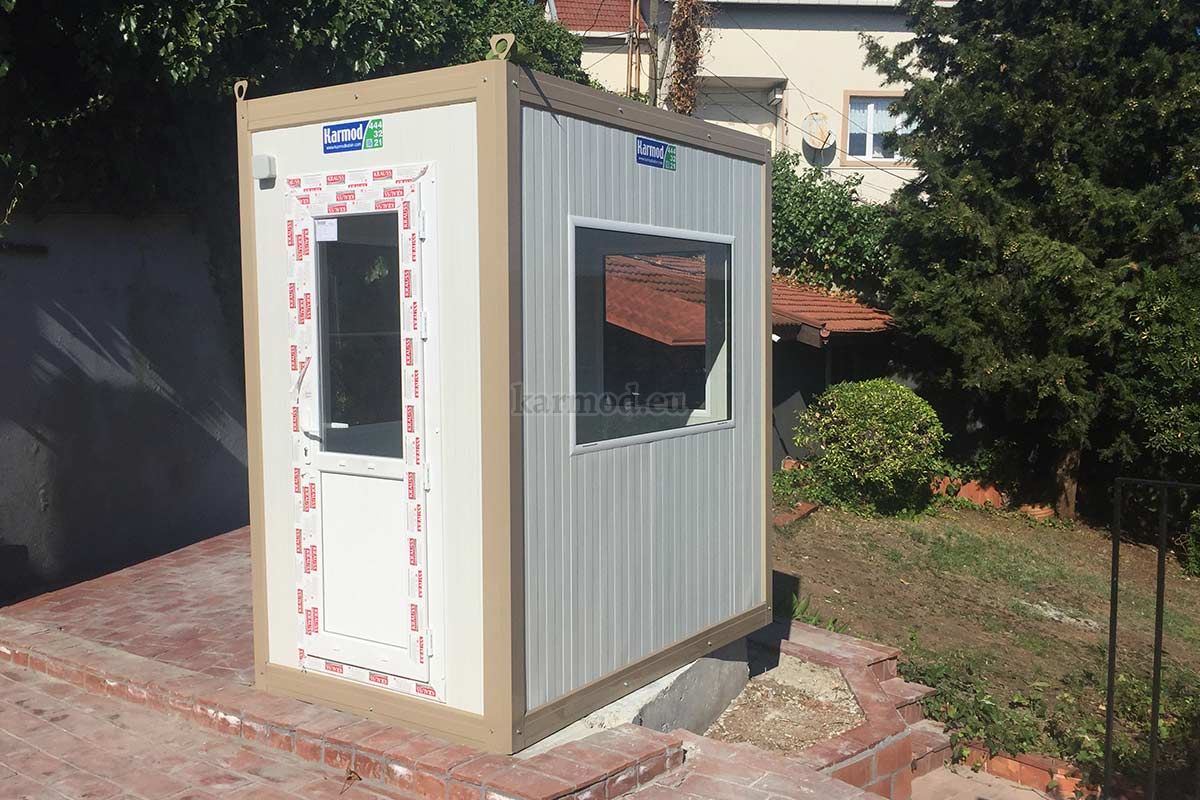
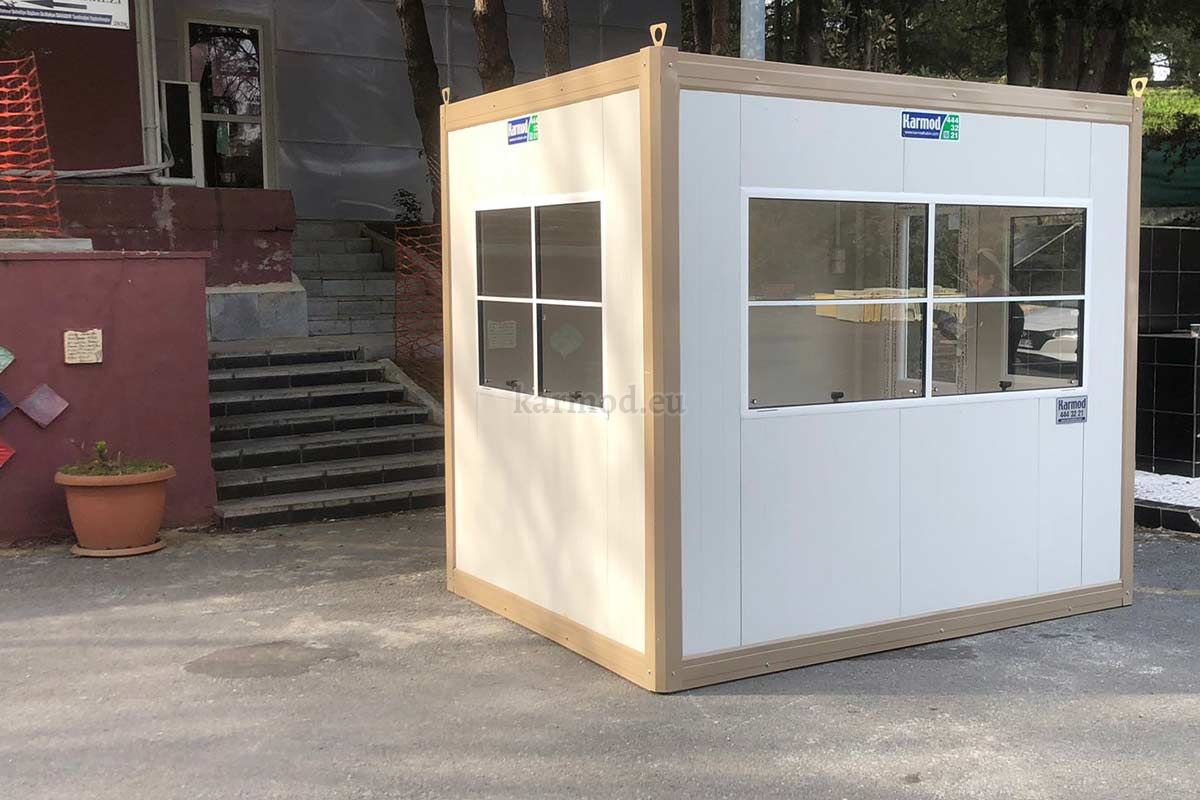
Preparing a Security Cabin for Forklift Transport
Preparation is a critical step that is often underestimated. Before lifting, all loose items inside the cabin should be removed or secured. Doors and windows must be closed and locked to avoid movement during transport.
Electrical connections, grounding cables, and external fixtures should be safely disconnected. If the cabin includes an integrated base frame, ensure that the forks are positioned symmetrically to distribute weight evenly. Small adjustments at this stage prevent major issues during lifting.
Common Forklift Mistakes to Avoid
Even experienced operators can make mistakes when moving security cabins. One of the most common errors is lifting from incorrect points, which puts stress on panels rather than the structural frame. Another frequent issue is lifting the cabin too high, increasing the risk of tipping.
Rushing the process is also dangerous. Security cabins should always be moved slowly, with spotters guiding the operator. Clear communication between the team ensures stability and protects both the structure and nearby workers.
When Crane Lifting Is the Better Option
Cranes are typically used when a security cabin must be lifted over obstacles, placed on elevated platforms, or transported across uneven terrain. They are also preferred for heavier cabins or situations where forklift access is limited.
Crane lifting allows for precise vertical placement, which is especially useful in urban sites, factory entrances, or locations with limited maneuvering space. While crane use may involve higher costs, it offers greater control and reduced structural risk in complex scenarios.
Preparing a Security Cabin for Crane Lifting
Crane preparation focuses heavily on balance and secure attachment. Lifting slings, chains, or spreader bars must be selected based on cabin weight and lifting geometry. Incorrect rigging can cause tilting or uneven pressure on the frame.
All attachment points should be checked carefully, and protective padding may be used to prevent surface damage. Before lifting, a short test lift helps confirm balance and stability, allowing adjustments before full elevation.
Safety Measures During Crane Operations
Crane operations require strict adherence to safety protocols. The lifting area must be clearly marked, and unauthorized personnel should be kept at a safe distance. Weather conditions, especially wind, should also be considered, as even moderate gusts can affect suspended cabins.
Clear hand signals or radio communication between the crane operator and ground crew are essential. A calm, controlled lift minimizes sudden movements and ensures accurate placement without unnecessary strain on the structure.
Choosing the Right Method: Forklift vs. Crane
There is no one-size-fits-all solution when moving a security cabin. The right method depends on site conditions, cabin specifications, and relocation distance. Forklifts offer speed and efficiency for ground-level moves, while cranes provide precision and safety for complex placements.
Evaluating these factors in advance prevents costly mistakes and reduces downtime. Many professional teams assess both options before deciding on the most suitable approach for each project.
Post-Move Inspection and Reinstallation
Once the cabin is in its new position, a thorough inspection should follow. Check doors, windows, panel joints, and electrical systems to ensure nothing was compromised during transport. Even minor shifts can affect long-term performance if left unaddressed.
After reconnection and leveling, the cabin should feel exactly as it did before the move—solid, secure, and ready for daily use. This final step completes the relocation process and protects your investment.
A Professional Approach Makes All the Difference
Moving a security cabin is a technical task that combines planning, experience, and the right equipment. When handled professionally, it is a routine operation that preserves the cabin’s integrity and extends its service life.
If you are planning to relocate a security cabin and want to ensure the process is handled safely and efficiently, working with an experienced provider is essential. Contact our team to receive expert guidance, tailored lifting solutions, and a detailed quote designed specifically for your site and cabin model.