







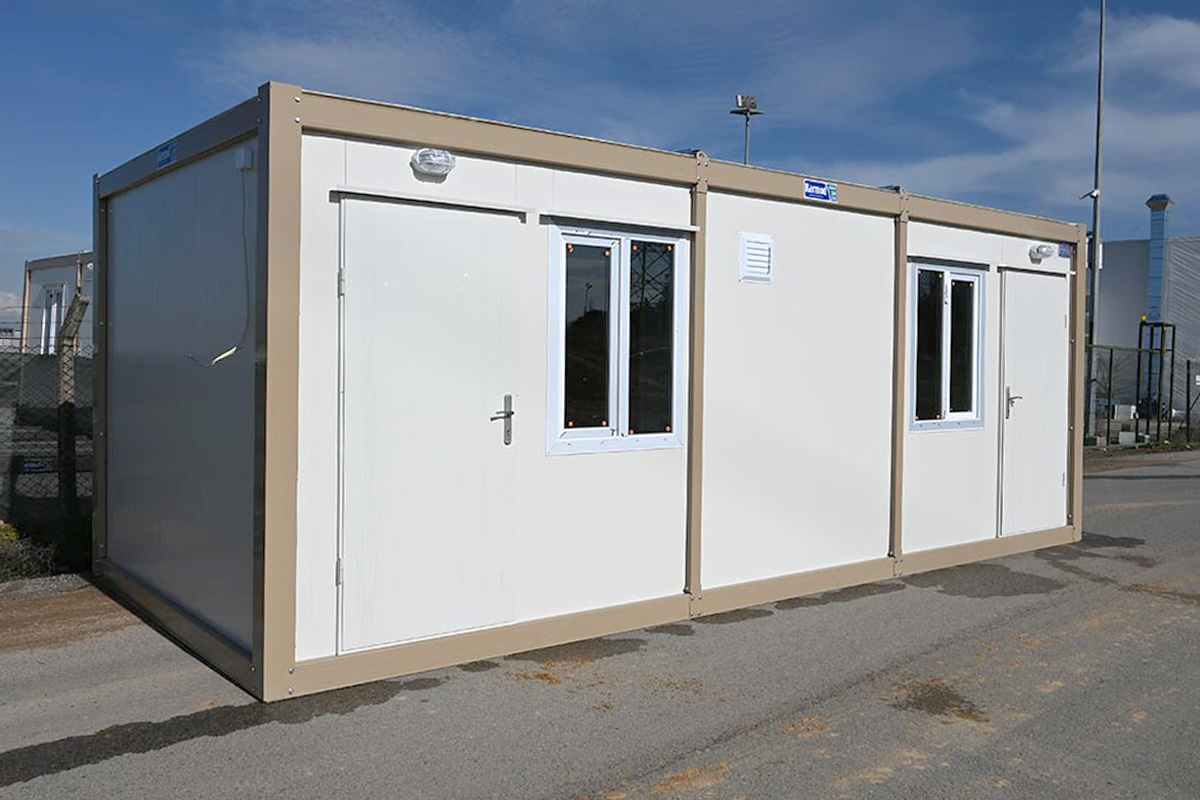
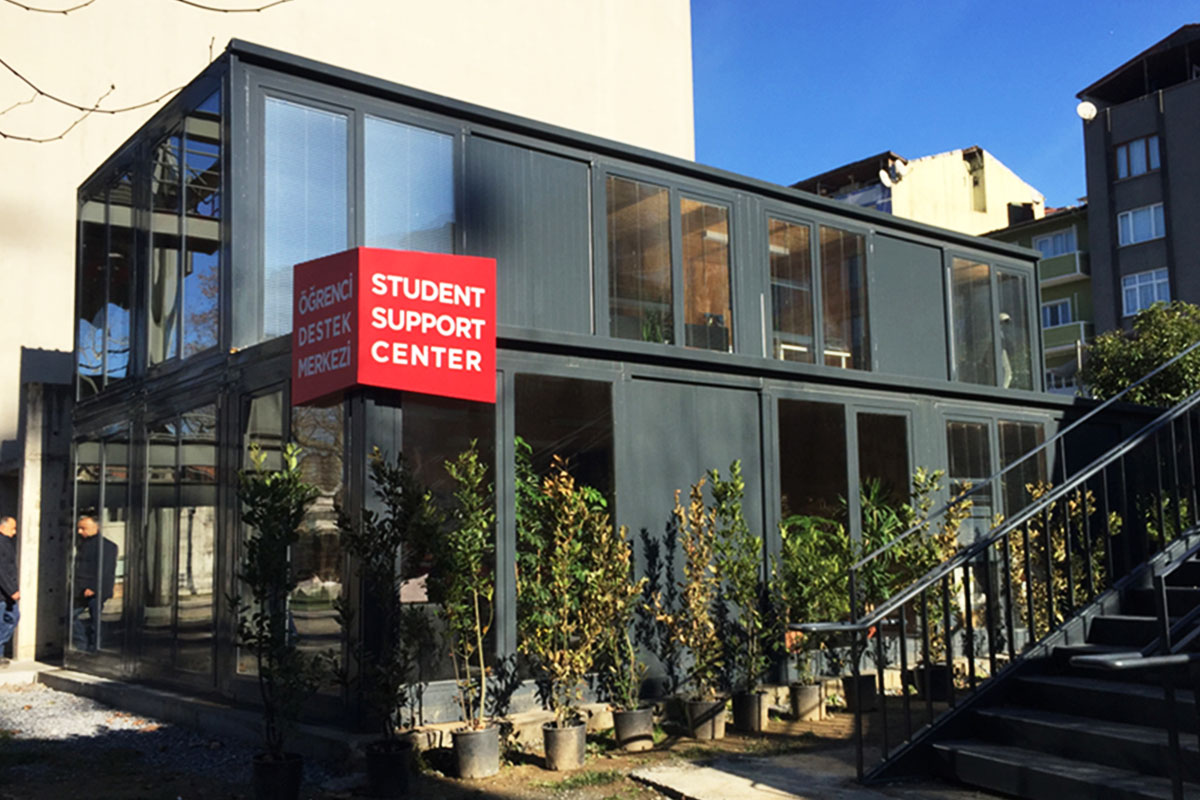

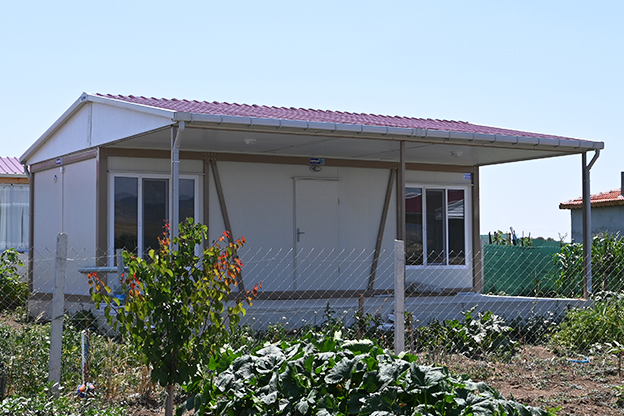
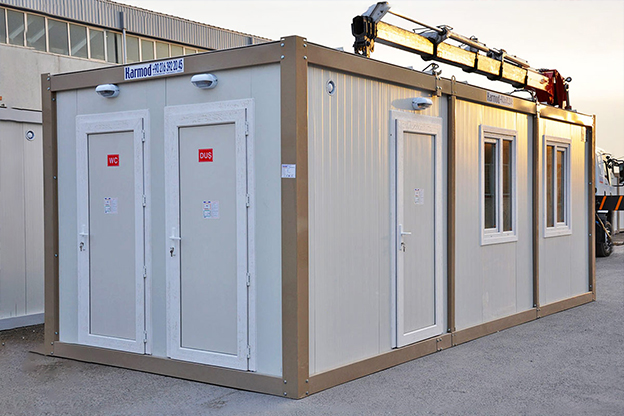
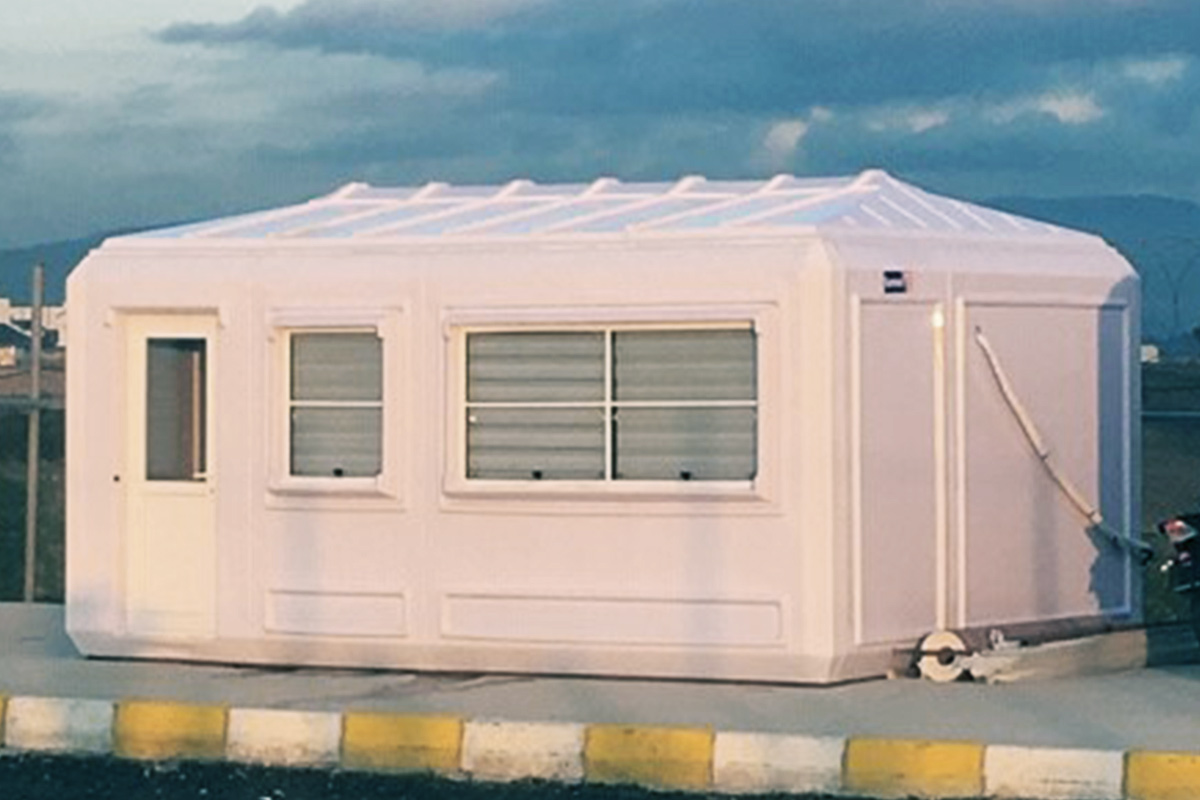
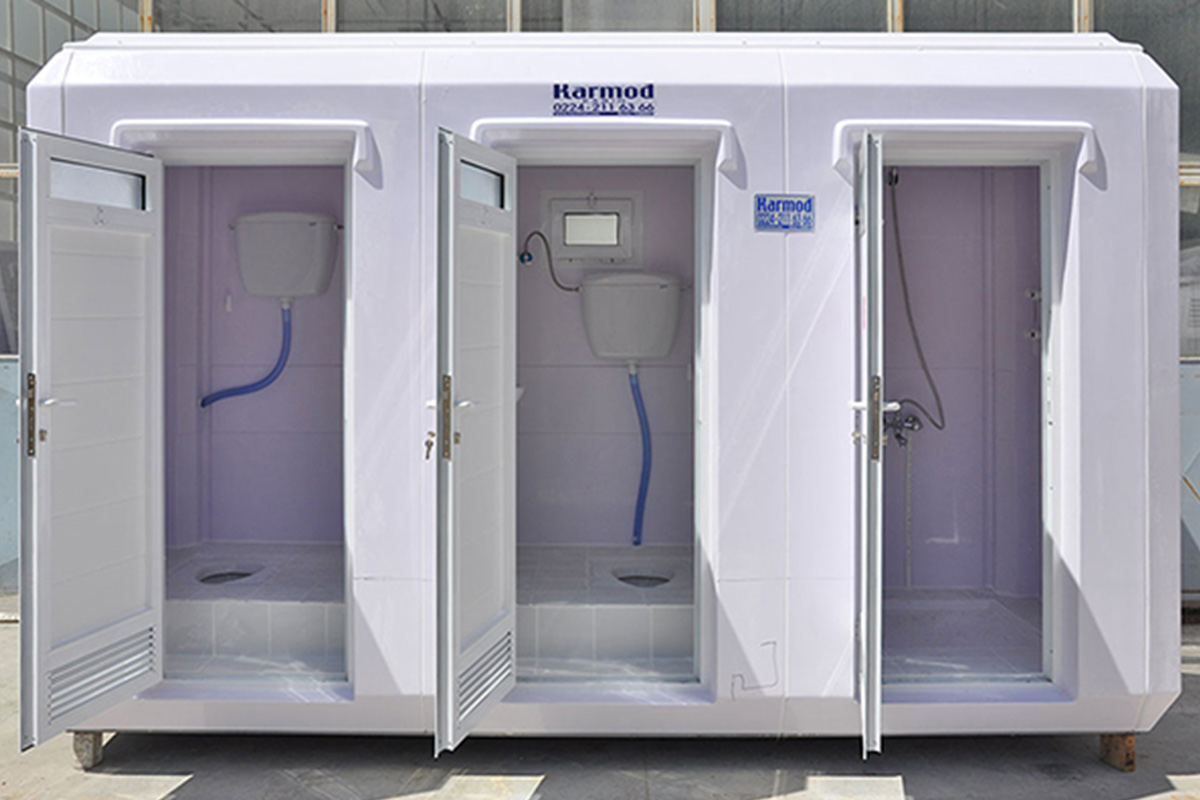
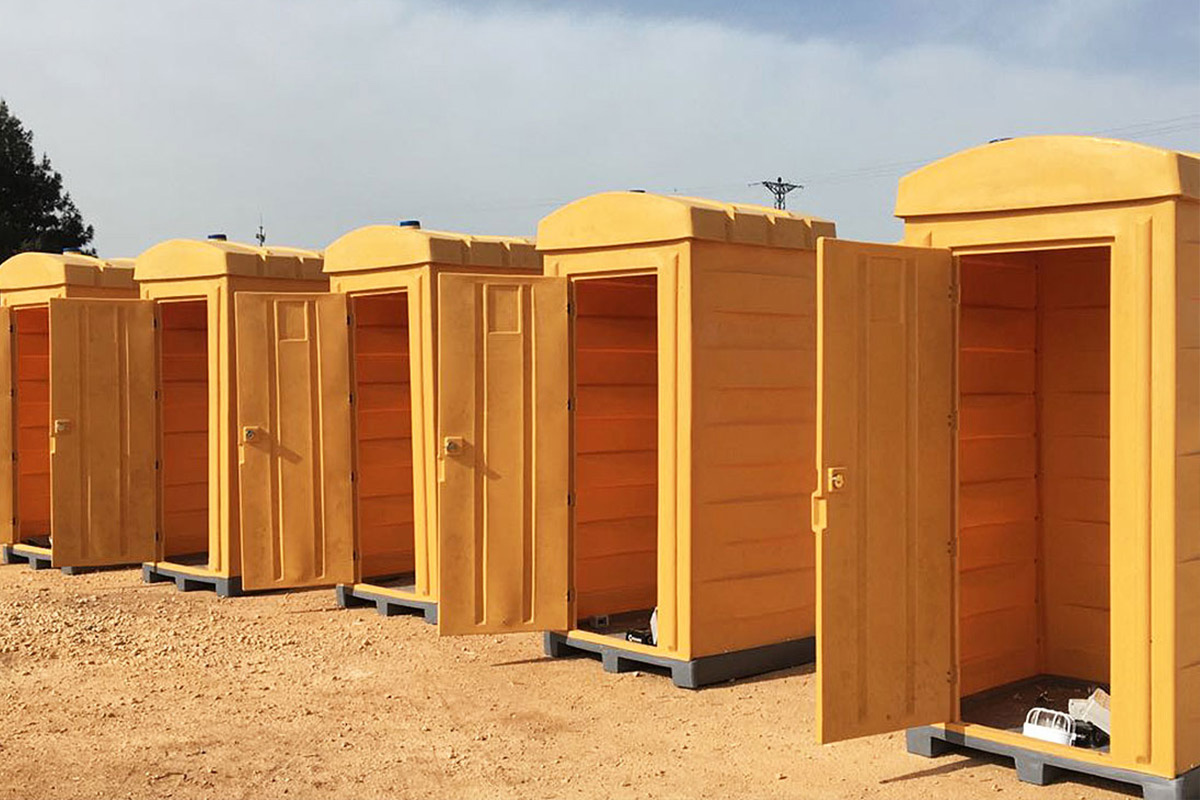
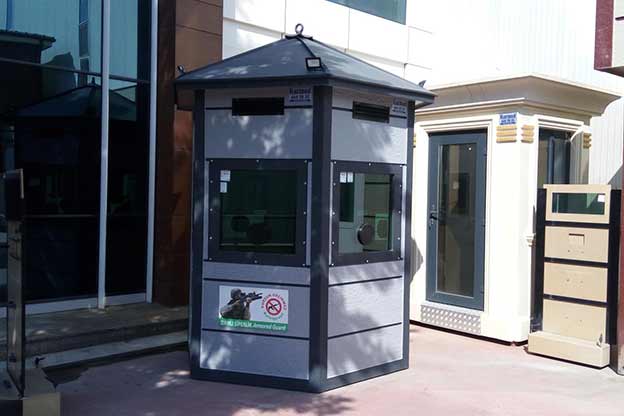







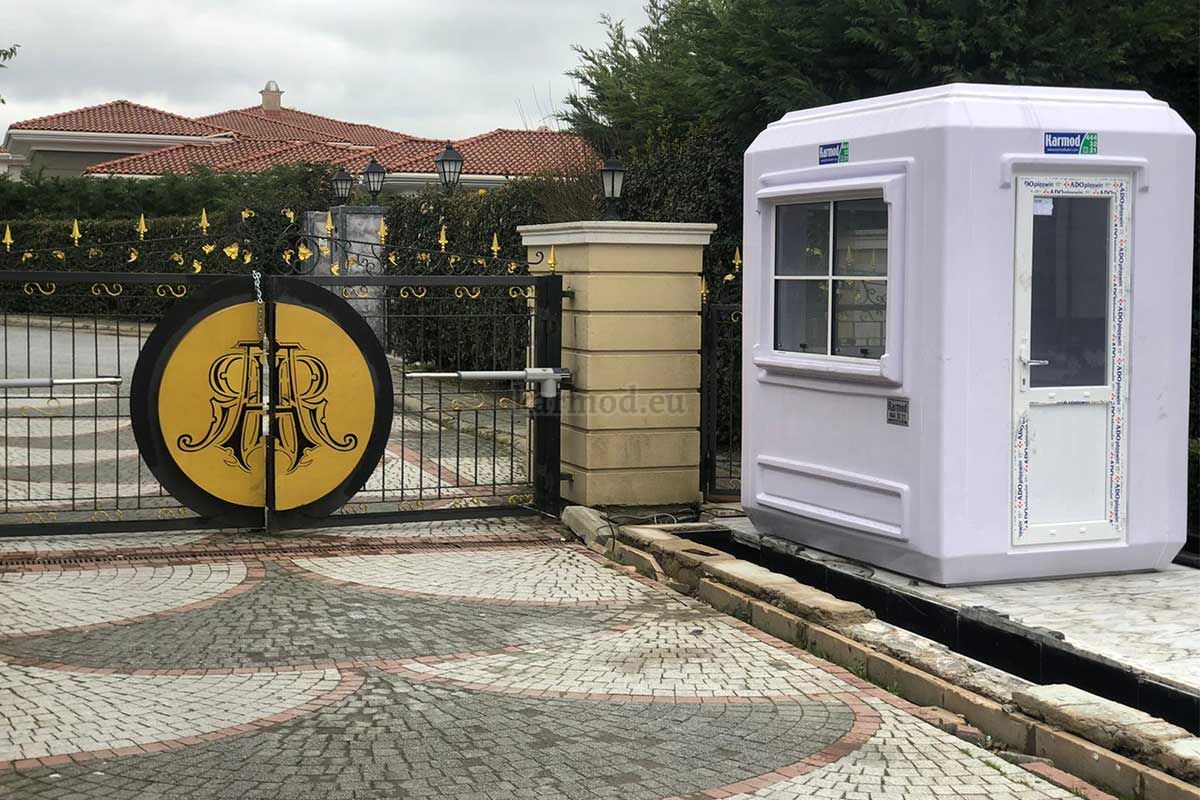
Starting a business with portable kiosks has become an increasingly attractive option for entrepreneurs who want to enter the market without committing to the high costs and long-term risks associated with traditional retail spaces. Instead of being tied to a single fixed location, kiosk-based businesses benefit from flexibility, faster setup times, and the ability to adapt to changing customer demand, making them a practical and scalable commercial solution.
Portable kiosks also allow business owners to test concepts in real-world conditions before making large investments. Whether you are launching a coffee concept, a food service operation, or a compact retail idea, a well-planned kiosk strategy gives you the freedom to grow gradually while maintaining control over operational expenses and brand direction.

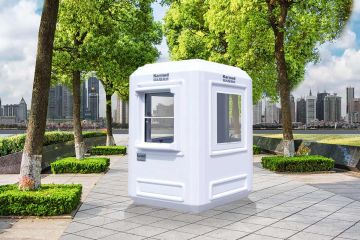
Choosing the Right Business Model for Portable Kiosks
Defining the right business model is one of the most important steps when starting a portable kiosk business, as it directly shapes your operational needs, daily workflow, and long-term revenue potential. Portable kiosks are commonly used for coffee sales, quick-service food, street retail, promotional activities, and seasonal businesses, each requiring a different approach in terms of equipment, staffing, and customer interaction.
Beyond the product itself, it is essential to consider how customers engage with kiosks. Successful kiosk businesses usually focus on fast decision-making, convenience, and impulse purchasing, which means your offering must be clear, visually appealing, and easy to understand within seconds. When the business model aligns with these behaviors, portable kiosks become powerful sales tools rather than simple sales points.
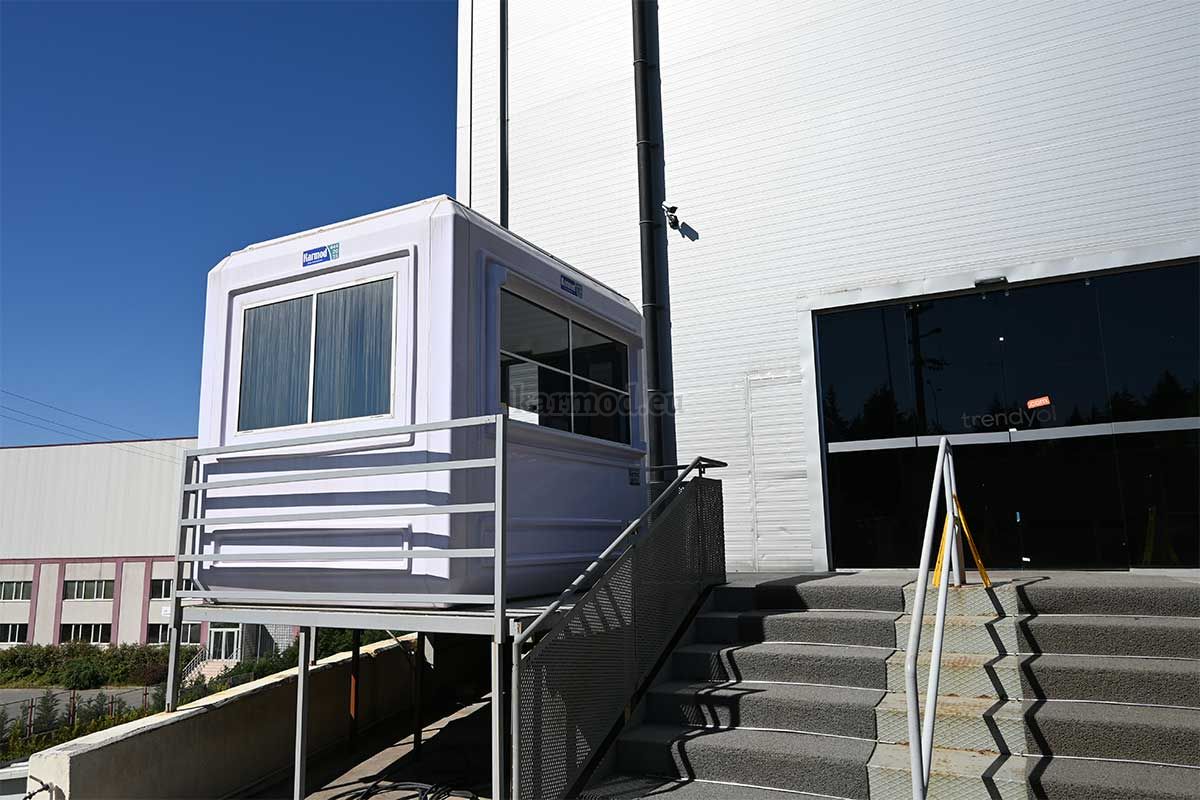
Selecting a Strategic Location That Drives Sales
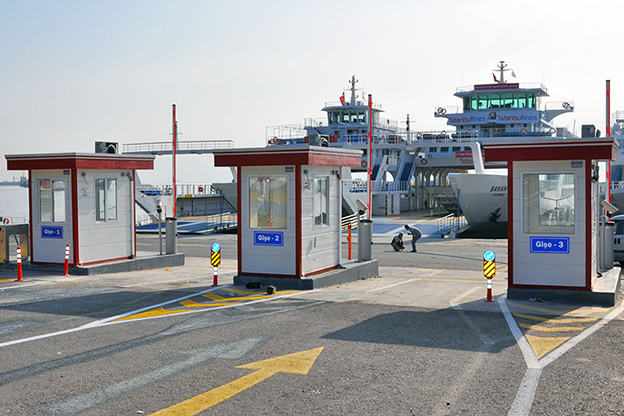
Location selection plays a decisive role in the success of any portable kiosk business, often influencing daily turnover more than the product itself. High-traffic environments such as shopping centers, office districts, transportation hubs, university campuses, and event areas naturally generate visibility and spontaneous customer interactions, which are critical for kiosk-based operations.
The real advantage of portable kiosks lies in their mobility, allowing operators to change locations when customer patterns shift or seasonal demand changes. This flexibility enables business owners to treat location as a strategic asset, testing different environments until the most profitable positioning is achieved without the financial burden of long-term leases.
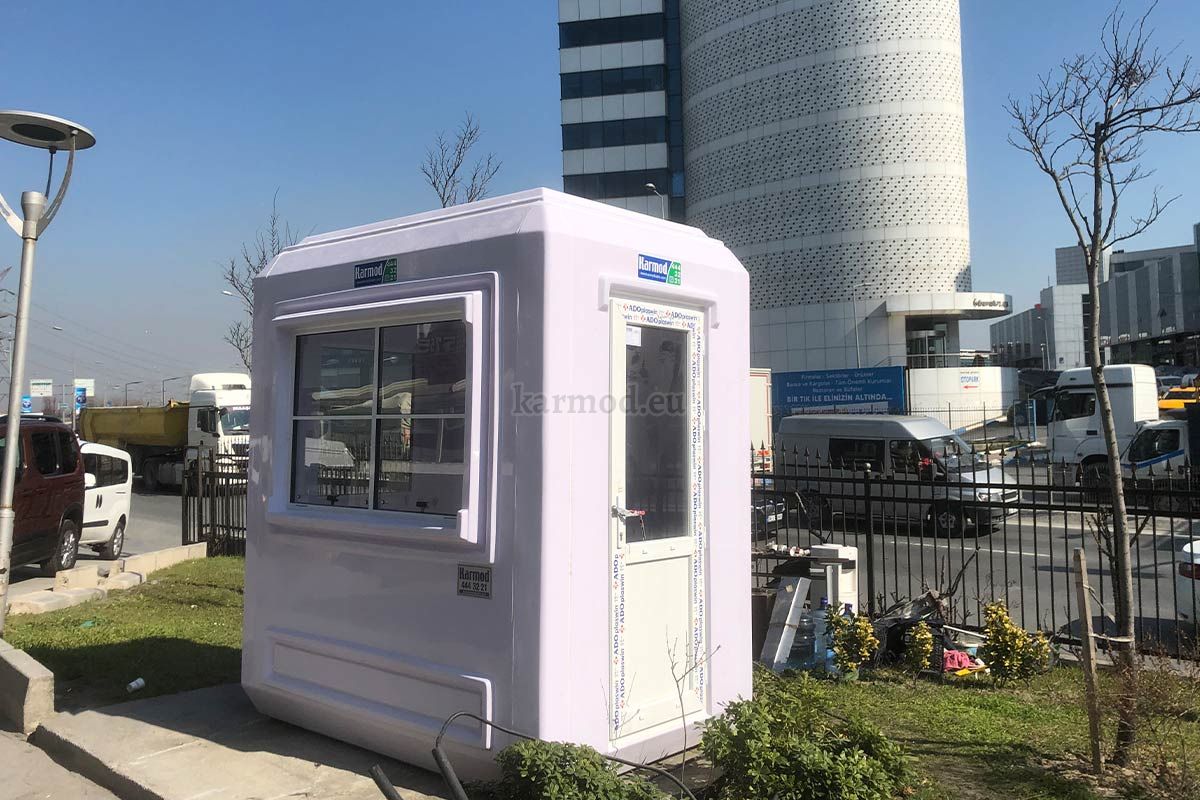
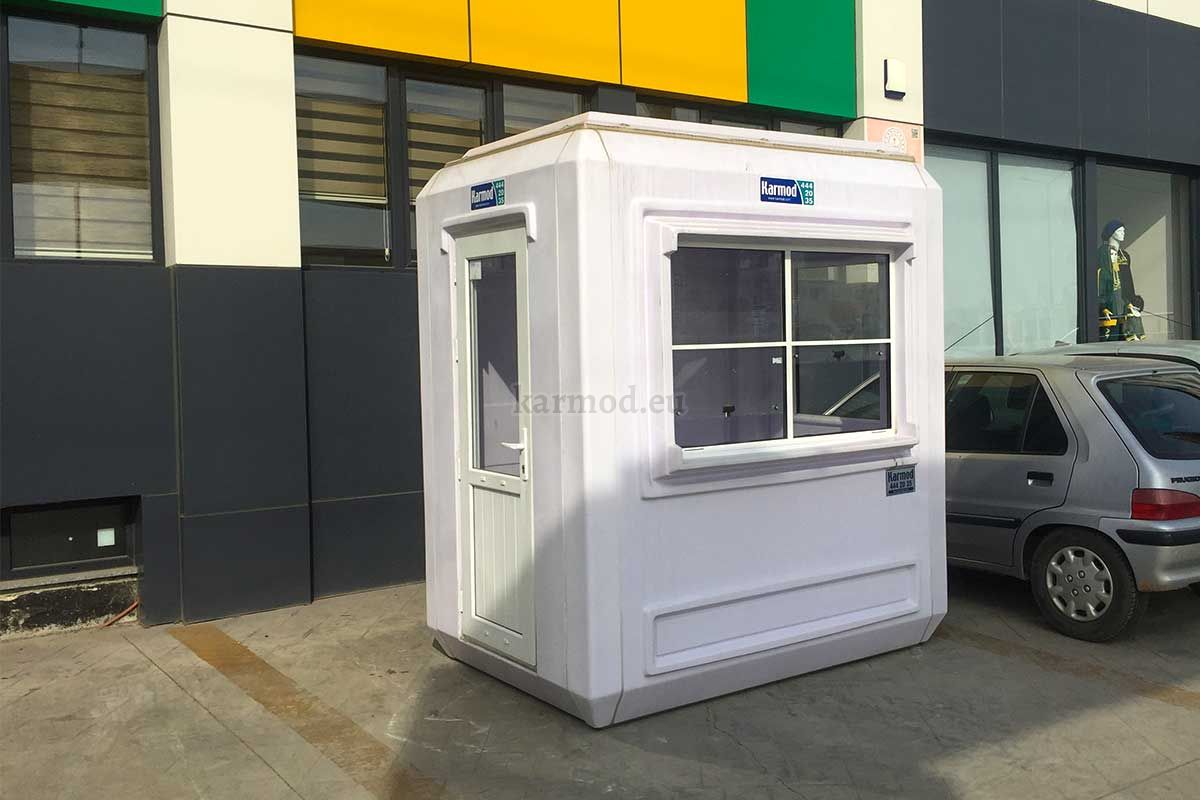
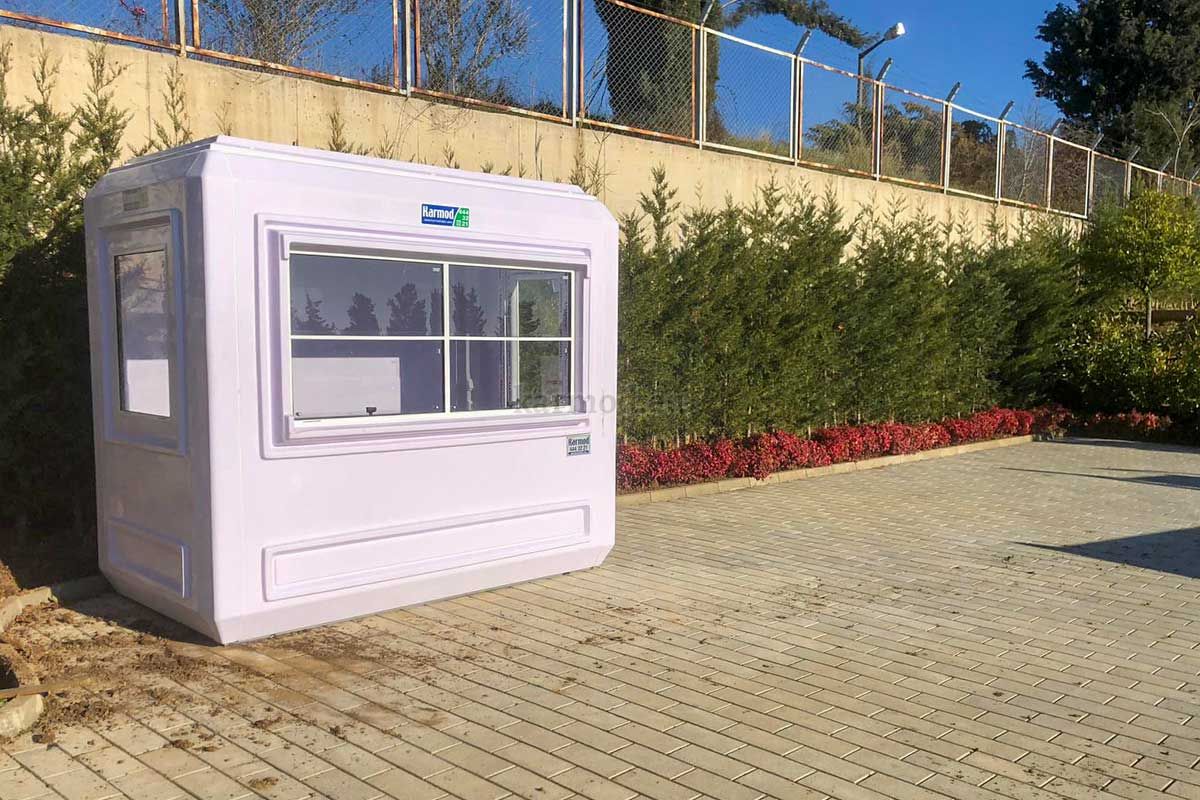
Designing a Portable Kiosk That Attracts Customers
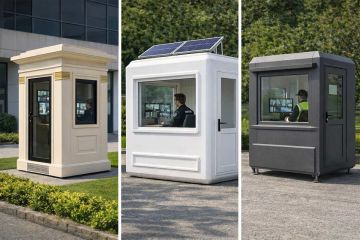
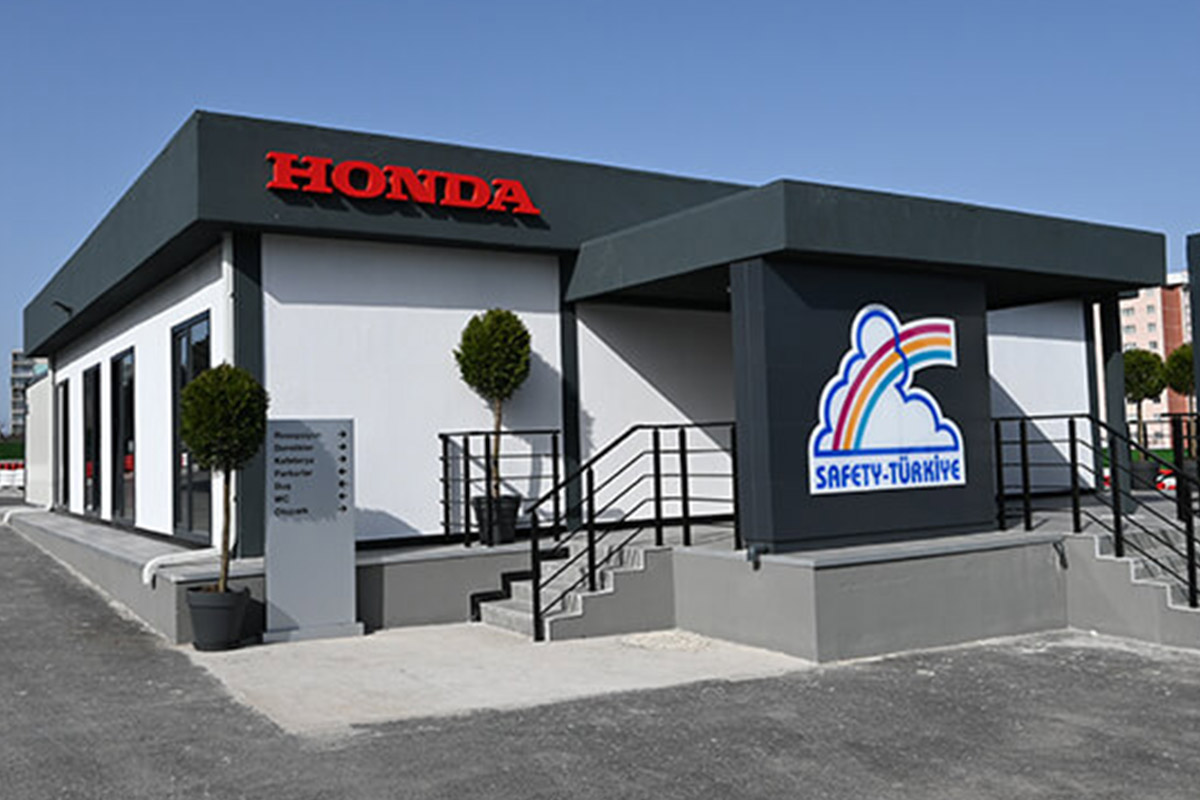
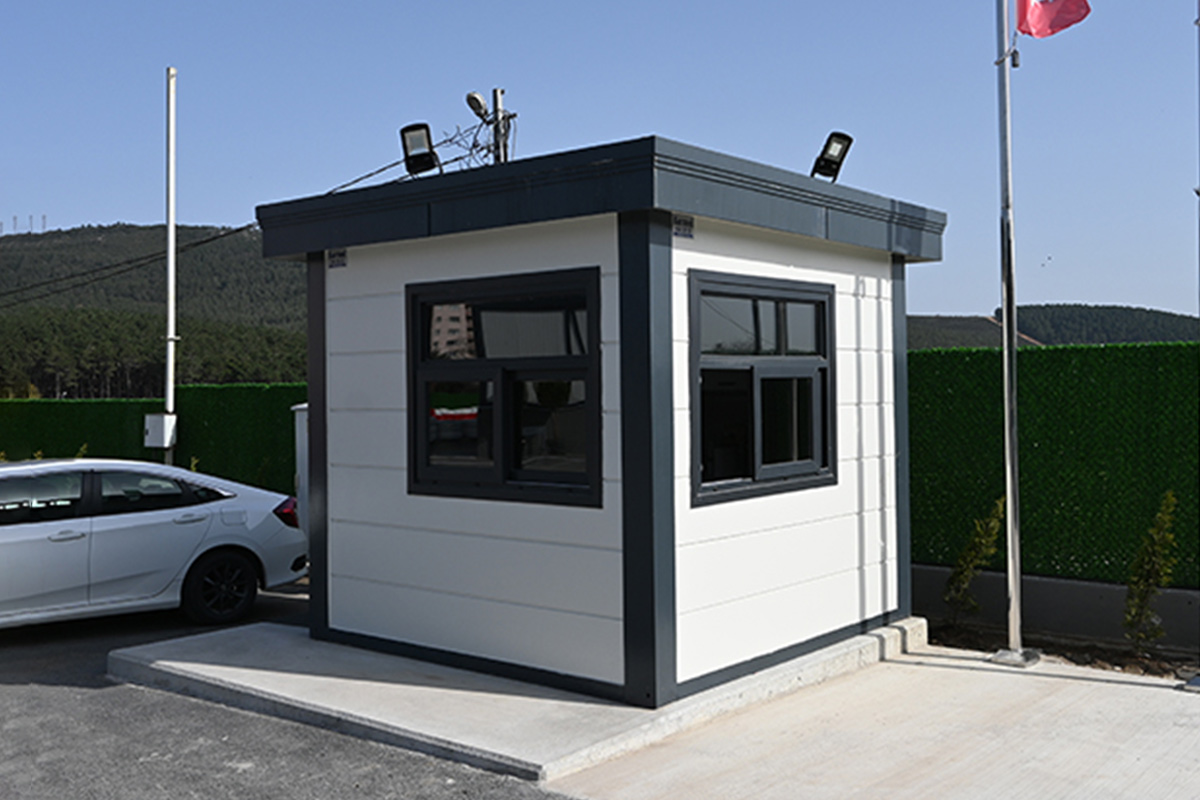
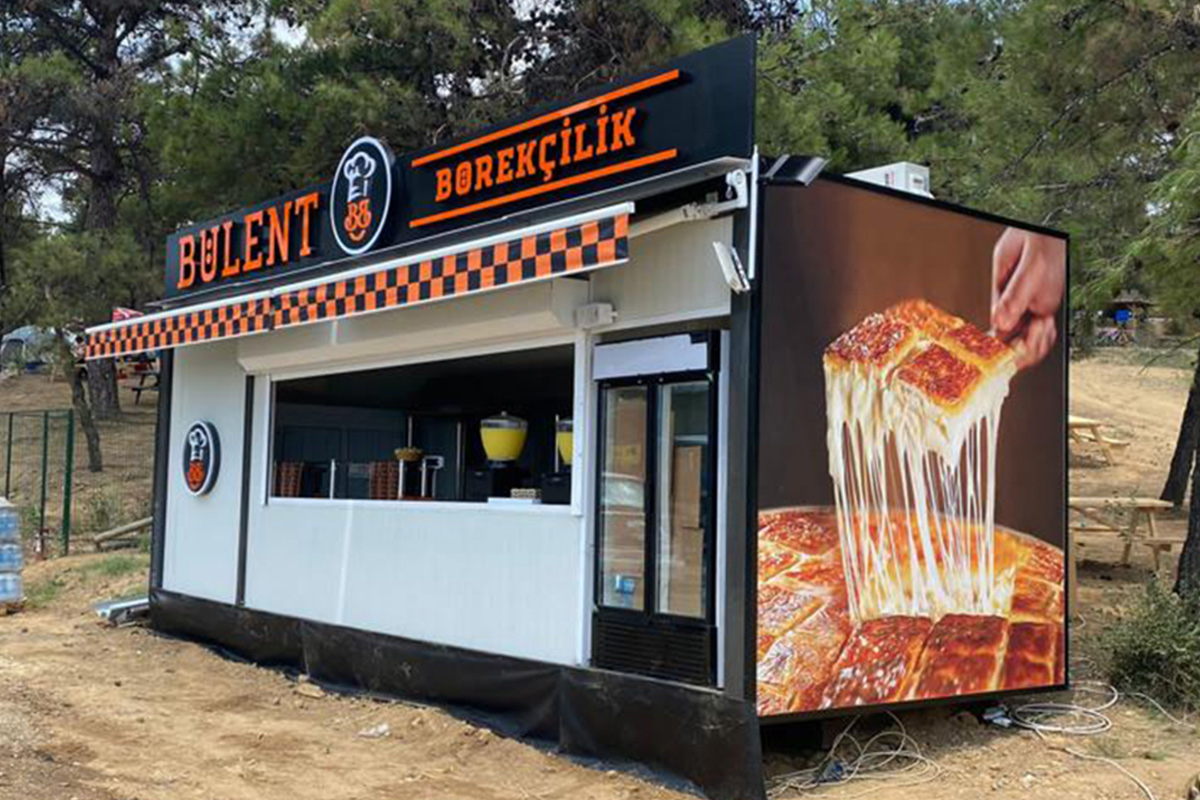
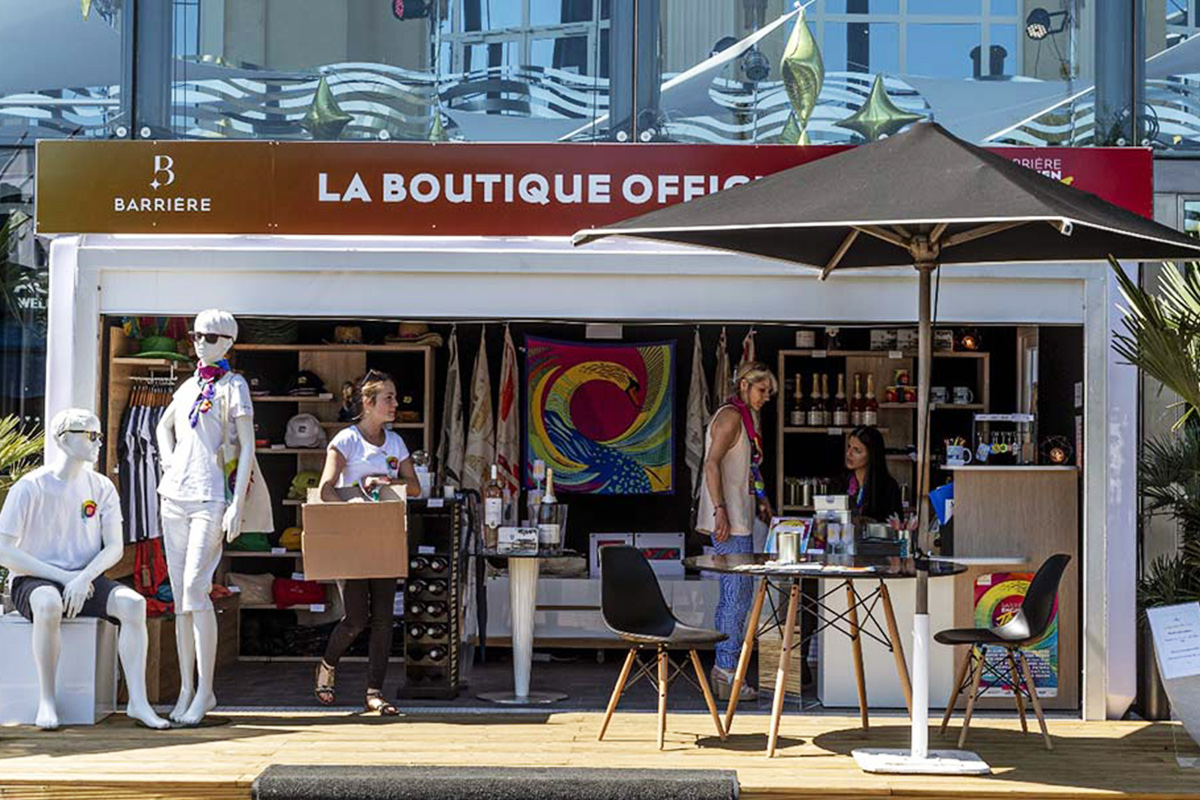
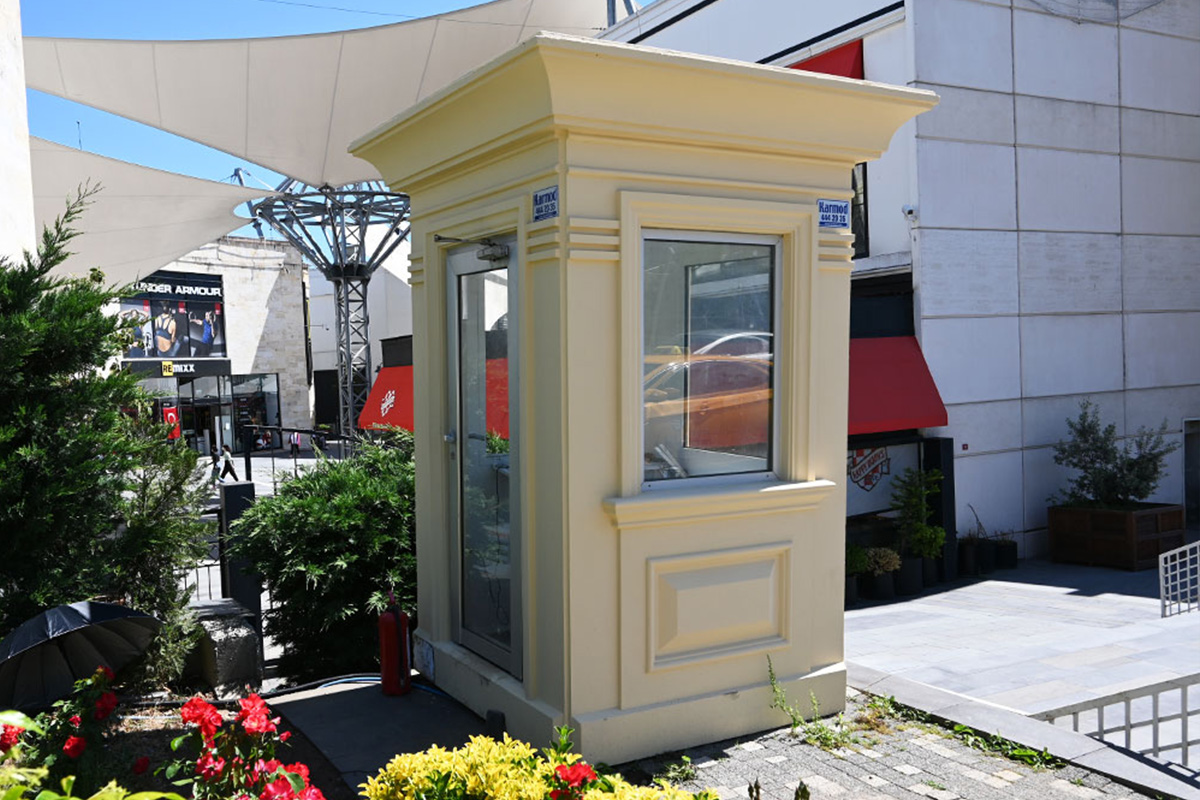
A portable kiosk must function as both an efficient workspace and a visual brand statement, as customers typically decide whether to approach within a few seconds. Clean design lines, professional materials, balanced lighting, and a clear service counter layout all contribute to creating trust and encouraging first-time purchases.
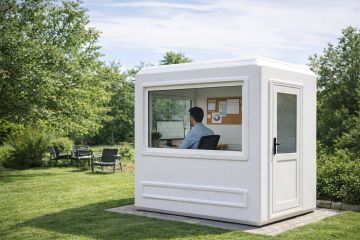
Inside the kiosk, practical layout planning becomes just as important as exterior design. Optimized storage areas, ergonomic counter heights, and well-organized equipment placement help staff work faster and more comfortably, especially during peak hours. A thoughtfully designed portable kiosk improves service speed, reduces operational stress, and increases overall sales performance.
Understanding Permits, Regulations, and Local Compliance
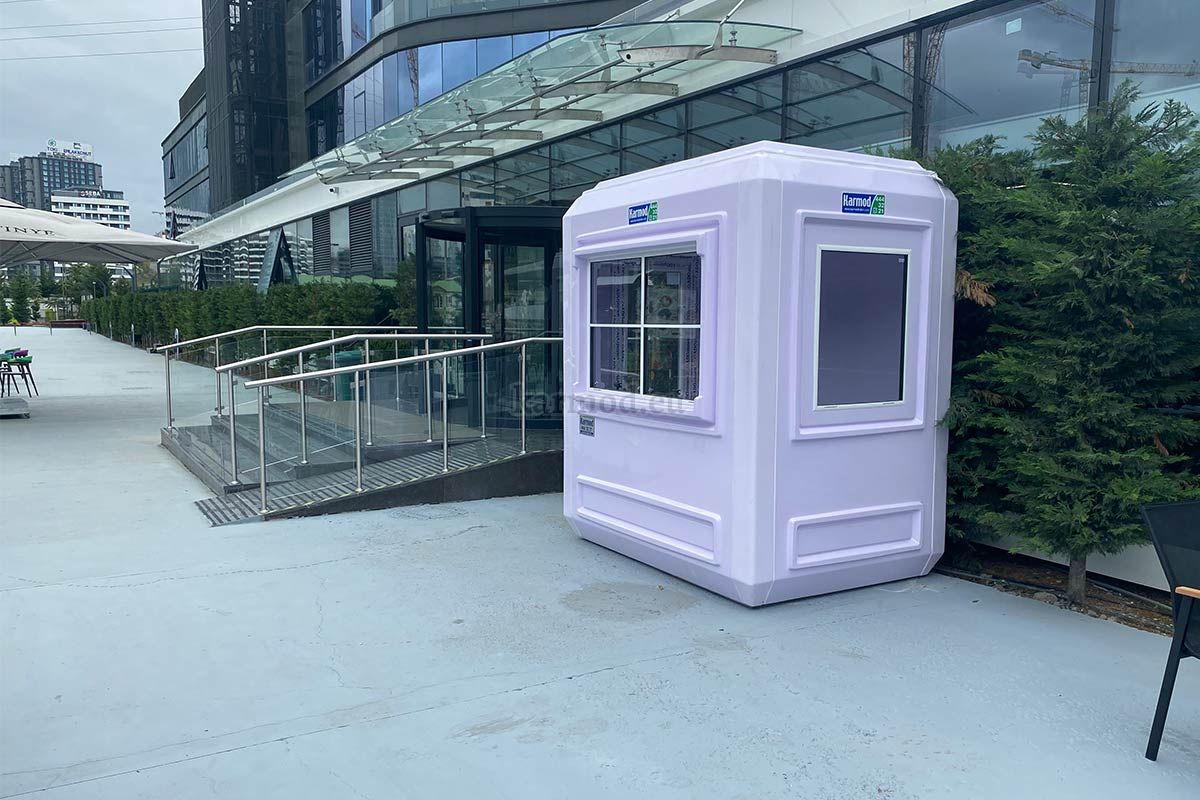
Although portable kiosks are considered flexible and temporary structures, they are still subject to local regulations, which can vary significantly depending on location and business type. Requirements may include municipal permissions, health and safety approvals, electrical certifications, and land-use agreements, all of which should be addressed before operations begin.
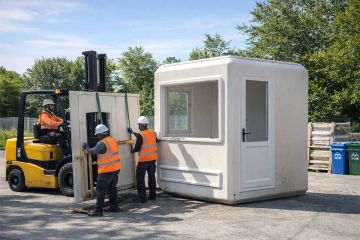
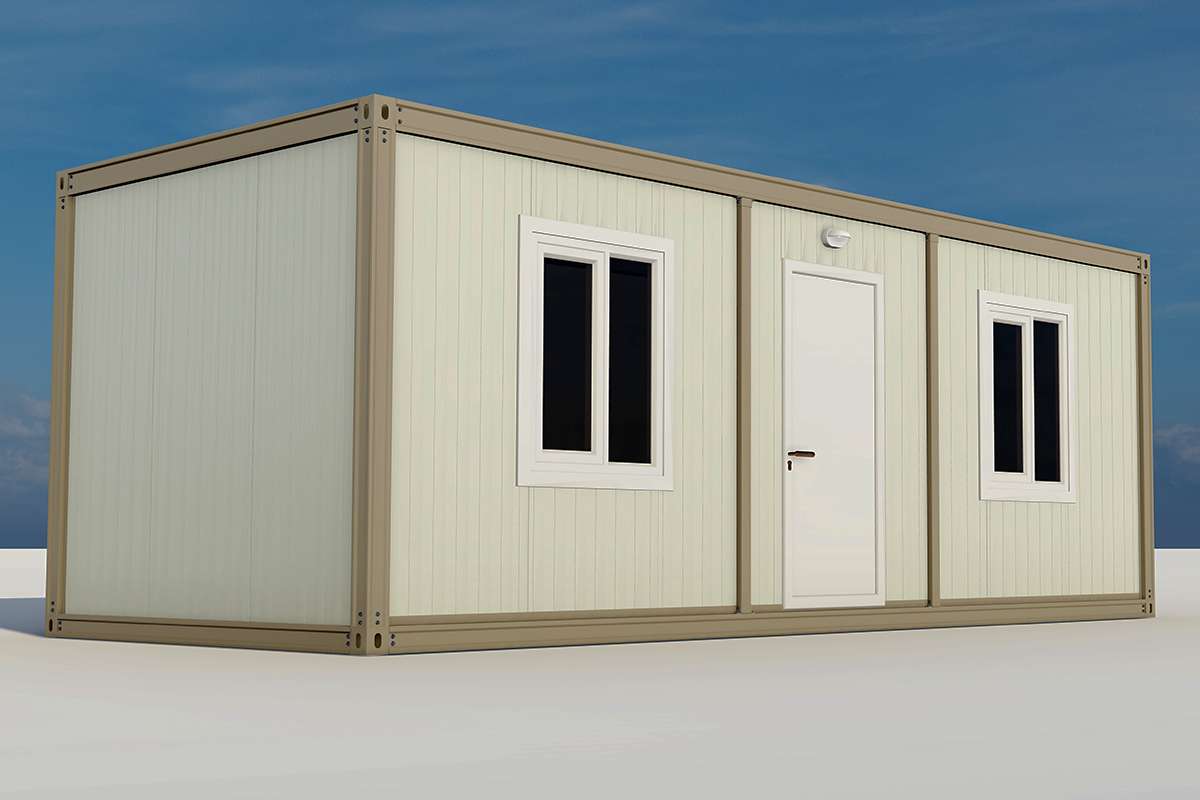
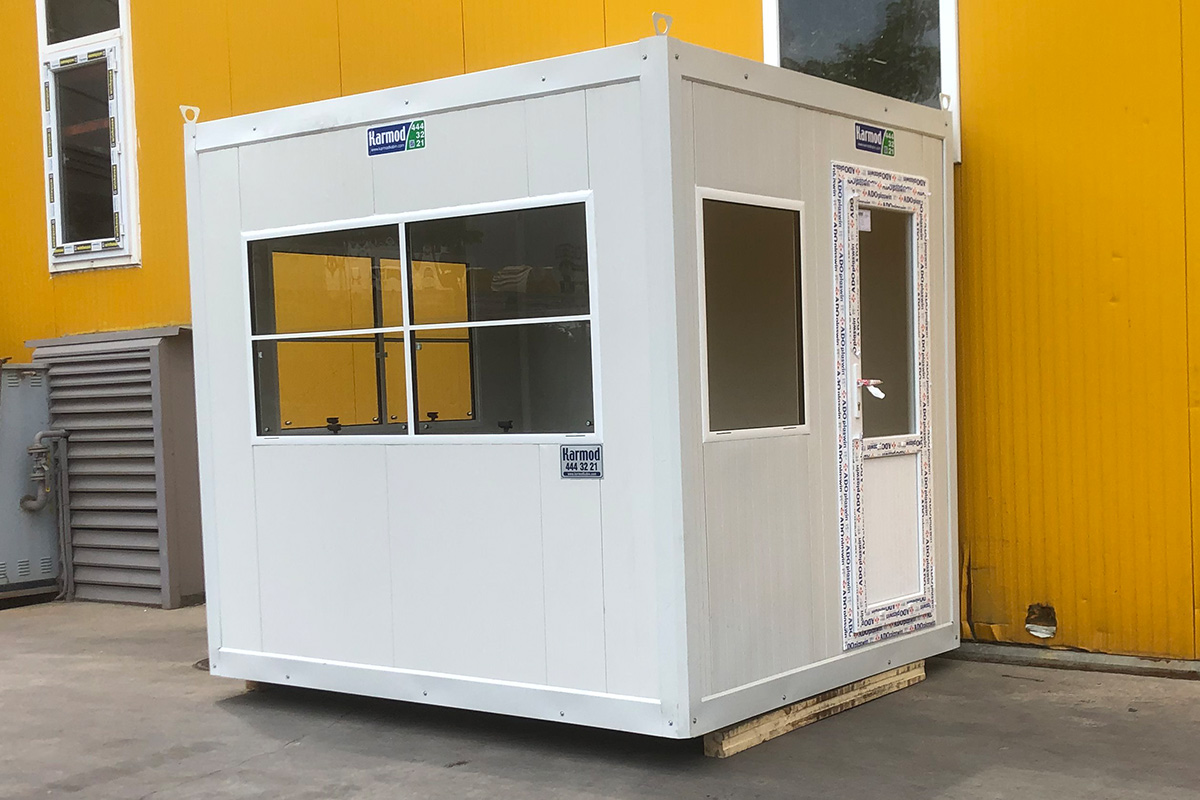
Choosing factory-produced kiosk systems that comply with recognized construction and safety standards can simplify the approval process considerably. Standardized production not only reassures local authorities but also helps business owners avoid delays, unexpected costs, and operational interruptions during the launch phase.
Managing Costs and Maximizing Return on Investment
One of the strongest financial advantages of portable kiosks is the ability to start a business with a controlled and predictable investment level. Compared to traditional storefronts, kiosks significantly reduce expenses related to construction, rental contracts, and interior fit-outs, allowing entrepreneurs to allocate resources more efficiently.
Operational costs remain manageable thanks to compact layouts, energy-efficient materials, and modular systems that can be expanded or upgraded over time. Many successful kiosk operators use early profits to add new units, gradually building a network of kiosks that generates steady and diversified income streams.
Scaling Your Business with Portable Kiosk Systems
Scaling a business becomes far more achievable when operations are based on standardized and repeatable kiosk systems. Once a portable kiosk concept proves successful, the same design, branding, and operational model can be replicated in multiple locations with minimal adjustments.
This approach supports rapid expansion, franchise opportunities, and seasonal deployments in different regions. Businesses that start with a single portable kiosk often find it easier to grow into multi-location brands because mobility removes many of the logistical barriers associated with traditional retail expansion.
Turning a Portable Kiosk into a Long-Term Brand Asset
A portable kiosk should be viewed not as a temporary setup, but as a long-term brand investment that grows in value through consistent performance and customer experience. Strong visual identity, reliable service quality, and strategic placement all contribute to building brand recognition over time.
When customers associate your kiosk with convenience, speed, and trust, it becomes more than a point of sale—it becomes a recognizable brand presence in their daily routines. This perception is what ultimately transforms a portable kiosk business into a sustainable and scalable commercial venture.