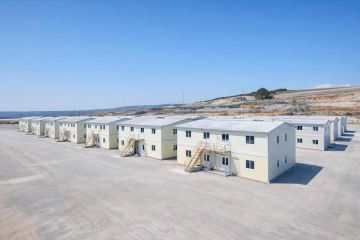



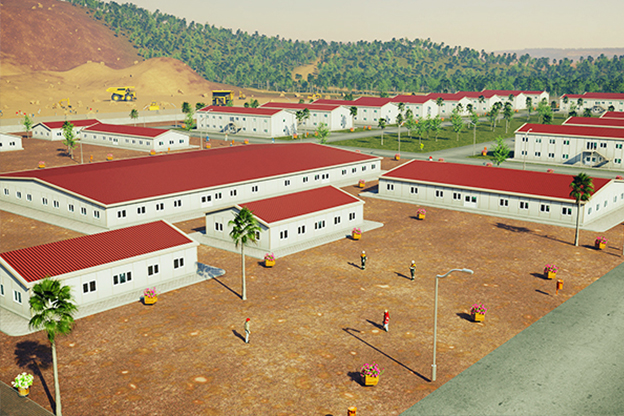
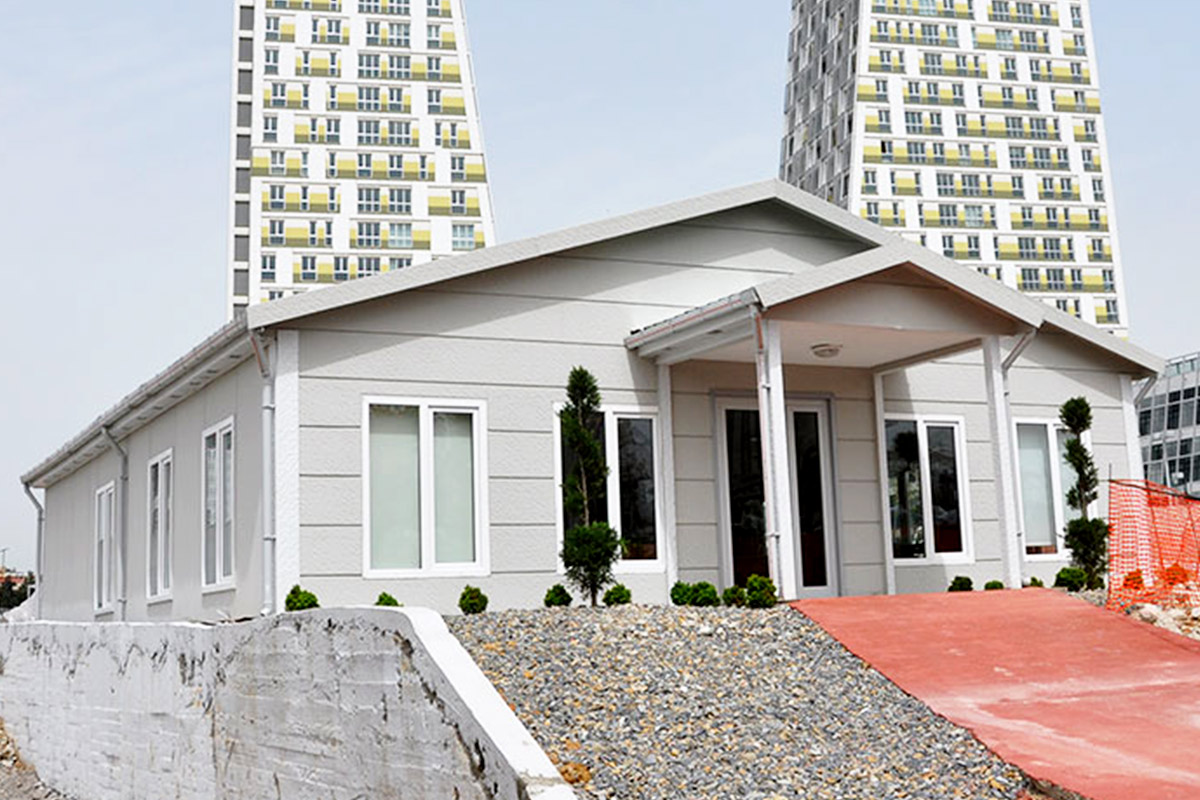

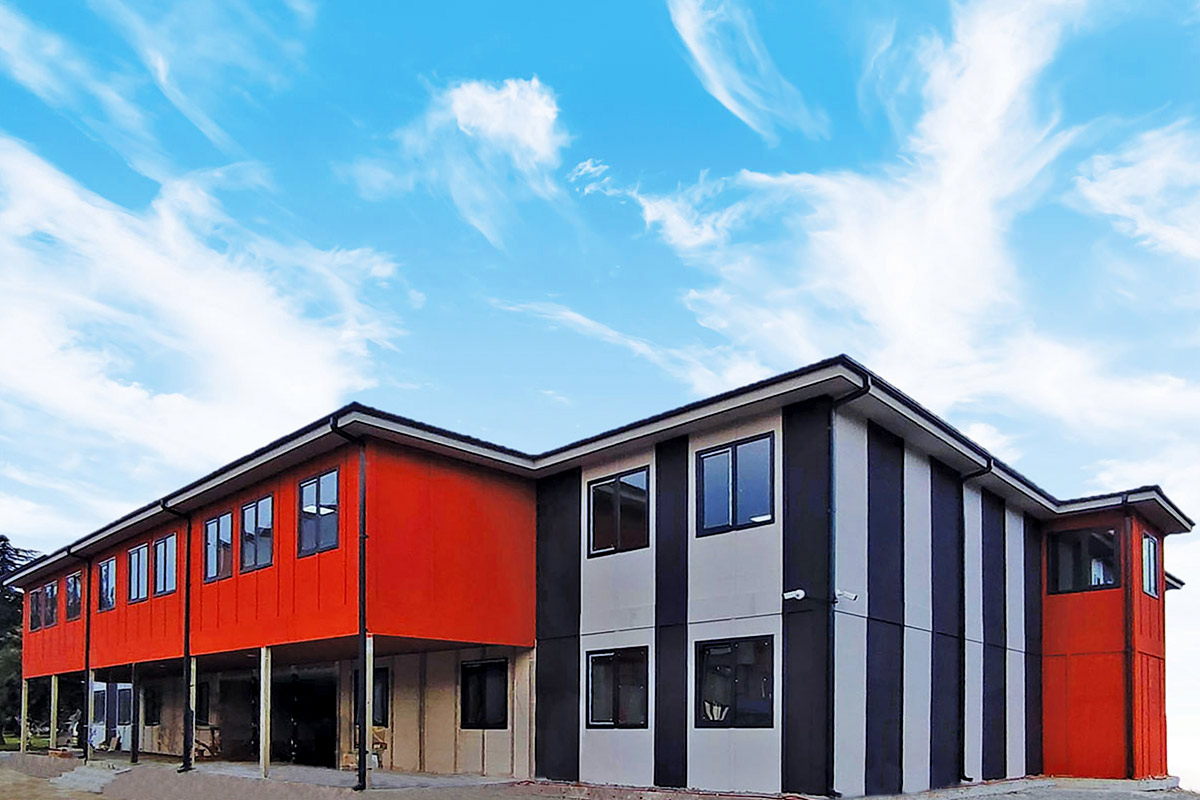
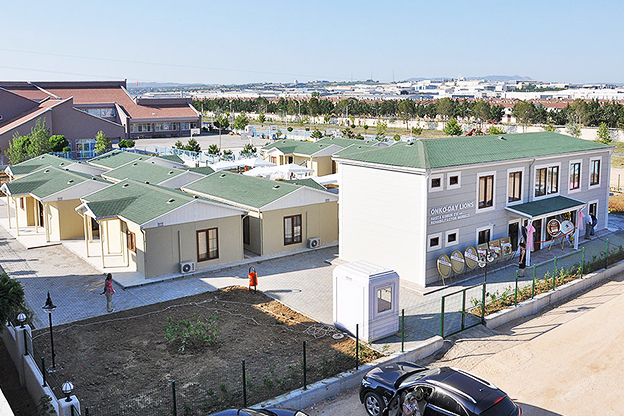
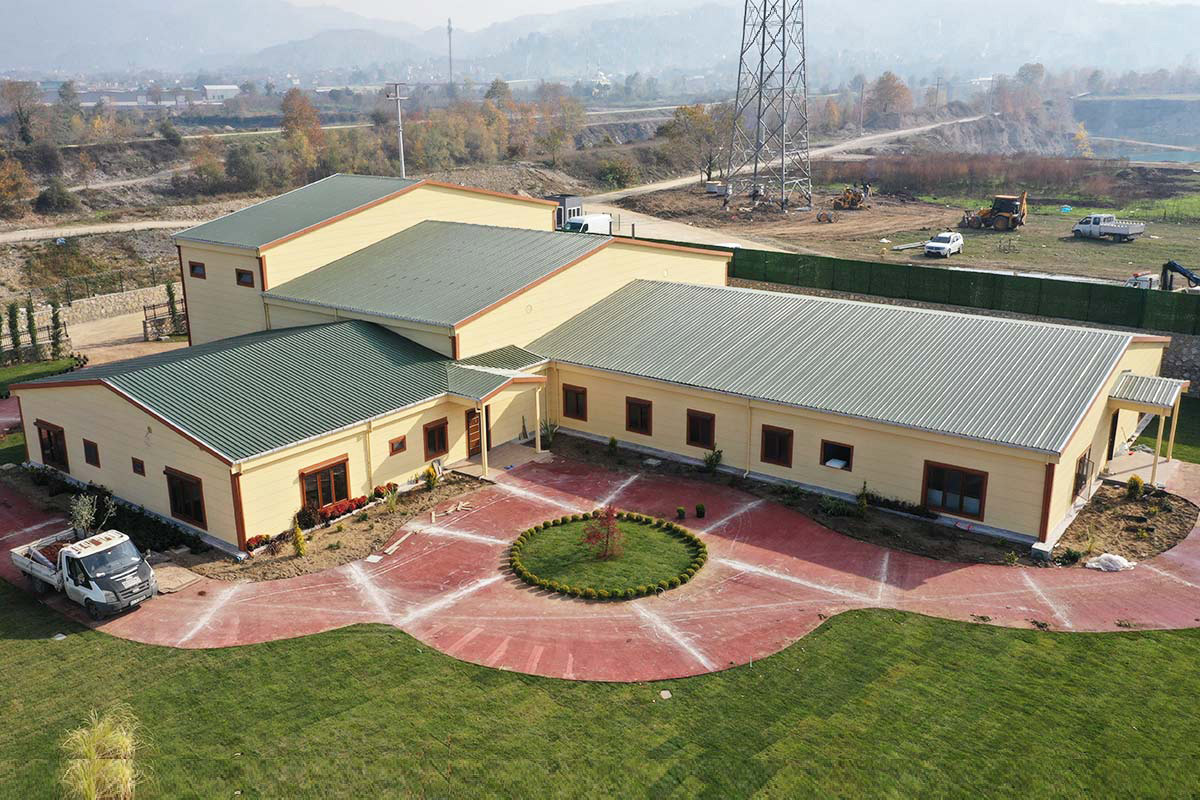
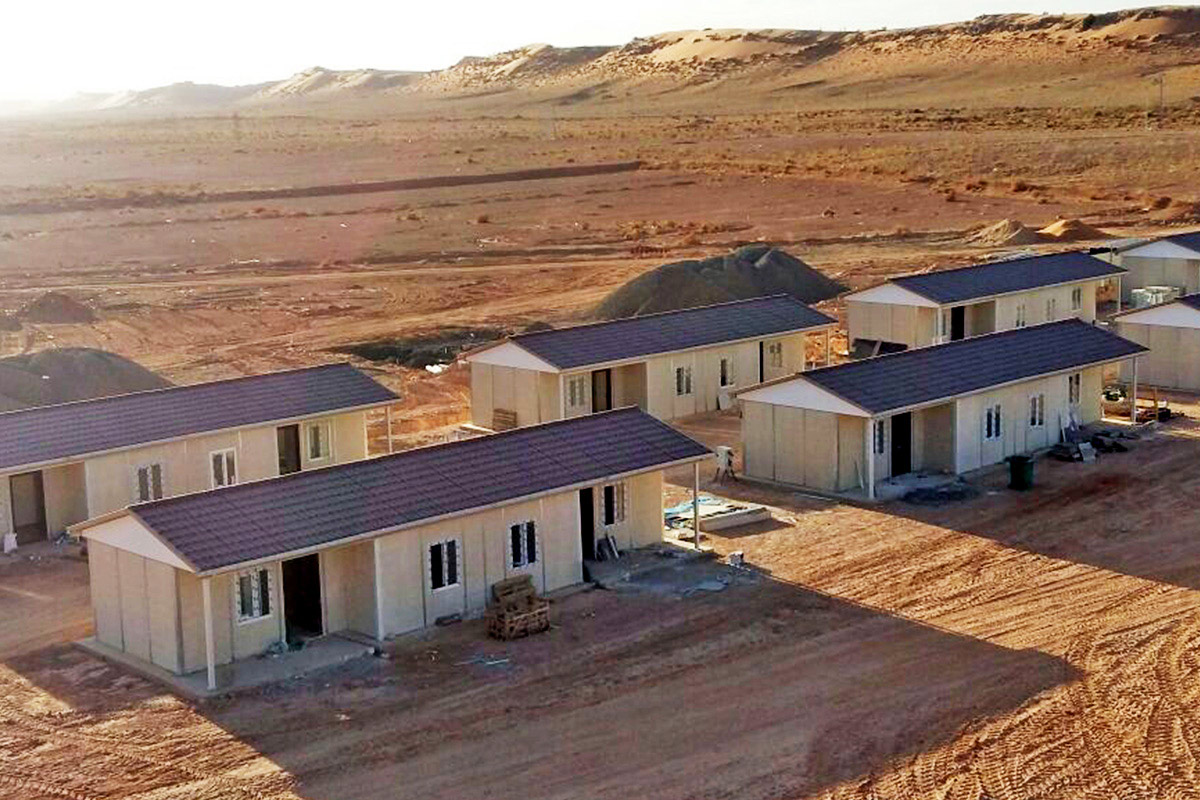
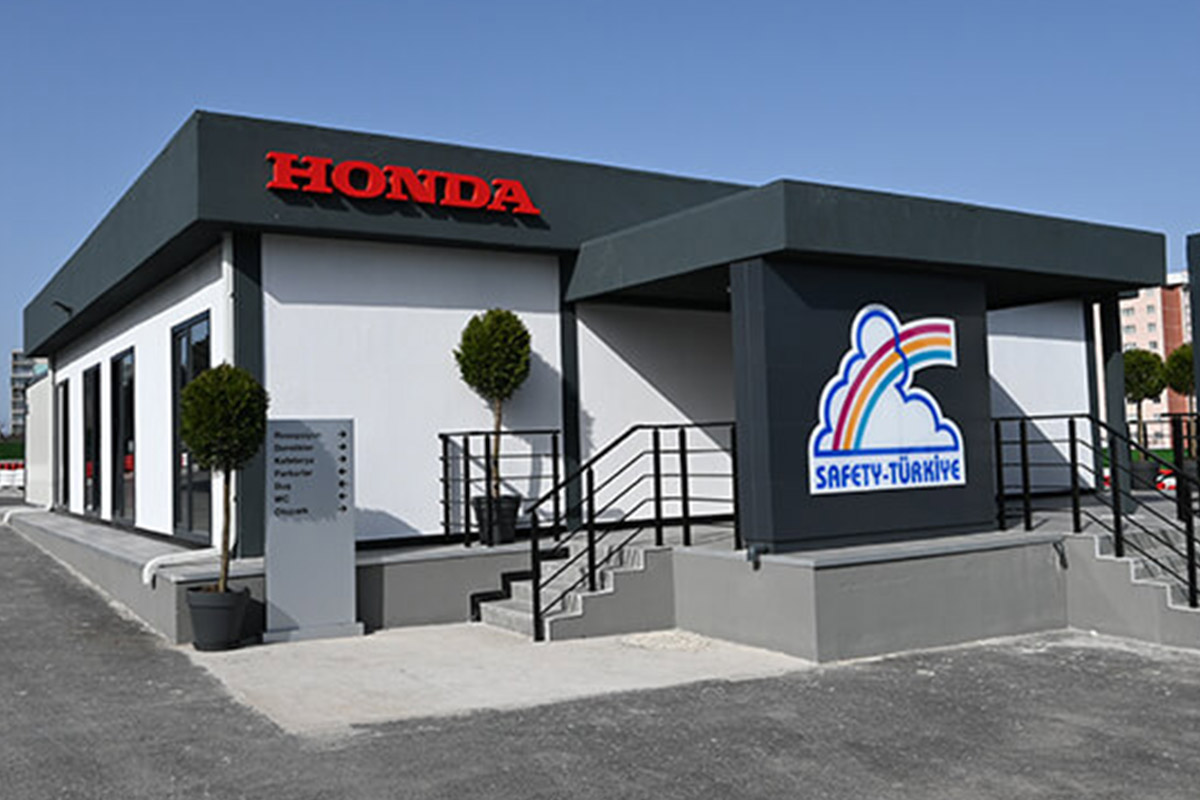
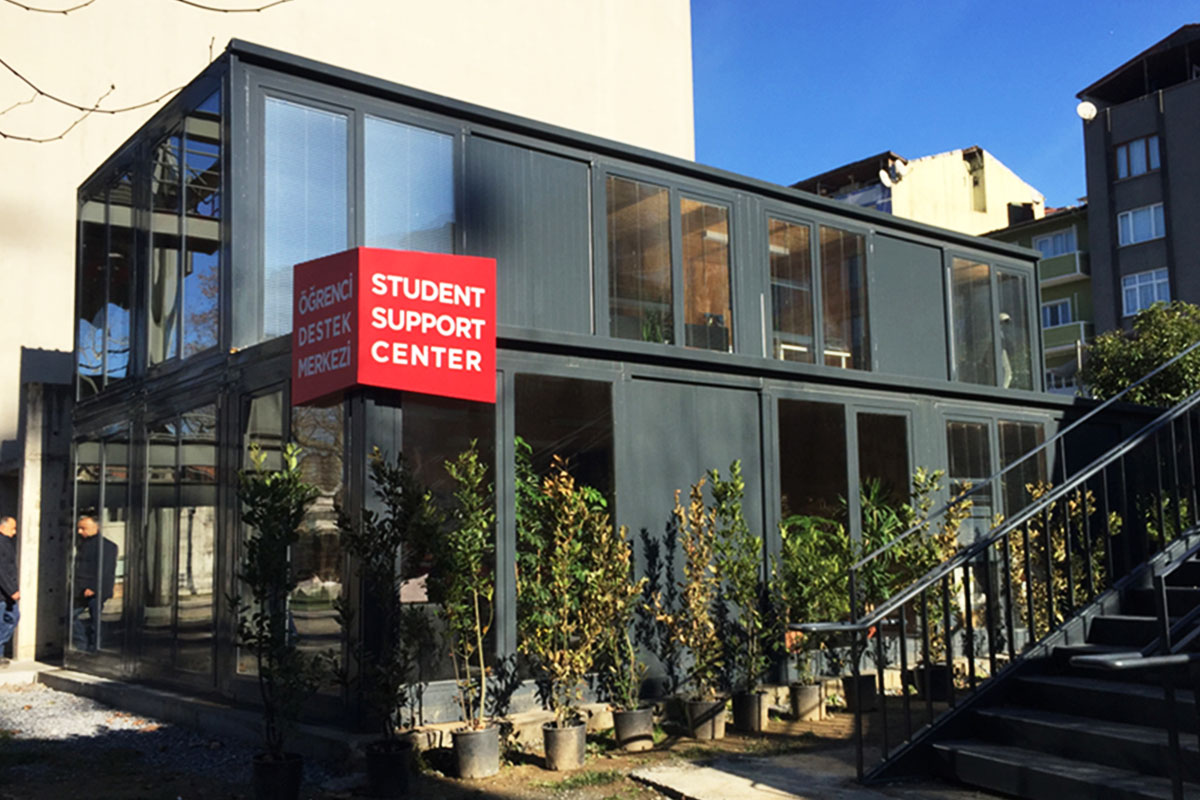
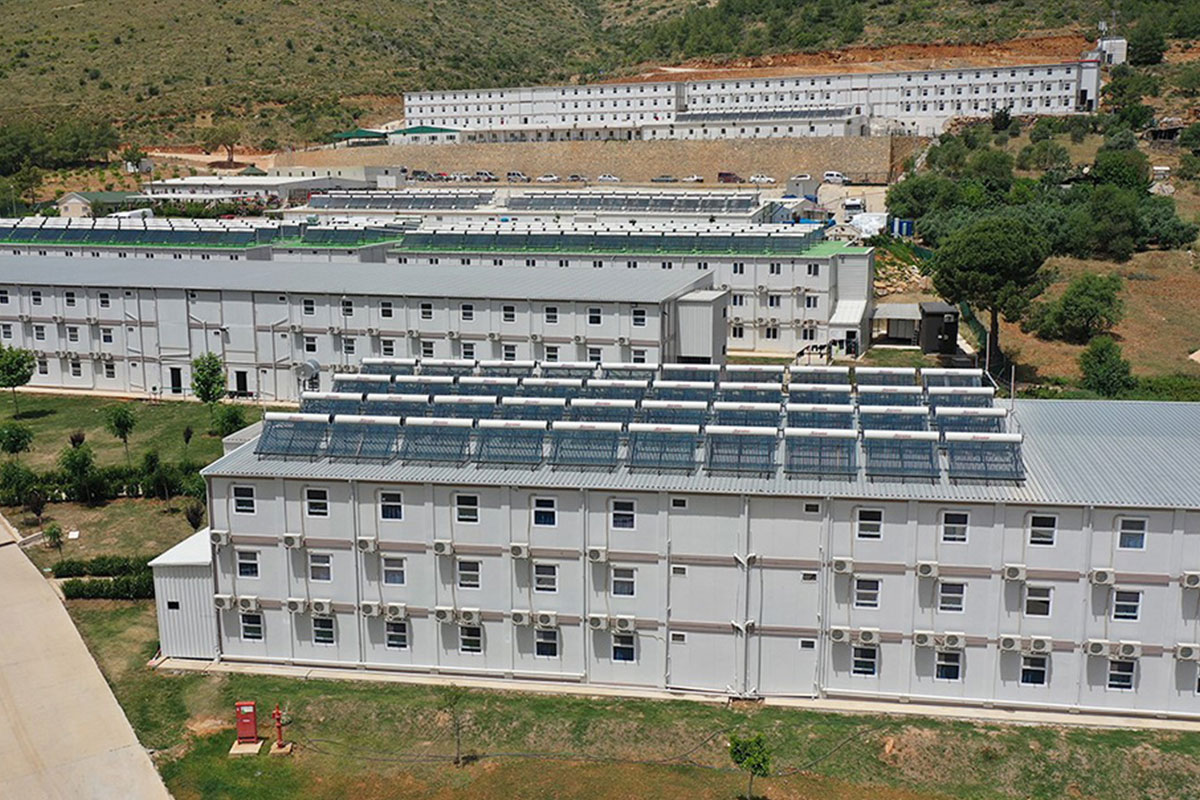
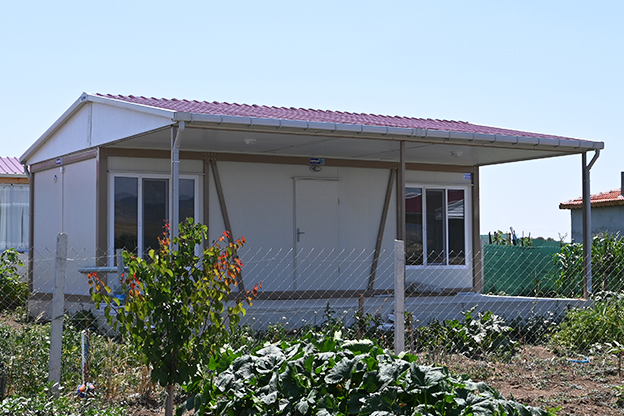
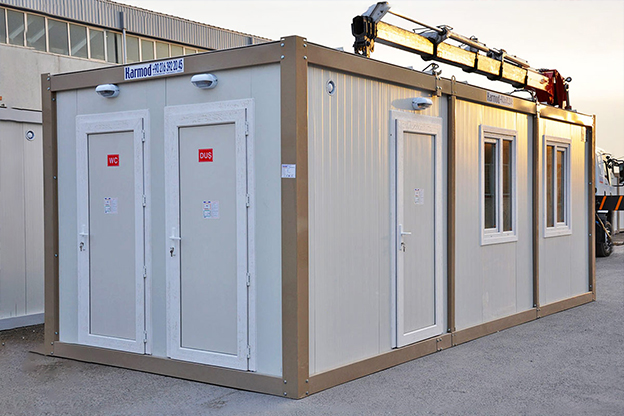

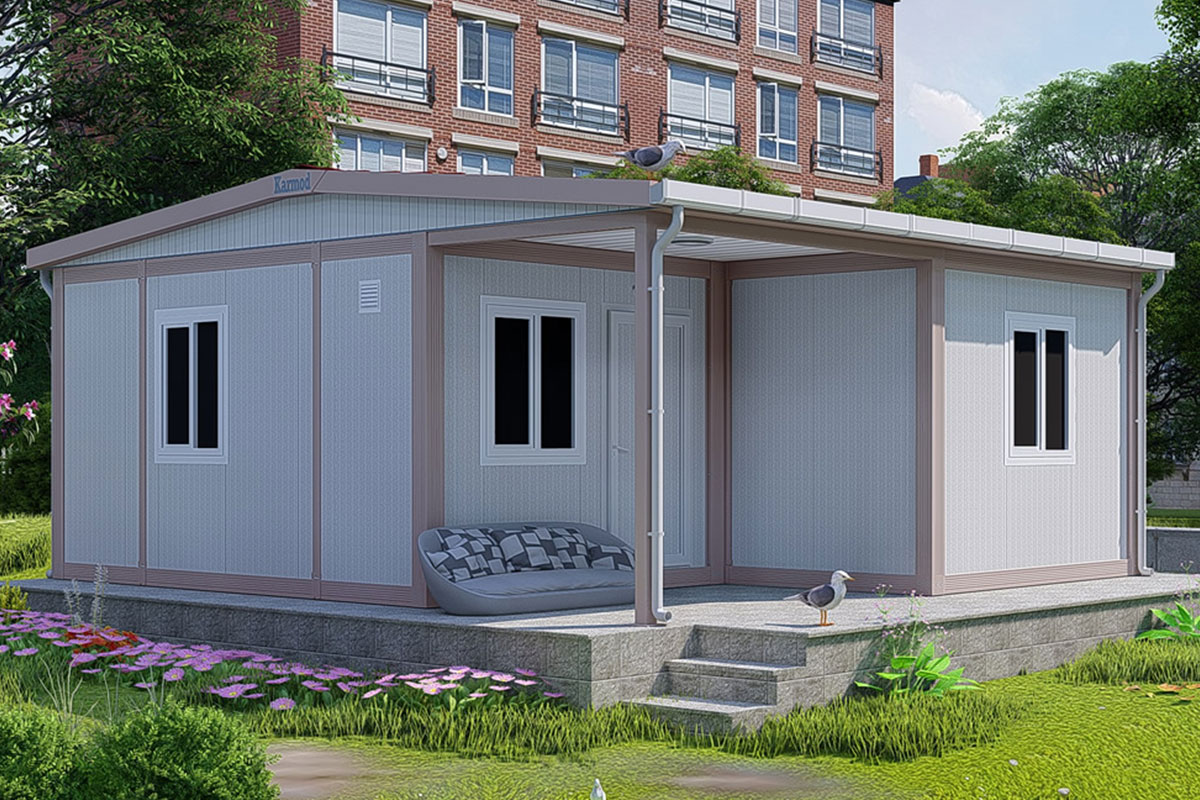
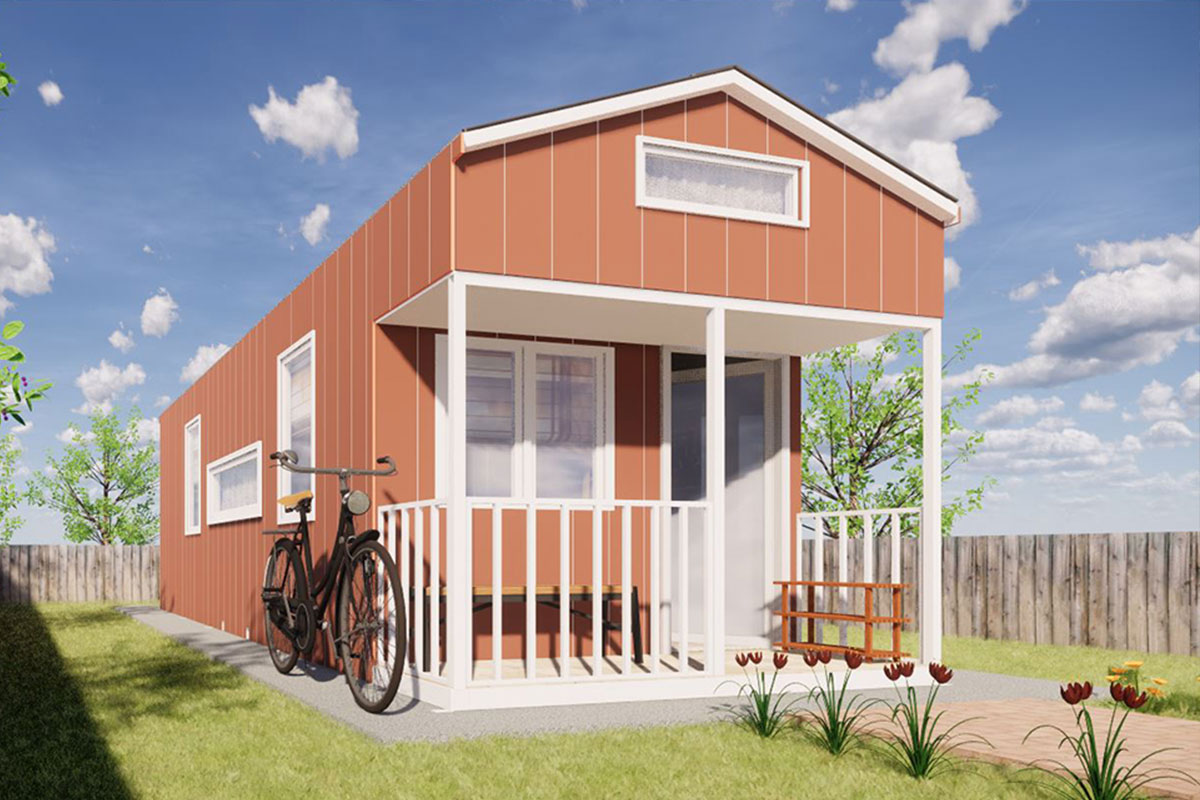
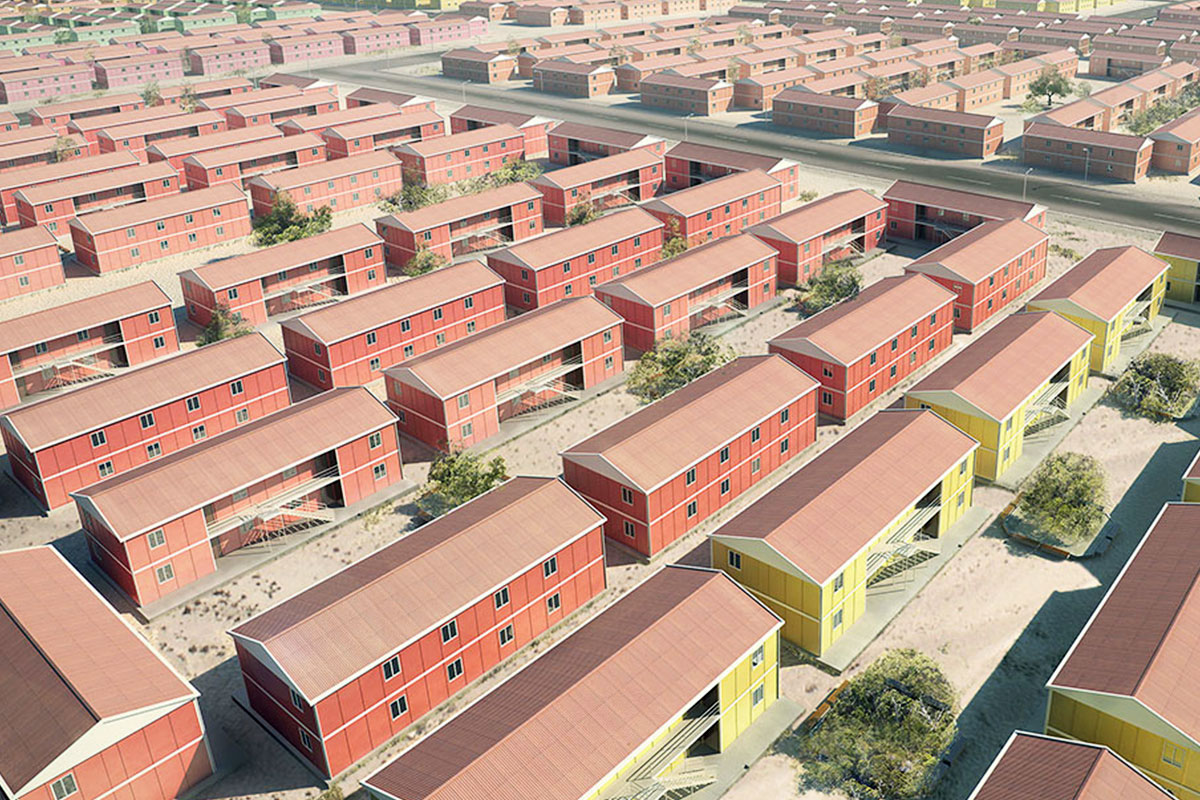
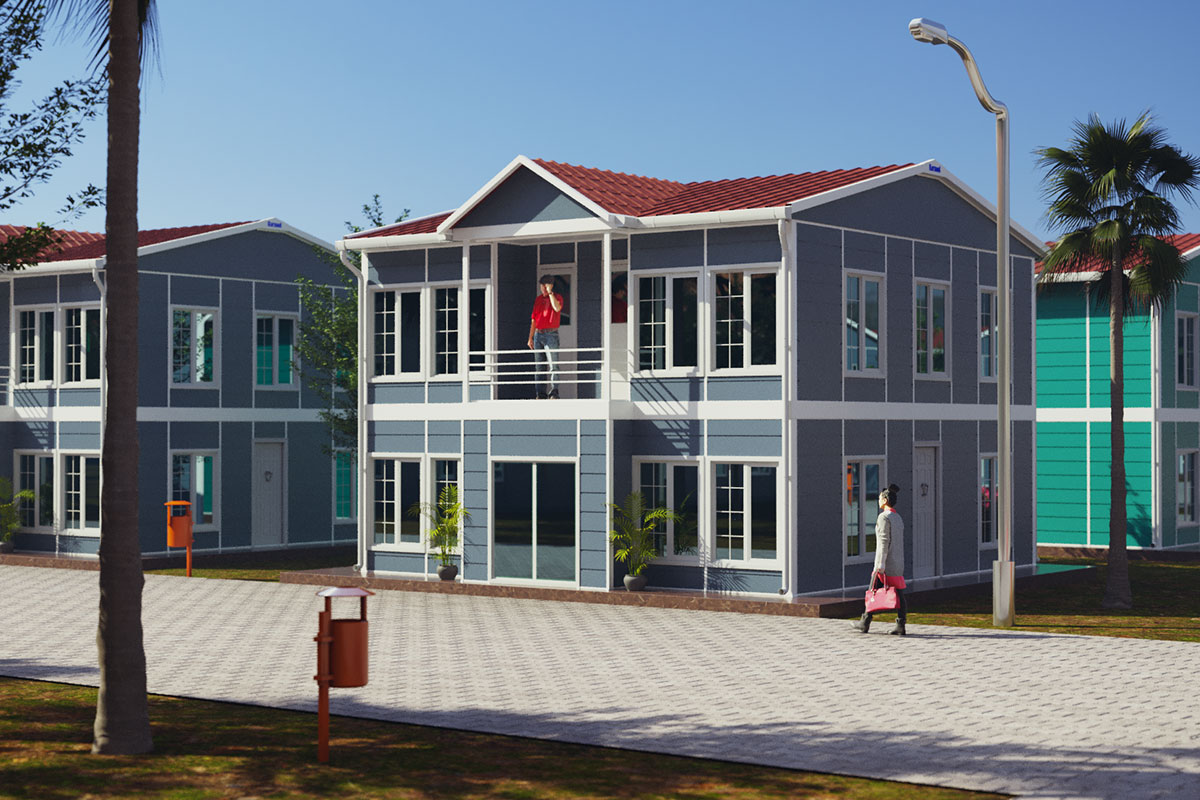
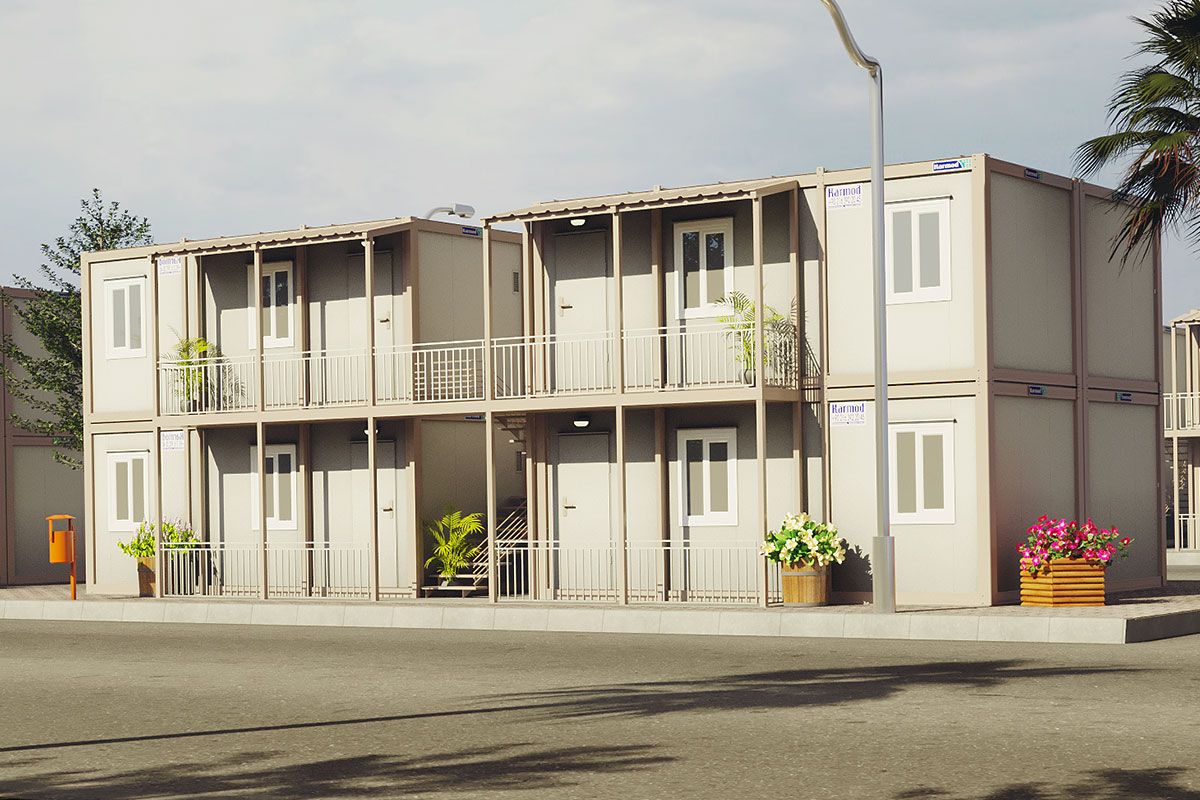
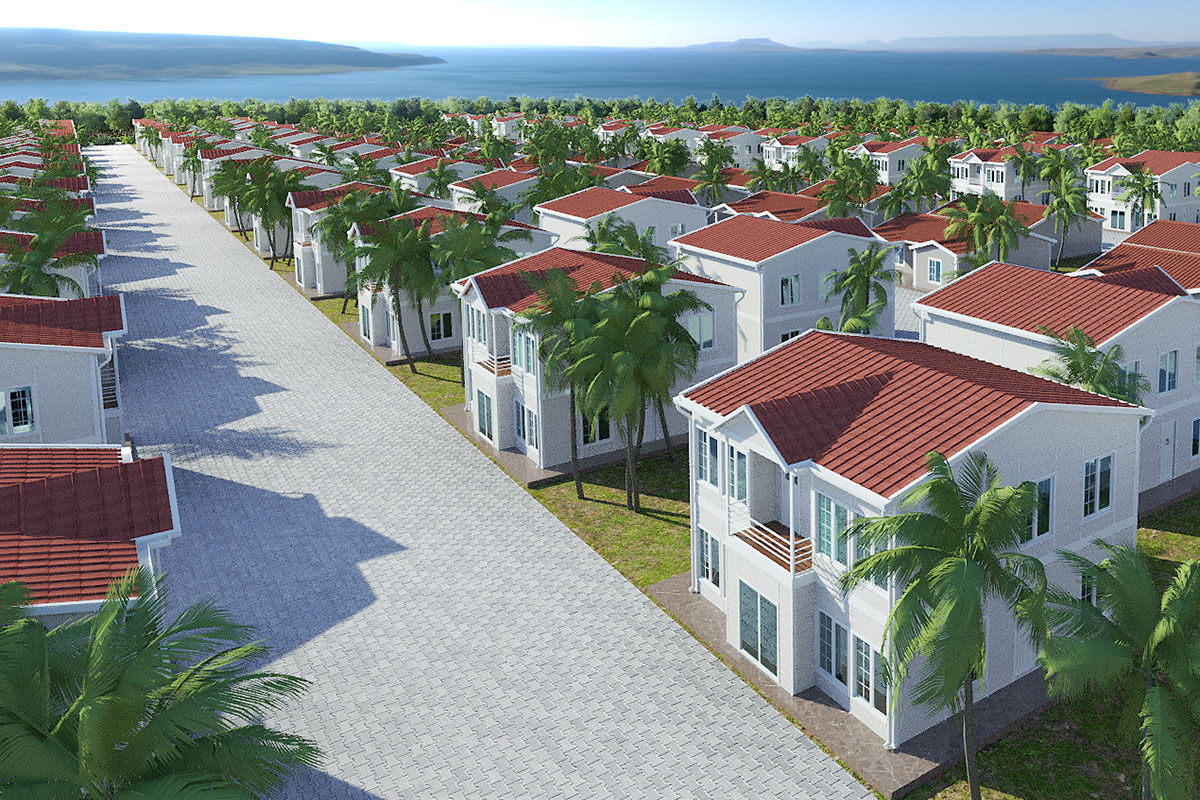
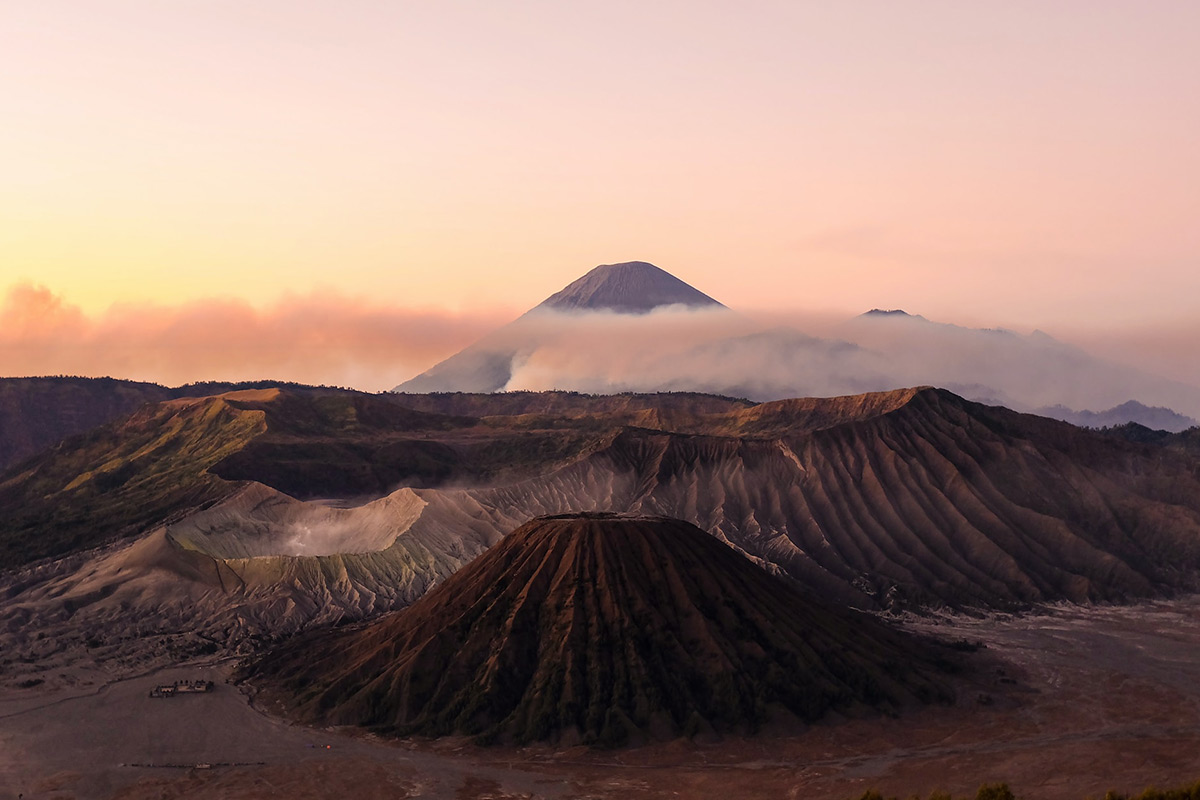
Indonesia’s archipelago geography shapes how oil and gas projects are staffed and supported. Workforces are often deployed across remote islands and coastal zones where access, weather, and supply chains can shift quickly. In these conditions, field housing has to function as a dependable operating base—supporting rest, welfare, and site routines while remaining practical to transport and install. Indonesia’s oil and gas camps increasingly rely on modular building methods to standardize living conditions and shorten setup time across multiple locations.
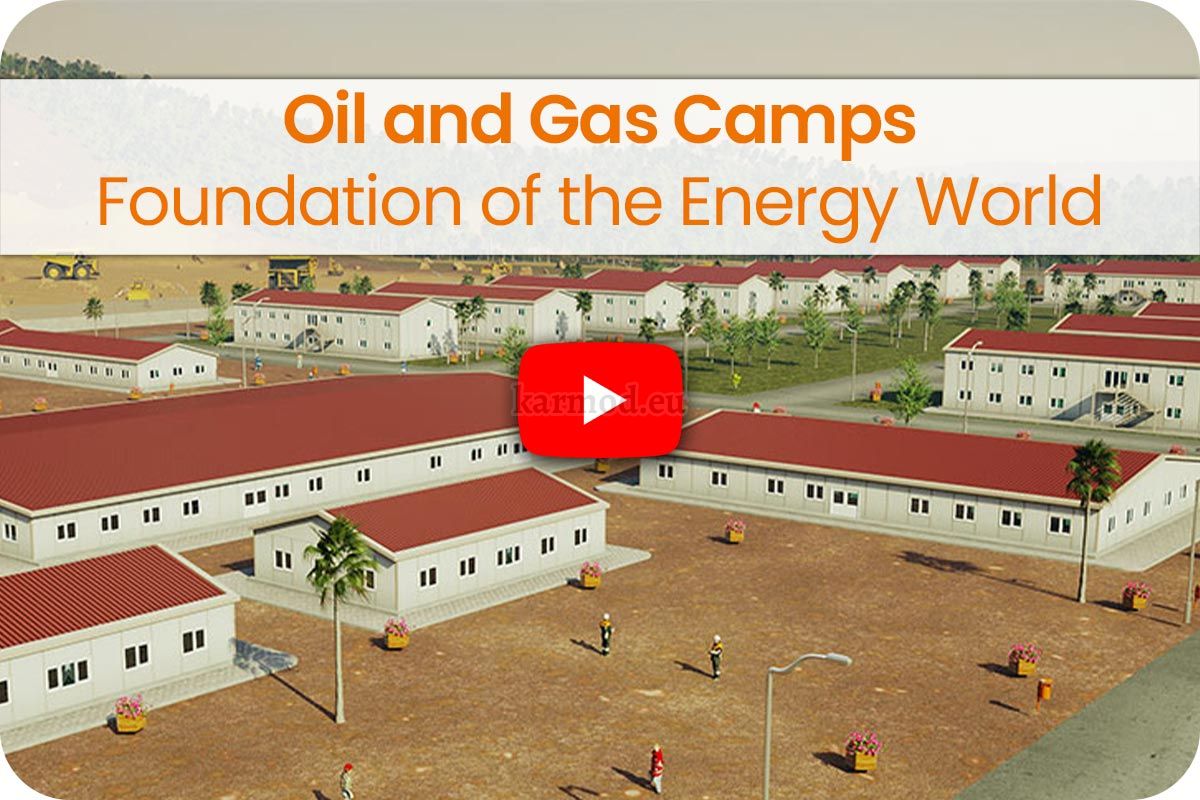
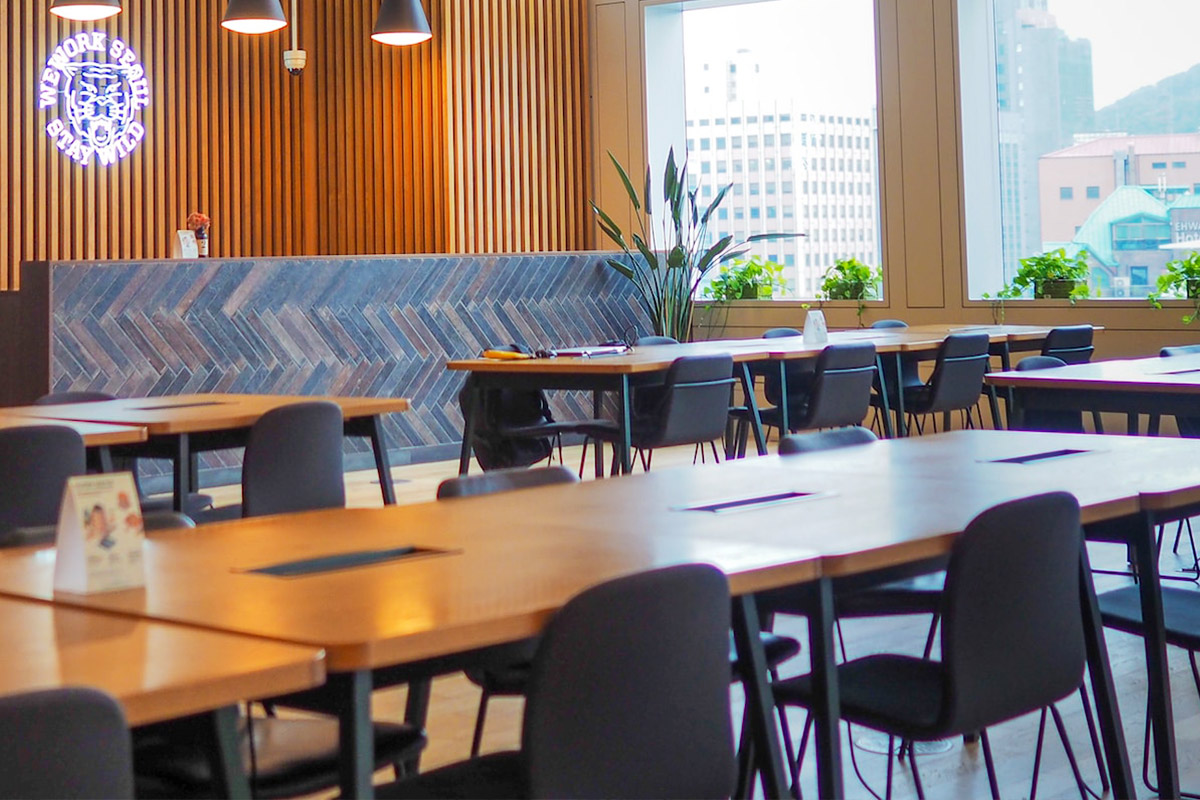
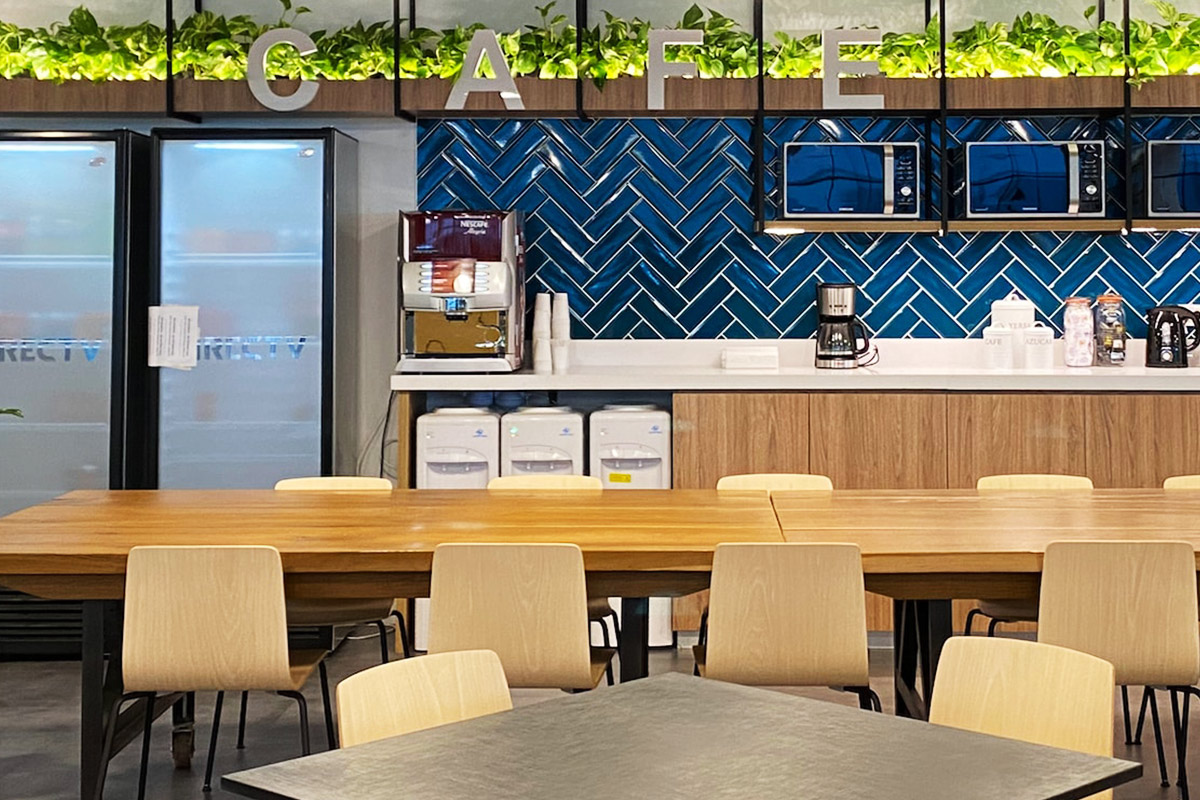
- Local Context, Practical Interiors: Field accommodation is most effective when it feels familiar and supports daily routines. Many camps incorporate locally appropriate finishes and shared spaces while keeping the layout focused on operational use rather than decoration.
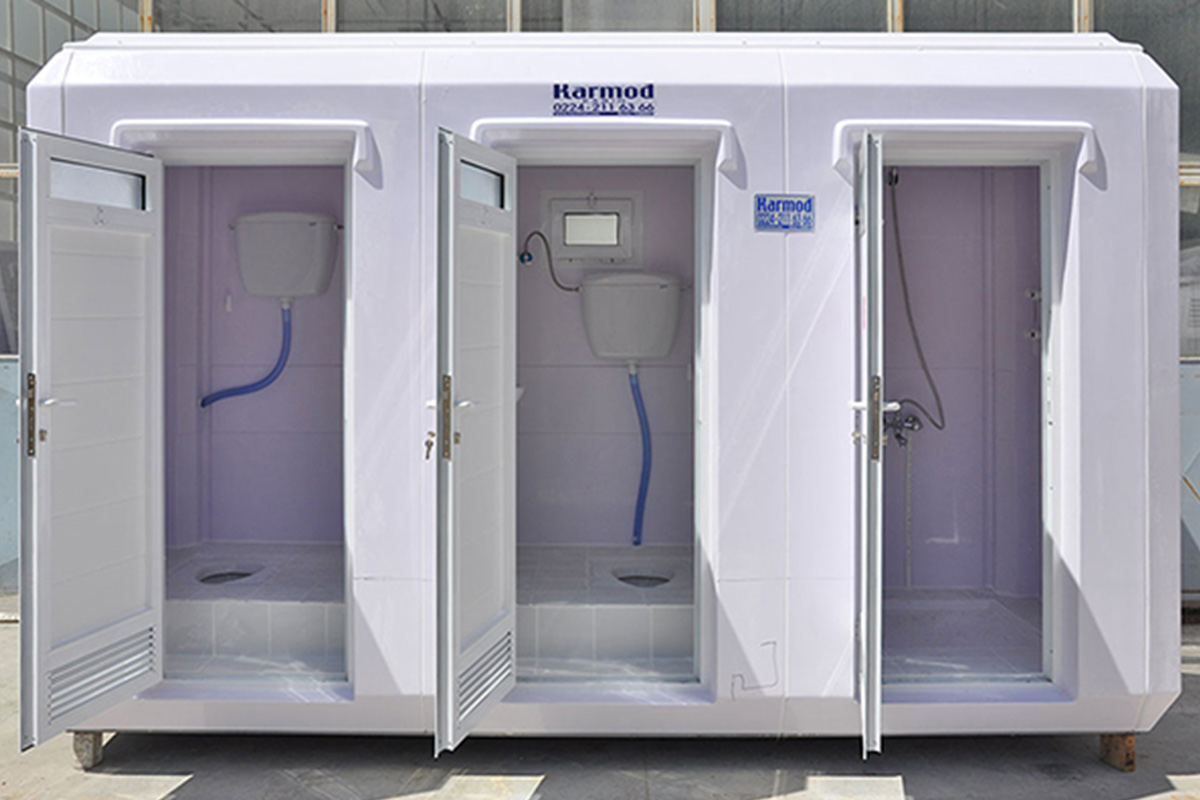
- Designed for Daily Camp Operations: These housing units are built as functional systems—sleeping quarters, welfare areas, and service spaces planned to manage movement, reduce bottlenecks, and support shift-based work patterns.
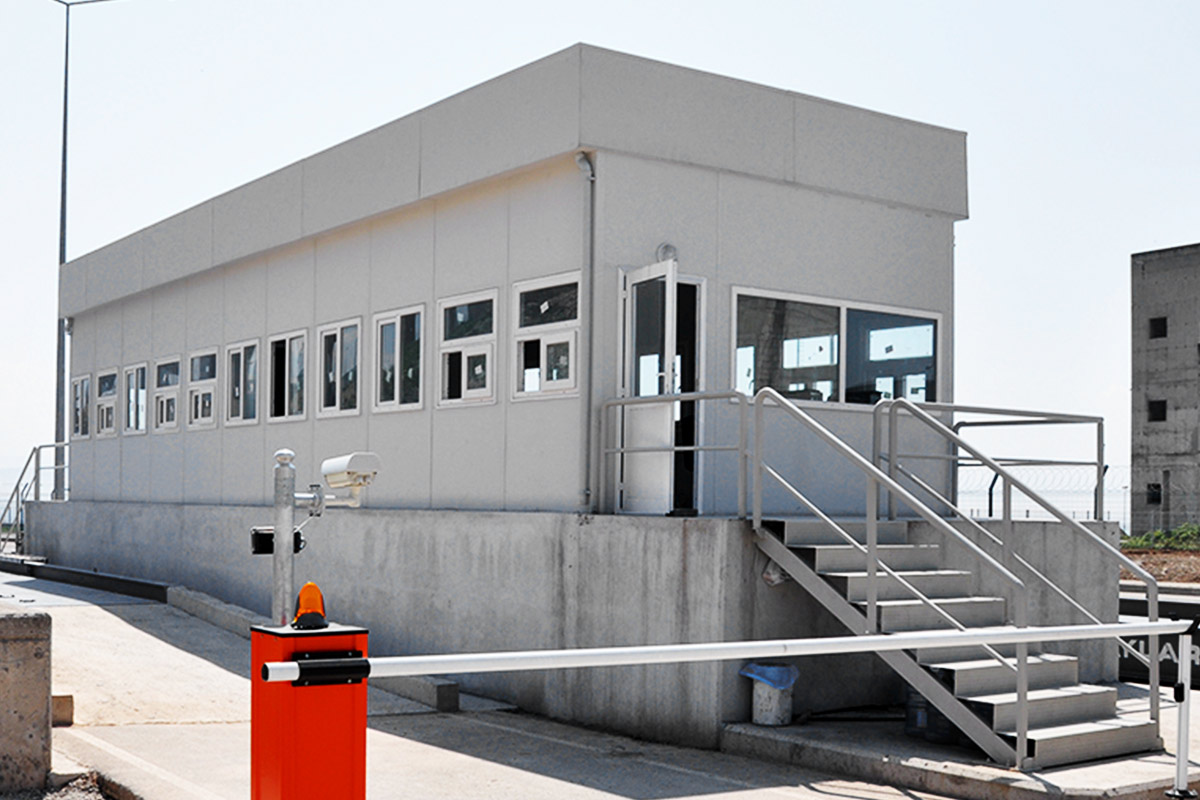
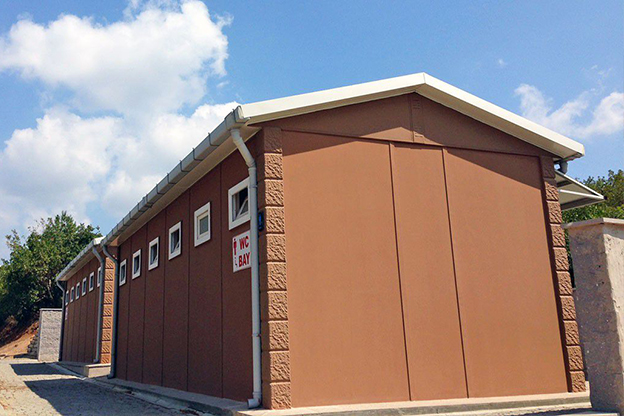
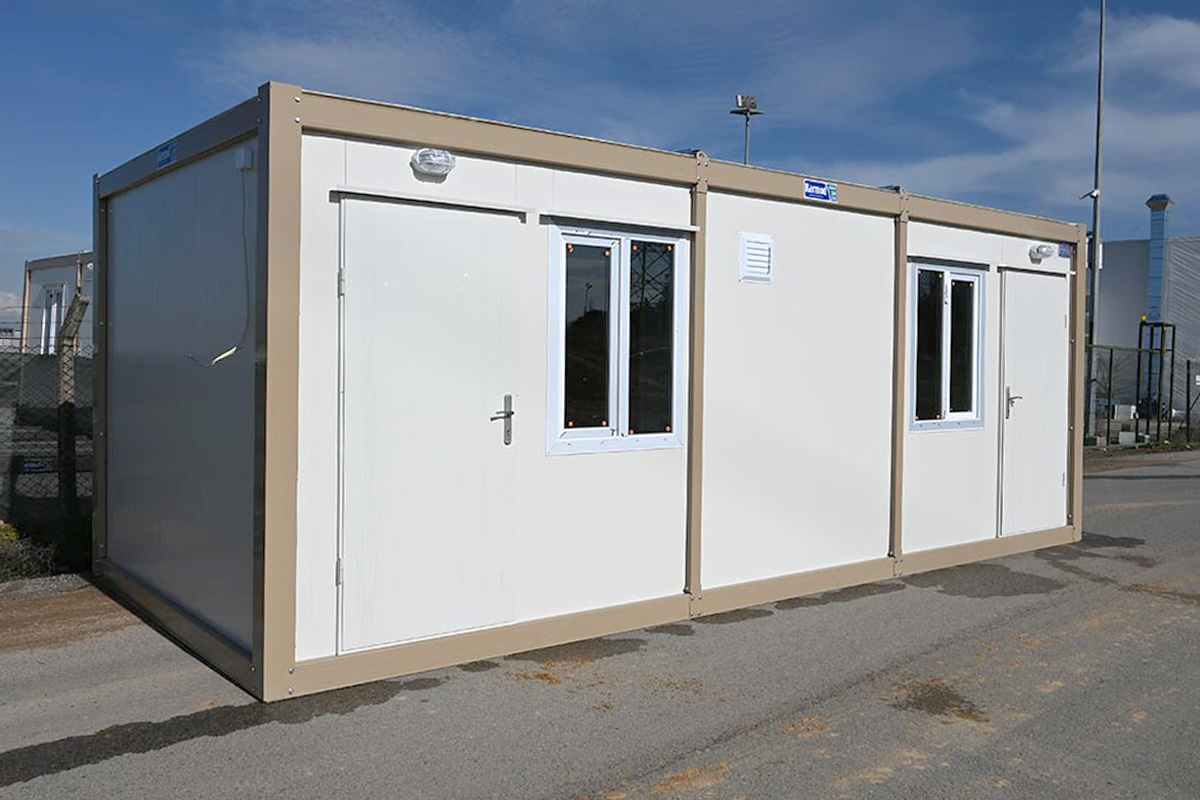
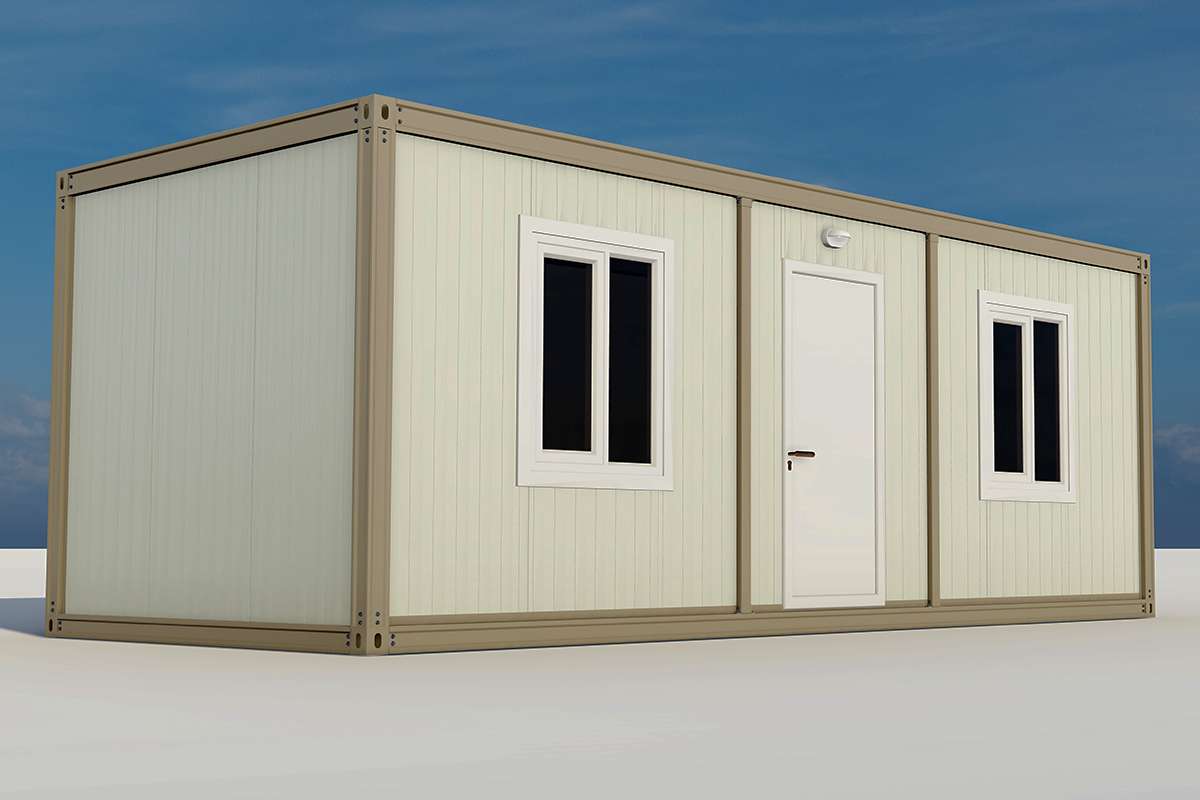
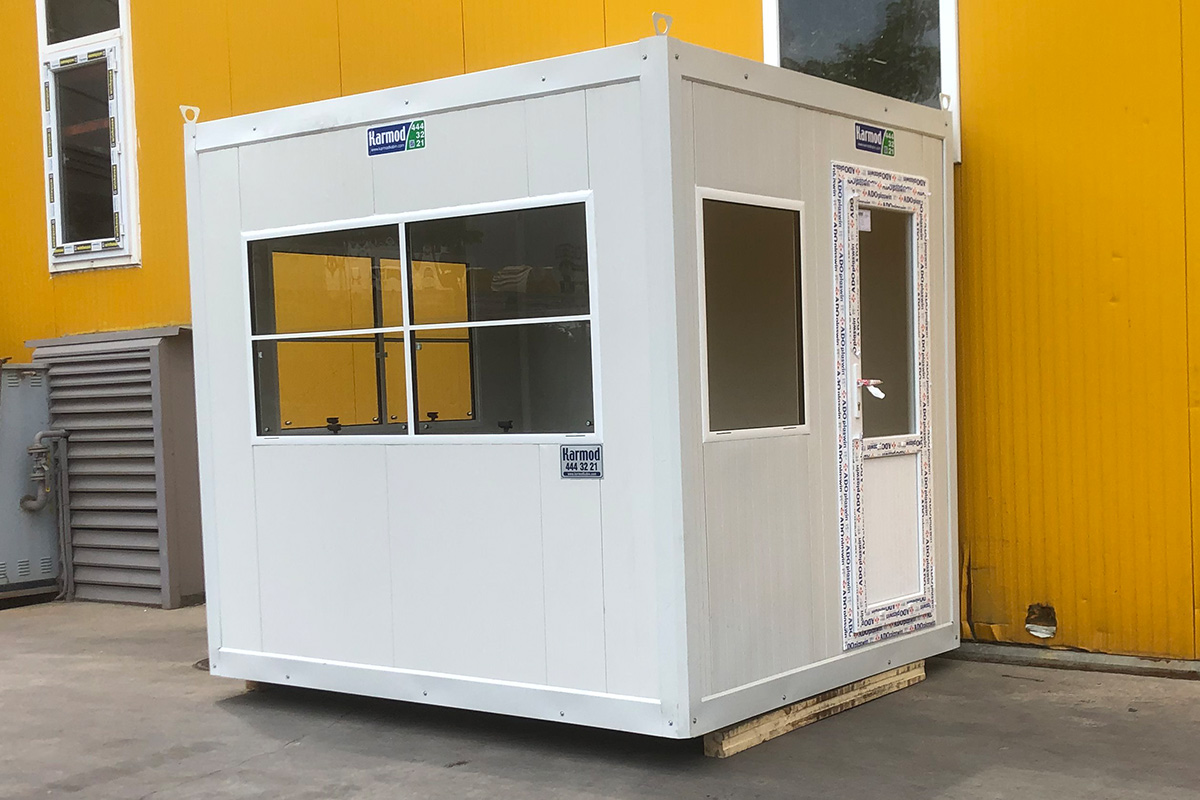
- Adoption of Modular Camp Methods: Indonesia’s dispersed project locations benefit from modular camp delivery. Modular construction helps standardize quality, speeds mobilization, and supports expansion or relocation when project phases change. Providers such as Karmod contribute to these modular approaches with project-fit configurations.
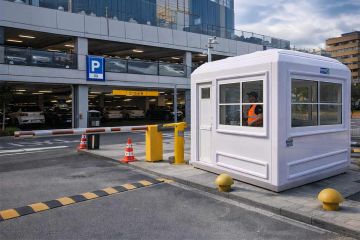
- Safety Built Into the Accommodation Base: Camps must support site HSE requirements with durable structures, controlled access, and clear circulation. In Indonesia, planning often considers local risk profiles, including seismic activity and heavy rainfall, alongside fire protection and emergency readiness.
- Karmod’s Contribution to Field Housing: Karmod supplies modular and prefabricated workforce accommodation suited to remote and logistically complex environments. The emphasis is on practical layouts, reliable build quality, and camp systems that remain consistent across multiple project sites.
- Lower Site Impact Through Controlled Construction: Modular building reduces on-site construction activity and helps limit waste, which is especially relevant in sensitive coastal or island environments where space and logistics are constrained.
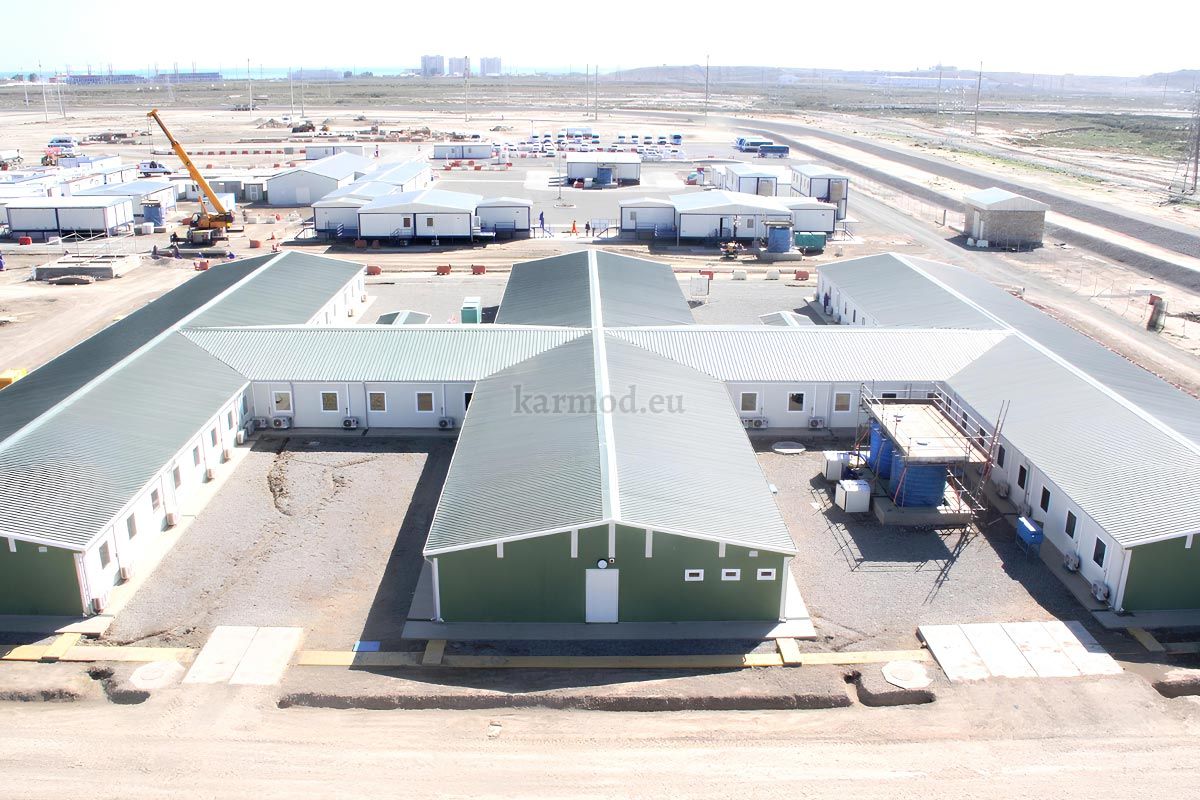
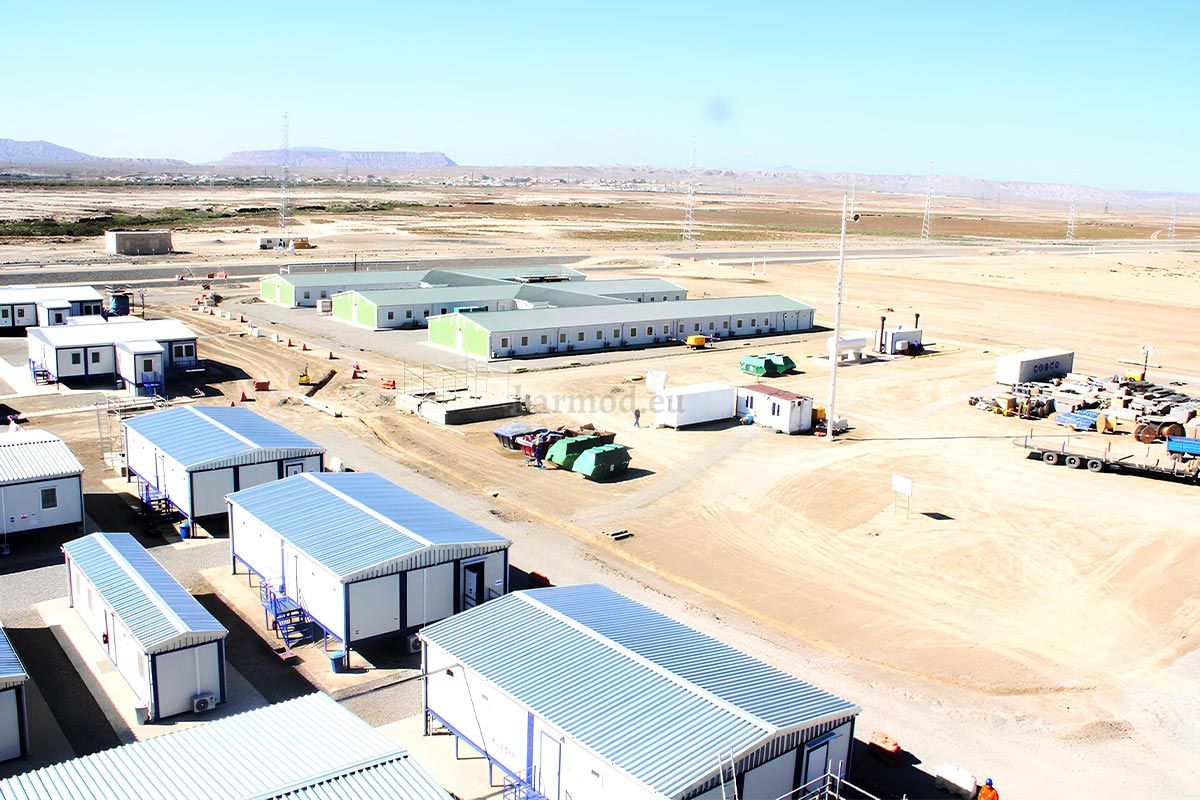
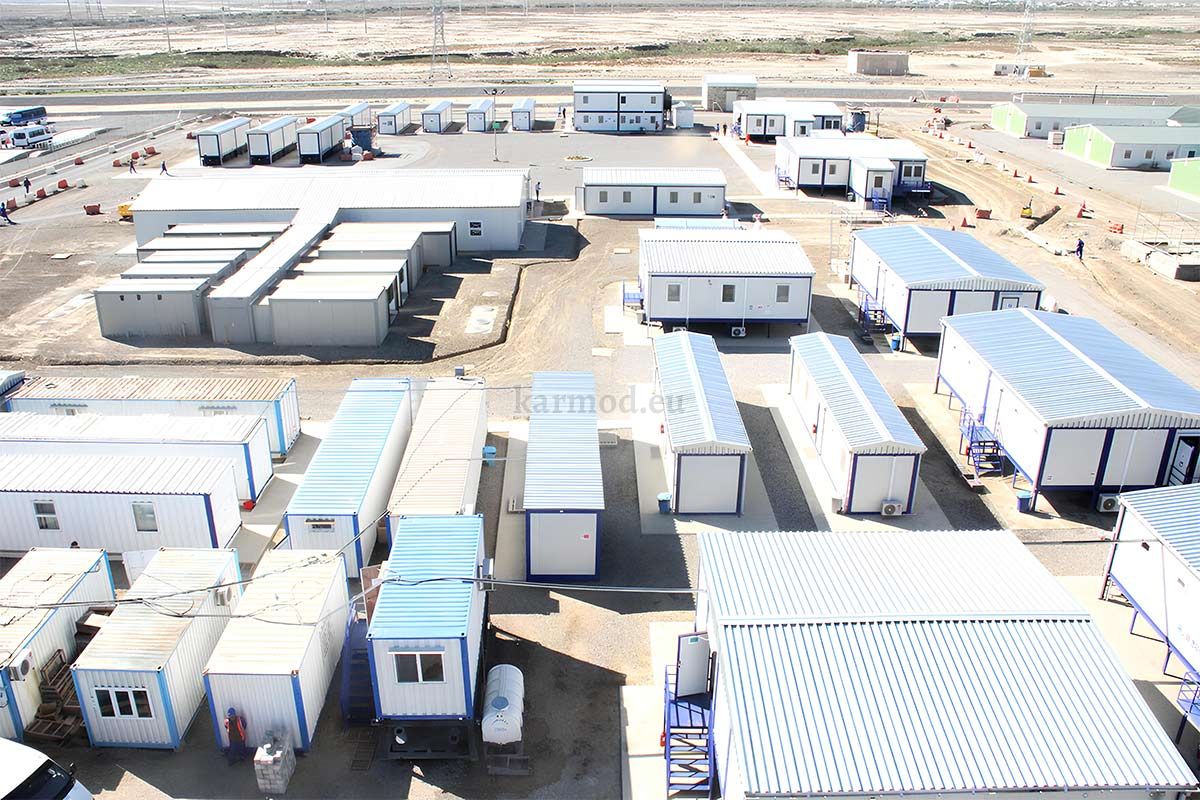

In Indonesia, workforce accommodation is part of operational continuity. A camp has to run predictably—supporting hygiene, rest, and daily services—while remaining resilient to changing site conditions. Modular systems support that requirement by providing repeatable unit quality and structured installation methods, helping project teams establish stable living standards in remote locations.
Comfort and Welfare Standards at Indonesia’s Oil and Gas Man Camps
Man camps are designed to provide reliable rest and welfare for teams working long rotations. In Indonesia, accommodation planning often accounts for heat, humidity, seasonal rainfall, and the logistics of supplying food, water, and essential services to isolated locations.
Rather than focusing on decorative features, well-run camps prioritize practical comfort: quiet sleeping areas, adequate sanitation capacity, dependable communications, and communal spaces that support daily routines. When these basics are handled well, workforce fatigue is reduced and on-site performance becomes easier to sustain. Karmod’s modular camp solutions are developed around these operational priorities.


Operational Benchmarks for Indonesia Oil and Gas Field Housing
Field housing in Indonesia is moving toward a more standardized, performance-based approach. Camps are expected to operate continuously with predictable maintenance demands, stable indoor conditions, and layouts that work for different workforce mixes—from drilling crews to construction and commissioning teams.
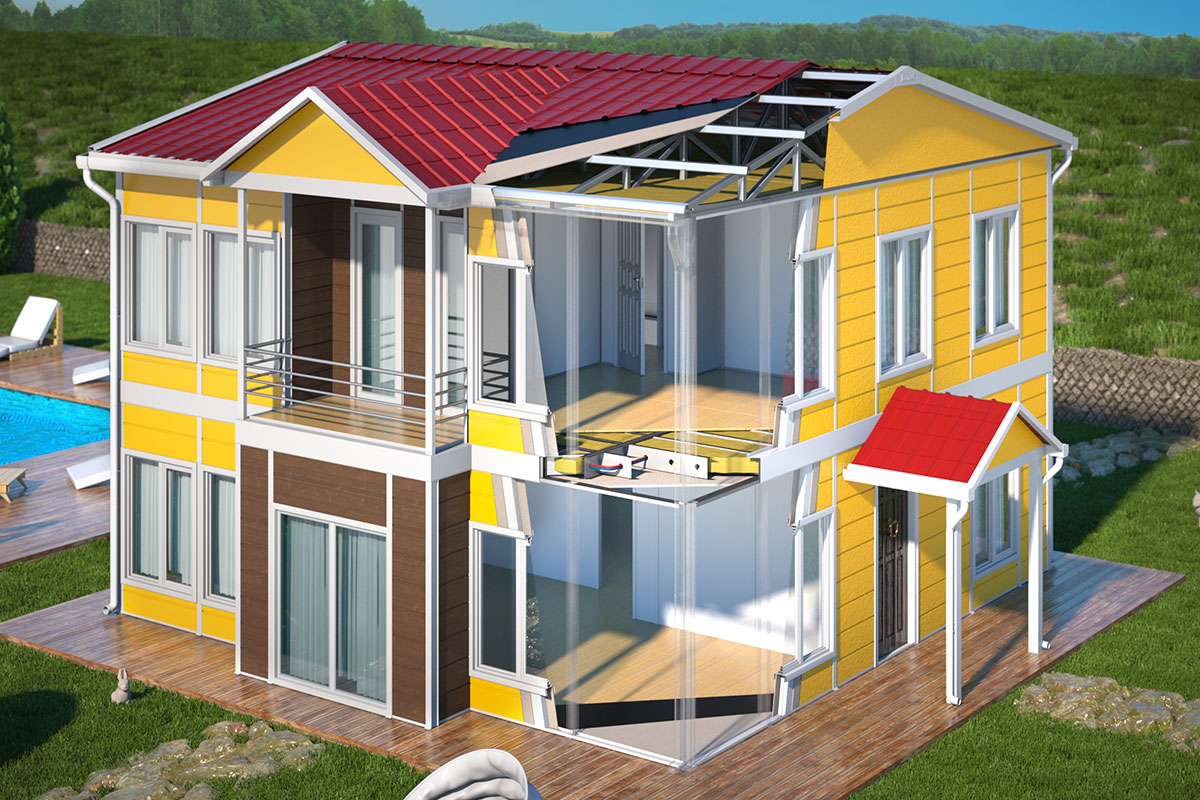
Modular construction supports these benchmarks by reducing variability in build quality and enabling faster deployment. Units can be planned as complete accommodation packages, including sleeping blocks and welfare buildings, aligned with the site schedule and mobilization plan.
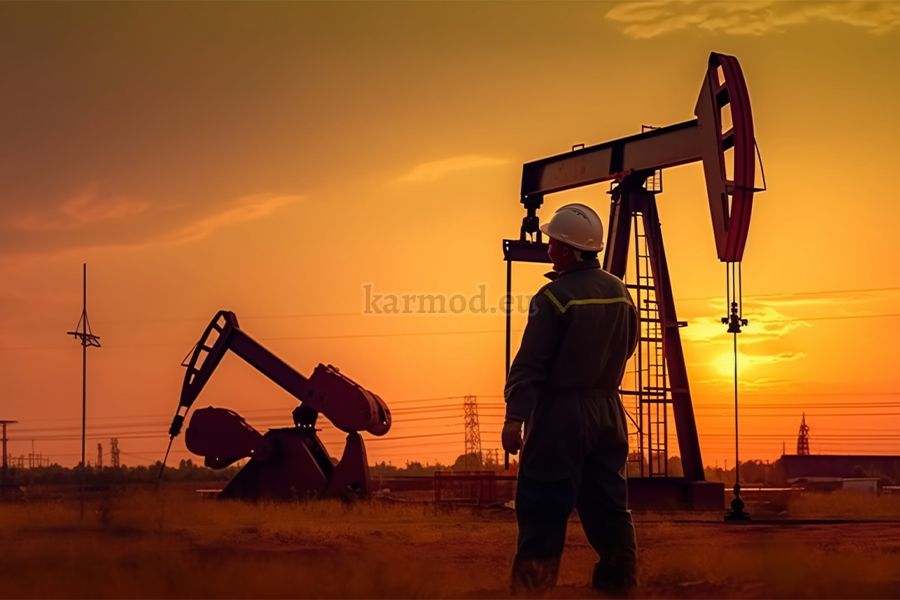
Indonesia Oil and Gas Camp Construction Buildings
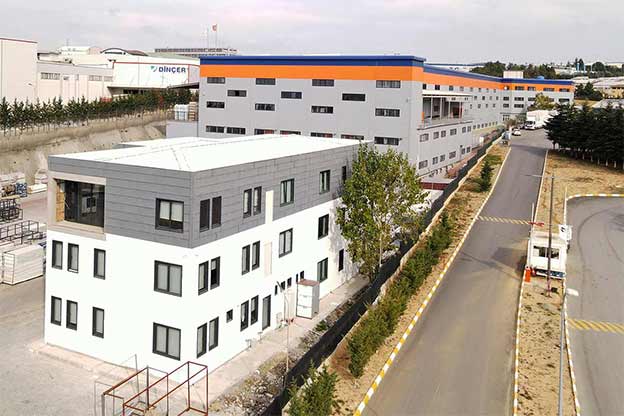
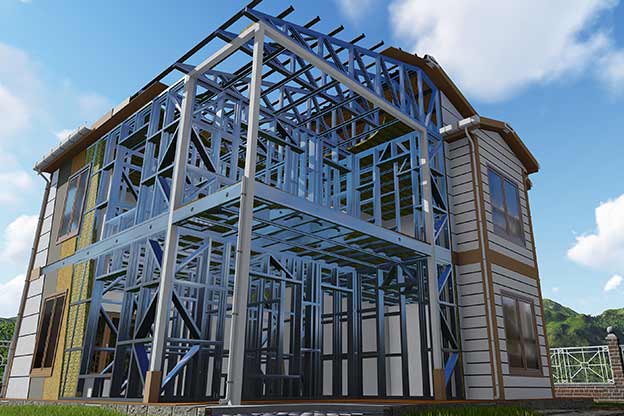
Oil and gas camp construction buildings in Indonesia must balance strength, efficiency, and practicality. With island-based logistics and varied ground conditions, building methods that reduce site time and simplify assembly are often preferred. oil and gas camp structures are increasingly delivered as modular systems to improve schedule control and support reliable long-term use.


- Design for Remote Logistics: Building sizes, module planning, and installation sequencing are developed to suit transport routes and site access limitations common across island and coastal locations.
- Materials Selected for Local Conditions: Components are typically chosen to handle humidity, heavy rain, and continuous use, with finishes that support cleaning, maintenance, and durability.
- Efficient Execution: Modular construction enables faster setup and predictable build quality, reducing dependence on extended on-site labor and supporting quicker camp readiness.
- Interior Planning That Supports Routines: Shared areas and welfare spaces are organized to keep daily services running smoothly and provide a stable living environment for rotating teams.
Karmod for Oil and Gas Field Accommodation in Indonesia
Karmod is a recognized manufacturer for modular workforce accommodation in Indonesia’s oil and gas sector. The company’s approach focuses on meeting site requirements through practical design, controlled production, and modular installation methods that suit remote locations.
- Bespoke Camp Configurations: Solutions are tailored to project needs, including capacity planning, functional zoning, and welfare building integration based on site constraints.
- Modern Construction Methods: Karmod applies modular and prefabricated techniques that support faster mobilization and consistent build standards across multiple sites.
- Sustainability Considerations: Modular delivery can reduce waste and limit on-site disruption, supporting a more controlled project footprint where environmental sensitivity is a factor.
- Quality and Reliability: The priority is long service life and operational dependability—structures that perform under continuous use and align with oil and gas site expectations.
For operators and contractors in Indonesia, a well-planned modular camp provides a stable accommodation base that supports workforce welfare, predictable camp operations, and efficient deployment across dispersed project areas.