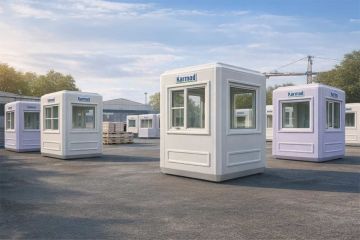
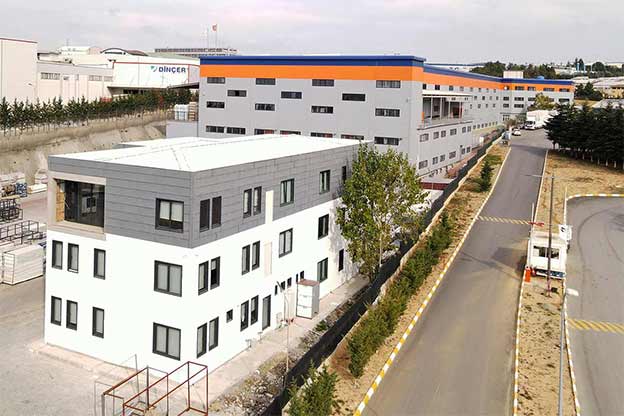












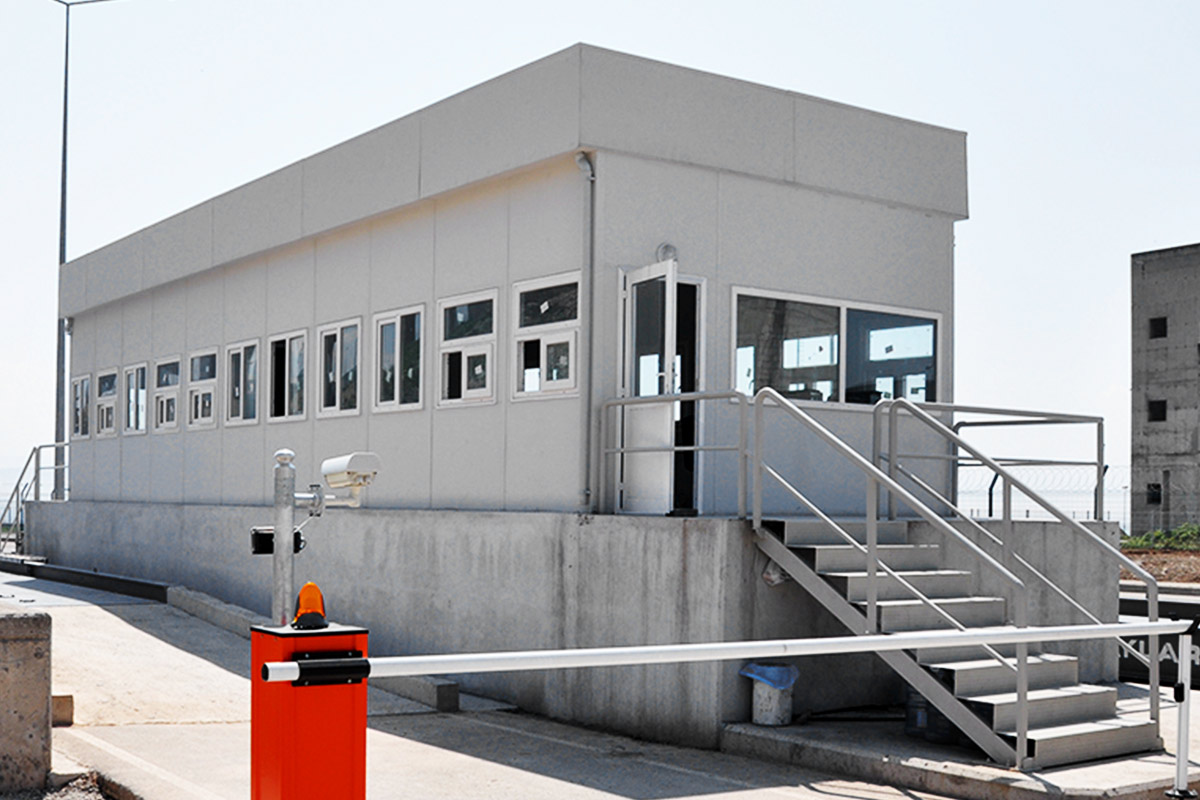


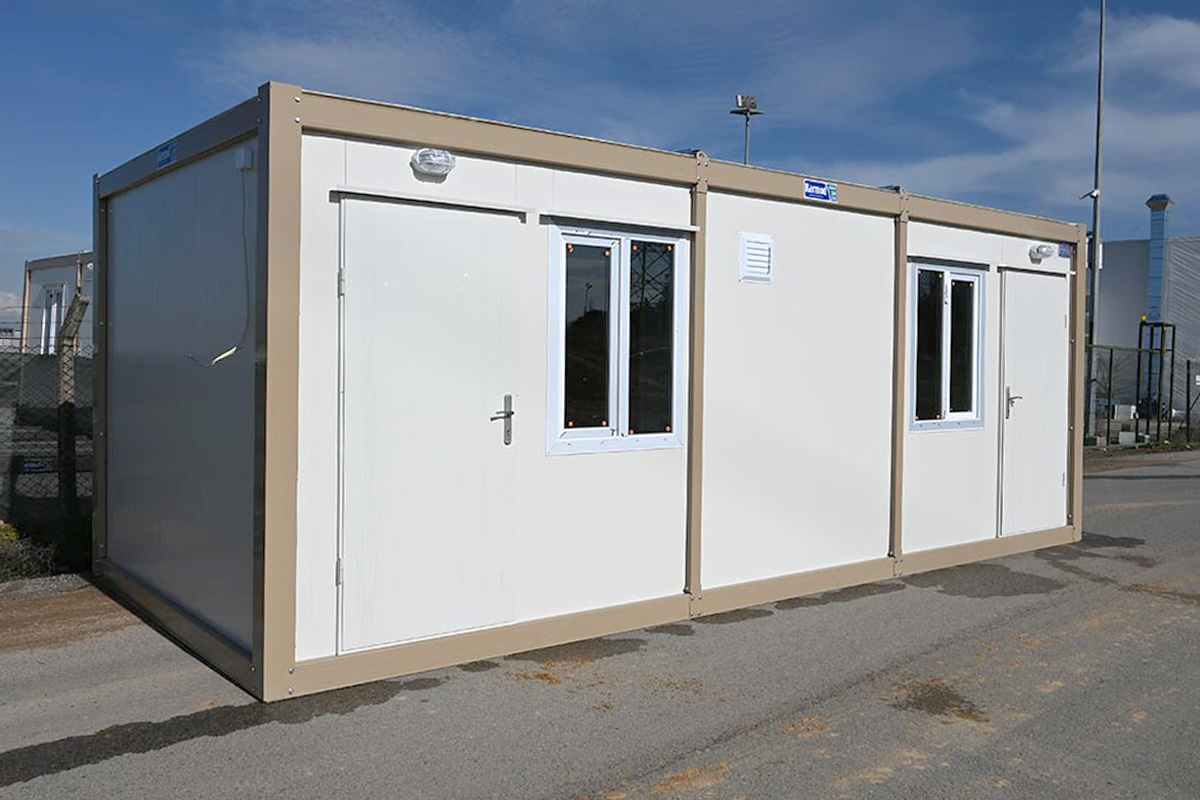















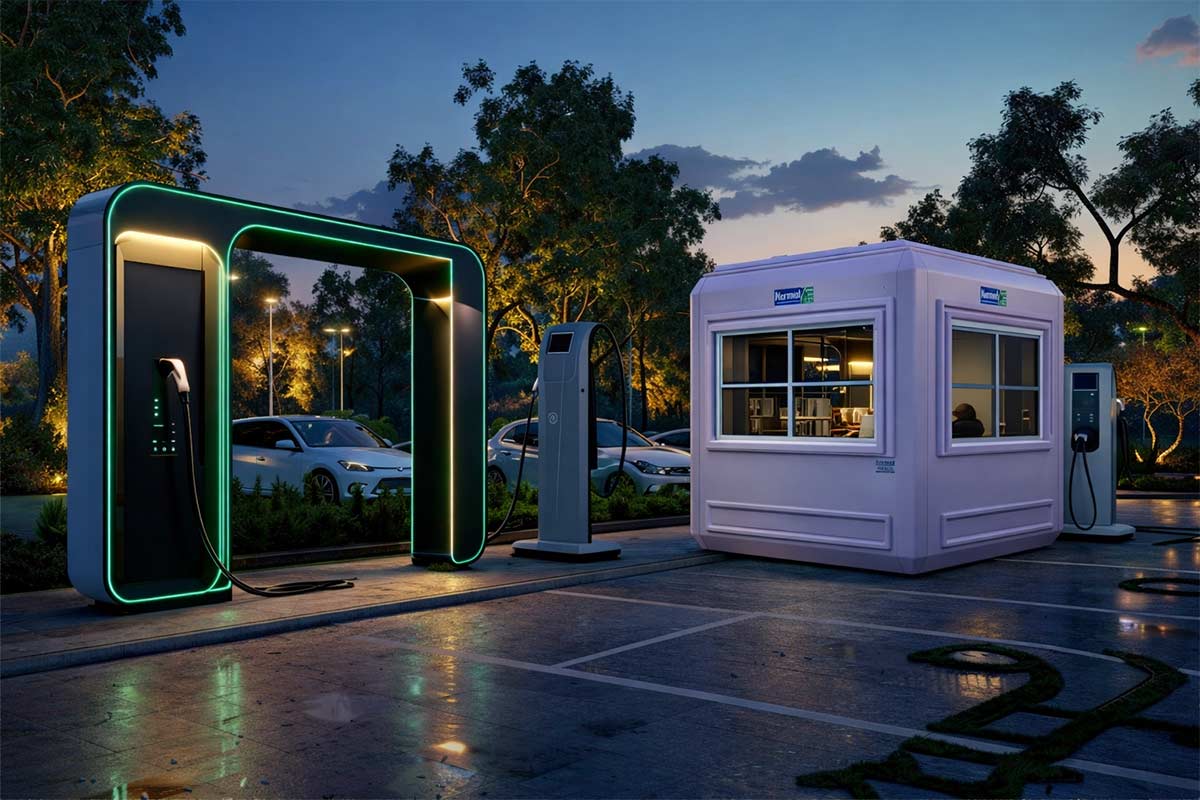
Electric vehicles are no longer a future concept. They are already reshaping how cities, businesses, and public spaces operate. As EV adoption accelerates, charging infrastructure must expand just as quickly. This is where modular kiosks enter the picture, offering a practical, fast, and scalable way to deploy EV charging stations without the delays of traditional construction.
For municipalities, property owners, and private investors, integrating EV charging stations into modular kiosks is not only a technical decision. It is a strategic move that combines energy infrastructure, retail potential, and brand visibility in a single compact footprint.


Why Modular Kiosks Are Ideal for EV Charging Stations
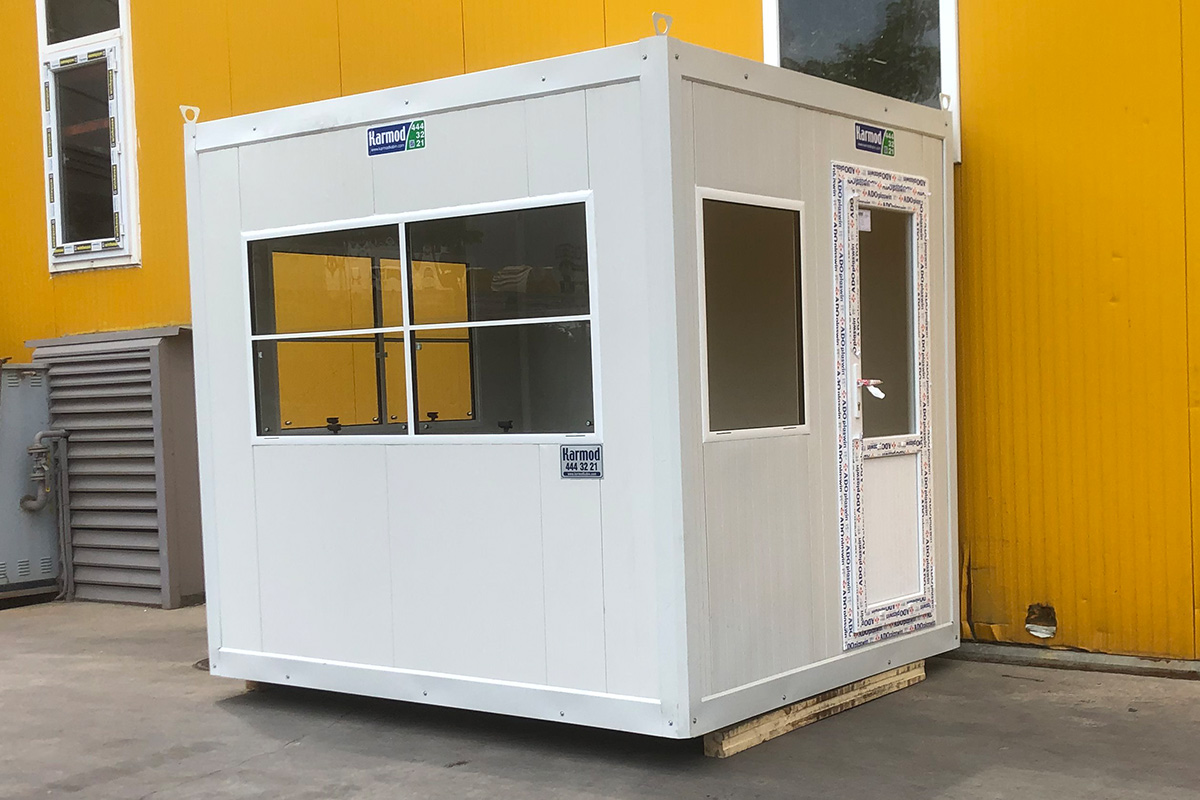
Traditional EV charging installations often involve complex permitting, permanent foundations, and long installation timelines. Modular kiosks simplify this process by providing pre-engineered structures that can be deployed quickly and adjusted as needs evolve.
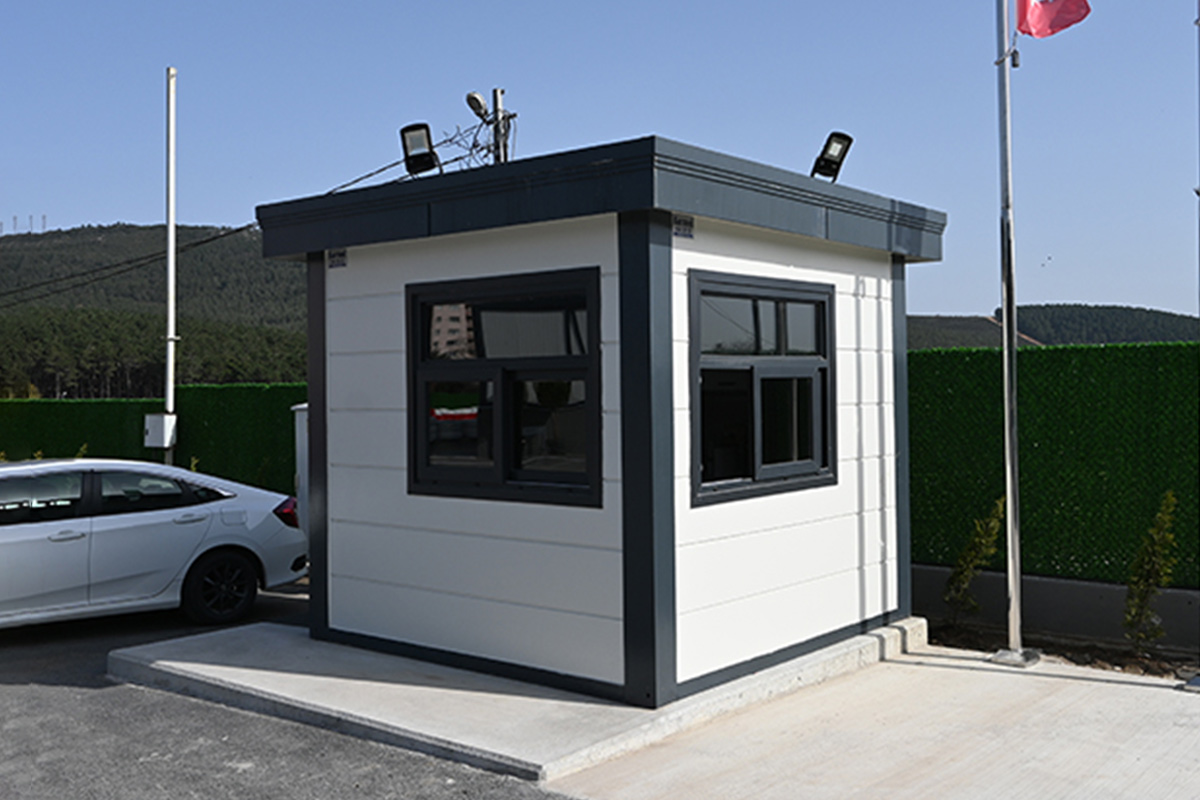
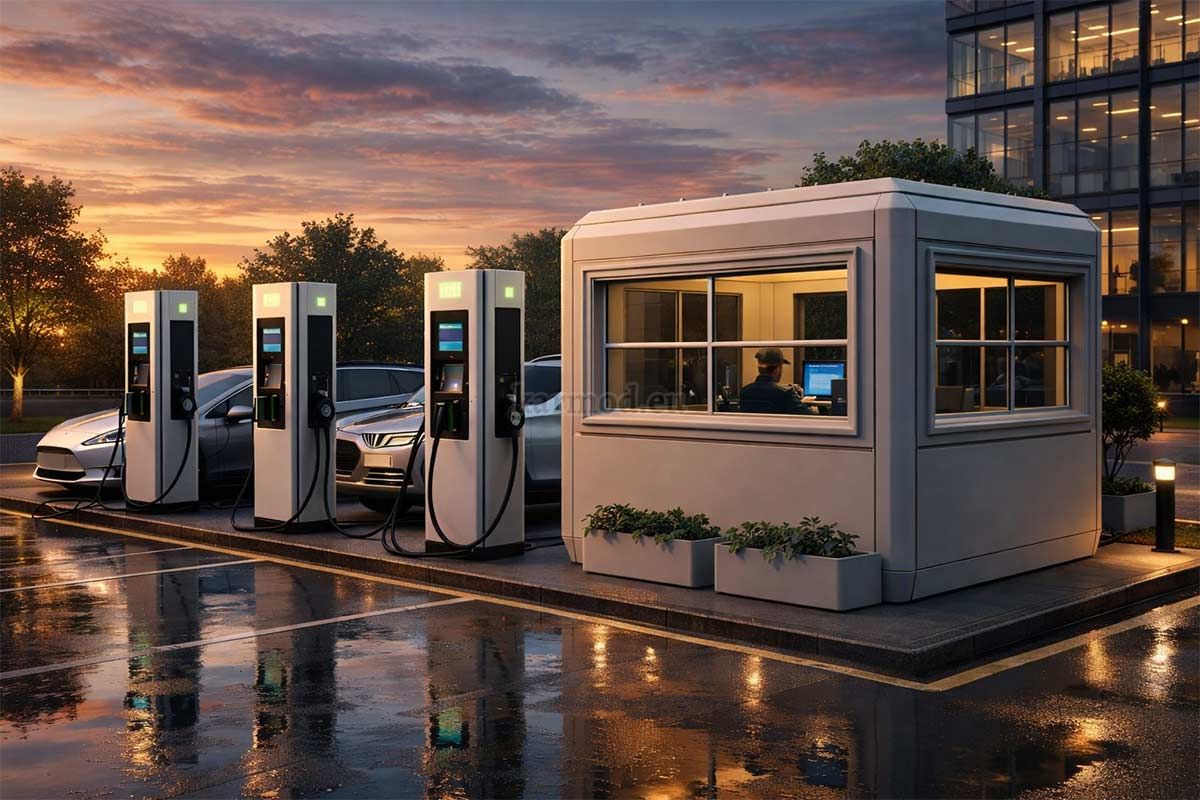
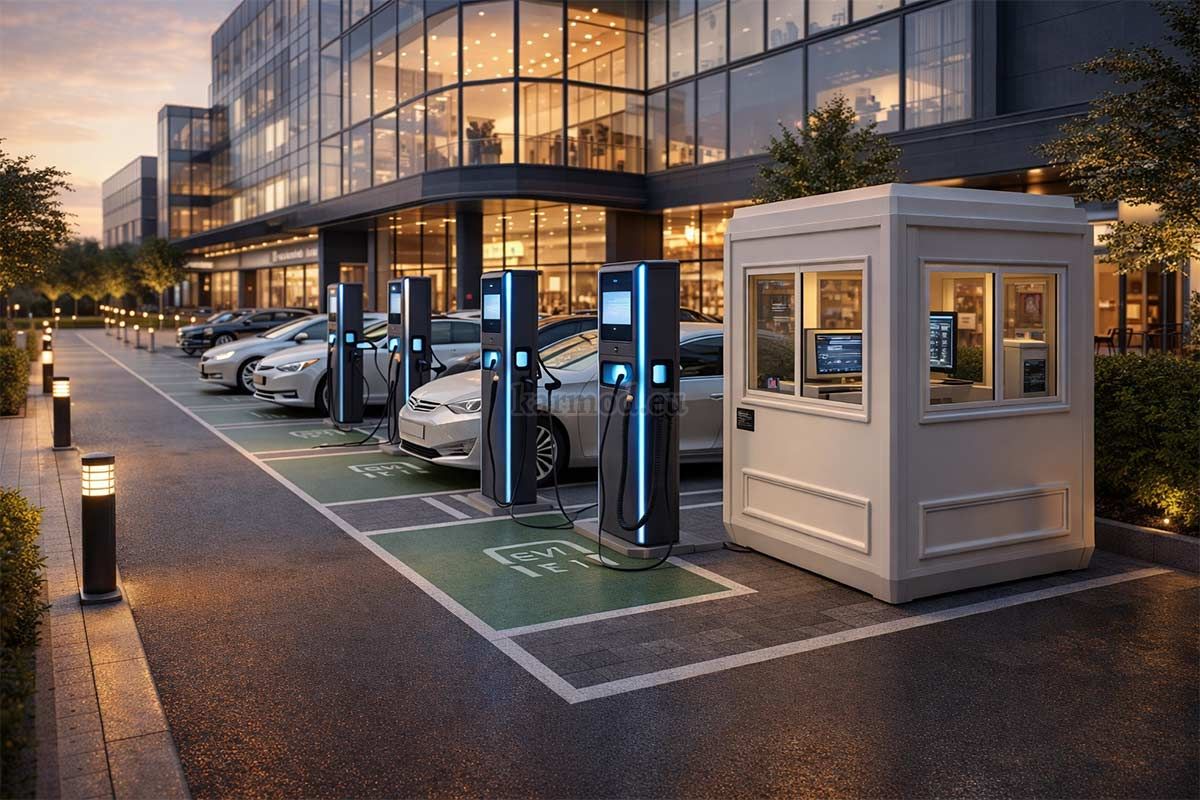
A modular kiosk can house charging equipment, electrical panels, payment systems, and user interfaces in one controlled environment. This integration reduces on-site work and minimizes disruption, which is especially important in urban areas, parking facilities, and commercial zones where downtime directly affects revenue.
Another key advantage is flexibility. As charging technology advances or demand increases, modular kiosks can be upgraded, relocated, or expanded without starting from scratch.
Design Considerations for EV Charging Kiosks
Designing a kiosk around EV charging requires more than placing a charger next to a small building. The kiosk must balance technical performance with user comfort and visual clarity.
Clear signage, intuitive layouts, and weather-protected interfaces improve the charging experience. Drivers often interact with charging stations briefly, so accessibility and ease of use are critical. A well-designed modular kiosk helps guide users naturally, reducing confusion and wait times.
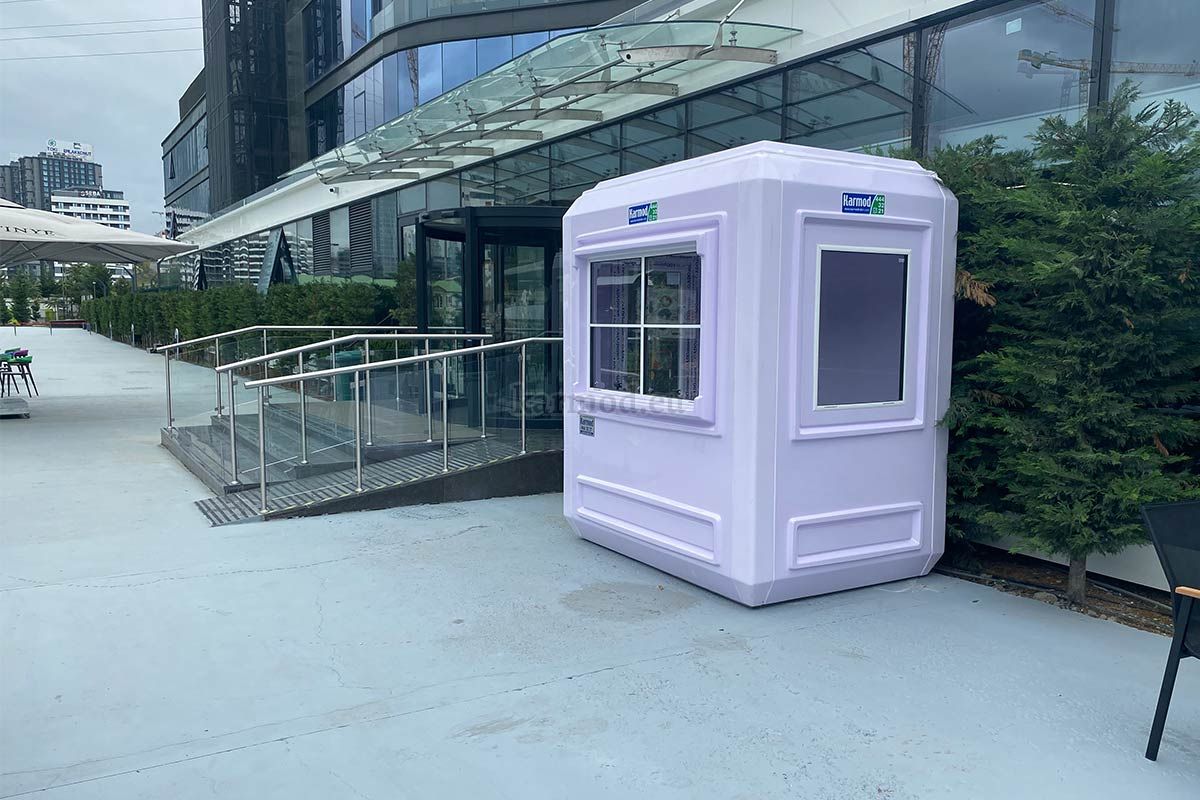
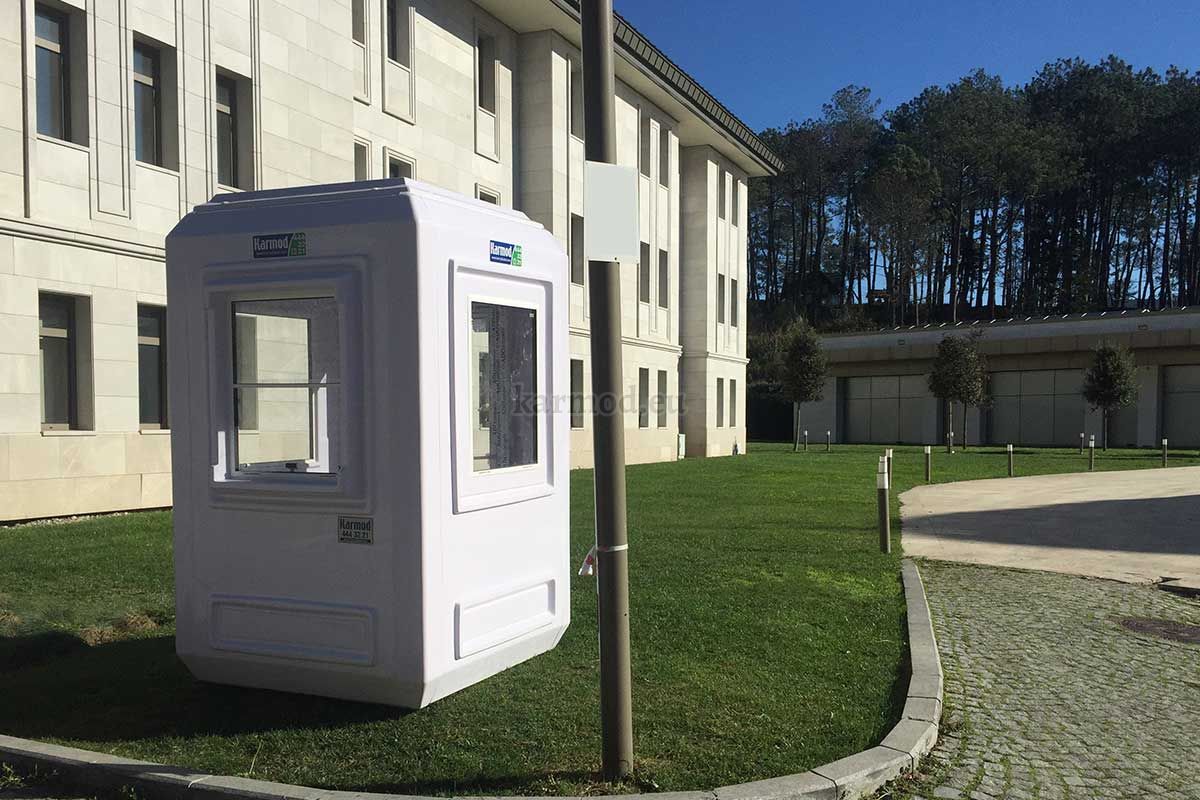
From a structural perspective, materials must support electrical safety standards while withstanding outdoor conditions. Factory-built modular kiosks ensure consistent insulation, ventilation, and equipment protection, which directly impacts long-term reliability.

Power Management and Technical Integration
One of the most important aspects of EV charging kiosks is power management. Modular kiosks are designed to accommodate electrical infrastructure from the start, including transformers, control panels, and cable routing.
This integrated approach reduces installation errors and improves safety. It also allows operators to plan for future capacity increases. Whether starting with a single charger or preparing for multiple fast-charging units, modular kiosks provide a structured framework that supports growth.
In some projects, kiosks also integrate energy storage or solar-assisted systems, helping balance load demands and reduce operational costs.
Creating Additional Revenue Opportunities
EV charging stations are no longer just utility points. When combined with modular kiosks, they become multifunctional spaces that generate additional value.
A charging kiosk can include:
- Small retail or vending areas
- Coffee or refreshment counters
- Digital advertising screens
- Information points for nearby services
While vehicles charge, users stay longer. This dwell time creates opportunities for upselling, brand engagement, and partnerships with local businesses. Modular kiosks make it possible to combine these functions without overcrowding the site.
Mobility and Scalable Deployment
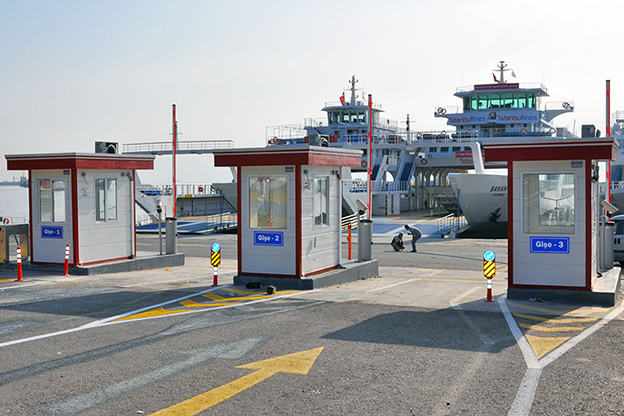
Demand for EV charging is rarely static. Traffic patterns change, new developments emerge, and user behavior evolves. Modular kiosks allow operators to respond without being tied to a single location.
Units can be relocated to higher-demand areas or deployed temporarily for events, seasonal peaks, or pilot programs. For investors and infrastructure providers, this reduces risk while keeping assets productive.
Scalability is another advantage. Once a successful kiosk model is established, it can be replicated across multiple sites with consistent quality, branding, and cost control.
Regulatory and Compliance Advantages
EV charging projects often involve coordination with local authorities, utility providers, and safety regulators. Modular kiosks designed for charging applications simplify compliance by offering standardized solutions that meet electrical and construction requirements.
Removable or semi-permanent structures are often easier to permit than fixed buildings. This accelerates approvals and helps projects move forward on realistic timelines, which is crucial in competitive EV infrastructure markets.
Building the Future of Charging Infrastructure
Integrating EV charging stations into modular kiosks is not just a trend. It is a response to the need for fast, adaptable, and user-friendly infrastructure. As cities push toward cleaner mobility, modular charging kiosks provide a bridge between energy systems and everyday urban life.
For businesses and public entities looking to invest in EV charging, choosing the right modular kiosk solution directly affects speed, reliability, and long-term return.
If you are planning to deploy EV charging stations with modular kiosks that combine technical performance, flexibility, and commercial potential, working with an experienced modular manufacturer is the smartest first step.
Contact us to explore EV-ready modular kiosk solutions, review technical configurations, and receive a project-specific quotation tailored to your charging infrastructure goals.