


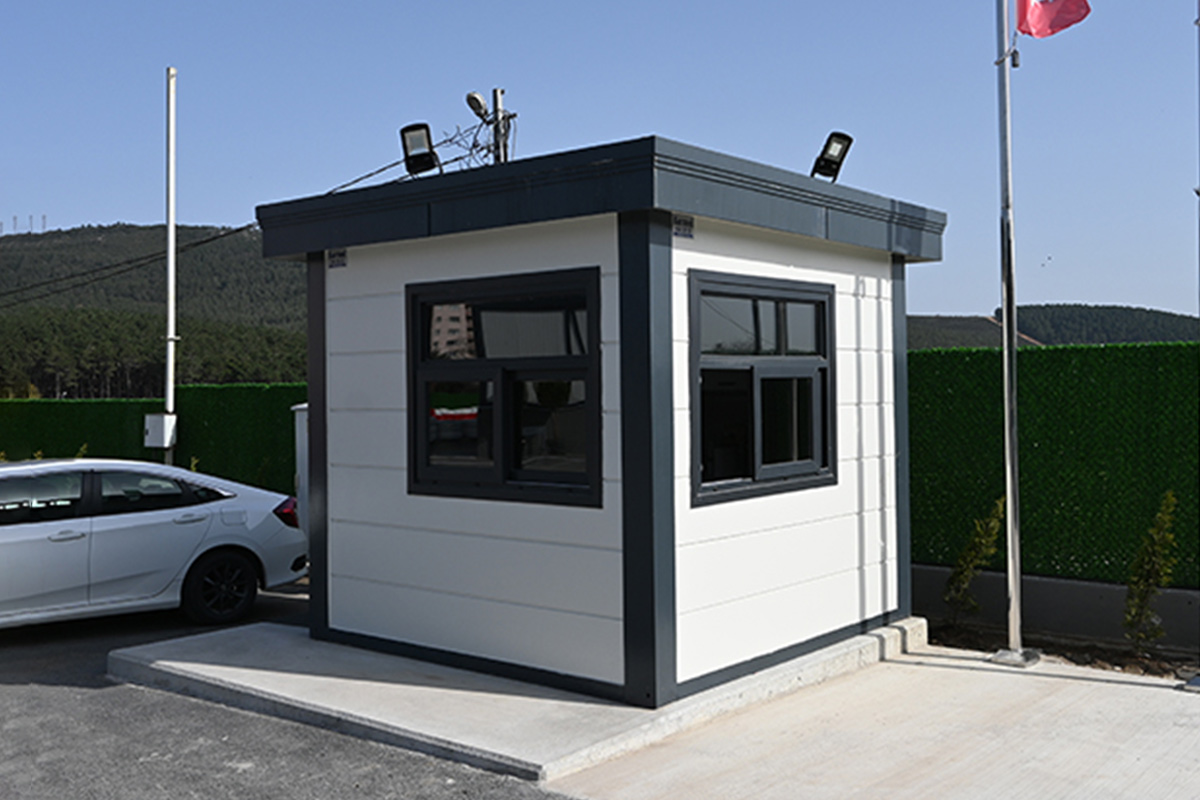

Interior design in security cabins is often underestimated, yet it plays a critical role in how effectively a cabin functions day after day. A well-designed interior does far more than look neat; it supports concentration, reduces fatigue, and helps security personnel stay alert during long shifts. When a guard spends hours inside a limited space, every design decision starts to matter more than expected.
Security cabins today are used in demanding environments such as industrial sites, corporate entrances, residential complexes, and logistics facilities. In all of these locations, interior design directly affects comfort, efficiency, and even the quality of security operations. Thoughtful layouts, correct material choices, and practical details turn a basic cabin into a productive and professional workspace.
Planning the Interior Layout for Daily Workflow
The first step in designing the interior of a security cabin is understanding how the space will be used throughout the day. Guards need to move, observe, communicate, and sometimes manage multiple systems at once. A poorly planned layout can quickly lead to clutter and unnecessary stress, especially during busy hours.
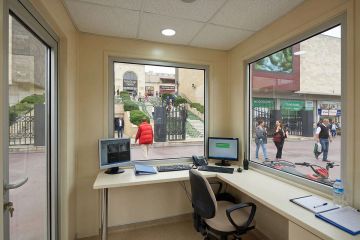
An effective layout keeps essential tools within arm’s reach while leaving enough open space to move comfortably. Desks should face entry points or screens without forcing awkward body positions. Storage should be integrated rather than added later. When the interior layout follows the natural workflow of security personnel, daily tasks feel easier and more controlled.
Furniture Selection That Supports Long Shifts
Furniture in security cabins should never be chosen purely for appearance. Guards often work extended shifts, sometimes overnight, and uncomfortable furniture leads to fatigue, loss of focus, and long-term physical strain. Ergonomic seating and properly sized desks make a noticeable difference over time.
When selecting furniture, durability is just as important as comfort. Materials should withstand constant use, temperature changes, and occasional impacts. Foldable or modular furniture can also help optimize limited space without sacrificing functionality. A well-furnished cabin supports both posture and productivity, especially during long and demanding shifts.
Lighting Design for Visibility and Comfort
Lighting is one of the most overlooked aspects of security cabin interiors, yet it directly affects alertness and visibility. Poor lighting causes eye strain, shadows, and reduced focus, particularly during night shifts or low-light conditions.
A balanced lighting setup combines natural light, general interior lighting, and task-specific illumination. Adjustable LED lights allow guards to adapt brightness based on time of day and external conditions. Proper lighting not only improves working conditions but also enhances the professional appearance of the cabin from the outside.
Climate Control and Air Quality Inside the Cabin
Security cabins must remain comfortable regardless of weather conditions. Excessive heat, cold, or poor ventilation quickly affects concentration and overall well-being. Interior design should always account for climate control systems and air circulation.
Well-insulated walls, strategically placed vents, and compact heating or cooling units help maintain a stable indoor environment. Good air quality reduces fatigue and keeps guards alert during long hours. When climate comfort is prioritized, the cabin becomes a reliable workspace rather than a temporary shelter.
Smart Use of Storage and Organization
Clutter is one of the biggest challenges in small interior spaces. Security cabins often contain communication devices, documents, personal belongings, and safety equipment. Without proper storage solutions, the interior can quickly feel cramped and disorganized.
Practical storage design includes:
- Wall-mounted shelves to free up floor space
- Lockable cabinets for sensitive documents and equipment
- Built-in compartments for personal items
- Cable management solutions to avoid tangled wiring
Interior Materials That Balance Durability and Cleanliness
Material selection has a direct impact on maintenance and longevity. Security cabins are exposed to frequent use, dust, and varying weather conditions. Interior surfaces should be easy to clean, resistant to wear, and visually professional.
Flooring materials should provide slip resistance and withstand constant foot traffic. Wall panels should resist scratches and stains. When materials are chosen with durability in mind, the cabin stays presentable longer and requires less frequent maintenance, reducing long-term operational costs.
Integrating Technology Without Visual Clutter
Modern security cabins often house monitors, access control panels, communication systems, and power supplies. If not planned carefully, technology can overwhelm the interior and create visual chaos. Interior design should aim to integrate technology smoothly into the workspace.
This can be achieved by concealing cables, mounting screens at eye level, and allocating dedicated zones for control systems. When technology feels organized rather than intrusive, guards can focus on monitoring and decision-making instead of managing equipment.
Creating a Professional Yet Welcoming Atmosphere
A security cabin is often the first point of contact for visitors, employees, or residents. The interior atmosphere sends a message about professionalism and attention to detail. Cold, neglected interiors can feel uninviting, while overly decorative designs may feel impractical.
Neutral colors, clean lines, and subtle branding create a balanced impression. A well-kept interior communicates reliability and order without distracting from security tasks. This balance is especially important in corporate and residential environments where perception matters.
Customizing the Interior to Fit the Site’s Needs
No two security locations are exactly the same. A cabin at a factory gate has different needs than one at a residential entrance or commercial facility. Interior design should reflect the specific role the cabin plays within the site.
Customization may include additional desk space for monitoring systems, reinforced storage for equipment, or visitor interaction zones. When interior design is tailored rather than generic, the cabin becomes a functional extension of the overall security strategy.
Working with an Experienced Security Cabin Manufacturer
Interior design works best when it is planned alongside the cabin structure itself. Experienced manufacturers understand how layout, materials, and systems interact within limited space. This holistic approach prevents design compromises later on.
If you are planning a new security cabin or upgrading an existing one, interior design should be treated as a strategic decision, not an afterthought. For tailored layouts, durable materials, and professional interior solutions designed for real working conditions, you can contact us to discuss your project and receive expert guidance suited to your specific needs.