




Ireland’s construction landscape has been shaped in recent years by strong economic activity, population growth, and sustained investment in infrastructure, technology, and public services. These dynamics have created a clear need for building methods that combine speed, quality, and predictability. Within this context, modular buildings and prefabricated building solutions have become established options for organizations that require reliable delivery timelines and controlled construction outcomes. Across Ireland, decision-makers responsible for planning, investment, and facility development increasingly view these systems as practical tools for managing risk and ensuring operational continuity.
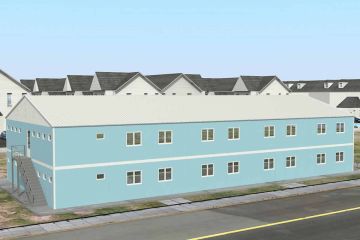
Why Modular Buildings Are in High Demand in Ireland
Labour availability and cost efficiency are among the main factors driving interest in modular construction across Ireland. Traditional on-site construction is highly dependent on skilled labour, which can be both costly and difficult to secure consistently. Modular buildings reduce this dependency by transferring a significant portion of the work to factory environments, where processes are standardized and less affected by labour fluctuations.
Construction timelines also play a decisive role. In Ireland, delays caused by weather conditions and site-related constraints are common challenges. Modular construction mitigates these risks by enabling simultaneous progress: while site preparation is underway, building modules are manufactured off-site. This parallel workflow shortens overall project duration and allows organizations to bring facilities into operation sooner.
Another important factor is the balance between temporary and permanent building needs. Ireland requires both short-term structures—such as temporary classrooms or site offices—and long-term facilities for education, healthcare, logistics, and industry. Modular buildings address this dual requirement by offering structures that can be relocated, expanded, or adapted over time, aligning well with phased investment strategies.
Sector-specific demand further reinforces this trend. Logistics and warehousing, technology and data services, public sector infrastructure, healthcare, and renewable energy projects all require buildings that can be delivered quickly without compromising performance. Modular and prefabricated systems provide a consistent response to these sectoral needs across Ireland.
Modular Buildings vs. Prefabricated Building Systems
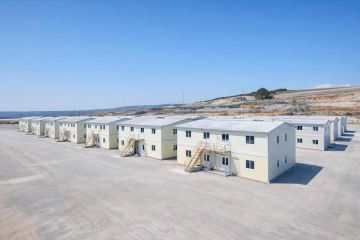
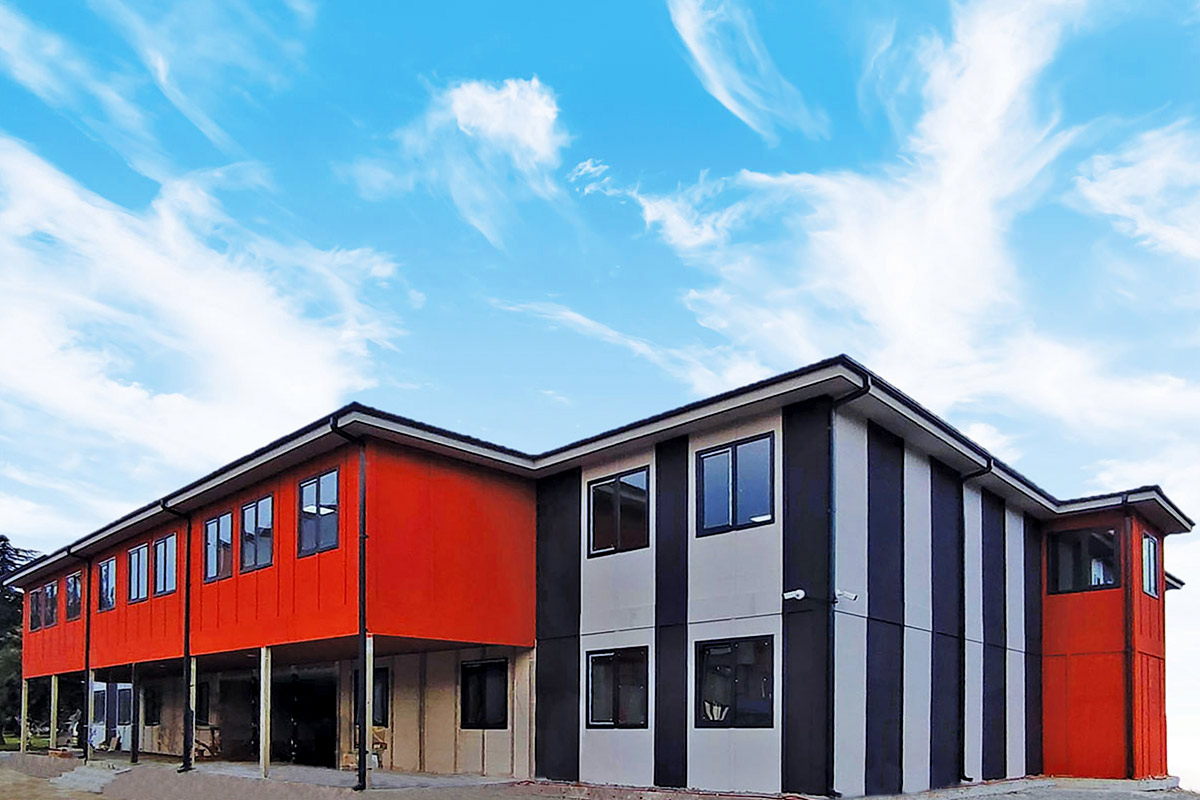
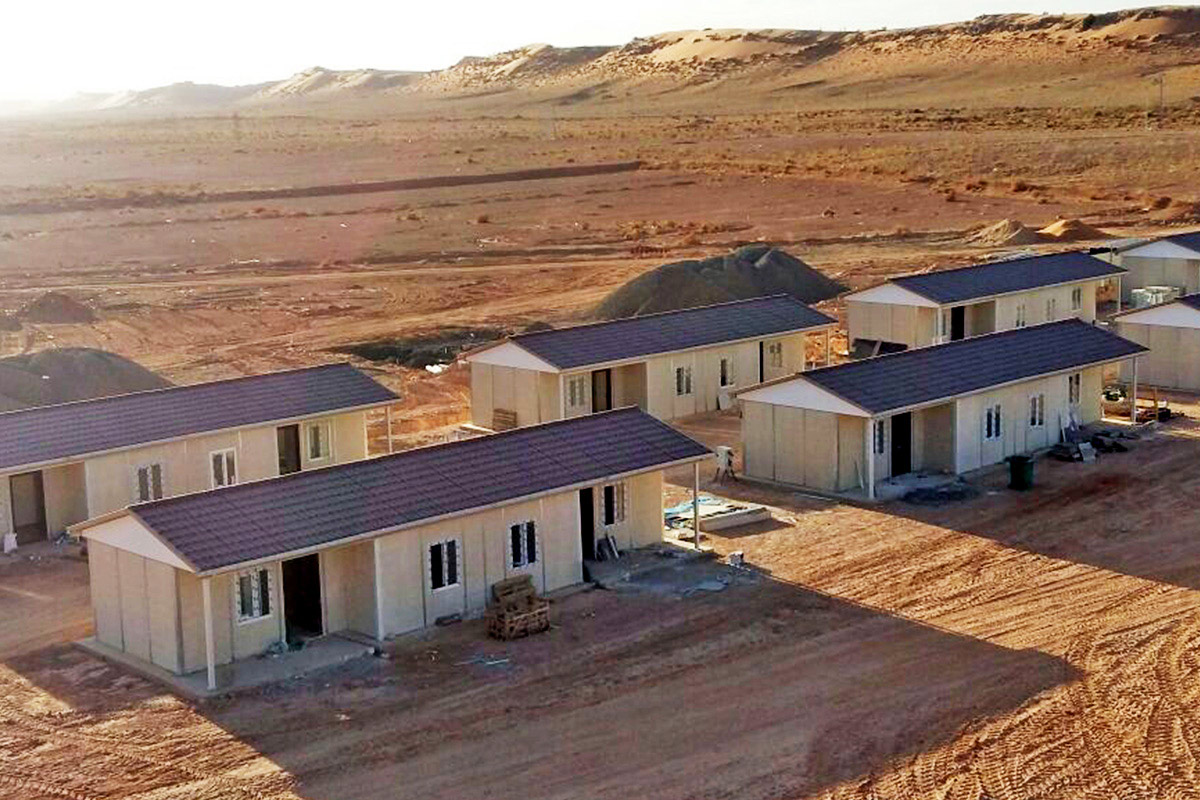
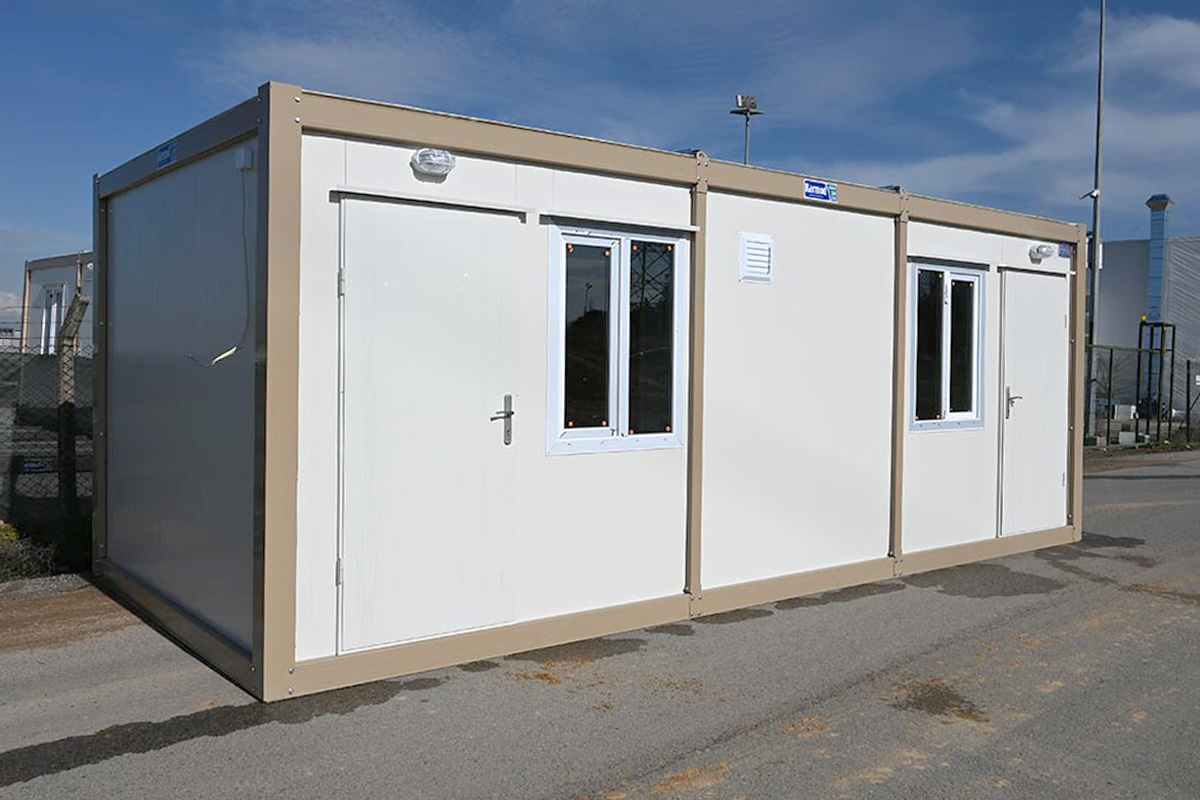
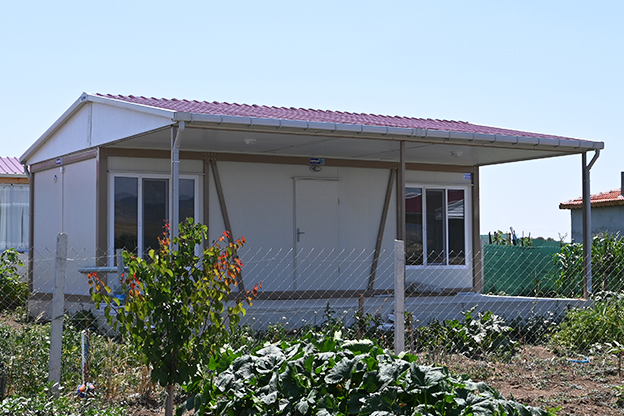
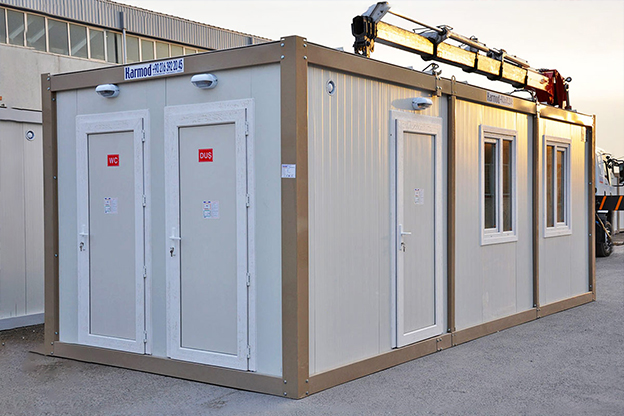
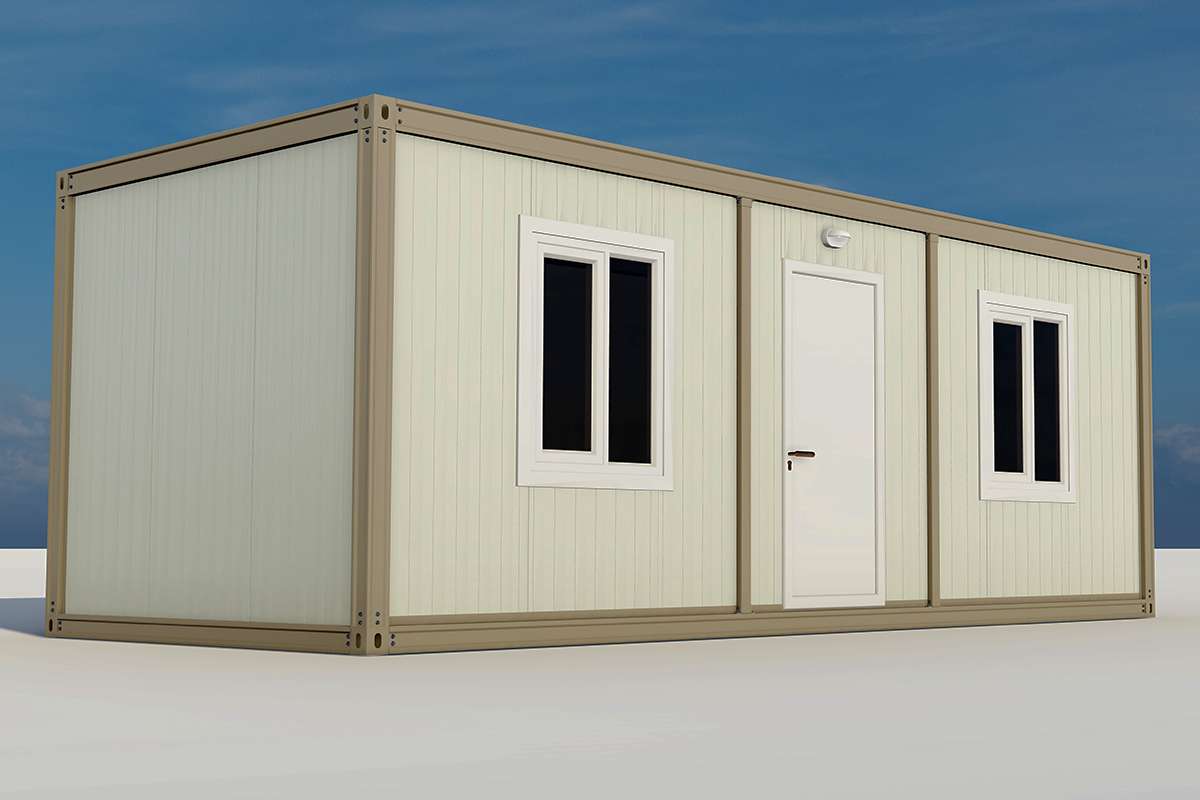
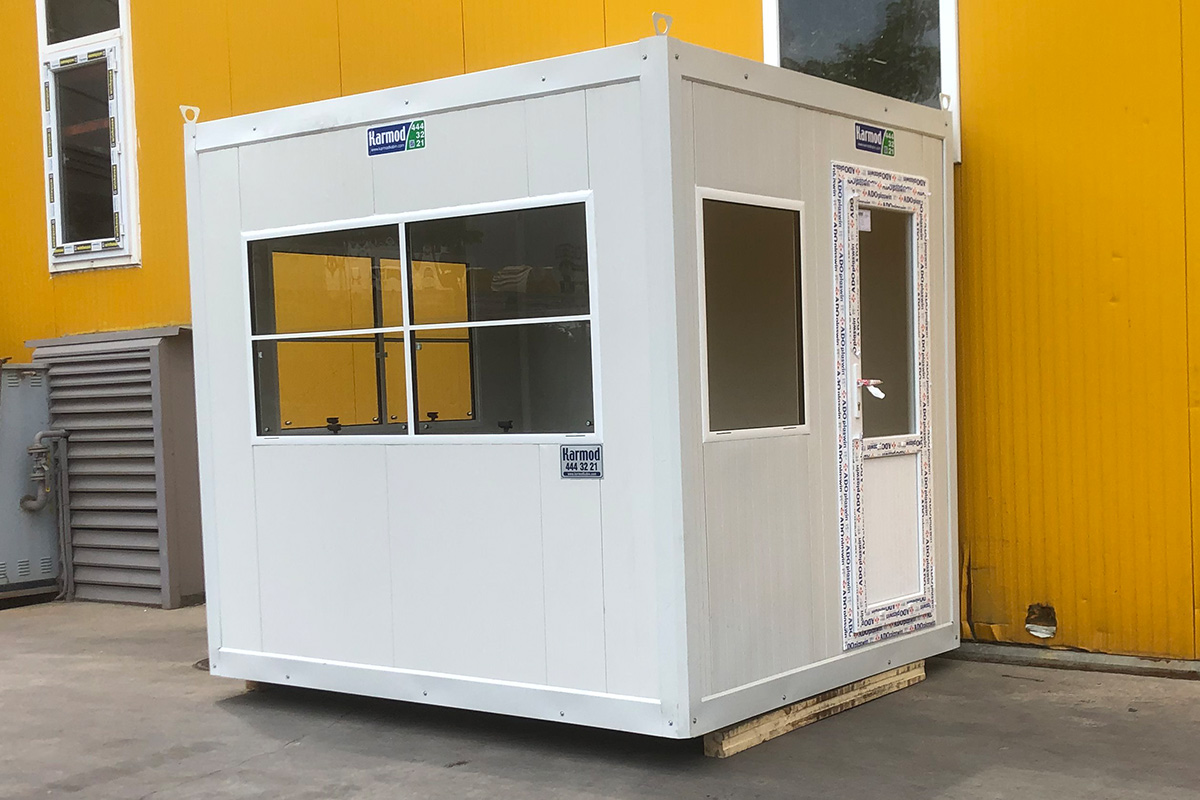
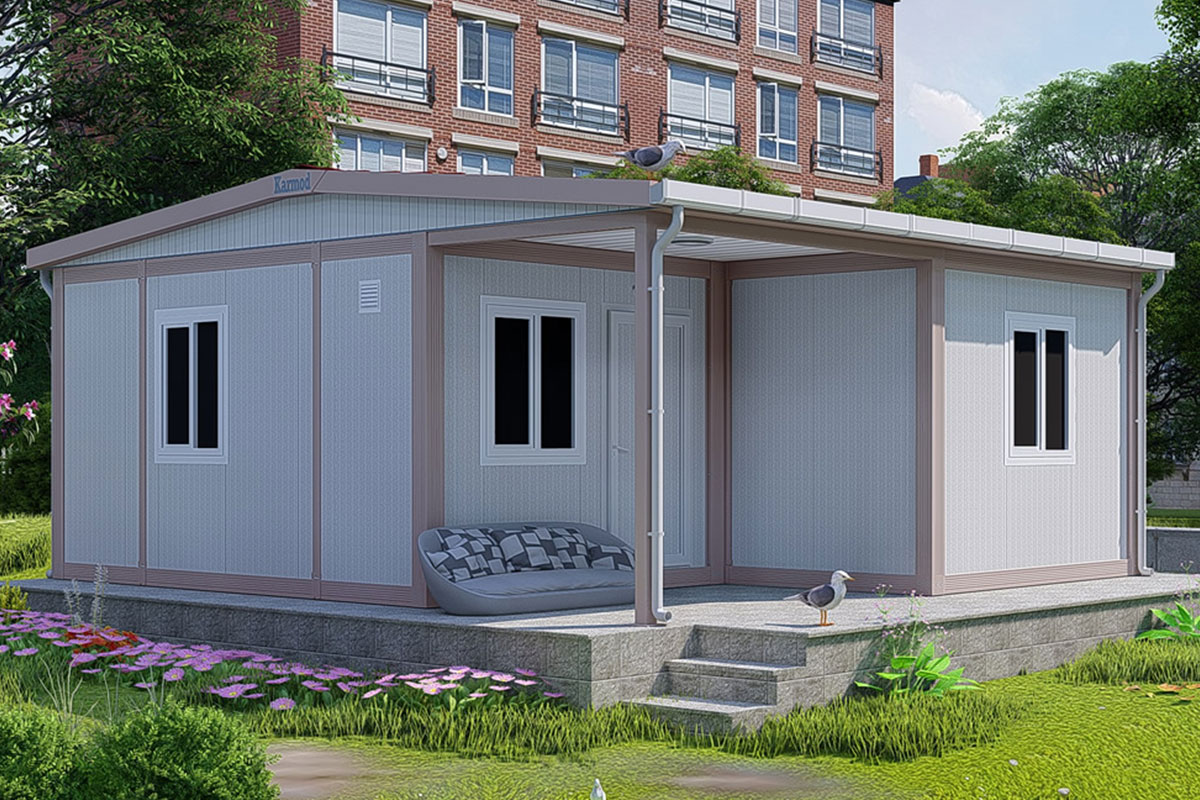
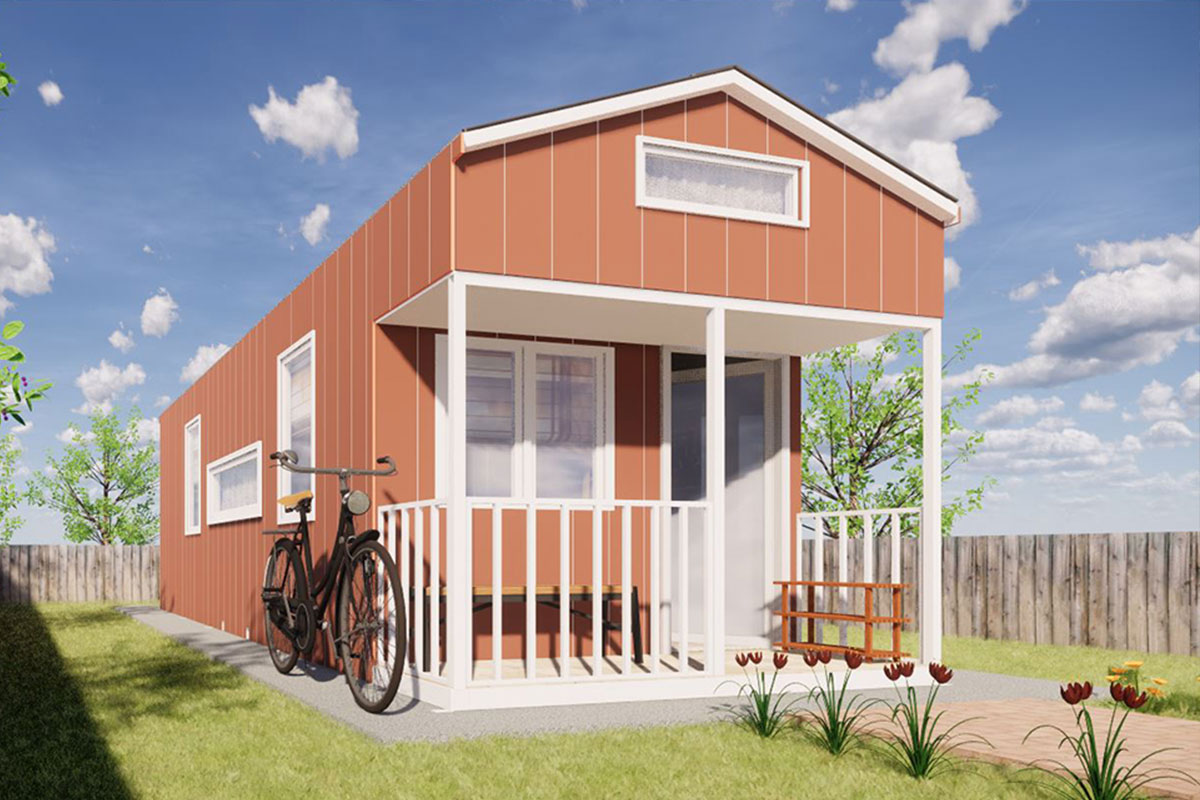
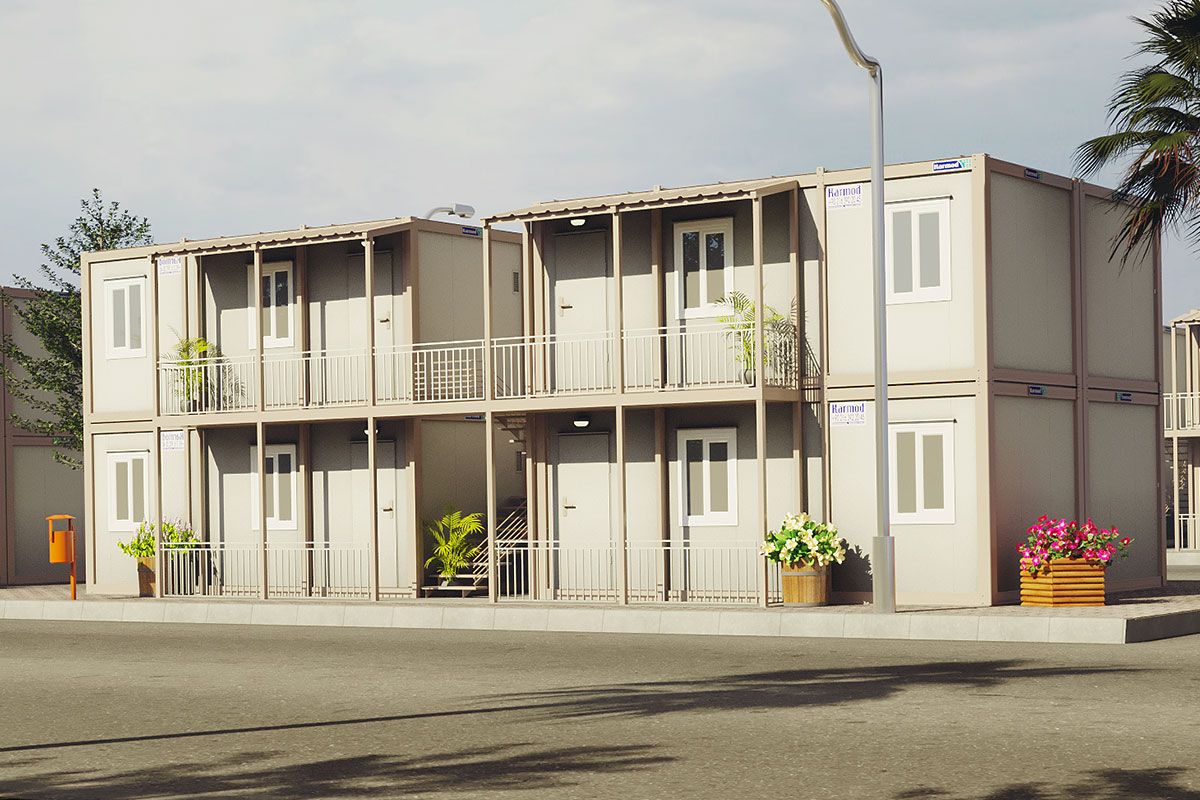
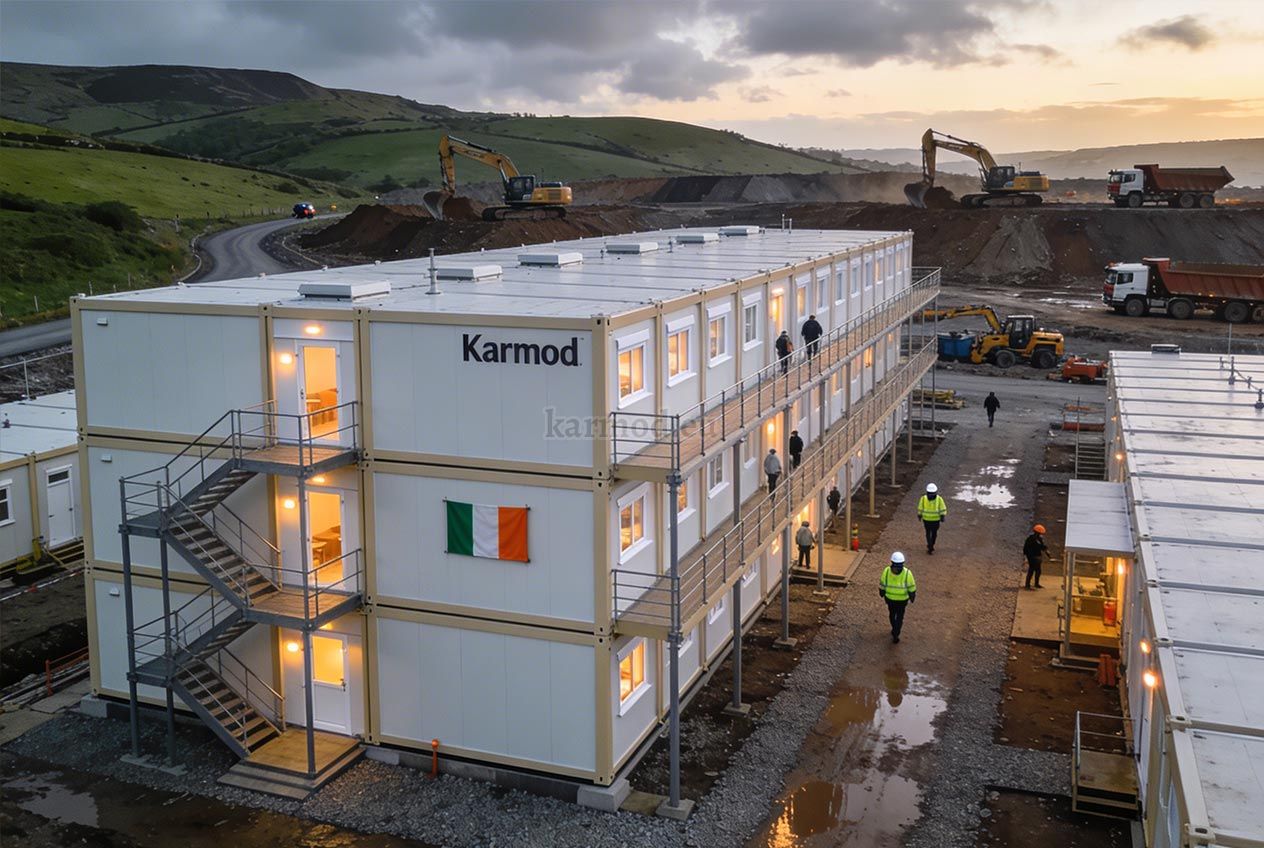
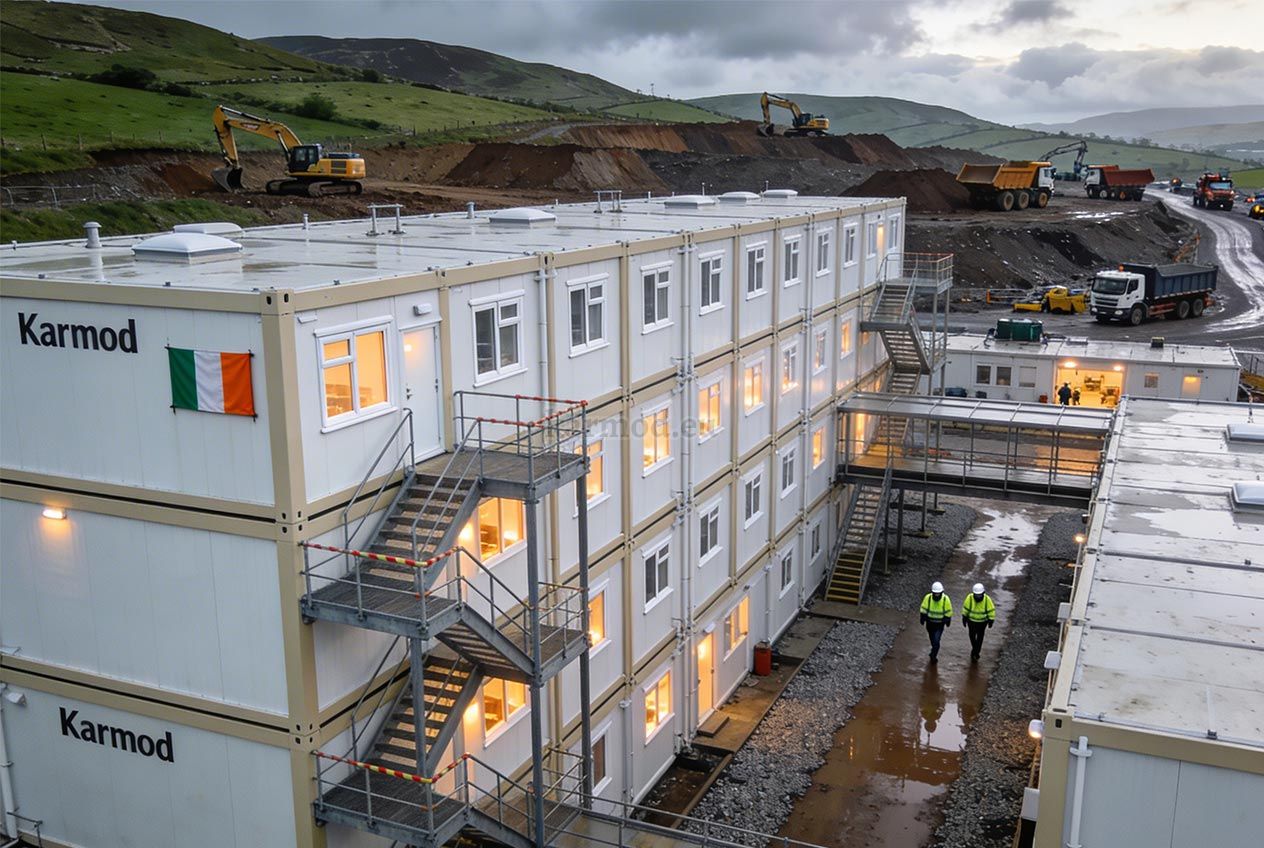
Although they share off-site production principles, modular buildings and prefabricated building systems serve different project objectives. Modular buildings are produced as three-dimensional units that arrive on site largely complete. Their modular nature allows for rapid installation, easy expansion, and, when necessary, relocation. In Ireland, this makes them particularly suitable for temporary or semi-permanent applications where flexibility is essential.
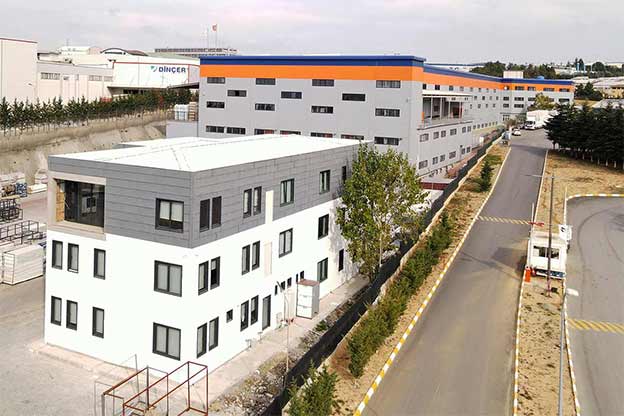
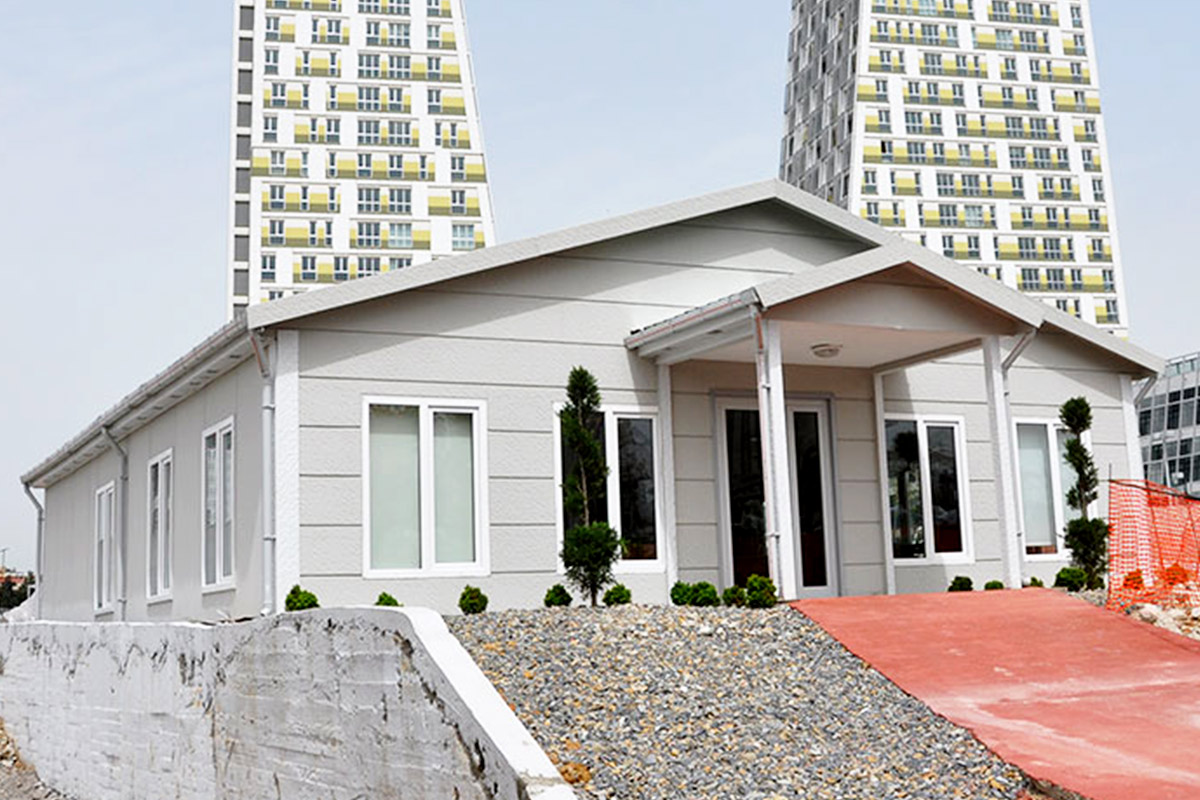
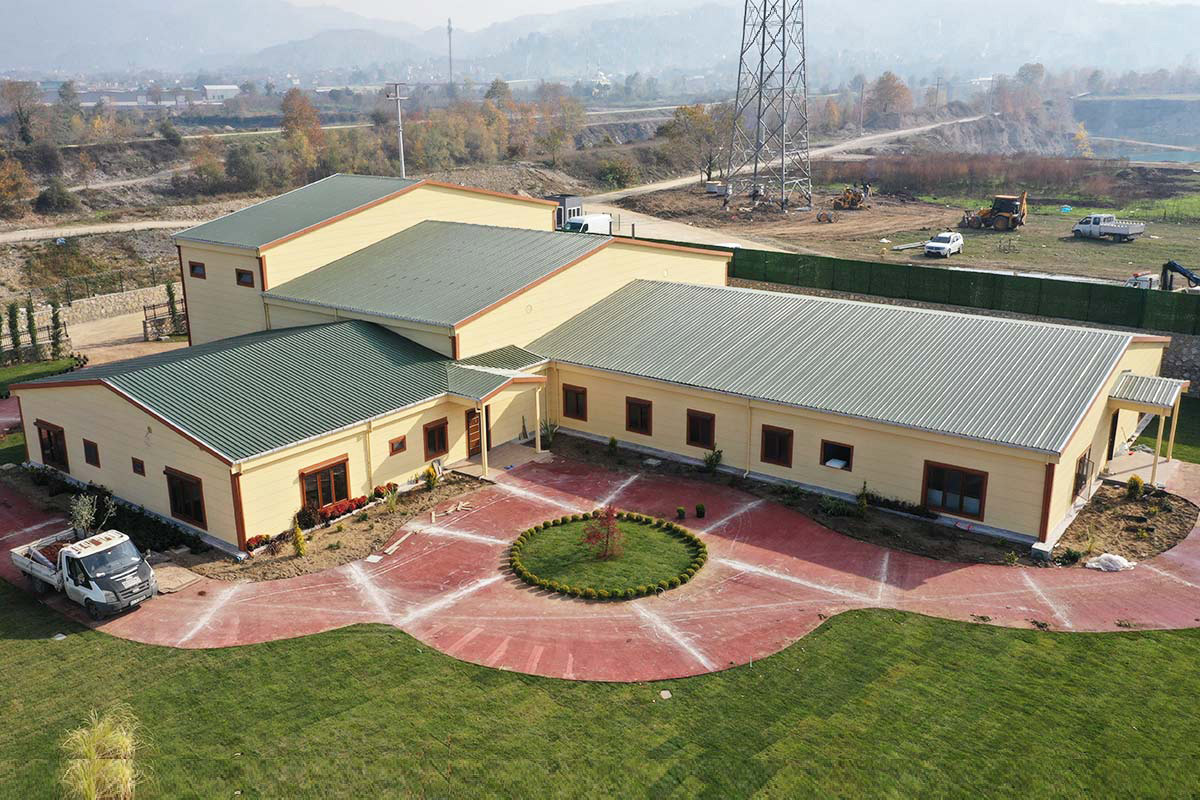
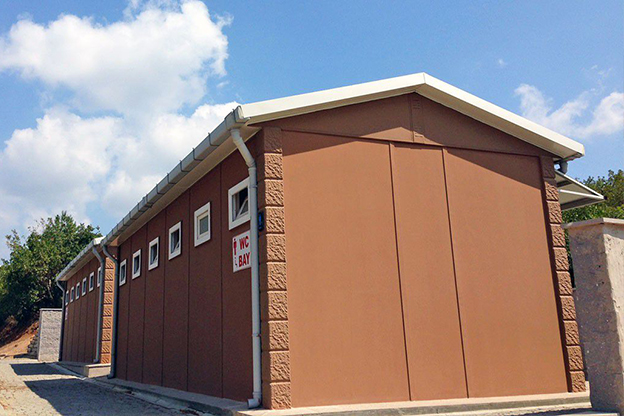
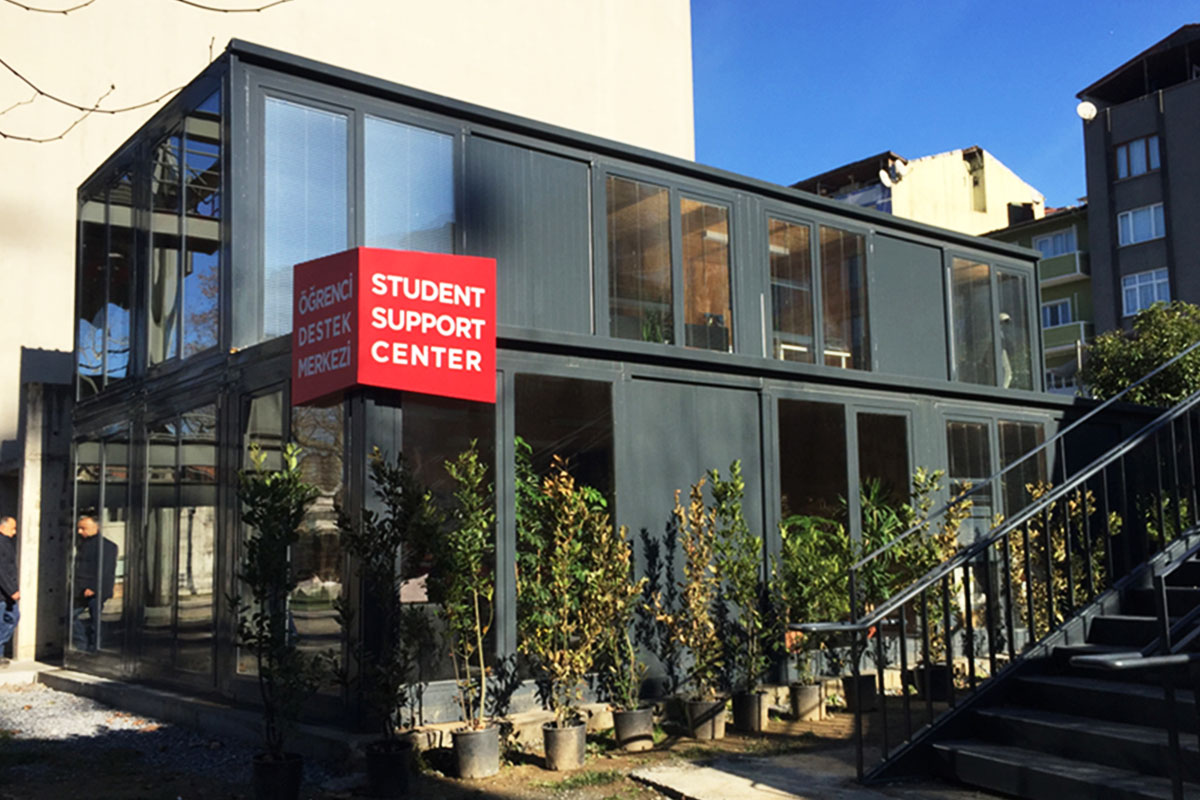
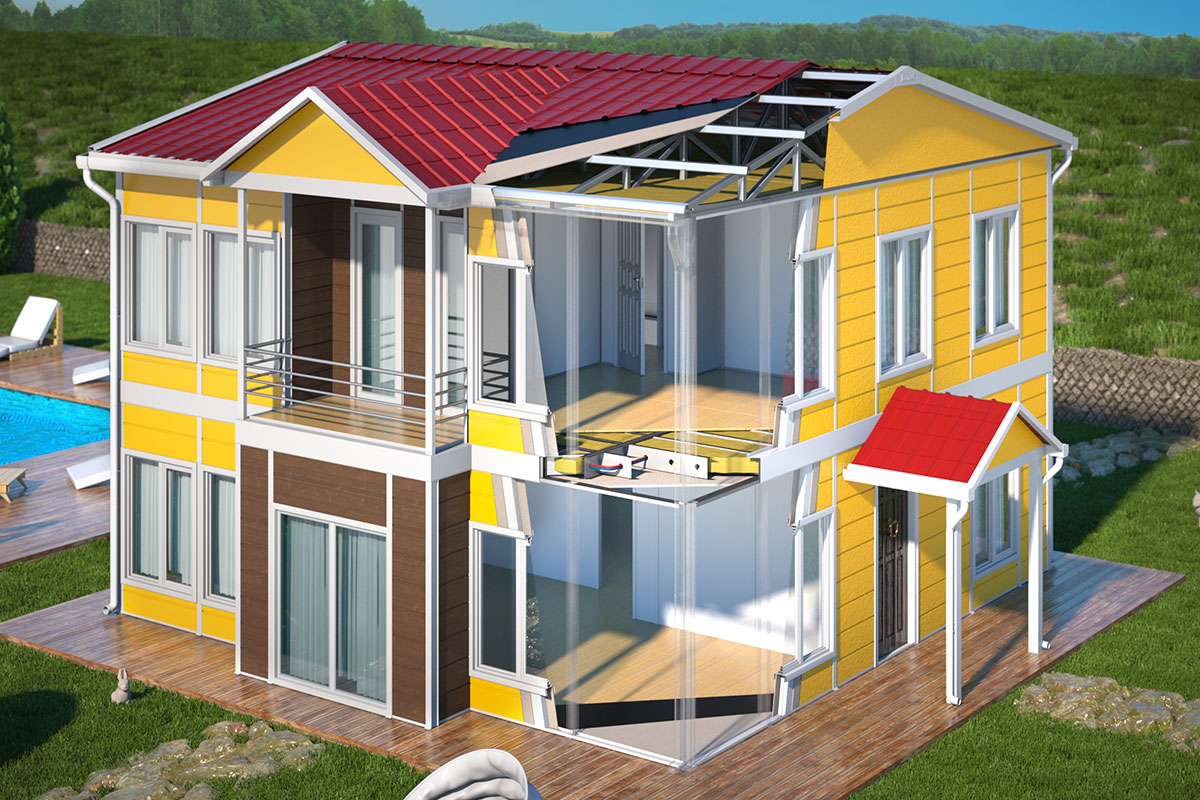
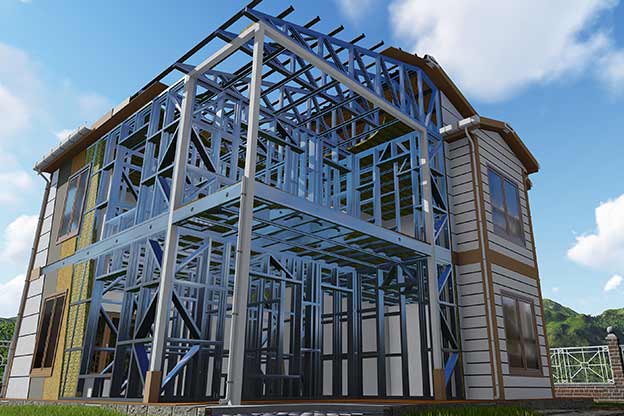
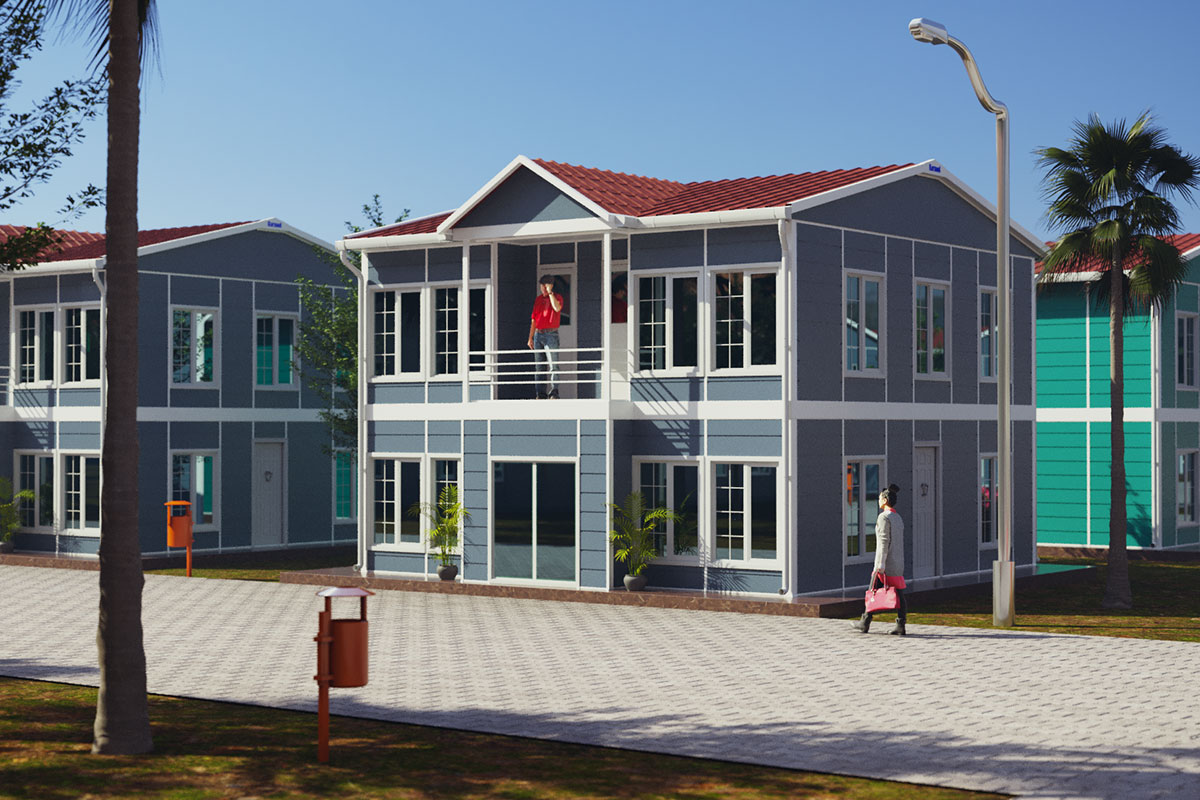
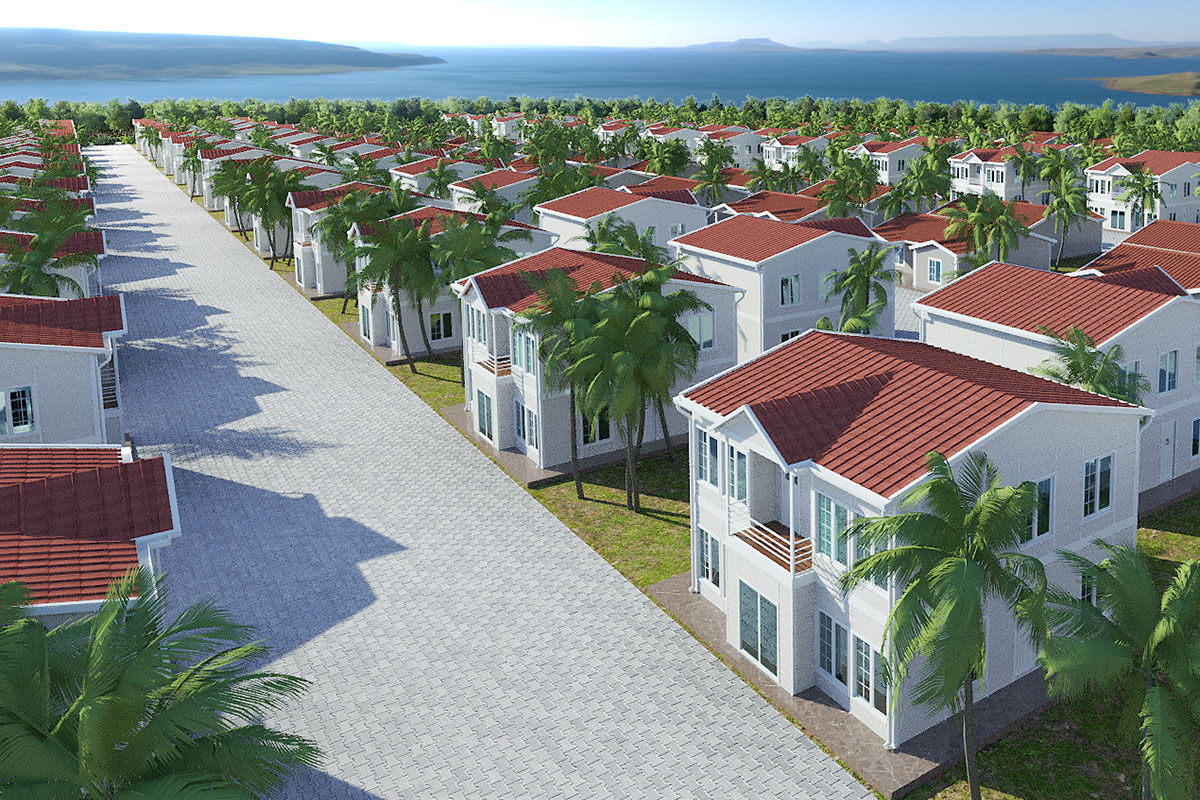
Prefabricated building systems, by contrast, are based on panels or structural components that are assembled on-site into a permanent structure. These systems are often selected for projects where architectural integration, long-term use, and fixed layouts are priorities. In the Irish market, prefabricated building solutions are commonly used for permanent offices, educational facilities, and healthcare buildings that must meet stringent regulatory and performance standards.
The choice between these two approaches depends on the intended lifecycle of the building. Modular buildings are often preferred when adaptability and speed are key, while prefabricated building systems are more appropriate for permanent investments with clearly defined functional requirements.
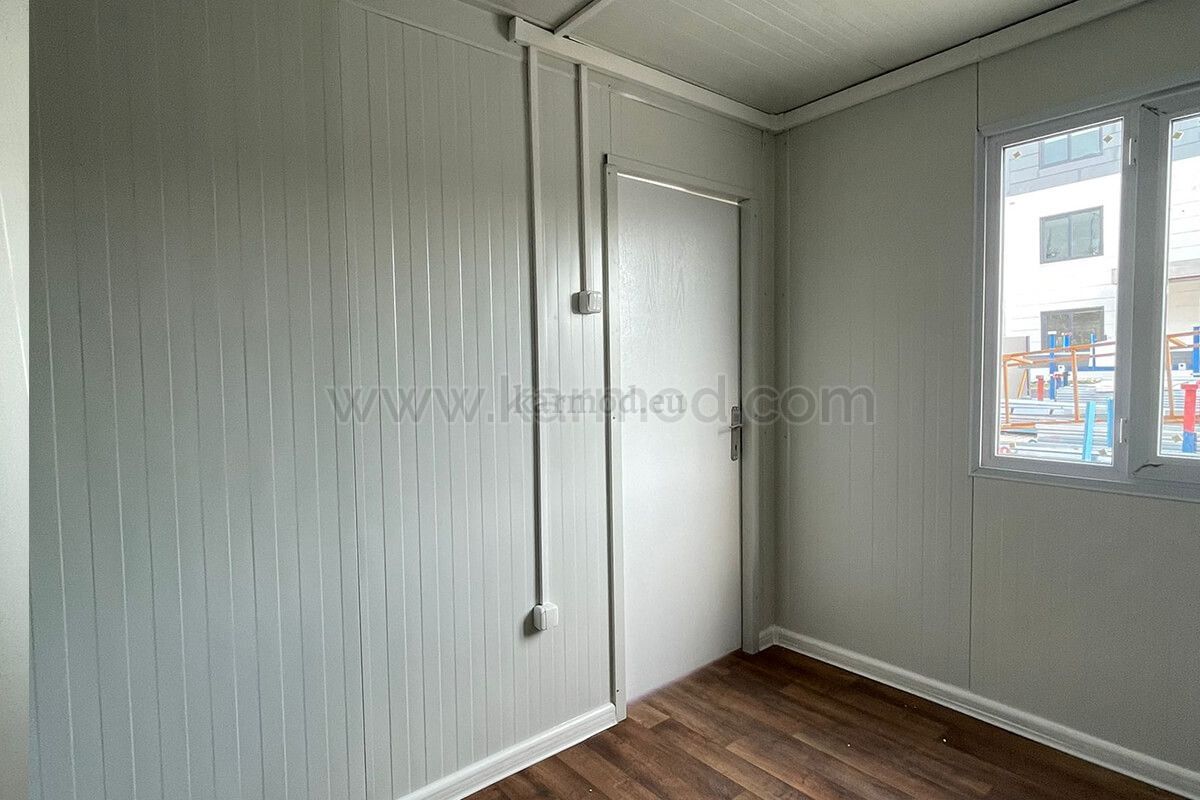
Applications of Modular and Prefabricated Buildings in Ireland
Across Ireland, modular and prefabricated construction methods are applied in a wide range of professional settings:
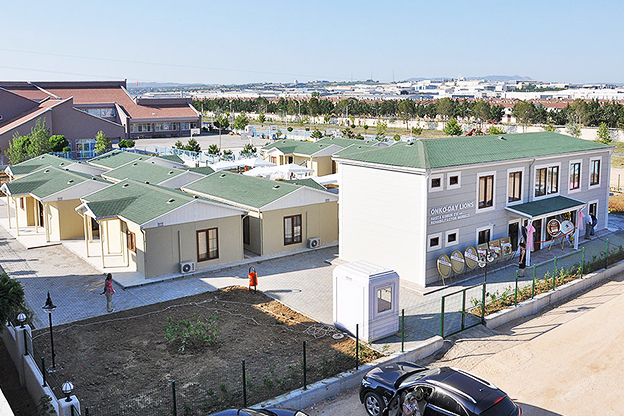
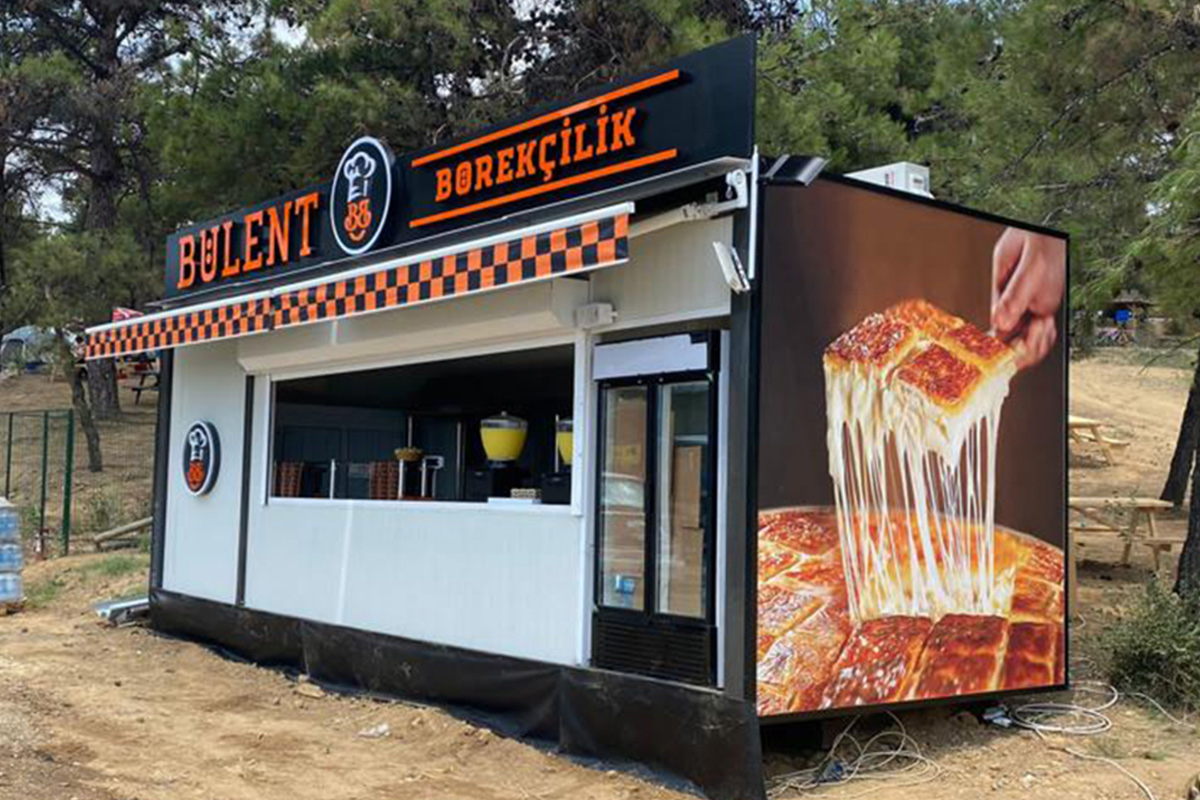
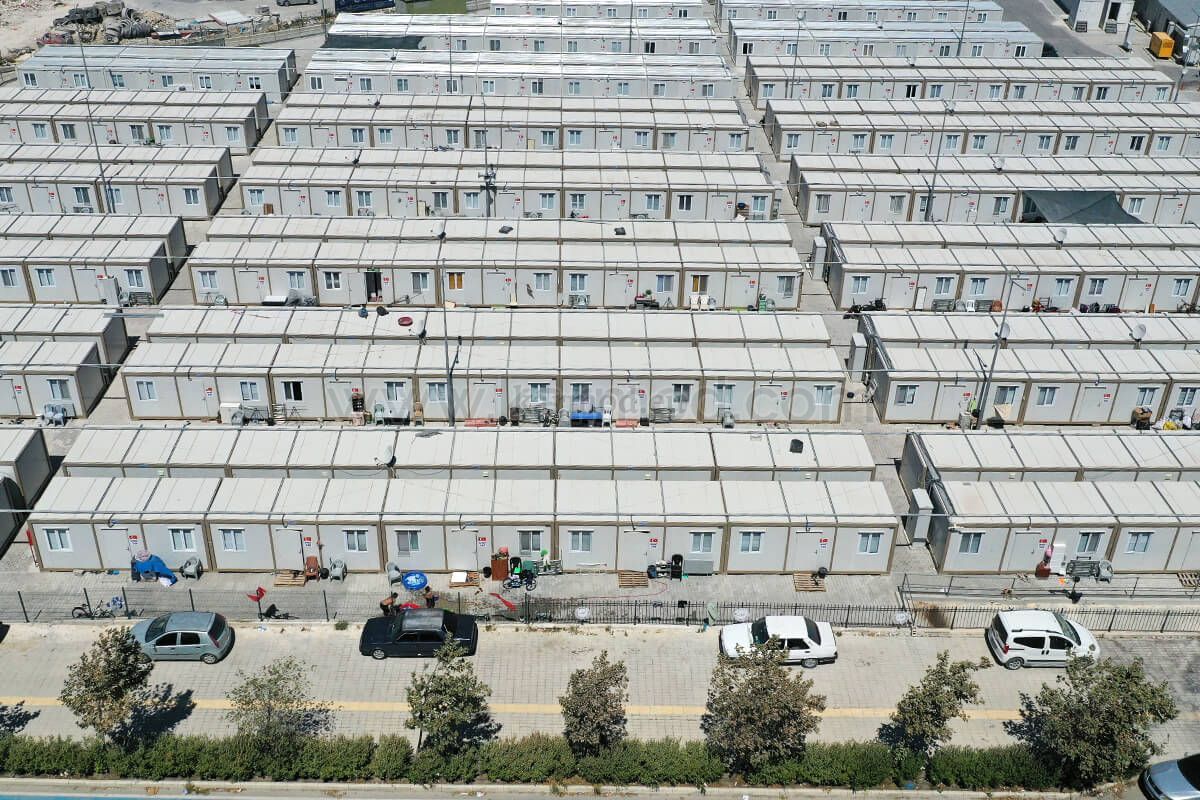
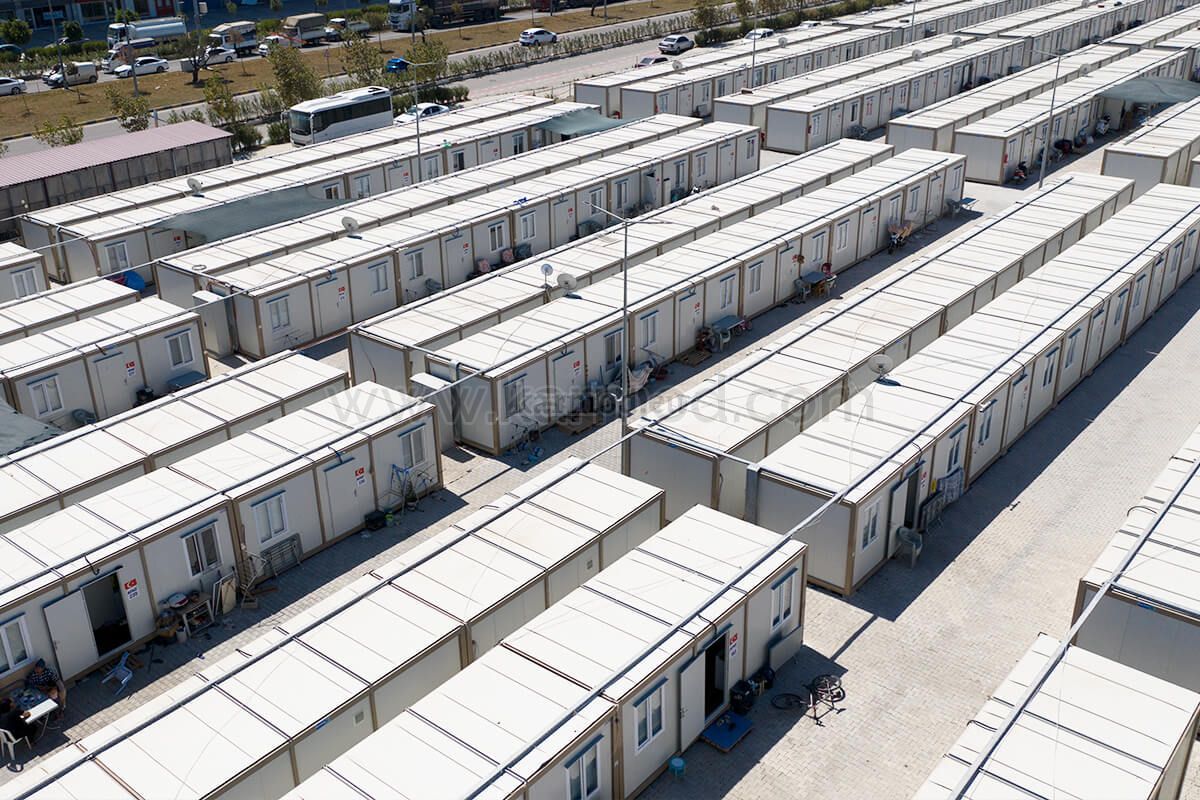
- Site offices & construction camps, supporting infrastructure and commercial developments
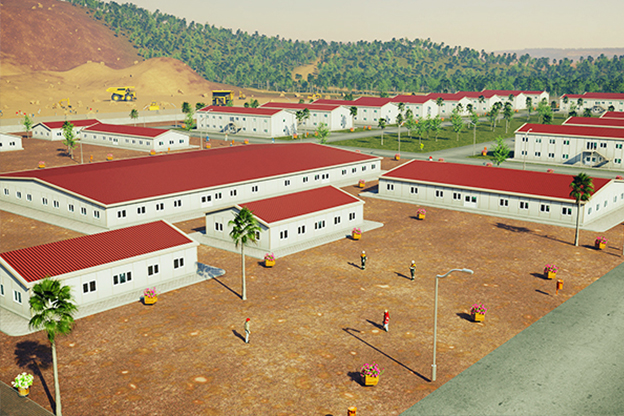
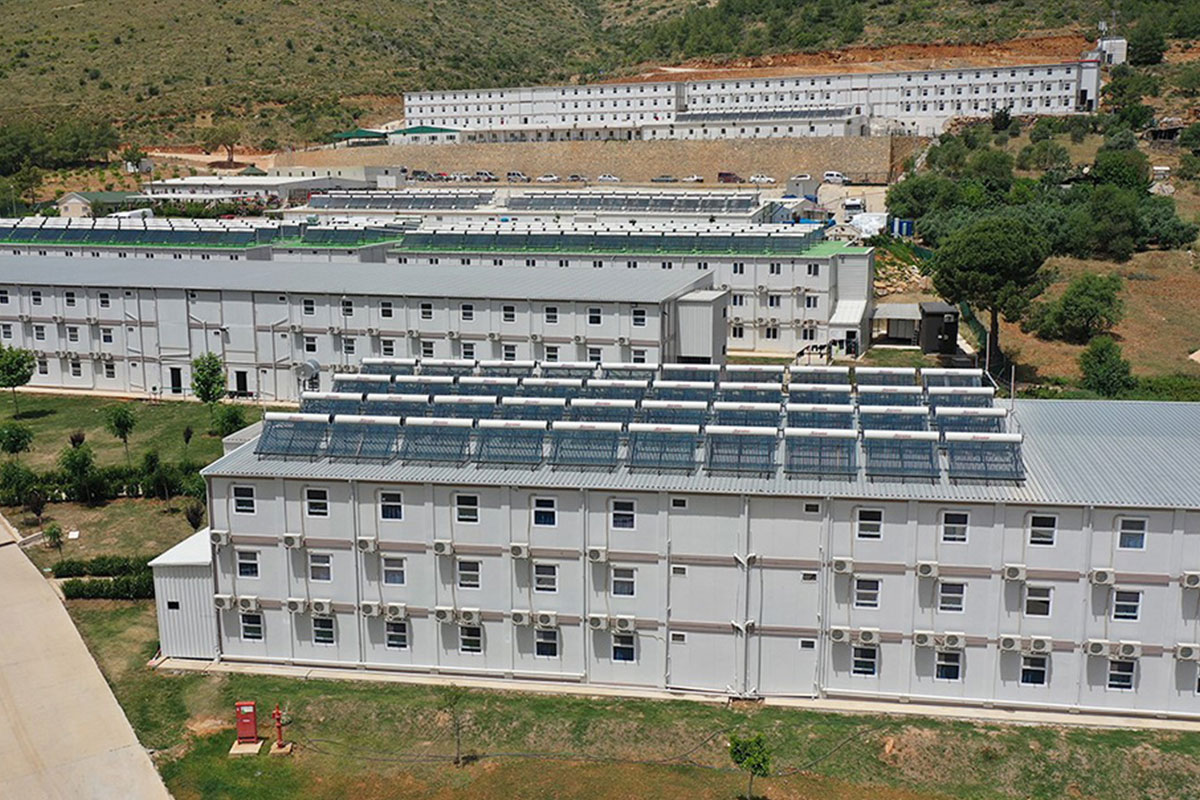
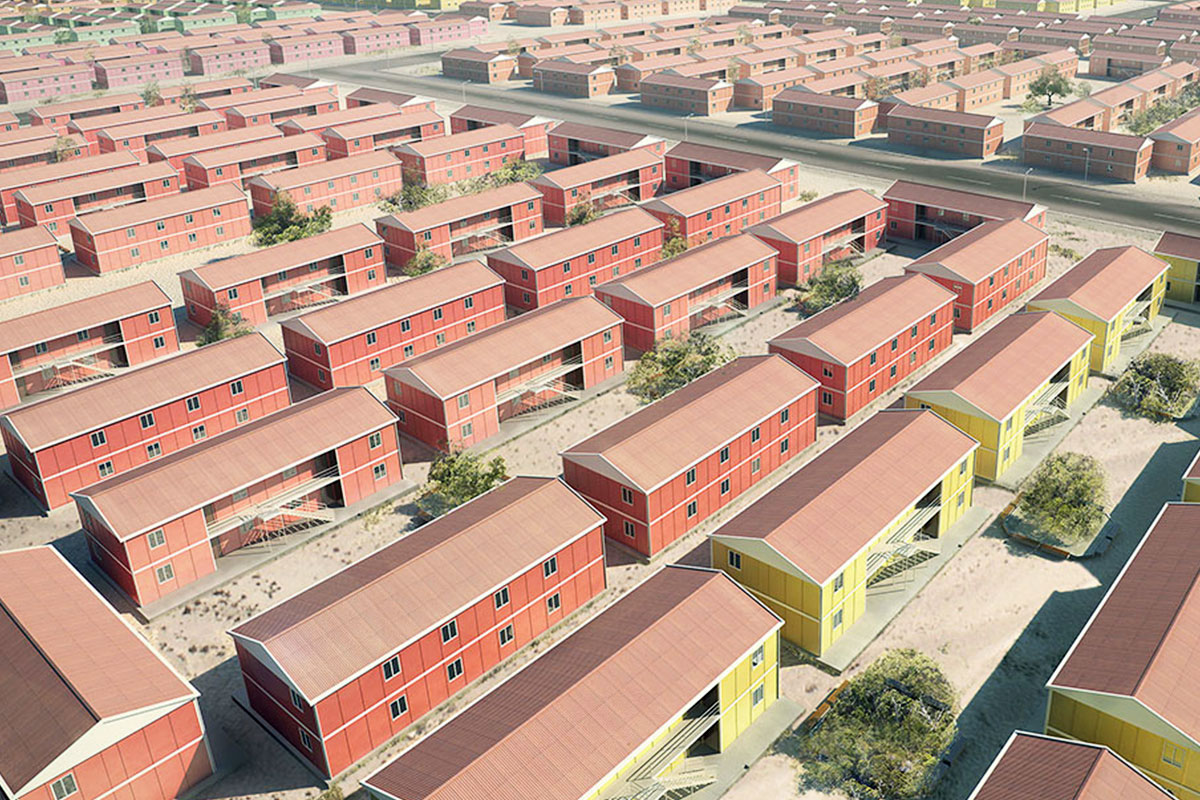
- Worker accommodation buildings, especially near industrial and energy projects
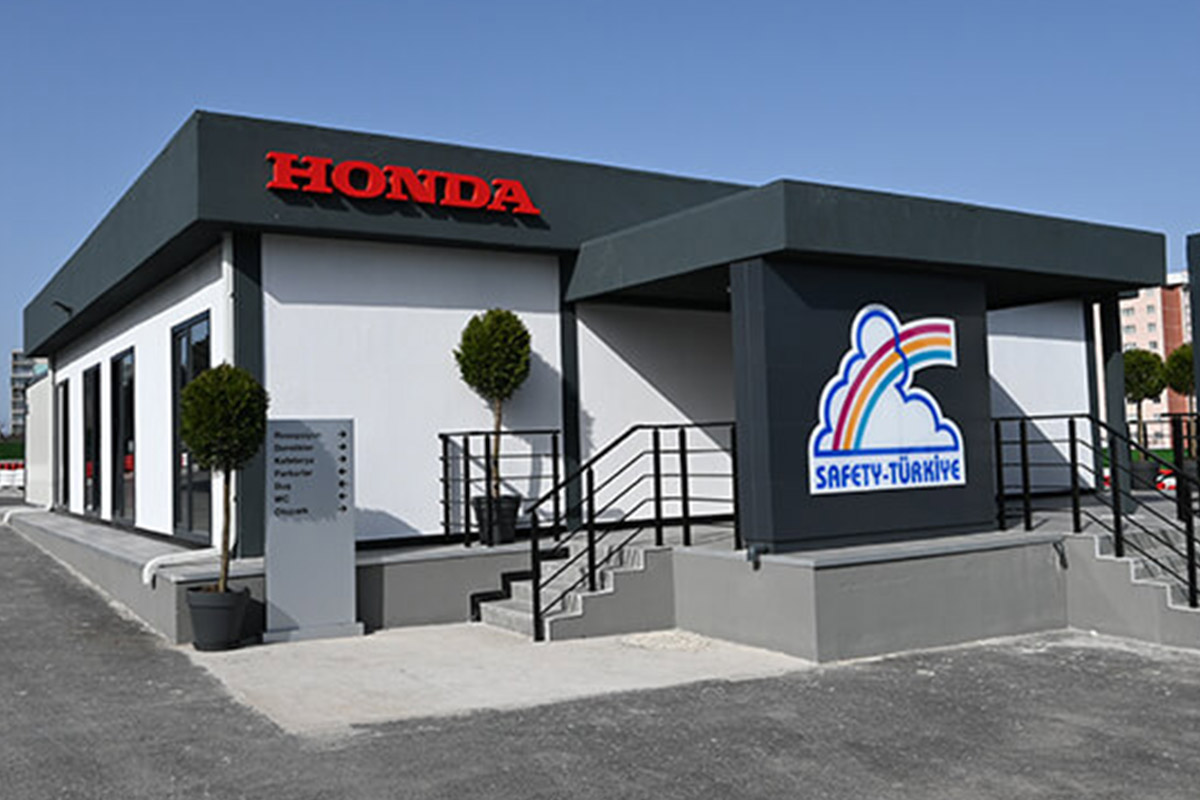
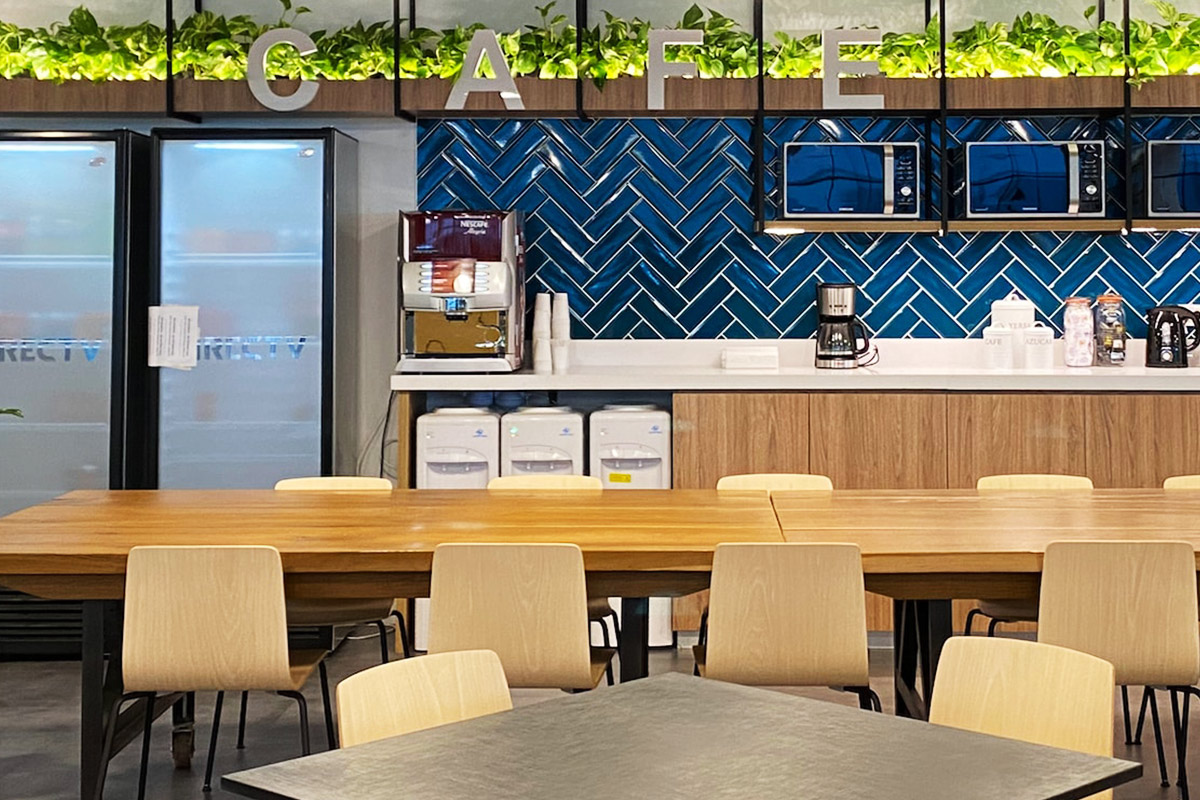
- Temporary schools & healthcare units, addressing capacity needs with speed and consistency
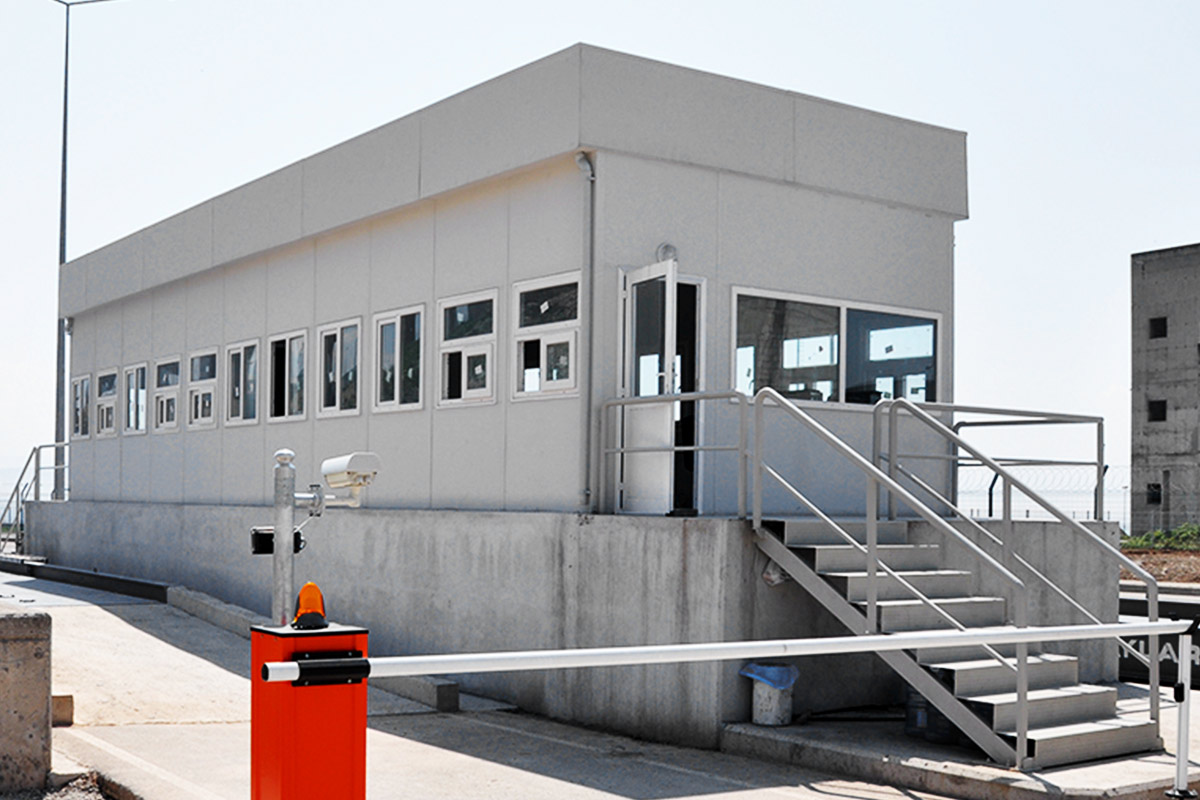
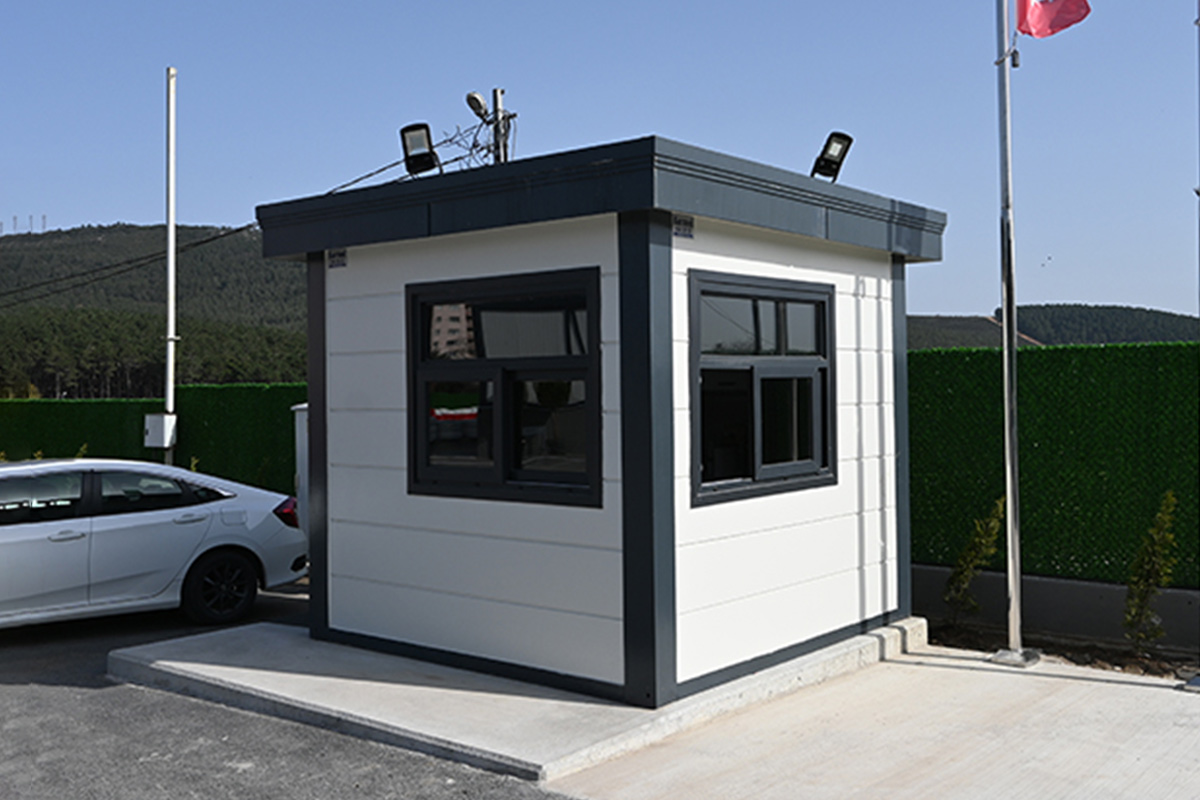
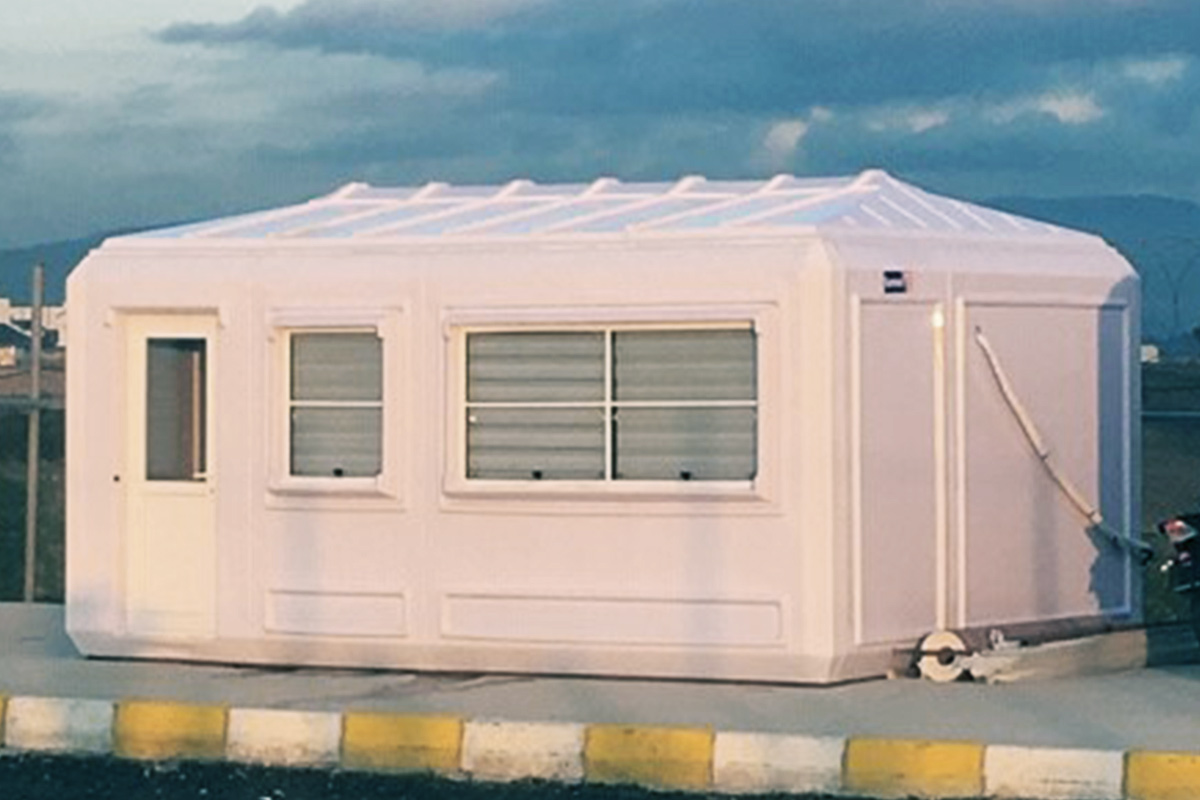
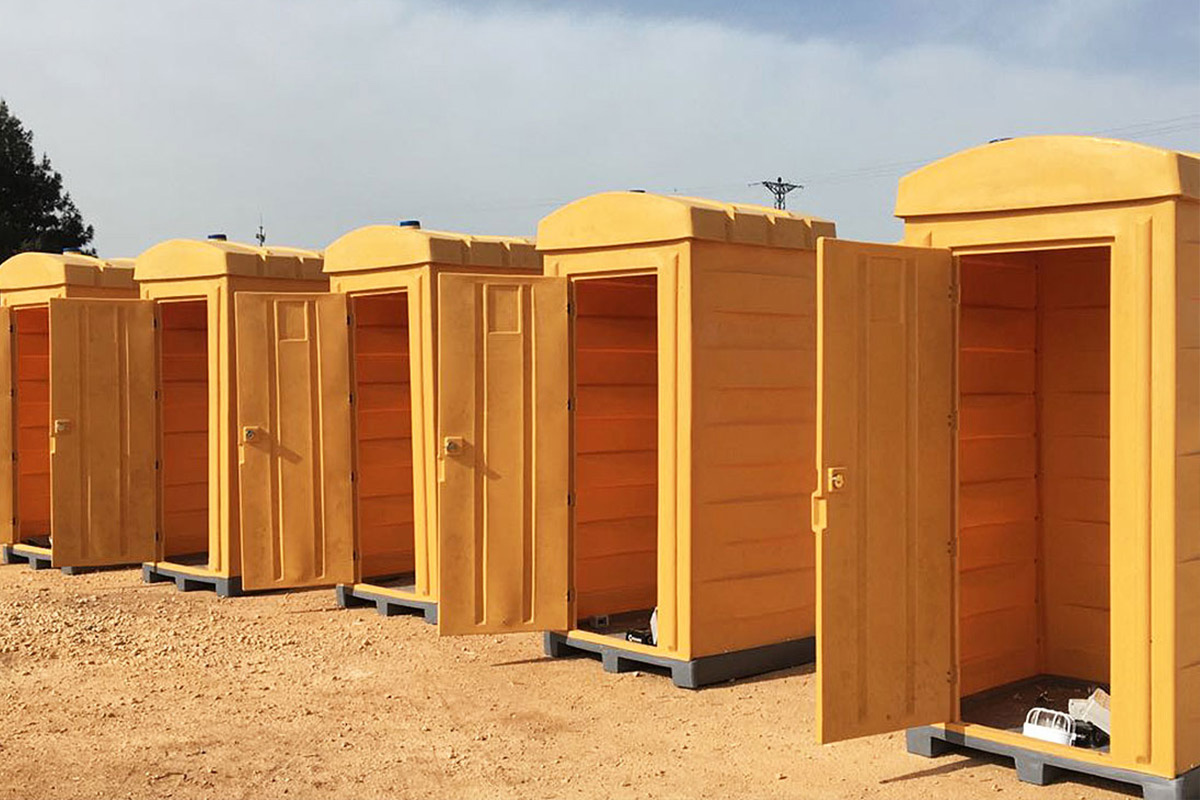
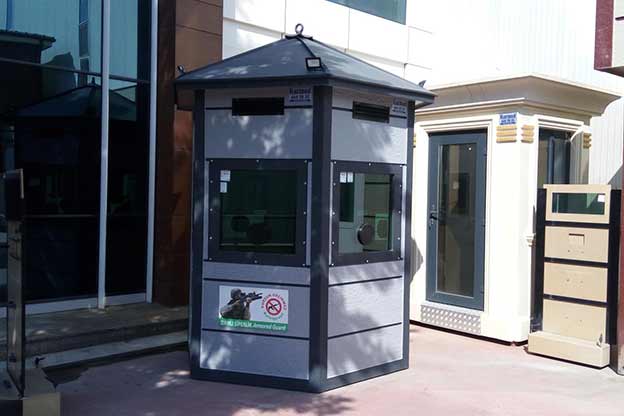
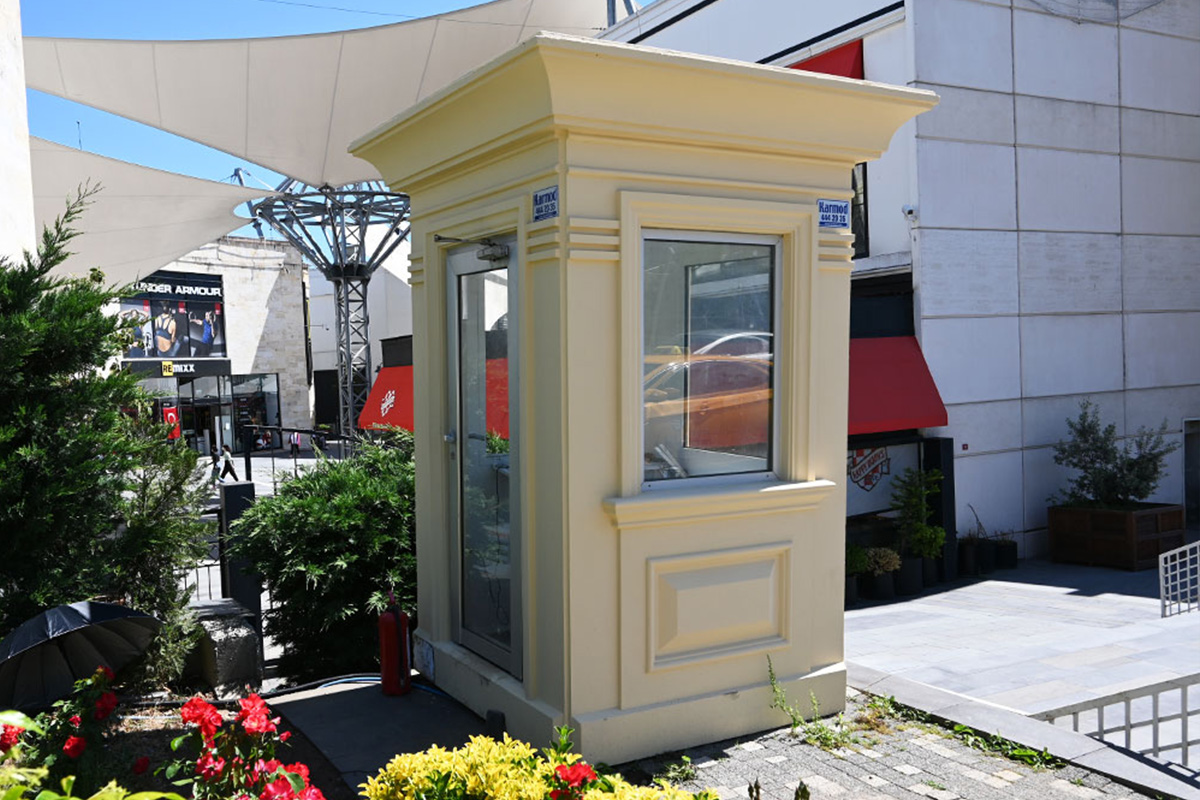
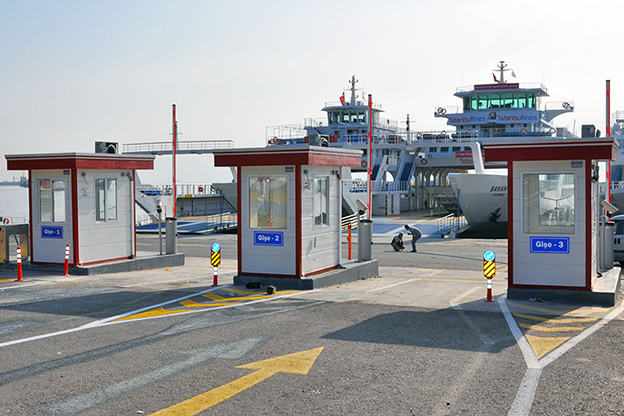
- Security buildings & technical units, including control rooms and operational support spaces
- Storage and logistics facilities, enabling rapid expansion of supply chain operations
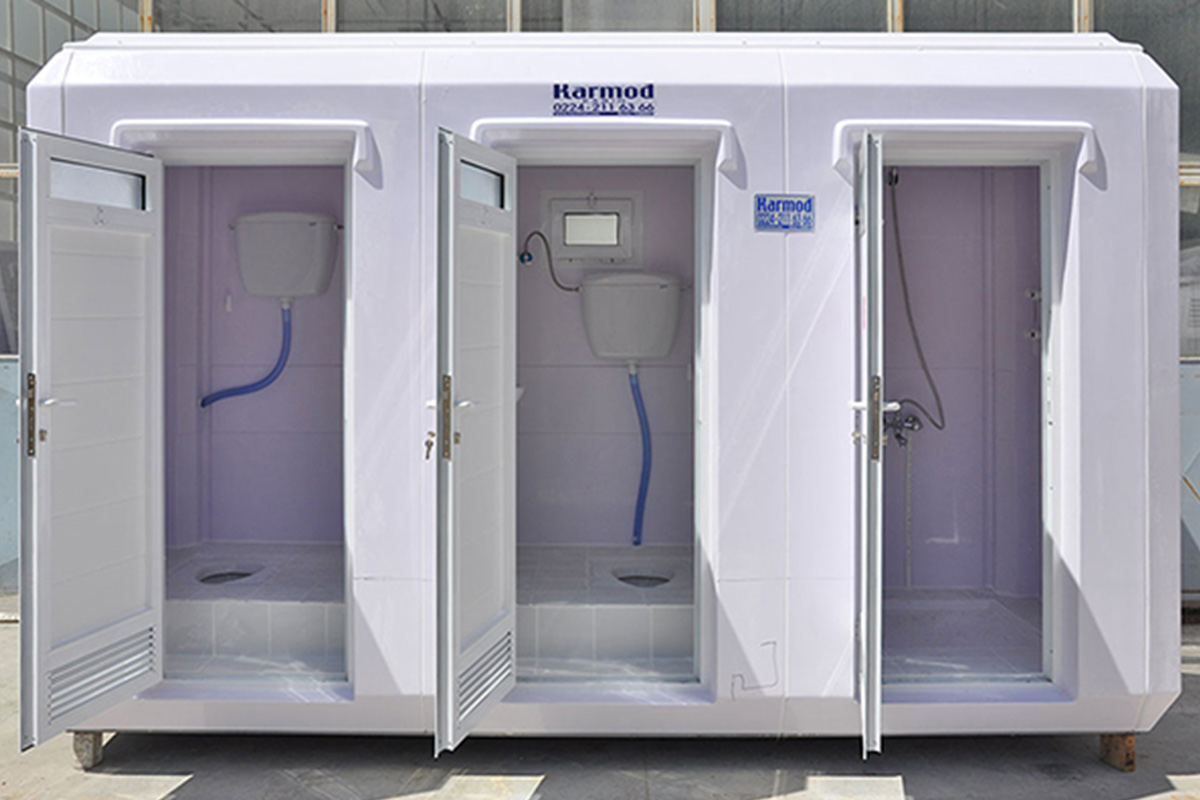
These applications demonstrate how modular buildings and prefabricated building systems are integrated into core project planning rather than treated as auxiliary solutions.
From Design to Installation: How the Process Works
The process typically begins with a detailed project needs analysis. This stage clarifies functional requirements, capacity expectations, regulatory considerations, and site-specific conditions within Ireland. A clear definition at this point helps avoid revisions later in the project lifecycle.
Custom design and technical specifications follow, translating project requirements into optimized layouts and structural solutions. At this stage, considerations such as energy performance, internal configurations, and compliance with Irish building regulations are addressed in detail.
Factory production is where these systems deliver their strongest advantages. Manufacturing in controlled environments ensures consistent quality, precise workmanship, and predictable schedules. Once production is completed, modules or components are prepared for delivery across Ireland with logistics planning adapted to site access and regional constraints.
On-site installation is typically efficient and well-coordinated. Reduced on-site construction time limits disruption, allowing facilities to become operational quickly and with minimal impact on surrounding activities.
Key Considerations for Modular Buildings in Ireland
Thermal insulation is a critical factor due to Ireland’s maritime climate. Effective insulation systems contribute to energy efficiency and indoor comfort throughout the year.
Fire safety standards must comply with Irish and European regulations. Quality modular and prefabricated systems integrate certified fire-resistant materials and tested structural solutions from the outset.
Climate suitability includes moisture resistance, ventilation performance, and long-term durability. These elements directly influence operational reliability and maintenance costs.
Custom layouts are essential for aligning buildings with specific operational workflows. Flexible interior planning allows organizations to adapt spaces as functional needs evolve.
Within complex construction landscapes, proven experience and dependable processes become critical success factors. Karmod, drawing on its long-standing involvement in modular construction across European markets, applies structured production and quality control principles that align well with Ireland’s regulatory and operational expectations. Rather than approaching modular buildings as short-term measures, Karmod emphasizes engineered solutions designed for sustained use and adaptability.
Guided by extensive international project exposure, Karmod develops modular building solutions that address both short-term operational needs and long-term strategic planning. For organizations planning projects in Ireland, modular buildings and prefabricated building systems offer a pragmatic construction pathway—one that supports controlled delivery, professional standards, and informed investment decisions in a competitive and evolving market.