



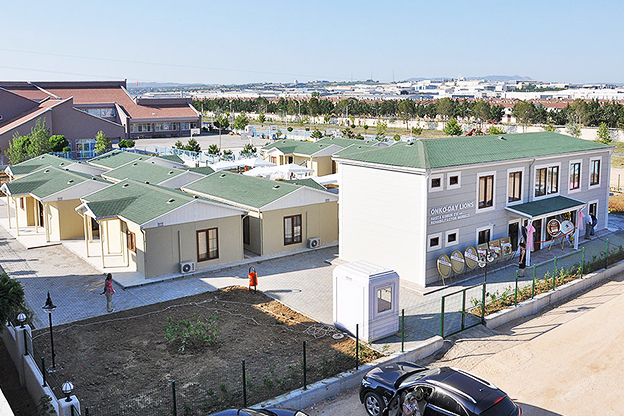
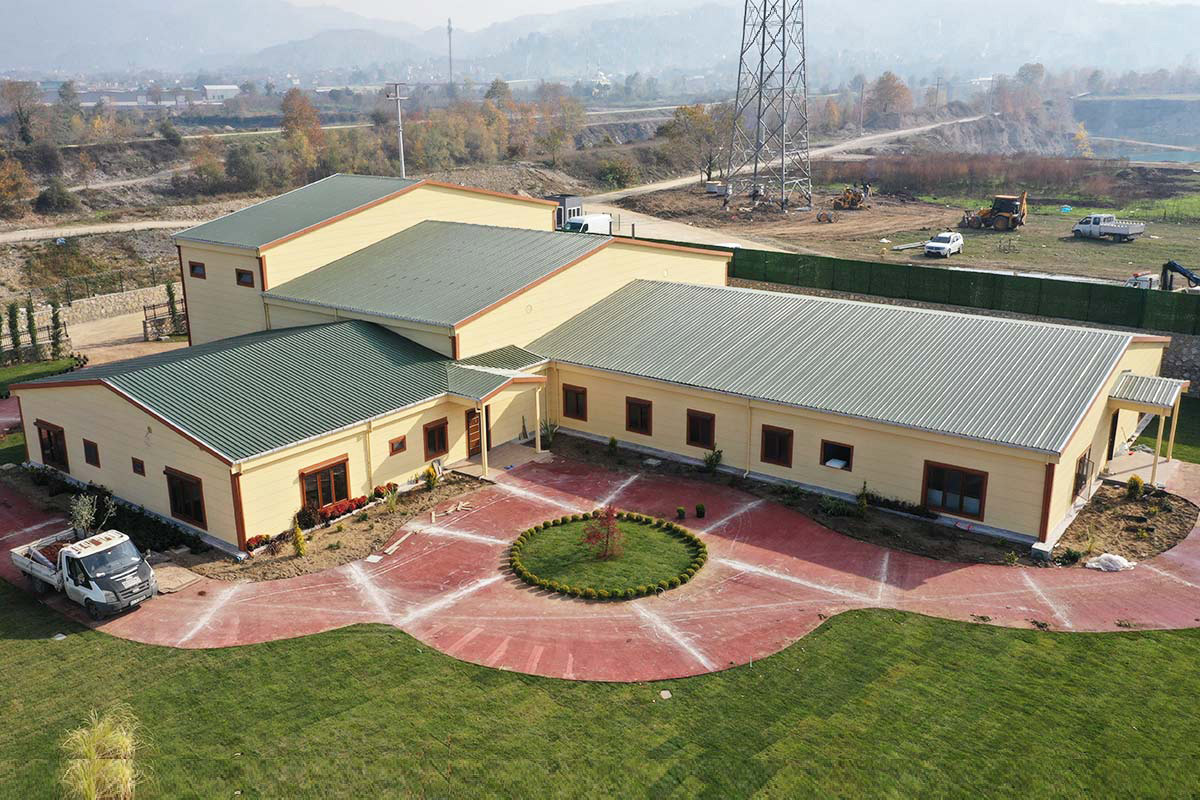
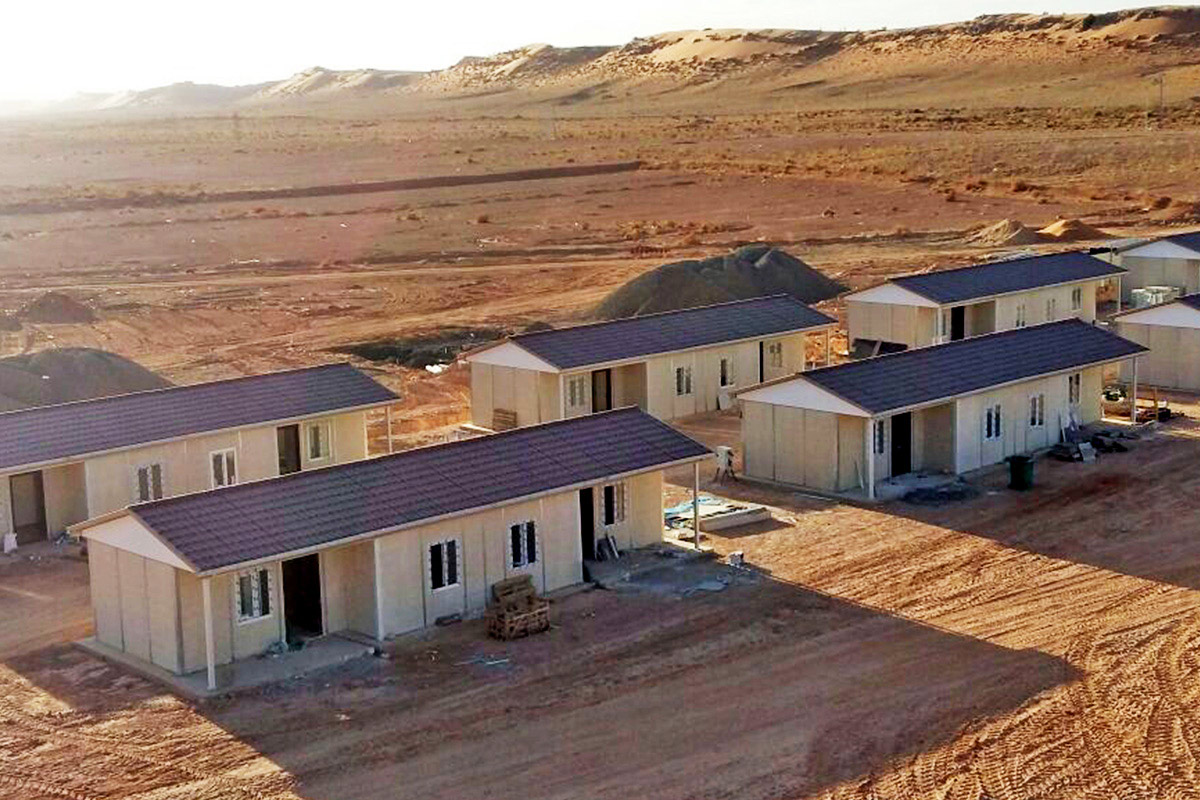
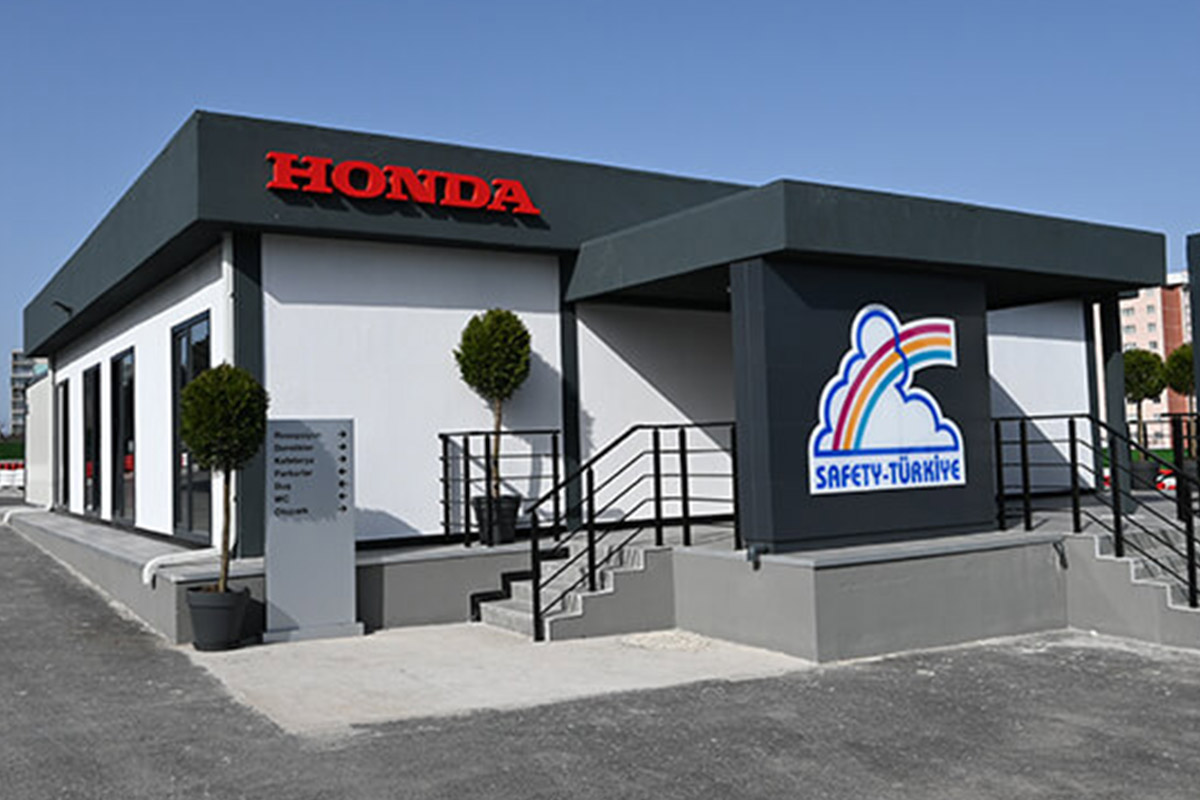
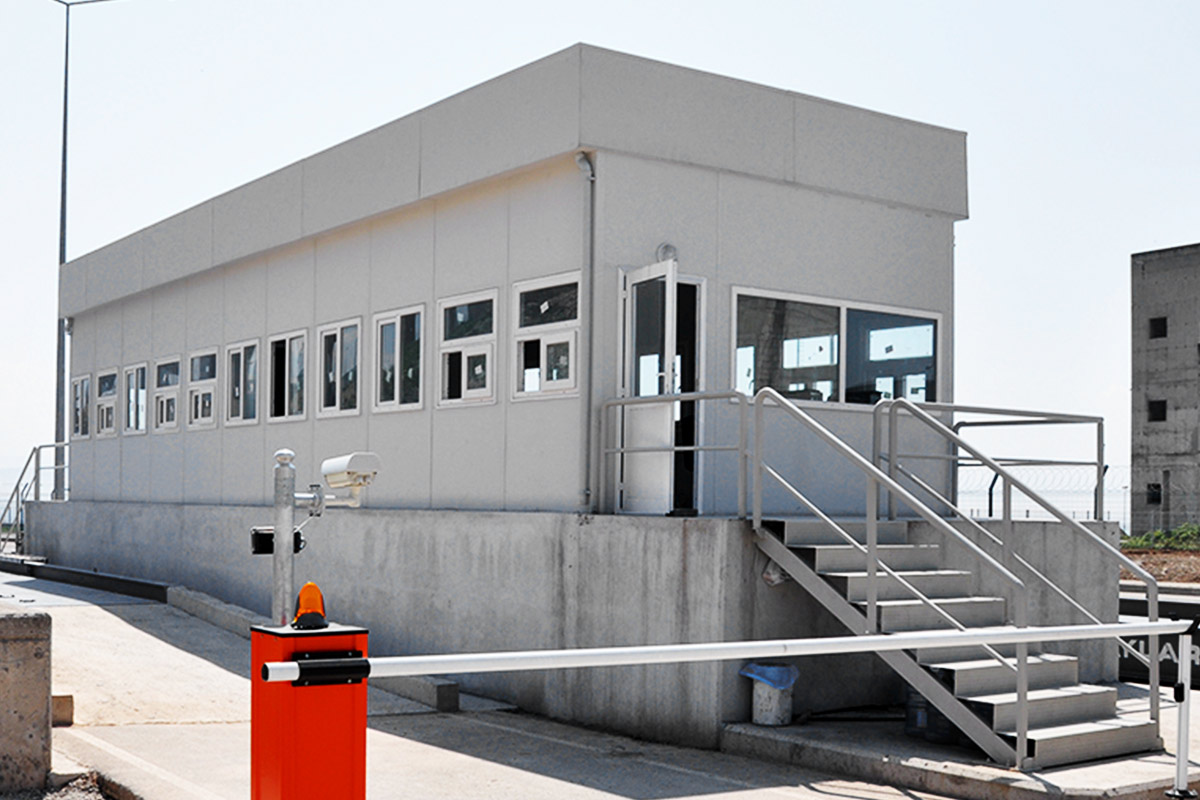

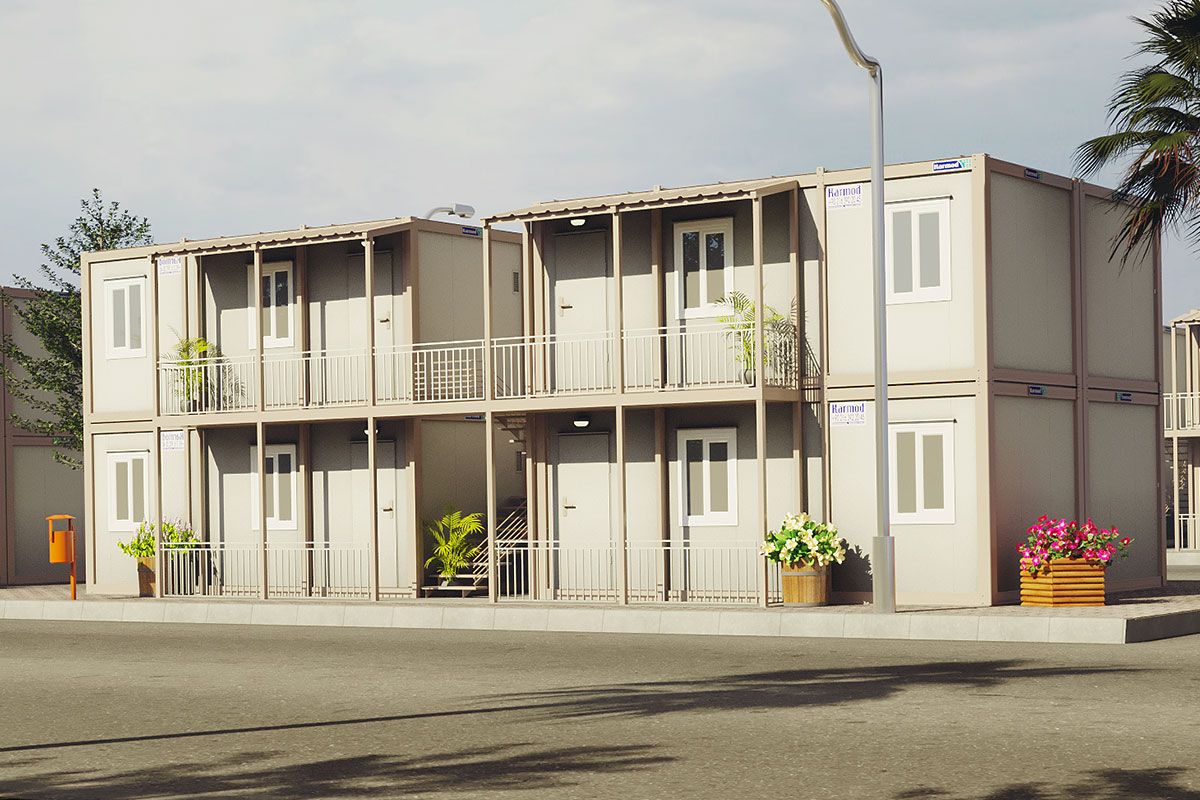
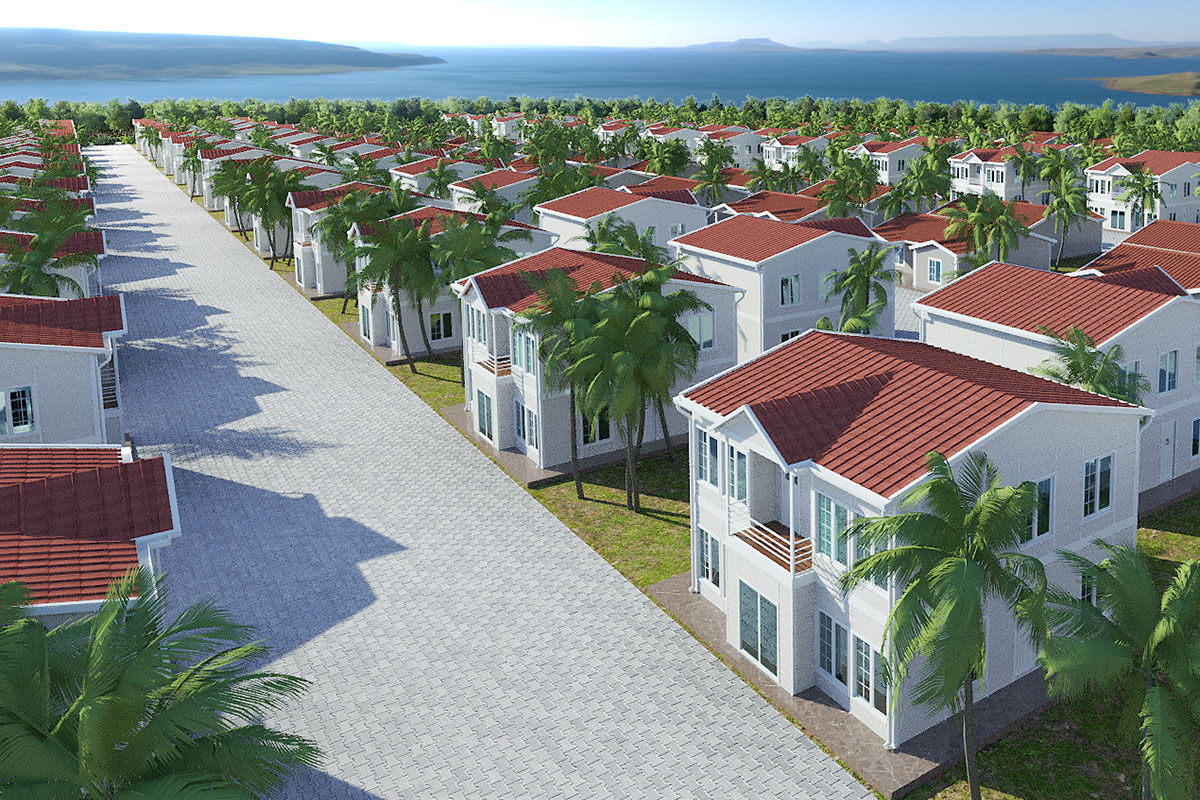
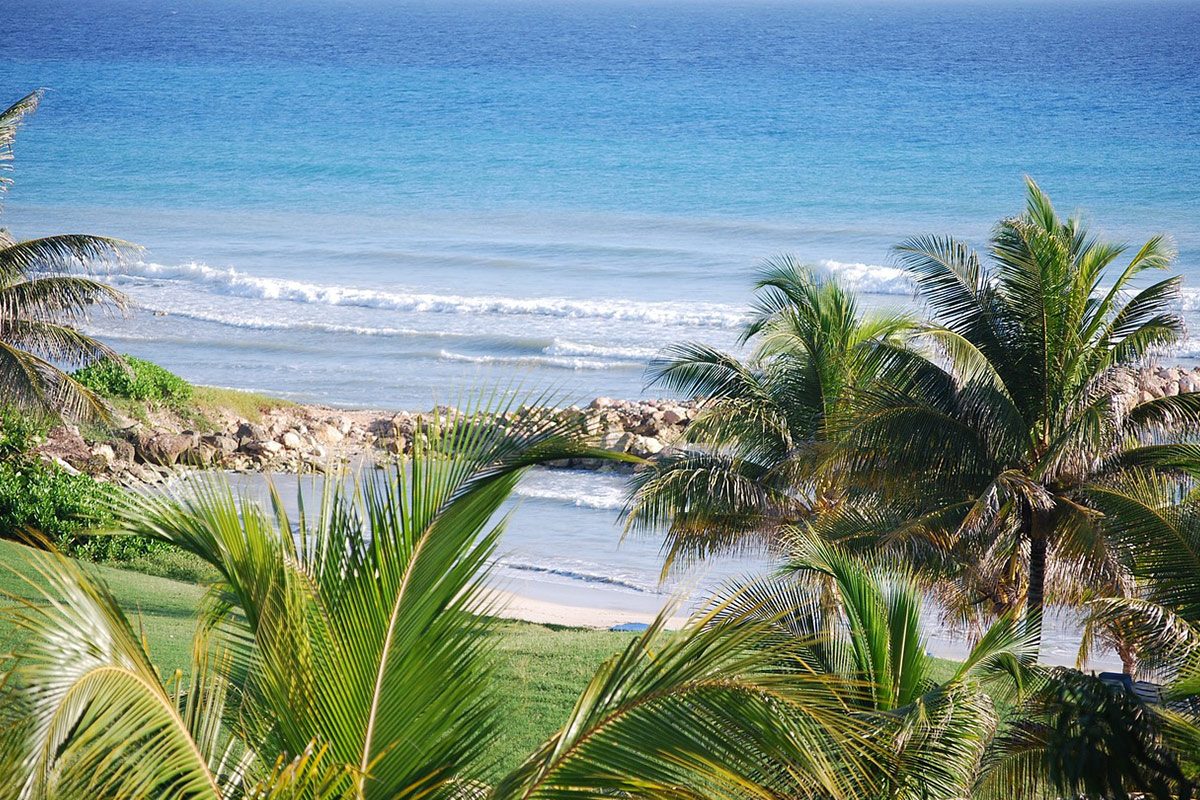
Jamaica’s oil and gas activities place a premium on dependable logistics, stable utilities, and accommodation that can be installed and operated with clear site controls. Workforce camps support this by keeping teams close to the workface, reducing daily transport pressure, and providing consistent living standards for rotating crews in a tropical environment where heat, humidity, and seasonal storms influence day-to-day operations.
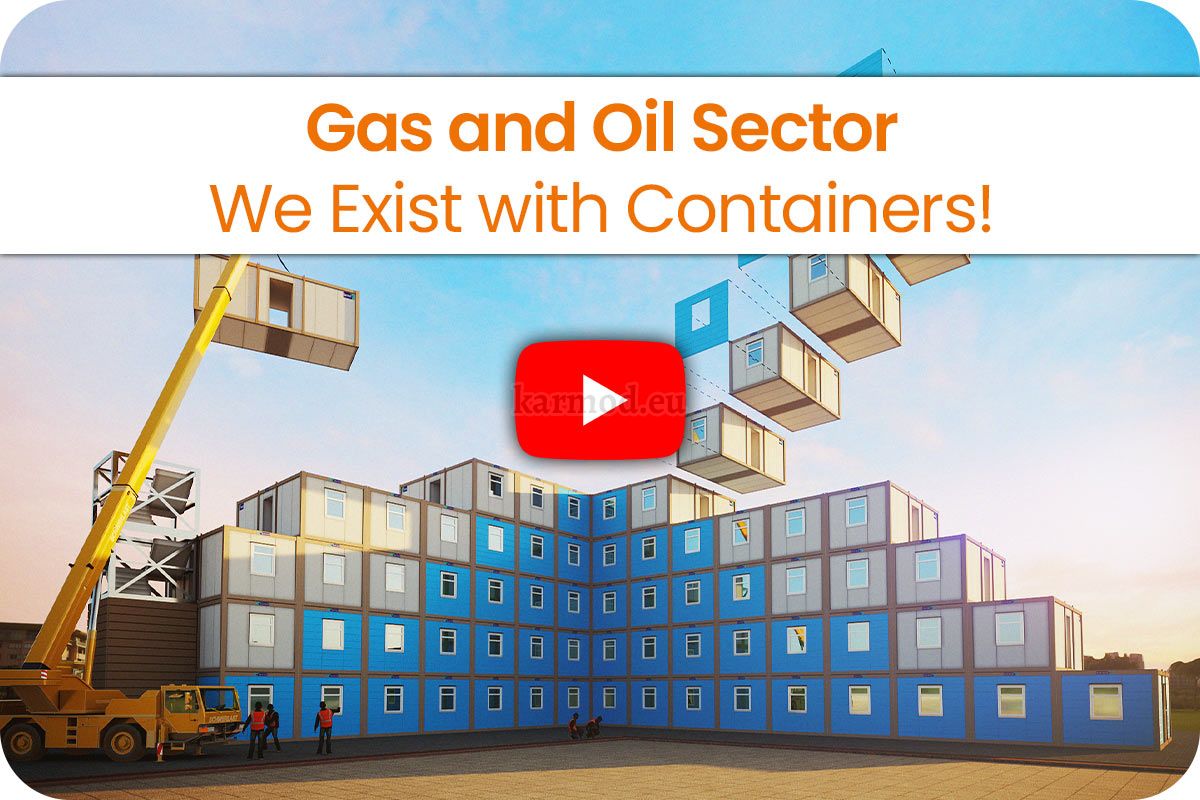
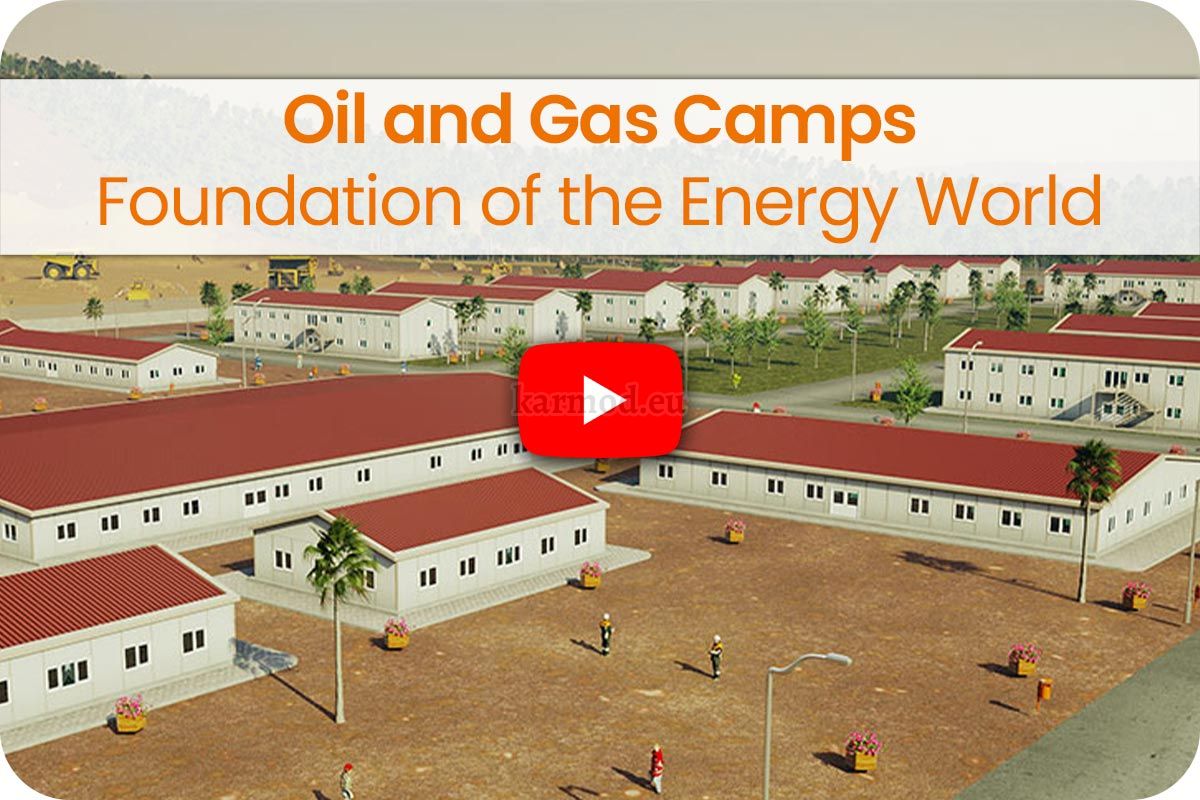
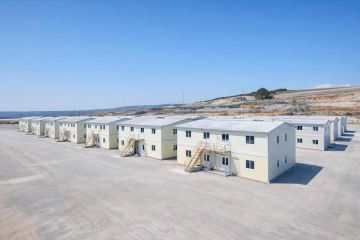
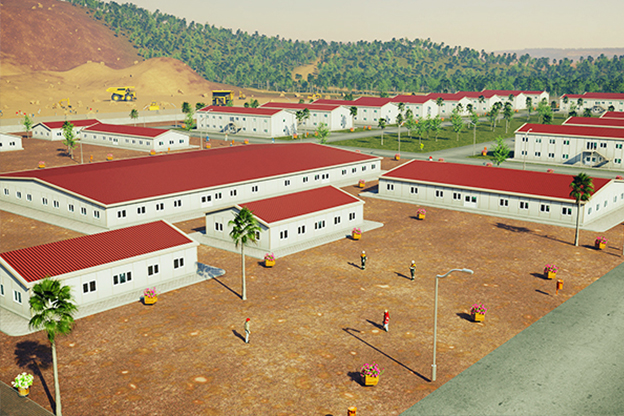
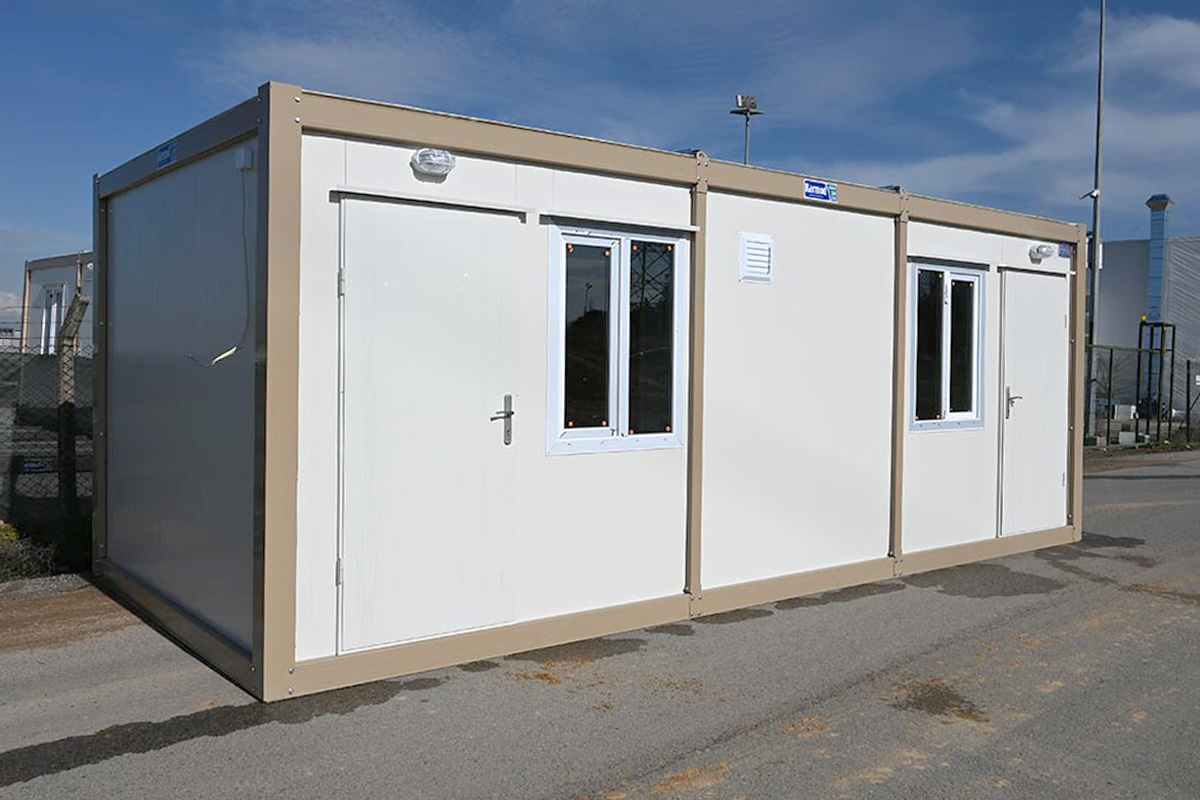
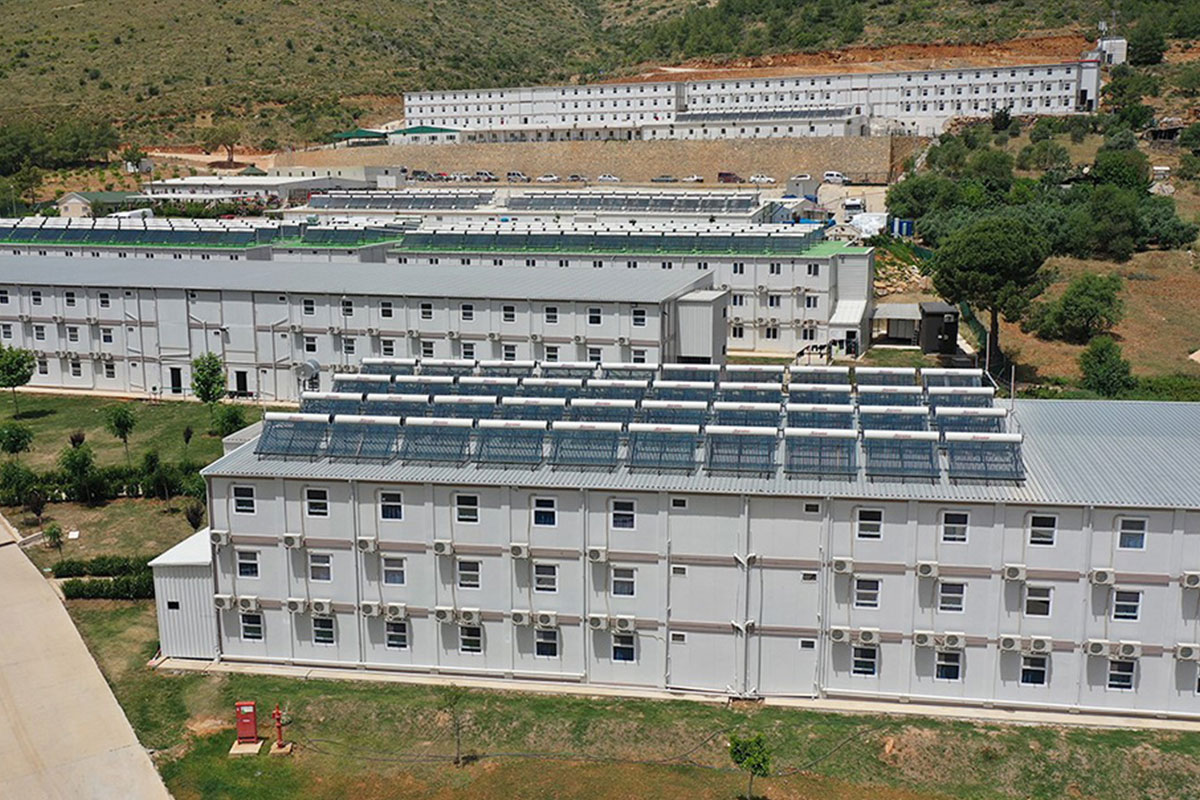
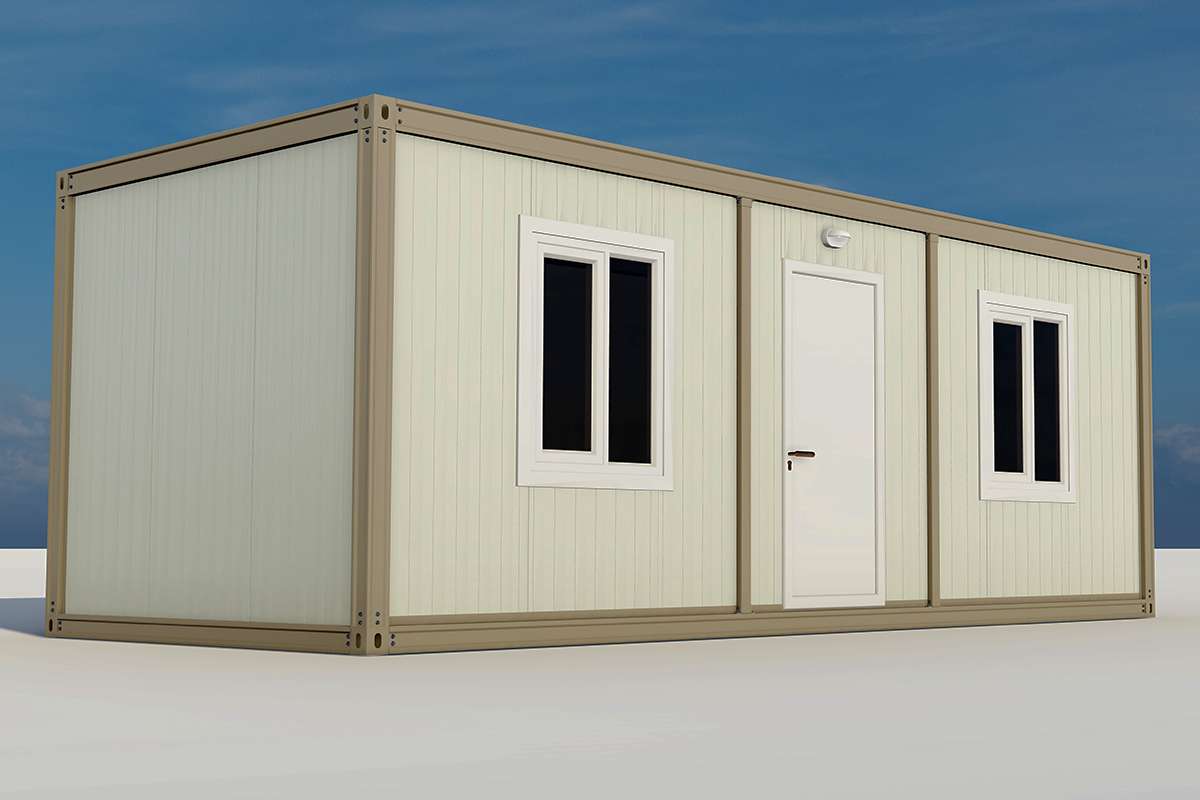
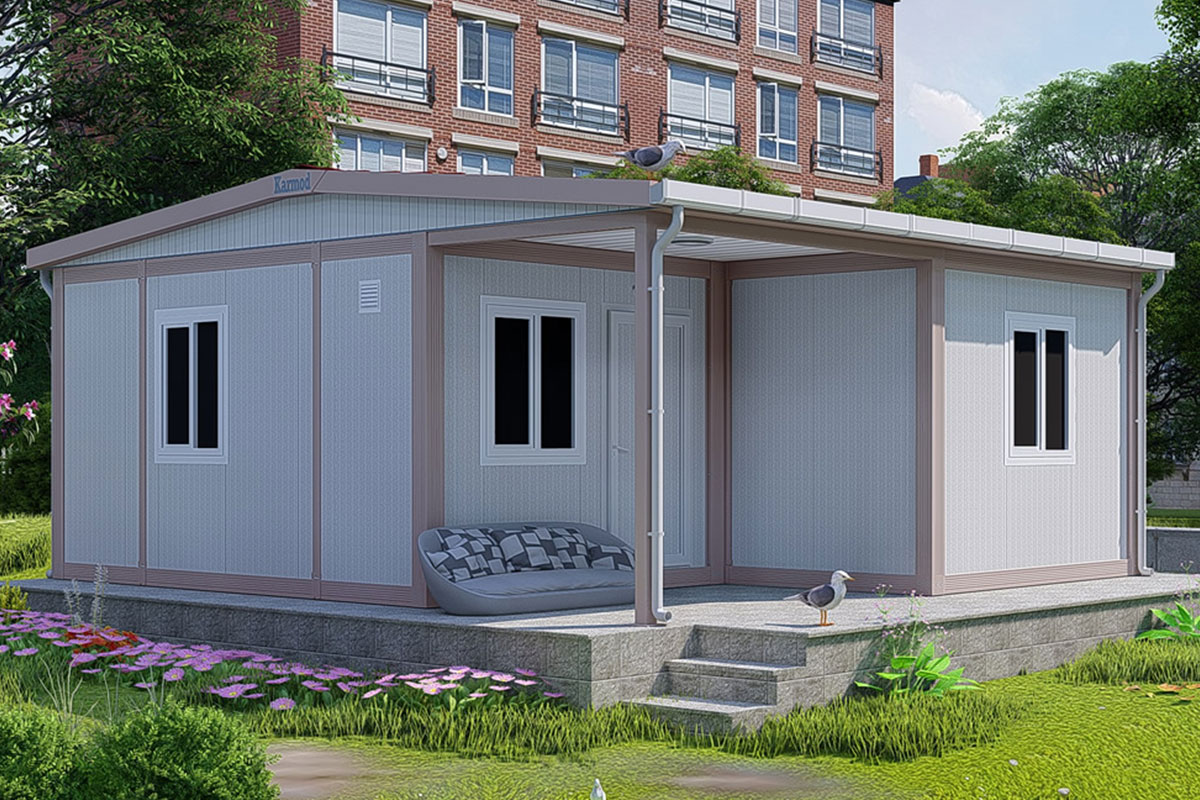
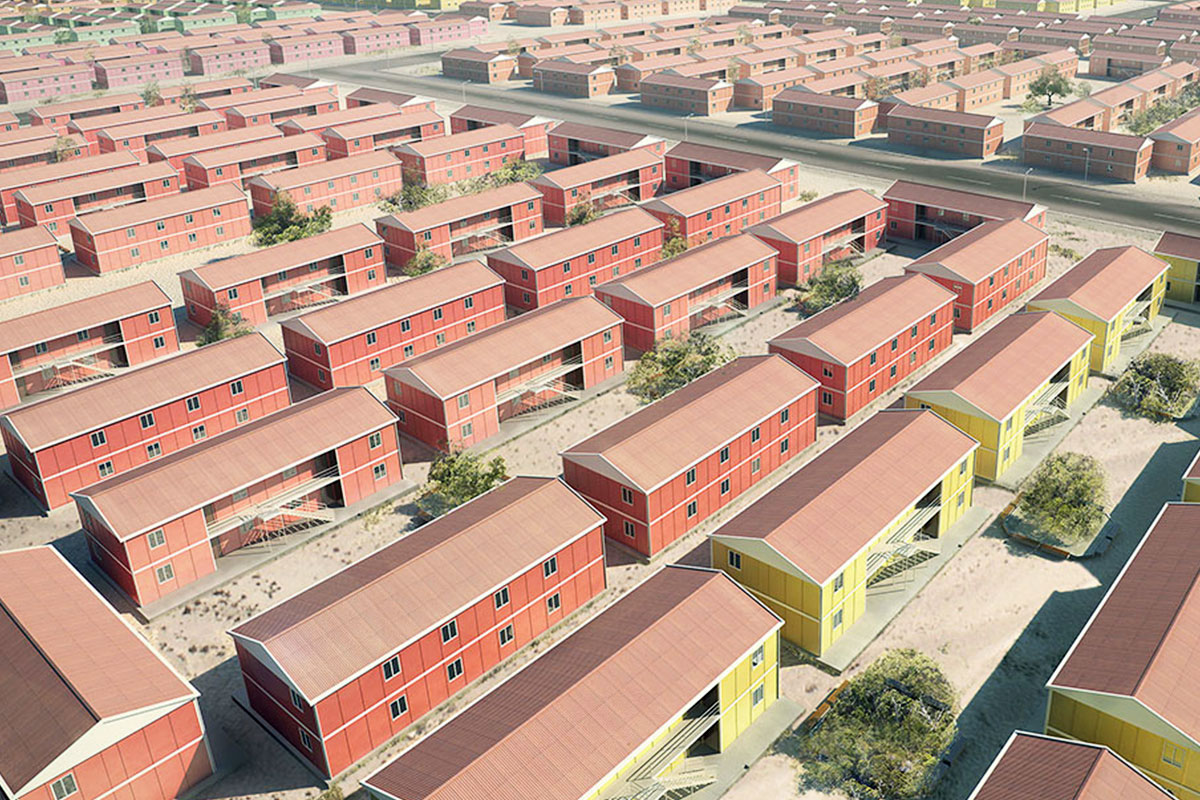
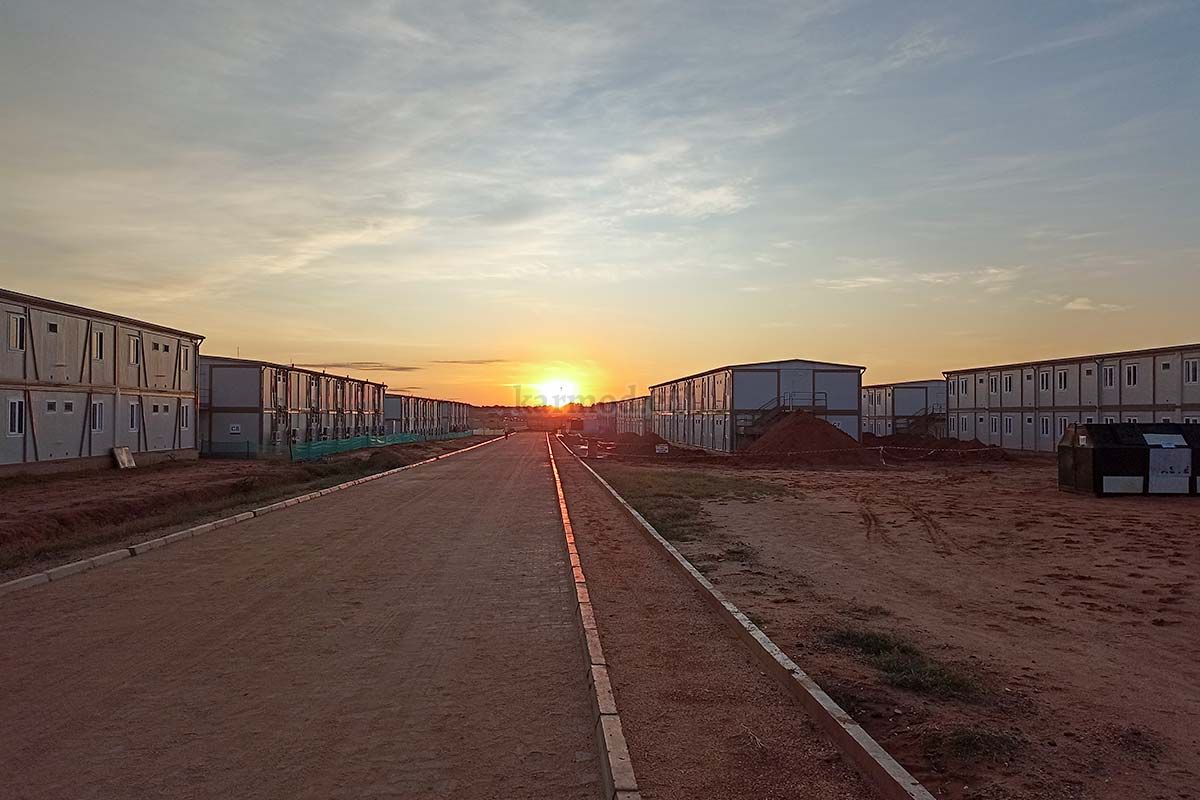
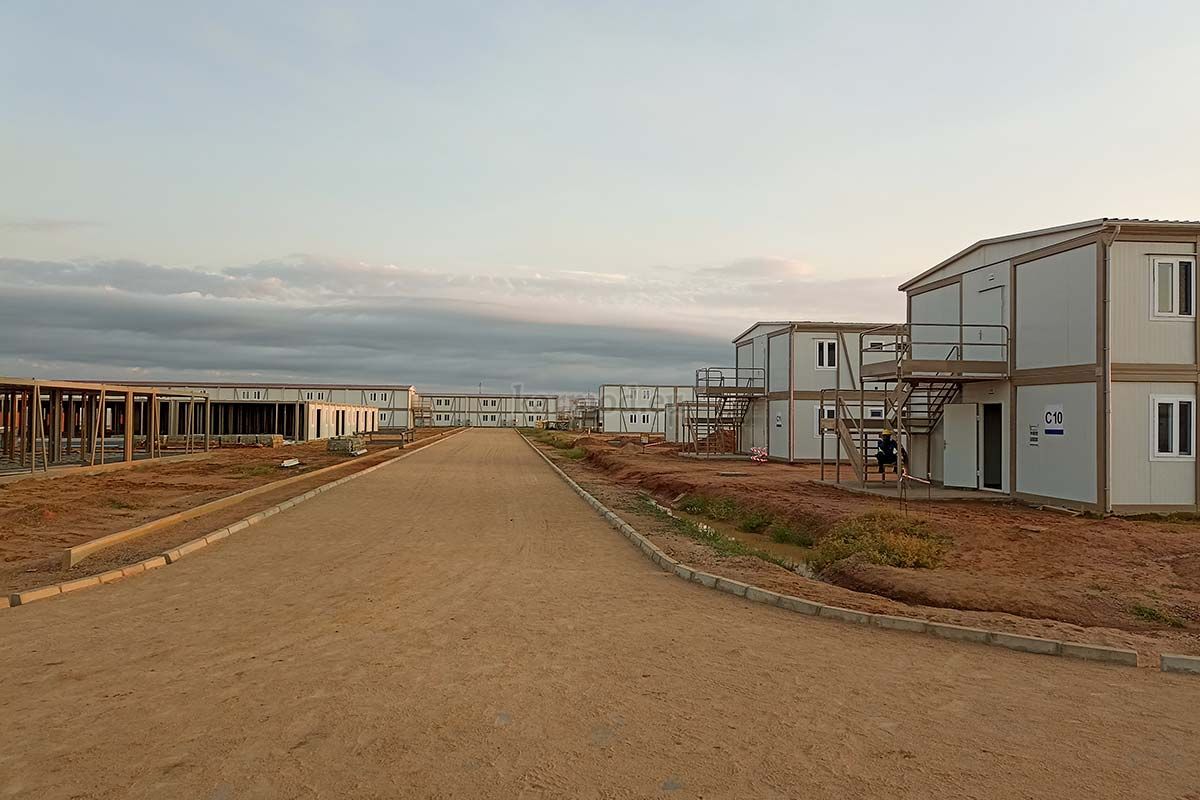
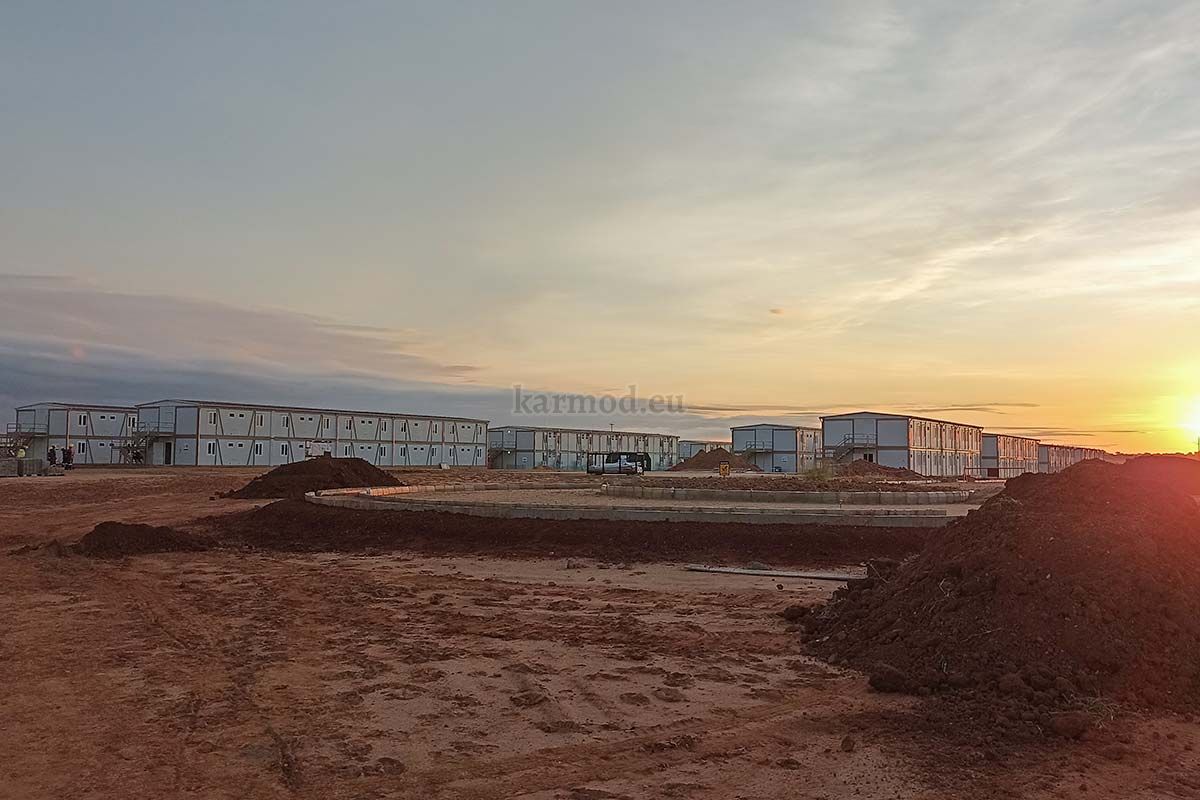
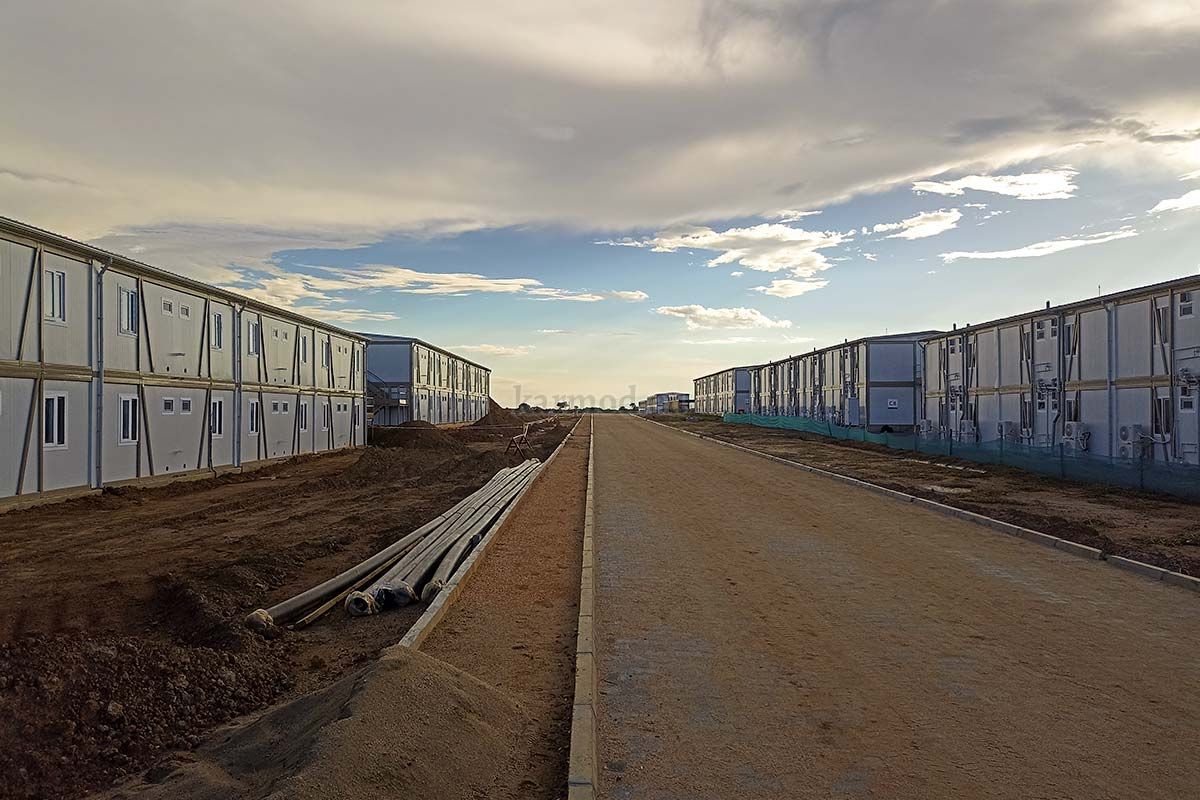
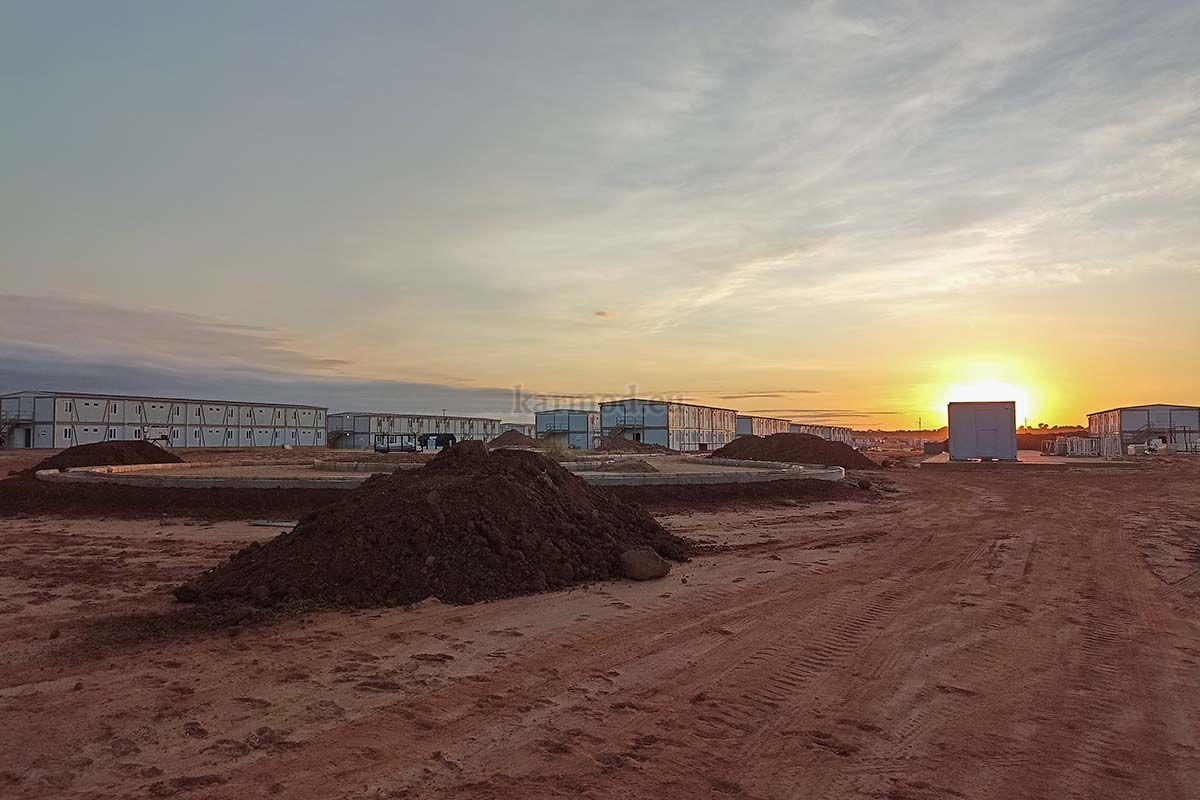
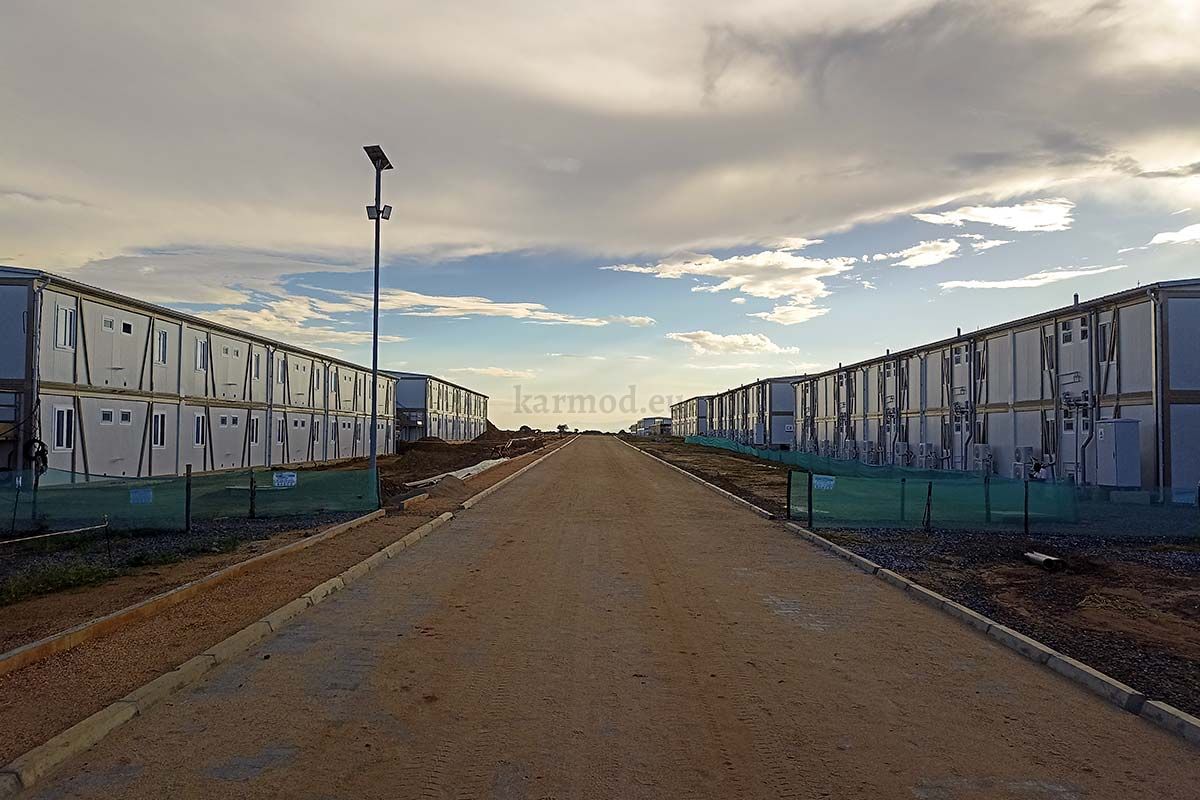
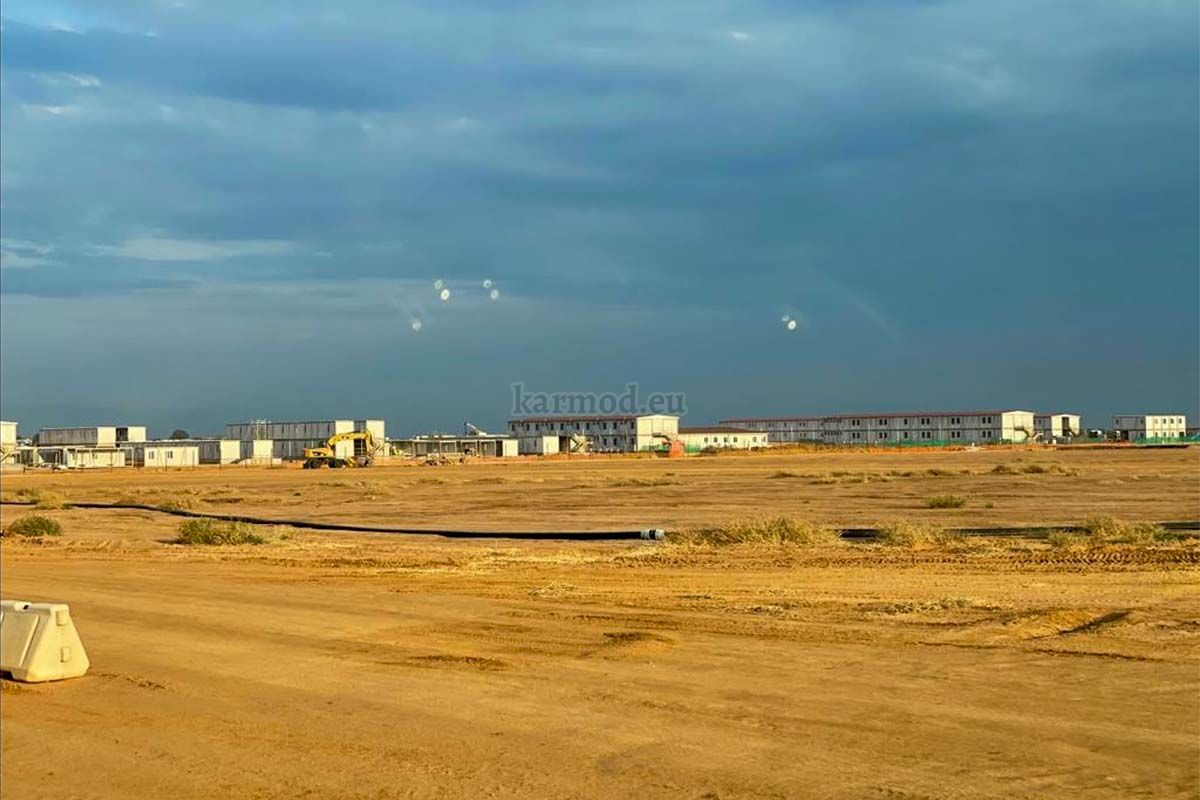
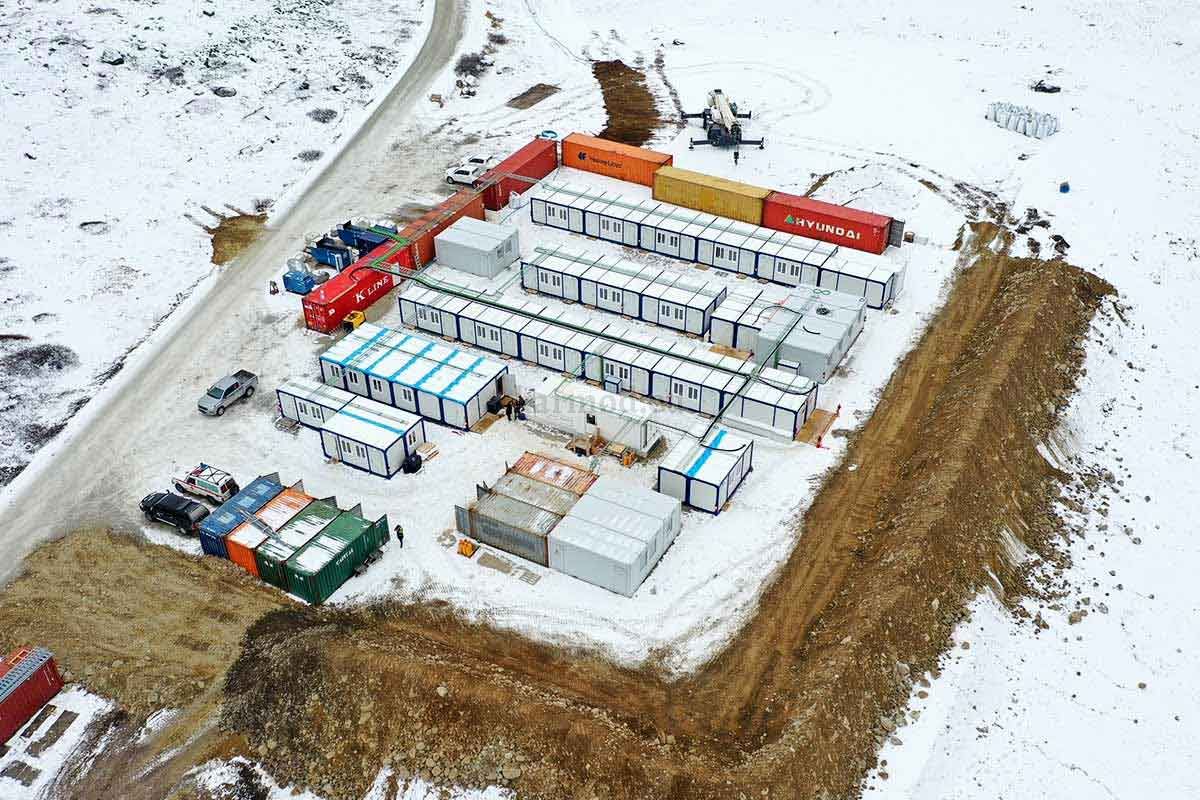
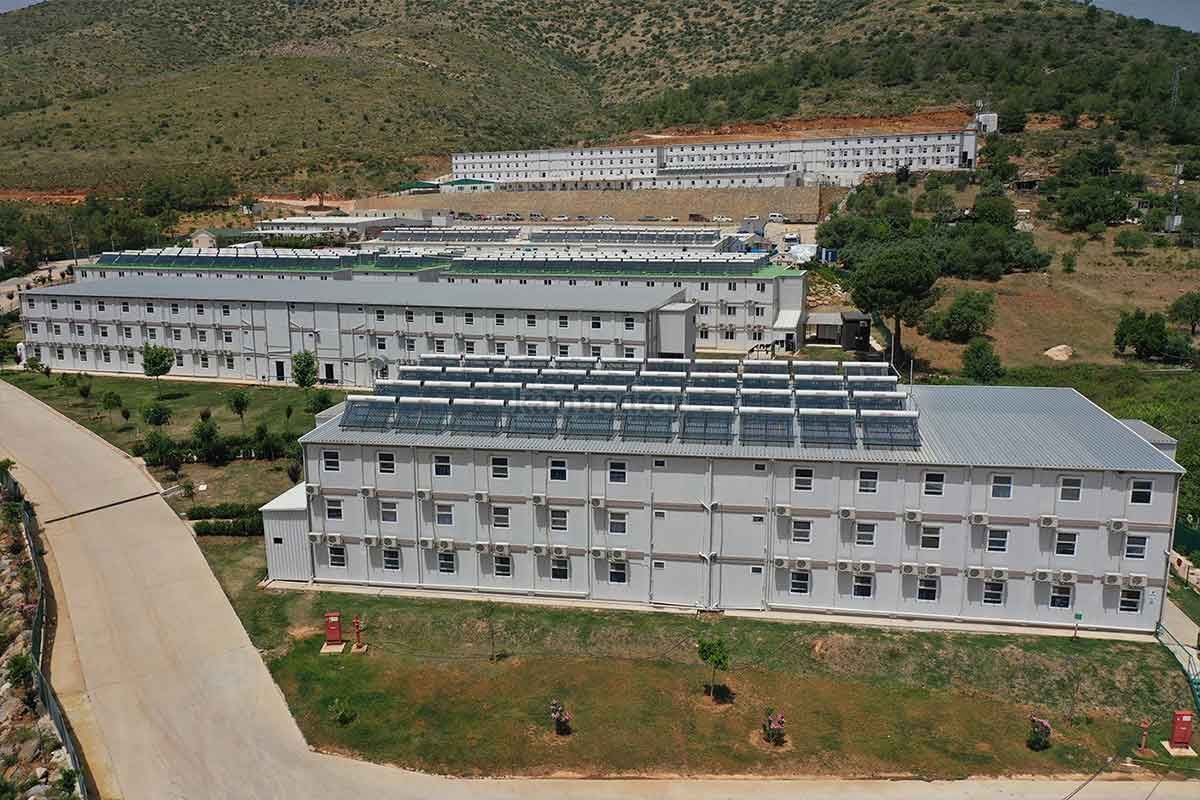
In Jamaica, modular camp solutions are used to create organized living compounds that can be mobilized quickly and expanded in phases as headcount changes. Karmod delivers camp buildings designed around operational routines—sleep, hygiene, dining, and shared areas—so accommodation supports productivity without turning into a site management burden.
Each Oil and Gas Camp is planned to balance durability with everyday usability. That means materials and building systems suitable for continuous occupancy, and layouts that work with shift patterns, access control, and maintenance needs.
In these camps:
Infrastructure built for uptime: Camp buildings are configured to keep essential services predictable—power distribution, water use, ventilation, and practical internal circulation—so daily routines remain stable even as site activity ramps up.
- Safety First: Safety measures are integrated into the accommodation plan, with practical provisions that support site HSE rules and reduce risk in high-activity environments.
- Technological Integration: Camp operations benefit from modern systems that help manage occupancy, utilities, and day-to-day coordination, supporting smoother routines across the compound.
Modular delivery also supports logistics common to island projects. Units can be planned for transport and staged installation, helping teams mobilize accommodation without overextending on-site resources. Every modular camp is intended to function as a controlled living environment—durable, maintainable, and aligned with the pace of field operations.
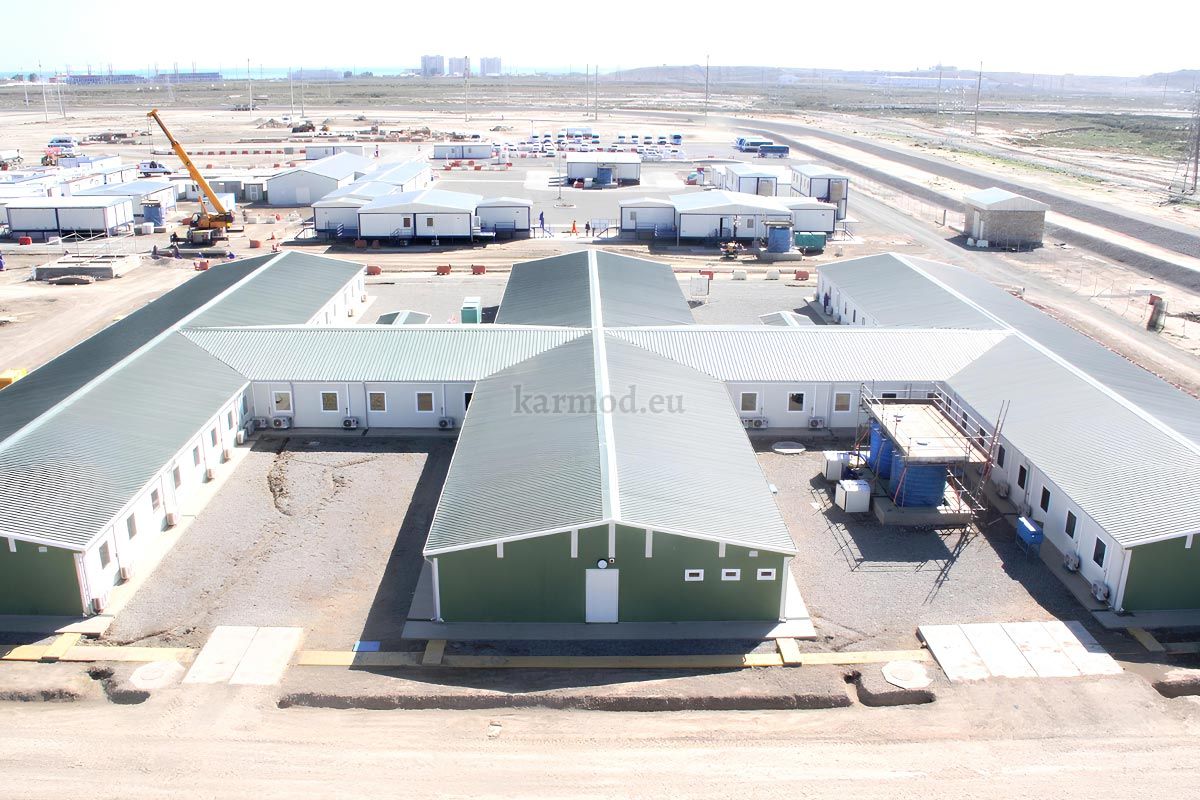
For Jamaica’s oil and gas projects, the goal is straightforward: accommodation that keeps crews rested, supports safety routines, and remains reliable under tropical conditions. With structured planning and modular construction, camps can be deployed to meet the project schedule while maintaining consistent standards across workforce housing.
Comfort That Supports Daily Operations in Jamaica Oil and Gas Man Camps
In field environments, comfort is a performance factor. Crews working long shifts need clean rooms, reliable wash facilities, and controlled indoor conditions so they can recover properly between rotations. Jamaica’s tropical climate adds another layer of requirement, making ventilation, moisture control, and dependable cooling essential for day-to-day habitability.
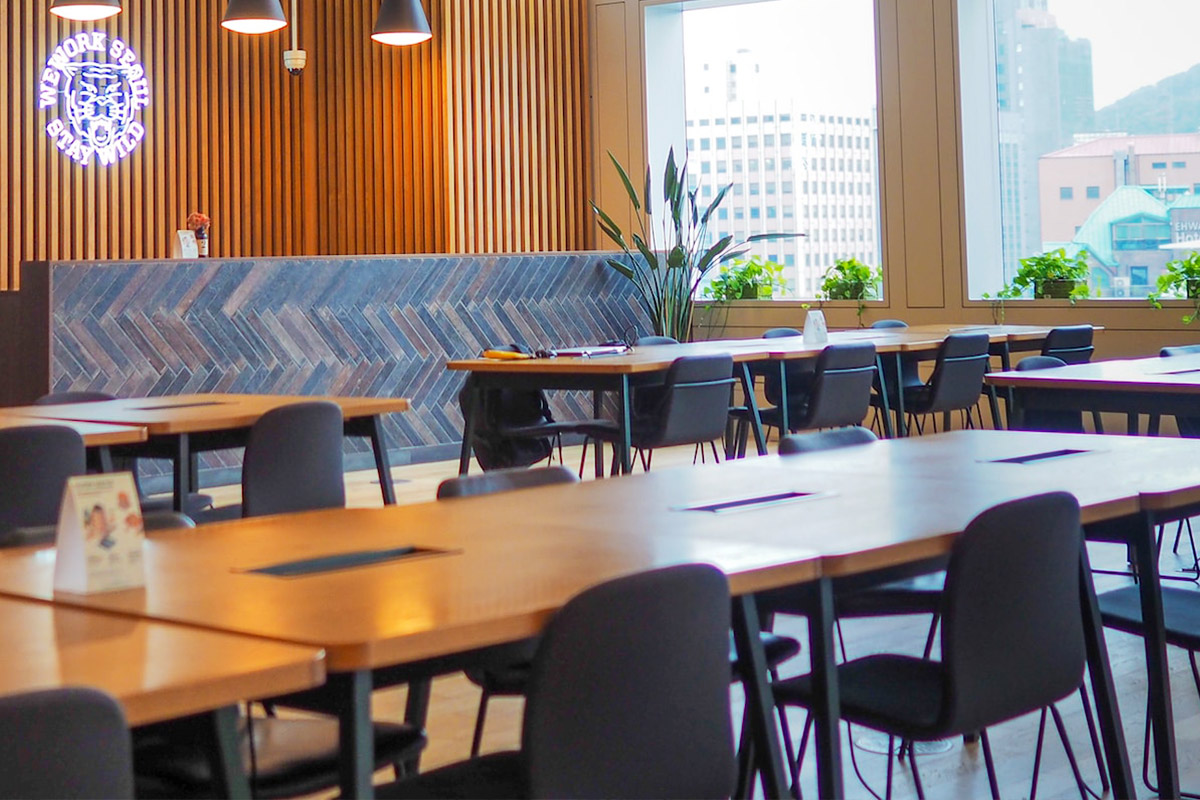
Well-planned man camps also reduce avoidable strain on site management. When dining and common areas are sized correctly and circulation is organized, shift changes run smoother and the overall camp stays easier to operate. The result is accommodation that functions as part of the project—not an afterthought that requires constant intervention.
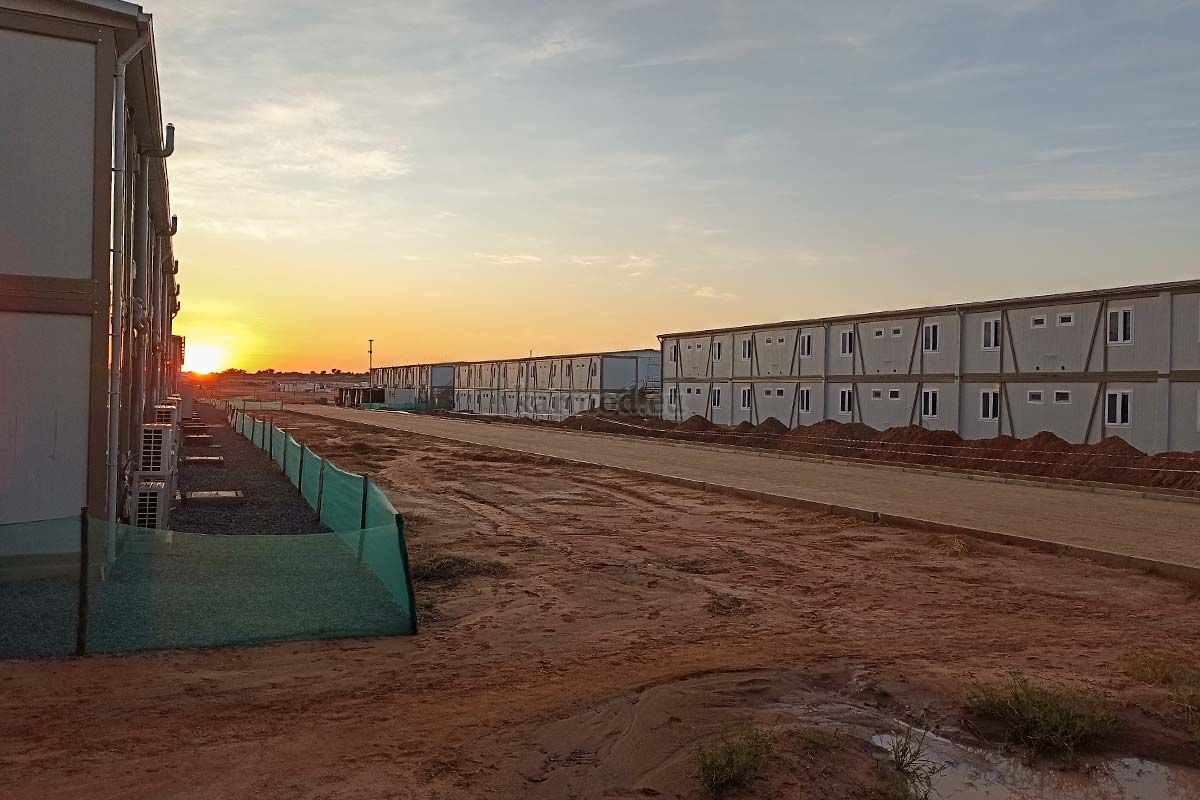
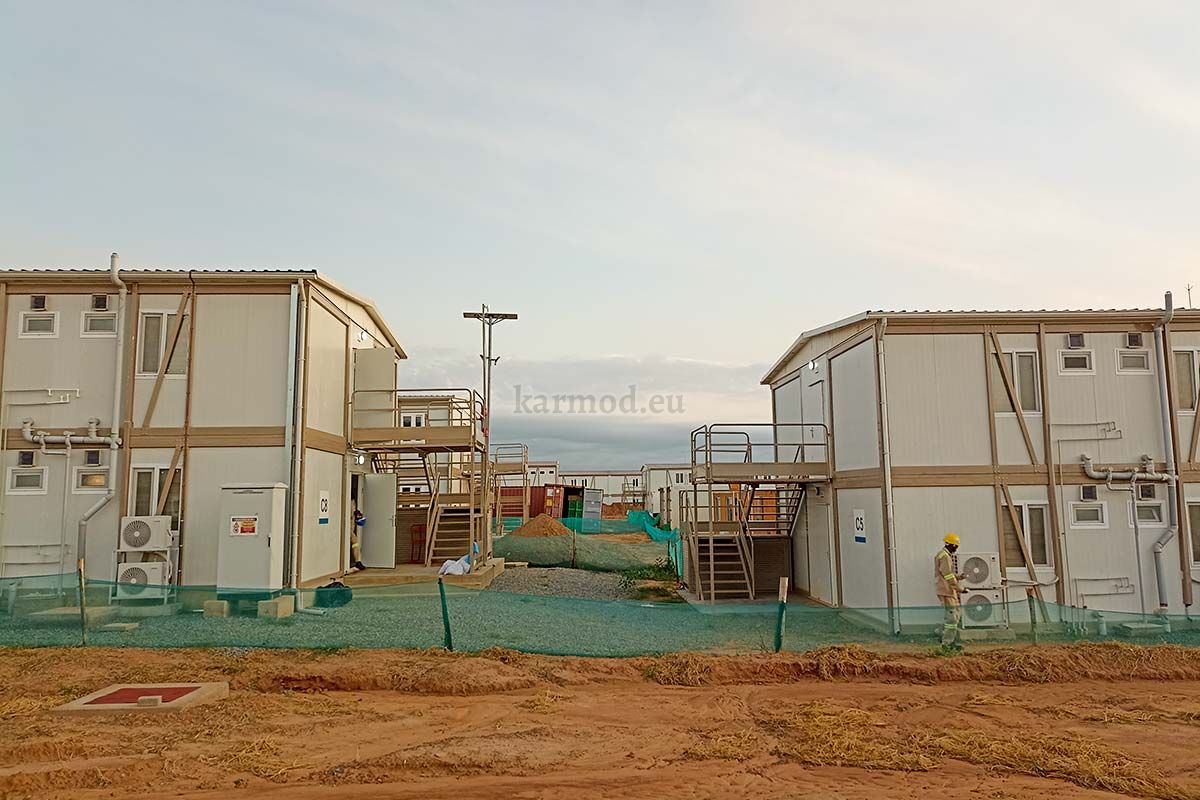
Practical Standards in Jamaica Oil and Gas Field Housing
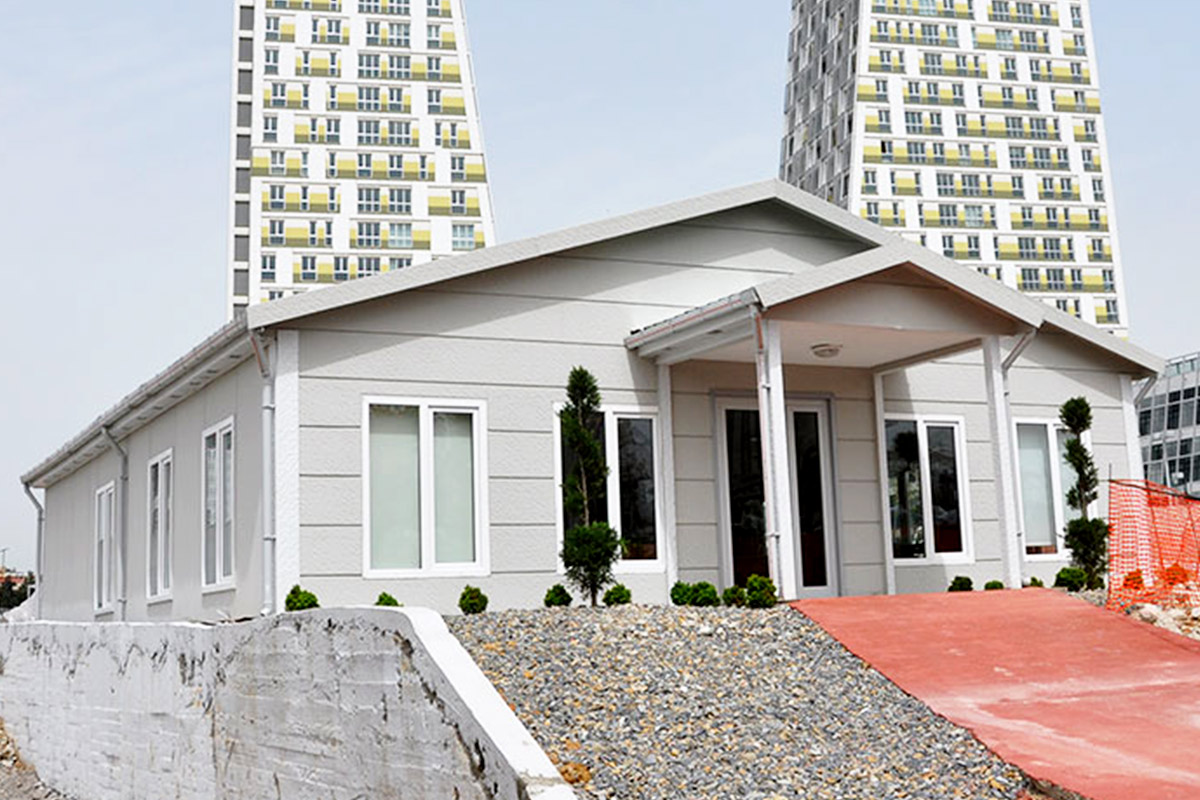
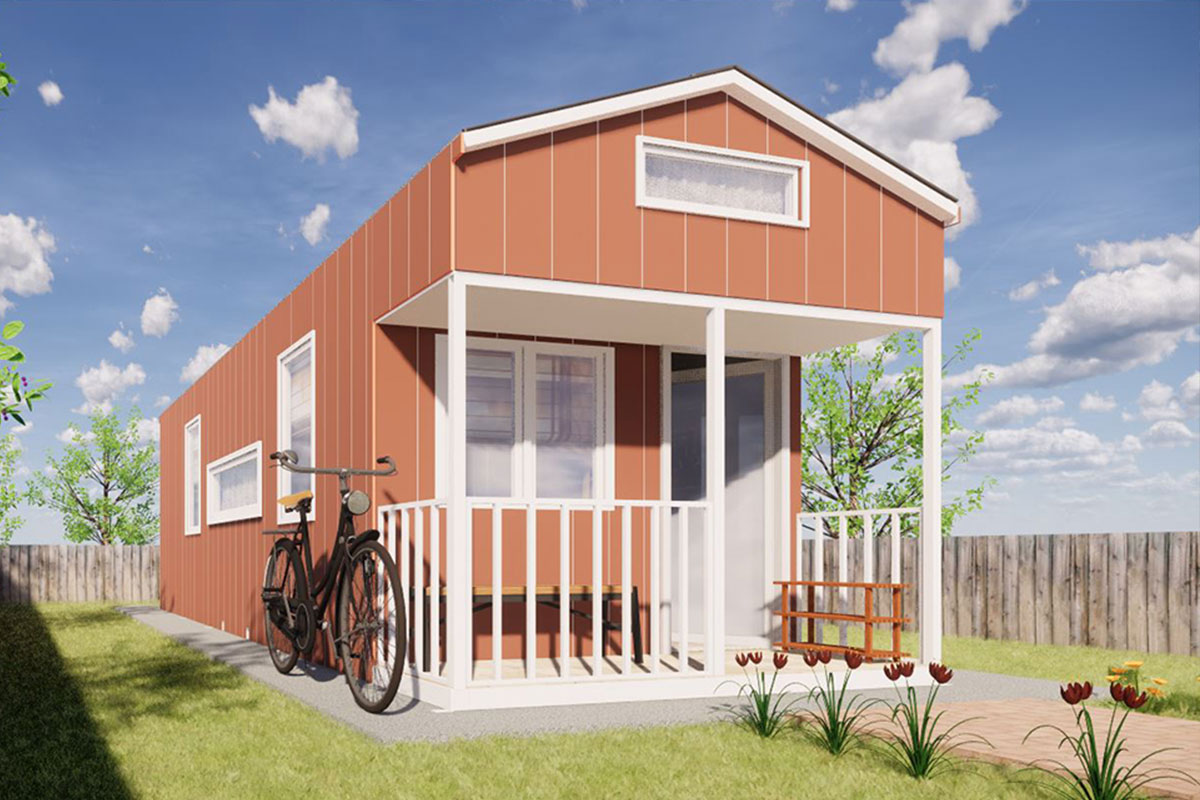
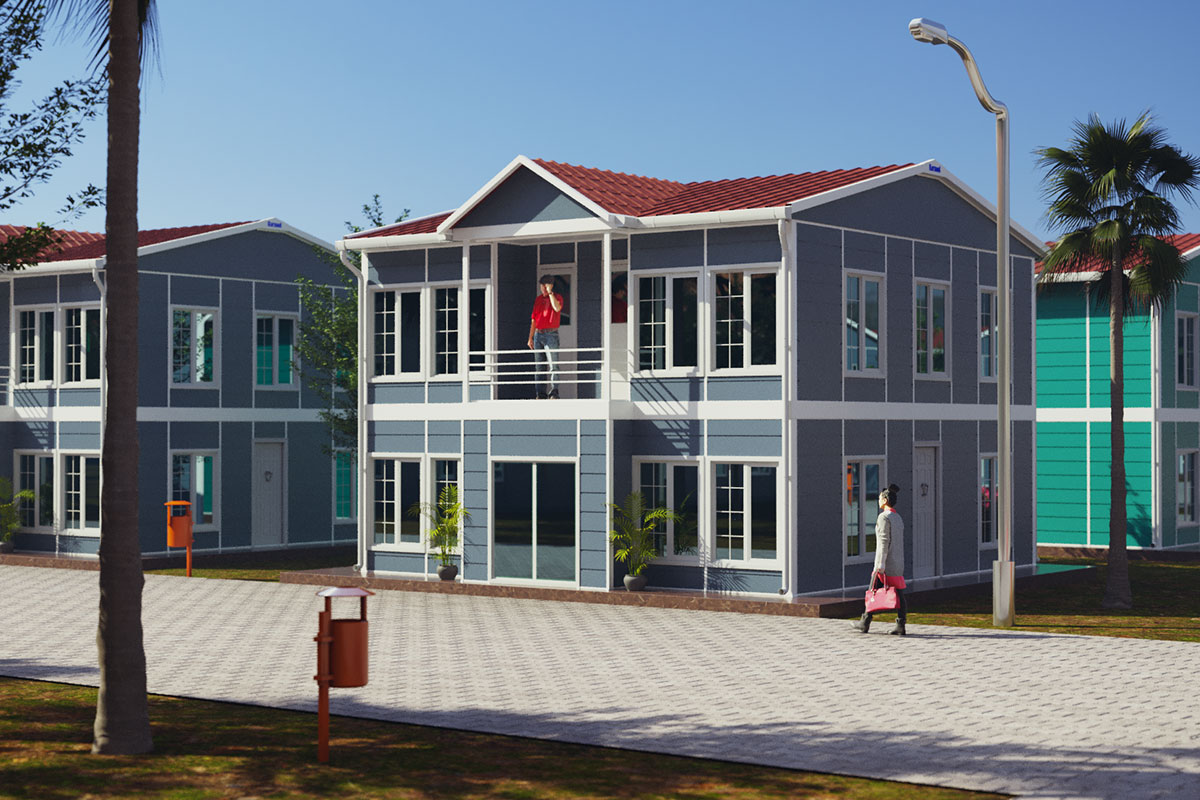
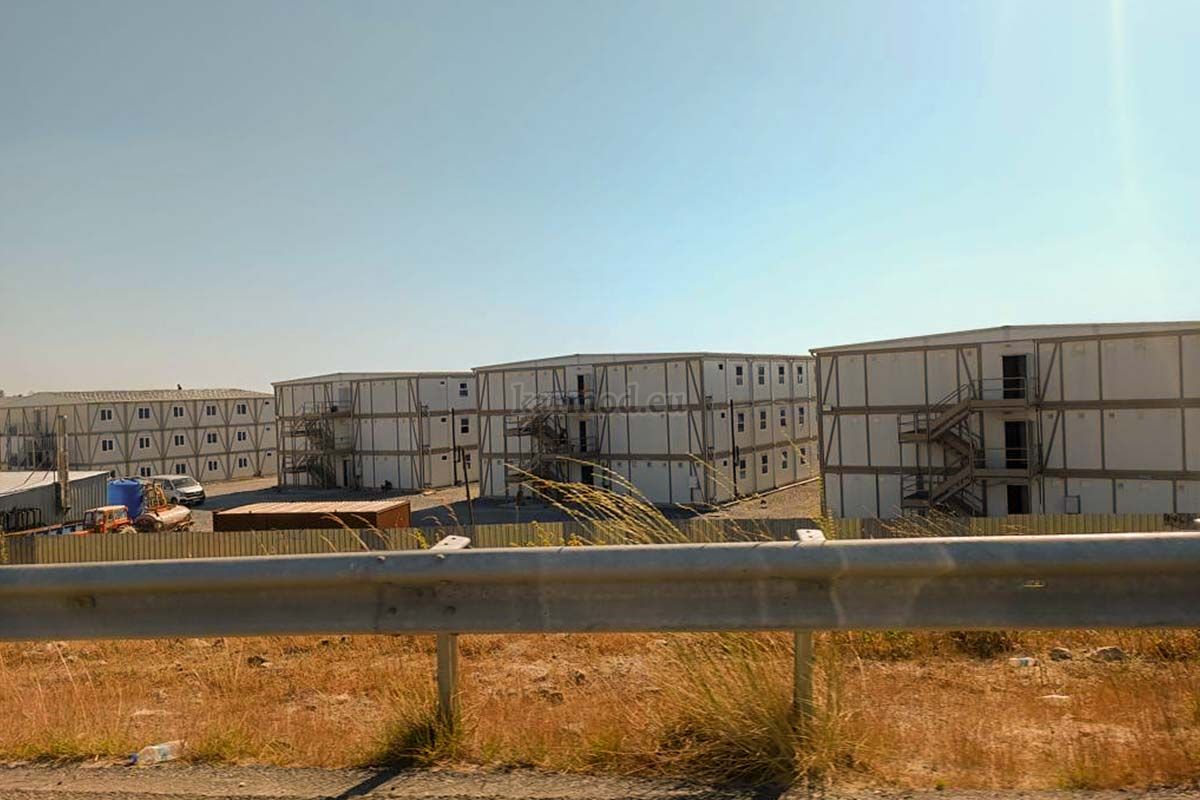
Jamaica oil and gas field housing units are expected to deliver consistent performance under continuous occupancy. A workable housing setup is defined by durability, maintainability, and sensible layouts—rooms and shared spaces that support rest, hygiene, and daily routines without creating bottlenecks.
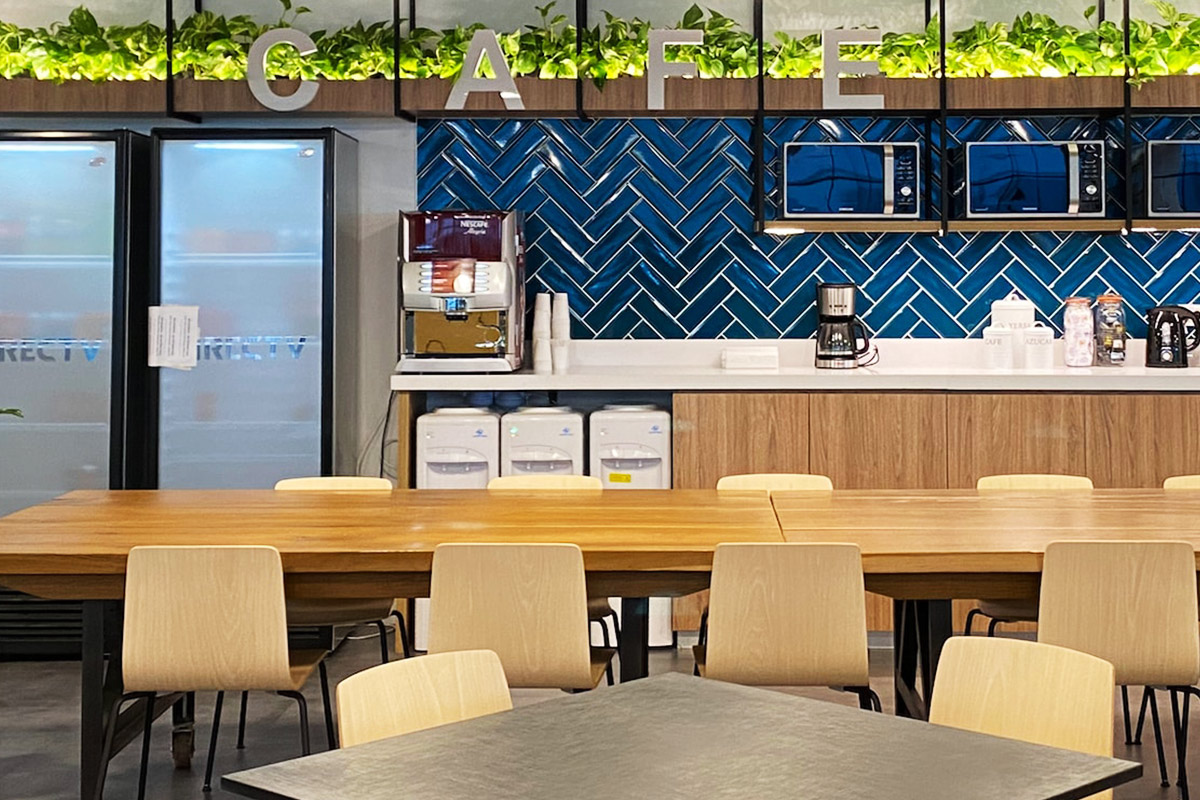
Effective housing planning also considers community spaces, not as a lifestyle feature, but as a way to stabilize camp life. Shared areas help crews reset after shifts, reduce unnecessary travel off-site, and support predictable routines that benefit both residents and site coordination.
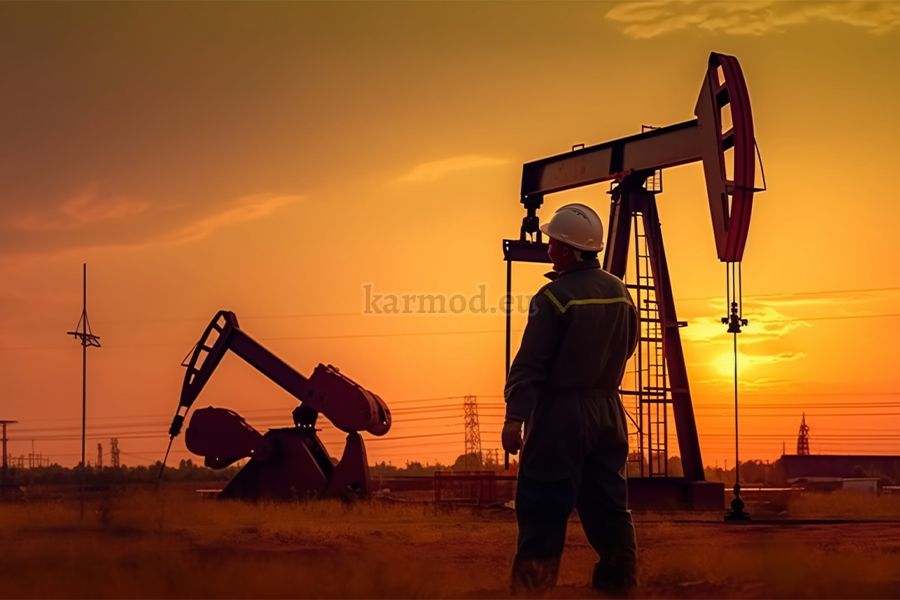
Structures of Quality: Jamaica's Oil and Gas Camp Construction Buildings
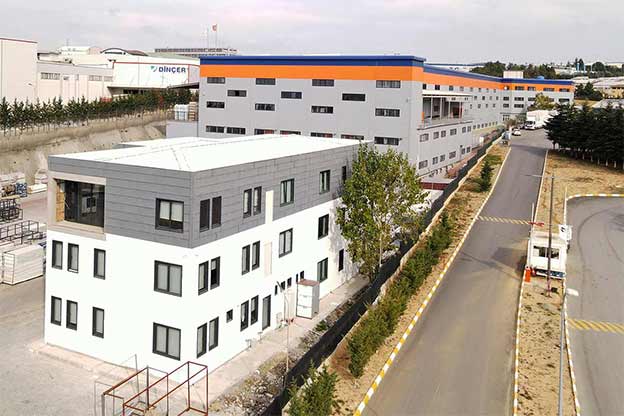
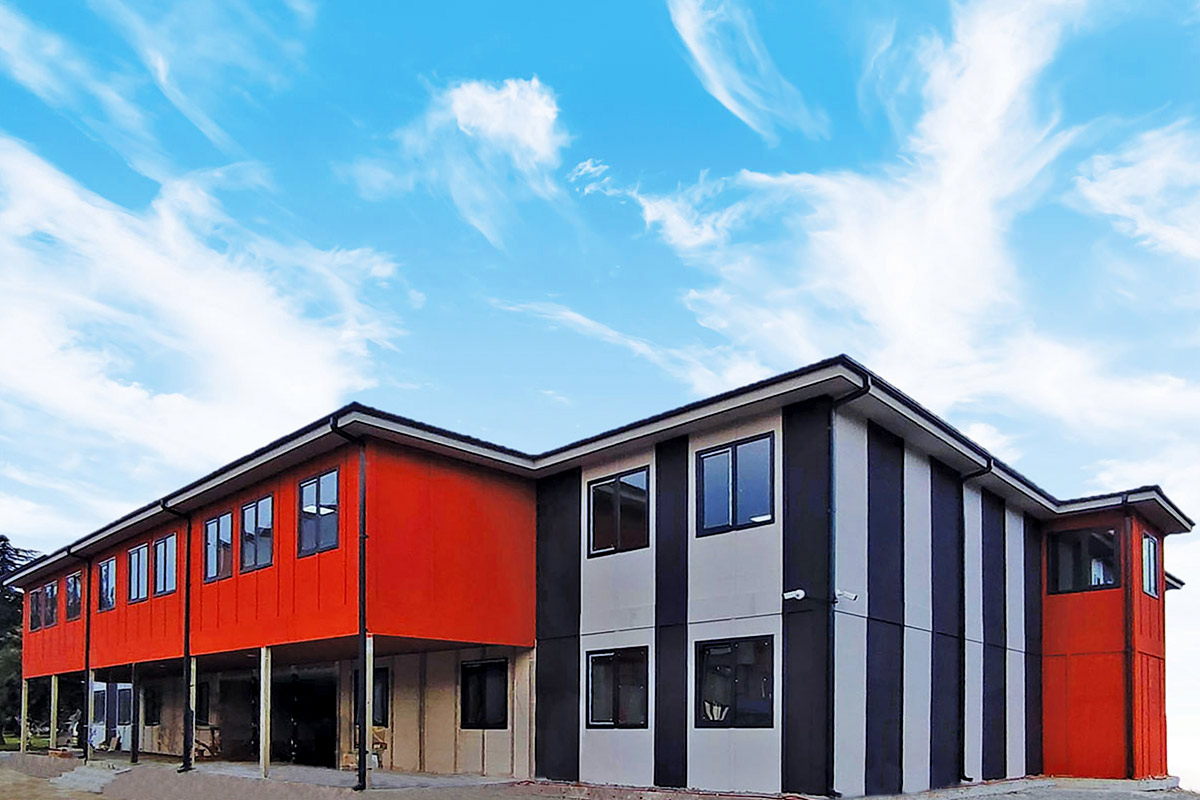
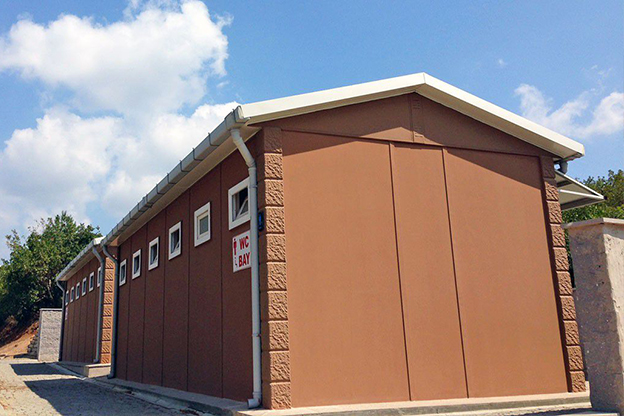
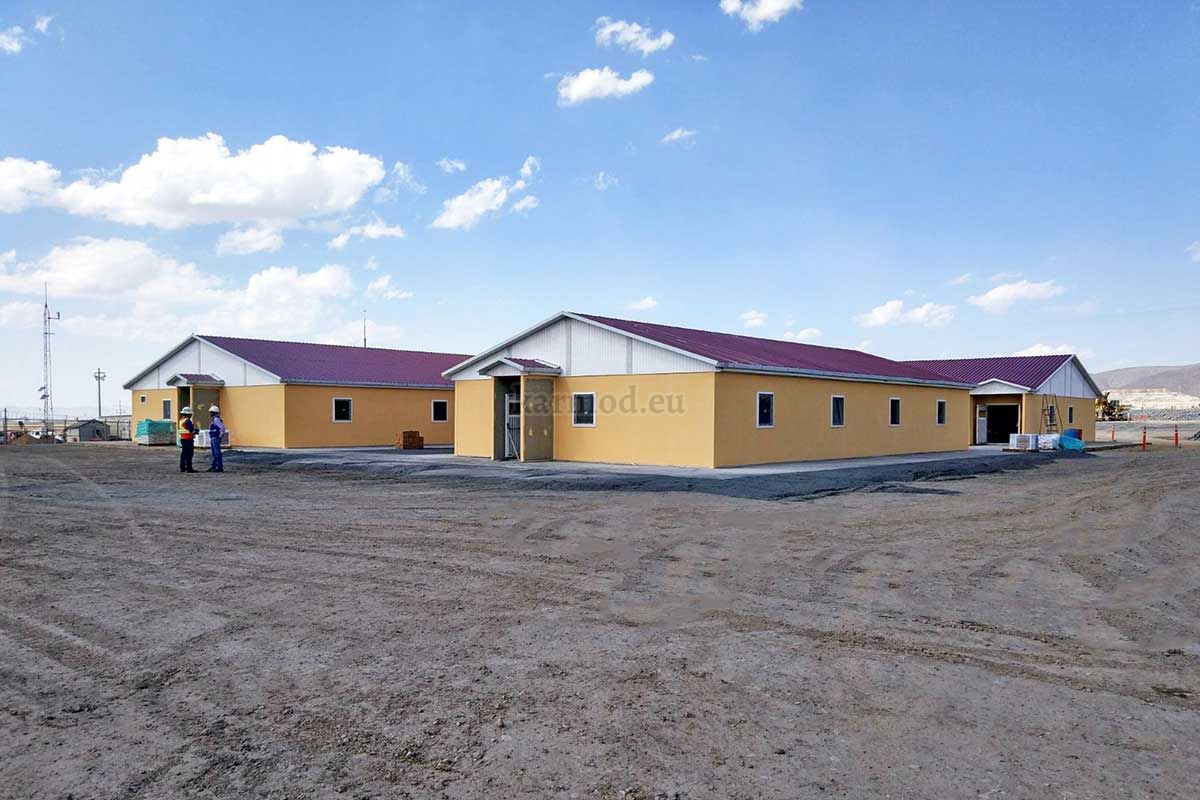
Camp construction buildings used for oil and gas projects in Jamaica need to withstand heavy use and operate reliably through changing weather. The most effective solutions focus on straightforward construction, serviceable materials, and building systems that remain stable in heat and humidity.
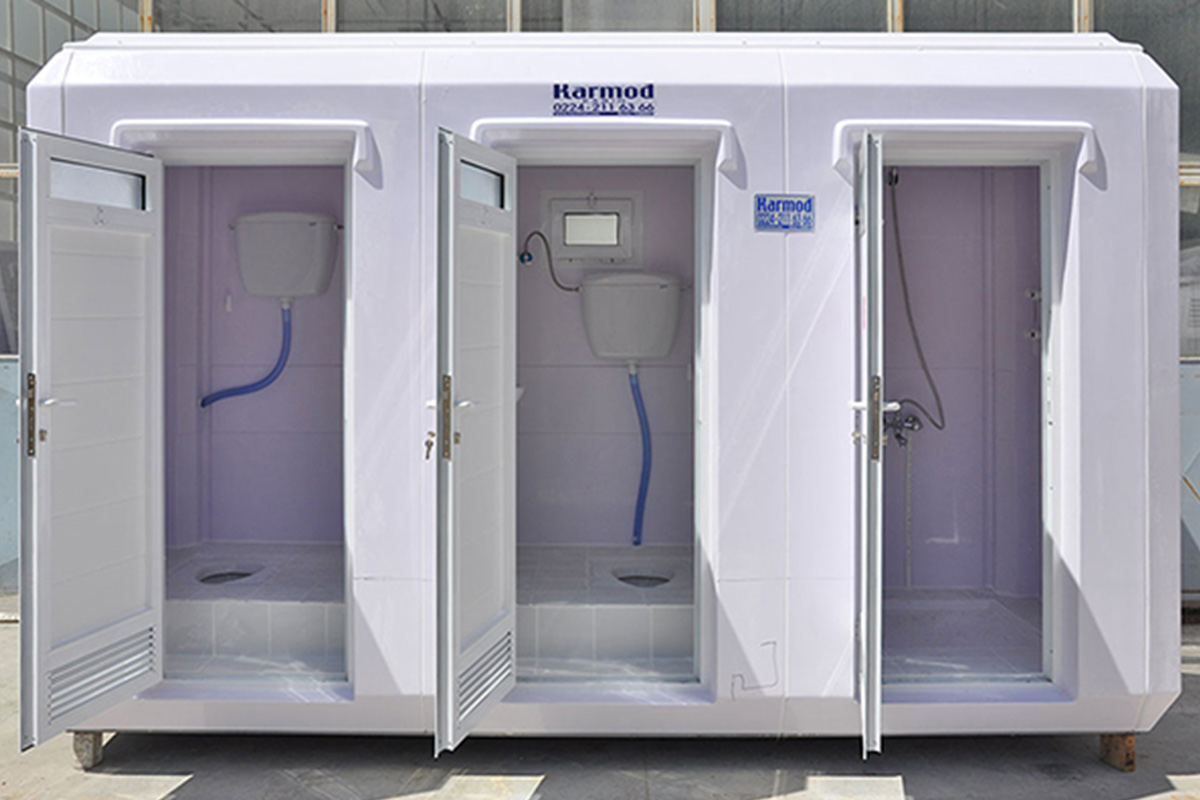
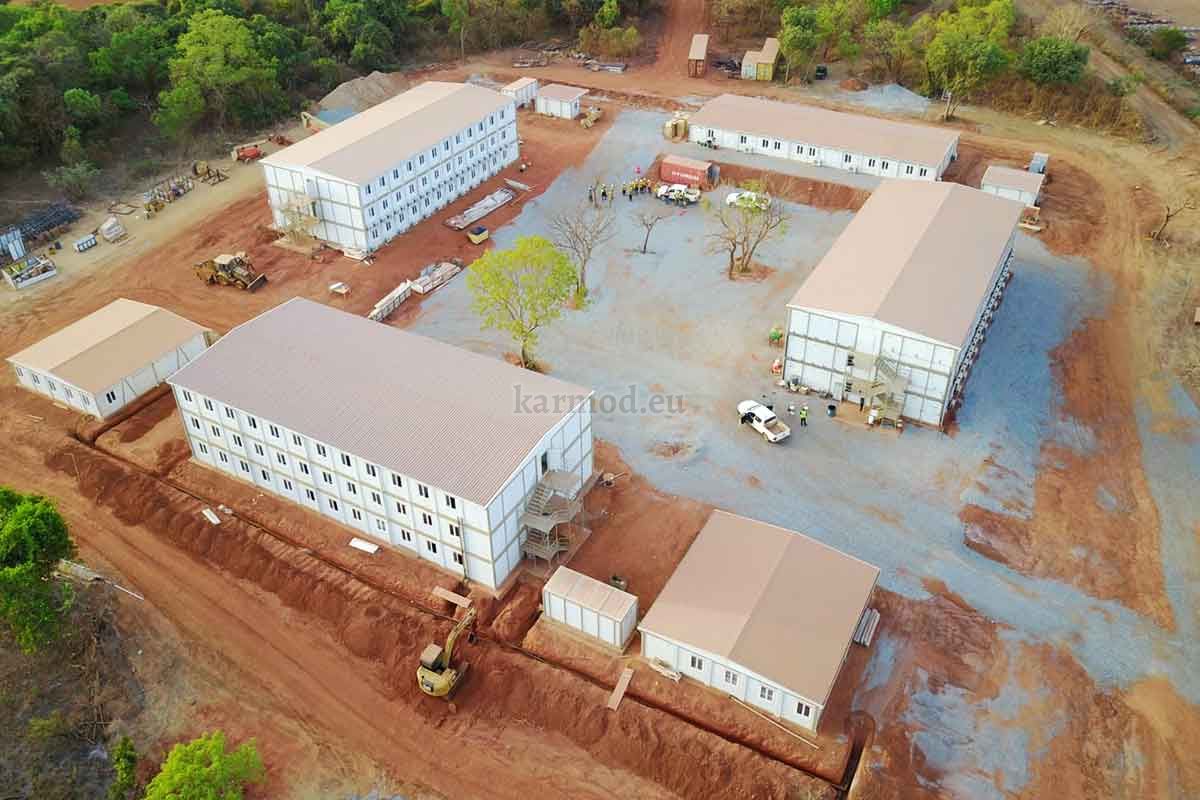
The Jamaica oil and gas field man camp model is built around controlled living conditions and clear operational zoning. Accommodation, hygiene facilities, dining, and shared areas are planned to support safe movement and manageable daily routines.
The attributes that set these camps apart include:
- Material Excellence: Durable finishes and components selected for continuous use and practical maintenance in humid coastal conditions.
- Climate Adaptability:Building envelopes and ventilation planning suited to tropical heat, moisture, and seasonal weather changes.
- Operational Efficiency: Layouts that support camp management—clear circulation, service areas positioned for maintenance, and functional separation between accommodation and operational support spaces.
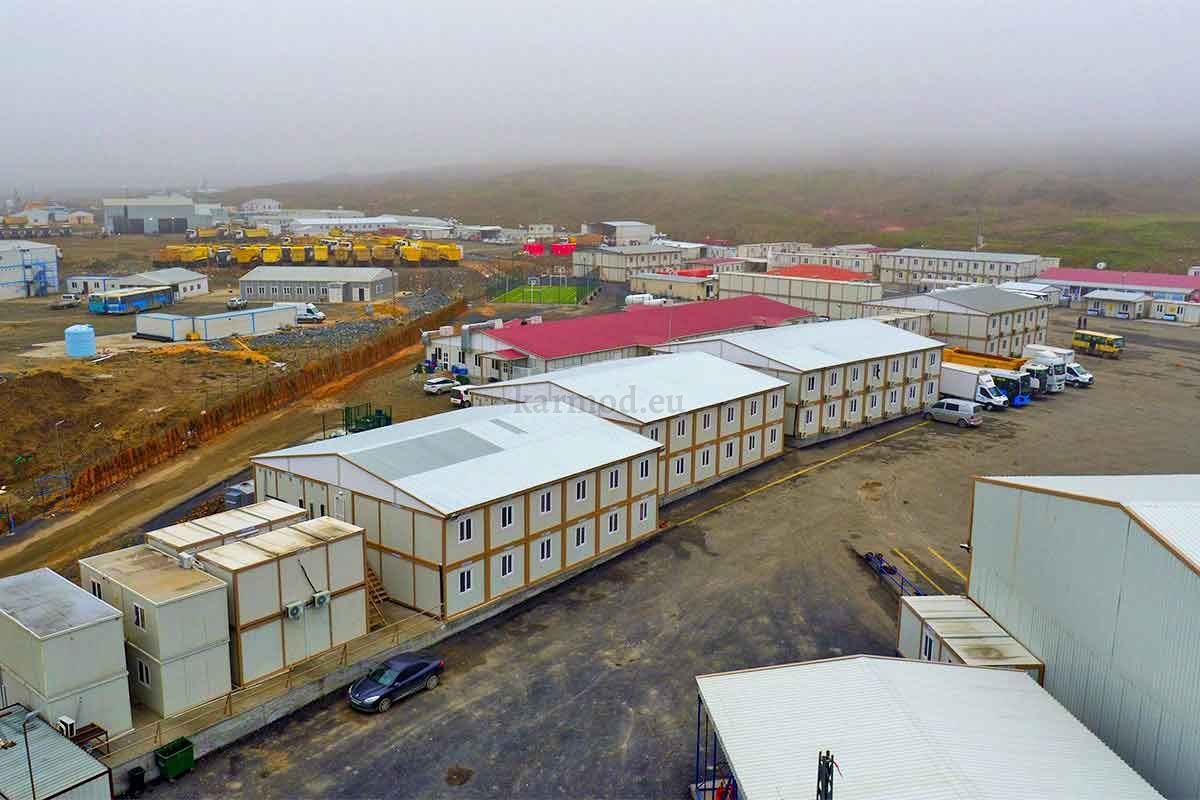
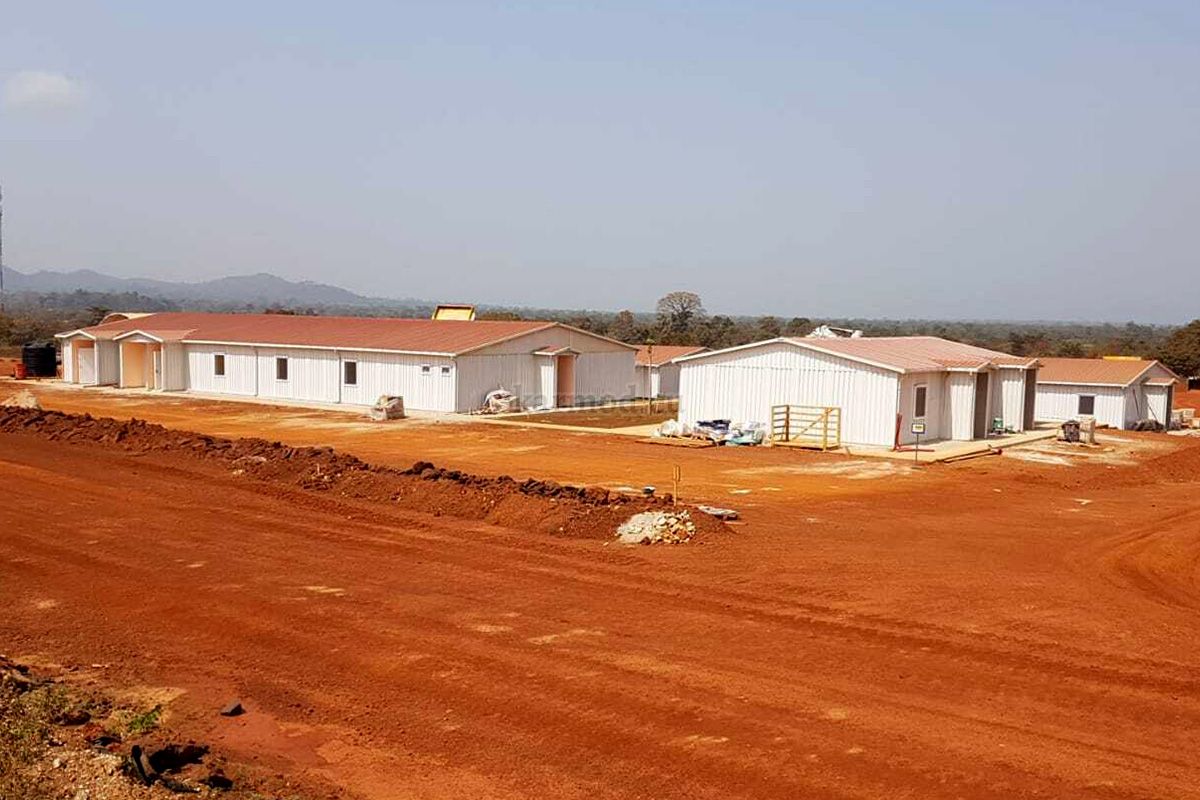
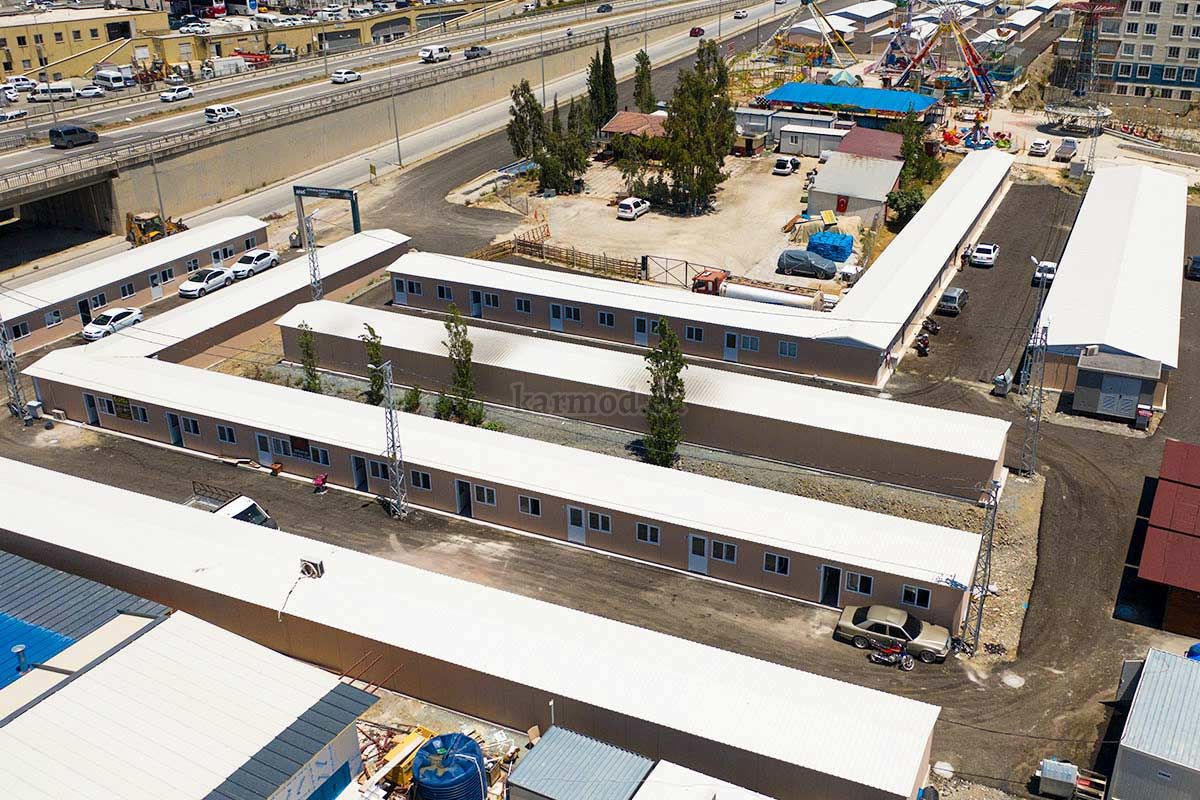
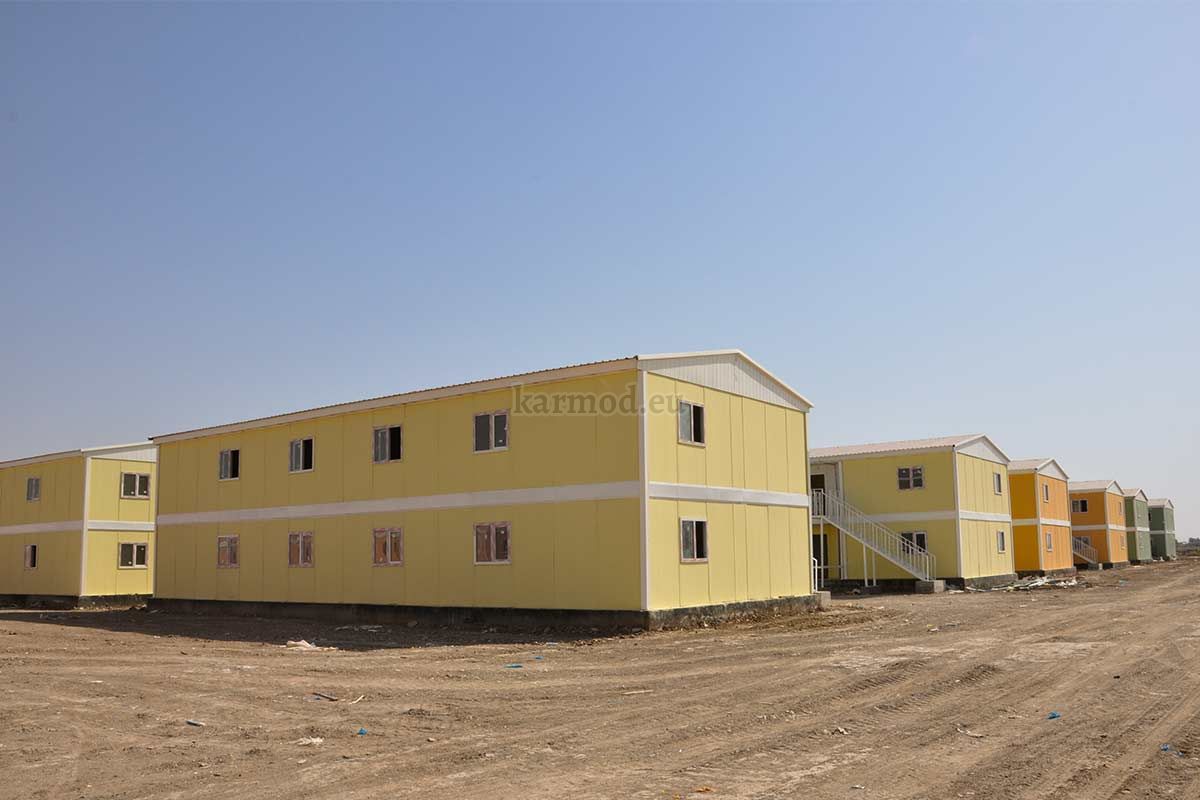

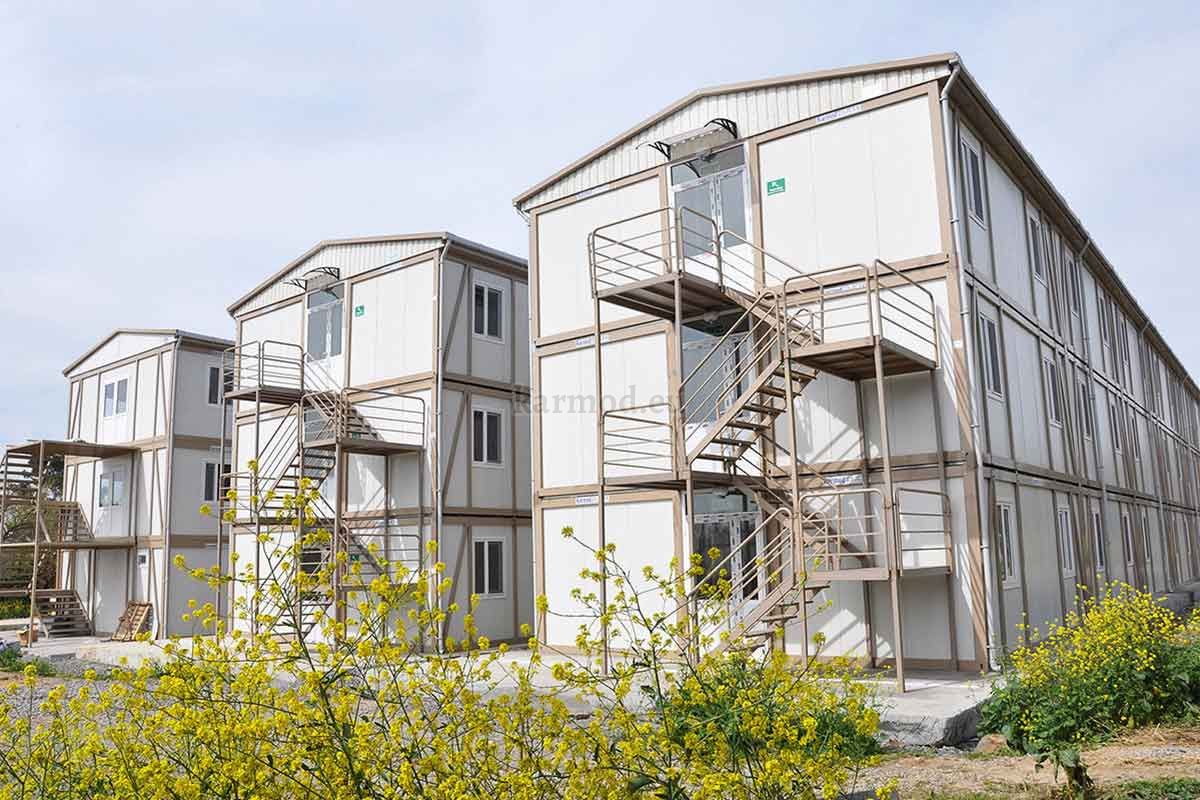
Best Company and Manufacturer Karmod for Oil and Gas Field in Jamaica
Delivering workforce accommodation for oil and gas projects requires controlled manufacturing, predictable installation, and a clear handover process. In Jamaica, Karmod is involved in modular camp and field housing solutions that prioritize practical layouts, durable construction, and phased deployment to match project timelines.
Jamaica oil and gas field housing units supplied through modular construction are planned to remain functional under high occupancy, with building systems and interior configurations chosen to support day-to-day camp operations rather than short-term use.
They support:
- Spatial Excellence:Efficient room planning and shared areas that help manage headcount, shift patterns, and daily routines.
- Aesthetic Brilliance: Simple, clean interiors and exteriors that keep facilities readable and easy to maintain without overcomplicating the build.
- Tech-Driven:Modern systems that support coordinated camp operations, from utilities management to internal communications.
For Jamaica’s oil and gas sector, the value of a camp is measured by uptime, safety performance, and how well it supports workforce stability. With modular construction and disciplined execution, accommodation can be deployed efficiently and managed consistently across the full project cycle.