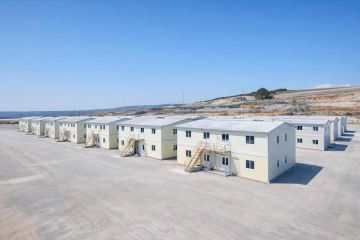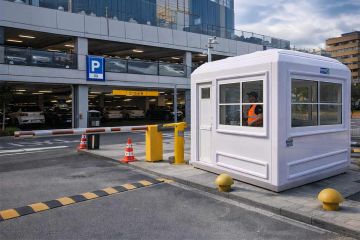
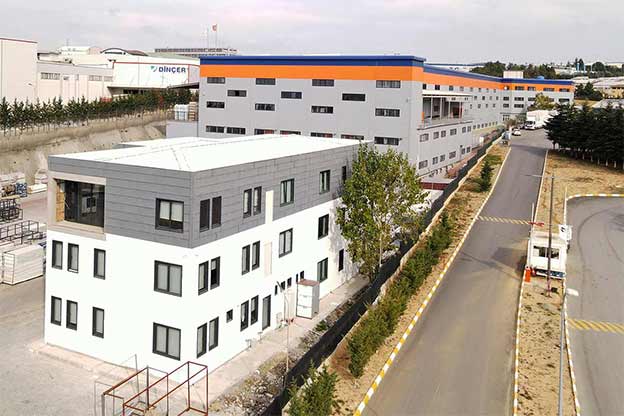



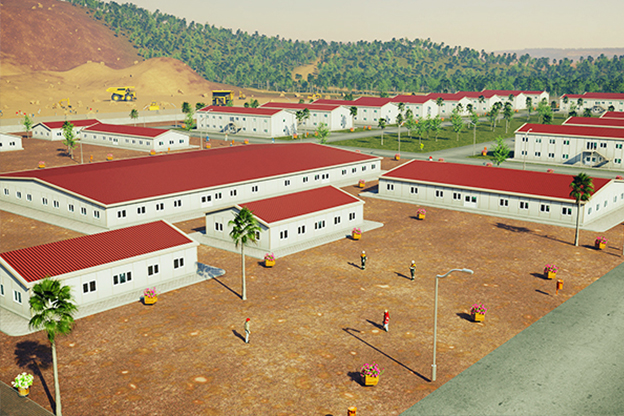

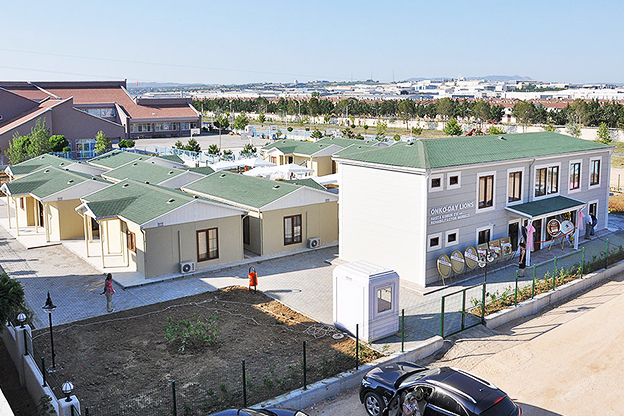
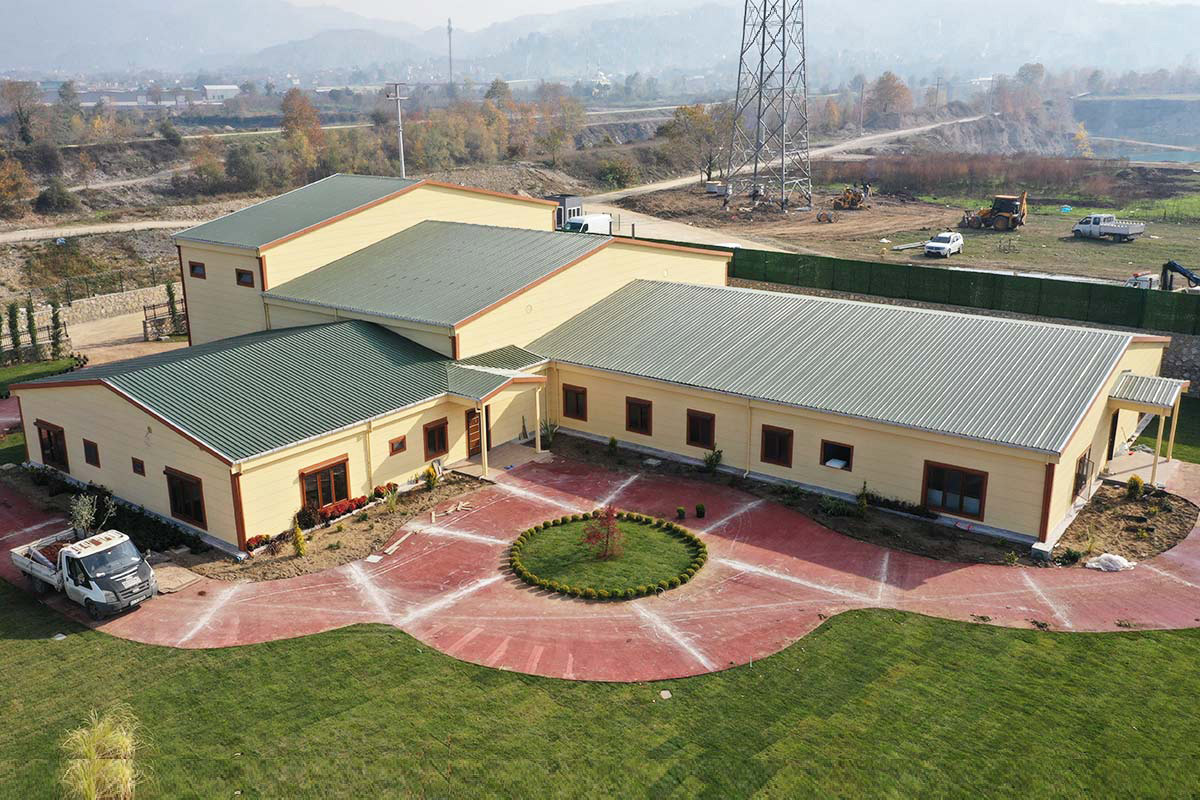
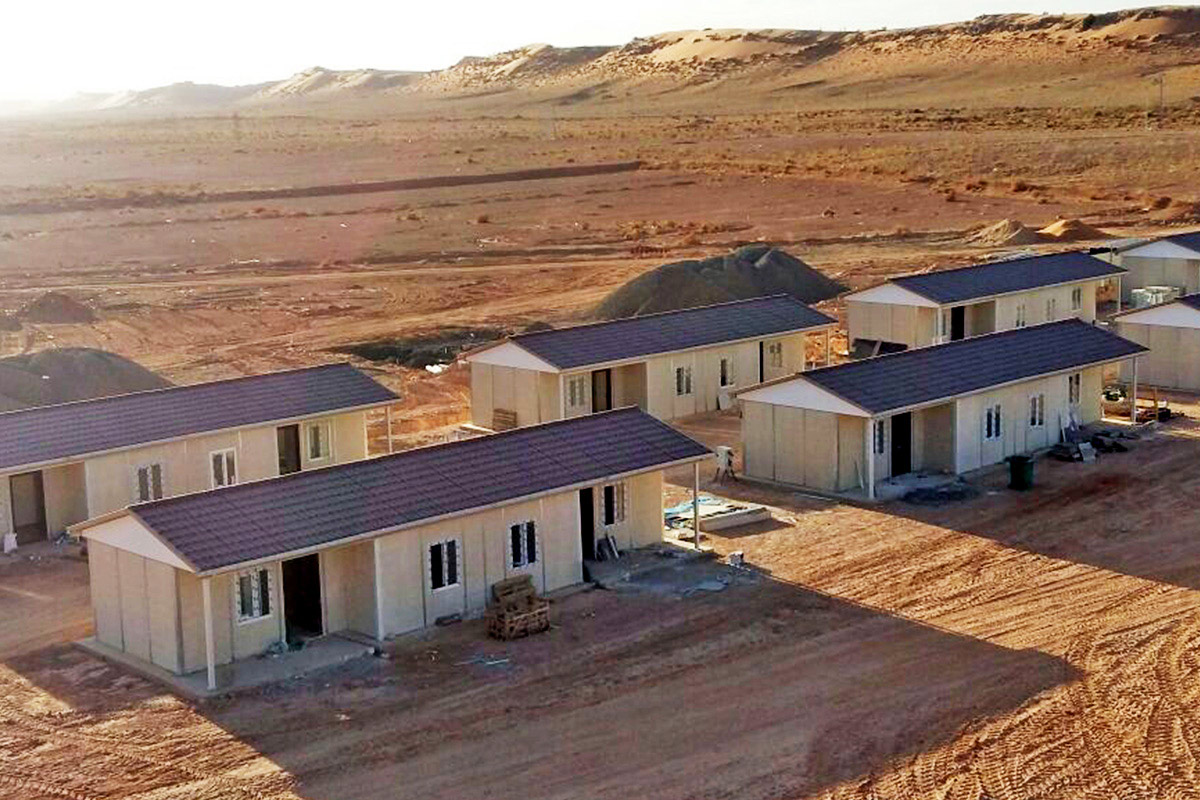
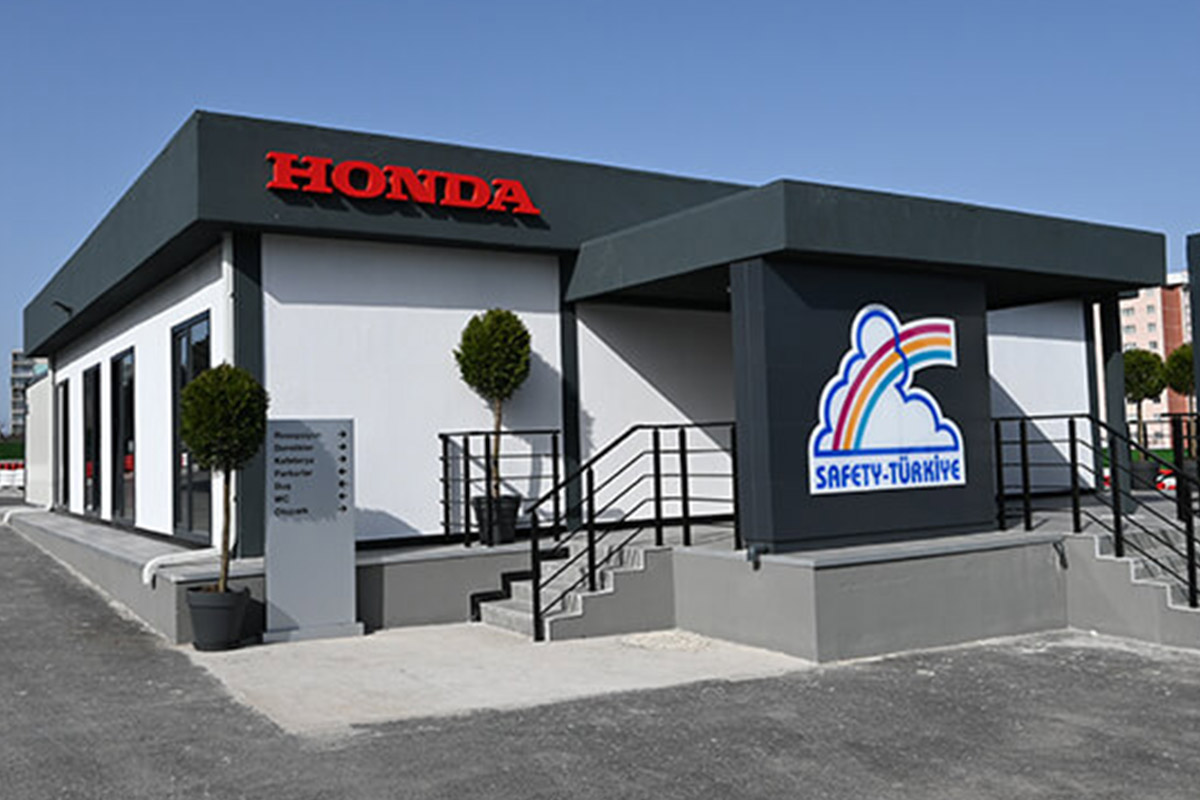
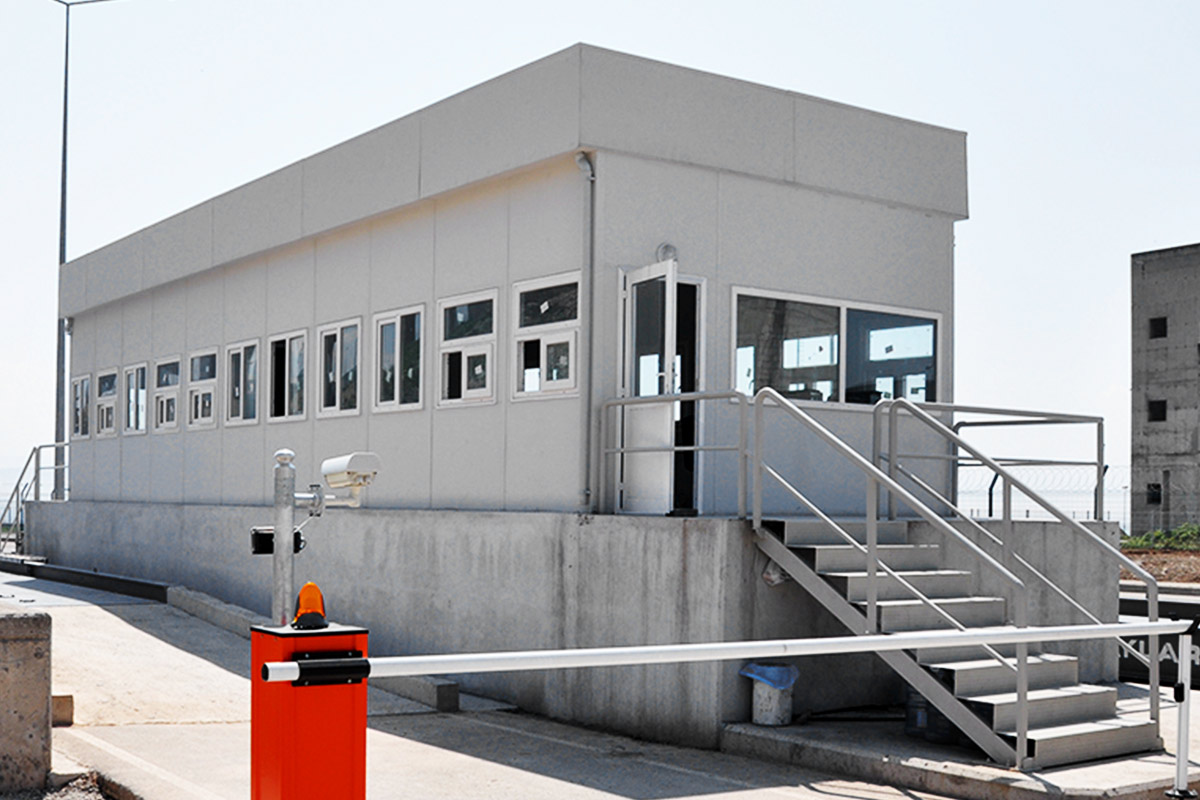
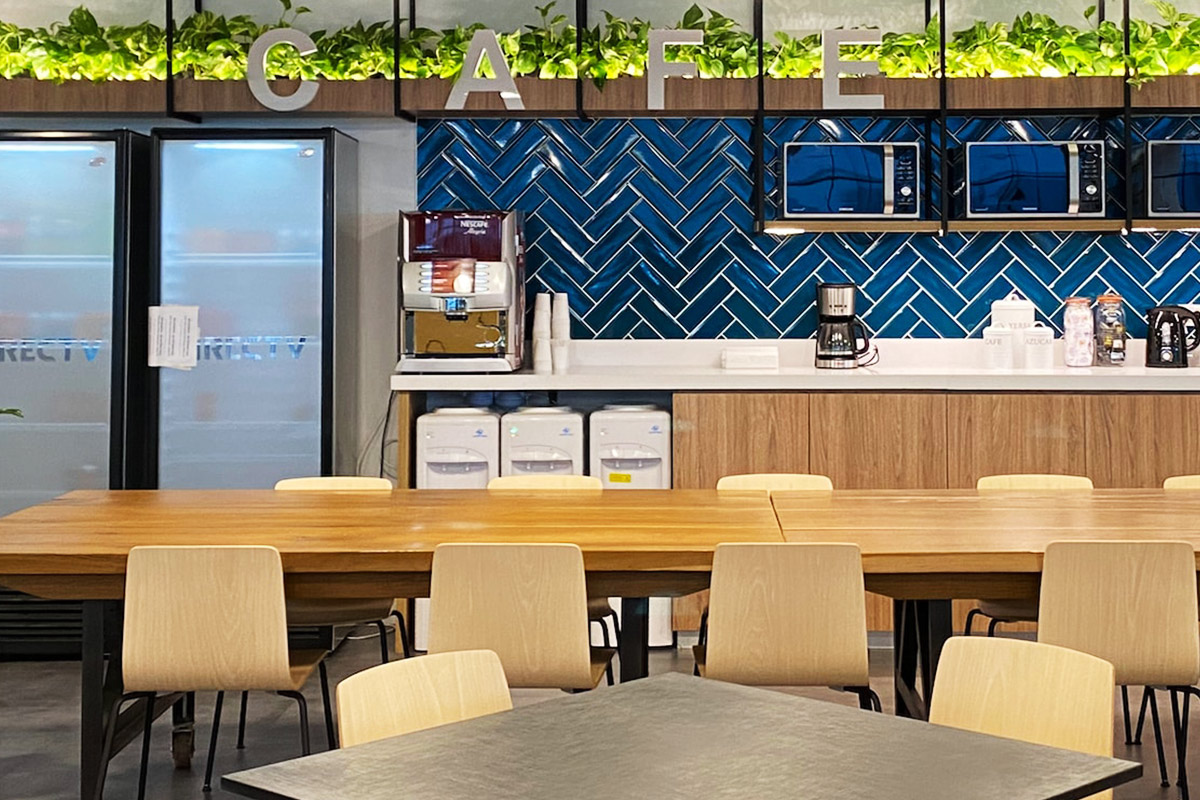
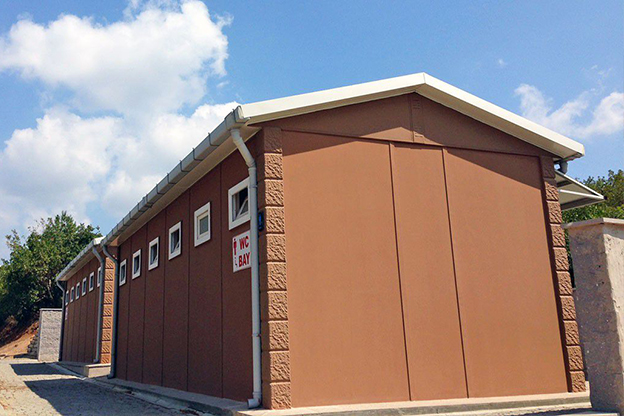
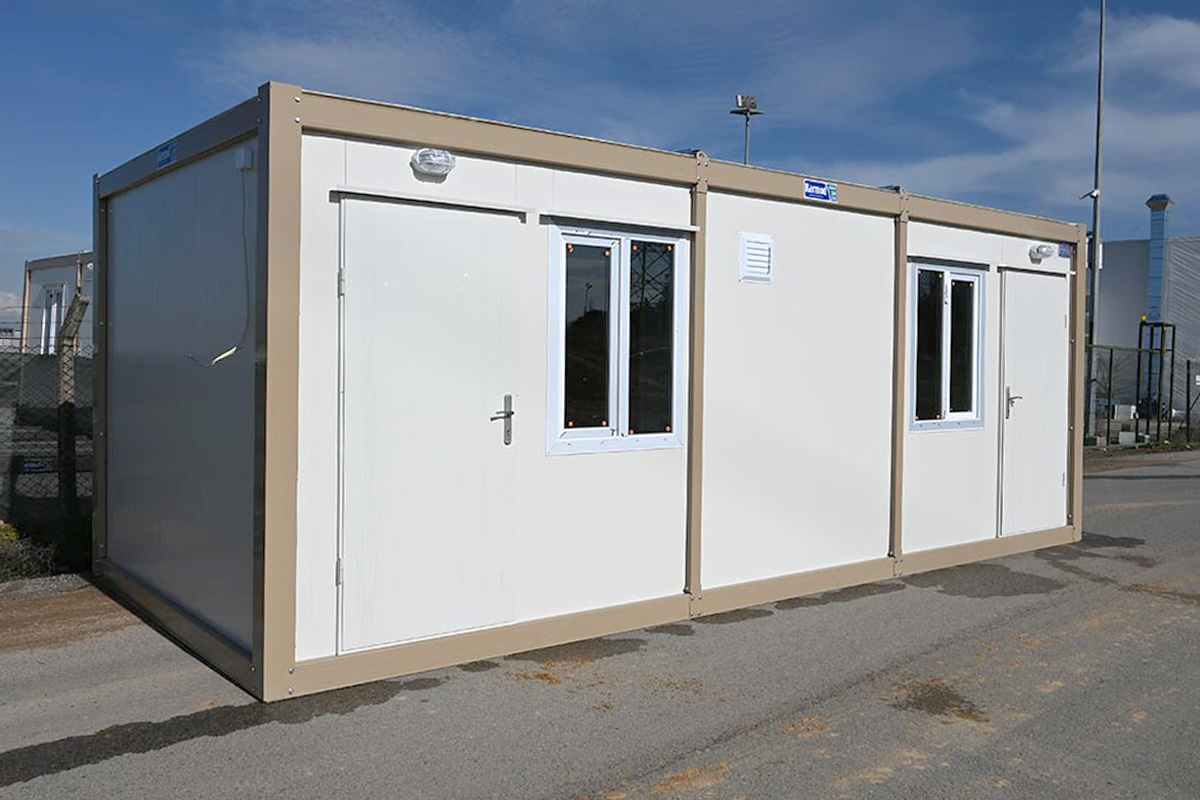
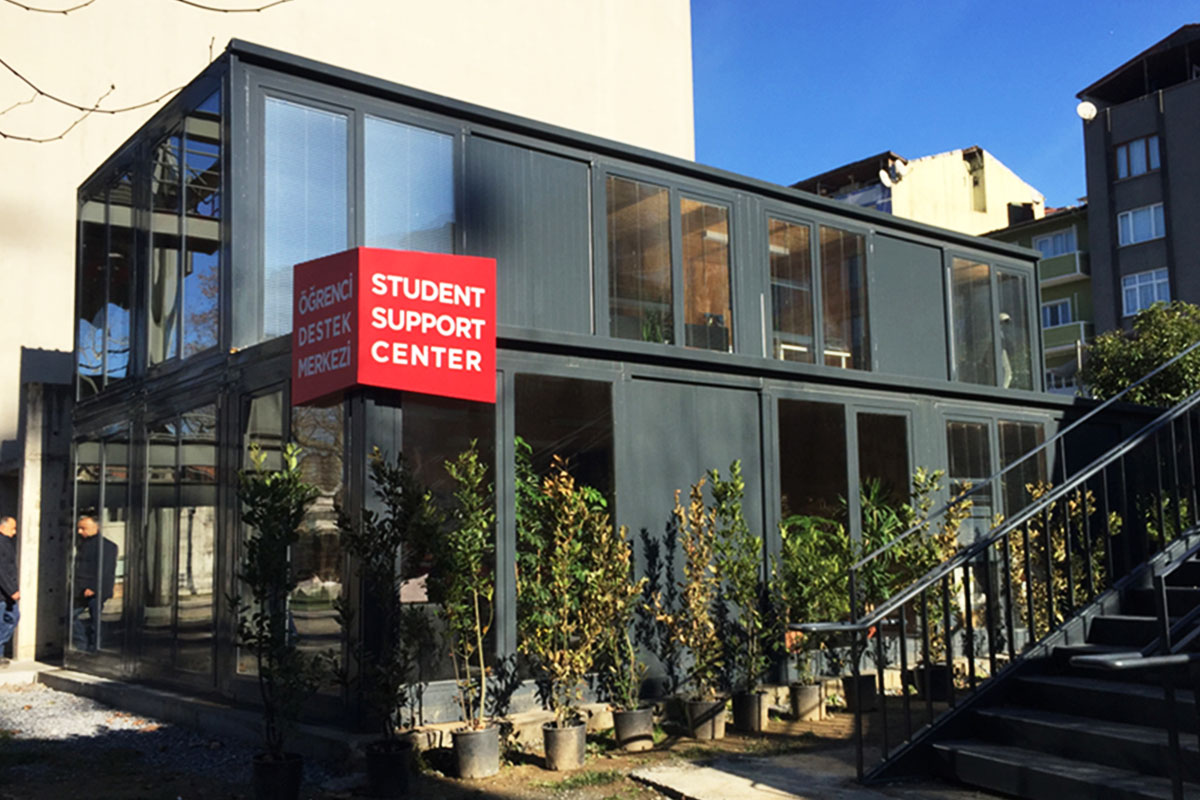
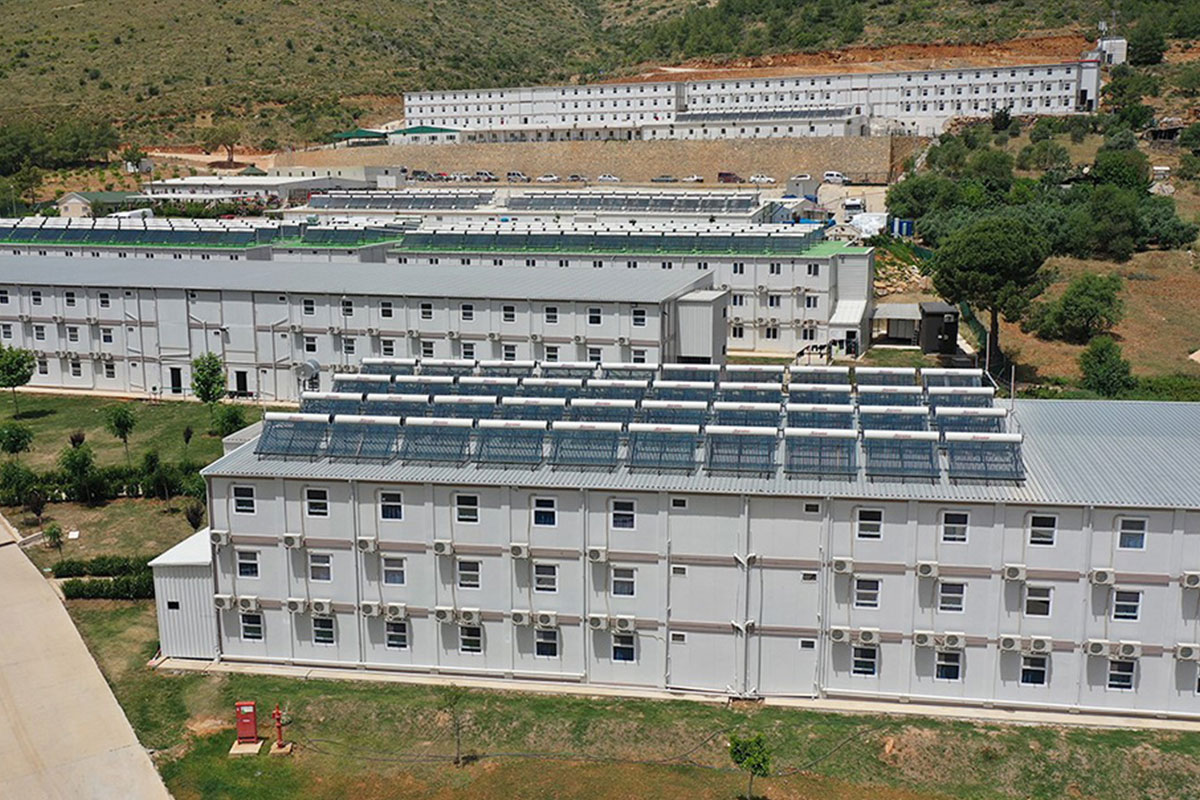
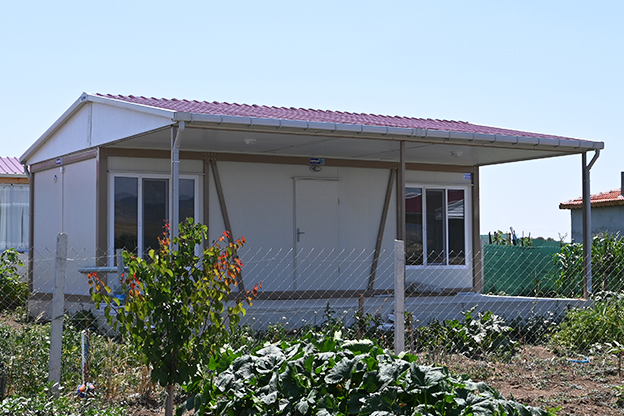
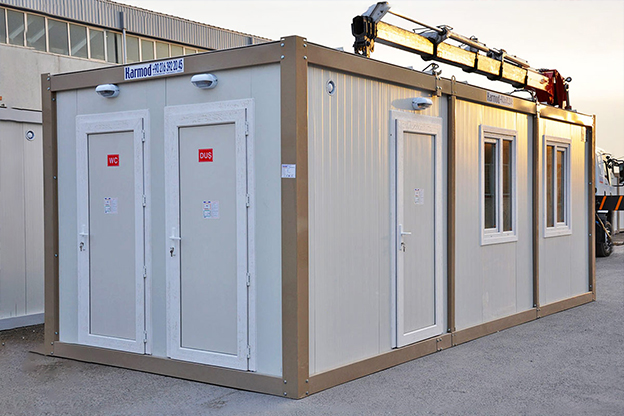
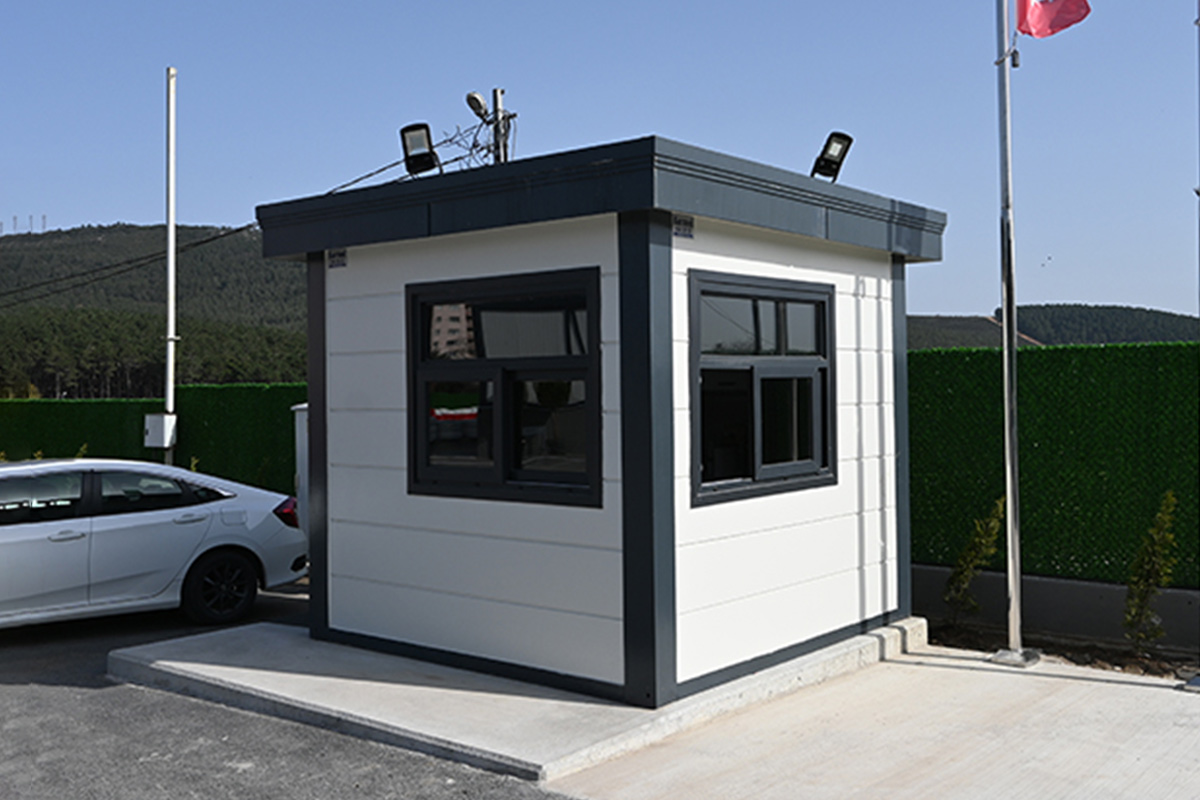
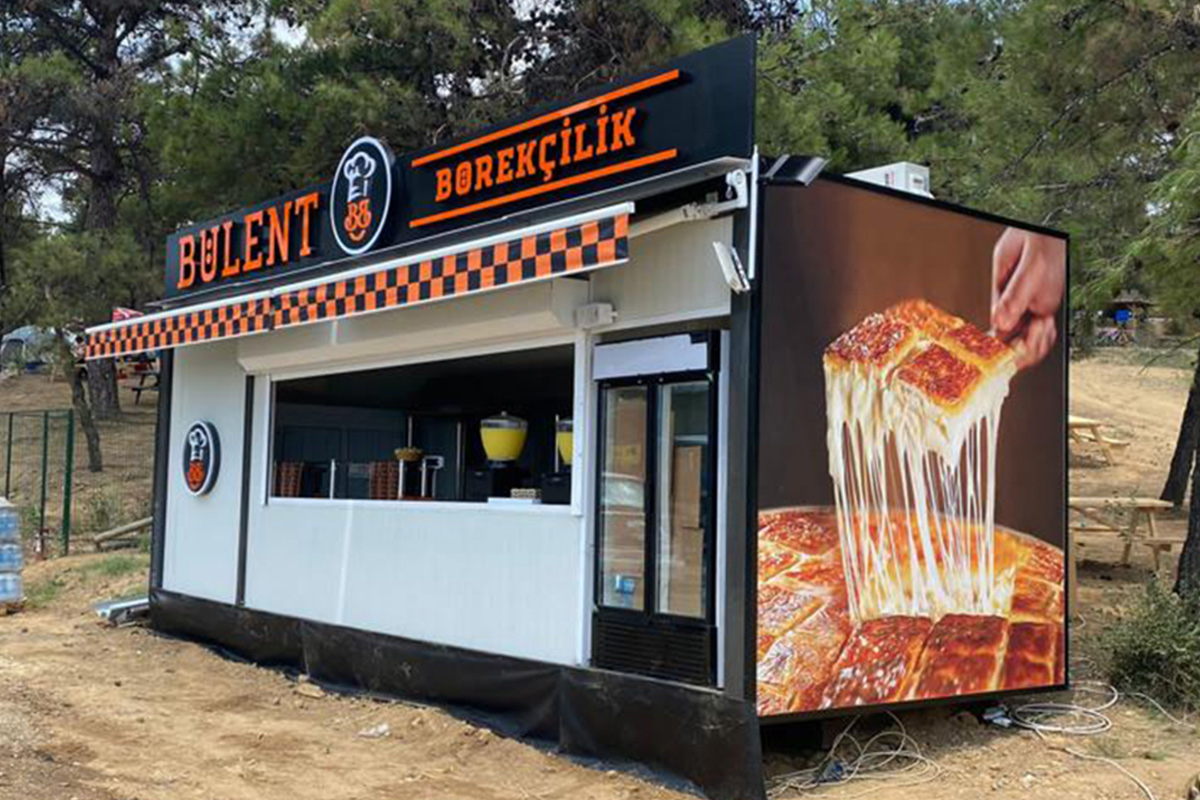
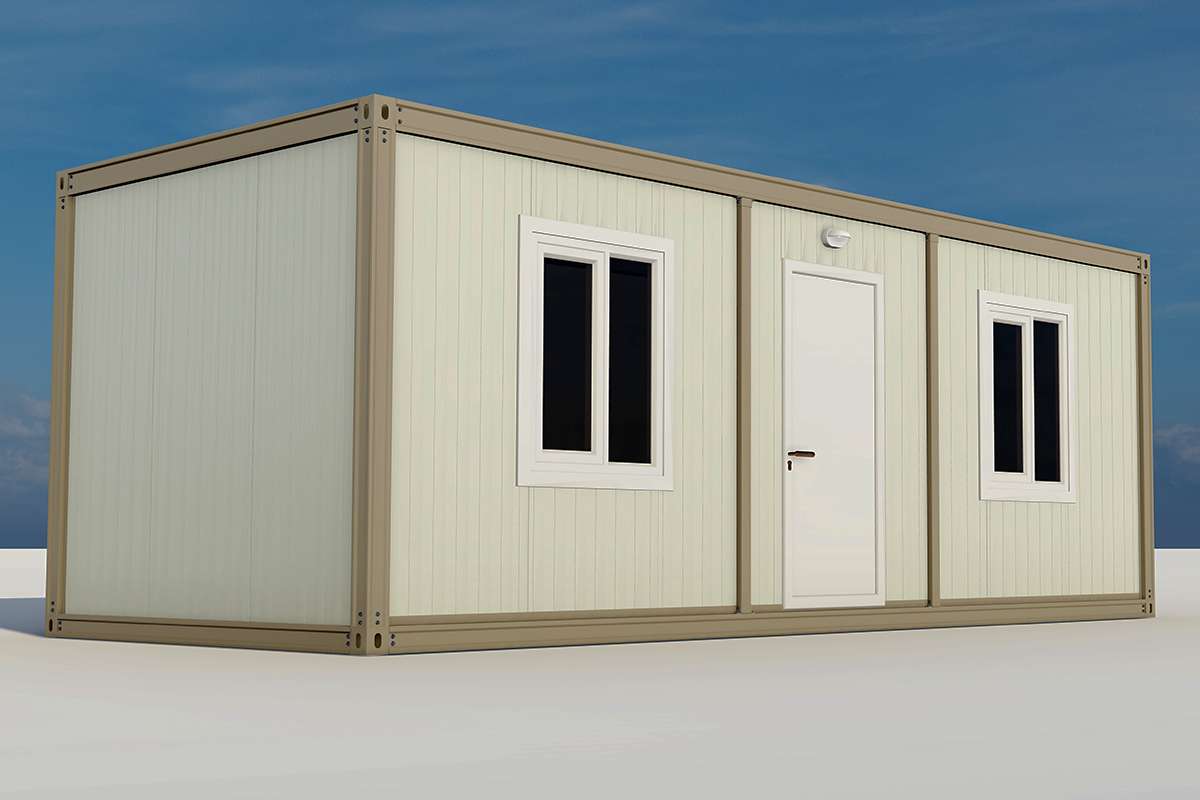

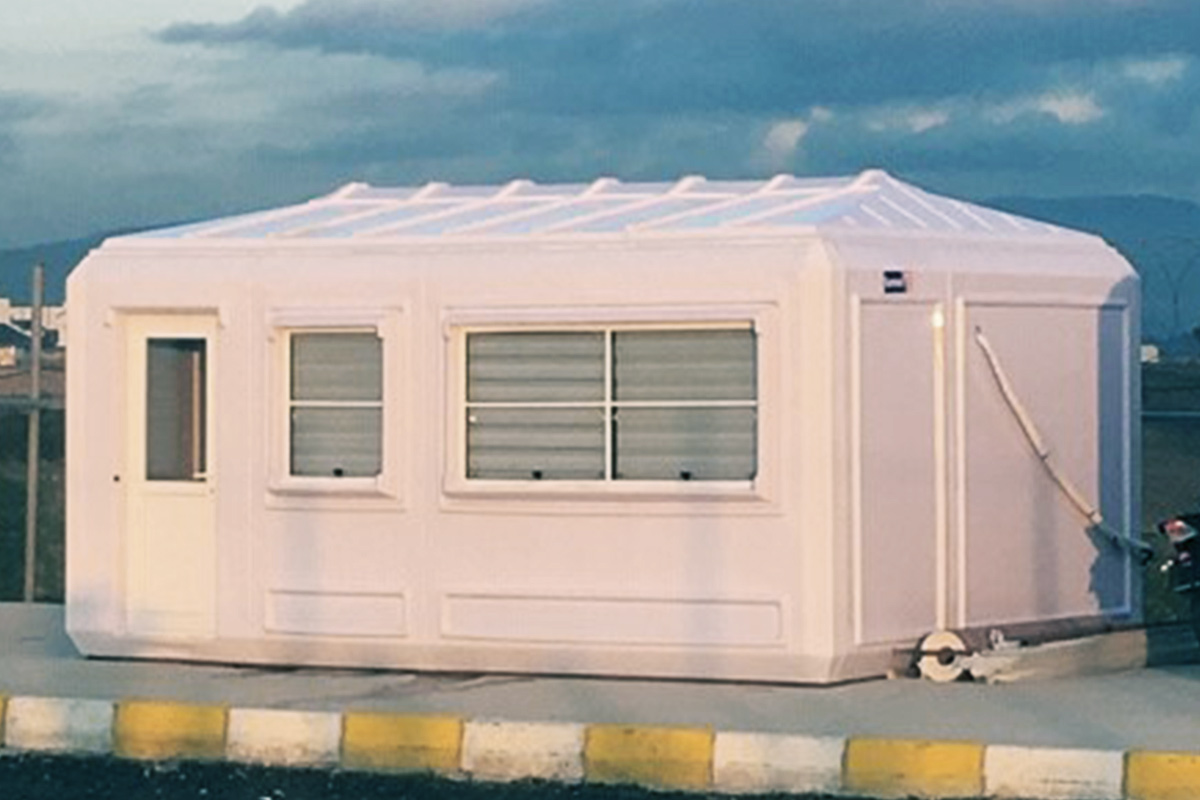
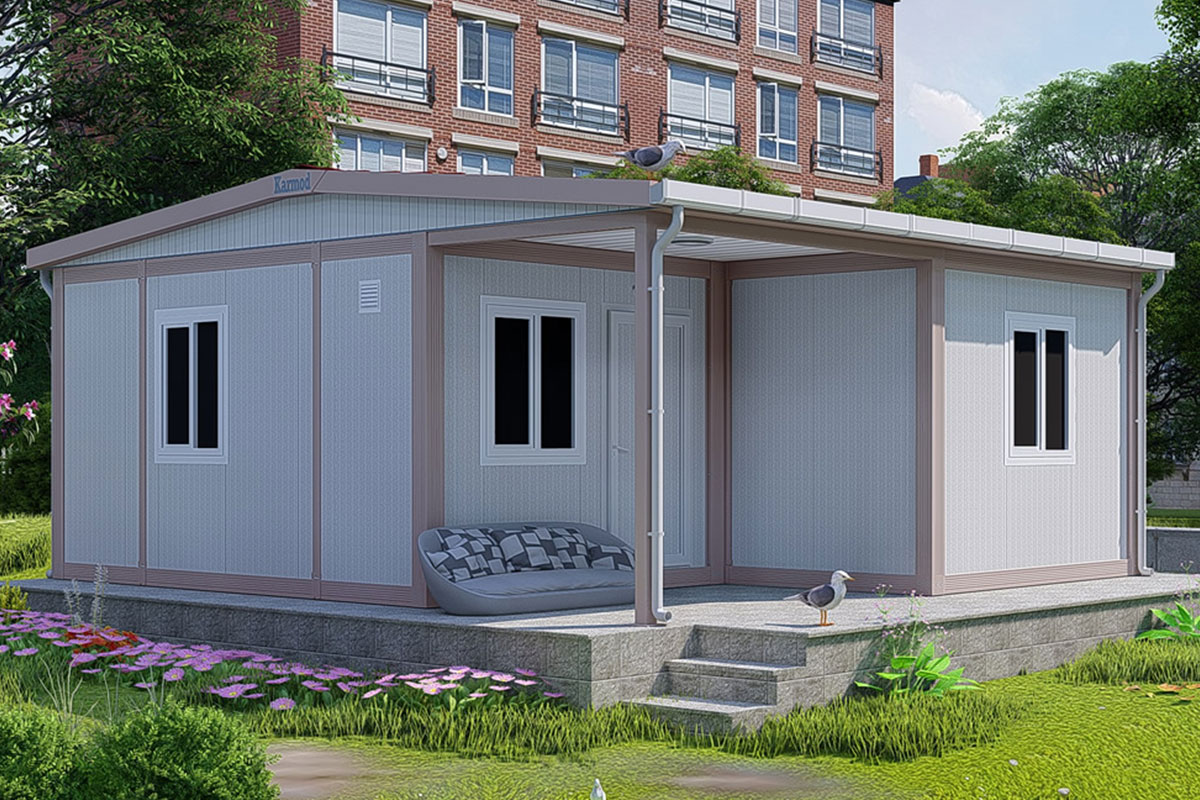
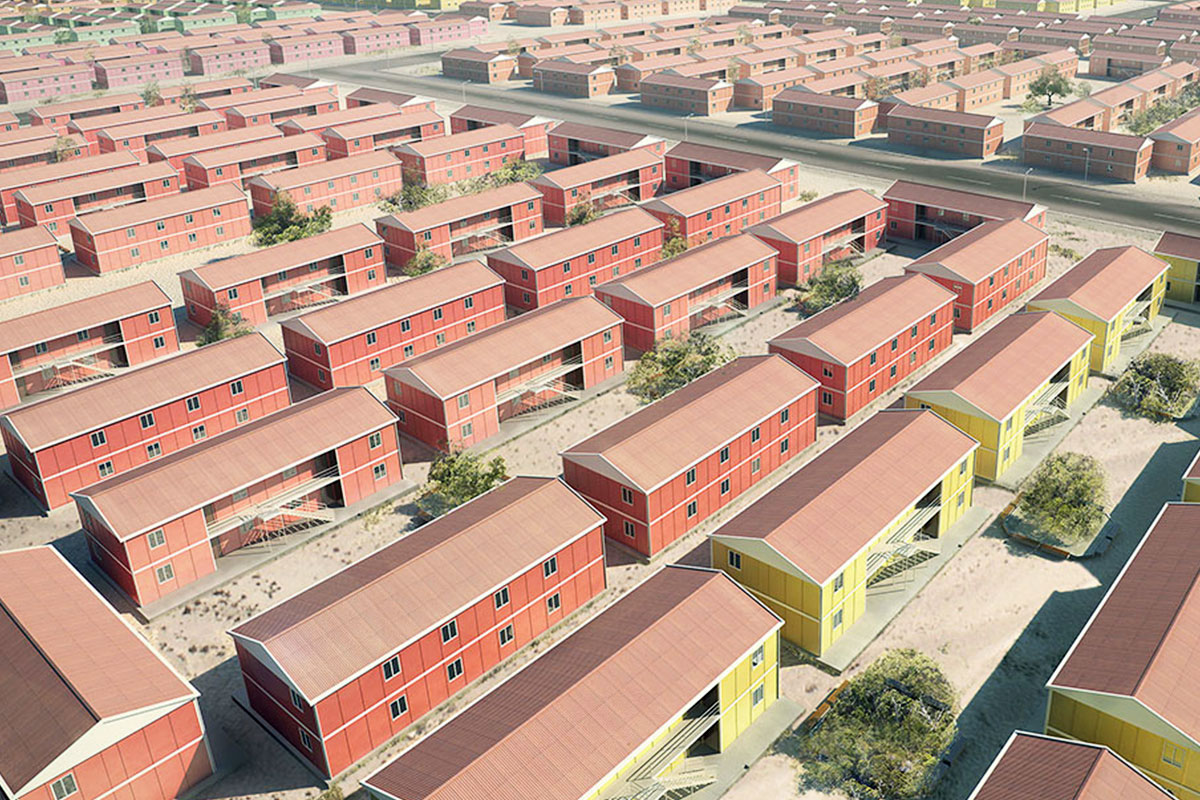
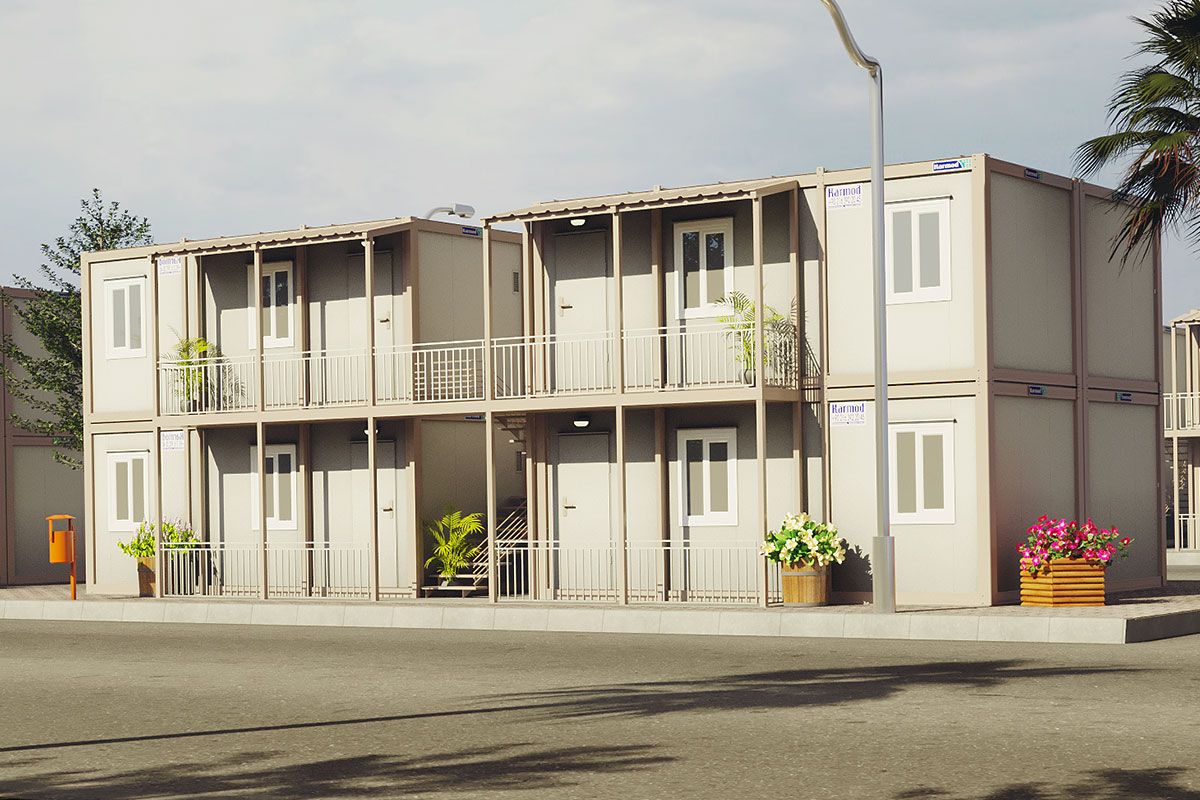
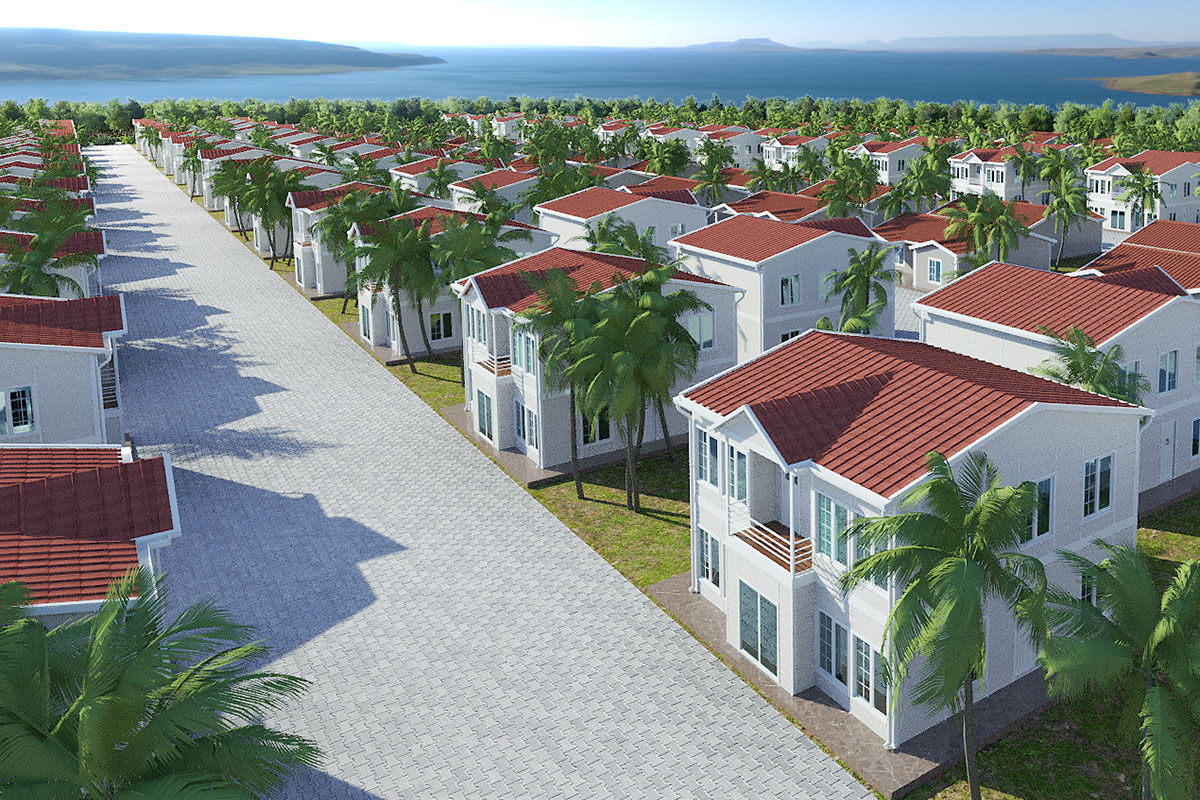

Kiribati’s atolls present a unique operating environment: dispersed islands, limited land availability, and logistics that depend heavily on sea and air access. Where oil and gas-related activities require on-site teams, accommodation and support facilities need to be compact, dependable, and quick to deploy. Modular Camps are typically chosen in these conditions because they can be delivered in stages, installed with minimal disruption, and maintained with predictable routines for crews working around the clock.
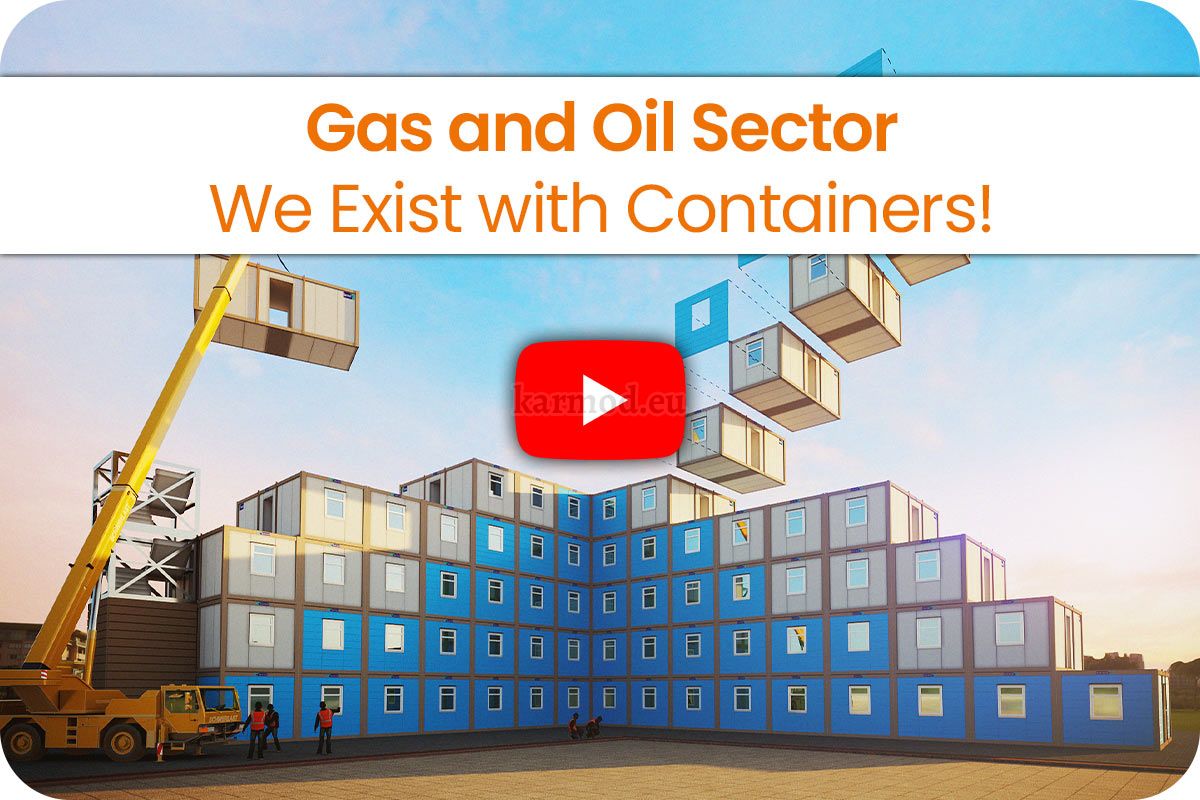
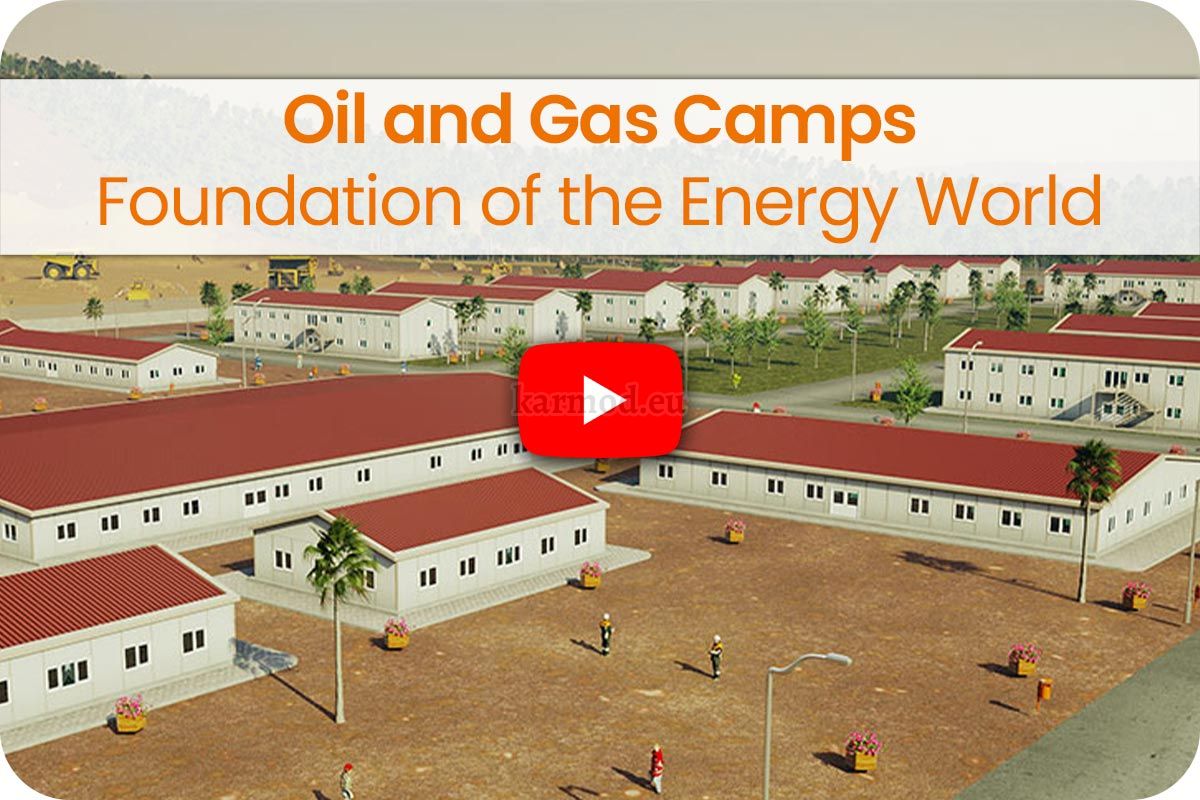
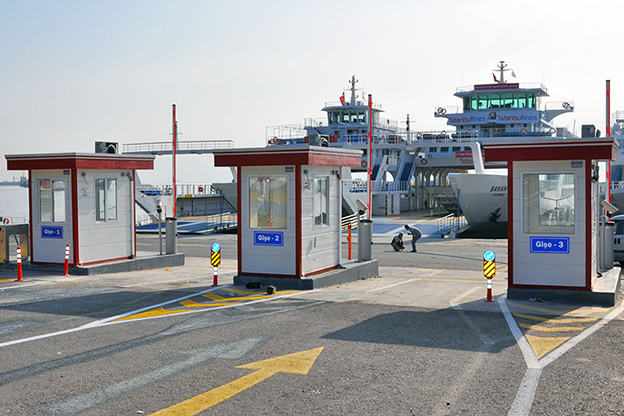
- Operational Camps for Island Conditions: In Kiribati, an oil and gas camp must work within tight site footprints and simplified supply chains. Practical planning focuses on reliable utilities, clear access control, and layouts that keep daily movement efficient for rotating crews.
- Karmod’s Role in Modular Camp Delivery: Karmod supports camp development with modular building systems designed for repeatable quality and straightforward installation. The priority is functional accommodation—spaces that handle continuous occupancy, routine cleaning, and intensive use without constant repairs.
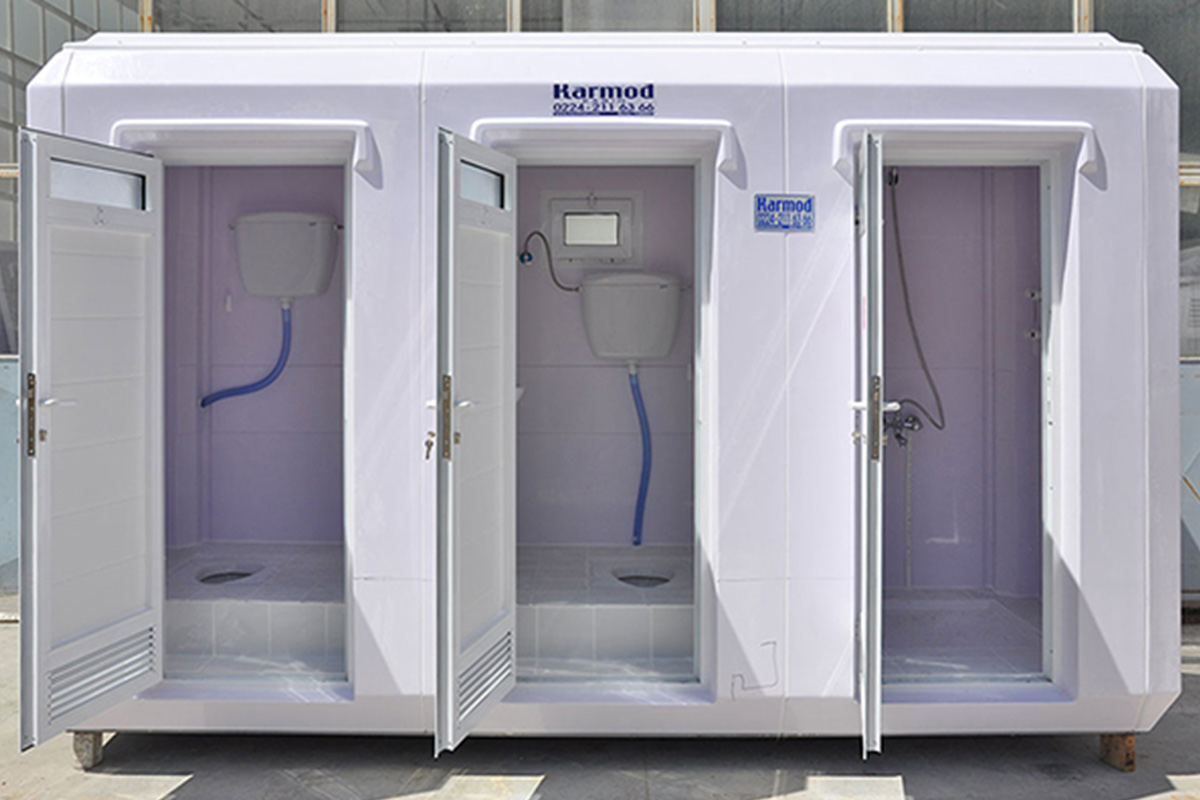
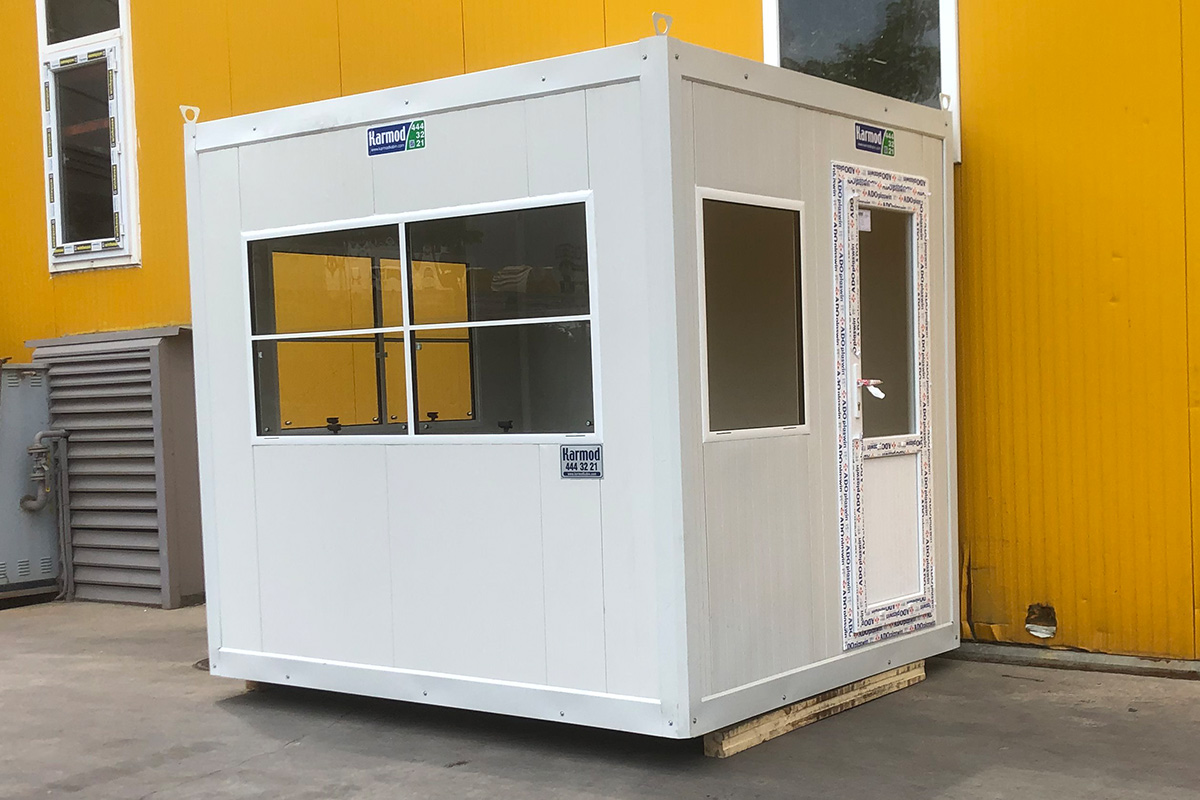
- Infrastructure That Supports Field Work: Camps need more than sleeping quarters. Dining, hygiene, administration, storage, and welfare areas must be integrated so the site can run consistently. Using Oil and Gas Camp solutions helps standardize performance and reduce coordination issues during delivery and setup.
- Sustainability and Site Control: On small islands, resource management matters. Efficient systems, durable materials, and planned waste handling help reduce operational strain while supporting responsible site practices.
- Local Fit, Project Requirements: Effective delivery depends on understanding island logistics, work routines, and basic site constraints. Camp planning is adapted to what can be transported, installed, and maintained reliably in Kiribati’s operating environment.
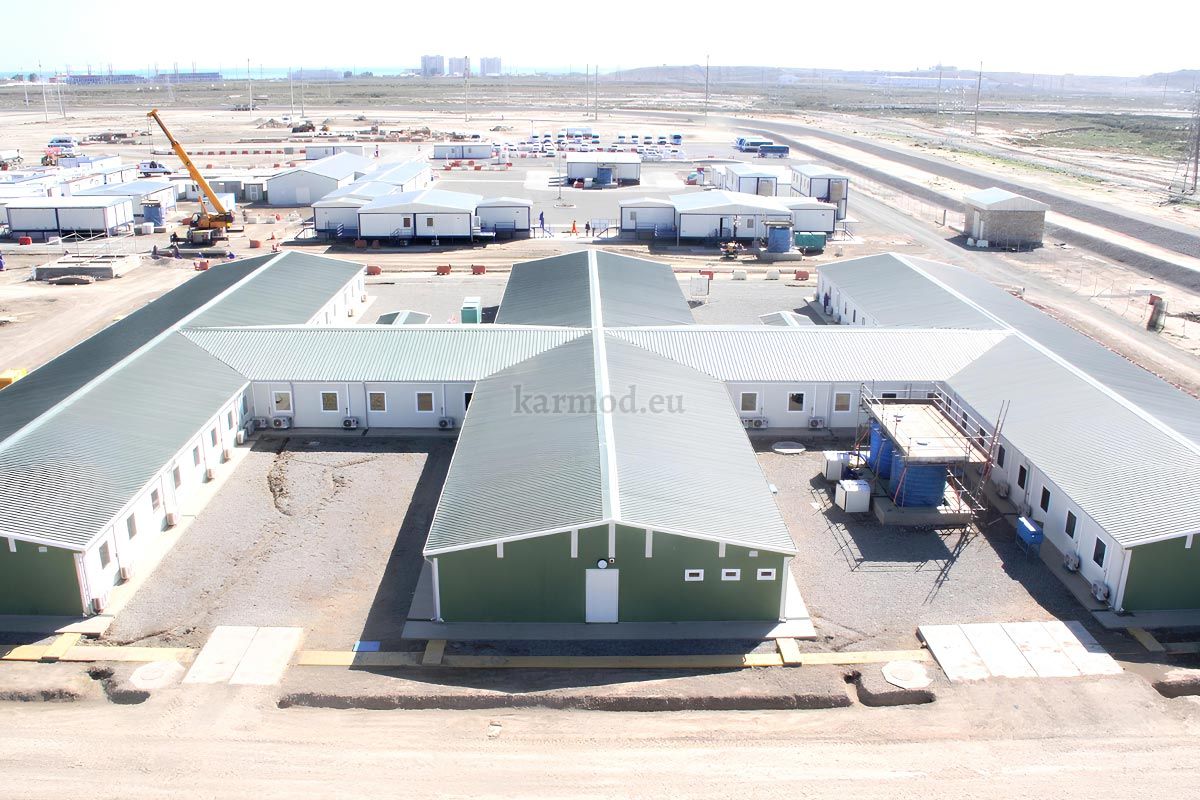
For remote island projects, accommodation is part of operational continuity. A well-planned camp reduces fatigue, protects rest periods between shifts, and helps keep site discipline consistent. With modular construction and structured delivery, camps can be installed faster and expanded in phases as workforce needs change.
Kiribati Oil and Gas Man Camps Built for Rotational Crews
Kiribati's Oil and Gas Field Man Camps are planned as practical living and support facilities for crews working extended shifts in remote locations. The goal is dependable rest conditions, predictable daily routines, and services sized to match workforce numbers.
- Workforce-Ready Facilities: Accommodation blocks are supported by dining, laundry, sanitation, and welfare spaces designed for continuous use. Finishes and fittings are selected for durability and ease of maintenance.
- Access and Movement: Camps are positioned and planned to reduce unnecessary travel between key functions, supporting faster shift changes and more efficient daily circulation on restricted sites.
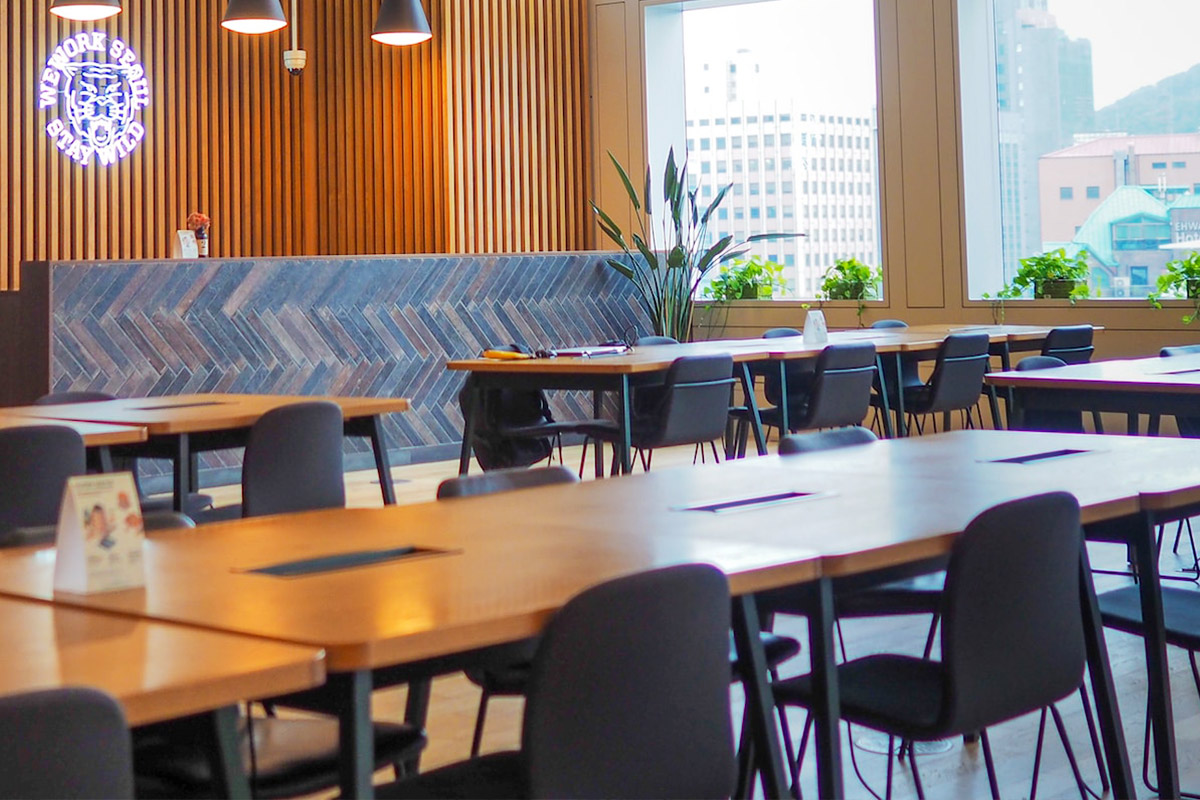
- Community Areas That Reduce Fatigue: Shared spaces are included to help crews decompress after shifts, supporting morale and keeping rest environments calm and orderly.
Kiribati's Oil and Gas Man Camps are designed to provide a reliable place to recover between shifts, with facilities aligned to the realities of remote-site work.
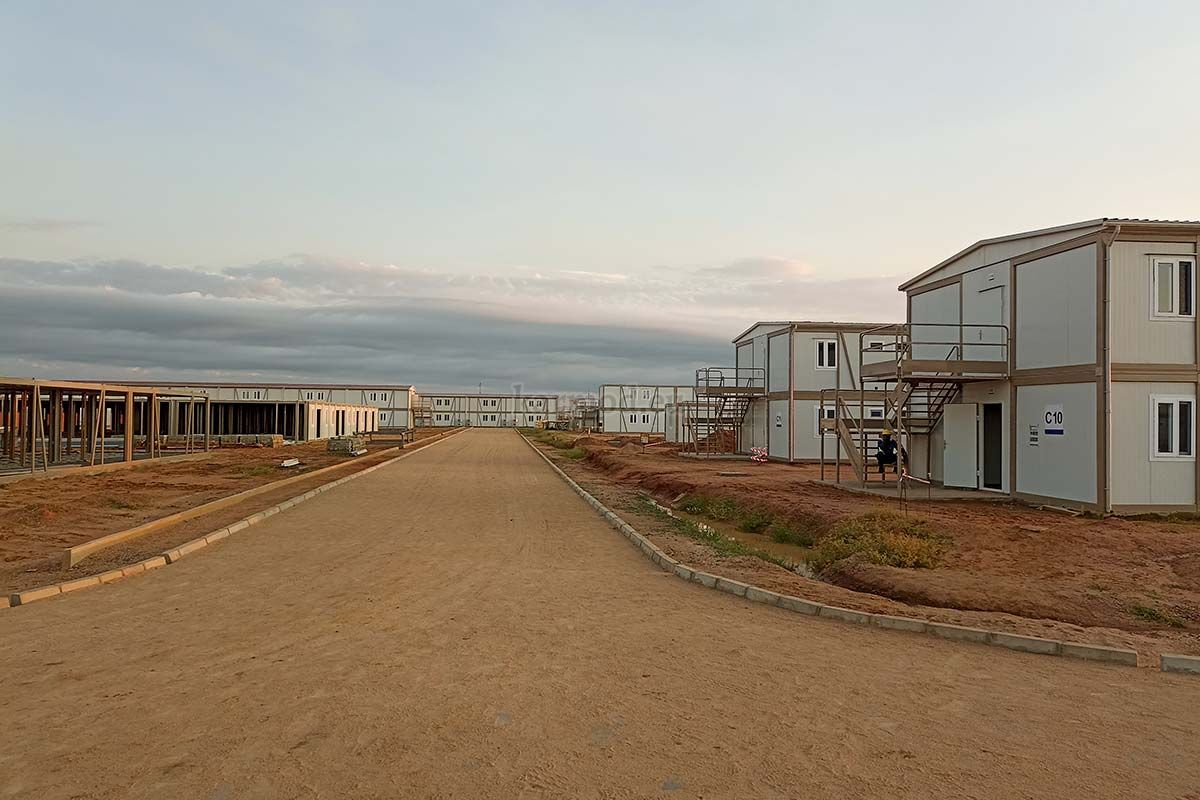
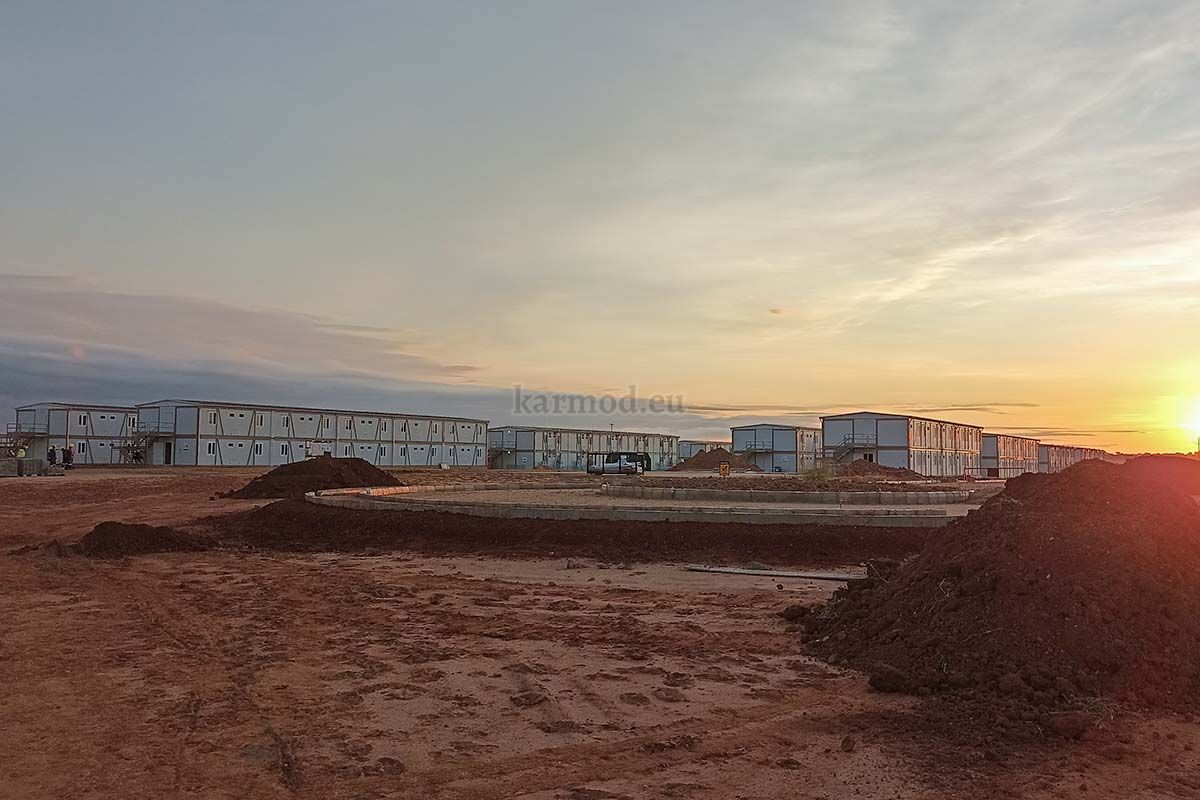
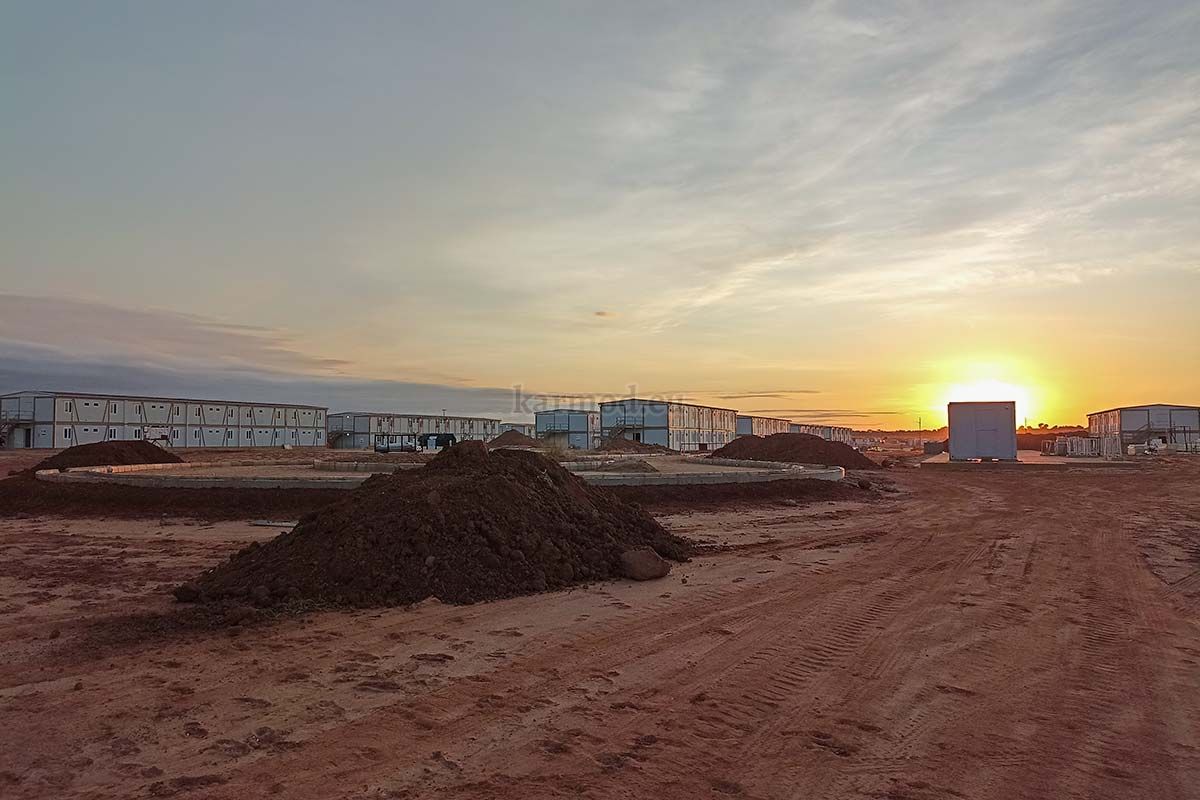
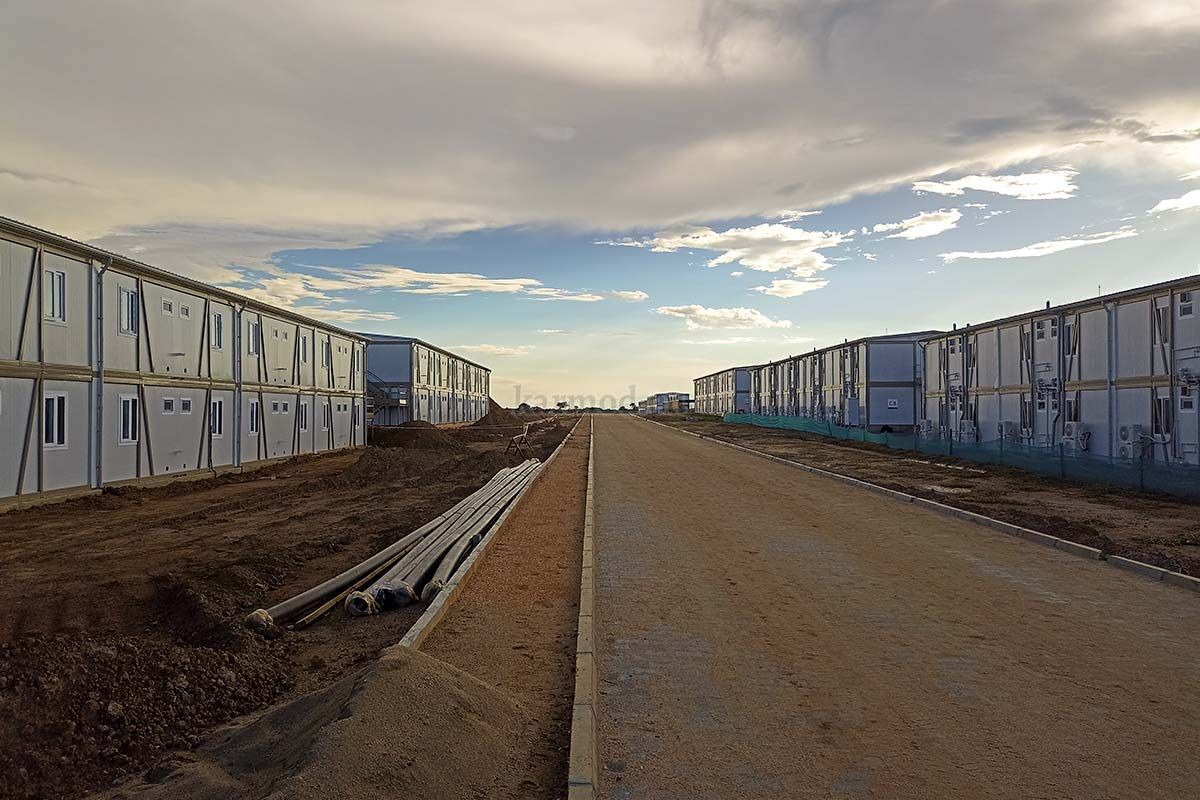
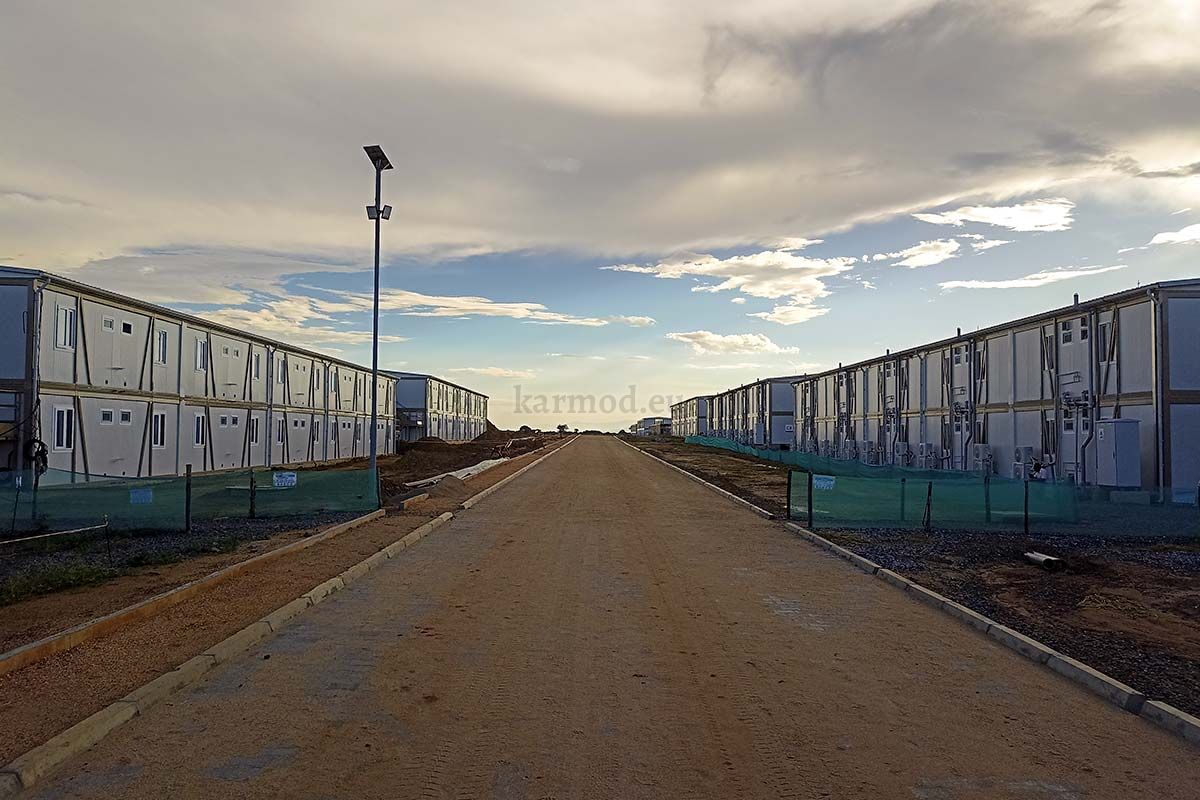
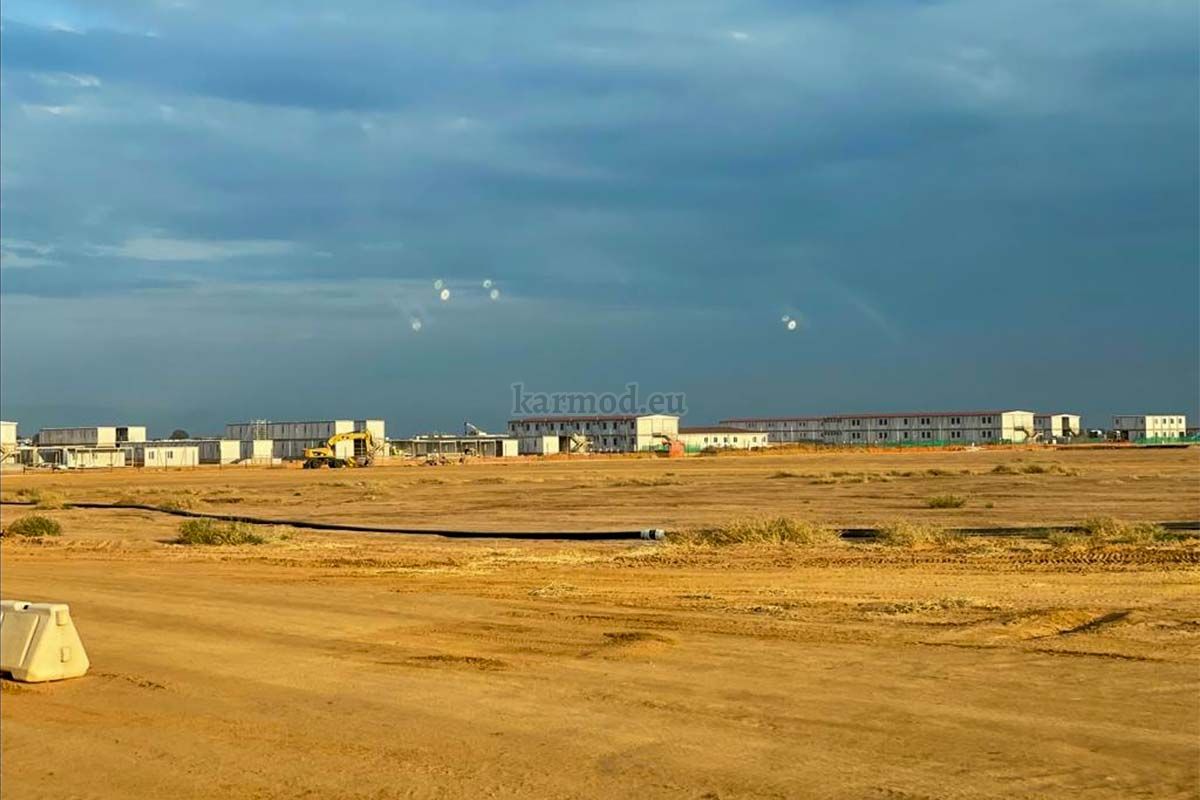
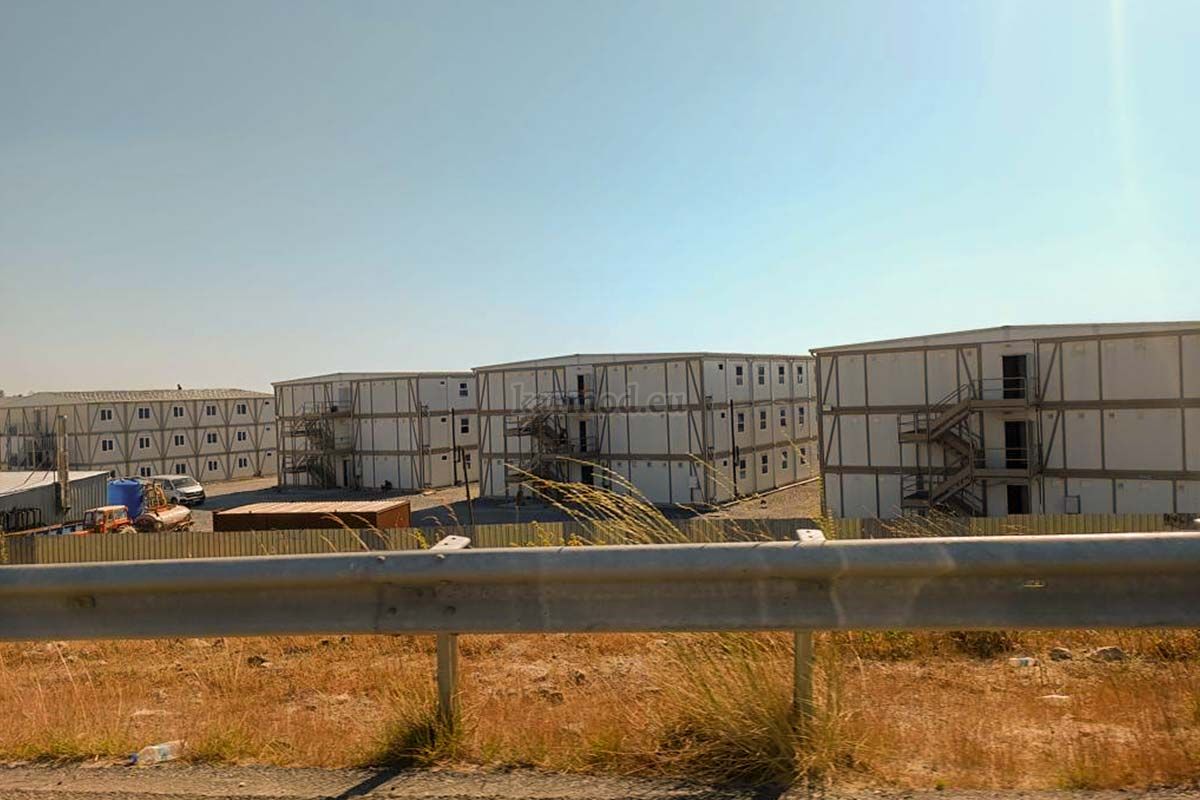
Kiribati Oil and Gas Field Housing Focused on Practical Comfort
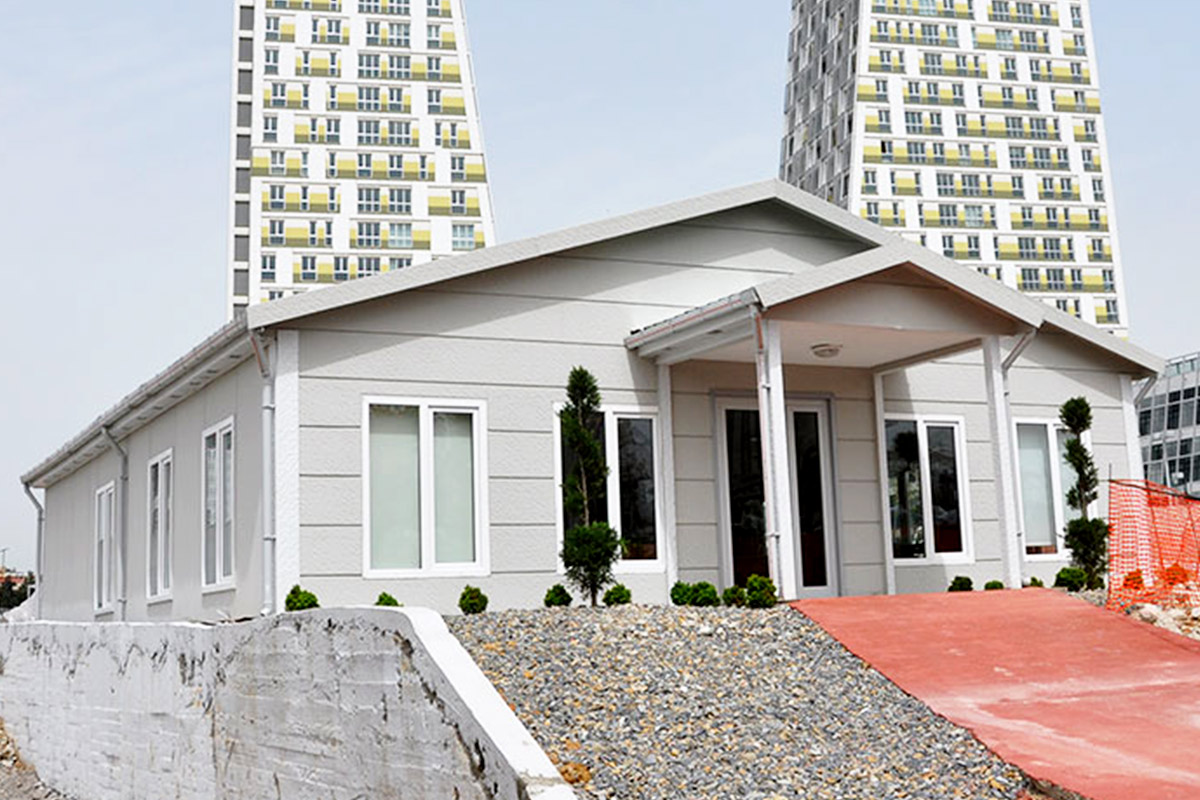
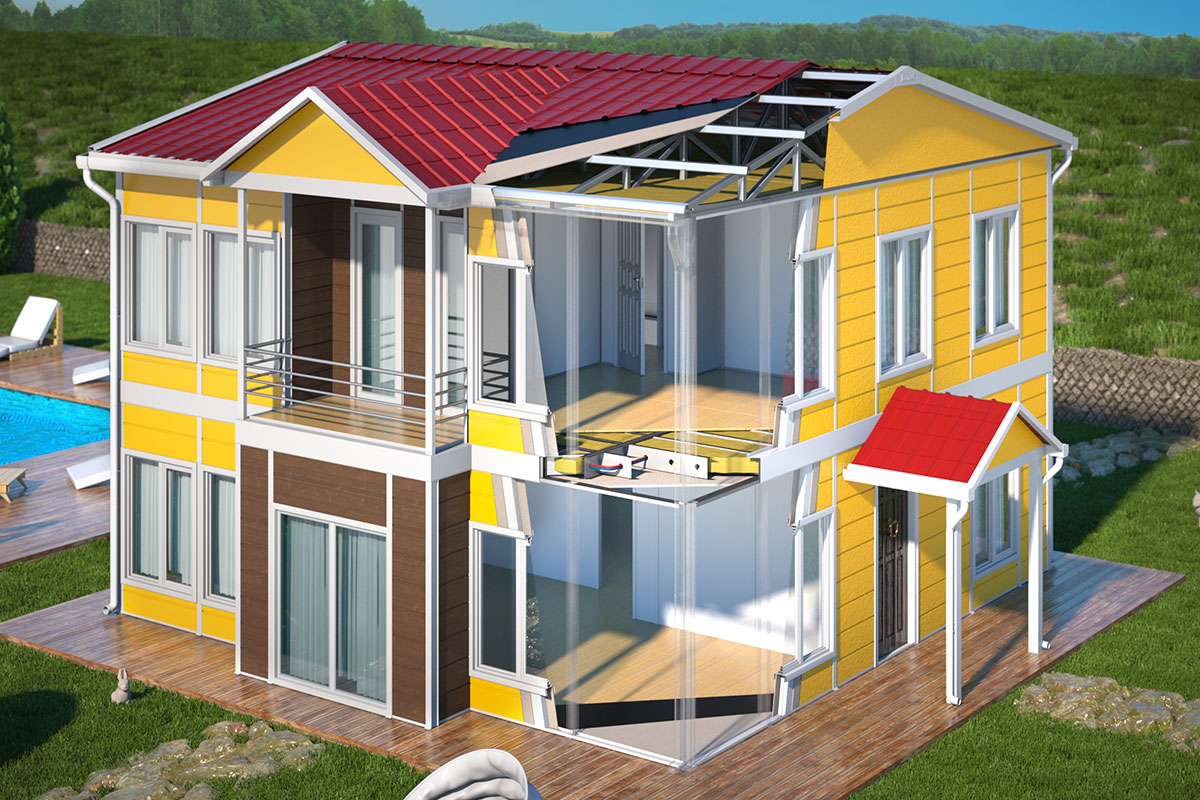
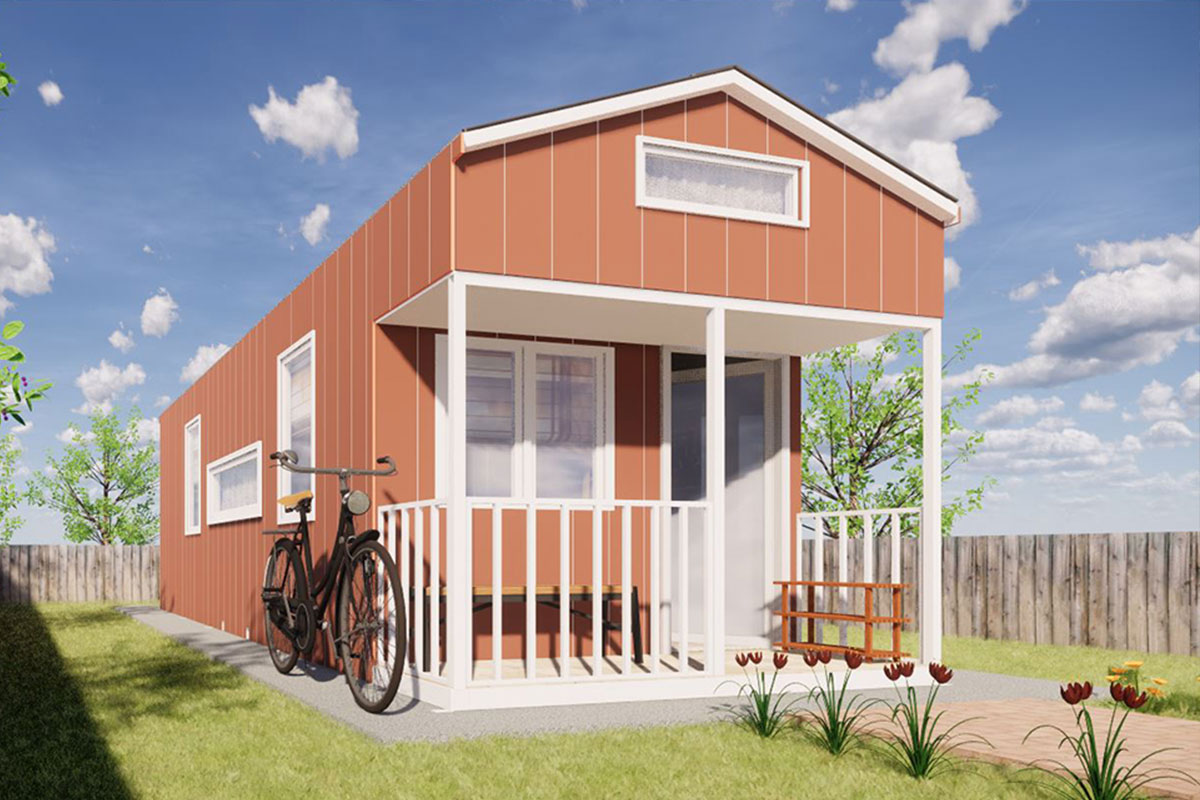
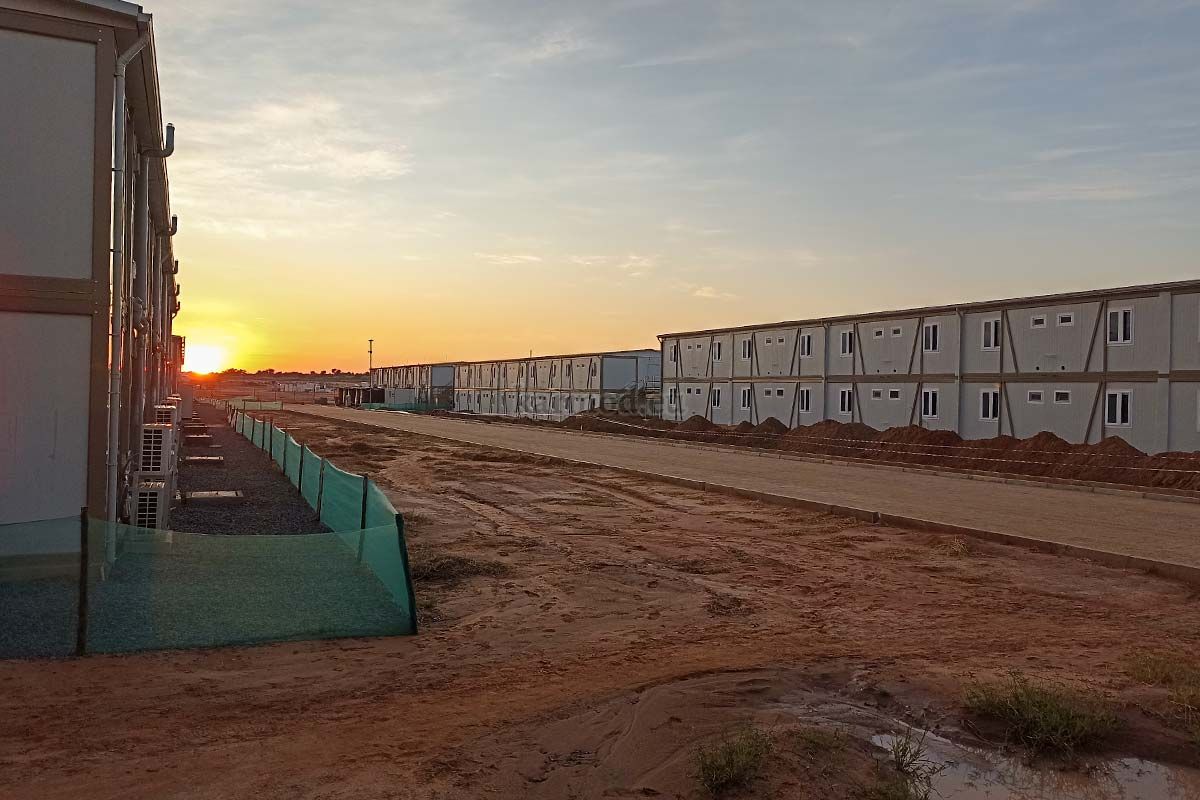
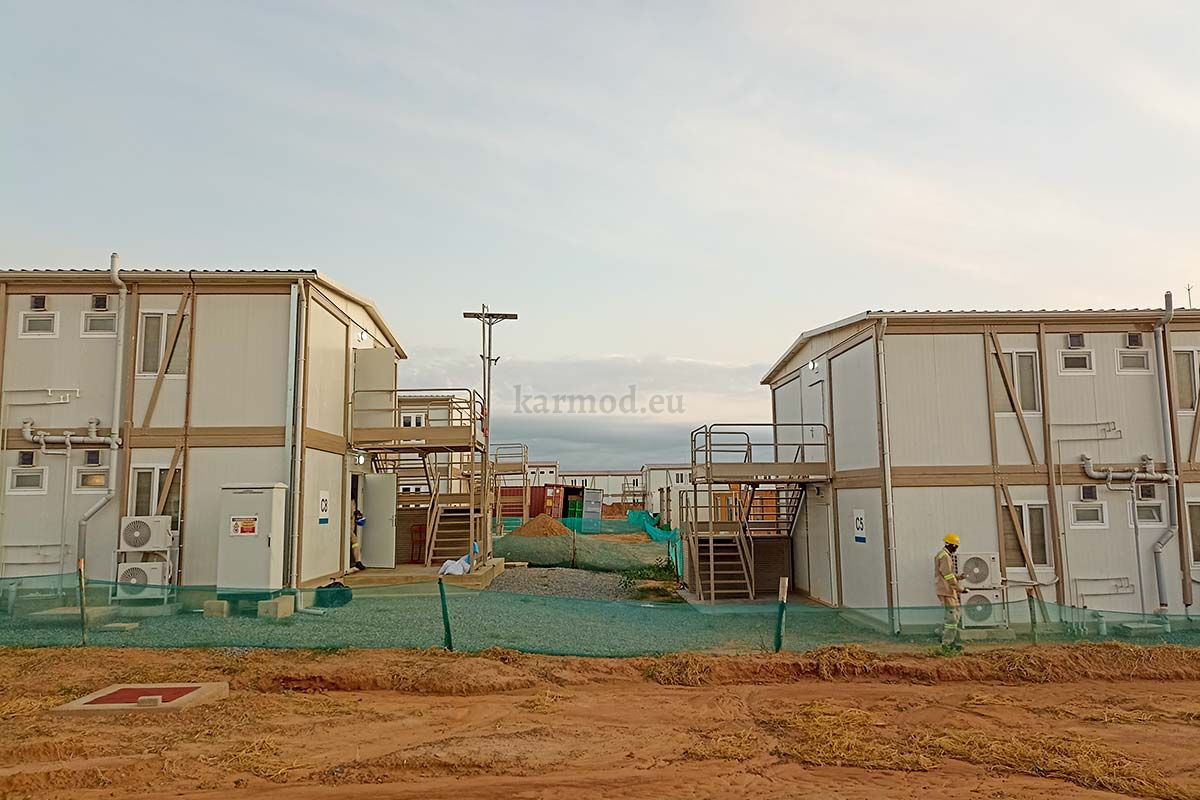
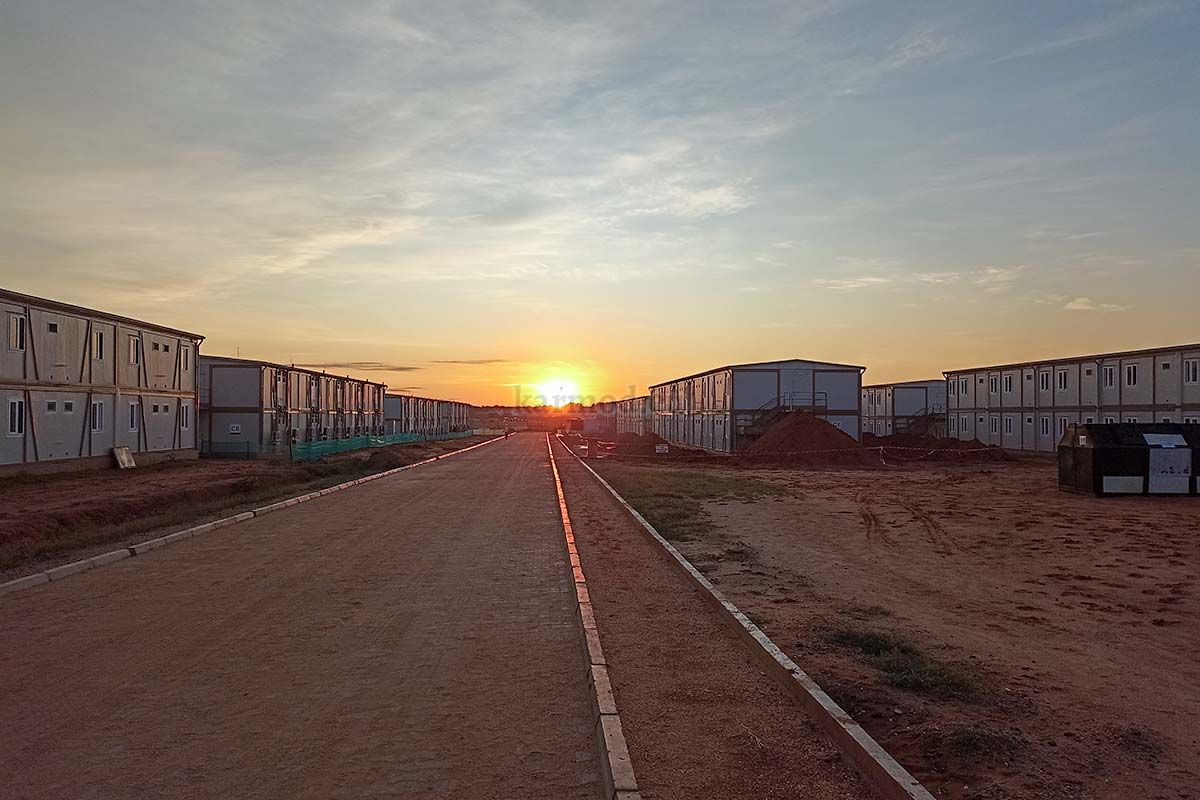
Kiribati's Oil and Gas Field Housing is designed around core requirements: consistent indoor comfort, functional layouts, and durability under daily use. Housing must perform reliably with limited local support and predictable maintenance cycles.
- Flexible Housing Options: Units can be configured for single occupancy or shared arrangements depending on crew structure and rotation plans, without compromising privacy and basic comfort.
- Modern, Functional Layouts: Space planning prioritizes practical storage, usable wet areas, and efficient circulation, keeping rooms easy to clean and operate over long periods.
- Durability and Responsible Operation: Materials and building systems are selected for long service life and stable operation, supporting more efficient resource use on site.
Kiribati's Oil and Gas Field Housing supports workforce stability by providing reliable living conditions, functional planning, and durable construction suited to remote island operations.

Structures of Quality: Kiribati's Oil and Gas Camp Construction Buildings
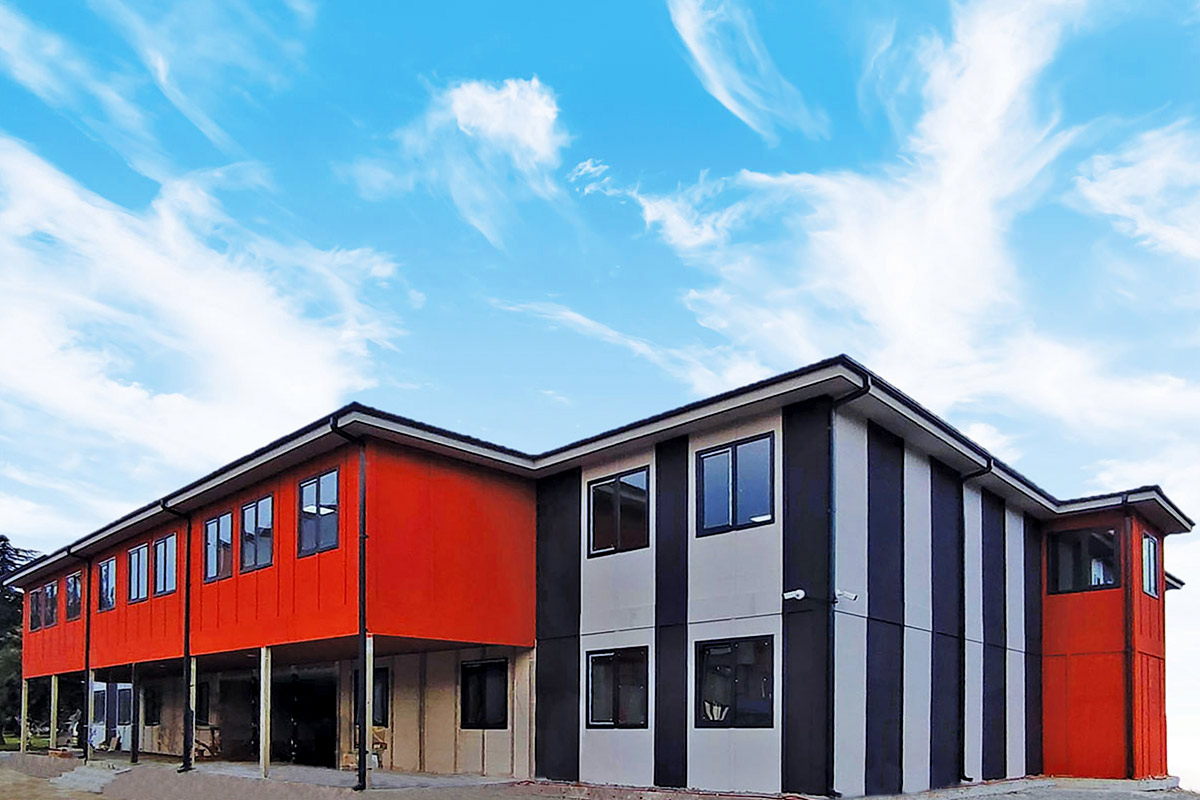
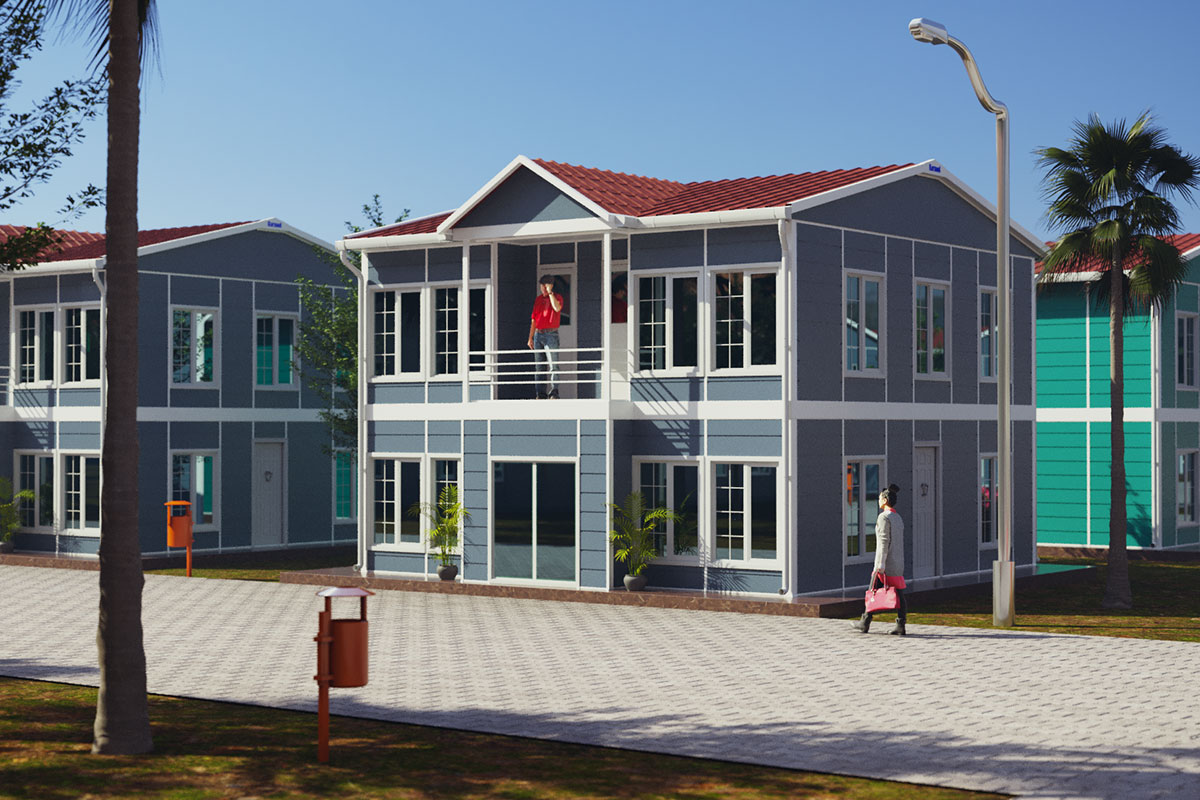
Kiribati’s camp buildings are developed to support the daily needs of oil and gas site teams, with a focus on safe operation, efficient installation, and dependable performance in a coastal environment.
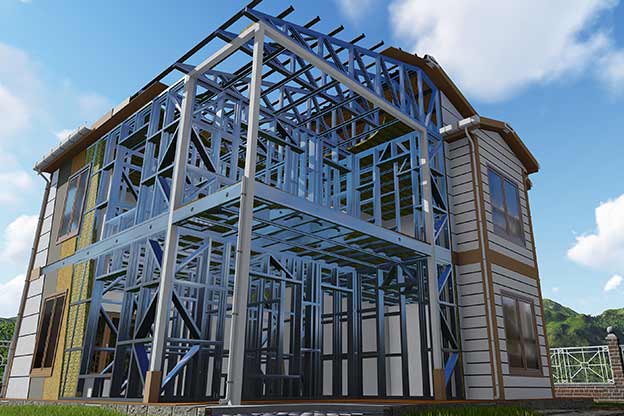
- Advanced Construction Techniques: Prefabricated building methods help control quality and reduce on-site construction time, which is valuable when labor and materials must be carefully scheduled.
- Purpose-Led Design: Buildings are planned around how the camp functions—accommodation, services, and communal areas are sized and arranged to support real operational routines.
- Safety and Compliance: Fire safety, emergency egress, and secure access are integrated into the camp plan, helping maintain a controlled and safe living environment.
Kiribati's Oil and Gas Camp Construction Buildings are designed as operational infrastructure, supporting safe routines, reliable services, and efficient camp management.


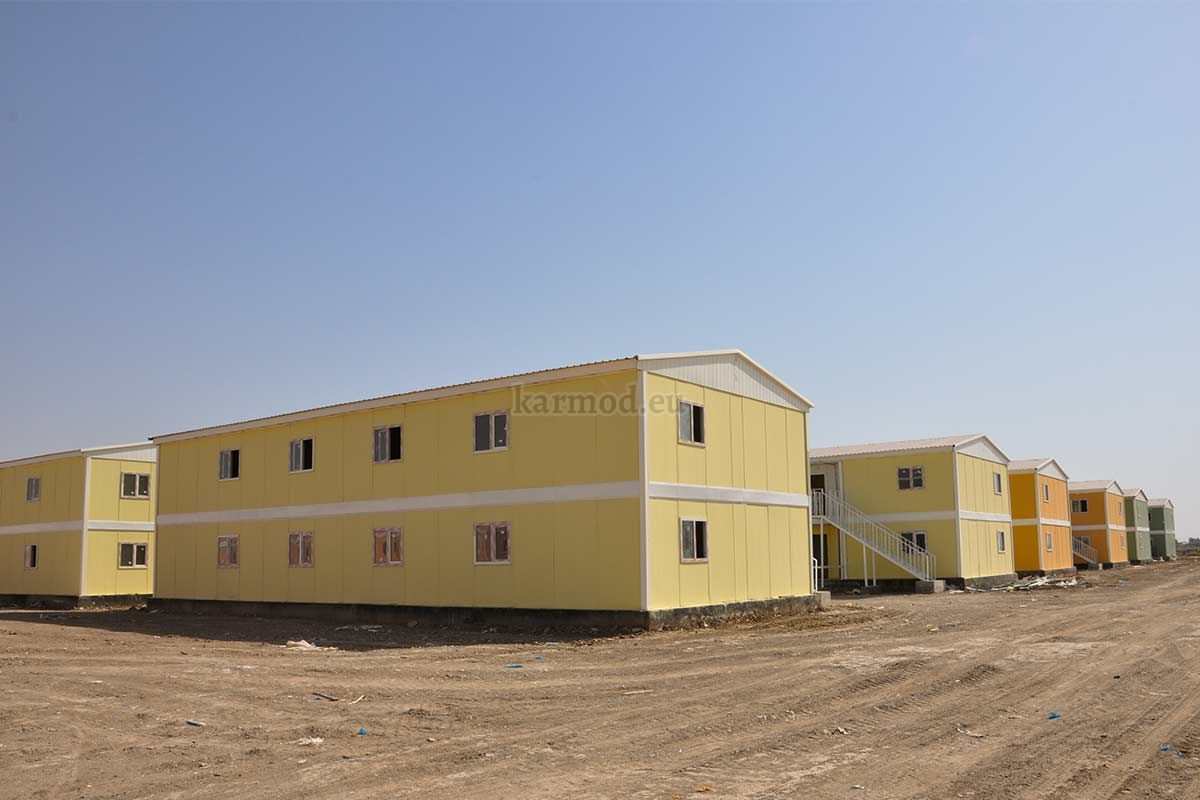


Best Company and Manufacturer Karmod for Oil and Gas Field in Kiribati
Karmod supports oil and gas accommodation requirements in Kiribati with modular camp buildings and prefabricated structures designed for efficient delivery and dependable site performance.
- Innovative Solutions: Modular camp systems allow phased installation, predictable quality, and layouts that can be adapted to different site requirements.
- Quality and Reliability: Factory-controlled production and robust material selection support consistent build quality and durability under continuous occupancy.
- Tailored Services: Camp scope and configuration can be adapted to workforce size, site footprint limitations, and logistics planning needs.
Karmod contributes to Kiribati projects by delivering modular accommodation that supports workforce welfare, site control, and day-to-day operational continuity.