



Kiosks have evolved far beyond their early role as simple service points. Today, they shape how people shop, move through public areas, gather information, and interact with brands in busy environments. As retail landscapes shift and cities modernize, kiosks are becoming smarter, more visually expressive, and far more connected to digital systems. What once felt like a temporary structure is now recognized as a meaningful extension of a business, capable of elevating both customer experience and operational efficiency.
Understanding these trends isn’t just helpful—it’s essential for any brand or institution ready to create stronger engagement. Whether you're upgrading an existing kiosk or planning to deploy new units across multiple locations, knowing what’s reshaping the industry will help you invest in solutions that stay relevant for years to come.
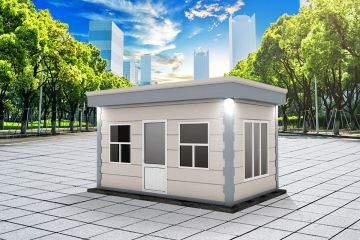
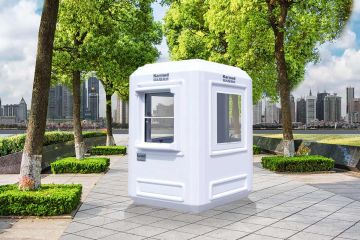
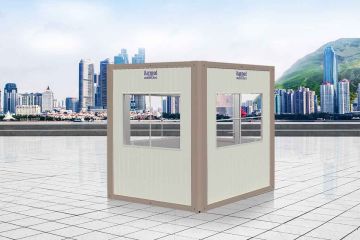
Digital Integration as the New Standard
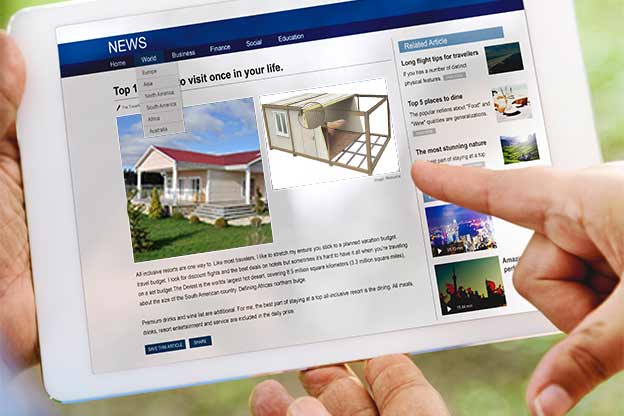
Digital-forward kiosks are no longer niche—they’ve become the backbone of modern customer interaction. From touchscreen menu boards to self-checkout stations, brands are discovering that digital interfaces offer speed, clarity, and a level of convenience that today’s customers expect.
Retailers appreciate how digital kiosks help reduce long lines and allow staff to focus on personalized engagements instead of repetitive transactions. Meanwhile, public spaces—from airports to city squares—use interactive screens to provide maps, ticketing services, and real-time updates. These integrations don’t simply modernize the experience; they reshape the flow of entire environments, making them more intuitive for visitors.
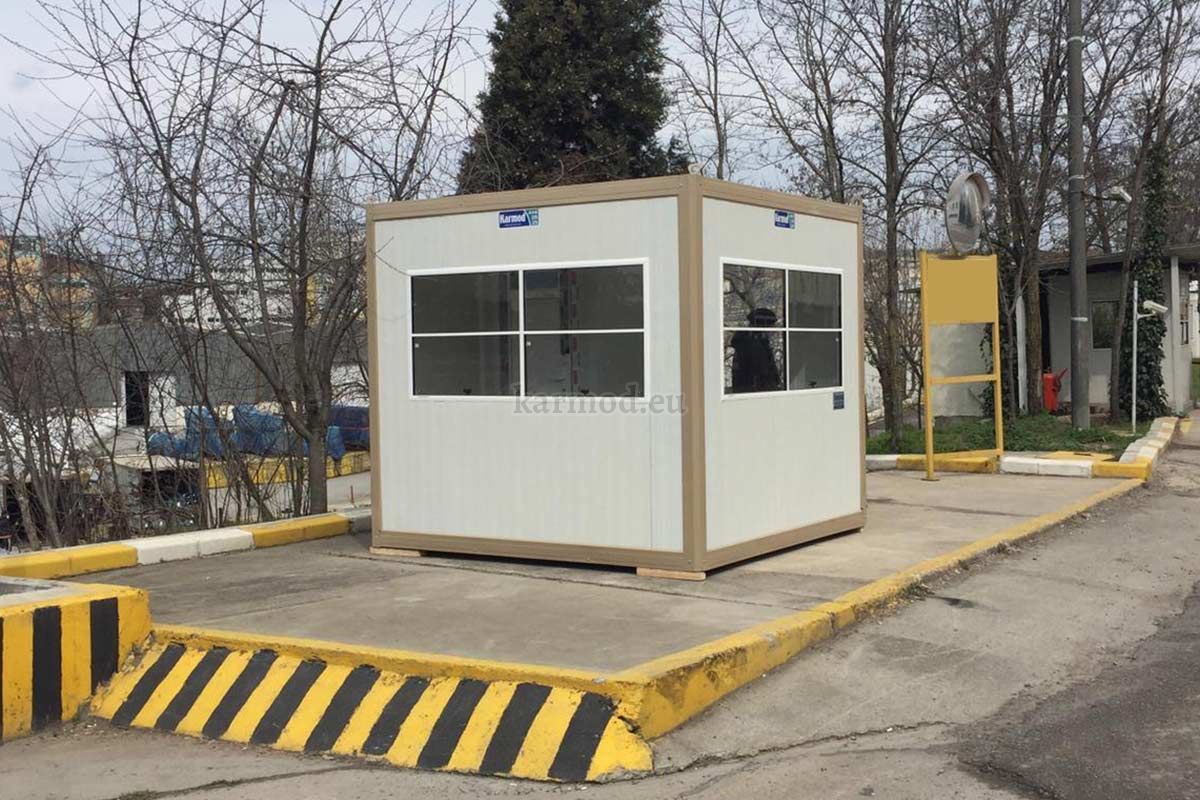
Modular and Flexible Designs for Dynamic Locations
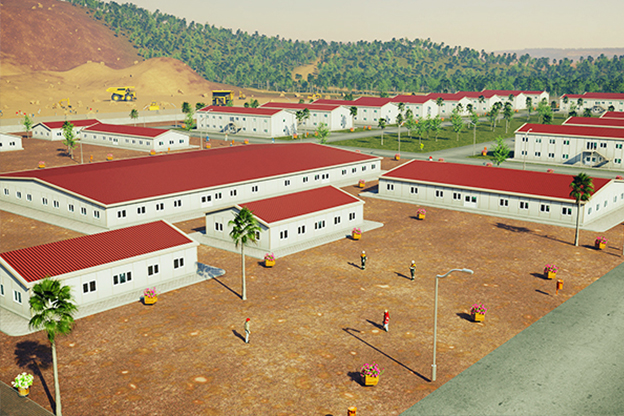
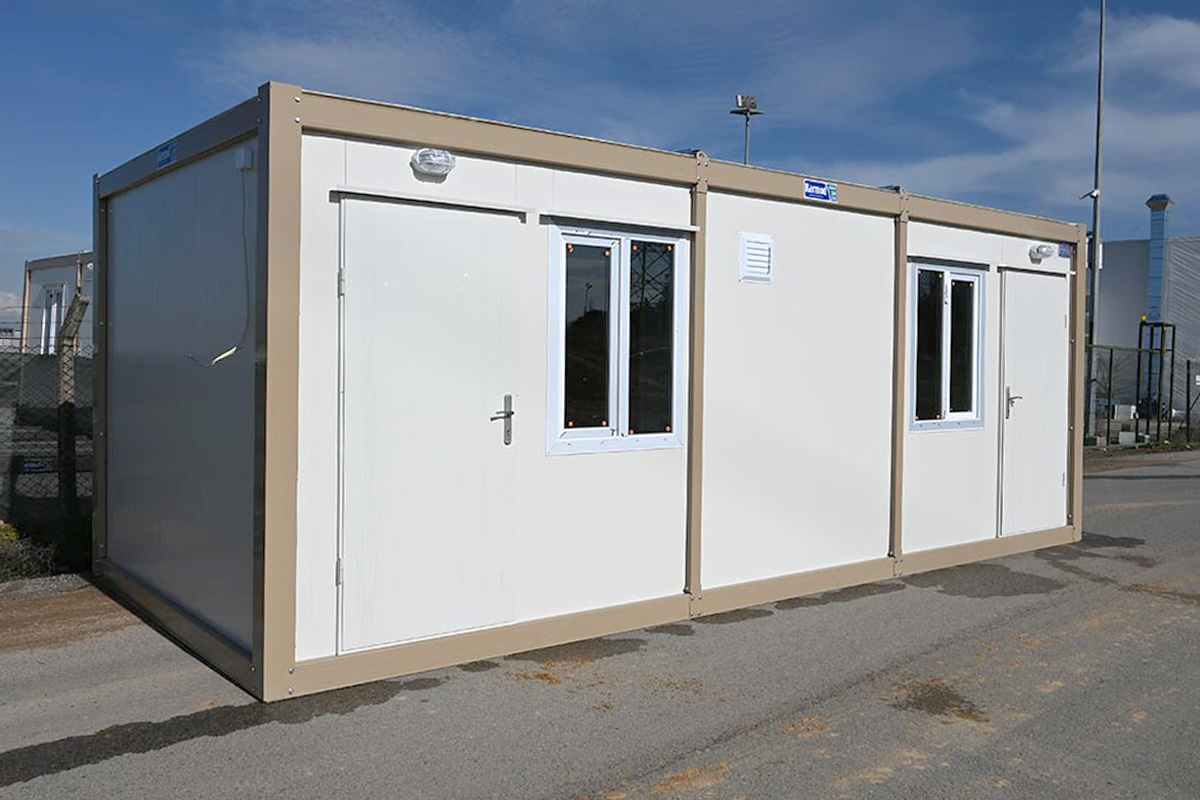
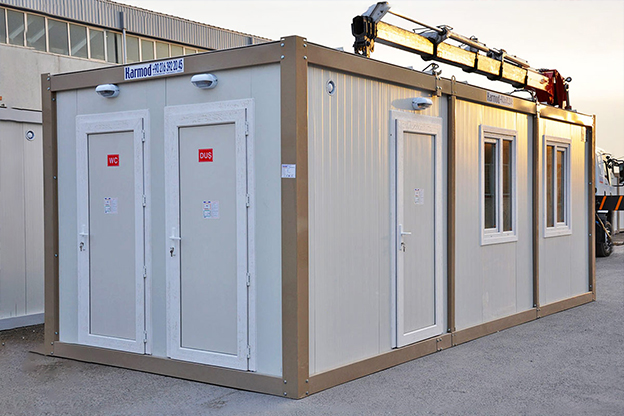
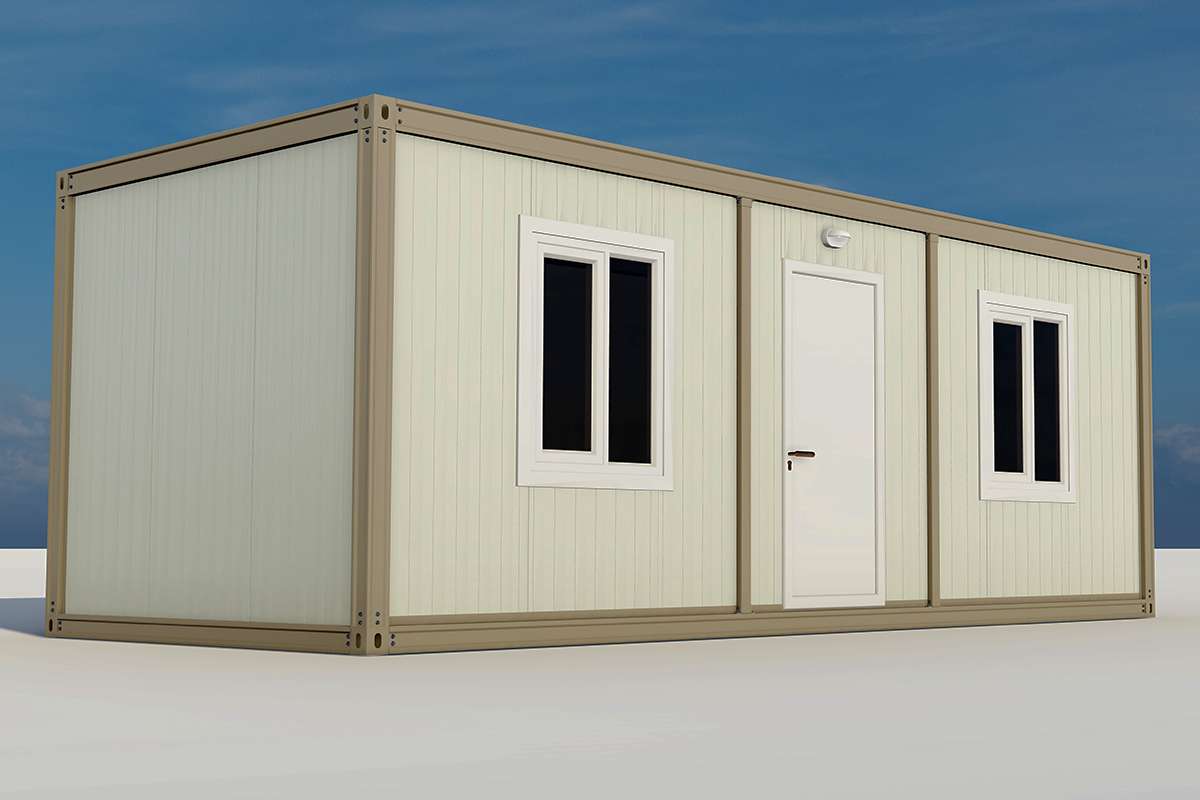
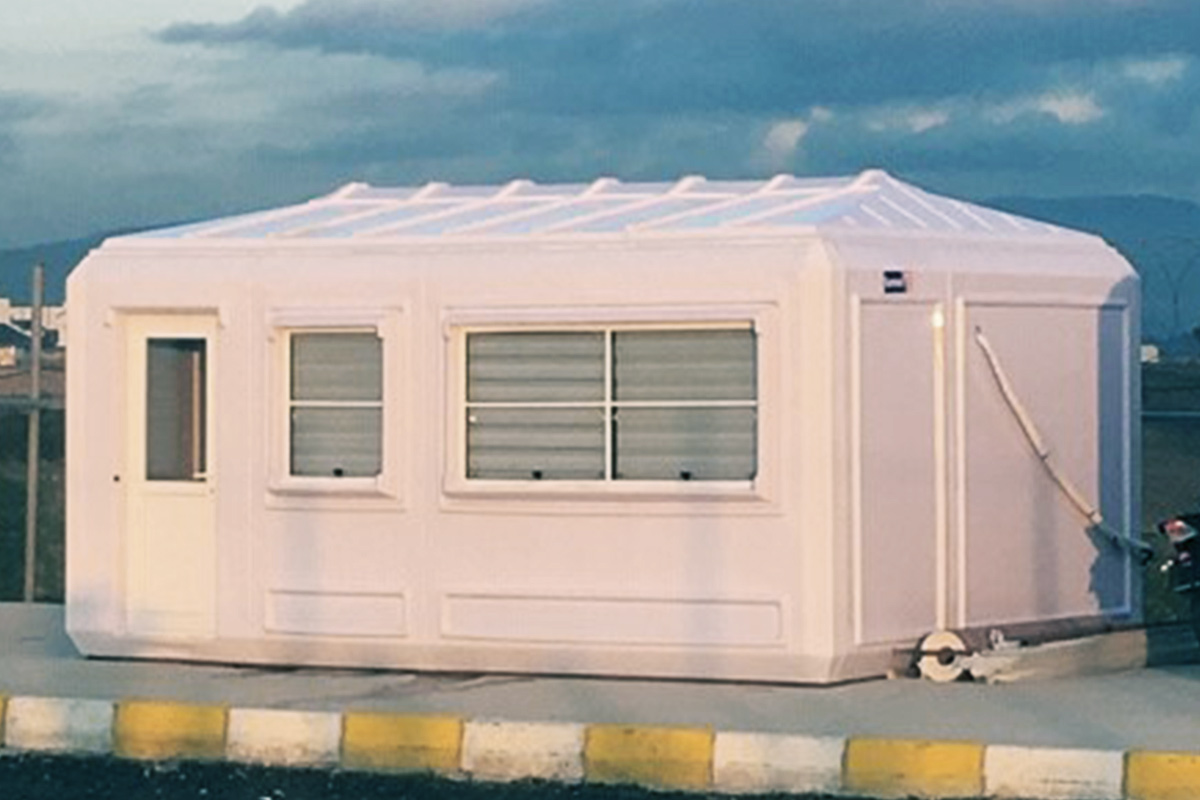
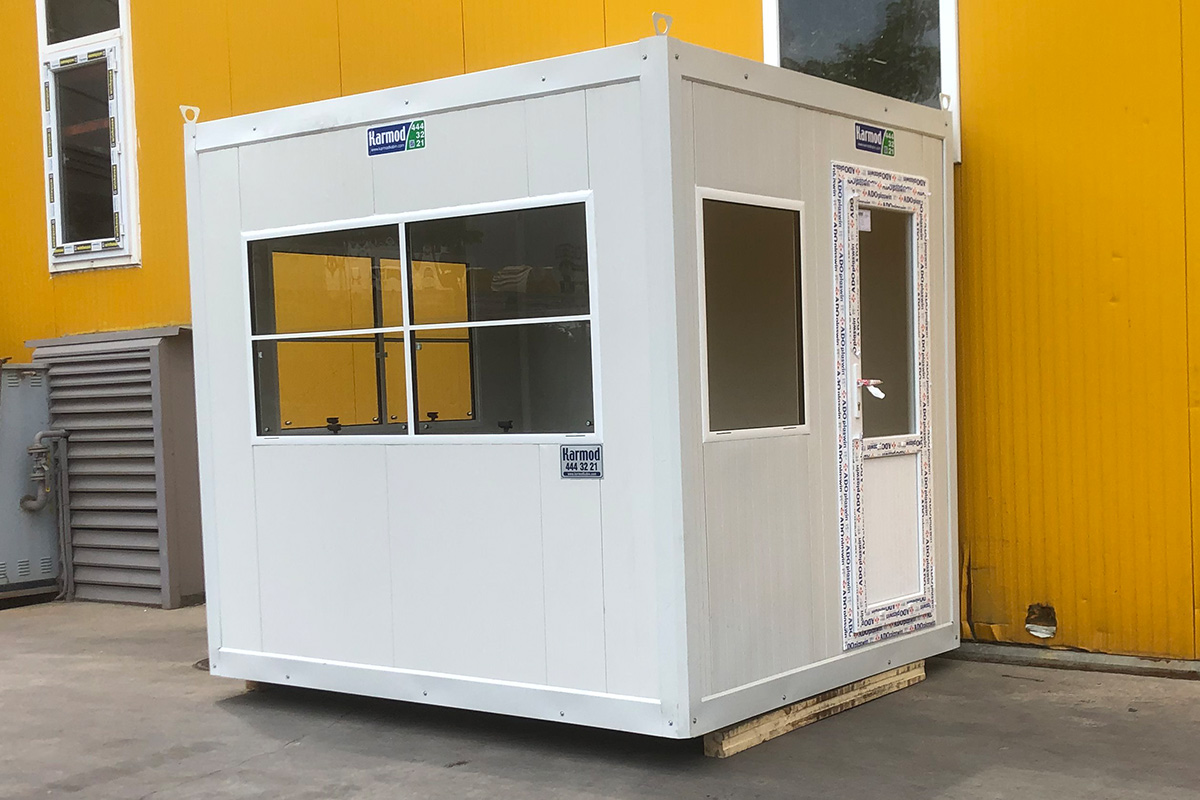
As organizations adapt to shifting foot-traffic patterns, kiosks must be just as flexible. Buildings and cities are evolving, and the kiosks placed within them must adjust just as quickly. Modular construction allows businesses to expand, reconfigure, or relocate units without the cost and delay of traditional builds.
Retail brands use modular kiosks to test new product lines or open seasonal points of sale with minimal risk. Public institutions rely on them for temporary registration areas, outreach campaigns, and emergency information hubs. Because these kiosks can be moved or repurposed, they maximize value while supporting the constant need for operational agility.
Sustainable Materials and Energy-Efficient Features
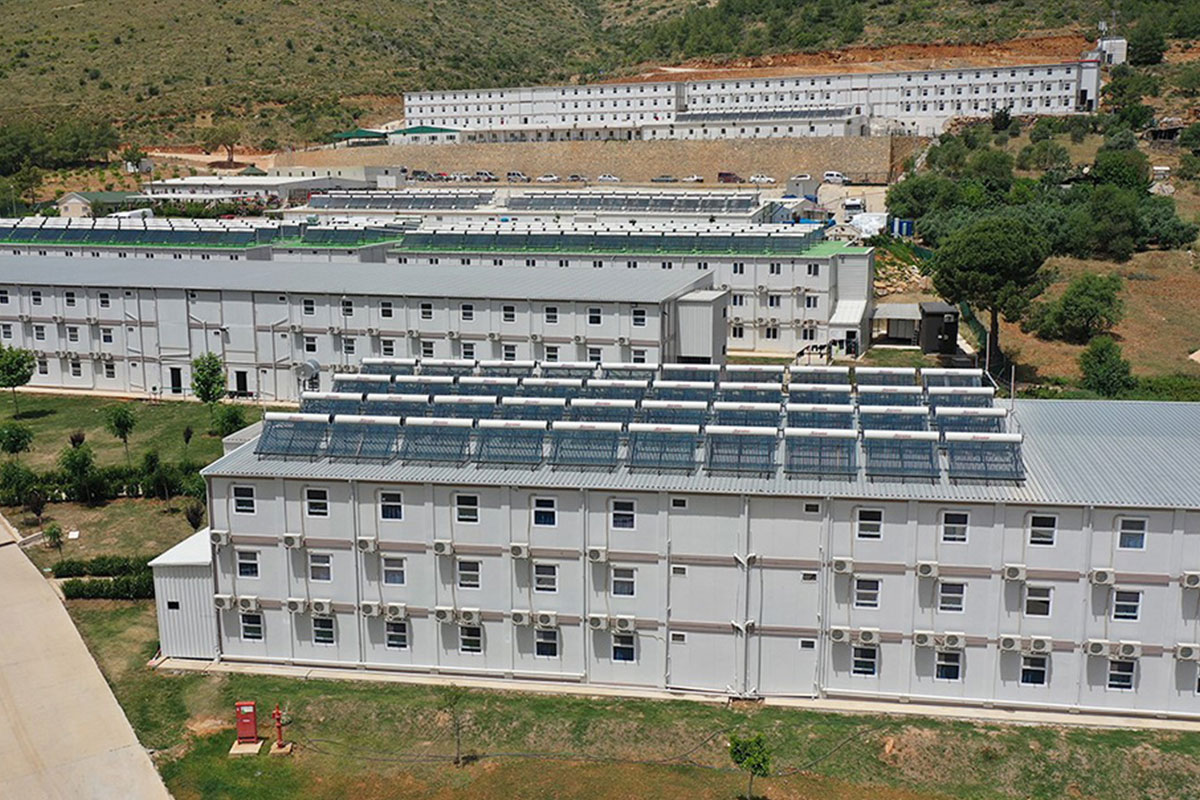
Sustainability has become a defining priority—not just for large buildings but also for small structures like kiosks. Modern kiosks now incorporate eco-conscious materials and insulation systems that reduce heat transfer and lower energy usage. LED lighting, low-consumption ventilation, and solar-compatible electrical layouts enhance efficiency without compromising functionality.
In public spaces especially, sustainability contributes to long-term cost savings. When a kiosk requires less maintenance, remains stable through seasonal weather changes, and operates with minimal energy, it becomes a reliable asset rather than a recurring expense. For retail brands, sustainability also strengthens brand perception, demonstrating responsibility to customers who increasingly value environmentally aware businesses.
Enhanced Aesthetics That Strengthen Brand Presence
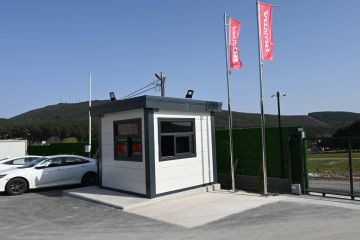
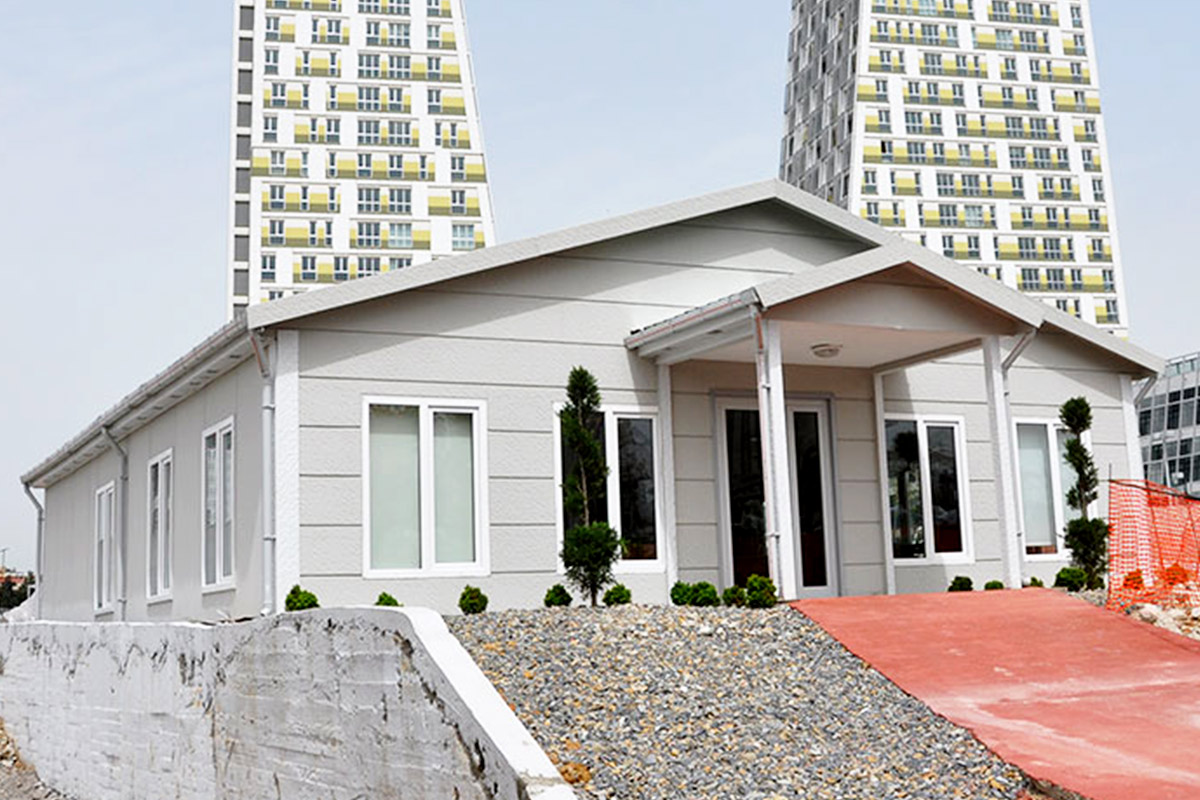
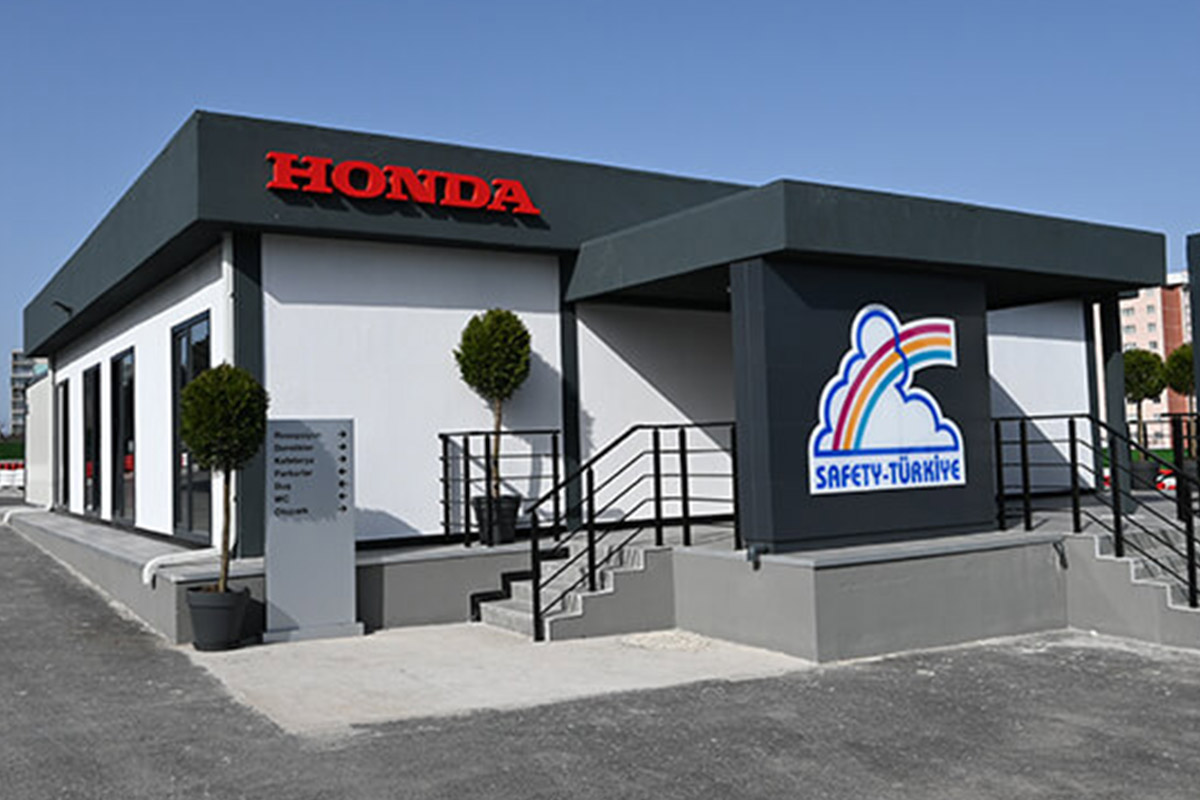
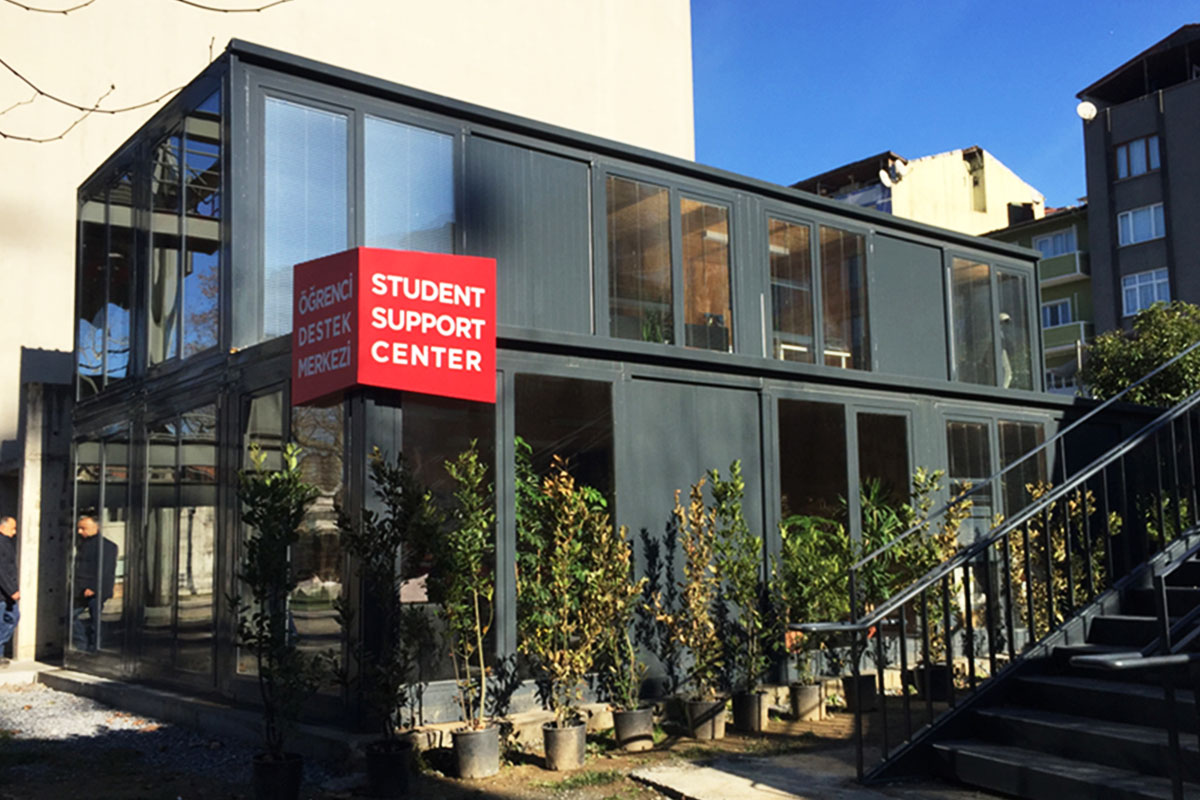
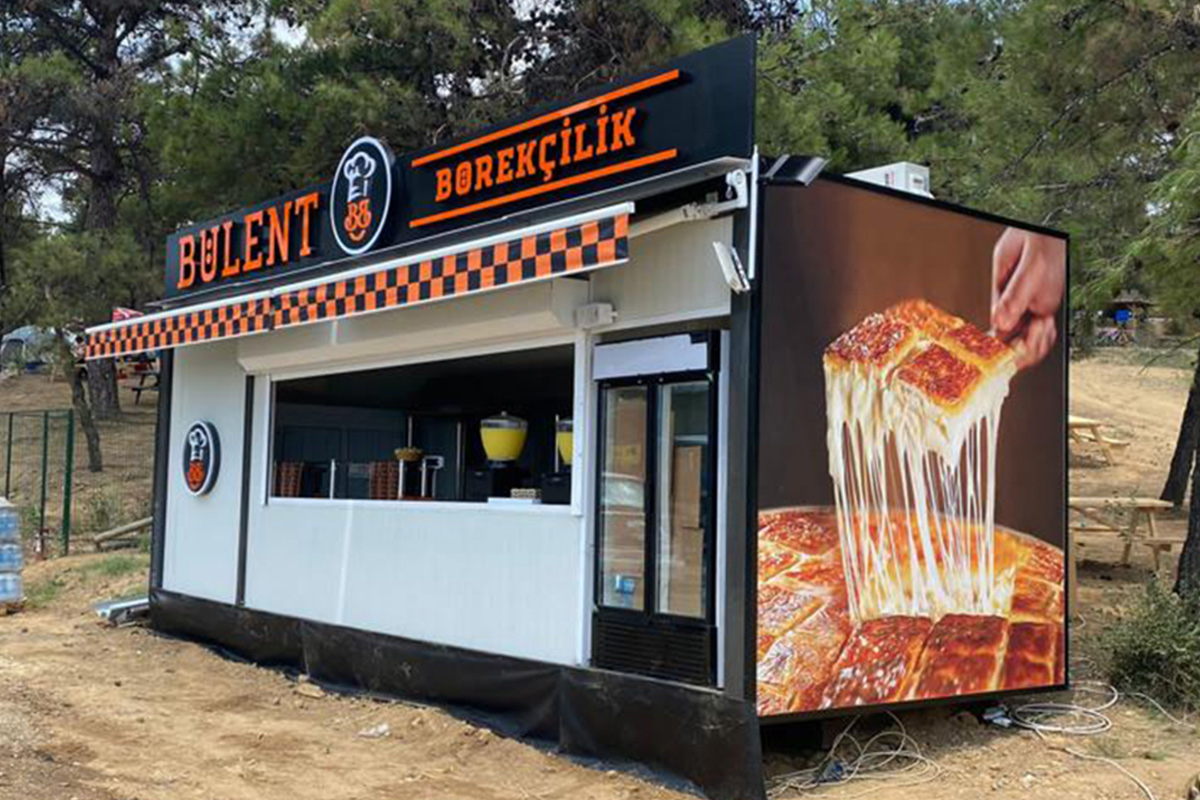
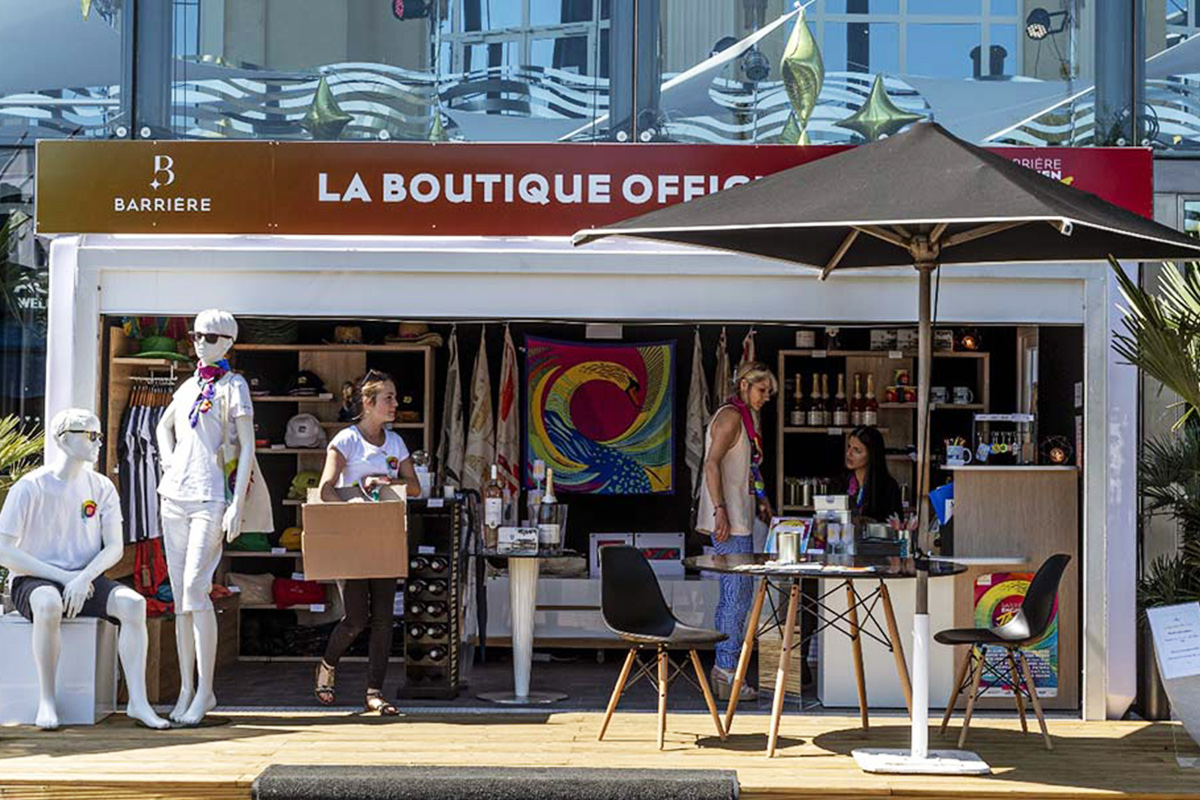
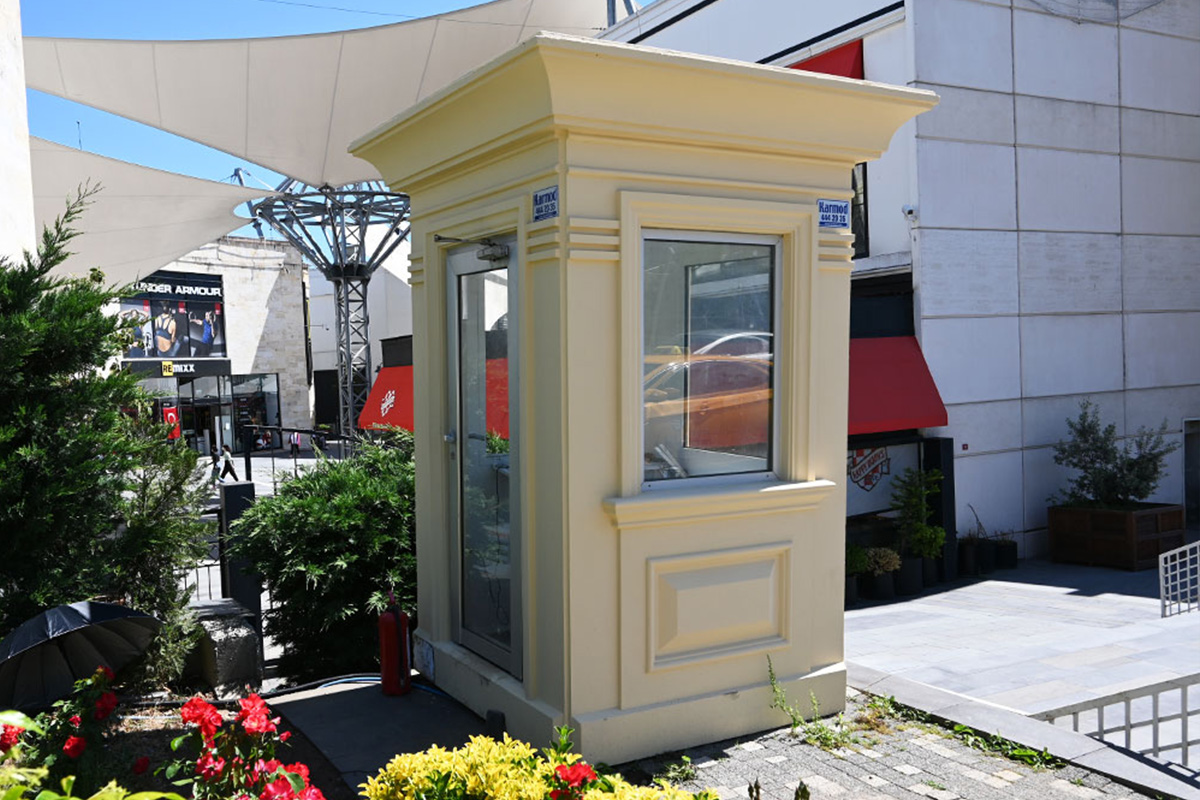
Kiosks are becoming more expressive. Instead of blending passively into the background, they now serve as powerful branding elements that instantly communicate identity. Clean lines, bold colors, backlit signage, and visually engaging layouts help brands stand out in crowded malls, busy parks, and bustling transportation hubs.
Customized Finishes and Lighting
Lighting plays an increasingly important role. Warm interior lighting creates a welcoming atmosphere for staff and customers, while exterior LED accents add visibility during evenings and high-traffic events. Custom finishes allow kiosks to match the surrounding architecture or contrast intentionally to attract attention.
Compact Footprint, High Impact Visuals
Even with a small footprint, a thoughtfully designed kiosk can command attention. Strong visual identity leads to stronger foot traffic—an advantage retail brands value during competitive moments like holiday seasons or large events.
Self-Service Culture and Customer Preference Shifts
One of the strongest trends emerging in recent years is the shift toward self-service. Customers feel more relaxed when they can move at their own pace, especially during quick tasks like picking up tickets, checking in for appointments, or purchasing small retail items.
Businesses benefit too. Self-service kiosks reduce operational pressure, lower staffing burdens during peak times, and maintain steady service speed even when foot traffic spikes unexpectedly. With the right kiosk design and interface, customers see it not as a replacement for staff, but as an added convenience that fits naturally into modern life.
Security and Staff Comfort Now Take Center Stage
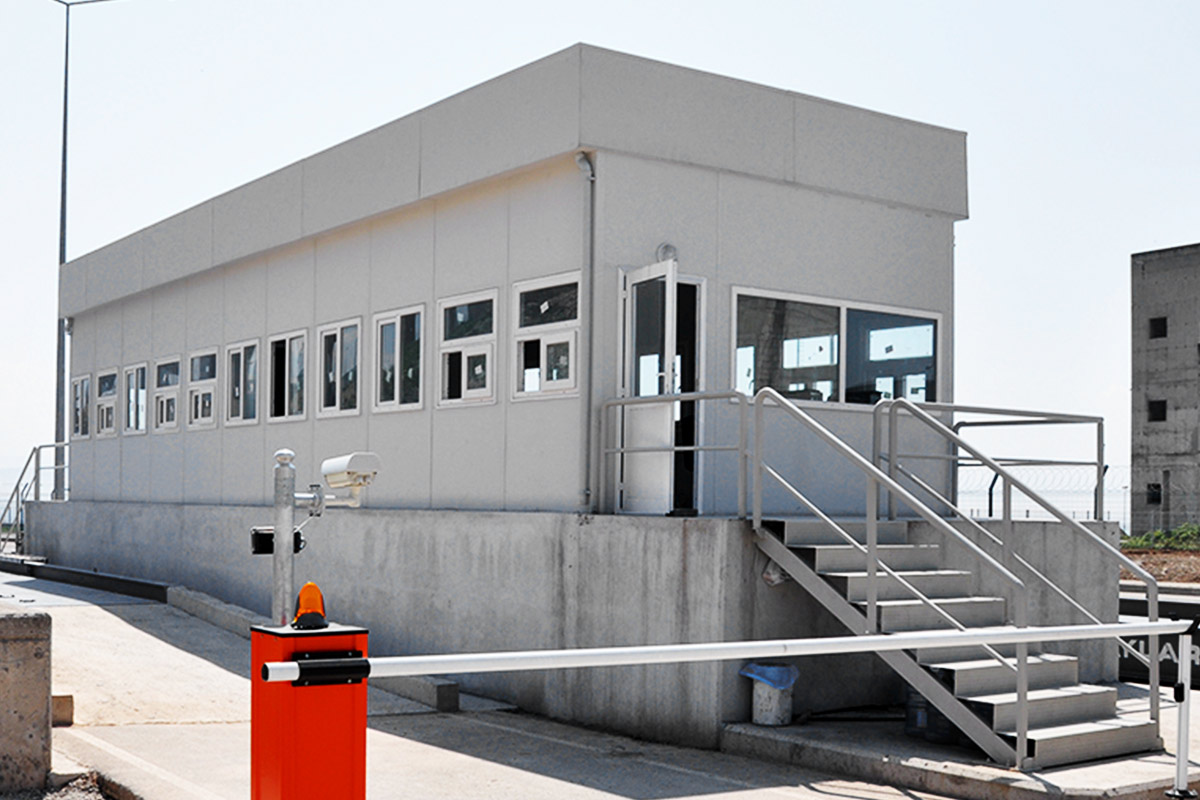
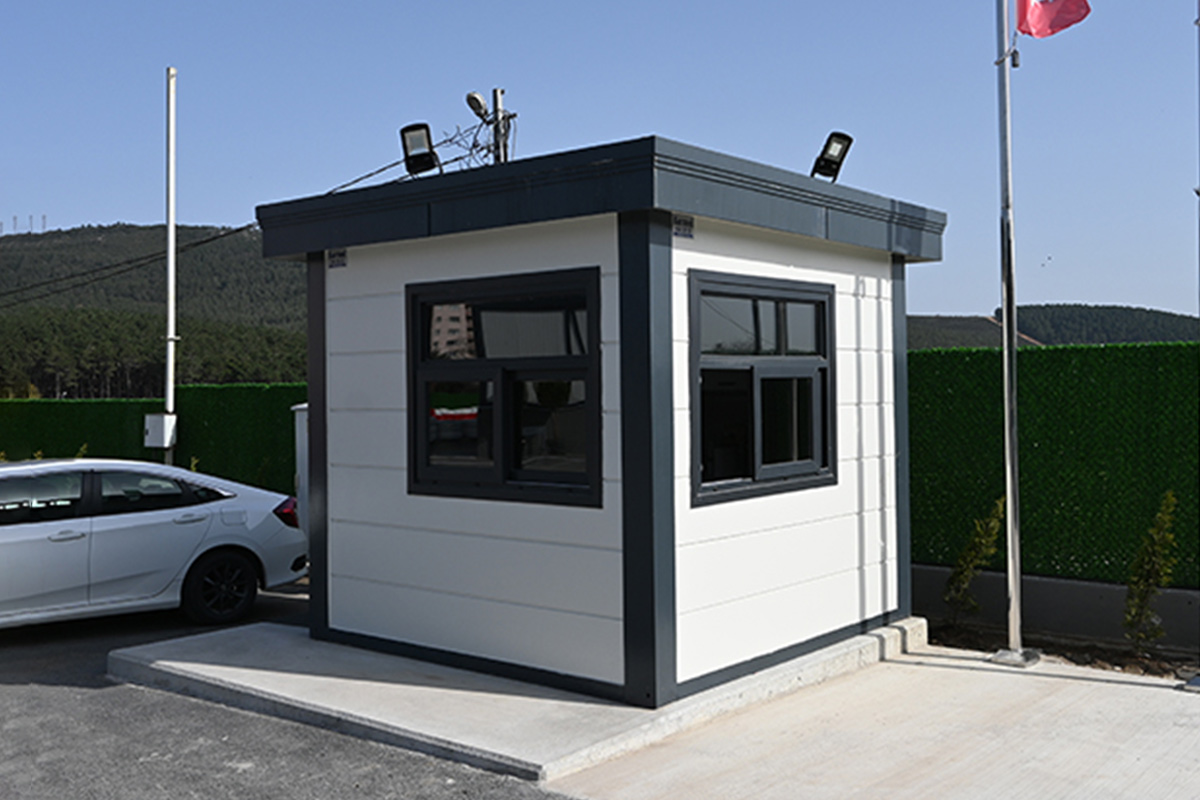
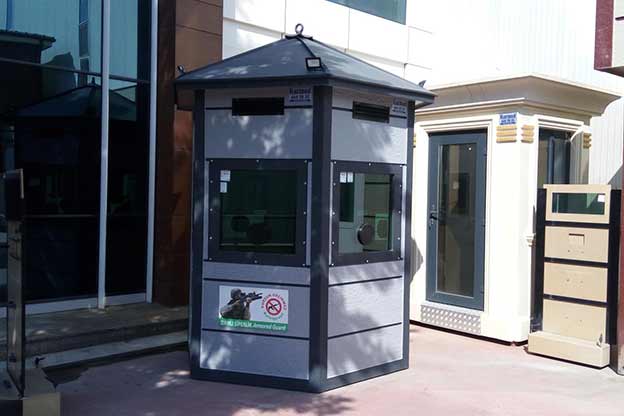
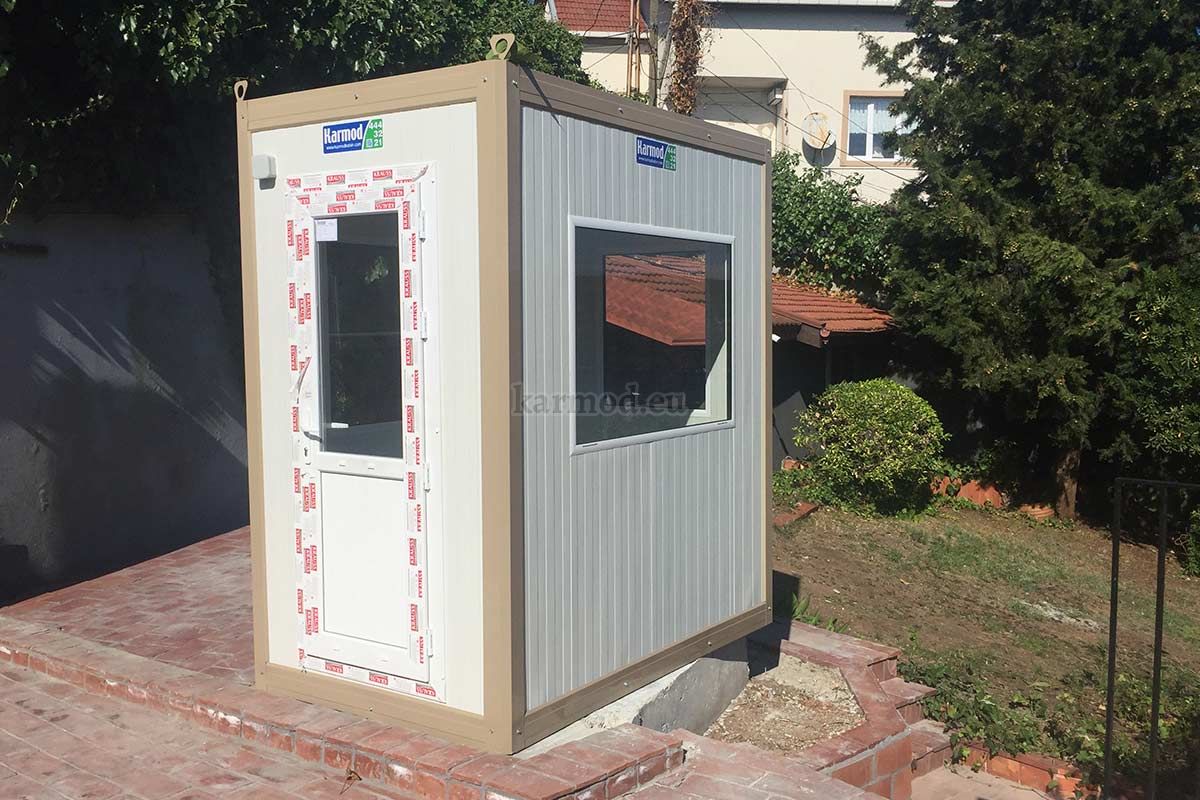
Kiosks serving public-facing roles must balance welcoming design with robust security. Reinforced structures, lockable windows, secure storage areas, and discreetly integrated wiring all contribute to safer operations. As equipment becomes more sophisticated—printers, payment terminals, scanners—security becomes an ongoing priority rather than an optional upgrade.
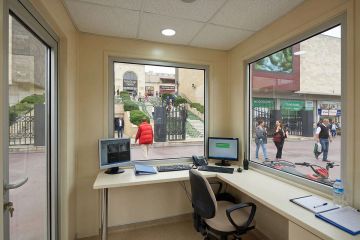
Equally important is staff comfort. Longer operating hours demand stable interior temperatures, ergonomic workspace layouts, and noise reduction features. Businesses are increasingly choosing kiosks that protect staff from weather conditions, reduce fatigue, and create a pleasant micro-environment even during busy shifts.
Build a Modern Kiosk That Fits Tomorrow’s Expectations
If these trends resonate with your needs, you’re already a step closer to selecting a kiosk that elevates your retail or public-space operations. The right kiosk doesn’t just serve visitors—it strengthens your brand, streamlines workflows, and adapts to the fast-changing demands of modern environments. We design kiosks with the future in mind, blending digital capability, durable construction, and visually refined finishes that attract attention for all the right reasons.
Whenever you're ready to move forward, our team is here to help. We can walk you through current design options, show real examples of how these trends work in active locations, and prepare a tailored quote aligned with your goals. With the right planning, your kiosk becomes more than a point of service—it becomes a strategic asset that keeps your business ahead of the curve.