




Modern business environments are evolving rapidly, and with this evolution comes a clear shift in how workspaces are designed, experienced, and evaluated. Today, companies are not only looking for functional interiors, but for spaces that actively support focus, efficiency, and brand clarity. Minimalist modular cabin interiors respond precisely to this need by stripping away visual noise and unnecessary complexity, allowing businesses to operate in environments that feel calm, intentional, and purpose-driven.
Minimalism in modular cabins is not about emptiness or austerity; it is about intelligent restraint. Every surface, material, and spatial decision is guided by function, usability, and long-term adaptability. For modern businesses operating in fast-paced or space-constrained environments, this approach delivers interiors that feel contemporary, professional, and quietly confident.
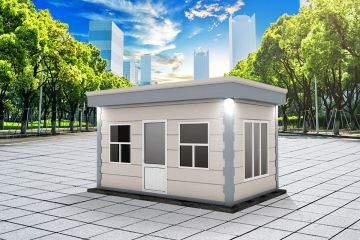
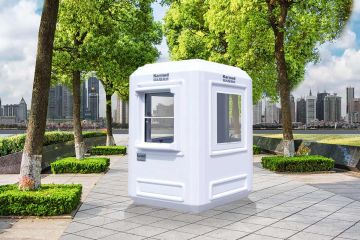
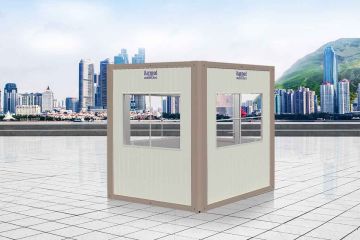
Why Minimalism Aligns with Modern Business Culture
Minimalist interiors reflect the way modern organizations think and operate. Clarity, efficiency, and streamlined processes are no longer just operational goals; they are cultural values. A minimalist modular cabin interior mirrors these values by creating an environment where distractions are reduced and attention is directed toward meaningful work.
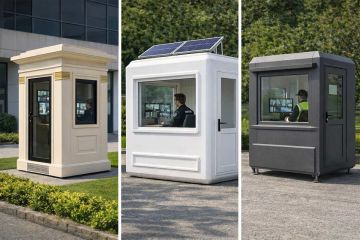
In business settings such as site offices, security units, sales kiosks, or remote work cabins, excessive visual elements can quickly become a source of fatigue. Clean lines, neutral color palettes, and balanced proportions help create a sense of order that supports concentration and decision-making. Over time, this spatial clarity contributes directly to productivity and staff well-being.
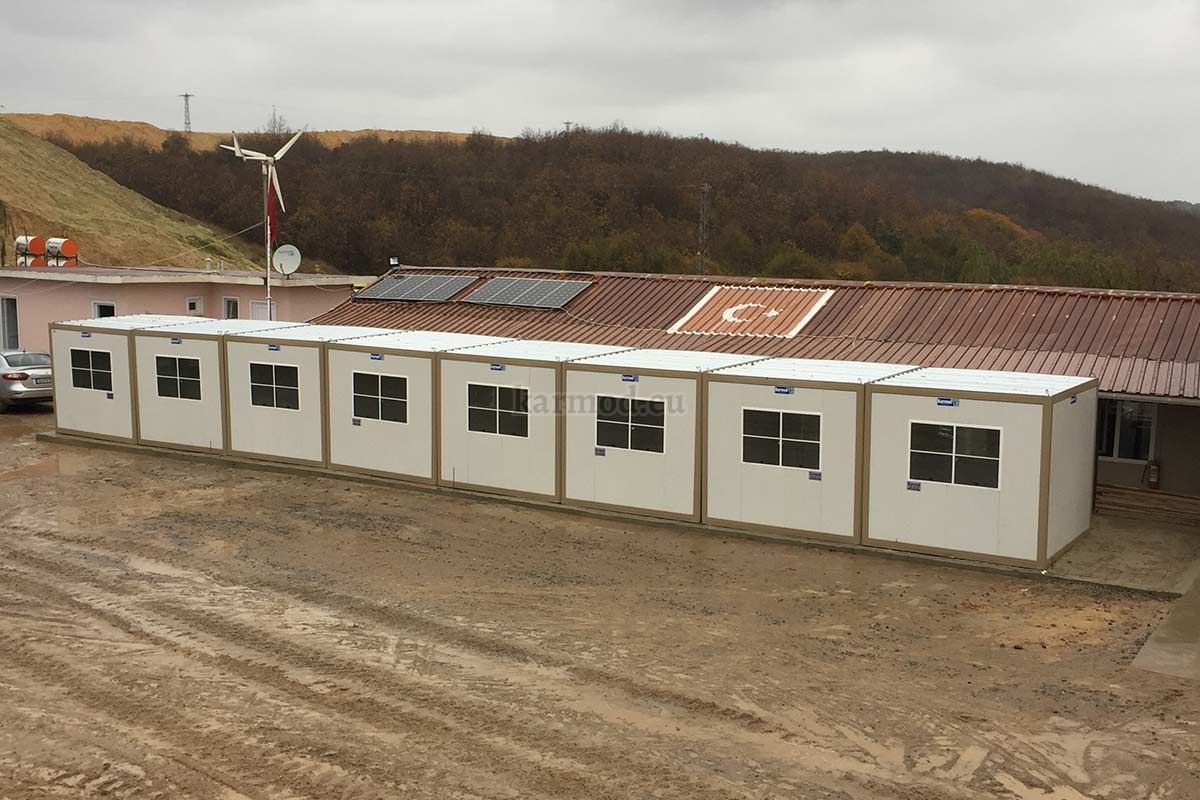
Designing with Purpose: Less Space, More Function
Modular cabins are inherently compact, which makes interior planning especially critical. Minimalist design thrives in this context because it prioritizes multifunctional elements and efficient layouts over decorative excess.
Rather than filling the interior with separate furniture pieces or fixed partitions, minimalist cabins rely on integrated storage, built-in work surfaces, and carefully planned circulation zones. This approach allows even small cabins to feel open and usable, while ensuring that every square meter serves a clear purpose. For businesses, this means interiors that support daily operations without feeling cramped or improvised.
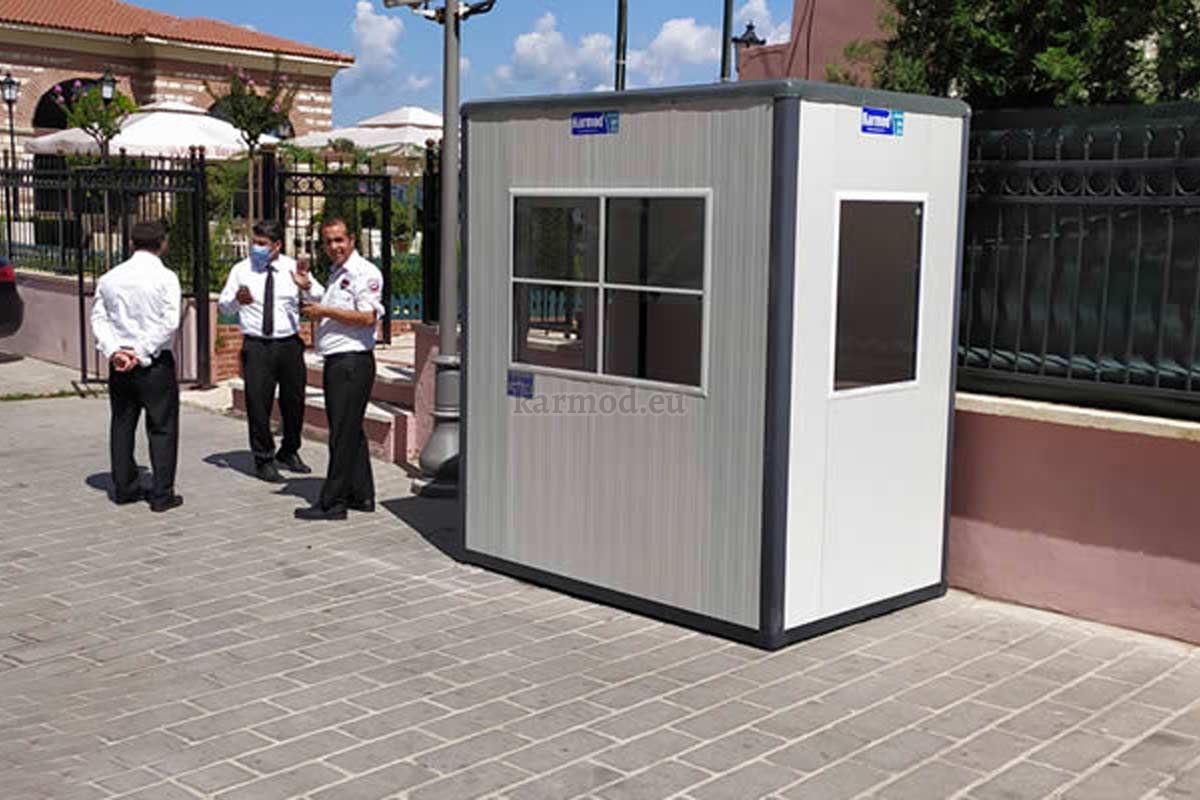
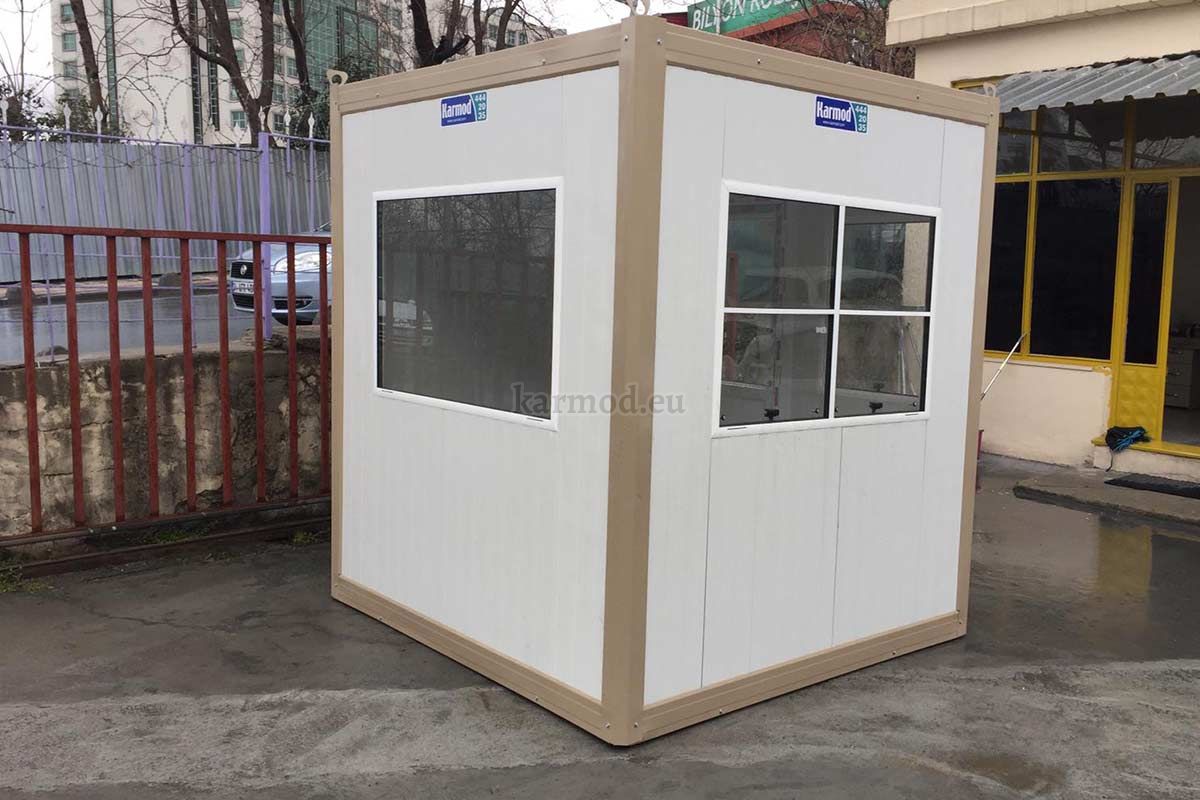
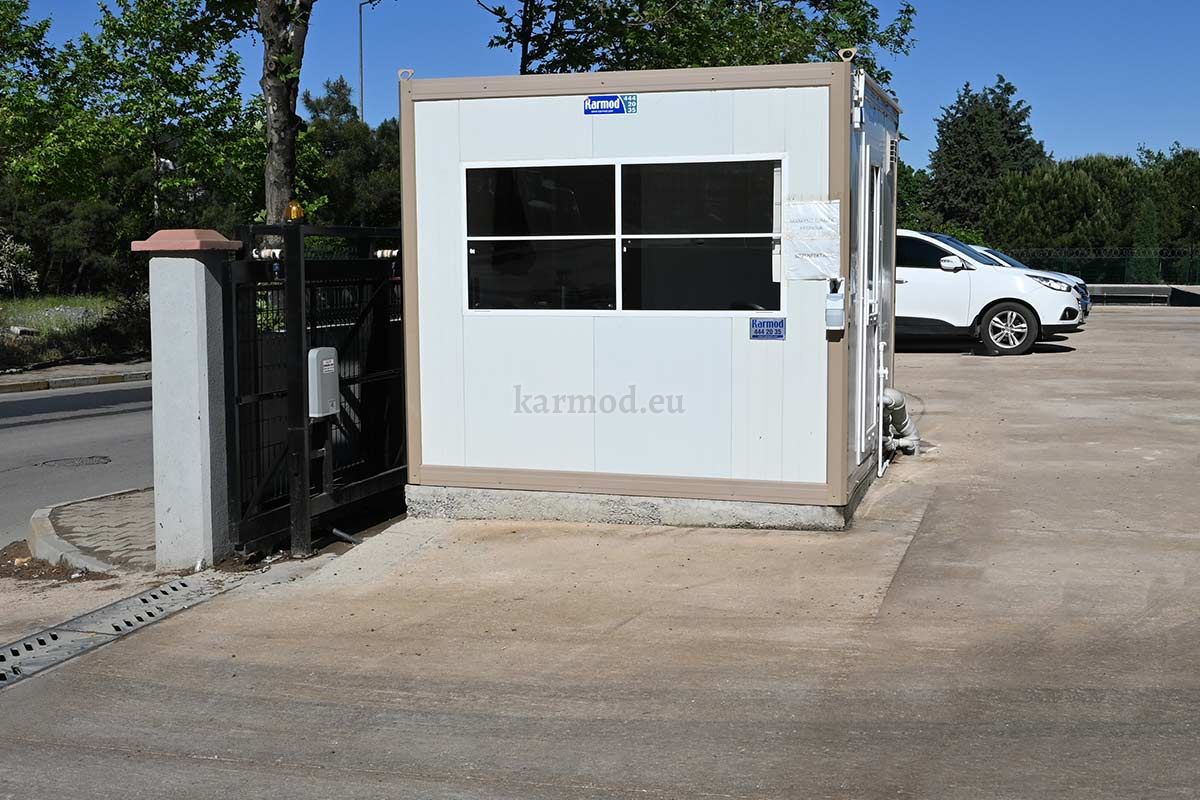
Material Choices That Communicate Professionalism
Material selection plays a central role in minimalist modular interiors. Modern businesses tend to favor materials that are visually calm, durable, and easy to maintain, as these qualities align with both operational efficiency and brand perception.
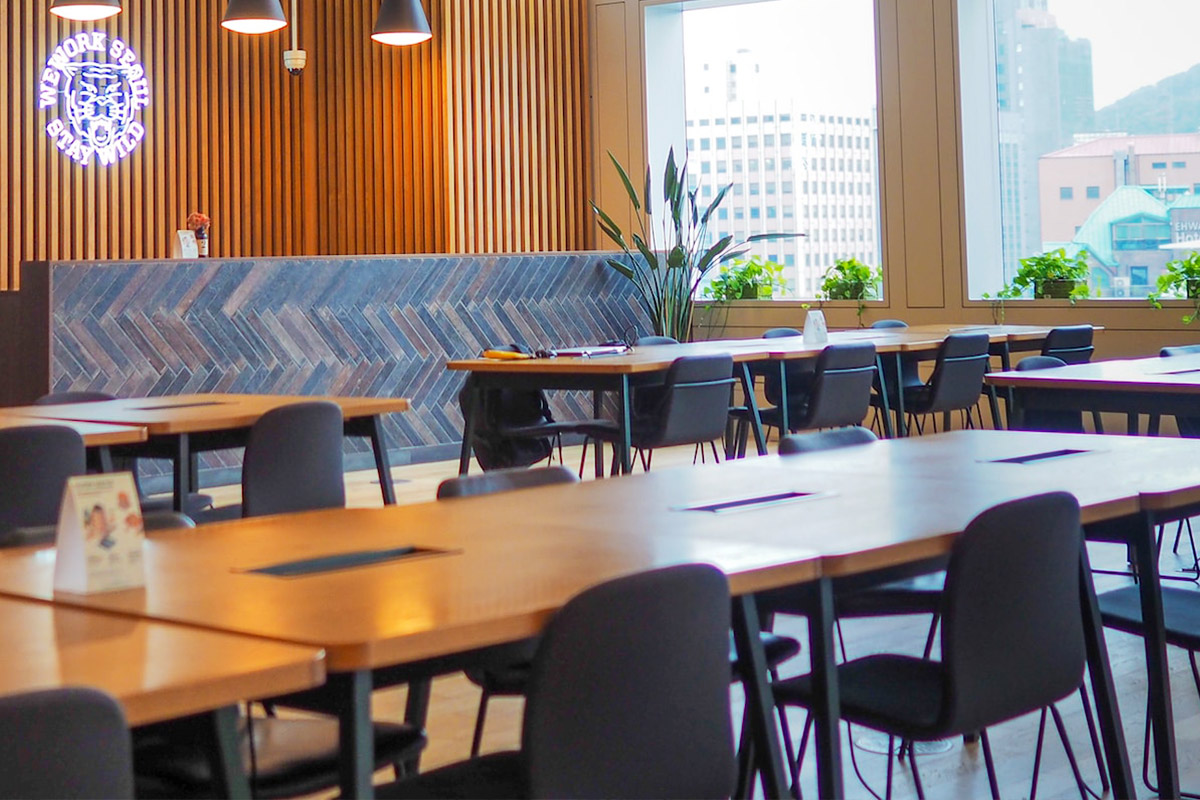
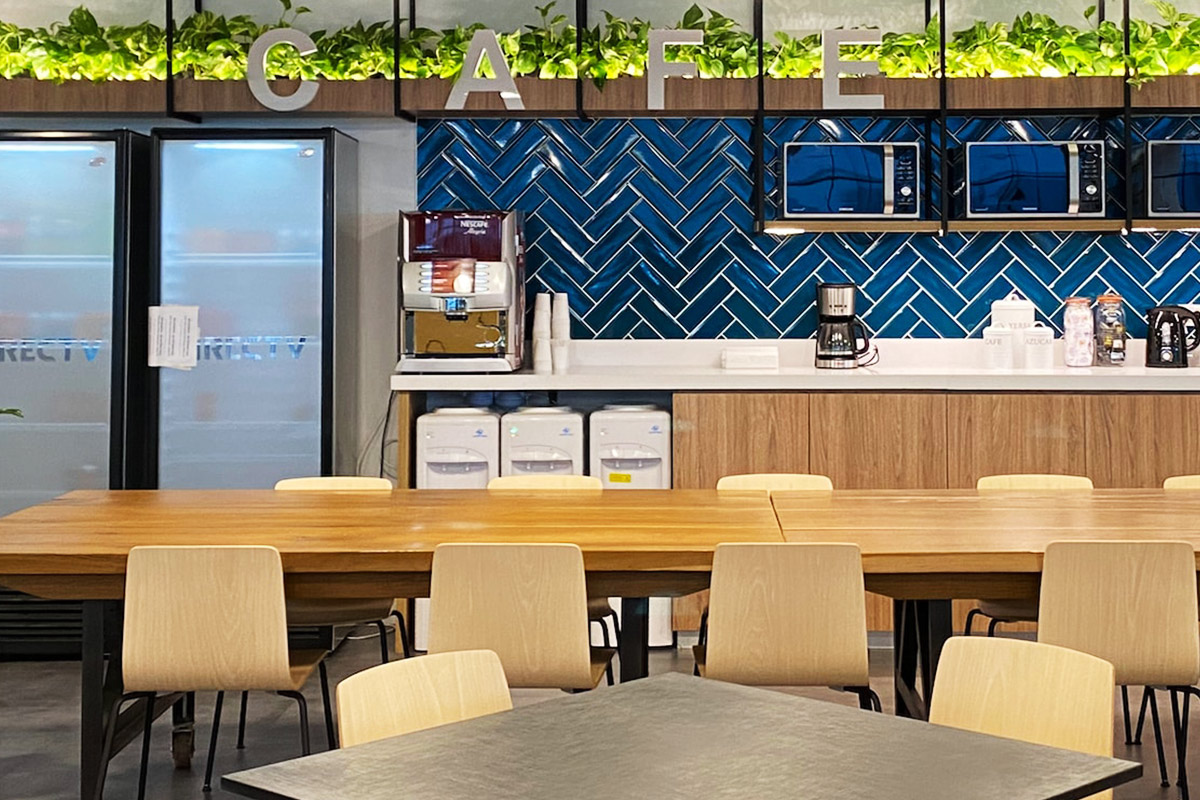
Neutral-toned wall panels, matte finishes, light wood accents, and subtle metal details are commonly used to create interiors that feel modern without becoming cold or impersonal. These materials age well, photograph well, and maintain their professional appearance over time, which is particularly important for client-facing cabins or brand-sensitive environments.
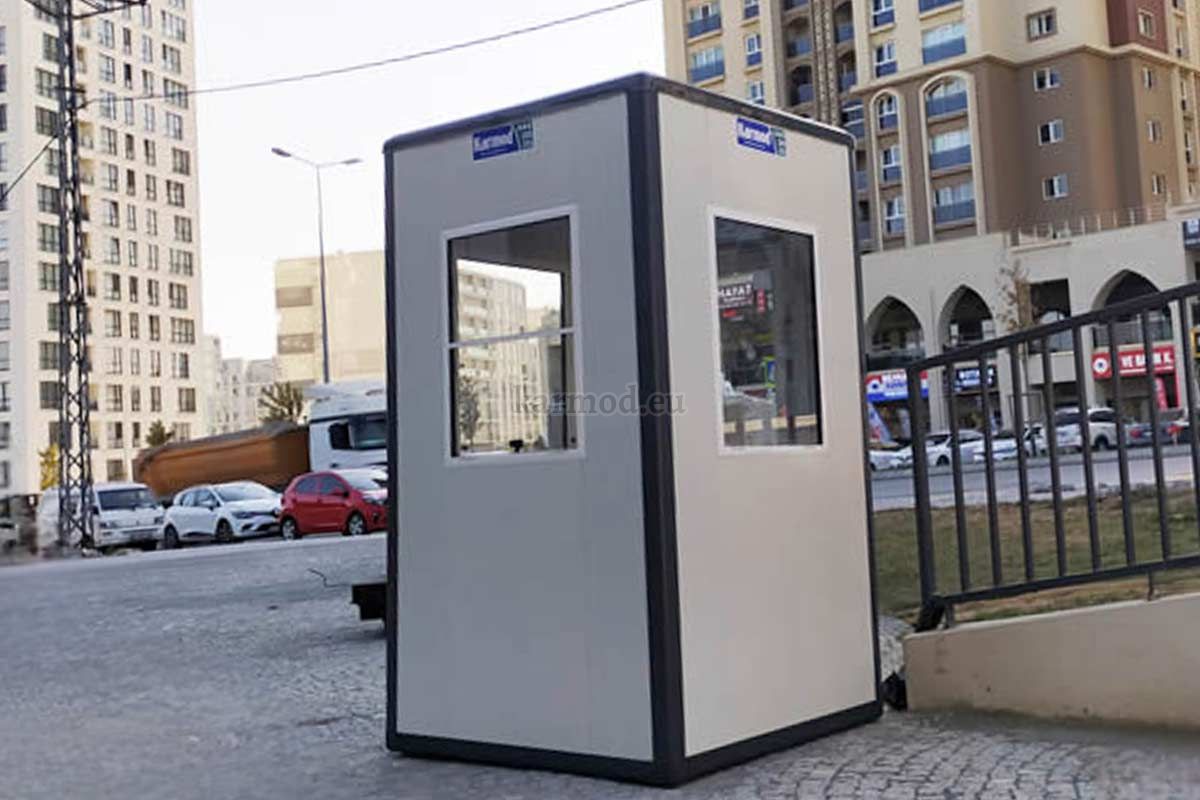
Lighting as a Design and Performance Tool
In minimalist interiors, lighting is never an afterthought. It functions as both a design element and a performance enhancer. Poor lighting can undermine even the most carefully planned space, while well-considered lighting elevates the entire interior experience.
Modern modular cabins often combine natural light with layered artificial lighting to create balanced, comfortable environments. Linear LED fixtures, indirect lighting, and task-focused illumination support different activities throughout the day, reducing eye strain and enhancing focus. For businesses operating long hours or in remote locations, lighting quality directly influences employee comfort and effectiveness.
Branding Through Subtle Design Language
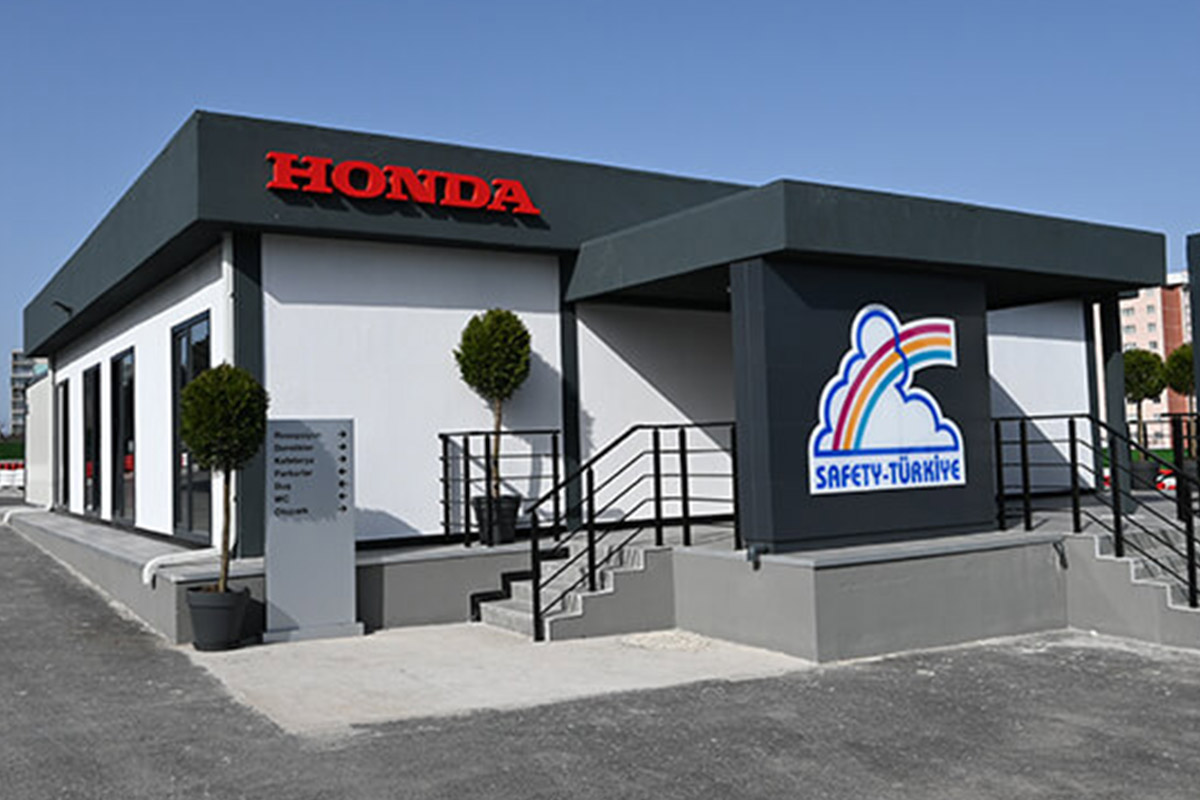
Minimalist interiors offer a powerful but understated way to communicate brand identity. Instead of relying on loud colors or excessive signage, branding is integrated through proportion, material quality, and carefully chosen accent elements.
A logo placed thoughtfully, a consistent color accent, or a distinctive material finish can reinforce brand presence without overwhelming the space. This subtlety signals confidence and maturity, qualities that modern businesses increasingly want to project. In modular cabins used for client interaction, this approach helps build trust before a single conversation even begins.
Flexibility and Future-Proofing for Growing Businesses
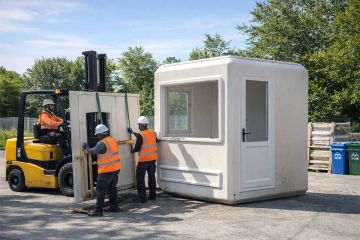
One of the key advantages of minimalist modular interiors is their adaptability. As business needs evolve, interiors designed around simplicity are easier to reconfigure, update, or expand without major disruption.
Furniture can be repositioned, storage solutions adjusted, and functions redefined without fighting against overly complex design elements. This flexibility is particularly valuable for businesses operating in temporary locations, project-based environments, or rapidly changing markets. Minimalism ensures that the interior remains relevant even as operational requirements shift.
Psychological Impact of Minimalist Work Environments
Beyond aesthetics and efficiency, minimalist interiors have a measurable psychological effect. Spaces with reduced visual clutter help lower cognitive load, allowing individuals to process information more effectively and maintain focus for longer periods.
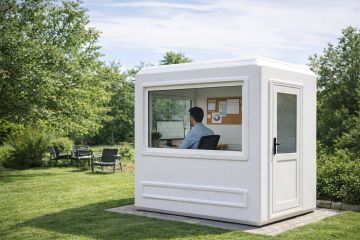
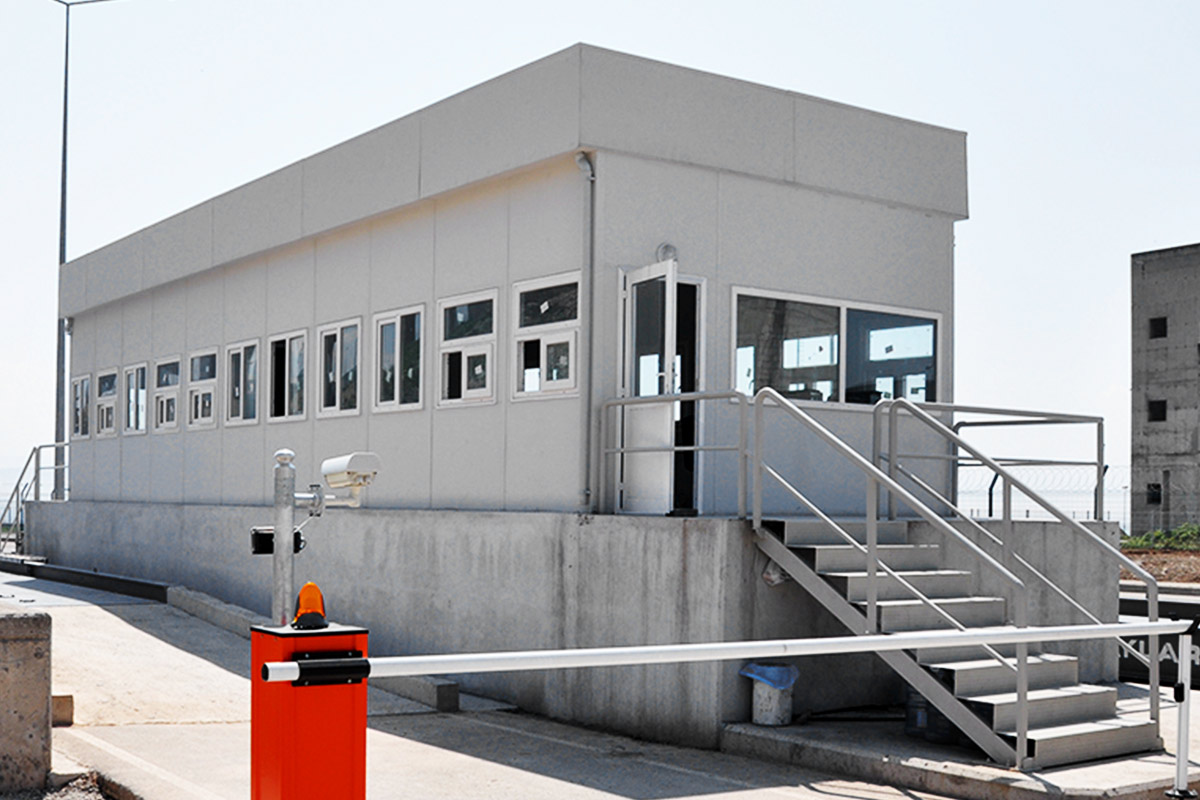
In high-responsibility roles such as security monitoring, site management, or operational coordination, this mental clarity can significantly improve performance. A minimalist modular cabin becomes not just a workspace, but a supportive environment that encourages calm, control, and professionalism.
Is a Minimalist Modular Interior Right for Your Business?
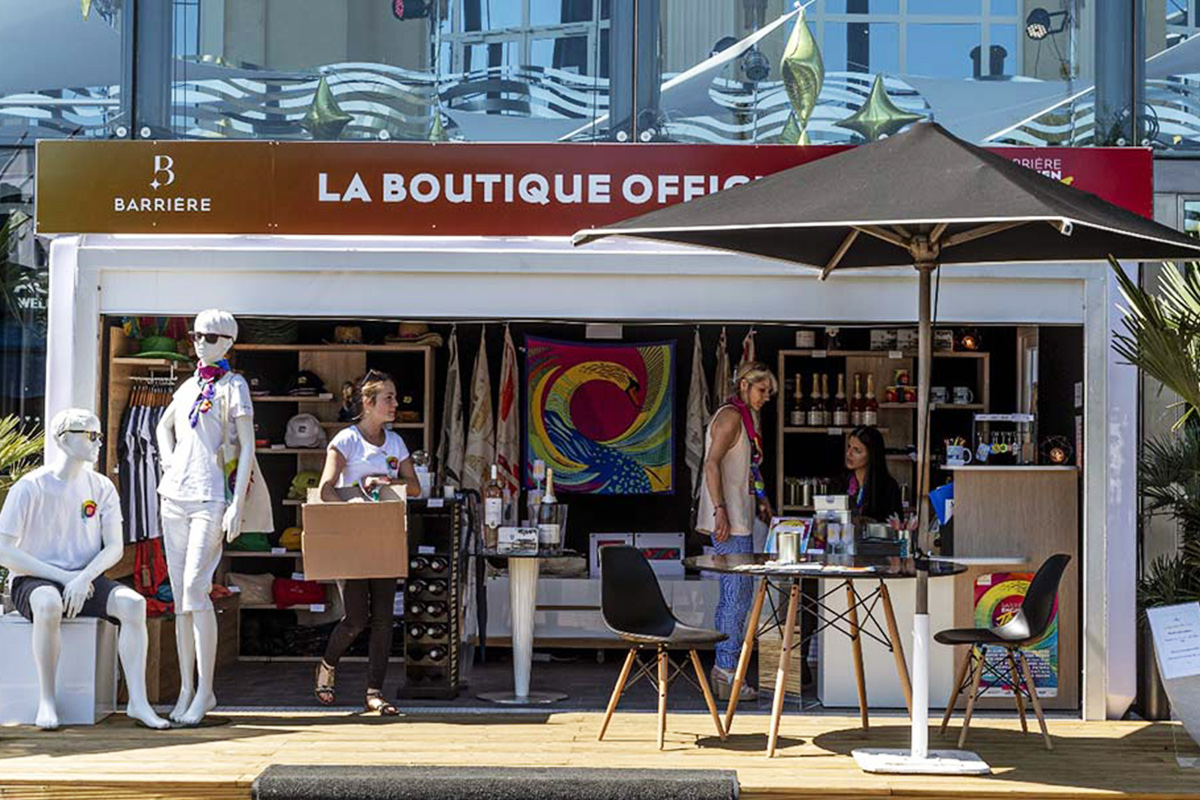
Minimalist modular cabin interiors are particularly well-suited for businesses that value efficiency, clarity, and a modern professional image. They work exceptionally well for site offices, security cabins, mobile workspaces, and customer-facing units where first impressions matter.
The key is thoughtful execution. Minimalism only delivers its full benefits when design decisions are guided by real operational needs rather than aesthetic trends alone. When function and form are aligned, minimalist interiors become a strategic asset rather than a stylistic choice.
Planning a Minimalist Interior for Your Modular Cabin?
A successful minimalist modular interior starts with understanding how the space will be used on a daily basis and designing every element around that reality. From layout planning and material selection to lighting and storage integration, each decision contributes to long-term usability and brand impact.
If you are considering a modular cabin interior that reflects modern business values while supporting efficient operations, get in touch to explore interior solutions tailored to your workflow, brand identity, and future plans. The right interior design turns a compact cabin into a powerful business environment.