





















Mobile charging stations are quietly becoming one of the most strategic touchpoints in modern public spaces. What started as a simple solution for low-battery anxiety is now evolving into a new generation of compact kiosks that combine utility, visibility, and commercial potential in a single structure. In cities where space is limited and user expectations are rising, these units are no longer optional accessories but purposeful micro-buildings.
From shopping streets and transport hubs to campuses and event areas, people naturally gather around charging points. This behavior creates a unique opportunity. When charging stations are designed as modular or container-based kiosks, they can offer far more than power. They become places to pause, interact, access information, and engage with brands. For operators and investors, this shift transforms a basic service into a scalable, revenue-supporting urban asset built for the future.

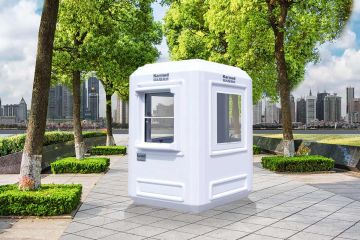
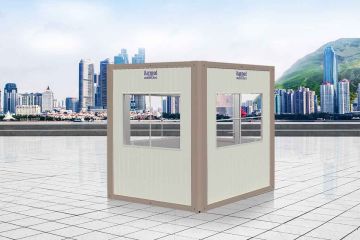
The Evolution from Simple Charging Points to Smart Urban Kiosks
Mobile charging stations were once designed with a very basic purpose in mind: helping people recharge their phones when batteries ran low. Today, that narrow function is rapidly expanding. In busy city centers, transport hubs, festivals, campuses, and commercial zones, these units are evolving into multi-functional kiosks that blend technology, convenience, and architecture.
What drives this transformation is user behavior. People no longer see charging as a standalone need. They expect charging points to be part of a broader experience: a place to pause, interact, access information, and sometimes even make purchases. As a result, modern mobile charging stations are increasingly designed as compact, modular kiosks that serve both users and operators more effectively.
From a commercial perspective, this shift is significant. A structure that once generated no direct value beyond utility can now become a revenue-generating, brand-visible, and data-enabled urban asset.
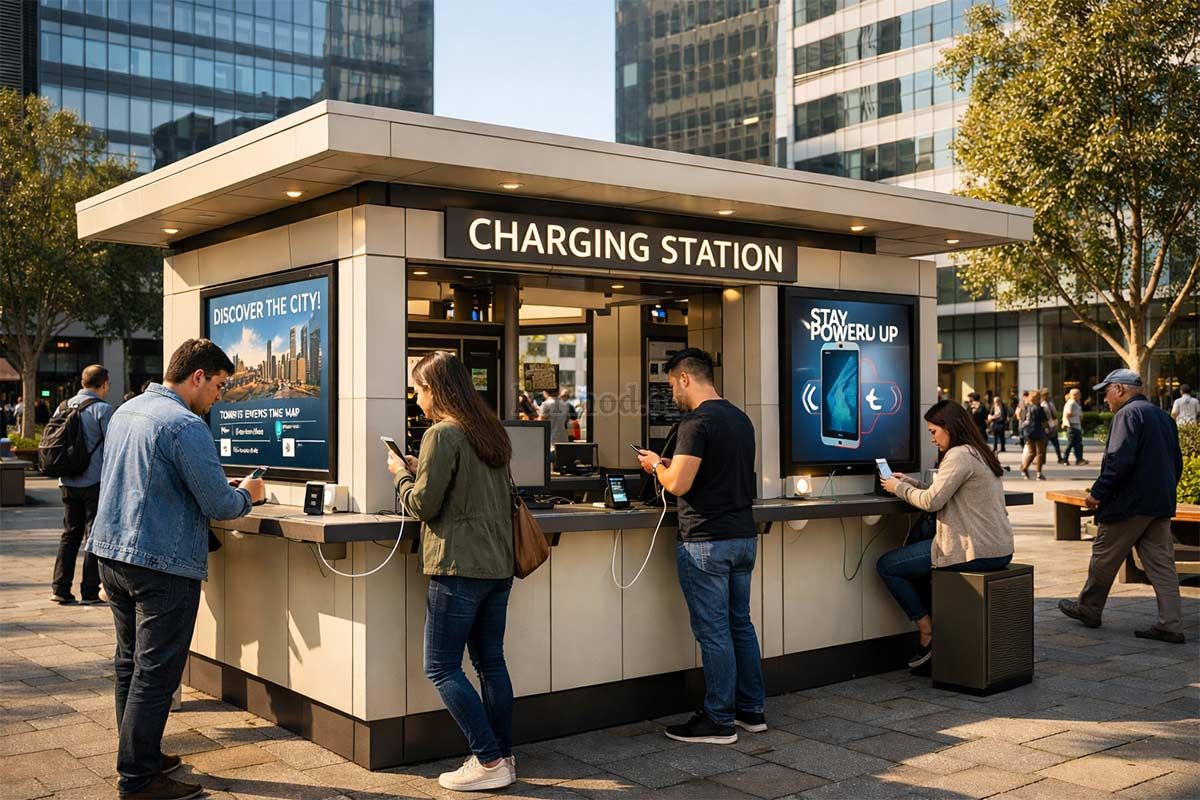
Why Urban Spaces Are Pushing for Multi-Function Kiosk Solutions
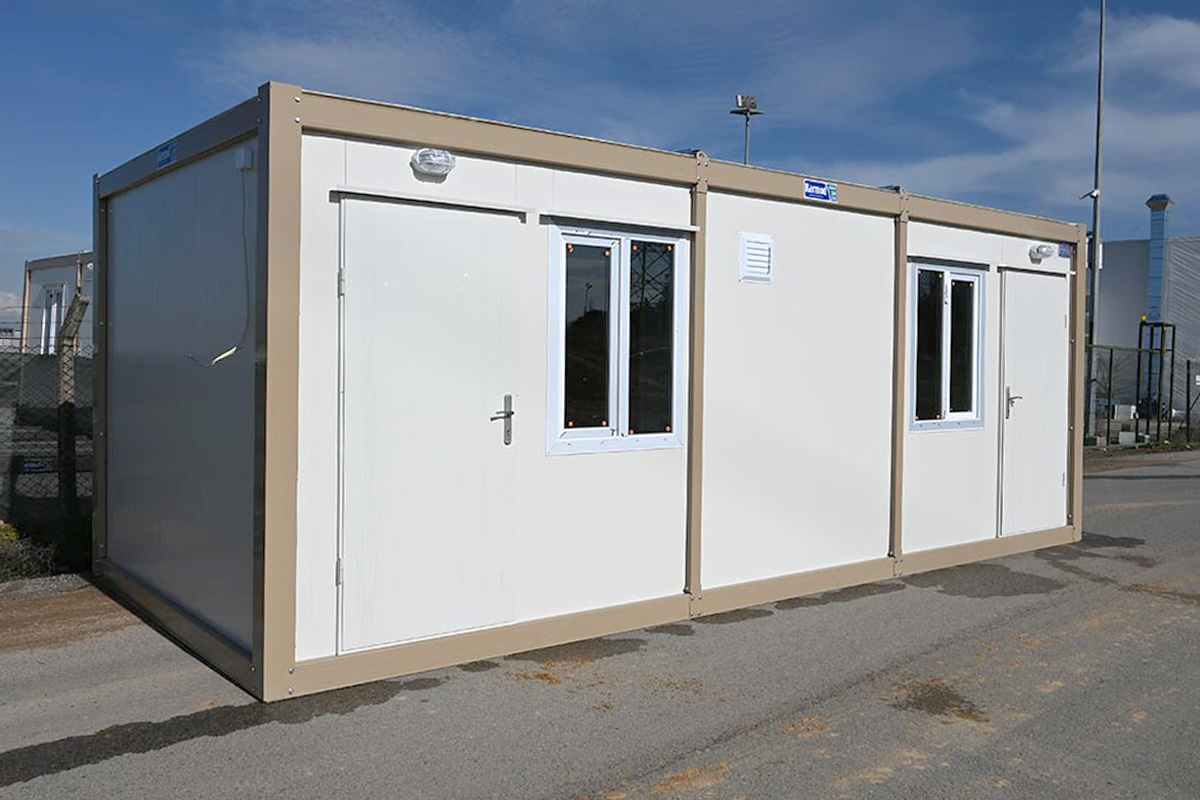
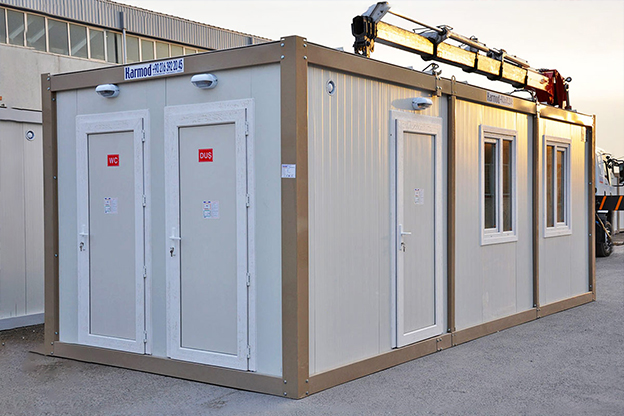
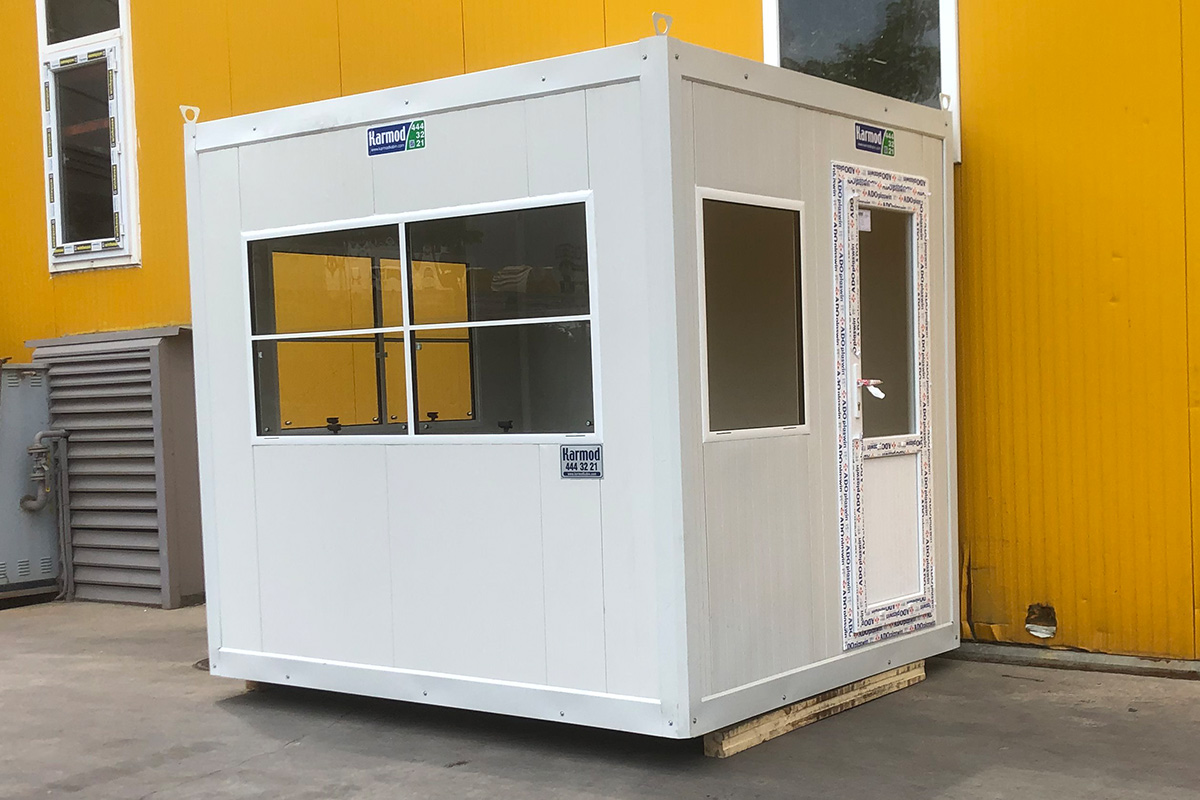
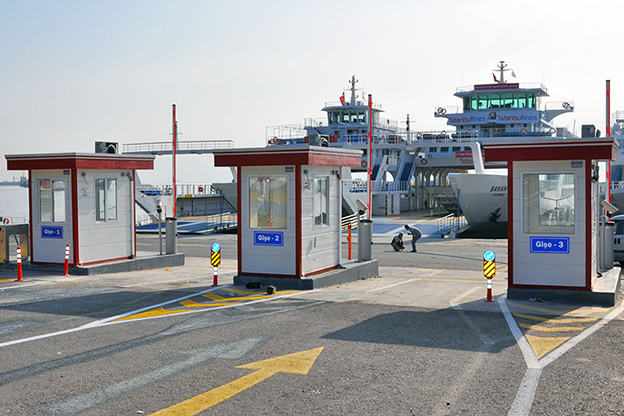
Cities are under constant pressure to do more with less space. Traditional kiosks often require permits, foundations, and long approval processes. Mobile charging stations, when designed as modular or container-based kiosks, offer a faster and more flexible alternative that aligns well with modern urban planning needs.
These structures can be deployed temporarily or permanently, relocated when traffic patterns change, and adapted to different functions without rebuilding from scratch. This flexibility is especially valuable in high-footfall areas such as public squares, metro exits, shopping streets, and waterfronts.
Another key factor is sustainability. Many next-generation charging kiosks integrate solar panels, energy-efficient systems, and smart power management. This allows municipalities and private operators to offer public services while reinforcing their commitment to greener infrastructure.
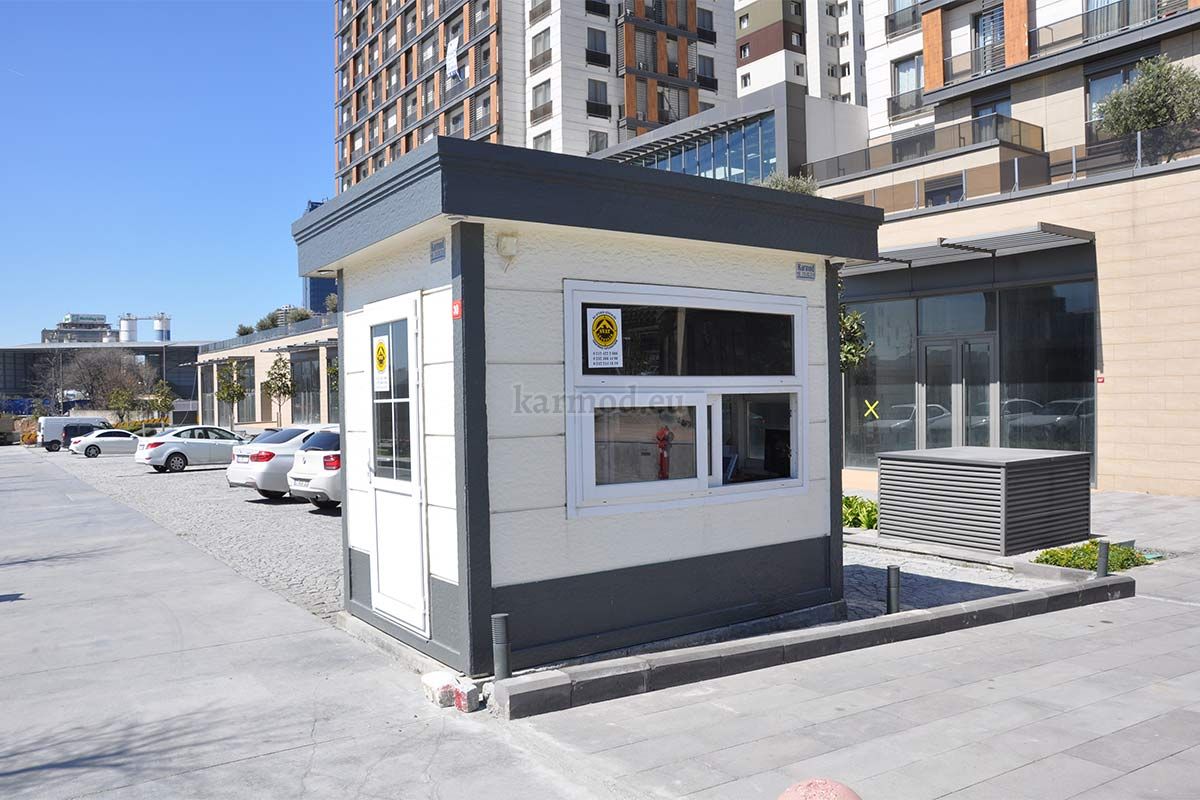


Design Matters: How Kiosk Architecture Shapes User Engagement
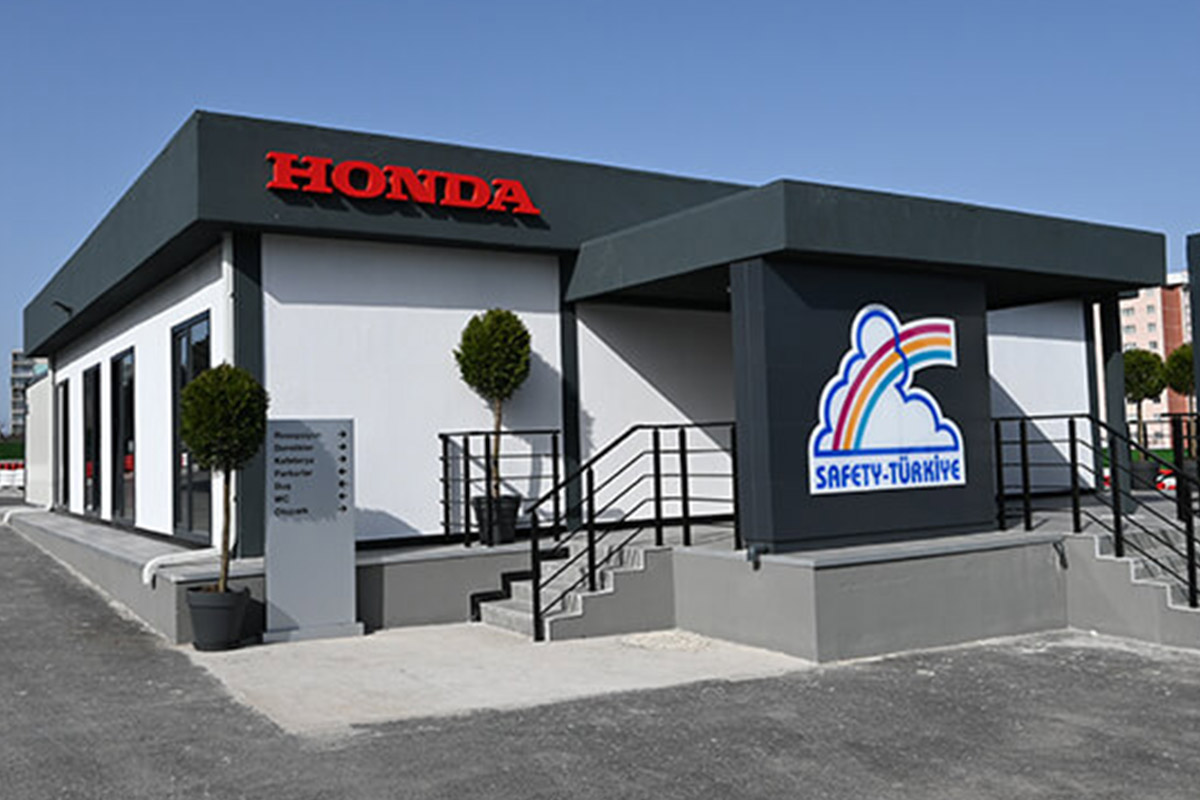
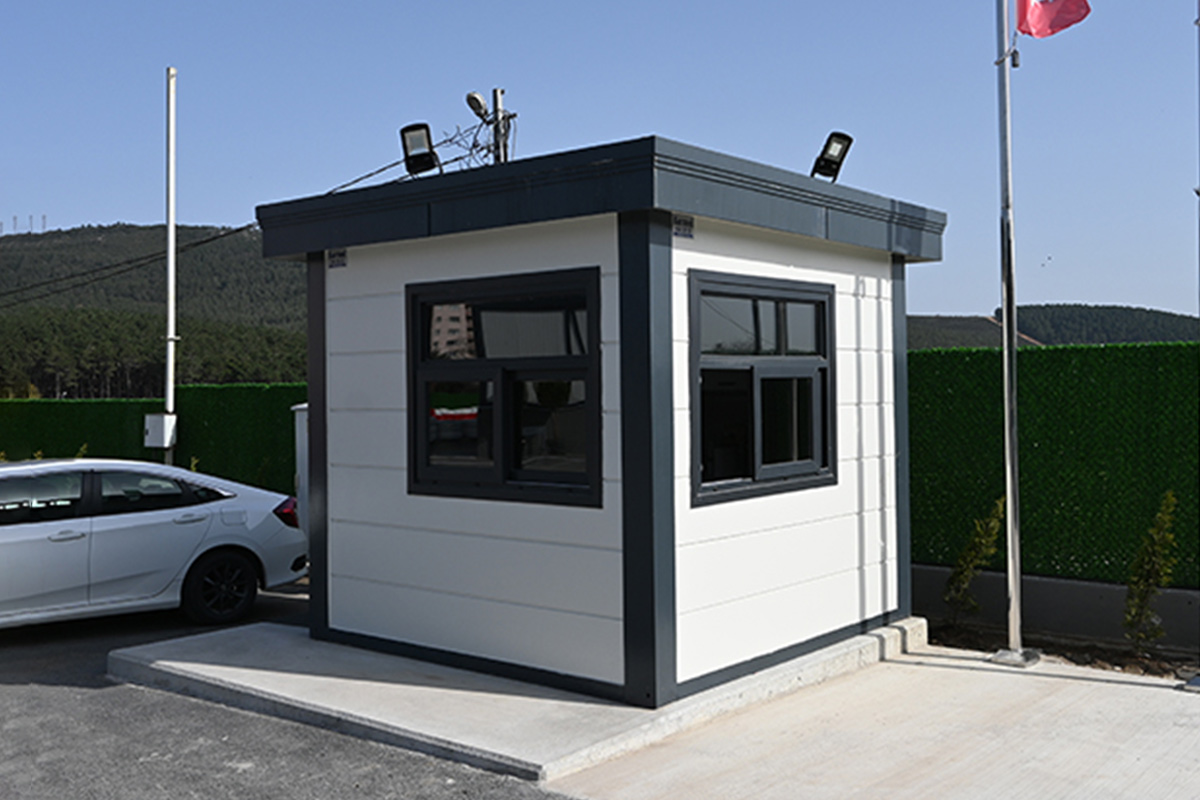
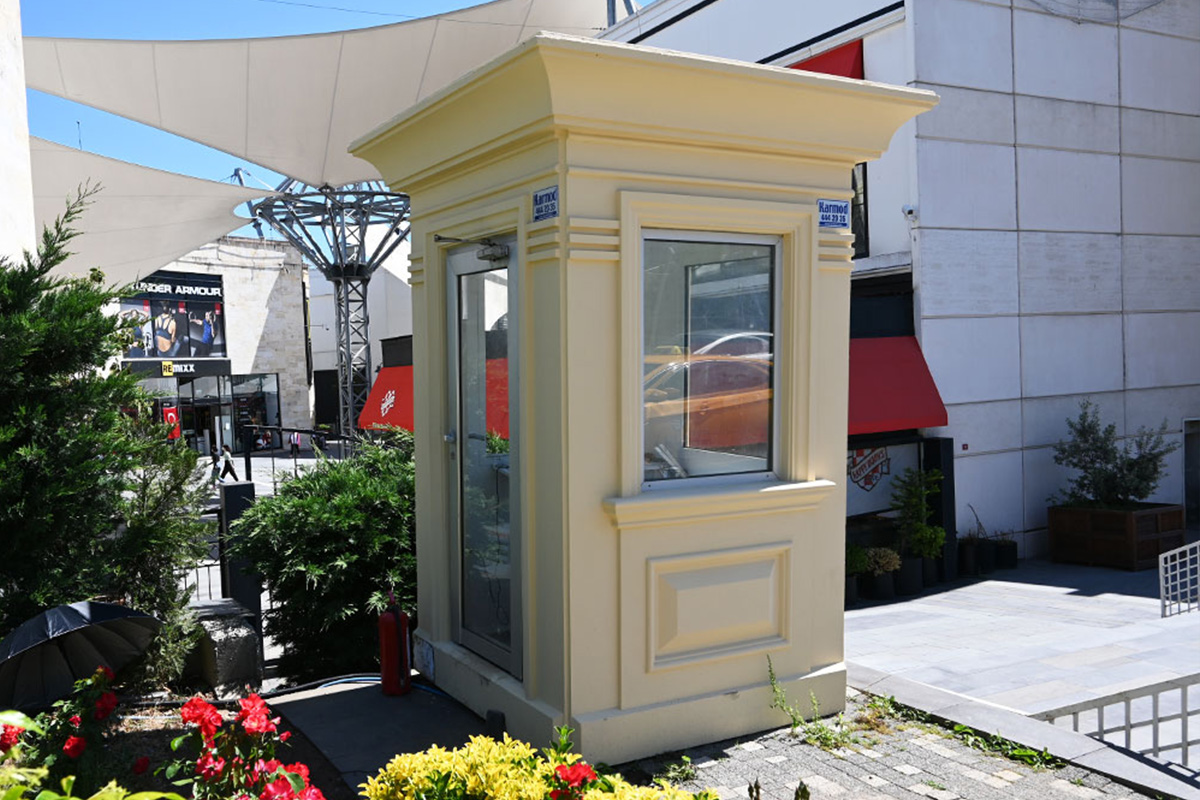
A charging station that looks purely technical often goes unnoticed. In contrast, a well-designed kiosk attracts attention and invites interaction. This is where modular and prefab construction plays a decisive role.
Modern charging kiosks are increasingly designed with:
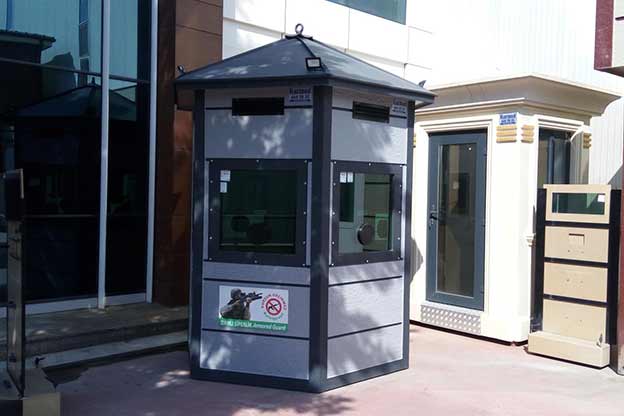
- Weather-resistant materials suitable for outdoor use
- Compact yet ergonomic layouts
- Integrated seating, counters, or lean-on surfaces
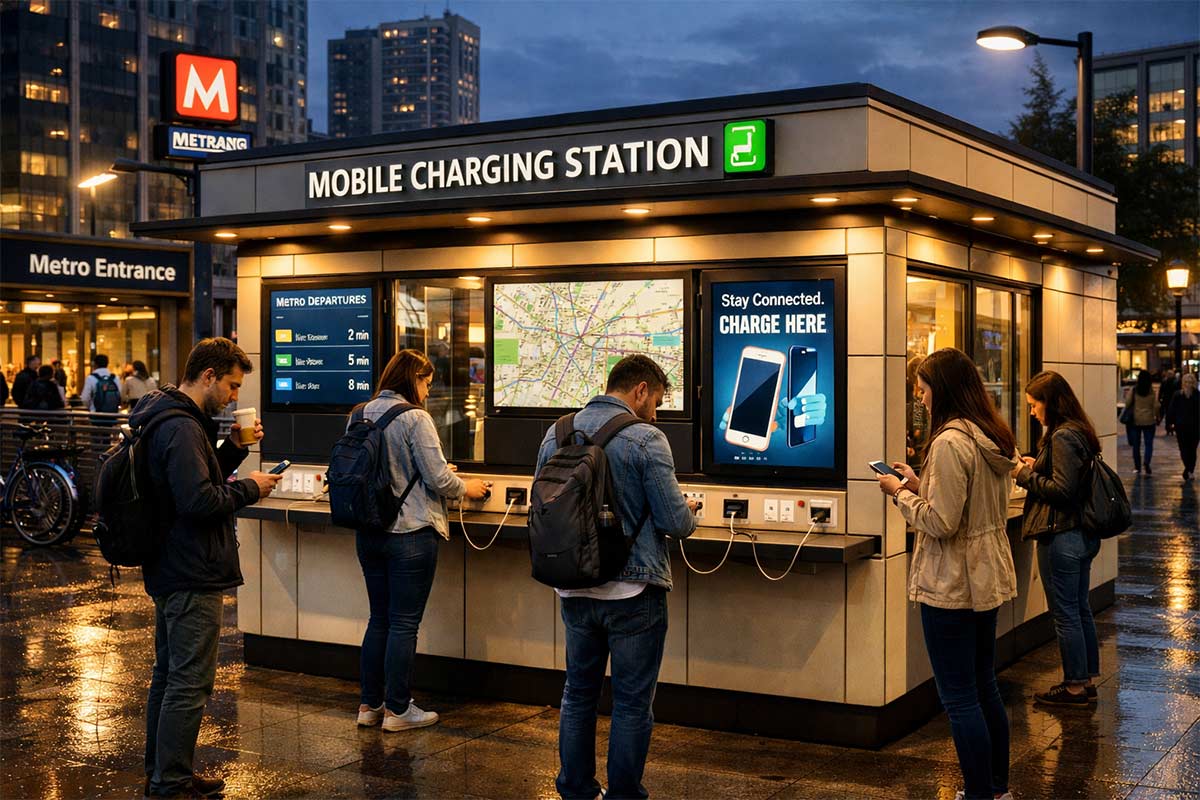
- Branding panels and digital display zones
The result is a structure that feels intentional, not improvised. Users are more likely to trust and use a kiosk that looks solid, professionally built, and thoughtfully designed. For operators, this translates into longer dwell times and higher engagement with any additional services offered.
Beyond Charging: Additional Functions That Define the “Future Kiosk”
What truly makes mobile charging stations the kiosks of the future is their ability to host multiple functions within the same footprint. Charging becomes the entry point, not the end goal.
Common add-on functions include:
- Digital advertising screens for local brands or events
- Wi-Fi hotspots and QR-based information access
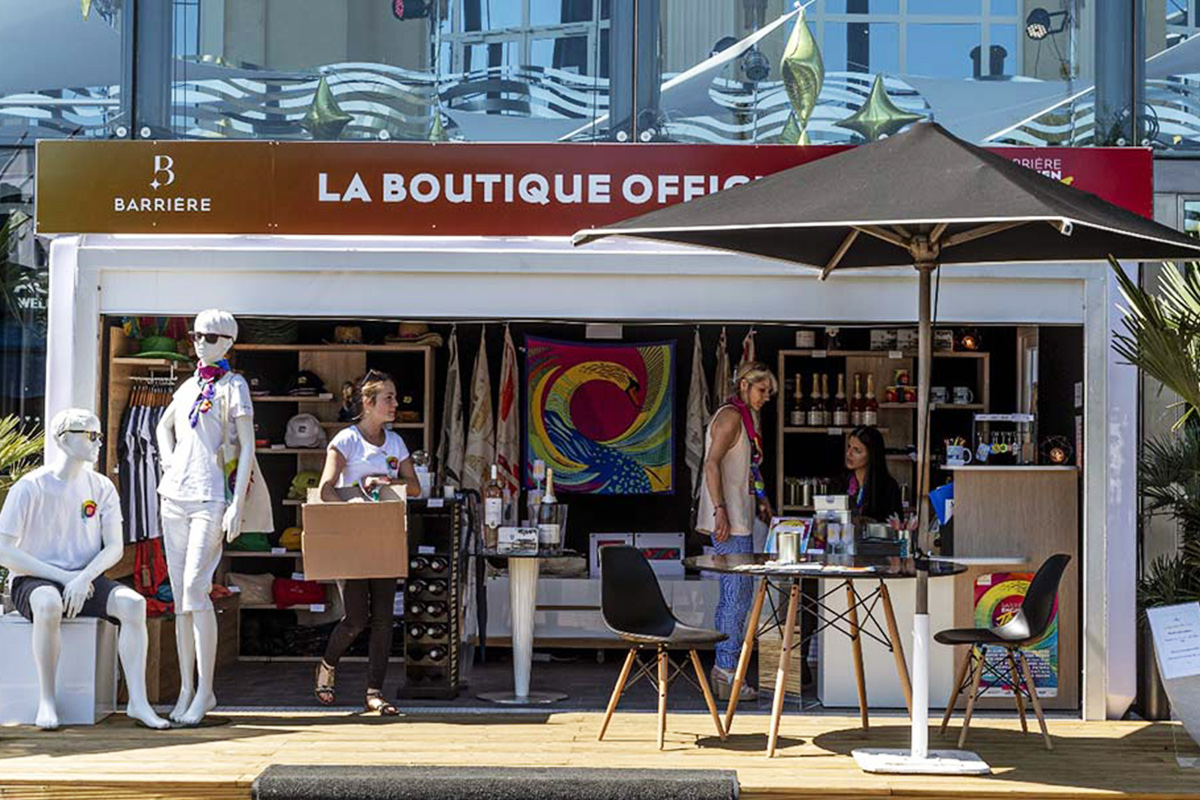
- Small retail or vending modules
- Ticketing, wayfinding, or city information panels
By combining these features, operators can transform a passive service point into an active micro-hub. This model is particularly attractive for municipalities, shopping mall operators, event organizers, and transport authorities looking to improve user experience without major infrastructure investments.
Commercial Value for Brands and Operators
From a business standpoint, future-ready charging kiosks open multiple revenue channels. Advertising space alone can offset installation and operational costs. When combined with sponsorships, data insights, or integrated retail, these kiosks can become profitable assets rather than cost centers.
Brands also benefit from visibility in moments when users are stationary and attentive. Someone waiting for their phone to charge is far more receptive to messaging than someone passing by at speed. This creates a unique marketing window that traditional outdoor advertising often fails to capture.
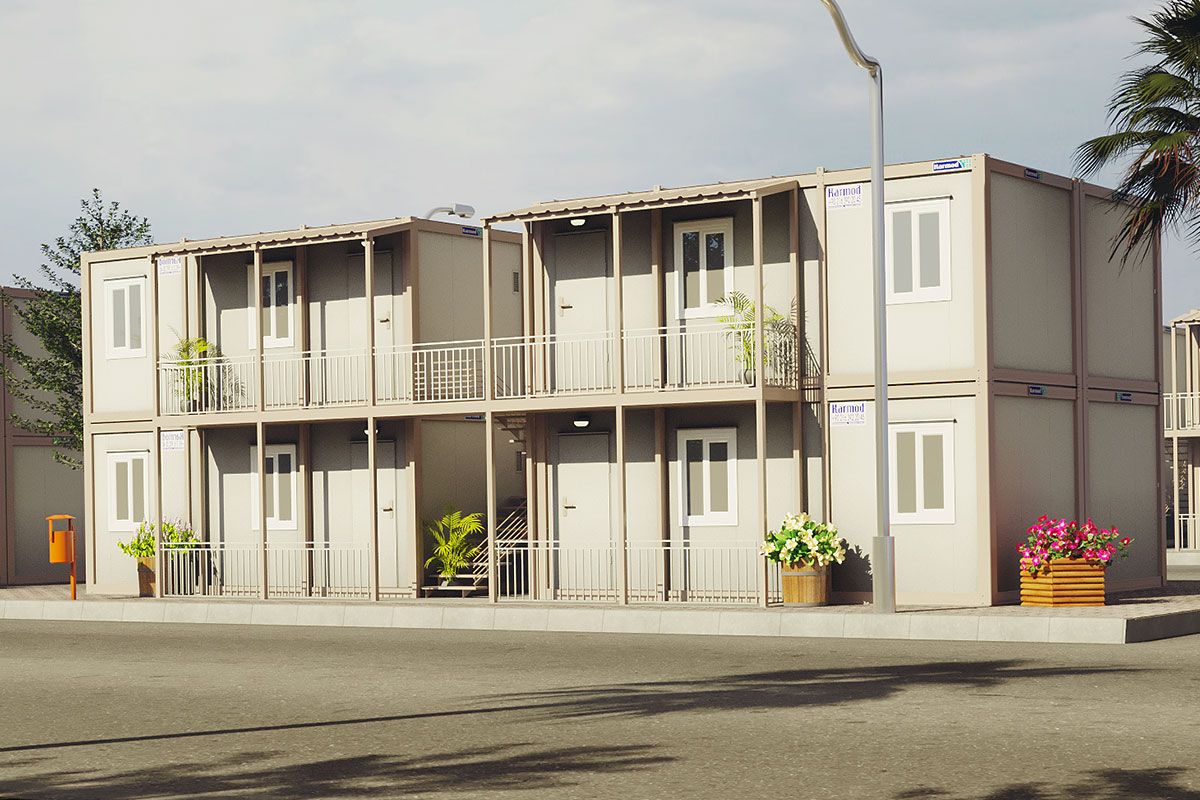
For operators in the prefab and container construction sector, this trend represents a growing demand for customizable, fast-deployable kiosk structures that balance aesthetics, durability, and smart technology integration.
The Role of Modular and Container Construction in Scaling These Kiosks
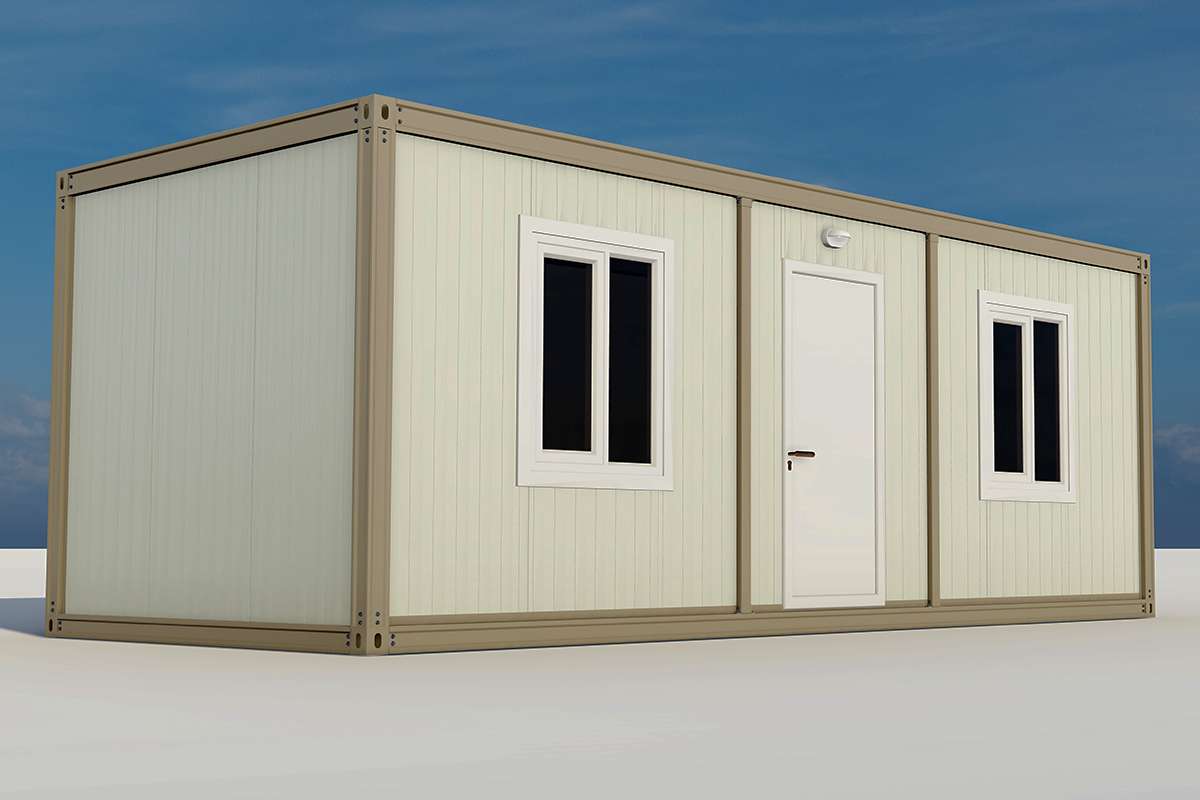
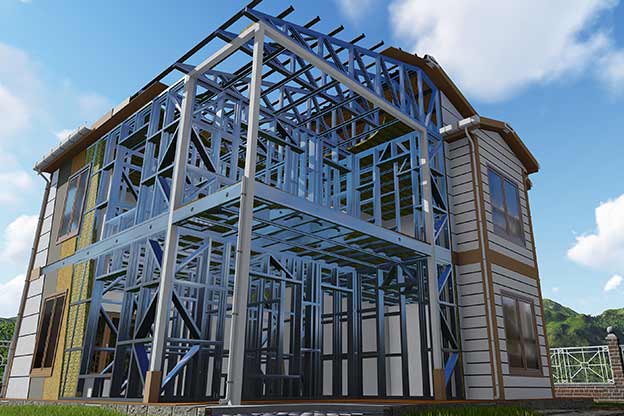
Scalability is one of the biggest challenges in urban infrastructure projects. Modular and container-based construction directly addresses this issue. Once a charging kiosk model is designed and optimized, it can be reproduced consistently, shipped easily, and installed with minimal site preparation.
This approach ensures:
- Predictable costs
- Faster deployment timelines
- Easier maintenance and upgrades
- Visual consistency across different locations
For cities expanding their smart infrastructure or companies rolling out branded kiosk networks, modular construction provides a level of control that traditional on-site builds struggle to match.
What This Means for the Future of Public Infrastructure
Mobile charging stations are no longer just accessories. They are becoming micro-architecture elements that shape how people interact with public spaces. As expectations for connectivity, convenience, and sustainability continue to rise, these kiosks will play an increasingly visible role in urban life.
For decision-makers, the key question is no longer whether to offer charging, but how to do it in a way that adds value, supports branding, and adapts to future needs. Well-designed, modular charging kiosks provide a clear answer, combining function, flexibility, and long-term return in a single compact structure.
For companies operating in the prefab and container solutions space, this evolution represents not a trend, but a strategic opportunity waiting to be built.
Transform Charging Stations into Strategic Urban Assets
Mobile charging stations no longer have to remain simple utility points. When designed as modular or container-based kiosks, they can become strategic assets that combine user convenience, brand visibility, and long-term commercial value. Whether your goal is to enhance public spaces, launch branded kiosk networks, or create flexible service points, the right structure makes all the difference.
If you are exploring next-generation kiosk solutions that are fast to deploy, durable, and tailored to real-world usage, this is the right moment to take the next step. A well-planned charging kiosk today can define how users interact with your space tomorrow. Reach out to discuss design options, customization possibilities, and practical use cases that align with your project goals.