





Austria has long been recognized for its engineering discipline, regulatory rigor, and strong commitment to sustainable development. In recent years, these characteristics have directly influenced how construction projects are planned and delivered across the country. As labor availability tightens and timelines become more critical, modular buildings and prefabricated building solutions have emerged as practical, scalable alternatives for both public and private sector projects in Austria.
Rather than focusing on short-term construction trends, Austrian decision-makers increasingly evaluate building systems based on lifecycle cost, regulatory compliance, and speed of deployment. In this context, industrialized construction methods provide measurable advantages without compromising quality or safety standards.
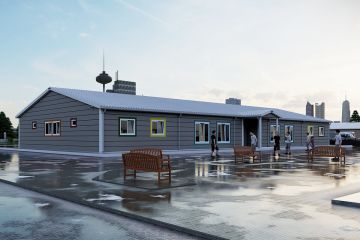
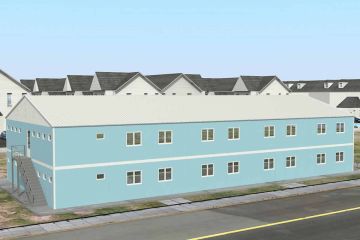
Why Modular Buildings Are in High Demand in Austria
One of the main drivers behind the growing adoption of modular buildings in Austria is rising labor costs. Skilled construction labor is limited, and conventional on-site methods often struggle to meet schedules without cost overruns. Factory-based production significantly reduces on-site labor requirements while ensuring consistent quality control.
Construction timelines are another decisive factor. Infrastructure projects, industrial expansions, and public facilities frequently operate under strict deadlines. Modular systems enable parallel workflows—factory production and site preparation progress simultaneously—shortening total project duration compared to traditional construction.
Austria also presents a balanced demand for both temporary and permanent structures. Temporary facilities are commonly required for infrastructure upgrades, energy projects, and seasonal operations, while permanent modular and prefabricated solutions are increasingly used for long-term industrial and administrative buildings.
Sector-specific demand further strengthens this trend. Logistics hubs serving Central Europe, manufacturing facilities in Upper Austria and Styria, public infrastructure projects, and renewable energy investments all benefit from fast, predictable construction models that align with Austria’s emphasis on efficiency and regulatory compliance.
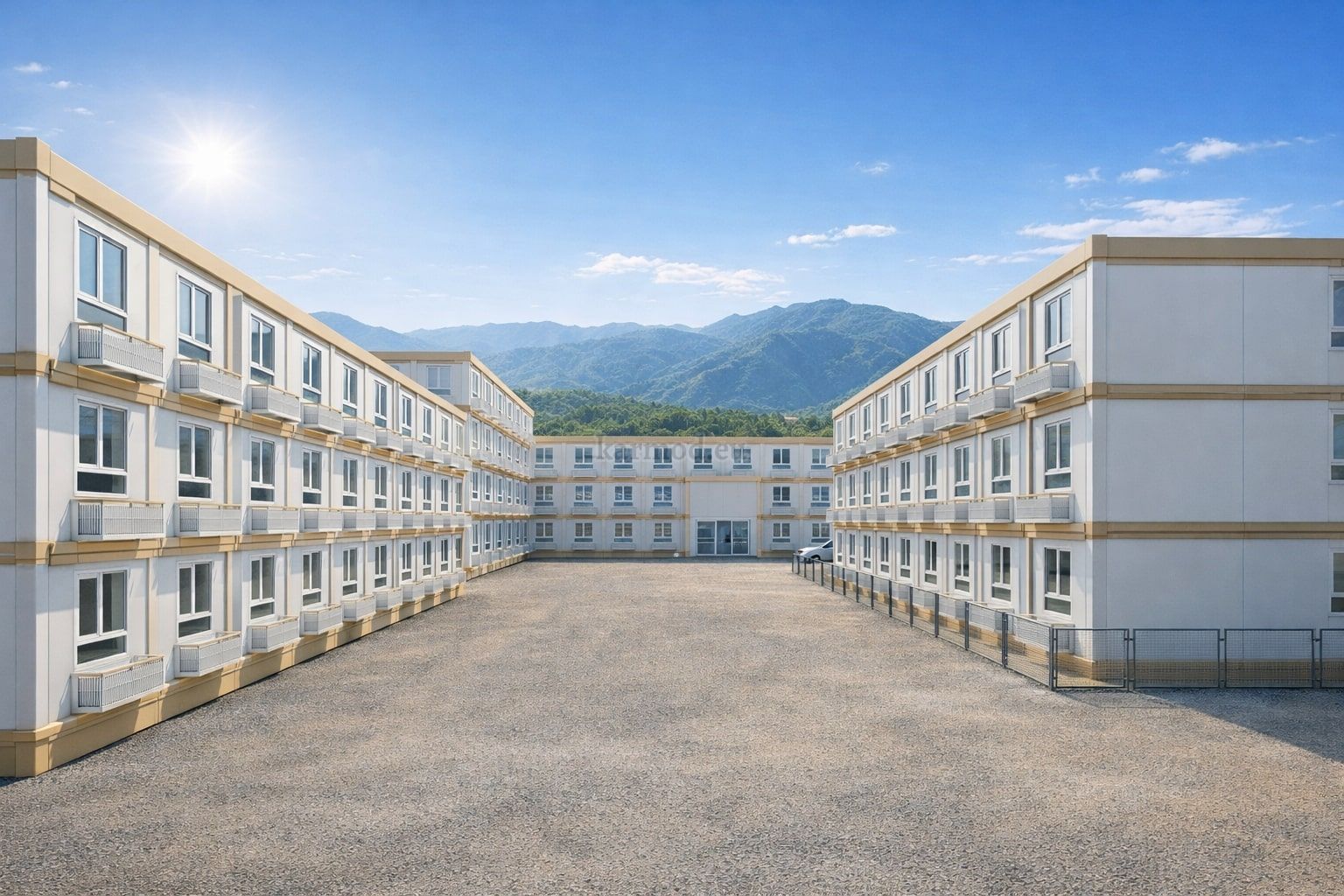
Modular Buildings vs. Prefabricated Building Systems
Although often discussed together, modular buildings and prefabricated building systems serve different operational needs.
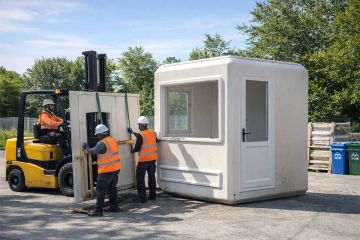
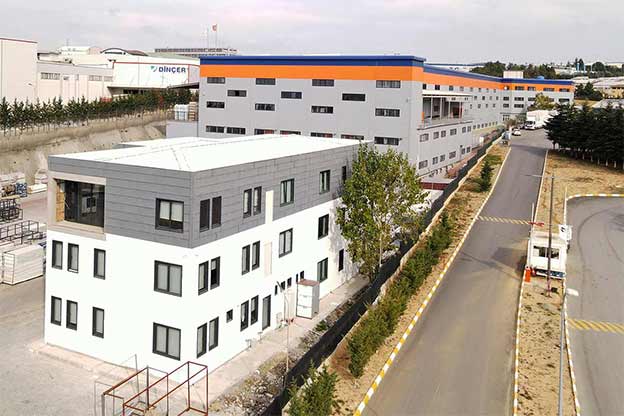
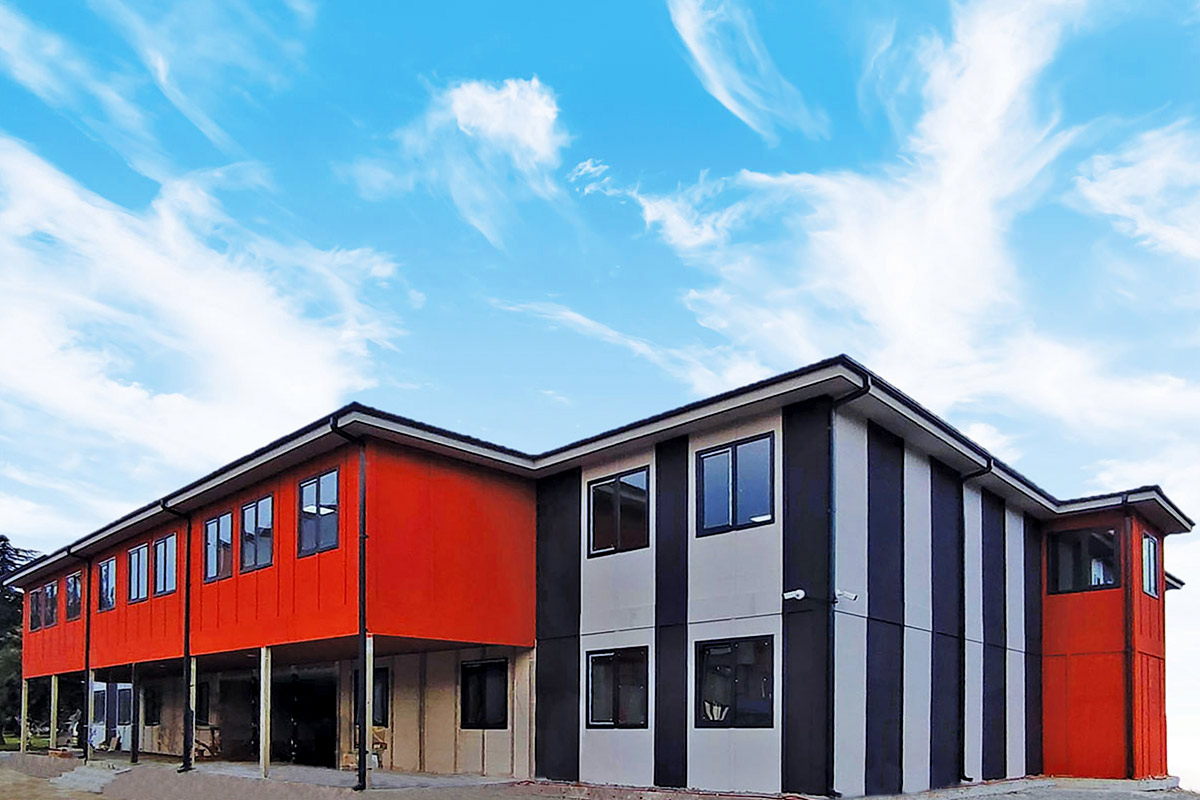
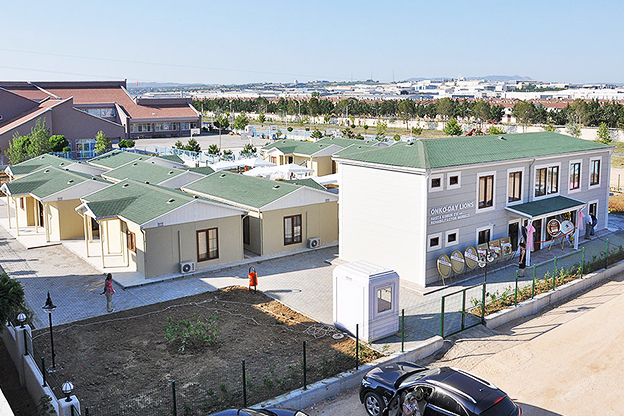
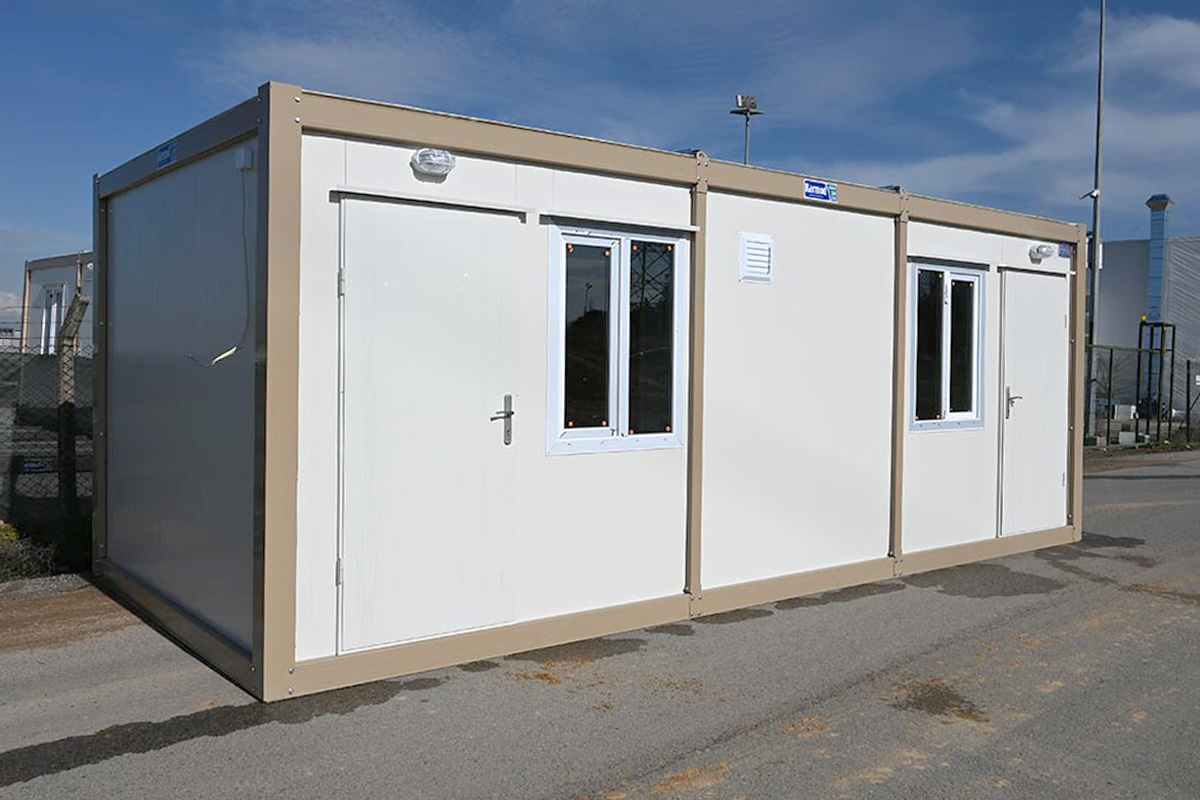
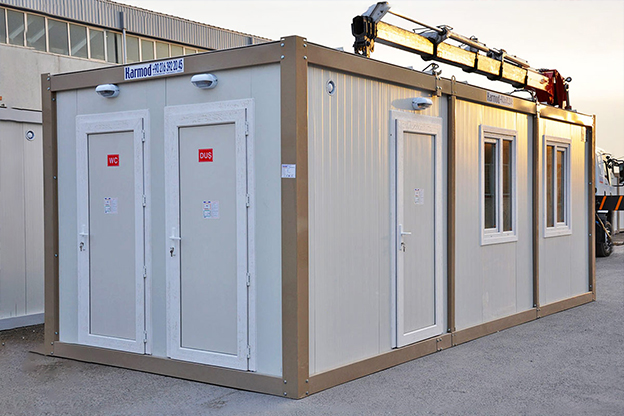
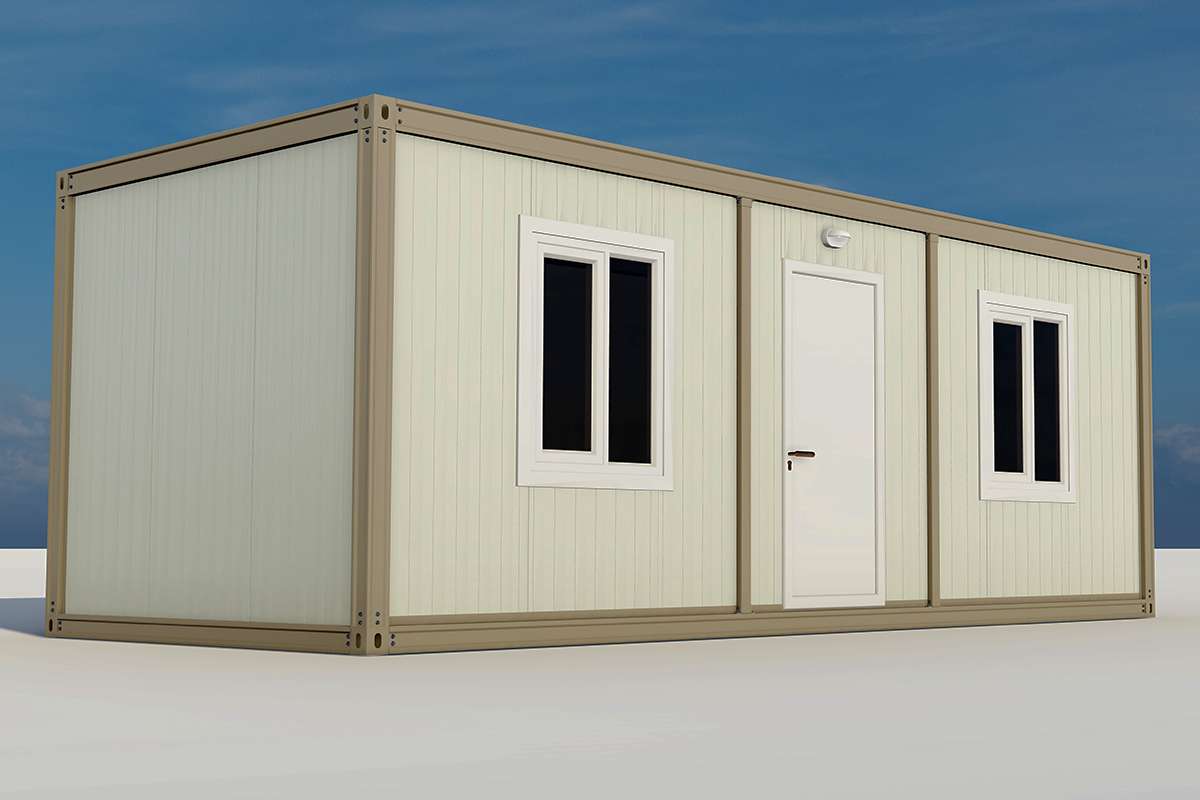
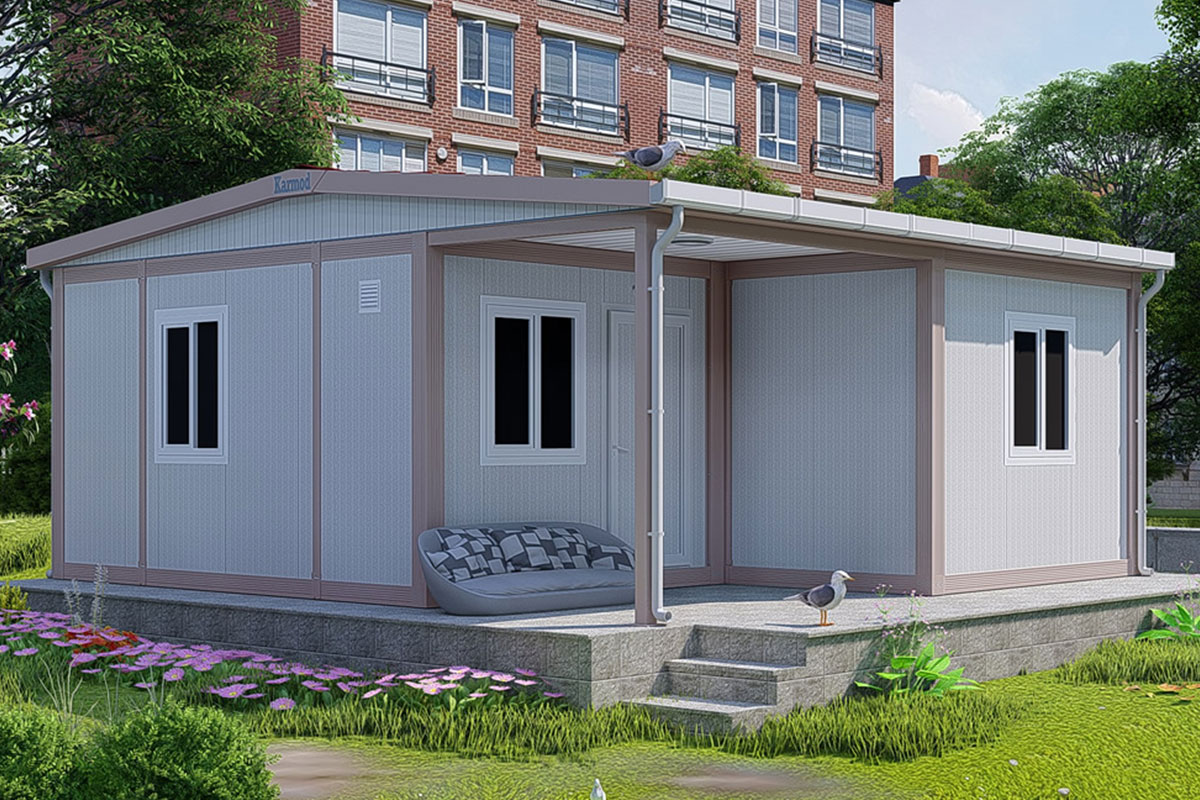
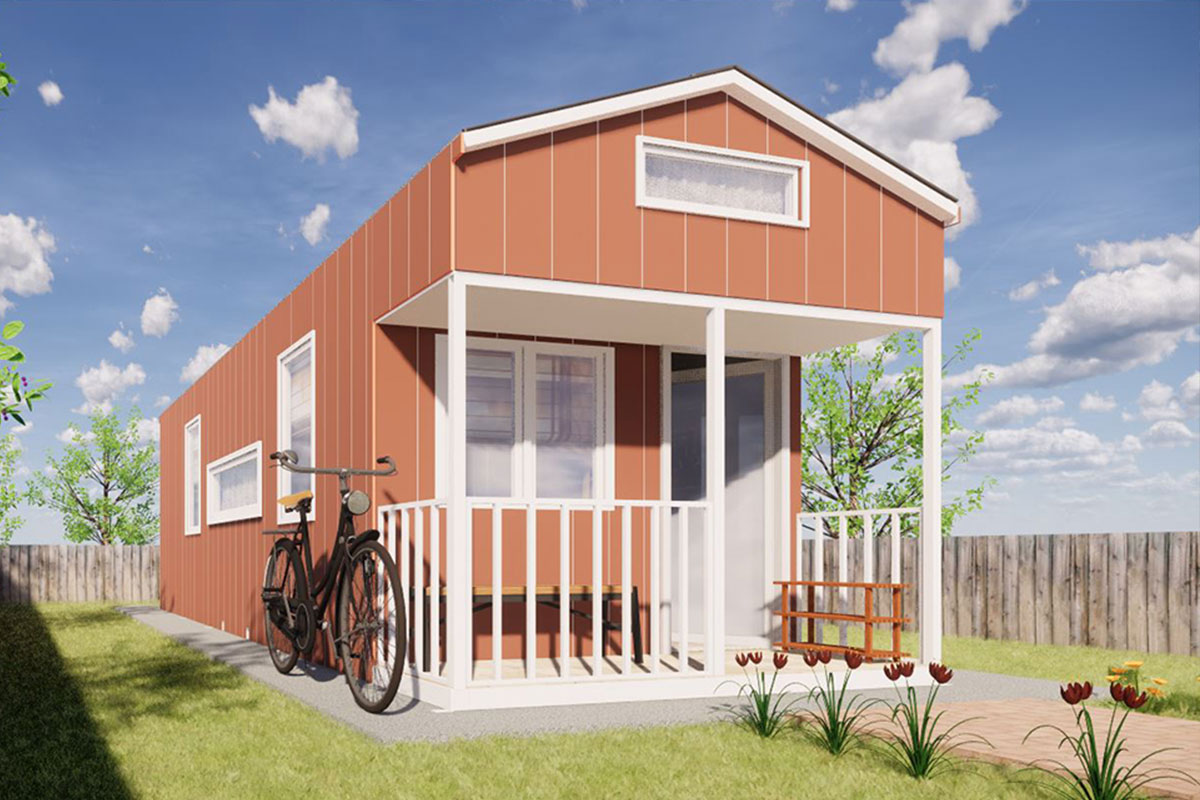
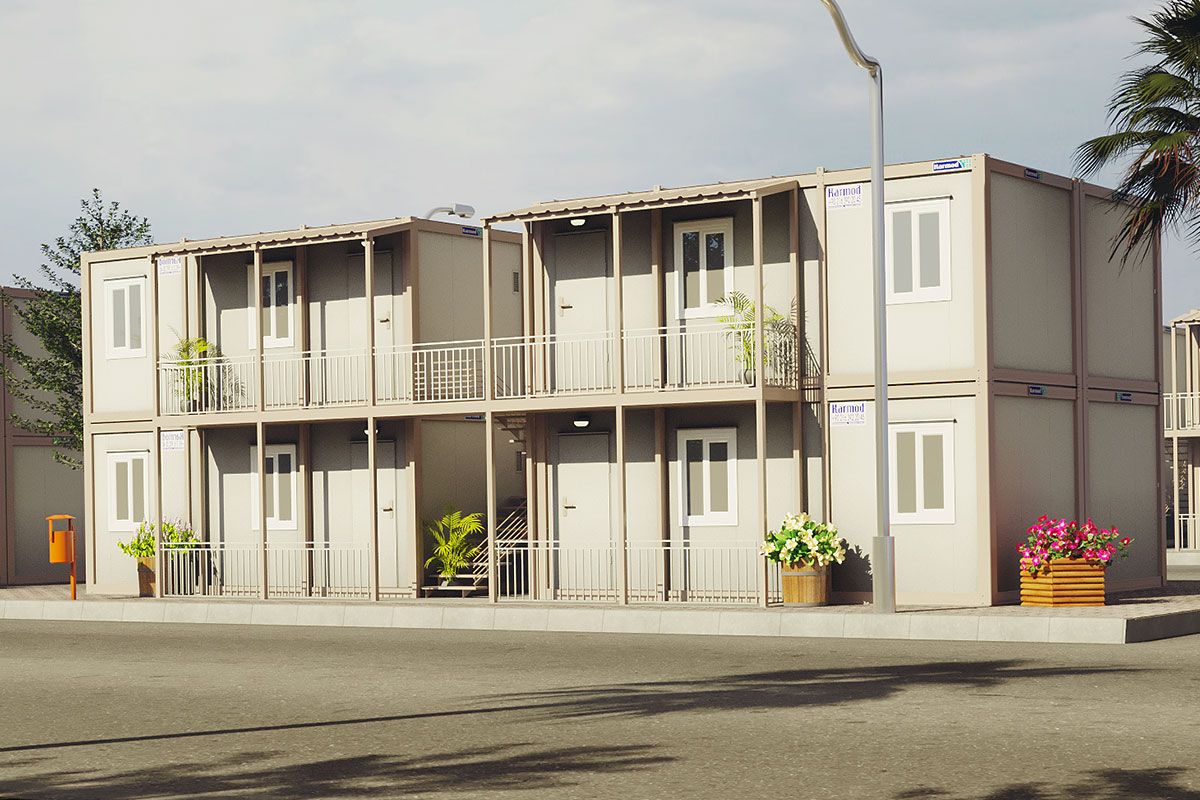
Modular buildings are produced as volumetric units under factory conditions. Each module is structurally complete and can be transported, installed, relocated, or expanded as project requirements evolve. This makes modular systems particularly suitable for projects that require flexibility, phased growth, or potential relocation.
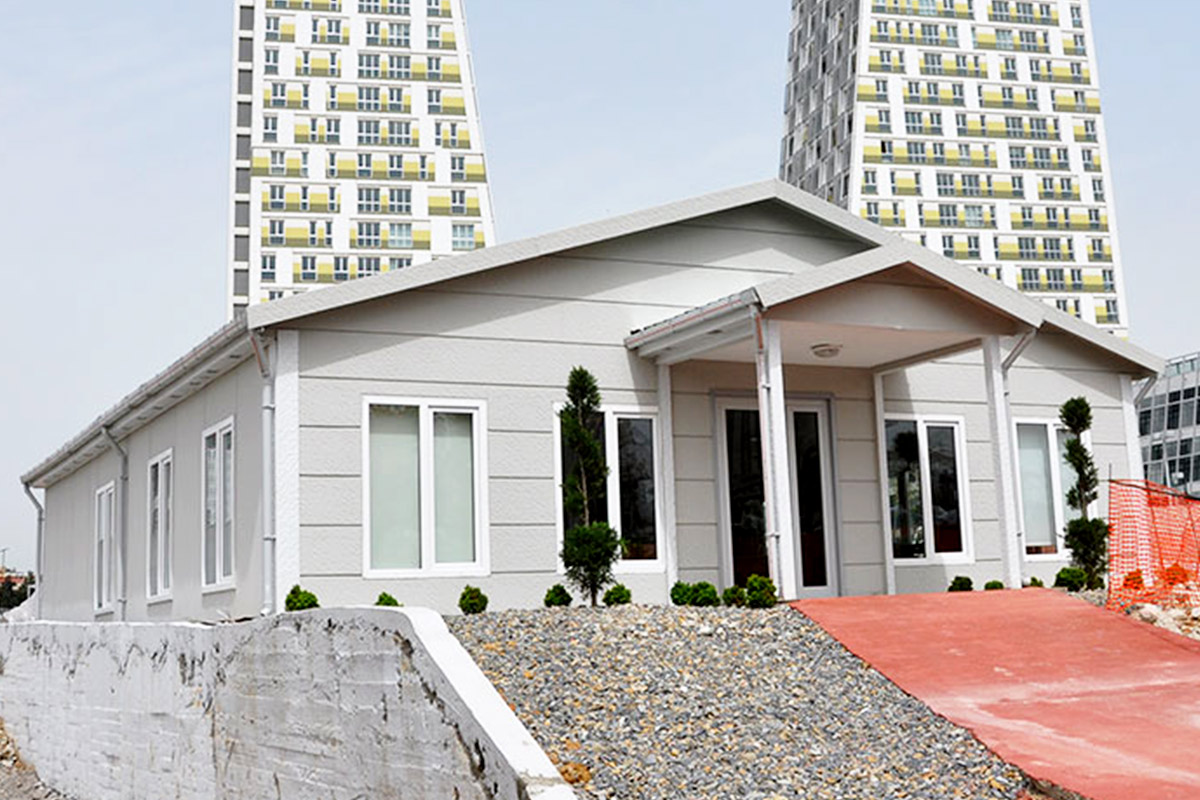
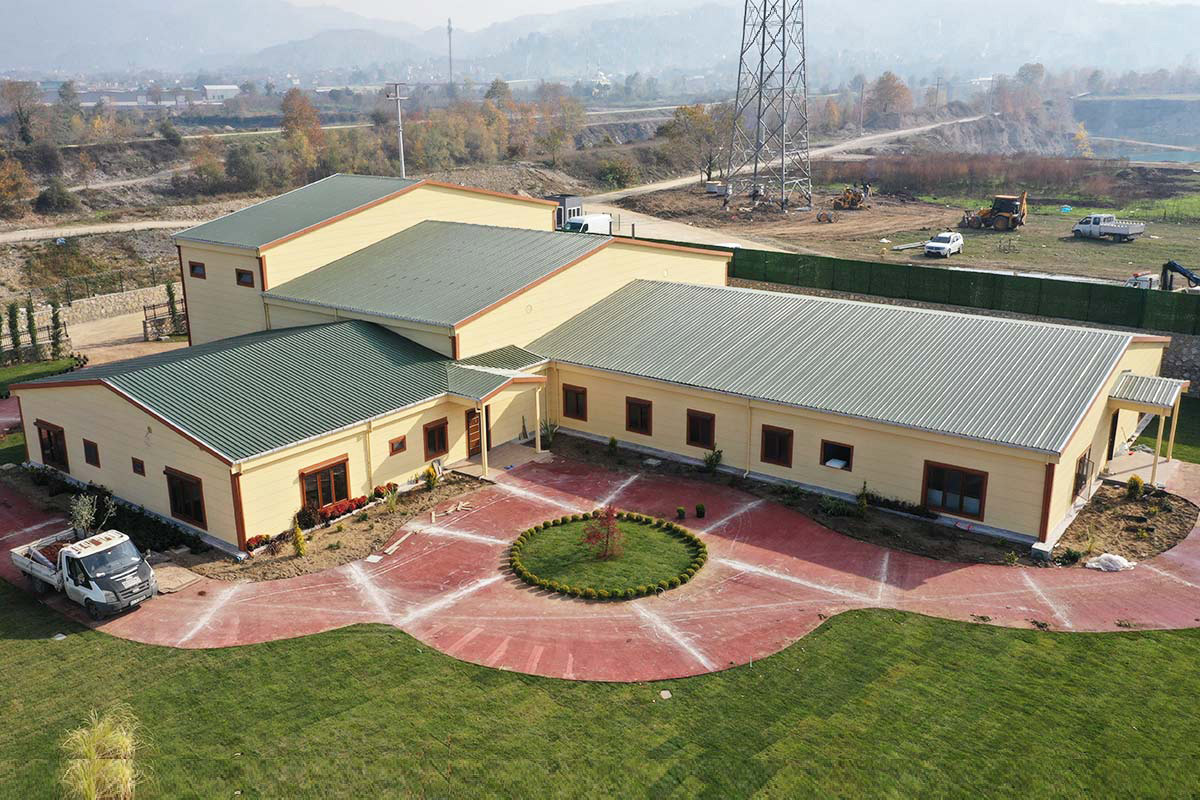
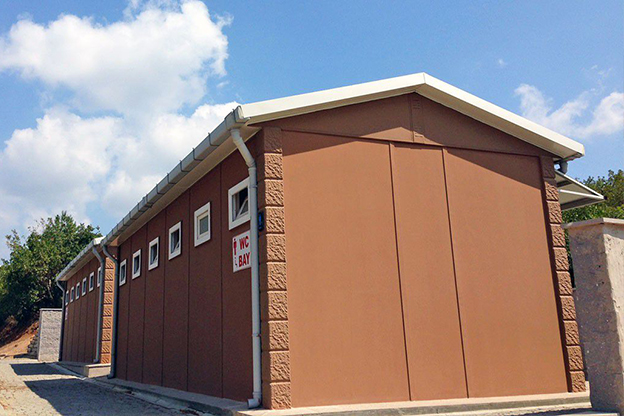
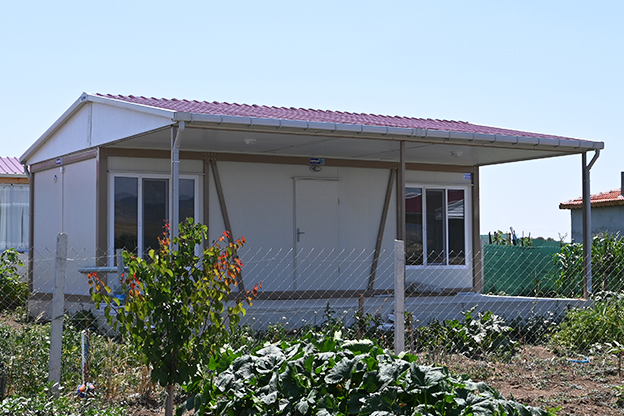
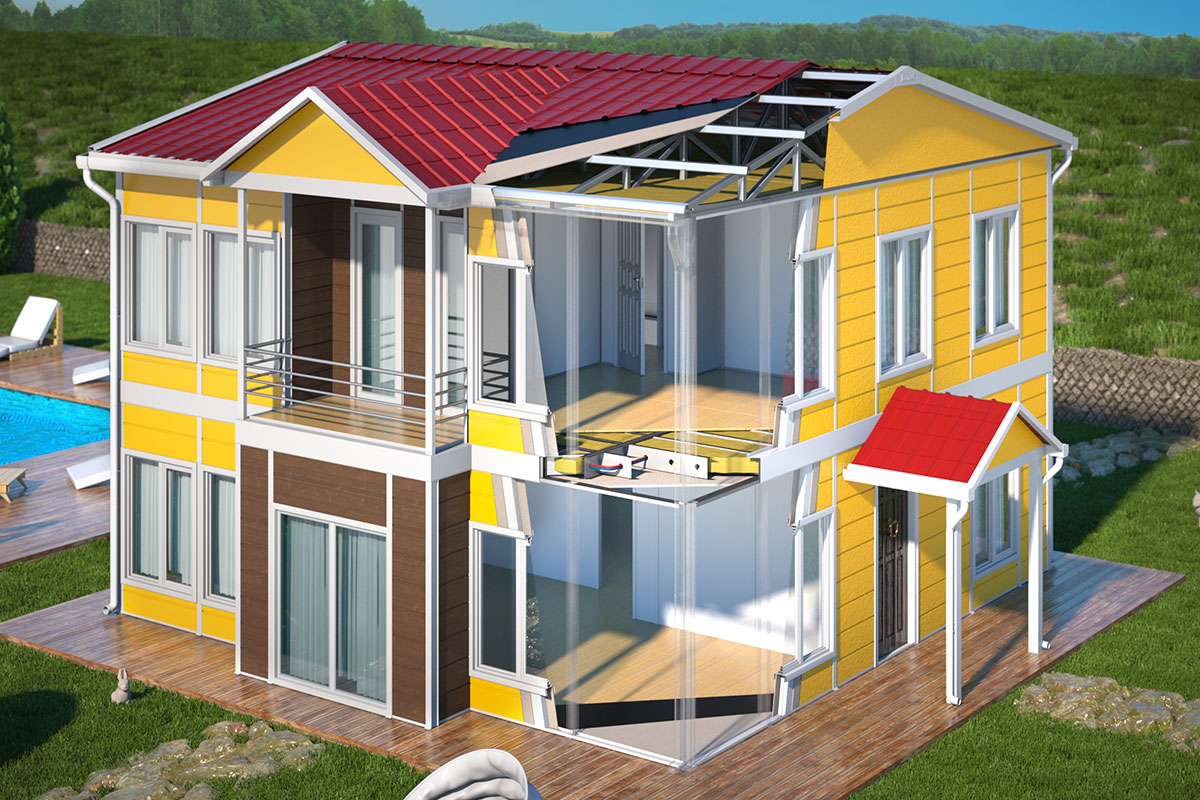
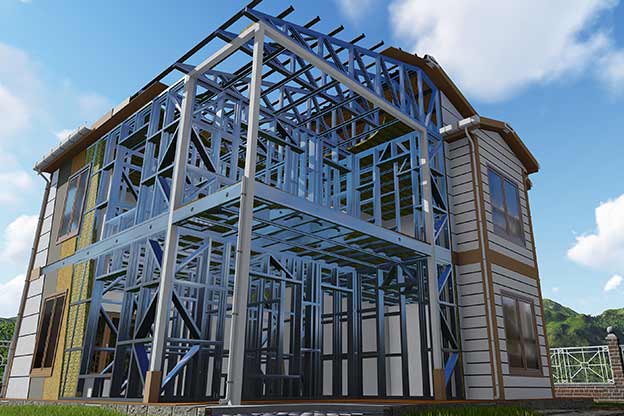
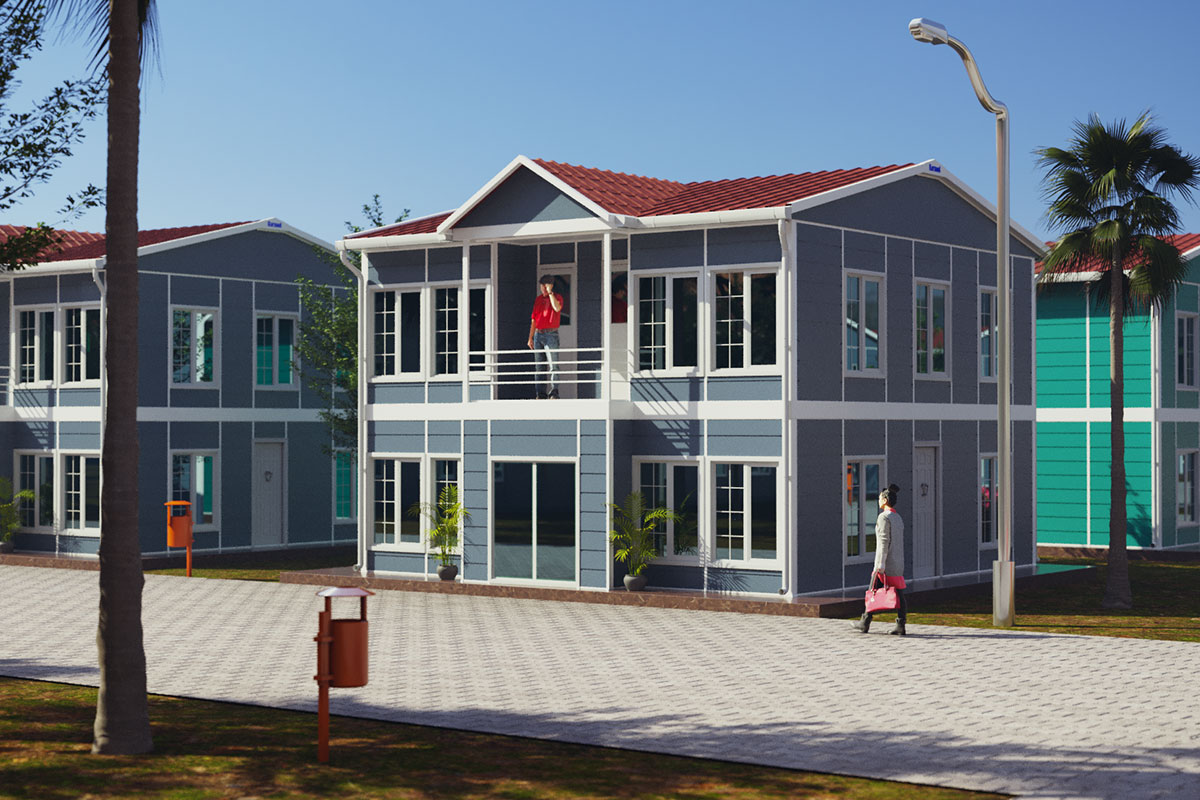
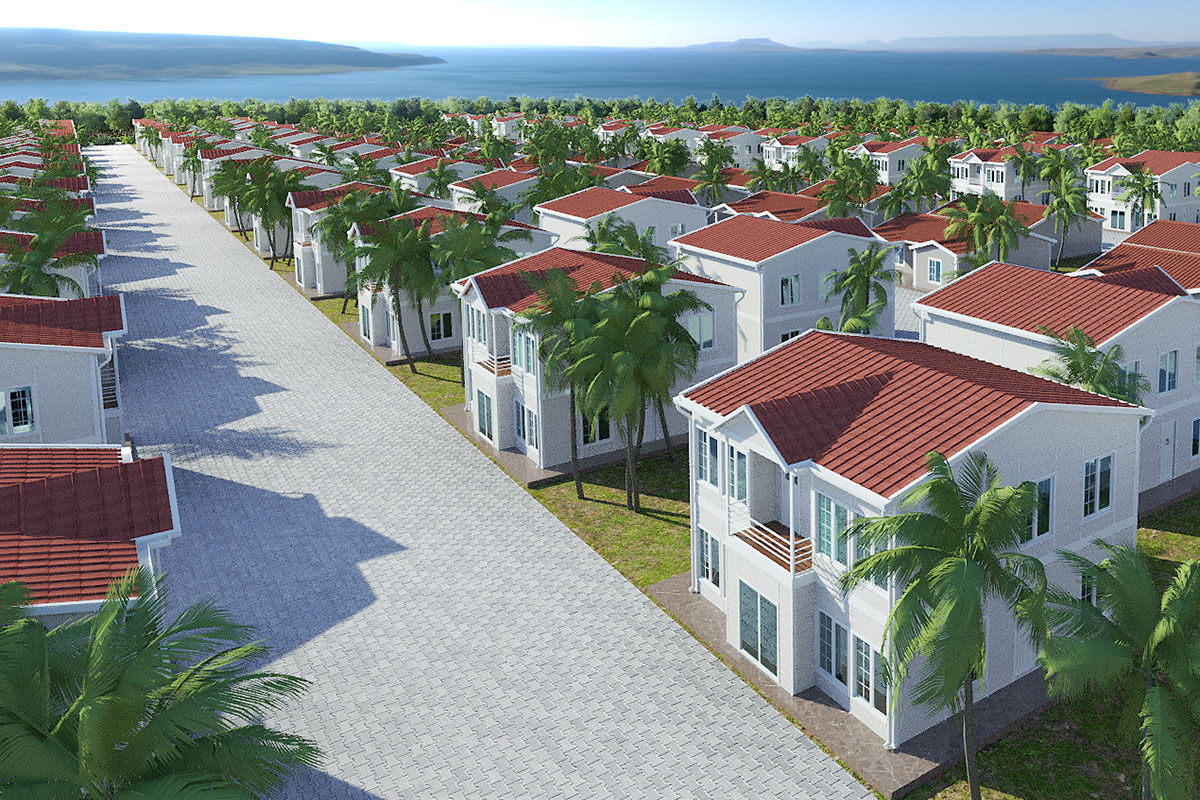
A prefabricated building, by contrast, is typically based on panels or structural components manufactured off-site and assembled permanently on location. These systems are commonly selected for buildings where long-term stability, architectural integration, and fixed land use are priorities.
In Austria, modular buildings are often preferred for temporary schools, workforce accommodation, technical units, and fast-track industrial facilities. Prefabricated building solutions are more frequently chosen for permanent offices, healthcare facilities, and public buildings where long service life and architectural coherence are essential.
The choice between these systems depends largely on project duration, regulatory requirements, and future adaptability.
Applications of Modular and Prefabricated Buildings in Austria
Across Austria, modular and prefabricated building systems are applied in a wide range of professional environments:
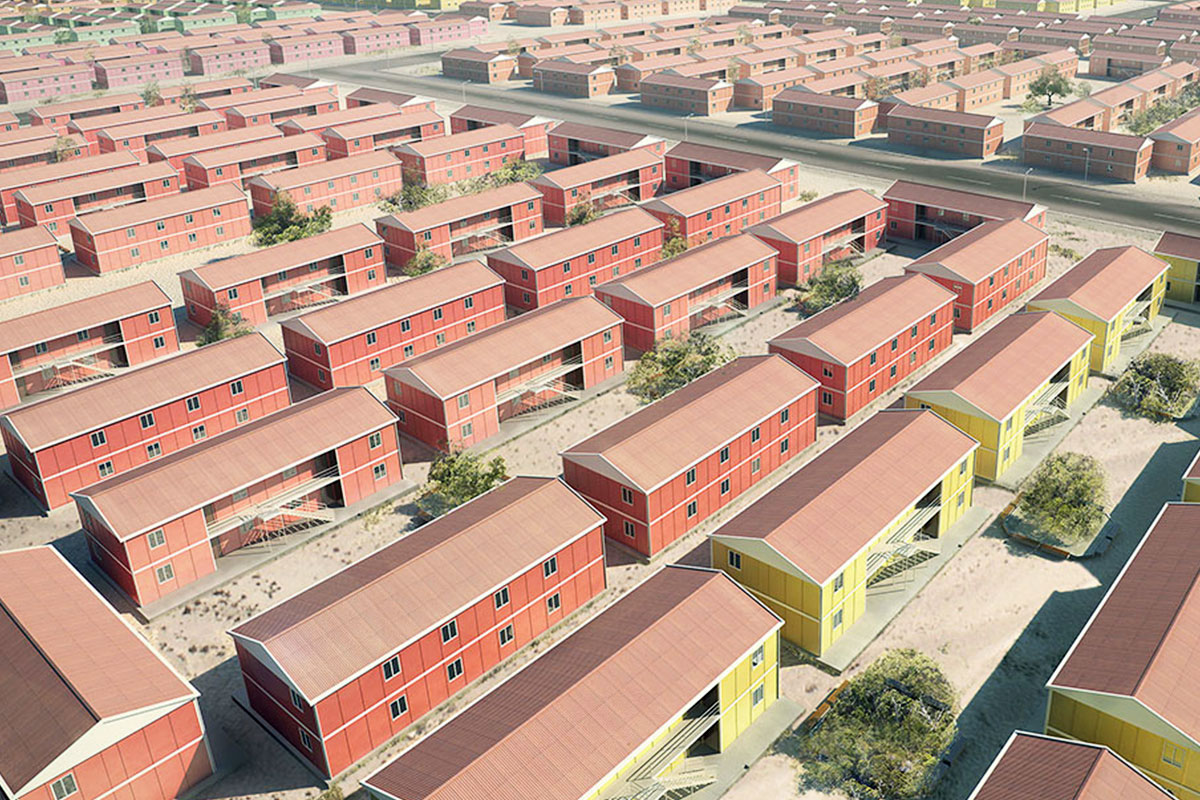
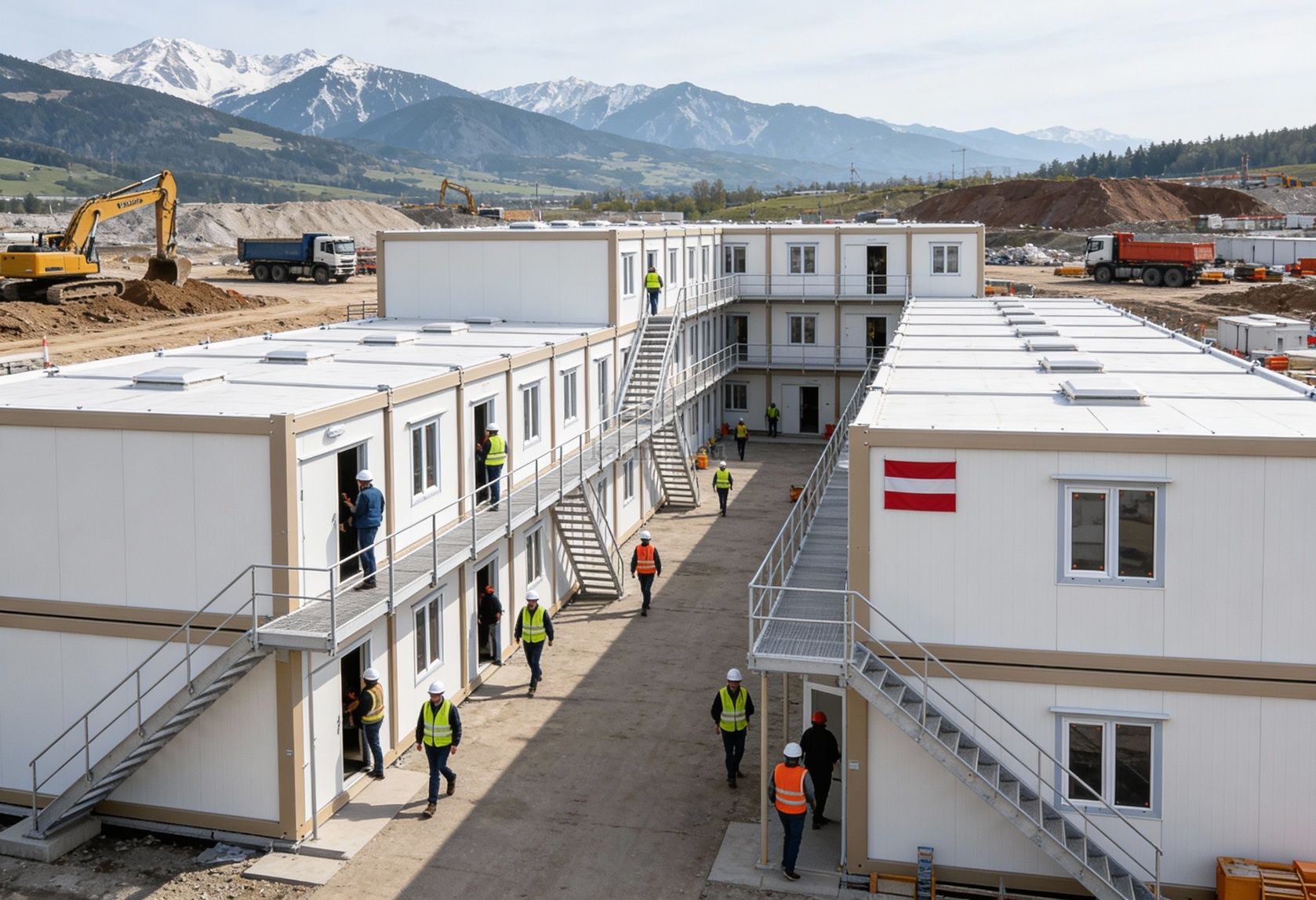
- Site offices & construction camps supporting infrastructure, tunnel, and railway projects
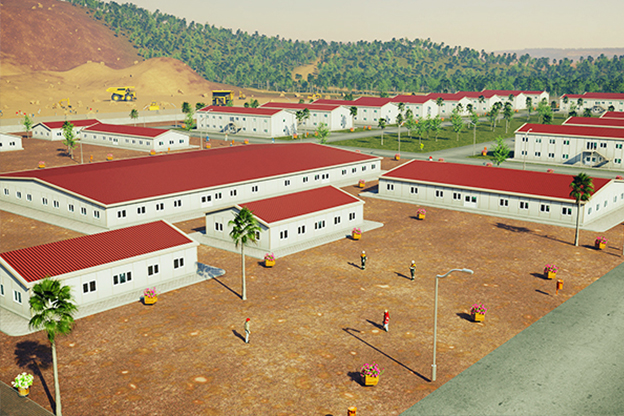
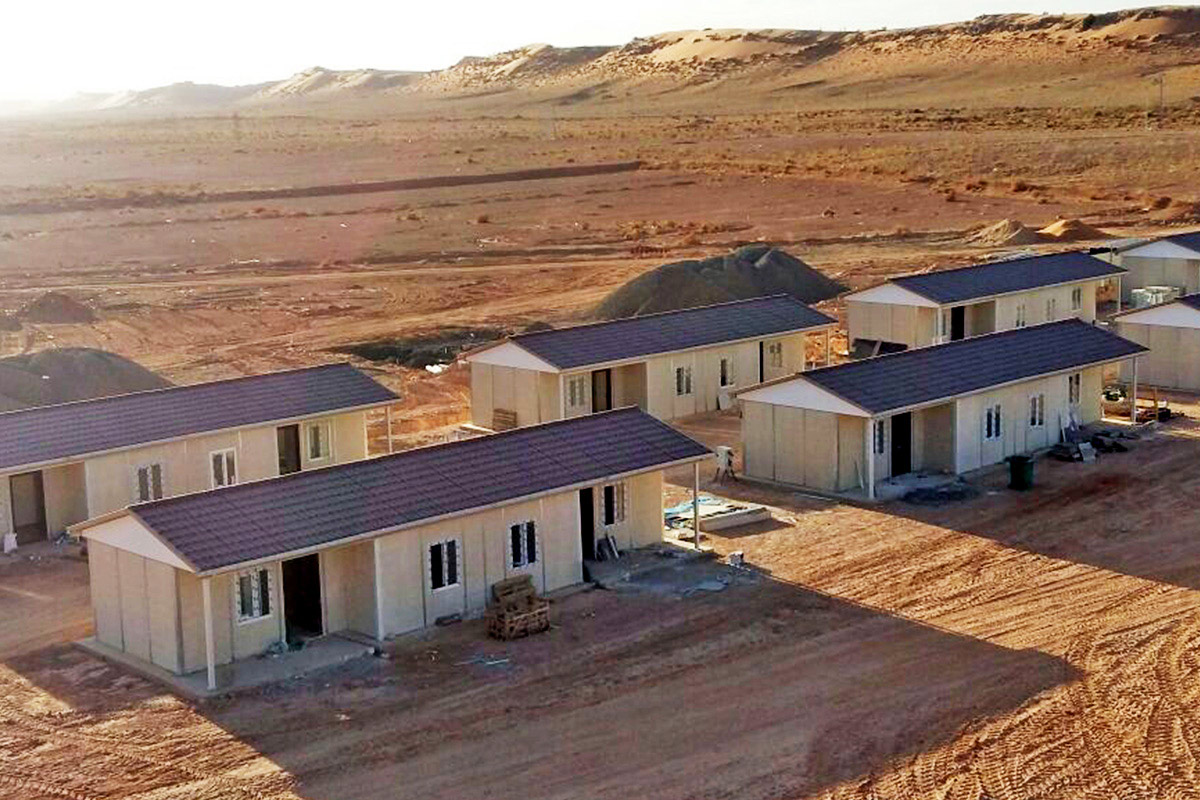
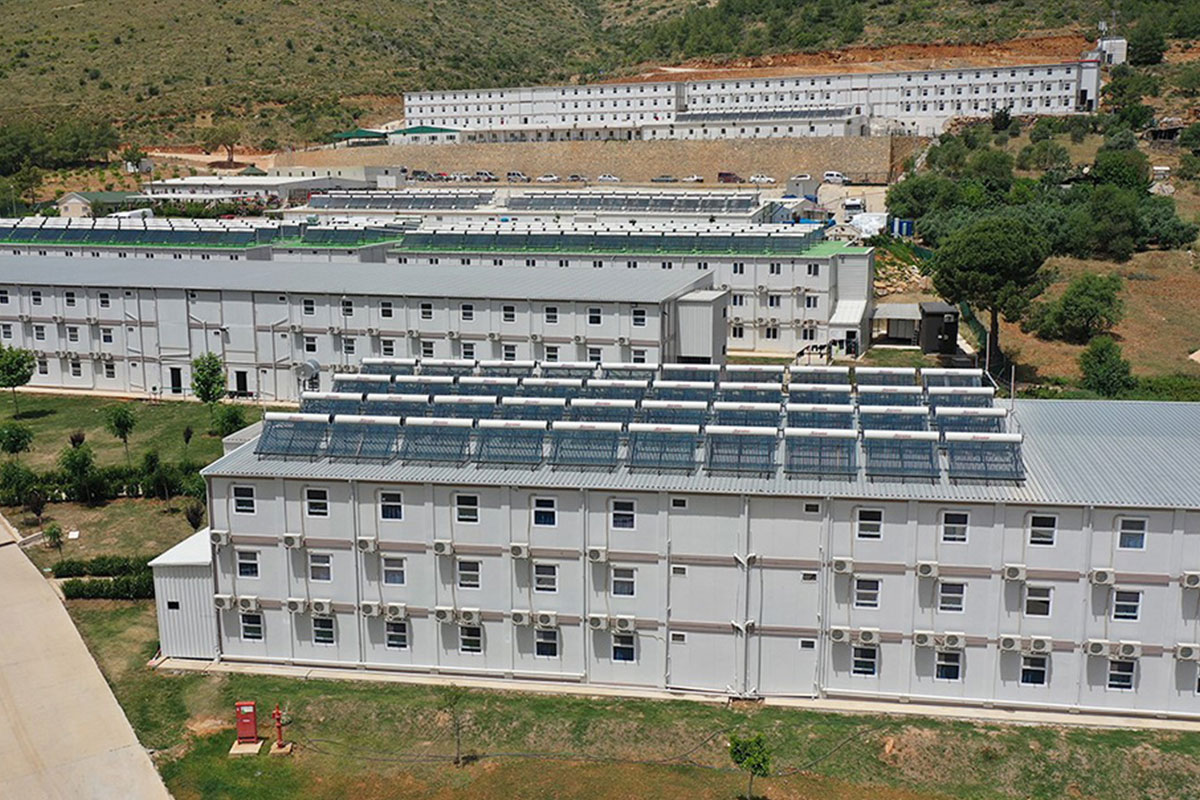
- Worker accommodation buildings for industrial zones, energy facilities, and seasonal operations
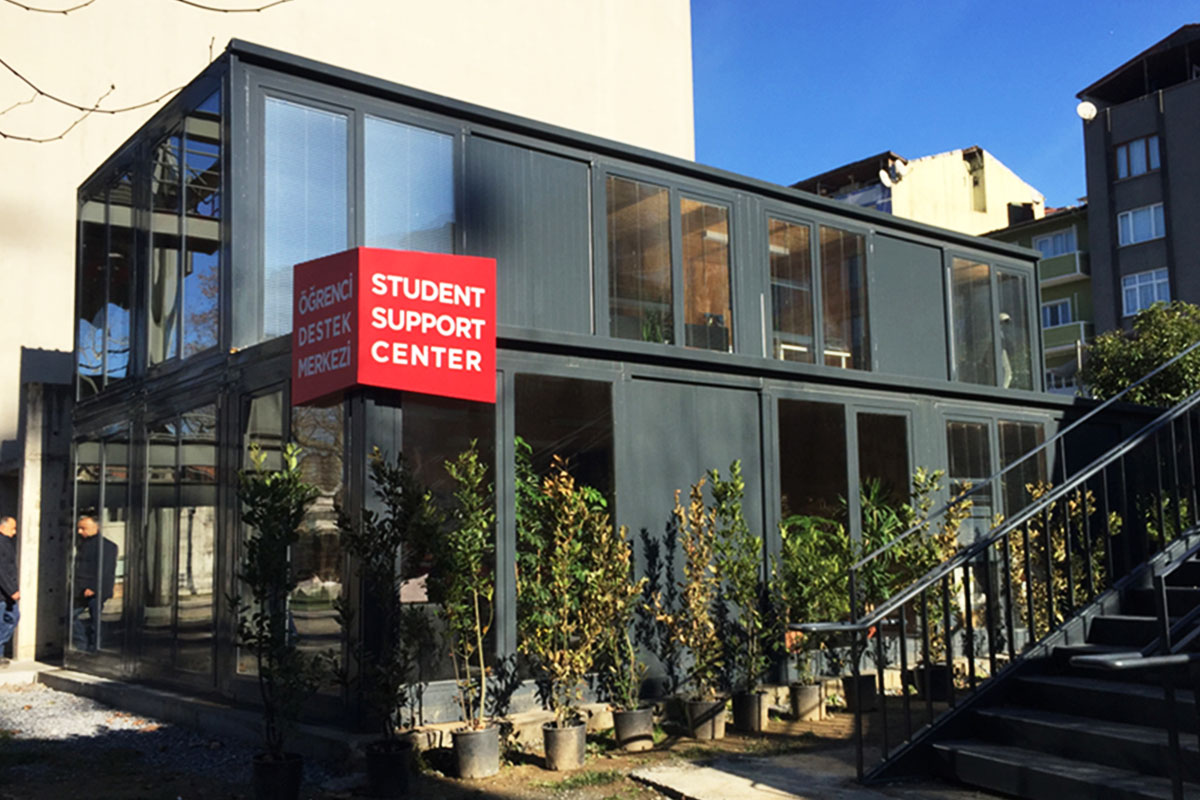
- Temporary schools & healthcare units addressing capacity needs during renovations or demographic shifts
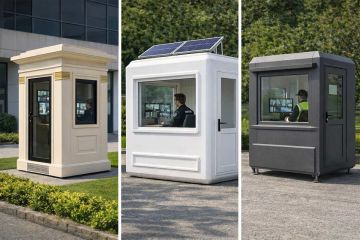
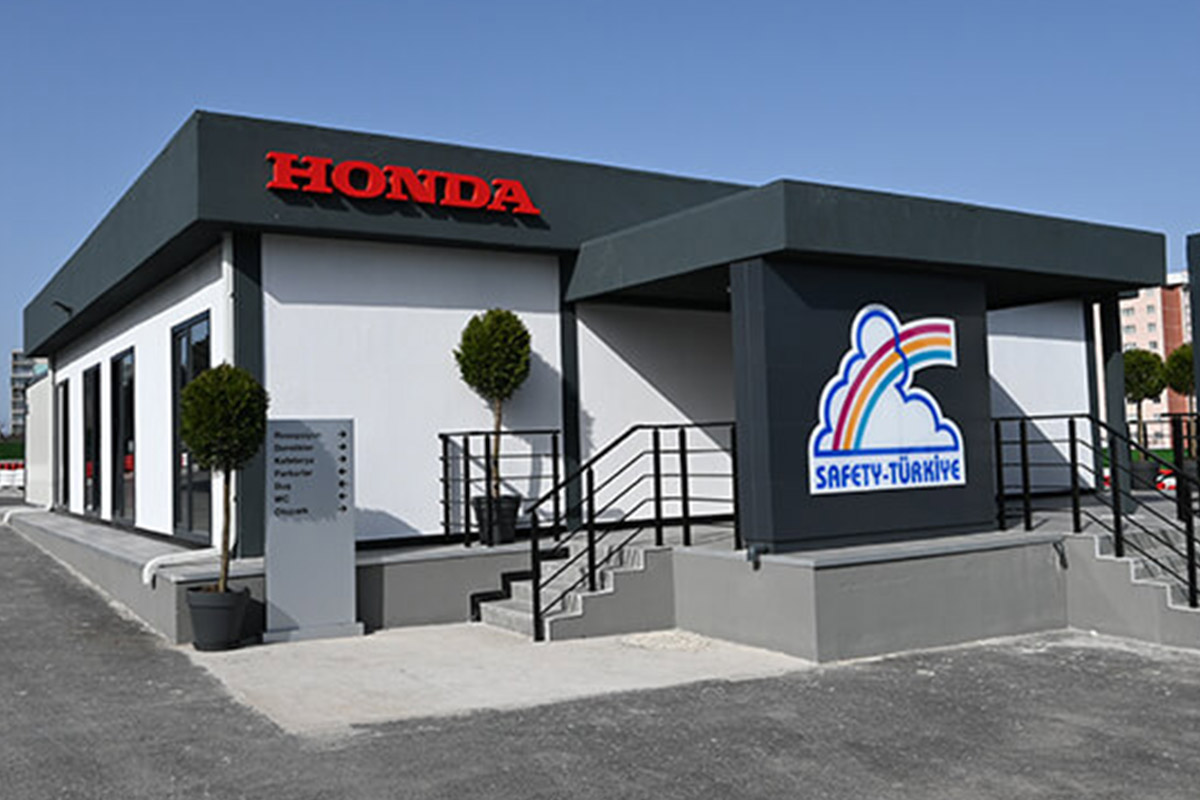
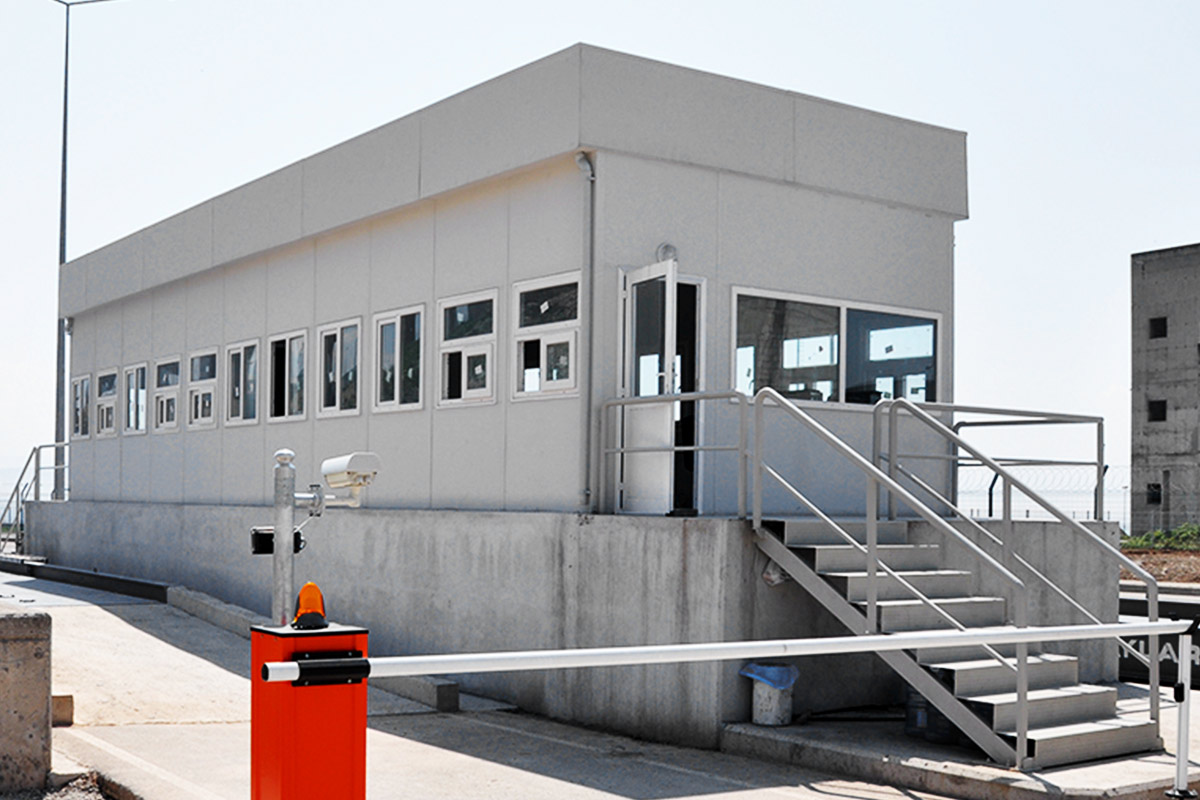
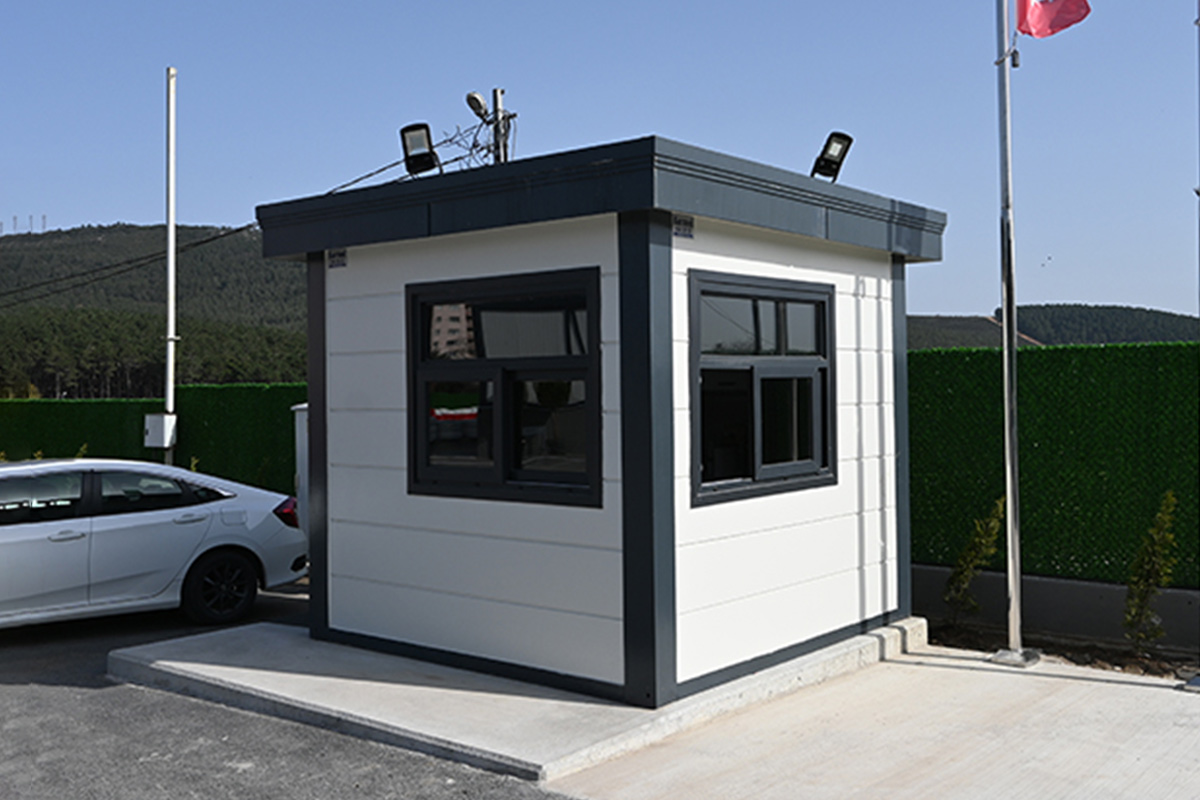
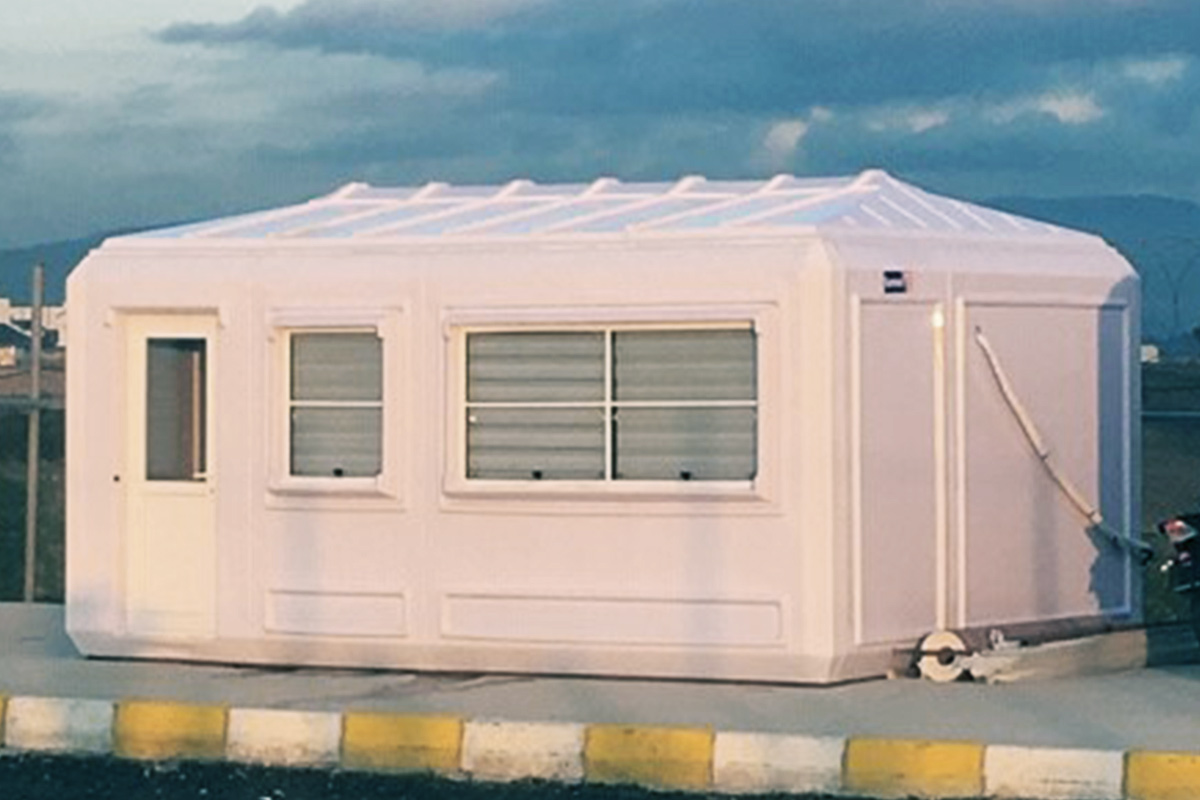
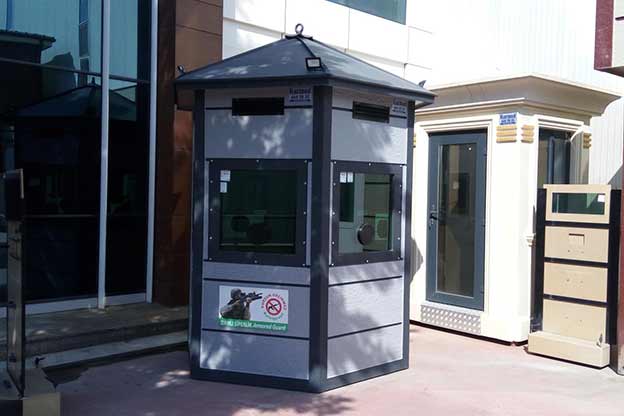
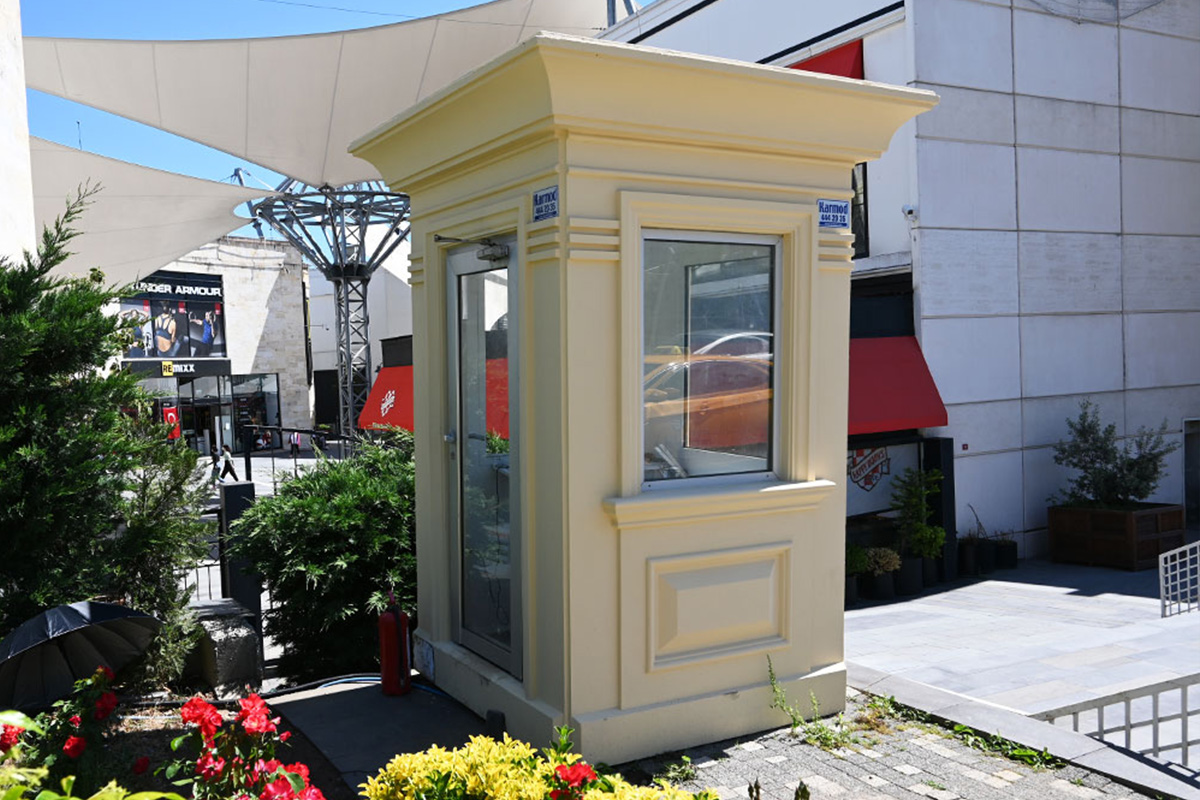
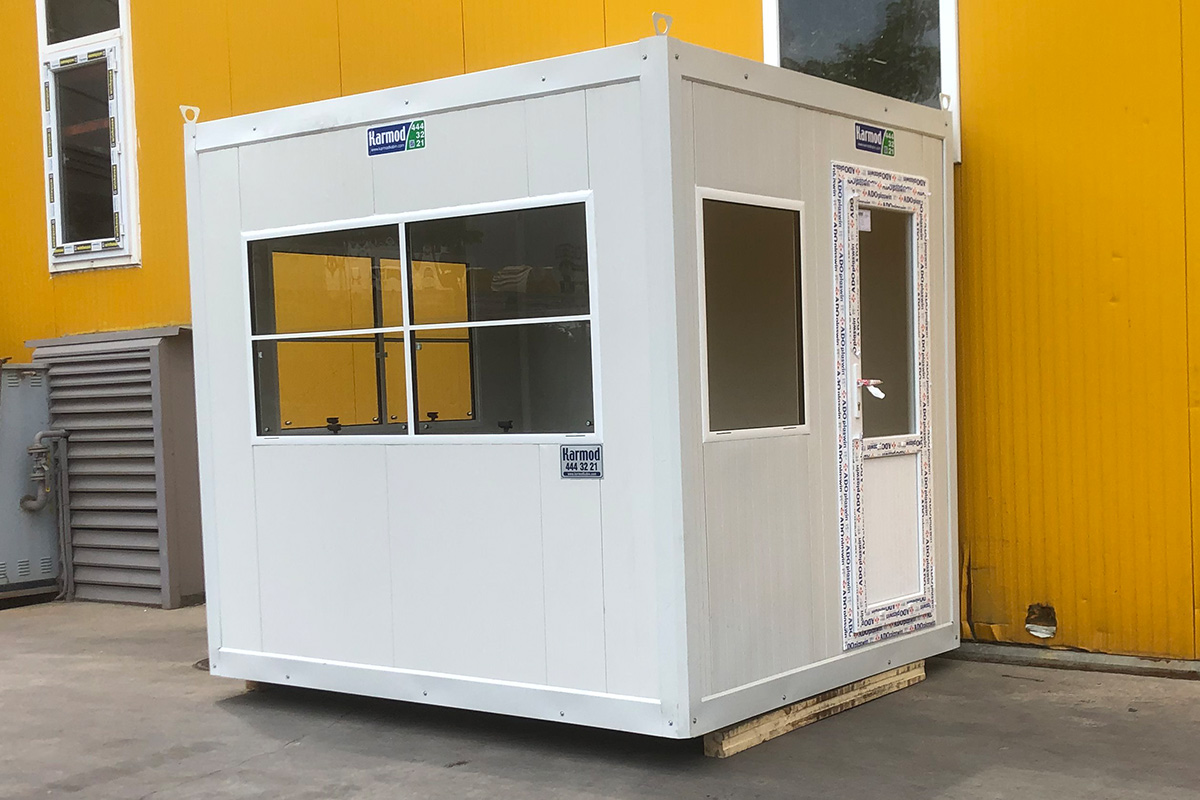
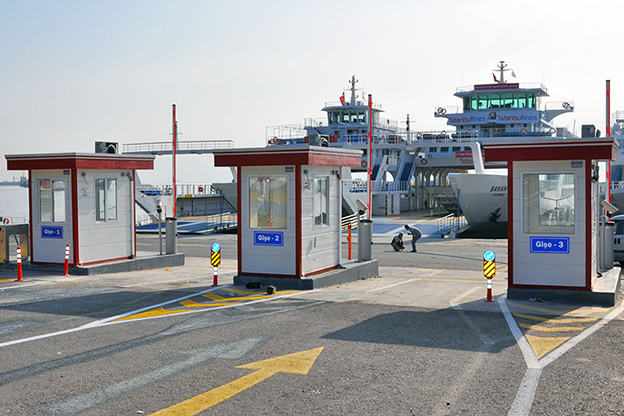
- Security buildings & technical units for logistics centers, power plants, and controlled-access facilities
- Storage and logistics facilities requiring rapid deployment and scalable layouts
These applications demonstrate that modular and prefabricated solutions are no longer limited to emergency use, but have become integral components of planned development strategies.
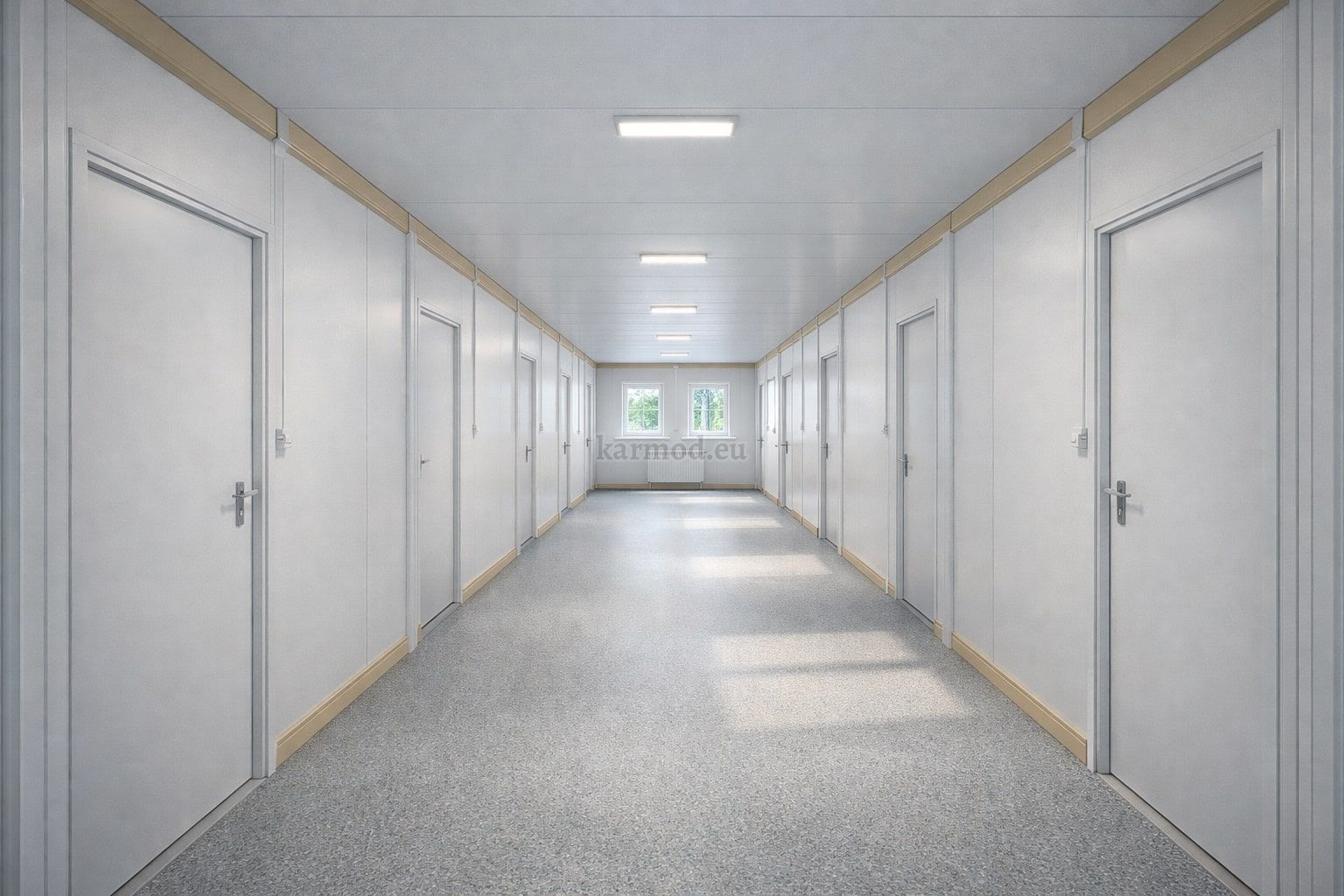
From Design to Installation: How the Process Works
The implementation of modular buildings in Austria follows a structured and transparent process.
The first stage is project needs analysis, where spatial requirements, regulatory constraints, and operational timelines are clearly defined. This step ensures early alignment with Austrian building codes and fire safety standards.
Next comes custom design and technical specifications. Layouts, insulation performance, façade options, and mechanical systems are adapted to climate conditions and functional needs. At this stage, experienced manufacturers such as Karmod apply European market know-how to ensure technical accuracy and compliance.
Factory production then takes place under controlled conditions, ensuring consistent quality and reduced material waste. In parallel, site preparation is completed to prevent scheduling conflicts.
Once production is finalized, units are prepared for delivery to Austria, with logistics planning aligned to local transport regulations. On-site installation is then completed within a short timeframe, significantly reducing disruption compared to conventional construction methods.
Key Considerations for Modular Buildings in Austria
Thermal insulation: Austria’s climate and energy regulations require high insulation performance, particularly for long-term use and public buildings.
Fire safety standards: Compliance with Austrian and EU fire regulations is mandatory. Certified materials, documented testing, and approved assemblies are critical for permitting.
Climate suitability: Snow loads, temperature variation, and regional weather patterns must be considered in structural and roofing design.
Custom layouts: Many projects require tailored interior configurations to support specific workflows. Modular systems enable this customization without extending delivery timelines.
Within this framework, Karmod modular building solutions are designed to balance flexibility with regulatory precision. Drawing on extensive experience across Europe, Karmod supports Austrian projects with systems aligned to both functional expectations and compliance requirements. Rather than standardized outputs, the focus is on project-specific adaptation—an approach particularly valued in Austria’s structured construction environment.
For organizations planning expansion, temporary facilities, or fast-track developments, modular and prefabricated building systems offer a reliable path forward. When implemented with the right technical partner and a clear understanding of local requirements, these solutions help decision-makers move from planning to operation with confidence.