


Belgium’s construction market is shaped by strict regulations, high labor costs, and a strong demand for efficient project delivery. For companies operating in logistics, industry, energy, and public infrastructure, speed and predictability have become just as critical as structural quality. In this environment, modular buildings and prefabricated building solutions offer a practical response to both short-term and long-term space requirements, without compromising on compliance or performance.
Belgium’s central role in European logistics, combined with dense urban planning and limited construction space, has accelerated interest in off-site construction methods. Decision-makers increasingly seek building systems that reduce on-site disruption, enable phased investment, and adapt easily to changing operational needs.
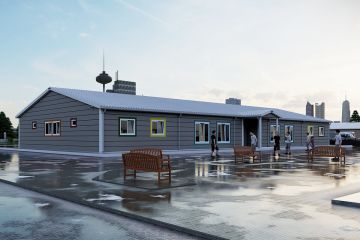
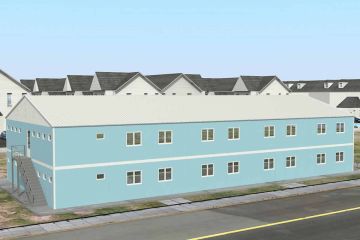
Why Modular Buildings Are in High Demand in Belgium
One of the main drivers behind the growing use of modular buildings in Belgium is labor economics. Skilled construction labor is costly and increasingly scarce. Modular construction minimizes on-site workforce requirements by shifting most production activities to controlled factory environments, where productivity is higher and timelines are more reliable.
Construction duration is another key factor. Traditional building projects in Belgium often face delays related to permitting, weather conditions, and coordination complexity. Modular solutions significantly shorten project timelines by enabling parallel workflows: site preparation can continue while modules are manufactured. This approach is particularly valuable for organizations operating under fixed launch dates or tight operational schedules.
Belgium also shows a clear split between temporary and permanent building needs. Infrastructure works, port expansions, renewable energy projects, and public-sector initiatives frequently require temporary facilities that may later be relocated or repurposed. At the same time, there is sustained demand for permanent buildings that meet long-term operational and regulatory standards. Modular systems respond effectively to both scenarios.
From a sectoral perspective, logistics hubs around Antwerp, industrial zones in Flanders, public projects across Wallonia, and energy-related facilities nationwide all benefit from flexible construction models. In these contexts, modular buildings provide scalability without locking organizations into rigid structural commitments.
Modular Buildings vs. Prefabricated Building Systems
Although modular buildings and prefabricated building systems are often mentioned together, they serve different strategic purposes.
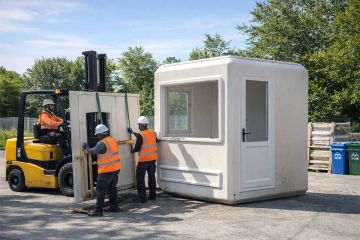
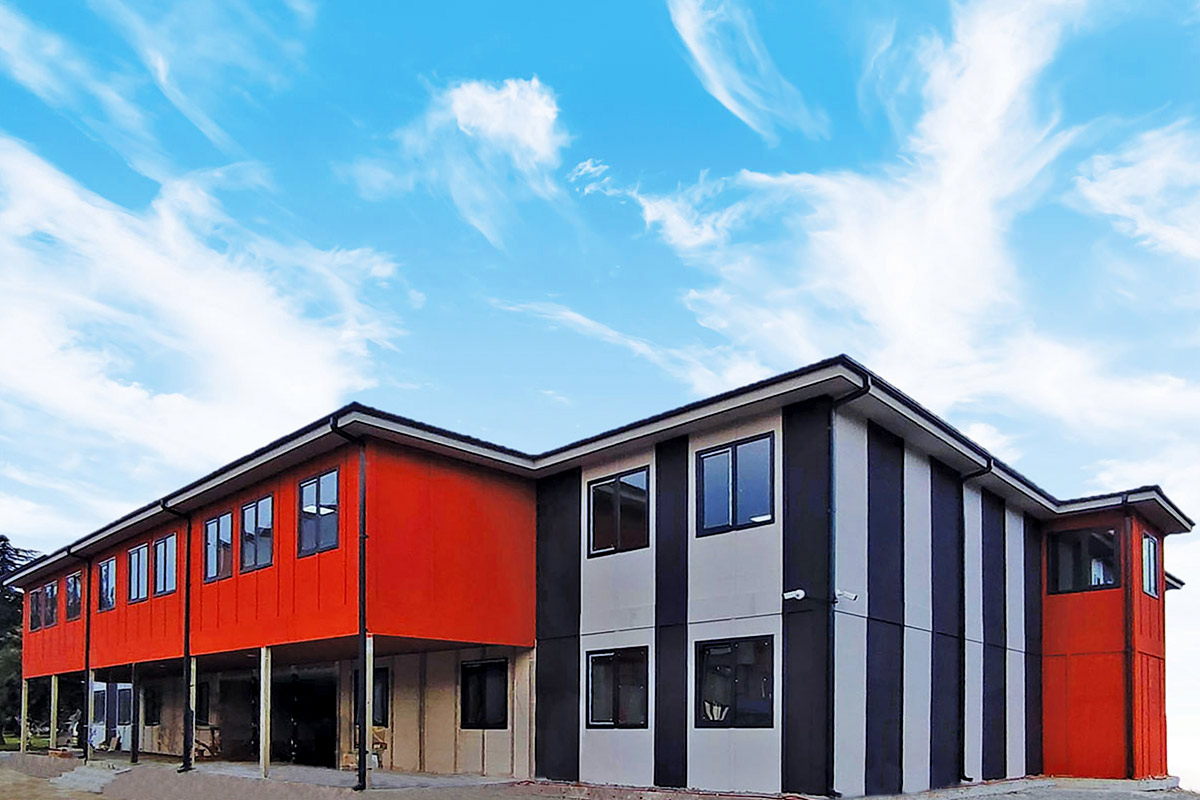
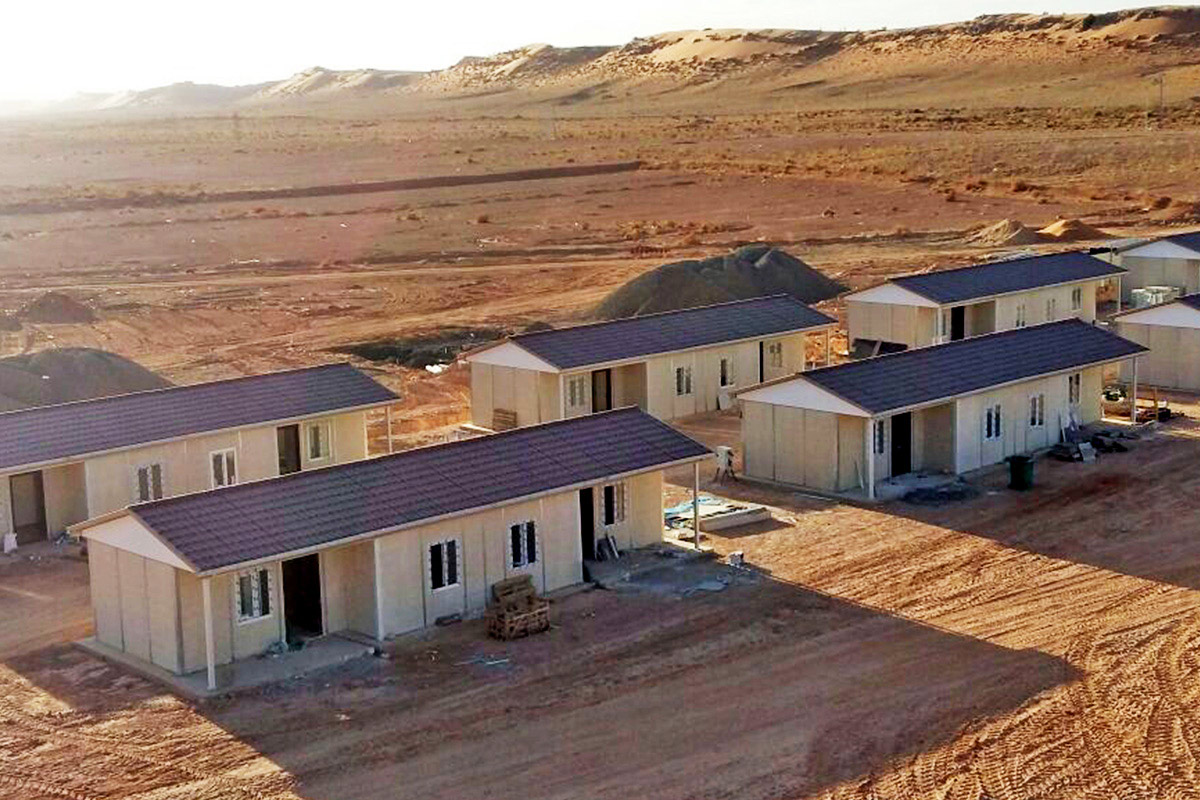
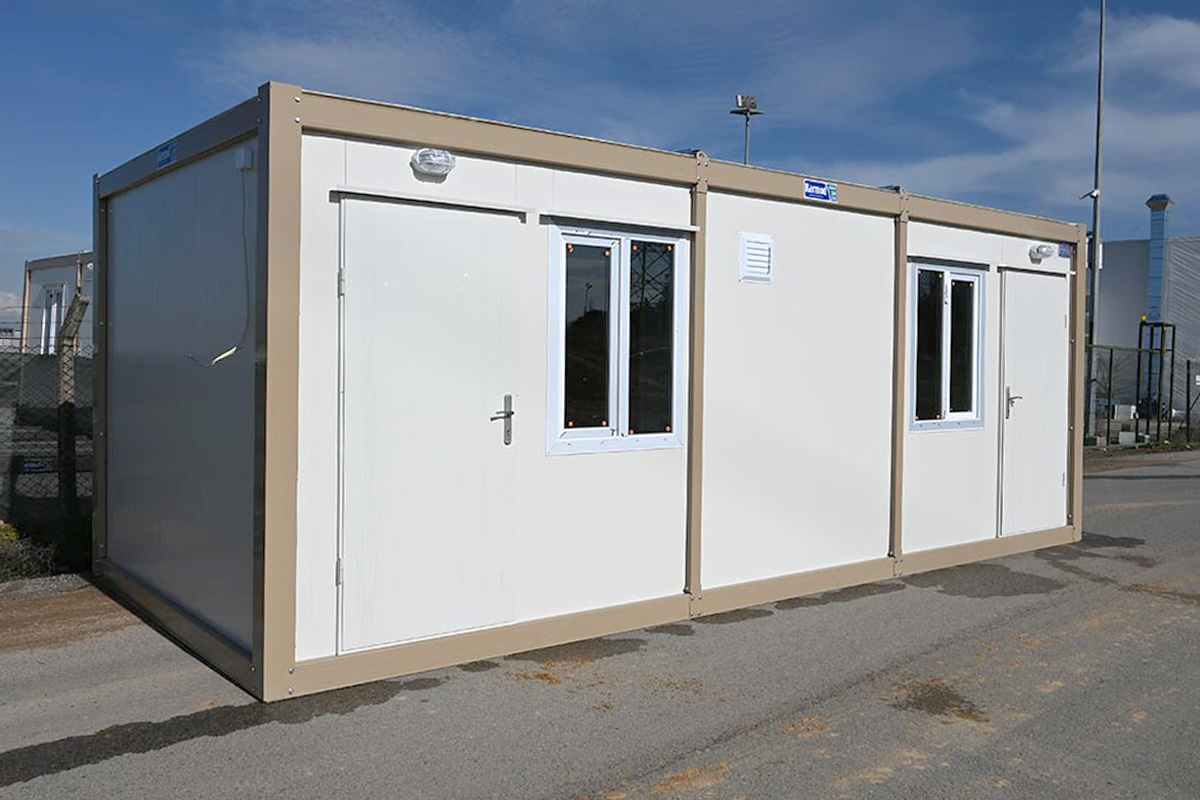
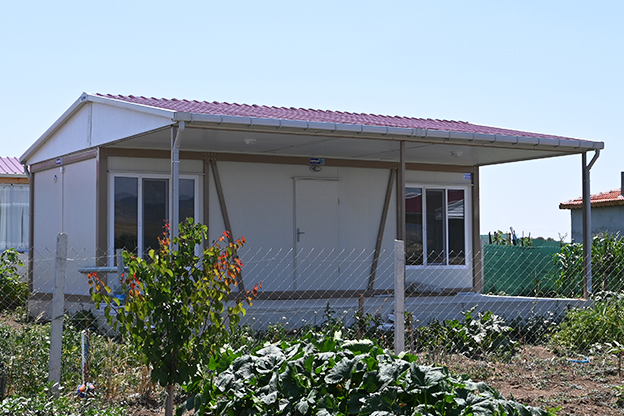
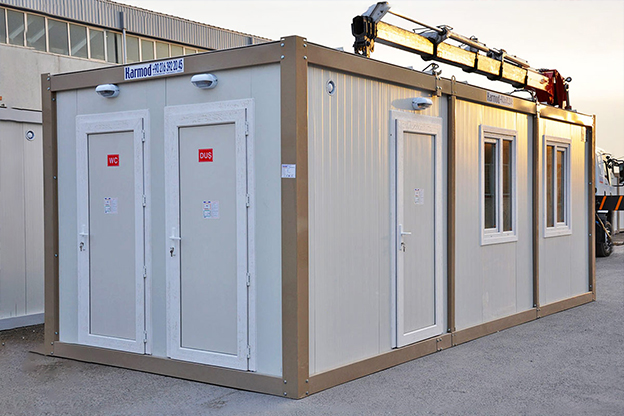
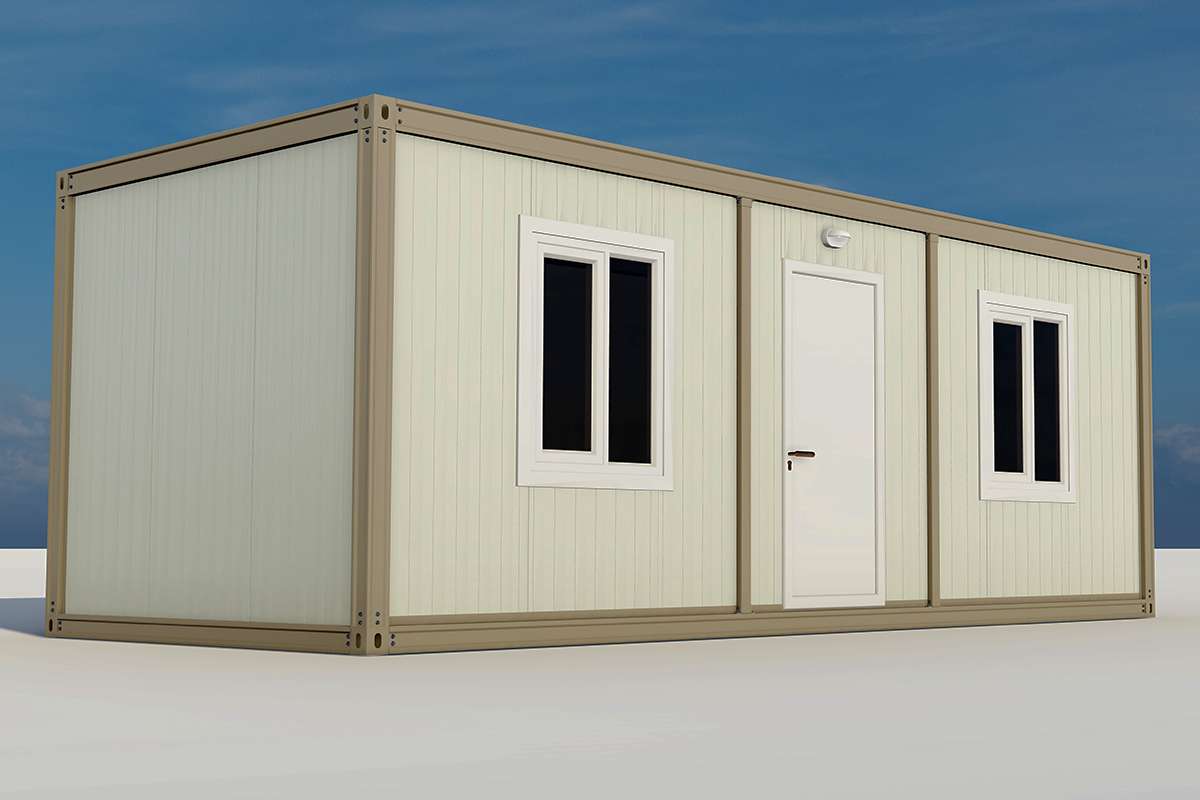
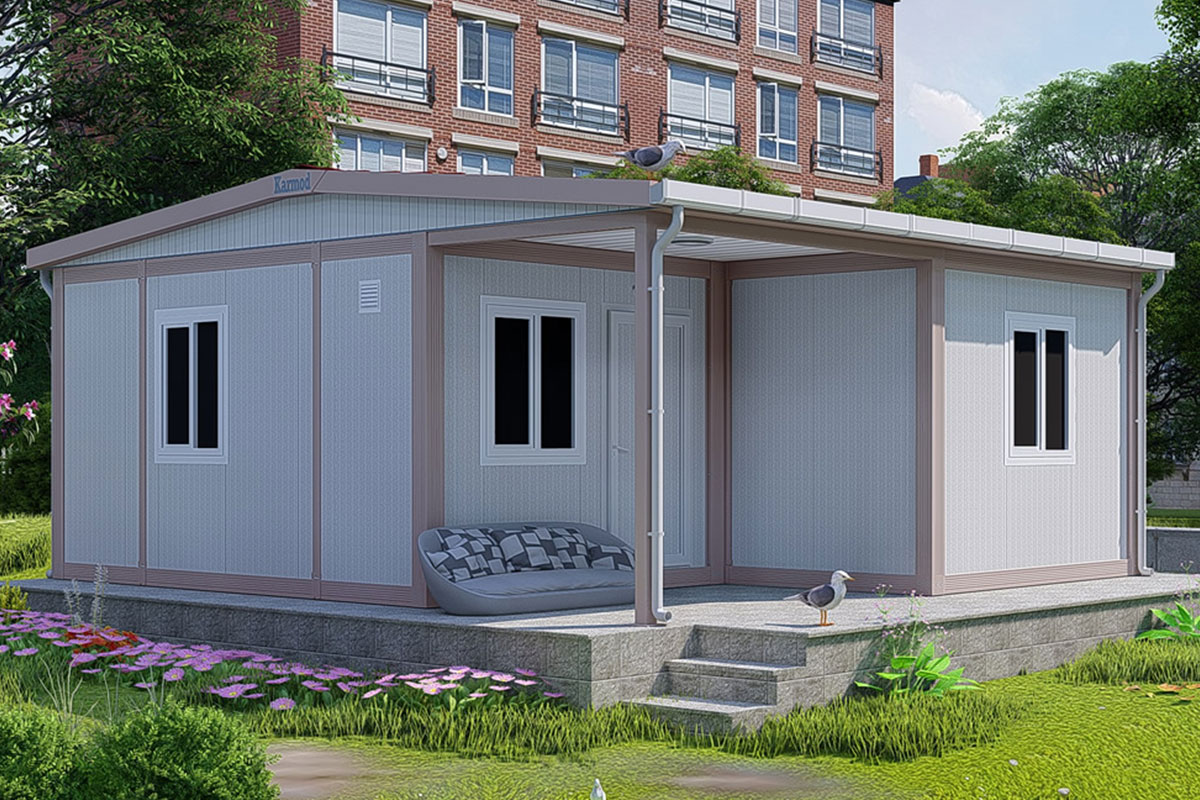
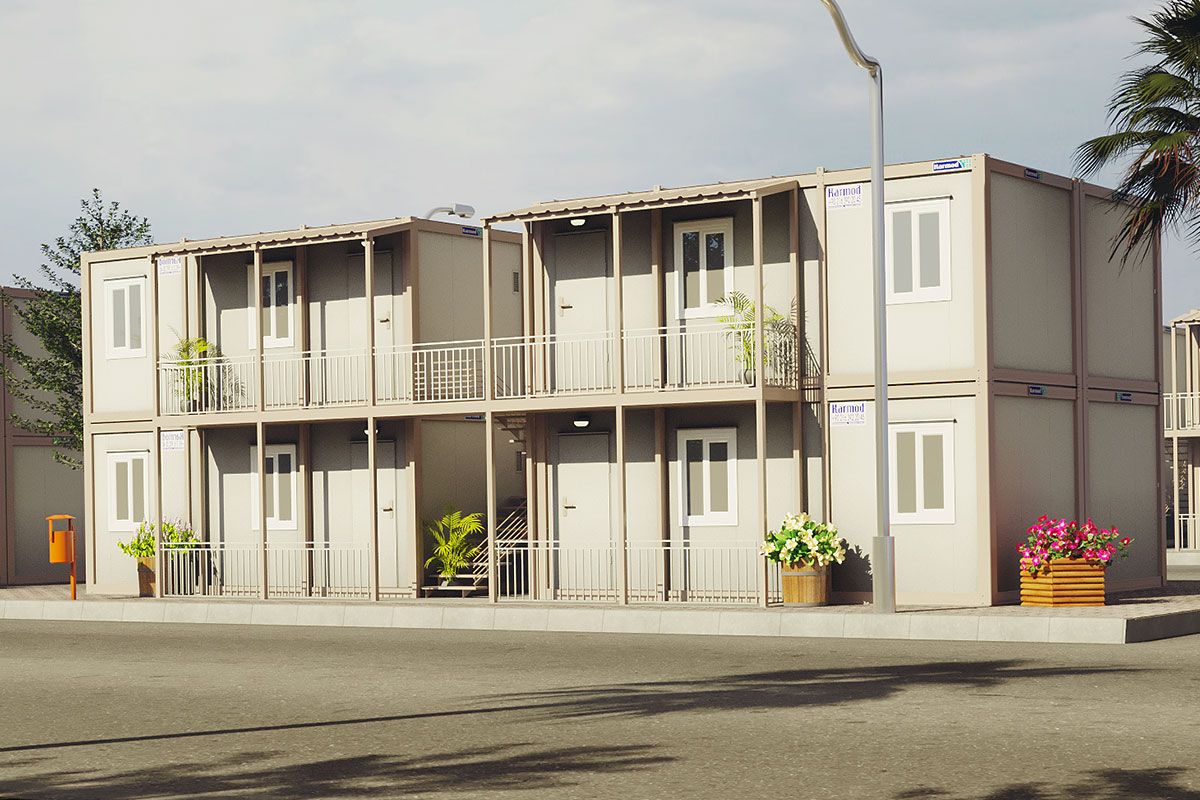
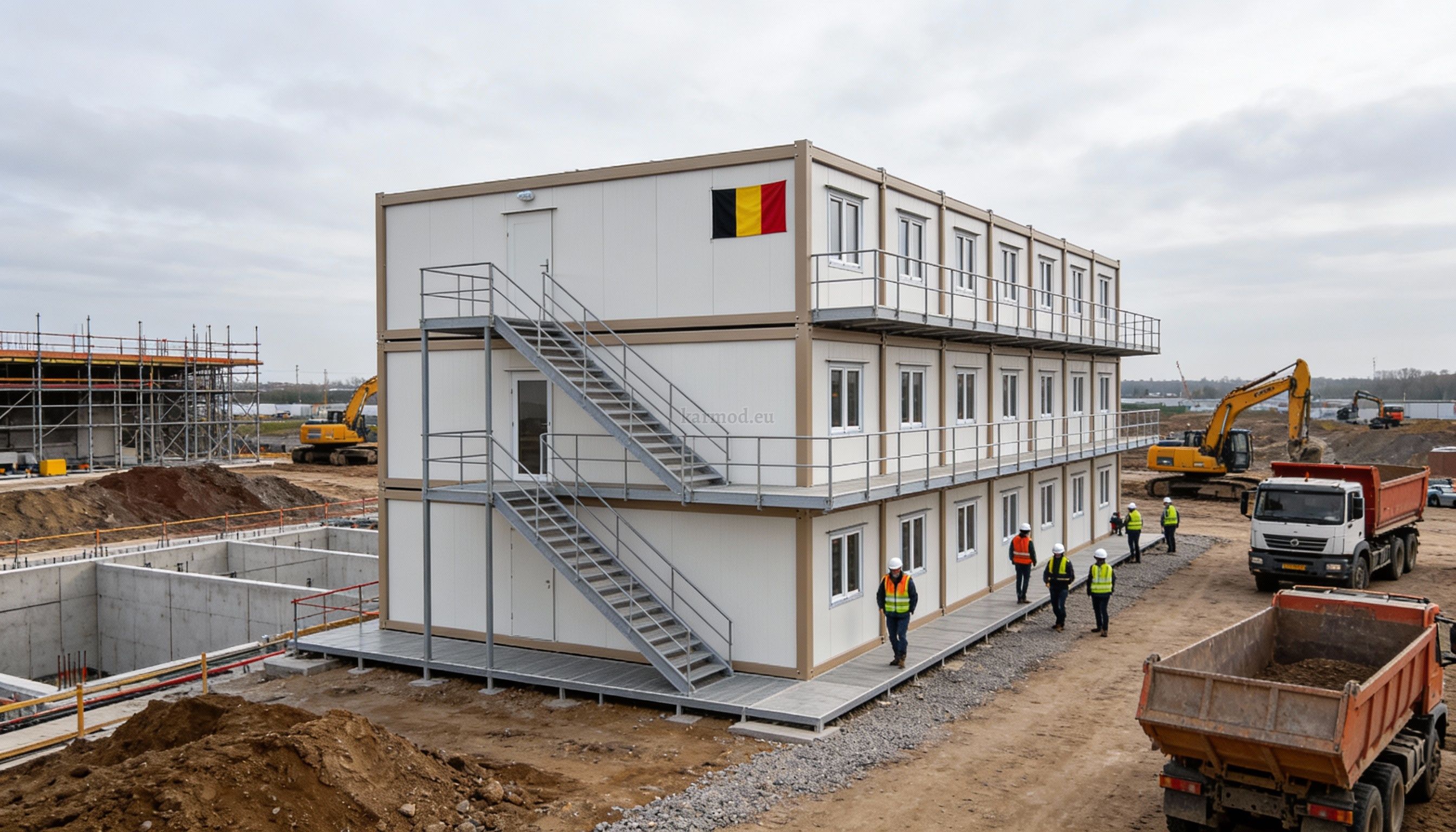
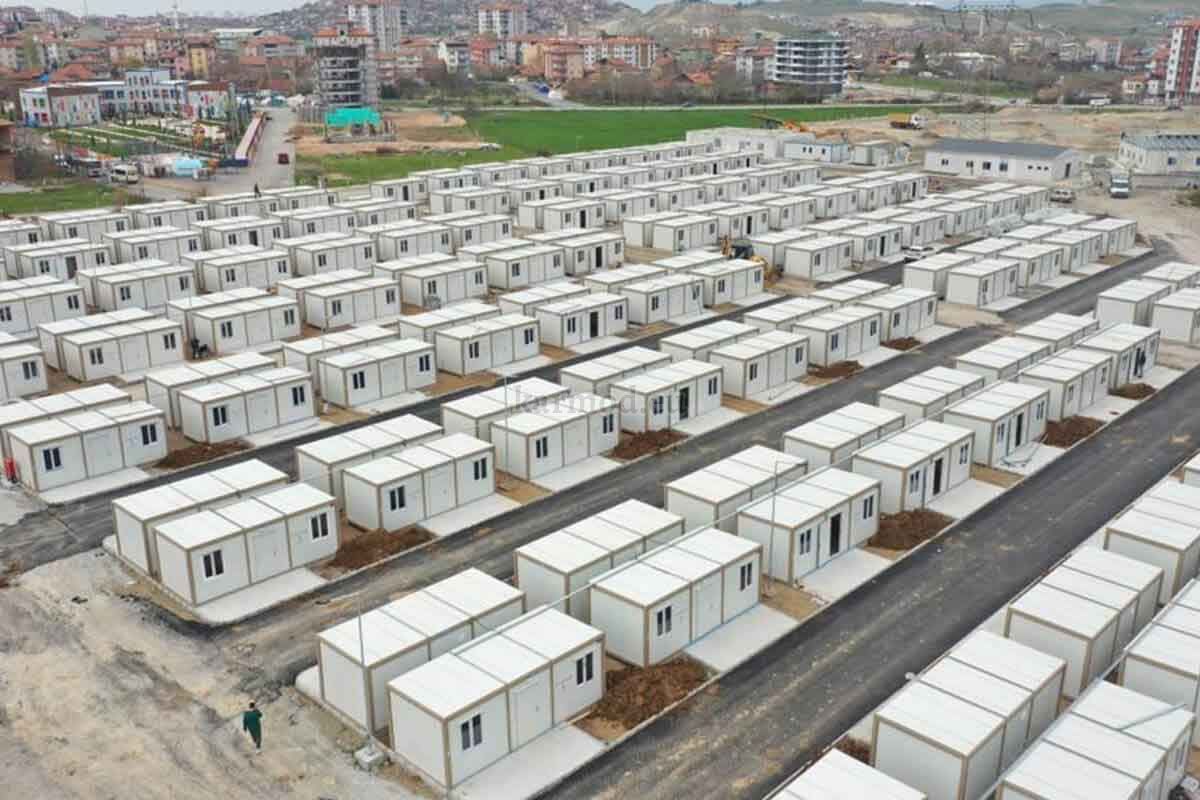
Modular buildings are based on fully volumetric modules produced in factory environments. These units are delivered to site largely complete and assembled rapidly. Their main advantages are mobility, expandability, and the ability to be dismantled and relocated. In Belgium, modular buildings are frequently selected for temporary offices, phased industrial expansions, and facilities that may need to move as projects evolve.
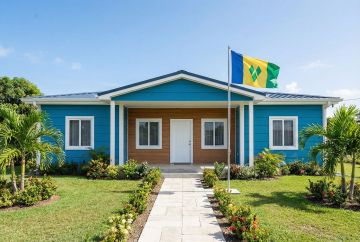
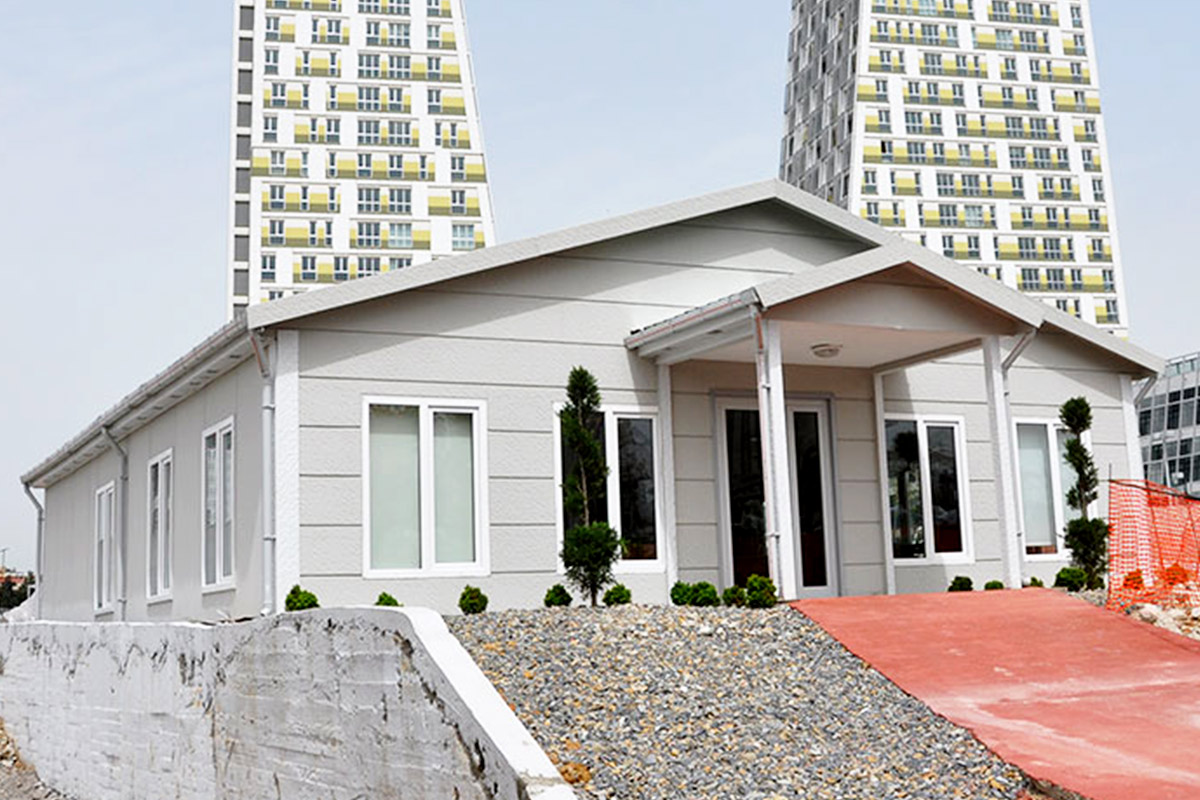
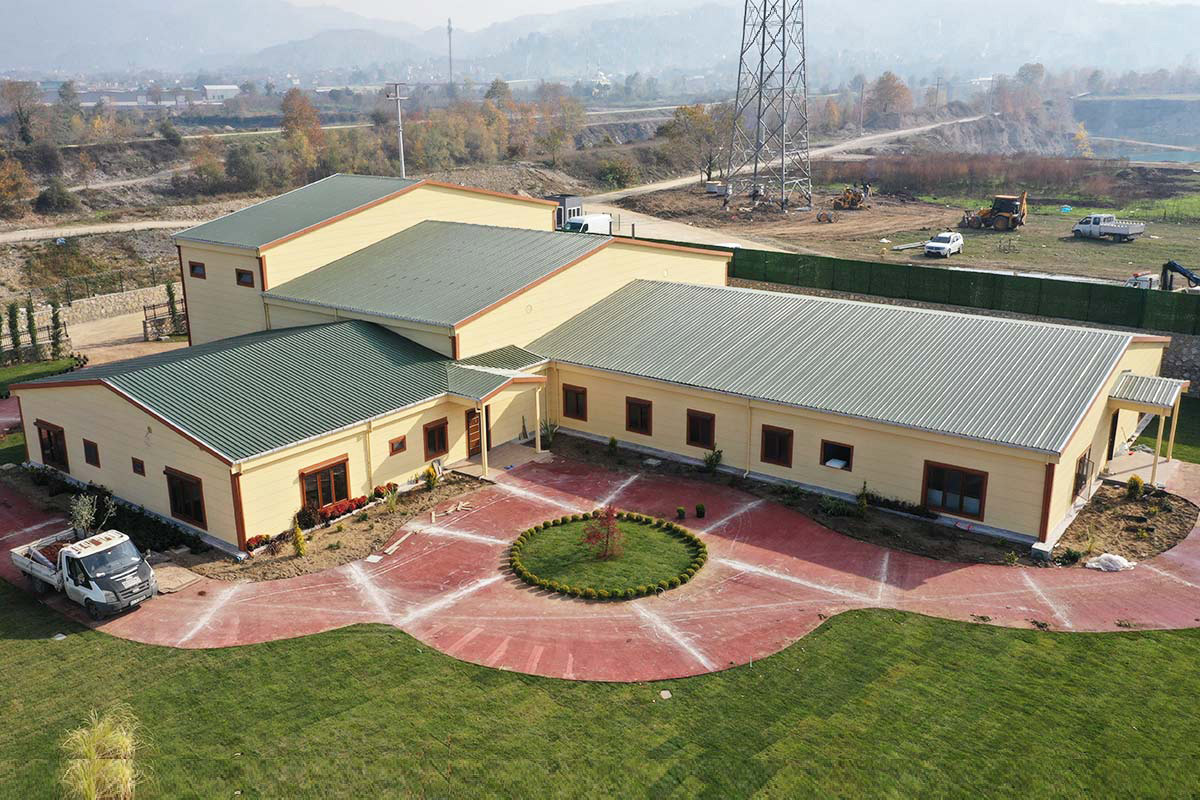
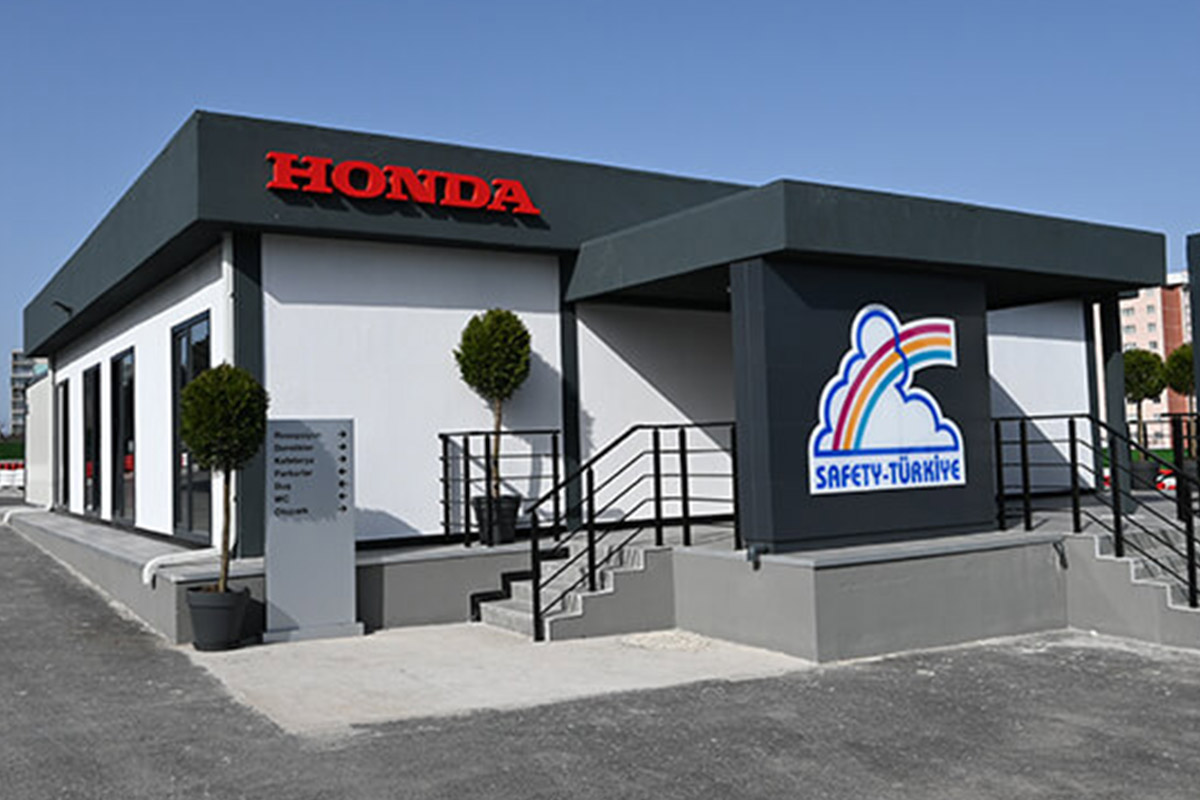
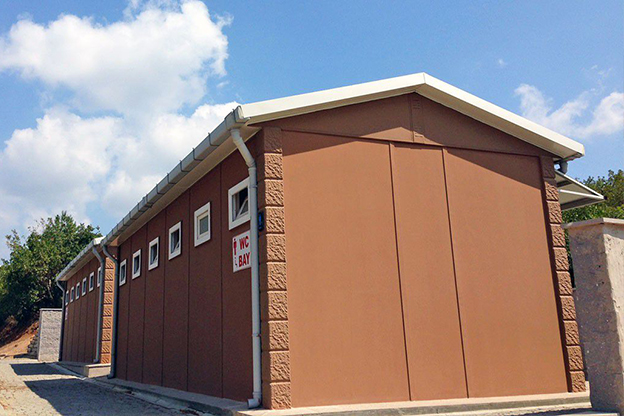
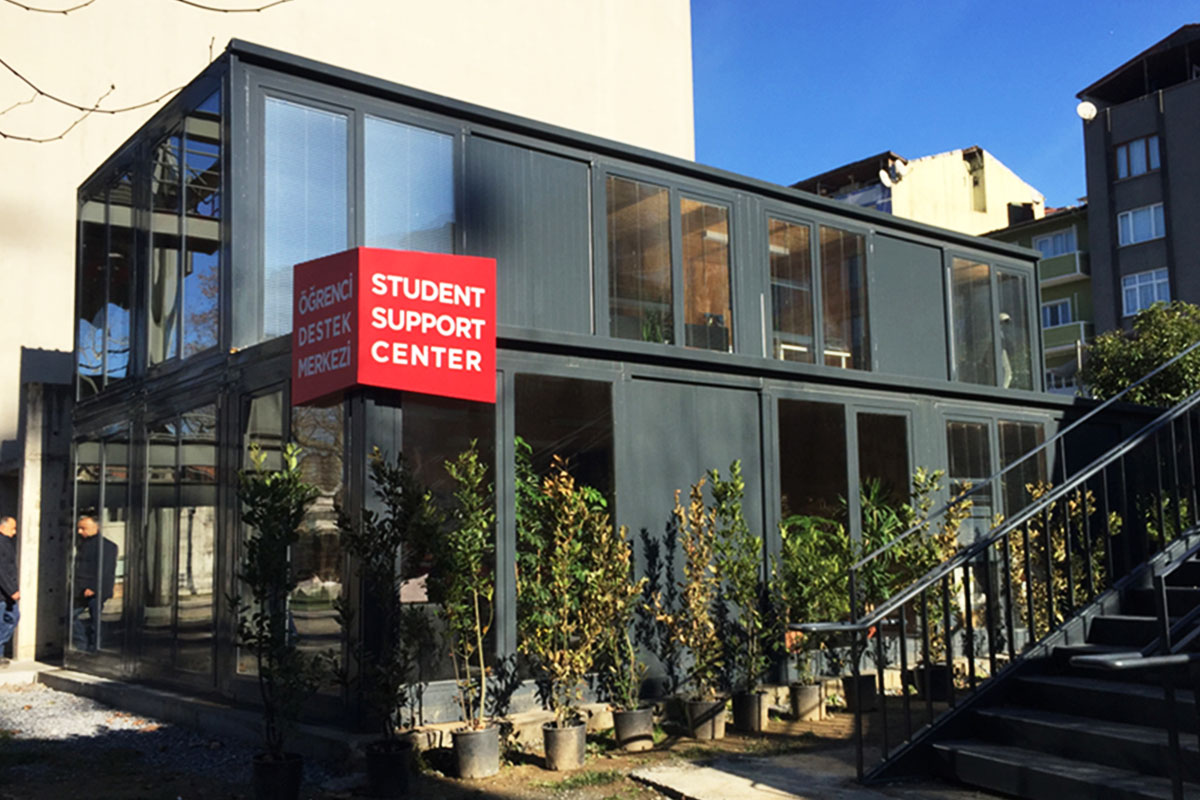
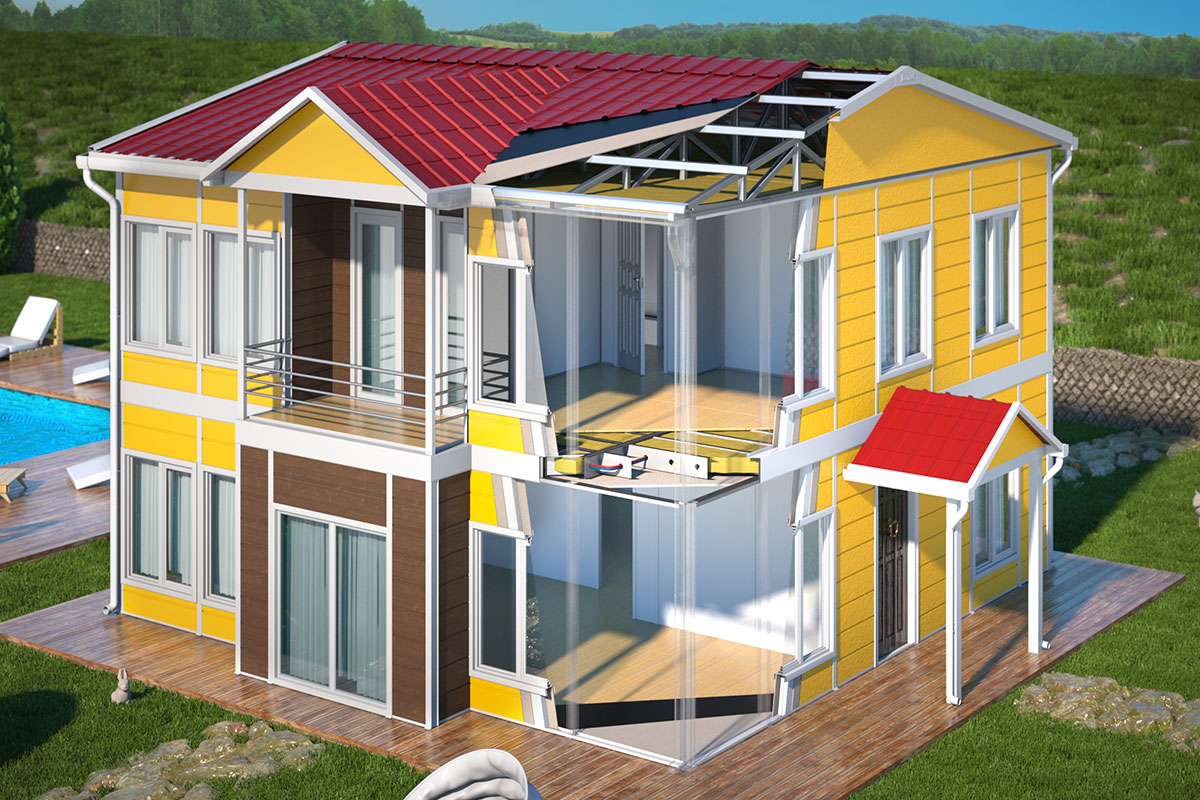
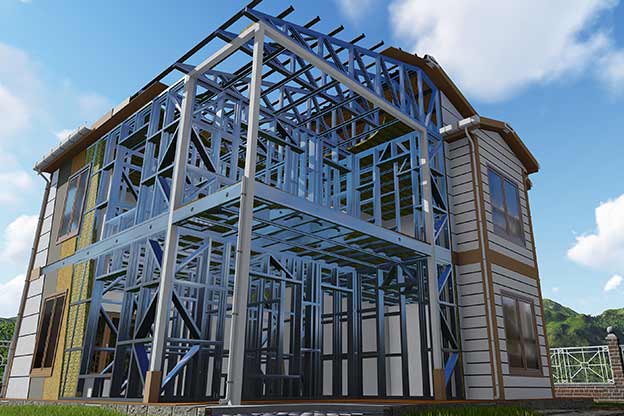
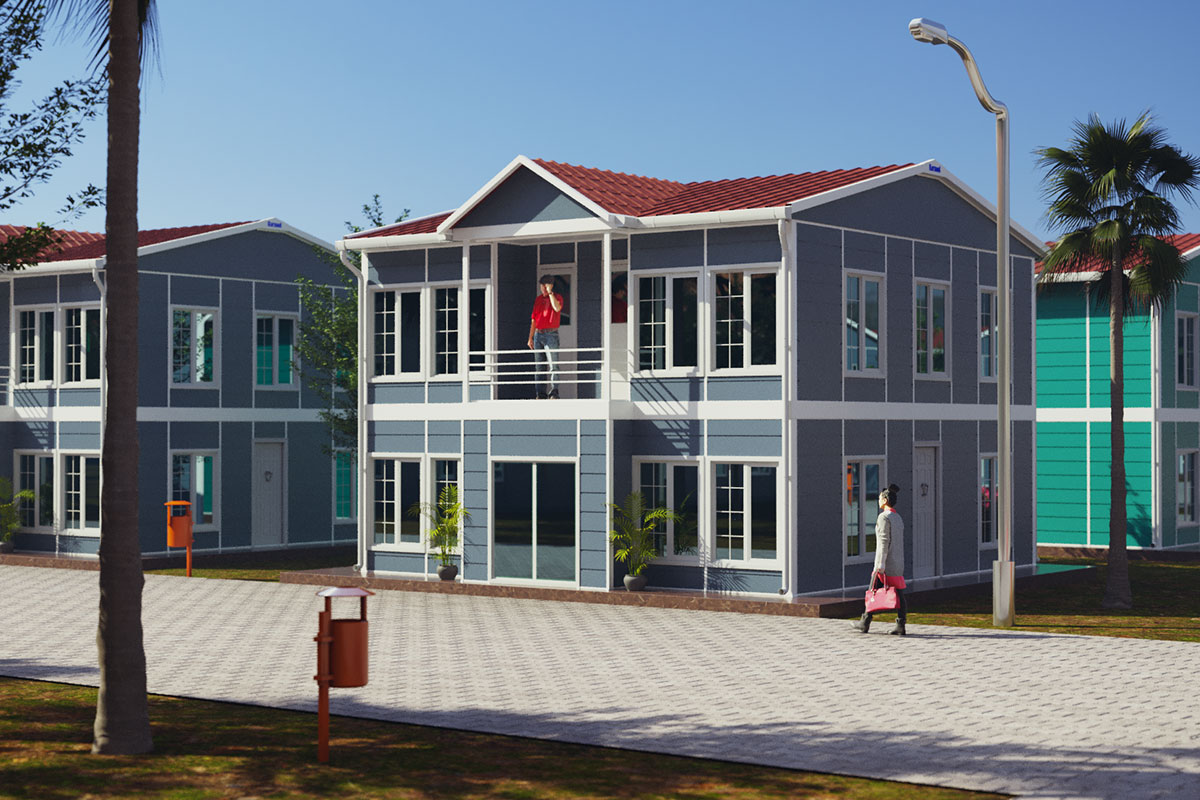
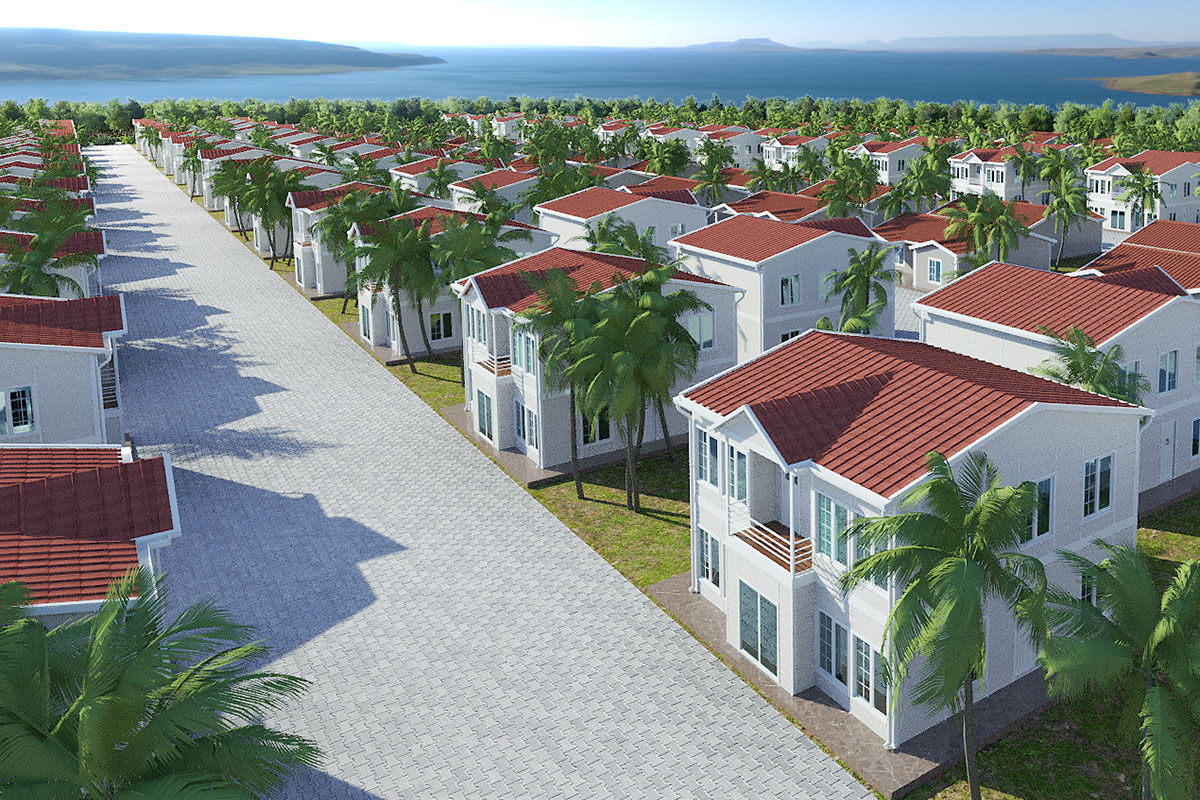
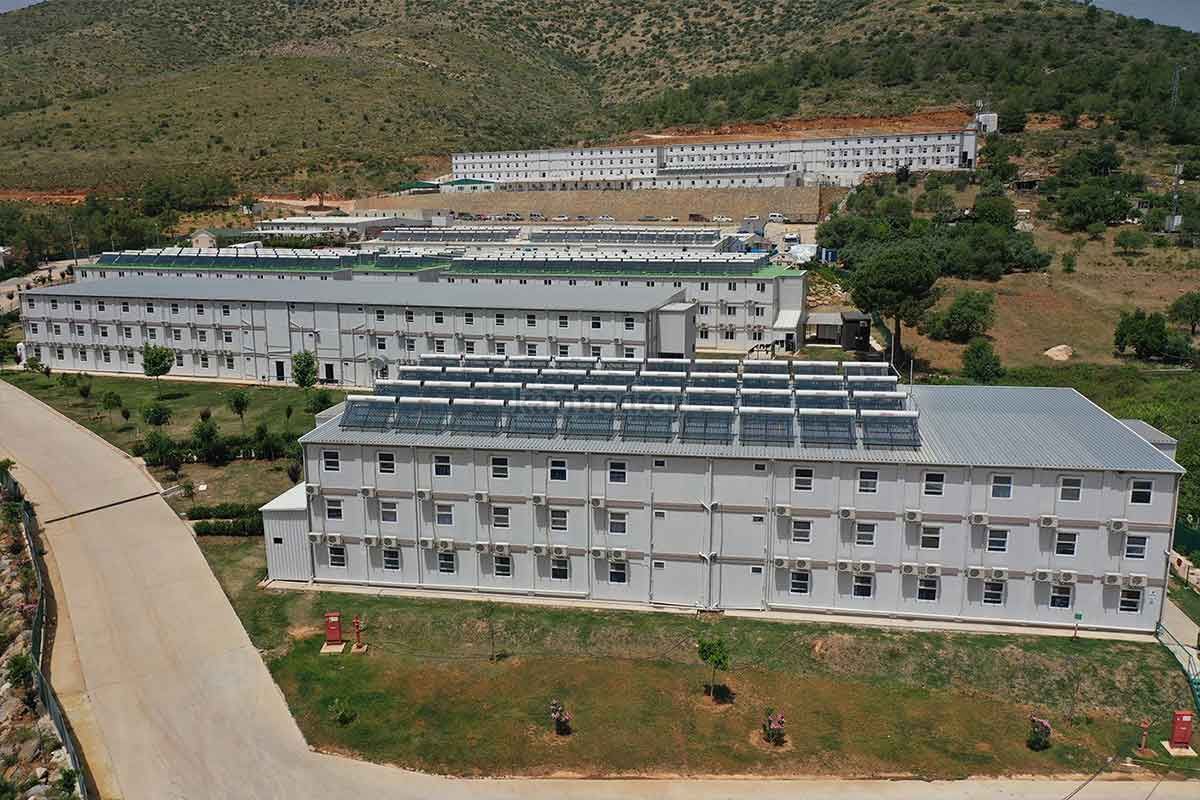
A prefabricated building, by contrast, is typically assembled permanently on site using panels or structural components manufactured off-site. This approach allows greater architectural integration and is commonly preferred for long-term buildings where relocation is not expected. Prefabricated building systems are widely used for permanent office buildings, educational facilities, and institutional structures within urban environments.
In the Belgian market, the choice between these systems depends largely on project duration, land ownership conditions, and long-term operational strategy. Organizations with dynamic space requirements often favor modular buildings, while long-term investors tend to select prefabricated building solutions.
Applications of Modular and Prefabricated Buildings in Belgium
Across Belgium, modular and prefabricated construction systems are used in a wide range of professional contexts:
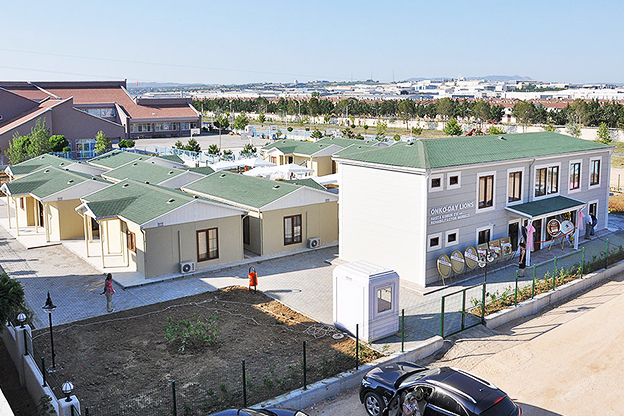
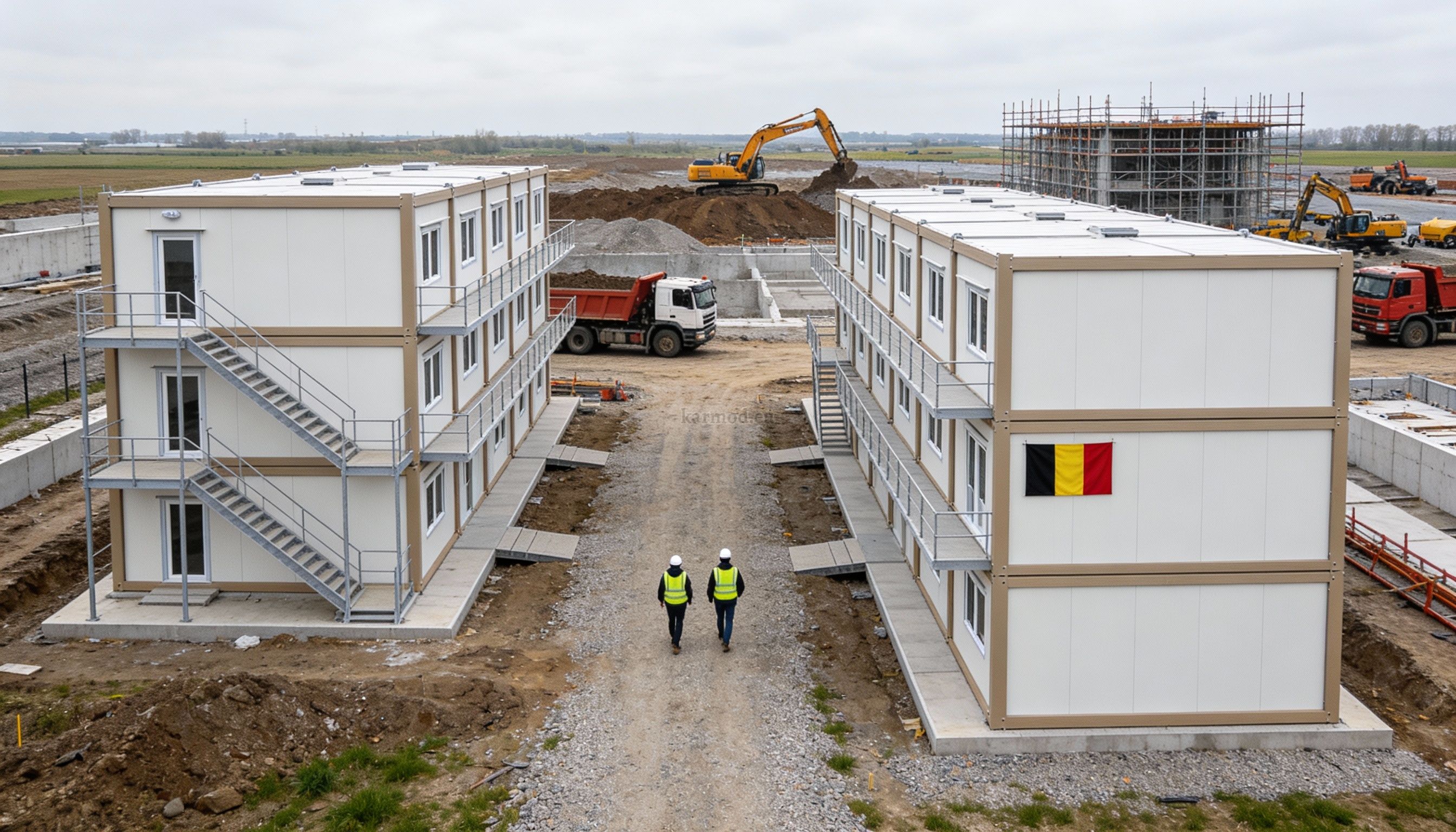
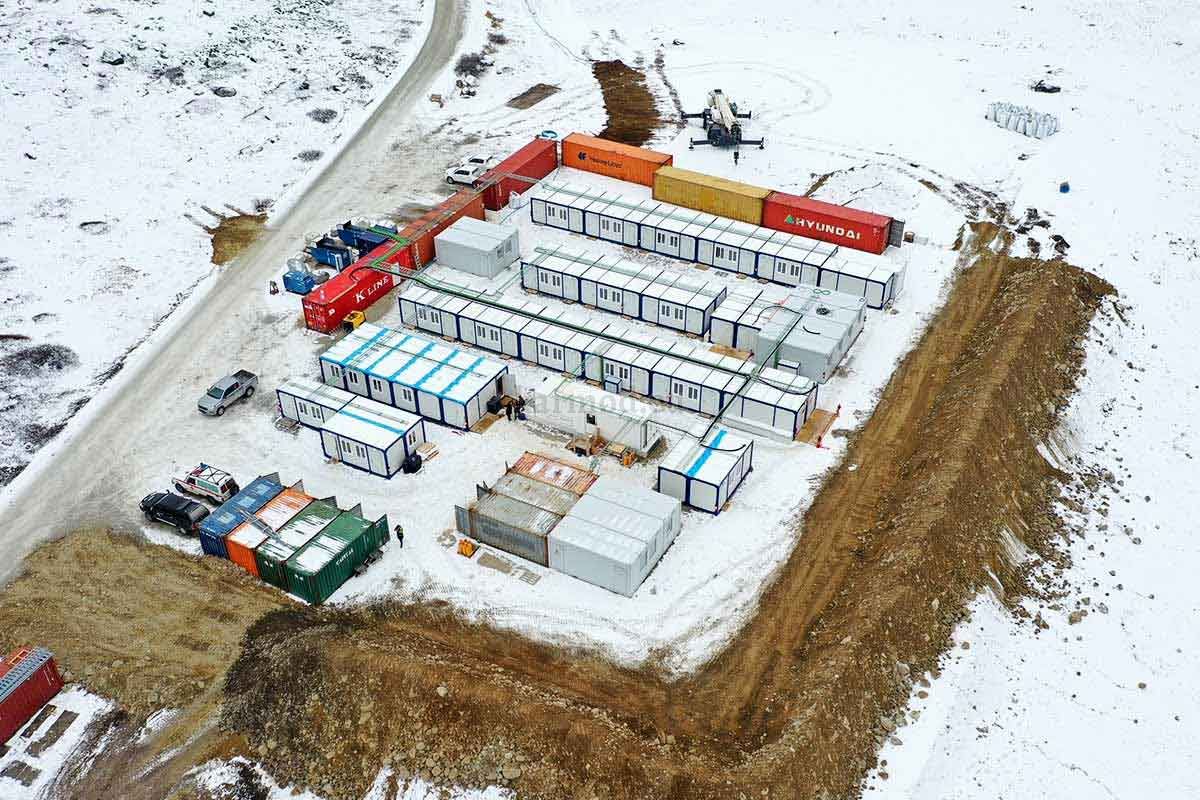
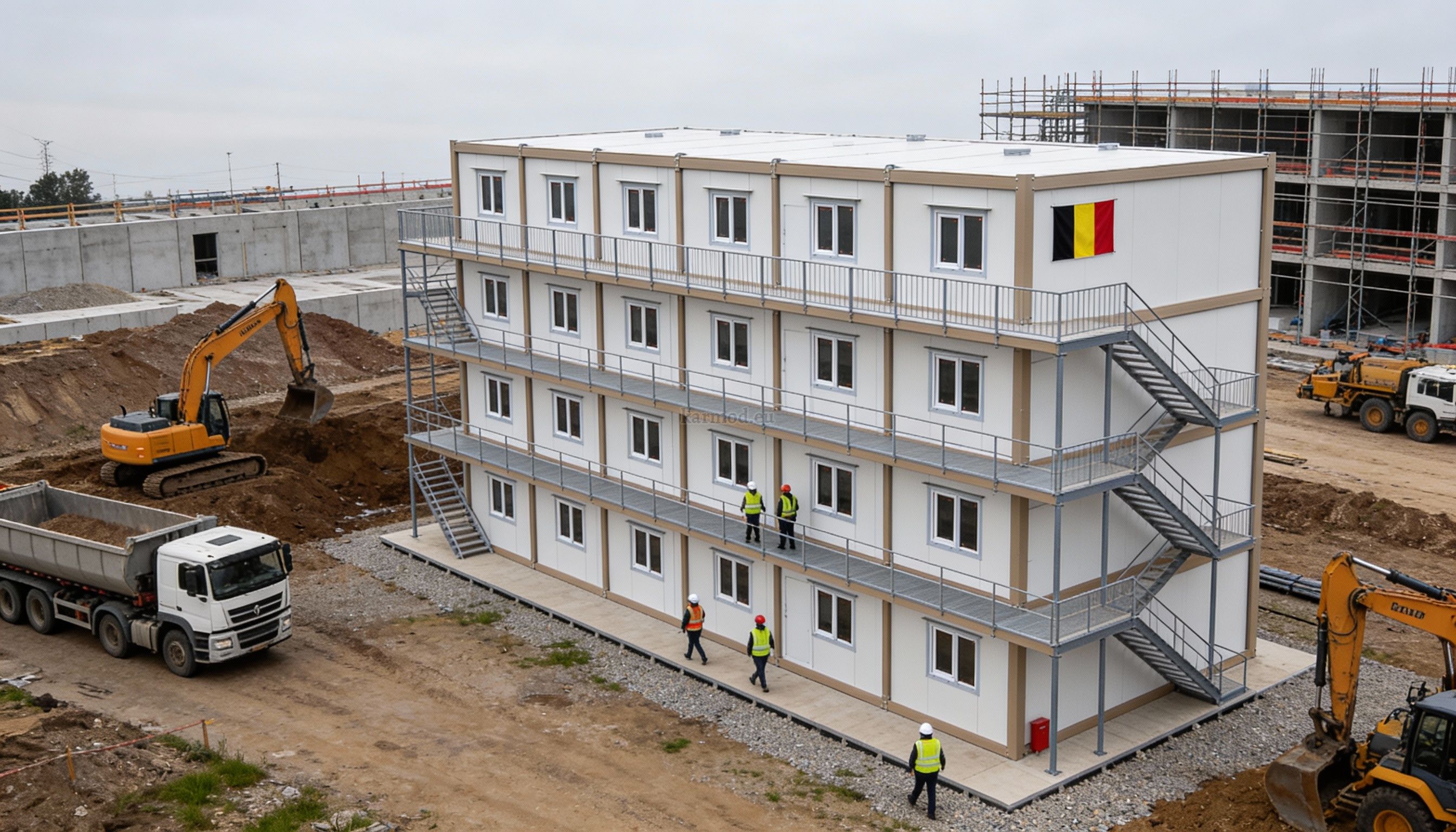
- Site offices & construction camps supporting infrastructure, road, and port projects
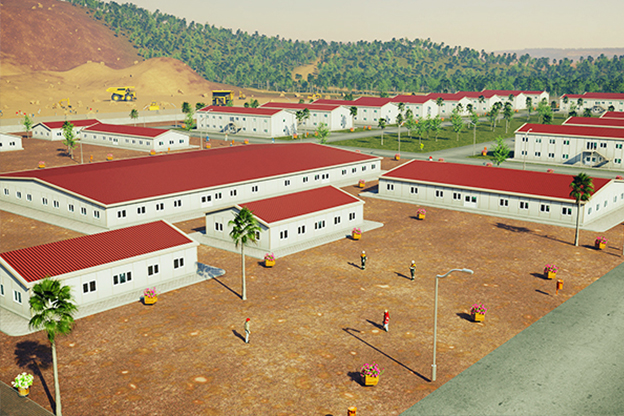
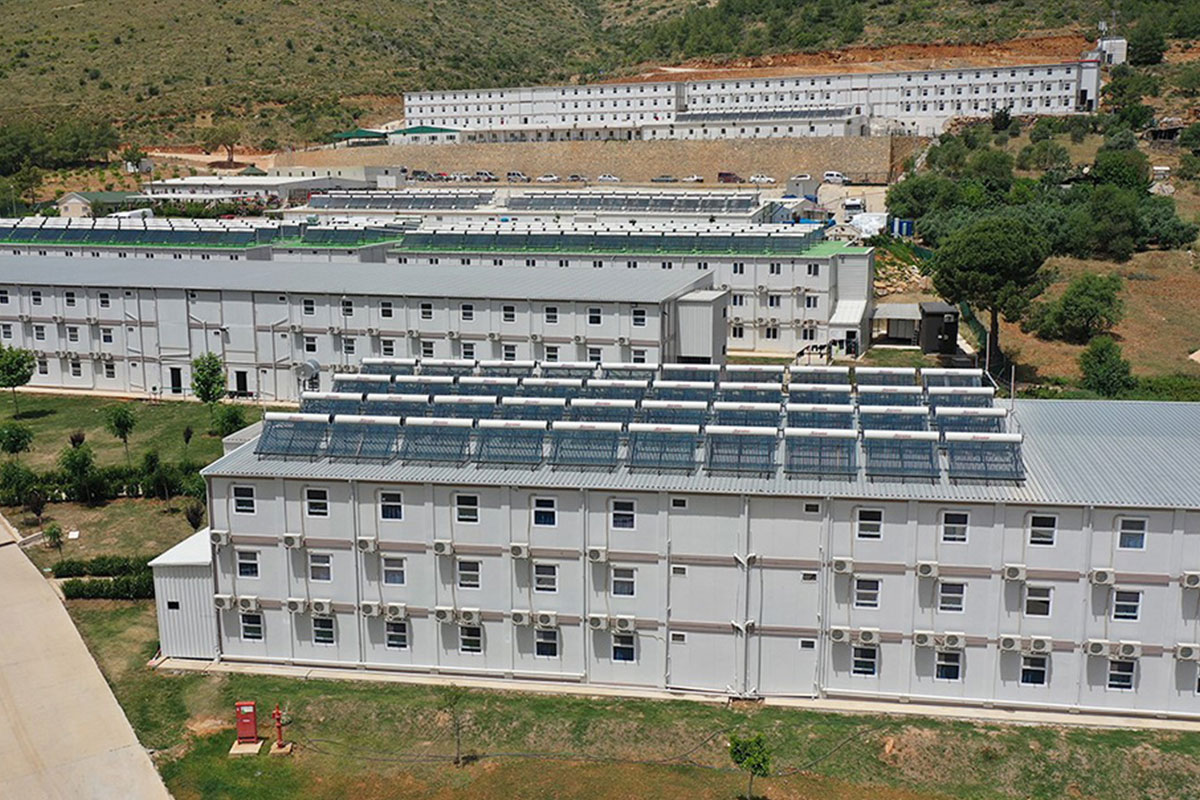
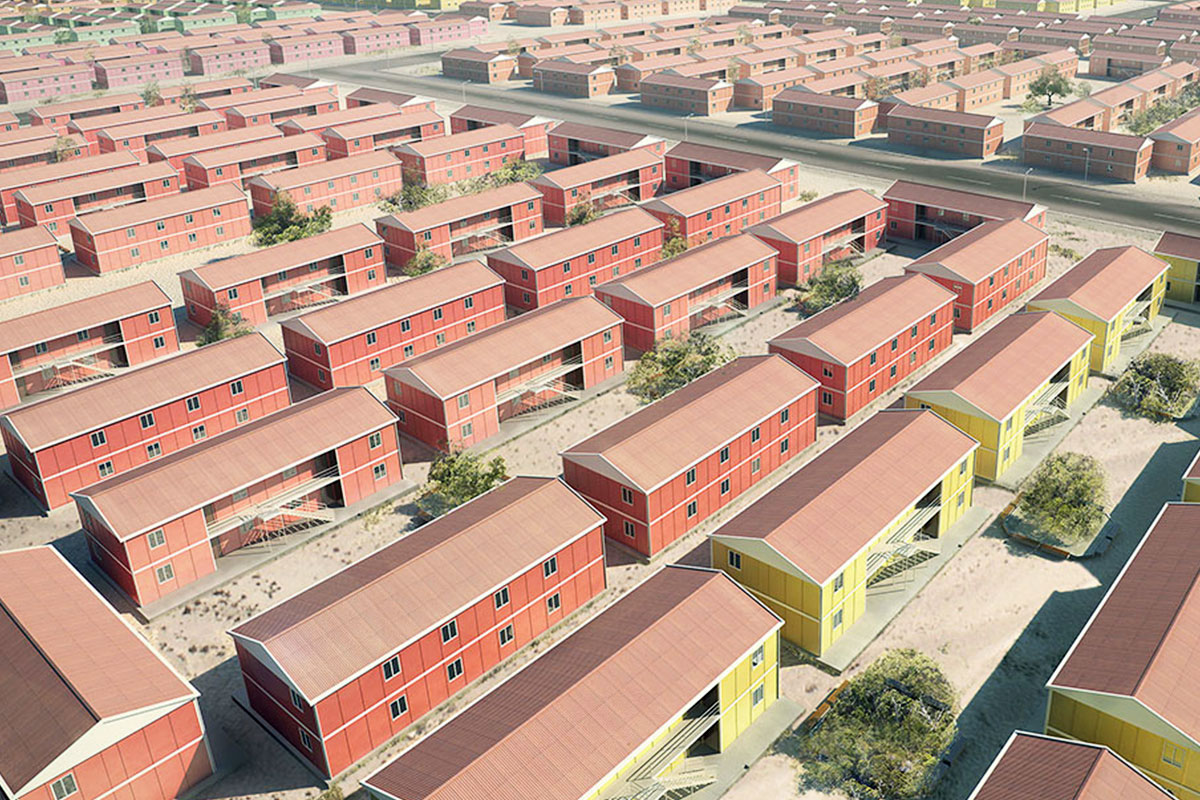
- Worker accommodation buildings for industrial zones, energy projects, and large-scale developments
- Temporary schools & healthcare units addressing capacity needs in urban and suburban areas
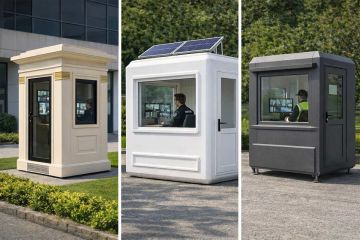
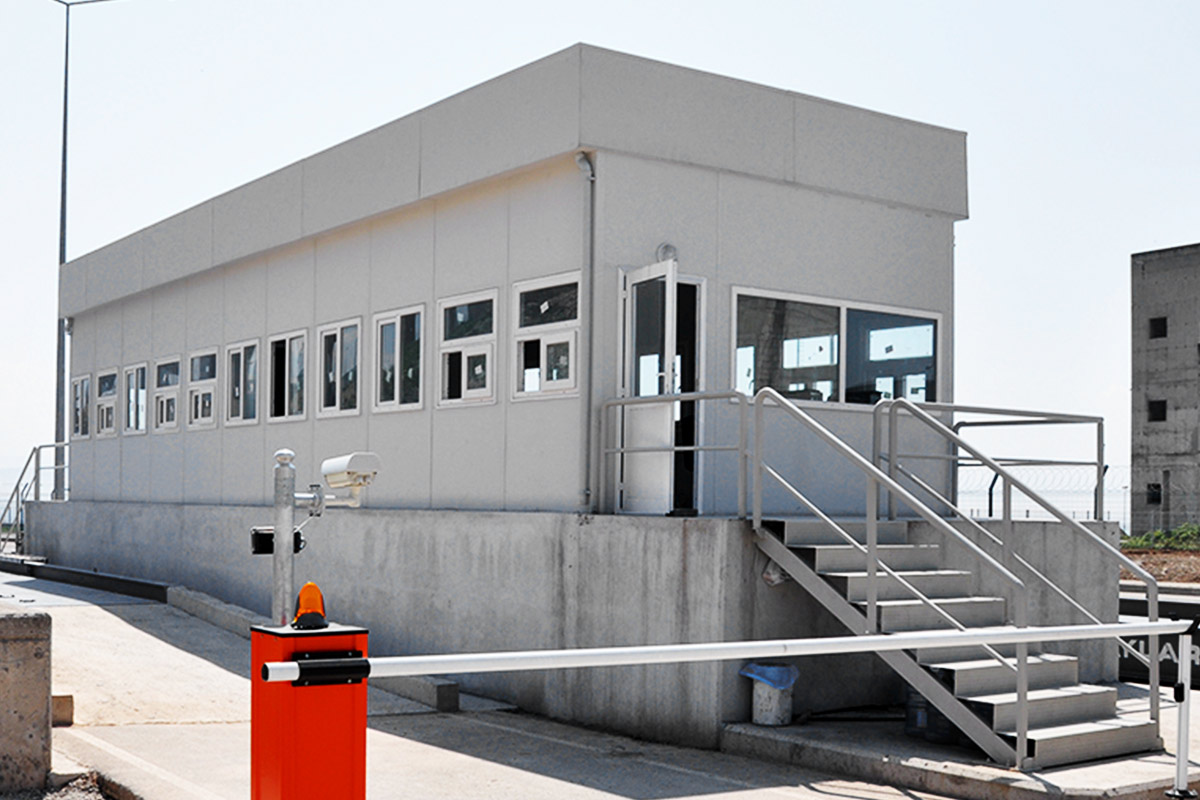
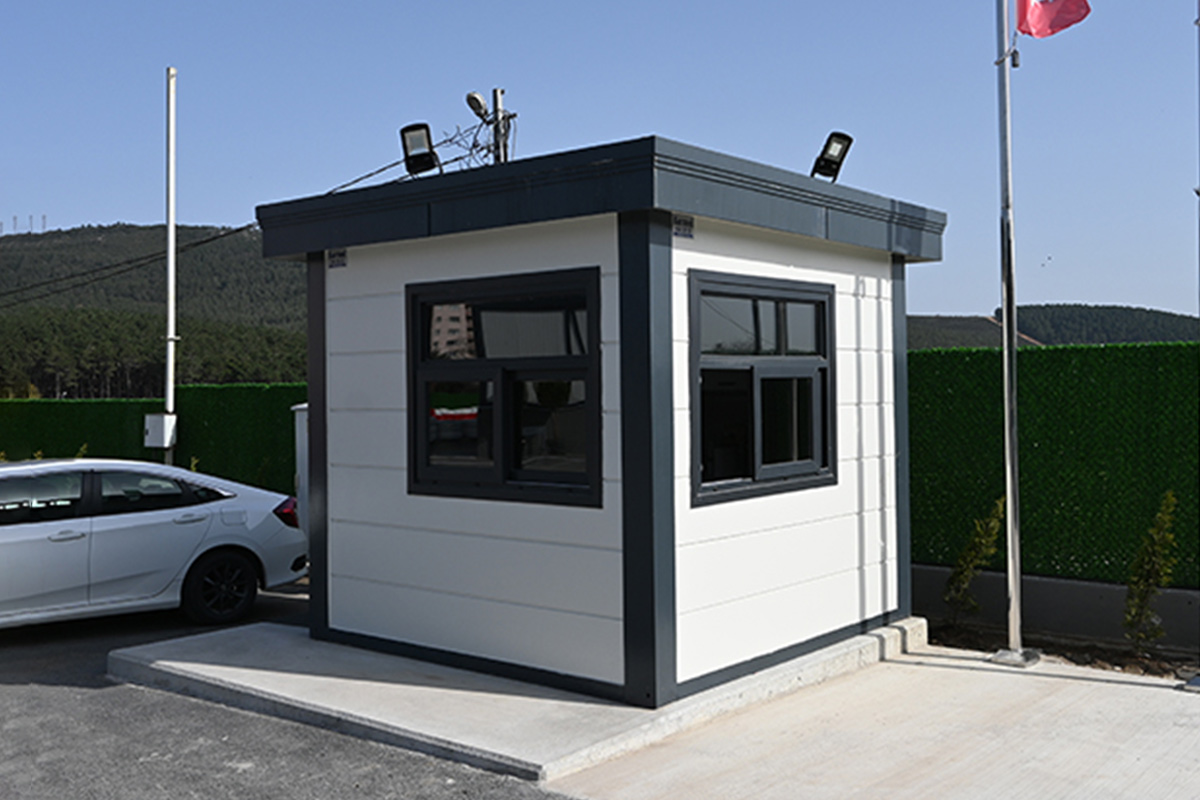
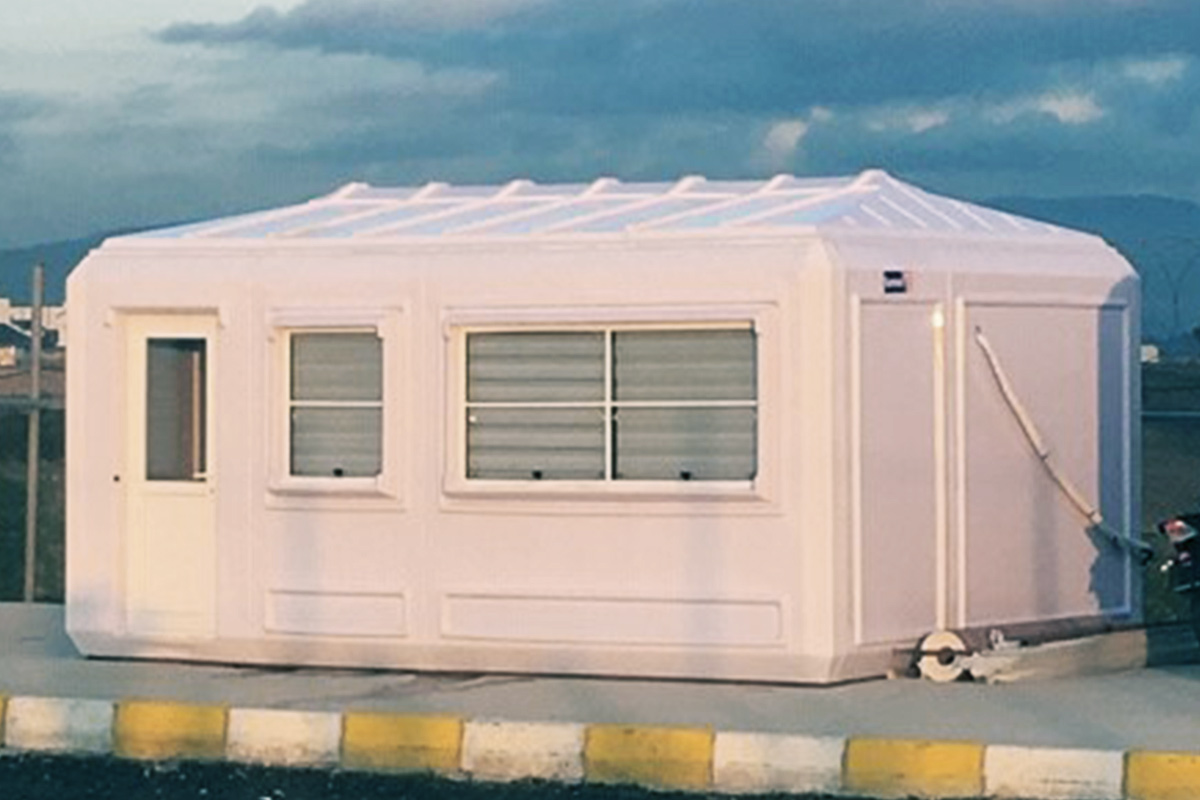
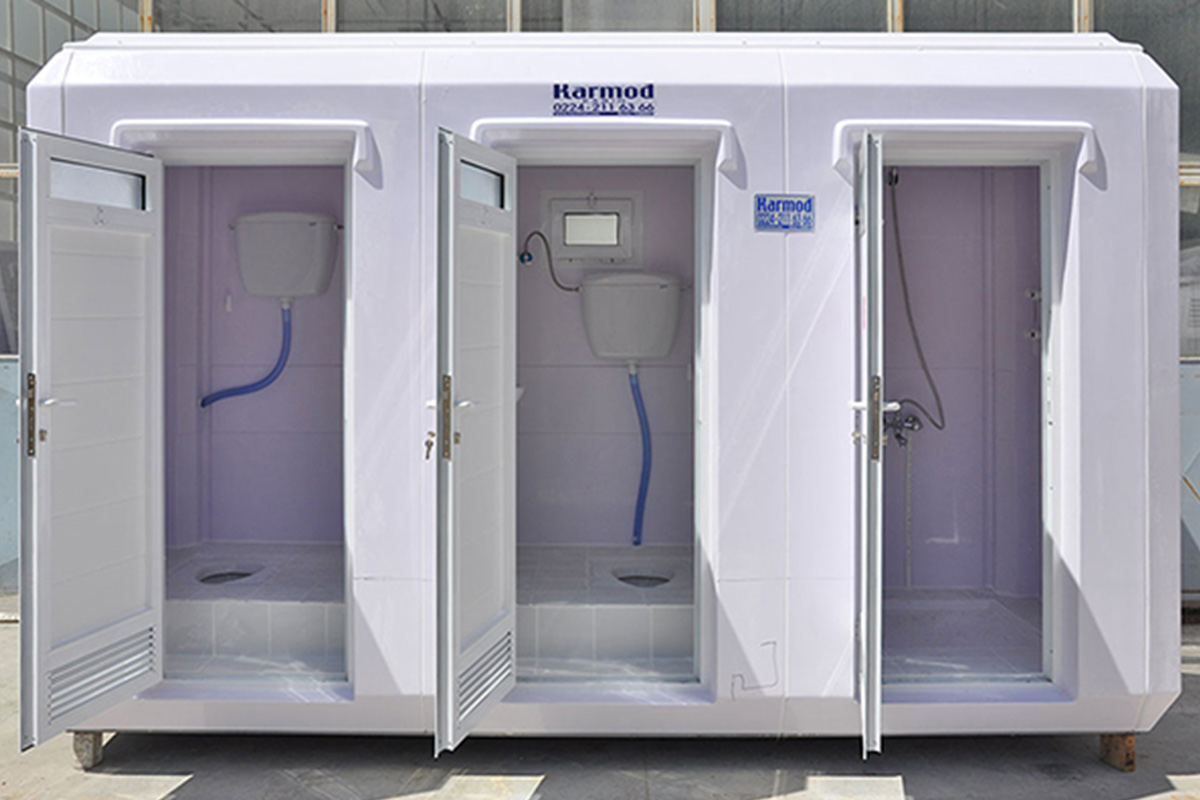
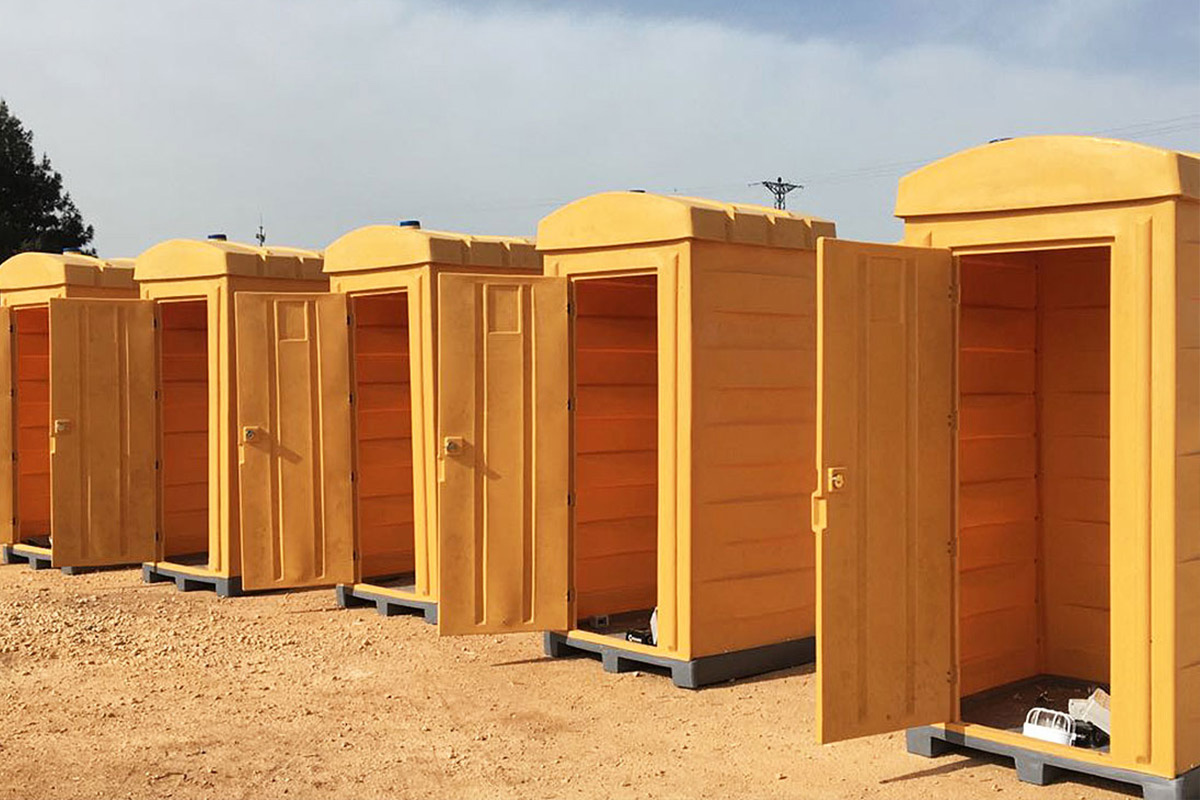
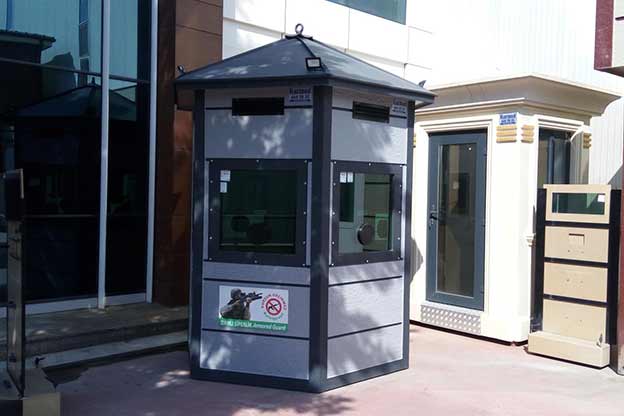
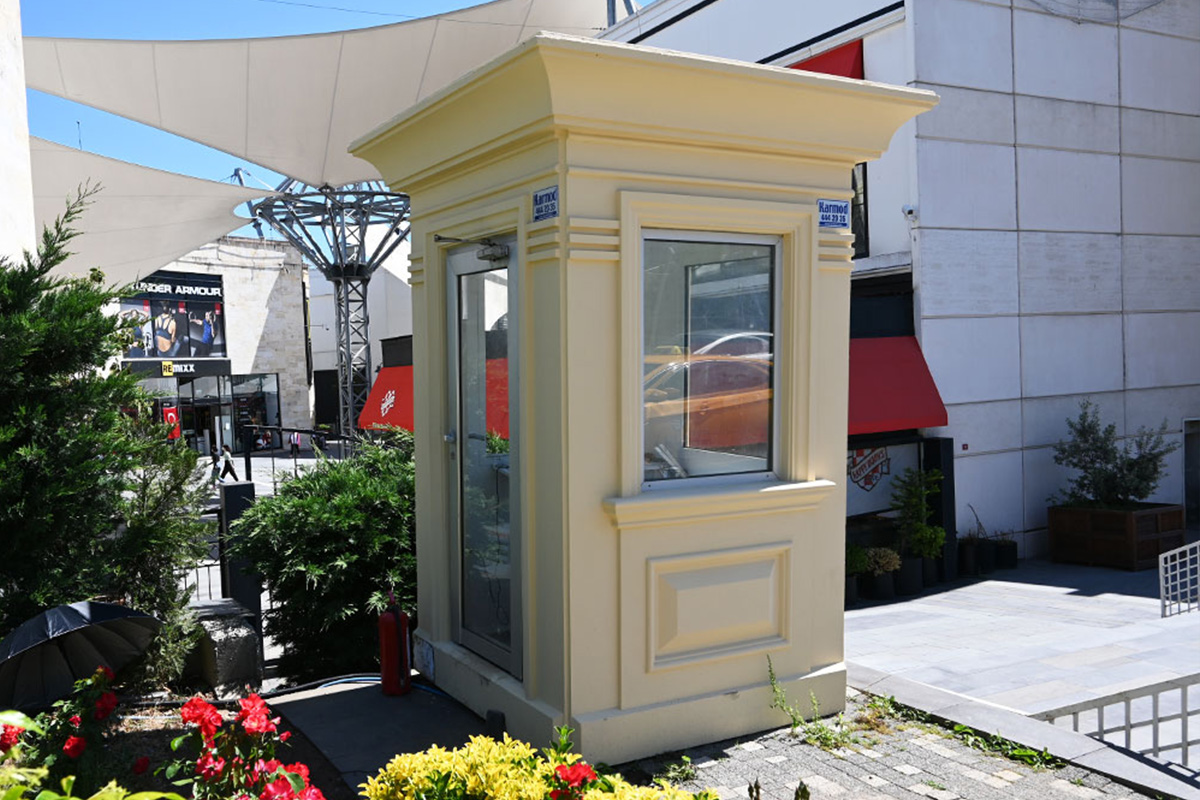
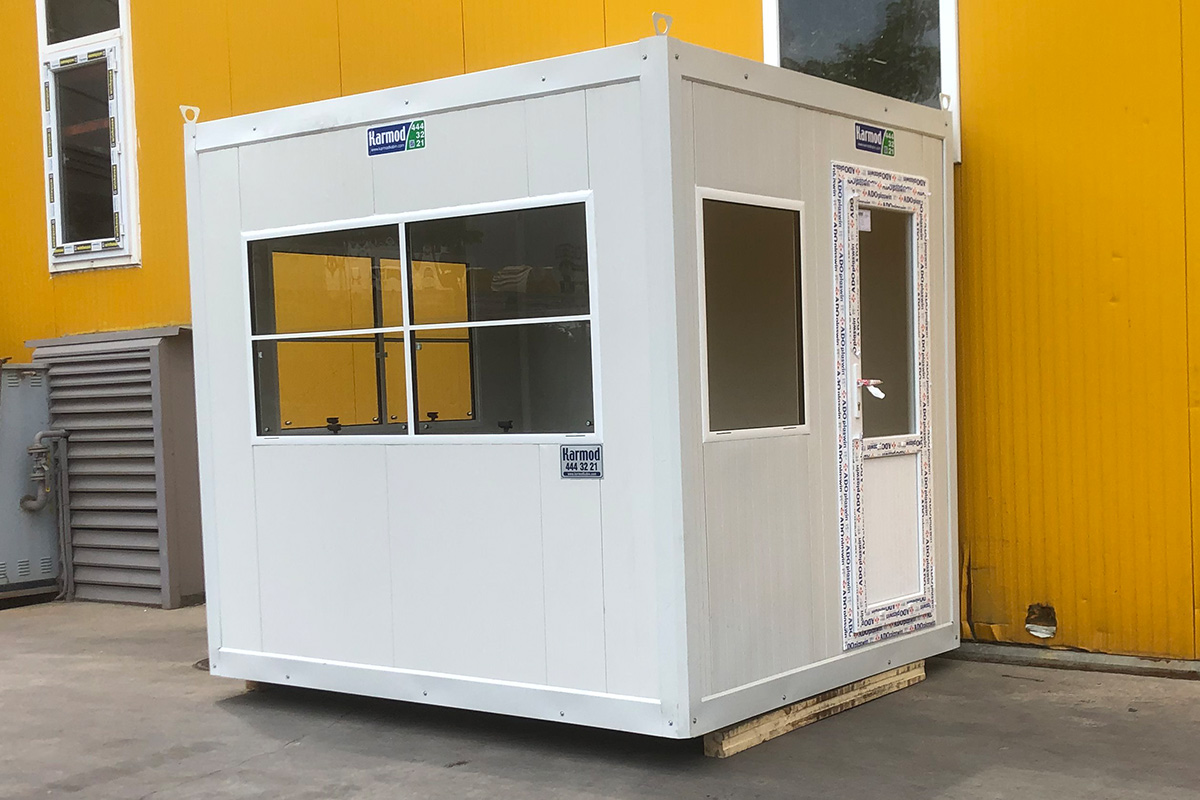
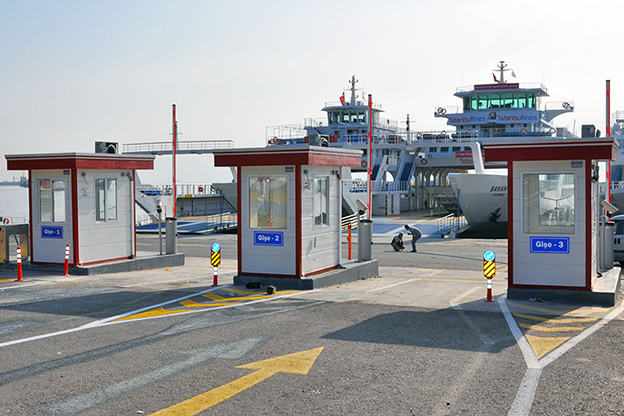
- Security buildings & technical units for logistics centers, energy facilities, and public sites
- Storage and logistics facilities designed for rapid deployment near transport corridors
These applications reflect Belgium’s demand for buildings that can be installed quickly, comply with strict standards, and adapt to changing usage patterns.
From Design to Installation: How the Process Works
The process starts with a detailed project needs analysis. Capacity requirements, technical standards, usage duration, and Belgian regulatory constraints are clearly defined at this stage.
Custom design and technical specifications follow. Layouts, insulation performance, fire safety measures, and mechanical systems are configured to meet both operational objectives and local regulations. This phase is where experienced manufacturers translate complex compliance requirements into efficient building solutions.
Factory production then takes place under controlled conditions, ensuring consistent quality, precise tolerances, and predictable timelines.
After production, modules or components are delivered to Belgium via planned logistics routes designed to minimize disruption and align with site constraints. On-site installation is completed efficiently—often within days—allowing facilities to become operational with minimal delay.
Key Considerations for Modular Buildings in Belgium
Thermal insulation: Belgium’s energy performance regulations make high-quality insulation essential for both compliance and long-term operational cost control.
Fire safety: Modular and prefabricated buildings must meet Belgian and EU fire safety standards. Certified materials, fire-resistant assemblies, and clear evacuation planning are critical.
Climate suitability: Moisture resistance, ventilation performance, and material durability are key factors in maintaining stable indoor conditions throughout the year.
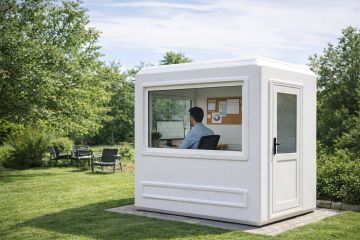
Custom layouts: Modular systems allow interior configurations to be tailored to specific workflows, whether for offices, accommodation, or technical operations.
Manufacturers with international experience, such as Karmod, approach these requirements with a systems-based mindset. Karmod modular building solutions are developed to align with European regulations while remaining adaptable to country-specific needs. Drawing on experience from multiple markets, Karmod focuses on balancing speed, durability, and regulatory alignment rather than relying on one-size-fits-all models.
For Belgian organizations seeking reliable construction solutions, the value lies not only in rapid delivery but also in long-term performance and adaptability. This is where experienced providers contribute by combining technical expertise with a clear understanding of operational realities across Europe.