



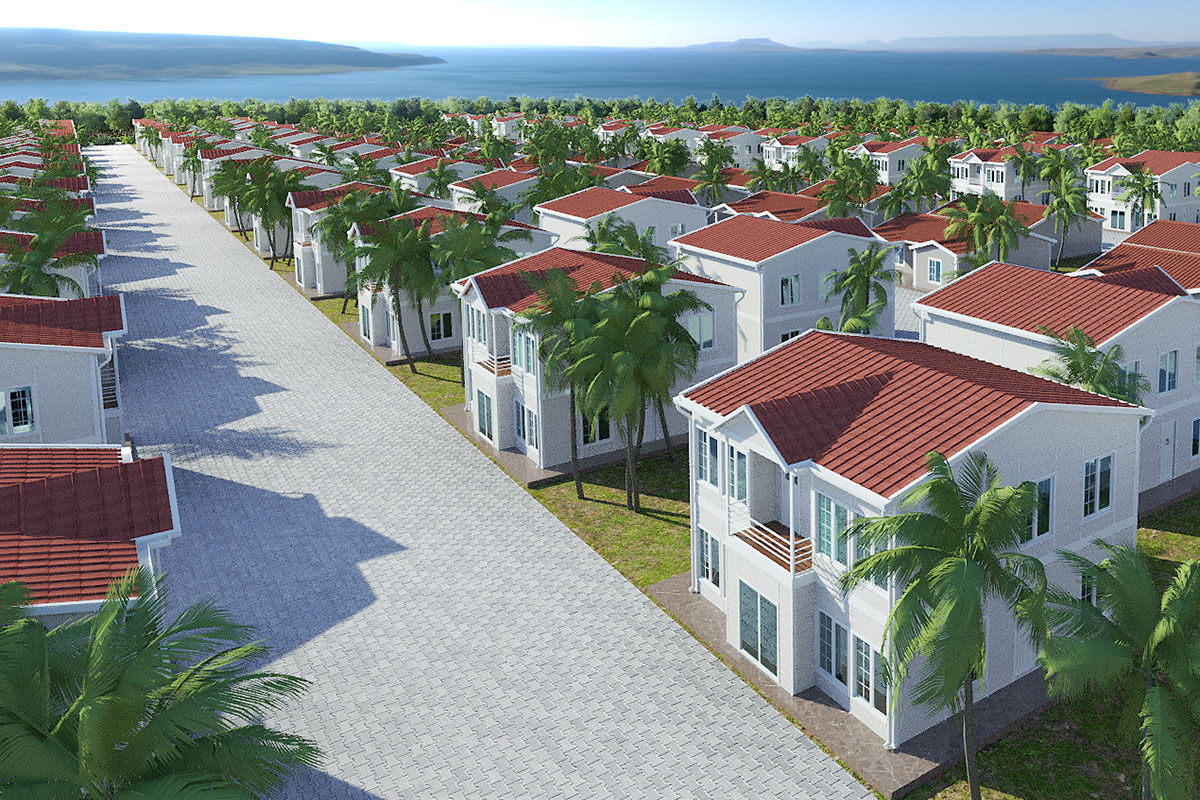
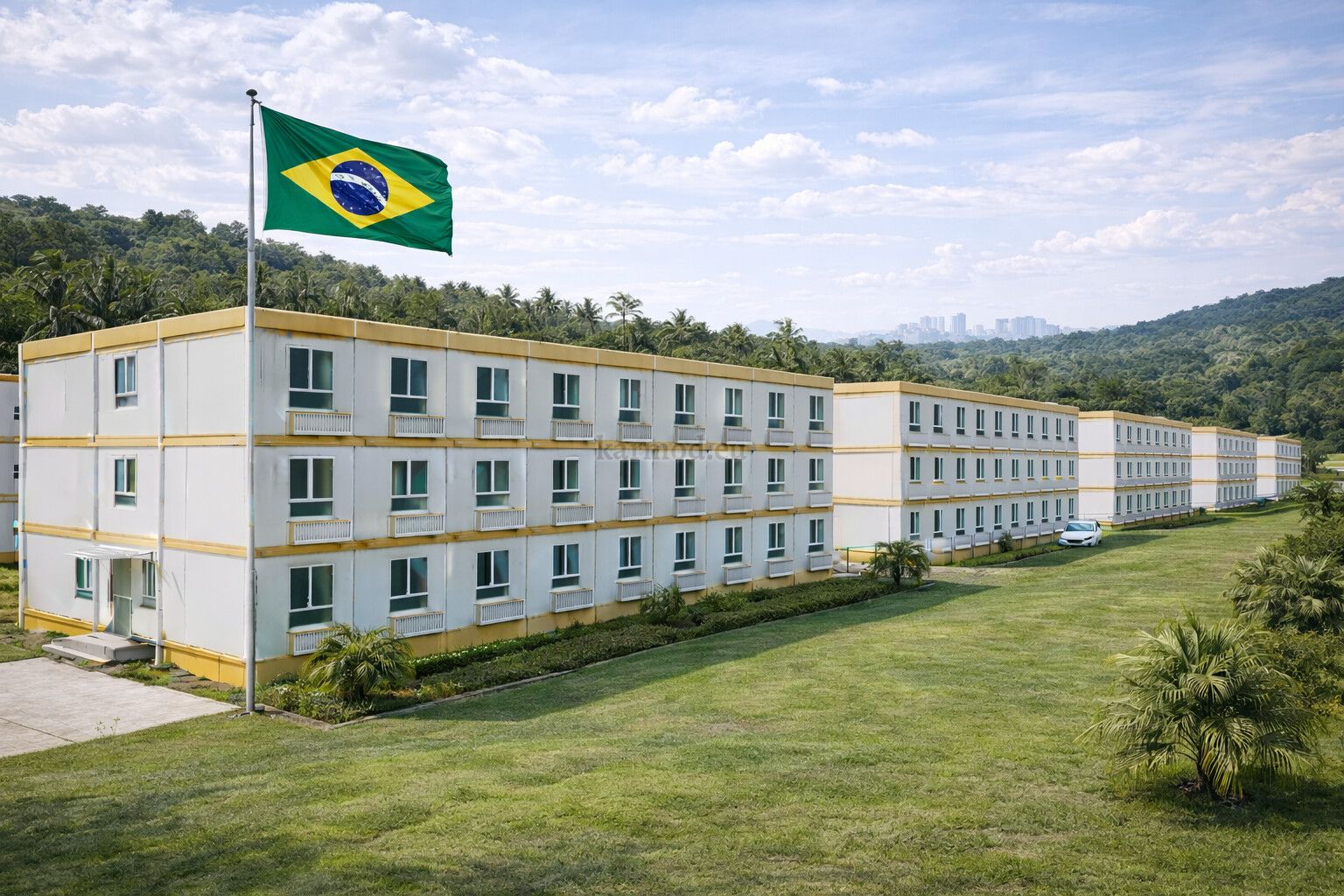
Brazil’s construction market reflects the scale and diversity of the country itself. From large infrastructure investments and industrial corridors to energy projects and public facilities, decision-makers increasingly look for building methods that reduce time risks and ensure predictable quality. In this context, modular buildings and prefabricated building solutions have become strategic options rather than short-term alternatives.
For contractors, developers, and public authorities operating across Brazil’s vast geography, these systems support faster deployment, better cost control, and consistent standards—especially in regions where conventional construction faces logistical or workforce challenges.
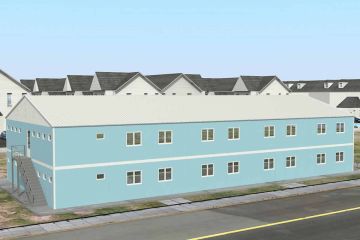
Why Modular Buildings Are in High Demand in Brazil
Labor costs and workforce availability vary significantly across Brazil. While major cities offer skilled labor, remote regions and large-scale project sites often face shortages and higher mobilization costs. Modular buildings reduce on-site labor intensity by transferring most production activities to controlled factory environments.
Construction timelines are another critical factor. Infrastructure projects, ports, industrial plants, and energy developments frequently operate under fixed delivery schedules. Modular construction shortens project durations by enabling off-site manufacturing to run in parallel with site preparation.
Brazil also presents a mix of temporary and permanent building needs. Mining sites, renewable energy fields, and large construction projects require temporary facilities that can later be relocated or reconfigured. At the same time, permanent facilities such as offices, accommodation buildings, and service units increasingly rely on prefabricated building systems for long-term performance and regulatory compliance.
Sector-specific demand plays an important role. Logistics and warehousing operations near ports and transport corridors need quickly deployable support buildings. Industrial and manufacturing zones value standardized solutions that can be replicated across multiple states. Public sector projects—particularly in education and healthcare—benefit from rapid deployment without compromising safety or functionality. Energy projects, including hydropower, wind, and solar, rely on modular solutions that perform reliably in diverse climates.
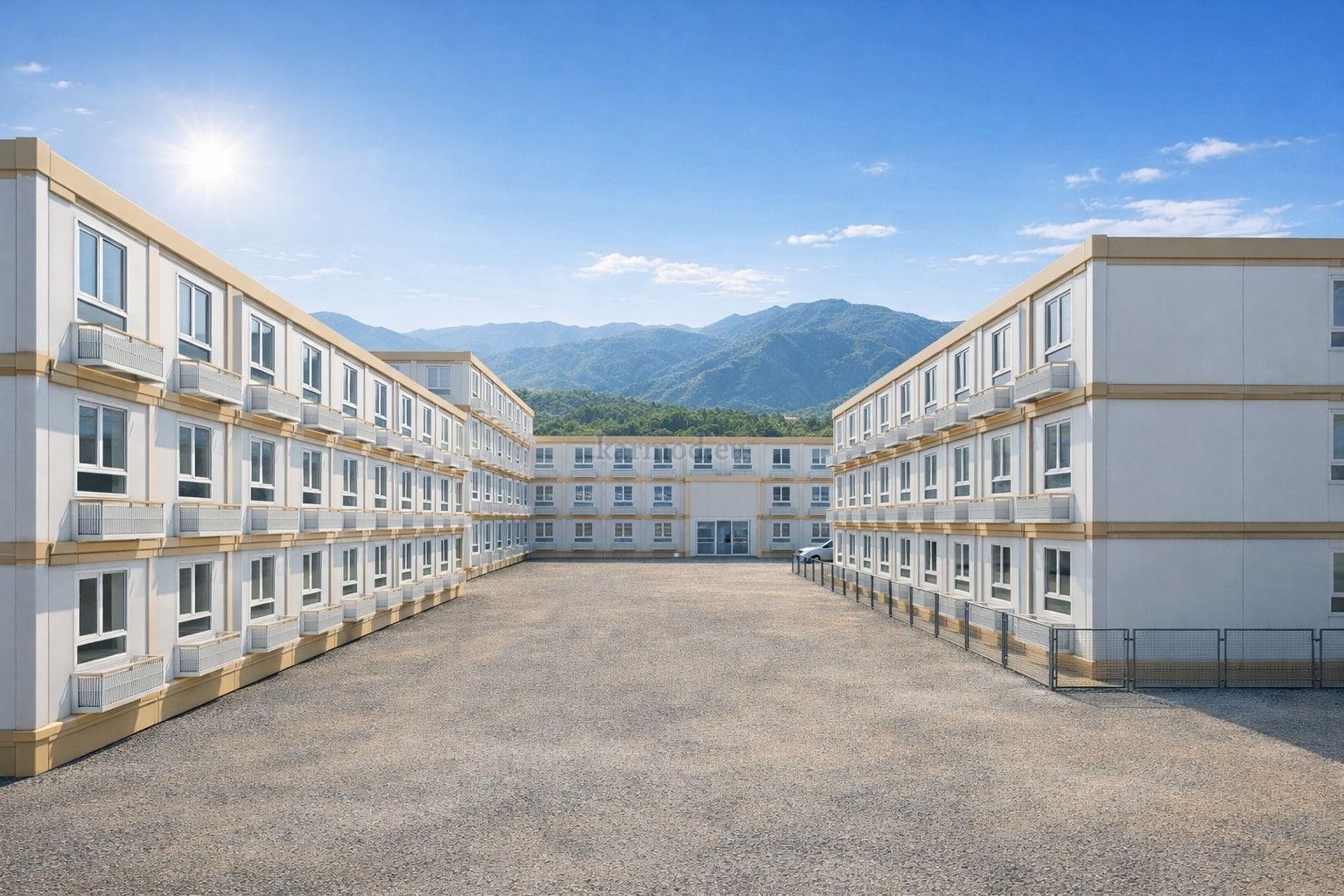
Modular Buildings vs. Prefabricated Building Systems
Understanding the distinction between these two systems helps decision-makers choose the right approach for projects in Brazil.
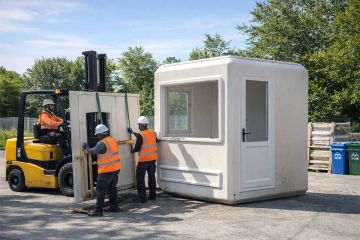
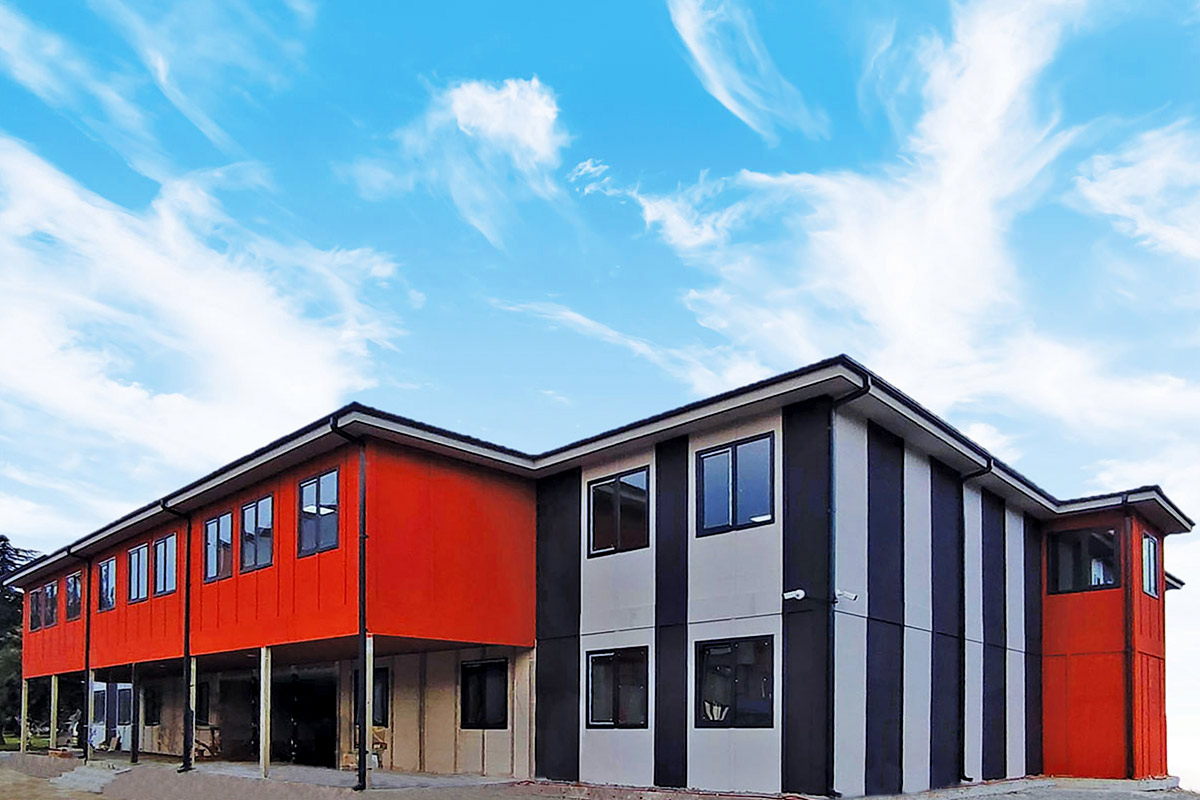
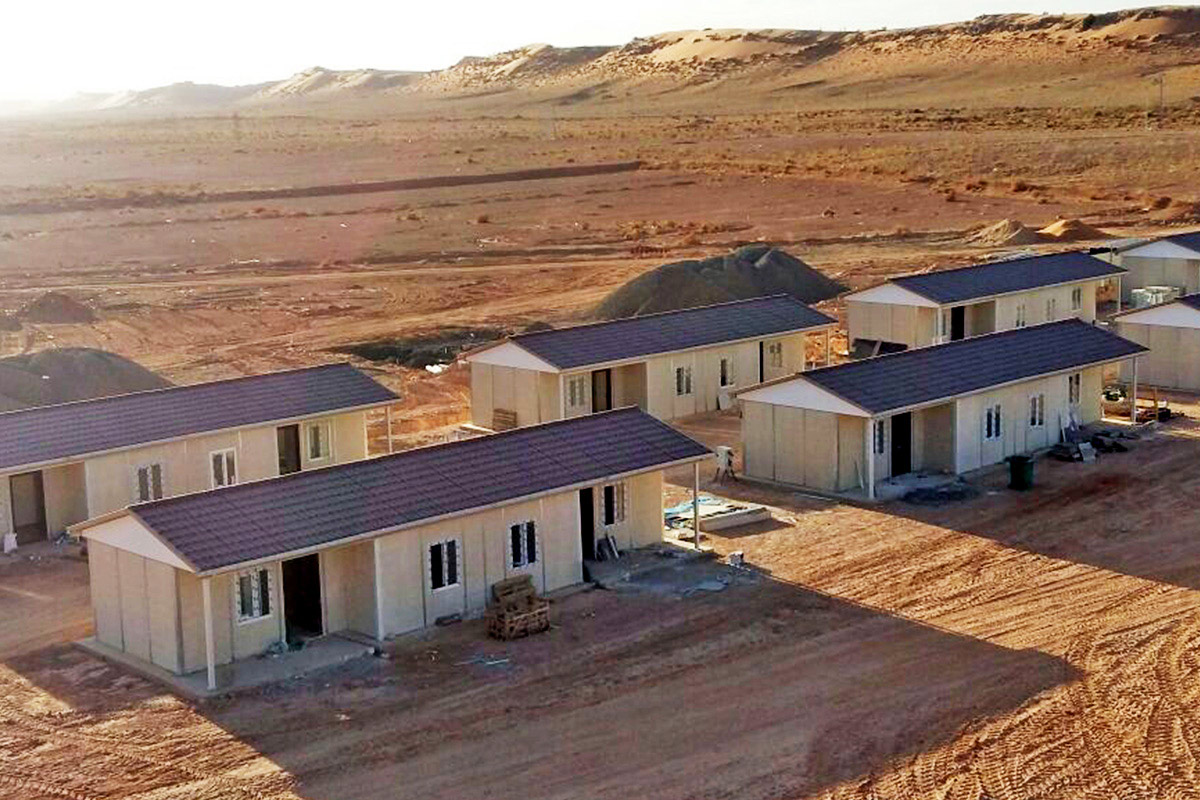
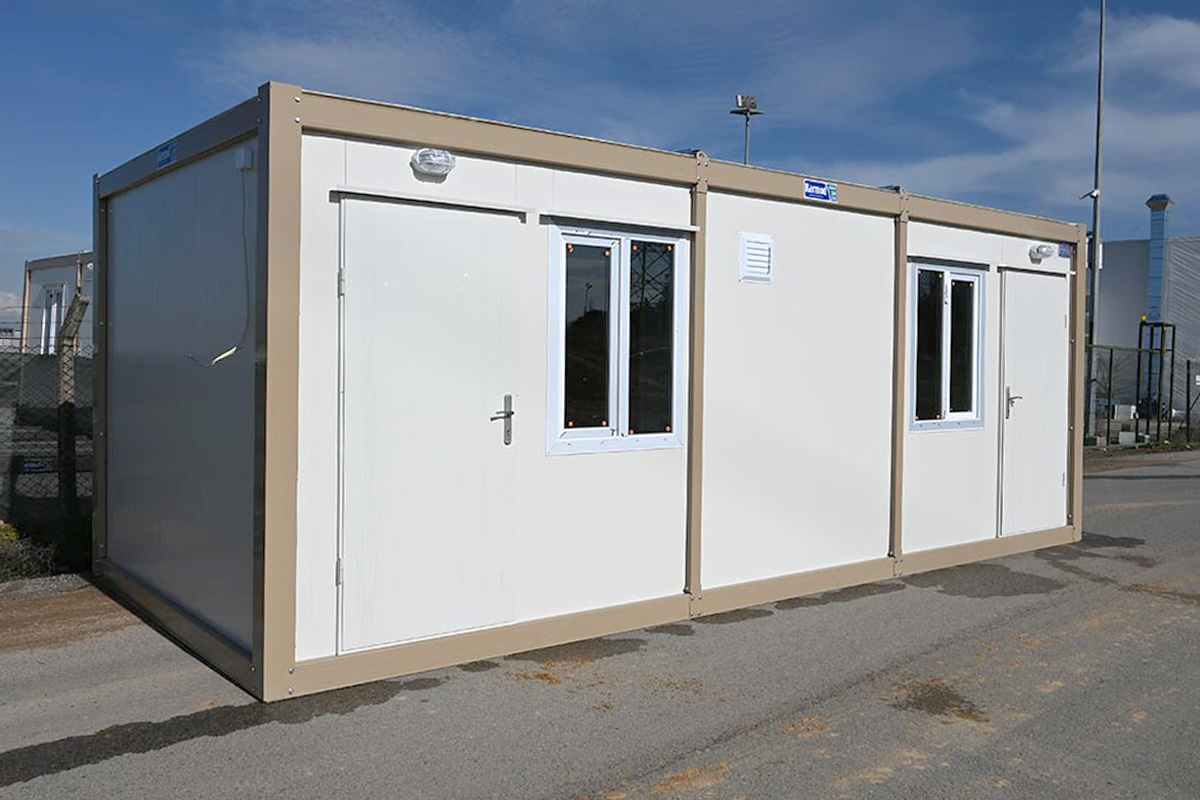
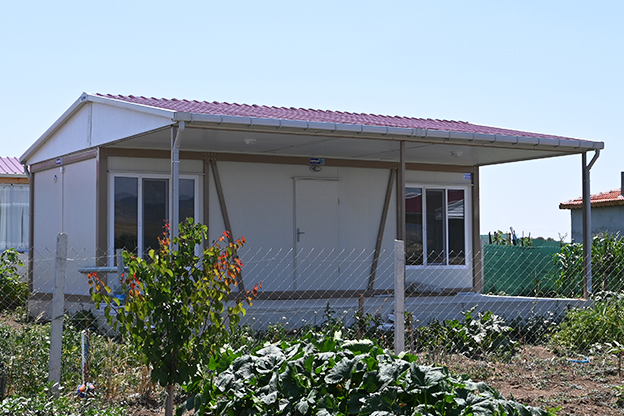
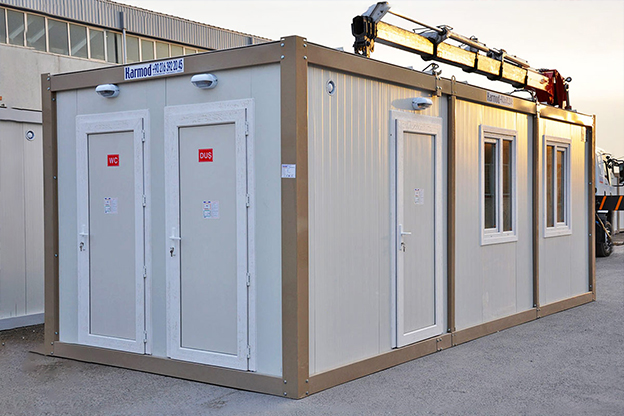
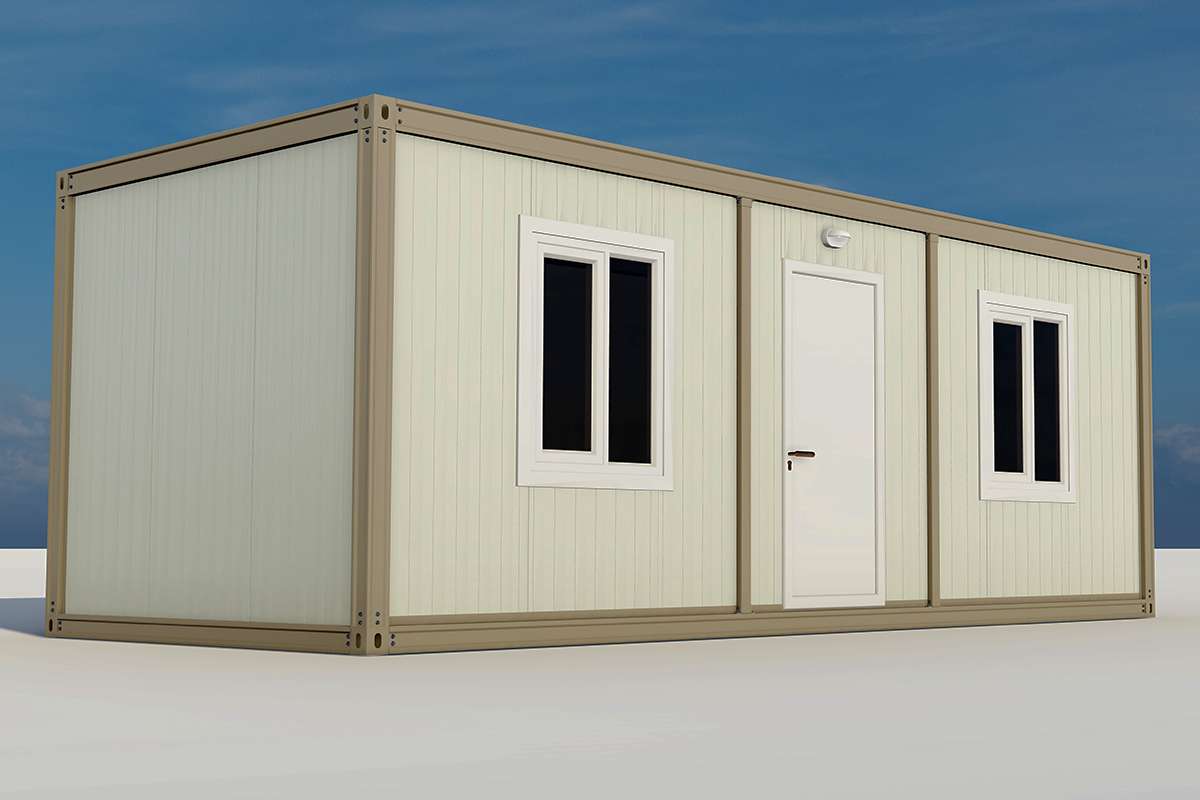
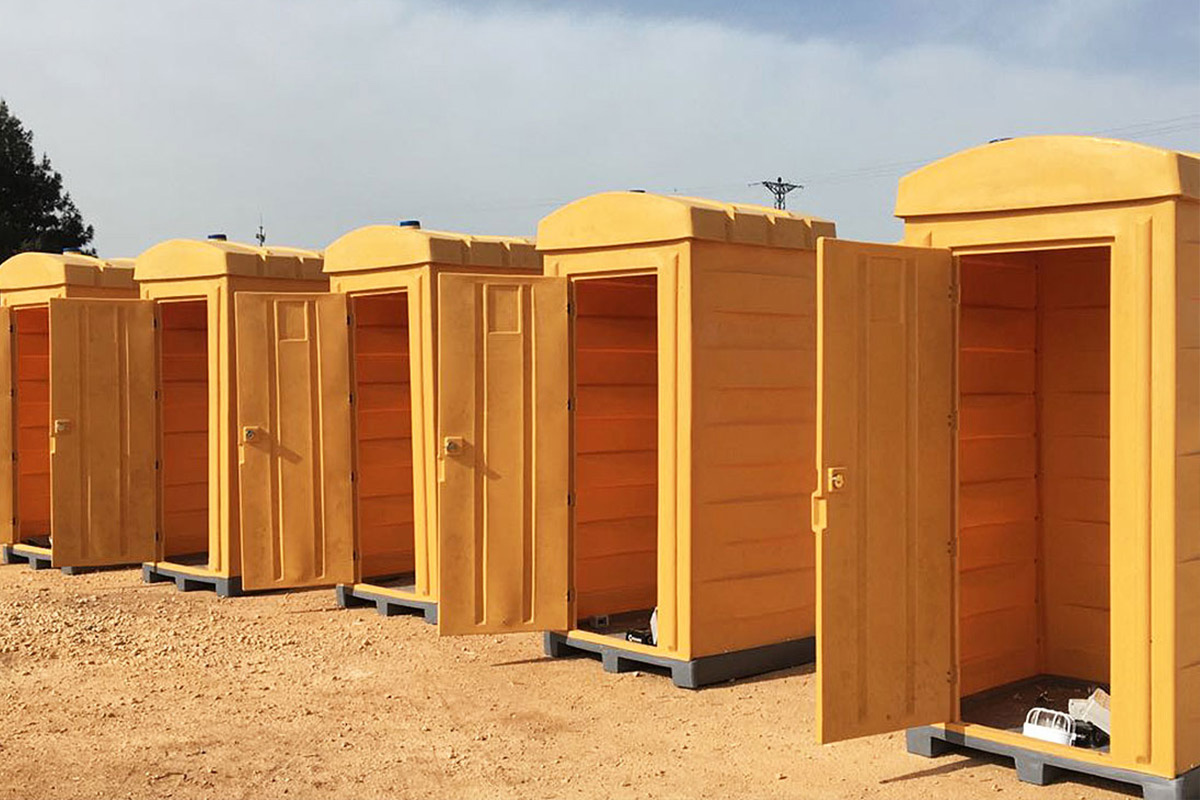
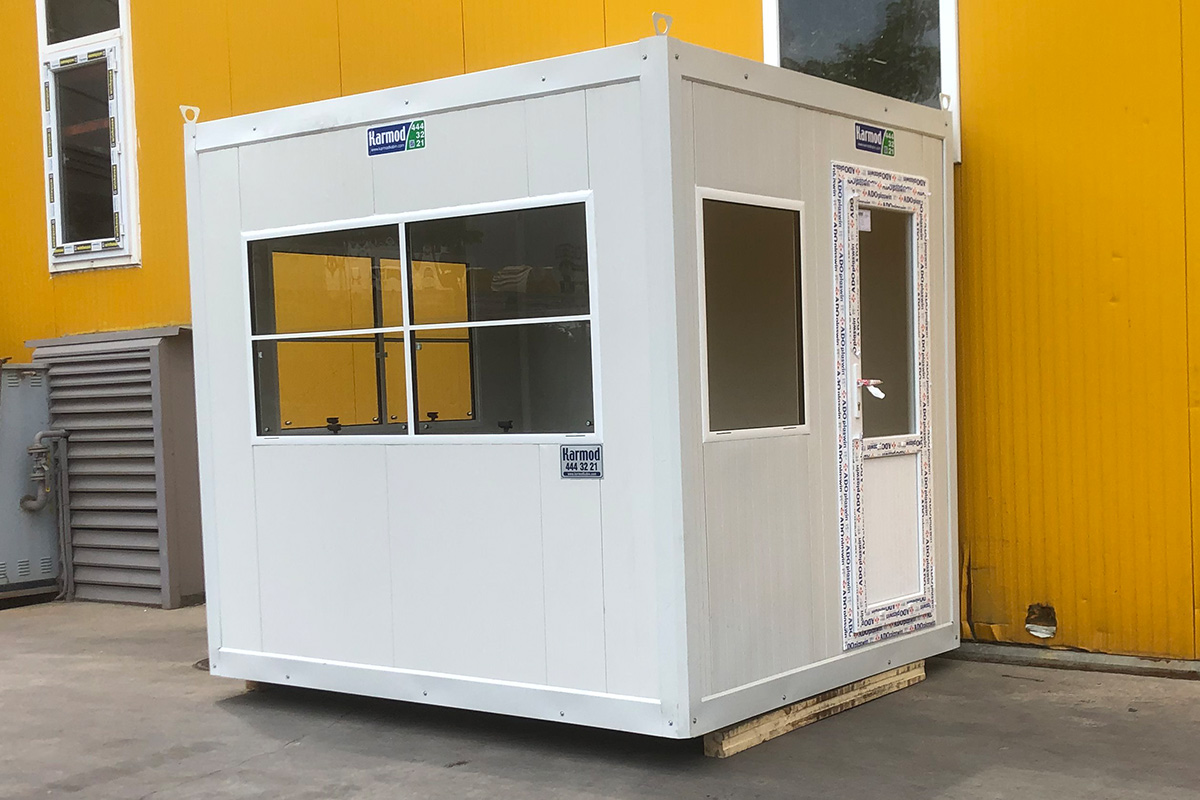
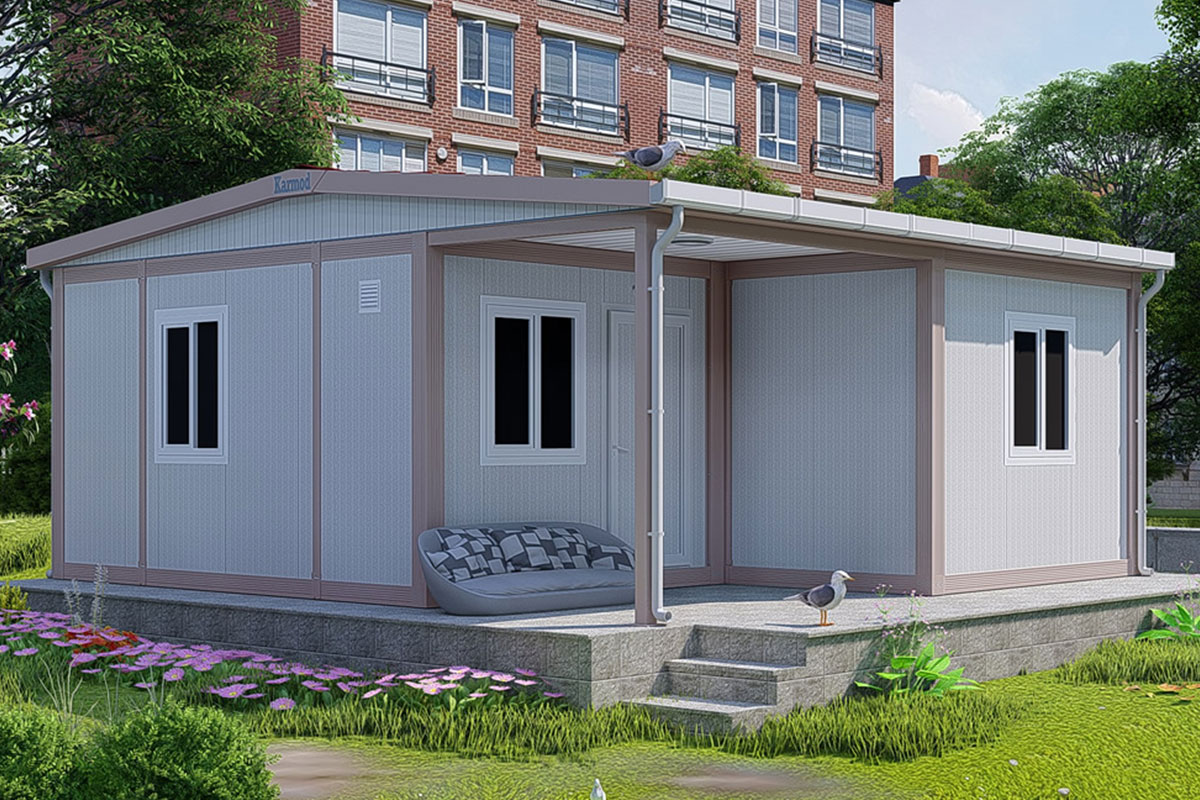
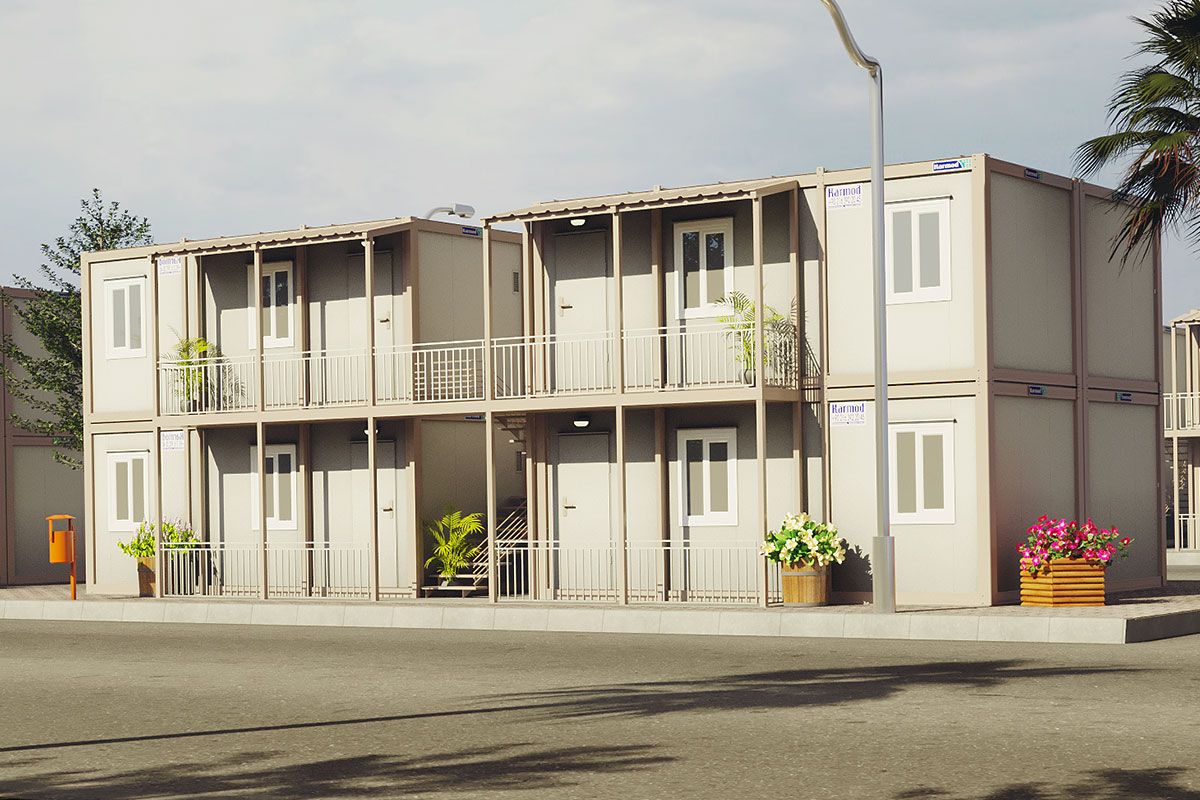
Modular buildings are produced as volumetric units. They are transportable, can be installed rapidly, and allow future expansion or relocation. This makes them suitable for temporary or semi-permanent applications such as construction camps, site offices, and operational buildings in remote areas.
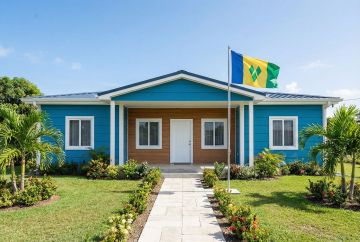
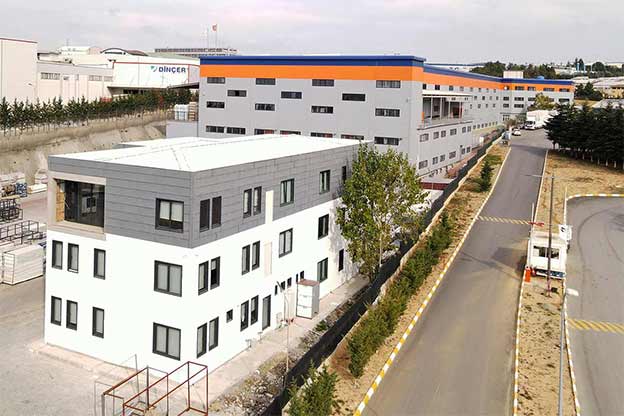
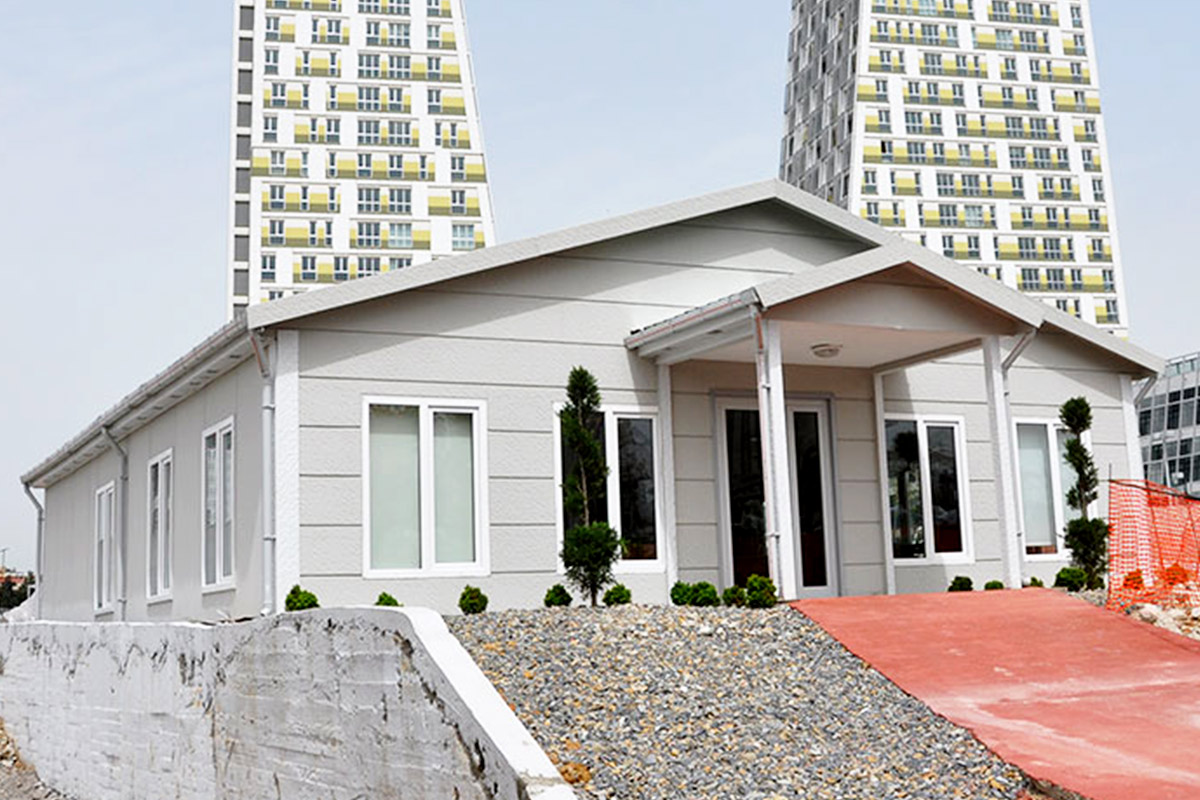
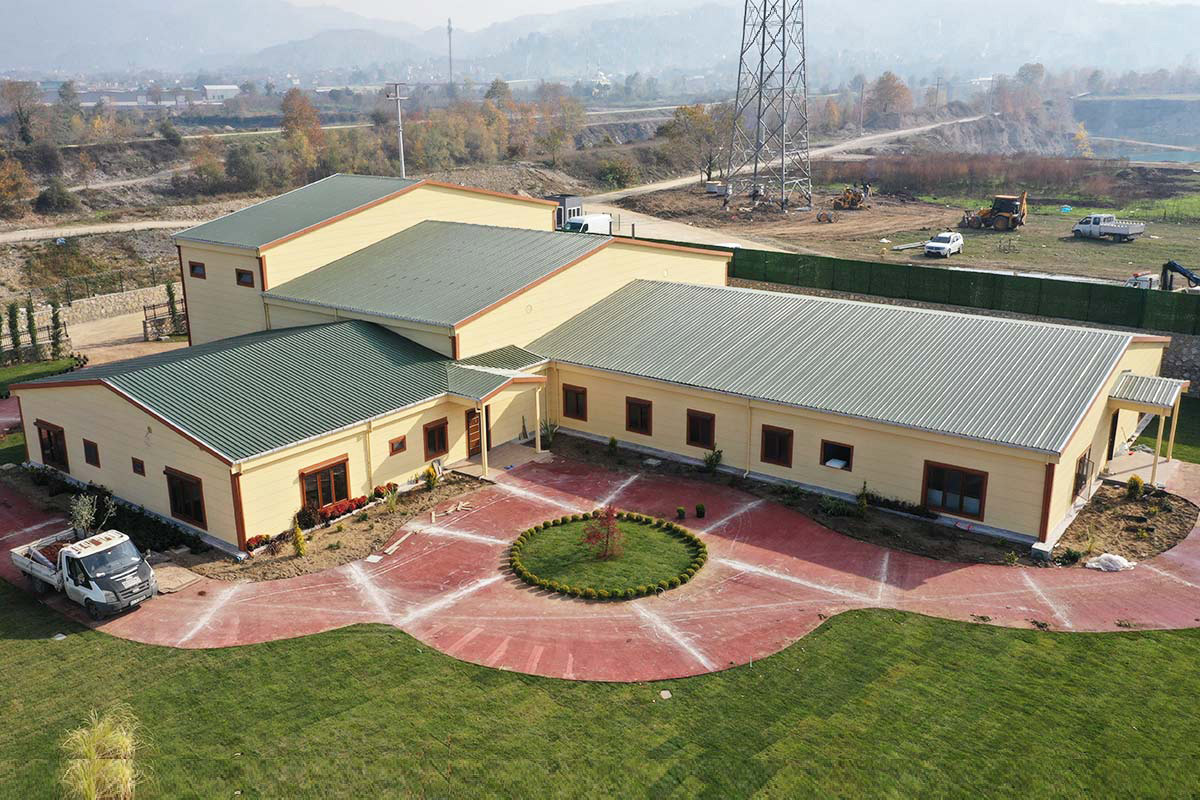
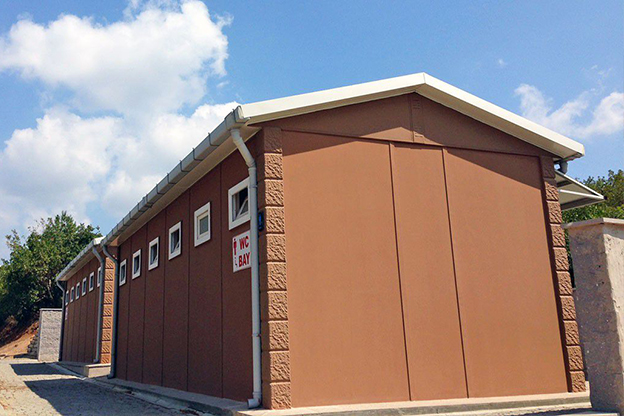
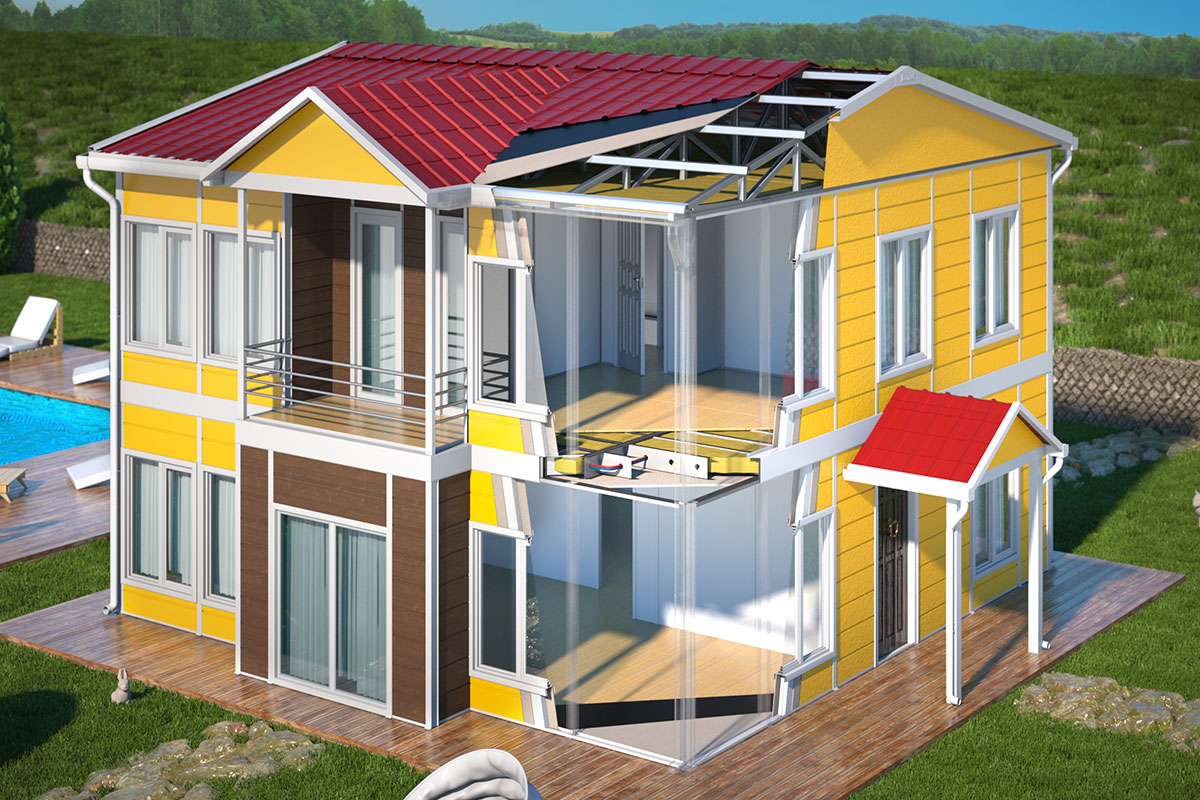
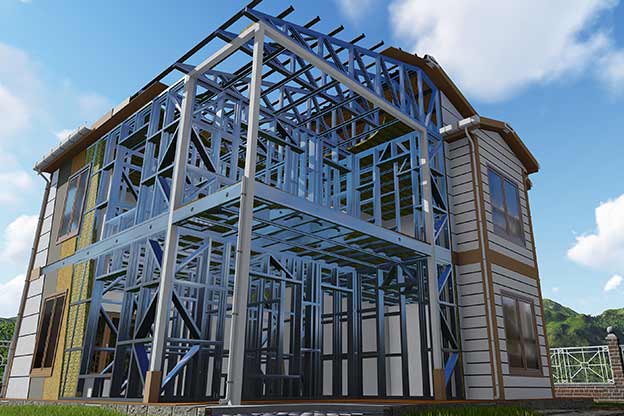
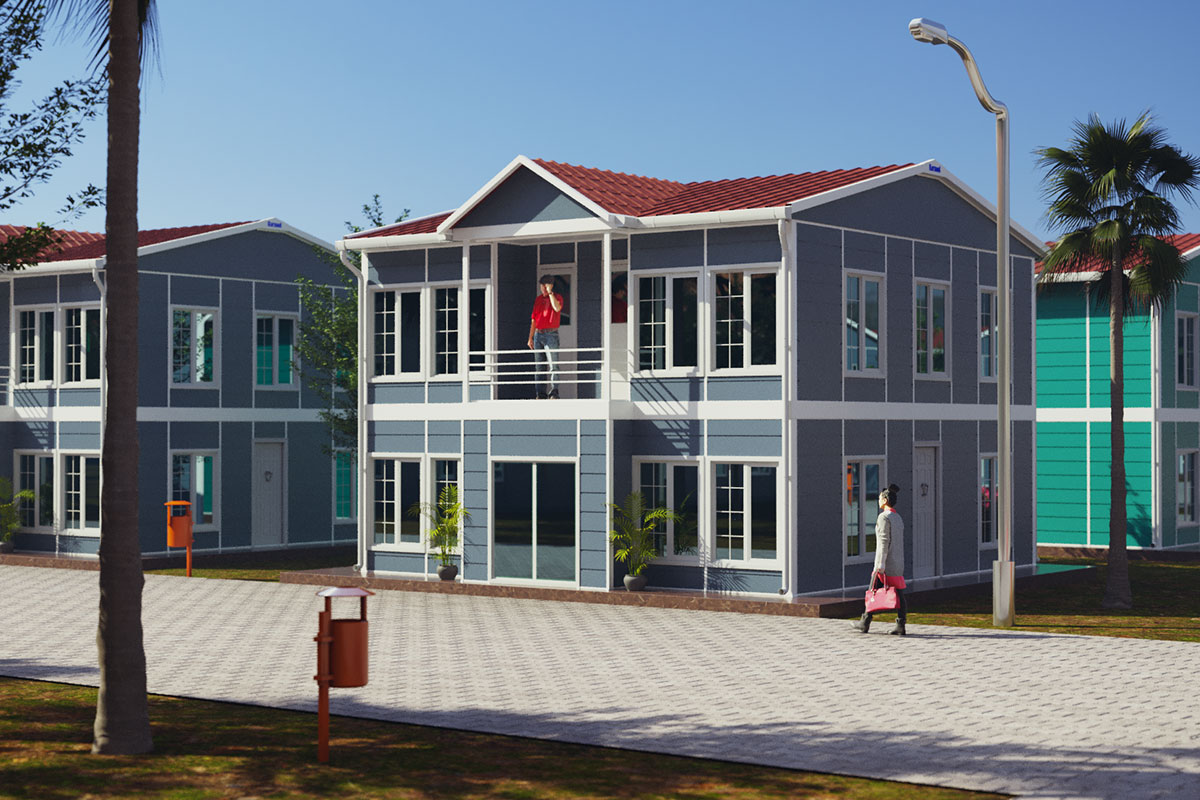
Prefabricated building systems are based on panels or structural components manufactured off-site and assembled on location. These systems are typically selected for permanent buildings where architectural integration, longevity, and compliance with local building regulations are priorities.
In Brazil, modular buildings are often preferred for projects with mobility requirements or phased development plans, while prefabricated building solutions are widely used for long-term facilities that demand durability and design flexibility.
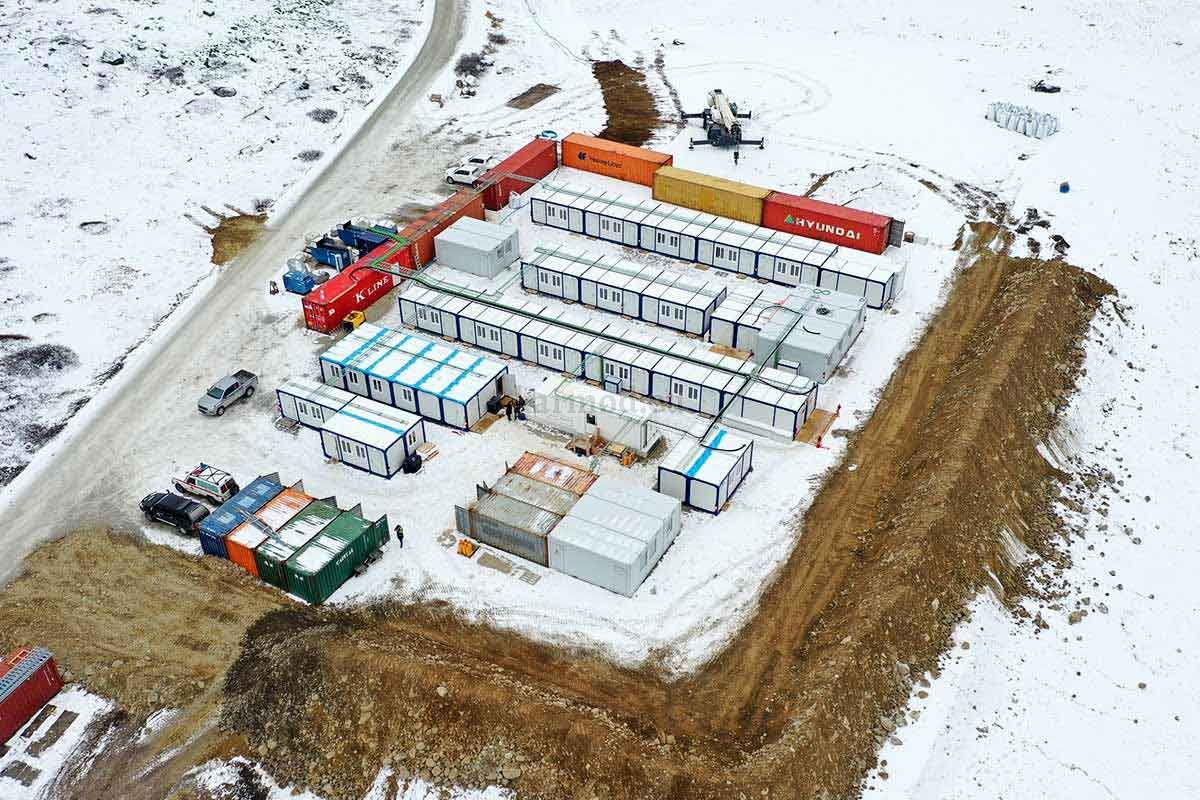
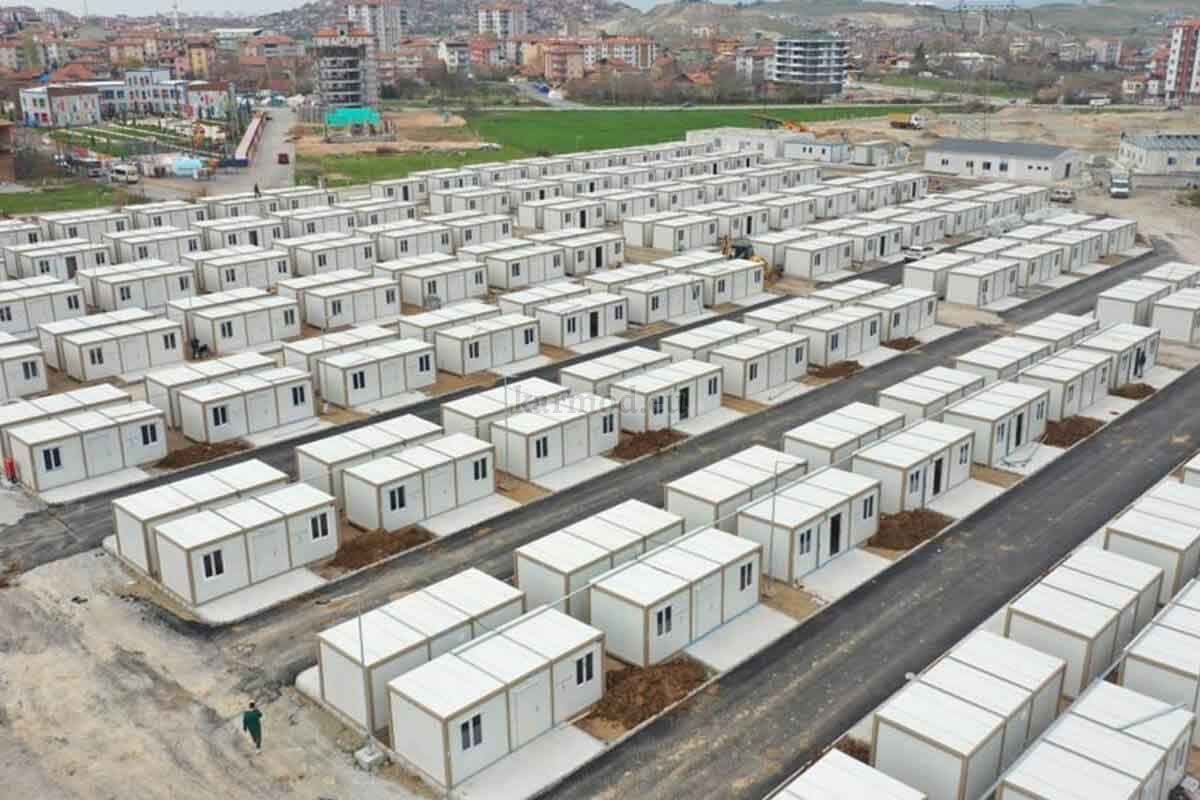
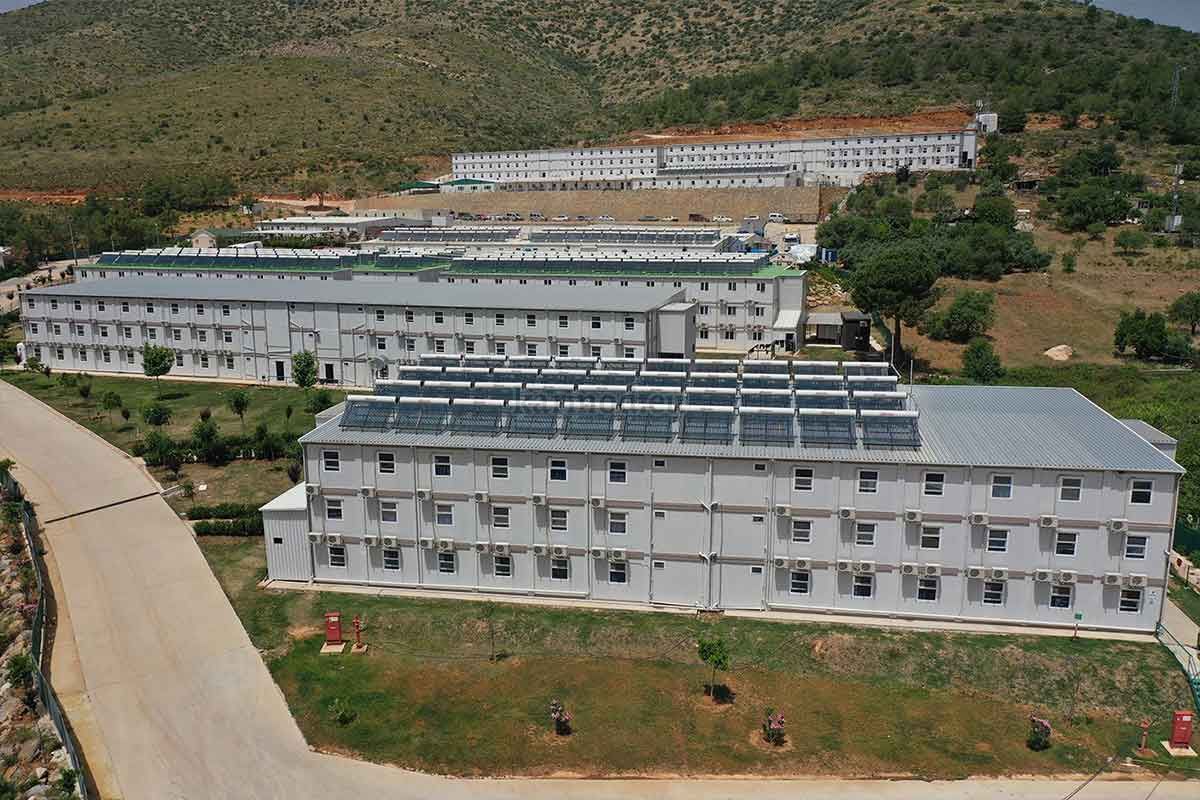
Applications of Modular and Prefabricated Buildings in Brazil
Across Brazil’s industrial and public sectors, these systems are applied in a wide range of scenarios:
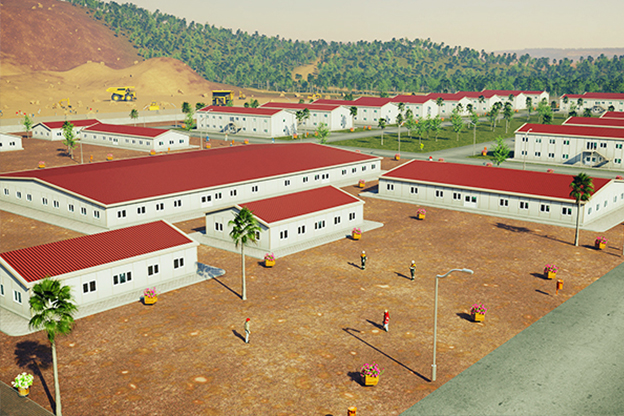
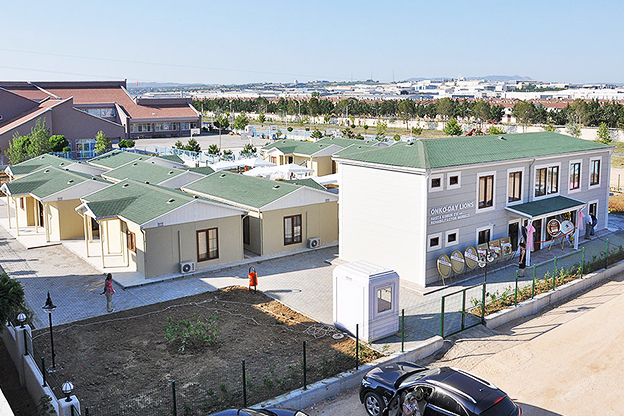
- Site offices & construction camps – Fast-installed administrative and technical spaces for large projects
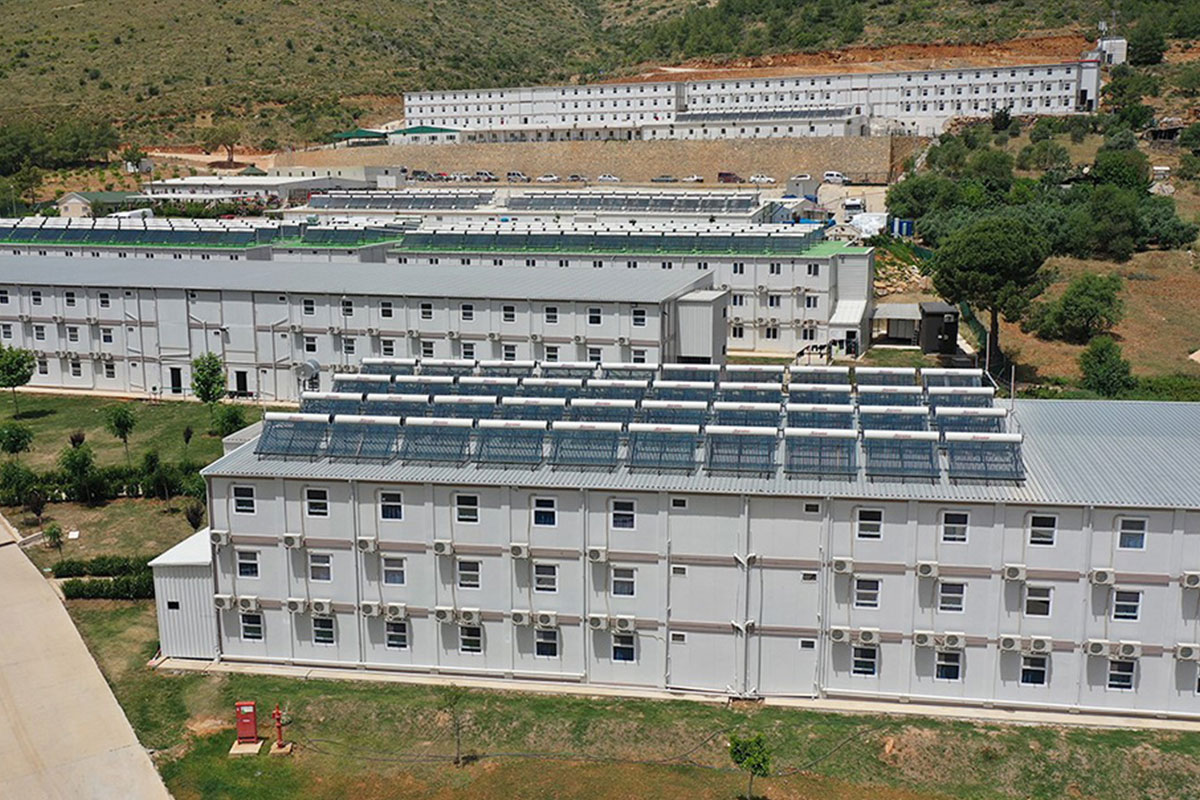
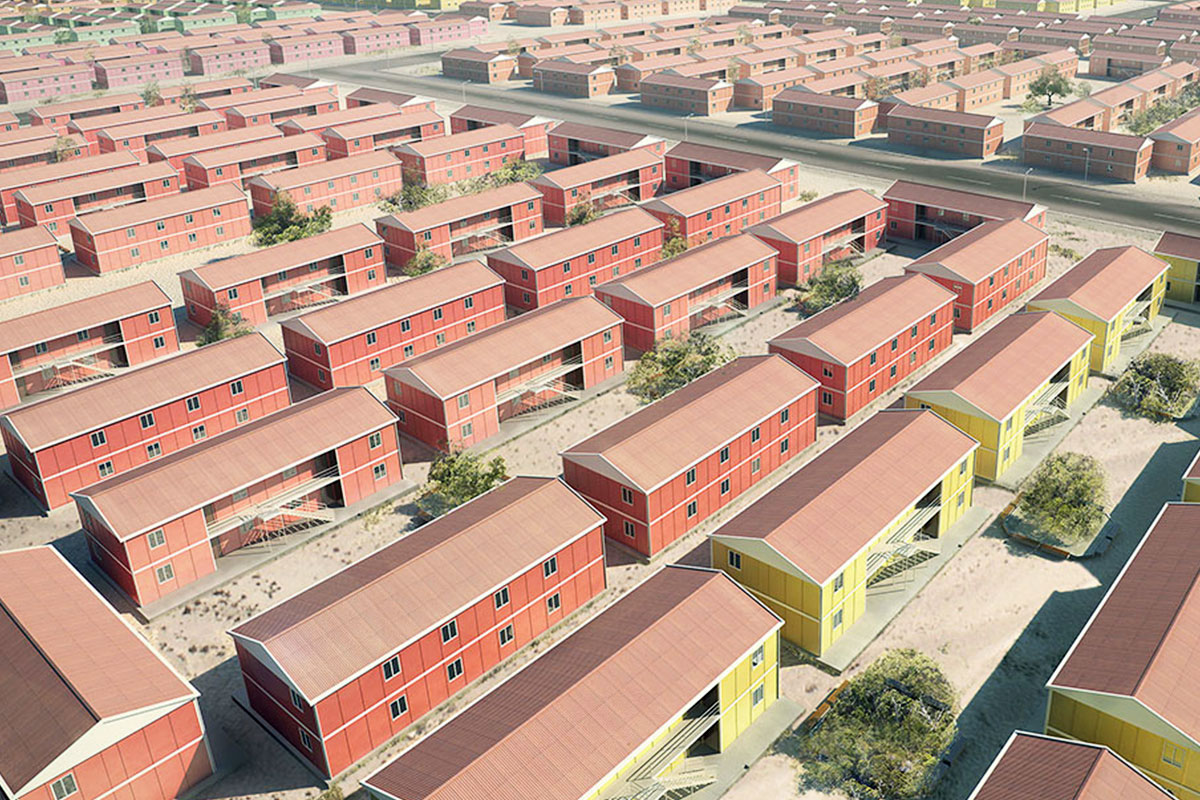
- Worker accommodation buildings – Scalable housing solutions for industrial, mining, and energy sites
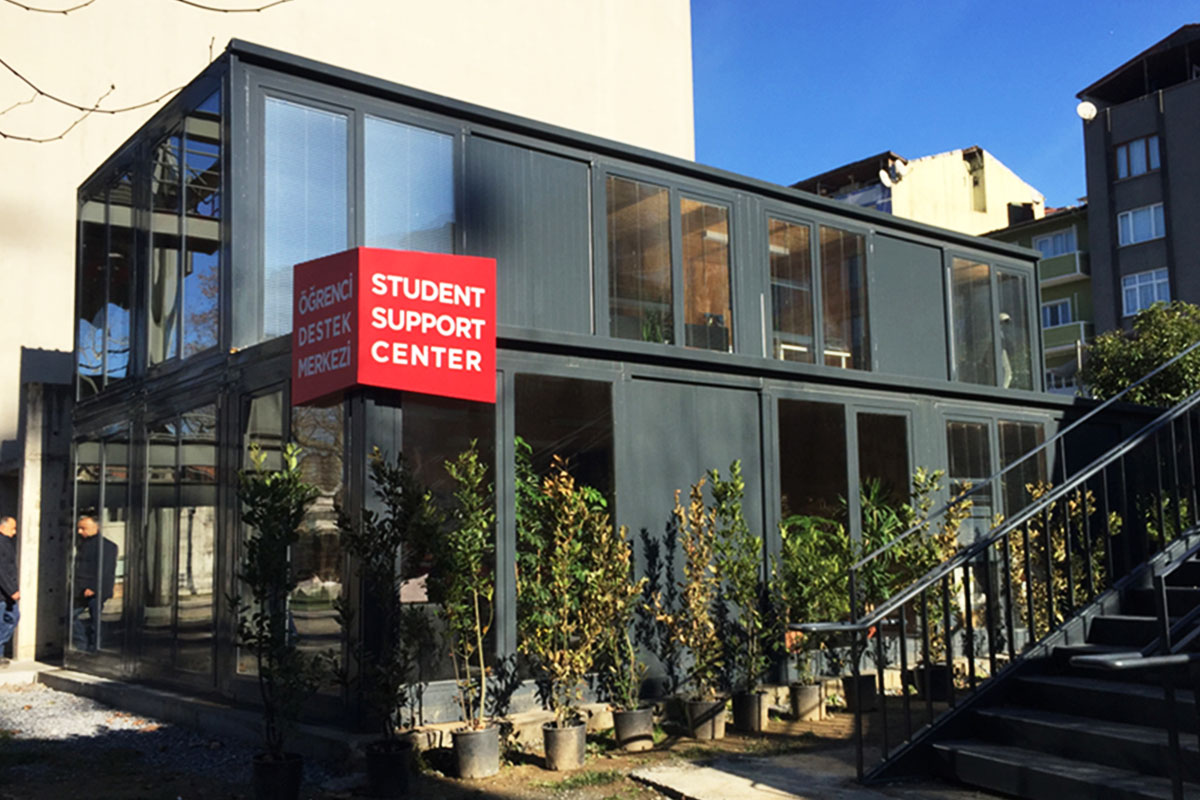
- Temporary schools & healthcare units – Rapidly deployable facilities supporting public services
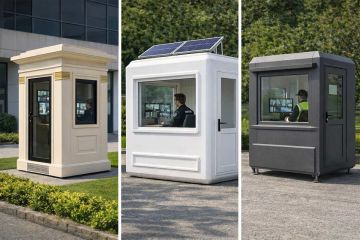
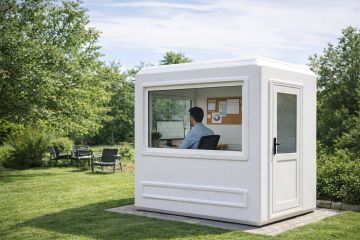
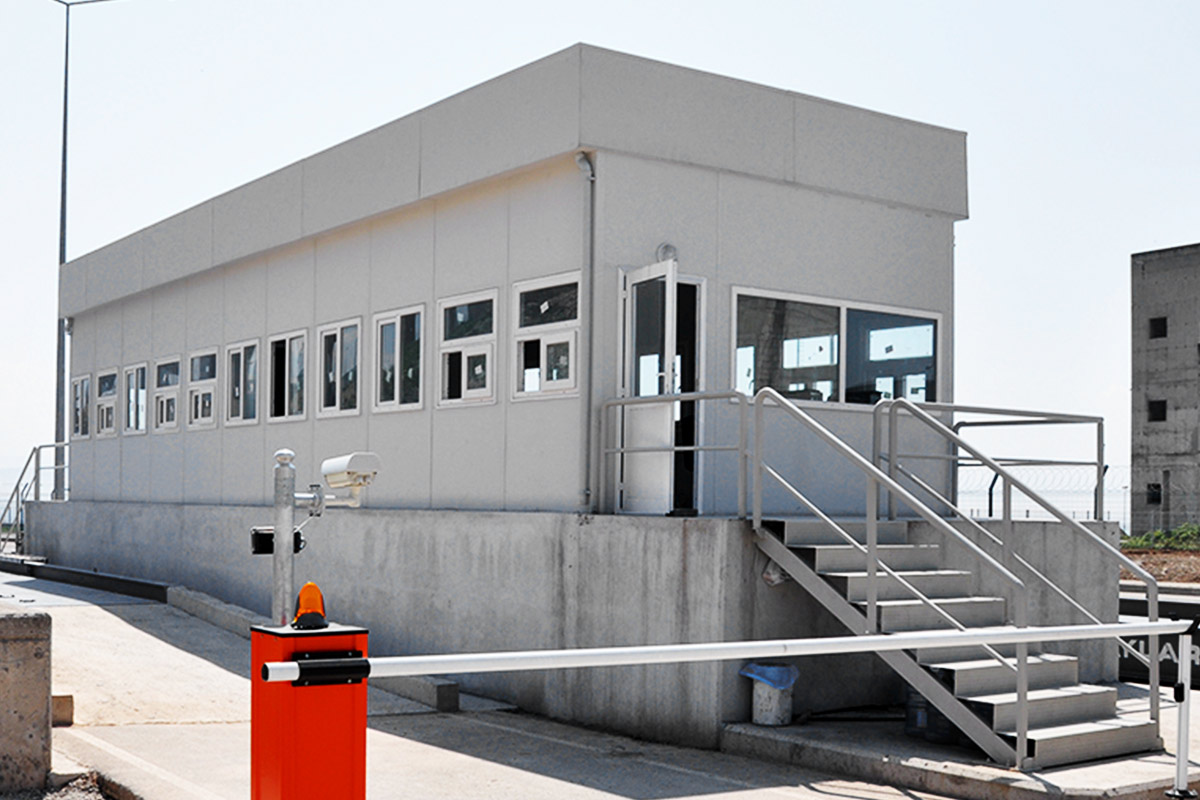
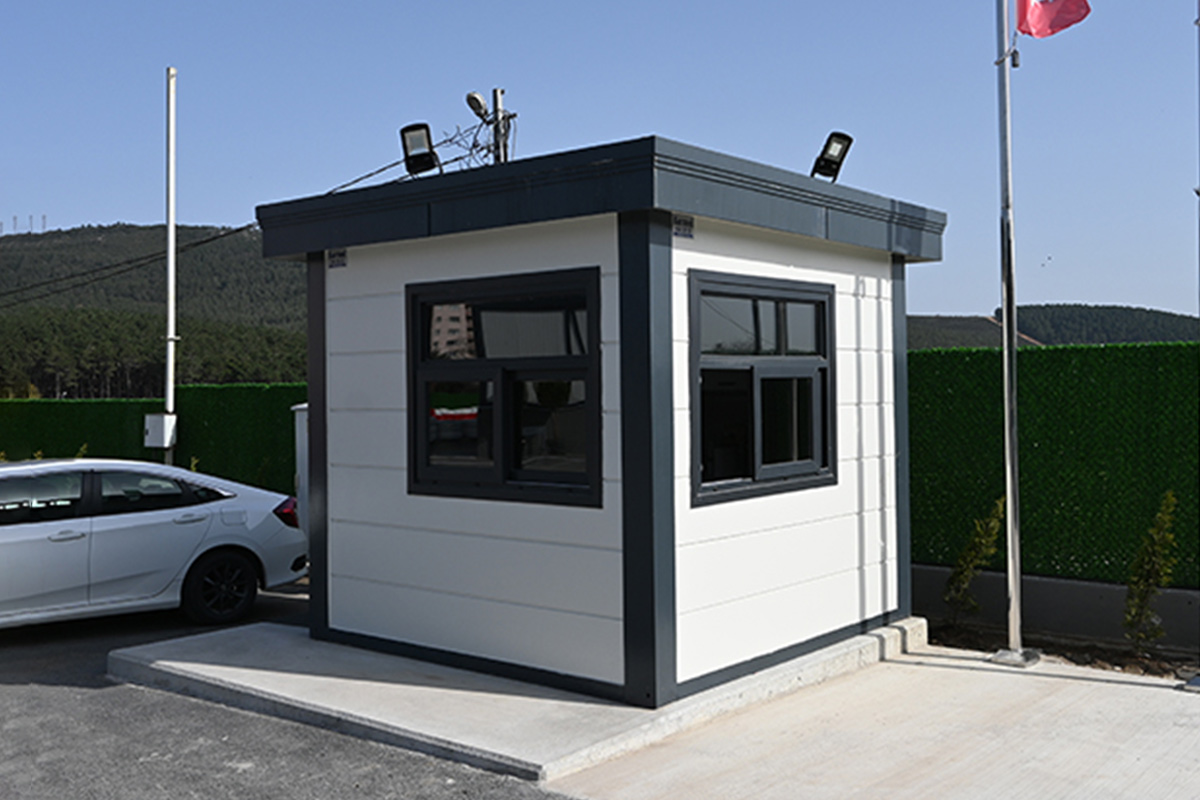
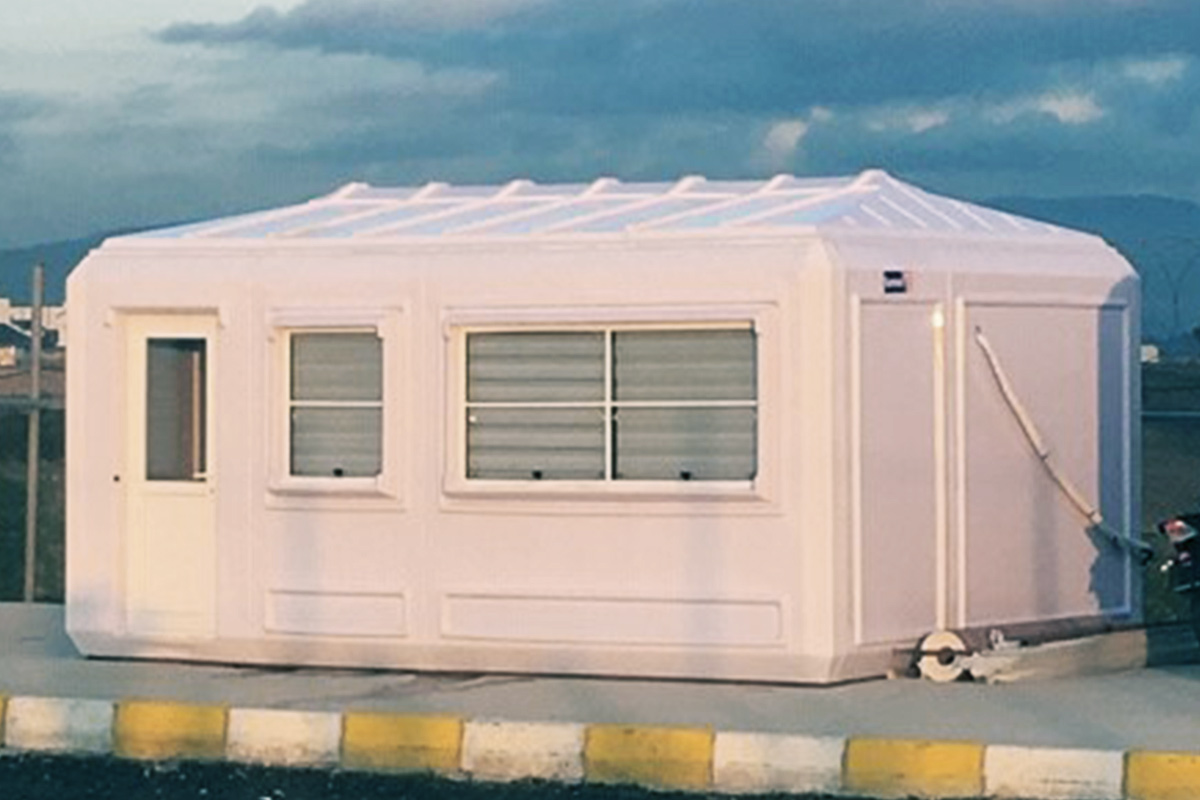
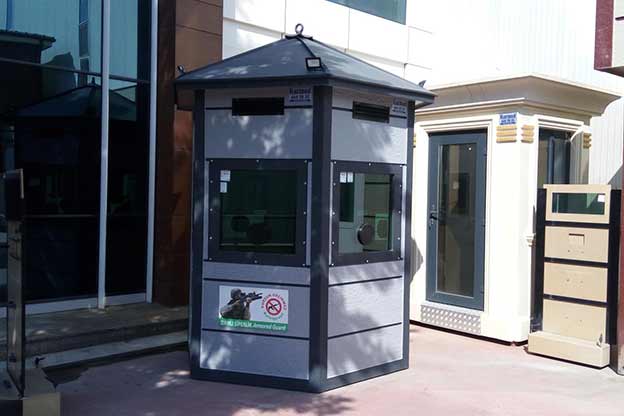
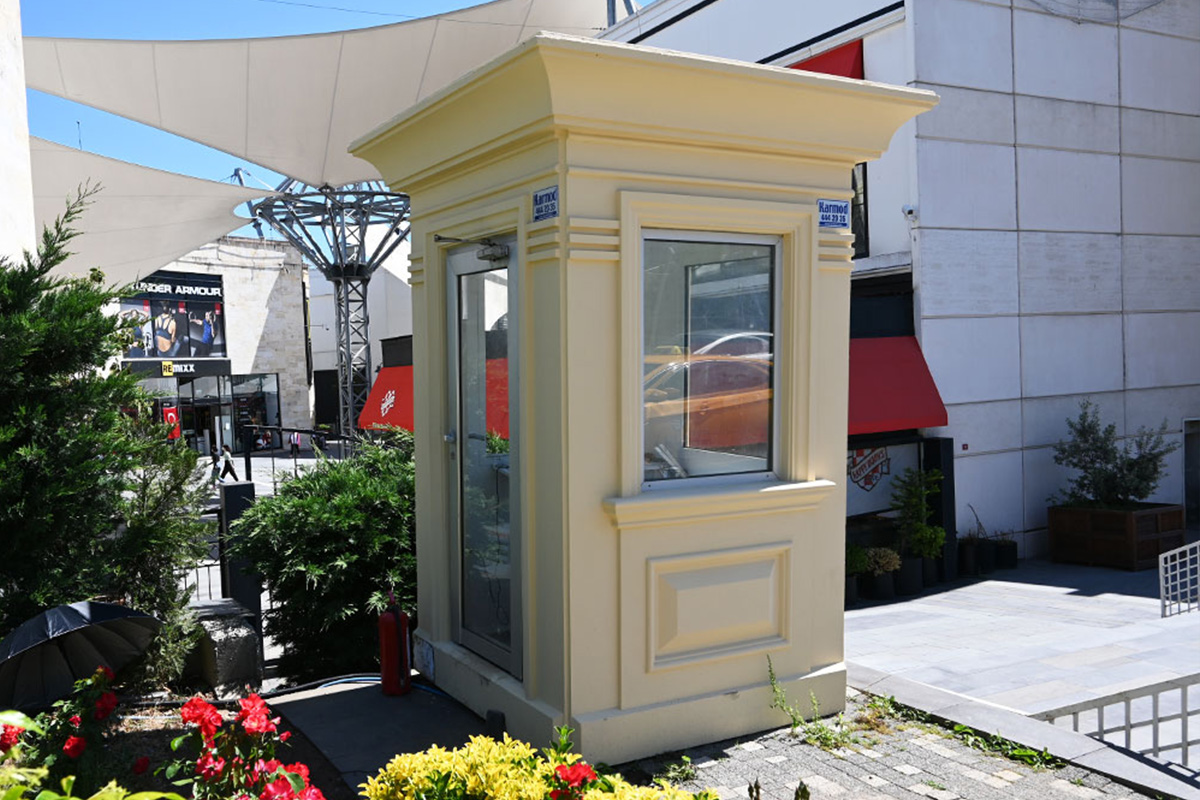
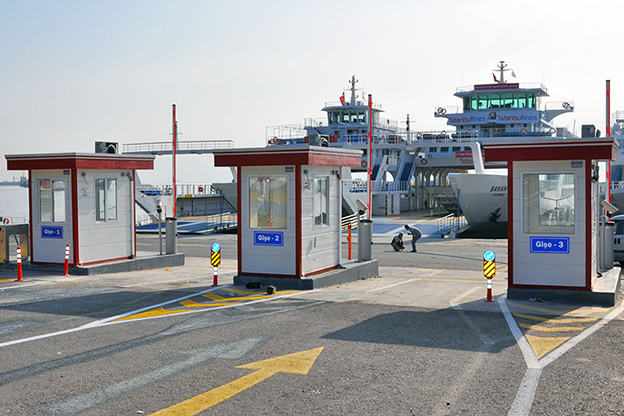
- Security buildings & technical units – Guardhouses, control rooms, and equipment shelters
- Storage and logistics facilities – Auxiliary buildings for ports, warehouses, and distribution centers
These applications show how standardized production can support both operational efficiency and regional adaptability.
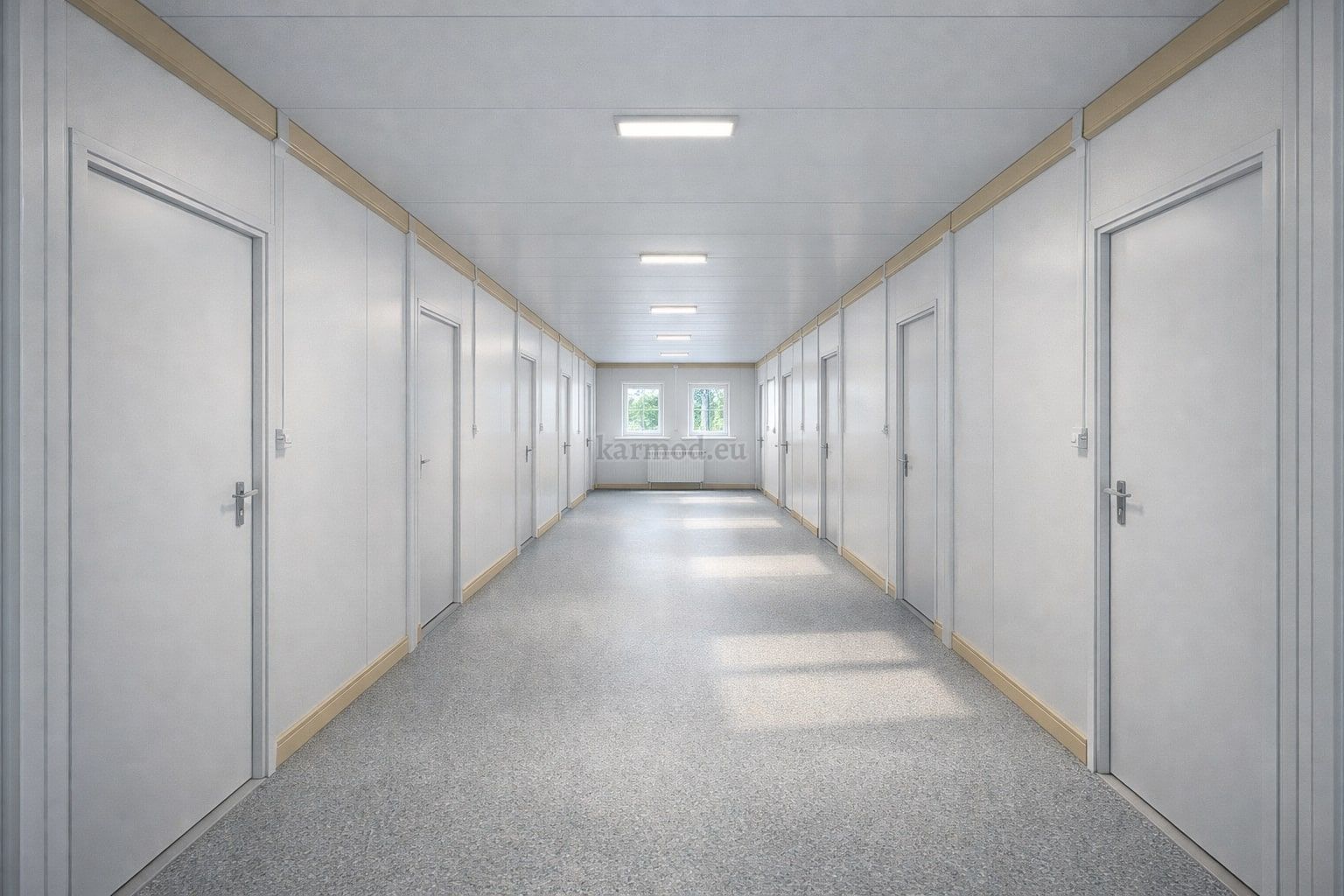
From Design to Installation: How the Process Works
Projects based on modular and prefabricated systems in Brazil typically follow a structured process that minimizes uncertainty.
The first step is project needs analysis, where functional requirements, local regulations, site conditions, and usage scenarios are clearly defined. This stage sets the foundation for efficient execution.
Custom design and specifications follow, adapting layouts, insulation, and technical systems to Brazil’s climatic diversity and operational demands.
Factory production ensures controlled quality and consistent standards. Manufacturing in a regulated environment reduces material waste and limits on-site variability.
Delivery within Brazil requires careful logistics planning, particularly for large modules or multi-unit projects spread across different regions.
On-site installation is comparatively fast. Prepared foundations allow modules or prefabricated elements to be assembled efficiently, enabling early operational use.
Key Considerations for Modular Buildings in Brazil
Thermal insulation: Building envelopes must address tropical heat and regional climate variations to ensure energy efficiency and indoor comfort.
Fire safety standards: Compliance with Brazilian regulations and international norms is essential, particularly for accommodation and public buildings.
Climate suitability: Designs must account for humidity, heavy rainfall, and regional environmental conditions that affect long-term performance.
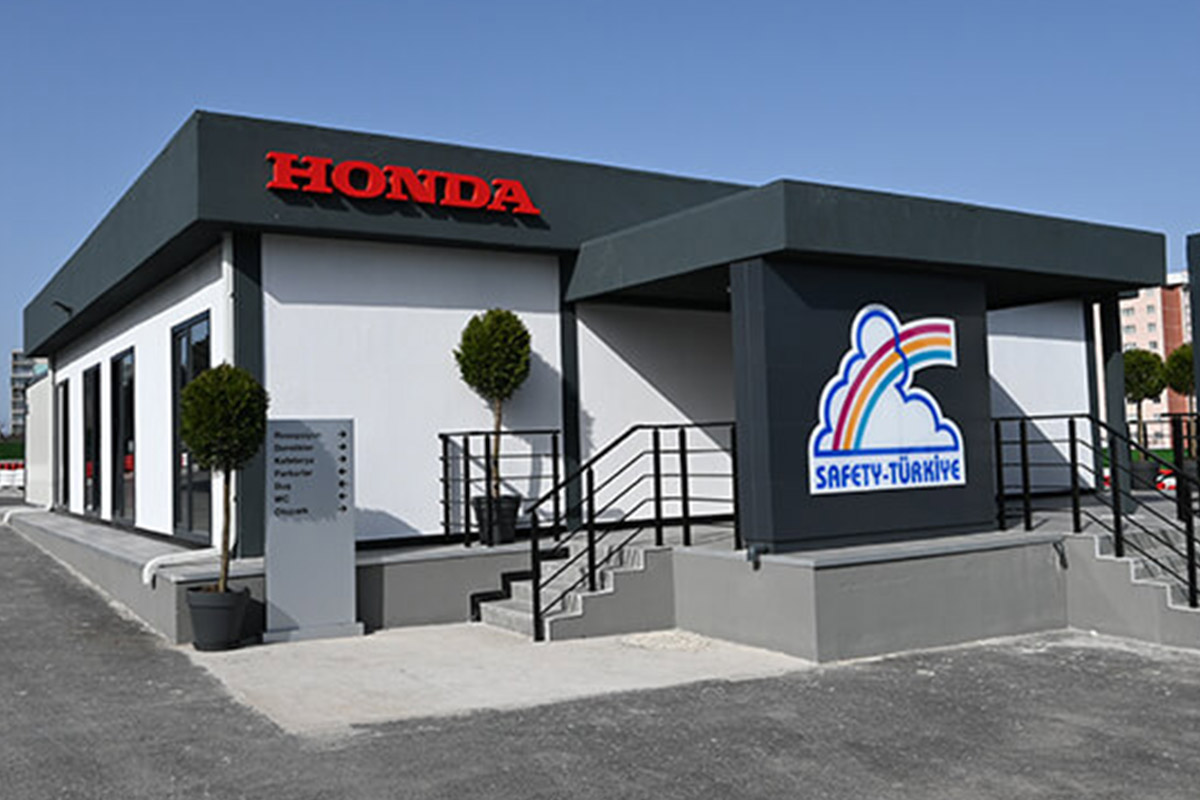
Custom layouts: Modular systems allow buildings to reflect operational workflows and cultural expectations without sacrificing the benefits of standardized production.
Karmod brings international manufacturing experience to projects that require reliable delivery and adaptable design. Karmod modular building solutions are developed with a focus on durability, functional clarity, and efficient installation, supporting projects in diverse environments such as Brazil. By applying proven production practices and adapting them to local requirements, Karmod contributes to projects that prioritize predictability and long-term value.
For organizations planning projects across Brazil, modular buildings and prefabricated building systems offer a structured, scalable approach aligned with the country’s construction dynamics and sectoral needs.