




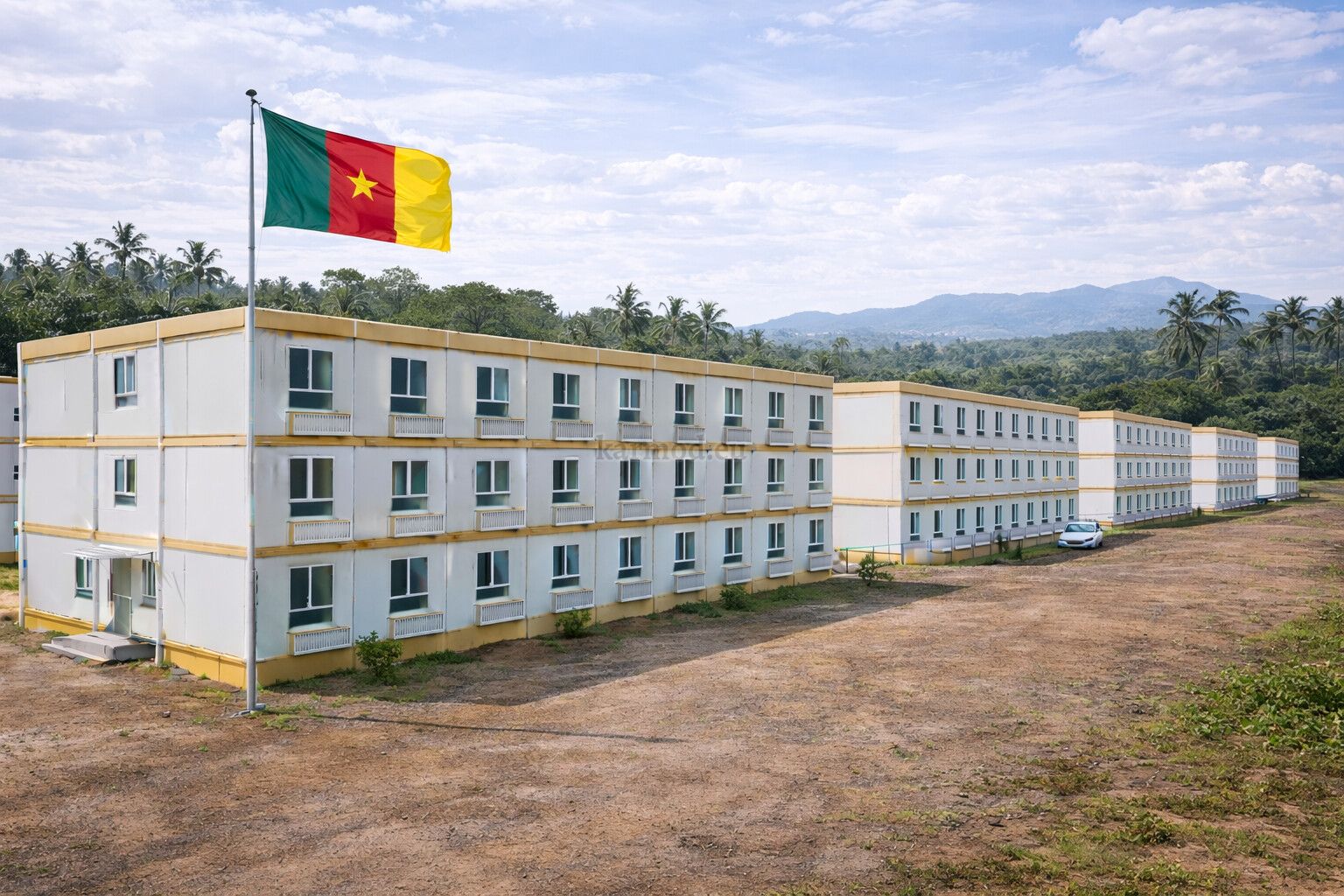
In Cameroon, construction priorities are increasingly shaped by infrastructure growth, urbanization, and large-scale industrial investments. From transport corridors and energy projects to public facilities and logistics hubs, decision-makers are seeking building solutions that can be delivered quickly, scaled efficiently, and adapted to diverse regional conditions. In this context, modular buildings and prefabricated building systems are gaining strong momentum across both public and private sectors.
Traditional construction methods often struggle to keep pace with Cameroon’s development needs, particularly in regions where skilled labor availability, site accessibility, and climate conditions create operational challenges. Off-site construction approaches respond directly to these realities by offering controlled production, predictable timelines, and consistent quality—critical factors for organizations operating across multiple locations.
Why Modular Buildings Are in High Demand in Cameroon
Labor costs and workforce availability play a major role in shaping construction strategies in Cameroon. While demand for new facilities continues to rise, skilled construction teams are not always readily available near project sites. Modular buildings significantly reduce on-site labor dependency by transferring most of the work to factory environments, where processes are standardized and productivity is easier to manage.
Construction timelines are another decisive factor. Infrastructure projects, mining operations, energy facilities, and logistics developments often operate under strict schedules tied to financing and operational planning. Modular construction allows site preparation and building production to progress simultaneously, reducing overall project duration and minimizing delays caused by weather or logistical constraints.
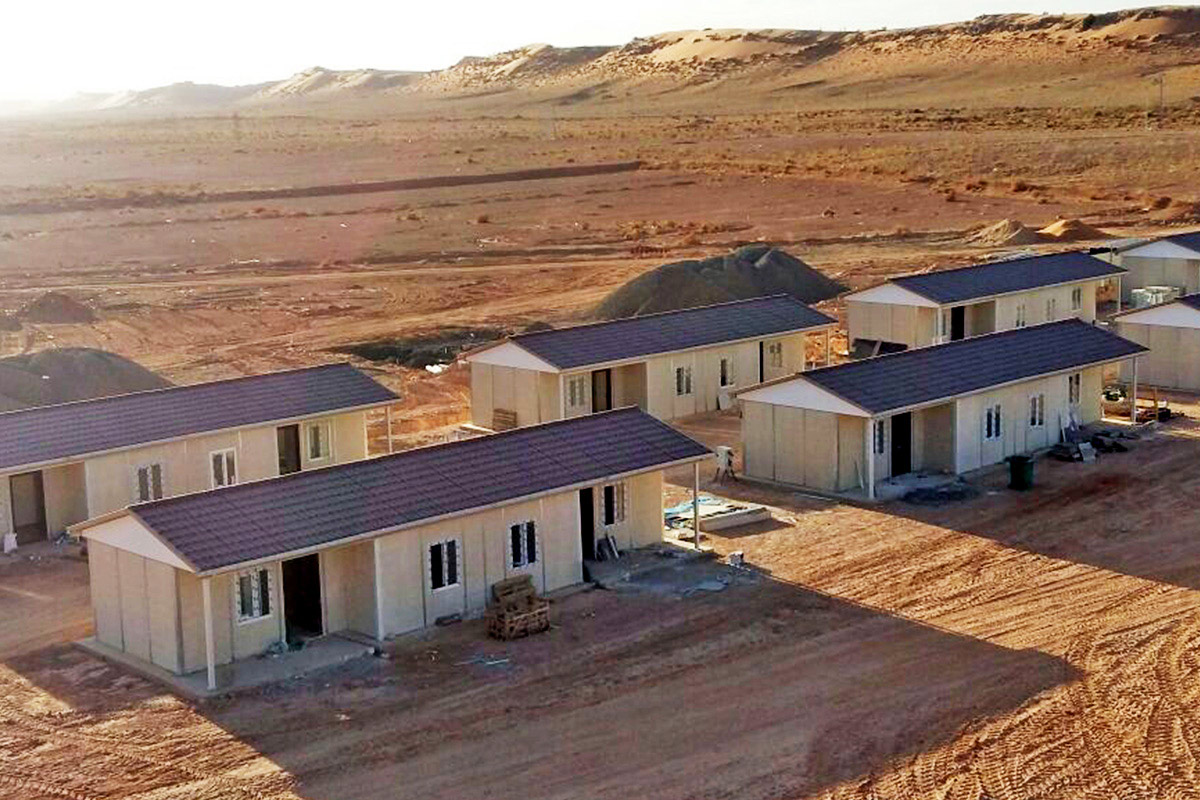
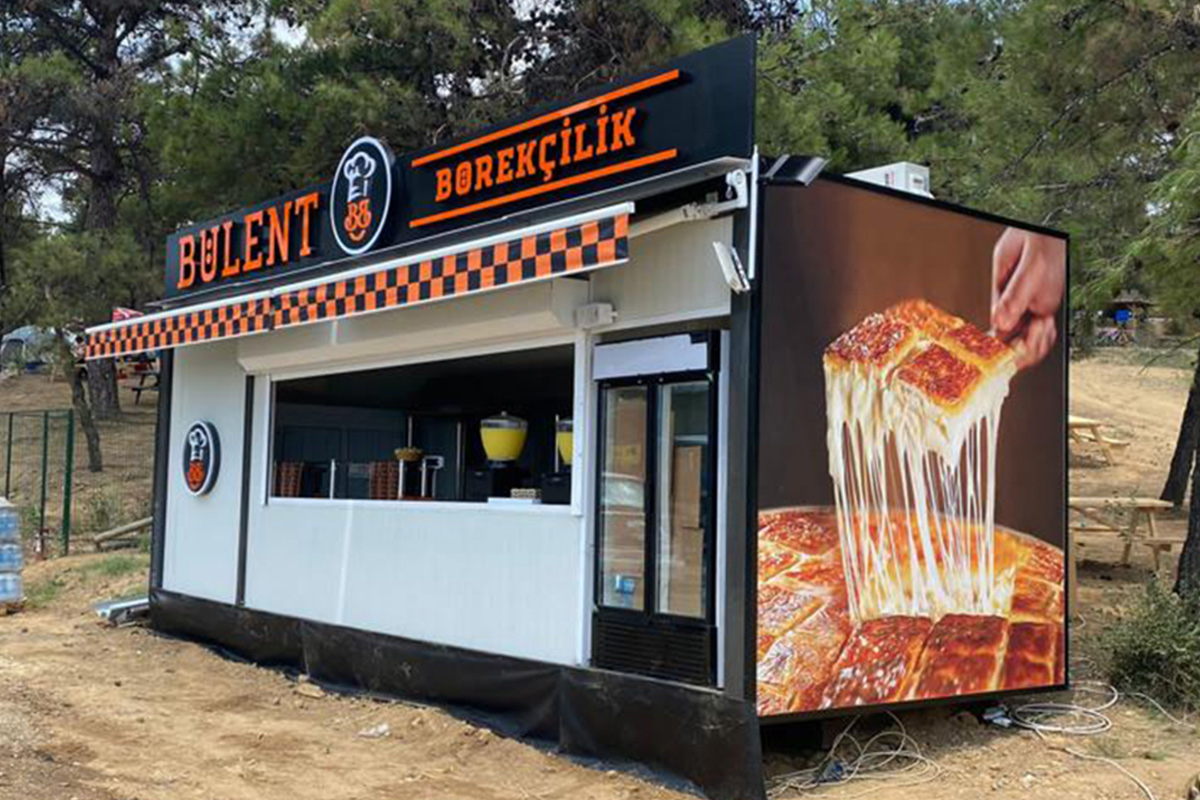
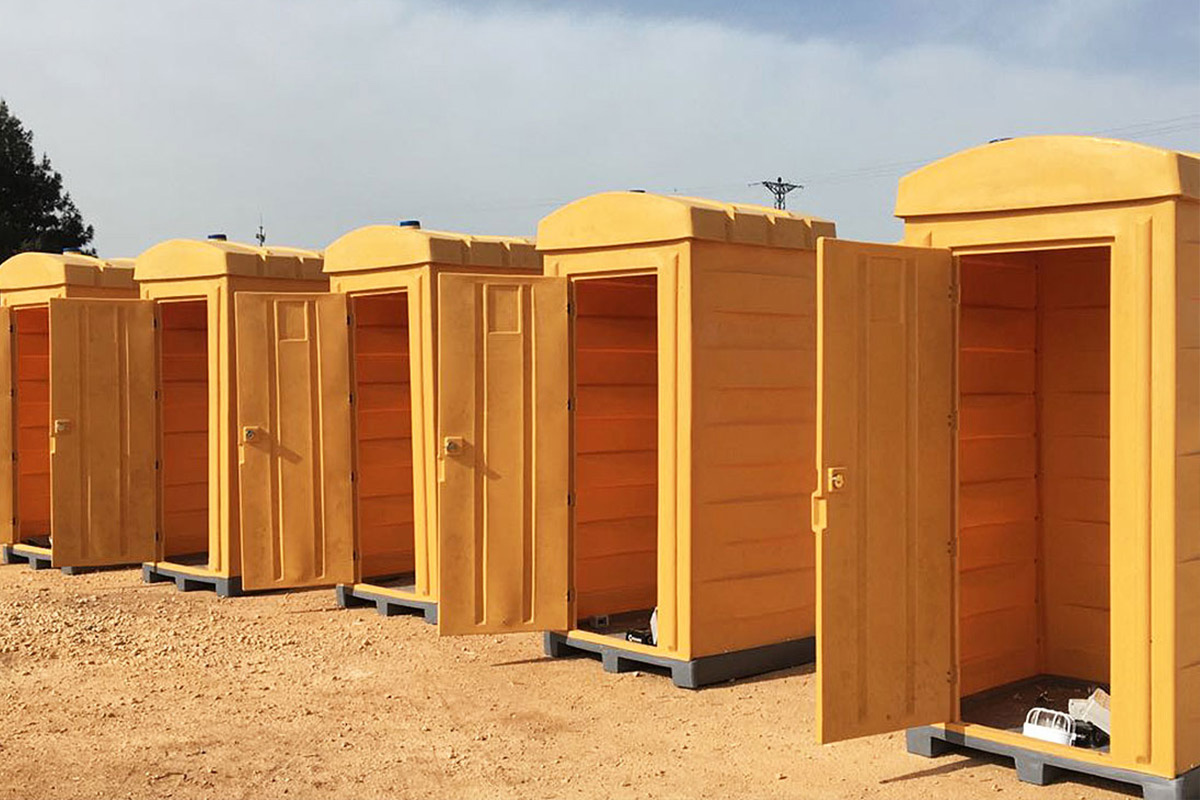
Cameroon also has a strong need for both temporary and permanent building solutions. Temporary structures are frequently required for construction camps, project offices, and workforce accommodation in remote or rapidly developing areas. At the same time, permanent facilities such as administrative buildings, healthcare units, and industrial support structures must deliver long-term durability. Modular systems address both needs by offering relocatable units alongside permanent installation options.
Sector-specific demand further reinforces this trend. Logistics and transport projects linked to ports and trade routes, industrial facilities supporting manufacturing and processing, public-sector buildings for education and healthcare, and energy projects—particularly power generation and distribution—all benefit from fast, scalable building solutions suited to local conditions.
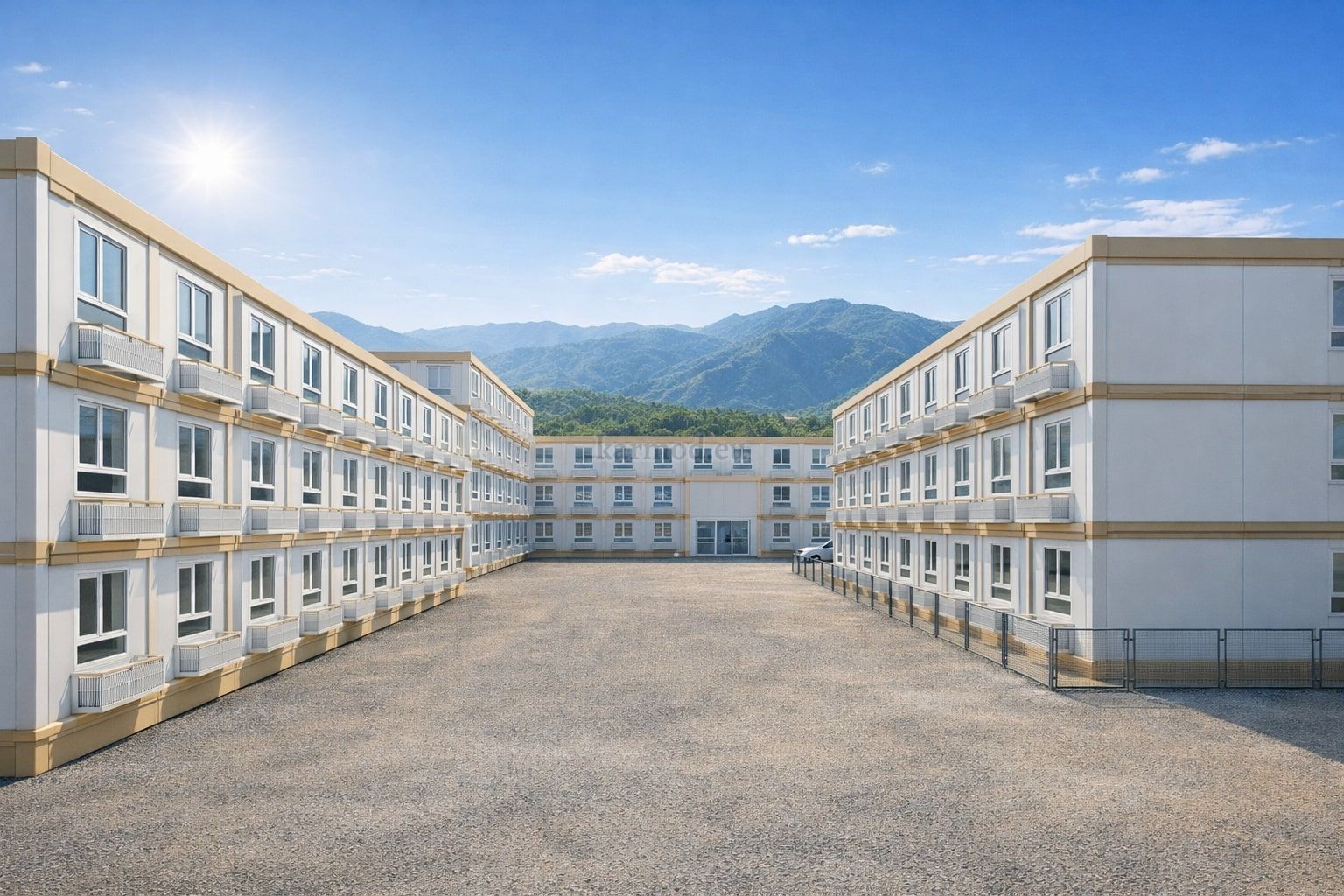
Modular Buildings vs. Prefabricated Building Systems
Although often grouped together, modular buildings and prefabricated building systems serve different strategic purposes in Cameroon’s construction landscape.
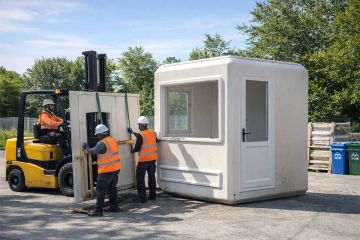
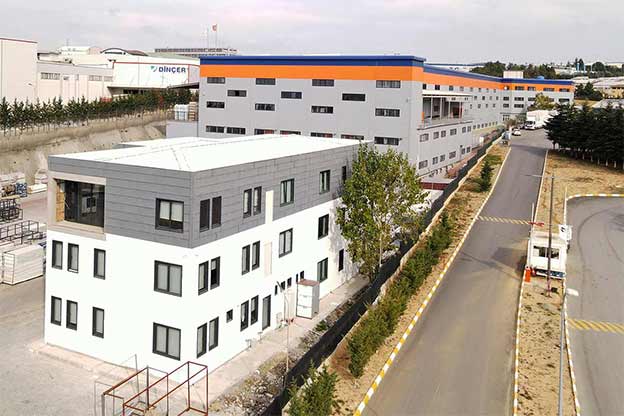
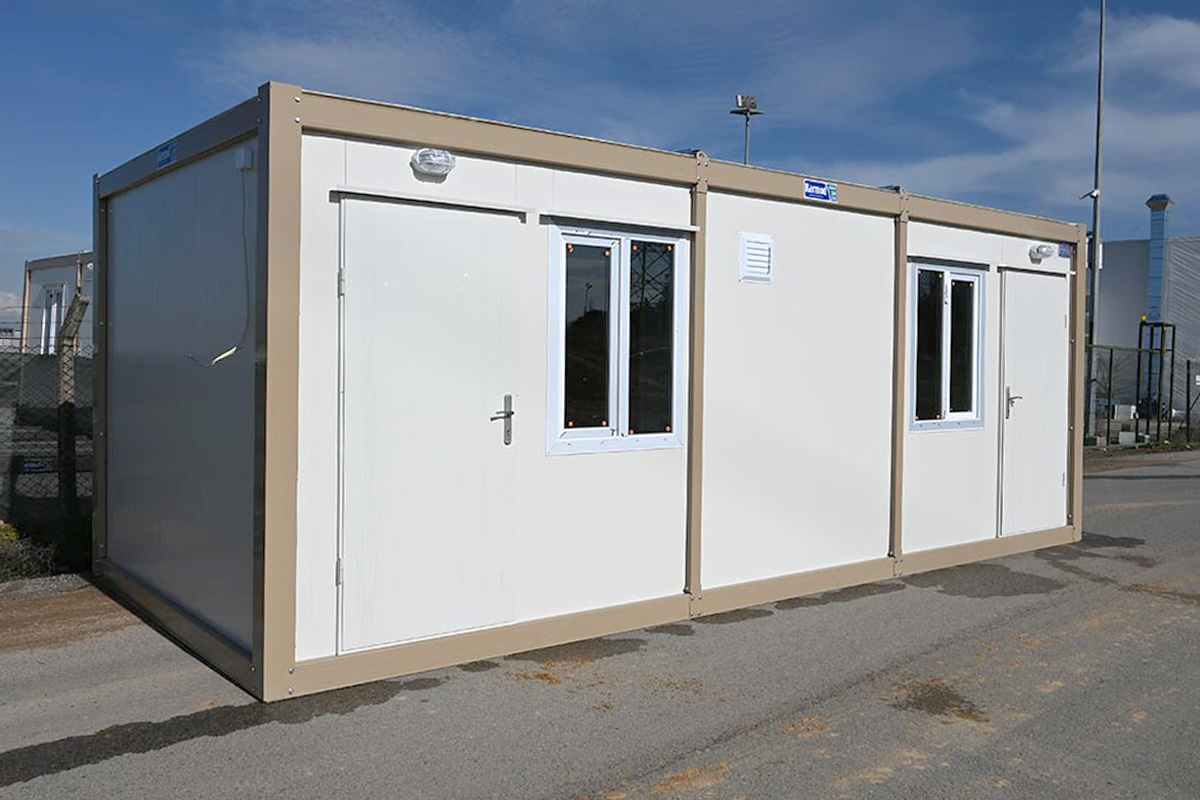
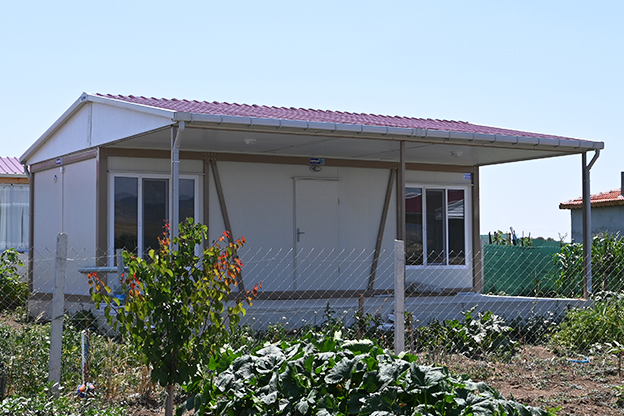
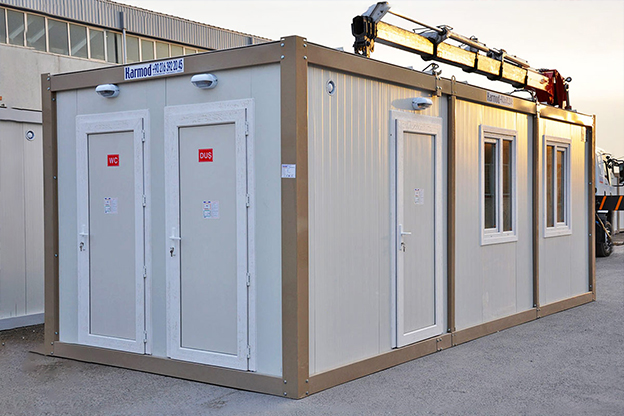
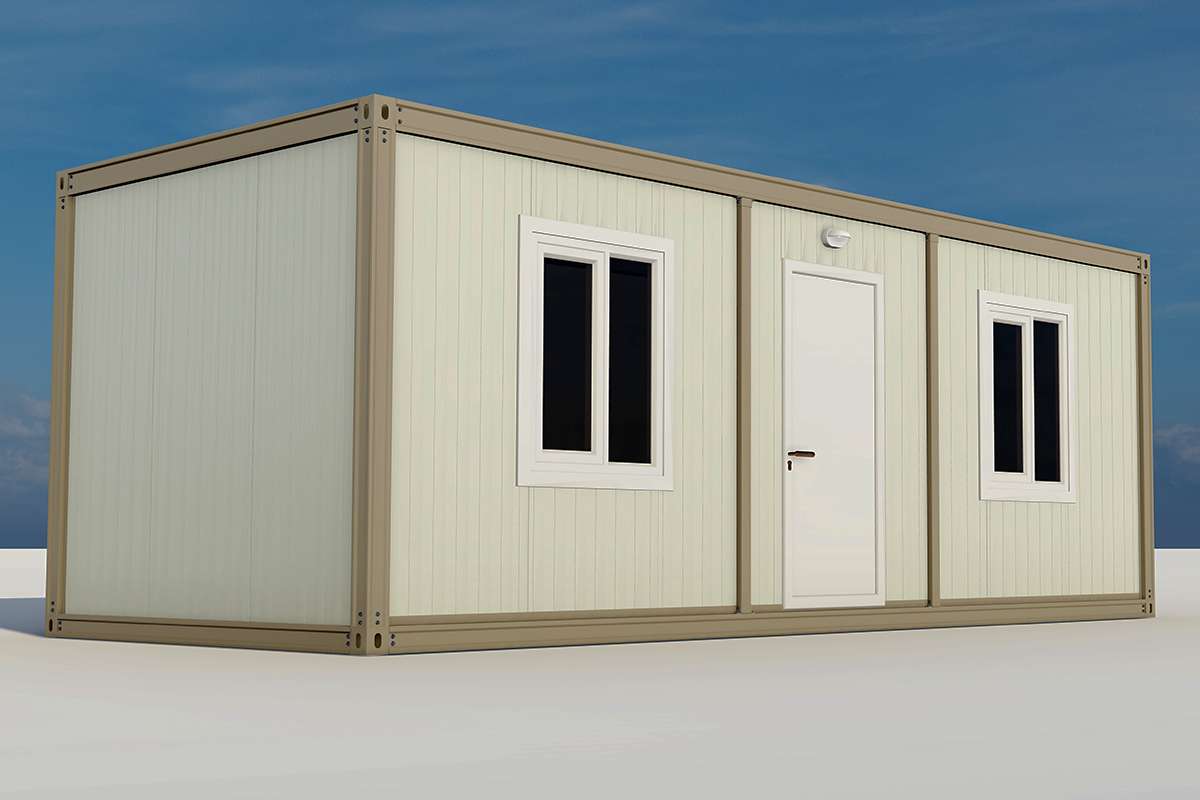
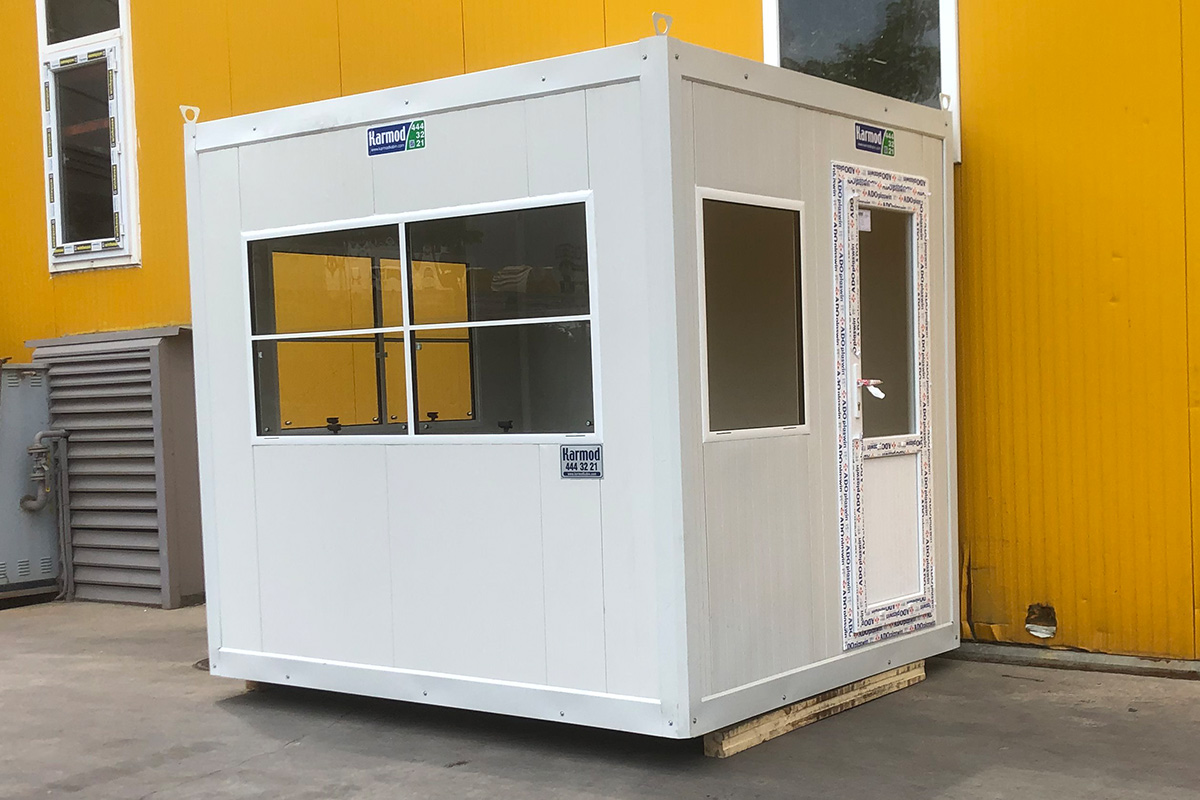
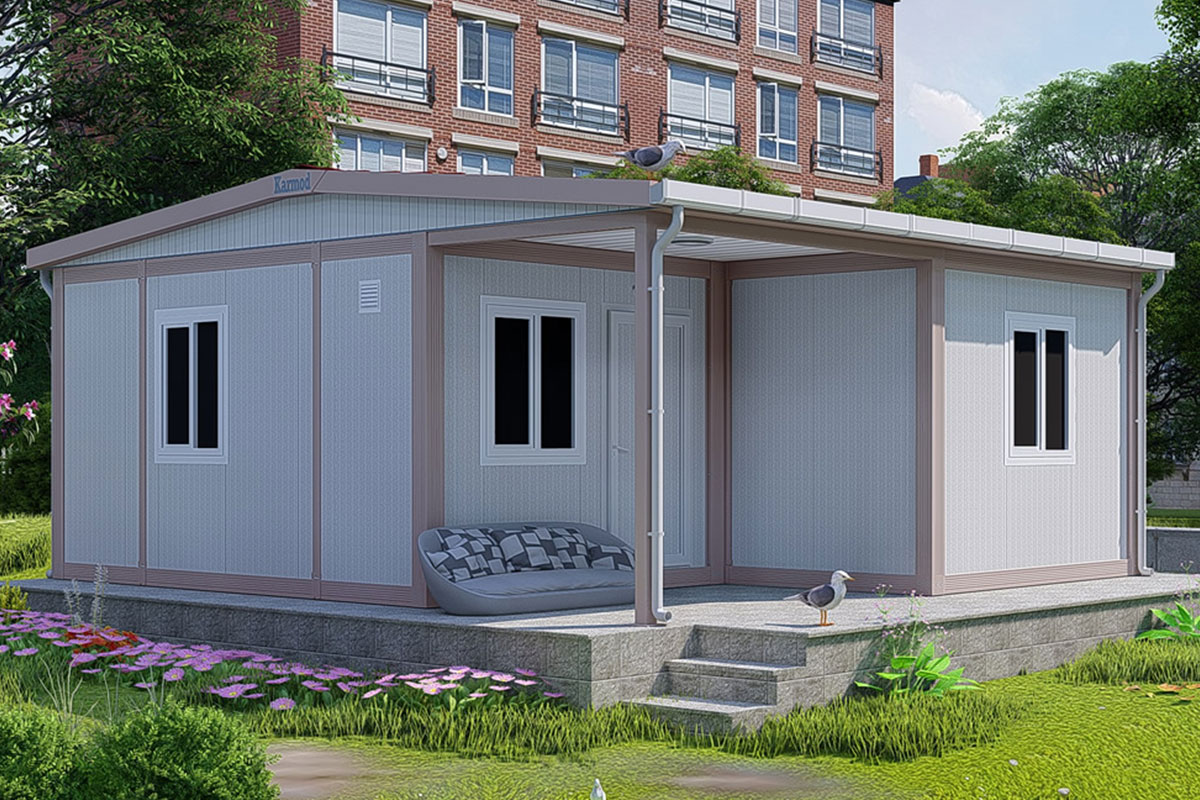
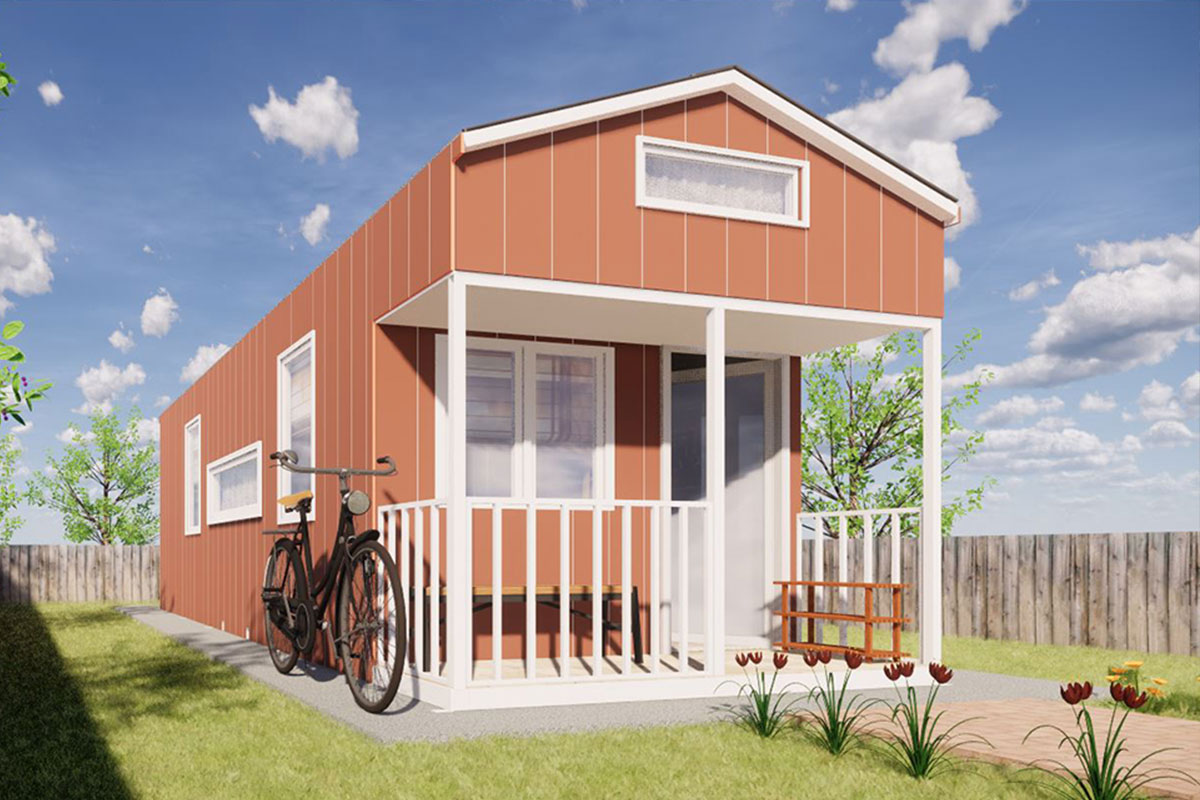
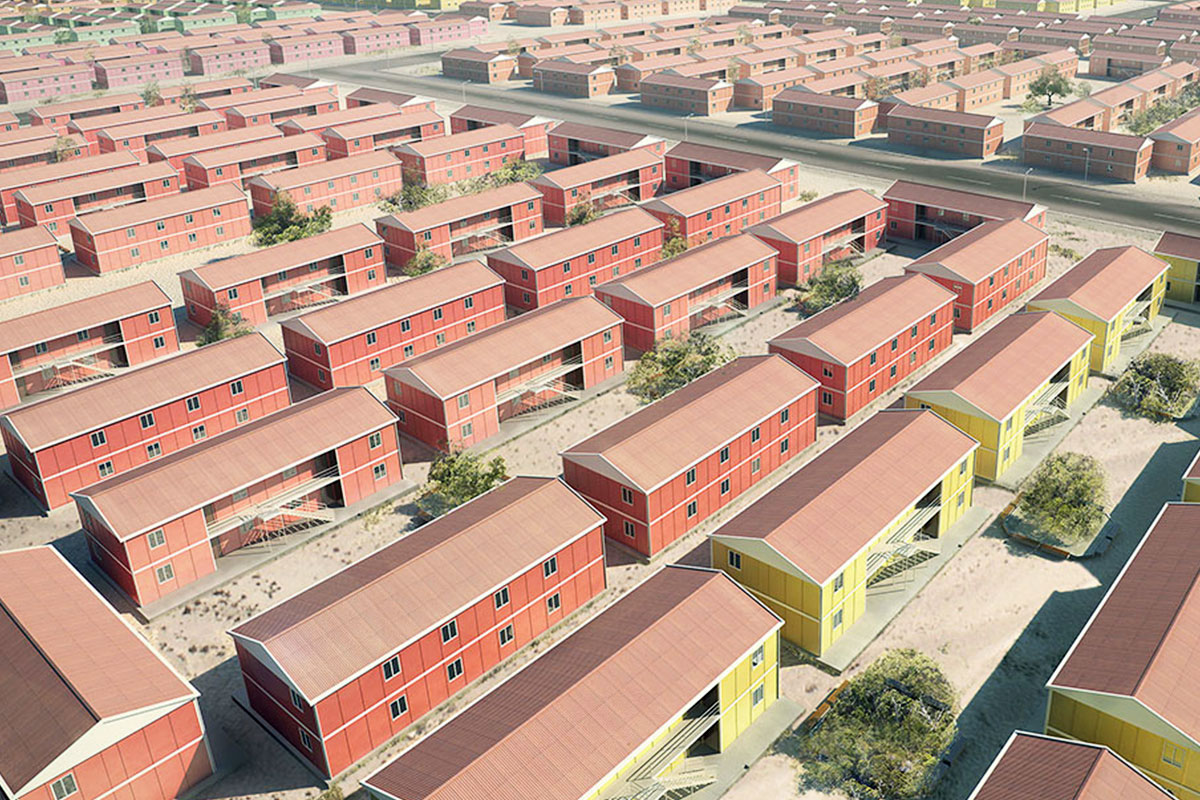
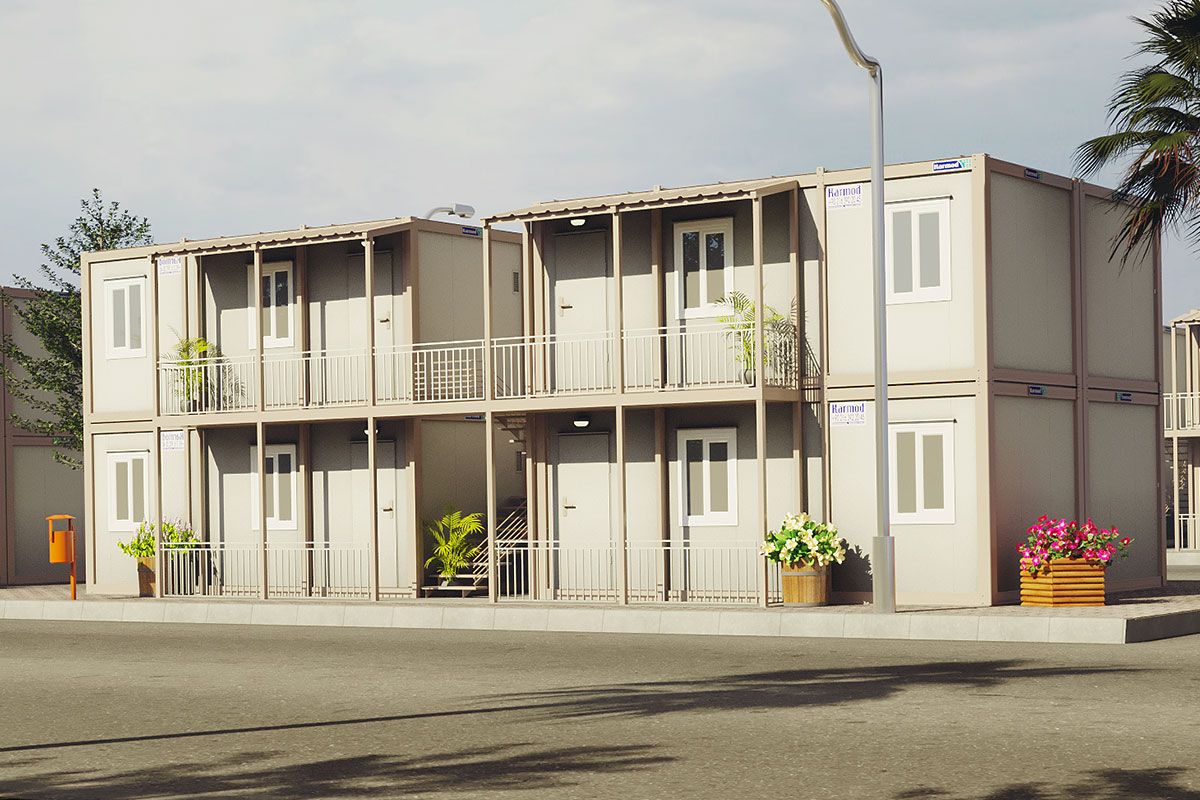
Modular buildings are produced as complete volumetric units. These modules can be transported, installed quickly, relocated if needed, or expanded as project requirements change. This flexibility makes modular buildings especially valuable for industrial sites, mining operations, logistics hubs, and infrastructure projects where future growth or relocation is likely.
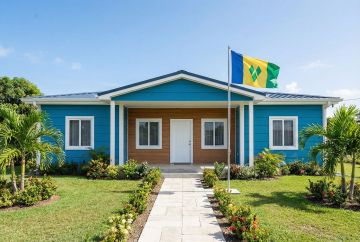
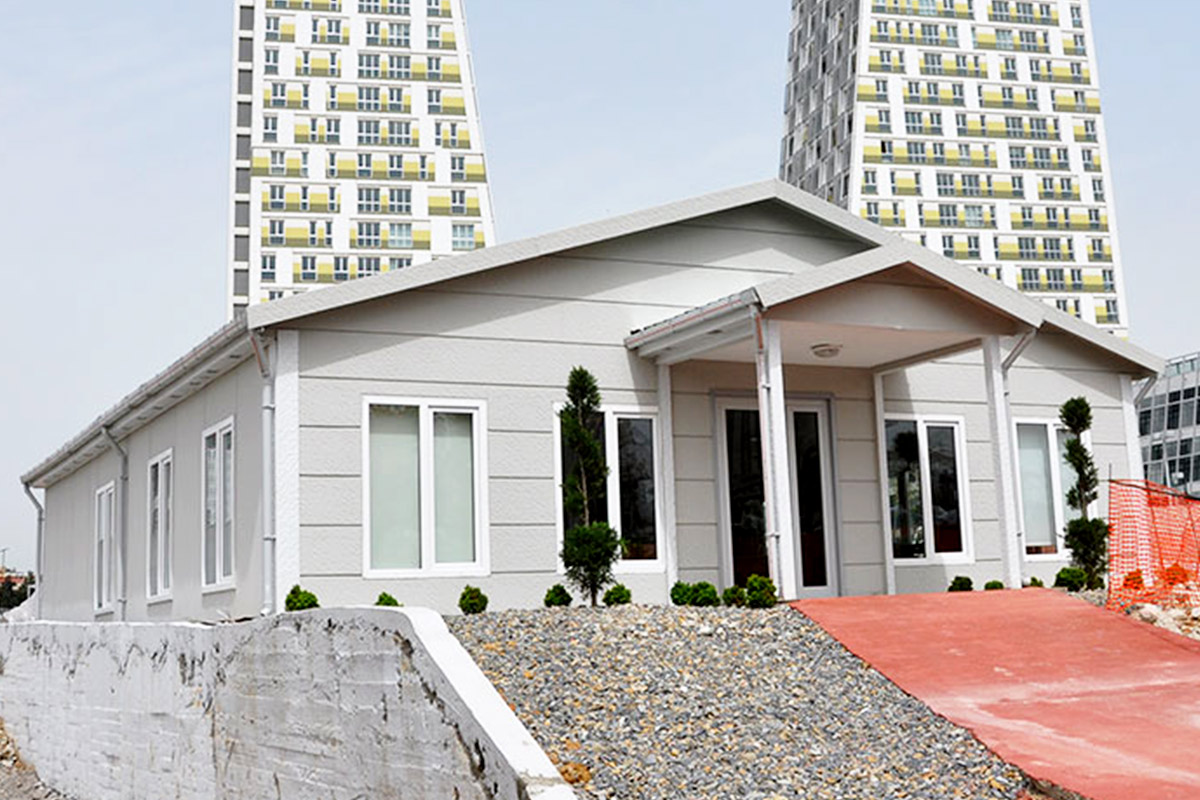
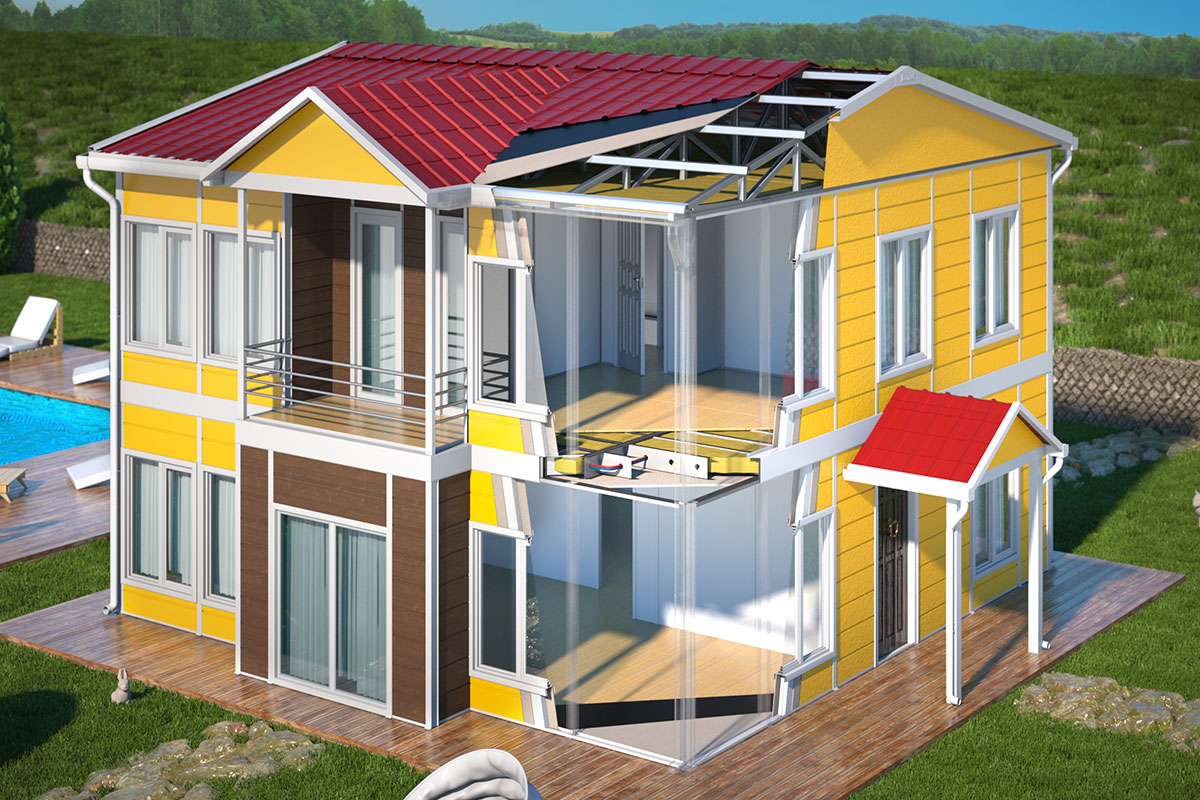
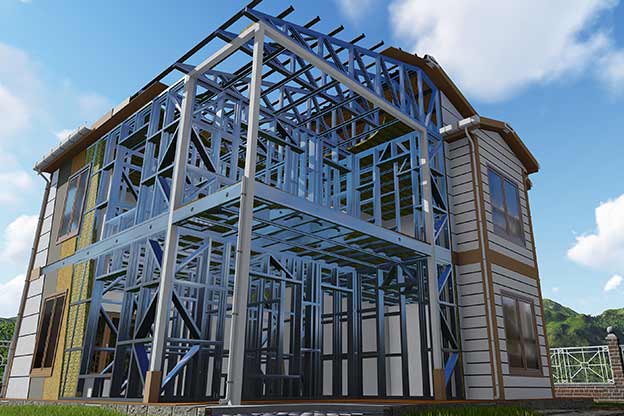
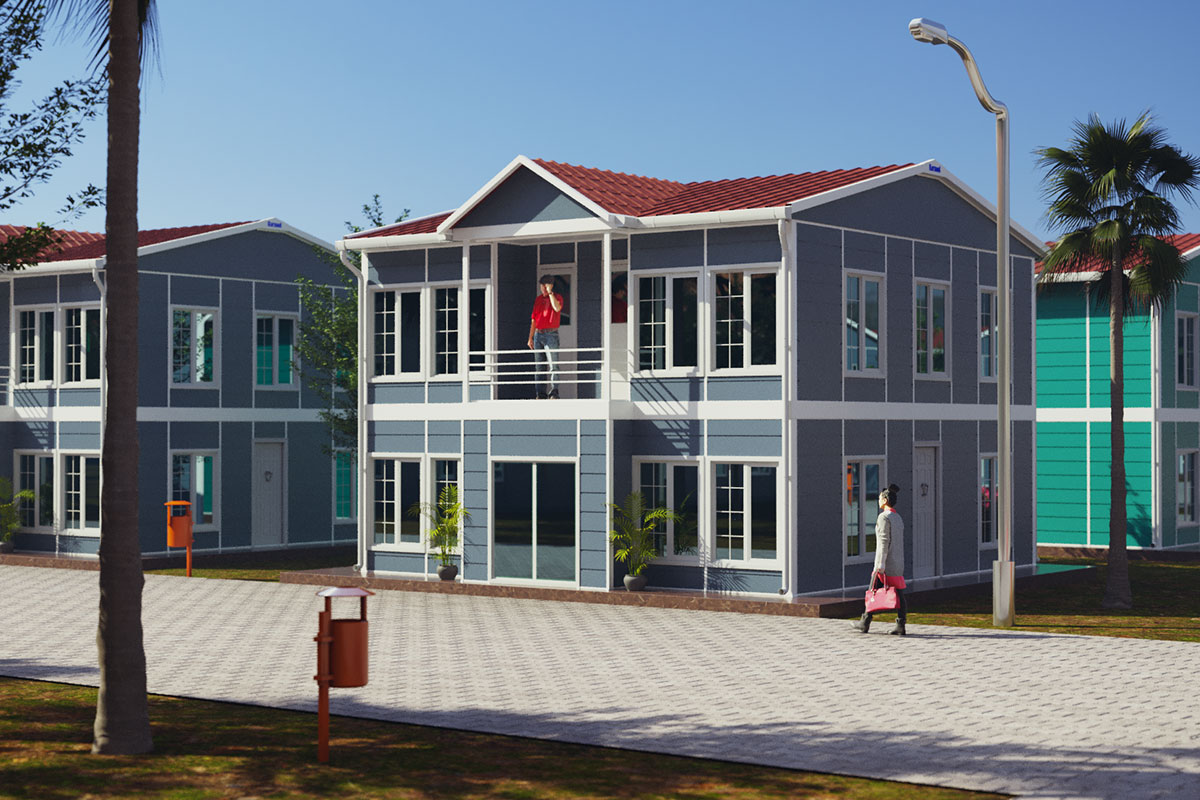
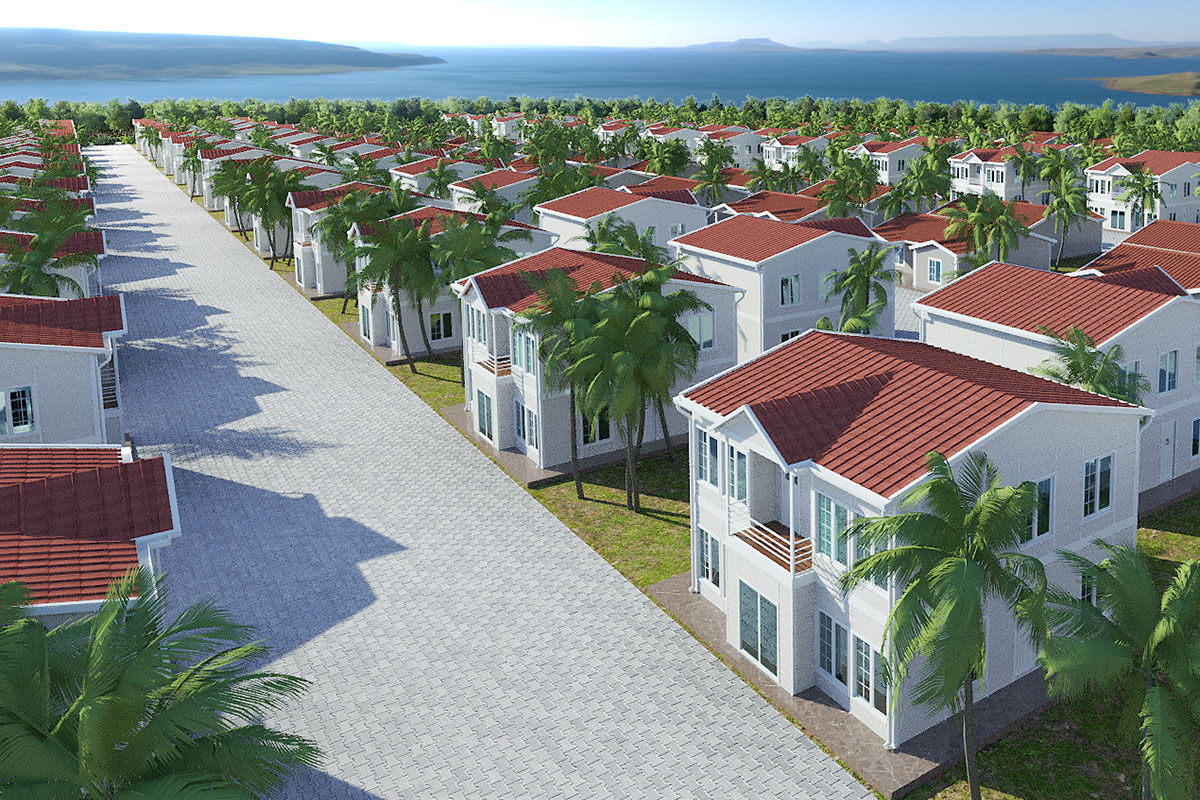
A prefabricated building, by contrast, is typically assembled on-site from panels or structural components manufactured off-site. These systems are generally selected for permanent facilities where architectural integration, long-term occupancy, and site-specific design are priorities.
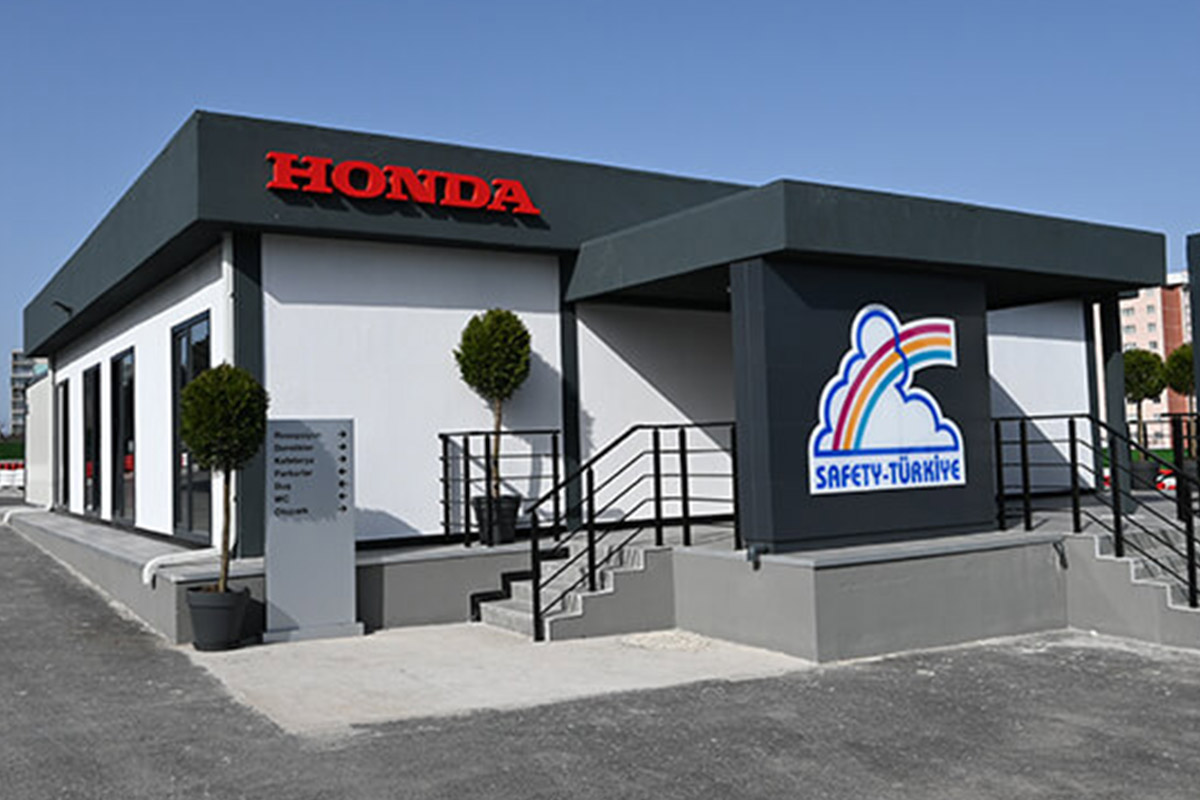
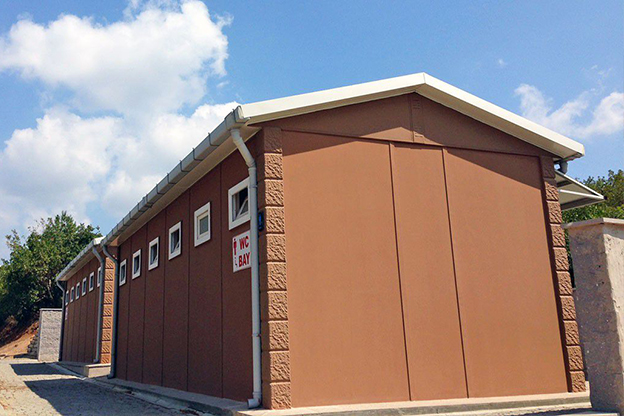
In Cameroon, modular buildings are often preferred for temporary camps, site offices, and scalable industrial facilities, while prefabricated building systems are more commonly used for permanent public buildings, warehouses, and administrative structures. Choosing the right system depends less on budget alone and more on operational lifespan, mobility needs, and regulatory requirements.
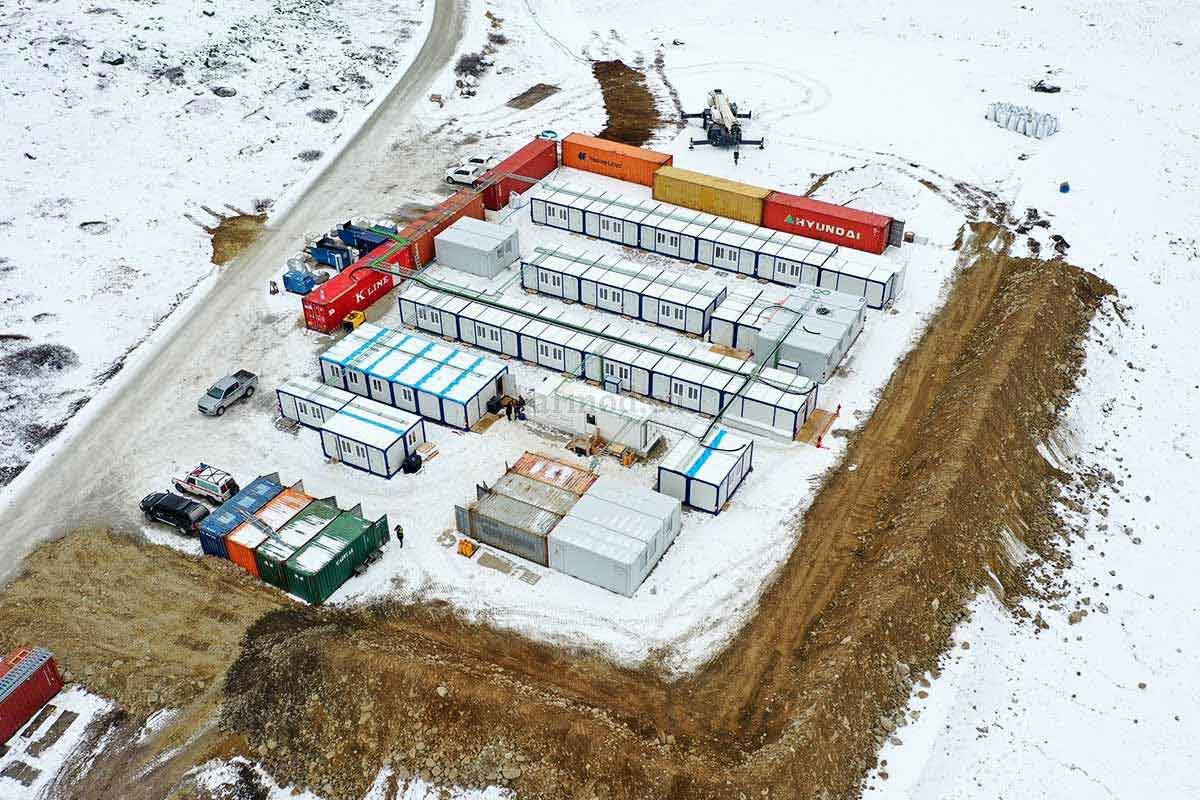
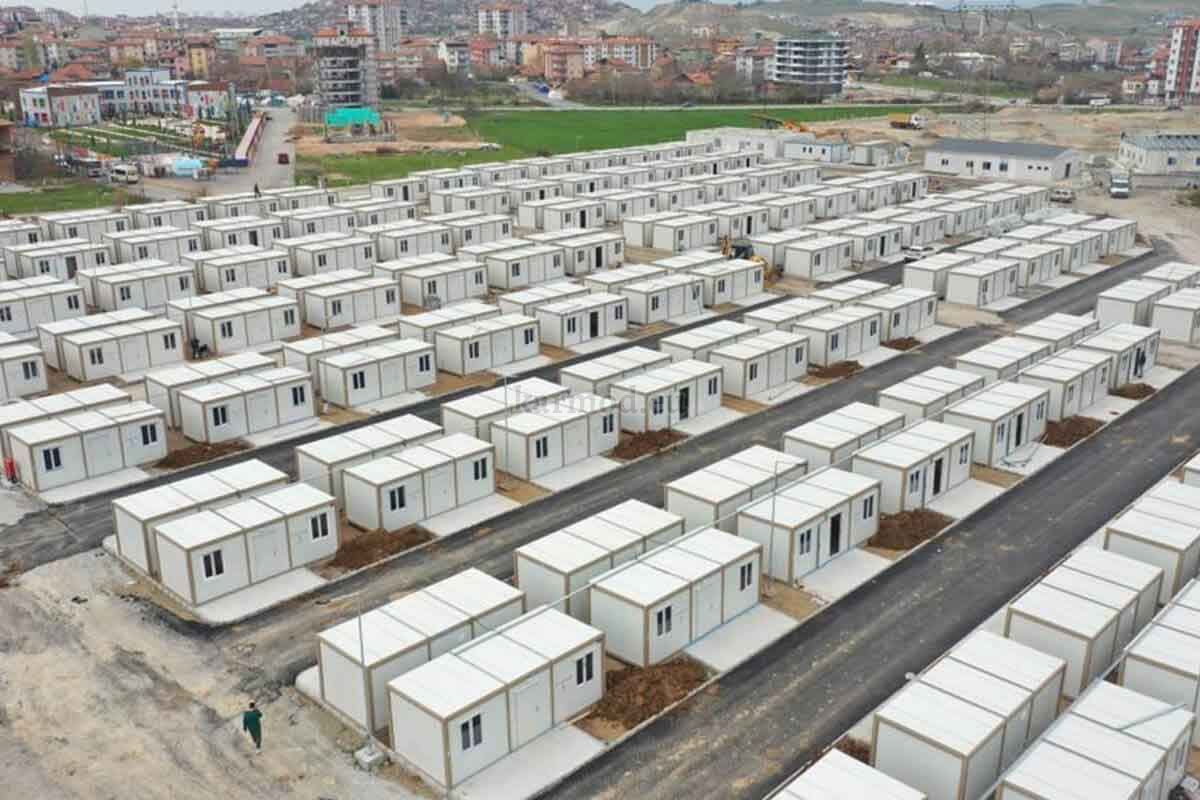
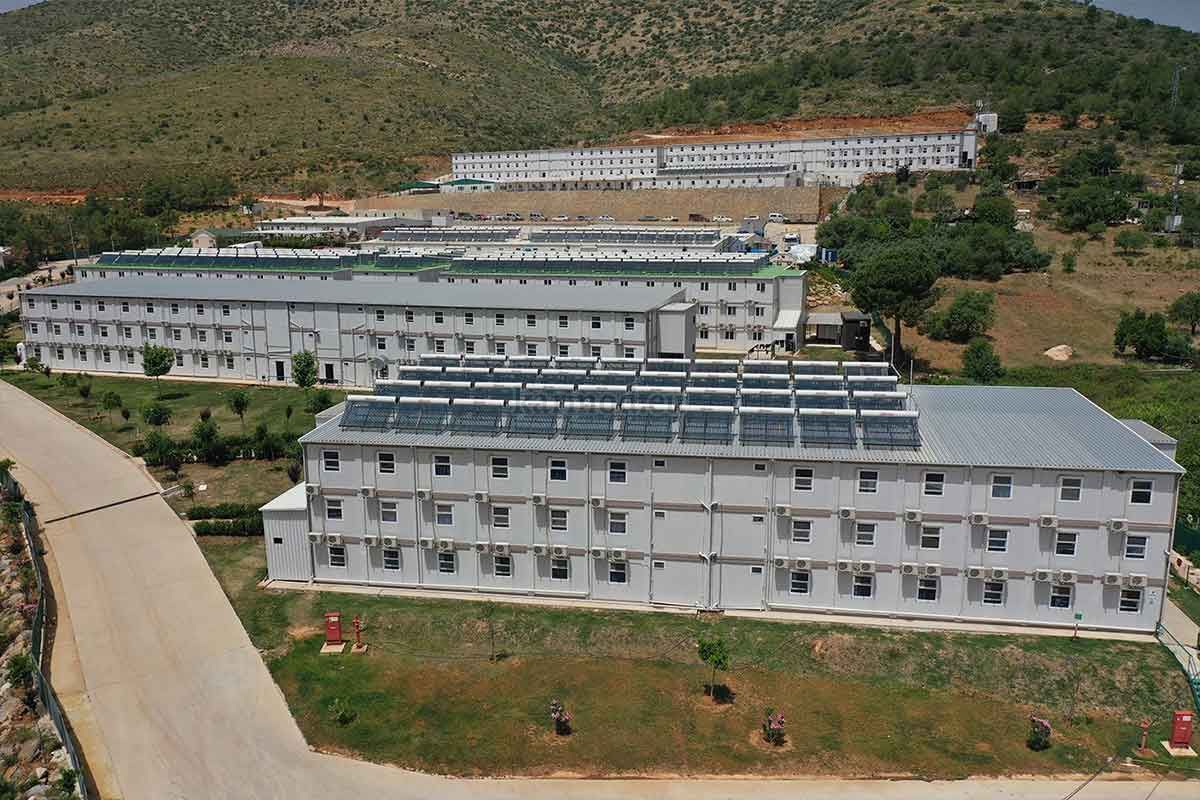
Applications of Modular and Prefabricated Buildings in Cameroon
Modular and prefabricated solutions are applied across a wide range of uses in Cameroon, including:
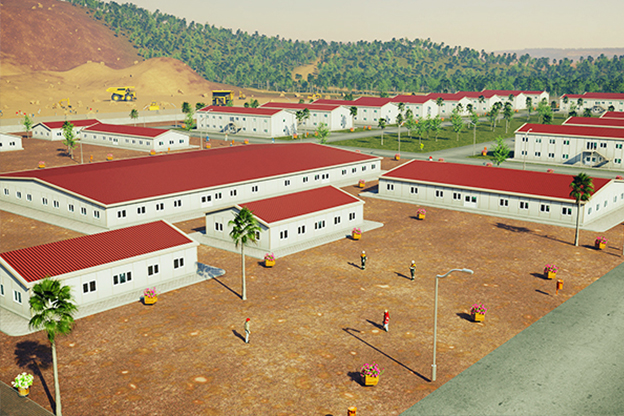
- Site offices & construction camps – Rapidly deployable units near infrastructure and industrial projects
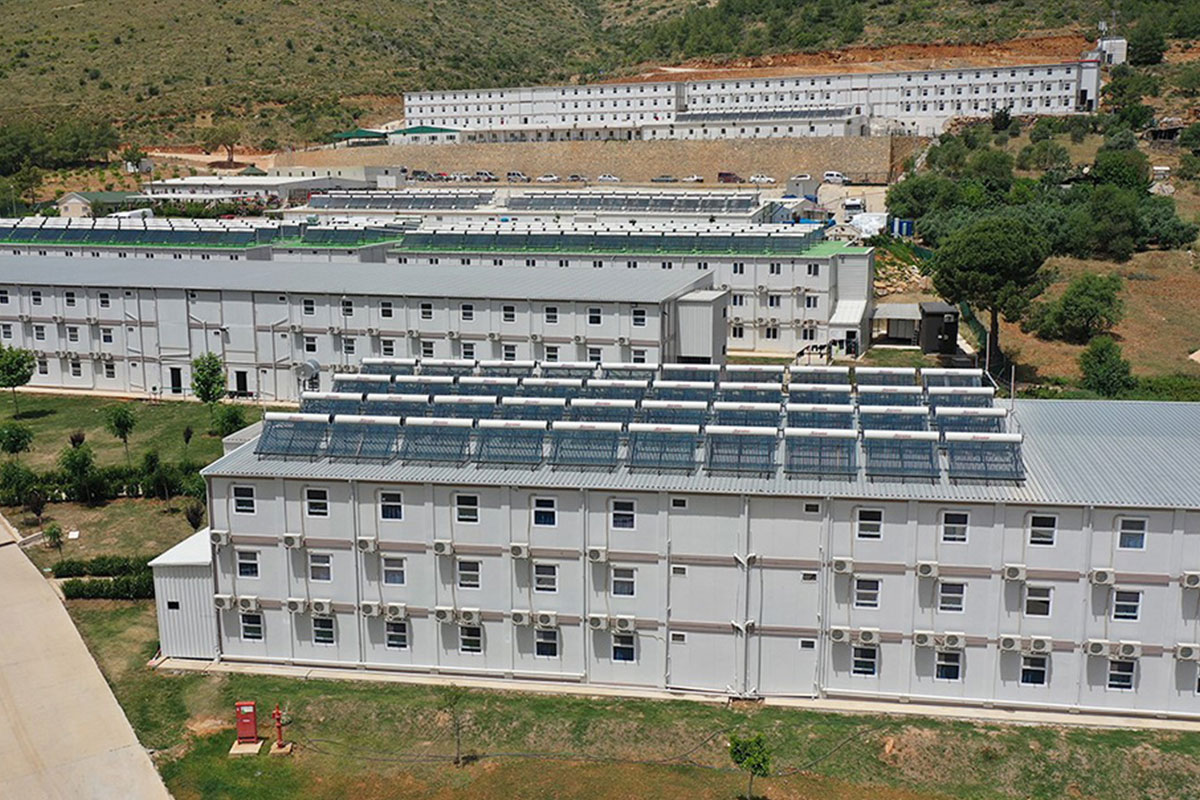
- Worker accommodation buildings – Housing solutions for energy, mining, and large-scale construction operations
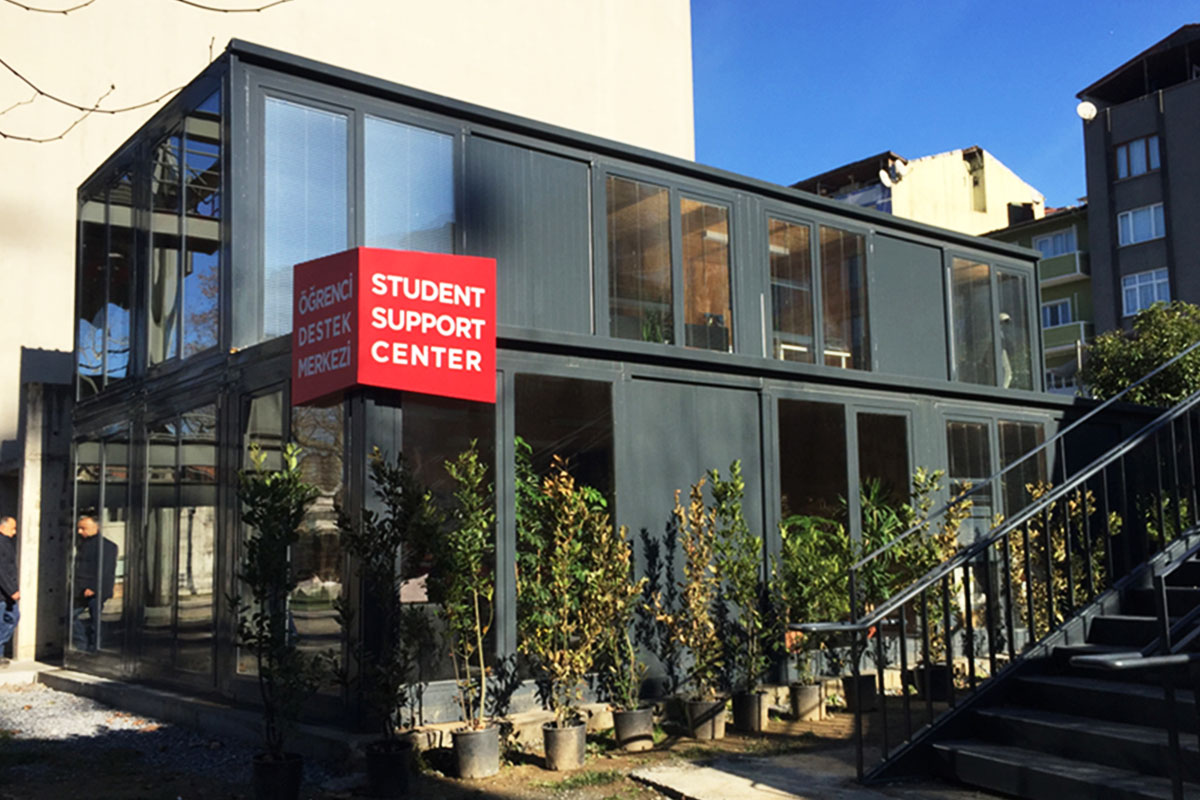
- Temporary schools & healthcare units – Facilities supporting public services during expansion or renovation phases
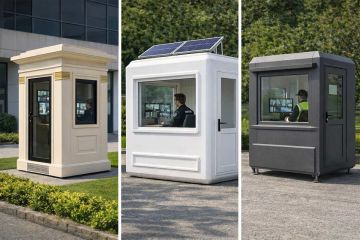
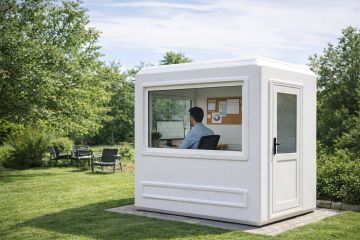
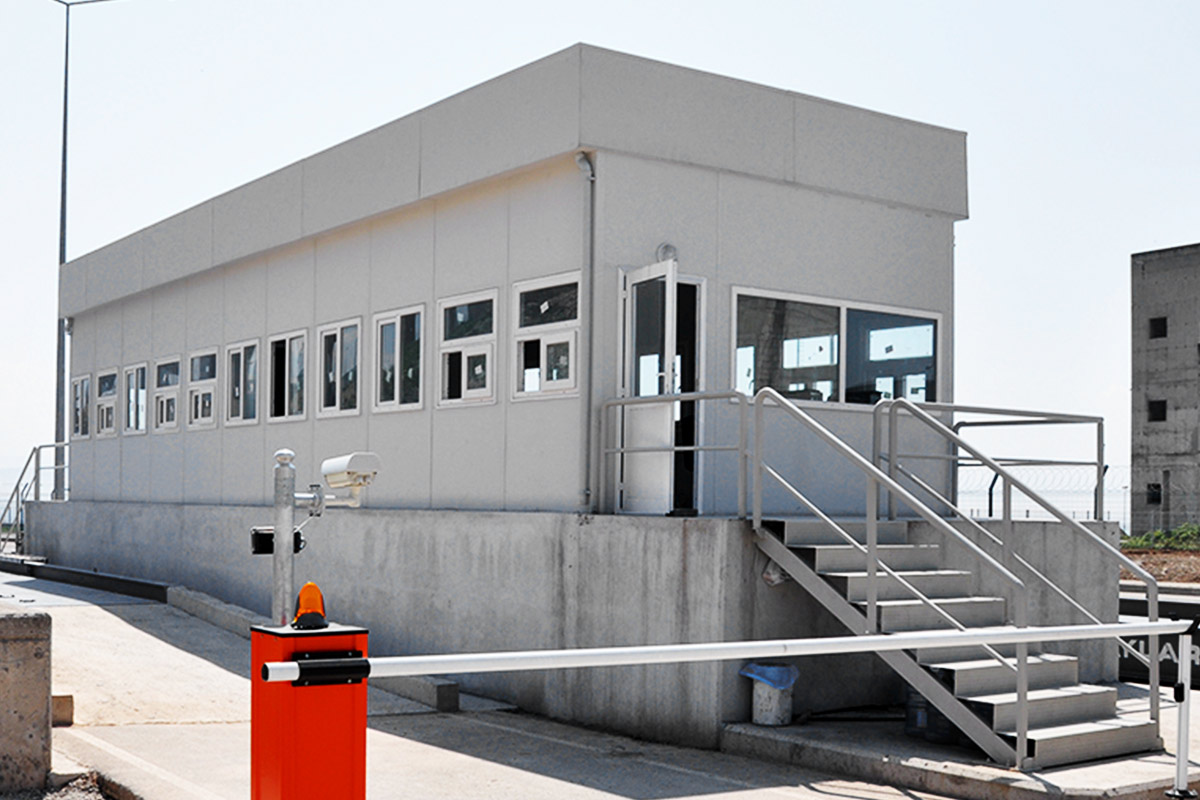
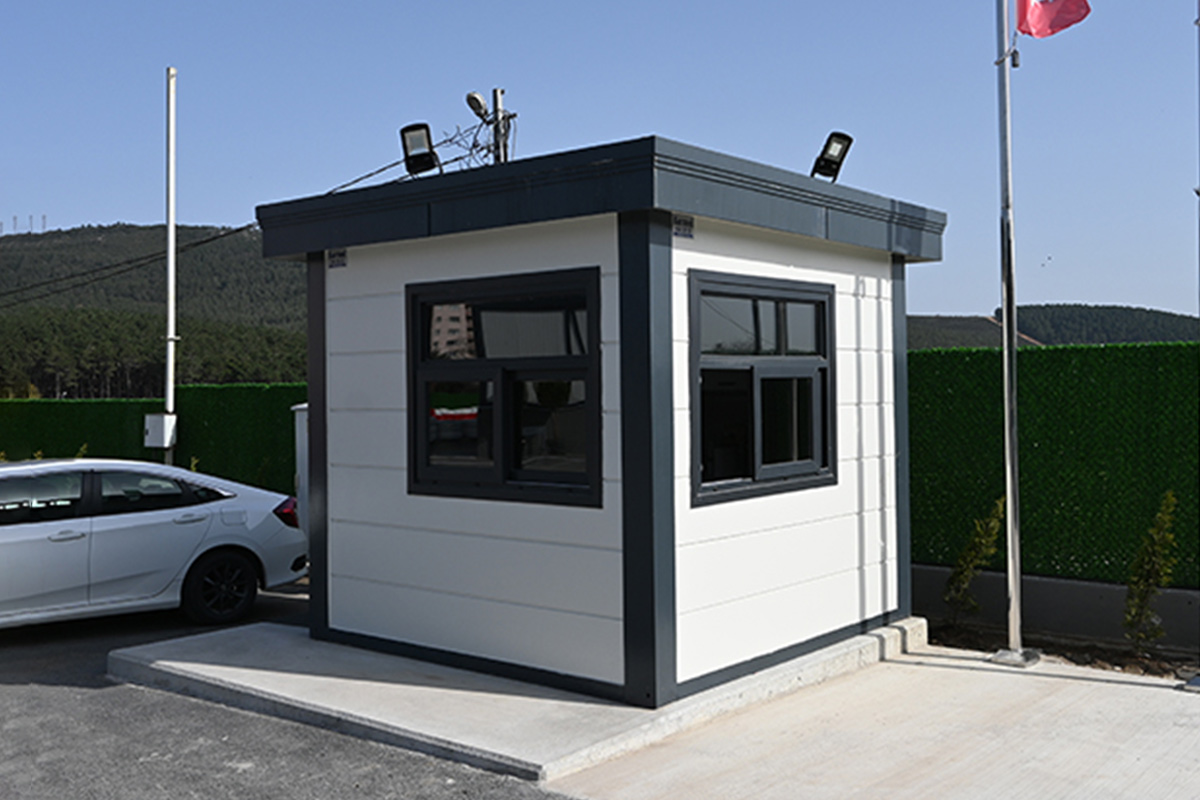
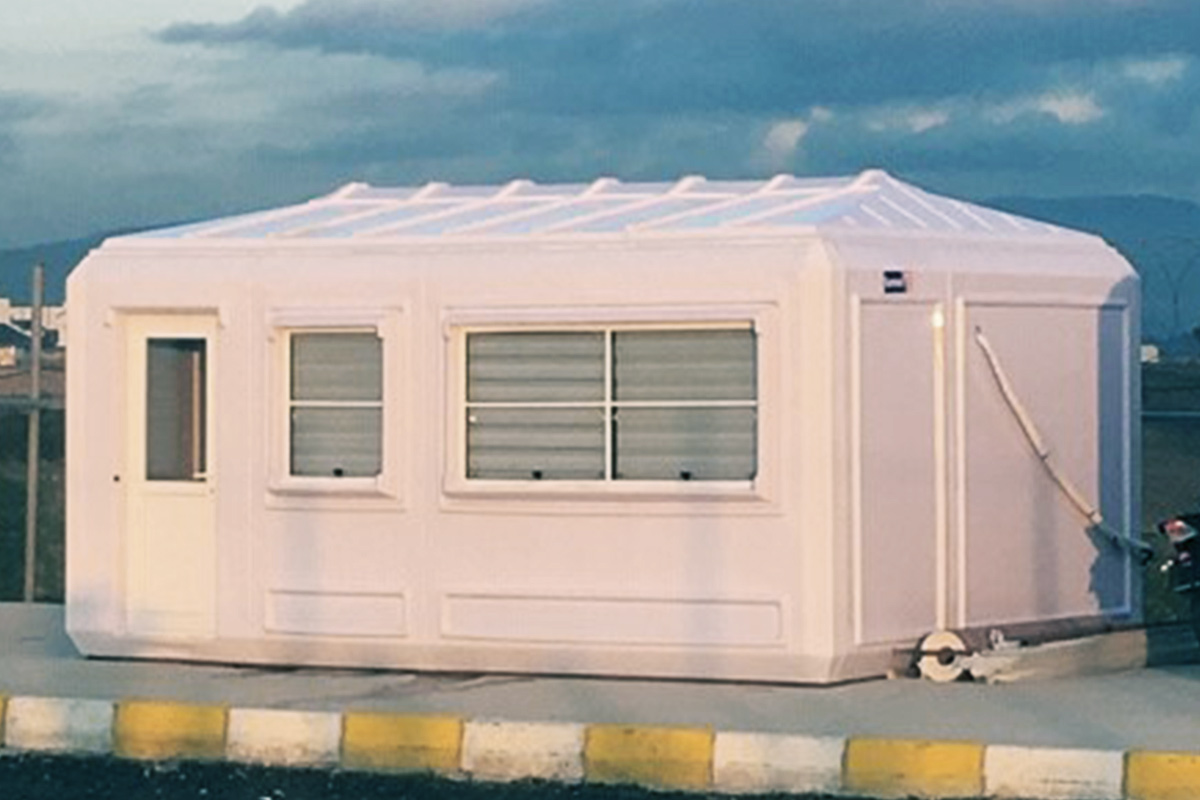
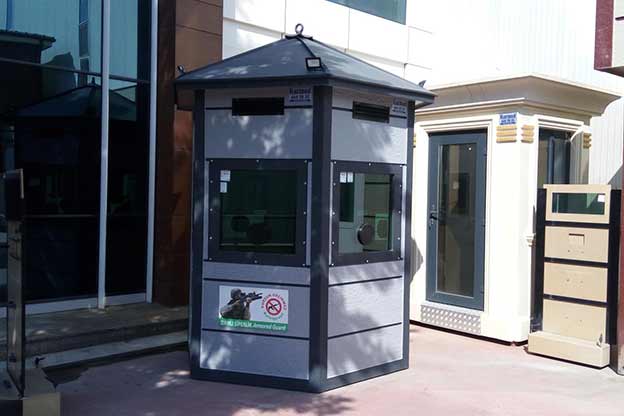
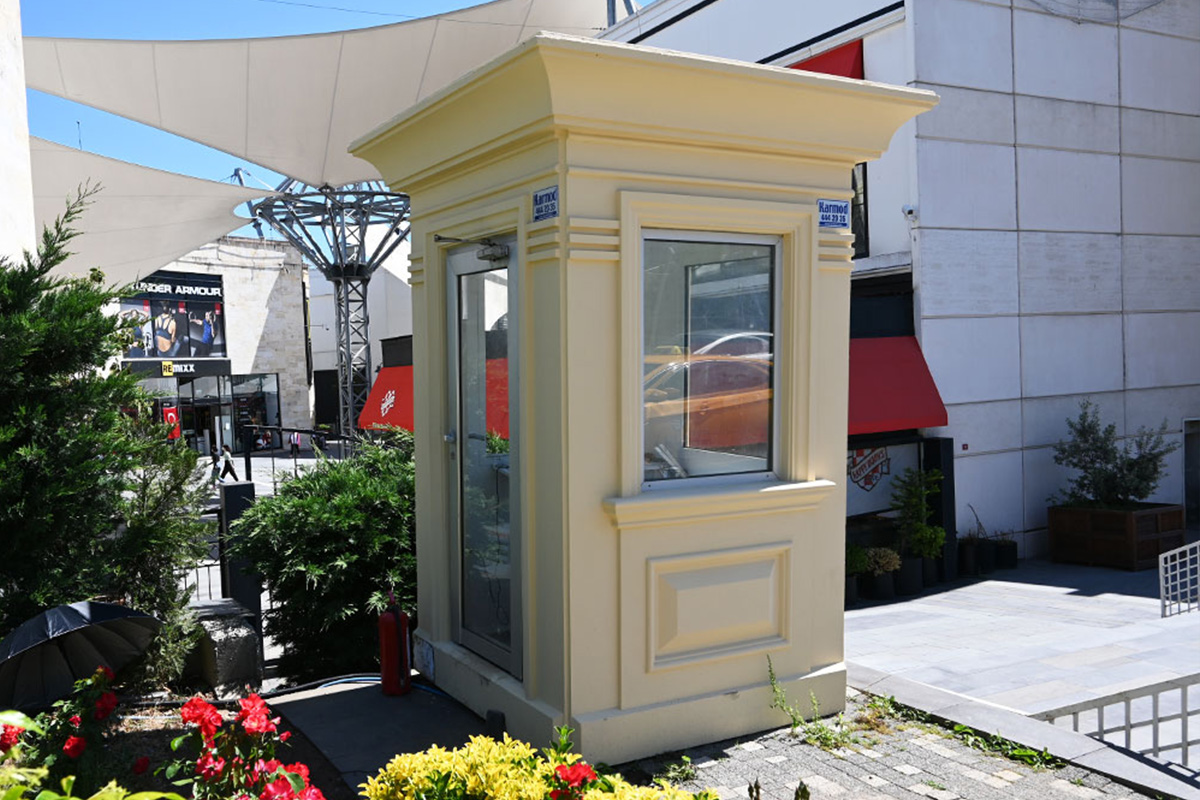
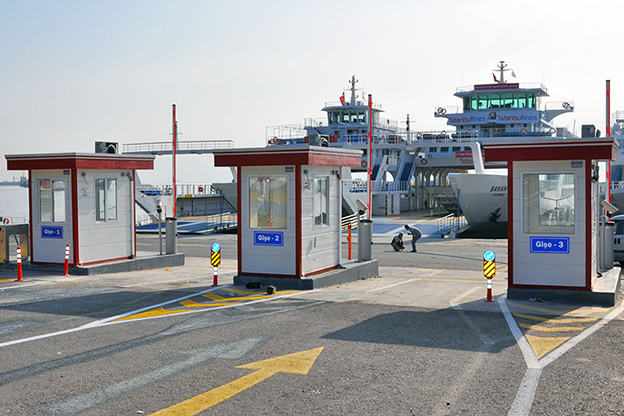
- Security buildings & technical units – Control and monitoring buildings for industrial and logistics facilities
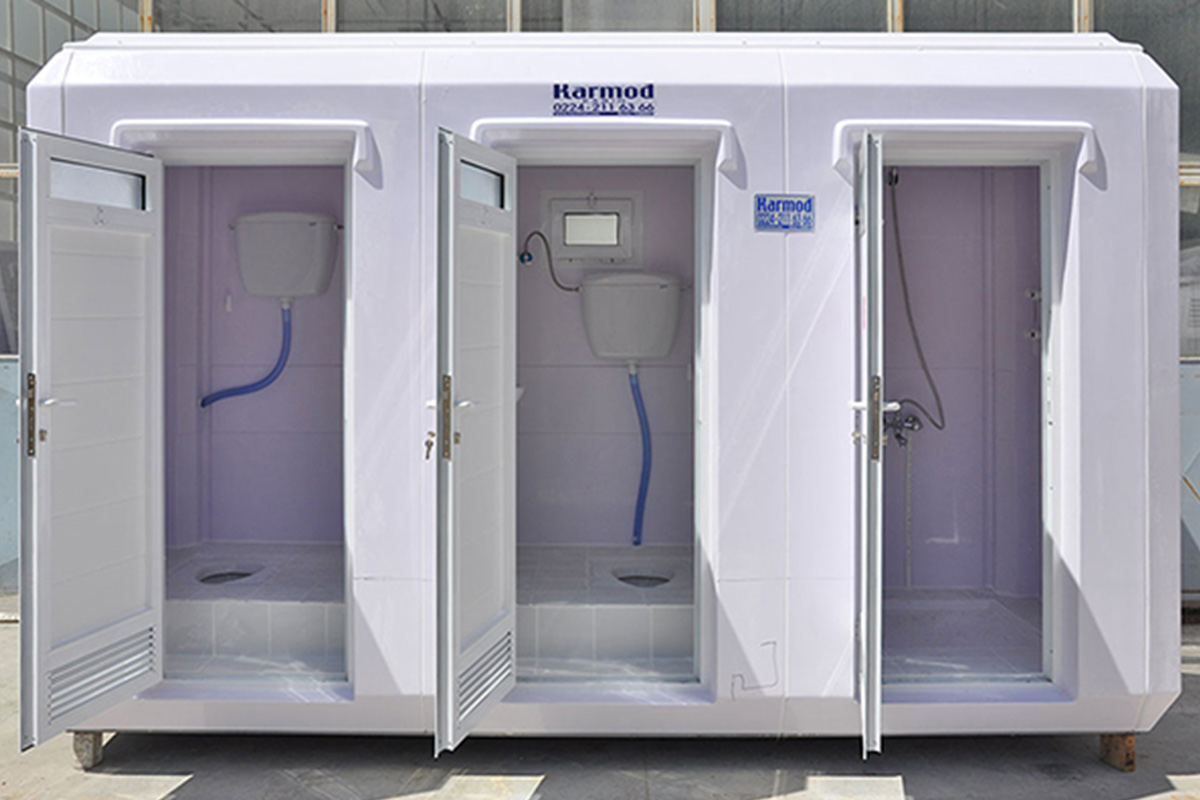
- Storage and logistics facilities – Fast-installed support buildings with future scalability
These applications highlight how off-site construction supports both immediate operational needs and longer-term development goals.
From Design to Installation: How the Process Works
The delivery of modular buildings and prefabricated building systems follows a structured and transparent process.
It begins with project needs analysis, where functional requirements, capacity expectations, and local conditions are clearly defined. This step is essential in Cameroon, where site accessibility and regional climate variations influence design decisions.
The next phase is custom design and technical specifications. Layouts, ventilation strategies, material selections, and safety standards are adapted to the intended use and local environment.
Once designs are finalized, factory production takes place. Manufacturing in controlled conditions ensures consistent quality and reduces the risk of delays caused by weather or site constraints.
Completed units or components are then prepared for delivery to Cameroon, with logistics planning adjusted to port access, inland transport routes, and site conditions.
The final stage is on-site installation, which is typically completed in a short timeframe. Reduced site activity allows projects to become operational faster and with fewer disruptions.
Key Considerations for Modular Buildings in Cameroon
Thermal insulation: Important for indoor comfort and energy efficiency, especially in regions with high temperatures and humidity.
Fire safety standards: Must align with national regulations and the specific risks of industrial and public-sector use.
Climate suitability: Buildings must perform reliably under heat, humidity, and seasonal rainfall conditions.
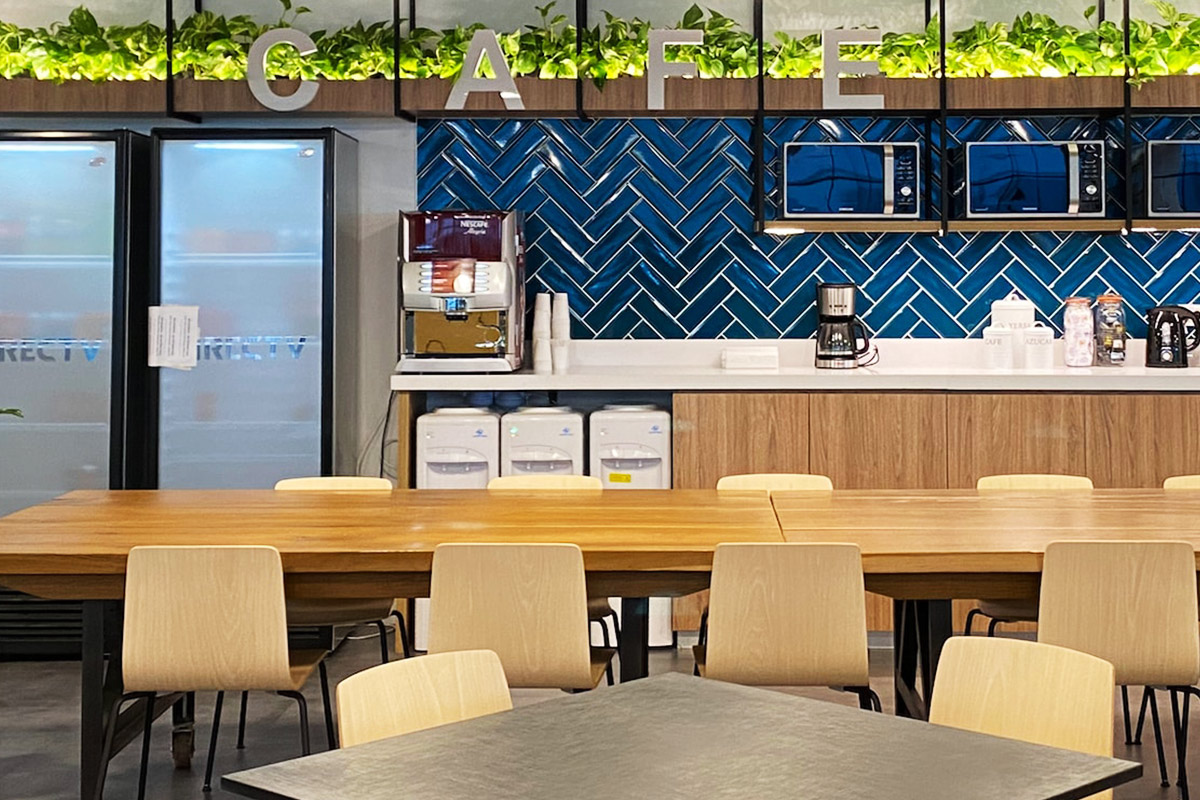
Custom layouts: Flexible interior planning allows buildings to support administrative, accommodation, and technical workflows.
Manufacturers such as Karmod address these considerations through an integrated design and production approach. Drawing on extensive international experience, Karmod modular building solutions are developed to adapt to diverse climates and operational requirements while maintaining consistent quality standards. This approach supports projects in Cameroon that require reliability, scalability, and long-term performance.
By leveraging modular buildings and prefabricated building systems, organizations in Cameroon can achieve faster project delivery, improved cost control, and building solutions that remain adaptable as development needs continue to evolve.