





China’s construction and industrial landscape has evolved rapidly over the last two decades. Large-scale infrastructure projects, industrial zones, logistics hubs, and public investments continue to shape demand for faster, more controllable building methods. In this environment, modular buildings and prefabricated building solutions are no longer niche alternatives; they have become practical tools for organizations that need speed, scalability, and predictable quality across multiple regions of the country.
For international contractors, EPC firms, and local developers operating in China, these systems make it possible to align construction timelines with aggressive project schedules while maintaining compliance with technical and safety expectations.
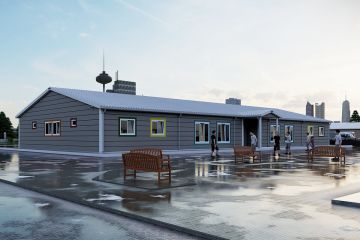
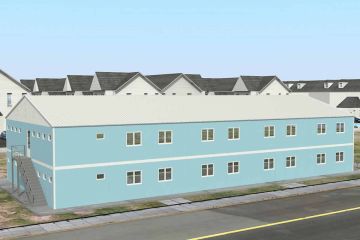
Why Modular Buildings Are in High Demand in China
China’s labor market and construction ecosystem strongly influence building preferences. Skilled labor availability varies by region, and labor costs in major metropolitan and industrial zones have increased steadily. Modular buildings reduce on-site labor dependency by shifting most production activities to controlled factory environments.
Construction timelines are another decisive factor. Infrastructure, energy, and logistics projects often operate under tight deadlines, particularly in export-driven zones and state-supported industrial parks. Modular construction enables parallel workflows, allowing site preparation and building production to progress simultaneously.
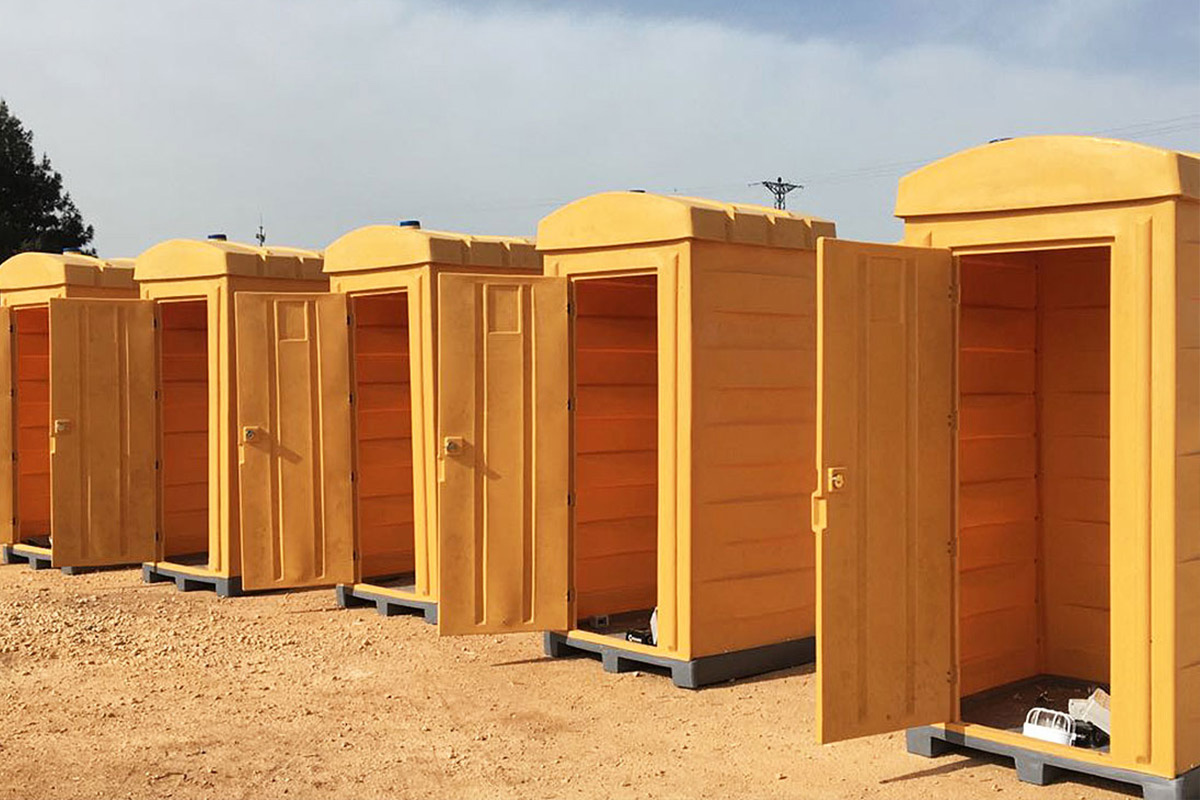
Temporary and permanent building needs coexist across China. Large construction sites, renewable energy fields, and transportation projects require relocatable offices, accommodation units, and technical buildings. At the same time, permanent facilities such as administrative buildings, service units, and worker housing increasingly rely on prefabricated systems for durability and cost predictability.
Sector-specific demand further drives adoption. Logistics and warehousing operations require flexible storage and office space near transport corridors. Manufacturing and heavy industry prioritize standardized buildings that can be replicated across multiple locations. Public sector projects, including education and healthcare facilities, benefit from rapid deployment without compromising safety or compliance.
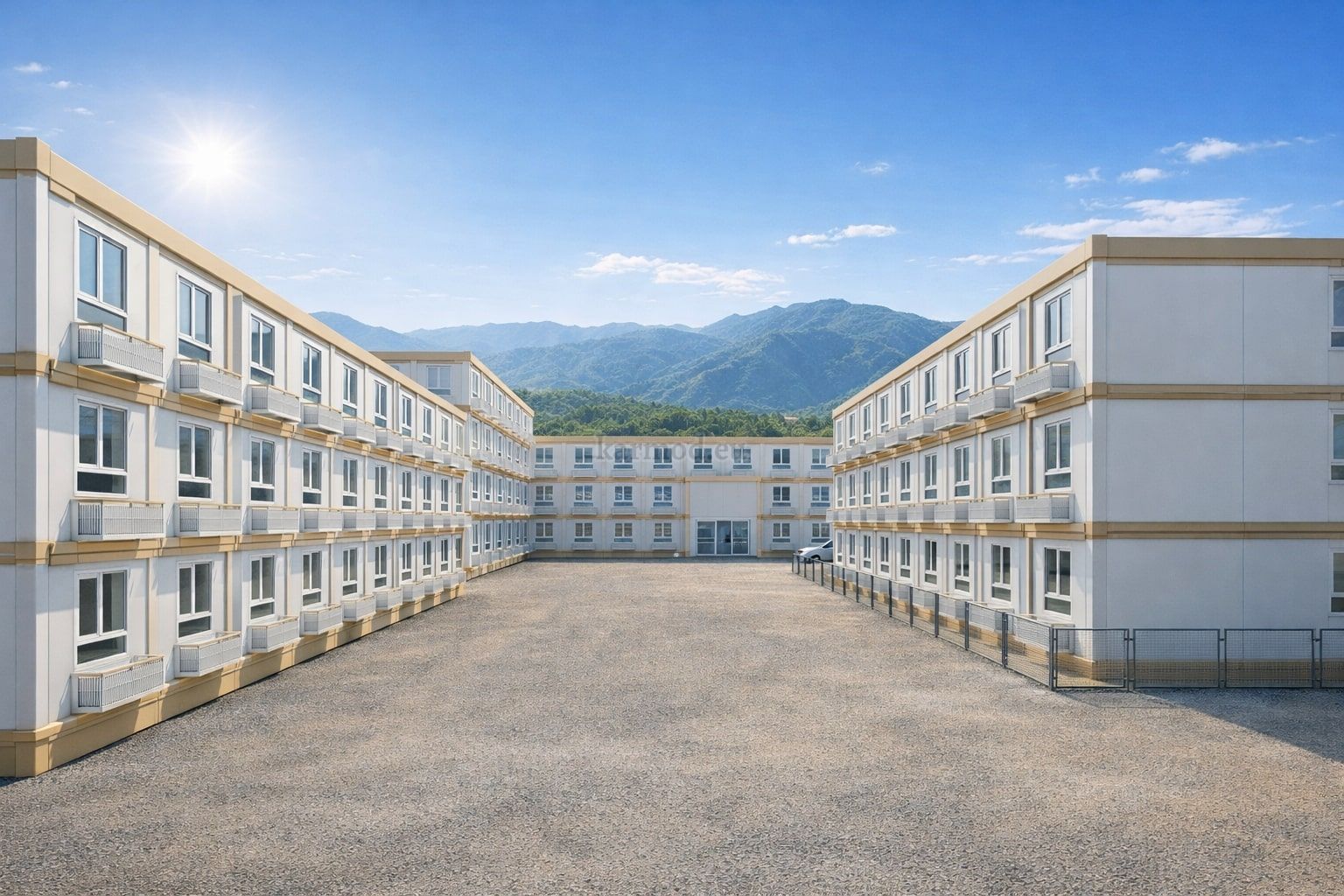
Modular Buildings vs. Prefabricated Building Systems
Although often mentioned together, modular buildings and prefabricated building systems serve different strategic purposes in China’s construction market.
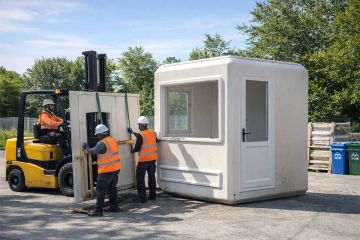
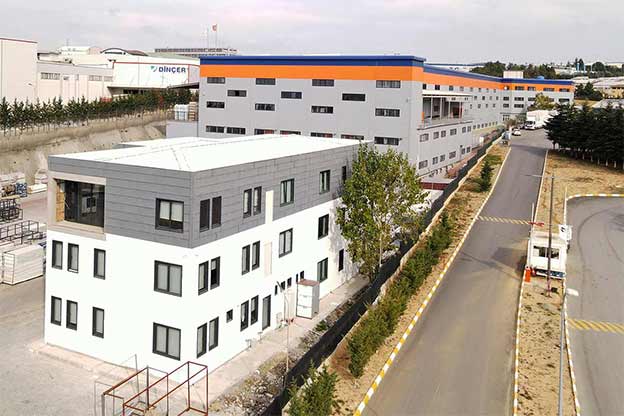
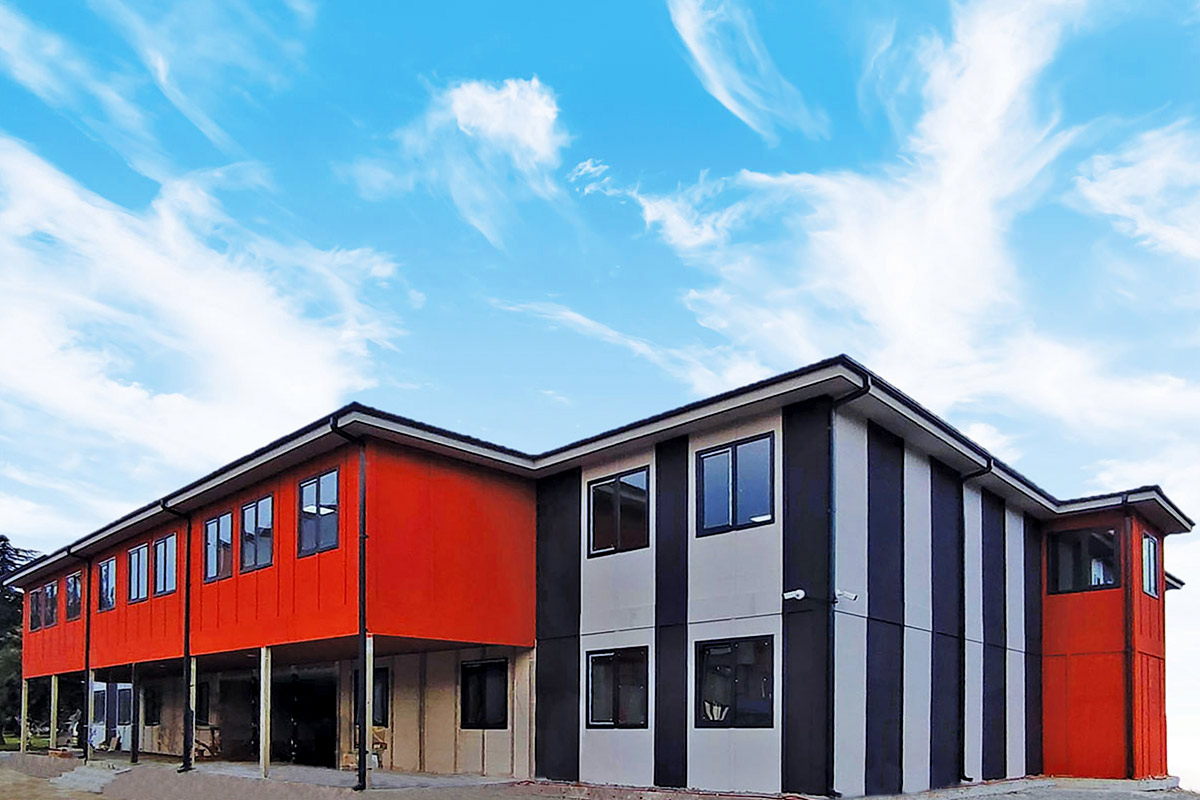
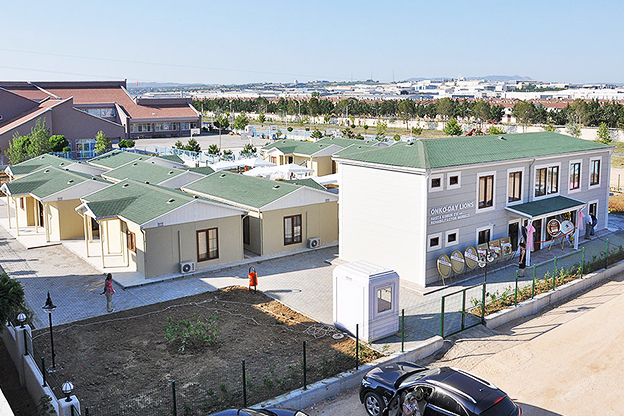
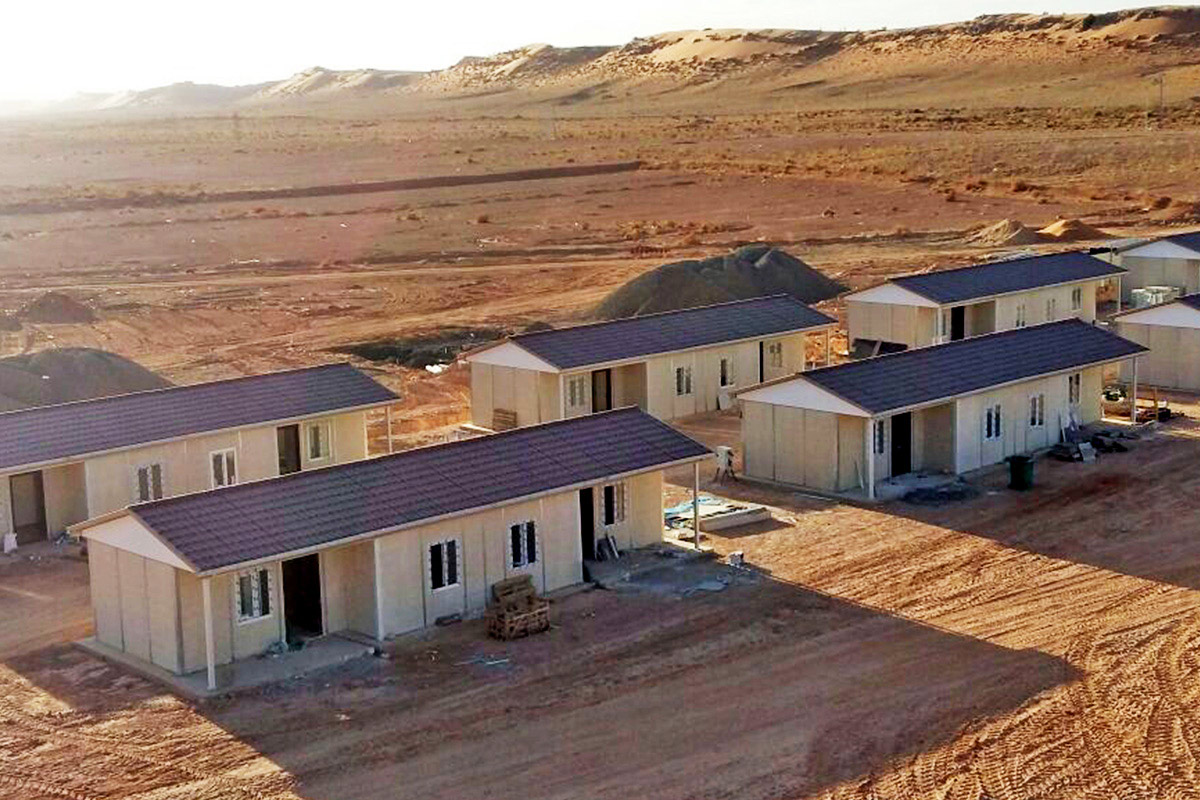
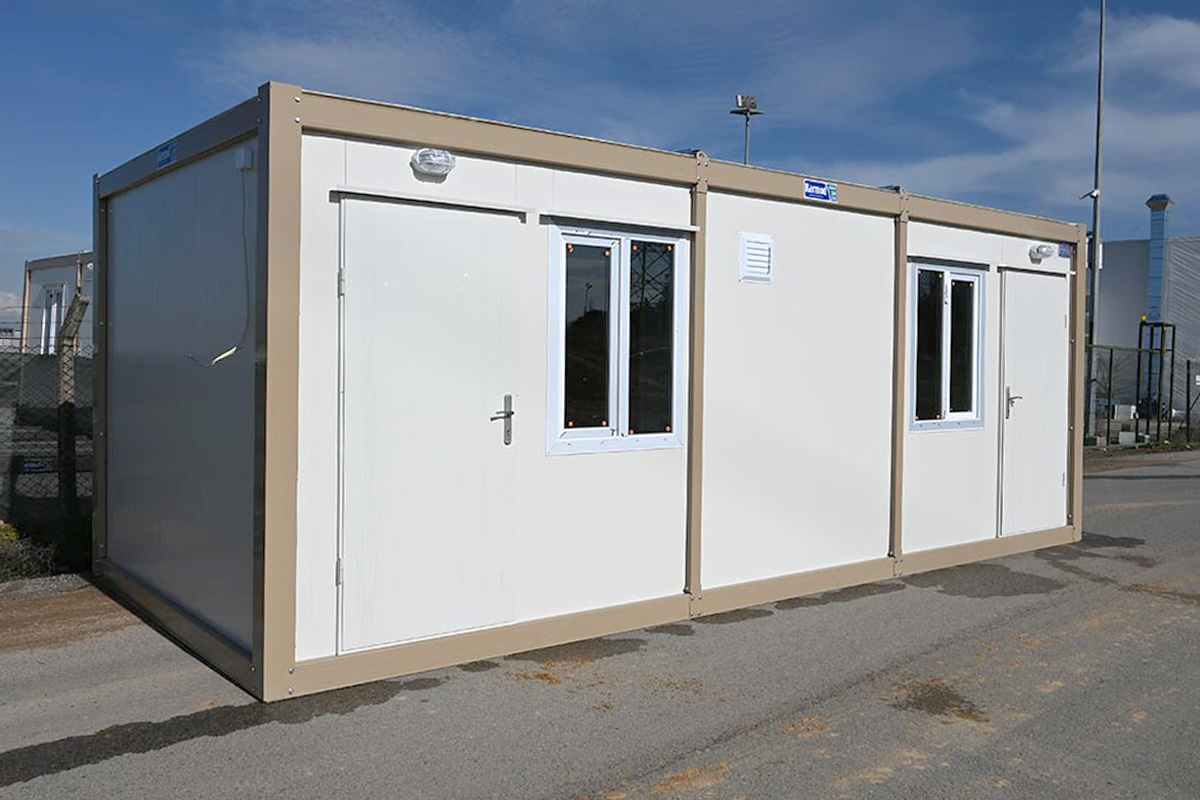
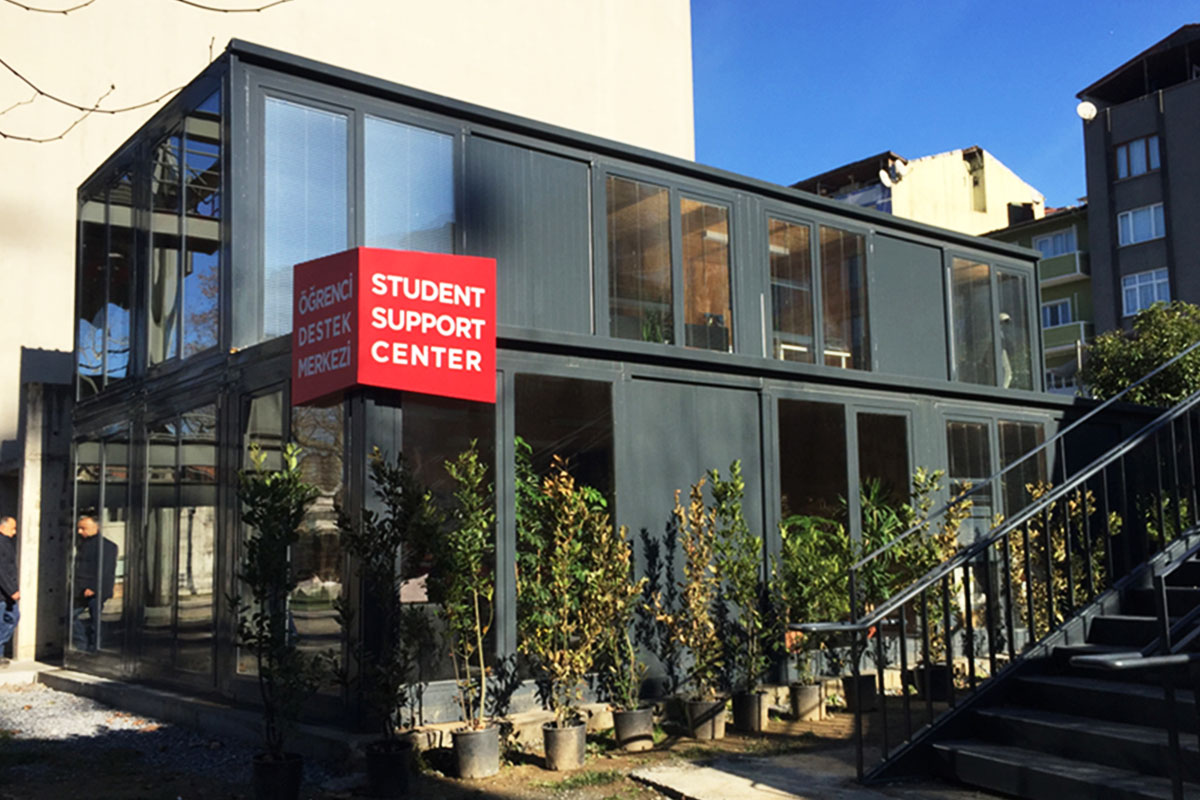
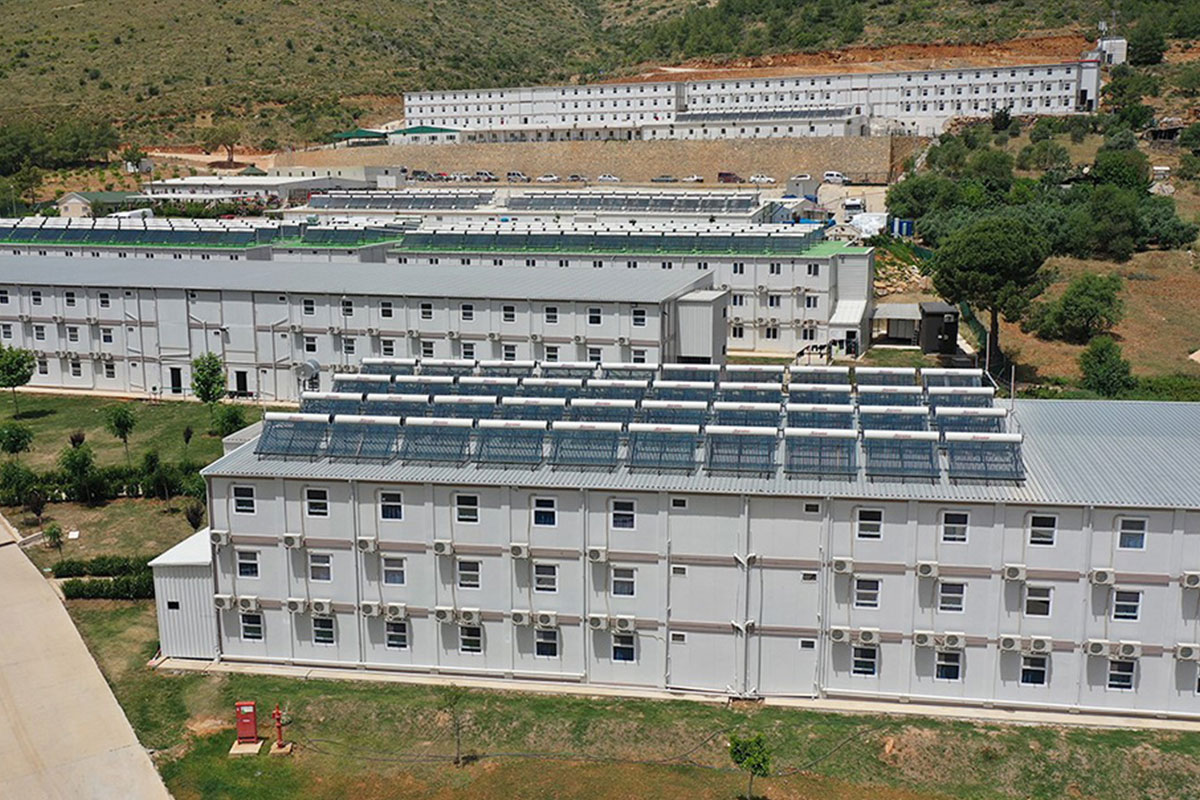
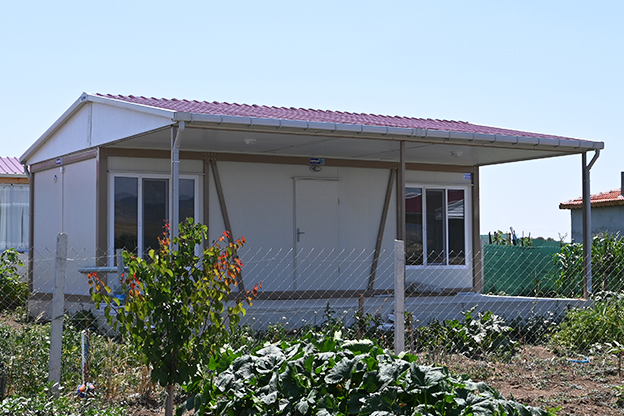
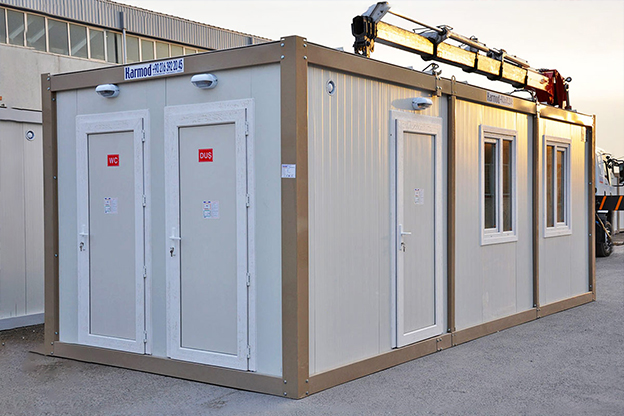
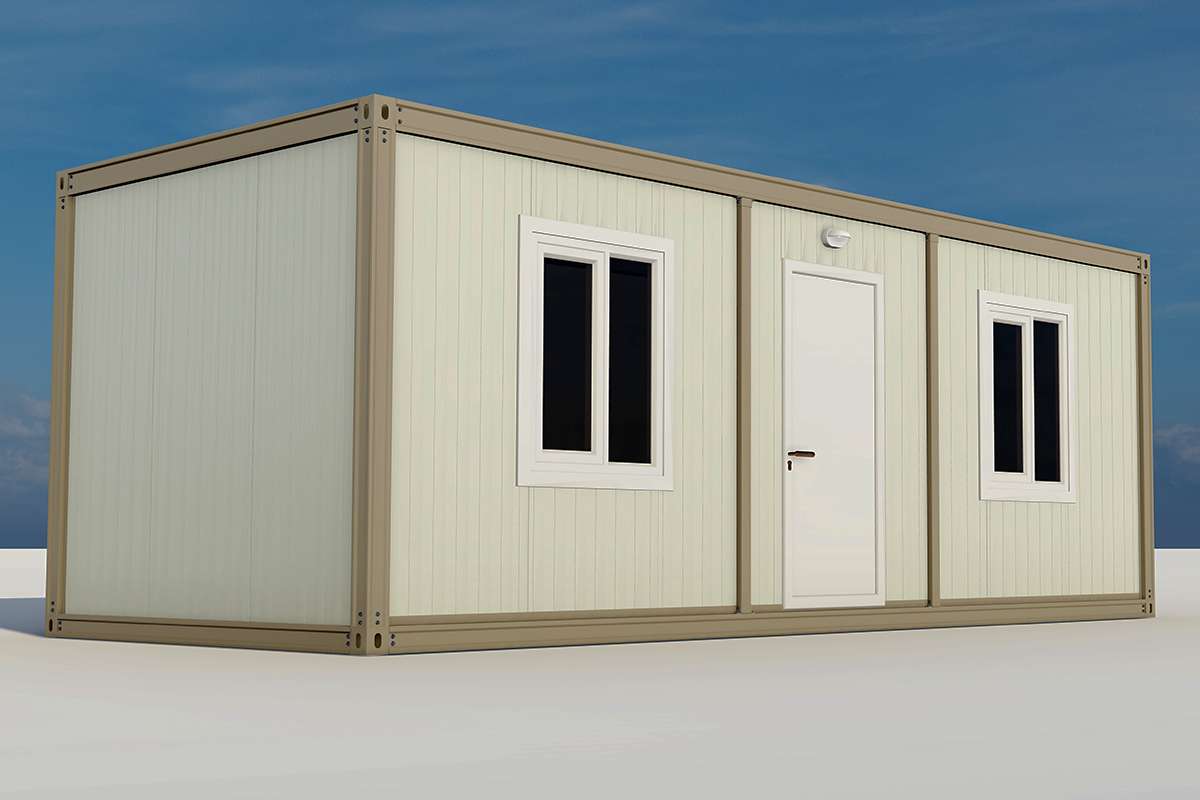
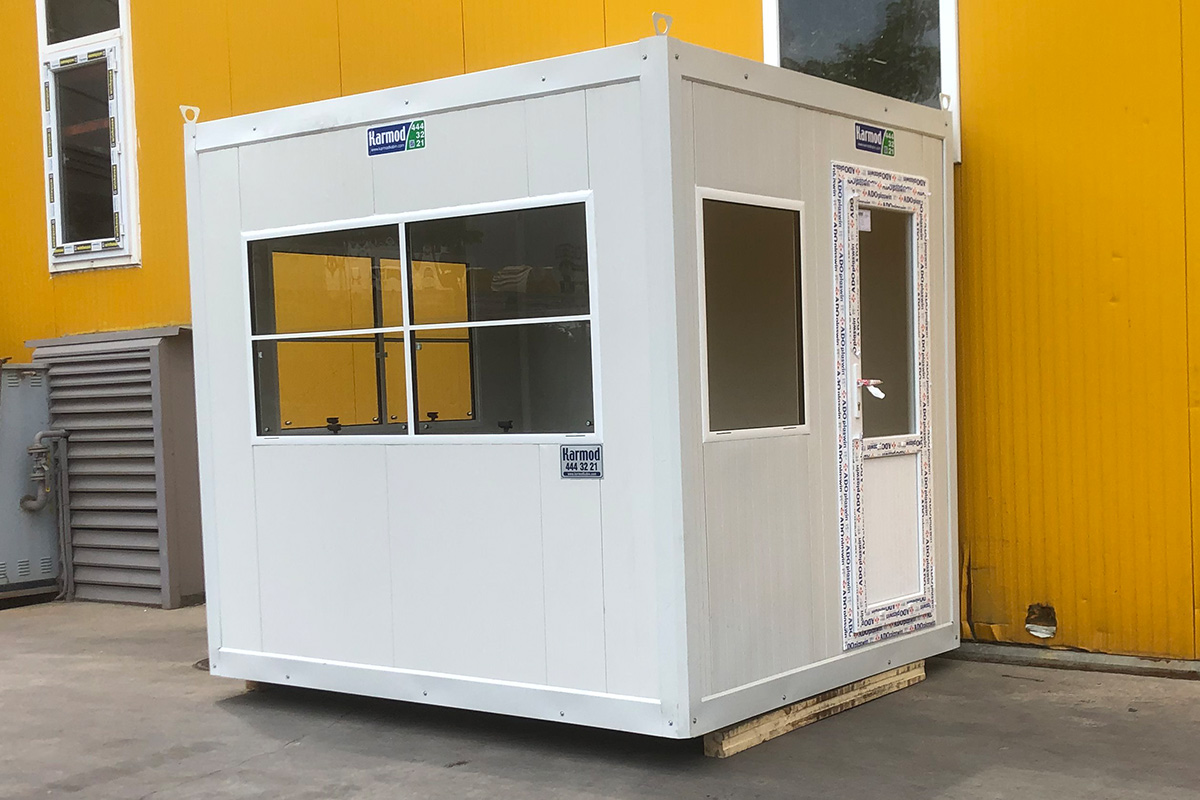
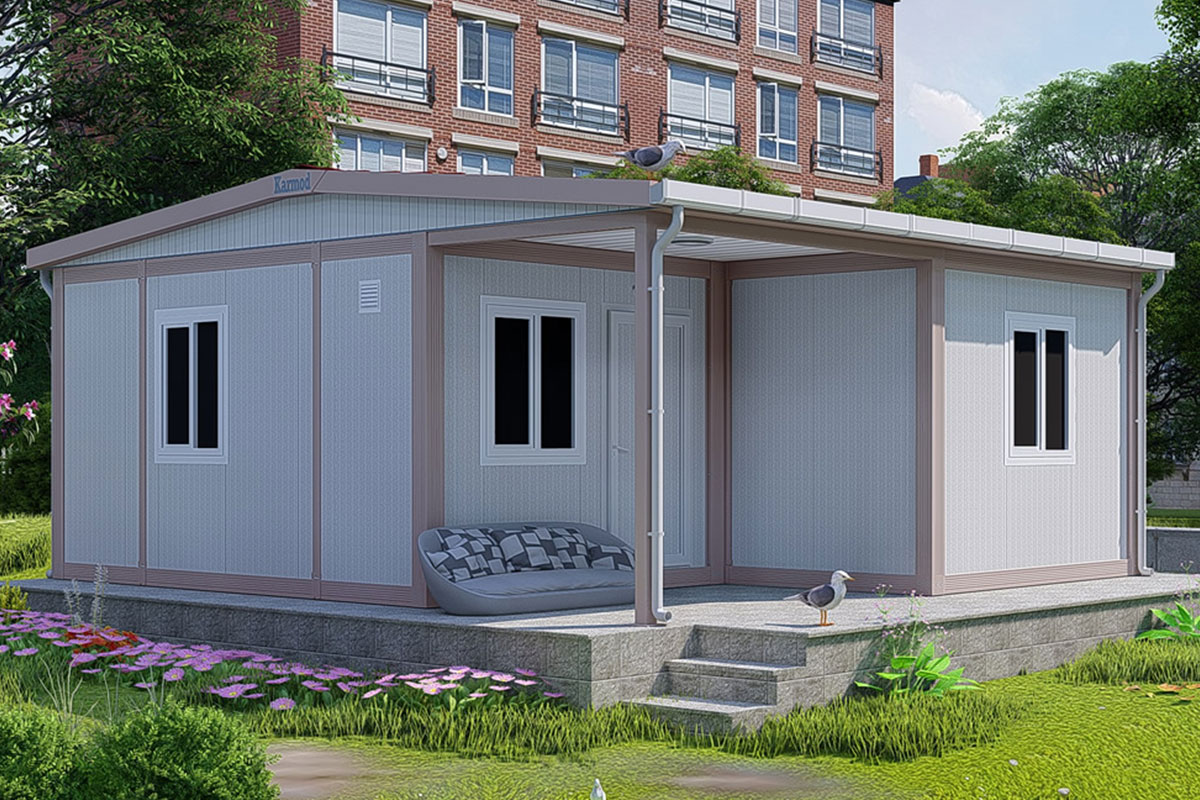
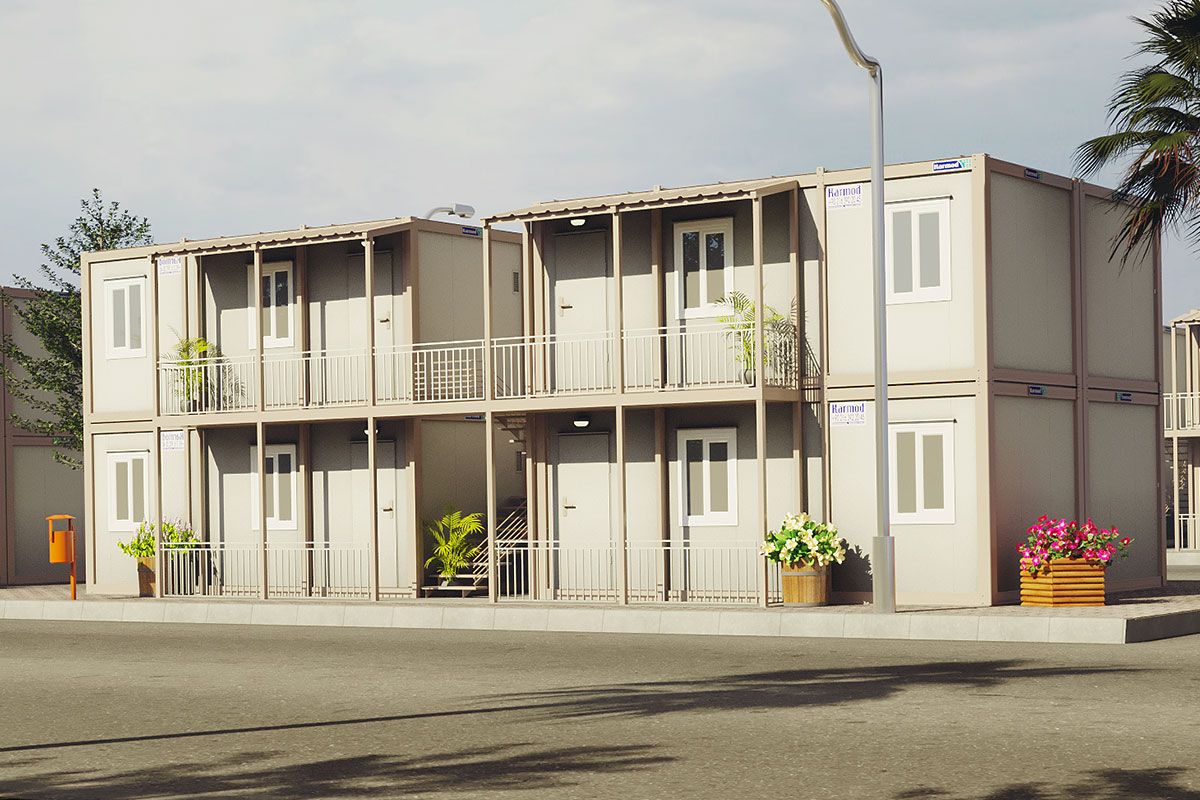
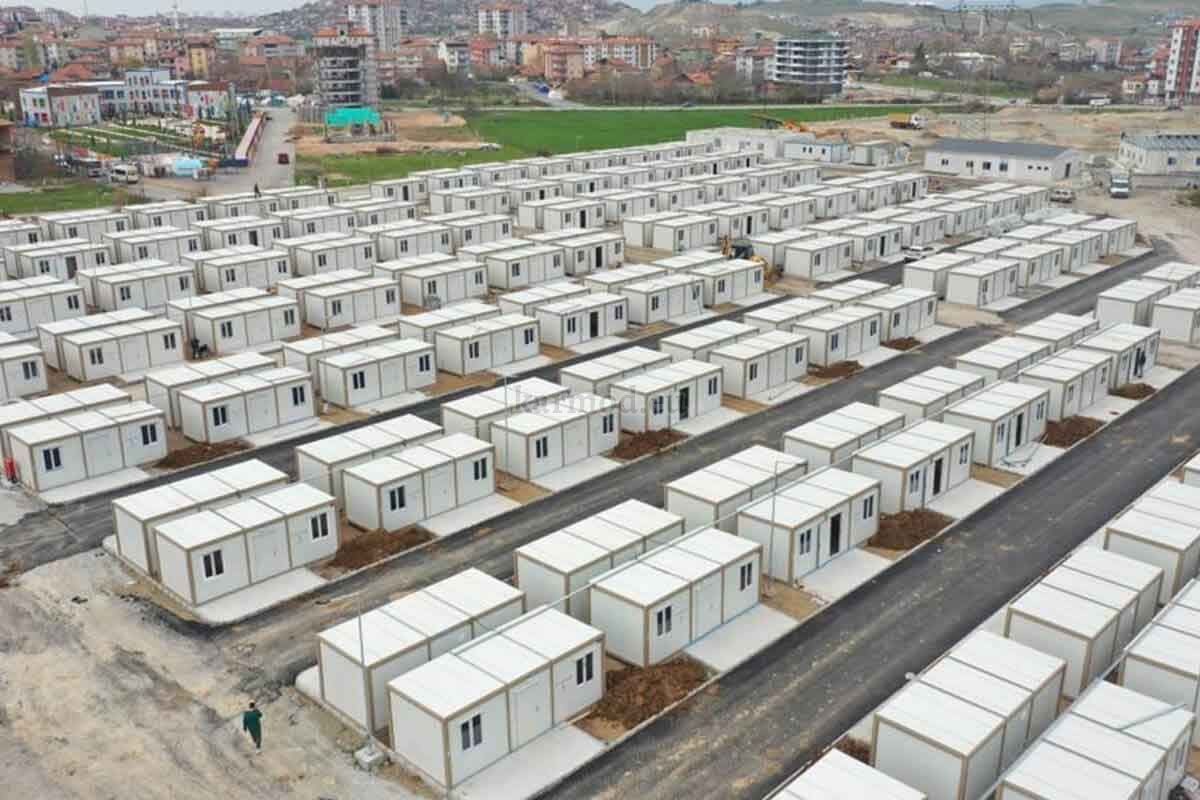
Modular buildings are produced as complete volumetric units. These modules are transportable, quick to install, and designed for expansion or relocation. This makes them especially suitable for construction camps, temporary accommodation, and operational support buildings in remote or fast-developing regions.
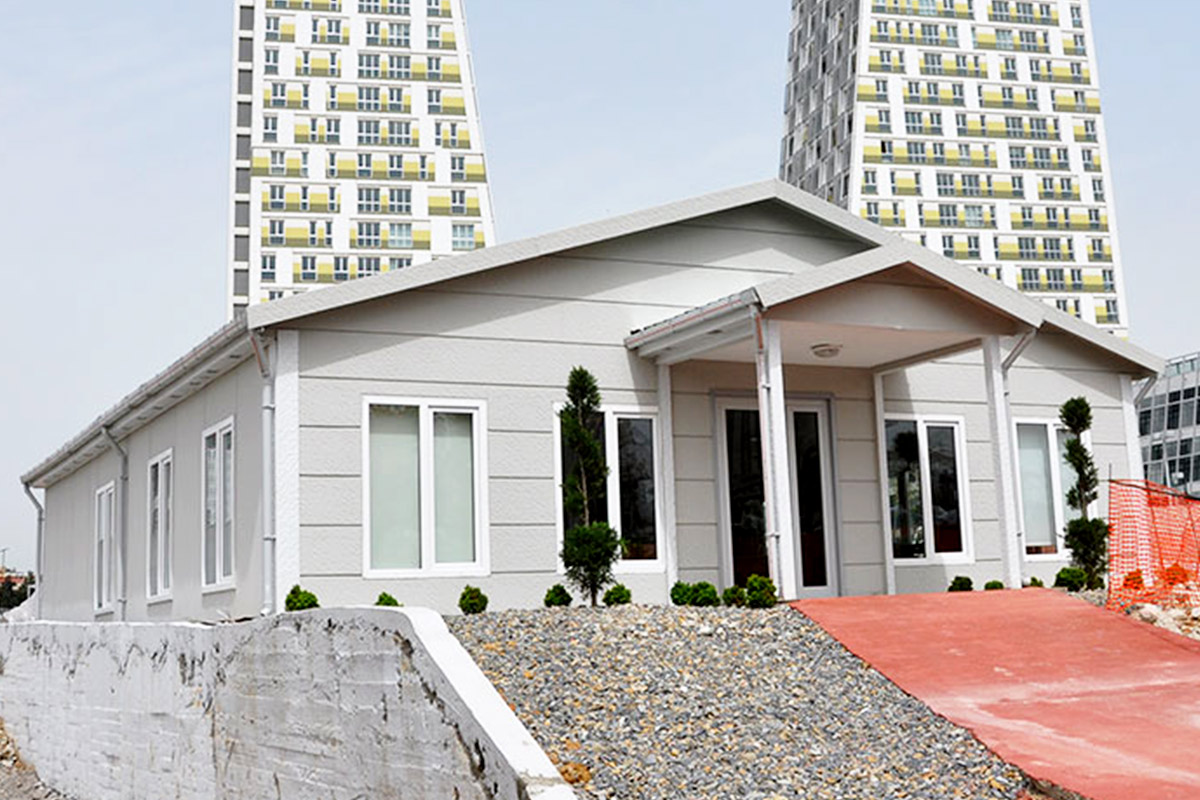
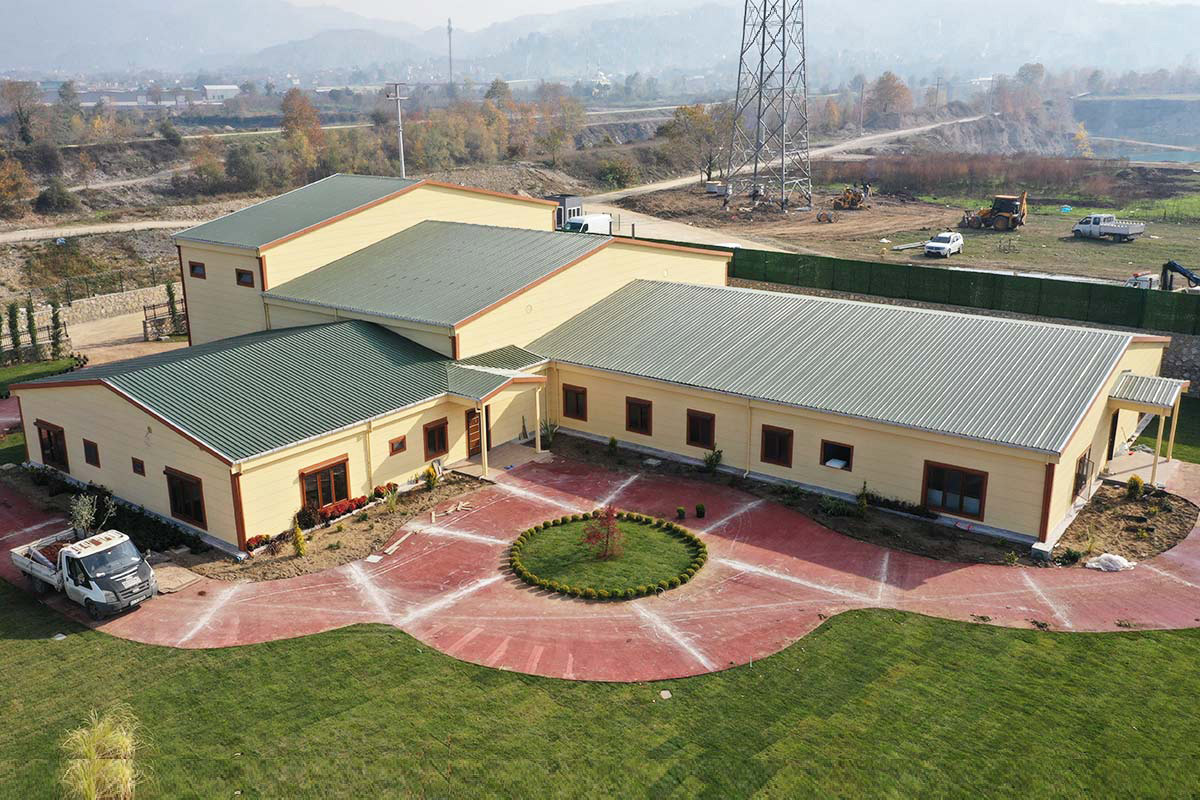
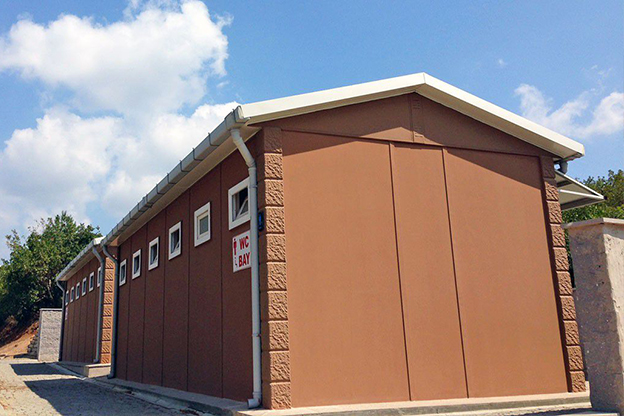
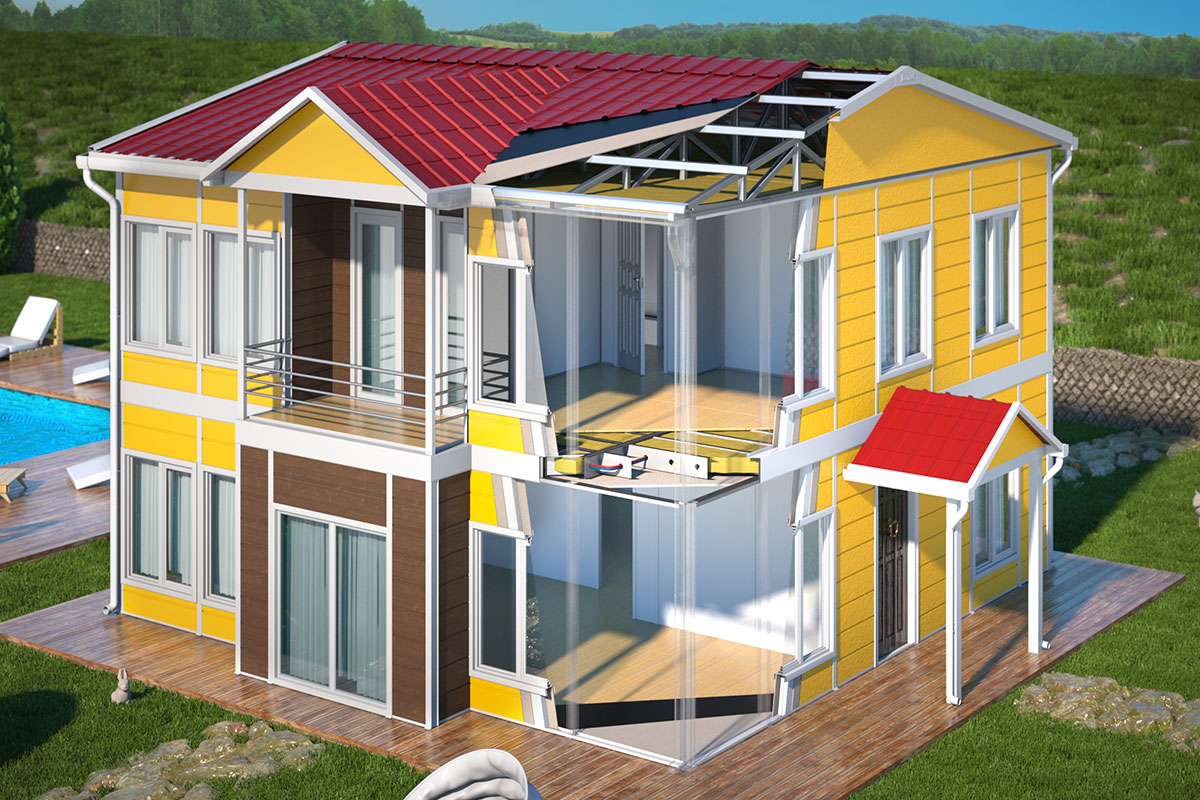
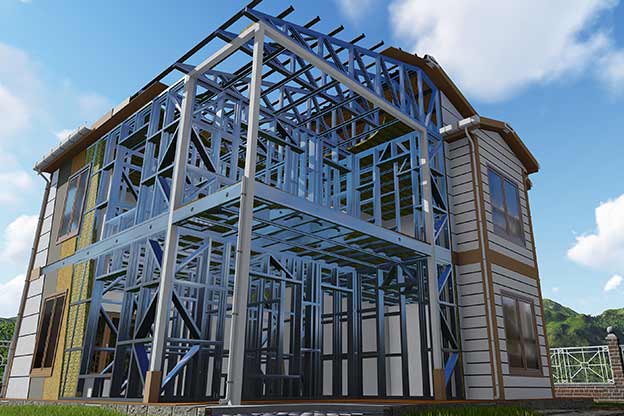
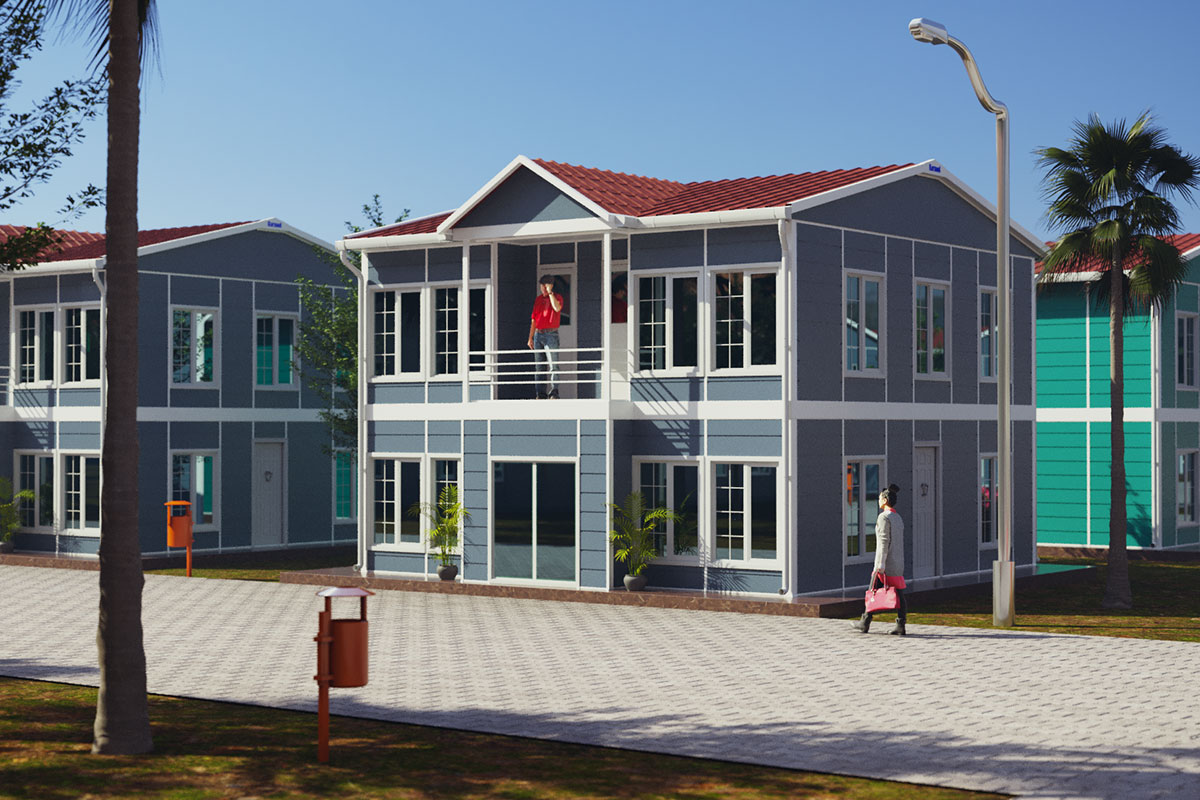
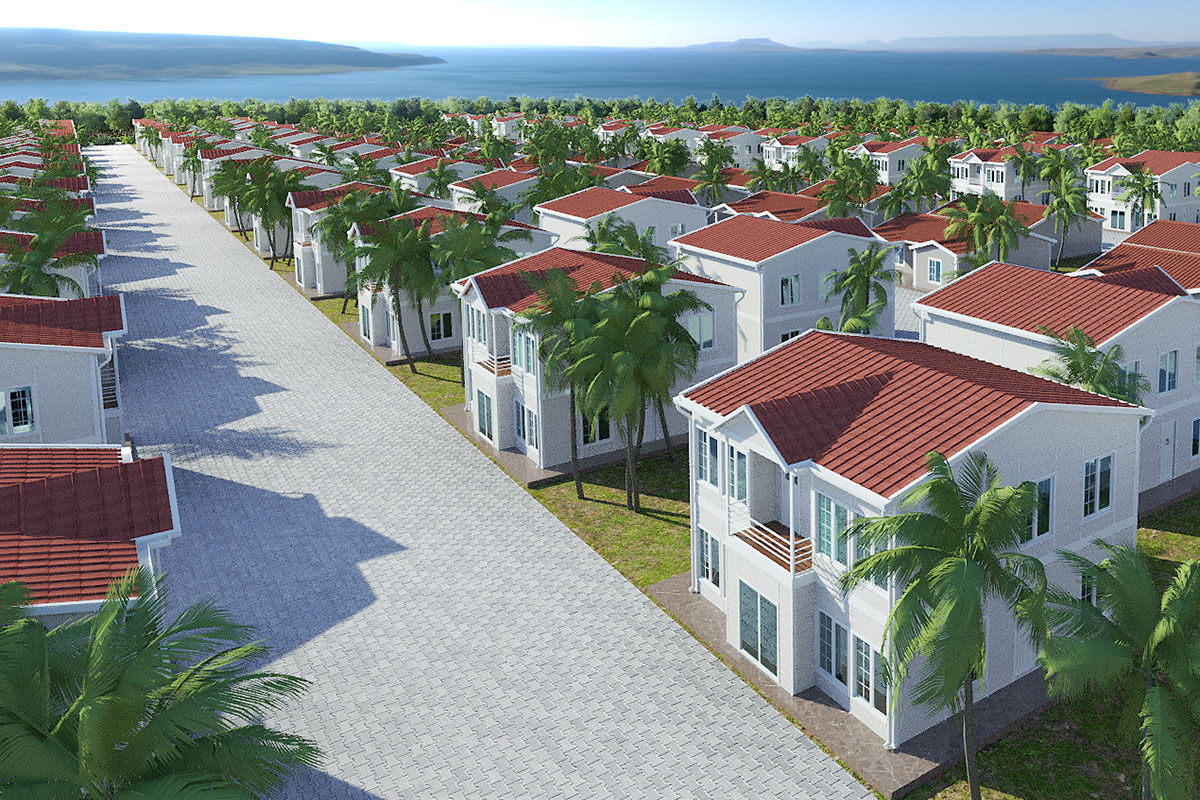
Prefabricated building systems, by contrast, rely on factory-produced panels or structural components assembled on-site. These systems are typically selected for long-term or permanent use, where architectural integration and extended service life are priorities. In China, they are widely used for residential blocks, office buildings, and institutional facilities.
In practice, modular buildings are favored where mobility and phased development are required, while prefabricated building systems are chosen for permanent developments that demand consistency and long-term performance.
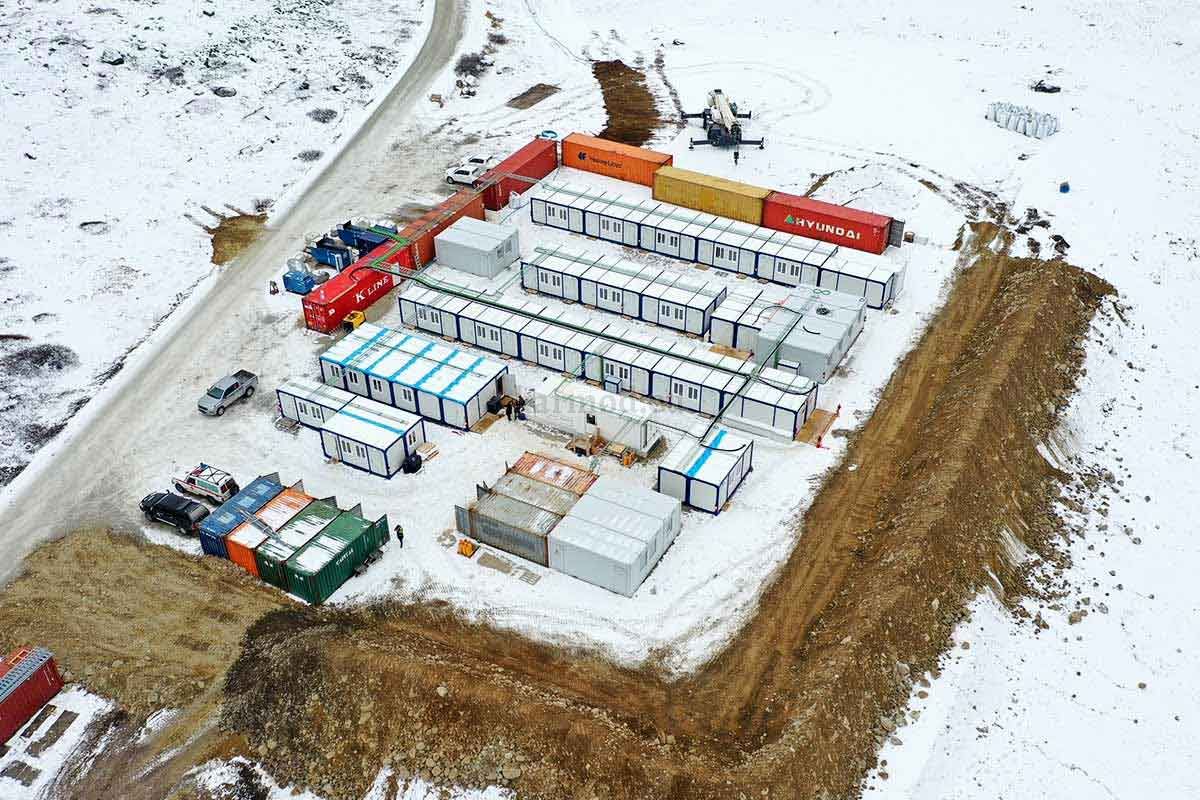
Applications of Modular and Prefabricated Buildings in China
Across China’s diverse regions and industries, these systems support a wide range of operational needs:
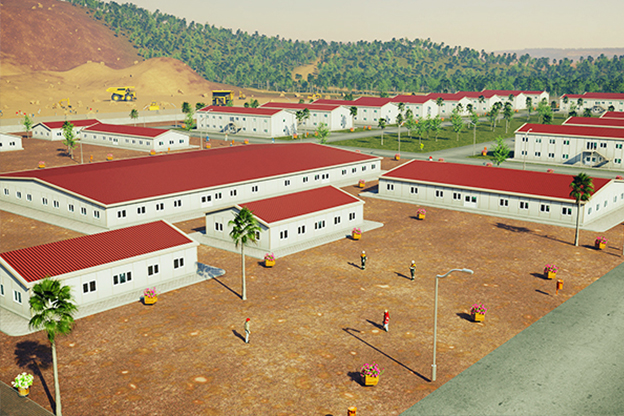
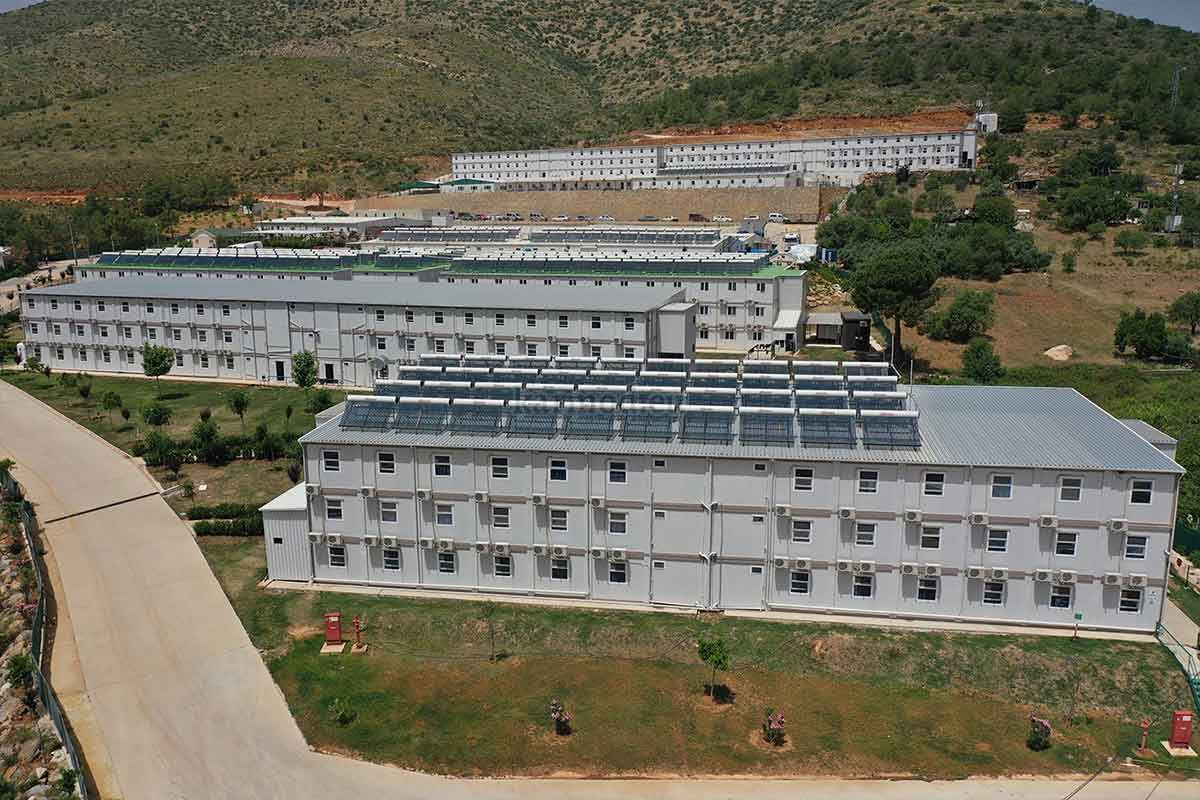
- Site offices & construction camps – Rapidly deployable units for project management and engineering teams
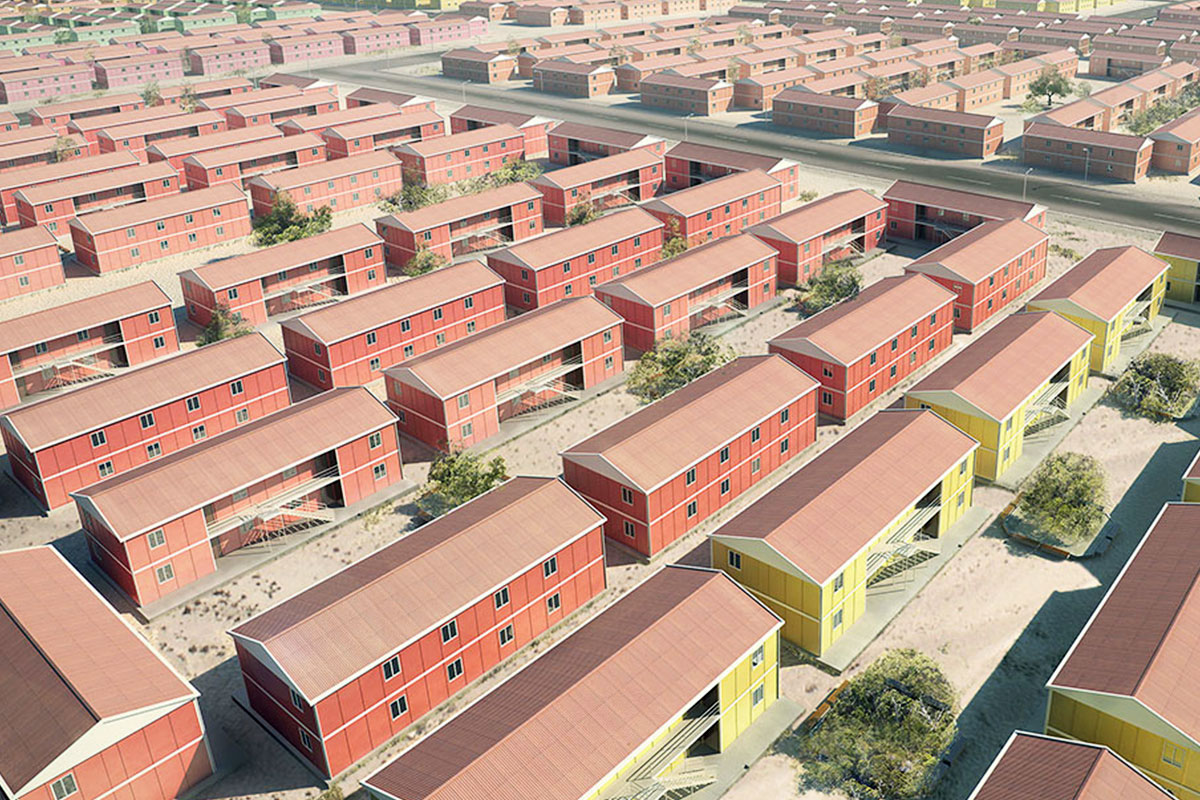
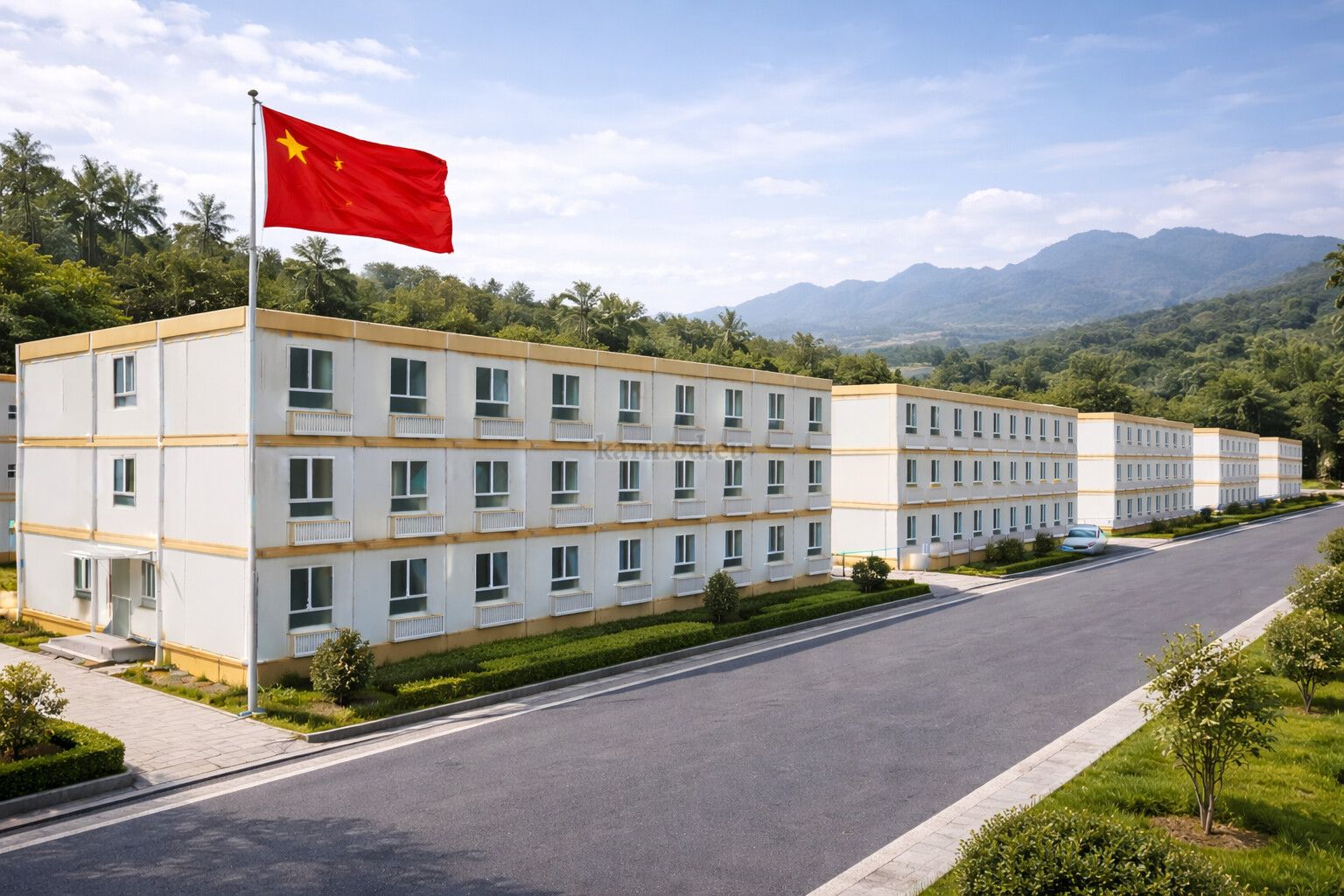
- Worker accommodation buildings – Scalable housing for industrial zones, infrastructure projects, and energy fields
- Temporary schools & healthcare units – Fast-response facilities for urban growth and regional development
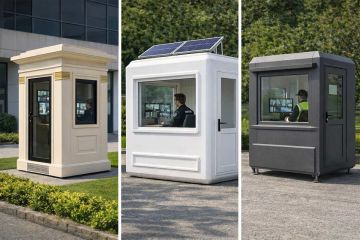
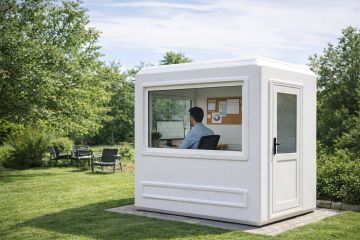
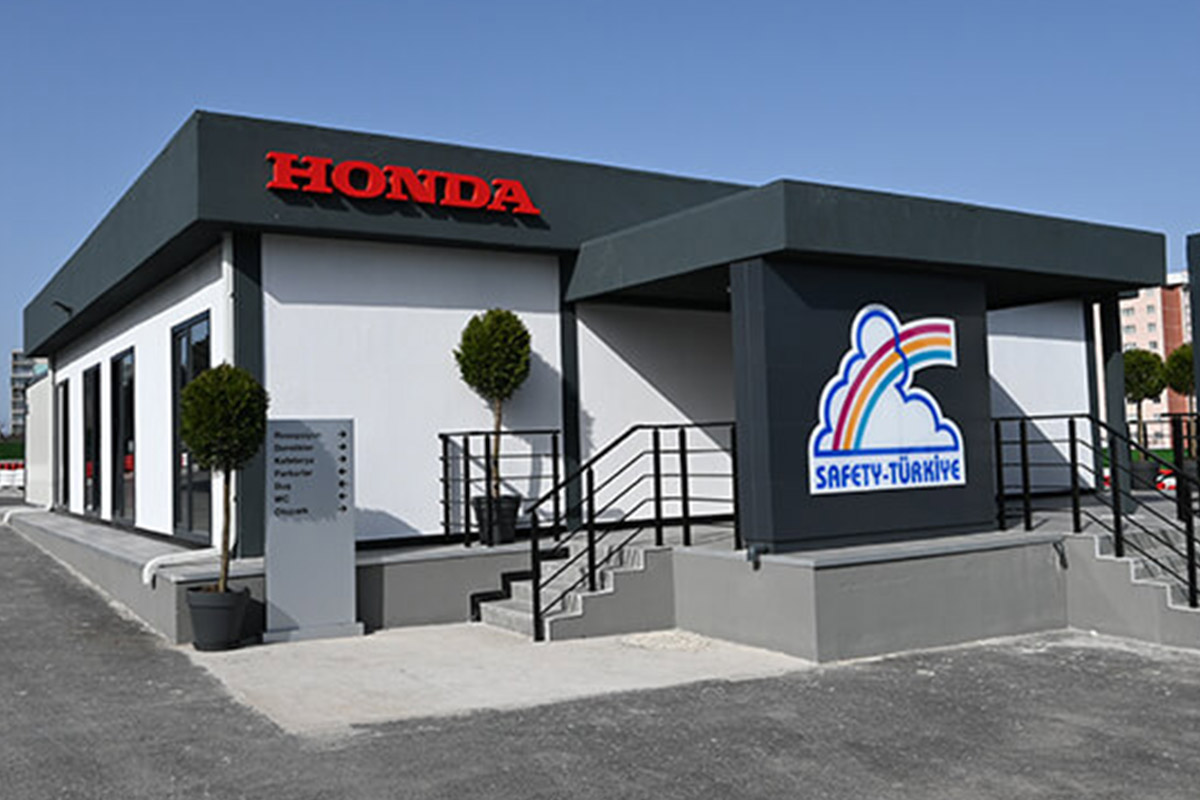
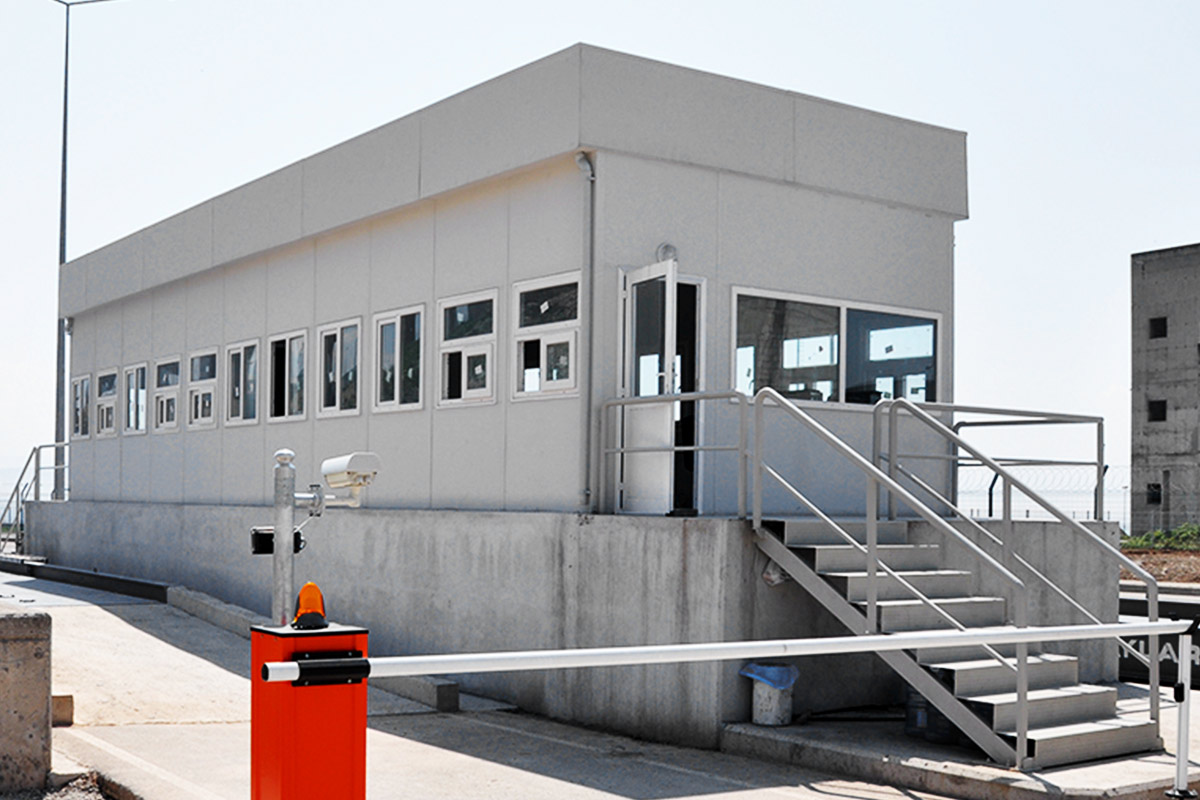
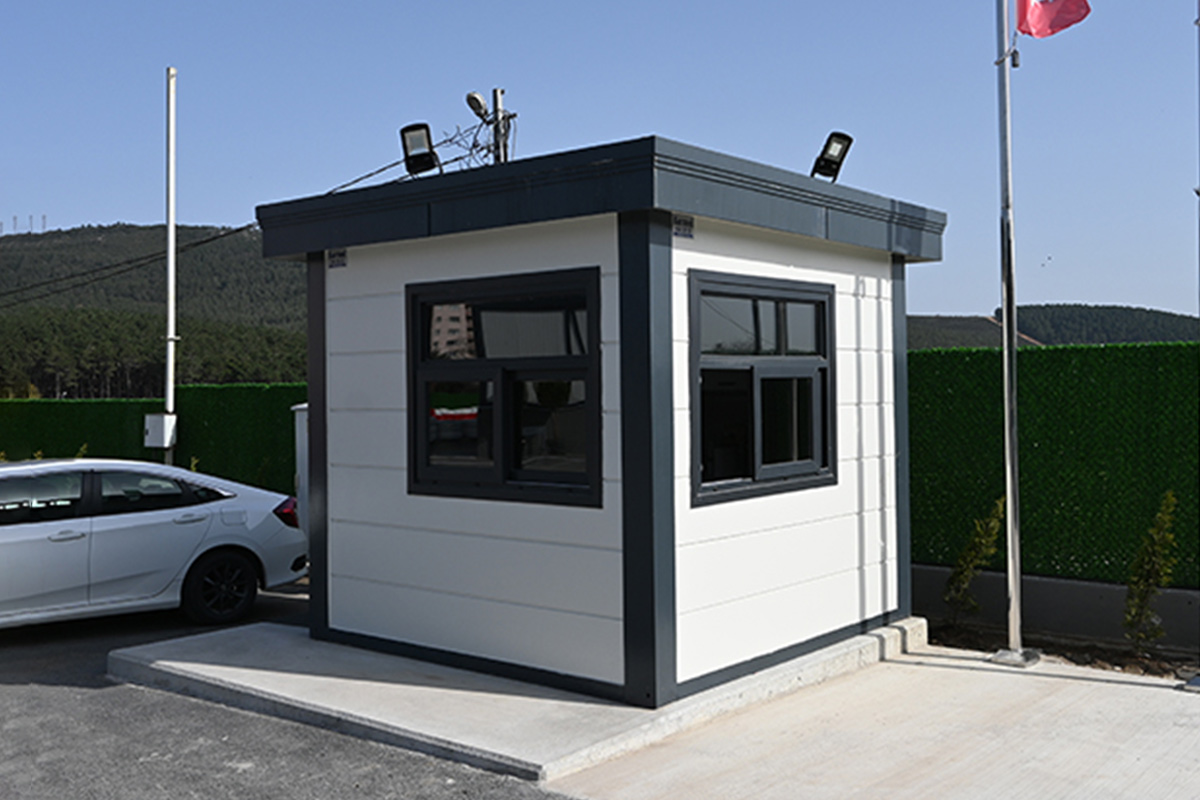
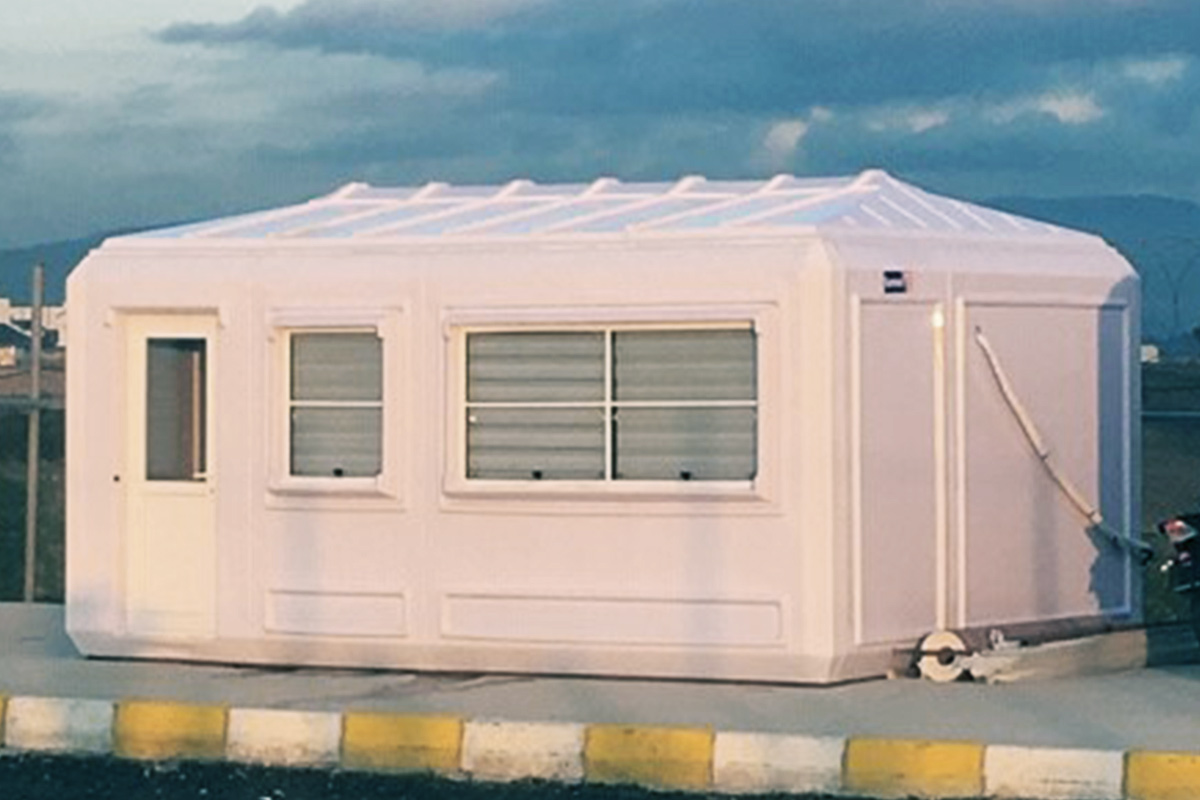
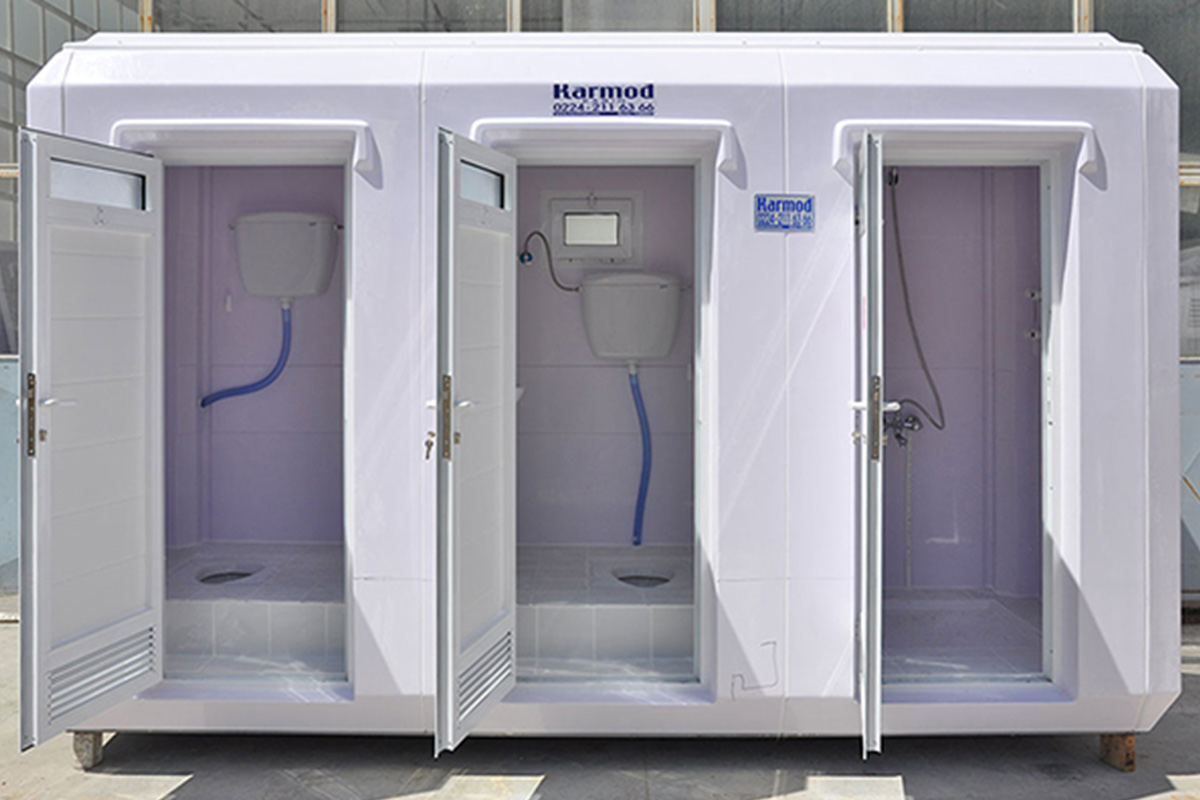
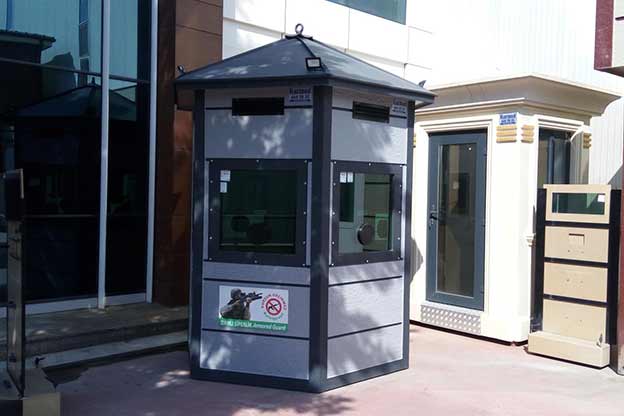
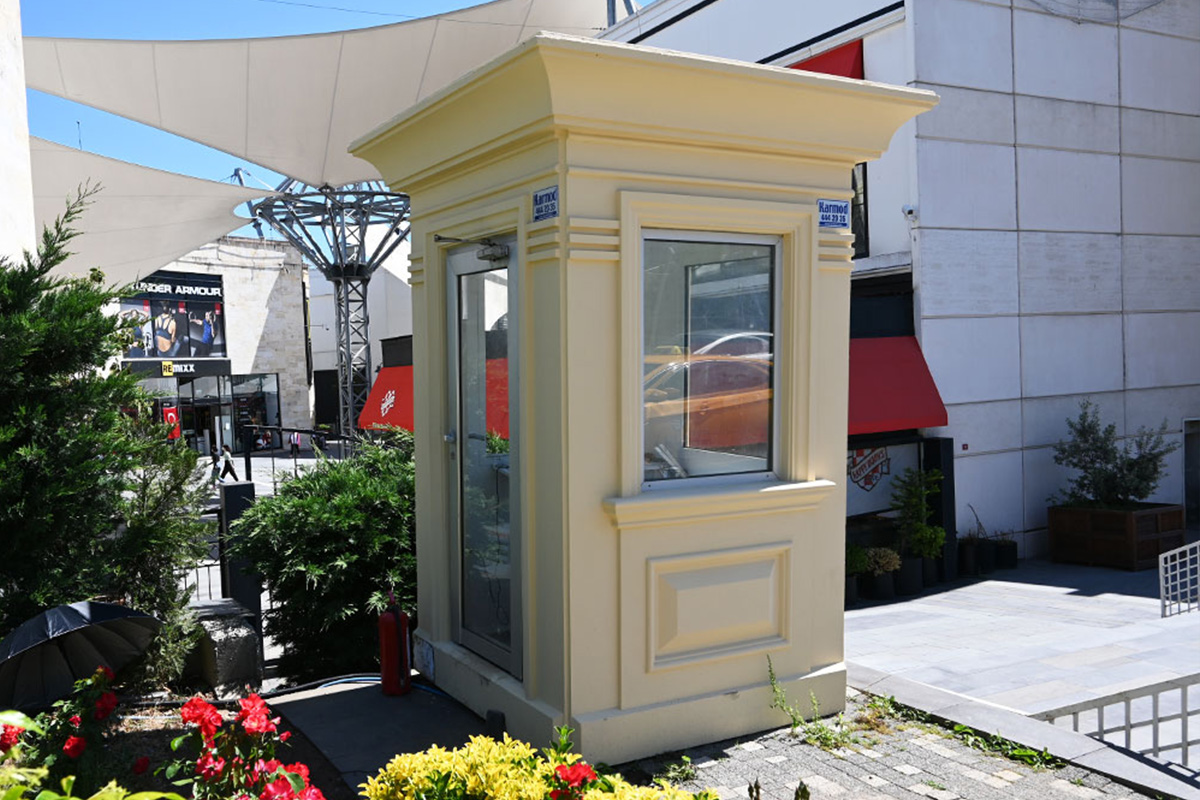
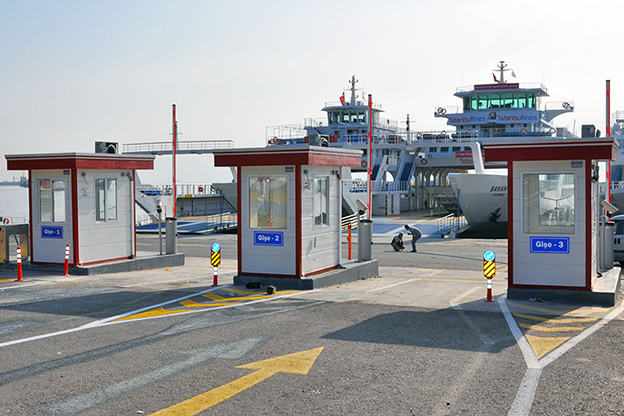
- Security buildings & technical units – Access control points, monitoring rooms, and equipment shelters
- Storage and logistics facilities – Auxiliary buildings supporting warehousing and distribution networks
These applications demonstrate how standardized production combined with adaptable layouts supports both operational efficiency and regulatory compliance.
From Design to Installation: How the Process Works
Successful modular and prefabricated projects in China follow a structured and transparent process.
The process begins with project needs analysis, defining functional requirements, occupancy levels, regulatory constraints, and site conditions. Clear alignment at this stage reduces revision risk later.
Custom design and specifications follow, adapting layouts, insulation performance, and technical systems to regional climate conditions and operational use.
Factory production ensures consistent quality and precise execution. Manufacturing under controlled conditions minimizes material waste and schedule variability.
Once production is complete, units are delivered in line with logistics planning and customs requirements. Coordination is especially important for multi-module or large-scale deployments.
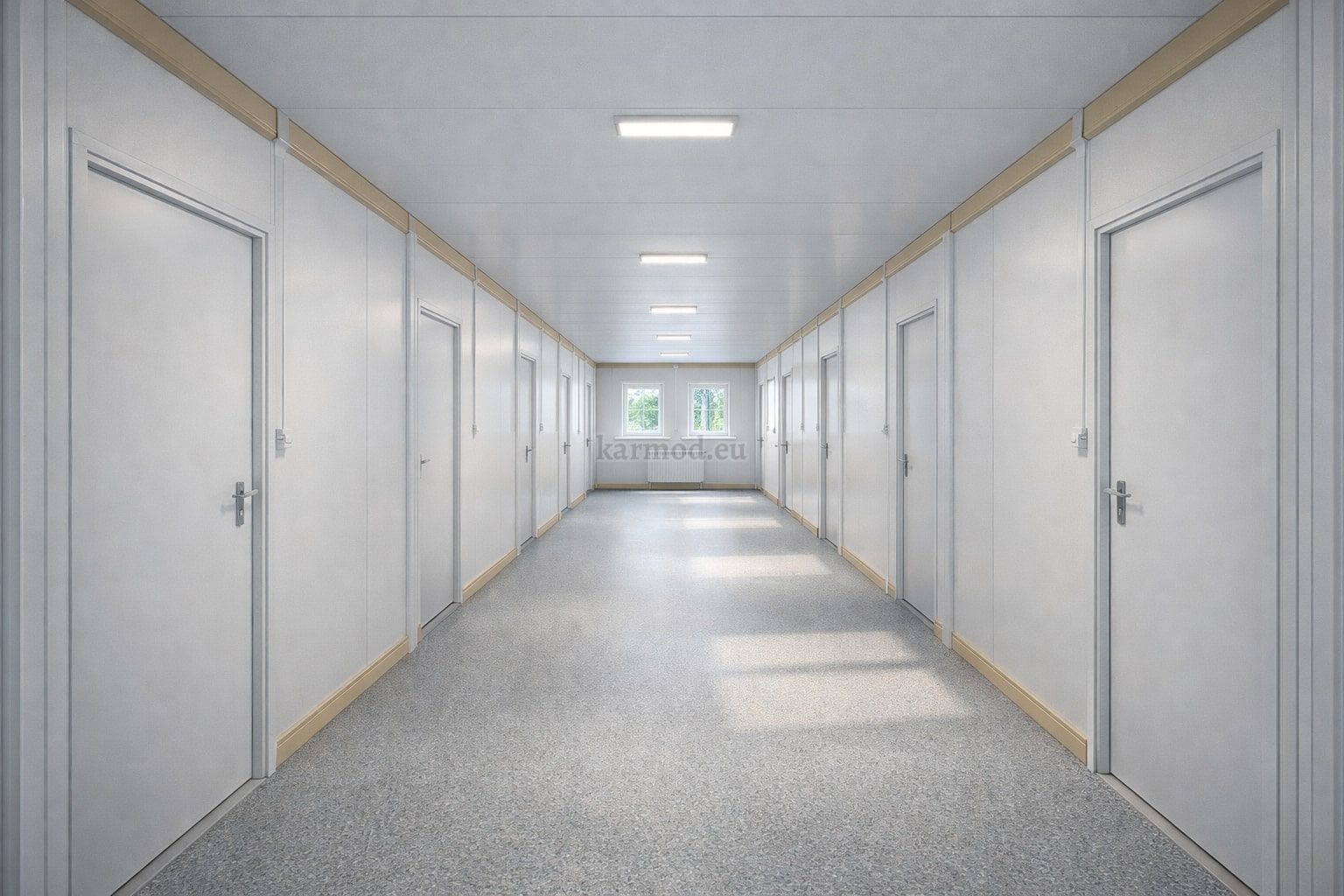
On-site installation is completed rapidly compared to conventional construction. Prepared foundations allow efficient assembly and quick transition to operational use.
Key Considerations for Modular Buildings in China
Thermal insulation: China’s varied climate zones require tailored insulation strategies to ensure energy efficiency and occupant comfort.
Fire safety standards: Compliance with local regulations and international benchmarks is essential, particularly for industrial and accommodation buildings.
Climate suitability: Designs must account for humidity, wind loads, and seismic conditions in certain regions.
Custom layouts: Modular systems allow layouts to reflect specific workflows, cultural expectations, and operational requirements.
Karmod applies international manufacturing discipline while adapting solutions to local conditions. Karmod modular building solutions are designed to balance speed, durability, and functional flexibility, supporting complex projects across diverse markets such as China.
For decision-makers in China’s industrial, logistics, and public sectors, modular buildings and prefabricated building systems offer a practical path to faster delivery and controlled investment outcomes. With proper planning and experienced manufacturing partners, these methods align well with the scale and pace of development across the country.