
Denmark stands out in Northern Europe for its strong focus on sustainability, energy efficiency, and high construction standards. Public authorities, industrial investors, and infrastructure developers increasingly prioritize solutions that combine speed with long-term performance. In this context, modular buildings and prefabricated building solutions have become a strategic choice for projects across Denmark, responding to local regulations, climate conditions, and sector-specific requirements.
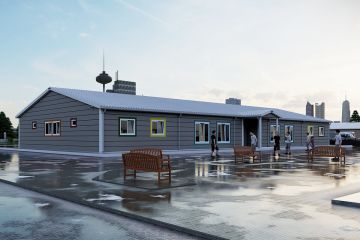
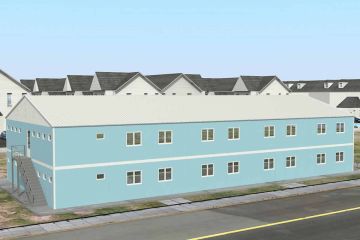
Why Modular Buildings Are in High Demand in Denmark
Labor costs in Denmark are among the highest in Europe, making traditional on-site construction both expensive and time-sensitive. Modular buildings significantly reduce on-site labor needs by shifting production to factory environments, where processes are optimized and workforce requirements are predictable. This approach helps organizations control costs without compromising quality.
Construction timelines are another critical factor. Denmark’s public and private projects often operate under strict delivery schedules, particularly in infrastructure, logistics, and public service developments. Modular construction allows site preparation and building production to progress simultaneously, shortening overall project duration and minimizing disruption in urban and semi-urban areas.
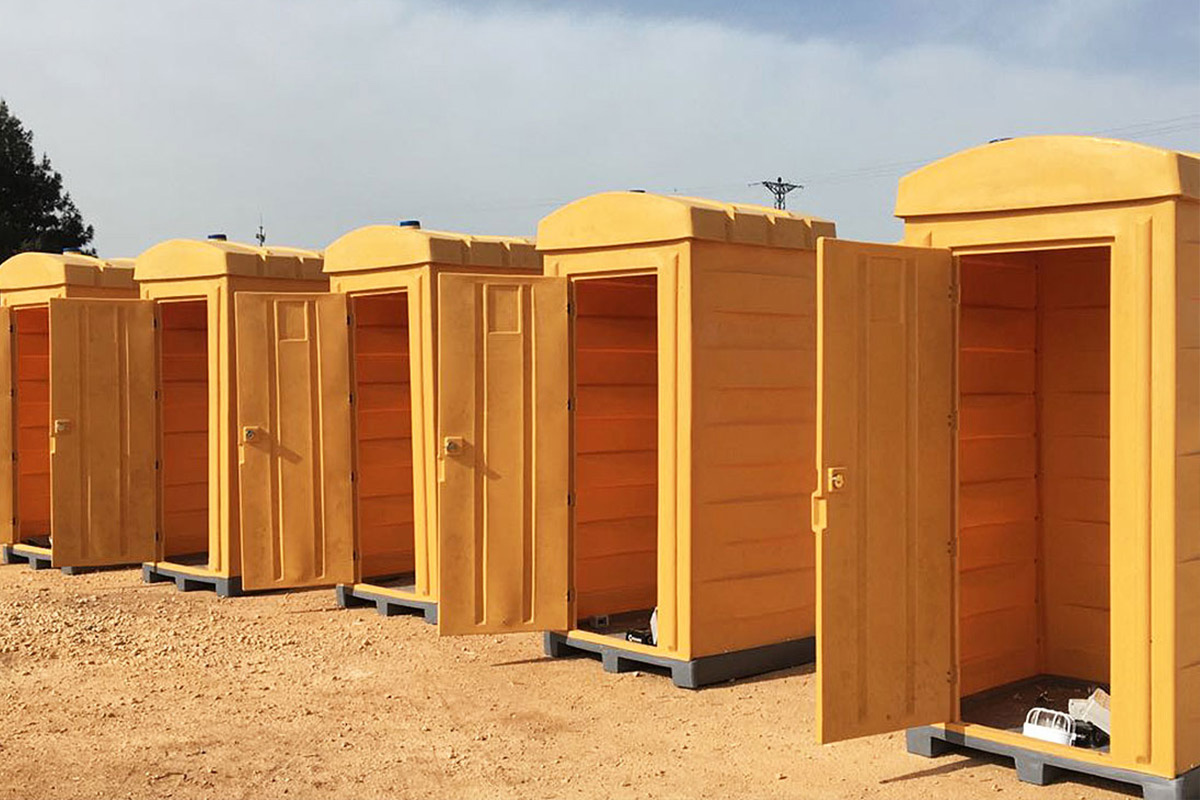
The need for both temporary and permanent structures further drives demand. Temporary facilities are frequently required for infrastructure upgrades, renewable energy projects, and large construction sites, while permanent buildings are essential for public institutions and industrial operations. Modular buildings provide the flexibility to serve both purposes, offering structures that can be relocated, expanded, or converted as project needs evolve.
Country-specific sectors play a major role as well. Denmark’s logistics hubs, public sector facilities, renewable energy projects, and industrial parks benefit from fast, standardized building solutions that meet strict environmental and safety expectations.
Modular Buildings vs. Prefabricated Building Systems
Although often mentioned together, modular buildings and prefabricated building systems address different project priorities.
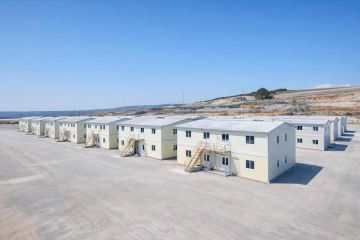
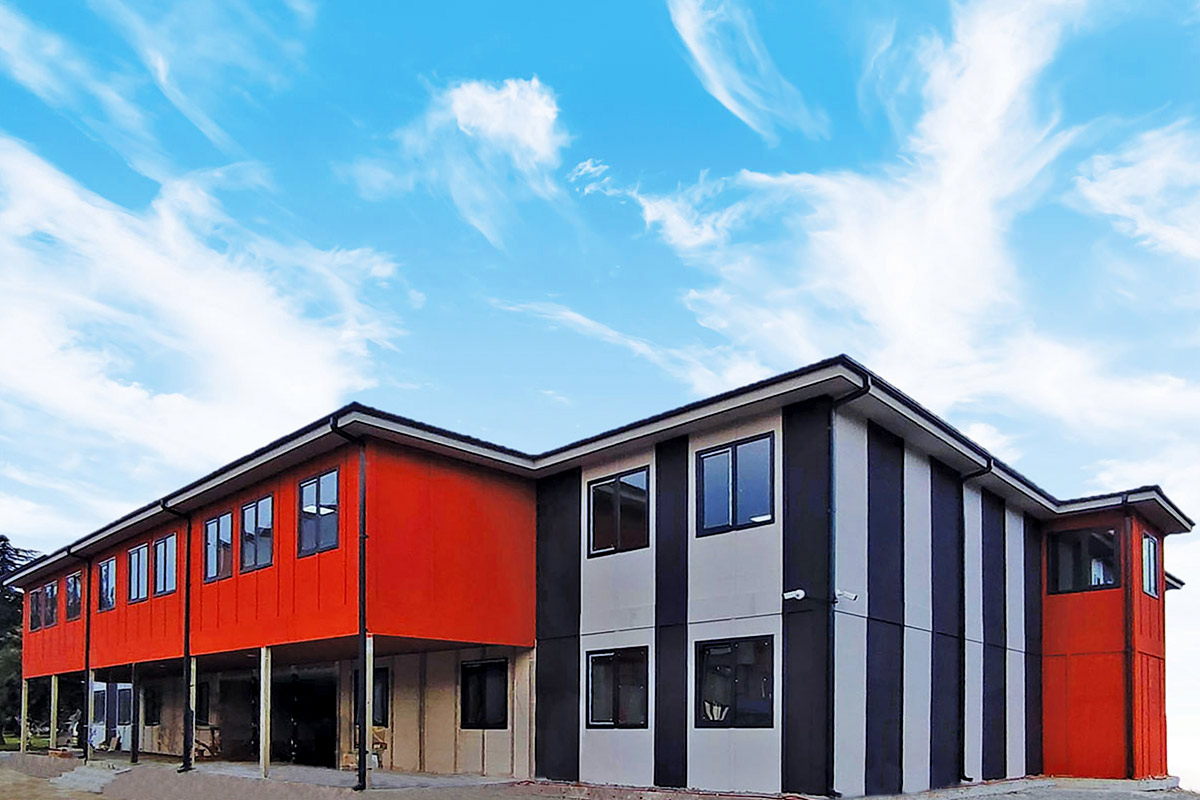
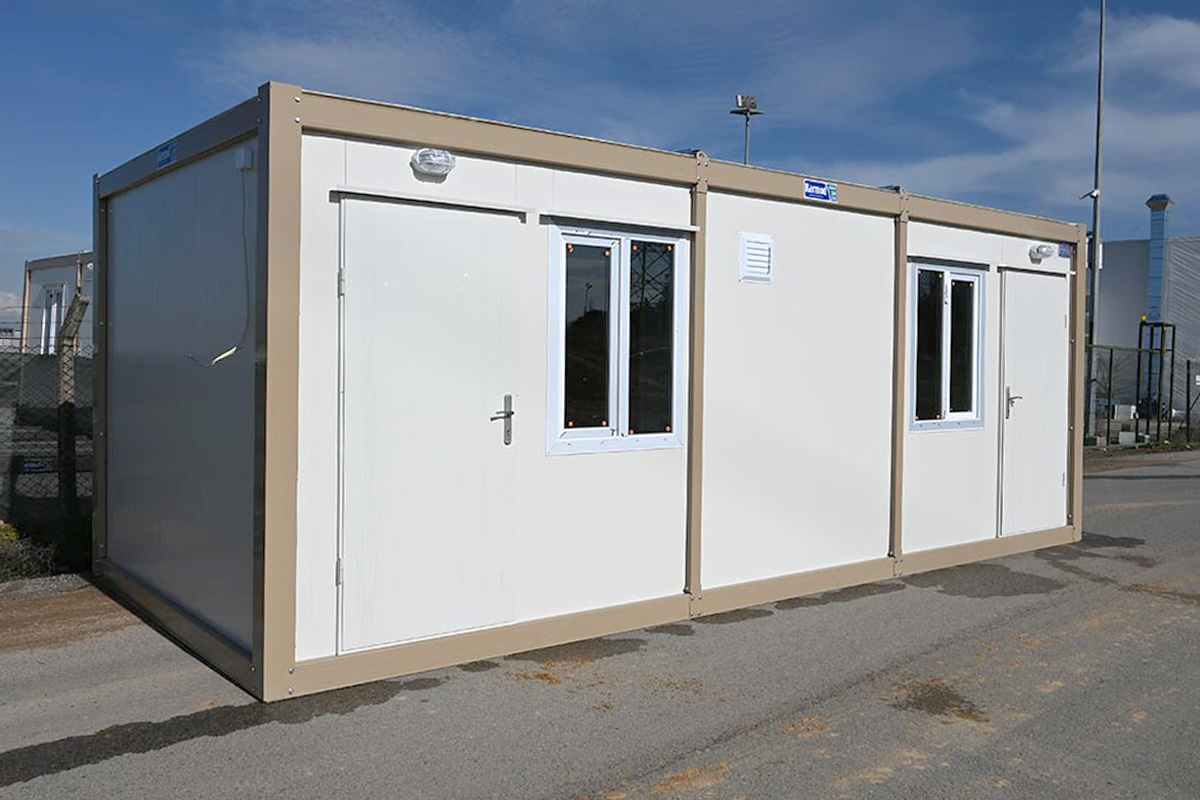
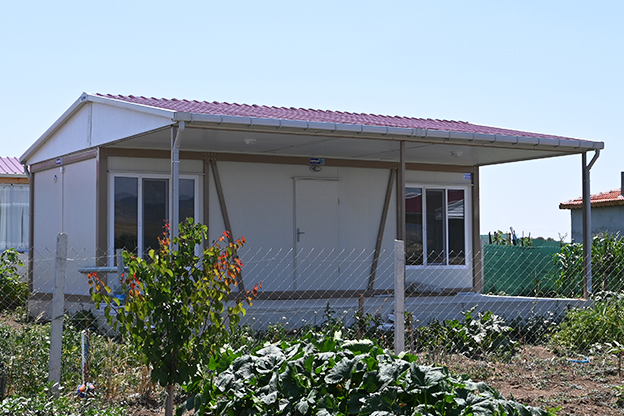
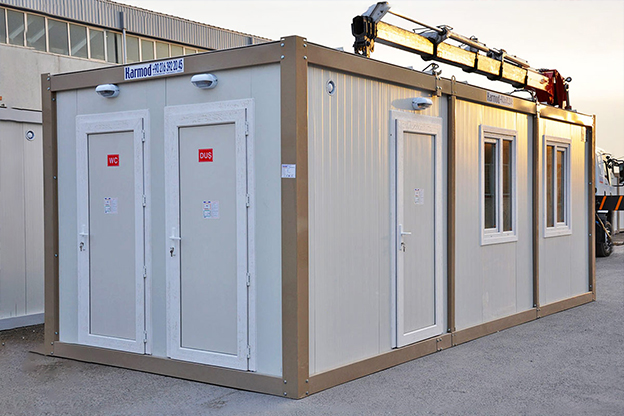
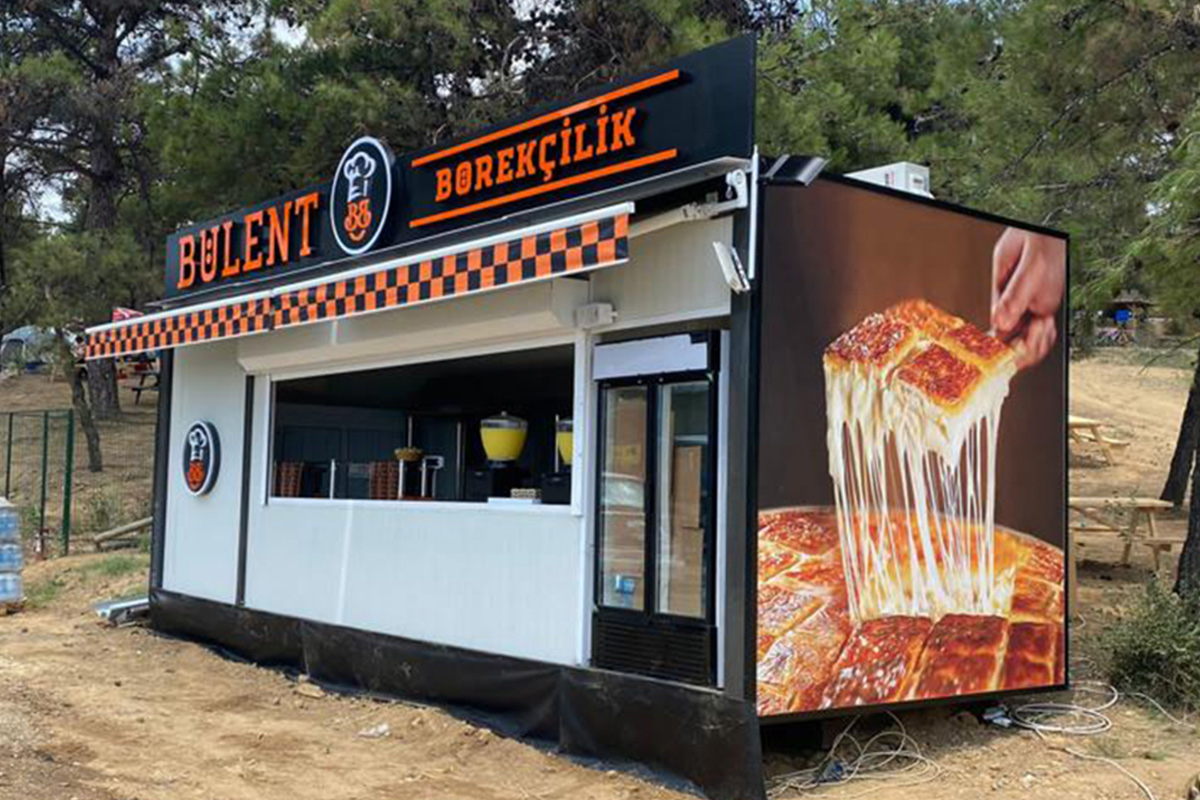
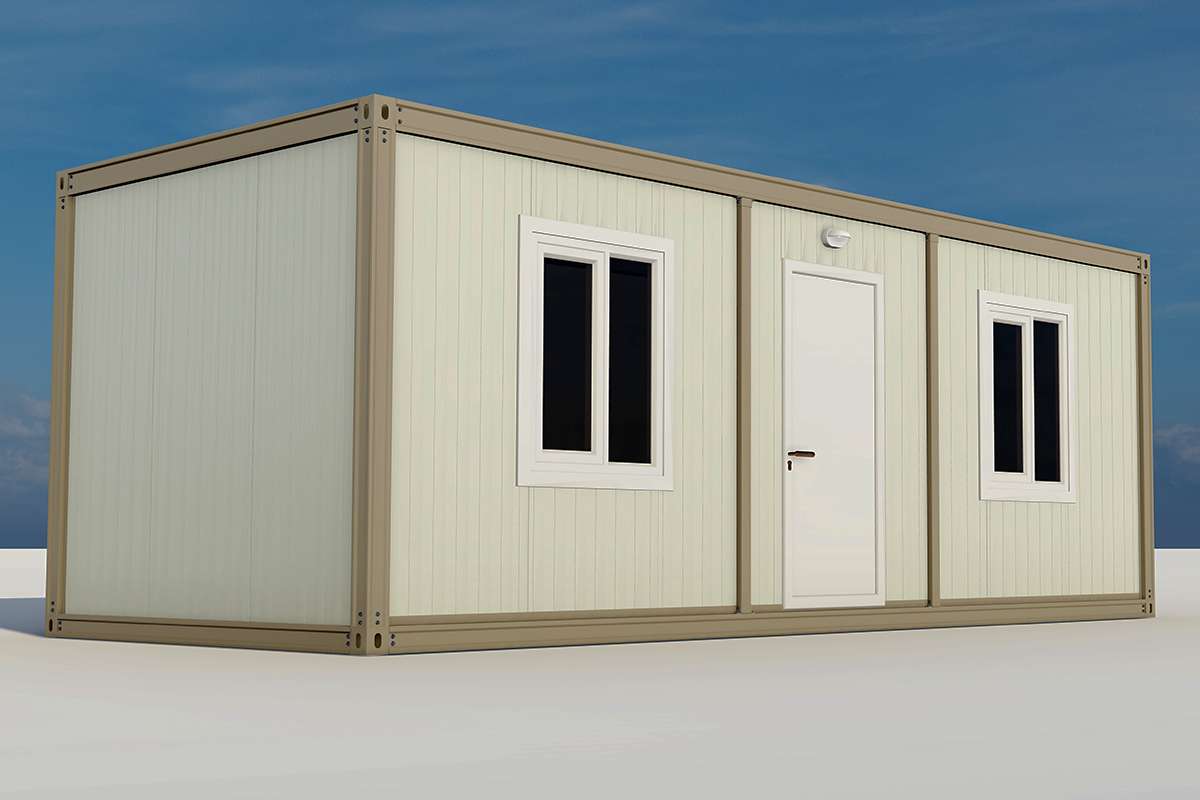
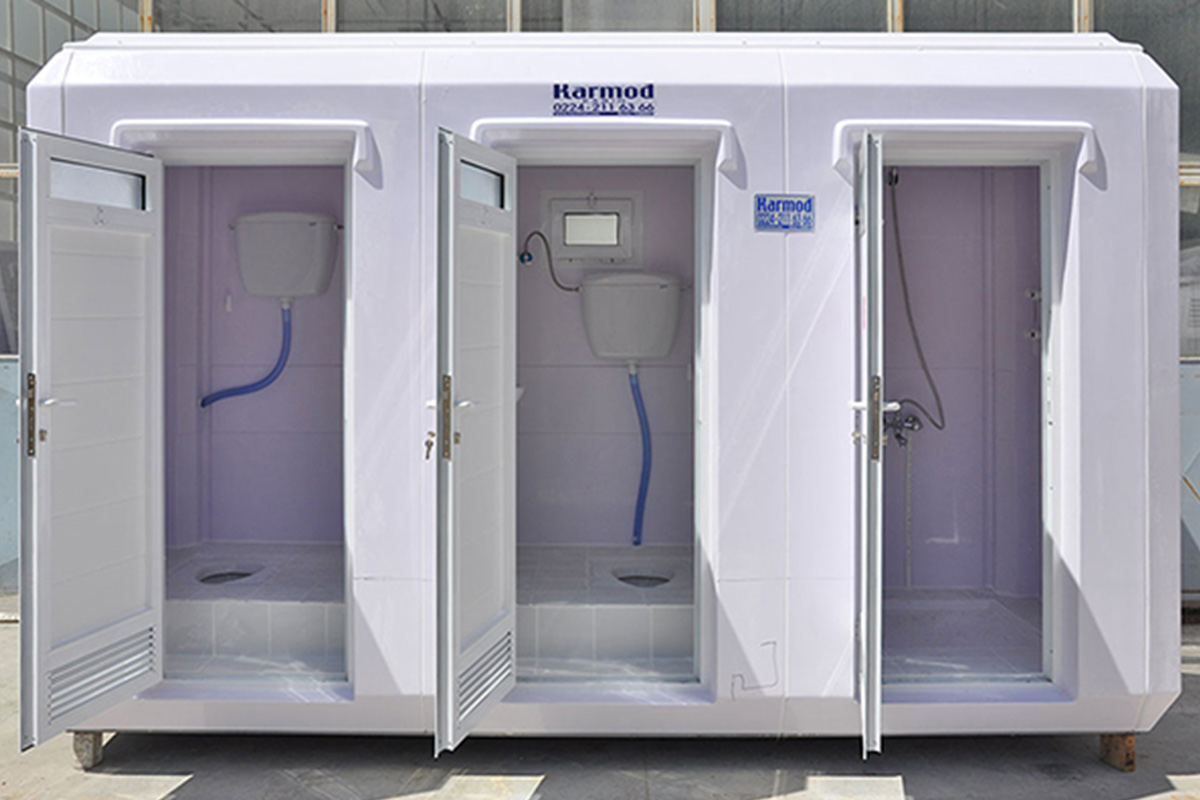
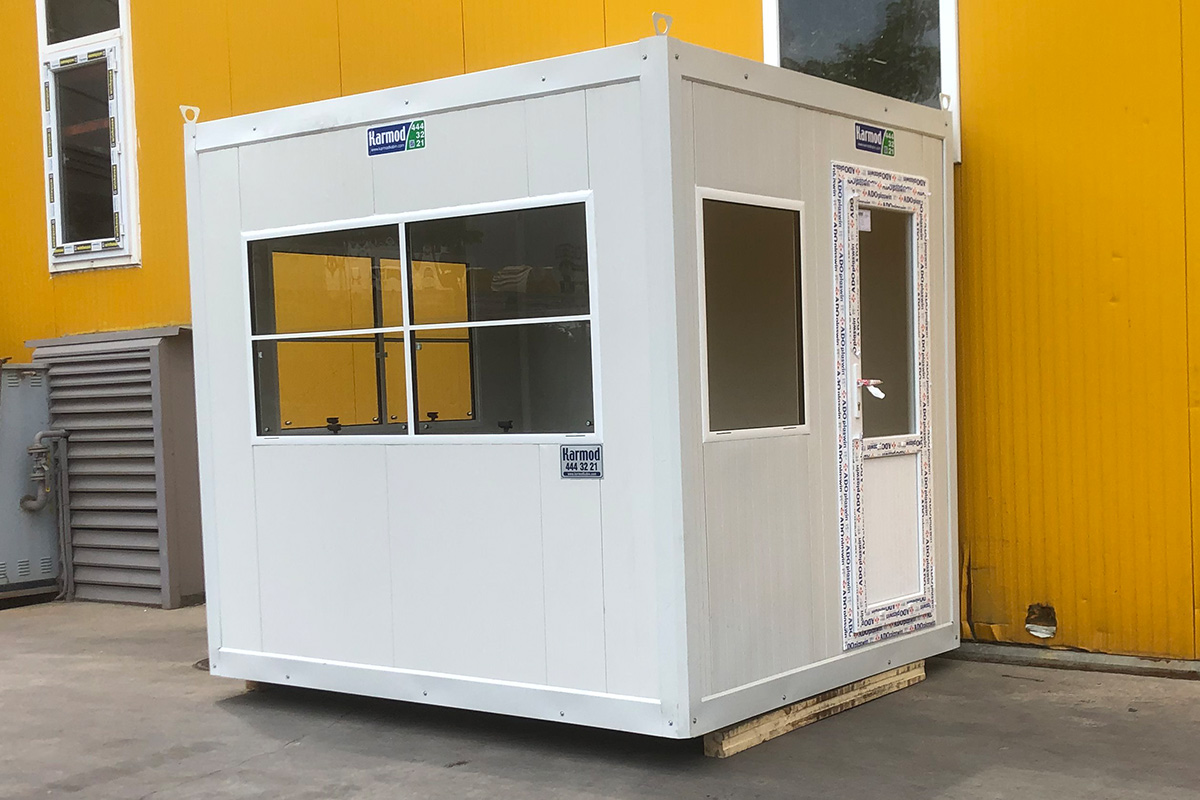
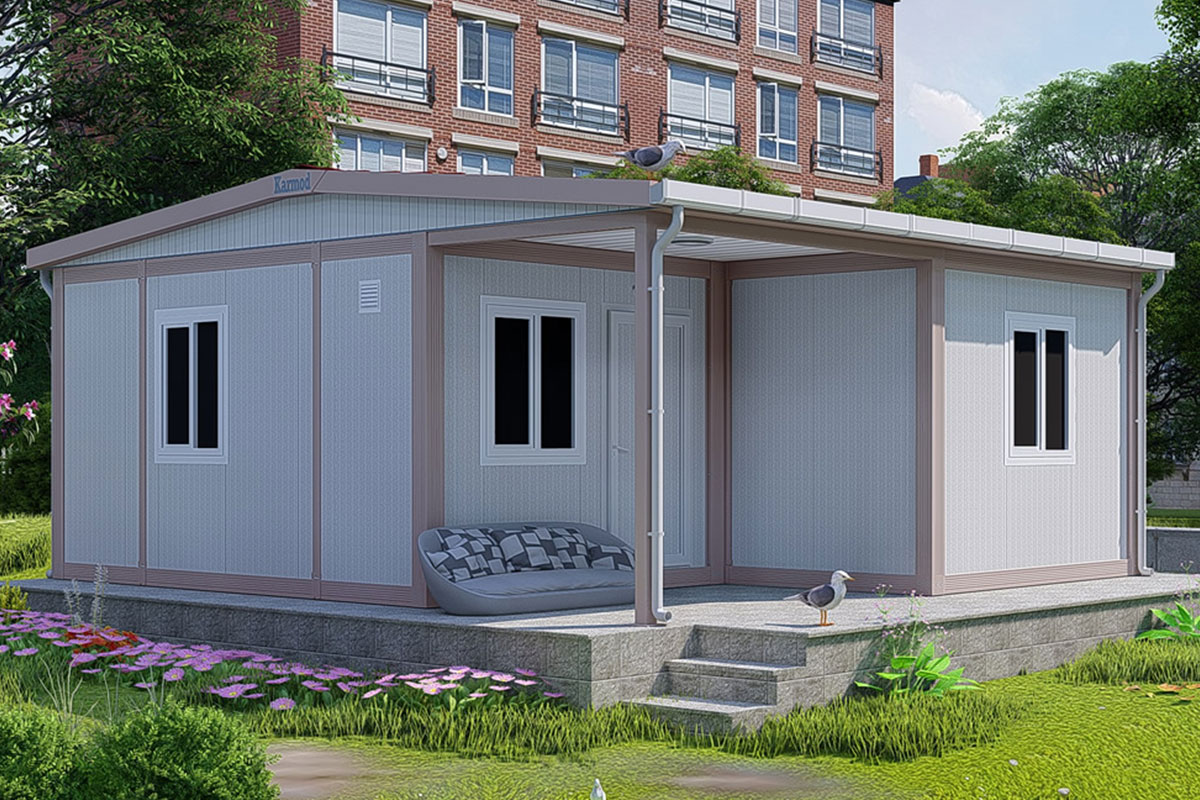
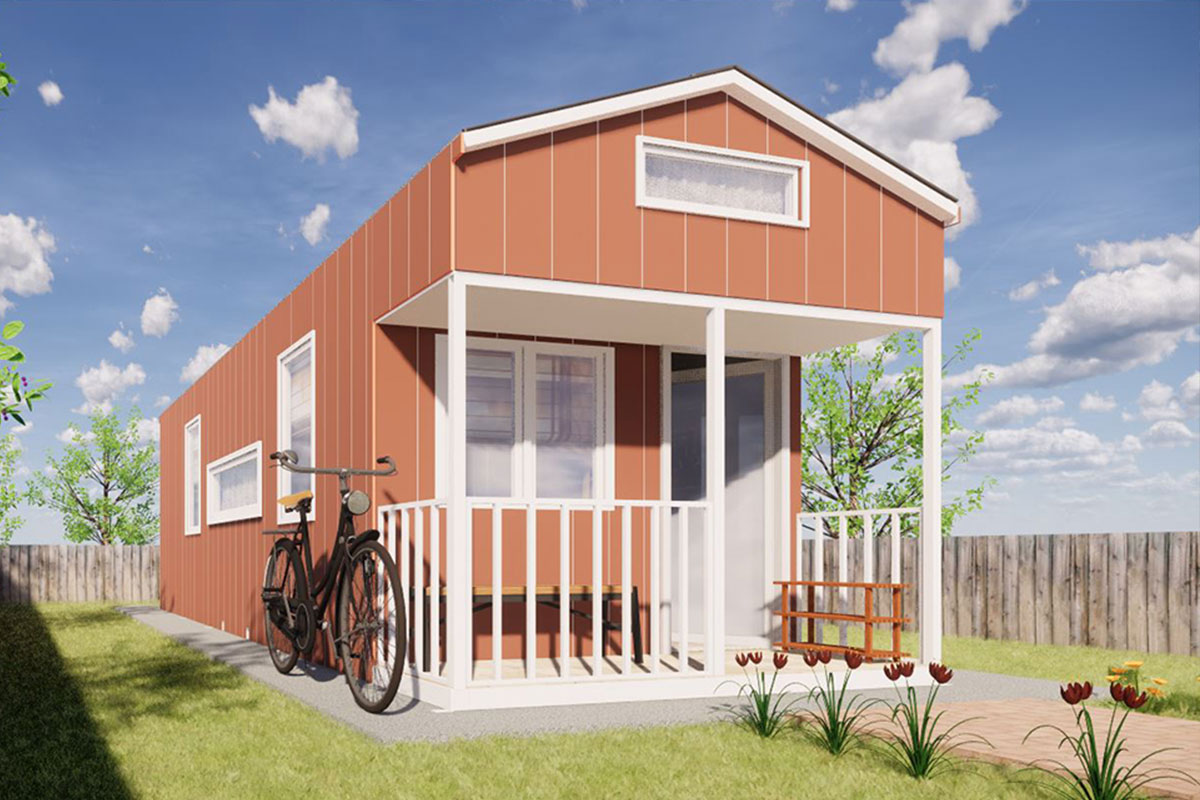
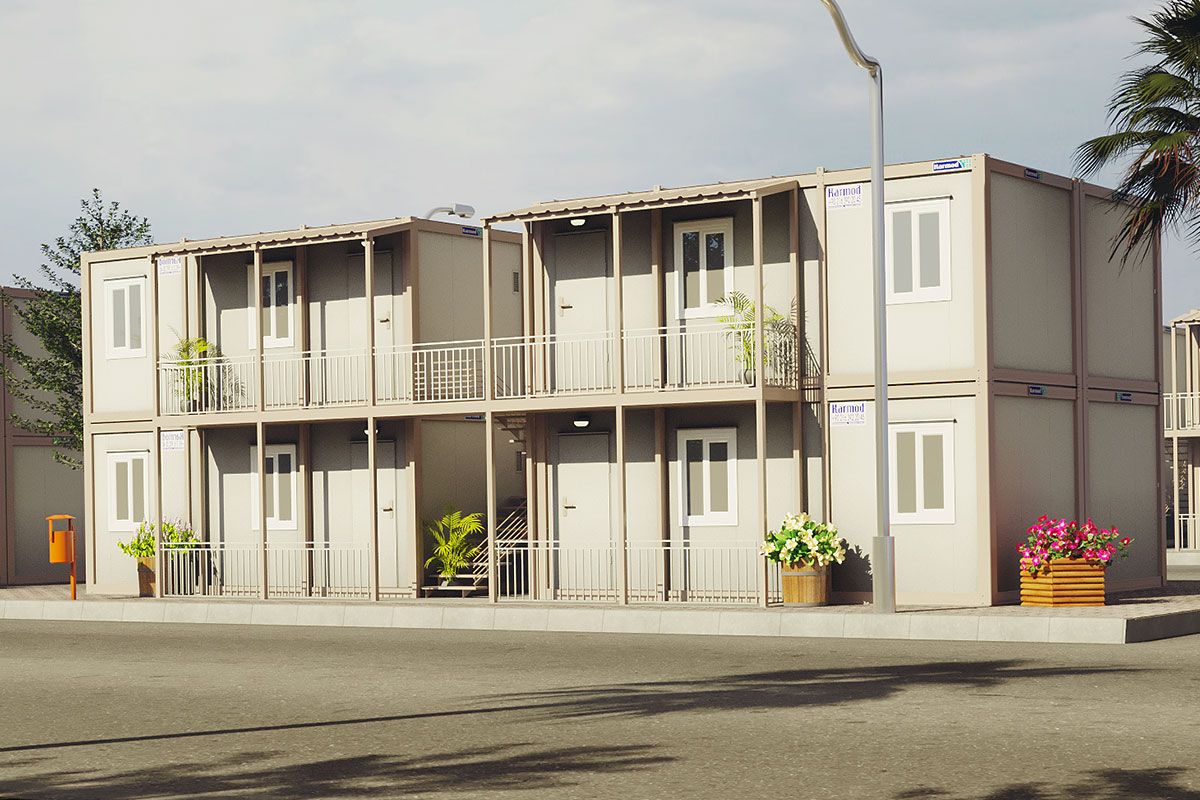
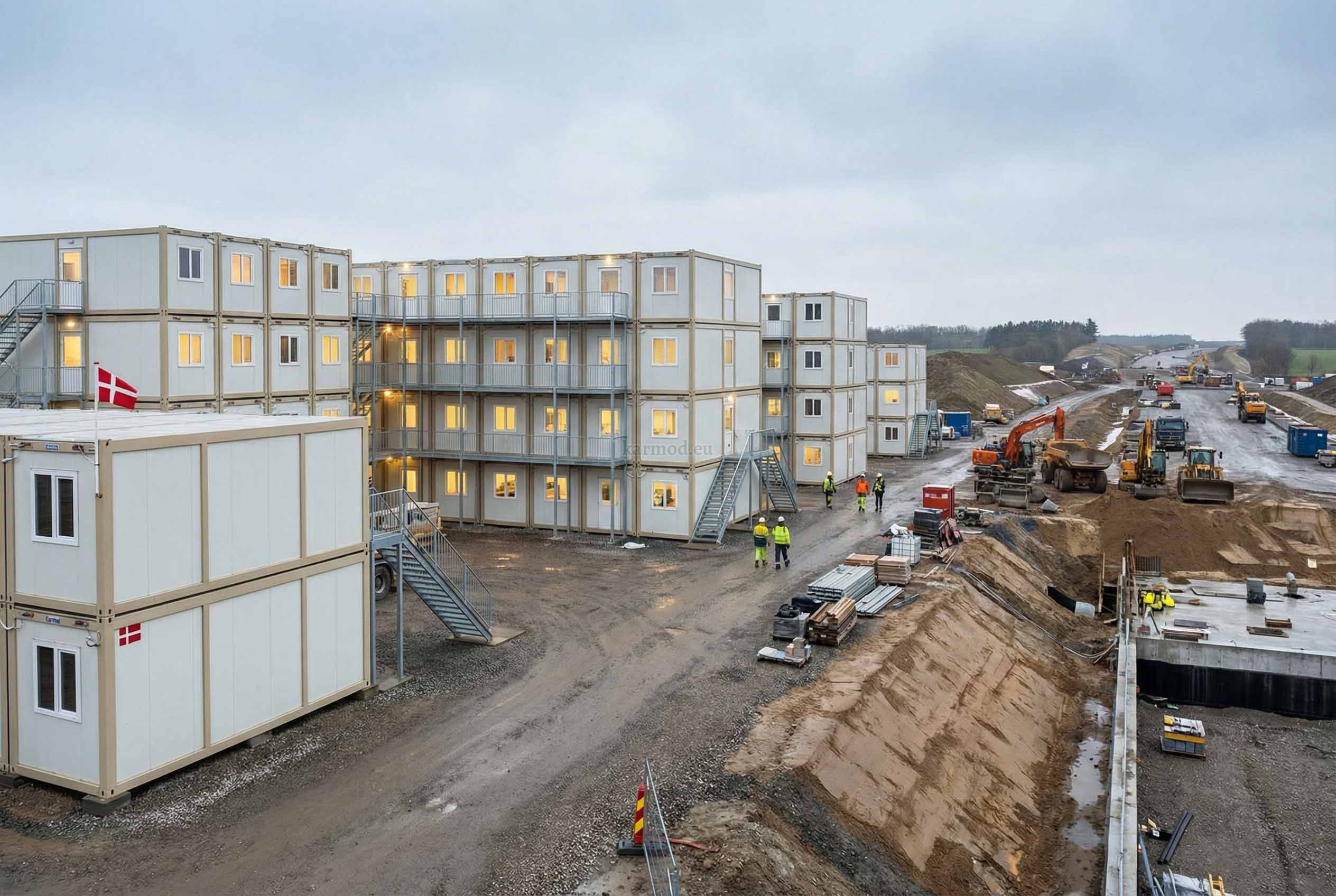
Modular buildings are produced as complete volumetric units in the factory. These modules are transported to the site and assembled rapidly, offering portability and scalability. In Denmark, this makes modular buildings particularly suitable for temporary public facilities, site offices, and energy-related projects where flexibility and future relocation are important.
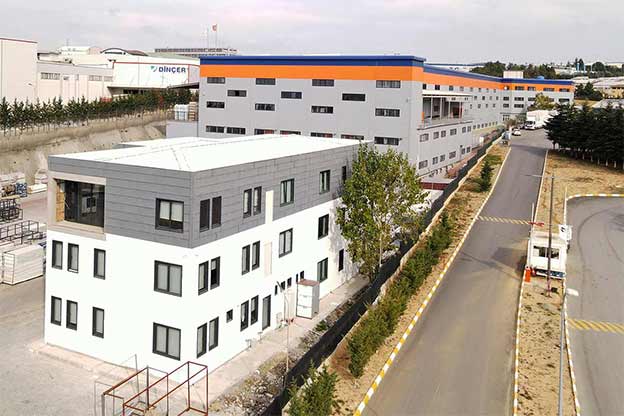
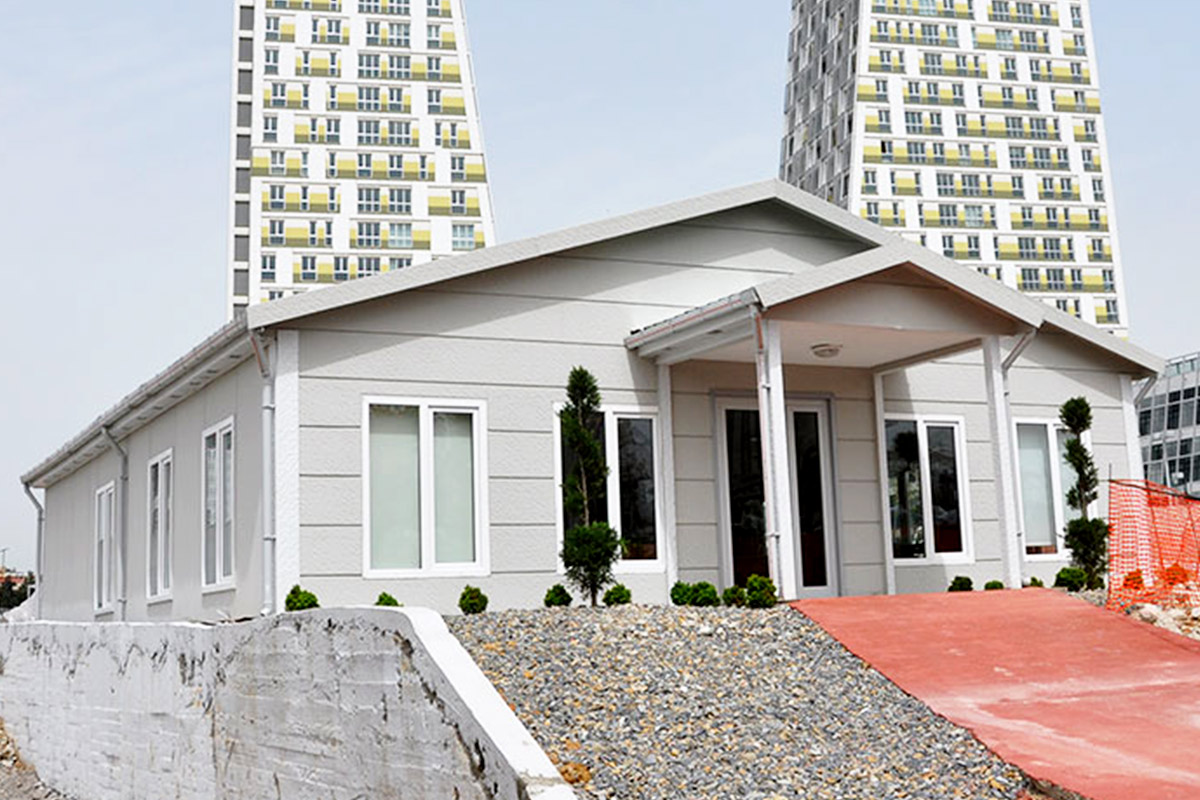
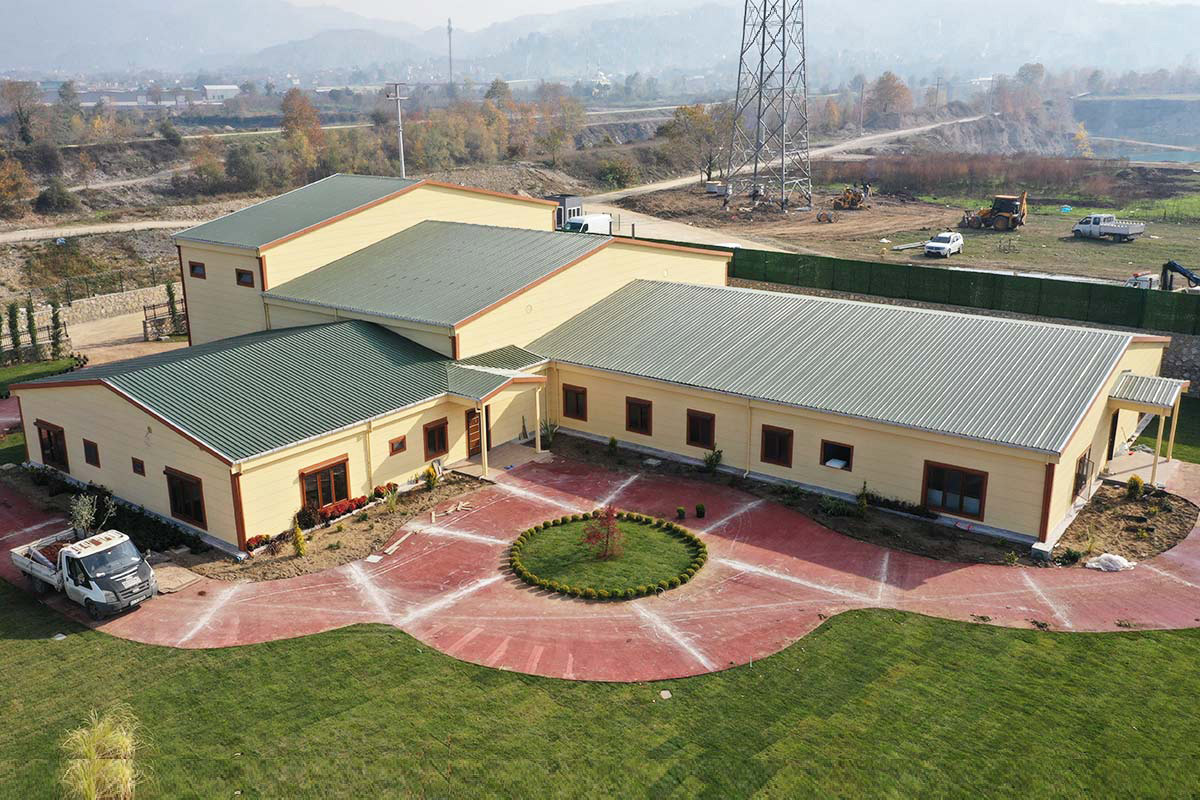
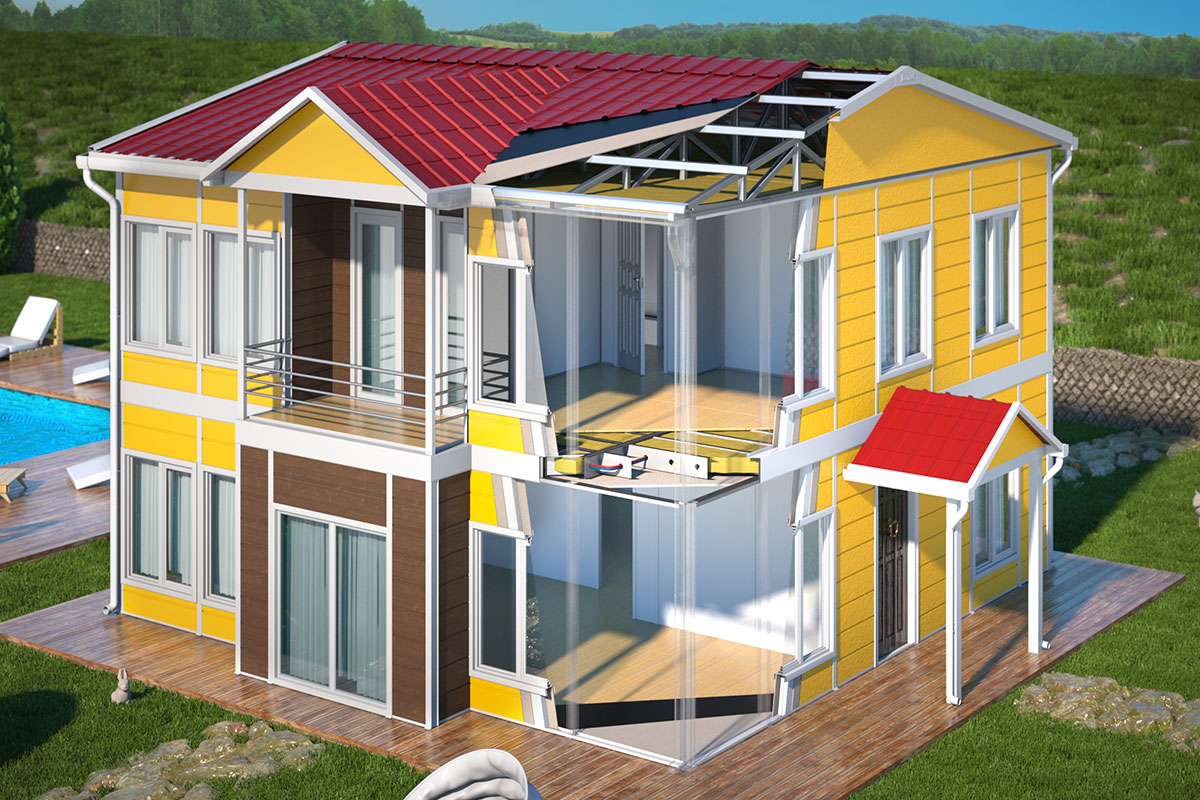
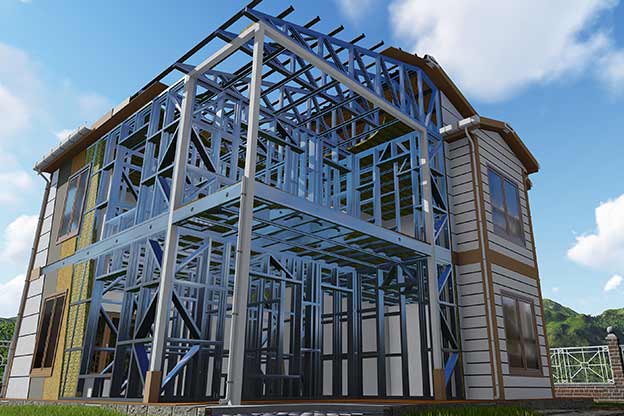
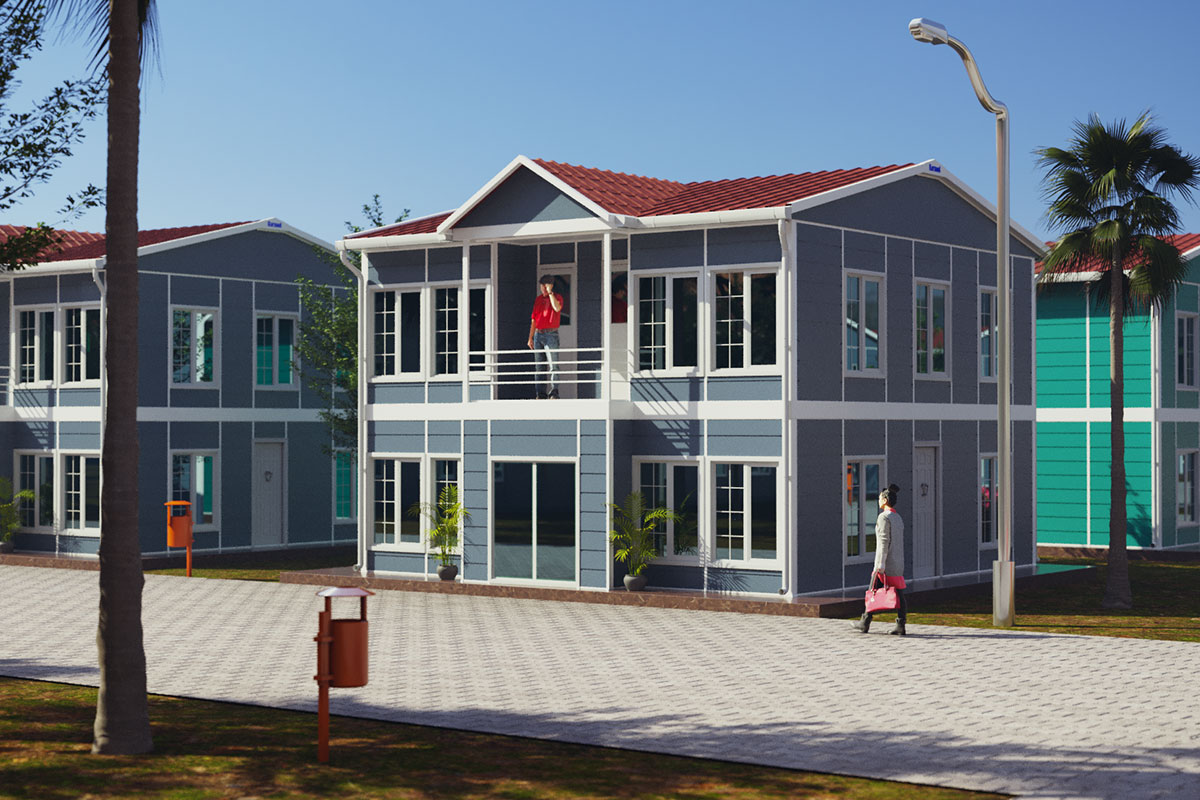
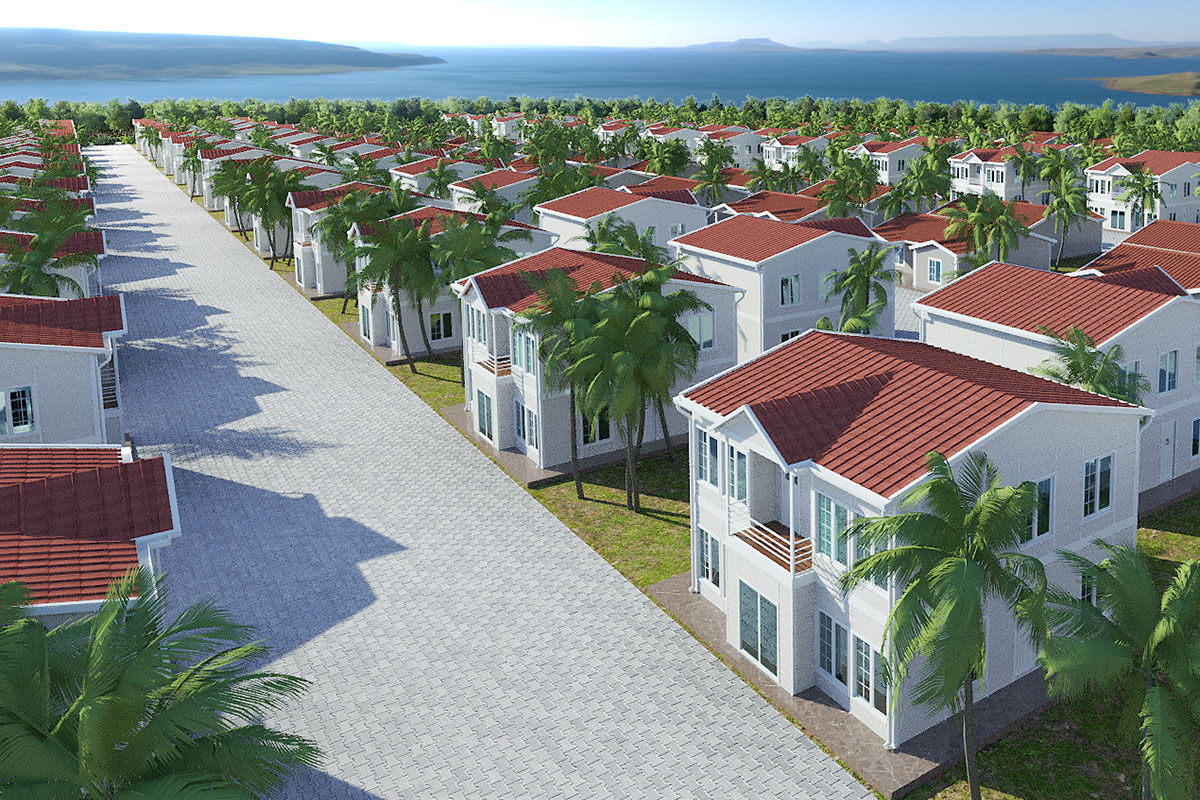
Prefabricated building systems, on the other hand, rely on panels or structural elements manufactured off-site and assembled permanently on location. This method supports architectural customization and is commonly used for long-term facilities such as offices, educational buildings, and healthcare units. In the Danish context, prefabricated building solutions align well with projects that require permanence, high energy performance, and integration with existing urban environments.
Selecting between the two depends on expected building lifespan, regulatory context, and operational flexibility. Temporary or adaptable uses tend to favor modular buildings, while permanent institutional projects often prefer prefabricated building systems.
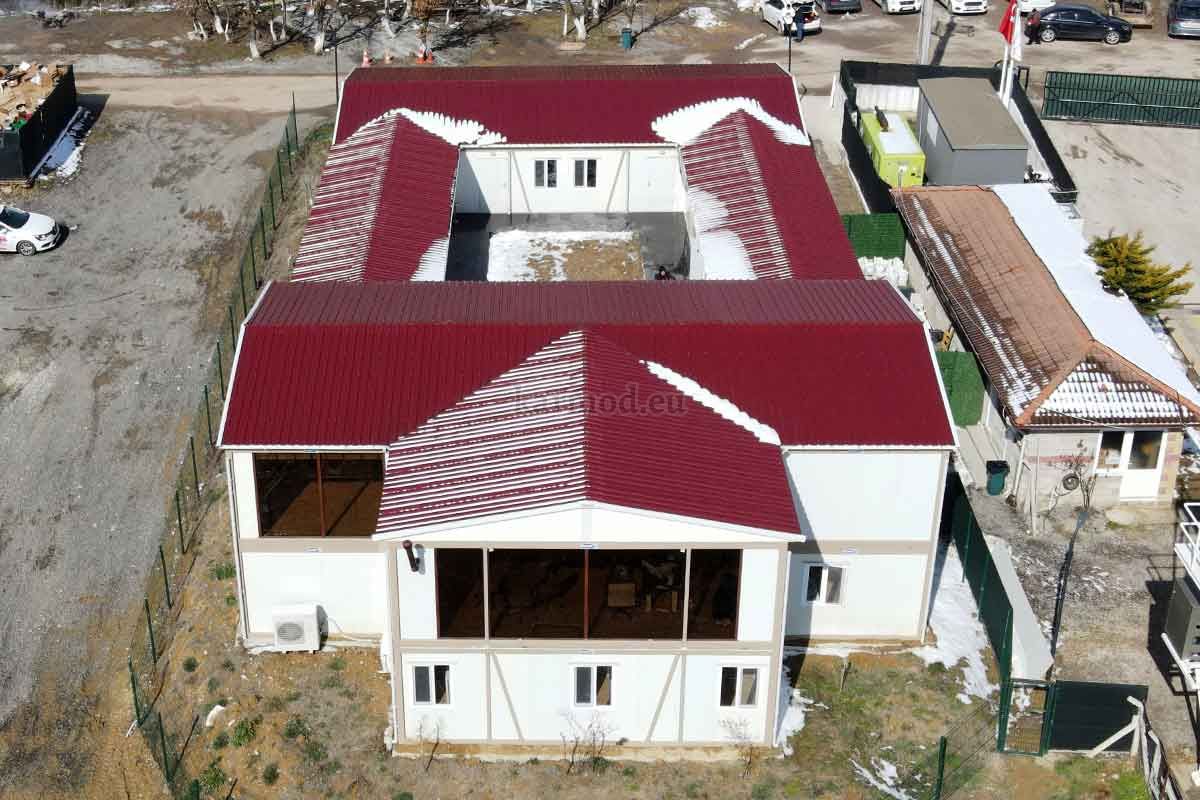
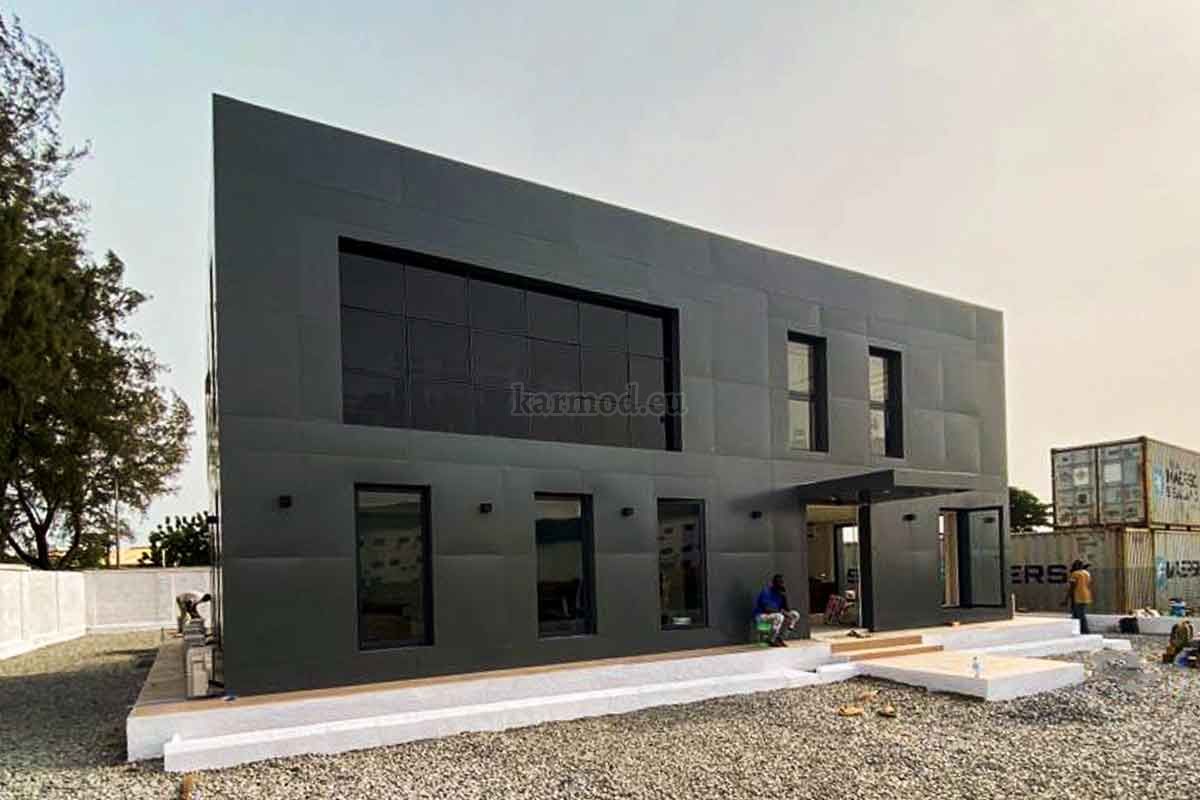
Applications of Modular and Prefabricated Buildings in Denmark
In Denmark, modular and prefabricated solutions are applied across a wide range of professional environments:
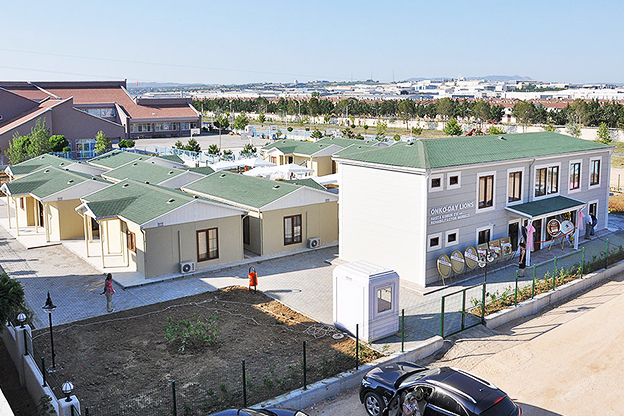
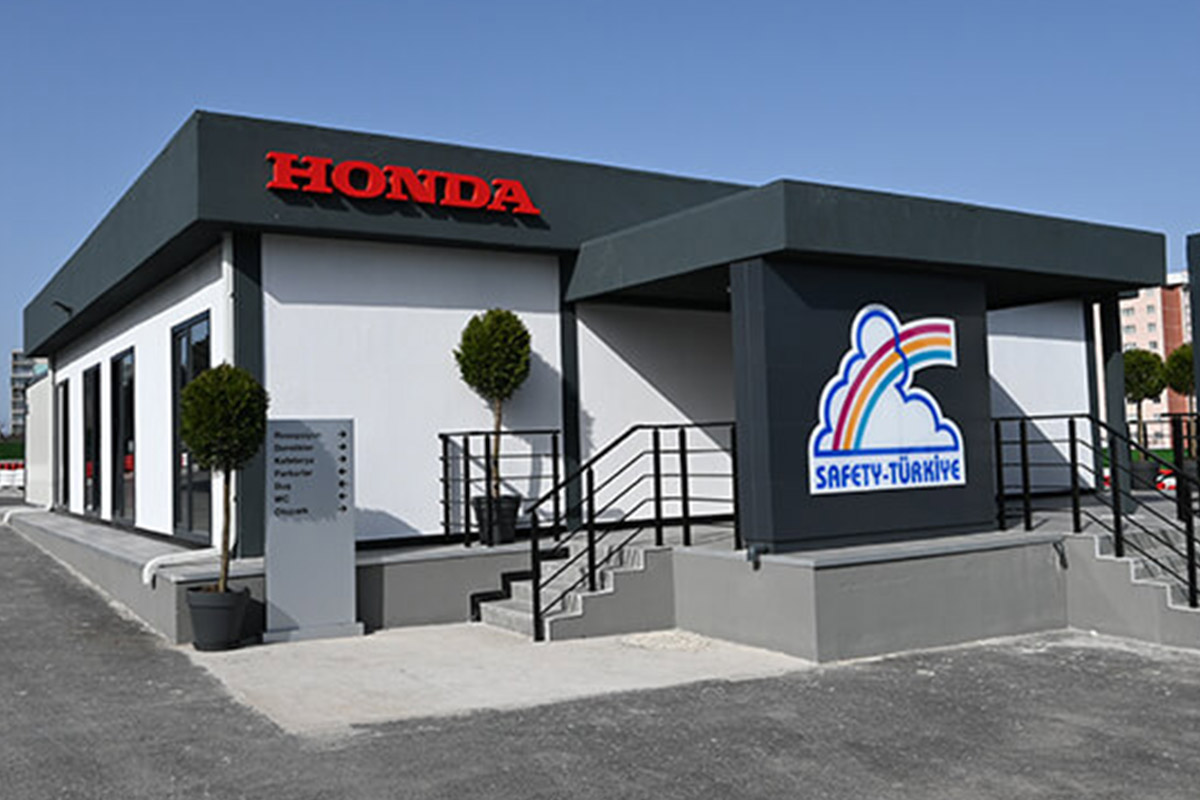
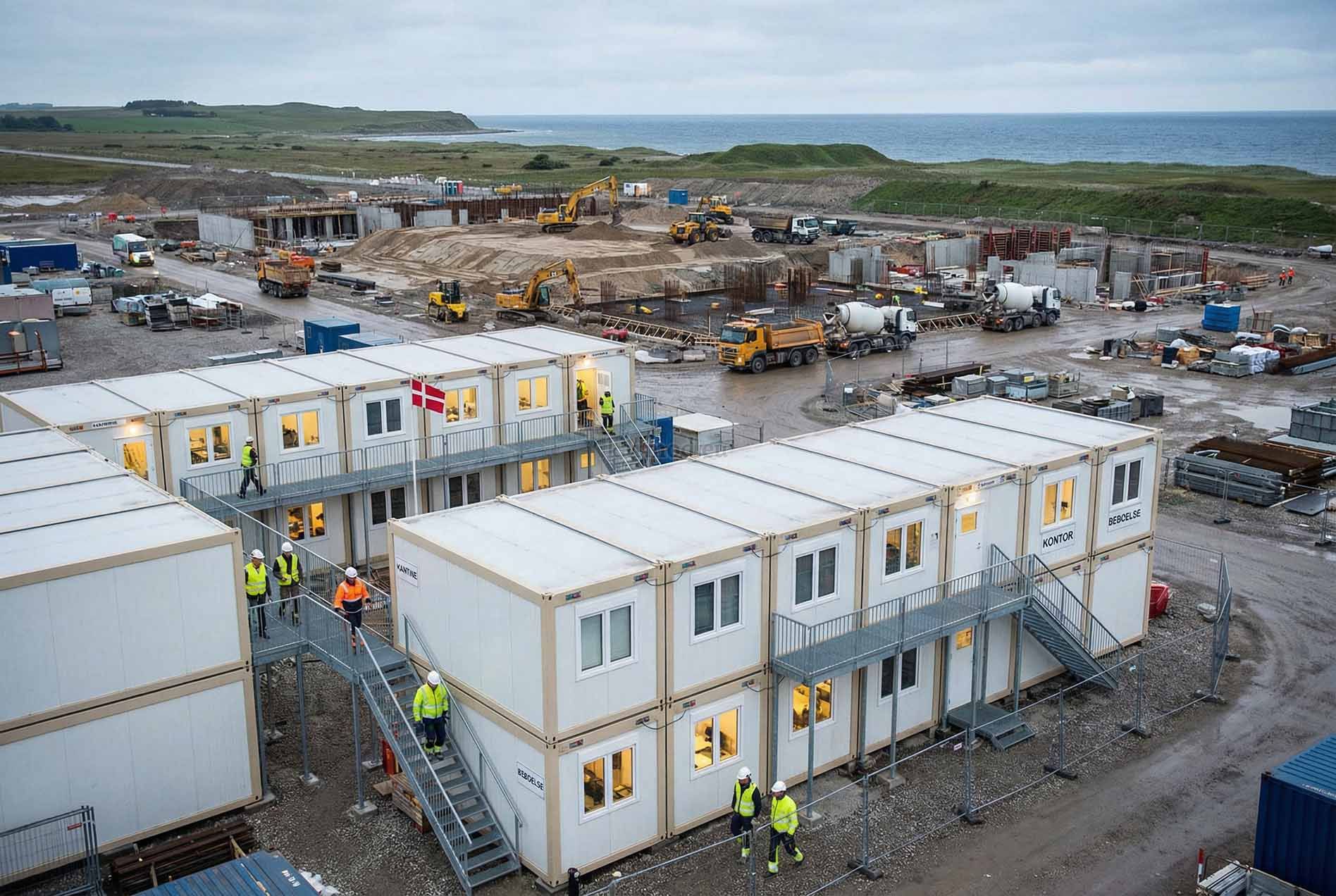
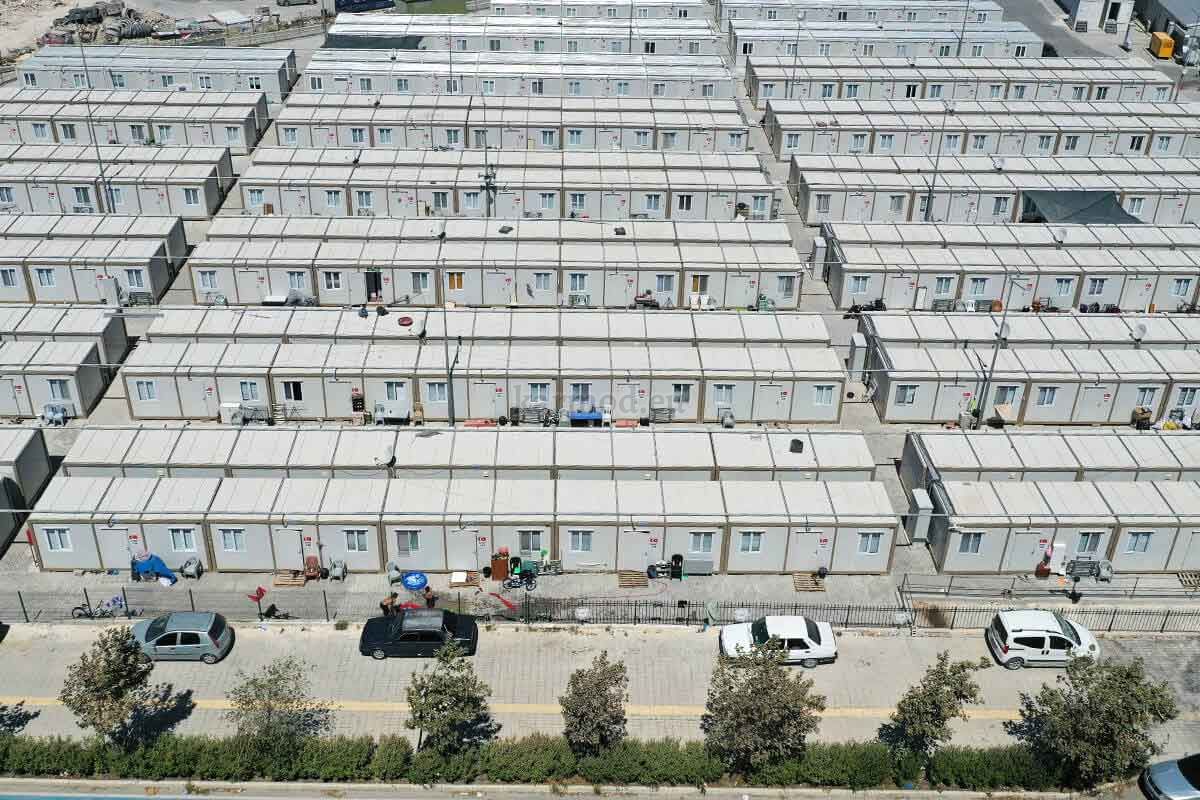
- Site offices & construction camps for infrastructure and industrial developments
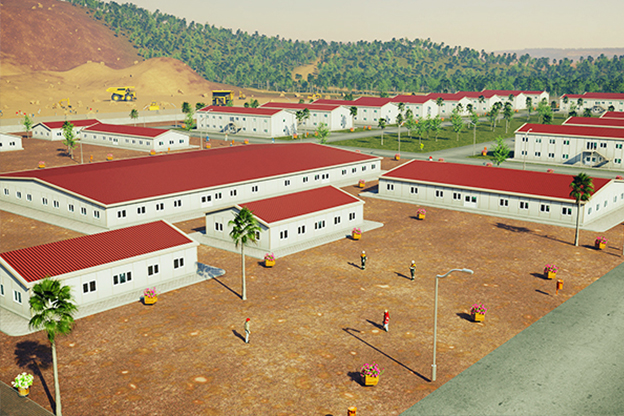
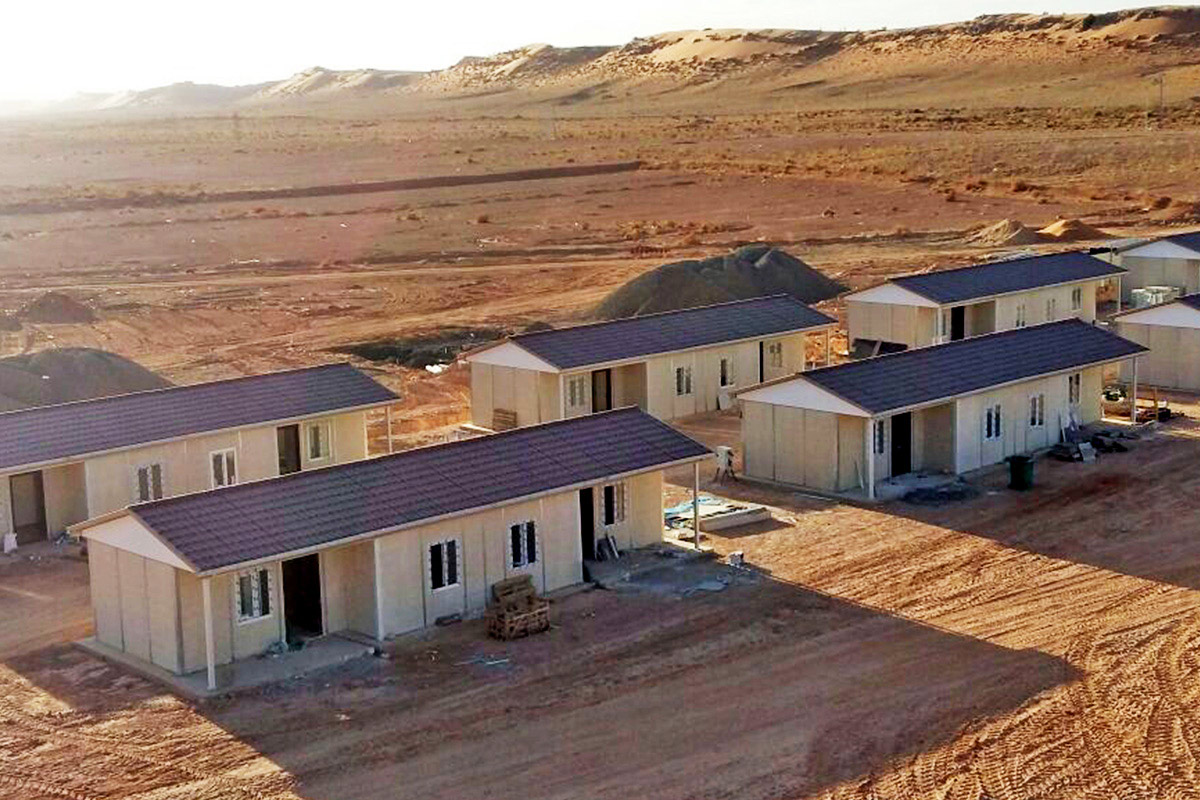
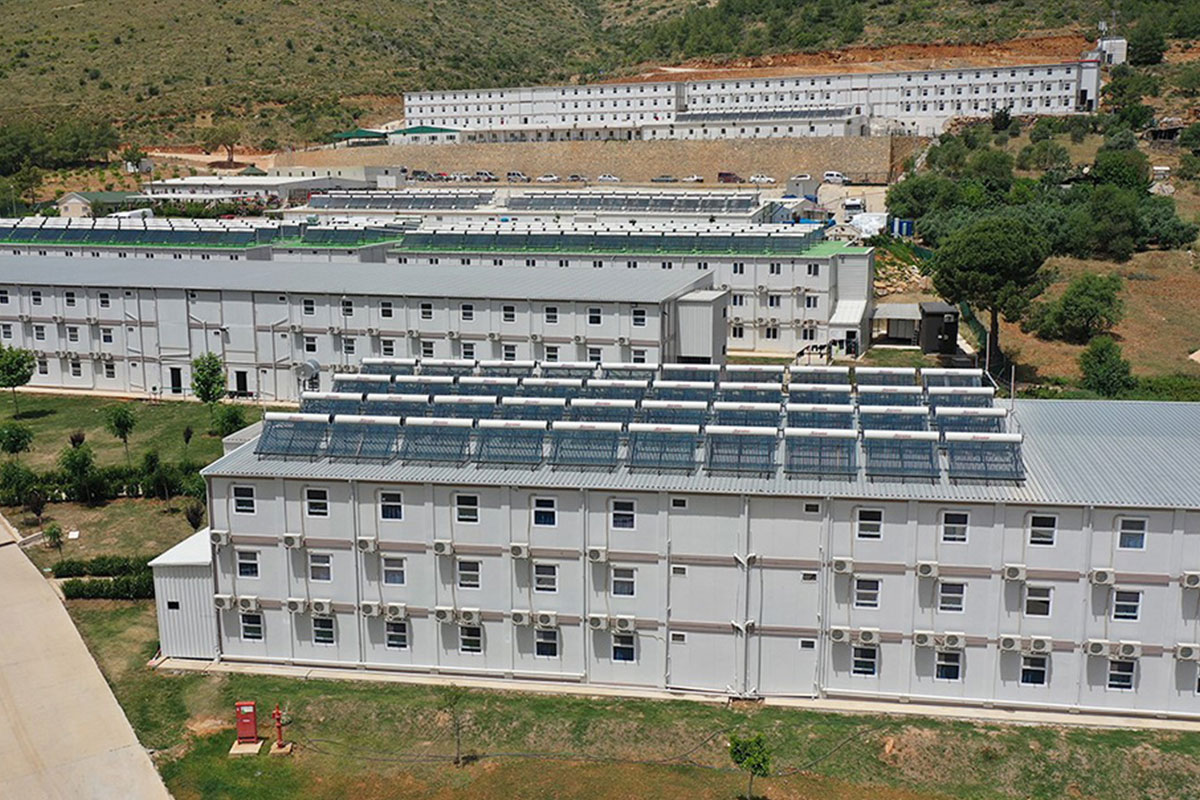
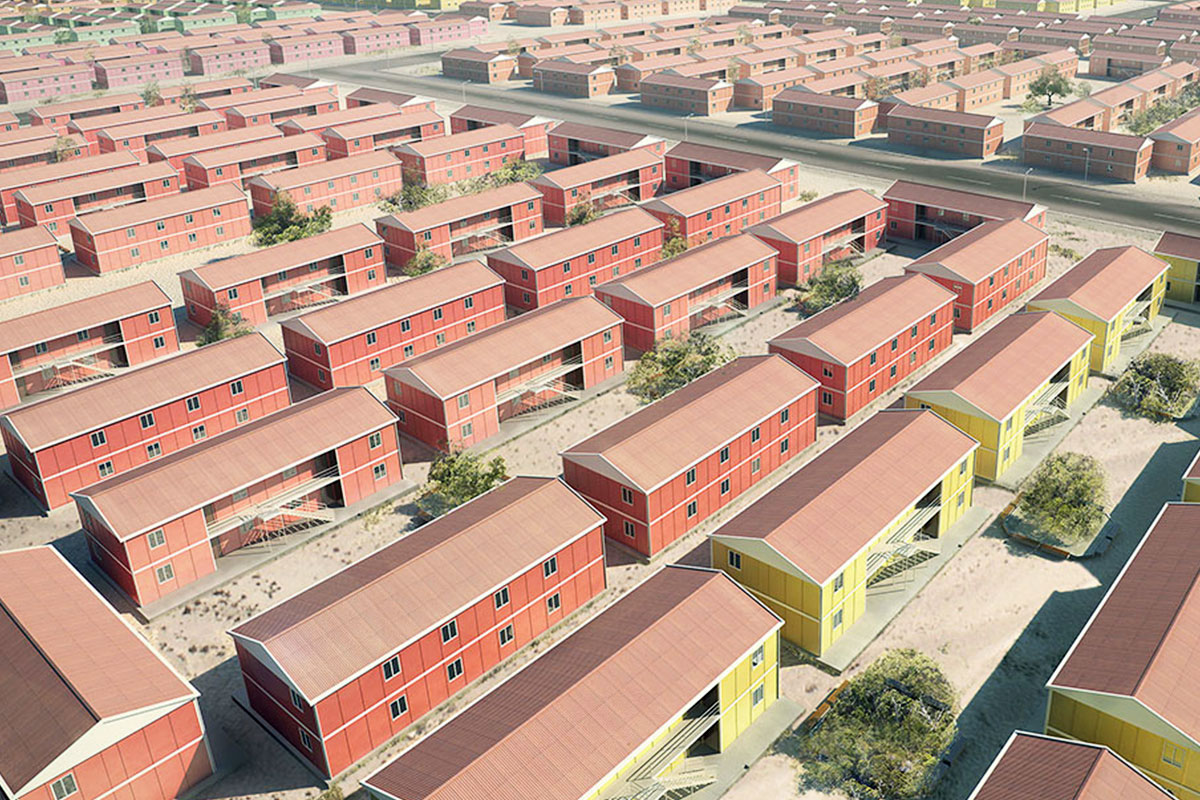
- Worker accommodation buildings supporting large-scale projects
- Temporary schools & healthcare units responding to demographic changes
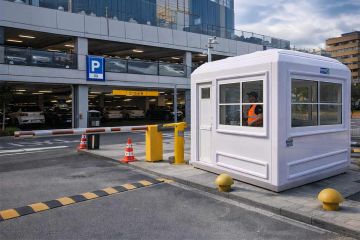
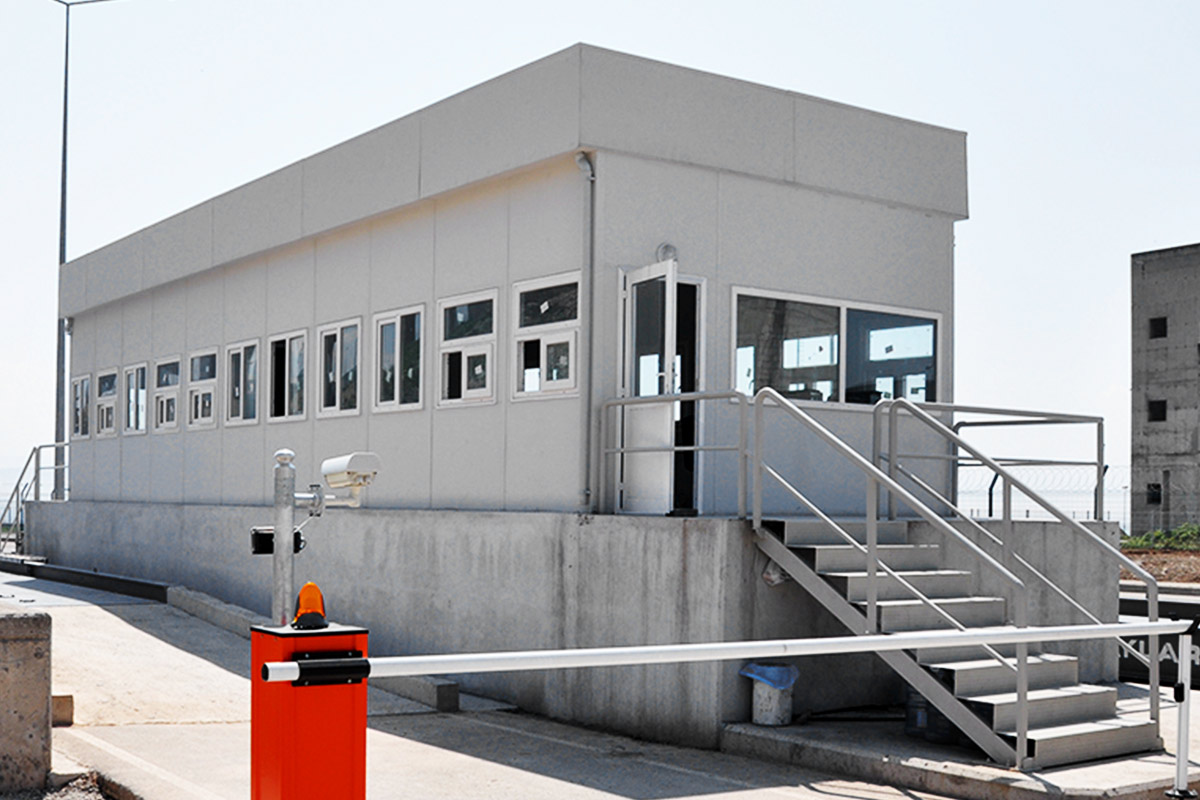
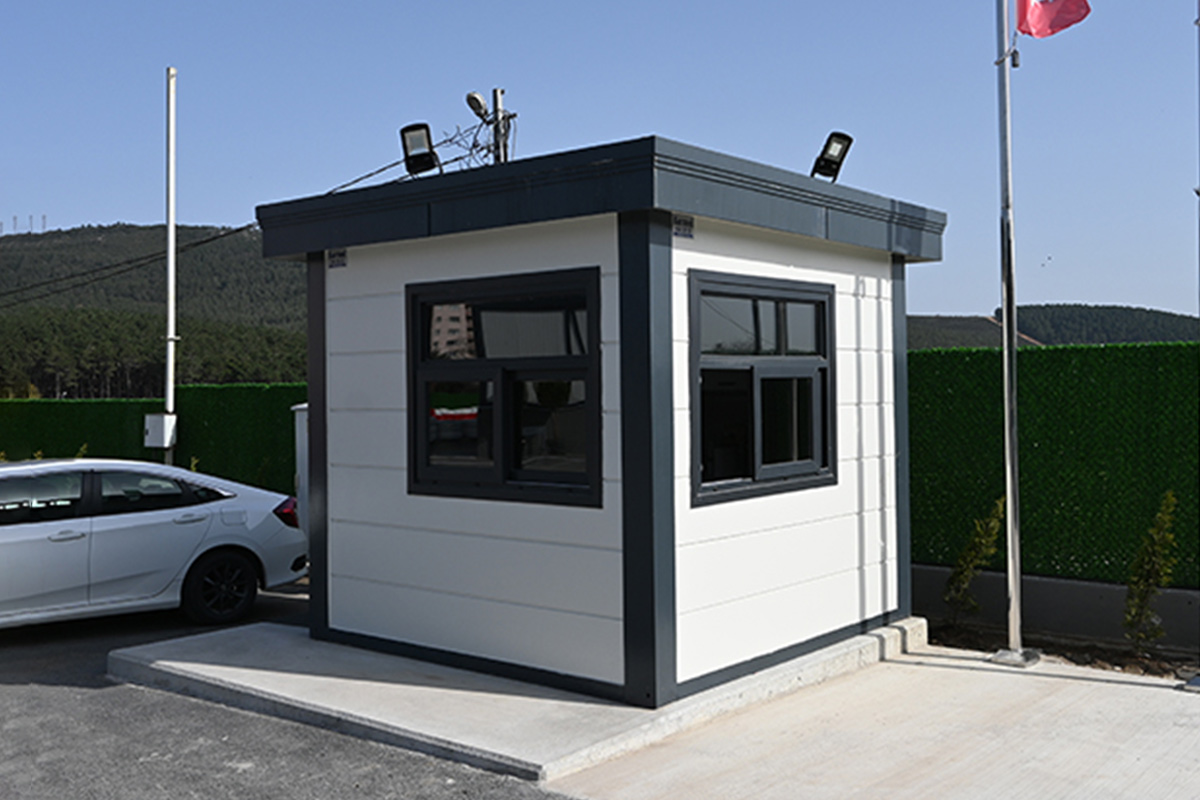
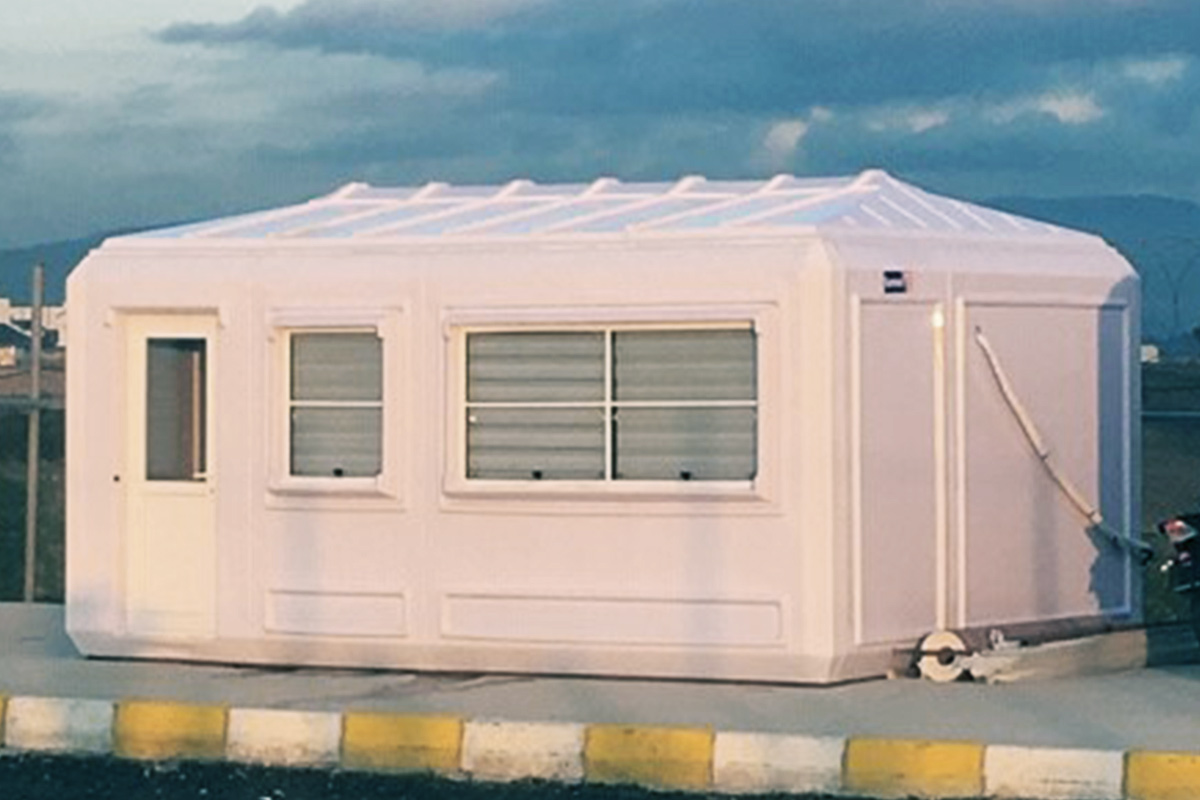
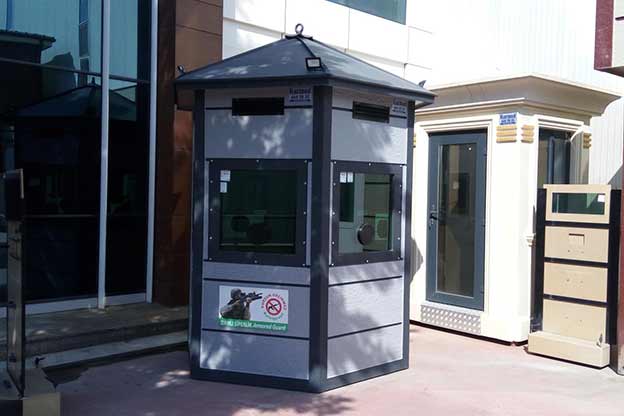
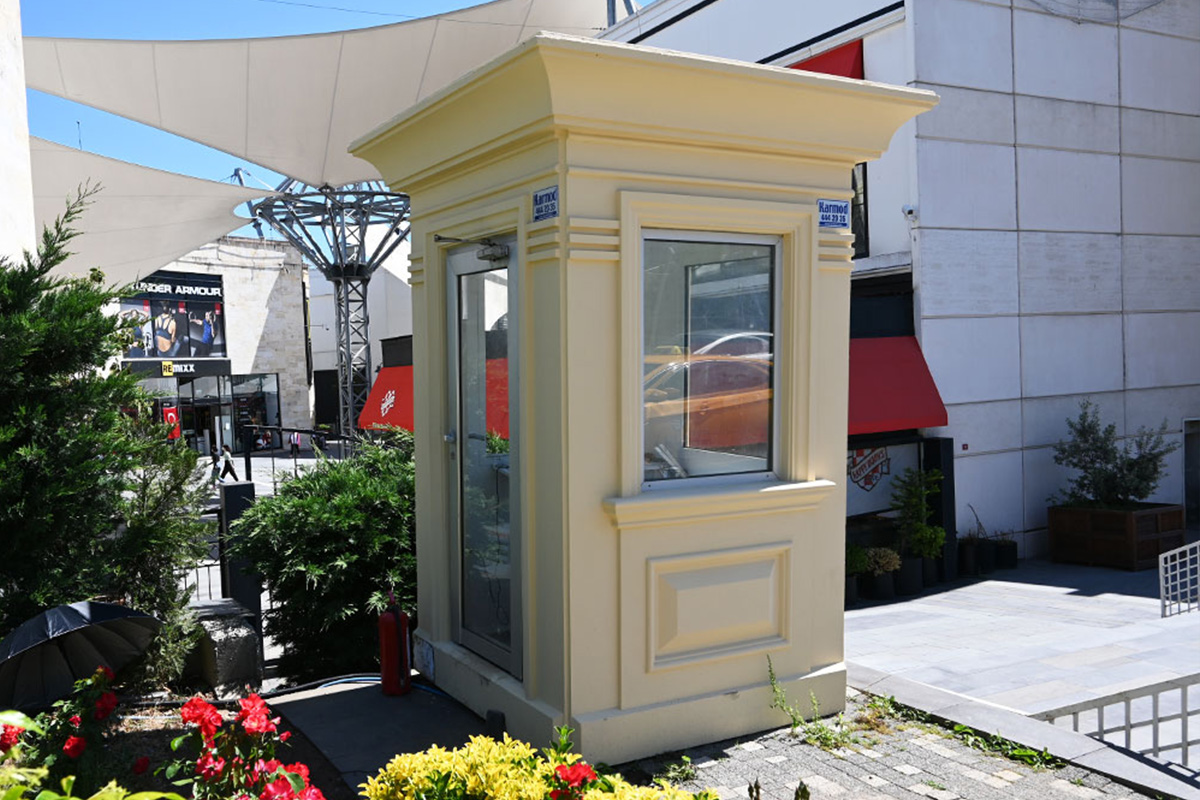
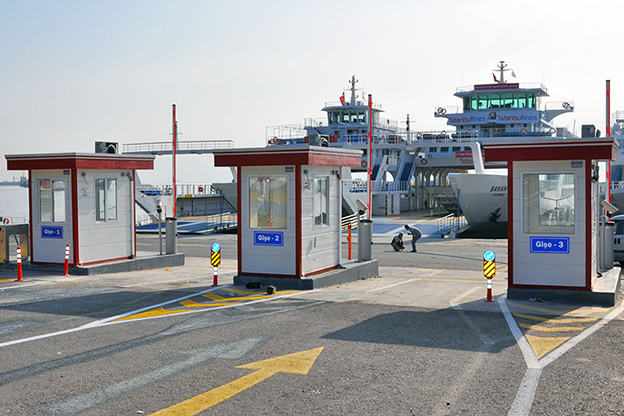
- Security buildings & technical units for controlled access and operations
- Storage and logistics facilities near ports and transport corridors
These applications demonstrate how off-site construction methods support both public and private sector needs in Denmark.
From Design to Installation: How the Process Works
The process begins with a comprehensive project needs analysis. Functional requirements, sustainability targets, local regulations, and climate conditions in Denmark are evaluated to determine the most appropriate building system.
This is followed by custom design and specifications. Layouts, insulation levels, fire safety measures, and technical systems are defined in line with Danish building standards and energy efficiency expectations.
Factory production ensures consistent quality and precise execution. Controlled manufacturing environments allow materials and components to be produced with minimal waste and high accuracy.
After production, units are delivered to Denmark through planned logistics routes. On-site installation is then carried out efficiently, reducing construction noise, site disruption, and overall project risk.
Key Considerations for Modular Buildings in Denmark
Thermal insulation is essential due to Denmark’s cool climate and strict energy performance requirements. High-quality insulation supports both comfort and regulatory compliance.
Fire safety standards are a central consideration, particularly for public and multi-use buildings. Factory-based production allows systematic application of certified fire-resistant materials.
Climate suitability includes resistance to wind loads, moisture, and seasonal temperature variations, ensuring long-term durability.
Custom layouts enable buildings to adapt to specific operational workflows, a key advantage for public institutions and industrial users alike.
Building on extensive experience developed across European markets, Karmod applies a disciplined and technically driven perspective to modular and prefabricated construction projects. Karmod modular building solutions are designed to meet high European standards while offering the flexibility and speed required by the Danish market. Rather than emphasizing short-term installation alone, Karmod’s approach focuses on lifecycle performance and adaptability, aligning with Denmark’s long-term construction and sustainability goals.
In Denmark’s ongoing investment in infrastructure, public services, and sustainable development, modular buildings and prefabricated building systems present organizations with a dependable construction alternative. As Denmark continues to invest in infrastructure, public services, and sustainable development, modular buildings and prefabricated building systems provide a reliable pathway for organizations seeking efficient, compliant, and future-ready building solutions tailored to local conditions.