



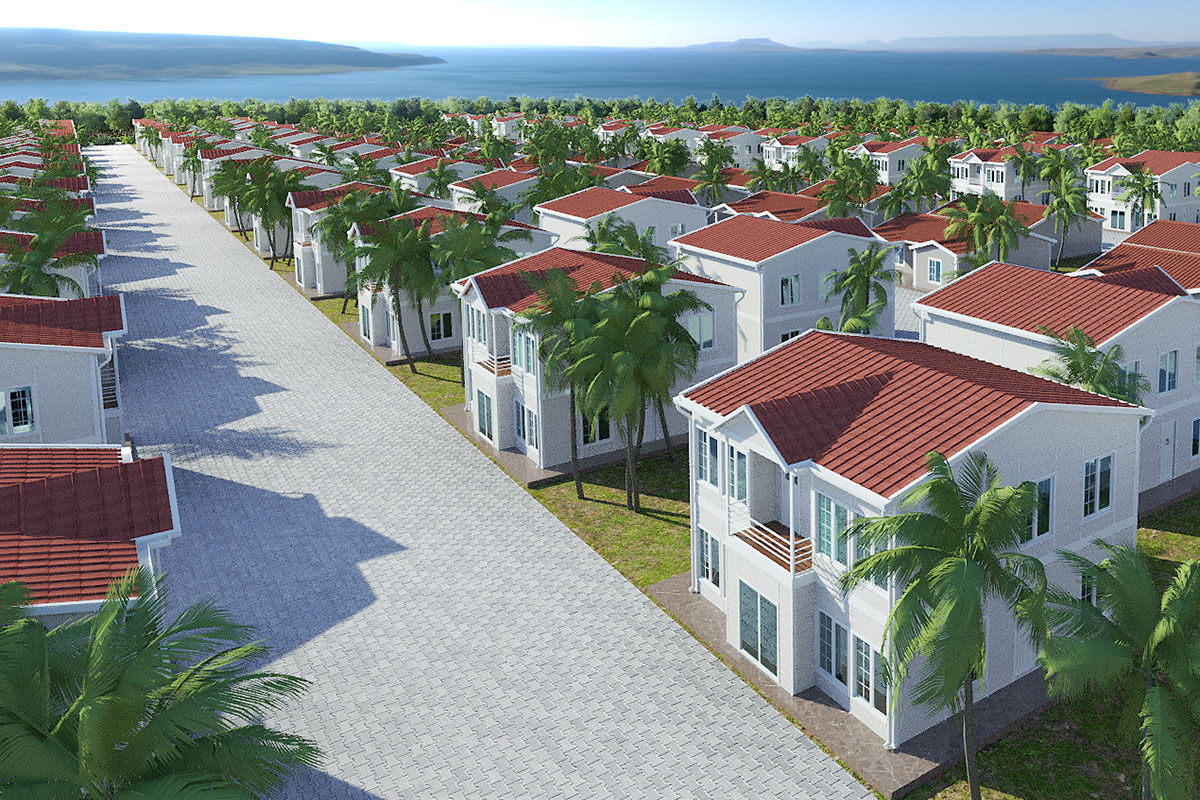
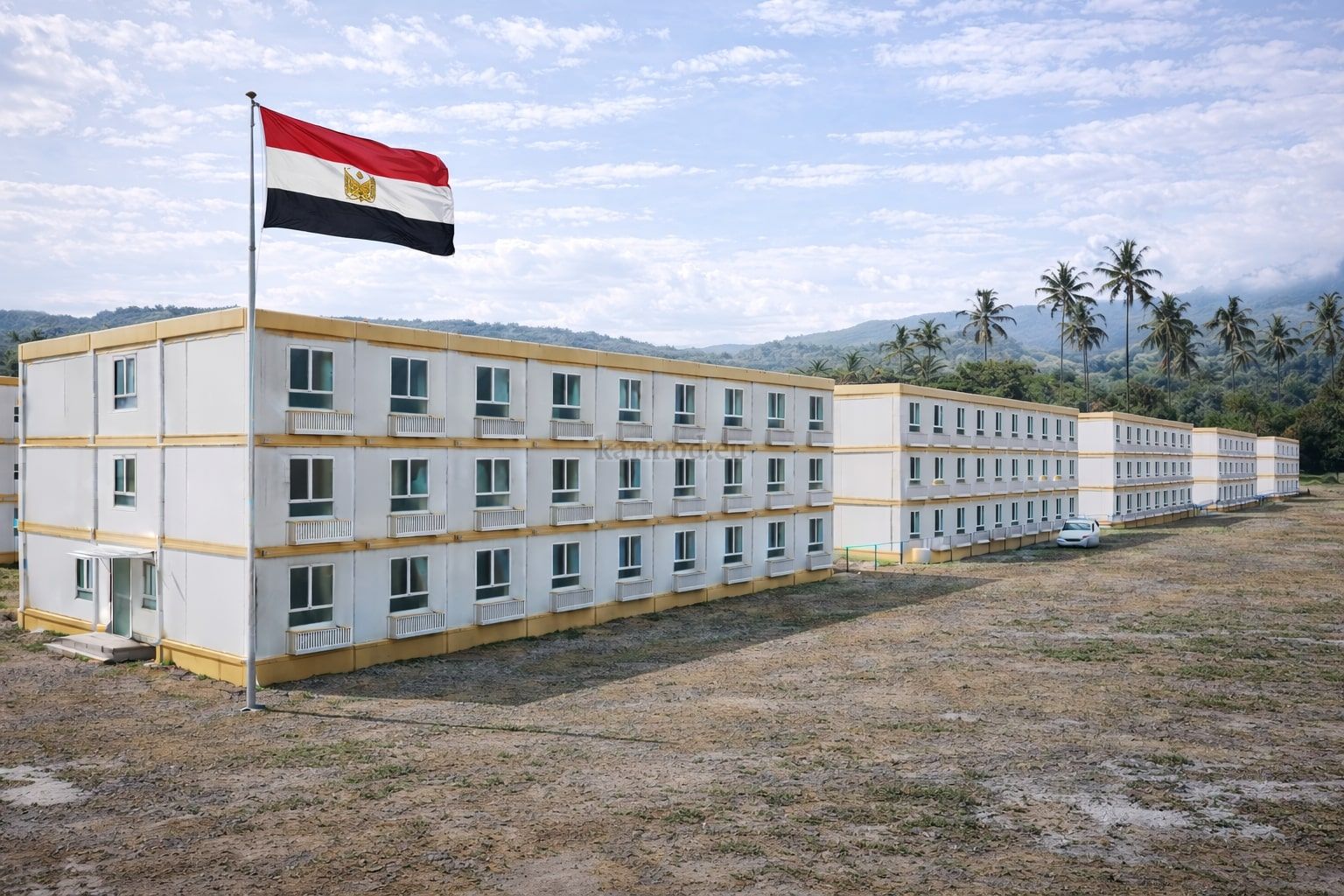
Egypt is experiencing one of the most dynamic construction and infrastructure periods in its modern history. Large-scale public investments, new industrial zones, expanding logistics corridors, and energy projects are reshaping how buildings are planned and delivered. Within this environment, modular buildings and prefabricated building solutions are increasingly recognized as efficient construction methods that align with Egypt’s need for speed, cost control, and predictable quality. For corporate investors, international contractors, and public-sector authorities, these systems offer a structured approach that reduces risk while accelerating project timelines.
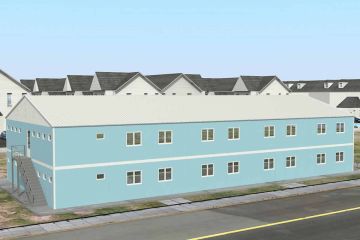
Why Modular Buildings Are in High Demand in Egypt
Labor costs in Egypt remain competitive compared to many regions, yet skilled construction labor availability can vary depending on location and project scale. Modular buildings reduce reliance on large on-site teams by shifting production to controlled factory environments. This approach improves workmanship consistency while minimizing delays caused by workforce fluctuations.
Construction timelines are a major driver behind demand. Infrastructure developments, industrial facilities, and public projects are often tied to fixed schedules and funding milestones. Modular construction enables off-site production to run in parallel with ground works, significantly shortening total delivery time compared to conventional building methods.
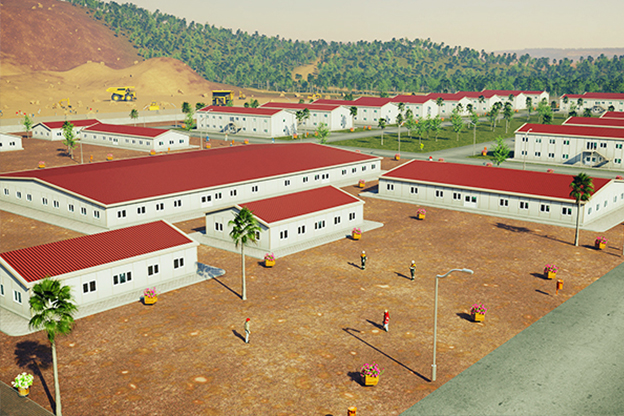
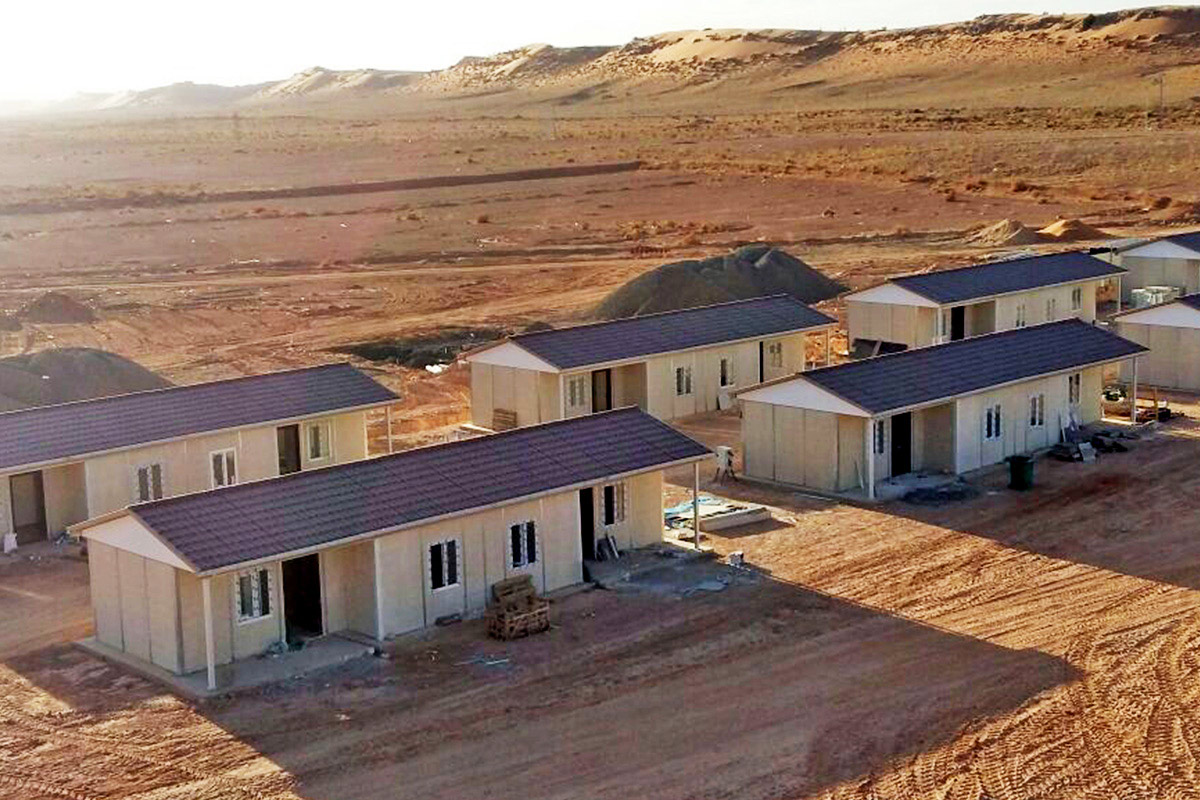
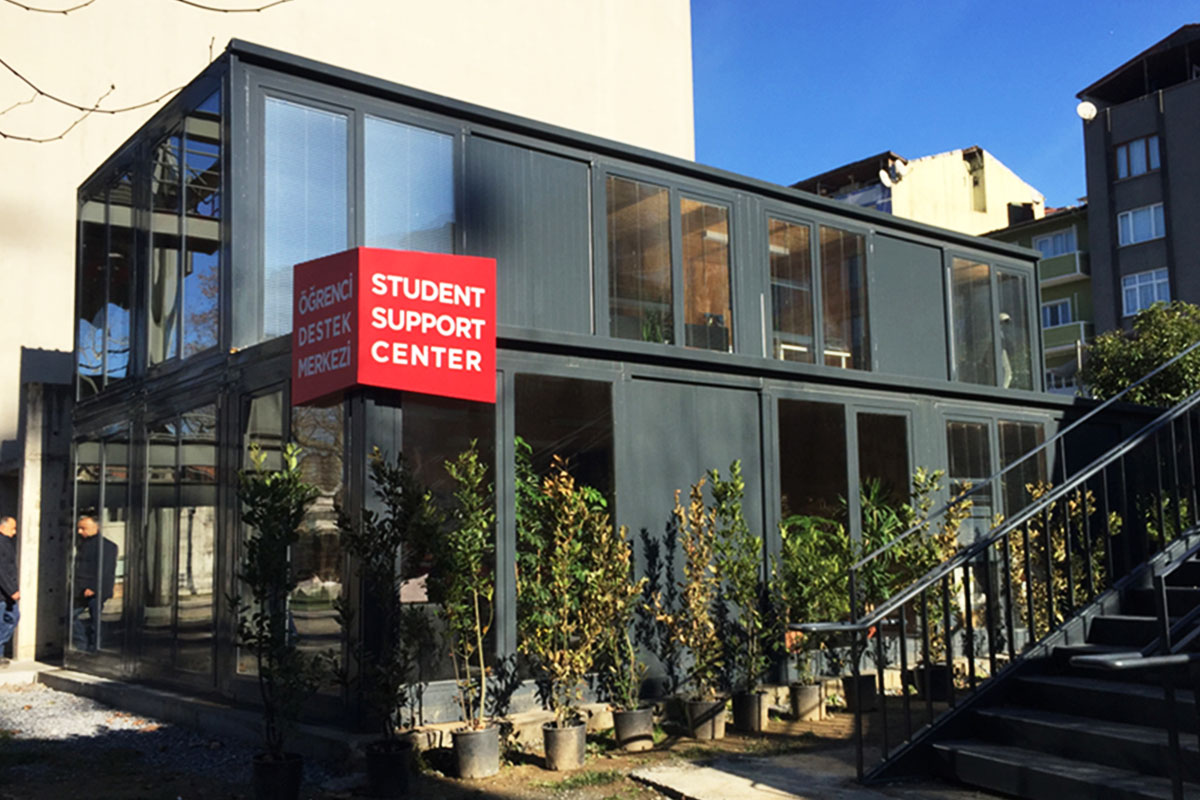
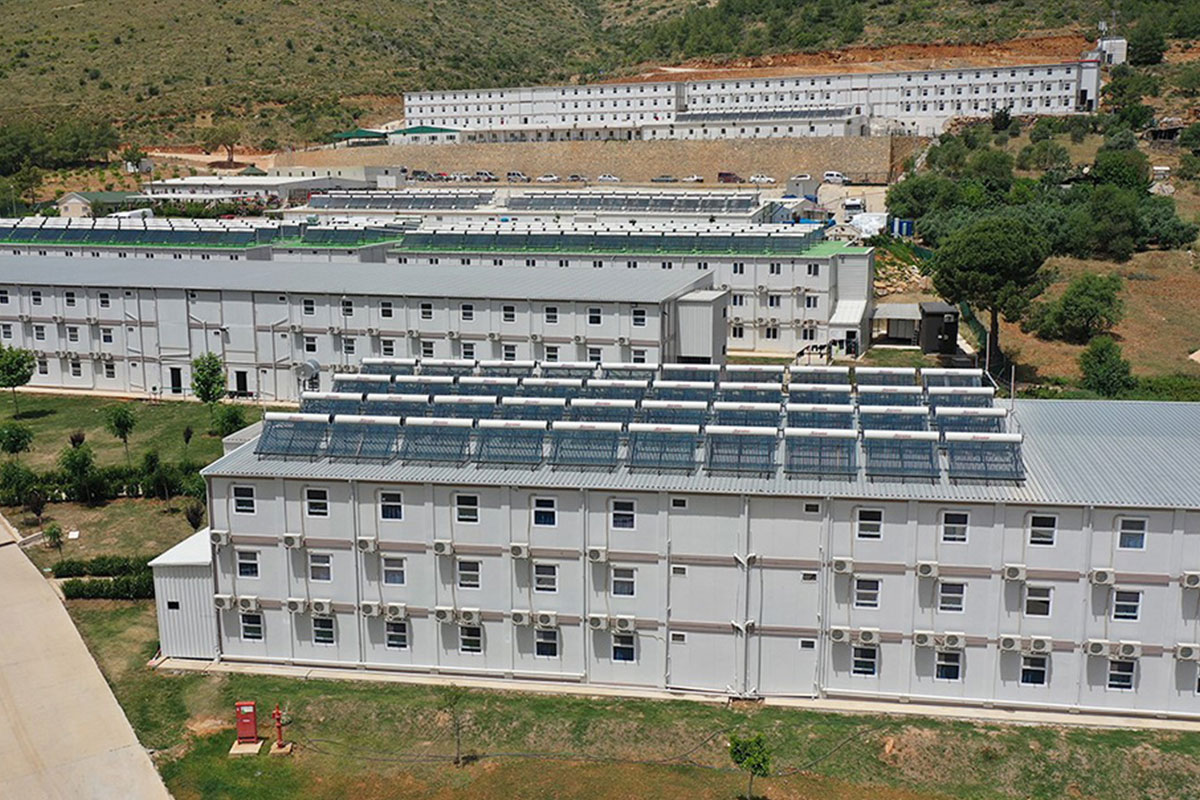
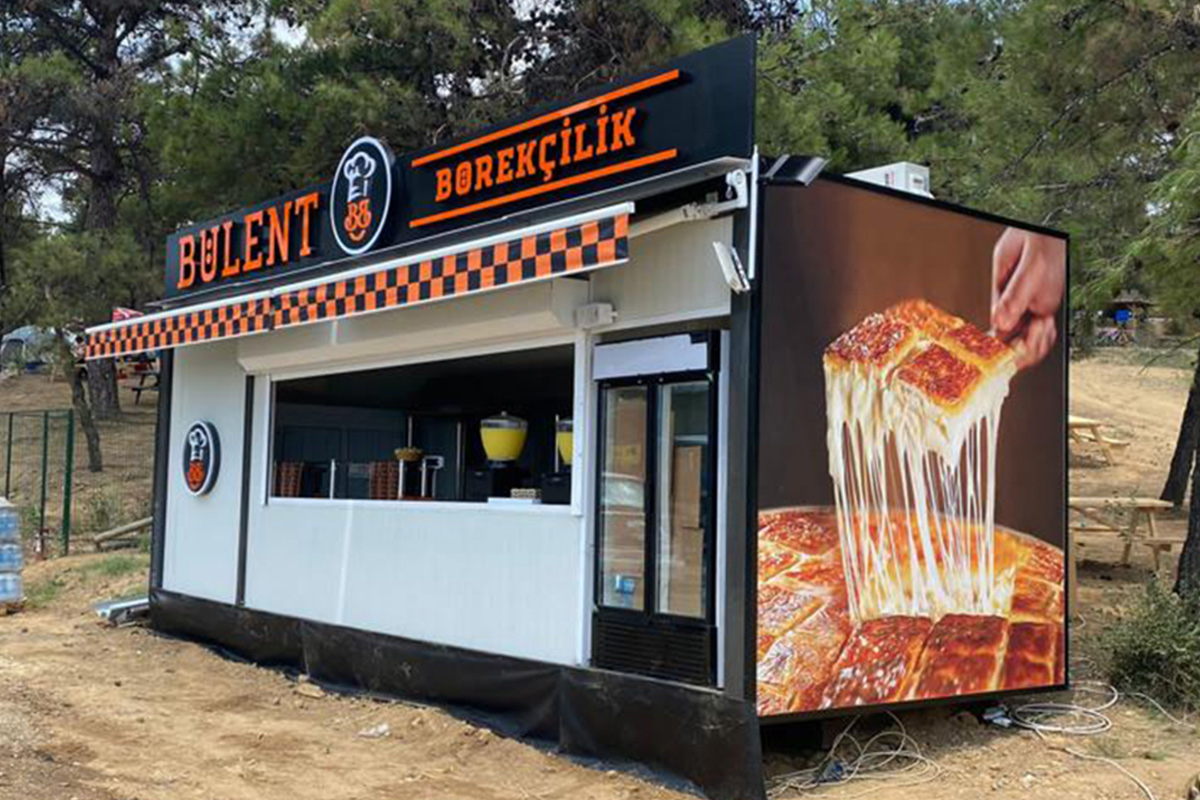
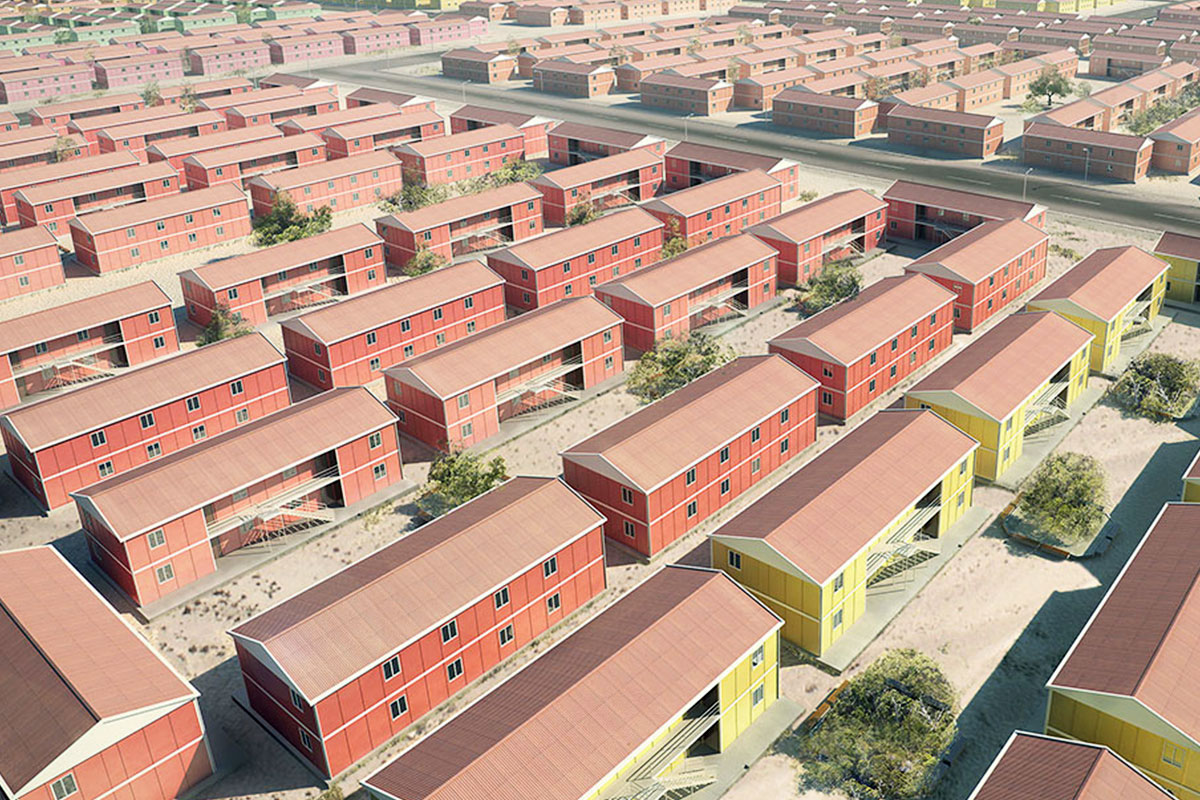
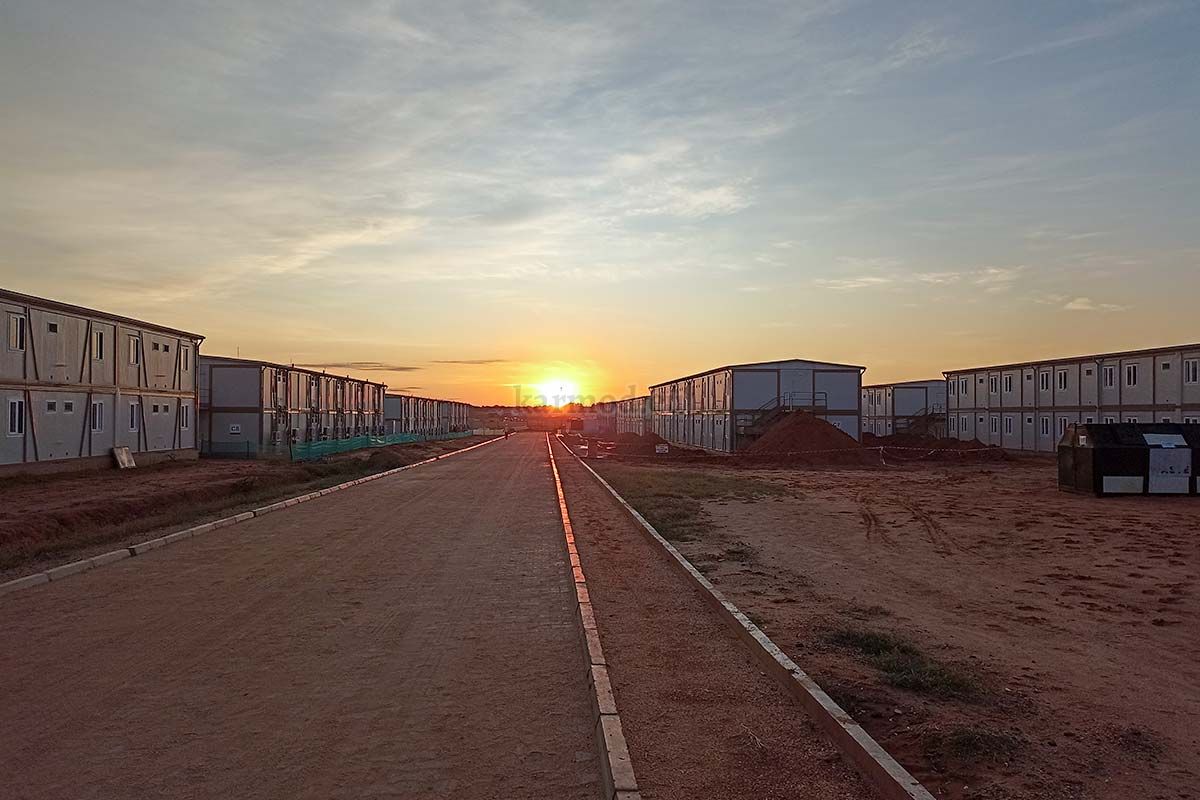
Egypt also requires both temporary and permanent structures across its development landscape. Temporary site offices, construction camps, and workforce accommodation are essential for infrastructure and energy projects, while permanent facilities such as schools, healthcare buildings, and administrative units are needed to support long-term urban growth. Modular systems provide flexibility to serve both purposes efficiently.
Country-specific sectors further reinforce this demand. Logistics and port developments, industrial manufacturing zones, public housing initiatives, and renewable energy projects all benefit from standardized, repeatable building solutions. Modular buildings fit well into these sectors due to their scalability and adaptability across different regions of Egypt.
Modular Buildings vs. Prefabricated Building Systems
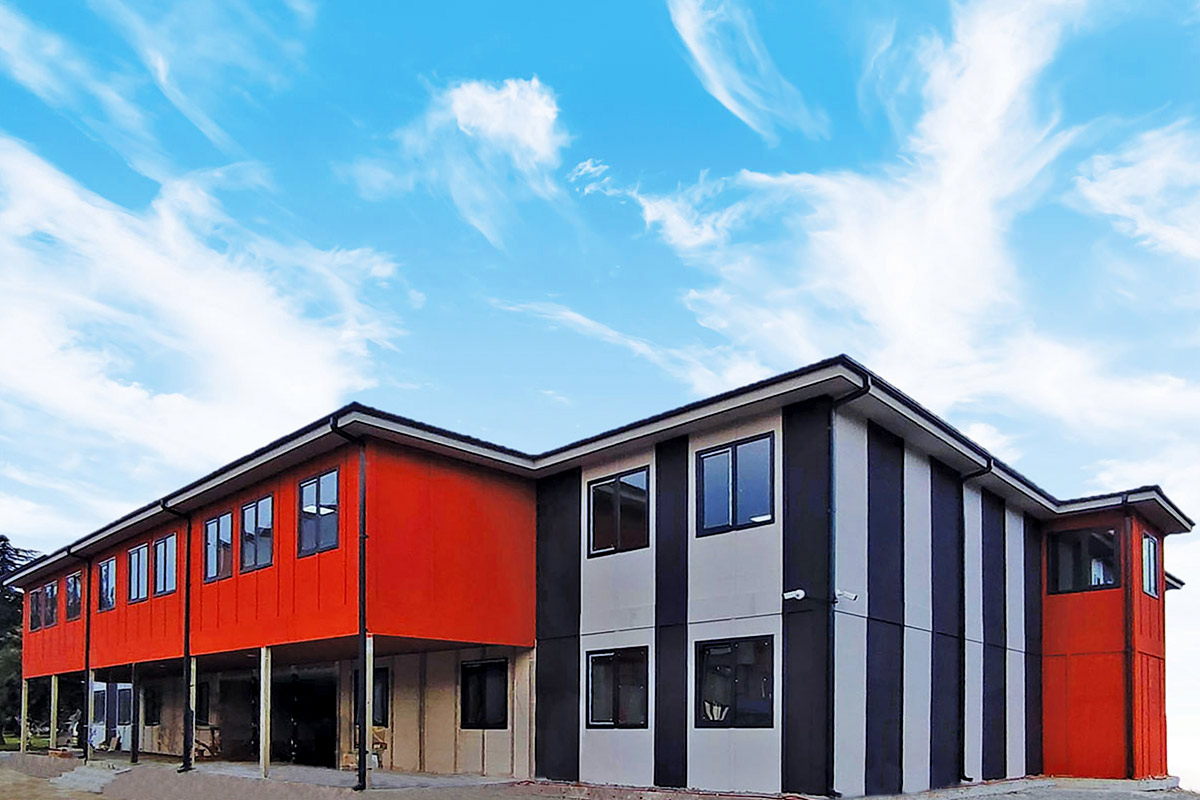
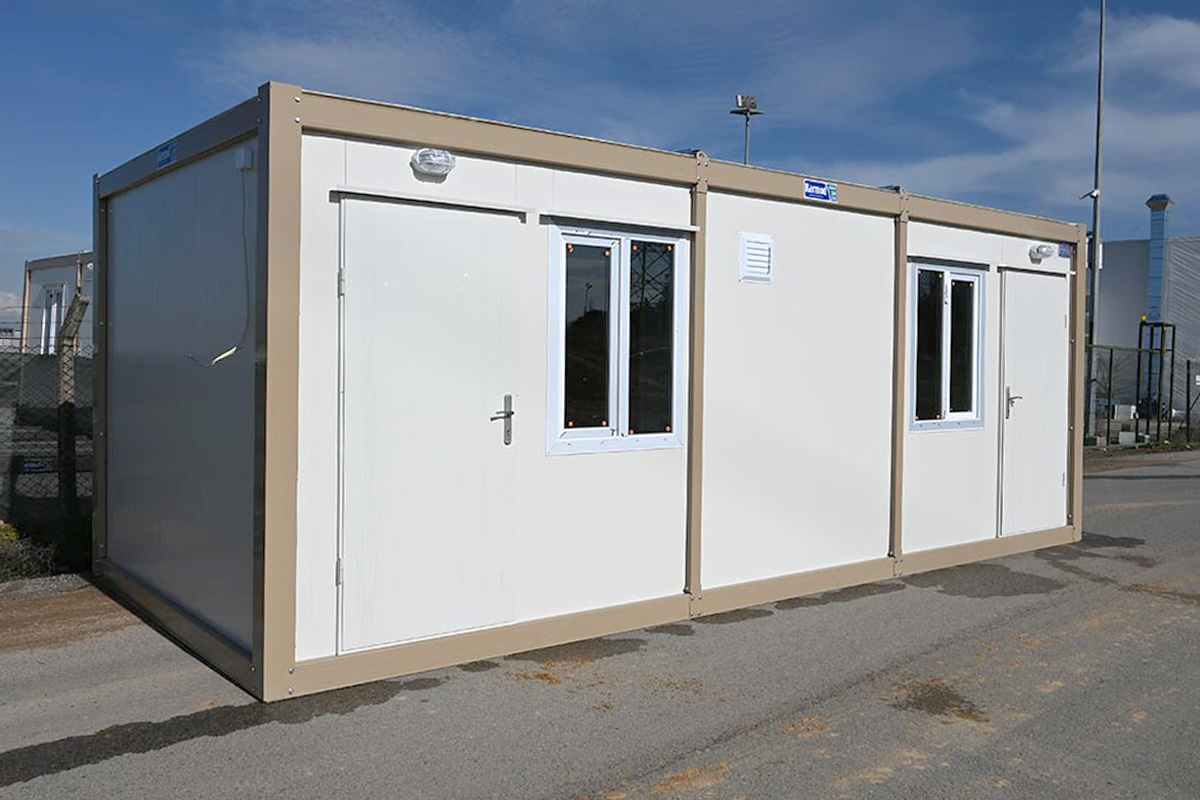
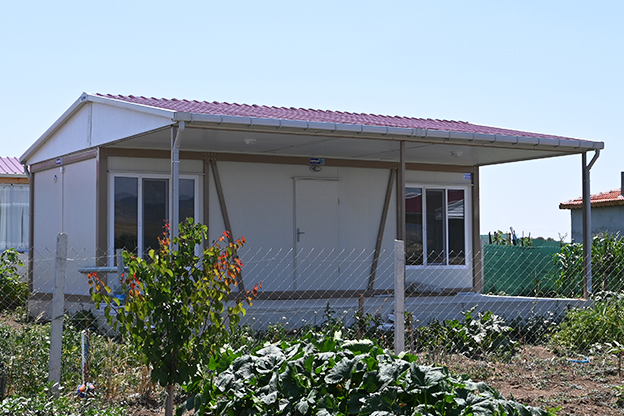
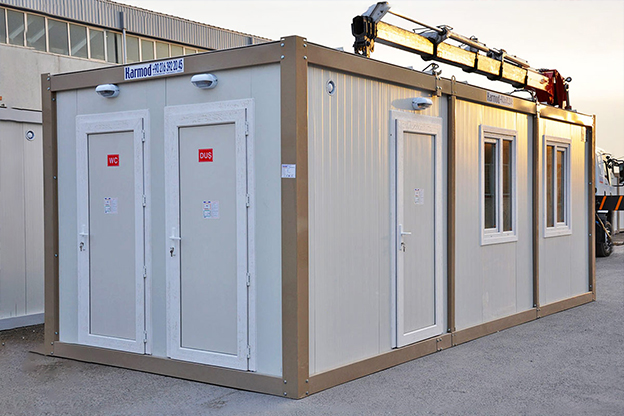
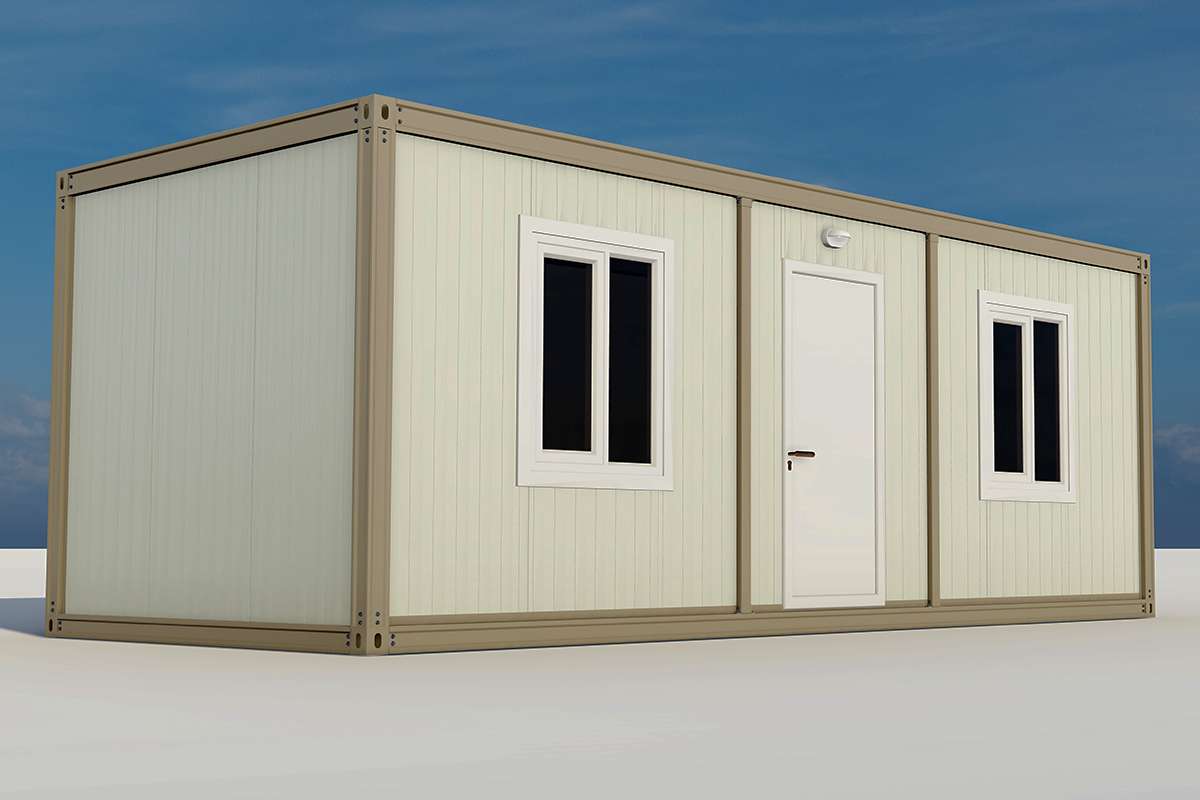
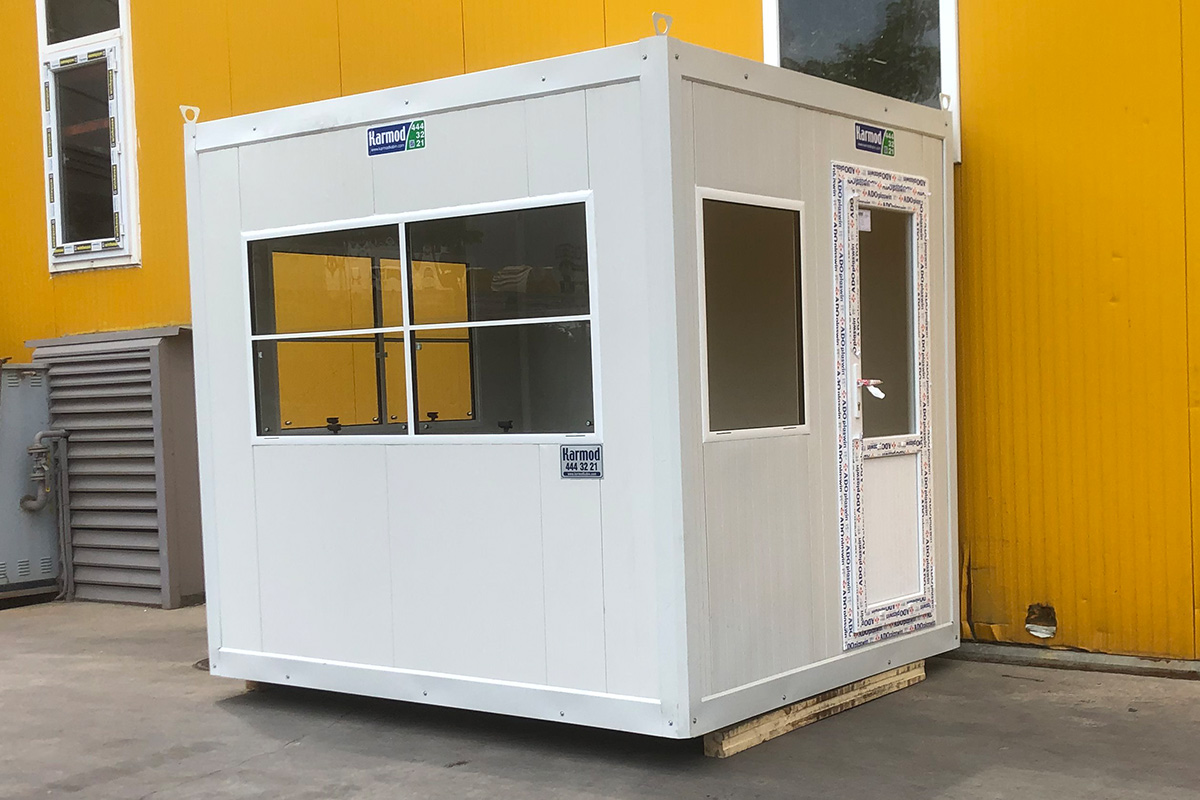
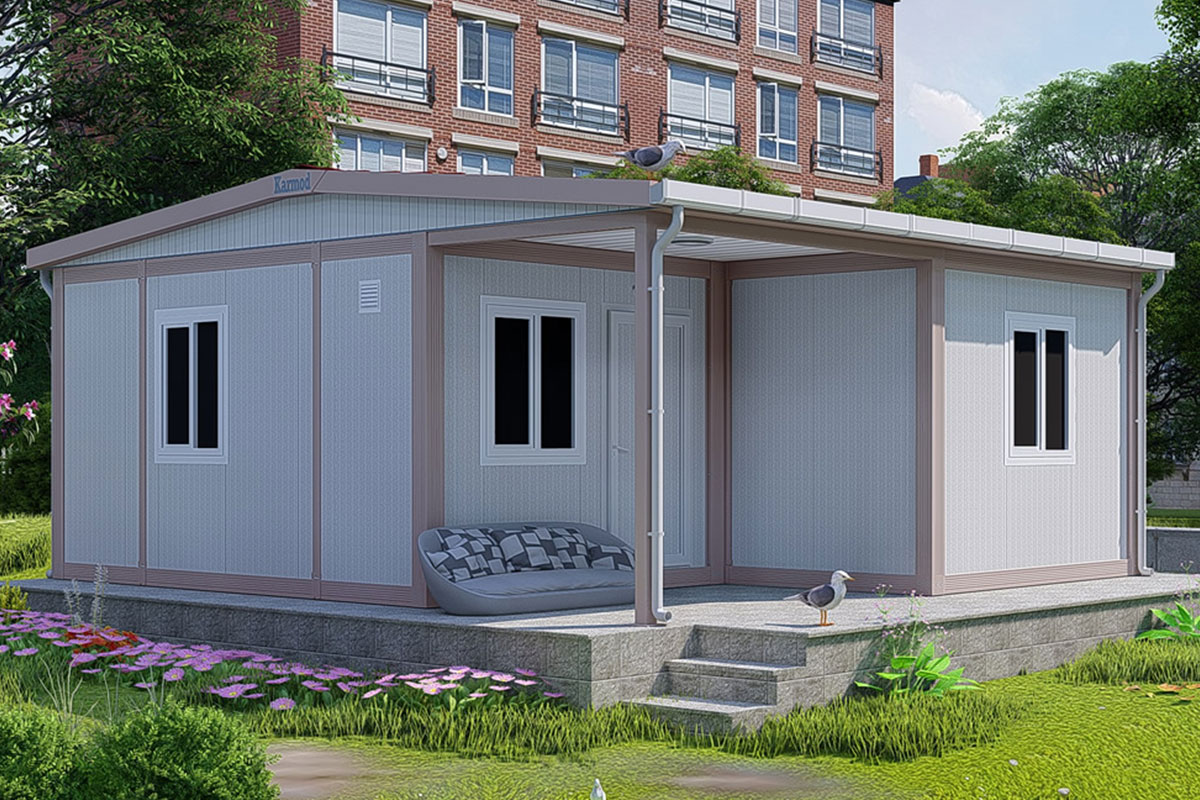
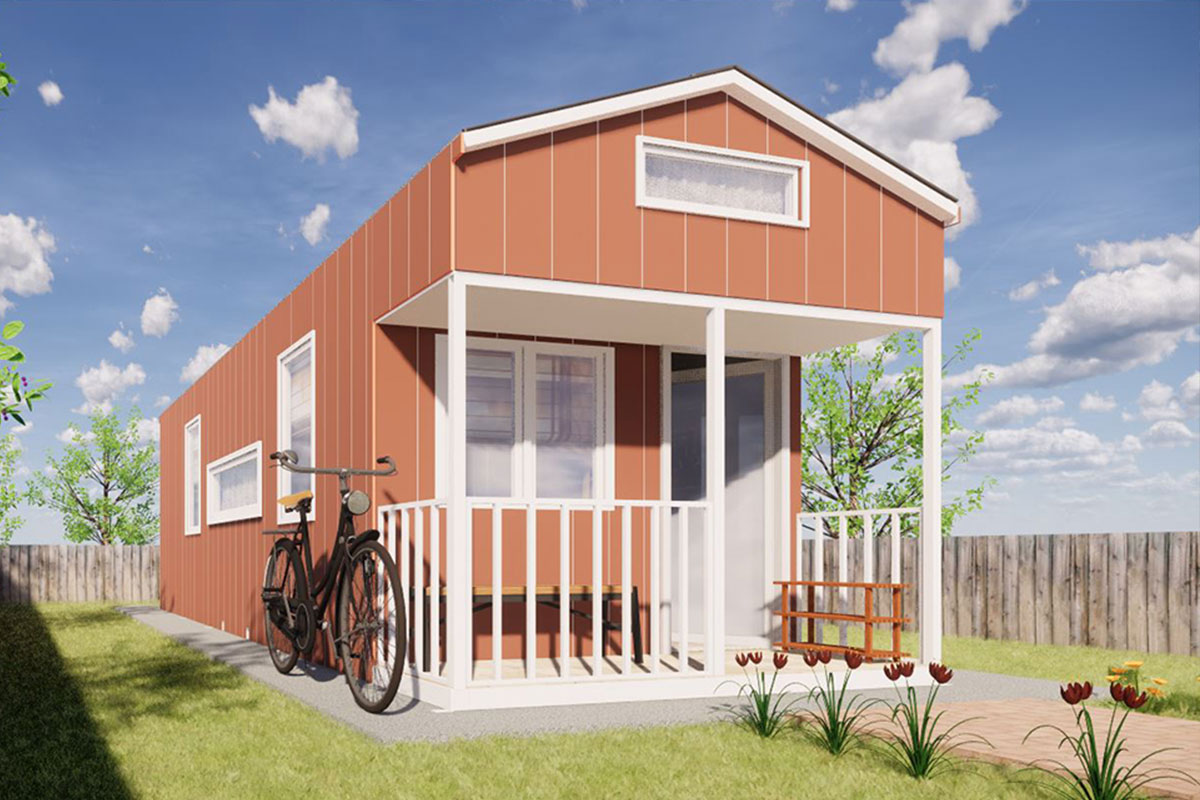
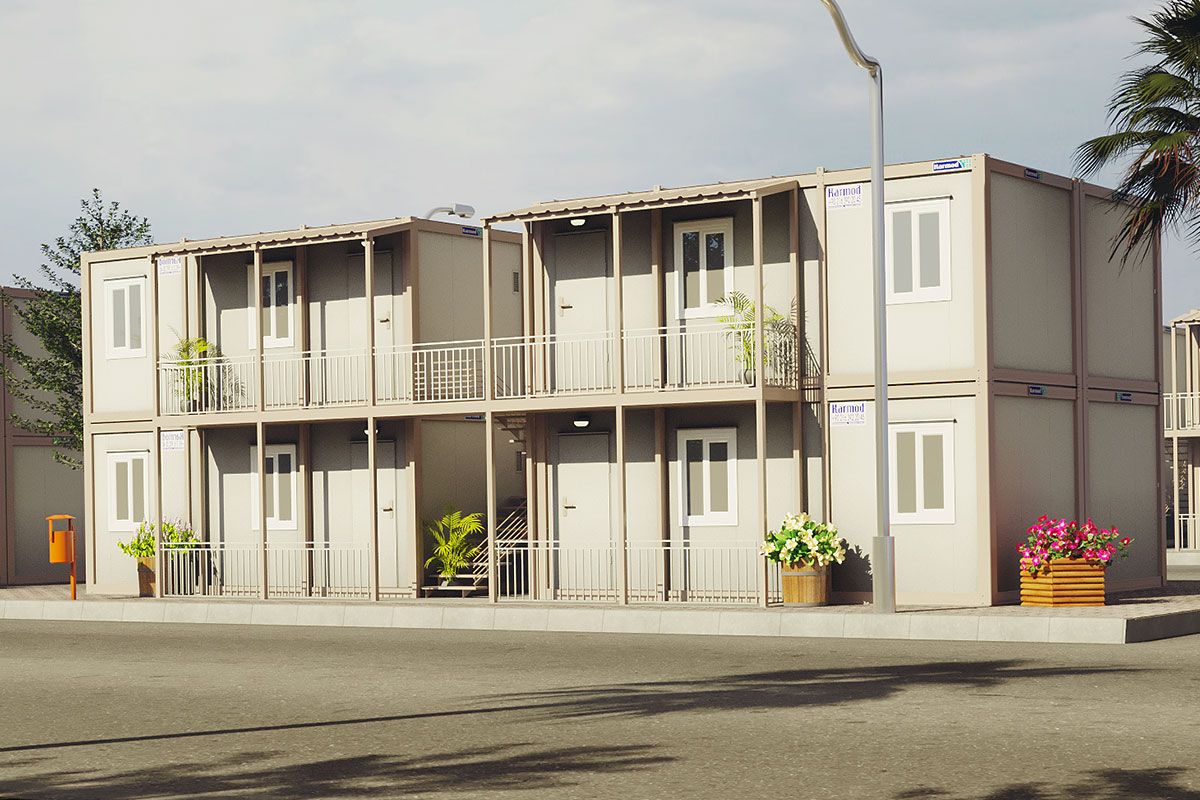
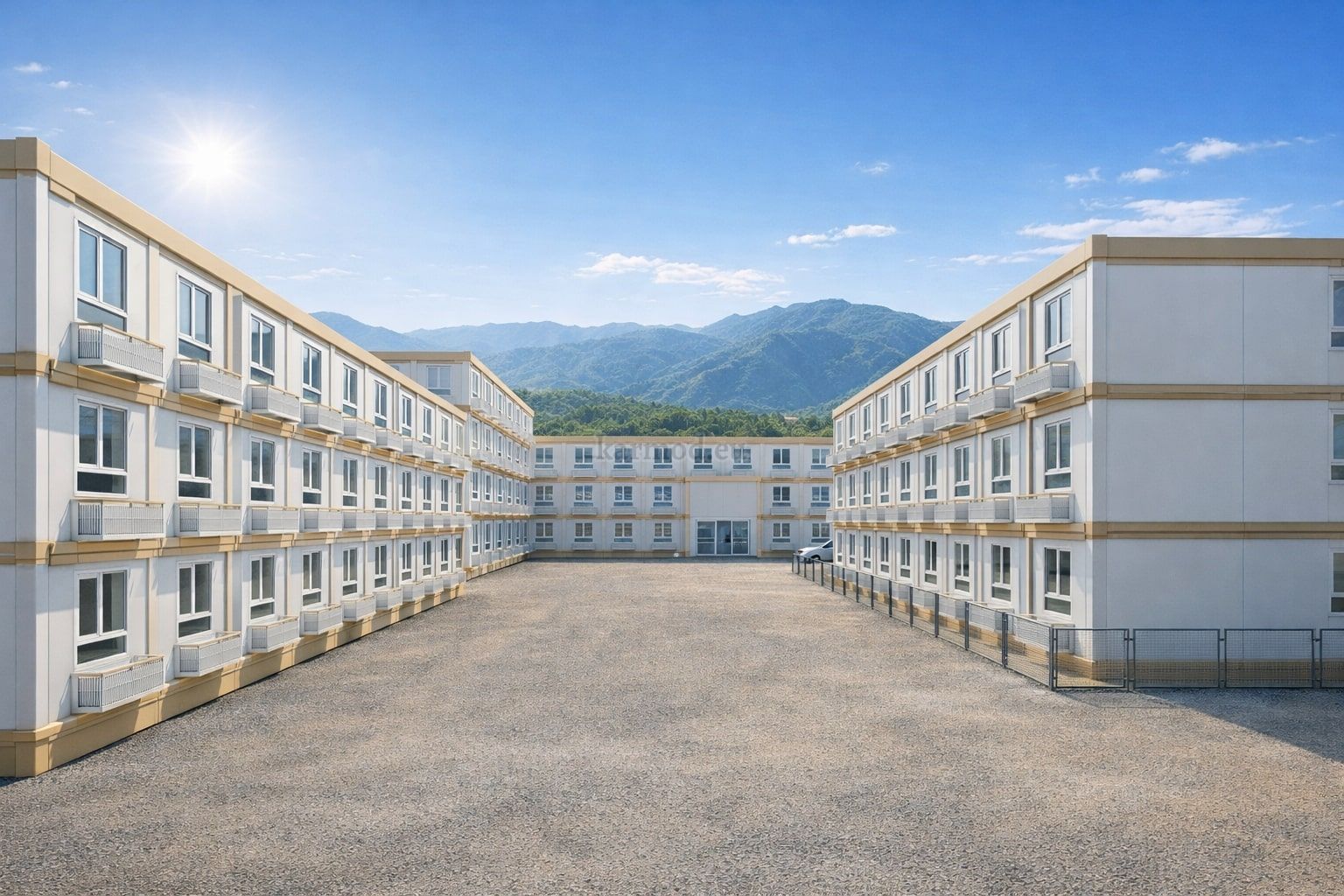
While closely related, modular buildings and prefabricated building systems address different structural priorities. Modular buildings are produced as complete volumetric units. Their module-based design allows for easy transportation, rapid installation, and future expansion or relocation. This makes them particularly suitable for fast-moving projects or facilities with changing operational needs.
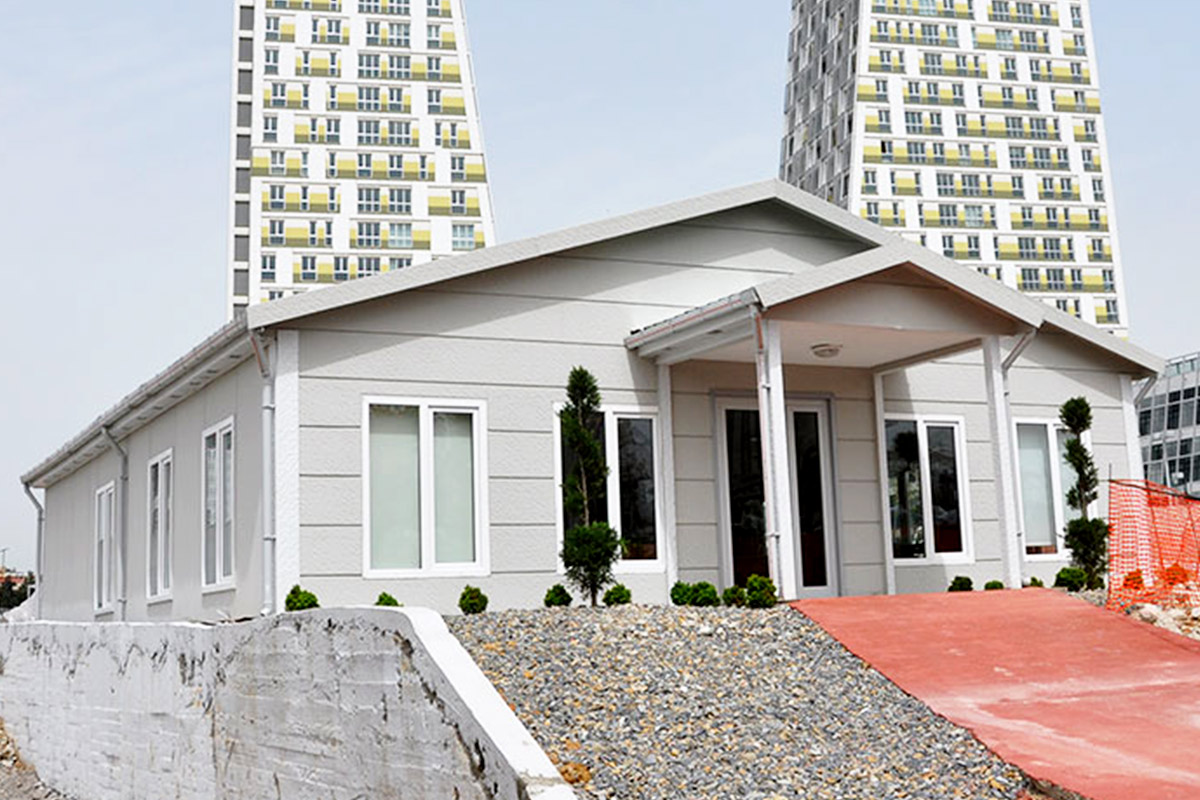
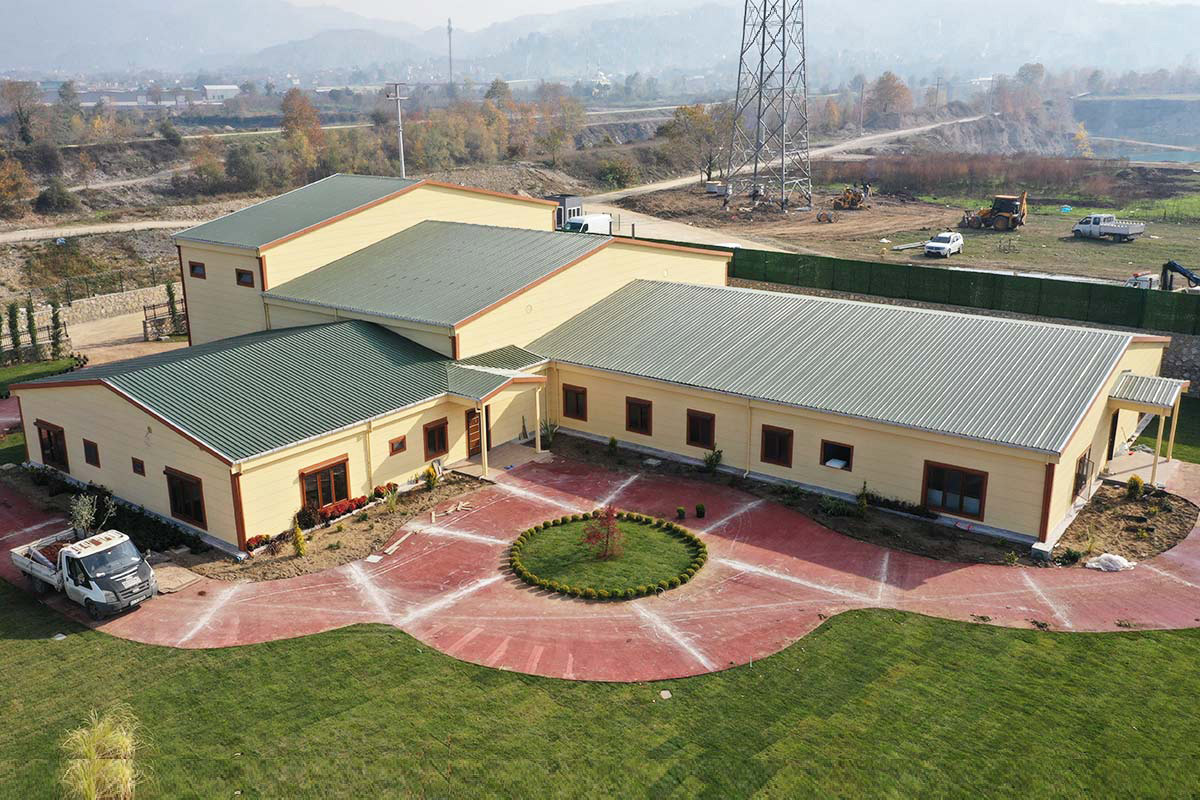
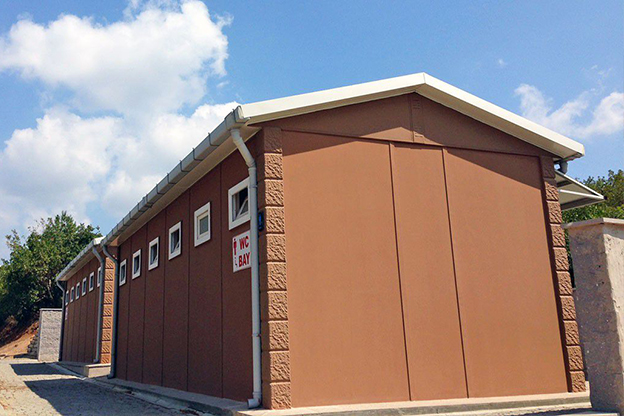
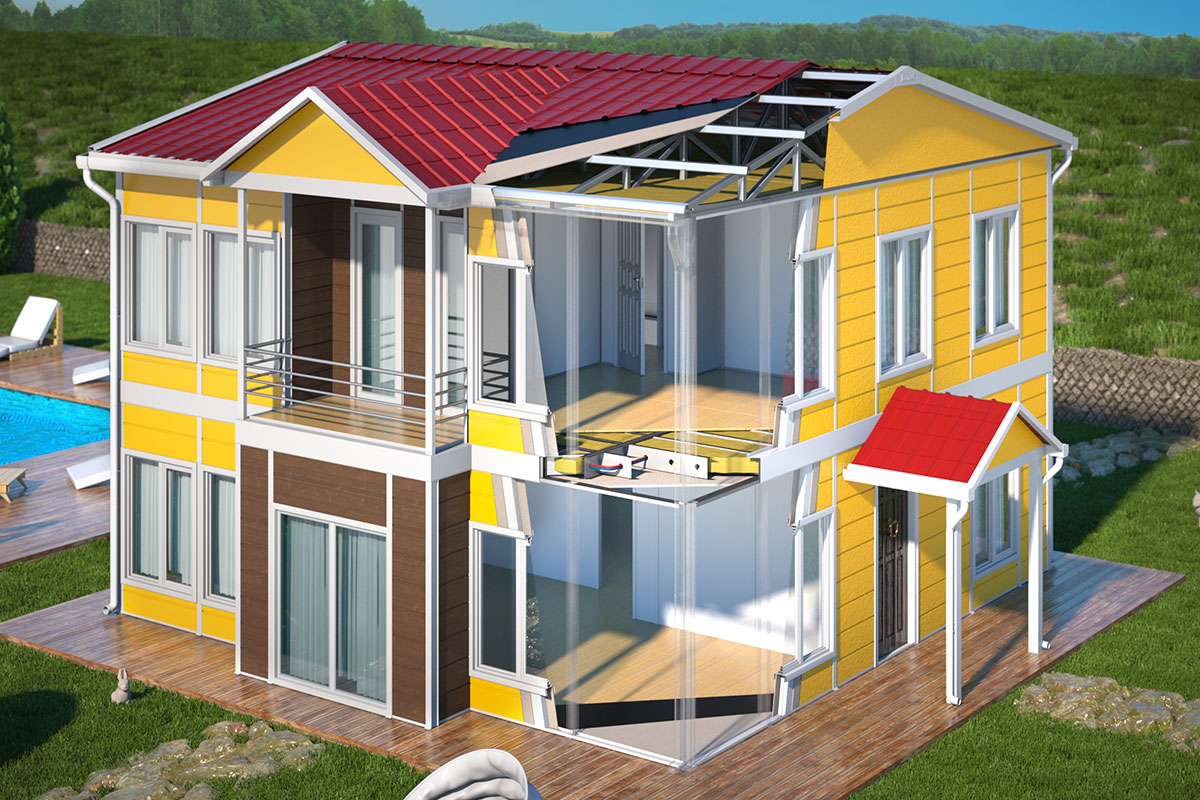
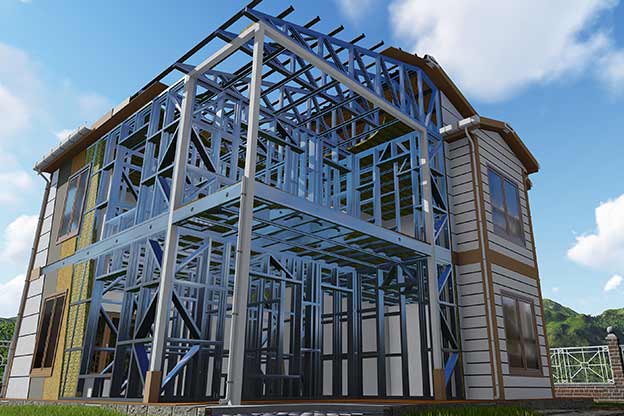
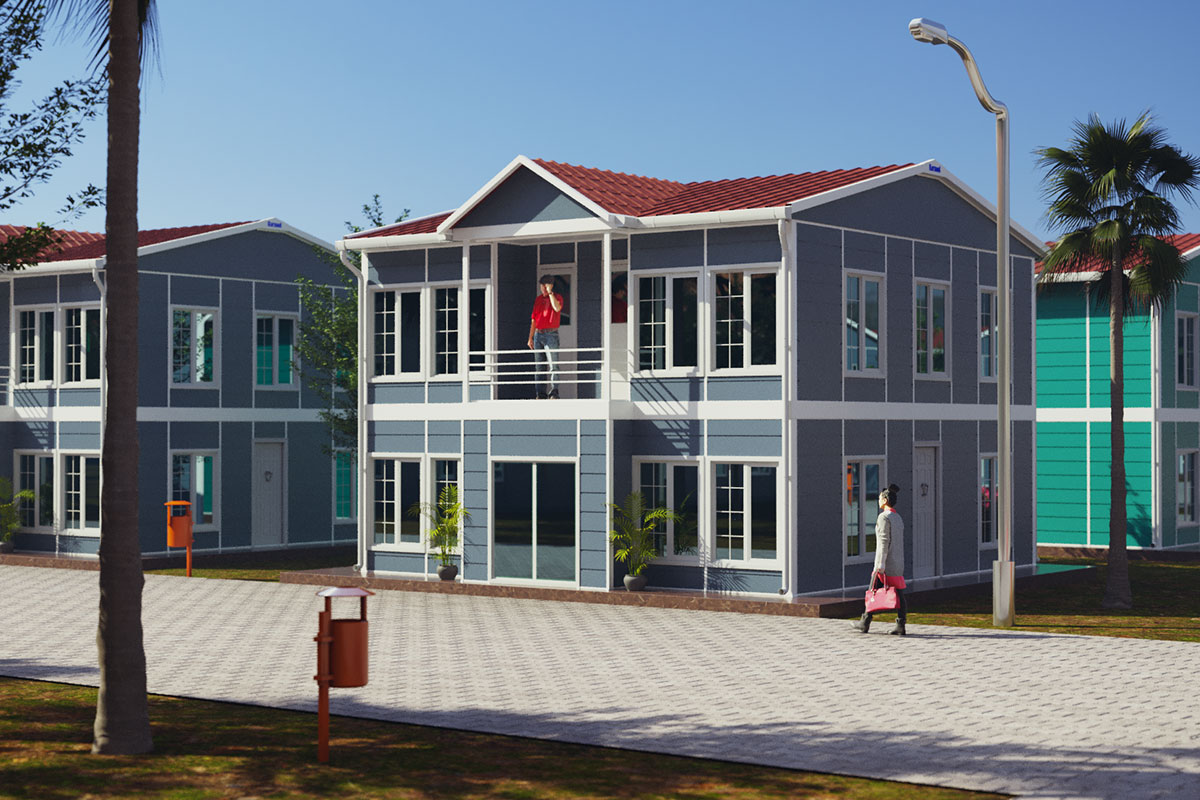
A prefabricated building is typically assembled on site using factory-produced panels or structural components. These systems are often chosen for permanent facilities where architectural integration, long-term durability, and regulatory alignment are essential. Panel-based construction allows for greater design flexibility while maintaining the benefits of off-site manufacturing.
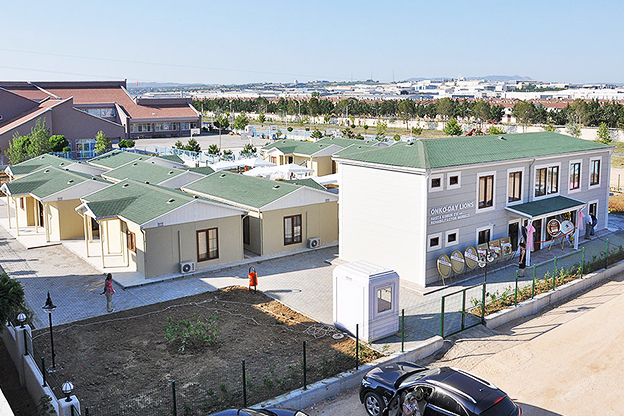
In Egypt, modular buildings are frequently preferred for construction camps, industrial support facilities, and remote project locations. Prefabricated building solutions are more commonly selected for permanent public buildings, educational facilities, and long-term industrial structures where fixed placement is required.
Applications of Modular and Prefabricated Buildings in Egypt
Across Egypt, these building systems are applied in a wide range of operational contexts:
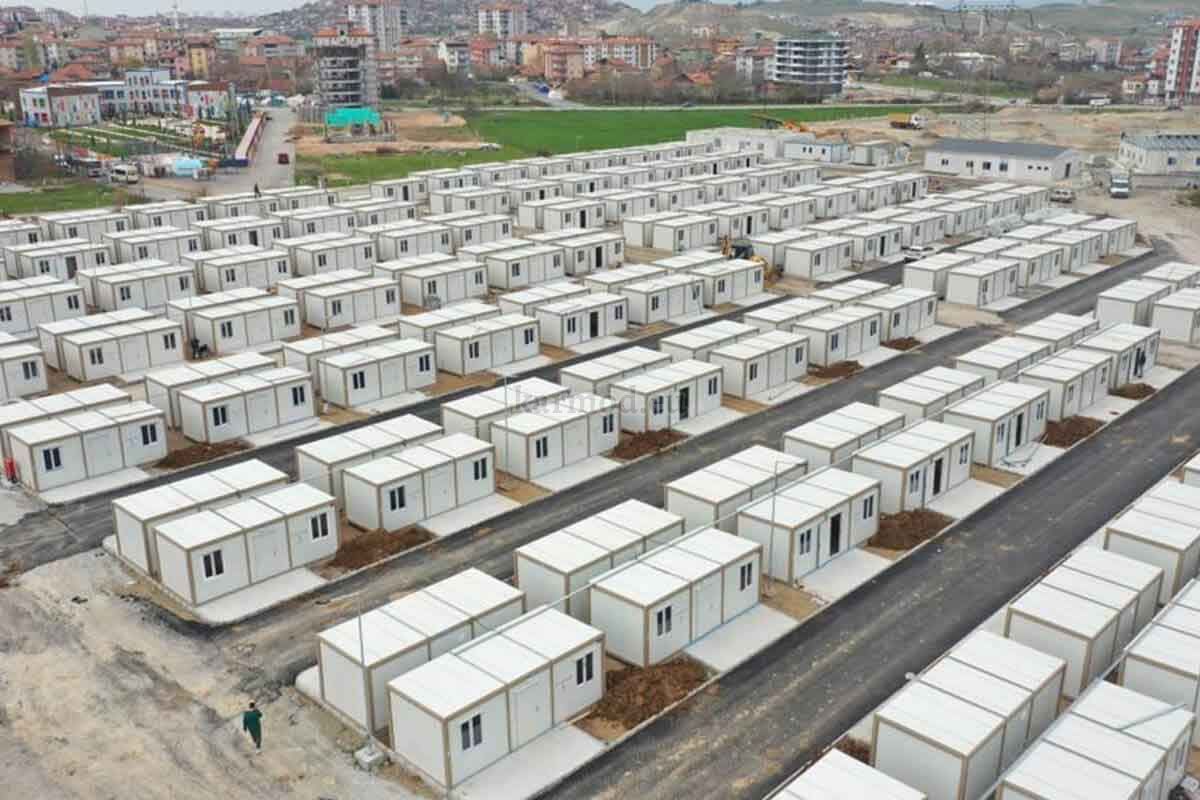
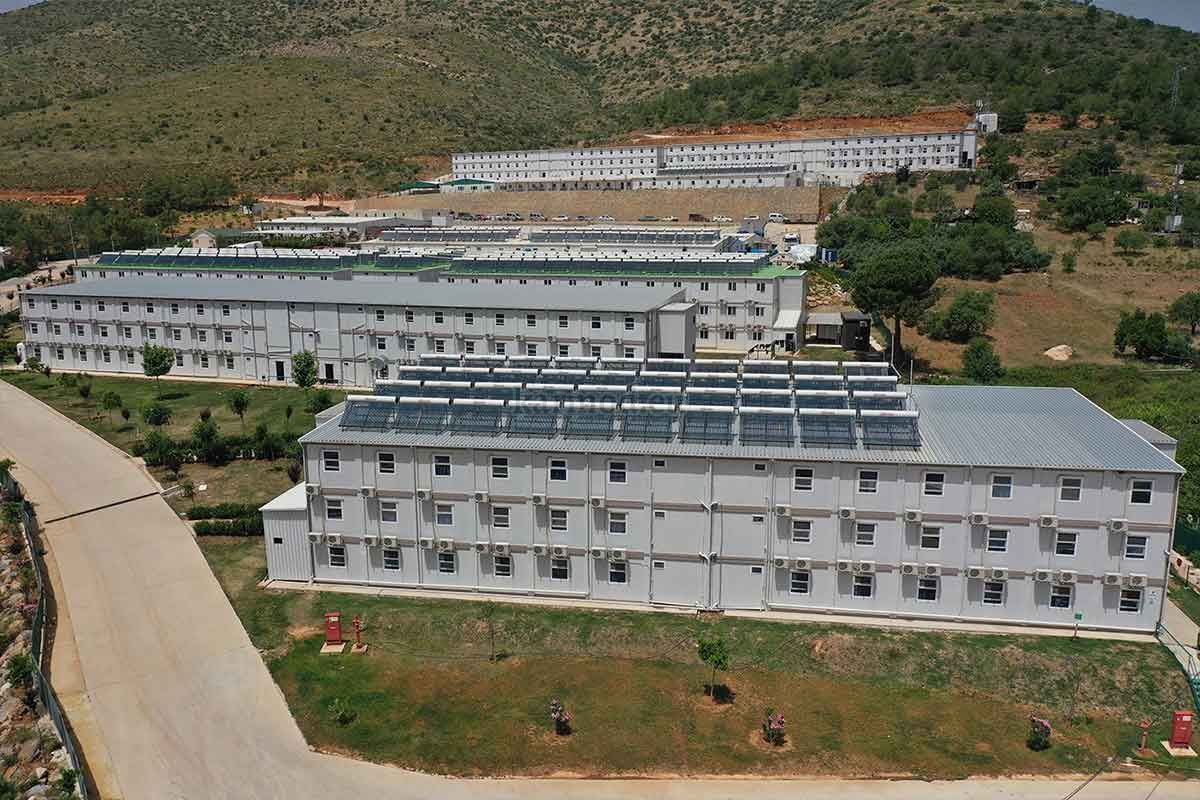
- Site offices & construction camps supporting infrastructure and industrial developments
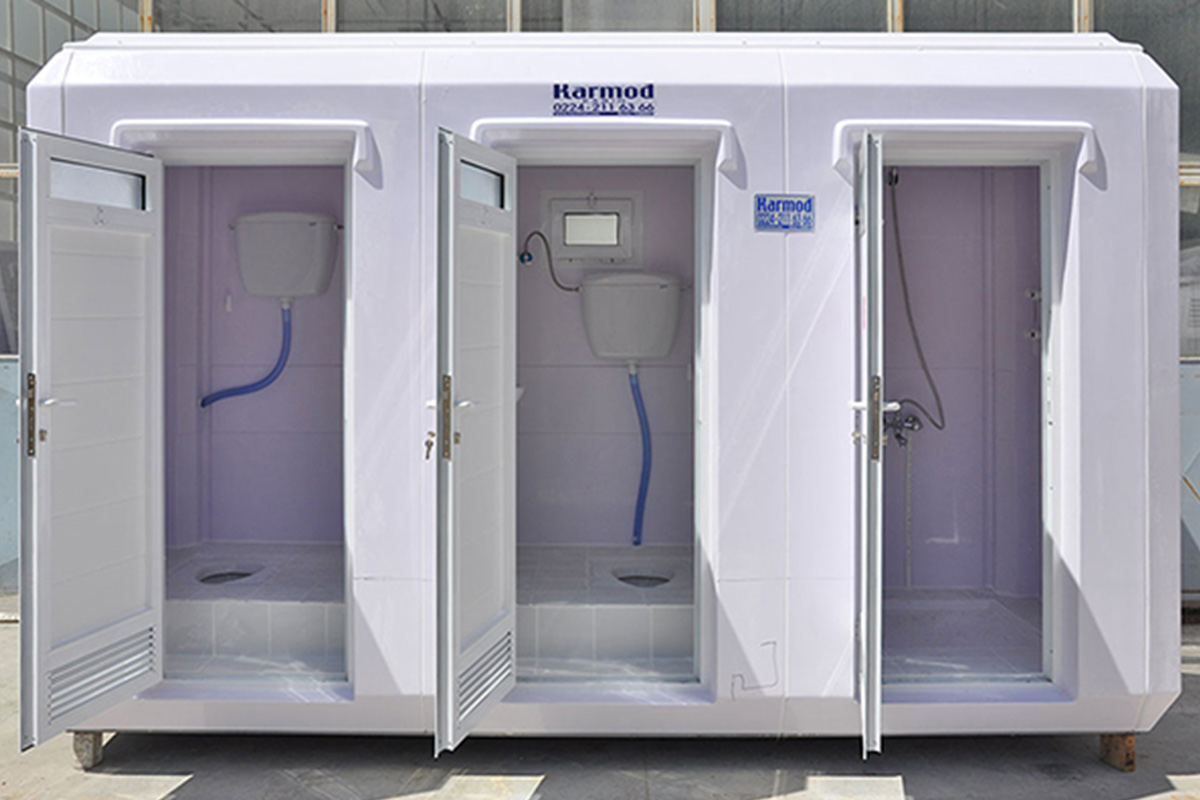
- Worker accommodation buildings designed to meet safety, hygiene, and capacity requirements
- Temporary schools & healthcare units addressing immediate community and workforce needs
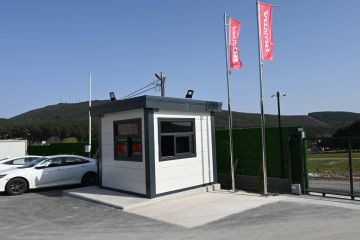
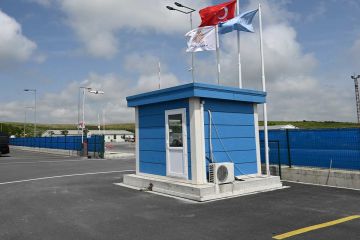
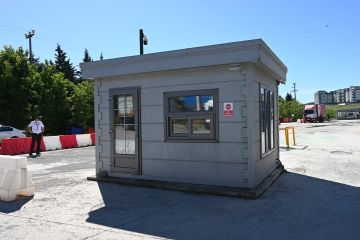
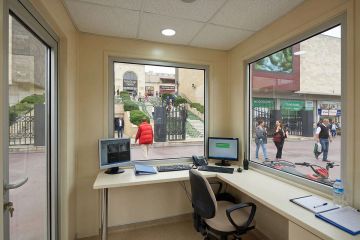
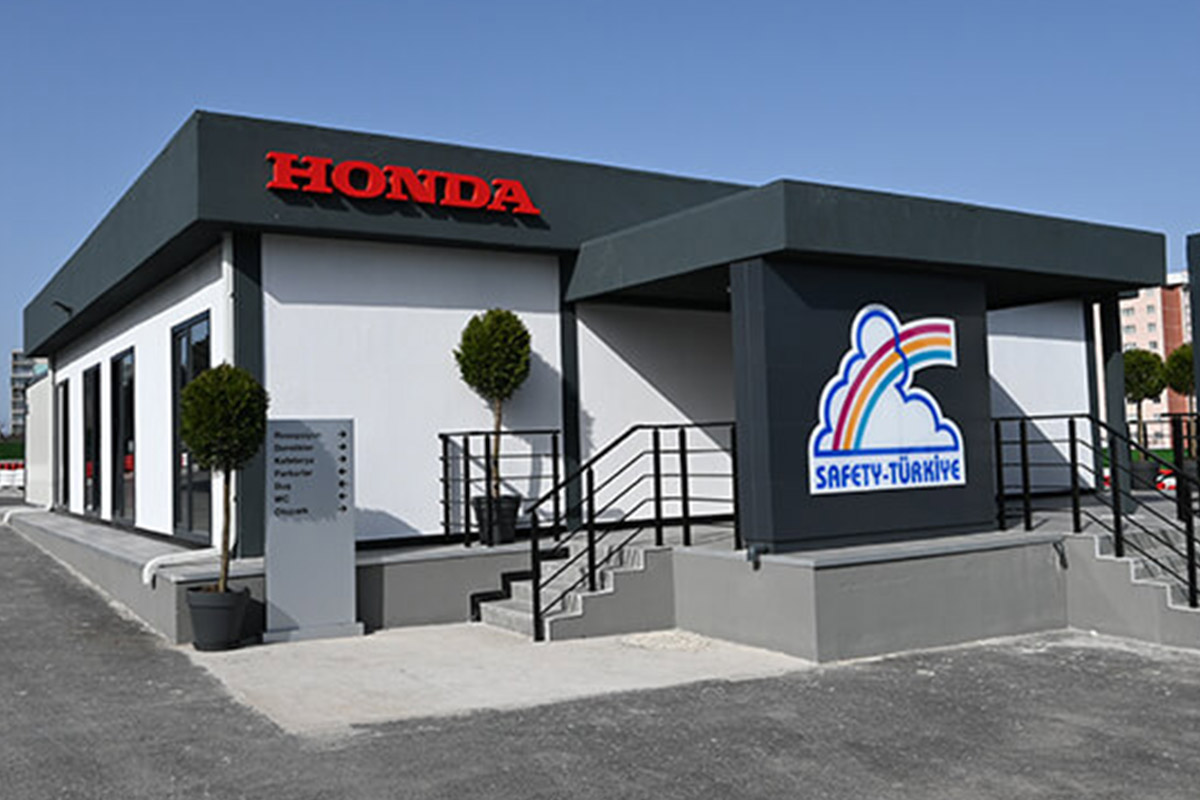
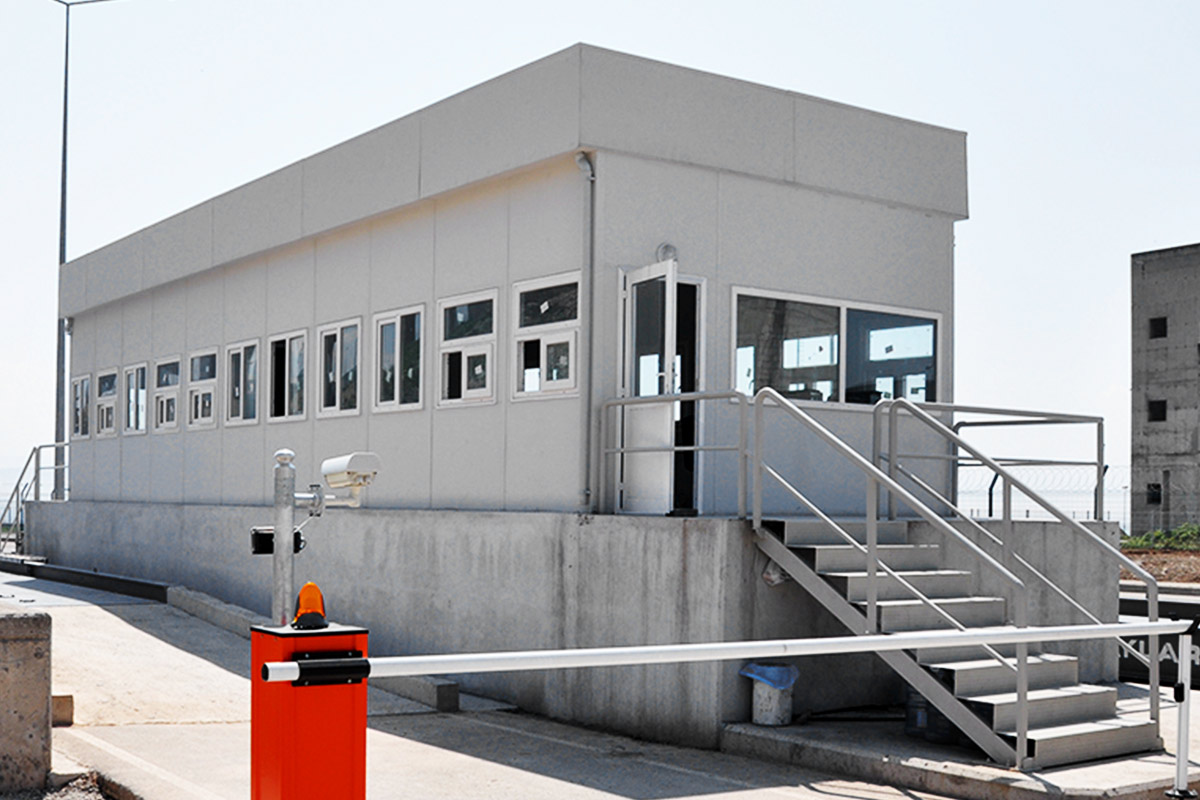
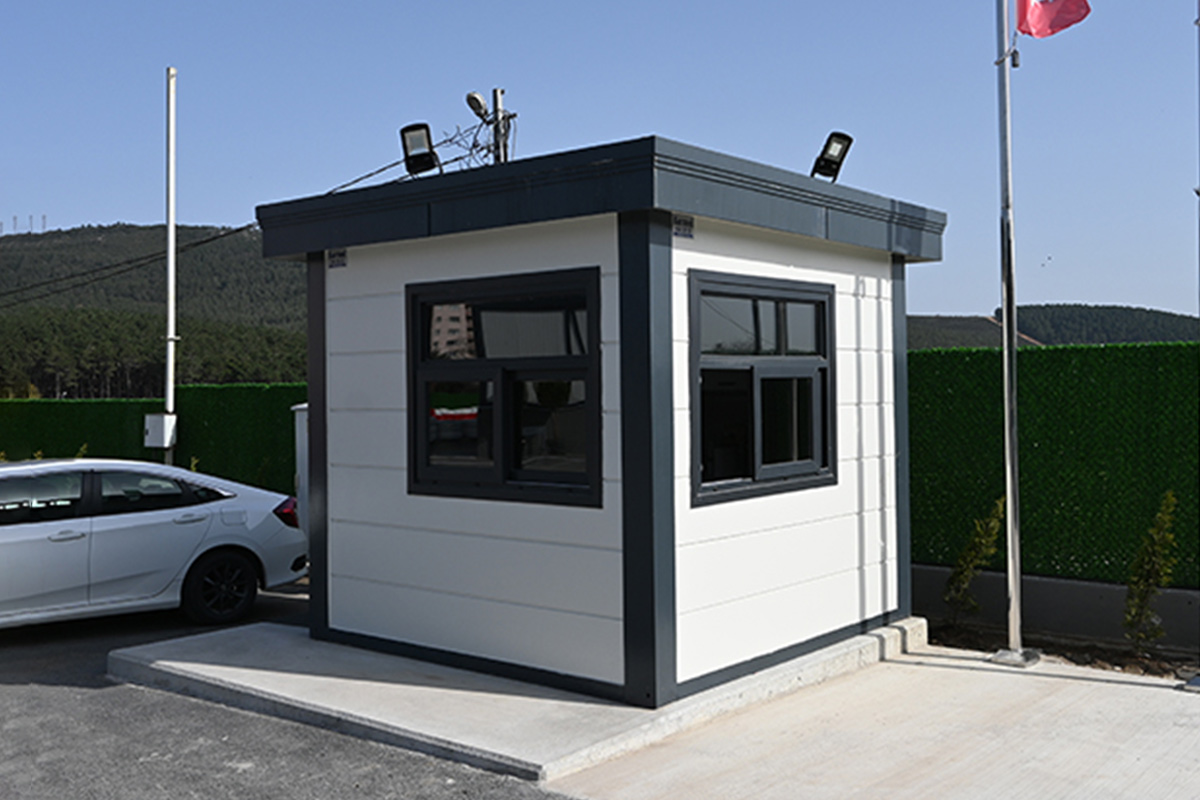
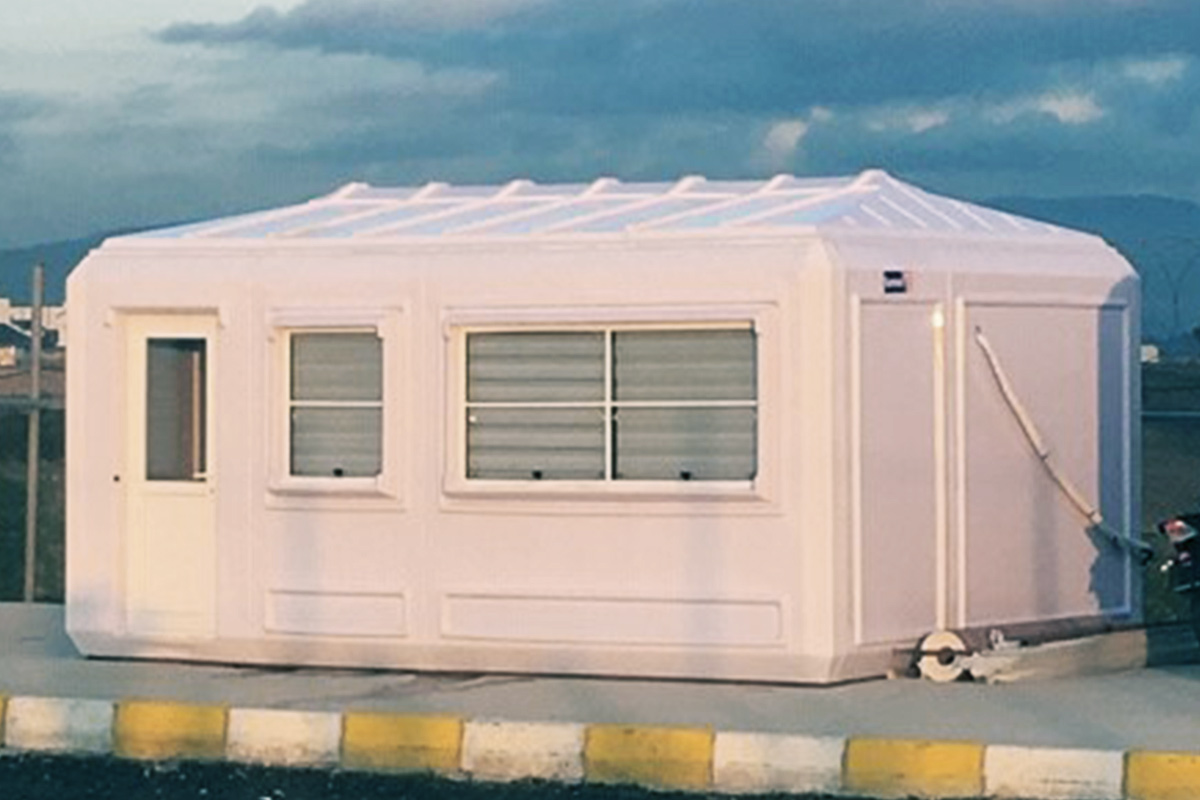
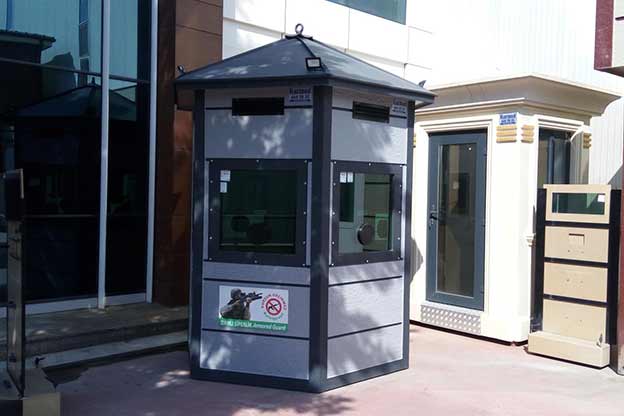
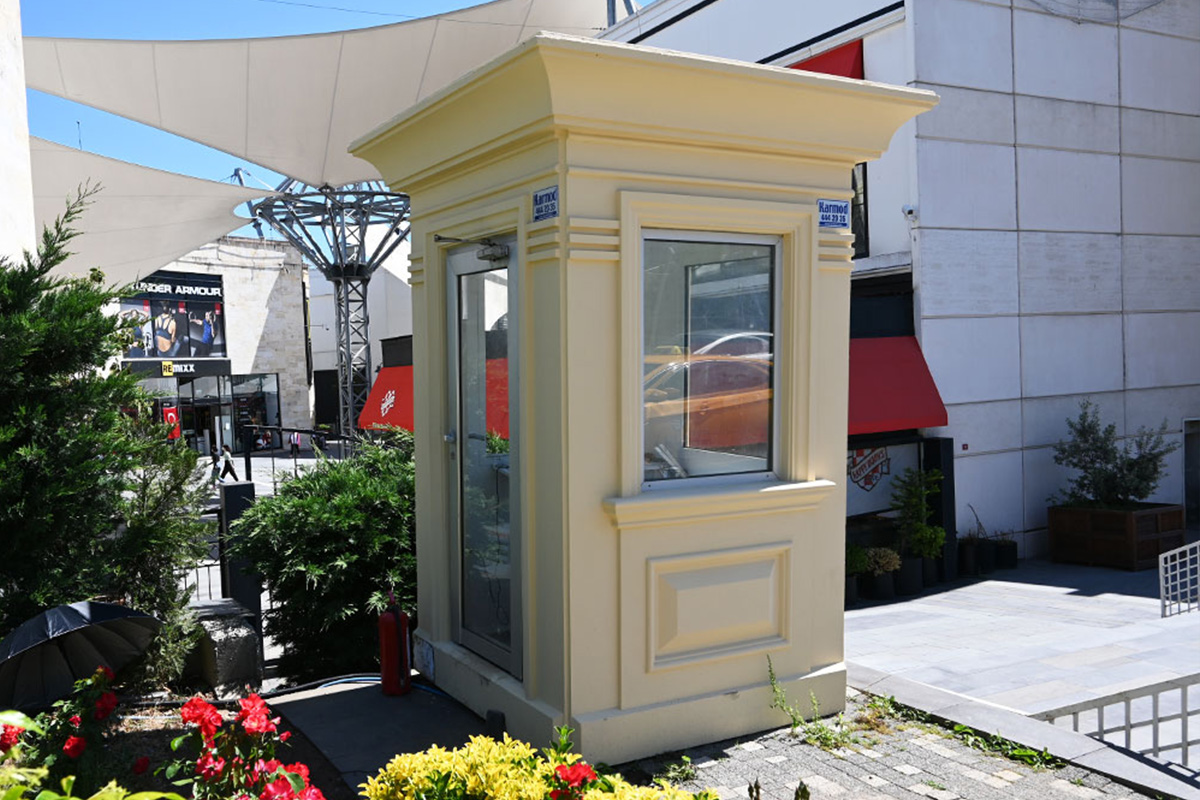
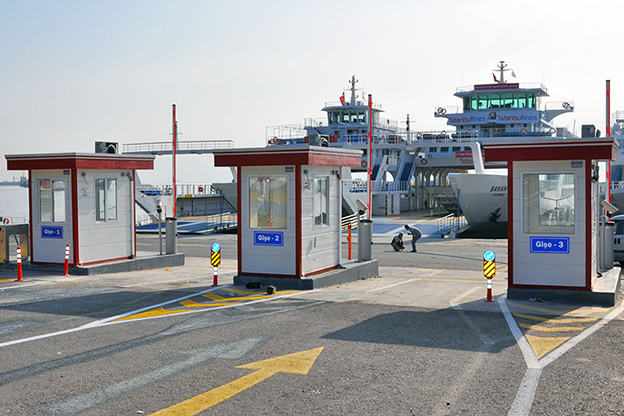
- Security buildings & technical units for access control and operational management
- Storage and logistics facilities serving ports, free zones, and distribution networks
These applications demonstrate how modular buildings and prefabricated building systems respond to both short-term project demands and long-term development goals in Egypt.
From Design to Installation: How the Process Works
The process begins with a comprehensive analysis of project requirements. Building function, capacity, climatic conditions, and regulatory expectations are evaluated to determine the most appropriate construction system.
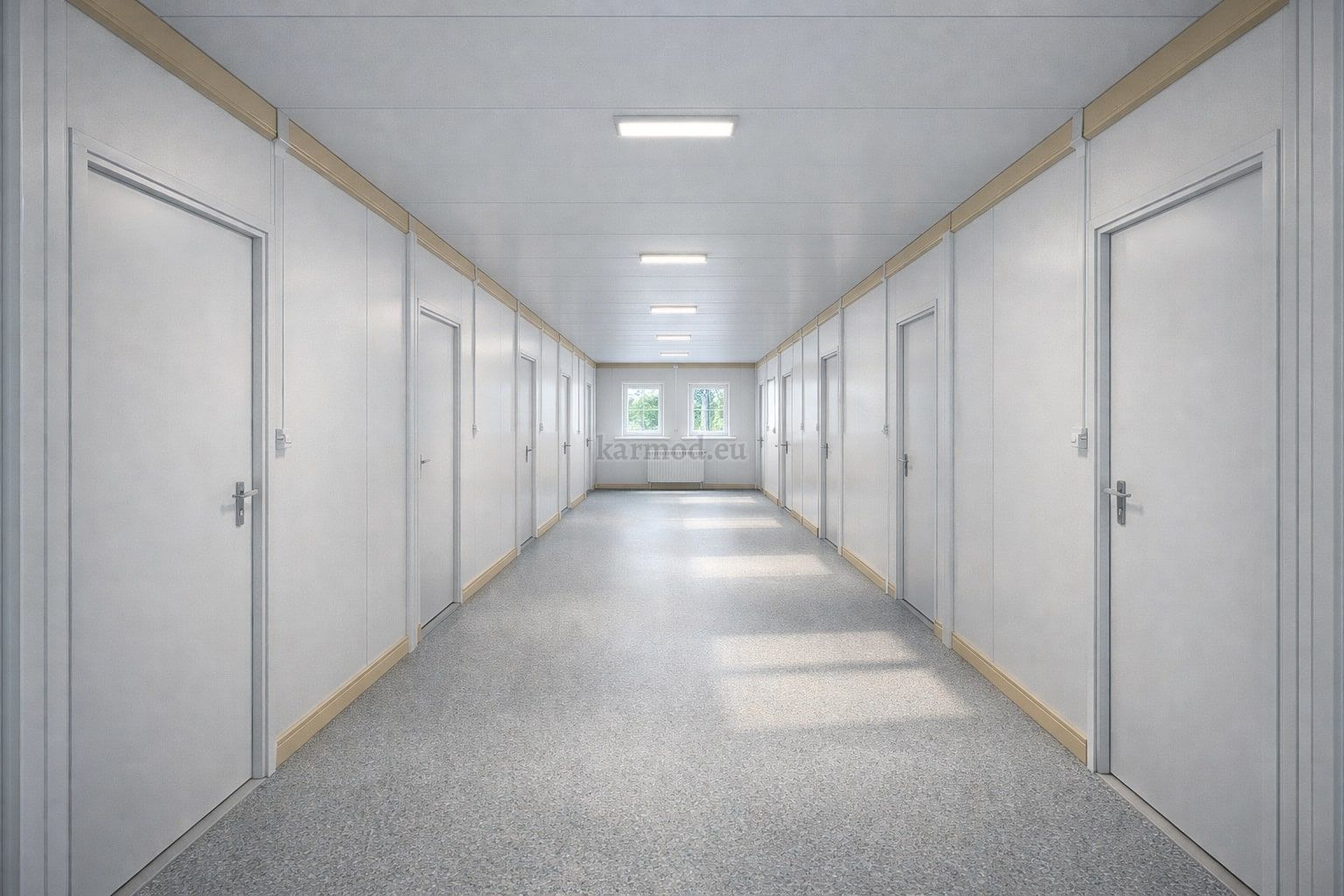
Custom design and technical specifications are then developed. Layouts, insulation levels, fire protection measures, and mechanical systems are defined to suit operational needs. Once designs are approved, production takes place in a factory environment where quality control is applied at every stage.
Completed units or components are prepared for delivery to Egypt, with logistics planning ensuring efficient transportation and compliance with import procedures. On-site installation is carried out by experienced teams, reducing construction disruption and enabling facilities to become operational within a short timeframe.
Key Considerations for Modular Buildings in Egypt
Thermal insulation is critical due to Egypt’s high temperatures. Proper wall and roof insulation helps maintain indoor comfort while reducing energy consumption.
Fire safety standards must align with local regulations and international norms. Fire-resistant materials, certified assemblies, and integrated safety systems are essential for both temporary and permanent buildings.
Climate suitability plays a decisive role in long-term performance. Structures must withstand heat, dust, and varying humidity levels, making material selection and detailing particularly important.
Custom layouts allow organizations to adapt buildings to specific workflows, occupancy levels, and future expansion plans. This flexibility is one of the core advantages of modular construction in the Egyptian market.
With extensive experience in industrialized construction, Karmod applies international best practices to projects in Egypt. Drawing on expertise developed across Europe, the Middle East, and Africa, Karmod modular building solutions are designed to meet demanding climatic conditions while maintaining consistent quality and compliance standards. This experience provides decision-makers with confidence when planning modular and prefabricated projects in complex development environments.
For organizations seeking reliable, time-efficient construction methods in Egypt, modular buildings and prefabricated building systems represent a structured approach that supports growth, operational efficiency, and long-term asset value without compromising on quality or performance.