





For decision-makers operating in Greece, building strategy is increasingly shaped by speed, cost control, and long-term operational efficiency. Across infrastructure, energy, logistics, and public-sector projects, companies and institutions are reassessing how facilities are planned and delivered. Within this context, modular buildings and prefabricated building systems have become practical construction models rather than niche alternatives. Their ability to respond to regulatory requirements, workforce constraints, and climate conditions makes them particularly relevant for projects across mainland Greece and the islands.
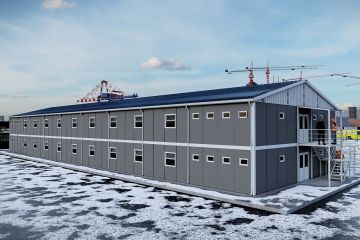
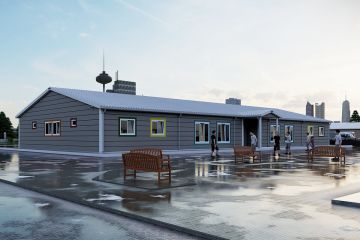
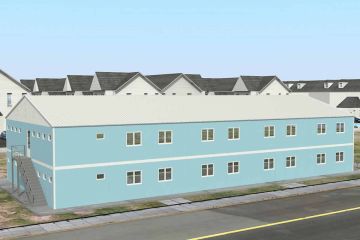
Why Modular Buildings Are in High Demand in Greece
Several structural factors are driving the demand for modular buildings in Greece. Labor availability remains uneven, especially for large-scale or time-sensitive projects. Skilled construction labor costs have increased, while project schedules are under constant pressure from funding frameworks and seasonal constraints. Modular buildings reduce on-site labor dependency by shifting most of the production process to controlled factory environments.
Construction timelines are another decisive factor. Traditional building methods often face delays related to permitting, weather conditions, and subcontractor coordination. Modular buildings allow parallel processes: site preparation progresses while building modules are manufactured. This approach significantly shortens project delivery time, which is particularly valuable in Greece’s tourism-driven economy, where facilities often need to be operational within narrow seasonal windows.
Temporary and permanent building needs coexist across the country. Infrastructure upgrades, renewable energy investments, and logistics hubs require fast-deploying structures, while education, healthcare, and municipal projects demand durable, long-term solutions. Sectors such as port logistics, energy generation, public administration, and industrial manufacturing increasingly rely on modular systems to meet these mixed requirements without compromising compliance or comfort.
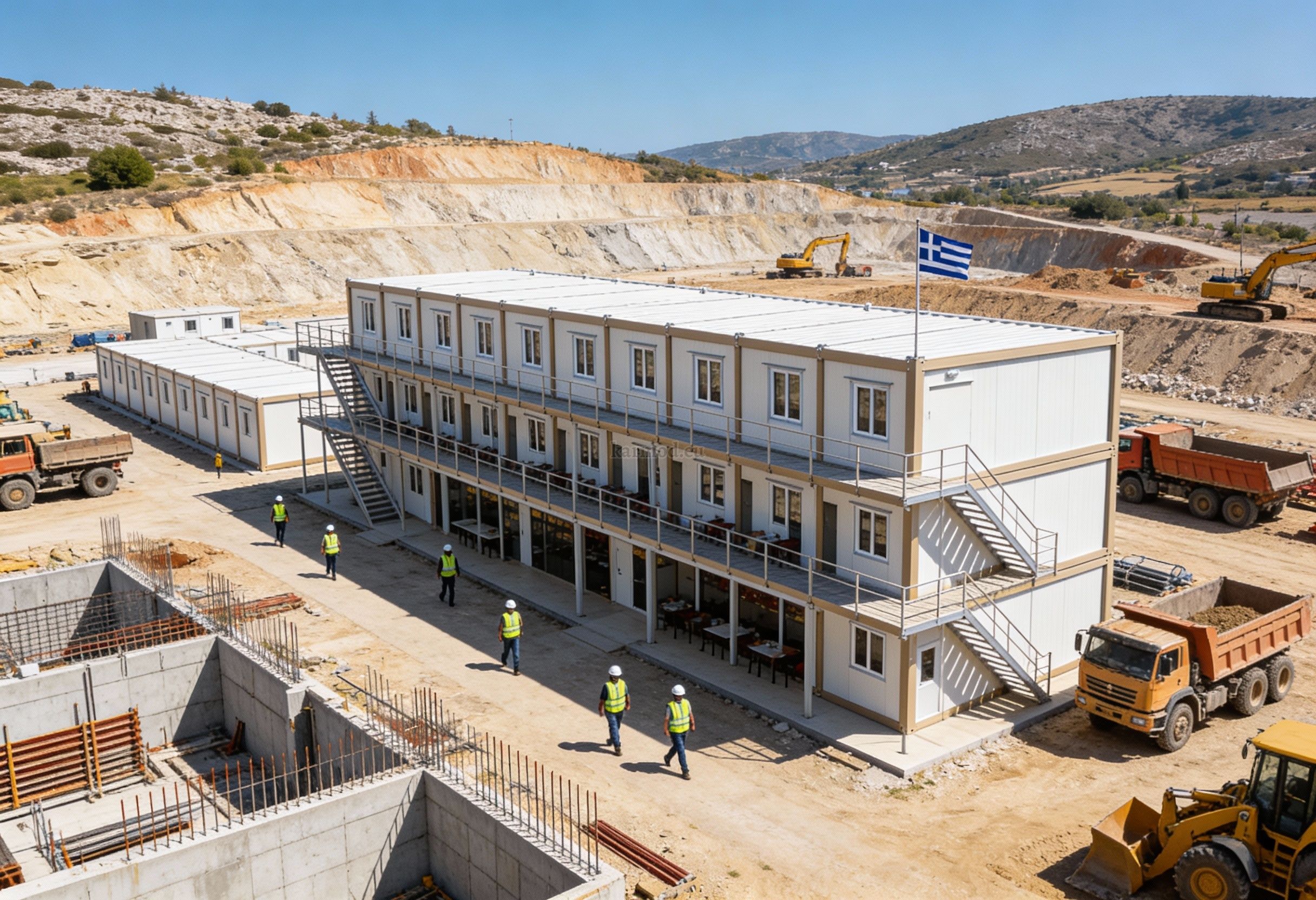
Modular Buildings vs. Prefabricated Building Systems
Understanding the distinction between modular buildings and prefabricated building systems is essential for selecting the right solution for a project in Greece.
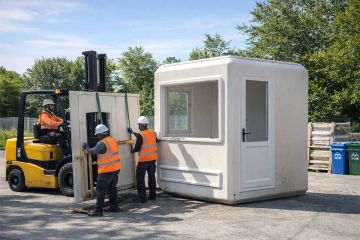
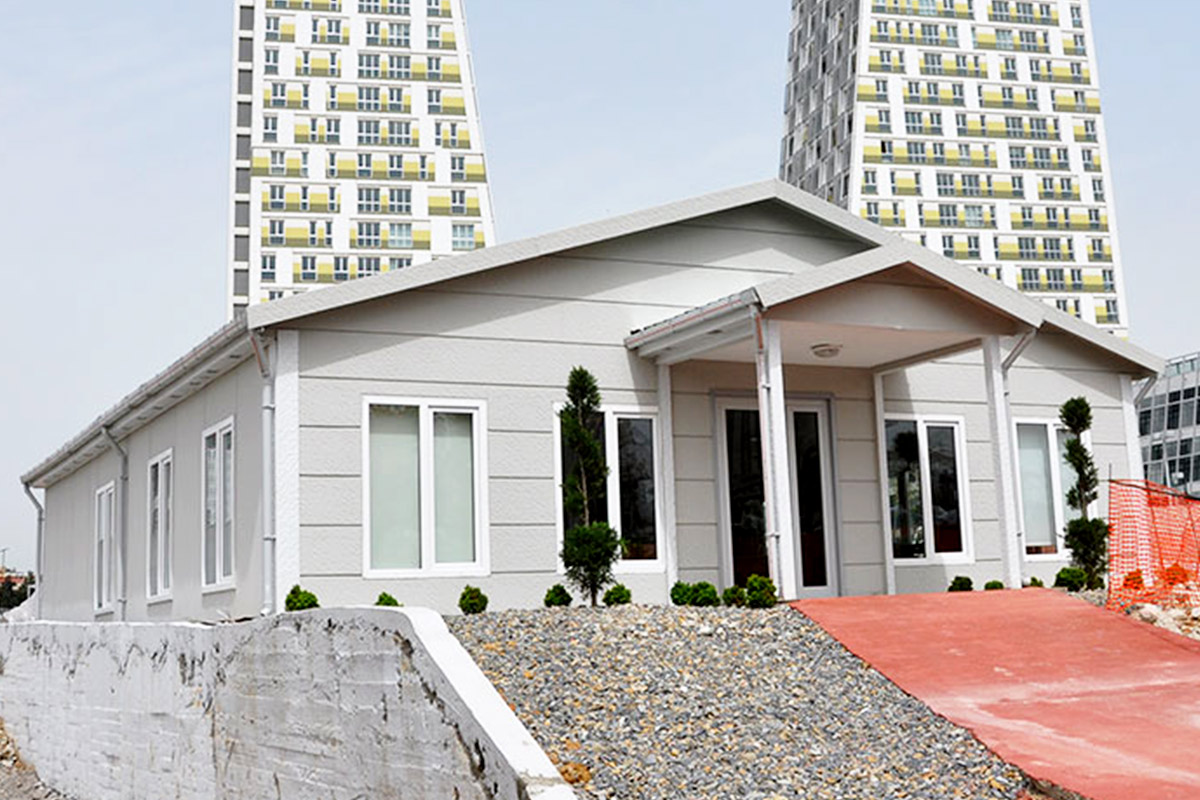
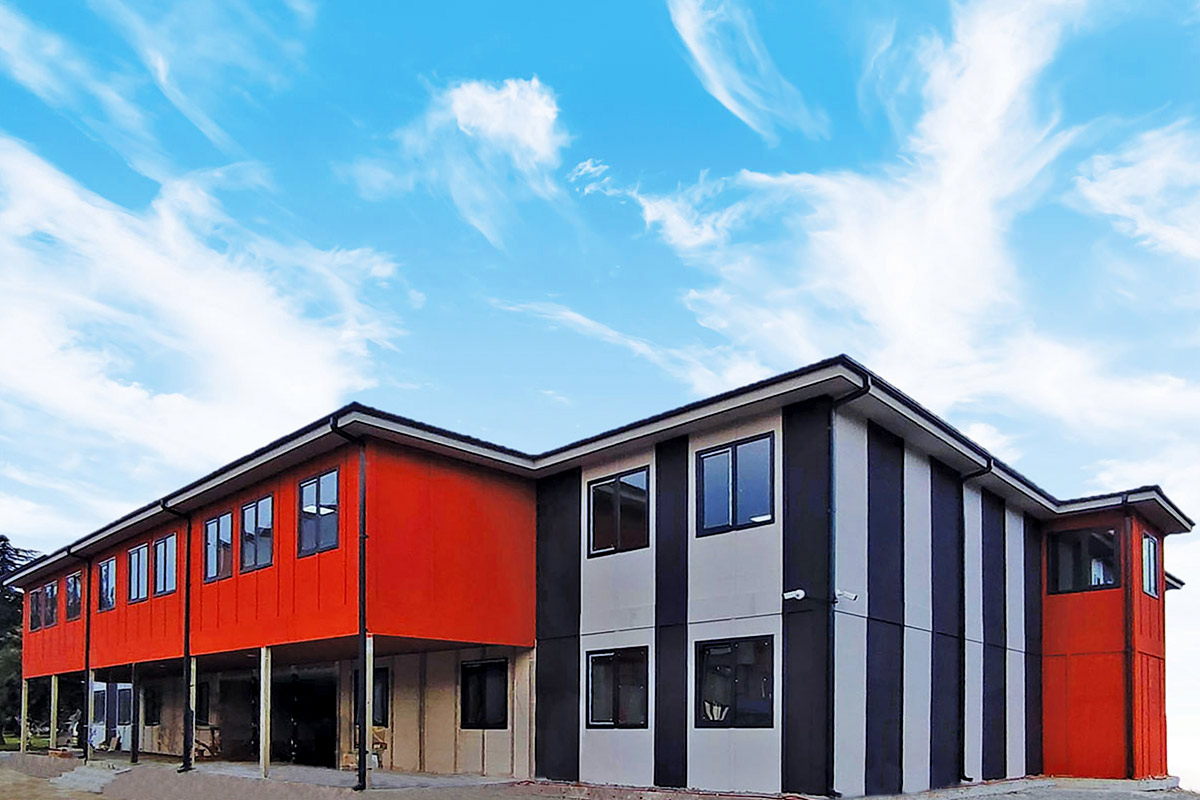
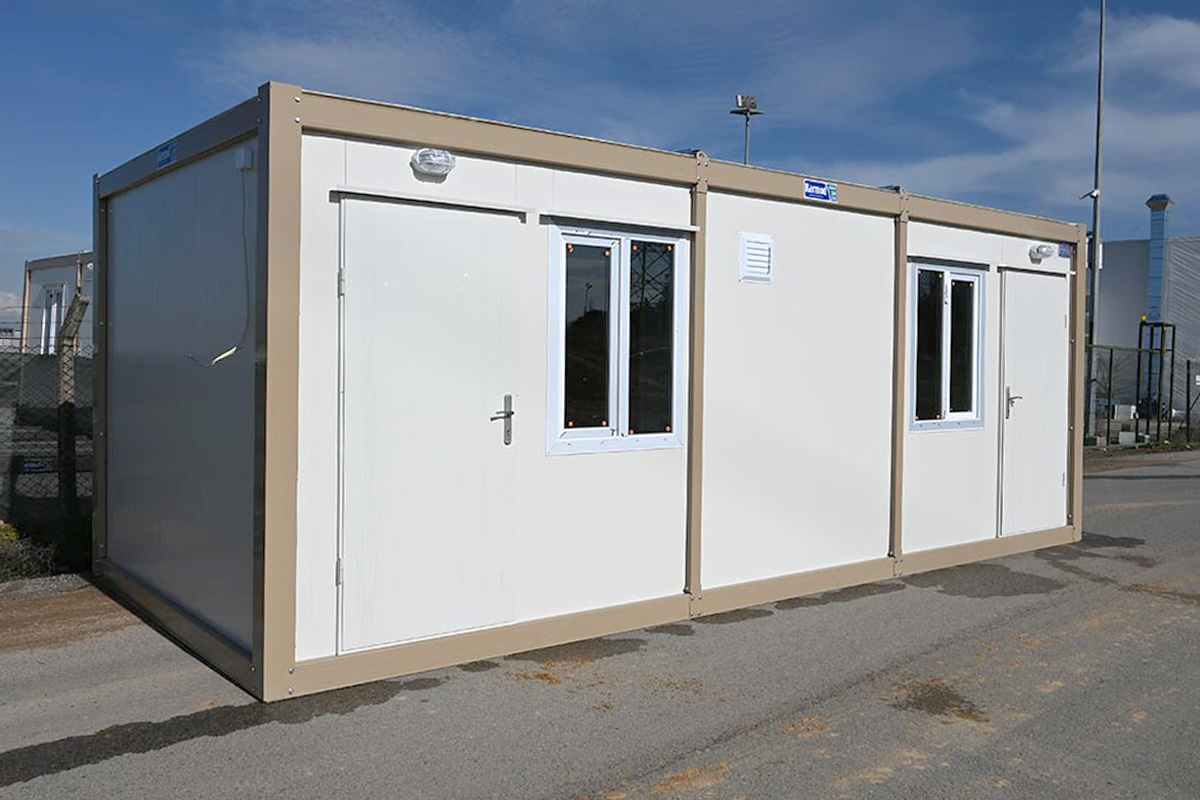
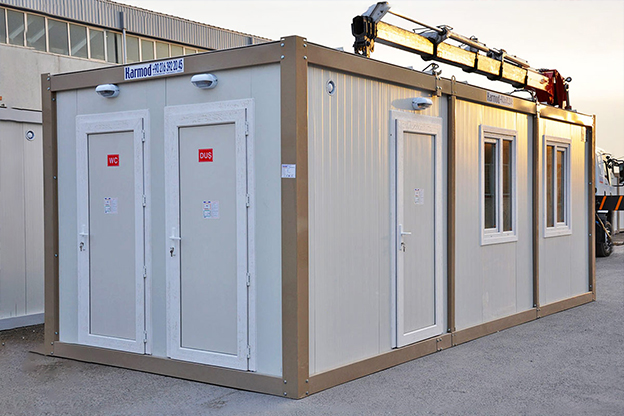
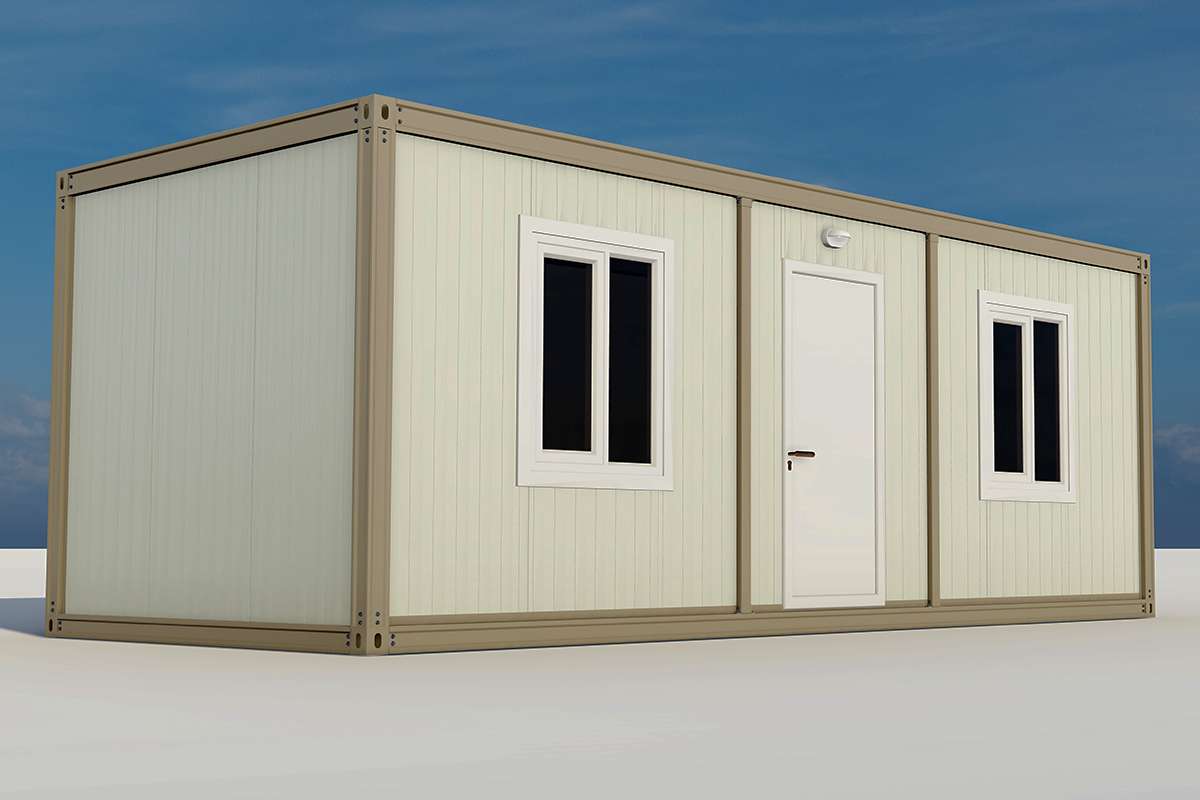
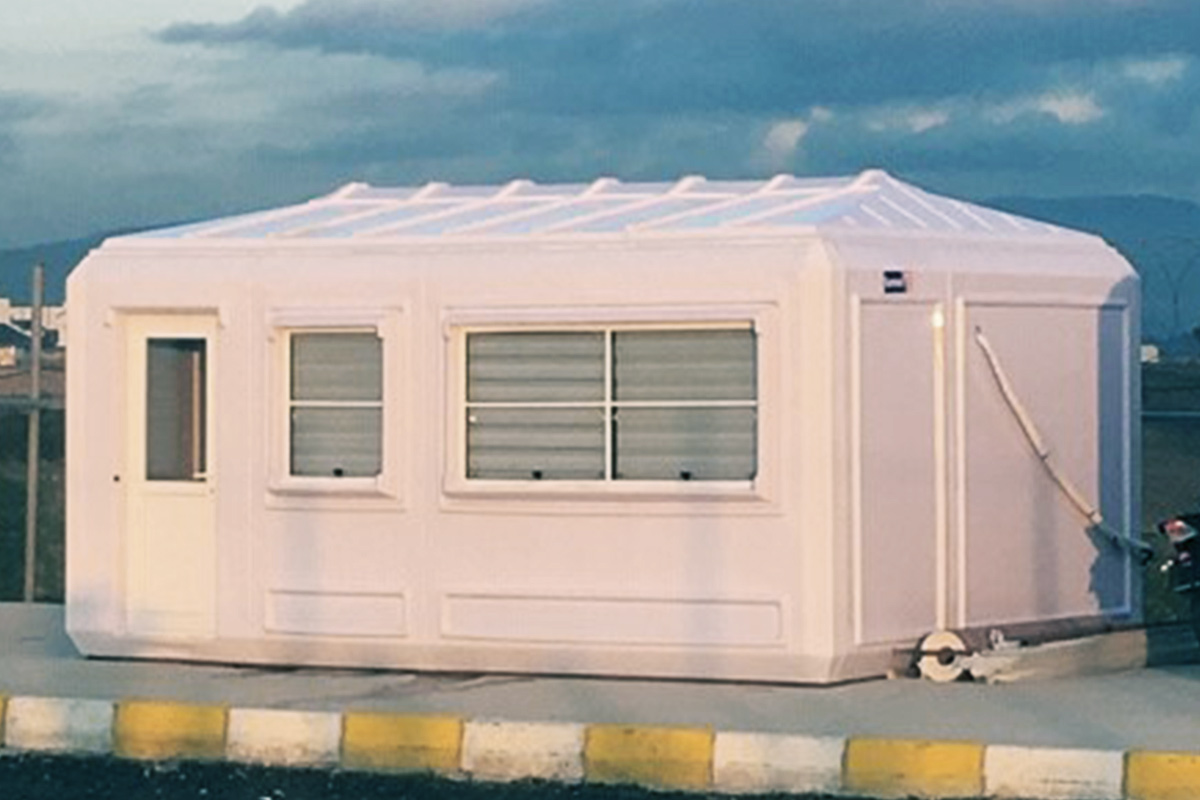
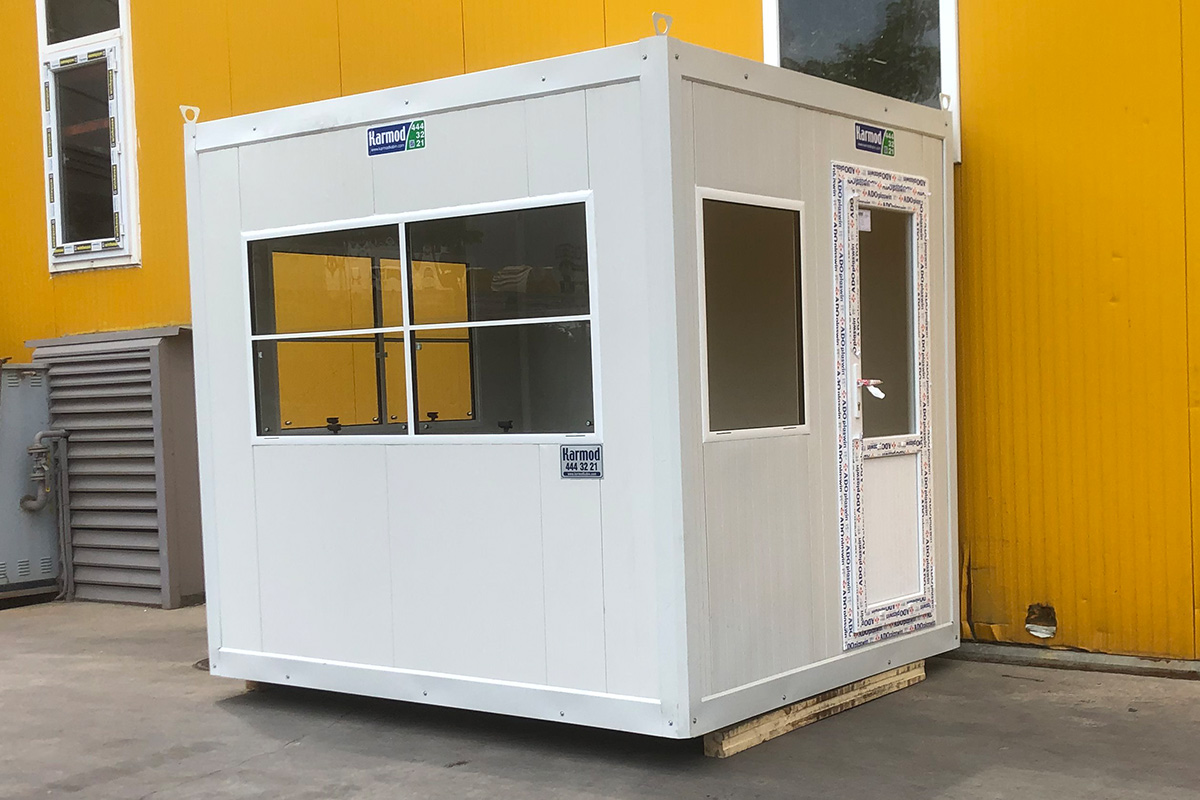
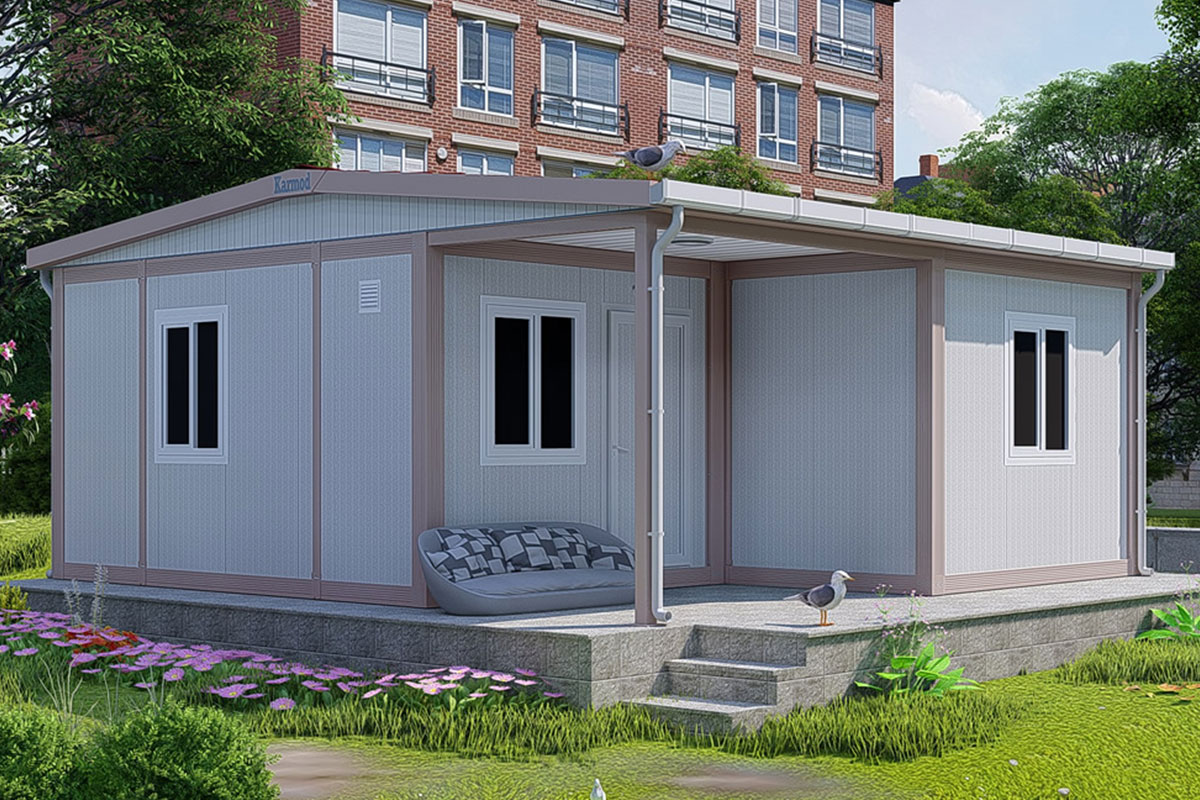
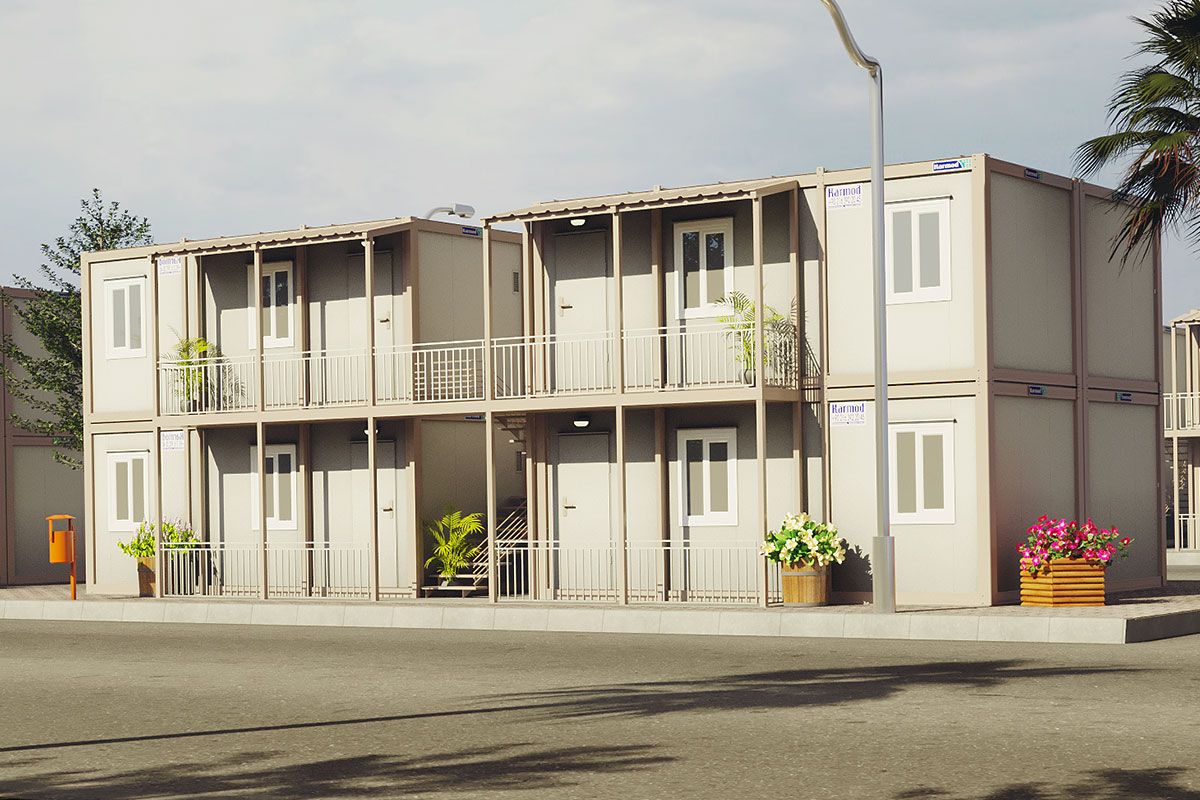
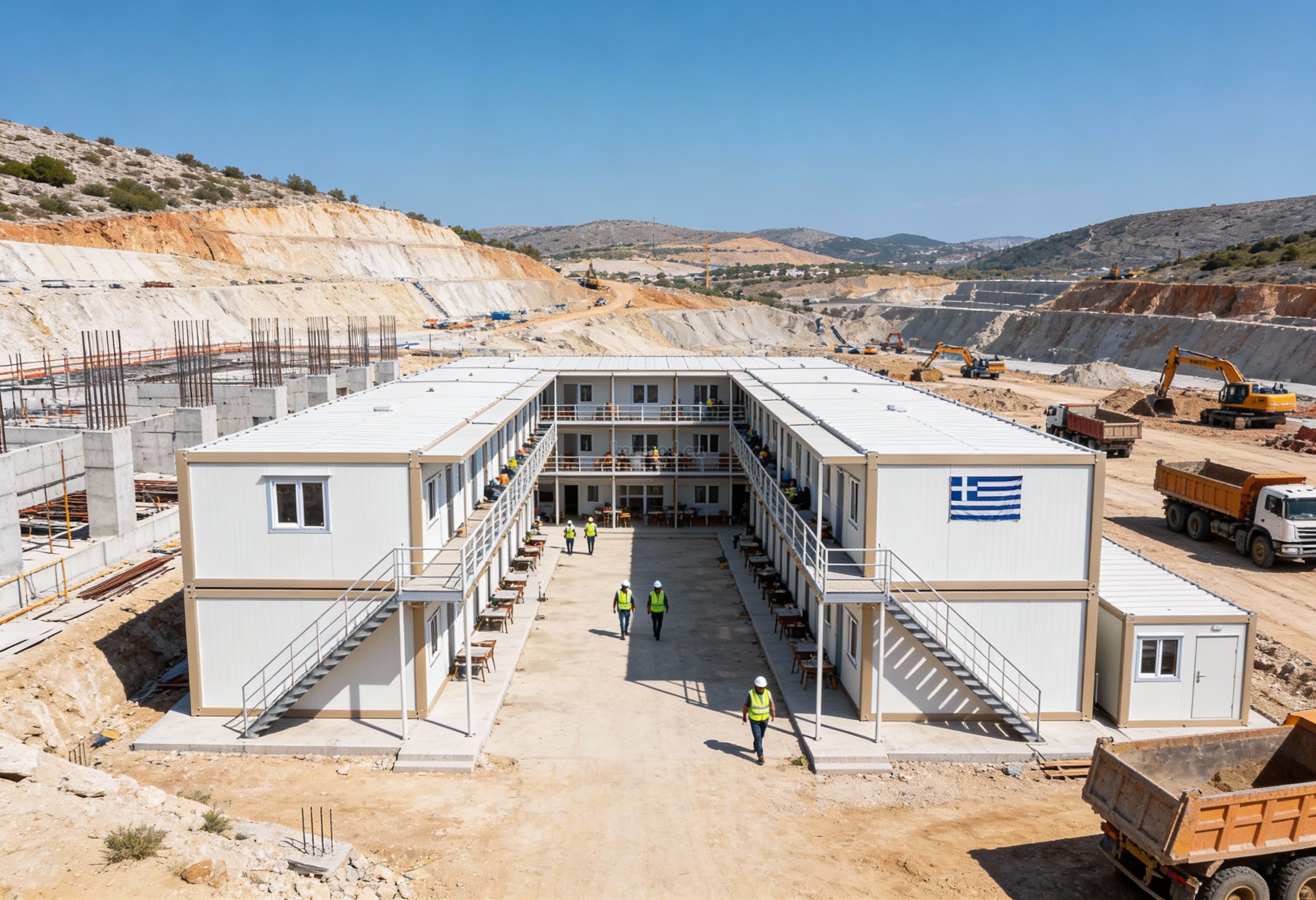
Modular buildings are produced as volumetric units. Each module is fully or partially finished in the factory, including structural elements, insulation, and interior components. These modules are then transported and assembled on-site. This approach offers flexibility, allowing buildings to be relocated, expanded, or reconfigured as operational needs evolve. In Greece, modular buildings are frequently preferred for infrastructure projects, energy facilities, and temporary operational sites where adaptability is critical.
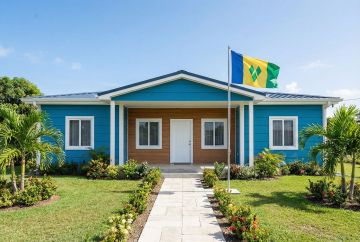
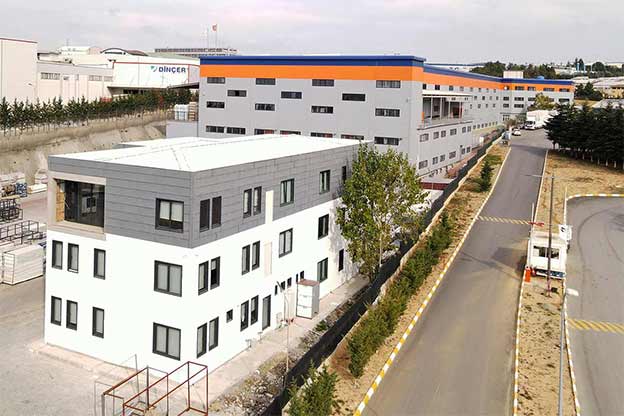
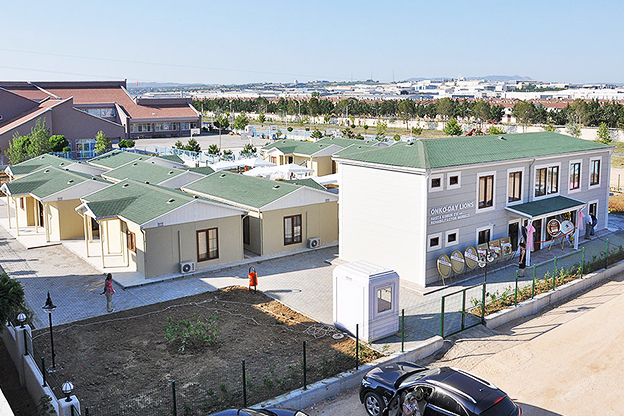
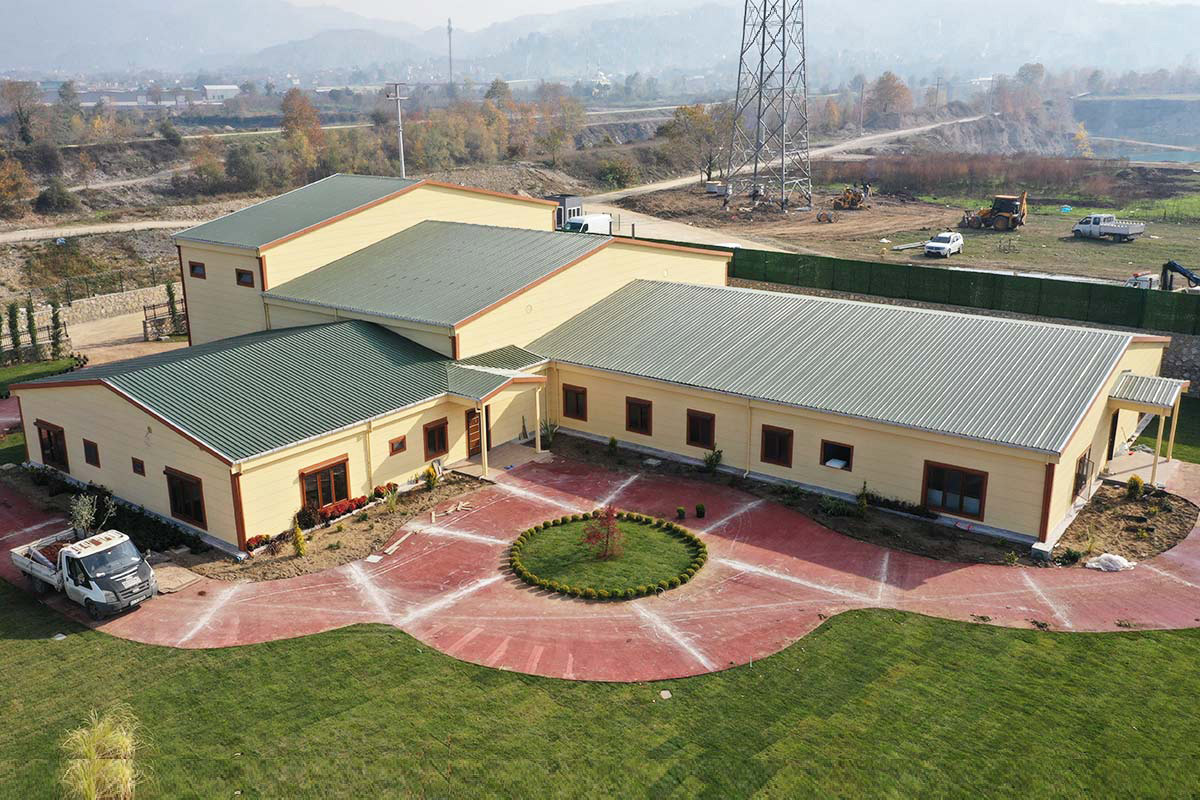
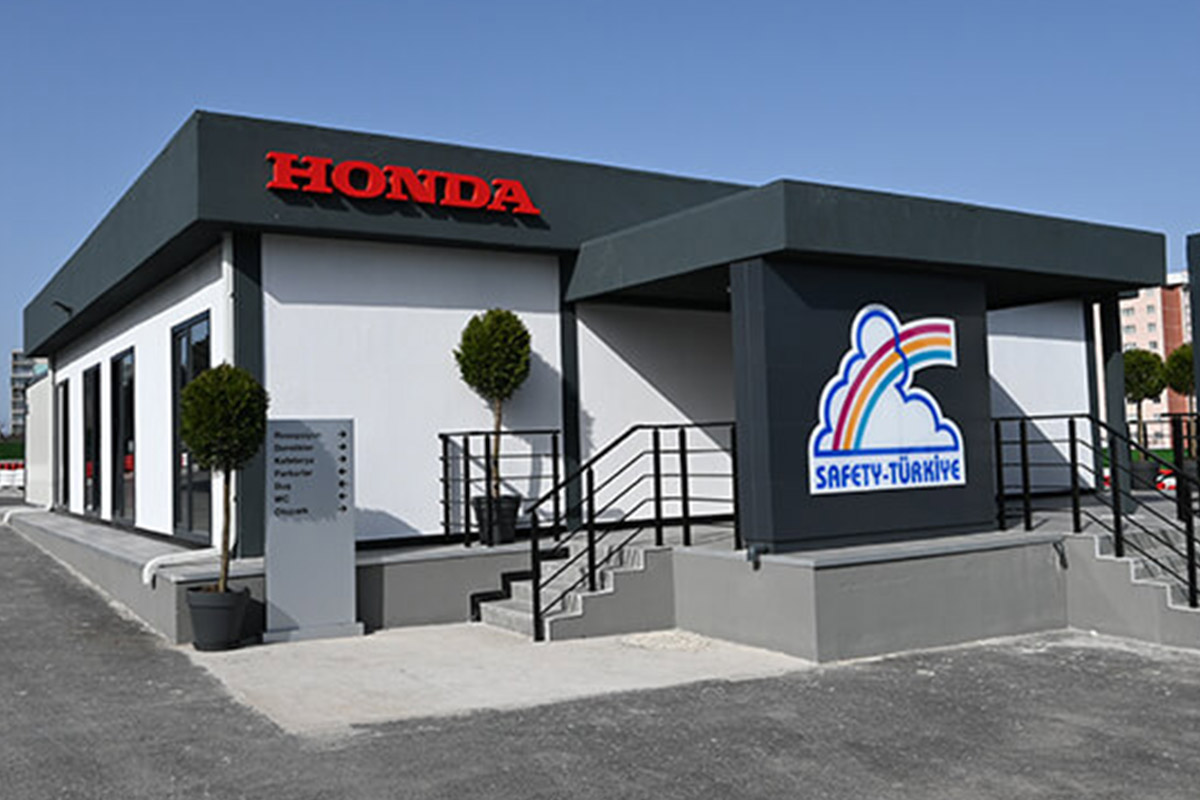
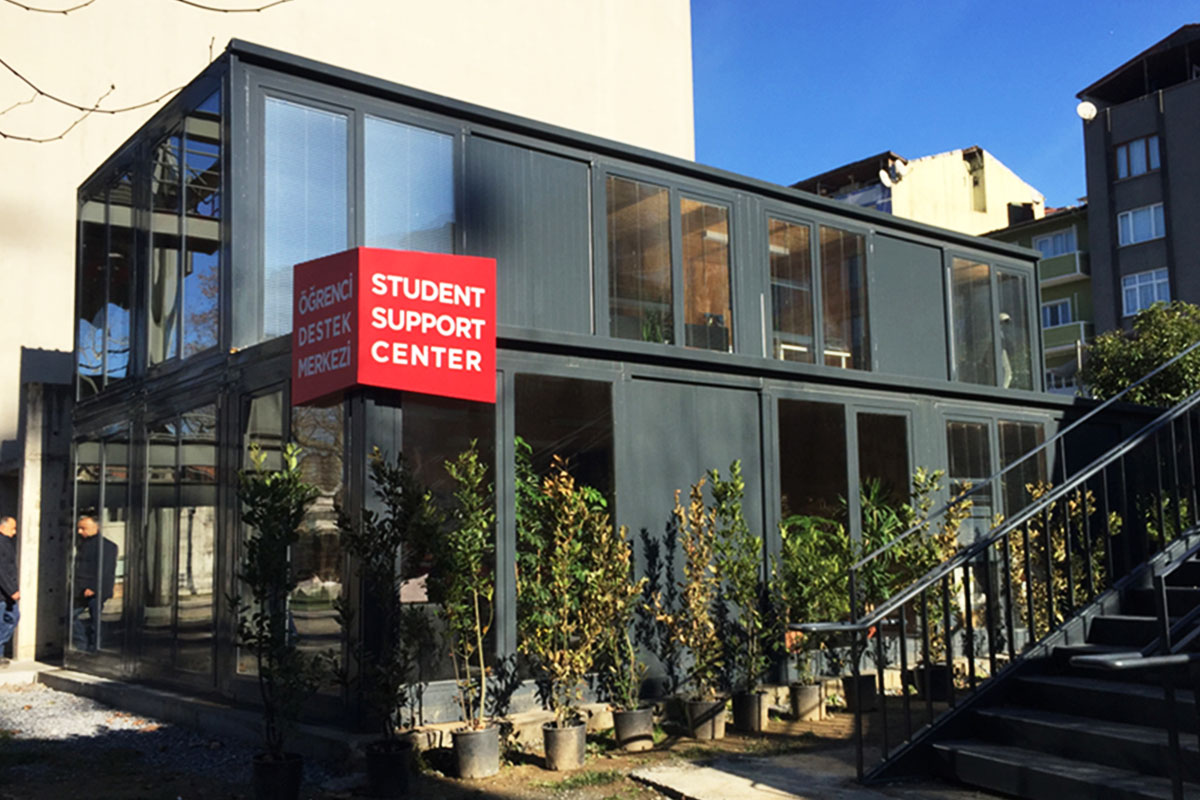
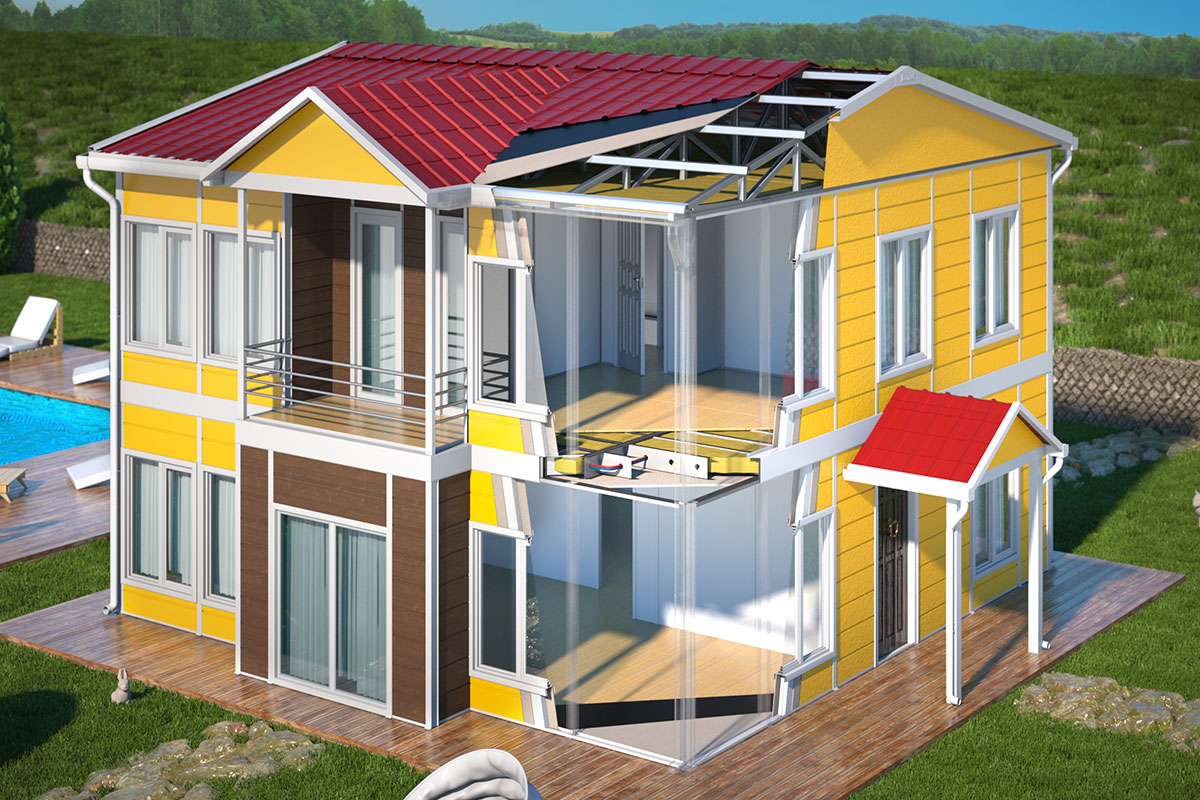
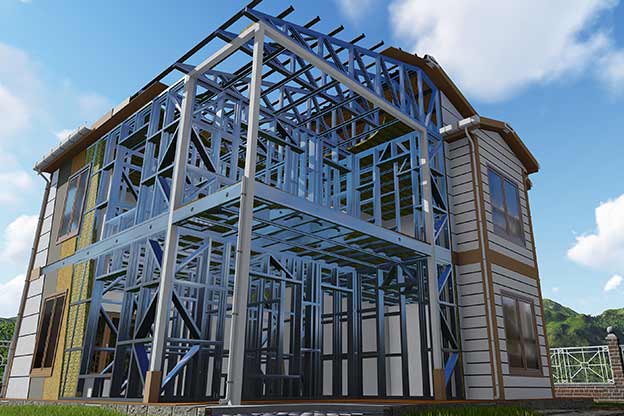
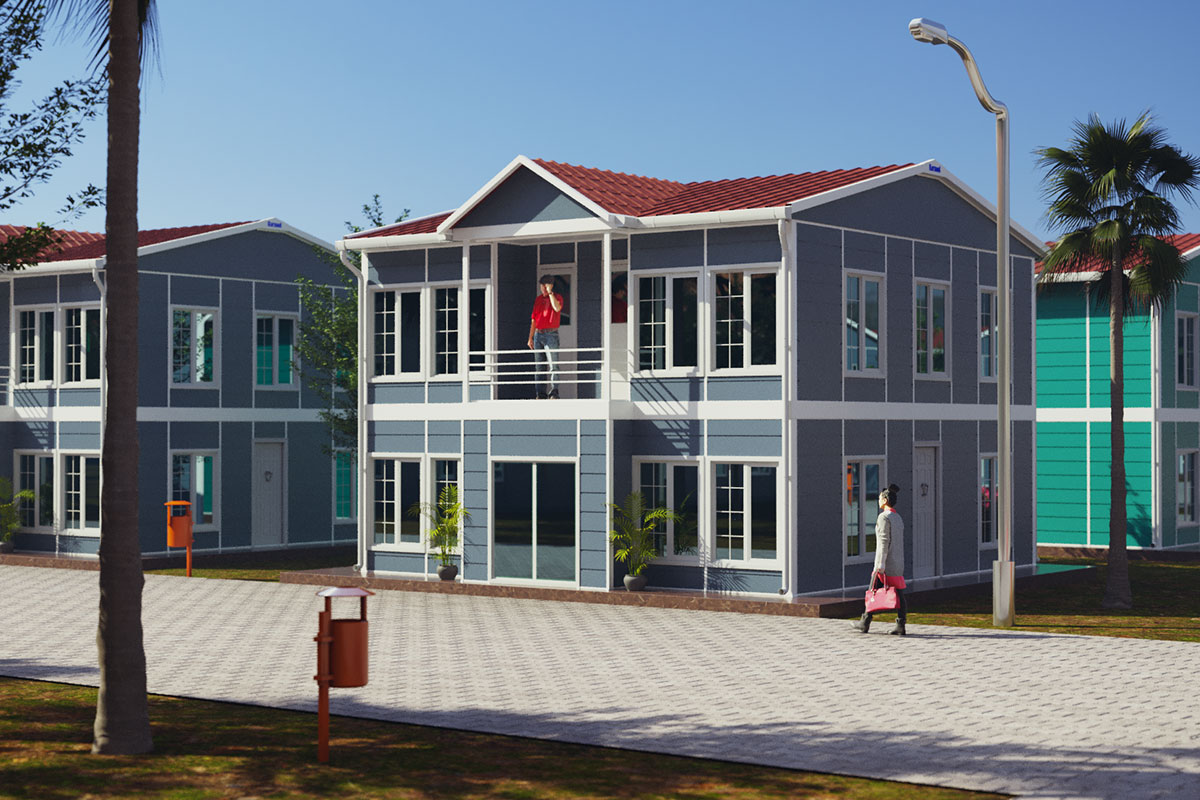
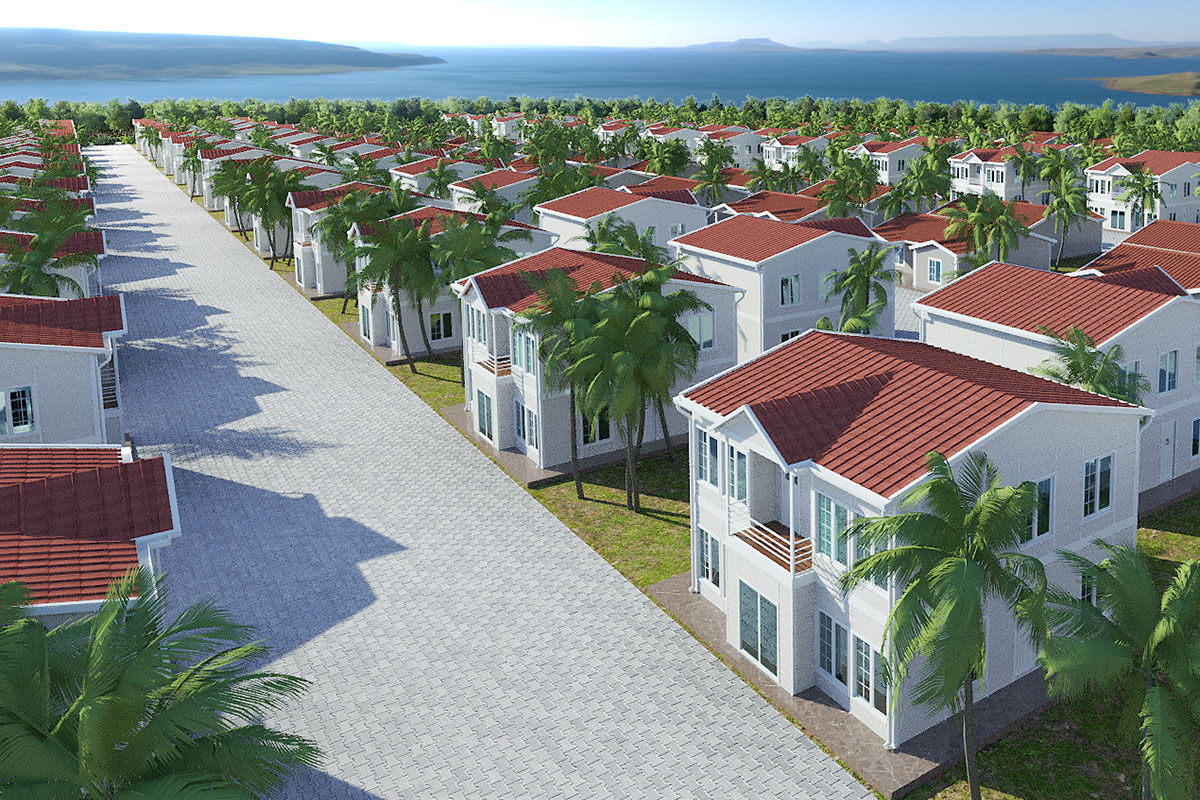
A prefabricated building, by contrast, is typically constructed using panels or pre-manufactured structural elements. These components are assembled on-site to form a permanent structure. Prefabricated building systems are well suited for long-term facilities such as schools, healthcare units, and administrative buildings where architectural integration and durability are priorities.
In practice, Greece-based projects often combine both approaches. Remote island installations or short-term industrial operations lean toward modular buildings, while mainland public-sector developments often favor prefabricated building systems designed for extended service life.

Applications of Modular and Prefabricated Buildings in Greece
Modular and prefabricated solutions support a wide range of applications across Greece, adapting to both urban and remote environments:
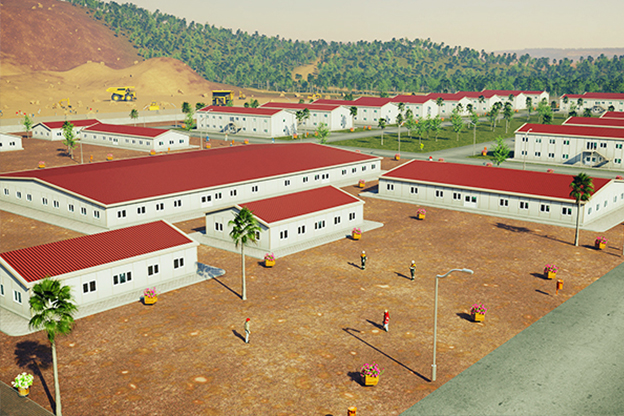
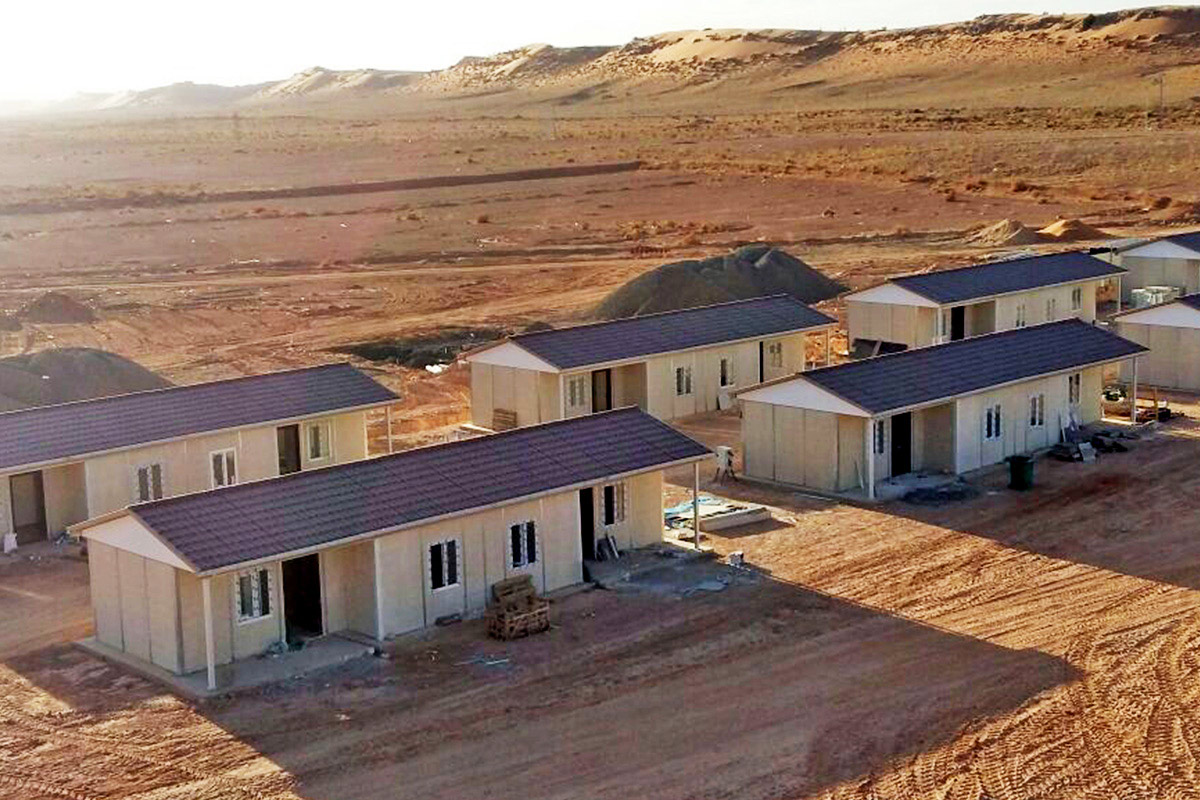
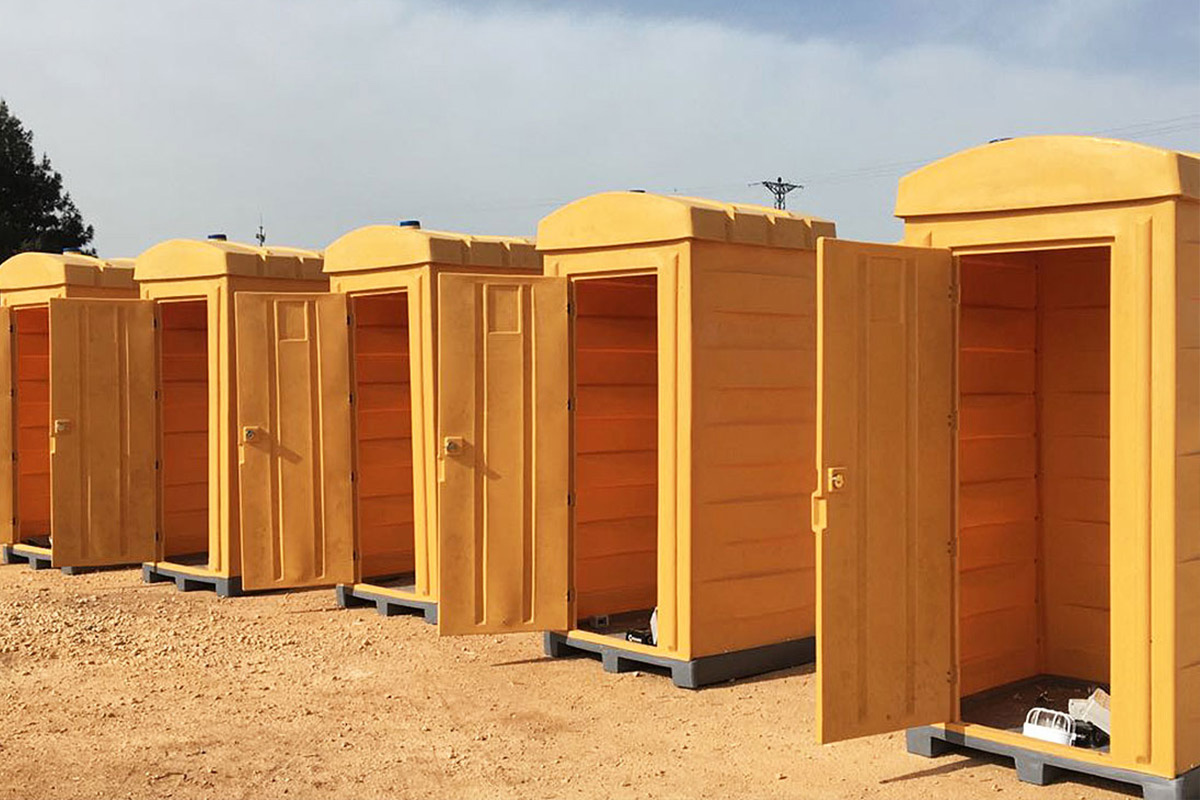
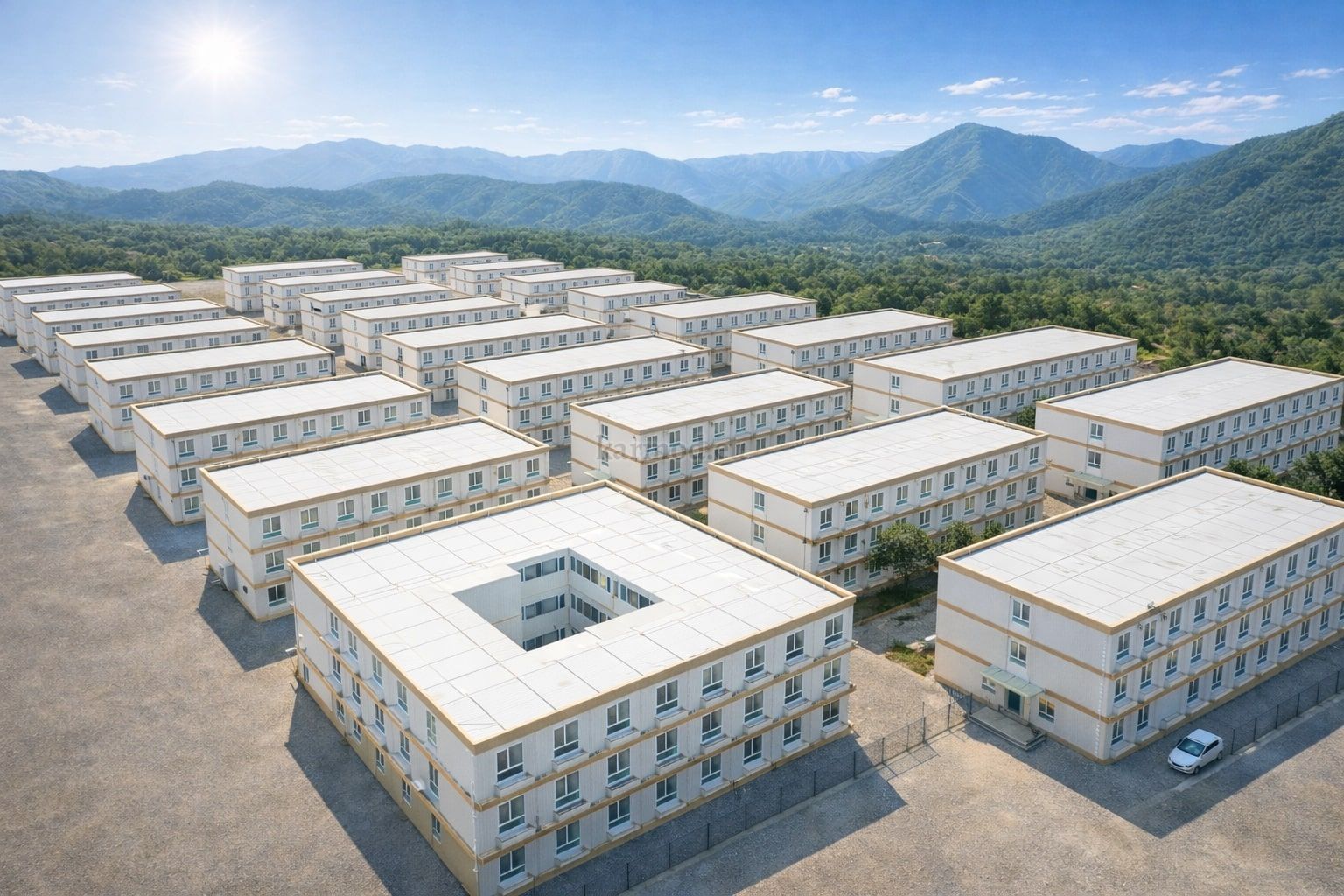
- Site offices & construction camps supporting infrastructure, port expansion, and renewable energy projects
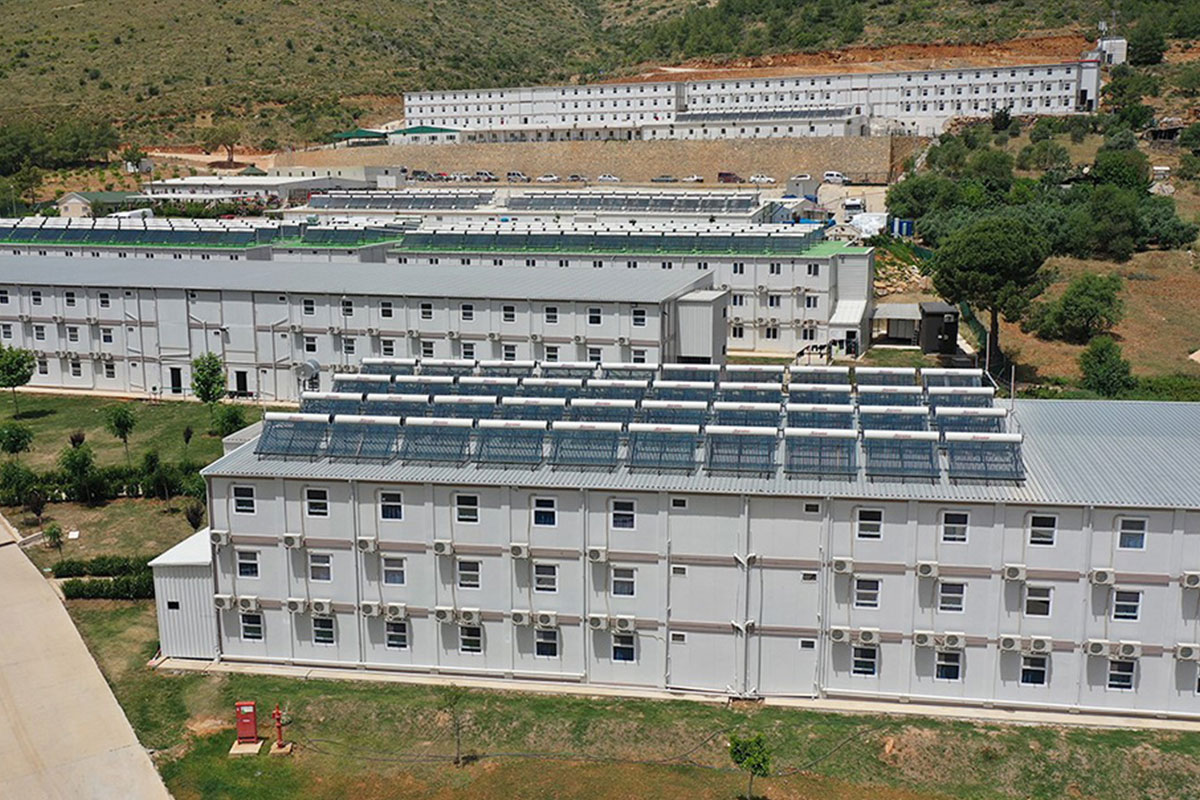
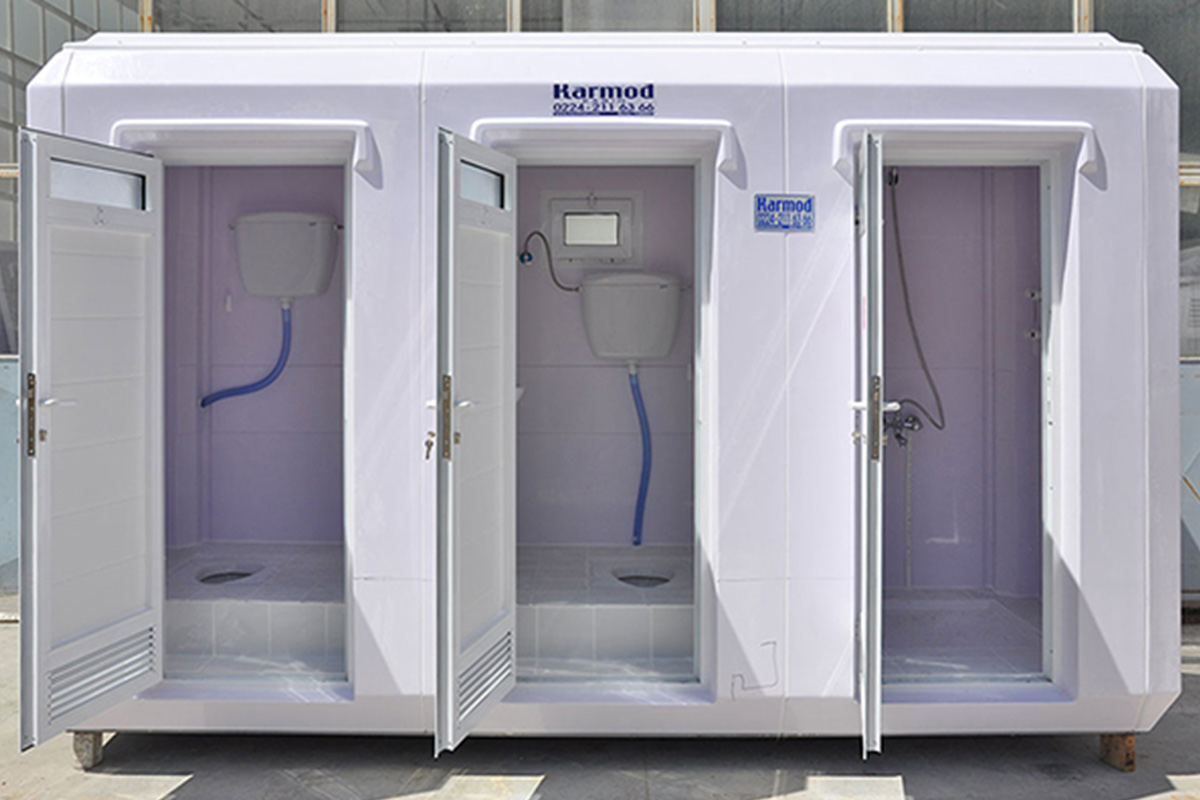
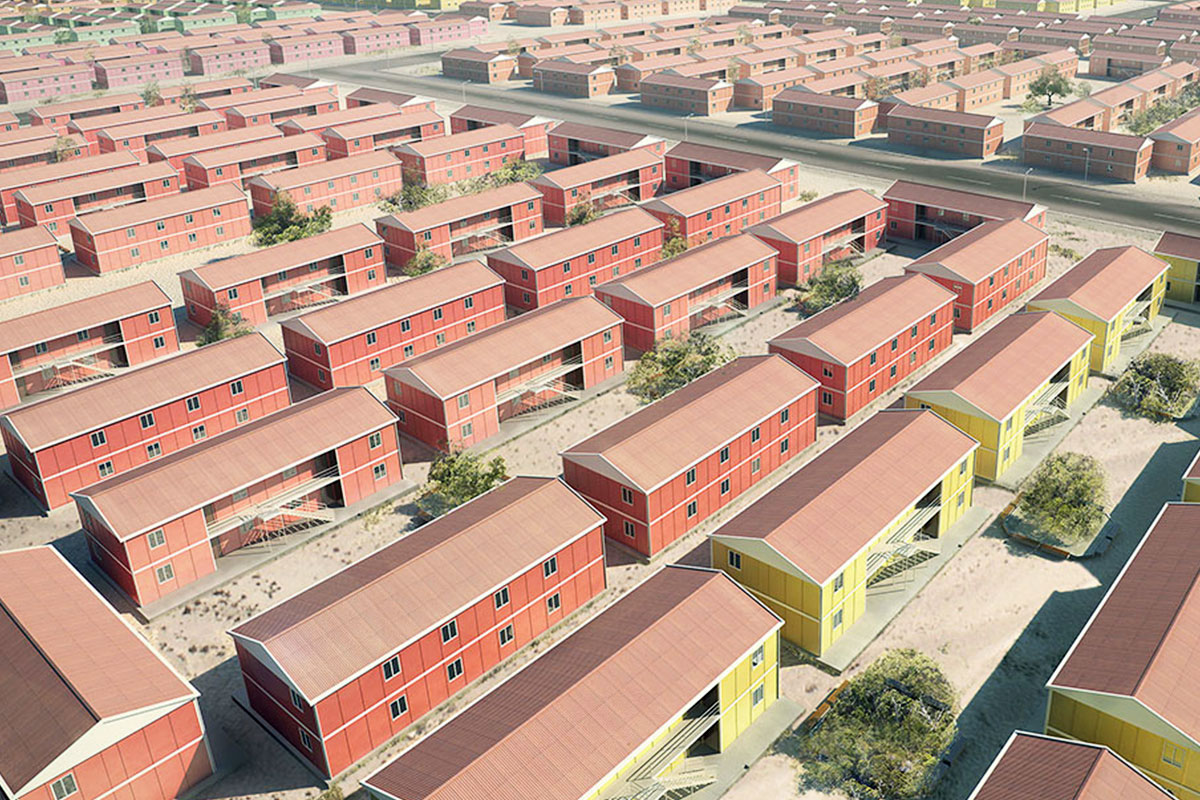
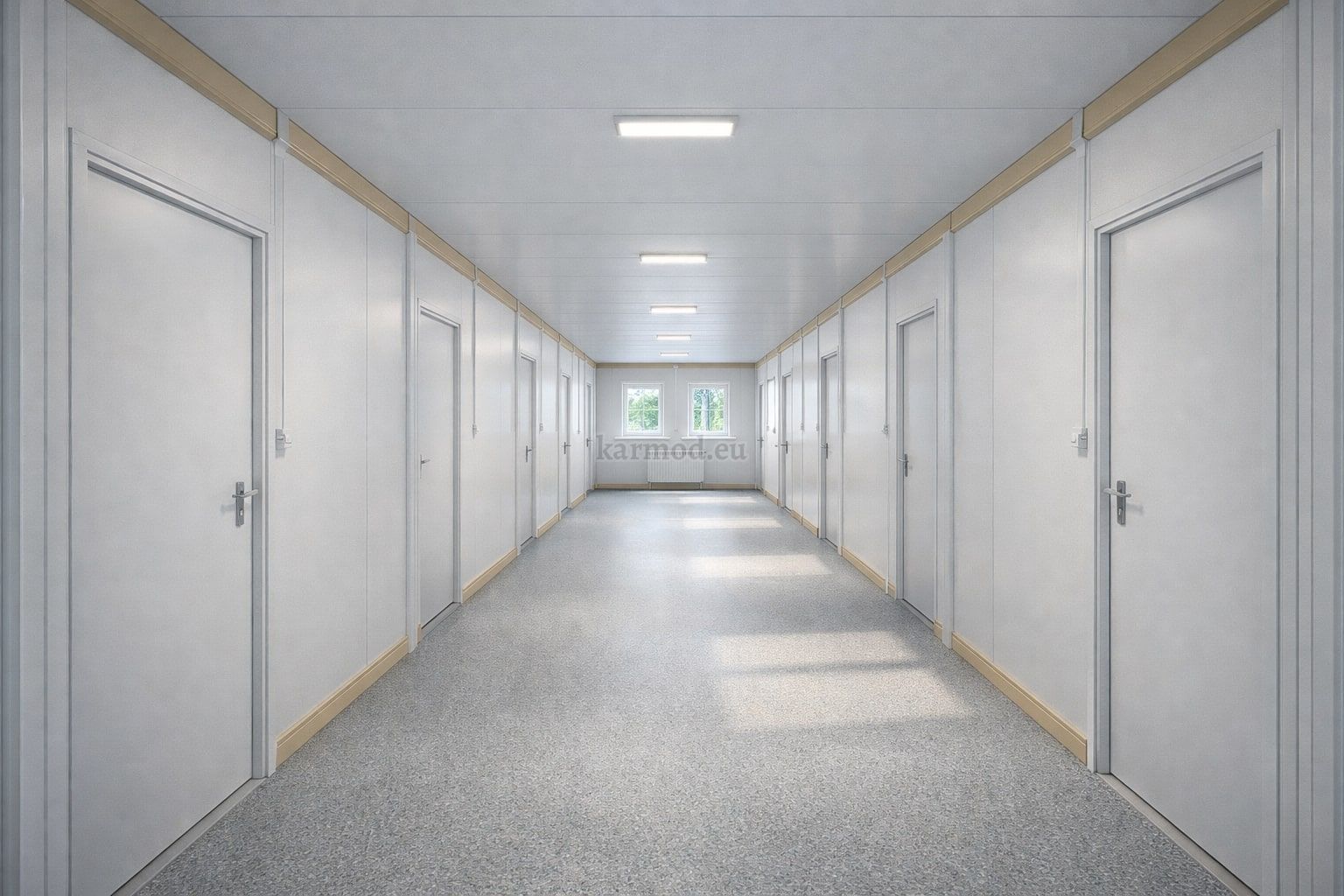
- Worker accommodation buildings for industrial zones, shipyards, and seasonal workforce housing
- Temporary schools & healthcare units addressing capacity needs during renovations or regional development programs
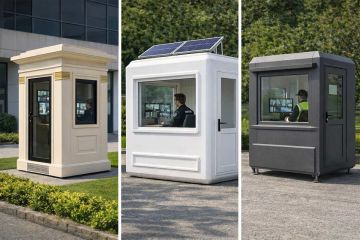
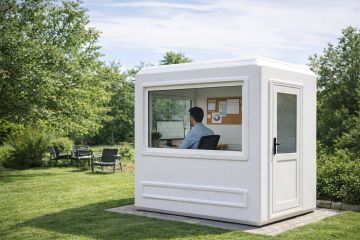
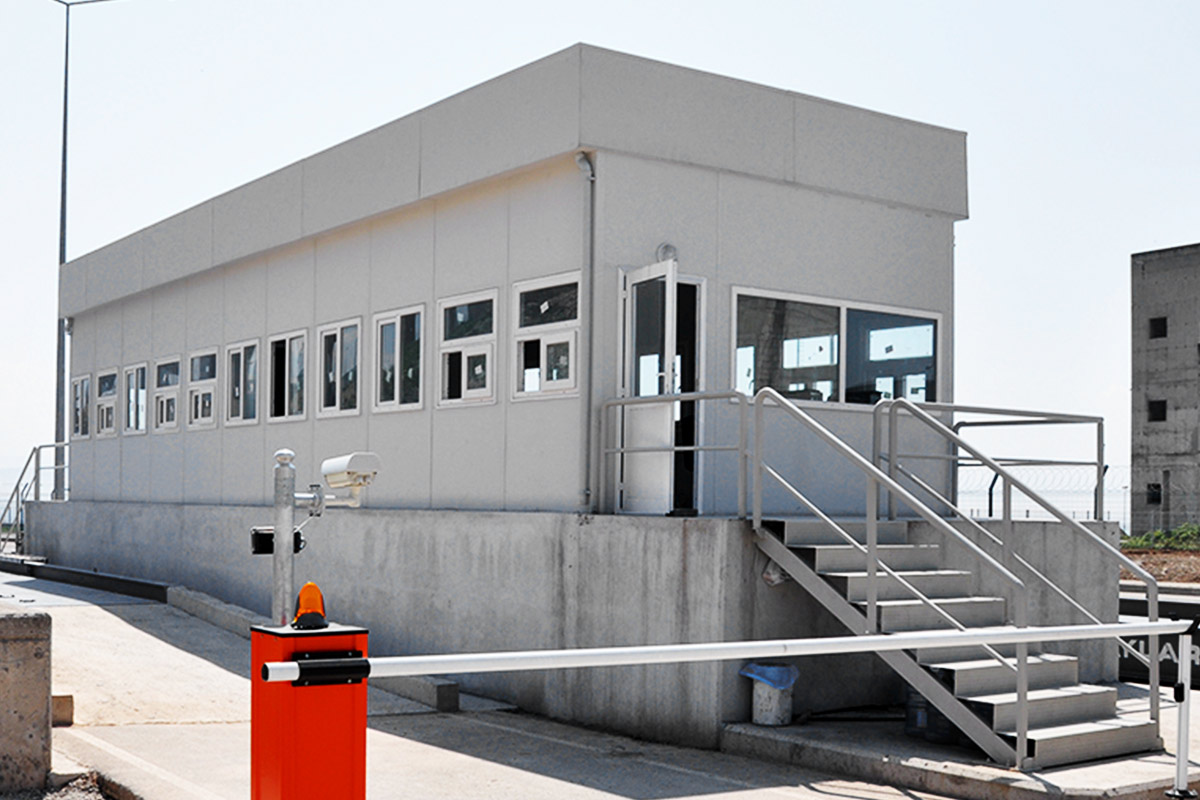
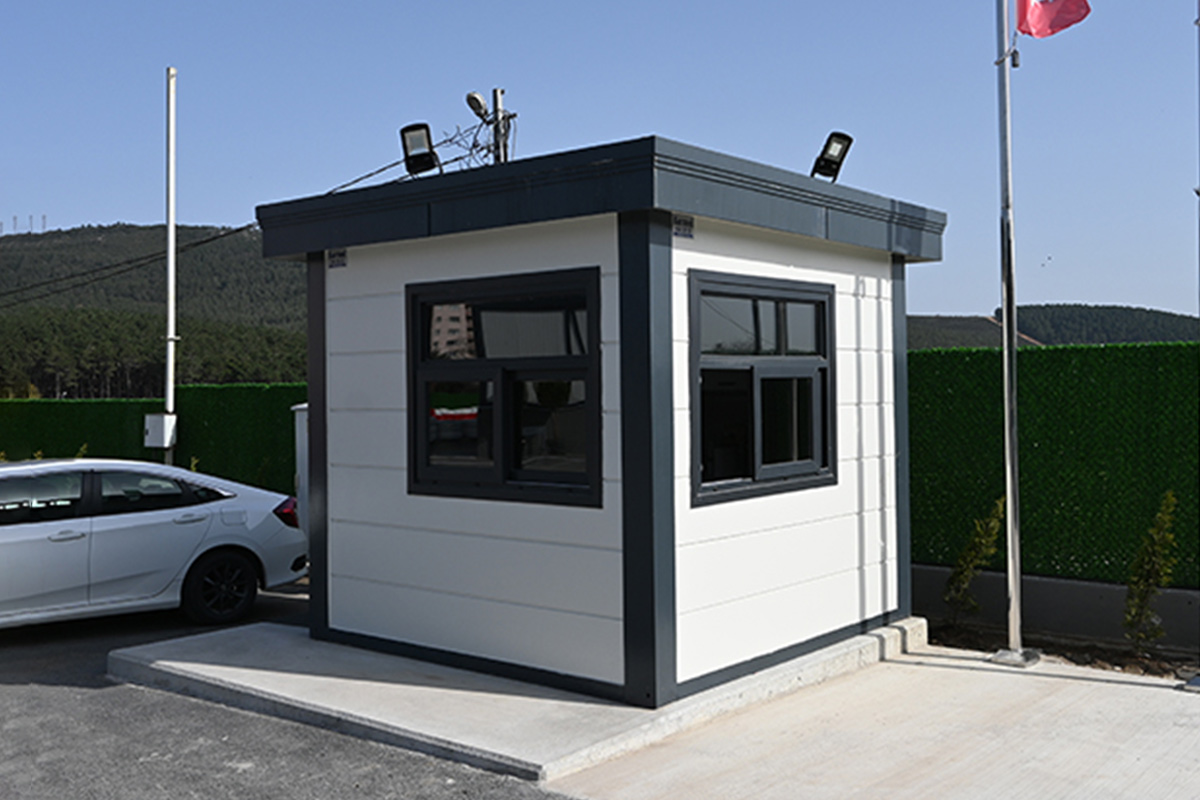
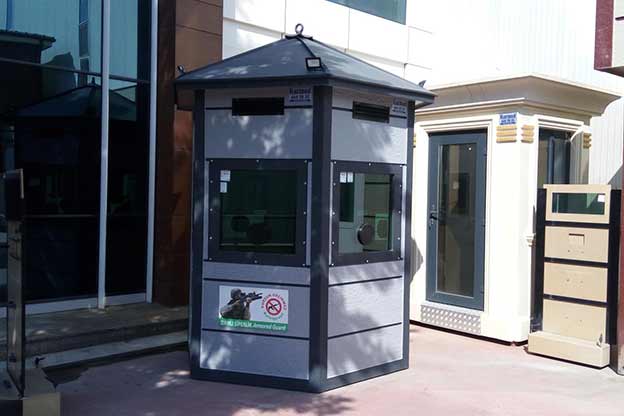
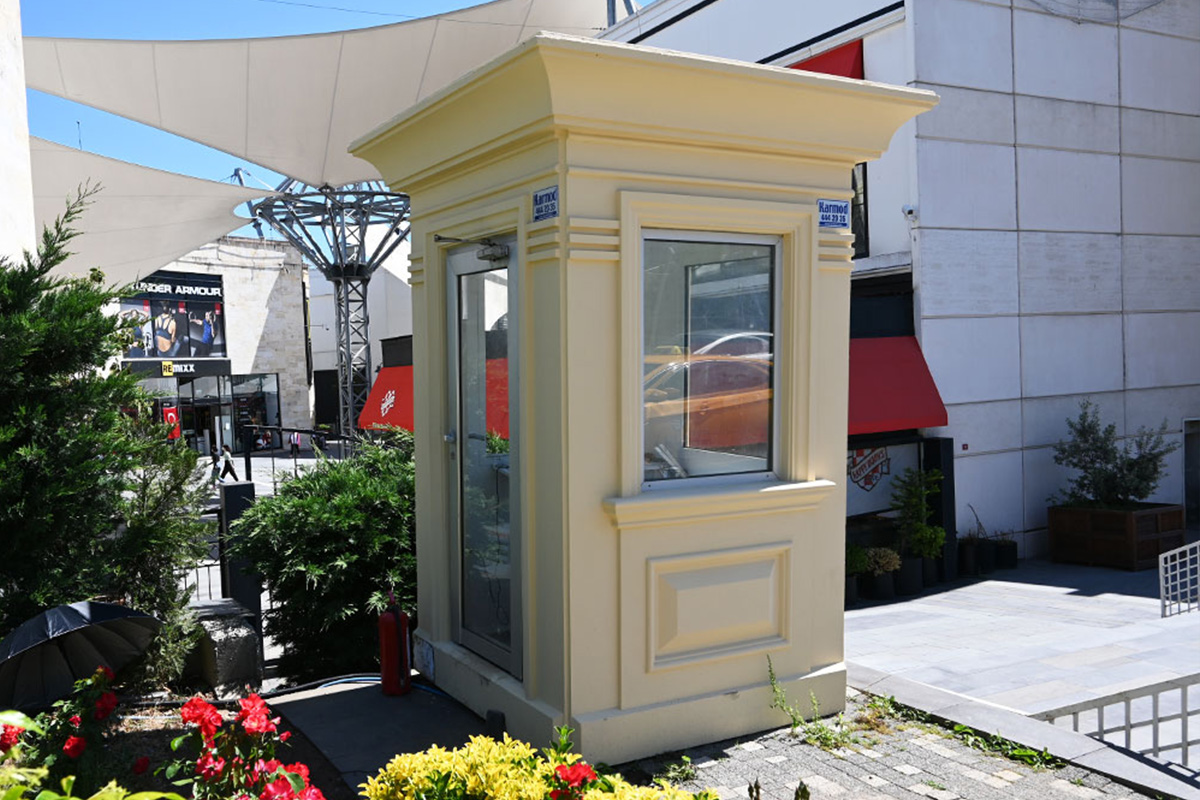
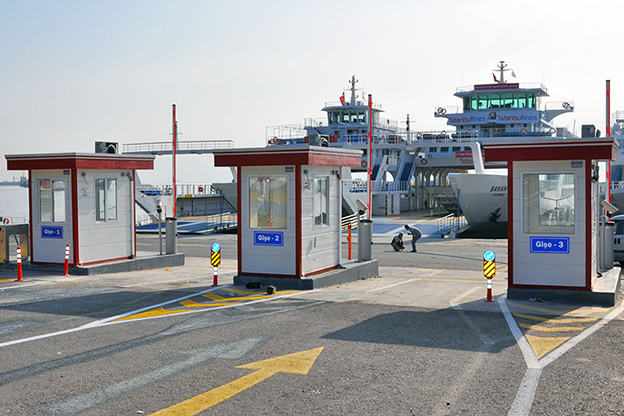
- Security buildings & technical units for ports, energy facilities, and logistics hubs
- Storage and logistics facilities designed for rapid deployment near transport corridors and industrial areas
These applications demonstrate how modular buildings integrate operational efficiency with regulatory compliance, even under complex site conditions.
From Design to Installation: How the Process Works
The delivery of modular and prefabricated buildings follows a structured process designed to minimize risk and maximize predictability.
The first step is project needs analysis, where operational requirements, site constraints, and regulatory considerations are clearly defined. This phase ensures that the building solution aligns with both functional and compliance expectations in Greece.
Next comes custom design & specifications. Layouts, insulation levels, fire safety measures, and technical systems are adapted to project needs and local climate conditions. Experienced manufacturers such as Karmod draw on international project data to balance standardization with customization.
During factory production, building components or modules are manufactured under controlled conditions. This stage improves quality consistency and reduces material waste, while allowing precise scheduling.
Once completed, units are prepared for delivery to Greece, including logistics planning for mainland or island locations. Transport considerations are integrated into the design phase to avoid delays.
The final stage is on-site installation, where modules or prefabricated elements are assembled efficiently. This process minimizes disruption to surrounding operations and accelerates project handover.
Key Considerations for Modular Buildings in Greece
Thermal insulation: Essential due to temperature variations between regions and seasons, ensuring energy efficiency and occupant comfort, particularly in coastal and island environments.
Fire safety standards: Must align with Greek and EU regulations. Certified materials and tested systems are critical for public and industrial buildings.
Climate suitability: Structures must withstand high solar exposure, coastal humidity, and wind loads, especially in maritime zones.
Custom layouts: Modular systems allow layouts to reflect specific workflows, occupancy requirements, and site limitations without compromising structural integrity.
Manufacturers with international experience, such as Karmod, apply these considerations consistently, drawing on projects delivered across Europe. Karmod modular building solutions are designed to meet diverse regulatory frameworks while maintaining operational reliability. In the Greek market, this experience translates into buildings that balance speed, durability, and long-term value.
For organizations planning construction investments in Greece, modular buildings and prefabricated building systems offer a structured, efficient path forward. When evaluated and implemented correctly, they support faster deployment, predictable costs, and adaptable infrastructure aligned with evolving operational needs.