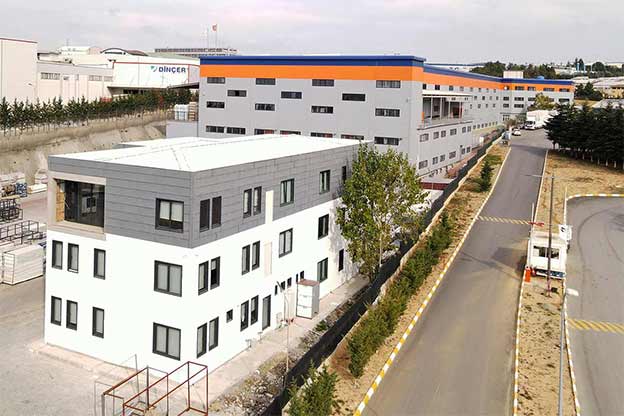


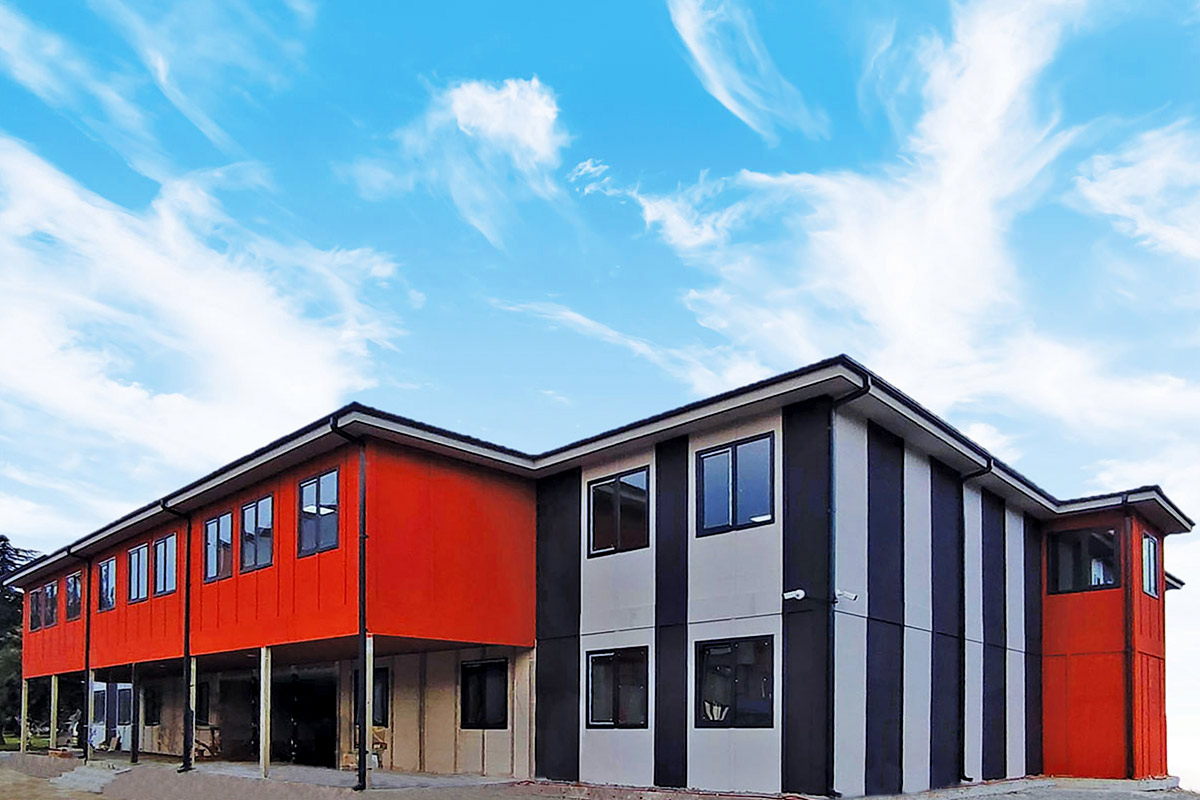
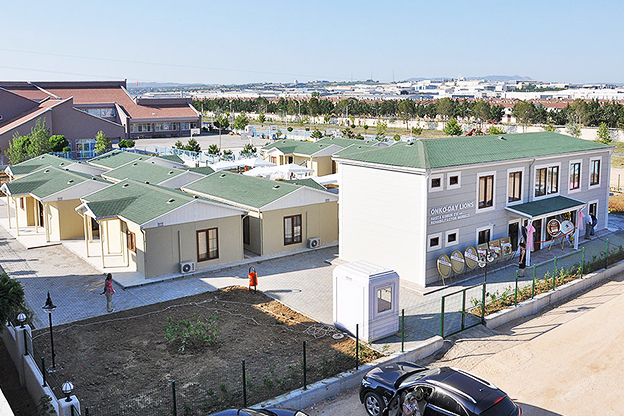
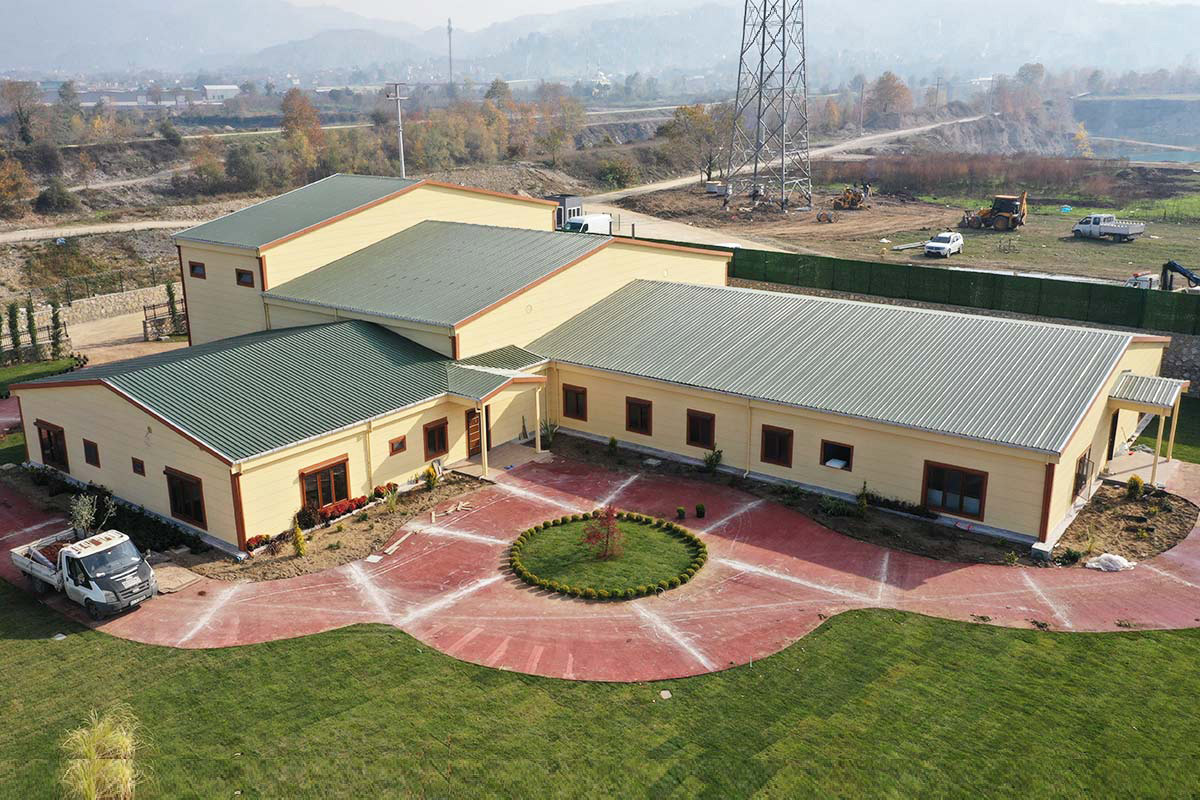
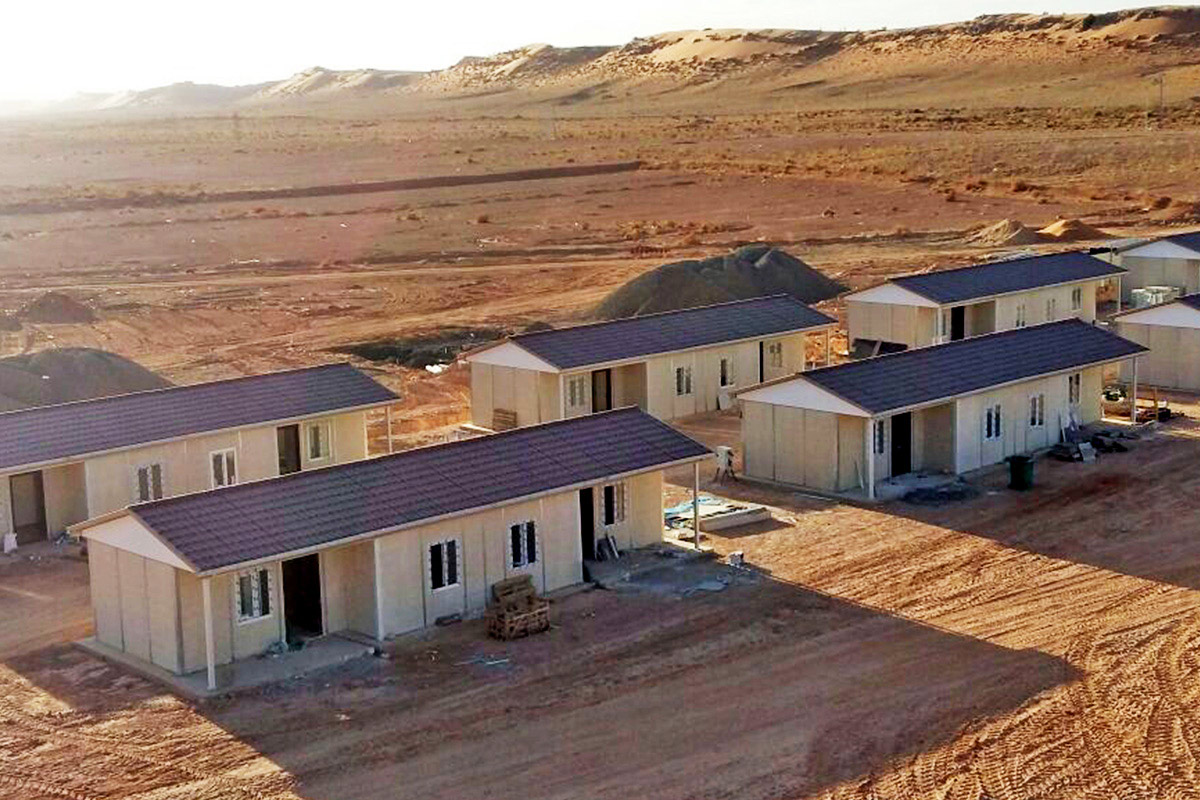
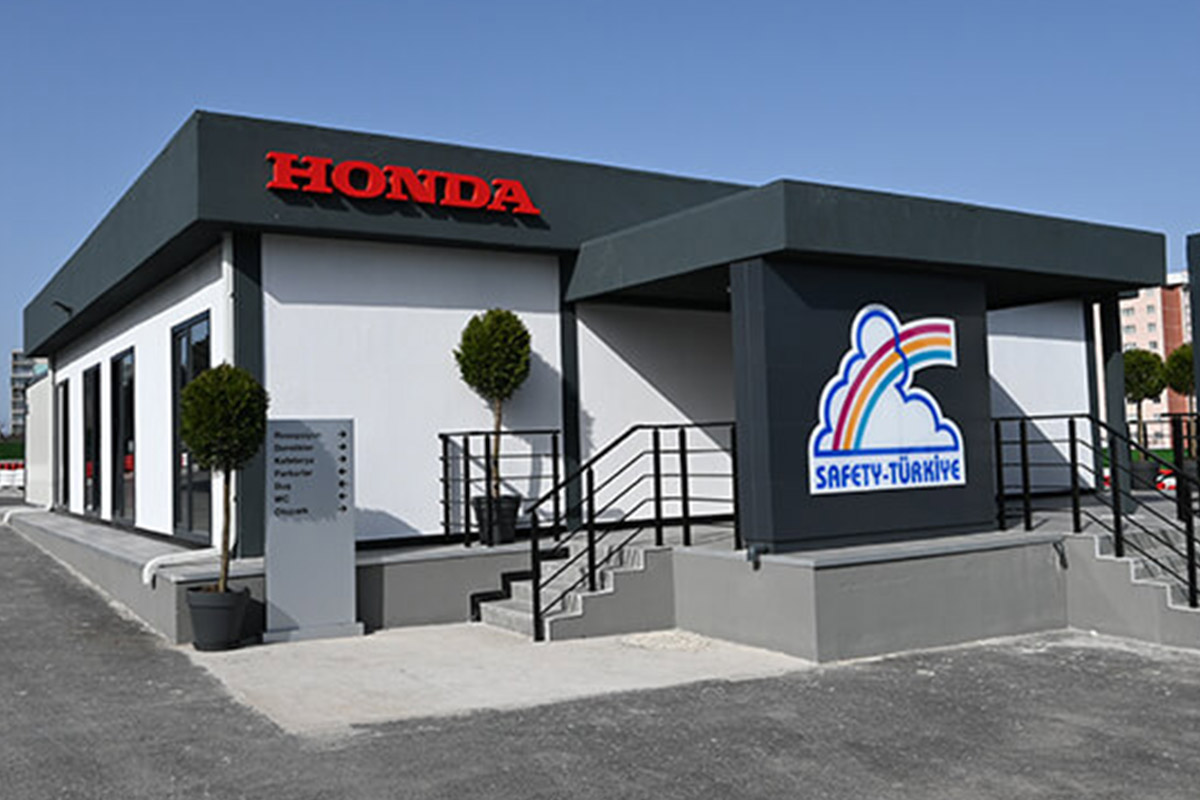

Germany’s construction sector is shaped by strict regulations, high labor costs, and a strong demand for quality-driven, long-term building solutions. In this environment, modular buildings and prefabricated building systems have become practical alternatives to traditional construction, offering speed, predictability, and compliance without compromising structural performance. For companies operating in industrial, logistics, infrastructure, and public sectors, these building methods provide a controlled and scalable approach that aligns well with Germany’s planning culture.
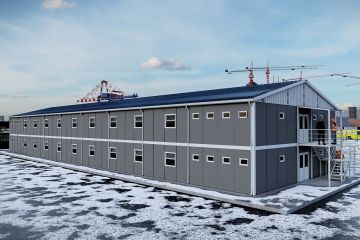
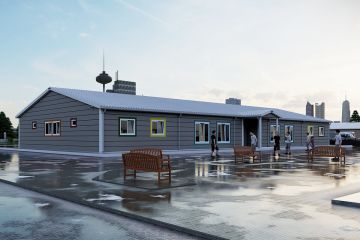
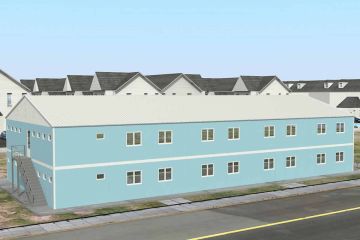
Why Modular Buildings Are in High Demand in Germany
One of the primary drivers behind the growing adoption of modular buildings in Germany is the cost of skilled labor. With a limited workforce and rising wages across the construction sector, reducing on-site labor requirements has become a strategic priority. Factory-based production allows projects to progress independently of local labor shortages, helping companies maintain timelines and budget discipline.
Construction speed is another critical factor. Germany’s project schedules, especially in industrial zones and logistics hubs, leave little room for delays. Modular buildings significantly shorten delivery times by allowing parallel processes: while site preparation is underway, building units are produced in controlled factory environments. This approach minimizes weather-related disruptions, which are common in Central European climates.
Germany also faces a dual demand for both temporary and permanent structures. Infrastructure upgrades, renewable energy projects, and industrial expansions often require temporary offices or accommodation during project phases, followed by long-term operational buildings. Modular and prefabricated building solutions address both needs without forcing companies into rigid, single-purpose investments.
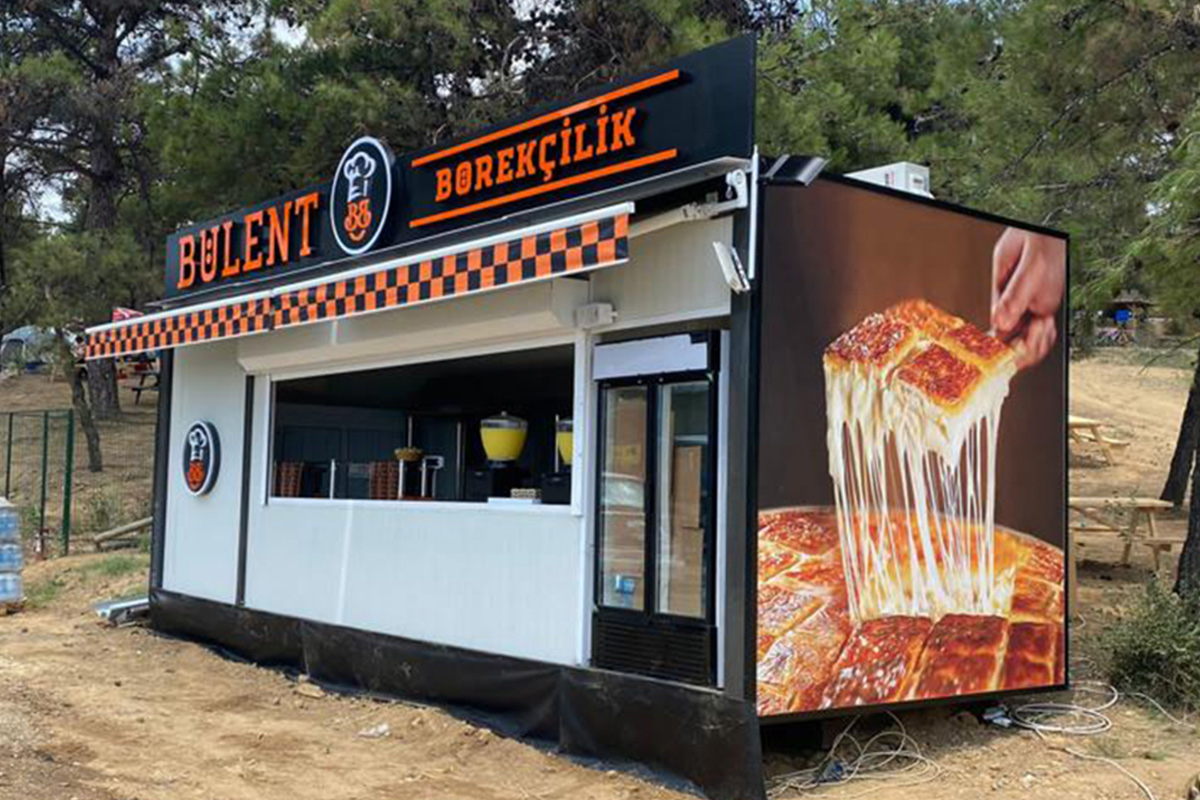
Sector-specific demand further strengthens this trend. Logistics centers, manufacturing facilities, public infrastructure projects, energy installations, and municipal services increasingly rely on fast-deployable buildings that meet German technical standards while remaining adaptable to future changes.
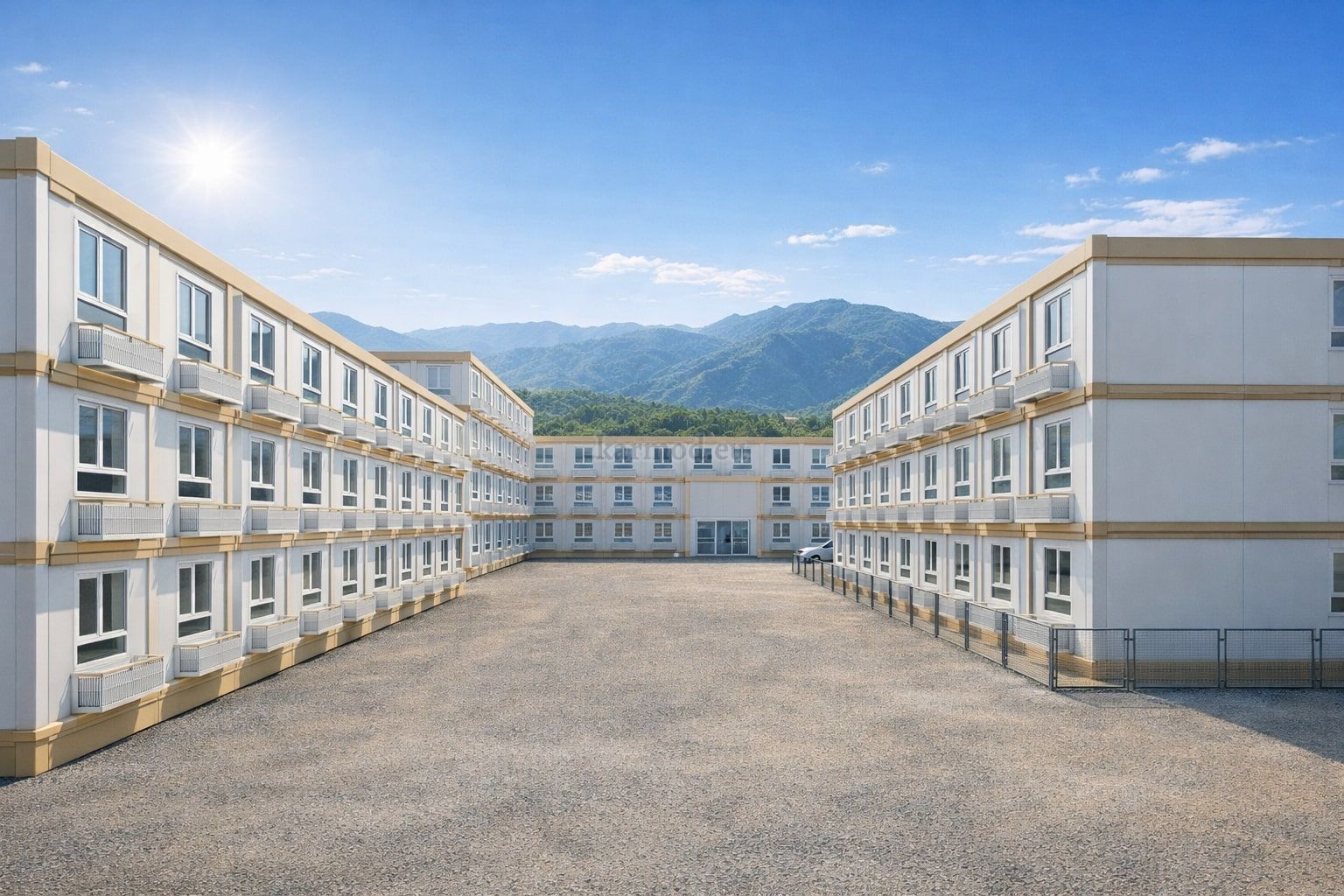
Modular Buildings vs. Prefabricated Building Systems
Although often discussed together, modular buildings and prefabricated building systems serve different functional priorities in the German market.
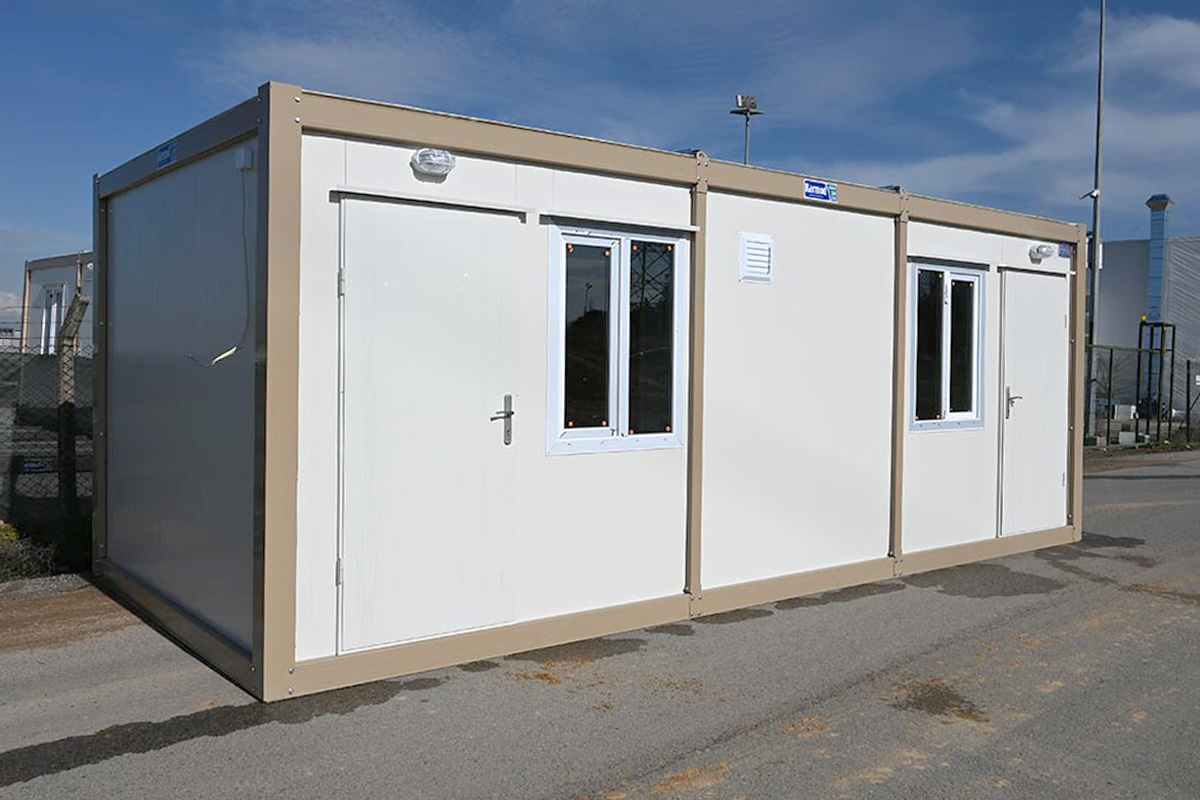
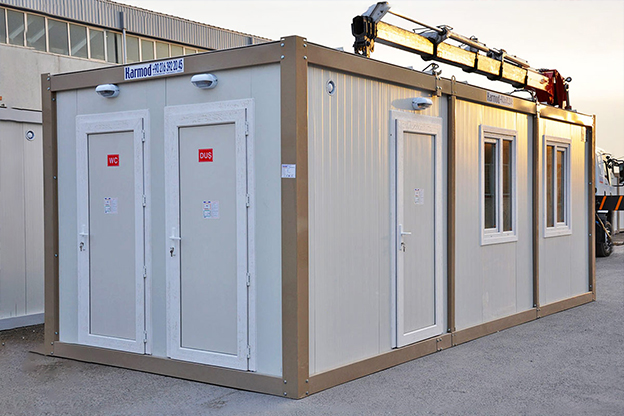
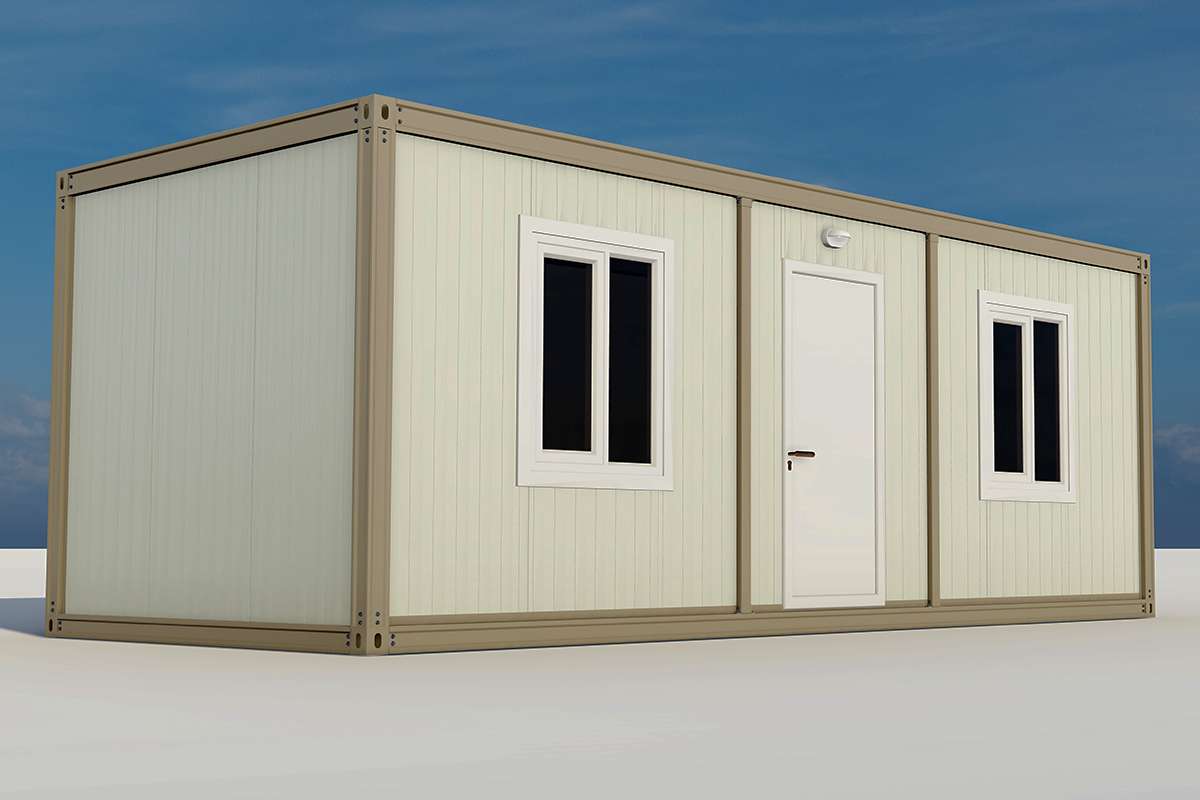
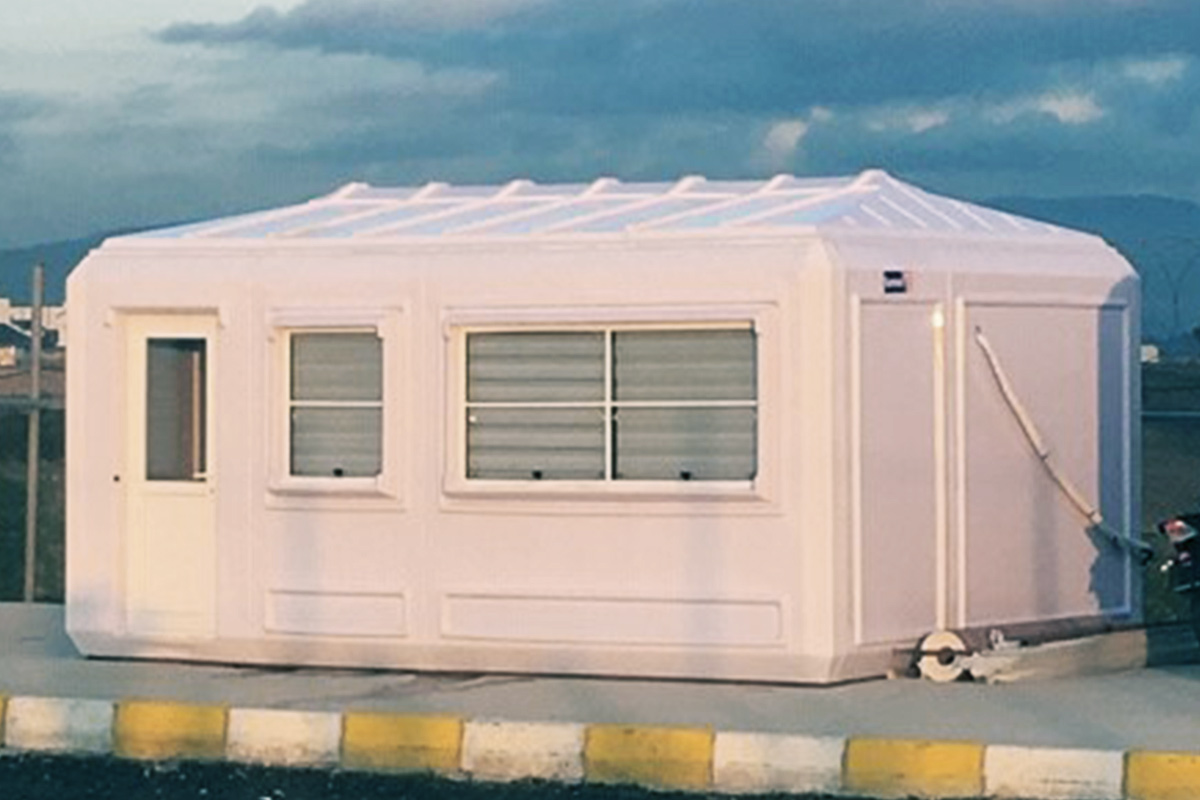
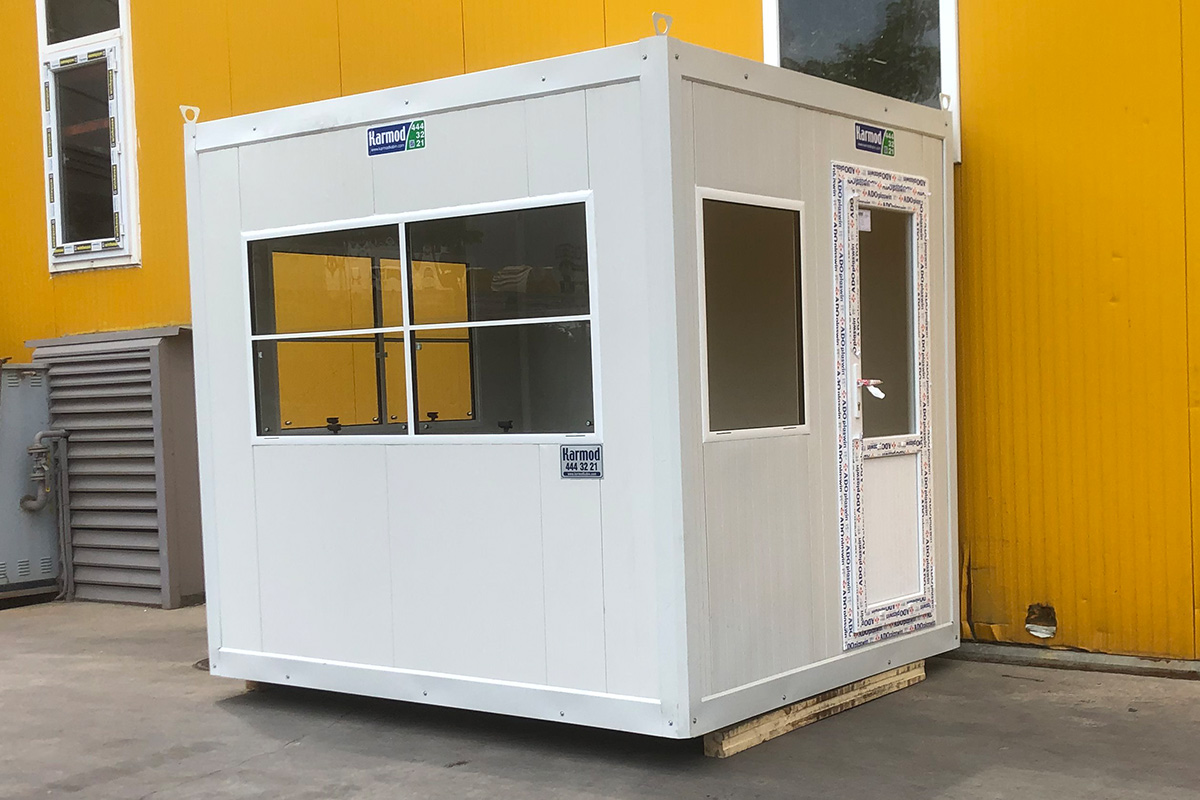
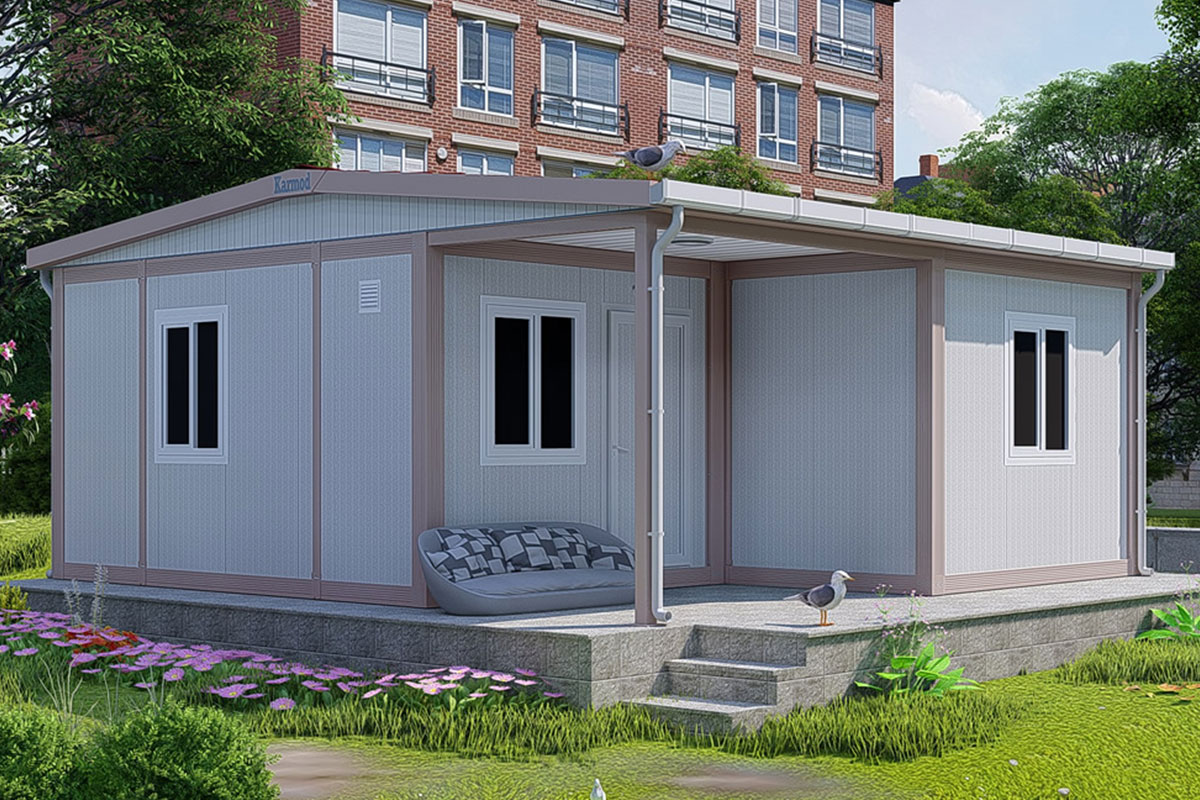
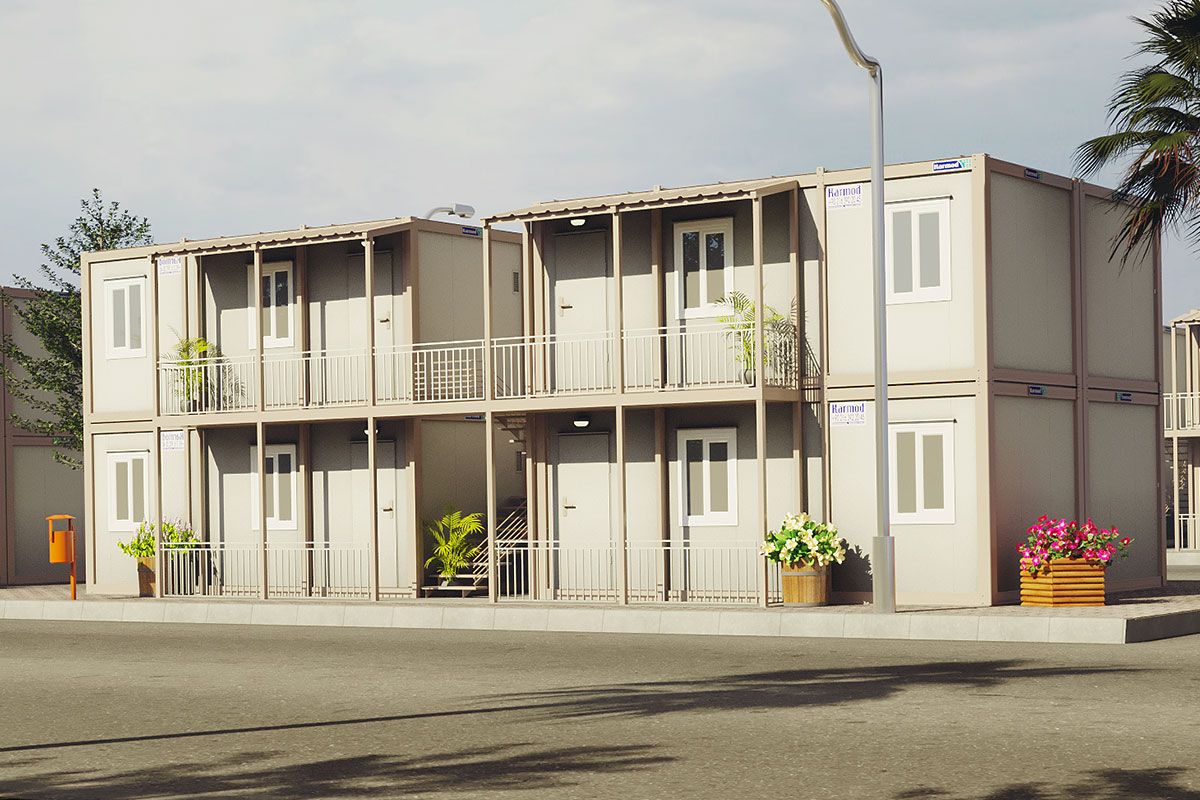
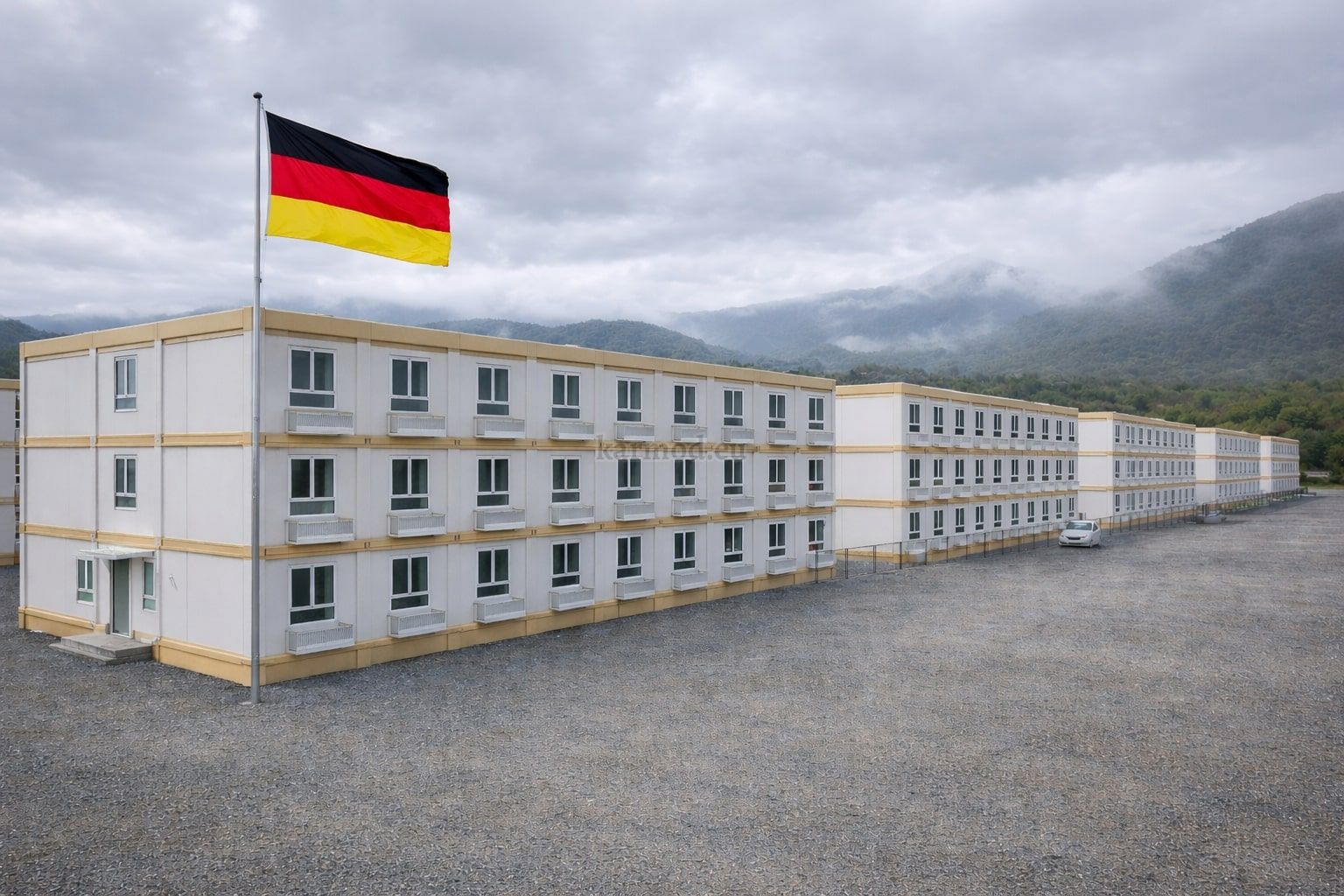
Modular buildings are based on fully volumetric units produced off-site and assembled on location. These units are inherently mobile, expandable, and suitable for phased growth. In Germany, they are commonly preferred for site offices, workforce accommodation, and facilities that may need to be relocated or reconfigured as projects evolve.
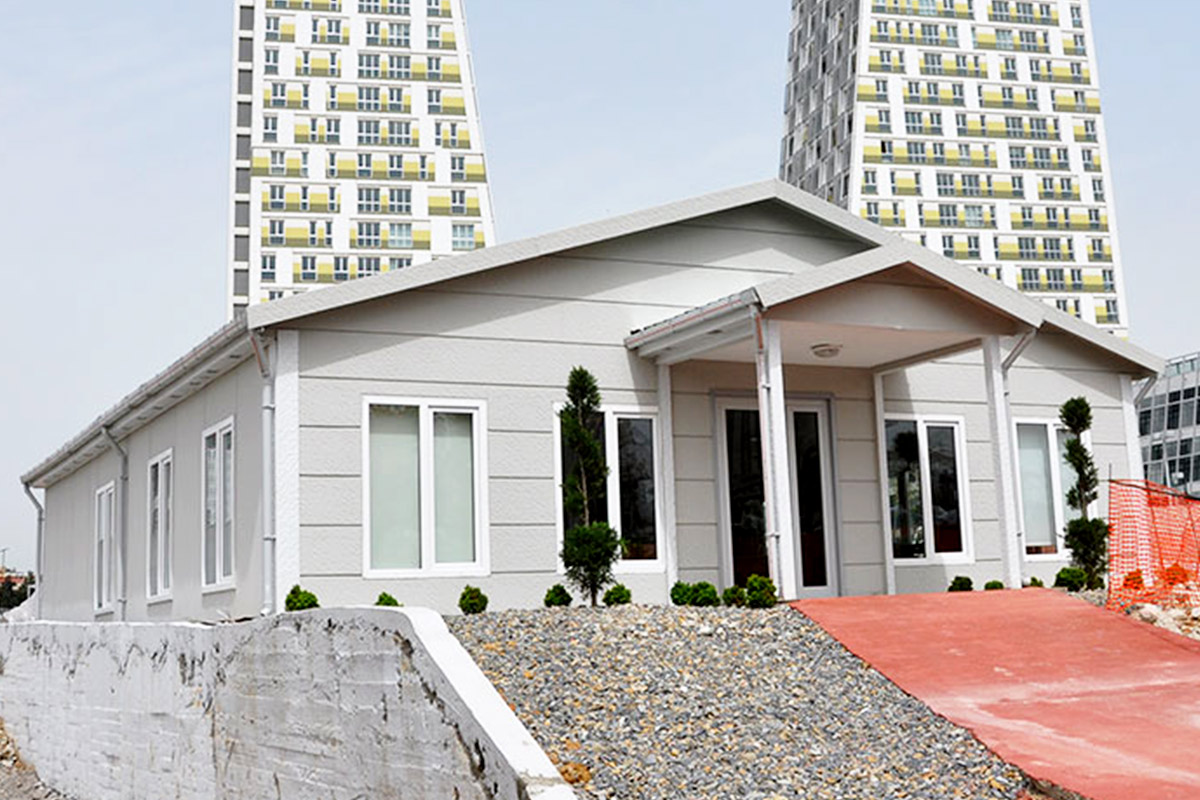
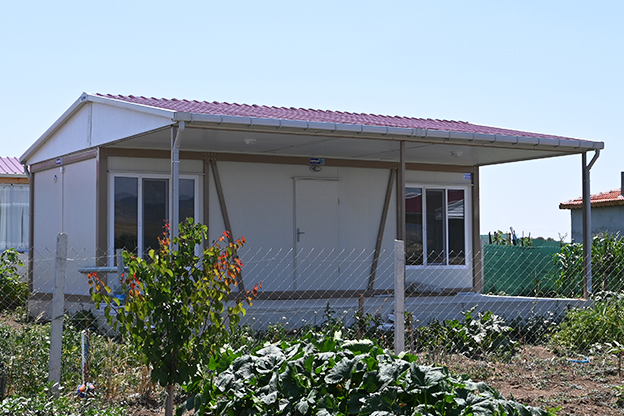
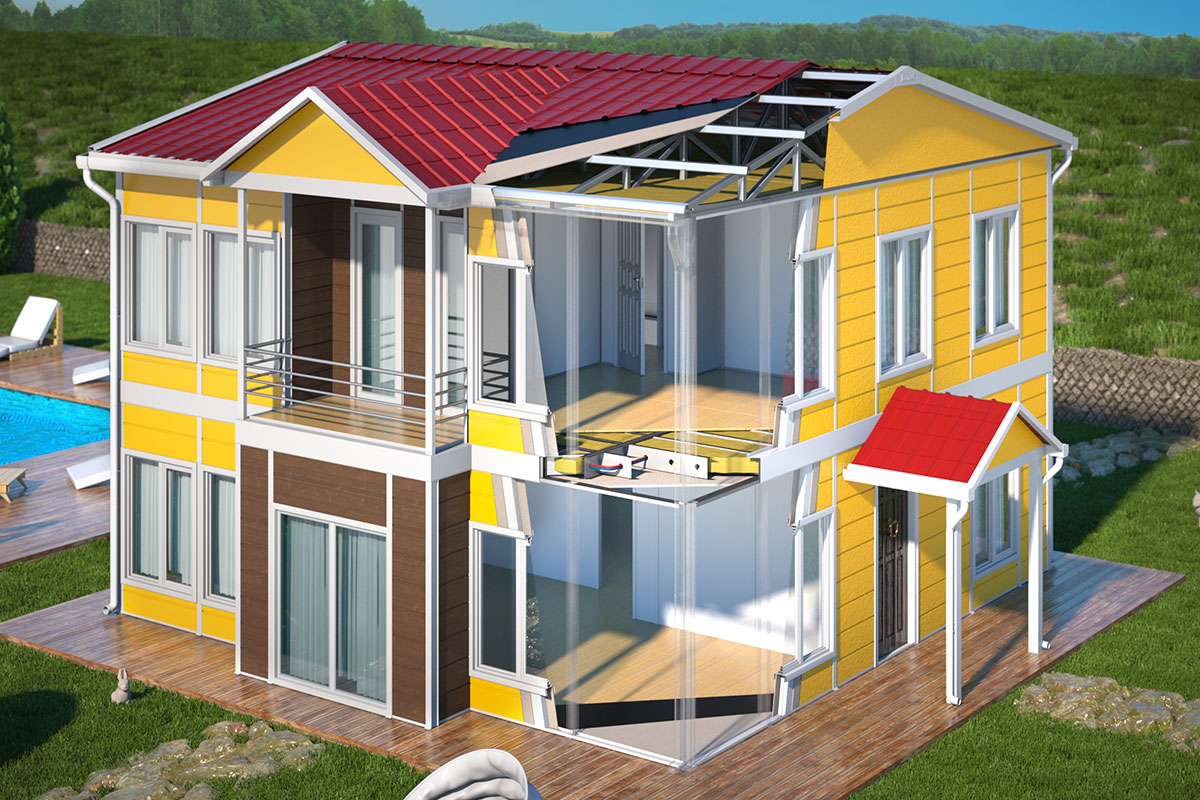
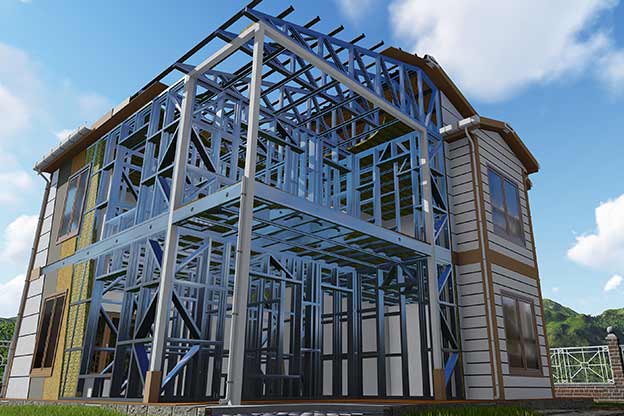
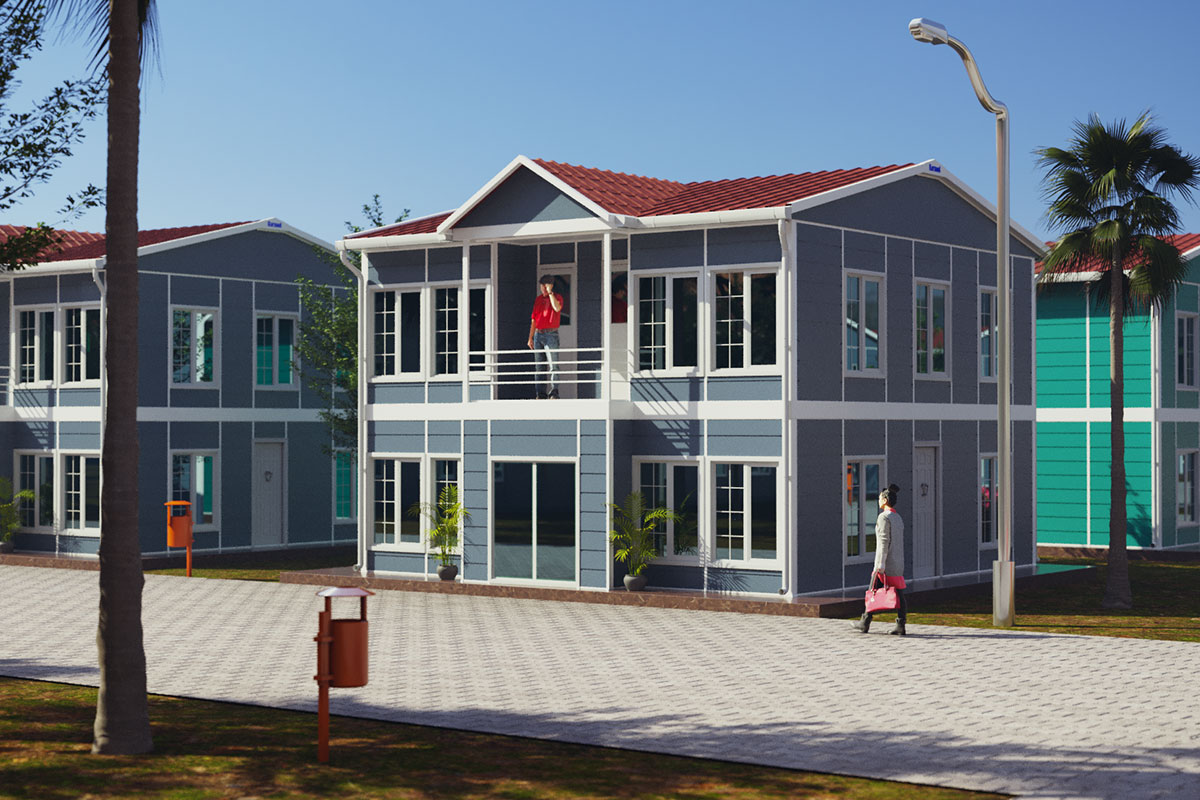
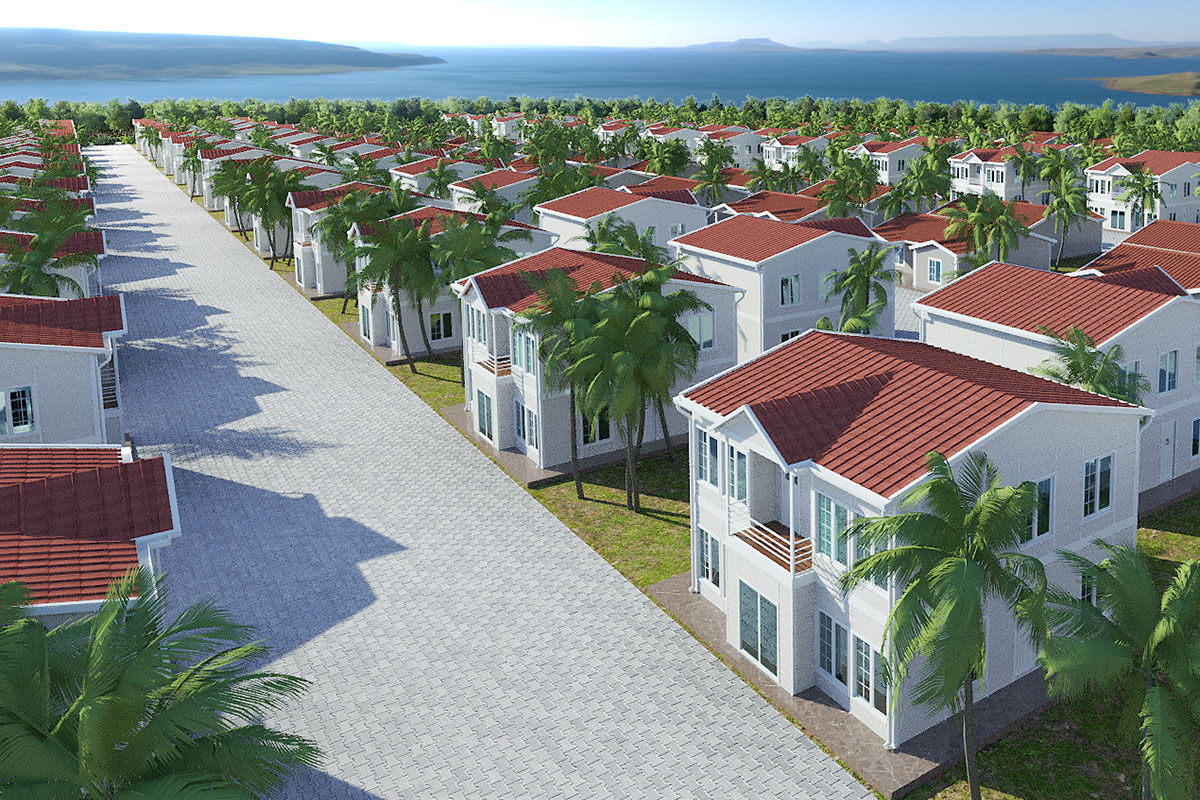
Prefabricated building systems, on the other hand, rely on panel-based or component-based construction methods. Walls, floors, and structural elements are manufactured in factories and assembled into permanent buildings on-site. This method aligns well with Germany’s emphasis on durability, long-term performance, and architectural integration, particularly in public buildings and industrial facilities.
The choice between modular buildings and a prefabricated building approach often depends on project duration, land ownership status, and regulatory considerations. Temporary or flexible-use projects tend to favor modular solutions, while permanent installations benefit from prefabricated building systems that integrate seamlessly into long-term master plans.
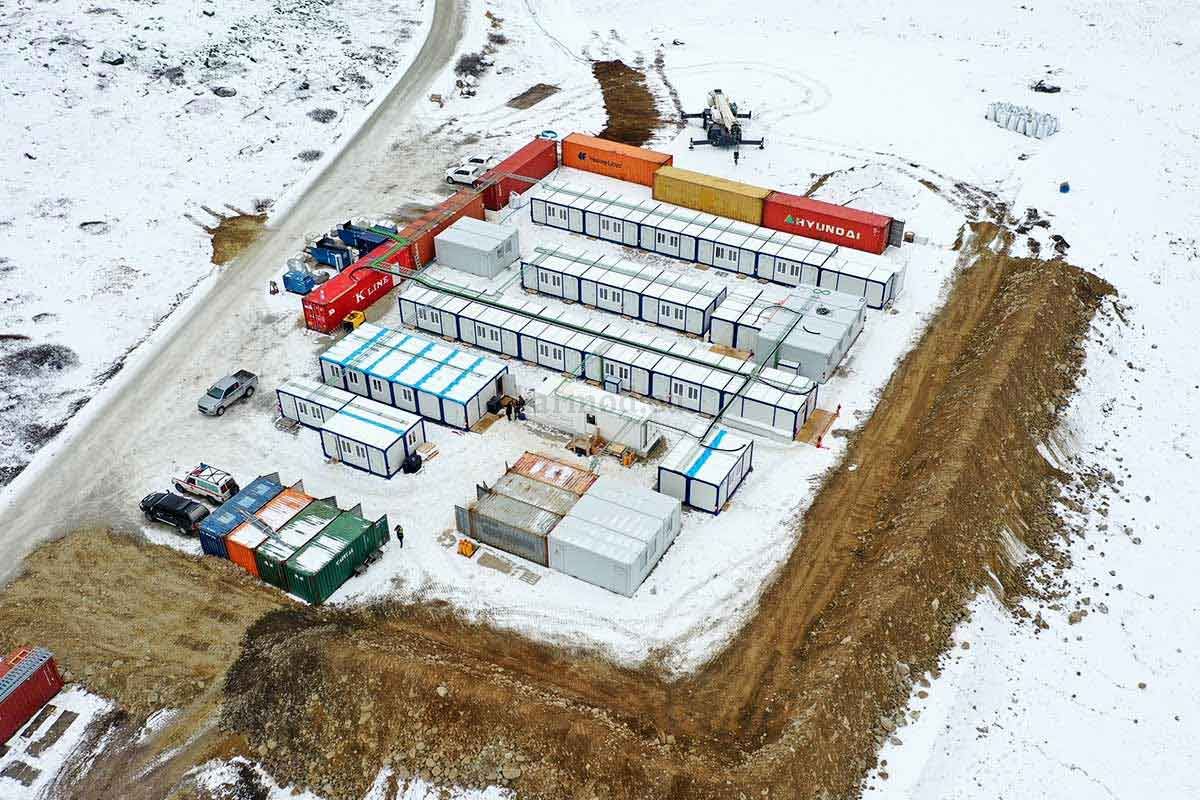

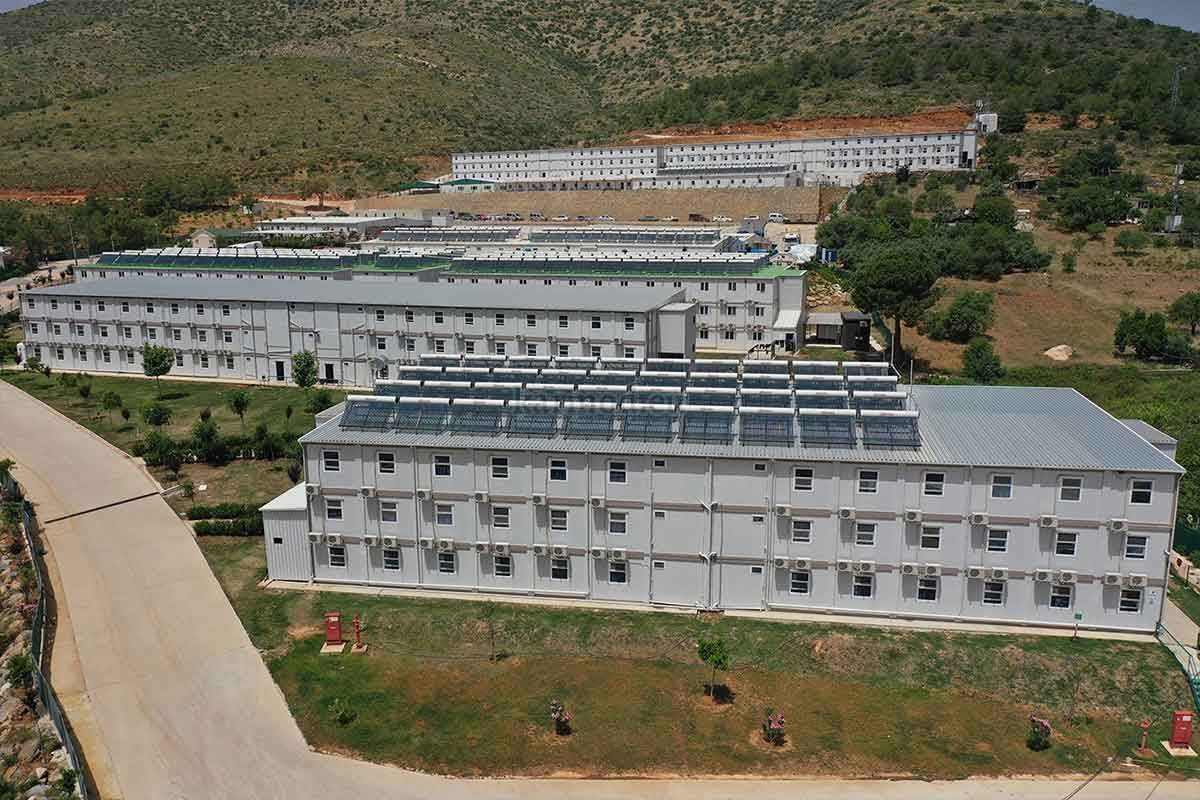
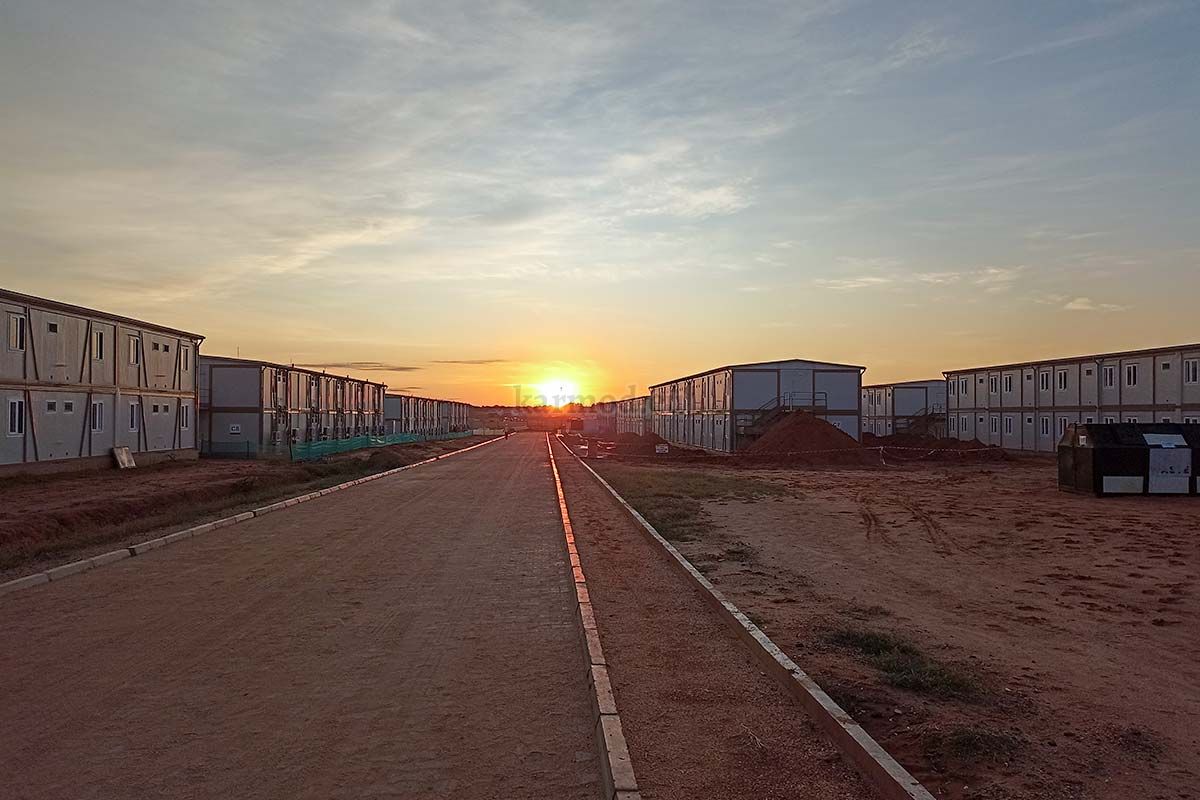
Applications of Modular and Prefabricated Buildings in Germany
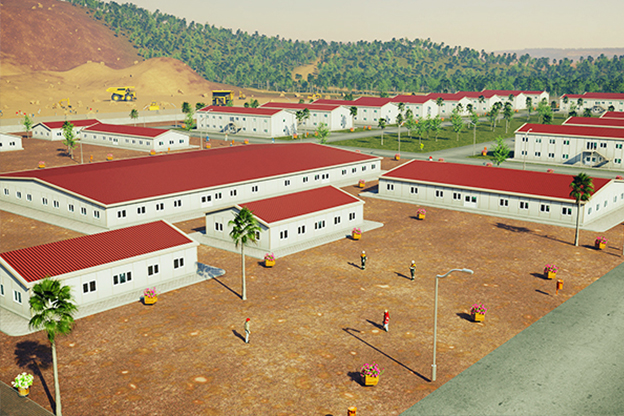
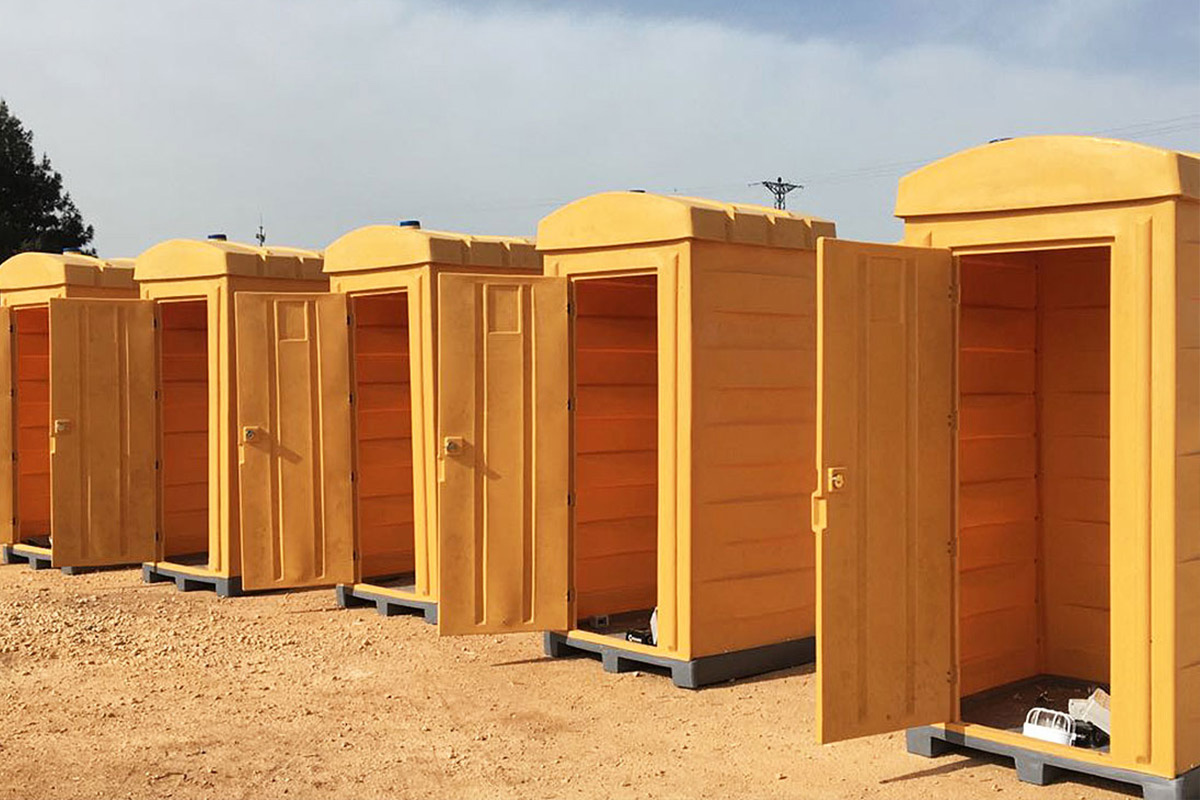
- Site offices & construction camps
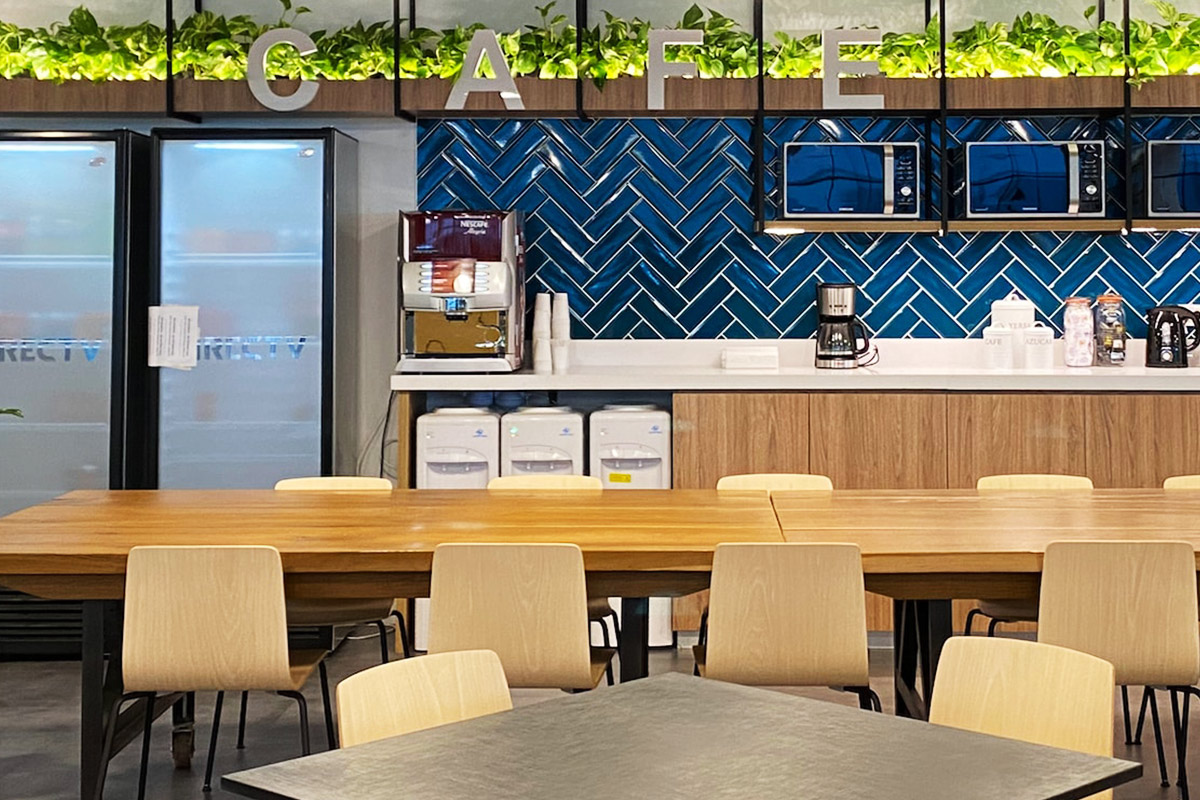
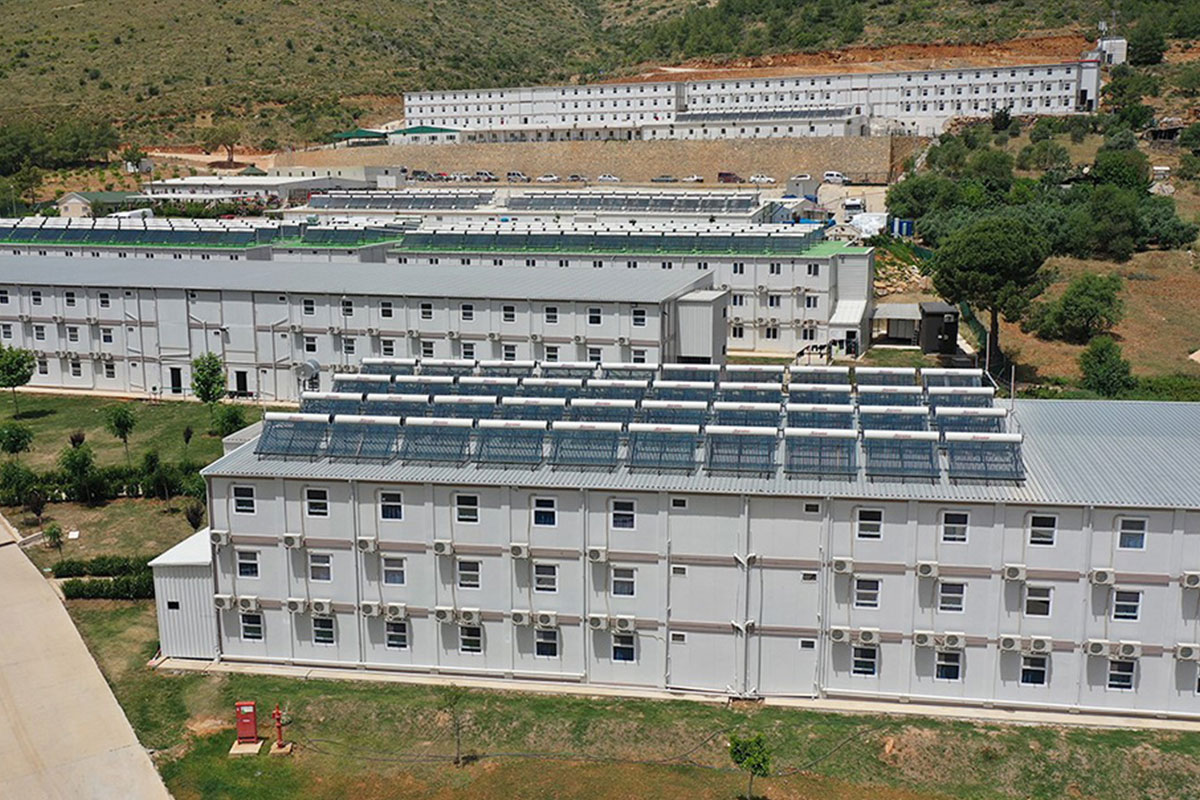
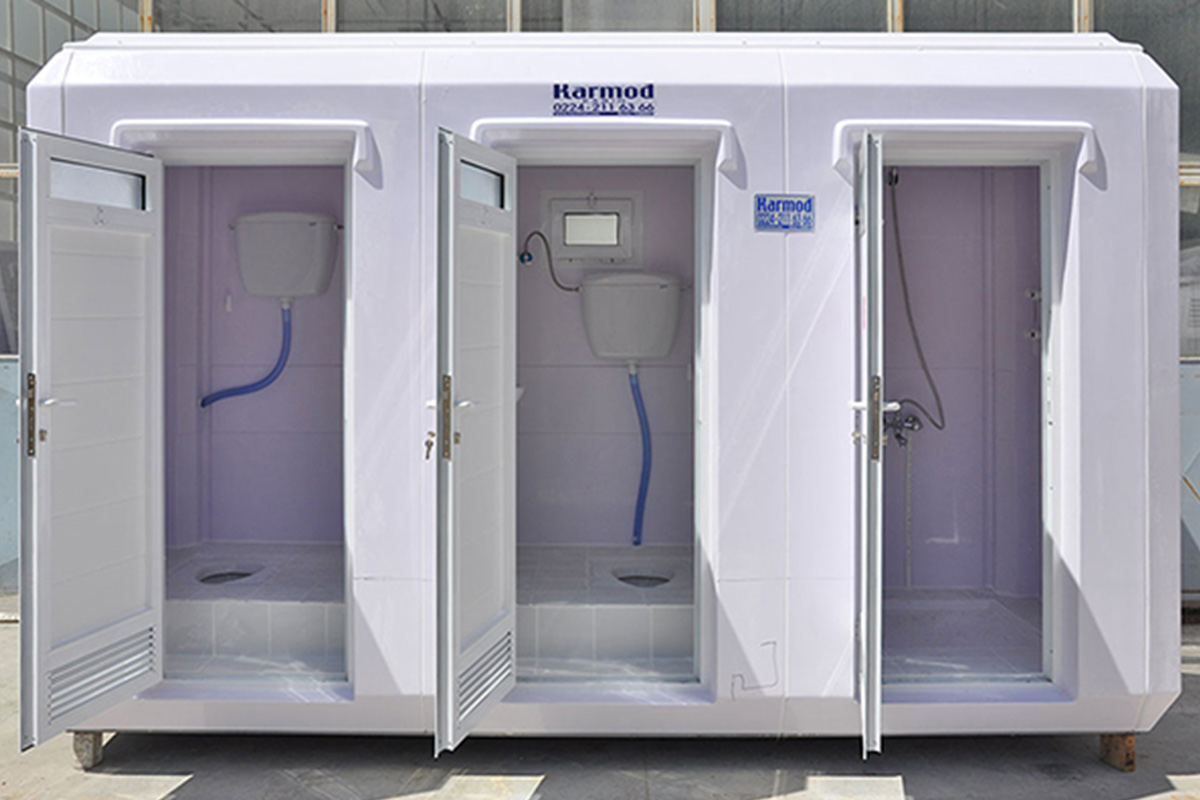
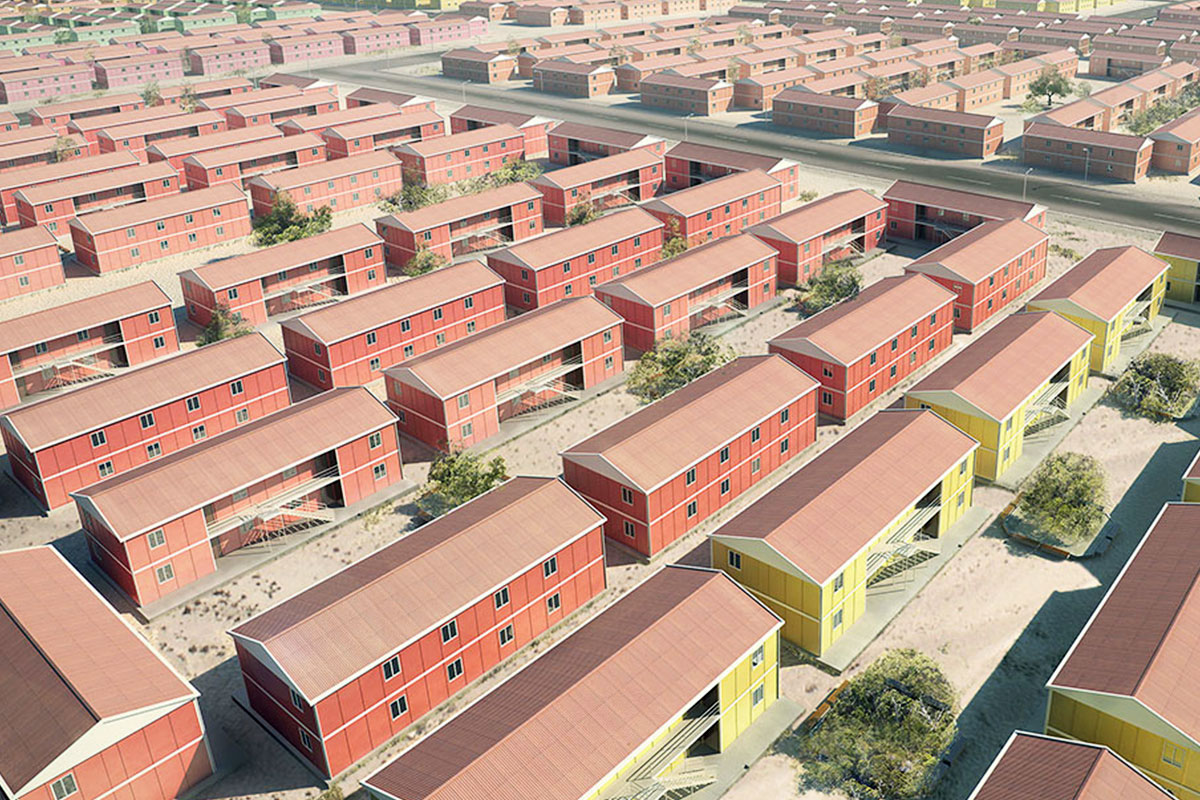
- Worker accommodation buildings
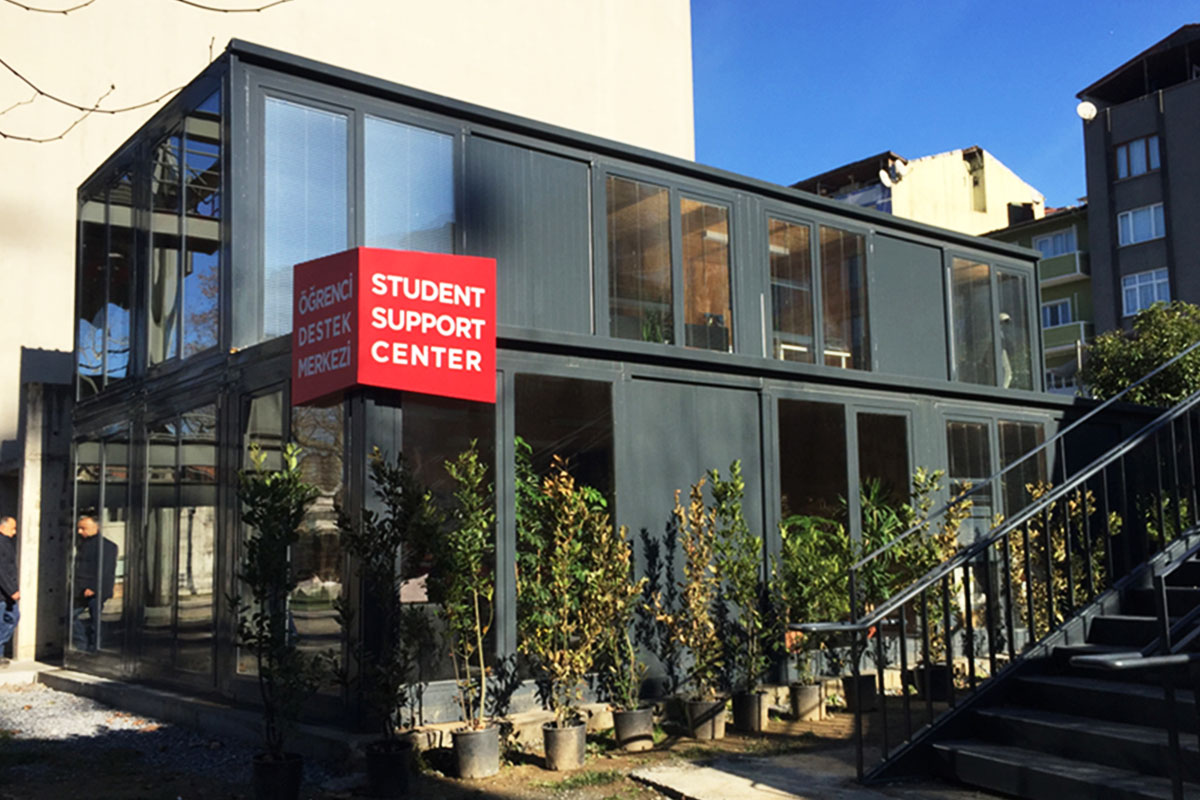
- Temporary schools & healthcare units
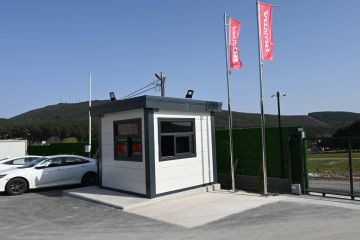
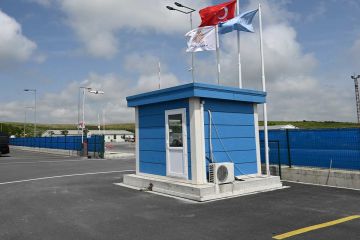
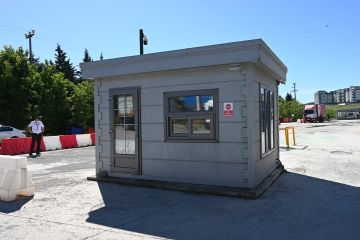
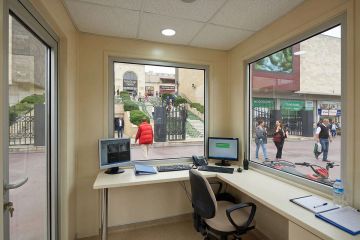
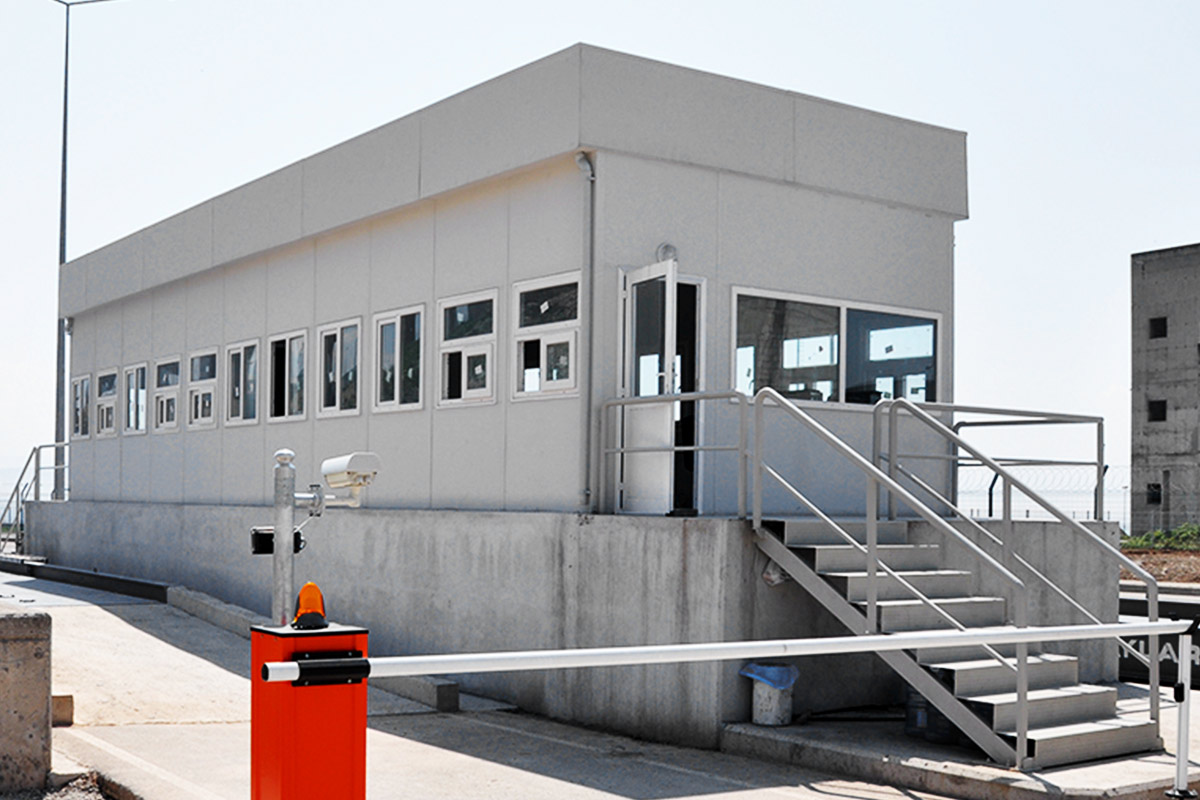
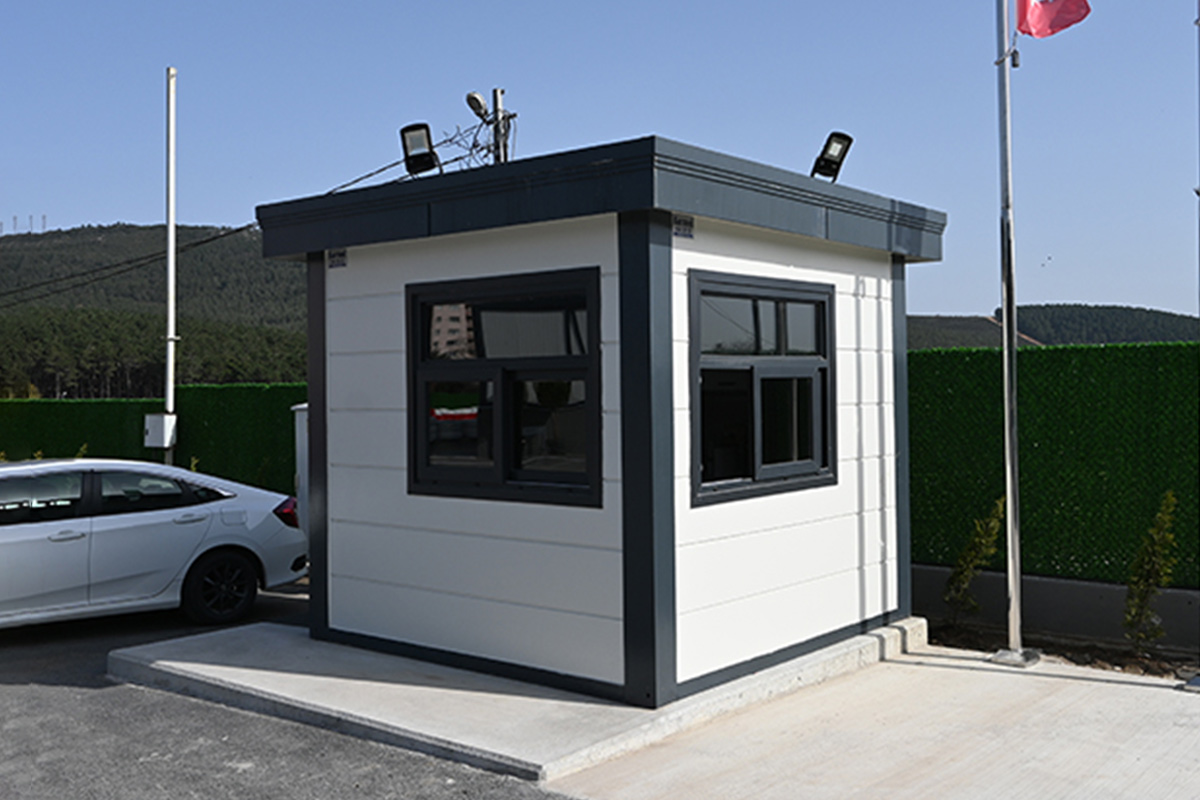
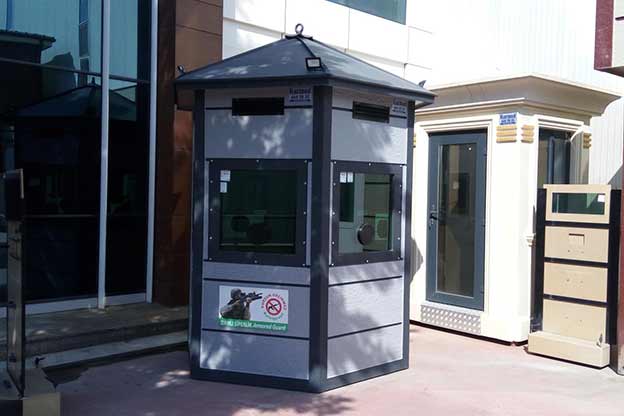
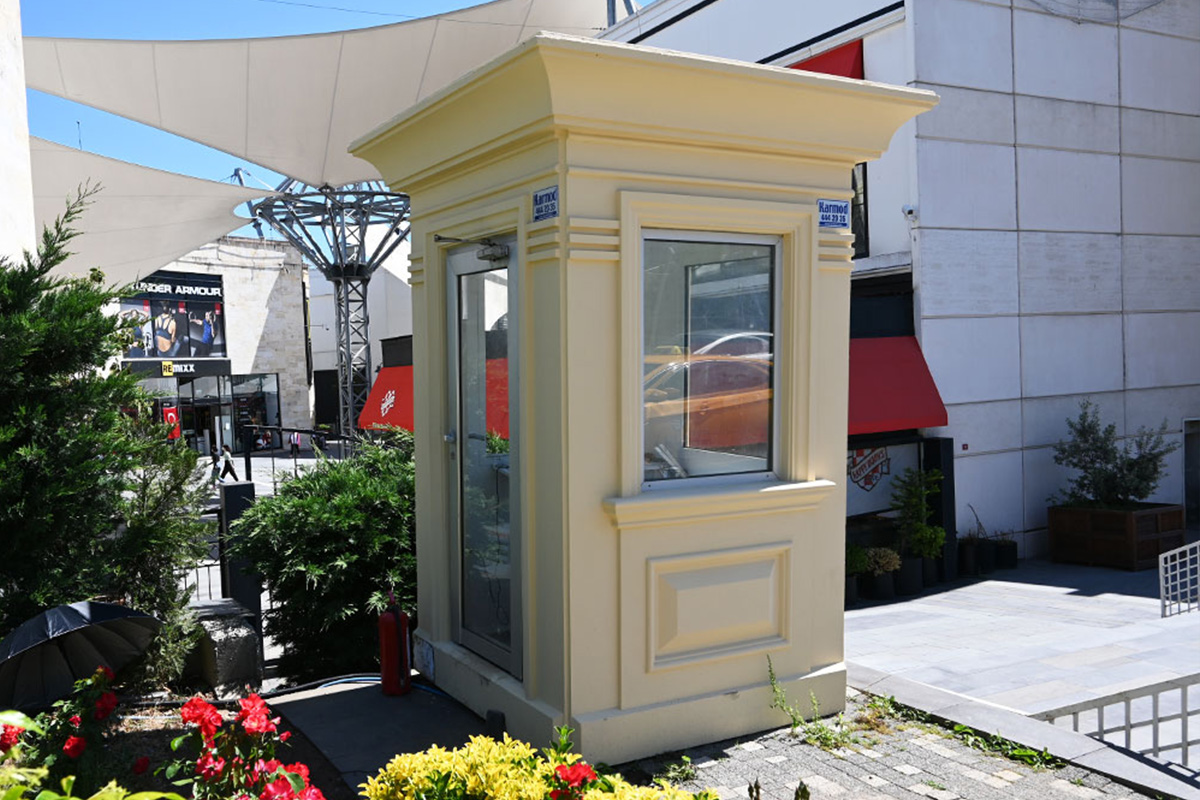
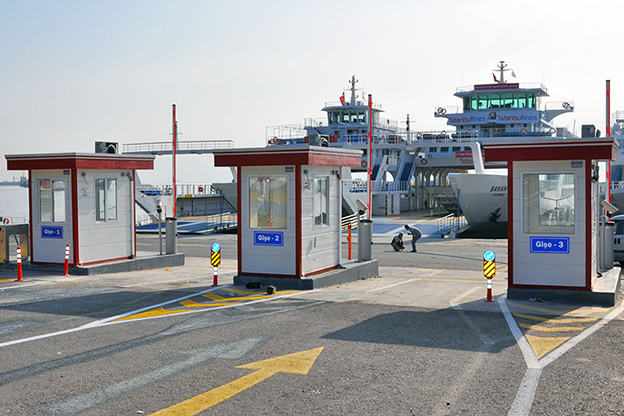
- Security buildings & technical units
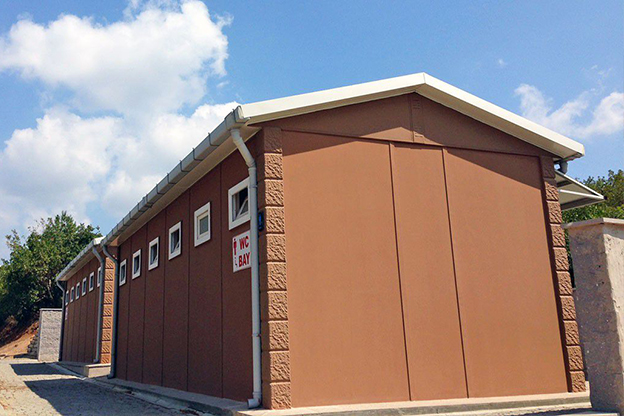
- Storage and logistics facilities
Across Germany, these applications share a common requirement: compliance with technical standards while maintaining operational efficiency. Whether supporting infrastructure development or expanding industrial capacity, modular buildings and prefabricated building solutions provide predictable outcomes in complex regulatory environments.

From Design to Installation: How the Process Works
Every successful project begins with a detailed project needs analysis. This stage defines functional requirements, regulatory constraints, and operational expectations specific to Germany’s construction framework. Factors such as fire safety classifications, energy efficiency targets, and local zoning requirements are assessed early to avoid downstream complications.
Custom design and technical specifications follow, translating project needs into compliant building solutions. Layouts, structural details, and material selections are developed to align with German standards while maintaining flexibility for future modifications.
Factory production is the core advantage of modular buildings and prefabricated building systems. Manufacturing in controlled environments ensures consistent quality, precise tolerances, and efficient use of materials. This stage significantly reduces on-site risks and shortens overall project timelines.
Delivery to Germany is carefully coordinated to meet logistical and regulatory requirements. Components or modular units arrive ready for installation, minimizing disruption to surrounding operations or urban environments.
On-site installation is completed in a short time frame, often within days rather than months. This rapid assembly allows facilities to become operational quickly, a critical advantage for industrial and infrastructure-driven projects.
Key Considerations for Modular Buildings in Germany
Thermal insulation
Germany’s energy efficiency standards place strong emphasis on insulation performance. Modular buildings must be designed to meet thermal requirements suitable for cold winters and moderate summers, ensuring both regulatory compliance and operational comfort.
Fire safety standards
Fire resistance and evacuation regulations are non-negotiable in the German construction sector. Building systems must be engineered with certified materials and layouts that align with national and regional fire safety codes.
Climate suitability
Germany’s climate demands robust structural and envelope solutions capable of handling temperature fluctuations, moisture, and seasonal weather variations. Factory-controlled production ensures consistent performance across these conditions.
Custom layouts
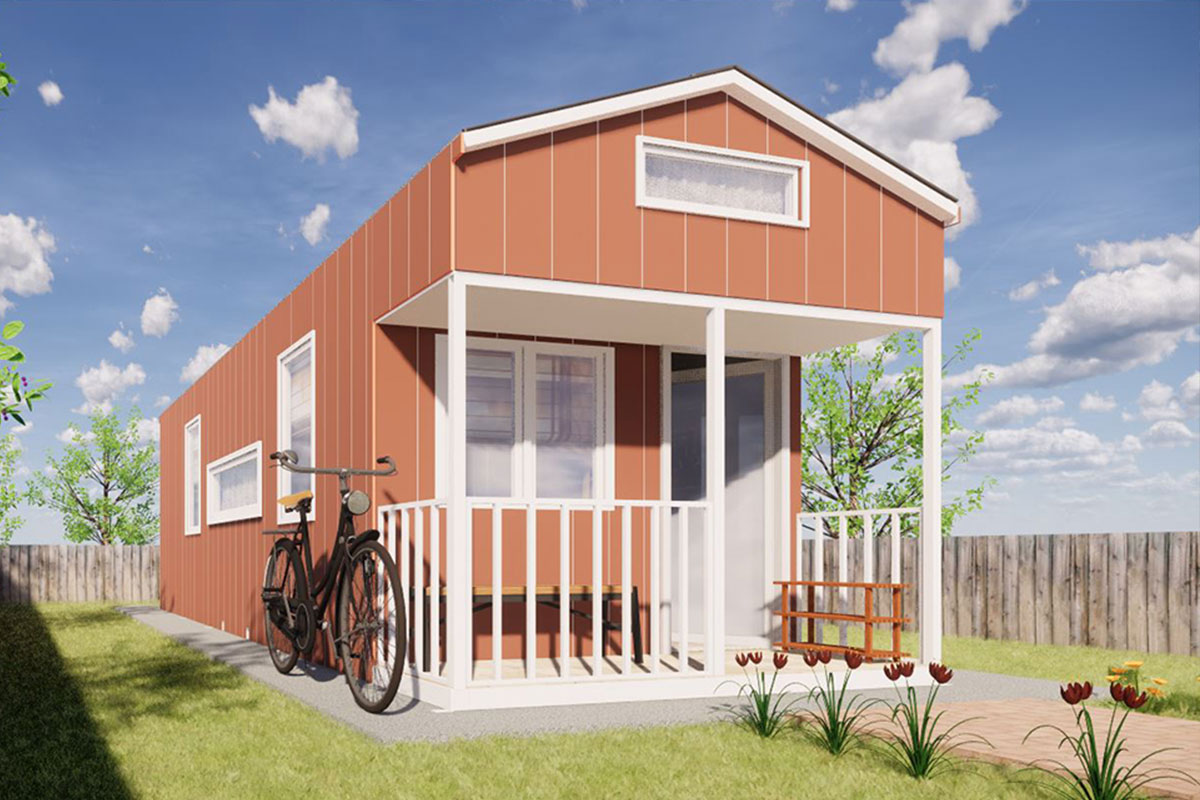
No two projects share identical operational needs. Modular buildings and prefabricated building systems must allow for tailored interior layouts, technical integrations, and future expansion without structural compromise.
With extensive experience across European markets, Karmod brings a deep understanding of regulatory compliance, manufacturing precision, and project coordination. Karmod modular building solutions are designed to balance speed, durability, and flexibility, making them suitable for Germany’s demanding construction environment. Drawing on proven methodologies and quality-focused production, Karmod supports organizations seeking reliable building solutions that align with both immediate operational needs and long-term planning strategies.