




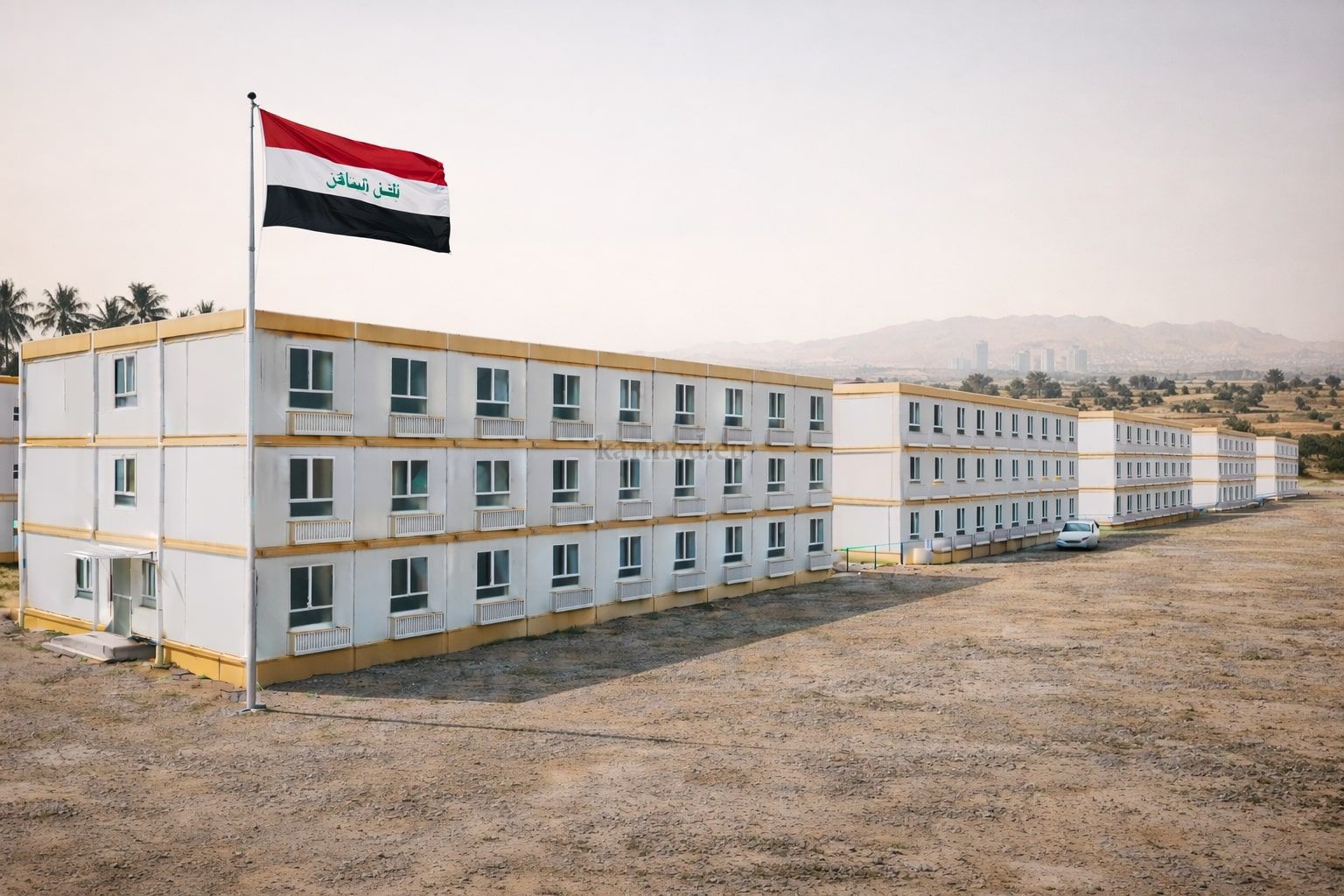
Iraq continues to experience a strong need for fast, reliable, and scalable construction solutions across both public and private sectors. Infrastructure rehabilitation, energy investments, industrial facilities, and logistics hubs all require buildings that can be delivered quickly while meeting long-term operational expectations. In this environment, modular buildings and prefabricated building systems have become practical tools for decision-makers looking to balance speed, cost control, and quality.
Rather than replacing conventional construction entirely, these systems complement it by addressing urgent space requirements, remote project locations, and phased developments that are common across Iraq’s construction landscape.
Why Modular Buildings Are in High Demand in Iraq
Several structural factors are driving the increasing adoption of modular construction methods in Iraq.
Labor costs and workforce availability remain inconsistent, especially outside major urban centers. Modular buildings reduce on-site labor dependency by shifting most production to controlled factory environments. This approach minimizes delays caused by workforce shortages or fluctuating site conditions.
Construction timelines are another decisive factor. Many projects in Iraq—particularly in energy, logistics, and public infrastructure—operate under strict schedules. Modular systems allow parallel progress: while site preparation is ongoing, building units are manufactured simultaneously, shortening total project duration.
Temporary and permanent building needs often overlap. Construction camps, site offices, and worker accommodation may initially be planned as temporary facilities but frequently remain in use for years. Modular buildings offer the flexibility to relocate, expand, or repurpose structures as project requirements evolve.
Sector-specific demand also plays a role. Iraq’s oil and gas sector, industrial zones, border logistics, and public service facilities all require functional buildings in locations where traditional construction can be slow or impractical. Modular solutions align well with these operational realities.
Modular Buildings vs. Prefabricated Building Systems
While the two terms are often used together, they serve different structural and strategic purposes.
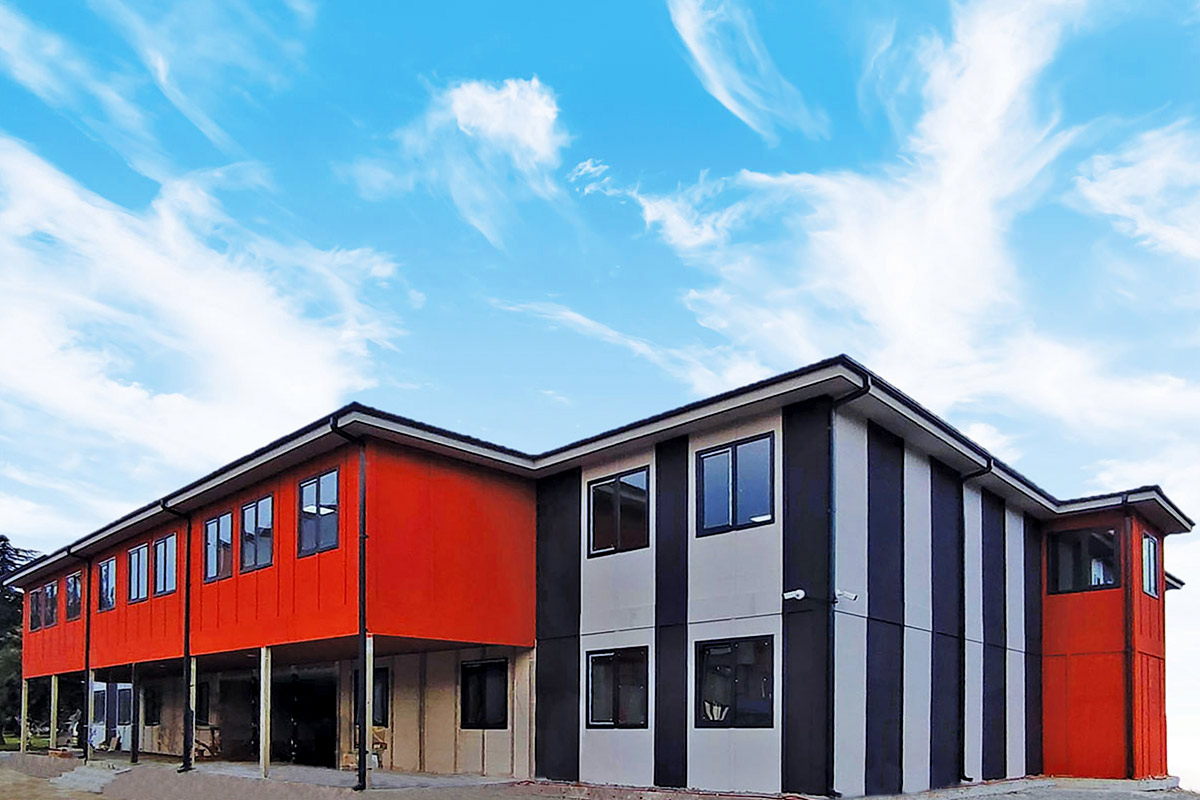
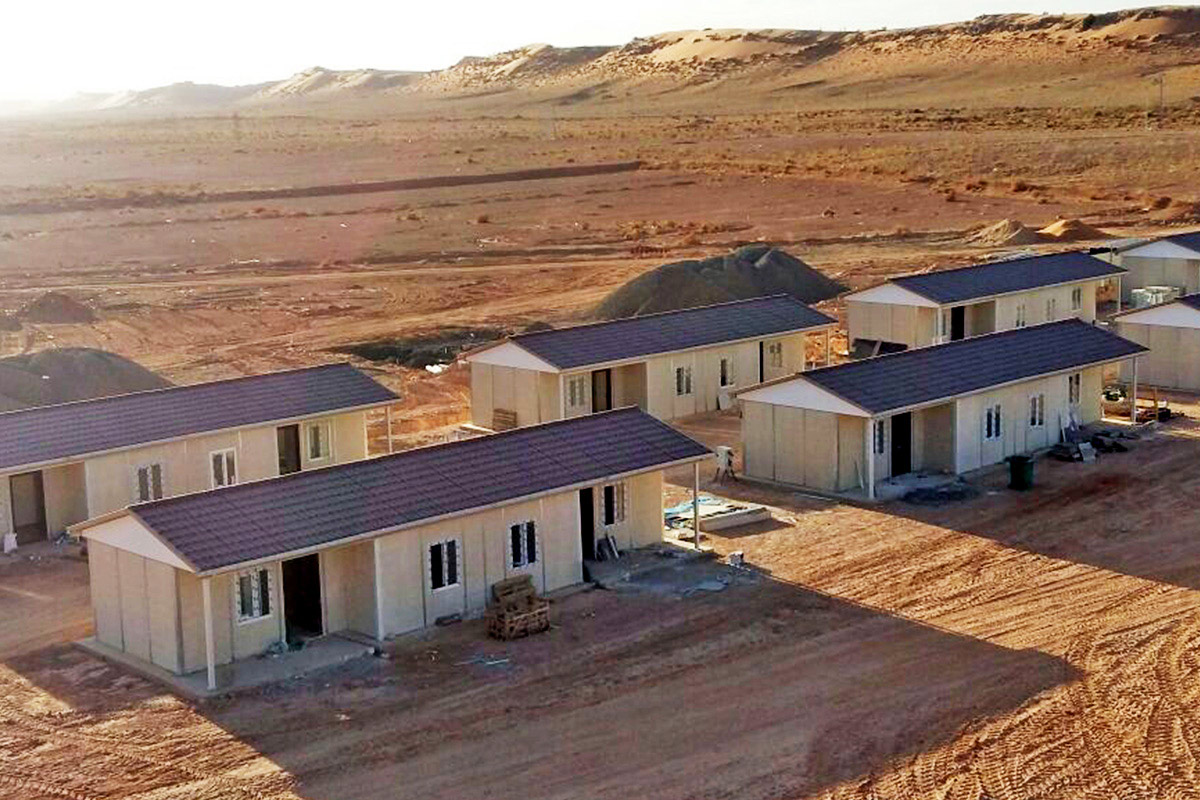
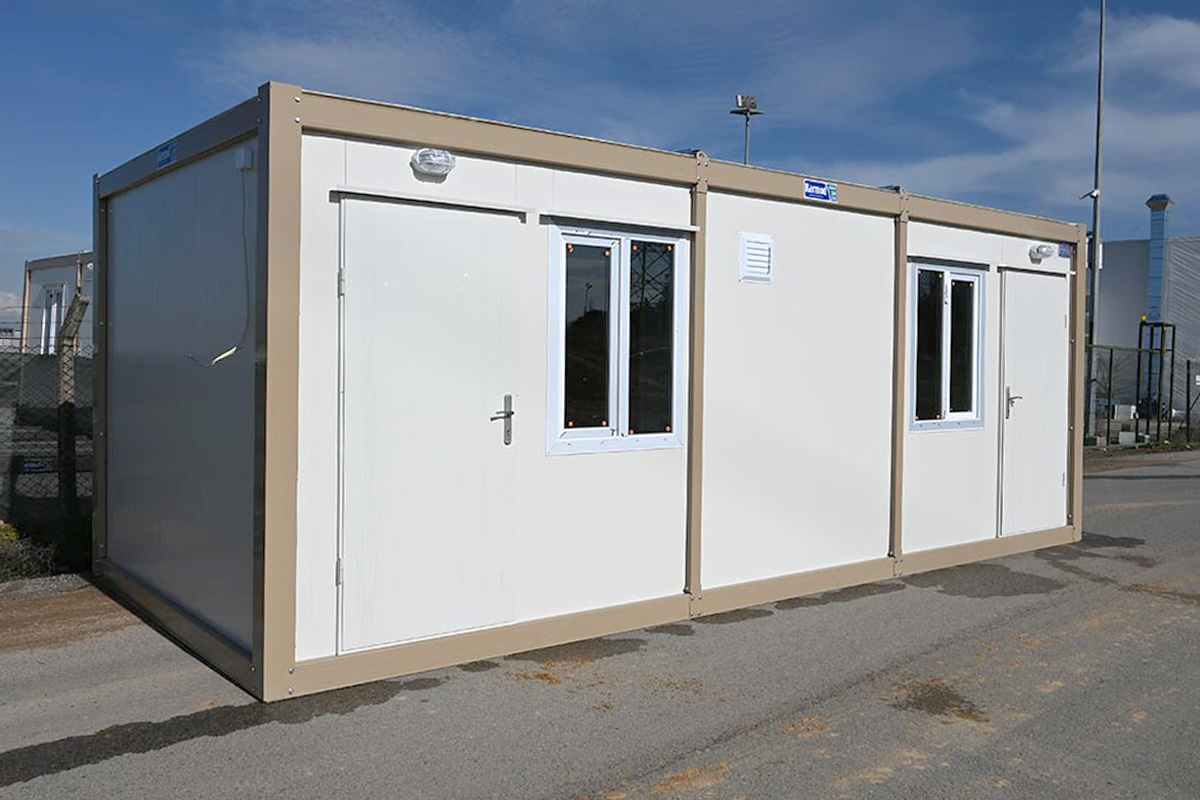
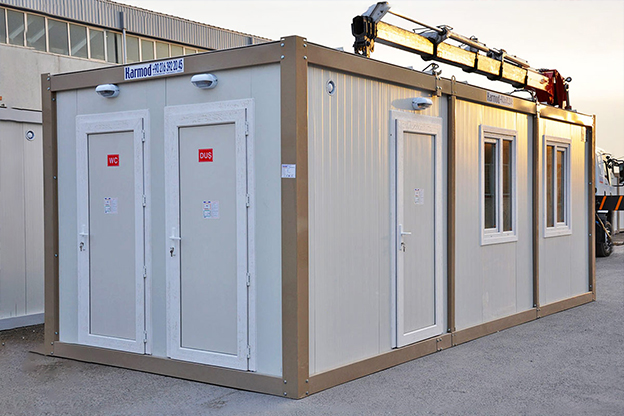
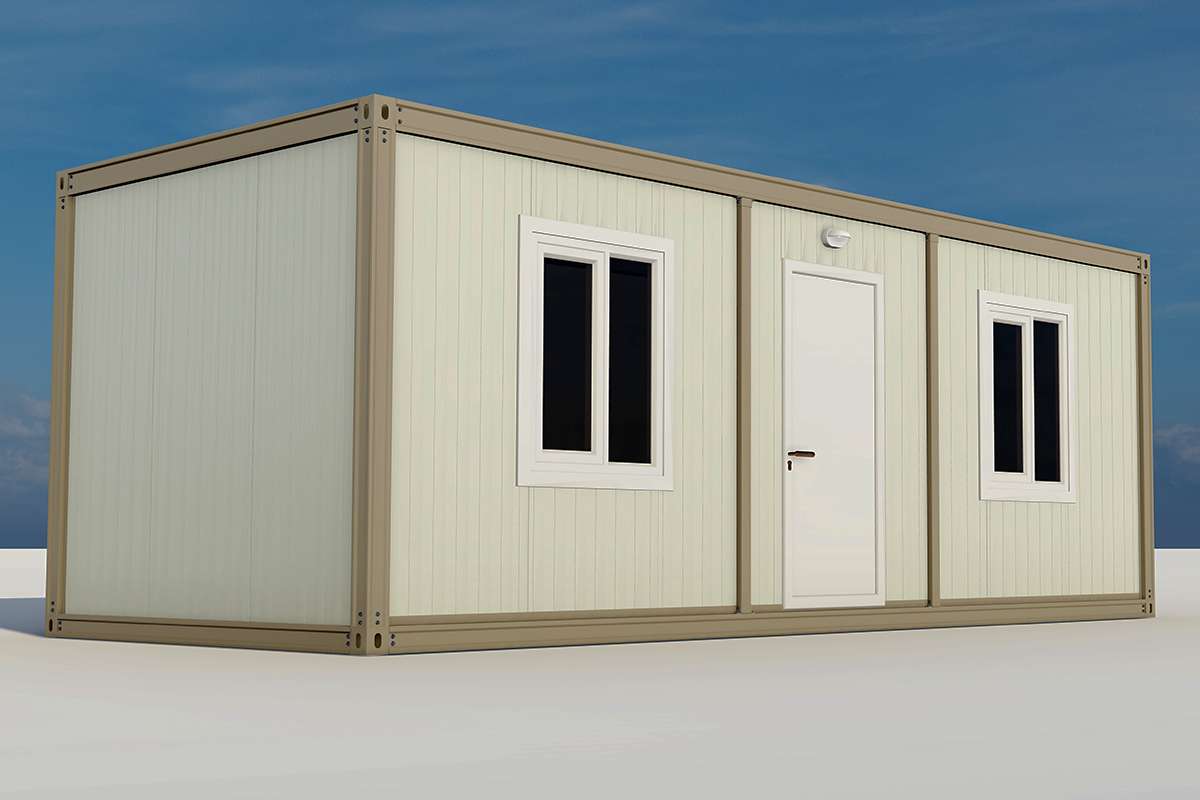
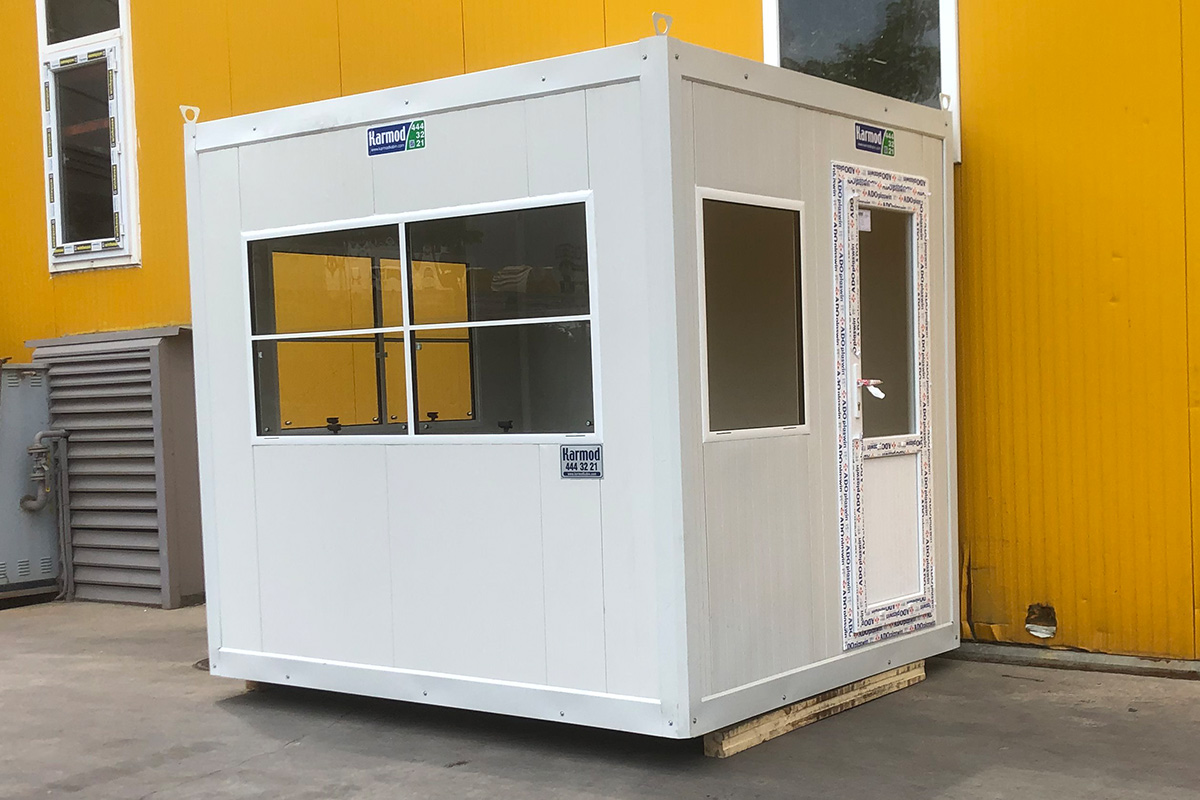
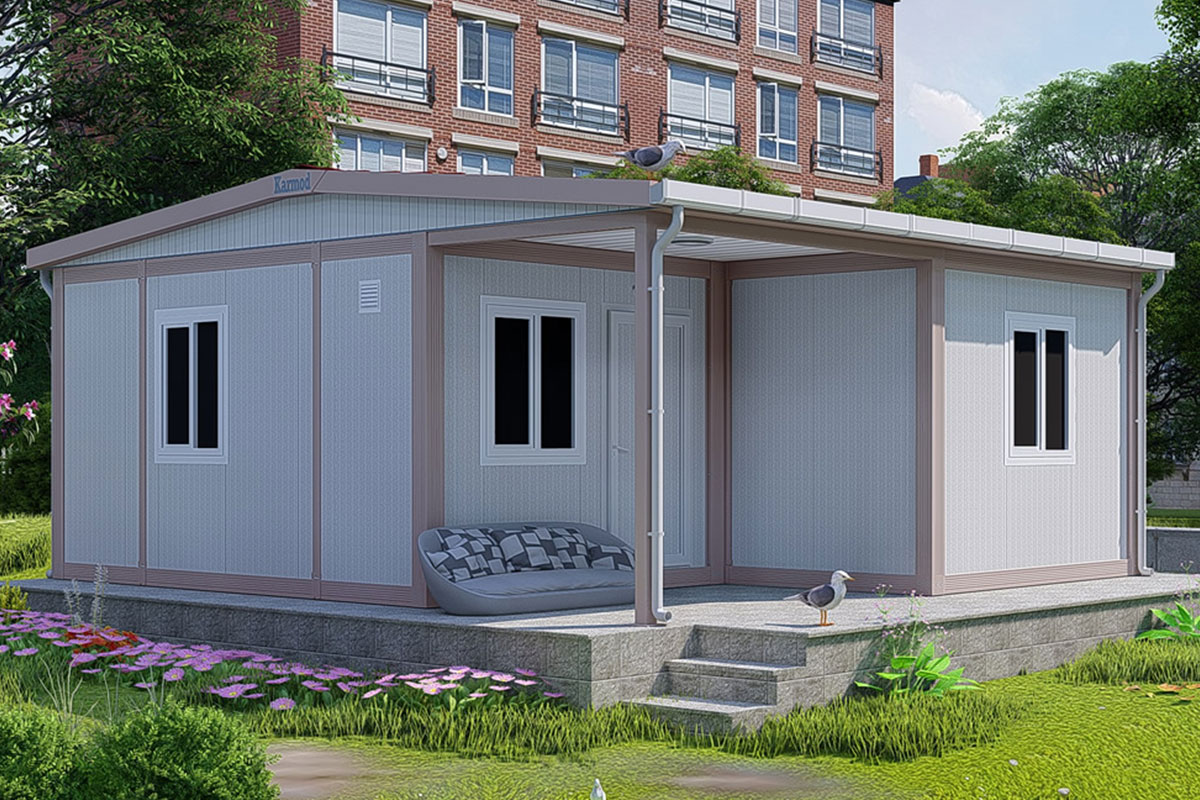
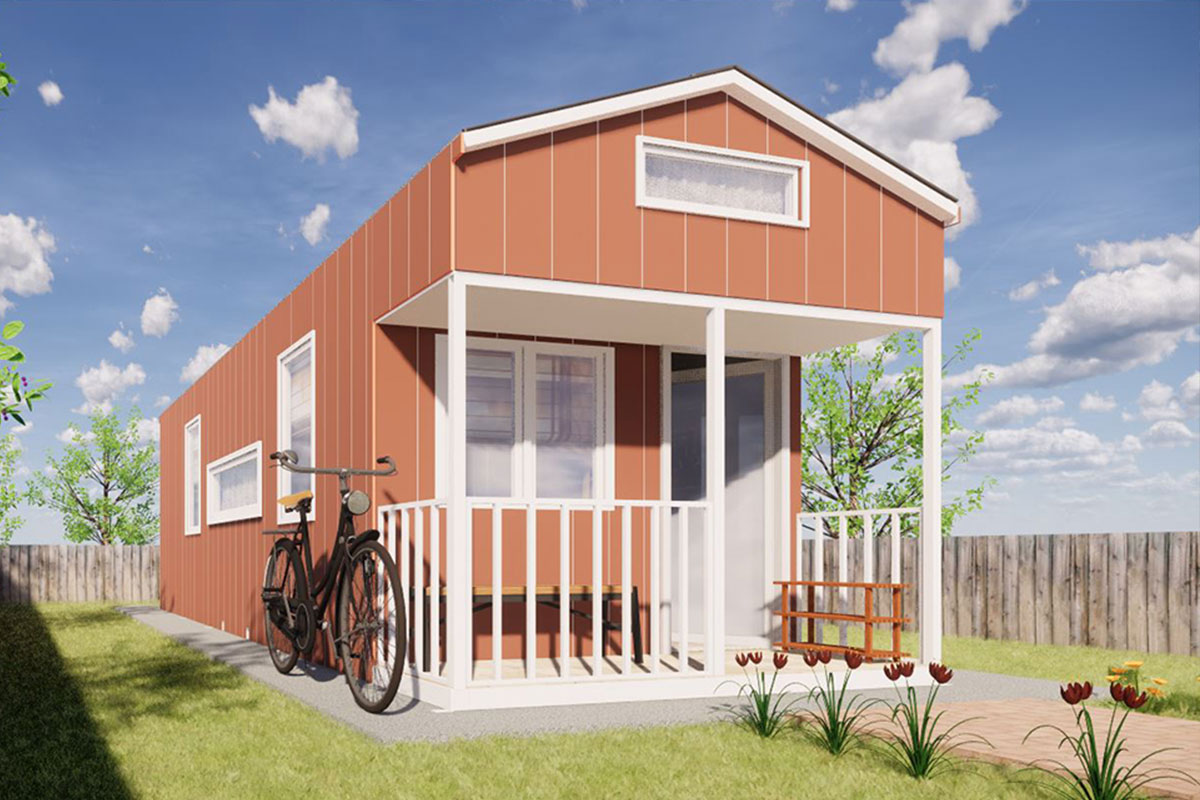
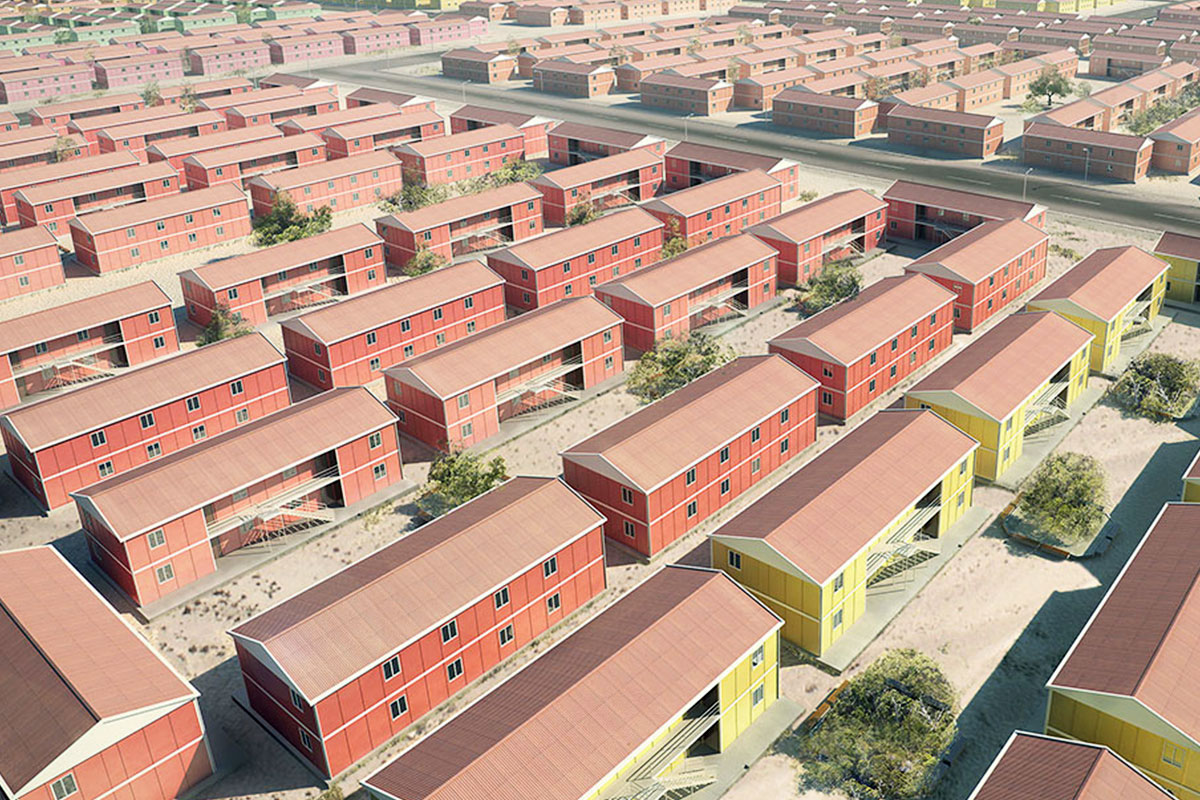
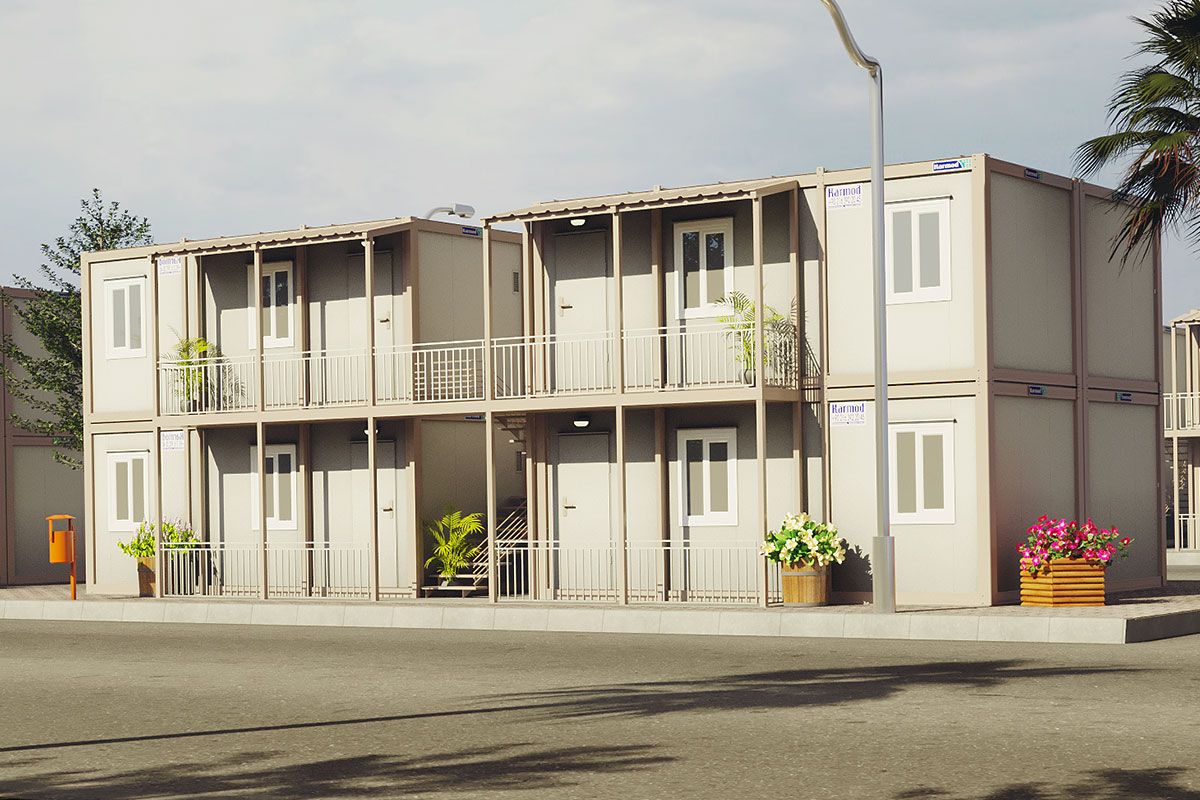
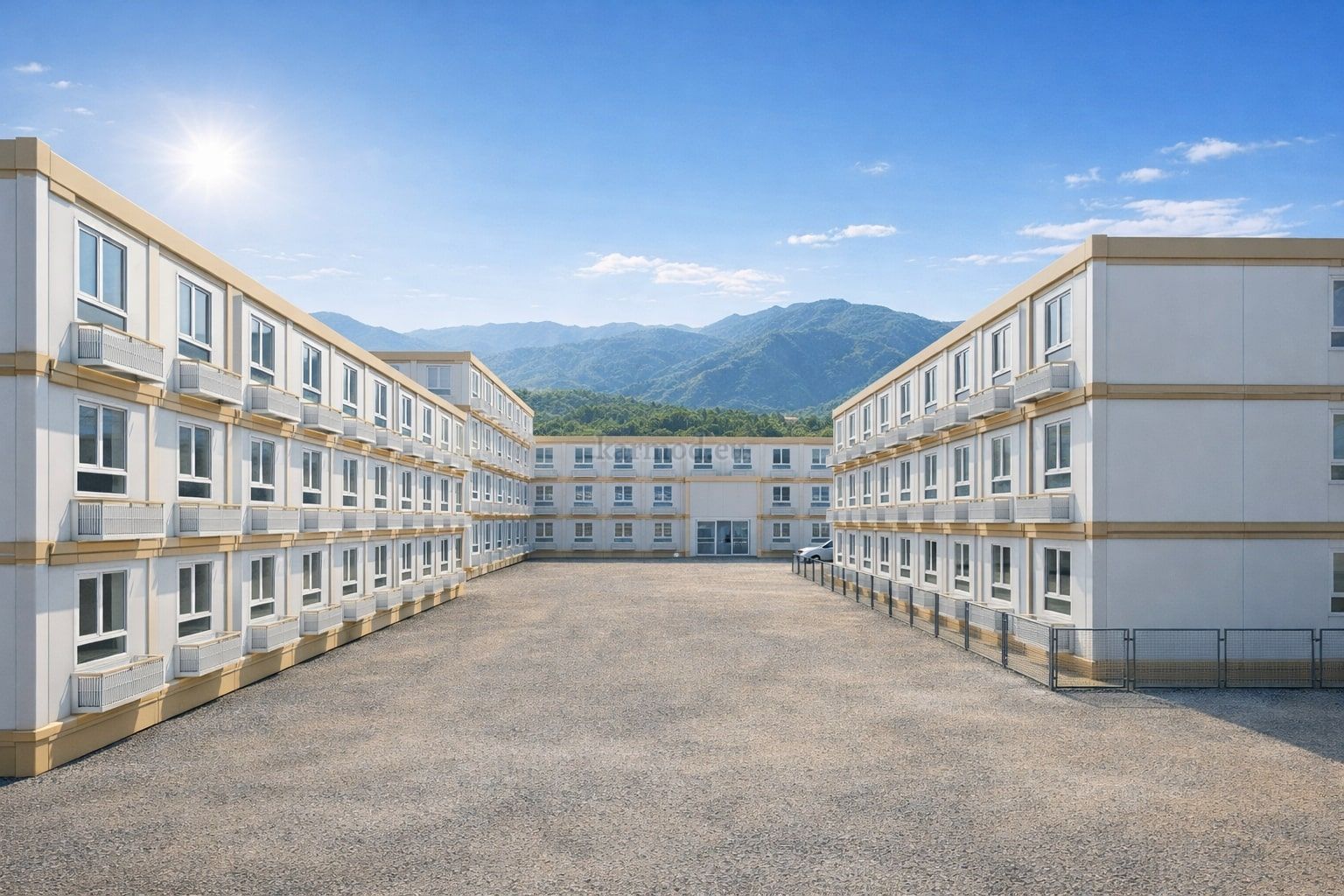
Modular buildings are based on fully or semi-completed volumetric modules produced in a factory. These modules are transportable, can be combined in various configurations, and allow future expansion with minimal disruption. In Iraq, modular buildings are frequently preferred for construction camps, worker accommodation, and rapidly deployed operational facilities.
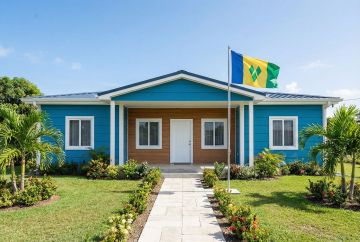
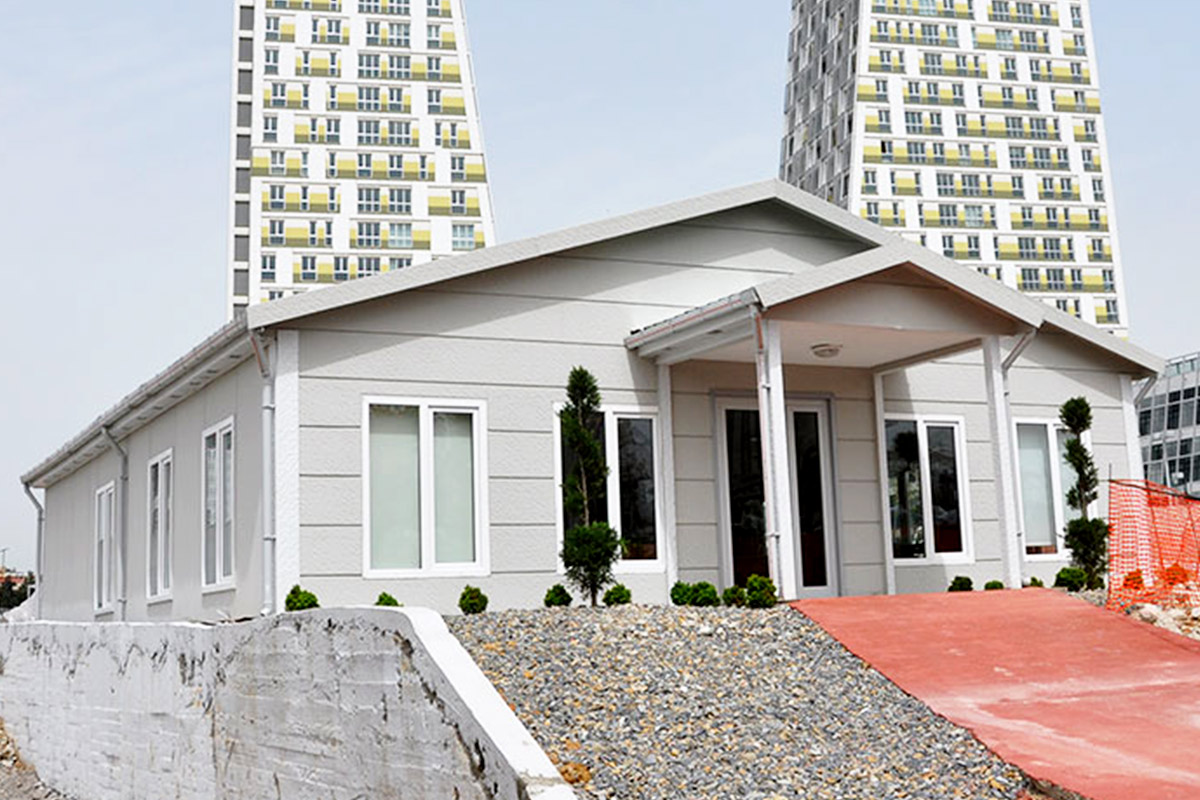
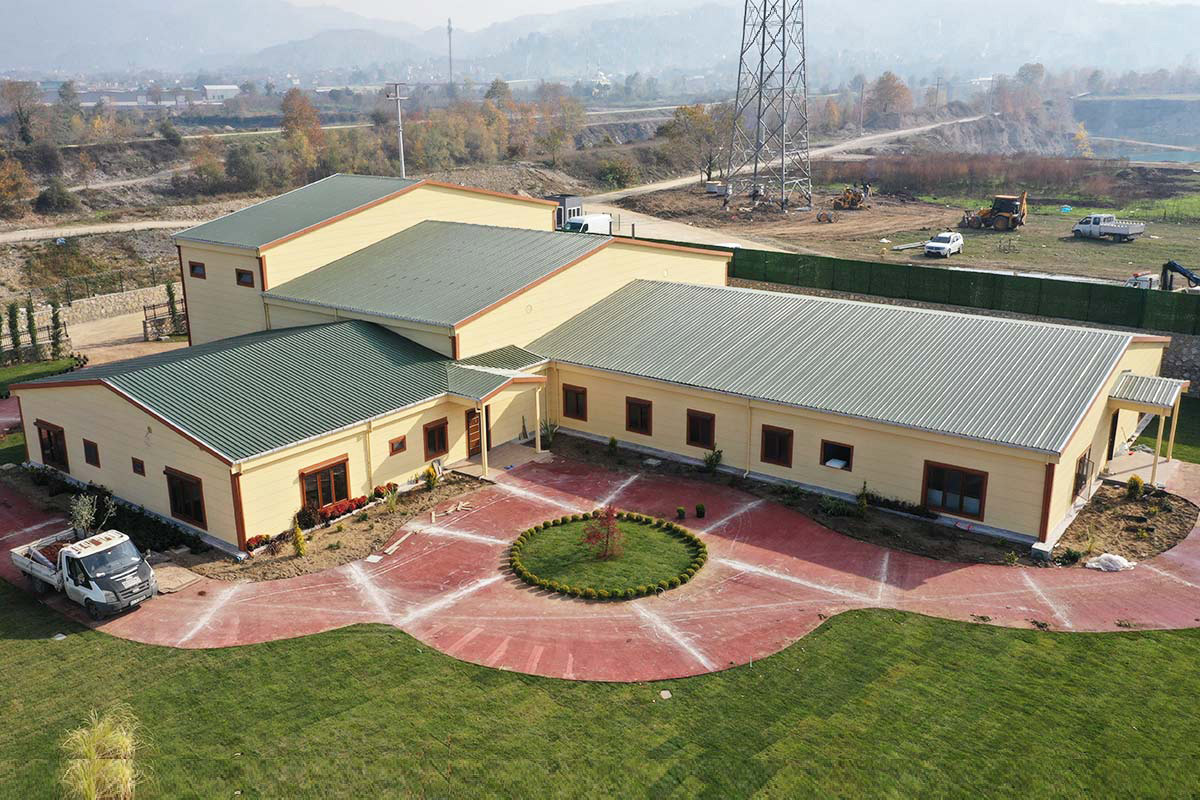
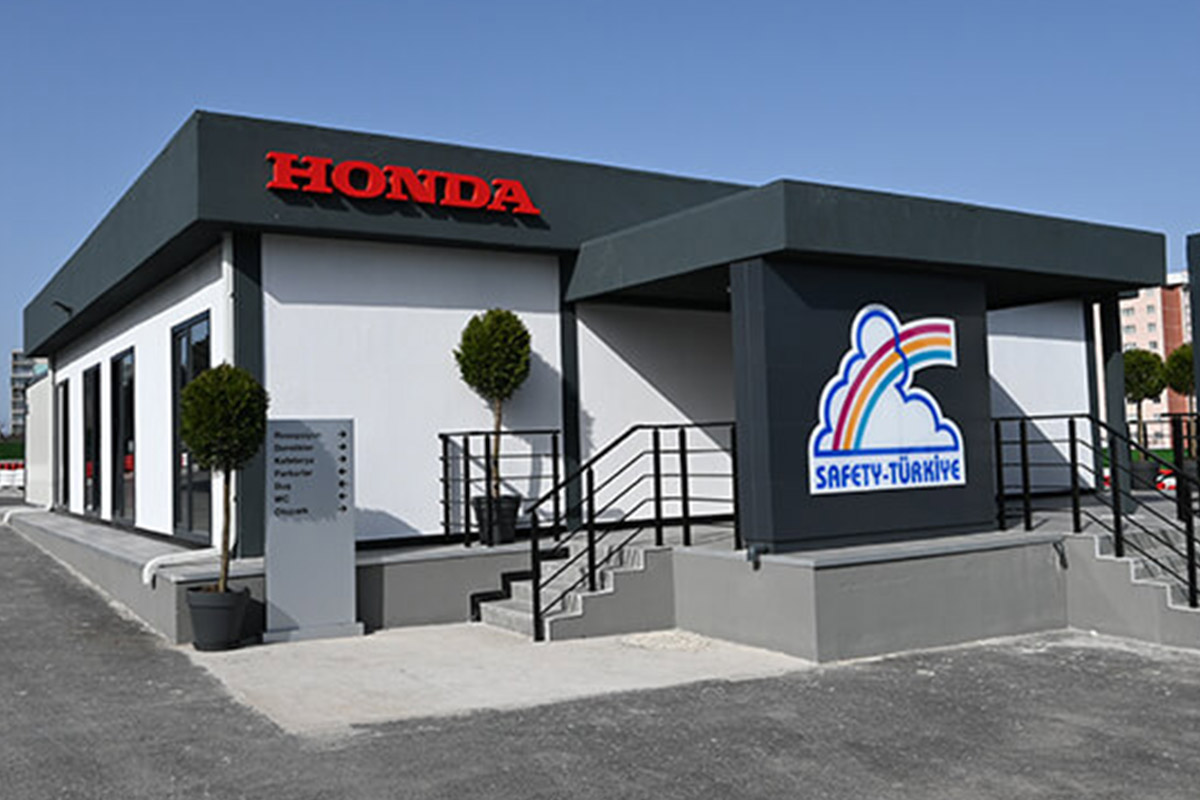
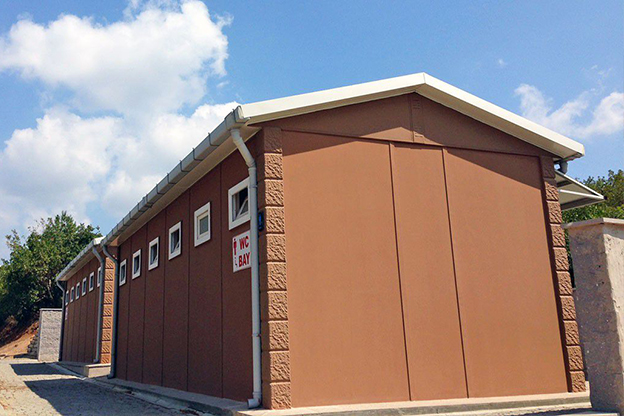
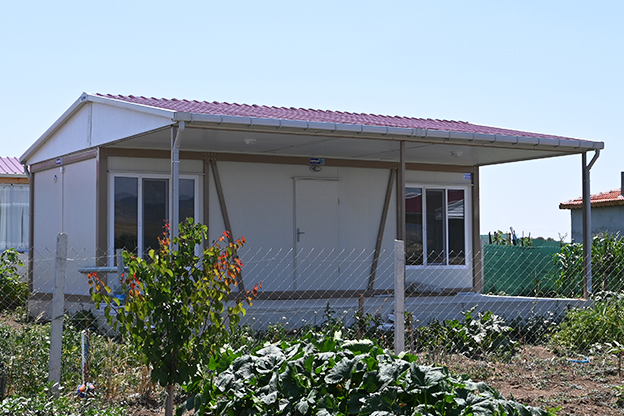
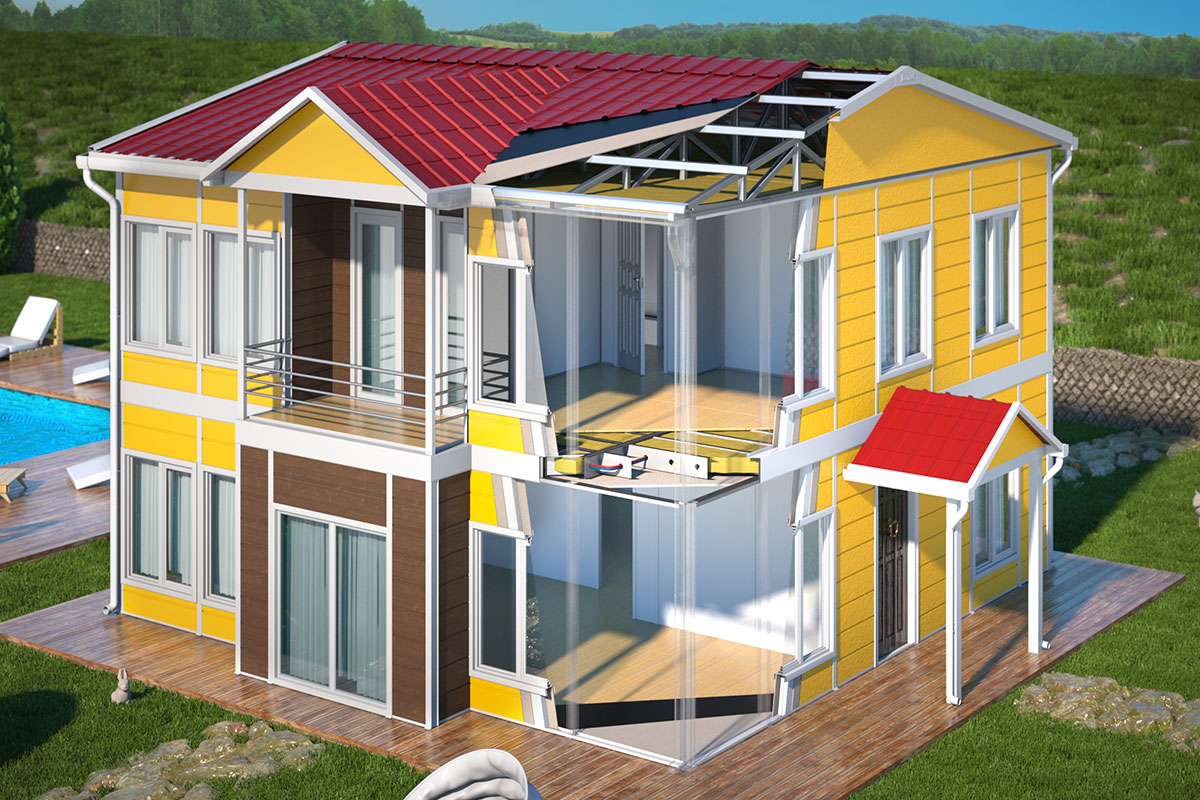
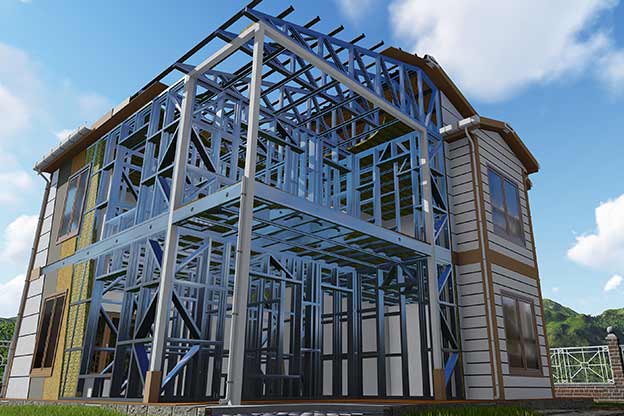
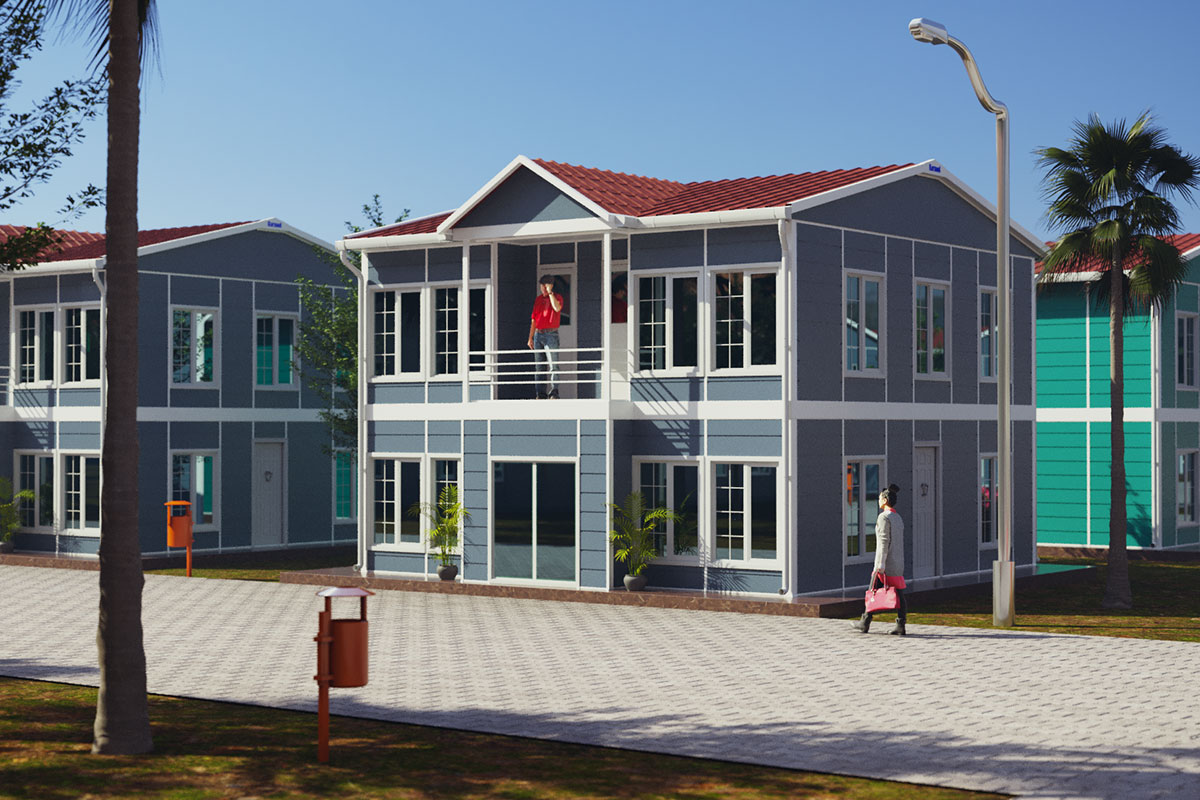
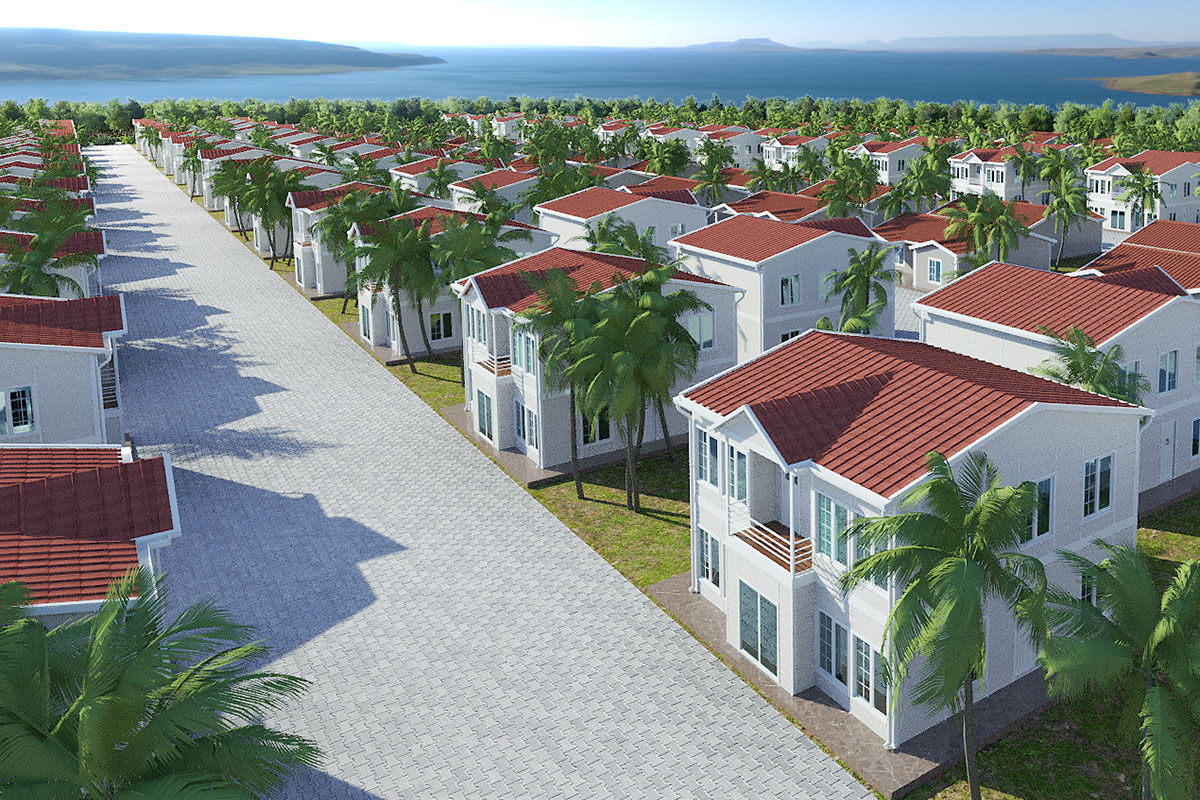
Prefabricated building systems, on the other hand, rely on panels or structural components manufactured off-site and assembled at the project location. This system is typically associated with more permanent buildings such as schools, healthcare units, or administrative facilities where architectural integration and long-term use are priorities.
In practice, project owners in Iraq often choose modular buildings for speed and flexibility, while prefabricated building systems are selected for projects with defined lifespans and permanent land allocation. The decision is rarely about one being superior, but about aligning the system with operational goals.
Applications of Modular and Prefabricated Buildings in Iraq
Across Iraq, these building systems are used in a wide range of applications:
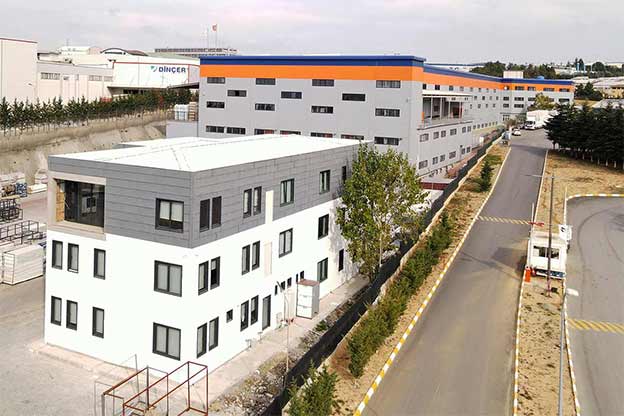
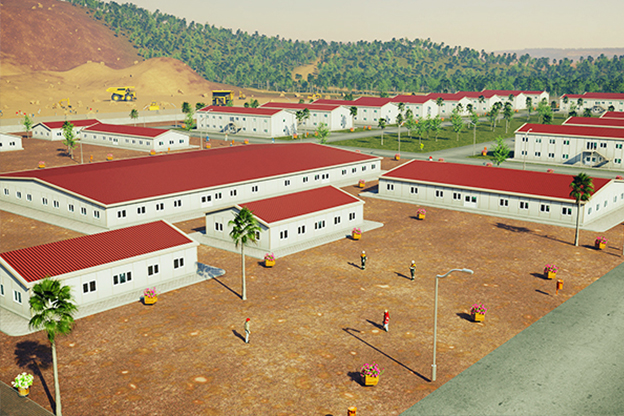
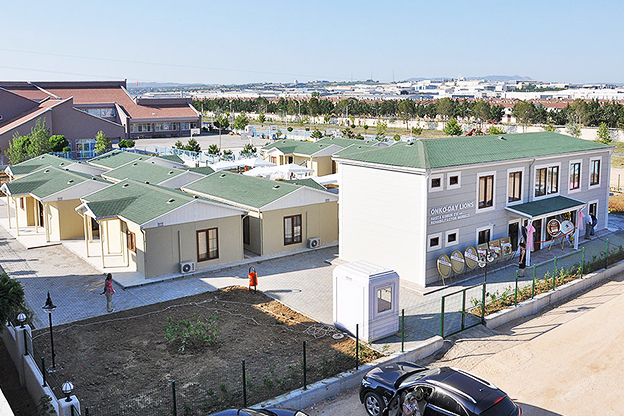
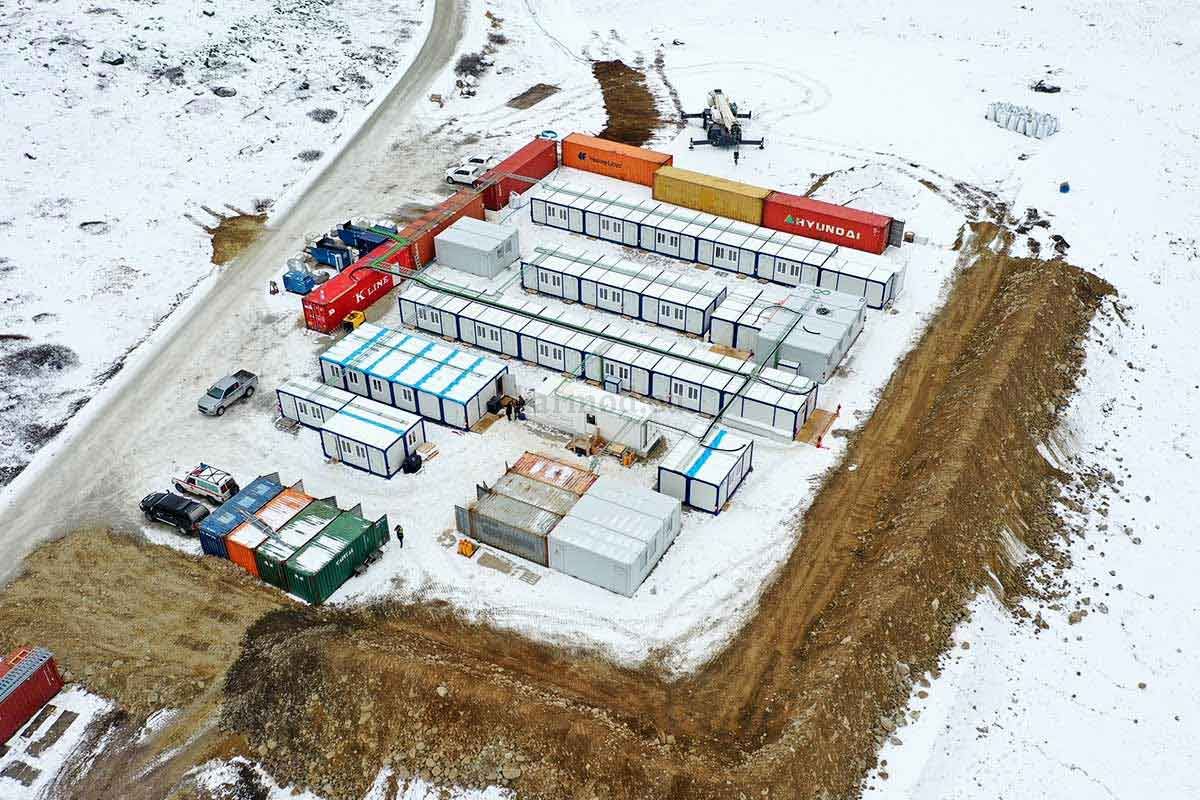
- Site offices & construction camps supporting infrastructure, energy, and industrial projects
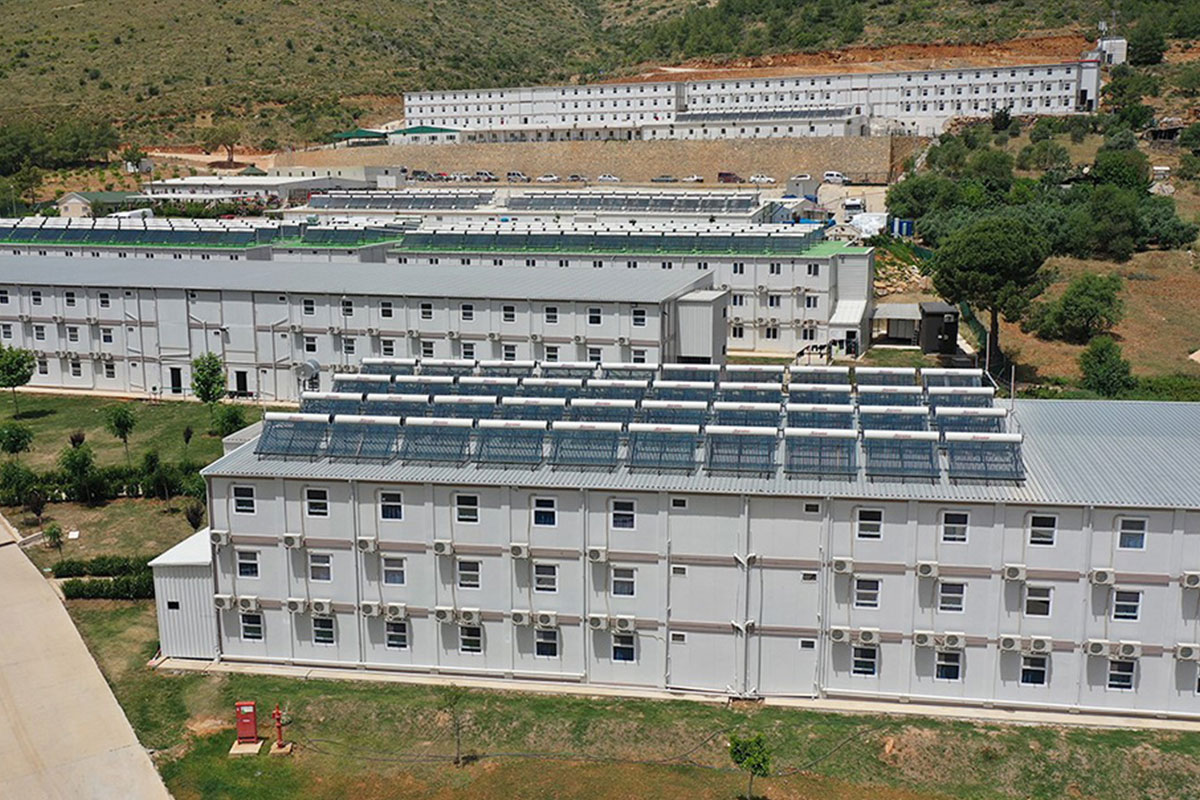
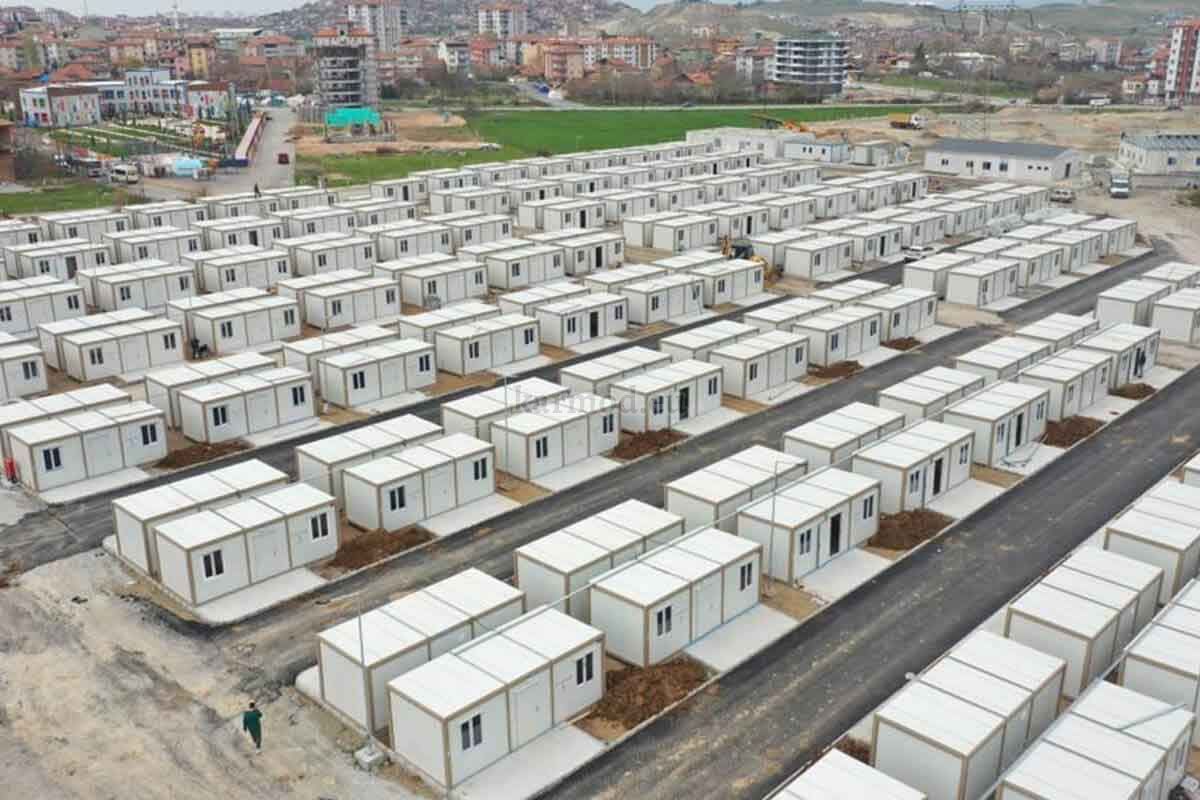
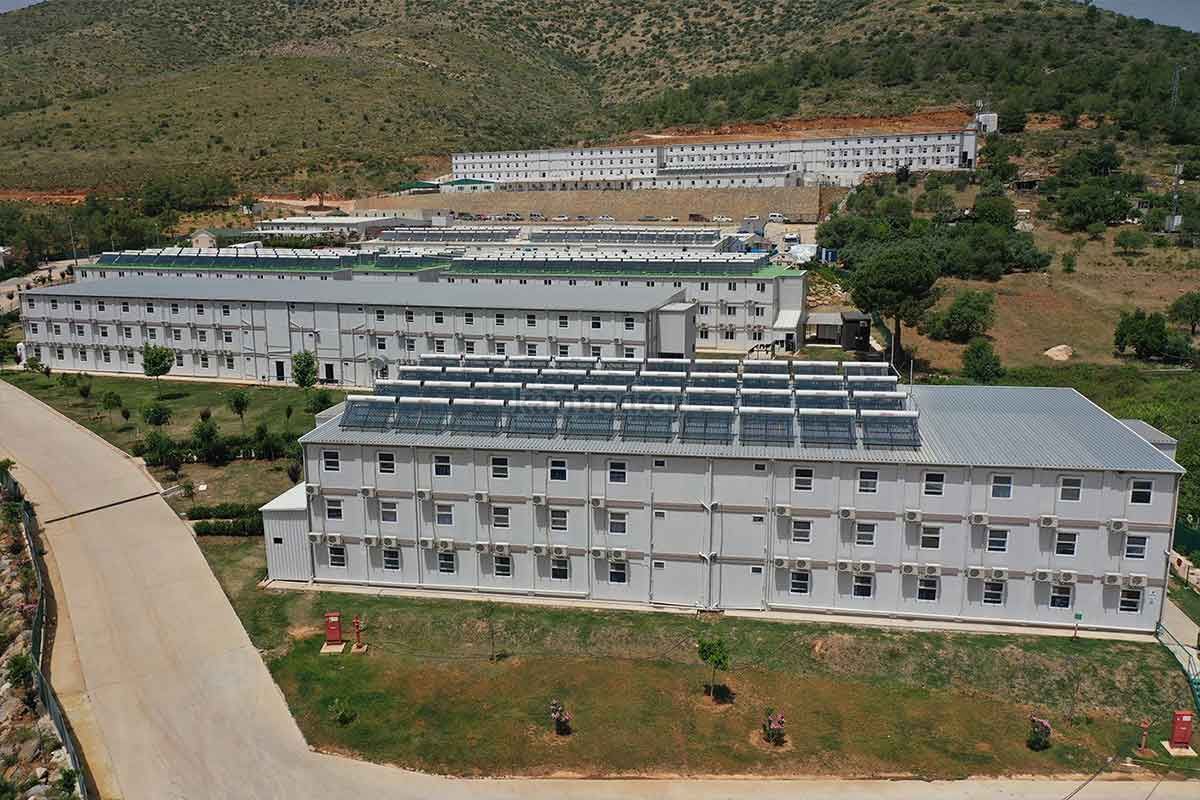
- Worker accommodation buildings designed for comfort, safety, and long-term use
- Temporary schools & healthcare units responding to regional capacity needs
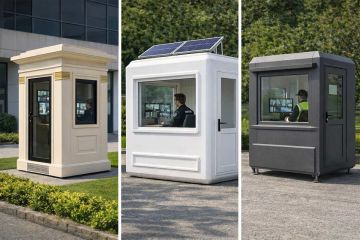
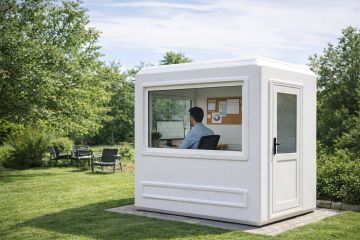
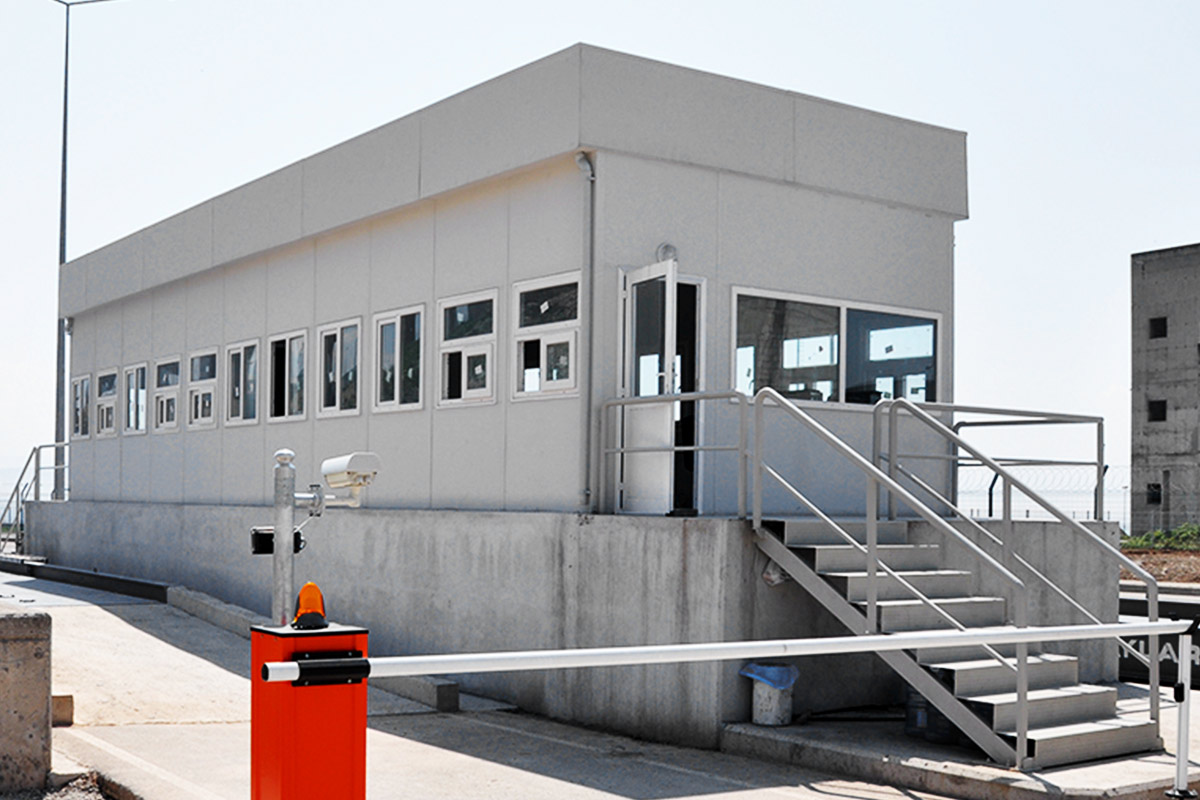
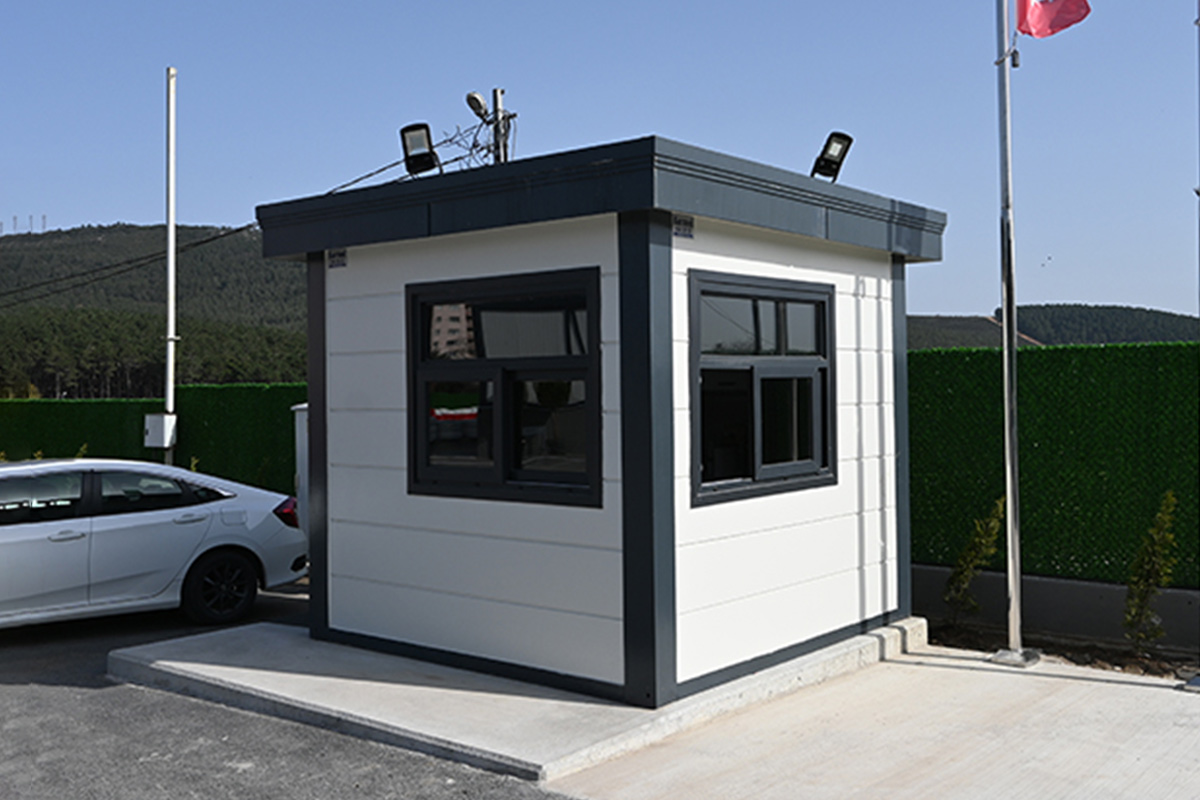
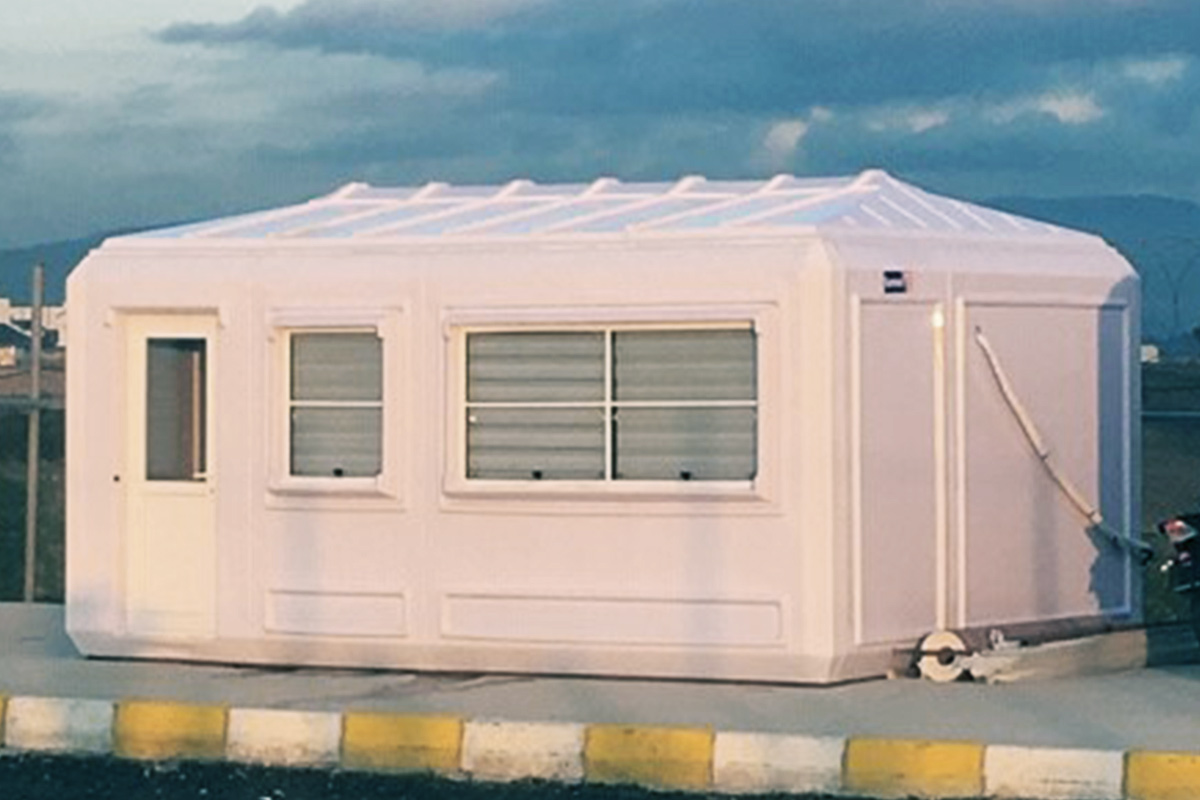
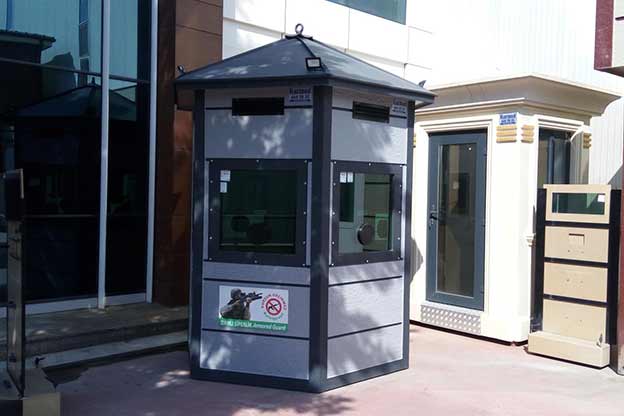
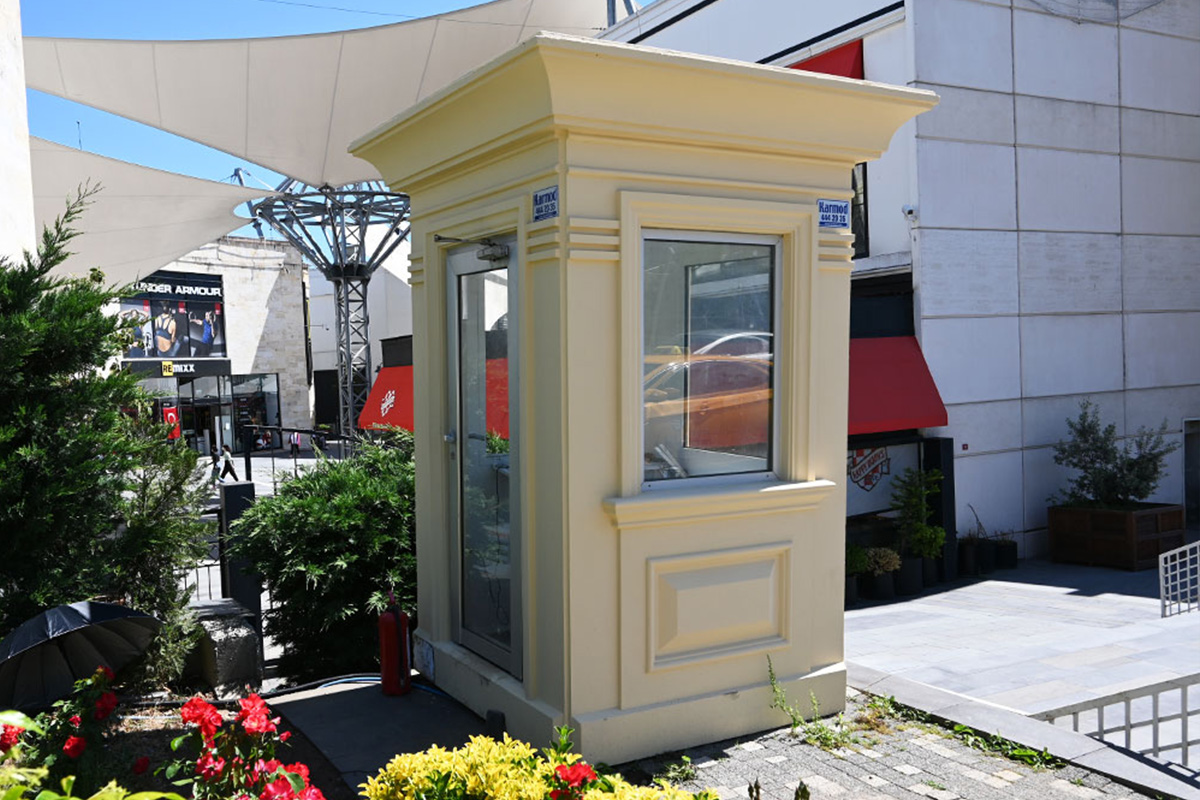
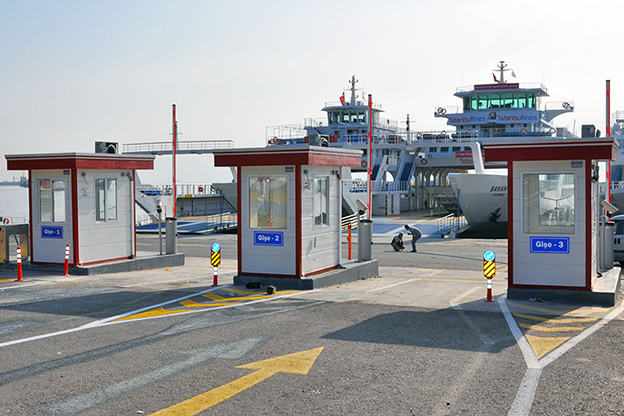
- Security buildings & technical units for controlled access points and sensitive operations
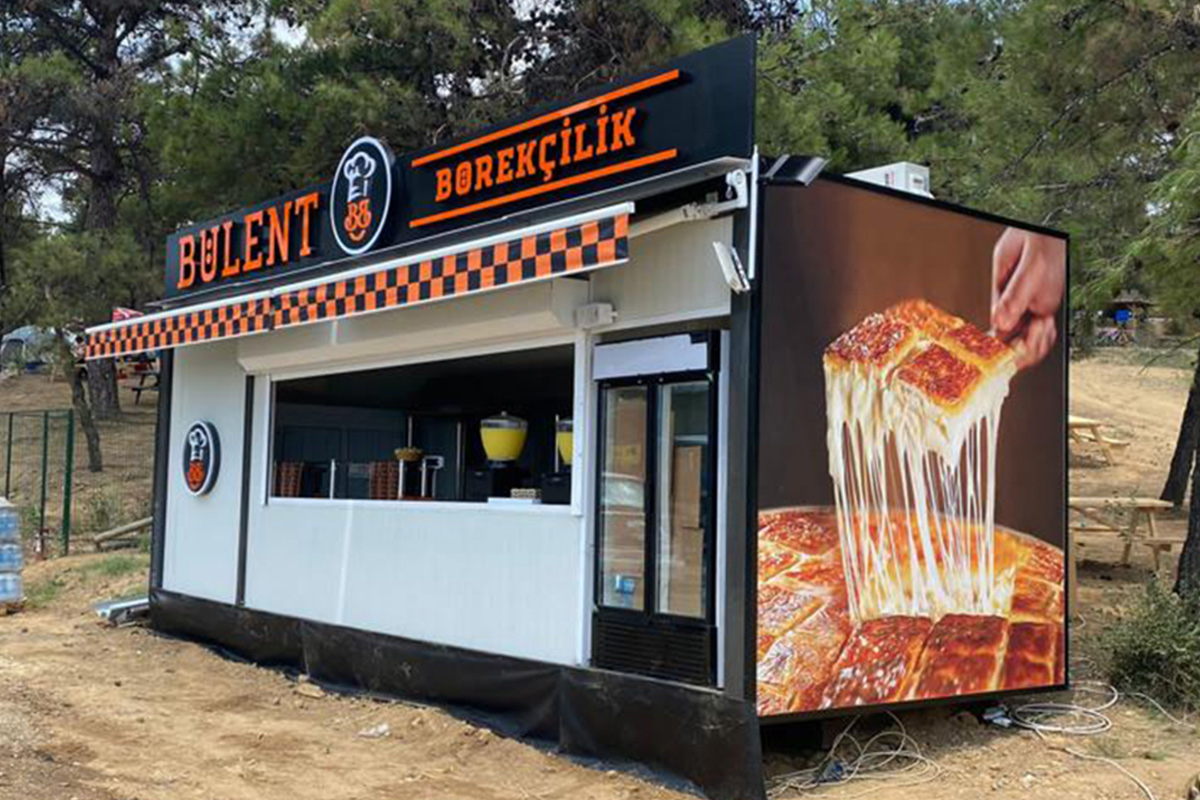
- Storage and logistics facilities serving ports, borders, and industrial zones
These applications highlight why flexibility, repeatability, and controlled production are highly valued in the Iraqi market.
From Design to Installation: How the Process Works
The effectiveness of modular and prefabricated construction depends on a structured process rather than ad-hoc delivery.
The process begins with project needs analysis, where functional requirements, capacity expectations, and site conditions in Iraq are clearly defined. This stage ensures the building system aligns with both immediate and future use.
Next comes custom design and specifications. Layouts, insulation levels, and technical details are adapted to climate conditions and regulatory expectations. At this stage, experienced manufacturers can optimize designs for transport and installation efficiency.
Factory production follows, allowing consistent quality control and predictable timelines. Unlike traditional construction, weather and site disruptions have minimal impact during this phase.
Once completed, units or components are prepared for delivery to Iraq, with logistics planning tailored to border procedures and site accessibility.
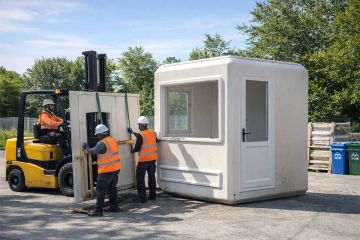
Finally, on-site installation is carried out efficiently, often within days rather than months, enabling faster operational readiness.
Key Considerations for Modular Buildings in Iraq
Thermal insulation is critical due to Iraq’s temperature extremes. Proper wall, roof, and floor systems directly affect energy consumption and indoor comfort.
Fire safety standards must be integrated from the design stage, particularly for worker accommodation and public-use buildings. Factory-built systems allow consistent implementation of fire-resistant materials and layouts.
Climate suitability goes beyond heat. Dust, wind, and regional weather patterns influence material selection and façade design.
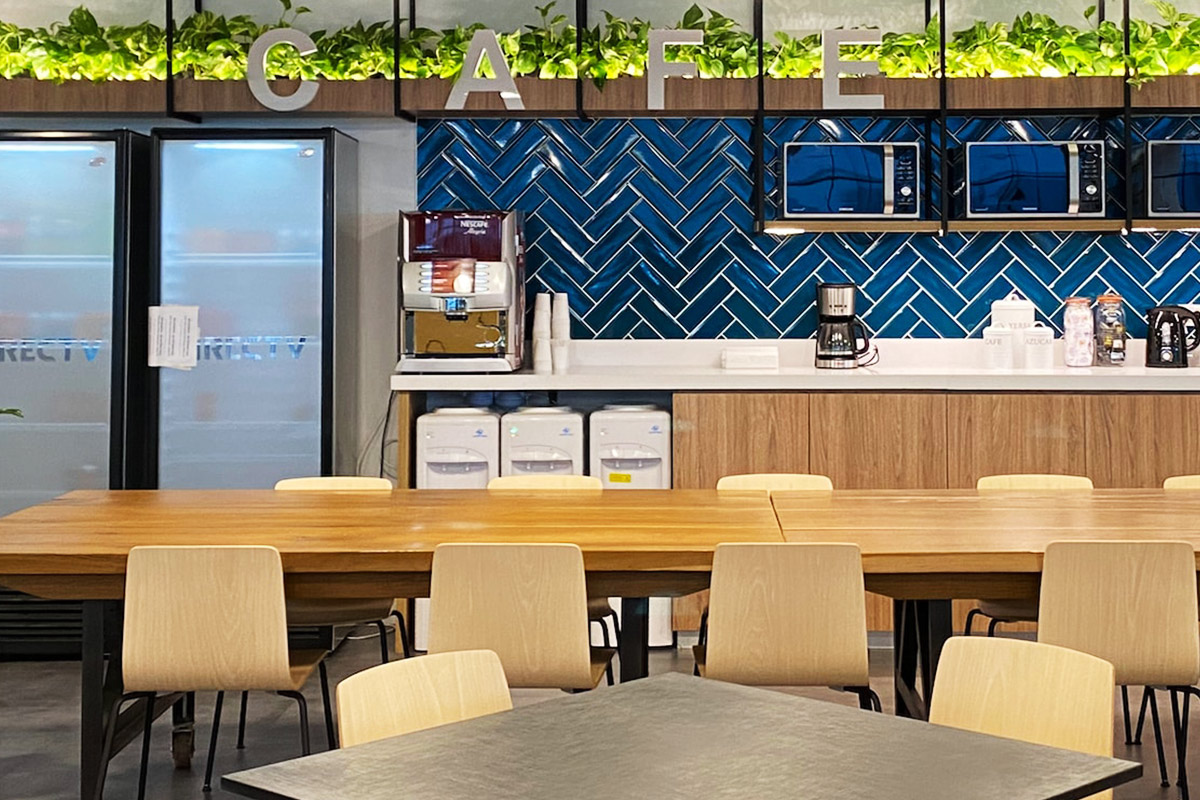
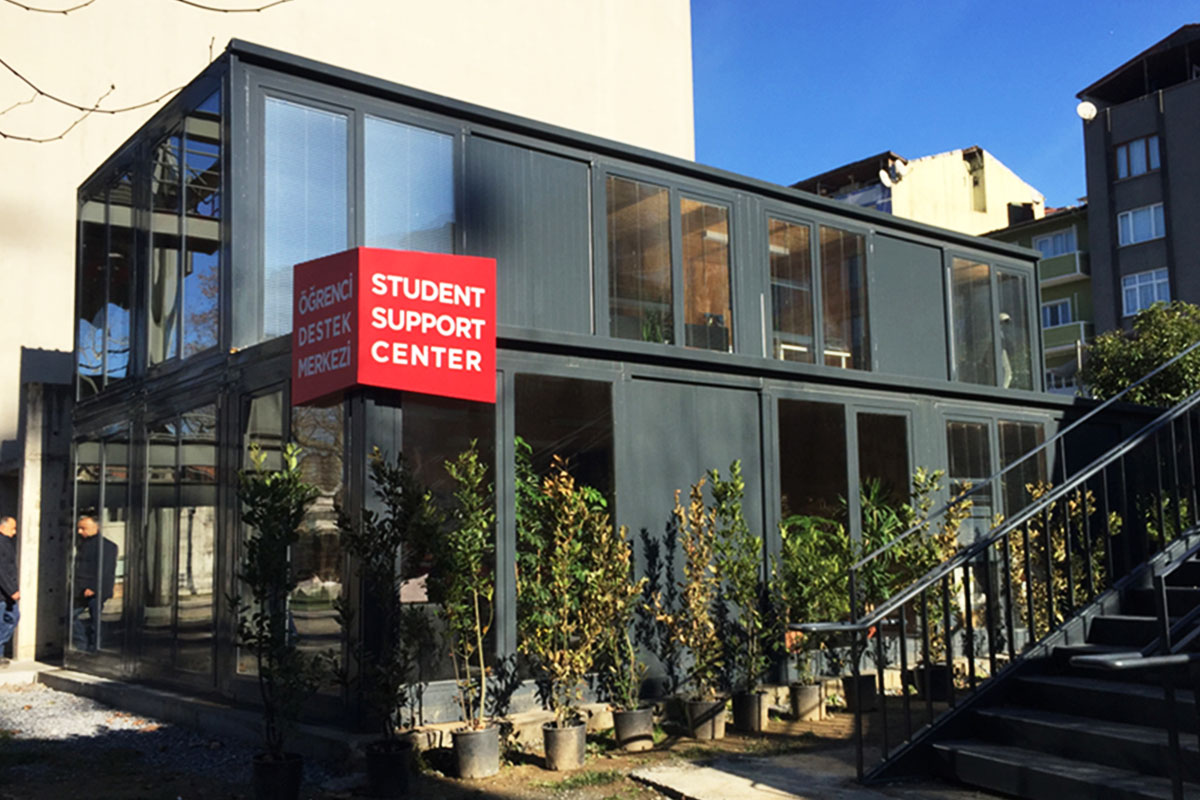
Custom layouts ensure that buildings support actual workflows rather than forcing operations to adapt to generic plans. This is especially important for administrative units, medical facilities, and security buildings.
With extensive international project experience, Karmod applies disciplined engineering and industrialized production principles to projects in Iraq. Karmod modular building solutions are designed to adapt to demanding climates and complex operational requirements, delivering structures that balance speed with long-term usability rather than short-term fixes.
For organizations operating in Iraq, modular buildings and prefabricated building systems represent practical construction methods aligned with real project constraints—supporting faster delivery, predictable performance, and controlled risk from planning through operation.